Navigating the complex waters of modern relationships requires a keen eye for behavioral patterns that may signal deeper issues. Identifying these specific traits early can provide clarity and help protect emotional well-being before deep attachments form. This comprehensive guide outlines the most common indicators found in partnerships involving narcissistic personality traits.
Love Bombing

The relationship begins with an overwhelming amount of affection and attention that feels intense and immediate. Grand romantic gestures and constant communication create a false sense of deep intimacy within weeks or even days. This tactic effectively disarms the partner and encourages them to lower their boundaries quickly. The narcissist uses this phase to secure emotional dependency before the dynamic shifts.
Gaslighting

Reality becomes distorted as the partner is told their memories or perceptions are incorrect or imagined. This gradual manipulation causes the victim to question their own sanity and judgment over time. Denying events that definitely occurred destabilizes the partner’s confidence and increases reliance on the narcissist’s version of truth. It serves as a powerful tool to deflect accountability and maintain control.
Triangulation

A third person is introduced into the dynamic to create jealousy or insecurity within the relationship. This outsider might be an ex, a friend, or even a complete stranger mentioned in passing. The purpose is to make the partner compete for attention and feel easily replaceable. This strategy keeps the partner off balance and eager to prove their worth.
The Silent Treatment

Communication is abruptly cut off as a form of punishment for perceived slights or disobedience. This refusal to engage forces the partner to apologize or plead just to restore normalcy. It creates an environment of anxiety where the partner fears triggering another shutdown. The silence is not a need for space but a calculated maneuver to exert dominance.
Future Faking

Detailed promises about a shared life are made early on to foster a strong emotional bond. Discussions about marriage, children, or dream homes occur long before the relationship warrants such seriousness. These fantasies rarely materialize and are used primarily to keep the partner hooked during difficult times. The allure of this potential future often clouds present judgment regarding poor treatment.
Word Salad

Conversations often descend into circular and confusing monologues that leave the partner mentally exhausted. The narcissist uses complex or nonsensical arguments to distract from the original issue. This technique ensures that no conflict is ever resolved and the partner eventually gives up trying. Clarity is intentionally sacrificed to avoid taking responsibility for actions.
Smear Campaigns

The narcissist preemptively spreads false or exaggerated stories to friends and family. This ensures that the partner has no support system if they decide to speak out about the abuse. Painting the partner as unstable or crazy protects the narcissist’s public image. It isolates the victim further by turning their own social circle against them.
Projection

Negative traits or behaviors of the narcissist are accused of being present in the partner. A cheating narcissist might constantly accuse their faithful partner of infidelity without evidence. This defensive mechanism shifts the focus away from their own wrongdoing and places the burden of defense on the victim. It creates a confusing reality where the innocent party feels guilty.
Grandiosity

An inflated sense of self-importance manifests through constant boasting and exaggeration of achievements. The individual believes they are superior to others and destined for greatness that ordinary people cannot understand. This arrogance often masks a fragile self-esteem that requires constant external validation. They expect special treatment and adherence to their rules simply because of who they believe they are.
Entitlement

There is an unreasonable expectation of favorable treatment and automatic compliance with their wishes. The narcissist believes they deserve the best of everything regardless of the cost to others. Denial of these expectations results in anger or shock that the world does not cater to them. This attitude disregards the needs and time of the partner completely.
Victim Playing

When confronted with their behavior, the narcissist immediately flips the script to appear as the injured party. They recount past traumas or hardships to evoke sympathy and distract from the current conflict. This manipulation ensures they never have to apologize or change their actions. The partner ends up comforting the abuser instead of receiving an apology.
Moving Goalposts

Expectations in the relationship constantly shift so that the partner can never truly succeed or feel secure. Just as the partner meets one demand, the requirements change to something more difficult or contradictory. This keeps the partner in a state of perpetual striving and feeling inadequate. It ensures the narcissist remains the judge of worthiness.
Isolation

The partner is slowly separated from friends, family, and support systems through subtle manipulation. The narcissist might claim these people are bad influences or that they do not support the relationship. Cutting these ties makes the partner entirely dependent on the narcissist for social interaction and reality checks. It becomes much harder to leave when there is no one else to turn to.
Hypercriticism

Every action of the partner is scrutinized and judged harshly to erode self-esteem. Comments about appearance, cooking, career, or intelligence are delivered as helpful advice or brutal honesty. This constant negativity makes the partner feel they can never do anything right. Eventually, the partner stops trying to express themselves to avoid the critique.
Public Humiliation

Embarrassing stories or “jokes” at the partner’s expense are shared in social settings to assert dominance. The narcissist enjoys the power of making the partner feel small in front of an audience. If the partner objects, they are told they are too sensitive or have no sense of humor. This public shaming reinforces the power dynamic outside the home.
Financial Abuse

Control over money is seized to limit the partner’s independence and freedom of choice. The narcissist may scrutinize every penny spent or forbid the partner from working. Alternatively, they might spend the partner’s money recklessly while hiding their own assets. This economic dependency makes leaving the relationship a terrifying logistical challenge.
Boundary Violation

Personal limits are repeatedly ignored or trampled upon despite clear communication. Whether it involves physical space or emotional topics, the narcissist sees boundaries as challenges to overcome. They feel entitled to access every part of the partner’s life without restriction. Resistance is met with guilt trips or anger.
Pathological Lying

Deception becomes a way of life involving both major fabrications and pointless small lies. The truth is fluid and changes to suit the narcissist’s immediate needs or image. Confronting these lies leads to more deception or gaslighting to cover the tracks. Trust becomes impossible to maintain in such a dishonest environment.
Hovering

After a breakup or period of distance, the narcissist attempts to suck the partner back in. Random texts or calls appear just as the partner begins to heal and move forward. This is not a genuine attempt at reconciliation but a test of continued access and control. It disrupts the recovery process and reopens old wounds.
The Discard Phase

Once the partner is no longer useful or a new source of supply is found, the relationship ends abruptly. The partner is dropped with callous indifference and without closure or explanation. This brutal exit leaves the victim reeling and confused by the sudden lack of emotion. It highlights that the partner was viewed as an object rather than a person.
Narcissistic Rage

Any perceived criticism or slight triggers an explosive and disproportionate emotional reaction. This rage can manifest as screaming, throwing objects, or icy verbal assaults. The intensity of the anger is designed to terrify the partner into submission. It serves as a warning never to challenge the narcissist again.
Idealization

The early stage of the relationship involves putting the partner on a pedestal as a flawless being. This perfection is an illusion that no human being can possibly maintain for long. The narcissist projects their desires onto the partner rather than seeing them as they are. The inevitable fall from this pedestal leads to harsh devaluation.
Devaluation

The partner suddenly finds themselves unable to do anything right as the pedestal creates way for contempt. Compliments are replaced by insults and warmth is replaced by cold indifference. This shift leaves the partner scrambling to regain the affection of the idealization phase. It is a cycle of reinforcement that creates a trauma bond.
Lack of Closure

Conversations about relationship problems or breakups are never finalized or resolved. The narcissist refuses to give straight answers or acknowledge the pain they have caused. This ambiguity keeps the partner mentally tethered to the relationship long after it ends. It creates a lingering hope that things might be fixed or explained one day.
Emotional Blackmail

Threats and guilt are used to manipulate the partner into compliance with demands. Phrases suggesting self-harm or ending the relationship are common leverage tactics. The partner feels held hostage by the fear of what might happen if they refuse. This coercion replaces healthy negotiation and compromise.
Cognitive Dissonance

The partner experiences mental stress from holding two contradictory beliefs about the narcissist. They see the charming public persona and the abusive private reality simultaneously. This confusion makes it difficult to trust one’s own perception of the relationship. The mind struggles to reconcile the person who claims to love them with the person hurting them.
Walking on Eggshells

Daily life becomes a careful navigation to avoid triggering a negative reaction. The partner constantly monitors their words and tone to keep the peace. The atmosphere in the home is tense and unpredictable. Relaxation is impossible when anticipating the next outburst.
Double Standards

Rules that are strictly enforced for the partner do not apply to the narcissist. They may demand total fidelity while flirting openly with others. This hypocrisy is defended with irrational logic or anger if questioned. The relationship is fundamentally unequal in its expectations.
Excessive Envy
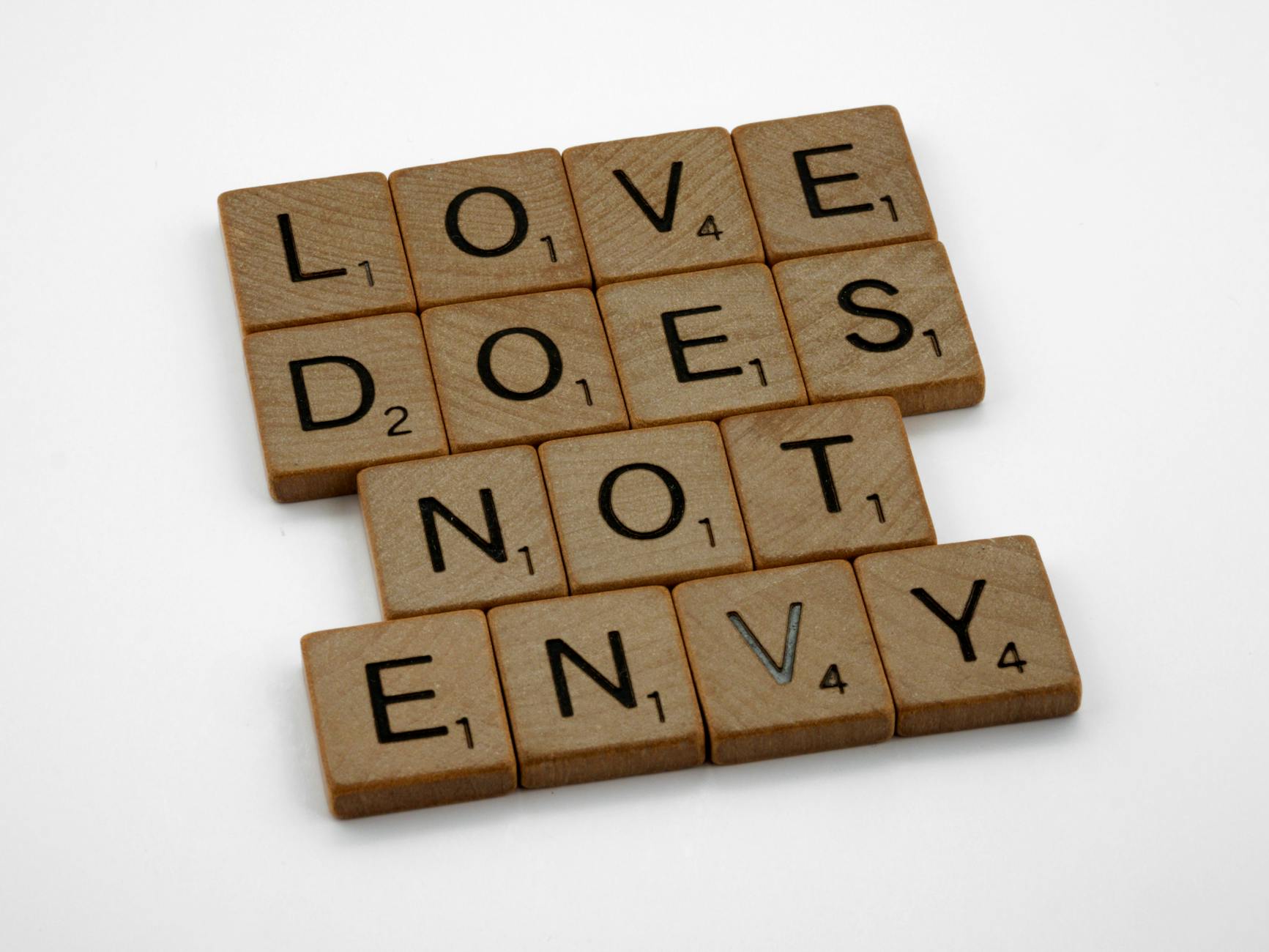
The narcissist expresses deep jealousy of others’ success while believing everyone is jealous of them. They cannot celebrate the partner’s achievements without diminishing them or making it about themselves. This envy drives much of their competitive and critical behavior. They view life as a zero-sum game where another’s win is their loss.
Need for Validation

There is a bottomless hunger for praise and admiration that the partner must constantly feed. No amount of compliments is ever enough to fill the internal void. If the supply of attention drops, the narcissist becomes sullen or seeks it elsewhere. The relationship revolves around servicing this fragile ego.
Superficial Charm

Strangers and acquaintances are often charmed by the narcissist’s charisma and polished social skills. This public persona contrasts sharply with the cruelty shown behind closed doors. The partner feels isolated because outsiders see only the “nice” version of the abuser. It makes reporting the behavior feel difficult or unbelievable.
Exploitation

People are viewed primarily as tools to achieve goals or gain status. The narcissist has no qualms about using the partner’s resources or connections for personal gain. Reciprocity is nonexistent as the taking is always one-sided. Once the utility is exhausted, the person is discarded.
Lack of Accountability

Apologies are rare and usually followed by a justification or a “but” that negates the sentiment. The narcissist views admitting fault as a sign of weakness or submission. Blame is always externalized to the partner or circumstances. Resolving conflicts becomes impossible without mutual responsibility.
Mirroring

The narcissist copies the partner’s interests and values perfectly in the beginning. This mimicry creates the illusion of a soulmate connection where everything is shared. It is a calculated performance to build trust rapidly. The mask eventually slips to reveal a very different personality.
Catastrophizing

Minor issues are blown out of proportion to create drama and crisis. A small mistake by the partner becomes proof of a ruined relationship or terrible character. This constant state of emergency keeps the partner anxious and focused on the narcissist. It drains emotional energy that could be spent elsewhere.
Withholding Affection

Physical intimacy and emotional warmth are given or taken away as rewards and punishments. The partner learns to perform for love rather than experiencing it unconditionally. This conditioning creates a desperate need to please. It turns affection into a currency of control.
Provoking Guilt

The partner is made to feel responsible for the narcissist’s happiness and well-being. Any attempt to prioritize self-care is framed as selfishness or neglect. The narcissist plays the martyr to induce feelings of obligation. Guilt becomes the primary motivator for staying in the relationship.
Chronic Boredom

A constant need for stimulation leads to impulsive behaviors and manufactured drama. Peace and stability are viewed as dull or stagnant by the narcissist. They often sabotage calm moments just to feel a rush of emotion or conflict. The partner is dragged along on this exhausting emotional rollercoaster.
Impulsivity

Decisions regarding money, jobs, or the relationship are made rashly without consulting the partner. The narcissist acts on immediate desires without considering long-term consequences. The partner is often left to clean up the mess or deal with the fallout. This unpredictability destabilizes the foundation of the shared life.
Superiority Complex

The narcissist maintains a firm belief that they are inherently better than everyone else. They speak down to waitstaff and service workers to demonstrate their status. This condescension eventually extends to the partner as the devaluation phase sets in. Respect is demanded but never truly returned.
Tell us which of these signs resonated with your own experiences in the comments.