Your kitchen might look spotless but hidden habits often introduce unseen bacteria and grime into the space where food is prepared. Small oversights during daily cooking routines can compromise the hygiene of your meals and countertops. Recognizing these common mistakes is the first step toward maintaining a truly clean culinary environment. This guide highlights frequent kitchen practices that quietly harbor germs and require immediate adjustment.
Kitchen Sponges
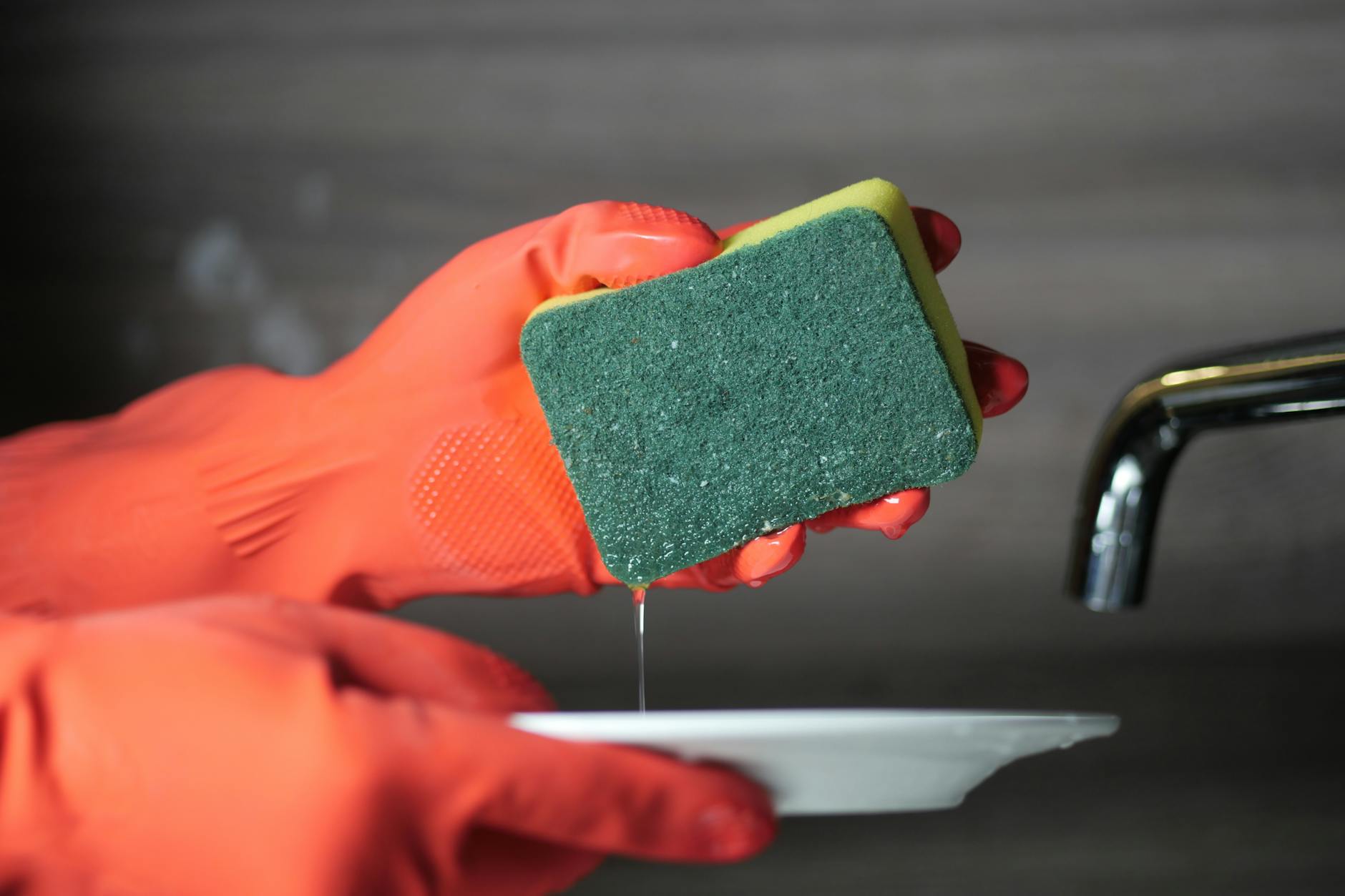
Many people keep kitchen sponges long after they should be discarded. These porous tools trap moisture and food particles to create a perfect environment for bacterial growth. Wiping down counters with an old sponge simply spreads pathogens across surfaces where food is prepared. Replacing sponges weekly or sanitizing them daily prevents this silent spread of contamination.
Dish Towels
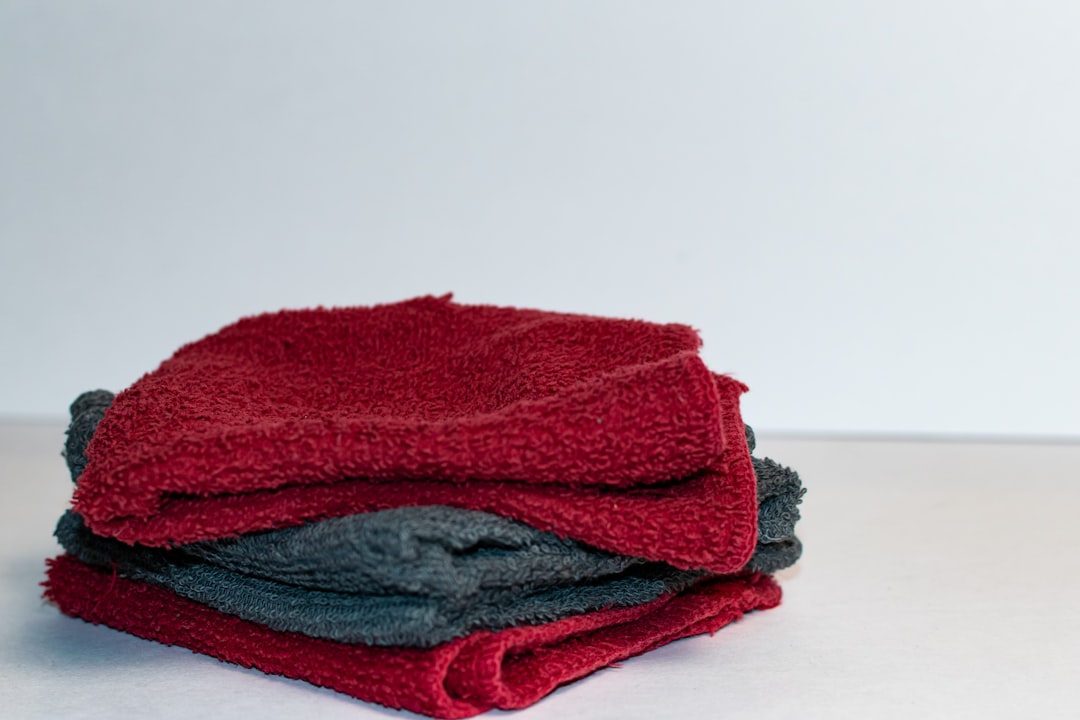
Using the same cloth to dry hands and wipe counters transfers germs rapidly across the kitchen. Moisture lingering in the fabric allows bacteria to multiply rapidly throughout the day. Frequently washing these textiles in hot water eliminates the accumulated grime and odor. Hanging towels properly to dry between uses significantly reduces microbial growth.
Plastic Cutting Boards
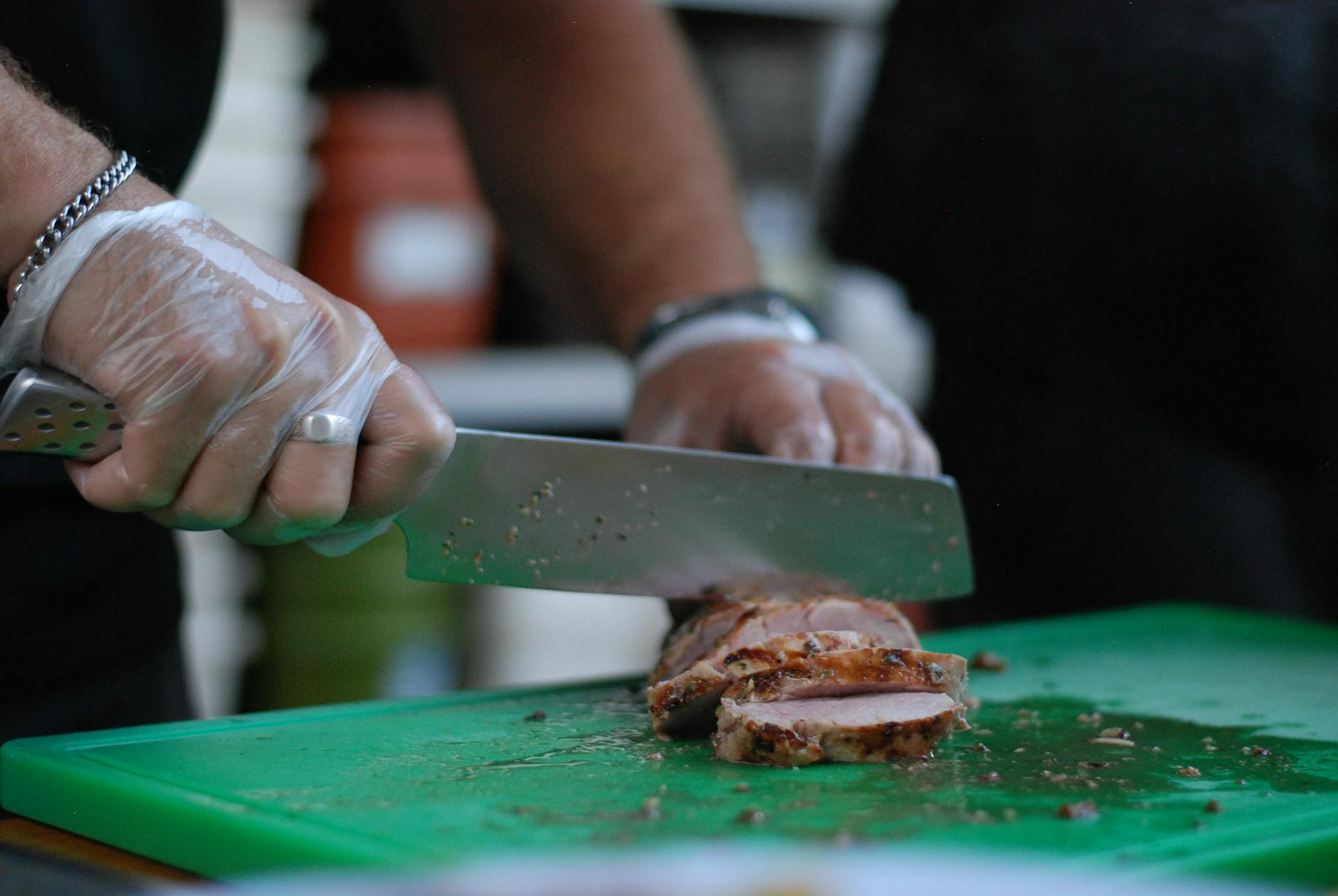
Deep grooves created by knives on plastic surfaces become permanent homes for stubborn food particles. Standard washing techniques often fail to reach the bacteria hiding within these microscopic crevices. Dedicated cutting boards for raw meat and produce prevent cross contamination during meal preparation. Replacing heavily scarred boards ensures a safer surface for slicing ingredients.
Refrigerator Handles
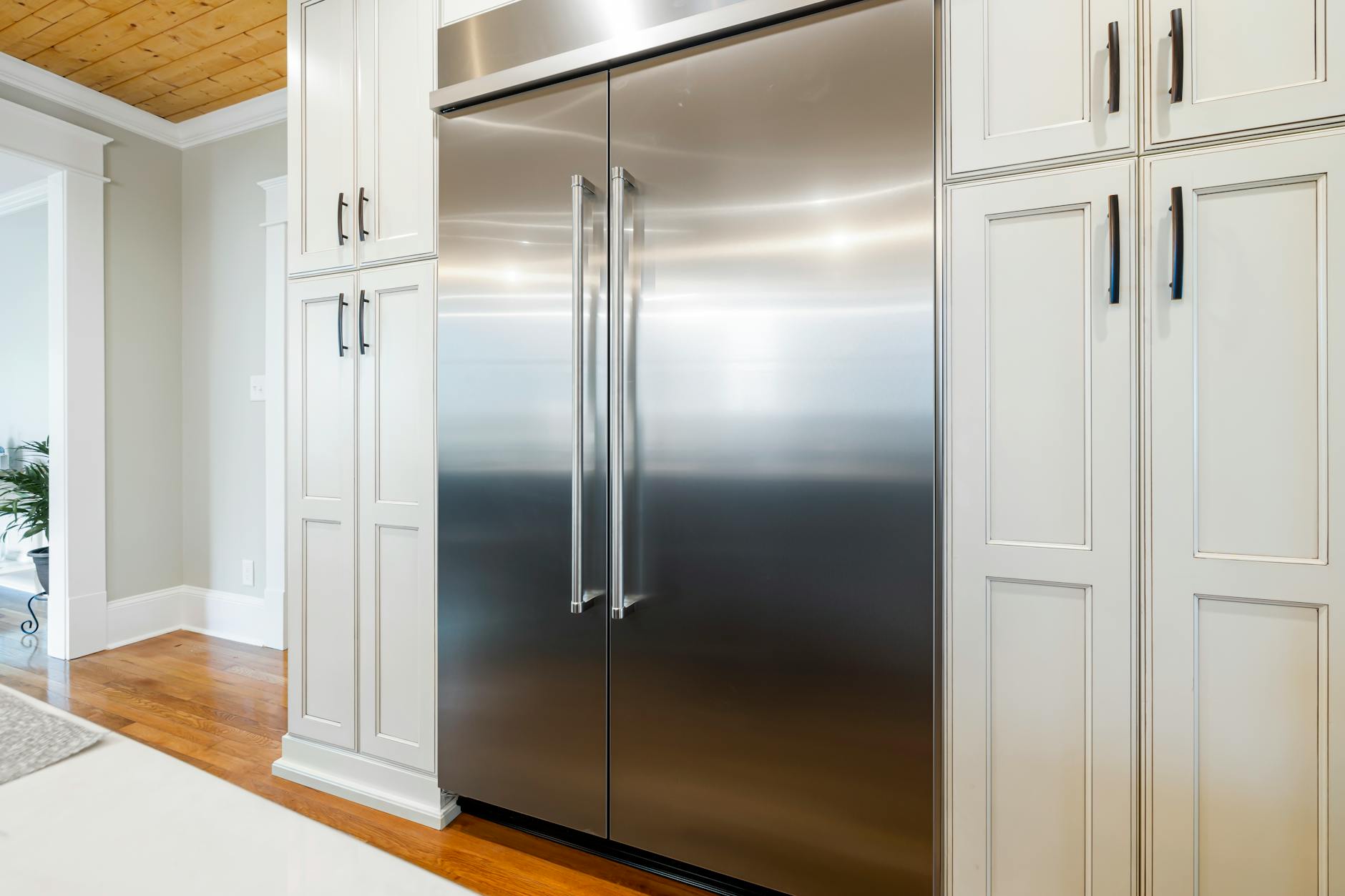
The refrigerator door handle is touched constantly by hands covered in raw food residue. This high traffic contact point rarely receives the immediate cleaning it requires during active cooking. Invisible layers of bacteria transfer from the handle back to clean hands and fresh ingredients. Wiping this surface daily with a sanitizing solution breaks the cycle of contamination.
Kitchen Sink
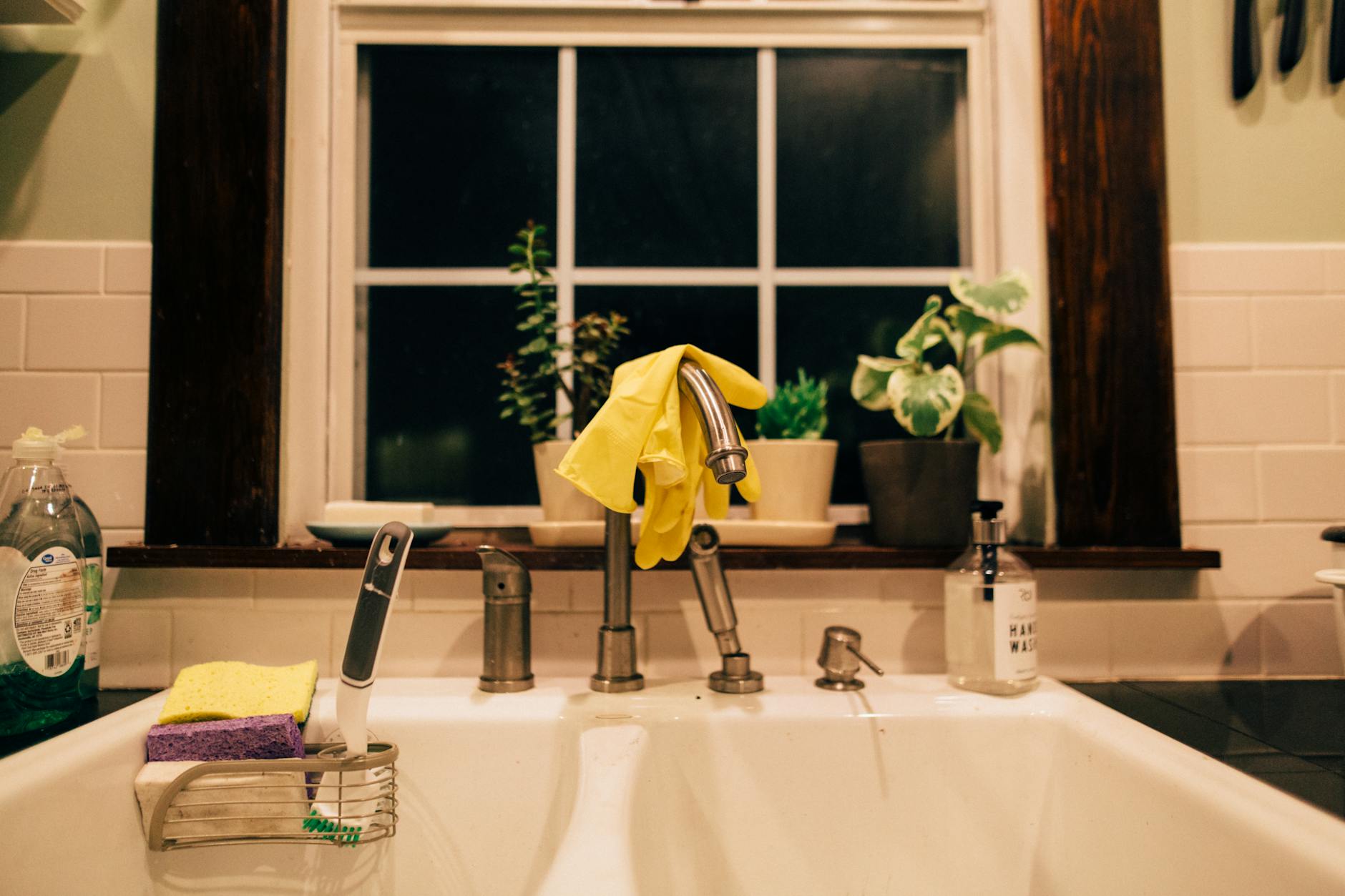
Food scraps and stagnant water make the sink basin one of the dirtiest areas in the home. Rinsing vegetables directly against the bottom of the sink exposes them to accumulated bacteria. Thoroughly scrubbing the stainless steel or porcelain surface with a mild abrasive removes invisible biofilms. A final rinse with a sanitizing spray leaves the area truly ready for safe food preparation.
Can Opener Blade
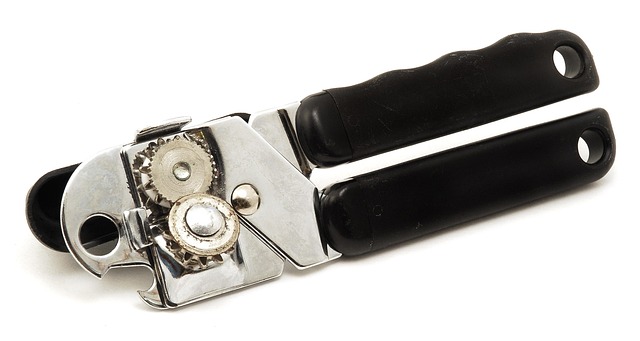
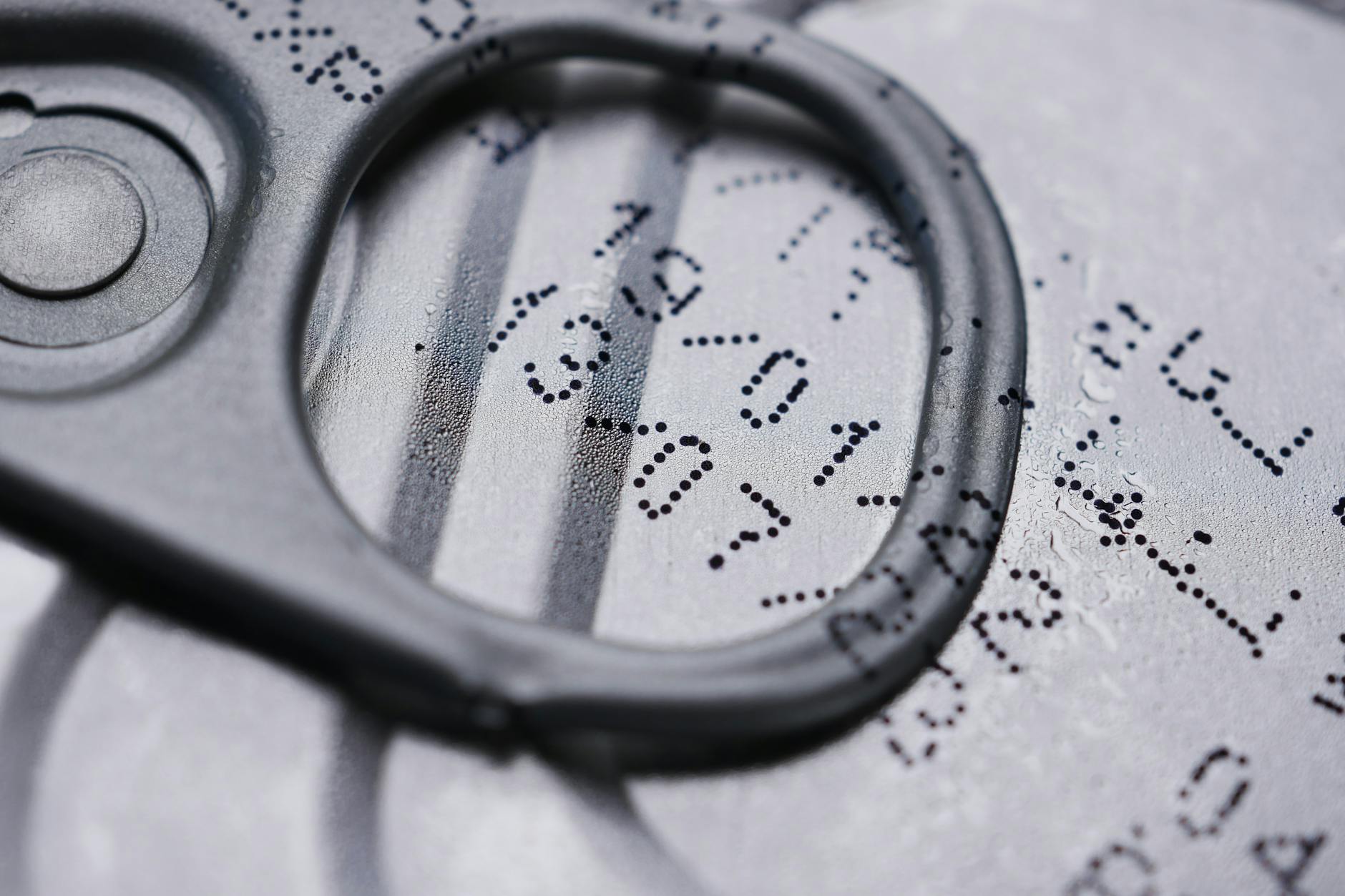
Food residue left on the cutting wheel of a can opener builds up into an unsanitary crust. This forgotten tool directly touches the contents of every new can it opens. Washing the metal gear with hot soapy water after every use prevents cross contamination. Drying the blade completely stops rust formation and maintains the integrity of the tool.
Coffee Maker Reservoir
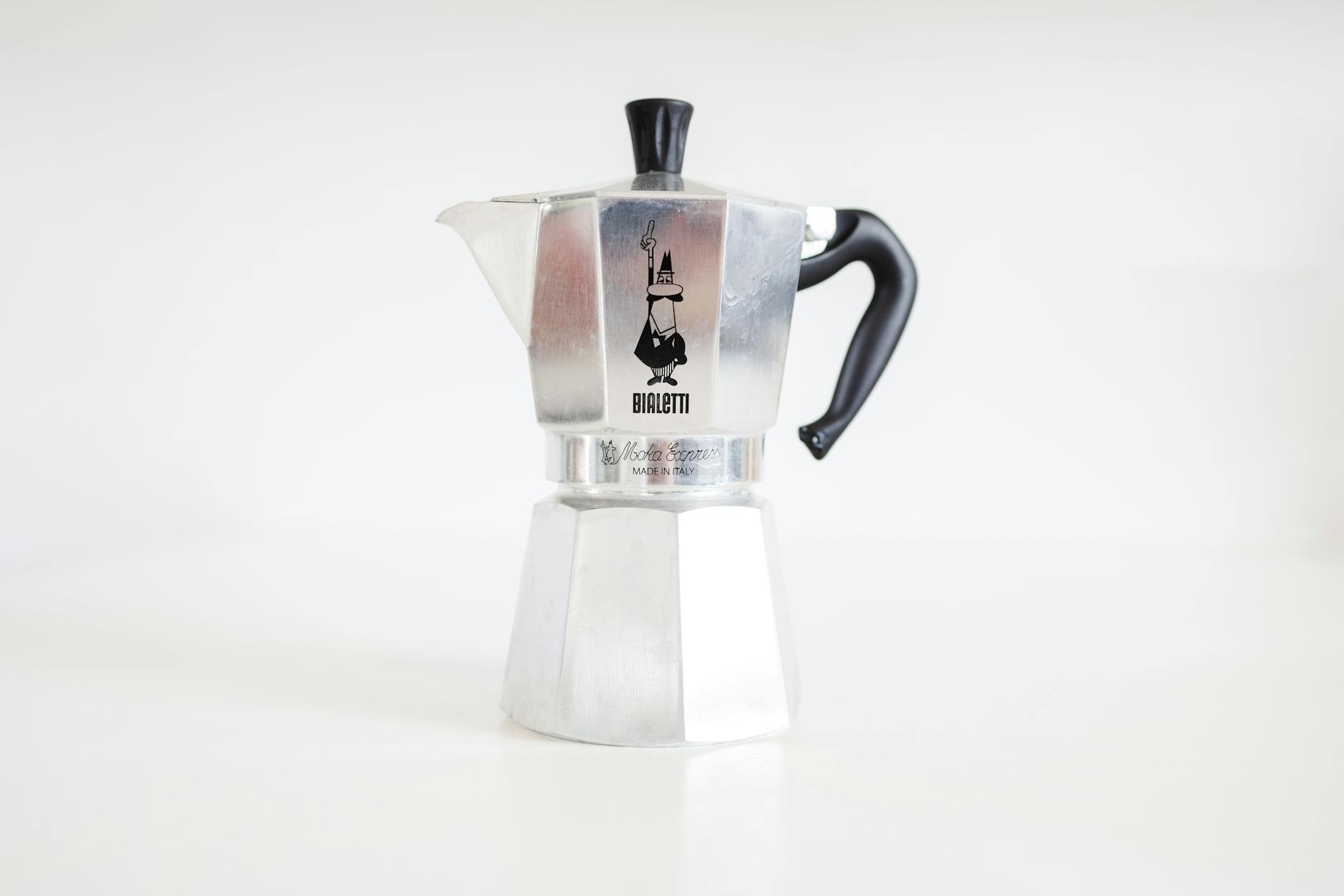
The dark and damp water tank of a standard coffee machine encourages mold and yeast proliferation. Neglected reservoirs impart a bitter taste to beverages and introduce spores into the morning brew. Running a mixture of water and vinegar through the system dissolves mineral deposits and kills organic buildup. Leaving the lid open between uses allows the chamber to dry out completely.
Reusable Grocery Bags

Canvas and synthetic shopping totes frequently absorb juices from packaged meats and bruised produce. Storing these unwashed bags in warm car trunks accelerates the growth of foodborne pathogens. Launder cloth bags regularly and wipe down insulated carriers to maintain a sanitary transport method. Separating raw proteins from fresh vegetables into different bags adds an extra layer of protection.
Pet Food Bowls
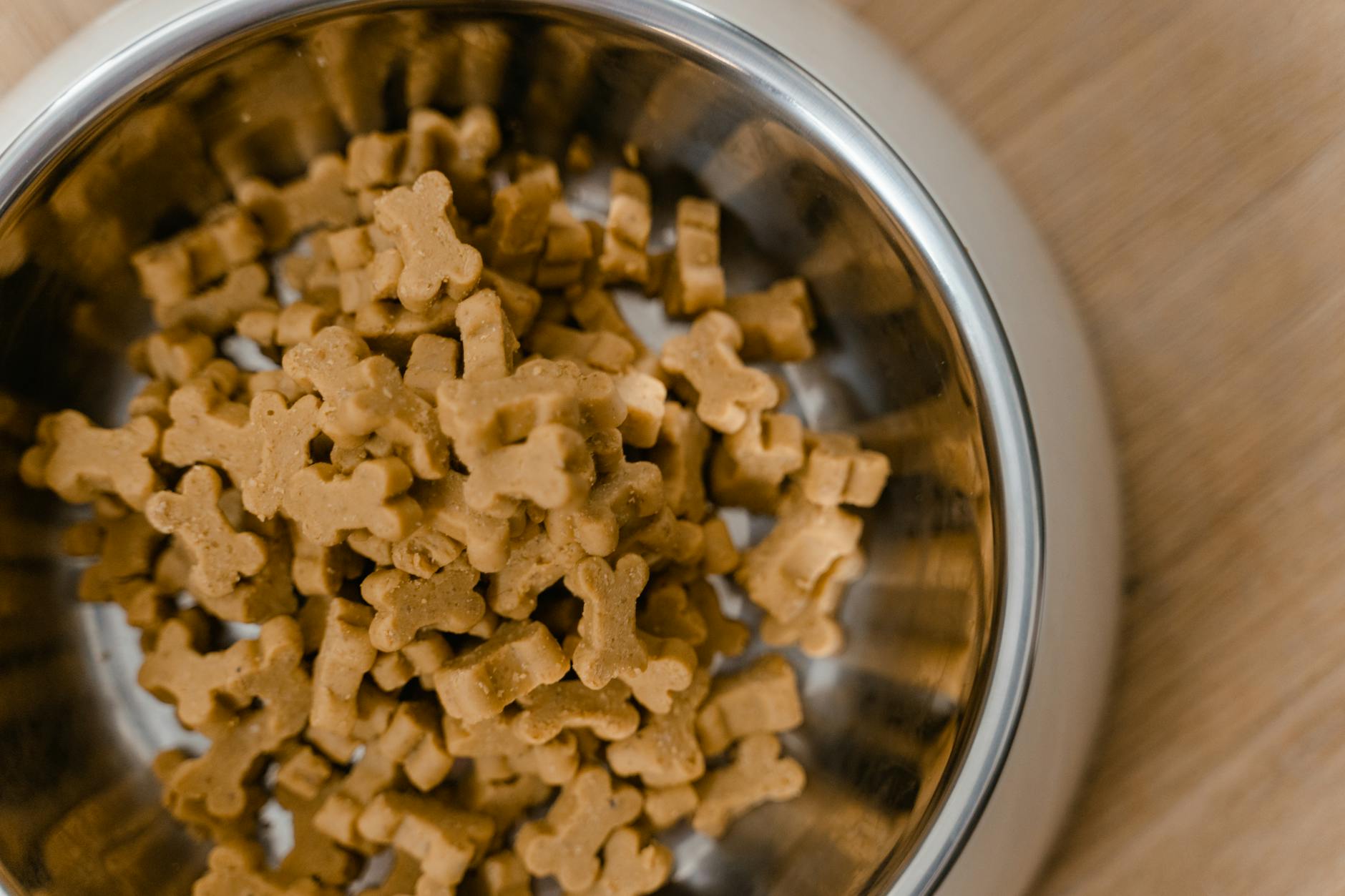
Leaving pet dishes unwashed on the kitchen floor invites pests and bacterial colonization. The residue from wet and dry animal feed creates a stubborn biofilm along the edges of the bowl. Washing these items daily with hot water and dedicated scrubbers keeps the feeding area hygienic. Handling pet food accessories requires separate cleaning tools to protect human dinnerware from contamination.
Wooden Knife Blocks
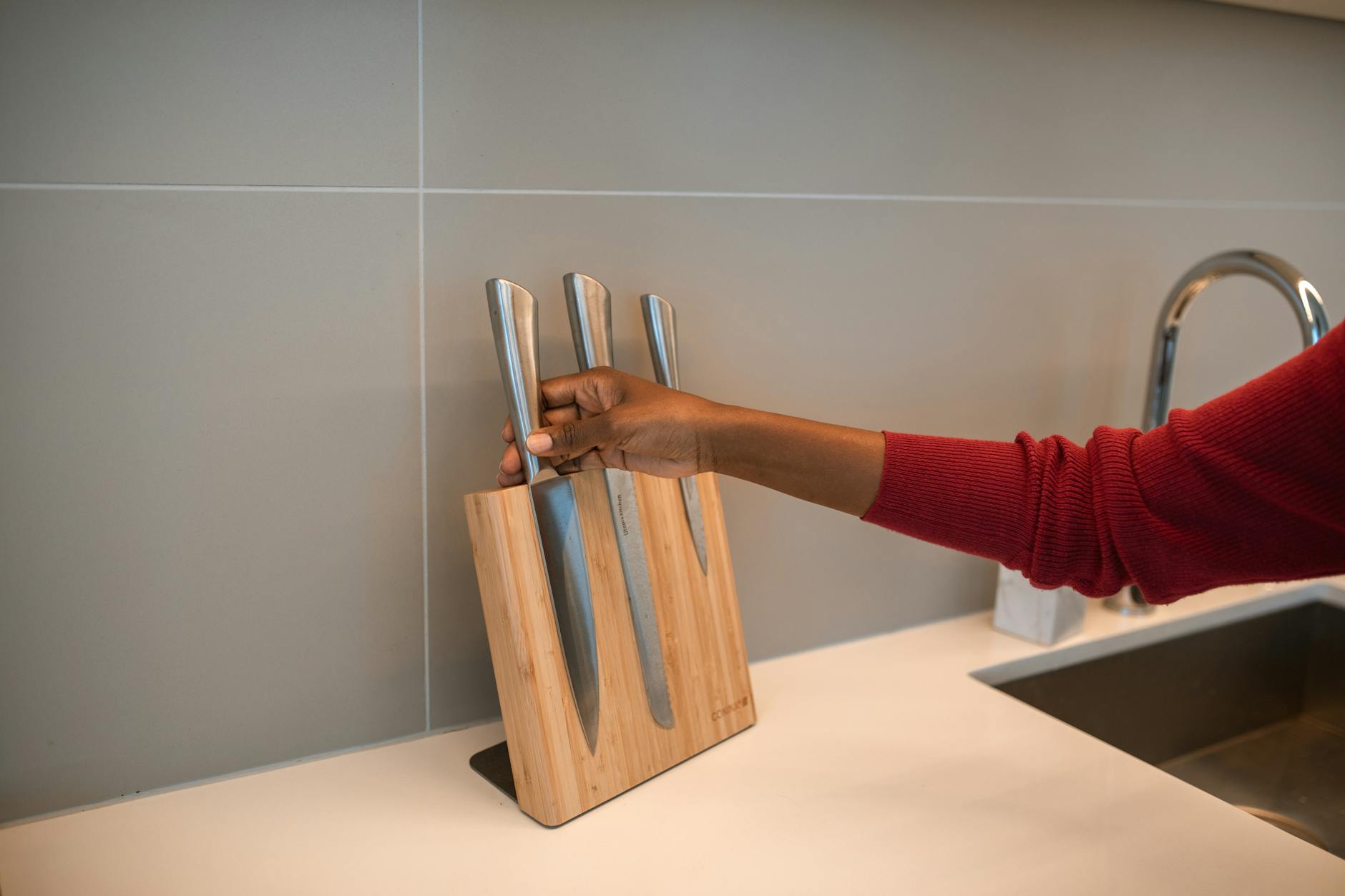
Dark wooden slots provide an ideal sanctuary for dust and moisture to accumulate unnoticed. Inserting damp blades into the block traps water and encourages internal fungal growth. Periodically shaking out the block and using compressed air removes the hidden debris from deep within the crevices. Ensuring knives are bone dry before storage preserves both the metal and the wooden housing.
Trash Can Lid
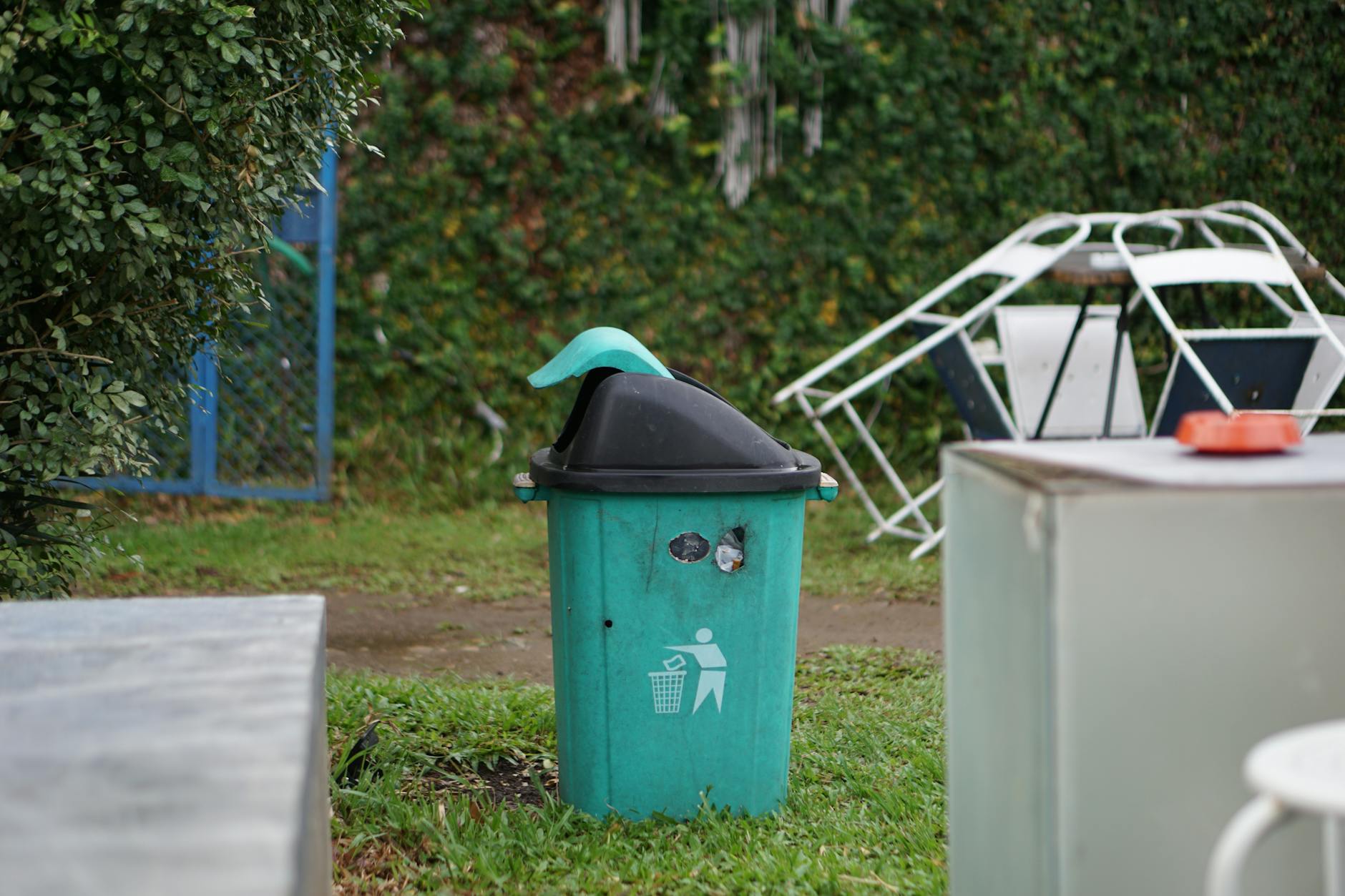
Scraping plates into the garbage often leaves invisible splatters of food on the surrounding lid. Touching this contaminated surface to throw away waste transfers germs directly back onto hands. Regular application of a disinfectant spray neutralizes odors and eliminates the unseen bacterial film. Upgrading to a foot pedal mechanism removes the need for physical contact altogether.
Microwave Ceiling

Uncovered dishes cause food to explode and adhere to the upper interior of the microwave. These hardened splatters continuously heat up and occasionally flake back into fresh meals. Steaming a bowl of water with lemon juice softens the baked debris for effortless removal. Wiping the entire cavity prevents old food particles from altering the flavor of new dishes.
Blender Base
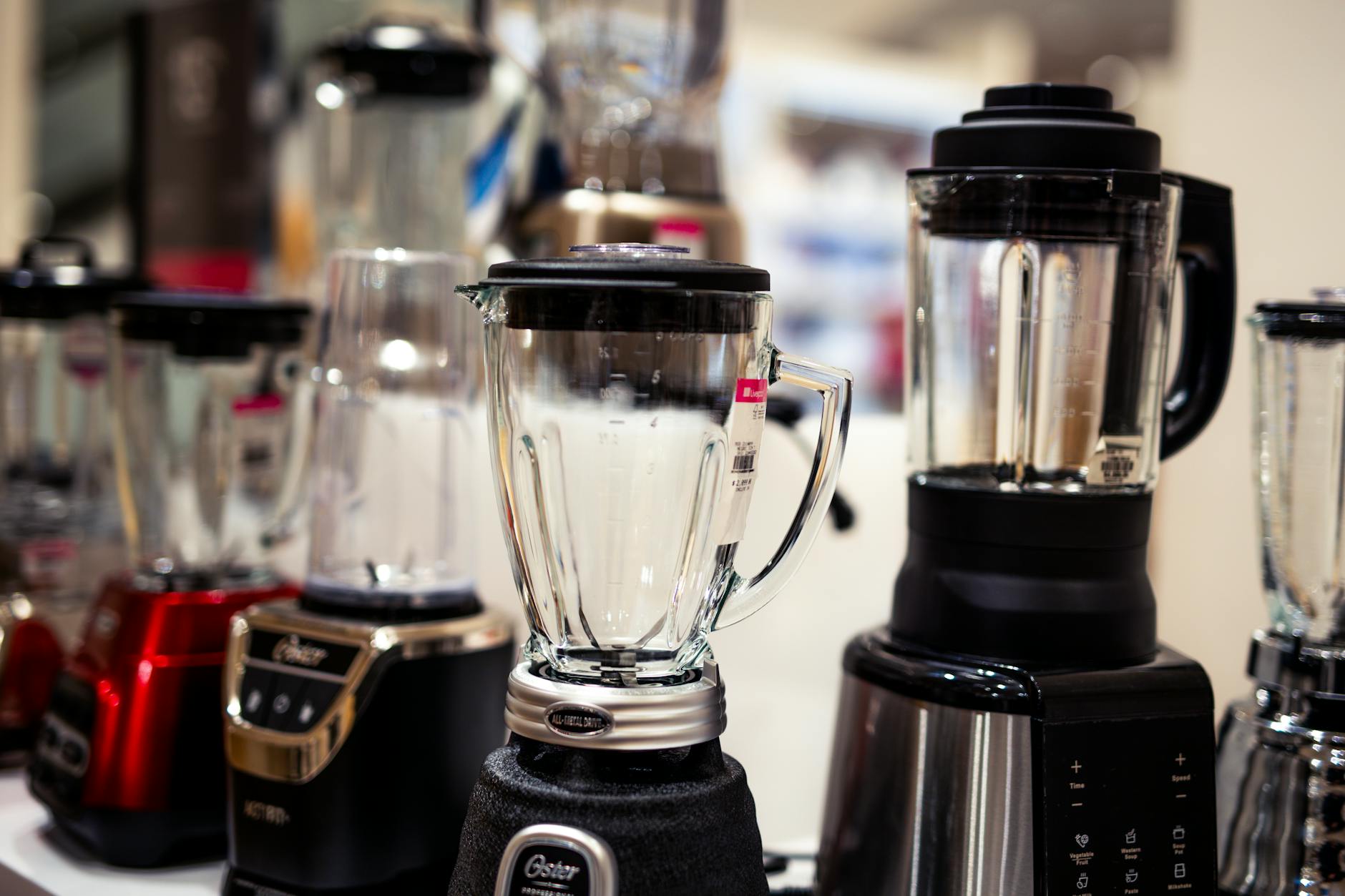
The interlocking gears and rubber gaskets at the bottom of a blender pitcher harbor decaying smoothie remnants. Quick rinsing fails to dislodge the sticky residue trapped in the threads of the base. Disassembling the unit entirely allows for proper cleaning of every individual component. Soaking the rubber seal in soapy water prevents unpleasant odors from developing over time.
Ice Dispenser
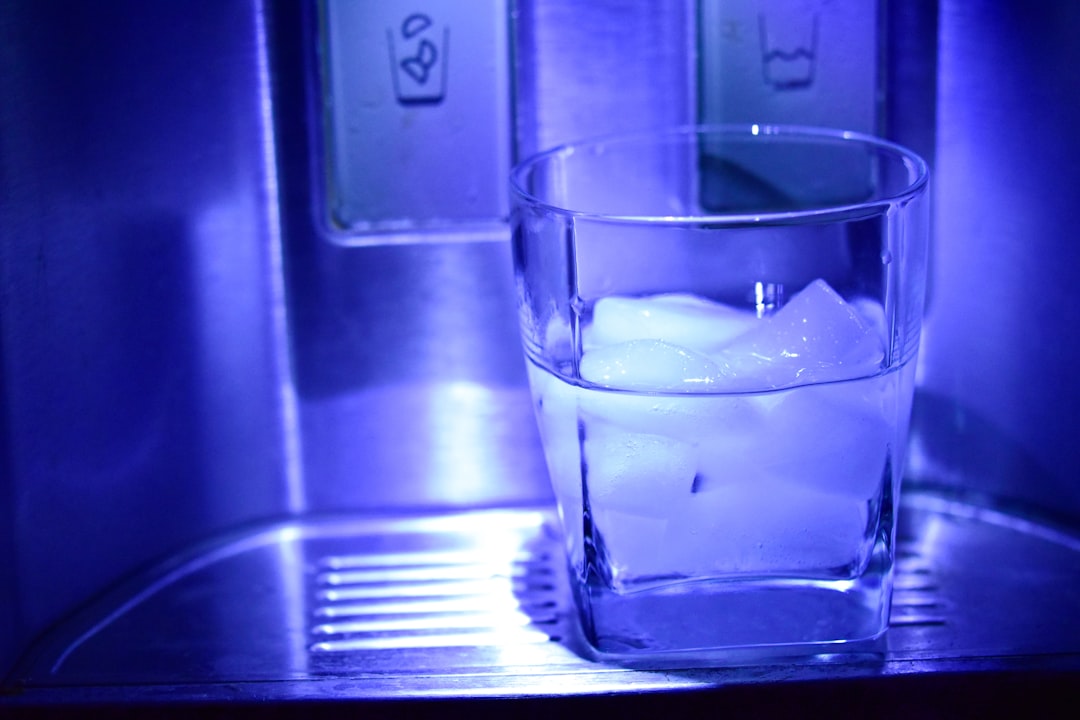
Hard water minerals and airborne yeast particles accumulate in the chute of the refrigerator ice maker. The constant presence of moisture creates a surprisingly hospitable environment for black mold. Wiping the external nozzle and internal funnel with a safe cleaning solution ensures pristine ice cubes. Regularly dumping the ice bin prevents the bottom layer from absorbing stale freezer odors.
Reusable Water Bottles

Drinking directly from a bottle introduces mouth bacteria into the enclosed liquid environment. The narrow necks and complex straw mechanisms make thorough interior cleaning incredibly difficult. Using specialized bottle brushes reaches the bottom corners where slime tends to develop. Daily washing prevents the funky taste associated with neglected hydration containers.
Produce Drawers

Forgotten vegetables decompose in the crisper and leak nutrient rich fluids into the plastic bins. This organic matter fuels rapid bacterial spread to other fresh produce stored nearby. Removing the drawers entirely for a hot soapy bath eliminates the sticky remnants of past groceries. Lining the bottom with paper towels absorbs excess moisture and makes future cleanups manageable.
Rubber Spatulas
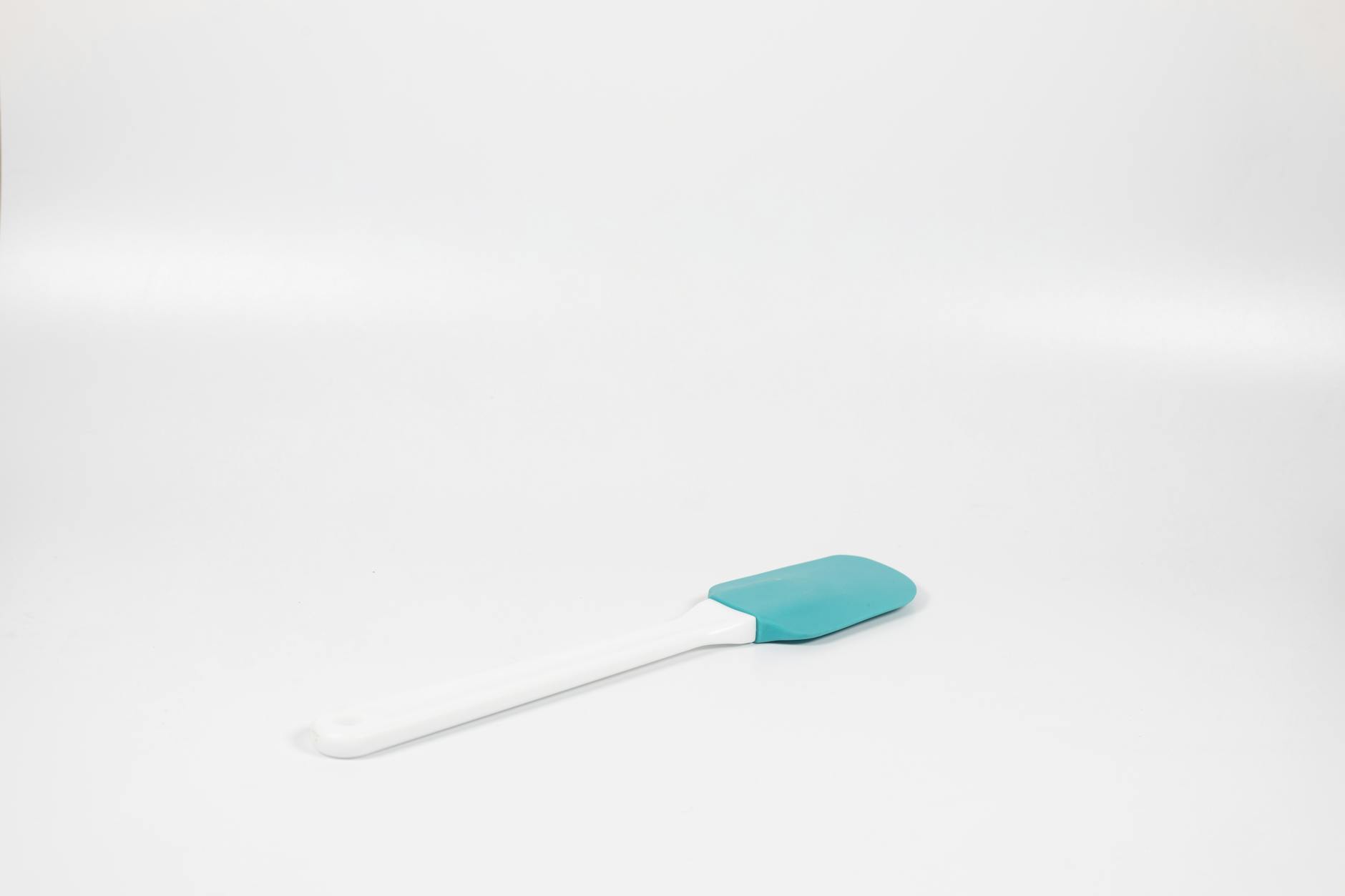
Two piece cooking utensils trap food particles in the joint between the handle and the head. The hidden moisture in this tight space breeds bacteria that secretly contacts every stirred dish. Separating the pieces before washing guarantees that no organic matter survives the cleaning process. Seamless silicone alternatives completely eliminate this concealed breeding ground.
Wooden Spoons
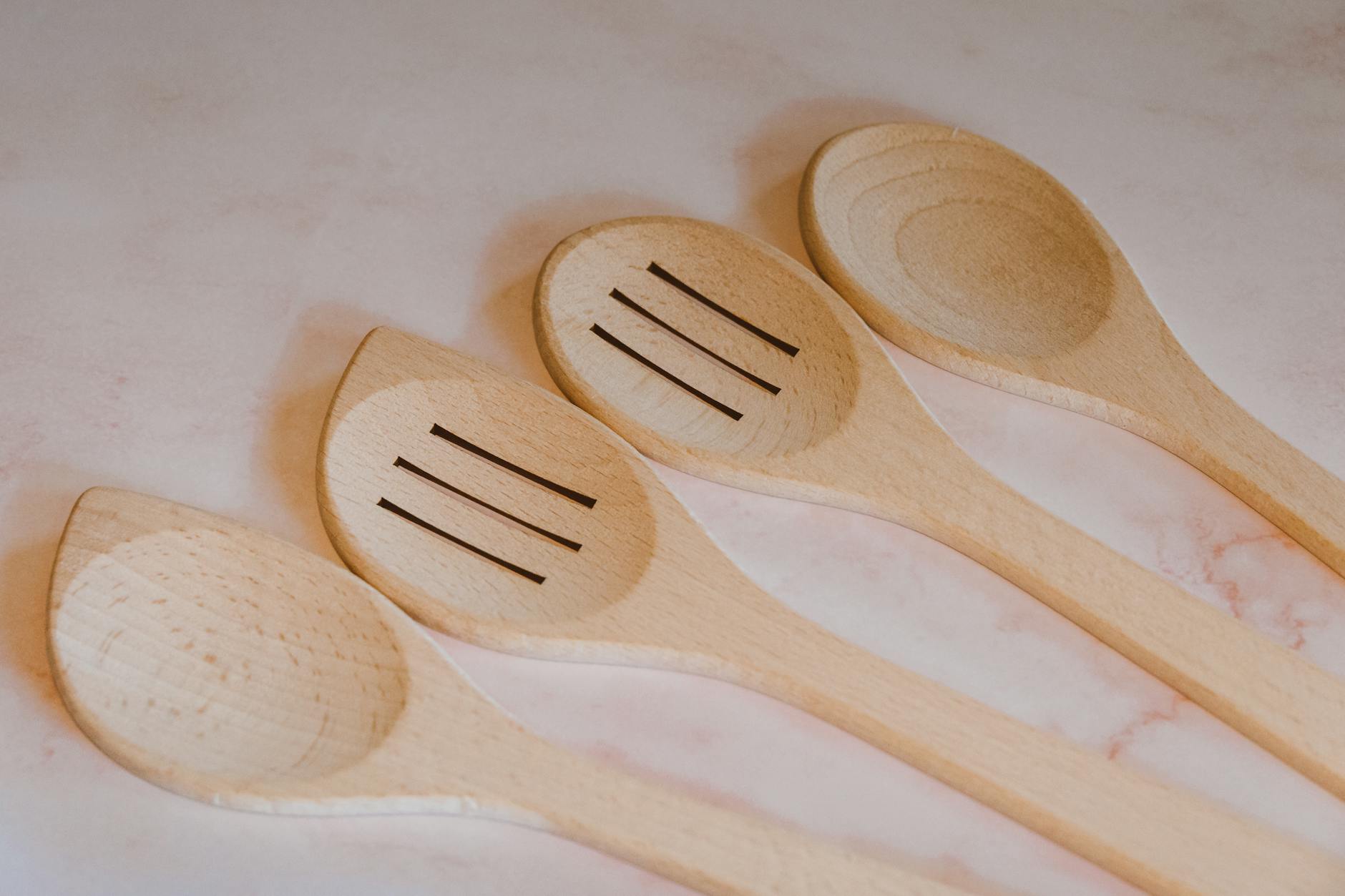
Porous wooden utensils absorb oils and flavors from intense sauces and spicy curries. Over time the wood expands and cracks to create microscopic pockets for germs to hide. Hand washing and immediate drying prevent the material from swelling and deteriorating prematurely. Occasional treatments with food grade mineral oil keep the wood conditioned and less prone to absorption.
Spice Jars
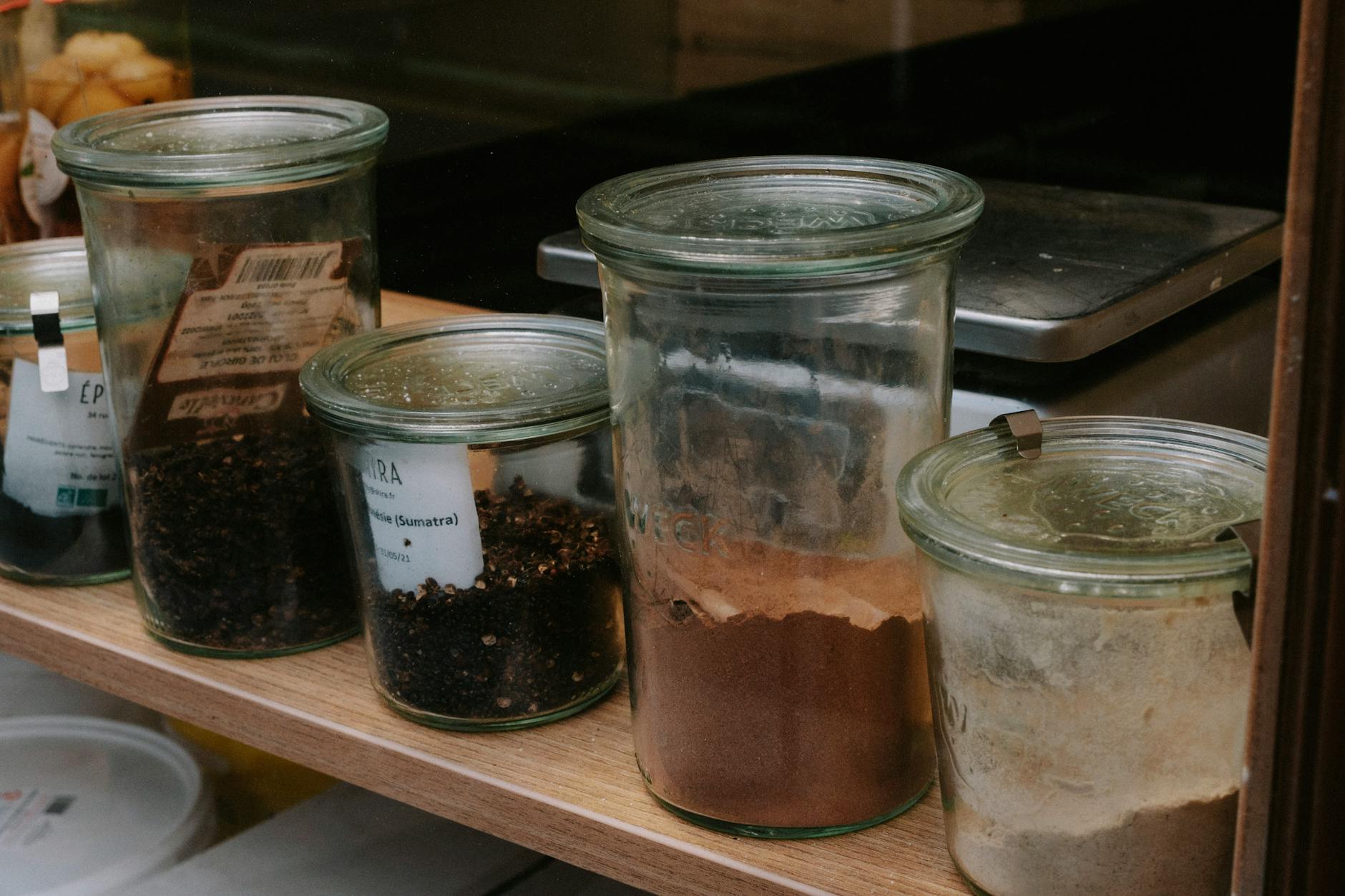
Handling seasoning containers with fingers covered in raw poultry juice leads to severe surface contamination. These small glass jars sit untouched for months while harboring dangerous foodborne pathogens. Wiping the exterior of frequently used spices removes the sticky residue left behind during cooking. Pouring seasonings into a secondary measuring spoon prevents steam from clumping the ingredients inside the bottle.
Oven Mitts
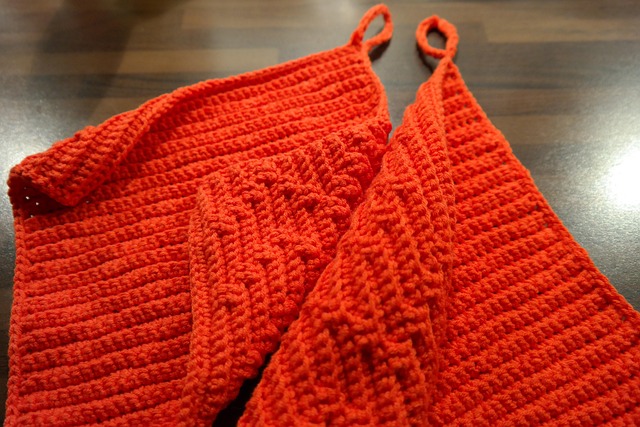
Fabric potholders frequently absorb spills and rest on uncleaned countertops during busy meal preparations. The thick padding hides food stains and traps moisture to create a breeding ground for germs. Tossing these accessories into the washing machine restores their appearance and sanitary condition. Silicone oven mitts offer a nonporous alternative that wipes clean instantly under running water.
Faucet Aerator
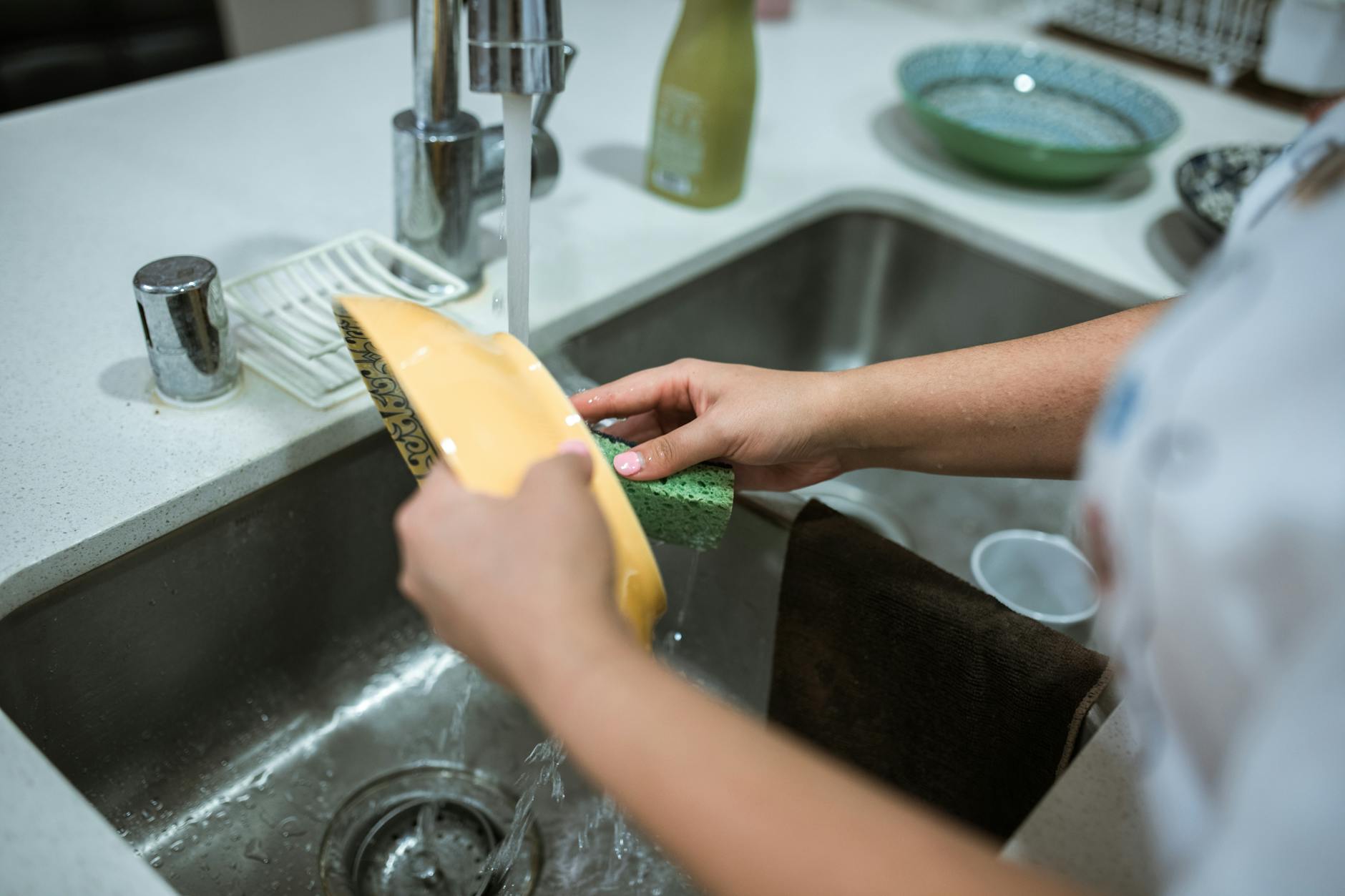
The small mesh screen at the tip of the faucet traps sediment and potential contaminants from the water supply. A neglected aerator restricts water flow and eventually harbors unpleasant microbial growth. Unscrewing the metal tip allows for a deep soak in a vinegar solution to dissolve calcification. Scrubbing the mesh with a small brush restores perfect water pressure and cleanliness.
Dishwasher Filter
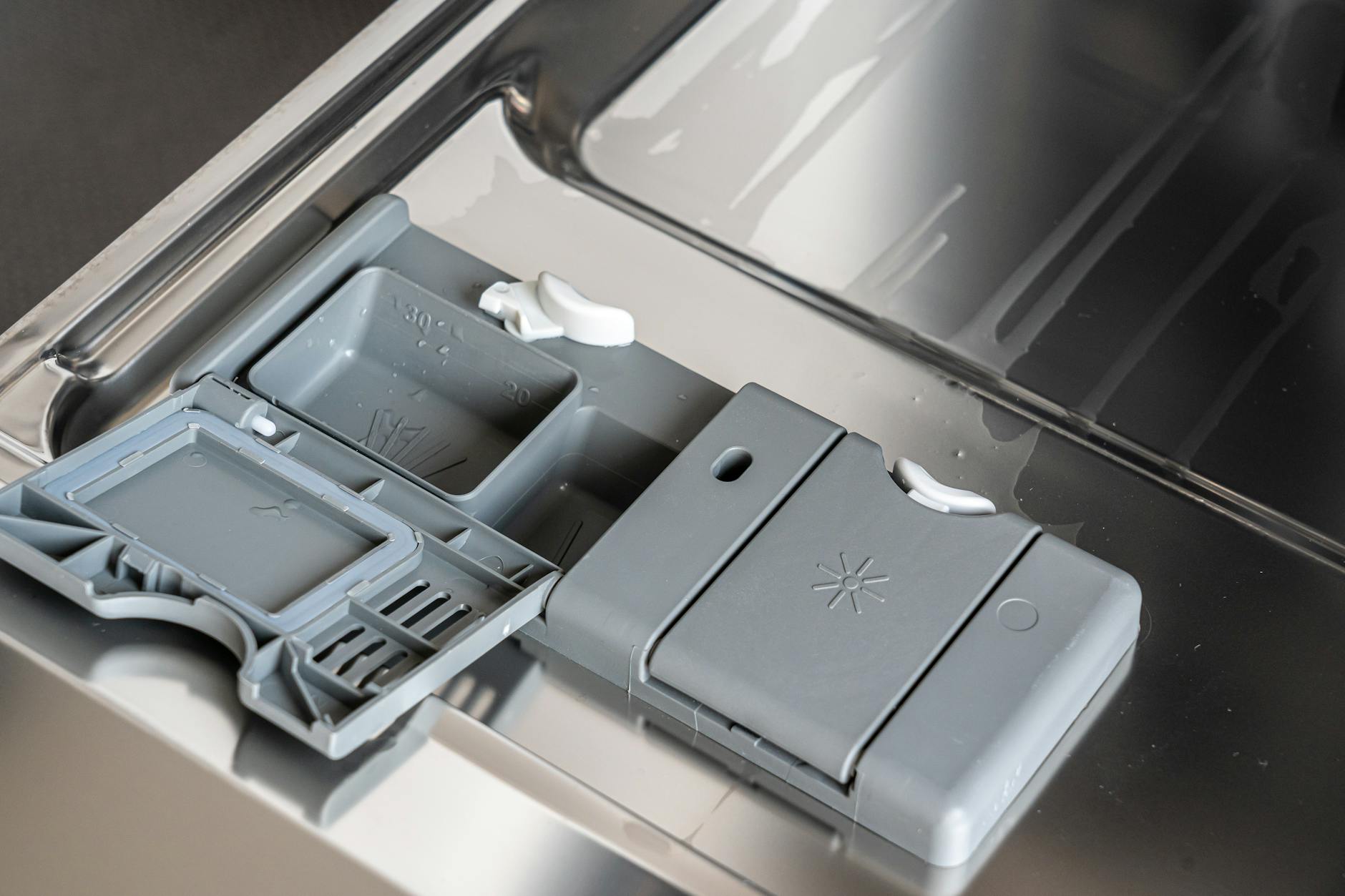
Many modern dishwashers rely on manual filters that catch large food chunks and grease. Failing to empty this trap causes clean dishes to be washed in contaminated water. Rinsing the cylindrical mesh under the sink eliminates the source of terrible appliance odors. A monthly deep clean ensures the machine operates at peak efficiency.
Range Hood Filter

The metal mesh situated above the stove collects airborne grease and smoke from daily cooking. Over time this sticky accumulation drips rancid oil back down toward the cooking surface. Submerging the filter in boiling water with baking soda easily dissolves the stubborn grease layer. Regular maintenance prevents the fan mechanism from clogging and breaking down.
Garbage Disposal Splash Guard
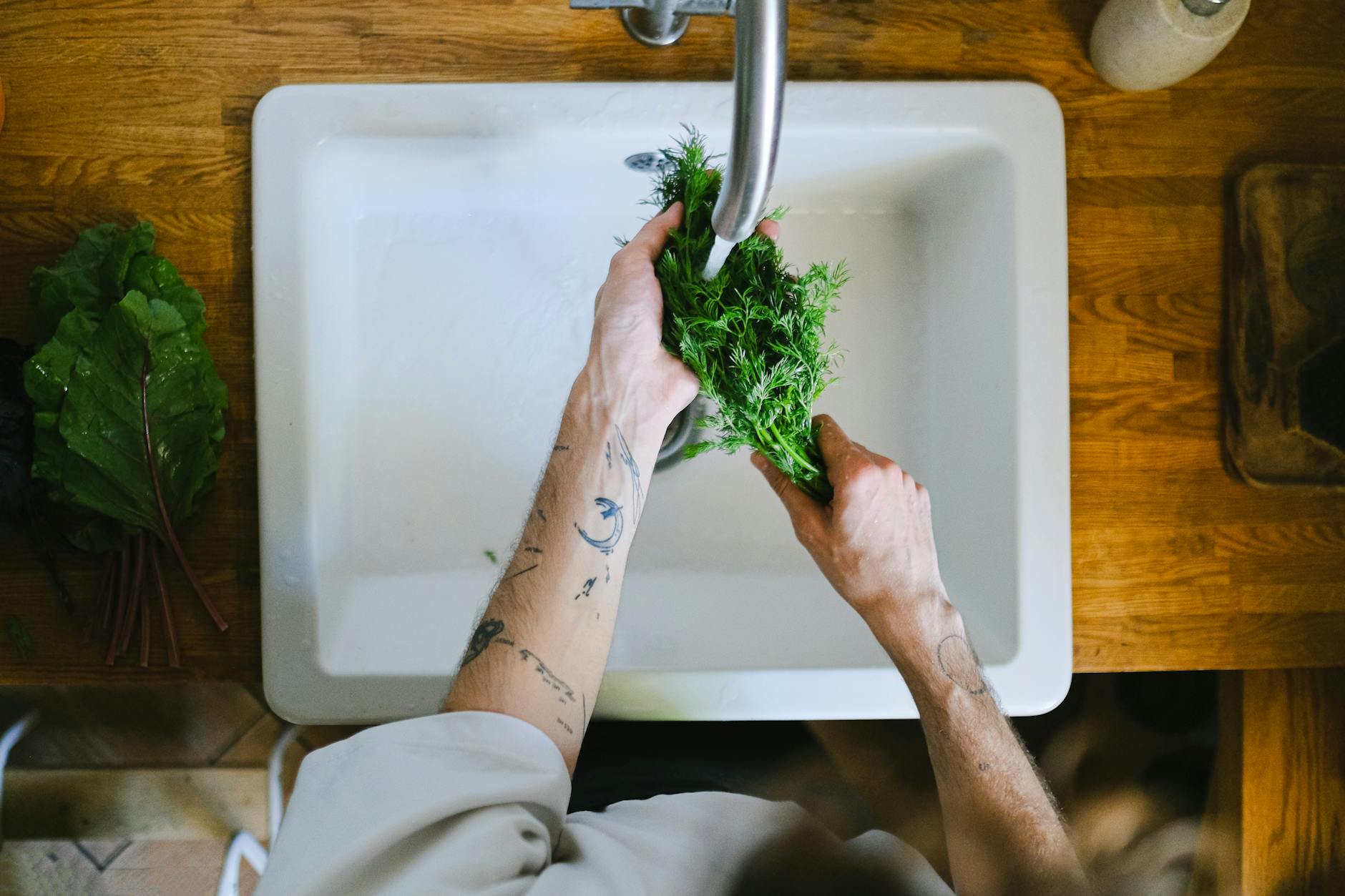
The rubber flaps covering the sink drain trap decaying food bits on their underside. This hidden accumulation produces the foul odors commonly associated with kitchen sinks. Flipping the rubber guard inside out reveals the grime that requires scrubbing with an old toothbrush. Grinding citrus peels occasionally helps maintain a fresh scent in the disposal chamber.
Produce Washing
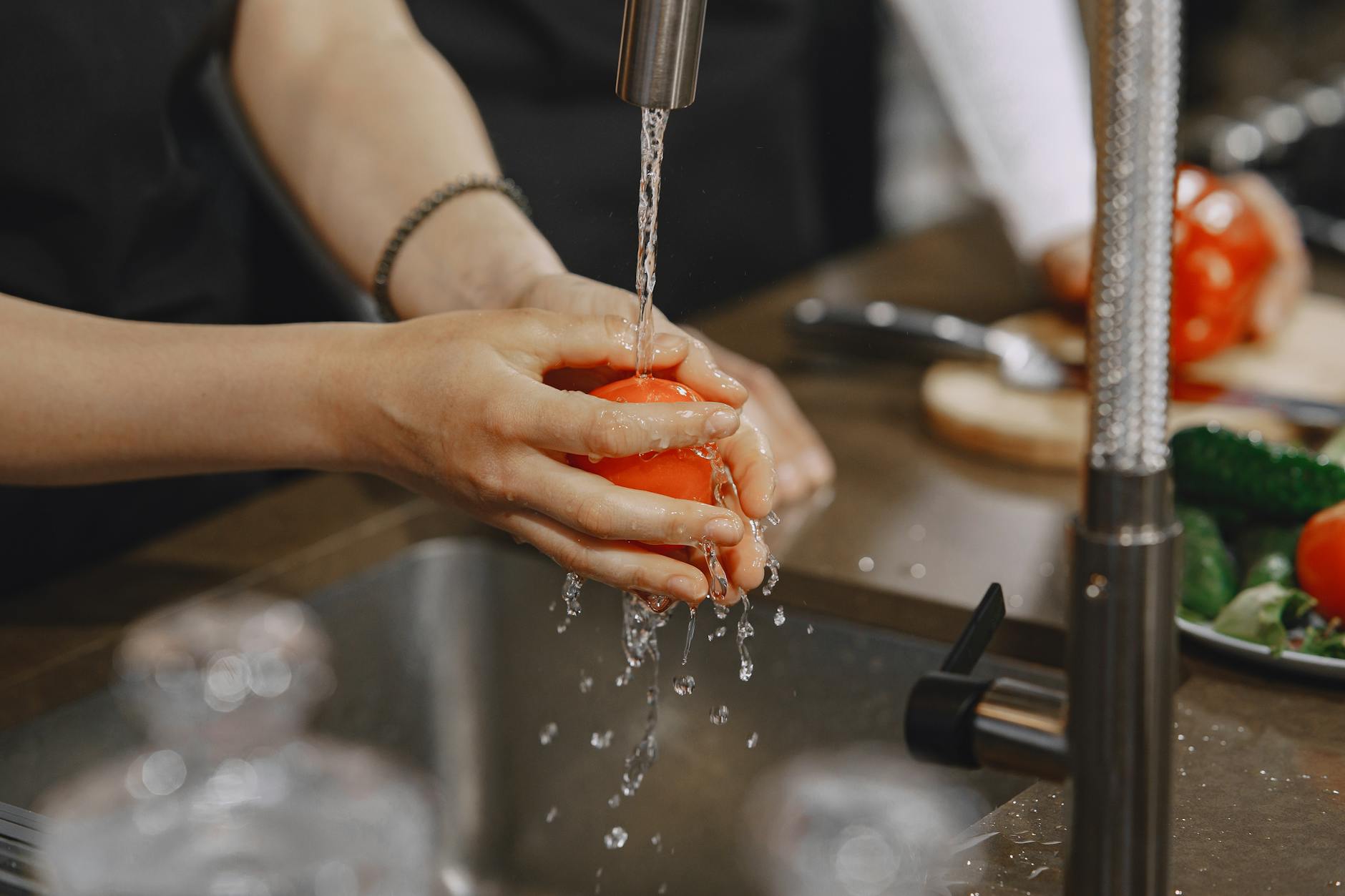
Rinsing fruits and vegetables briefly under cold water fails to remove agricultural chemicals and dirt. Melons and root vegetables require a firm scrubbing brush to dislodge soil trapped in their thick skins. Using a dedicated produce wash or baking soda solution breaks down waxy protective coatings. Thoroughly drying the food afterward prevents moisture from accelerating the spoiling process.
Raw Meat Storage
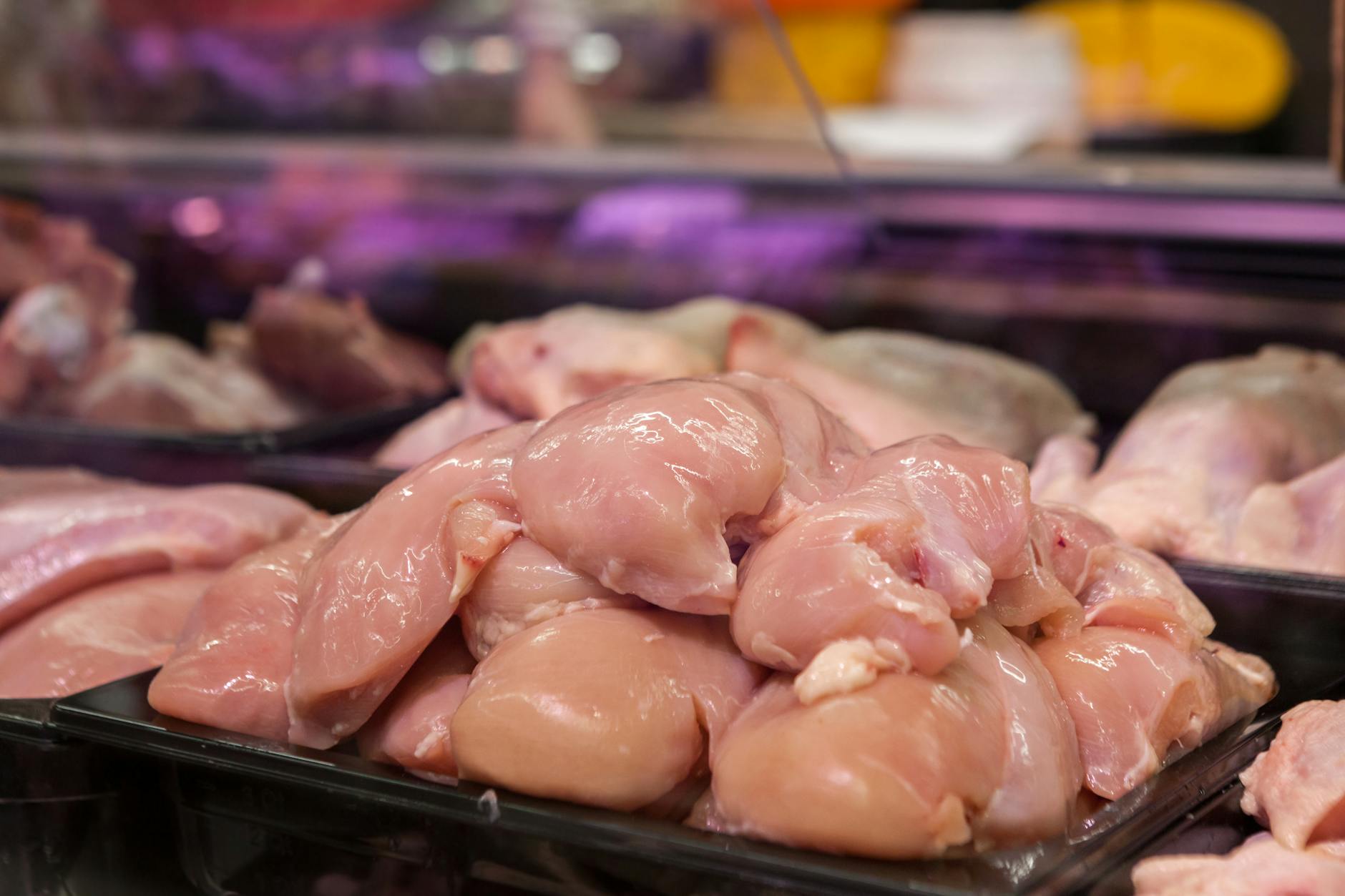
Placing raw chicken on the top shelf of the refrigerator risks dripping juices onto ready to eat foods below. The resulting cross contamination causes serious foodborne illnesses without any visible warning signs. Storing raw proteins in sealed containers on the lowest shelf isolates any potential leaks. Designating a specific drawer for meats provides an extra barrier of protection.
Double Dipping
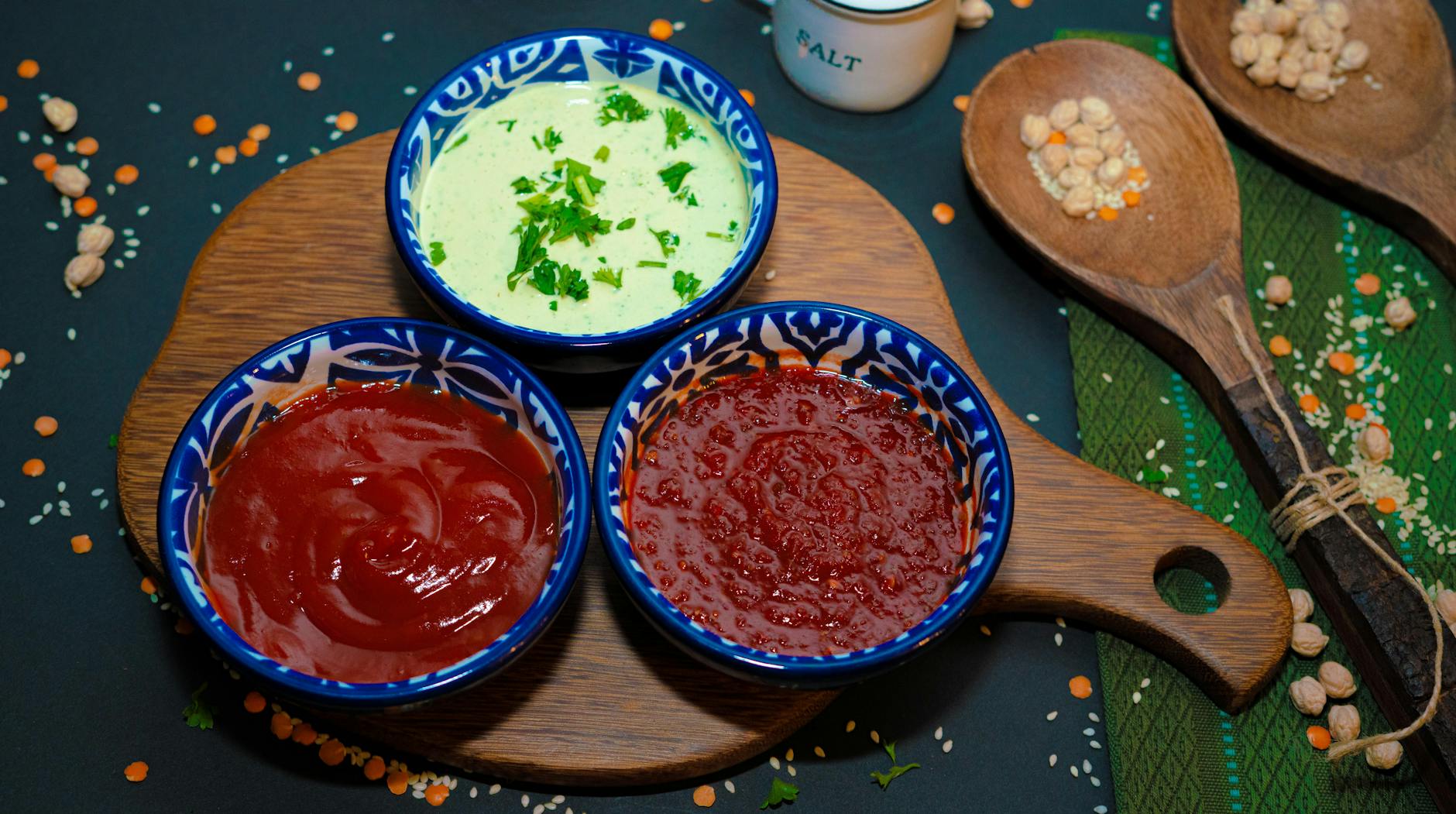
Tasting a simmering sauce and returning the same spoon to the pot introduces saliva into the meal. Enzymes in human saliva begin to break down the food and alter the intended texture of the dish. This unsanitary practice spreads germs from the cook directly to anyone consuming the final product. Pouring a small sample into a separate tasting bowl preserves the integrity of the main batch.
Countertop Thawing
Leaving frozen meat on the kitchen counter allows the exterior to reach unsafe temperatures while the inside remains solid. This rapid warming of the outer layers creates an ideal breeding ground for dangerous bacteria. Defrosting items overnight in the refrigerator maintains a consistent and safe temperature throughout the process. Using the cold water bath method offers a faster alternative while keeping the food safe.
Unwashed Hands
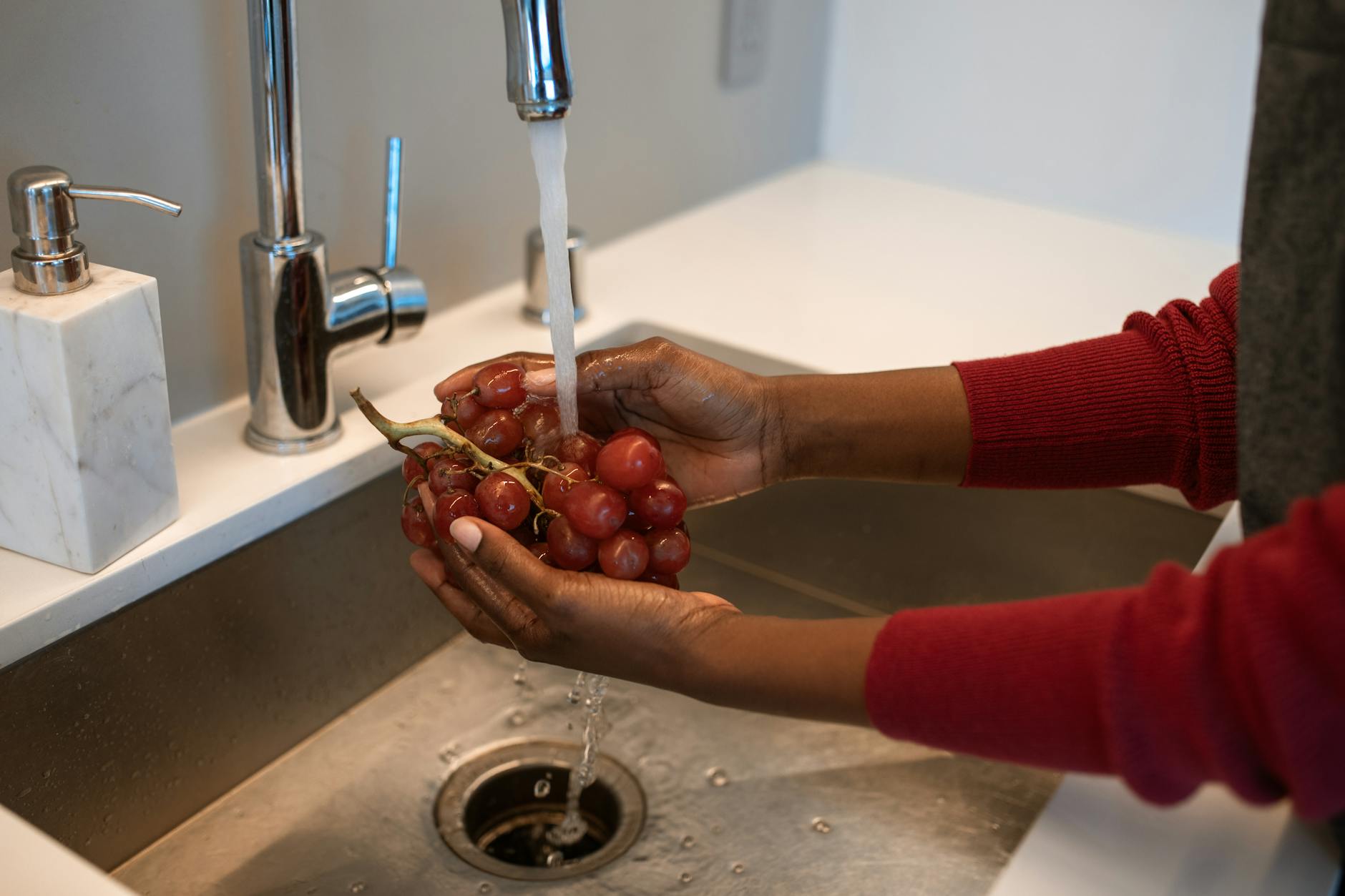
Handling raw ingredients without immediately washing hands transfers pathogens to every cabinet knob and appliance. A quick rinse without soap leaves behind oils and bacteria that easily spread across the kitchen. Scrubbing vigorously for twenty seconds with warm soapy water effectively removes harmful contaminants. Keeping a dedicated hand soap dispenser near the sink encourages this essential hygienic practice.
Shared Cutting Boards
Using a single board to chop raw fish and slice fresh tomatoes guarantees dangerous flavor and bacterial transfer. Even quick rinsing between tasks fails to remove the microscopic pathogens left by raw proteins. Color coded boards provide a visual system to keep meat and produce completely separate. Glass or plastic boards offer a safer surface for meats because they can be sanitized easily.
Phone Usage

Scrolling through recipes on a smartphone introduces bathroom germs directly into the food preparation zone. The warm screen of a mobile device constantly collects bacteria from hands and surfaces throughout the day. Touching the phone and then handling ingredients bypasses all other sanitary precautions taken in the kitchen. Printing recipes or using voice commands keeps contaminated devices away from the cutting board.
Dropped Food

Applying the five second rule to dropped ingredients ignores the immediate transfer of floor bacteria. Microorganisms attach to moist foods instantly upon contact regardless of how fast they are retrieved. Discarding floor bound ingredients remains the only completely safe method to avoid consuming harmful germs. Keeping the kitchen floor swept and mopped reduces the severity of these accidental drops.
Ignored Expiration Dates
Consuming condiments and dairy products past their safe window invites digestive distress. Many sauces hide mold growth beneath the surface or develop dangerous bacterial colonies over time. Routinely auditing the refrigerator contents prevents the accidental use of spoiled ingredients. Labeling leftovers with the preparation date eliminates the risky guessing game during busy weeknights.
Countertop Wiping
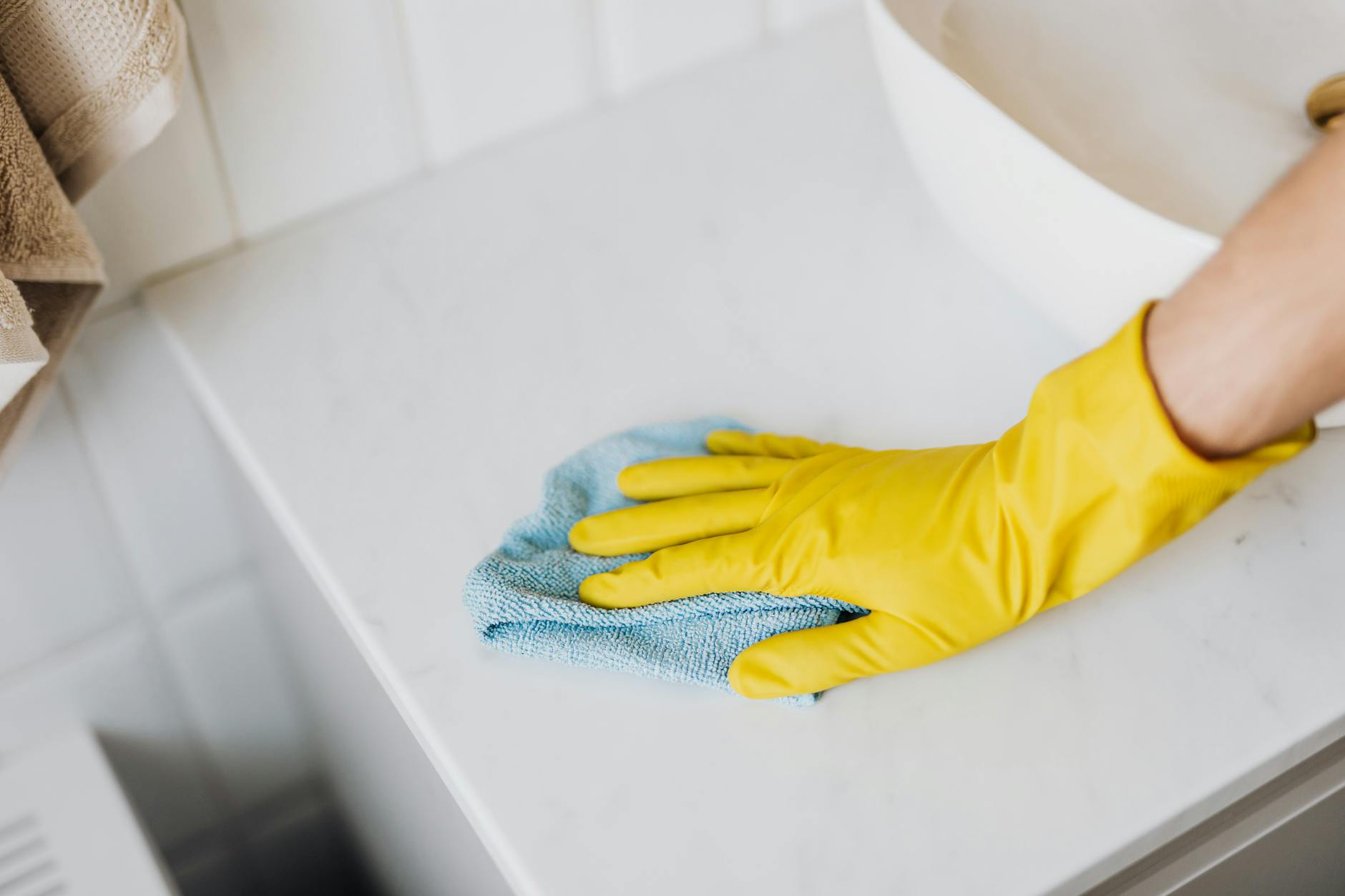
Swiping crumbs onto the floor with a bare hand spreads oils and invisible grime across the clean surface. This sweeping motion merely relocates the mess rather than actually sanitizing the preparation area. Using a designated surface cleaner with a clean microfiber cloth physically lifts dirt and bacteria. Working in sections ensures no portion of the counter is left untreated.
Leftover Storage
Placing a massive pot of hot chili directly into the refrigerator raises the internal appliance temperature. This warming effect compromises the safety of surrounding perishable goods like milk and eggs. Dividing large batches of food into shallow containers accelerates the cooling process significantly. Securing airtight lids prevents the leftovers from absorbing ambient refrigerator odors.
Utensil Drawer
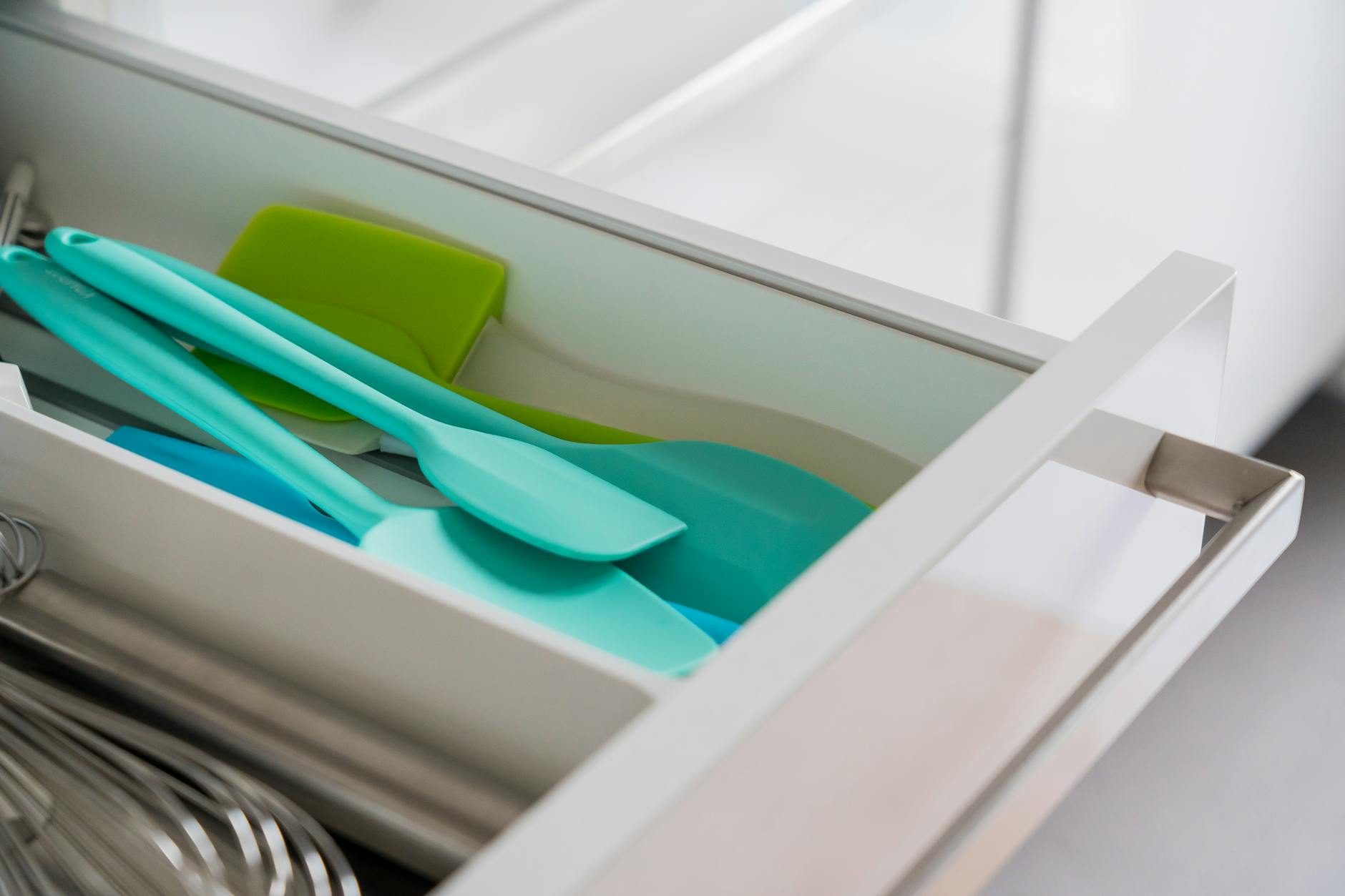
Crumbs and dust eventually migrate into the compartments where clean silverware is stored. Reaching for a clean fork often means touching handles exposed to this unseen accumulation of kitchen debris. Emptying the entire drawer allows for a thorough vacuuming and wipe down of the plastic organizers. This simple maintenance task keeps eating utensils genuinely clean until they are needed.
Baking Soda Box
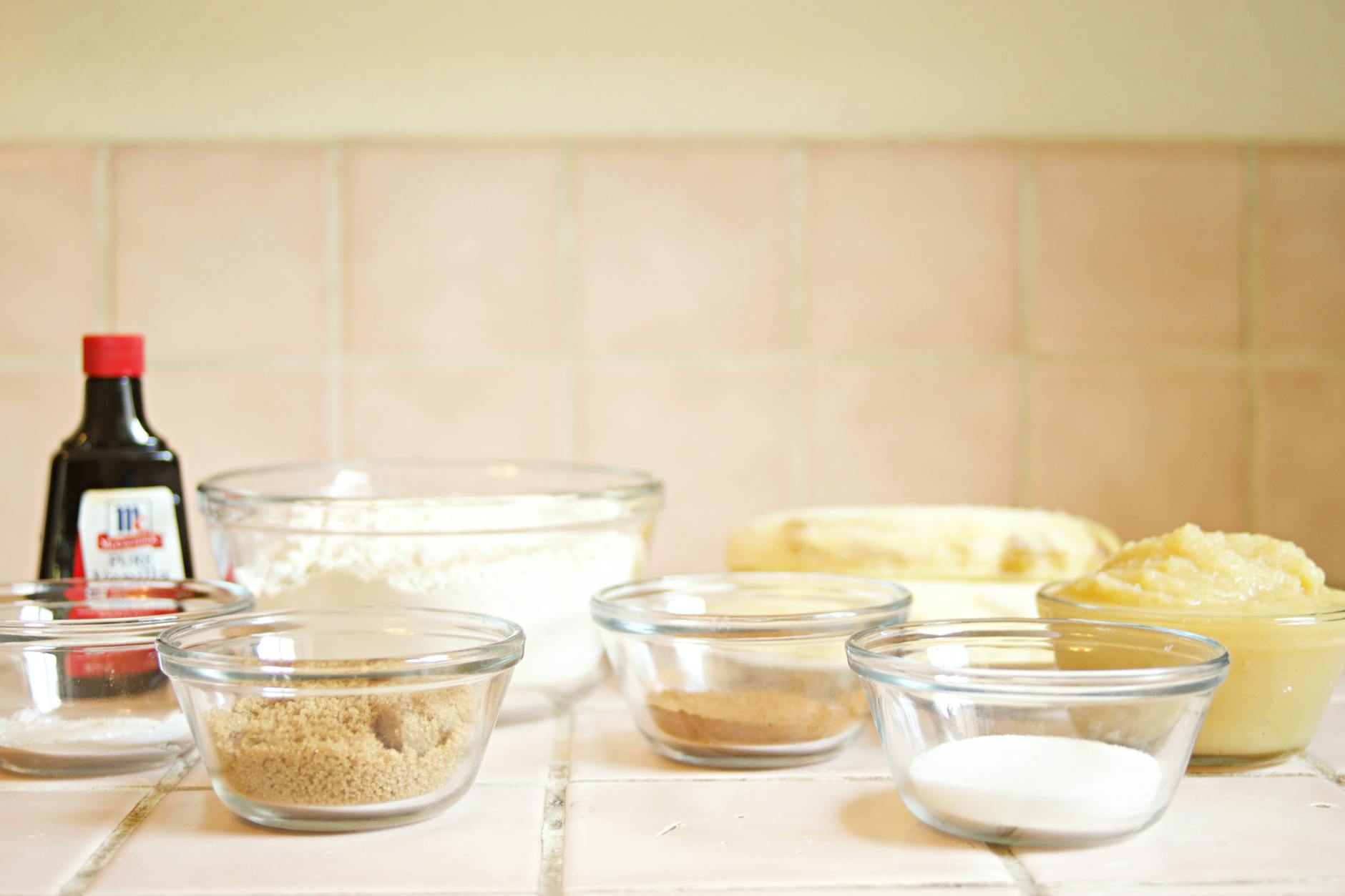
An open box of baking soda left in the back of the fridge absorbs odors for only a limited time. After a few months the powder becomes saturated and useless for maintaining a fresh smelling appliance. Spilled powder hardens onto the glass shelves and creates an annoying mess to clean later. Writing the installation date on the box ensures it gets replaced before it loses effectiveness.
Water Pitcher

Refilling a filtered water pitcher without washing it allows algae and bacteria to flourish in the damp plastic. The constant presence of water at room or refrigerator temperature encourages a slippery biofilm to form. Disassembling the pitcher and washing it with warm soapy water removes this hidden residue. Changing the filter according to the manufacturer instructions guarantees clean drinking water.
Knife Block Placement
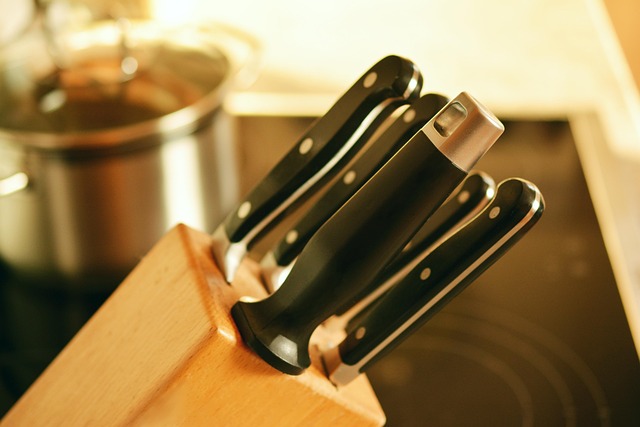
Keeping the knife block right next to the stove coats the wooden exterior in a constant layer of aerosolized cooking grease. Dust readily sticks to this oily surface to create a stubborn grime that resists simple wiping. Moving the tools away from the main cooking zone protects them from extreme heat and splatters. A quick weekly degreasing keeps the storage unit looking pristine.
Dish Drainer
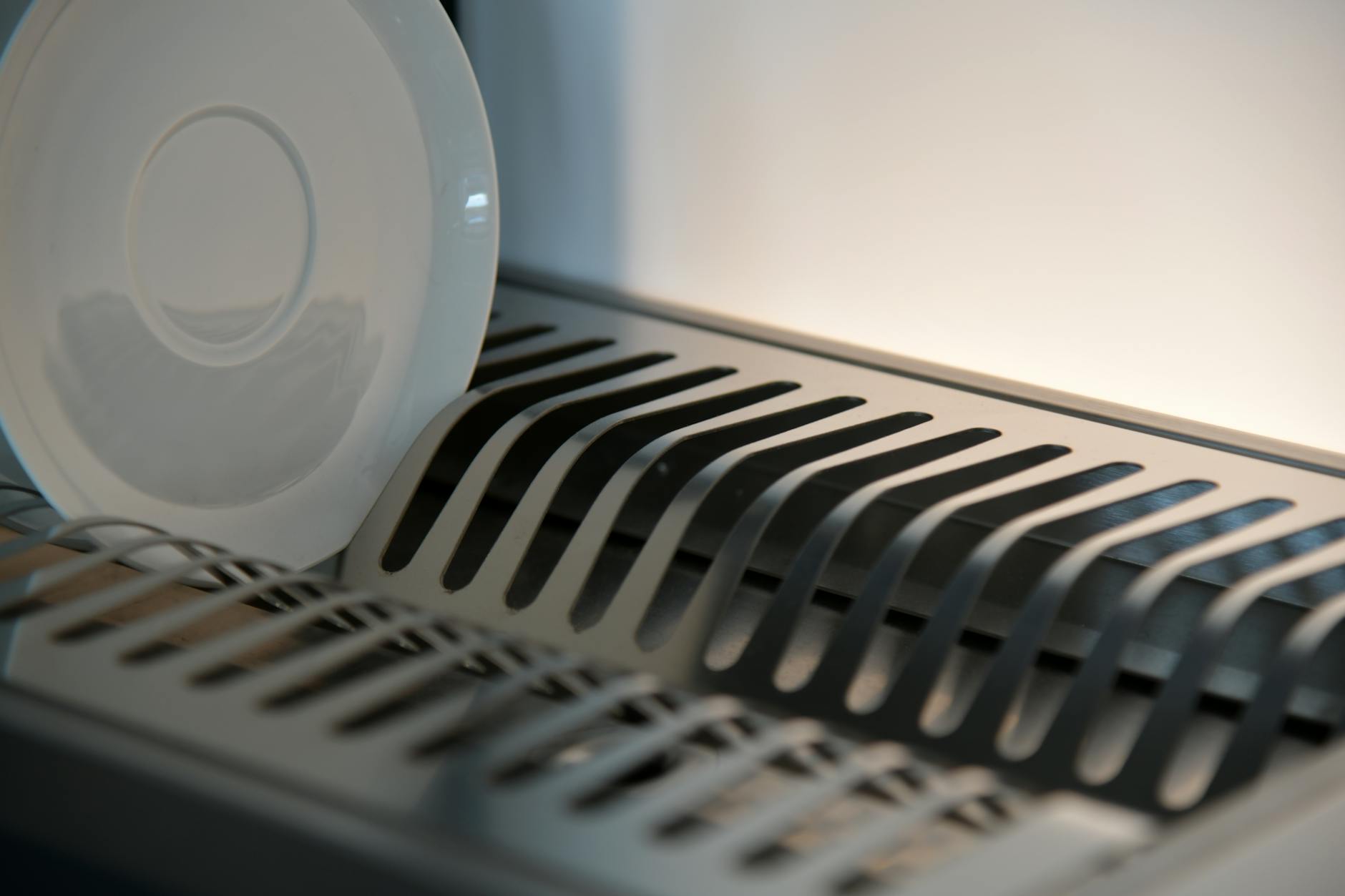
The plastic tray beneath a drying rack constantly collects dripping water from clean plates. This stagnant moisture quickly develops pink slime and hard water stains if left unattended. Draining the tray daily and scrubbing it weekly prevents clean dishes from sitting in contaminated puddles. Upgrading to a highly absorbent drying mat offers an easily washable alternative.
Tell us which of these hidden kitchen hygiene habits surprised you the most by sharing your thoughts in the comments.