Managing household expenses requires a strategic approach to both daily habits and long-term home maintenance. Small adjustments to energy consumption and water usage can lead to significant cumulative savings over the course of a year. Modern technology and efficient appliances offer additional ways to streamline costs without sacrificing comfort. By implementing a variety of cost-cutting measures, residents can gain better control over their monthly financial obligations.
LED Lighting
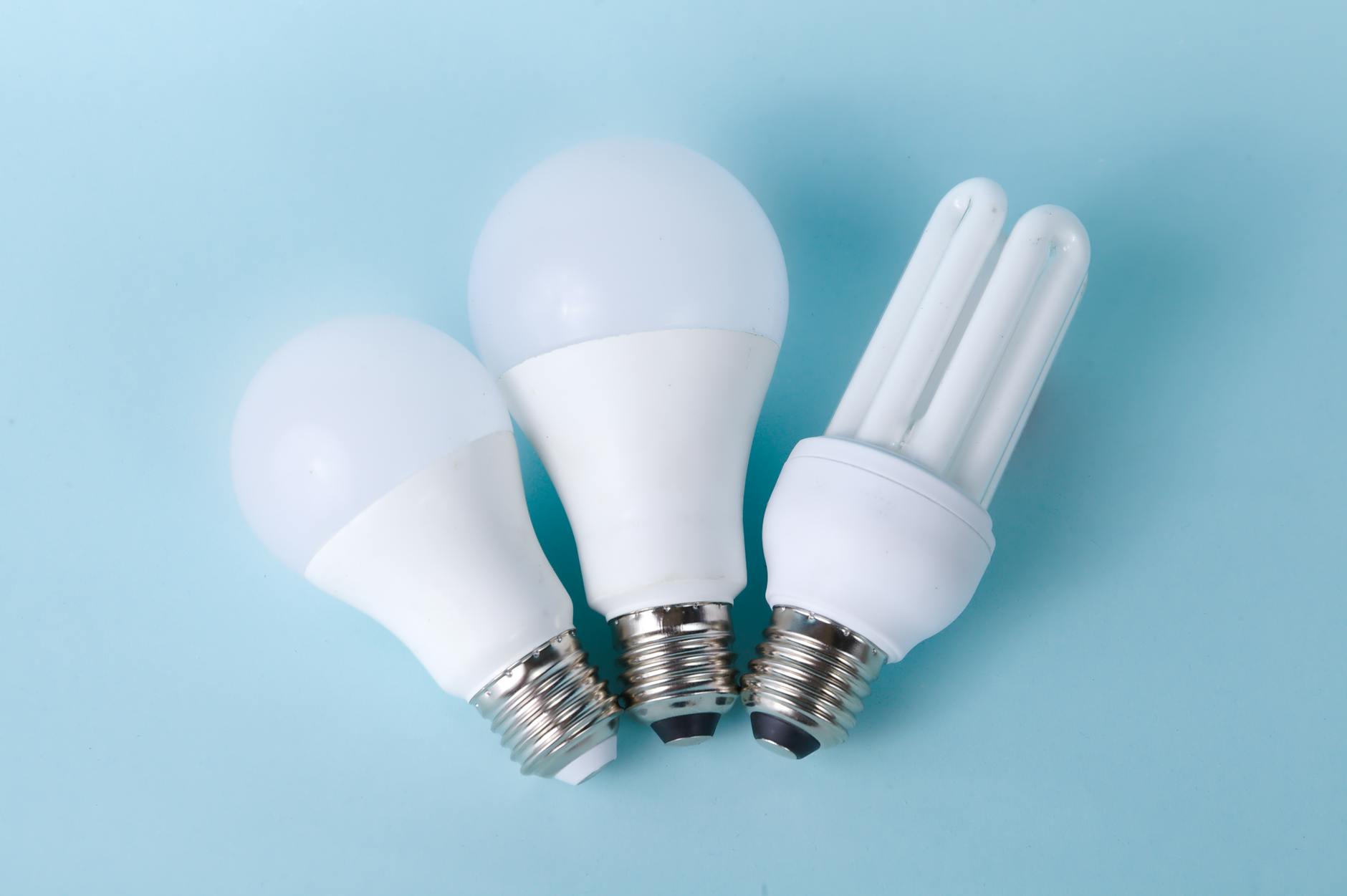
Replacing traditional incandescent bulbs with light emitting diode alternatives can reduce lighting energy use by up to 90 percent. These modern bulbs last significantly longer and consume far less wattage while providing the same amount of illumination. Most homes can see an immediate impact on their electric bill by swapping out the most frequently used fixtures. This simple hardware update pays for itself within a few months of regular use.
Smart Thermostats
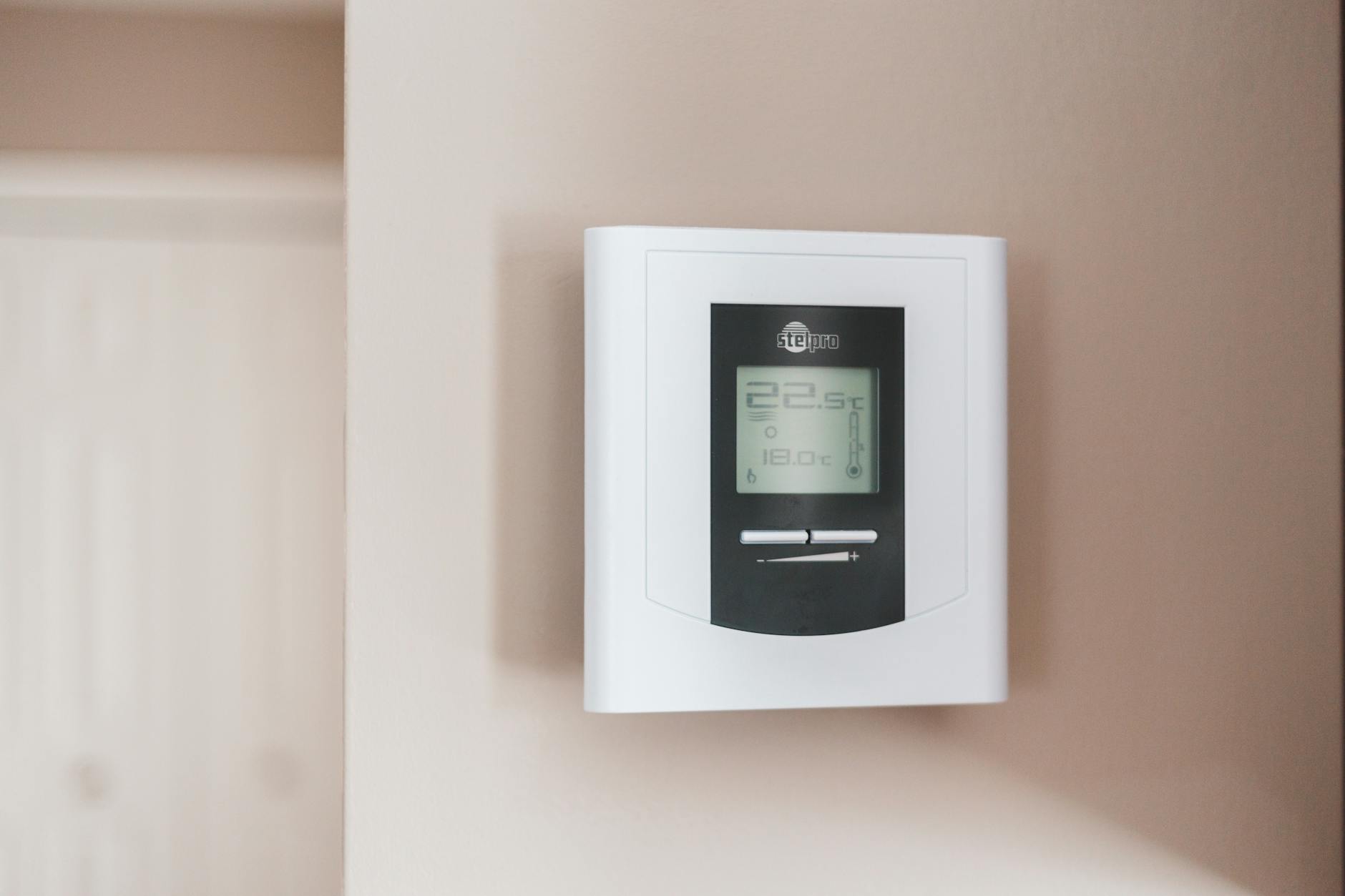
Installing a programmable or smart thermostat allows for automated temperature adjustments based on the time of day and occupancy. These devices can reduce heating and cooling costs by nearly 10 percent by avoiding unnecessary climate control when the home is empty. Many models learn user preferences over time and provide detailed energy reports to identify further saving opportunities. Proper placement away from direct sunlight or drafty hallways ensures the most accurate temperature readings.
Cold Water Laundry
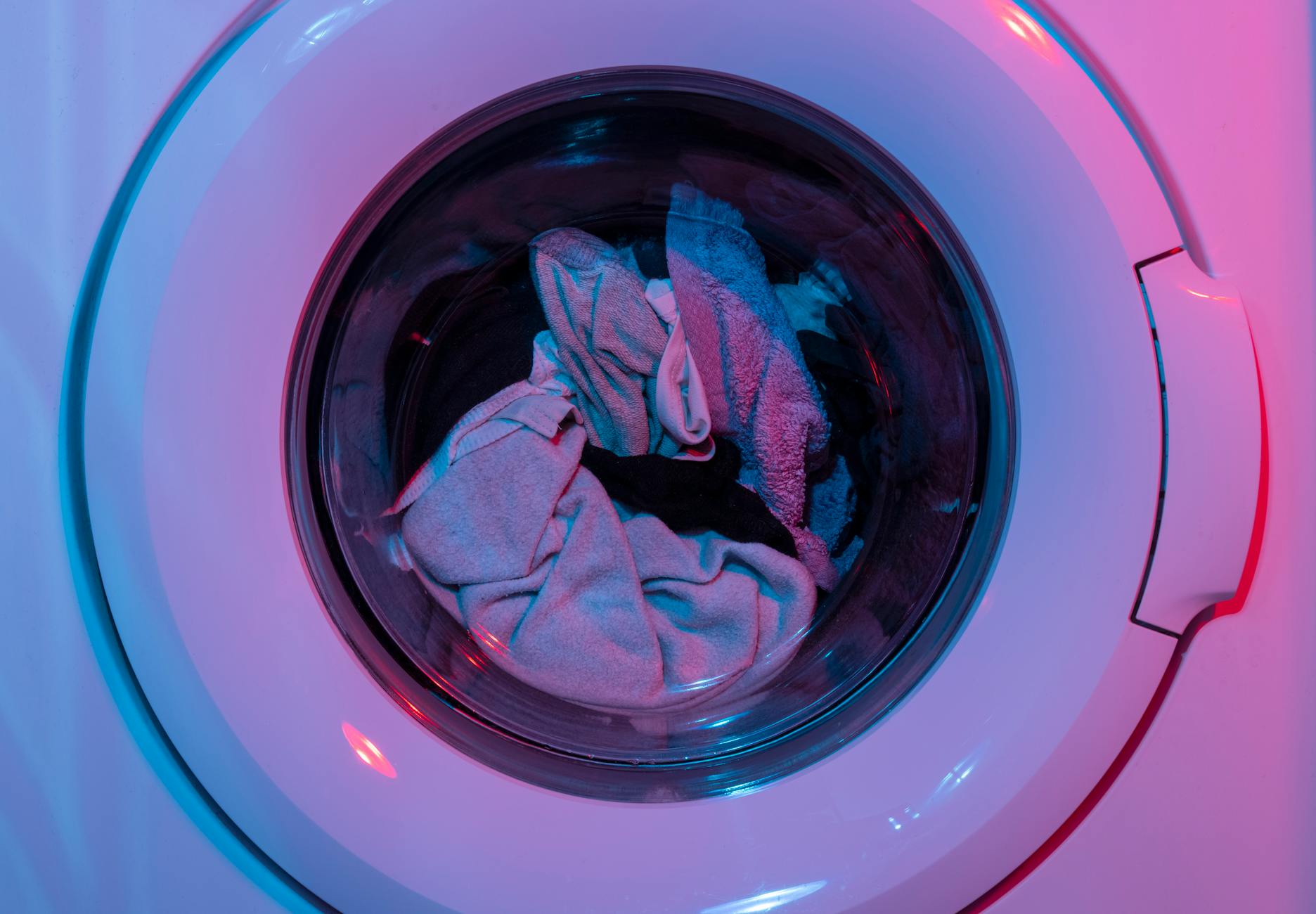
Washing clothes in cold water instead of hot or warm settings significantly reduces the energy required for a single load. Modern detergents are specifically formulated to clean effectively at lower temperatures without damaging fabric fibers. This practice also helps preserve the color and integrity of garments over multiple wash cycles. Restricting laundry tasks to full loads further optimizes water and electricity consumption in the utility room.
Low Flow Showerheads

High efficiency showerheads limit the volume of water used per minute while maintaining adequate pressure for a comfortable experience. Reducing water flow can save thousands of gallons of water annually for an average household. This change also decreases the demand on the water heater which lowers the associated gas or electric costs. Most models are inexpensive and can be installed manually without the need for professional plumbing services.
Air Leak Sealing
Applying caulk or weatherstripping to gaps around windows and doors prevents conditioned air from escaping the home. Small leaks can account for a significant portion of heat loss during winter or cool air loss during summer. Identifying drafts near baseboards or electrical outlets and sealing them creates a more stable indoor climate. This inexpensive home improvement project improves overall insulation efficiency and reduces the workload on HVAC systems.
Phantom Power Management

Many electronic devices continue to draw power even when they are turned off or in standby mode. Using smart power strips or unplugging unused chargers and small appliances eliminates this hidden energy drain. Items such as coffee makers, gaming consoles, and desktop computers are common culprits of unnecessary electricity consumption. Grouping electronics on a single strip makes it easy to cut power to multiple devices with one switch.
Refrigerator Temperature Calibration
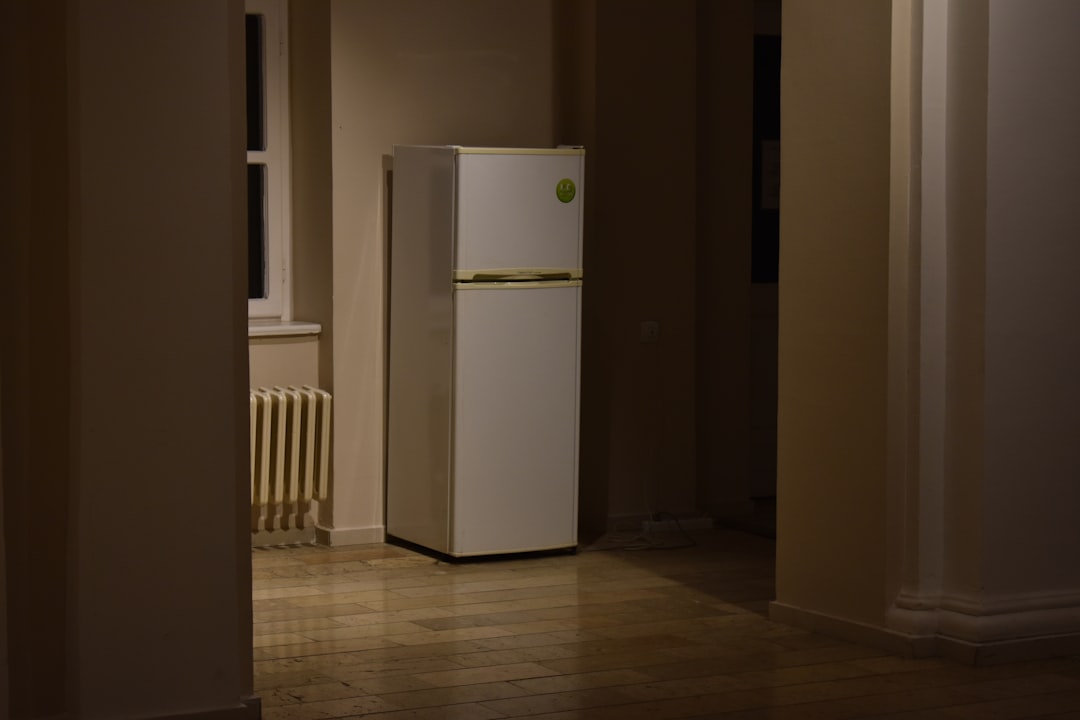
Setting a refrigerator to between 35 and 37 degrees Fahrenheit keeps food fresh without forcing the compressor to work excessively. Freezers should ideally be maintained at 0 degrees Fahrenheit to ensure safety and energy efficiency. Regularly cleaning the condenser coils at the back or bottom of the unit prevents dust buildup that can hinder performance. Keeping the fridge well stocked but not overcrowded helps maintain a consistent internal temperature.
Water Heater Insulation
Wrapping an older water heater in a specialized insulation blanket prevents heat loss through the tank walls. This simple addition can reduce standby heat loss by as much as 45 percent in some models. Insulating the first few feet of hot water pipes leaving the tank further improves efficiency and helps water stay warm as it travels to faucets. Many utility companies offer rebates or assistance for these types of energy saving measures.
Ceiling Fan Direction

Adjusting the rotation of ceiling fans according to the season helps distribute air more effectively throughout a room. In the summer fans should spin counterclockwise to create a cooling breeze that allows for higher thermostat settings. During the winter a clockwise rotation at a low speed pushes trapped warm air down from the ceiling. Utilizing fans in occupied rooms reduces the reliance on central air conditioning and heating systems.
Meal Planning

Organizing weekly meals and sticking to a precise grocery list prevents impulsive purchases and reduces food waste. Buying ingredients in bulk for frequently used items often results in a lower cost per unit. Preparing larger portions and freezing leftovers provides convenient meals that discourage expensive takeout orders during busy evenings. Utilizing store loyalty programs and digital coupons adds another layer of savings to the monthly food budget.
Subscription Audit
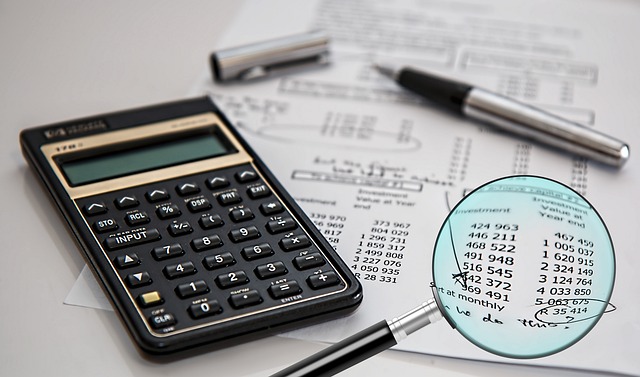
Reviewing monthly bank statements to identify and cancel unused streaming services or memberships can reclaim significant funds. Many consumers pay for recurring digital subscriptions that are no longer accessed or provide redundant content. Consolidating services or opting for annual billing cycles instead of monthly ones sometimes offers a discounted rate. Setting calendar reminders for trial periods ensures that unwanted charges do not begin automatically.
Window Treatment Usage

Closing blinds or heavy curtains during the hottest part of a summer day blocks solar heat from entering the home. In the winter opening these same treatments during sunny hours allows natural light to provide passive heating for the interior. Thermal curtains are specifically designed to add an extra layer of insulation against glass panes. Using natural light during the day also reduces the need for artificial overhead lighting.
Dishwasher Efficiency
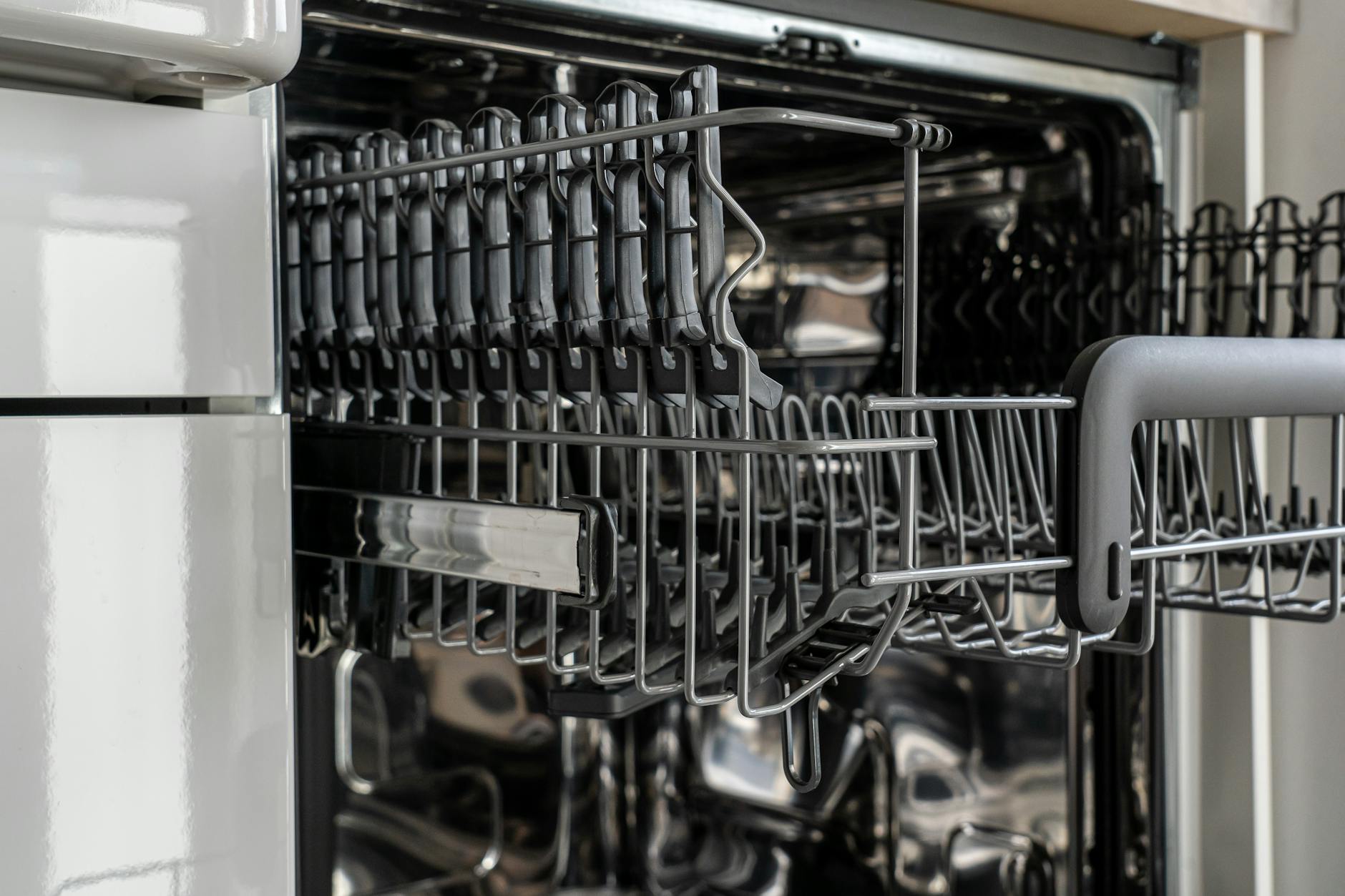
Running the dishwasher only when it is completely full ensures that every gallon of water and watt of electricity is used effectively. Most modern units offer an economy or air dry setting that skips the high energy heated drying cycle. Scraping plates instead of pre rinsing them under a running faucet saves a substantial amount of water over time. Proper loading techniques allow for better water circulation and cleaner dishes in a single cycle.
HVAC Filter Replacement
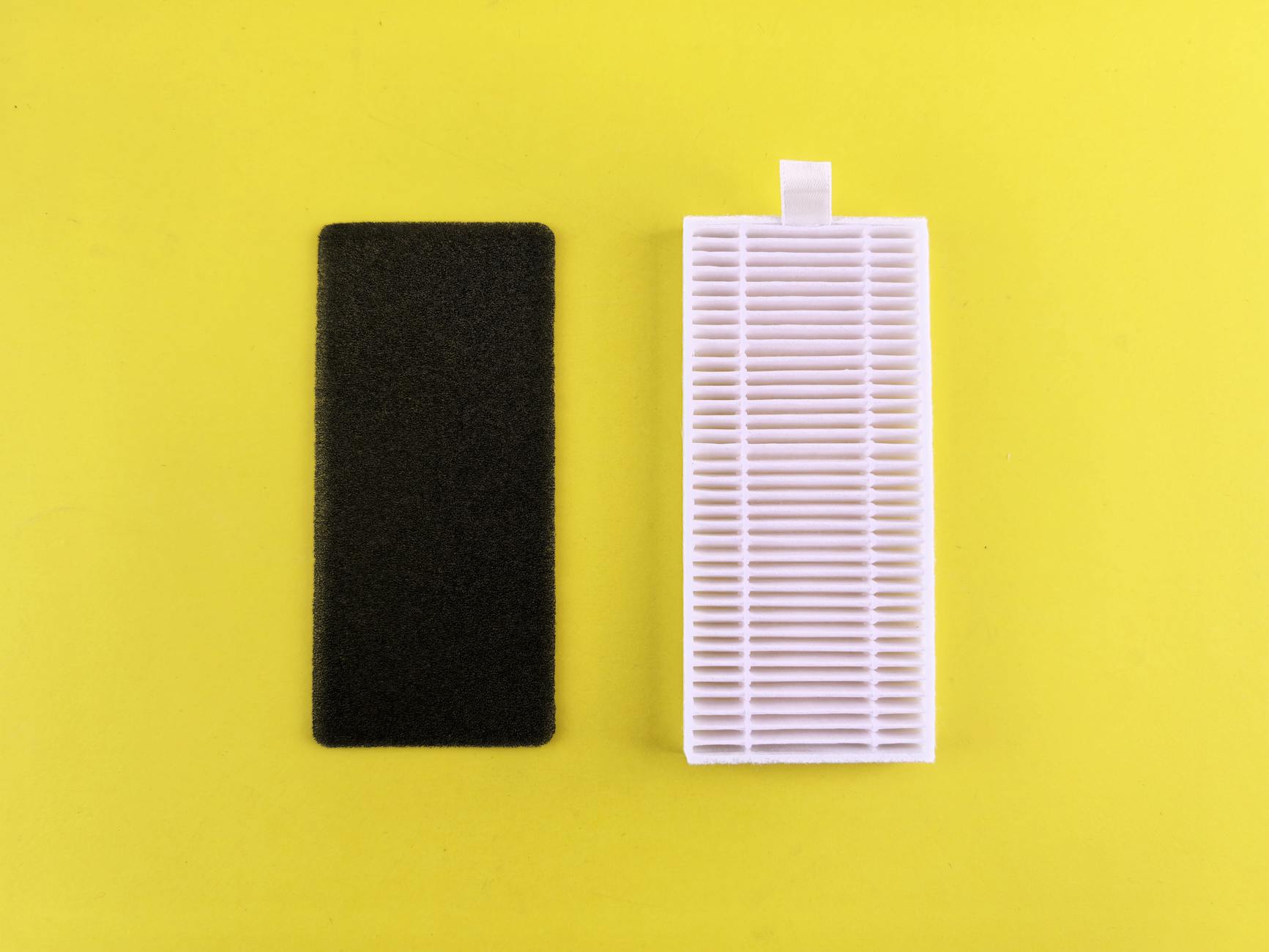
Changing air filters every three months ensures that heating and cooling systems operate with maximum airflow. Clogged filters force the system to run longer and work harder to move air through the home. This regular maintenance task extends the lifespan of expensive equipment while keeping energy bills more predictable. High quality filters also improve indoor air quality by trapping more dust and allergens.
Aerator Installation

Attaching small aerators to kitchen and bathroom faucets mixes air into the water stream to reduce total flow. This creates the sensation of high pressure while using significantly less water for tasks like hand washing or tooth brushing. These inexpensive components are easy to screw onto existing fixtures and provide immediate utility savings. Reducing hot water flow specifically helps lower the energy used for water heating.
Insurance Policy Review

Comparing insurance rates from different providers every year can reveal more competitive pricing for home and auto coverage. Bundling multiple policies with a single company often results in a significant discount on the total premium. Increasing a deductible is another way to lower monthly payments for those with sufficient emergency savings. Inquiring about low mileage or safety feature discounts can further reduce the cost of automotive insurance.
Garden Mulching
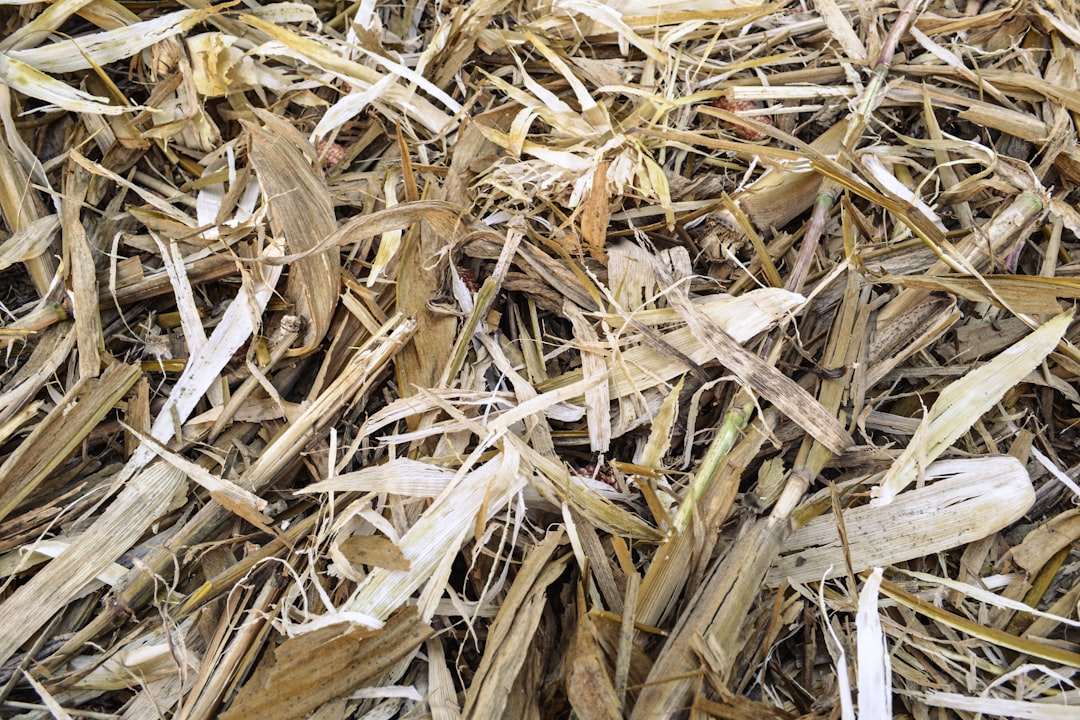
Applying a thick layer of mulch around garden plants helps retain soil moisture and suppresses weed growth. This practice reduces the frequency of watering needed to keep a landscape healthy and vibrant. Using organic materials like wood chips or straw also improves soil quality as they decompose over time. Grouping plants with similar water needs together allows for more targeted and efficient irrigation.
Bulk Dry Goods

Purchasing pantry staples like rice, beans, and oats from bulk bins reduces packaging waste and lowers the price per pound. These items have a long shelf life and serve as a versatile foundation for many budget friendly meals. Storing bulk purchases in airtight containers maintains freshness and prevents pests from entering the kitchen. Avoiding pre packaged individual servings is a simple way to decrease the total cost of a grocery trip.
Library Resource Utilization

Using a local library for books, movies, and digital media eliminates the need to purchase these items or pay for multiple entertainment apps. Many libraries also offer free access to premium research databases and educational tools that would otherwise require a subscription. Borrowing physical items instead of buying them new reduces household clutter and supports community resources. Some locations even provide passes to local museums or cultural attractions for cardholders.
Generic Brand Selection

Opting for store brand or generic versions of household staples and medications often provides the same quality for a lower price. Many generic products contain the exact same active ingredients as their name brand counterparts. This applies to items ranging from cleaning supplies and paper goods to canned vegetables and cereal. Consistently choosing the lower cost alternative can lead to noticeable savings at the checkout counter.
Smart Power Strips
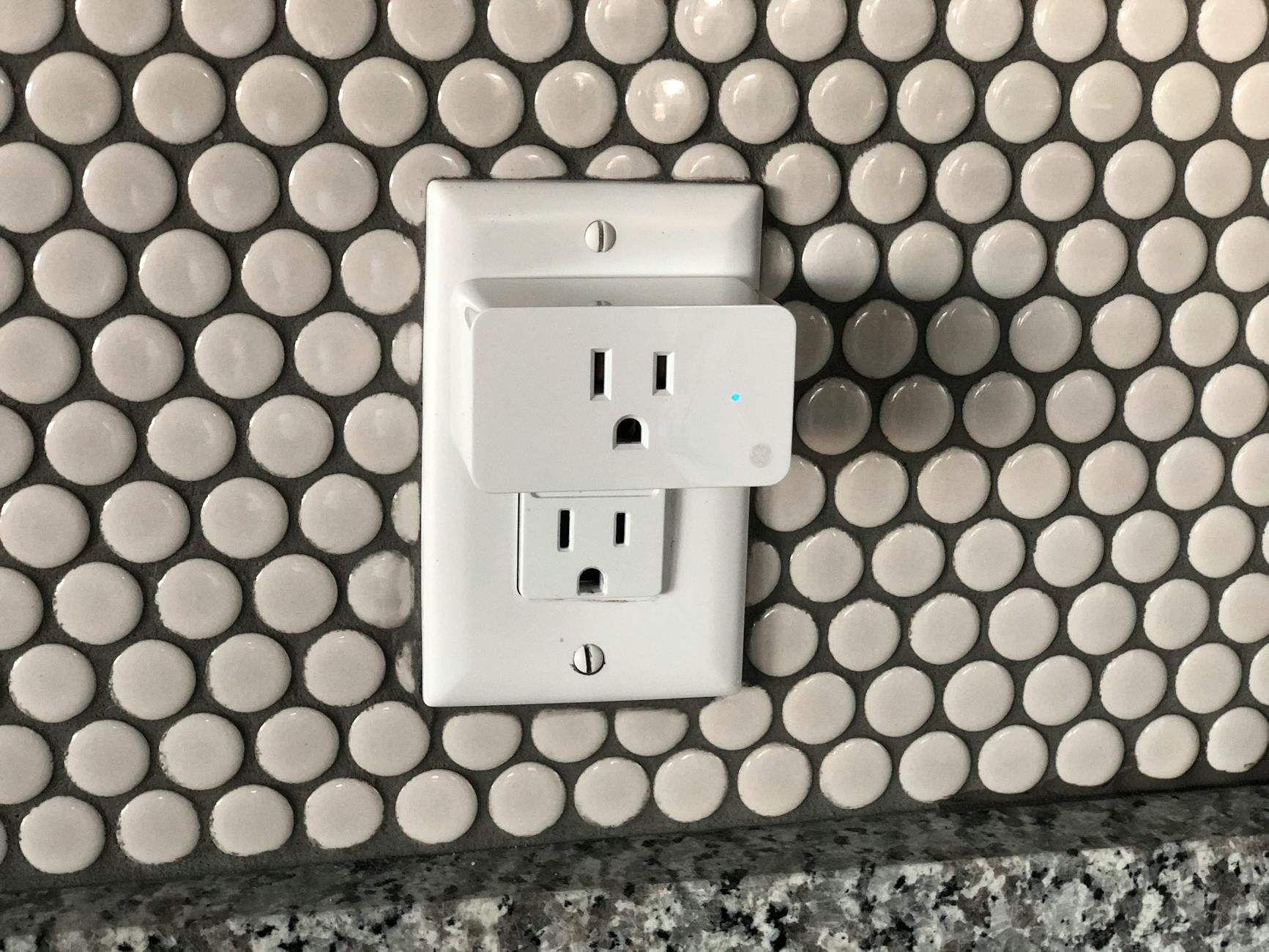
Integrating smart power strips into a home office or entertainment center helps manage the energy used by peripheral devices. These strips can automatically cut power to items like printers or speakers when the primary device is turned on or off. Some models include timers that allow users to schedule exactly when certain electronics should receive electricity. This technology actively combats the energy waste associated with devices that remain in standby mode.
Manual Lawn Maintenance

Using a manual reel mower for smaller lawn areas eliminates the need for gasoline or electricity while providing a quiet workout. Hand weeding instead of using chemical sprays saves money on landscaping products and is gentler on the environment. Regularly sharpening mower blades ensures a clean cut that keeps grass healthy and reduces the effort required for maintenance. Simple hand tools are often more durable and require less long term upkeep than motorized alternatives.
Water Temperature Lowering

Reducing the maximum temperature setting on a water heater to 120 degrees Fahrenheit provides sufficient heat for most household needs. Higher settings often lead to unnecessary energy consumption and increase the risk of accidental scalding. This adjustment is usually made via a simple dial on the unit and provides consistent savings throughout the year. Most residents find that this temperature is perfectly adequate for hot showers and effective dishwashing.
Rain Barrel Collection
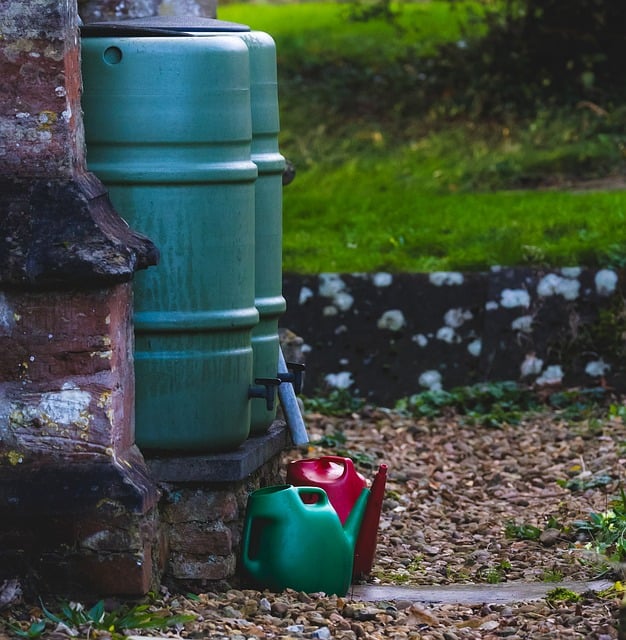
Installing a rain barrel to collect runoff from roof gutters provides a free source of water for outdoor plants and lawns. This reduces the demand on municipal water systems and lowers the cost of maintaining a garden during dry months. Using a screen or cover on the barrel prevents debris and insects from entering the stored water. Gravity fed systems are easy to set up and require no additional power to operate.
Tool Sharing
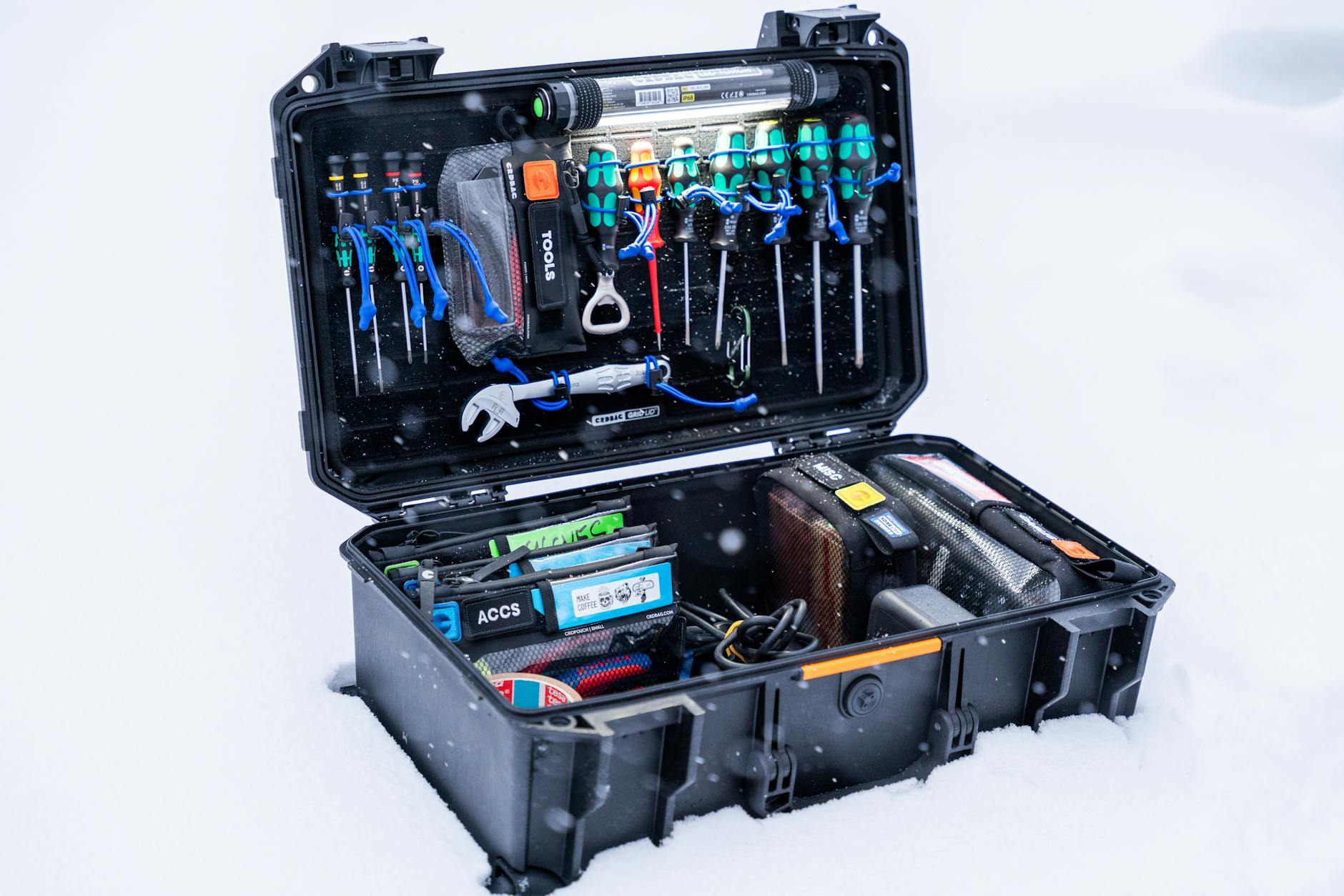
Joining or starting a neighborhood tool library allows residents to share expensive equipment that is only used occasionally. Items like pressure washers, tall ladders, and specialized gardening tools can be expensive to purchase and maintain individually. Sharing resources fosters community connections while reducing the financial burden on any single household. This approach also frees up storage space in garages and sheds.
Programmable Lighting Timers

Using simple plug in timers for lamps and outdoor lights ensures that they are only active during specific hours. This prevents lights from being left on overnight or during the day when they are not needed. Mechanical or digital timers are inexpensive and can be easily adjusted as the seasons change. Some smart versions allow for remote control via a smartphone for added convenience and security.
Energy Audit Participation

Scheduling a professional energy audit provides a comprehensive analysis of where a home is losing energy and how to fix it. Many utility companies offer these assessments for free or at a subsidized rate to encourage conservation. Auditors use specialized equipment like blower doors and thermal cameras to find hidden leaks and insulation gaps. The resulting report gives a prioritized list of improvements that will yield the highest return on investment.
Home Hair Care

Learning to perform basic hair maintenance like trims or simple styling at home can reduce the frequency of professional salon visits. Many high quality tools and tutorials are available to help beginners achieve professional results with practice. This is particularly effective for households with multiple family members who require regular grooming. Investing in a good pair of shears and a sturdy comb pays for itself after just a few uses.
DIY Cleaning Solutions

Mixing common household ingredients like vinegar, baking soda, and lemon juice creates effective and inexpensive cleaning agents. These natural alternatives are often safer for use around children and pets than harsh chemical cleaners. All purpose sprays and glass cleaners can be made in reusable bottles to reduce plastic waste and save on grocery costs. Many recipes are simple to follow and use items that are already found in most kitchens.
Carpool Coordination

Sharing a ride with colleagues or neighbors for daily commutes significantly reduces the cost of fuel and vehicle maintenance. This practice also lowers the expense of parking and reduces the stress of driving in heavy traffic. Many workplaces offer incentives or designated parking areas for employees who participate in ride sharing programs. Even carpooling for weekend errands or social events can contribute to monthly transportation savings.
Public Transit Usage

Opting for buses, trains, or light rail instead of driving a personal vehicle can lead to substantial monthly savings. Many cities offer discounted passes for regular commuters that are much cheaper than the cost of gas and car insurance. Using public transit also provides extra time for reading or working during the journey. Reducing the mileage on a personal car helps maintain its resale value and decreases the frequency of repairs.
Low Maintenance Landscaping

Choosing native plants and drought resistant varieties for a yard reduces the need for expensive fertilizers and intensive watering. These plants are naturally adapted to the local climate and typically require less pruning and pest control. Xeriscaping techniques can transform a traditional lawn into a vibrant landscape that thrives with minimal intervention. This approach lowers utility bills while creating a sustainable outdoor environment.
Solar Path Lights

Utilizing solar powered lights for walkways and garden borders eliminates the need for electrical wiring and ongoing energy costs. These fixtures charge during the day and automatically illuminate at dusk using stored solar energy. They are easy to install by simply pushing them into the ground in a sunny location. Modern solar lights are durable and provide consistent performance even during cloudy weather.
Water Meter Monitoring
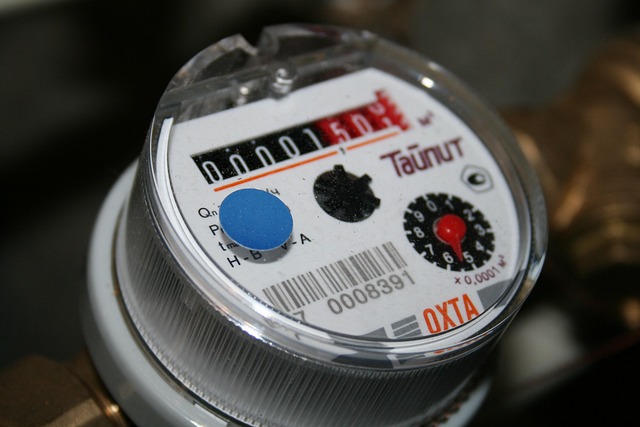
Regularly checking the water meter can help identify hidden leaks in a plumbing system before they cause a spike in the bill. Significant changes in usage patterns often indicate a running toilet or a leaking pipe that needs immediate attention. Many smart water meters now provide real-time data through mobile apps to help homeowners track their daily consumption. Early detection of leaks prevents water waste and protects the home from potential water damage.
Community Garden Membership

Joining a community garden provides access to land and resources for growing fresh produce at a fraction of the cost of retail. Members often share the expense of seeds, tools, and irrigation, making gardening more accessible to everyone. Growing your own vegetables ensures a supply of nutritious food and reduces the monthly grocery bill during harvest seasons. These gardens also offer educational opportunities and a chance to connect with other local growers.
Energy Efficient Appliance Upgrades
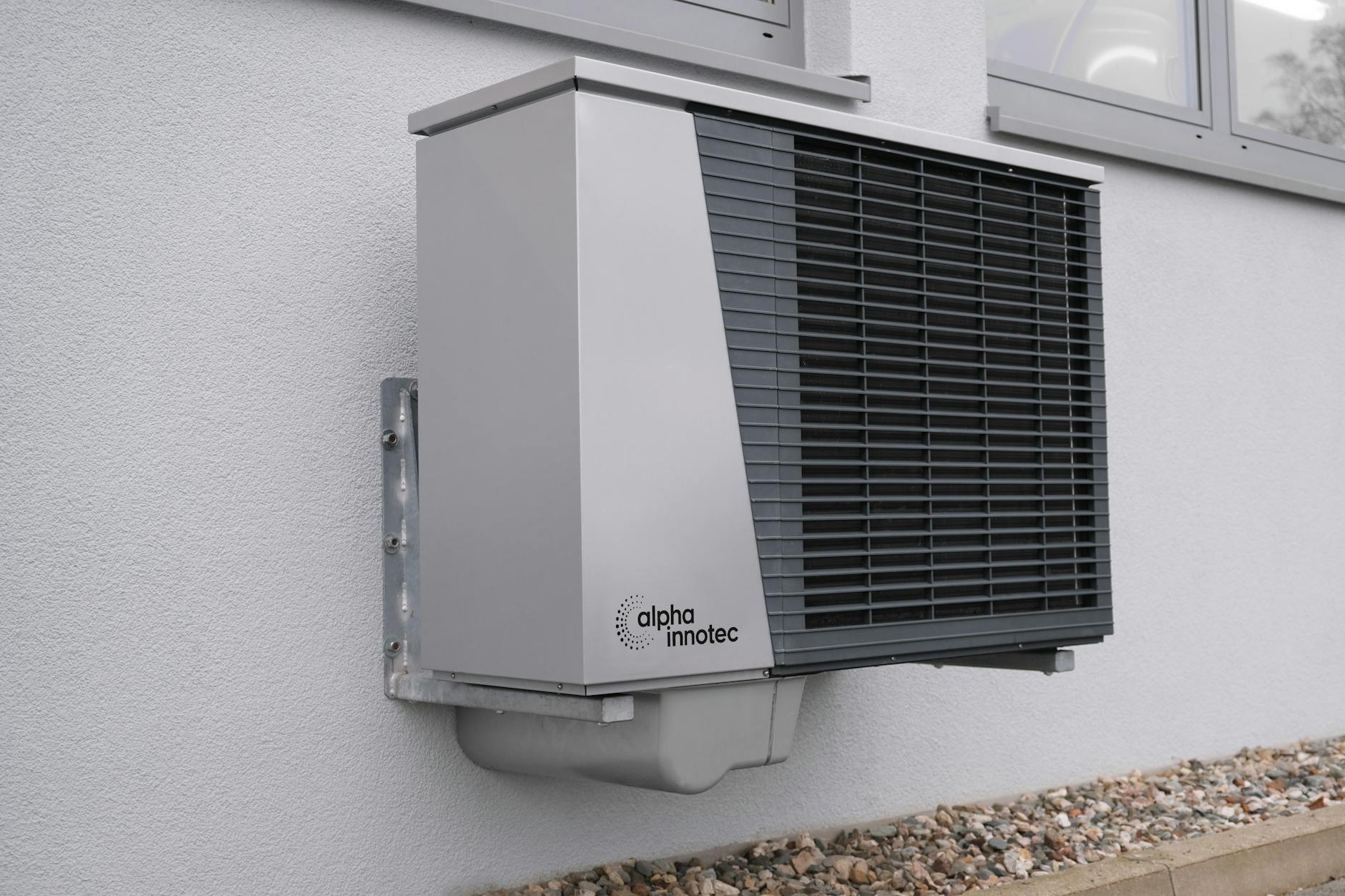
Replacing old or malfunctioning appliances with Energy Star rated models can lead to long term savings on utility bills. These modern units are designed to use the minimum amount of energy and water required for optimal performance. While the initial cost may be higher, the reduction in operating expenses often offsets the investment over time. Many utility providers offer rebates for customers who upgrade to high efficiency equipment.
Radiator Clearance
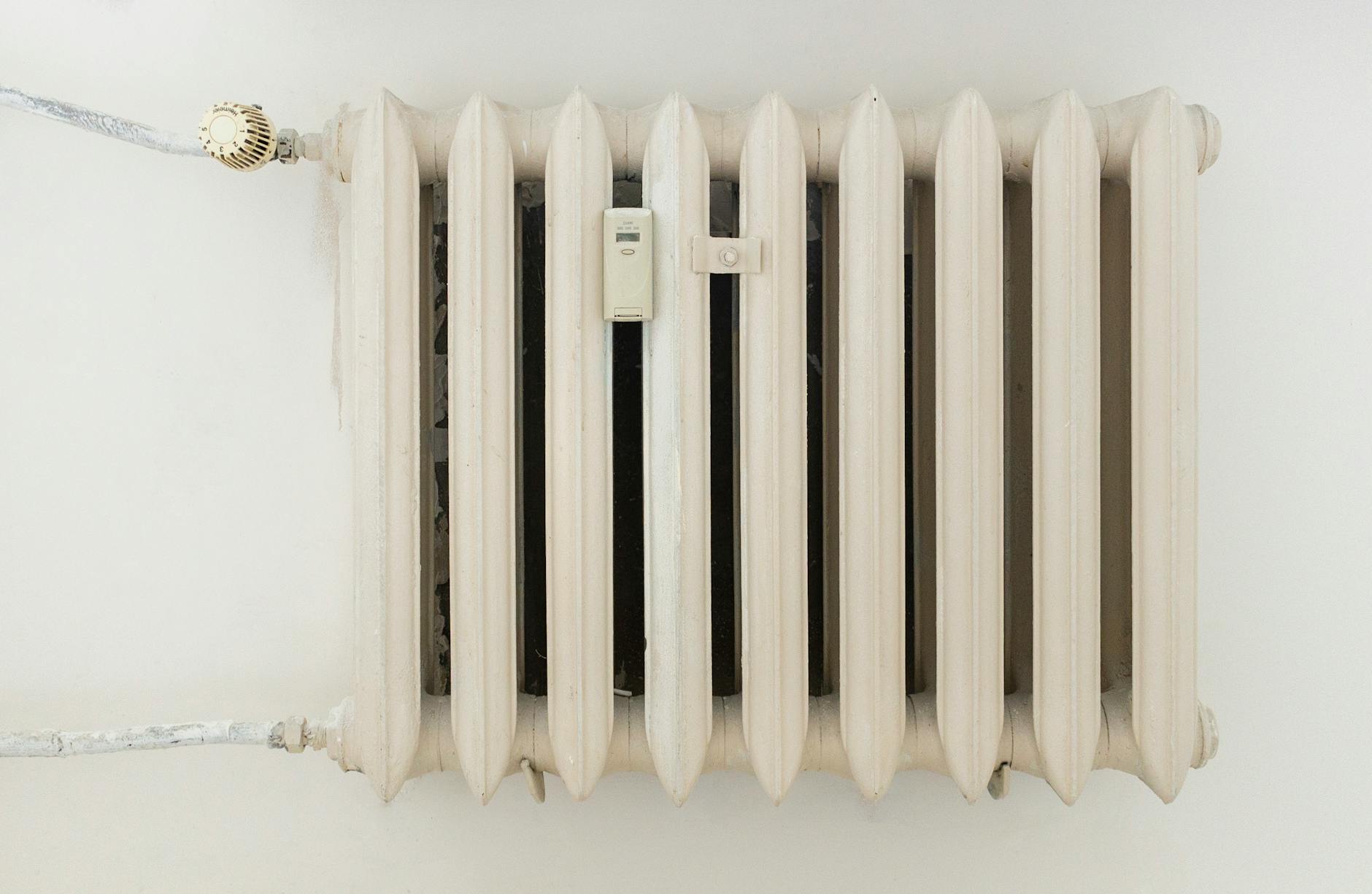
Ensuring that furniture and curtains do not block radiators allows heat to circulate freely throughout a room. Obstructions trap warmth near the heater and force the system to run longer to reach the desired temperature. Rearranging a room to keep heating vents clear improves the overall comfort and efficiency of a home. This simple adjustment requires no tools and can be done during a routine cleaning session.
Batch Cooking

Preparing large quantities of food at one time and storing individual portions saves energy by using the oven or stove less frequently. This method also saves time during the week and helps prevent the temptation of ordering expensive takeout meals. Many soups, stews, and casseroles freeze well and maintain their quality for several weeks. Having a stock of ready to heat meals makes it easier to manage a busy schedule without overspending.
Local Swap Meets

Attending community swap meets or using online exchange groups allows residents to trade unwanted items for things they actually need. This is a cost free way to acquire clothing, books, and household goods without visiting a retail store. Participating in a circular economy reduces waste and fosters a sense of community among neighbors. It also provides a productive way to declutter a home and find new homes for functional items.
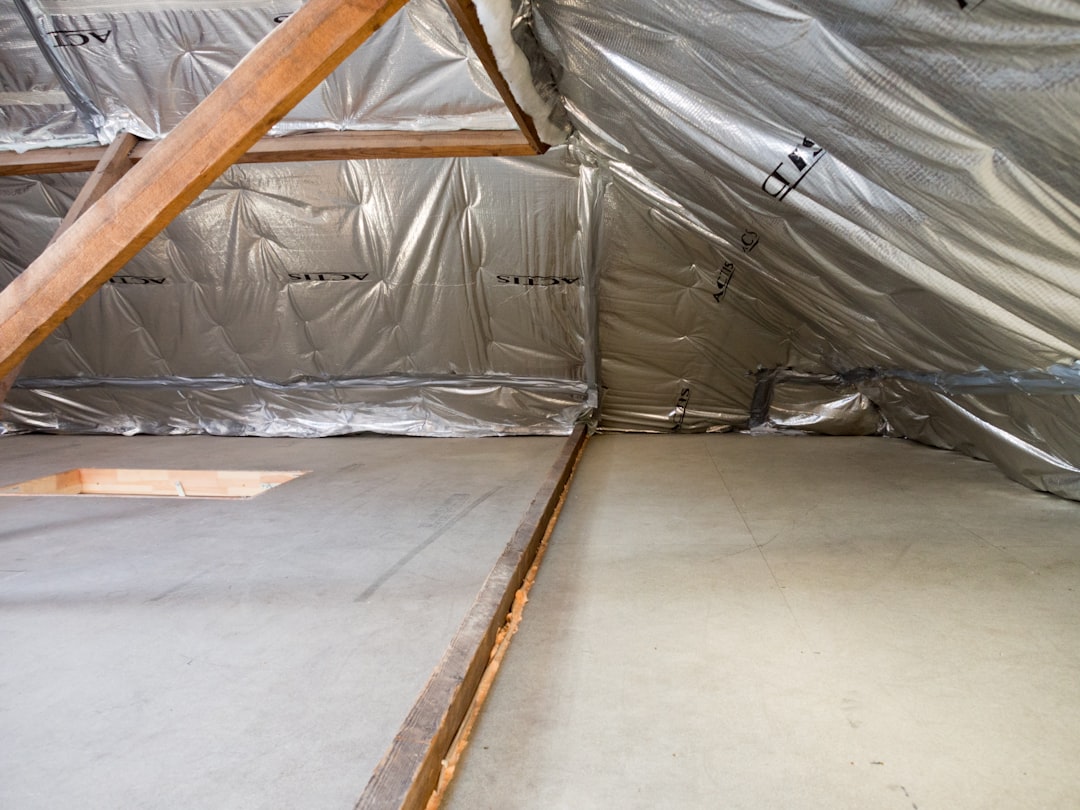
Attic Insulation Improvement
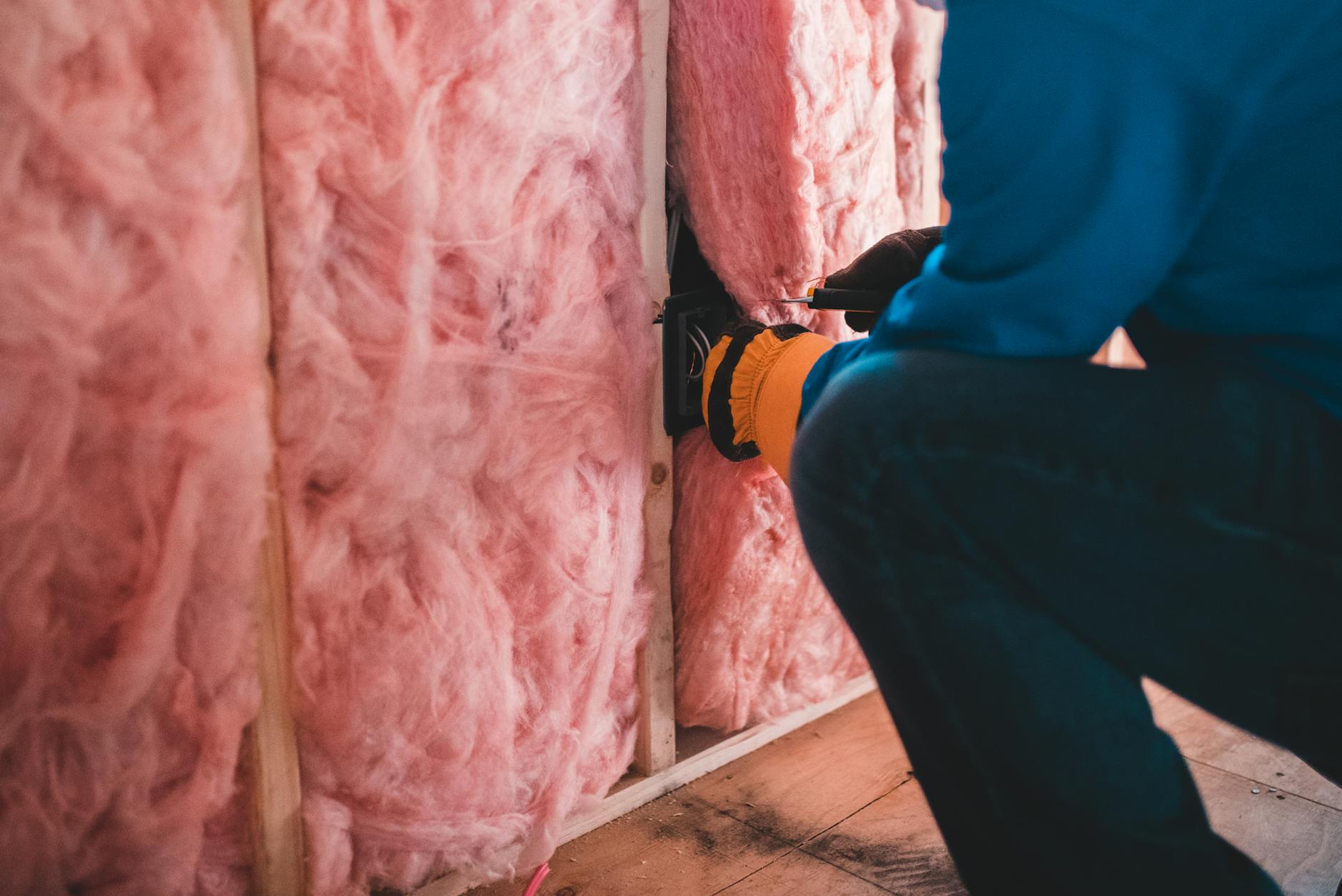
Increasing the level of insulation in an attic is one of the most effective ways to reduce heating and cooling costs year round. Proper insulation keeps warm air inside during the winter and prevents solar heat from penetrating the home in the summer. Many older houses have insufficient insulation levels that do not meet modern energy standards. Adding blown in cellulose or fiberglass batts can significantly improve a home’s thermal performance and overall comfort.
Please share your favorite strategies for saving money on monthly expenses in the comments.