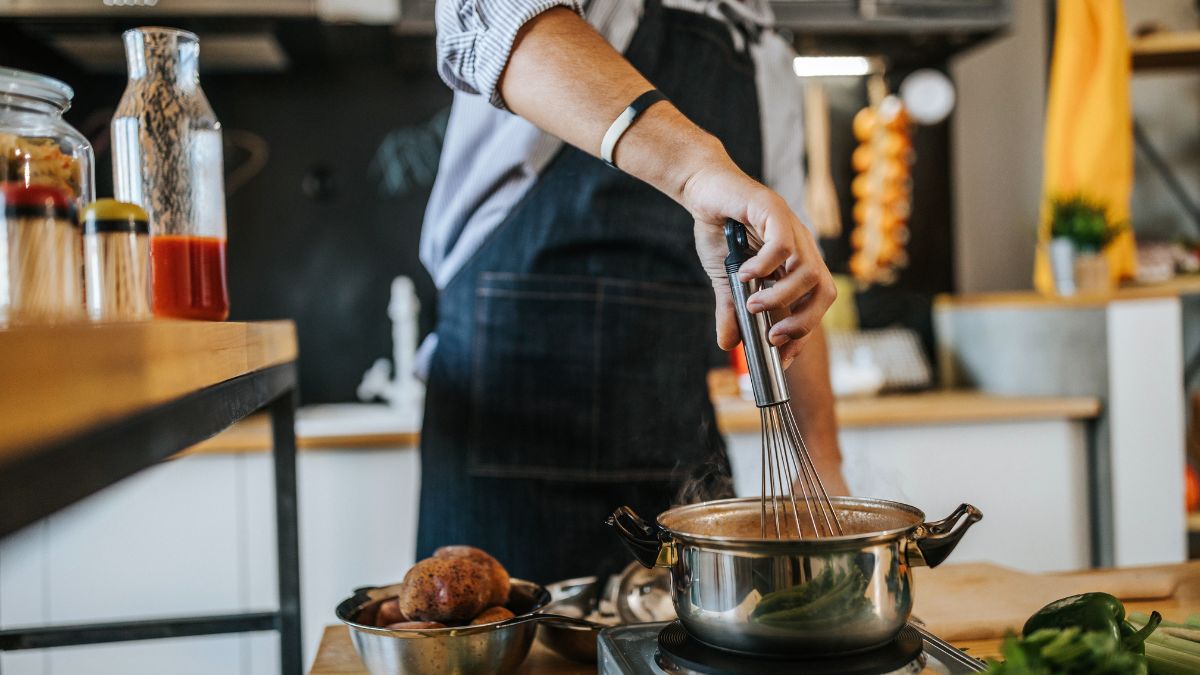
Even the most enthusiastic home cooks can fall into habits that quietly sabotage their dishes before they ever reach the table. From temperature missteps to seasoning blunders, these errors are surprisingly easy to make and just as easy to fix once you know what to look for. Understanding where things go wrong in the kitchen is the first step toward consistently better meals. Whether you are just starting out or have been cooking for years, avoiding these pitfalls will make a noticeable difference in the food you serve.
Crowded Pan
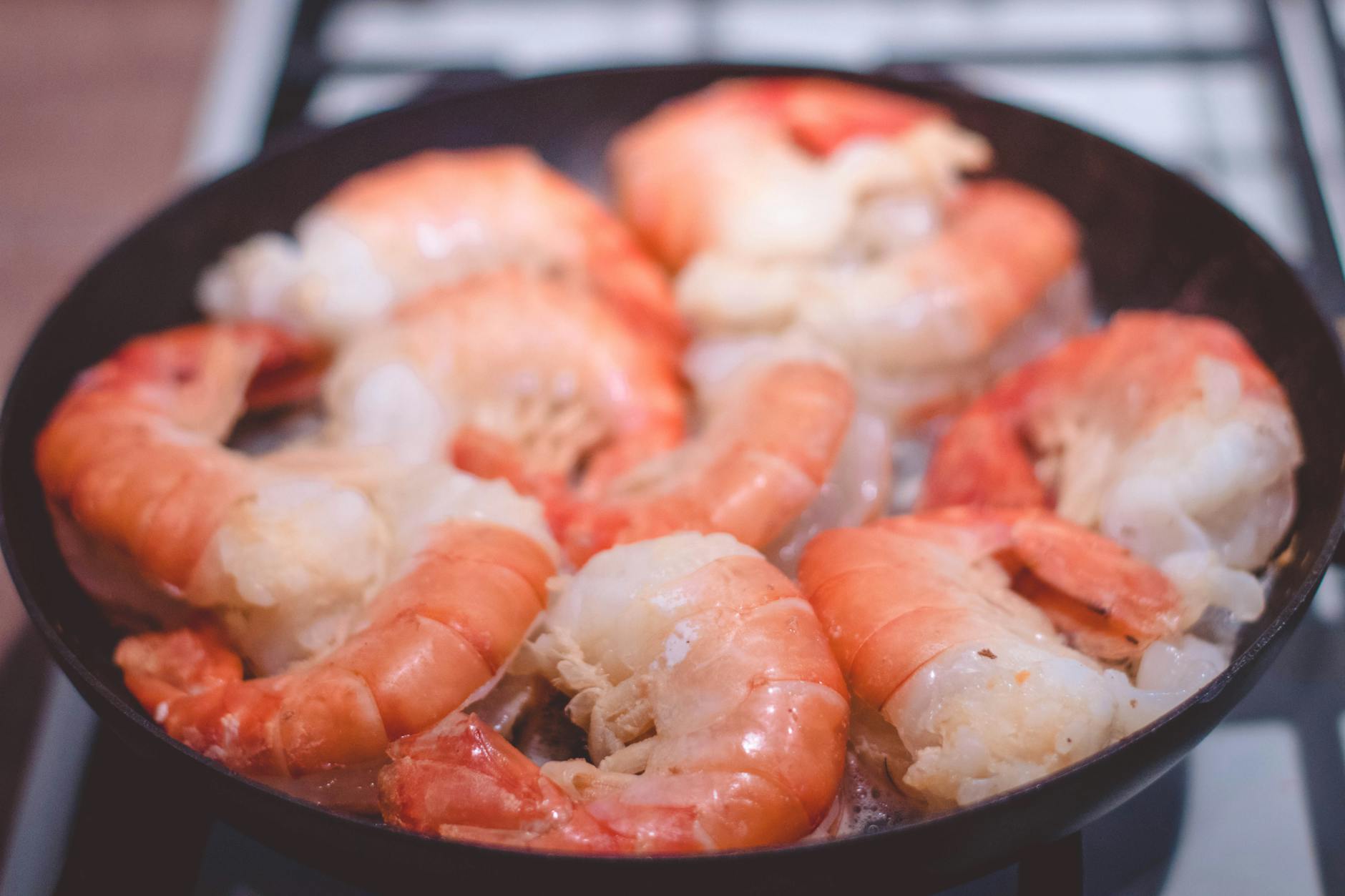
Adding too much food to a pan at once causes the temperature to drop dramatically and prevents proper browning. Instead of searing, the food begins to steam in its own moisture, resulting in a pale and soggy texture. This is one of the most common reasons home cooks end up with limp vegetables and meat that lacks a proper crust. Cooking in smaller batches takes more time but produces far superior results. A wide pan and patience are two of the most underrated tools in any kitchen.
Cold Meat
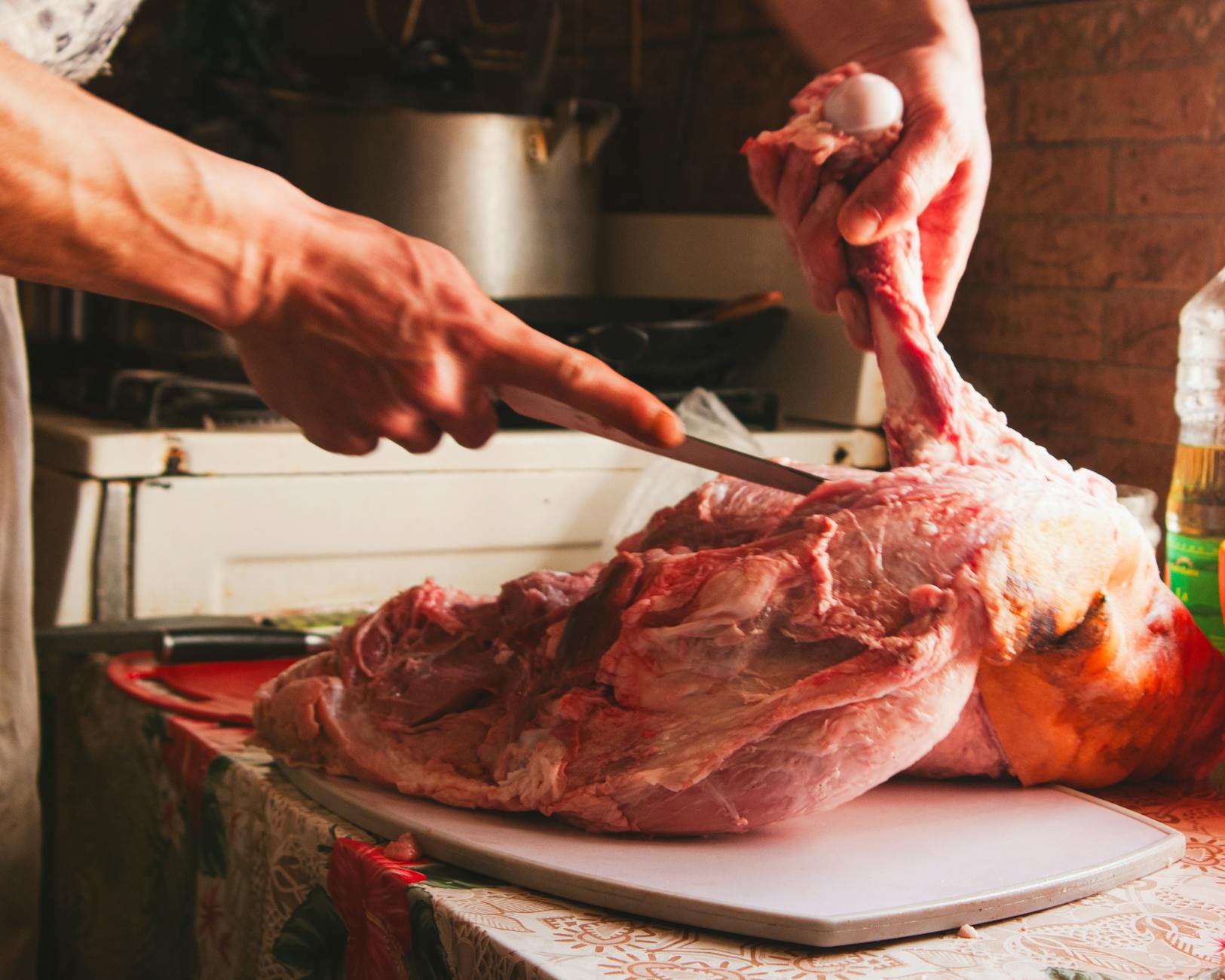
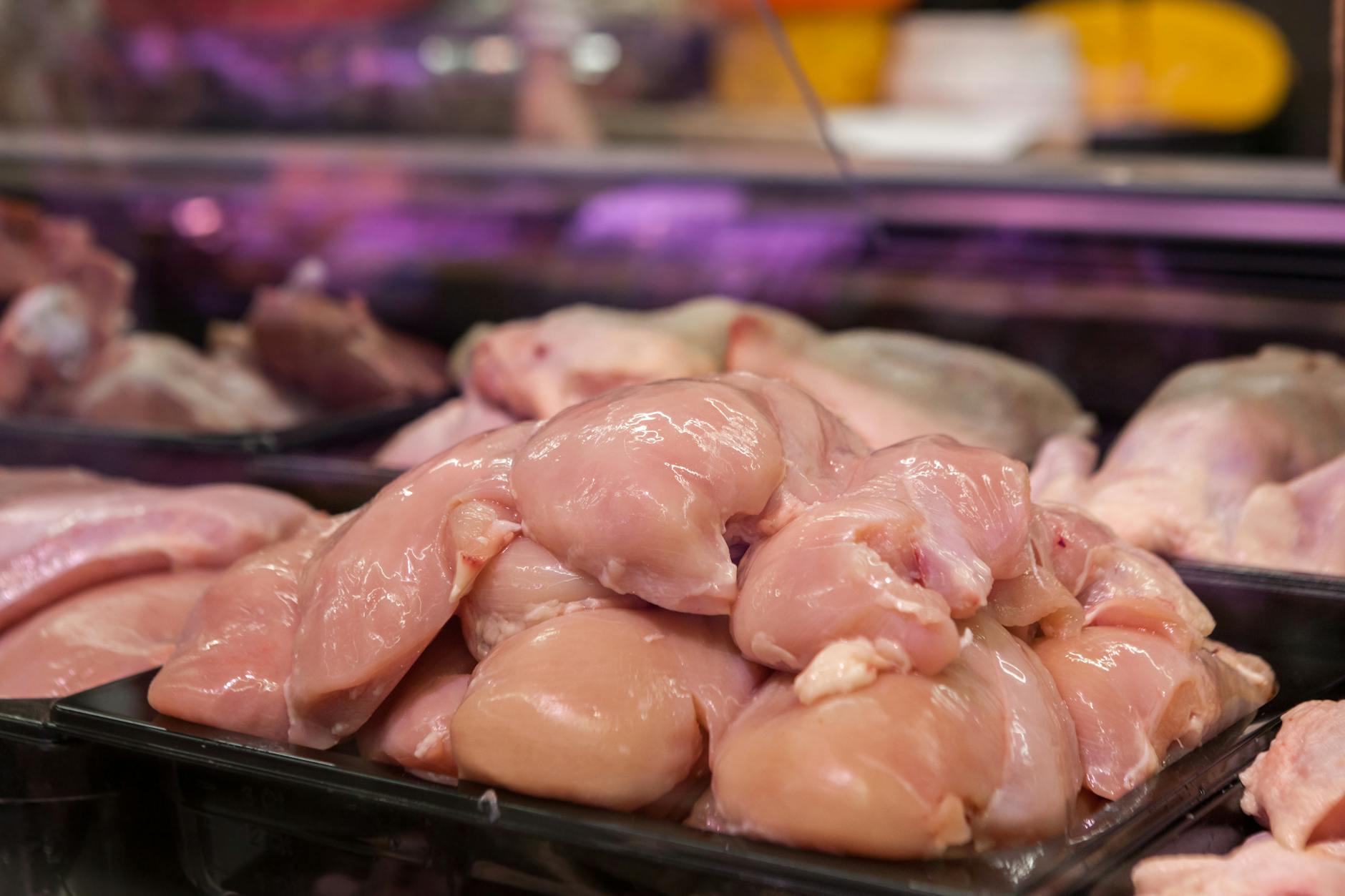
Placing meat straight from the refrigerator into a hot pan or oven leads to uneven cooking throughout. The exterior can overcook before the center ever reaches a safe temperature. Allowing meat to rest at room temperature for twenty to thirty minutes before cooking helps it cook more evenly and retain its juices. This step is especially important for thick cuts like steaks, roasts, and whole poultry. The difference in texture and moisture is significant and worth the extra waiting time.
Dull Knife
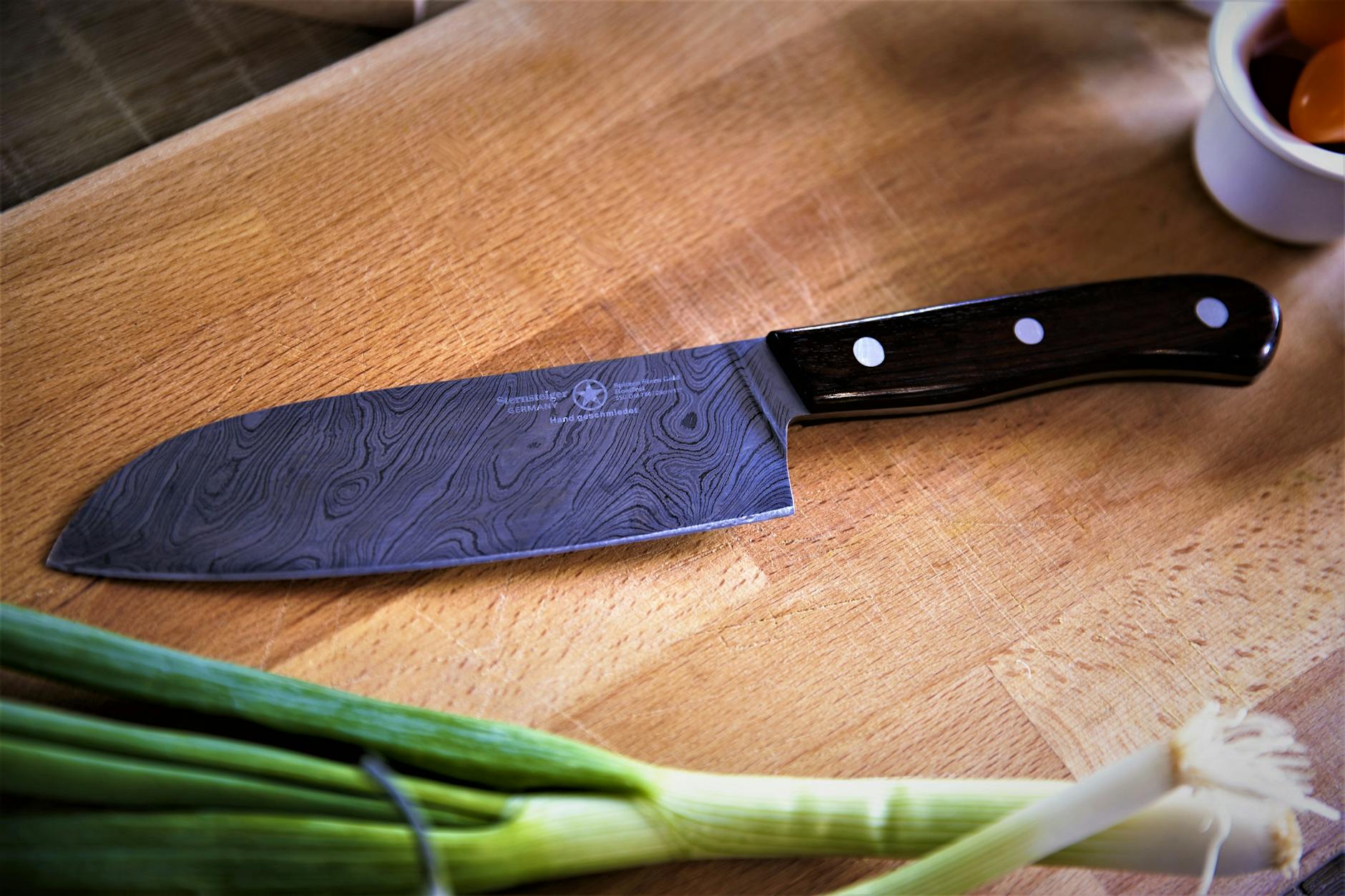
A dull knife requires more force to cut through ingredients, which increases the risk of slipping and injury. Uneven cuts also mean that pieces cook at different rates, leaving some overdone while others remain undercooked. A sharp knife glides through vegetables and proteins cleanly, preserving their structure and natural juices. Regular honing and occasional professional sharpening keep blades performing at their best. Investing in knife maintenance is one of the simplest upgrades any cook can make.
Boiling Pasta
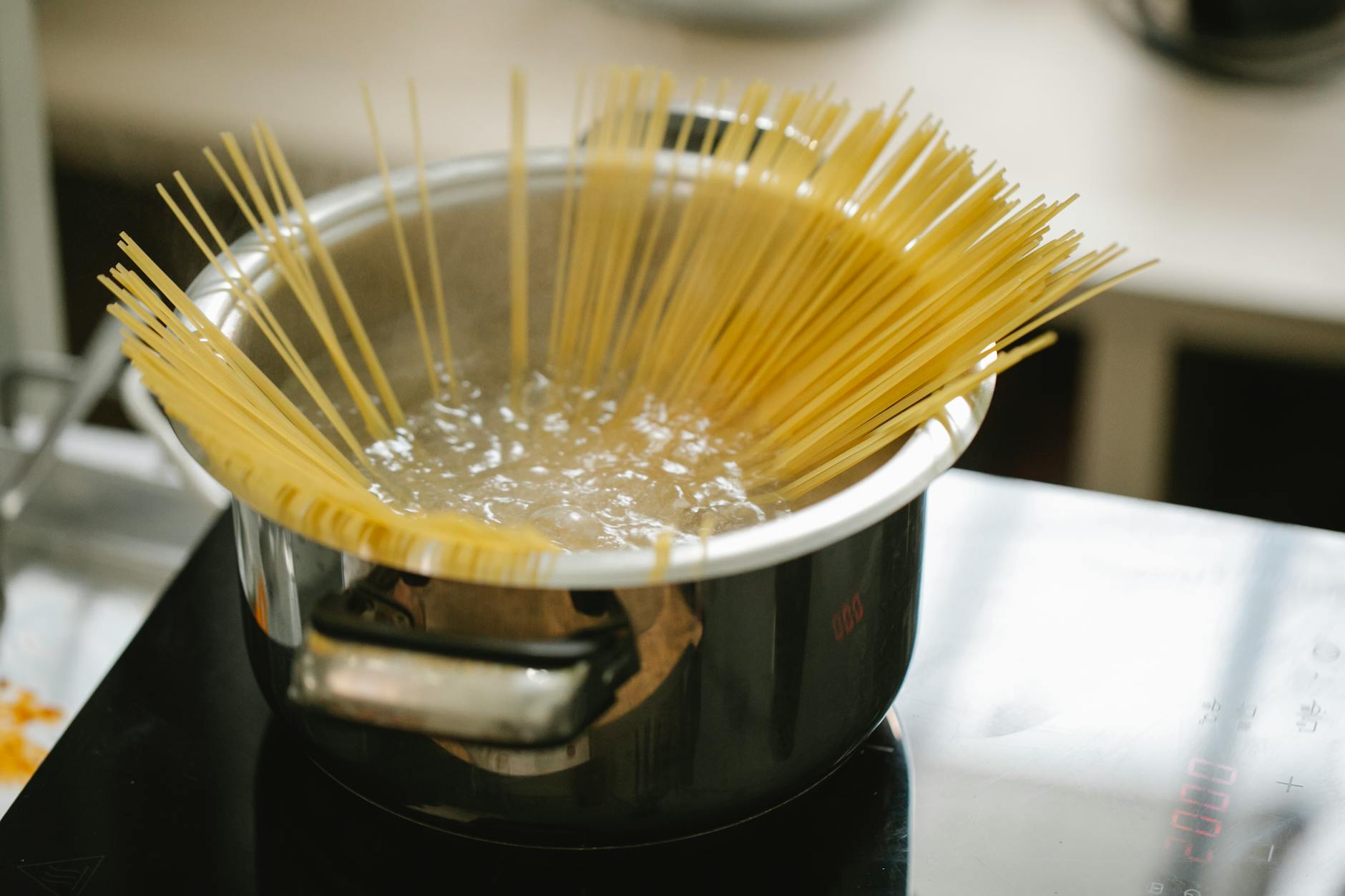
Cooking pasta in water that is not at a full rolling boil causes it to become sticky and gummy. The starch on the surface of the pasta needs the vigorous movement of boiling water to wash away properly. Using a large pot with plenty of water gives the pasta room to move freely and cook evenly. Salt added generously to the water seasons the pasta from the inside out as it cooks. Skipping this step is one of the main reasons pasta dishes taste flat even with a flavorful sauce.
Skipping Seasoning
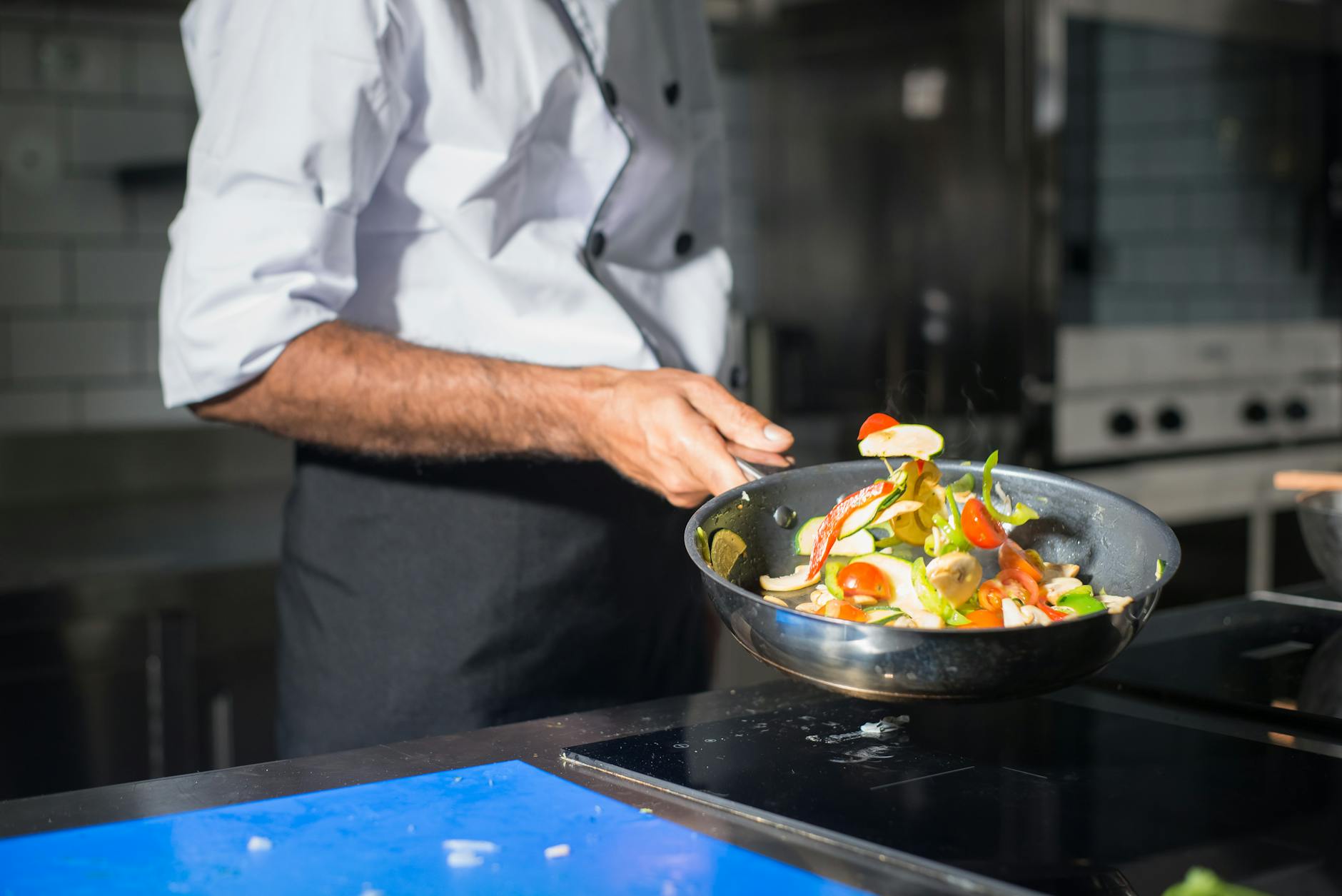
Adding salt only at the end of cooking means flavors are applied to the surface rather than built throughout the dish. Seasoning in layers at multiple stages of cooking creates depth and complexity that no last-minute addition can replicate. Vegetables, proteins, pasta water, and sauces all benefit from salt added at the right moment during preparation. Taste regularly throughout the cooking process to adjust as you go. This habit alone dramatically improves the overall quality of virtually every dish.
Wrong Oil
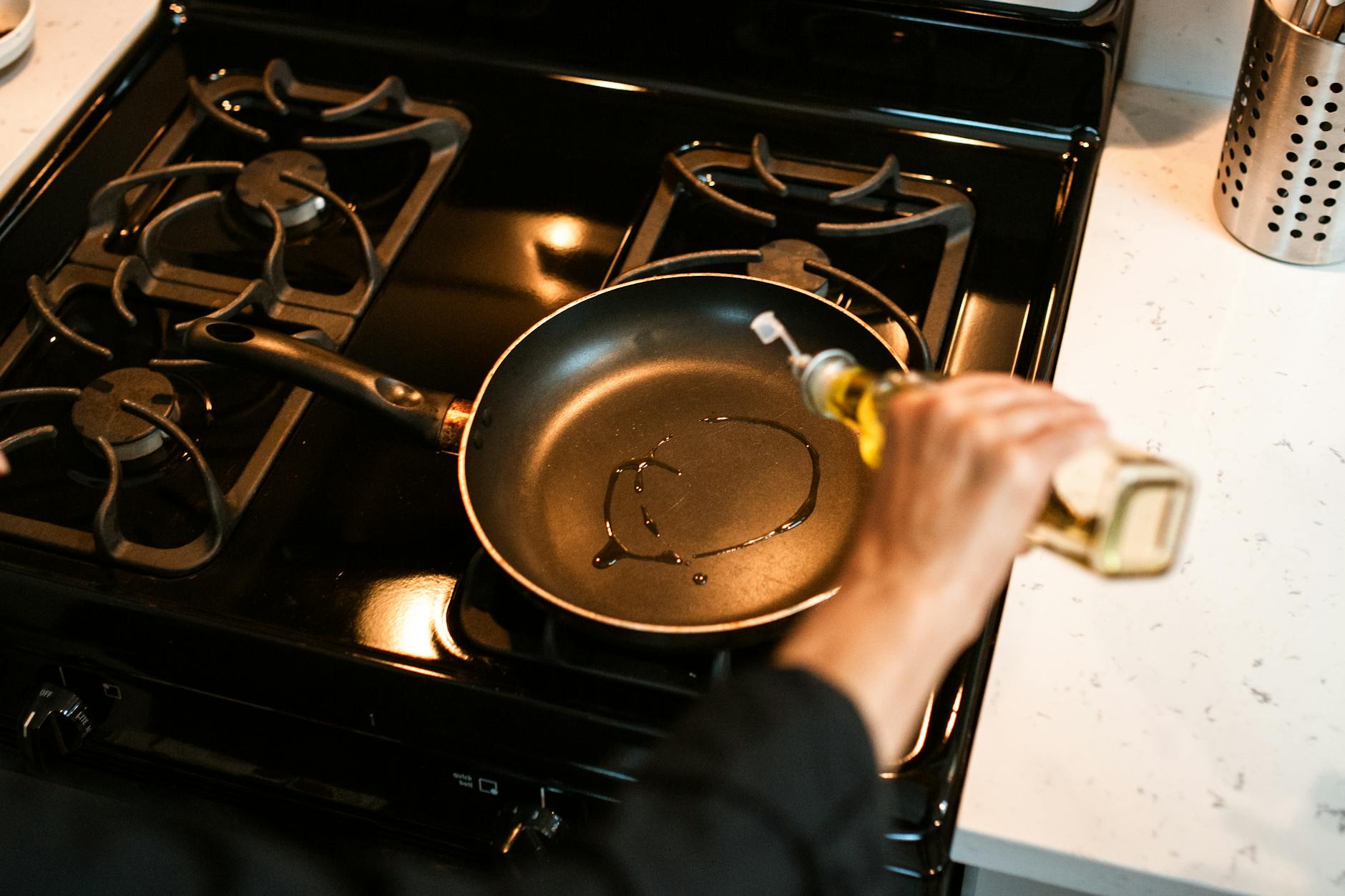
Using an oil with a low smoke point for high-heat cooking causes it to burn and develop bitter, acrid flavors. Olive oil, while excellent for finishing and low-heat cooking, breaks down quickly in a screaming hot pan. Neutral oils with high smoke points such as avocado, grapeseed, or refined coconut oil are far better suited for searing and frying. Matching the right fat to the right cooking method is a fundamental technique that affects both flavor and safety. Keeping a selection of different oils on hand for different purposes is a practice worth adopting.
Wet Vegetables
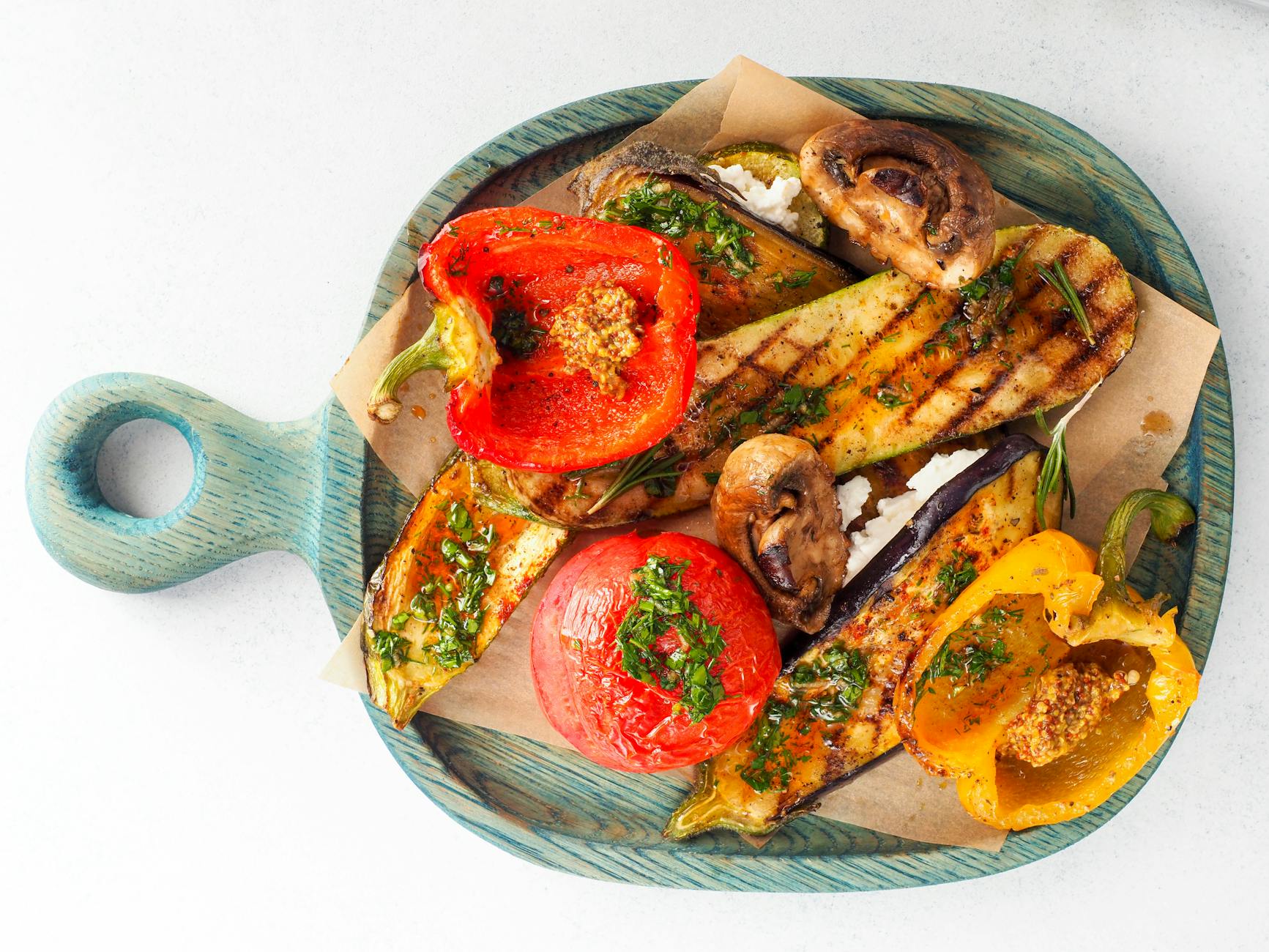
Roasting vegetables that are wet from washing traps steam around them and prevents caramelization from occurring. The moisture has to evaporate before browning can begin, which often means the vegetables cook through before they ever develop color. Patting vegetables completely dry before seasoning and roasting makes an enormous difference in the final texture. Spreading them in a single layer with space between each piece allows hot air to circulate and encourages proper roasting. Crispy, golden edges are the reward for this simple preparation step.
Overcrowded Oven
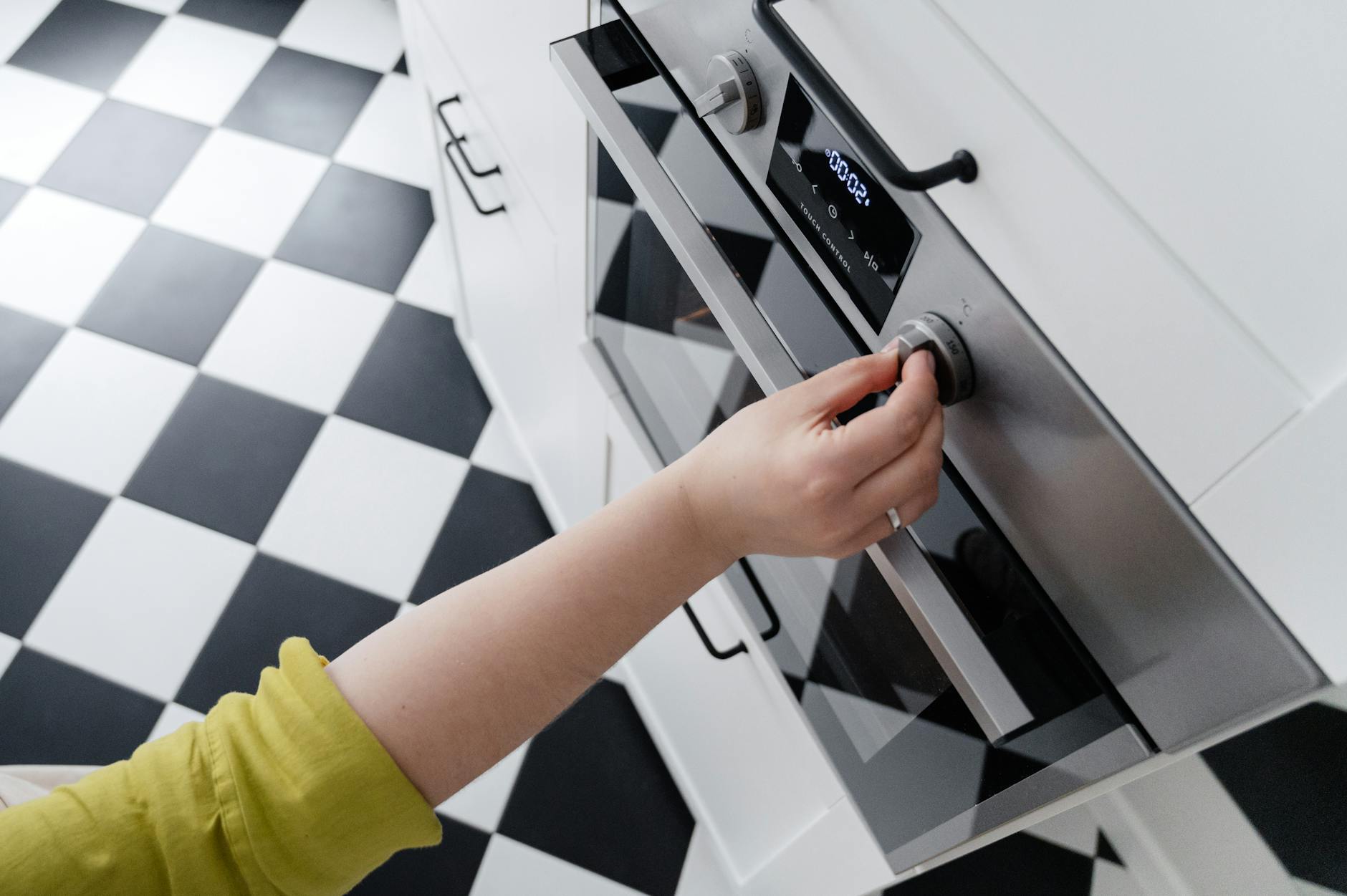
Filling the oven with too many trays or dishes at once restricts airflow and lowers the internal temperature significantly. Food ends up steaming rather than roasting, and baked goods may fail to rise or brown properly. Staggering cooking times or using the oven in batches produces more consistent and better-textured results. Rotating trays halfway through cooking also helps compensate for hot spots that most ovens have. Being mindful of oven capacity is especially important when cooking multiple components of a meal simultaneously.
Skipping Rest
Cutting into meat immediately after it comes off the heat causes the juices to run out onto the cutting board instead of redistributing through the flesh. Resting allows the muscle fibers to relax and reabsorb moisture, resulting in a much juicier final product. The resting time needed varies depending on the size of the cut, with larger roasts requiring up to twenty minutes or more. Tenting the meat loosely with foil helps retain heat during this period without causing the crust to steam and soften. This step costs nothing and consistently improves the eating experience.
Low Heat Searing
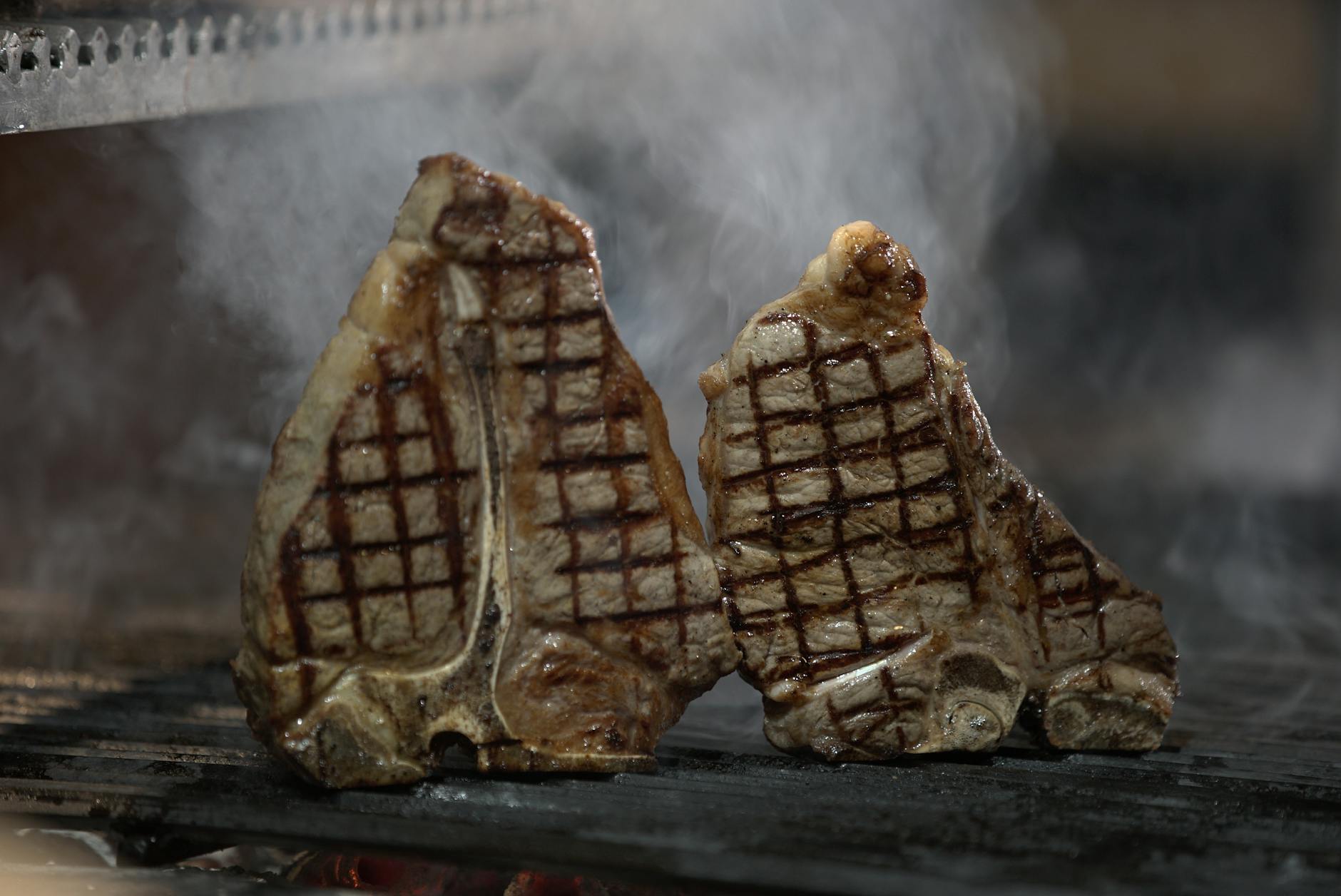
Attempting to sear meat in a pan that has not been preheated properly results in sticking and steaming rather than a proper crust forming. The Maillard reaction that creates a golden-brown crust only occurs at high temperatures. Allowing the pan to heat fully before adding fat, and then allowing the fat to heat before adding the protein, is essential to achieving a good sear. Resist the urge to move the meat once it is placed in the pan, as it will release naturally when properly seared. A beautifully browned crust adds both flavor and visual appeal to any protein.
Undercooked Garlic
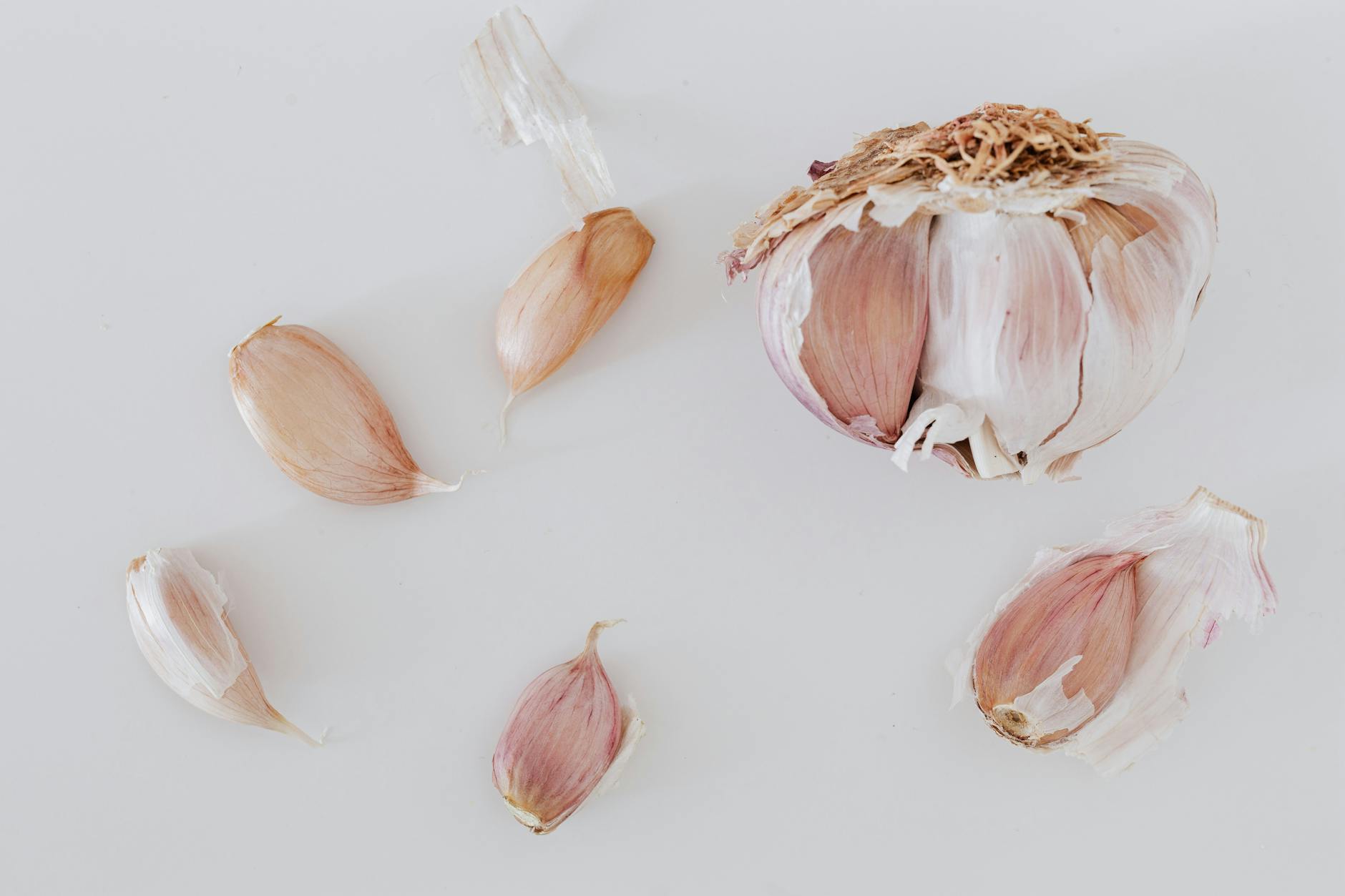
Adding garlic to a dish for only a few seconds before adding liquid leaves it tasting raw and pungent rather than mellow and fragrant. Garlic needs sufficient time in fat over medium heat to soften and bloom, releasing its aromatic compounds. Cooking it too quickly on high heat risks burning it, which introduces a bitter flavor that permeates the entire dish. A minute or two of gentle cooking transforms garlic from sharp and harsh to nutty and sweet. Paying attention to this brief but important step makes a noticeable difference in any recipe that calls for it.
Skipping Pasta Water

Draining pasta and discarding all of the cooking water eliminates a valuable ingredient that helps bring sauces together. The starchy water acts as a natural emulsifier that helps sauce cling to pasta and creates a silky, cohesive texture. Setting aside at least a cup of pasta water before draining is a habit used consistently in professional kitchens. Adding small amounts gradually to sauce as it finishes cooking loosens it without diluting flavor. This technique elevates a simple pasta dish to something that tastes considerably more polished.
Thin Cutting Board
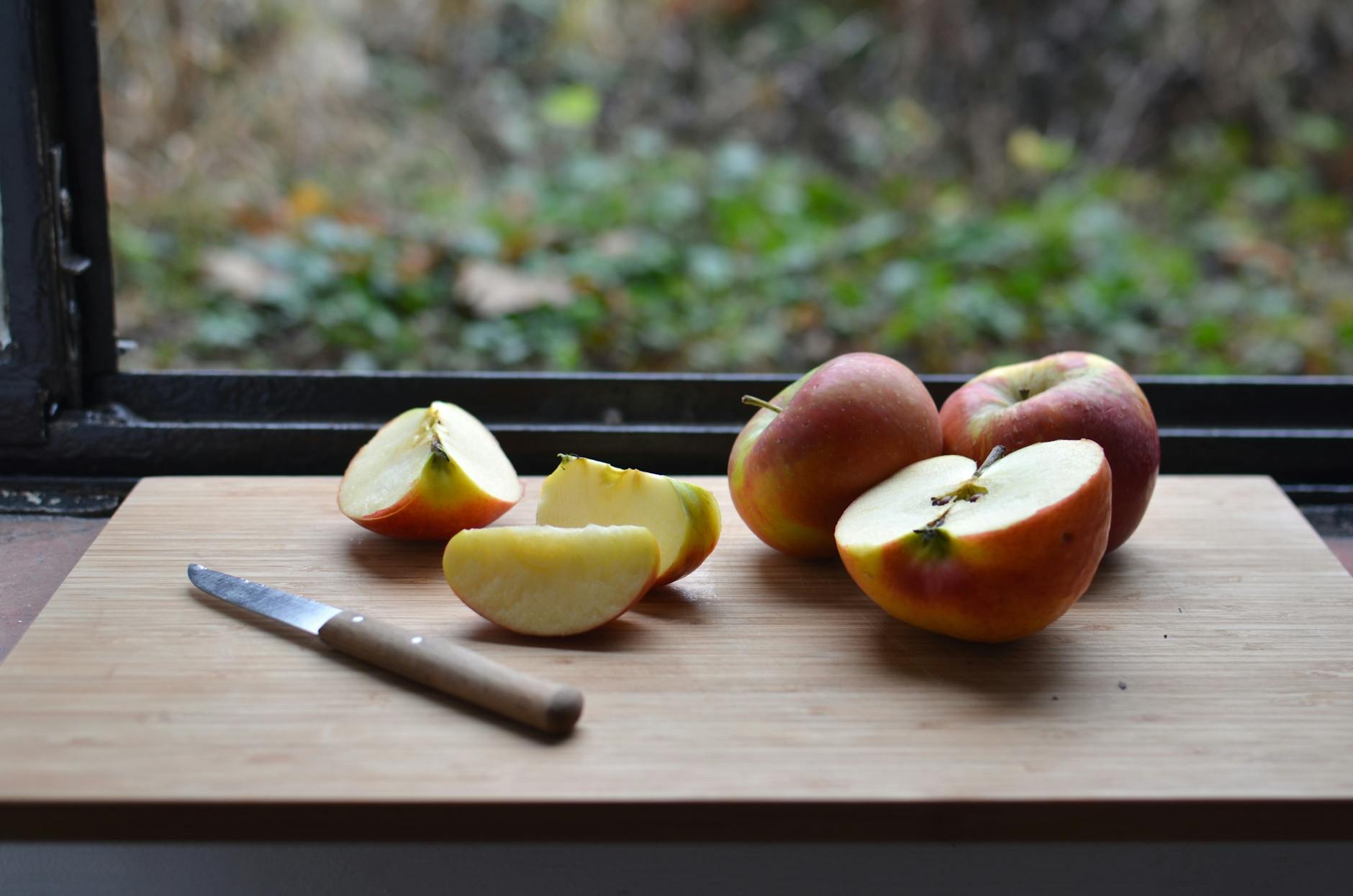
Using a thin, lightweight cutting board that slides around the counter is a safety hazard that also makes accurate knife work difficult. A damp towel placed underneath a board keeps it stable and prevents it from shifting during use. Thick wooden or heavy plastic boards provide a more secure and forgiving surface for all types of cutting tasks. Dedicated boards for raw proteins prevent cross-contamination with fresh produce and ready-to-eat foods. A reliable cutting board is one of the most fundamental pieces of equipment in a functional kitchen.
Rushing Caramelization
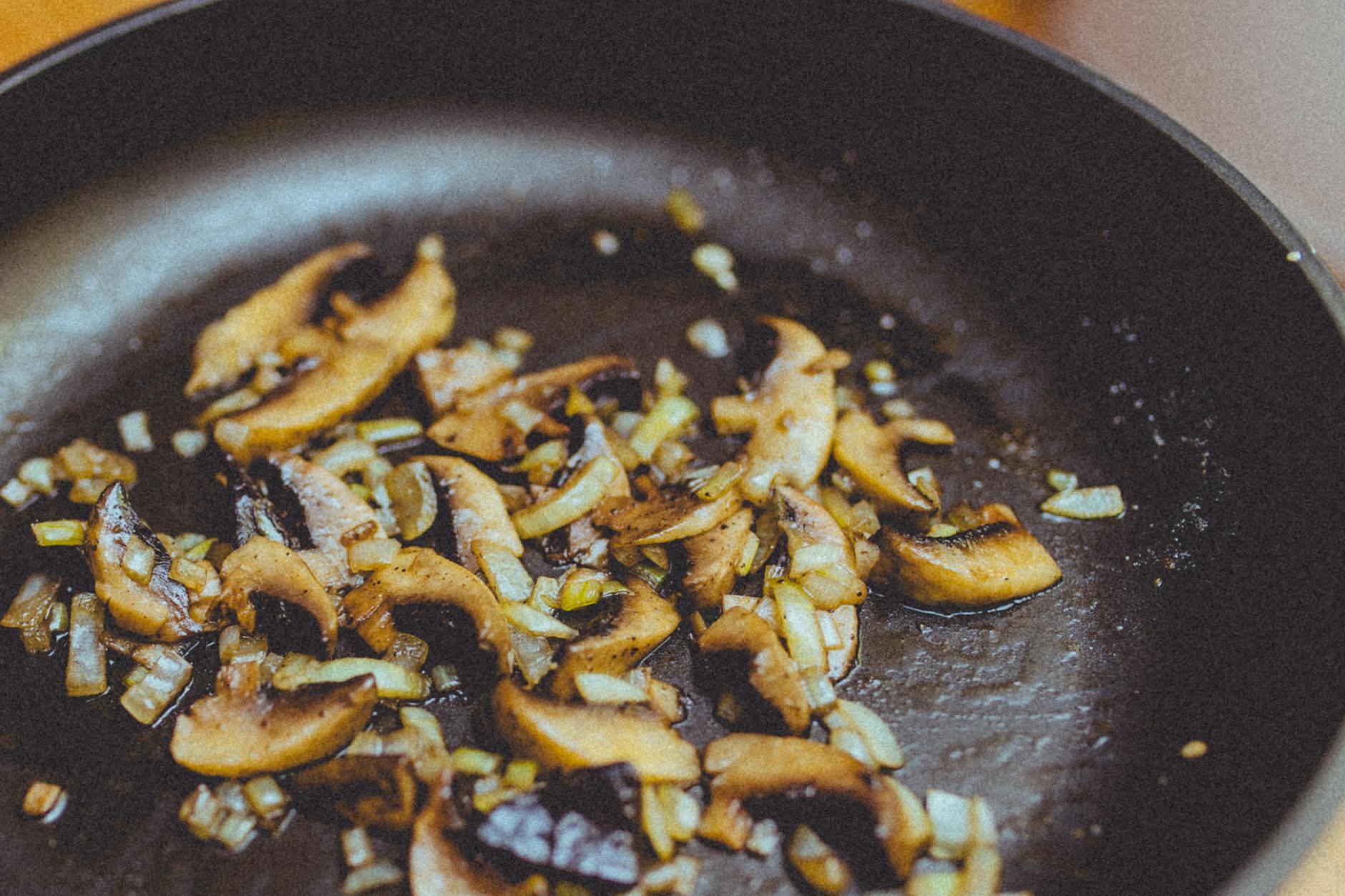
Trying to caramelize onions in ten minutes by cranking up the heat produces browned but not truly caramelized results. Real caramelization is a slow process that requires low to medium heat and at least thirty to forty-five minutes of gentle cooking. The sugars in onions need time to break down and transform into the deep, sweet, complex flavor that defines a truly caramelized result. Stirring occasionally and adding a small splash of water if the pan gets too dry helps prevent burning. The patience required for this process is well rewarded in the finished dish.
Wrong Pasta Shape
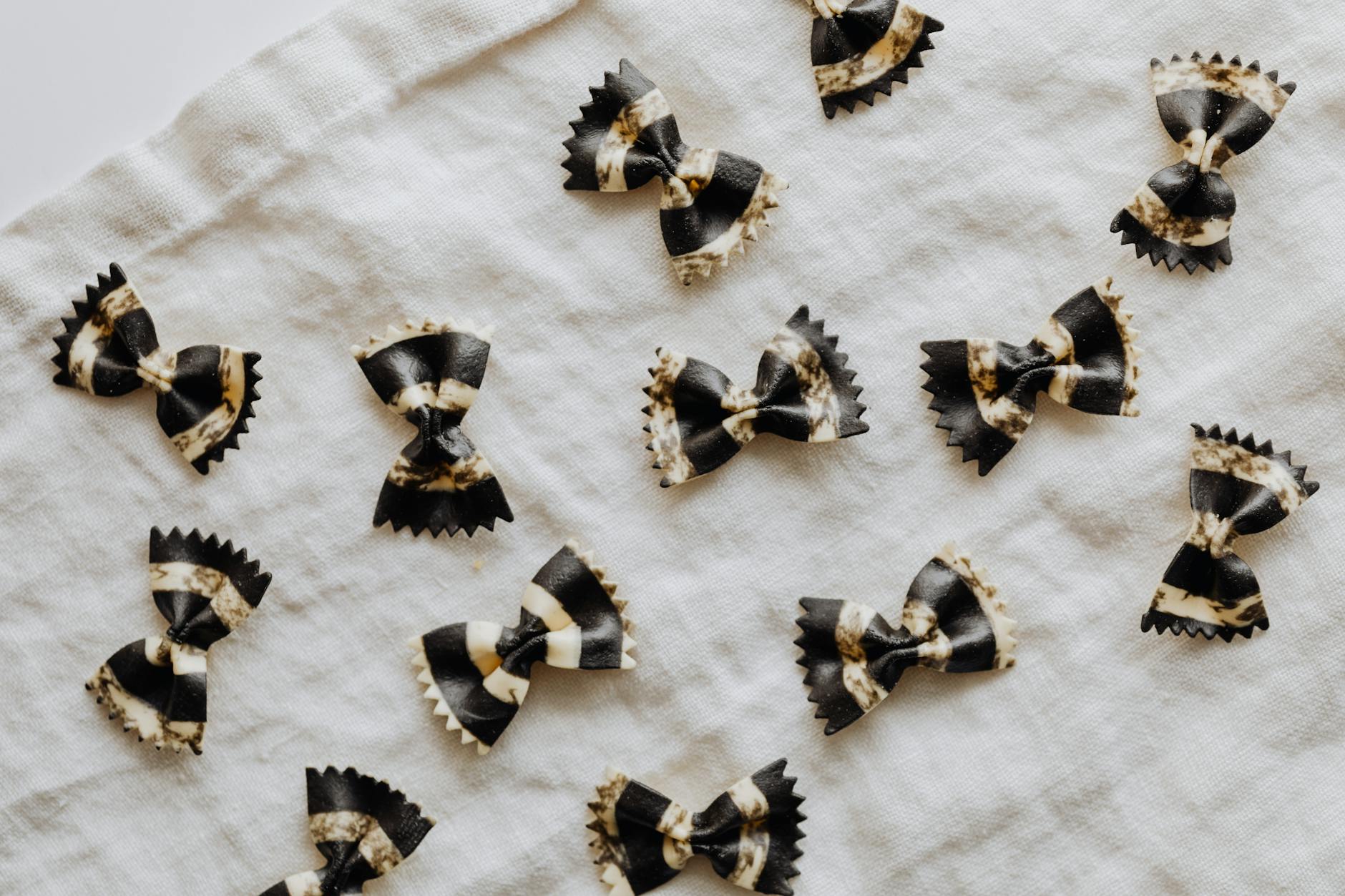
Pairing pasta shapes with incompatible sauces is a common mistake that affects how well the sauce adheres and how enjoyable the dish is to eat. Long, thin pasta like spaghetti works best with smooth, light sauces that coat each strand evenly. Short, ridged or hollow pasta is designed to trap chunky sauces and hearty ragus within its curves and tubes. Flat pasta like pappardelle is well suited to rich, meaty braises that cling to its broad surface. Paying attention to this classic principle of Italian cooking elevates even a simple weeknight pasta dish.
Oversalting Early
Adding too much salt early in the cooking process when using ingredients that will reduce significantly can lead to an overly salty finished dish. Stocks, tomato sauces, and braising liquids concentrate considerably as they cook down, intensifying all of the flavors including salt. Seasoning lightly during cooking and adjusting at the end once the final volume and flavor profile are established is the more reliable approach. Tasting regularly throughout the process is the only way to maintain control over the seasoning of a dish. A dish that is too salty is very difficult to correct once the mistake has been made.
Incorrect Rice Ratio
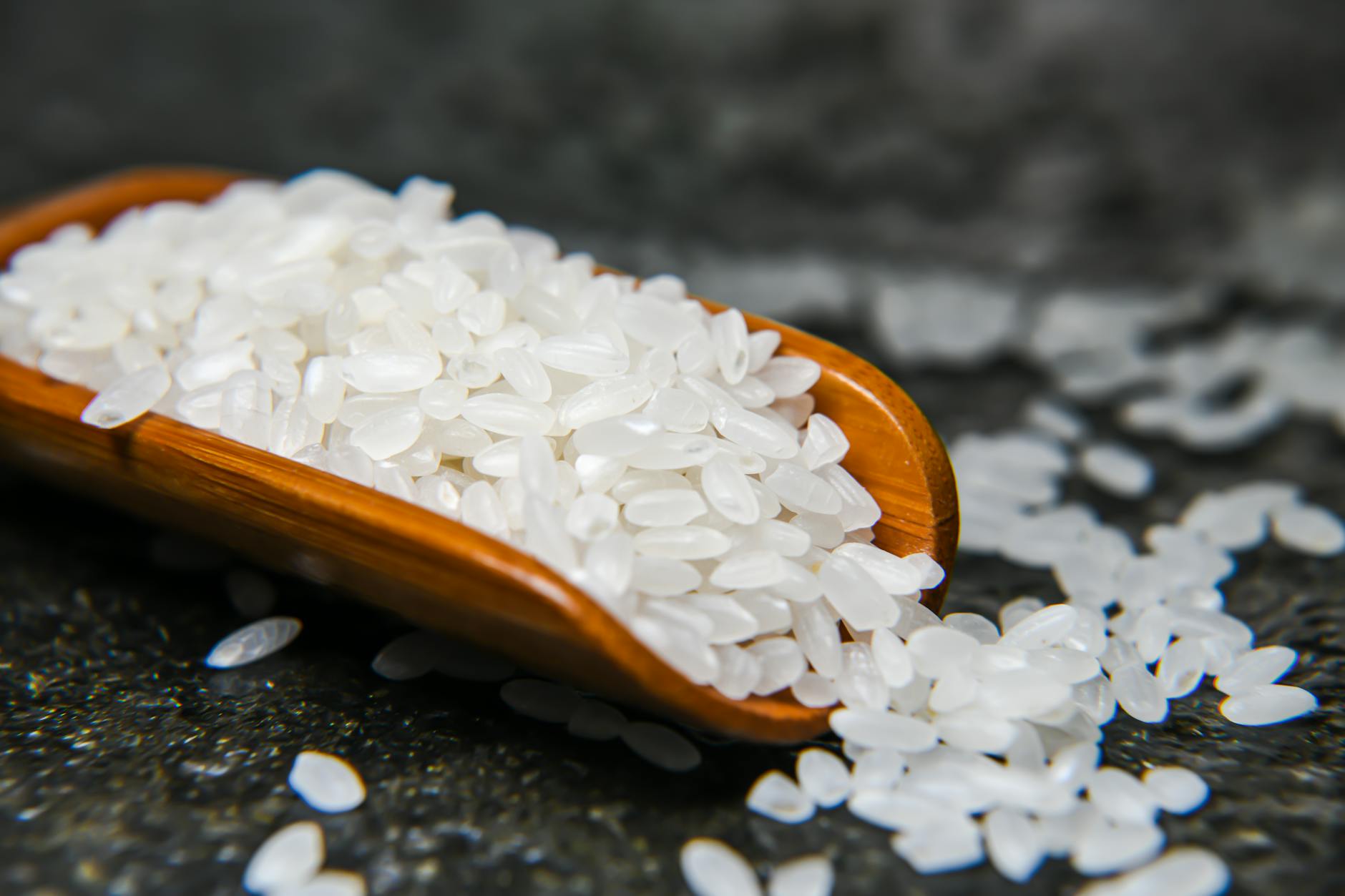
Using too much or too little water when cooking rice is one of the most frequent causes of mushy or crunchy results. The correct ratio varies depending on the type of rice being used, and following the specific instructions for each variety produces the best outcome. Rinsing rice before cooking removes excess surface starch and helps achieve a fluffier, less sticky texture in most long-grain varieties. Keeping the lid on during cooking and avoiding the temptation to stir is important for allowing the steam to do its work. Letting the rice rest off the heat for a few minutes before fluffing with a fork improves the final texture further.
Hot Pan Eggs
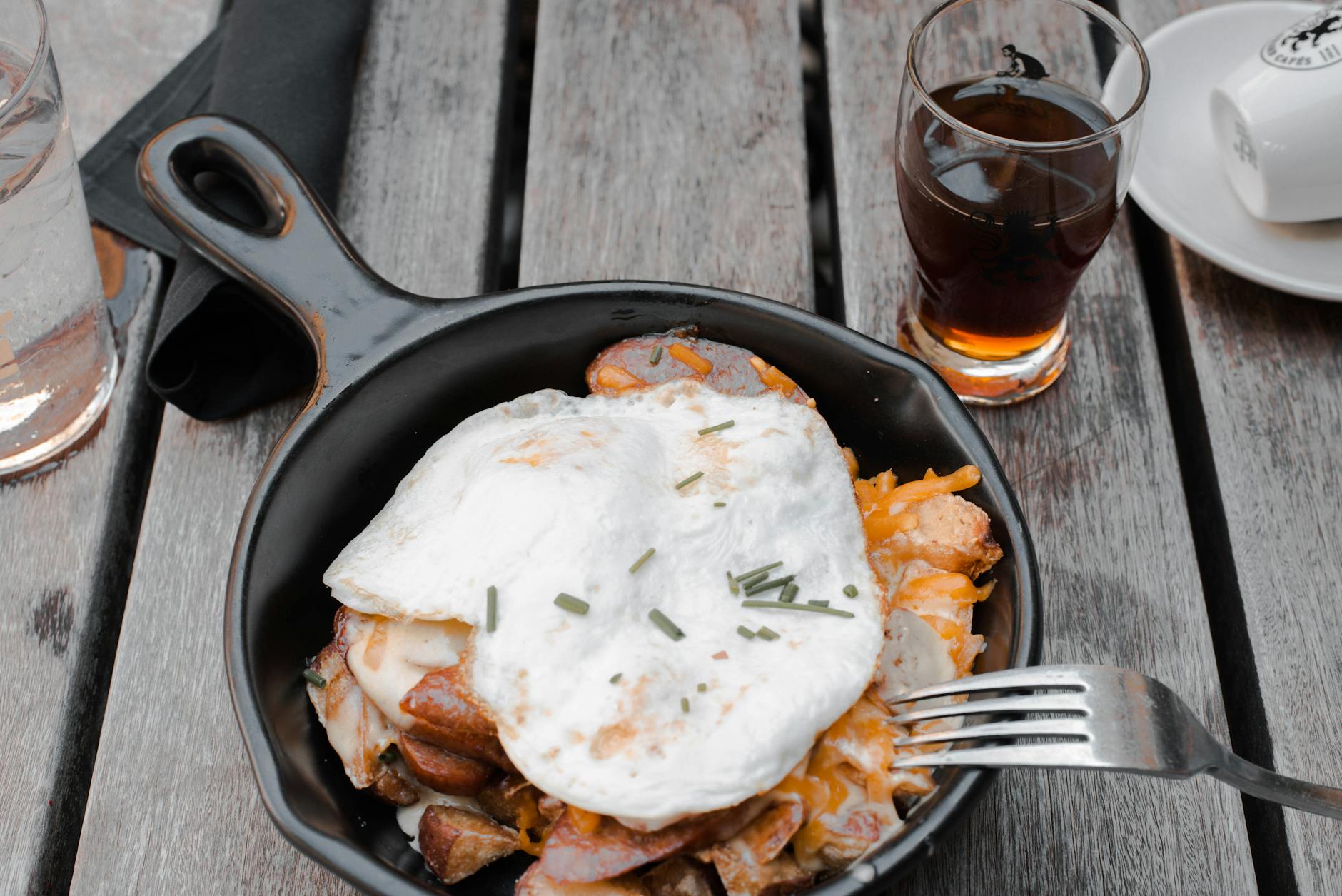
Cooking eggs over aggressively high heat leads to rubbery scrambled eggs, tough omelets, and crispy edges that most people find unpleasant. Low and slow is the preferred approach for most egg preparations, allowing proteins to set gently and retain moisture. Removing eggs from the heat just before they appear fully set accounts for carryover cooking and keeps them tender. Adding butter off the heat to scrambled eggs at the end creates an exceptionally creamy texture. Treating eggs with patience and low heat consistently produces a far superior result.
Boiling Sauce
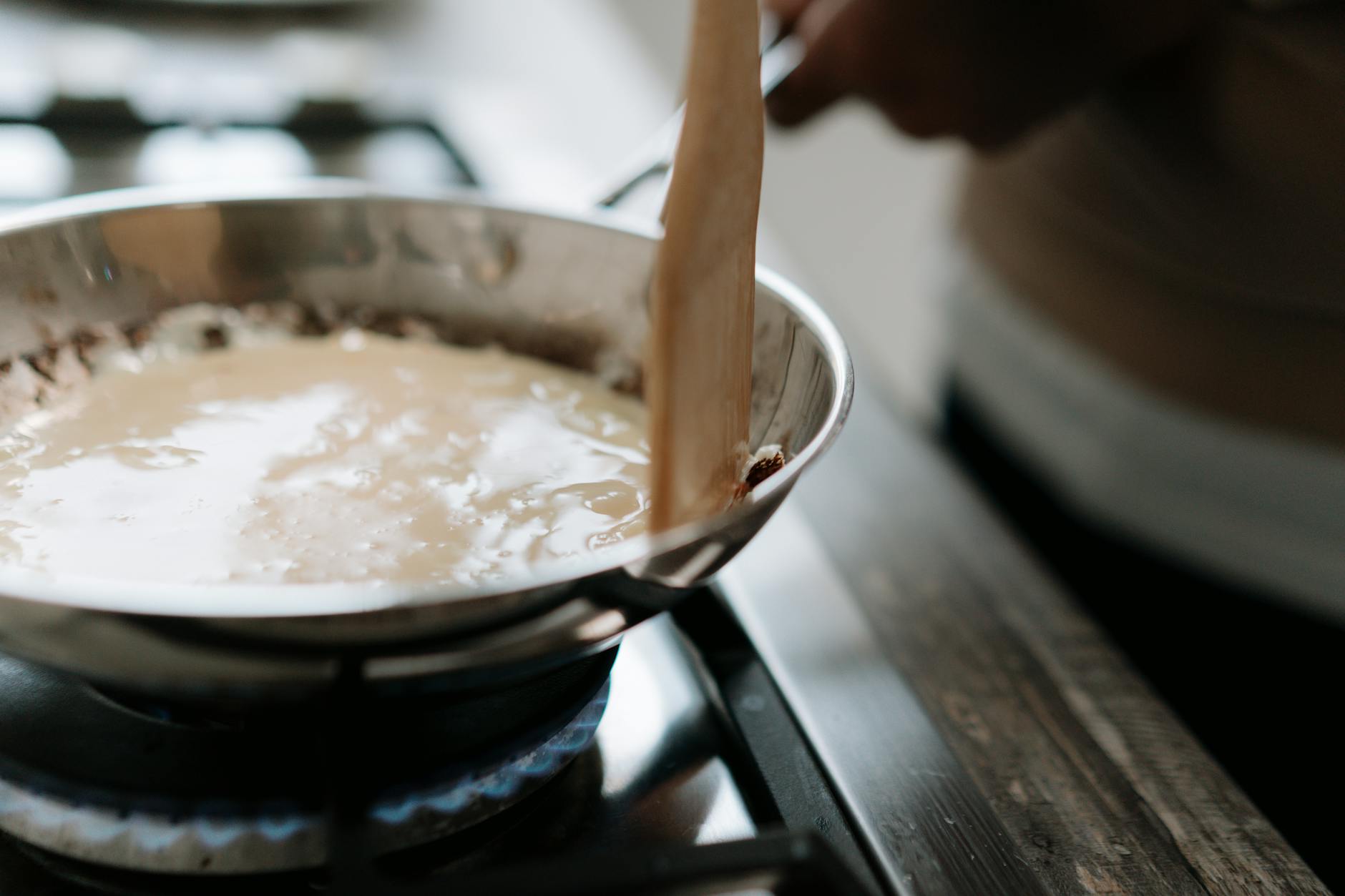
Allowing a delicate sauce to reach a full boil when it should be simmering can cause it to break, reduce too quickly, or develop an overly thick and unpleasant texture. Cream-based sauces are particularly susceptible to splitting when exposed to excessive heat. A gentle simmer maintains enough heat to cook and meld flavors without agitating the liquid too aggressively. Keeping an eye on temperature and adjusting the burner throughout cooking helps maintain control over the consistency. Many sauces benefit from finishing over the lowest possible heat for the final few minutes.
Skipping Acid
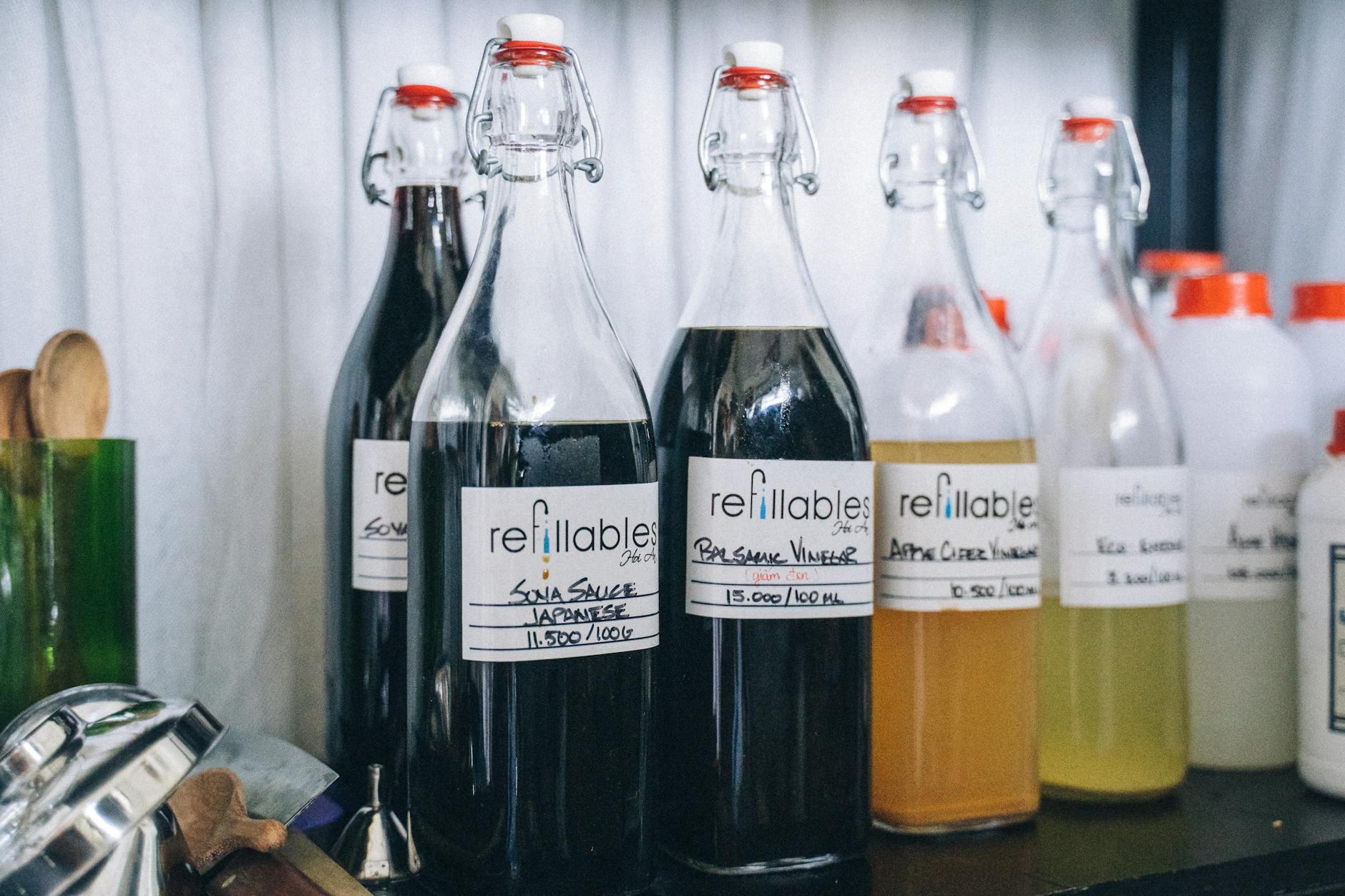
Finishing a dish without any acidic element often leaves it tasting flat and one-dimensional even when it is otherwise well seasoned. A squeeze of lemon juice, a splash of vinegar, or a few capers added at the end brightens and lifts all of the other flavors in the dish. Acid balances richness from fats and proteins and adds a liveliness that salt alone cannot provide. This is why so many professional recipes call for a finishing squeeze of citrus just before plating. Adding acid as a final step takes only seconds and makes a remarkable difference to the overall flavor of a dish.
Skipping Mise en Place

Starting to cook without preparing and organizing all ingredients in advance leads to frantic last-minute scrambling that often results in things getting overcooked or forgotten. Mise en place is the professional practice of measuring, chopping, and arranging everything before the heat is turned on. This approach allows the cook to focus entirely on technique rather than stopping mid-process to find or prepare an ingredient. It also makes the cooking experience considerably less stressful and more enjoyable. The time invested in preparation before cooking begins pays dividends in the quality of the finished meal.
Microwaving Leftovers Flat
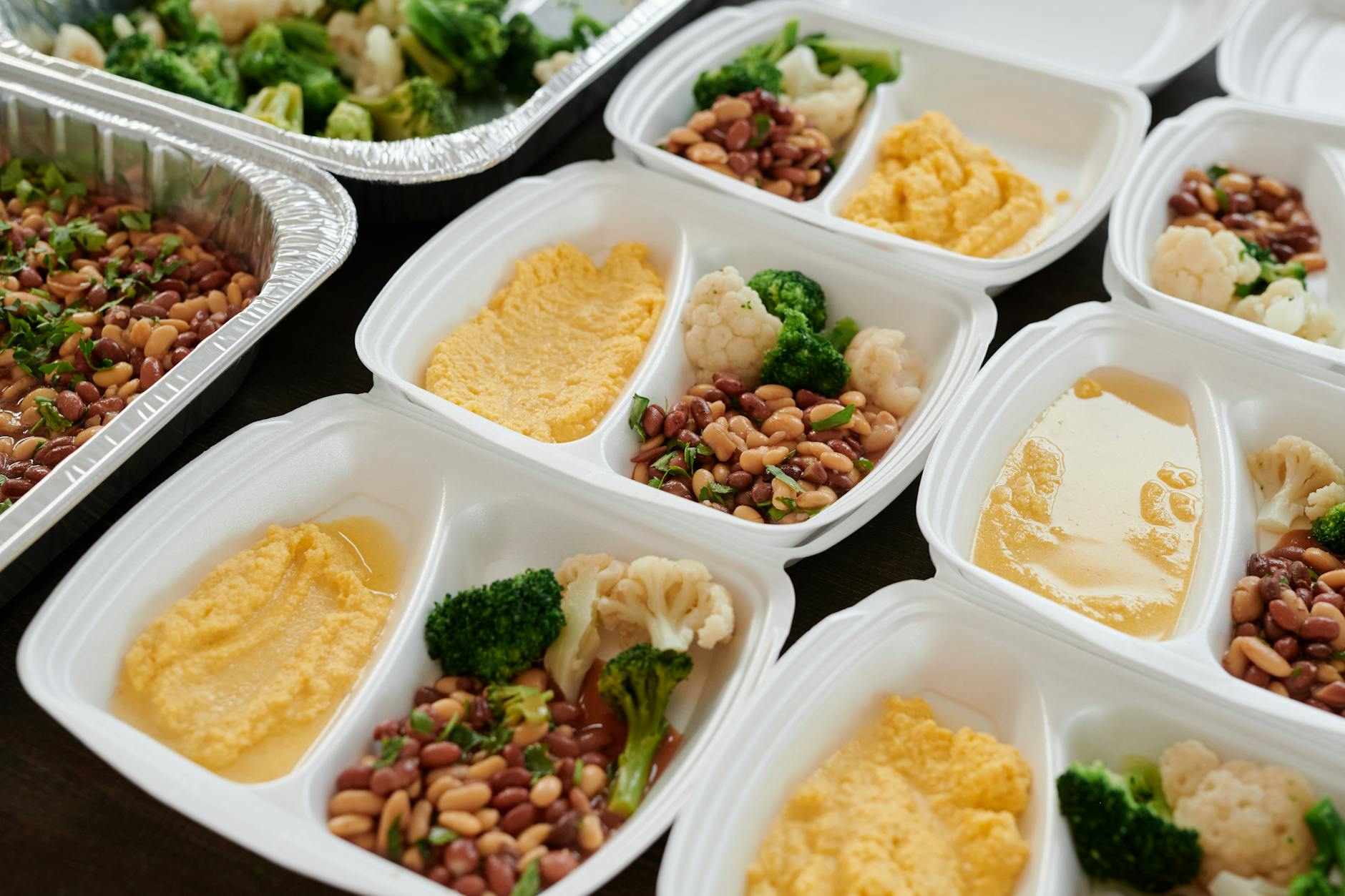
Reheating leftovers spread flat in the microwave heats the edges much faster than the center, resulting in unevenly warmed food. Arranging food in a ring shape with a hollow center allows microwave energy to distribute more evenly throughout the portion. Covering the dish with a microwave-safe lid or damp paper towel traps steam and prevents food from drying out during reheating. Heating in short intervals and stirring between each one also produces more consistent results. These small adjustments turn reheated leftovers into a much more satisfying meal.
Pressing Burgers
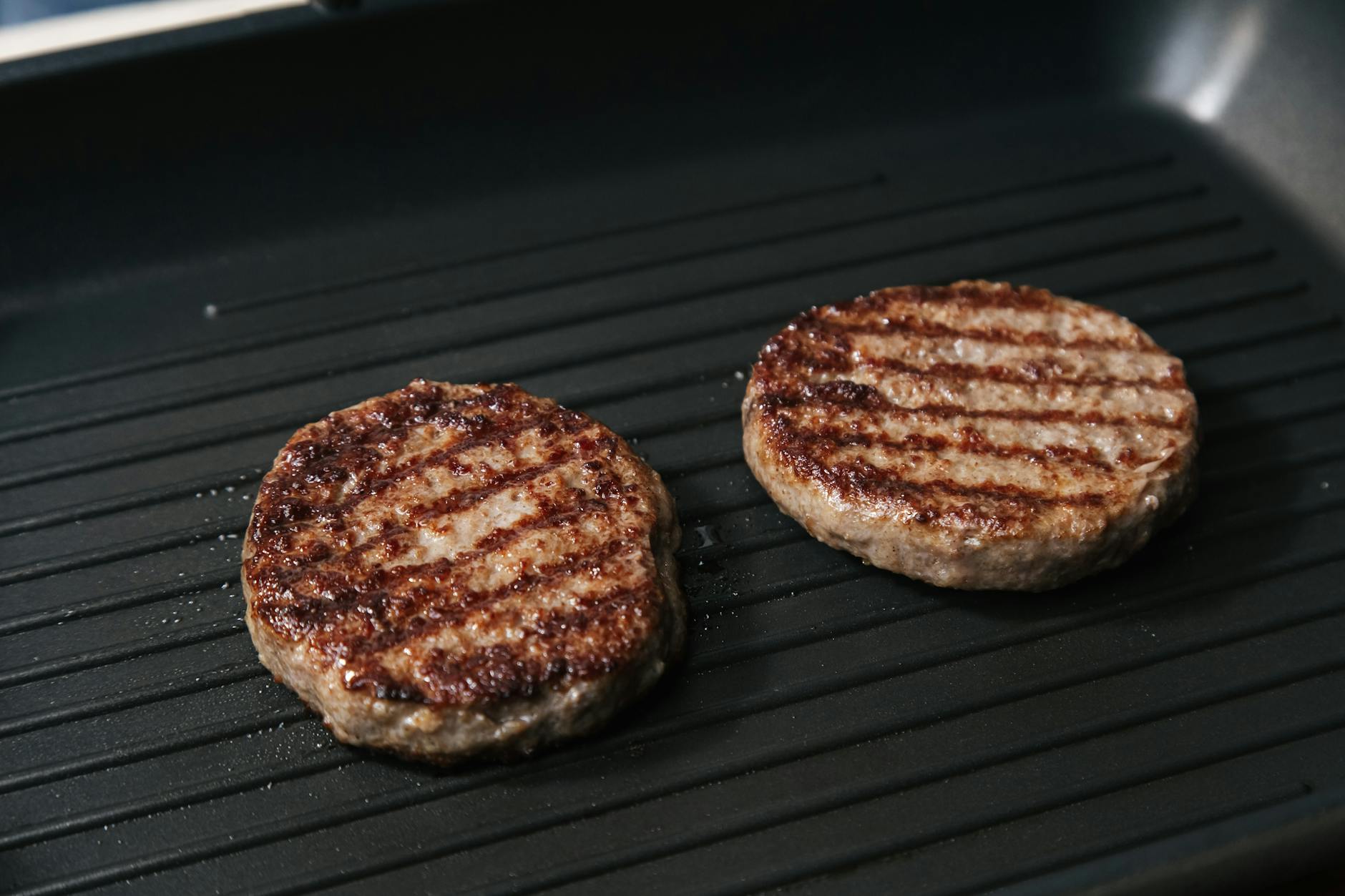
Pressing down on a burger patty with a spatula while it cooks on the grill or griddle squeezes out the fat and juices that make it flavorful and moist. The result is a drier, denser patty that lacks the succulence of one left untouched during cooking. Forming patties with a slight dimple in the center before cooking prevents them from puffing up into a dome shape as they heat. Allowing the burger to cook undisturbed on each side develops a proper crust and retains more moisture. This simple adjustment produces a noticeably juicier and more flavorful result.
Adding Oil to Pasta Water
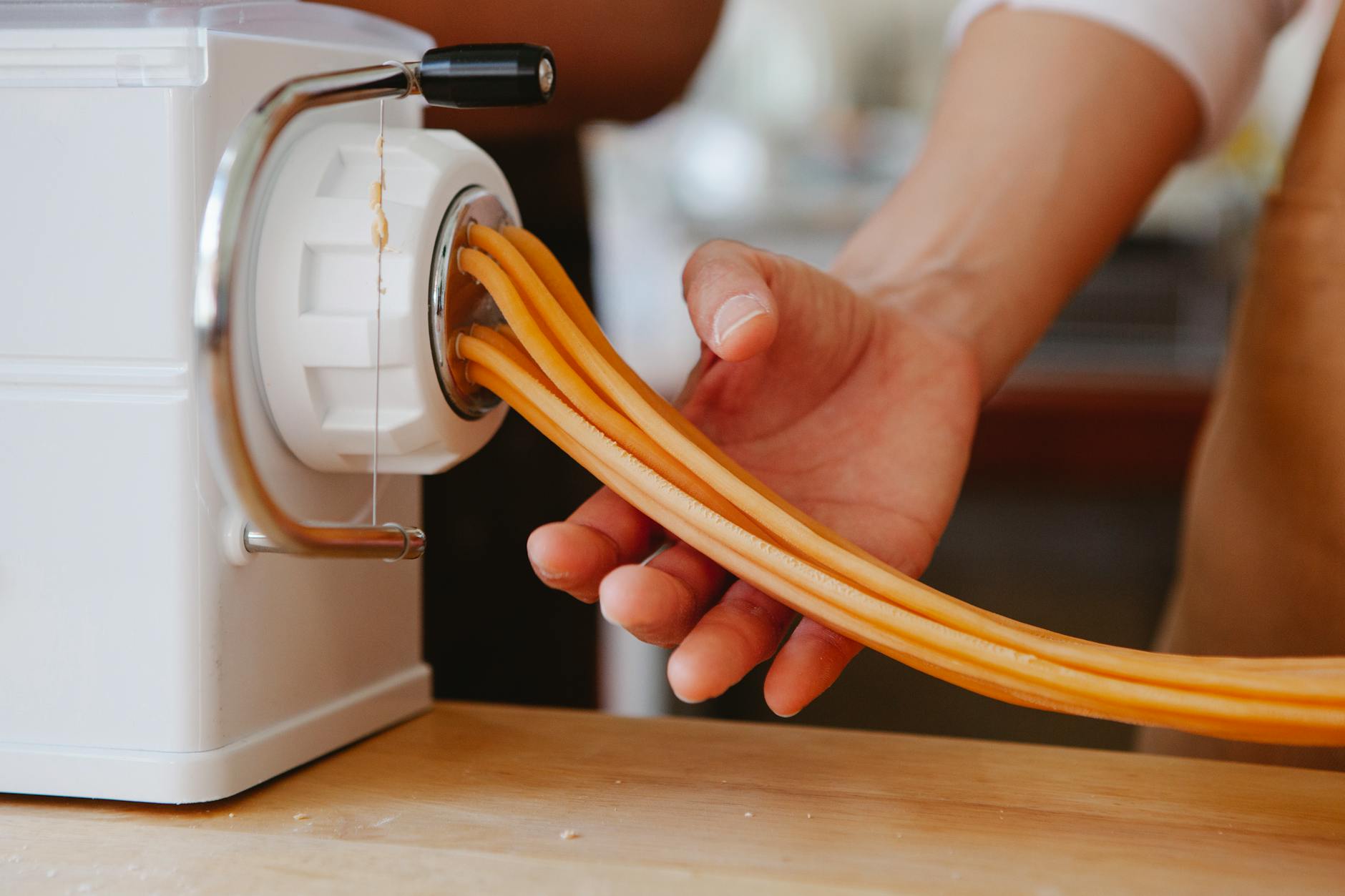
Drizzling oil into pasta cooking water in an attempt to prevent sticking actually coats the pasta in a slippery film that prevents sauce from adhering properly. The best way to keep pasta from sticking is to use a large volume of properly salted boiling water and to stir the pasta during the first minute or two of cooking. Once drained, tossing the pasta immediately with sauce while still hot and moist keeps it from clumping. Rinsing pasta after draining also removes the surface starch that helps sauce cling, and is best avoided for most preparations. Letting the pasta work with the sauce rather than against it is what creates a well-unified dish.
Ignoring Carry Over
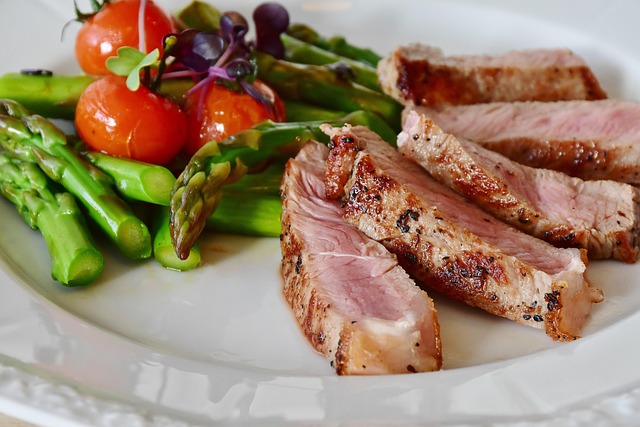
Removing food from the oven or grill precisely at the target internal temperature without accounting for carryover cooking often leads to overcooked results. Meat continues to cook from residual heat for several minutes after it is removed from a heat source. Pulling proteins from the heat five to ten degrees before the desired final temperature and resting them allows carryover cooking to finish the job. This principle applies to everything from steaks and roasts to fish fillets and whole birds. Understanding this concept is one of the key differences between home cooking and professional-level results.
Flat Dough
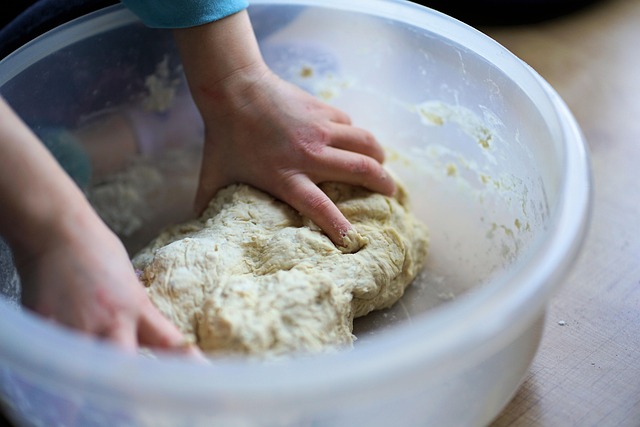
Skipping or shortening the proofing time for yeasted doughs results in bread and pizza crusts that are dense, tight, and lacking in flavor. The fermentation process during proofing is what develops the open crumb structure and complex taste associated with good bread. Rushing this step by applying too much heat to speed up the yeast produces inferior results compared to a slow, patient rise. Cold fermentation in the refrigerator overnight actually develops even more flavor than a quick room-temperature proof. Respecting the time that dough needs is fundamental to producing excellent baked goods.
Oversized Pot
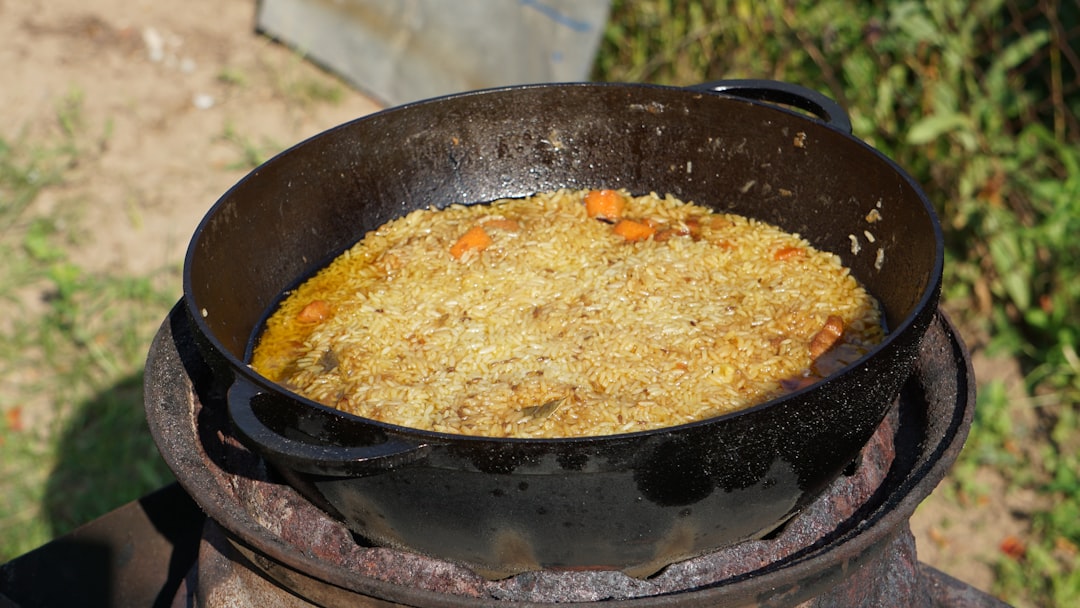
Cooking a small amount of food in an oversized pot causes liquid to evaporate more quickly and can lead to uneven cooking and reduced sauces that concentrate too fast. Matching the size of the pot or pan to the quantity of food being prepared helps maintain better control over the cooking process. A sauce simmered in a pot that is too large will reduce unevenly and may scorch on the bottom before the flavors have had time to meld properly. Using appropriately sized cookware also makes temperature management easier and more consistent. Having a range of pot and pan sizes available makes it easier to cook efficiently.
Raw Flour Taste
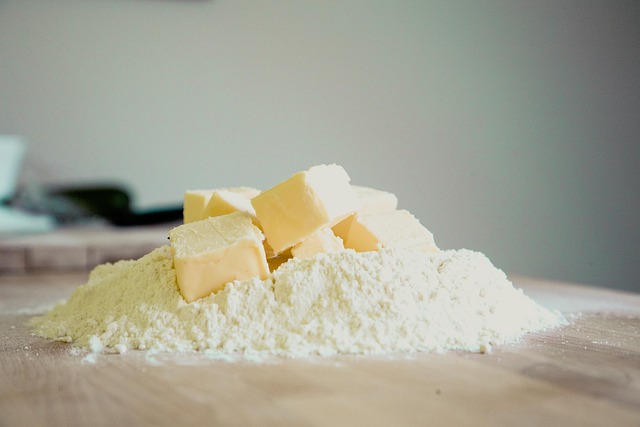
Adding flour directly to a sauce without cooking it first in fat produces a raw, starchy taste that is difficult to cook out once liquid has been added. The classic technique of making a roux involves cooking flour and butter together for at least one to two minutes before introducing any liquid. This step eliminates the raw flour flavor and creates a smooth, stable base for cream sauces, gravies, and béchamel. Whisking constantly while adding liquid prevents lumps from forming as the mixture comes up to temperature. A properly cooked roux gives sauces a rich, smooth texture and a clean, neutral flavor.
Uneven Chicken
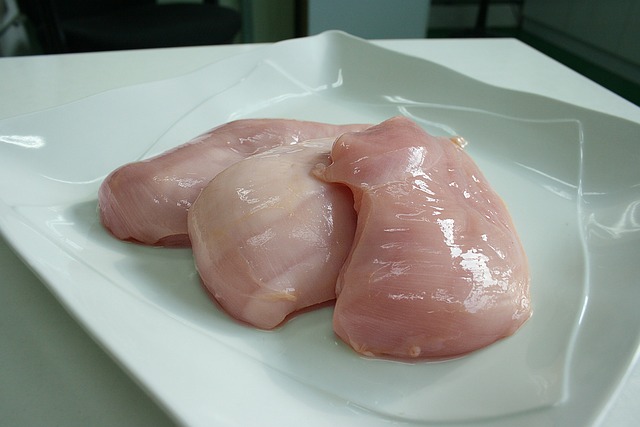
Cooking chicken breasts without first pounding them to an even thickness results in the thinner end drying out and overcooking before the thickest part reaches a safe internal temperature. Placing the breast between two sheets of plastic wrap or parchment and gently pounding it to a uniform thickness solves this problem efficiently. Butterflying thick breasts is another effective technique that achieves a similar result. Even thickness ensures that the entire piece of meat cooks at the same rate, staying juicy throughout. This preparation step takes less than a minute and dramatically improves the finished texture of the chicken.
Watery Tomato Sauce
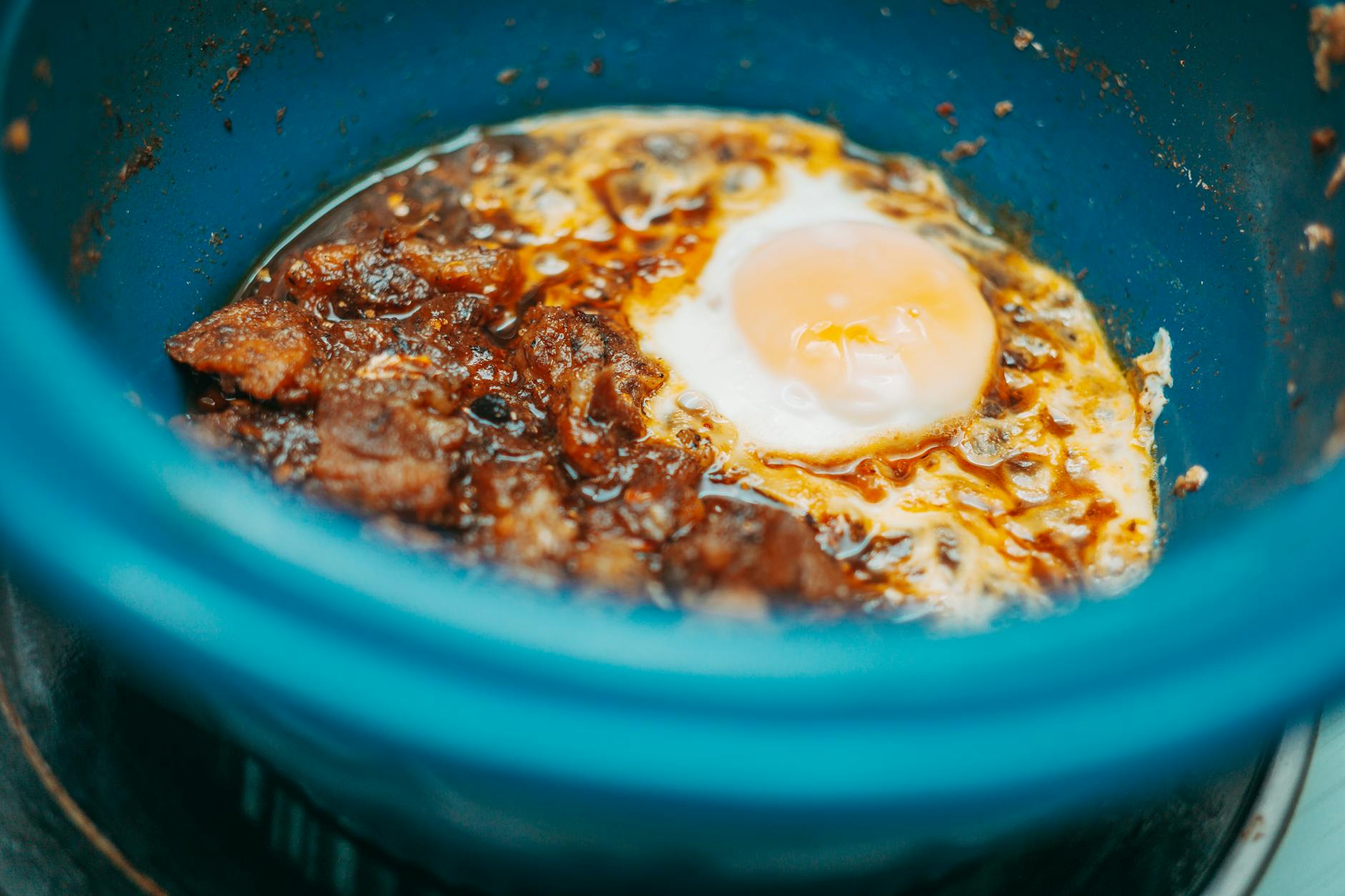
Using canned tomatoes without draining excess liquid first or failing to reduce the sauce sufficiently results in a thin, watery consistency that lacks body and flavor. Allowing the sauce to simmer uncovered gives excess liquid the opportunity to evaporate and concentrates the flavor of the tomatoes. Adding a small amount of tomato paste deepens both the color and the richness of the finished sauce. Seasoning with salt draws out moisture early in the cooking process, which helps the reduction happen more efficiently. A properly reduced tomato sauce clings to pasta and has a deep, satisfying flavor that a watery version cannot match.
Wrong Baking Pan
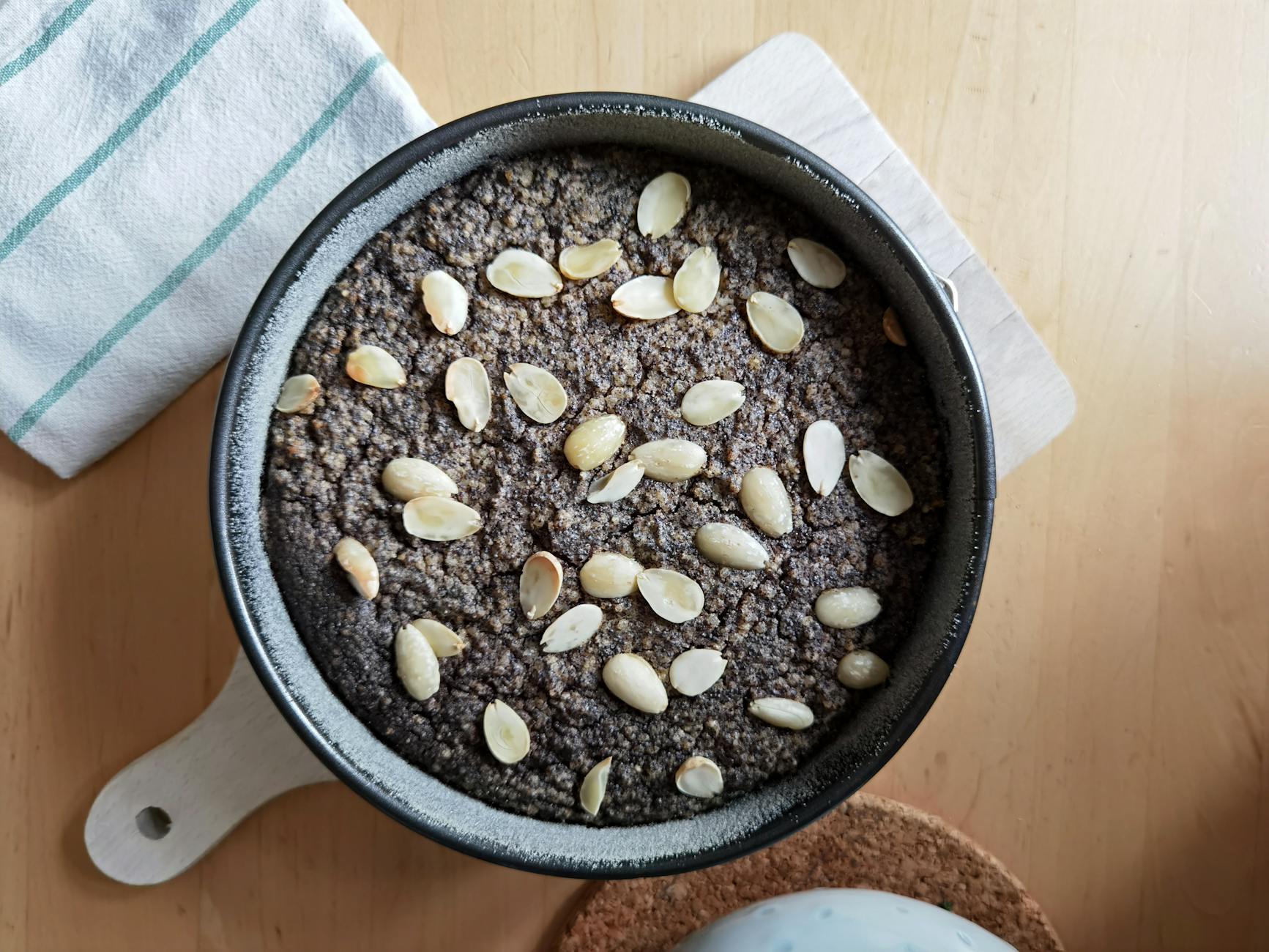
Using a dark metal baking pan when a light one is specified, or vice versa, significantly affects how baked goods brown and cook through. Dark pans absorb more heat and can cause bottoms to over-brown before the center of a cake or bread is fully baked. Glass and ceramic baking dishes retain heat differently from metal and may require adjustments in temperature or baking time. Following recipe instructions about pan type and size helps ensure the heat distribution intended by the original developer. When substituting a different pan, understanding how that change affects the baking process helps avoid preventable mistakes.
Limp Herbs
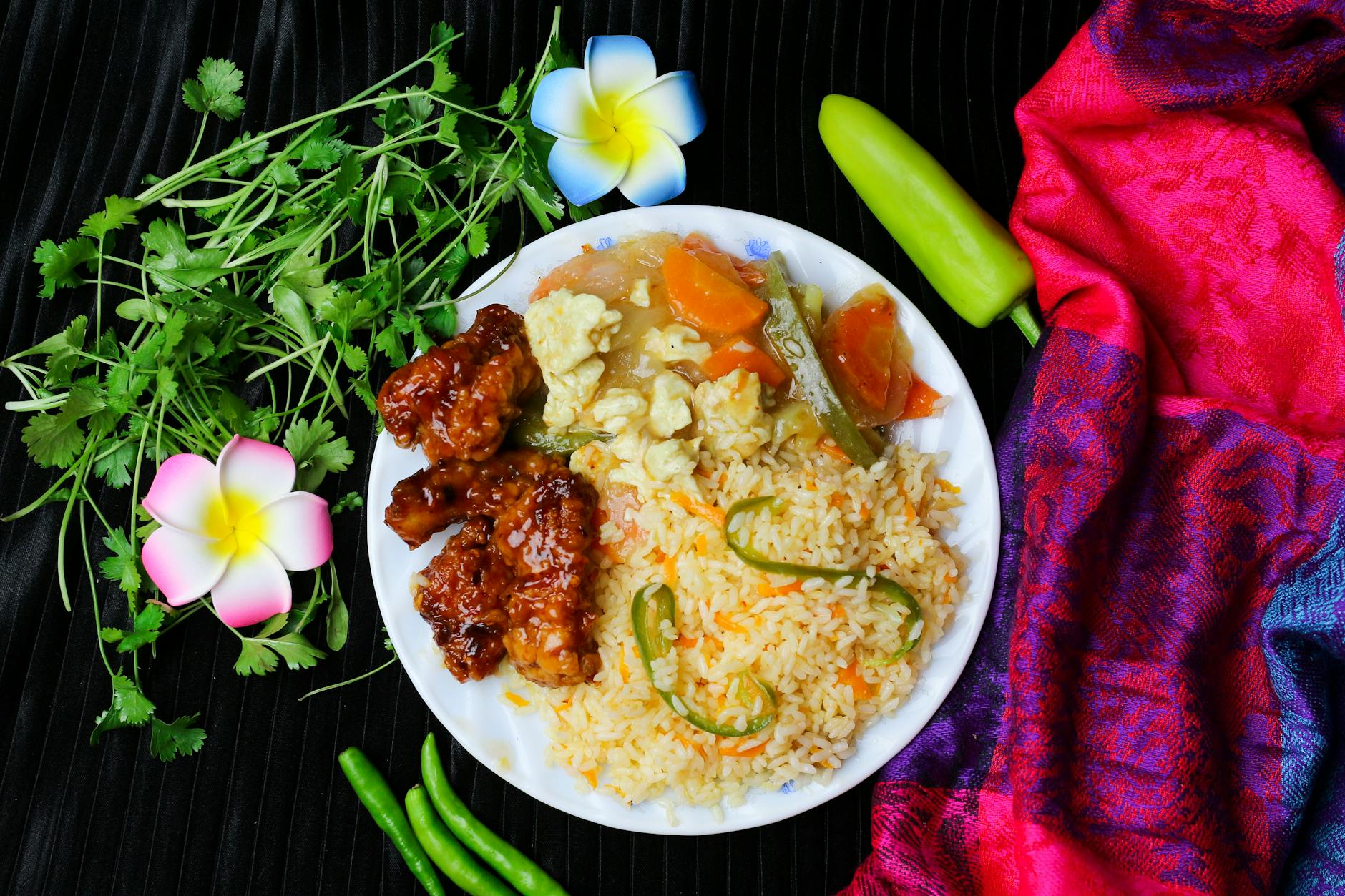
Adding fresh delicate herbs like basil, cilantro, and parsley at the beginning of cooking destroys their bright flavor and vivid color through heat exposure. These herbs are best added at the very end of cooking or used as a garnish just before serving to preserve their freshness. Hardy herbs like thyme, rosemary, and sage benefit from longer cooking and can withstand being added earlier in the process. Understanding which herbs to use at what stage of cooking allows their full aromatic potential to come through in the finished dish. This simple distinction makes a meaningful difference to both the visual appeal and the flavor of a meal.
Skipping Blanching
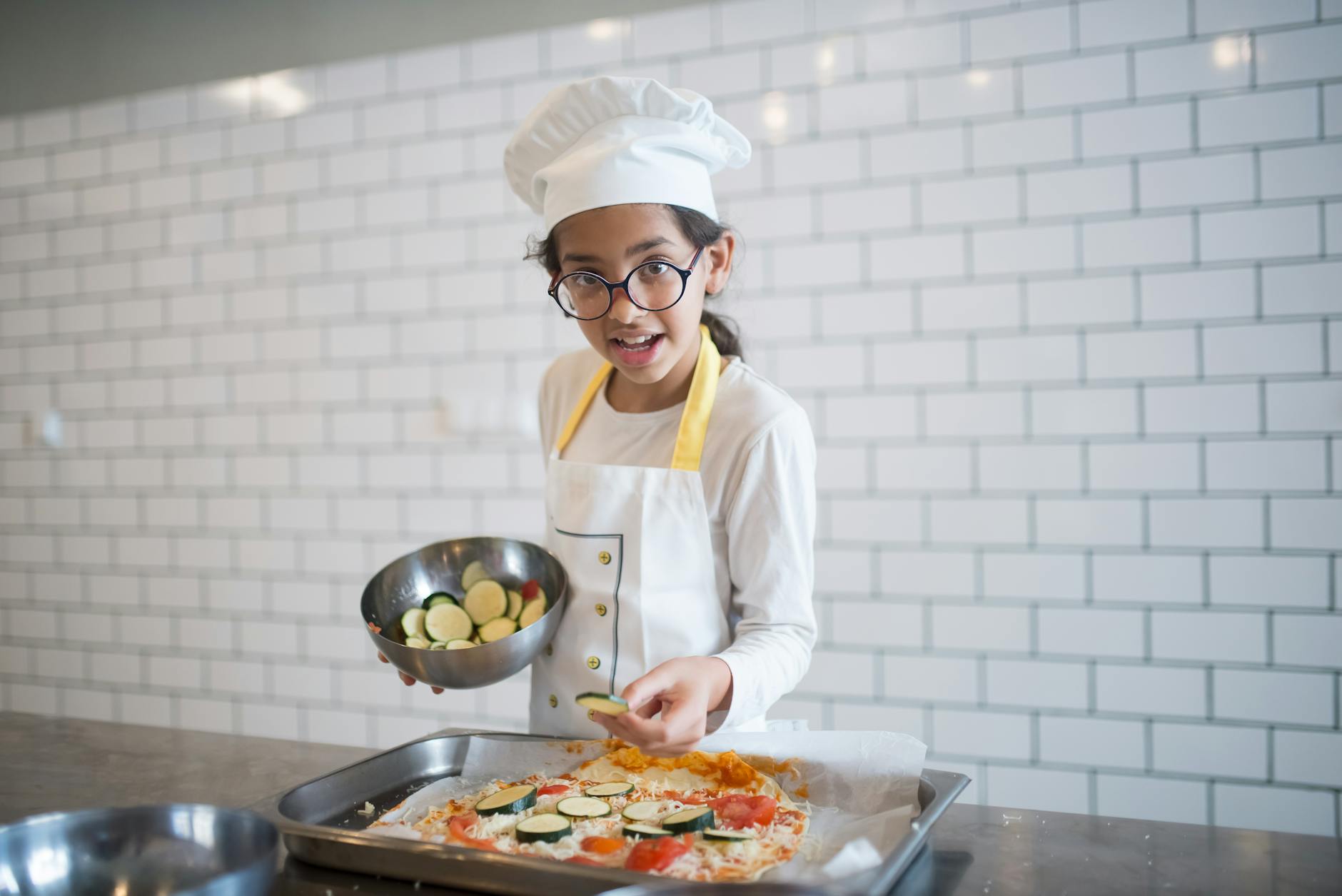
Adding vegetables that require different cooking times to the same pan or pot simultaneously results in some being overcooked while others remain underdone. Blanching vegetables briefly in salted boiling water before adding them to stir-fries, pasta, or composite dishes gives the cook better control over the final texture. Shocking blanched vegetables in ice water immediately after cooking stops the cooking process and preserves their bright color. This technique is widely used in professional kitchens precisely because it allows multiple components to be brought together at exactly the right moment. Planning vegetable cooking times thoughtfully is an important part of executing a well-coordinated meal.
Soggy Breading
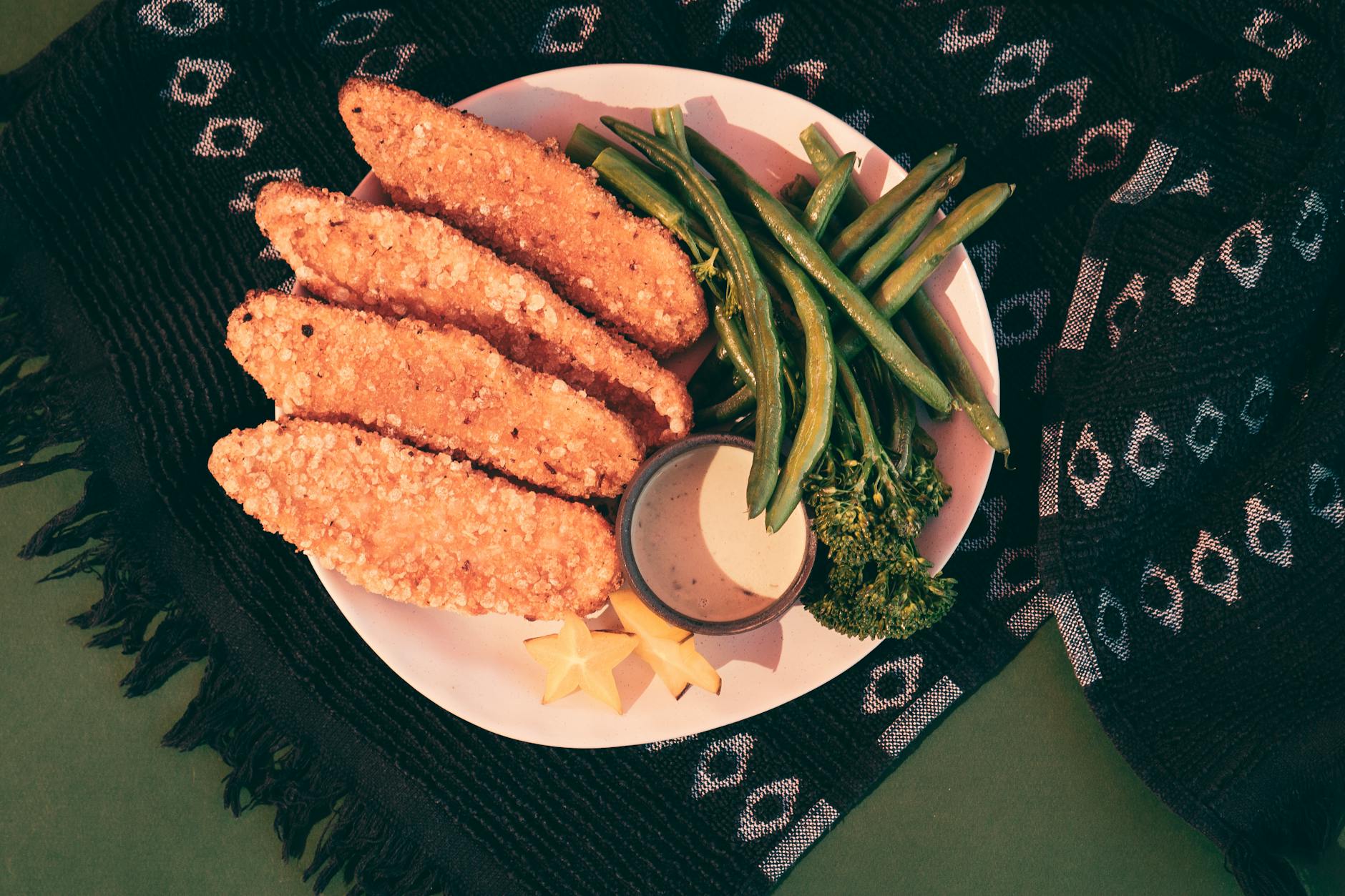
Placing breaded proteins immediately onto a hot pan before allowing the coating to set causes the breading to slide off or become patchy during cooking. Letting breaded items rest in the refrigerator for at least thirty minutes before cooking allows the coating to adhere firmly to the surface. Pressing the breadcrumbs or coating firmly onto the surface during preparation also helps it bond more securely. Cooking in enough fat at the right temperature ensures the breading crisps quickly without absorbing excess grease. A well-adhered golden crust is the reward for this patient preparation approach.
Ignoring Fond
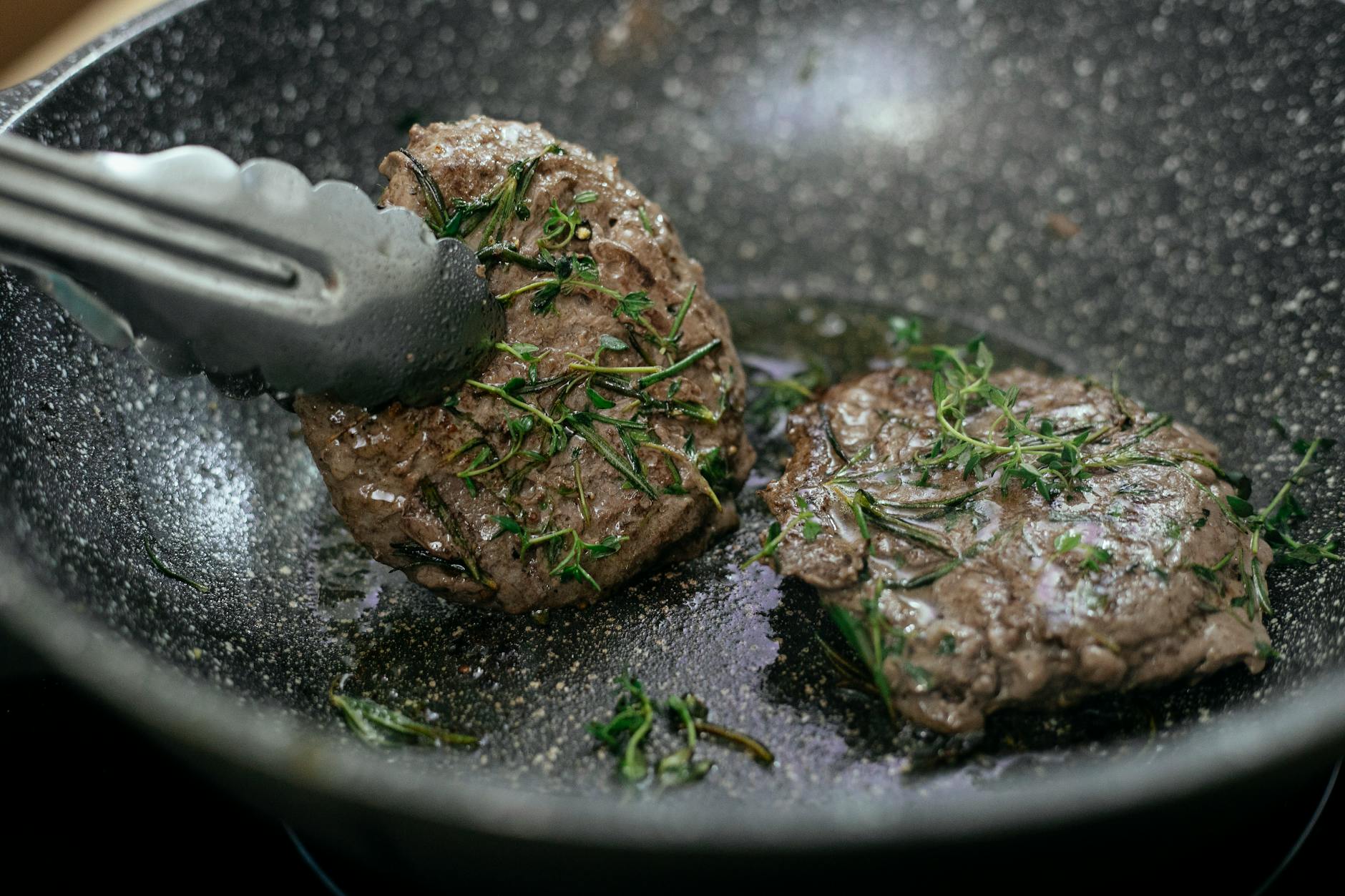
Discarding the caramelized brown bits stuck to the bottom of a pan after searing meat or vegetables means leaving behind some of the most concentrated and complex flavors in the entire dish. Deglazing the pan with wine, stock, or even water loosens these browned deposits and incorporates them into a sauce or gravy. This technique forms the foundation of countless classic pan sauces and is one of the most efficient ways to maximize flavor. Scraping the fond thoroughly as it dissolves into the liquid creates the base for a deeply savory sauce with very little additional effort. Taking advantage of the fond is one of the markers that distinguishes attentive cooking from careless preparation.
Stale Spices
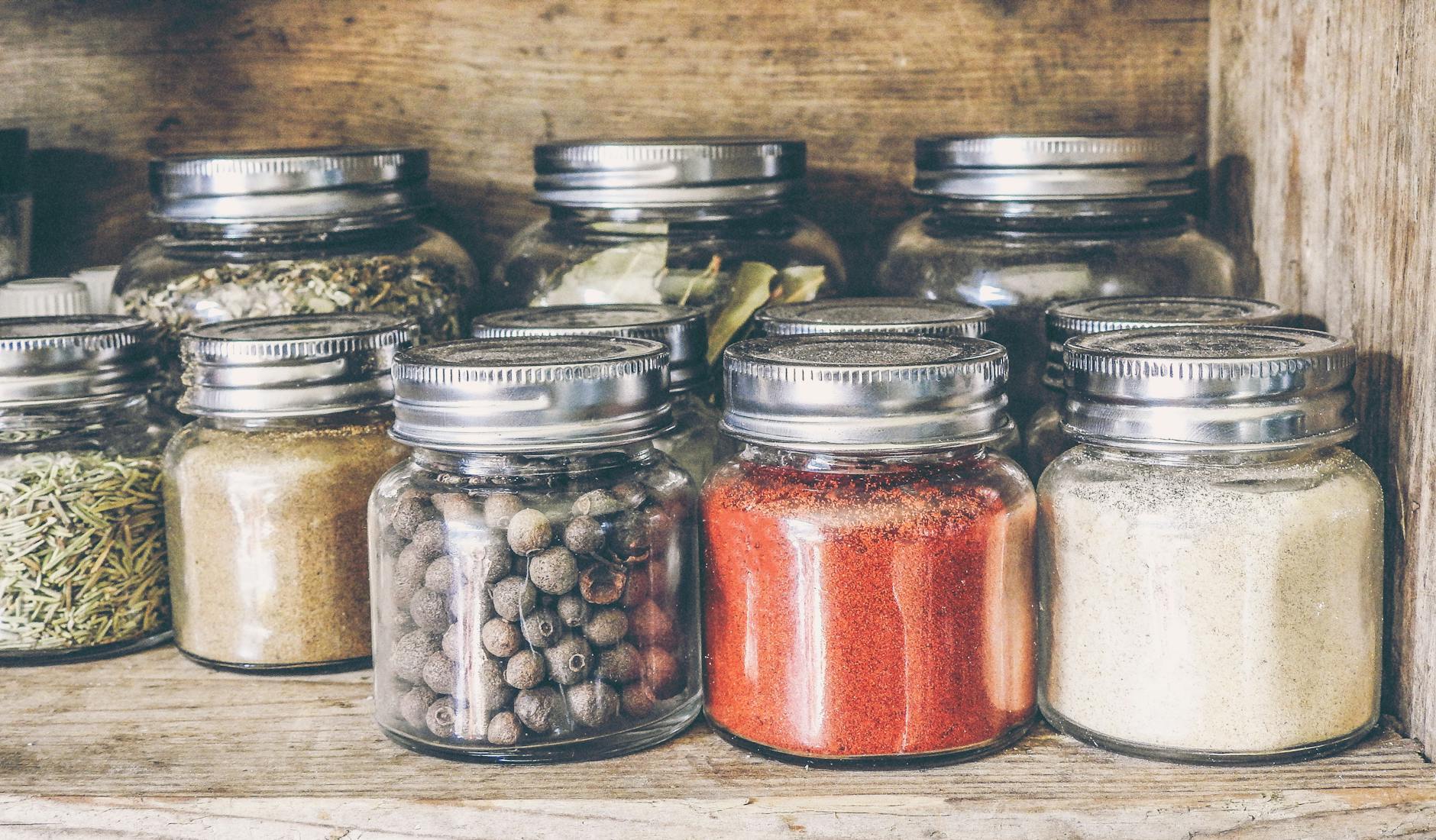
Cooking with spices that have been sitting in the pantry for years means adding little more than color to a dish, as the volatile compounds responsible for flavor and aroma dissipate over time. Ground spices have a practical shelf life of about one to two years, while whole spices last somewhat longer. Smelling a spice before adding it to a dish is a quick way to determine whether it still has potency. Toasting whole spices briefly in a dry pan before grinding them unlocks their essential oils and dramatically amplifies their flavor. Keeping a fresh and well-organized spice collection is one of the most impactful investments a home cook can make.
Skipping Tasting

Cooking without tasting throughout the process means arriving at a finished dish with no opportunity to correct seasoning, acidity, or balance before it is served. Regular tasting at each stage allows the cook to make small adjustments that add up to a significantly better final result. A dish that tastes flat may simply need salt, while one that tastes harsh may benefit from a touch of sweetness or fat to round it out. Developing the habit of tasting frequently builds a deeper understanding of how flavors evolve during cooking. This practice is perhaps the single most valuable skill a cook can cultivate regardless of experience level.
Skipping Emulsification
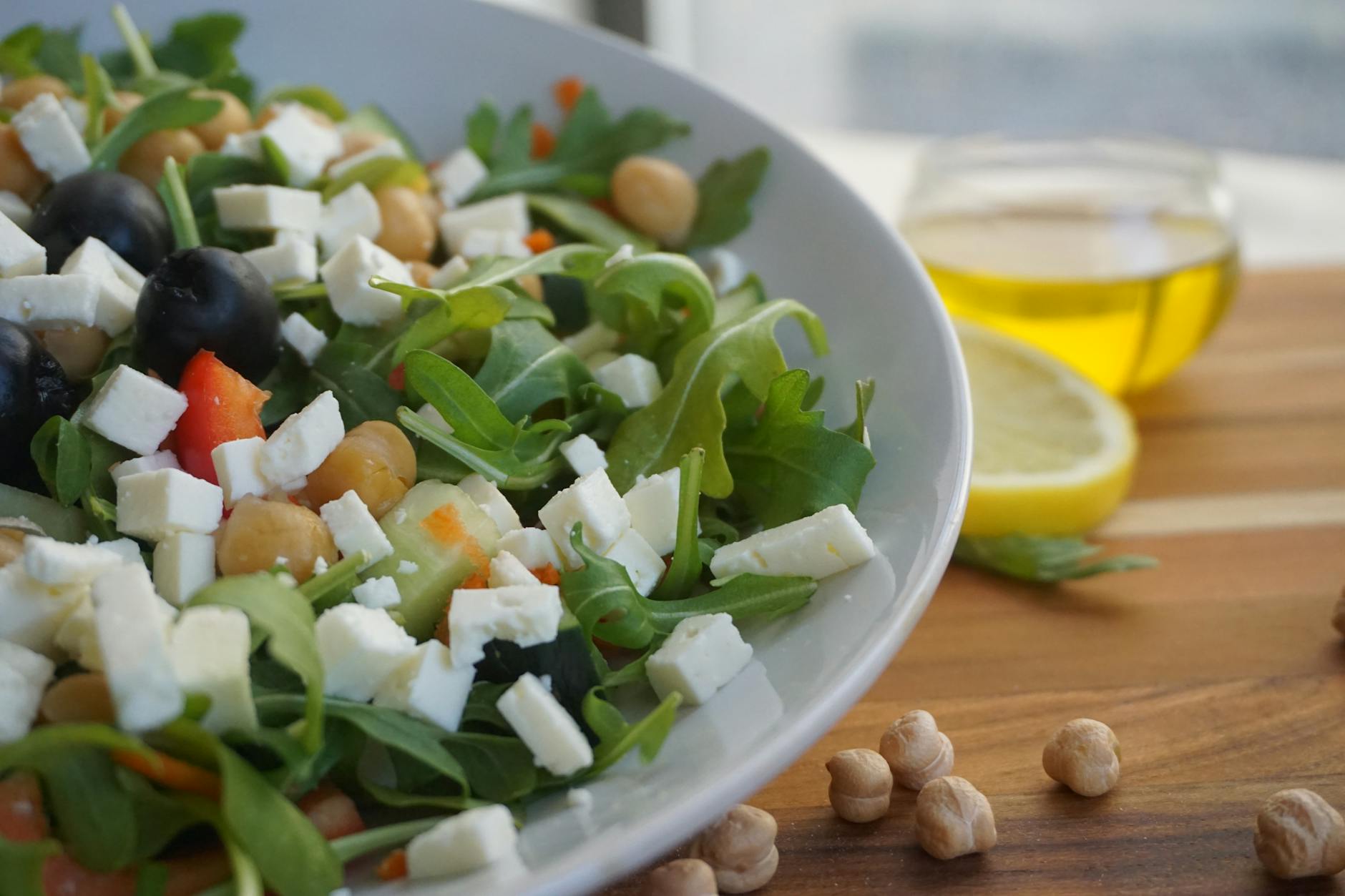
Adding vinegar and oil directly to a salad without emulsifying them together first results in a dressing that separates immediately and coats greens unevenly. Whisking or shaking oil and acid together vigorously with a small amount of mustard creates a temporary emulsion that clings more evenly to salad leaves. Adding the oil slowly while whisking continuously incorporates air and creates a smoother, more cohesive texture. A properly emulsified vinaigrette coats every leaf with a balanced combination of fat and acid rather than pooling at the bottom of the bowl. This technique requires only a few extra seconds and noticeably improves the eating experience of any dressed salad.
Skipping Scoring
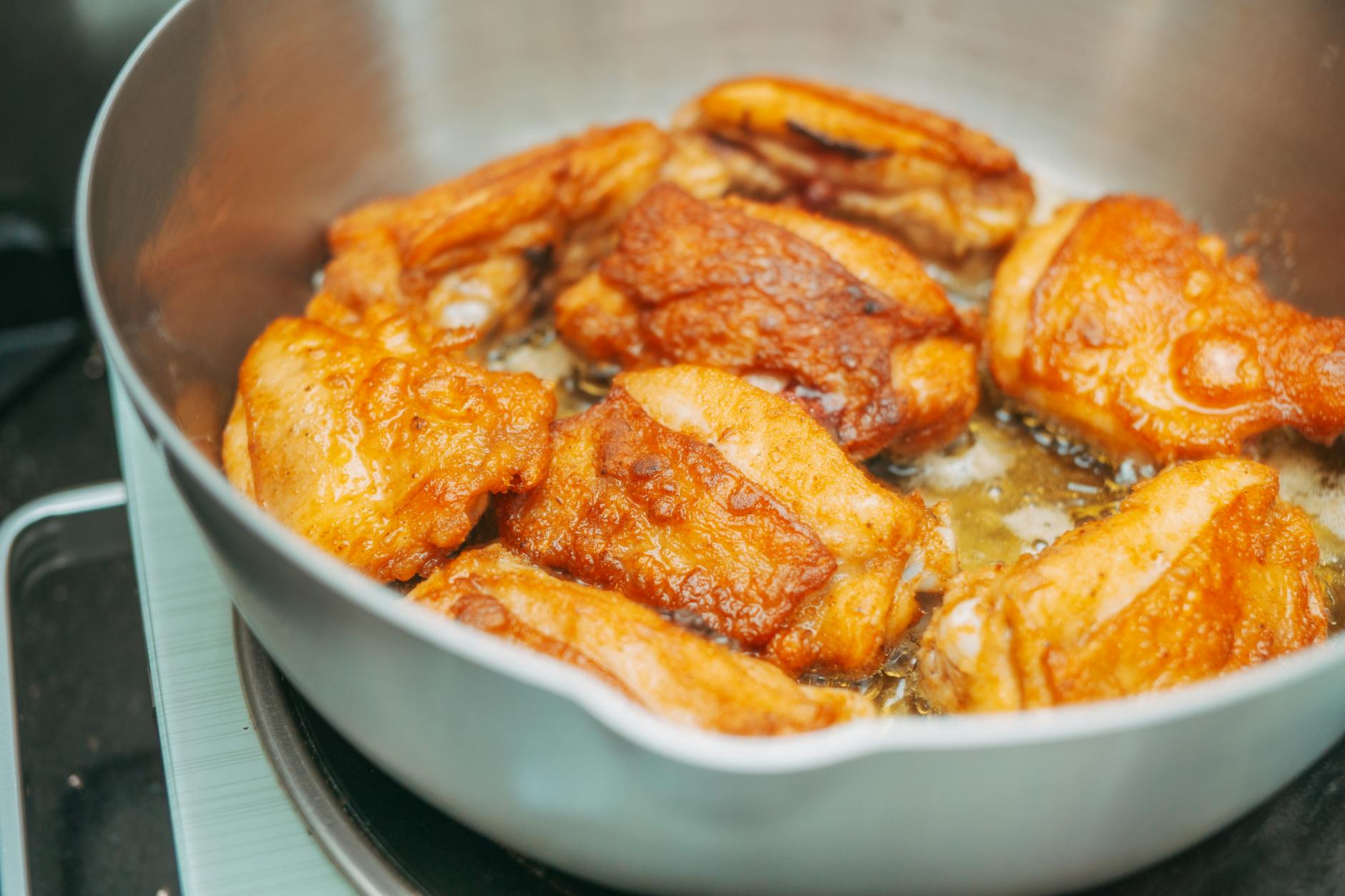
Failing to score the skin or surface of proteins before cooking prevents marinades from penetrating deeply and causes skin to bubble and shrink unevenly during roasting. Shallow cuts made through the skin of chicken or across the fat cap of a pork roast allow rendered fat to escape evenly and help achieve a uniformly crisp result. Scoring fish prevents it from curling in the pan and helps it cook more evenly. The pattern of cuts also allows seasonings applied to the surface to reach further into the meat. This quick preparatory step improves both the appearance and the flavor of the finished protein.
Boiling Instead of Simmering
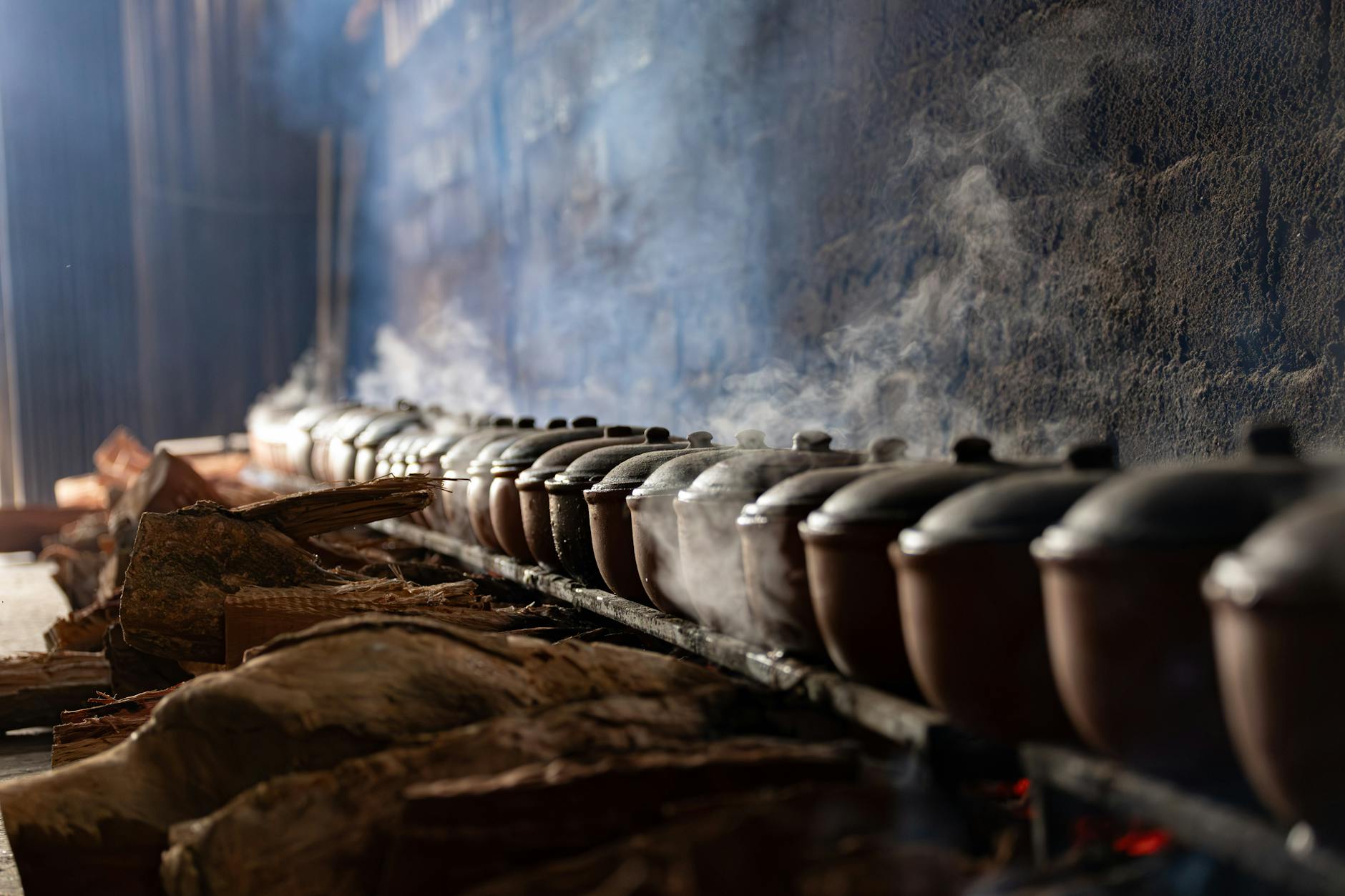
Maintaining too vigorous a boil when a recipe calls for a gentle simmer toughens proteins, reduces liquids too aggressively, and prevents flavors from developing properly. Tough cuts of meat like braising cuts and stewing pieces become tender through long, slow cooking in barely trembling liquid. A rapid boil causes muscle fibers to contract and tighten rather than break down, resulting in a chewy and unpleasant texture. Keeping the liquid at a lazy simmer with only occasional bubbles rising to the surface is the correct technique for braises, soups, and stocks. Learning to recognize and maintain the right level of heat is one of the most important temperature skills in cooking.
Skipping Toasting Nuts
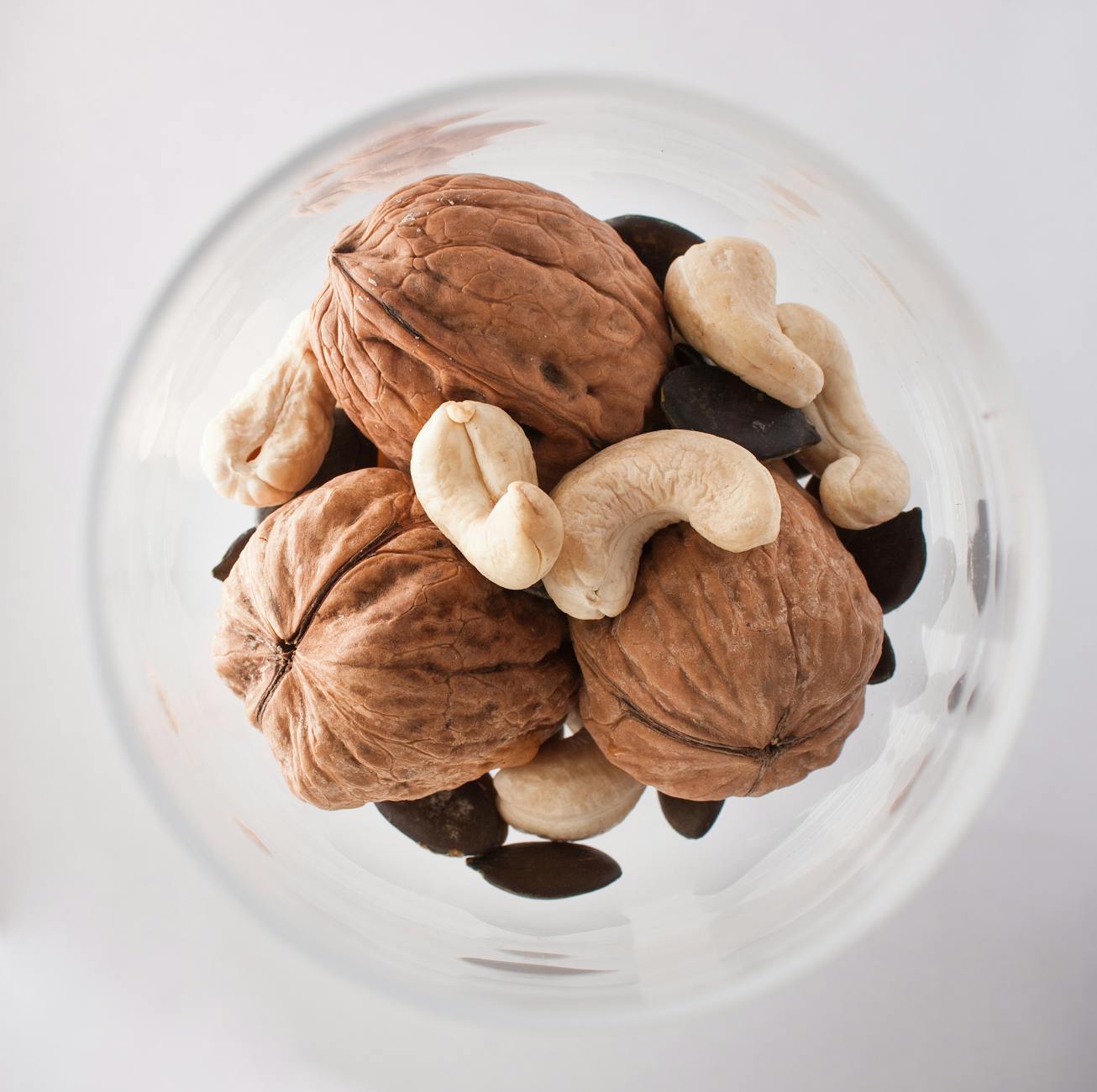
Adding raw nuts to a finished dish without toasting them first means missing out on the deeper, more complex flavor that emerges when their natural oils are activated by heat. A short stint in a dry pan over medium heat or in the oven at moderate temperature transforms nuts from bland to aromatic and richly flavored. Toasting also improves the texture of nuts, making them crunchier and more satisfying as a garnish or component. Watching them carefully during this process is important because nuts can go from perfectly toasted to burned in a matter of seconds. This small step adds a meaningful layer of flavor and texture to salads, pastas, desserts, and grain dishes.
Skipping Zest
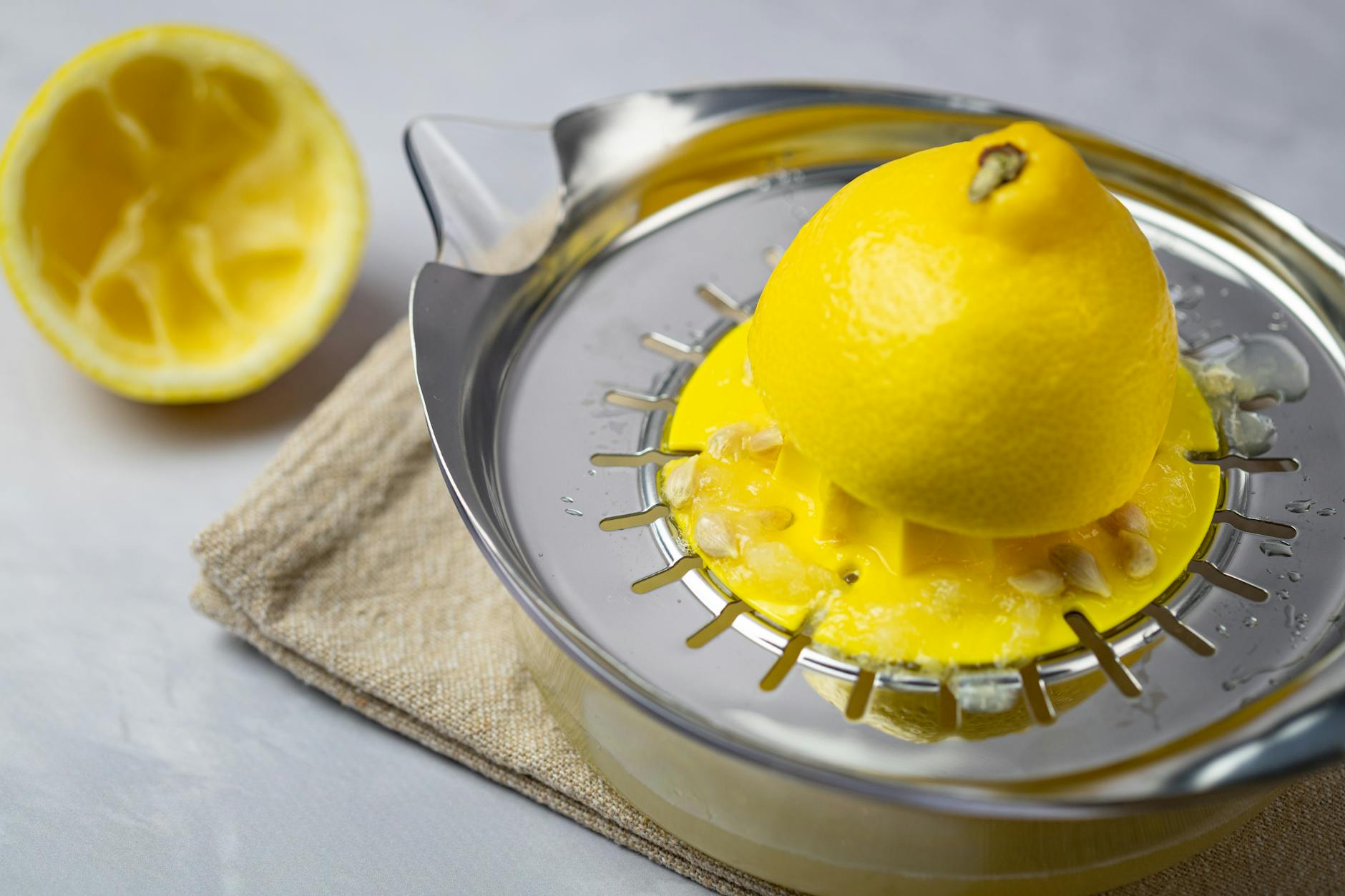
Using only the juice of citrus fruits while discarding the zest means leaving behind the most intensely flavored part of the fruit. The zest contains the essential oils that carry the bright, aromatic citrus flavor that juice alone cannot fully replicate. Adding zest to baked goods, dressings, marinades, and sauces introduces a concentrated burst of flavor that transforms the character of a dish. Zesting should always be done before cutting and juicing a citrus fruit for the sake of ease and efficiency. Incorporating both elements together delivers the fullest possible expression of citrus flavor in any preparation.
If you have a favorite cooking tip or a mistake you have overcome in the kitchen, share it in the comments.