Adding indoor greenery serves as a functional way to enhance the quality of the atmosphere within a living space. Research indicates that certain plant species possess the natural ability to filter common household toxins such as formaldehyde and benzene. These botanical additions also increase oxygen levels and regulate humidity throughout the various rooms of a house. Maintaining a diverse collection of foliage ensures a more balanced and refreshing indoor environment for all residents. This comprehensive guide explores the most effective varieties for achieving a cleaner and healthier home.
Snake Plant
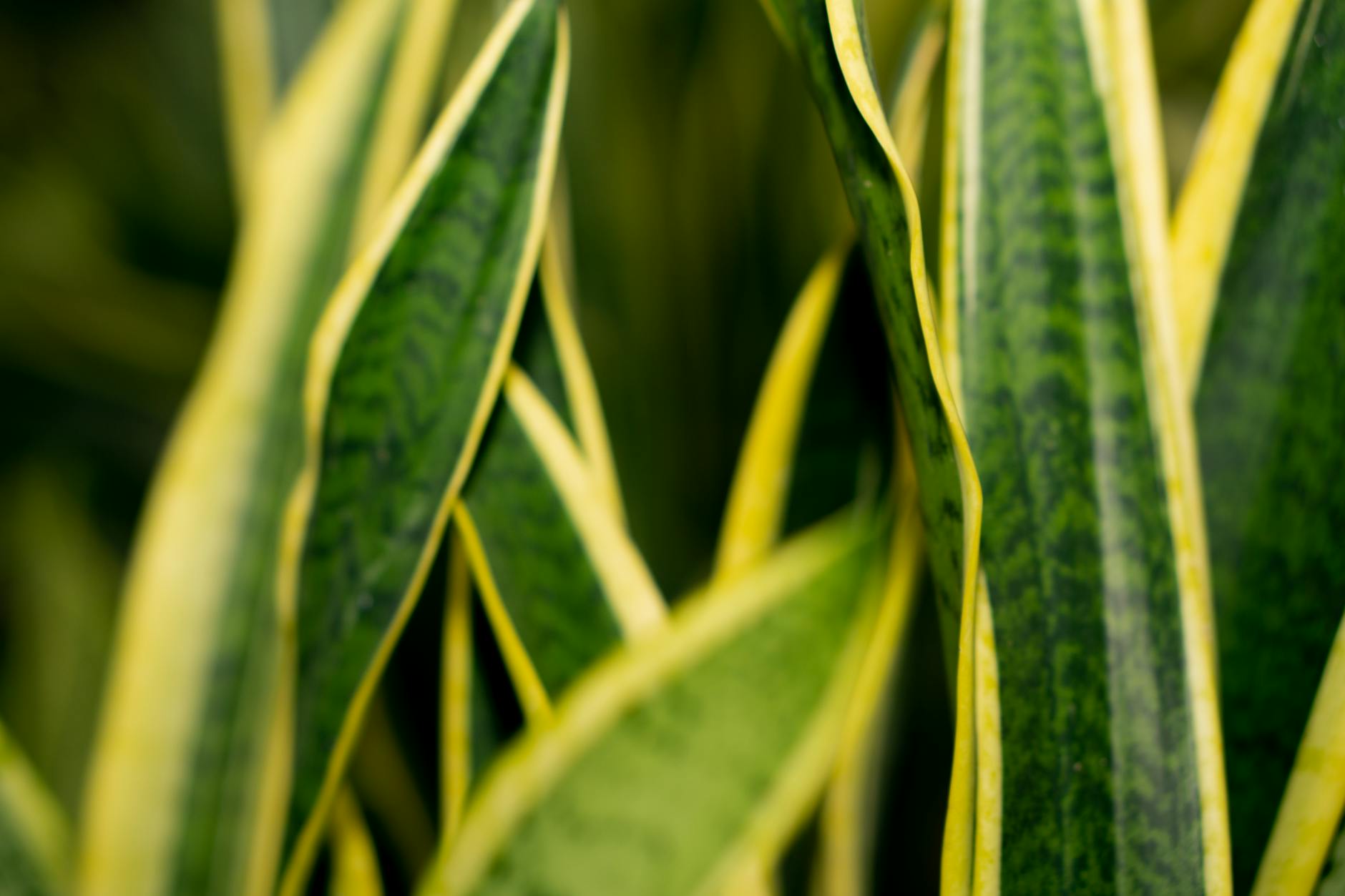
The snake plant is widely recognized for its unique ability to convert carbon dioxide into oxygen specifically during the nighttime hours. This hardy succulent features upright architectural leaves that effectively filter airborne chemicals like xylene and toluene. It requires minimal watering and thrives in various lighting conditions making it ideal for bedrooms or low light corners. The plant acts as a resilient air purifier that maintains its efficiency with very little maintenance from the owner.
Spider Plant
The spider plant is a popular choice for beginners due to its rapid growth and ease of propagation through small offshoots. Long arching leaves work to remove carbon monoxide and other impurities from the surrounding air in a short period of time. This non toxic variety is safe for households with pets and performs exceptionally well in hanging baskets or on high shelves. Frequent misting and indirect sunlight help the plant maintain its vibrant green and white foliage while it cleans the room.
Peace Lily
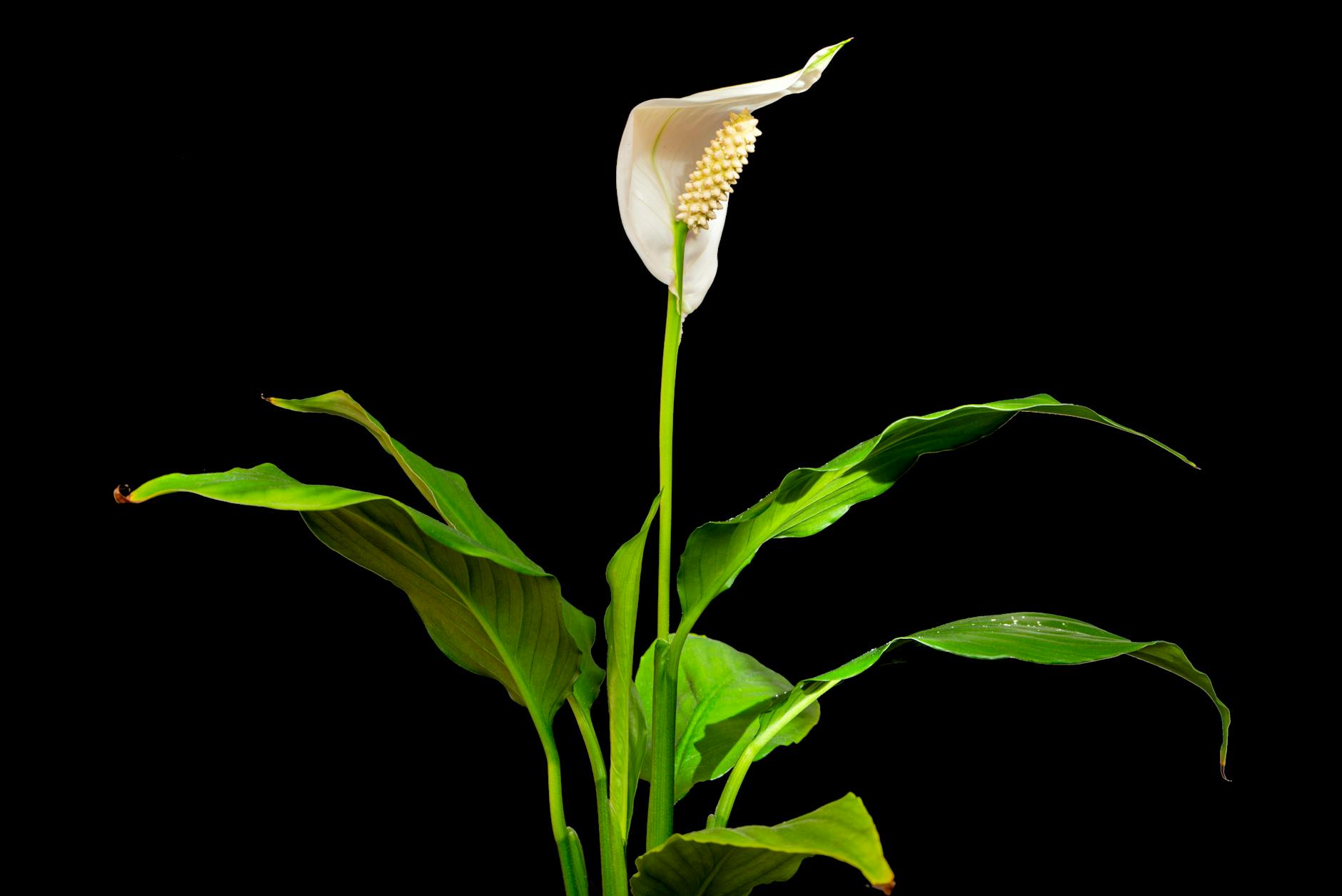
The peace lily is one of the top performing plants for neutralizing common indoor gases found in cleaning products and paints. Its elegant white blooms add a decorative element while the dark green leaves absorb mold spores and moisture from the air. This plant prefers consistent moisture and shaded areas which makes it a perfect addition to bathrooms or laundry rooms. Owners should monitor the soil dampness to ensure the plant continues to function as an effective biological filter.
Aloe Vera
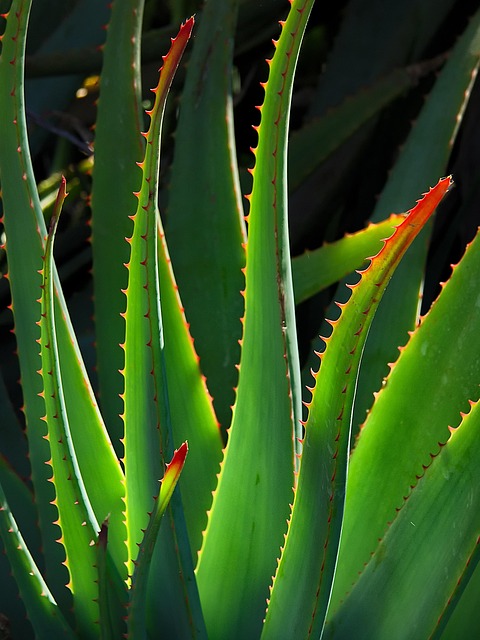
Aloe vera is a versatile succulent that doubles as a medicinal resource and a reliable air quality indicator. The fleshy leaves contain a clear gel used for skin treatments while the plant itself scrubs formaldehyde from the indoor atmosphere. Brown spots may appear on the leaves when the concentration of pollutants in the air becomes significantly high. It thrives in sunny kitchen windows where it can receive the bright light necessary for optimal growth and air purification.
Boston Fern
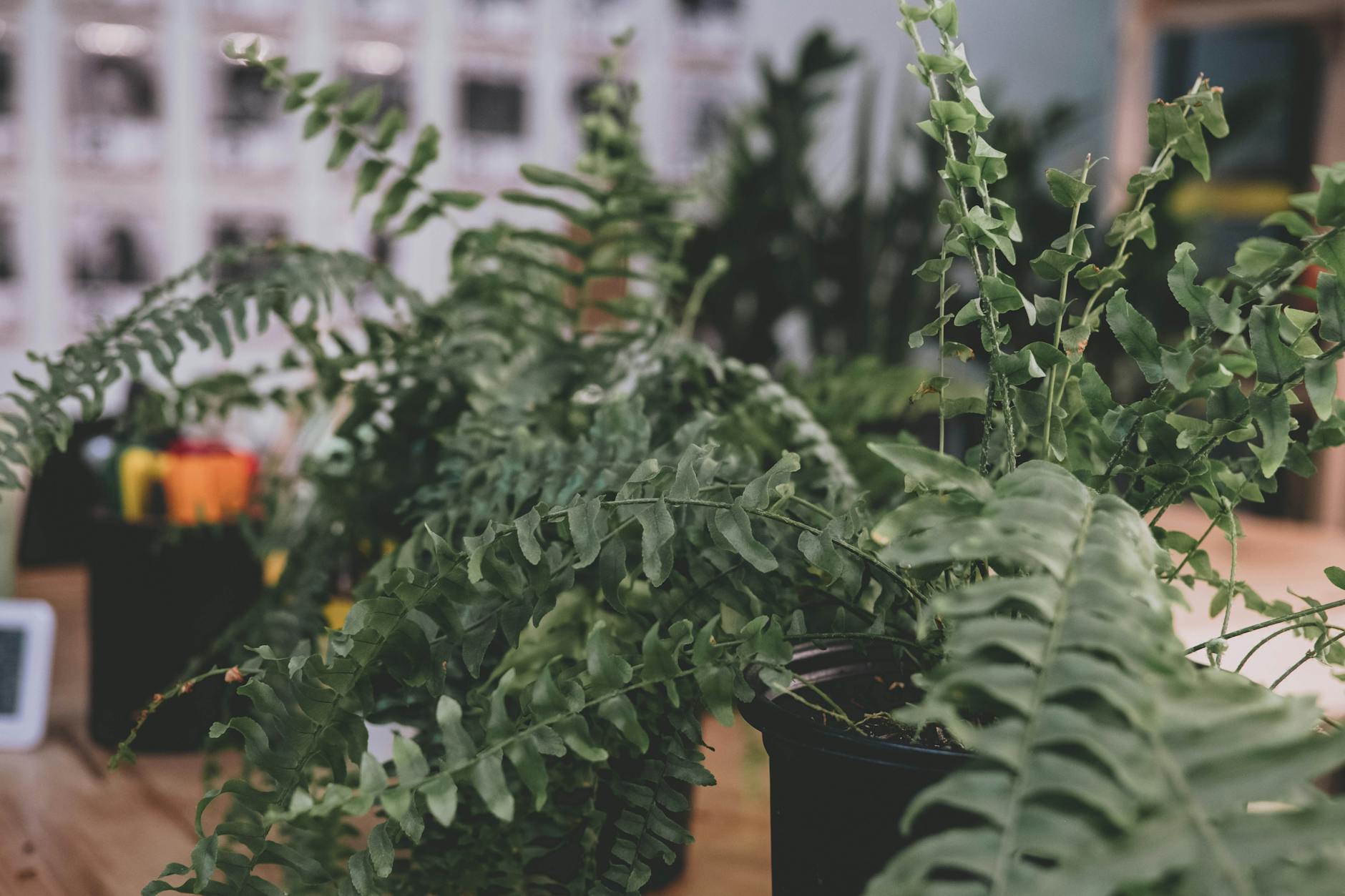
The Boston fern is a classic indoor plant valued for its lush feathery fronds that act as a natural humidifier. It is particularly effective at removing xylene and formaldehyde which are often emitted from pressed wood products and carpets. This species requires a cool location with high humidity and consistent moisture to prevent the delicate leaves from drying out. Placing this fern in a bathroom or near a humidifier allows it to thrive while it continuously cleanses the air.
Dracaena
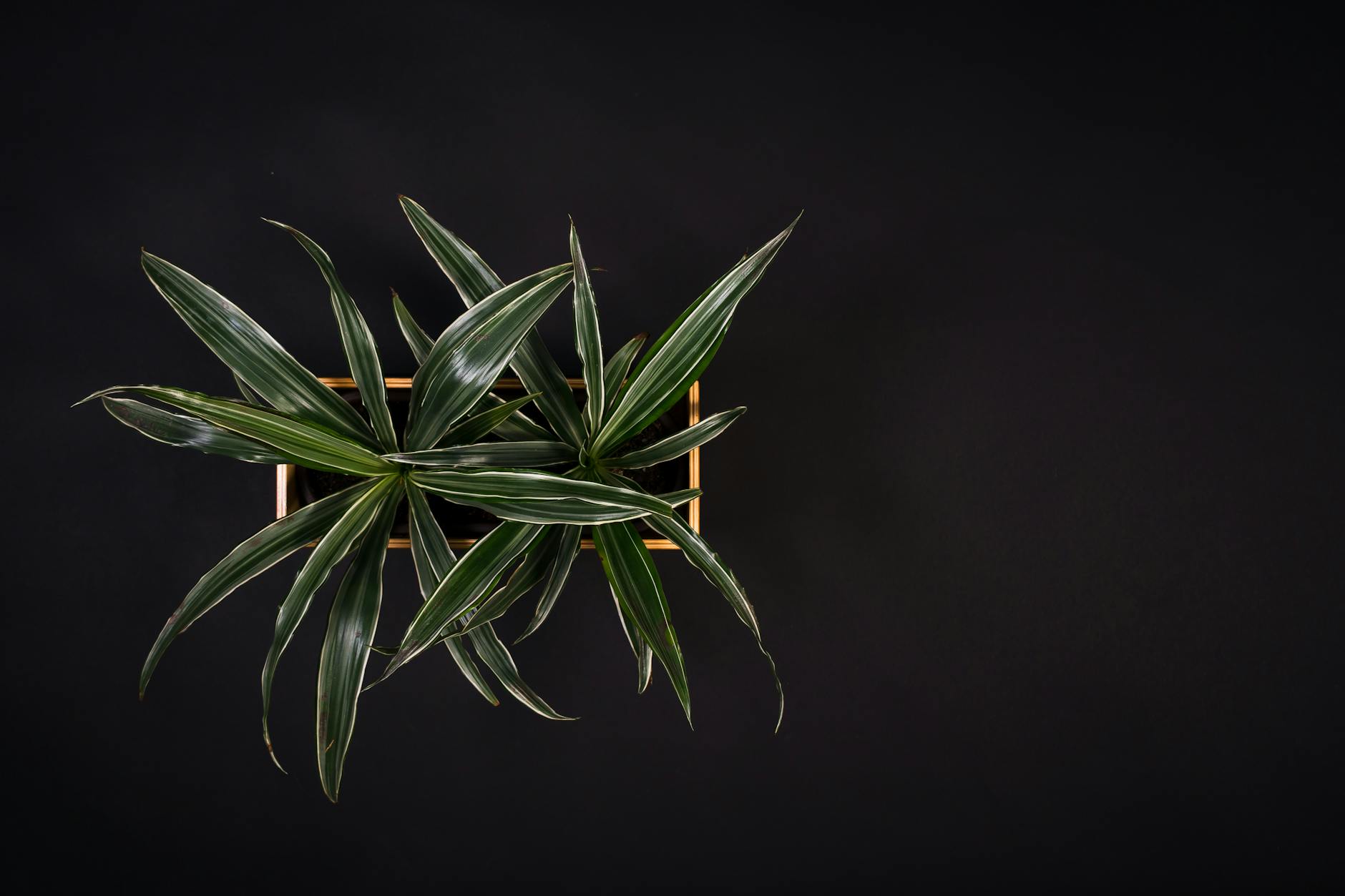
Dracaena varieties come in many shapes and sizes featuring long leaves often striped with cream or red edges. These plants are powerful tools for eliminating trichloroethylene and other solvents commonly found in varnishes and lacquers. They grow well in bright indirect light but can also adapt to more shaded areas of a modern home. Regular dusting of the leaves ensures that the plant can breathe and filter the air at maximum capacity.
Rubber Plant
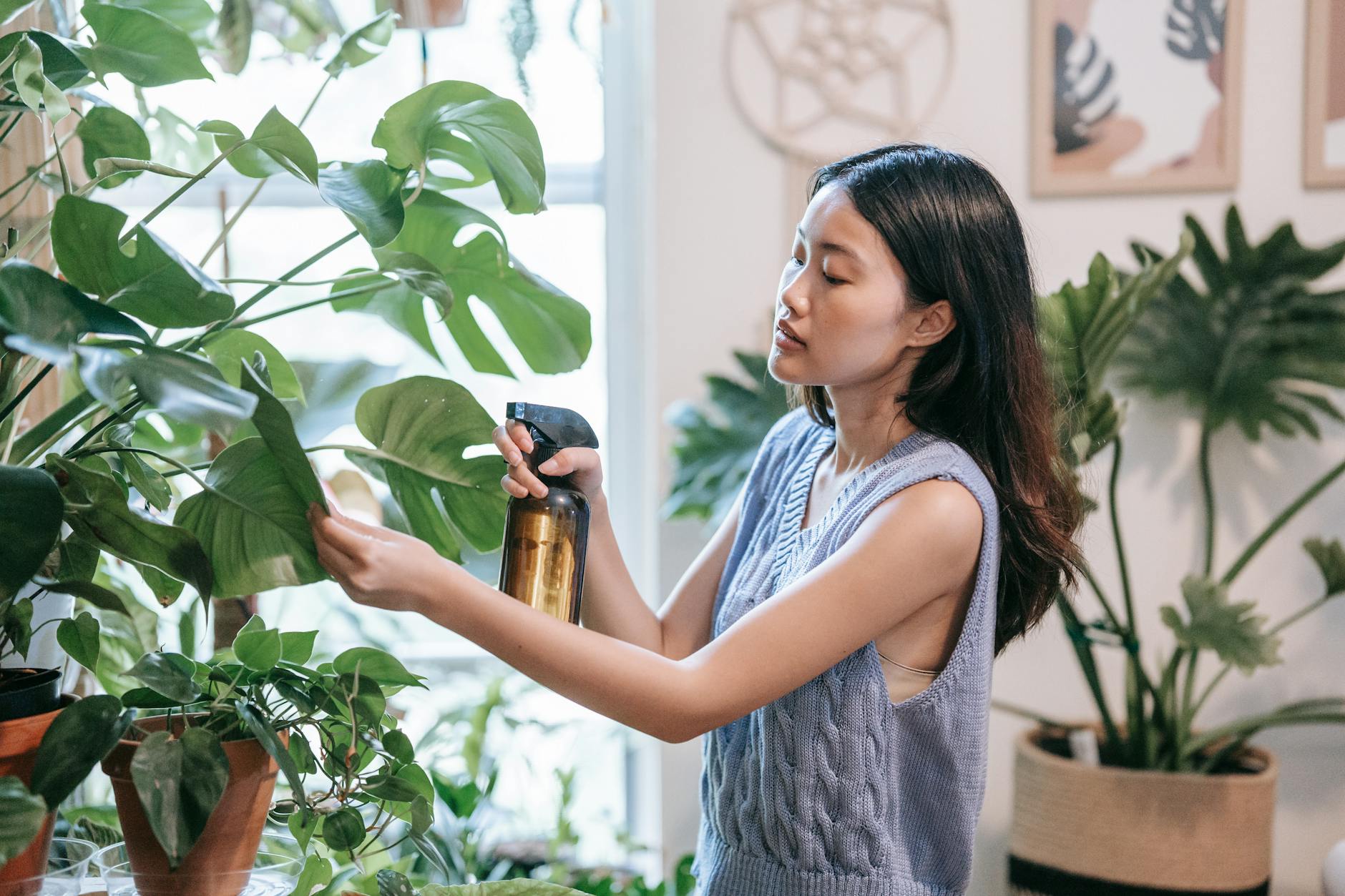
The rubber plant features large glossy leaves that are highly efficient at absorbing carbon dioxide and converting it into fresh oxygen. Its broad surface area allows it to trap dust particles and neutralize various toxins that accumulate in indoor spaces. This sturdy tree can reach significant heights when provided with bright filtered light and occasional pruning. It serves as a striking focal point in a living room while silently improving the overall breathability of the environment.
Bamboo Palm
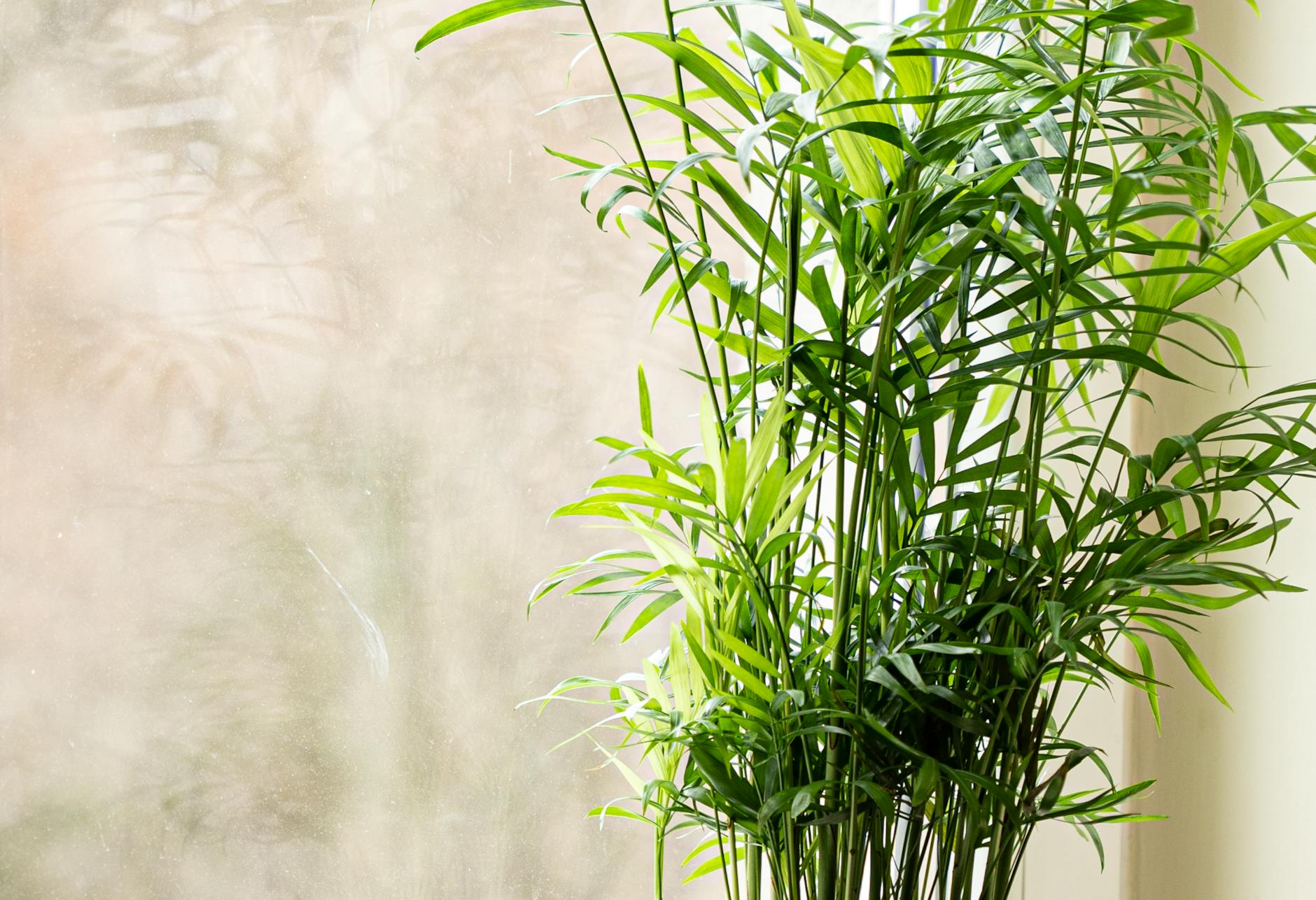
The bamboo palm is an excellent choice for adding a tropical feel while filtering out benzene and trichloroethylene from the air. It prefers bright indirect sunlight and can grow several feet tall to fill empty corners with dense green foliage. This palm also releases a significant amount of moisture into the air which helps combat dryness caused by indoor heating systems. Keeping the soil consistently moist allows the plant to remain healthy and active in its purification process.
Golden Pothos

The golden pothos is a trailing vine that is nearly impossible to kill and highly effective at removing ozone and carbon monoxide. It features heart shaped leaves with yellow variegation that look beautiful when spilling over the edges of bookshelves or mantels. This plant adapts to almost any lighting situation and can grow in water or soil depending on the preference of the grower. Its fast growth rate means it can quickly expand its air filtering capabilities throughout a large room.
English Ivy
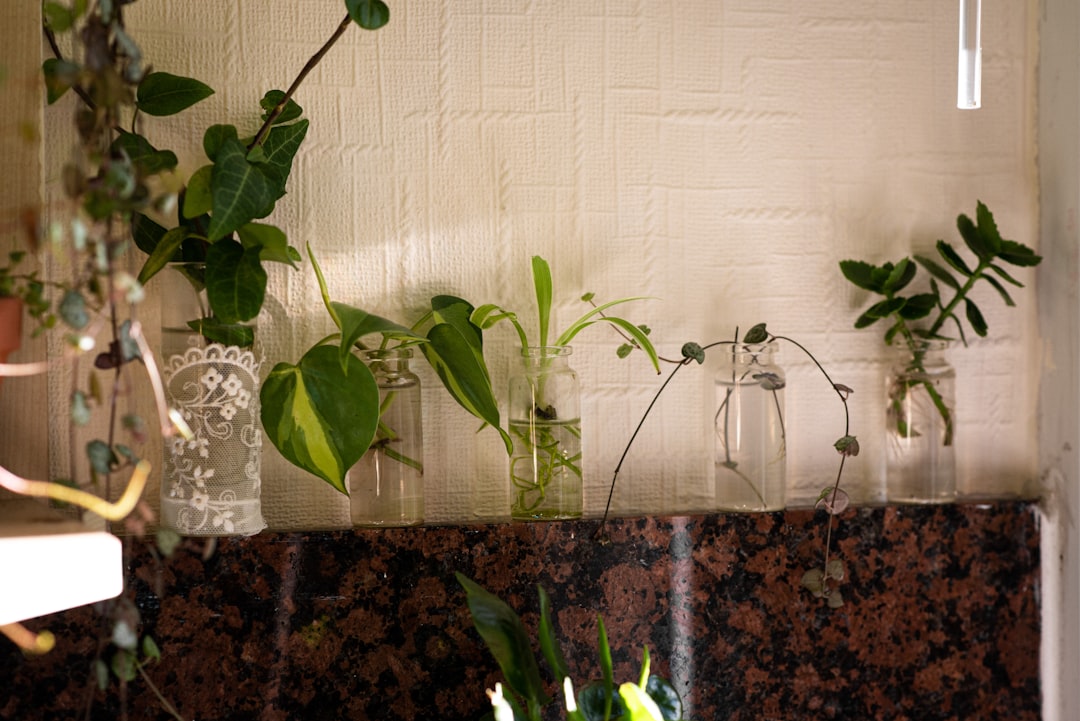
English ivy is a versatile climber that has been shown to reduce airborne fecal matter particles and mold levels in enclosed spaces. It is a particularly useful plant for those who suffer from allergies or asthma triggered by common household irritants. The vines can be trained to grow along trellises or allowed to hang freely from elevated containers. This plant enjoys cooler temperatures and consistent moisture to maintain its dense and effective foliage.
Chinese Evergreen
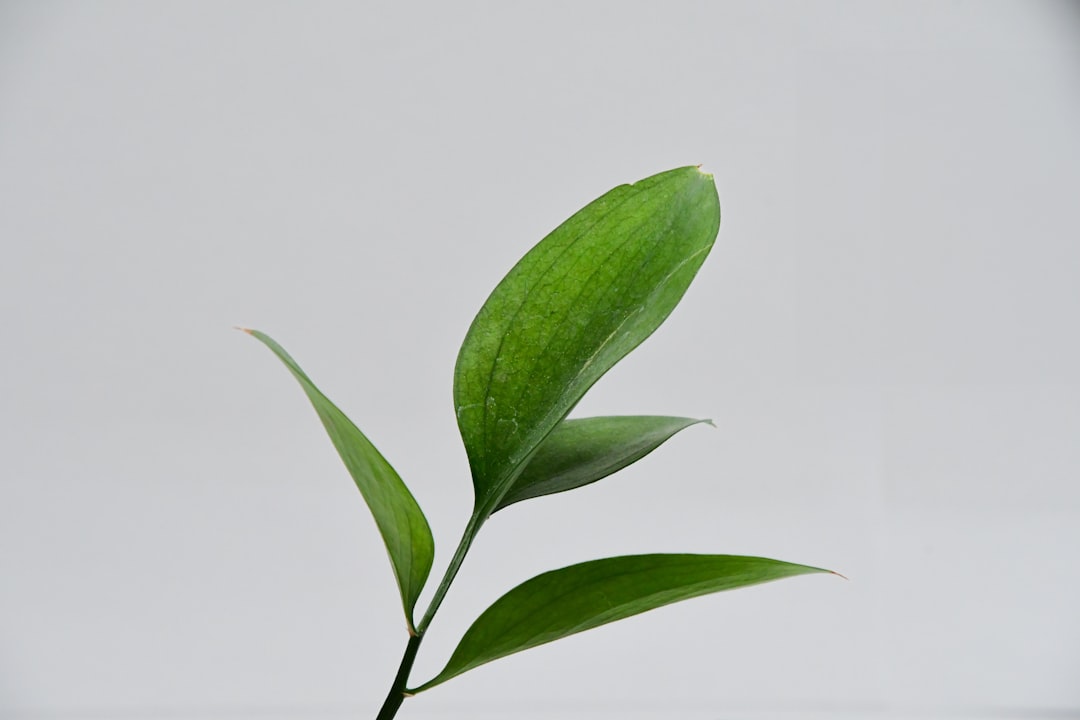
The chinese evergreen is a durable plant that produces attractive patterned leaves even in low light conditions. It is highly proficient at filtering out a variety of common toxins and becomes more effective as it grows over time. The plant produces small red berries and can tolerate neglected watering schedules without losing its air cleaning abilities. It is a reliable choice for offices or interior rooms that do not receive much natural sunlight.
Chrysanthemum
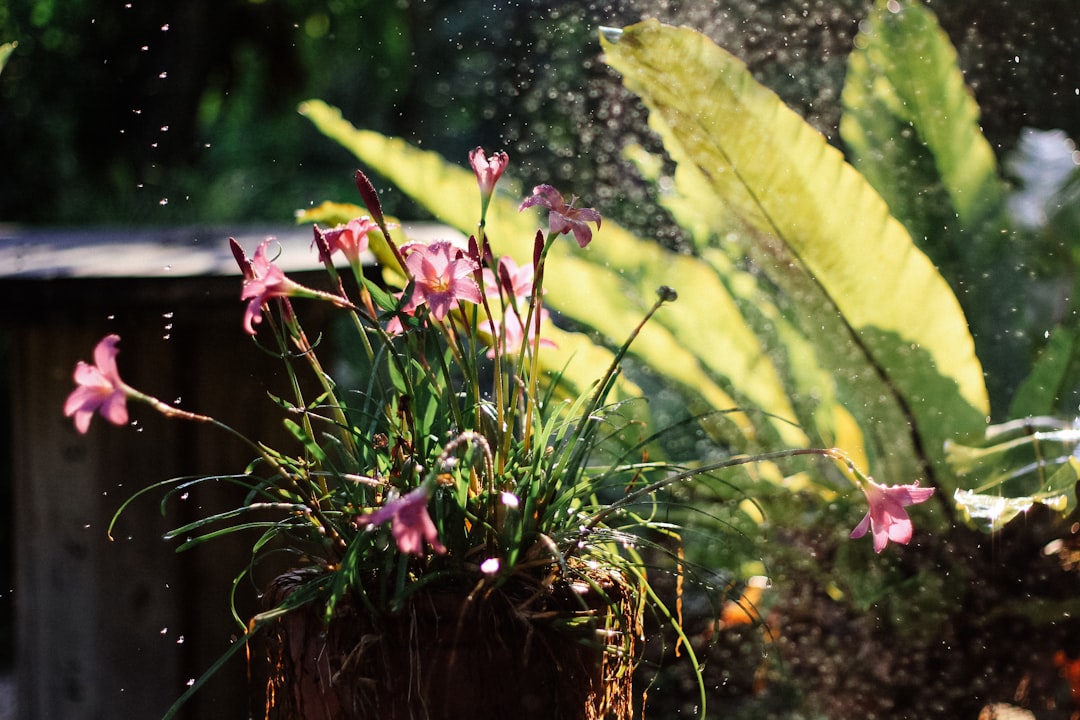
The chrysanthemum is often used as a seasonal decorative flower but it is actually one of the best plants for removing ammonia and benzene. The bright blooms work alongside the green foliage to scrub the air of chemicals found in plastics and detergents. These plants require bright light to produce flowers and should be placed near a window to remain healthy. While they are often treated as temporary additions they provide a significant boost to air quality while in bloom.
Barberton Daisy
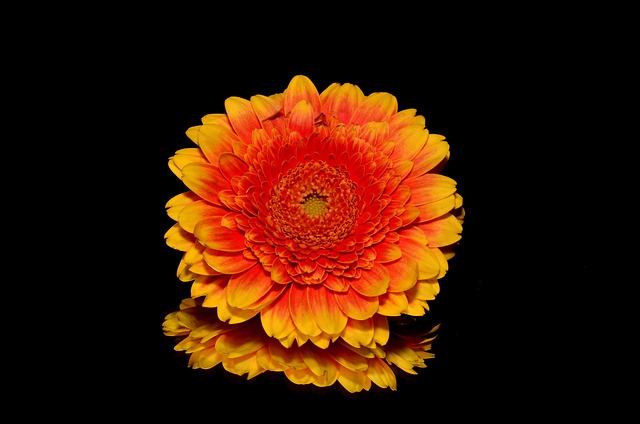
The barberton daisy is known for its cheerful colorful flowers and its ability to remove trichloroethylene from the air. It is a great choice for bedrooms or laundry rooms where it can combat chemicals emitted from dry cleaned clothes and inks. This plant needs plenty of natural light and well draining soil to thrive and continue its purification work. Its compact size makes it an ideal addition to a sunny windowsill or a bedside table.
Weeping Fig
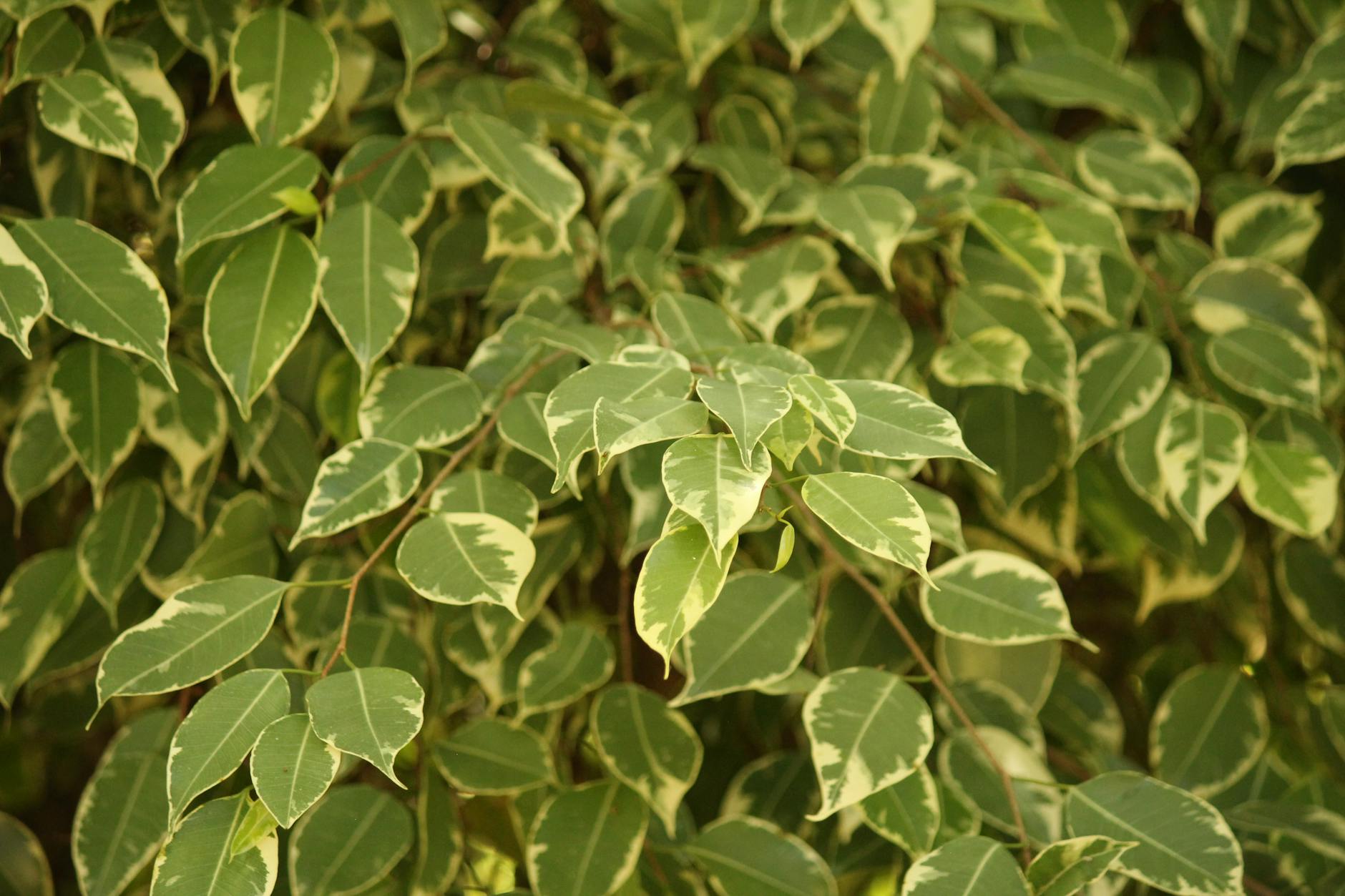
The weeping fig is a popular indoor tree that helps to filter out pollutants emitted from carpets and furniture such as formaldehyde and toluene. It features a graceful canopy of small dark leaves that can be sensitive to changes in light or temperature. Once the plant is acclimated to its spot it becomes a long term partner in maintaining a clean indoor atmosphere. Providing a stable environment with moderate light will help the tree maintain its leaves and its filtering efficiency.
Areca Palm
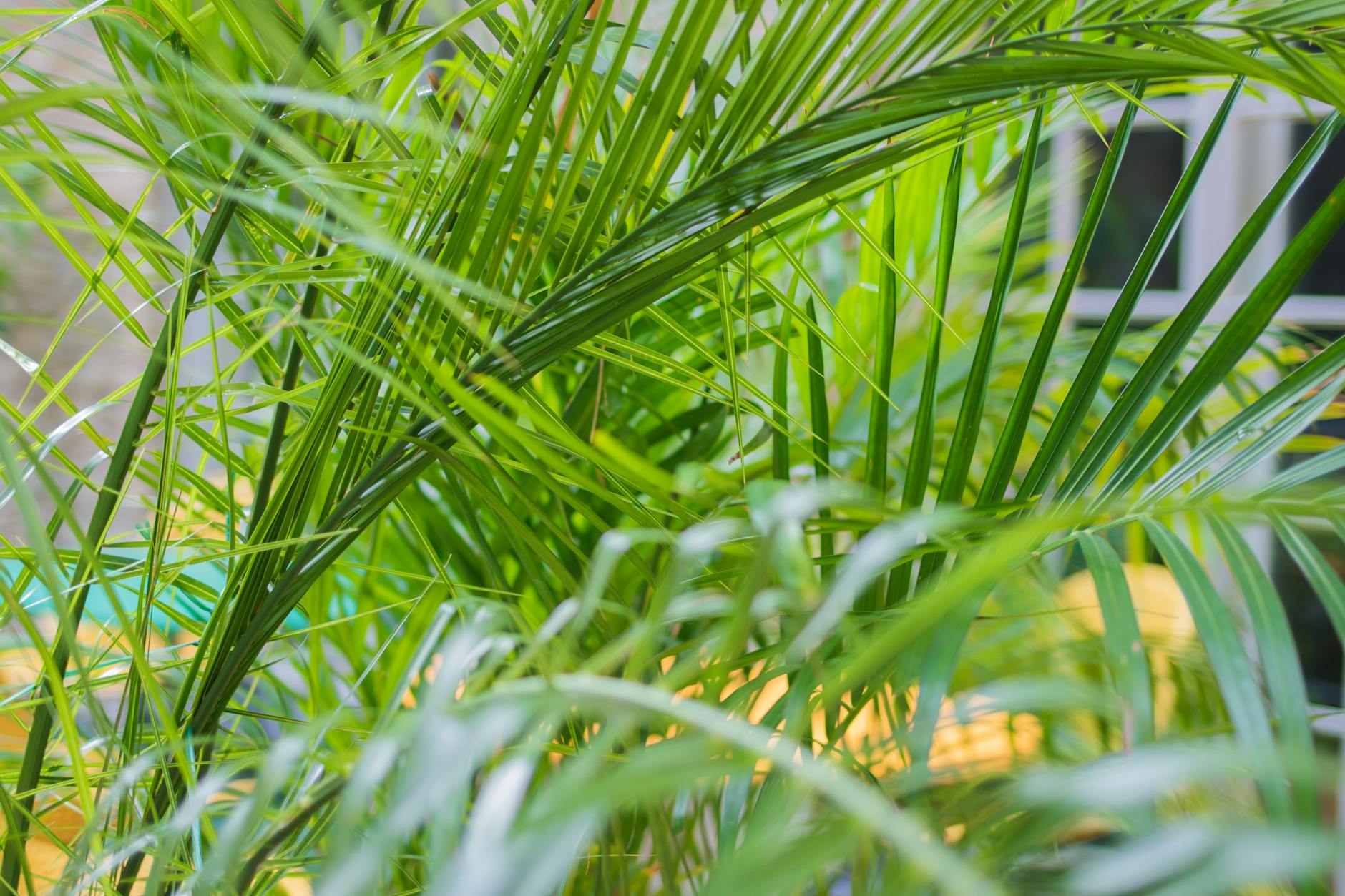
The areca palm is a powerhouse of air purification that specializes in removing toxins and adding moisture to the environment. It is frequently cited as one of the best plants for general air scrubbing in large residential spaces. The fine leaves create a soft texture while working to eliminate chemicals found in many common household items. This palm requires a bright spot and regular watering to keep its fronds looking vibrant and healthy.
Heartleaf Philodendron
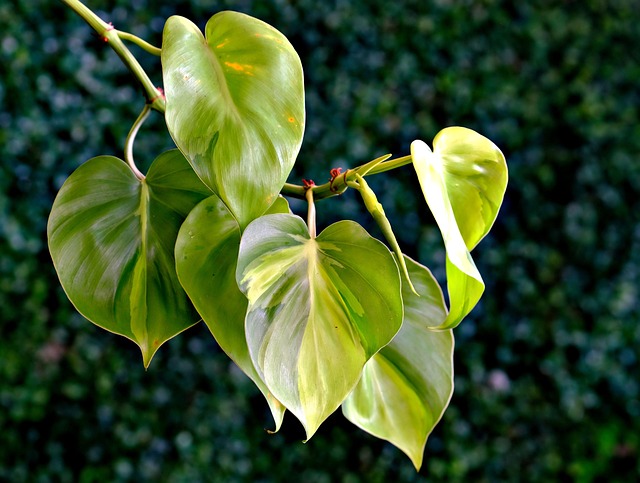
The heartleaf philodendron is a classic indoor vine that is particularly good at absorbing formaldehyde from the surrounding air. Its climbing or trailing habit makes it a flexible choice for various decorating styles and small spaces. The plant is very easy to care for and can survive in a wide range of lighting conditions from low to bright. It remains a staple in healthy homes due to its resilience and consistent air cleaning performance.
Kimberly Queen Fern
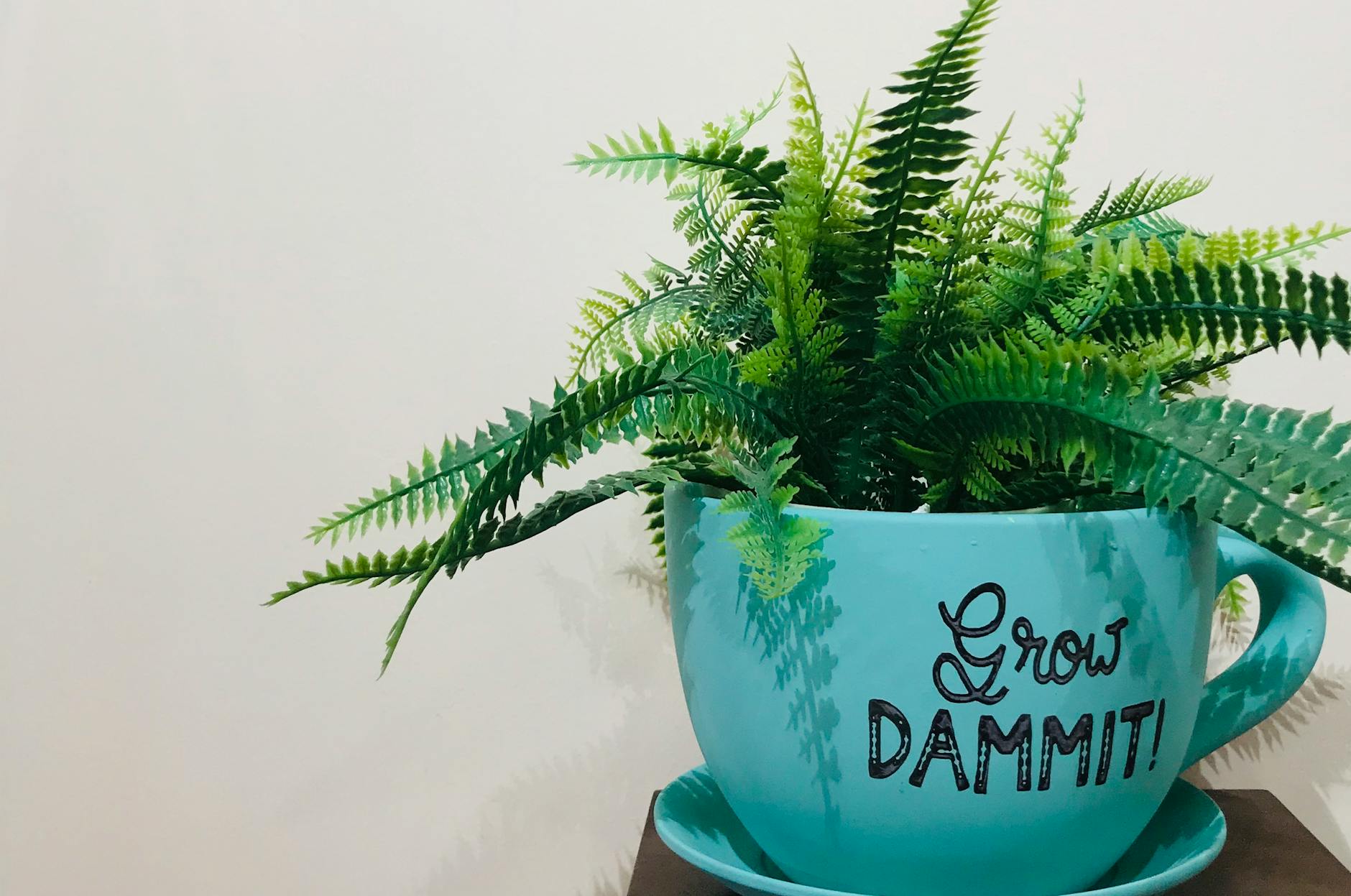
The kimberly queen fern is an upright variety that excels at removing alcohols and formaldehydes from the indoor atmosphere. It is more heat tolerant than other fern species and can handle larger amounts of sunlight. This plant acts as a natural humidifier and is perfect for adding a structured green element to a patio or a large sunroom. Regular watering and occasional fertilizing help the fern maintain its dense growth and purifying power.
Money Plant
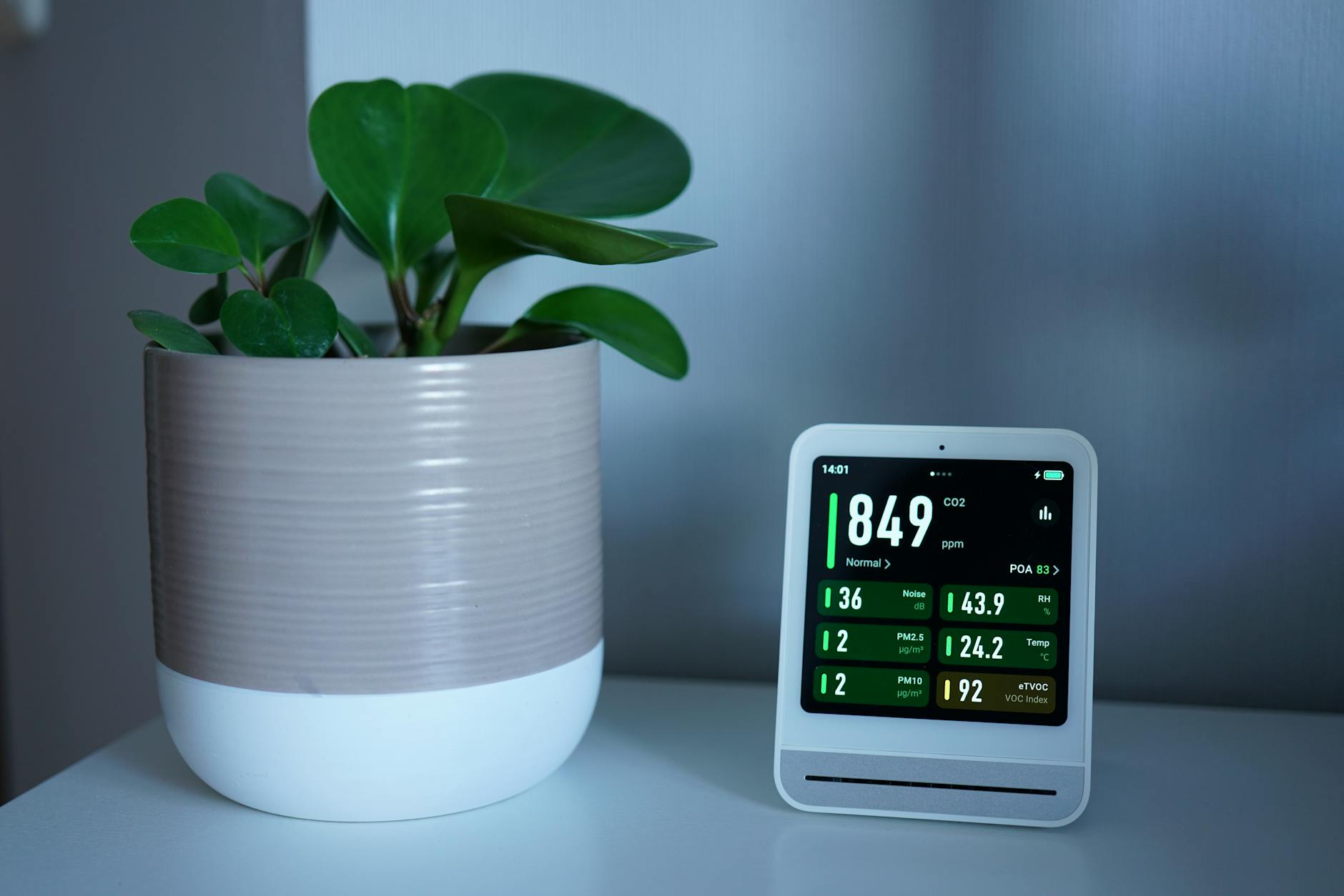
The money plant is often grown for its unique braided trunk and its ability to filter synthetic chemicals from the air. It is a hardy species that can tolerate both overwatering and underwatering to a certain degree. The large palm like leaves work to clear the air of pollutants while providing a sense of lush greenery to the room. It thrives in bright indirect light and is a great option for those looking for a low maintenance air purifier.
Dragon Tree
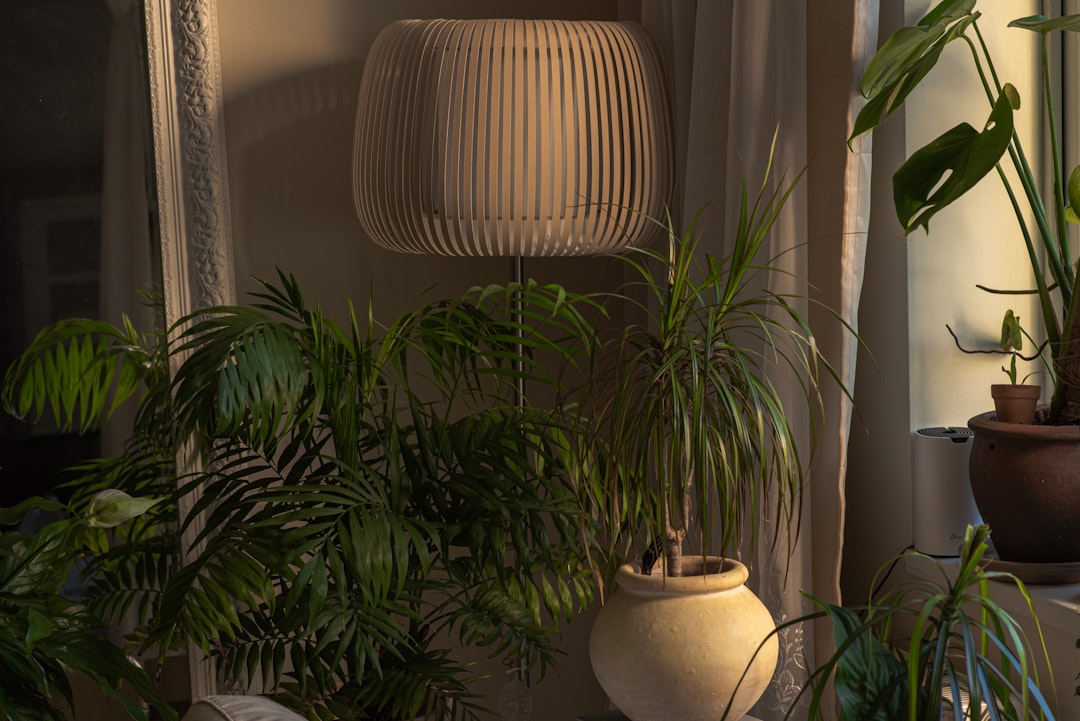
The dragon tree features stiff red edged leaves that are very effective at removing xylene and trichloroethylene from the home. It is a slow growing plant that can eventually reach the ceiling providing a dramatic vertical element to the decor. This variety prefers to dry out between waterings and can handle slightly lower light levels than other dracaena species. Its striking appearance and chemical filtering abilities make it a popular choice for modern interior design.
Lady Palm
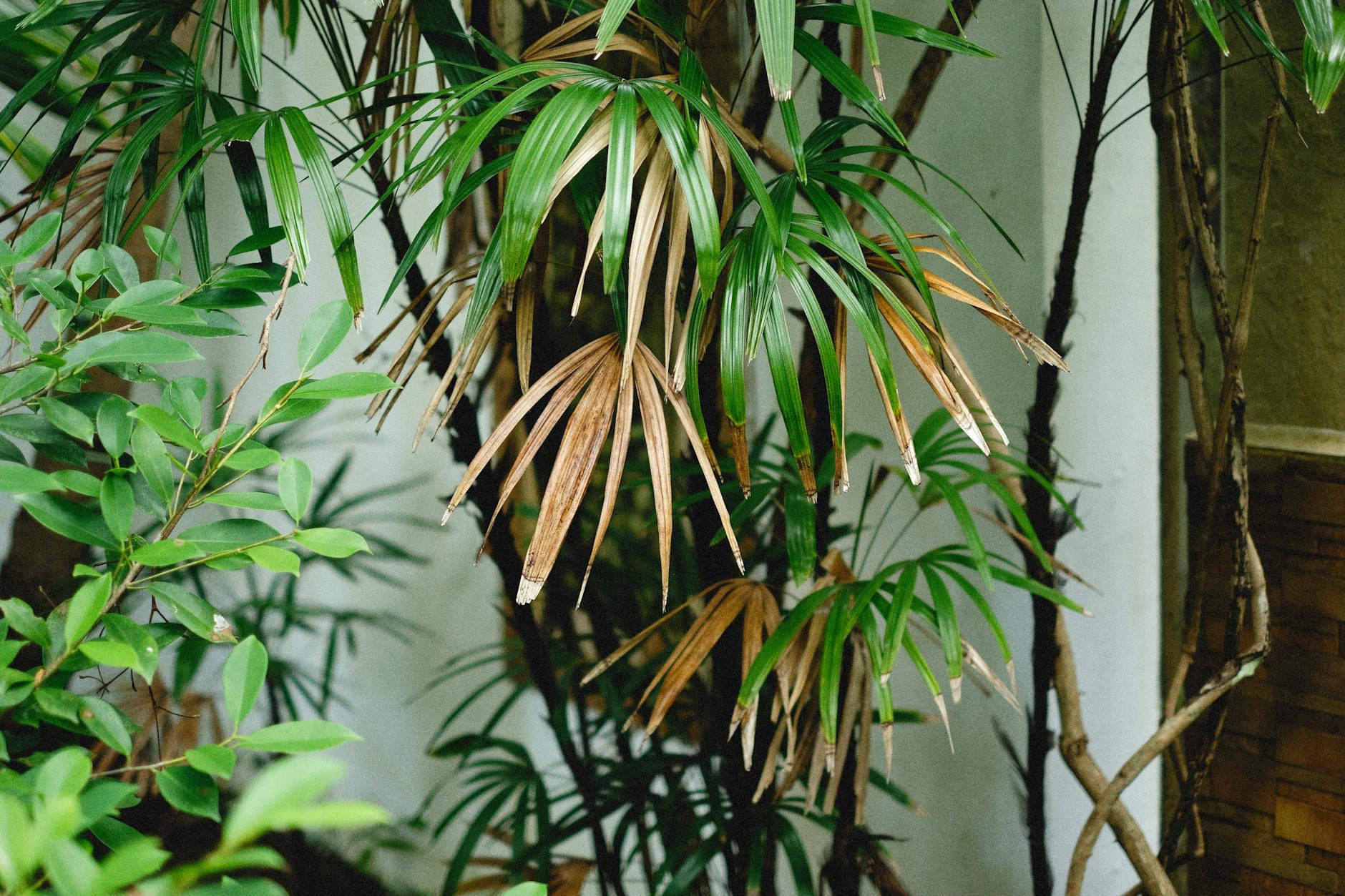
The lady palm is a slow growing species that is excellent at removing ammonia which is found in many common cleaning products. It features fan shaped fronds that are resistant to most indoor plant pests and diseases. This palm thrives in indirect light and can adapt to the typical temperatures found inside a residential home. Its ability to clean the air while maintaining its elegant appearance makes it a valuable addition to any indoor garden.
Wax Plant
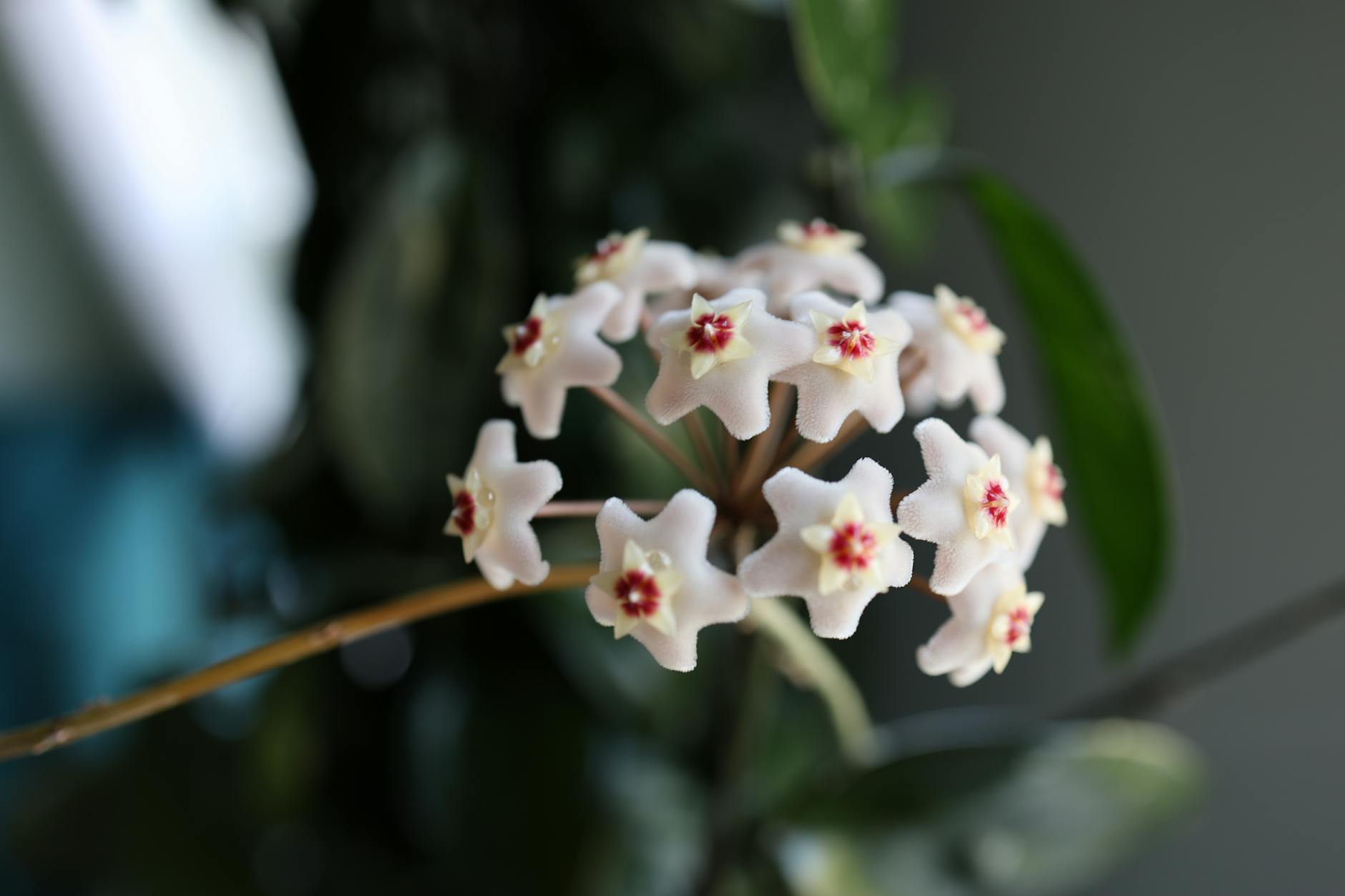
The wax plant or hoya is a climbing succulent known for its thick waxy leaves and fragrant star shaped flowers. It is effective at removing volatile organic compounds from the air while adding a touch of natural beauty to the room. This plant prefers bright indirect light and should be allowed to dry out between waterings to prevent root issues. Its slow growth and trailing nature make it a perfect choice for shelves or hanging planters.
Rubber Tree
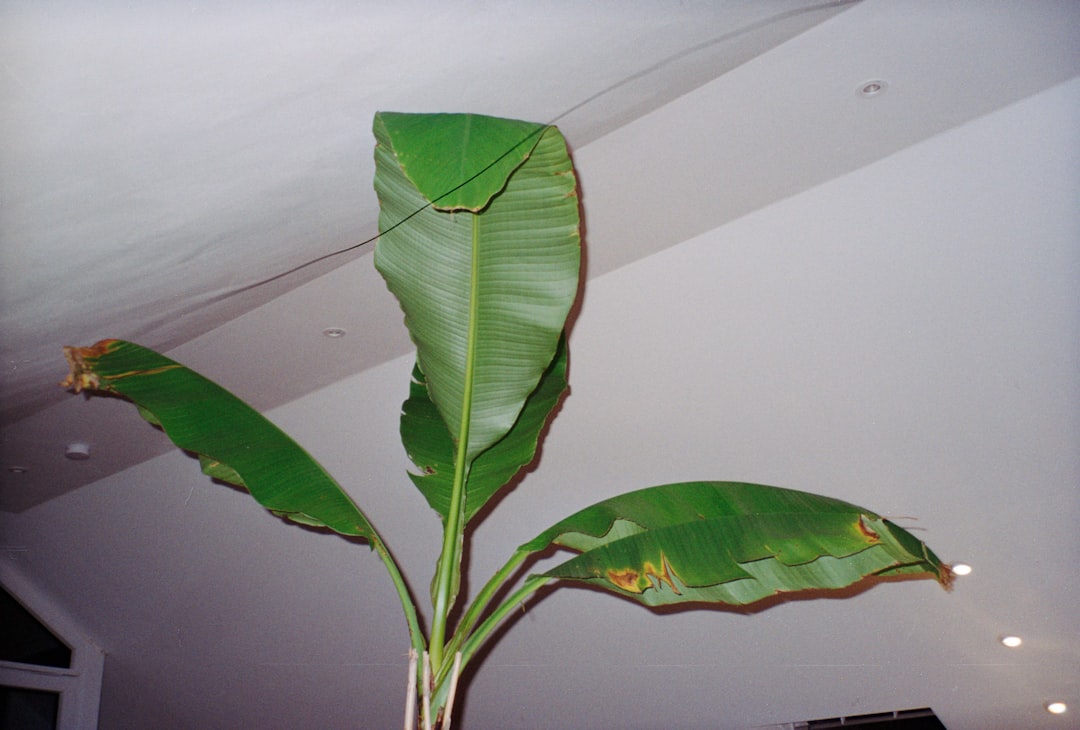
The rubber tree is a robust plant that can quickly grow into a large indoor focal point with high air cleaning potential. The thick leaves are designed to absorb large amounts of carbon dioxide and produce fresh oxygen for the home. It is particularly effective at removing formaldehyde and other toxins that linger in the air after renovations or painting. This tree thrives in bright light and requires only occasional watering once the top inch of soil is dry.
Swiss Cheese Plant
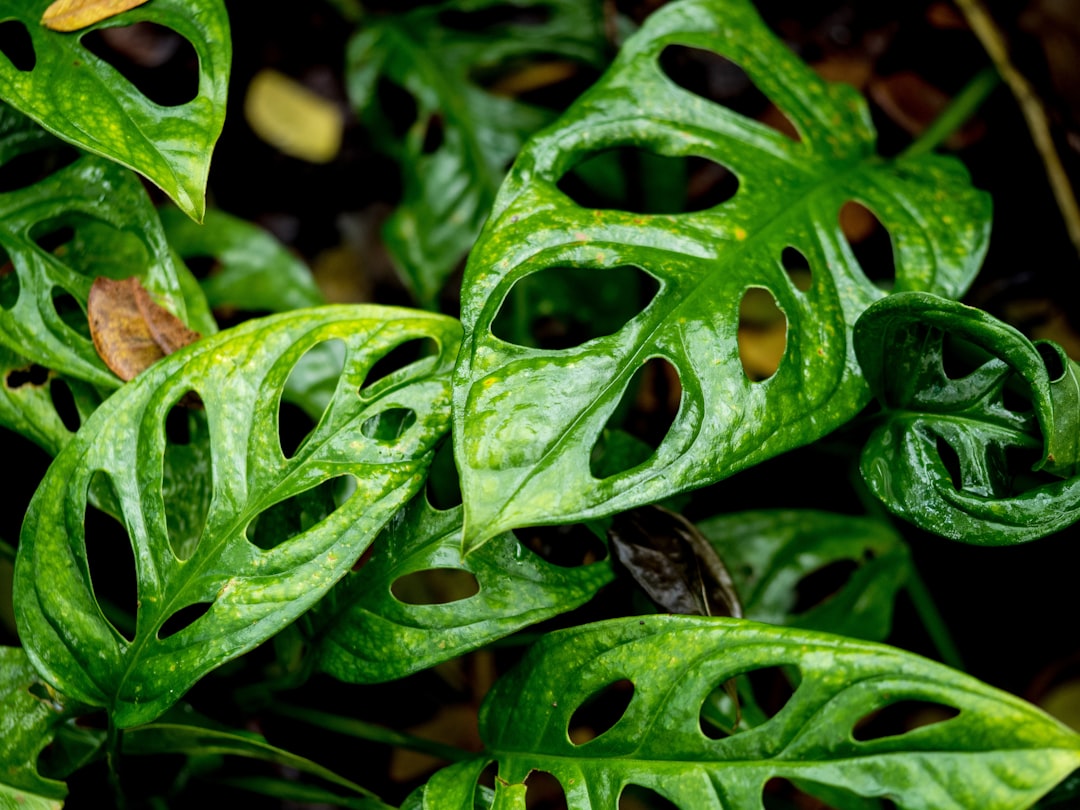
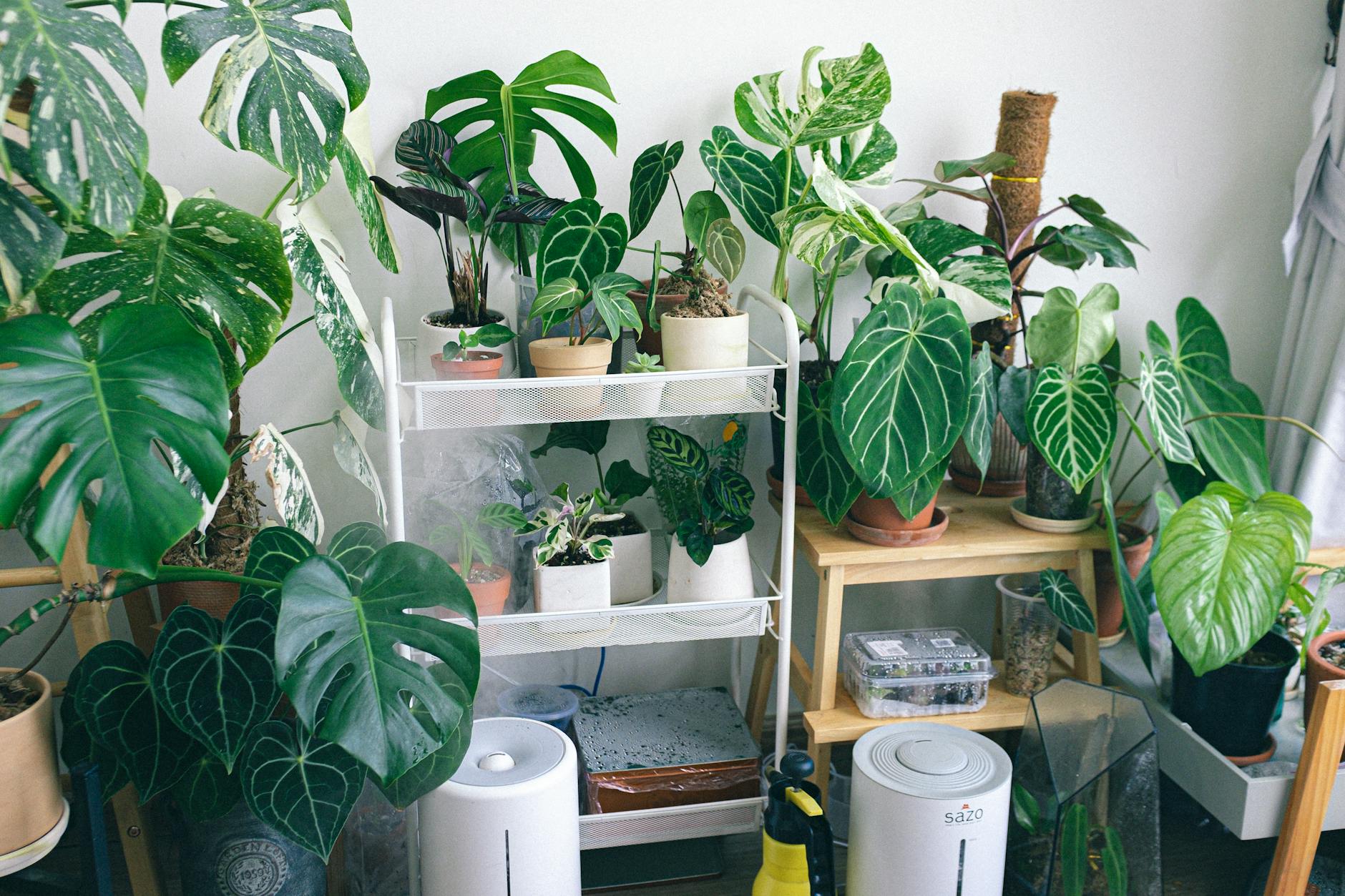
The swiss cheese plant is famous for its large perforated leaves that create a dramatic tropical look in any room. Beyond its aesthetic appeal it is a capable air purifier that helps to remove common toxins from the environment. It requires a bit of space to grow and a sturdy pole for support as it climbs upward. This plant prefers bright indirect light and regular misting to mimic its natural rainforest habitat.
Bird’s Nest Fern
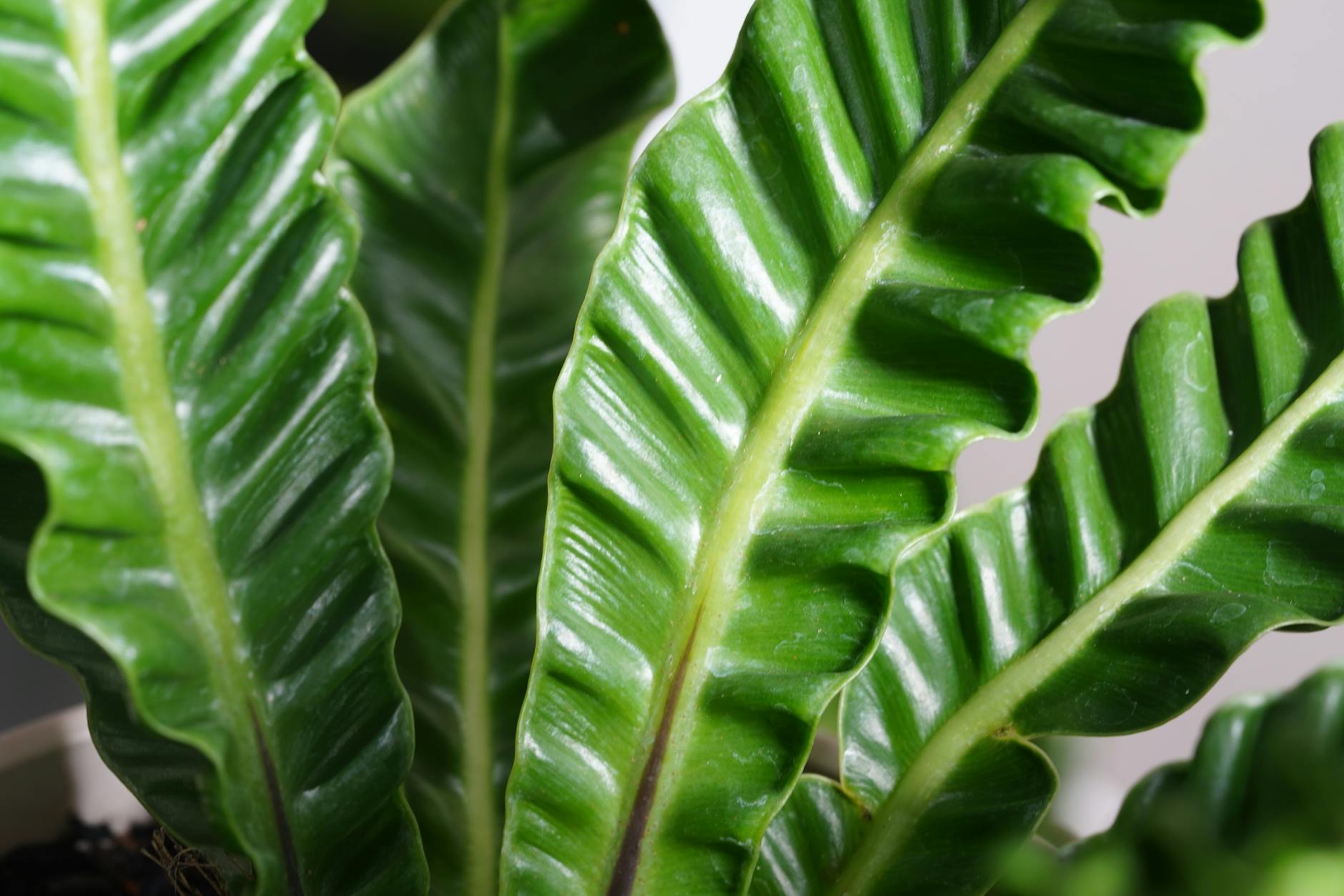
The bird’s nest fern features wavy undivided fronds that grow in a circular pattern resembling a nest. It is an excellent plant for filtering out chemicals and increasing the humidity levels in smaller rooms. This fern prefers a humid environment and indirect light which makes it a great choice for a kitchen or bathroom. It is a unique alternative to more common fern varieties and provides consistent air purification.
Corn Plant
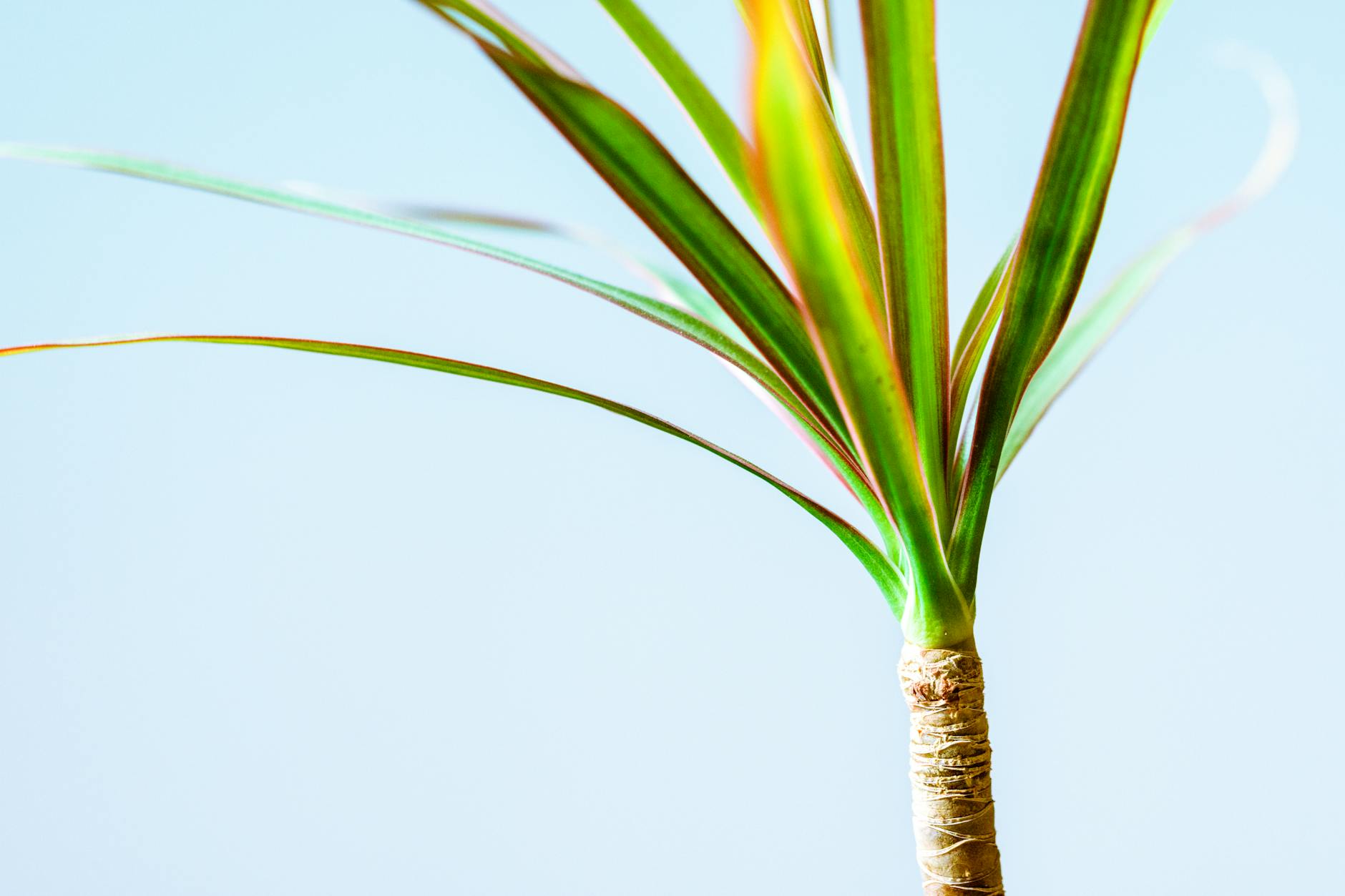
The corn plant is a type of dracaena that looks like a small palm tree with thick woody stems. It is highly effective at removing formaldehyde and benzene from the indoor air while requiring very little attention. The long green leaves often have a yellow stripe down the center and can grow quite large over time. This plant is a great choice for filling an empty corner and improving the overall breathability of a home.
Flaming Katy
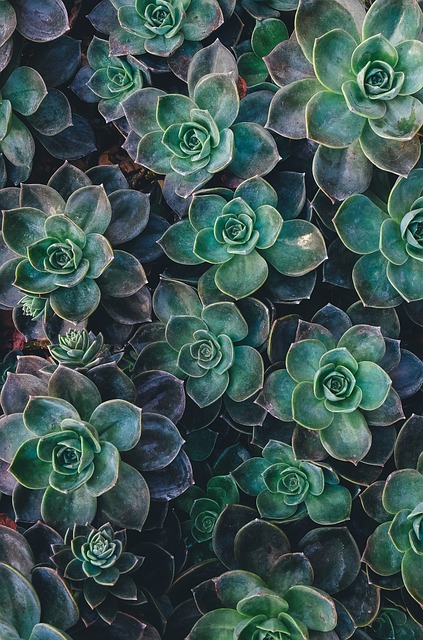
The flaming katy is a flowering succulent that adds bright colors and air cleaning benefits to a sunny room. It is particularly good at removing benzene and other common pollutants from the atmosphere. This plant requires plenty of sunlight to produce its vibrant clusters of flowers and prefers well draining soil. It is a compact and decorative option for those who want both floral beauty and functional air purification.
Ficus Alii
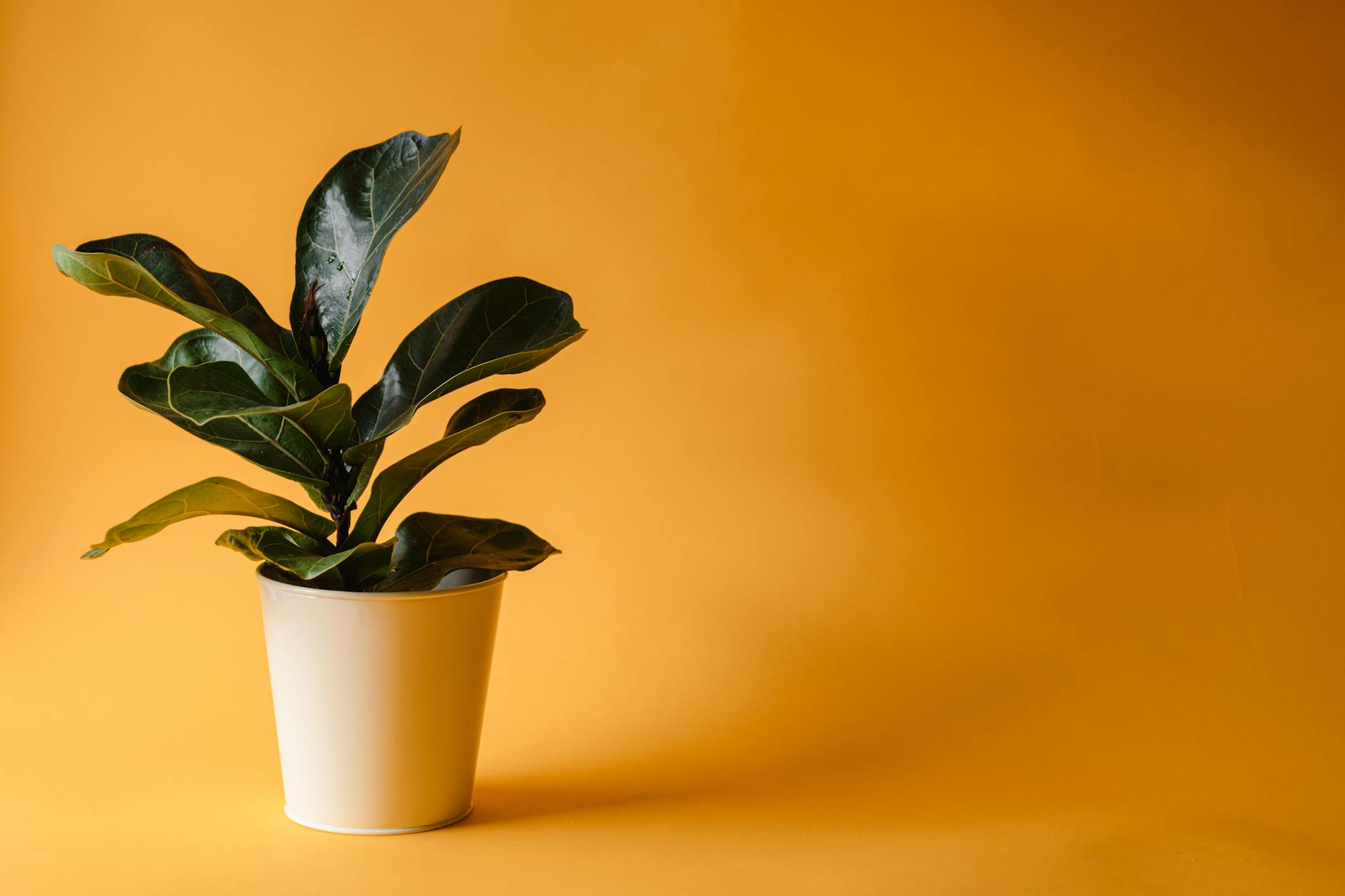
The ficus alii is a graceful tree with narrow willow like leaves that are less prone to dropping than other ficus varieties. it is a strong air purifier that helps to remove toxins such as toluene and xylene from the home. This tree prefers a consistent location with bright indirect light and should not be moved frequently. Its elegant shape and air cleaning properties make it a sophisticated addition to a living or dining room.
Dwarf Date Palm

The dwarf date palm is a small slow growing tree that is excellent at filtering out xylene from the air. It features feathery fronds that can grow quite long and provide a soft texture to the interior decor. This palm requires bright light and regular watering to stay healthy and perform its air cleaning duties. It is a great choice for adding a touch of the tropics to a sunny indoor space.
Elephant Ear Plant
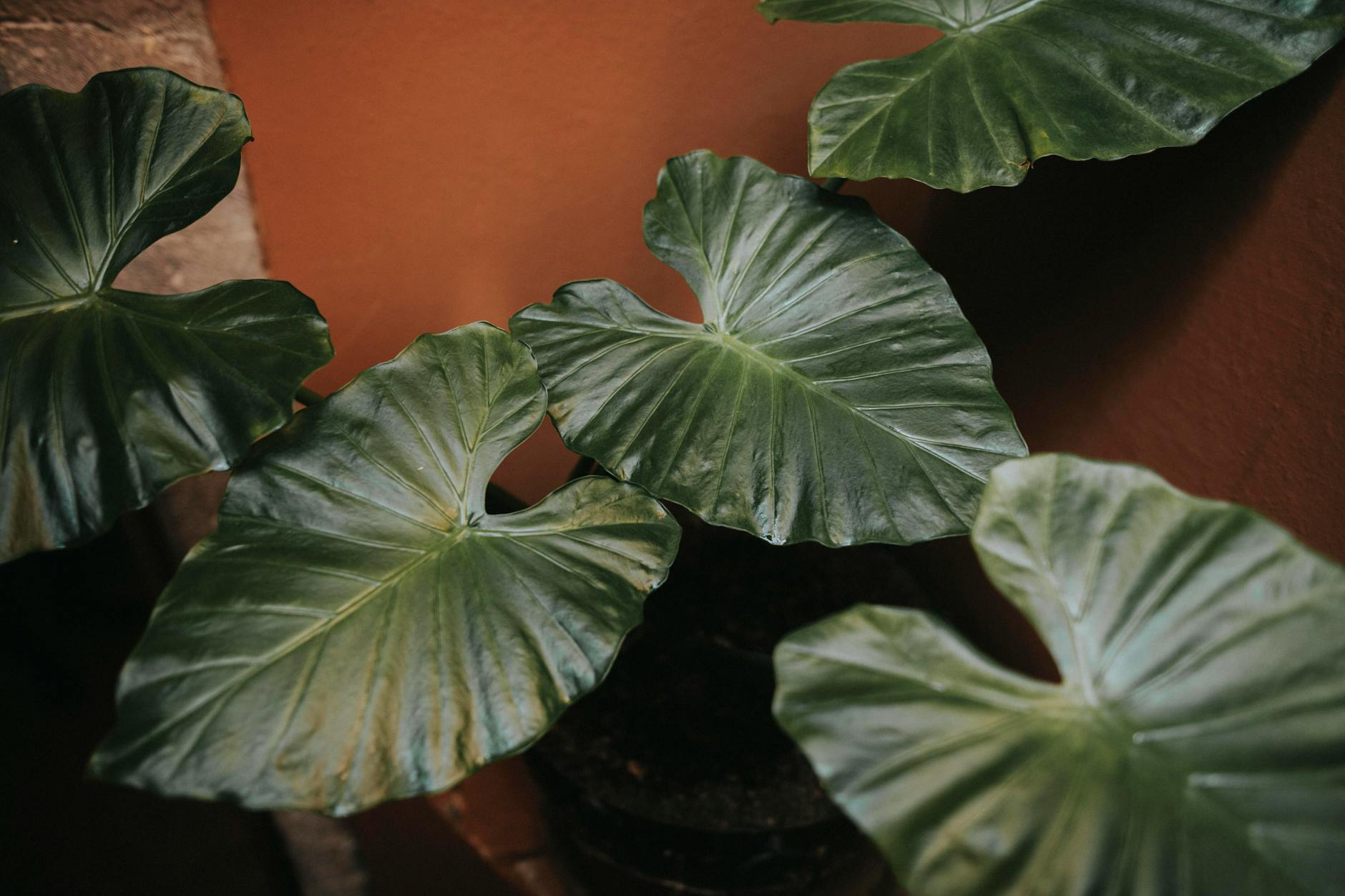
The elephant ear plant is known for its massive heart shaped leaves that can make a bold statement in any room. These large leaves provide a significant surface area for absorbing airborne toxins and producing oxygen. The plant thrives in warm humid environments and requires plenty of space to accommodate its rapid growth. It is a powerful biological filter that brings a sense of the jungle into a residential setting.
ZZ Plant
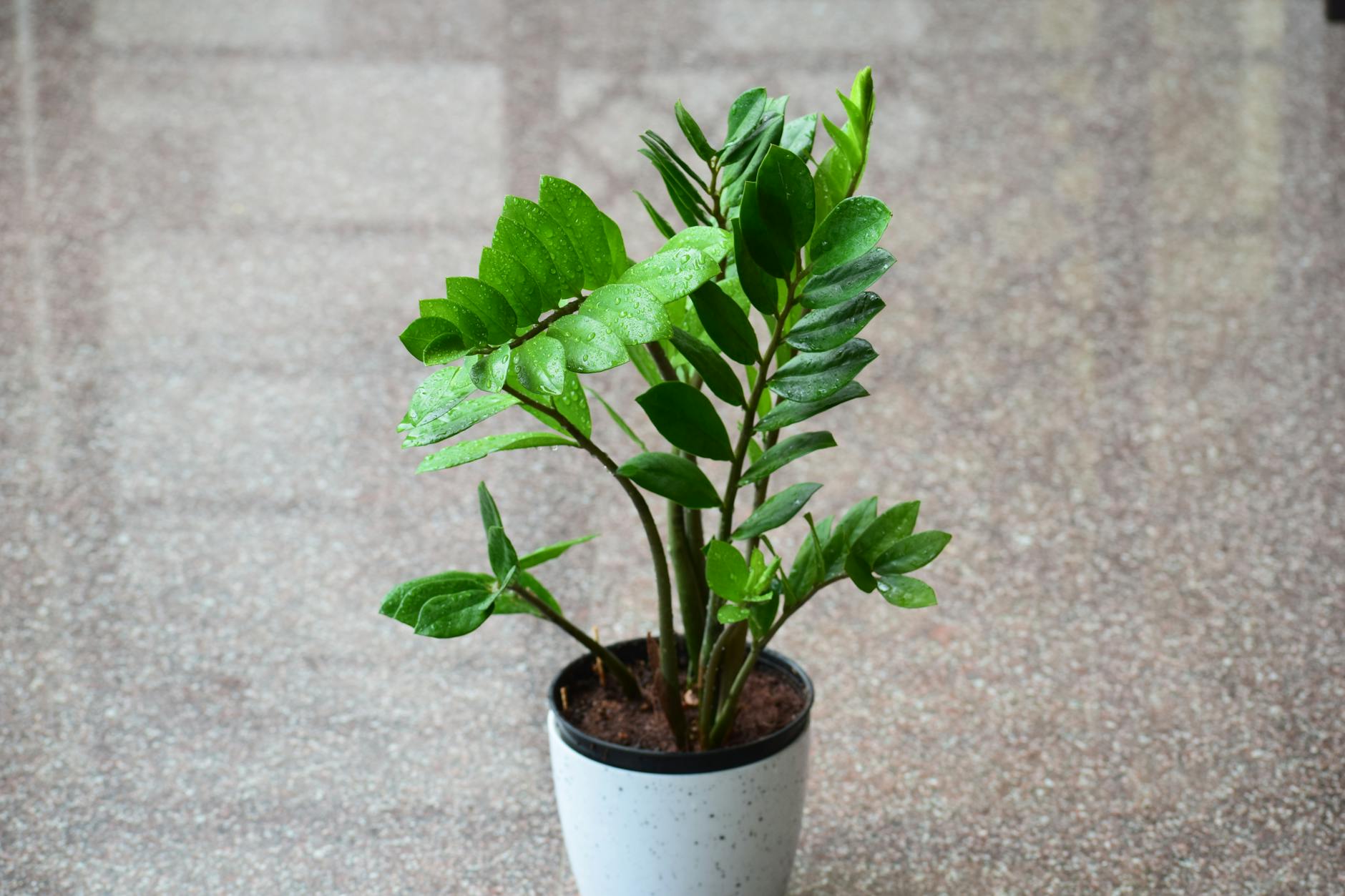
The zz plant is a incredibly resilient variety that can survive in very low light and with infrequent watering. It features waxy dark green leaves that are effective at removing toxins such as xylene and toluene from the air. This plant is perfect for office buildings or interior rooms where other plants might struggle to survive. Its ability to thrive in tough conditions while still purifying the air makes it a favorite among busy homeowners.
Majesty Palm
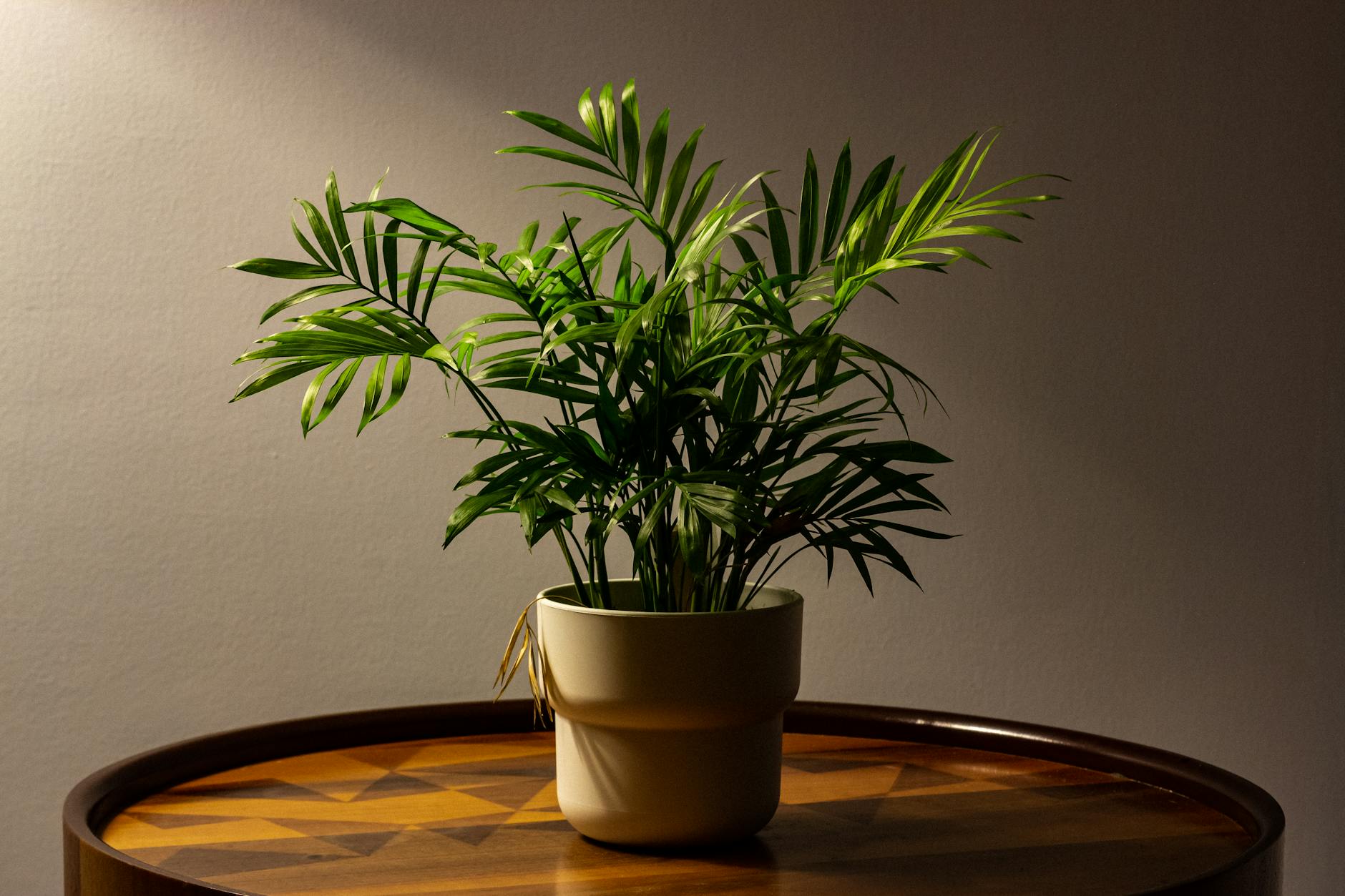
The majesty palm is a large and elegant plant that excels at increasing indoor humidity and filtering the air. It features long arching fronds that can fill a room with lush green foliage and a sense of calm. This palm requires a bright spot and consistent moisture to prevent its leaves from turning brown at the tips. It is a classic choice for creating a healthier and more inviting living environment.
Calathea
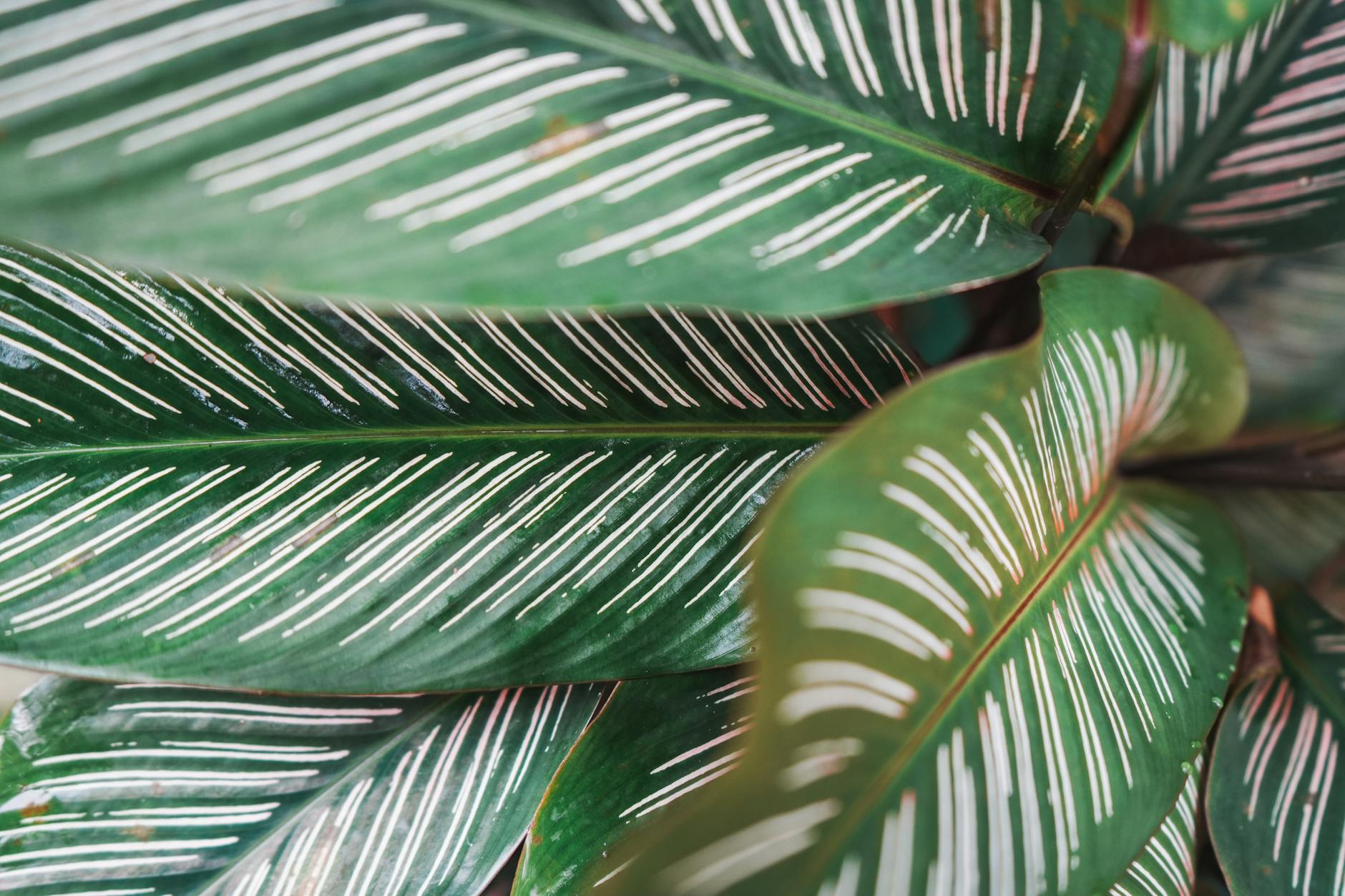
Calathea plants are known for their stunning leaf patterns and their ability to move their leaves in response to light. They are effective at filtering common indoor pollutants while also acting as natural humidifiers for the room. These plants prefer indirect light and high humidity which can be achieved through regular misting or a pebble tray. Their unique appearance and functional benefits make them a popular choice for plant enthusiasts.
Cast Iron Plant
The cast iron plant earned its name due to its ability to survive in near darkness and with very little care. It features large dark green leaves that work to clean the air even in the most neglected corners of a home. This plant is virtually indestructible and is perfect for those who do not have a green thumb. It provides a steady and reliable source of air purification without requiring much effort from the owner.
Parlor Palm
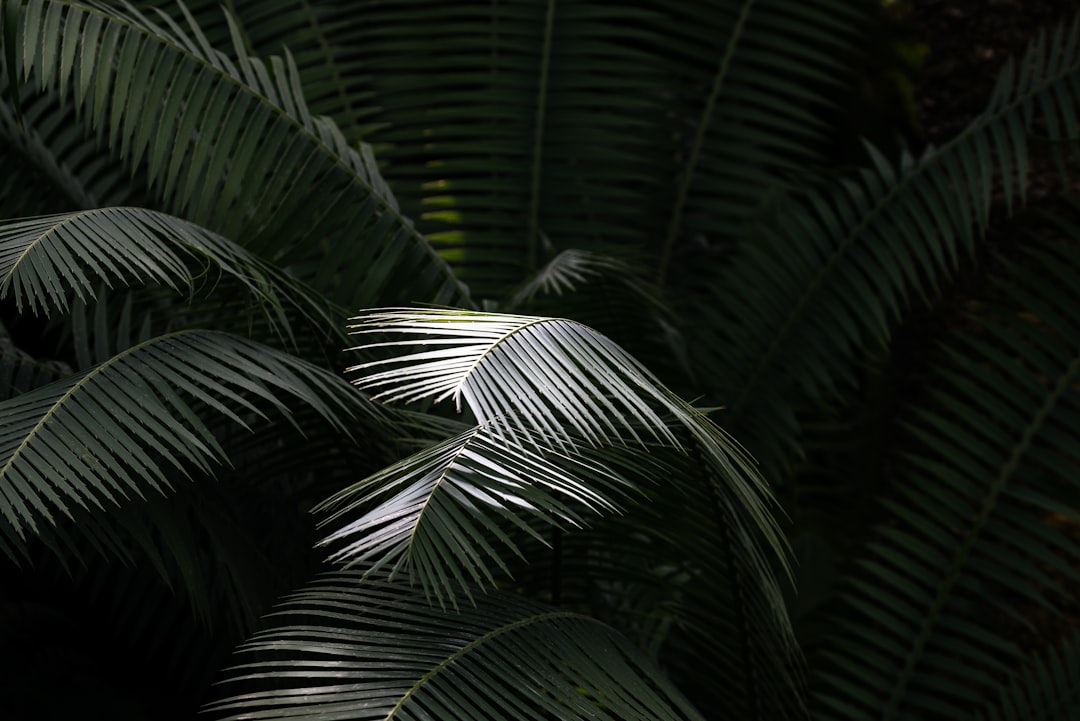
The parlor palm is a small and slow growing palm that has been a popular indoor plant since the victorian era. It is effective at removing common indoor toxins and thrives in the lower light conditions found in many homes. This plant is non toxic to pets and stays relatively compact making it suitable for tabletops or desks. Regular watering and a shaded spot will keep this palm healthy and productive for many years.
Prayer Plant
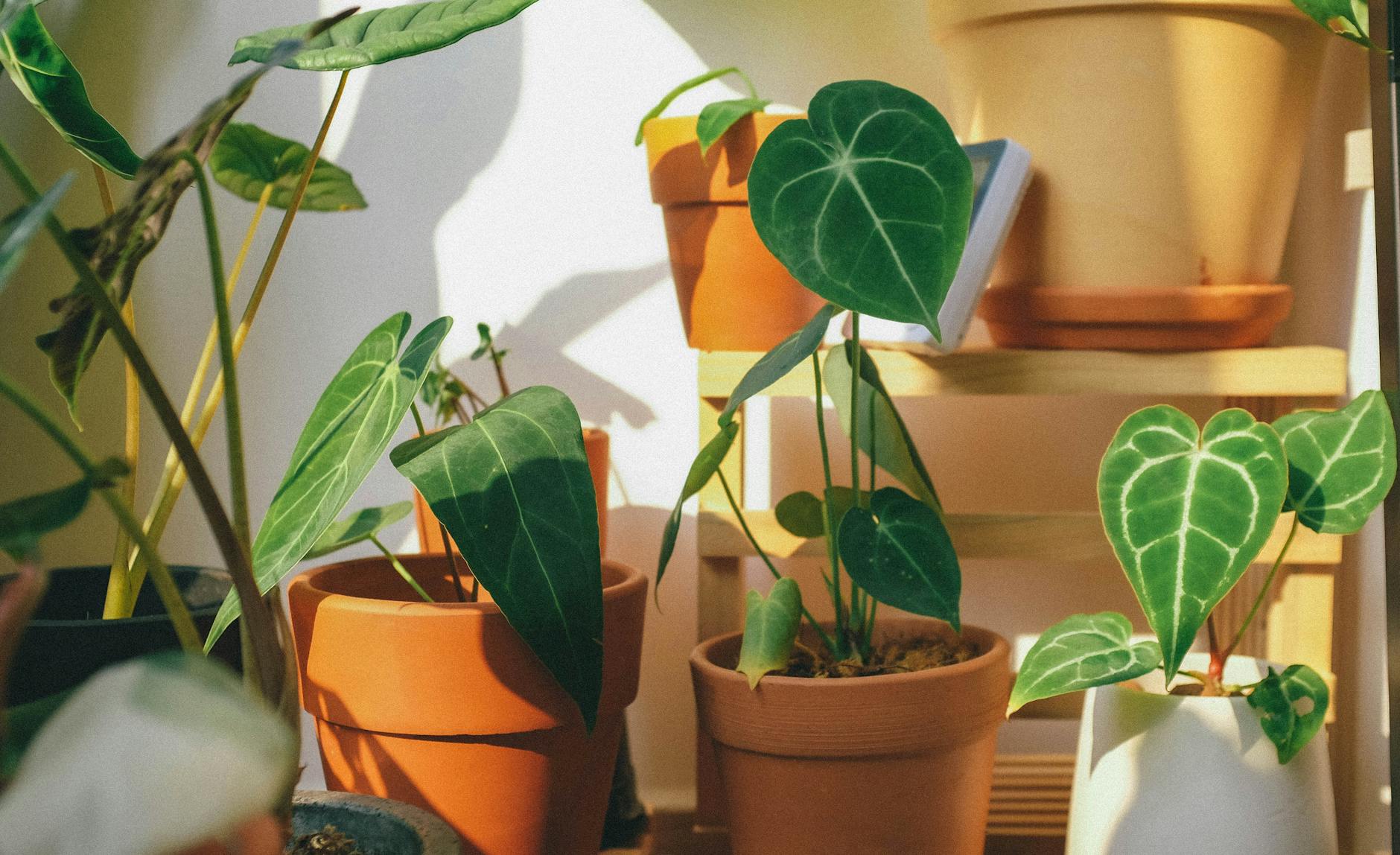
The prayer plant is famous for the way its leaves fold up at night like hands in prayer. This plant is a capable air purifier that helps to remove impurities from the atmosphere while adding visual interest to a room. It prefers bright indirect light and high humidity to keep its patterned leaves looking their best. This species is a great way to add both movement and cleaner air to a small indoor garden.
Jade Plant
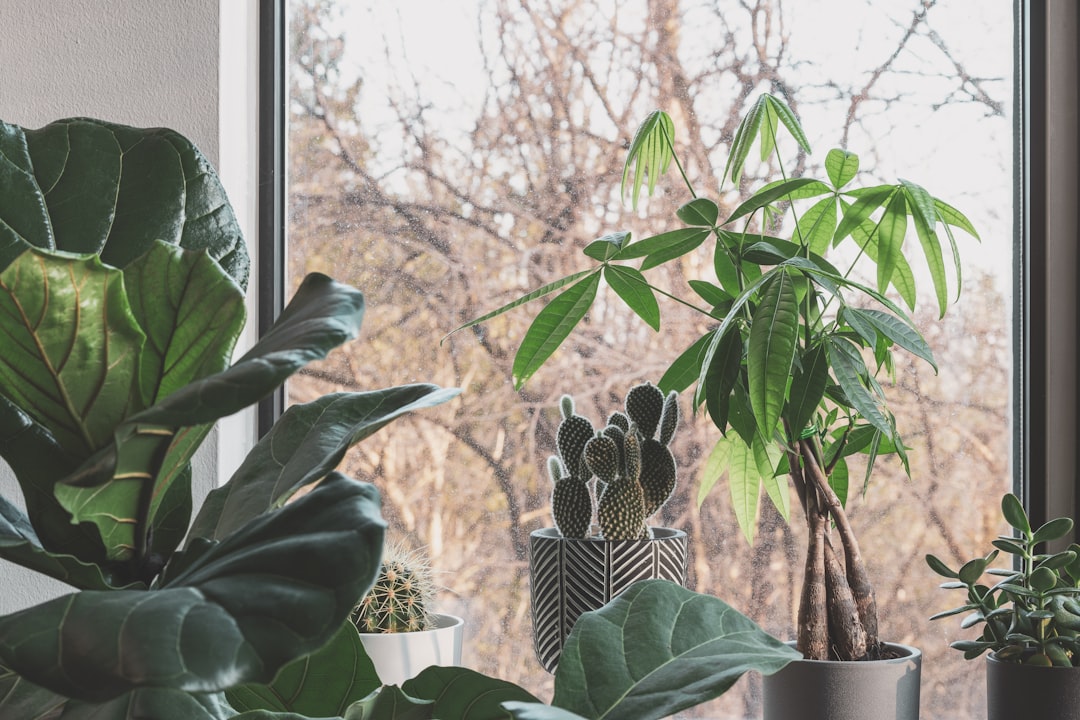
The jade plant is a popular succulent that is believed to bring good luck while it also cleans the air. Its thick woody stems and oval leaves are designed to store water and survive in dry indoor environments. This plant is effective at removing common household chemicals and can live for many decades with proper care. It thrives in bright sunny spots and requires very little watering compared to other indoor plants.
Asparagus Fern
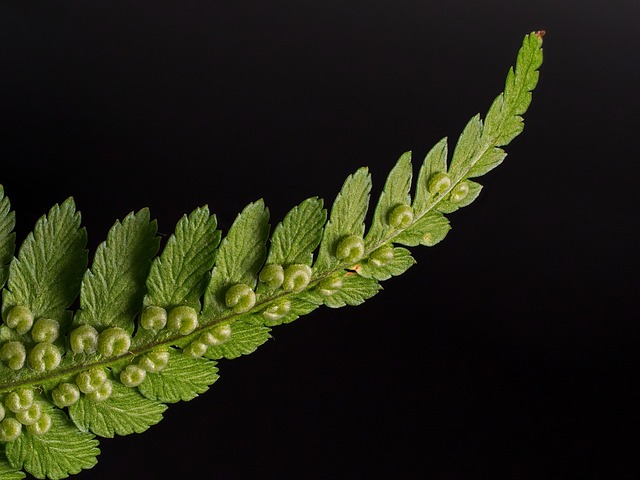
The asparagus fern is not a true fern but it offers similar air cleaning benefits and a delicate feathery appearance. It is a hardy plant that can tolerate a range of lighting conditions and occasional neglect. The small needle like leaves are effective at filtering the air and adding a unique texture to plant arrangements. It can be grown in pots or hanging baskets and is a versatile addition to any home.
Umbrella Tree
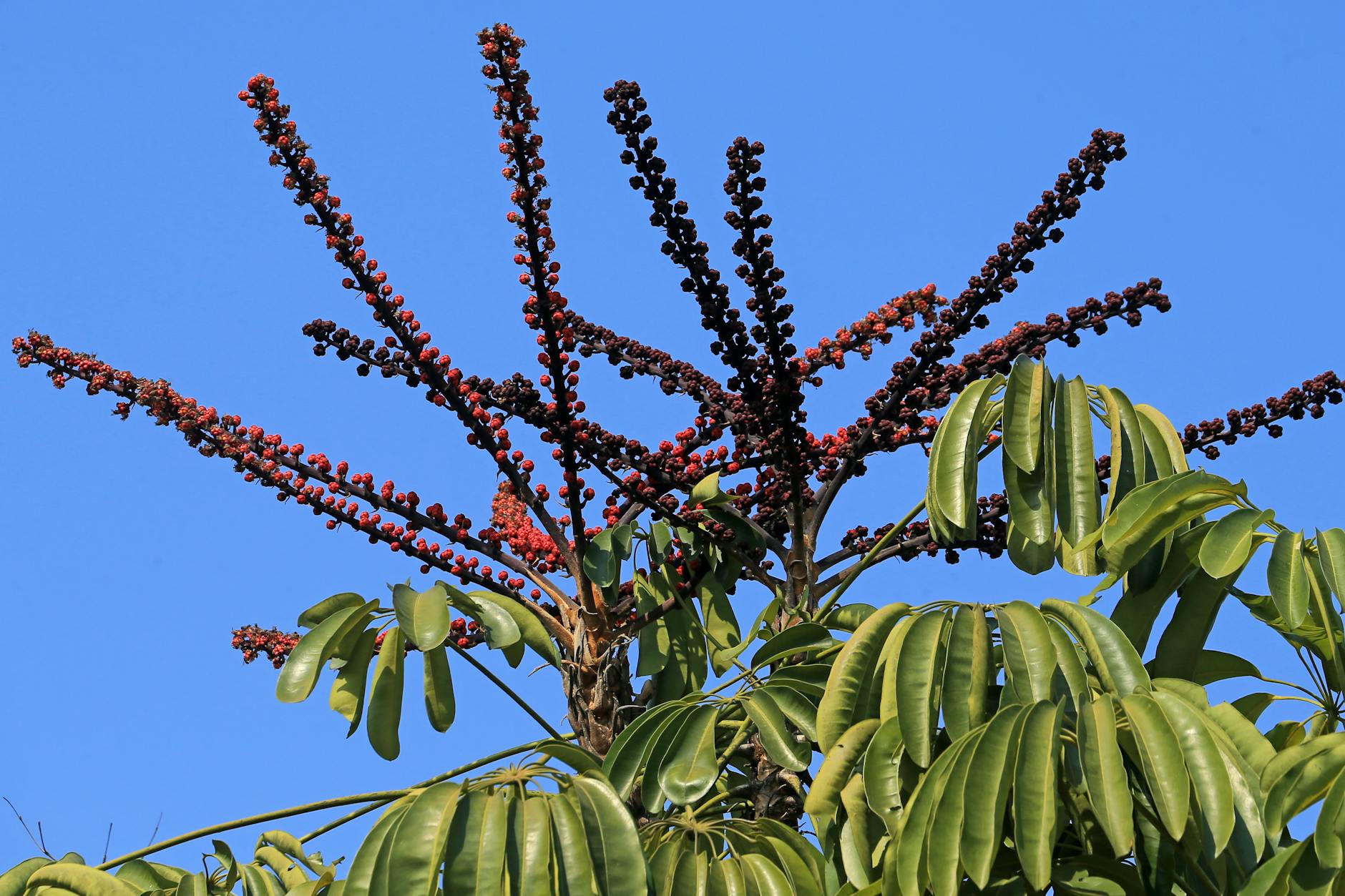
The umbrella tree features clusters of leaves that radiate from a central stem like the ribs of an umbrella. This plant is a strong air purifier that helps to remove toxins such as formaldehyde and benzene. It can grow quite large and may require pruning to keep it at a manageable size for an indoor space. Providing bright indirect light and well draining soil will help this tree thrive and clean the air effectively.
String of Pearls
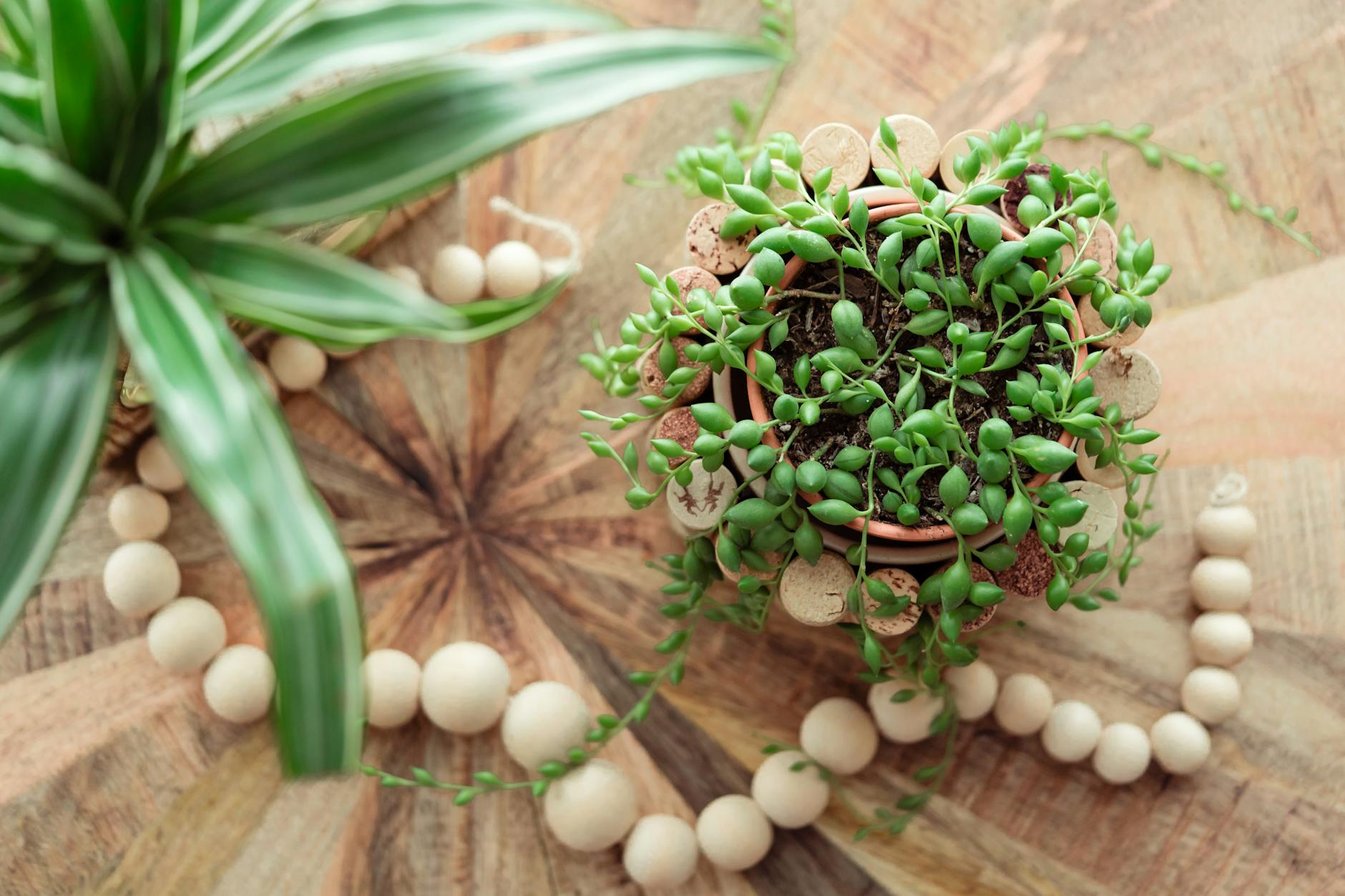
The string of pearls is a unique trailing succulent that features small bead like leaves along thin stems. While it is often grown for its unusual appearance it also contributes to a cleaner indoor atmosphere. This plant prefers bright light and very little water making it an ideal choice for a sunny shelf or windowsill. Its trailing habit allows it to purify the air from a high vantage point in the room.
Yucca Cane

The yucca cane is a tough and drought tolerant plant that features sword like leaves on top of thick woody stems. It is highly effective at removing common pollutants from the air and can handle very bright sunlight. This plant is a great choice for those who want a low maintenance air purifier with a modern and architectural look. It requires very little watering and can thrive in the dry air often found in climate controlled homes.
African Violet
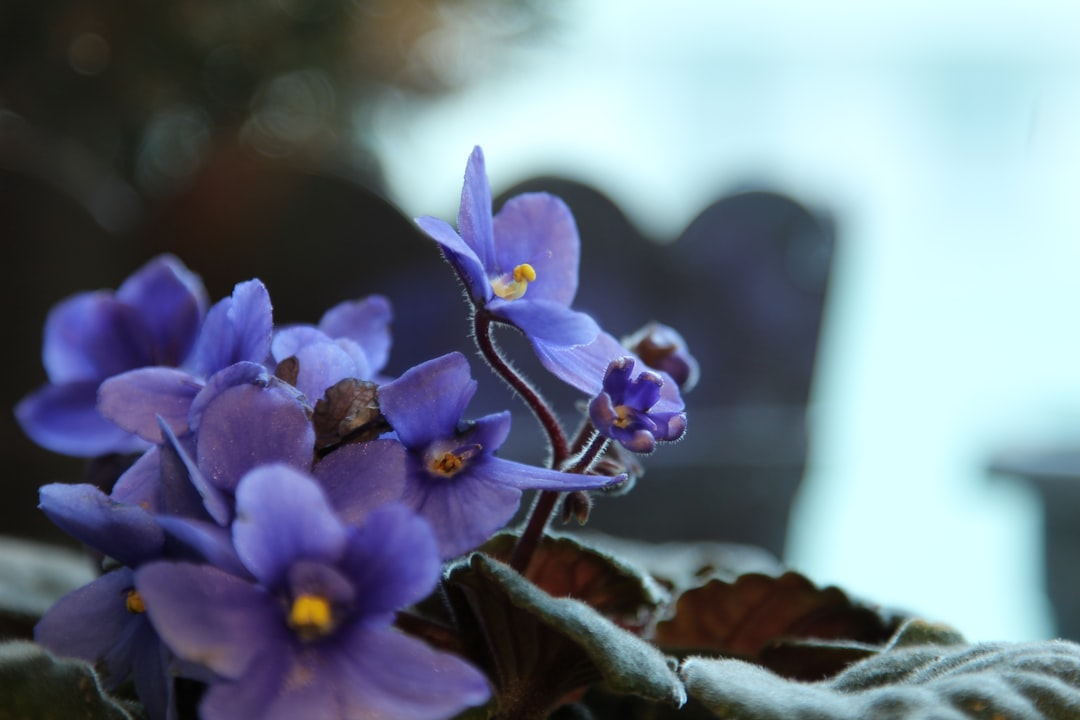
The african violet is a popular flowering plant that can bloom year round with the right care. In addition to its beautiful flowers it also helps to filter the air and improve the indoor environment. These plants prefer bright indirect light and special attention to their watering needs to avoid getting the leaves wet. They are a great way to add a splash of color and a boost of fresh air to a kitchen or office.
Creeping Fig
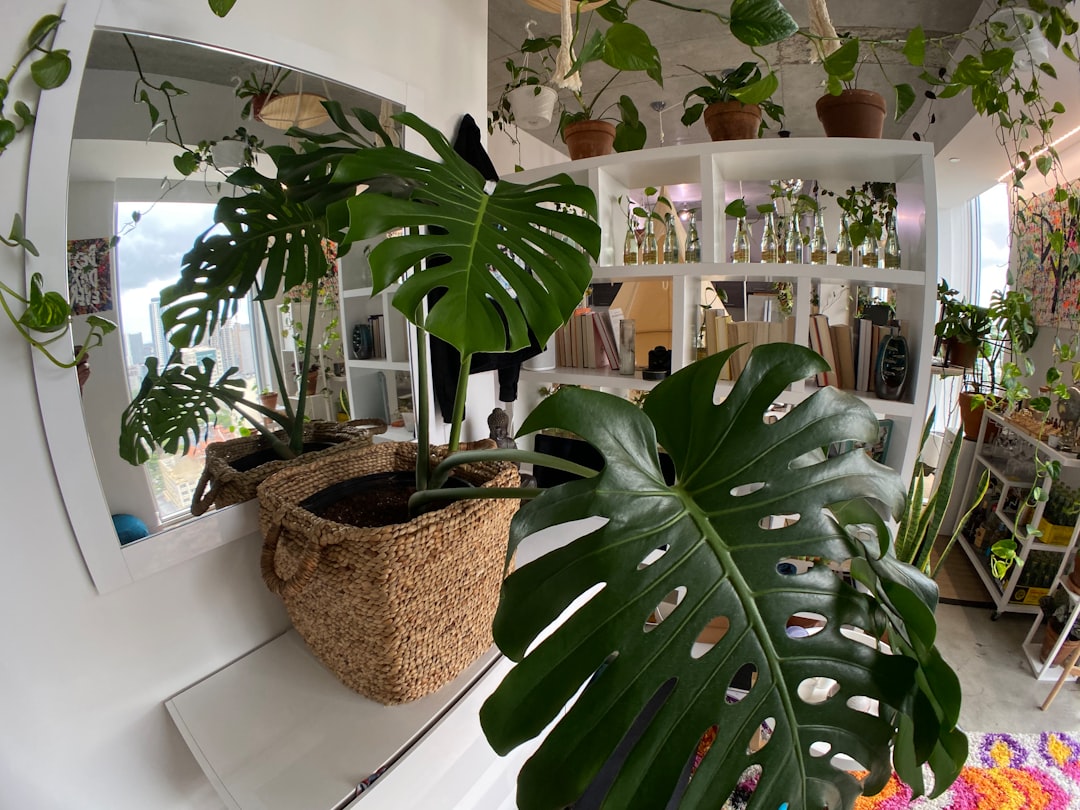
The creeping fig is a vigorous climbing vine that can quickly cover a wall or a topiary frame with small green leaves. It is an effective air purifier that works to remove toxins and increase the humidity levels in its immediate vicinity. This plant prefers a bright spot with consistent moisture to support its rapid growth and filtering capabilities. It is a versatile option for adding vertical greenery and cleaner air to a variety of indoor settings.
Share your favorite air purifying plant in the comments.