Recognizing the subtle and overt indicators of a toxic dynamic is the first step toward reclaiming emotional well-being. These relationships often begin with intensity and promise before slowly descending into patterns that erode self-esteem and happiness. The behaviors listed here range from manipulative psychological tactics to obvious displays of disrespect that should never be ignored. Understanding these warning signs empowers individuals to assess their partnerships with clarity and objectivity.
Constant Criticism

A toxic partner often finds fault with everything you do regardless of how hard you try to please them. This behavior chips away at self-esteem until you begin to doubt your own competence and worth. Constructive feedback is replaced by mean comments about your appearance or personality or intelligence. The criticism feels relentless and leaves you feeling like you can never do anything right. It creates an environment where you are constantly defending yourself against unwarranted attacks.
Gaslighting

You start questioning your own reality because your partner denies things that actually happened. They might insist you are crazy or too sensitive when you bring up legitimate concerns. This manipulation tactic gradually erodes your trust in your own memory and perception of events. The gaslighter gains power by making you reliant on their version of the truth. Over time this leads to confusion and a profound sense of instability.
Isolation from Friends and Family

A controlling partner may slowly distance you from your support network by complaining about your loved ones. They might create drama before family gatherings or make you feel guilty for spending time away from them. This isolation ensures that you have no one to turn to for perspective or assistance. You eventually stop making plans with others to avoid conflict at home. The world shrinks until the toxic partner is the only major influence left.
Walking on Eggshells

You constantly monitor your words and actions to avoid triggering an angry outburst or a mood shift. The atmosphere in the relationship feels tense and unpredictable even during calm moments. This hyper-vigilance creates chronic stress and prevents you from ever truly relaxing in your own home. You become an expert at reading micro-expressions to gauge the safety of the situation. Authentic self-expression becomes impossible when fear dictates your behavior.
Lack of Emotional Support

Your achievements are met with indifference while your struggles are dismissed or minimized. A healthy partner celebrates your wins and offers a shoulder during tough times but a toxic one does neither. You feel alone even when you are sitting right next to them on the couch. They may even change the subject back to themselves when you try to share something important. This emotional neglect leaves you feeling invisible and undervalued.
Controlling Behavior

One partner dictates how the other dresses or who they see or how they spend their money. This control is often disguised as concern or love but is actually about dominance. Autonomy is stripped away until every decision requires approval from the controlling party. Independence is viewed as a threat rather than a healthy trait. The relationship becomes a dictatorship rather than a partnership between equals.
Excessive Jealousy

Constant accusations of infidelity or flirting plague the relationship without any basis in reality. Your partner may demand to check your phone or track your location at all times. This possessiveness is often framed as intense love but it actually signals deep insecurity and a desire for ownership. You find yourself cutting off innocent interactions just to prove your loyalty. Trust is nonexistent because the jealous partner refuses to believe in it.
Chronic Dishonesty

Small lies pile up alongside larger deceptions to create a foundation of mistrust. You catch your partner fabricating stories or hiding details about their day on a regular basis. Confronting them often leads to more lies or elaborate excuses that do not add up. A relationship cannot survive when you never know if you are hearing the truth. The mental energy required to fact-check your partner becomes exhausting.
Stonewalling
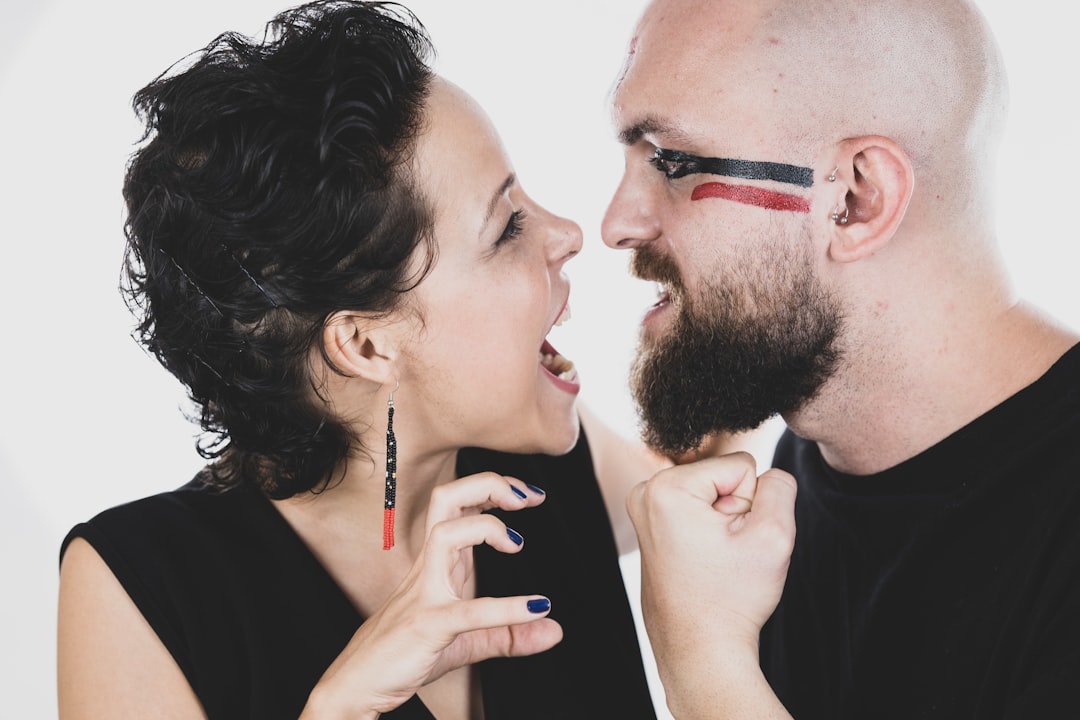
Conflict resolution becomes impossible because one partner shuts down and refuses to communicate. They might physically leave the room or simply ignore you when you try to discuss issues. This tactic prevents any problems from being solved and leaves the other person feeling helpless. It is a power play designed to cut off connection and punish the partner for speaking up. Emotional intimacy withers when communication is consistently blocked.
Financial Abuse

One partner controls all the financial resources and restricts the other’s access to funds. You might have to ask for permission to buy groceries or account for every penny spent. This dependence makes it incredibly difficult to leave the relationship even if you want to. They may also sabotage your employment opportunities to ensure you remain financially reliant on them. Money becomes a tool for control rather than a shared resource.
Blame Shifting

The toxic partner never takes responsibility for their actions and always finds a way to make it your fault. If they cheat or yell or forget an important date they will claim you drove them to it. You find yourself apologizing for things you did not do just to keep the peace. This deflection prevents them from ever growing or changing their harmful behaviors. You end up carrying the emotional burden for both people in the relationship.
Public Humiliation

They make jokes at your expense or criticize you in front of friends and family. This behavior is designed to lower your status and make them look superior in social settings. You feel embarrassed and belittled while they often claim you have no sense of humor. It signals a profound lack of respect for your dignity and feelings. Safe partners protect your image rather than tearing it down publicly.
Scorekeeping

Past mistakes are never forgiven but are instead cataloged to be used as ammunition in future arguments. Every favor they do for you comes with strings attached or the expectation of an immediate return. The relationship feels transactional rather than based on unconditional love and support. You can never move forward because the past is constantly being weaponized against you. True forgiveness is absent in this competitive dynamic.
Volatility

Mood swings are extreme and happen without any warning or logical trigger. You never know which version of your partner you will get from one hour to the next. The highs are incredibly high but the lows are frightening and destructive. This instability creates a chaotic environment where emotional safety is impossible to maintain. Living on this emotional rollercoaster takes a severe toll on your mental health.
Disrespecting Boundaries

You clearly state your limits but your partner repeatedly crosses them without remorse. They might invade your privacy or pressure you into activities you are uncomfortable with. No is not accepted as a complete sentence and is instead treated as a negotiation starter. Your needs for space and autonomy are viewed as personal rejections. A lack of boundaries signals that your comfort is secondary to their desires.
Passive Aggression

Hostility is expressed through indirect insults or backhanded compliments or sullen silence. Instead of stating their needs clearly they make you guess why they are upset. Chores might be done poorly on purpose or deadlines missed intentionally to annoy you. This behavior creates a toxic undercurrent of resentment that is difficult to address directly. It avoids honest communication in favor of confusing mind games.
Ultimatum Giving

Threats to end the relationship are used constantly to get you to comply with their demands. This manipulation tactic creates a sense of insecurity and fear of abandonment. You are forced to choose between your partner and things that are important to your identity. Healthy compromises are replaced by rigid demands that prioritize their way only. Love should not be used as a bargaining chip for compliance.
Ignoring Needs

Your basic emotional and physical needs are consistently overlooked or deemed unimportant. You may express that you need quality time or affection only to be met with excuses. The relationship revolves entirely around the schedule and desires of one person. You learn to suppress your needs to avoid disappointment or conflict. This one-sided dynamic leads to deep feelings of loneliness and neglect.
One-Sided Effort

You are the only one planning dates or initiating conversations or trying to resolve conflicts. The relationship would likely fall apart immediately if you stopped putting in the work. Your partner acts like a passenger while you drive the entire emotional connection. This imbalance leads to burnout and resentment over time. A partnership requires two active participants to function healthily.
Lack of Trust
Paranoia and suspicion replace the security that should exist between partners. You feel the need to prove your innocence constantly regarding your whereabouts and interactions. Your partner does not believe you even when you are telling the complete truth. This atmosphere of suspicion suffocates love and prevents genuine intimacy. Without trust the foundation of the relationship is fundamentally broken.
Keeping Secrets

Your partner hides significant parts of their life or makes major decisions without consulting you. You might discover a second phone or hidden bank accounts or secret friendships. Transparency is replaced by opacity and defensive behavior when you ask questions. This secrecy implies they are living a separate life that does not include you. Intimacy is impossible when walls of secrecy divide the partnership.
Emotional Blackmail

Fear and guilt are used to manipulate your decisions and behaviors. Your partner might threaten self-harm or assert that you do not love them if you do not do what they want. This coercive control holds your emotions hostage and forces compliance through distress. You feel responsible for their well-being at the expense of your own. It is a highly abusive tactic designed to override your free will.
Name Calling

Arguments devolve into personal insults and derogatory language rather than staying focused on the issue. Calling you stupid or ugly or worthless is a form of verbal abuse that leaves lasting scars. This behavior demonstrates a total lack of respect and emotional maturity. It shifts the focus from resolving a problem to attacking your character. Respectful partners never resort to degrading language even during heated disagreements.
Physical Intimidation

Your partner uses their size or presence to scare you during conflicts. This can include blocking doorways or punching walls or throwing objects near you. Even if they never hit you the threat of violence is used to control your behavior. This creates an environment of physical fear that is absolutely unacceptable. Intimidation is a clear precursor to physical violence and is a severe warning sign.
Sexual Coercion
You feel pressured or guilted into sexual activities that you do not want to participate in. Your partner might pout or get angry or threaten to cheat if you say no. Consent is treated as an obstacle to be overcome rather than a mandatory requirement. Your body is treated as an object for their gratification rather than yours. A healthy sexual relationship is built on enthusiastic and mutual consent.
Minimizing Feelings

When you express sadness or anger your partner tells you that you are overreacting. They refuse to acknowledge the validity of your emotions and make you feel foolish for having them. This dismissal shuts down communication and makes you feel unheard. You stop sharing your inner world because you know it will be met with indifference or mockery. Emotional intimacy dies when feelings are not treated with care.
Projecting Insecurities

Your partner accuses you of the very things they are guilty of doing or feeling. A cheating partner might accuse you of infidelity or a liar might call you dishonest. This projection allows them to avoid facing their own flaws by dumping them onto you. It creates a confusing dynamic where you are defending yourself against their own issues. You become the container for their unwanted negative traits.
Refusal to Apologize
Saying sorry is viewed as a weakness or an admission of defeat. Even when they are clearly in the wrong they will spin the story to avoid taking accountability. You are left without closure or resolution after every single conflict. The lack of apologies shows a lack of empathy and a refusal to repair the relationship. Resentment builds because hurts are never acknowledged or healed.
Comparison to Others

You are constantly compared unfavorably to ex-partners or friends or even celebrities. These comparisons are meant to make you feel inadequate and strive harder for their approval. It creates a competitive atmosphere where you never measure up to an idealized standard. Your unique qualities are ignored in favor of what you lack. This tactic undermines your self-confidence and fosters insecurity.
Monitoring Communication

Your partner demands to read your text messages and emails and social media DMs. They might insist on having your passwords as a sign of true love or trust. This invasion of digital privacy is a form of surveillance and control. You lose the right to private conversations with friends and family members. It signals that they feel entitled to oversee every interaction you have.
Sabotaging Success

When you start to succeed in your career or personal goals your partner creates a crisis to distract you. They might pick a fight the night before a big interview or belittle your accomplishments. Your growth is seen as a threat to their control or their own ego. They prefer you to stay small and dependent rather than thriving independently. A toxic partner resents your success while a healthy one cheers you on.
Chronic Lateness

Your time is consistently disrespected because your partner is always late for dates or events. They offer vague excuses and never change their behavior despite knowing it hurts you. This shows that they value their own time and priorities far above yours. It leaves you waiting and anxious on a regular basis. Repeated lateness is a subtle power play that asserts their dominance over your schedule.
Withholding Affection

Touch and intimacy are given only when you have behaved according to their standards. Affection becomes a reward for compliance rather than an expression of love. When they are displeased they become cold and distant to punish you. This conditioning makes you desperate for their approval and touch. It turns physical intimacy into a tool for manipulation.
Pathological Lying

You discover lies about things that do not even seem to matter. The lying is compulsive and happens without any obvious motive or gain. It becomes impossible to build a life with someone who cannot be truthful about small details. You constantly wonder what else they are lying about in the relationship. The fabric of reality in the relationship is constantly shifting and unreliable.
Forced Dependency

Your partner encourages you to quit your job or drop out of school to focus on the relationship. They might claim they want to take care of you but this actually removes your safety net. Without a career or education you become trapped and unable to leave. This financial and logistical dependency is engineered to keep you compliant. Adult independence is systematically dismantled.
Triangulation

A third person is brought into the dynamic to validate your partner’s point of view or make you jealous. They might say that a mutual friend agrees with them that you are being unreasonable. This creates a scenario of two against one and makes you question your stance. It is a manipulative tactic used to gain leverage in arguments. You feel ganged up on even if the third person is not physically present.
Love Bombing

The relationship starts with an overwhelming amount of affection and gifts and attention. This intensity is meant to hook you quickly before their behavior changes to abuse. It creates a powerful bond that makes it hard to leave when the bad times start. You find yourself chasing the high of the beginning stages. Genuine love builds slowly while love bombing is instant and unsustainable.
Future Faking

Your partner makes elaborate promises about marriage or vacations or a future life that never materialize. These promises are used to keep you in the relationship during difficult times. They paint a beautiful picture of tomorrow to distract you from the misery of today. You stay hoping for a future that they have no intention of creating. It is a manipulation of your hope and long-term desires.
The Silent Treatment
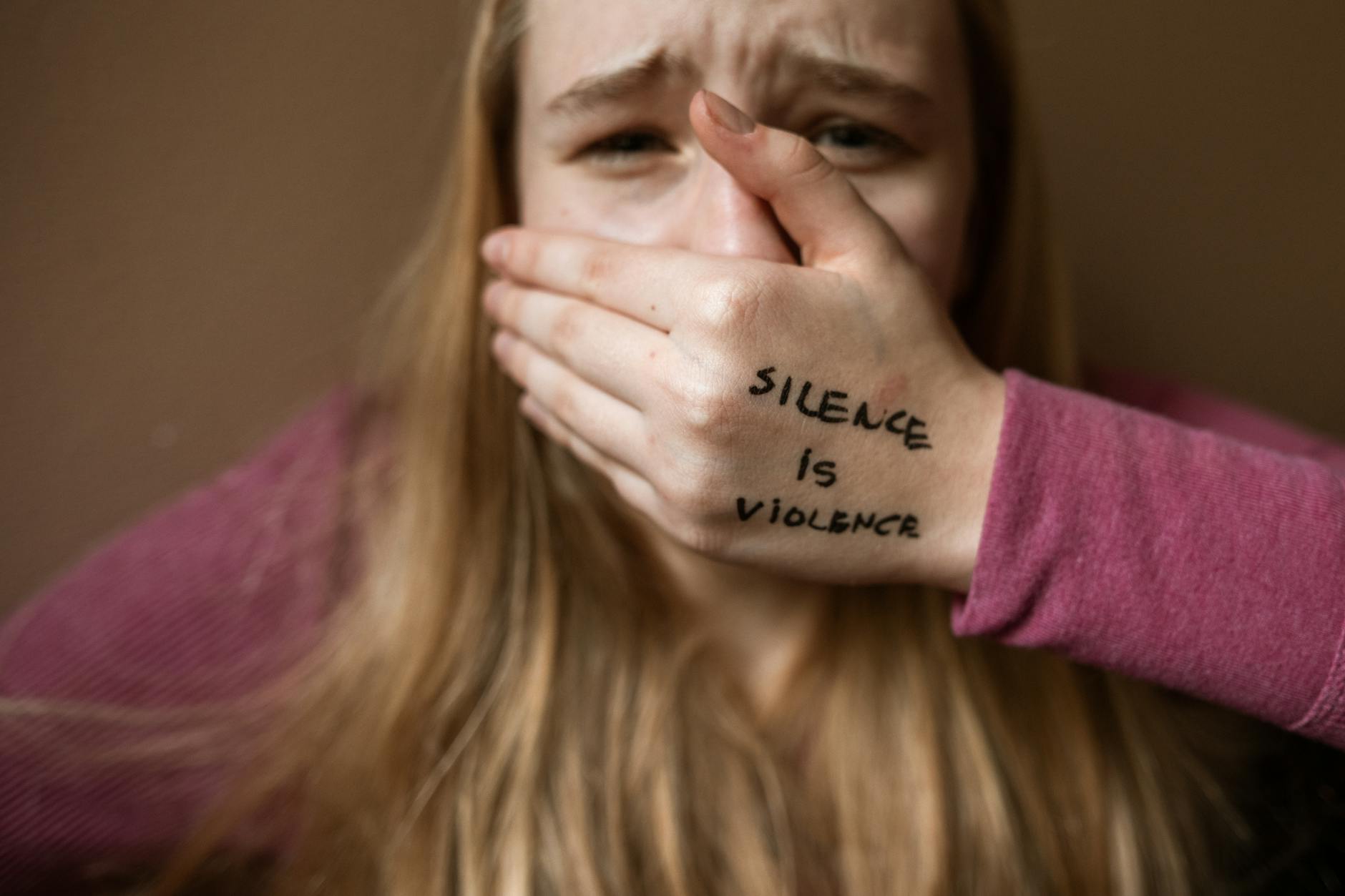
Silence is used as a weapon to punish you for perceived slights or disobedience. Your partner acts as if you do not exist for hours or even days at a time. This provokes anxiety and a desperate need to fix the situation. It is a cruel form of emotional abuse that denies your humanity. Communication is completely severed until they decide you have suffered enough.
Mocking Interests

Your hobbies and passions are ridiculed as childish or a waste of time. Your partner refuses to engage with things that bring you joy or intellectual stimulation. You start to hide your interests or give them up entirely to avoid the mockery. This dismissal stifles your personality and makes your world smaller. A partner should support your passions even if they do not share them.
Feeling Drained

Spending time with your partner leaves you feeling exhausted rather than energized. You feel like you have run a marathon just by navigating their moods and demands. The relationship takes far more energy than it gives back. You find yourself needing time alone just to recover from your interactions. This chronic fatigue is a physical sign of emotional toxicity.
Loss of Identity

You no longer recognize the person you have become since entering the relationship. Your opinions and style and goals have morphed to mirror those of your partner. You have sacrificed the core parts of yourself to make the relationship work. Friends and family might comment that you seem like a different person. Losing yourself is the ultimate cost of a toxic union.
If you recognized these behaviors in your own relationship, share your experiences and thoughts in the comments to help others feel less alone.