The concept of a relaxing hobby rests on the assumption that chosen leisure activities reliably deliver the restoration they promise, but psychologists and stress researchers have increasingly complicated that picture. Studies in leisure science consistently show that a significant proportion of recreational activities generate their own unique stress load through performance pressure, social comparison, financial strain, and the accumulation of unfinished obligations that follow their practitioners into daily life. The line between a hobby that genuinely restores and one that merely relocates stress from one arena to another is subtle enough that most people cross it without noticing. The following signs are drawn from behavioral psychology, occupational therapy, and leisure research to help identify when a supposed source of relaxation has quietly become another source of strain.
Supply Hoarding

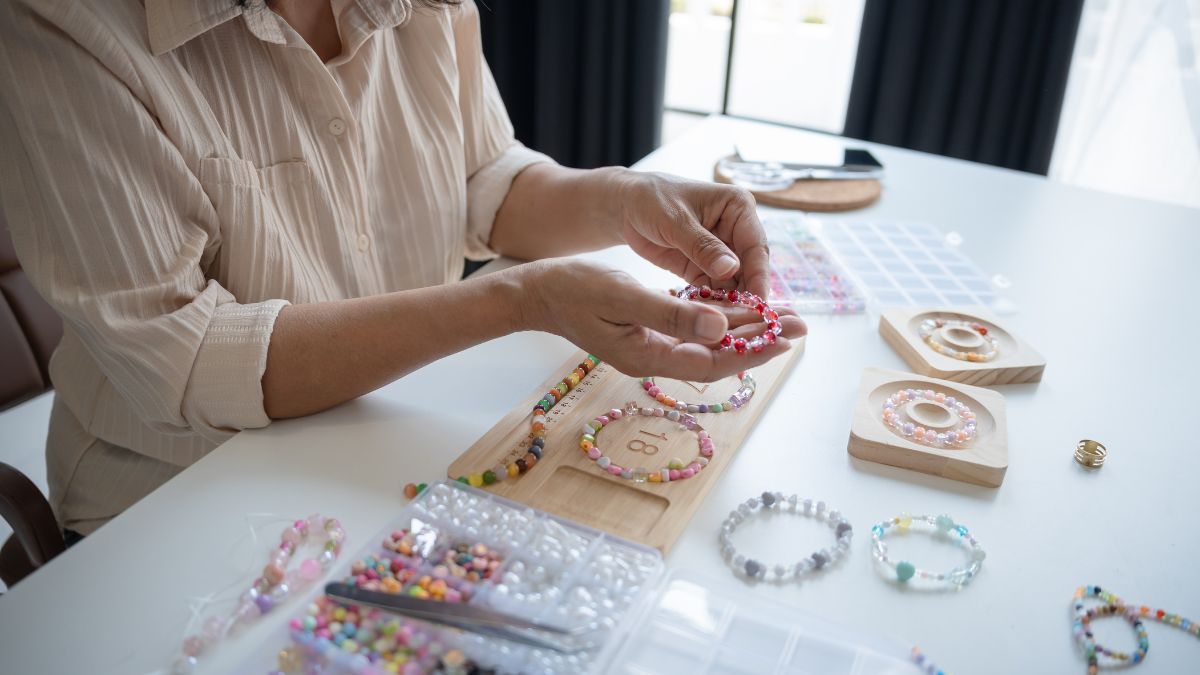
Accumulating craft supplies, art materials, sporting equipment, or hobby tools well beyond any realistic capacity to use them is a behavior that consumer psychologists associate with anxiety rather than enthusiasm. The purchasing act itself provides a temporary dopamine reward that mimics the satisfaction of the hobby without requiring the vulnerability of actually engaging in it. Clutter researchers at major universities have consistently linked the presence of unused hobby materials in a living space to elevated baseline stress levels in the people who inhabit that space. The growing pile of unused supplies serves as a daily visual reminder of intentions that have not been fulfilled rather than a source of creative inspiration.
Session Dread

Experiencing a low-level reluctance or resistance before beginning a hobby session that was ostensibly scheduled for enjoyment is one of the clearest signals that the activity has taken on an obligatory rather than restorative character. Positive psychology researchers identify approach motivation as a key indicator of genuine leisure, meaning that activities that genuinely restore tend to generate anticipation rather than avoidance. A hobby that produces the same emotional texture as a work deadline before it begins is functionally indistinguishable from work regardless of how it is categorized. Noticing and taking seriously the feeling of not wanting to begin is more valuable diagnostic information than most people allow it to be.
Progress Tracking

Maintaining detailed logs, spreadsheets, or apps to monitor performance metrics in a hobby that was originally taken up purely for enjoyment signals a shift from intrinsic to extrinsic motivation that stress researchers consistently associate with reduced wellbeing outcomes. The introduction of measurement transforms an activity from something experienced subjectively into something evaluated objectively, activating the same neural pathways involved in professional performance assessment. Occupational therapists who work with burnout patients note that the compulsive quantification of leisure activities is one of the most reliable early indicators that a hobby has been colonized by the performance orientation of the working mind. Enjoyment cannot be optimized without being simultaneously diminished.
Gear Guilt

Feeling guilty about using entry-level or imperfect equipment in a hobby context, or experiencing anxiety about not owning the gear that more advanced practitioners use, introduces a financial and social stress dimension that has nothing to do with the activity itself. Consumer research in hobby markets consistently shows that equipment anxiety is deliberately cultivated by marketing ecosystems surrounding popular leisure activities and that it generates ongoing dissatisfaction regardless of how much the participant spends. An activity that consistently makes its practitioner feel underequipped is delivering the opposite of the psychological safety that genuine relaxation requires. The belief that enjoyment is contingent on having better tools is a reliable sign that the hobby has been compromised by external rather than internal values.
Comparison Scrolling

Spending significant time on social media platforms viewing other practitioners’ work, progress, or setups in a way that consistently produces feelings of inadequacy rather than inspiration is a documented stress amplifier in recreational contexts. Social comparison theory, developed over decades of research in psychology, predicts that upward comparison in domains where personal identity is invested produces reliably negative emotional outcomes. A hobby feed that leaves its viewer feeling behind, mediocre, or poorly resourced is functioning as a source of chronic low-grade stress rather than community and connection. The distinction between inspirational browsing and comparison-driven anxiety is felt in the body rather than reasoned about in the mind.
Finish Line Fixation
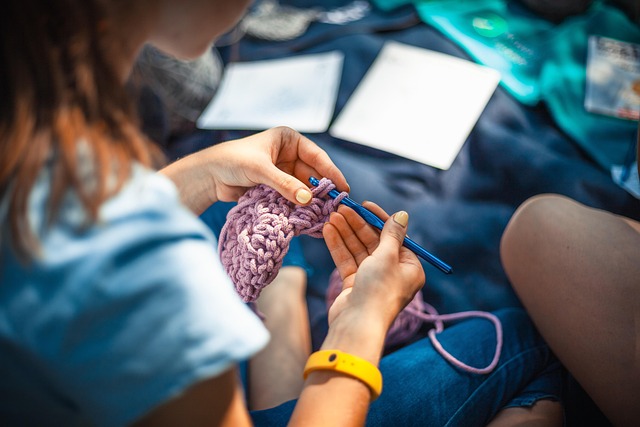
Being unable to enjoy the process of a hobby without a constant orientation toward completing, finishing, or producing an end result reflects a goal-driven cognitive mode that is incompatible with the restorative function that leisure is supposed to serve. Flow researchers including those building on the foundational work of Mihaly Csikszentmihalyi consistently identify process absorption rather than outcome focus as the mechanism through which leisure activities deliver psychological restoration. A knitter who cannot enjoy the rhythm of the needles without thinking about the finished sweater is not knitting for relaxation in any meaningful psychological sense. The inability to be present in the activity without the scaffolding of a future product is a stress signal worth examining carefully.
Financial Spiral
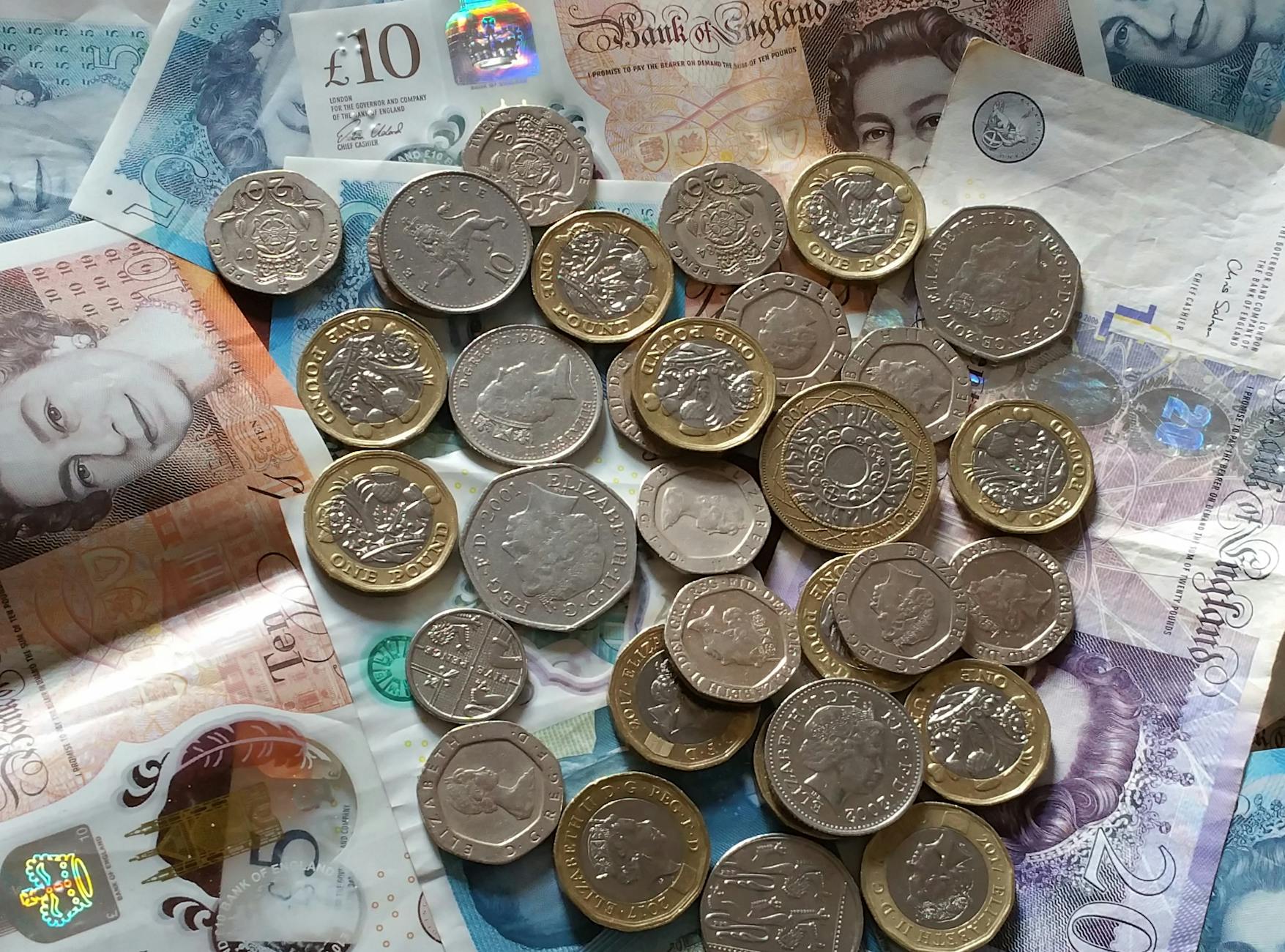
Discovering that a hobby has quietly grown into a significant monthly expense that generates background financial anxiety is one of the most practically consequential signs that the activity has become a net contributor to stress rather than a reliever of it. Behavioral economists note that spending associated with leisure activities tends to escape the scrutiny applied to functional expenditures because it carries the emotional label of self-care or personal investment. The cognitive dissonance created by spending money designated for wellbeing in ways that compromise financial security produces a chronic low-level stress that is rarely attributed to the hobby itself. A leisure activity whose cost cannot be absorbed comfortably within a household budget without conscious trade-offs has exceeded its mandate as a restorative practice.
Social Obligation

A hobby that has evolved into a social commitment requiring attendance, participation, or performance for others has taken on the defining characteristic of obligation that leisure researchers identify as fundamentally incompatible with genuine restoration. Book clubs, team sports, group fitness classes, and communal craft circles are all valuable social structures, but their value for any individual participant depends on whether the social dimension feels nourishing or pressuring. The shift from wanting to attend to feeling that one must attend is a reliable indicator that the social container of the hobby has grown larger than its restorative content. Activities that generate guilt when skipped have crossed from leisure into social duty regardless of how they are labeled.
Perfectionism Creep

The gradual raising of personal standards within a hobby to the point where anything short of an exceptional result produces dissatisfaction is a stress escalator that clinical psychologists frequently identify in high-achieving individuals who bring their professional perfectionism into leisure contexts. What begins as caring about the quality of one’s work becomes an inability to tolerate ordinary imperfection, transforming every hobby session into a performance evaluation with increasingly demanding criteria. Cognitive behavioral therapists who treat perfectionism consistently note that recreational perfectionism is among the most resistant variants to change because it is socially framed as passion and dedication rather than as a maladaptive stress response. A hobby that no longer accommodates failure with equanimity has lost its capacity to restore.
Tutorial Paralysis
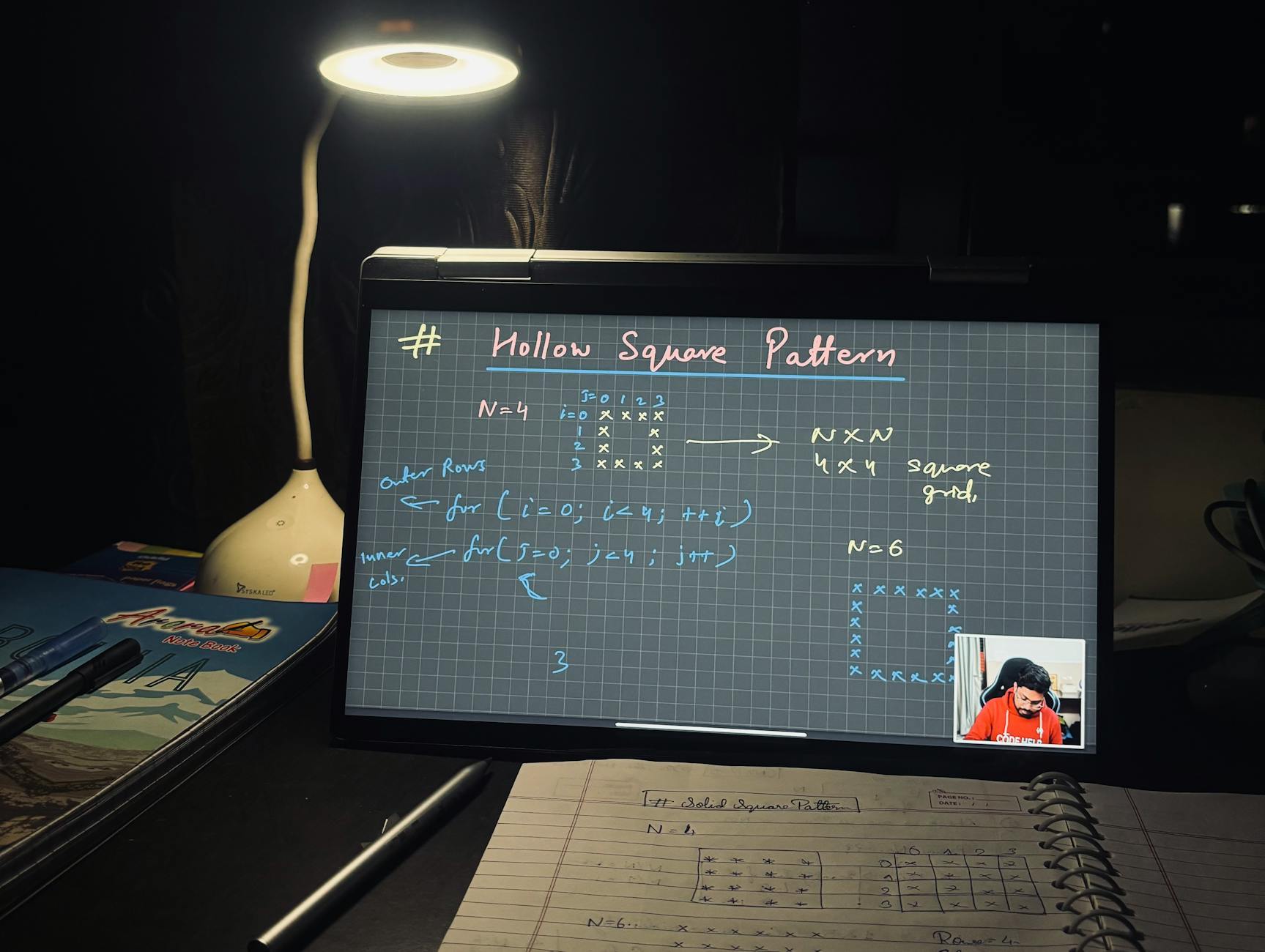
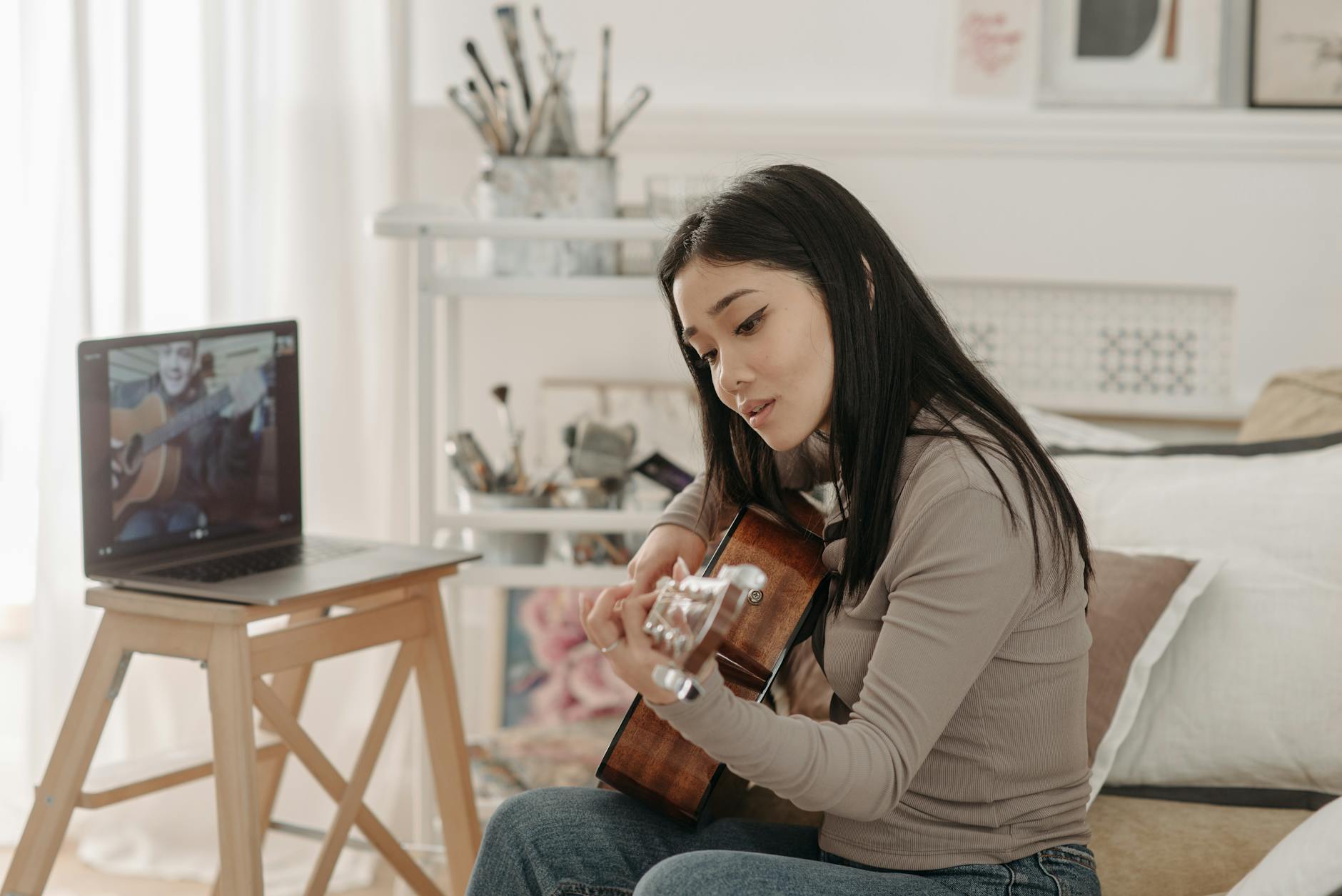
Spending more time watching instructional videos, reading guides, and researching techniques than actually engaging in the hobby reflects an anxiety-driven preparation behavior that prevents the unguarded experimentation through which genuine leisure enjoyment is accessed. Learning researchers describe this pattern as preparation substituting for participation, a dynamic driven by the fear of doing something incorrectly rather than by genuine curiosity about the craft. The accumulation of theoretical knowledge without corresponding practice creates a growing gap between expectation and capability that actually increases performance anxiety rather than reducing it. A hobby that feels safer to research than to attempt is being experienced primarily as a source of vulnerability rather than joy.
Space Takeover

A hobby whose materials, equipment, or dedicated space has expanded to the point where it creates ongoing household management stress, spatial conflict with other members of the home, or feelings of being overwhelmed by the scale of the setup has grown beyond its restorative proportions. Environmental psychologists consistently link cluttered or over-colonized living spaces to elevated cortisol levels and reduced feelings of domestic comfort and safety. The physical footprint of a hobby should ideally shrink the perceived complexity of daily life rather than adding another domain to manage, contain, and organize. A pursuit whose physical presence in the home generates more logistical thought than the activity itself provides relaxation has fundamentally altered the stress mathematics of the household.
Unwatched Tutorials

A growing library of saved instructional videos, bookmarked articles, downloaded patterns, or pinned project ideas that never get opened represents the material evidence of hobby-related intention anxiety rather than genuine engagement. Digital hoarding of reference material creates the psychological illusion of progress and preparation while simultaneously building a backlog that functions as a visual representation of unfulfilled leisure obligations. Behavioral psychologists note that the gap between the rate at which people save hobby content and the rate at which they engage with it is one of the more accurate measures of whether a hobby is genuinely being pursued or is functioning primarily as a fantasy of future restoration. Saving is not doing, and the growing distance between the two is itself a stress signal.
Subscriptions Guilt

Maintaining paid memberships, platform subscriptions, or club fees for a hobby that is not being actively engaged with generates a specific form of financial guilt that compounds with each billing cycle. The monthly charge serves as a recurring reminder of an intention that has not been honored, and the decision to cancel feels like an admission of failure rather than a straightforward financial correction. Consumer psychologists note that subscription guilt is particularly persistent in leisure contexts because canceling feels like giving up on a version of oneself that the subscription was meant to support. An ongoing financial commitment to a hobby that is no longer being practiced is delivering only its cost without any of its benefits.
Weekend Anxiety

Experiencing Sunday afternoon anxiety specifically about hobby-related obligations, unfinished projects, or missed practice sessions indicates that the activity has established a psychological presence in the stress landscape of the week that genuine leisure should never occupy. Leisure researchers define true restorative activity partly by its absence from the worry repertoire, meaning that hobbies which generate anticipatory anxiety during non-hobby time have exceeded their psychological mandate. The invasion of leisure obligations into rest periods is one of the defining characteristics that occupational therapists use to distinguish genuine hobbies from what they sometimes describe as second jobs without pay. An activity that occupies worried mental space on days when it is not being practiced is not functioning as a source of rest.
Competitive Drift
The gradual shift from a purely recreational orientation to a competitive one within a hobby that was originally taken up for personal enjoyment is a well-documented stress escalator in leisure psychology. Competition introduces evaluation, ranking, and the possibility of public failure into an activity that previously existed in a psychologically safe space where outcomes carried no social consequences. Sports psychologists note that recreational competitors frequently underestimate how significantly the introduction of competition restructures their emotional relationship with an activity they previously found reliably calming. A hobby that now involves winning and losing has a fundamentally different stress profile than it did when it involved only making and doing.
Neglected Basics

Skipping meals, disrupting sleep patterns, or abandoning other basic self-care practices to make time for a hobby reverses the fundamental purpose of leisure and signals that the activity has taken on a compulsive rather than restorative character. Behavioral addiction researchers note that the same neurological mechanisms that drive problematic compulsive behaviors are present in lesser degrees in many hobbyists who find themselves sacrificing genuinely restorative activities in favor of their chosen pursuit. A hobby that competes with sleep for priority in the daily schedule has positioned itself as a need rather than a choice, which is structurally incompatible with the voluntary nature of genuine leisure. Activities that undermine the biological foundations of wellbeing cannot be simultaneously classified as contributors to it.
Defensive Justification
Feeling a consistent need to defend the value of a hobby to others or to oneself is a psychological signal that the activity is not delivering on its implicit promise convincingly enough to speak for itself. Positive psychology researchers note that genuinely restorative activities tend to require very little justification because the experienced benefit is self-evident to the person receiving it. The energy invested in constructing arguments for why a hobby is worthwhile is itself a stress load that the hobby is generating rather than relieving. An activity that leaves its practitioner routinely defending it rather than simply enjoying it has created a relationship with self-justification that is worth examining.
Project Abandonment

A recurring pattern of beginning hobby projects with enthusiasm and abandoning them before completion, leaving a trail of unfinished work that accumulates in the living environment, generates a specific and persistent background stress that psychologists associate with unresolved Zeigarnik effects in the resting mind. The Zeigarnik effect, a well-replicated finding in cognitive psychology, describes the tendency of the mind to continue processing and returning to incomplete tasks more than completed ones. Each unfinished project in a hobbyist’s environment represents an open mental loop that consumes cognitive resources during rest periods. The accumulation of abandoned projects is both evidence of and a contributor to the stress that the hobby is failing to resolve.
Monetization Pressure

The introduction of an expectation, whether self-imposed or external, that a hobby should eventually generate income represents a fundamental transformation of its psychological function from restorative to productive. Creative professionals and occupational therapists consistently identify the monetization of hobbies as one of the most reliable ways to destroy the specific quality of unguarded engagement that makes leisure restorative. The moment a painting, a knitted item, a photograph, or a baked good becomes a potential product rather than a personal expression, the cognitive mode required to evaluate it shifts from subjective enjoyment to market assessment. A hobby that is being quietly auditioned for commercial viability is no longer functioning as leisure regardless of how it continues to be described.
Inventory Anxiety

Feeling stressed about running low on specific hobby supplies, experiencing urgency about restocking materials, or planning purchases with a frequency that resembles the restocking anxiety of a small business owner indicates that the hobby has developed its own logistical stress ecosystem. Supply management anxiety in recreational contexts is documented in crafting, cooking, gaming, and gardening research as a common and underrecognized contributor to the overall stress load of dedicated hobbyists. The mental overhead of maintaining a hobby supply chain adds a planning and management dimension to what should be a purely experiential activity. A pursuit that requires ongoing inventory management to feel sustainable has grown a bureaucratic layer that leisure was never designed to support.
Online Conflict

Participating in hobby communities, forums, or social media groups where disagreements, gatekeeping behavior, elitism, or interpersonal conflict are a regular feature adds a social stress dimension to recreational activity that systematically undermines its restorative function. Community psychologists note that online hobby communities in particular are prone to a specific culture of expertise competition and ideological rigidity that can make participation feel more like navigating a professional political landscape than enjoying a shared interest. The stress generated by online hobby conflict is frequently invisible to the participant because it occurs in a space mentally coded as leisure rather than work. A hobby community that regularly leaves its members feeling criticized, excluded, or emotionally drained is delivering negative social experiences under the cover of shared enthusiasm.
Identity Fusion
When a hobby becomes so central to a person’s sense of identity that any criticism of the activity, any period of non-engagement, or any failure within it produces a disproportionately personal emotional response, the activity has moved from the leisure domain into the identity domain in a way that psychologists associate with fragility rather than strength. Self-determination theory researchers identify the healthy integration of leisure activities into identity as dependent on the activity remaining one source of self-concept among many rather than becoming the primary one. A hobby that feels existentially threatened when it is not going well is carrying a psychological weight that no recreational activity is designed to sustain. The fusion of self-worth with hobby performance is one of the most common and least recognized pathways through which relaxing pursuits become sources of chronic anxiety.
Skill Plateau Despair

Experiencing genuine distress rather than mild frustration when progress in a hobby stalls or when a skill plateau is reached indicates that the activity has been assigned a developmental significance that conflicts with its restorative function. Learning psychologists note that skill plateaus are a normal and universal feature of any developmental journey and that the emotional response they generate is a reliable indicator of the stakes the learner has attached to the activity. A gardener who feels genuinely demoralized by a season of poor yields, or a musician who feels ashamed of their plateau, is experiencing their hobby as a performance domain with real consequences rather than as a space of personal enjoyment. Distress in response to natural developmental friction is a sign that the standards applied to the hobby have been calibrated to something other than personal pleasure.
Gear Research Loops

Spending hours in recurring cycles of researching, comparing, reading reviews of, and ultimately not purchasing hobby equipment is a behavior pattern that combines the stress of consumer decision-making with the guilt of indecision in a loop that delivers none of the satisfaction of either researching or acquiring. Consumer decision researchers identify this pattern as a form of rumination applied to purchasing, driven by the fear of making the wrong choice in a domain where the right choice has been assigned disproportionate importance. The time and mental energy consumed by extended gear research loops is a cost that is rarely measured against the supposed relaxation benefit of the hobby it surrounds. An activity that consistently generates prolonged and unresolved consumer decision anxiety is contributing to rather than drawing from the household stress budget.
Partner Resentment

Noticing that a hobby has become a source of tension in a primary relationship, whether because of the time it consumes, the money it requires, the space it occupies, or the emotional priority it receives, introduces an interpersonal stress dimension that amplifies well beyond the activity itself. Relationship researchers consistently identify unresolved leisure inequity between partners as a significant contributor to relationship dissatisfaction, particularly when one partner’s hobby consistently appears to take precedence over shared time or financial goals. The stress generated by a hobby that damages relationship quality is a compounding cost that operates continuously rather than only during hobby sessions. An activity that regularly makes a partner feel deprioritized or financially burdened is generating relational stress that outlasts any relaxation it may provide.
Seasonal Guilt

Feeling guilty during seasons or periods when a hobby is naturally less accessible, such as feeling bad about not running during winter, not gardening during drought, or not surfing when living inland, indicates that the activity has established an attendance expectation that operates independently of realistic circumstances. Leisure psychologists note that guilt about not engaging in a hobby is one of the clearest possible indicators that the activity has taken on the psychological structure of an obligation rather than a choice. A seasonal or circumstantial interruption to a genuinely restorative hobby should produce mild wistfulness at most rather than the kind of self-critical guilt that characterizes missed professional commitments. The presence of guilt as a response to not hobbying is a diagnostic signal of considerable significance.
Upgrade Dissatisfaction

Finding that a recent upgrade to better equipment, a more advanced level, or a higher-quality version of a hobby resource has produced only a brief satisfaction before dissatisfaction resumes at the new level is a hallmark of hedonic adaptation applied to leisure spending. Happiness researchers consistently document the rapid return to baseline satisfaction levels following material improvements as one of the most reliable and least heeded findings in the science of wellbeing. A hobby whose enjoyment depends on continuous upgrading rather than on the intrinsic quality of the activity itself is structured around a satisfaction model that is designed by its own logic to never fully deliver. The pursuit of a better experience through better equipment is an escalating cycle that generates financial and psychological stress in equal measure.
Documentation Obsession

Spending more time photographing, filming, posting, and curating documentation of a hobby than actually engaging in it signals a shift from experiential to performative participation that leisure researchers associate with reduced genuine satisfaction and increased social anxiety. The pressure to document worthy moments transforms the hobby from a private restorative experience into a public content production activity with its own audience expectations, aesthetic standards, and performance metrics. Social media researchers note that the obligation to produce shareable content from leisure activities systematically reduces the depth of engagement with those activities by redirecting attention from the present experience to its future representation. A hobby that exists primarily as social media content rather than as a lived experience has been hollowed out of the experiential quality that made it worth doing.
Instructor Dependency

Feeling unable to engage in a hobby without access to a teacher, coach, or structured class environment indicates a relationship with the activity that is mediated by external authority in a way that limits the autonomous enjoyment leisure is supposed to provide. Educational psychologists note that autonomous engagement with a chosen activity is one of the primary sources of its restorative value, and activities that can only be accessed through the intermediary of an instructor maintain a student-performance dynamic that is structurally similar to the evaluation relationships of professional and academic life. A hobbyist who cannot simply sit down and paint, practice, or create without the frame of a class has not yet developed a freestanding relationship with the activity. The dependency on structured instruction beyond the learning phase is a sign that the hobby has not fully transitioned into a self-directed leisure practice.
Trend Chasing

Abandoning established hobby interests to pursue whatever activity is currently generating enthusiasm in one’s social or digital environment reflects a leisure orientation driven by social belonging and relevance anxiety rather than genuine personal interest. Consumer culture researchers note that the hobby industry is specifically designed to generate trend cycles that create obsolescence in previous interests and novelty pressure around new ones. A person who has serially abandoned sourdough baking for macrame for cold plunging for journaling in response to social media trends has never fully arrived in a leisure practice because they have never allowed one to develop past the initial novelty phase. Trend-driven hobby hopping is a form of chronic leisure dissatisfaction that is marketed as exploration.
Rest Avoidance

Using a hobby as a reason to avoid genuine unstructured rest, such as always having a craft project to turn to rather than allowing periods of genuine stillness, may indicate that the hobby is functioning as a productivity substitute that prevents the kind of deep rest that the nervous system actually requires. Rest researchers including those working in the emerging field of rest science distinguish between active leisure and genuine psychological rest, noting that many people who believe they are resting are actually engaged in a low-stakes form of productivity that maintains mild cognitive activation. A hobby that is always reached for during any moment of unstructured time may be serving an avoidance function that prevents genuine nervous system recovery. The inability to simply be still without reaching for a project is itself a form of stress response.
Exhibition Anxiety

Experiencing significant anxiety about showing, sharing, or displaying hobby work to others, whether at a local exhibition, a craft fair, an online community, or simply to friends and family, indicates that the hobby has acquired a social evaluation dimension that undermines the psychological safety in which genuine leisure enjoyment is generated. Performance anxiety in recreational contexts is well documented in music psychology, visual arts research, and craft community studies as a consistent feature of hobbyist environments that have developed explicit or implicit standards of quality and judgment. An activity that makes its practitioner feel vulnerable to public evaluation in a way that generates significant anxiety is operating partly as a performance context regardless of how informally it is framed. Leisure that cannot be shared without fear is carrying a social stress load that its practitioner may not have consciously chosen to accept.
Comparison Purchases

Buying new hobby equipment, supplies, or experiences specifically because another practitioner has acquired them rather than because of a genuine personal need or desire reflects a social comparison-driven spending pattern that generates both financial stress and the specific dissatisfaction of extrinsically motivated consumption. Consumer psychologists identify reactive purchasing in leisure contexts as one of the clearest behavioral indicators that social comparison has become the primary driver of engagement rather than intrinsic enjoyment. The item purchased through social comparison rarely delivers the satisfaction anticipated because the motivation for buying it was relational rather than functional. A hobby that consistently generates spending triggered by what others have rather than by what the individual genuinely wants has been colonized by the same status anxiety it was presumably taken up to escape.
Scheduling Rigidity
Maintaining such a rigid schedule around hobby sessions that any disruption to the routine generates disproportionate stress or irritability indicates that the activity has been assigned a functional necessity in the daily stress management system that is incompatible with the voluntary and flexible nature of genuine leisure. Stress management researchers note the distinction between activities that are intrinsically restorative and those that have become instrumentally necessary for maintaining baseline functioning, with the latter representing a dependency rather than a free choice. When the disruption of a hobby session produces the same emotional response as a missed medication dose, the hobby has crossed from leisure into coping mechanism territory. Activities that are clung to rather than chosen are delivering relief from stress rather than the absence of it.
Creativity Shame

Feeling ashamed of creative output produced during hobby sessions, experiencing reluctance to show work in progress to anyone, or compulsively destroying or hiding personal creative work indicates a relationship with the hobby that is dominated by harsh self-evaluation rather than the self-compassionate engagement associated with genuine restoration. Art therapy researchers consistently identify creativity shame as a significant barrier to the psychological benefits of creative leisure, noting that the inner critic activated during creative activity is often the same voice that drives occupational perfectionism in professional contexts. A creative hobby that has become a regular encounter with shame rather than a space of exploratory self-expression is delivering a net negative psychological experience regardless of its leisure label. The presence of shame in a recreational context is one of the most serious stress signals a hobbyist can notice and one of the most worth addressing directly.
Achievement Comparison
Regularly measuring personal hobby milestones, output, or quality against those of practitioners who have been engaged with the activity significantly longer, who have professional training, or who have dedicated far greater resources to the pursuit is a comparison framework that reliably generates feelings of inadequacy rather than motivation. Sports and performance psychologists identify comparison with inappropriately distant reference points as a consistent feature of the psychological experience of individuals who struggle to derive satisfaction from their actual level of achievement. A beginner gardener who measures their results against those of a professional horticulturalist, or a casual watercolorist who holds their work to gallery exhibition standards, has established a satisfaction threshold that cannot be realistically met. The impossibility of the standard makes the stress it generates constant rather than occasional.
Anticipatory Fatigue
Feeling tired at the thought of engaging in a hobby before the session has even begun, experiencing a form of pre-exhaustion that makes starting feel effortful rather than inviting, is one of the most direct and embodied signals that an activity has ceased to function as a genuine source of restoration. Fatigue researchers distinguish between the tired-but-wired state associated with stress accumulation and the physical tiredness that follows genuine expenditure, noting that anticipatory fatigue belongs to neither category but is instead a motivational signal about the psychological relationship between the person and the anticipated activity. Genuine leisure anticipation tends to produce mild positive arousal rather than fatigue. An activity whose mere anticipation produces tiredness is communicating something important about the nature of the relationship the hobbyist has developed with it.
Rule Multiplication

Finding that the rules, conditions, standards, and requirements that must be met for a hobby session to feel acceptable have gradually multiplied to the point where the perfect conditions for engagement are almost never met is a form of perfectionist avoidance that generates ongoing frustration rather than occasional enjoyment. Behavioral psychologists describe this pattern as the gradual inflation of the entry criteria for an activity, driven by anxiety about imperfect engagement, until the bar for beginning becomes effectively prohibitive. A runner who can only enjoy a run when the weather, route, playlist, hydration level, and sleep quality all meet specific standards has constructed a leisure experience that is almost always unsatisfying. The proliferation of necessary conditions for a hobby to feel worthwhile is itself a diagnostic sign that the hobby has been conscripted into the service of anxiety rather than relief from it.
Post-Session Criticism

Spending significant time immediately after a hobby session reviewing everything that went wrong, cataloguing mistakes, and mentally rehearsing improvements is a reflective pattern that converts the recovery period following leisure into an extension of the performance evaluation that the hobby has been generating throughout. Sports psychologists and creative arts therapists both identify post-activity rumination as a reliable indicator that an activity is being processed through a performance lens rather than an enjoyment one. The cognitive habits applied to a hobby after it ends are as revealing as the experience during it, because genuine restoration tends to produce a quiet satisfaction that does not require extensive post-mortem analysis. A hobby that sends its practitioner away cataloguing their failures has delivered the emotional experience of a work review rather than of a restorative break.
Abandonment Guilt

Feeling genuinely guilty about the prospect of stopping a hobby entirely, even one that has clearly ceased to bring enjoyment, reflects a psychological entrapment in a sunk-cost relationship with a leisure activity that prioritizes consistency over wellbeing. Behavioral economists consistently document the sunk cost fallacy as a significant driver of continued investment in activities, relationships, and commitments that no longer serve their original purpose, and leisure contexts are no exception to this pattern. A hobby that cannot be released without significant guilt has established a psychological grip that is incompatible with the voluntary nature that defines genuine leisure. Giving oneself explicit permission to stop doing something that was always supposed to be a choice is one of the most effective and least taken stress management steps available to the modern hobbyist.
Share your experience with a hobby that turned out to be more stressful than relaxing and let others know how you navigated it in the comments.