Conflict is an inevitable part of human connection but certain disagreements strike at the foundation of a partnership. These specific disputes often reveal deep incompatibilities or breaches of trust that cannot be mended with time or apology. Couples frequently find themselves revisiting these same issues until the emotional exhaustion outweighs the benefits of staying together. Recognizing these fatal fissures early can save years of heartache and misunderstood resentment. The following disputes are the most common catalysts for the final breakup conversation.
Financial Infidelity

Discovering hidden debt or secret purchases creates a massive breach of trust that is often impossible to repair. Partners feel betrayed when they find that their significant other has been lying about their shared financial reality. This deception undermines future planning and makes every subsequent financial discussion fraught with suspicion. The injured party often questions what else is being hidden from them beyond just money. It turns a partnership into a dynamic of policing and resentment.
The Desire for Children

This fundamental incompatibility cannot be compromised upon without one person sacrificing their life vision. Resentment builds quickly when one partner hopes the other will eventually change their mind on the matter. The pressure increases as biological clocks tick and friends begin starting their own families. Staying together while wanting different things leads to a future filled with regret for both people. It is often the single most definitive dealbreaker in modern relationships.
In-Law Interference

Allowing parents to interfere in the relationship causes deep resentment between partners who should be a united front. One partner feels unsupported when the other refuses to set limits with overbearing family members. This dynamic often leads to feelings of being second best or an outsider in one’s own marriage. The lack of defense against criticism from in-laws erodes the emotional safety essential for a healthy bond. It signals that the partner prioritizes their origin family over their chosen one.
Emotional Affairs

Developing a deep romantic connection with someone outside the relationship hurts just as much as physical betrayal. The partner who feels replaced often notices the withdrawal of intimacy and attention before discovering the cause. Arguments ensue over the definition of friendship and boundaries regarding privacy. The loss of being the primary emotional confidant creates a void that is difficult to refill. Trust evaporates when emotional energy is siphoned away to a third party.
Unequal Chore Distribution

The burden of household labor frequently falls on one person and creates a parent-child dynamic. The exhausted partner eventually stops asking for help and starts planning their exit strategy. Arguments about doing the dishes are rarely actually about the dishes themselves but rather about respect. Constant nagging kills romantic attraction and breeds deep bitterness over time. This imbalance suggests that one person’s time is valuable while the other’s is not.
Sexual Incompatibility

A significant mismatch in libido leads to feelings of rejection for one partner and pressure for the other. Arguments about the frequency of intimacy can make the bedroom a place of anxiety rather than connection. This issue rarely resolves itself without significant effort that many couples are unwilling to expend. The partner with the higher drive often feels unloved while the other feels objectified. Over time this physical distance creates an insurmountable emotional chasm.
Career Versus Relationship

Prioritizing work over a partner consistently leads to feelings of neglect and abandonment. The ambitious partner may view their dedication as providing for the future while the other sees it as avoidance. Missed dinners and cancelled dates accumulate into a narrative that the relationship is merely an accessory. Arguments focus on the lack of presence and the inability to disconnect from professional demands. Eventually the neglected partner seeks connection elsewhere or decides to leave.
Relocation Disputes

Disagreement on where to live forces a couple to choose between their relationship and their individual preferences. One person often feels they are being asked to give up their support system or dream location. Resentment grows if the move happens and the trailing partner struggles to adapt or find happiness. The pressure to be grateful for the compromise often silences valid complaints until they explode. It highlights that life goals are pulling the pair in opposite directions.
Political Polarization

Differing core values manifest as political arguments that reveal a lack of mutual respect. Partners find it difficult to support someone whose voting record opposes their fundamental human rights or beliefs. These arguments have become increasingly common and volatile in recent years. It stops being about policy and starts being about morality and character judgment. The realization that you view the world through fundamentally different lenses creates permanent alienation.
Addiction Struggles

Substance abuse or gambling issues introduce chaos and instability that destroy the safety of a home. The sober partner eventually reaches a breaking point after repeated cycles of hope and relapse. Arguments revolve around broken promises and the draining of shared resources. The loss of the partner’s former personality to the addiction creates a sense of mourning while they are still there. Trust becomes impossible when addiction dictates behavior.
Parenting Styles

Disagreements on how to discipline or raise children create a chaotic environment for the entire family. One parent often feels the other is too lenient while the other feels their partner is too harsh. These arguments undermine parental authority and confuse the children involved. The constant undermining of each other leads to a loss of respect and unity. It reveals deep differences in how each person views responsibility and growth.
The Ex Factor

Maintaining a close friendship with an ex-partner often triggers jealousy and insecurity in the current relationship. Arguments arise when boundaries are blurred or when the past relationship is prioritized over the present one. The current partner feels they are competing with a history they cannot erase. Secret communications or meetups with the ex serve as the final straw. It suggests that the door to the past has not been fully closed.
Social Media Habits

Excessive time spent scrolling or seeking validation online creates a feeling of isolation for the person sitting right there. Arguments flare up regarding inappropriate likes or direct messages to others. The need to document every moment prevents the couple from actually living in the moment together. Privacy violations occur when one partner shares personal details without consent. It signals a need for external attention that the relationship is not satisfying.
Religious Differences

A divergence in spiritual beliefs becomes critical when deciding how to raise children or spend weekends. One partner may feel their soul is imperiled or their traditions are being disrespected. Arguments about conversion or religious participation strike at the core of identity. The lack of shared rituals can create a disconnect during holidays and life milestones. It is a fundamental worldview clash that love rarely conquers.
Lack of Ambition

One partner outgrowing the other creates a dynamic of judgment and disappointment. Arguments occur when one person strives for self-improvement while the other remains stagnant. The driven partner feels held back by the other’s complacency or lack of goals. This gap widens as financial and social circles change over time. Respect diminishes when one person feels they are carrying the potential for both.
Communication Styles

The silent treatment versus the need to talk everything out creates a vicious cycle of pursuit and withdrawal. Arguments escalate because the couple cannot agree on how to actually have the argument. One person feels shut out while the other feels overwhelmed and attacked. This inability to resolve conflict effectively means issues are never truly put to bed. It leaves both parties feeling unheard and emotionally unsafe.
Jealousy and Control

Constant accusations and the need to track a partner’s whereabouts suffocate the relationship. The accused partner eventually tires of defending their innocence against baseless claims. Arguments are triggered by minor interactions with others or simply leaving the house. This behavior often points to deep insecurity that the partner cannot fix. It turns the relationship into a cage rather than a sanctuary.
Digital Privacy

Demanding access to passwords and phones signals a total collapse of trust. Arguments start when one partner feels entitled to surveillance while the other demands autonomy. Finding nothing often doesn’t satisfy the suspicious partner who assumes evidence was deleted. The invasion of privacy feels like a violation that changes the dynamic permanently. It shifts the role from partner to investigator.
Spending Habits

The clash between a saver and a spender leads to constant anxiety regarding financial security. Arguments erupt over every purchase and prevent the couple from enjoying their resources. The saver feels their future is being threatened while the spender feels controlled. This fundamental difference in how money is viewed affects daily life and long-term retirement. It creates a parent-child dynamic regarding the allowance of funds.
Lack of Romance

When the effort to date and woo each other stops the relationship devolves into a roommate situation. Arguments arise from the feeling of being taken for granted or no longer desired. One partner usually expresses a need for gestures that the other dismisses as unnecessary. The absence of romance kills the emotional spark that distinguishes a partnership from a friendship. It leads to a slow drift apart that is hard to reverse.
Differing Cleanliness Standards

Living with someone who is messy when you are neat creates a constant low-level stress. Arguments about clutter and hygiene are persistent and draining for both parties. The neat partner feels disrespected in their own home while the messy partner feels judged. It prevents the home from being a place of relaxation. Over time the mess becomes a symbol of the partner’s lack of care.
Pet Ownership

Disagreements over training or allowing animals on furniture can be surprisingly vitriolic. One partner may feel the other prioritizes the pet’s comfort over human needs. Arguments escalate when a pet causes damage or requires expensive medical care. Giving up a pet or adopting one without consensus breeds long-term resentment. It highlights a difference in empathy and responsibility.
Vacation Preferences

Fighting over how to spend leisure time reveals incompatible energy levels and interests. One wants to explore and hike while the other wants to sit by the pool and sleep. Arguments during the trip ruin the expensive time off and create bad memories. The inability to compromise means someone is always unhappy during what should be peak joy. It shows that they do not enjoy the same version of life.
Intellectual Gap

A disparity in curiosity or education levels can leave one partner feeling bored and the other inferior. Arguments happen when one person cannot engage in the conversations the other finds stimulating. The intellectual partner seeks stimulation elsewhere which leads to emotional distance. The other partner often feels patronized or excluded from parts of life. It creates a loneliness that cannot be fixed by physical proximity.
Time Management

Chronic lateness by one partner is interpreted as a sign of disrespect by the punctual one. Arguments occur every time the couple needs to leave the house for an event. The punctual partner suffers from anxiety while waiting and the other feels unfairly pressured. It causes the couple to arrive at social functions already angry at each other. This recurring friction wears down patience over the years.
Diet and Lifestyle

A strict vegan and a heavy meat eater often struggle to share meals and social lives. Arguments arise over restaurant choices and grocery shopping ethics. One partner may judge the other’s health choices or feel morally superior. Meal times become a source of logistical stress rather than connection. It creates a practical divide that happens three times a day.
Public Embarrassment

Behavior that humiliates a partner in front of friends or colleagues leaves a lasting scar. Arguments follow events where one person drank too much or told inappropriate stories. The embarrassed partner feels they cannot trust the other in social settings. This leads to isolation as they stop accepting invitations to avoid potential scenes. It destroys the image of the couple as a dignified unit.
Comparison to Others

Constantly comparing the relationship to other couples on social media or in real life breeds dissatisfaction. Arguments start when one partner asks why the other cannot be more like someone else. This undermines the unique value of the connection they actually share. The partner being compared feels they will never be good enough. It chases a fantasy instead of nurturing the reality.
Emotional Labor Imbalance

The invisible work of remembering birthdays and managing schedules falls disproportionately on one person. Arguments explode when the manager of the relationship burns out from carrying the mental load. The other partner often claims they would have helped if just asked. This excuse fails to acknowledge the effort required to delegate tasks. It creates a dynamic of a manager and a subordinate.
Substance of Choice

When one partner drinks and the other does not it creates a lifestyle rift. Arguments happen when the sober partner is constantly acting as the designated driver or caretaker. The drinker may feel judged while the sober partner feels unsafe or annoyed. Socializing becomes difficult when the primary activity involves intoxication. It leads to living in two different realities on weekends.
Gaming Addiction

Excessive video gaming consumes time that could be spent on relationship maintenance. Arguments focus on the gamer ignoring responsibilities and the partner feeling neglected. The immersive nature of games means the partner is physically present but mentally absent. It often correlates with a lack of sleep and irritability. The console becomes the third party in the relationship.
Decor and Renovation

Home improvement projects are notorious for causing stress and highlighting poor communication. Arguments over paint colors or budget overruns reveal how the couple handles pressure. The disruption of the living space removes the ability to retreat and cool off. Differing tastes in aesthetics can make one partner feel like a guest in their own home. It is a high-stakes test of compromise that many fail.
Sleeping Arrangements

Snoring or blanket hogging disrupts sleep quality and leads to chronic irritability. Arguments about sleeping in separate rooms strike at the insecurity regarding intimacy. The sleep-deprived partner has less emotional bandwidth to handle daily stressors. Physical exhaustion makes every other problem in the relationship seem worse. It forces a choice between health and proximity.
Borrowing Without Asking

Taking a partner’s clothes or tools without permission signals a lack of boundary respect. Arguments ensue when items are returned damaged or not returned at all. The owner of the items feels their personal property is not safe. It shows a sense of entitlement that often bleeds into other areas of the relationship. Trust is eroded by small thefts of property.
Driving Style

Road rage or careless driving terrifies the passenger and causes immediate conflict. Arguments in the car are trapped and volatile with no exit available. The passenger feels their safety is being disregarded by the driver’s ego. Criticism of driving skills is often taken as an attack on competence. It turns every journey into a potential fight.
Temperature Wars
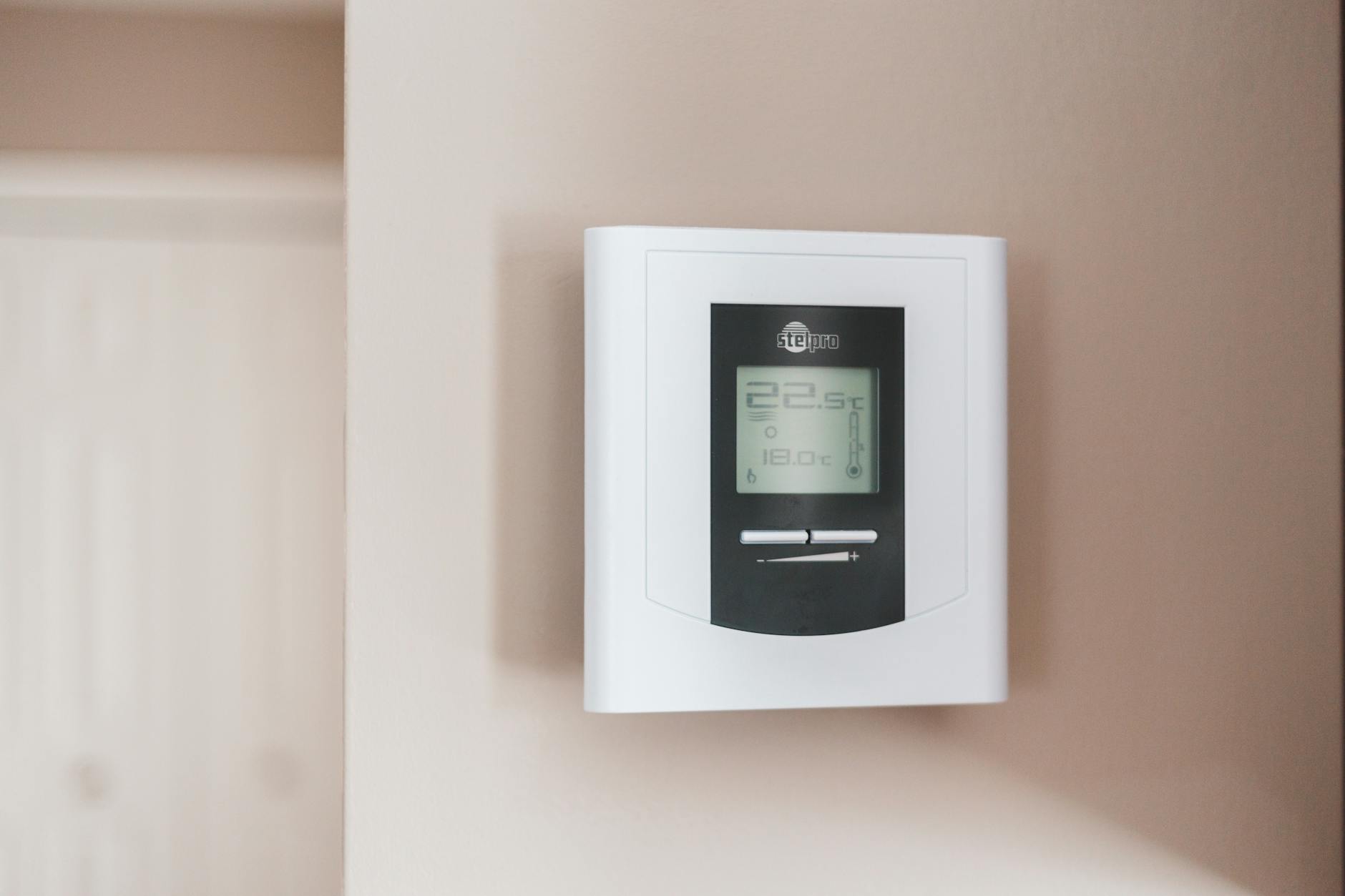
Disputes over the thermostat setting create physical discomfort for one person at all times. Arguments about saving money on utilities versus being comfortable are constant. One partner bundles up while the other sweats and both feel aggrieved. It seems trivial but affects the basic ability to relax at home. It is a zero-sum game where for one to win the other must lose.
The I Told You So Dynamic

Gloating when a partner makes a mistake creates an adversarial atmosphere. Arguments spiral when one person cares more about being right than being supportive. This behavior creates a fear of failure and vulnerability in the other partner. It signals that the relationship is a competition rather than a team effort. Resentment builds with every smug comment.
Lack of Forgiveness

Bringing up past grievances during new arguments ensures that old wounds never heal. Arguments become a laundry list of every mistake ever made in the history of the relationship. The partner feels they are serving a life sentence for past errors. It prevents any current issue from being resolved on its own merits. The relationship cannot move forward while anchored in the past.
Body Image Comments

Unsolicited advice about weight or appearance devastates self-esteem and kills attraction. Arguments start when one partner feels judged rather than accepted for who they are. The criticism is often disguised as concern for health but lands as an insult. It makes physical intimacy feel vulnerable and unsafe. The hurt caused by these comments lingers long after the words are spoken.
Friend Group Friction

Disliking a partner’s friends puts them in the position of choosing between the two. Arguments happen when the partner feels they cannot bring their significant other to social events. The criticizer feels the friends are a bad influence or annoying. This splits the partner’s life into two compartmentalized sections. It prevents the integration of lives that is necessary for the long term.
Flirting Boundaries

Disagreement on what constitutes harmless flirting versus cheating creates constant friction. Arguments arise when one partner feels humiliated by the other’s behavior with strangers. The flirty partner often claims they are just being friendly and gaslights the other. It signals a need for external validation that overrides the partner’s comfort. It erodes security and trust in social settings.
Mental Health Management

Refusing to seek help for manageable mental health issues places a heavy burden on the partner. Arguments occur when the partner is expected to act as a therapist rather than a lover. The caregiver burns out from the emotional toll of the untreated condition. It creates a dynamic where one person’s needs always overshadow the other’s. The relationship becomes a caretaking facility.
Cultural Expectations

Clashes over traditional gender roles or cultural duties can seem insurmountable. Arguments focus on what a husband or wife “should” do based on heritage. One partner often feels stifled by expectations they did not agree to. The other feels their culture is being rejected or disrespected. It requires a blending of worlds that is difficult to achieve.
Choosing Sides

Failing to back a partner during a conflict with a third party is seen as a betrayal. Arguments explode when the partner feels abandoned in a moment of vulnerability. The neutral partner tries to play peacemaker but ends up alienating their significant other. It signals that loyalty is not absolute. The feeling of being alone while in a couple is devastating.
The Silent Drift

The most dangerous argument is the one that never happens because the couple has stopped caring. Silence replaces shouting as the partners live parallel lives without intersection. The realization that it is easier to be alone than together marks the end. It is the cumulative effect of all previous arguments left unresolved. The relationship ends with a whimper rather than a bang.
Share your experiences with these relationship dealbreakers in the comments.