Strength training has become a cornerstone of female health and wellness routines across the globe. This form of exercise extends far beyond building muscle mass as it significantly improves bone density and metabolic health. Women who engage in regular resistance training often report higher energy levels and improved daily functionality. Developing a consistent routine requires knowledge of proper form and recovery strategies to prevent injury. These tips provide a comprehensive guide to navigating the weight room with confidence and purpose.
Consult A Healthcare Professional

Before beginning any new exercise regimen it is wise to speak with a doctor. This step ensures that your body is physically ready to handle the stress of lifting weights. A medical professional can identify underlying issues that may require specific modifications to your routine. Getting clearance provides peace of mind and establishes a safe baseline for your fitness journey. This precaution is especially vital for those with a history of joint issues or chronic health conditions.
Define Specific Goals
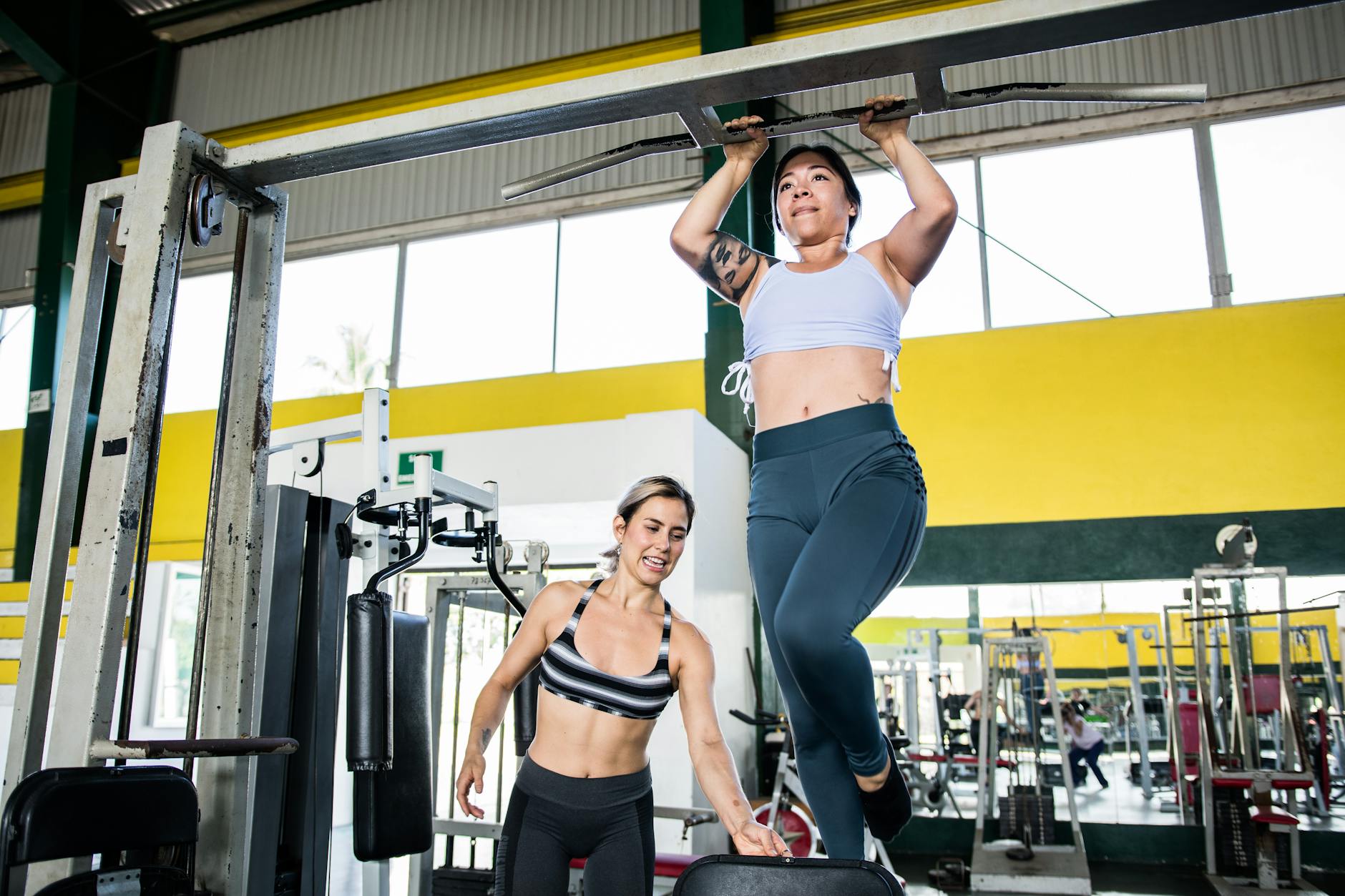
Setting clear objectives helps you stay motivated when motivation naturally wanes. You might aim to lift a certain amount of weight or simply want to carry groceries with ease. Writing these goals down makes them feel tangible and keeps you accountable to yourself. Specific targets allow you to measure progress accurately over weeks and months. A focused approach prevents aimless wandering around the gym and ensures every session counts.
Master Bodyweight Movements
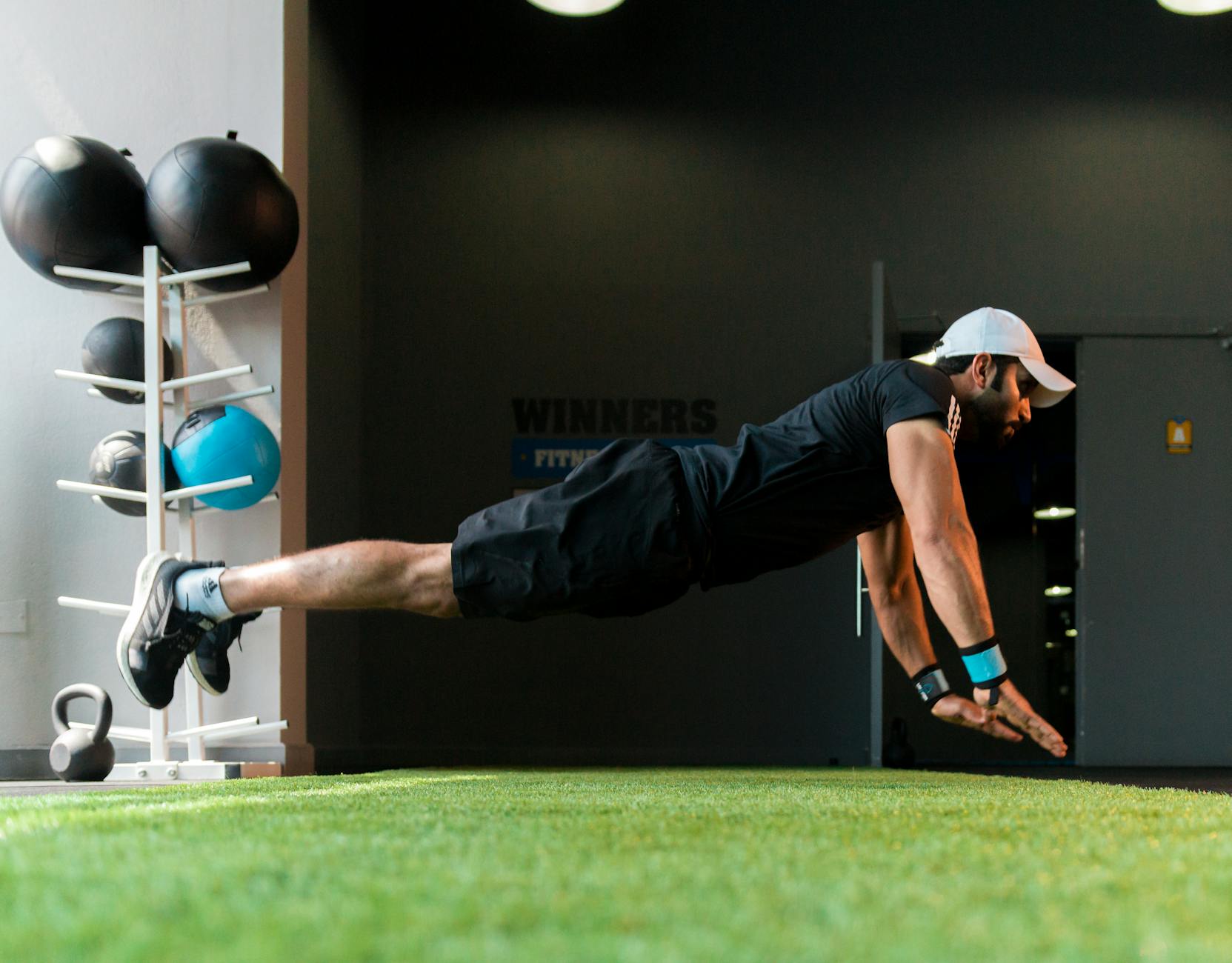
Beginners should prioritize mastering movements with their own body weight before adding external loads. Exercises like squats and pushups teach proper mechanics without the risk of heavy equipment. This foundational phase builds the necessary stability and coordination for more advanced lifting. Establishing a strong neuromuscular connection early leads to better performance down the road. You can gradually introduce weights once you perform these basic patterns with confidence.
Prioritize Proper Form
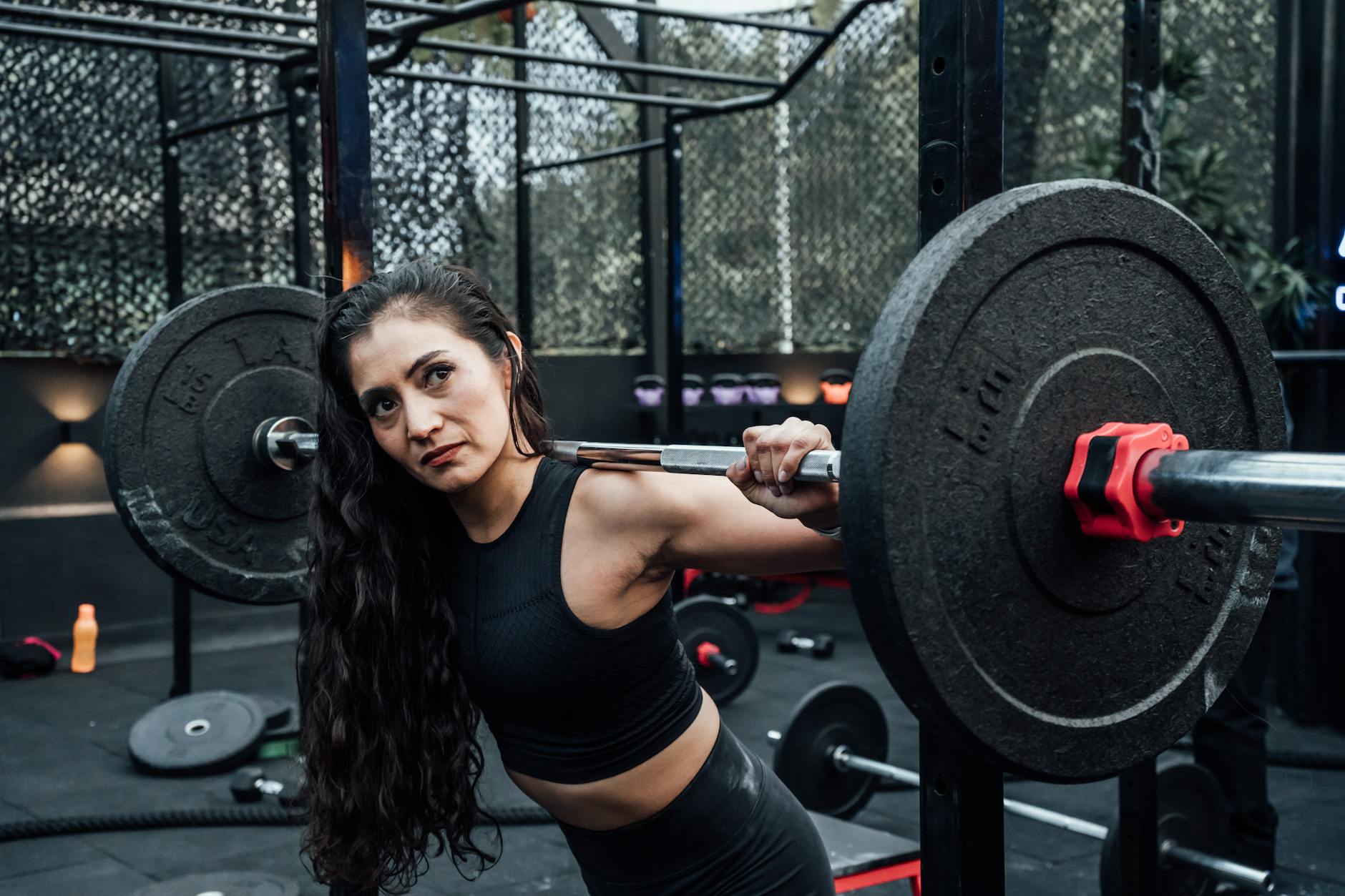
Technique must always take precedence over the amount of weight on the bar. Lifting with poor form significantly increases the risk of acute injury and chronic pain. You should focus on controlling the weight throughout the entire range of motion. Watching instructional videos or working with a trainer can help correct subtle errors in your alignment. Correct execution ensures the target muscles do the work rather than your joints.
Implement Progressive Overload

Building strength requires gradually increasing the demands placed on your muscles over time. You can achieve this by adding weight or increasing repetitions as you get stronger. This principle forces your body to adapt and grow rather than plateauing at a comfortable level. Tracking your lifts allows you to know exactly when it is time to increase the intensity. Consistent progression is the key driver of long-term physical change.
Warm Up Dynamically

A proper warm-up prepares your nervous system and muscles for the work ahead. Dynamic stretches like leg swings and arm circles increase blood flow and body temperature. This routine improves mobility and reduces the stiffness that can lead to strains. Spending five to ten minutes on movement preparation enhances overall performance during the main workout. You should avoid static stretching before lifting as it may temporarily reduce muscle power.
Schedule Rest Days

Recovery is the period when your muscles actually repair and grow stronger. Scheduling regular rest days prevents overtraining and mental burnout. You should aim for at least one or two full days off from intense lifting each week. Adequate downtime restores energy levels so you can attack your next session with intensity. Ignoring the need for rest often leads to diminished returns and potential injury.
Focus On Compound Exercises
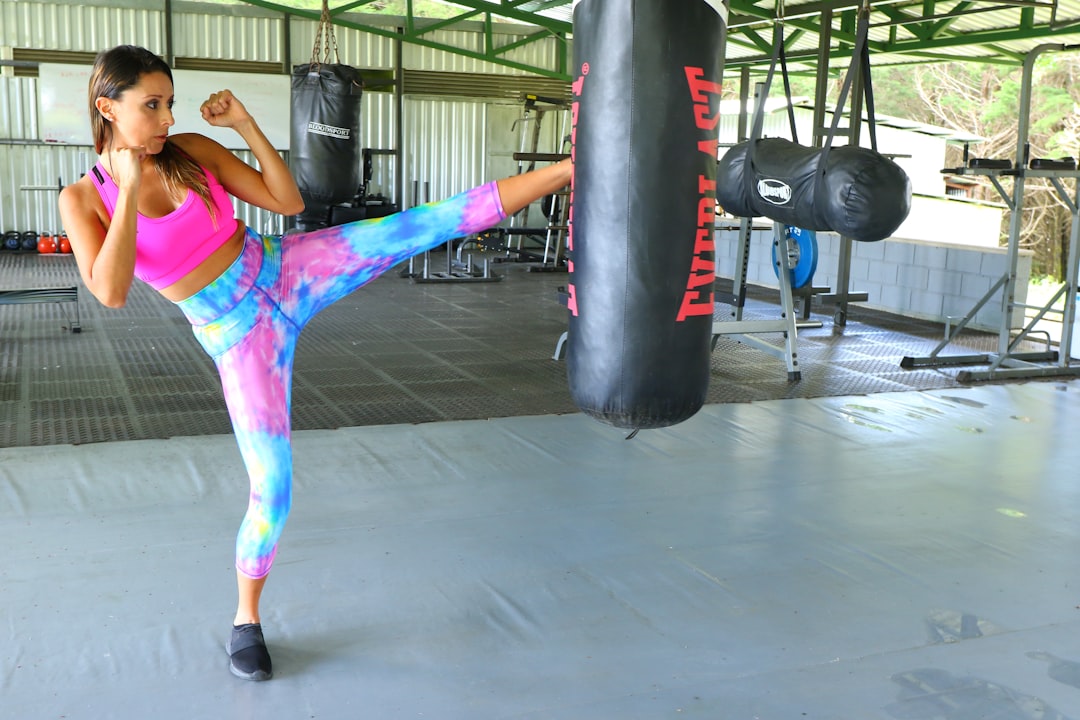
movements that involve multiple joints and muscle groups offer the most efficiency. Exercises like deadlifts and lunges burn more calories than isolation moves like bicep curls. These major lifts mimic real-life patterns and build functional strength for daily activities. Basing your routine around big movements ensures you stimulate the largest amount of muscle mass. You can add isolation work at the end of the session to target specific areas.
Stay Hydrated

Water plays a critical role in muscle function and joint lubrication during exercise. Even mild dehydration can lead to a noticeable drop in strength and focus. You should drink water consistently throughout the day rather than just during your workout. Carrying a reusable water bottle serves as a constant reminder to sip fluids. Proper hydration aids in recovery and helps flush metabolic waste products from the body.
Consume Adequate Protein

Protein provides the essential amino acids required for muscle repair and growth. Active women generally need more protein than sedentary individuals to support their training. Including a source of protein at every meal helps maintain a steady supply of nutrients. Options include lean meats and beans or high-quality powders if convenience is a priority. Meeting your daily protein needs is crucial for seeing the physical results of your hard work.
Prioritize Sleep Quality

Sleep is the most underrated tool for athletic performance and physical recovery. deep sleep cycles release growth hormones that repair tissue damage from lifting. Aiming for seven to nine hours of quality rest improves focus and energy levels. Establishing a consistent bedtime routine signals to your body that it is time to wind down. A lack of sleep can increase cortisol levels and hinder your strength gains.
Wear Flat Soled Shoes

The type of footwear you choose affects your stability during heavy lifts. Running shoes often have compressible soles that create instability during squats and deadlifts. Flat shoes like Converse or specialized lifting shoes provide a solid base of support. This firm connection to the ground allows for better force transfer and balance. investing in proper footwear can instantly improve your technique and safety.
Maintain A Training Log

Tracking your workouts removes the guesswork from your strength progression. Recording sets and reps allows you to see how far you have come over the months. A log helps you identify patterns in your energy levels and performance. You can use a simple notebook or a dedicated app on your smartphone. accurate data enables you to make informed decisions about when to increase weight.
Ignore The Scale
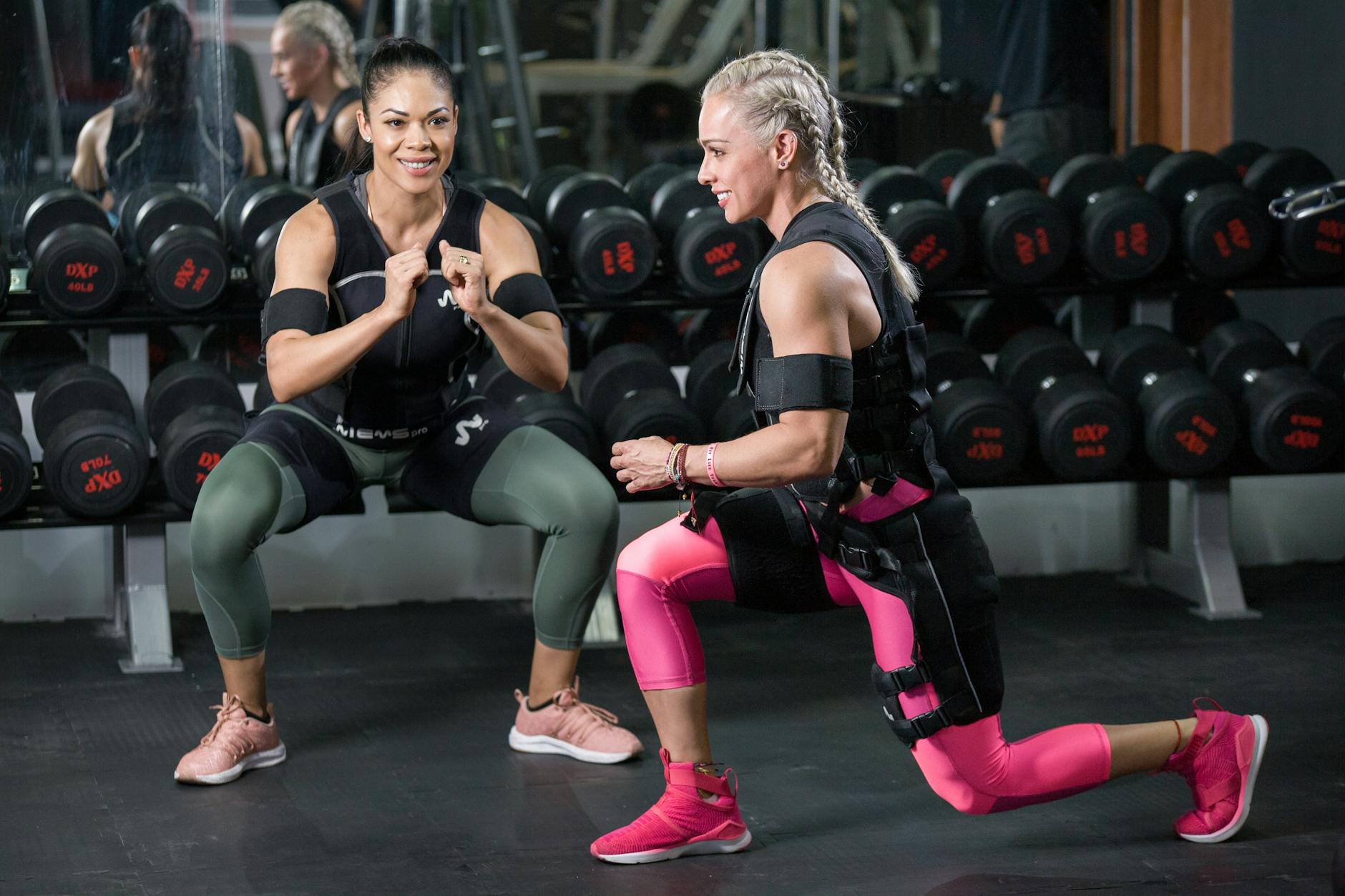
Strength training often causes the scale to stay the same or go up even as body composition improves. Muscle tissue is denser than fat and takes up less space in the body. You should focus on how your clothes fit and how strong you feel instead of a number. Relying solely on weight can be discouraging when you are actually making great progress. Physical measurements and photos provide a more accurate picture of your transformation.
Embrace The Heavy Weights
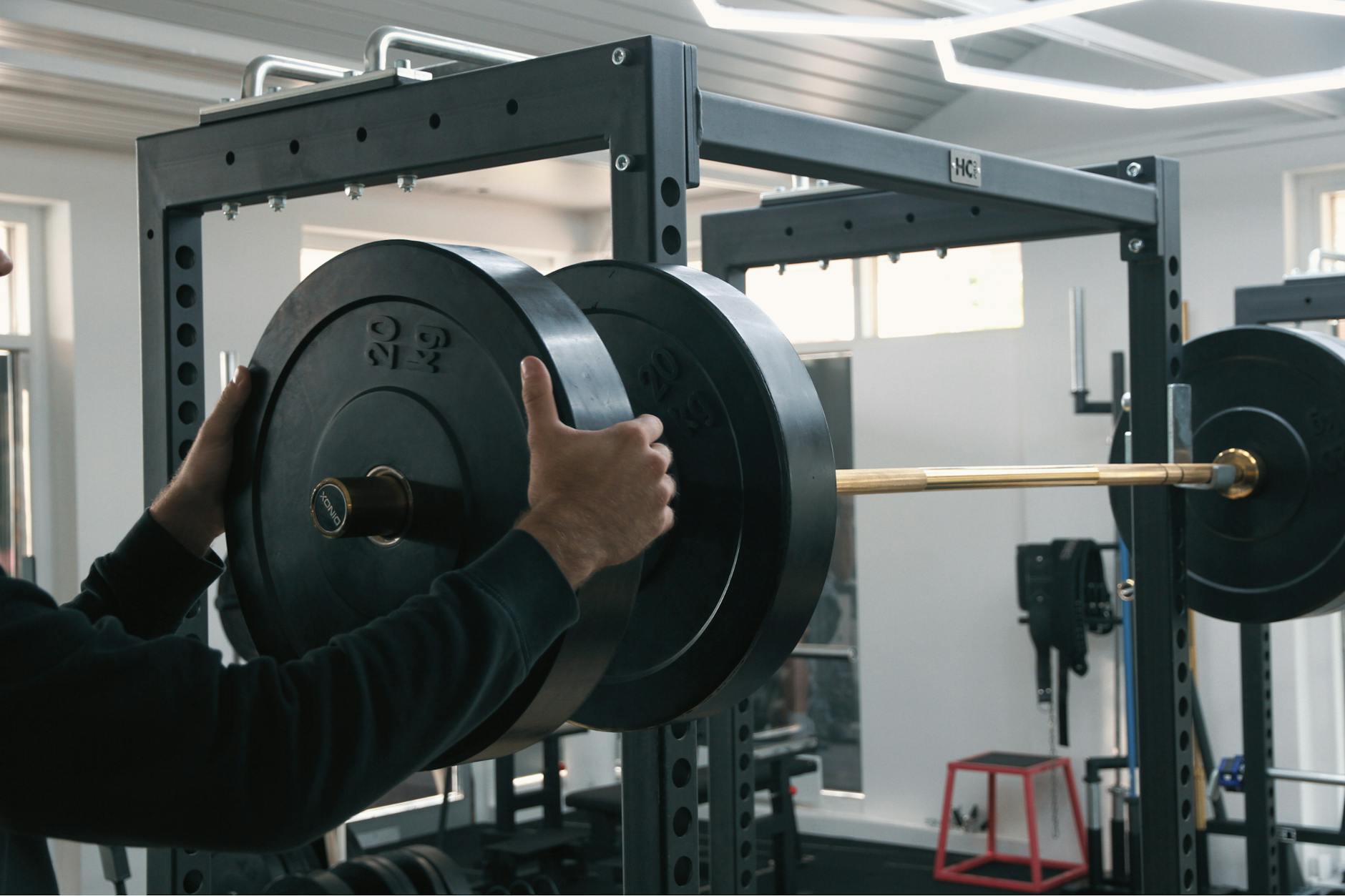
Many women fear that lifting heavy will result in a bulky physique overnight. Females typically lack the testosterone levels required to build massive muscle without extreme effort. Lifting challenging weights creates the tone and definition many women desire. You should choose a weight that makes the last few reps feel difficult but manageable. pushing your limits is necessary to stimulate the metabolic changes associated with resistance training.
Engage Your Core
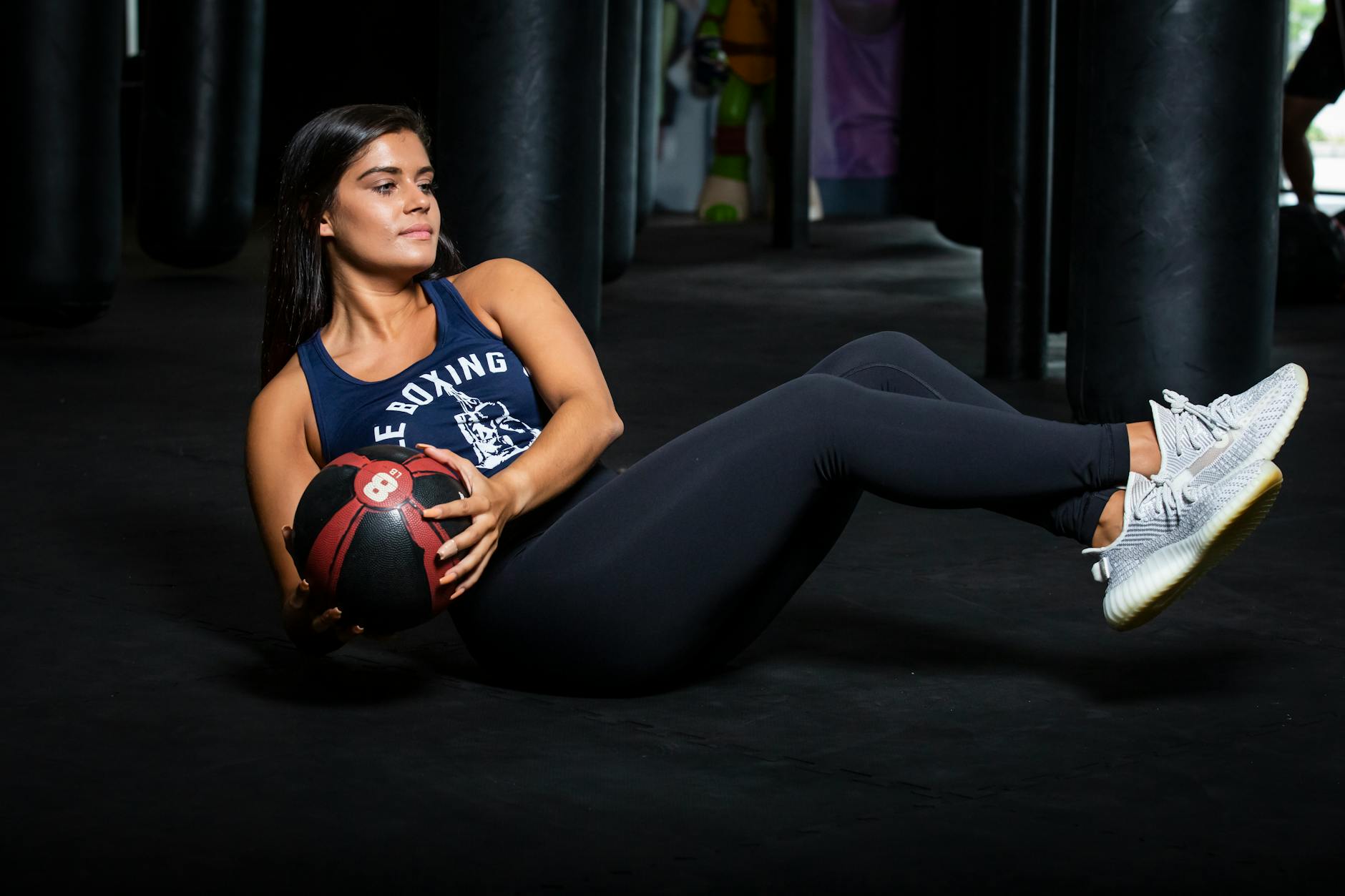
A strong core protects your lower back and improves stability in almost every exercise. You must learn to brace your abdominals as if you are about to be punched in the stomach. This internal pressure creates a rigid torso that transfers power efficiently. core engagement is essential for overhead presses and squats to prevent spinal injury. Integrating core-specific work helps support your heavier compound lifts.
Activate Your Glutes
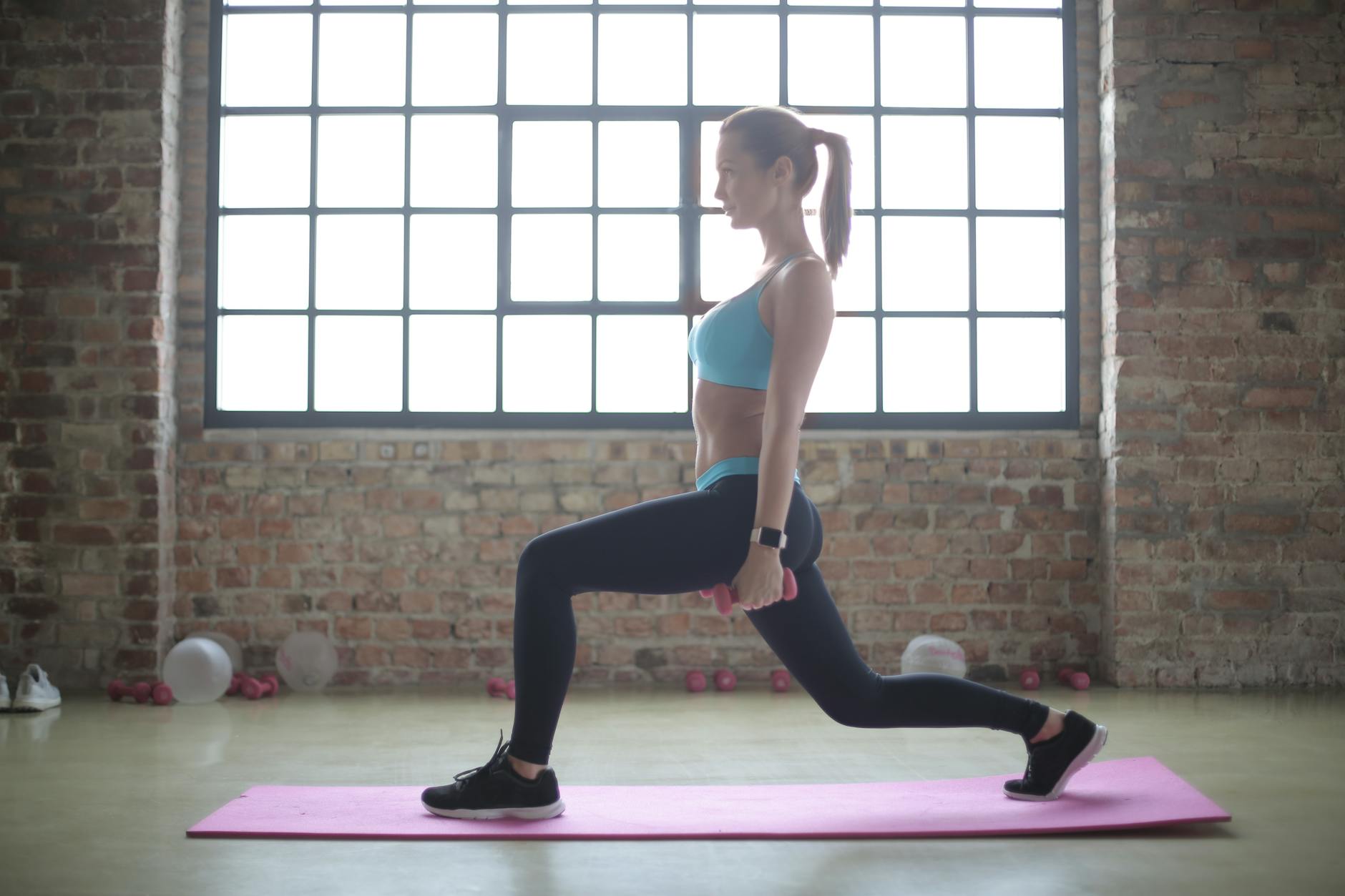
Many people suffer from dormant glutes due to sedentary lifestyles and desk jobs. Performing activation exercises like bridges before lifting wakes up these powerful muscles. Strong glutes support the lower back and improve performance in squats and lunges. conscious squeezing at the top of a movement ensures the right muscles are working. glute activation prevents the hamstrings and lower back from taking over the load.
Train Grip Strength
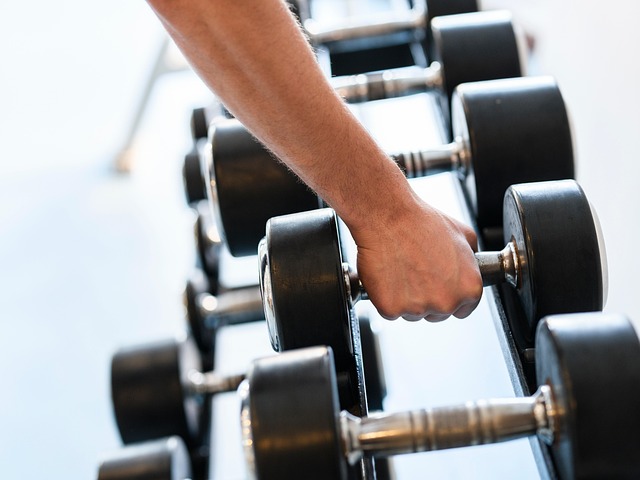
Your ability to hold onto heavy weights often fails before your major muscle groups do. incorporating exercises like farmer carries can significantly improve your grip. A stronger grip allows you to lift heavier on deadlifts and pull-ups without straps. You should avoid relying on wrist straps until your grip becomes the limiting factor. improving hand strength has practical benefits for daily tasks like opening jars or carrying bags.
Cultivate Mind Muscle Connection
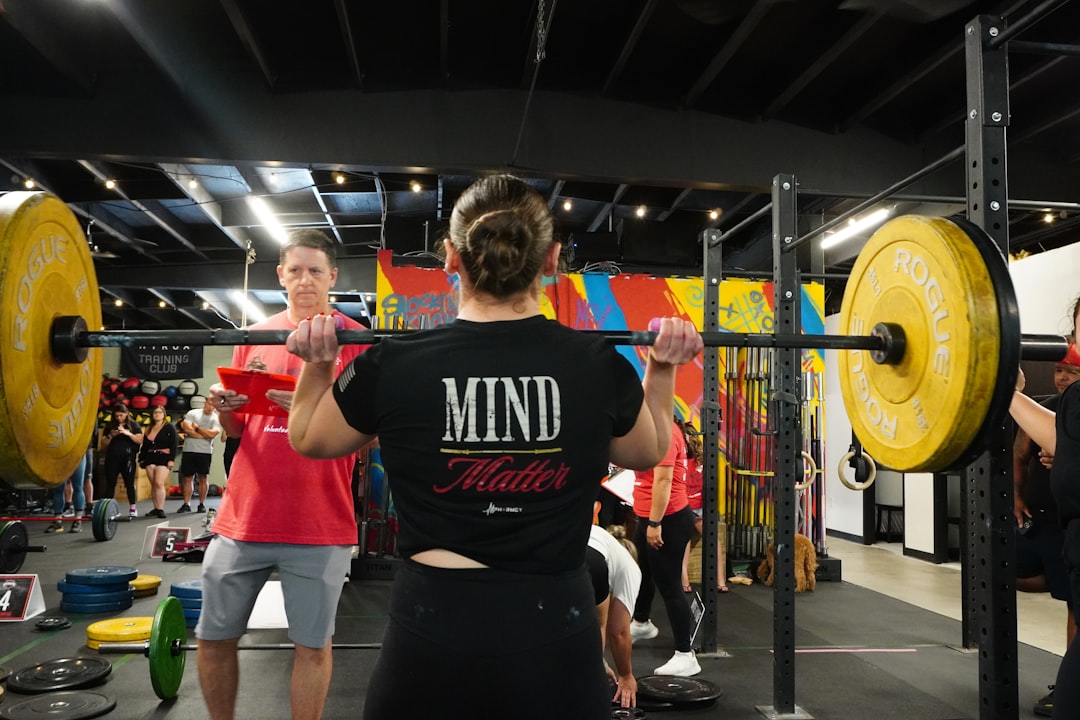
Thinking about the muscle you are working can actually increase muscle fiber recruitment. Visualizing the contraction helps you avoid relying on momentum to move the weight. You should move intentionally and squeeze at the peak of the contraction. This mental focus transforms a mediocre set into a highly effective one. slowing down the movement allows you to feel the targeted area working harder.
Practice Diaphragmatic Breathing

Proper breathing techniques stabilize the spine and regulate blood pressure during exertion. You should inhale deep into your belly before starting the eccentric phase of a lift. Exhaling forcefully during the hardest part of the movement helps power through the rep. holding your breath too long can cause dizziness or a drop in performance. rhythmic breathing keeps oxygen flowing to your working muscles.
Use A Spotter
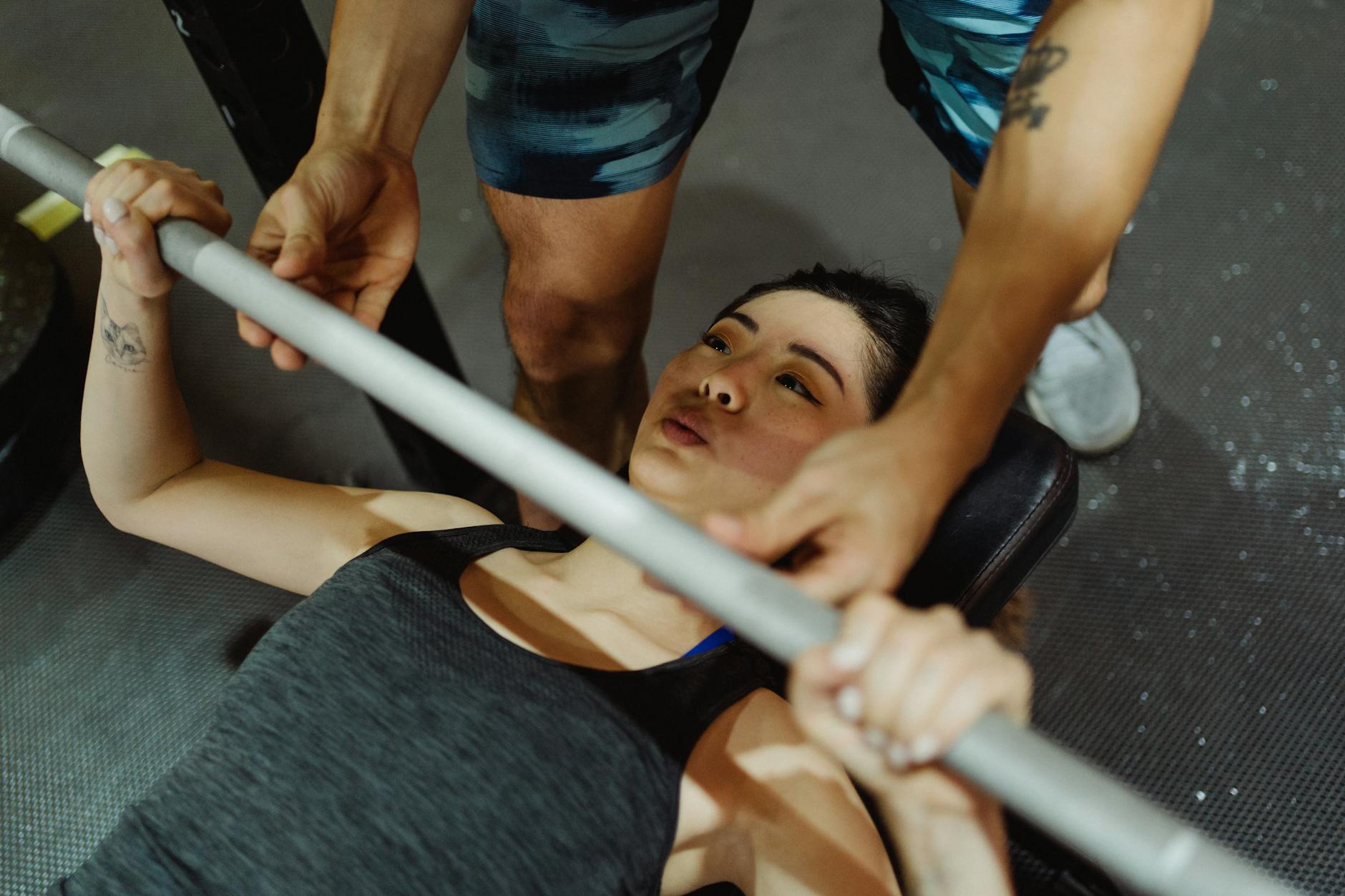
Having a spotter provides safety and confidence when attempting heavy lifts. A spotter can help you push through a sticking point without taking the weight completely. You should communicate your plan and how many reps you intend to do beforehand. Knowing someone is there to catch the bar allows you to push closer to failure. asking for help is a normal part of gym culture and ensures safety.
Follow Gym Etiquette
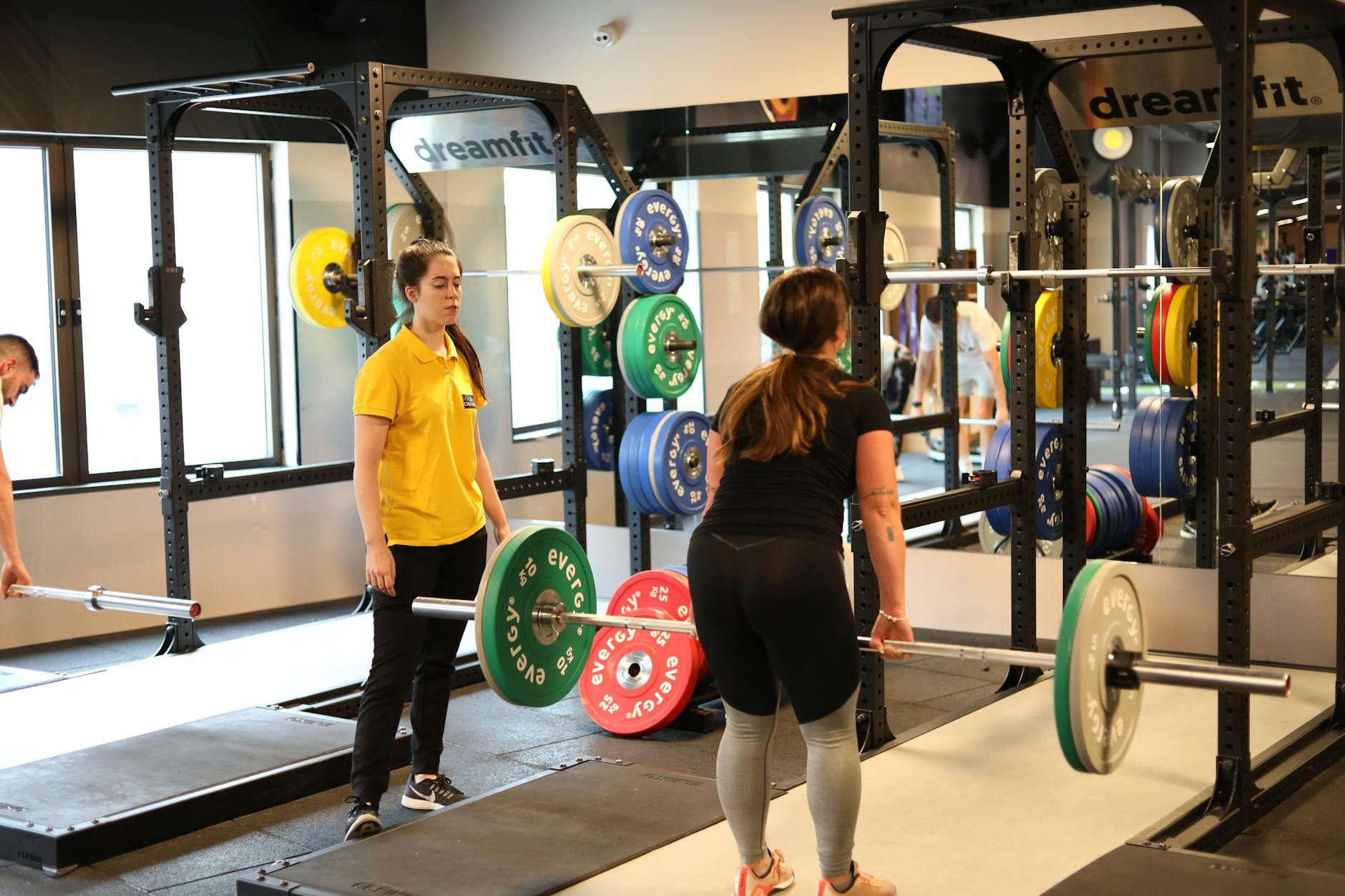
Respecting the shared space makes the gym environment more pleasant for everyone. You should always re-rack your weights and wipe down equipment after use. sharing equipment during rest intervals is common practice in busy gyms. avoiding loud phone conversations helps maintain a focused atmosphere for all members. being considerate fosters a sense of community and mutual respect.
Fuel Before Training

Eating a balanced meal or snack before working out ensures you have the energy to perform. Carbohydrates provide the primary fuel source for high-intensity lifting sessions. consuming food one to two hours prior prevents lightheadedness and fatigue. You might choose a banana or a piece of toast for quick energy. fueling properly allows you to lift heavier and sustain intensity longer.
Refuel After Training

Post-workout nutrition kickstarts the recovery process and replenishes glycogen stores. Consuming protein and carbohydrates within an hour of finishing helps repair tissue. This meal signals the body to stop breaking down muscle and start building it. Simple options like a protein shake or chicken with rice work effectively. ignoring post-workout nutrition can delay recovery and leave you feeling sore.
Consider Creatine Supplementation
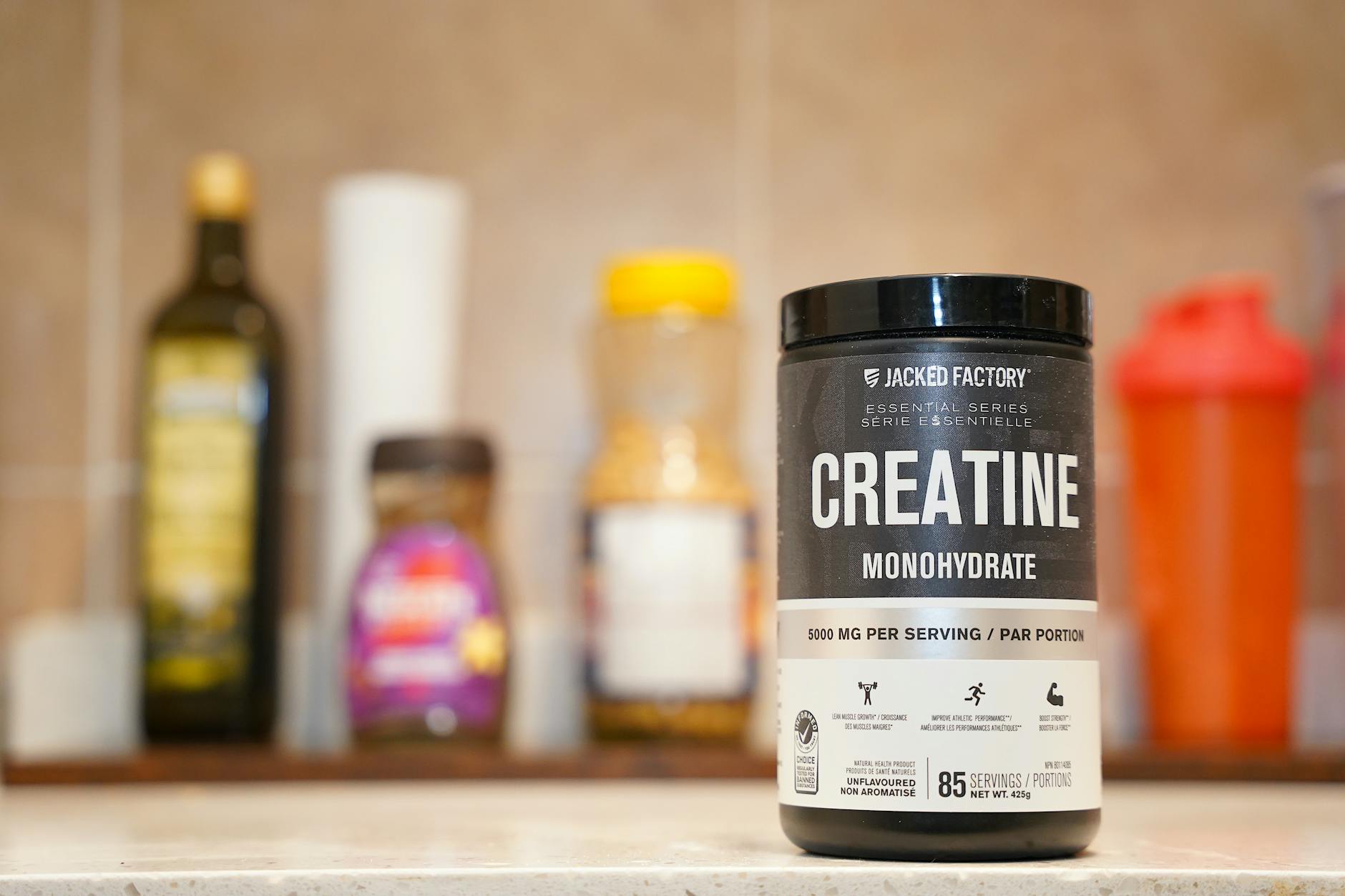
Creatine is one of the most researched and safe supplements for increasing strength and power. It helps regenerate ATP which is the energy source for short bursts of intense activity. Women who take creatine often report improved performance and slightly faster muscle growth. You should drink plenty of water when using creatine to maintain hydration. always consult a doctor before adding new supplements to your routine.
Be Consistent
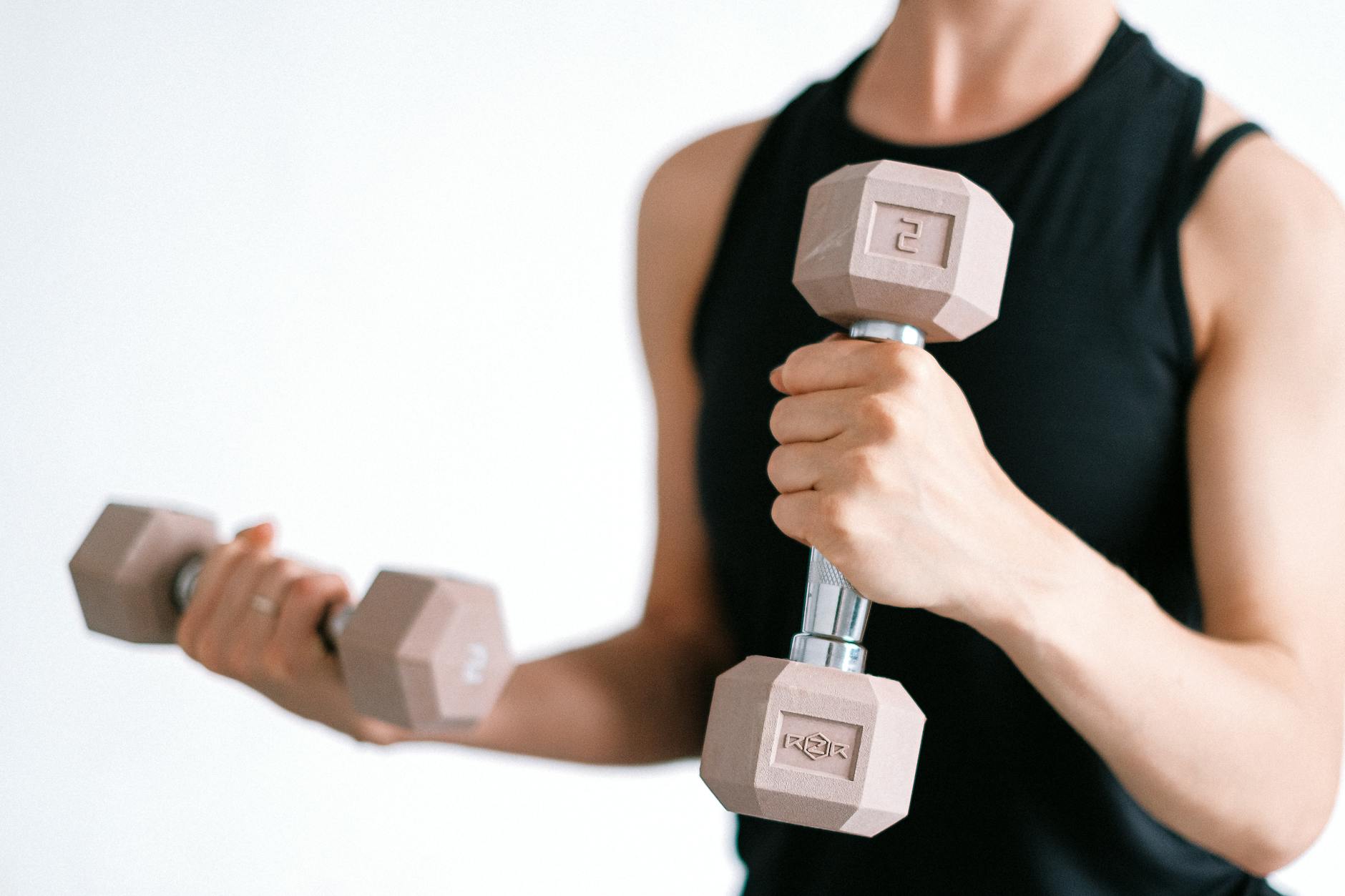
Consistency outweighs intensity when it comes to long-term results. Missing one workout will not ruin your progress but skipping weeks will. You should aim to build a routine that fits your lifestyle so you can stick to it. showing up on days when you feel unmotivated builds discipline and habit. small efforts repeated over time yield the most significant transformations.
Incorporate Variation
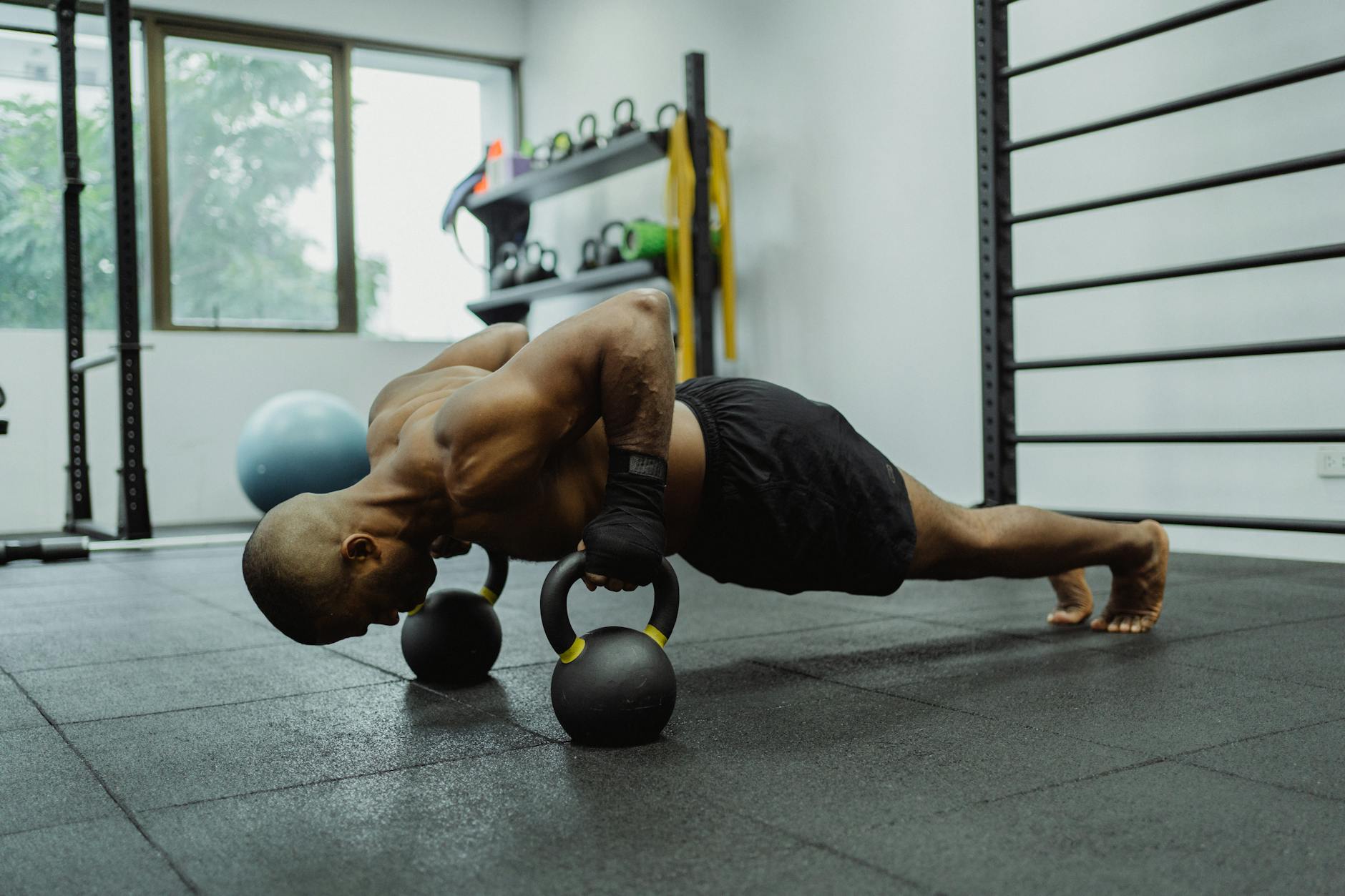
Changing your routine every few months prevents boredom and overuse injuries. Variations can include changing the grip width or the tempo of an exercise. exposing your body to new stimuli forces it to adapt and prevents plateaus. You do not need to change everything at once but small tweaks keep things fresh. maintaining interest is crucial for adhering to a fitness program for years.
Utilize Mirrors Wisely
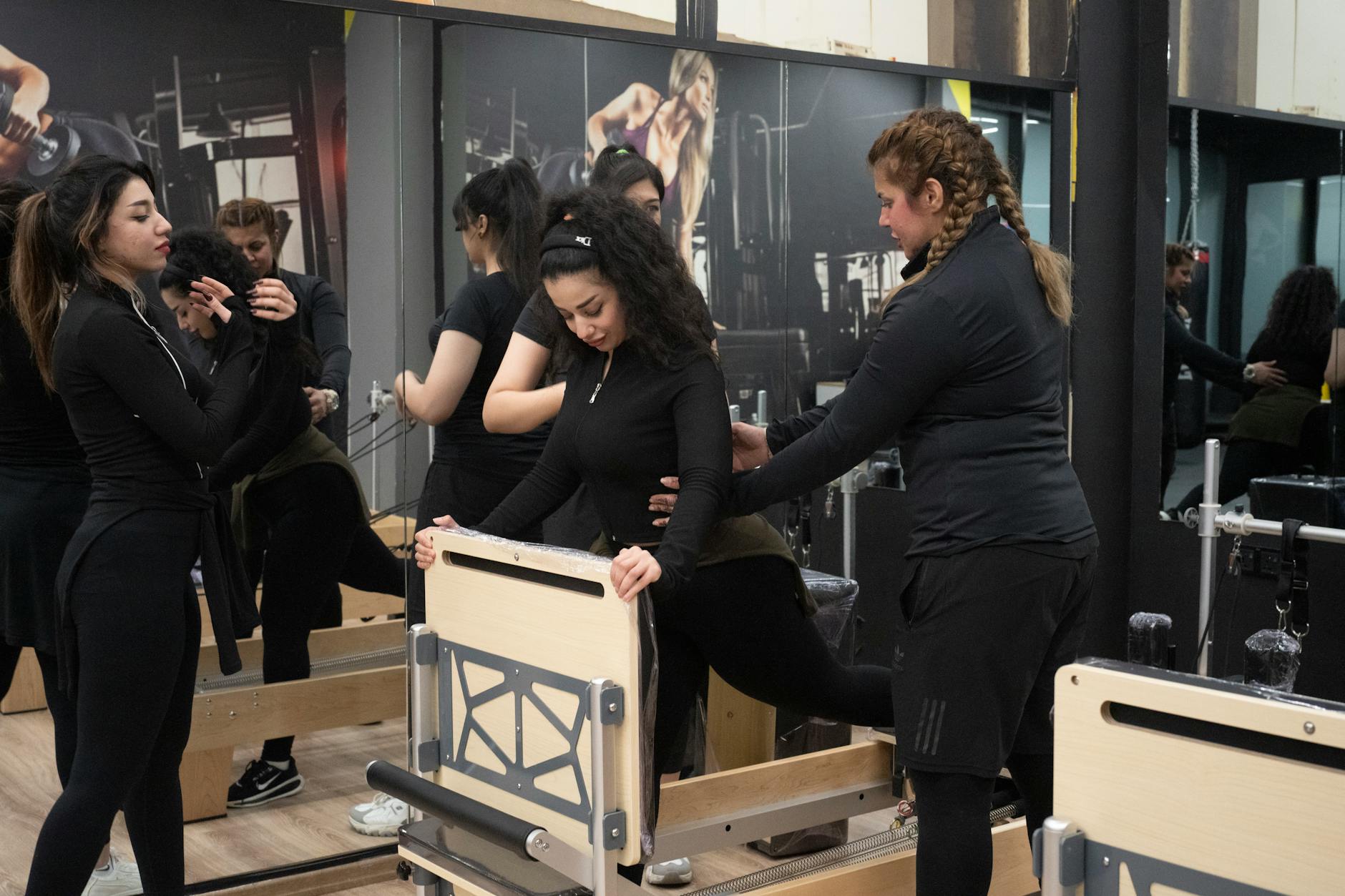
Mirrors are tools for checking form rather than just for vanity. glancing at your reflection can help verify that your knees or back are in the right position. You should avoid becoming dependent on the mirror for balance and proprioception. sometimes looking away helps you feel the movement internally rather than relying on visual cues. using the mirror strategically enhances technique without becoming a distraction.
Consider A Personal Trainer
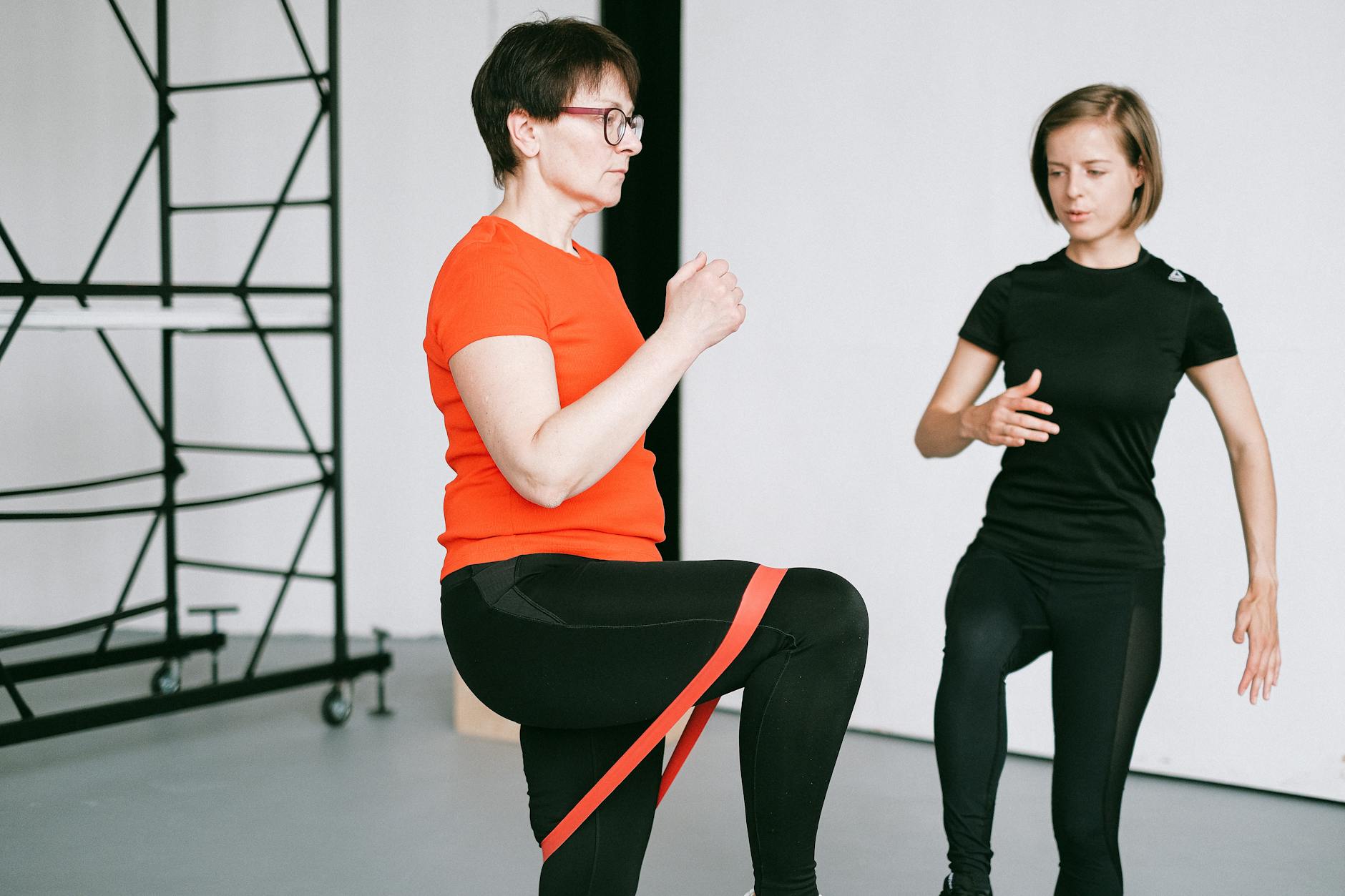
Hiring a professional can accelerate your learning curve and ensure safety. A trainer provides personalized programming tailored to your specific body and goals. They offer immediate feedback on form which is invaluable for beginners. accountability to another person often increases adherence to the program. investing in a few sessions can provide a lifetime of knowledge.
Build A Home Setup
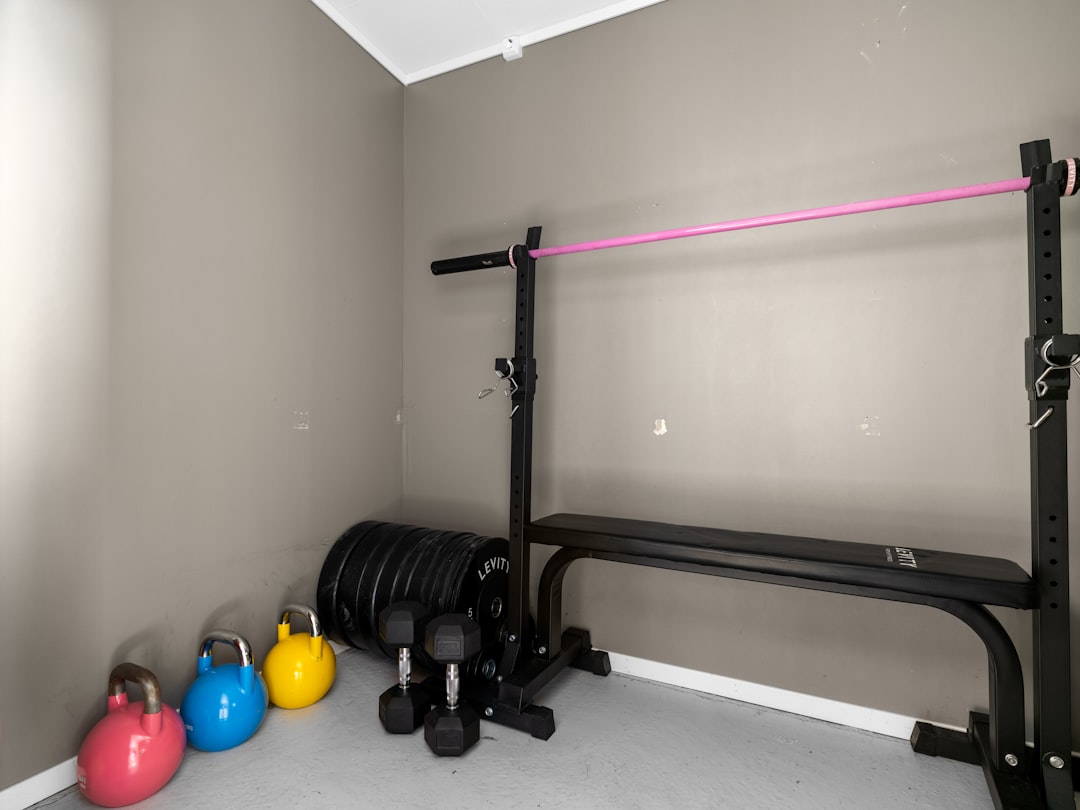
Having basic equipment at home eliminates excuses related to travel time or gym anxiety. A pair of adjustable dumbbells and a resistance band can provide a full-body workout. this convenience allows you to squeeze in a session on busy days. creating a dedicated space for exercise helps mentally prepare you for the work. home workouts can be just as effective as gym sessions with the right intensity.
Listen To Your Body

There is a distinct difference between the discomfort of effort and the sharp pain of injury. You must learn to recognize when to push through and when to back off. persistent joint pain is a signal that something is wrong with your mechanics or volume. taking an unplanned rest day is better than forcing a workout and getting hurt. honoring your physical state ensures longevity in the sport.
Track Your Menstrual Cycle

Hormonal fluctuations can significantly impact your strength and energy levels throughout the month. You may feel stronger during the follicular phase and weaker during the luteal phase. adjusting your training intensity based on your cycle can reduce frustration. knowing that a bad workout might just be hormonal helps you stay positive. tracking allows you to work with your physiology rather than against it.
Train Unilaterally
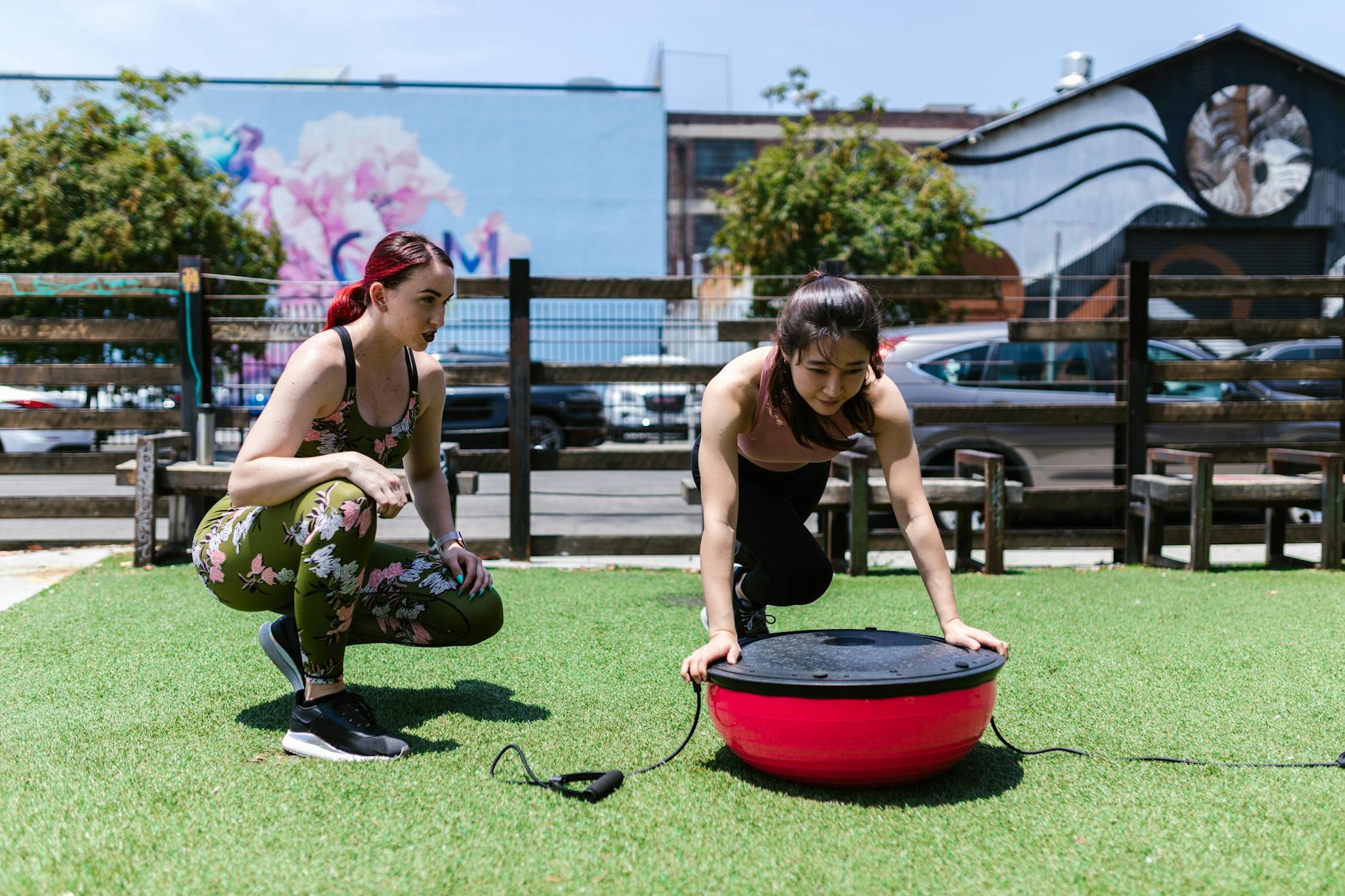
Working one side of the body at a time uncovers and corrects muscle imbalances. Exercises like split squats and single-arm rows ensure both sides are equally strong. Unilateral training improves stability and core strength due to the balance requirement. neglecting this can lead to one dominant side taking over during bilateral lifts. balanced strength reduces the risk of injury in the long run.
Mix Free Weights And Machines
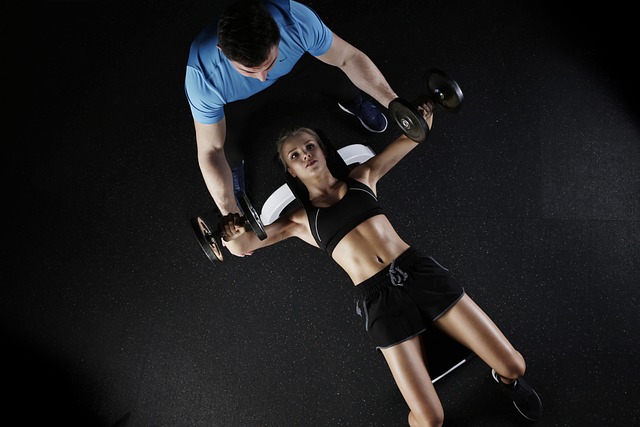
Free weights require more stabilization while machines offer a fixed path of motion. utilizing both tools provides a well-rounded approach to muscle development. machines allow you to isolate muscles safely when you are fatigued. free weights build functional coordination and stabilizer strength. a balanced program leverages the benefits of both equipment types.
Take Deload Weeks
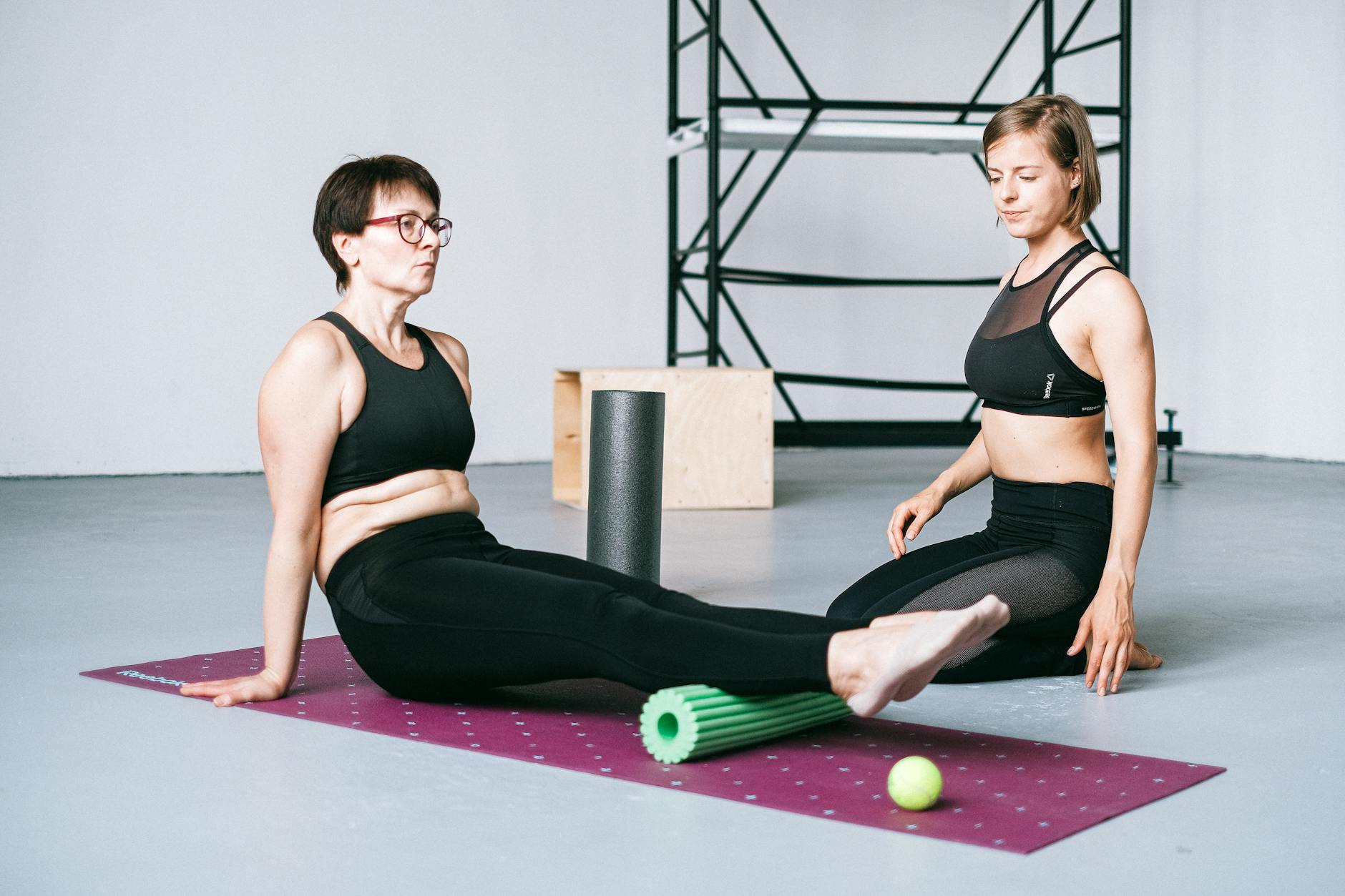
A deload week involves intentionally reducing volume or weight to allow for full recovery. pushing hard for months without a break accumulates fatigue that hampers performance. You should schedule a lighter week every four to eight weeks depending on intensity. this period restores the central nervous system and prepares you for a new block of training. returning from a deload often results in hitting new personal records.
Monitor Time Under Tension
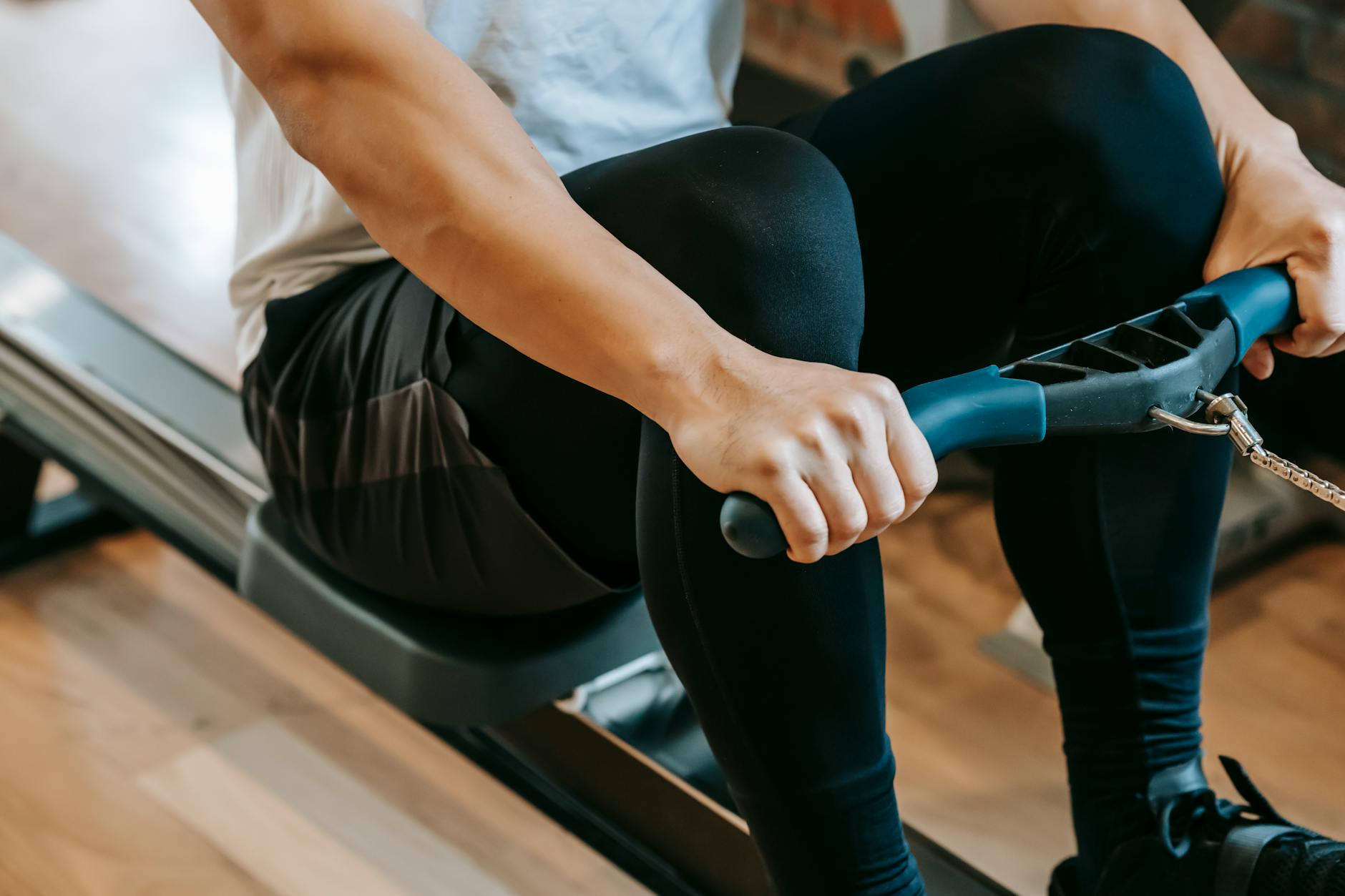
The amount of time a muscle is under strain contributes to growth and endurance. controlling the lowering phase of a lift increases the total time under tension. You should avoid letting gravity do the work on the way down. slowing the tempo forces the muscle to work harder without adding more weight. varying tempo is an excellent way to increase intensity safely.
Use Full Range Of Motion
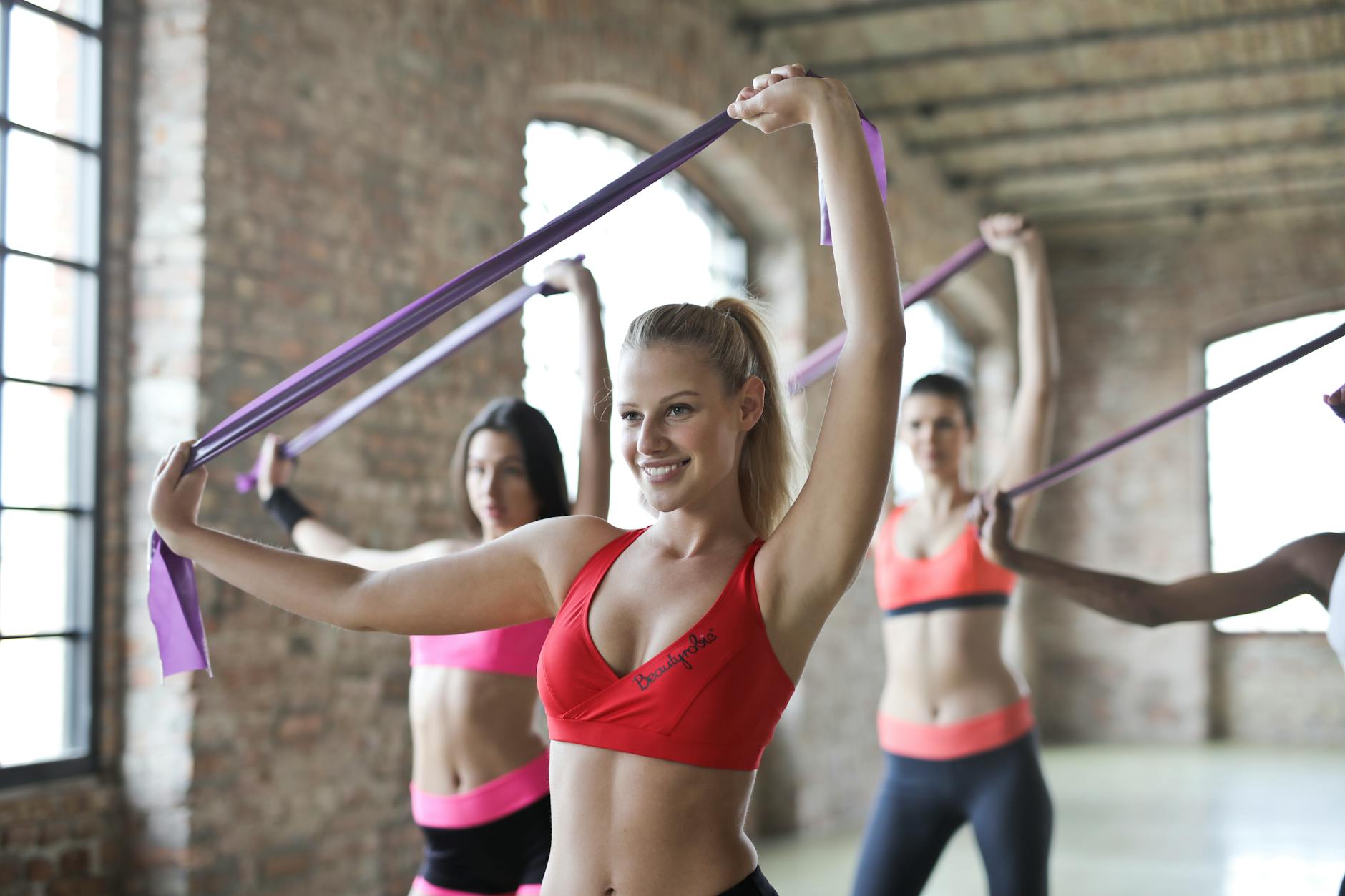
Moving through a complete range of motion ensures the entire muscle belly is trained. partial reps often neglect the stretched position where muscle damage and growth occur. You should lower weights until you feel a stretch and extend fully at the top. limiting range can lead to tight muscles and reduced mobility over time. proper depth is more impressive and effective than heavy half-reps.
Build Mental Resilience
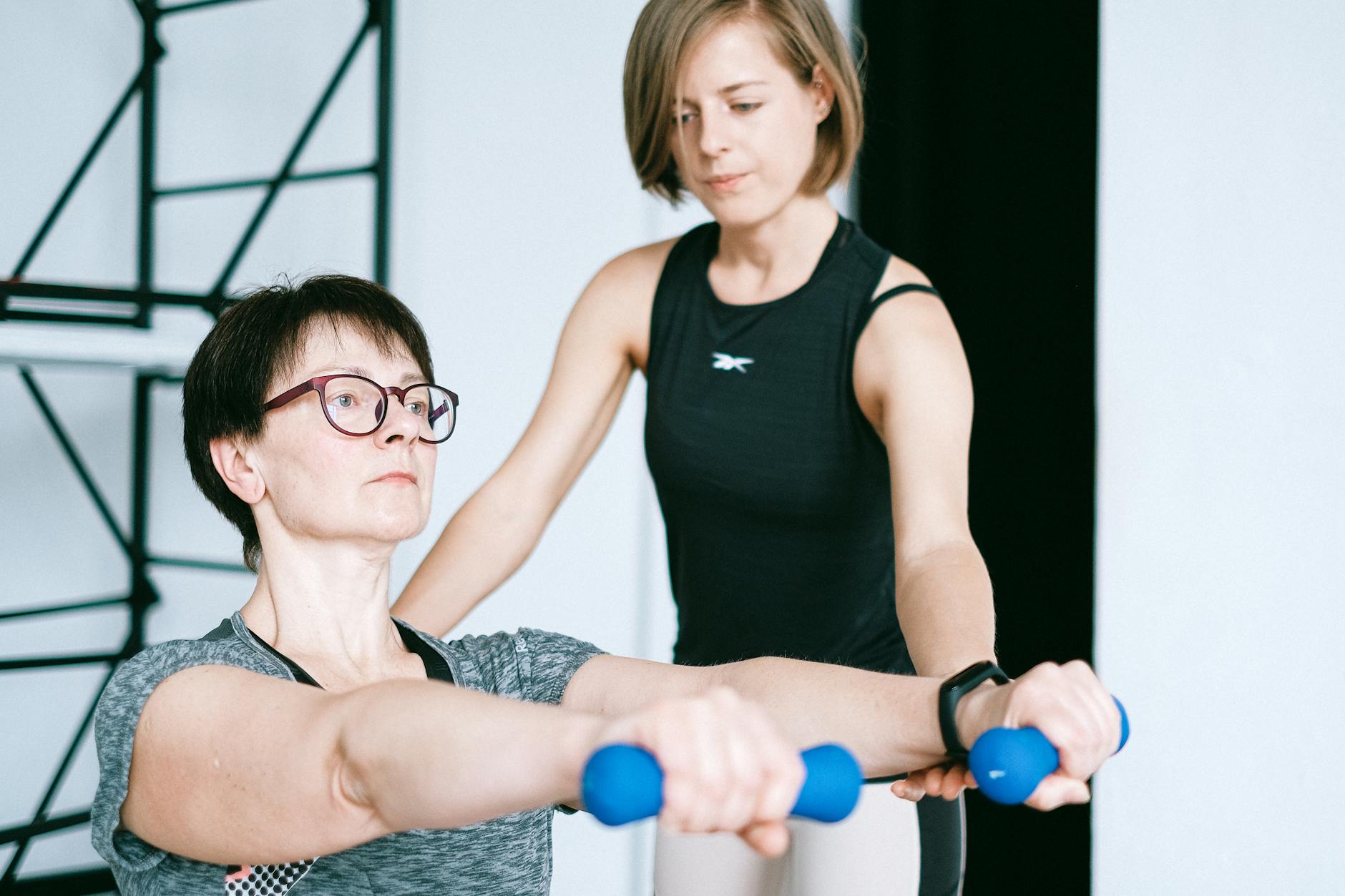
Strength training challenges your mind just as much as your body. pushing through the last difficult repetitions builds mental toughness and grit. You learn to be comfortable with being uncomfortable during hard sets. this resilience often translates to better stress management in daily life. overcoming physical barriers boosts self-confidence and self-efficacy.
Prioritize Active Recovery
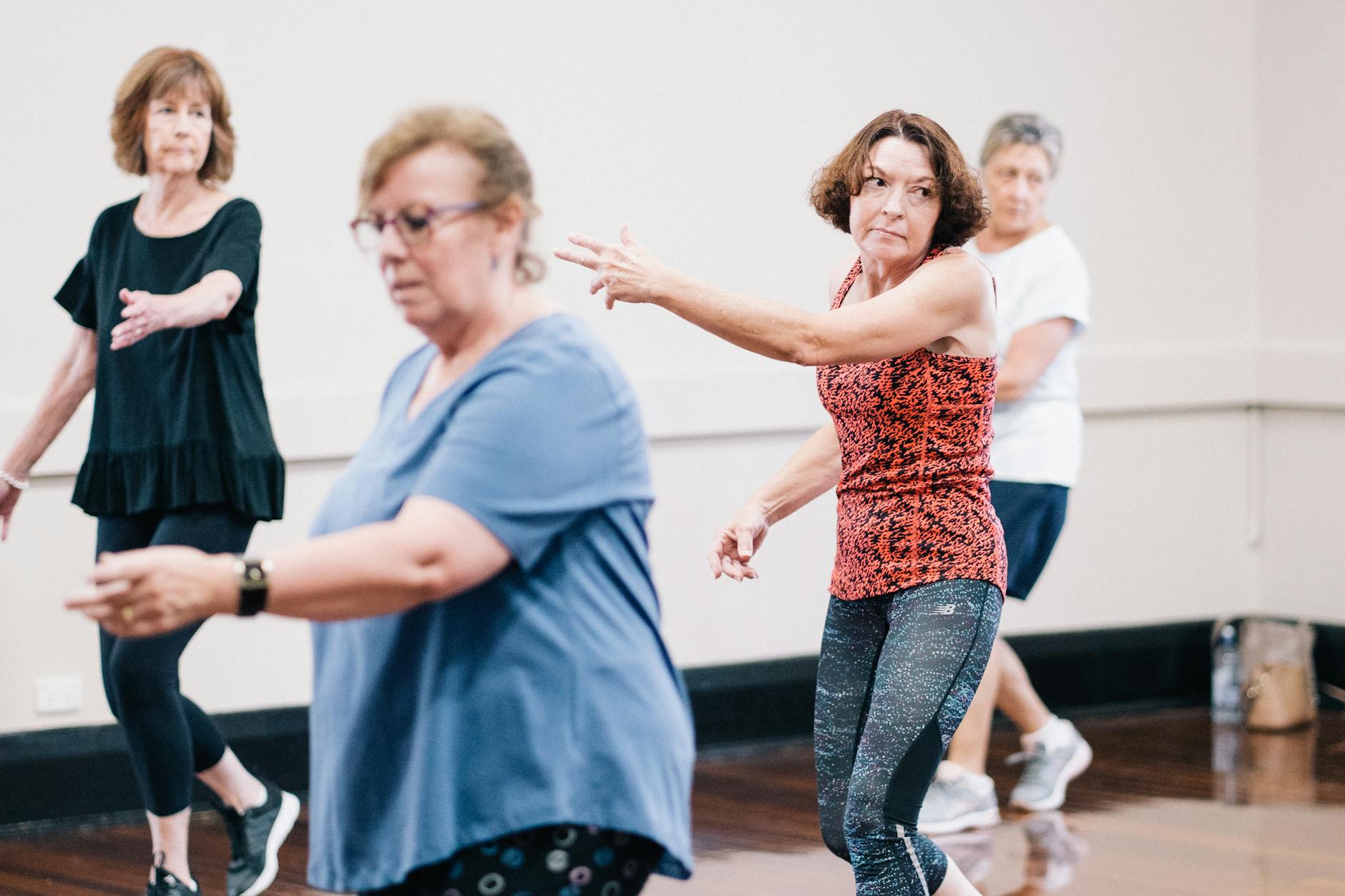
Active recovery involves low-intensity movement on rest days to promote blood flow. Walking or light cycling helps flush out metabolic waste and reduces soreness. You should avoid high-impact activities that add stress to the body during these times. gentle movement keeps joints lubricated and maintains mobility. staying active even on off days supports consistency and health.
Work On Mobility
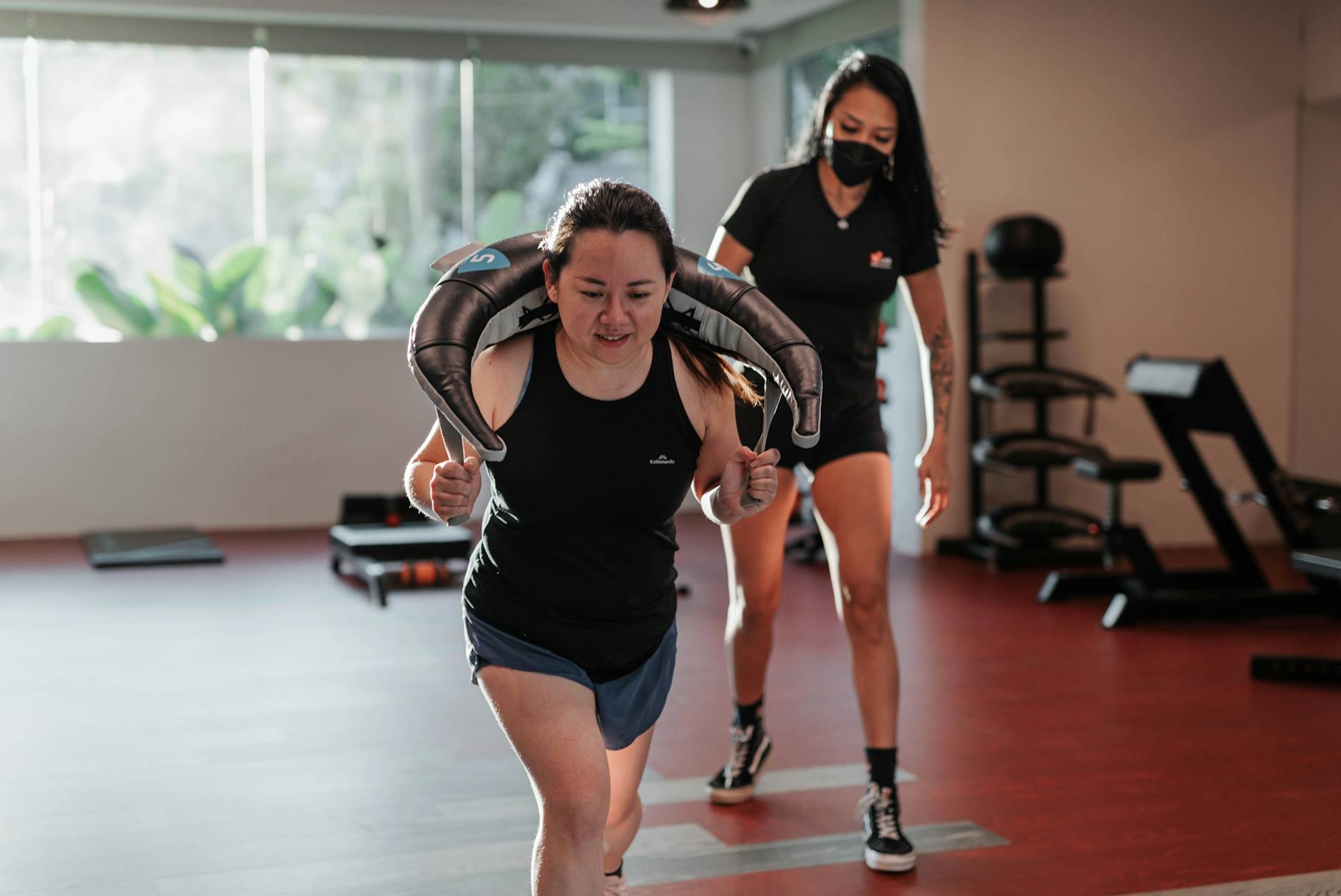
Mobility is the ability to move a joint actively through its full range of motion. Restrictions in hips or ankles can prevent proper form in squats and lunges. incorporating mobility drills into your routine keeps your joints healthy and functional. regular maintenance prevents the stiffness that comes with heavy lifting. better mobility allows for better positions and safer lifting mechanics.
Manage Plate Weights Properly

Loading and unloading the bar is a skill that requires attention to avoid injury. You should slide plates on evenly and secure them with clips to prevent shifting. removing weights from one side entirely can cause the bar to flip dangerously. practicing good housekeeping with weights is a sign of an experienced lifter. handling heavy plates builds incidental grip and core strength.
Choose Appropriate Gear
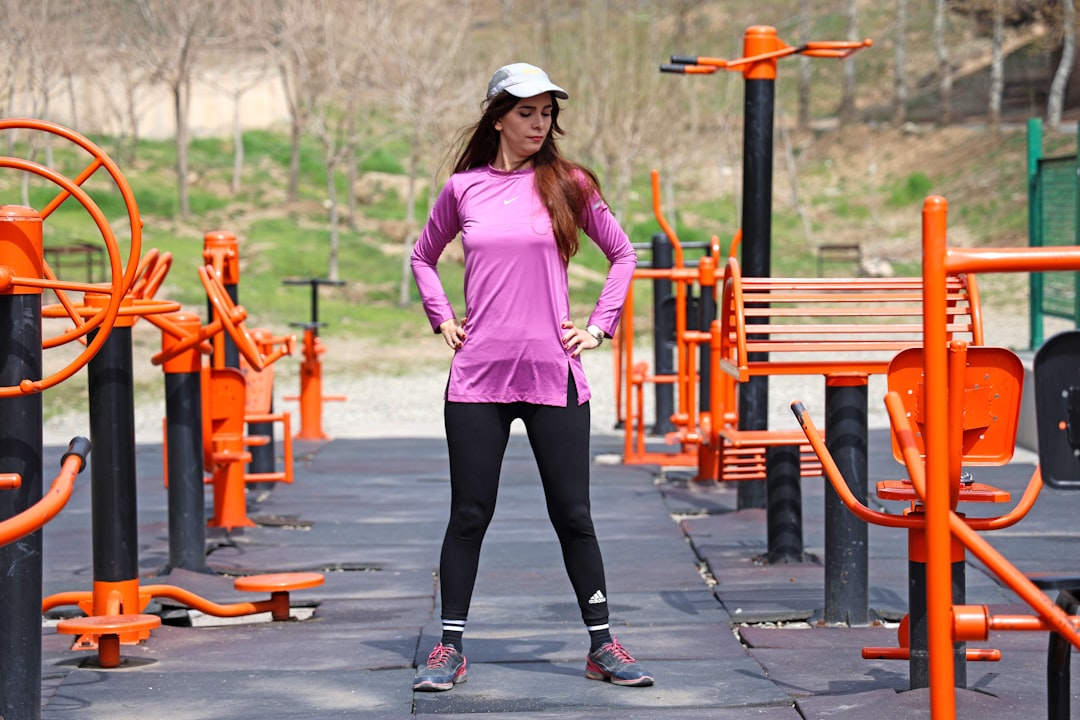
Clothing should allow for a full range of motion without being distracting or restrictive. High-waisted leggings often provide comfort and coverage during squats and bends. You should choose fabrics that wick sweat away to prevent chafing and irritation. avoiding jewelry that can catch on equipment is a safety necessity. feeling good in your workout gear can provide a subtle confidence boost.
Enjoy The Process

Finding joy in the feeling of getting stronger ensures you will keep coming back. You should celebrate small victories like perfecting form or adding five pounds. viewing exercise as a celebration of what your body can do shifts your mindset. engaging in a style of training you hate makes adherence nearly impossible. fun is a crucial component of a sustainable fitness lifestyle.
Share your favorite strength training tips or experiences in the comments.