Incorporating more fiber into a daily diet is essential for maintaining digestive health and sustaining energy levels throughout the day. Many people mistakenly believe that high-fiber foods are bland or difficult to prepare but nature offers a vast array of delicious options. From sweet berries and creamy fruits to hearty grains and versatile legumes there is something to suit every palate. Increasing fiber intake can also support heart health and help manage blood sugar levels effectively. This guide explores forty-five tasty ingredients that make hitting daily nutritional goals both easy and enjoyable.
Raspberries
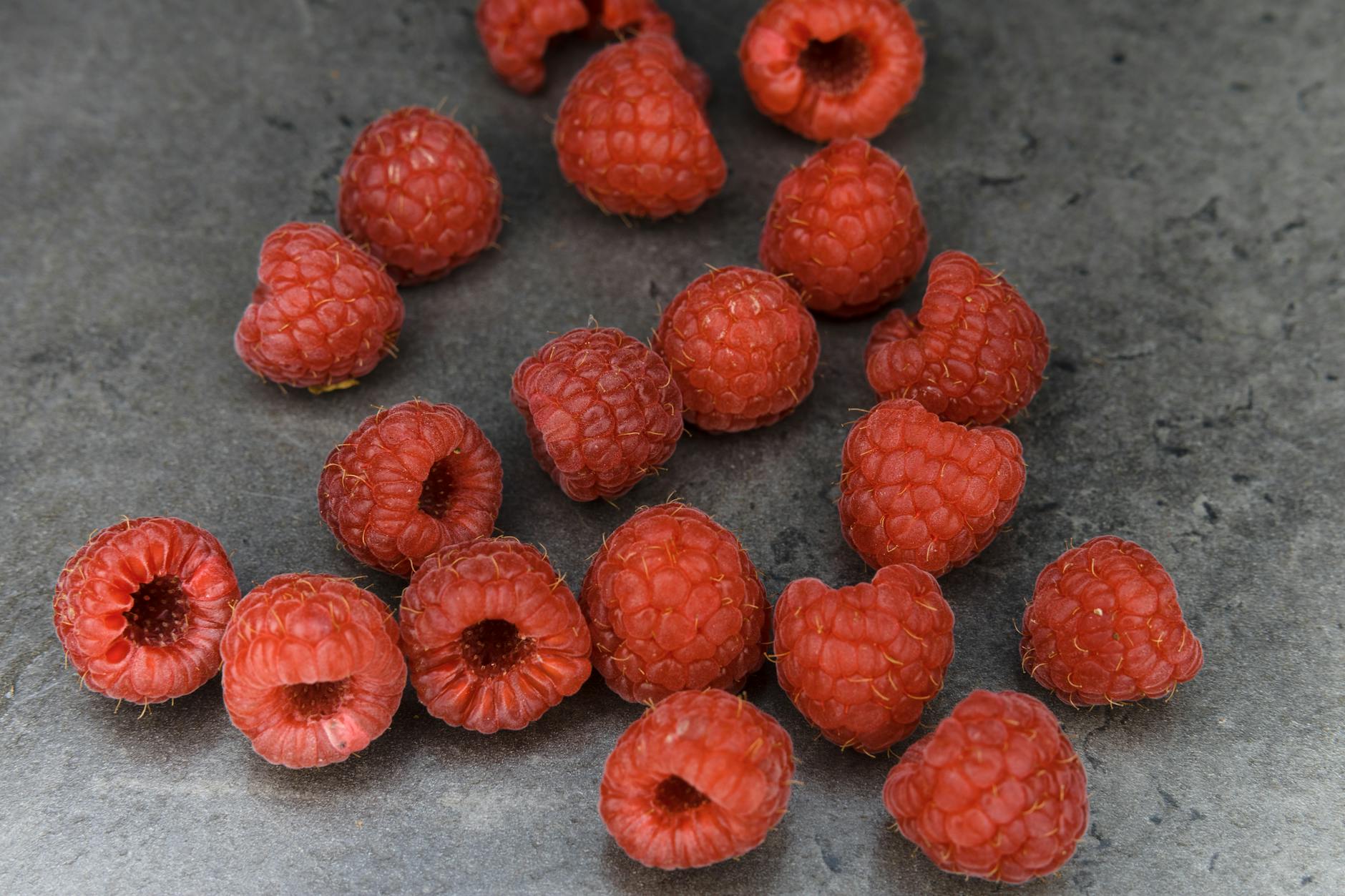
These vibrant red berries pack an impressive amount of fiber into every serving while offering a bright and tart flavor profile. They contain essential antioxidants like vitamin C that support immune function and skin health. You can easily add them to morning yogurt or oatmeal for a natural sweetness without added sugars. Their delicate texture makes them a perfect snack to eat fresh or a great addition to summer salads.
Pears
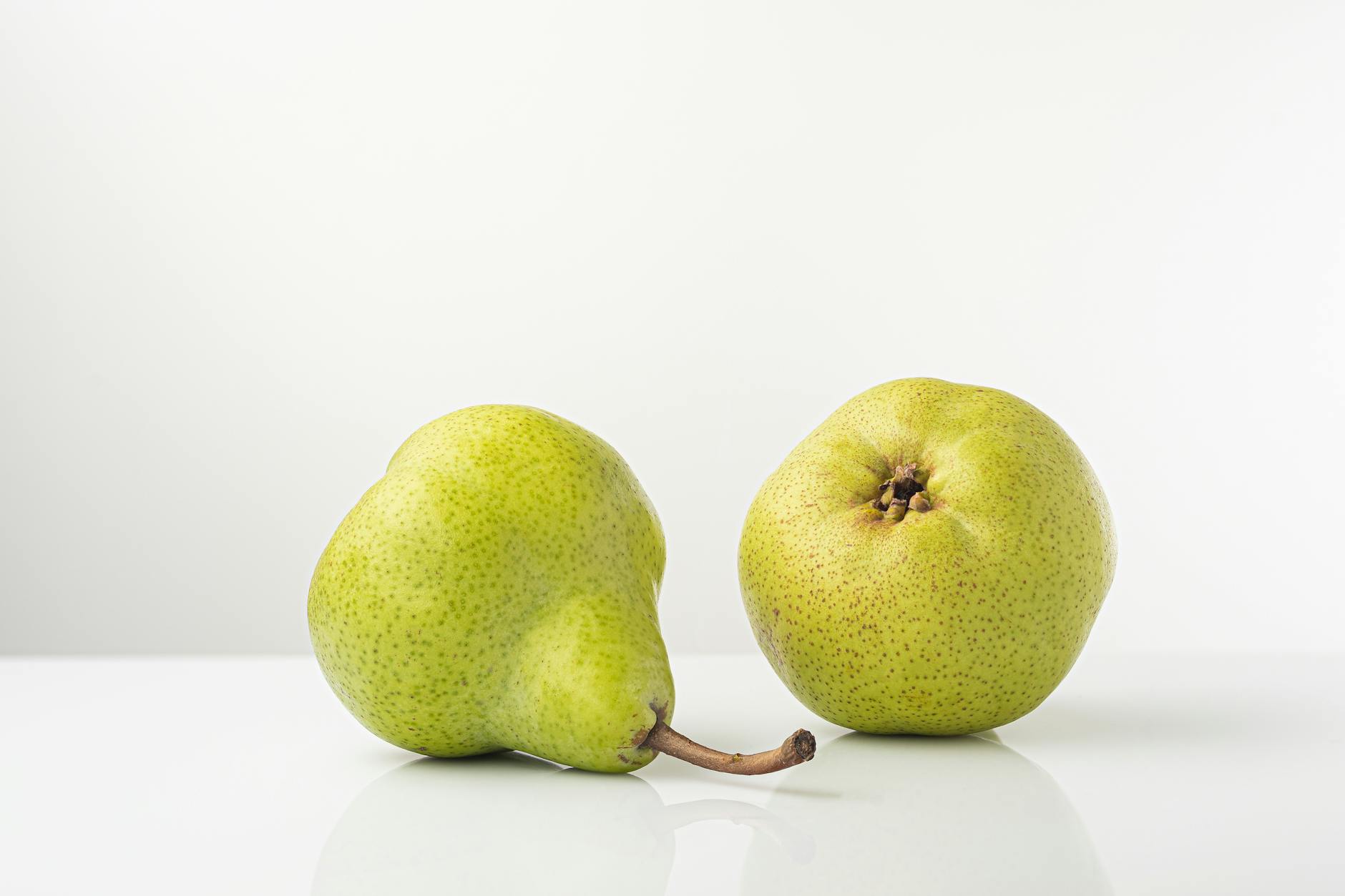
Pears are a mild and sweet fruit that provides a significant amount of dietary fiber particularly when the skin is left on during consumption. They offer a unique grainy texture and become incredibly juicy when fully ripe. Slicing them onto a cheese board or baking them with cinnamon creates a sophisticated treat that feels indulgent. This fruit is also a good source of potassium and vitamin K to support overall wellness.
Artichokes

The artichoke is often overlooked despite being one of the most fiber-dense vegetables available in the produce aisle. It features a nutty and earthy flavor that pairs beautifully with lemon and olive oil. Preparing fresh artichokes requires some effort but the tender heart is a rewarding and nutrient-packed prize. Canned or jarred artichoke hearts offer a convenient alternative for tossing into pasta dishes or grain bowls.
Lentils
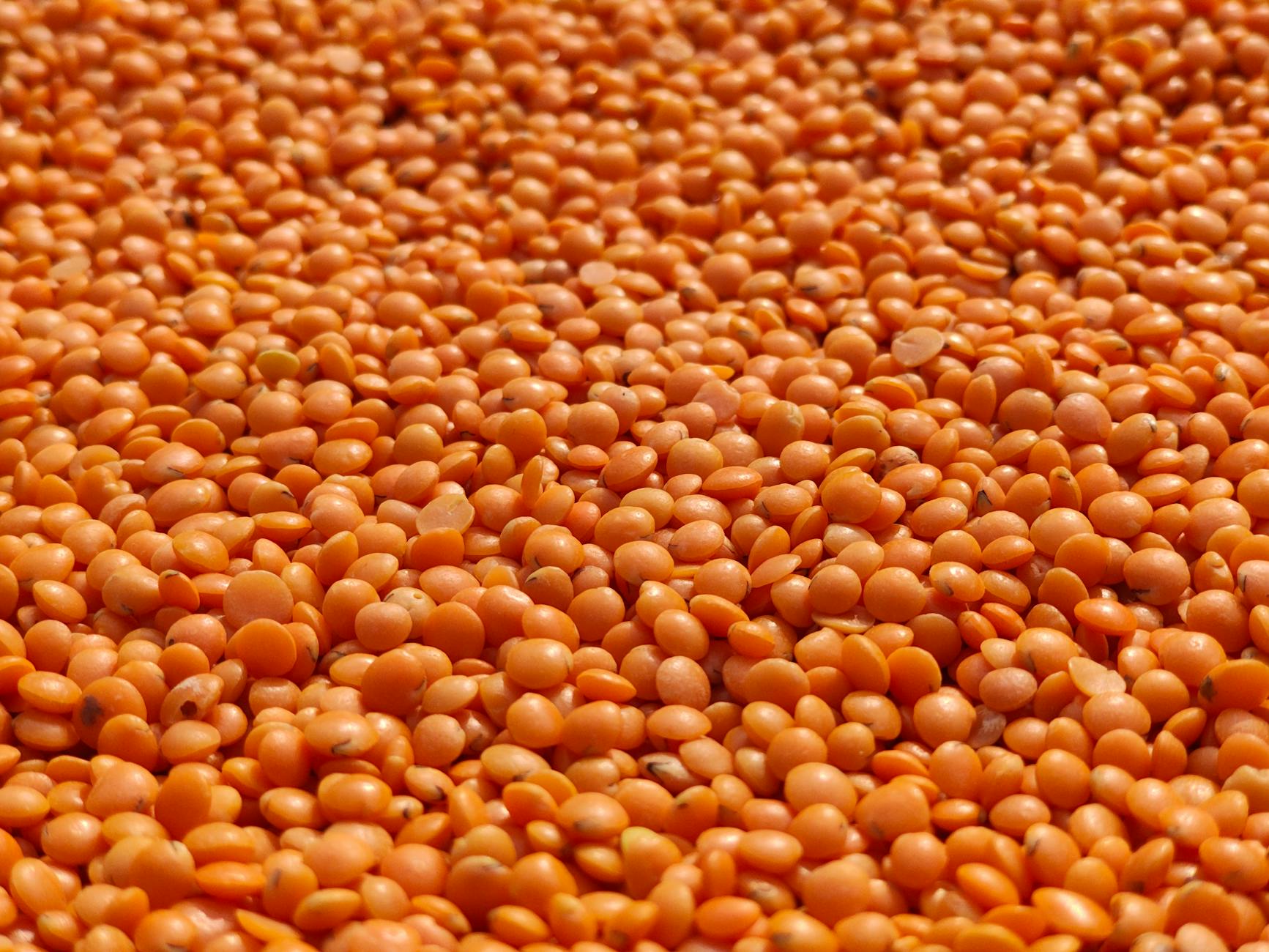
Lentils act as a nutritional powerhouse by delivering high protein alongside their substantial fiber content. They come in various colors including red and green and brown which all offer slightly different textures and cooking times. These legumes absorb flavors readily making them an ideal base for soups and stews and curries. Cooking them requires no soaking beforehand which makes them a quick option for weeknight meals.
Avocados
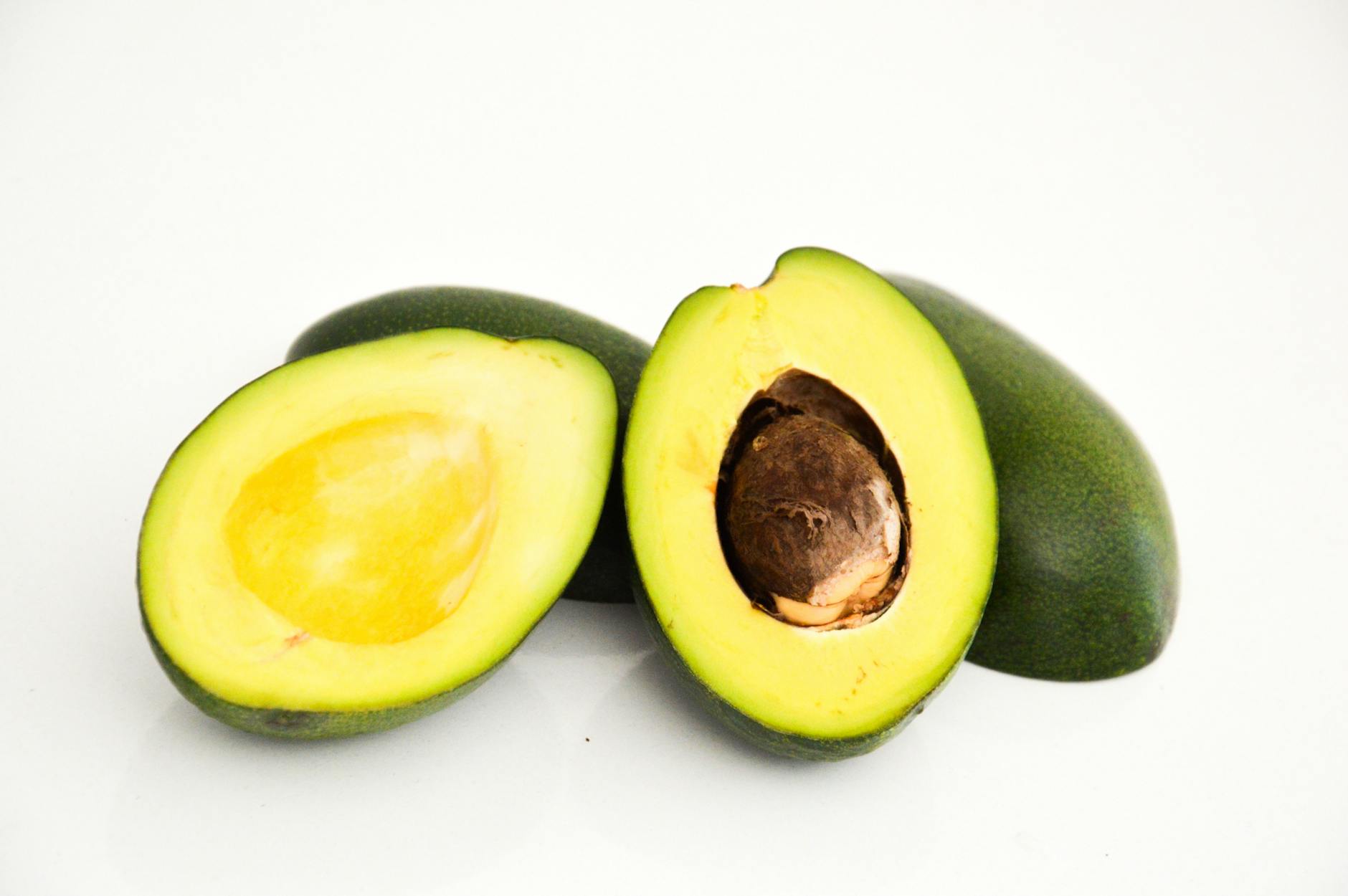
This creamy fruit is unique because it provides healthy monounsaturated fats along with a surprising amount of fiber. Its rich texture allows it to serve as a satisfying substitute for butter or mayonnaise in sandwiches and spreads. Avocados contain potassium and folate which contribute to heart health and cellular function. Slicing them onto toast or blending them into smoothies adds density and nutrition to any meal.
Popcorn

Air-popped popcorn is a whole grain snack that offers high volume and satisfaction for relatively few calories. It serves as a blank canvas for various seasonings ranging from savory nutritional yeast to sweet cinnamon. The hull of the kernel contains most of the fiber and antioxidants found in corn. Avoiding excessive butter and salt keeps this movie night staple a healthy choice for digestion.
Chia Seeds
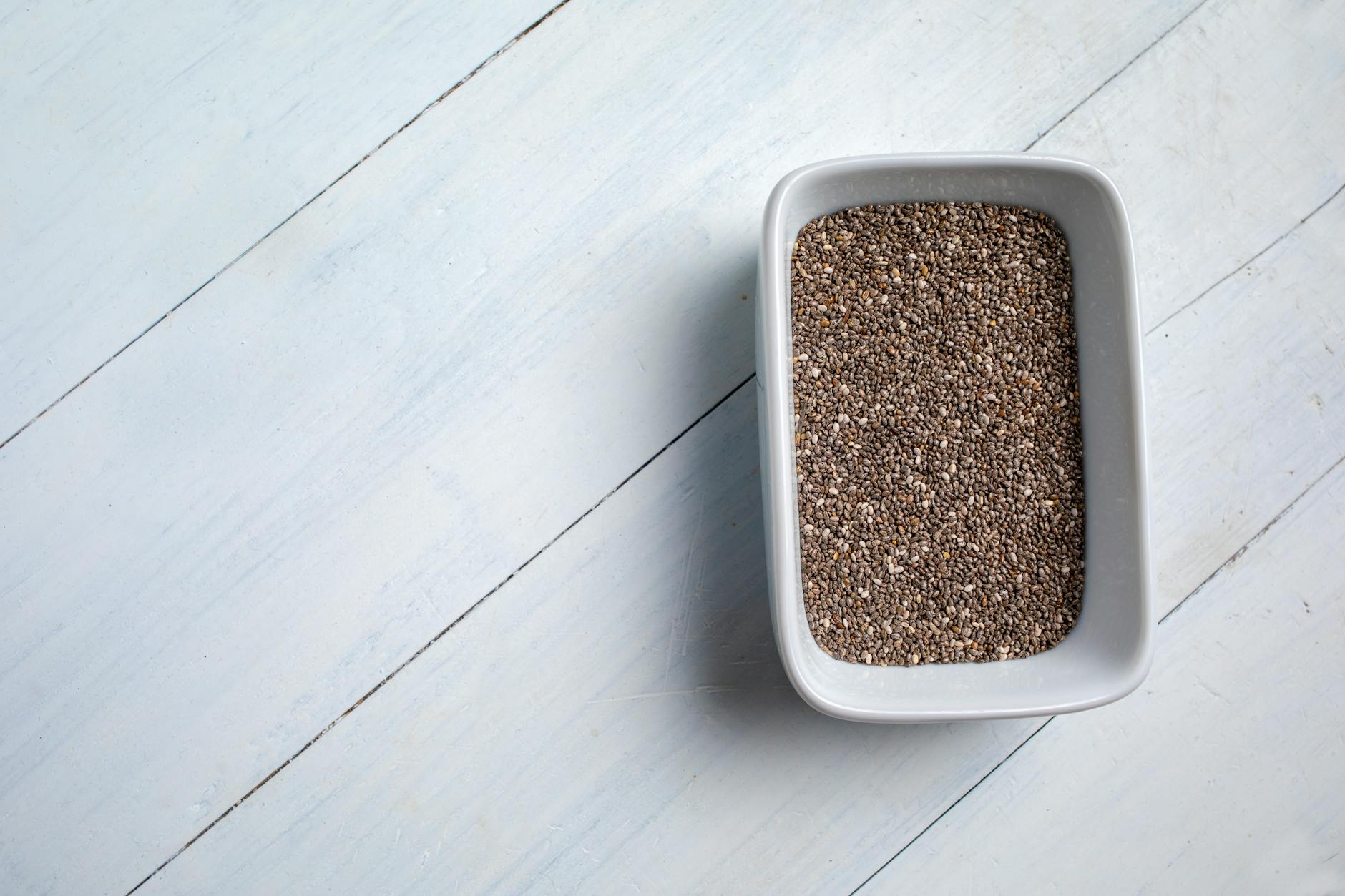
These tiny black seeds swell when exposed to liquid and create a gel-like consistency that aids in hydration and digestion. They contain high levels of omega-3 fatty acids which are beneficial for brain and heart health. You can sprinkle them over salads or blend them into smoothies without altering the flavor profile significantly. Making chia pudding by soaking them in almond milk creates a nutrient-dense breakfast or dessert.
Brussels Sprouts
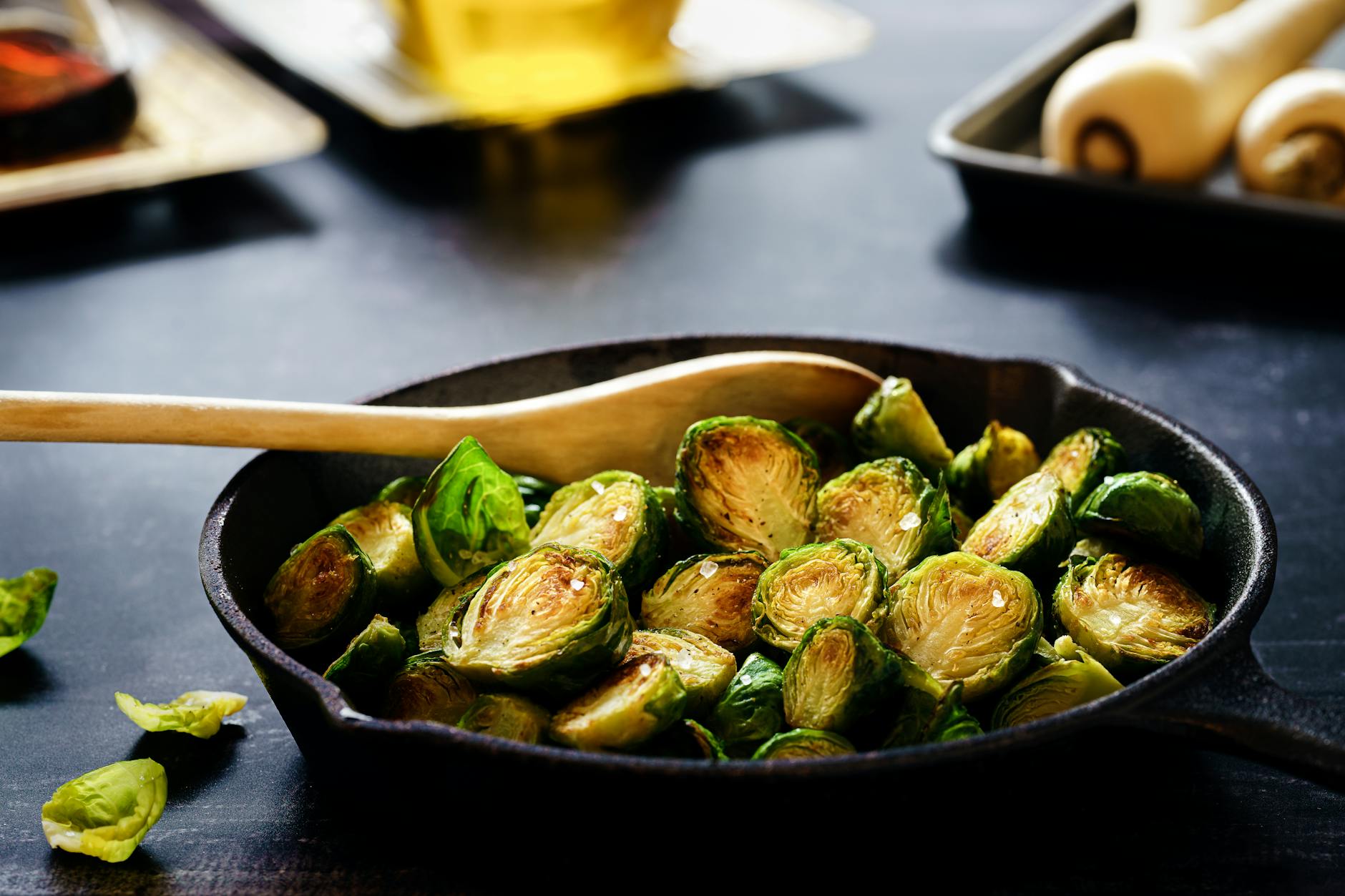
Brussels sprouts have transformed from a dreaded dinner side to a culinary favorite when roasted until crispy and caramelized. They belong to the cruciferous vegetable family and provide compounds that may support cellular health. The high fiber content promotes satiety and helps regulate blood sugar levels after meals. Pairing them with balsamic glaze or savory bacon bits enhances their natural earthy sweetness.
Oats
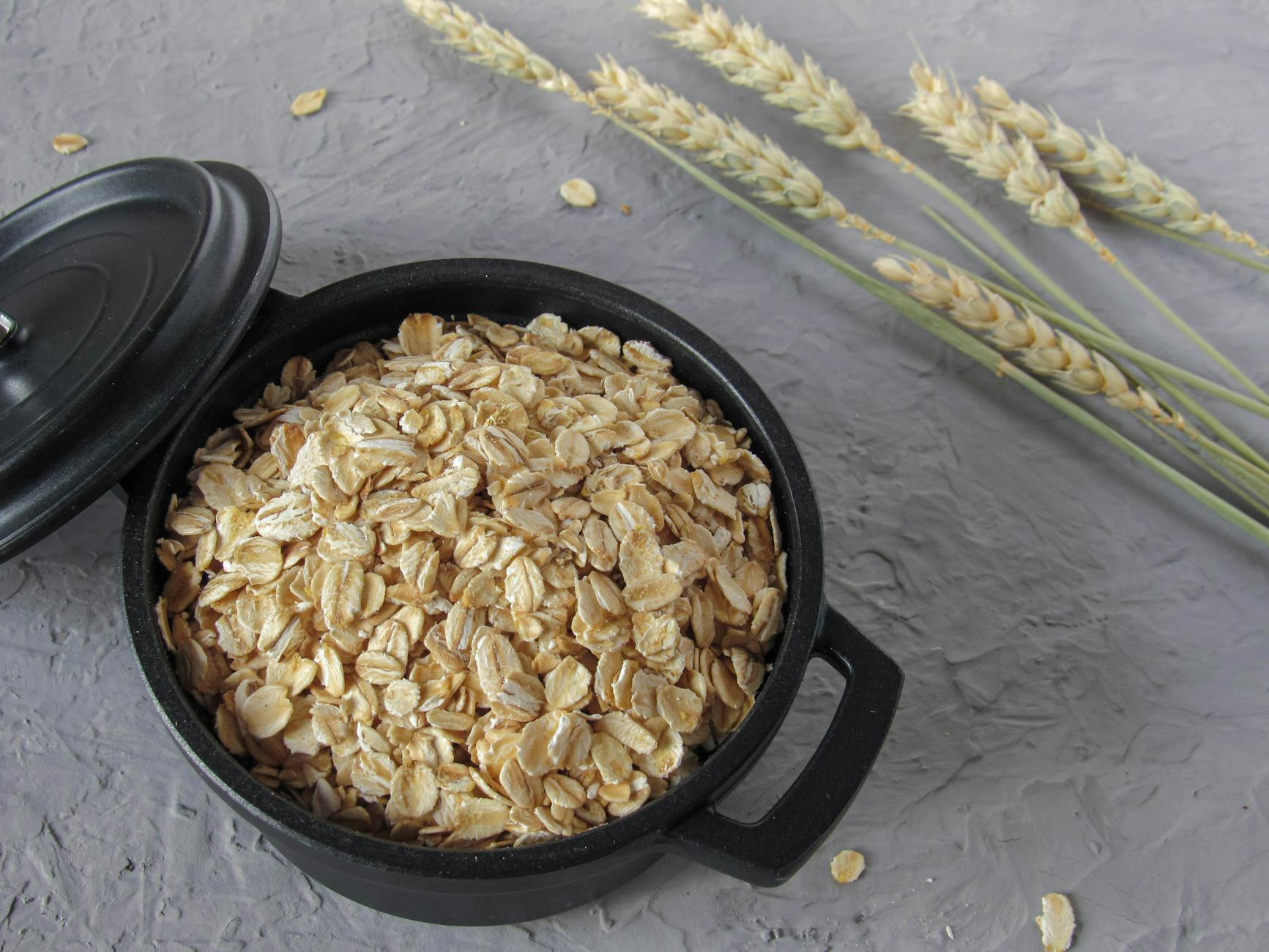
Oats act as a classic breakfast staple that contains a specific type of soluble fiber called beta-glucan known for lowering cholesterol. They provide a comforting and chewy texture that works well in hot porridge or cold overnight preparations. This grain serves as an excellent binder in meatloaf or a crunchy topping for fruit crisps. Regular consumption of oats can lead to sustained energy release and improved digestive regularity.
Almonds
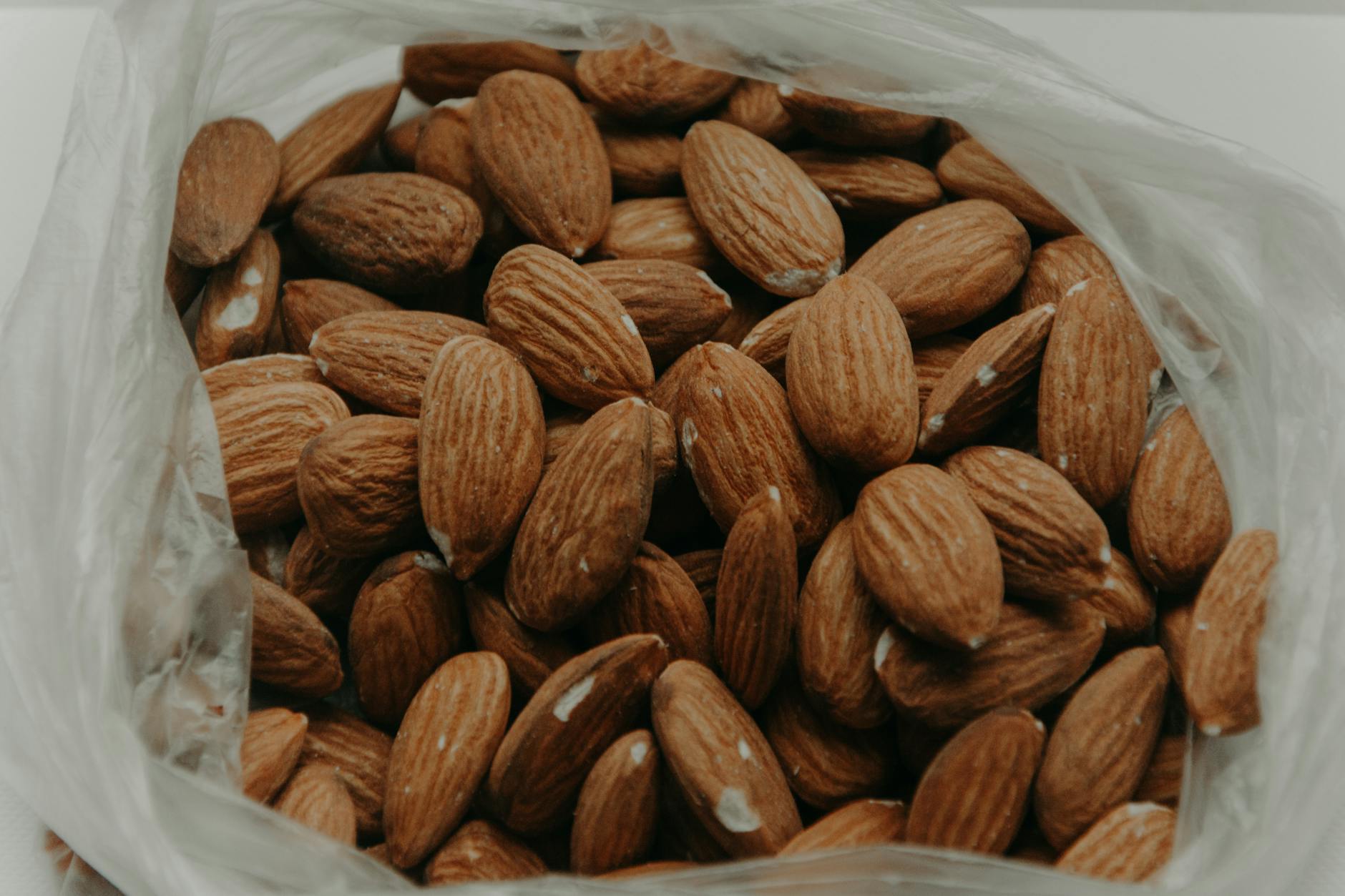
Almonds offer a satisfying crunch and a dose of healthy fats that make them a perfect portable snack. The skin of the almond holds a large portion of its antioxidants and fiber content. They are also rich in vitamin E which functions as a powerful antioxidant within the body. You can enjoy them raw or roasted or sliced over green beans for added texture.
Chickpeas
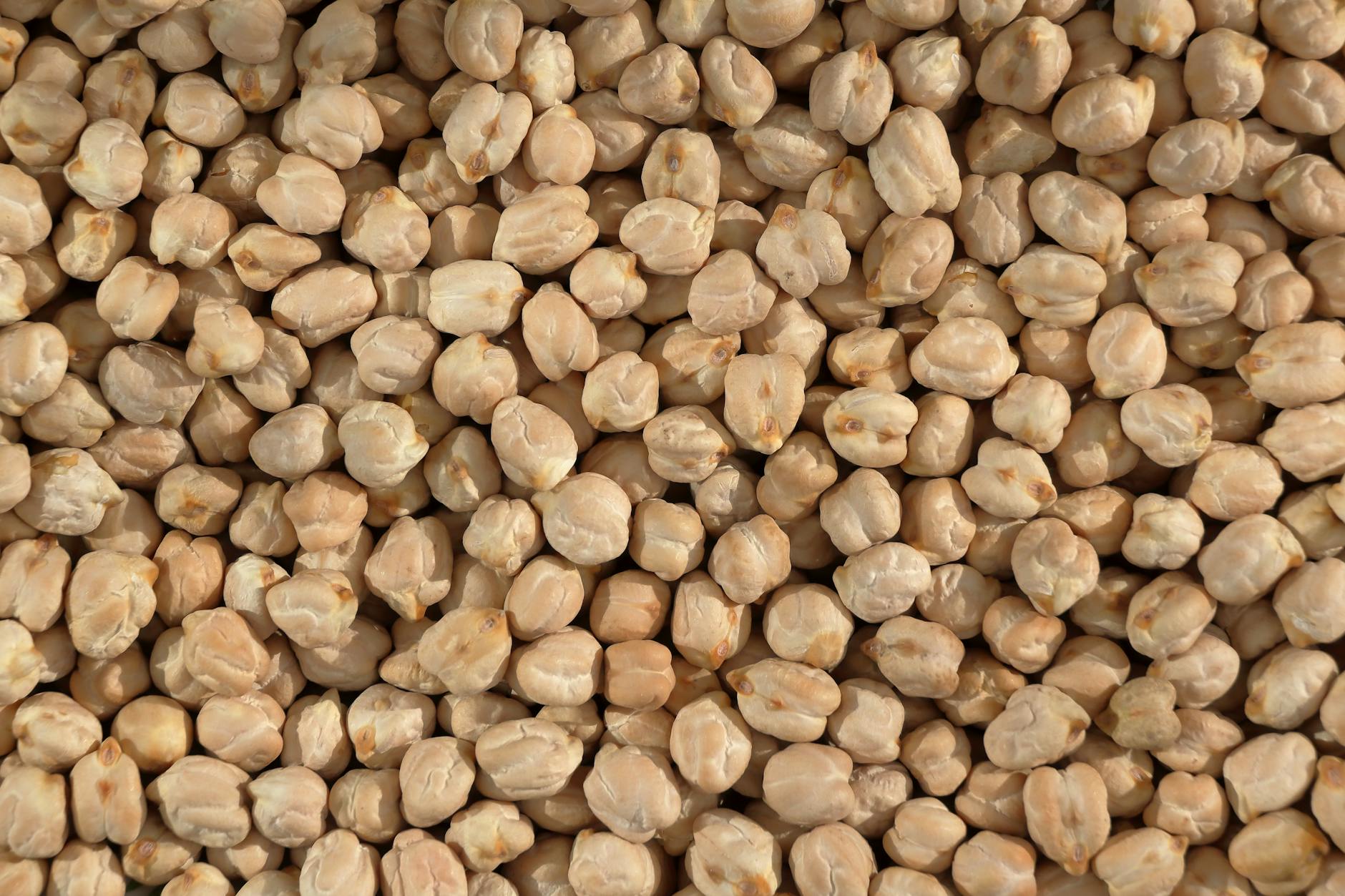
Chickpeas are incredibly versatile legumes that serve as the main ingredient in hummus and falafel. They provide a dense and nutty texture that holds up well in soups and roasted vegetable medleys. The fiber and protein combination makes them highly effective at controlling appetite and maintaining muscle mass. Roasting them with spices creates a crunchy snack that rivals potato chips in satisfaction.
Kidney Beans
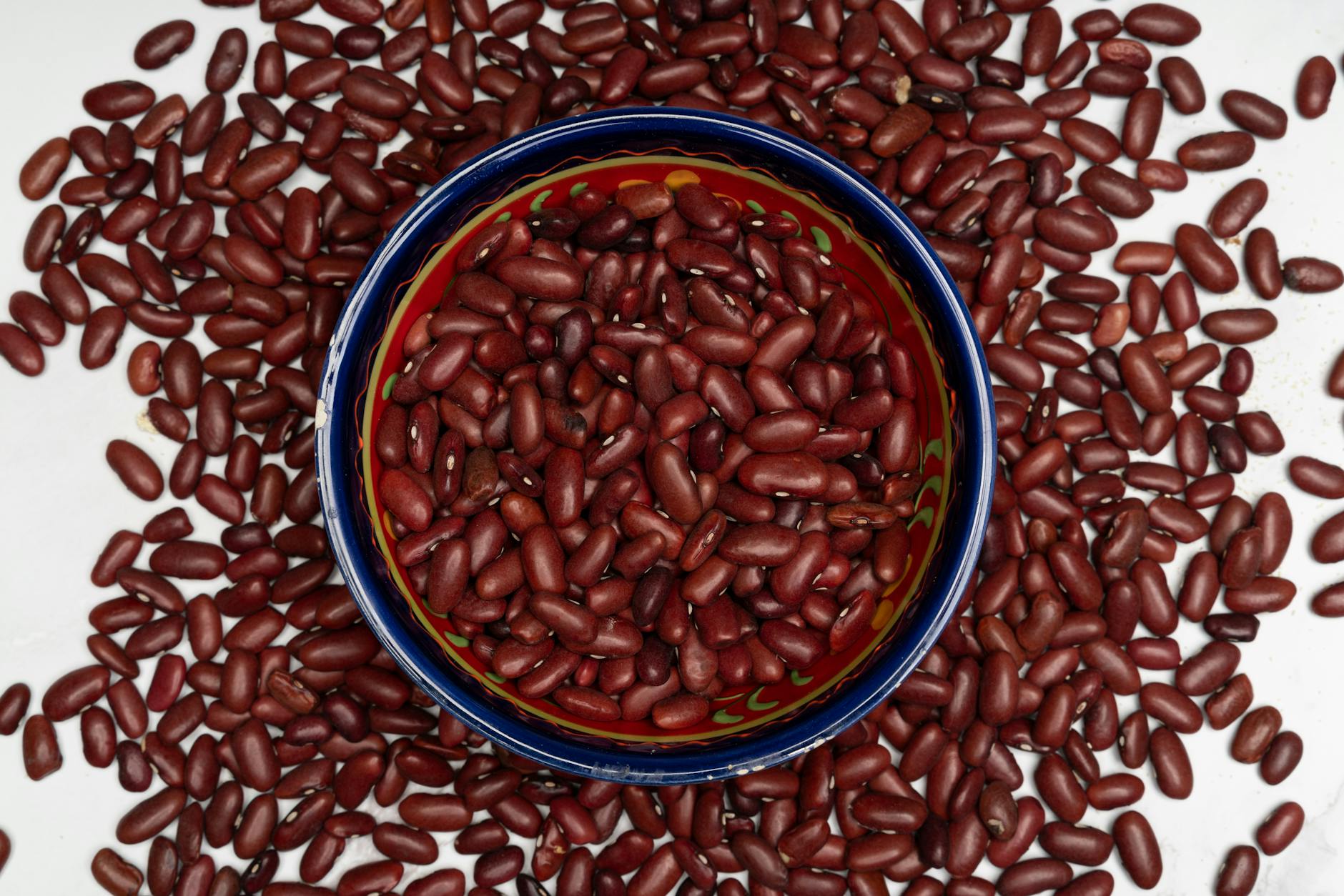
These large red beans are a staple in chili and rice dishes due to their robust shape and ability to absorb spicy flavors. They are an excellent source of plant-based protein and contain essential minerals like iron and magnesium. Proper preparation involves soaking and boiling them thoroughly to ensure they are safe and digestible. Their hearty texture makes them a convincing meat substitute in tacos and burgers.
Split Peas
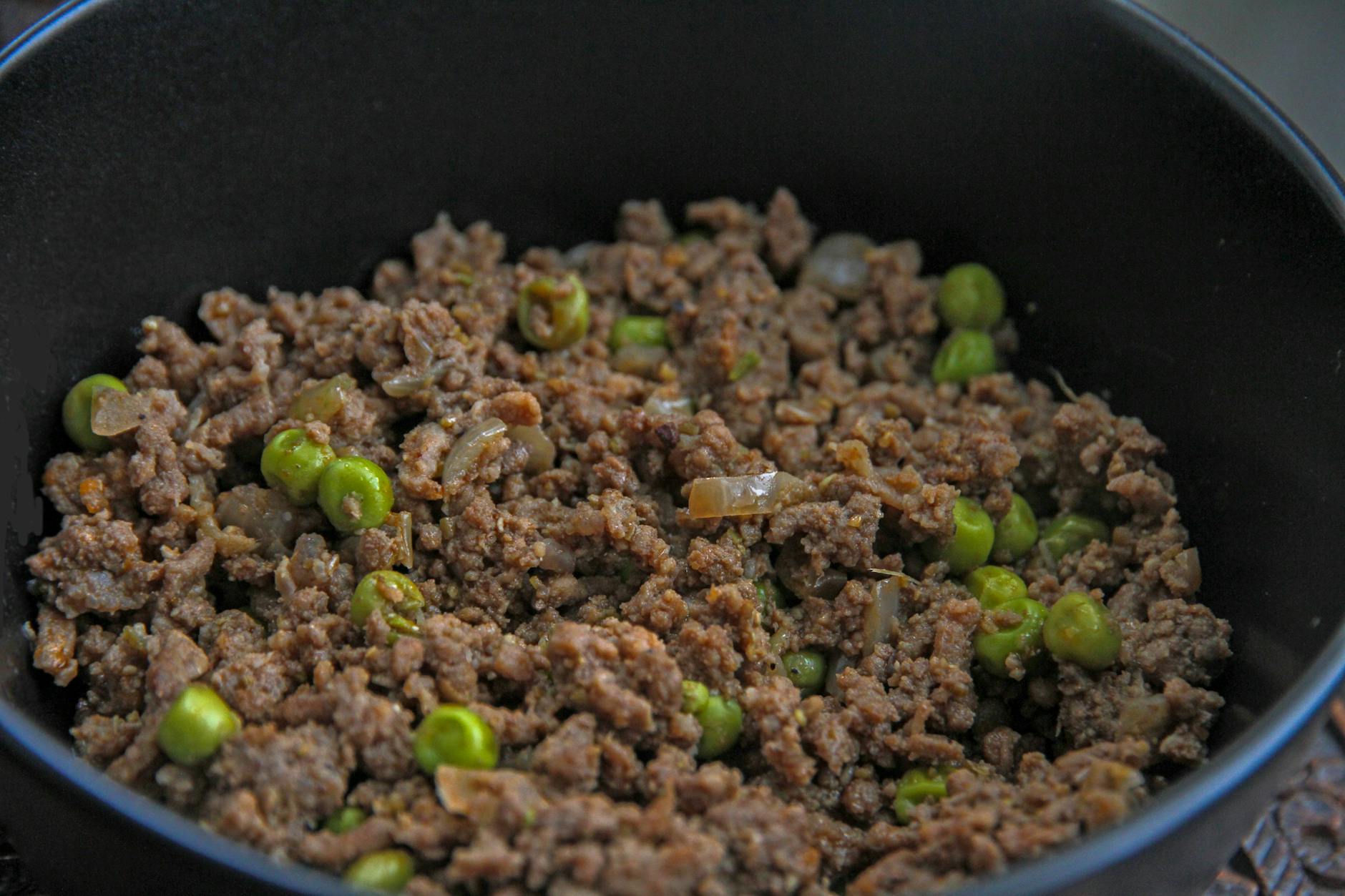
Split peas are dried peeled and split seeds of the pea plant that cook down into a creamy and thick consistency. They are traditionally used in hearty soups that provide warmth and sustenance during colder months. This legume is packed with fiber and protein while remaining low in fat. Cooking them with ham or smoked paprika adds a depth of savory flavor that complements their natural earthiness.
Blackberries
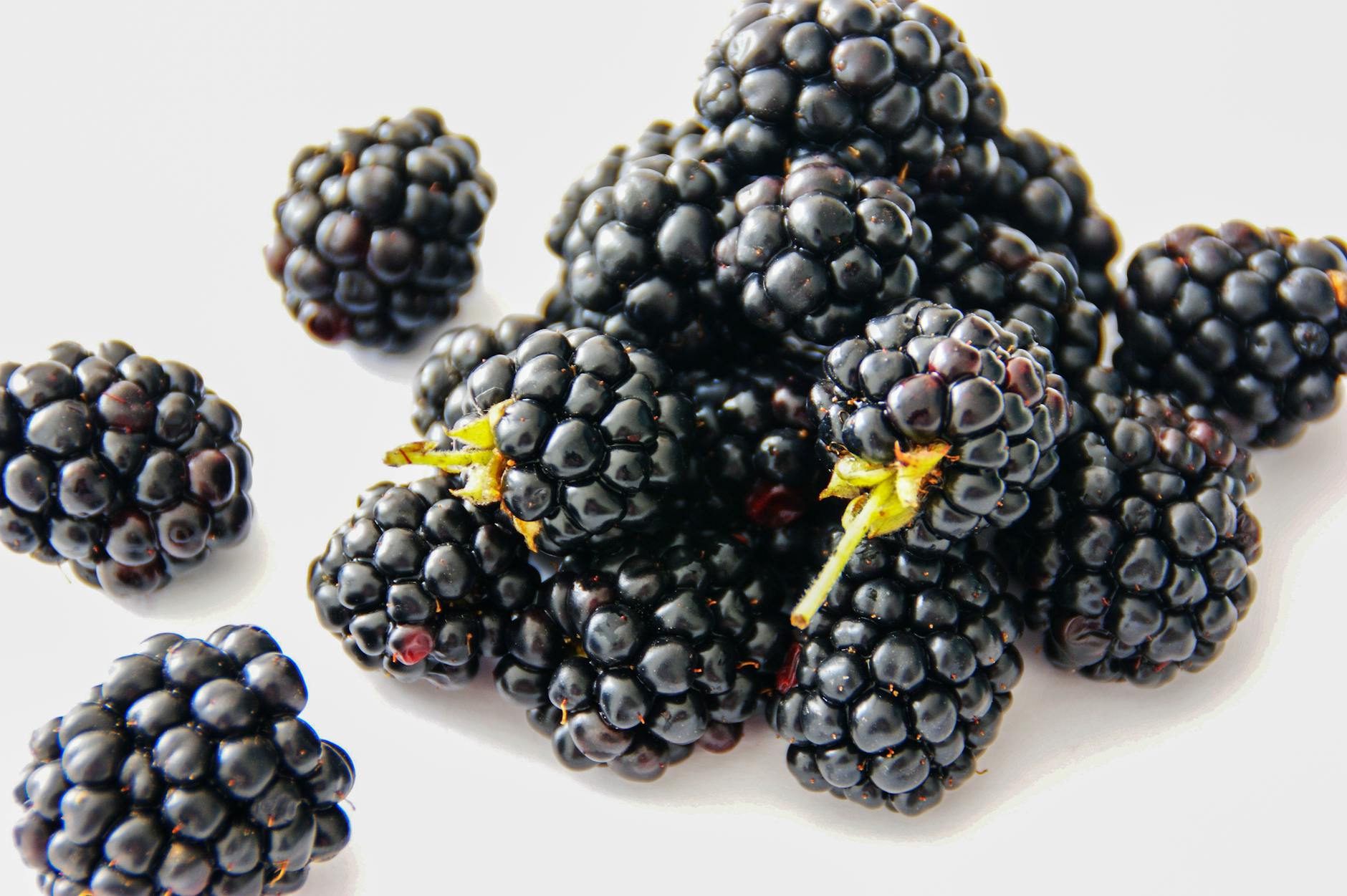
Blackberries are dark and juicy fruits that contain large seeds which contribute to their high fiber count. They possess a deep purple hue indicating a high concentration of anthocyanins and antioxidants. The flavor balances sweetness with a distinct tartness that works well in baked goods and sauces. Adding them to a spinach salad creates a pleasant contrast of textures and flavors.
Quinoa
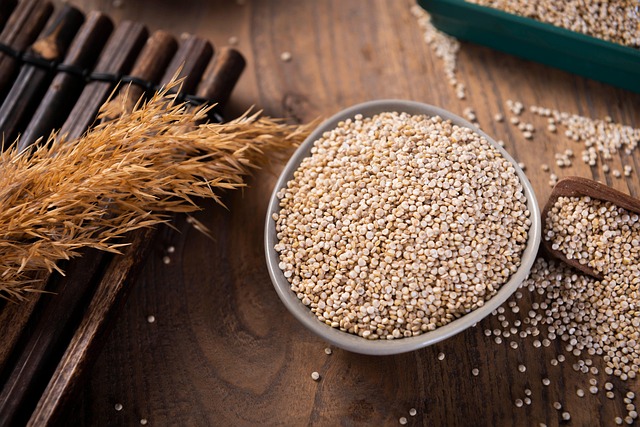
Quinoa is technically a seed but is prepared and eaten like a grain and is celebrated for being a complete protein source. It cooks relatively quickly and unfurls a small spiral germ that adds a slight crunch. The nutty flavor profile pairs excellently with roasted vegetables and lemon vinaigrettes. It is naturally gluten-free making it a safe and nutritious option for those with dietary sensitivities.
Sweet Potatoes

Sweet potatoes are vibrant orange tubers that offer a rich supply of beta-carotene and vitamin A. The skin contains significant fiber so eating them unpeeled maximizes their nutritional benefit. Their natural sweetness intensifies when roasted or baked and requires very little added sugar. They serve as a comforting base for savory toppings like black beans or a simple side dish.
Dark Chocolate

Chocolate with a high cocoa percentage contains a surprising amount of fiber and minerals like iron and magnesium. It offers a bitter and complex flavor profile that satisfies sweet cravings with less sugar than milk chocolate. Antioxidants known as flavonoids are abundant in cocoa and may support cardiovascular health. enjoying a small square can be a part of a balanced diet without derailing nutritional goals.
Black Beans
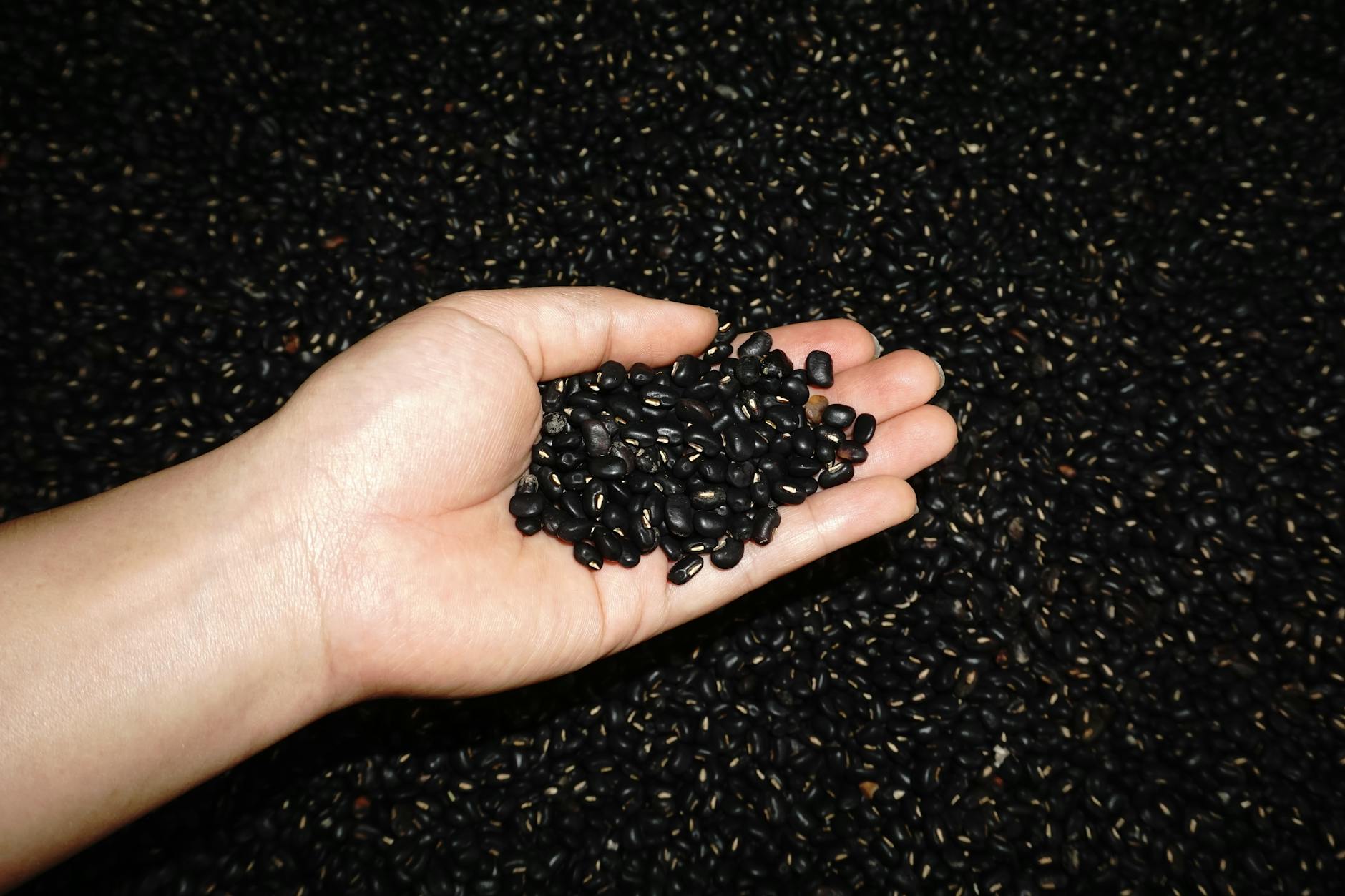
Black beans are a staple in Latin American cuisine and provide a dense and meaty texture to meals. They are rich in antioxidants and anthocyanins which are the same compounds found in blueberries. The mild flavor makes them easy to incorporate into brownies or smoothies for a hidden fiber boost. Mixing them with corn and tomatoes creates a vibrant and refreshing salad.
Edamame
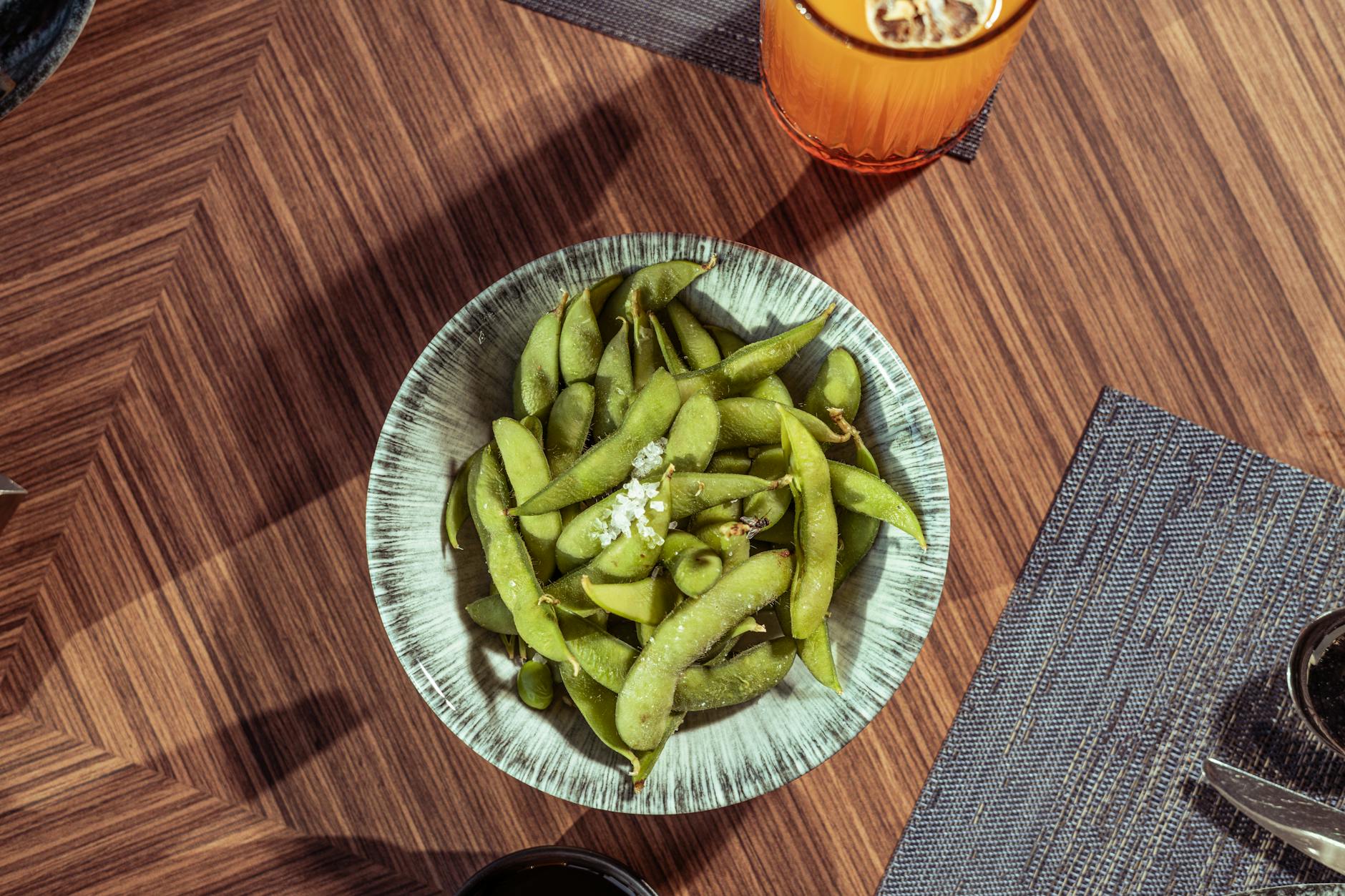
Edamame are immature soybeans that are typically boiled or steamed and served inside their pods. They offer a complete protein profile and a fresh green flavor that appeals to many palates. These beans are rich in vitamin K and folate which support bone health and cell division. They make for an engaging appetizer or a substantial addition to stir-fries.
Carrots
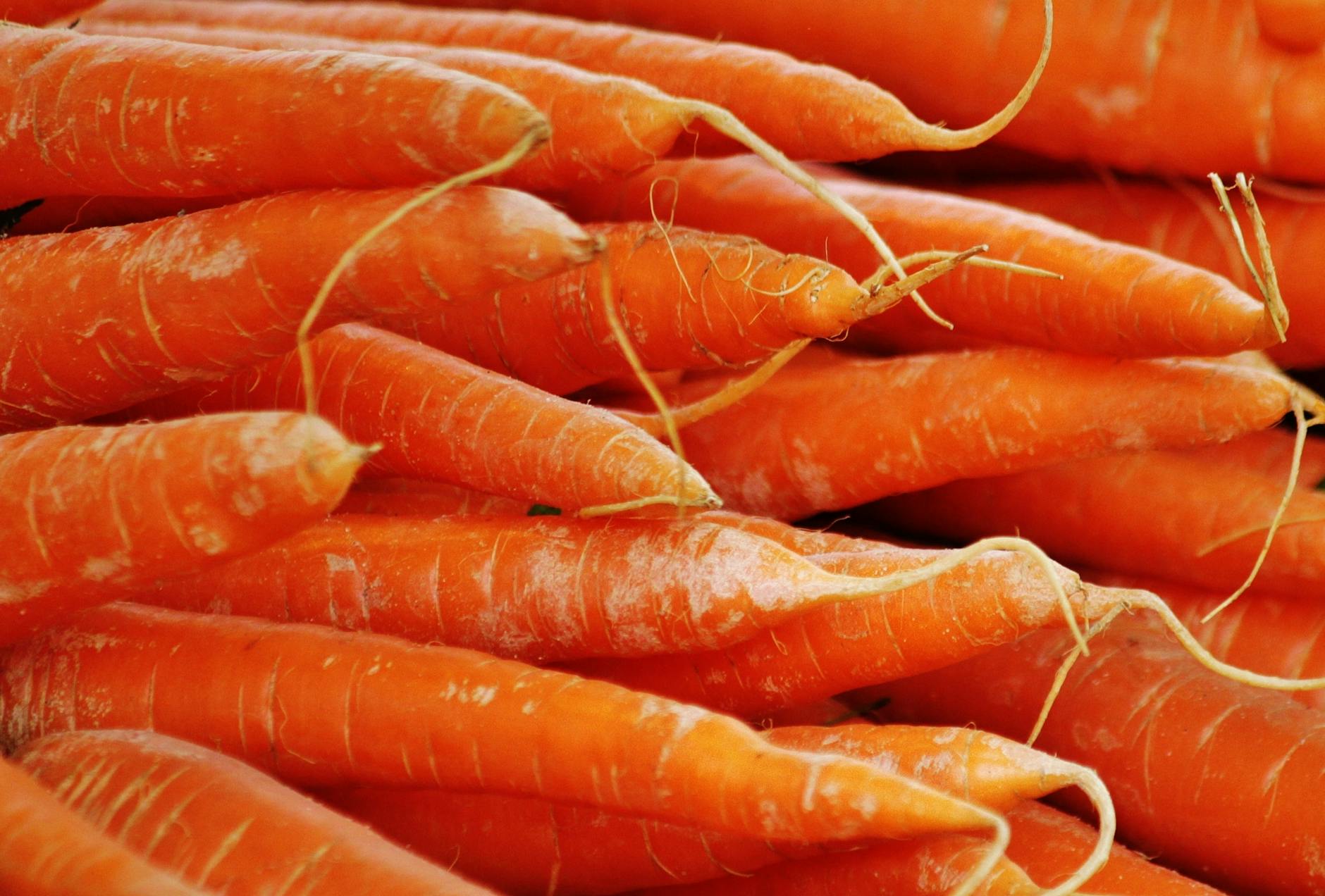
Carrots are a crunchy root vegetable that provides a high amount of beta-carotene which the body converts to vitamin A. They can be eaten raw for a satisfying snap or cooked to bring out their inherent sweetness. The fiber in carrots supports digestive health and helps maintain stable blood sugar levels. Dipping raw sticks in hummus creates a snack that is doubly rich in fiber.
Apples
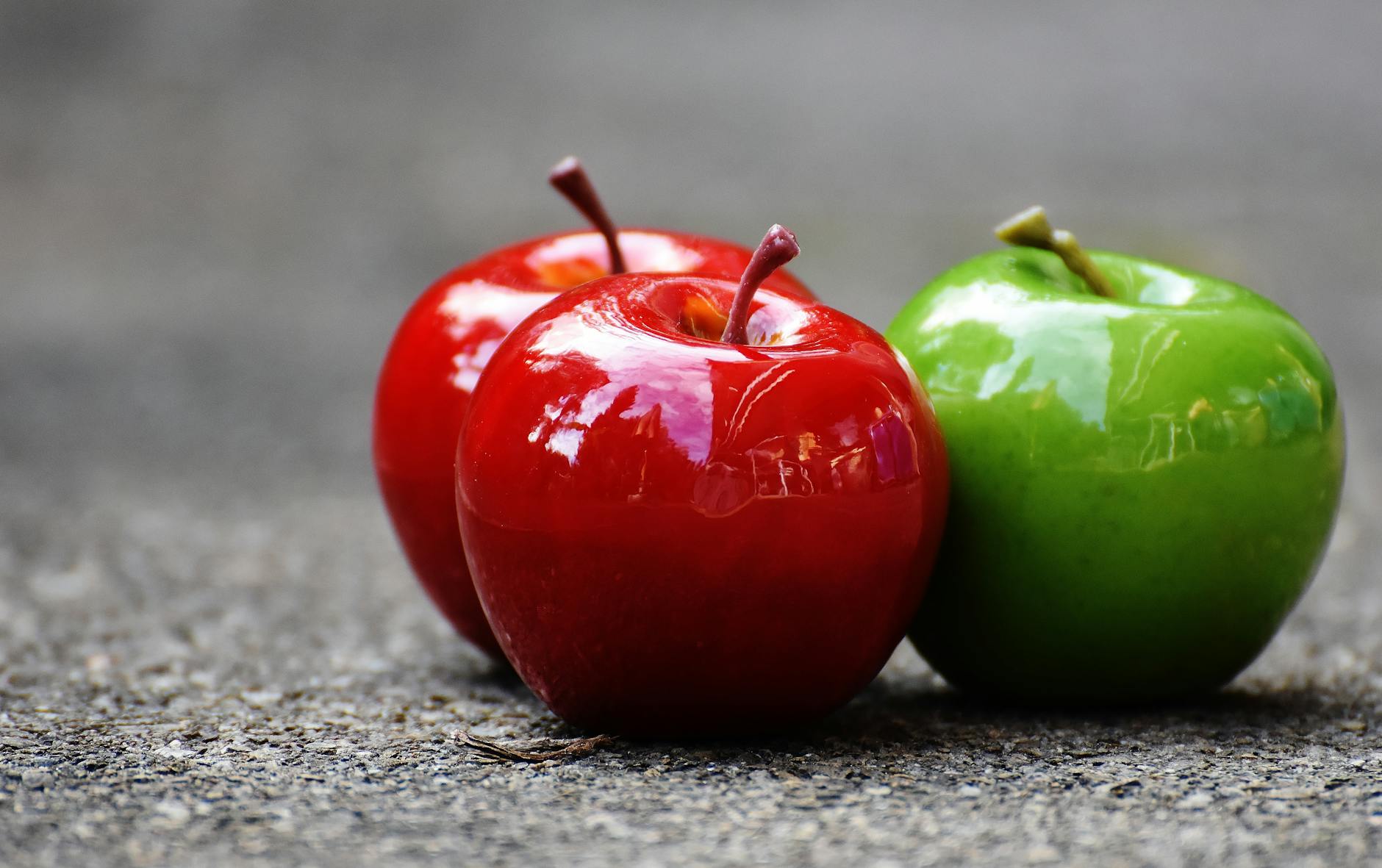
Apples are one of the most convenient and popular fruits due to their portability and refreshing crunch. Pectin is a soluble fiber found in apples that helps improve gut health and digestion. There are hundreds of varieties ranging from the tart Granny Smith to the sweet Fuji. Eating the skin is crucial as it holds the majority of the fiber and nutrients.
Barley
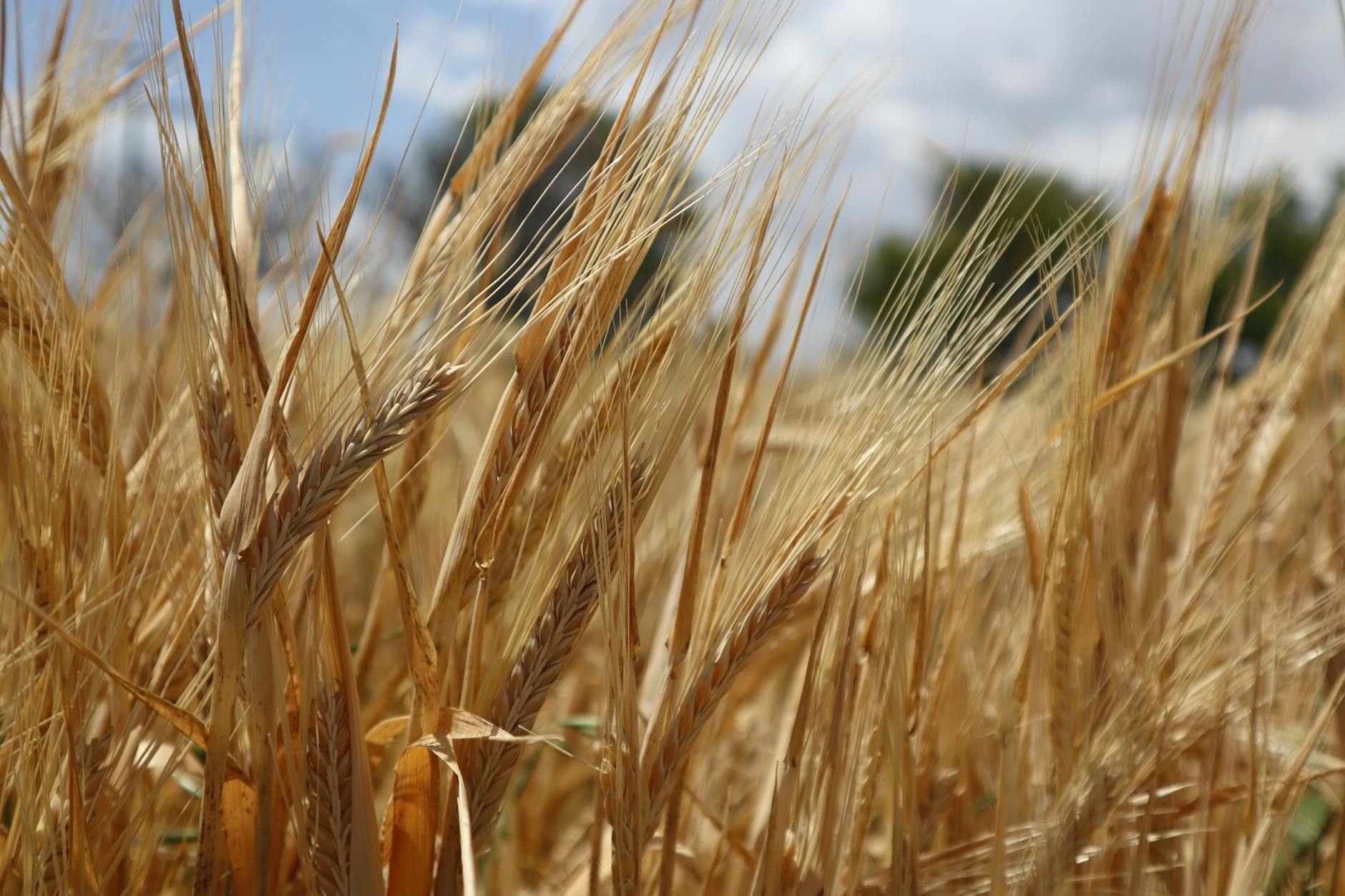
Barley is a chewy ancient grain with a nutty flavor that retains its texture even in long-simmered soups. It contains beta-glucan fiber which has been shown to assist in lowering cholesterol levels. Hulled barley is the whole grain version while pearled barley cooks faster but has slightly less fiber. It serves as an excellent alternative to rice in risotto or pilaf dishes.
Broccoli
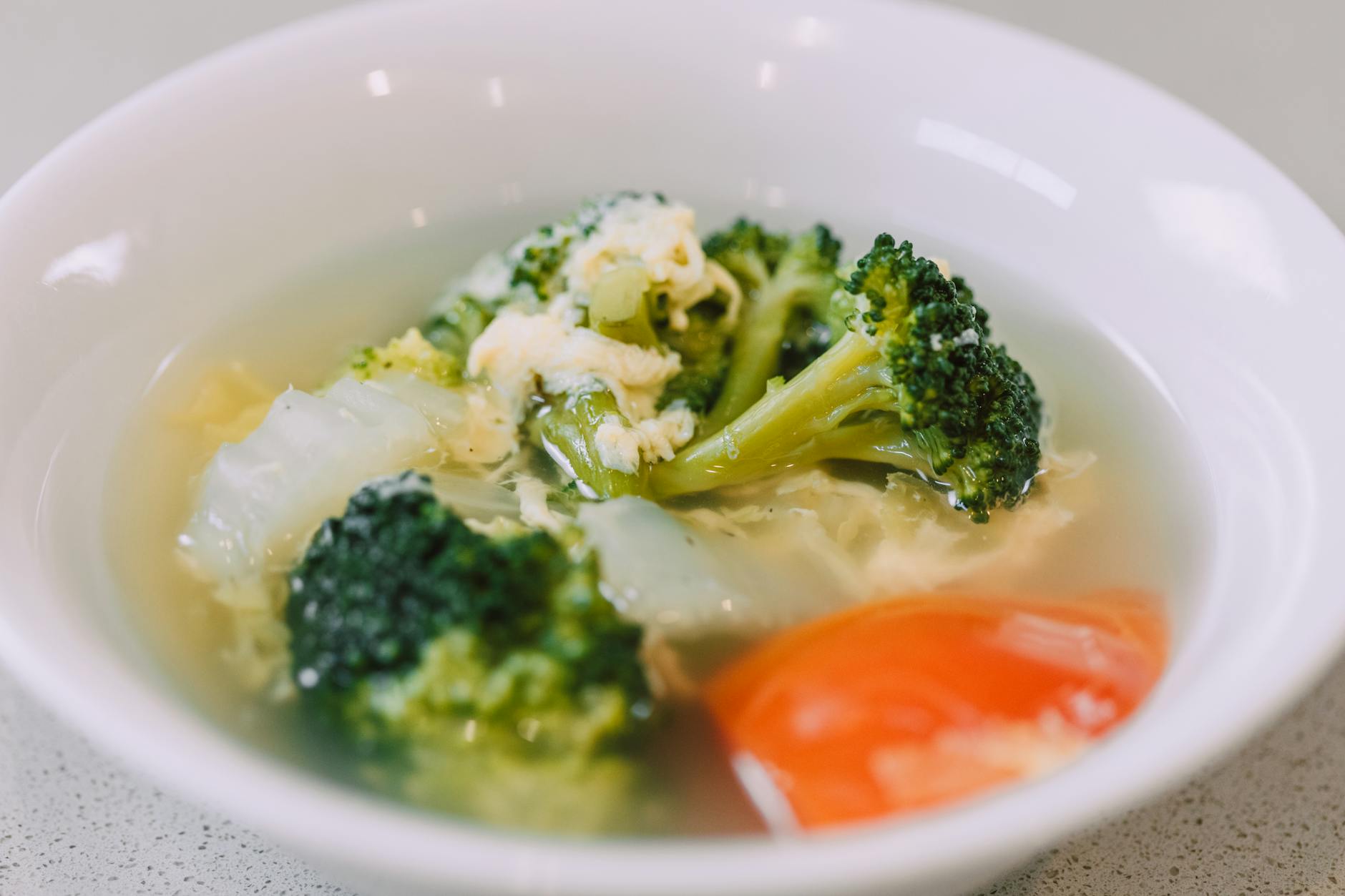
Broccoli is a cruciferous vegetable that supplies a wealth of vitamins C and K along with its fiber content. It can be enjoyed raw in salads or steamed to retain its bright green color and crisp texture. The stalks are edible and nutritious and can be peeled and sliced for cooking. Roasting florets with garlic and parmesan turns this vegetable into a savory side dish.
Oranges
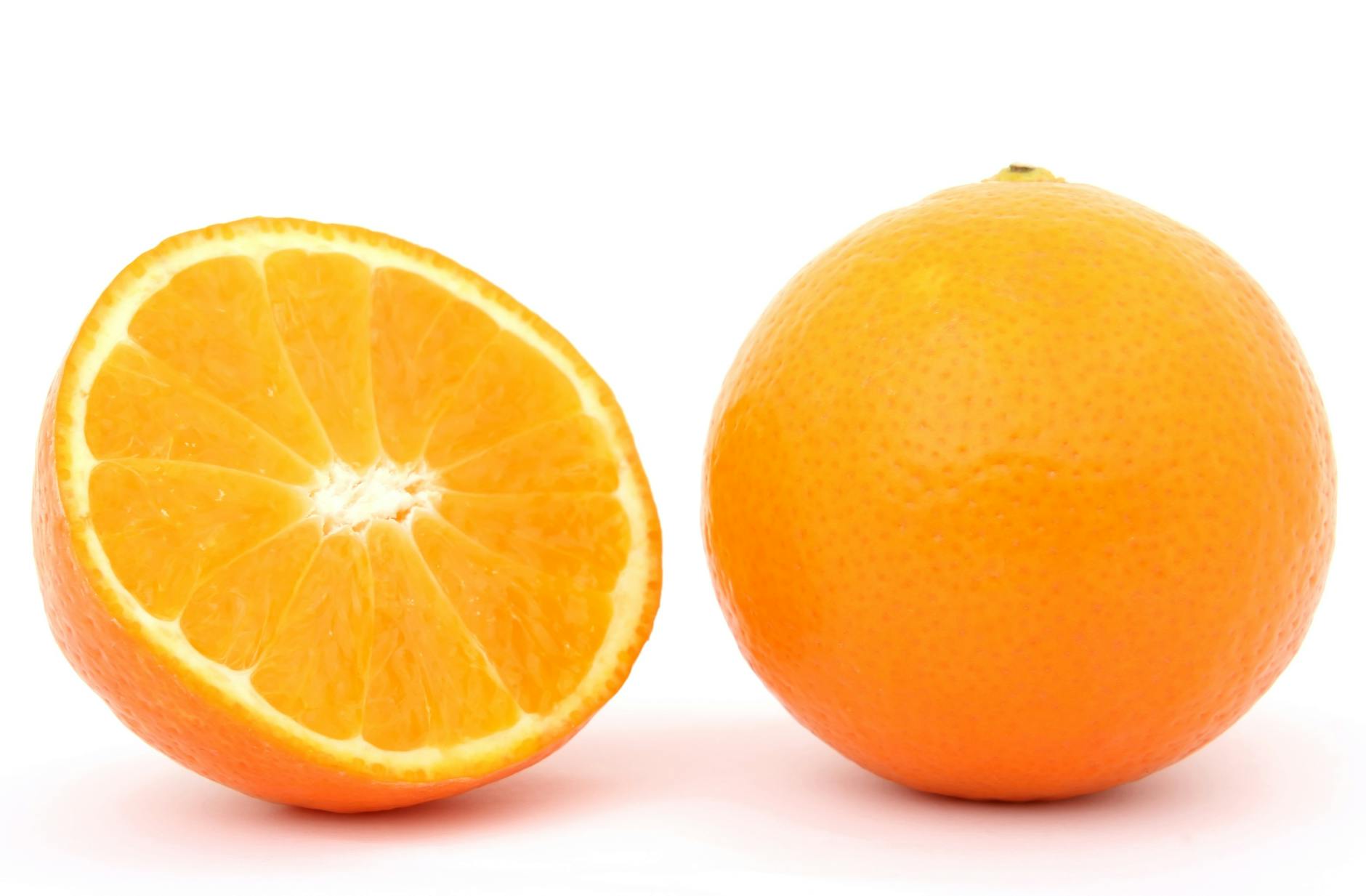
Oranges are famous for their vitamin C content but whole oranges also provide a good dose of dietary fiber. The white pith between the peel and the fruit is particularly rich in pectin and flavonoids. Eating the whole fruit is far superior to drinking juice because the fiber mitigates the blood sugar spike. They add a refreshing citrus burst to winter salads and marinades.
Bananas
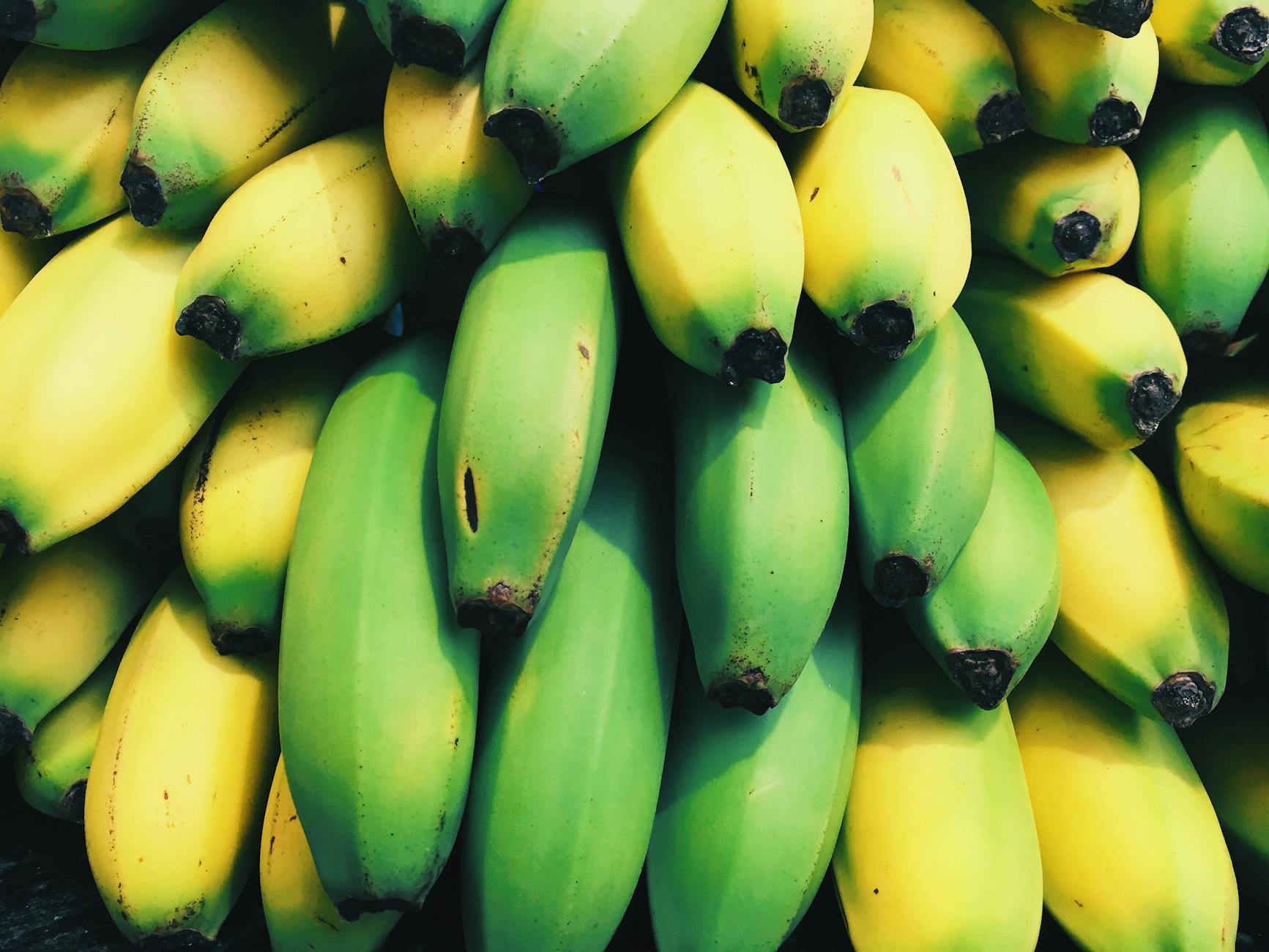
Bananas are a convenient source of potassium and digestible carbohydrates that provide quick energy. Unripe or green bananas contain resistant starch which functions like soluble fiber in the digestive system. As they ripen the starch converts to sugar making them sweeter and softer. They act as a natural thickener for smoothies and a binder for healthy baking recipes.
Strawberries
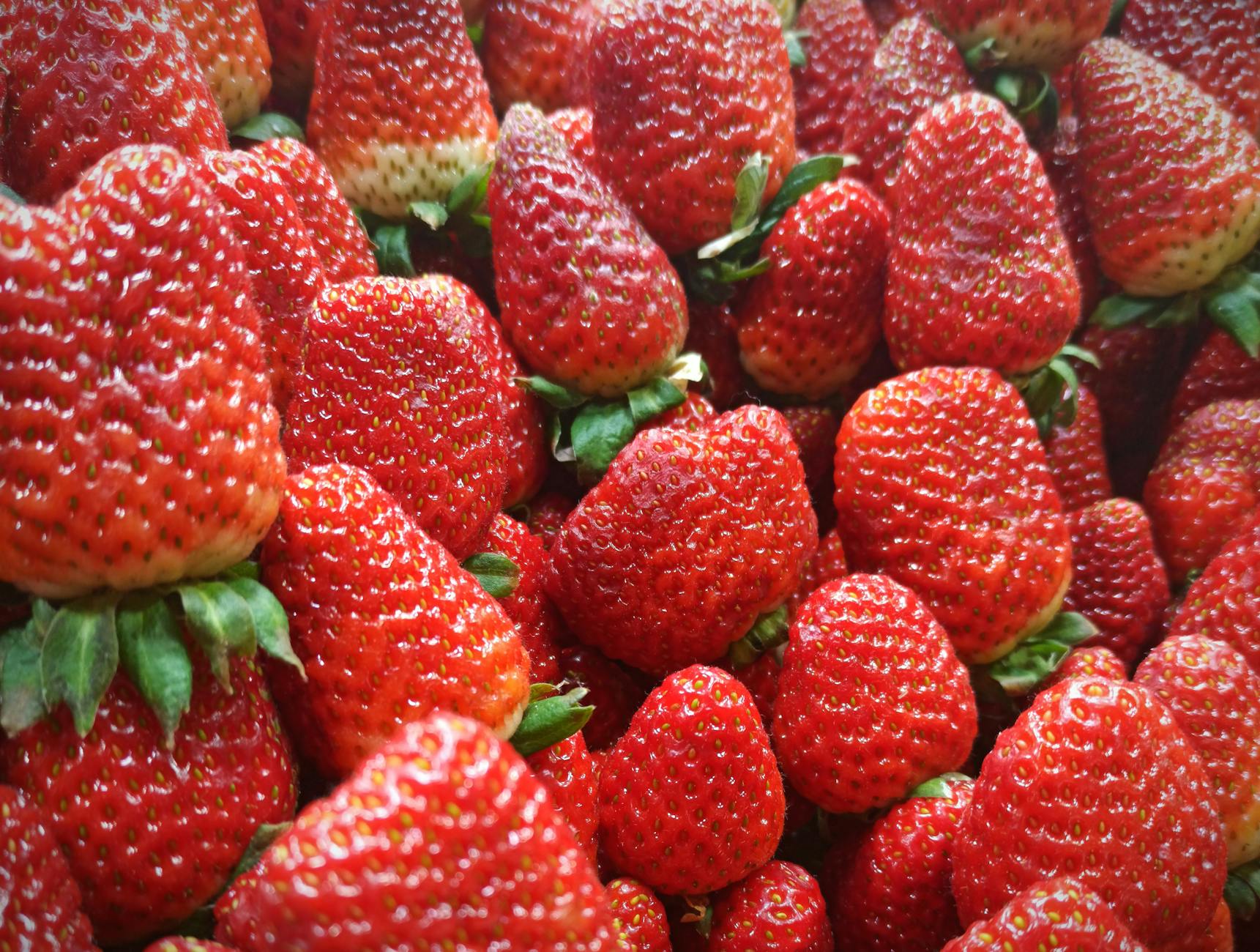
Strawberries are a low-calorie fruit that offers high levels of vitamin C and manganese alongside fiber. Their seeds are on the exterior and contribute to the total fiber count of the berry. They are incredibly versatile and can be sliced into cereal or salads or simply eaten plain. The natural sweetness makes them a favorite dessert ingredient that requires minimal enhancement.
Dried Figs
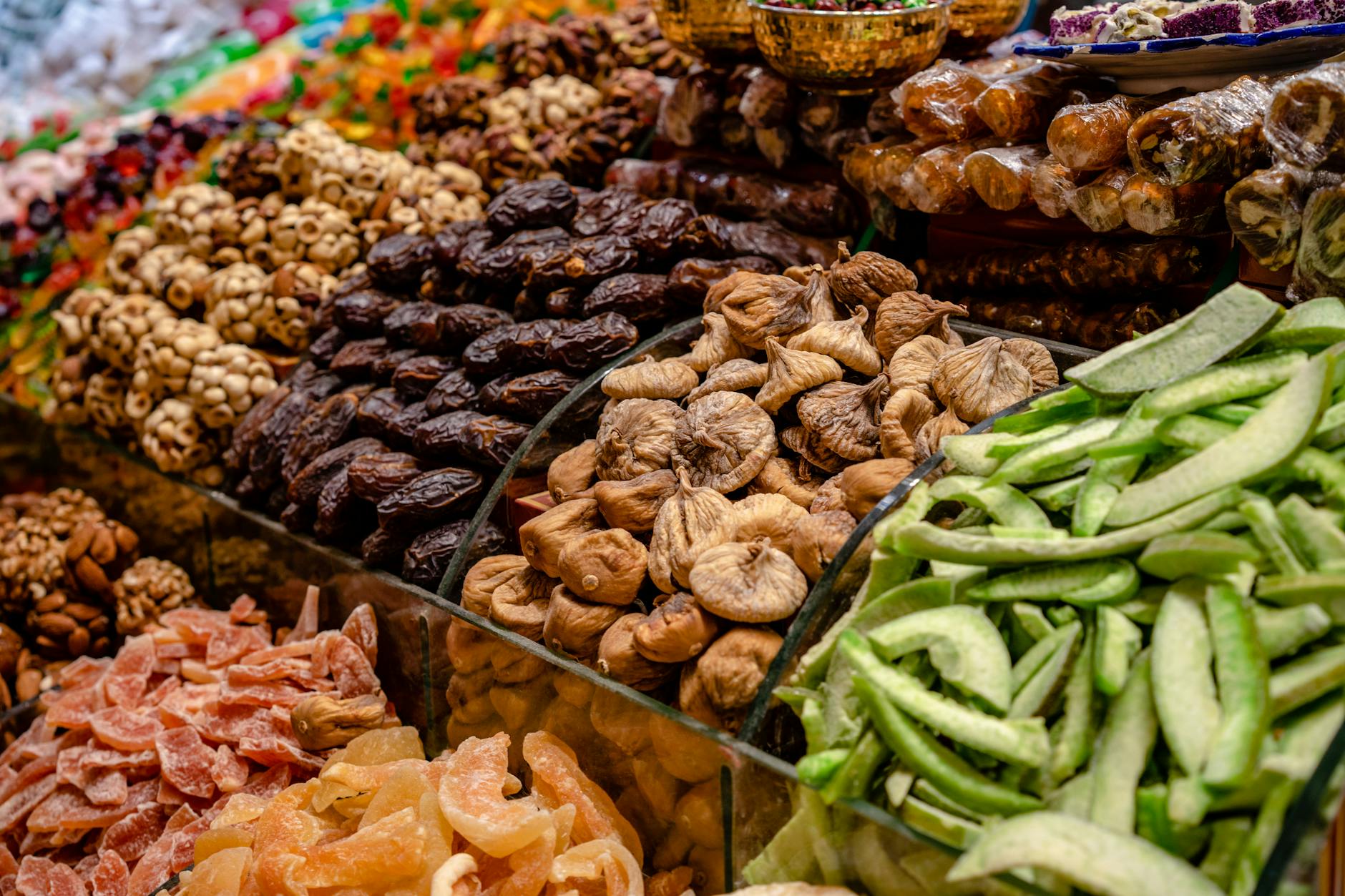
Dried figs offer a concentrated source of sweetness and a chewy texture that feels like a confectionery treat. They are packed with calcium and potassium in addition to their substantial fiber content. The tiny seeds inside provide a pleasant crunch that contrasts with the soft flesh. They pair exceptionally well with nuts and cheese for a sophisticated snack.
Beets
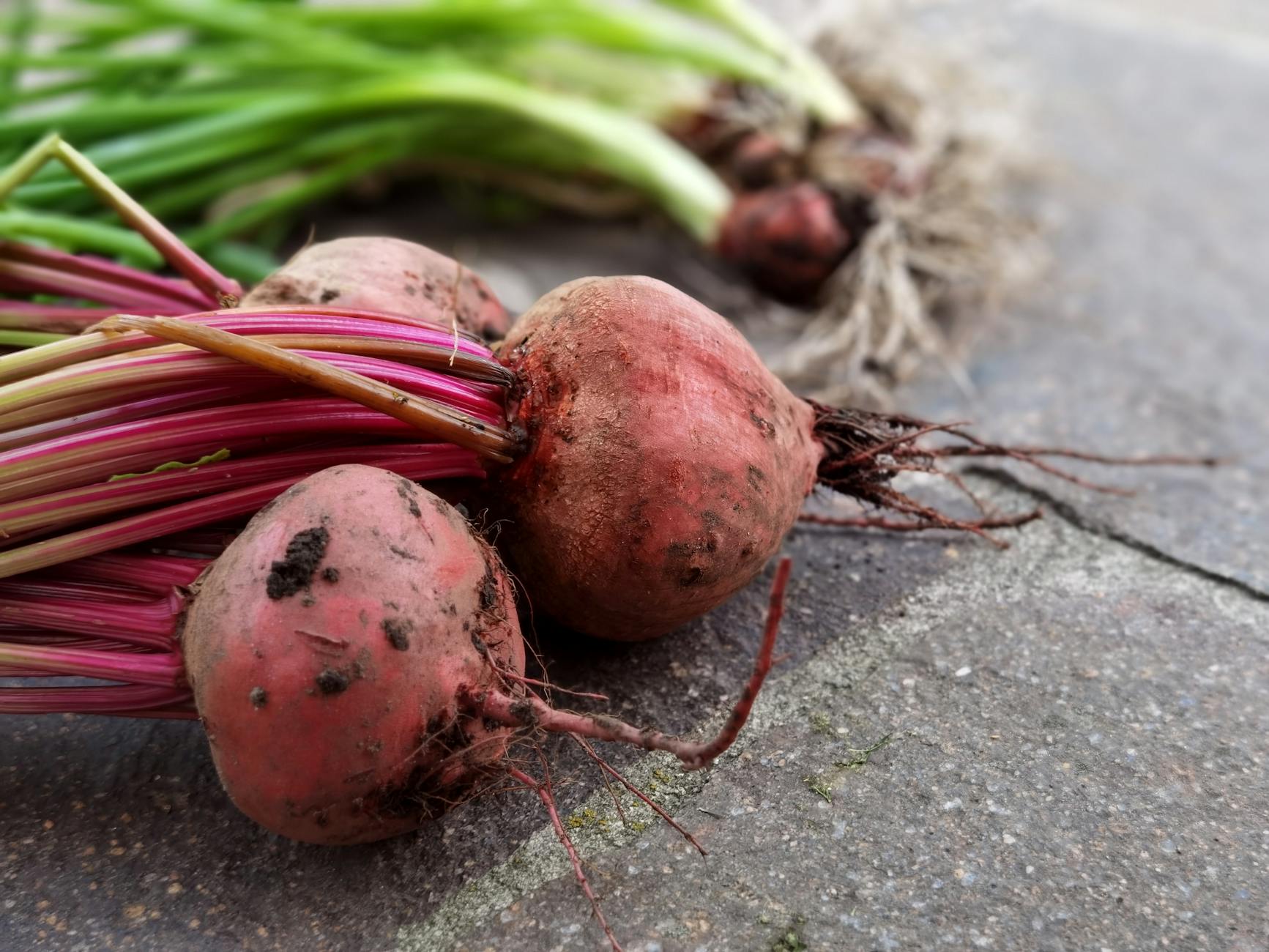
Beets are deep red root vegetables that contain naturally occurring nitrates which may support blood pressure management. They have an earthy flavor that becomes sweeter and more tender when roasted. The fiber content supports digestive regularity and gut health. Both the root and the green leafy tops are edible and highly nutritious.
Sunflower Seeds
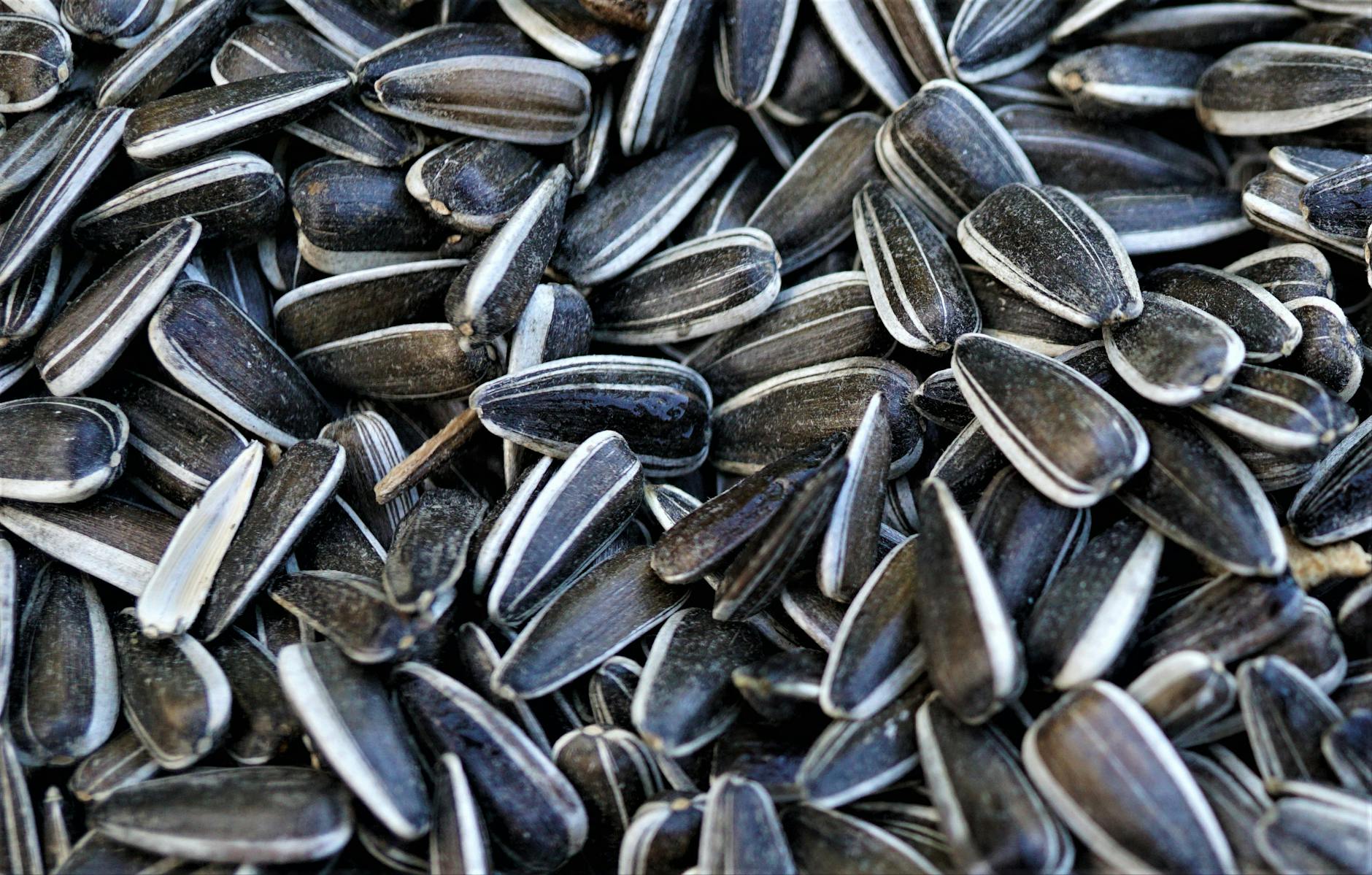
Sunflower seeds are a nutrient-dense food that provides healthy fats and vitamin E and selenium. They add a nutty crunch to salads and yogurts without requiring any preparation. The kernels contain protein and fiber which help promote feelings of fullness. Toasting them lightly in a dry pan enhances their flavor and aroma.
Pistachios
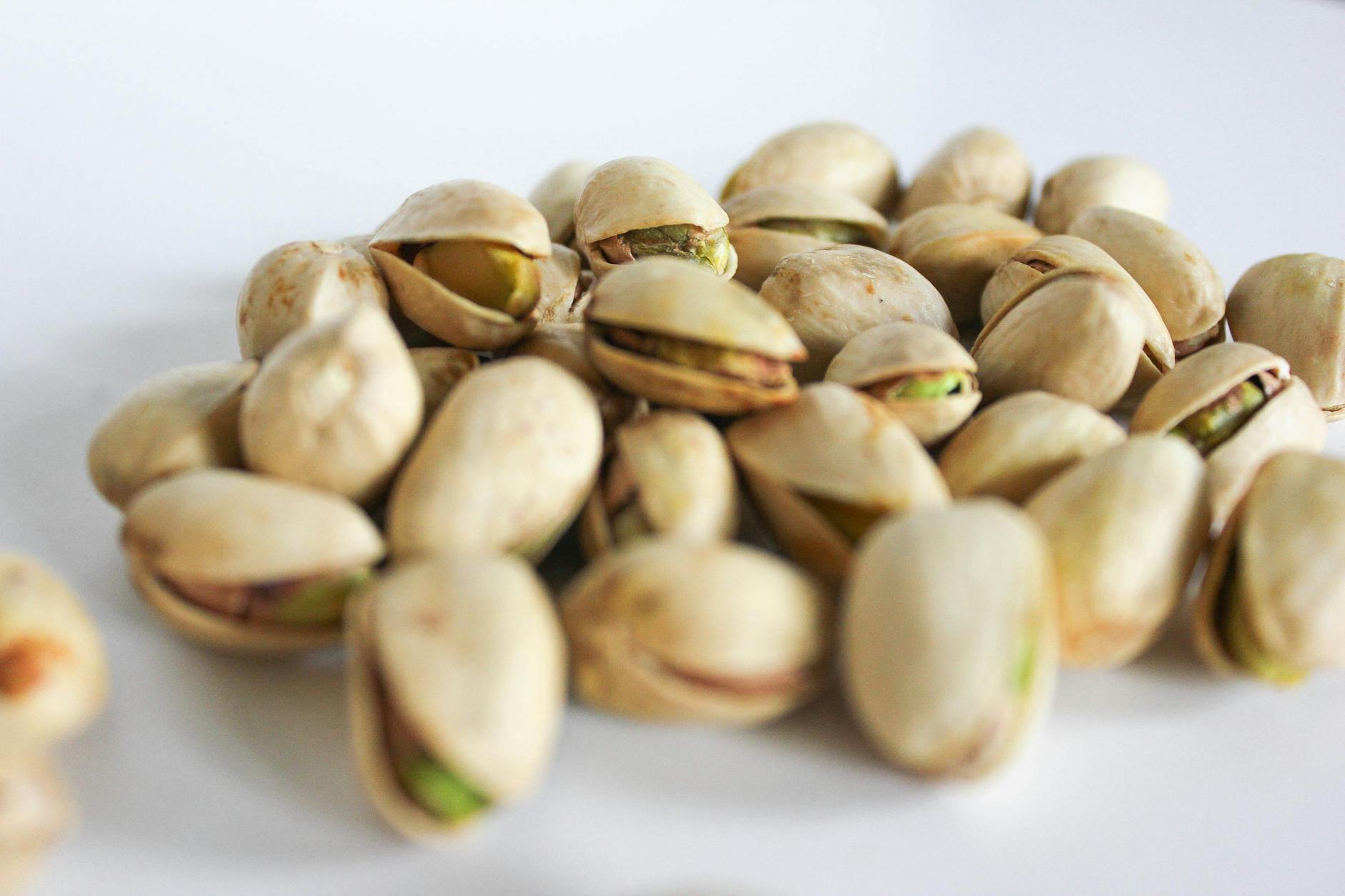
Pistachios are tasty green nuts that are often sold in the shell which can help slow down consumption and encourage mindful eating. They provide a good balance of protein and healthy fats and fiber. Lutein and zeaxanthin are antioxidants found in pistachios that support eye health. Their unique flavor works well in both sweet desserts and savory pesto sauces.
Flax Seeds
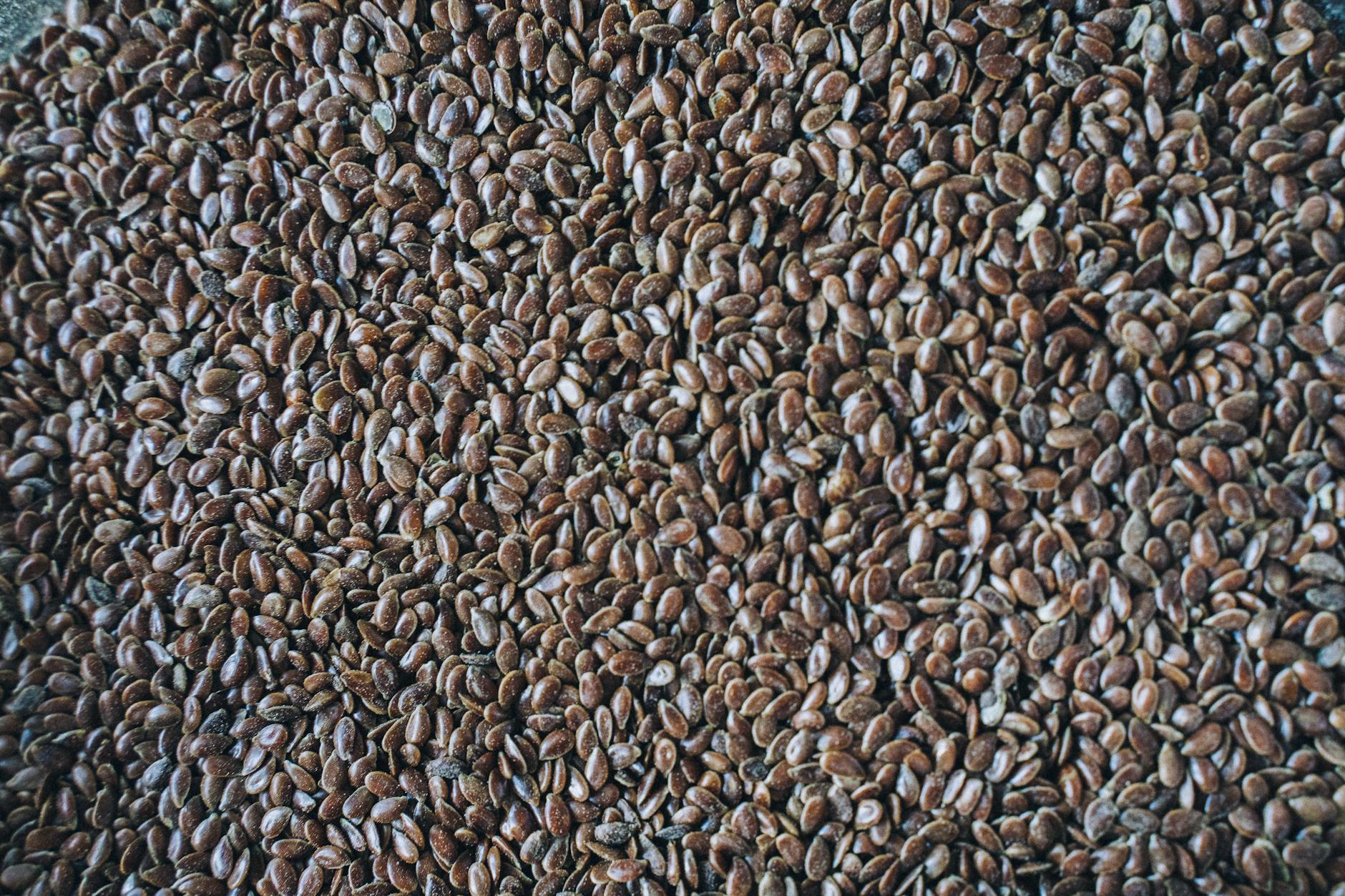
Flax seeds are a plant-based source of omega-3 fatty acids and lignans which have antioxidant properties. They must be ground before consumption to allow the body to absorb their nutrients effectively. The nutty taste is subtle enough to hide in oatmeal or baked goods like muffins. Mixing ground flax with water creates a vegan egg substitute for baking.
Swiss Chard
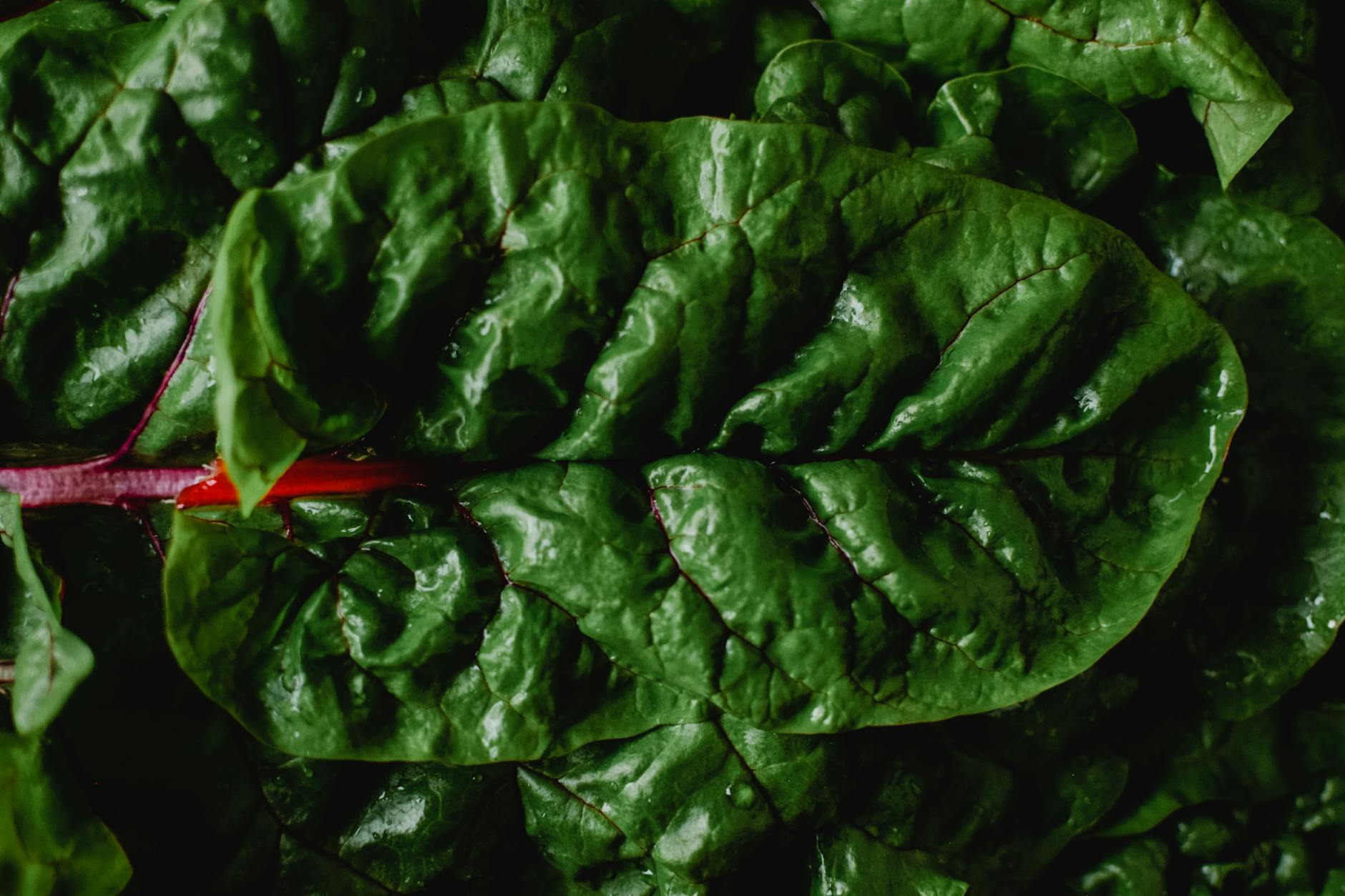
Swiss chard is a leafy green vegetable with colorful stalks that are rich in vitamins K and A and C. The leaves are tender like spinach while the stalks provide a celery-like crunch. Sautéing the greens with garlic and olive oil makes for a quick and healthy side dish. The fiber content aids in digestion and helps regulate glucose absorption.
Collard Greens
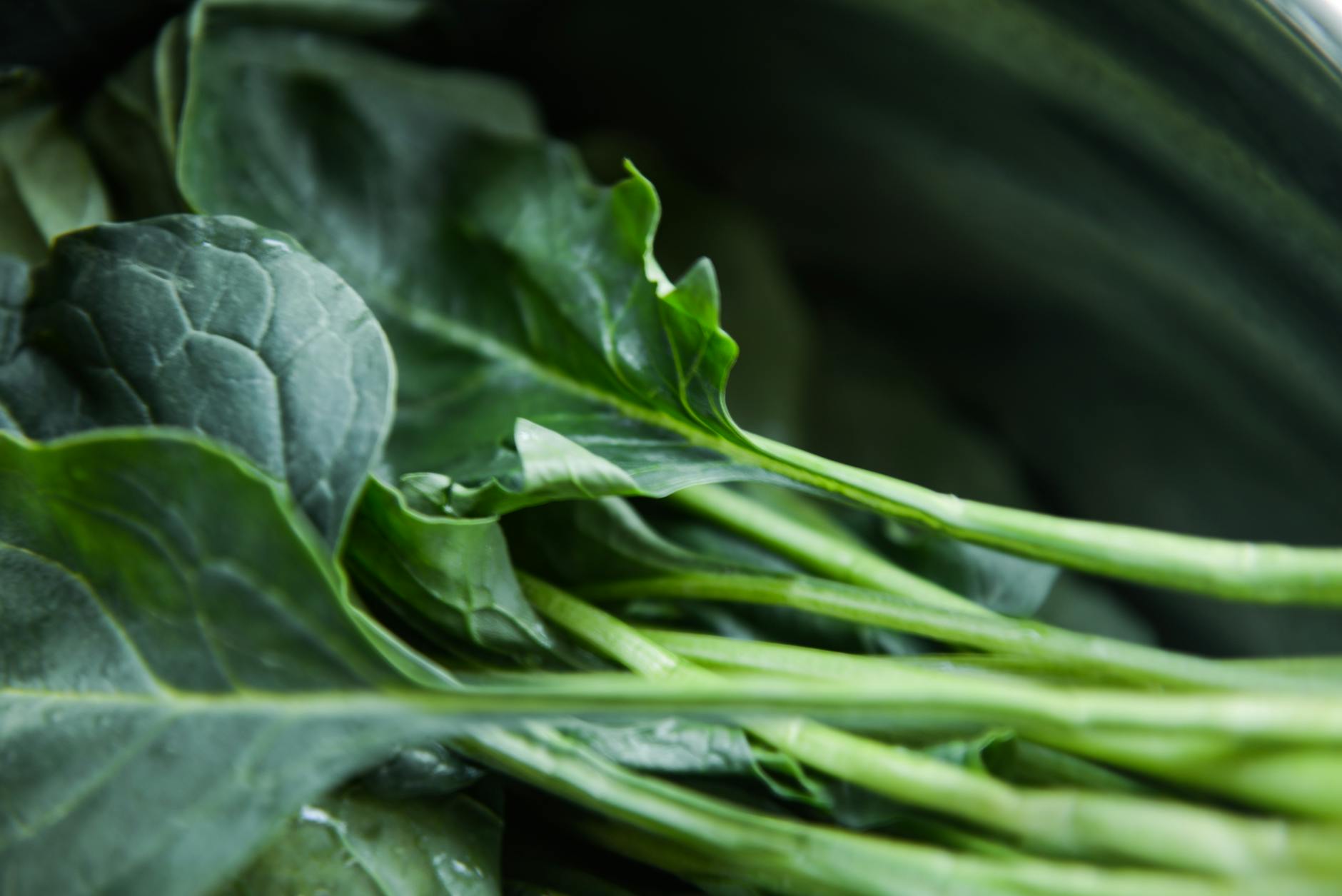
Collard greens are a staple of Southern cuisine known for their thick leaves and ability to withstand long cooking times. They are an excellent source of calcium and vitamin K which are vital for bone health. Traditionally they are simmered with smoked meat but they can also be used as sturdy wraps. The high fiber content makes them a filling addition to any meal.
Navy Beans
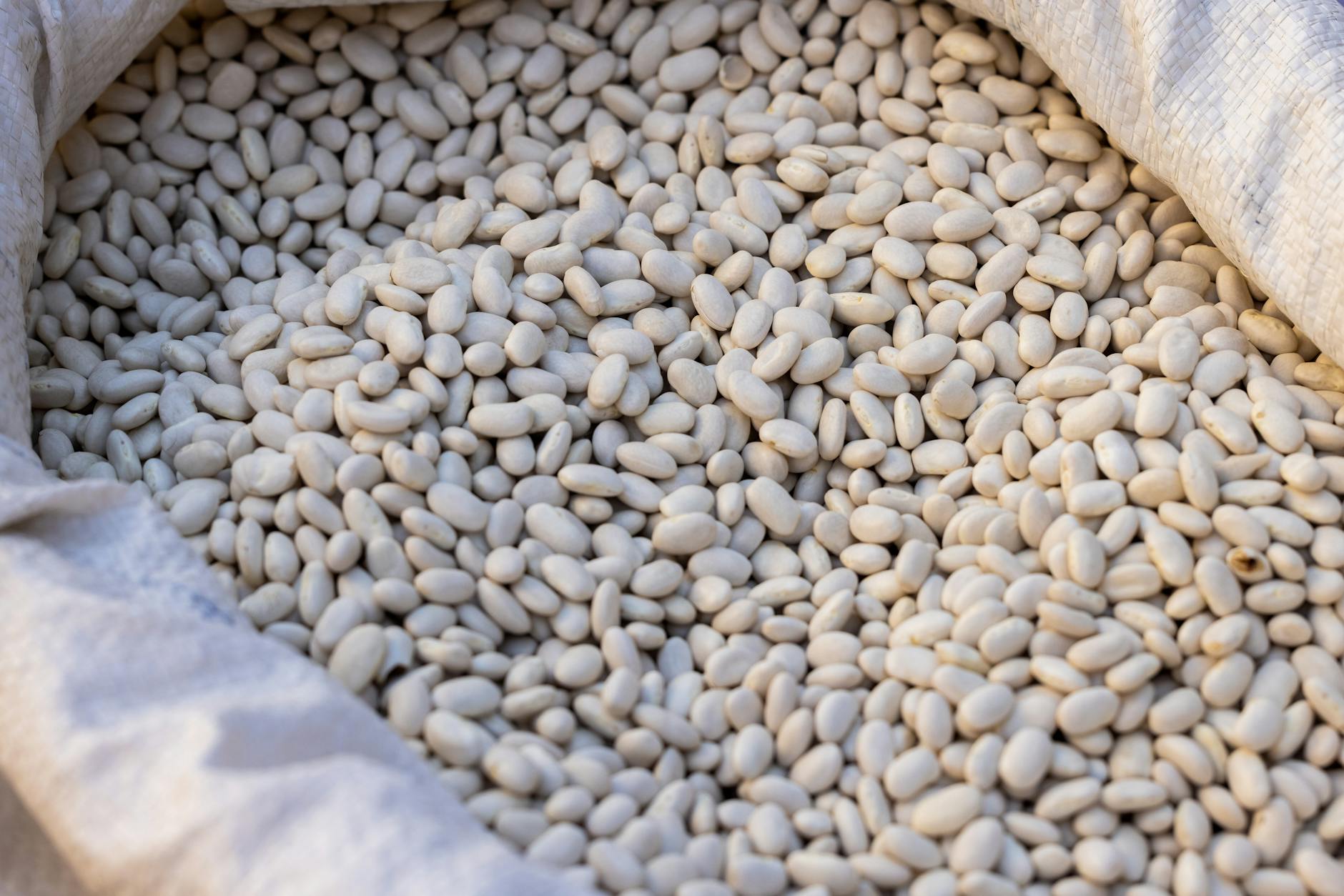
Navy beans are small white legumes that become creamy and soft when cooked making them ideal for soups. They are incredibly dense in fiber and offer a substantial amount of plant-based protein. These beans are the traditional choice for baked beans and provide a comforting texture. Their mild flavor absorbs seasonings and sauces effectively.
Pumpkin Seeds
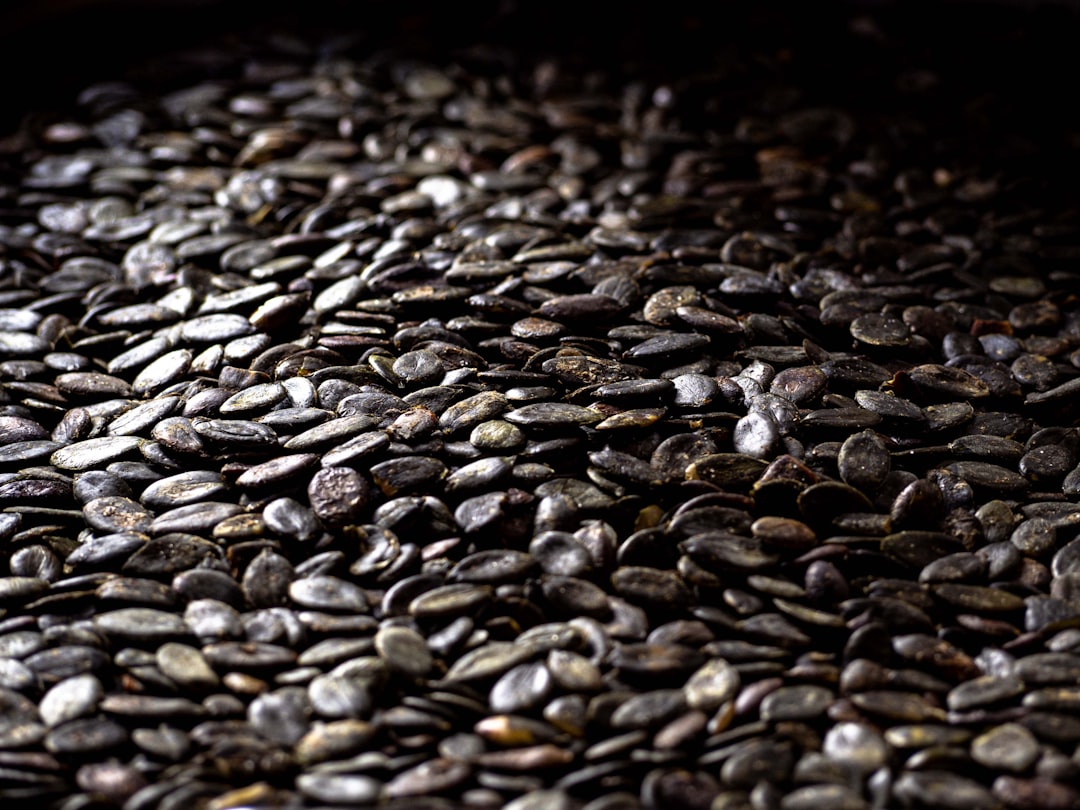
Pumpkin seeds also known as pepitas are flat green seeds that are rich in magnesium and zinc. They provide a satisfying crunch and can be eaten raw or roasted with spices. The fiber and protein content makes them a sustaining snack that curbs hunger. Sprinkling them over pumpkin soup adds a nice textual contrast and visual appeal.
Whole Wheat Pasta
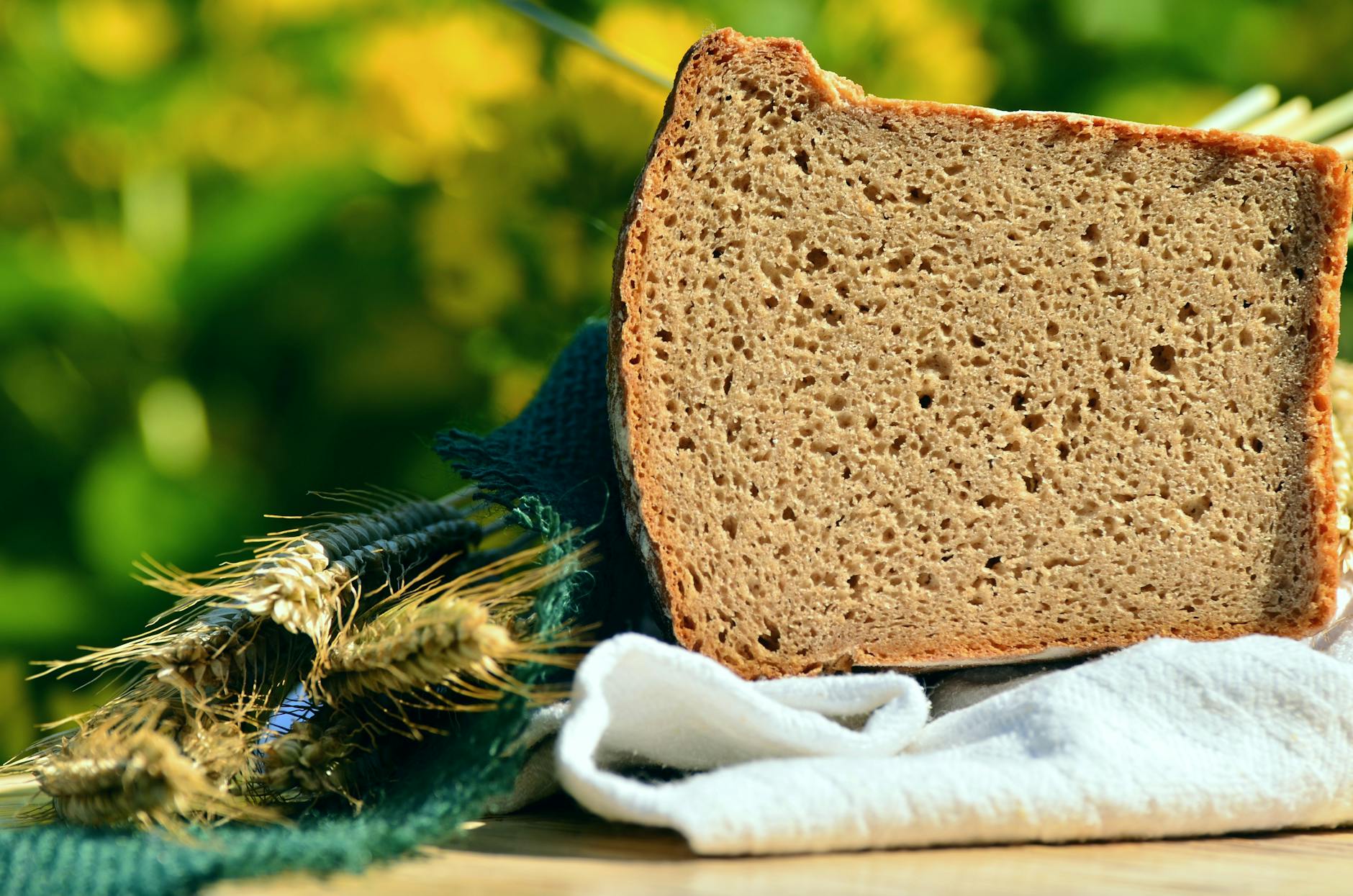
Whole wheat pasta retains the bran and germ of the grain which significantly increases the fiber and nutrient profile compared to white pasta. It has a nuttier flavor and a firmer texture that holds up well to robust sauces. The complex carbohydrates provide sustained energy rather than a quick sugar spike. It pairs well with vegetable-heavy sauces for a nutrient-dense meal.
Brown Rice
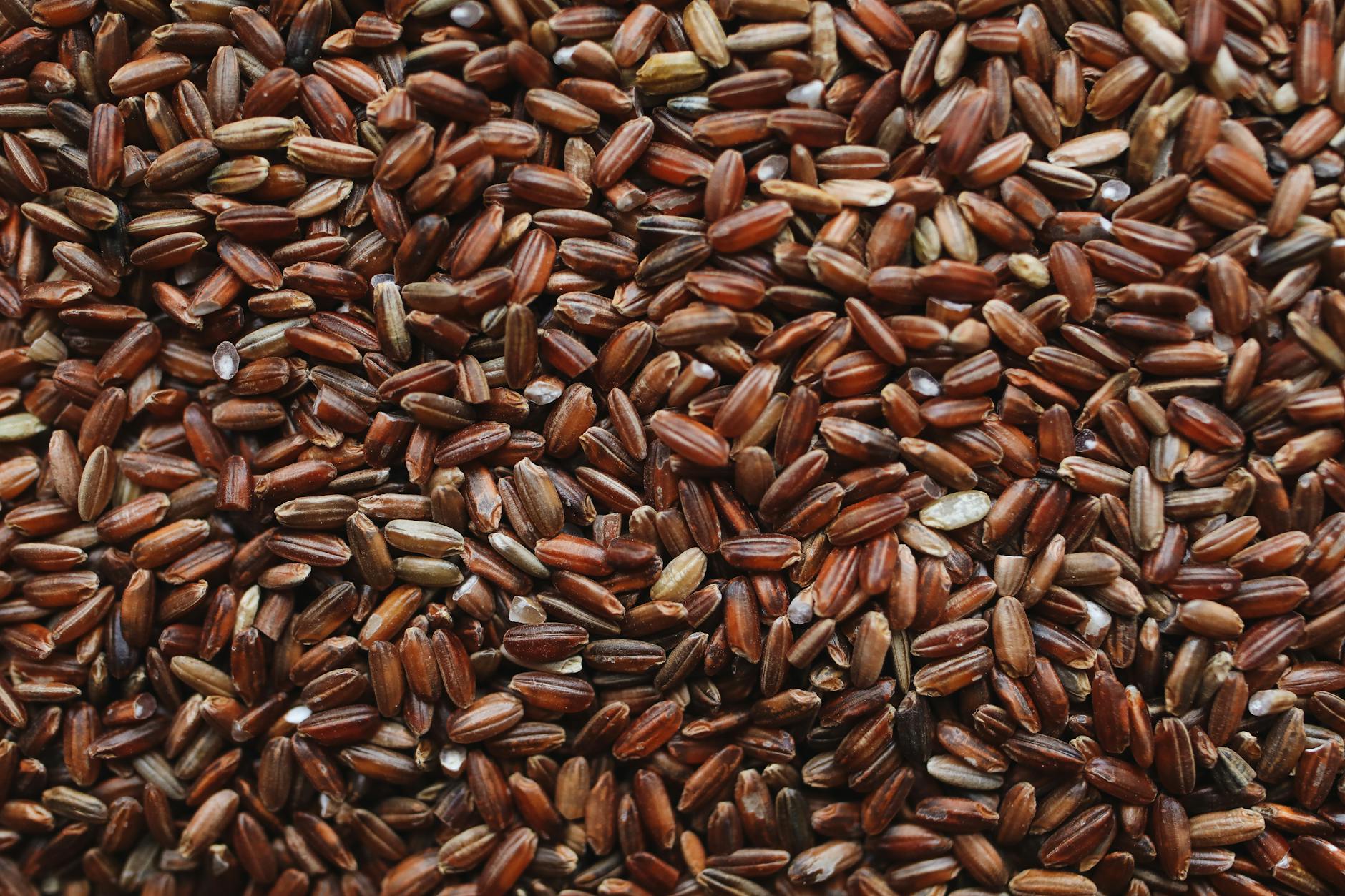
Brown rice is a whole grain that keeps its nutrient-rich bran layer and germ intact. It has a chewier texture and a deeper flavor than refined white rice. This grain is a good source of magnesium and selenium which support various bodily functions. It serves as a hearty base for stir-fries and curry dishes.
Buckwheat
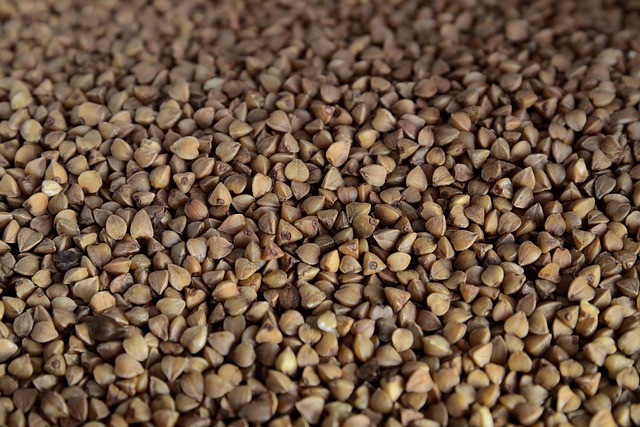
Buckwheat is naturally gluten-free and technically a fruit seed that is related to rhubarb. It has a robust and earthy flavor that is often used in soba noodles and pancakes. The groats can be cooked like rice or used as a crunchy topping for salads. It contains resistant starch which supports gut health and metabolic function.
Bulgur
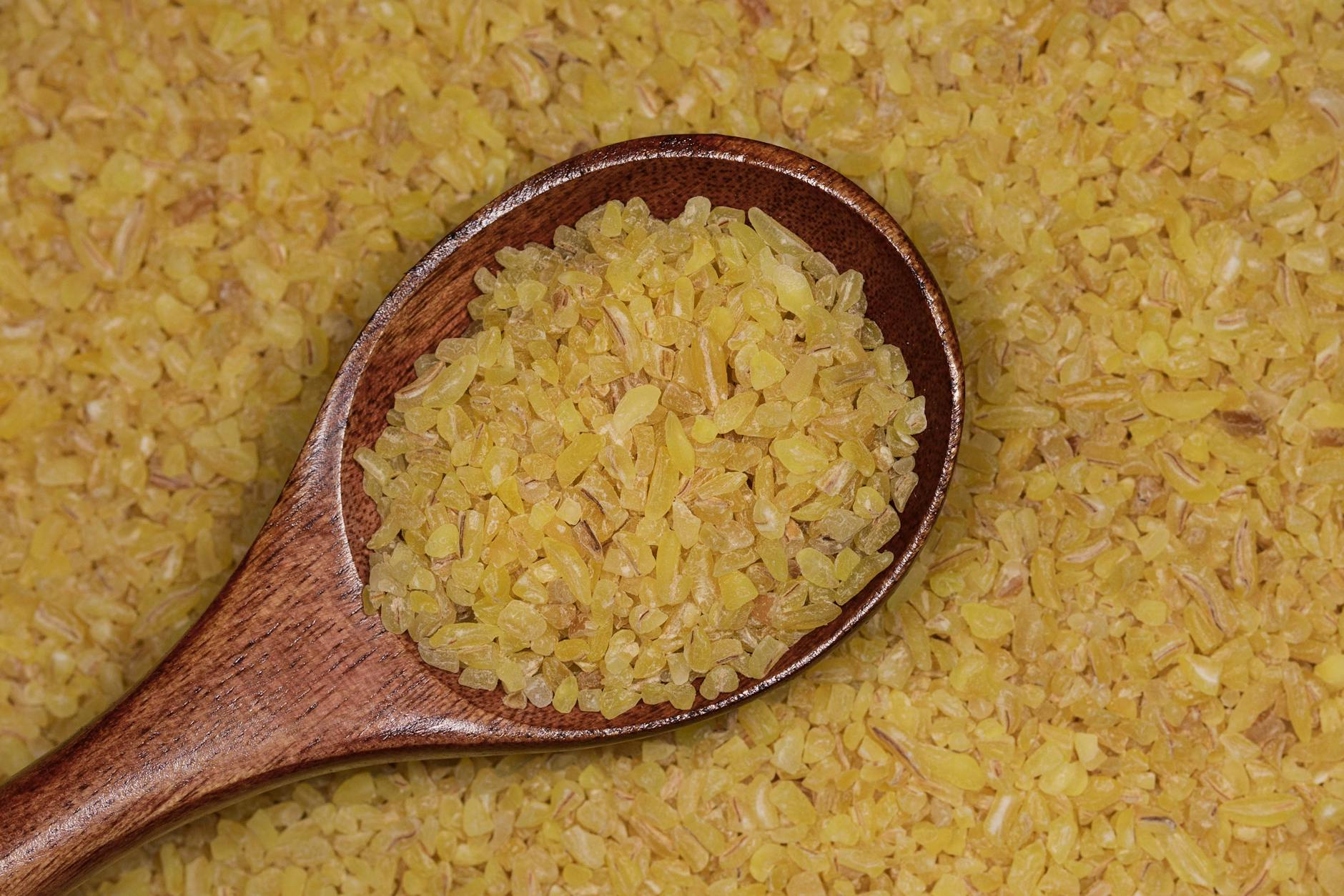
Bulgur is a whole wheat grain that has been cracked and partially pre-cooked so it prepares very quickly. It is the primary ingredient in tabbouleh salad and offers a chewy and light texture. The high fiber content promotes digestive health and helps manage weight. It absorbs dressings and marinades well making it excellent for cold grain salads.
Kale
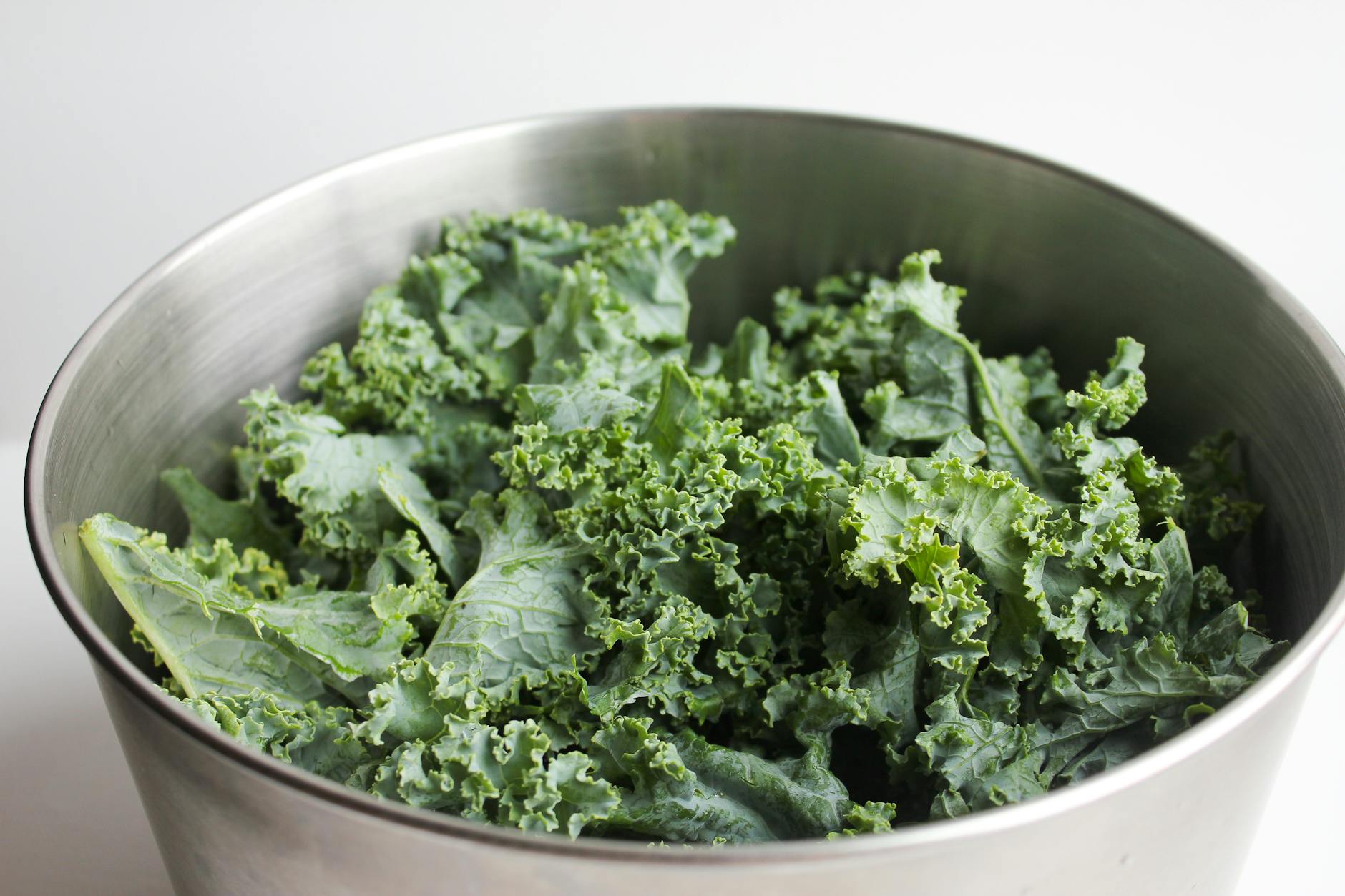
Kale is a nutrient-dense leafy green that retains its structure even when cooked or dressed. It is loaded with antioxidants and vitamins A and K and C. Massaging raw kale with olive oil breaks down the fibrous leaves and makes them tender for salads. Baking the leaves creates a crispy and healthy alternative to potato chips.
Spinach
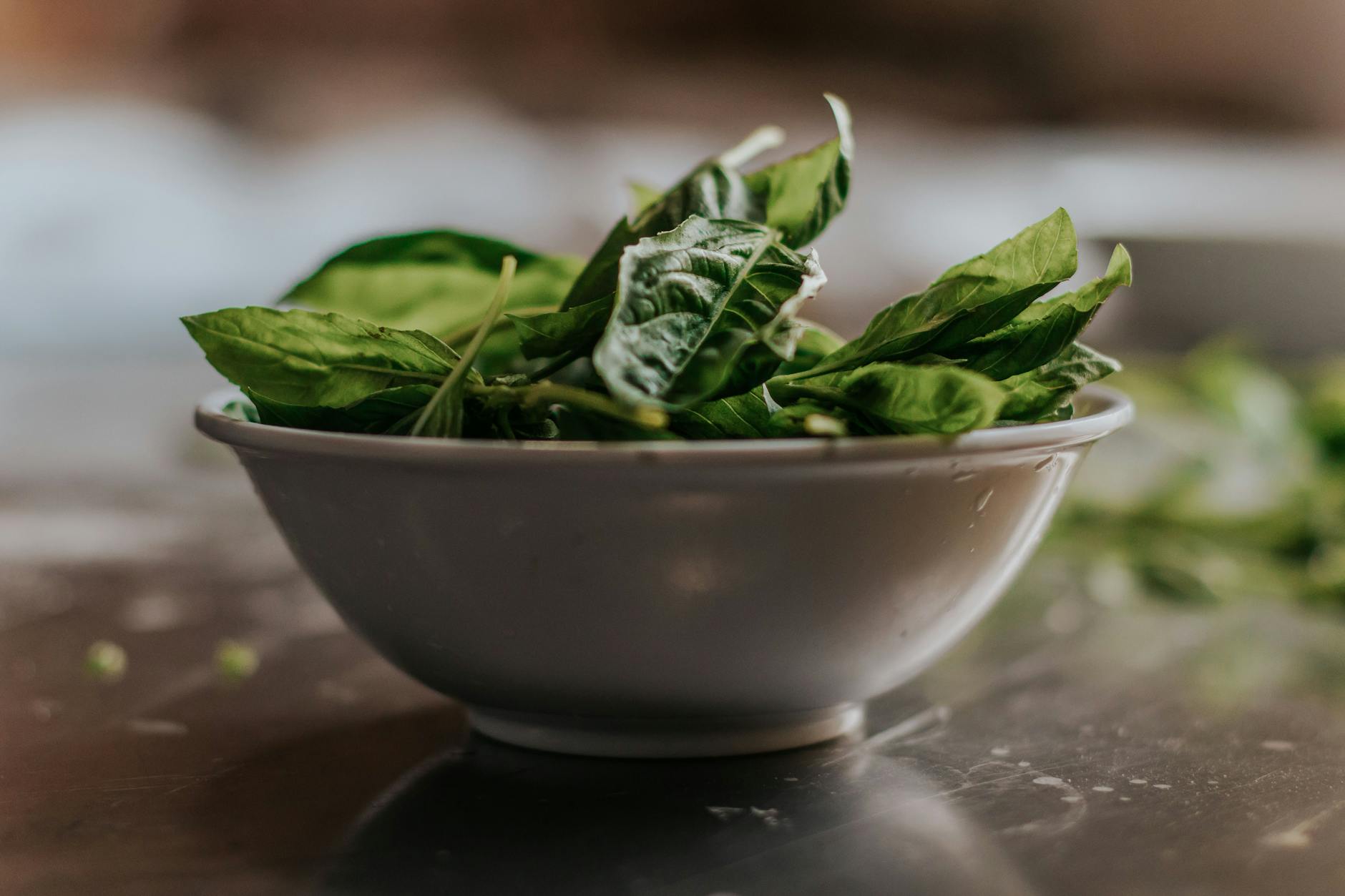
Spinach is a versatile green that can be eaten raw in salads or cooked down into various dishes. It reduces significantly in volume when cooked so it is easy to consume a large amount. This vegetable is rich in iron and folate and vitamins. Adding it to omelets or pasta sauces is an easy way to boost fiber intake.
Guava
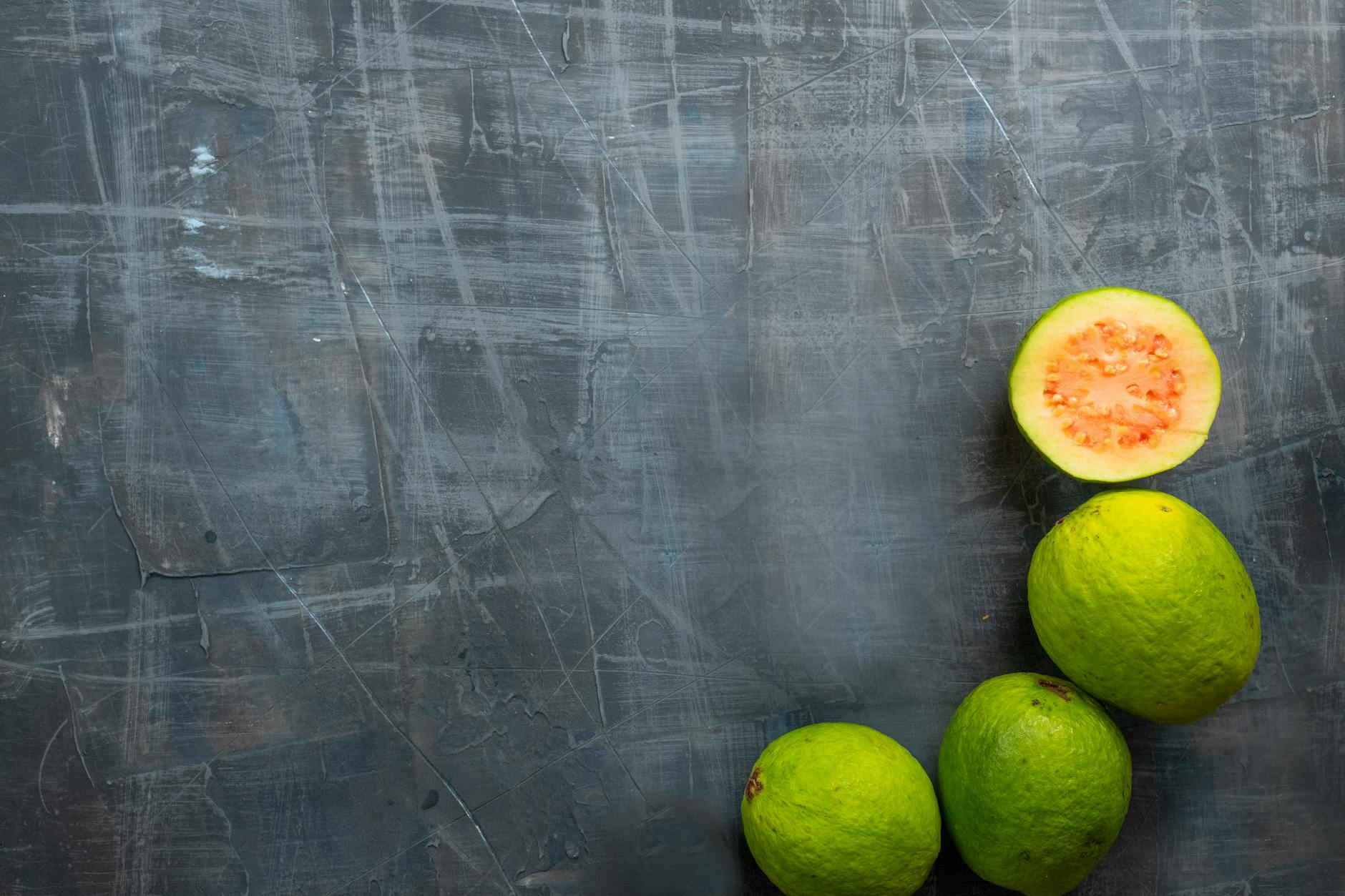
Guava is a tropical fruit that contains one of the highest concentrations of fiber among all fruits. It has a unique sweet and tart flavor and a fragrance that is unmistakable. The seeds are edible and contribute to the overall texture and nutrient profile. It is also exceptionally high in vitamin C which supports immune health.
Coconut
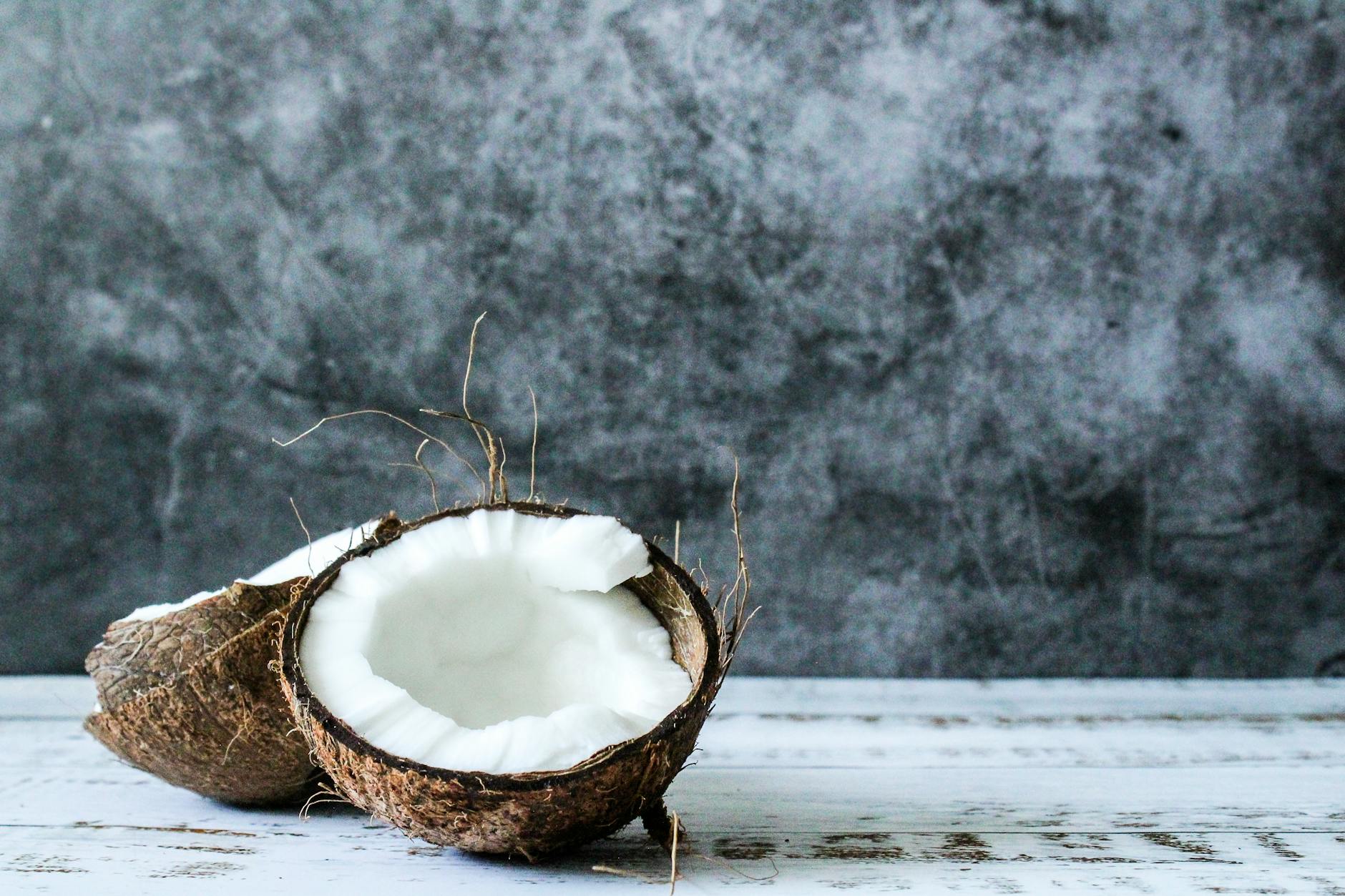
Coconut meat is rich in fiber and medium-chain triglycerides which are a type of fat used for energy. It can be eaten fresh or dried and flaked for use in baking and cooking. The texture is chewy and fibrous which helps promote satiety. Adding coconut to curries or granola adds a tropical flavor and significant texture.
Walnuts
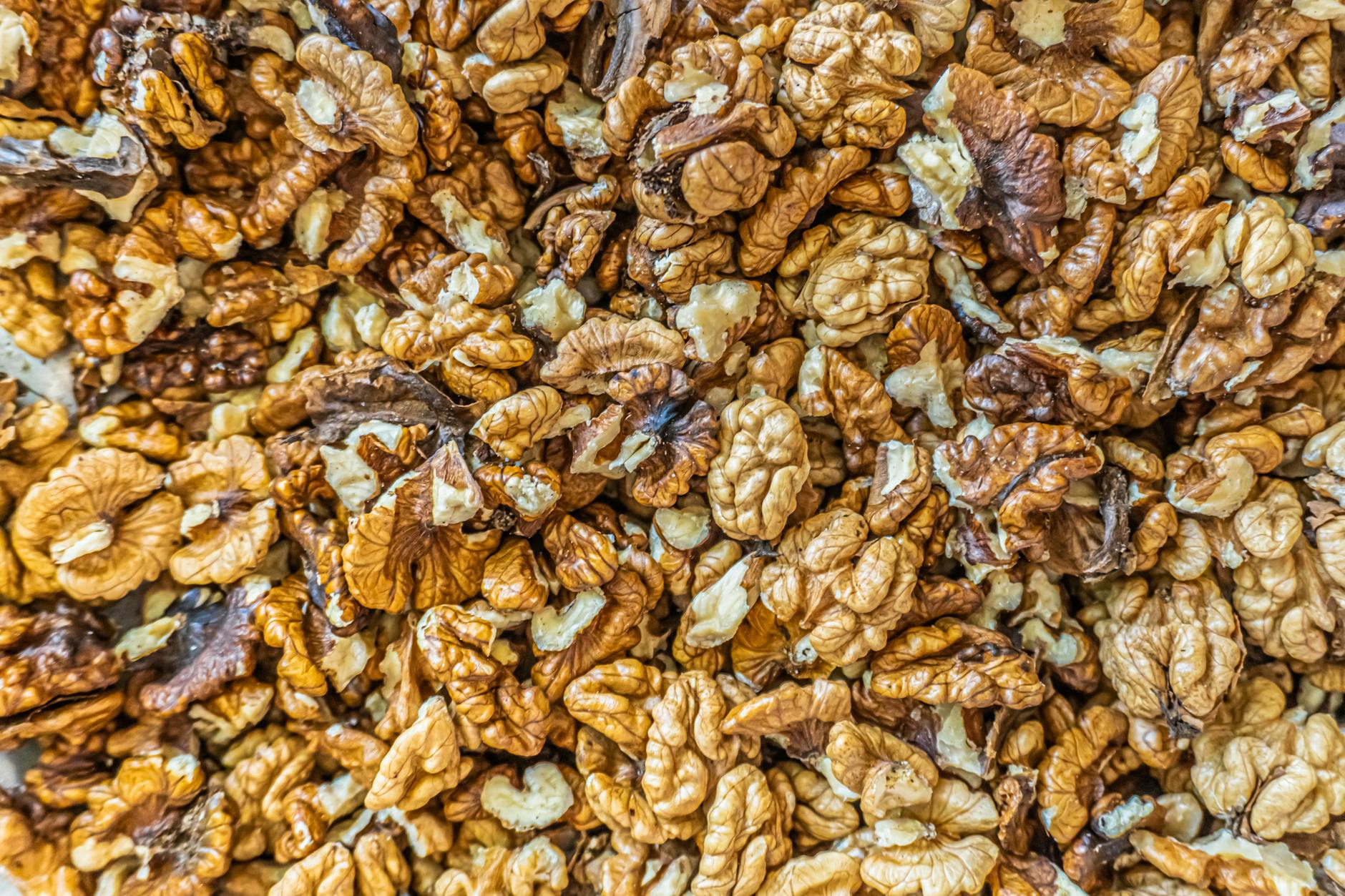
Walnuts are unique among nuts because they contain a significant amount of alpha-linolenic acid which is a plant-based omega-3. They have a rich and slightly bitter flavor that is softened by roasting. The textured surface of the nut makes it great for holding onto spices or coatings. They add a substantial crunch to brownies and oatmeal cookies.
Peas
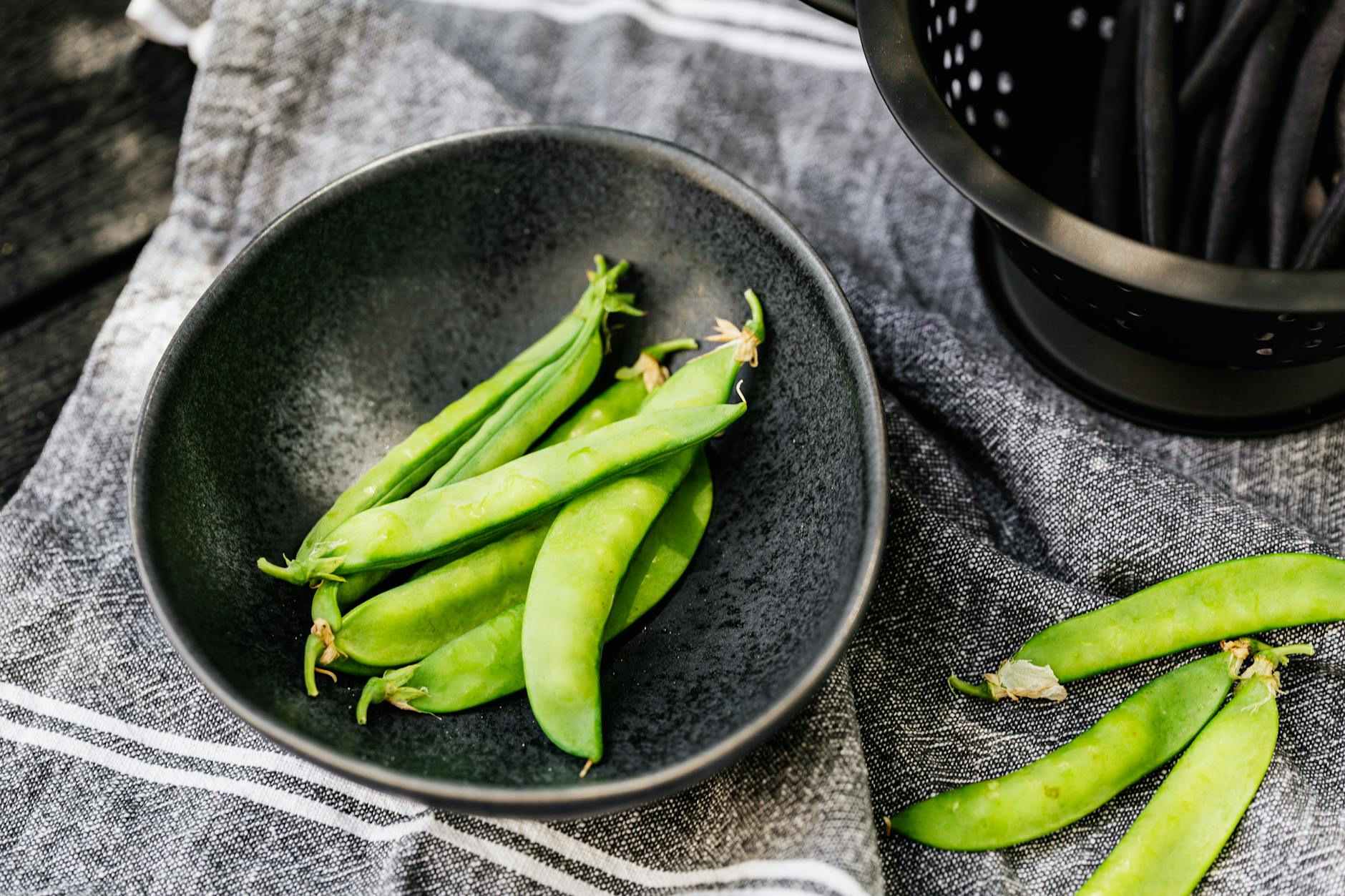
Green peas are often dismissed as a basic side dish but they are surprisingly high in fiber and protein. They have a sweet flavor and a popping texture that appeals to both children and adults. You can keep a bag in the freezer to easily add nutrition to pasta and casseroles. Pureeing them with mint creates a fresh and vibrant dip.
Share your favorite high-fiber recipe or ingredient from this list in the comments to help inspire others on their health journey.