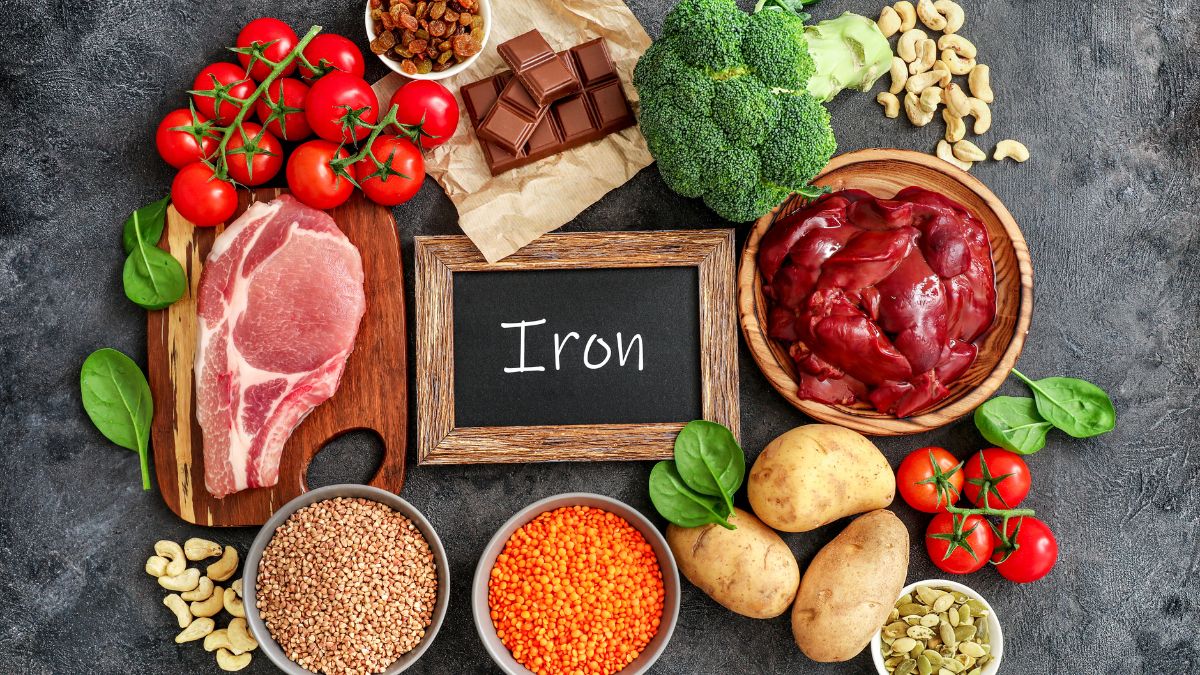
Iron is one of the most essential minerals the human body needs to function at its best, playing a central role in carrying oxygen through the bloodstream and supporting overall energy levels. Many people fall short of their daily iron requirements without even realizing it, making dietary awareness an important part of maintaining good health. From hearty legumes to leafy greens and protein-rich meats, nature offers a remarkable variety of iron-dense foods that can easily be worked into everyday meals. Whether you are managing a deficiency or simply aiming to eat more mindfully, building a diet rich in iron-forward ingredients is a practical and rewarding goal.
Liver
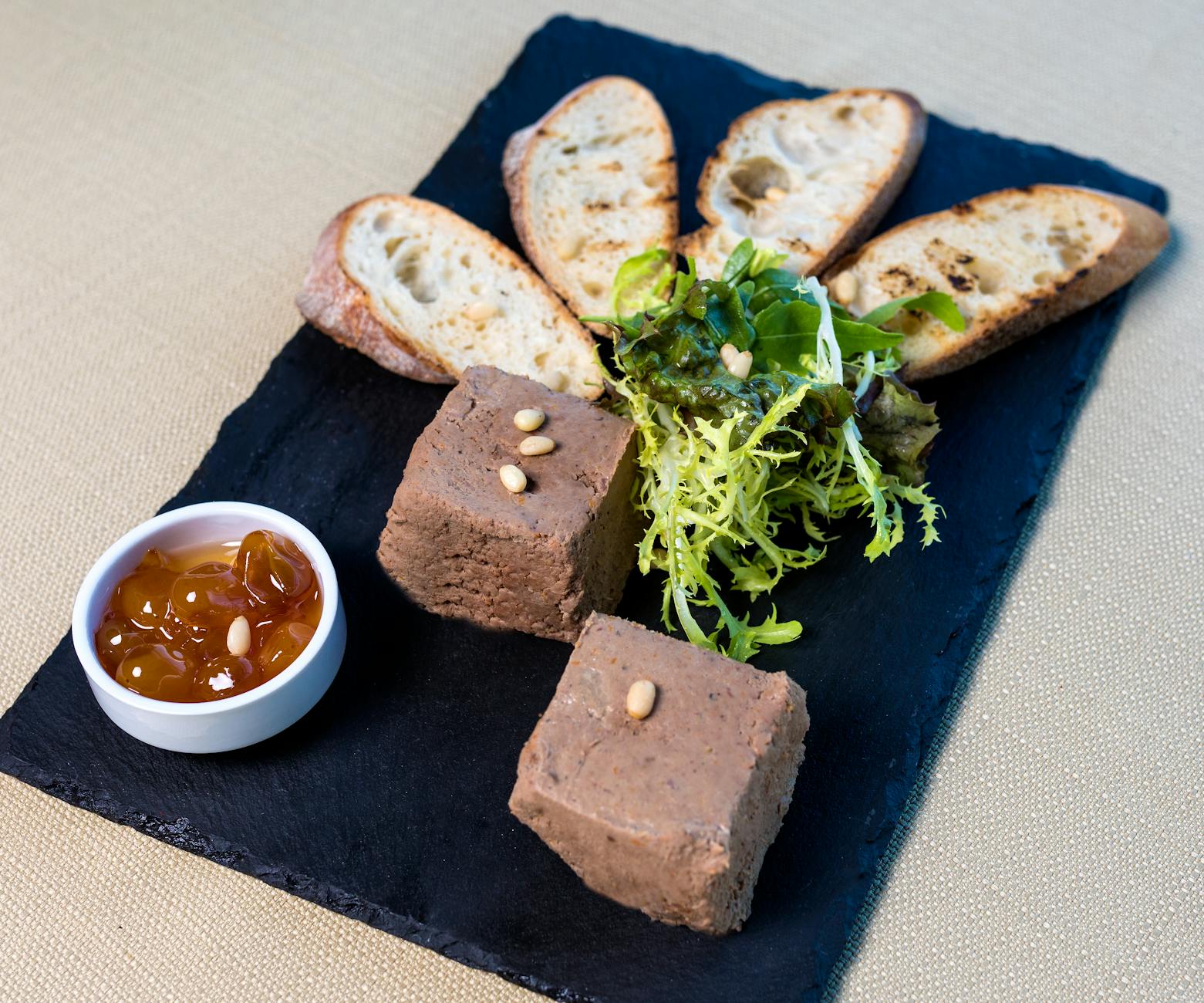
Beef liver is widely regarded as one of the most concentrated food sources of iron available in a typical diet. A single serving delivers a substantial amount of heme iron, which is the form most readily absorbed by the human body. It is also packed with vitamin B12, copper, and folate, making it a nutritional powerhouse beyond just its iron content. Liver has long been a staple in traditional cuisines around the world, often pan-fried with onions or incorporated into pâtés. Its rich, dense flavor makes it a satisfying ingredient for those looking to boost their nutrient intake significantly.
Oysters
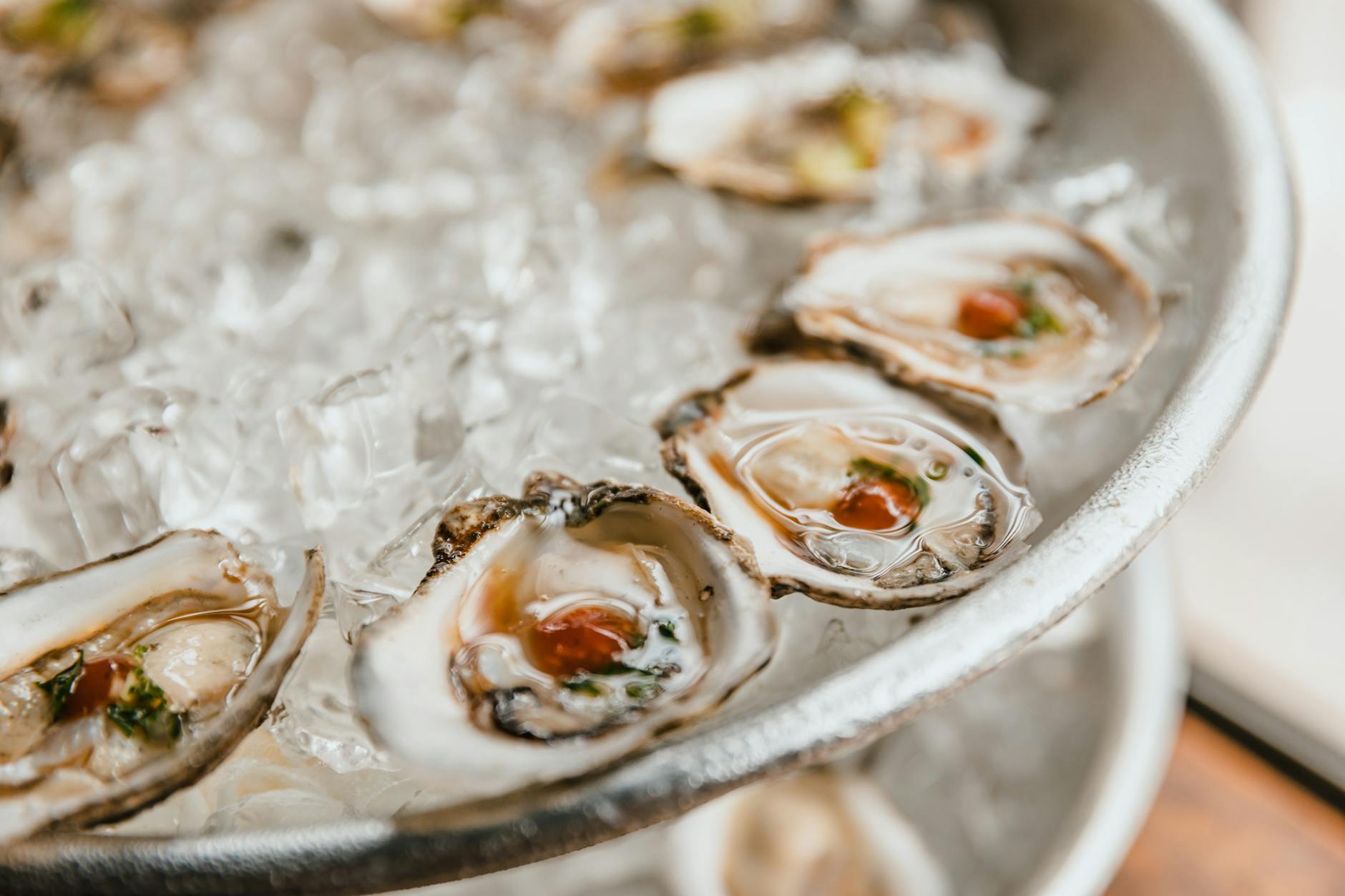
Oysters are among the most iron-rich shellfish available and have been prized as a nutritious food source for centuries. A single serving of cooked oysters can provide a meaningful portion of the daily recommended iron intake for adults. They also supply zinc, vitamin B12, and omega-3 fatty acids, contributing to cardiovascular and immune health alongside their iron benefits. Oysters are commonly enjoyed steamed, grilled, or served raw on the half shell with a squeeze of lemon. Their naturally briny flavor pairs well with a wide range of accompaniments, making them a versatile addition to a nutrient-focused diet.
Spinach
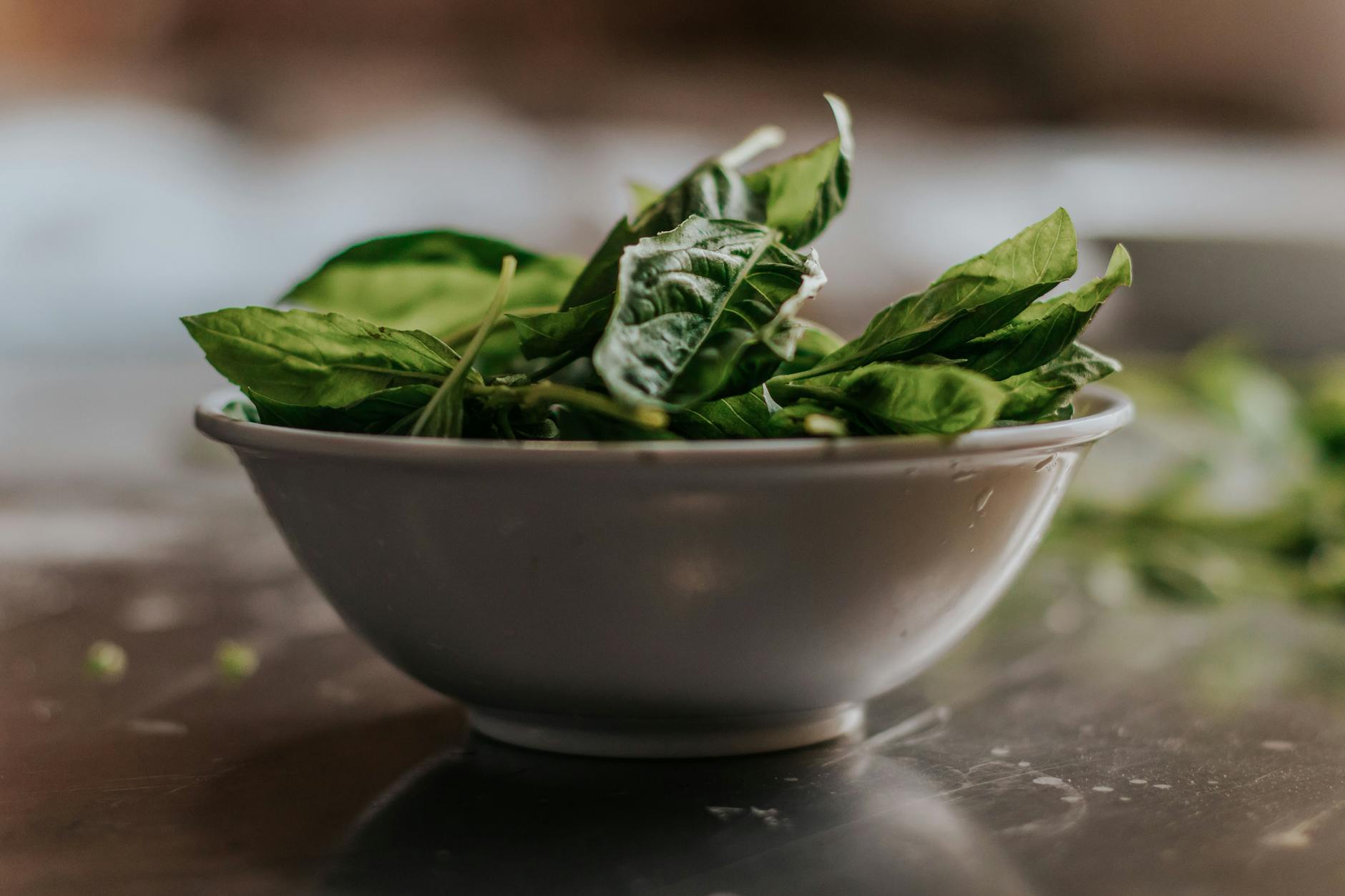
Spinach is one of the most well-known plant-based sources of iron and a staple of health-conscious eating worldwide. It contains non-heme iron, which is less readily absorbed than heme iron but can be significantly enhanced when consumed alongside vitamin C-rich foods. Beyond iron, spinach delivers folate, magnesium, and vitamins A and K in impressive quantities. It can be eaten raw in salads, wilted into pasta dishes, blended into smoothies, or sautéed as a simple side. Its mild flavor and versatility make it one of the easiest iron-rich foods to incorporate into a daily routine.
Lentils
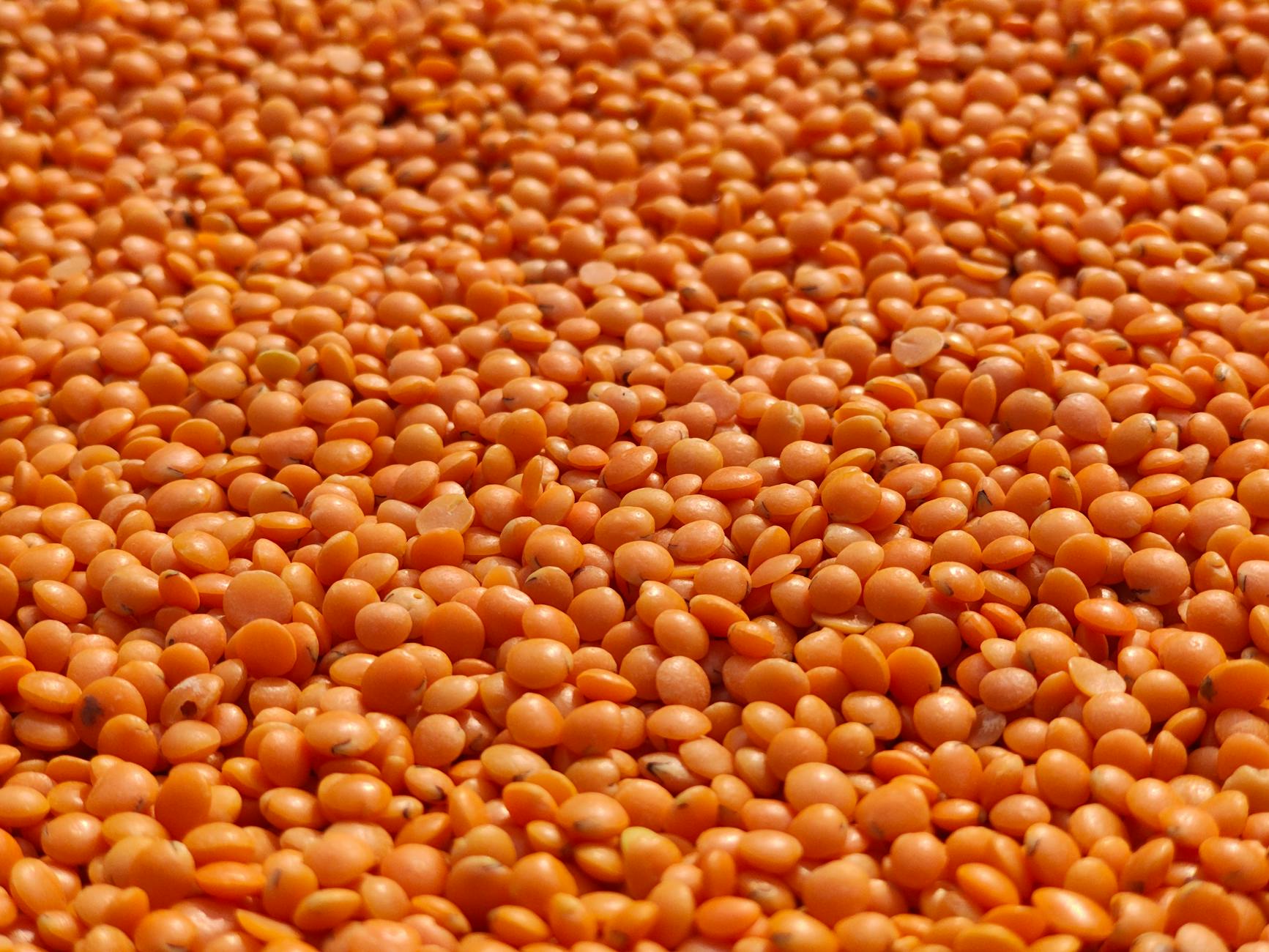
Lentils are a nutritional cornerstone of plant-based diets and one of the most accessible high-iron legumes available. A cooked cup of lentils delivers a substantial amount of non-heme iron along with significant quantities of protein and dietary fiber. They are also rich in folate and potassium, supporting heart health and healthy blood pressure levels. Lentils come in several varieties including red, green, and black, each suited to different culinary applications from soups to salads. Their affordability and long shelf life make them a practical everyday ingredient for those prioritizing iron intake.
Chickpeas
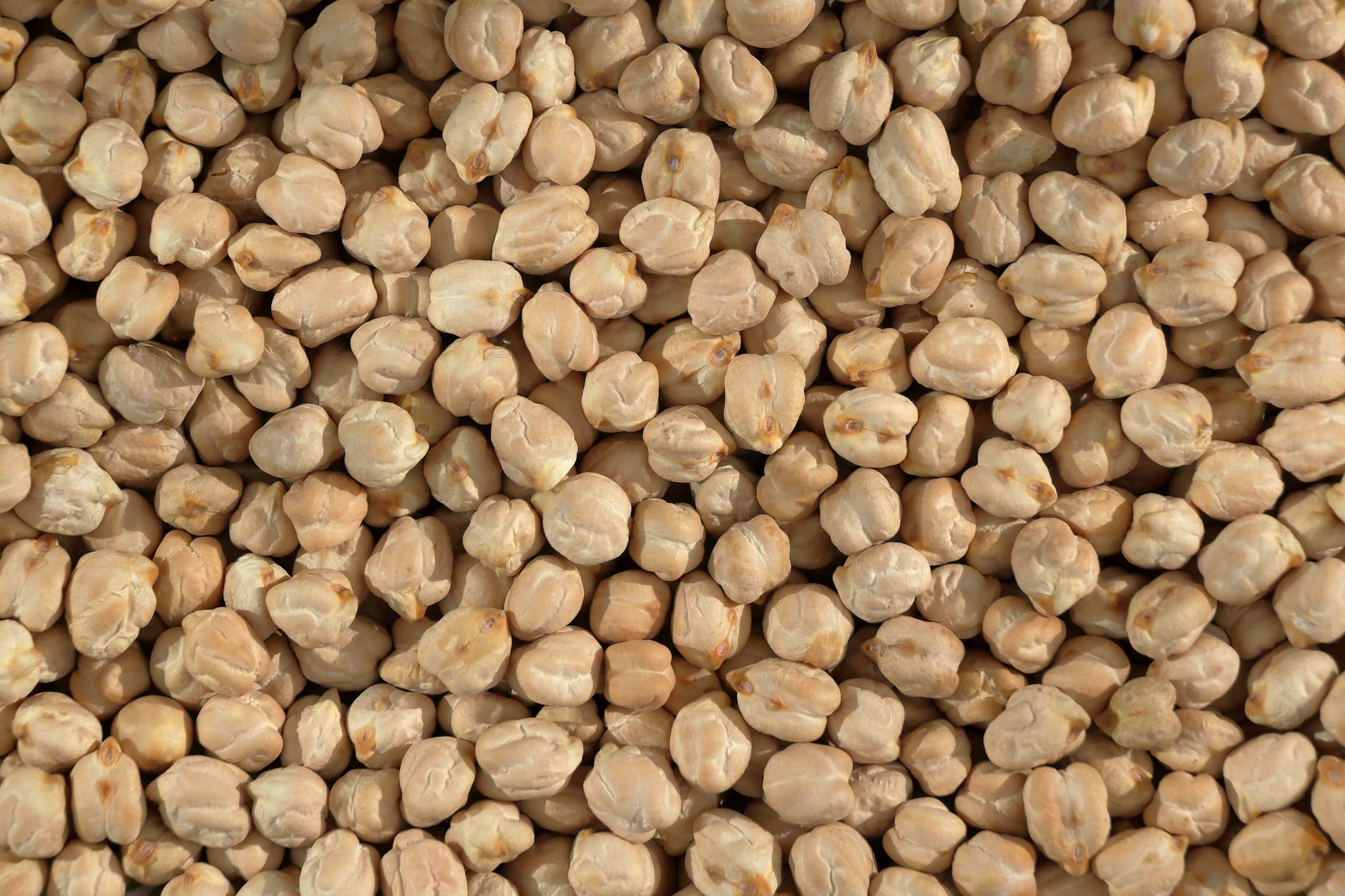
Chickpeas are a beloved legume with a notably high iron content that makes them a valuable addition to plant-forward meal plans. They are rich in both protein and complex carbohydrates, providing sustained energy alongside their mineral benefits. Chickpeas also contain folate, phosphorus, and magnesium, contributing to a well-rounded nutritional profile. They are widely used in dishes such as hummus, curries, roasted snacks, and hearty grain bowls. Their mild, nutty flavor and satisfying texture make them a crowd-pleasing ingredient that works across a wide range of cuisines.
Kidney Beans
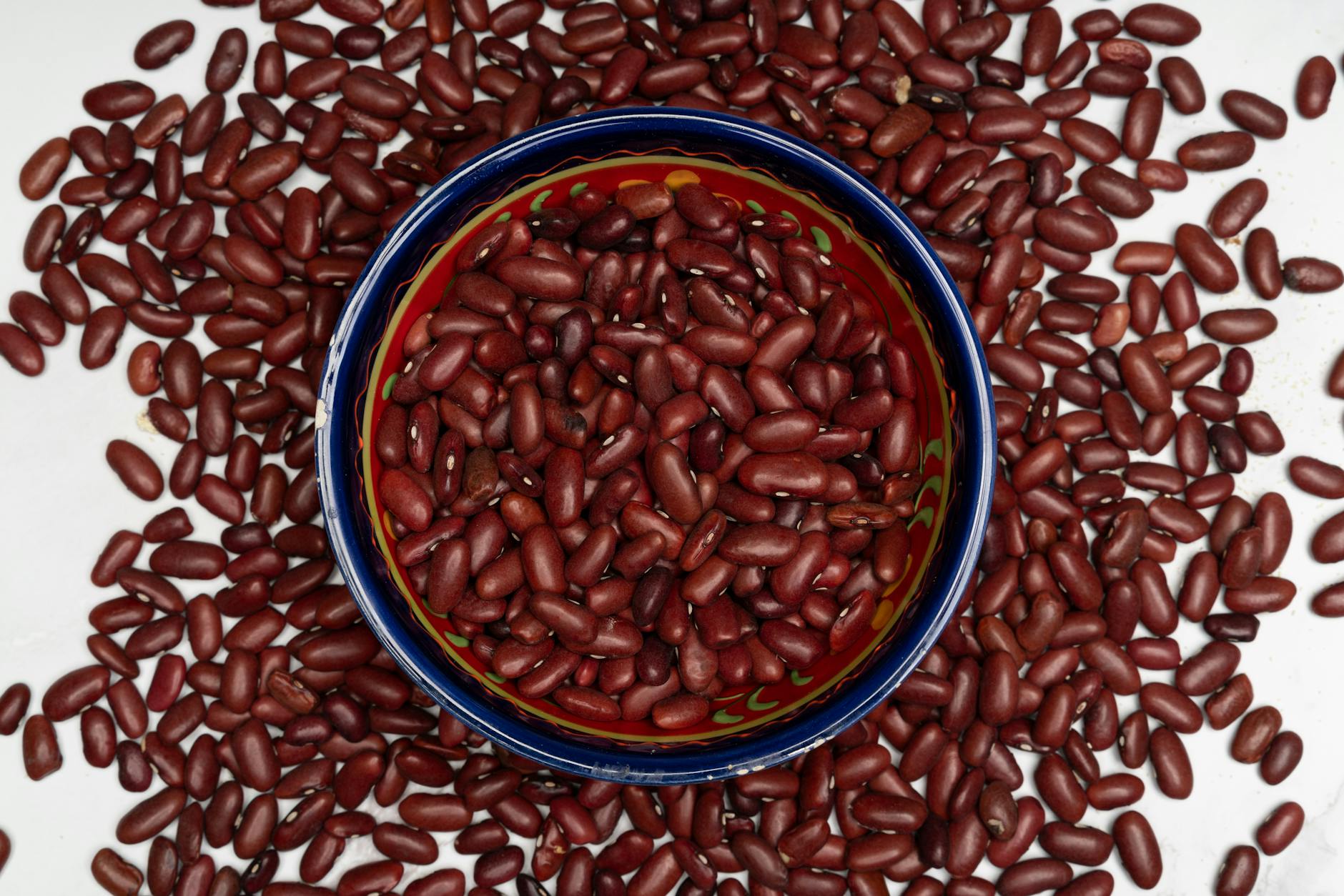
Kidney beans are a fiber-rich legume that also rank among the better plant-based sources of dietary iron. Their deep red variety is particularly associated with traditional dishes like chili, red beans and rice, and bean-based stews. In addition to iron, kidney beans offer substantial amounts of protein, folate, and potassium. They have a hearty texture that holds up well in slow-cooked recipes, making them a practical choice for batch cooking. Pairing kidney beans with tomatoes or bell peppers in the same meal enhances iron absorption thanks to the vitamin C content of those vegetables.
Tofu
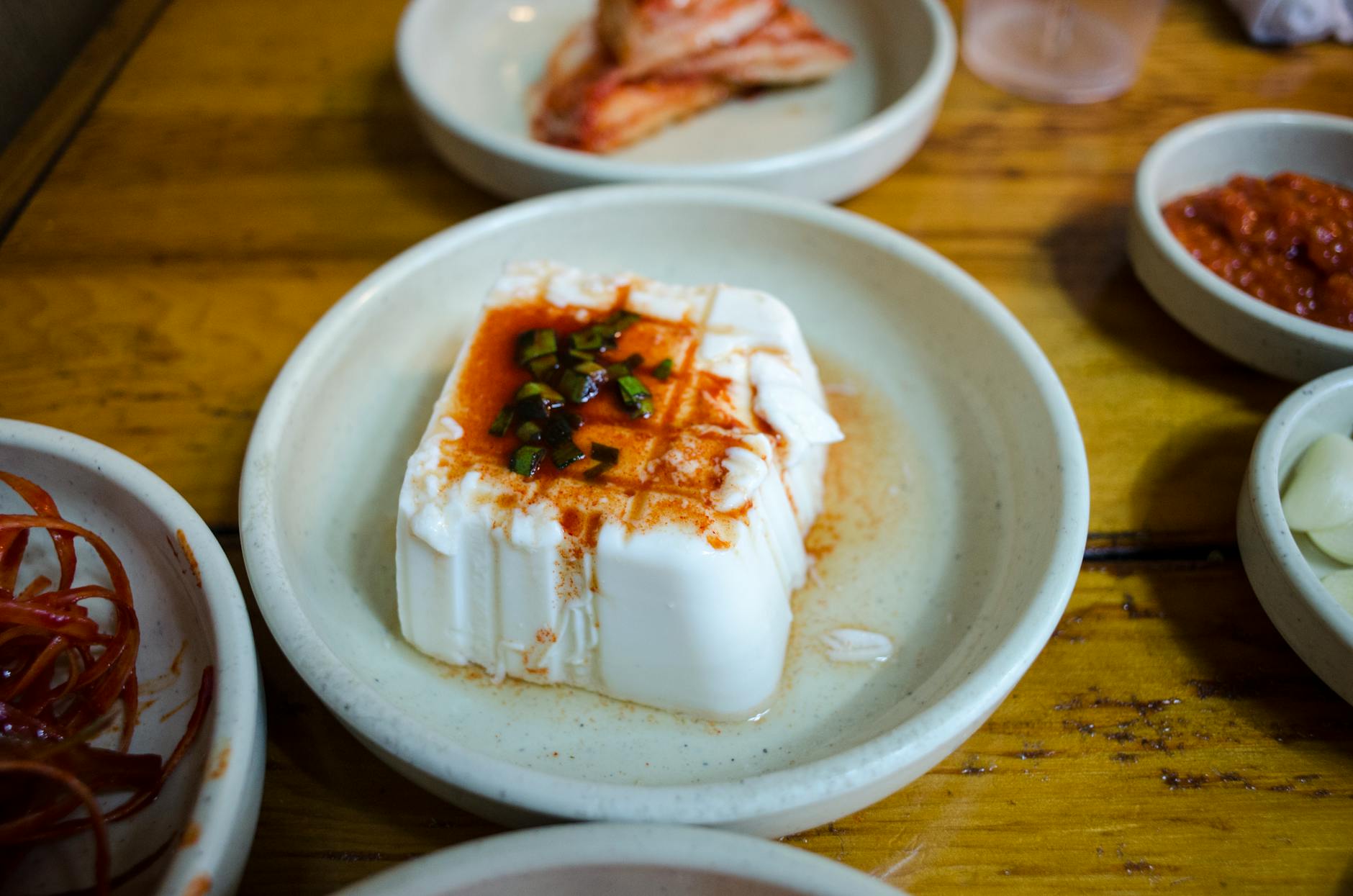
Tofu is a widely consumed plant-based protein that also serves as a meaningful source of non-heme iron. Made from coagulated soy milk, it is a staple ingredient across East and Southeast Asian cuisines and has become popular globally among vegetarians and vegans. Firm tofu in particular provides a notable iron contribution per serving, along with calcium and all essential amino acids. It absorbs marinades and sauces readily, making it adaptable to stir-fries, soups, grain bowls, and grilled preparations. Consuming tofu alongside iron-absorption enhancers such as citrus juice or bell peppers can help the body make the most of its mineral content.
Tempeh
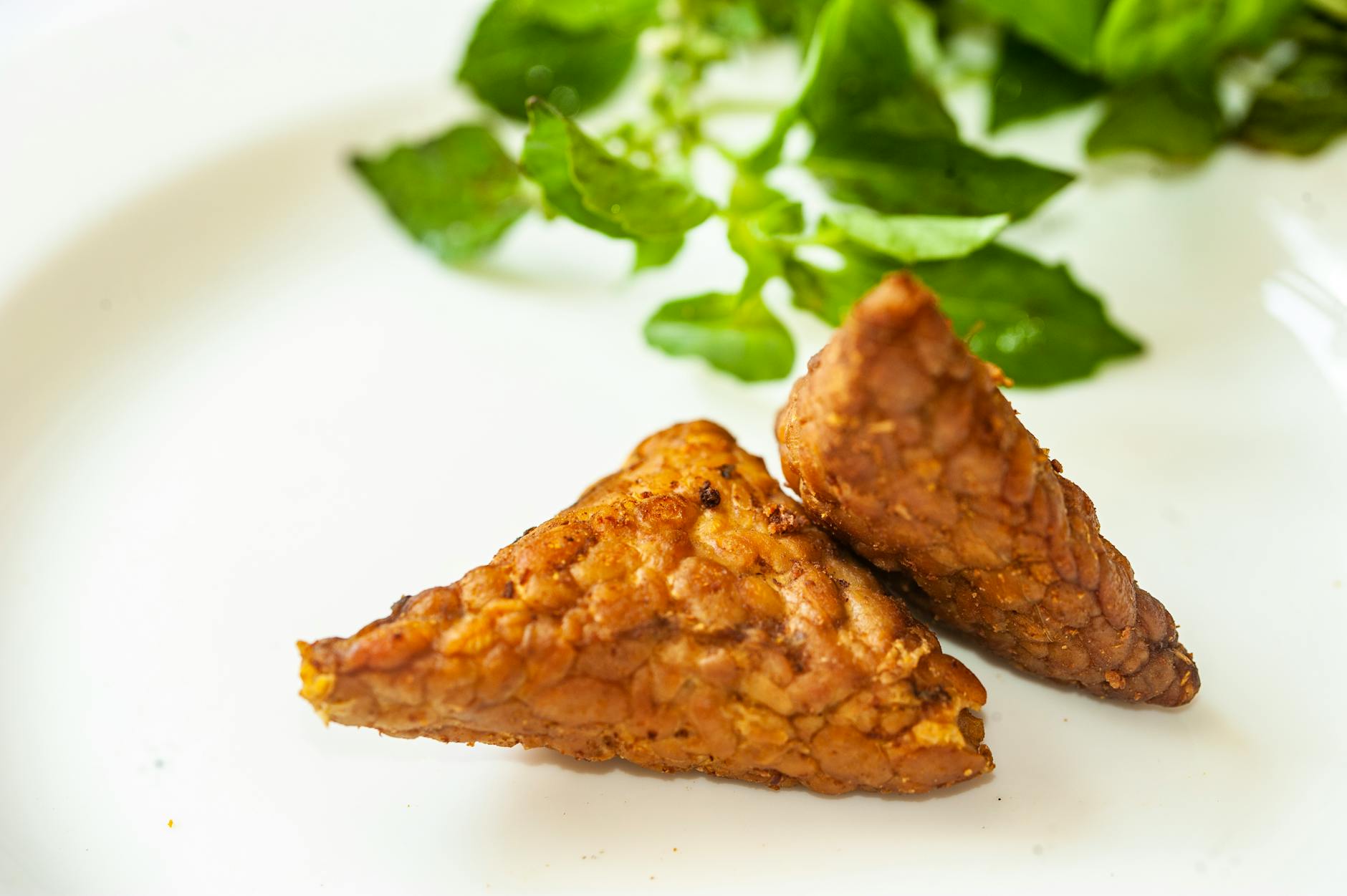
Tempeh is a fermented soy product that offers a higher protein and iron content than many other plant-based protein sources. The fermentation process not only enhances its digestibility but also increases the bioavailability of key nutrients including iron. It has a firm, chewy texture and a slightly nutty flavor that deepens when grilled, sautéed, or marinated. Tempeh is commonly used as a meat substitute in sandwiches, grain bowls, and stir-fried dishes. Its dense nutritional profile makes it a smart choice for anyone seeking to increase iron intake through whole, minimally processed foods.
Edamame
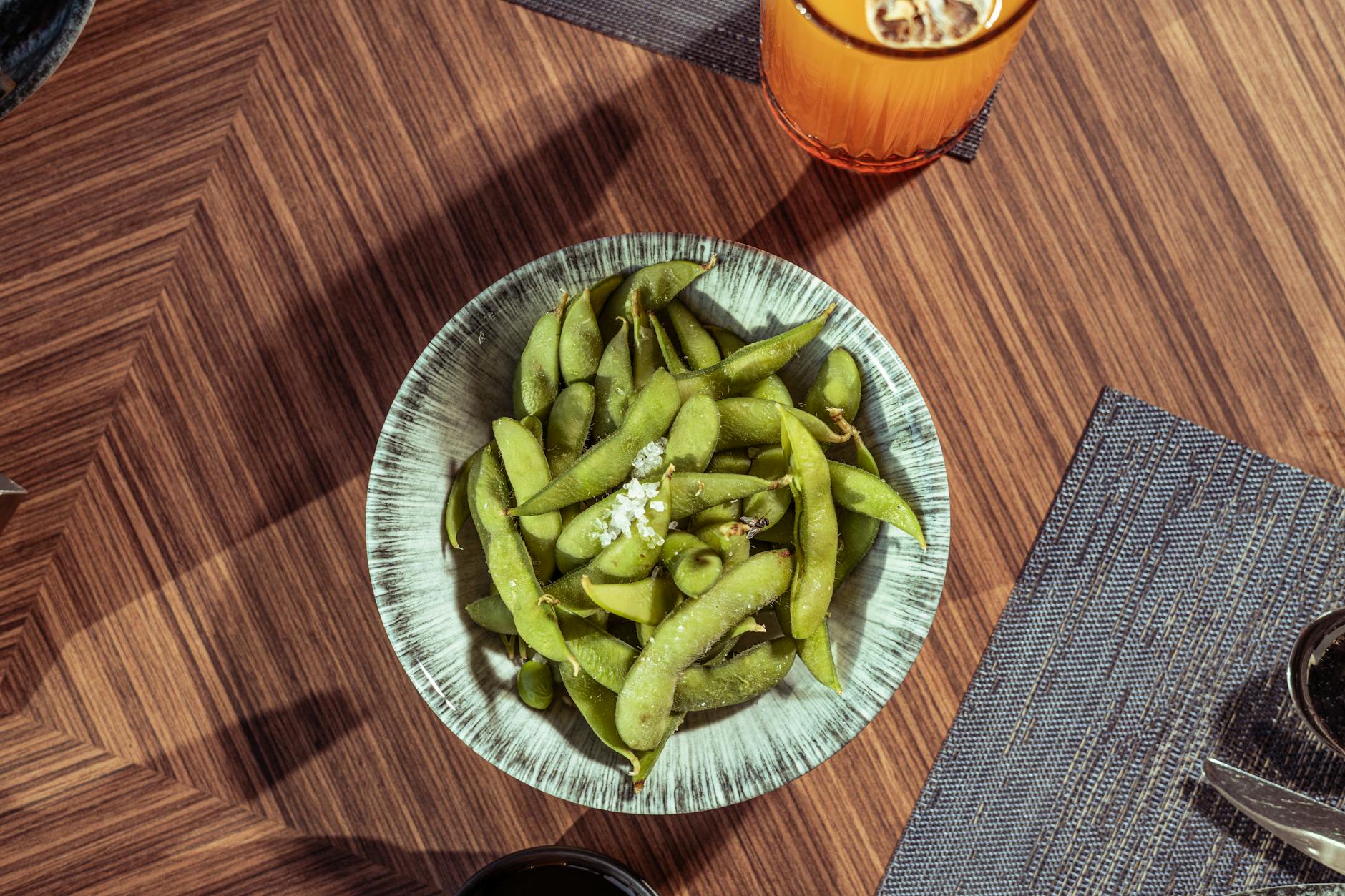
Edamame, the young green soybean served in its pod, is a snack and side dish that contributes meaningfully to daily iron needs. A cup of cooked edamame delivers a solid portion of non-heme iron along with plant-based protein and fiber. It is also a good source of folate and vitamin K, rounding out its appeal as a nutrient-dense food. Edamame is commonly enjoyed lightly salted as an appetizer, tossed into grain bowls, or added to stir-fries and noodle dishes. Its bright flavor and satisfying texture make it an easy and enjoyable way to work more iron into everyday eating.
Quinoa
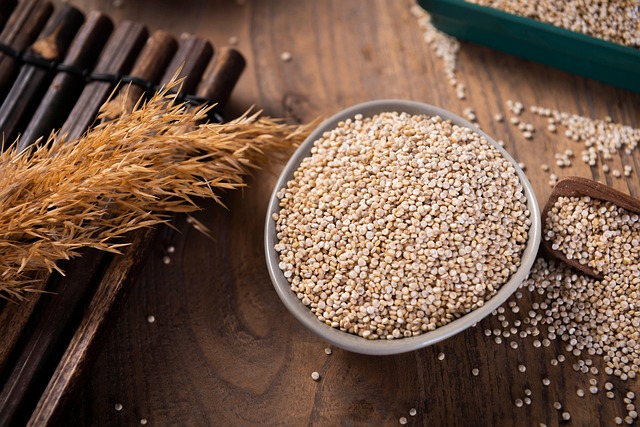
Quinoa is a complete plant protein that also provides a respectable amount of iron per cooked serving. Unlike most grains, it contains all nine essential amino acids, making it a nutritionally comprehensive base for a variety of meals. Its iron content is complemented by magnesium, phosphorus, and a range of B vitamins that support energy metabolism. Quinoa cooks quickly and has a light, fluffy texture that pairs well with roasted vegetables, legumes, and lean proteins. It has become a globally popular grain alternative and a reliable foundation for iron-conscious meal planning.
Hemp Seeds
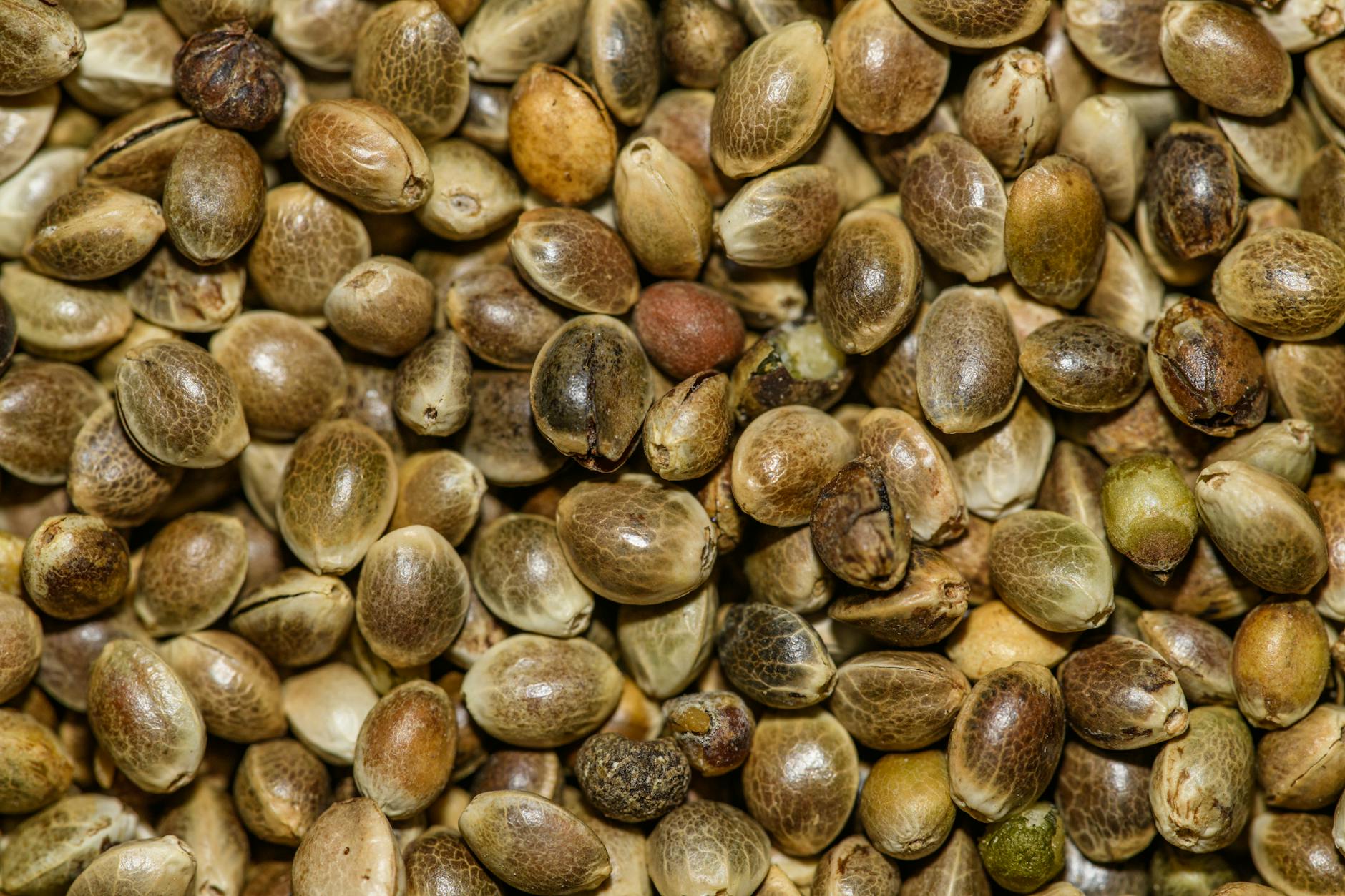
Hemp seeds are a compact nutritional powerhouse that deliver a notable amount of iron in just a small serving. They are also exceptionally rich in omega-3 and omega-6 fatty acids in a favorable ratio, alongside complete plant protein. Their mild, slightly nutty taste makes them easy to sprinkle over oatmeal, salads, smoothie bowls, and yogurt without altering the overall flavor of a dish. Hemp seeds require no cooking or preparation, making them one of the most convenient iron-rich additions to a daily diet. Their versatility and nutrient density have made them a popular choice among health-focused eaters worldwide.
Pumpkin Seeds
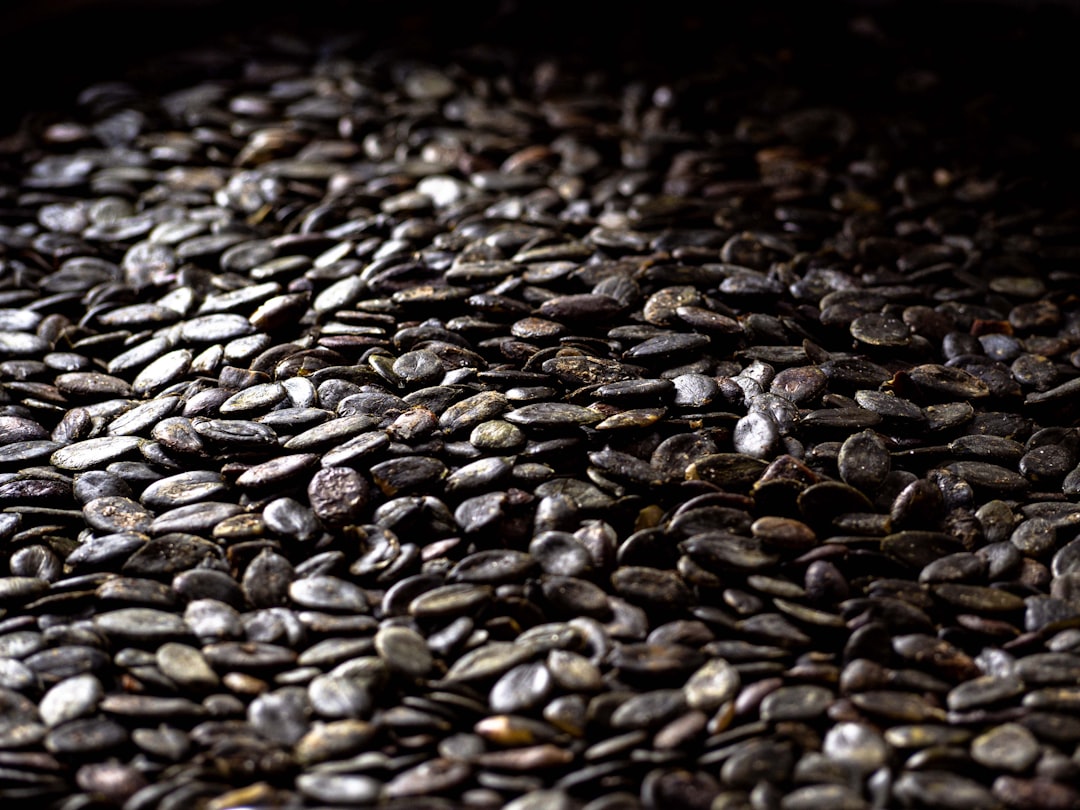
Pumpkin seeds, also known as pepitas, are a crunchy and satisfying snack that happens to be among the richer plant-based sources of iron. A small handful delivers a meaningful iron contribution along with zinc, magnesium, and healthy fats. They can be eaten raw or roasted, and are equally at home in trail mixes, salads, soups, and baked goods. Pumpkin seeds also contain antioxidants and have been associated with supporting prostate and heart health in nutritional research. Their compact form and long shelf life make them an excellent pantry staple for snacking and meal preparation alike.
Sunflower Seeds
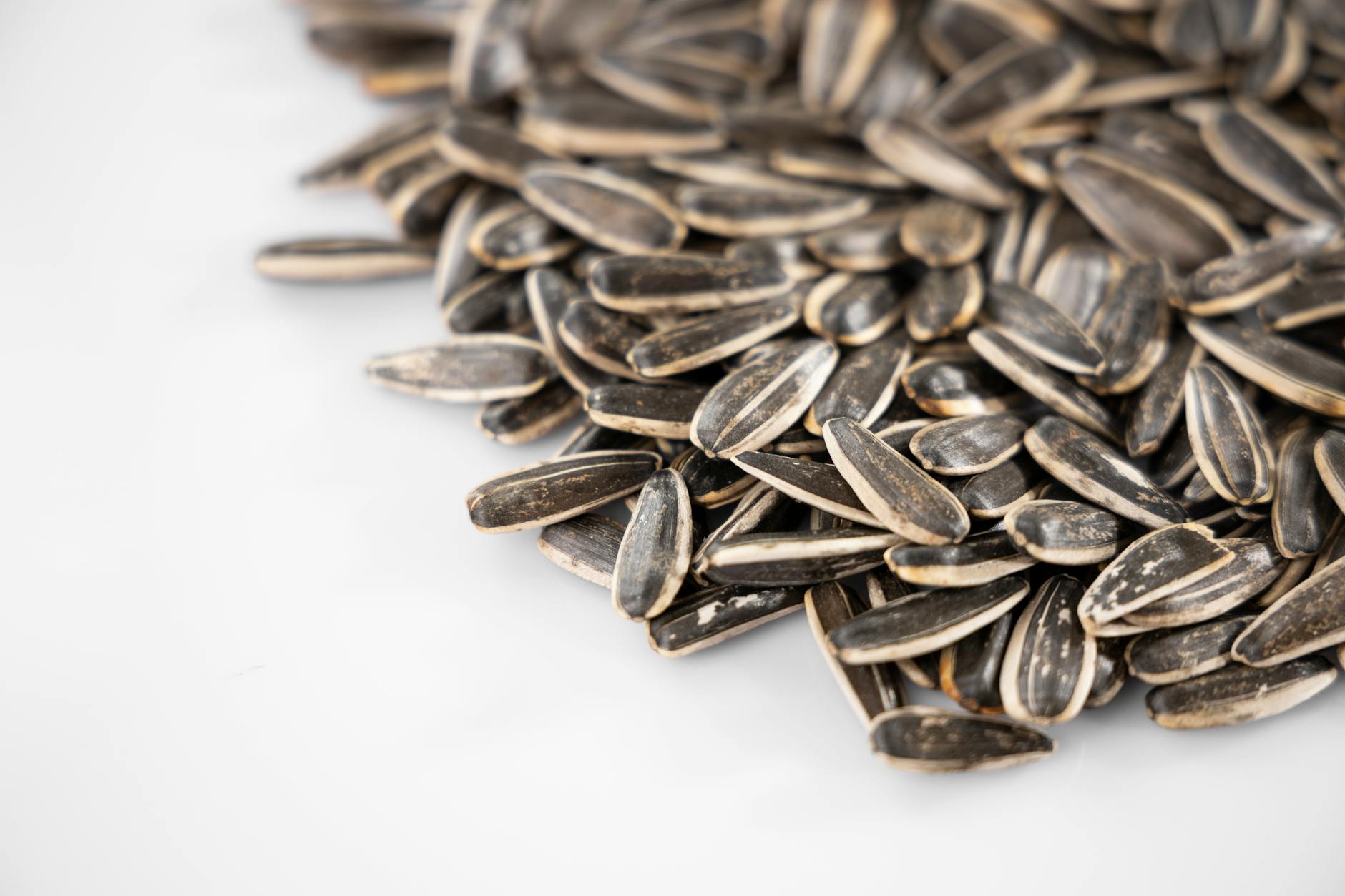
Sunflower seeds are a widely enjoyed snack that also contribute to daily iron intake in a convenient and accessible way. They provide non-heme iron alongside vitamin E, selenium, and healthy unsaturated fats that benefit cardiovascular health. Sunflower seeds can be added to salads, mixed into granola, stirred into nut butter blends, or eaten on their own as a quick snack. Their mild, slightly buttery flavor pairs well with both sweet and savory ingredients. As a portable and shelf-stable option, they make it easy to boost iron consumption throughout the day without elaborate meal preparation.
Sesame Seeds
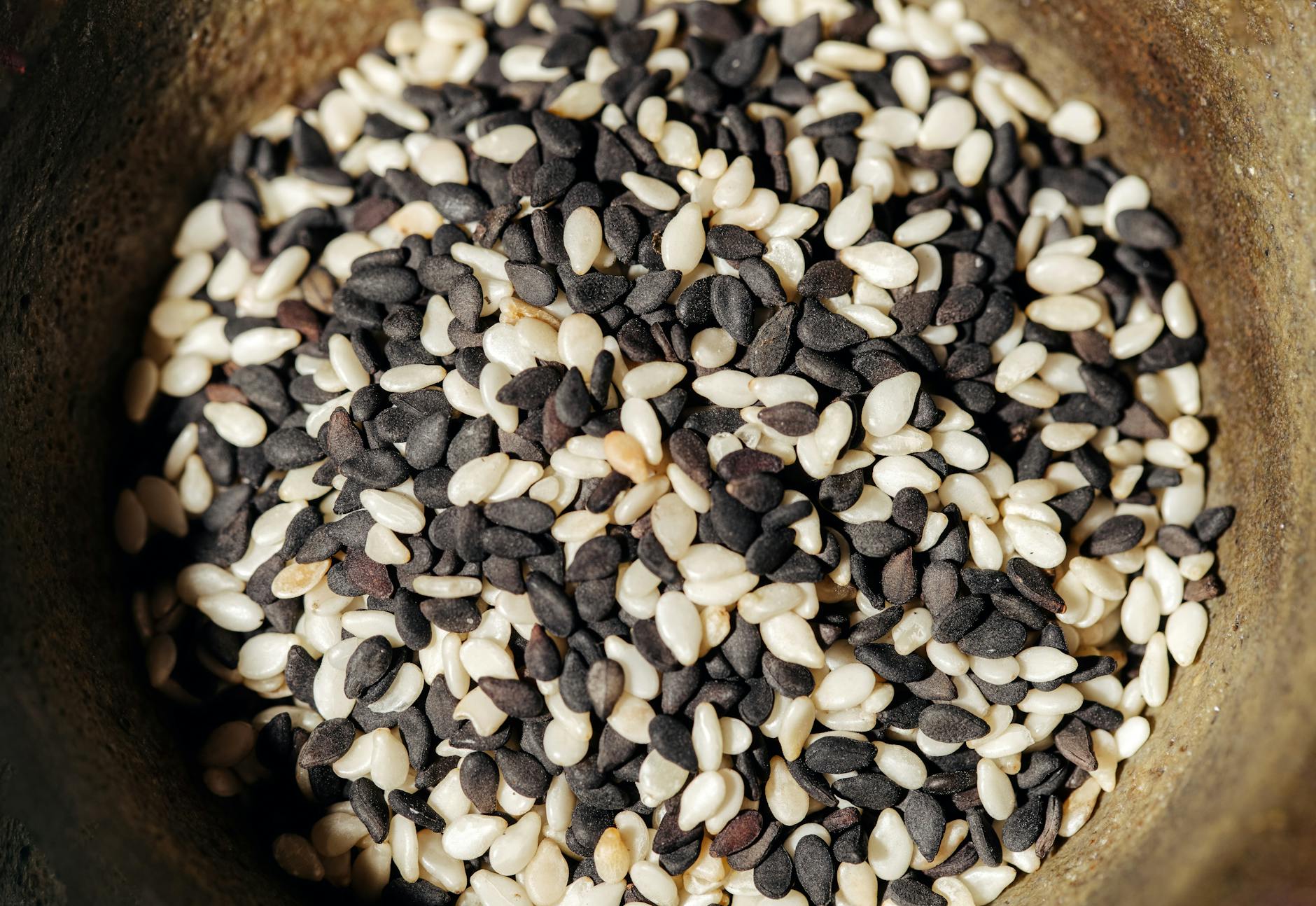
Sesame seeds are a small but mighty ingredient that contribute a notable amount of iron per serving. They are a fundamental component of cuisines across the Middle East, Asia, and North Africa, appearing in dishes from tahini to gomashio. Beyond iron, sesame seeds are rich in calcium, zinc, and lignans, plant compounds with antioxidant properties. They can be toasted and sprinkled over noodles, rice dishes, and vegetables, or ground into a paste that forms the base of sauces and dressings. Their deep, toasty flavor elevates simple dishes while quietly adding a meaningful nutritional contribution.
Tahini
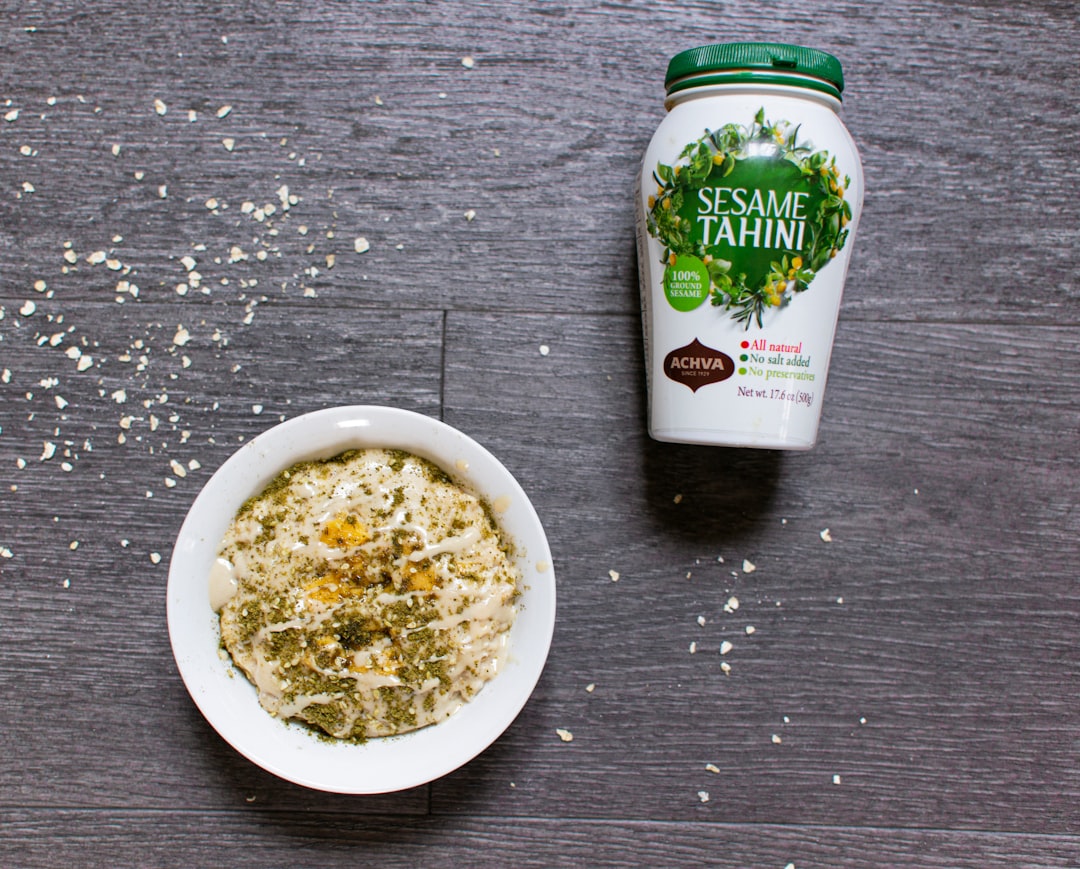
Tahini, the paste made from ground sesame seeds, concentrates many of the nutritional benefits of sesame into a smooth and versatile condiment. It delivers a meaningful amount of iron per tablespoon alongside healthy monounsaturated fats and calcium. Tahini is best known as a key ingredient in hummus but is equally useful as a salad dressing base, a sauce for grilled meats, or a drizzle over roasted vegetables. Its creamy consistency and rich, slightly bitter flavor add depth to both savory and sweet preparations. Incorporating tahini regularly into meals is a flavorful and practical strategy for supporting adequate iron consumption.
Dark Chocolate
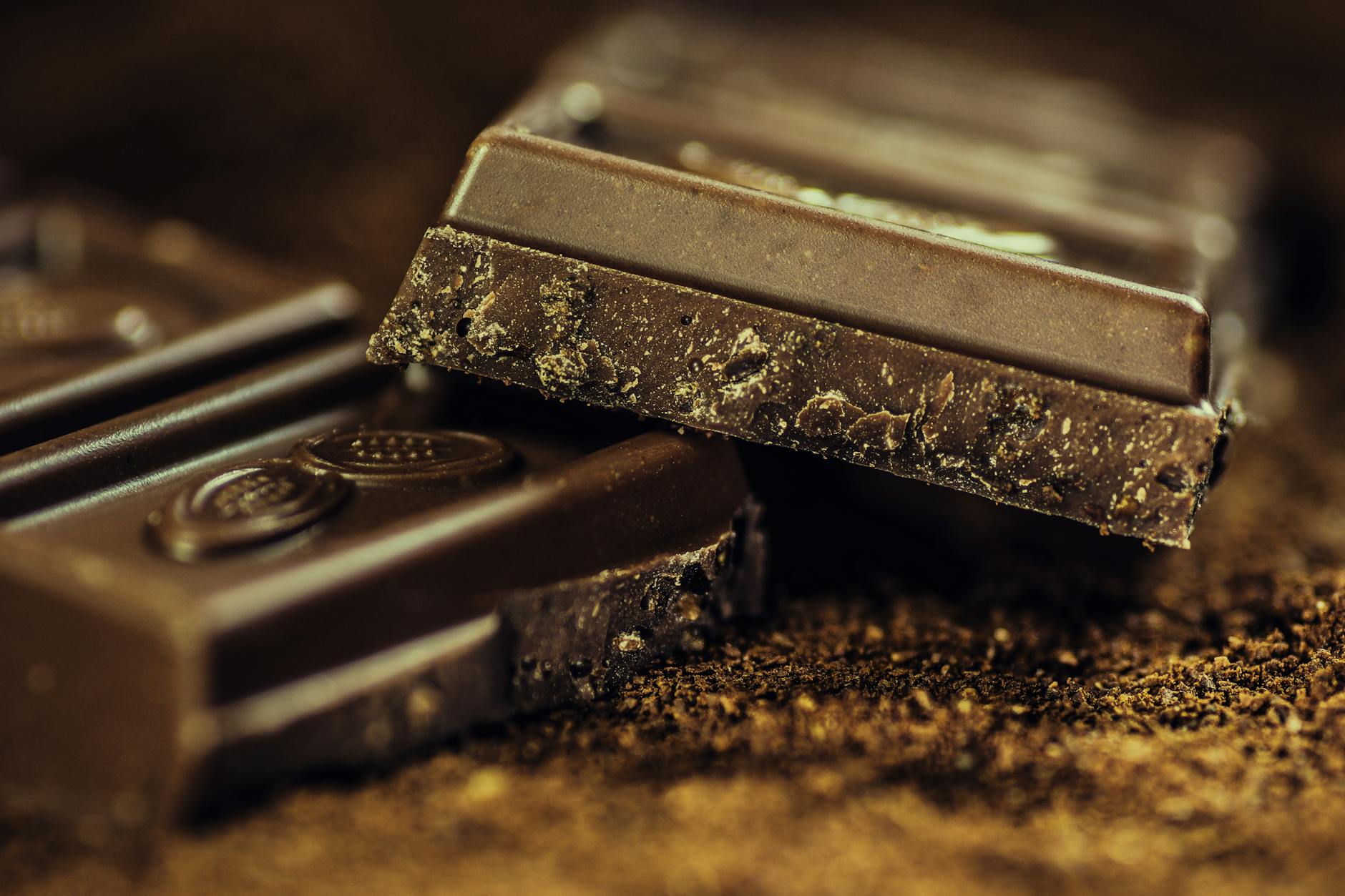
Dark chocolate is a celebrated indulgence that also delivers a surprisingly significant amount of iron per serving. A one-ounce portion of high-quality dark chocolate with a high cacao percentage can provide a meaningful fraction of the recommended daily iron intake. It also contains magnesium, copper, and powerful antioxidants known as flavonoids that support cardiovascular health. The richer and darker the chocolate, the higher the iron content tends to be, making varieties with 70 percent cacao or above the most nutritionally beneficial. Enjoying a small square of dark chocolate daily is one of the more pleasurable ways to support iron levels through diet.
Blackstrap Molasses
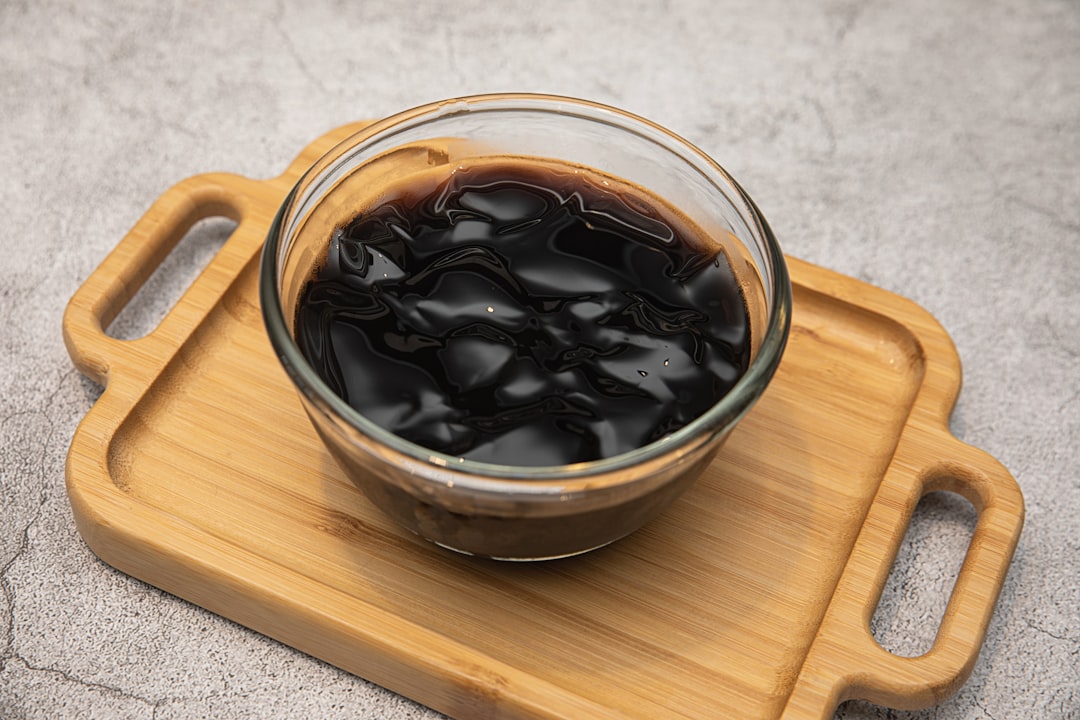
Blackstrap molasses is a byproduct of sugar refining that retains an impressive concentration of minerals, including a notably high level of iron. A single tablespoon contains a substantial portion of the daily recommended iron intake, particularly beneficial for those following plant-based diets. It is also rich in calcium, potassium, and magnesium, making it a uniquely mineral-dense sweetener. Blackstrap molasses can be stirred into warm beverages, used as a marinade ingredient, added to baked goods, or blended into smoothies. Its robust, slightly bitter flavor is distinctive and works best when balanced with sweeter or more neutral ingredients.
Spirulina
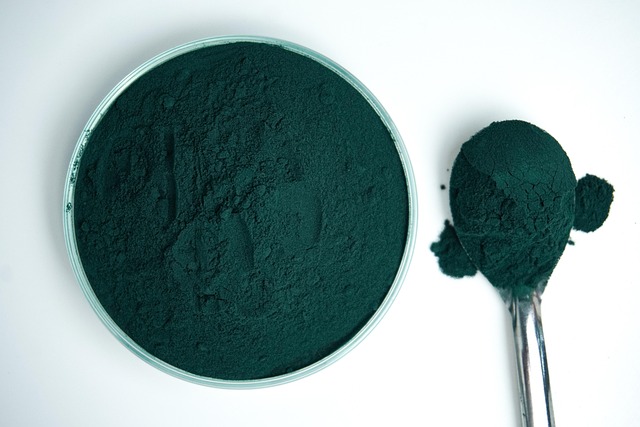
Spirulina is a blue-green algae that has earned a strong reputation in the wellness community for its extraordinary nutrient density, including a high iron content. Just a single tablespoon of dried spirulina powder offers a meaningful contribution to daily iron needs alongside protein, B vitamins, and antioxidants. It is most commonly consumed as a powder blended into smoothies, juices, or energy balls, where its intense color and strong flavor can be balanced with fruit and natural sweeteners. Spirulina is particularly valuable in plant-based diets where iron sources may be limited or less bioavailable. Its growing availability in health food stores and supermarkets has made it an increasingly popular nutritional supplement worldwide.
Dried Apricots
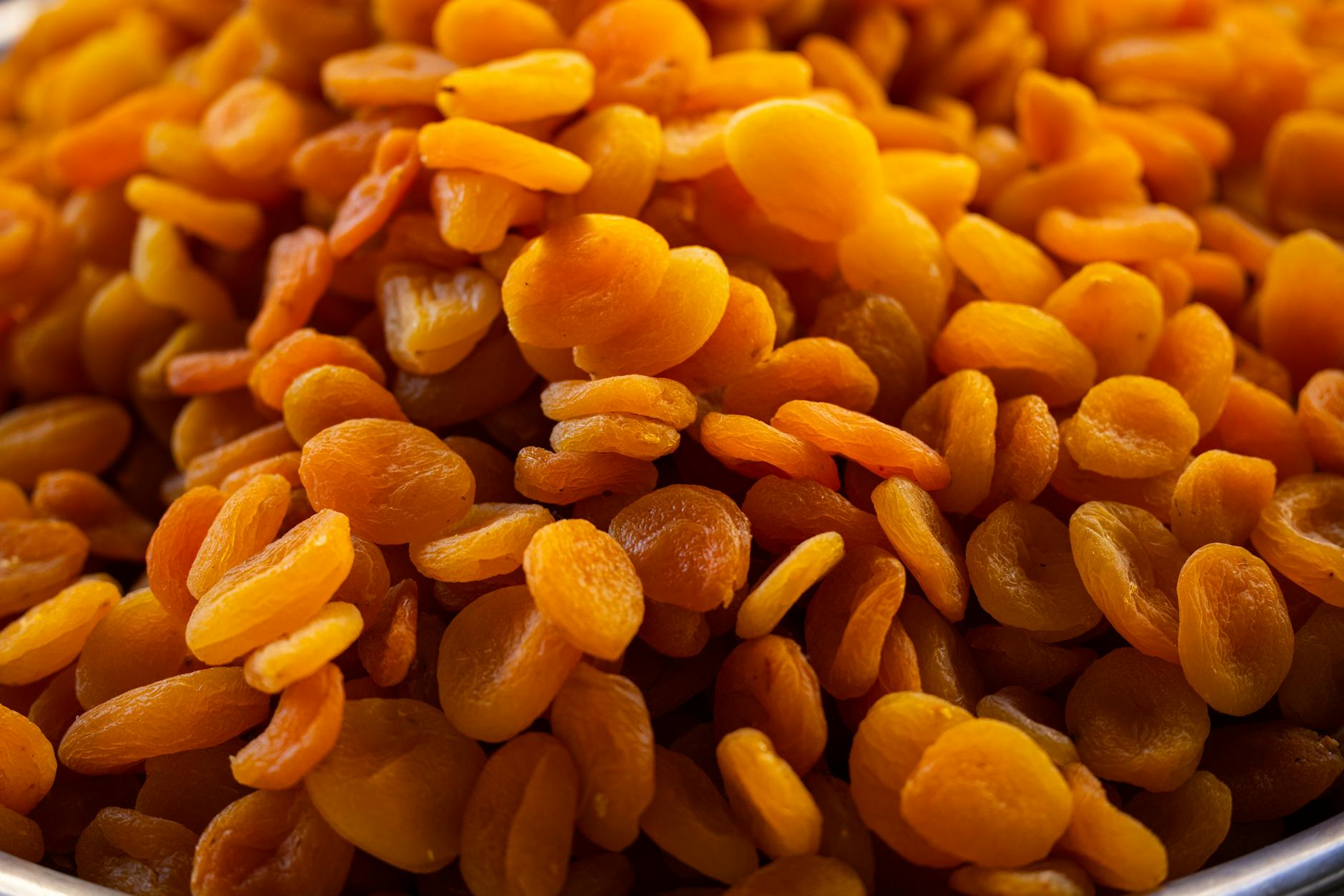
Dried apricots are a sweet and portable snack that provide a concentrated source of non-heme iron in a small serving. The drying process removes water and intensifies the fruit’s natural nutrients, resulting in a higher iron content per ounce than fresh apricots. They also supply vitamin A, potassium, and dietary fiber, making them a well-rounded choice for a nutrient-dense snack. Dried apricots pair well with nuts, cheeses, and seeds in trail mixes or charcuterie-style boards, and can also be chopped into grain salads and baked goods. Consuming them alongside a vitamin C source helps maximize the amount of iron the body can absorb from each serving.
Prunes
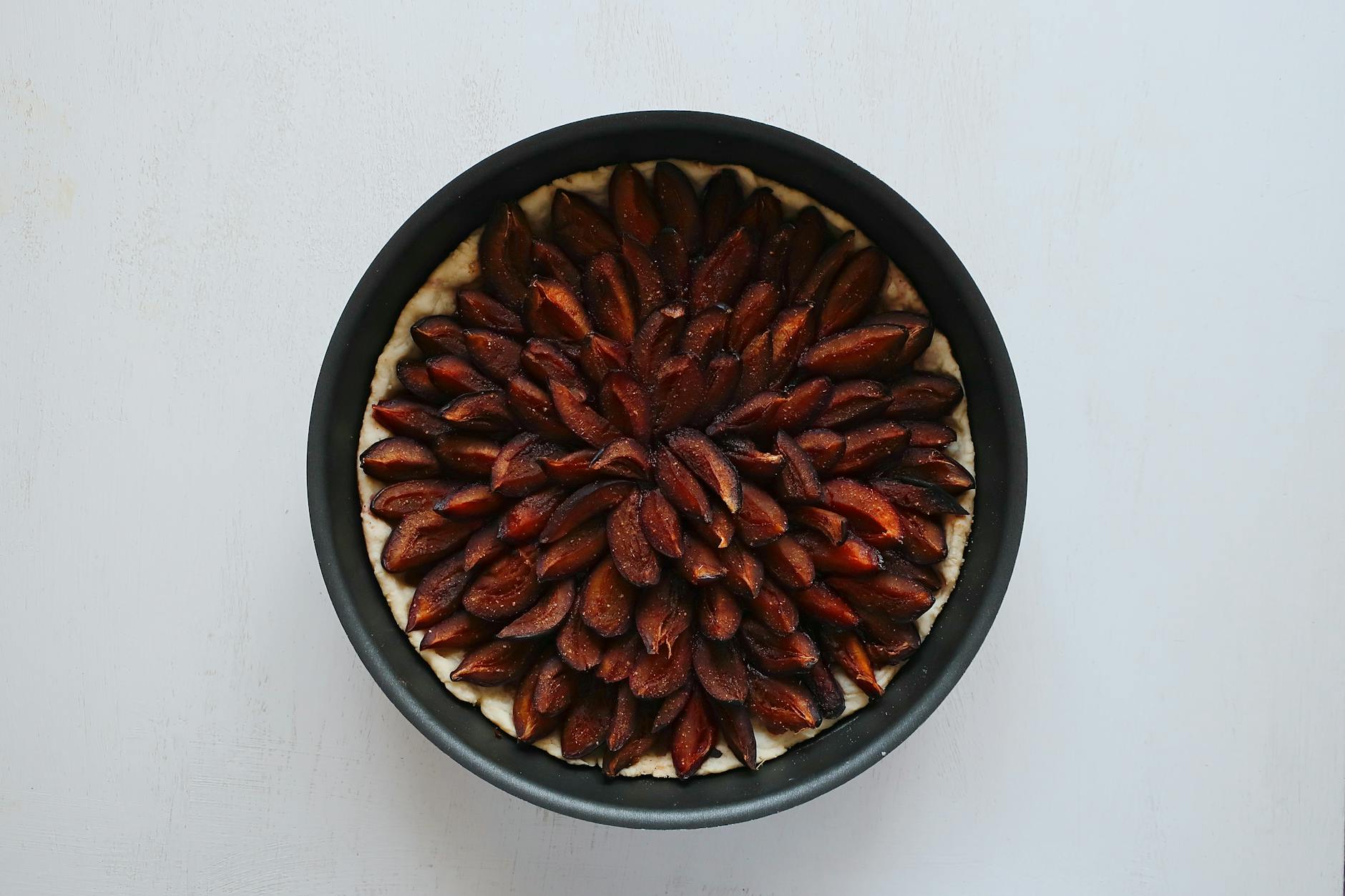
Prunes, the dried form of specific plum varieties, are well known for their digestive benefits but are also a notable source of dietary iron. A small serving of prunes delivers iron alongside vitamin K, potassium, and soluble fiber that supports gut health. Their natural sweetness makes them a convenient snack on their own or a useful addition to oatmeal, yogurt, and savory sauces. Prune juice is another popular format that provides similar iron benefits in liquid form and is widely available. Their combination of iron, fiber, and natural sugars makes prunes a particularly well-rounded option for supporting both energy levels and digestive wellness.
Raisins
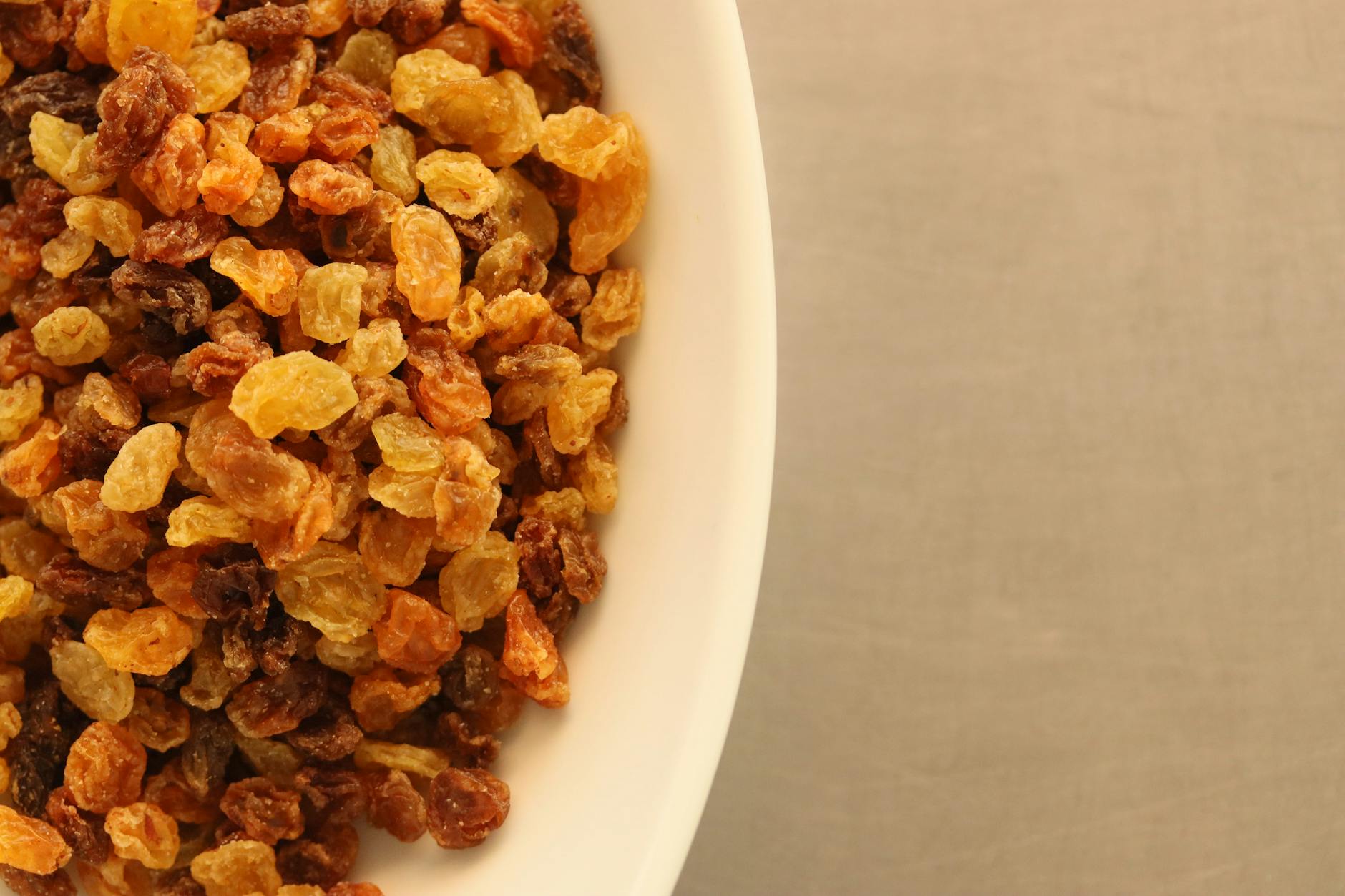
Raisins are a familiar pantry staple that offer a modest but consistent iron contribution alongside natural sugars and antioxidants. Dried from grapes, they concentrate the fruit’s original nutrients, resulting in a calorie-efficient source of iron, potassium, and B vitamins. Raisins are easily incorporated into breakfasts like oatmeal and yogurt, baked into muffins and cookies, or tossed into grain salads with nuts and herbs. Their natural sweetness makes them a child-friendly iron source as well as a convenient snack for adults on the go. While their iron content is lower than some other dried fruits, their accessibility and wide appeal make them a reliable everyday contributor to dietary iron intake.
Mulberries
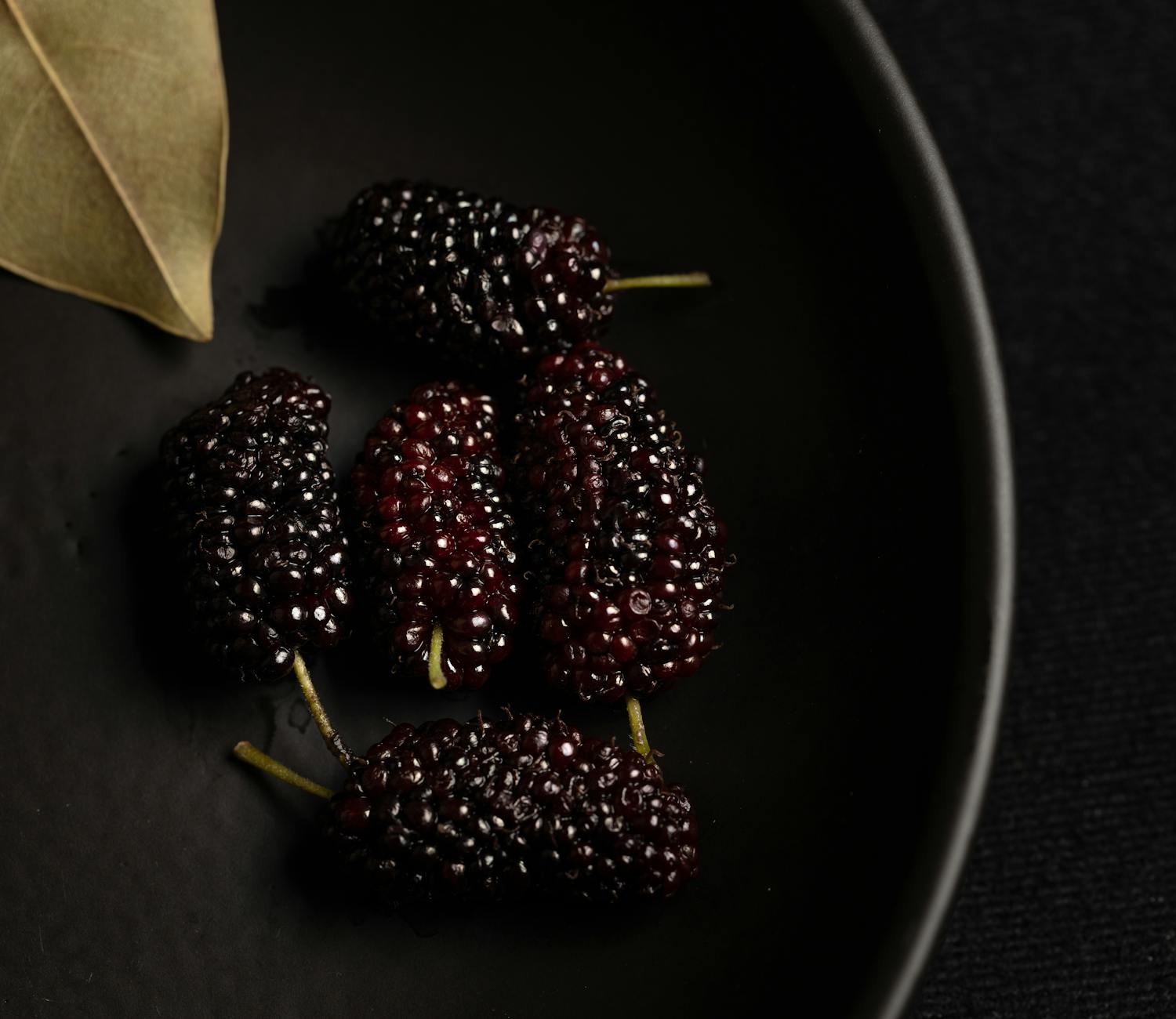
Mulberries are among the most iron-rich fresh fruits available and are often underappreciated in mainstream nutrition conversations. Both fresh and dried mulberries offer a notable iron content that places them well above most other common fruits on the iron spectrum. They also provide vitamin C, which works synergistically to enhance the absorption of the non-heme iron they contain. Mulberries have a pleasantly sweet and slightly tart flavor that works well in smoothies, baked goods, and fruit salads. Dried mulberries in particular are becoming more widely available as a snack alternative to raisins and are worth seeking out for their superior nutritional profile.
Amaranth
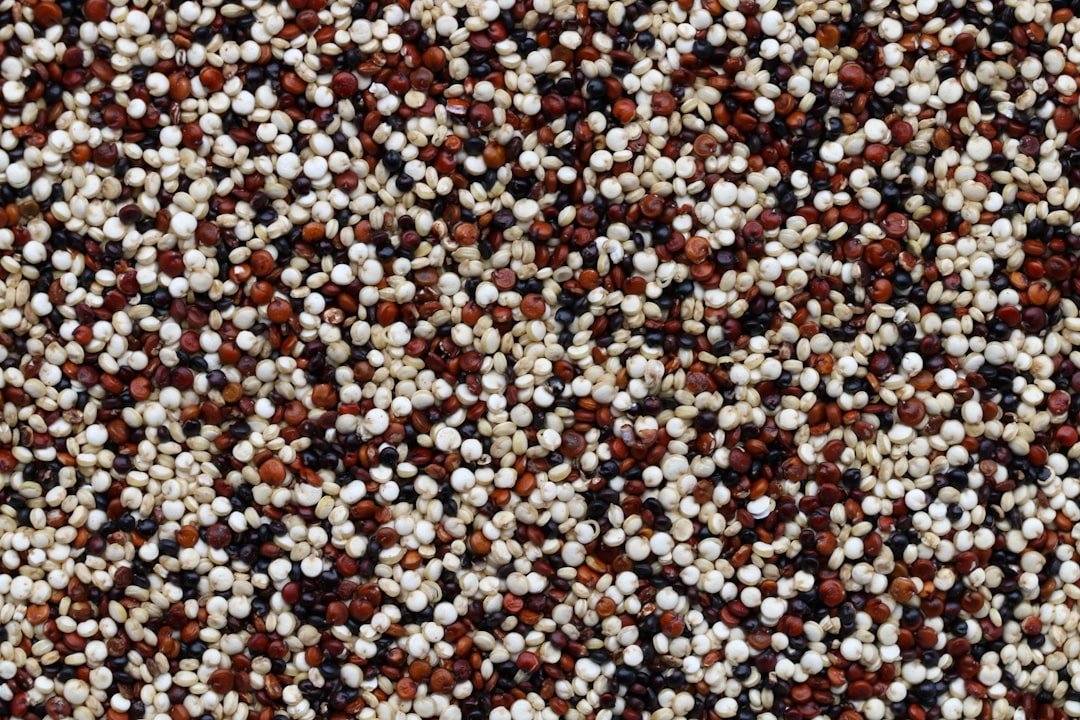
Amaranth is an ancient grain with a notably high iron content that has been consumed in the Americas for thousands of years. It is also a complete protein, offering all essential amino acids, which is rare among plant-based grains and seeds. Cooked amaranth has a slightly sticky, porridge-like consistency and a mild, earthy flavor that pairs well with savory and sweet toppings alike. It can be served as a hot breakfast cereal, used as a base for grain bowls, or popped like popcorn for a crunchy snack. Its combination of iron, protein, and fiber makes amaranth a particularly comprehensive nutritional choice for those eating predominantly plant-based diets.
Teff
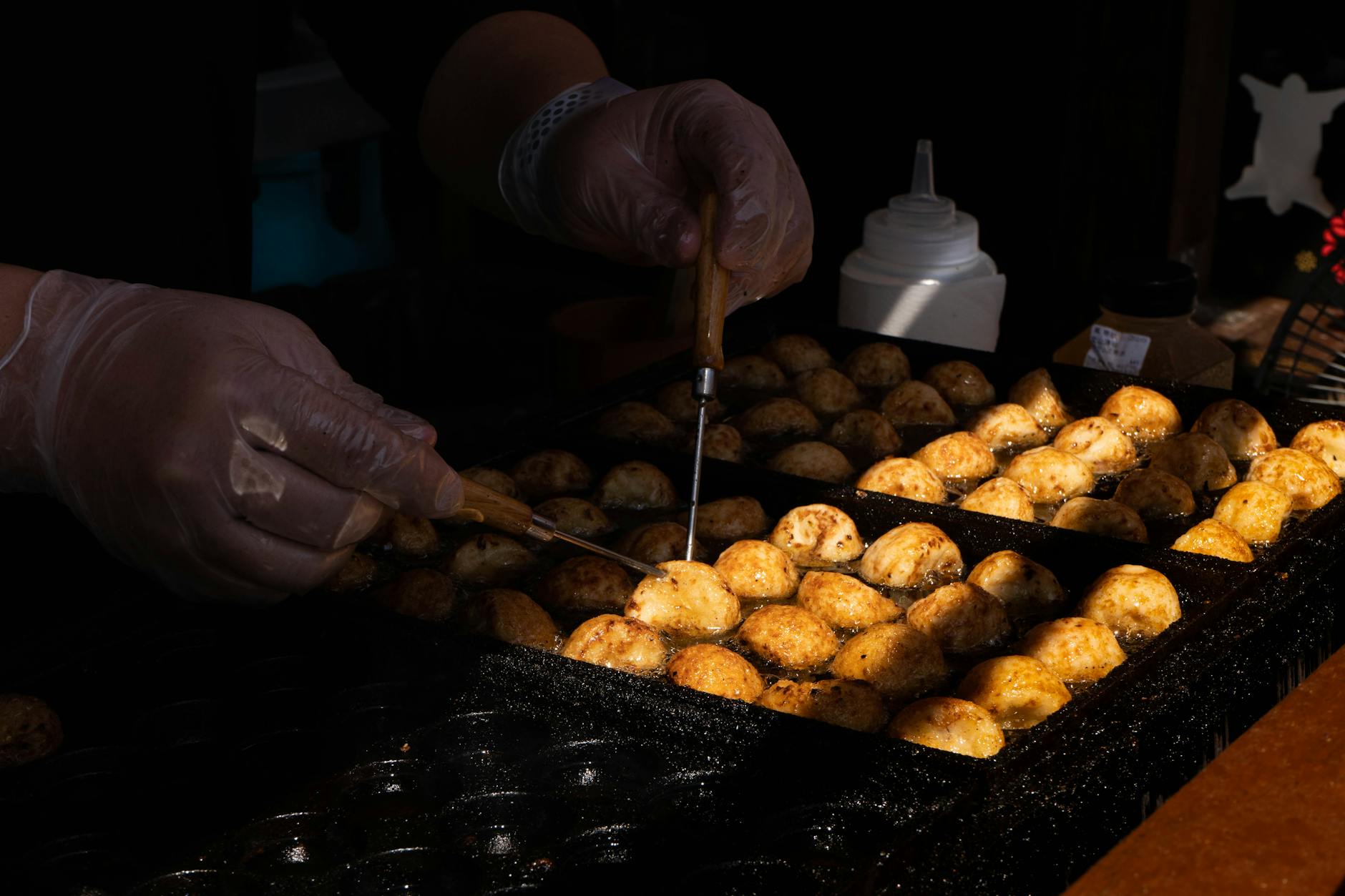
Teff is a tiny ancient grain native to the Horn of Africa and the foundation of Ethiopian injera flatbread. It is one of the more iron-rich grains available and also provides a good supply of calcium and resistant starch that supports digestive health. Teff has a mild, slightly sweet and earthy flavor that works well in porridges, grain bowls, pancakes, and baked goods. Its naturally gluten-free nature makes it a valuable staple for those with gluten sensitivities who are seeking diverse iron sources. The rising global interest in ancient and heritage grains has made teff increasingly available in health food stores and specialty grocery outlets.
Oats
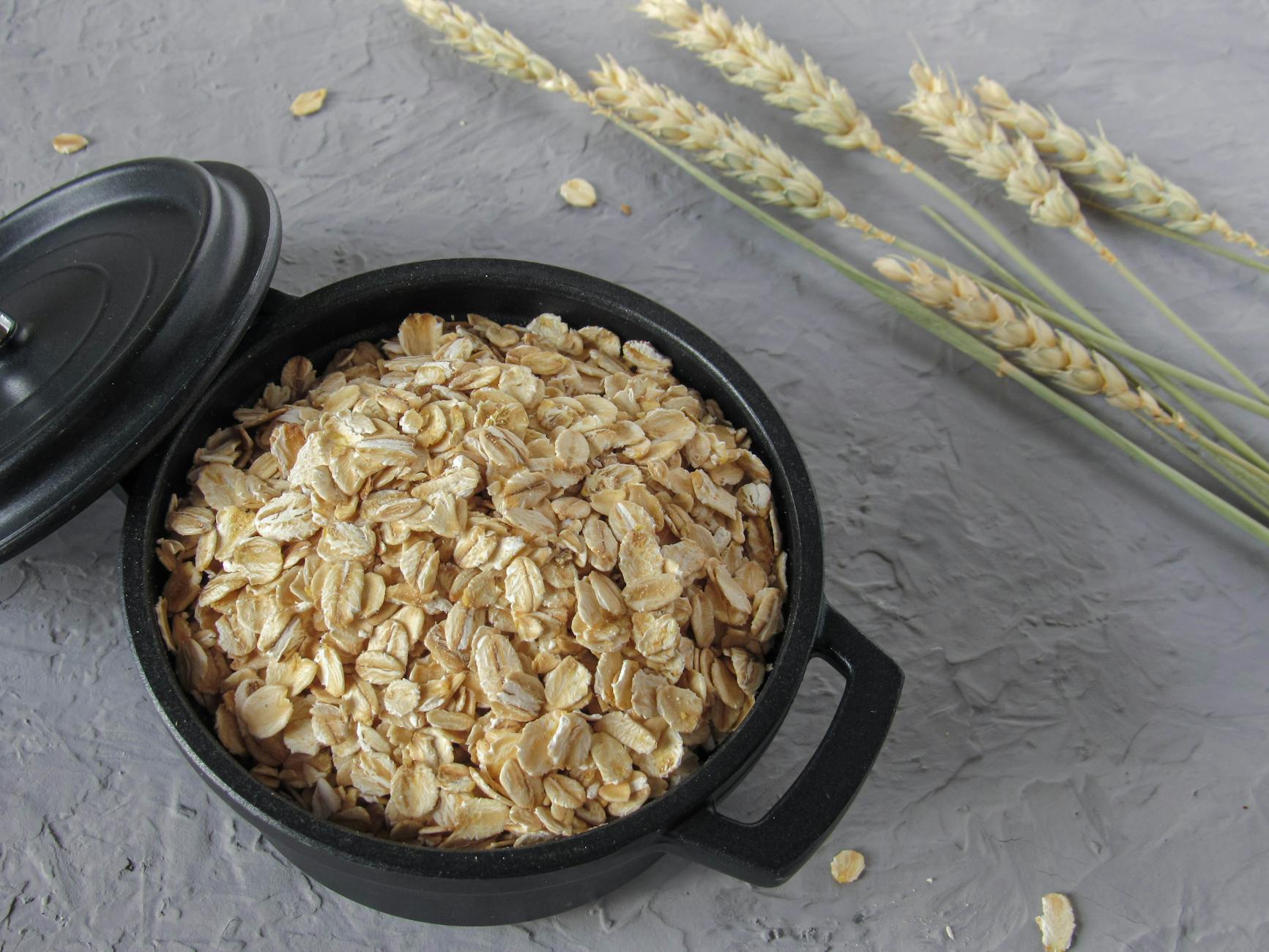
Oats are a familiar breakfast staple that also happen to be a solid source of non-heme iron for those who consume them regularly. A bowl of cooked oatmeal provides a meaningful iron contribution alongside beta-glucan fiber, which has been linked to heart health and stable blood sugar levels. Oats are incredibly versatile and can be prepared as hot porridge, overnight oats, added to baked goods, or blended into smoothies. Topping oatmeal with iron-complementing ingredients like pumpkin seeds, dried apricots, or a squeeze of orange juice can further enhance iron absorption from the meal. Their widespread availability and ease of preparation make oats one of the most practical everyday iron sources across all dietary patterns.
Fortified Breakfast Cereals
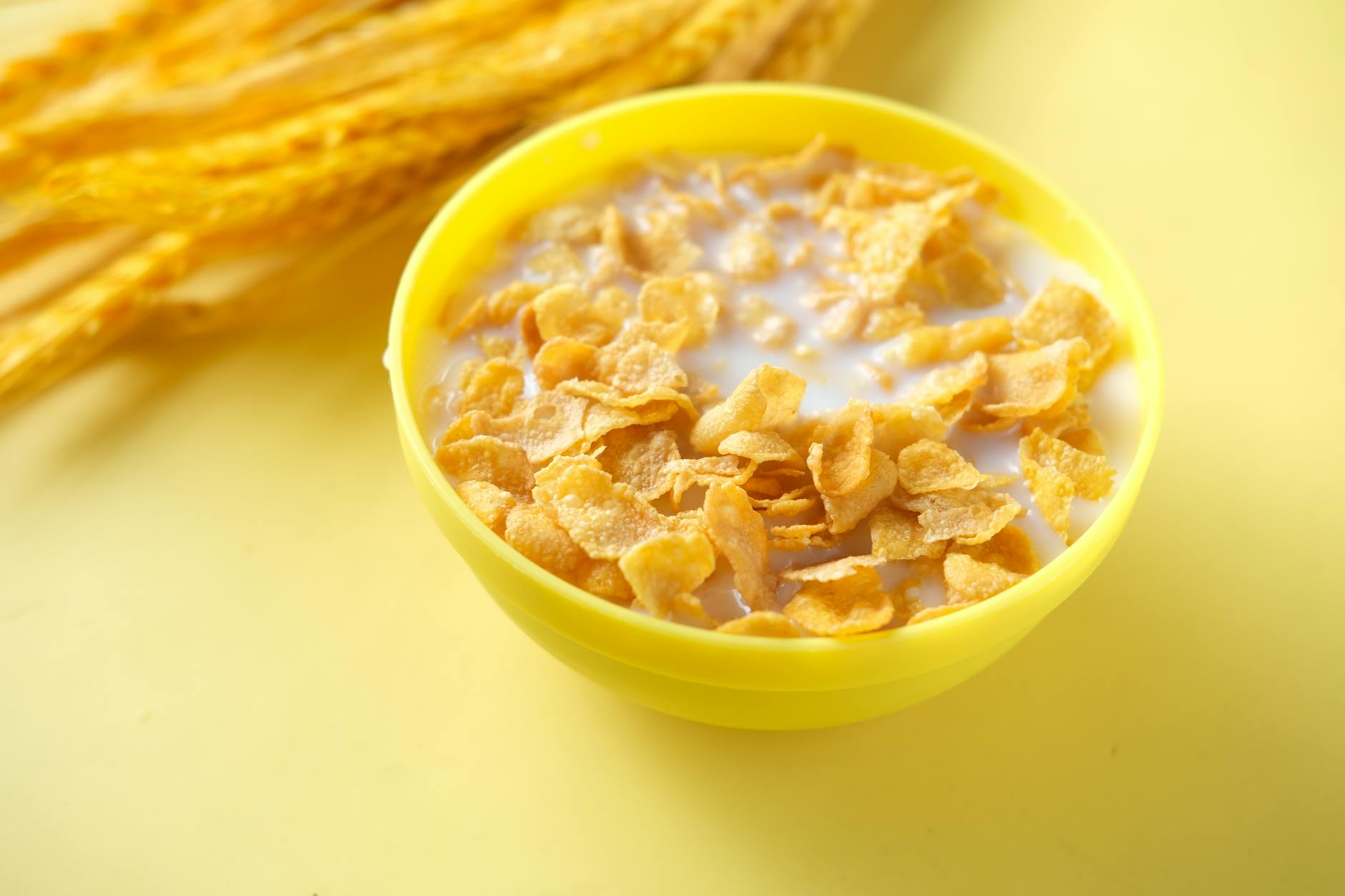
Many commercially available breakfast cereals are fortified with iron and can deliver a substantial portion of the recommended daily intake in a single serving. Fortification involves adding supplemental iron directly to the product during manufacturing, making it an accessible iron source for people of all dietary backgrounds. The iron in fortified cereals is often in a highly bioavailable form, meaning the body can absorb it relatively efficiently compared to some plant-based sources. Choosing cereals with low added sugar and whole grain bases maximizes the overall nutritional value of the meal. Pairing fortified cereal with a glass of orange juice is a widely recommended strategy for boosting iron absorption at breakfast.
Soybeans
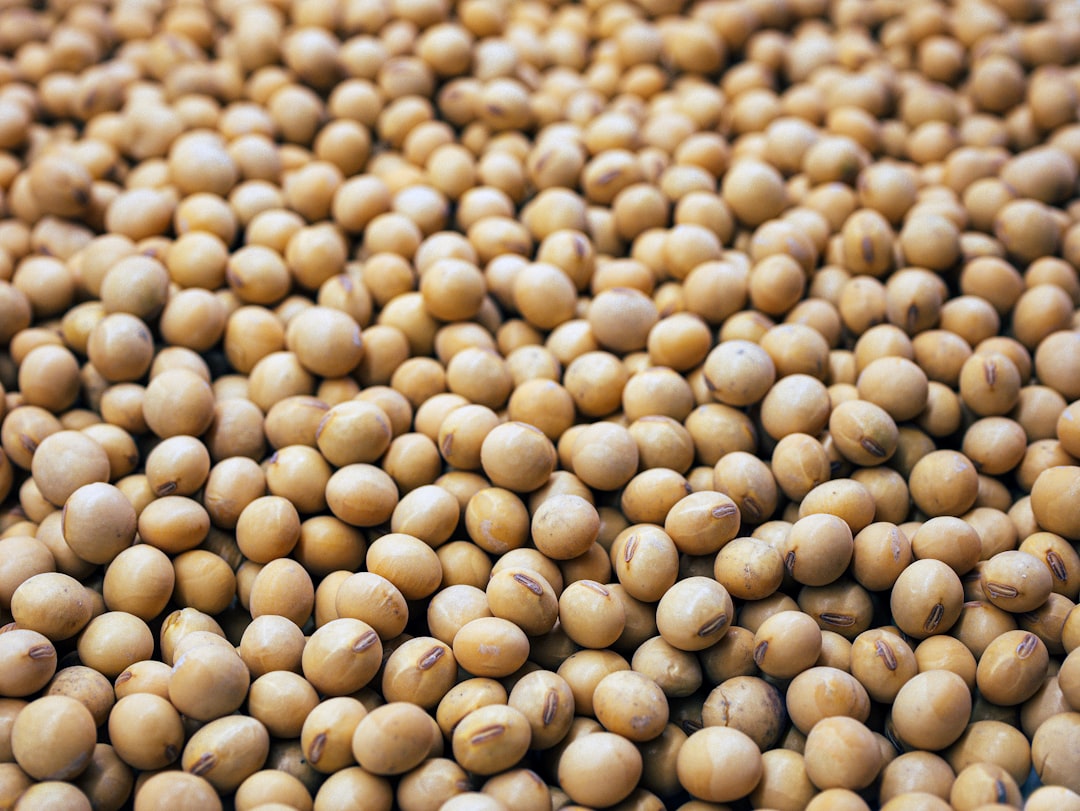
Soybeans are one of the most protein-dense legumes available and also rank among the higher plant-based sources of iron. A cooked serving of whole soybeans provides a substantial iron contribution alongside essential amino acids and isoflavones with antioxidant properties. Soybeans are the base ingredient for a wide range of products including tofu, tempeh, miso, and soy milk, extending their nutritional influence across many dietary formats. They can be eaten whole as edamame, incorporated into stir-fries and grain bowls, or processed into various soy-based foods. Their versatility and impressive nutrient density make soybeans a foundational ingredient in plant-based nutrition strategies focused on iron adequacy.
Black Beans
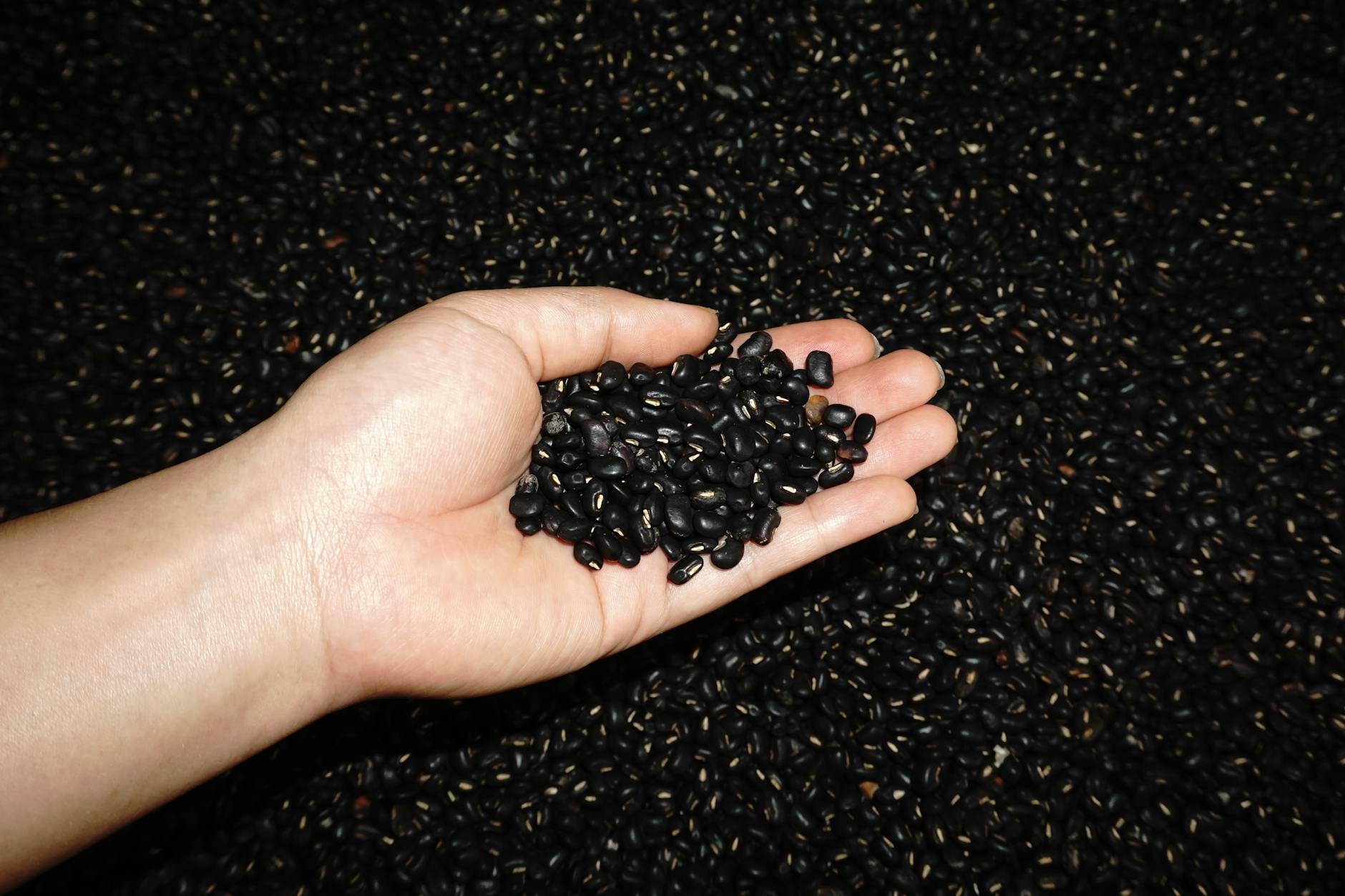
Black beans are a staple ingredient in Latin American and Caribbean cuisines and provide a notable amount of non-heme iron per serving. They are also rich in protein, fiber, folate, and antioxidants that give them their characteristic dark color. Black beans are commonly used in soups, rice dishes, tacos, burritos, and salads, making them one of the most culinarily versatile legumes available. Their high fiber content contributes to satiety and digestive regularity, while their iron content helps support healthy energy levels and red blood cell production. Combining black beans with tomato-based salsas or lime juice in the same meal creates a flavorful combination that also enhances iron absorption.
Navy Beans
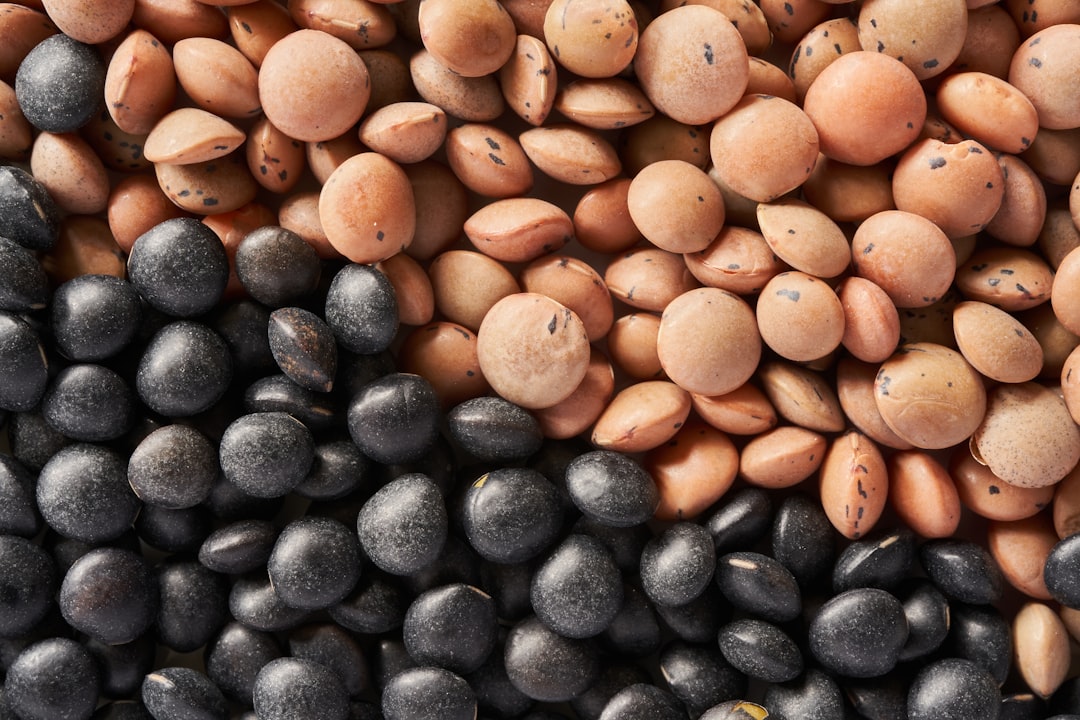
Navy beans are small white legumes with a mild flavor and a surprisingly strong nutritional profile that includes a meaningful iron content. They are a traditional ingredient in baked bean dishes and hearty soups and provide substantial amounts of protein and soluble fiber alongside their mineral content. Navy beans are particularly rich in folate, a B vitamin that works in concert with iron to support healthy blood and cell production. Their soft texture when cooked makes them easy to puree into dips and spreads or incorporate into thickened stews. As a budget-friendly and widely available pantry ingredient, navy beans are an excellent everyday resource for building an iron-rich diet.
White Beans
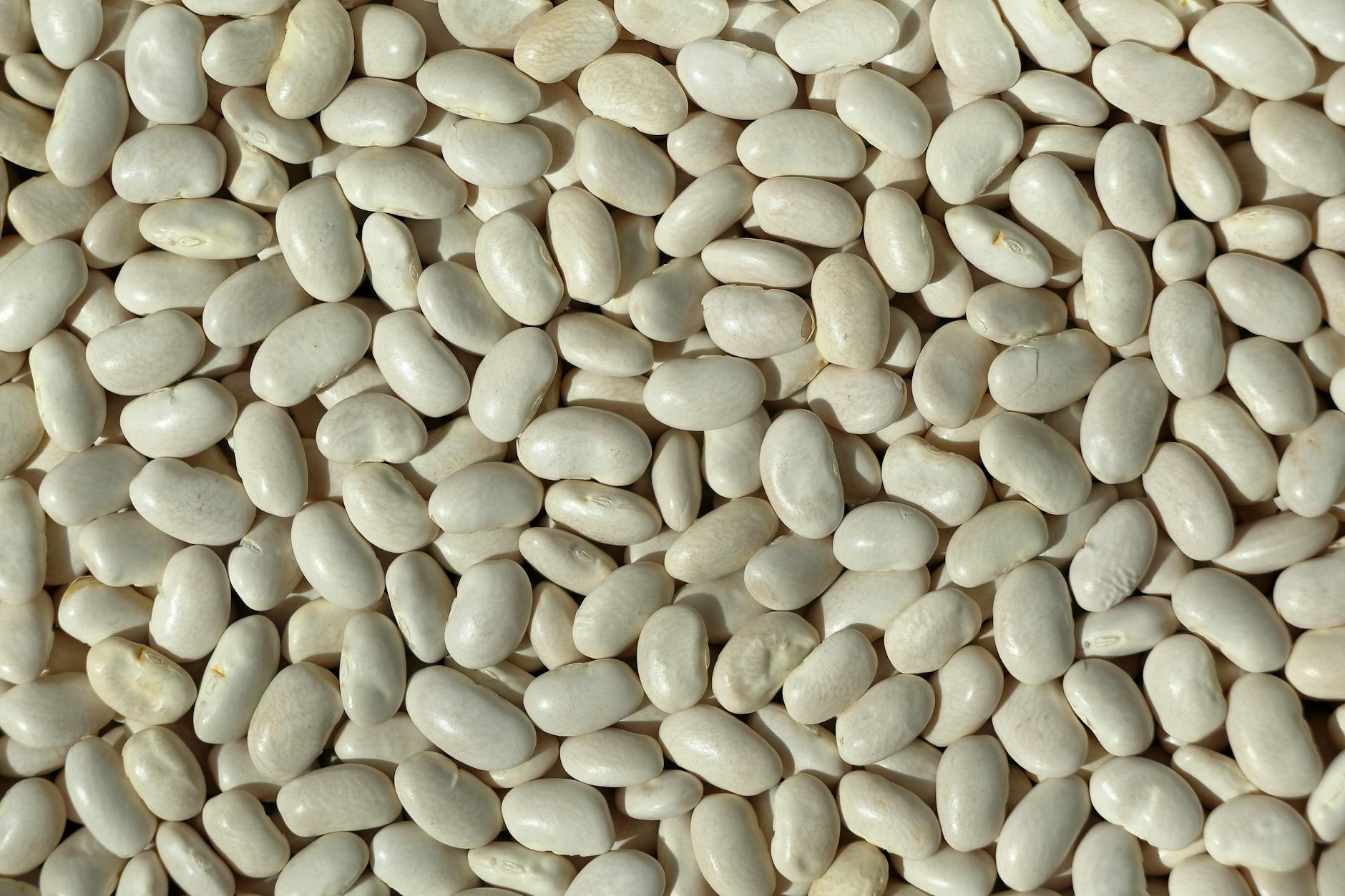
White beans, including cannellini and Great Northern varieties, are among the more iron-rich legumes and a staple of Mediterranean and Italian cooking. A cooked cup delivers a notable iron contribution along with high levels of protein, fiber, and potassium. Their creamy texture and mild flavor make them highly adaptable to soups, salads, pasta dishes, and pureed preparations like white bean dip. White beans are also a good source of folate and magnesium, supporting cardiovascular health and energy metabolism. Their ease of use in both canned and dried forms makes them a practical and nutritionally rewarding choice for everyday cooking.
Green Peas
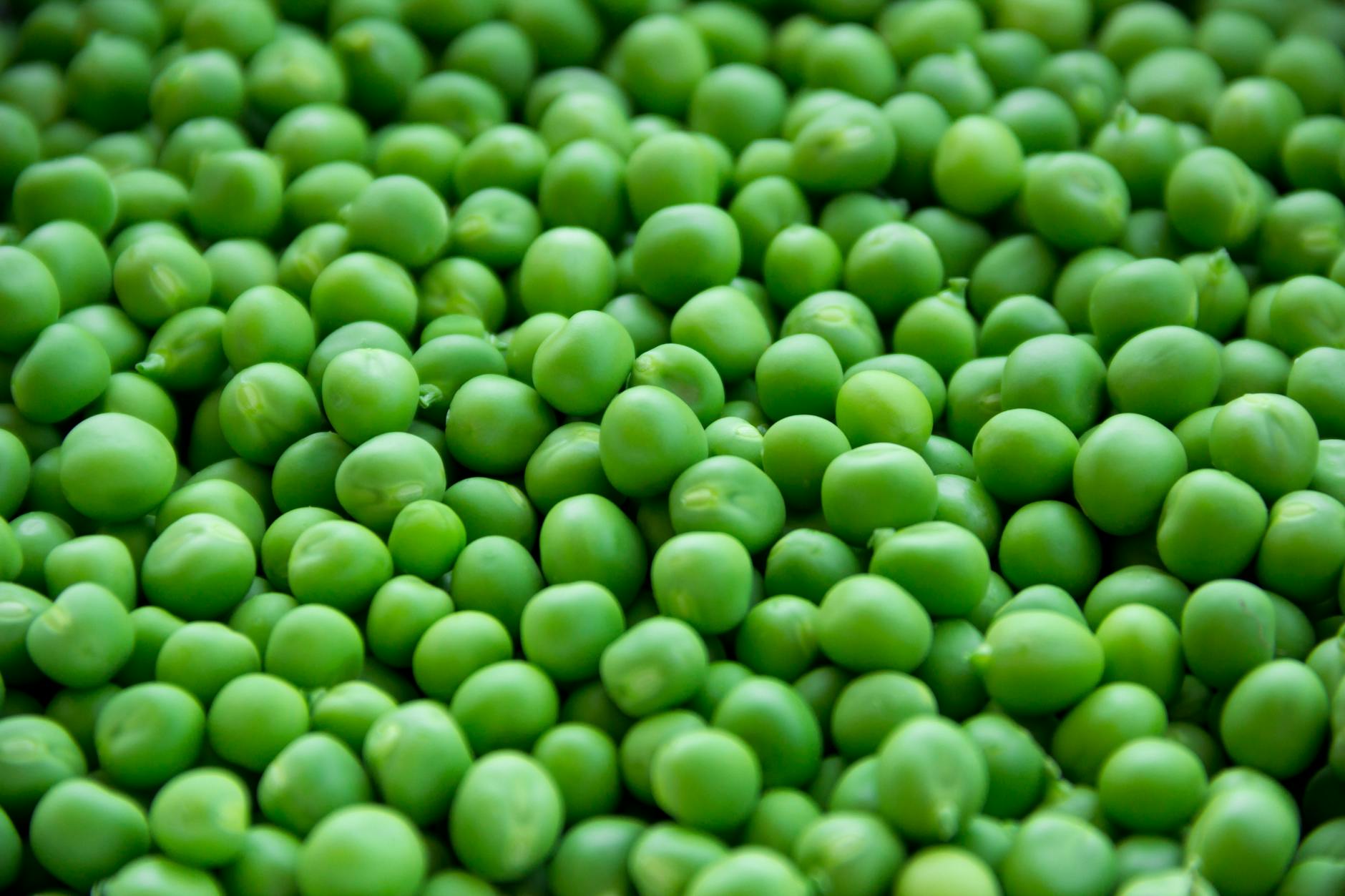
Green peas are a sweet and widely loved vegetable that contribute meaningfully to daily iron intake alongside a range of other essential nutrients. They are one of the more protein-rich vegetables and provide a combination of iron, vitamin C, and folate that works synergistically to support blood health. Fresh and frozen green peas are equally nutritious, making them a convenient year-round option for incorporating iron into meals. They work well in pasta dishes, rice pilafs, soups, stir-fries, and as a simple side vegetable. Their natural sweetness and vibrant color make them a crowd-pleasing ingredient that boosts both the visual appeal and nutritional value of any dish.
Kale
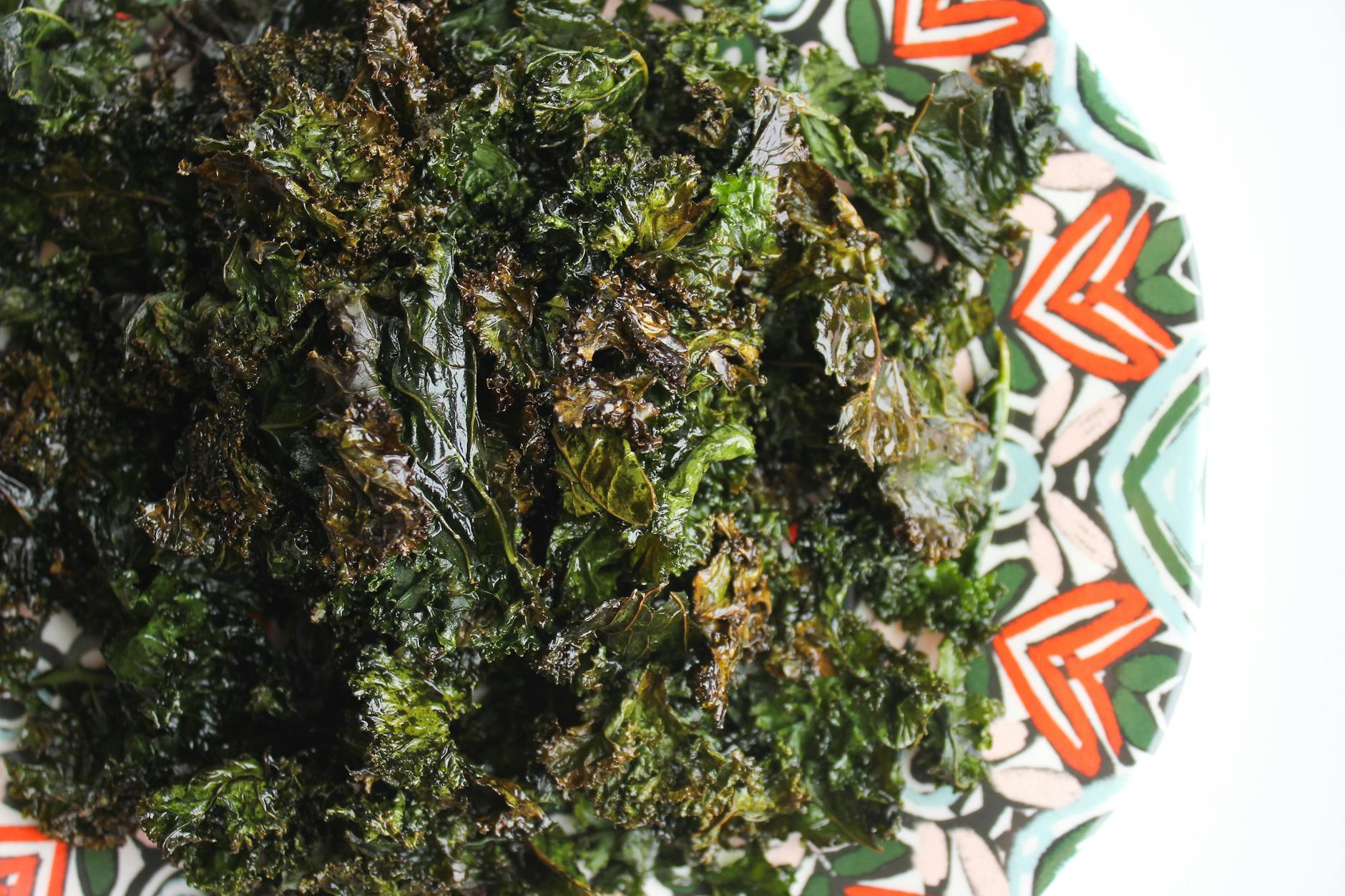
Kale is a leafy green celebrated for its exceptional nutrient density, which includes a meaningful amount of non-heme iron per serving. It also contains vitamin C naturally within the same leaf, which helps the body absorb the iron it provides more efficiently than many other plant sources. Beyond iron, kale delivers vitamins A, K, and C in abundance, along with antioxidants that support long-term cellular health. It can be eaten raw in massaged salads, wilted into soups and stews, baked into crispy chips, or blended into green smoothies. Kale’s bold flavor and satisfying texture have made it a cornerstone ingredient of health-forward cooking globally.
Swiss Chard
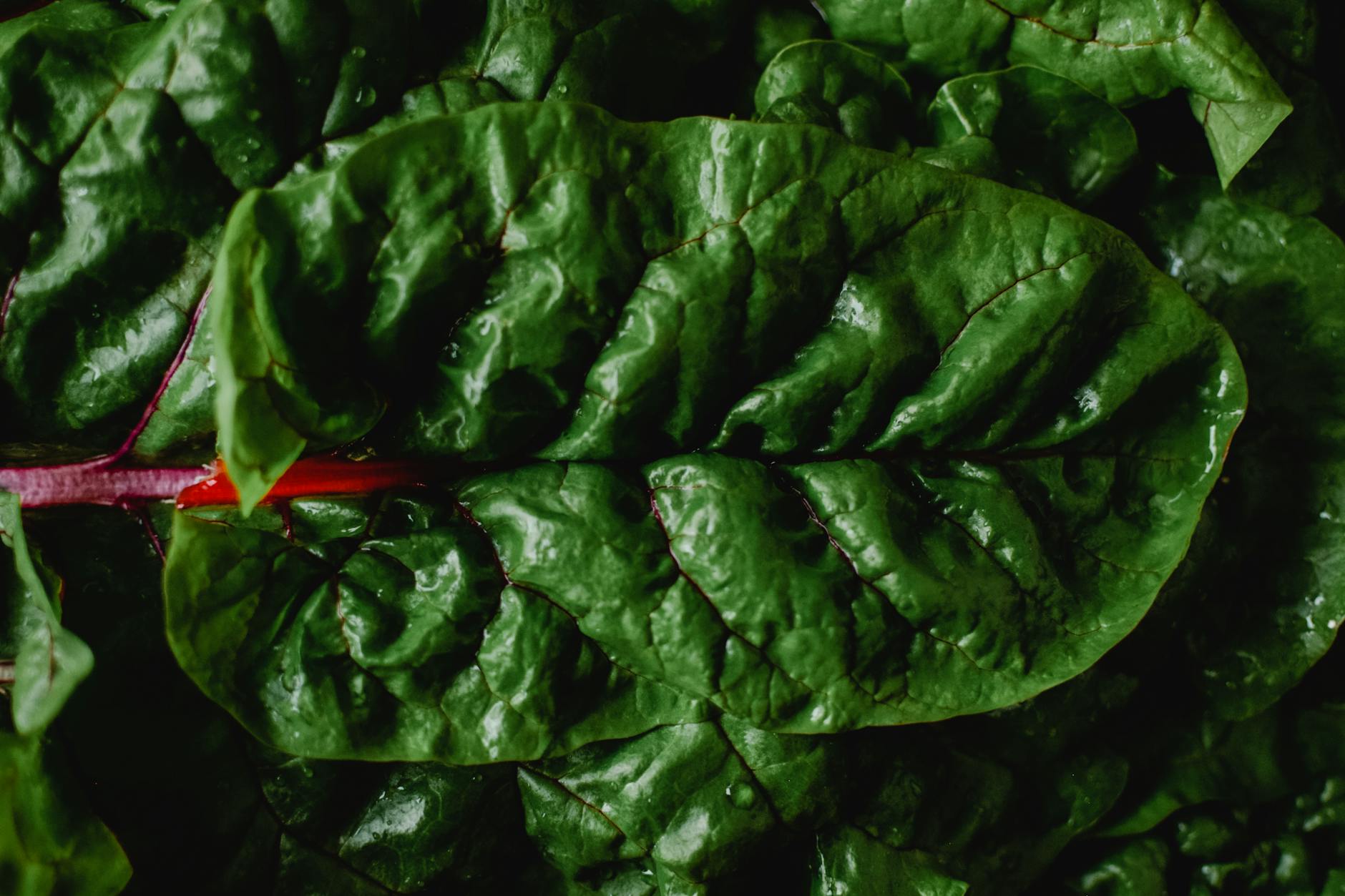
Swiss chard is a colorful leafy green with stems ranging from red and yellow to white that is particularly rich in non-heme iron. It is also an excellent source of vitamins K, A, and C, the last of which aids in the absorption of the plant-based iron it provides. Swiss chard has a slightly earthy, mineral flavor that softens when cooked and mellows when paired with garlic and olive oil. It is commonly used in Mediterranean and Middle Eastern cuisines, appearing in sautéed side dishes, stuffed preparations, and hearty grain soups. Its visual vibrancy and impressive nutritional range make it a worthwhile addition to any iron-conscious meal plan.
Beet Greens
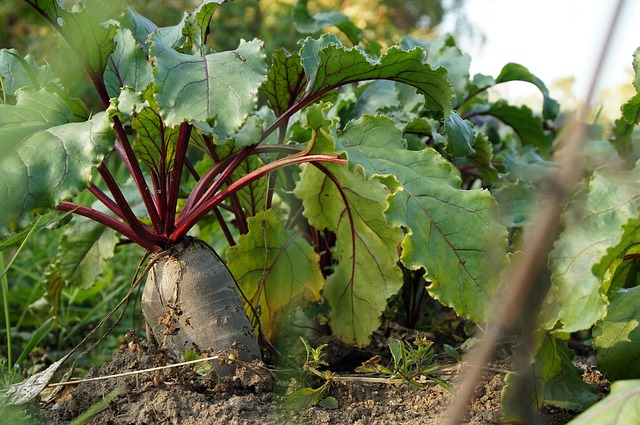
Beet greens, the leafy tops of the beetroot plant, are often discarded but are in fact one of the more iron-rich leafy vegetables available. They contain non-heme iron alongside vitamins A, C, and K, and are particularly rich in the antioxidant lutein, which supports eye health. Beet greens have a slightly bitter flavor similar to Swiss chard and work beautifully when sautéed with olive oil, garlic, and a pinch of red pepper flakes. They can also be added to soups, grain bowls, and pasta dishes for a nutritional boost that uses a part of the vegetable that would otherwise go to waste. Keeping the greens when purchasing fresh beets is a simple and sustainable way to expand iron intake without any additional cost.
Broccoli
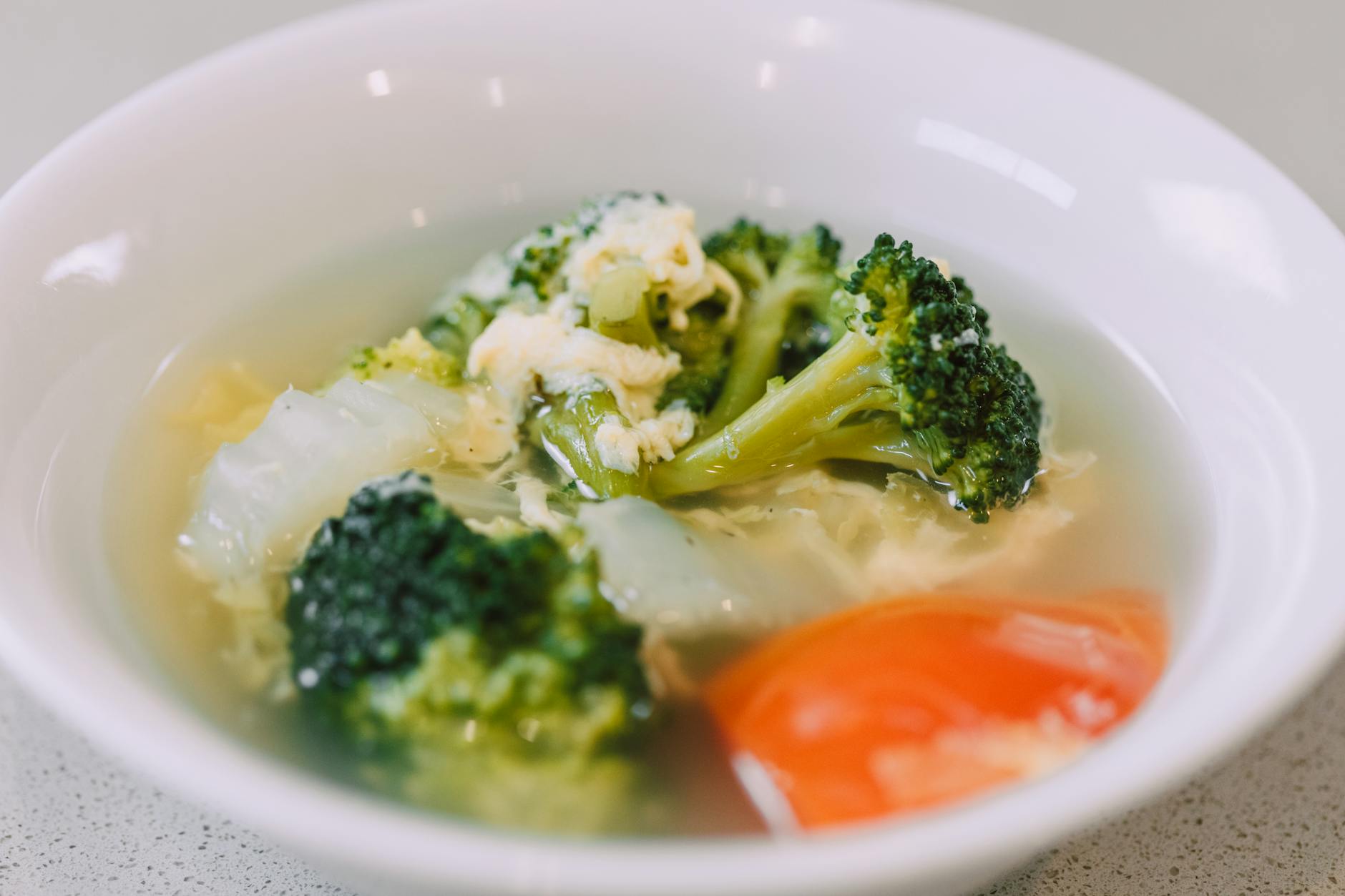
Broccoli is a widely eaten cruciferous vegetable that provides a moderate but consistent amount of iron alongside an impressive array of other nutrients. It is particularly notable for containing both iron and vitamin C in the same vegetable, a combination that naturally enhances the body’s ability to absorb non-heme iron. Broccoli is also rich in fiber, folate, and sulforaphane, a compound that has been studied for its potential role in cancer prevention. It can be steamed, roasted, stir-fried, eaten raw with dips, or incorporated into soups, casseroles, and grain bowls. Its accessibility, versatility, and well-rounded nutritional profile make broccoli one of the most valuable everyday vegetables for supporting overall health.
Asparagus
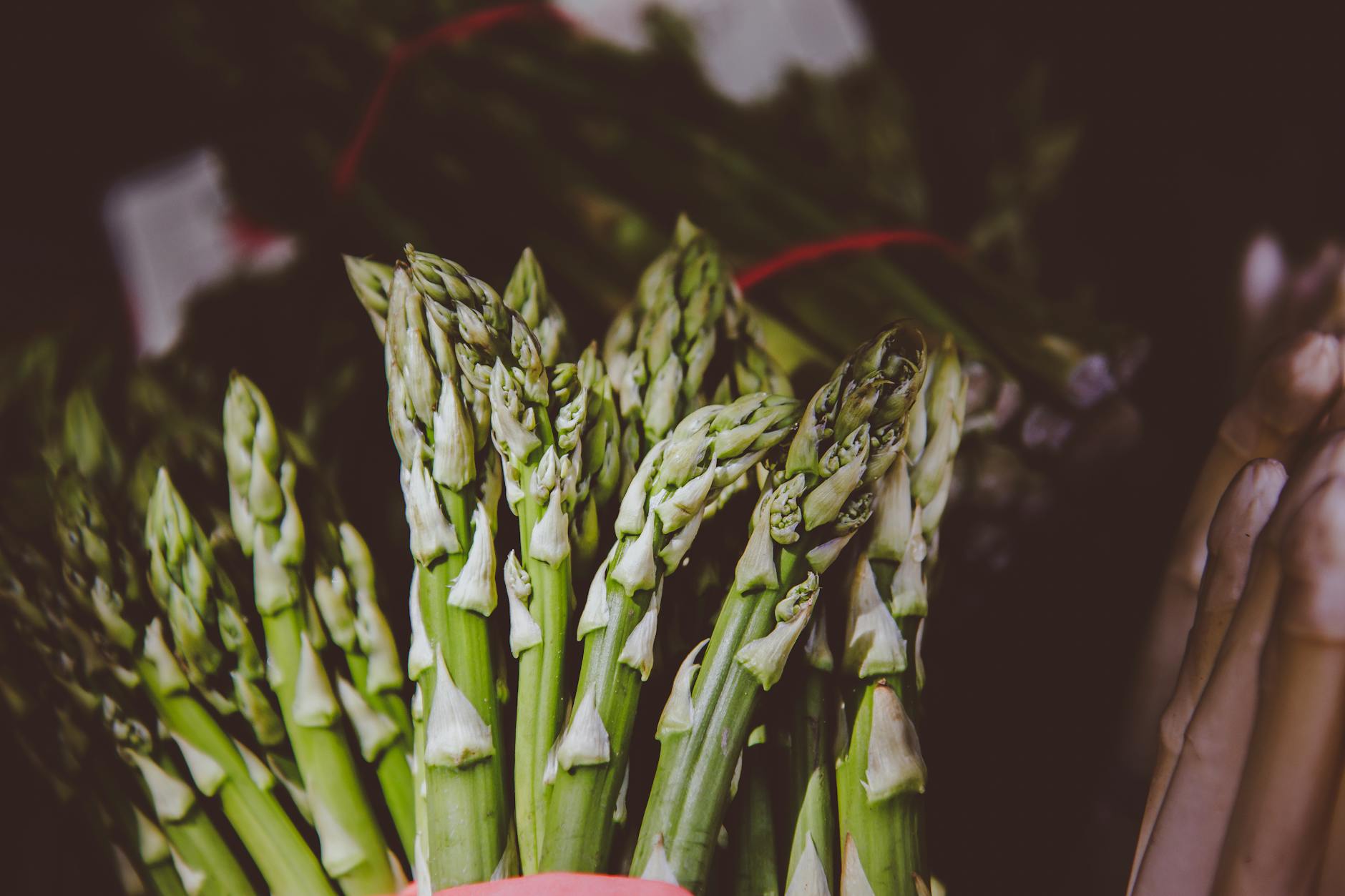
Asparagus is a delicate spring vegetable that contributes a moderate amount of iron to the diet alongside its well-known benefits for folate and vitamin K content. It is also a natural source of prebiotic fiber that nourishes beneficial gut bacteria and supports digestive health. Asparagus has a distinctive tender-crisp texture when properly cooked and a subtly earthy, slightly grassy flavor that pairs well with eggs, grains, and protein-rich dishes. It is most commonly roasted, griddled, steamed, or shaved raw into salads and works particularly well alongside ingredients that boost iron absorption. Its seasonal popularity and elegant presentation have made asparagus a perennial favorite on health-conscious menus.
Sardines
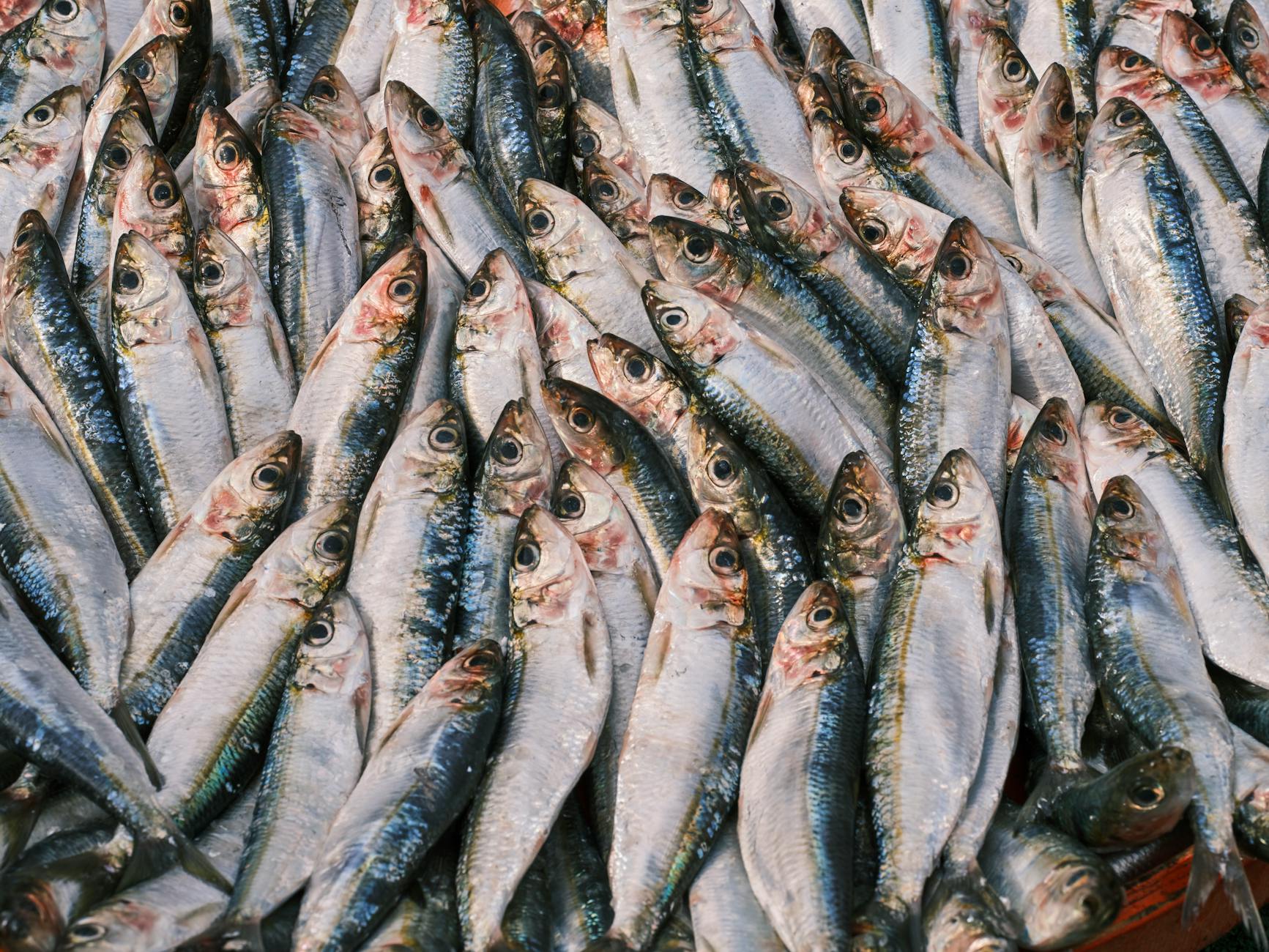
Sardines are small oily fish that pack an impressive nutritional punch per serving, including a meaningful amount of heme iron that is highly bioavailable. They are also exceptionally rich in omega-3 fatty acids, calcium (when eaten with bones), and vitamin B12, making them one of the most nutritionally comprehensive canned foods available. Sardines can be eaten directly from the can on whole grain crackers, mashed into spreads, added to pasta dishes, or layered onto flatbreads with tomatoes and herbs. Their bold, savory flavor is an acquired taste for some but can be tempered with lemon juice, mustard, and fresh herbs. As a sustainable, affordable, and nutrient-dense option, sardines are an excellent choice for those looking to increase iron intake through seafood.
Clams
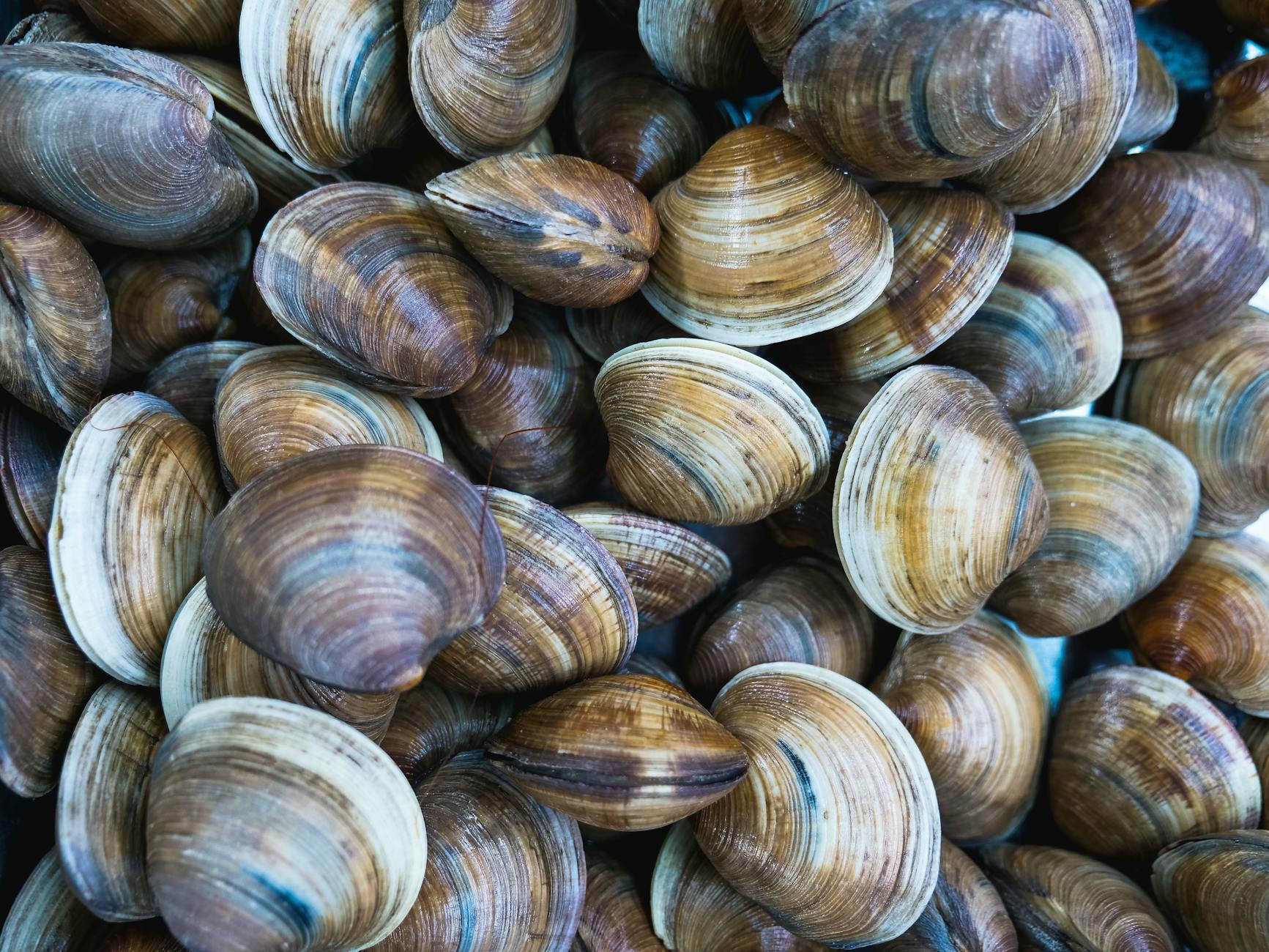
Clams are arguably the single richest seafood source of iron, with a small serving providing a remarkable concentration of heme iron well beyond many other common foods. They are also a superb source of vitamin B12, which works alongside iron to maintain healthy red blood cells and nerve function. Clams can be steamed, made into chowder, tossed into pasta, or incorporated into paella and risotto for a briny, savory depth of flavor. Canned clams are a convenient and accessible alternative to fresh ones and retain most of their nutritional value. Their extraordinary iron content makes them particularly valuable for individuals dealing with iron deficiency or those seeking to optimize dietary mineral intake.
Mussels

Mussels are a nutrient-dense shellfish that rank among the richest seafood sources of bioavailable heme iron. A generous serving of cooked mussels can meet a substantial portion of the daily recommended iron intake while also delivering zinc, selenium, and omega-3 fatty acids. They are commonly prepared steamed with white wine, garlic, and herbs in the classic moules marinières style, or incorporated into paella, seafood stews, and pasta dishes. Mussels are also noted for their sustainability, as they require minimal resources to farm and have a relatively low environmental impact compared to many other animal proteins. Their combination of flavor, affordability, and nutritional density makes mussels a highly recommended ingredient for building a well-rounded iron-rich diet.
Beef
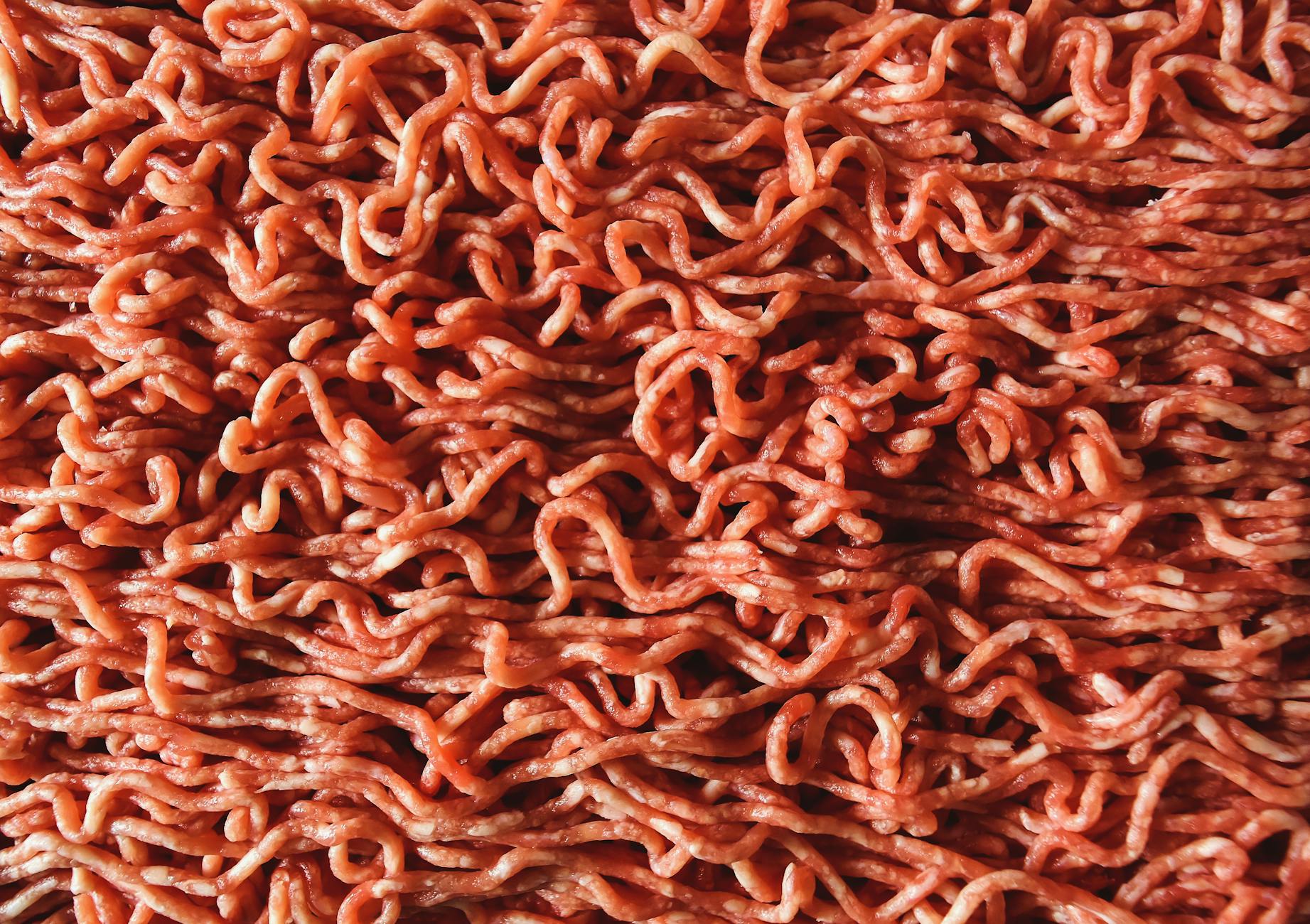
Beef is one of the most well-recognized dietary sources of heme iron, offering exceptional bioavailability that makes it particularly effective at raising and maintaining iron levels in the body. Lean cuts such as sirloin, tenderloin, and round provide the most iron for the fewest calories and are widely recommended by nutrition professionals. Beyond iron, beef delivers high-quality protein, zinc, and vitamin B12, all of which play roles in energy production and immune function. It can be prepared in countless ways including grilling, braising, stir-frying, and slow cooking, making it one of the most versatile proteins in global cuisine. Including lean beef a few times a week is a well-established and effective strategy for supporting healthy iron levels across all life stages.
Lamb
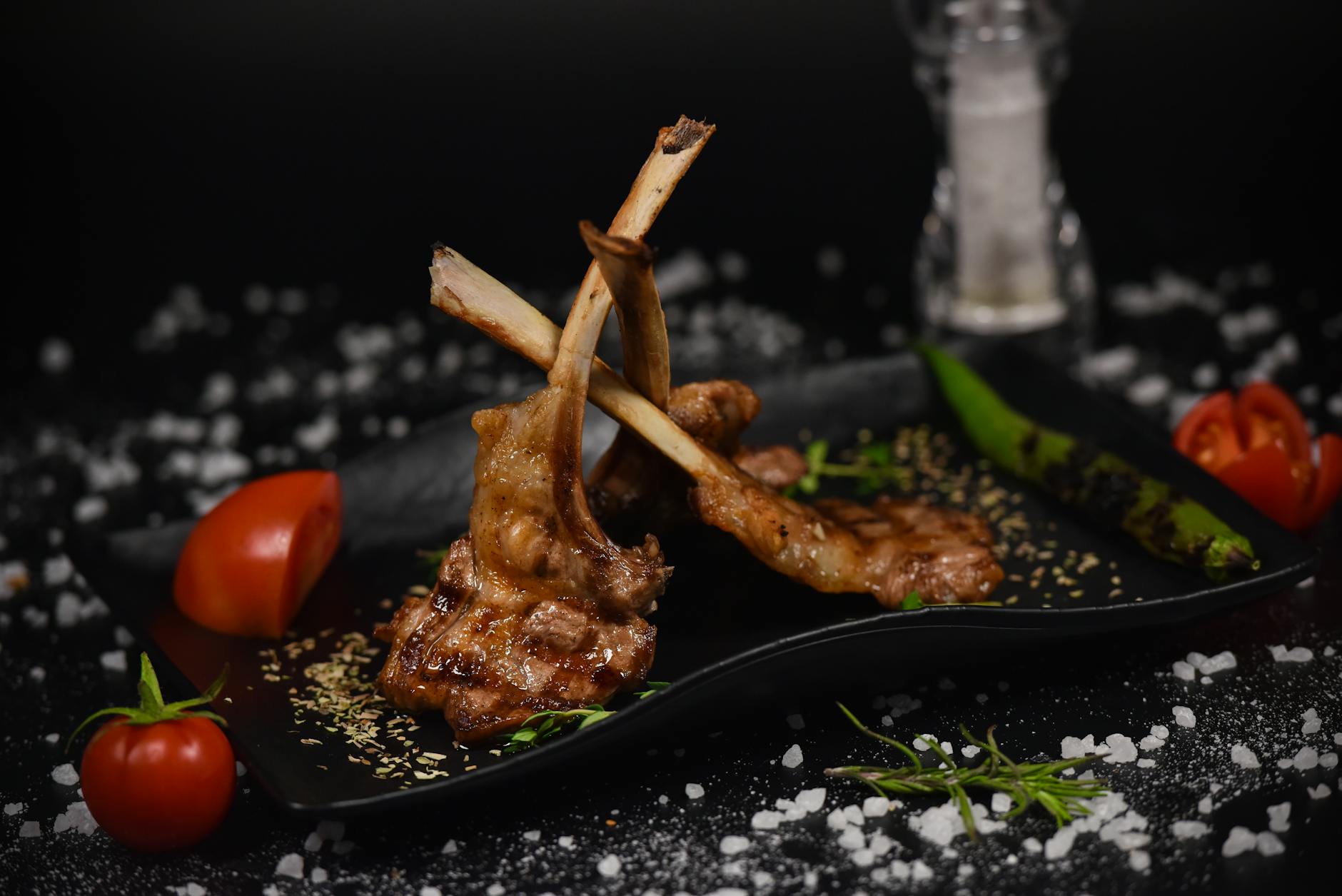
Lamb is a flavorful red meat with a high heme iron content that rivals beef in terms of bioavailability and overall mineral density. It is particularly popular in Mediterranean, Middle Eastern, and South Asian cuisines and is prepared in diverse ways from slow-braised shanks to quickly grilled cutlets. Lamb is also rich in zinc, selenium, and vitamin B12, contributing to immune support and cognitive health alongside its iron benefits. Younger lamb tends to have a more delicate flavor profile, while older cuts carry a bolder, more pronounced taste that suits robust spice-forward preparations. Its combination of culinary versatility and strong nutritional credentials makes lamb a valuable choice for those looking to maintain robust iron levels through animal-based proteins.
Venison
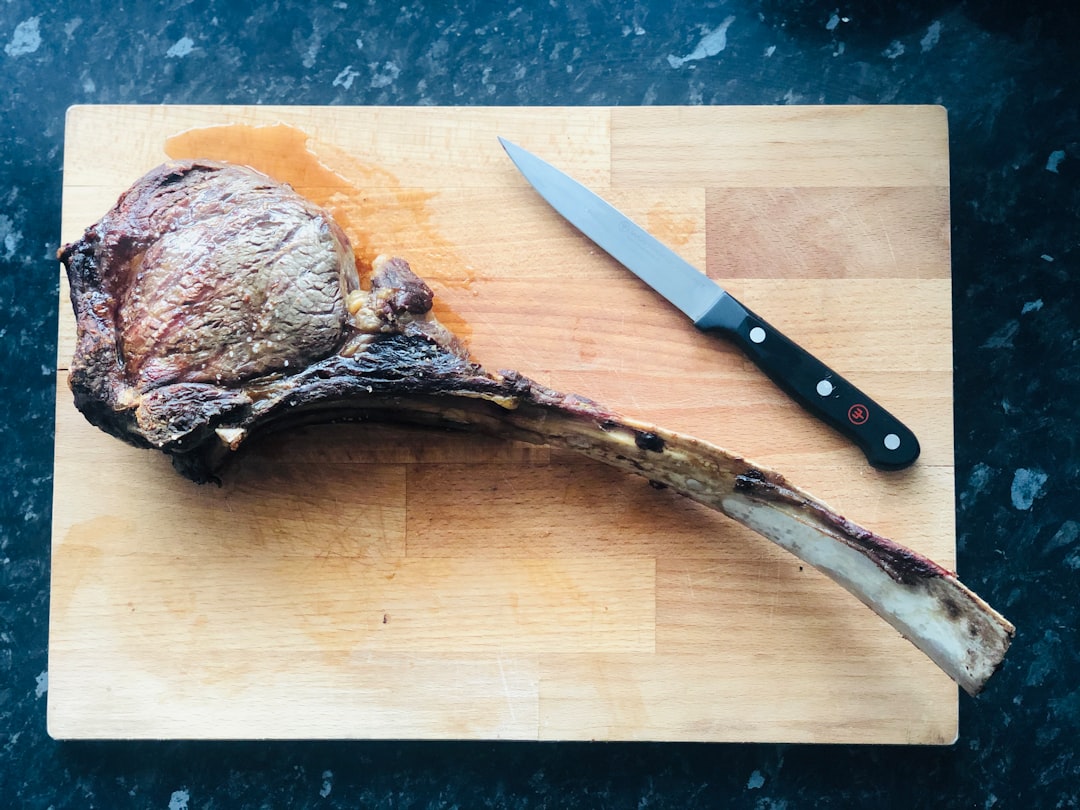
Venison, or deer meat, is a lean game meat with a notably high iron content that exceeds that of many conventional red meats per gram of protein. It is lower in saturated fat than beef or lamb, making it a favorable option for those seeking the iron benefits of red meat with a leaner nutritional profile. Venison has a rich, slightly gamey flavor that pairs well with earthy herbs, root vegetables, and bold sauces based on red wine or berry reductions. It is commonly available through specialty butchers, farmers markets, and hunting communities, and is gaining wider mainstream attention as interest in sustainable and wild-caught proteins grows. Its impressive iron content and lean composition make venison a compelling choice for athletes, those managing deficiency, and health-focused eaters alike.
Duck
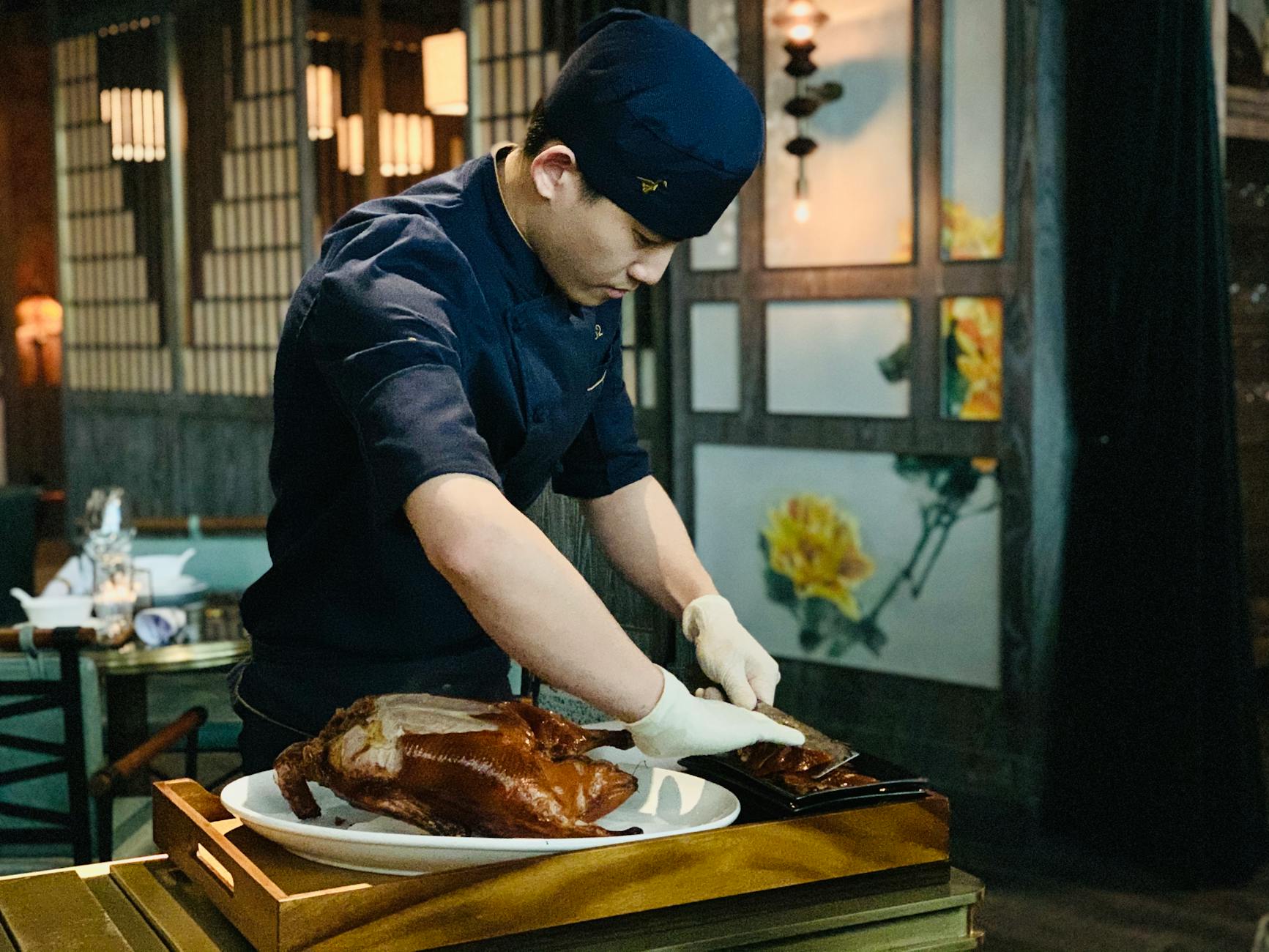
Duck is a richly flavored poultry that contains significantly more iron than chicken or turkey, making it a more compelling option for those prioritizing mineral intake alongside protein. Its dark meat is particularly iron-dense and is also a good source of selenium, zinc, and niacin. Duck is celebrated in French, Chinese, and Southeast Asian cuisines for its tender texture and deeply savory flavor, which is enhanced by techniques such as roasting, confit, and braising. The rendered fat from duck, known as duck fat, is a byproduct prized in culinary traditions for its rich flavor and high smoke point. Incorporating duck into a regular meal rotation provides both a more varied culinary experience and a meaningful boost to dietary iron levels.
Chicken Liver

Chicken liver is a more accessible and milder alternative to beef liver that still delivers a very high concentration of heme iron per serving. It is widely used in pâtés, mousses, and savory spreads across European cuisines and is valued for its silky texture and rich, umami-forward flavor. Chicken liver also supplies exceptional quantities of vitamin B12, vitamin A, and folate, making it one of the most nutrient-dense organ meats available. It cooks quickly and can be pan-fried with onions and herbs, simmered into sauces, or blended into smooth spreads for serving on toast or crackers. For those new to organ meats, chicken liver offers a gentler introduction than beef liver while still providing outstanding iron and overall nutritional value.
Tuna
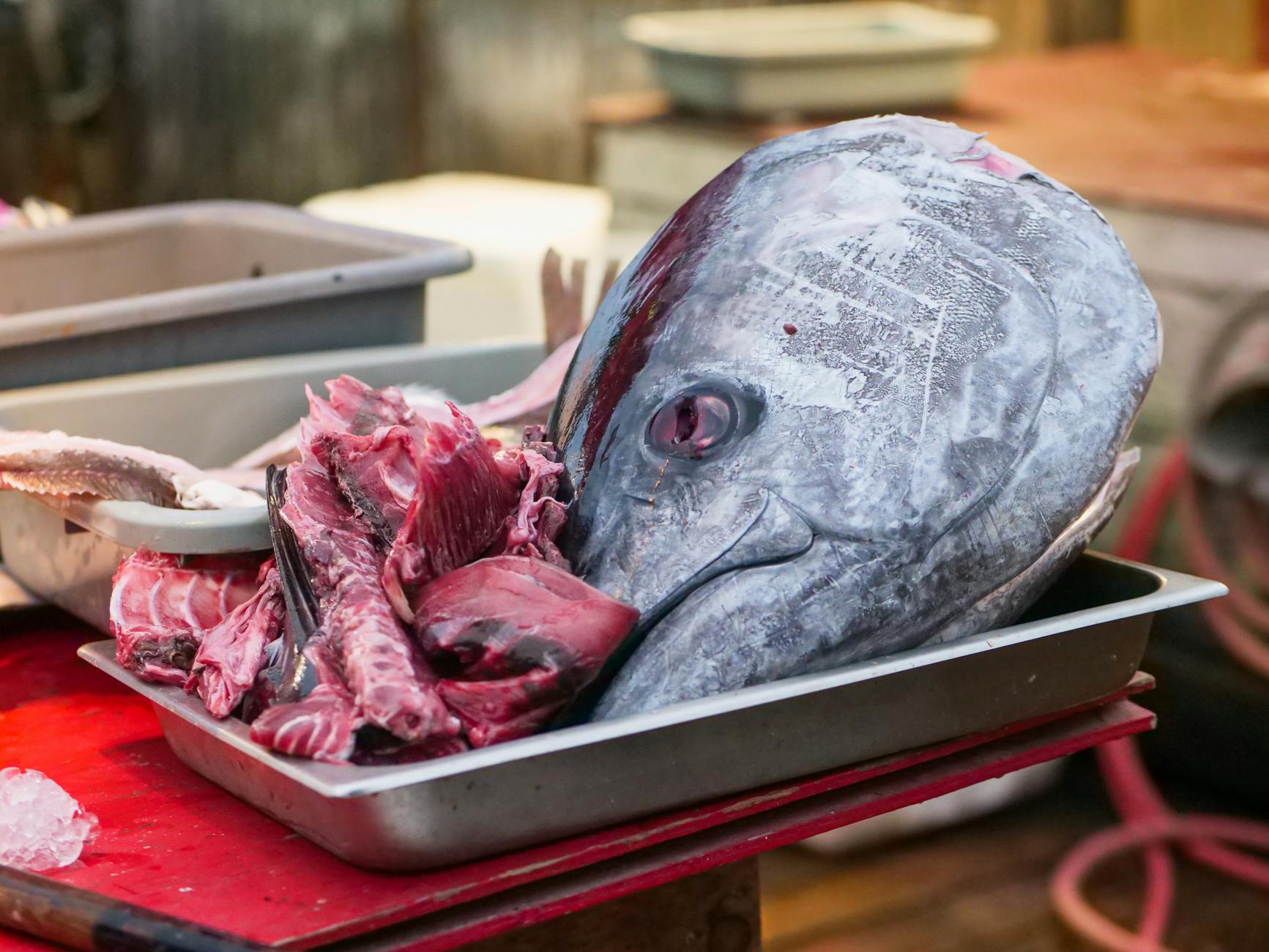
Tuna is a widely consumed fish that provides a meaningful amount of heme iron alongside its well-known protein and omega-3 fatty acid content. Both canned and fresh tuna contain iron, with higher-fat varieties such as albacore offering slightly more than lighter cuts. Canned tuna is one of the most accessible and convenient protein sources globally and can be used in sandwiches, pasta dishes, salads, and sushi preparations. Fresh tuna steaks are equally versatile and take well to grilling, searing, or serving raw as sashimi and tartare. Its wide availability, ease of preparation, and strong nutritional profile make tuna a practical everyday contributor to dietary iron needs.
Halibut
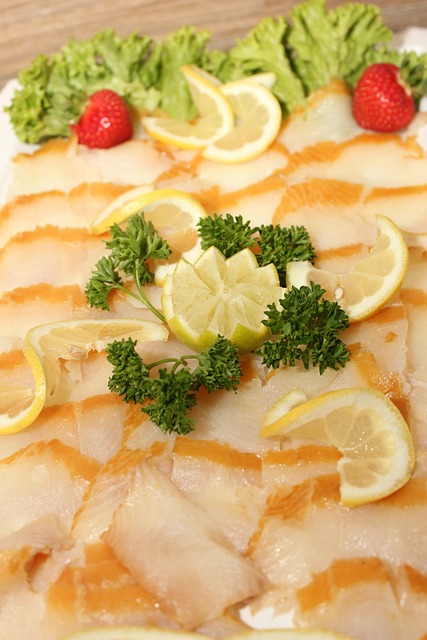
Halibut is a mild-flavored white fish that offers a modest but consistent contribution of heme iron alongside high-quality lean protein and B vitamins. It is one of the most popular white fish in North American and northern European culinary traditions, valued for its firm texture and clean, delicate taste. Halibut can be baked, pan-seared, poached, or grilled and pairs naturally with fresh herbs, lemon, capers, and light cream sauces. Its low fat content and easily digestible protein make it a preferred choice for those seeking a lighter approach to meeting iron needs through animal-based foods. Including halibut alongside more iron-dense seafood options like mussels or sardines creates a well-balanced seafood-forward approach to iron-conscious eating.
Potato
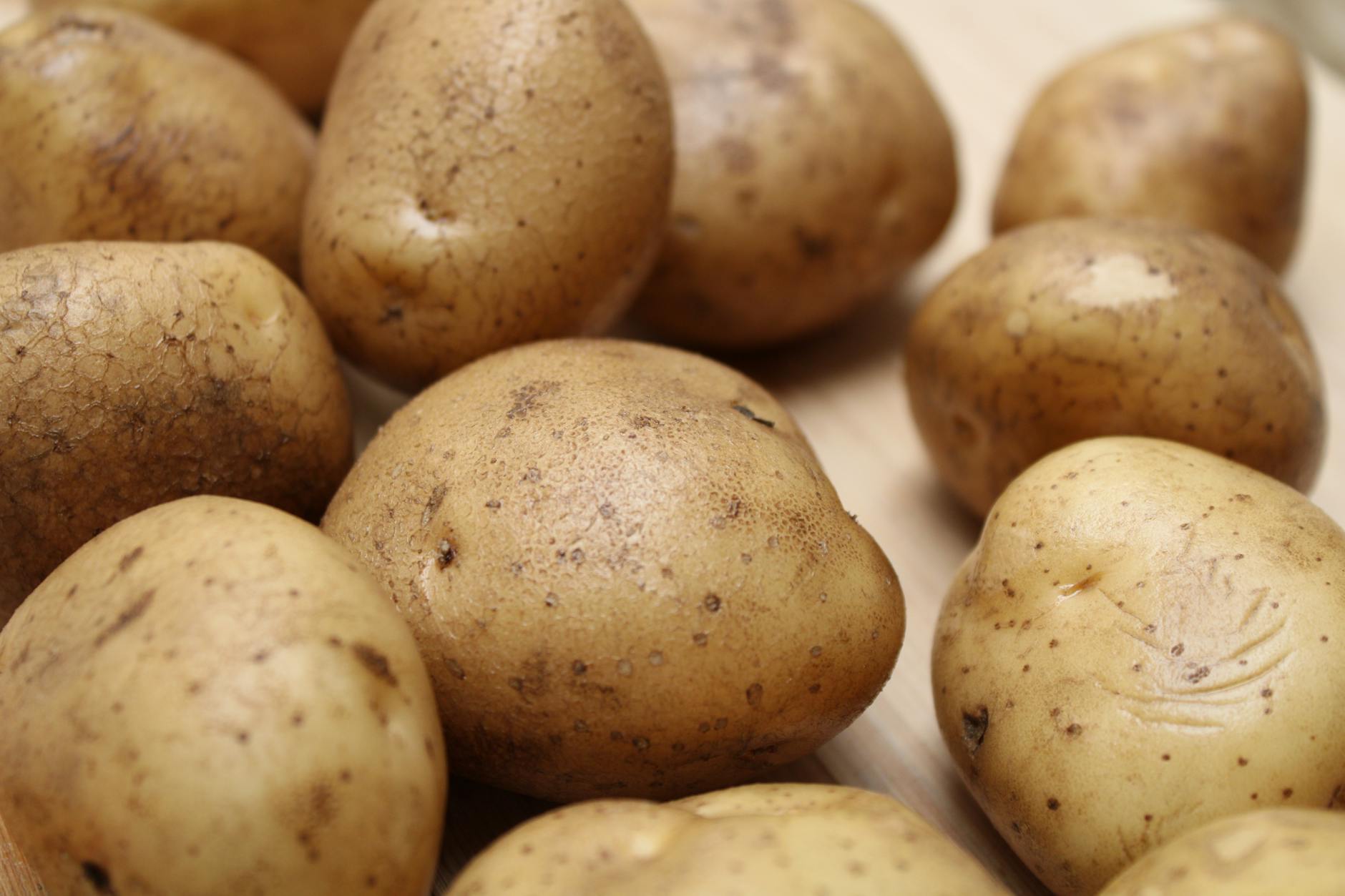
The humble potato is often overlooked as a source of iron, but a medium baked potato with its skin intact provides a notable amount of non-heme iron that surprises many people. The skin in particular is where much of the iron content is concentrated, making it important to eat potatoes whole rather than peeled whenever possible. Potatoes also contain vitamin C, which aids in the absorption of their own non-heme iron, making them an unusually self-contained iron-boosting food. They are one of the most universally eaten foods in the world and can be prepared in countless ways from baking and boiling to roasting and mashing. Their iron contribution, combined with their potassium and fiber content, makes the potato a more nutritionally significant vegetable than it often receives credit for being.
Share your favorite iron-rich foods and how you like to prepare them in the comments.