Grocery store aisles are filled with products claiming to support a nutritious lifestyle and promote wellness. Shoppers frequently select these items believing they are making better dietary choices for their families. Modern food manufacturing techniques often disguise highly modified ingredients behind clever packaging and attractive marketing claims. The items on this list undergo extensive industrial modifications that place them firmly in the ultra processed category.
Flavored Yogurt
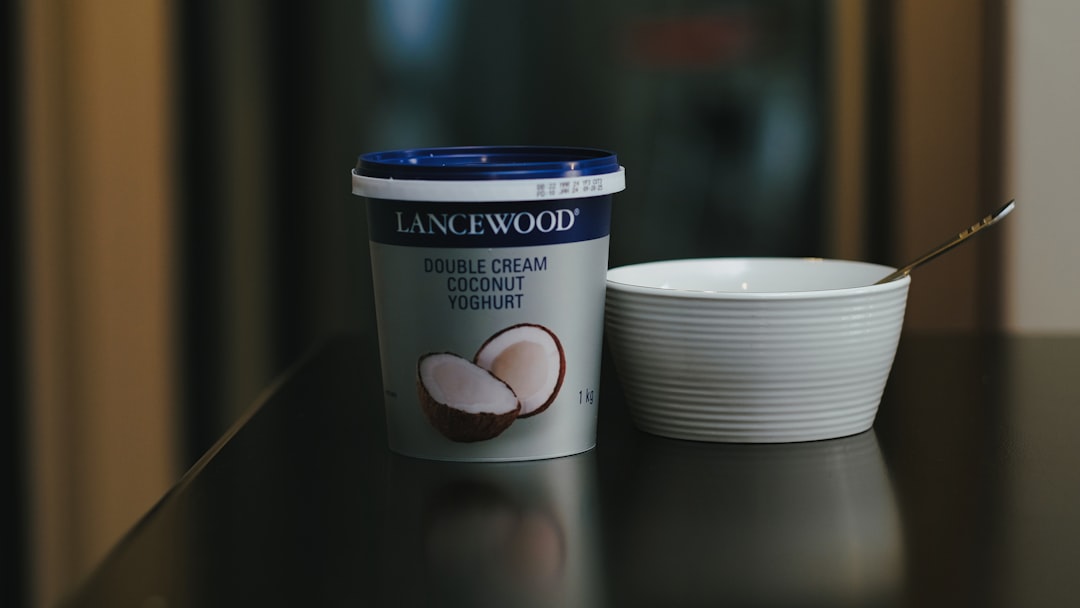
Many consumers choose this dairy product expecting a nutritious breakfast option packed with beneficial probiotics. The manufacturing process actually involves stripping natural fats and adding significant amounts of refined sugars. Thickeners and artificial flavorings are mixed into the base to simulate the taste of real fresh fruit. These industrial alterations transform a simple cultured milk product into a heavily modified dessert.
Veggie Chips
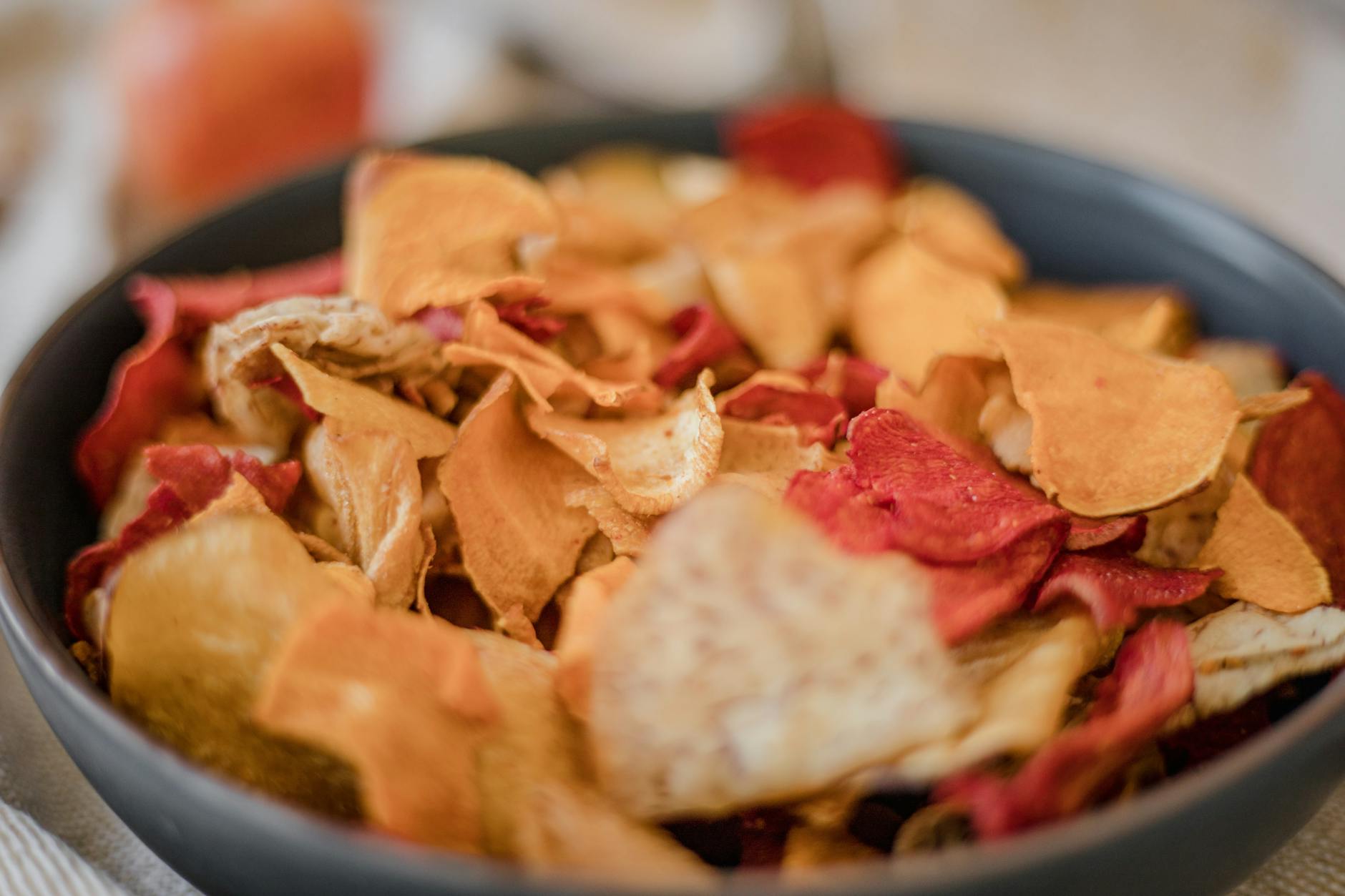
Shoppers often view these colorful snacks as a fantastic alternative to traditional potato crisps. Manufacturers create these items by pulverizing vegetables into fine powders and mixing them with starches. Deep frying the resulting paste in refined industrial oils destroys most of the original nutritional value. The final product contains virtually no intact plant fiber and relies heavily on added salt for flavor.
Protein Bars
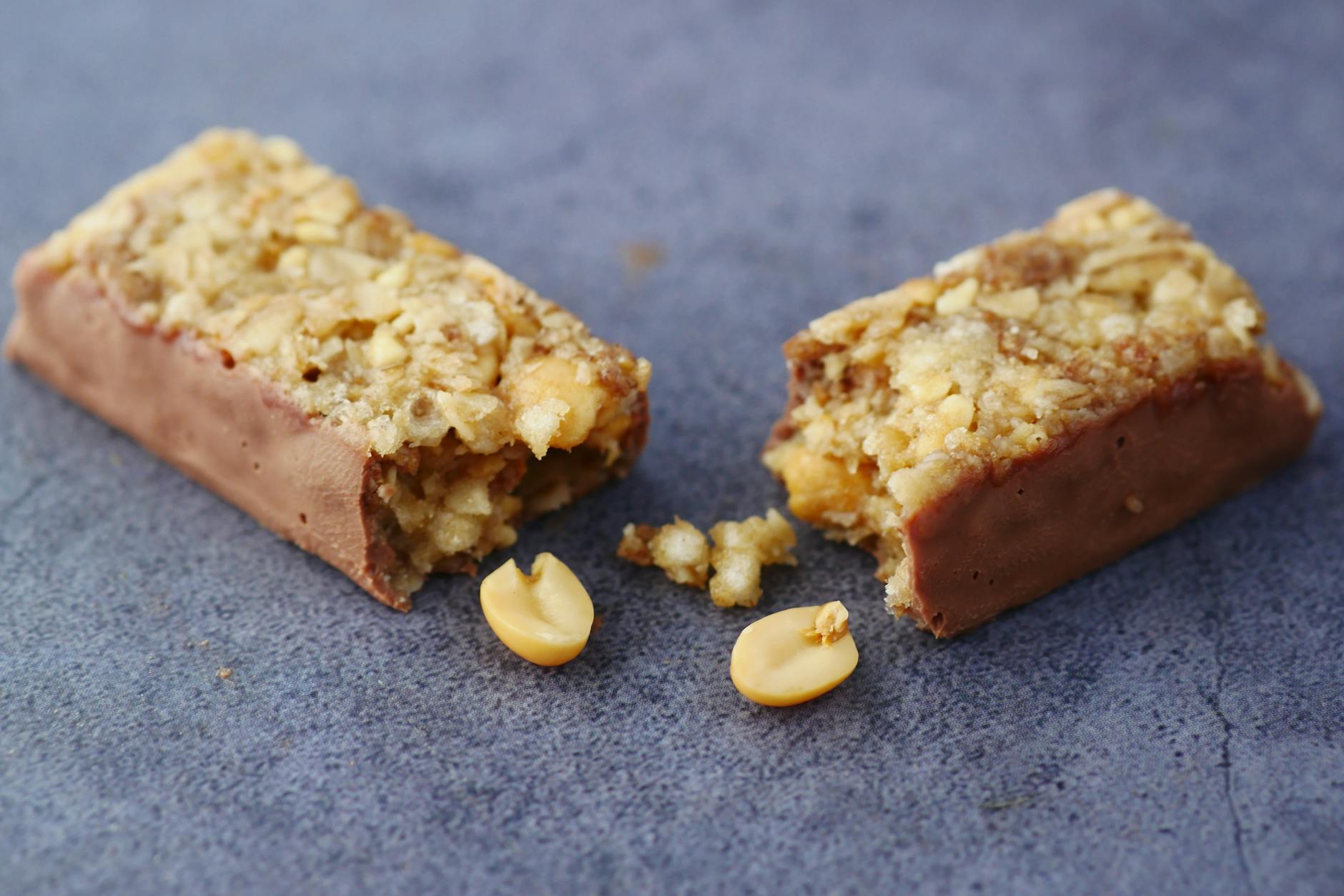
Athletes and busy professionals frequently rely on these portable squares for quick energy and muscle recovery. The production line combines isolated soy derivatives with artificial sweeteners and chemical binding agents. Extrusion machines force the dense mixture into uniform shapes before coating them in synthetic chocolate layers. This intense mechanical and chemical manipulation strips away any resemblance to whole natural foods.
Granola
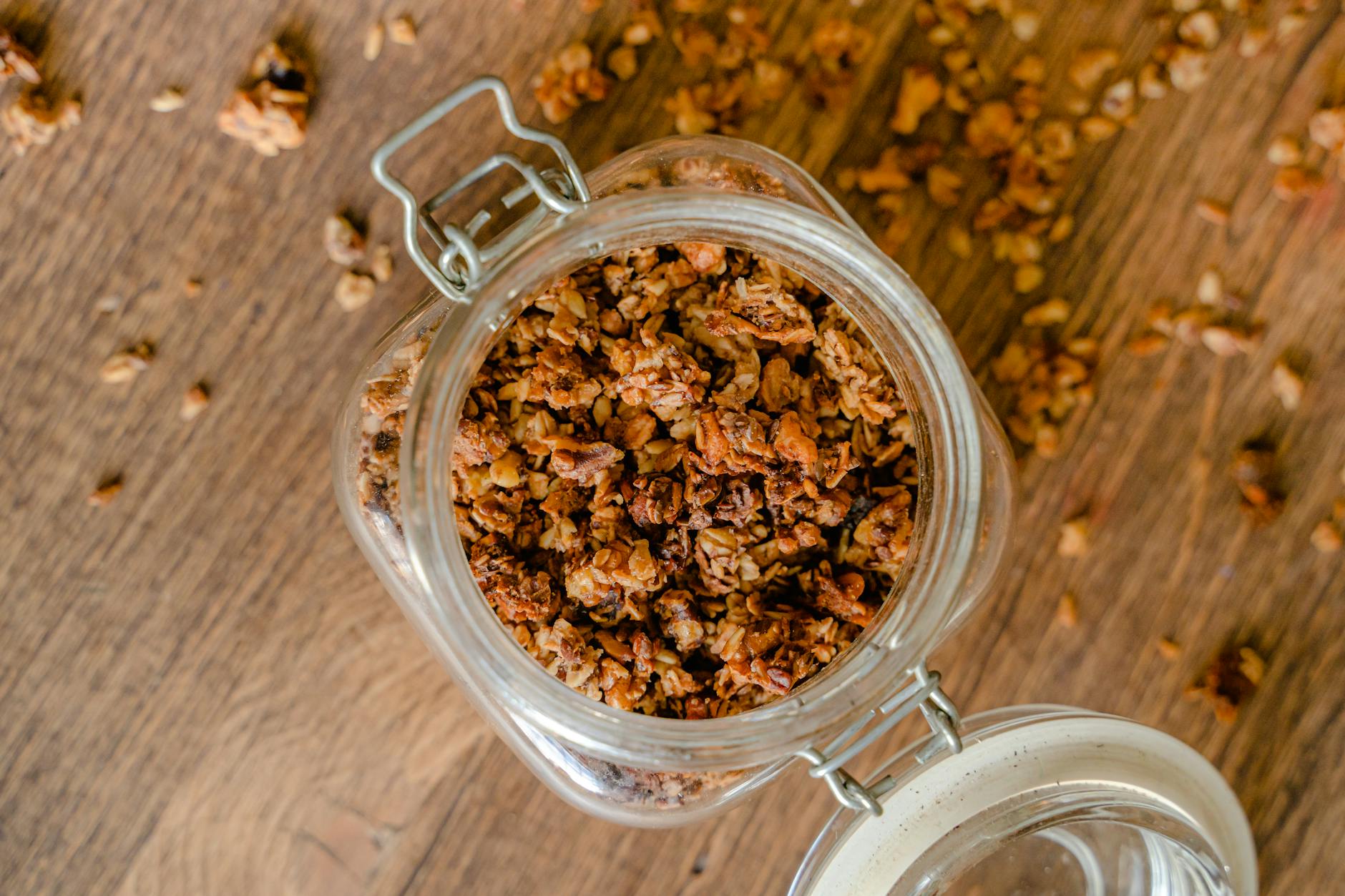
This classic breakfast staple enjoys a strong reputation as a natural choice for outdoor enthusiasts. Large factories bake the rolled oats alongside heavy coatings of processed syrups and liquid oils to create large clusters. Preservatives are thoroughly mixed into the batches to ensure the product remains crunchy on store shelves for months. The excessive sweetening agents completely overshadow the inherent benefits of the whole grains used in the recipe.
Almond Milk
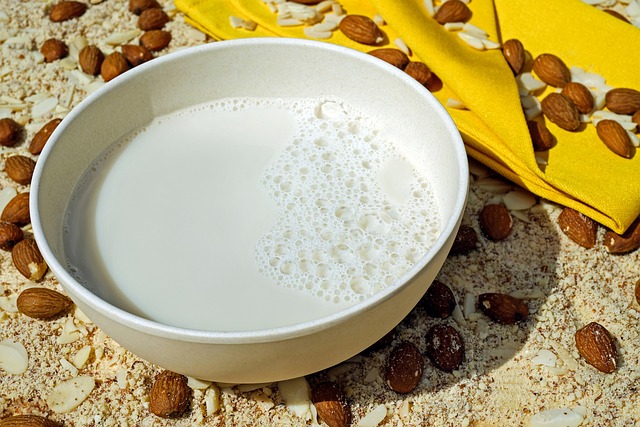
Dairy alternatives have gained massive popularity among shoppers seeking plant based beverage options. Commercial production involves grinding a very small number of nuts and blending them with massive volumes of water. Food scientists add synthetic emulsifiers to prevent the liquid from separating during transportation and storage. The resulting white fluid requires synthetic vitamins to match the nutritional profile of traditional cow milk.
Fruit Snacks

Parents frequently pack these vibrant gummy shapes into lunchboxes under the assumption they provide daily fruit servings. The primary ingredients usually consist of concentrated juice extracts mixed with corn syrup and modified food starch. Artificial dyes are pumped into the vats to give the candies their bright and appealing colors. These chewy bites function entirely as sugar delivery systems rather than genuine sources of produce.
Agave Nectar
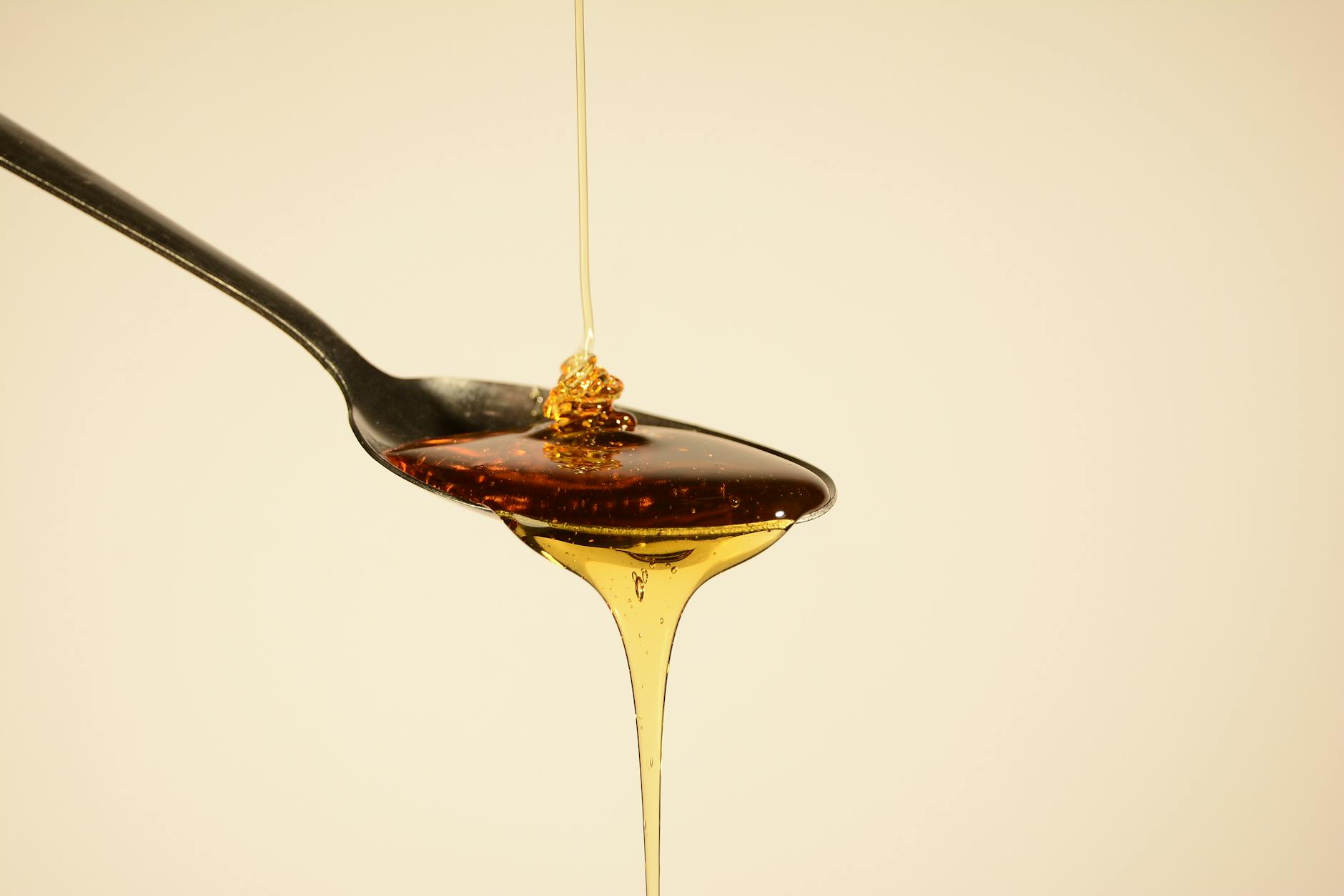
Health conscious bakers often substitute regular white sugar with this exotic liquid sweetener in their recipes. Factories subject the sap from the plant to intense thermal and chemical processes to extract the sweet compounds. The resulting amber fluid contains an extremely high concentration of isolated fructose molecules. This intense refinement process eliminates the natural enzymes and makes the liquid behave just like traditional corn syrup.
Diet Soda
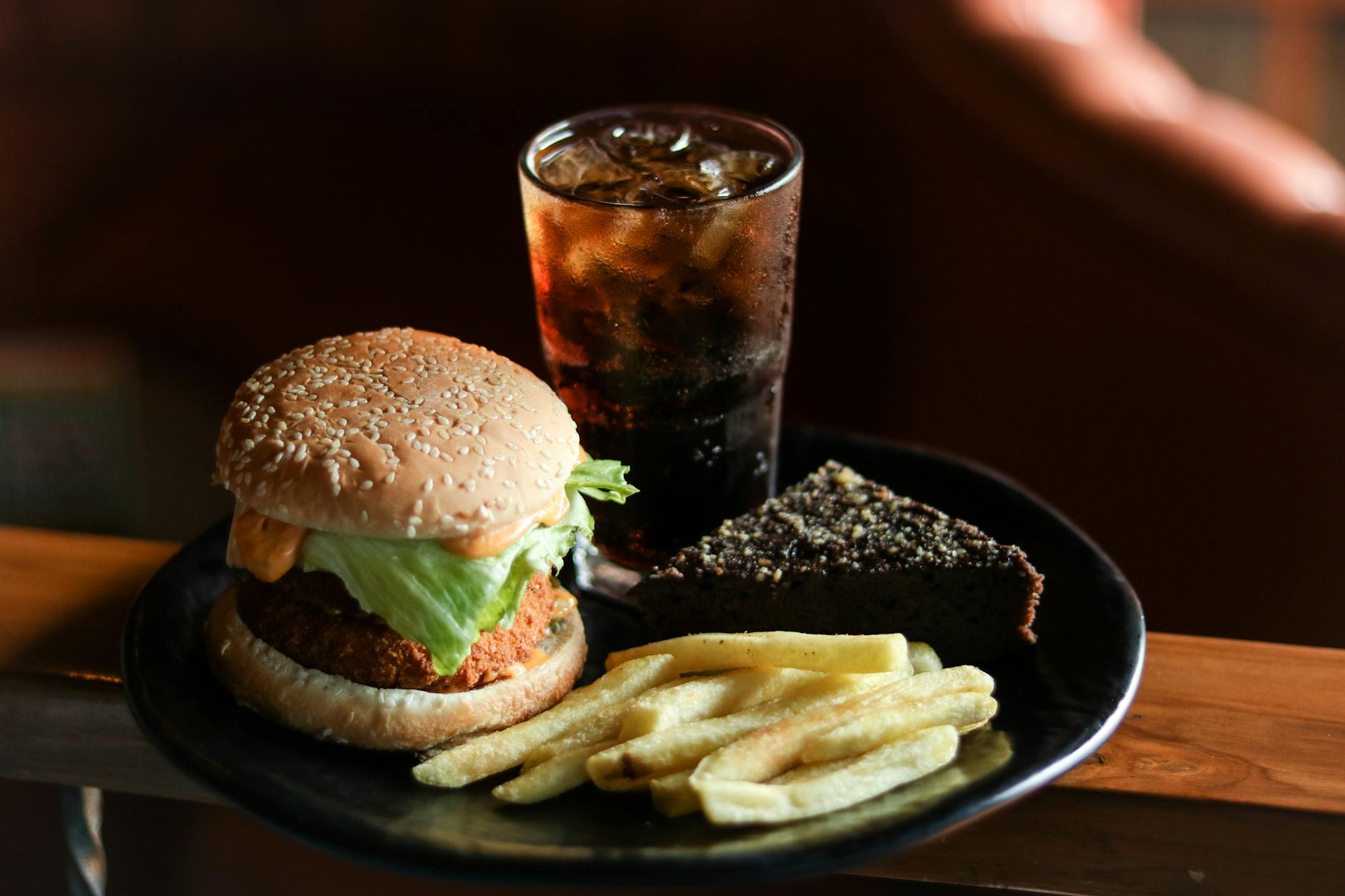
Individuals looking to cut liquid calories often turn to these fizzy beverages for guilt free refreshment. The formulation process relies entirely on artificial sweeteners mixed with synthetic colorings and carbonated water. Chemical preservatives are added to the vats to stabilize the complex mixture of synthetic flavor compounds. Drinking these artificially constructed liquids introduces a variety of unfamiliar chemical structures into the digestive system.
Margarine
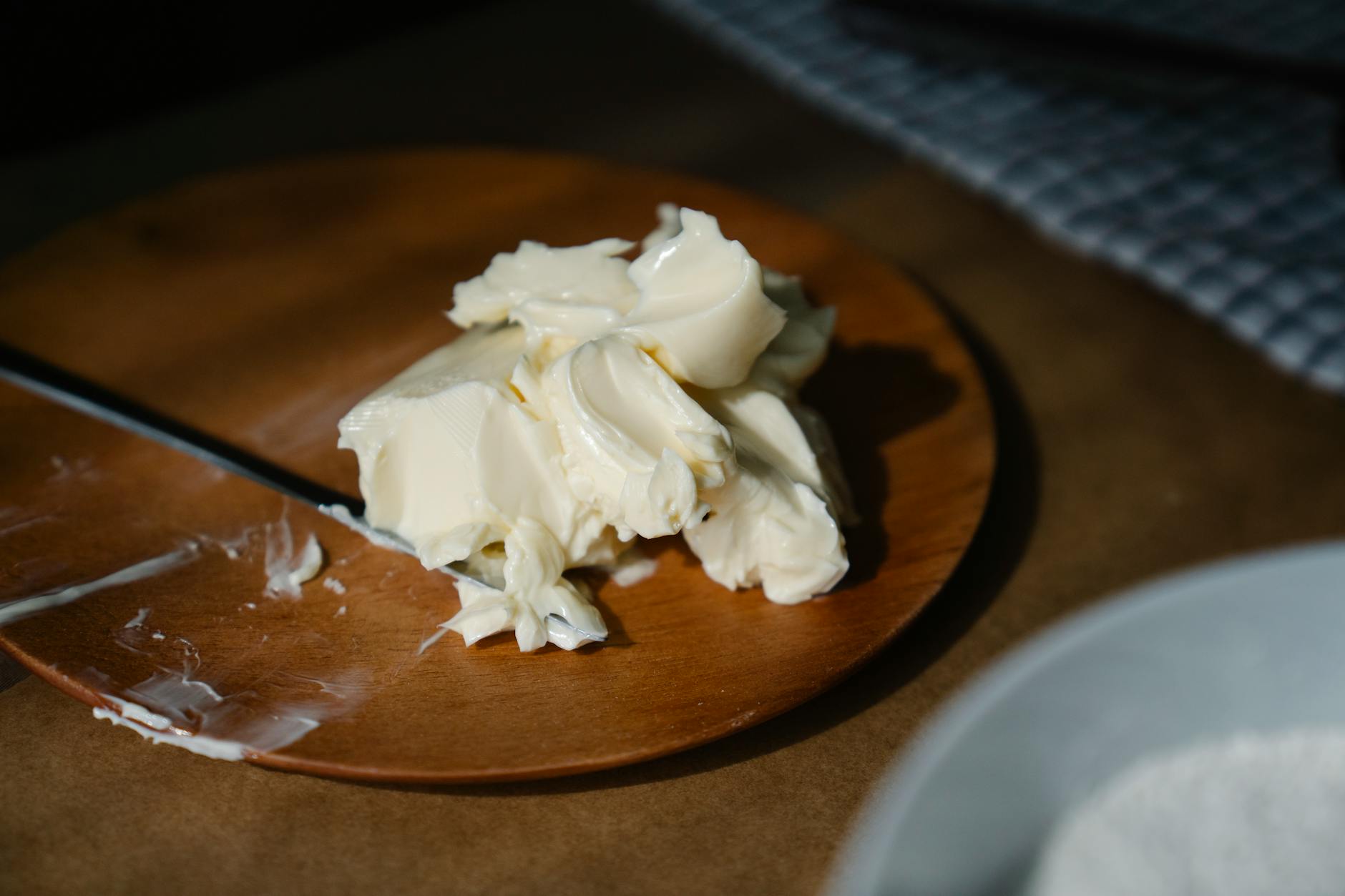
This spread became famous as a seemingly smart substitute for traditional butter on morning toast. Chemical engineers create this product by forcing hydrogen gas into cheap vegetable oils under extreme pressure. Artificial yellow dyes and synthetic butter flavorings are blended into the gray mass to improve its visual appeal. The resulting block is a purely artificial creation born entirely from complex industrial chemistry.
Plant Based Burgers
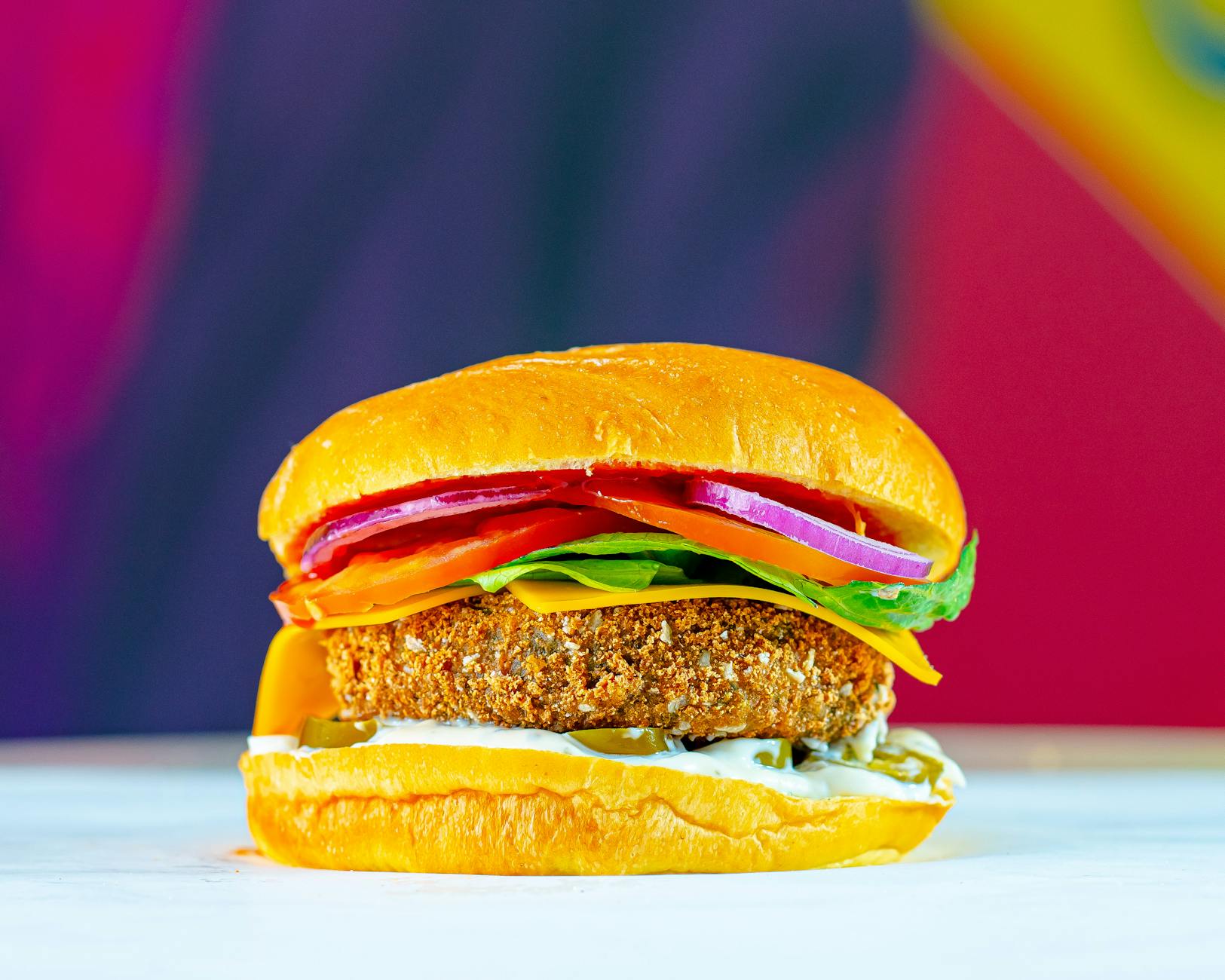
Vegetarians often choose these modern meat alternatives expecting a simple and natural source of protein. Food laboratories extract specific proteins from peas and soy using harsh chemical solvents and extreme heat. Binders and artificial coloring agents are precisely combined to mimic the bleeding effect of raw beef. The numerous stages of molecular extraction and reconstruction make these patties incredibly far removed from whole vegetables.
Rice Cakes

Dieters have long celebrated these circular snacks for their exceptionally low calorie count and satisfying crunch. Manufacturers expose grains of white rice to extreme heat and pressure to make them explode into airy discs. Spraying artificial flavor powders and excessive sodium over the top layers provides the only source of taste. This explosive manufacturing method strips away any remaining nutrients while leaving behind empty starches.
Bran Muffins
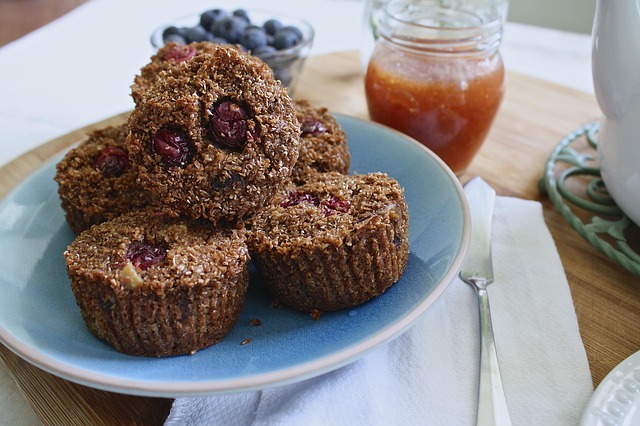
Coffee shop patrons frequently order these baked goods believing the dark color indicates superior nutritional value. Commercial bakeries rely on enriched white flour mixed with massive quantities of refined sugar and cheap oils. A tiny sprinkle of isolated wheat bran is added to the batter purely to justify the product name. The finished pastry essentially functions as a large cake disguised by a thin veneer of healthy marketing.
Pretzels

Snackers often choose these salty twists because they lack the heavy grease found in standard potato chips. Industrial baking facilities strip all the natural fiber and nutrients away from the original wheat flour. The dough is forcefully extruded through metal dies and bathed in an alkaline solution to achieve the dark crust. The rapid digestion of these refined empty starches causes immediate spikes in blood sugar levels.
Sports Drinks

Fitness enthusiasts consume these brightly colored fluids to replenish electrolytes lost during intense workout sessions. The liquid base consists almost entirely of water mixed with liquid sugars and synthetic flavoring agents. Food scientists add bright neon dyes to visually distinguish the different artificial fruit flavors on store shelves. The massive sugar content severely outweighs the minimal amounts of beneficial minerals included in the recipe.
Trail Mix
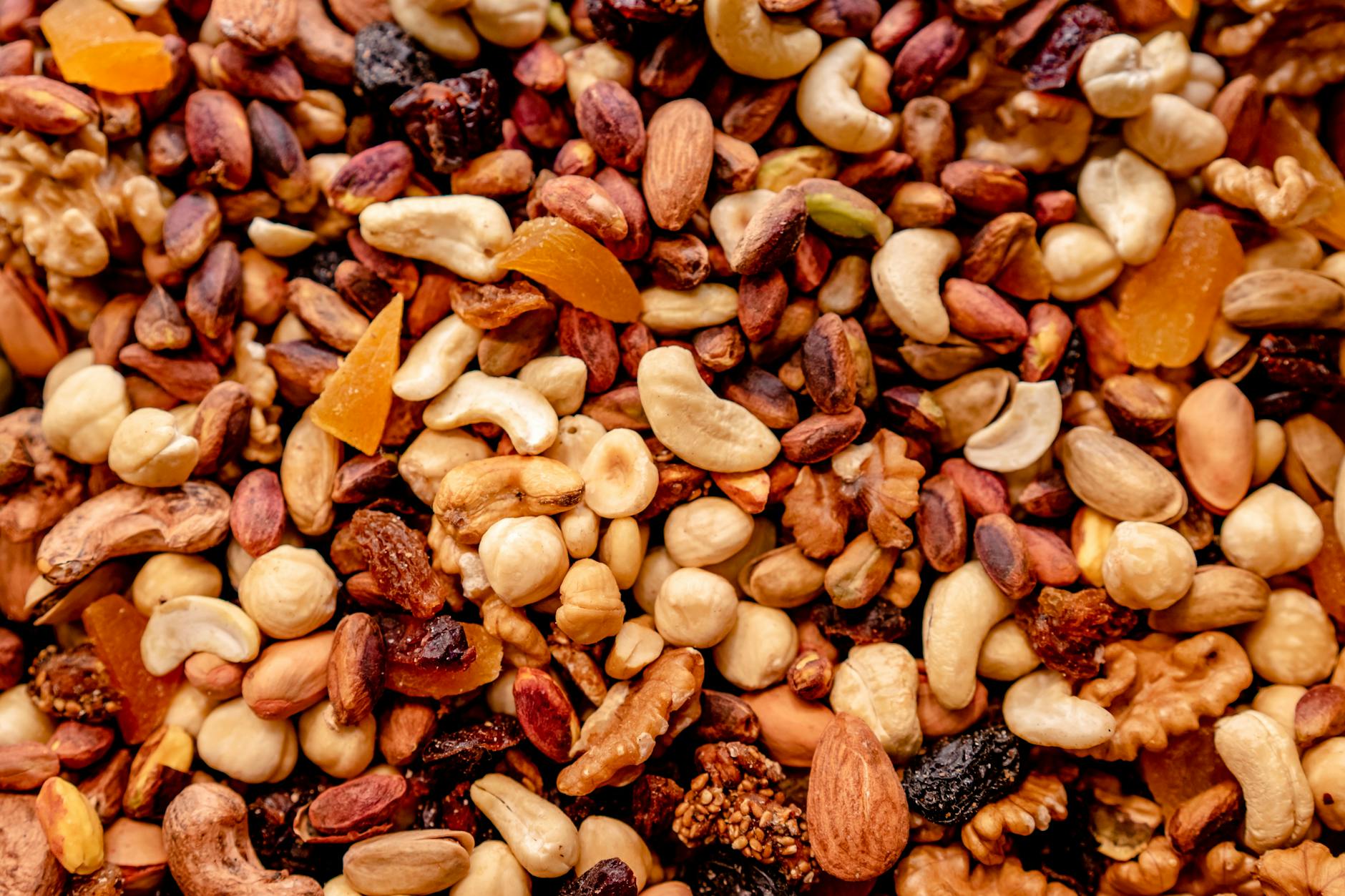
Hikers and students reach for these bagged assortments expecting a natural blend of nuts and seeds. Commercial varieties heavily dilute the expensive nuts with chocolate candies and yogurt covered raisins. The dried fruit pieces are typically coated in extra sugar and preserved with chemical sulfites to maintain their color. This combination of added sweets and chemical preservatives turns a simple snack into a manufactured dessert.
Instant Oatmeal

Busy families appreciate the sheer convenience of these individual breakfast packets on rushed mornings. The grain particles undergo intense preliminary steaming and rolling processes at the factory to ensure rapid cooking times. Massive scoops of refined sugar and artificial maple flavors are blended into the dry mix before packaging. This severe pulverization process destroys the structural integrity of the oats and removes their sustained energy benefits.
Bottled Smoothies
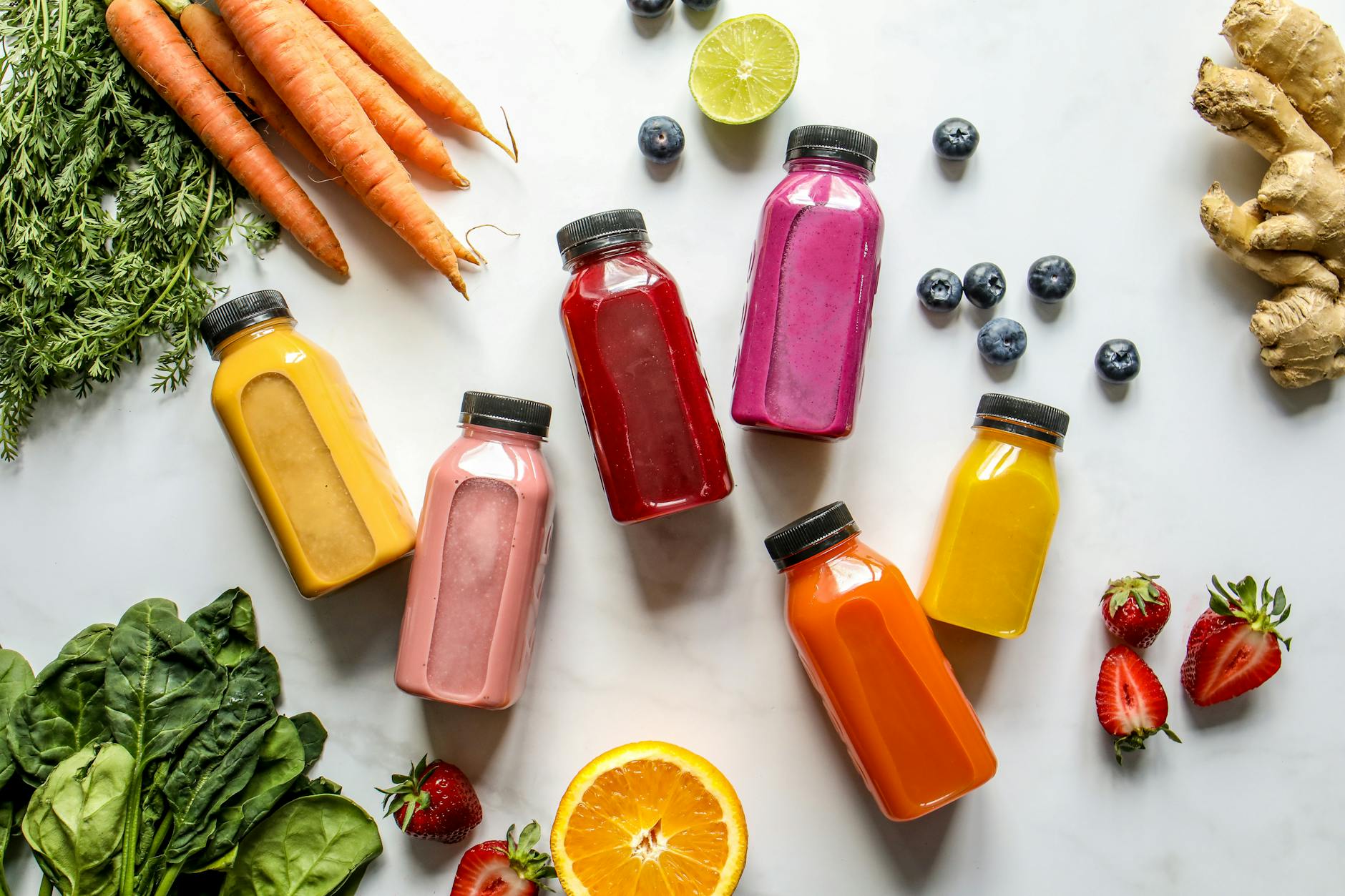
Shoppers frequently grab these chilled drinks from the produce section to secure a quick serving of vitamins. Manufacturers heat the liquid mixtures to incredibly high temperatures to destroy bacteria and extend the shelf life. This pasteurization process completely eliminates the beneficial natural enzymes present in the original raw fruit. The final product essentially serves as a highly concentrated sugar syrup devoid of natural plant fibers.
Baked Beans

Families routinely serve this classic side dish at outdoor barbecues under the assumption it provides healthy legumes. Canning facilities submerge the navy beans in a thick sauce created primarily from brown sugar and corn syrup. Artificial smoke flavorings and chemical preservatives are injected into the mixture before the cans are permanently sealed. The staggering volume of added sweeteners negates the natural protein benefits of the plain beans.
Veggie Straws
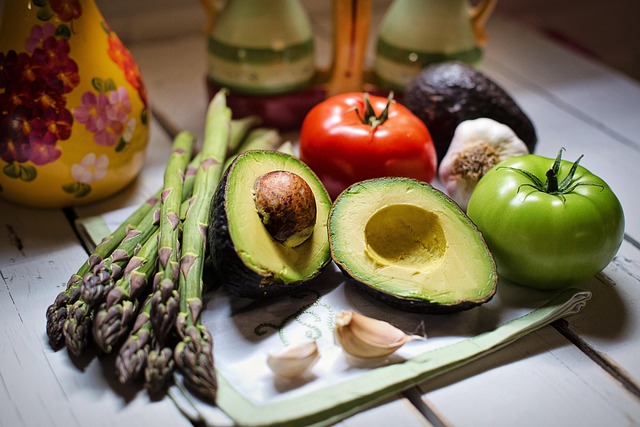
Parents give these hollow tubes to their toddlers believing they are serving real garden vegetables. The extrusion machines combine potato starch and corn flour to create the underlying structural base. Tiny amounts of vegetable powder are sprinkled into the mixture solely to provide the green and red colors. The finished snacks are simply puffed starches that have been deep fried and heavily salted.
Gluten Free Bread

Individuals avoiding wheat often assume these specialty loaves represent a superior nutritional choice for sandwiches. Commercial bakeries replace traditional flour with highly refined tapioca starches and white rice powders. Chemical gums and artificial binders must be added to replicate the chewy texture of natural wheat gluten. These extensively modified ingredients offer very little nutritional value compared to naturally gluten free whole foods.
Vegan Cheese

Plant based eaters purchase these dairy free blocks to satisfy their cravings for melted sandwich toppings. The manufacturing process relies entirely on highly refined coconut oil mixed with modified potato starches. Synthetic flavor compounds and artificial coloring drops are blended in to mimic the taste and look of cheddar. The resulting product is essentially a solid block of processed fat entirely devoid of protein or calcium.
Breakfast Cereals
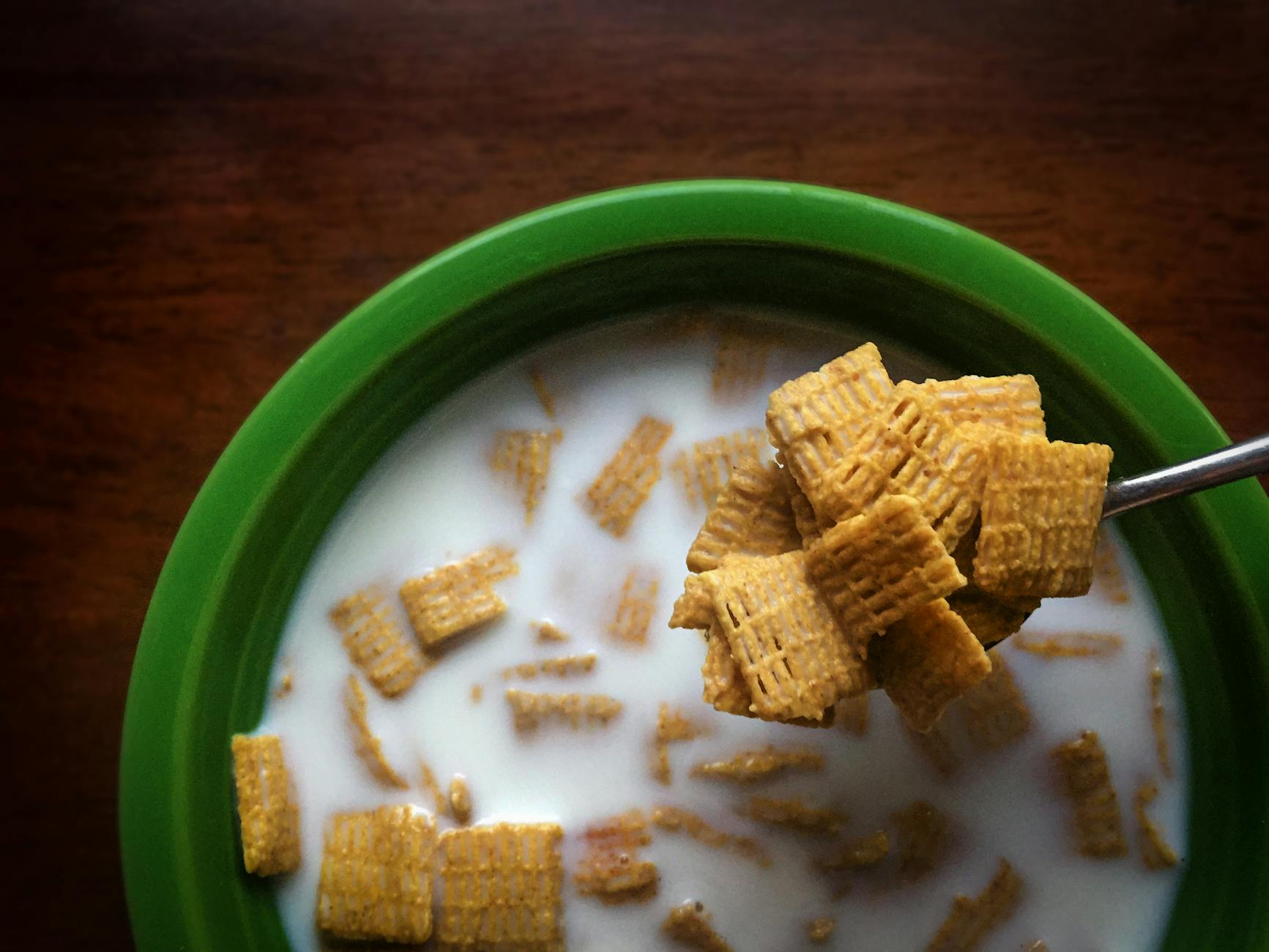
Millions of children begin their days with bowls of colorful shapes marketed as essential morning fuel. Huge factories pulverize whole grains into fine dust before mixing the powder with enormous vats of sugar. The sugary paste is extruded into fun shapes and sprayed with synthetic vitamins to allow for health claims. These crunchy bites undergo massive mechanical transformations that erase their origins as agricultural crops.
Energy Drinks
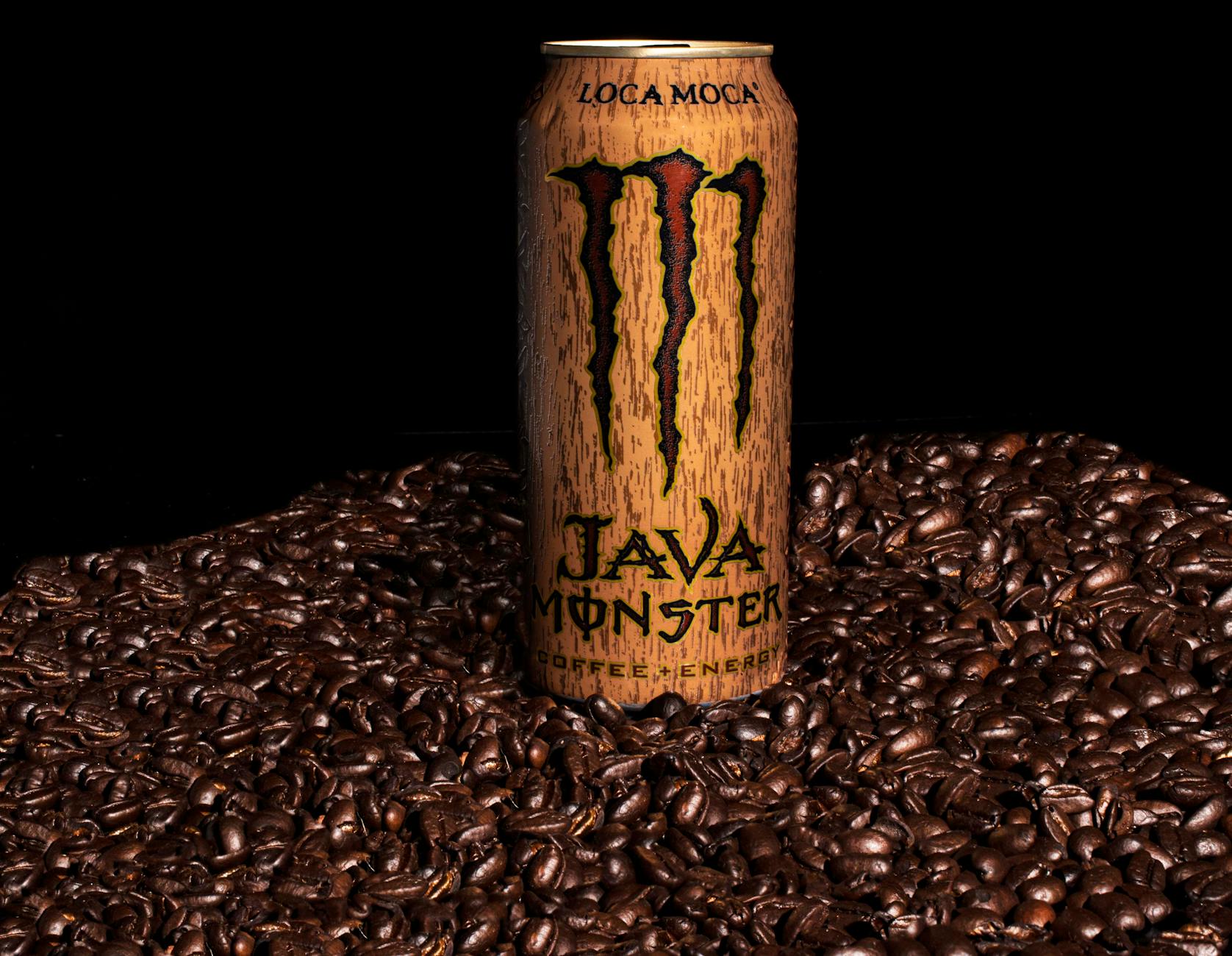
Students and night shift workers rely on these canned beverages to maintain alertness during long hours. The complex formulas combine synthetic caffeine molecules with massive amounts of liquid sweeteners and artificial flavors. Chemical preservatives and artificial dyes are necessary to keep the harsh ingredients stable inside the aluminum cans. Consuming these aggressive chemical mixtures puts unnecessary stress on the digestive and nervous systems.
Protein Powders
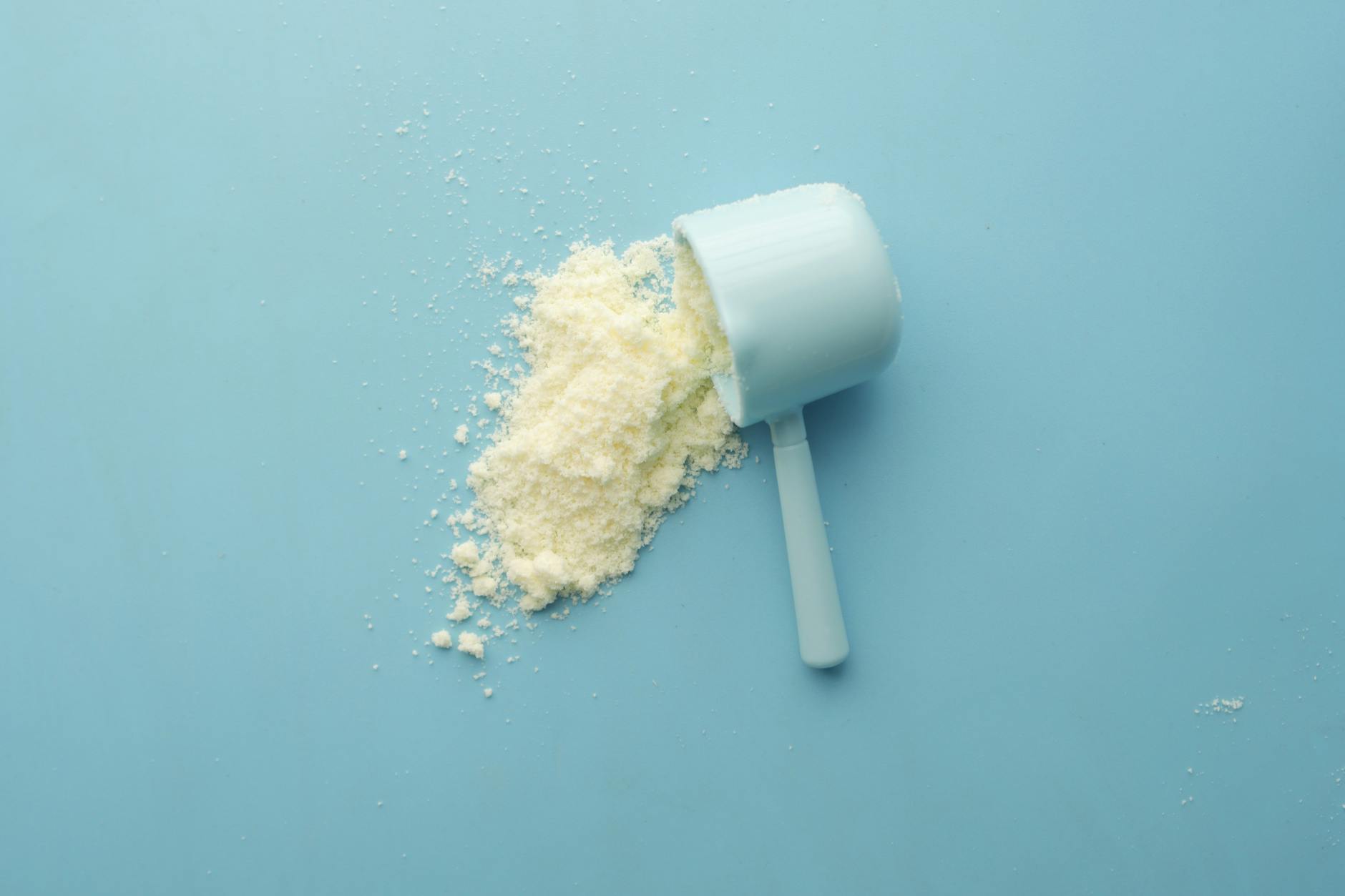
Gym goers consume these large tubs of flavored dust to accelerate their muscle building results. Laboratories subject dairy whey or plant peas to extreme chemical washes to isolate the specific protein molecules. Artificial sweeteners and synthetic anti caking agents are thoroughly mixed into the fine powder to prevent clumping. The finished supplement is a masterpiece of modern chemistry rather than a natural food source.
Canned Soup
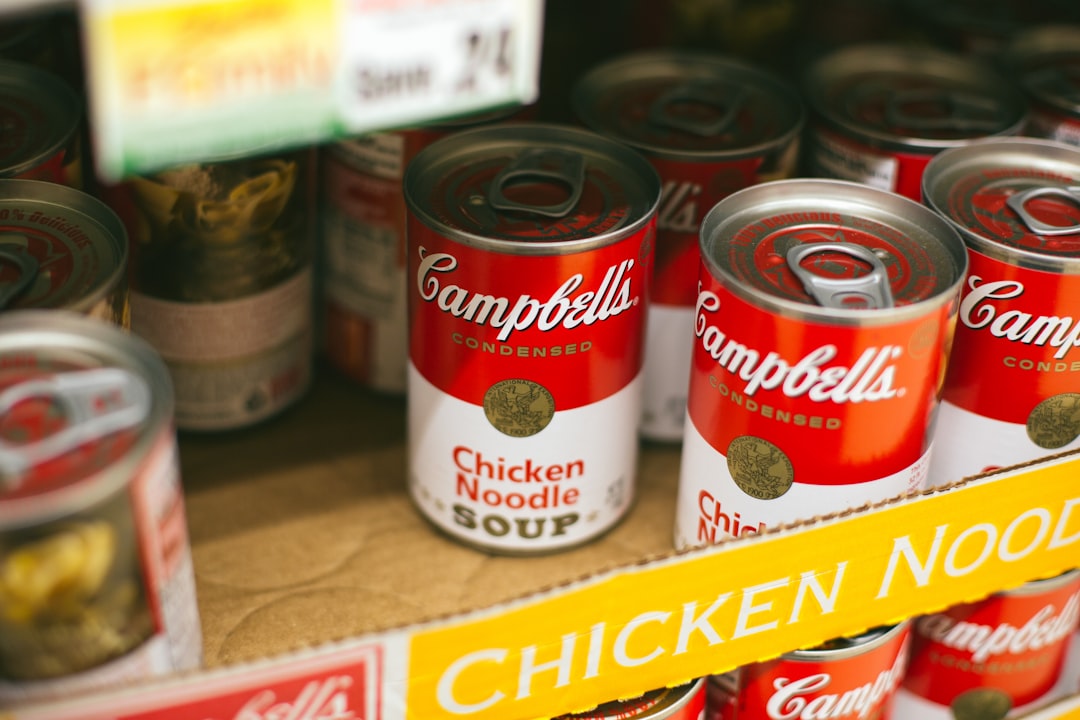
Shoppers stock their pantries with these convenient metal tins for quick and comforting winter meals. Industrial kitchens boil the vegetables until all natural textures and water soluble vitamins are completely destroyed. Massive amounts of cheap sodium and chemical flavor enhancers are dumped into the broth to compensate for the blandness. The inner linings of the cans often introduce additional synthetic chemicals into the resting liquid.
Frozen Yogurt

Dessert lovers flock to specialized shops offering this cold treat as a guilt free alternative to ice cream. The liquid base consists primarily of regular milk heavily modified with corn syrup and artificial thickeners. Any beneficial probiotics are usually destroyed by the extreme freezing temperatures required by the industrial churners. The massive sugar content makes this frozen creation indistinguishable from traditional heavy cream desserts.
Low Fat Peanut Butter
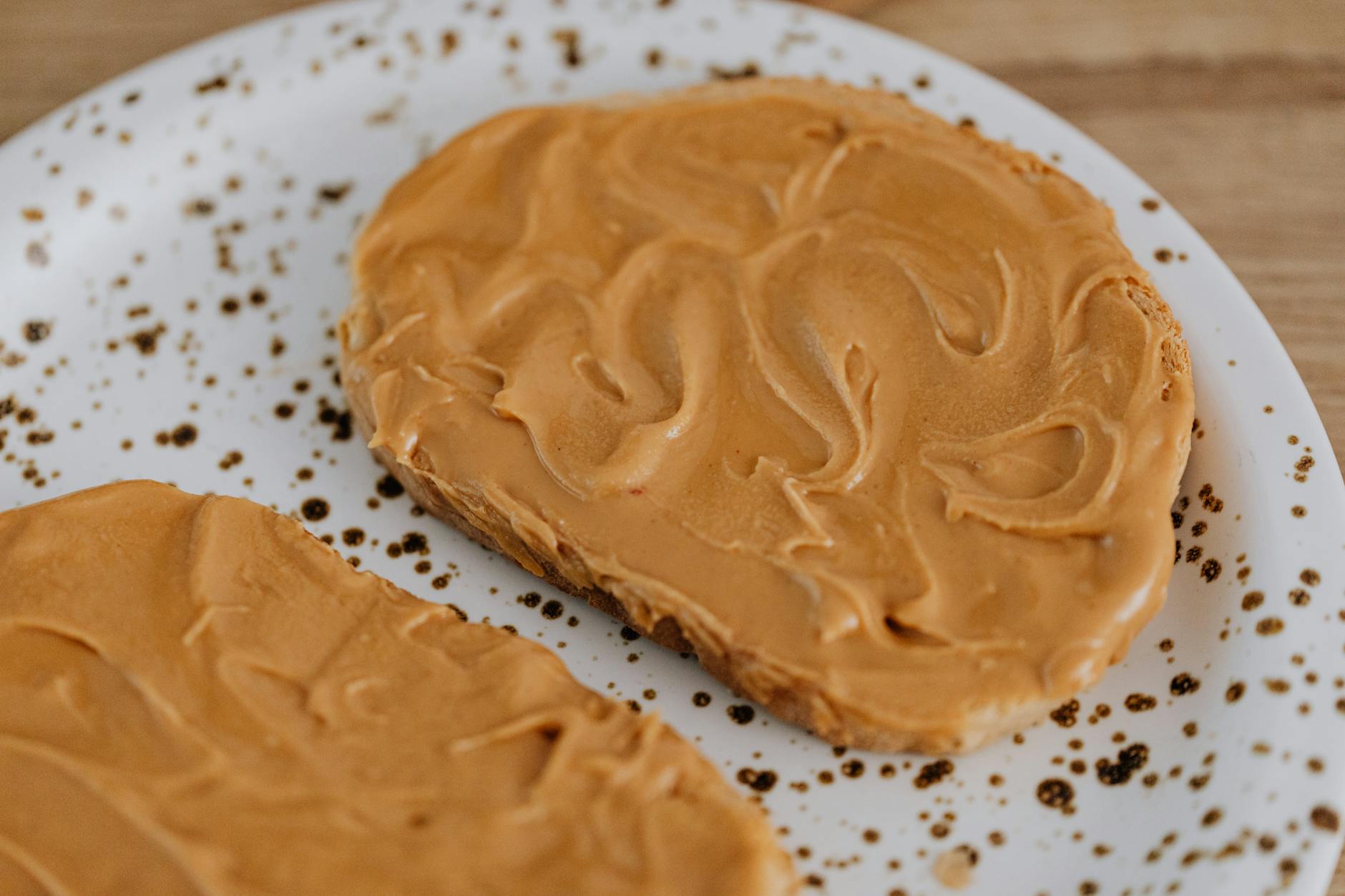
Health conscious shoppers choose these modified jars hoping to reduce their daily caloric intake. Manufacturers spin the crushed peanuts in massive centrifuges to extract the healthy natural plant oils. To replace the missing volume and texture the factories pump in refined sugars and chemical emulsifiers. This industrial manipulation removes beneficial fats and replaces them with empty processed carbohydrates.
Fruit Juice
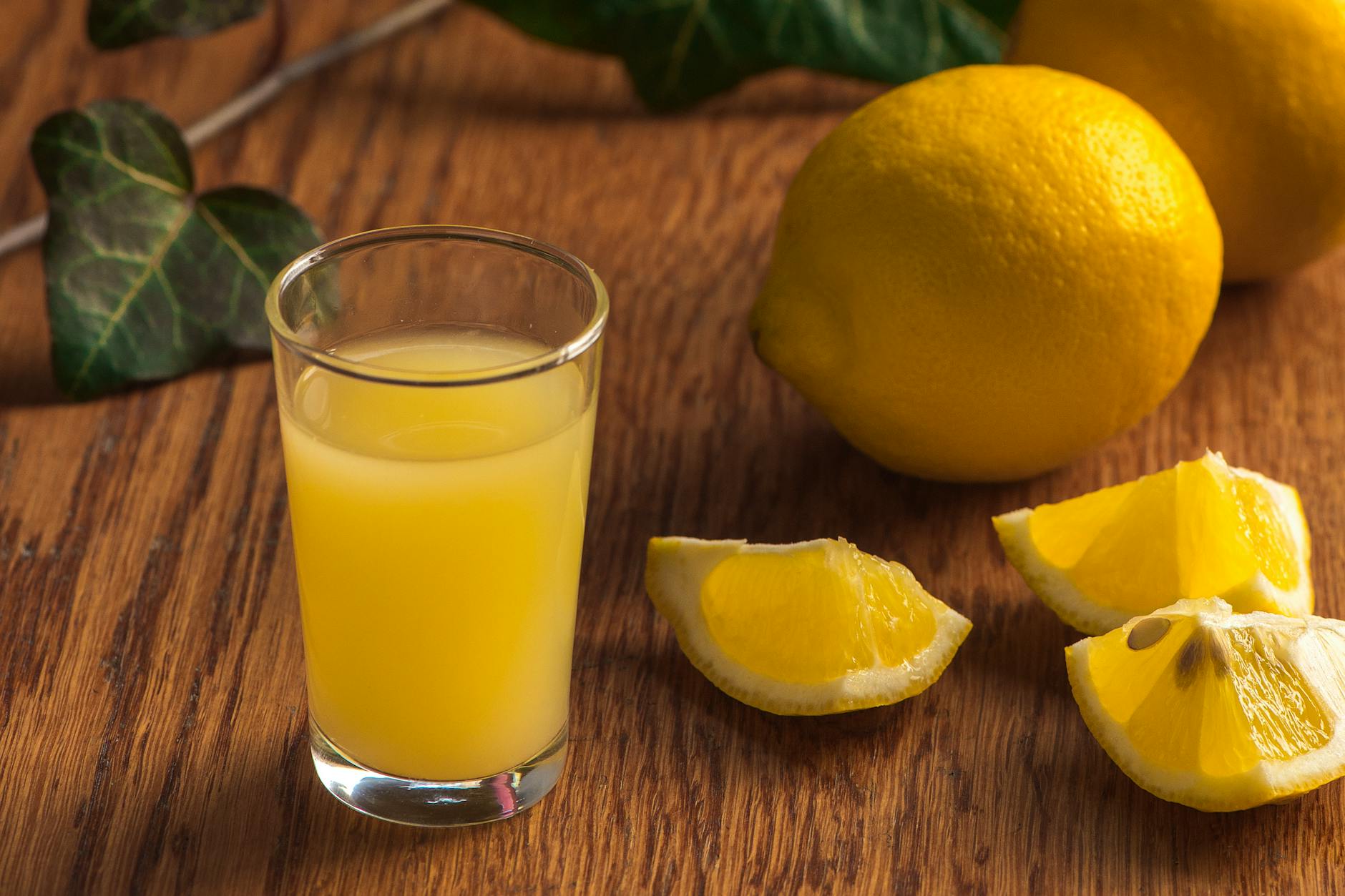
Parents routinely pour large glasses of these brightly colored liquids for their children at the breakfast table. Factories strip away all the beneficial natural fibers found in the flesh and skin of the whole fruit. The extracted liquid is often stored in massive oxygen free tanks for over a year before being artificially reflavored. Drinking the resulting fluid spikes blood sugar levels exactly like consuming a standard carbonated soda.
Meal Replacement Shakes
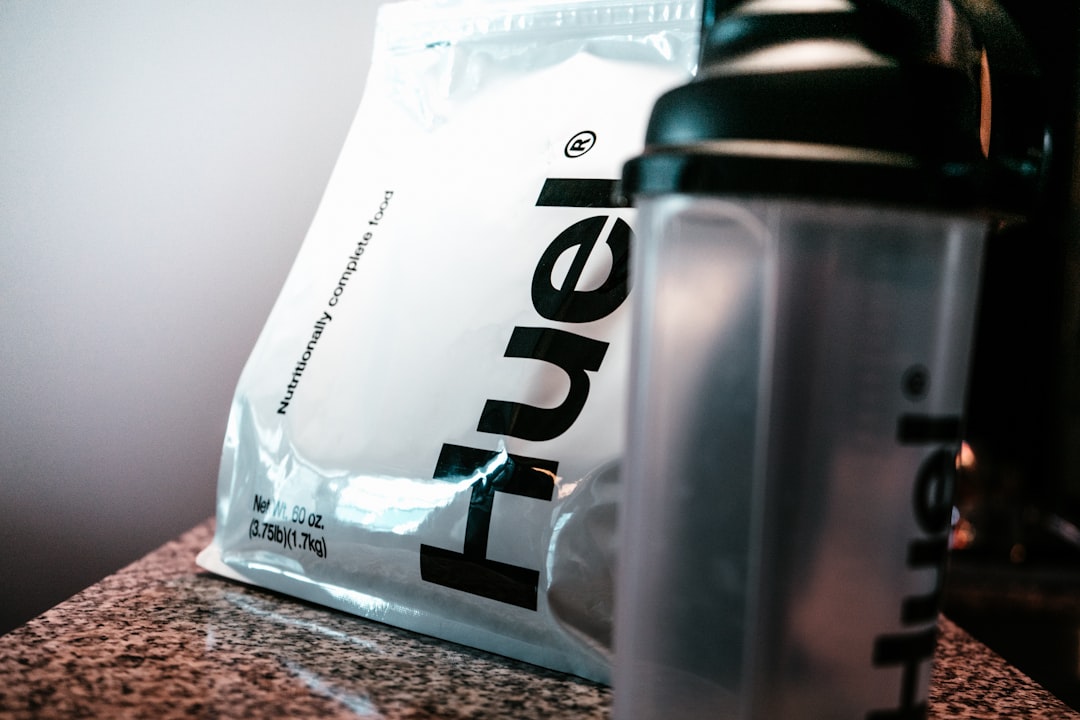
Busy professionals guzzle these thick liquids directly from plastic bottles to save time during lunch hours. The formulations begin with a base of isolated soy or whey proteins mixed with maltodextrin. Food engineers meticulously inject synthetic vitamin blends and artificial flavorings to mask the bitter chemical taste. These laboratory creations provide basic macronutrients but completely lack the complex compounds found in real meals.
Turkey Bacon
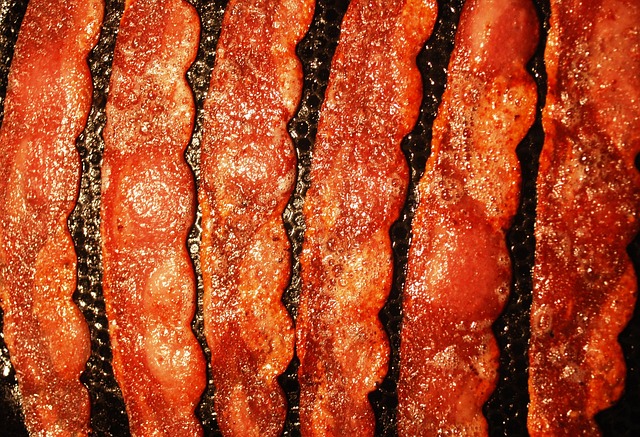
Shoppers looking to protect their heart health often substitute traditional pork slices with this poultry alternative. Processing plants grind the turkey meat into a fine paste and mix it with liquid smoke and artificial binders. The pink paste is mechanically pressed into flat strips and cured with chemical nitrates to mimic real bacon. This extensive mechanical reconstruction makes the final strips heavily processed regardless of the base meat used.
Fat Free Salad Dressing
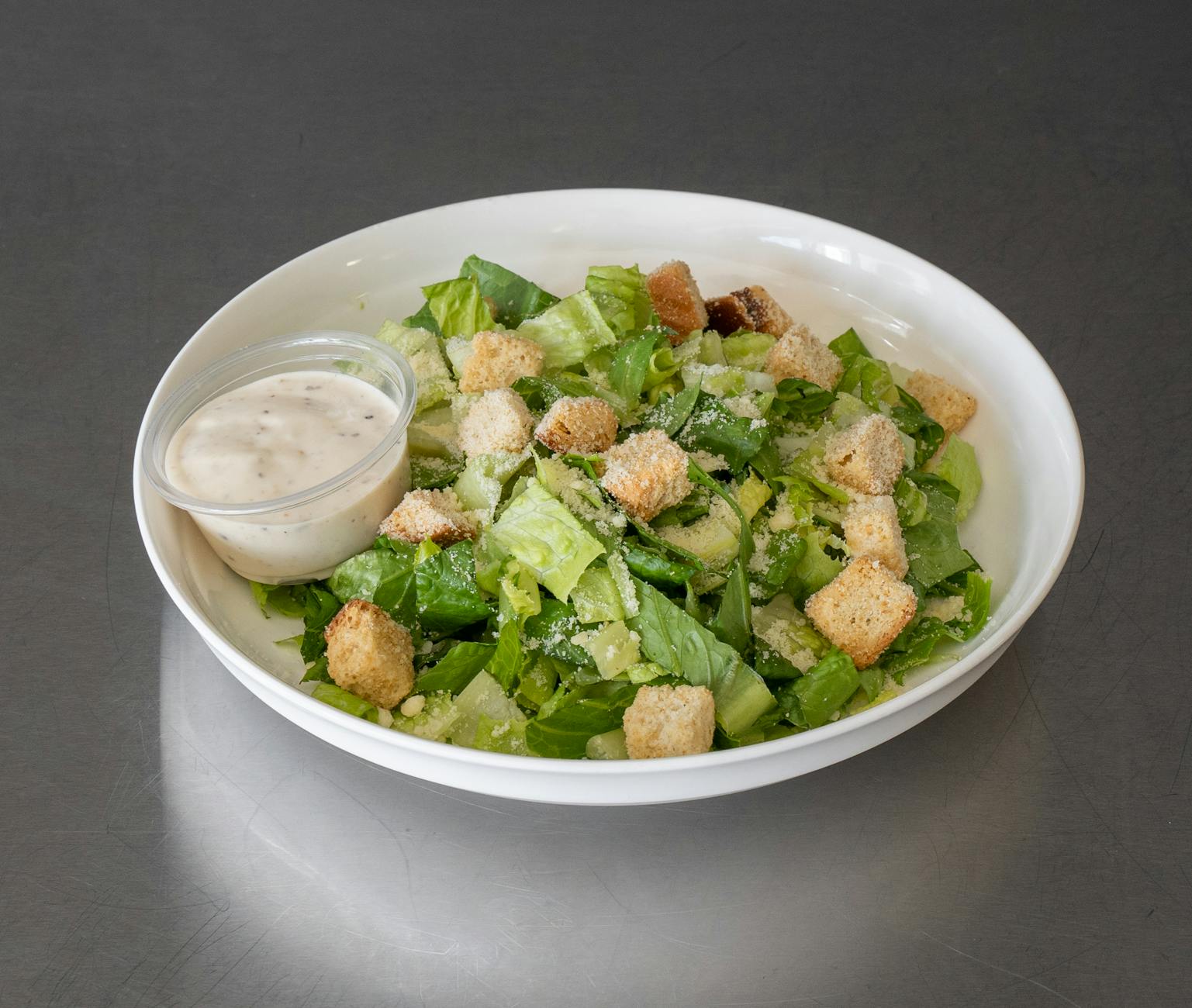
Dieters douse their fresh greens in these bottled liquids hoping to accelerate their weight loss journeys. Food scientists remove the natural olive oils and replace them with modified food starches and liquid sugars. Xanthan gum and artificial chemical preservatives are added to create a pourable consistency that lasts for months. The absence of natural fats prevents the human body from absorbing the vital nutrients hidden within the salad greens.
Cauliflower Crust Pizza
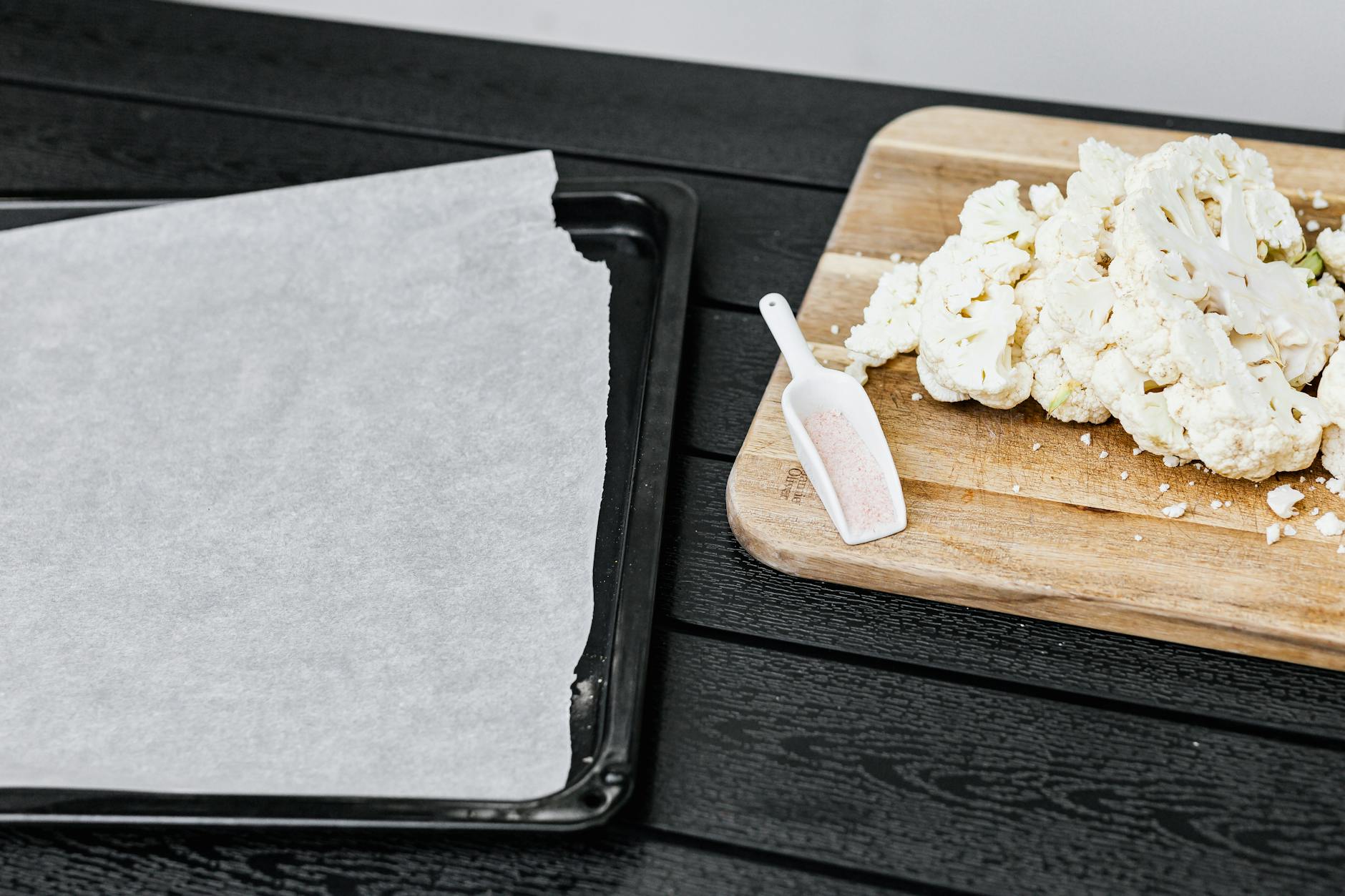
Modern consumers purchase these frozen discs expecting a completely healthy and vegetable focused dinner option. The manufacturing process heavily dilutes the minced cauliflower bits with refined rice flour and potato starch. Huge amounts of processed cheese and chemical binding agents are required to hold the brittle crust together. The final baked product often contains more empty processed carbohydrates than a traditional thin wheat crust.
Sweet Potato Fries
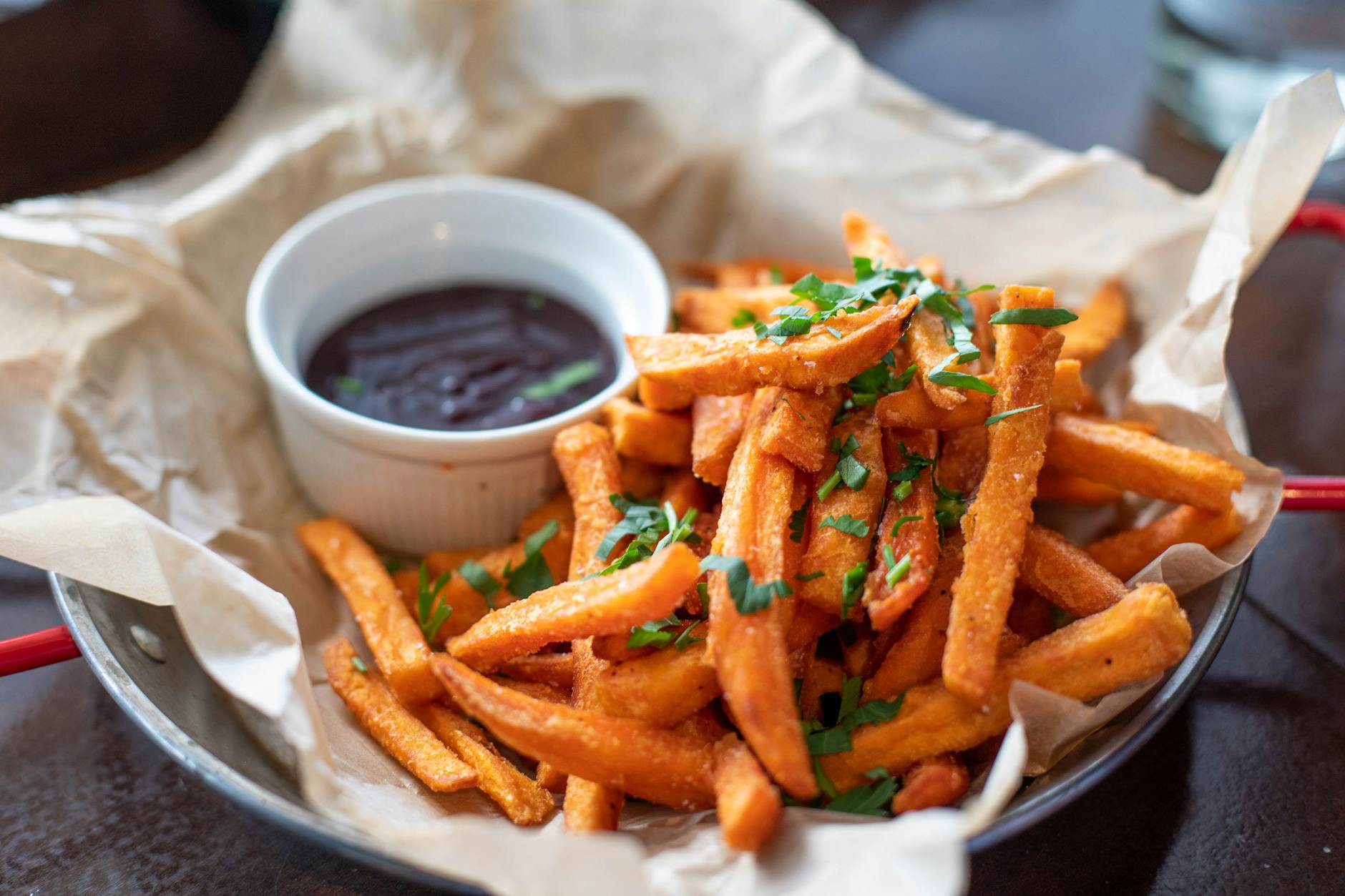
Diners happily order these orange potato strips believing they offer vast nutritional superiority over regular fries. Fast food suppliers coat the cut vegetables in complex batters made from modified corn starch and sugar. Deep frying the battered strips in repeatedly heated industrial seed oils destroys their natural vitamin content. The sweet exterior and excessive salt perfectly mask the heavily degraded nature of the original vegetable.
Organic Gummy Bears
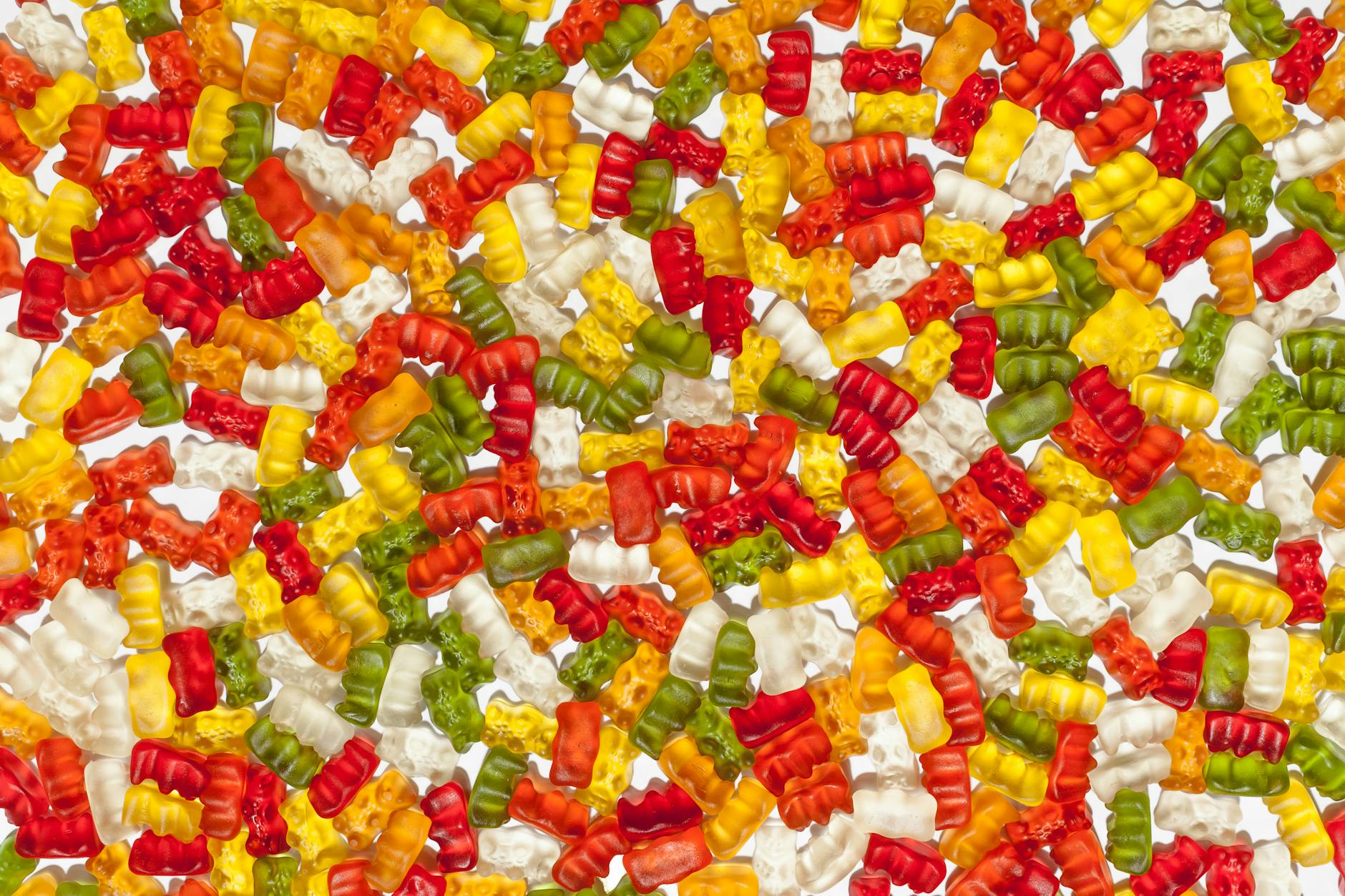
Health food store patrons purchase these sweets assuming the organic label automatically guarantees superior nutritional value. The candy factories combine organic cane sugar with organic tapioca syrup to create the sticky foundational base. Pectin and natural flavor isolates are mechanically whipped into the boiling sugar vats to create the final texture. Despite the premium organic ingredients the final product remains a heavily processed candy devoid of nutrition.
Kombucha
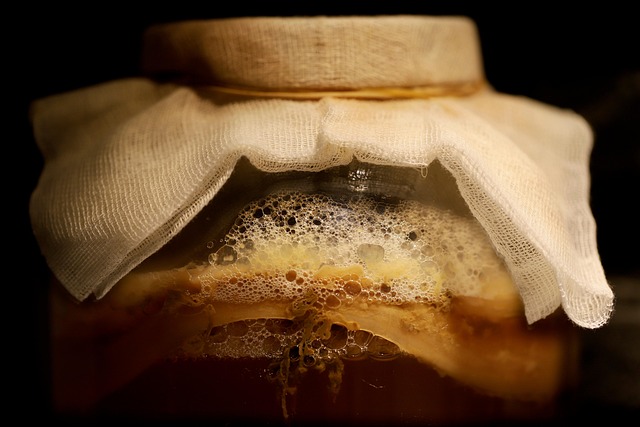
Wellness enthusiasts spend premium prices on these fermented glass bottles to improve their gut health. Large commercial beverage companies interrupt the natural fermentation process to artificially control the alcohol content. Massive doses of refined cane sugar and synthetic fruit flavorings are injected into the liquid before final bottling. The intense commercial pasteurization methods utilized by some brands completely eradicate the advertised beneficial bacteria.
Flavored Water
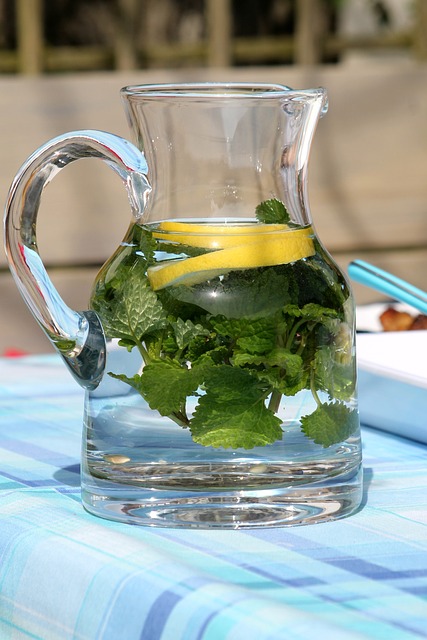
Shoppers grab these transparent plastic bottles assuming they are making a perfect hydration choice. The liquid inside contains aggressive artificial sweeteners and synthetic flavor compounds engineered in a laboratory. Chemical preservatives are introduced to prevent the artificial fruit extracts from degrading under harsh fluorescent store lights. Drinking these engineered fluids completely alters the palate and creates unnatural cravings for intensely sweet items.
Pita Chips
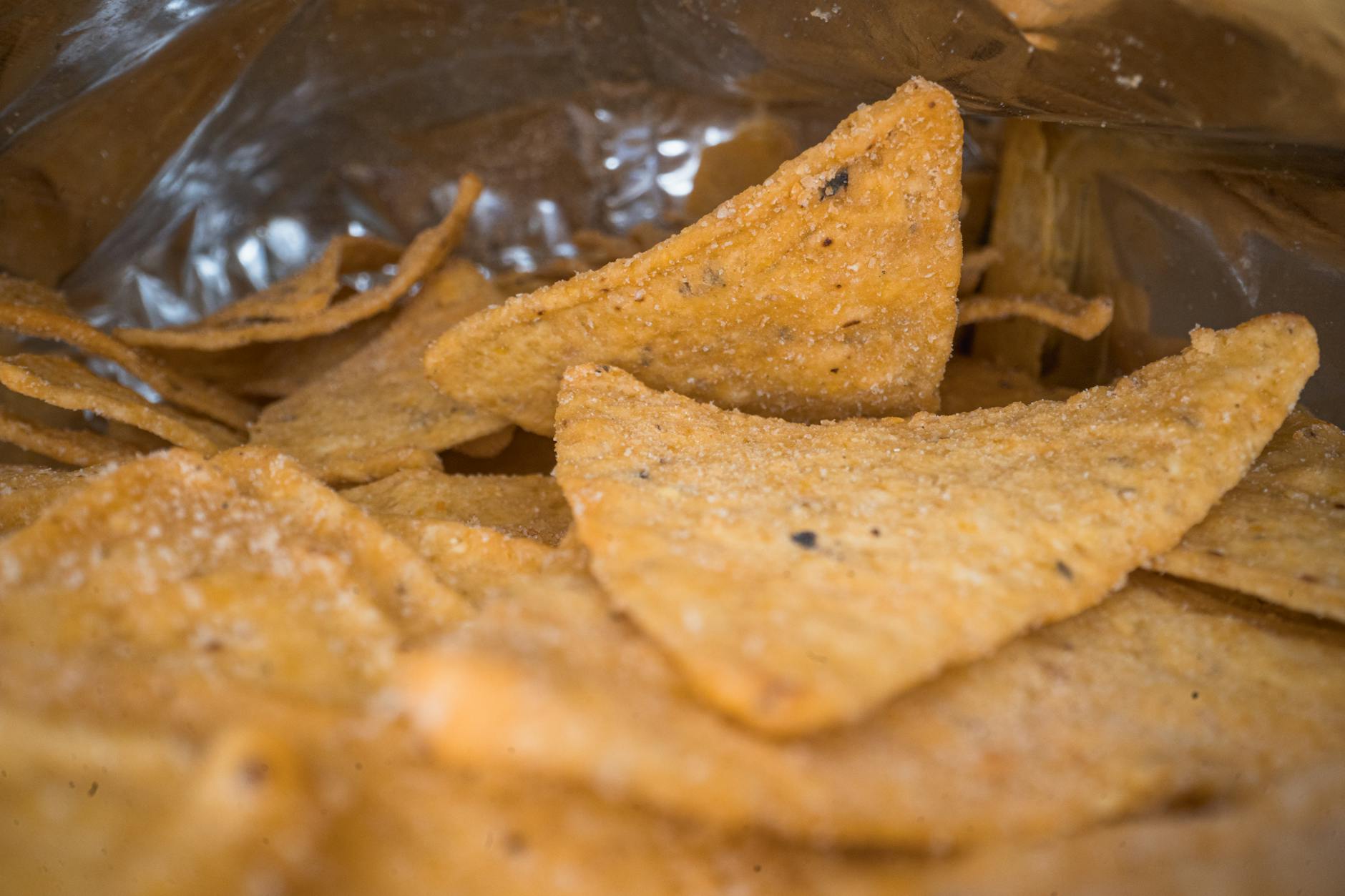
Party hosts arrange these crunchy baked triangles around bowls of hummus for seemingly healthy entertaining. Commercial bakeries mass produce the pita bread using highly refined white flour and rapid chemical leavening agents. The bread is mechanically sliced and heavily sprayed with industrial seed oils before entering massive commercial dehydrators. This extensive processing sequence transforms a simple flatbread into an empty vehicle for excessive salt consumption.
Multigrain Crackers
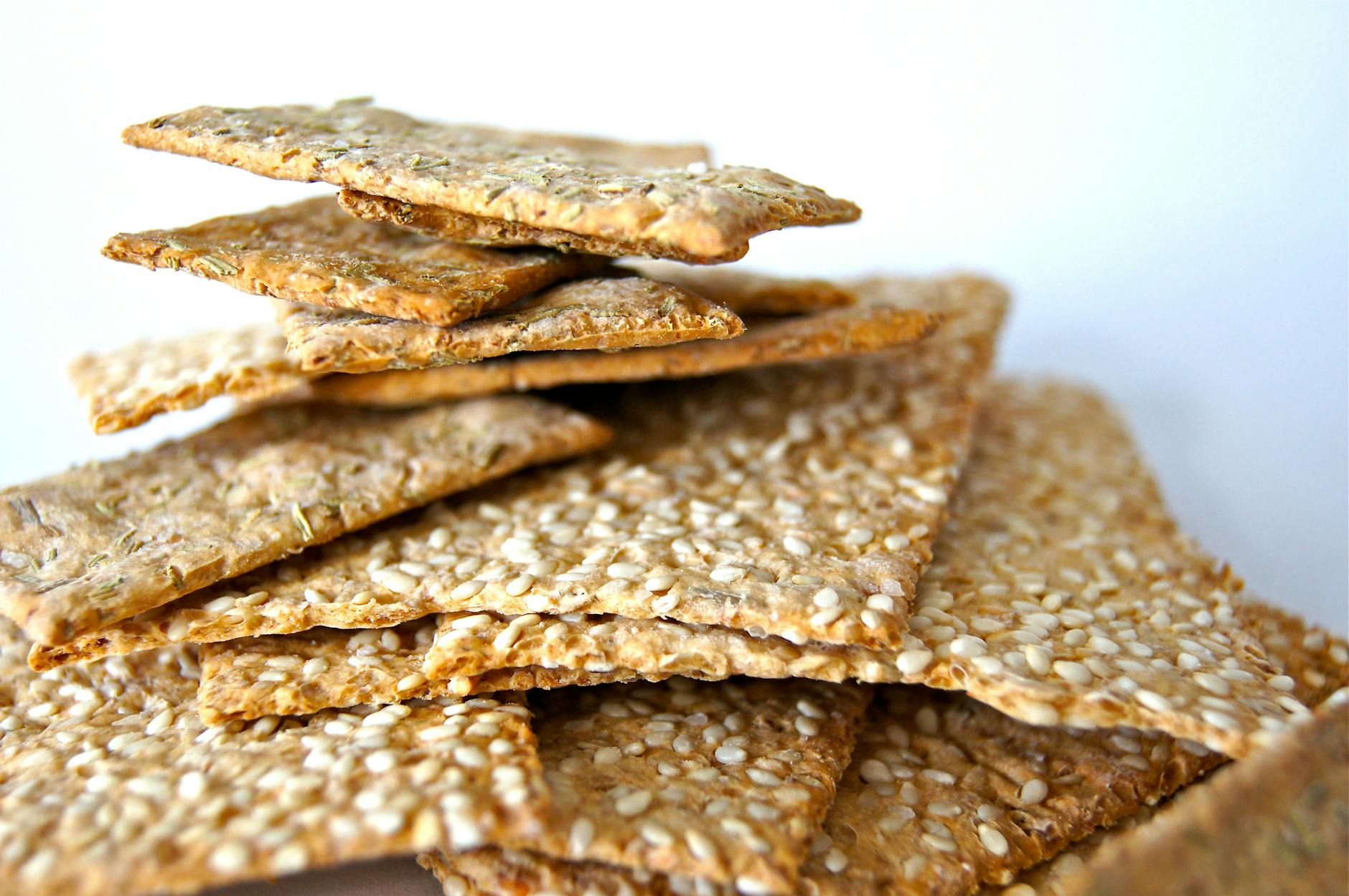
Supermarket shoppers carefully select these brown boxes expecting a massive dose of natural whole grains. The ingredient list typically reveals enriched white wheat flour as the primary foundational component of the dough. Factories sprinkle a microscopic amount of assorted seeds onto the chemical laden dough purely for visual marketing purposes. The baked squares lack meaningful dietary fiber and are bound together by inflammatory refined oils.
Light Mayonnaise

Sandwich makers spread this white condiment onto their bread to reduce their daily fat consumption. Food factories completely remove the traditional egg yolks and natural oils from the classic mixing vats. Modified corn starches and artificial gums are pumped into the mixture to simulate the thick and creamy texture. Refined sugars and chemical flavorings are required to replace the rich taste of the missing natural fats.
Soy Milk
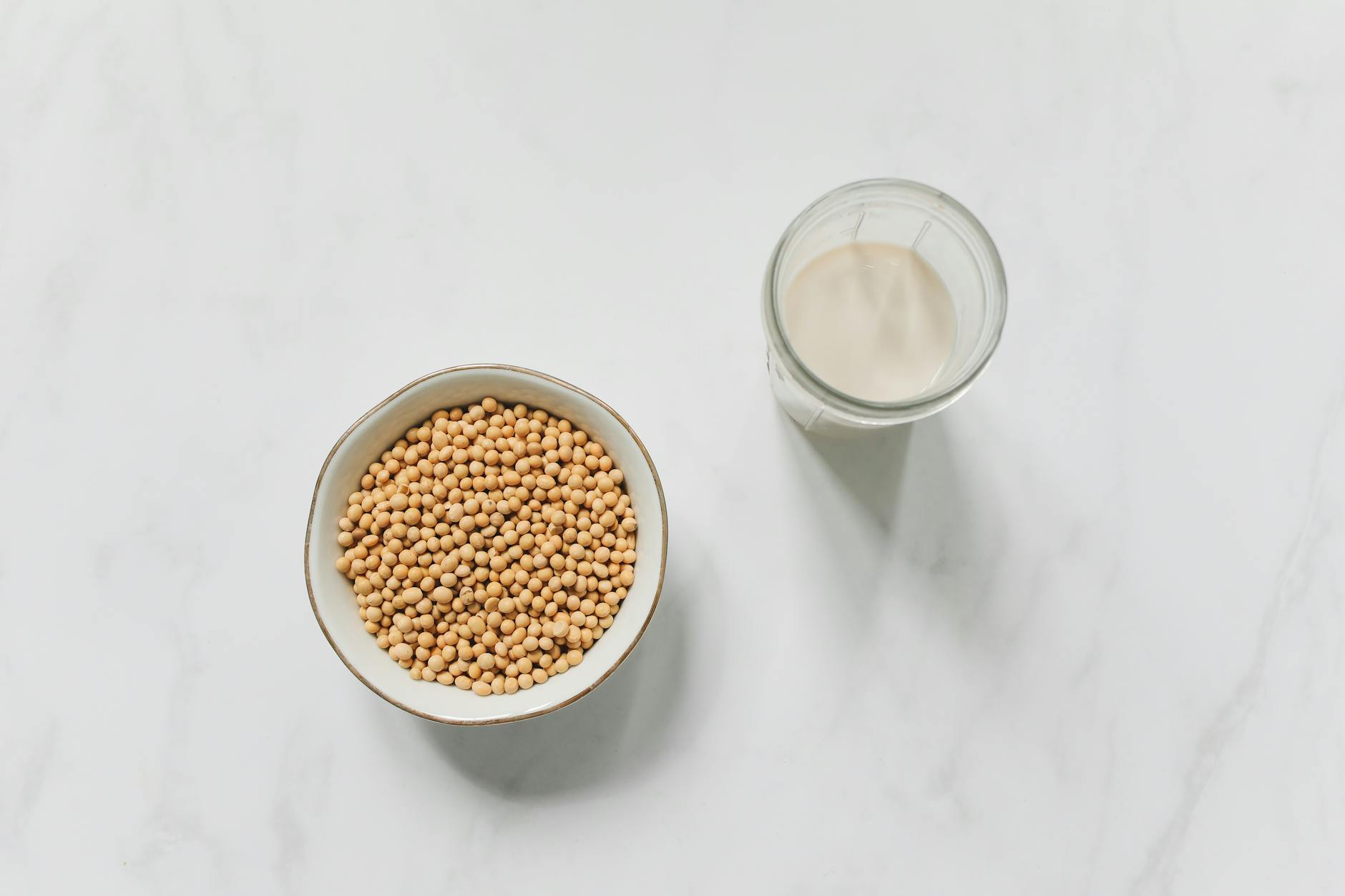
Shoppers seeking heart healthy morning beverages frequently pour this cloudy liquid over their breakfast cereals. The industrial process involves soaking the beans in harsh alkaline solutions before exposing them to extreme heat. Carrageenan and other synthetic thickeners are vigorously blended into the fluid to create a smooth mouthfeel. Massive amounts of processed cane sugar are added to mask the naturally bitter chemical taste of the isolated soybeans.
Couscous Blends

Home cooks boil these convenient seasoned packets assuming they are preparing a healthy ancient grain. The tiny yellow pearls are actually just mechanically extruded pasta made from highly refined wheat flour. The accompanying flavor packets contain aggressive amounts of pure sodium and synthetic chemical flavor enhancers. This pre packaged side dish undergoes the exact same heavy industrial processing as standard boxed macaroni products.
Vegetarian Sausages
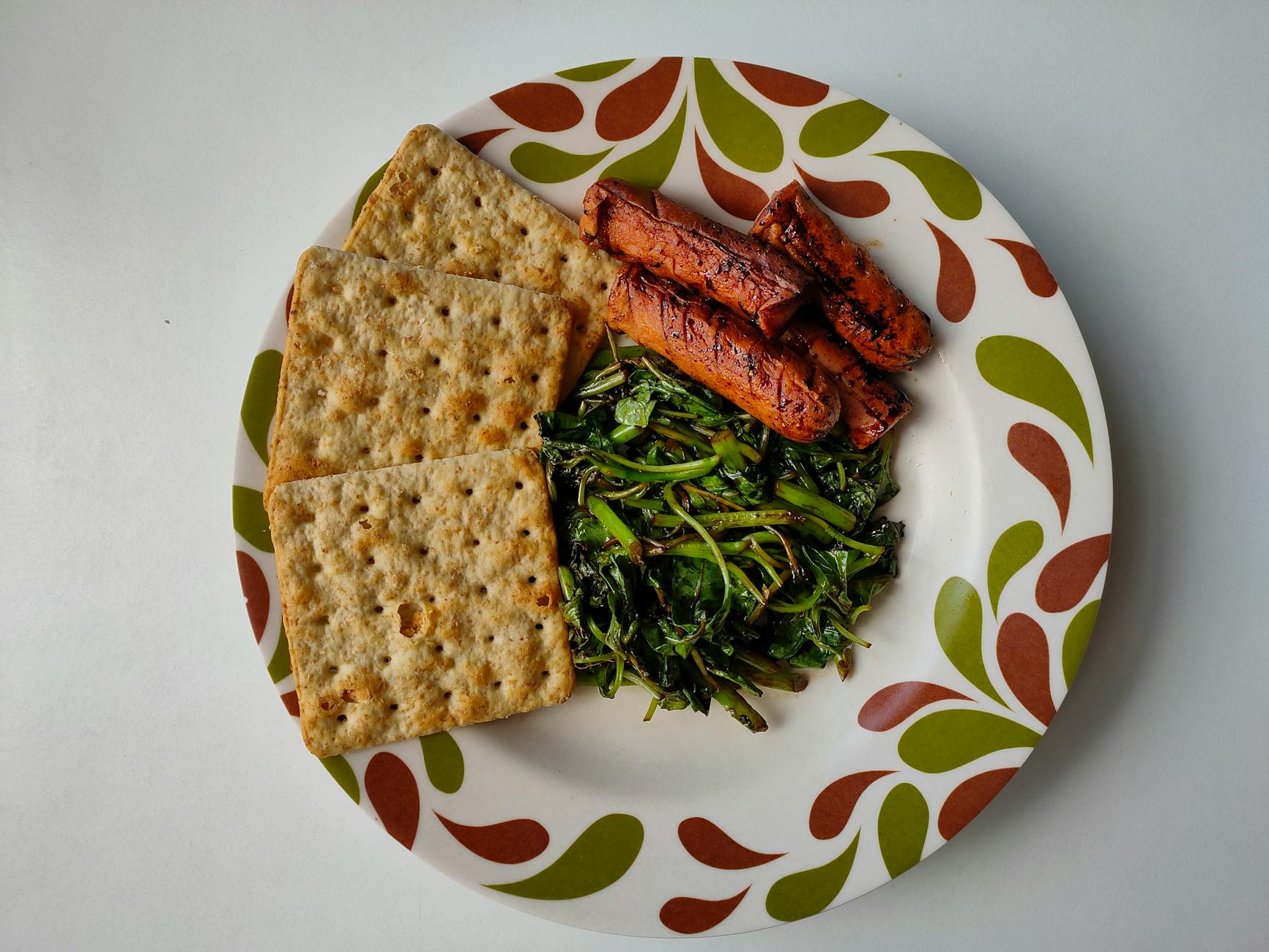
Plant based shoppers grill these synthetic links at summer cookouts to join in on the festive meals. Laboratories combine isolated soy proteins with artificial smoke flavors and heavy doses of cheap industrial oils. Chemical binders and synthetic coloring agents are forced into the mixture to perfectly mimic the texture of pork. The final extruded tubes represent a massive triumph of modern chemical engineering rather than natural food.
Oat Milk
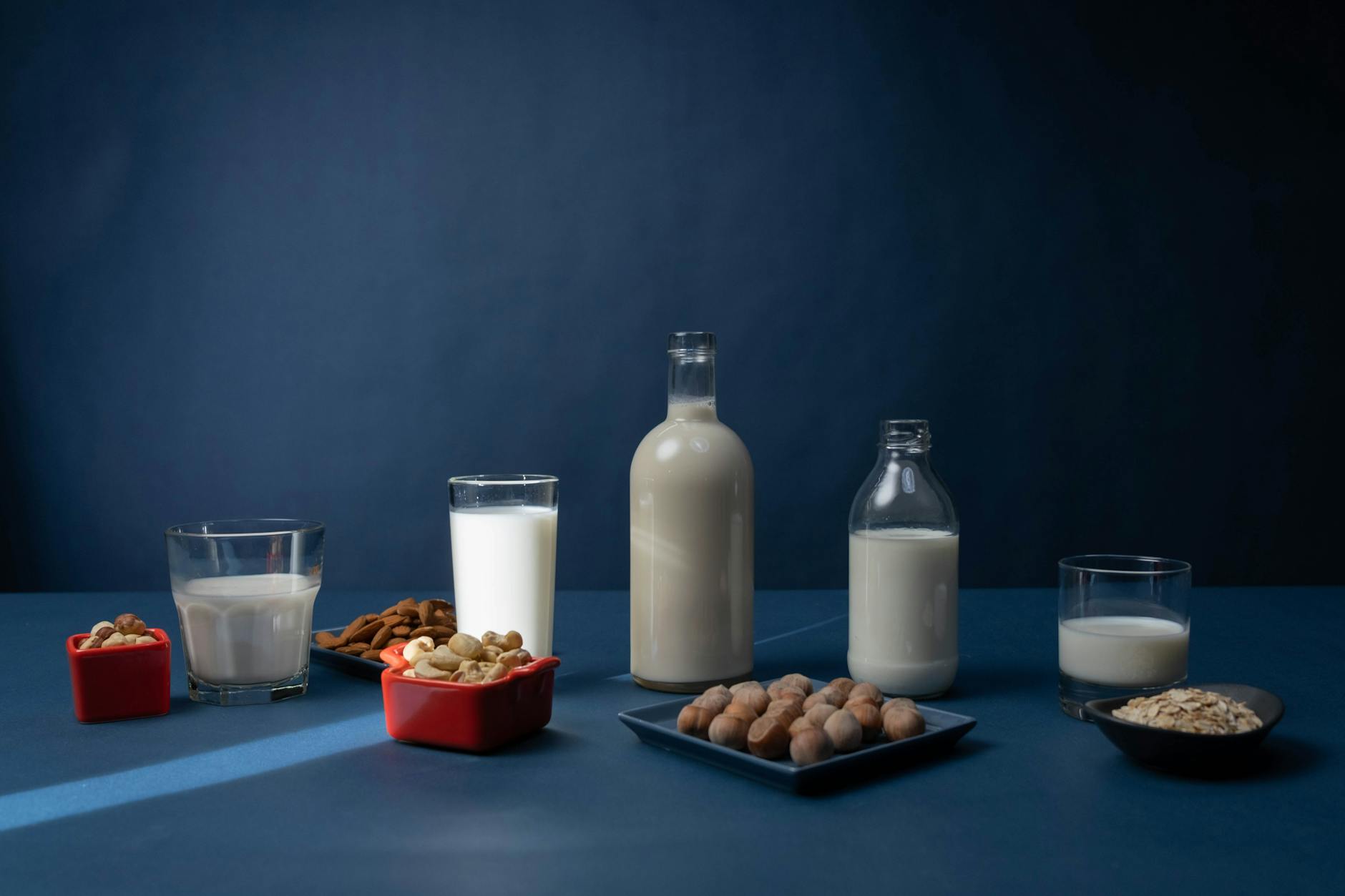
Trendy coffee shop customers gladly pay extra to have this modern alternative steamed into their daily lattes. Processing facilities use synthetic enzymes to chemically break down the complex oat starches into simple liquid sugars. Canola oil and artificial emulsifiers are heavily blended into the vat to allow the liquid to froth properly. This aggressive enzymatic breakdown results in a beverage that rapidly spikes blood glucose levels upon consumption.
Acai Bowls
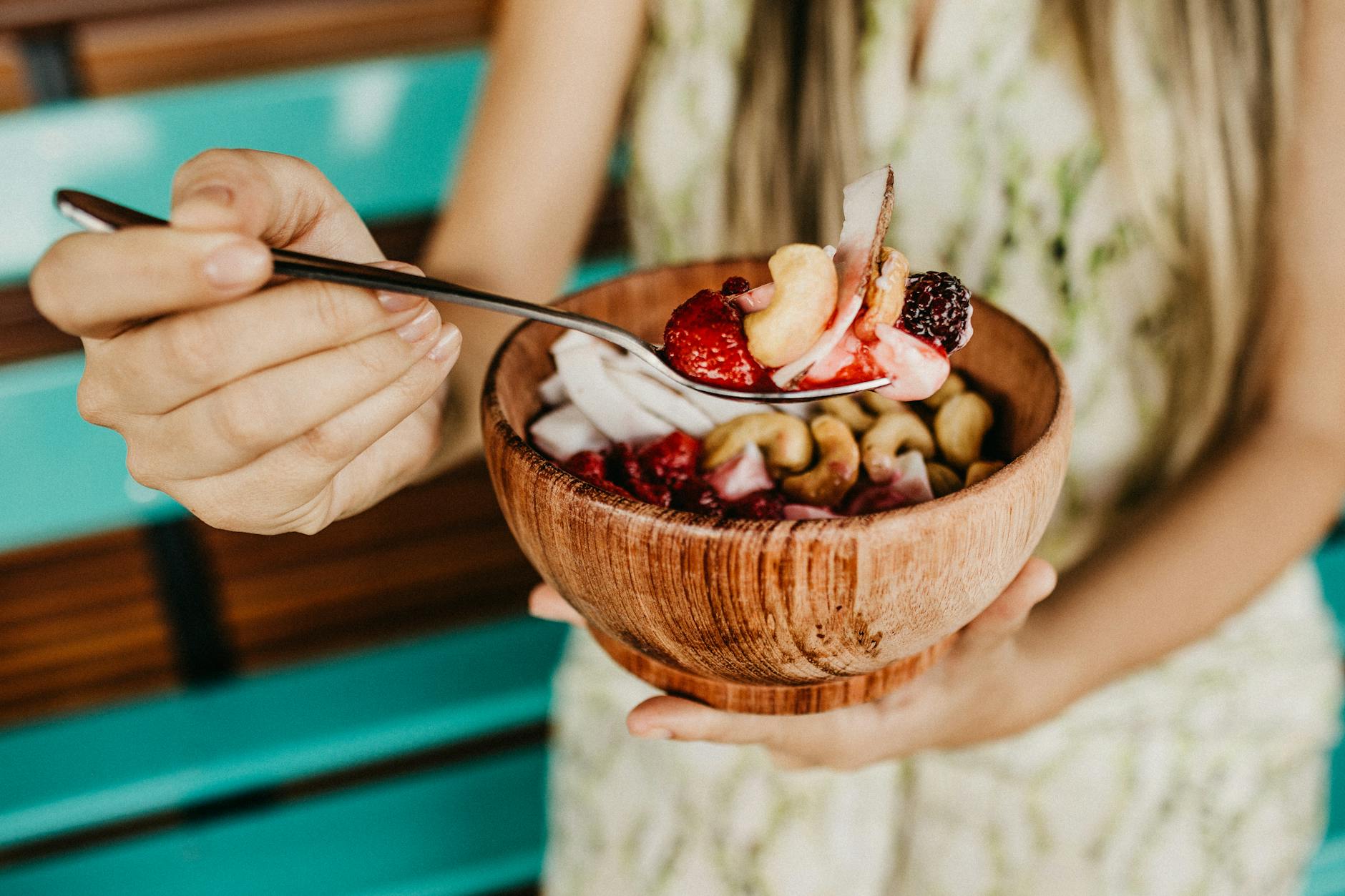
Fitness influencers frequently post photographs of these vibrant purple purees topped with fresh fruit slices. Commercial cafes blend heavily sweetened frozen fruit packets with additional apple juice and flavored syrups. The enormous portion sizes contain a staggering amount of hidden processed sugars disguised by the healthy berries. This incredibly sweet combination effectively functions as a massive bowl of fruit flavored ice cream.
Keto Cookies

Low carbohydrate dieters consume these packaged treats believing they have found a magical weight loss loophole. The specialized bakeries rely entirely on synthetic sugar alcohols and heavily processed almond flours. Artificial binding agents and chemical preservatives are strictly necessary to hold the fat heavy dough together. The intense laboratory manipulation required to create these snacks makes them extremely difficult for the human body to digest.
Please share your thoughts on these ultra processed foods and tell us which ones surprised you the most in the comments.