Maintaining a robust immune system requires consistent nourishment with vitamins and minerals found in whole foods. A diet rich in fruits and vegetables provides the essential antioxidants needed to fight off pathogens and keep the body functioning optimally. Incorporating a wide variety of colorful ingredients ensures that you receive a broad spectrum of protective compounds rather than relying on a single nutrient source. Hydration and proper sleep work in tandem with these dietary choices to build a resilient defense mechanism against seasonal illnesses. The following foods represent some of the most powerful natural options for enhancing immune health through daily nutrition.
Citrus Fruits
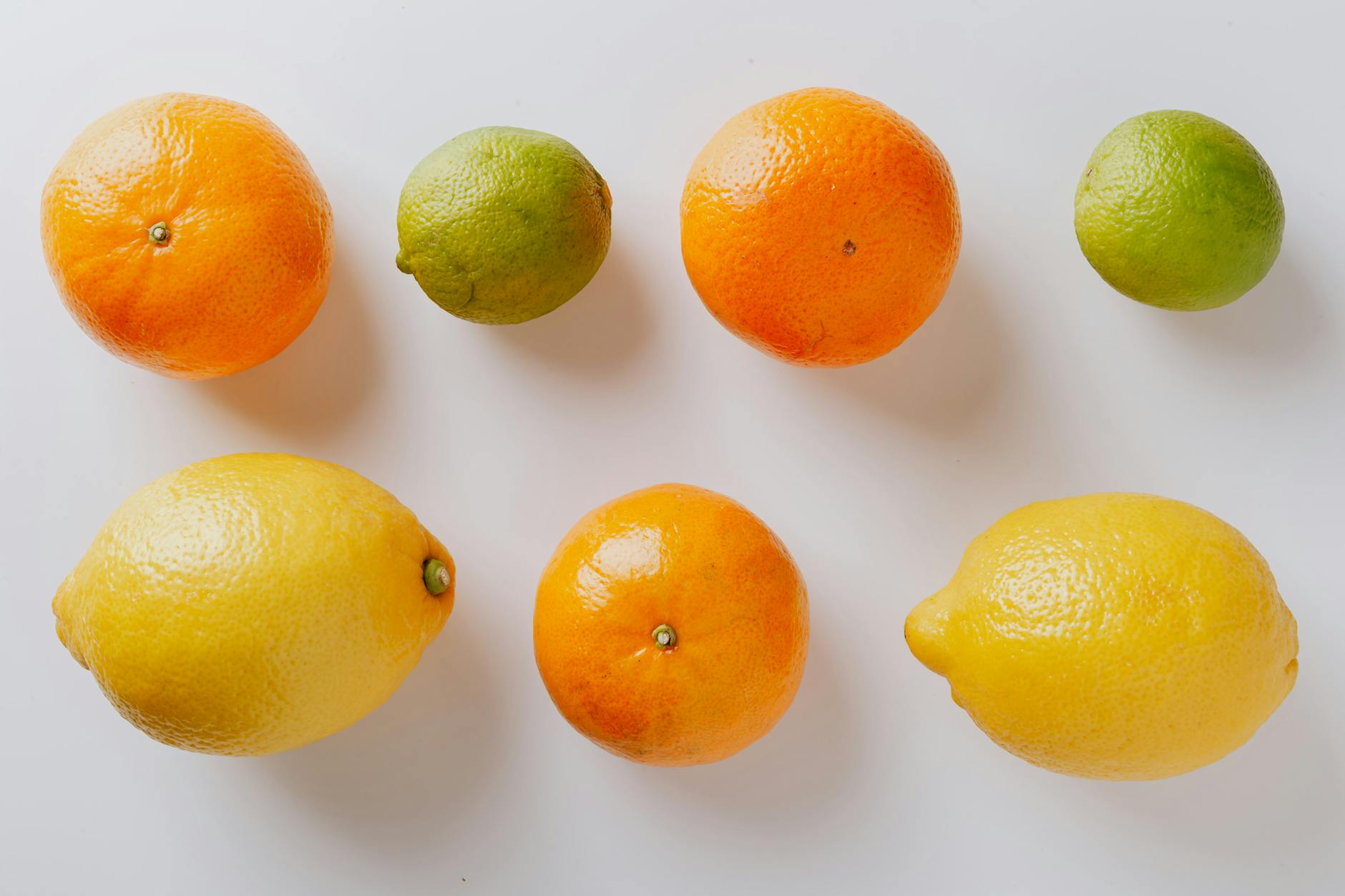
Most people turn to grapefruit and oranges immediately after catching a cold because these fruits are loaded with Vitamin C. This essential vitamin helps build up your immune system by increasing the production of white blood cells which are key to fighting infections. Your body does not produce or store Vitamin C so you need daily intake for continued health. Almost all citrus fruits such as lemons and limes are high in this vitamin and are easy to squeeze into any meal.
Red Bell Peppers

Red bell peppers contain almost three times as much Vitamin C as a Florida orange and are also a rich source of beta carotene. Your body converts beta carotene into Vitamin A which helps keep your eyes and skin healthy. The high antioxidant content in these peppers fights oxidative stress that can weaken the immune response over time. Adding them to stir fries or salads provides a crunchy and nutrient dense boost to your daily intake.
Broccoli
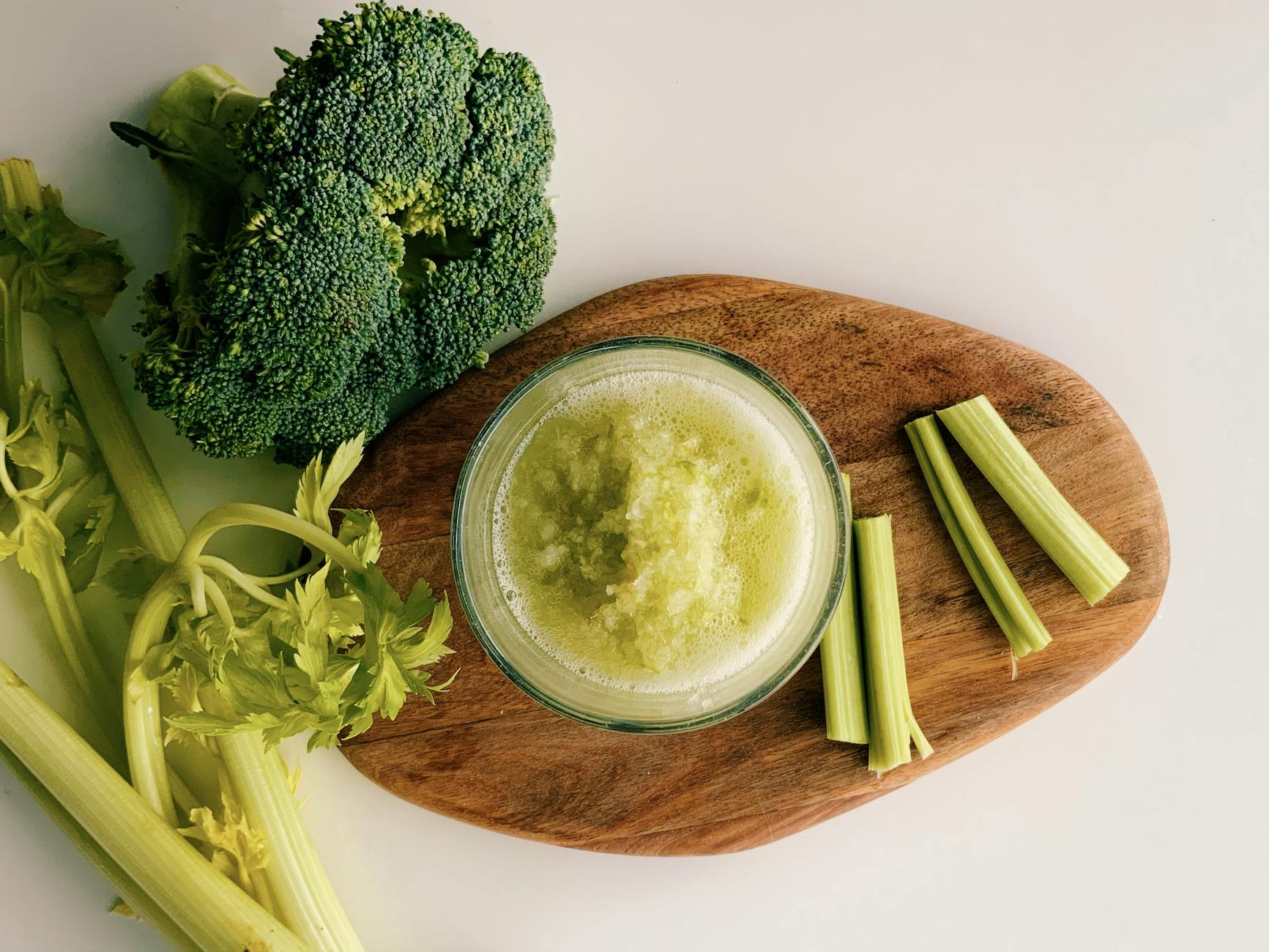
Broccoli is supercharged with vitamins and minerals including vitamins A and C and E as well as fiber and many other antioxidants. The key to keeping its power intact is to cook it as little as possible or specifically by steaming it. Sulforaphane is a compound found in this cruciferous vegetable that has been shown to block enzymes that cause joint destruction and inflammation. It remains one of the healthiest vegetables you can put on your table.
Garlic
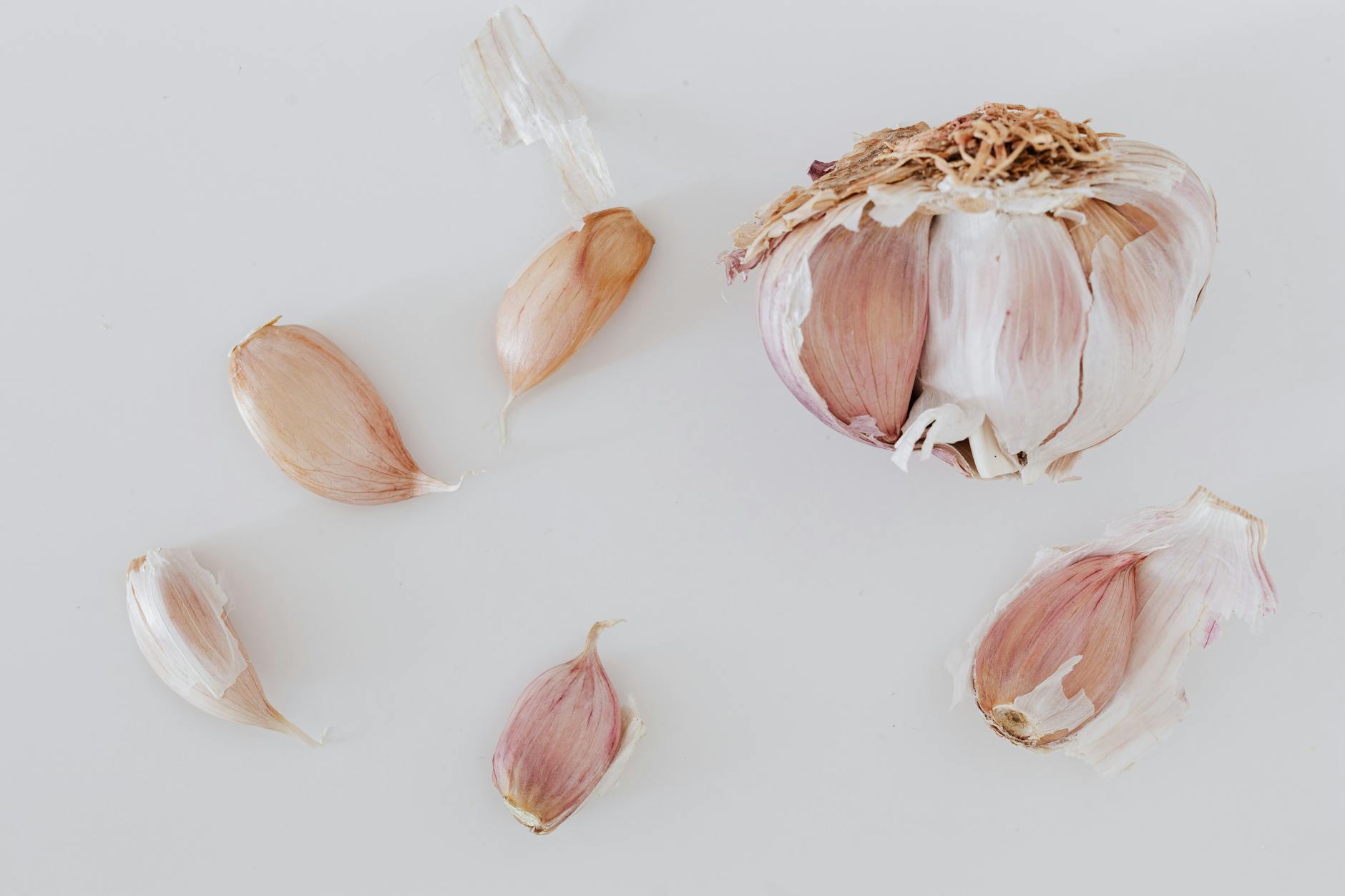
Garlic is found in almost every cuisine in the world and it adds a little punch to food while providing significant health benefits. Early civilizations recognized its value in fighting infections and modern science indicates it may also help lower blood pressure. The immune boosting properties of garlic come from a heavy concentration of sulfur containing compounds such as allicin. Regular consumption can help reduce the severity of cold and flu symptoms.
Ginger
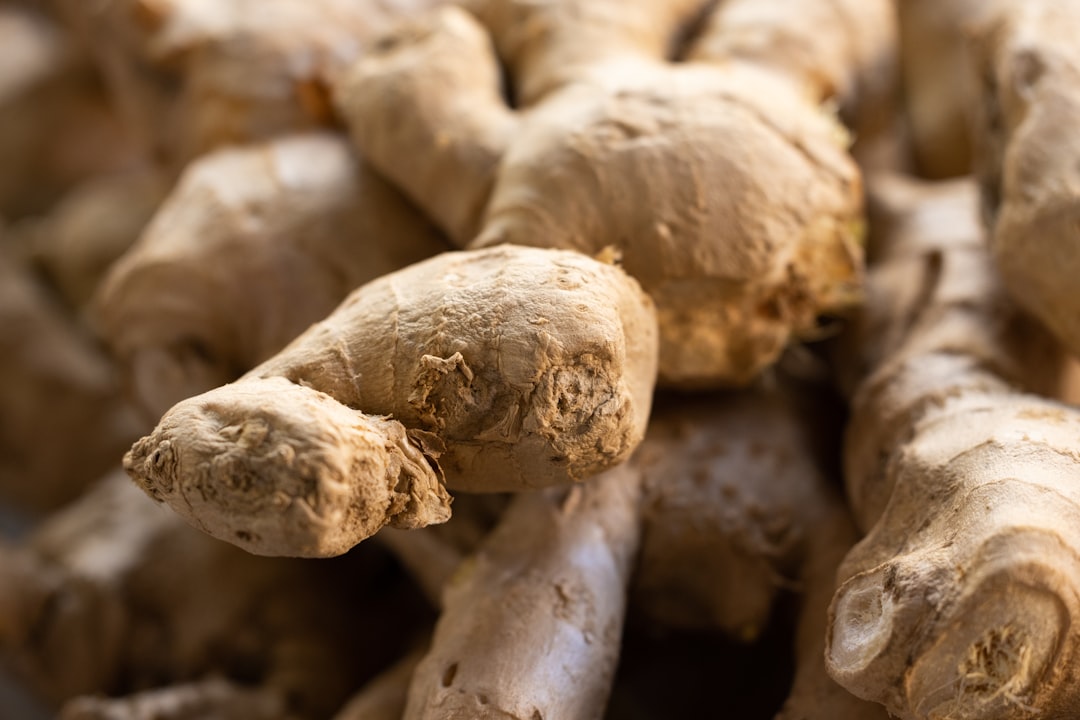
Ginger is another ingredient many turn to after getting sick because it may help decrease inflammation which can help reduce a sore throat and inflammatory illnesses. It may help with nausea as well and it packs some heat in the form of gingerol which is a relative of capsaicin. This root helps decrease chronic pain and might possess cholesterol lowering properties. You can easily steep it in hot water for a soothing tea or grate it into savory dishes.
Spinach
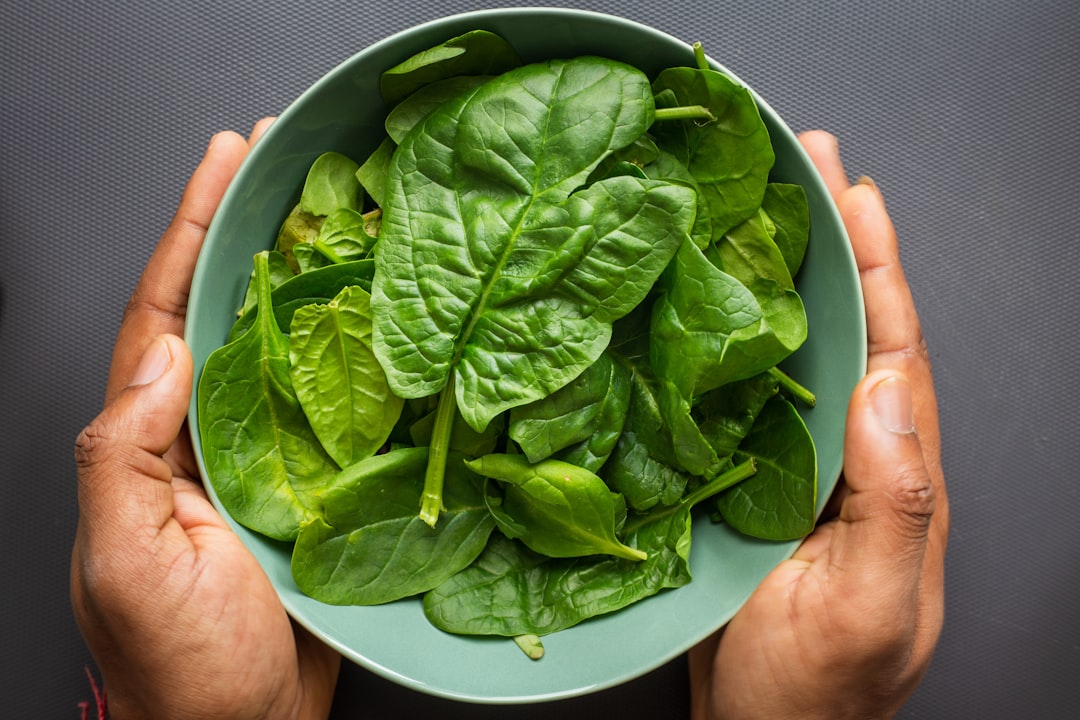
Spinach made this list not just because it is rich in Vitamin C but also because it is packed with numerous antioxidants and beta carotene. These nutrients increase the infection fighting ability of our immune systems and promote overall cellular health. Similar to broccoli it is healthiest when it is cooked as little as little as possible so that it retains its nutrients. Light cooking makes it easier to absorb the Vitamin A and allows other nutrients to be released from oxalic acid.
Yogurt

You should look for yogurts that have live and active cultures printed on the label like Greek yogurt. These cultures may stimulate your immune system to help fight diseases and keep your gut microbiome healthy. Vitamin D is also found in many fortified yogurts and helps regulate the immune system and is thought to boost our body’s natural defenses against diseases. Plain yogurts are better than preflavored ones that are loaded with sugar.
Almonds
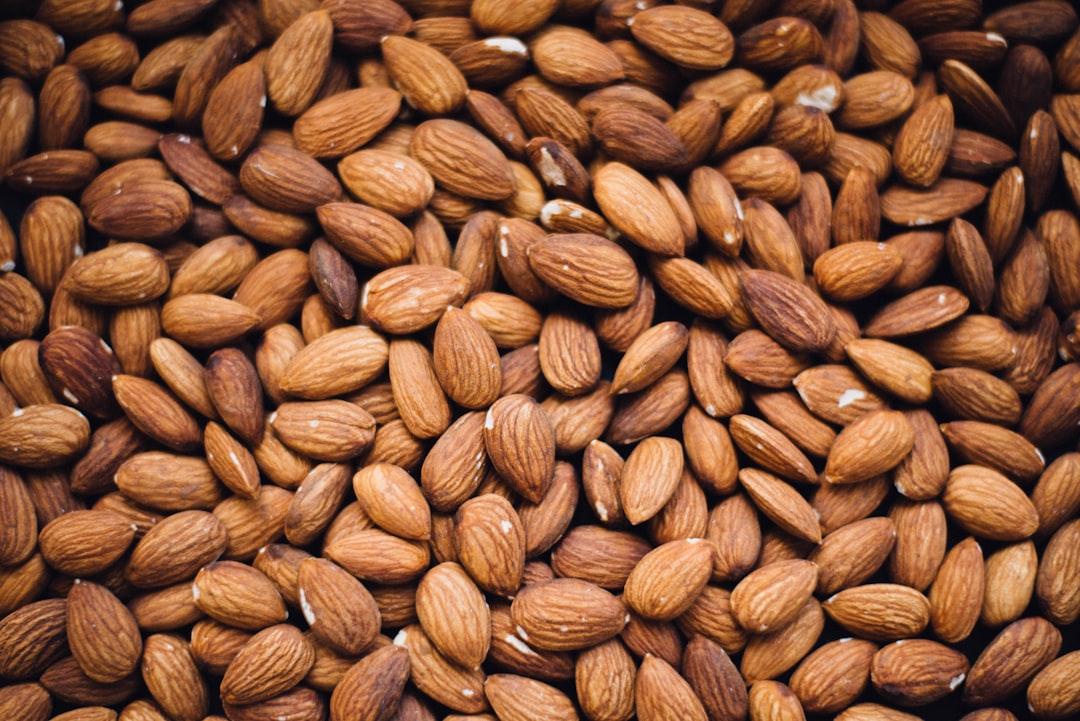
When it comes to preventing and fighting off colds Vitamin E tends to take a backseat to Vitamin C but it is key to a healthy immune system. It is a fat soluble vitamin meaning it requires the presence of fat to be absorbed properly. Nuts such as almonds are packed with the vitamin and also have healthy fats. A half cup serving provides nearly one hundred percent of the recommended daily amount of Vitamin E.
Sunflower Seeds

Sunflower seeds are full of nutrients including phosphorous and magnesium and Vitamin B6. They are also incredibly high in Vitamin E which is a powerful antioxidant that is important in regulating and maintaining immune system function. Other foods with high amounts of Vitamin E include avocados and dark leafy greens. These seeds make excellent toppings for salads or can be eaten by the handful as a snack.
Turmeric
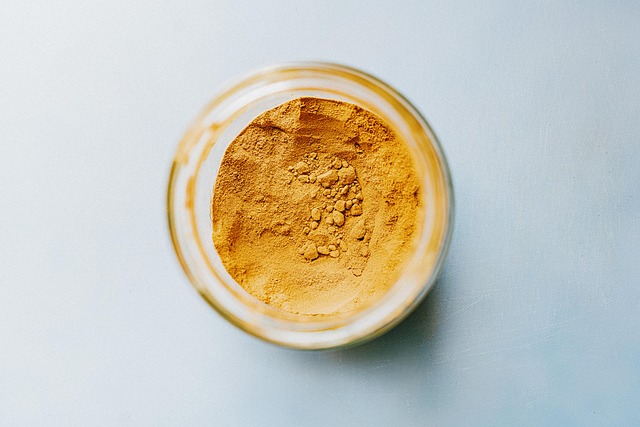
You may know turmeric as a key ingredient in many curries but this bright yellow bitter spice has also been used for years as an anti inflammatory in treating both osteoarthritis and rheumatoid arthritis. Research shows that high concentrations of curcumin which gives turmeric its distinct color can help decrease exercise induced muscle damage. Curcumin has promise as an immune booster and an antiviral. It is best absorbed when consumed with black pepper.
Green Tea

Both green and black teas are packed with flavonoids which are a type of antioxidant. Green tea excels because it has high levels of epigallocatechin gallate or EGCG which has been shown to enhance immune function. The fermentation process black tea goes through destroys a lot of the EGCG while green tea is steamed and not fermented so the EGCG is preserved. Green tea is also a good source of the amino acid L-theanine which may aid in the production of germ fighting compounds in your T cells.
Papaya
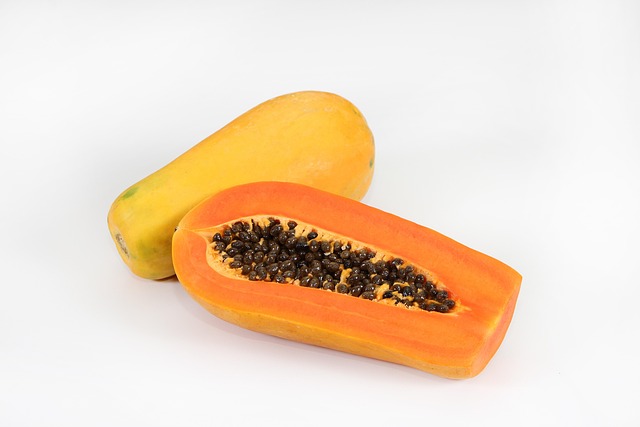
Papaya is another fruit loaded with Vitamin C and you can find double the daily recommended amount in a single medium fruit. Papayas also have a digestive enzyme called papain that has anti inflammatory effects. They have decent amounts of potassium and magnesium and folate which are all beneficial to your overall health. The seeds are also edible and have a peppery taste that can add a unique flavor to foods.
Kiwi

Kiwis are naturally full of a ton of essential nutrients including folate and potassium and Vitamin K and Vitamin C. Vitamin C boosts the white blood cells to fight infection while the other nutrients keep the rest of your body functioning properly. These small fruits pack a massive nutritional punch for their size. You can eat the skin to maximize the fiber intake or scoop out the green flesh.
Poultry

When you are sick and you reach for chicken soup it is more than just a placebo effect because it improves symptoms of a cold. Poultry such as chicken and turkey is high in Vitamin B6 which is vital to many of the chemical reactions that happen in the body. Roughly three ounces of light meat turkey or chicken contains nearly one third of your daily recommended amount of B6. Stock or broth made by boiling chicken bones contains gelatin and chondroitin and other nutrients helpful for gut healing and immunity.
Shellfish

Shellfish is not what jumps to mind for many who are trying to boost their immune system but some types are packed with zinc. Zinc is not getting as much attention as many other vitamins and minerals but our bodies need it so that our immune cells can function as intended. Varieties of shellfish that are high in zinc include oysters and crab and lobster and mussels. You should pay attention to daily limits as too much zinc can actually inhibit immune system function.
Mushrooms

Mushrooms have been used in traditional medicine for centuries and modern research supports their role in immune defense. Varieties like shiitake and maitake and reishi are particularly noted for their ability to increase the production and activity of white blood cells. They contain beta glucans which are compounds that help activate the immune system to find and destroy pathogens. Adding fungi to your diet adds a savory umami flavor along with these protective benefits.
Acai Berry

The dark purple color of the acai berry indicates that it is rich in anthocyanins which are potent antioxidants. These berries fight oxidative stress in the body and help reduce inflammation that can compromise the immune system. They are typically found in frozen purees or juices because the fresh fruit spoils very quickly. Incorporating acai into bowls or smoothies provides a dense source of plant compounds that support overall wellness.
Watermelon
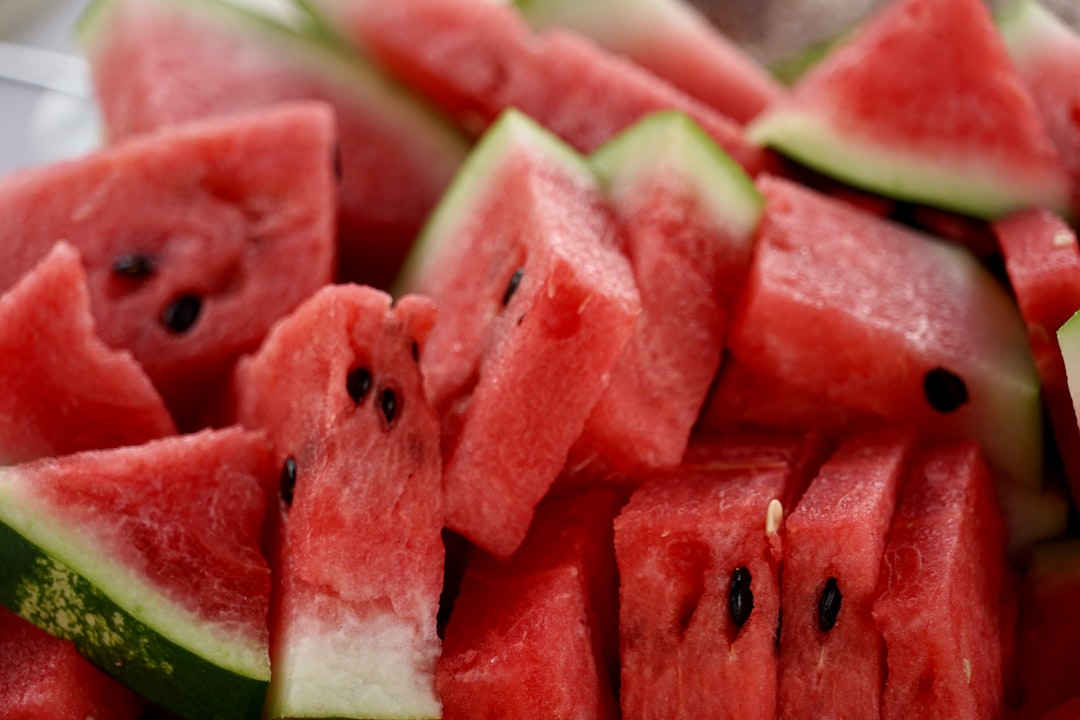
Watermelon is not only refreshing but also full of an antioxidant called glutathione which strengthens the immune system so it can fight infection. This powerful compound is found in the red pulpy flesh near the rind. The fruit is also an excellent source of lycopene and Vitamin C and Vitamin A. Hydration is essential for immunity and watermelon contributes significantly to daily fluid intake.
Wheat Germ
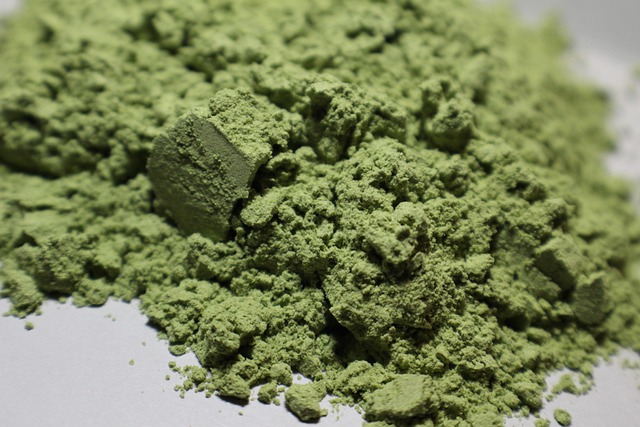
Wheat germ is the innermost part of the wheat kernel and is the most nutrient rich portion of the grain. It is a great source of zinc and antioxidants and B vitamins which are all crucial for immune function. Wheat germ also delivers a good mix of fiber and protein and healthy fats. You can easily sprinkle it over yogurt or oatmeal to fortify your breakfast with immune supporting minerals.
Sweet Potatoes
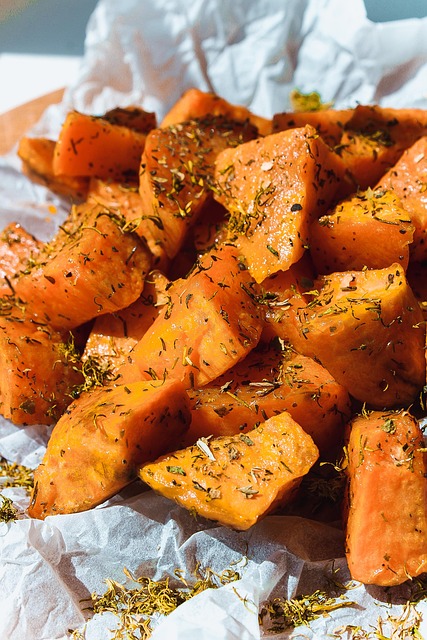
Sweet potatoes are rich in beta carotene which gives them their vibrant orange color and is converted by the body into Vitamin A. This vitamin helps keep the skin healthy and skin is the first line of defense against bacteria and viruses. They also provide a good amount of fiber and do not spike blood sugar as drastically as white potatoes. Baking or roasting them preserves their sweet flavor and nutritional profile.
Pomegranate
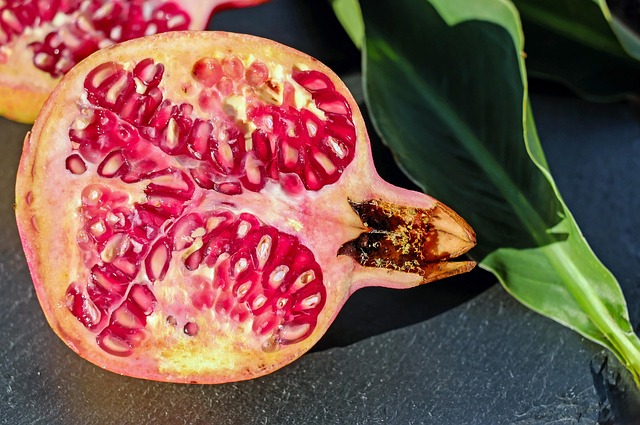
Pomegranate juice has been shown to have greater antioxidant capacity than red wine or green tea. The seeds and juice are rich in punicalagins which are extremely potent antioxidants that help reduce inflammation. Recent studies suggest that pomegranate extract may help fight certain types of harmful bacteria and yeasts. Consuming the fresh seeds also adds fiber to your diet which supports gut health.
Kefir

Kefir is a fermented drink typically made from cow or goat milk that is teeming with beneficial probiotics. These healthy bacteria colonize the gut and help prevent the growth of harmful pathogens. It is often more potent than yogurt in terms of probiotic diversity and quantity. Regular consumption can reduce inflammation and stimulate the immune system to be more vigilant.
Miso

Miso is a salty paste made from fermented soybeans that is a staple in Japanese cuisine and is rich in probiotics. The fermentation process creates beneficial bacteria that support the health of the digestive tract where a large portion of the immune system resides. It also contains copper and manganese and zinc which are essential minerals for immune function. A warm bowl of miso soup is a soothing way to ingest these nutrients.
Blueberries
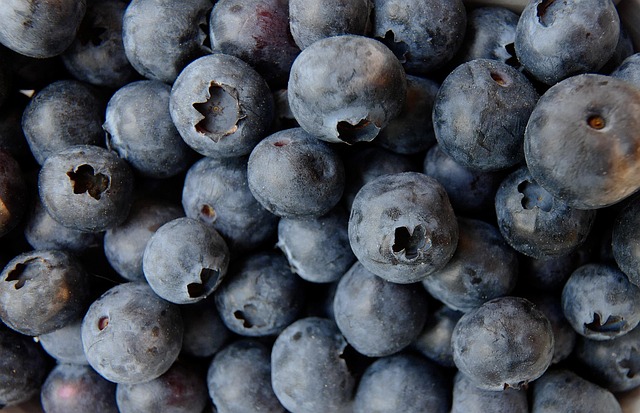
Blueberries contain a type of flavonoid called anthocyanin which has antioxidant properties and can help boost a person’s immune system. A study showed that people who ate foods rich in flavonoids were less likely to get an upper respiratory tract infection or common cold. They are low in calories but high in fiber and Vitamin C and Vitamin K. You can enjoy them fresh or frozen without losing their nutritional value.
Dark Chocolate

Dark chocolate contains an antioxidant called theobromine which may help to boost the immune system by protecting the body’s cells from free radicals. Free radicals are molecules that the body produces when it breaks down food or comes into contact with pollutants. To reap the benefits you should choose chocolate that is at least seventy percent cocoa or higher. Moderate consumption is key due to its caloric density and saturated fat content.
Oysters

Oysters are the standout food source for zinc which is a mineral that acts like an antiviral agent in the body. Low zinc levels have been linked to male infertility and a weakened immune response. Just one medium oyster provides more than the daily recommended intake of zinc. They also provide protein and Vitamin B12 and iron to support energy levels.
Elderberry

Elderberries are dark purple berries that have been used for thousands of years to treat respiratory illnesses. They are packed with antioxidants and vitamins that may boost your immune system and help tame inflammation. Some studies suggest that elderberry extract may reduce the duration of the flu if taken at the first sign of symptoms. It is usually consumed as a syrup or gummy supplement because raw berries can be toxic.
Pumpkin Seeds
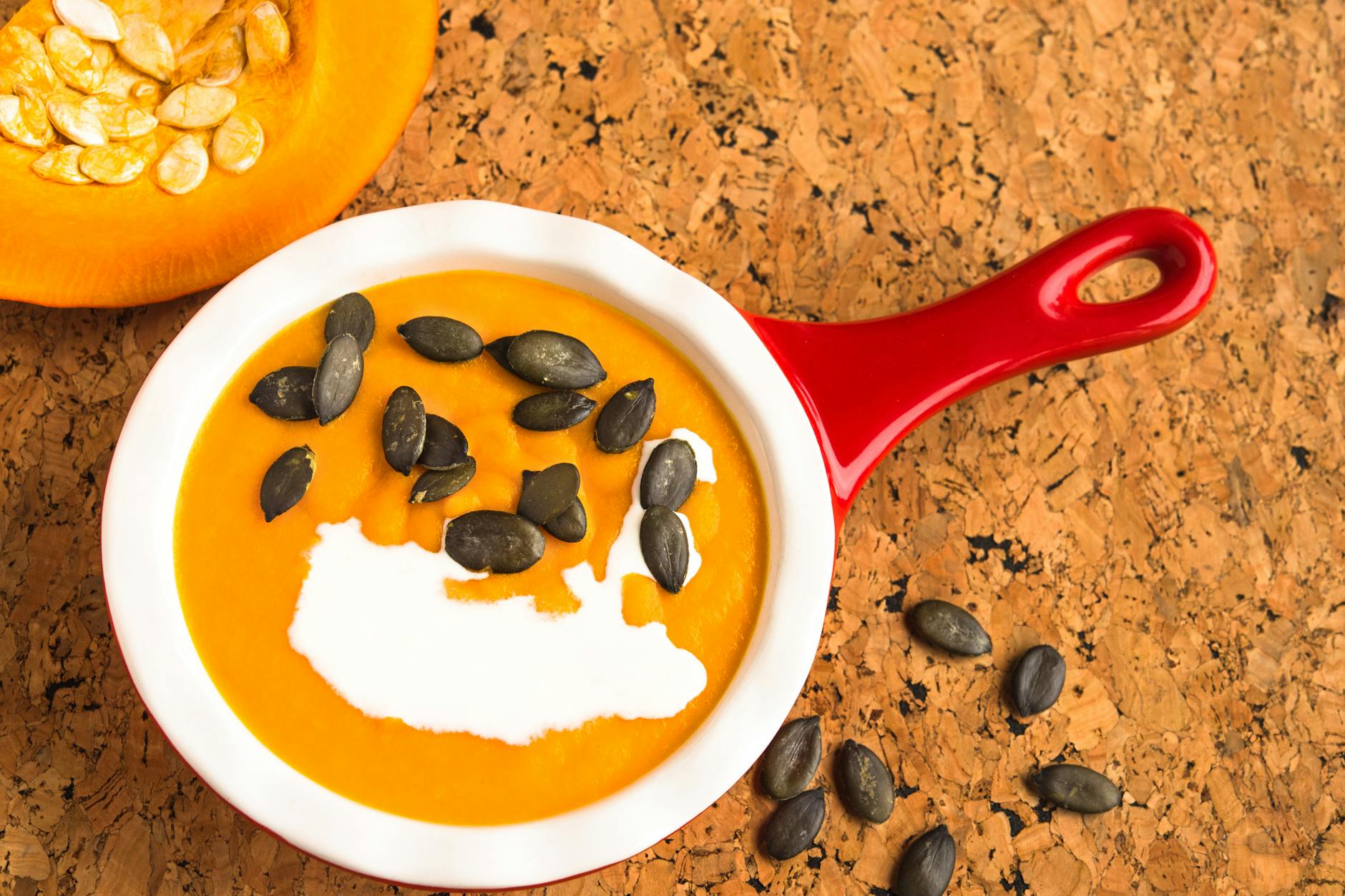
Pumpkin seeds are a tasty snack that happens to be rich in zinc and magnesium and iron. These minerals are vital for immune cell function and help maintain high energy levels throughout the day. They also contain antioxidants like carotenoids and Vitamin E which reduce inflammation and protect cells from harmful free radicals. You can roast them with spices for a crunchy treat or add them to granola.
Salmon

Salmon is rich in omega 3 fatty acids which are essential fats that your body cannot produce on its own. These healthy fats help reduce inflammation which increases airflow and protects the lungs from colds and respiratory infections. It is also one of the few natural food sources of Vitamin D which is crucial for immune regulation. Wild caught salmon typically has a better nutrient profile than farmed varieties.
Tuna

Tuna is another fatty fish that is an excellent source of Vitamin D and selenium and protein. Selenium is a potent antioxidant that helps lower oxidative stress in the body which can reduce inflammation and enhance immunity. Light tuna usually has less mercury than white tuna so it is often considered a safer choice for regular consumption. It is a versatile pantry staple that makes healthy eating accessible.
Brazil Nuts
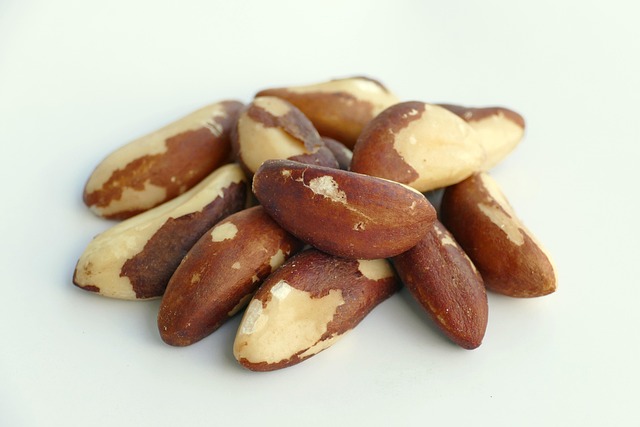
Brazil nuts are one of the most concentrated dietary sources of selenium available. Just one or two nuts can provide your entire daily recommended intake of this essential mineral. Selenium is critical for the proper functioning of the thyroid gland and the immune system. It is important not to overindulge in these nuts because selenium toxicity is possible with excessive intake.
Lentils
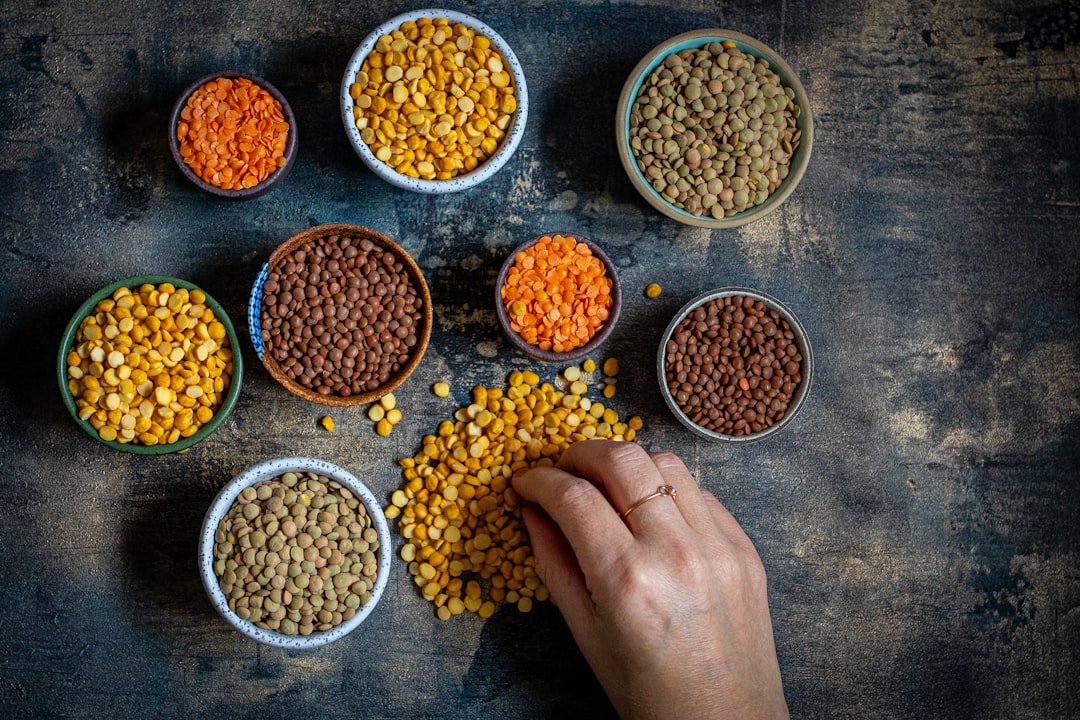
Lentils are a vegetarian powerhouse containing plenty of protein and iron and zinc and Vitamin B6. They are high in fiber which supports the growth of healthy gut bacteria that play a role in immune defense. Polyphenols found in lentils have strong antioxidant and anti inflammatory properties. They cook relatively quickly compared to other dried beans and require no soaking.
Oats
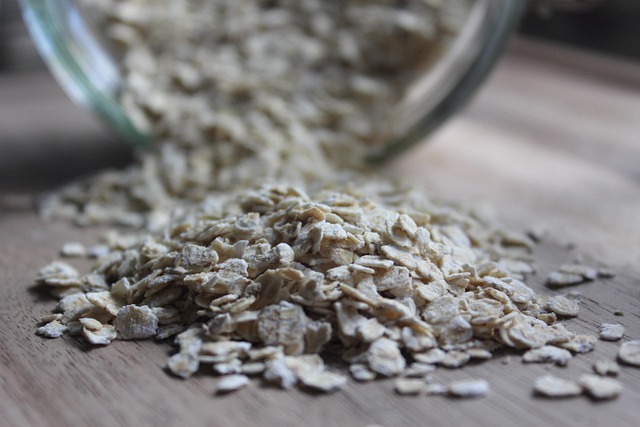
Oats contain a specific type of fiber called beta glucan which has been shown to help white blood cells locate and heal infections more effectively. This fiber also helps lower cholesterol and stabilizes blood sugar levels. They are also rich in zinc and selenium which are two important nutrients for warding off infection. Starting your day with oatmeal provides a sustained energy release and immune support.
Carrots

Carrots are an excellent source of beta carotene which is an antioxidant that gives them their orange color. The body turns this into Vitamin A which is essential for a healthy immune system and helps protect mucous membranes. They also contain lutein which is good for eye health and general cellular protection. Raw carrots act as a natural toothbrush while cooked carrots release more antioxidants.
Tomatoes
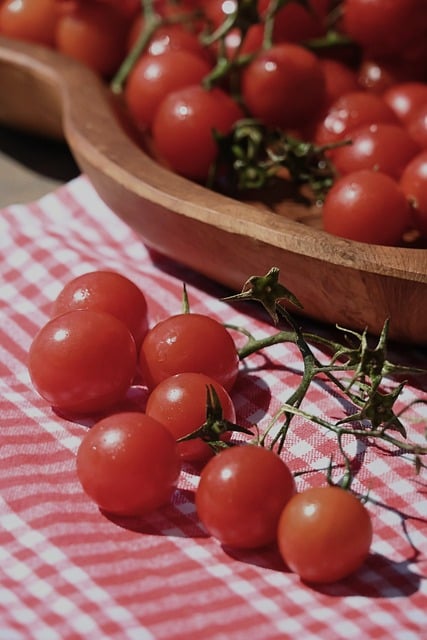
Tomatoes are famous for their high concentration of lycopene which is an antioxidant that has been linked to many health benefits. Cooking tomatoes actually increases the availability of lycopene so sauces and soups are excellent choices. They are also rich in Vitamin C and potassium and Vitamin K. Adding a little fat like olive oil helps your body absorb the lycopene more efficiently.
Olive Oil
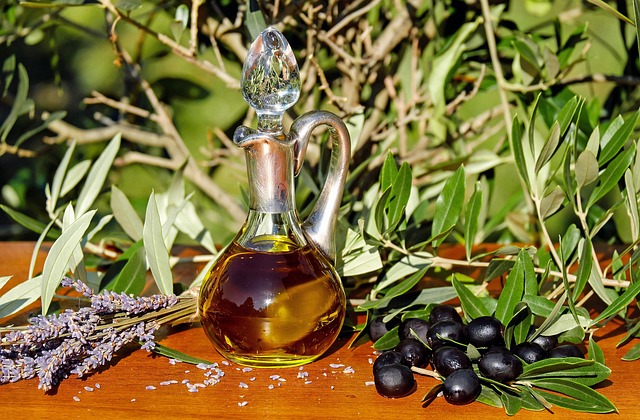
Extra virgin olive oil is a heart healthy fat that possesses strong anti inflammatory properties. It contains oleocanthal which is a compound that has a similar effect to anti inflammatory drugs. Chronic inflammation can suppress your immune system so including olive oil can help keep your defenses up. It is best used in salad dressings or for low heat cooking to preserve its beneficial compounds.
Apple Cider Vinegar
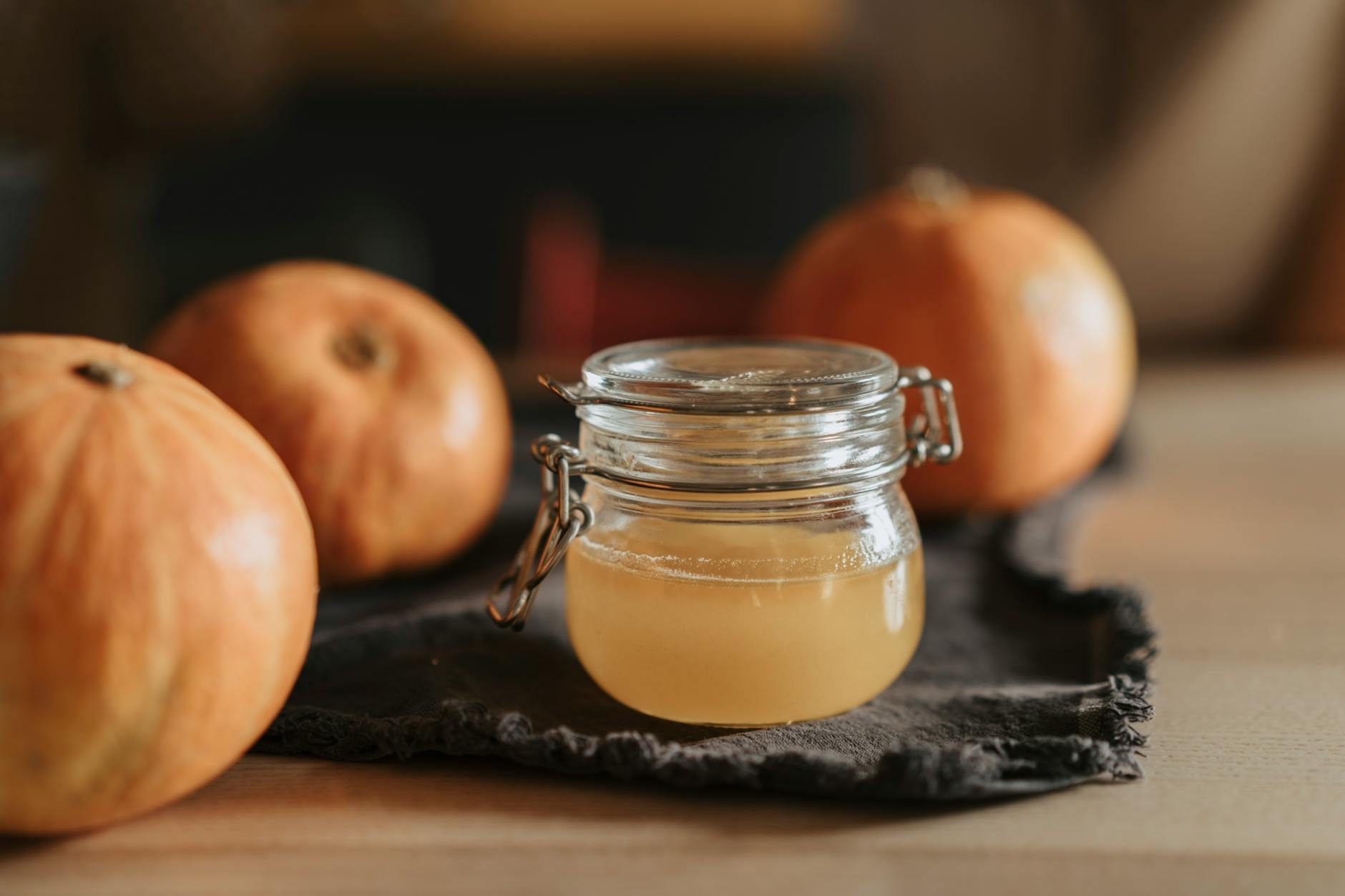
Apple cider vinegar has antimicrobial properties and may help kill pathogens including bacteria. It is often used as a home remedy to soothe sore throats and support digestive health. The acidity can help break down food and improve nutrient absorption in the gut. Many people mix a small amount into water or use it in salad dressings to gain its benefits.
Chia Seeds
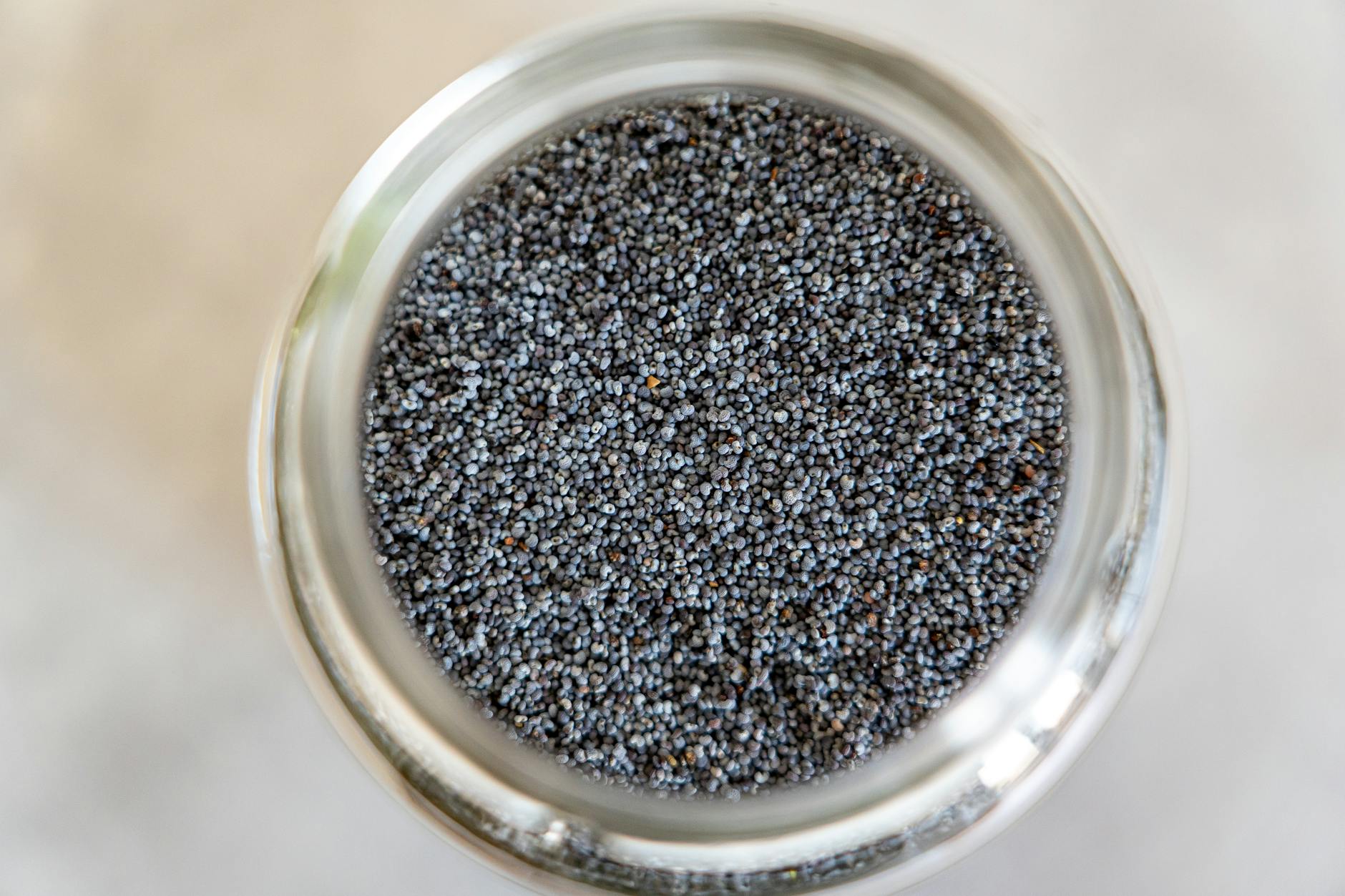
Chia seeds are tiny black seeds from the plant Salvia hispanica which is related to mint. They are loaded with antioxidants and fiber and high quality protein. Despite their small size they contain a significant amount of omega 3 fatty acids which fight inflammation. When soaked in liquid they form a gel that can be used in puddings or as an egg substitute.
Kale
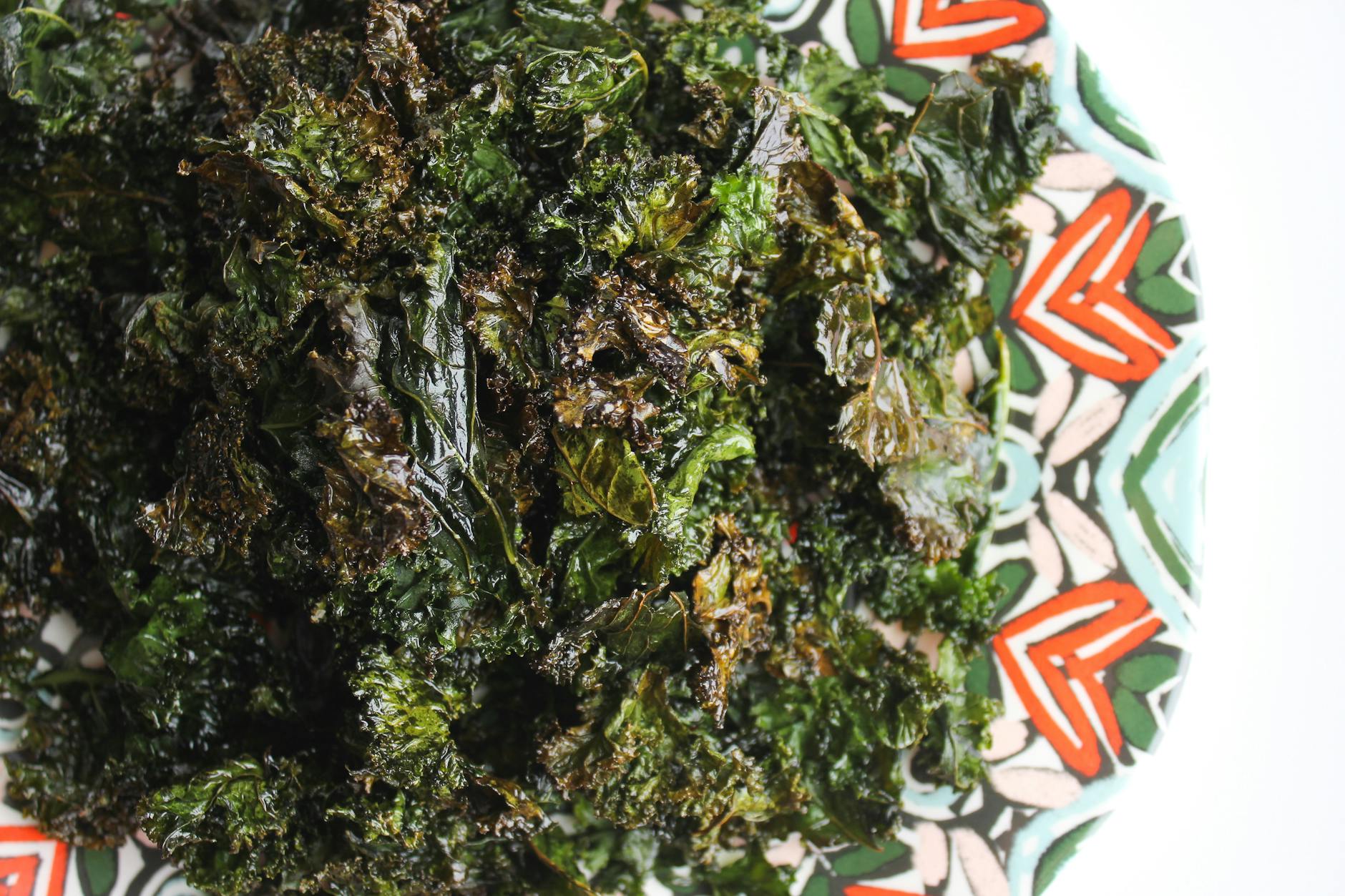
Kale is a nutrient dense leafy green that offers high amounts of Vitamin A and Vitamin C and Vitamin K. It is packed with antioxidants like quercetin and kaempferol which counteract oxidative damage in the body. The fiber content supports detoxification and gut health which are linked to immunity. Massaging raw kale with olive oil breaks down its tough fibers and makes it easier to digest.
Bone Broth

Bone broth is made by simmering animal bones and connective tissue for an extended period. This process releases healing compounds like collagen and glutamine and glycine that support the gut lining. A healthy gut barrier is essential for preventing pathogens from entering the bloodstream. Sipping warm broth is also hydrating and soothing when you are feeling under the weather.
Honey

Honey has been used as a medicine throughout history and acts as a natural cough suppressant. It has antibacterial and antioxidant properties that can help the body fight off infections. Manuka honey specifically is noted for its superior antibacterial activity compared to standard varieties. It is a healthier alternative to refined sugar but should still be used in moderation.
Cinnamon

Cinnamon is a spice obtained from the inner bark of trees and is loaded with powerful antioxidants such as polyphenols. It has anti inflammatory properties that may help lower the risk of disease. Some studies suggest it can help fight bacterial and fungal infections. Sprinkling it on fruit or oatmeal adds warmth and sweetness without added sugar.
Kimchi
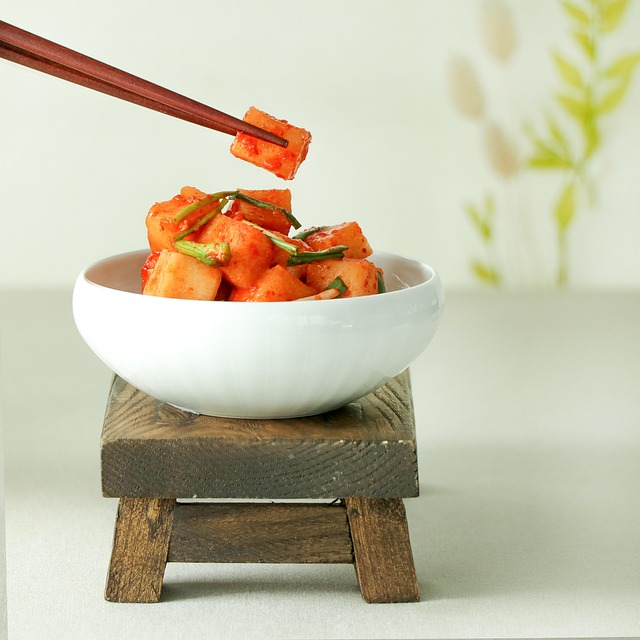
Kimchi is a traditional Korean side dish made from salted and fermented vegetables like napa cabbage and Korean radish. It is a potent source of probiotics that improve digestion and boost immune function. The ingredients often include garlic and ginger and chili peppers which add their own immune benefits. Regular consumption introduces diverse bacterial strains to the gut microbiome.
Sauerkraut

Sauerkraut is finely cut raw cabbage that has been fermented by various lactic acid bacteria. It is rich in fiber and vitamins C and K and also provides iron and manganese. The fermentation process increases the bioavailability of nutrients making them easier for your body to absorb. Unpasteurized sauerkraut contains live bacteria that are beneficial for gut health.
Guava
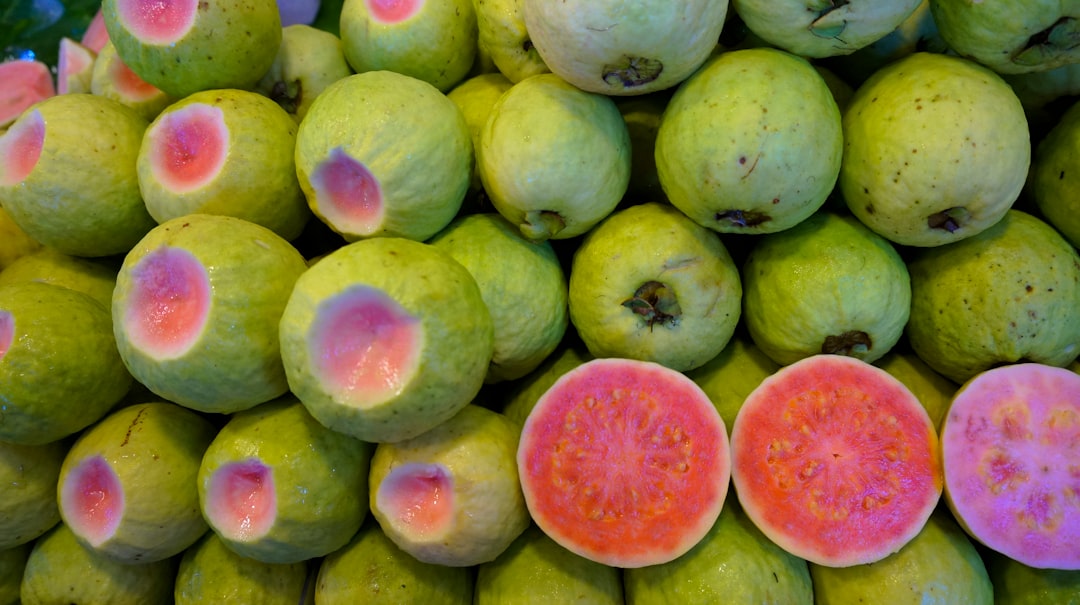
Guava is a tropical fruit that is incredibly rich in Vitamin C and contains four times the amount found in oranges. It is also a good source of fiber and Vitamin A and lycopene. The nutrients in guava help protect cells from damage and lower the risk of chronic disease. The entire fruit including the skin and seeds is edible and offers a unique sweet flavor.
Please share your thoughts and favorite immune-boosting recipes in the comments.