Chronic inflammation contributes to many modern health issues and dietary choices play a significant role in managing this condition. Incorporating anti-inflammatory foods into daily meals provides the body with essential antioxidants and nutrients to heal naturally. This comprehensive guide explores ingredients known for their ability to lower inflammatory markers and support overall wellness. Each item offers unique benefits ranging from cellular protection to improved immune function.
Blueberries
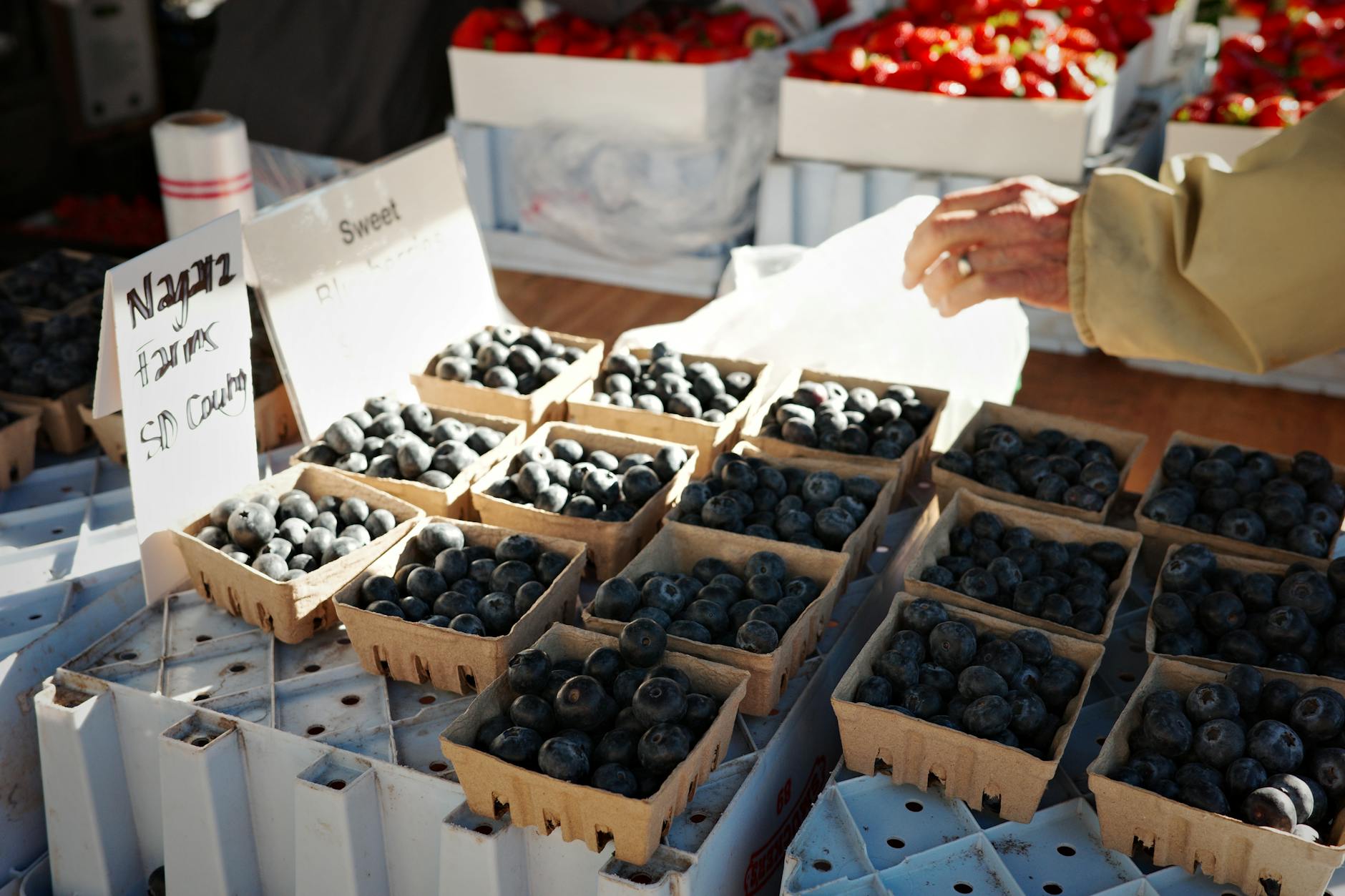
These small fruits pack a massive nutritional punch thanks to their high concentration of antioxidants called anthocyanins. Regular consumption helps the body produce natural killer cells that keep the immune system functioning optimally. Many studies suggest that the polyphenols found in blueberries significantly reduce oxidative stress within the body. Adding them to oatmeal or smoothies is an easy way to boost daily intake without drastic diet changes.
Salmon
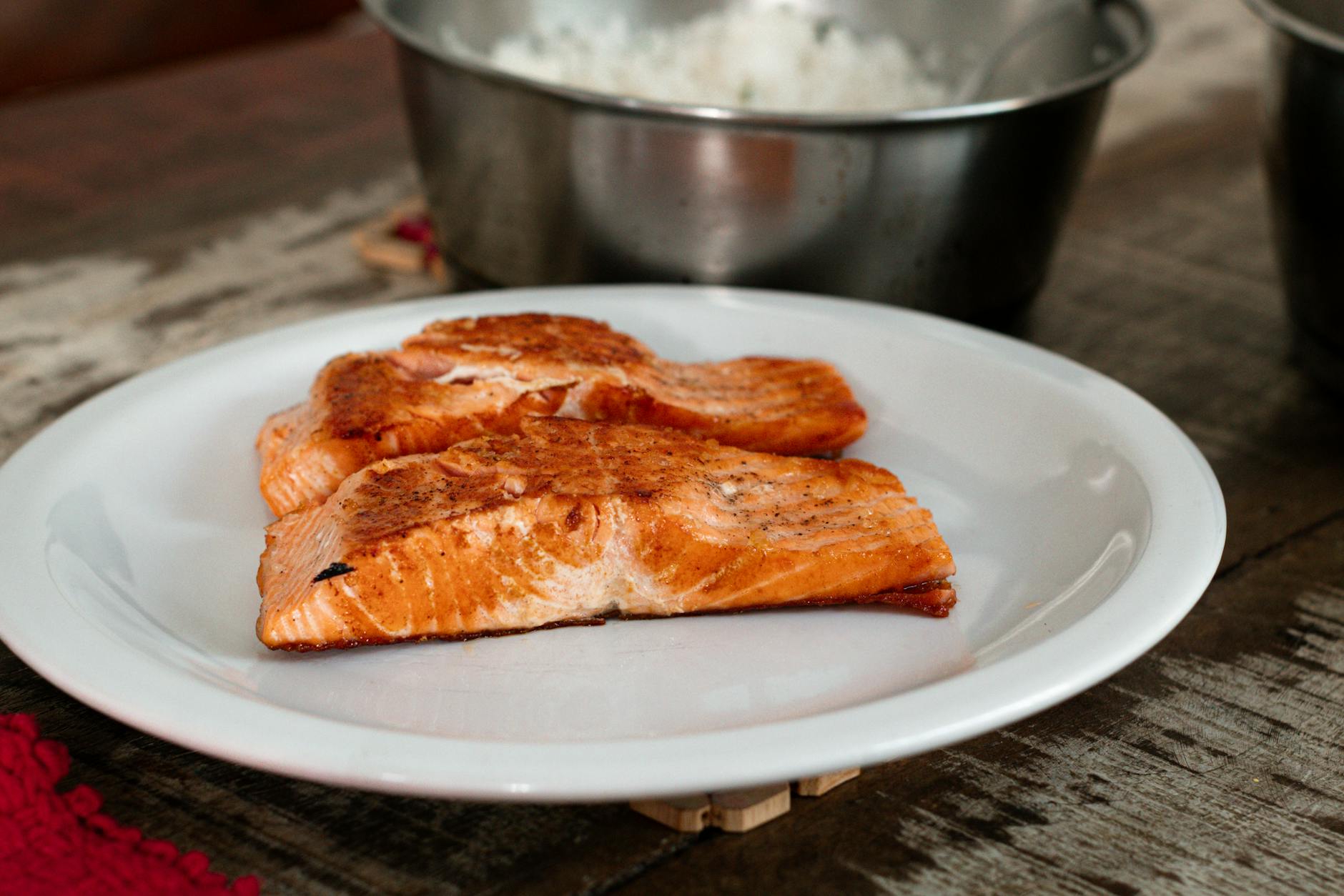
Fatty fish like salmon serve as one of the best sources of omega-3 fatty acids EPA and DHA. These essential fats work directly to inhibit the production of substances that cause inflammation. Eating salmon twice a week can lead to measurable reductions in inflammatory markers like C-reactive protein. It provides a high-quality protein source that supports tissue repair and overall metabolic health.
Spinach
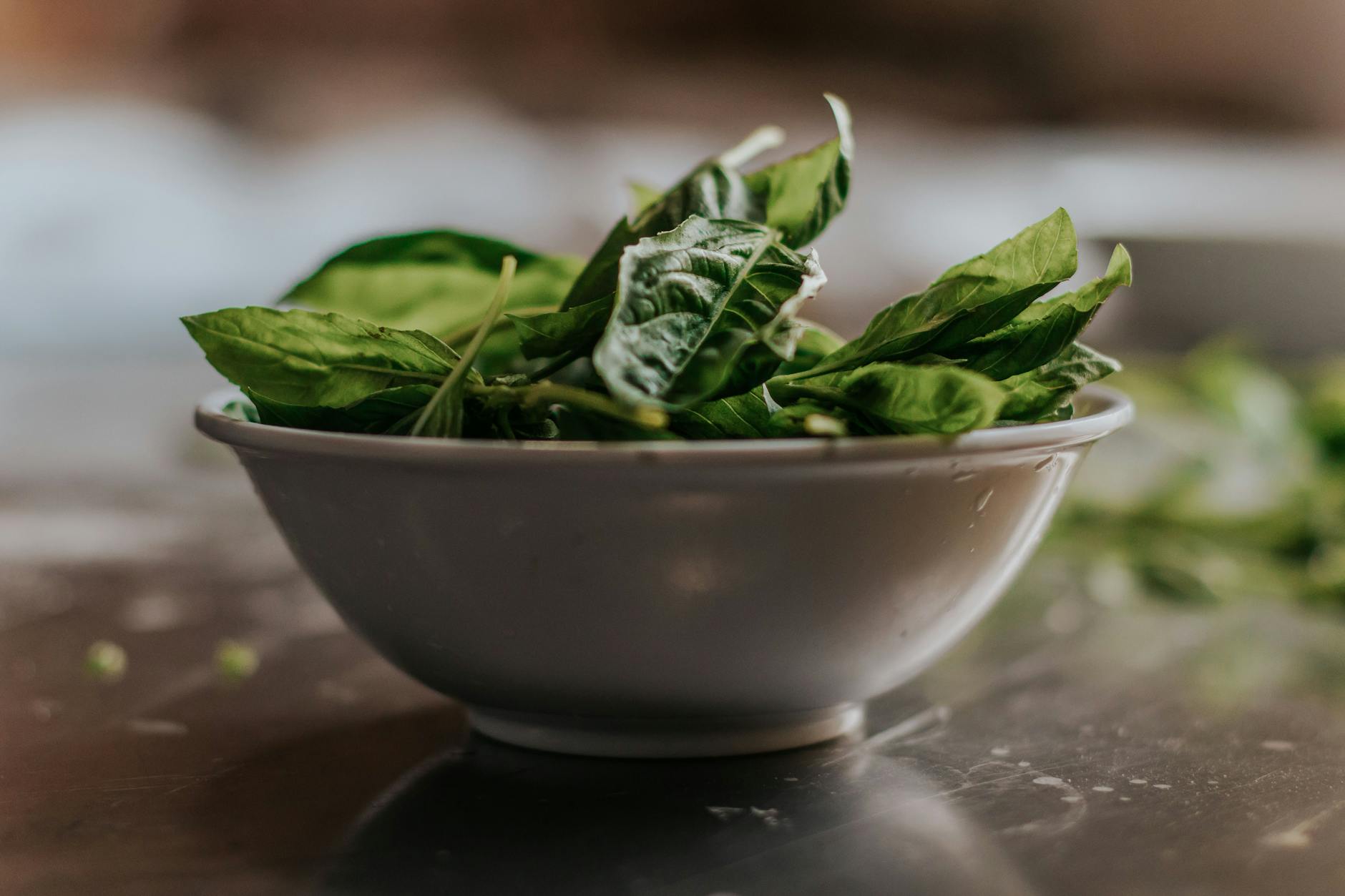
This leafy green vegetable is loaded with Vitamin K and essential minerals that help regulate the body’s inflammatory response. The high antioxidant content in spinach protects cells from damage caused by free radicals. Consuming it raw in salads preserves the heat-sensitive nutrients better than prolonged cooking methods. Regular intake supports cardiovascular health by keeping blood vessels flexible and reducing arterial stiffness.
Turmeric
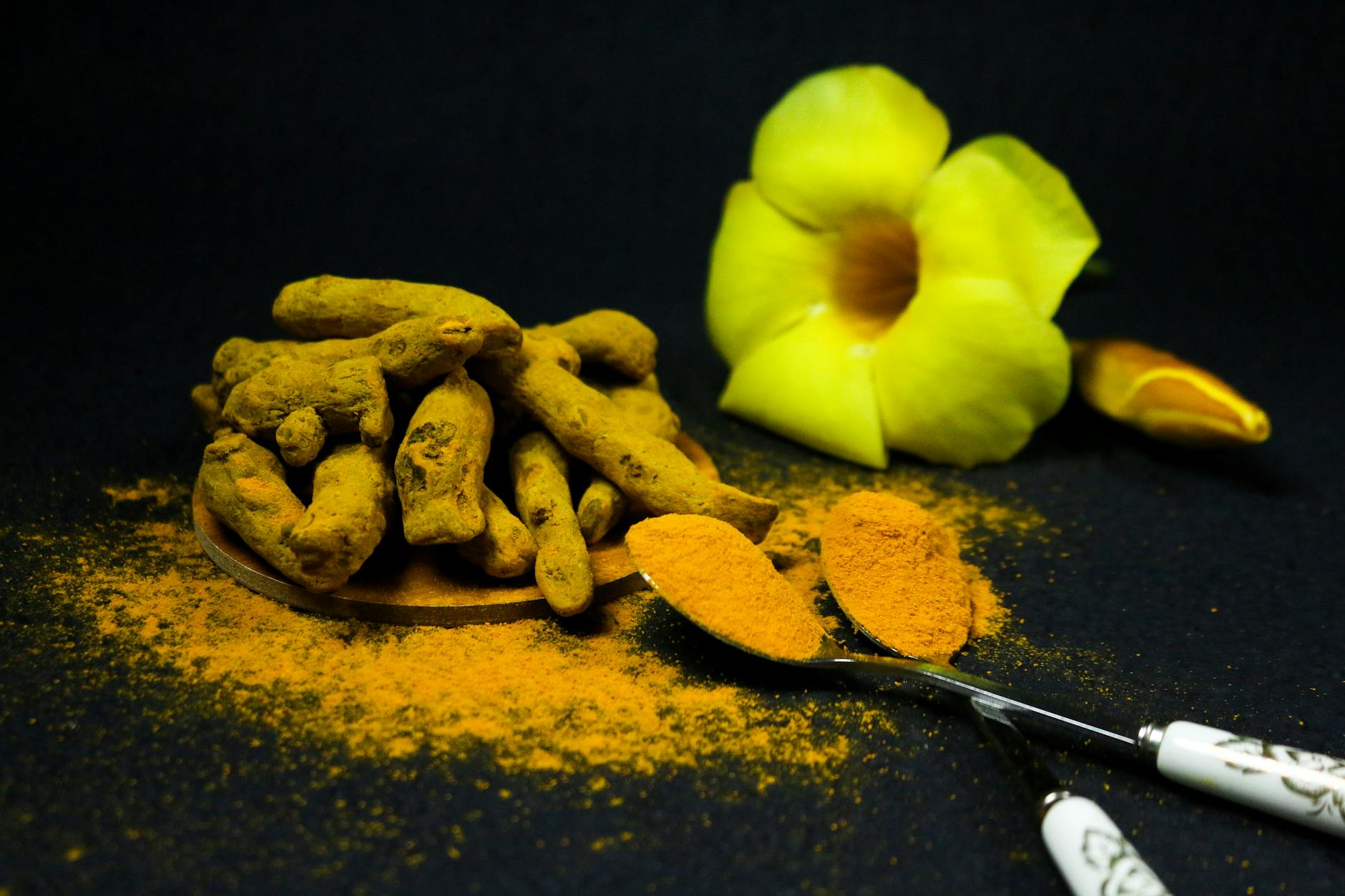
This golden spice contains curcumin which is a powerful compound known for its ability to fight inflammation at the molecular level. It works by blocking the molecule NF-kB that travels into the nuclei of cells and turns on genes related to inflammation. Combining turmeric with black pepper increases the absorption of curcumin significantly. It is a staple in Ayurvedic medicine and adds a warm earthy flavor to curries and soups.
Walnuts
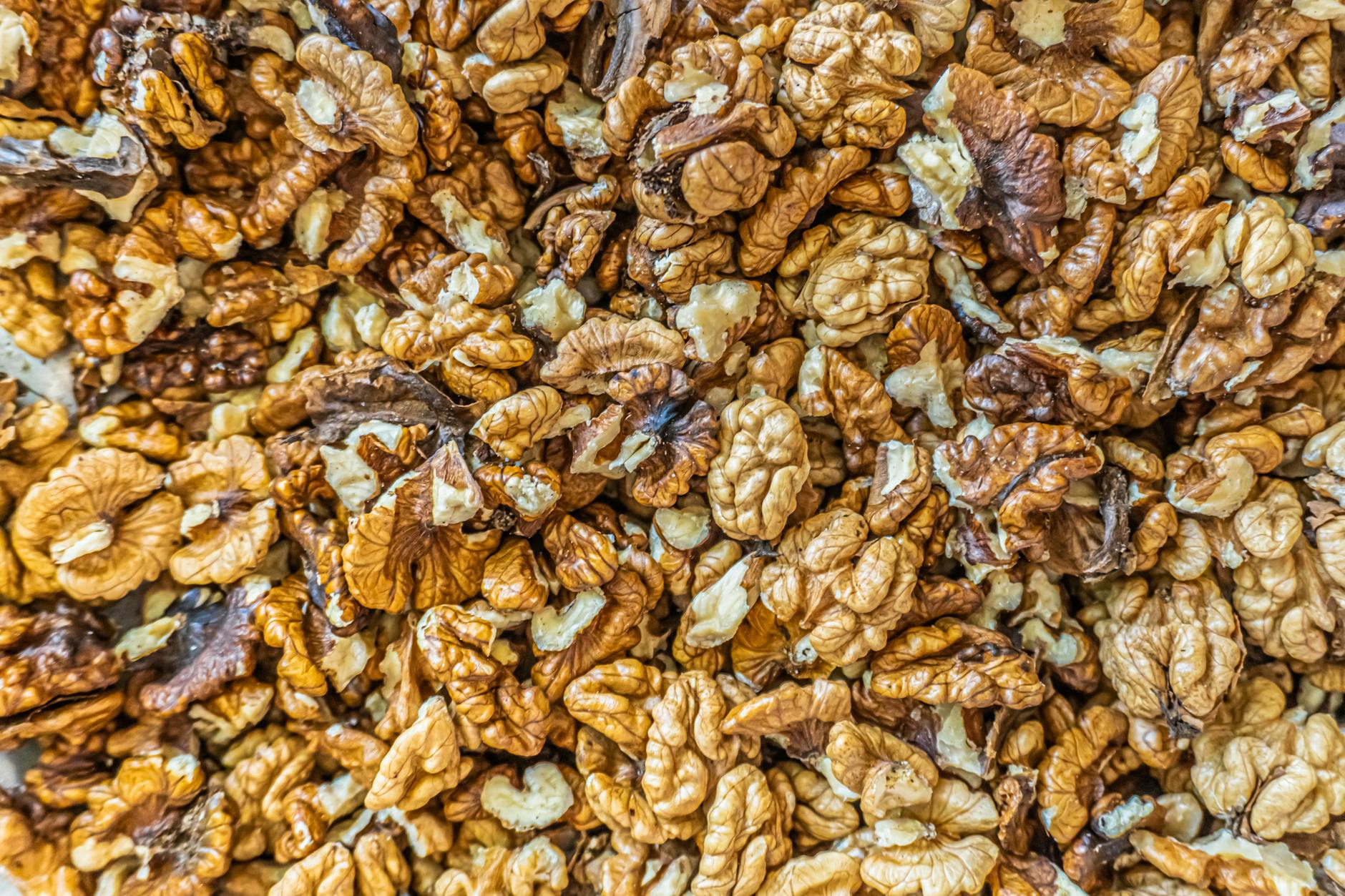
Walnuts stand out among nuts because they contain the highest amount of plant-based omega-3 fatty acids. They are rich in antioxidants and help lower key markers of inflammation associated with heart disease. Eating a handful as a snack can improve endothelial function and lower blood pressure. The unique combination of phytonutrients in walnuts makes them particularly effective for brain health.
Ginger
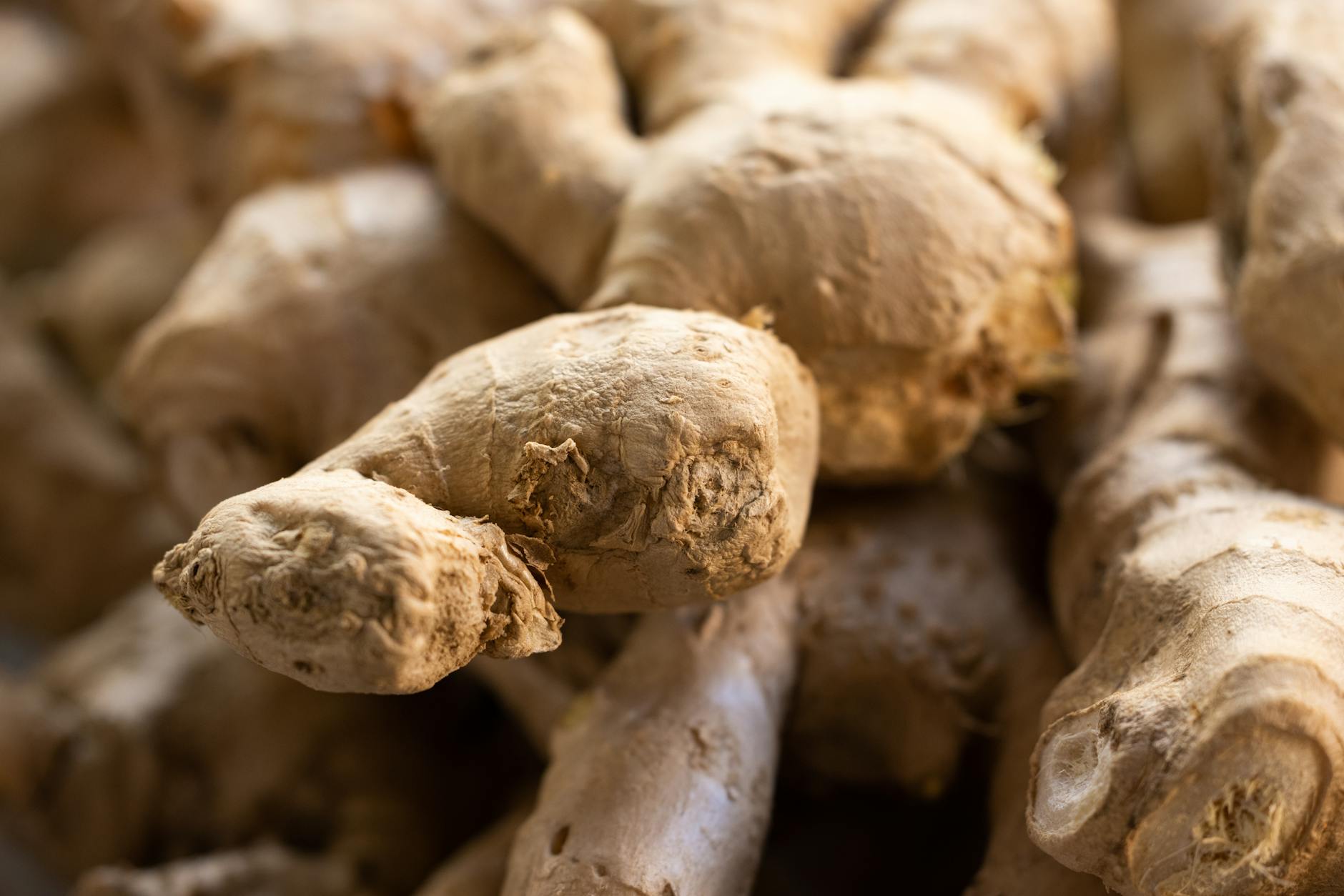
Gingerol is the main bioactive compound in ginger and possesses powerful medicinal properties. It has been used for centuries to aid digestion and reduce nausea while simultaneously lowering inflammation. Consuming ginger tea or adding fresh root to stir-fries can help soothe sore muscles after exercise. It effectively inhibits the synthesis of pro-inflammatory cytokines in the body.
Broccoli
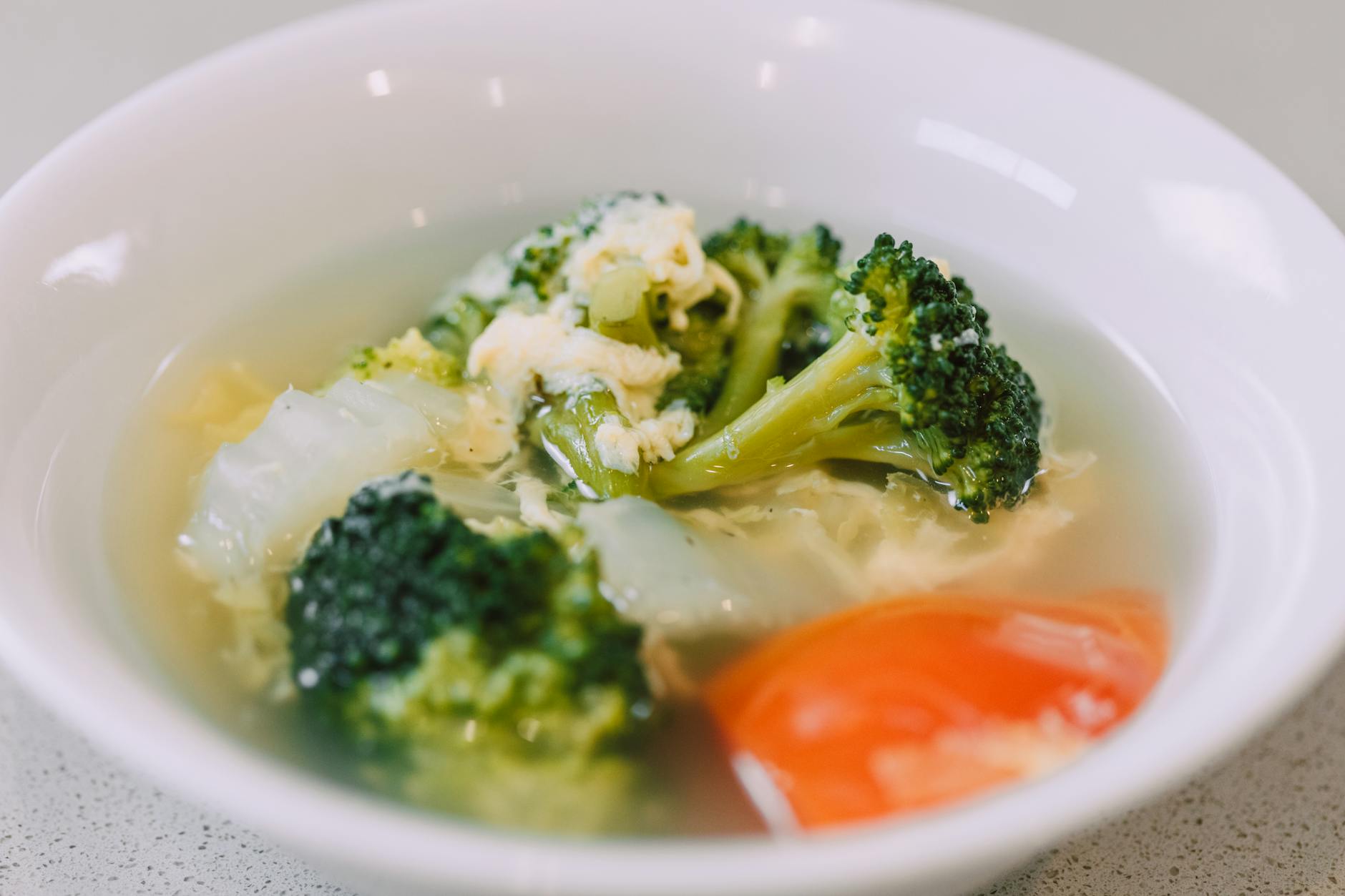
Cruciferous vegetables like broccoli are rich in sulforaphane which blocks enzymes that cause joint destruction. It is packed with antioxidants and fiber that support detoxification pathways in the liver. Steaming broccoli lightly helps retain the maximum amount of nutrients compared to boiling or frying. Regular consumption is linked to a decreased risk of heart disease and certain types of cancer.
Extra Virgin Olive Oil
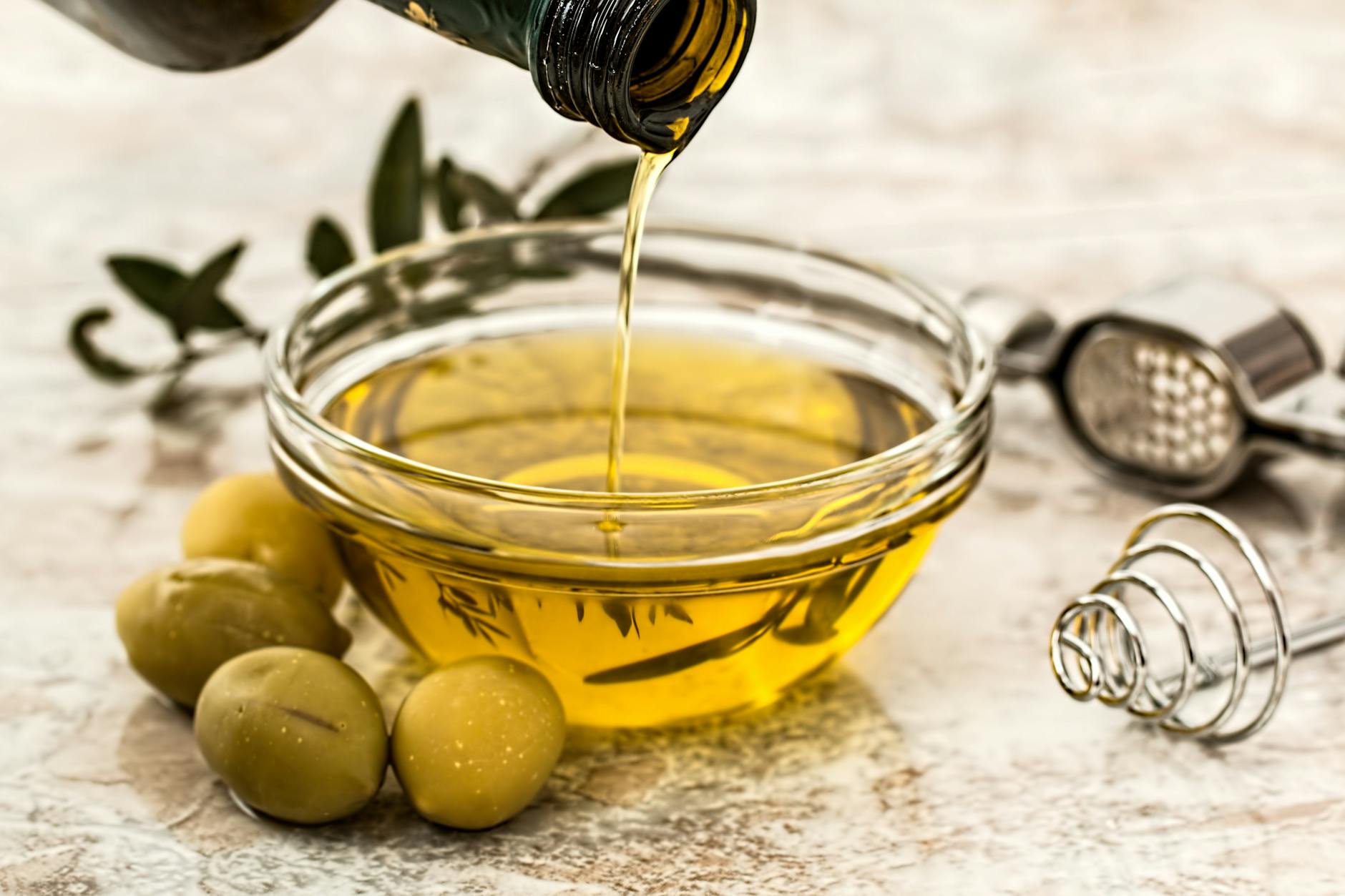
This oil is a cornerstone of the Mediterranean diet and is rich in monounsaturated fats. It contains oleocanthal which has an effect similar to anti-inflammatory drugs like ibuprofen. Using it for low-heat cooking or as a salad dressing provides the body with heart-healthy fats. High-quality extra virgin olive oil also supports brain health and may reduce the risk of stroke.
Dark Chocolate

Quality dark chocolate with at least 70% cocoa solids is packed with antioxidants known as flavanols. These compounds keep the endothelial cells lining your arteries healthy and help lower blood pressure. It reduces inflammation which may lower the risk of diabetes and heart disease. enjoying a small square can satisfy sweet cravings while providing legitimate health benefits.
Tomatoes
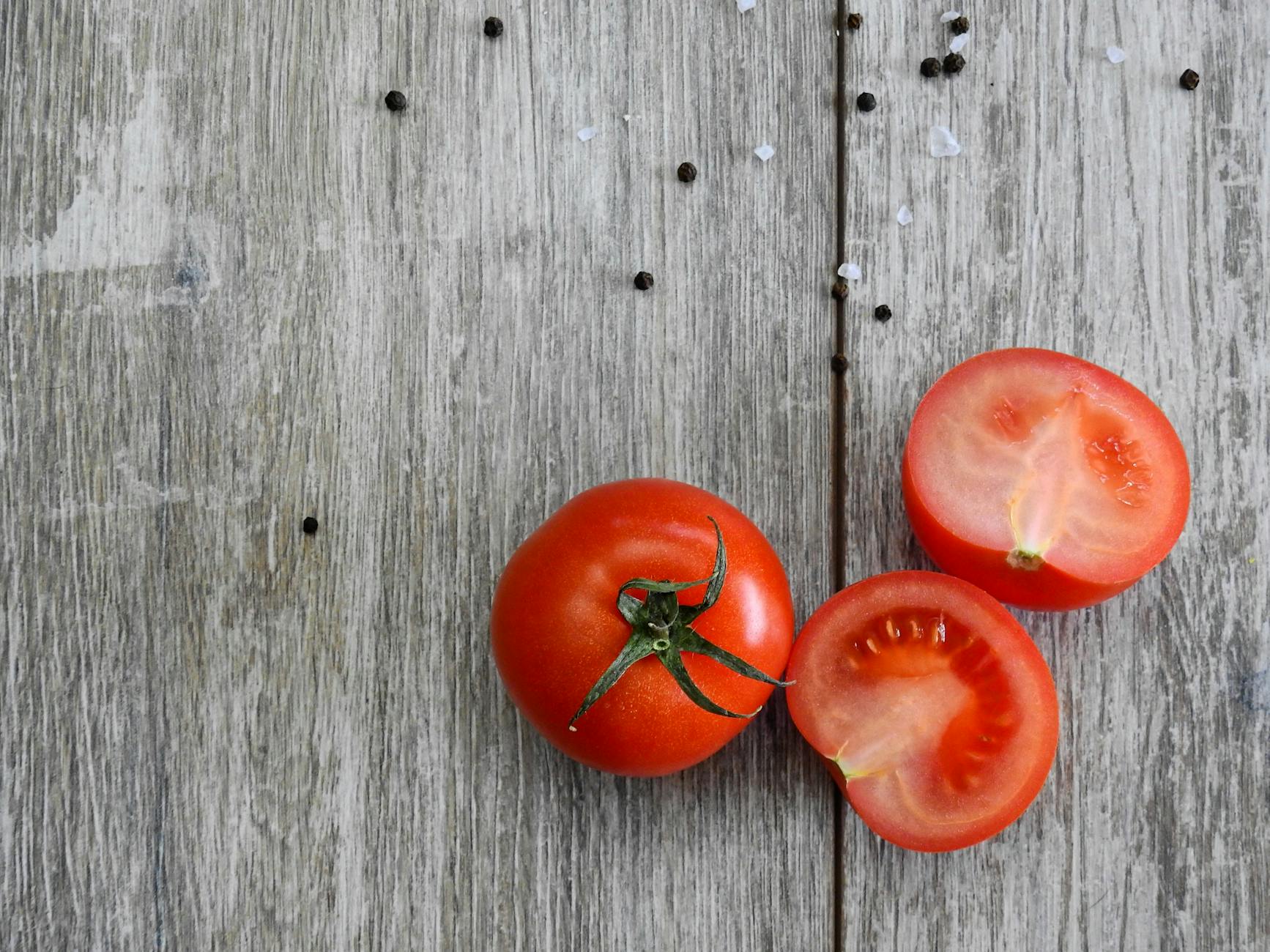
Tomatoes are an excellent source of lycopene which is an antioxidant with impressive anti-inflammatory properties. Cooking tomatoes in olive oil maximizes the absorption of lycopene because it is a fat-soluble nutrient. They are also rich in Vitamin C and potassium which support overall cardiovascular health. Including tomato products regularly in the diet can help reduce pro-inflammatory compounds in the blood.
Strawberries

These popular berries are rich in vitamin C and various plant compounds that help reduce inflammation. Research indicates that eating strawberries can lower inflammatory markers related to heart disease and diabetes. Their natural sweetness makes them a perfect substitute for sugary desserts. The high fiber content also aids digestion and helps regulate blood sugar levels.
Kale
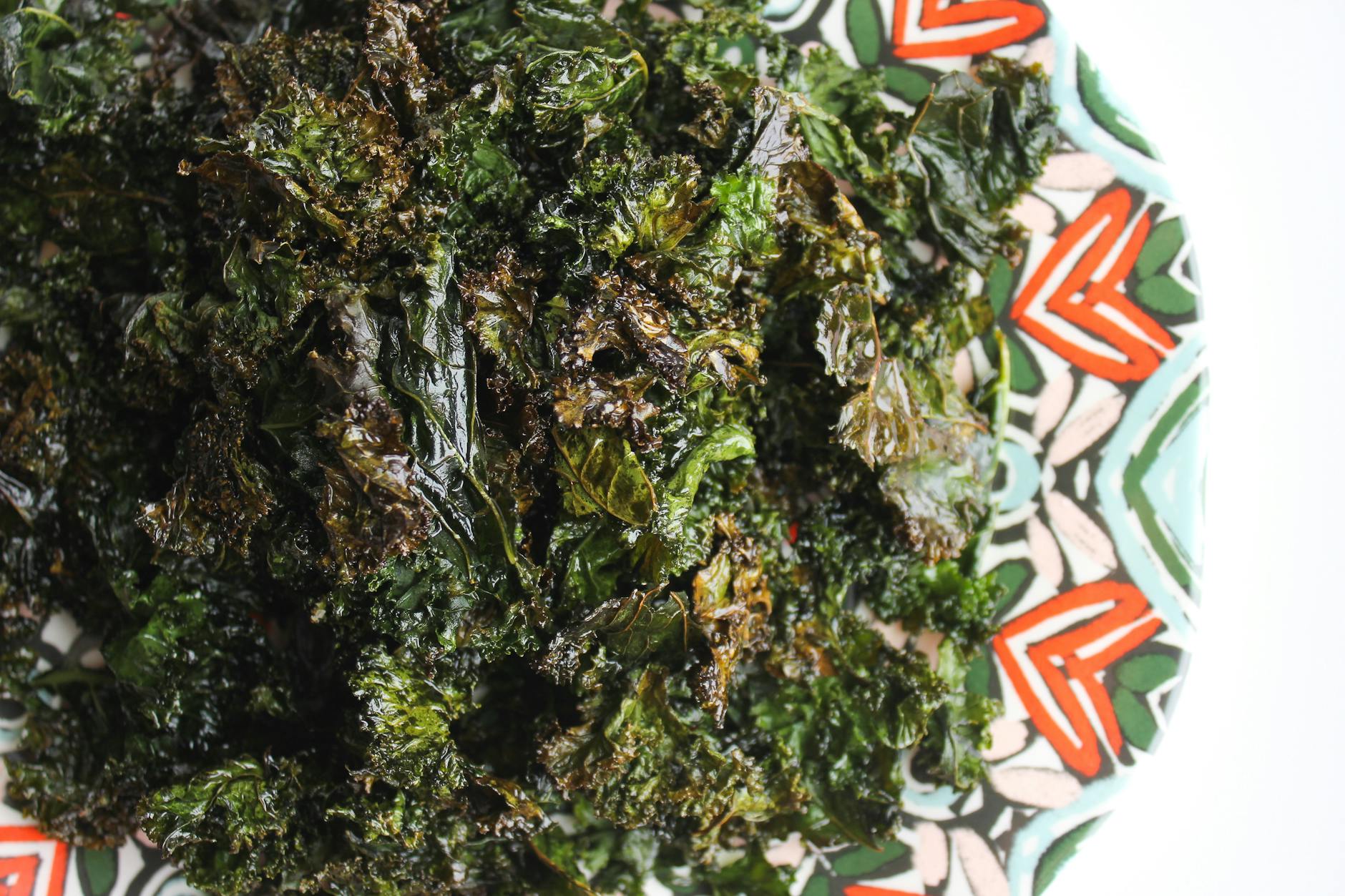
Kale is a nutrient-dense leafy green that contains specific antioxidants like quercetin and kaempferol. These substances have powerful heart-protective and anti-inflammatory effects. It provides more Vitamin C than most other vegetables and supports a strong immune system. Massaging raw kale with olive oil breaks down the tough fibers and makes the nutrients more bioavailable.
Almonds
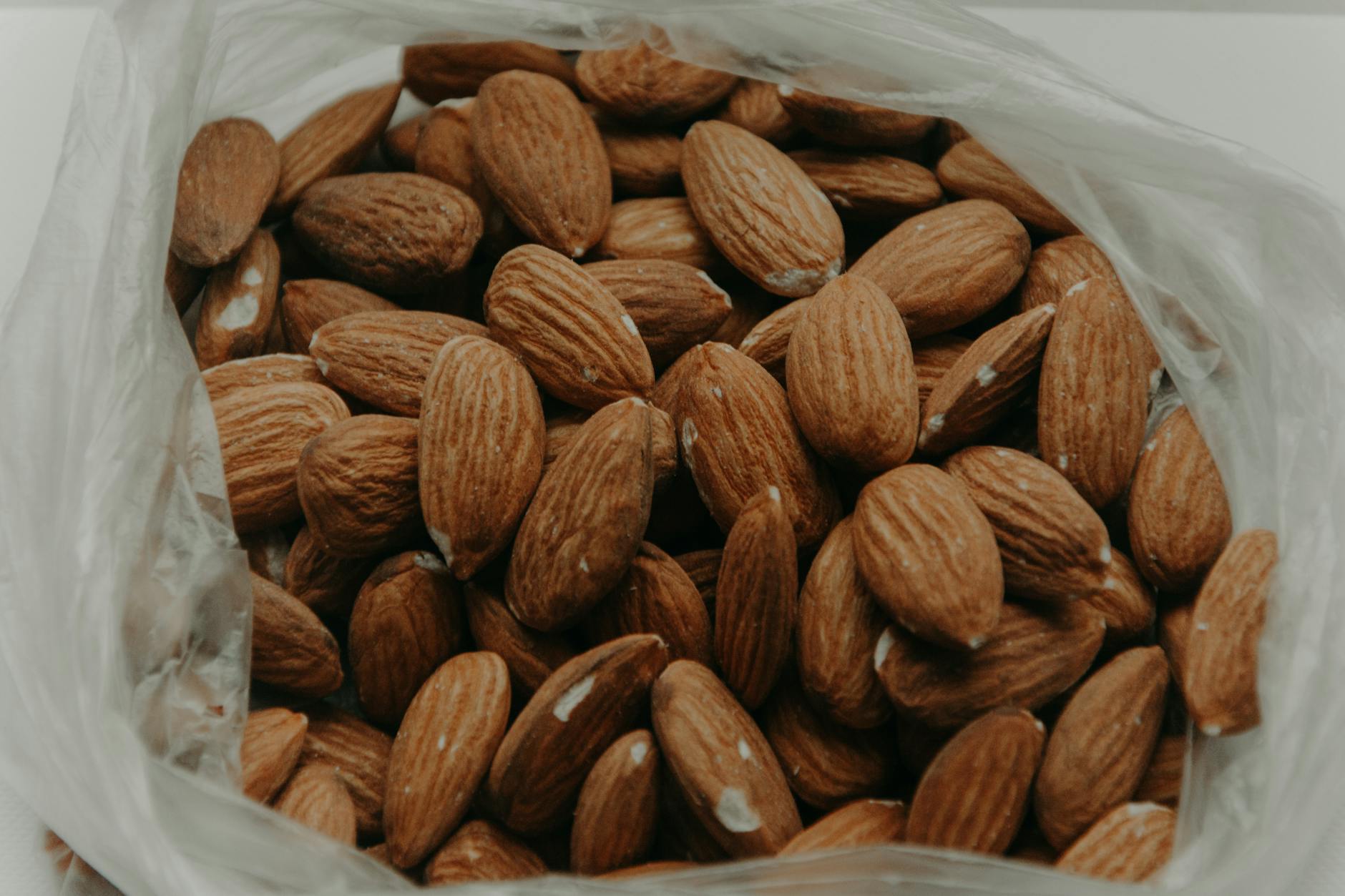
Almonds are an excellent source of monounsaturated fats and Vitamin E which protects cells from oxidative damage. The skin of almonds contains polyphenols that prevent the oxidation of cholesterol. Snacking on almonds helps control blood sugar and keeps satiety levels high. They are versatile enough to be used in baking or eaten raw for a quick energy boost.
Cherries
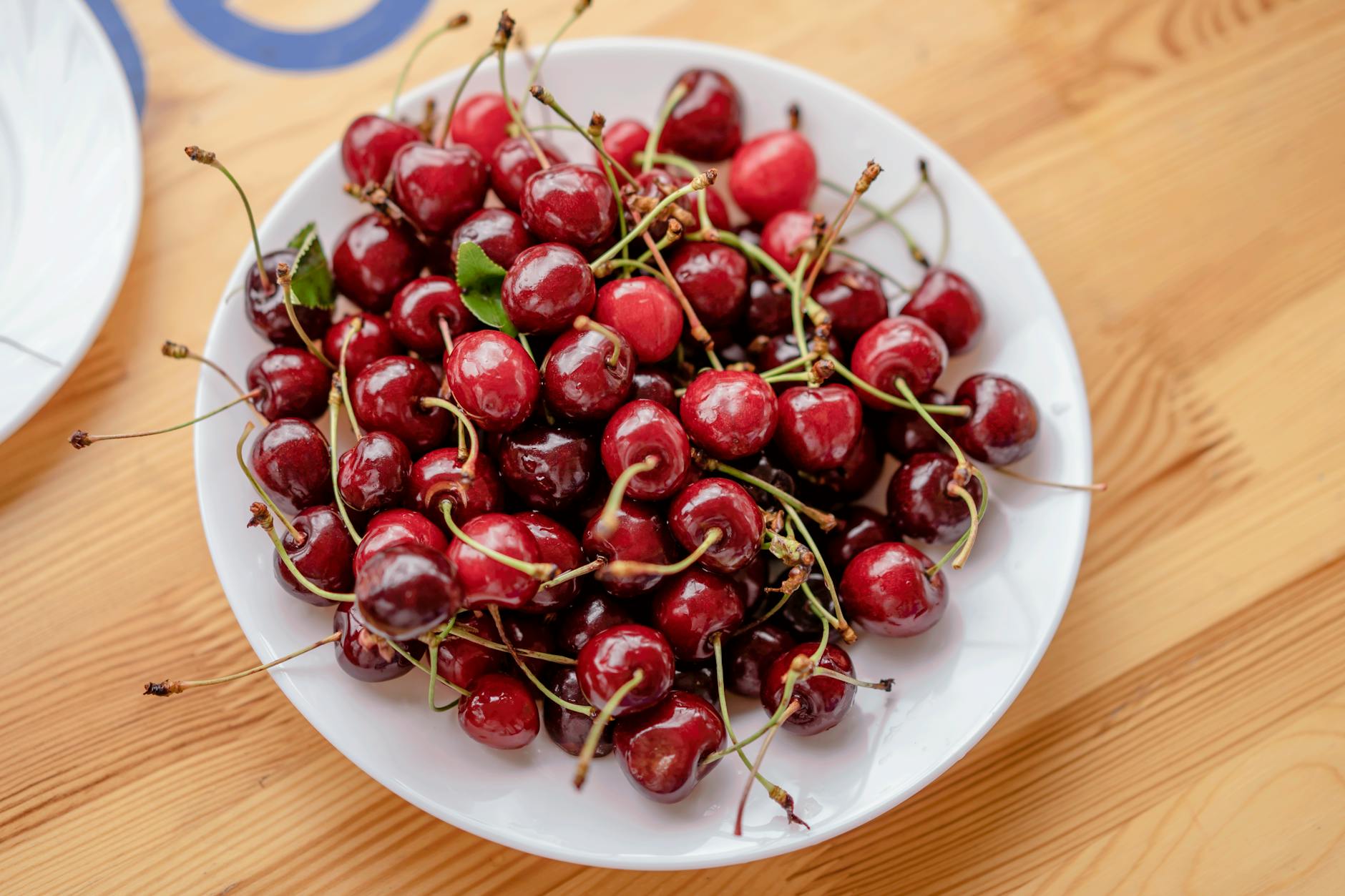
Tart cherries are particularly famous for their ability to reduce markers of oxidative stress and inflammation. Many athletes consume tart cherry juice to recover faster from intense physical activity. They contain anthocyanins and catechins that work together to soothe joint pain. Regular consumption can also help regulate sleep patterns due to their natural melatonin content.
Oranges
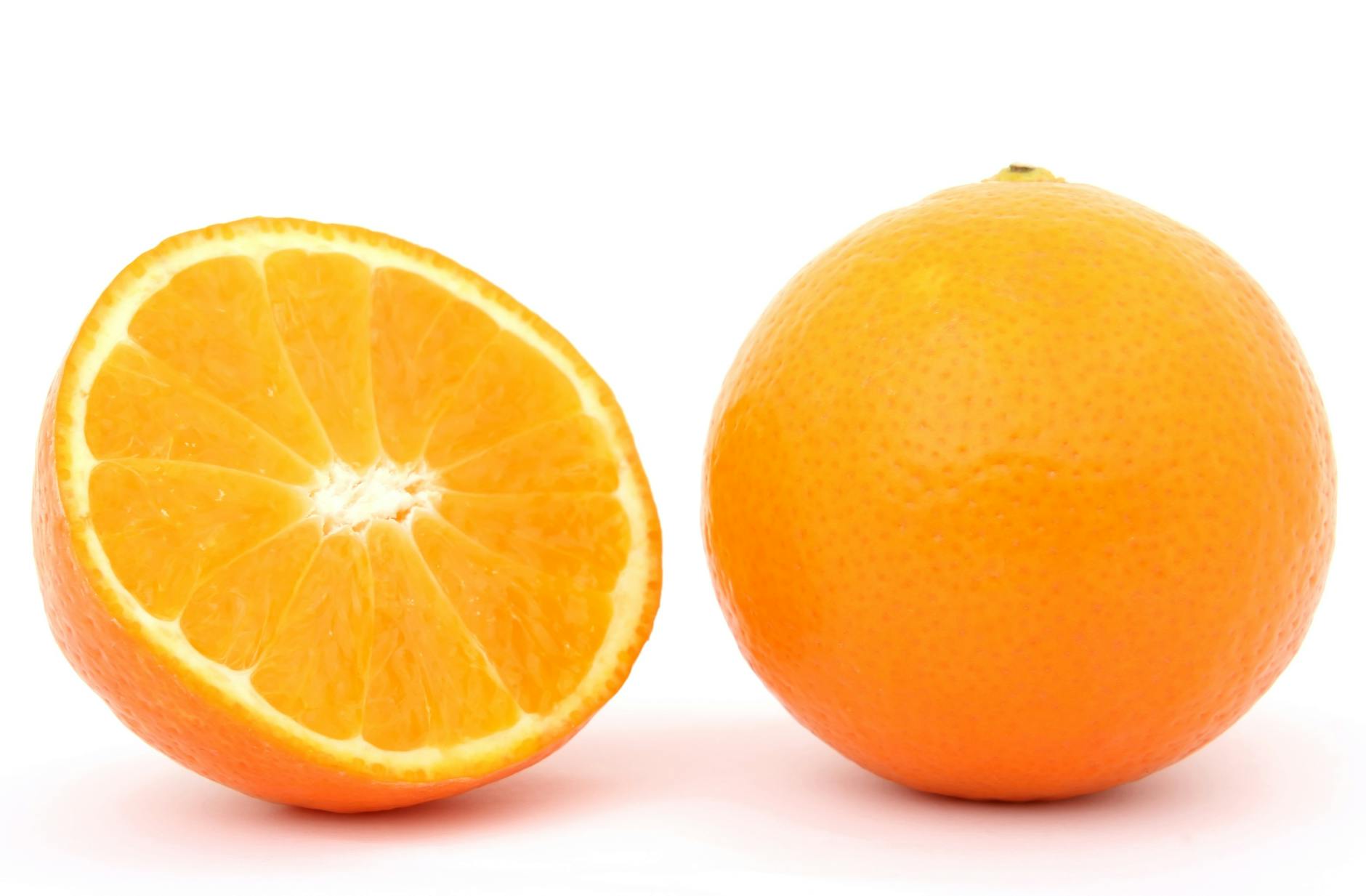
Citrus fruits like oranges are packed with Vitamin C which is essential for immune function and tissue repair. The flavonoids in oranges have strong anti-inflammatory effects that may protect against neurodegenerative diseases. Eating the whole fruit provides necessary fiber that juice alone often lacks. They hydrate the body and provide a refreshing boost of natural energy.
Green Tea
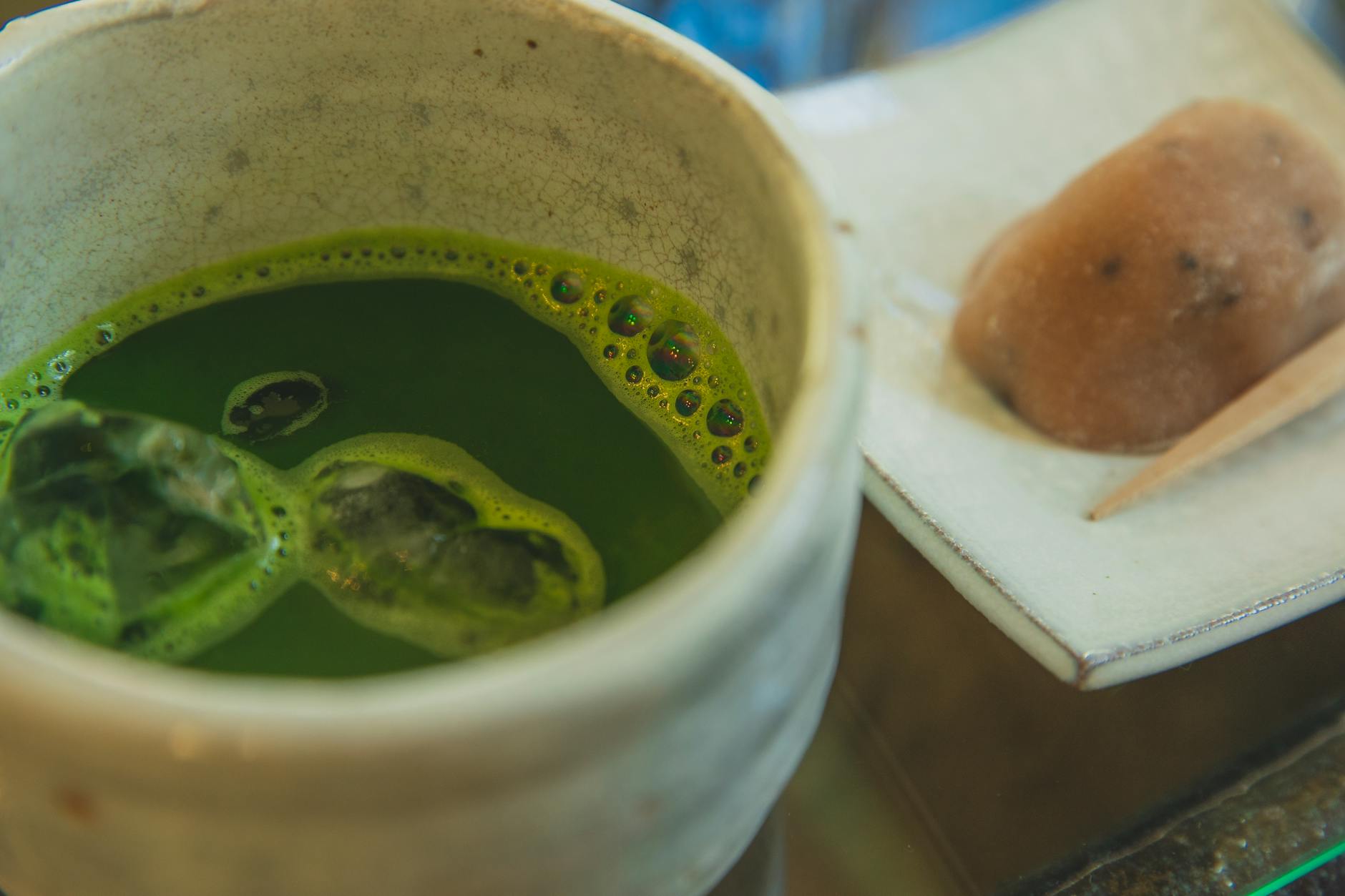
This beverage is one of the healthiest drinks on the planet due to its high content of epigallocatechin-3-gallate. This substance inhibits inflammation by reducing pro-inflammatory cytokine production and protecting cells. Drinking green tea regularly is associated with a reduced risk of heart disease and improved brain function. It offers a gentle caffeine boost without the jitters often associated with coffee.
Garlic
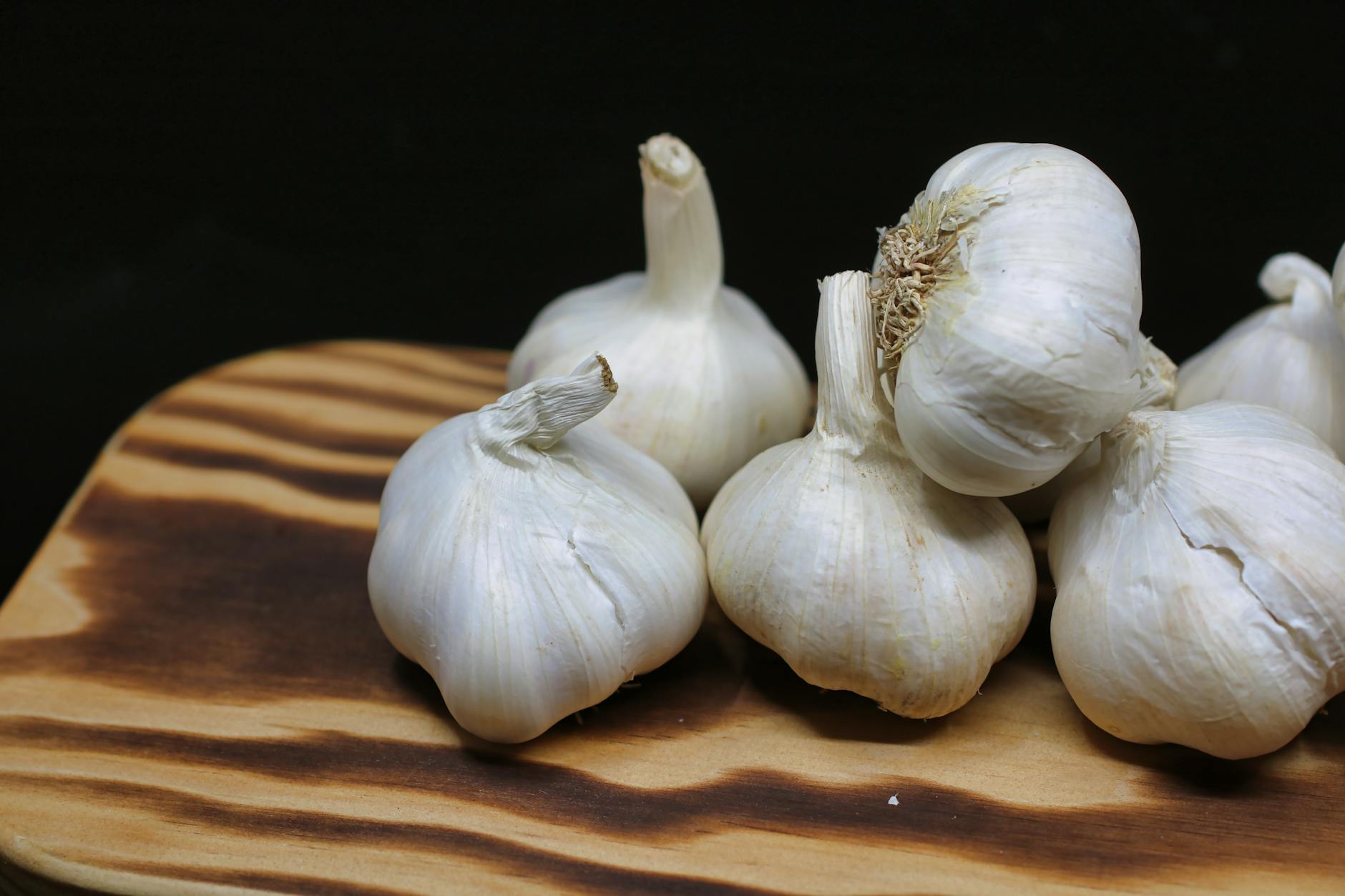
Garlic contains sulfur compounds like allicin that boost the disease-fighting response of some white blood cells. It has been shown to reduce inflammatory markers in people with elevated levels. Crushing or chopping garlic and letting it sit before cooking activates its beneficial enzymes. It adds robust flavor to savory dishes while supporting heart health and immune function.
Pineapple
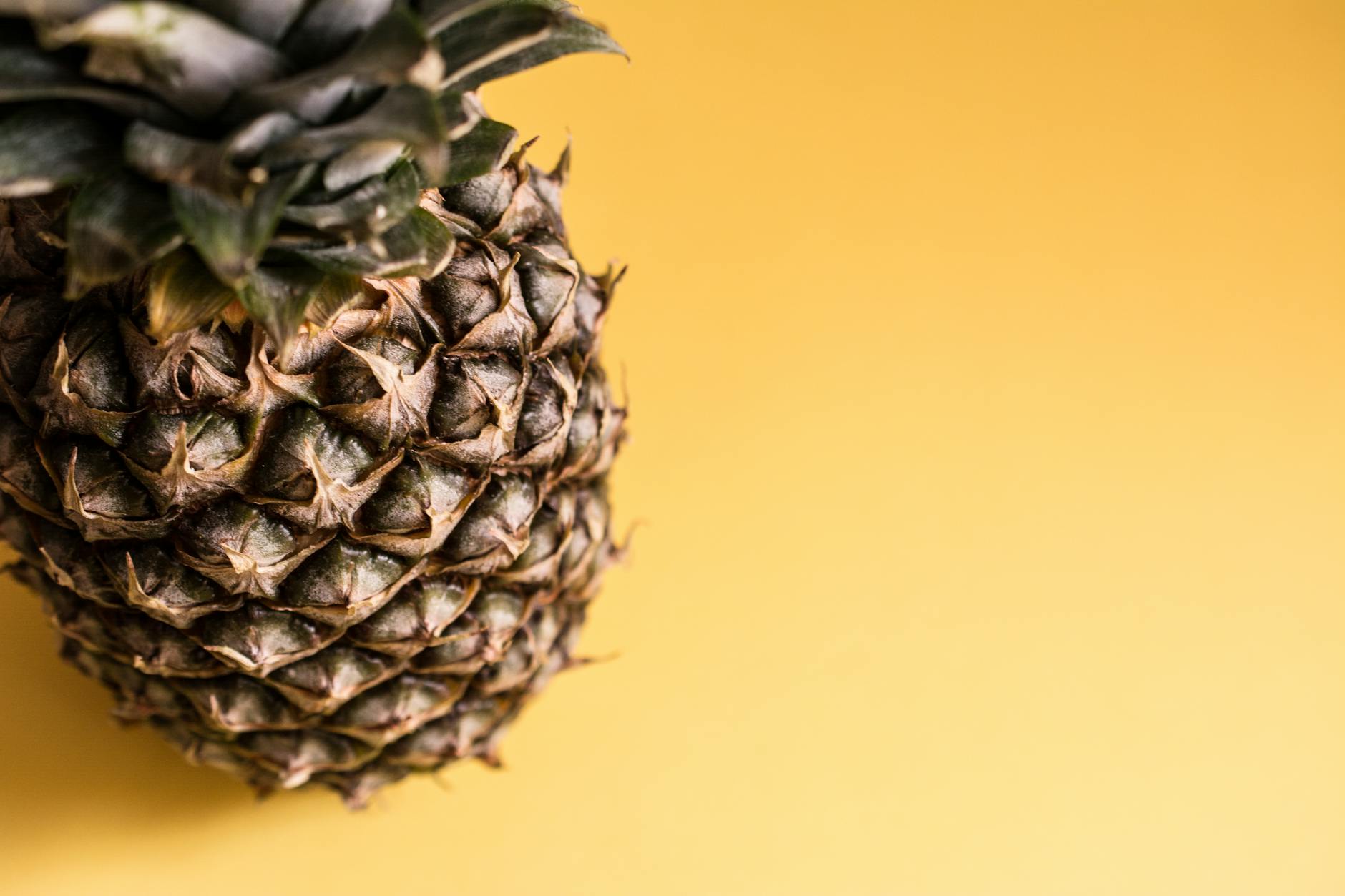
Pineapple contains bromelain which is a digestive enzyme that has anti-inflammatory and pain-relieving properties. It is particularly effective at reducing swelling and bruising after surgery or injury. The high Vitamin C content supports the immune system and promotes collagen production. Eating fresh pineapple is the best way to obtain active bromelain as heat can destroy the enzyme.
Sardines
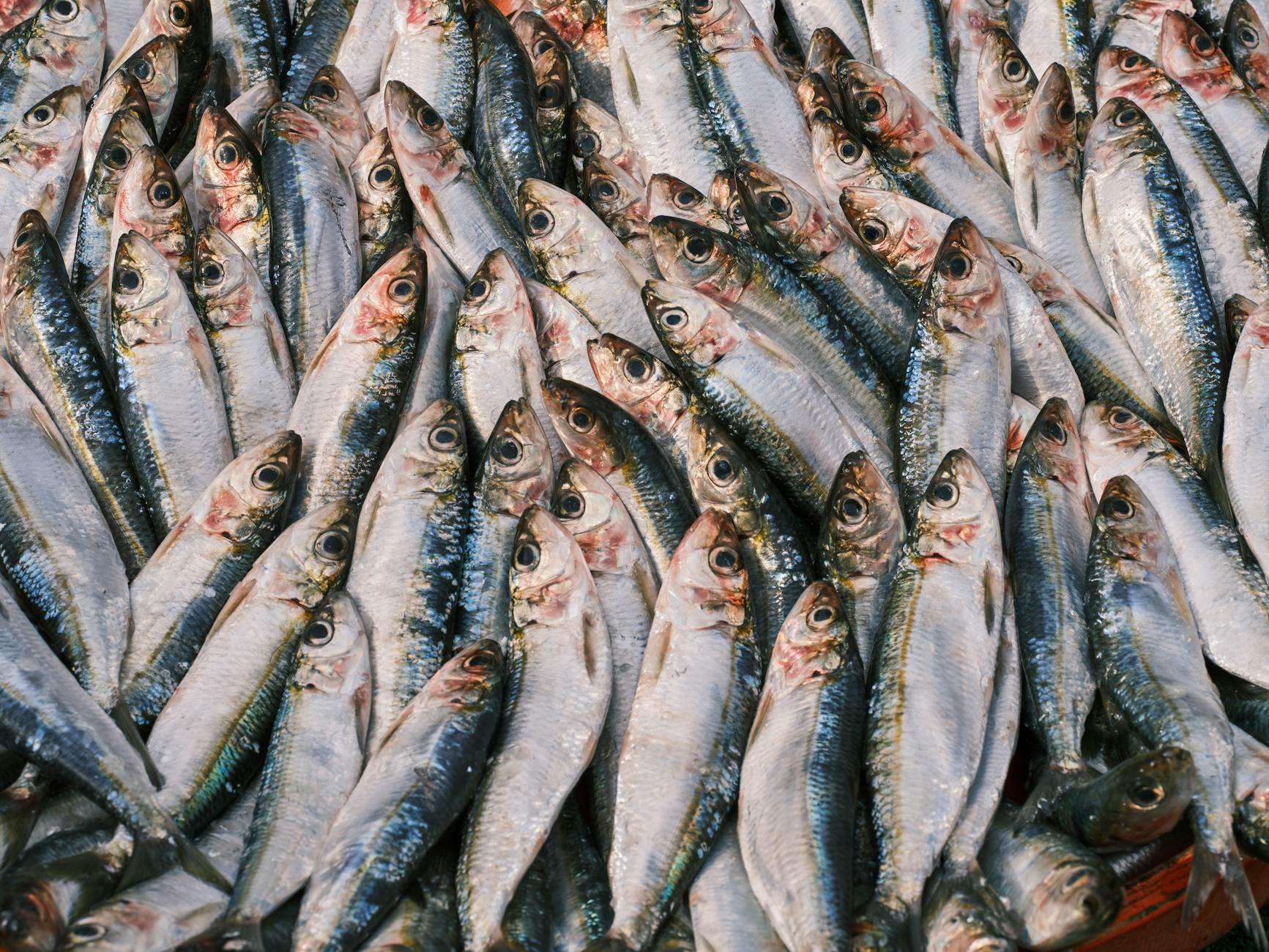
These small fish are a nutritional powerhouse packed with omega-3 fatty acids and Vitamin D. Because they are at the bottom of the food chain they contain lower levels of mercury than larger fish. Eating sardines helps the body resolve inflammation and supports bone health. They are an affordable and sustainable seafood option that can be easily added to salads or toast.
Avocados
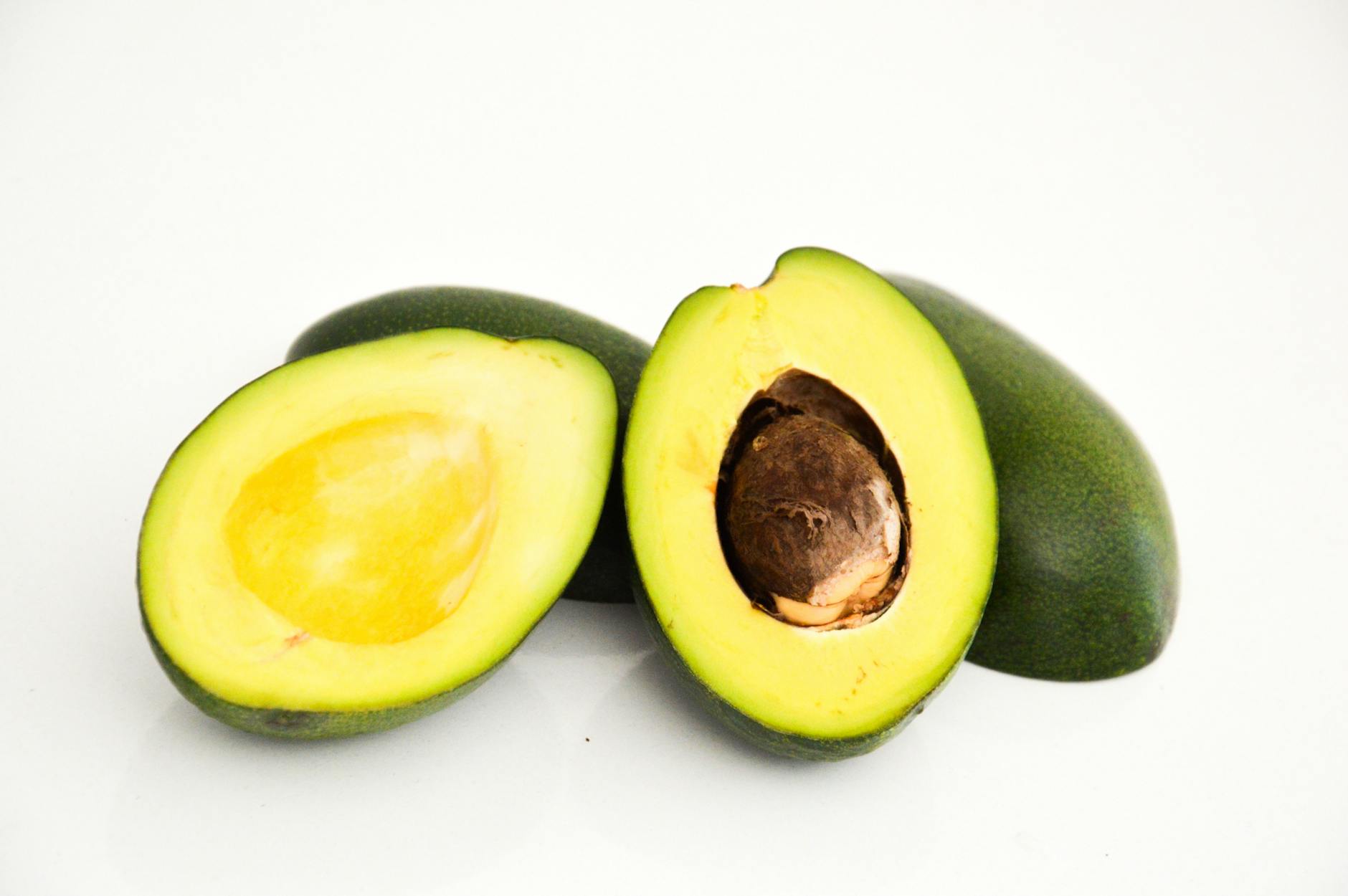
Avocados are unique fruits loaded with potassium and heart-healthy monounsaturated fats. They contain carotenoids and tocopherols which are linked to reduced cancer risk. Adding avocado to a meal helps the body absorb fat-soluble vitamins from other vegetables. They actively reduce inflammation in young skin cells and protect against UV damage.
Beetroots
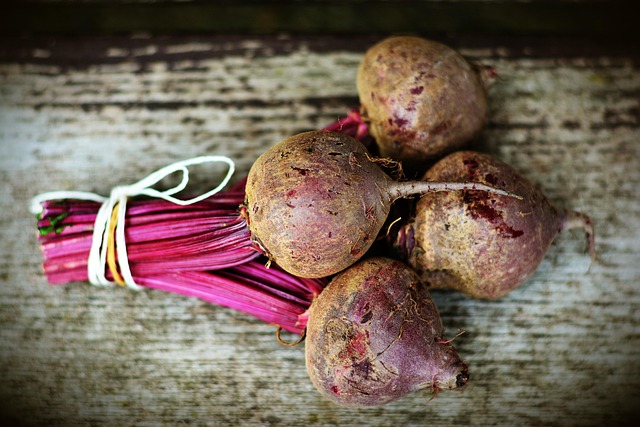
Beets get their deep red color from antioxidants called betalains that fight inflammation. They have been shown to reduce kidney inflammation and improve blood flow. Roasting beets brings out their natural sweetness and preserves their nutrient profile. Nitrates in beets also improve athletic performance by enhancing oxygen use in mitochondria.
Chia Seeds
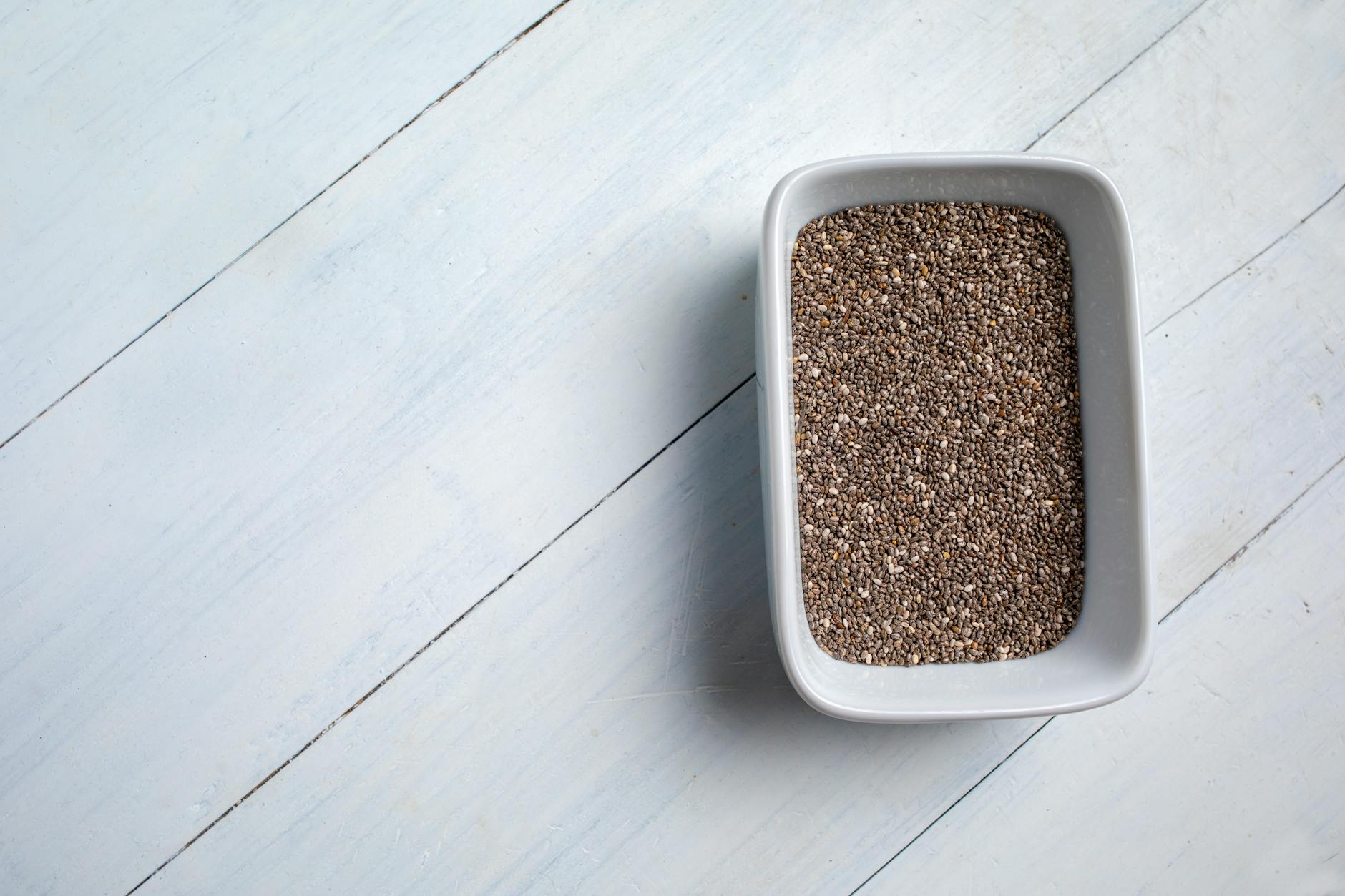
These tiny seeds are an excellent plant-based source of ALA omega-3 fatty acids. When soaked in liquid they form a gel that aids digestion and keeps you full longer. They are rich in antioxidants that fight the production of free radicals. sprinkling them on yogurt or oatmeal is an effortless way to boost nutrient intake.
Mackerel

Mackerel is another oily fish that provides substantial amounts of Vitamin B12 and selenium. It supports the immune system and helps reduce general inflammation throughout the body. The rich flavor of mackerel pairs well with acidic ingredients like lemon and vinegar. Regular consumption is linked to better cognitive function and reduced mental decline.
Bell Peppers
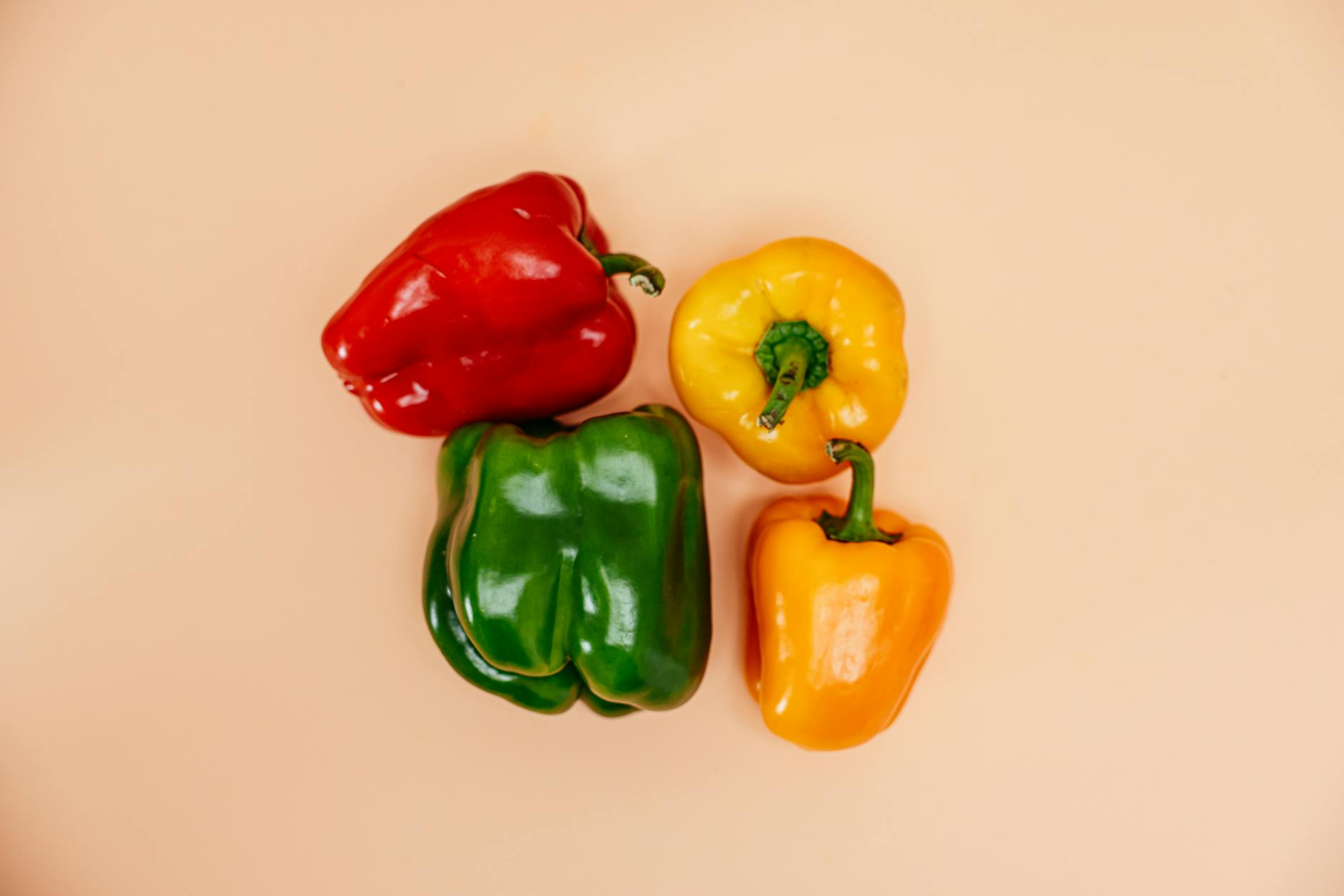
Bell peppers contain high amounts of antioxidant vitamins and capsaicin which reduces pain and inflammation. Red peppers specifically have the highest nutritional value due to the longer ripening process. They provide significant amounts of Vitamin A which is crucial for eye health. Eating them raw with hummus or dip ensures no Vitamin C is lost to cooking heat.
Raspberries
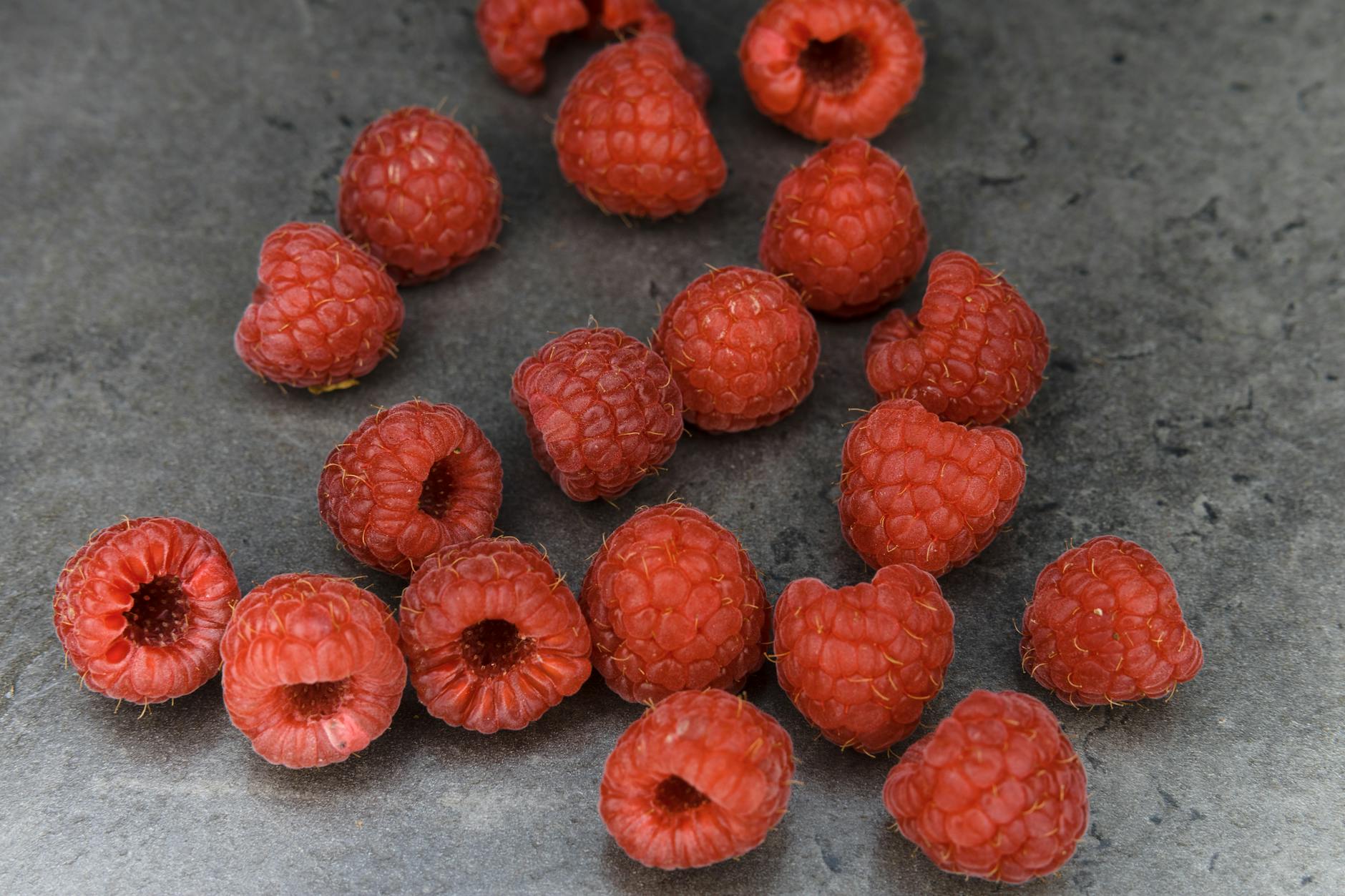
Raspberries are high in fiber and ellagic acid which fights inflammation and may prevent cancer cell growth. Their tart flavor indicates a lower sugar content compared to many other fruits. They are delicate berries that provide a concentrated source of immune-boosting nutrients. Including them in breakfast bowls adds color and significant health benefits.
Sweet Potatoes

These root vegetables are rich in beta-carotene and Vitamin A which act as powerful antioxidants. They have a lower glycemic index than white potatoes and help regulate blood sugar. The anthocyanins in purple sweet potatoes are especially effective at reducing inflammation. Baking or boiling sweet potatoes retains more nutrients than frying them.
Flaxseeds

Flaxseeds are the richest dietary source of lignans which have antioxidant and estrogen properties. Ground flaxseeds are easier for the body to digest and absorb than whole seeds. They help lower cholesterol and reduce markers of inflammation specifically in postmenopausal women. Adding a tablespoon to smoothies provides a nutty flavor and fiber boost.
Grapes
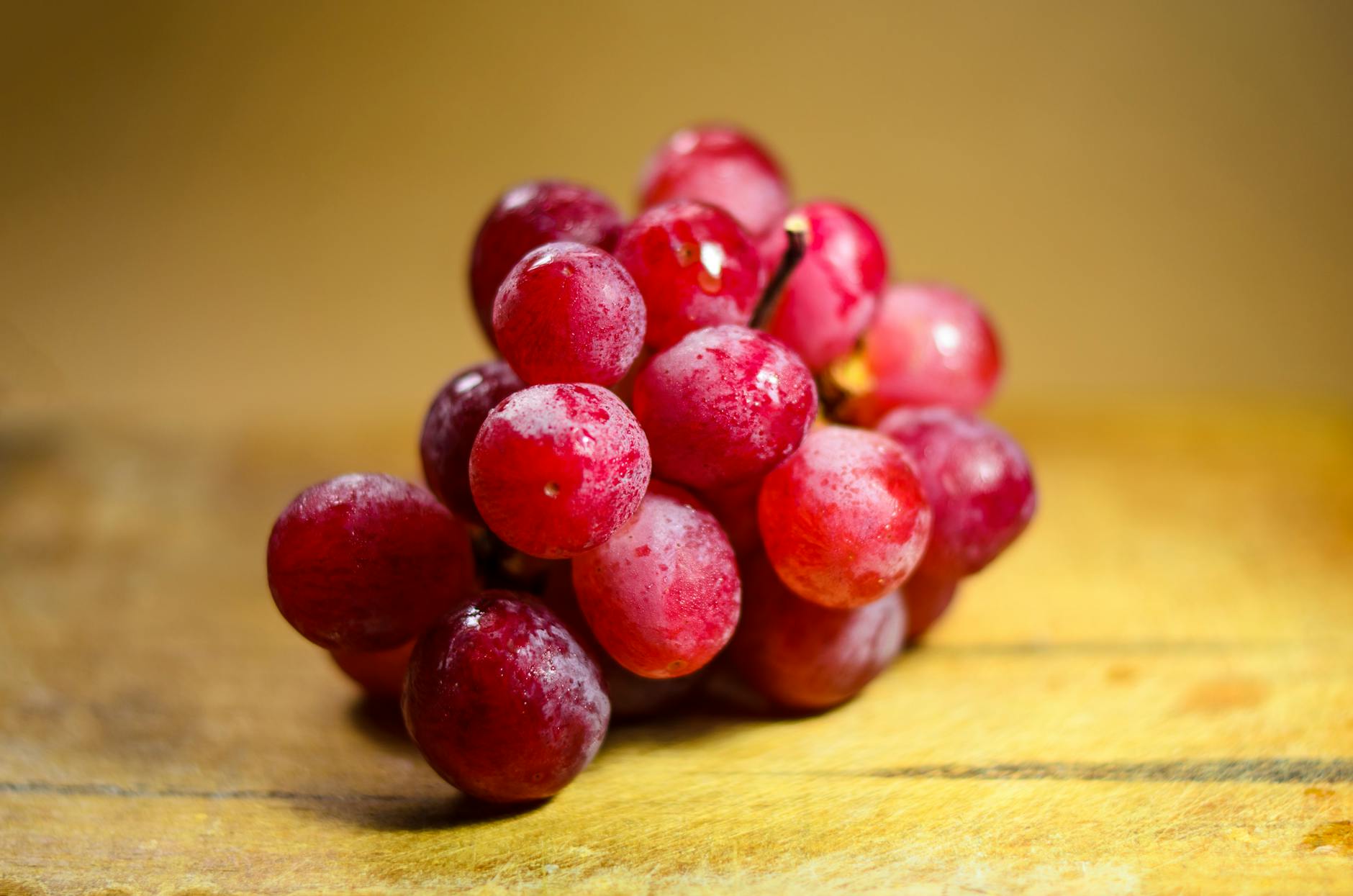
Grapes contain resveratrol which is a compound found in the skin that protects the heart against inflammation. This antioxidant has been linked to increased longevity and protection against diabetes. Eating whole grapes provides hydration and natural sugars for energy. Red and purple grapes generally contain higher antioxidant levels than green varieties.
Mushrooms
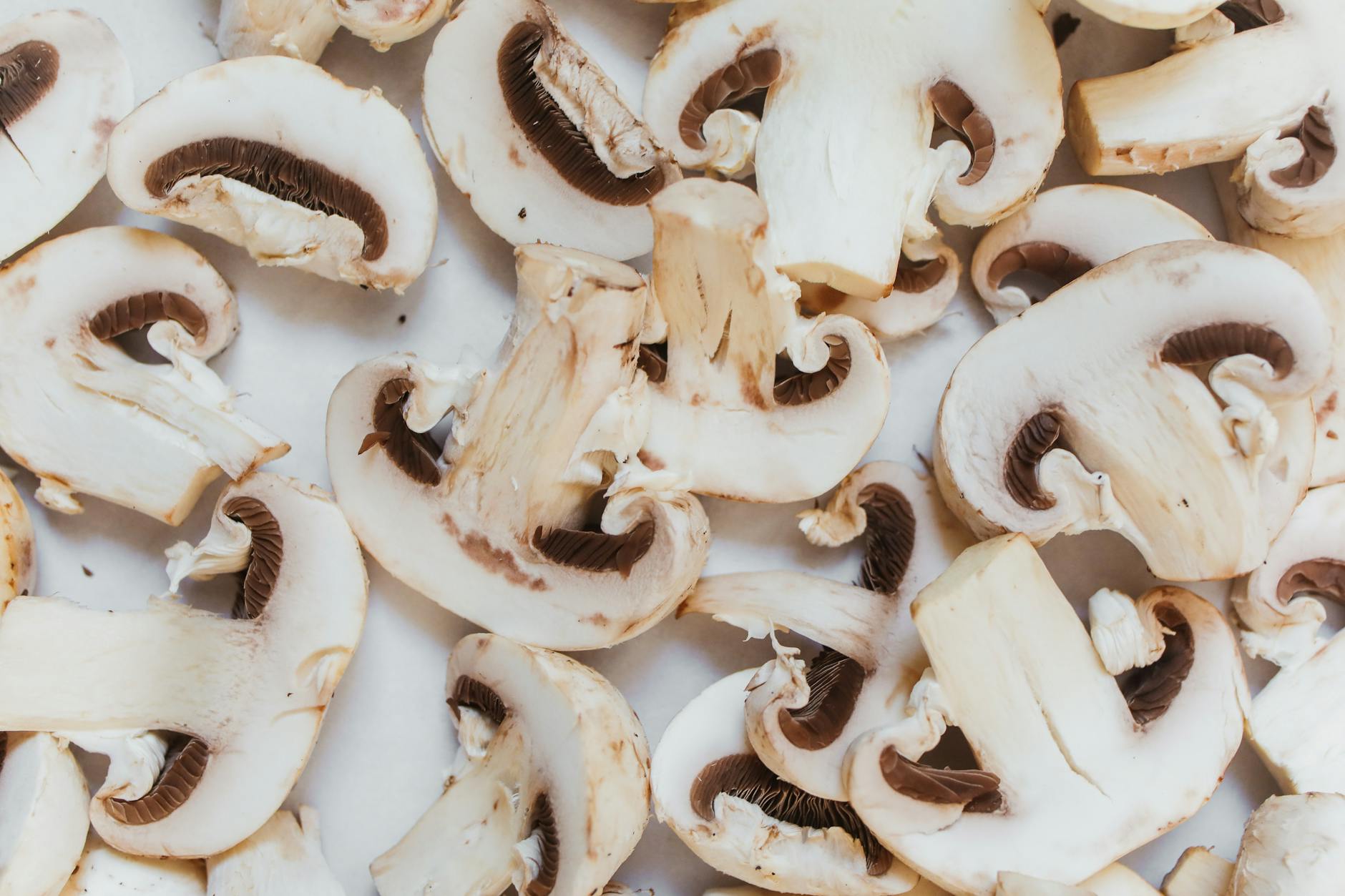
Varieties like shiitake and maitake contain beta-glucans that stimulate the immune system. Mushrooms are rich in selenium and B vitamins that protect cells from damage. They have been used in traditional medicine for their ability to fight infection and reduce inflammation. Cooking mushrooms helps break down their tough cell walls and releases their nutrients.
Celery
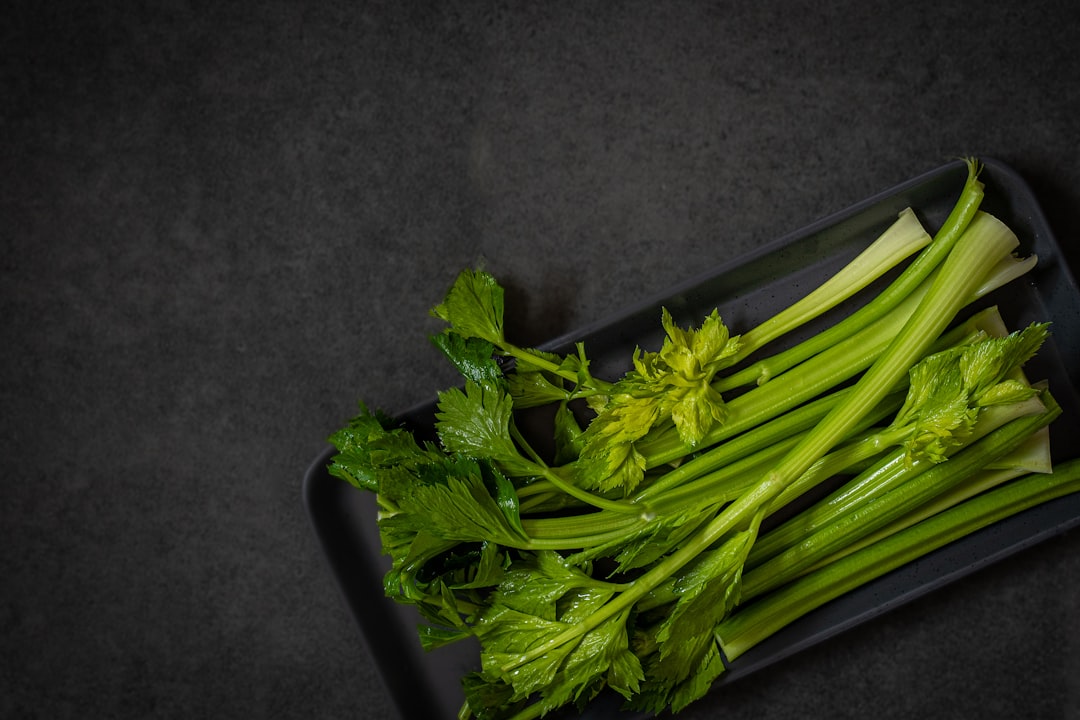
Celery contains apigenin which acts as an anti-inflammatory agent in the body. It is a hydrating vegetable that supports digestion and reduces bloating. The antioxidants in celery help protect the digestive tract and blood vessels. Snacking on celery sticks provides a satisfying crunch with very few calories.
Bok Choy
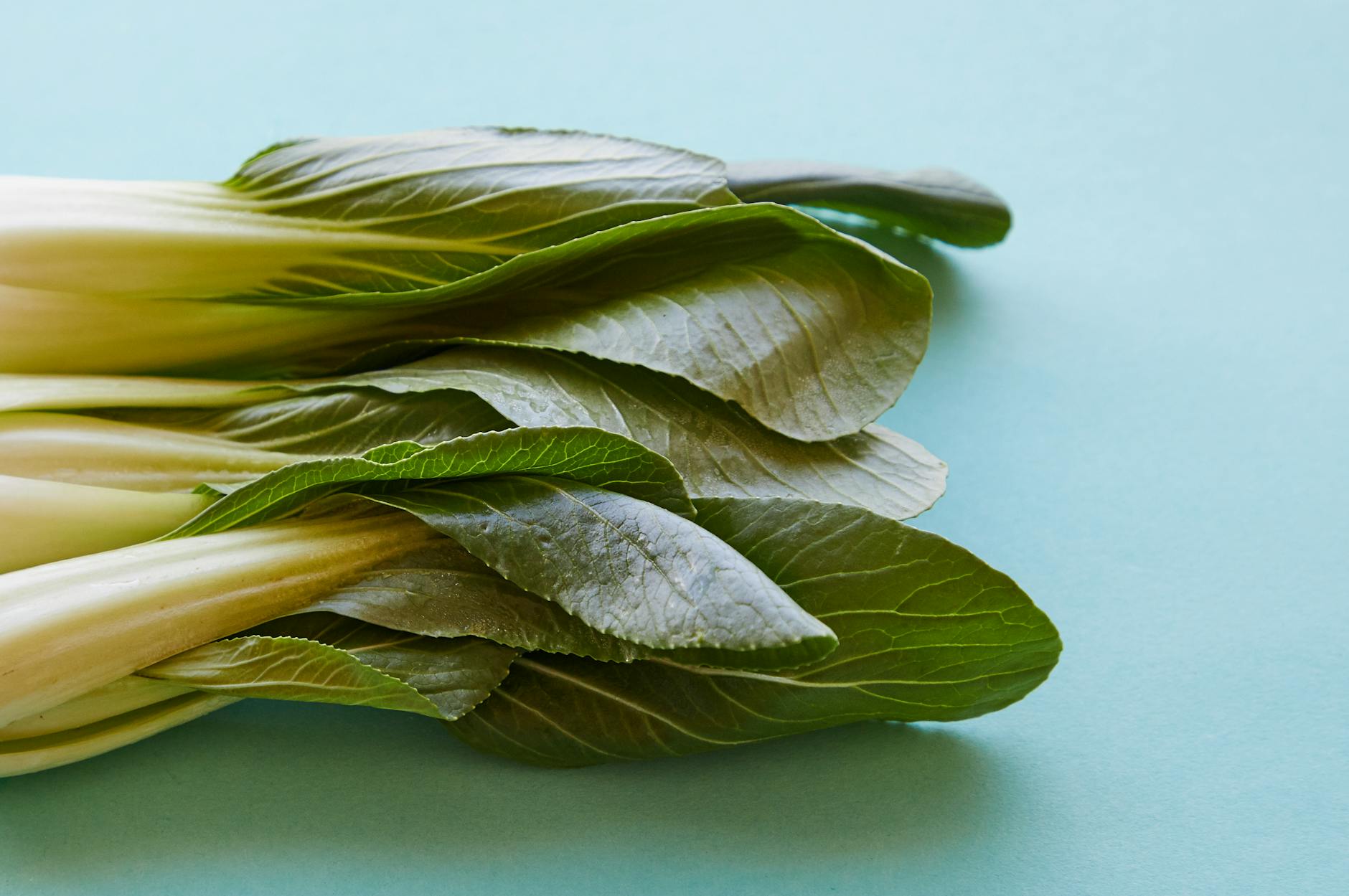
This cruciferous vegetable is an excellent source of vitamins A and C as well as inflammation-fighting minerals. It contains over seventy phenolic substances including hydroxycinnamic acids which are robust antioxidants. Bok choy cooks quickly and retains its texture well in stir-fries. It supports bone health due to its impressive Vitamin K and calcium content.
Blackberries
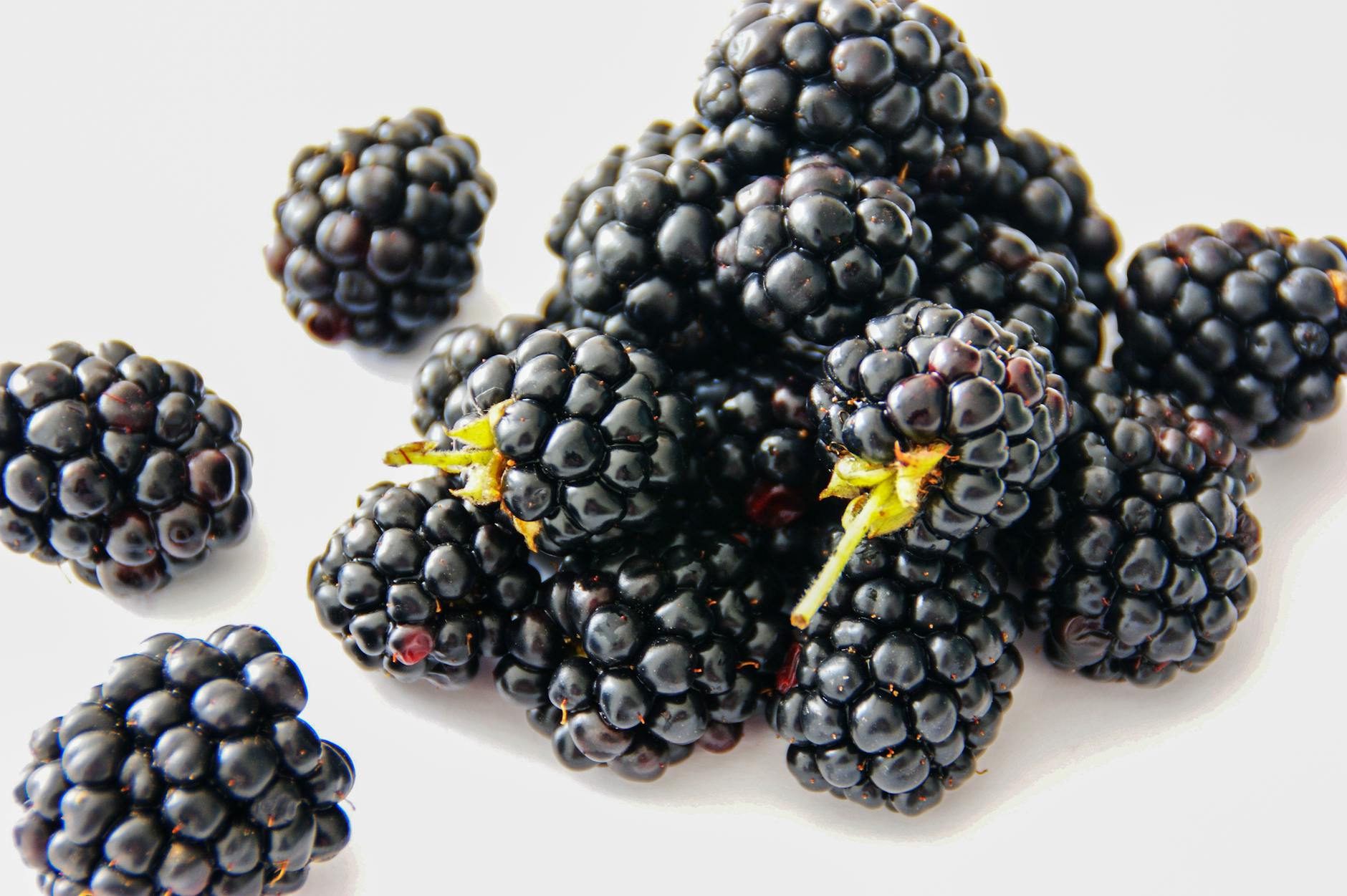
Blackberries are packed with Vitamin C and fiber which promote gut health and immunity. The deep purple color comes from anthocyanins that combat oxidative stress. They have a lower sugar content than most fruits making them ideal for blood sugar management. Regular consumption helps improve motor and cognitive function in aging adults.
Pumpkin Seeds
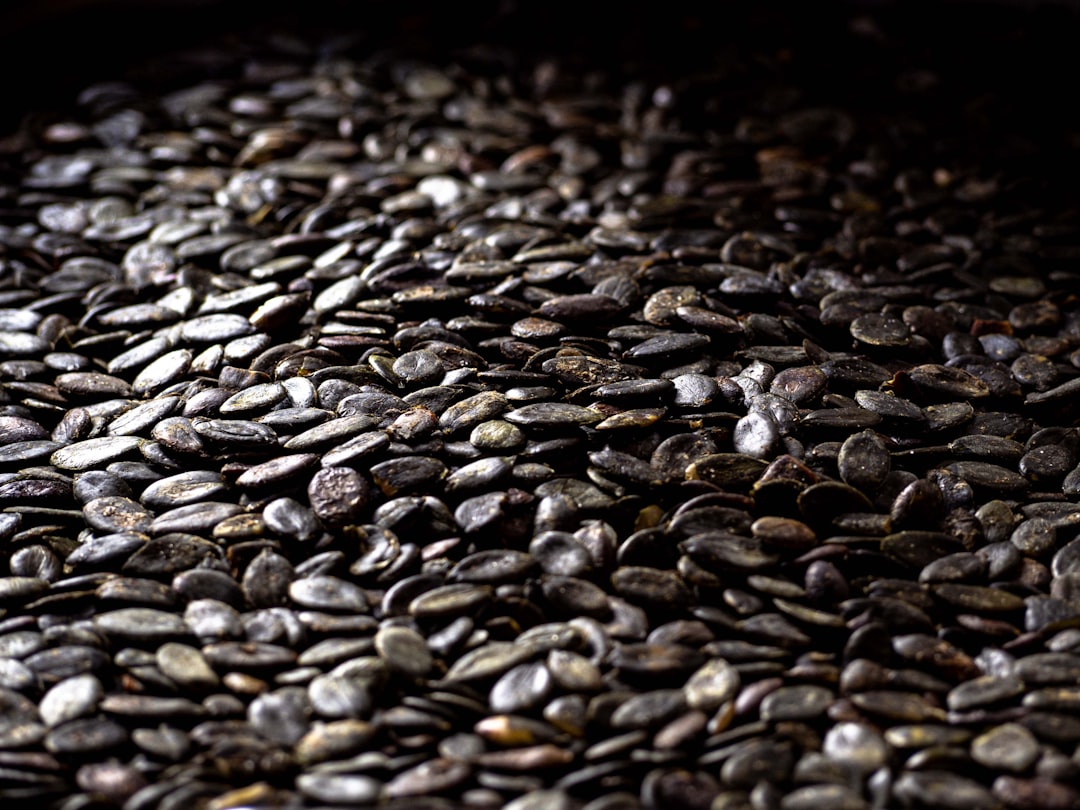
These seeds are a fantastic source of magnesium and zinc which are vital for controlling inflammation. They contain a diverse range of antioxidants including Vitamin E and carotenoids. Eating pumpkin seeds supports prostate health and may improve bladder function. They can be roasted for a crunchy snack or sprinkled over soups.
Pomegranates
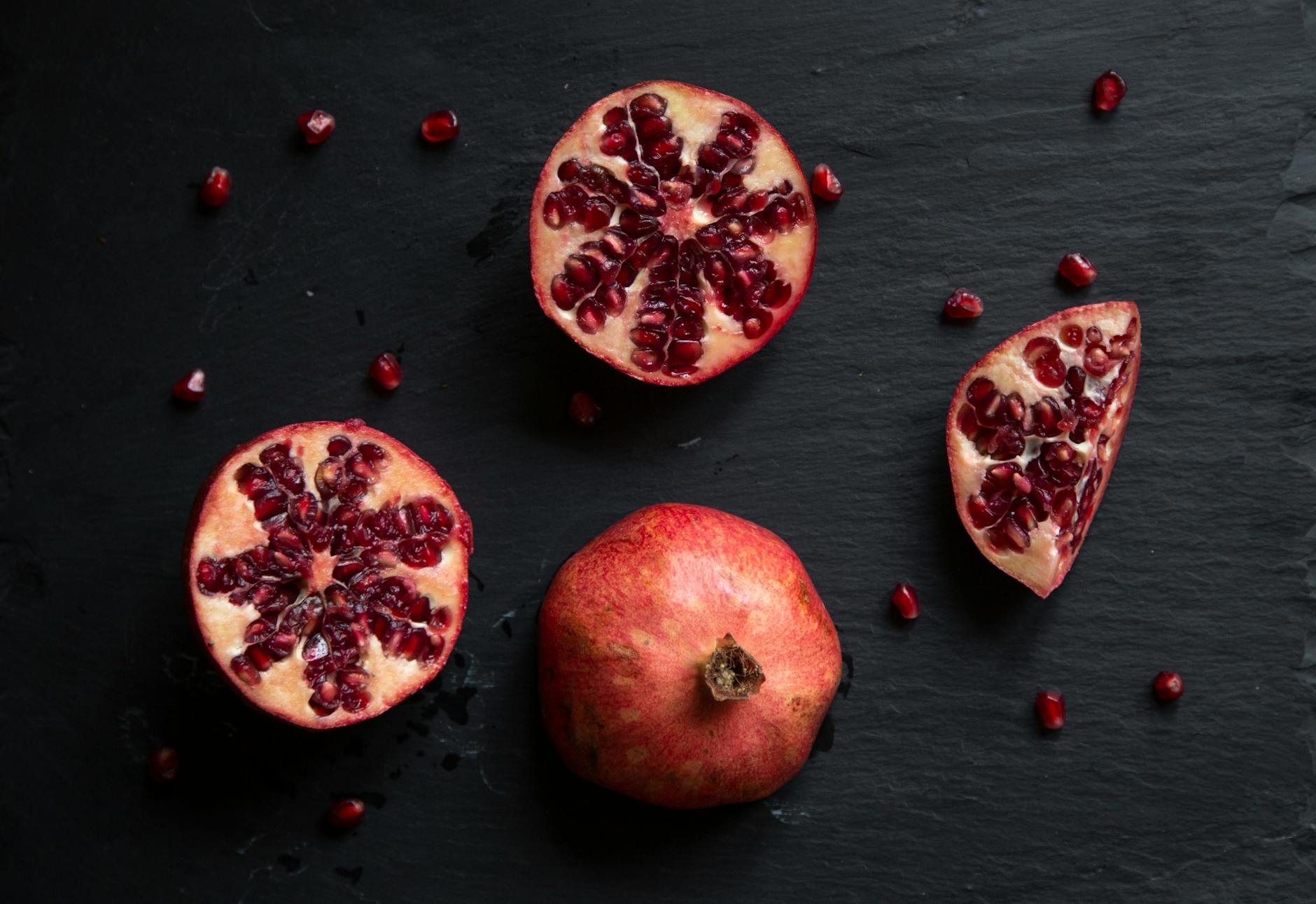
Pomegranates contain punicalagins which are extremely potent antioxidants found in the juice and peel. They have been shown to reduce inflammatory activity in the digestive tract. The seeds add a burst of flavor and texture to salads and grain bowls. Regular consumption of pomegranate juice may help lower blood pressure.
Cauliflower
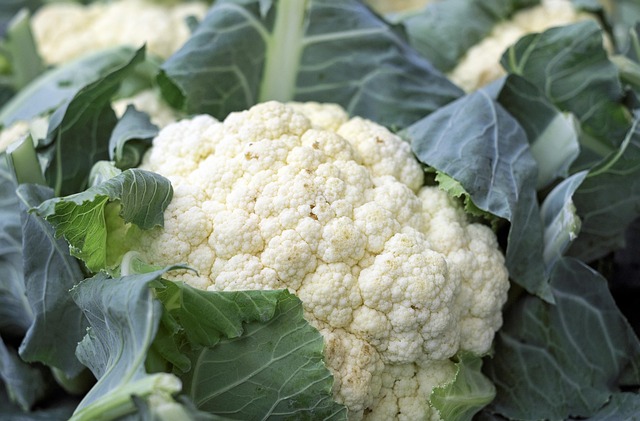
Cauliflower is a versatile vegetable that provides choline which is essential for brain development. It contains antioxidants that help prevent cellular mutations and reduce oxidative stress. Substituting cauliflower for grains is a popular way to reduce calorie intake while boosting nutrition. It supports the body’s natural detoxification process through its sulfur-containing compounds.
Swiss Chard
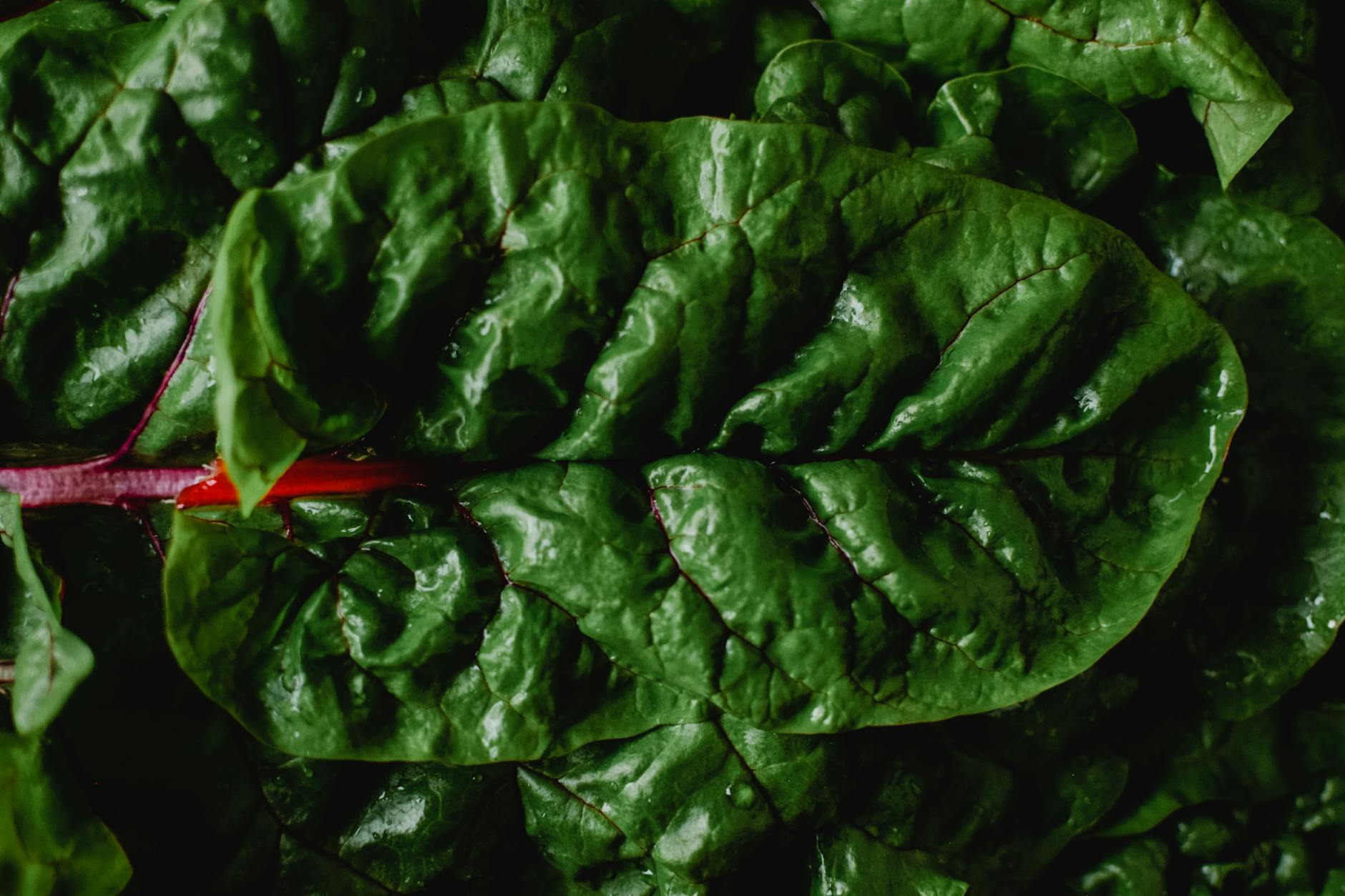
This leafy green is rich in flavonoid antioxidants like quercetin that reduce blood pressure and arterial inflammation. The stems and leaves are both edible and provide significant amounts of magnesium. It helps regulate blood sugar by slowing the absorption of carbohydrates. Sautéing swiss chard with garlic makes for a quick and nutritious side dish.
Anchovies
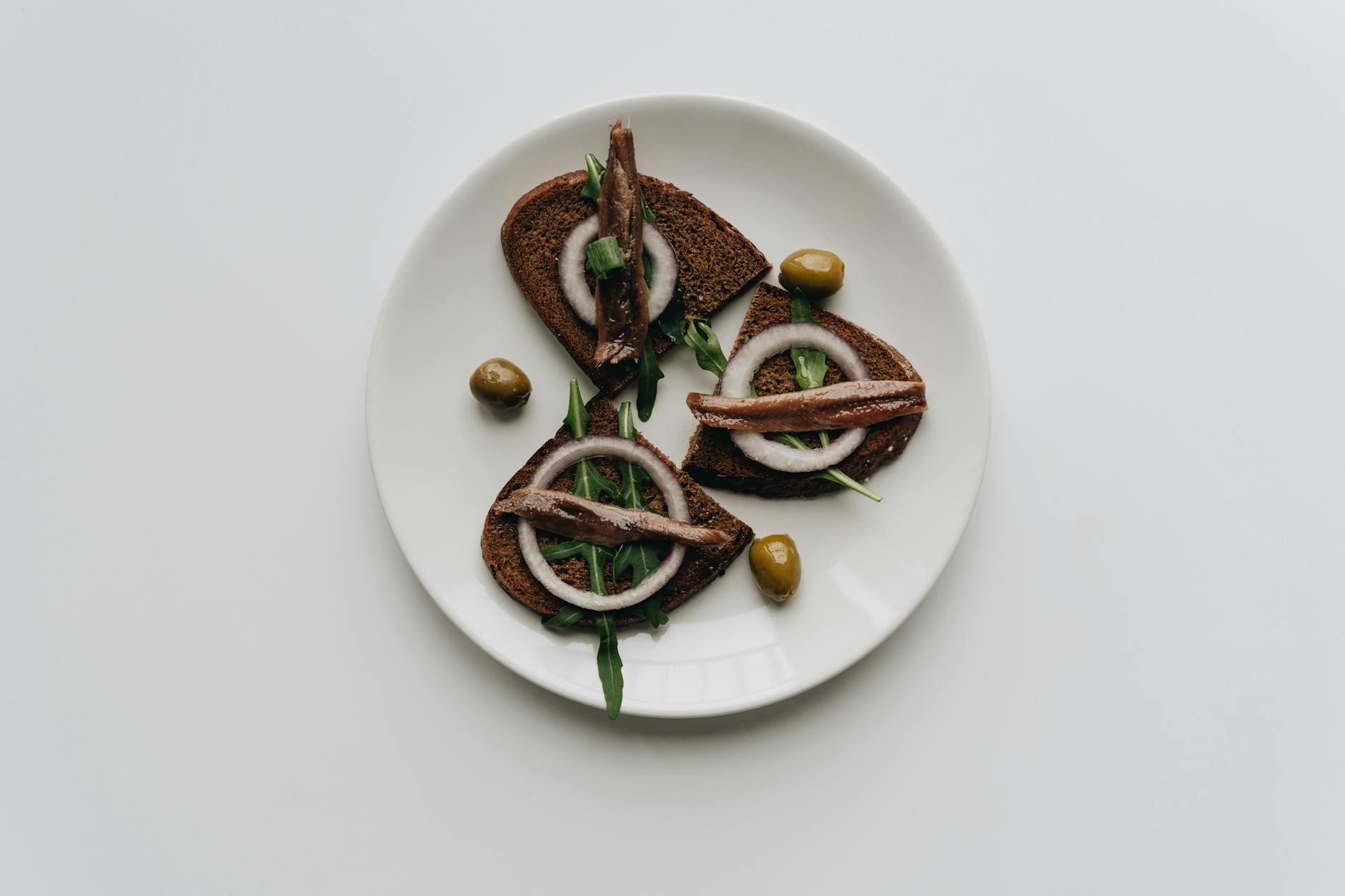
Anchovies are tiny fish that provide a concentrated source of omega-3s and selenium. Their strong flavor means a small amount goes a long way in dressings and sauces. They dissolve when cooked to add a rich umami depth to dishes without a fishy taste. Consuming anchovies supports heart health by reducing triglyceride levels.
Kimchi
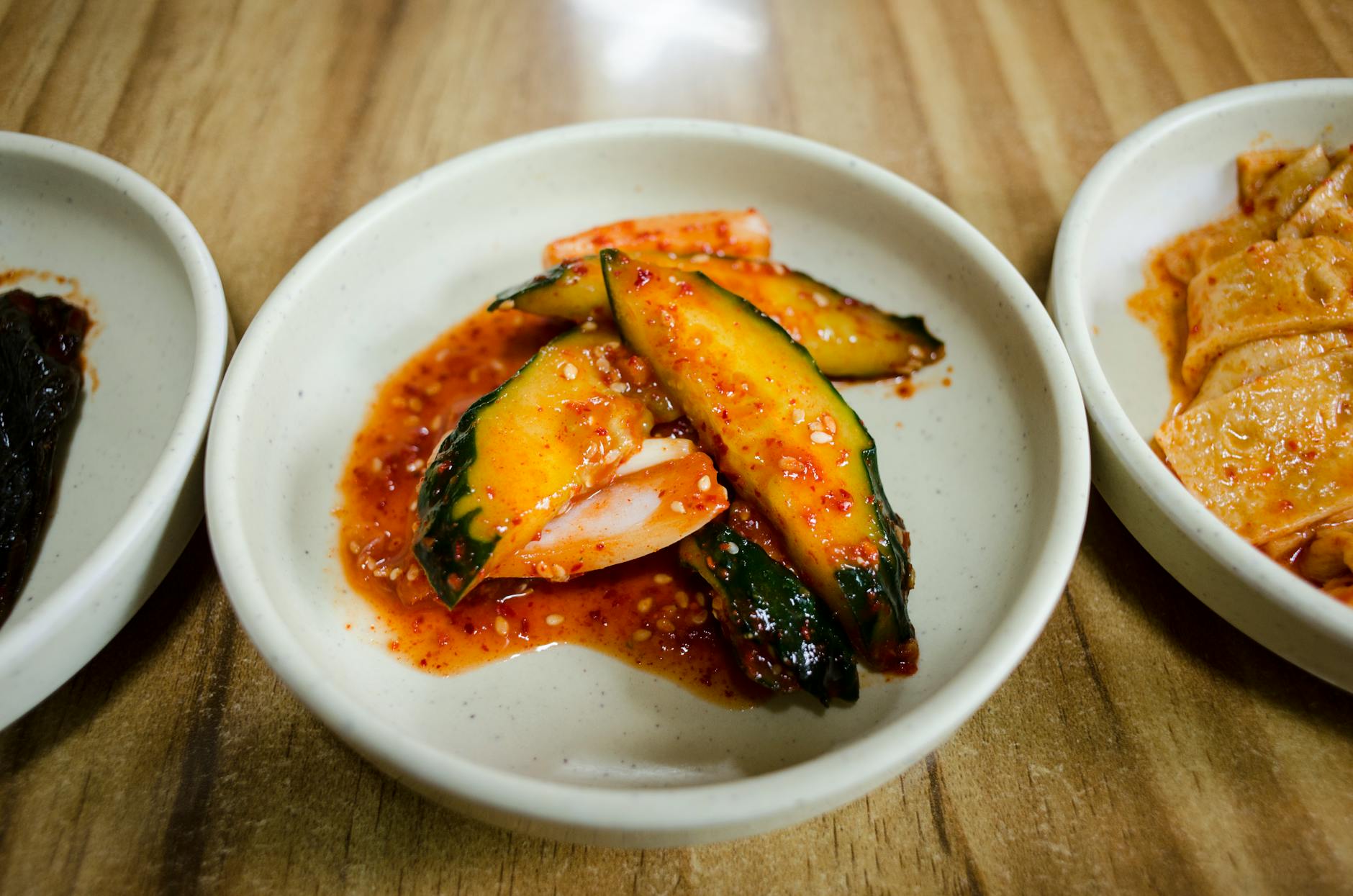
Kimchi is a traditional Korean fermented dish loaded with probiotics that improve gut health. A healthy gut microbiome is essential for regulating the immune system and controlling inflammation. It contains garlic and ginger and chili peppers which amplify its health benefits. Eating fermented foods regularly helps improve digestion and nutrient absorption.
Basil
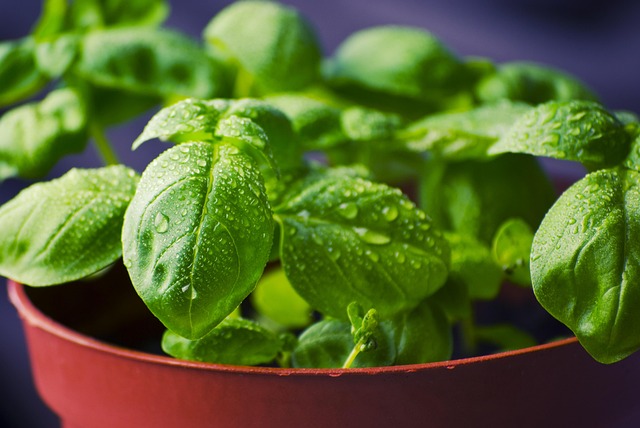
Basil contains eugenol which works similarly to over-the-counter anti-inflammatory medications. It is rich in Vitamin K and helps protect cells from oxidative damage. Fresh basil adds a bright aromatic flavor to tomatoes and pasta dishes. The essential oils in basil have antibacterial properties that support the immune system.
Lemons

Lemons are highly alkalizing once metabolized and help balance the body’s pH levels. The high Vitamin C content supports the production of white blood cells. Drinking warm lemon water in the morning stimulates digestion and hydrates the tissues. The peel contains limonene which has been studied for its anti-inflammatory effects.
Carrots
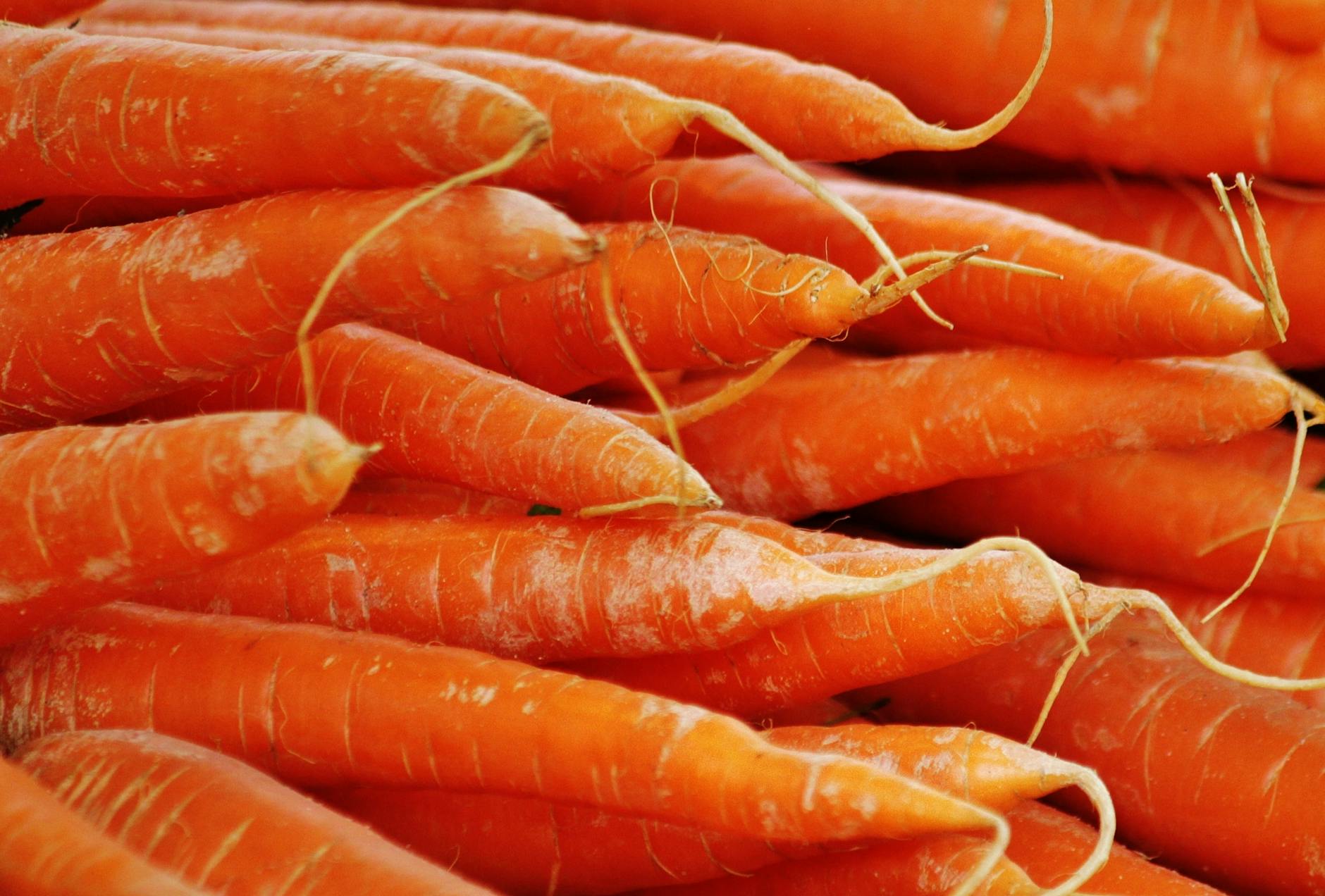
Carrots are famous for their beta-carotene content which the body converts into Vitamin A. This nutrient is crucial for maintaining healthy vision and immune function. They contain polyacetylenes which serve as bioactive compounds that fight inflammation. Snacking on raw carrots cleans the teeth and promotes gum health.
Rosemary
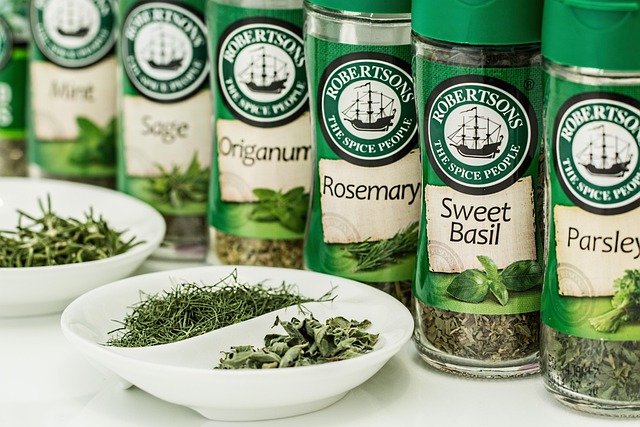
Rosemary is a fragrant herb that contains rosmarinic acid and carnosic acid. These compounds improve circulation and prevent oxidative damage in the brain. It adds a savory pine-like flavor to roasted meats and vegetables. Using fresh or dried rosemary can help reduce the formation of harmful compounds during cooking.
Hemp Seeds
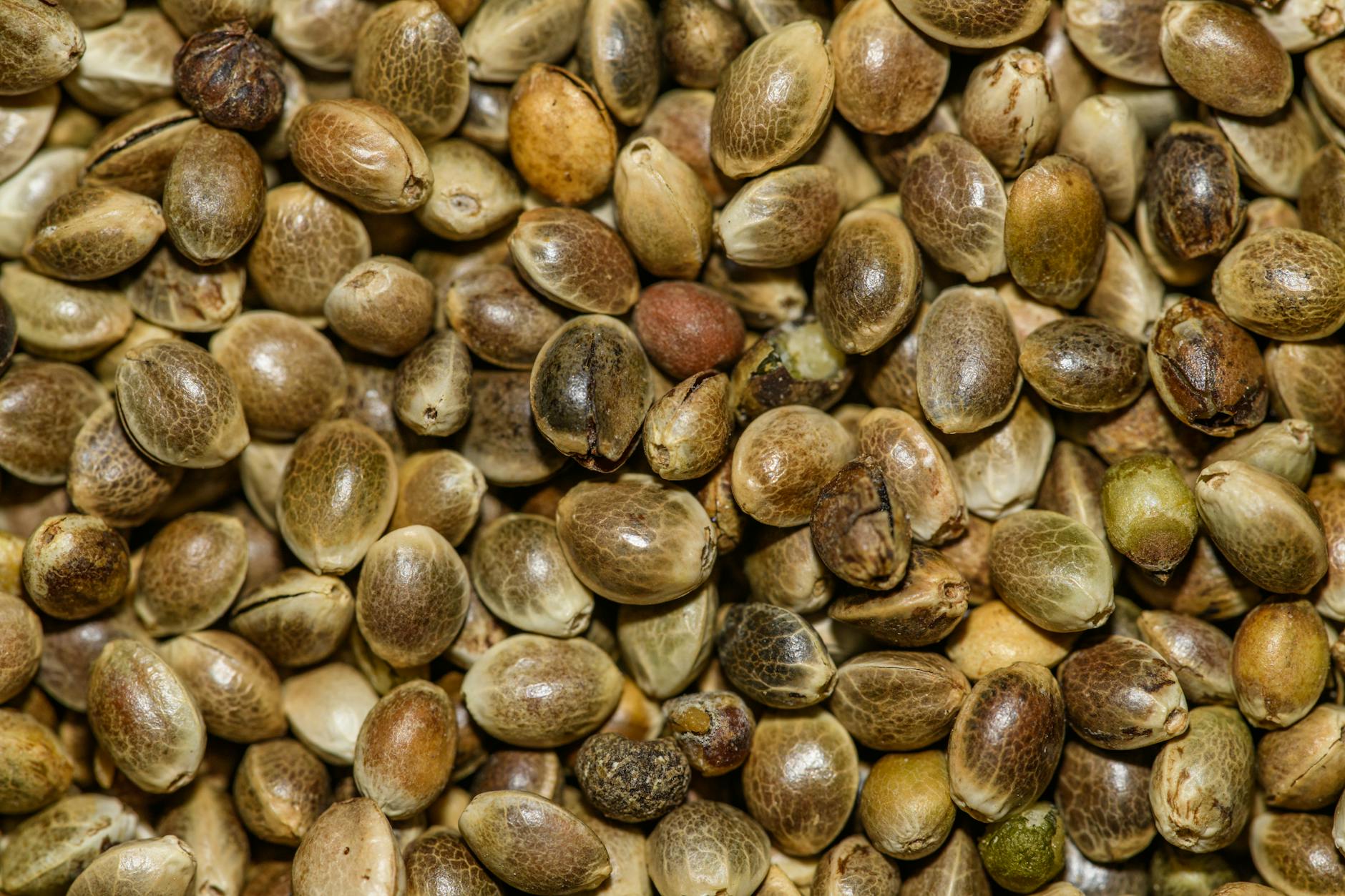
Hemp seeds offer a perfect ratio of omega-6 to omega-3 fatty acids for optimal human health. They are a complete protein source containing all nine essential amino acids. The gamma-linolenic acid in hemp seeds has been shown to reduce inflammation. They have a mild nutty taste that blends well into smoothies and baking recipes.
Cinnamon
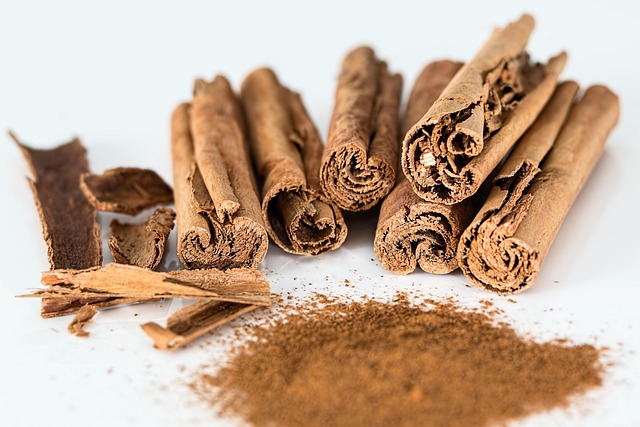
Cinnamon is a warming spice that helps lower blood sugar levels and improve insulin sensitivity. It contains cinnamaldehyde which has antifungal and antibacterial properties. Adding cinnamon to breakfast foods can help reduce the systemic inflammation associated with high sugar intake. It is rich in polyphenol antioxidants that protect the body from oxidative stress.
Sauerkraut
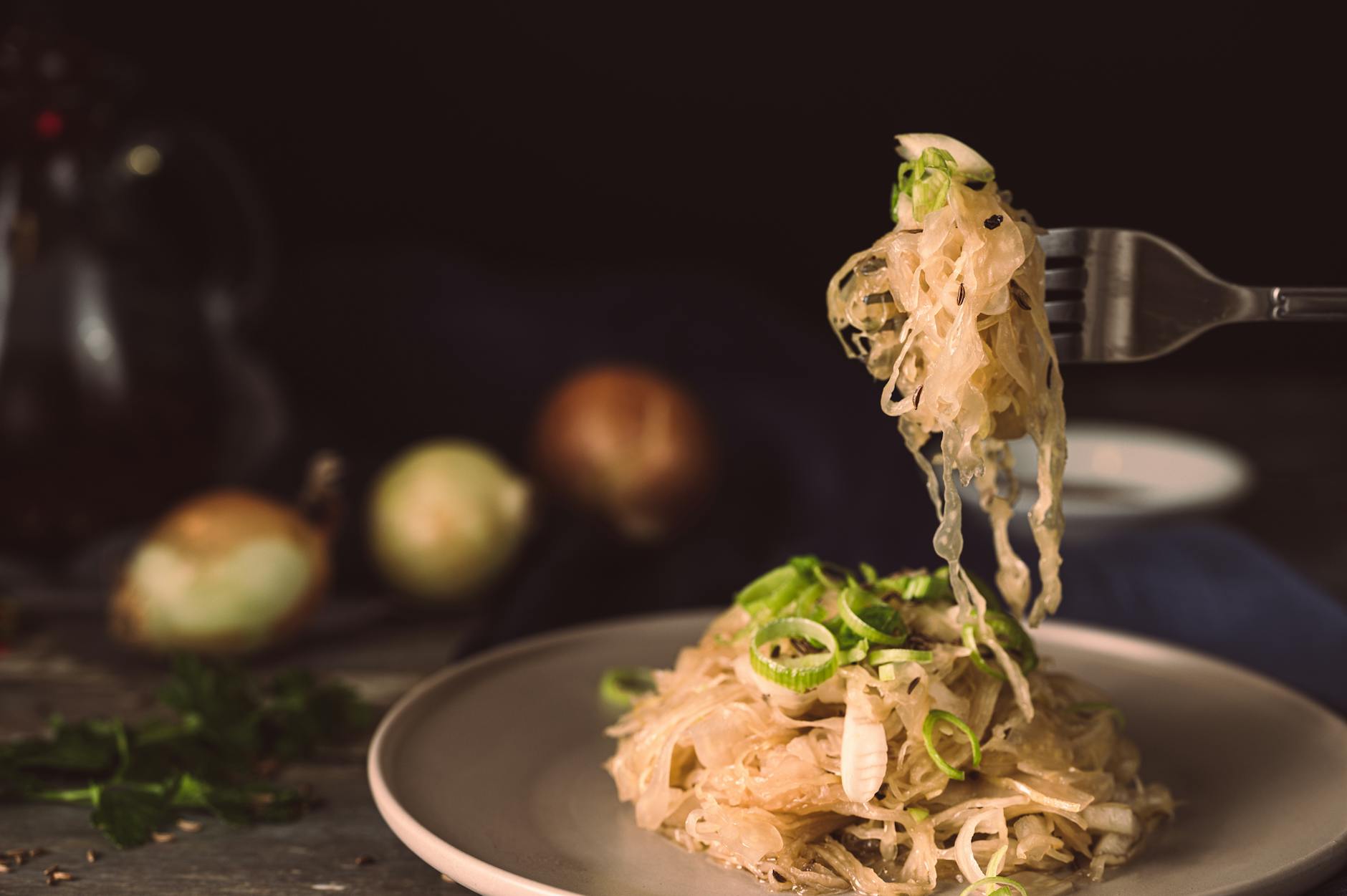
Sauerkraut is fermented cabbage that provides live probiotics to support the gut microbiome. The fermentation process increases the bioavailability of nutrients found in cabbage. It helps the digestive system break down food more efficiently and reduces bloating. Eating unpasteurized sauerkraut ensures you receive the maximum probiotic benefit.
Please share your own experiences with these anti-inflammatory foods in the comments.