Many consumers navigate the grocery aisles with good intentions and select items labeled as nutritious or natural. Marketing claims often mask the reality that processed ingredients and high sugar content hide within seemingly healthy products. Chronic inflammation serves as a root cause for numerous modern health issues and can be exacerbated by dietary choices previously thought to be safe. Identifying these hidden triggers remains a crucial step for anyone seeking to lower systemic inflammation and improve overall well-being. This list explores common dietary staples that may unknowingly contribute to inflammatory responses in the body.
Agave Nectar

This sweetener gained popularity as a natural alternative to refined sugar but contains exceptionally high levels of fructose. The liver must process all fructose and excessive amounts can lead to metabolic stress and increased inflammation markers. Regular consumption contributes to insulin resistance and may elevate triglyceride levels in the bloodstream. Consumers often overlook the fact that agave syrup has a higher fructose content than high fructose corn syrup.
Low-Fat Yogurt

Manufacturers frequently remove fat from dairy products to lower calorie counts but replace it with significant amounts of sugar to maintain palatability. This added sugar spikes blood glucose levels and triggers an inflammatory response that negates the probiotic benefits. Many varieties also contain artificial thickeners and flavorings that can disrupt gut health. A disruption in the gut microbiome is directly linked to systemic inflammation throughout the body.
Granola
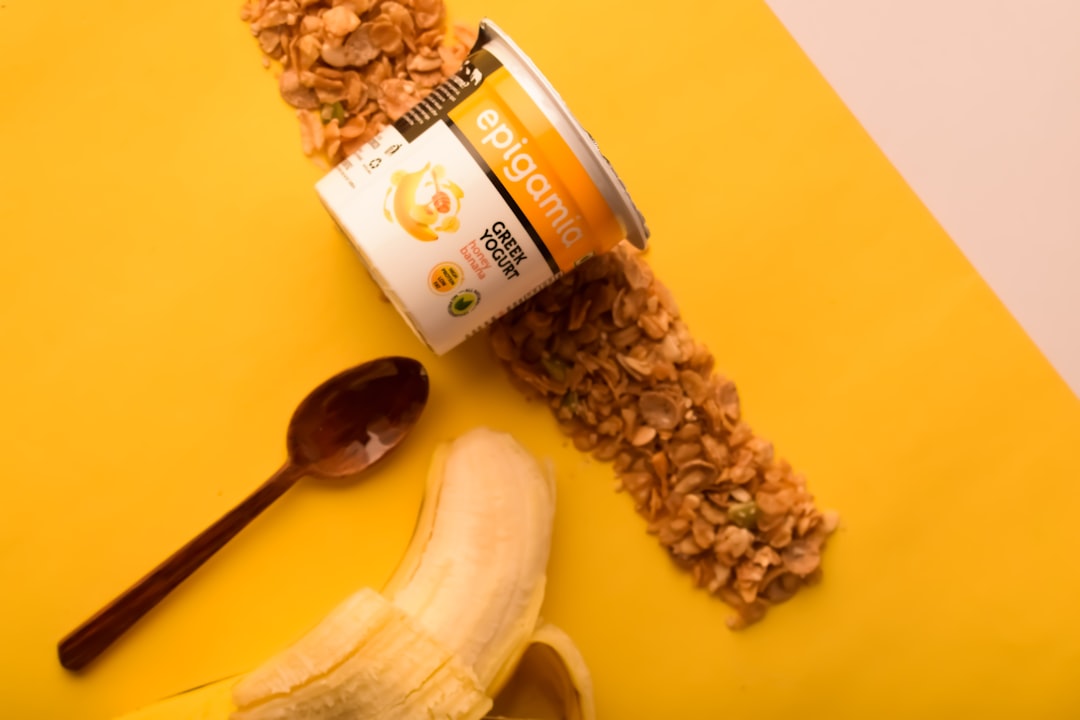
Commercial granola brands often market their products as a heart-healthy breakfast option despite high sugar and calorie density. The combination of dried fruits and added sweeteners creates a heavy glycemic load that stresses the body. Many varieties are toasted in highly processed vegetable oils that contain high levels of omega-6 fatty acids. An imbalance between omega-6 and omega-3 fatty acids is a primary driver of chronic inflammation.
Gluten-Free Bread

People without celiac disease often choose gluten-free baked goods under the assumption they are inherently healthier. These products frequently rely on refined starches like tapioca or potato flour that lack fiber and essential nutrients. The rapid digestion of these refined carbohydrates causes sharp spikes in blood sugar and insulin. Frequent blood sugar fluctuations are a known catalyst for inflammatory processes in the body.
Vegetable Oils

Soybean and corn oils appear in countless processed foods and salad dressings touted as heart-healthy. These oils contain high concentrations of omega-6 fatty acids which can promote inflammation when consumed in excess. Modern diets typically contain far too much omega-6 relative to anti-inflammatory omega-3s. Oxidation occurs easily during the processing and heating of these unstable oils and creates free radicals.
Dried Fruit
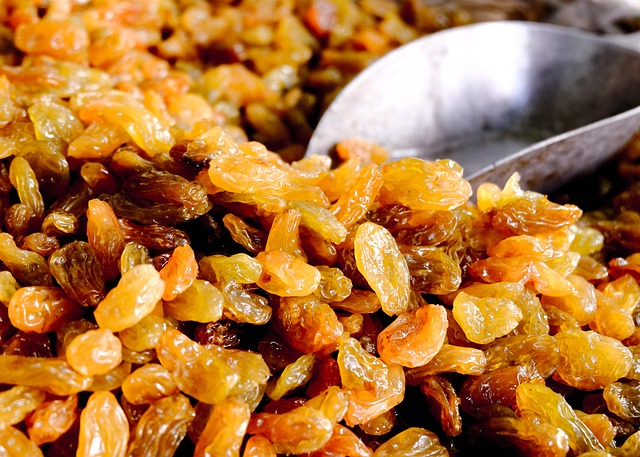
Fruit loses water content during dehydration and concentrates natural sugars into a small and energy-dense package. Many commercial brands add extra sulfites to preserve color and sugar to enhance flavor. Consuming large portions is easy and leads to rapid blood sugar spikes similar to eating candy. High blood glucose levels trigger the release of inflammatory cytokines.
Protein Bars

These convenient snacks often masquerade as health food while containing ingredients similar to a candy bar. Many utilize soy protein isolate and artificial sweeteners that can cause digestive distress and inflammation. The high processing level strips away natural nutrients and requires synthetic fortification. Bloating and gas are common side effects that signal gut irritation from these processed additives.
Plant-Based Meat Alternatives
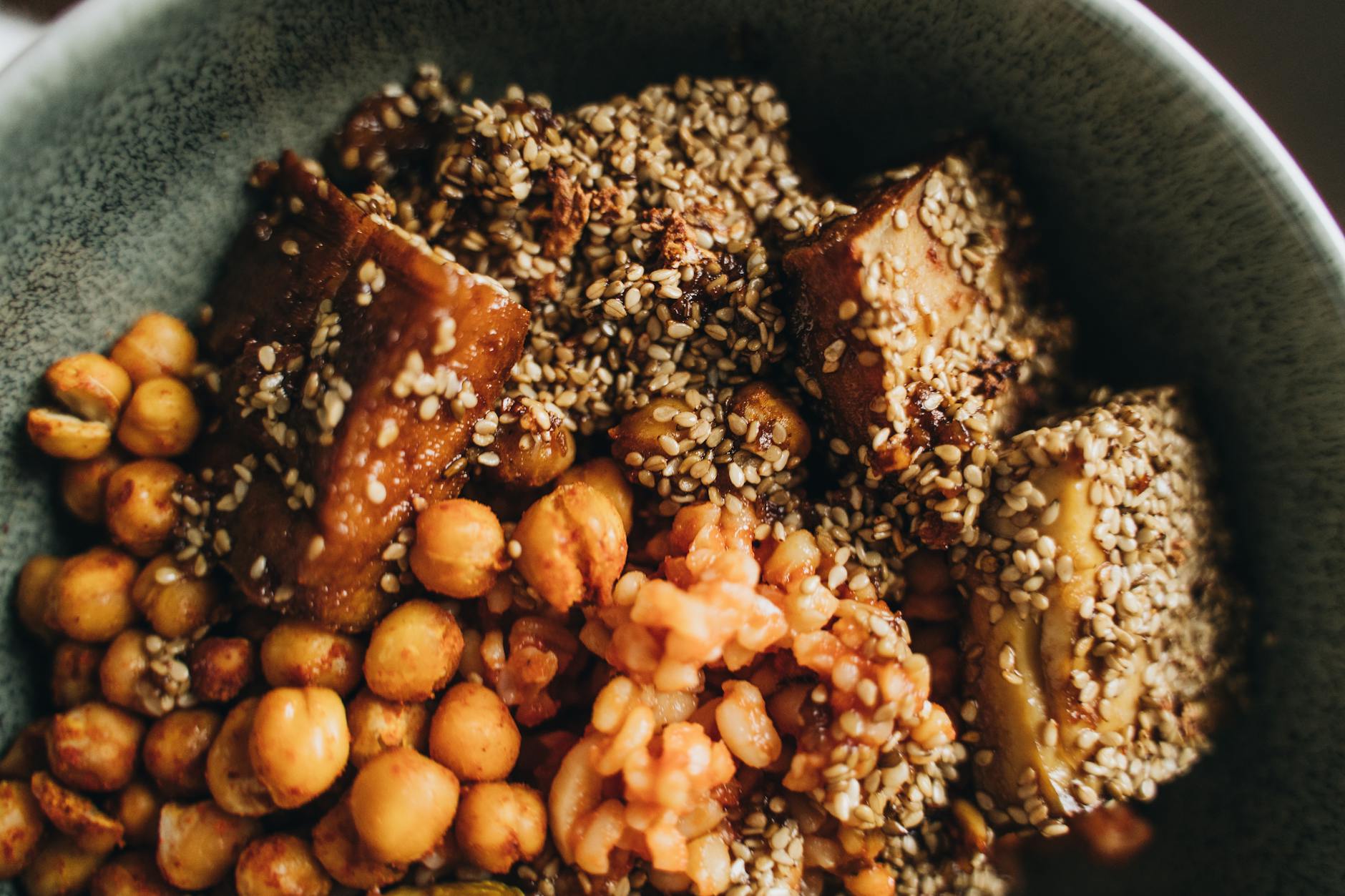
Meat substitutes often rely on highly processed soy or pea protein isolates and numerous additives to mimic texture. High sodium levels are common in these products to enhance flavor and preserve shelf life. The inclusion of industrial seed oils adds to the inflammatory load of the meal. Consumers should verify the ingredient list for unrecognizable chemicals that the body may struggle to process.
Instant Oatmeal

flavored oatmeal packets offer convenience but come loaded with added sugars and artificial flavors. The oats are processed to cook quickly which increases their glycemic index compared to steel-cut varieties. Rapid digestion leads to quicker insulin spikes and subsequent crashes. This cycle of blood sugar volatility places stress on the body and encourages inflammation.
Sports Drinks

These beverages are designed for intense athletic performance but are frequently consumed by sedentary individuals. They contain high amounts of sugar and artificial dyes that offer no nutritional benefit to the average person. The excess sugar intake contributes to weight gain and metabolic dysfunction. Artificial food dyes have also been linked to hypersensitivity and inflammatory reactions in some people.
Fruit Juice

Juicing removes the fibrous matrix of the fruit and leaves behind a concentrated sugar solution. The lack of fiber allows the sugar to enter the bloodstream almost immediately and causes a sharp insulin response. Liquid calories do not provide satiety and often lead to overall overconsumption of energy. Chronic consumption of high-sugar beverages is strongly associated with low-grade inflammation.
Rice Cakes

These snacks have long been a diet staple for their low calorie count but offer very little nutritional value. They consist almost entirely of refined carbohydrates that digest rapidly and raise blood sugar. The lack of protein and healthy fats means they do not keep hunger at bay for long. Eating refined carbohydrates in isolation can contribute to metabolic imbalances over time.
Frozen Yogurt

Marketing campaigns often position this treat as a guilt-free alternative to ice cream due to lower fat content. The sugar content remains incredibly high to compensate for the lack of creamy texture. Most self-serve shops offer toppings that further increase the sugar load and inflammatory potential. The probiotics naturally found in yogurt often do not survive the freezing and processing techniques used.
Pre-Made Smoothies
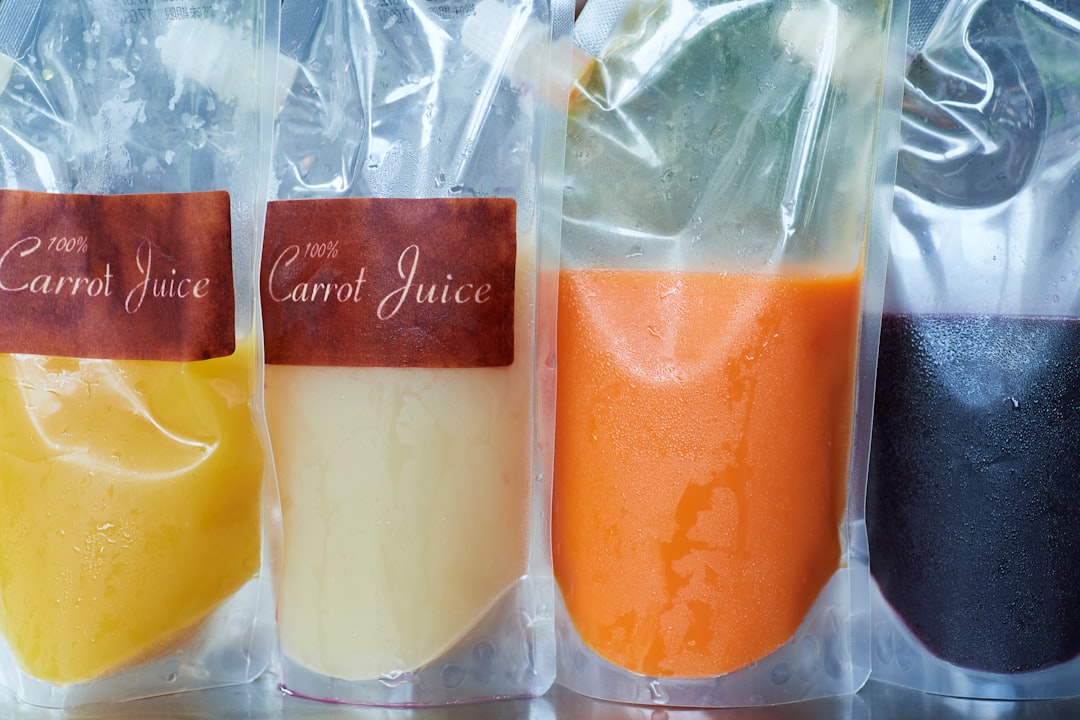
Bottled smoothies sold in grocery stores are pasteurized to ensure a long shelf life which destroys heat-sensitive vitamins. These drinks frequently contain apple or grape juice concentrates as the primary ingredients rather than whole fruit. The resulting beverage delivers a massive dose of fructose without the buffering effect of fiber. This sugar overload burdens the liver and promotes visceral fat accumulation.
Margarine

This butter substitute was once hailed as a heart-healthy savior but is a highly processed industrial product. Many formulations still rely on interesterified fats or high levels of omega-6 rich oils. The chemical structure of these fats can impair cell membrane function and promote inflammation. Real butter or olive oil serves as a more natural option with fewer processing steps.
Whole Wheat Bread
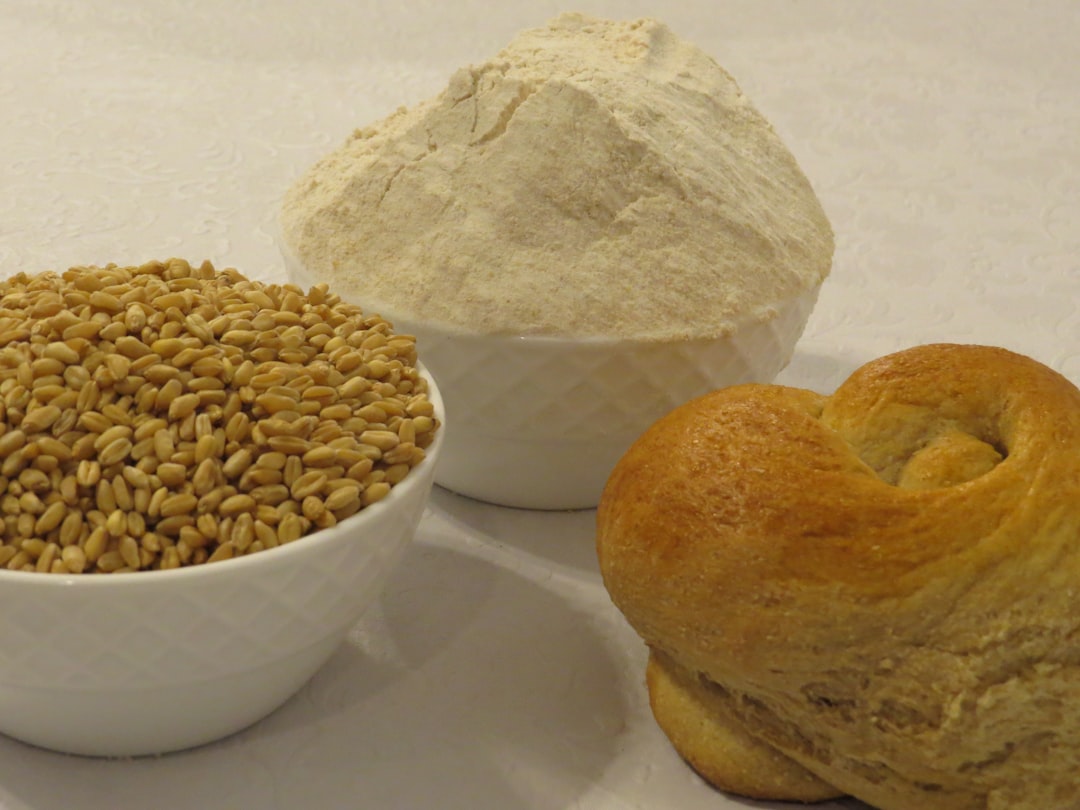
Many commercial breads labeled as whole wheat contain preservatives and added sugars to improve texture and shelf life. The flour is often pulverized so finely that it impacts blood sugar almost as quickly as white flour. Some individuals may also have non-celiac gluten sensitivity that manifests as systemic inflammation. Reading labels is essential to avoid high fructose corn syrup hidden in the dough.
Soy Milk
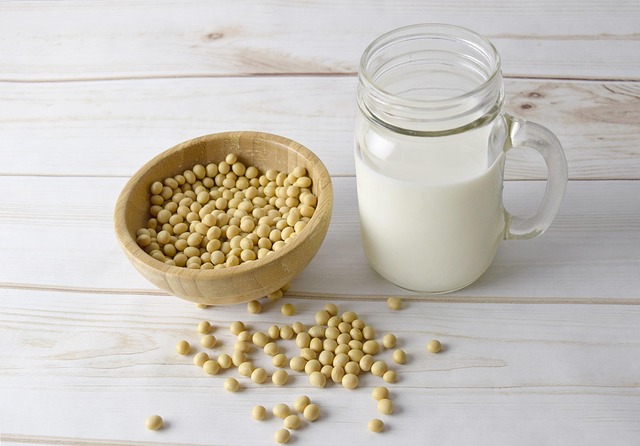
Commercial soy milk often contains carrageenan as a thickening agent to improve mouthfeel. Carrageenan has been linked to digestive inflammation and gut lesions in animal studies. Many varieties are heavily sweetened with cane sugar to mask the natural bean flavor. Unfermented soy products also contain anti-nutrients that can interfere with mineral absorption.
Peanut Butter

Popular peanut butter brands frequently add hydrogenated vegetable oils to prevent separation and increase spreadability. Added sugar is another common ingredient that turns a healthy fat source into a dessert. Peanuts are susceptible to mold and may contain trace amounts of aflatoxins which can trigger inflammatory responses. Choosing natural versions with only peanuts and salt is the only way to avoid these additives.
Microwave Popcorn

The lining of microwave popcorn bags often contains chemicals designed to prevent grease from soaking through. These chemicals can break down when heated and leach into the popcorn kernels. Many brands also use artificial butter flavorings that have been linked to respiratory and inflammatory issues. The unhealthy fats used in these products are often processed and inflammatory.
Diet Soda

Artificial sweeteners used in diet sodas may disrupt the balance of beneficial bacteria in the gut. A compromised microbiome allows endotoxins to pass into the bloodstream and trigger an immune response. The sweet taste prepares the body for sugar that never arrives and confuses metabolic signaling. Regular consumption is linked to metabolic syndrome despite the lack of calories.
Salad Dressings

Store-bought dressings are a primary source of hidden sugar and sodium in an otherwise healthy meal. They are typically based on cheap soybean or canola oil rather than high-quality olive oil. Manufacturers add preservatives and stabilizers to maintain texture on the shelf for months. Making dressing at home is a simple way to eliminate these inflammatory ingredients.
Canned Soup

Canned soups are notorious for their extremely high sodium content which can contribute to high blood pressure. The can linings often contain BPA or similar chemicals that are known endocrine disruptors. Many recipes include added sugar and hydrolyzed proteins to enhance flavor cheaply. These additives can trigger sensitivities and contribute to the body’s overall inflammatory load.
Trail Mix
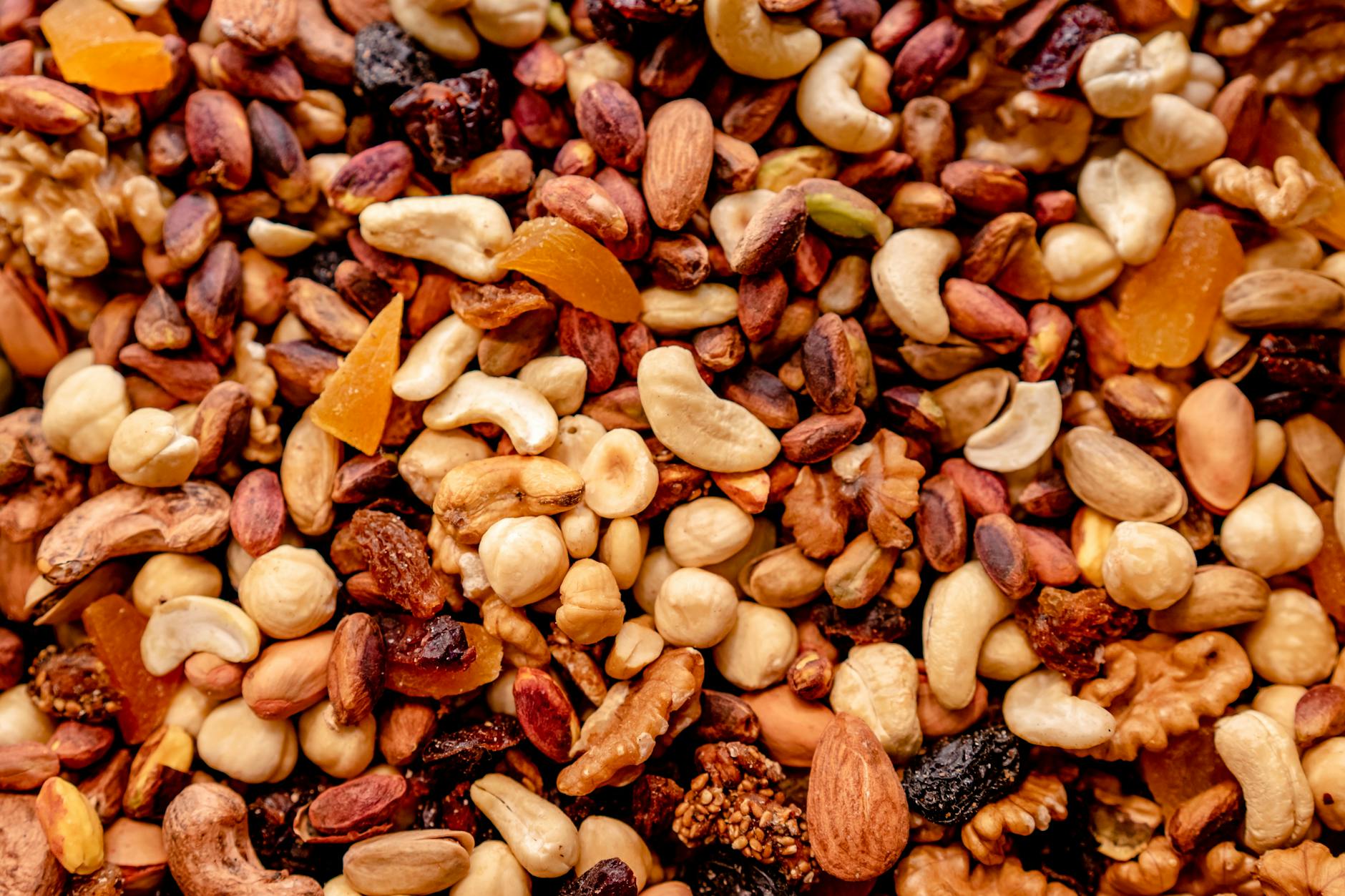
Standard trail mix often contains chocolate candies and yogurt-covered raisins that define it more as a treat than a snack. The nuts may be roasted in inflammatory vegetable oils and heavily salted. Dried fruit pieces are frequently sweetened with added sugar or fruit juice concentrates. This combination creates a high-calorie and high-sugar bomb that disrupts metabolic stability.
Flavored Instant Quinoa

Quinoa is a nutritious seed but instant flavored varieties ruin its health profile with chemical additives. High sodium levels and maltodextrin are common ingredients in the seasoning packets. These highly processed additives can irritate the gut lining and promote water retention. Preparing plain quinoa and adding fresh herbs avoids these unnecessary inflammatory triggers.
Almond Milk
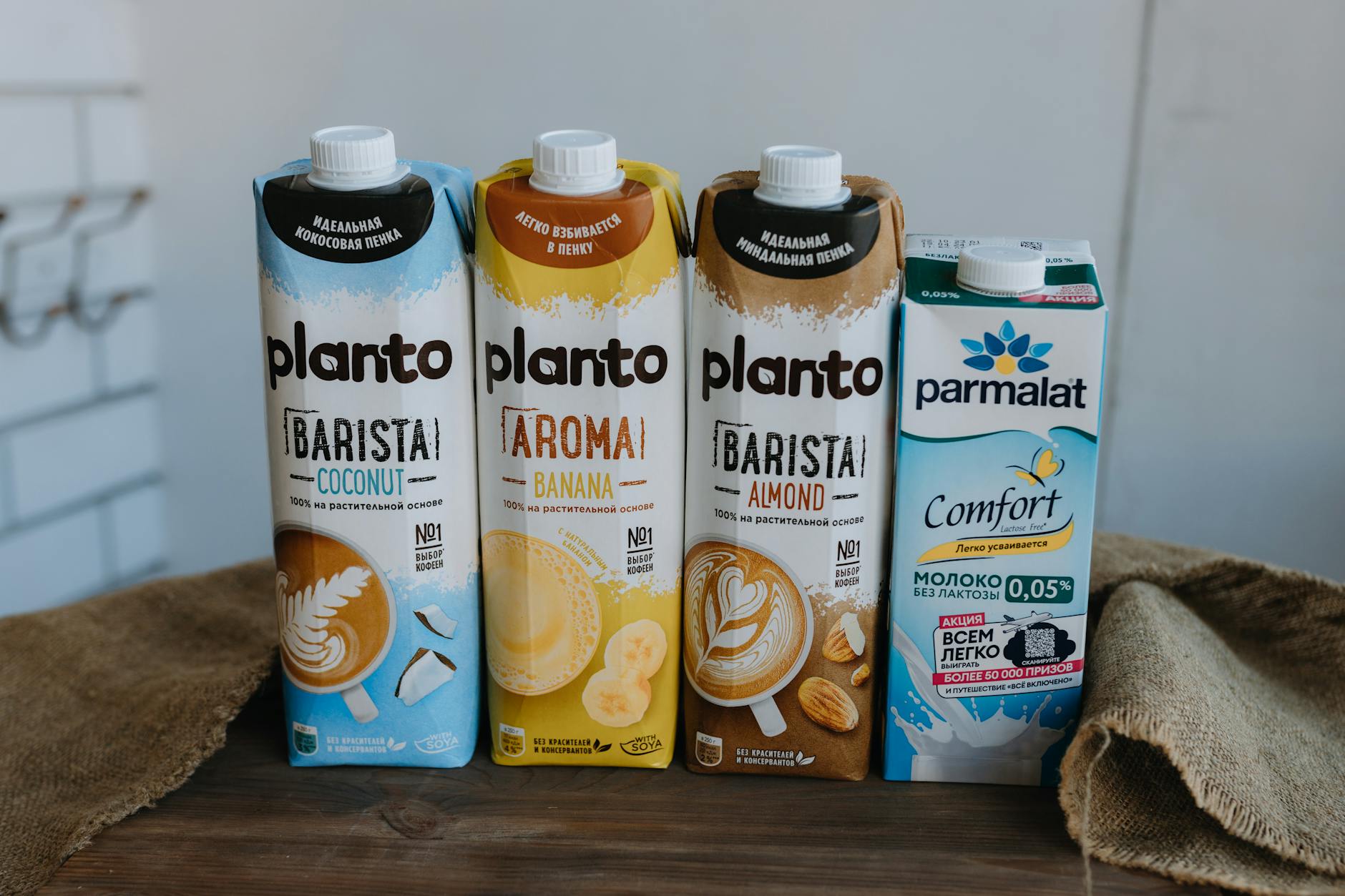
Many almond milk brands contain very few actual almonds and rely on thickeners like guar gum. Sweetened versions contain nearly as much sugar as soda per serving. The additives used to create a creamy texture can cause gastrointestinal distress in sensitive individuals. Finding a brand with a short and clean ingredient list is challenging but necessary.
Couscous
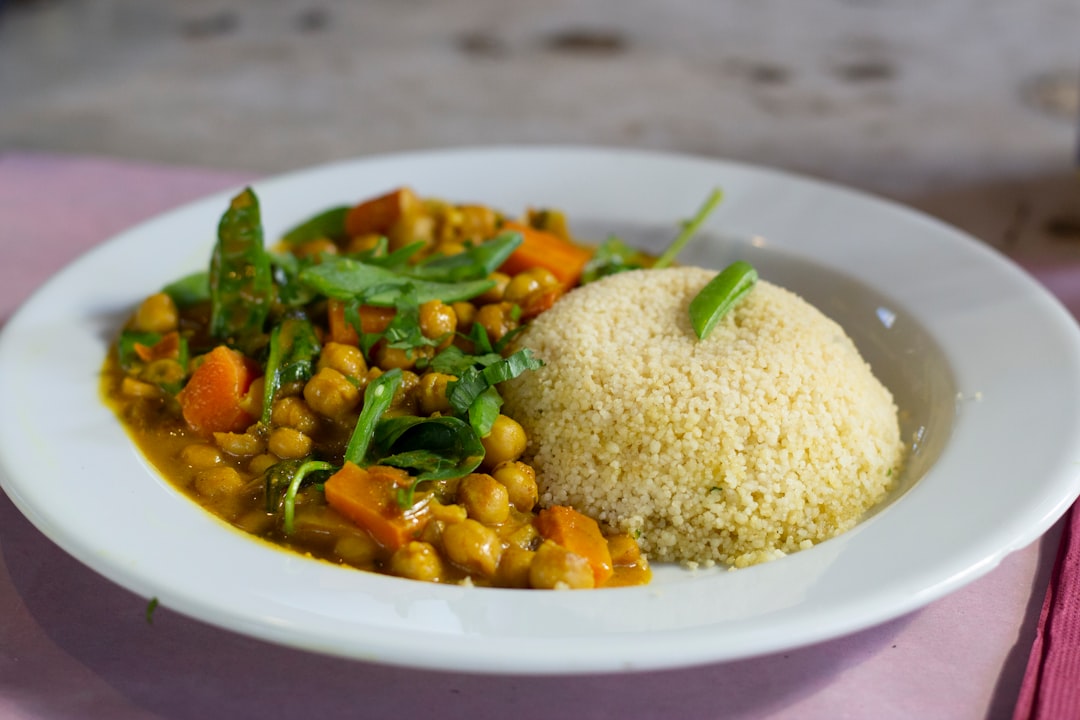
Couscous is essentially tiny balls of pasta made from refined wheat semolina rather than a whole grain. It lacks the fiber and nutrients found in whole grains like quinoa or brown rice. Digestion converts the refined starch quickly into glucose and spikes blood sugar levels. It offers little satiety and can lead to overeating and subsequent inflammation.
Banana Chips

These crunchy snacks are usually deep-fried in coconut or palm oil rather than being dehydrated naturally. Manufacturers often coat them in honey or sugar to enhance their sweetness. The result is a high-fat and high-sugar product that barely resembles the original fruit. The frying process can also create acrylamides which are potentially harmful compounds.
Bran Muffins

Bakeries and coffee shops sell massive bran muffins that often contain more sugar and fat than a donut. The “bran” aspect is overshadowed by refined flour and vegetable oils used in the batter. The sheer size of these muffins provides a calorie surplus that promotes fat storage. Visceral fat accumulation is a primary driver of systemic inflammation.
Deli Meats

Processed lunch meats are frequently cured with nitrates and nitrites to preserve color and prevent bacterial growth. These compounds can form nitrosamines in the body which are linked to cellular damage. High sodium content causes water retention and places stress on the cardiovascular system. Even “natural” versions often use celery powder which creates the same chemical reaction.
Sushi

Sushi rolls often contain far more white rice than fish and create a high glycemic impact. Sauces like spicy mayo and eel sauce are loaded with sugar and processed oils. Imitation crab meat used in many rolls is a highly processed product containing starches and flavorings. The high carbohydrate load without sufficient fiber can lead to blood sugar instability.
Acai Bowls

Acai bowls served in cafes are often enormous portions blended with fruit juice and sweetened granola. The sugar content in a single bowl can easily exceed the recommended daily limit for an adult. While acai berries have antioxidants the benefits are often negated by the sheer volume of sugar. This rush of glucose promotes inflammation and insulin resistance.
Veggie Chips

Most veggie chips are primarily potato flour or corn meal with a dusting of vegetable powder for color. They are fried in the same inflammatory oils as regular potato chips. The processing destroys most heat-sensitive vitamins found in the original vegetables. Consumers are essentially eating refined starch and bad fats under the guise of eating vegetables.
Kombucha

Many commercial kombucha brands add excessive amounts of sugar after fermentation to appeal to mainstream tastes. The alcohol content produced during fermentation can also be an issue for some individuals. While it contains probiotics the benefits can be offset if the sugar content is too high. Candida overgrowth and gut imbalances can occur from consuming too much sweetened fermented tea.
Energy Drinks

These beverages deliver a massive hit of caffeine and sugar that stresses the adrenal glands. The artificial B-vitamins and taurine added are often synthetic and poorly absorbed. Regular consumption disrupts sleep patterns which is a critical time for the body to reduce inflammation. The inevitable crash leads to cravings for more sugar and stimulants.
Flavored Nuts

Nuts coated in toffee or spicy glazes are often roasted in unstable vegetable oils. The sugar and salt coatings significantly reduce the nutritional advantage of eating nuts. High heat roasting can damage the delicate polyunsaturated fats naturally found in the nuts. Raw or dry-roasted nuts are a far superior choice for reducing inflammation.
Corn Chips

Commercially produced corn chips are typically made from genetically modified corn treated with pesticides. They are fried in industrial seed oils that are high in inflammatory omega-6 fatty acids. The combination of refined carbs and unhealthy fats makes them easy to overeat. Regular consumption contributes to an imbalanced fatty acid profile in the body.
Seitan
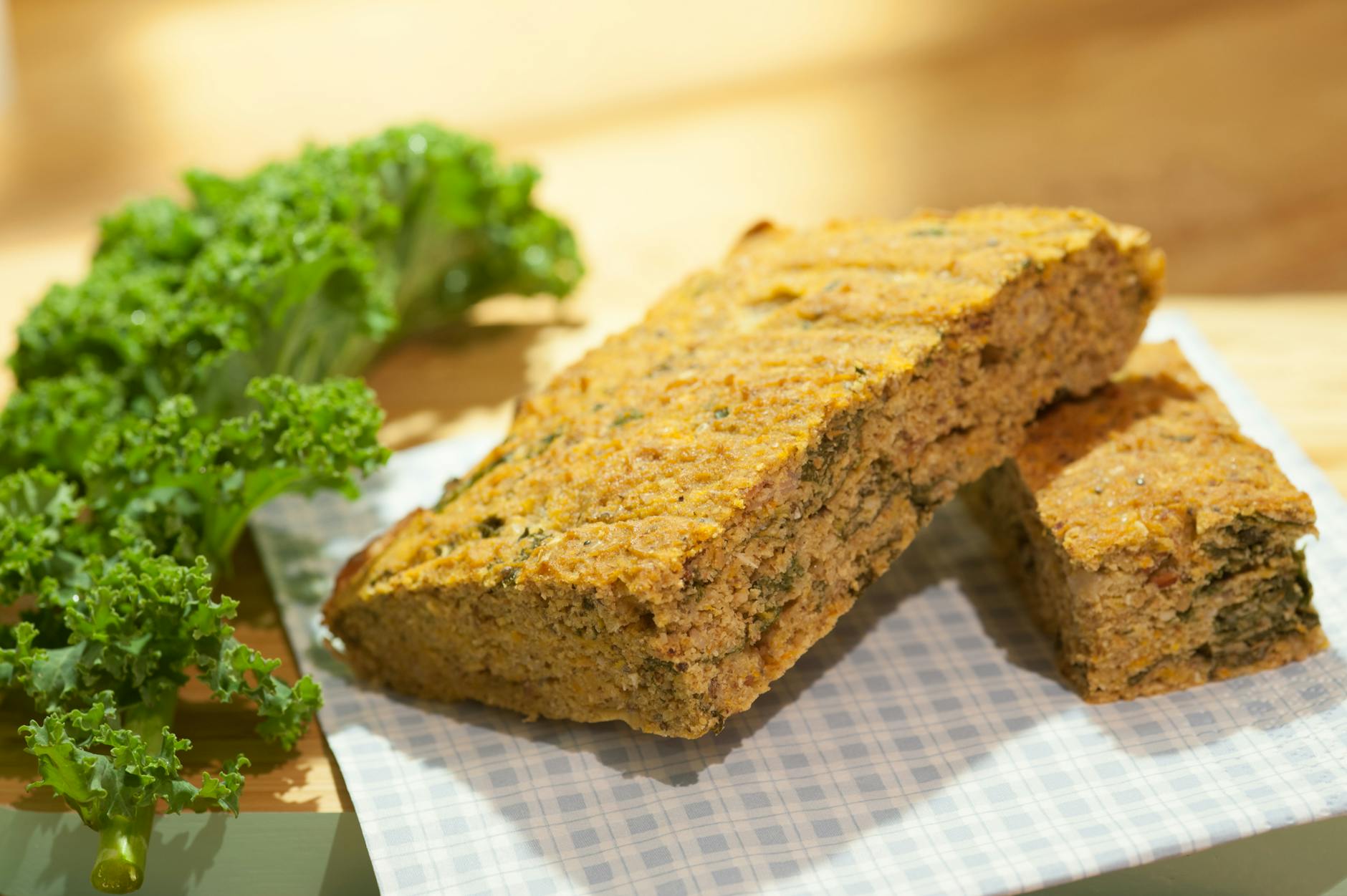
Seitan is pure wheat gluten and serves as a popular meat substitute for vegetarians. Highly concentrated gluten can be difficult to digest and causes inflammation in those with even mild sensitivities. It is often highly processed and seasoned with soy sauce which adds significant sodium. Relying heavily on gluten as a protein source can trigger gut permeability issues.
Processed Soy Products

Items like soy dogs and textured vegetable protein are highly industrialized foods. They are often extracted using hexane which is a chemical solvent. The genetic modification of most soy crops involves heavy pesticide use that residues may remain on the food. These chemical traces can add to the body’s toxic load and trigger immune responses.
Canned Coconut Milk
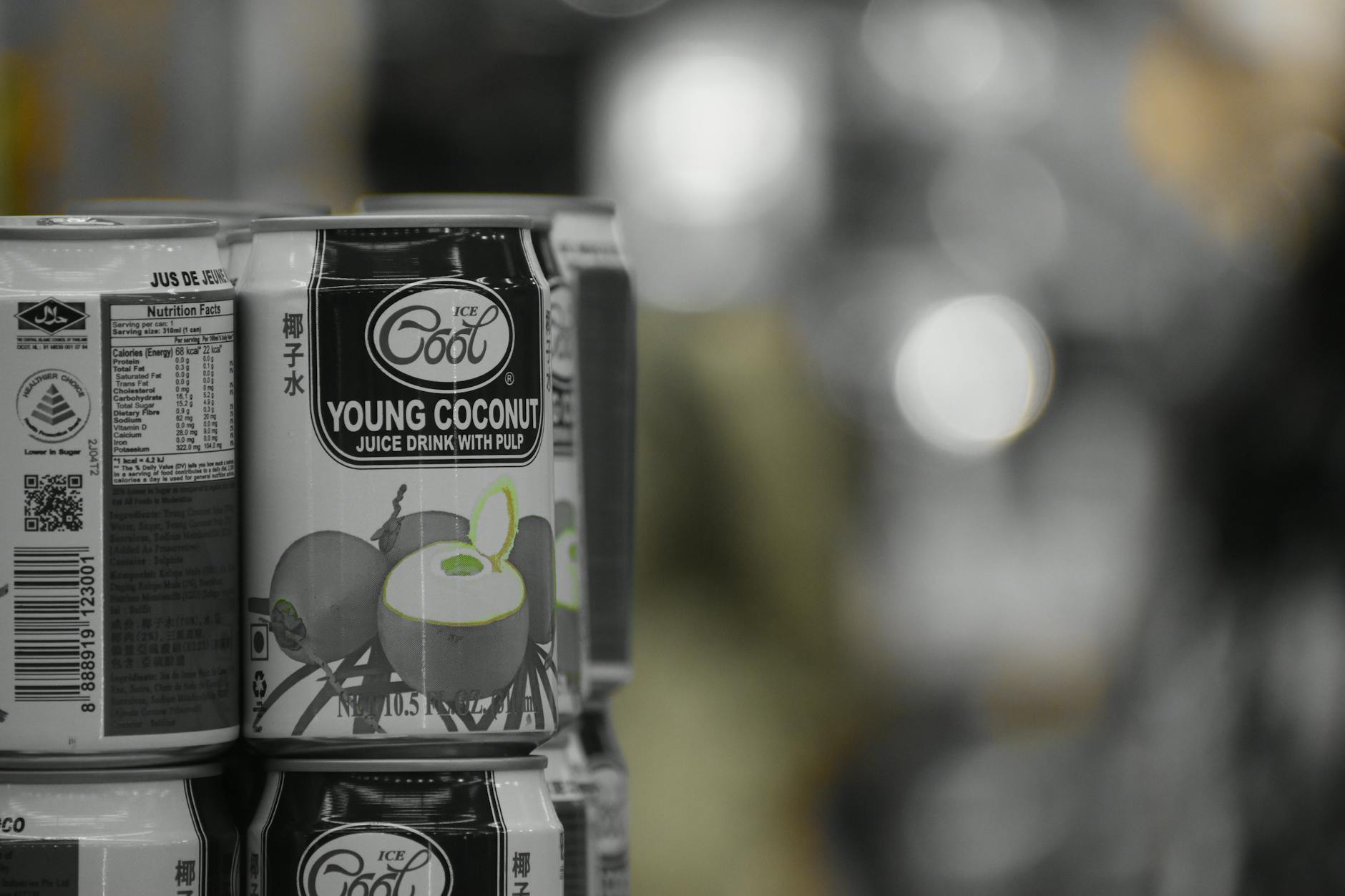
Many canned coconut milks contain emulsifiers like guar gum to keep the product smooth. Bisphenol-A is frequently found in the lining of cans and acts as an endocrine disruptor. The high fat content is healthy but the additives can cause digestive inflammation. Choosing cartons without additives or BPA-free cans is essential for avoiding these risks.
Brown Rice Syrup

This sweetener is often used in organic foods but has a very high glycemic index. It is essentially pure glucose which causes a sharper blood sugar spike than table sugar. Brown rice products have also been found to contain higher levels of arsenic than other grains. Consuming concentrated syrup increases the risk of arsenic exposure and metabolic stress.
Vitamin Water

Marketing suggests these drinks are a healthy way to get nutrients but they are essentially sugar water. The vitamins added are synthetic and often not in a bioavailable form for the body. One bottle can contain as much sugar as a standard soda. The deceptive health halo leads people to consume empty liquid calories.
Vegan Cheese

Most vegan cheeses are a mixture of coconut oil and starch with artificial flavorings. They lack the protein found in dairy cheese and provide little nutritional value. The highly processed nature of the ingredients can be difficult for the digestive system to handle. They offer a fatty mouthfeel but contribute to an inflammatory diet profile.
Canned Tuna

While tuna is a source of protein it can contain high levels of mercury due to industrial pollution. Mercury is a heavy metal that is toxic to the nervous system and triggers inflammation. Larger fish accumulate more toxins so frequent consumption poses a risk. Choosing smaller fish like sardines or salmon is generally safer for lowering inflammatory load.
Wraps

Tortilla wraps are often perceived as a lighter alternative to bread but can be denser in calories and ingredients. Many commercial wraps use hydrogenated oils and preservatives to remain pliable. The refined flour base causes the same blood sugar issues as white bread. Spinach or tomato wraps typically contain negligible amounts of actual vegetables.
Rice Crackers

These crunchy snacks are made from refined white rice and offer very little satiety. They have a high glycemic index which means they convert to sugar rapidly in the body. Flavored varieties are often dusted with MSG and artificial powders. Eating them alone often leads to hunger returning quickly and further snacking.
Would you like me to help you brainstorm healthy alternatives for any of the items listed above?