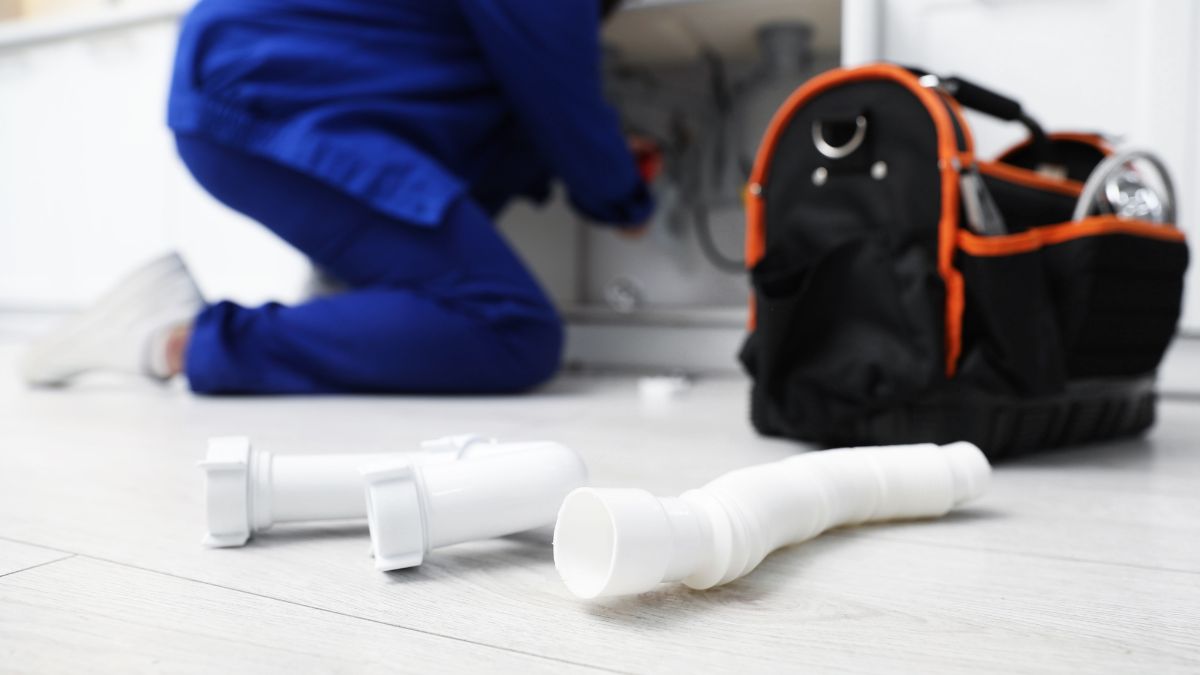
There is a particular kind of professional composure that experienced plumbers develop over years of encountering what people quietly deposit into their plumbing systems and then hope will simply disappear forever into the municipal infrastructure. Veteran plumbers describe a private professional culture of dark humor, resigned disbelief, and a deeply held knowledge that the average homeowner’s understanding of what a drain can handle bears almost no relationship to physical reality. The pipe does not forget and it does not forgive, and the evidence that accumulates inside residential plumbing systems tells a remarkably candid story about the habits, choices, and occasional desperation of the people living above them. What follows is drawn from plumber accounts, trade industry reports, and the accumulated testimony of professionals who have seen things beneath the floors of ordinary homes that most people would find genuinely difficult to believe. Here are 45 horrifying things plumbers find in pipes that homeowners try to hide.
Wet Wipes
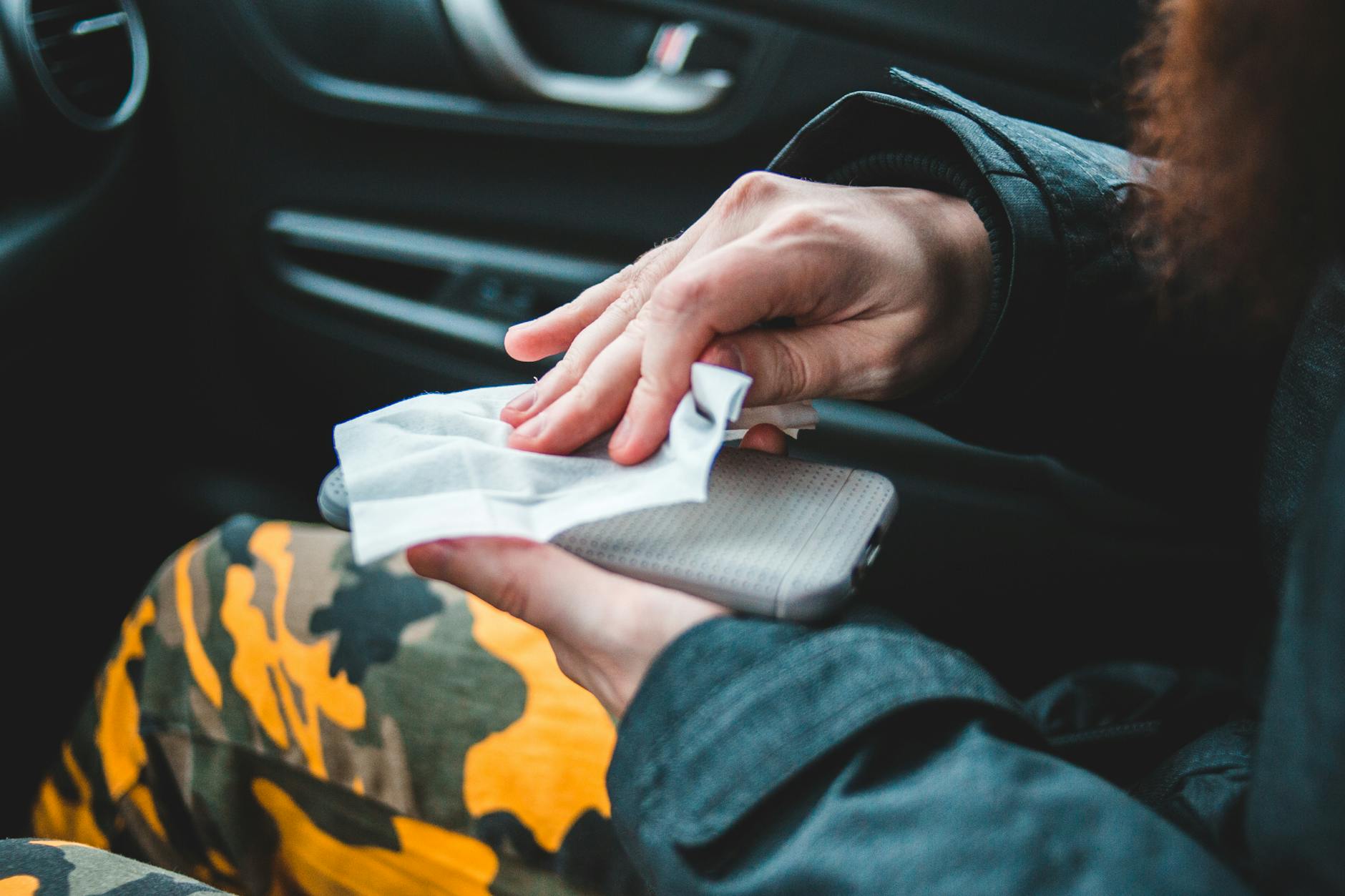
Despite packaging that frequently describes them as flushable, wet wipes are among the single most destructive items routinely introduced into residential plumbing systems and represent one of the most common findings in blocked drain investigations. Unlike toilet paper which is engineered to break down rapidly in water, wet wipes retain their structural integrity through the entire journey from toilet to pipe, where they accumulate, bond with other materials, and form blockages of remarkable density and size. Plumbers removing wet wipe accumulations from residential pipes report finding compressed masses that have been building for months or years and that bear almost no resemblance to the innocent individual sheets that created them. The gap between what the packaging implies and what the plumber eventually excavates is one of the more reliable sources of professional frustration in the trade.
Cooking Grease

Pouring used cooking grease down the kitchen drain is a habit so widespread that plumbers treat the resulting blockages as among the most predictable and least surprising findings in residential pipe work. Grease that enters a drain in liquid form cools rapidly as it travels through the pipe, transitioning from fluid to viscous to solid and coating the interior pipe walls with each successive pour. Over months and years this coating accumulates inward, progressively narrowing the pipe’s interior diameter until flow is severely restricted or entirely blocked. The solidified grease formations that plumbers excavate from kitchen drain lines are often described as resembling candle wax or congealed fat in quantities that make the cumulative reality of the habit impossible for homeowners to deny.
Dental Floss

Dental floss flushed or washed down drains creates a specific and surprisingly serious category of plumbing problem because its thin, strong, non-degradable nature makes it an ideal material for tangling around other debris and creating dense, woven blockages that are genuinely difficult to clear. A single strand of dental floss in a pipe is inconsequential but the accumulated floss of a household flushing it regularly over years creates a fibrous mesh that catches and holds everything else moving through the system. Plumbers clearing blockages that feature dental floss describe the experience of pulling out a matted, fiber-reinforced mass that has essentially become a filtration system inside the pipe. The strength and non-biodegradable nature of the material means it remains structurally intact regardless of how long it has been in the pipe.
Cotton Rounds
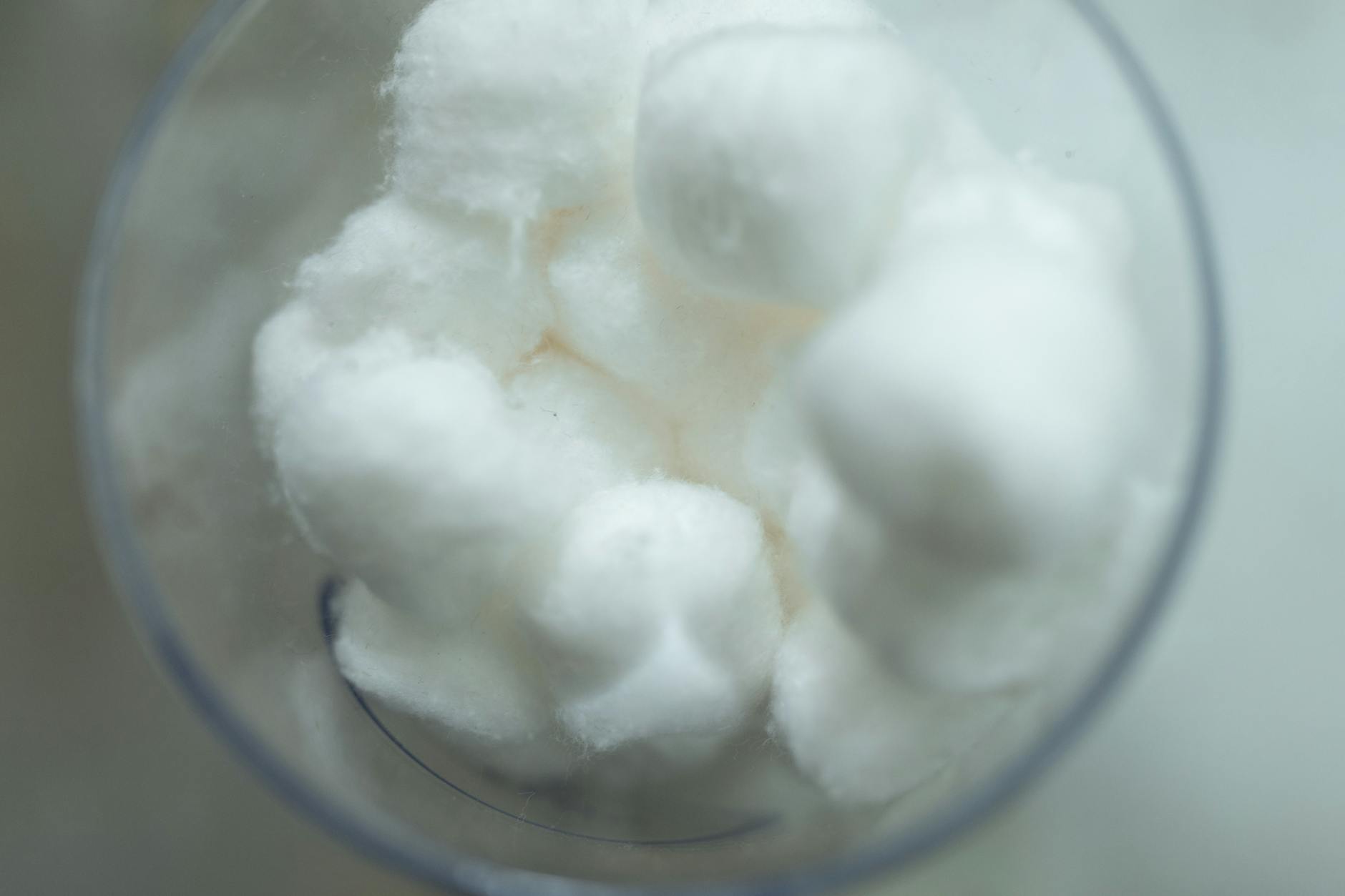
Cotton rounds and cotton wool pads introduced into plumbing systems through toilets or bathroom sink drains create blockages that combine the water-absorbing properties of cotton with the physical bulk of a material that does not break down in water. A cotton round that enters a pipe absorbs moisture, expands slightly, and begins its journey through the system at a size and density that makes it far more likely to catch on any irregularity, joint, or narrowing it encounters along the way. Plumbers investigating slow bathroom drains find compressed accumulations of cotton rounds that have been building behind a partial restriction and have created an ever-tightening plug over time. The homeowner’s consistent denial that anything unusual has been flushed is a feature of these service calls that plumbers regard as entirely routine.
Hair Accumulation

The gradual accumulation of shed hair in shower and bath drains is among the most universally encountered findings in residential plumbing and creates blockages of a specific and unpleasant character that plumbers deal with in virtually every property they service. Hair does not dissolve in water and accumulates in the drain trap and pipe below, combining with soap residue, conditioner, and skin cells to create a dense, matted, malodorous mass that grows outward from the pipe walls with each passing month. The extraction of a fully developed hair blockage from a shower drain involves removing a plug of material that bears a visual and olfactory resemblance to something most people would prefer not to examine closely. Plumbers universally recommend drain screens as the single most cost-effective preventative measure available to homeowners and note that almost no one installs them until after their first professional drain clearing visit.
Paper Towels
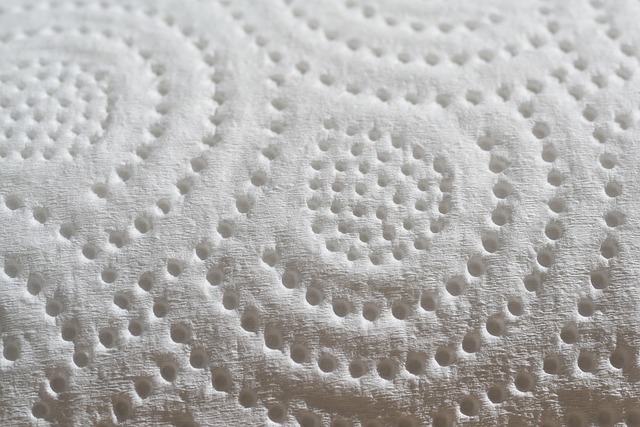
Flushing paper towels down toilets is a behavior that spikes dramatically during periods when toilet paper is scarce and that plumbers have documented as one of the more reliably destructive substitution decisions homeowners make. Paper towels are specifically engineered not to disintegrate in water because their functional purpose requires them to maintain wet strength, a property that makes them catastrophically unsuitable for plumbing systems designed around the rapid dissolution of toilet paper. A flushed paper towel retains essentially all of its structural integrity as it moves through the pipe and begins accumulating with other paper towels and materials at the first convenient restriction it encounters. The blockages created by paper towel accumulation are notably denser and more resistant to standard clearing techniques than those created by toilet paper overuse.
Toys

Small plastic toys, action figures, toy cars, building blocks, and miniature figurines introduced into toilet bowls by young children create a specific category of pipe obstruction that plumbers call one of the more entertaining findings in residential work despite the considerable expense involved in their retrieval. A small toy lodged in the toilet trap or the pipe immediately downstream creates an immediate and total blockage that no amount of plunging will resolve and that frequently requires partial toilet removal to access. Plumbers who specialize in residential work accumulate private collections of photographs documenting the toys recovered from residential plumbing over their careers and describe these findings with an affection that the homeowner receiving the bill does not typically share. The child who introduced the toy is almost never forthcoming with information about the incident regardless of how direct the questioning.
Feminine Products
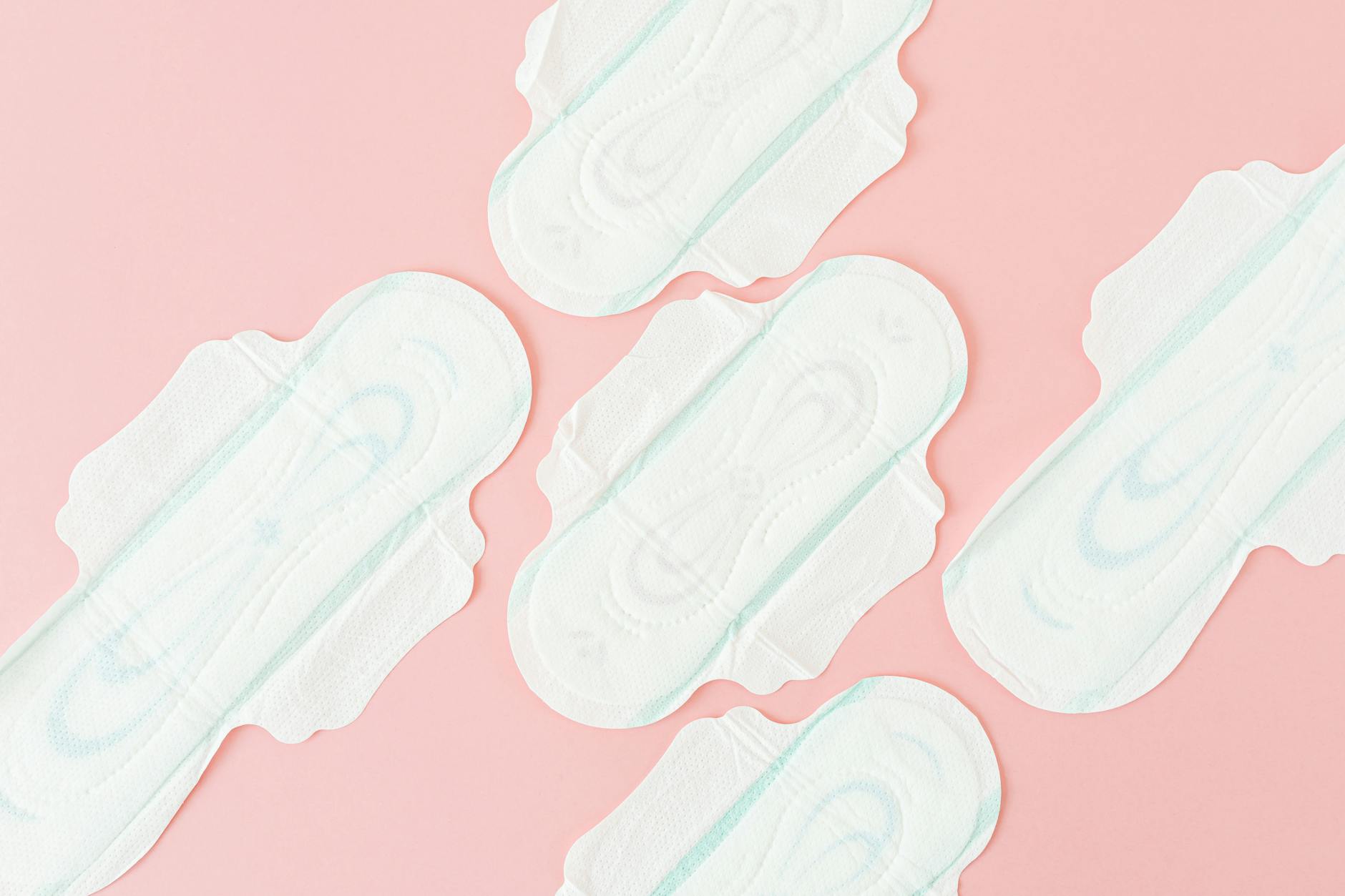
Sanitary pads, tampons, and applicators introduced into toilets despite nearly universal product labeling advising against it create blockages of exceptional density and volume that plumbers encounter with a frequency that suggests the labeling is either not read or not believed. These products are designed for maximum absorbency and structural retention which makes them extraordinarily problematic in a plumbing context where breakdown and flow are the essential requirements. A tampon that enters a pipe absorbs water, expands, and becomes significantly larger and denser than it was at the point of flushing, creating a plug that anchors itself in the pipe and begins accumulating other material around it. Plumbers removing these blockages from residential systems note that the scale of what they find is genuinely difficult to reconcile with the size of the items that were originally introduced.
Medication

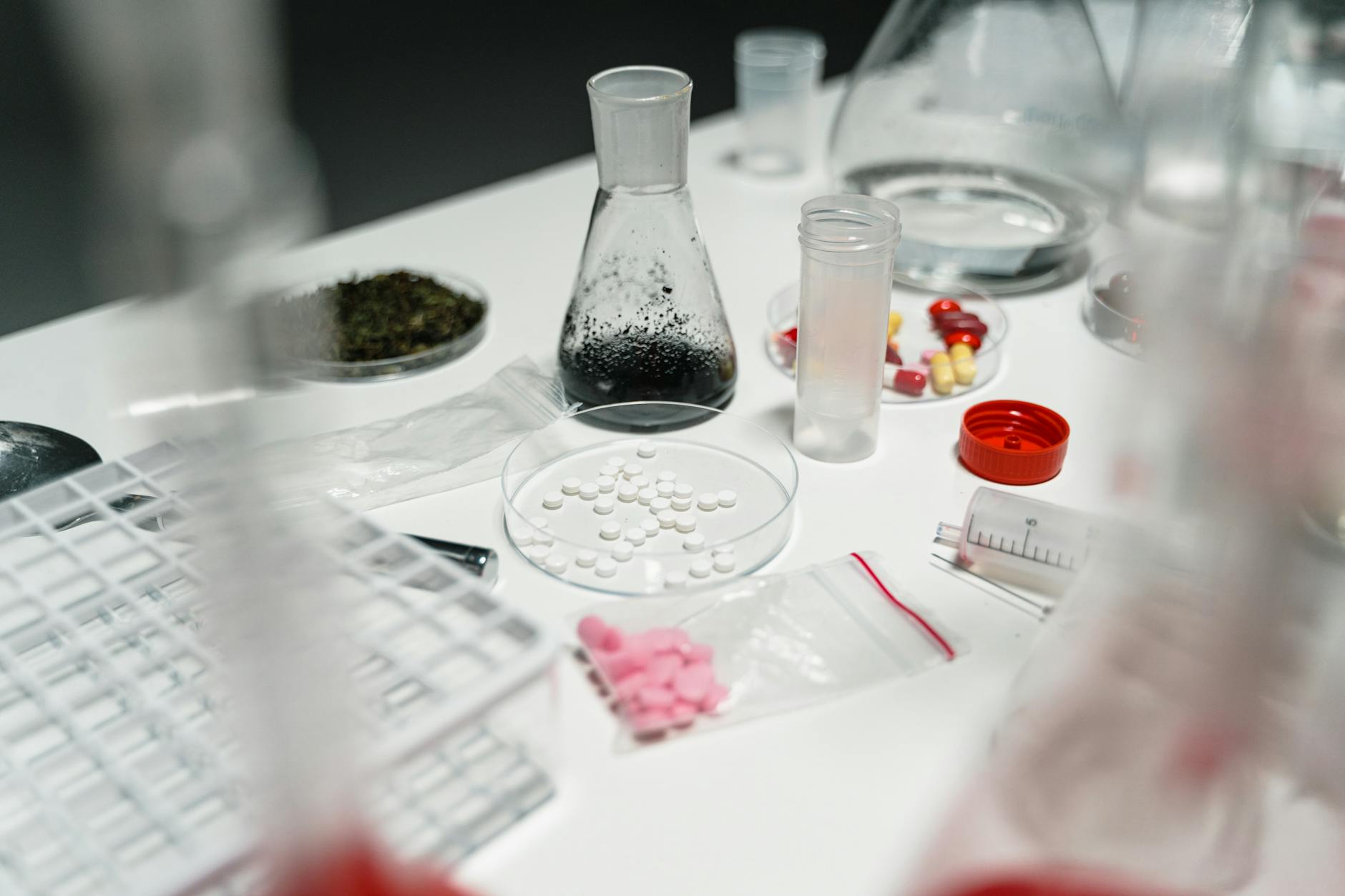
Pharmaceutical medications flushed down toilets or washed down drains in large quantities do not create physical blockages but represent a finding that plumbers encounter and that carries significant implications for water quality, aquatic ecosystems, and the broader municipal water treatment infrastructure downstream. Homeowners disposing of expired or unwanted medications via the toilet do so under the assumption that the water treatment system will neutralize the compounds involved, an assumption that water treatment engineers and environmental scientists consistently challenge. Plumbers working on properties adjacent to water treatment intake infrastructure sometimes find evidence of significant pharmaceutical concentrations in the pipe system that reflects the cumulative disposal habits of an entire neighborhood. The scale of residential medication disposal through plumbing systems is documented as a growing environmental concern across multiple developed nations.
Concrete
Discovering hardened concrete or mortar inside residential drain pipes is a finding that plumbers associate specifically with recent renovation work and that creates some of the most labor-intensive and expensive pipe repairs in residential plumbing. Renovation contractors washing concrete mixing equipment, tools, or residue through site drainage introduces cement particulate into the pipe system where it settles in low-flow areas and hardens over hours into a material of essentially the same hardness and density as the finished product. The homeowner who oversaw a recent renovation and then experienced a subsequent drain failure is rarely prepared to connect these two events and plumbers describing their findings to these clients report a consistent pattern of denial followed by reluctant recognition. Concrete-obstructed pipes typically cannot be cleared by any mechanical method and require pipe section replacement at considerable cost.
Jewelry

Rings, earrings, bracelets, necklaces, and other jewelry items lost down bathroom sink drains are found in residential pipe traps with a frequency that plumbers describe as one of the more reliably anticipated findings in bathroom drain service calls. The P-trap configuration beneath a bathroom sink is specifically designed to hold a water seal and in doing so creates an effective catch-basin for anything small enough to pass the drain opening. Plumbers opening bathroom sink traps for any reason routinely find jewelry items that have been sitting in the trap for months or years and that the homeowner either forgot about, assumed were lost forever, or in some cases was genuinely unaware had been lost there. The recovery of a significant piece of jewelry during a routine drain service call is one of the more positively received findings in the trade.
Excessive Toilet Paper
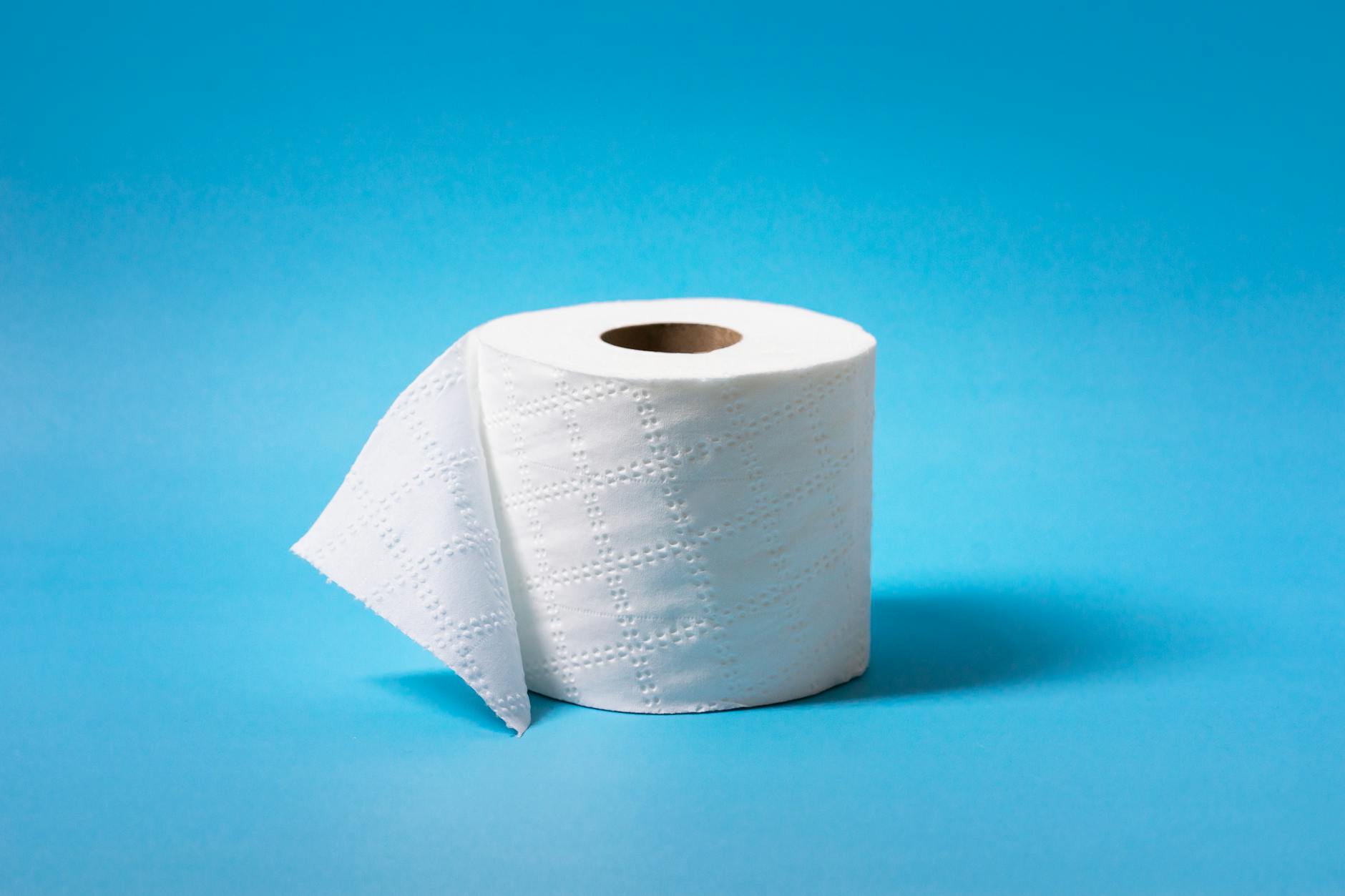
Using and flushing excessive quantities of toilet paper in a single flush creates a compressed paper mass that lodges in the toilet trap or the pipe immediately downstream and creates a blockage that the homeowner’s subsequent emergency plunging attempts typically compact further rather than clearing. The per-flush capacity of residential toilet paper dissolution is finite and regularly exceeded by households with children or with members who use quantities of paper that exceed what the water volume of a standard flush can adequately carry. Plumbers called to investigate a blocked toilet in these cases extract a compressed paper plug that is both the direct evidence of the causing habit and the explanation for why every attempted home remedy made the situation progressively worse. The homeowner’s account of the situation typically begins with a confident assertion that nothing unusual was flushed.
Baby Wipes

Baby wipes introduced into plumbing systems create the same category of problem as adult wet wipes but are encountered by plumbers with additional frequency because the parenting context in which they are used creates multiple daily opportunities for disposal decisions that favor convenience over plumbing safety. A household with young children generates baby wipe waste at a volume that creates rapidly developing blockages when the wipes are introduced into the toilet and the cumulative effect of weeks of this disposal method can create a blockage of substantial scale within a relatively short period. Plumbers called to investigate slow or blocked toilets in homes with young children have developed an immediate and reliable working hypothesis about the likely cause before they have uncoiled their first tool. The parents who explain that they used the specific brand marketed as flushable receive the same professional response from experienced plumbers regardless of the brand named.
Paint
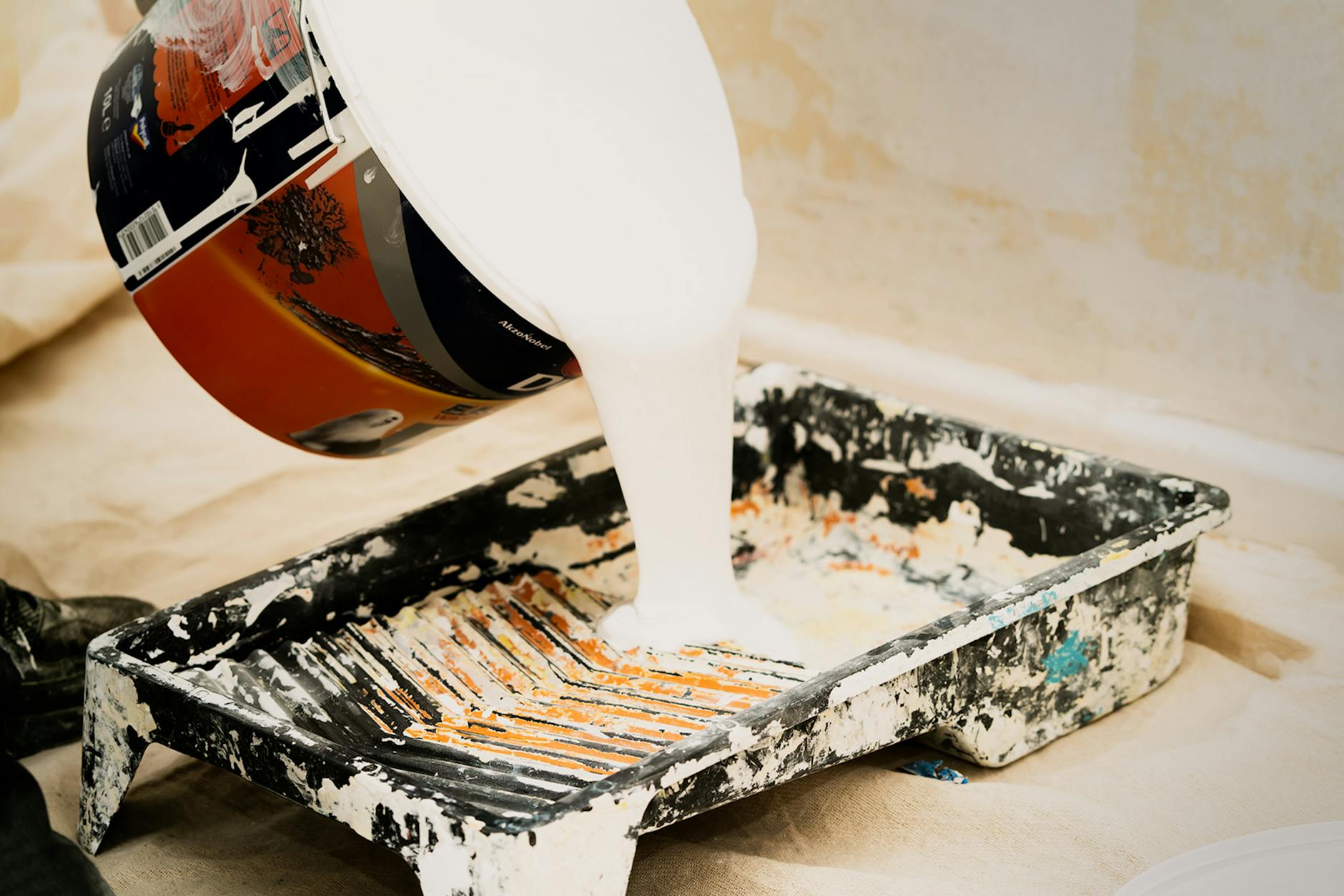
Washing paint from brushes, rollers, trays, and containers down household drains is a practice that creates two distinct categories of plumbing problem depending on whether the paint involved is water-based or oil-based. Water-based paints introduce particulate material that settles in low-flow pipe sections and accumulates over multiple cleaning sessions into a sediment layer that progressively restricts flow. Oil-based paints introduce a material with the same drain-coating and solidifying properties as cooking grease but with a harder final consistency and the additional complication of containing solvents that degrade certain pipe materials over time. Plumbers investigating paint-related blockages can typically identify the problem before accessing the pipe based on the discoloration visible at the drain opening, a finding that the homeowner’s account of the situation invariably fails to mention.
Adhesives
Washing adhesive residue, leftover glue, or sealant materials down drains during or after construction and renovation projects introduces substances that are specifically engineered to bond, harden, and resist water, making their presence in a pipe system a recipe for damage that compounds progressively after initial introduction. Silicone sealant residue washed into a drain hardens inside the pipe into a material that bonds to the pipe wall and reduces interior diameter with a permanence that mechanical clearing tools struggle to address. Construction adhesives introduced in liquid form during cleanup operations follow the same path as grease, coating pipe walls as they cool and harden before the homeowner has any awareness that a problem has been created. Plumbers who find adhesive-related restrictions in residential pipes and ask homeowners about recent renovation work receive a particularly consistent pattern of selective memory in the responses they get.
Condoms
Condoms flushed down toilets create a specific and visually memorable category of pipe obstruction that plumbers discuss with a professional matter-of-factness that belies the homeowner’s acute embarrassment during these particular service calls. The material properties of a latex condom make it ideally unsuited for a plumbing environment as it does not break down in water, can partially inflate with trapped air in the pipe, and creates a surface that other debris bonds to readily. Plumbers removing condom-related blockages from residential systems work with a studied neutrality that experienced professionals describe as one of the more developed skills in the client-facing dimension of the trade. The blockages themselves can be extensive when the flushing has been occurring over a prolonged period and the structural integrity of the recovered material is typically entirely intact.
Kitty Litter

Flushing cat litter down the toilet regardless of whether it is marketed as flushable creates one of the most serious and expensive categories of residential plumbing damage that plumbers encounter because the material properties of clay and silica-based litters interact catastrophically with the water environment of a pipe system. Clay-based litter is specifically designed to absorb moisture and clump into dense masses, which is exactly what it continues to do inside a drain pipe after being flushed. The resulting formations can achieve a density and adhesion to pipe walls that approaches the hardness of poured concrete and that requires mechanical methods that risk pipe damage to address. Even litters marketed specifically as flushable and made from biodegradable materials introduce volumes of particulate matter that overwhelm residential pipe capacity when used as a regular disposal method.
Tree Roots

Discovering tree root intrusion in residential sewer lines is one of the more dramatic and structurally significant findings in residential plumbing and one that homeowners are consistently unprepared to accept financial responsibility for when it is presented as the cause of their drainage problem. Tree roots seek moisture with remarkable efficiency and the slightly warm, nutrient-rich water that seeps from even minor joint gaps or hairline cracks in residential sewer lines creates an irresistible biological signal for root systems in the surrounding soil. Once a fine feeder root finds its way into a pipe through an existing gap it grows, branches, and eventually creates a root mass inside the pipe that can fill the entire interior diameter while simultaneously cracking and displacing the pipe walls. Plumbers presenting homeowners with camera footage of root-filled sewer lines and estimates for their clearance and pipe repair describe this as one of the more difficult client conversations in the trade.
Floss Picks

Plastic floss picks flushed down toilets or washed down drains combine the non-biodegradable structural properties of plastic with the entangling characteristics of dental floss to create a dual-threat pipe contaminant that accumulates in drain systems with particular persistence. The small plastic handle component does not break down and does not compress, creating a rigid element within a blockage that resists the standard mechanical clearing methods that would address a softer obstruction. Plumbers who begin extracting material from a drain blockage and encounter the distinctive texture and structure of accumulated floss picks describe recognizing the finding immediately based on tactile experience alone. The sheer volume of these items that can accumulate in a residential drain system over a few years of regular flushing consistently surprises homeowners who assumed each individual item was too small to matter.
Diapers
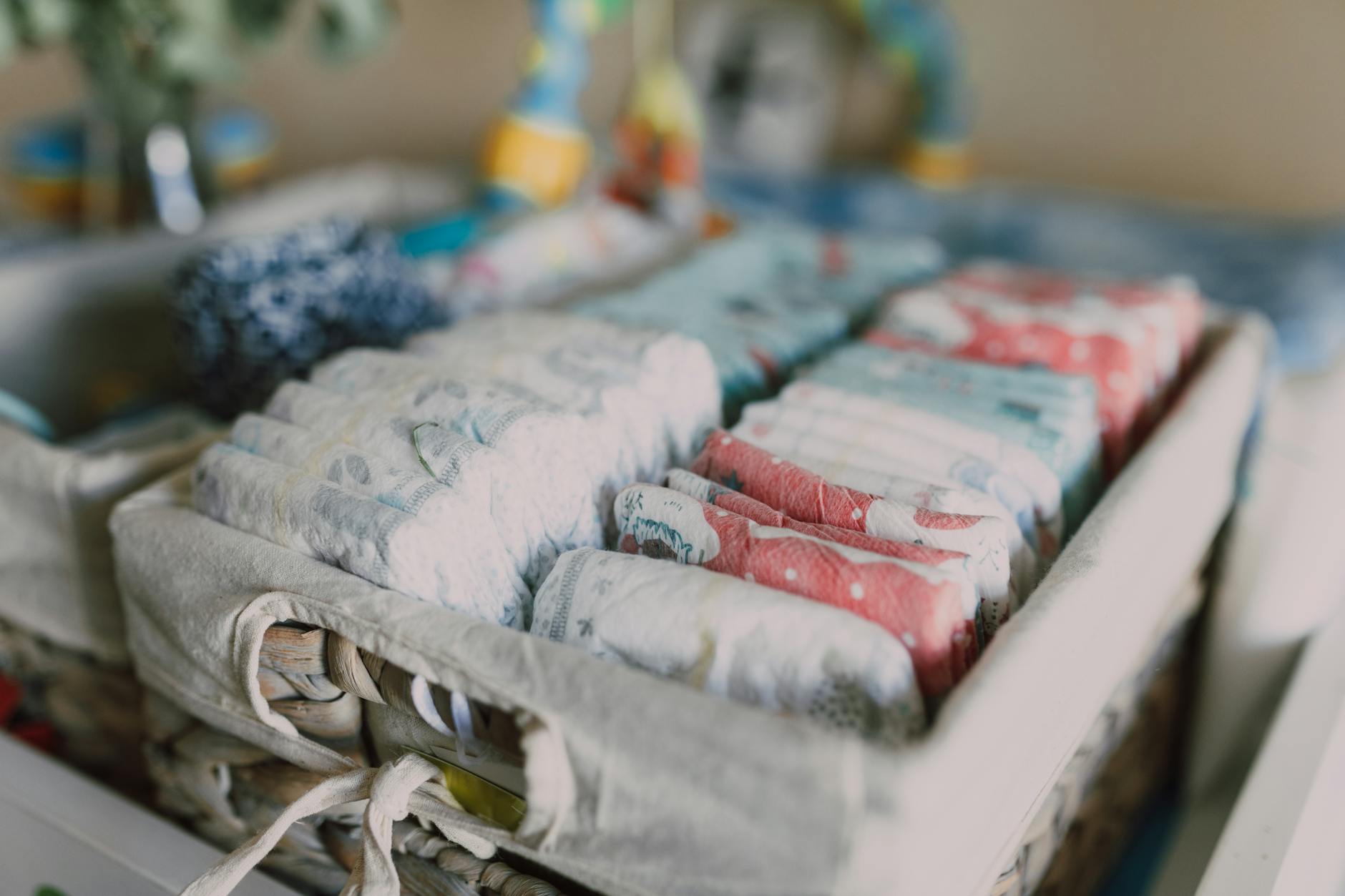
A disposable diaper that has been introduced into a toilet represents one of the most immediately and completely obstructing foreign objects that residential plumbing encounters and one that creates a blockage of such scale that the cause is unmistakable to any plumber called to investigate. The superabsorbent polymers in a disposable diaper absorb water and expand to many times the diaper’s original volume within minutes of being submerged, creating an obstruction that fills the toilet trap entirely and that no mechanical clearing method applied from above has any realistic chance of dislodging. Plumber accounts of diaper recoveries from residential toilets consistently describe the need for toilet removal as the only viable access method and note that the expanded diaper retrieved from the trap bears very little visual resemblance to the item that was originally introduced. The homeowner’s explanation for how the diaper came to be in the toilet varies considerably in plausibility across documented accounts.
Rubber Ducks

Bath toys including rubber ducks, squeeze toys, and small plastic figures enter residential drain systems most commonly through bathtub drains when they are inadvertently pushed into the drain opening during bath time drainage and create obstructions that are then compounded by subsequent bath use before anyone registers that drainage has slowed. A rubber duck lodged in the bathtub drain trap or the pipe immediately below it creates a partial blockage that collects hair, soap scum, and other materials around it with each subsequent use, progressively developing from a minor flow restriction into a complete blockage over days or weeks. Plumbers retrieving bath toys from residential drains describe the moment of extraction with a specific mix of professional amusement and resignation that is particular to findings that were entirely preventable with basic drain awareness. The toy is typically presented to the homeowner in a condition that makes its identification straightforward but not visually appealing.
Cigarette Butts
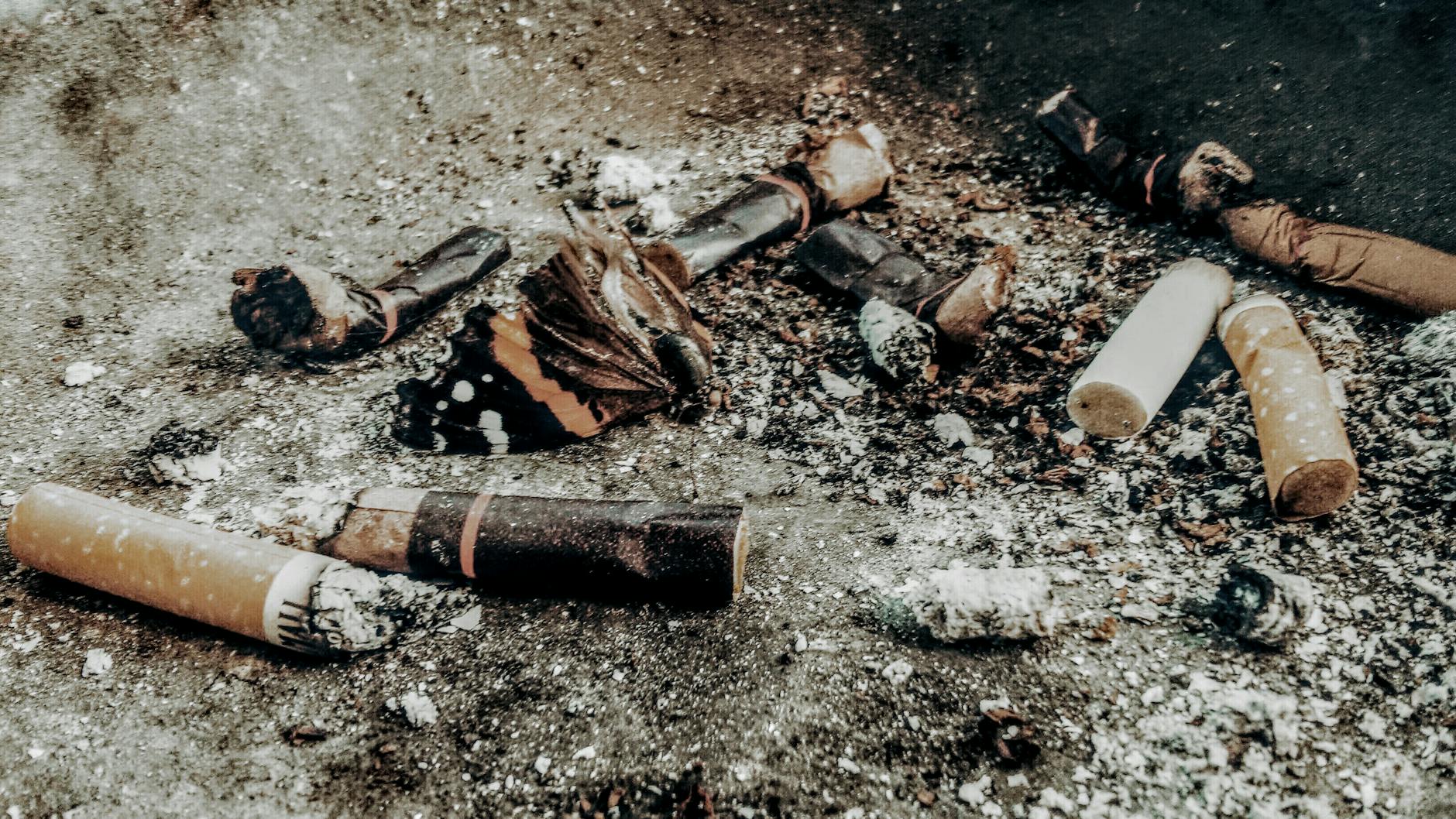
Disposing of cigarette butts by flushing them down toilets or washing them into sink drains is a habit that introduces a material that combines tobacco residue, chemical filter components, and a cellulose acetate structure that resists biodegradation in ways that create long-term pipe contamination rather than simple mechanical blockage. The cellulose acetate used in cigarette filters does not break down meaningfully in water and accumulates in drain systems alongside the tar, nicotine, and combustion residue that the filter has absorbed during use. Plumbers investigating sink drains with unexplained flow restriction in properties where smoking occurs indoors encounter accumulations of cigarette filter material in a state that carries both the characteristic appearance and smell of its origin. The environmental and pipe contamination implications of this disposal method are well-documented but rarely communicated to the homeowners whose drains contain the evidence.
Goldfish

Deceased pet goldfish flushed down toilets as a form of burial represent a finding that plumbers encounter less often than popular culture might suggest but that nonetheless occurs with enough regularity to feature in trade accounts. A single goldfish introduced into a residential toilet creates no plumbing problem but a household that has maintained a tank of fish over years and used the toilet for each successive loss introduces a cumulative organic load that contributes to the biological accumulation in the pipe system. More relevant from a plumbing perspective is the practice of flushing living unwanted fish, a habit that has contributed to established invasive species populations in waterways connected to municipal sewer systems in several documented cases. Plumbers are primarily concerned with the mechanical implications of pipe use and note that the goldfish finding is among the more benign things they pull from residential traps.
Expandable Foam
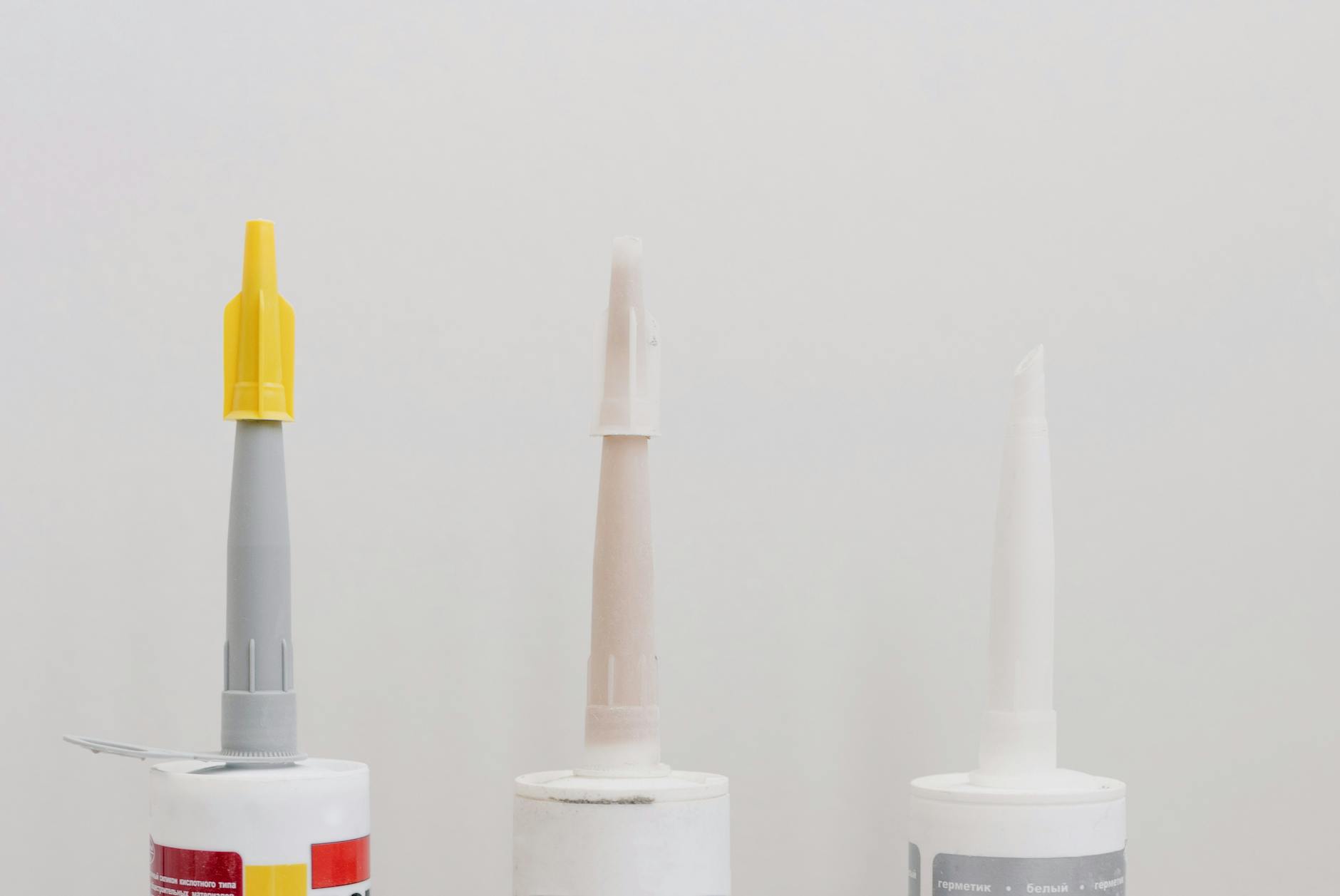
Residual expanding foam sealant washed or accidentally introduced into drain systems during construction and renovation work creates one of the most rapidly developing and structurally bonded blockages that residential plumbing encounters. Expanding foam is designed to fill voids, bond to surfaces, and cure into a rigid cellular structure that resists compression and is extremely difficult to cut through in a confined pipe environment. A quantity of uncured foam that enters a drain pipe before it has fully expanded can travel a short distance into the system before curing in place and creating a plug that bonds directly to the interior pipe walls with an adhesion that makes mechanical clearing both difficult and potentially damaging to the pipe itself. Plumbers who identify expanding foam as the cause of a residential drainage failure typically present homeowners with a pipe replacement estimate rather than a clearing option.
Razor Blades
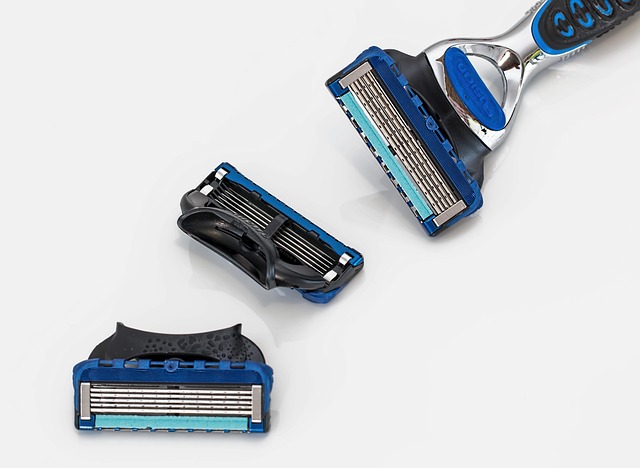
Disposable razor blades and razor cartridges introduced into drain systems create a finding that concerns plumbers primarily from a personal safety perspective because standard drain clearing equipment and techniques do not account for the presence of sharp metal objects in the pipe. A razor blade that enters a drain trap and remains there is encountered by the plumber’s extraction tools without warning and has been the cause of documented hand and wrist injuries among professionals who contact sharp metal in drain pipes without protective preparation. Homeowners who have introduced razor blades into their drain system have almost never mentioned this fact to the plumber before work begins, creating a hazard that experienced professionals have learned to anticipate through tactile awareness during the early stages of any bathroom drain service. The presence of razor blades in a drain trap alongside the other accumulated material of months of bathroom use is a finding that prompts a specific and pointed conversation with the property owner.
False Teeth
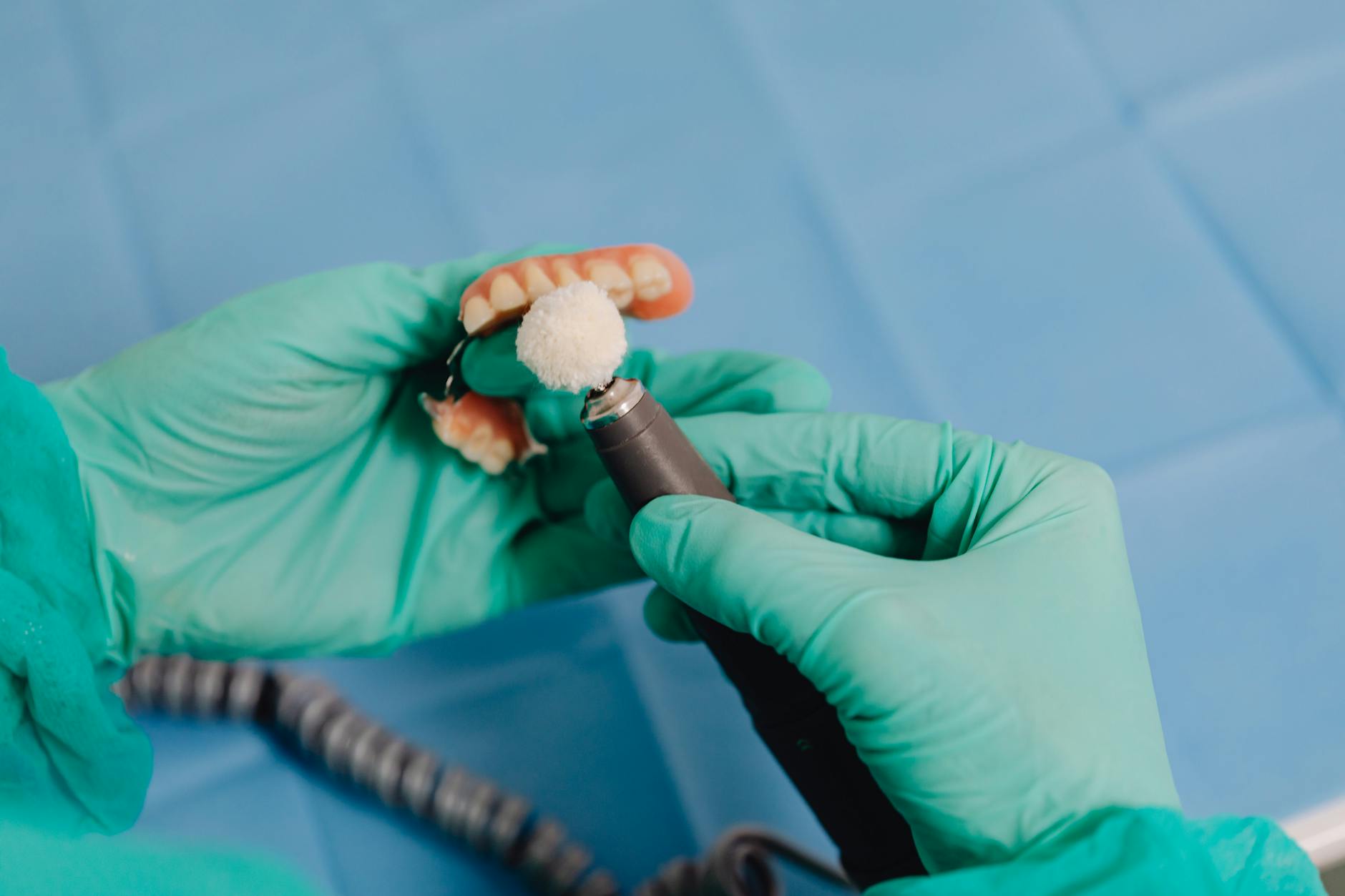
Dentures, dental bridges, retainers, and other dental appliances lost down bathroom sink drains are found in residential pipe traps with a frequency that plumbers describe as surprising to those unfamiliar with the trade and entirely unsurprising to those who have worked in it for any significant period. The bathroom sink is the most common location for the removal and temporary placement of dental appliances and the proximity of the open drain to the appliance-handling routine creates a reliable pathway for accidental loss. Plumbers opening bathroom sink traps for routine blockage clearing regularly retrieve dental appliances that have been sitting in the trap water for periods ranging from days to years and that the homeowner either desperately wants back or is embarrassed to claim. The recovery of dental appliances in workable condition from residential pipe traps is among the more personally meaningful service outcomes that plumbers occasionally provide.
Keys
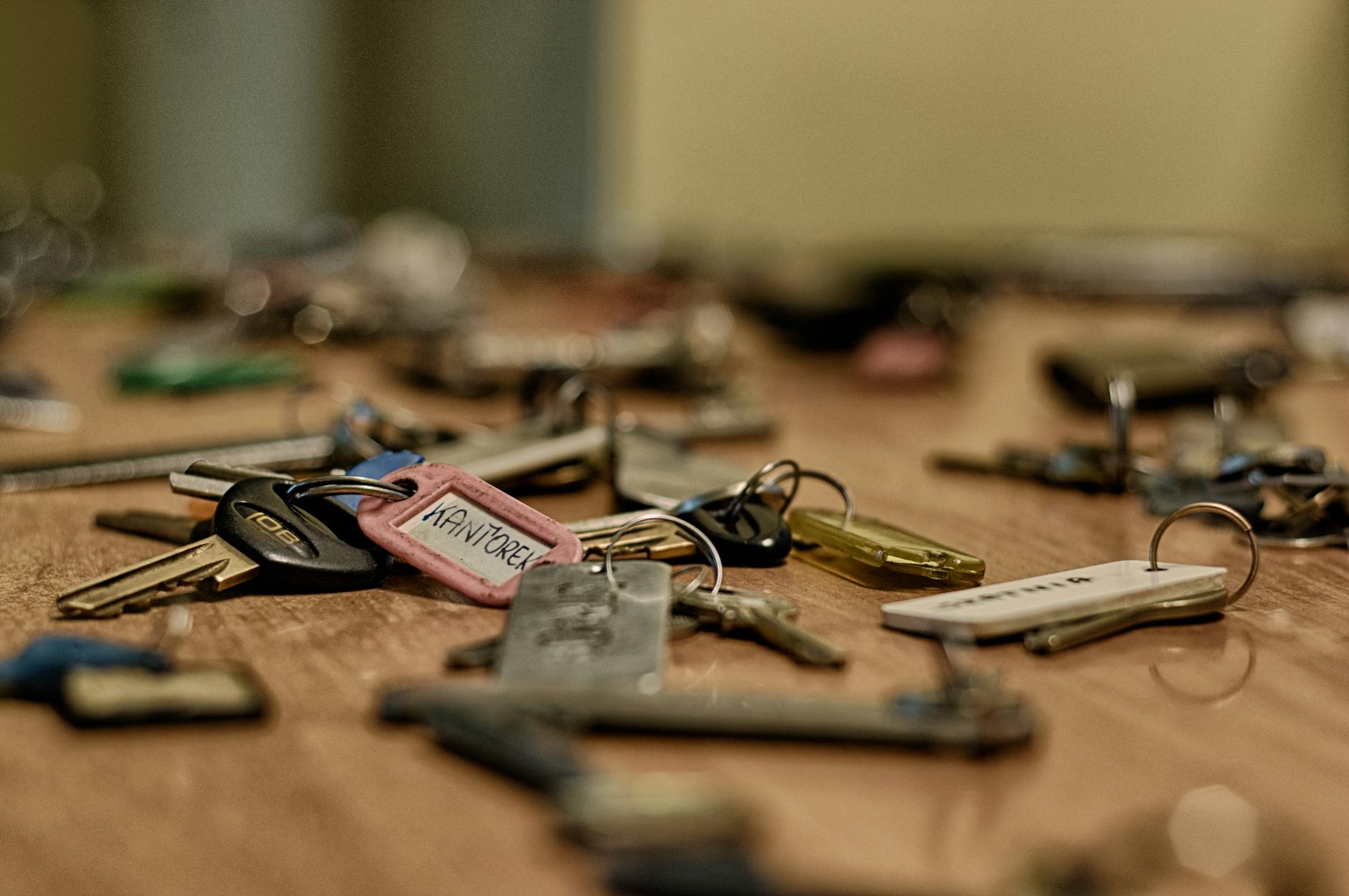
House keys, car keys, and key fobs lost in sink, bathtub, or laundry drains create a finding that plumbers encounter less frequently than smaller personal items but that generates a notably strong homeowner reaction when the keys are successfully retrieved from the trap. A key that enters a sink drain is almost certainly sitting in the P-trap beneath the sink waiting to be recovered, a fact that is not intuitive to the homeowner who has spent hours or days assuming the key is permanently lost. Plumbers who develop a reputation for key recovery in residential service calls occasionally describe receiving responses from homeowners that are disproportionately emotional relative to the technical simplicity of the extraction. The car key that was resigned to being permanently lost and replaced at significant expense is a particularly valued category of drain recovery finding.
Sanitary Seal Damage
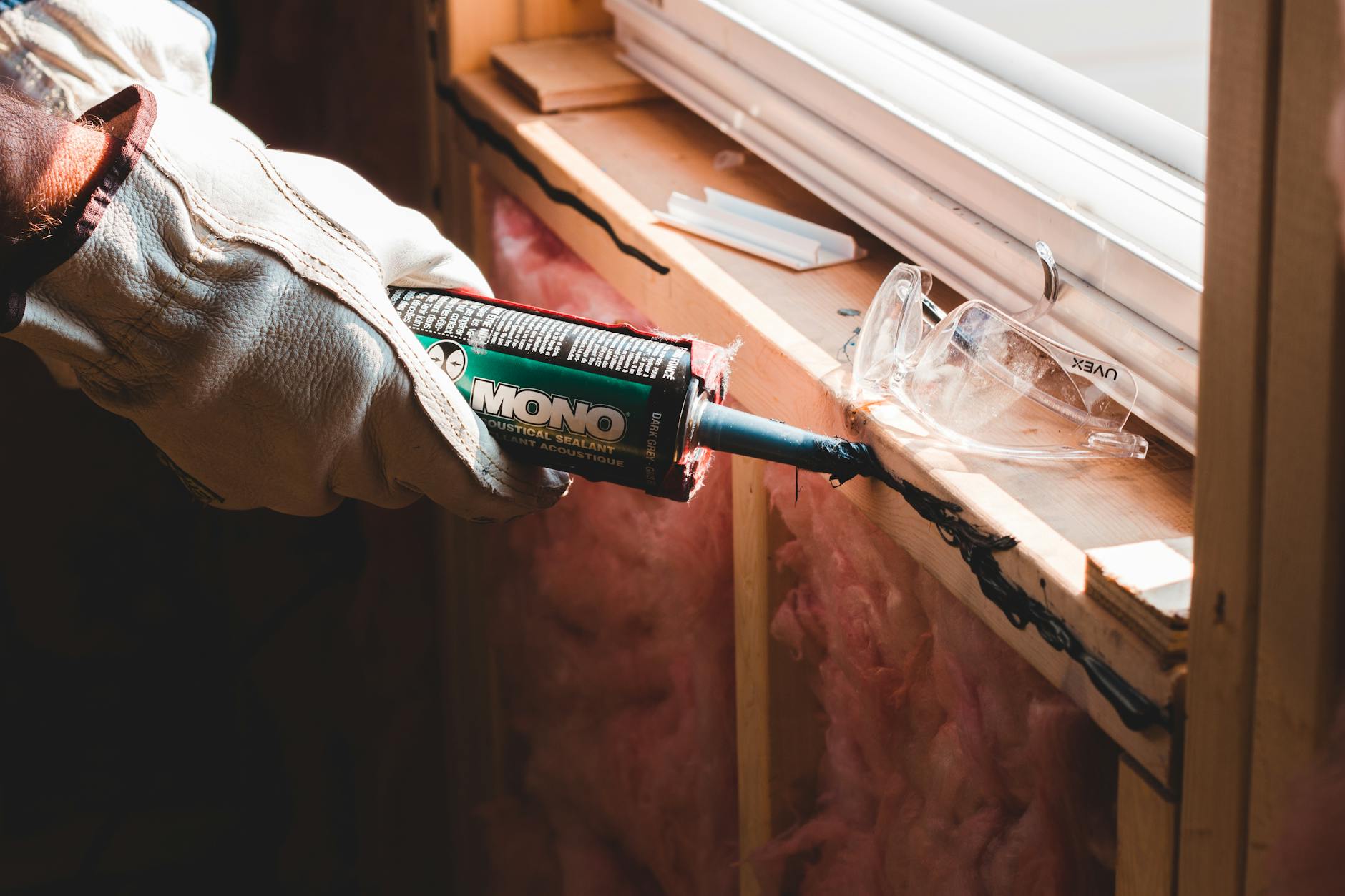
Discovering that the wax seal connecting a toilet to the floor flange has failed, been improperly installed, or been damaged by repeated DIY removal attempts is a finding that plumbers associate strongly with a history of homeowner self-repair attempts that have progressively worsened the original problem. The wax ring seal is a simple but critical component that prevents sewer gases and wastewater from escaping around the base of the toilet and its failure creates a situation that the homeowner has typically been living with for longer than they are prepared to admit during the service call. Evidence of water damage, biological staining, and subfloor deterioration around a failed wax seal tells a timeline story that experienced plumbers can read with considerable accuracy. The scope of repair required in cases where wax seal failure has been ongoing without intervention frequently extends well beyond the toilet itself into the subfloor and framing below.
Phone Cases

Smartphone cases retrieved from toilet traps and drain pipes represent a finding that has become more common as phone use in bathrooms has increased and that plumbers treat as an entirely contemporary addition to the catalogue of items they retrieve from residential plumbing. The phone itself is typically not retrieved from the pipe because it travels further and faster than the case, which may separate on impact with the water and lodge in the trap. Plumbers investigating toilet blockages that followed a bathroom phone-dropping incident are rarely told about the phone component of the story until the physical evidence of the case makes the account undeniable. The frequency with which phones and phone accessories enter residential toilets is reflected in the number of waterproof phone case products marketed specifically at bathroom users.
Excessive DIY Chemical Treatments
Homeowners who respond to slow drains with repeated applications of commercial drain-clearing chemicals create a finding that plumbers encounter in the form of chemically degraded pipe interiors, softened joint connections, and in older PVC and ABS installations, sections of pipe that have lost structural integrity from prolonged chemical exposure. The active ingredients in commercial drain cleaners are caustic enough to damage pipe materials when used repeatedly or left in contact for extended periods beyond the product instructions and the homeowner’s use pattern rarely reflects the conservative application guidance on the packaging. Plumbers who note chemical damage to residential pipe during an inspection and ask about the property’s drain maintenance history receive a consistent response pattern that moves from denial through minimization to eventual admission of the drain cleaner regimen. The cost of pipe repair attributable to chemical damage is a finding that homeowners find particularly difficult to accept given that the chemicals were purchased with the intention of solving a problem.
Aquarium Gravel

Aquarium gravel and substrate washed into sink drains during tank maintenance creates a sediment accumulation in the pipe system that develops over multiple cleaning sessions into a dense layer of mineral particulate that progressively restricts flow while being entirely invisible from above the drain. The individual particles of aquarium gravel are small enough to pass through many drain screens and large enough to settle rapidly in low-gradient pipe sections where they accumulate rather than being carried onward by normal flow rates. Plumbers investigating slow kitchen or bathroom sinks in homes where aquarium maintenance is performed at the sink and who access the drain lines find a gritty, sand-like sediment filling the lower portion of the pipe over a section extending from the trap outward. The homeowner’s account of the slow drain’s development consistently omits any mention of aquarium-related drain use.
Cement Residue
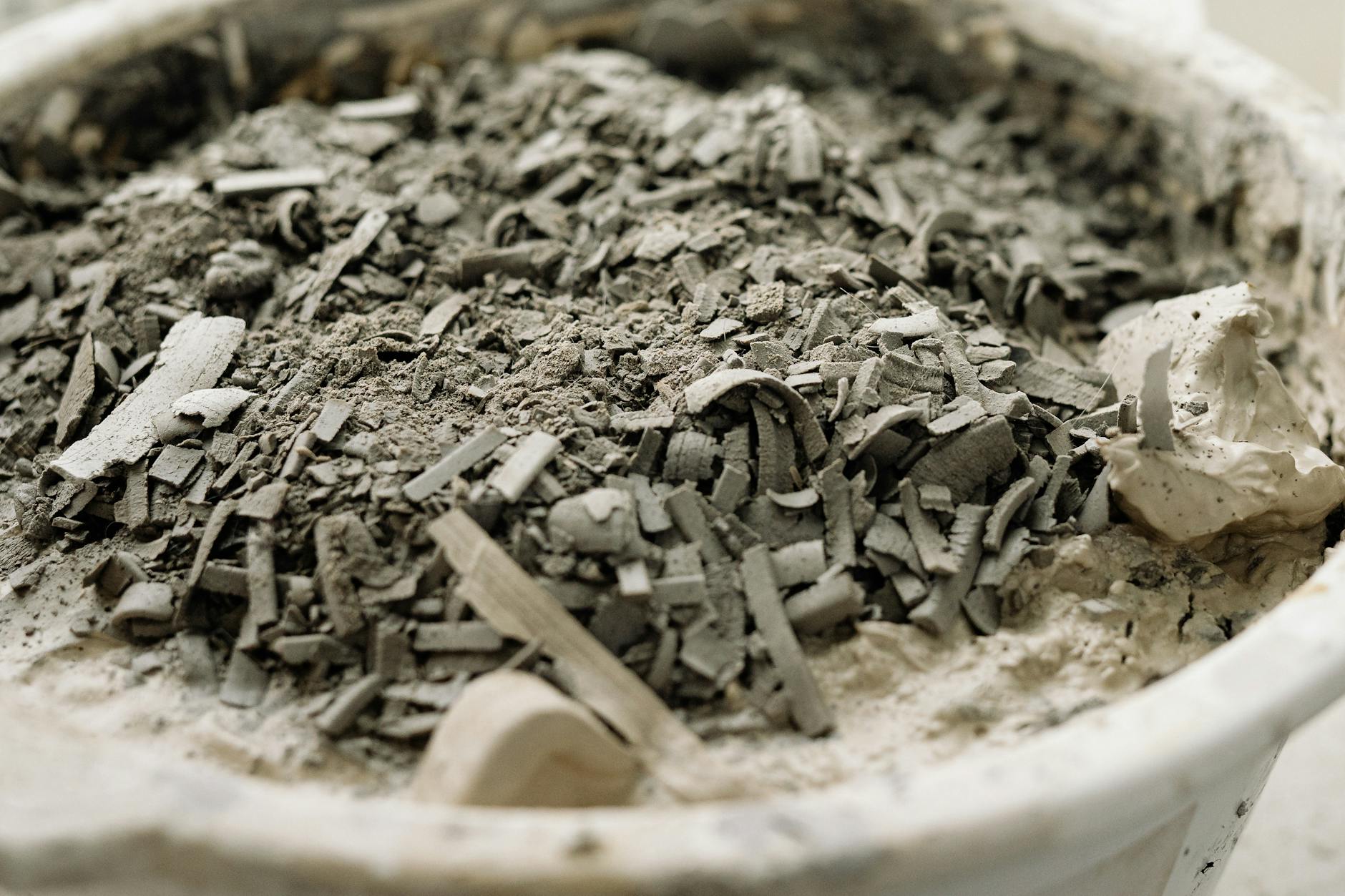
Cement residue washed from tools and equipment into household drains during construction projects creates a finding that plumbers describe as among the most labor-intensive and least forgiving in residential pipe work because hardened cement inside a pipe responds to clearing attempts in the same way it responds to any physical force, by resisting until the point of fracture. Fine cement particulate that enters a drain in suspension settles in the pipe’s low-flow zones and undergoes the same curing process as properly mixed concrete, achieving its design compressive strength over the following hours and days. Plumbers called to investigate a total drain failure following recent renovation work and who find hardened cement inside the pipe line present homeowners with a repair estimate that is typically the most expensive consequence of the renovation project. The contractor whose crew washed their tools in the household sink has generally left the site before the drain failure occurs and the plumber’s explanation of what they found and why it happened is frequently the homeowner’s first clear account of what occurred.
Grease Fatbergs
Discovering a developing fatberg formation in the section of residential drain line connecting the property to the municipal sewer system is a finding that sits at the upper end of both the physical scale and the remediation cost of residential plumbing problems. A fatberg is a solidified mass of congealed fat, wet wipes, and other non-biodegradable materials that accumulates over time in sewer infrastructure and that begins its development in the residential drain lines that feed into the municipal system. Plumbers called to investigate a total or near-total sewer line failure and who camera-inspect the outgoing drain line sometimes find a structure inside the pipe that has been developing for years and that has grown to fill much of the available pipe diameter. The homeowner’s incredulity at the scale of what a camera reveals inside their outgoing drain line is a recurring feature of these service calls and is entirely consistent with how invisible the development process is from inside the house.
Nail Clippings
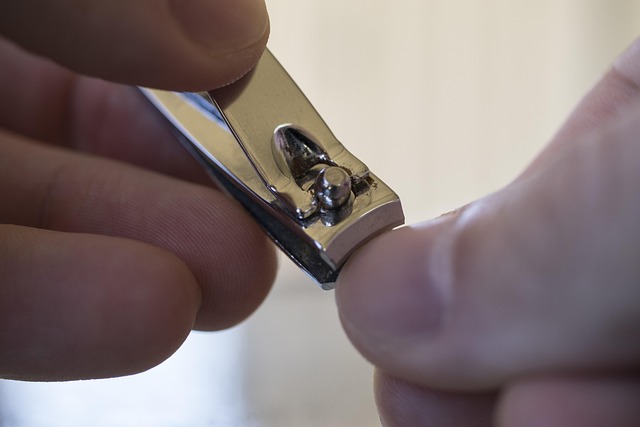
Nail clippings washed or brushed into sink drains accumulate in drain traps and pipe joints as a keratin-based material that resists dissolution, bonds with soap scum and hair, and contributes to a composite blockage material that plumbers describe as having a particularly unpleasant texture and odor profile when encountered in quantity. The individual nail clipping is inconsequential in any single instance but a household’s collective nail maintenance activity accumulated over years creates a noticeable contribution to the composition of drain trap accumulations. Plumbers clearing bathroom sink traps in long-established residential properties find nail clippings as a consistent component of the biological material they extract and note that the homeowner’s reaction to this specific finding tends to combine recognition with embarrassment in equal measure. The finding is among the more personally revealing in the domestic archaeology that drain clearing regularly involves.
Broken Glass

Small pieces of broken glass washed into kitchen sink drains create the same safety hazard for plumbing professionals as razor blades but are encountered with considerably more frequency due to the number of opportunities the kitchen environment provides for glass breakage adjacent to an open drain. Tiny glass fragments that enter the drain during cleanup of a breakage incident pass through the strainer basket if it is not in place and settle in the trap and drain pipe where they are indistinguishable from other material until the plumber’s extraction tools encounter them. Experienced plumbers who work in residential kitchens have developed a tactile sensitivity to the unexpected resistance that glass fragments create during drain clearing and treat any kitchen drain job as a potential glass encounter until the trap has been fully inspected. The homeowner who broke a glass near the sink some months prior and cleaned up without giving drain contamination a second thought is rarely forthcoming about this history until the plumber’s findings make concealment pointless.
Sponge Pieces

Pieces of deteriorating kitchen sponge that break off during use and wash into the drain create a finding that plumbers encounter in the form of foam and cellulose fragments lodged in drain traps alongside the expected accumulation of food debris and grease. Kitchen sponges break down with use and the fragments they shed are the right size and texture to pass through drain openings and accumulate in the trap where their absorbent structure holds moisture and creates a hospitable environment for bacterial growth. Plumbers clearing kitchen sink traps describe the sponge fragment finding as one of the more consistently aromatic components of the job because the bacteria that colonize retained sponge material produce a particularly distinctive odor that is released when the trap is opened. The homeowner’s expressed surprise at the scale of accumulated material in a trap they assumed the plumbing was continuously self-clearing is a feature of these service calls that plumbers encounter in essentially every residential property they service.
Inappropriate Food Waste

Food waste including rice, pasta, coffee grounds, eggshells, fibrous vegetables, and starchy materials introduced into kitchen drain systems regardless of whether a garbage disposal is installed creates accumulation and blockage patterns that plumbers describe as among the most reliably predictable sources of residential kitchen drain failure. Rice and pasta absorb water and expand significantly after entering the drain, creating a starchy paste that coats pipe walls and accumulates at restrictions with a persistence that standard drain treatments address only temporarily. Coffee grounds settle in trap and pipe low-points in a sediment layer that compresses under its own weight and bonds with grease to form a particularly adhesive blockage material. Plumbers who ask about food disposal habits during a kitchen drain service call and receive a description of the household’s drain use practices can typically construct a reasonable prediction of what they are about to find.
Toy Soldiers
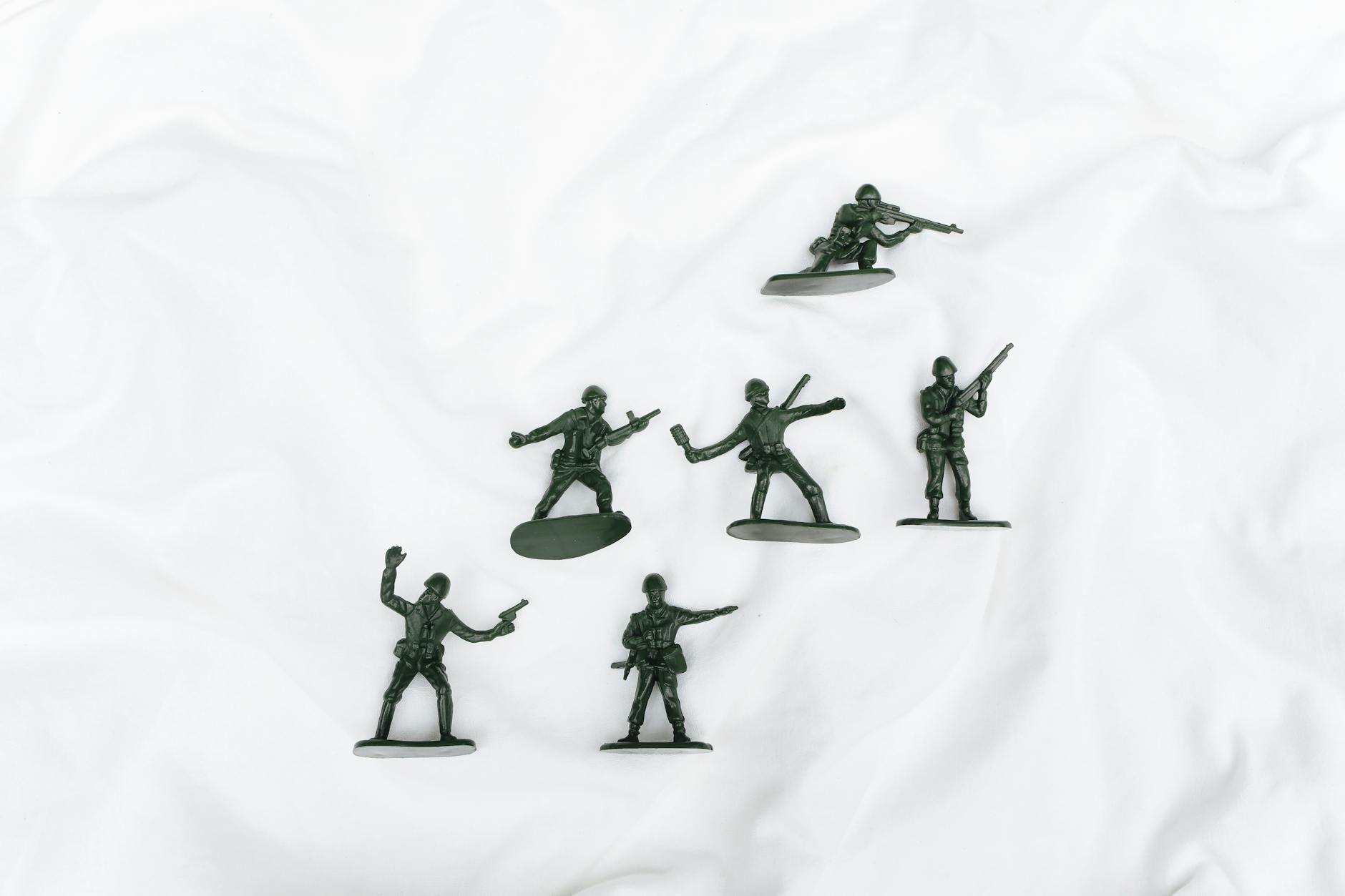
Small plastic toy soldiers and similar miniature figurines enter residential drain systems through bathtub drains and toilet bowls with a frequency that plumbers attribute to the specific gravity and size characteristics of these items making them particularly susceptible to being carried into the drain during water drainage or play. A plastic toy soldier that lodges in a toilet trap or bathtub drain elbow creates an obstruction point that accumulates hair, soap scum, and biological material rapidly and develops a flow restriction that progresses to total blockage more quickly than the item’s small initial size would suggest. Plumbers who specialize in residential family homes describe toy soldier and miniature figurine recovery as a sufficiently common occurrence that they maintain a collection of retrieved items as an informal record of the finding’s frequency. The child responsible is, in the professional experience of plumbers who have asked, never in possession of useful information about how the toy came to be in the drain.
Watch Components

Wristwatch components including watch faces, straps, clasps, and battery covers that enter bathroom sink drains create a finding that plumbers encounter with an occurrence that reflects the specific bathroom behavior of removing and handling watches during handwashing and grooming routines. The bathroom sink drain trap is the resting place for virtually any small object that enters the drain opening, and the diversity of watch and jewelry components that plumbers retrieve from residential traps over a career documents the full range of items that people handle near open drains without giving the proximity appropriate consideration. Plumbers who retrieve intact or largely intact watches from residential traps describe varying homeowner responses ranging from complete surprise that the watch was recoverable to immediate recognition of a loss that occurred months or years before the plumber’s visit.
Lego Bricks

Lego bricks and other small interlocking building toy components enter residential drain systems through bathtub drains, bathroom sinks, and toilets in quantities that suggest the combination of small children, open drains, and floor-level play creates a reliably productive pathway for these items. A single Lego brick lodged in a drain elbow or trap creates an immediate catch-point for everything that follows it through the drain and the interlocking properties of these items means that subsequent pieces can attach to the original piece and create a growing rigid structure inside the pipe. Plumbers who retrieve Lego accumulations from residential drain traps describe the finding as one of the more visually distinctive in residential work because the bright colors and manufactured uniformity of the pieces contrast sharply with the organic material surrounding them. The homeowner who has been attributing a progressively slow bathtub drain to hair buildup and treating it accordingly for months is frequently surprised to learn about the Lego component of their problem.
Sanitary Disposal Unit Overflow
Discovering that a bathroom sanitary disposal unit has been overloaded, improperly installed, or has failed in ways that have introduced its contents into the adjacent plumbing represents one of the more unpleasant residential plumbing service scenarios that practitioners document. The failure mode of these units under conditions of overuse or maintenance neglect can result in overflow material entering the drain system through associated pipework in ways that create both a blockage and a contamination situation requiring thorough pipe clearing and sanitization. Plumbers attending these service calls describe them as among the more challenging in terms of the personal protective equipment and post-service sanitization protocols they require. The homeowner who has been aware of the unit’s performance issues for some time before the pipe-level consequences became impossible to ignore is a consistent feature of these particular service calls.
Plaster Dust
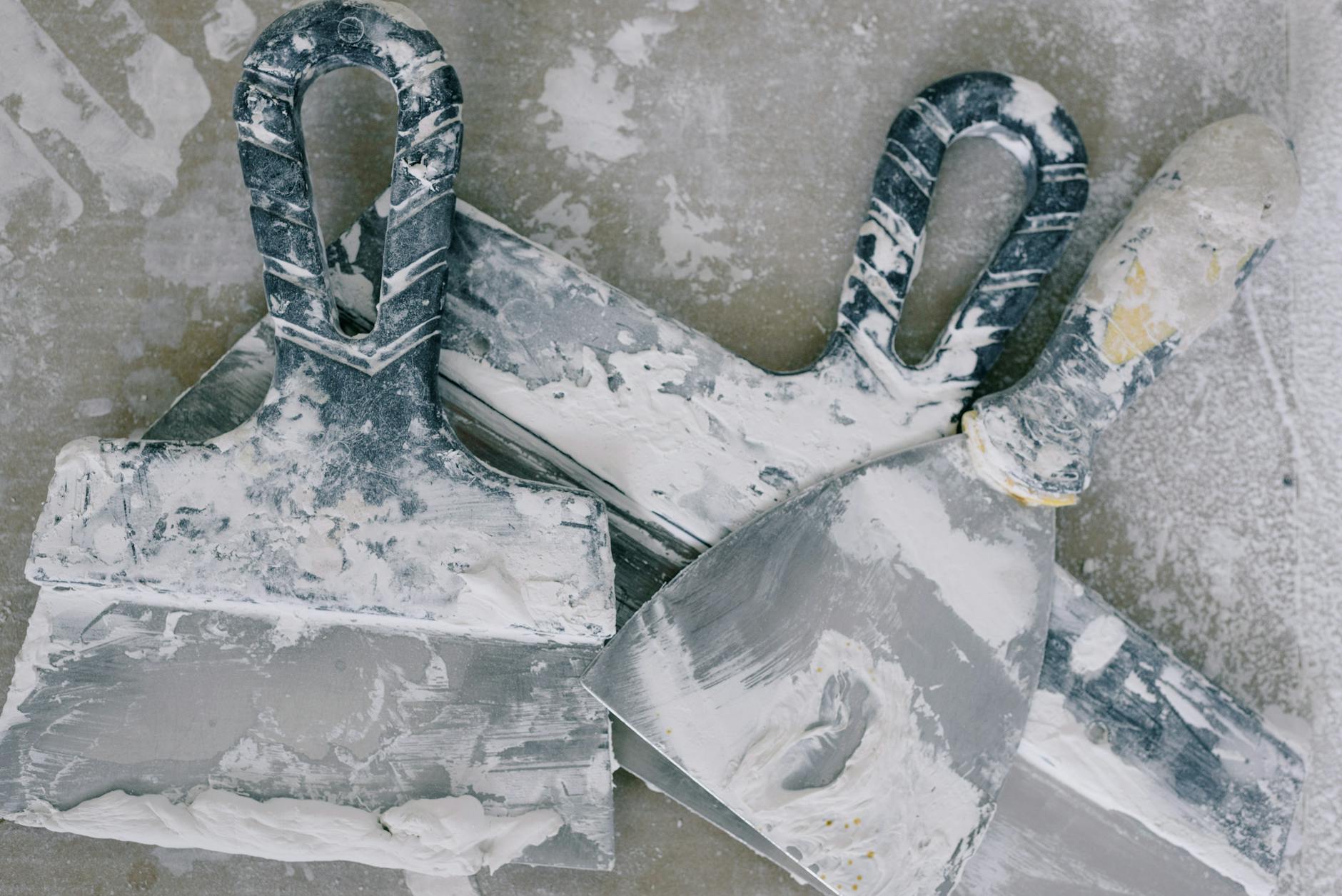
Plaster dust and particulate washed into drain systems during interior renovation work creates a sediment accumulation that sets and hardens inside drain pipes in a manner analogous to cement contamination but with a slightly different material character and a somewhat longer timeline to full hardening. The fine particle size of plaster dust allows it to travel further into the pipe system before settling than coarser construction materials, distributing the contamination over a longer section of pipe and creating a more diffuse but ultimately equally obstructive hardened deposit. Plumbers investigating drain failures following interior plastering work who access the drain line and find hardened white mineral deposits coating the pipe interior over an extended section are presented with a repair scope that the homeowner had no reason to anticipate when the renovation began. The plasterer who washed their tools in the household sink and the homeowner who saw it happen without registering the implication are both consistent characters in the account that precedes these service calls.
Disposable Gloves

Single-use disposable gloves introduced into toilet systems during cleaning or medical care routines create a deceptively serious pipe obstruction because their thin latex or nitrile material allows them to travel a considerable distance through the pipe before the air trapped inside them creates sufficient buoyancy to lodge them against a pipe wall or restriction. A disposable glove that inflates partially with trapped air in the pipe can orient itself transversely and create a near-complete seal across the pipe interior at the point where it lodges, blocking flow entirely while being almost impossible to dislodge with standard plunging because the flexible material accommodates force without transmitting it. Plumbers who camera-inspect a blocked pipe and find a disposable glove blocking the line describe the visual of an inflated glove floating in place inside the pipe as one of the more surreal findings in residential work. The homeowner’s account of the situation almost universally omits the glove.
Foreign Currency Coins

Coins including foreign currency introduced into residential plumbing through bathroom and kitchen drains create a finding that plumbers encounter in drain traps with a frequency that reflects the proximity of pocket-emptying behavior to bathroom and laundry facilities. Foreign currency coins are a specific subset of this finding because their presence in a residential drain trap documents both the coin-flushing behavior and the international travel history of the household in a single artifact. A coin lodged in a drain trap creates an immediate hard obstruction that accumulates debris on its upstream face and progressively develops into a blockage of scale disproportionate to the coin’s original size. Plumbers who perform residential drain trap clearing on a regular basis treat the coin finding as routine and note that the homeowner’s response to the recovered coin is almost always one of recognition followed by an explanation of its origin that the plumber receives with the polite interest of someone who has heard many such explanations before.
The Aftermath of DIY Plumbing

Perhaps the most reliably horrifying finding in residential plumbing is not any specific foreign object but the accumulated evidence of the homeowner’s own previous attempts to address a plumbing problem without professional assistance. Misaligned pipe joints wrapped in tape, compression fittings applied to pipes they were not designed for, DIY patch repairs using adhesives and materials borrowed from unrelated applications, and improvised drainage solutions that have created new problems while partially addressing the original one are findings that tell the story of a homeowner who spent money on materials rather than professional service and created a situation that is now significantly more expensive to properly resolve. Plumbers walking through the history of a residential plumbing system that has been subject to years of DIY intervention describe the experience as reading a document written in increasingly urgent handwriting that ends mid-sentence. The homeowner present during this assessment occupies a specific and well-recognized position in the taxonomy of clients that experienced plumbers have developed over years of residential service.
If any of these findings from beneath the floorboards have hit closer to home than you expected share your own plumbing confessions and cautionary tales in the comments.