Maintaining a clean home is important but overdoing it can actually damage your belongings. Many common household items require far less maintenance than most people assume. Constant scrubbing and washing can break down materials and shorten the lifespan of various products. Understanding the proper care schedule for these objects saves time and preserves their quality while reducing your daily chore list.
Cast Iron Skillets
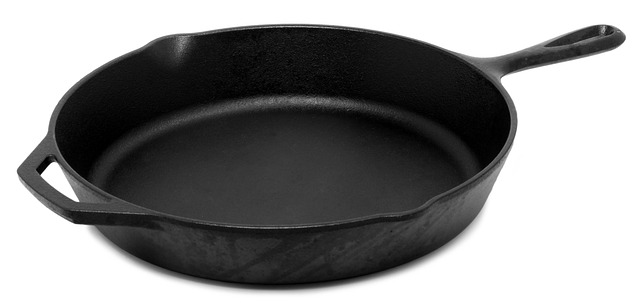
Many people mistakenly scrub their heavy metal cookware with harsh soap after every use. This aggressive washing strips away the protective layer of baked oil that prevents rusting. A simple wipe with a dry cloth or paper towel is usually sufficient for daily maintenance. Warm water and a soft brush can handle stuck debris without causing any damage.
Denim Jeans
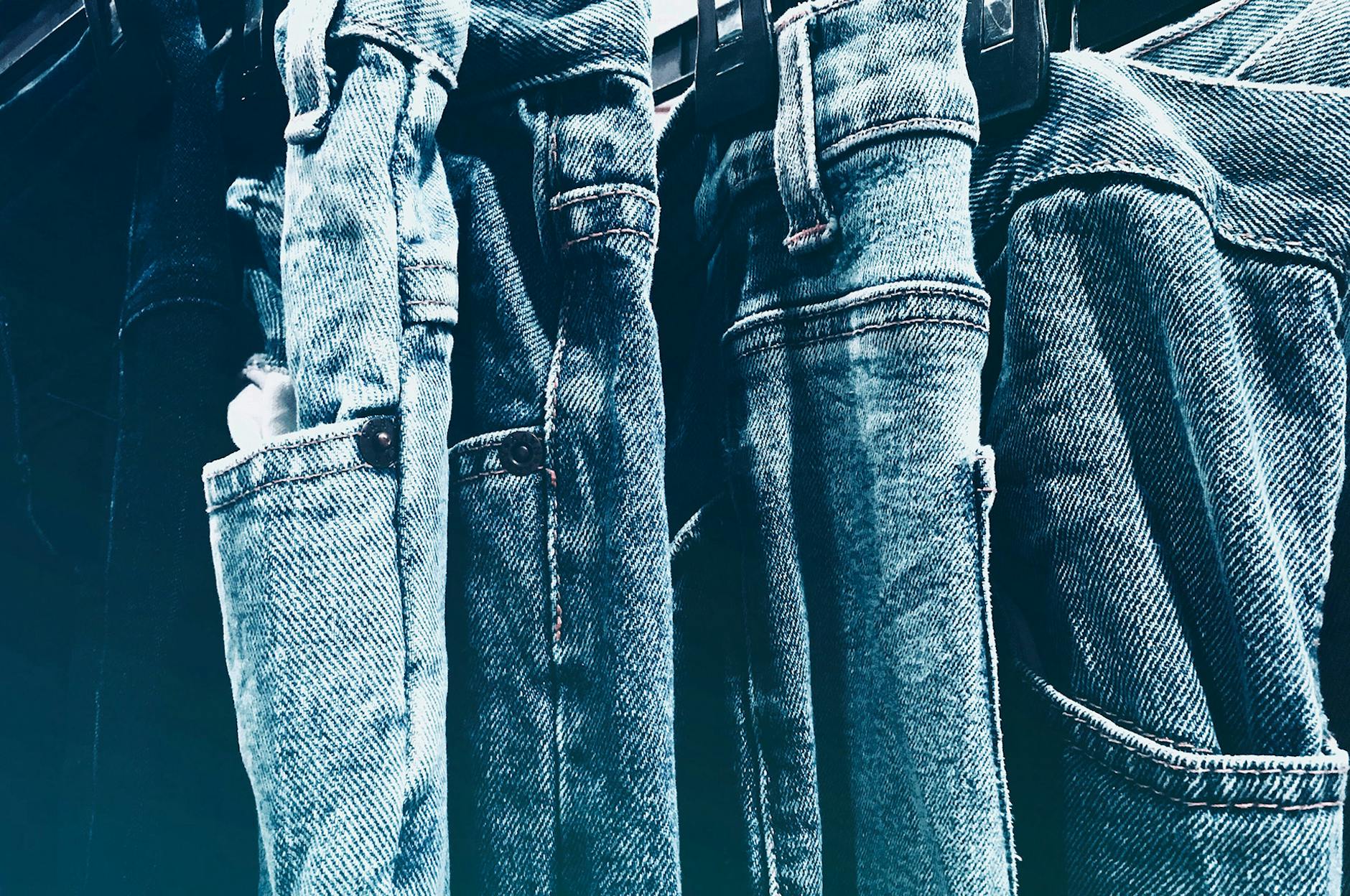
Washing raw cotton pants after every single wear breaks down the fabric fibers very rapidly. Manufacturers recommend airing them out or spot treating small stains instead of doing full washes. Placing them in the freezer overnight helps eliminate odor causing bacteria without using any water. A full machine cycle is only necessary every few months to maintain their shape and color.
Winter Coats
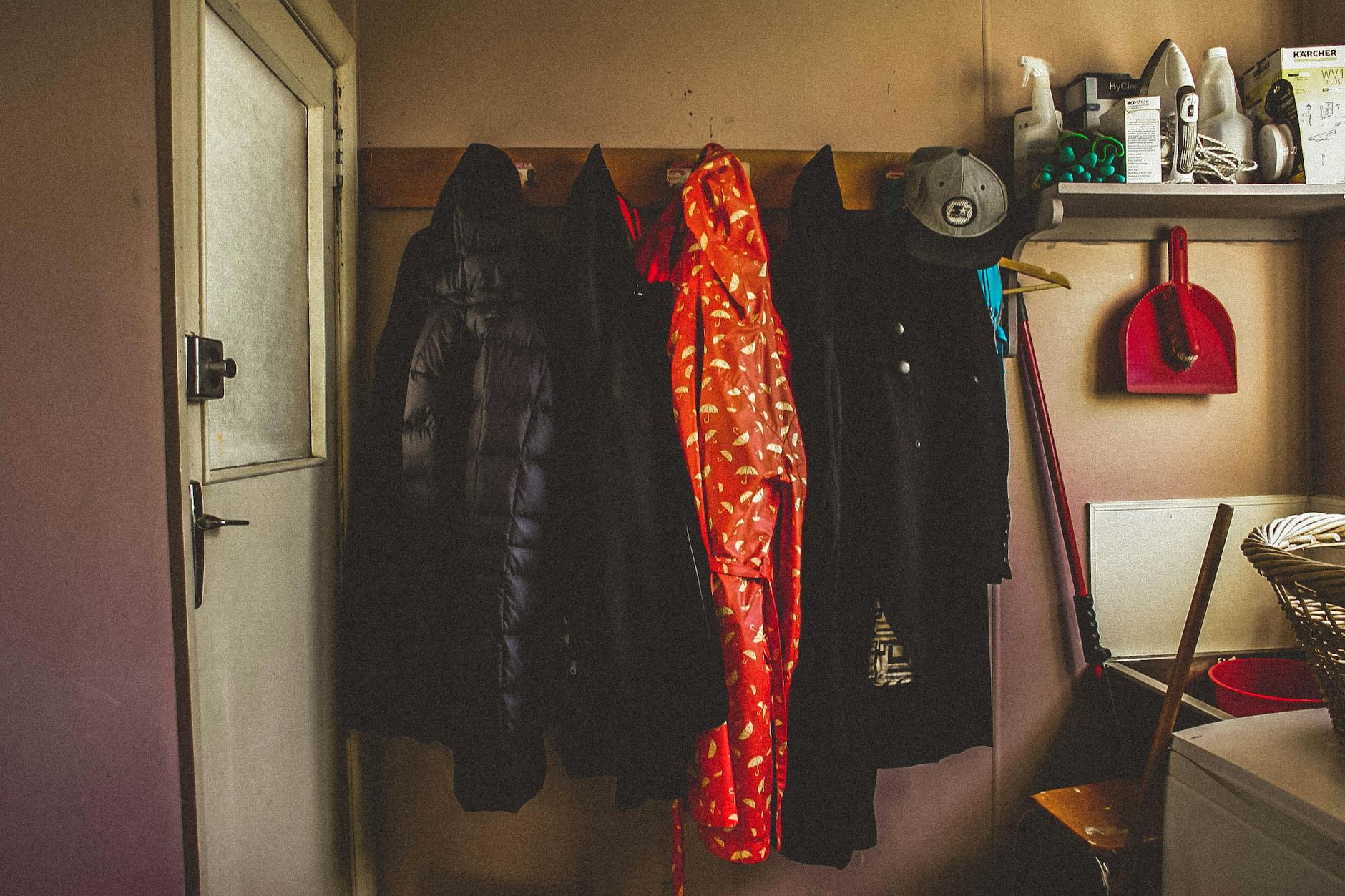
Heavy outerwear rarely touches bare skin and therefore absorbs very little body sweat or natural oils. Sending these bulky garments to the dry cleaner every month wastes money and weakens the fabric. A single professional cleaning at the end of the cold season is perfectly adequate for most materials. Simply hanging the coat in a well ventilated area removes minor everyday odors quite effectively.
Wooden Furniture
Applying commercial polishing sprays to your wooden tables every week creates a sticky residue buildup over time. These harsh aerosol chemicals can eventually dull the natural finish and attract more dust. A dry microfiber cloth traps surface dirt perfectly well for regular weekly maintenance. You only need to apply conditioning oils or waxes once or twice a year to keep the wood healthy.
Leather Sofas
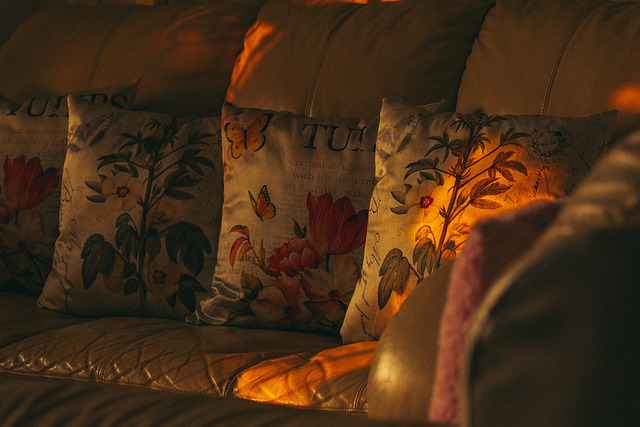
Constant wiping with wet soapy rags dries out the natural moisture found in animal hide furniture. This excessive moisture causes the material to crack and peel prematurely. Gentle dusting with a soft dry cloth keeps the surface looking fresh on a daily basis. Specialized conditioning creams are only required every six months to maintain suppleness and prevent fading.
Residential Ovens

Running the extreme high heat self cleaning cycle too often puts massive stress on appliance heating elements. Most minor spills can simply be wiped up with a damp sponge once the interior cools down. Heavy duty chemical scrubbing is truly only necessary right before the holiday cooking season begins. Frequent deep cleans actually increase the risk of damaging the sensitive internal temperature sensors.
Living Room Carpets
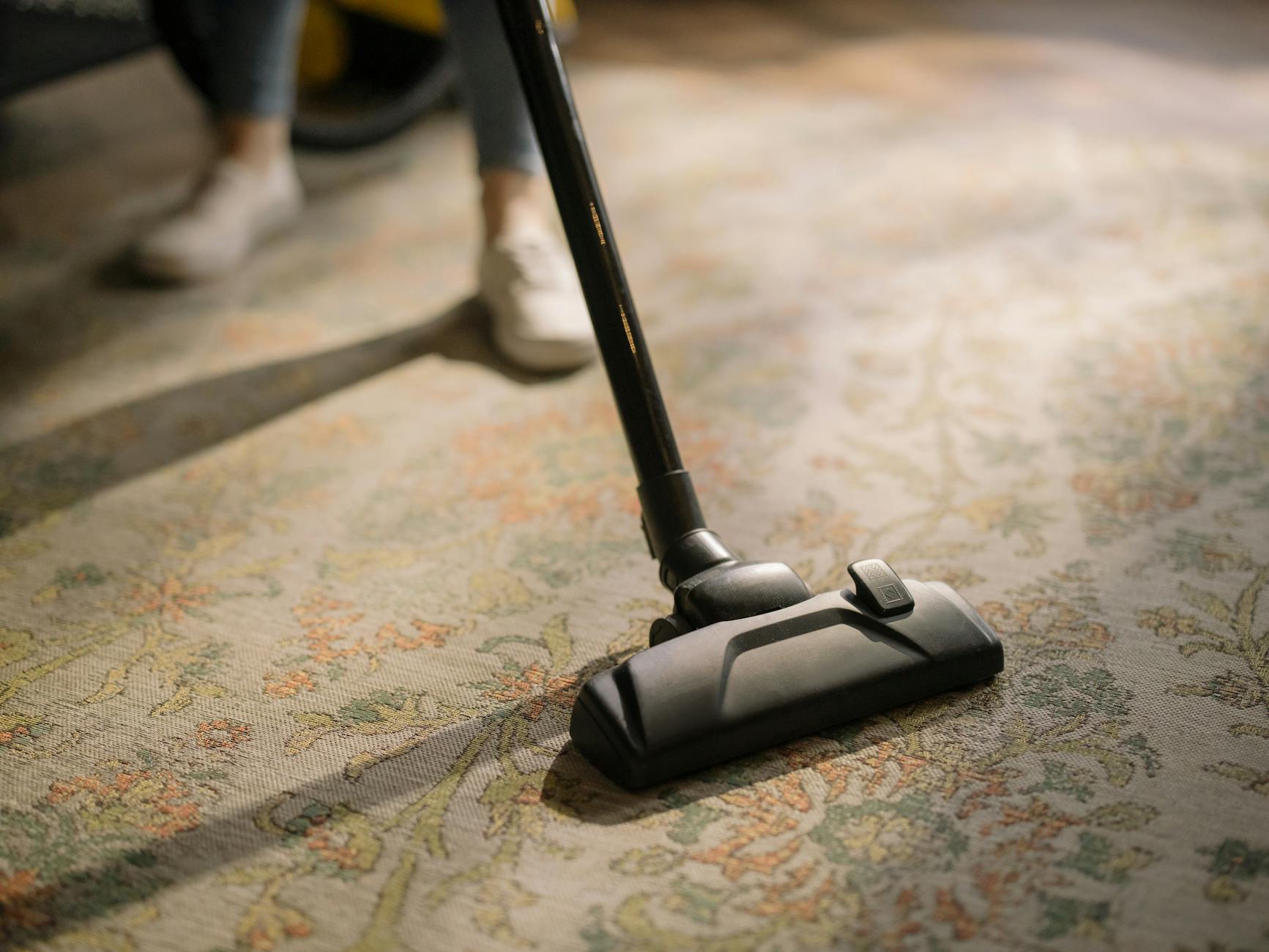
Shampooing large floor rugs every single month degrades the synthetic backing and causes fiber unraveling. Regular vacuuming removes the vast majority of abrasive dirt particles that cause actual wear. Professional steam extraction should only be scheduled once every twelve to eighteen months for standard households. Quick spot treatments with mild detergent handle sudden spills without soaking the entire foundation.
Decorative Mirrors
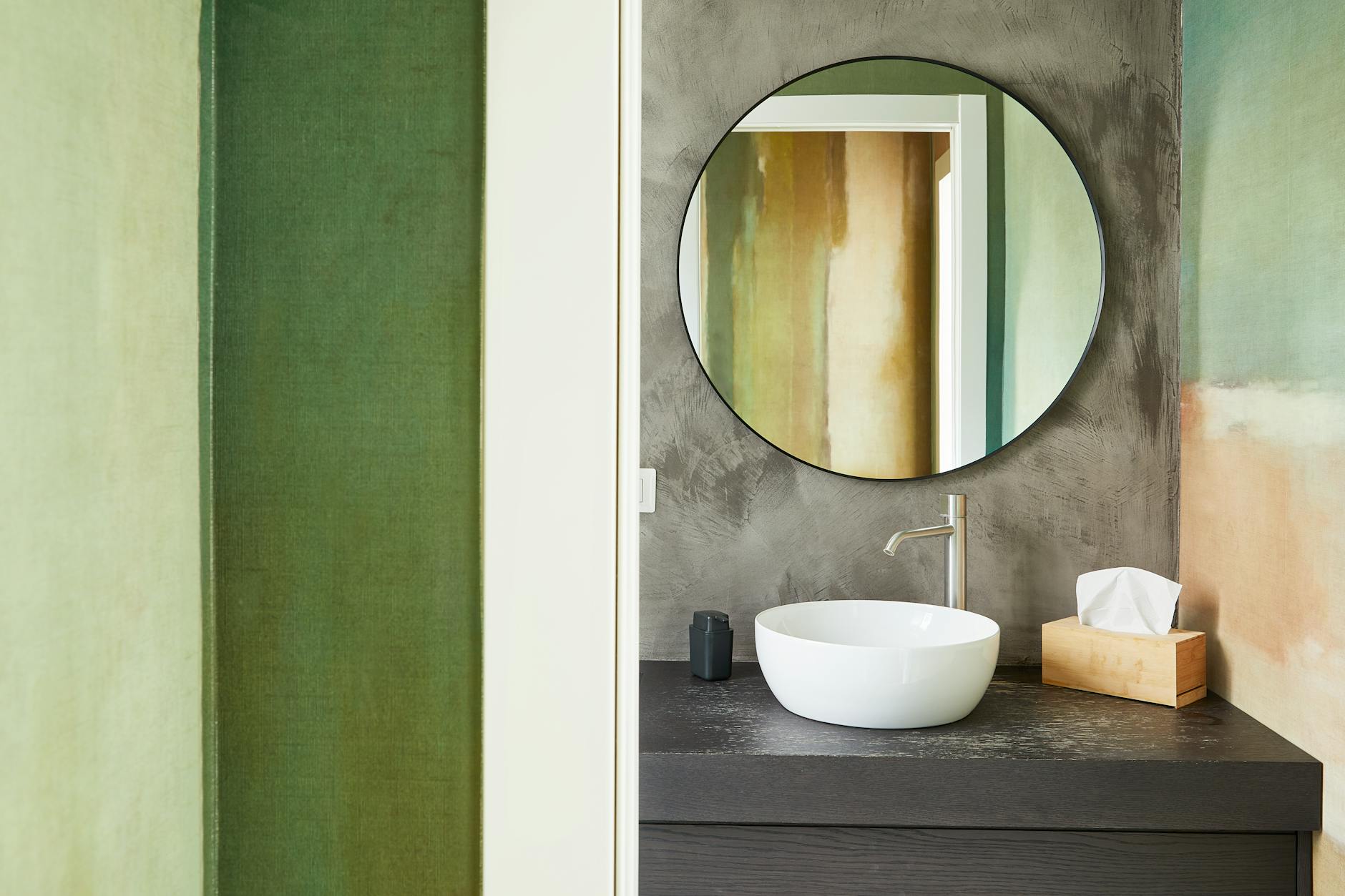
Spraying glass cleaner directly onto reflective surfaces daily causes liquid to seep behind the frame. This hidden moisture slowly ruins the silver backing and creates dark spots around the edges. Wiping the glass lightly with a dry microfiber cloth easily removes standard indoor dust. Chemical sprays are only needed occasionally to remove stubborn fingerprints or accidental smudges.
Exterior Windows

Scrubbing the outside glass every weekend is a completely unnecessary expenditure of physical energy. Rain and natural condensation naturally rinse away light pollen and surface dust throughout the week. A thorough washing during the spring and fall seasons keeps the glass perfectly transparent. Using a squeegee with mild soapy water twice a year prevents hard water mineral buildup.
Bath Towels
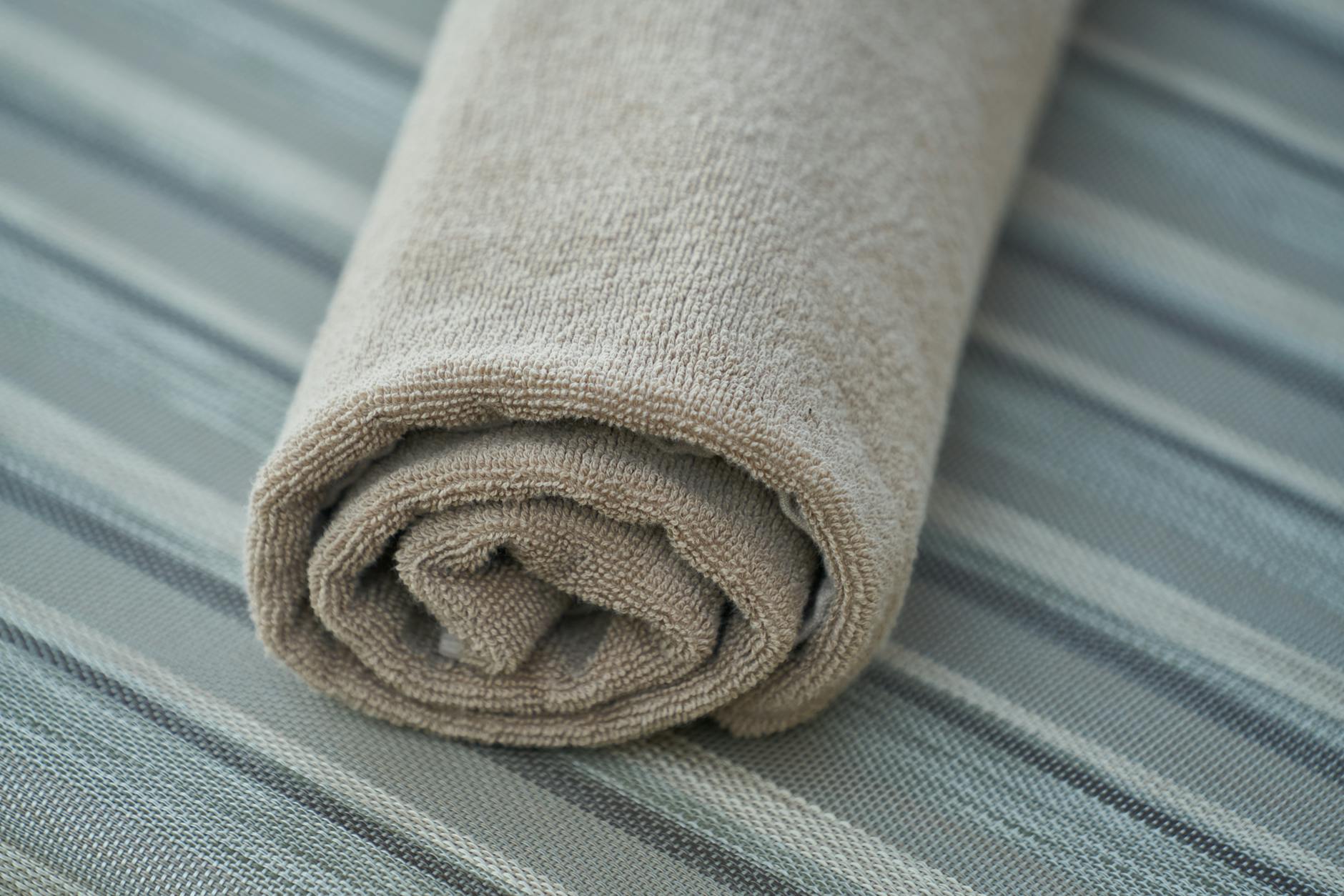
Throwing heavy cotton drying cloths into the laundry machine after a single use wastes massive amounts of water. Towels merely dry clean bodies and can easily be used three or four times before washing. Hanging them spread out on a bar allows proper air circulation and prevents mildew growth. Overwashing breaks down the absorbent loops and makes the fabric feel rough much sooner.
Bed Sheets
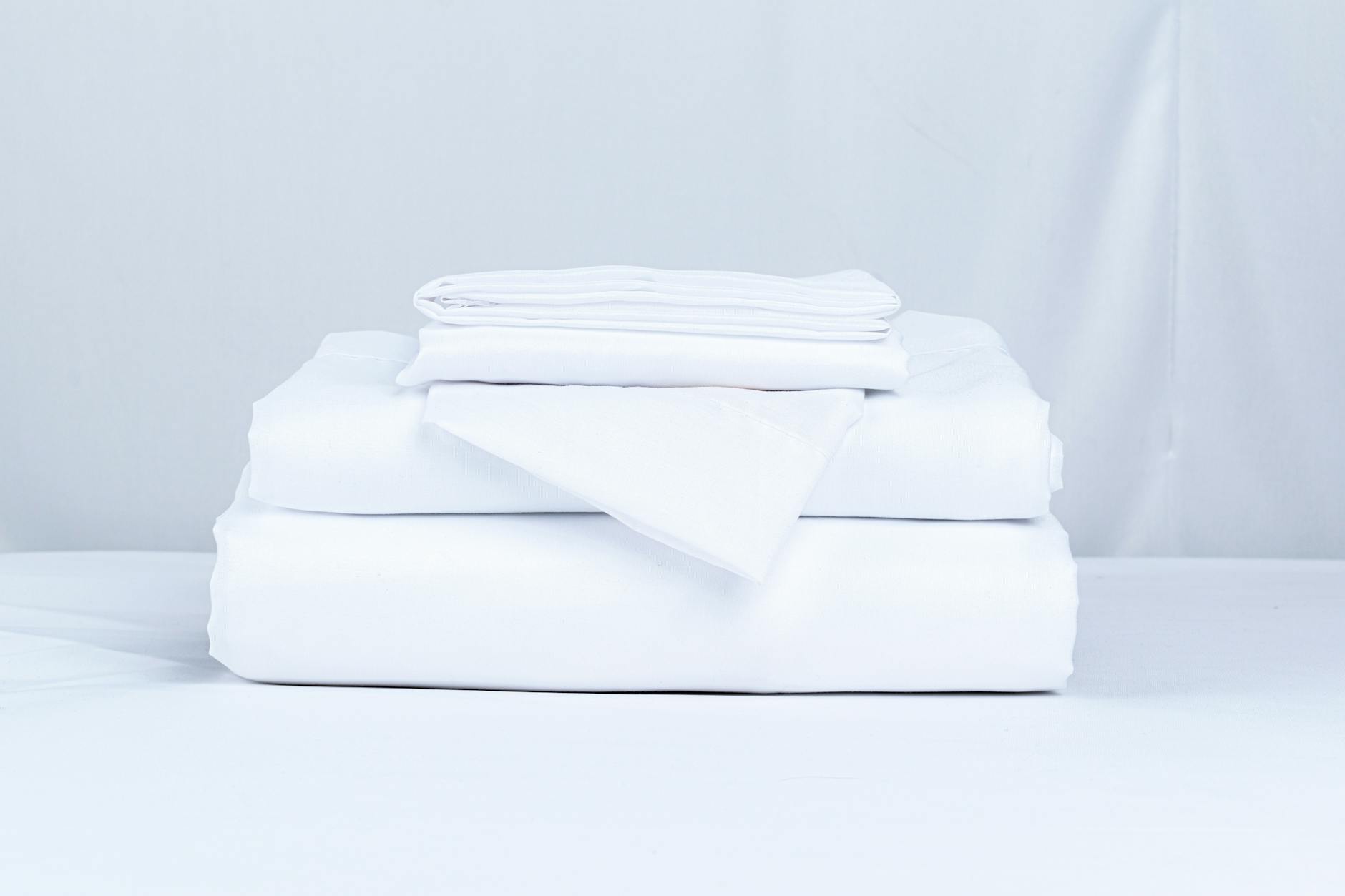
Stripping the mattress every two days accelerates the thinning of delicate cotton and linen threads. Most sleep experts agree that a weekly washing schedule provides optimal hygiene for average adults. Showering right before bed reduces the transfer of skin oils and stretches the time between required washes. Excessive agitation in the washing machine eventually leads to annoying pills forming on the fabric surface.
Decorative Pillows

Throw cushions resting on the sofa rarely encounter direct contact with sweat or dirty hands. Tossing them into the washing machine every month destroys their internal stuffing and ruins their shape. A quick pass with the vacuum upholstery attachment removes accumulated pet hair and household dust perfectly. Full wet washes are only justified when a visible liquid spill occurs directly on the cover.
Mattress Pads
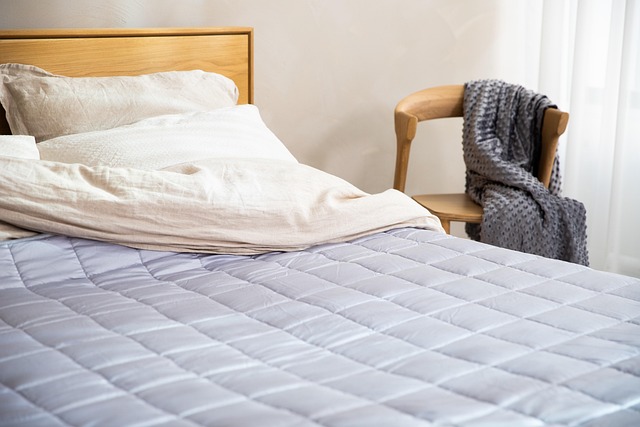
This thick protective layer rests beneath your regular sheets and remains shielded from direct bodily contact. Washing the bulky pad every week unnecessarily wears down the elastic corners and waterproof lining. A quarterly cycle in the washing machine handles any minor sweat or allergens that penetrate the top sheet. Keeping the underlying pad dry and intact is essential for preserving your expensive mattress.
Window Curtains
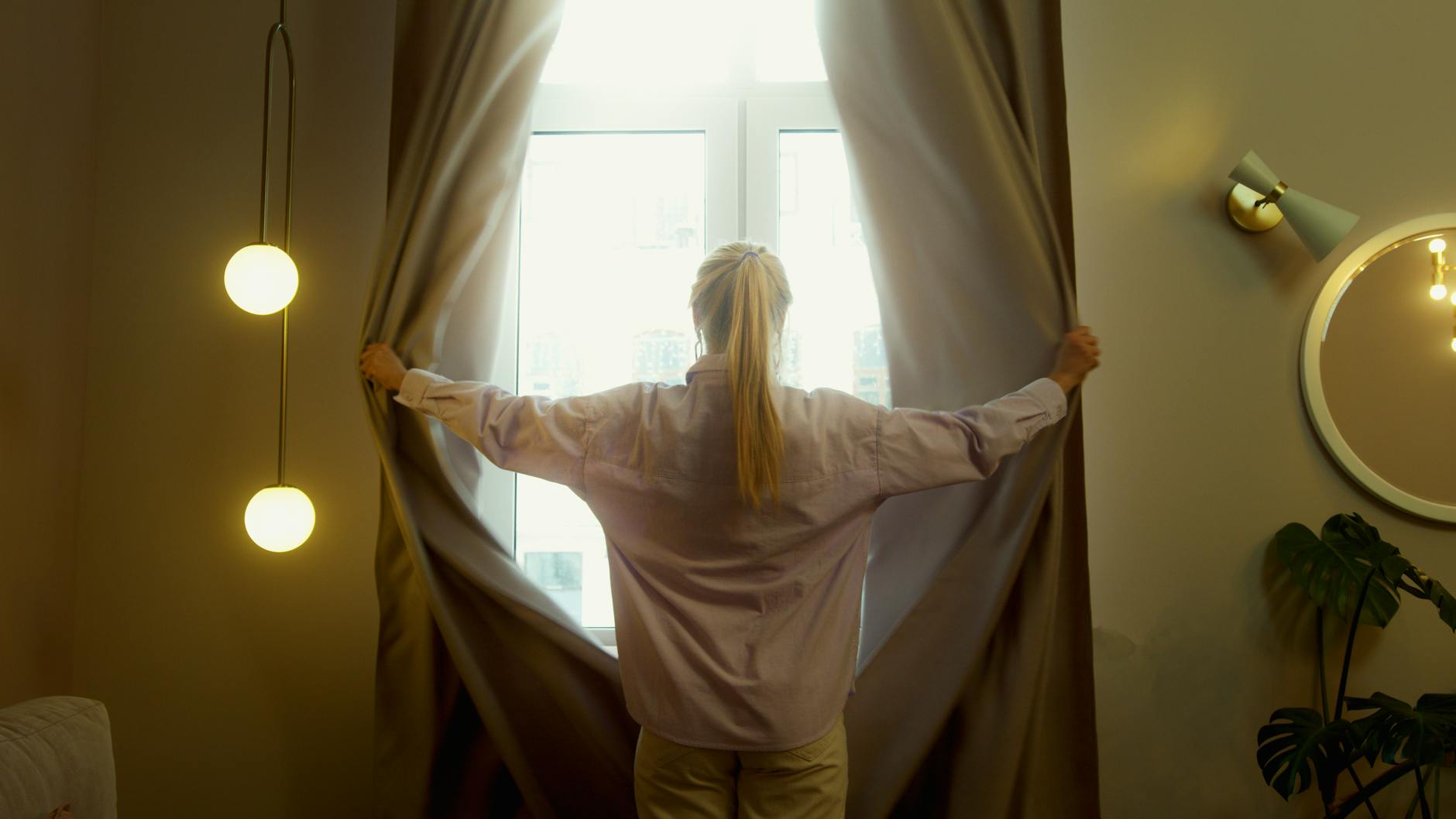
Taking down heavy fabric drapes for frequent laundering is an exhausting and mostly pointless chore. These vertical surfaces collect very little dust compared to flat horizontal furniture tops. Gently shaking the fabric or using a handheld vacuum attachment once a month keeps them perfectly fresh. Most curtain materials only require dry cleaning or gentle hand washing once every few years.
Window Blinds
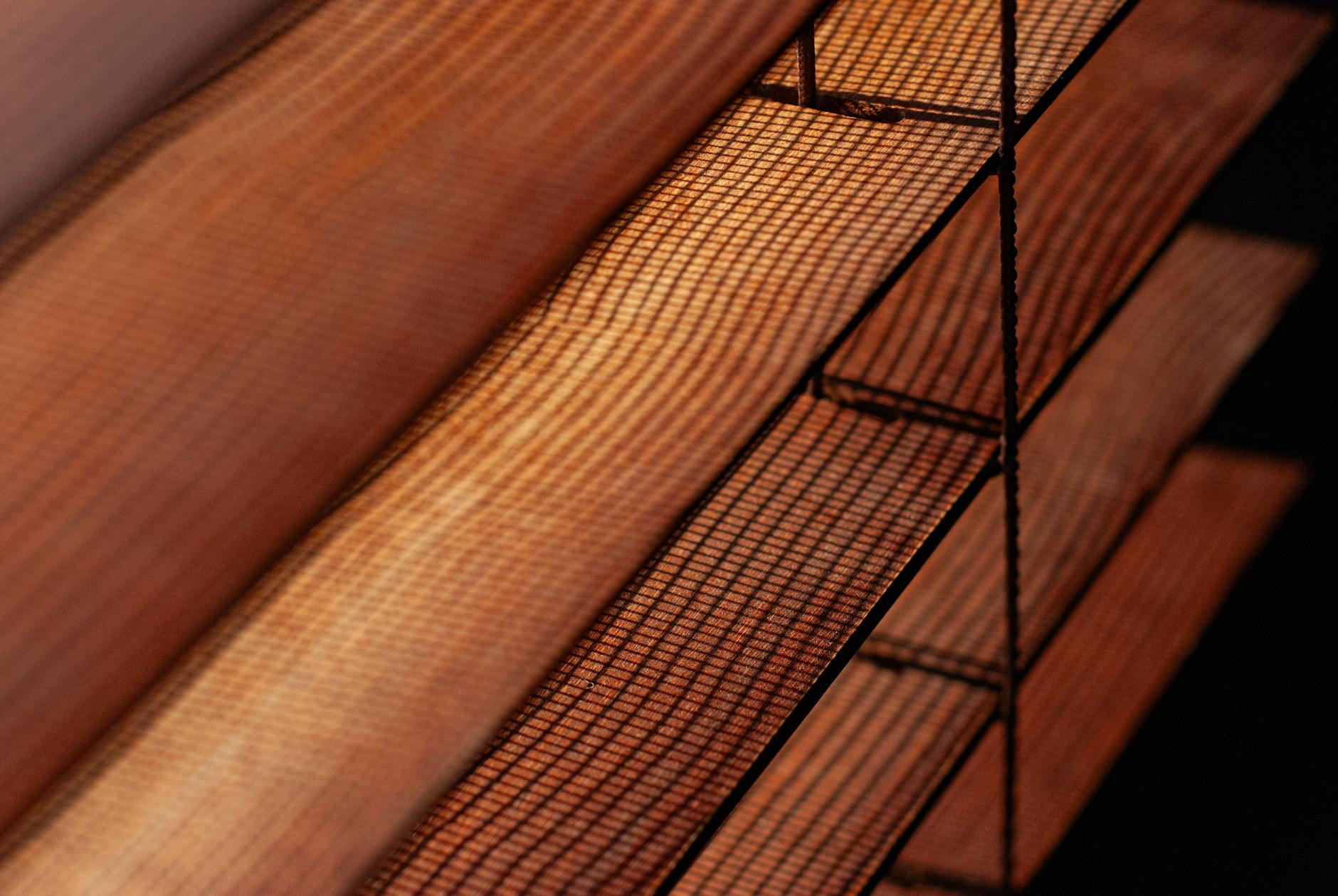
Scrubbing individual plastic or wood slats with wet soapy rags weekly invites moisture damage and streaks. Dry dusting with a specialized static duster takes very little time and removes all visible debris. Excessive water can rust the internal metal mechanisms and cause the raising cords to rot prematurely. A damp wipe down is only appropriate during an annual deep spring cleaning session.
Ceiling Fans

Climbing a ladder to scrub overhead fan blades every weekend puts you at unnecessary risk of falling. The rapid spinning motion naturally flings away most heavy particles before they can settle permanently. Wiping the blades with a dry cloth or an extendable duster once a month is entirely sufficient. Applying wet cleaners just creates a sticky mud that makes future dusting much more difficult.
Floor Baseboards

Crawling on your hands and knees to scrub floor trim weekly is terrible for your joints and completely unnecessary. A quick pass with a long handled duster or a dry broom easily sweeps away pet hair and cobwebs. Wet washing with soapy water should be reserved for removing visible scuff marks from shoes. Routine dry sweeping prevents the paint from peeling and keeps the edges looking perfectly crisp.
Hardwood Floors
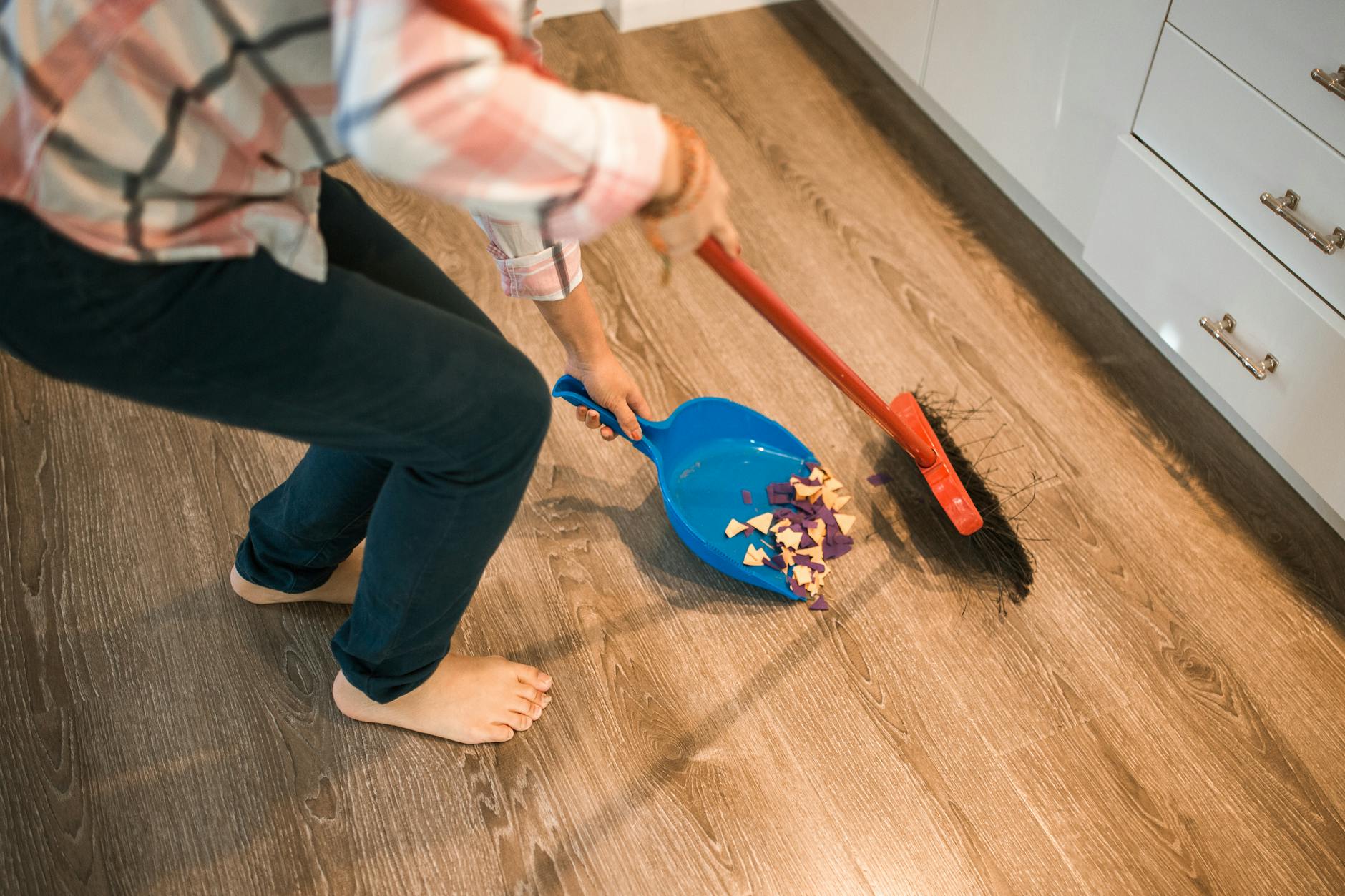
Mopping wooden floorboards with dripping wet string mops every few days invites severe water damage over time. The excess moisture seeps between the planks and causes the natural wood to swell and warp. Sweeping or vacuuming daily captures the gritty sand that actually scratches the delicate polyurethane finish. A lightly damp microfiber pad is all you need for a safe monthly floor cleaning routine.
Kitchen Dishwashers
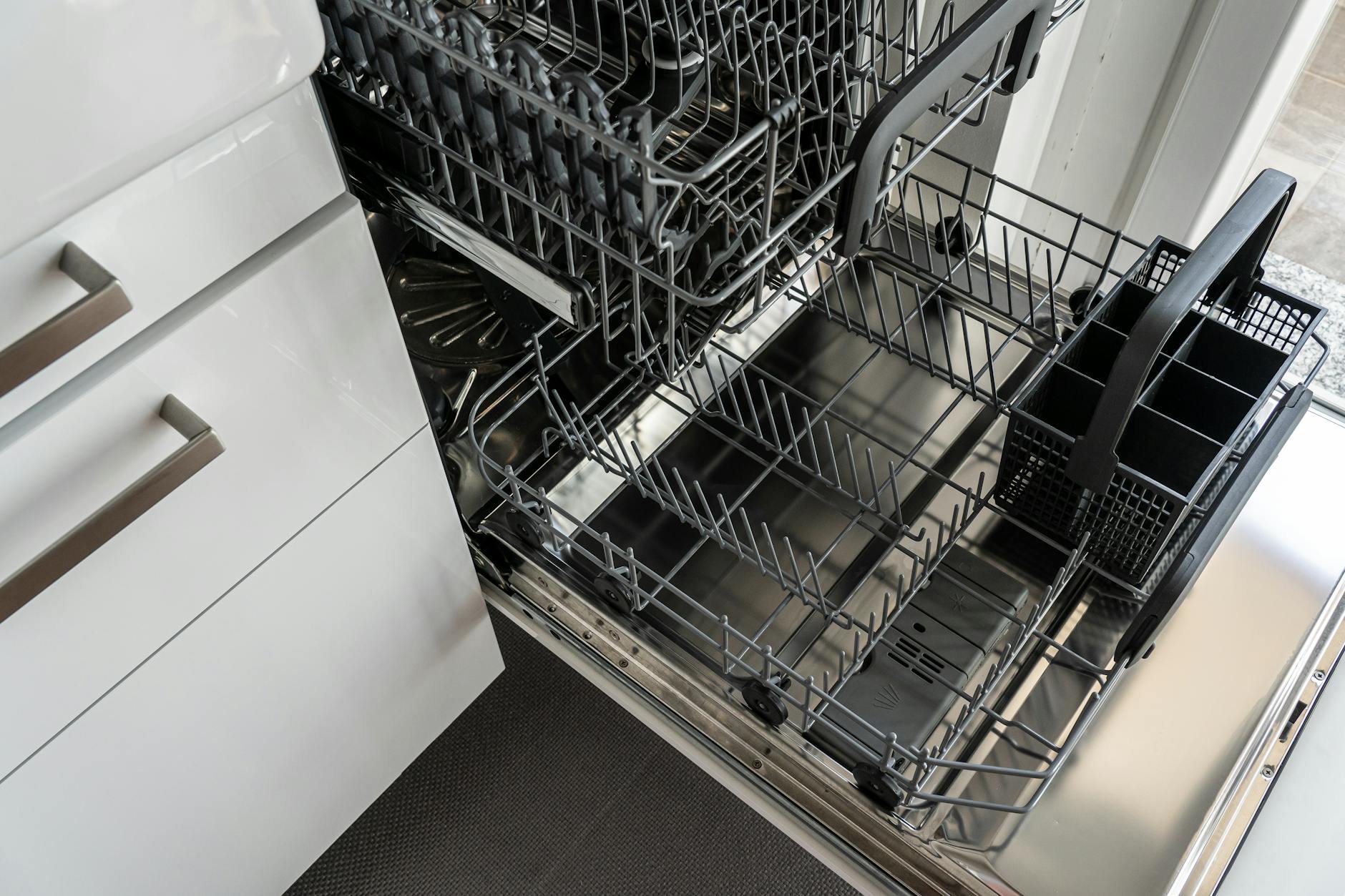
Pouring special chemical cleaners into your dishwashing machine weekly is a massive waste of money. The interior chamber gets washed with hot soapy water every time you run a load of dirty plates. Wiping the rubber door gasket and clearing the bottom food trap monthly prevents any lingering odors. Running an empty cycle with white vinegar twice a year dissolves any stubborn hard water scaling.
Clothes Washing Machines
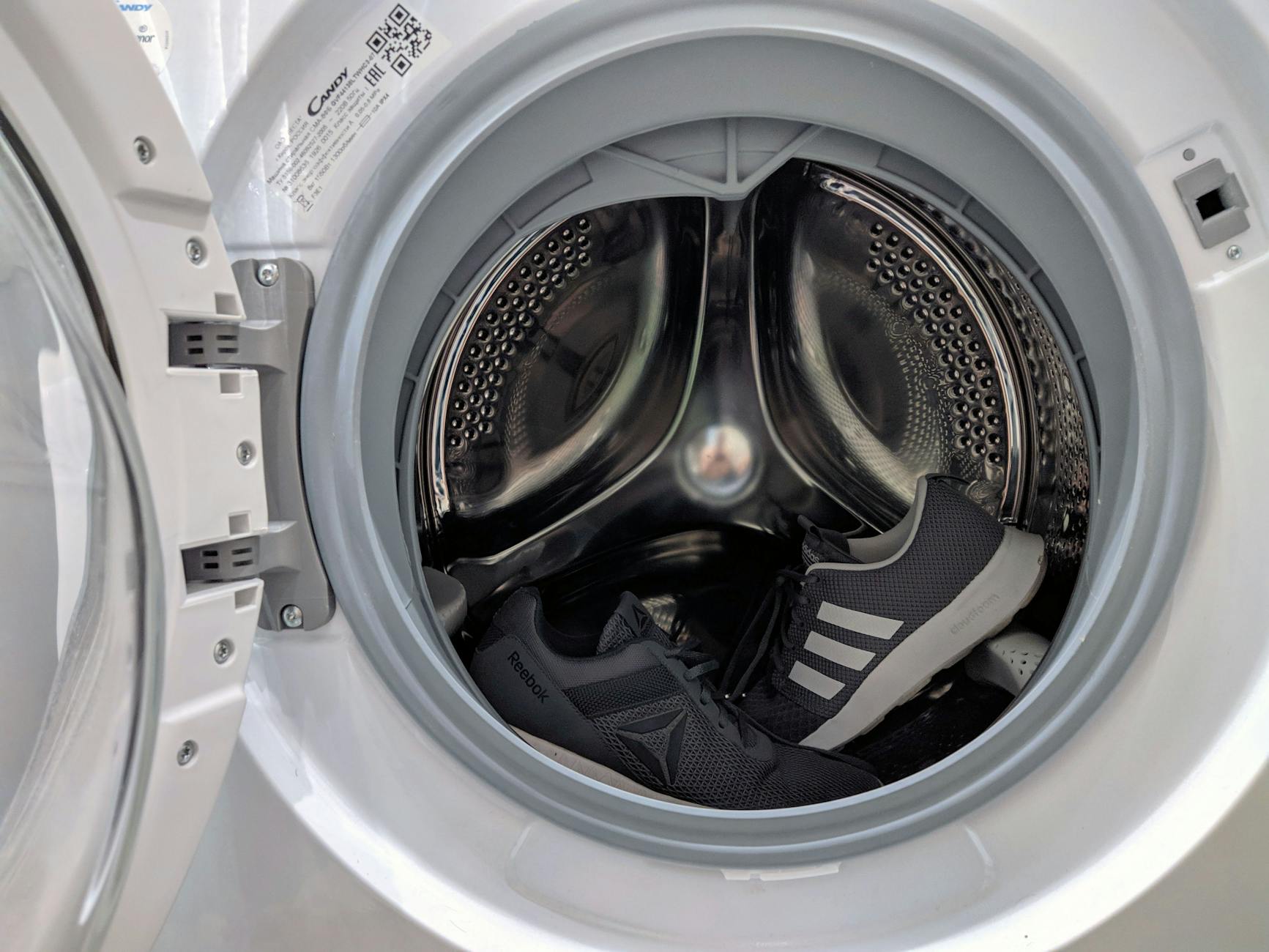
Scrubbing the inside of a laundry drum frequently ignores the fact that it constantly handles detergent. Leaving the front door open after every load allows internal moisture to evaporate and prevents mold growth. Running a dedicated tub clean cycle is only required every thirty to forty regular wash loads. Excessive manual scrubbing can accidentally dislodge the sensitive rubber seals around the main door.
Drip Coffee Makers
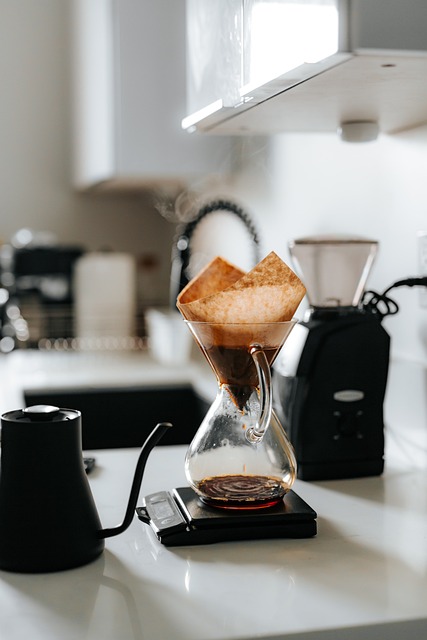
Brewing harsh descaling acids through your morning machine every week degrades the internal plastic tubing. Rinsing the removable glass carafe and the filter basket with warm water daily keeps your beverage tasting fresh. A thorough vinegar cycle is only necessary when you notice the brewing process becoming significantly slower. Overly frequent chemical flushing can leave a terrible residual taste in your morning cup.
Bread Toasters
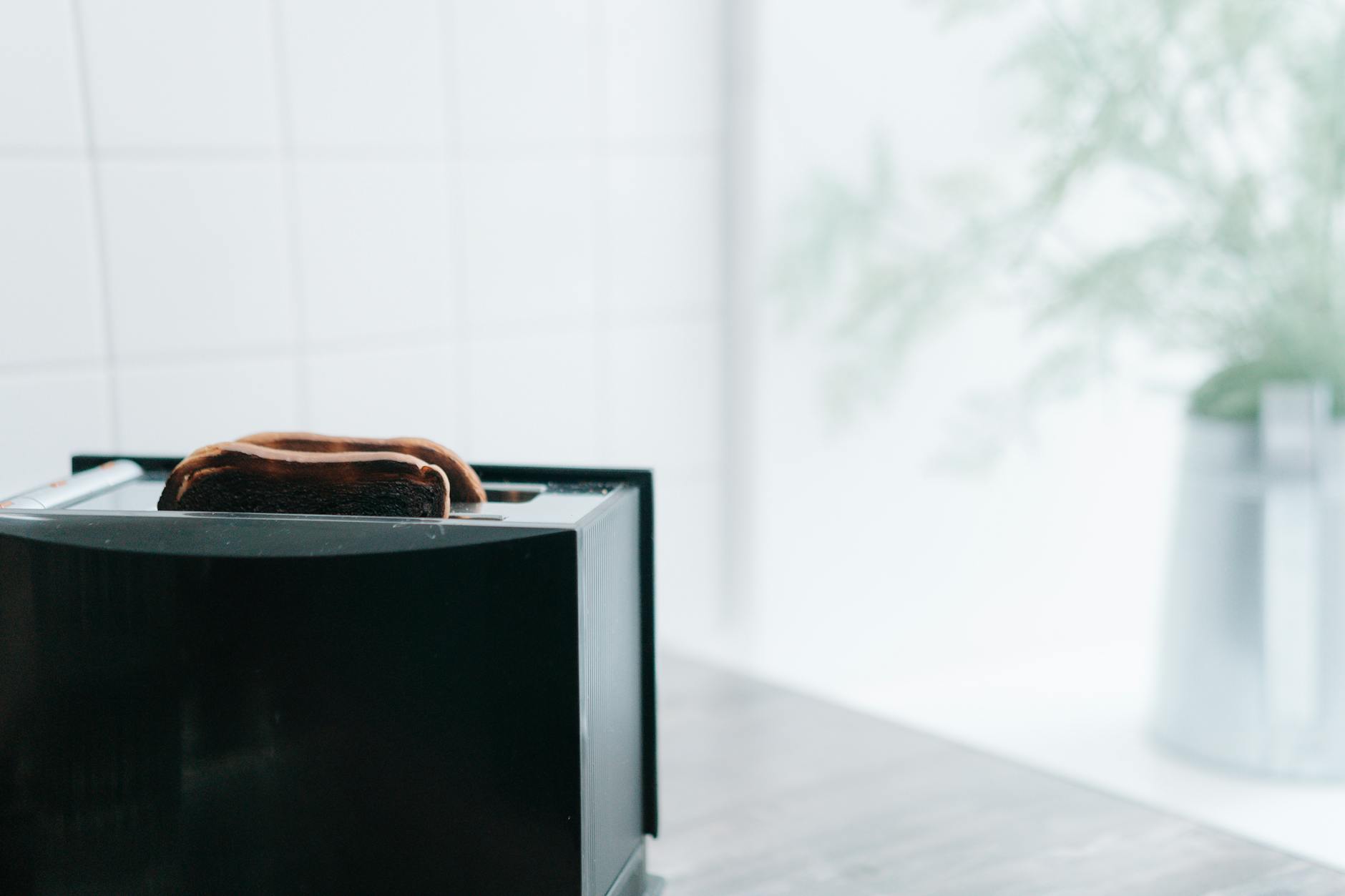
Shaking and scrubbing your countertop bread heater daily risks damaging the fragile internal heating wires. Emptying the bottom crumb tray once a week prevents any burning smells or minor fire hazards. Wiping the exterior metal casing with a dry cloth keeps the appliance looking shiny and presentable. Digging inside with damp brushes introduces dangerous moisture to the electrical components.
Kitchen Microwaves
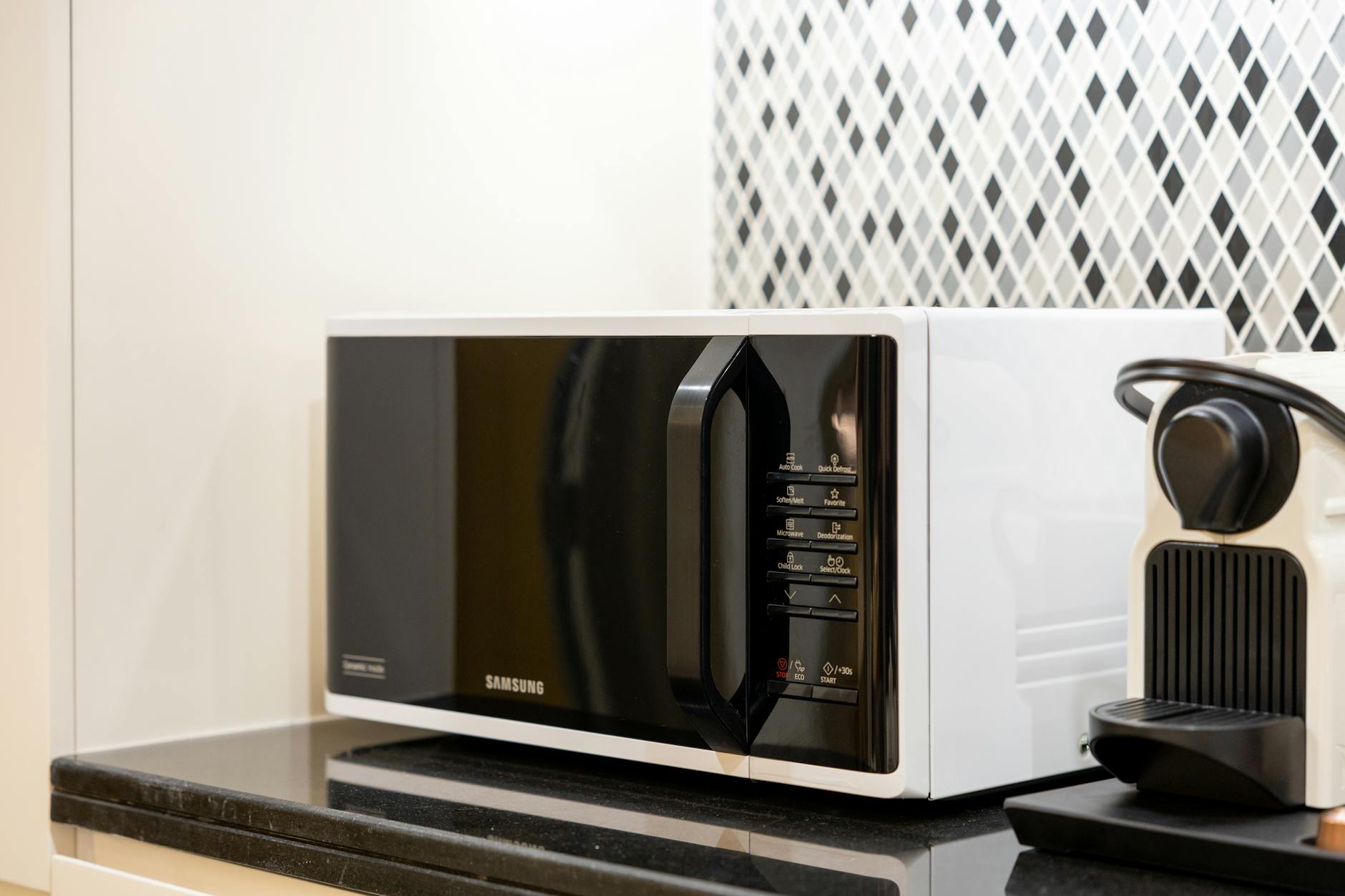
Wiping the cooking chamber daily is entirely unnecessary if you simply cover your food with a plate. Using a splatter guard traps steam and completely eliminates the violent explosions of sauce and soup. Heating a bowl of water and lemon slices for three minutes loosens any occasional dried on stains. You only need to wipe the interior walls when a visible accident actually happens.
Food Refrigerators
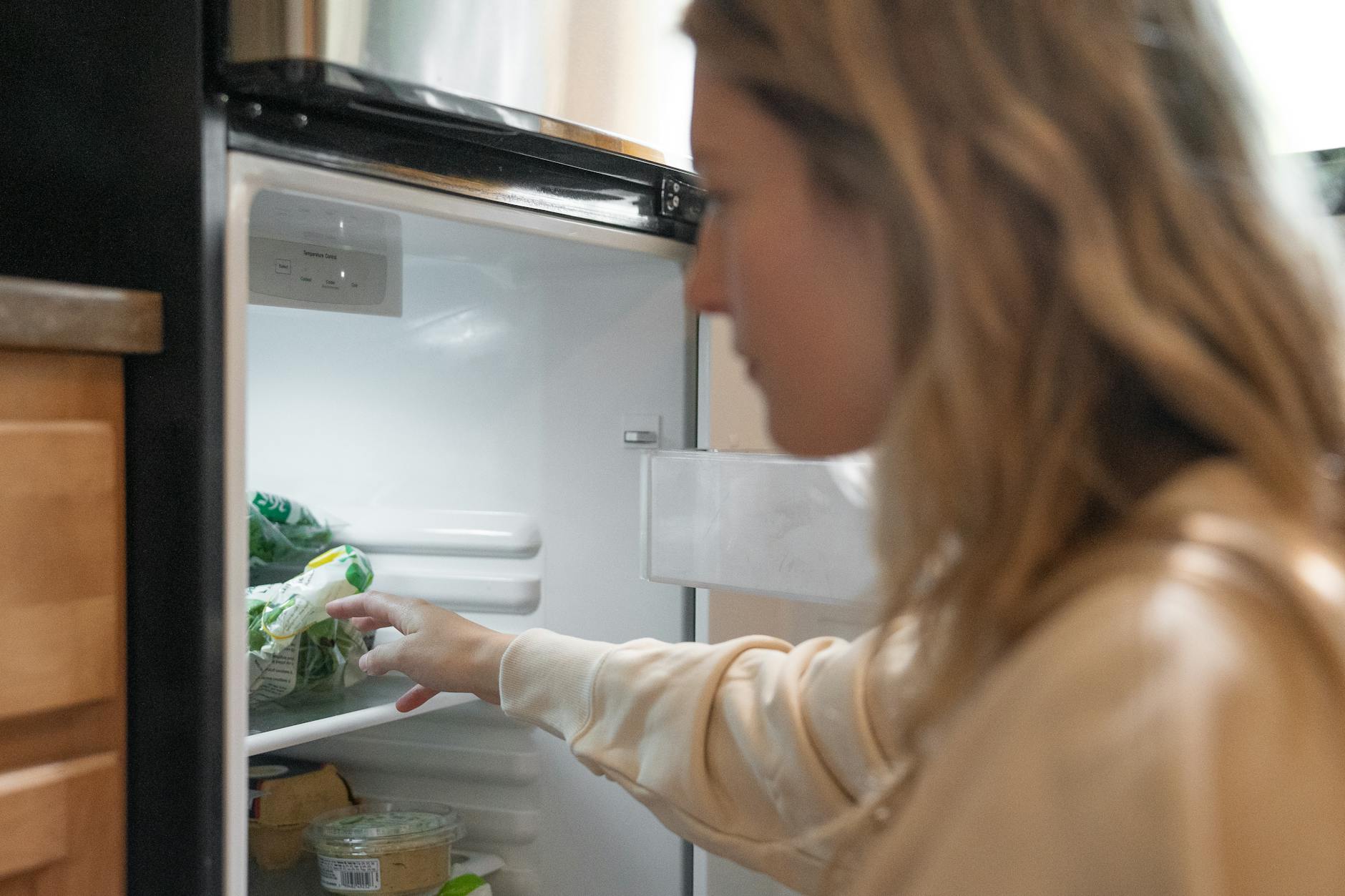
Emptying all the shelves for a massive weekly soapy scrub down wastes electricity and warms your food. Wiping up sticky juice spills immediately prevents them from hardening into difficult crusts. A quick wipe of the door handle daily stops the spread of common household germs. Pulling out the heavy glass shelves for a hot water wash is only needed twice a year.
Deep Freezers
Chipping away at frost and scrubbing the frozen interior walls monthly ruins the appliance efficiency. Every time you open the door for prolonged cleaning you introduce humid room air that creates more ice. Defrosting and wiping down the cavity is only required when the ice buildup reaches half an inch thick. Keeping the freezer tightly packed actually helps it maintain a stable temperature with less effort.
Kitchen Sink Drains
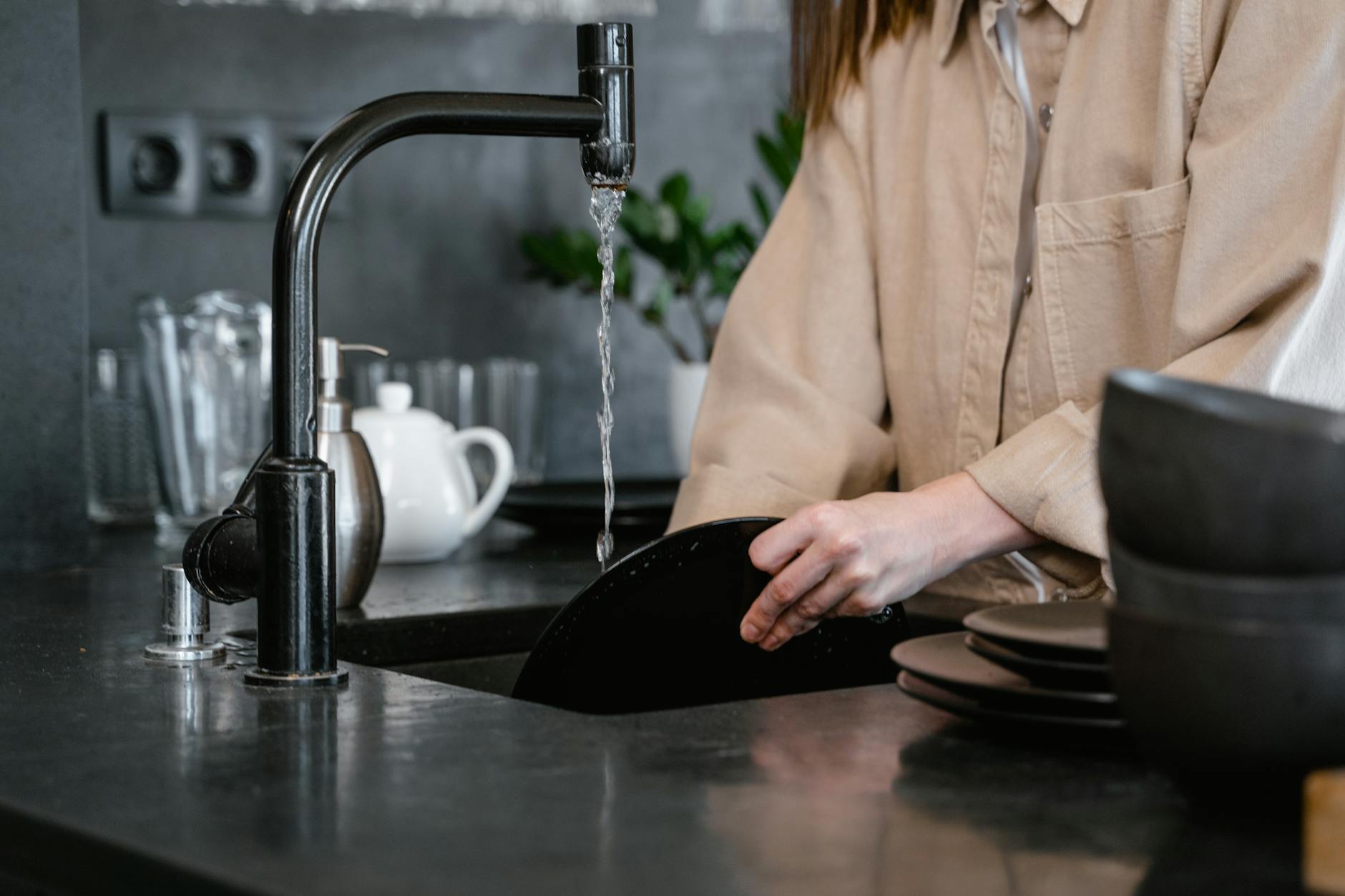
Pouring caustic drain clearing chemicals down your pipes every week destroys the plumbing infrastructure. Boiling water flushed down the drain once a week easily melts away minor grease and fat deposits. Using a simple mesh strainer catches the solid food particles that cause actual clogs. Chemical interventions should only happen when the water flow completely stops moving.
Shower Curtains
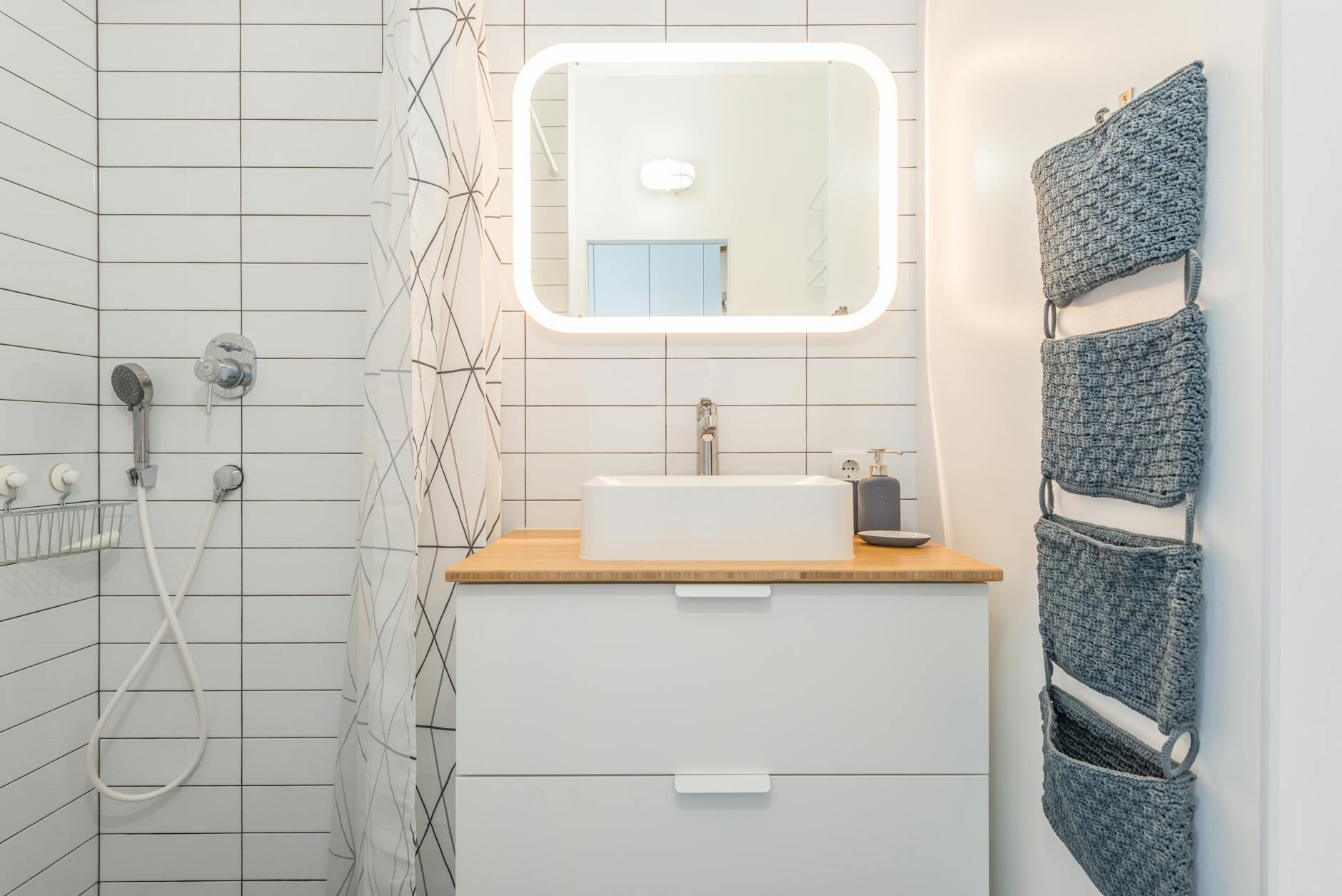
Washing the plastic bathroom liner every weekend wears down the reinforced hanging holes very quickly. Spraying the material with plain water after your shower rinses away residual soap scum effectively. Spreading the curtain completely open allows it to dry fully and prevents pink mold from taking hold. A run through the washing machine with a few towels is only needed every three months.
Bathroom Tiles
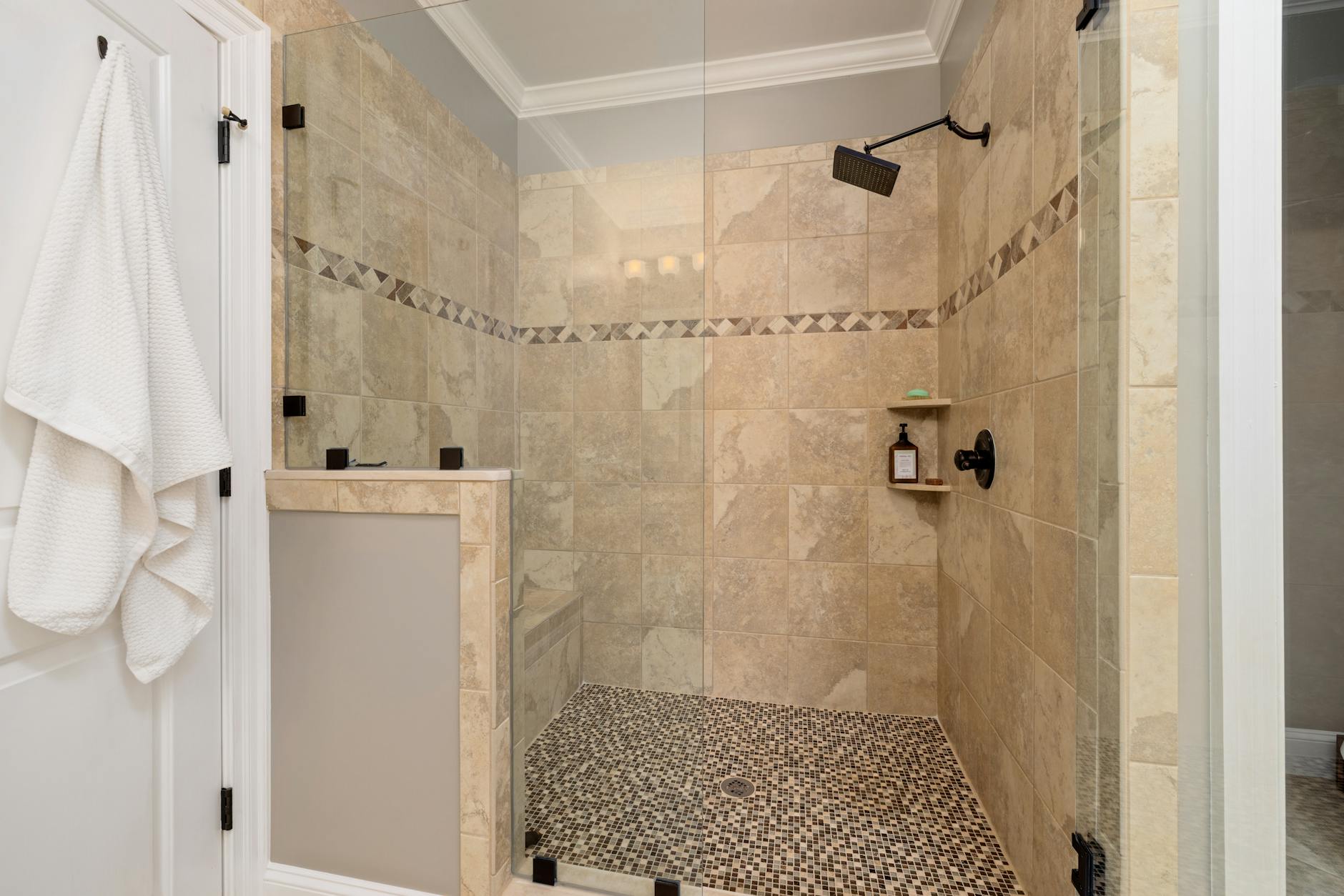
Scrubbing ceramic shower walls with abrasive powders daily scratches the protective glossy glaze. A simple daily squeegee routine removes the standing water droplets that eventually turn into hard scale. Mild bathroom cleaner and a soft sponge handle any light soap buildup on a biweekly basis. Preserving the smooth tile surface makes future cleaning sessions significantly faster and easier.
Floor Grout

Attacking the cement lines between your floor tiles with a stiff brush and bleach weekly erodes the material. This aggressive tactic physically removes layers of grout and creates deeper crevices for dirt to hide. Sweeping up dry dust regularly prevents mud from settling into the porous cement lines. Sealing the lines annually provides better protection than constant exhausting scrubbing sessions.
Toilet Bowls
Pouring harsh industrial bleach into the porcelain bowl every single day damages the internal rubber flapper valve. A gentle scrub with a standard brush and mild cleaner once a week maintains perfect bathroom hygiene. Closing the lid before flushing prevents invisible dirty water droplets from coating the surrounding room. Dropping continuous cleaning tablets into the upper tank specifically voids many toilet manufacturer warranties.
Shower Heads
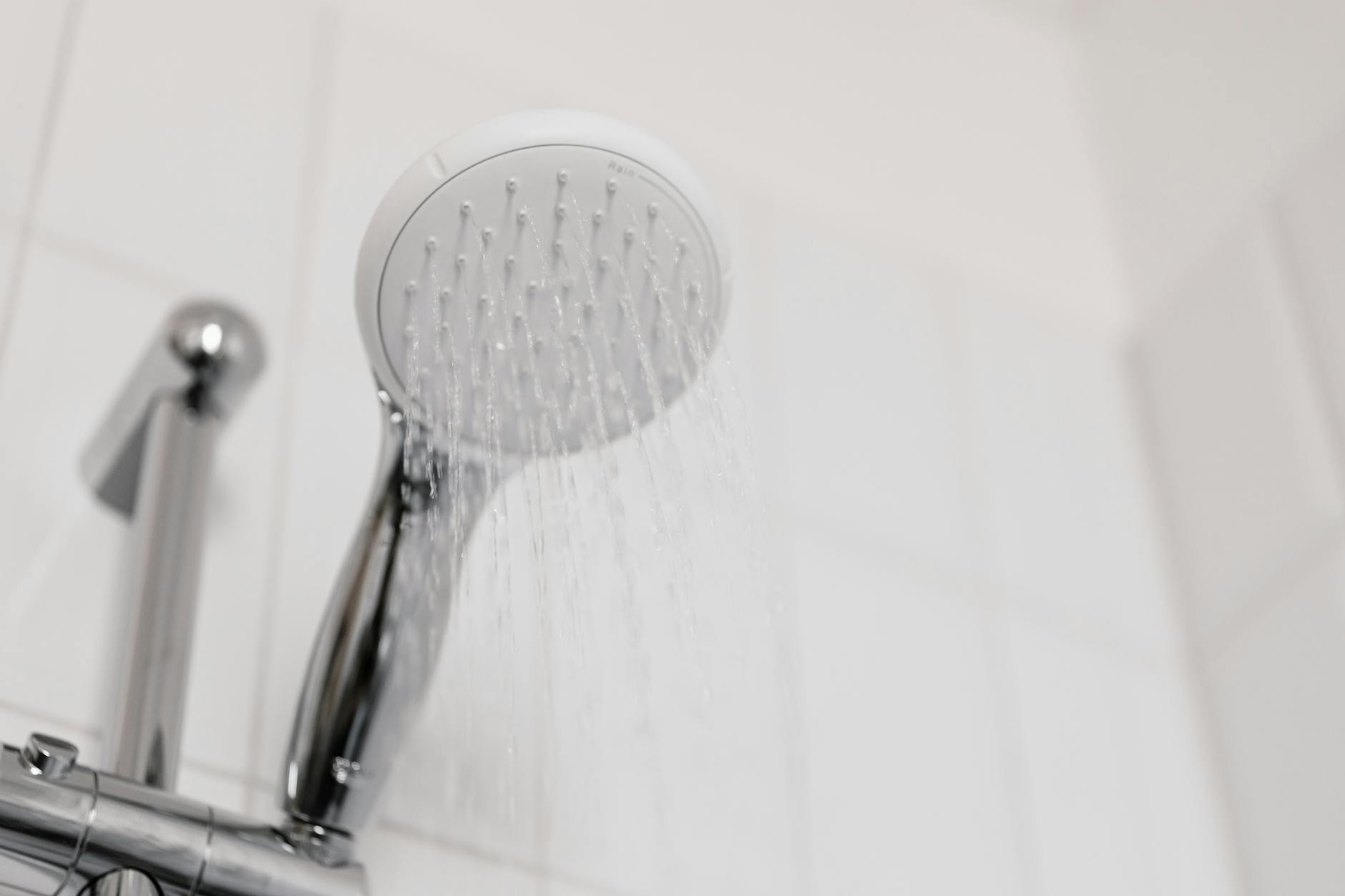
Soaking your metal water fixture in heavy chemical bags weekly dissolves the decorative chrome finish. The high pressure water flow naturally clears away most small debris during your normal daily shower. Tying a bag of white vinegar around the nozzle overnight handles serious mineral clogs brilliantly. This deep descaling process is truly only required once or twice a year for normal city water.
Bathroom Bathtubs
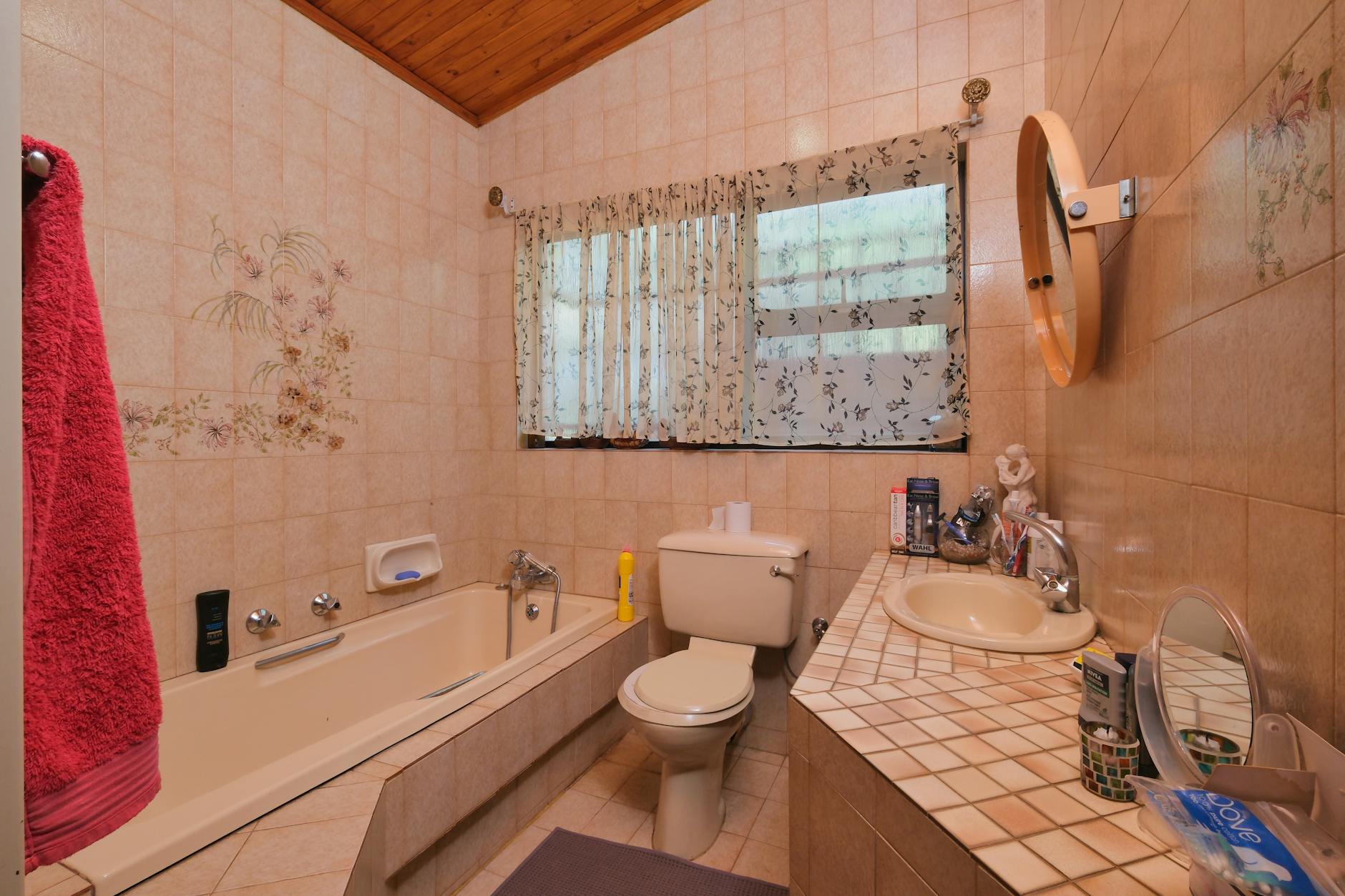
Scrubbing the entire plastic tub basin daily ruins your back and slowly dulls the acrylic surface. Rinsing the walls with the handheld shower wand after bathing pushes all soapy residue down the drain. A gentle weekly wipe down with a non abrasive spray keeps the bathing area perfectly sanitary. Heavy duty scrubbing pads actually create microscopic scratches that trap dark dirt permanently.
Makeup Brushes
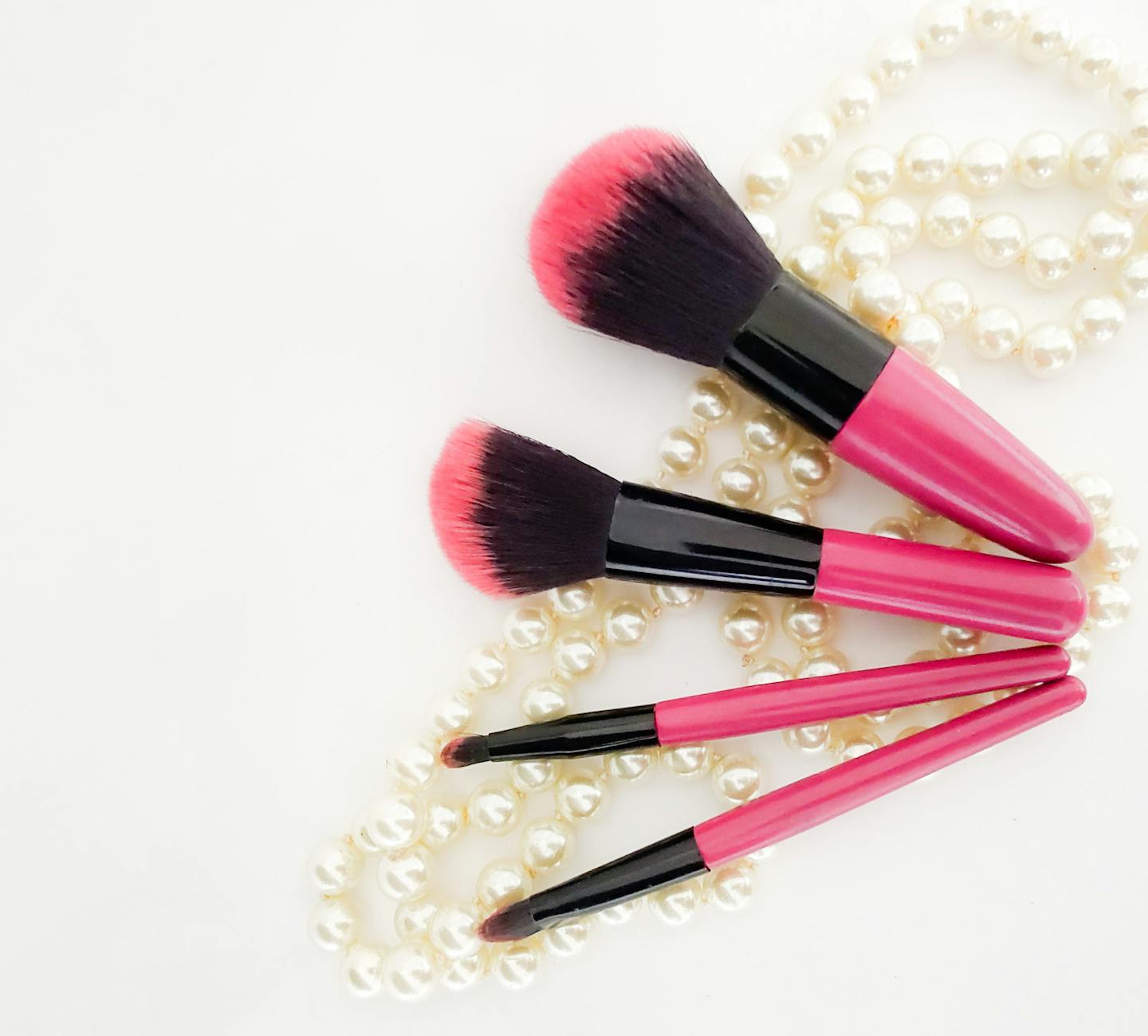
Soaking expensive cosmetic tools in soapy water every single day melts the glue holding the bristles together. Swirling the tips on a dry microfiber towel after applying powder removes excess color perfectly well. A thorough wet washing with gentle baby shampoo is only necessary once a week for liquid foundation tools. Powder brushes can easily go an entire month before requiring a full wet cleansing session.
Hair Brushes
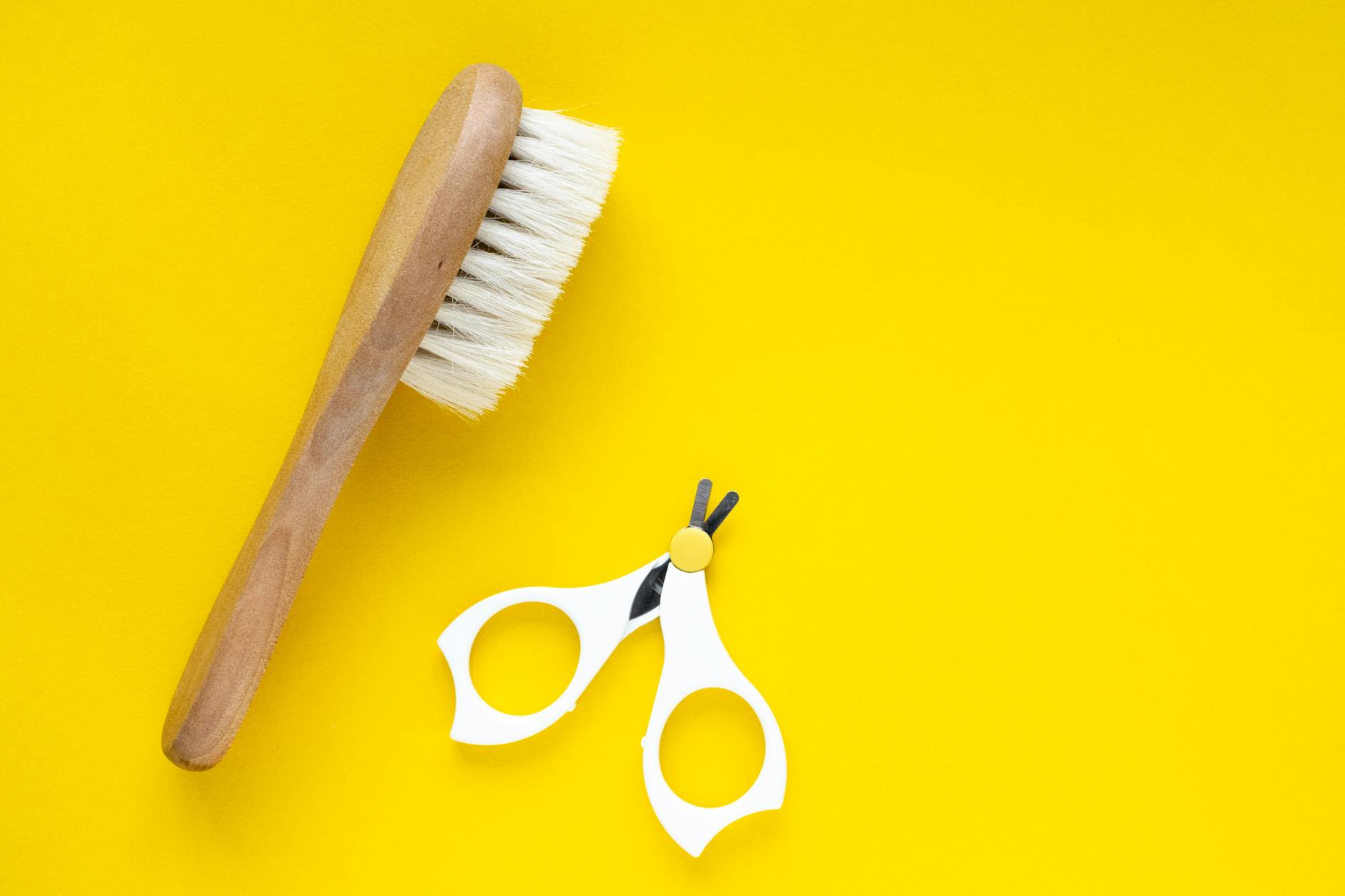
Dunking wooden handle brushes into a sink full of hot soapy water weekly causes the wood to split. Plucking out the trapped hair with your fingers after every styling session keeps the tool very clean. A damp cloth can wipe away any oily scalp buildup on the rubber cushion once a month. Overwashing rusts the internal metal pins and completely destroys expensive boar bristles.
Toothbrush Holders
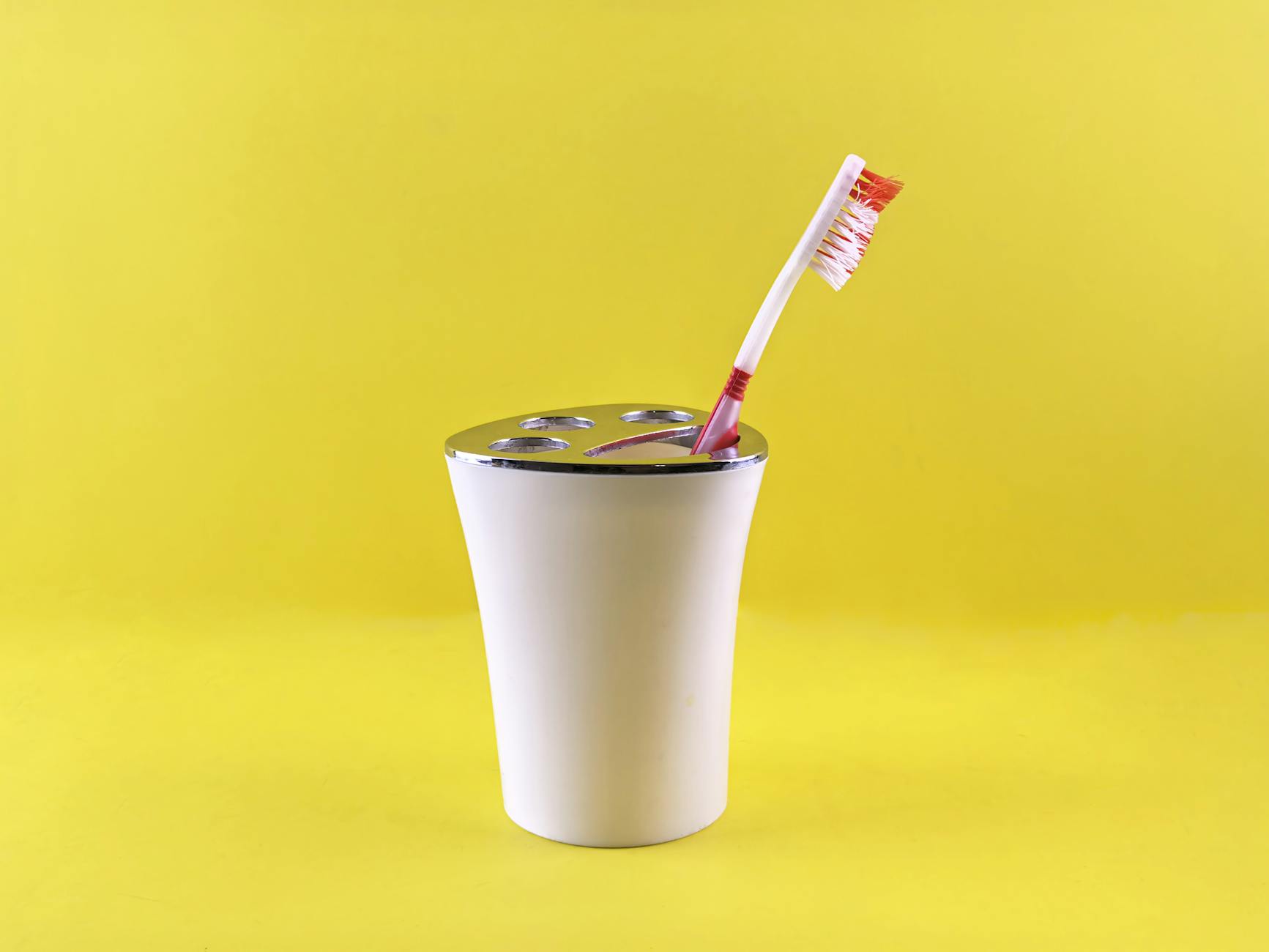
Boiling the plastic bathroom cup every few days warps the material and ruins the decorative design. Rinsing the holder with hot water and drying it upside down weekly stops any messy toothpaste accumulation. Avoiding letting water pool at the bottom is the easiest way to prevent gross bacterial sludge. Running the holder through the dishwasher top rack is only needed once a month.
Indoor Trash Cans
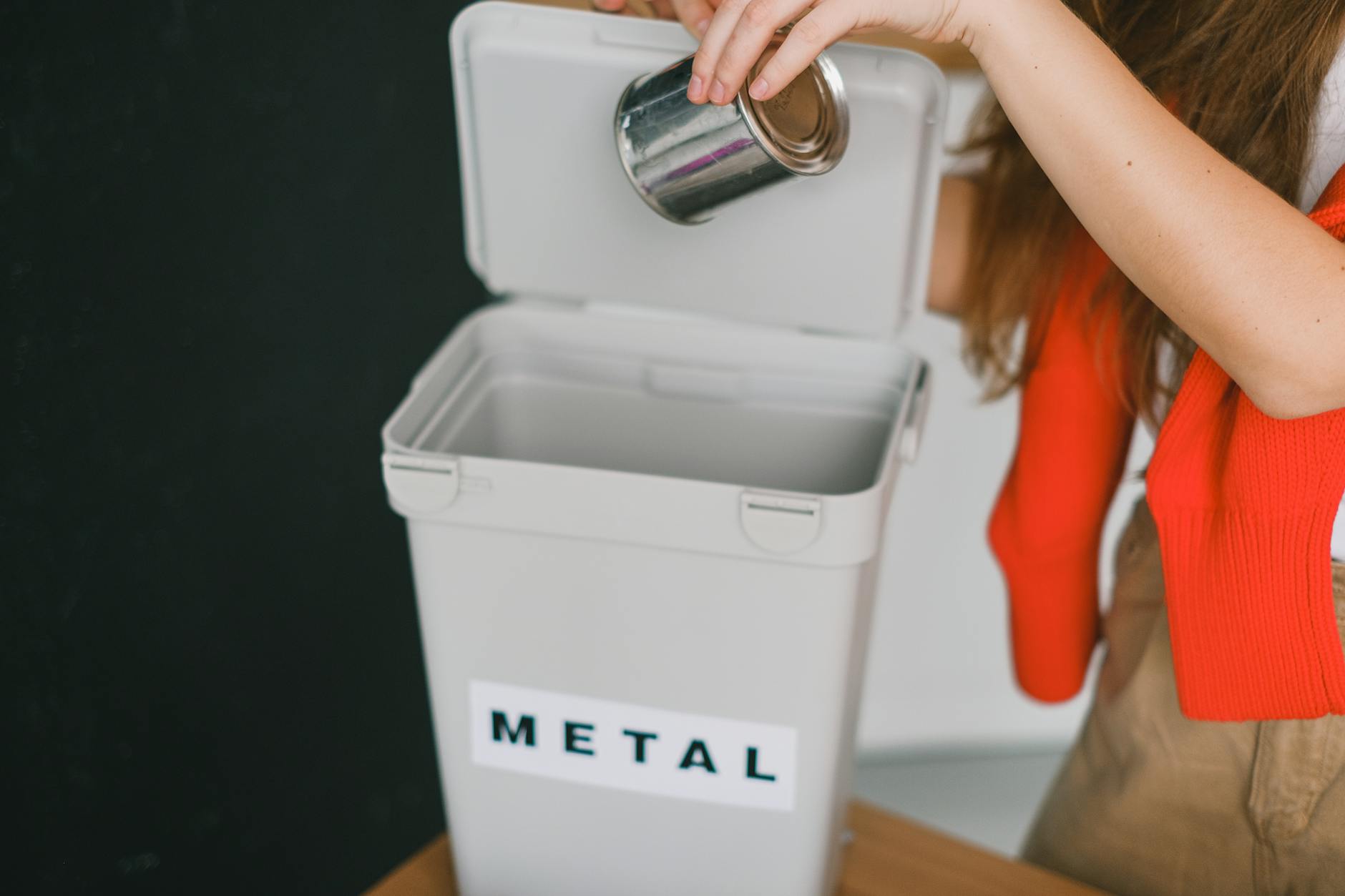
Scrubbing the plastic garbage bin with heavy bleach every time you take out the bag is unnecessary work. Using high quality heavy duty trash bags prevents foul liquids from ever touching the actual container. Wiping the exterior lid with a standard disinfecting wipe manages any germs transferred by hands. A deep hose down in the backyard is only required if a bag actually rips and leaks.
Interior Doorknobs
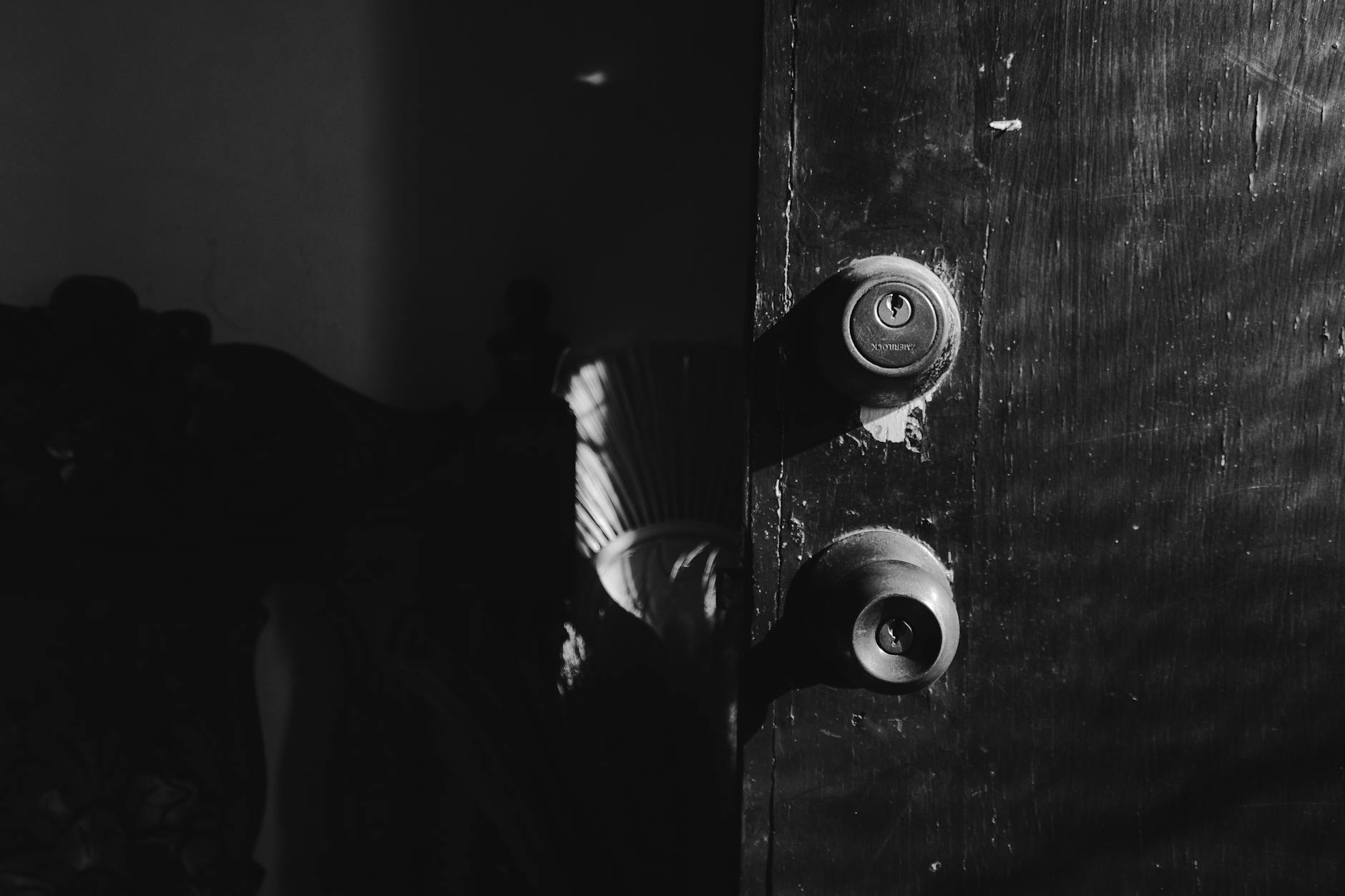
Spraying metal handles with strong disinfectants constantly strips away their protective clear coat finish. Solid brass hardware actually possesses natural antimicrobial properties that destroy bacteria entirely on their own. Wiping them lightly with a damp cloth during cold and flu season provides adequate household protection. Overly aggressive chemicals cause ugly tarnishing and leave the metal feeling oddly sticky.
Light Switches
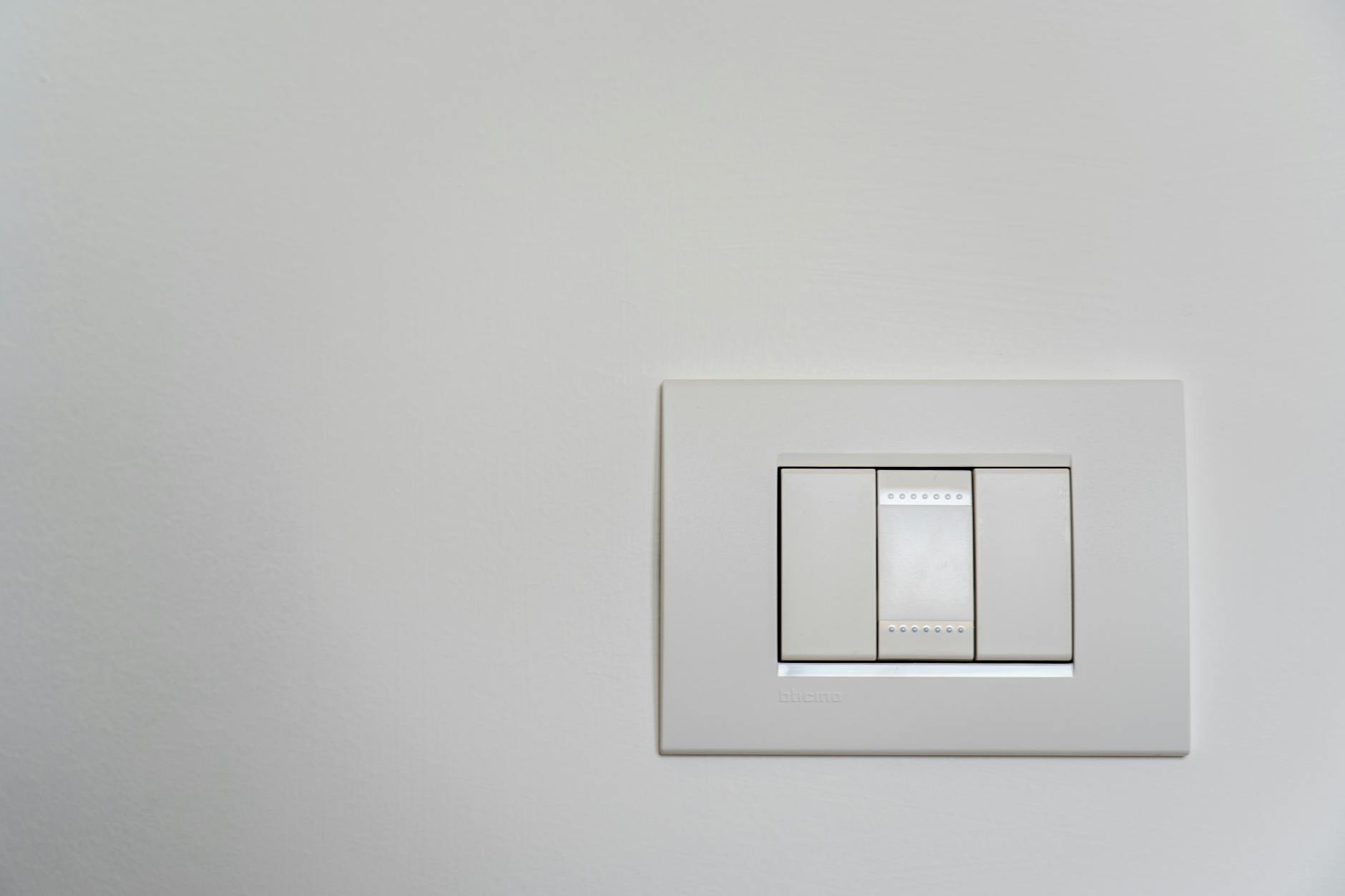
Soaking plastic wall plates with dripping wet sponges risks pushing dangerous liquids into electrical boxes. The simple act of washing your hands regularly prevents the plates from getting dirty in the first place. A lightly dampened microfiber cloth easily removes any visible dark fingerprints every few months. Spraying liquids directly onto any wired home fixture is always a terrible safety hazard.
Remote Controls

Drenching the television clicker in antibacterial spray daily seeps under the rubber buttons and destroys circuit boards. Storing the device in a clean drawer protects it from settling airborne dust and accidental drink spills. Gently wiping the surface with a slightly damp alcohol pad once a month removes any oily buildup. Washing hands before eating snacks on the couch solves most remote control hygiene issues naturally.
Computer Keyboards
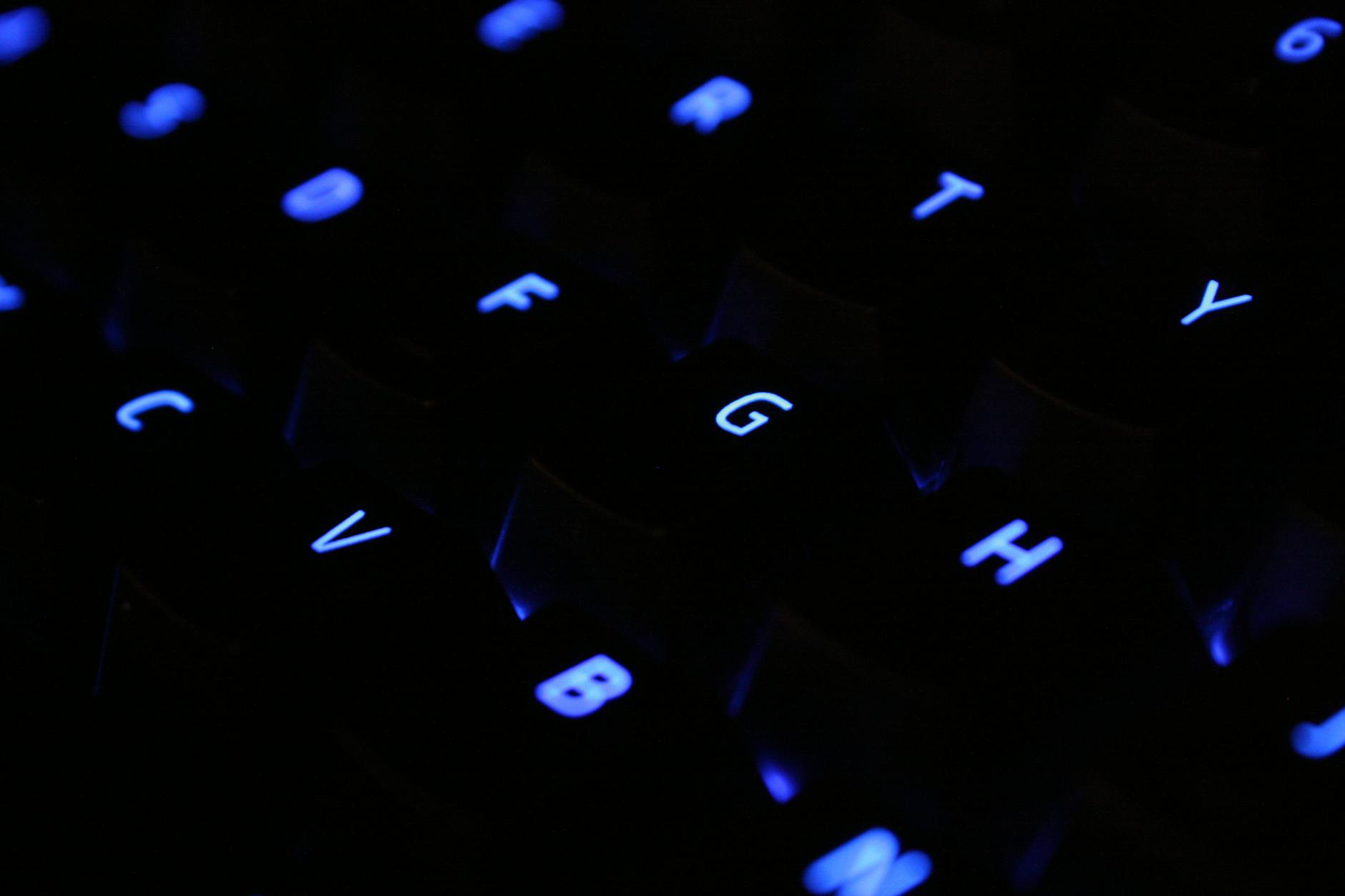
Using compressed air and wet wipes on your typing keys every afternoon pushes debris deeper into the switches. Simply turning the board upside down and tapping it gently dislodges the vast majority of loose crumbs. A monthly wipe down with isopropyl alcohol keeps the keycaps completely free of sticky residue. Washing hands before sitting at the desk is the best preventative maintenance strategy available.
Smartphone Screens

Scrubbing your mobile display with harsh window cleaners destroys the special oil repellent chemical coating. This aggressive cleaning makes the glass hold onto future fingerprints much more stubbornly. A simple wipe against a soft cotton shirt or a dry microfiber cloth restores perfect visual clarity instantly. Disinfecting wipes should only be used sparingly after visiting heavily populated public transit areas.
Prescription Eyeglasses
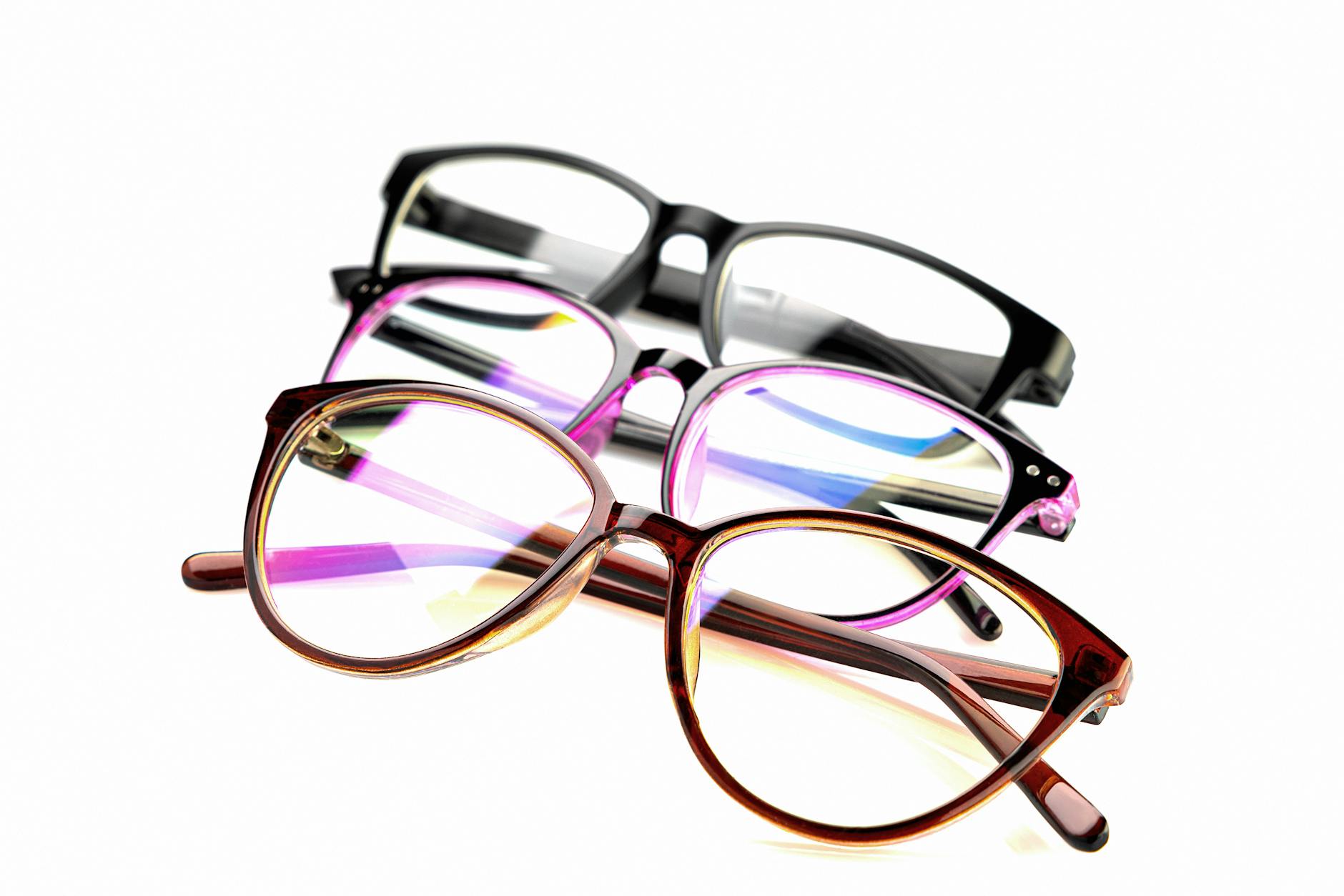
Washing delicate optical lenses with hot water and dish soap multiple times a day damages the anti reflective films. Constant rubbing with rough paper towels creates millions of microscopic scratches that blur your vision permanently. A dedicated silk or microfiber pouch cloth safely removes facial oils and daily dust spots. Professional ultrasonic cleaning at the optometrist office handles deep grim buildup safely.
Personal Jewelry
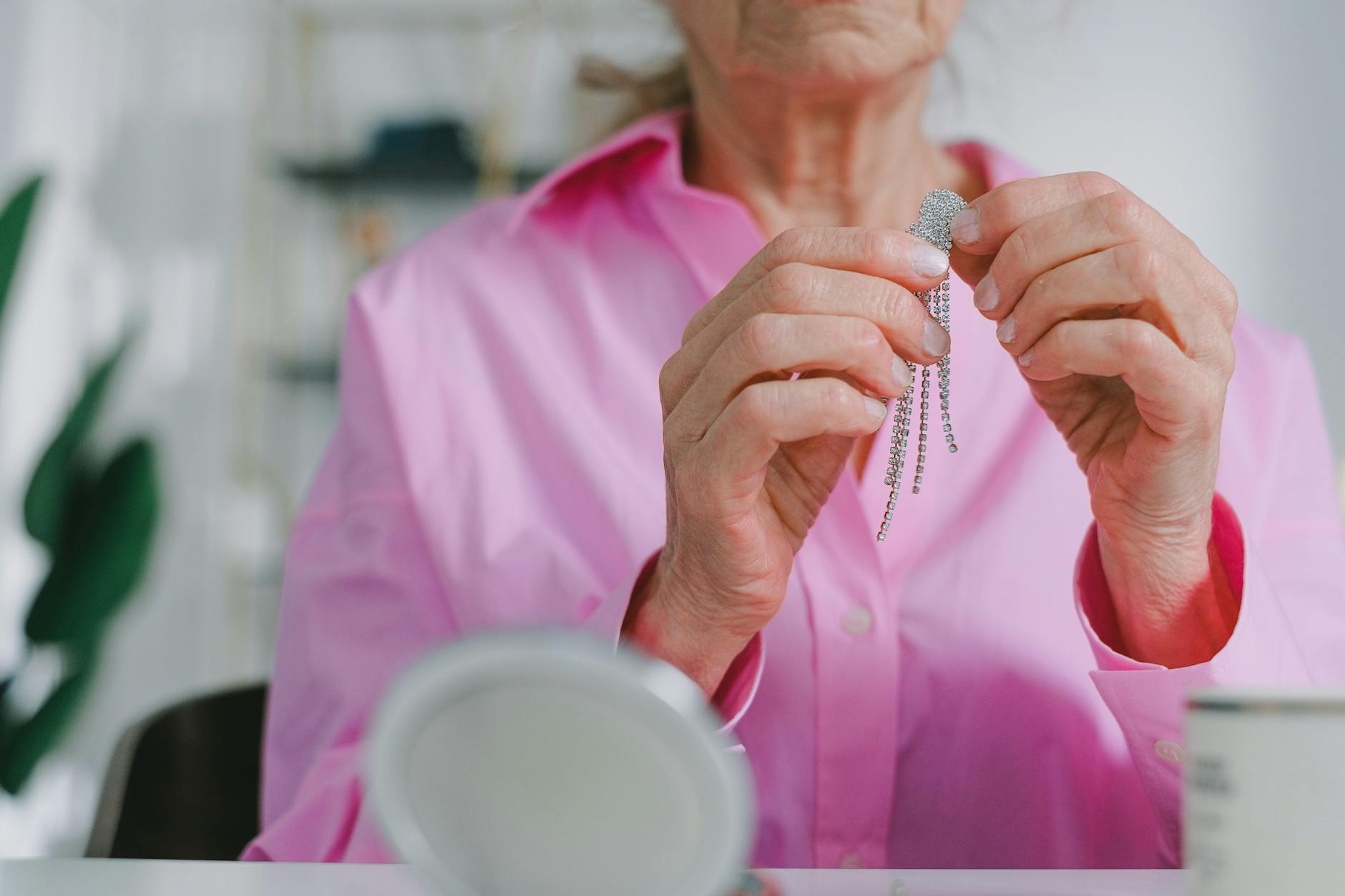
Submerging gold and silver rings in chemical cleaning baths every night weakens the delicate stone prongs. Soft gemstones like opals and pearls will actually dissolve or crack under constant harsh chemical exposure. Gently polishing pieces with a specialized dry jeweler cloth restores brilliant shine without any liquid. Professional inspection and cleaning once a year ensures your valuable stones remain securely mounted.
Silverware Collections
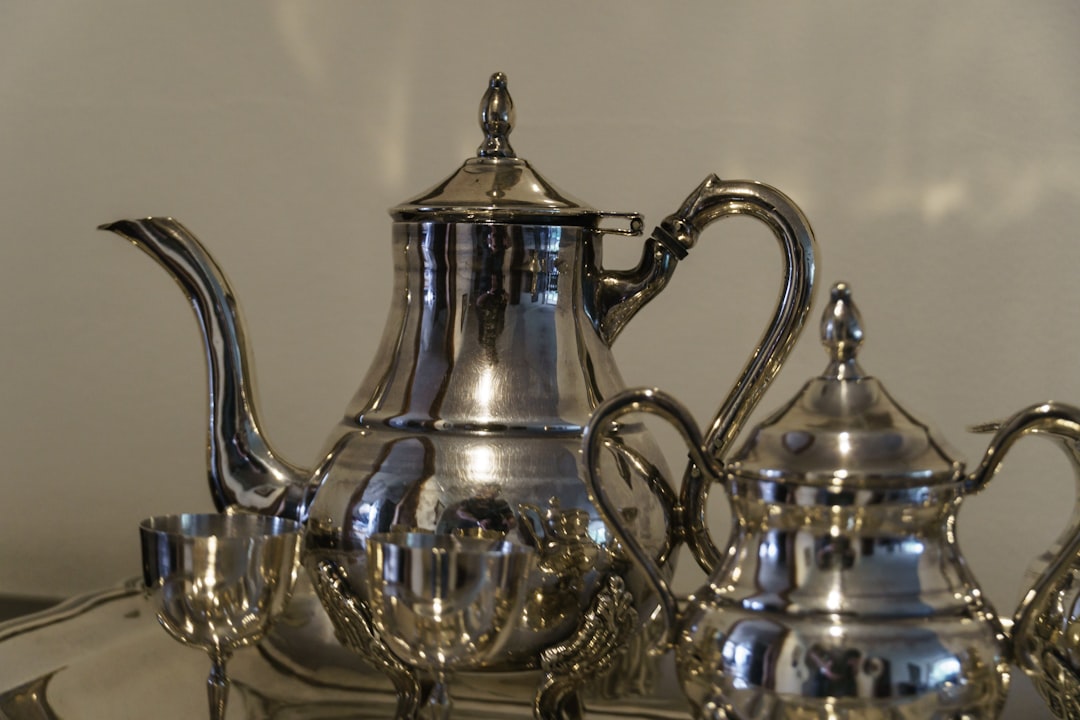
Polishing fancy dining utensils with abrasive pastes weekly removes actual layers of the precious silver metal. Storing the pieces inside special tarnish resistant felt bags completely eliminates the need for constant rubbing. Gentle hand washing with mild soap immediately after dinner prevents acidic foods from pitting the metal. Heavy chemical polishing is only necessary right before hosting a major formal holiday dinner.
Wine Glasses
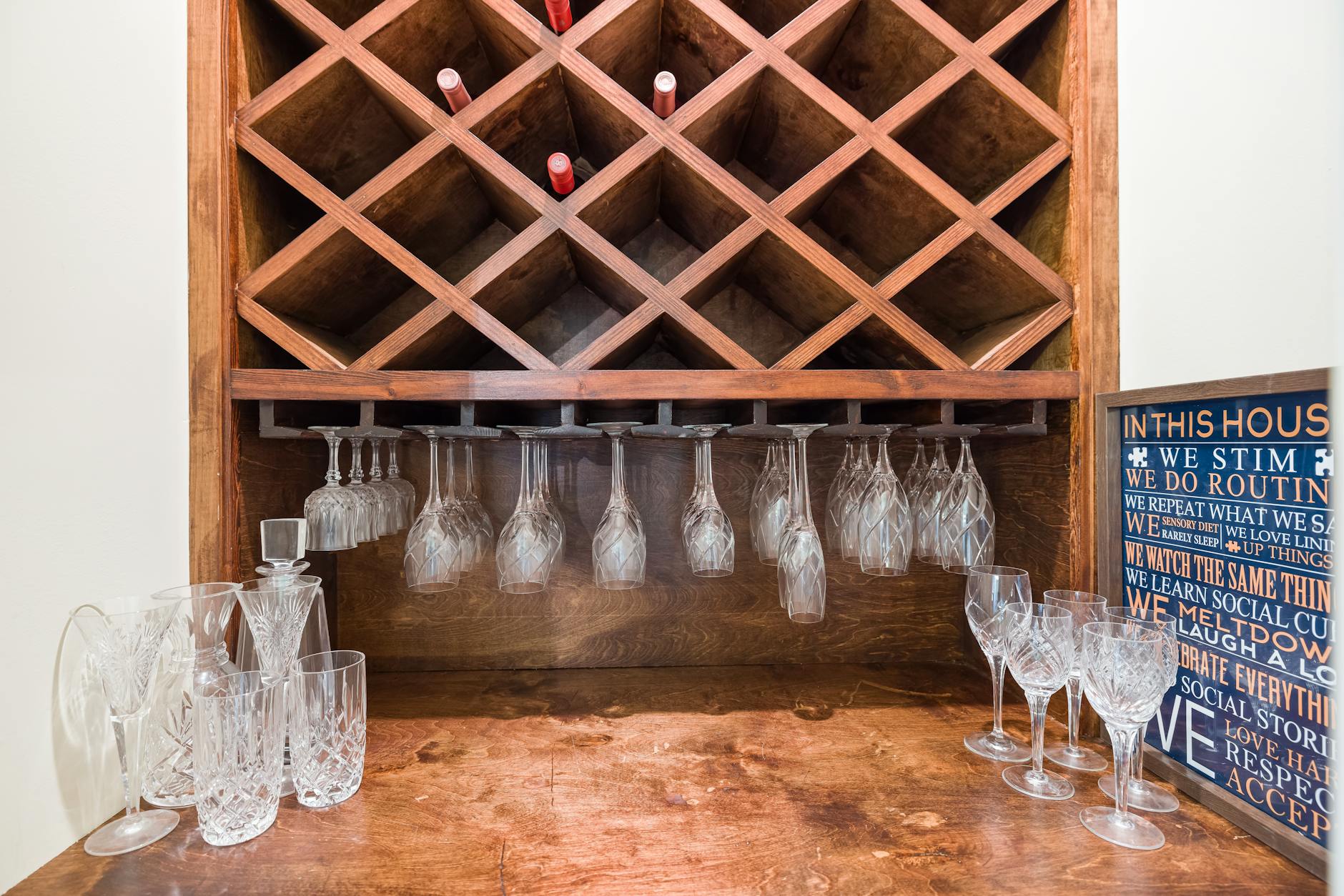
Scrubbing fragile crystal stems with rough kitchen sponges constantly leads to accidental shattering in the sink. The intense heat of frequent dishwasher cycles permanently etches the glass and makes it look permanently cloudy. A quick rinse with warm water immediately after drinking prevents the red wine from staining the bottom. Mild soap and air drying safely handles regular maintenance for these delicate vessels.
Please share your thoughts in the comments regarding which of these household items you have been cleaning entirely too often.