True intelligence often manifests in subtle habits and personality traits rather than just high test scores or academic achievements. Many capable individuals underestimate their cognitive abilities because they overlook the value of their natural curiosity and adaptability. Psychologists and researchers have identified numerous indicators that suggest a person possesses a high functioning mind. Recognizing these signs can help you understand your own potential and intellectual depth.
Insatiable Curiosity

You constantly ask questions about how the world works around you. This desire to learn indicates a hungry mind that is never satisfied with surface level answers. Intelligent people often spend their free time researching random topics just for the joy of understanding them. A relentless drive for knowledge keeps the brain active and strengthens neural pathways over time.
Adaptability To Change

Flexible thinking allows you to adjust your behavior when faced with new challenges or environments. Psychological research links intelligence with the ability to modify behavior to cope with an unpredictable world. You do not cling to old methods when they no longer serve a useful purpose. This trait demonstrates that you can analyze a situation and implement the best solution quickly.
Appreciation For Solitude

High intelligence often correlates with a preference for spending time alone to think and recharge. You likely use this solitary time to reflect on past events or plan for the future without distractions. Socializing can sometimes feel draining for those who process information deeply and constantly. This comfort with your own company suggests you have a rich inner life and self-sufficiency.
Strong Self-Control

You have the ability to delay gratification and wait for better rewards in the future. This trait involves planning and clarifying goals before acting on impulse. Impulse control is a significant sign of emotional intelligence and executive function in the brain. You can manage your emotions to stay focused on long-term objectives despite short-term temptations.
Recognition of Limits

Intelligent people are often painfully aware of the limits of their own knowledge. This concept is known as the Dunning-Kruger effect where smart people underestimate their competence. You readily admit when you are unfamiliar with a topic rather than pretending to be an expert. This humility allows you to remain open to learning and correcting your misconceptions.
High Empathy

You can easily tune into the needs and feelings of people around you. Emotional intelligence is a distinct type of intellect that involves understanding and managing emotions. You can pick up on subtle nonverbal cues that others might miss completely. This skill allows you to navigate complex social situations and build strong relationships.
Messy Environments

A disorganized desk or workspace might actually indicate a mind focused on important concepts rather than tidiness. Researchers have found that a cluttered environment can sometimes stimulate creative thinking and new ideas. You prioritize your work and mental processes over the physical state of your surroundings. It suggests your brain is busy making connections rather than worrying about order.
Habitual Worrying

Anxiety and worrying are frequently linked to higher levels of verbal intelligence. You likely run through various scenarios in your head to prepare for any possible outcome. This tendency shows that your brain is constantly analyzing information and predicting future events. While it can be stressful it is also a sign of an active and engaged imagination.
Night Owl Tendencies

Staying up late and feeling more productive at night is a common trait among those with higher IQs. Evolutionary scientists suggest that intelligent individuals are more likely to adopt novel values and habits. You find that the quiet hours of the night allow for uninterrupted focus and creativity. This deviation from the standard ancestral sleep pattern indicates a biological adaptability.
Dark Sense of Humor

You appreciate complex jokes that involve wordplay or touch on taboo subjects. Processing dark humor requires a high level of cognitive and emotional ability to separate the joke from the tragedy. You understand the nuance and irony that makes these difficult topics funny without being insensitive. This type of humor involves swift information processing and frame shifting.
Openness To Experience

You are willing to try new foods or listen to different music and travel to unknown places. This personality trait correlates strongly with fluid intelligence and crystallized intelligence. You seek out novelty and complexity rather than sticking to the familiar and safe. This openness exposes you to a wide range of information that expands your worldview.
Observational Skills

You notice small details in your environment that pass most people by completely. This hyper awareness means your brain is processing sensory input at a high rate. You might spot patterns in traffic or notice a slight change in a friend’s mood before anyone else does. Being observant allows you to gather more data to make informed decisions.
Early Reading

You likely learned to read at a younger age than your peers. Reading early helps to expand vocabulary and general knowledge rapidly during developmental years. This head start often compounds over time and leads to higher verbal intelligence scores later in life. It indicates a natural affinity for language and symbol decoding.
Musical Training

Learning to play a musical instrument changes the structure of the brain and improves cognitive function. Studies show that musical training enhances verbal memory and spatial reasoning skills. You may have played an instrument as a child or maintained the hobby into adulthood. The discipline required to master music translates to better focus and executive control.
Being The Oldest Sibling

Firstborn children often have slightly higher IQ scores than their younger siblings. This is typically attributed to the extra attention and mental stimulation they receive from parents early on. You may have also taken on a teaching role for your younger brothers or sisters. Teaching others is a powerful way to reinforce your own understanding of concepts.
Left Handedness

Using your left hand was once considered a disadvantage but is now linked to divergent thinking. This type of thinking allows you to generate many new ideas from a single prompt. Lefties often have a larger corpus callosum which facilitates faster communication between brain hemispheres. This unique wiring can lead to superior creative problem solving abilities.
Preference for Cats

Research suggests that people who identify as cat lovers tend to score higher on intelligence tests. You may appreciate the independence and subtle affection of cats over the high energy of dogs. This preference aligns with personality traits like introversion and nonconformity. Cat owners are often more open-minded and sensitive than their dog loving counterparts.
Tall Stature

Several studies have found a positive correlation between height and cognitive ability. This link may be due to genetic factors or early childhood nutrition that affects both growth and brain development. You might find that people naturally look to you for leadership partly due to your physical presence. While not a rule it is a statistically significant trend observed in large populations.
Lower Body Mass Index
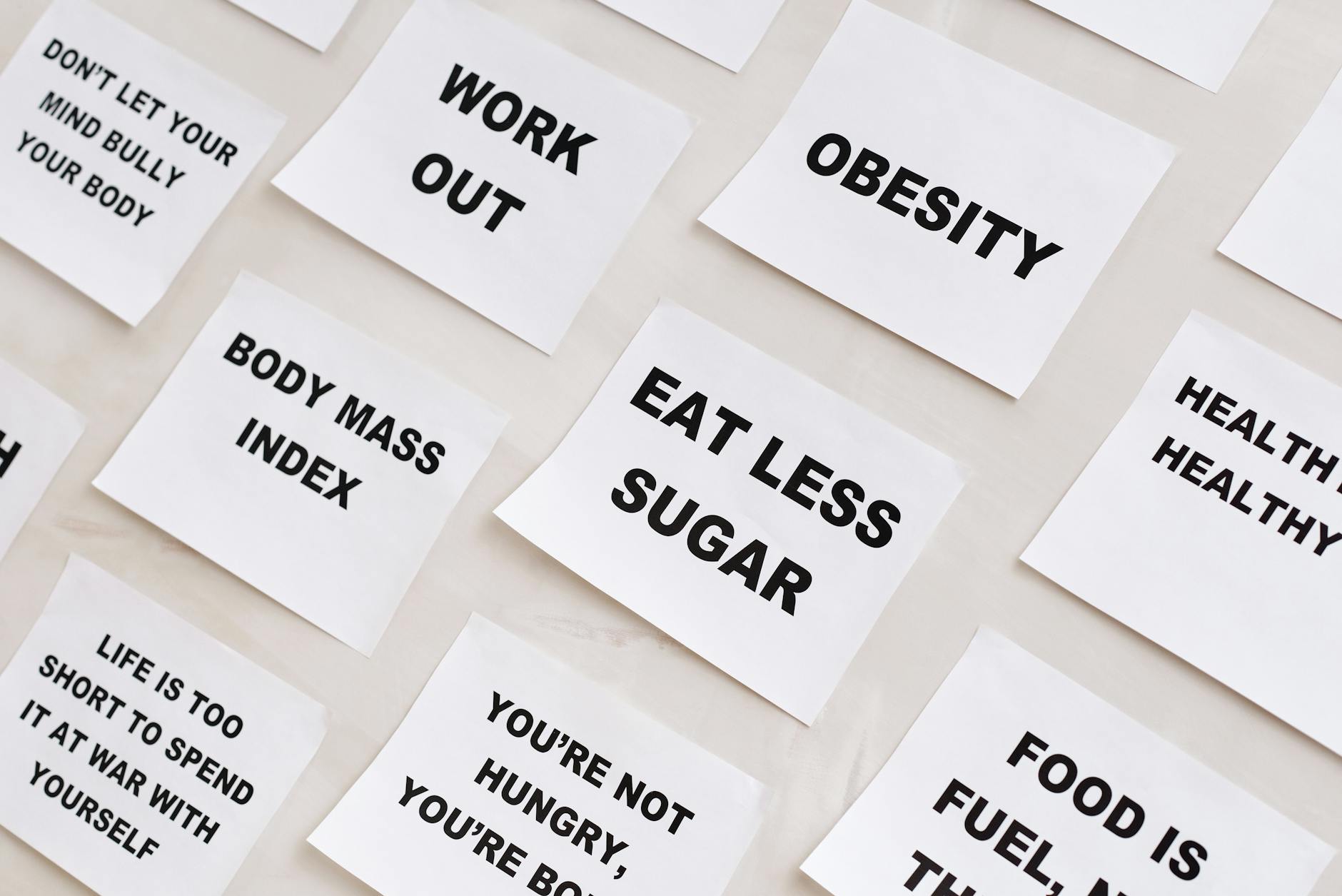
A healthy body often supports a healthy mind and studies show a link between lower BMI and higher cognitive function. You likely understand the importance of nutrition and physical health in maintaining mental clarity. Metabolic health directly impacts how well the brain processes energy and information. This awareness leads to lifestyle choices that preserve long-term cognitive health.
Avoiding Tobacco

Statistically speaking people with higher IQs are much less likely to smoke cigarettes. You understand the long-term health risks and are less swayed by peer pressure or immediate gratification. This decision reflects a capacity for foresight and risk assessment. It also suggests a higher value placed on preserving your physical and mental faculties.
Trusting Others

You are more likely to trust other people which is actually a sign of high intelligence. Smart people are better at judging character and spotting betrayal so they feel safer extending trust. You assume that society functions better through cooperation rather than suspicion. This trait allows you to build wider social networks and access more resources.
Creative Laziness

You look for the easiest and most efficient way to complete a task. Bill Gates once famously said he would hire a lazy person to do a hard job because they will find an easy way to do it. You avoid unnecessary effort and focus on automation or simplification. This efficiency is a hallmark of strategic thinking and resource management.
Frequent Swearing
A rich vocabulary of swear words does not indicate a lack of education but rather a high rhetorical ability. You know exactly which words will provide the emotional impact you need in a conversation. Studies show that people who can name the most swear words also have the largest general vocabularies. You use language as a precise tool to express frustration or emphasis.
Talking To Yourself

verbalizing your thoughts helps you clarify your ideas and focus your attention. You might mutter to yourself while looking for lost items or solving a complex problem. This habit improves visual processing and helps you find objects faster. It is a sign that your brain is actively engaged in a specific task.
Doodling

Drawing shapes or patterns while listening helps your brain stay active and retain information. You likely doodle during meetings or phone calls to prevent your mind from wandering. This simple physical act anchors your focus and prevents you from zoning out completely. It demonstrates a subconscious strategy to maintain attention and absorb auditory data.
Pattern Recognition
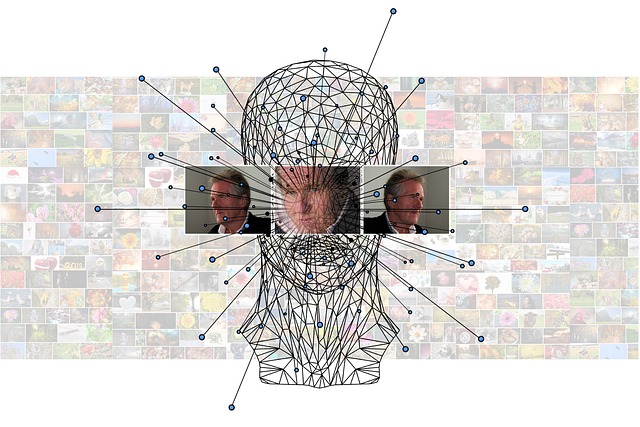
You can spot trends and connections where others see only random data. This ability allows you to predict outcomes in financial markets or social shifts. Your brain naturally organizes chaotic information into structured systems. Pattern recognition is fundamental to logical reasoning and mathematical ability.
Good Listening Skills

You listen to understand rather than just waiting for your turn to speak. This active listening allows you to gather complete information before forming an opinion. You ask follow-up questions that show you have processed what was said. High intelligence involves absorbing as much input as possible to build a comprehensive worldview.
Asking Why

You are never satisfied with the status quo and constantly question the reasoning behind rules. This skepticism drives you to uncover the root causes of problems. You challenge authority when the logic does not hold up to scrutiny. This trait leads to innovation and the improvement of inefficient systems.
Admitting Mistakes
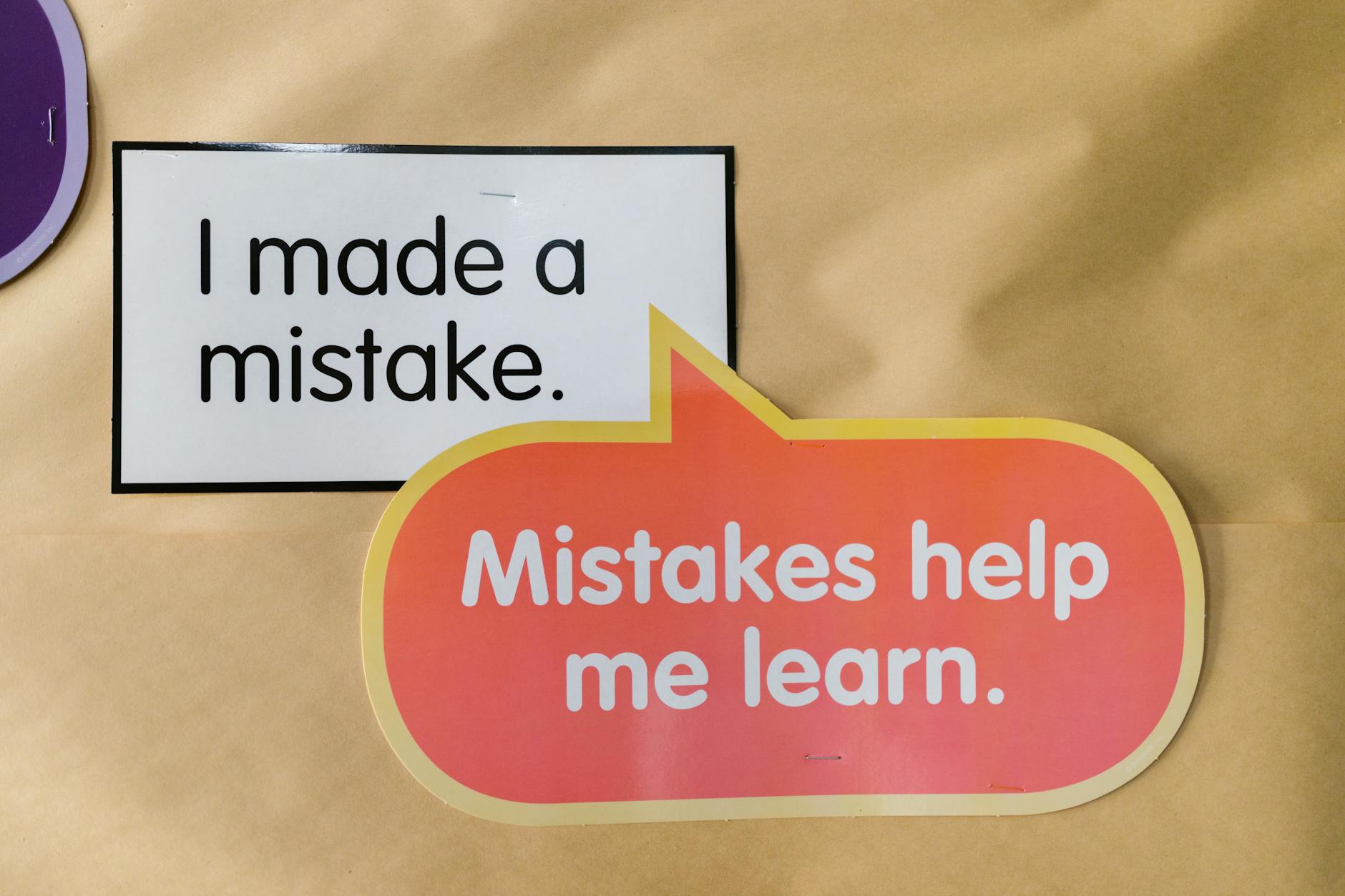
You view failure as a learning opportunity rather than a blow to your ego. Intelligent people analyze their errors to ensure they do not repeat them in the future. You take responsibility for your actions and apologize sincerely when you are wrong. This growth mindset accelerates your personal and professional development.
Dislike of Small Talk

You prefer deep conversations about the universe or philosophy over discussing the weather. Trivial topics feel like a waste of mental energy that could be spent on substantial ideas. You seek connections that challenge your intellect and offer new perspectives. This preference filters your social circle to include more stimulating companions.
Frequent Daydreaming

Letting your mind wander is a sign of a creative and efficient brain. You likely have a strong “default mode network” in your brain that activates when you are resting. This state allows you to make loose associations and solve problems intuitively. Daydreaming indicates that your mind is working on background processes even when not focused.
Playing Devil’s Advocate

You enjoy arguing the opposite side of a debate just to test the strength of an argument. This exercise forces you to understand perspective that contradicts your own beliefs. You detach your ego from ideas and examine them purely on their logical merit. It sharpens your critical thinking and debating skills.
Extensive Vocabulary
You naturally pick up new words and use them correctly in context. A broad vocabulary allows you to express complex nuances that simpler language cannot capture. You understand that specific words can shape perception and influence others. This linguistic precision is a powerful tool for communication and persuasion.
Hyper Focus

When you are interested in a topic you can block out the world for hours. This state of flow allows you to master difficult skills rapidly. You might forget to eat or sleep when you are deep in a project. This intense concentration is common among highly intelligent creative and technical minds.
Resilience
You bounce back quickly from setbacks and view obstacles as puzzles to be solved. High cognitive ability helps you reframe negative situations into manageable challenges. You analyze what went wrong and adjust your strategy without falling into despair. This emotional stability allows you to persist where others might give up.
Understanding Nuance

You see the world in shades of gray rather than simple black and white. You understand that most issues are complex and context is always important. You avoid making sweeping generalizations or jumping to conclusions. This ability to hold conflicting truths is a sign of a sophisticated intellect.
Connecting Unrelated Ideas
You can draw parallels between seemingly different fields or concepts. This cross-pollination of ideas is the source of many great inventions and artistic works. You might apply a biological concept to a business problem or use music theory to understand math. Your brain is a web of interconnected knowledge.
Logic Games

You enjoy puzzles like Sudoku or crosswords and strategy games like chess. These activities provide a mental workout that you find genuinely pleasurable. You seek out recreational activities that require active thinking rather than passive consumption. This keeps your cognitive faculties sharp and responsive.
Paradoxical Thinking

You are comfortable holding two opposing ideas in your mind at the same time. You understand that truth is often multifaceted and contradictory. This prevents you from becoming dogmatic or rigid in your thinking. It allows you to navigate complex ethical and philosophical landscapes.
Calculated Risk Taking

You are willing to take risks but only after weighing the potential pros and cons. You do not gamble blindly but rather make informed bets based on data. This ability to assess probability sets you apart from impulsive thrill seekers. You understand that great rewards often require stepping into the unknown.
Non-Judgmental Nature
You tend to be open-minded and accepting of different lifestyles and choices. You understand that human behavior is the result of complex factors and judging others serves no purpose. This tolerance allows you to learn from everyone you meet. You observe people rather than labeling them.
Synthesizing Information

You can take a vast amount of data and boil it down to its essential core. This skill is crucial in the information age where we are bombarded with noise. You can explain complex topics simply because you understand their fundamental structure. This clarity of thought makes you an effective communicator and teacher.
Valuing Time

You understand that time is your most precious resource and you guard it carefully. You say no to obligations that do not align with your goals or values. You look for ways to optimize your schedule and avoid wasted hours. This awareness leads to a more purposeful and productive life.
Strong Intuition

Your gut feelings are often correct because they are based on rapid subconscious processing. You have learned to trust your instincts when the data is incomplete. This intuition is actually recognized patterns that your conscious mind has not yet articulated. It serves as a powerful internal compass.
Constant Growth
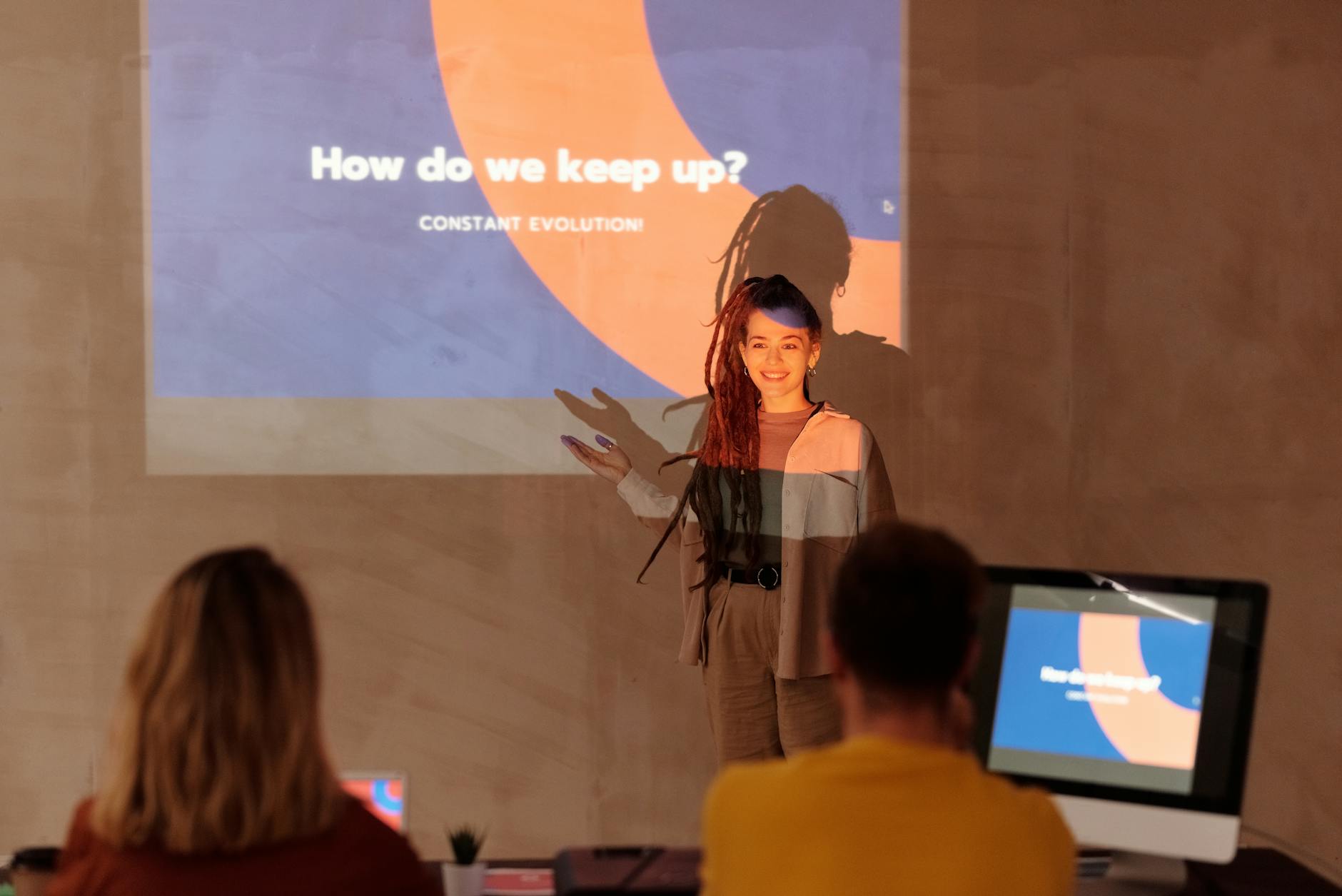
You believe that you are a work in progress and never stop trying to improve. You view life as a continuous education and seek out new challenges. You are not afraid of change because you know it is necessary for evolution. This drive ensures that your intelligence continues to expand throughout your life.
Please tell us which of these signs resonated with you the most in the comments.