Pregnancy is often portrayed as a magical journey filled with glowing skin and gentle anticipation. The reality involves a complex series of physiological and psychological shifts that can surprise even the most prepared parents. Most books focus on fetal development or delivery logistics while skipping over the nuanced daily symptoms experienced by the mother. This comprehensive guide illuminates the unexpected physical changes and lifestyle adjustments that occur during these forty weeks. Understanding these lesser-known aspects provides a more realistic picture of the transformative experience of carrying a child.
Hair Texture Changes

Hormonal fluctuations during pregnancy often alter the texture and thickness of hair in unexpected ways. Many women notice that their hair becomes significantly thicker because the growth cycle pauses and shedding decreases. This change can sometimes lead to waves or curls appearing in previously straight hair. The sudden volume is usually temporary and tends to reverse a few months after delivery. It is common to need different styling products to manage these new and unpredictable tresses.
Vision Shifts
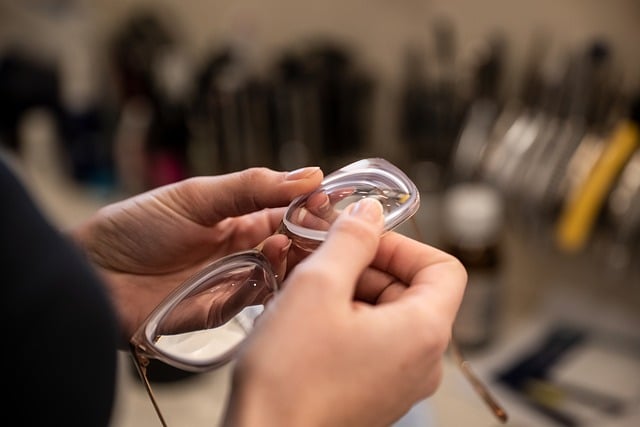
Fluid retention affects the entire body including the shape of the corneas and the thickness of the lenses. Pregnant individuals might find their contact lenses uncomfortable or their glasses prescription slightly off. Dry eyes become a frequent complaint due to shifting hormone levels and blood volume increases. These changes usually stabilize after the baby is born so purchasing new eyewear is generally discouraged. Opticians recommend using lubricating drops to manage discomfort during this temporary phase.
Shoe Size Increase

The hormone relaxin loosens ligaments throughout the body to prepare the pelvis for birth. This loosening effect extends to the feet and causes the arches to flatten out significantly. Fluid retention also contributes to swelling that makes standard footwear feel incredibly tight. Many women find their feet permanently increase by half a size or more after pregnancy concludes. Investing in supportive and adjustable shoes becomes a necessity rather than a fashion choice.
Vivid Dreaming

Sleep cycles change dramatically during pregnancy and often result in incredibly intense and memorable dreams. The increase in progesterone affects the amount of time spent in REM sleep where dreaming occurs. Anxiety about parenthood or labor often manifests in bizarre or hyper-realistic nightly narratives. Frequent waking to use the bathroom makes these dreams easier to recall the next morning. It serves as a natural outlet for the subconscious processing of this major life transition.
Bleeding Gums
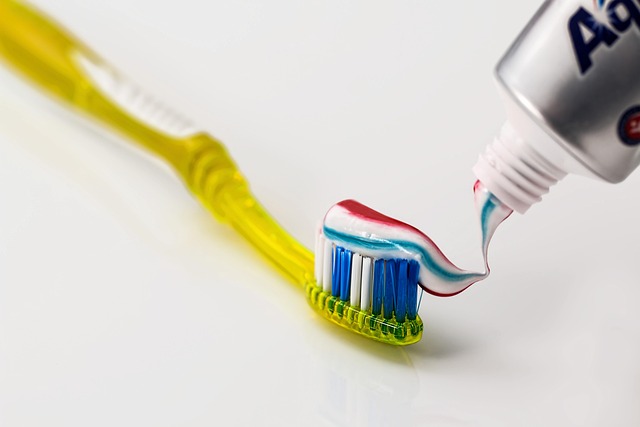
Increased blood volume and hormonal surges make gum tissue more sensitive and prone to inflammation. Brushing or flossing might suddenly cause bleeding even with good oral hygiene habits. This condition is known as pregnancy gingivitis and affects a large percentage of expectant mothers. Dentists advise softer toothbrushes and diligent care to prevent more serious periodontal issues. Maintaining oral health is crucial since gum disease has links to preterm birth complications.
Frequent Nosebleeds
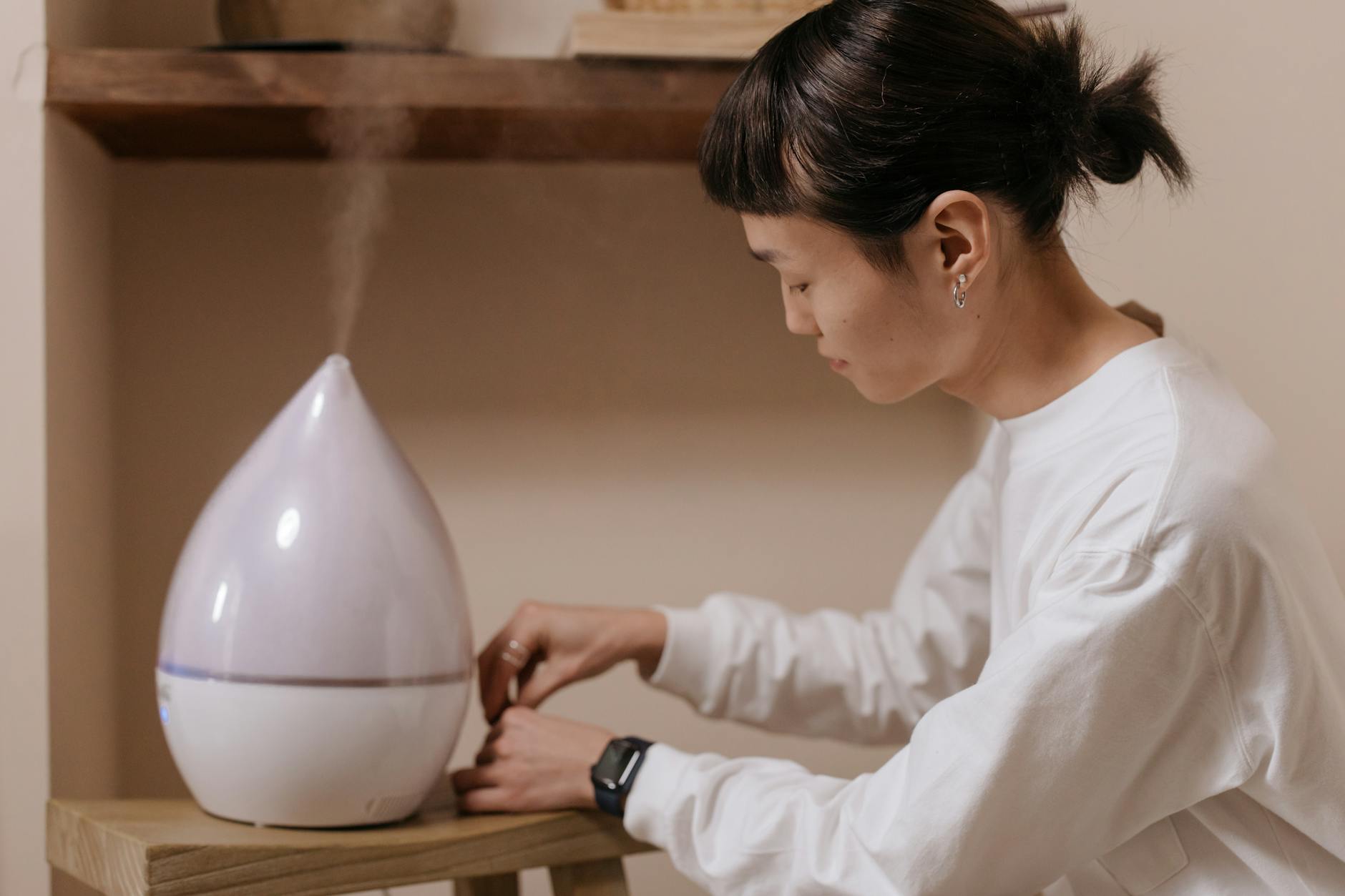
The circulatory system expands rapidly to support the growing fetus and puts pressure on delicate blood vessels. The mucous membranes in the nose swell and dry out more easily due to these vascular changes. This combination often leads to spontaneous nosebleeds that can be alarming but are usually harmless. Using a humidifier in the bedroom helps keep nasal passages moist and less prone to rupture. Gentle blowing and saline sprays offer relief from the congestion that often accompanies this symptom.
Skin Tags

Hormonal friction and growth factors stimulate the production of extra skin cells in concentrated areas. Small flaps of skin known as skin tags frequently appear on the neck or under the arms. These benign growths are generally painless but can be annoying if they catch on clothing or jewelry. They typically develop during the second half of pregnancy when weight gain accelerates. Dermatologists can easily remove them after pregnancy if they do not resolve on their own.
Linea Nigra
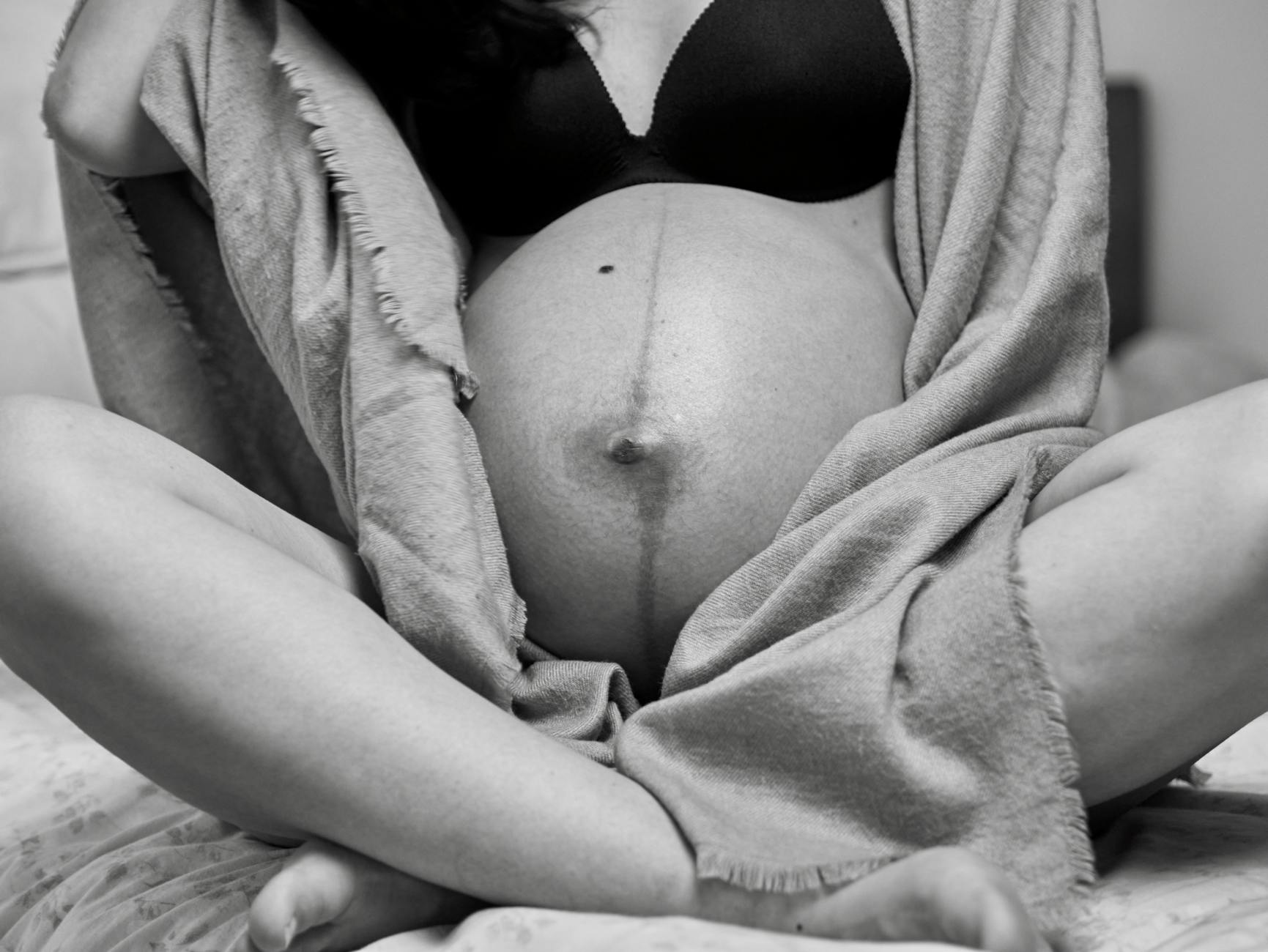
A dark vertical line often appears running down the center of the abdomen during the second trimester. This pigmentation change is caused by melanocyte-stimulating hormones produced by the placenta. The line is usually more prominent in women with darker skin tones and can vary in width. It serves as a visible marker of the hormonal shifts taking place within the body. The mark typically fades gradually over several months postpartum without any specific treatment.
Heightened Sense of Smell

Estrogen surges can turn a pregnant woman into a super-smeller with an uncanny ability to detect faint odors. This heightened olfactory sense often triggers nausea or food aversions in the first trimester. Scents that were previously enjoyable like perfume or coffee might suddenly become repulsive. This biological mechanism likely evolved to protect the fetus from potentially harmful substances. Managing this symptom involves avoiding strong triggers and keeping living spaces well-ventilated.
Metallic Taste

Some women experience a persistent metallic or sour taste in their mouth known as dysgeusia. This sensory distortion can occur even when not eating and makes food taste strange. It is another side effect of estrogen production and usually diminishes after the first trimester. Chewing sugarless gum or eating acidic foods like citrus can help mask the unpleasant flavor. Staying hydrated is also effective in diluting the intensity of this strange sensation.
Pica Cravings

A small number of pregnant women develop cravings for non-food items such as dirt or chalk or ice. This condition is called pica and often indicates a nutritional deficiency like anemia or low iron. It is essential to report these urges to a healthcare provider immediately to ensure safety. Eating non-food substances can interfere with nutrient absorption and harm the developing baby. Proper supplementation usually resolves the cravings and restores balance to the appetite.
Persistent Heartburn
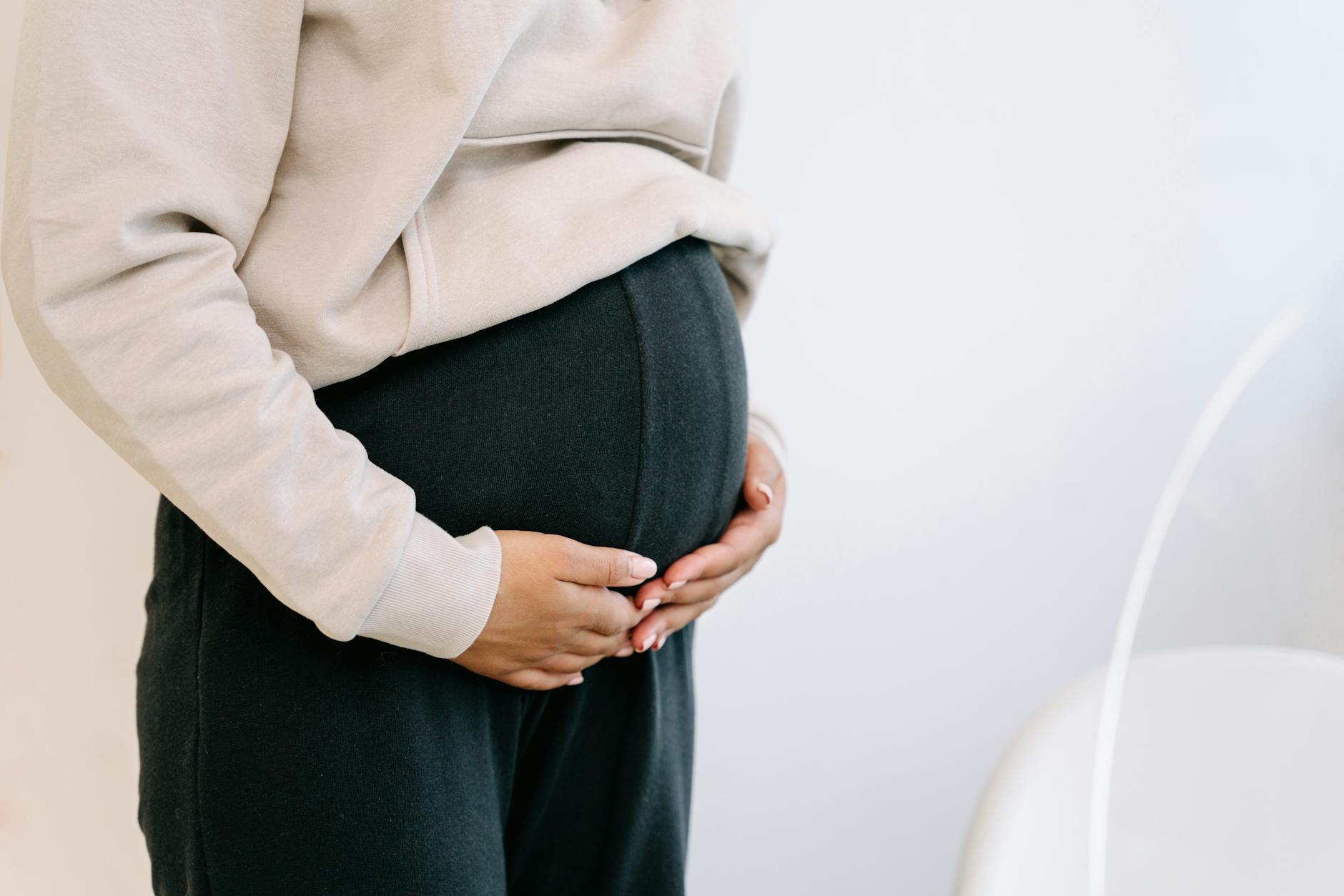
The growing uterus pushes the stomach upward while hormones relax the valve that keeps acid contained. This combination creates a perfect storm for acid reflux and severe heartburn after meals. Even women who never experienced indigestion before often suffer from it daily during pregnancy. Eating smaller meals and avoiding spicy or greasy foods helps mitigate the discomfort. Sleeping with the head elevated uses gravity to keep stomach acid where it belongs.
Digestion Slowdown
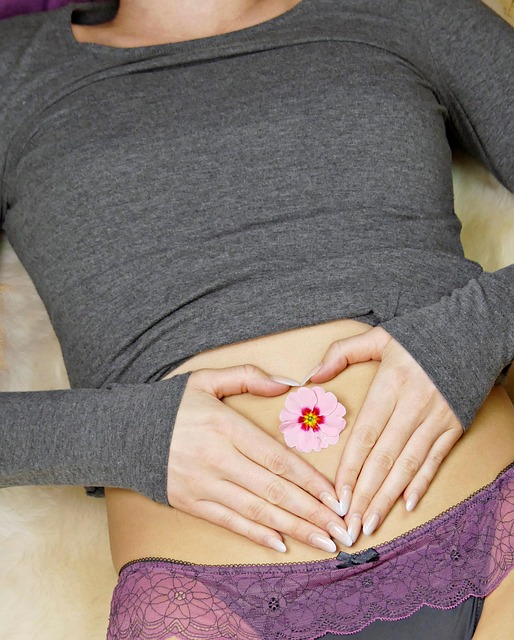
Progesterone relaxes smooth muscles throughout the body including the digestive tract. Food moves much slower through the intestines to allow for maximum nutrient absorption for the baby. This efficiency unfortunately leads to uncomfortable bloating and chronic constipation for the mother. Increasing fiber intake and drinking plenty of water are the best ways to combat a sluggish system. Regular walking also encourages the digestive process to keep moving effectively.
Excess Gas

The relaxation of the intestinal muscles combined with a crowded abdomen leads to trapped gas. Many women find they cannot control the passing of gas as easily as they could before pregnancy. Certain foods that were previously well-tolerated might suddenly cause significant bloating and distress. It creates awkward social situations but is a completely normal physiological response. Gentle yoga poses designed for digestion can provide relief from the pressure and discomfort.
Leaking Colostrum
Breasts begin preparing for milk production much earlier than the actual arrival of the baby. Thick yellow fluid called colostrum can start leaking from the nipples as early as the second trimester. This nutrient-dense substance is the first food nature prepares for the newborn. Nursing pads become a useful accessory long before nursing actually begins. It serves as a reassuring sign that the body is getting ready for its feeding duties.
Darkening Areolas

Hormones cause the skin around the nipples to become significantly darker and larger in diameter. Theories suggest this visual contrast helps the newborn locate the food source more easily. The bumpy glands on the areola also become more pronounced and secrete lubricating oils. These changes protect the skin during breastfeeding and reduce the risk of cracking or infection. The pigmentation often lightens after weaning but may not return completely to its original shade.
Visible Veins
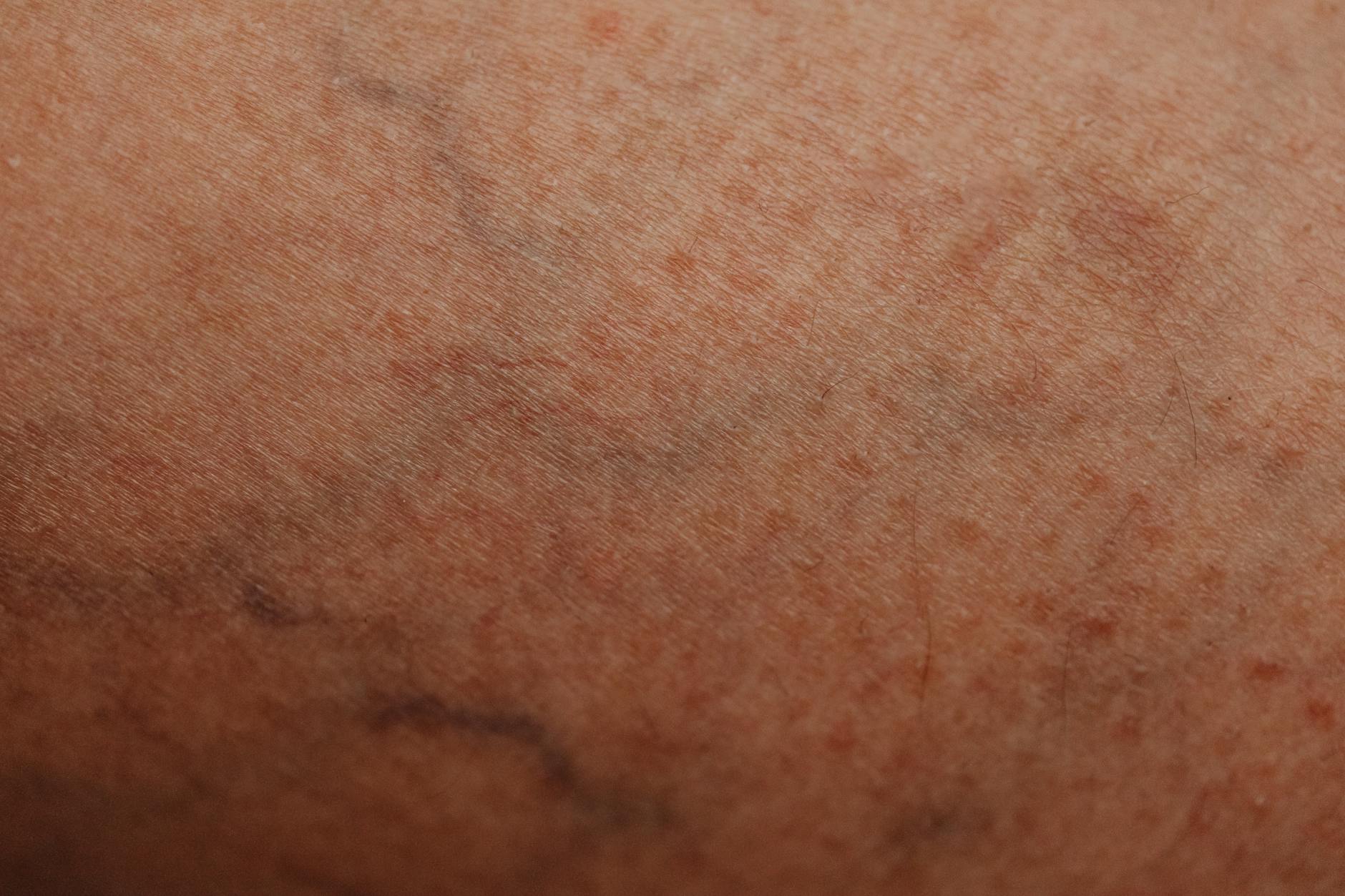
Blood volume increases by up to fifty percent during pregnancy to nurture the placenta and fetus. This extra volume forces veins to expand and become much more visible beneath the skin. Blue networks often appear clearly on the breasts and abdomen and legs. The increased vascularity ensures adequate nutrient delivery but changes the cosmetic appearance of the skin. Most of these prominent veins retreat and fade once circulation returns to normal levels.
Melasma Mask

Patches of discoloration often appear on the face due to the stimulation of pigment-producing cells. This condition is commonly called the mask of pregnancy and worsens with sun exposure. Brown or gray patches typically manifest on the forehead and cheeks and upper lip. Wearing high SPF sunscreen and wearing hats are critical strategies for minimizing these spots. The pigmentation usually fades postpartum but necessitates careful sun protection in the future.
Intense Itching

Skin stretches rapidly to accommodate the growing baby and this tension causes dryness and itching. The abdomen is the most common site for this sensation as the skin becomes tight and thin. Mild itching is normal but severe itching on the palms or soles requires medical attention. Regular application of rich moisturizers or oils helps soothe the irritation and maintain elasticity. Keeping showers lukewarm prevents the skin from drying out further and exacerbates the itch.
Excessive Sweating

The metabolic rate increases significantly and the body works harder to cool down two beings. Extra blood flow to the skin raises the surface temperature and triggers sweat glands. Hot flashes can occur at any time of day regardless of the ambient temperature. Wearing breathable fabrics like cotton or linen helps manage body temperature regulation. Staying well-hydrated replaces the fluids lost through this increased perspiration.
Excessive Saliva

Ptyalism is a condition where the salivary glands go into overdrive and produce excess fluid. This symptom is often associated with morning sickness and makes swallowing difficult for some women. The constant need to spit or swallow can be socially uncomfortable and physically draining. Sucking on hard candies or mints can sometimes help regulate the flow of saliva. It typically subsides as the nausea of the first trimester fades away.
Loud Snoring

Swollen nasal passages and weight gain can constrict airways during sleep and lead to snoring. Even women who were previously silent sleepers might begin sawing logs loudly in the third trimester. This can disrupt the sleep quality of both the pregnant woman and her partner. Using nasal strips or sleeping on the side often improves airflow and reduces noise. Chronic snoring should be monitored as it can sometimes be linked to blood pressure issues.
Voice Deepening

Fluid retention in the vocal cords can cause the voice to drop a few octaves lower. This change is usually subtle but noticeable to those who know the person well. Singers often find they lose their upper range temporarily during the later stages of pregnancy. The voice typically returns to its normal pitch after the swelling subsides postpartum. It is another example of how systemic fluid changes affect seemingly unrelated body parts.
Immune System Changes

The immune system naturally suppresses itself slightly to prevent the body from rejecting the fetus. This modulation means pregnant women are more susceptible to colds and flus and food poisoning. Illnesses may hit harder and last longer than they did prior to pregnancy. Diligent hand washing and avoiding sick individuals becomes more important than ever. Vaccinations are recommended to protect both the mother and the developing baby from serious complications.
Round Ligament Pain
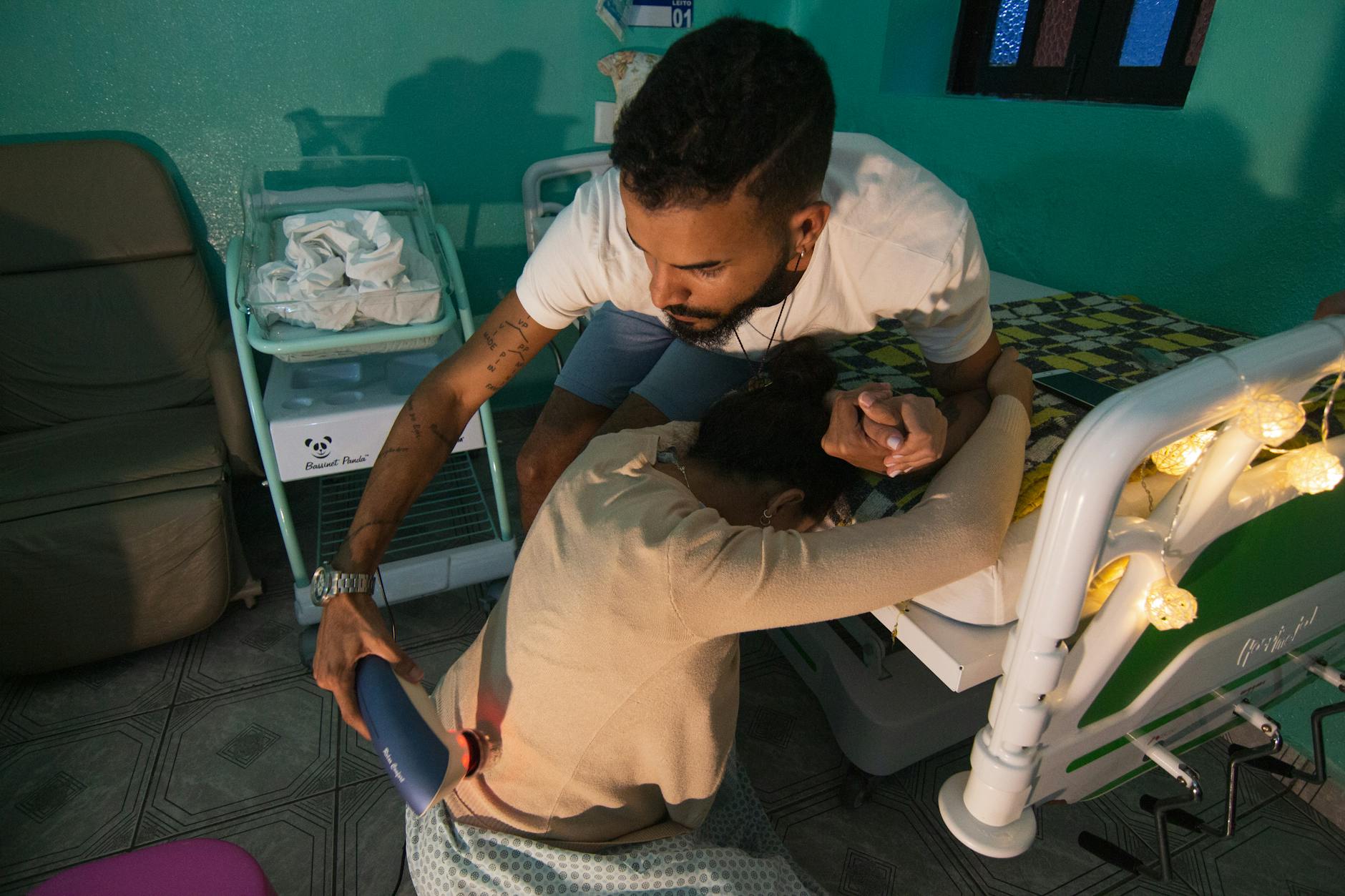
Sharp stabbing pains often occur in the lower abdomen or groin area upon sudden movement. These sensations result from the stretching of the round ligaments that support the uterus. Sneezing or coughing or standing up quickly can trigger this brief but intense discomfort. Supporting the belly with a hand during movement can help stabilize the ligaments. Warm compresses and gentle stretching exercises usually provide relief from the soreness.
Loss of Balance
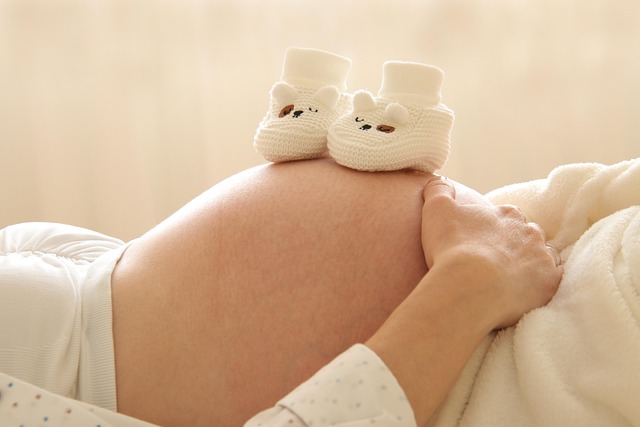
The center of gravity shifts forward dramatically as the belly grows outward and upward. This physical redistribution of weight makes balance difficult and increases the risk of stumbling. The brain struggles to recalibrate coordination which leads to a feeling of clumsiness. Wearing flat shoes and moving deliberately helps prevent falls and injuries. Caution is especially advised when navigating stairs or uneven terrain during the third trimester.
Joint Looseness

Relaxin affects every joint in the body and not just the pelvis. Knees and elbows and fingers might feel unstable or loose during daily activities. This hypermobility increases the risk of sprains or strains if care is not taken. Yoga and low-impact exercises are safer than high-impact sports during this period. Being mindful of joint alignment prevents long-term issues or unnecessary injuries.
Braxton Hicks Contractions
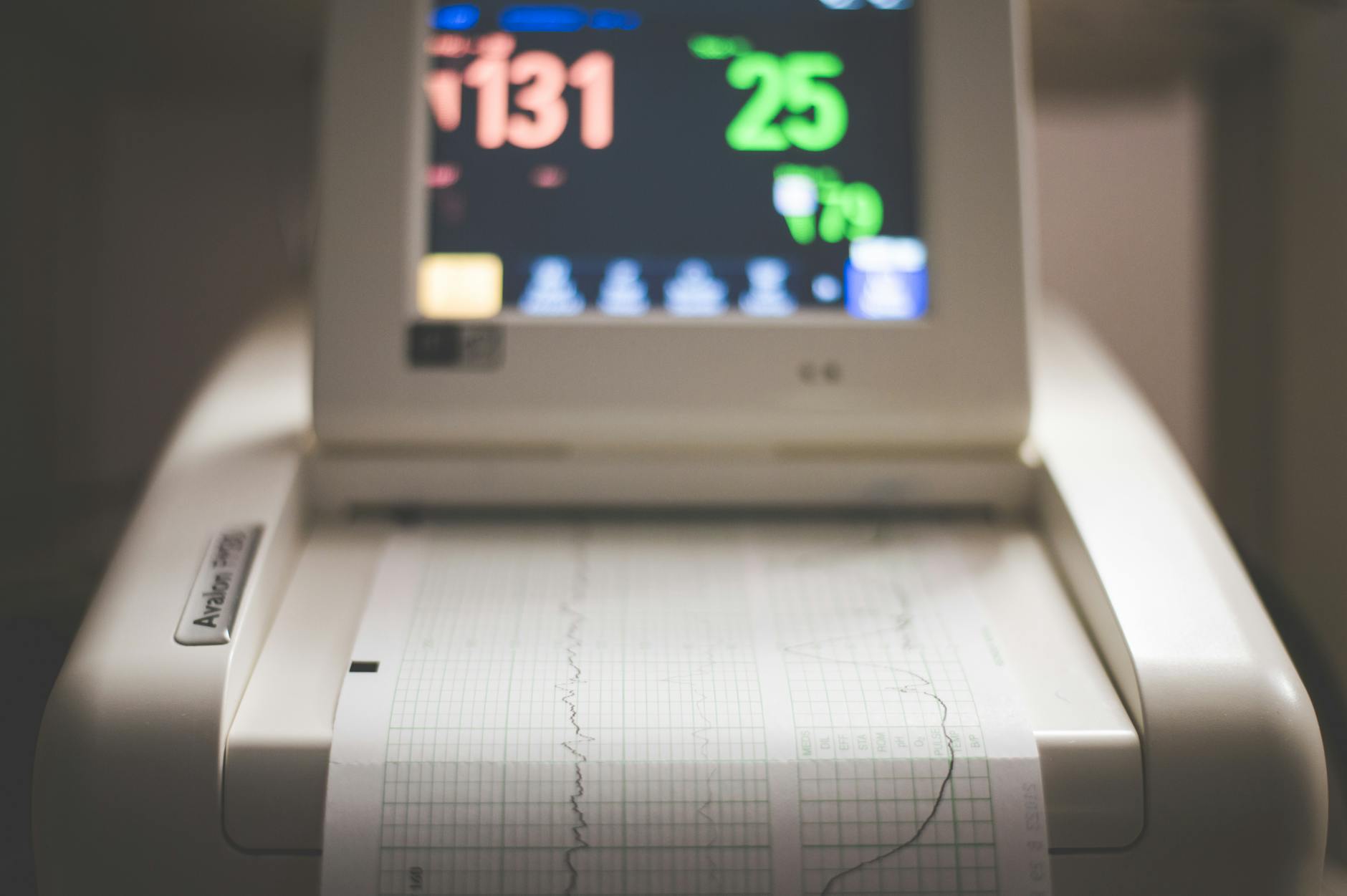
The uterus practices for labor with sporadic tightening sensations known as Braxton Hicks contractions. These practice contractions are usually painless but feel like the belly is hardening into a ball. Dehydration or physical activity often triggers these irregular episodes in the second and third trimesters. Drinking water and changing positions typically causes them to subside quickly. They serve as a muscular workout for the uterus without indicating that labor has begun.
Fetal Hiccups

Rhythmic tapping sensations inside the womb often startle expectant mothers in the later months. These repetitive movements are actually the baby hiccupping as they practice breathing motions. Unlike kicks or punches the hiccups have a steady and consistent beat. They can last for several minutes and might occur multiple times a day. It is a normal sign of a developing neurological system and diaphragm.
Pelvic Pressure
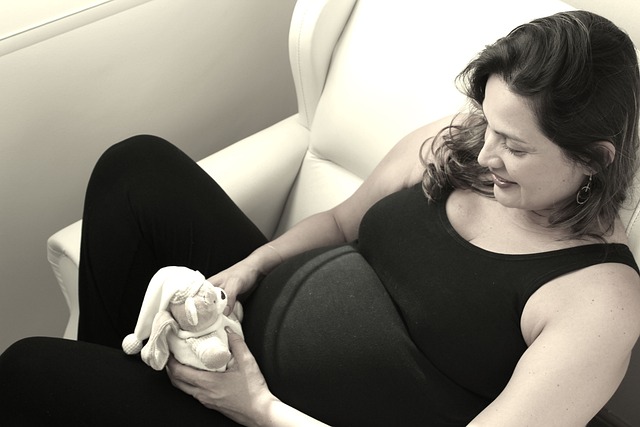
The baby drops lower into the pelvis in the weeks leading up to delivery to engage for birth. This descent creates a heavy sensation of pressure often described as carrying a bowling ball. Walking becomes awkward and the urge to urinate becomes almost constant. This uncomfortable shift is a positive sign that the body is aligning for labor. Pelvic tilts and resting with hips elevated can alleviate some of the downward weight.
Sciatic Nerve Pain
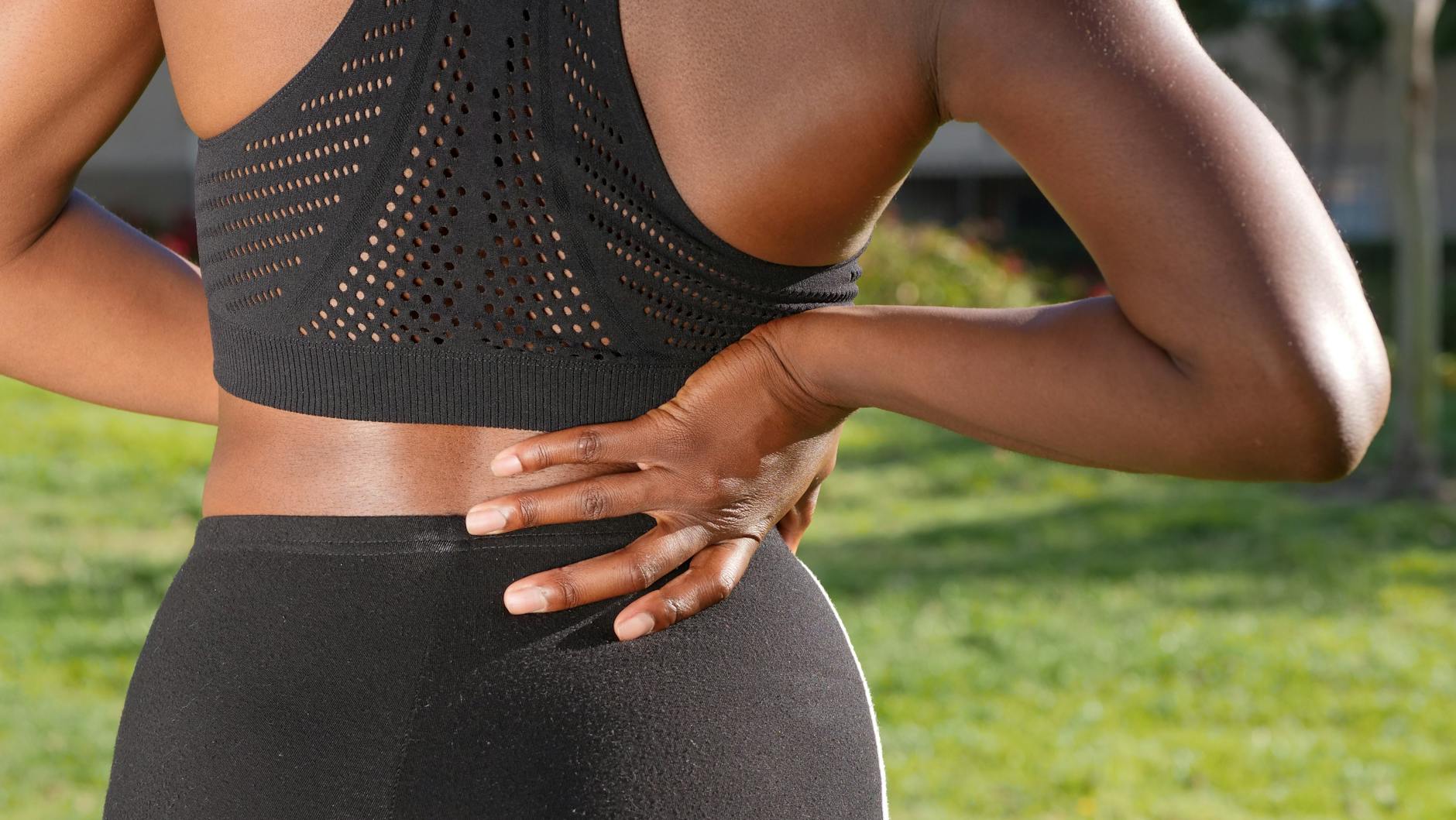
The position of the baby often compresses the sciatic nerve that runs from the lower back down the legs. This compression causes sharp shooting pain or numbness in the buttocks and thighs. The pain can be debilitating and makes walking or standing difficult for extended periods. Prenatal massage and chiropractic adjustments are often sought for relief from this nerve impingement. The discomfort usually resolves instantly once the baby moves or is born.
Leg Cramps

Sudden and agonizing muscle spasms in the calves frequently strike during the night. These charley horses are thought to be caused by calcium or magnesium imbalances or circulation issues. Flexing the foot upward toward the shin stretches the muscle and stops the cramp.Staying active during the day helps improve circulation and reduces the frequency of spasms. Dietary adjustments to include more minerals may also help prevent these nocturnal wake-up calls.
Restless Legs

A creeping and crawling sensation in the legs can make relaxing in the evening nearly impossible. This urge to move the limbs is known as restless leg syndrome and disrupts sleep significantly. It is often linked to lower iron levels or dopamine changes within the brain. Warm baths and leg massages before bed can help calm the nervous system. Iron supplements prescribed by a doctor often improve the symptoms dramatically.
Carpal Tunnel Syndrome

Fluid buildup in the wrists compresses the median nerve and causes numbness and tingling in the hands. This pregnancy-induced carpal tunnel syndrome makes gripping objects or typing difficult. The symptoms are often worse in the morning after fluid has pooled during sleep. Wearing wrist splints at night keeps the joint neutral and reduces nerve compression. The sensation typically disappears within weeks of delivery as fluid levels normalize.
Acne Flare-ups
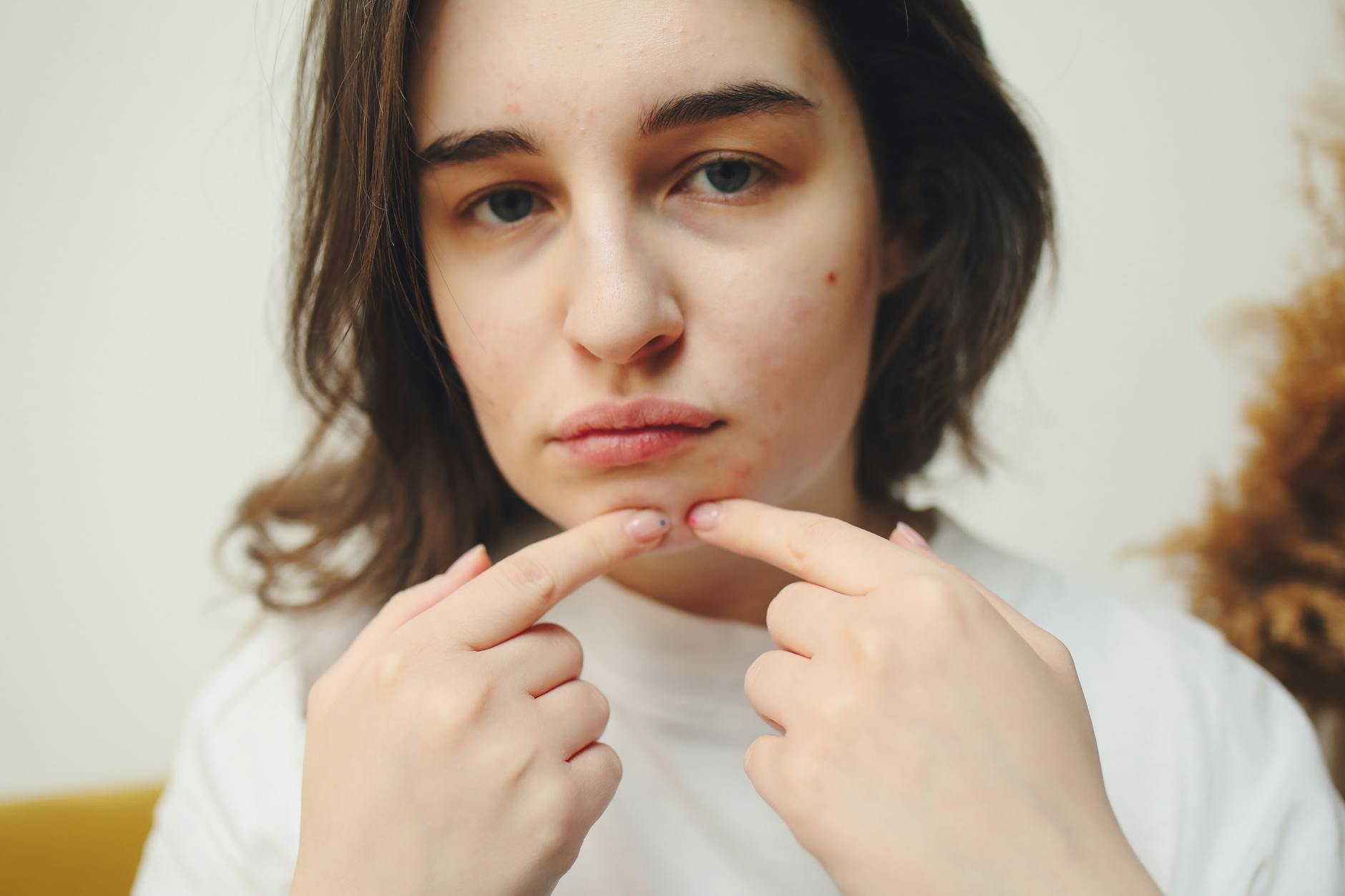
Increased oil production driven by hormones can cause teenage-like breakouts on the face and back. Women who have had clear skin for years may suddenly find themselves battling cystic acne. Standard acne treatments containing retinoids or salicylic acid are often restricted during pregnancy. Gentle cleansers and topical options approved by dermatologists are the safest route. The skin usually clears up once the hormonal storm settles down postpartum.
Oily Skin Glow

The famous pregnancy glow is often just the result of increased oil production and blood flow. While some enjoy the radiance others find their skin feels greasy and congested. The increased circulation brings more color to the cheeks which mimics a blush. Blotting papers and oil-free makeup become essential tools for managing the shine. This visual side effect is one of the few that is generally perceived positively.
Urinary Frequency

The kidneys process more fluid and the uterus presses on the bladder from the very beginning. Frequent trips to the bathroom become a standard part of life day and night. It is important not to restrict fluid intake despite the inconvenience of constant urination. The bladder capacity effectively shrinks as the baby claims more abdominal real estate. Lean forward while urinating to ensure the bladder empties completely during each visit.
Minor Incontinence
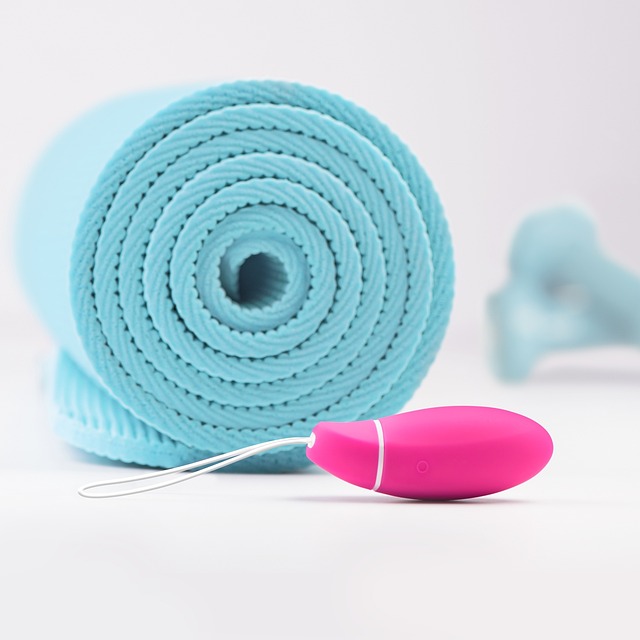
Sneezing or coughing or laughing can lead to accidental urine leakage due to pelvic floor stress. The weight of the baby weakens the muscles that control bladder function over time. Wearing panty liners becomes a daily habit for many women to manage these small accidents. Performing Kegel exercises strengthens the pelvic floor and helps regain control. This issue is very common but rarely discussed openly due to embarrassment.
Hemorrhoids

increased pressure on the rectal veins from the uterus causes painful swelling and hemorrhoids. Constipation exacerbates the problem by requiring straining during bowel movements. They can be itchy and painful and may cause bleeding during bathroom visits. Witch hazel pads and warm sitz baths provide symptomatic relief and reduce swelling. Preventing constipation through diet is the most effective way to avoid this painful condition.
Varicose Veins
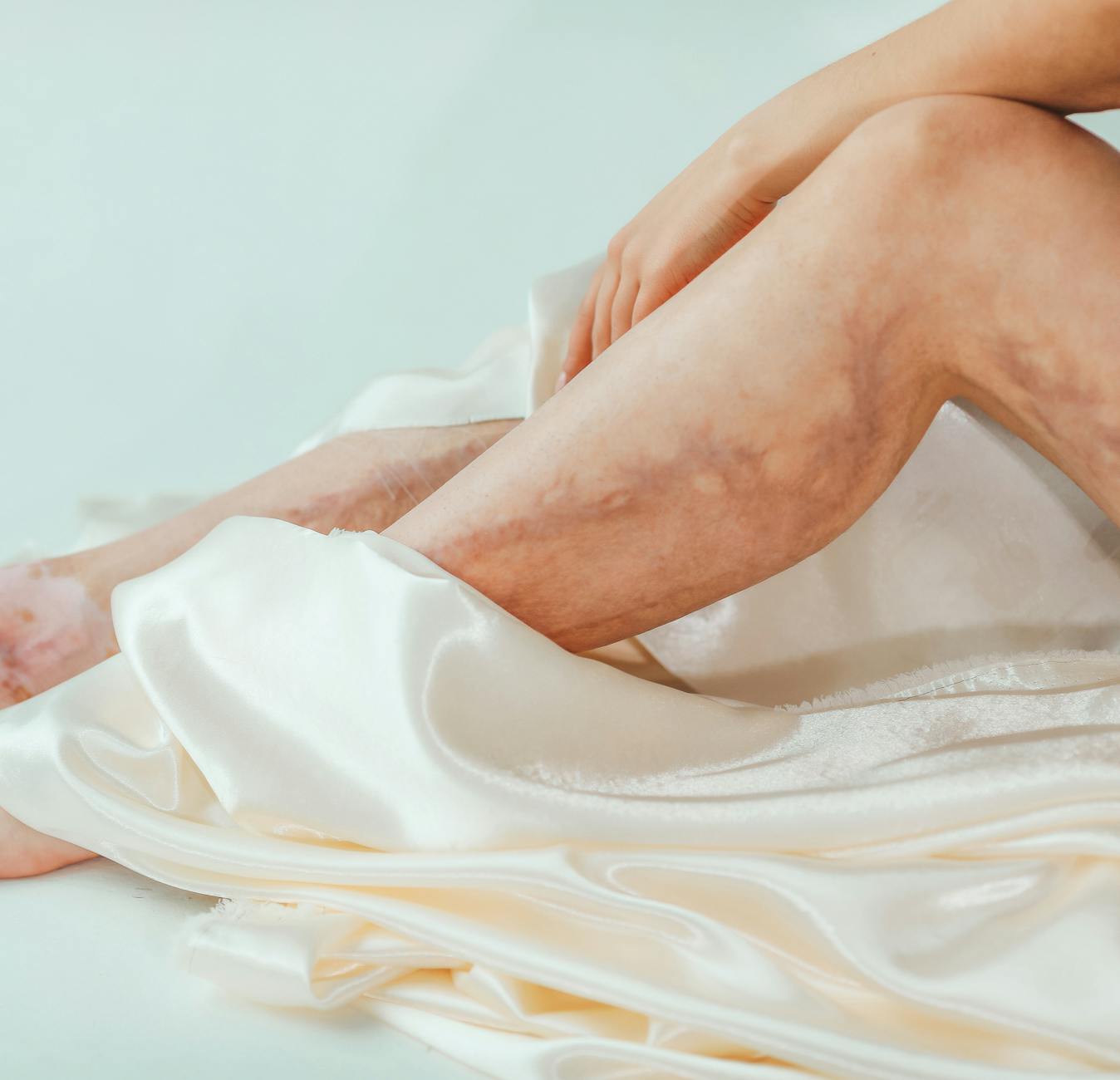
Valves in the leg veins can fail under the pressure of increased blood volume and weight. Twisted and bulging purple veins often appear on the calves and thighs as a result. They can cause aching or heaviness in the legs after long periods of standing. Compression stockings help support the veins and improve blood return to the heart. Elevating the legs whenever possible prevents the condition from worsening.
Emotional Instability

Hormonal surges affect neurotransmitters in the brain and lead to rapid mood swings. Tears might flow over a commercial or a minor inconvenience that would normally be ignored. Anxiety and irritability can alternate with periods of intense joy and anticipation. Partners often struggle to keep up with the shifting emotional landscape. Acknowledging that these feelings are chemical helps reduce the guilt associated with them.
Pregnancy Brain
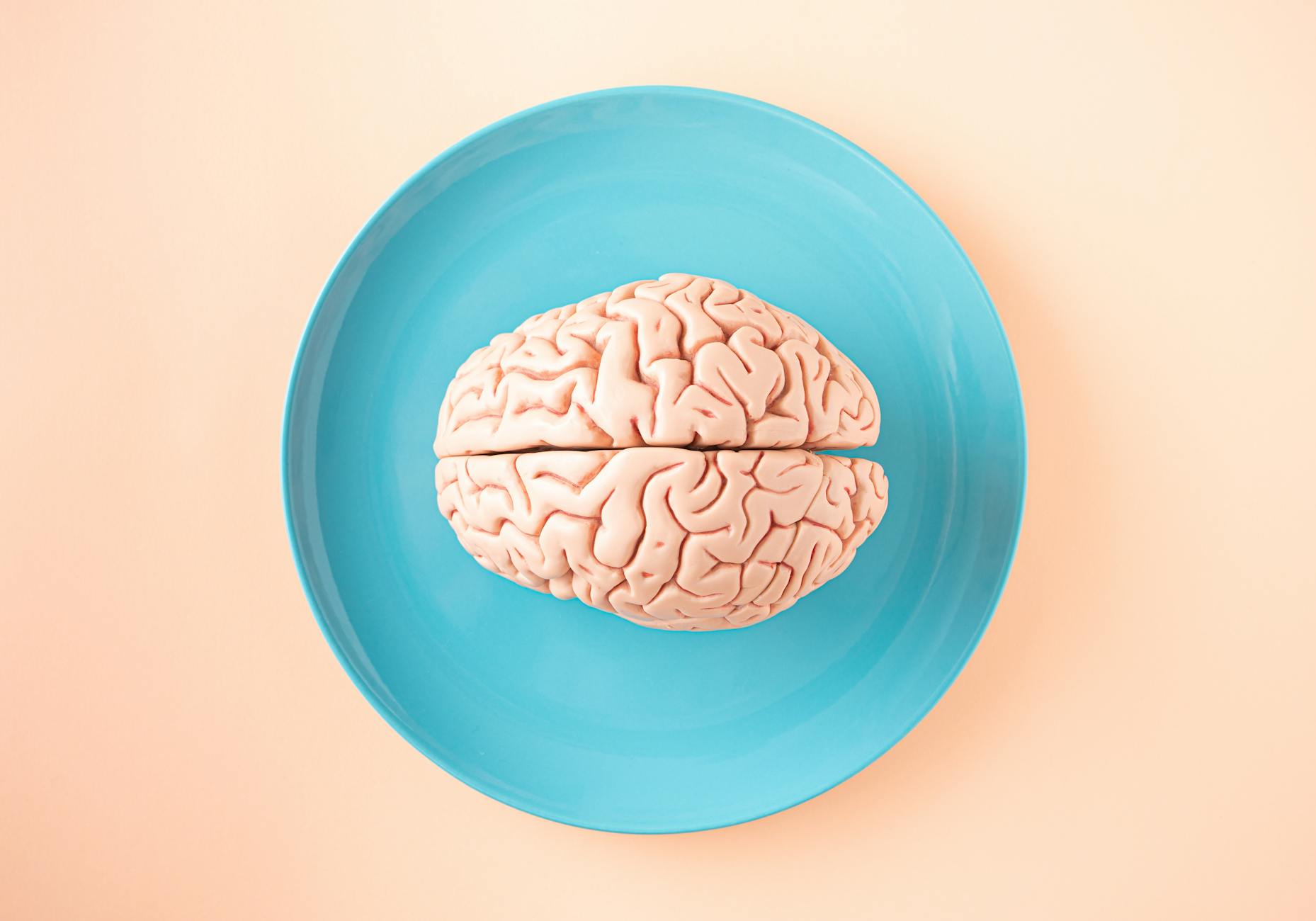
Forgetfulness and brain fog are commonly reported symptoms that frustrate many expectant mothers. The exact cause is debated but sleep deprivation and hormonal changes likely play major roles. Walking into a room and forgetting the purpose or misplacing keys becomes a daily occurrence. Lists and reminders become essential tools for navigating daily tasks and appointments. Be patient with cognitive lapses as mental clarity returns after the initial postpartum period.
Nesting Instinct

A sudden burst of energy to clean and organize the home often strikes in the final weeks. This primal instinct drives women to scrub floors and assemble furniture in preparation for the baby. It can be a productive phase but requires caution to avoid physical overexertion. The urge ensures the environment is safe and ready for the new arrival. It is often considered a sign that labor is approaching relatively soon.
Sympathetic Symptoms
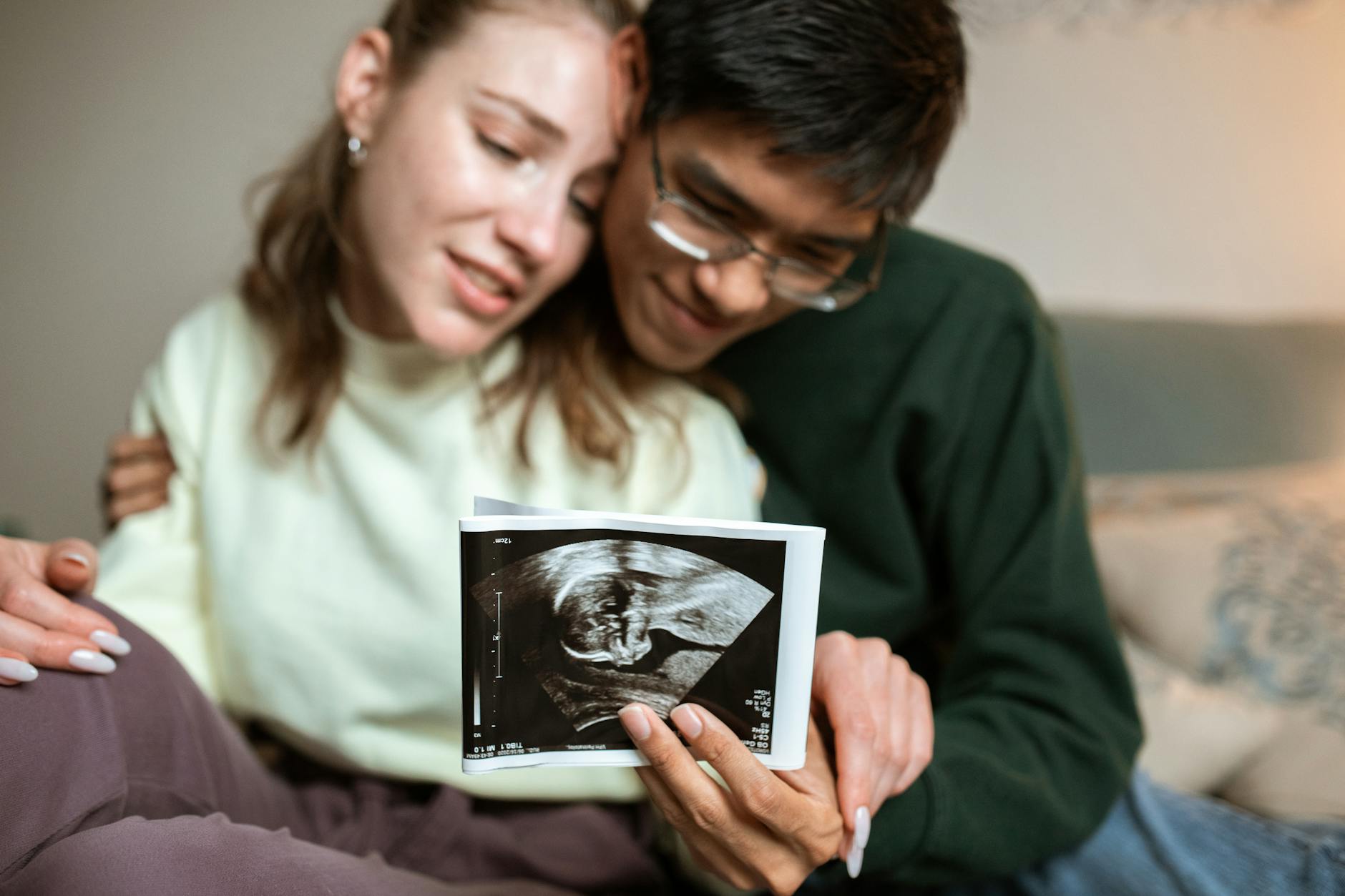
Partners occasionally experience weight gain or nausea or mood swings alongside the pregnant woman. This phenomenon is known as Couvade syndrome and is psychosomatic in nature. It reflects the high level of empathy and anxiety the partner feels during the pregnancy. While not physiological it is a very real experience for those who go through it. It highlights the shared emotional burden of the transition to parenthood.
Postpartum Preparation
Hair loss and night sweats and mood drops often occur immediately after the baby is born. Preparing for the fourth trimester is just as important as preparing for the birth itself. Understanding that the body continues to change rapidly prevents alarm when these symptoms appear. Freezing meals and arranging support systems helps navigate the recovery period. The journey of physical change continues well after the pregnancy technically ends.
We would love to hear which of these surprised you the most so please share your thoughts in the comments.