The movement toward micro-living continues to gain momentum as people seek financial freedom and a smaller carbon footprint. This architectural shift has sparked a wave of creativity that defies the limitations of square footage. From rustic retreats to futuristic pods, these structures prove that luxury and comfort are not defined by size. Builders and designers are constantly reimagining what a home can look like by utilizing innovative materials and layouts. The following collection showcases the incredible variety of tiny homes available to modern minimalists.
The Modern A-Frame
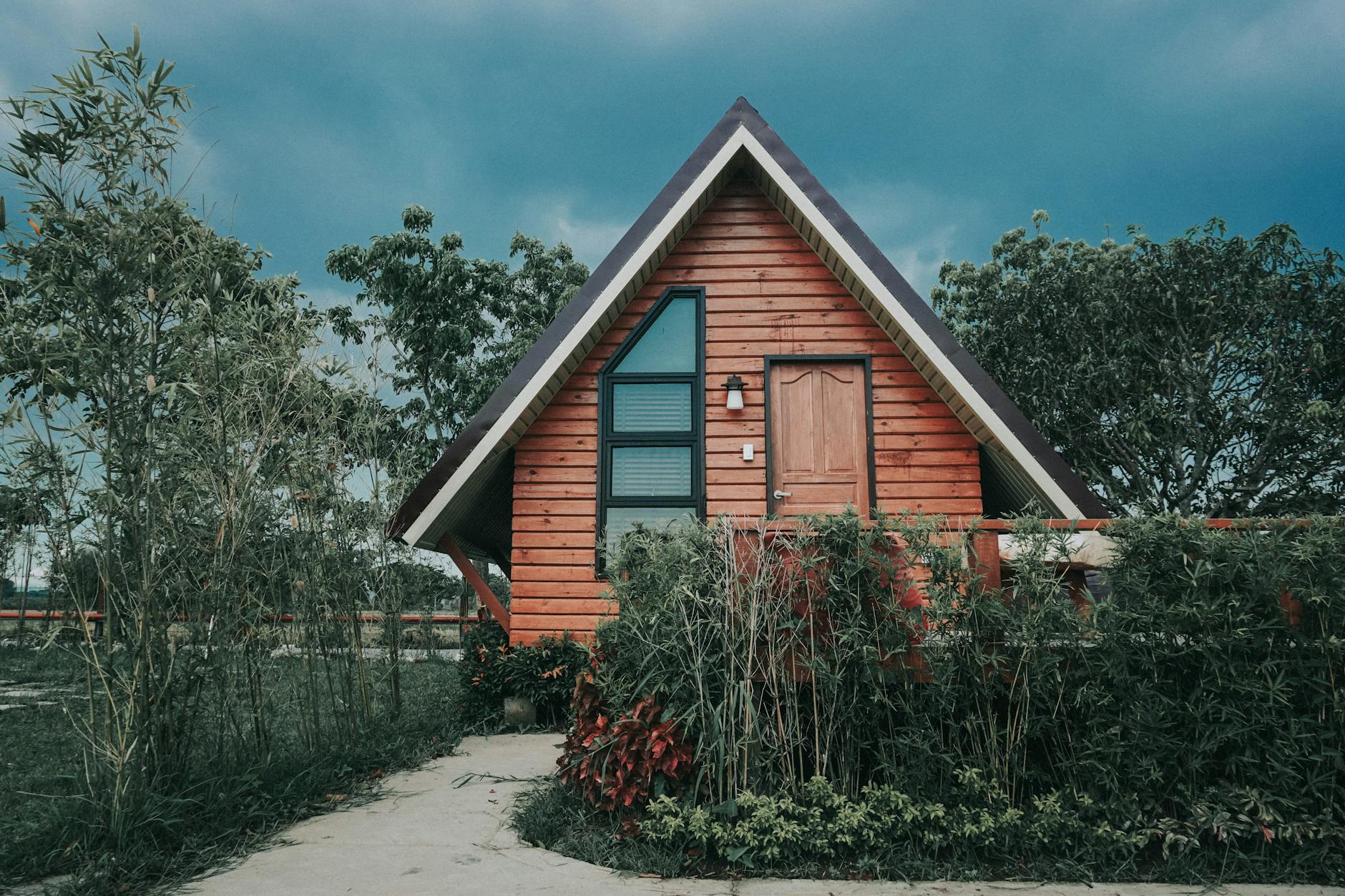
This striking architectural style features a steep sloping roofline that eliminates the need for complex structural framing. Large triangular windows dominate the front facade to flood the interior with natural light throughout the day. The open floor plan usually includes a lofted sleeping area accessible by a ladder or spiral staircase. Natural wood finishes on the exterior help the structure blend seamlessly into forested or mountainous surroundings. Owners often appreciate how the sharp roof angle efficiently sheds heavy snow and rain.
The Shipping Container Conversion
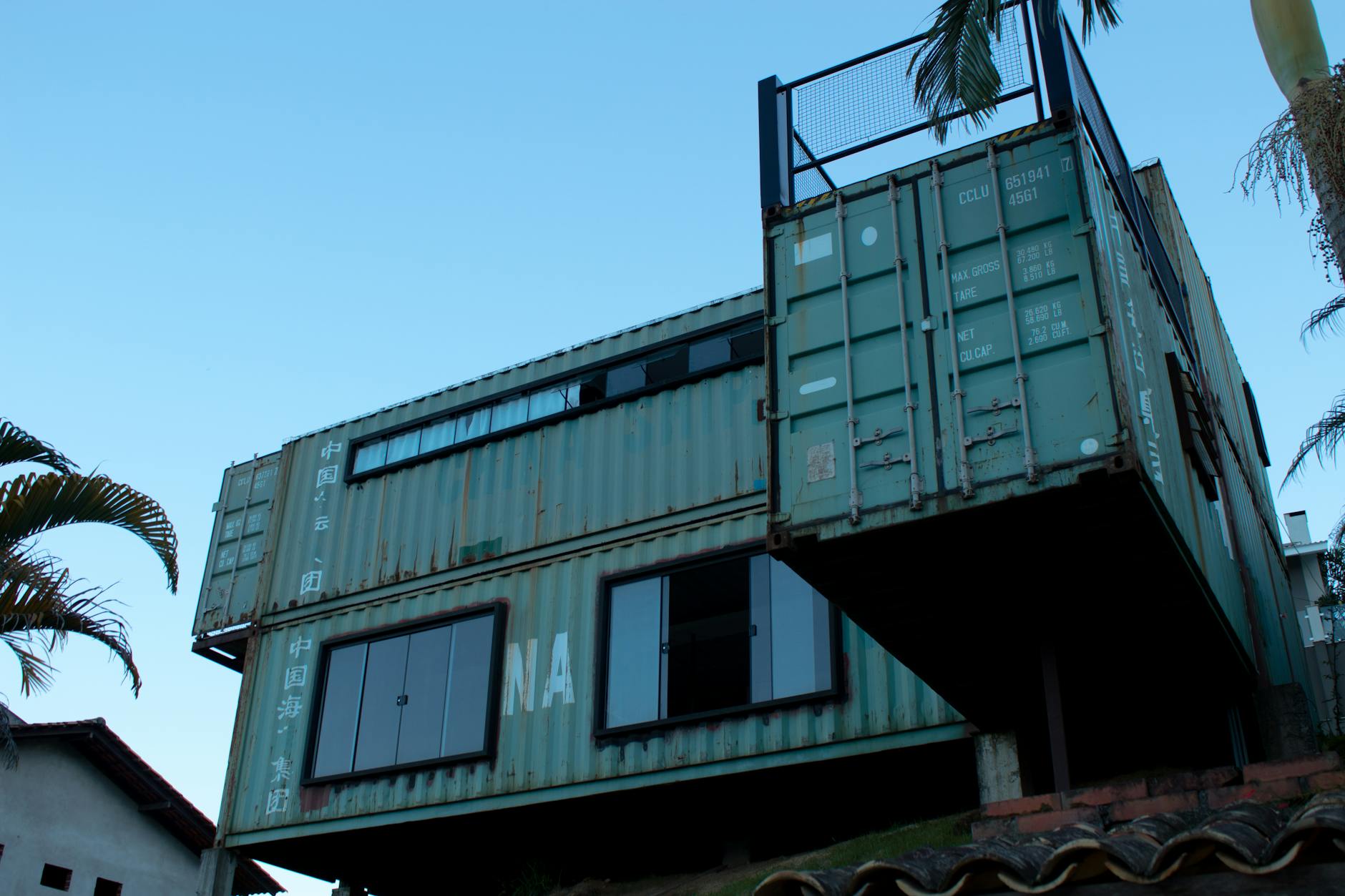
Repurposing industrial steel containers offers a durable and sustainable framework for compact living. Builders cut sections of the metal walls to install heavy reinforced glass doors and windows. The linear shape naturally lends itself to a galley kitchen layout and distinct zones for living and sleeping. Insulation is applied to the exterior or interior to maintain comfortable temperatures in variable climates. This industrial aesthetic appeals to those seeking a rugged and modern exterior with a customized interior.
The Victorian Cottage on Wheels
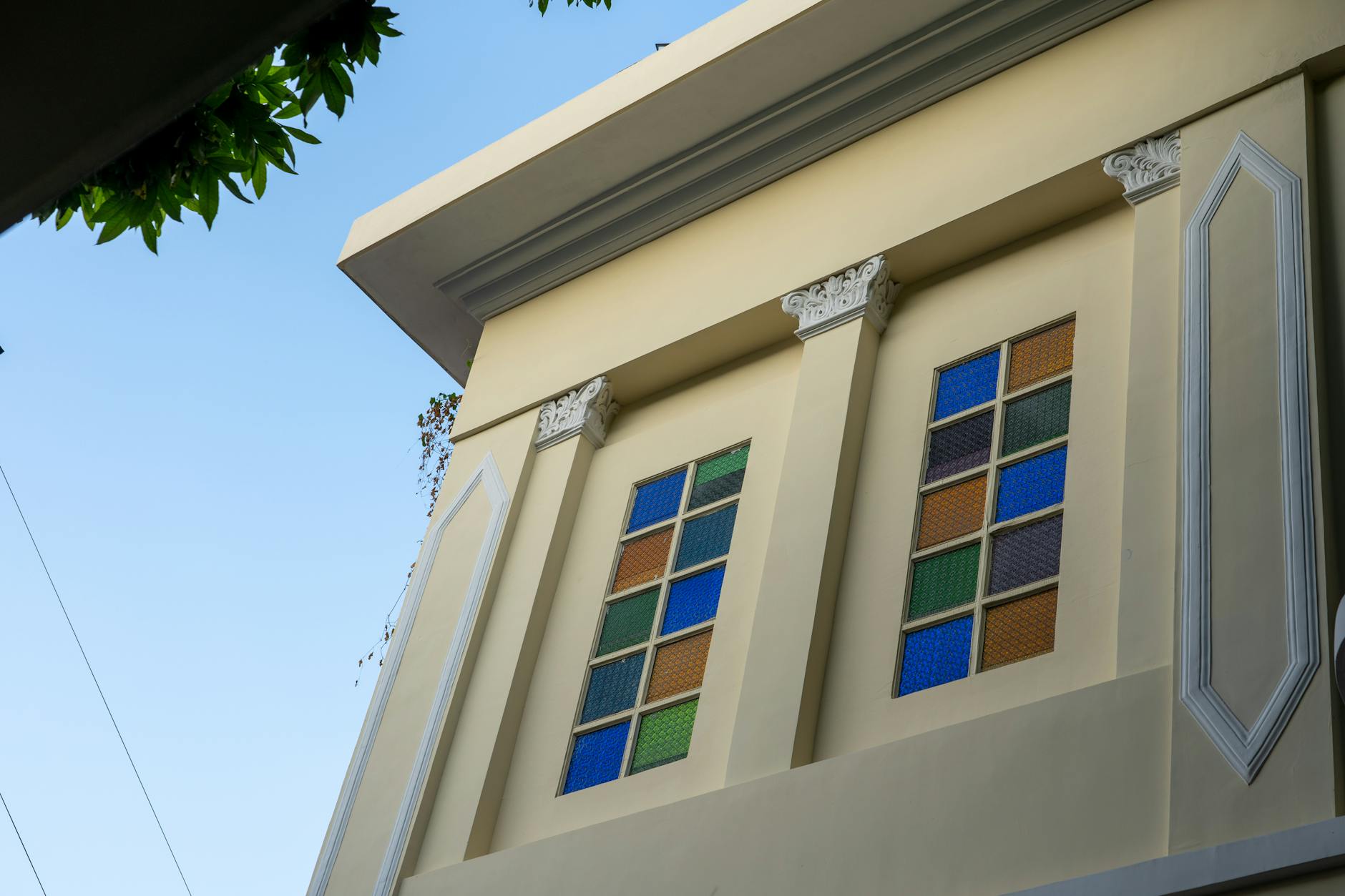
Intricate exterior trim and gingerbread detailing give this mobile home a classic charm rarely seen in tiny structures. The interior often features rich hardwood floors and antique fixtures that evoke a sense of history. A gambrel roof design maximizes the headroom in the loft to make the sleeping quarters feel less confined. Stained glass windows add a touch of color and artistry to the small living space. It combines the romance of a bygone era with the flexibility of modern nomadic living.
The Glass Cube
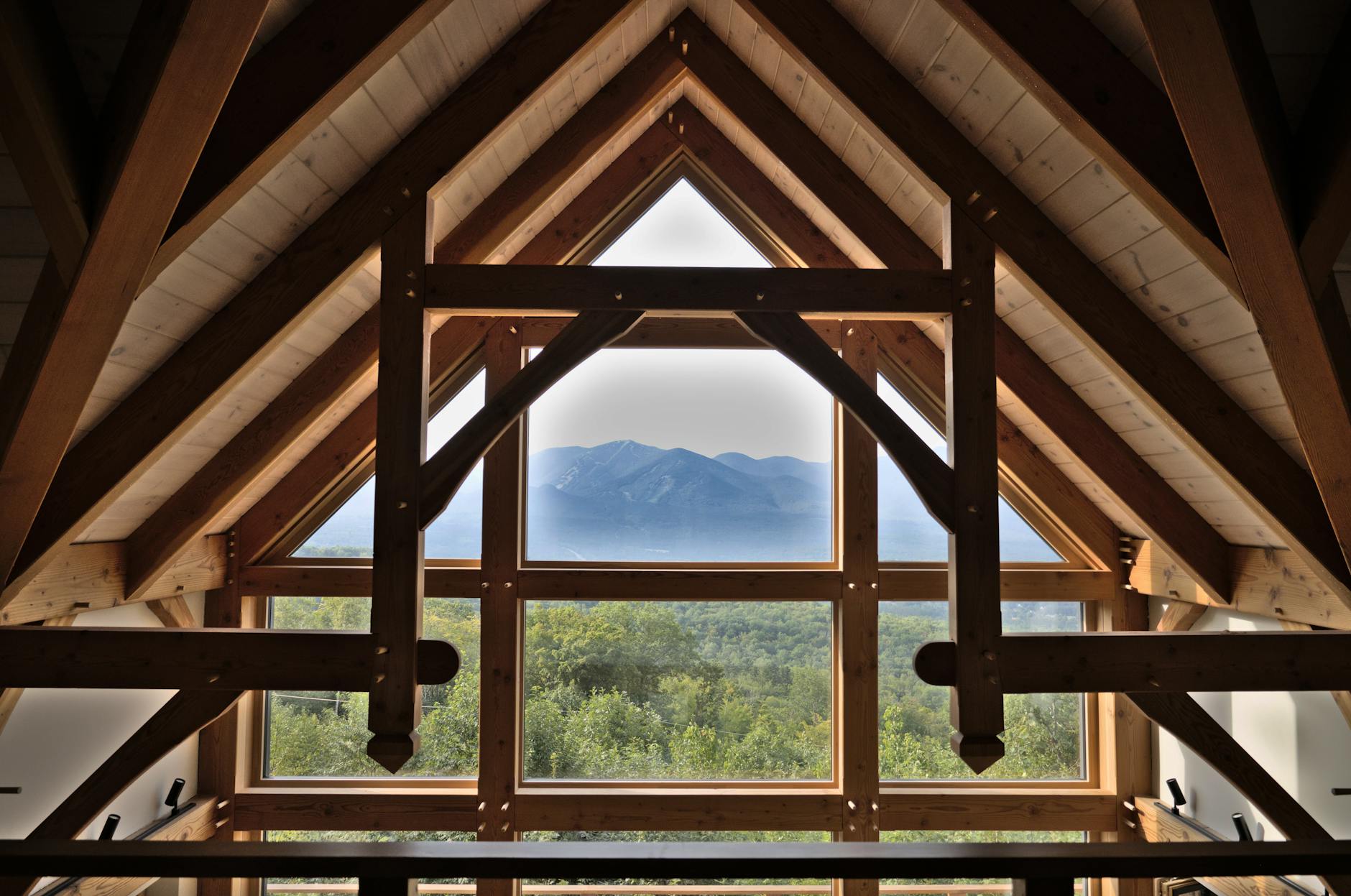
Floor-to-ceiling glass walls dissolve the barrier between the indoors and the natural world outside. Privacy curtains or smart glass technology allow residents to control visibility when needed. The structural steel frame provides necessary rigidity while remaining unobtrusive to the eye. Minimalist furniture and hidden storage ensure the view remains the primary focal point of the home. This design is ideal for secluded locations where the landscape serves as the main decoration.
The Floating Houseboat

Built on a buoyant platform or pontoon base this design turns the water into a front yard. Stability is achieved through careful weight distribution and a low center of gravity. Wrap-around decks increase the usable living space and offer direct access to the water for recreation. Marine-grade materials resist moisture and corrosion to ensure the longevity of the structure. It offers a unique lifestyle for those who find tranquility in the gentle movement of the tides.
The Cob Earth Dome
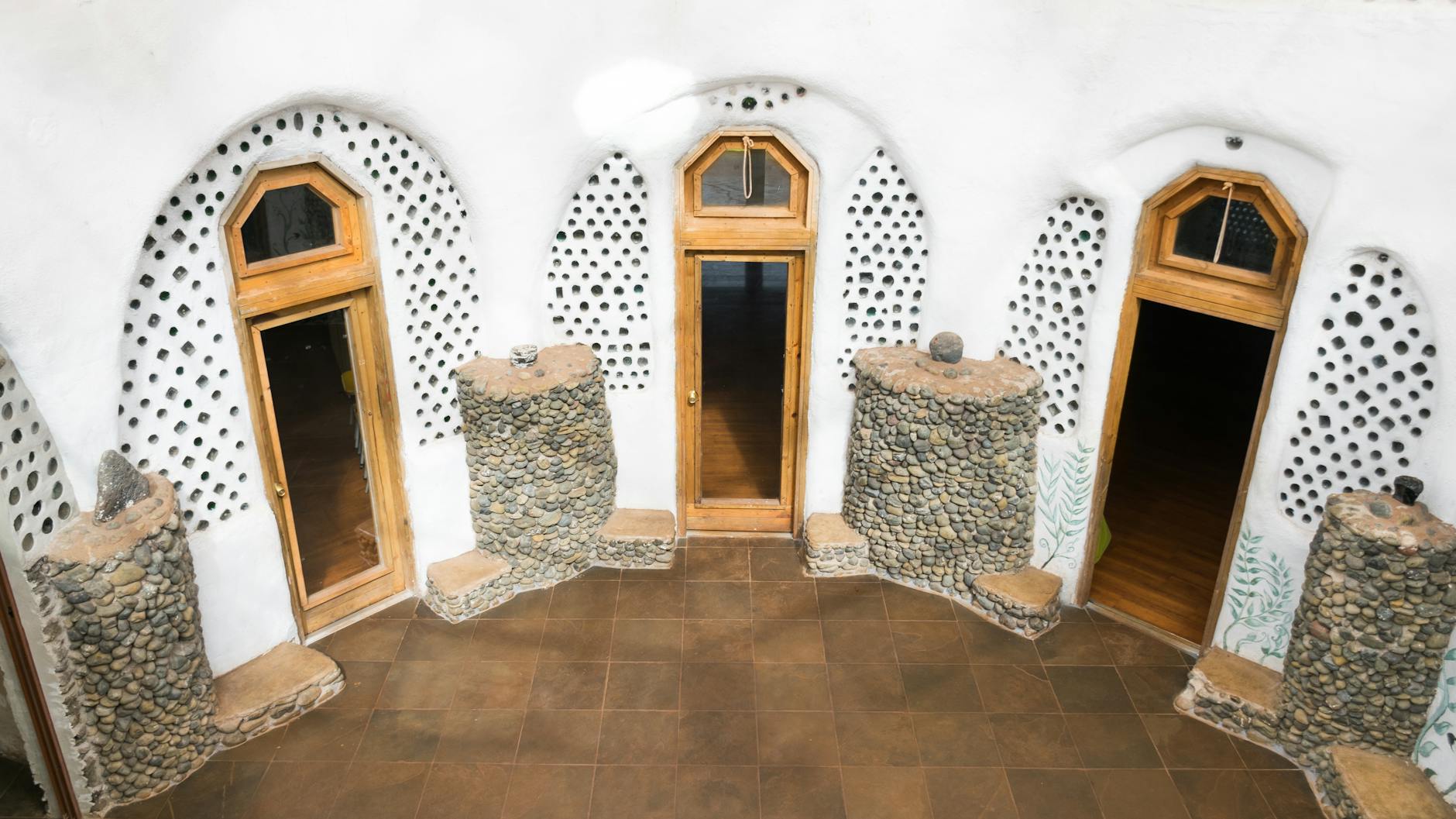
Organic curves and natural materials define this eco-friendly approach to small construction. The thick walls are made from a mixture of clay and sand and straw to provide excellent thermal mass. Small alcoves and shelves are sculpted directly into the walls to eliminate the need for bulky furniture. A central skylight often serves as the main light source and creates a connection to the sky. Living here feels grounding and earthy due to the total absence of sharp corners.
The Japanese Zen Box
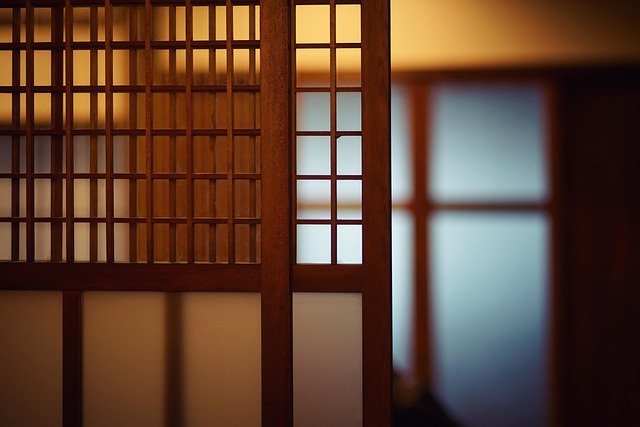
Clean lines and raw timber characterize this aesthetic that draws heavy inspiration from traditional Japanese tea houses. Sliding Shoji screens divide the space without blocking light or adding visual weight. Tatami mats define the flooring area and provide a versatile surface for sitting or sleeping. The design emphasizes negative space and purposeful emptiness to promote mental clarity. Built-in cabinetry hides all personal items to maintain a pristine and meditative environment.
The School Bus Skoolie

Retired school buses provide a robust chassis and engine for those wanting to travel extensively. The roof is often raised to accommodate taller occupants and allow for better air circulation. Interior layouts must work around the wheel wells but offer a long continuous space for creative zoning. Many conversions retain the original windows to offer panoramic views while driving or parked. This mobile option is popular among adventurers who value the journey as much as the destination.
The Grain Silo
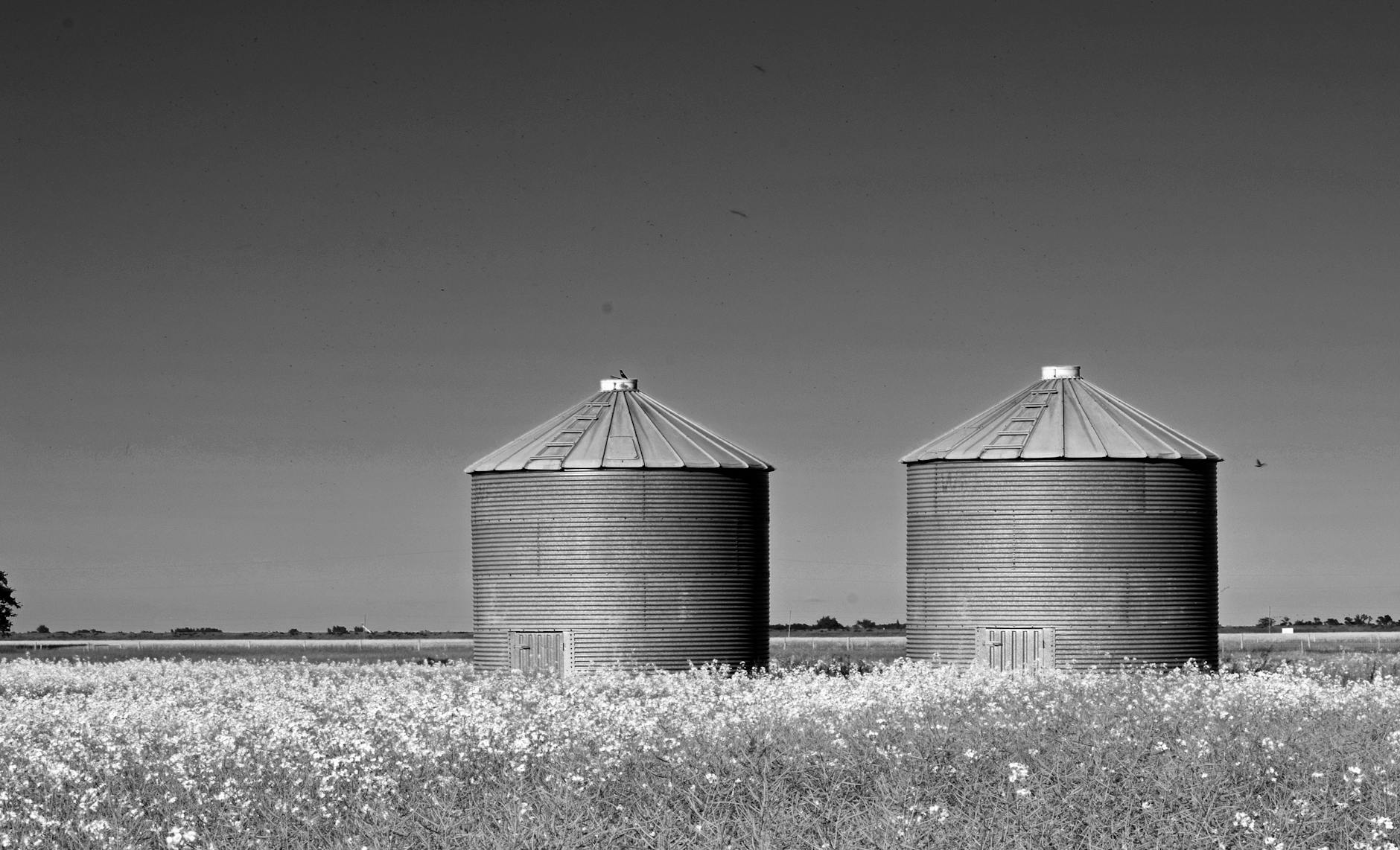
Circular living presents unique challenges and rewards within these converted agricultural storage units. The tall vertical space allows for multiple stories connected by a central spiral staircase. Metal exteriors are practically maintenance-free and offer exceptional protection against the elements. Interiors are often insulated with spray foam and finished with curved drywall or wood paneling. This adaptation preserves rural history while providing a distinctly modern living experience.
The Modern Yurt

Based on ancient nomadic shelters, these round structures utilize a lattice wall system and a durable fabric cover. A central compression ring at the peak of the roof supports the rafters and allows for a clear skylight. They can be erected quickly on a simple platform foundation with minimal impact on the land. Modern versions feature proper insulation and double-paned windows for year-round comfort. The circular layout encourages a communal atmosphere and efficient air circulation.
The Luxury Treehouse
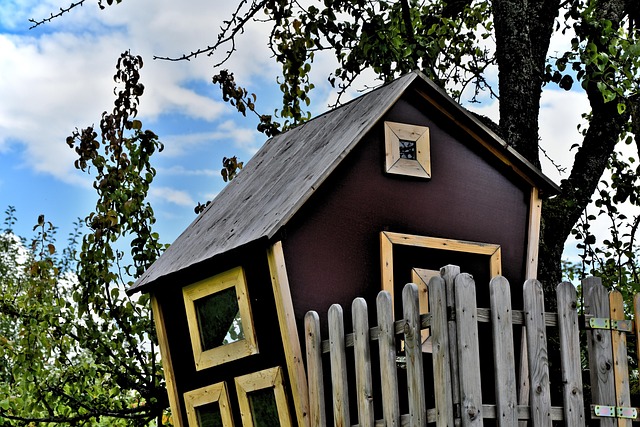
Elevated among the branches, these homes offer a unique perspective and a sense of childhood wonder. Structural supports are carefully designed to protect the health of the host trees while ensuring safety. Large decks often wrap around the trunk to create seamless indoor-outdoor living areas. Access is typically gained via a suspension bridge or a sturdy wooden staircase. This design creates a private sanctuary that feels completely removed from the stresses of ground-level life.
The Geodesic Dome

Interlocking triangles create a spherical structure that is incredibly strong and energy-efficient. The aerodynamic shape withstands high winds and heavy snow loads better than traditional boxy homes. The interior offers a voluminous feel with high ceilings and no internal structural supports to obstruct the layout. Large triangular windows can be placed anywhere on the frame to frame specific views. This futuristic design maximizes interior volume relative to the surface area of the shell.
The Shepherd’s Hut
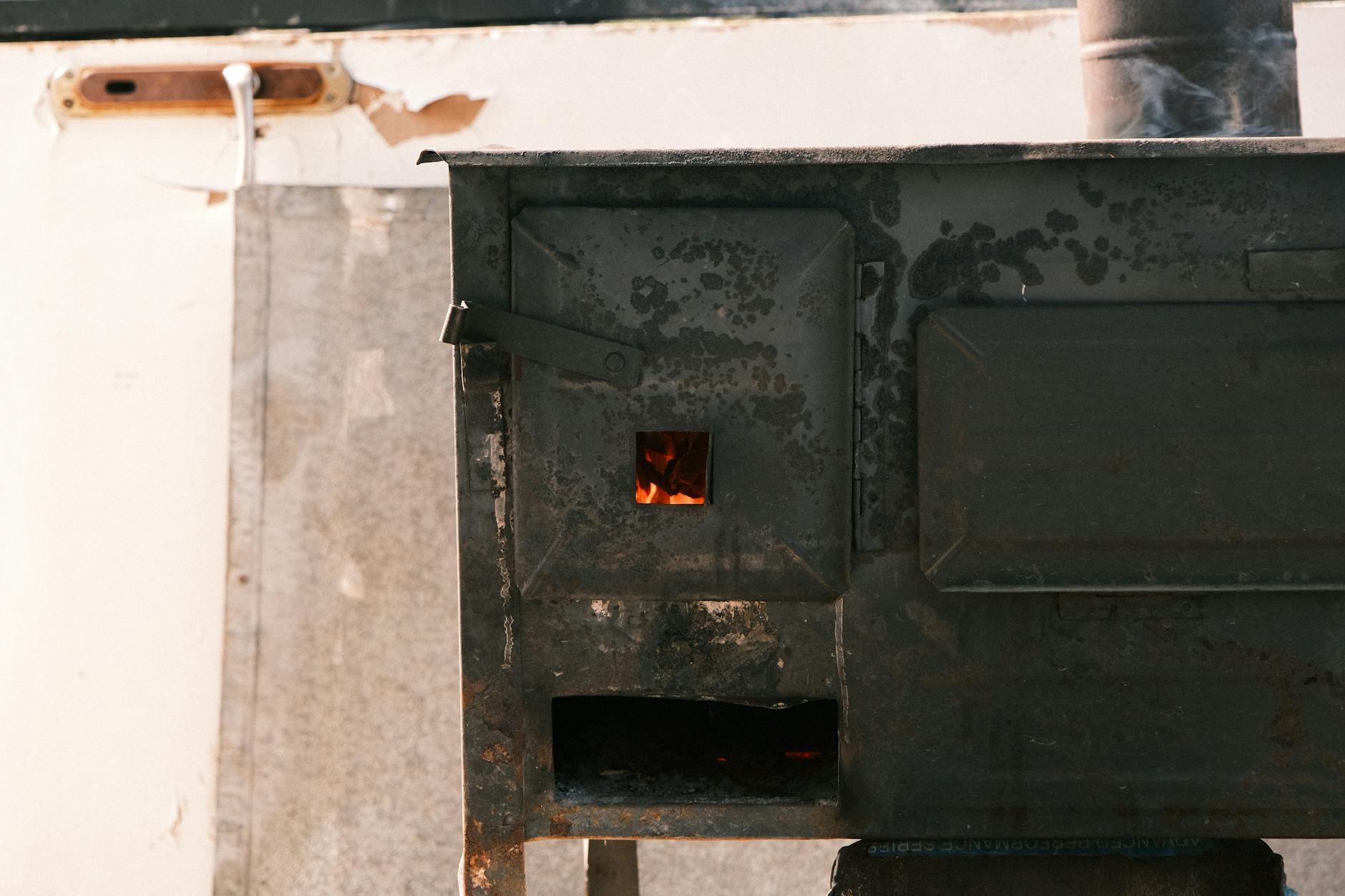
Modeled after traditional wagons used by sheep herders in the United Kingdom, these huts feature curved corrugated iron roofs. Cast iron wheels allow the structure to be towed short distances across a property. The interior usually houses a small wood-burning stove that serves as the focal point and heat source. Space is optimized with a transverse bed and a compact kitchenette along one wall. It provides a cozy and nostalgic retreat perfect for a guest house or writing studio.
The Expandable Pod

Smart engineering allows these homes to triple their square footage once parked at a destination. Hydraulic or mechanical systems slide out room modules from the main chassis with the push of a button. When in transit the house compacts into a standard road-legal box for easy towing. The interior furniture is often designed to fold or nest to accommodate the moving walls. This design solves the compromise between travel mobility and spacious stationary living.
The Mirror House
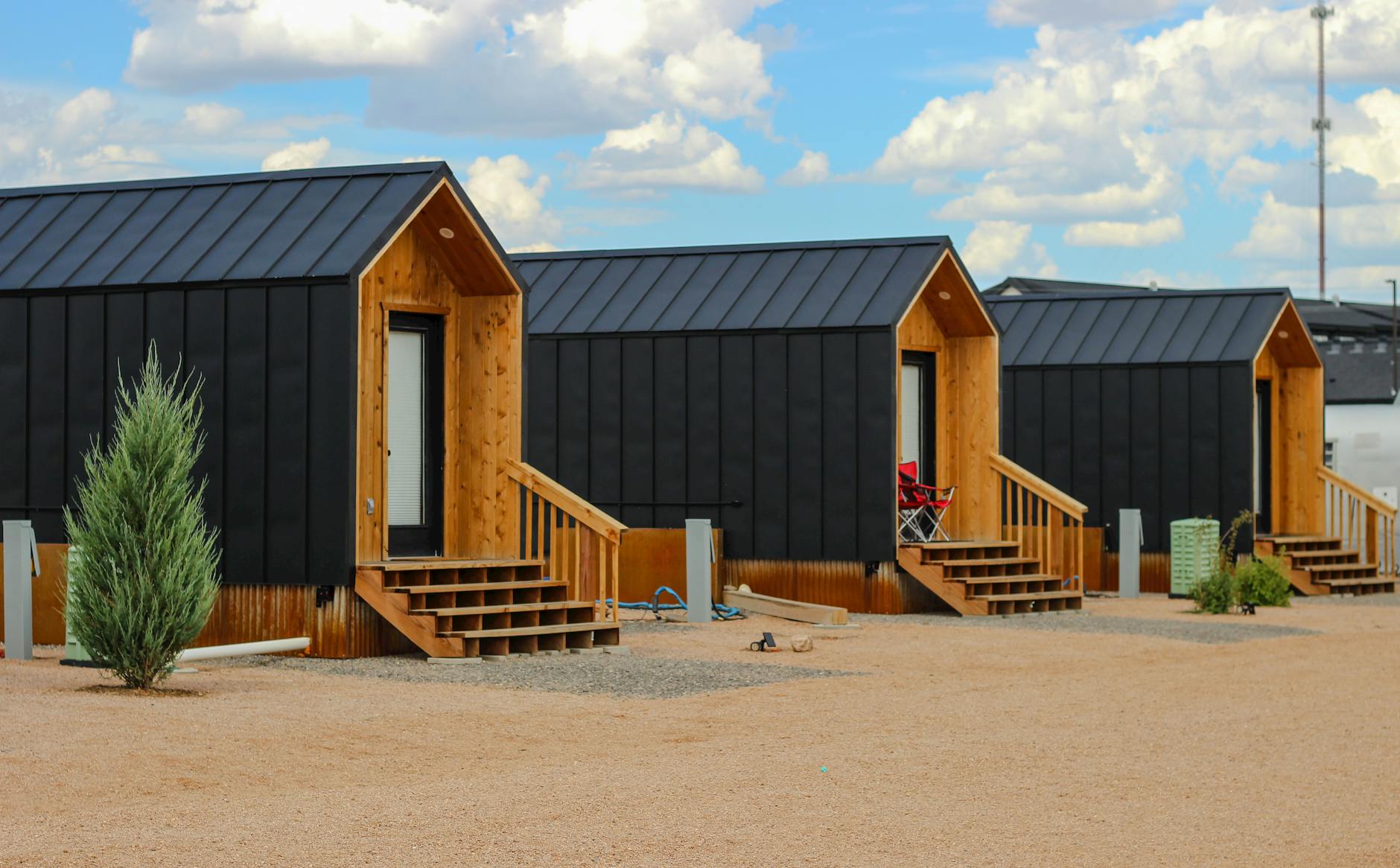
Reflective exterior panels camouflage this home by mimicking the surrounding environment. From a distance the structure seems to disappear completely into the forest or desert landscape. The interior contrasts the sleek exterior with warm wood textures and soft fabrics. Large openings connect the resident to nature while the mirrored glass ensures total privacy from the outside. It is an architectural statement piece that respects the visual integrity of its location.
The Hobbit Hole
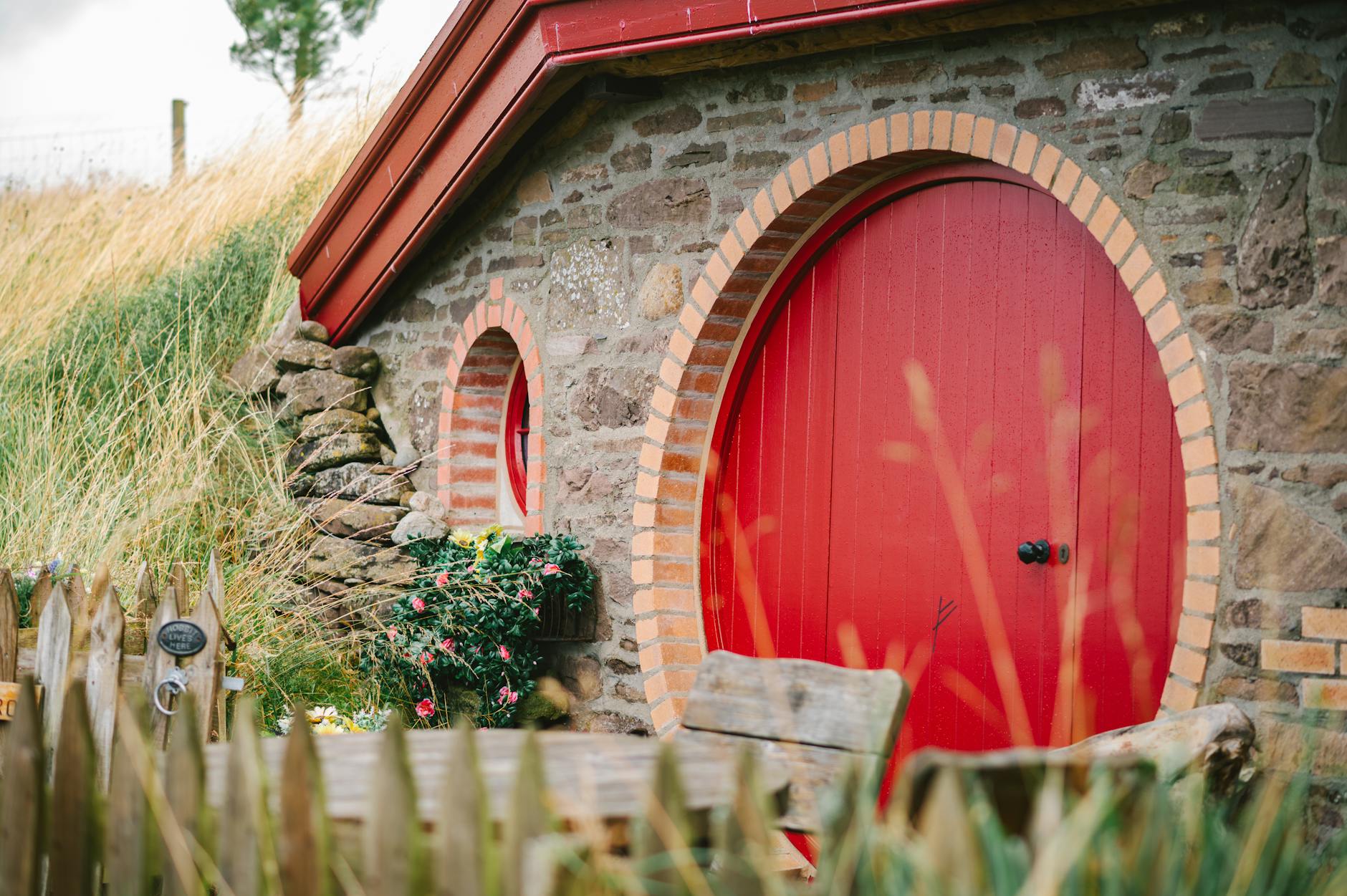
Built into a hillside or covered with earth, this design offers superior insulation and a fairytale aesthetic. Round doors and windows are signature features that soften the transition between inside and out. The thermal mass of the earth keeps the interior cool in summer and warm in the winter. Natural stone and heavy timber beams support the structure and add to the rustic charm. It appeals to those seeking a whimsical home that feels like a natural extension of the land.
The Garage Conversion
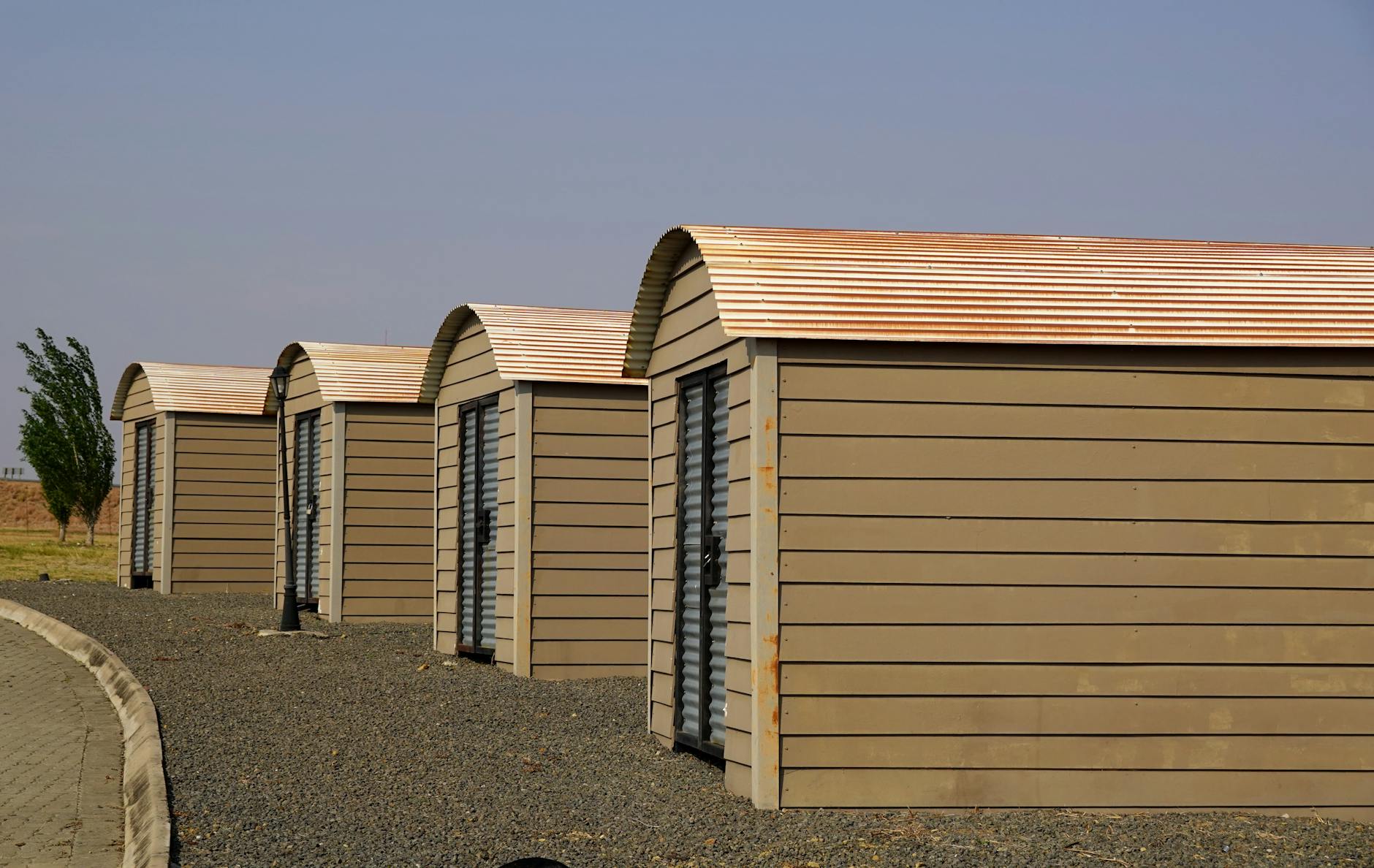
Transforming an existing detached garage is a cost-effective way to create a tiny home on an existing property. The concrete slab foundation and existing framing provide a significant head start on construction. Garage doors are often replaced with large glass sliders to bring in light and open the space. The open span of a typical garage allows for total freedom in designing the interior floor plan. This approach is popular for multigenerational living or generating rental income.
The Gothic Revival
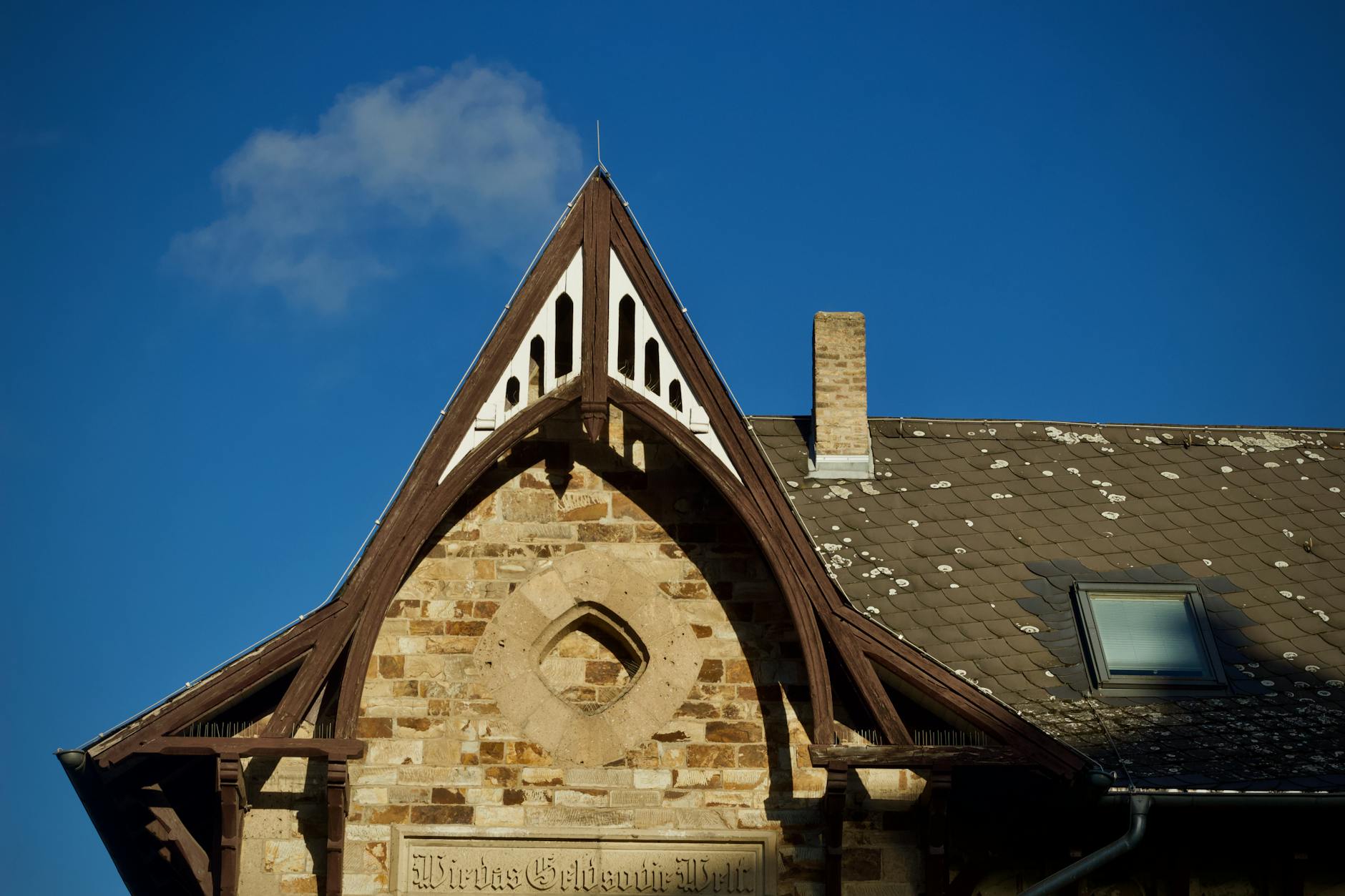
Pointed arches and steep roof pitches define this dramatic and ornate tiny house style. The exterior often features dark stained wood and decorative ironwork that commands attention. Inside the verticality is emphasized with vaulted ceilings and tall narrow windows. Velvet upholstery and heavy drapes complement the moody and romantic atmosphere. This design proves that tiny living can embrace maximalist decor and historical grandeur.
The Scandinavian Cabin
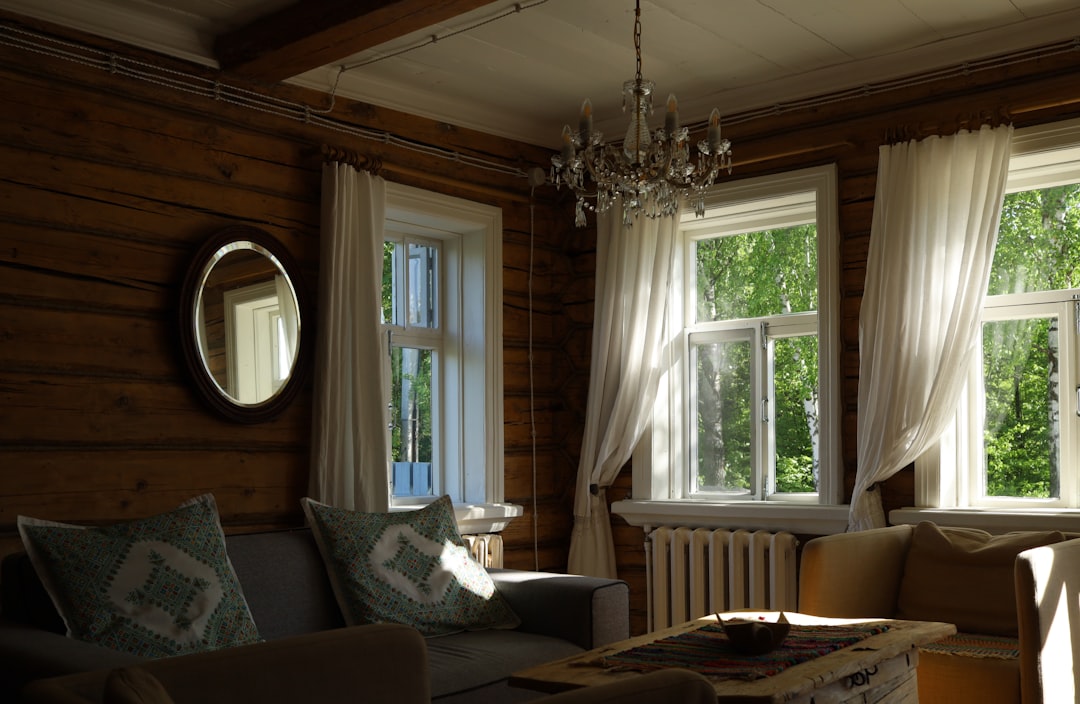
Light wood interiors and functional minimalism are the hallmarks of this Nordic-inspired design. Large windows are prioritized to capture as much natural light as possible during short winter days. The layout is strictly efficient with no wasted space or unnecessary ornamentation. High-quality natural materials are used throughout to create a sense of warmth and texture. It offers a bright and airy sanctuary that focuses on “hygge” or cozy contentment.
The Industrial Loft
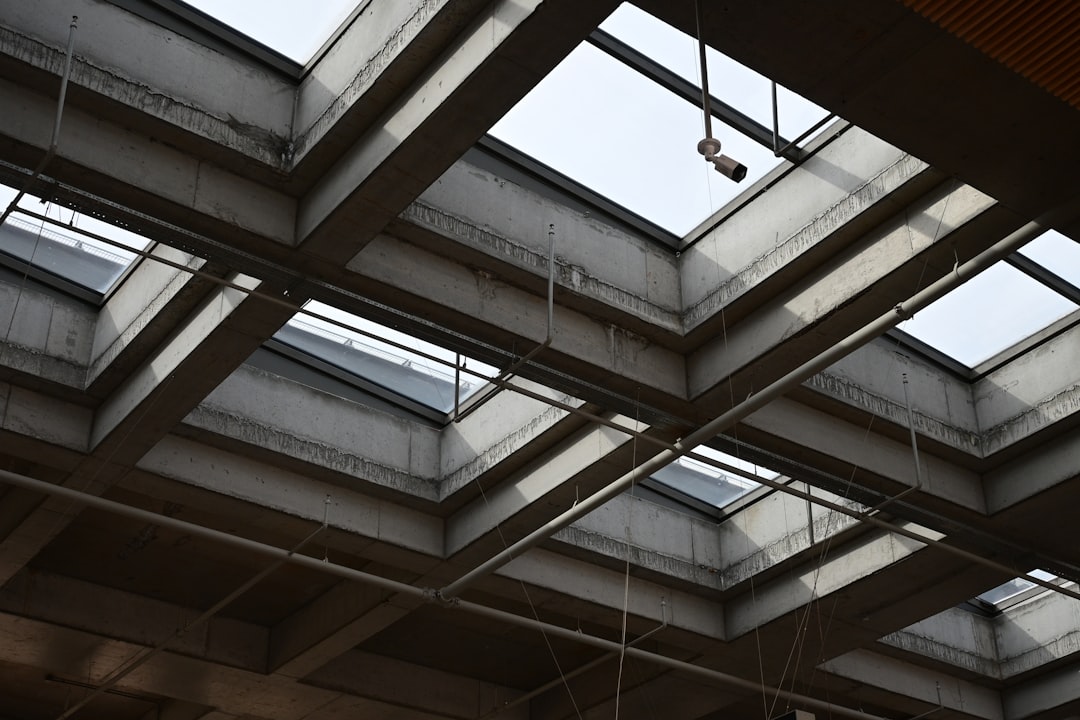
Exposed piping, metal conduit, and raw concrete surfaces define this urban aesthetic. High ceilings often accommodate a mezzanine level for sleeping or storage accessed by a metal ladder. The color palette tends to be monochromatic with flashes of brick red or steel grey. Large factory-style windows with black mullions provide character and abundant light. This style brings the edginess of a city warehouse apartment into a compact footprint.
The Off-Grid Cabin
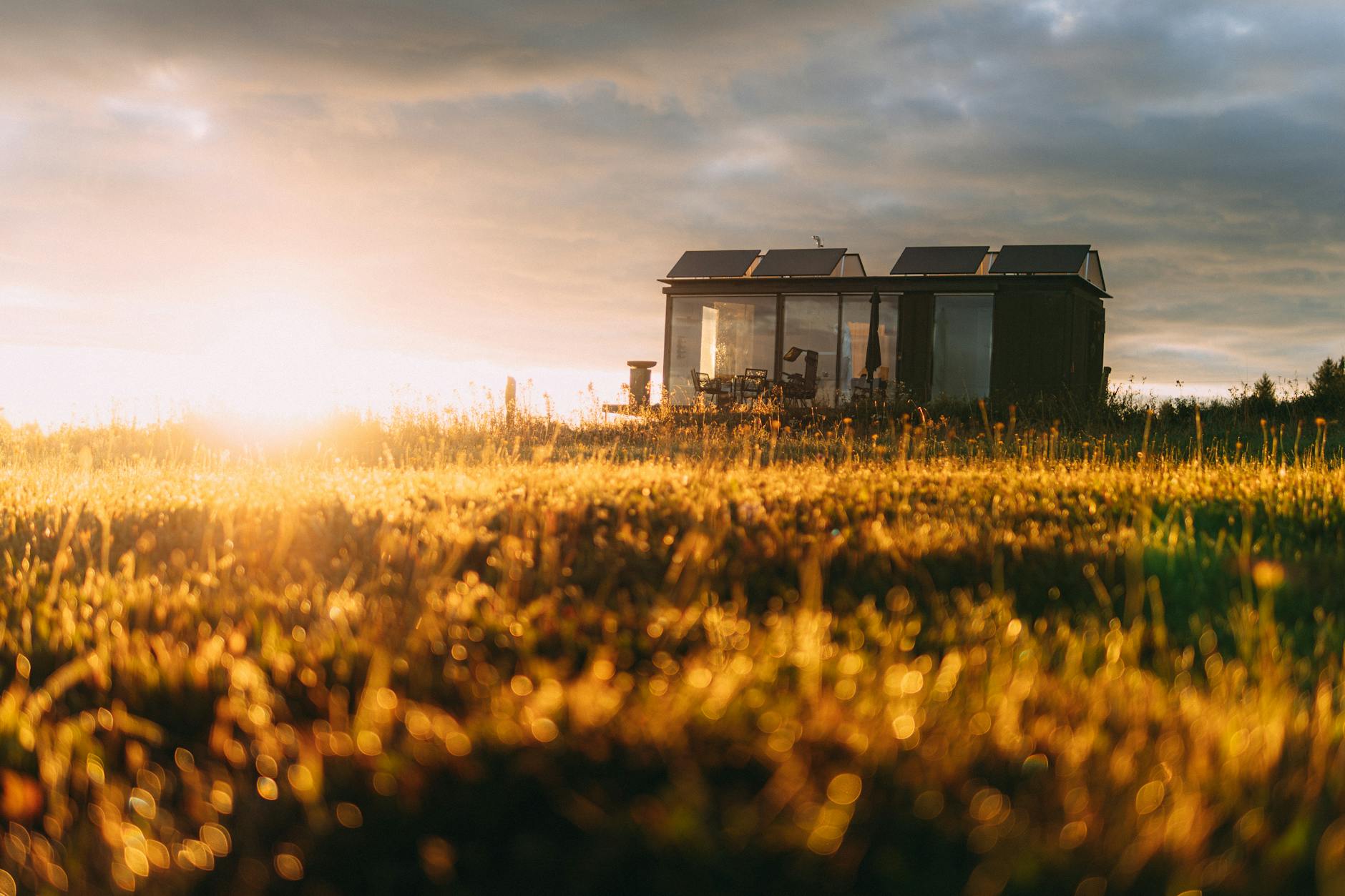
Self-sufficiency is the primary goal of this design which functions without connection to public utilities. Solar panels and rainwater collection systems are integrated seamlessly into the roof and exterior. The appliances are chosen for high efficiency and often run on propane or 12-volt electricity. Composting toilets and greywater filtration systems handle waste responsibly on-site. It enables a lifestyle of total independence in remote and unspoiled locations.
The Alpine Chalet
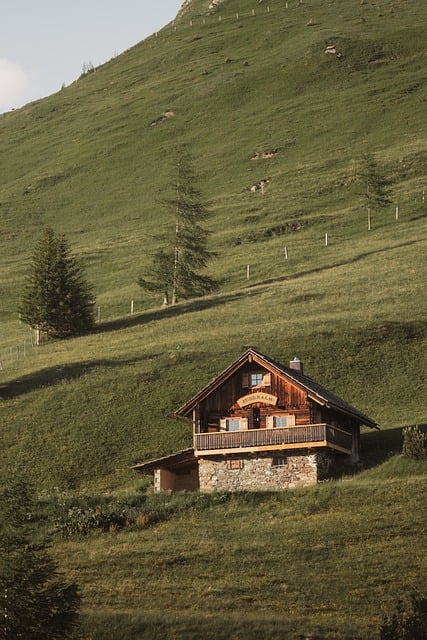
Wide overhanging eaves and decorative wooden balconies mimic the traditional architecture of the Swiss Alps. Sturdy timber construction ensures the home stays warm even in freezing high-altitude conditions. The interior creates a cozy refuge with a stone fireplace and heavy woolen textiles. Flower boxes often adorn the windows to add a burst of color against the wood. This design is perfectly suited for mountain retreats and snowy getaways.
The Modernist Box
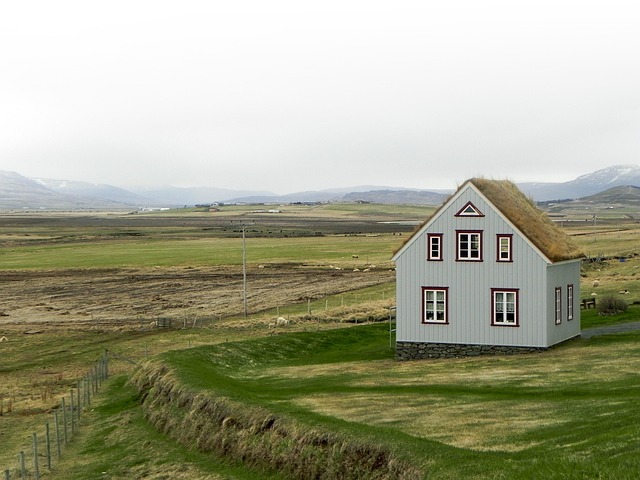
Flat roofs and right angles create a silhouette that stands in stark contrast to natural surroundings. The exterior is often clad in smooth panels of cement board or charred wood for a sleek finish. Ribbon windows run horizontally to frame panoramic views like living artwork. The interior relies on built-in furniture to maintain clean lines and an uncluttered appearance. It appeals to design purists who value geometric precision and simplicity.
The Vardo Wagon
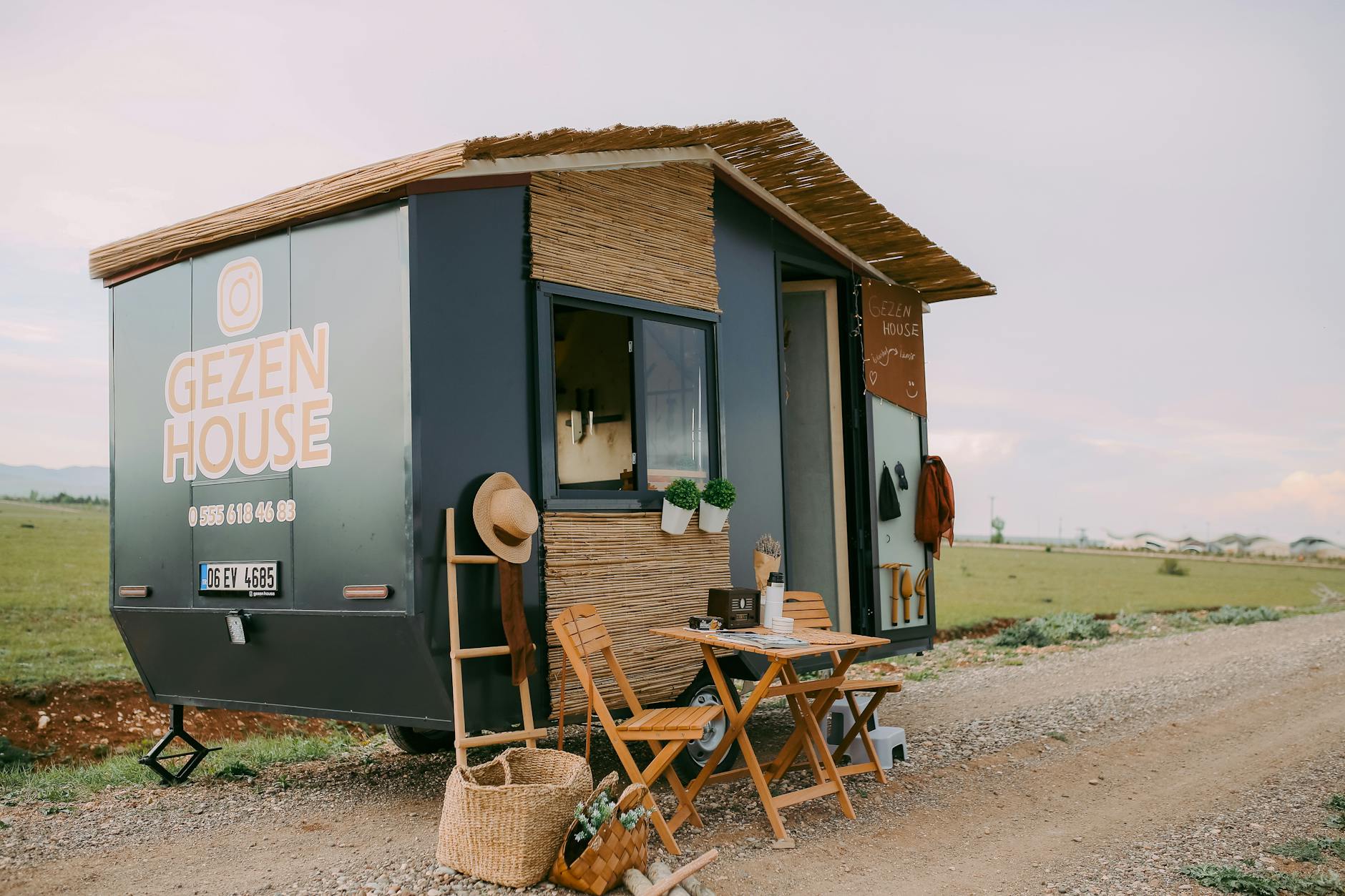
These ornate and colorful homes are based on the traditional horse-drawn wagons of the Romani people. The canvas or wooden roof is arched to create a cozy and enclosed interior space. Exteriors are often painted with intricate floral motifs and bright primary colors. The small interior footprint requires highly efficient storage solutions and multi-purpose furniture. It captures a spirit of bohemian freedom and artistic expression.
The Concrete Bunker
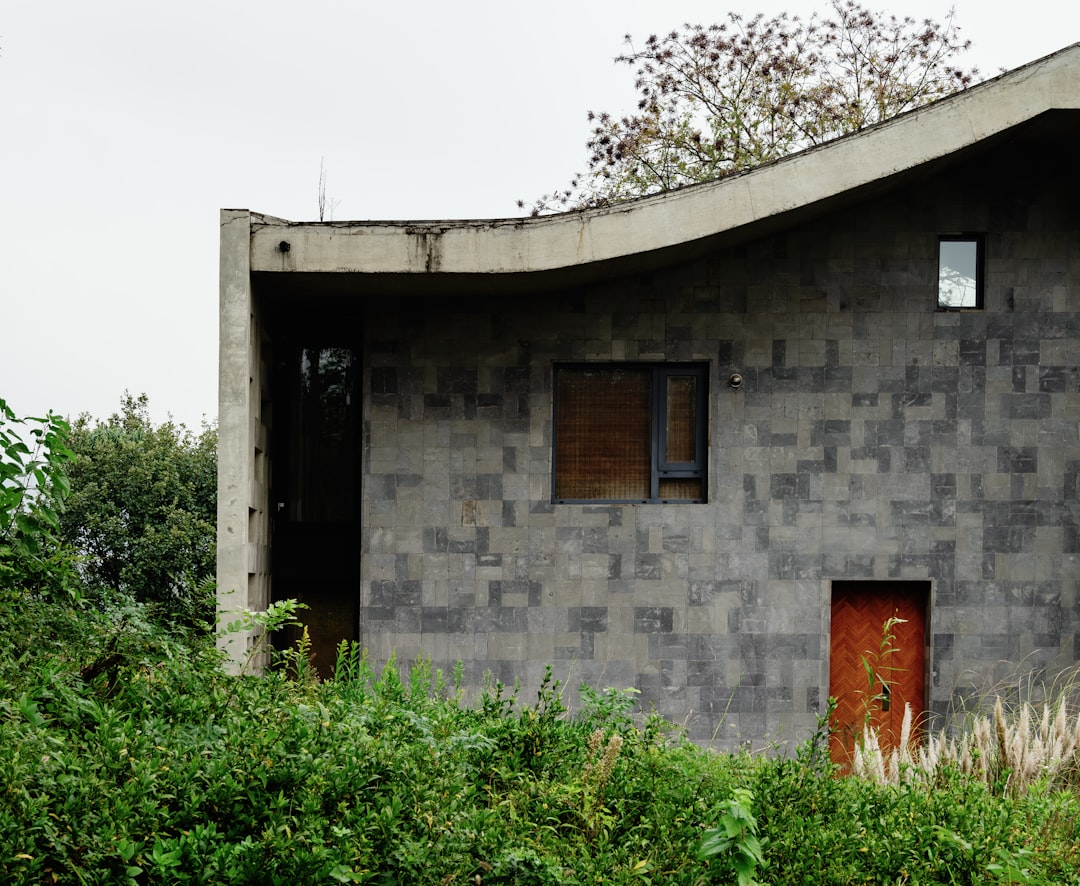
Poured concrete walls provide unparalleled durability and sound insulation for this robust tiny home. The raw texture of the material is often left exposed to create a brutalist aesthetic. Large glass openings soften the heavy appearance and create a connection to the outdoors. The thermal mass of the concrete helps regulate indoor temperatures passively. This design is virtually indestructible and offers a sense of absolute security.
The Greenhouse Home
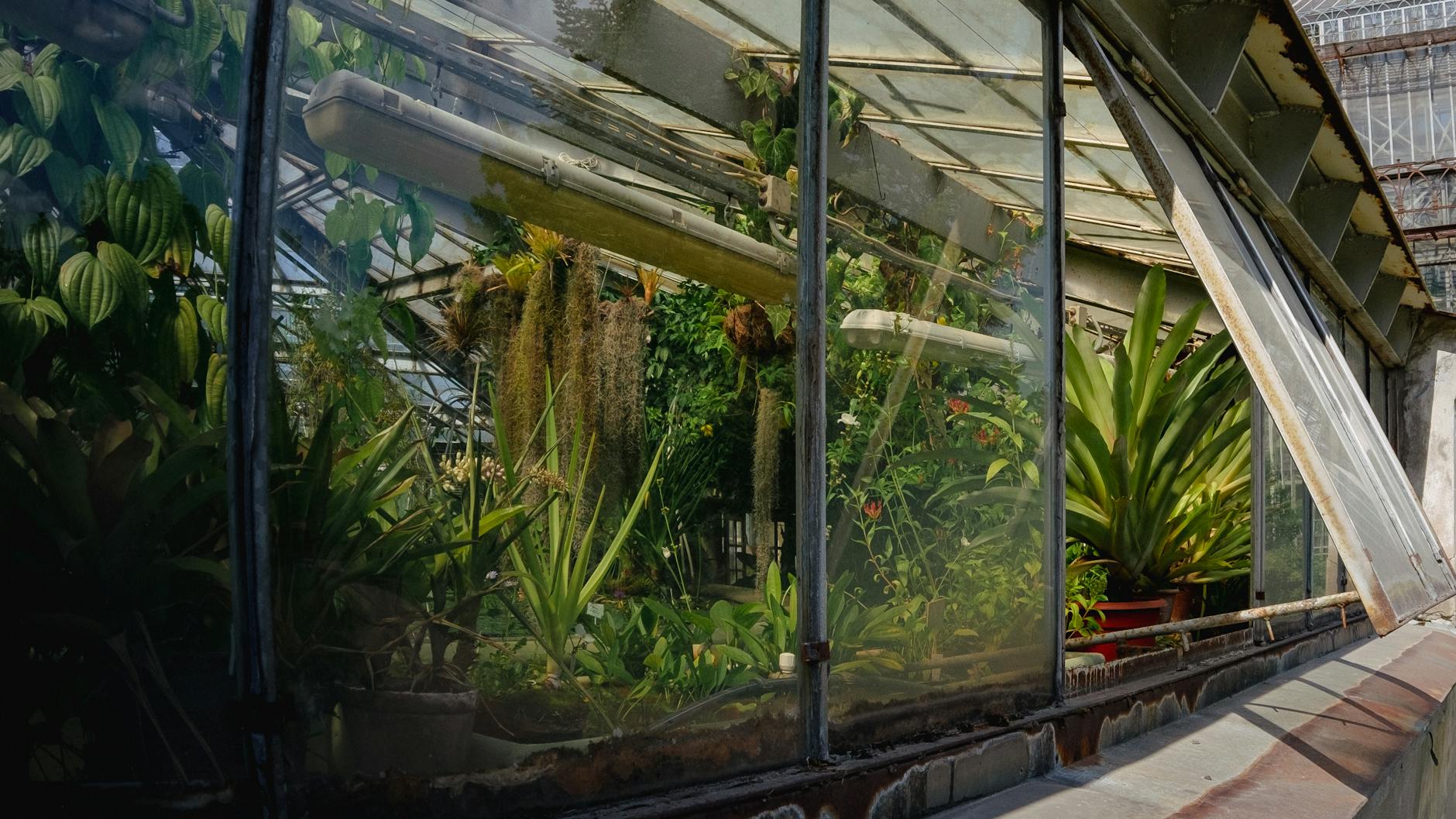
Living space and plant cultivation merge in this light-filled glass structure. A portion of the home is dedicated to growing food or tropical plants which improves air quality. The solar gain from the glass warms the home naturally during the day. Automated venting systems are crucial to prevent overheating in the summer months. It offers a lush and vibrant environment for those with a passion for botany.
The Floating Egg
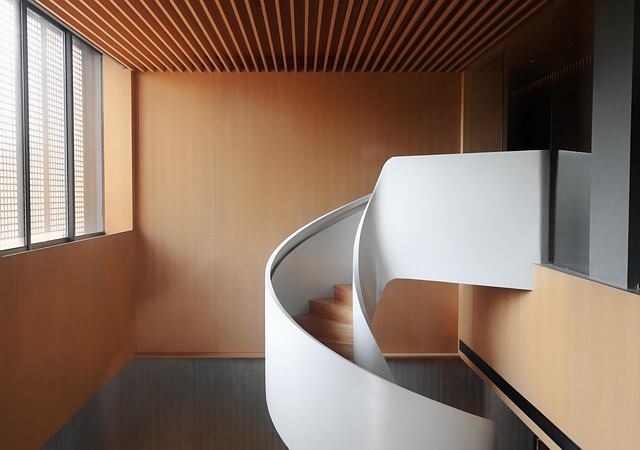
This avant-garde design features an ovaloid shape that bobs gently on the water surface. The curved walls offer no resistance to wind or water currents making it very stable. Inside the lack of corners creates a womb-like atmosphere of safety and comfort. Large porthole windows provide views of the water line and the sky. It is a futuristic interpretation of aquatic living that prioritizes organic forms.
The Upcycled Barn
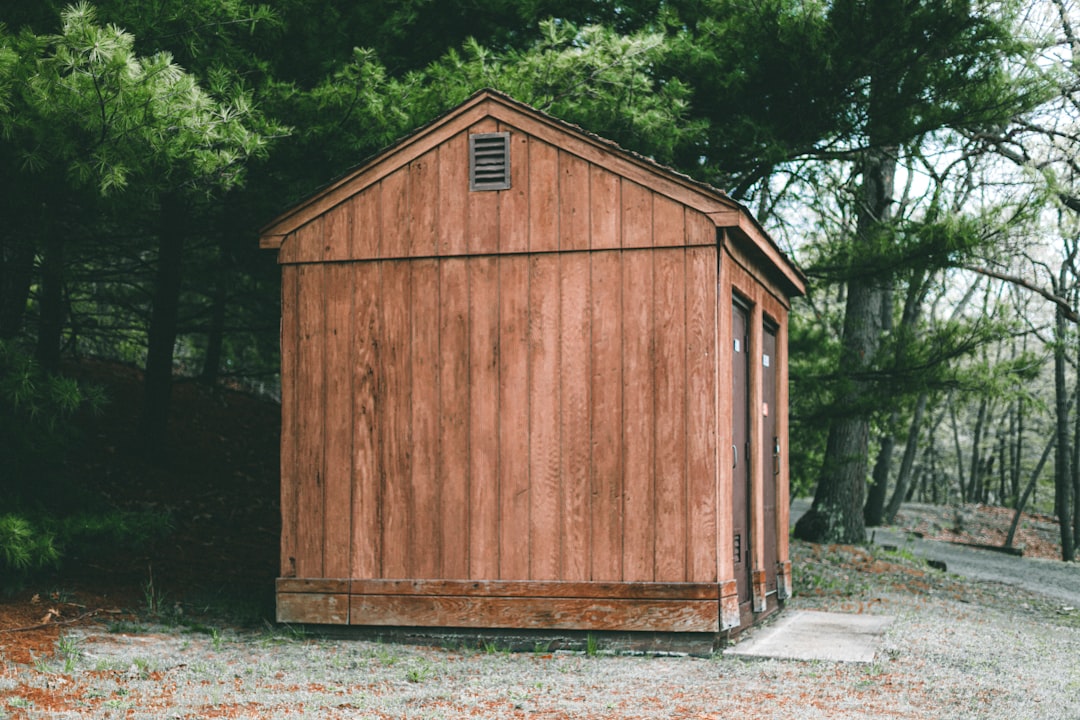
Reclaimed wood from dilapidated barns gives this tiny house instant character and patina. The weathered grey or red siding tells a story of the material’s previous life. Interiors often feature exposed post-and-beam construction that highlights the craftsmanship. Sliding barn doors are used both effectively and decoratively to save space. This sustainable approach preserves agricultural history while creating a modern home.
The Foldable House
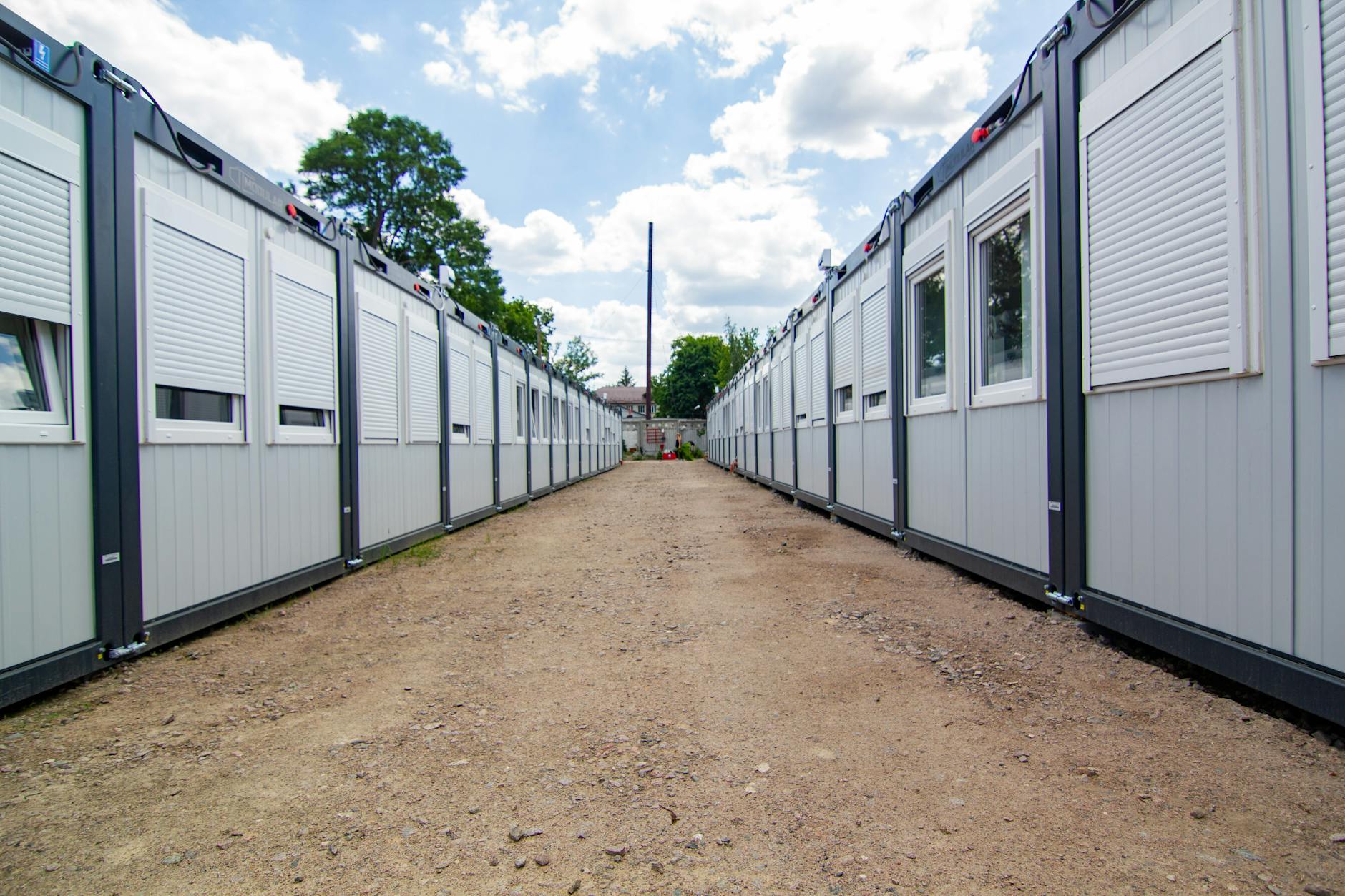
Hinged wall sections allow this home to pack flat for shipping and unfold on site. The assembly process is incredibly fast and requires minimal heavy machinery. Once unfolded the structure is rigid and weather-tight with pre-installed utilities. The geometric design is often modular allowing for multiple units to be connected. It represents the cutting edge of prefabricated housing technology.
The 3D Printed Home
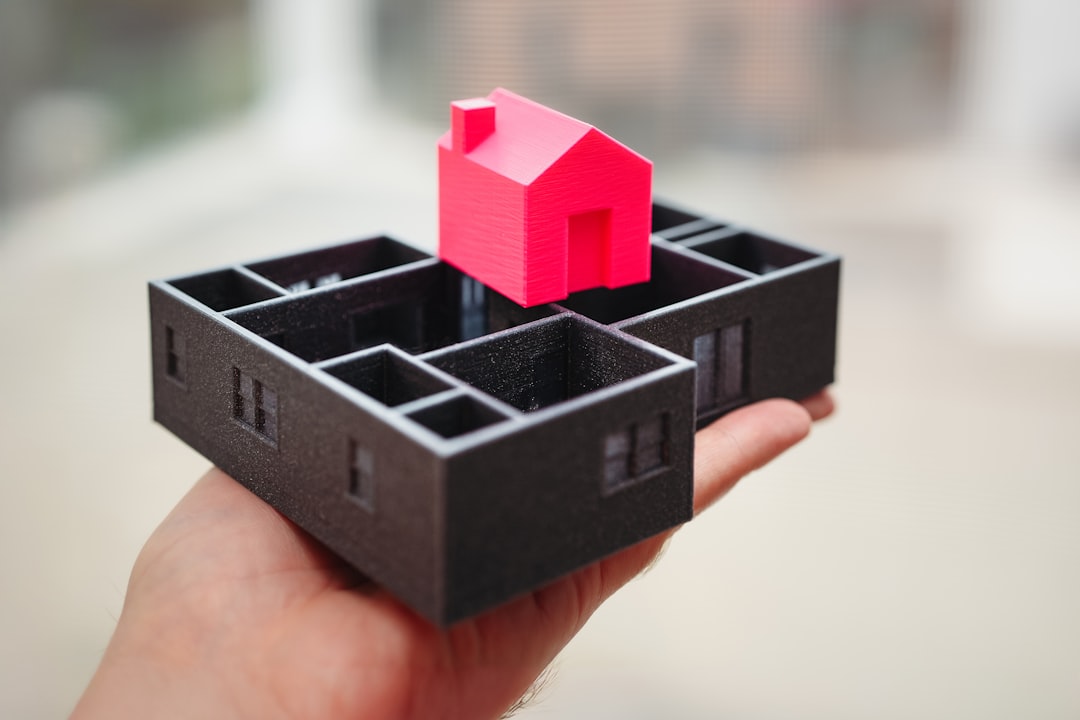
Large-scale robotic printers layer concrete or bioplastics to build the walls of this home in a matter of hours. The technology allows for complex curves and textures that would be expensive to achieve manually. Waste is virtually eliminated as the printer uses only the exact amount of material needed. The resulting structure is monolithic and incredibly resilient to environmental stressors. This method promises to revolutionize the affordability and speed of tiny home construction.
The Tropical Bungalow
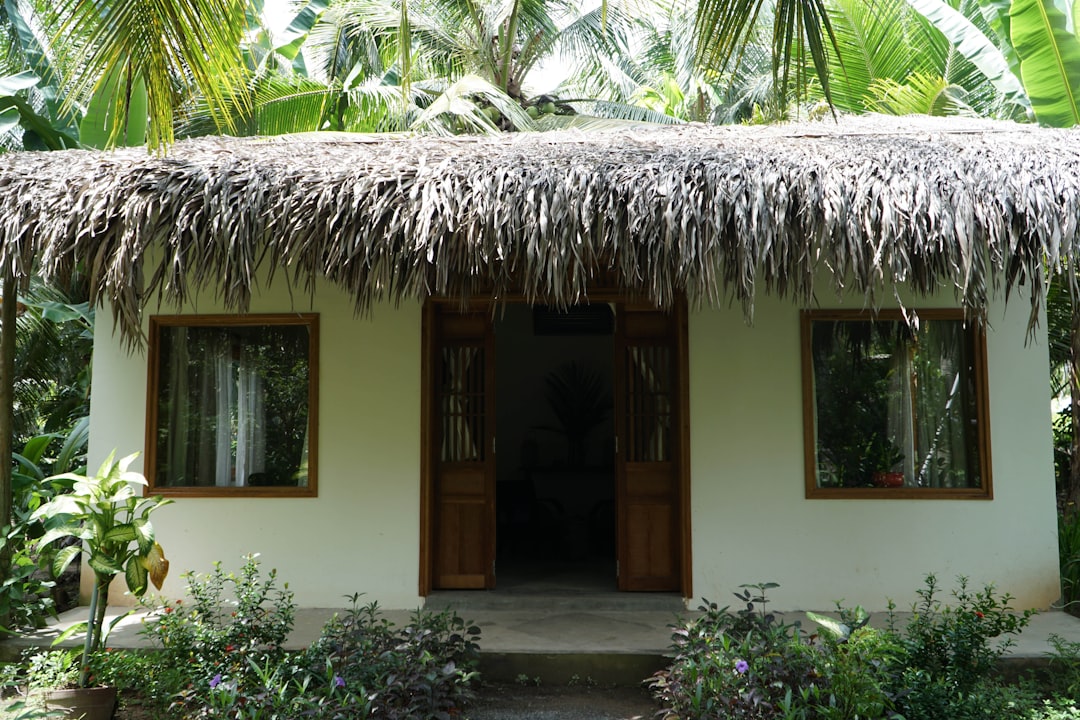
Wide roof overhangs and louvered windows maximize airflow in this design suited for hot climates. The structure is often elevated on stilts to protect against flooding and increase ventilation. Natural materials like bamboo and thatch help the home blend into lush surroundings. Large covered porches blur the line between indoor and outdoor living zones. It offers a breezy and relaxed lifestyle in sync with the tropical environment.
The Desert Casita
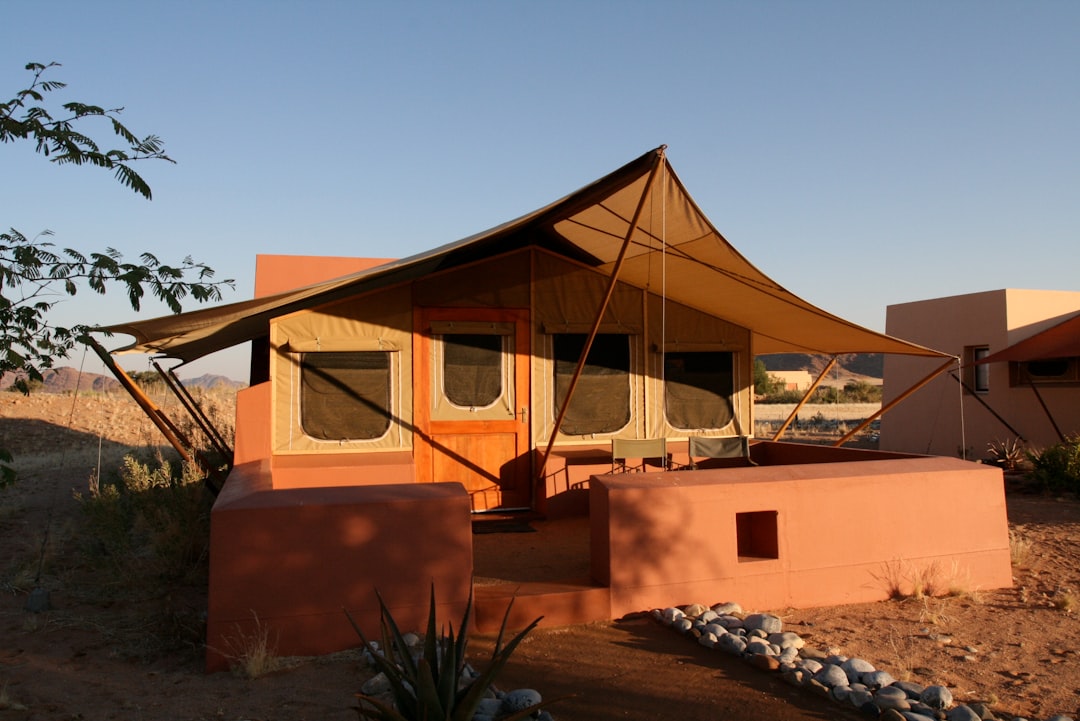
Thick adobe or stucco walls provide essential insulation against the intense heat of the desert sun. Small windows are strategically placed to minimize solar gain while framing specific views. Flat roofs are common and can be used as observation decks for stargazing at night. The color palette mirrors the earth tones of the sand and rocks. This design creates a cool and shaded refuge in an arid landscape.
The Cedar Shake Cottage
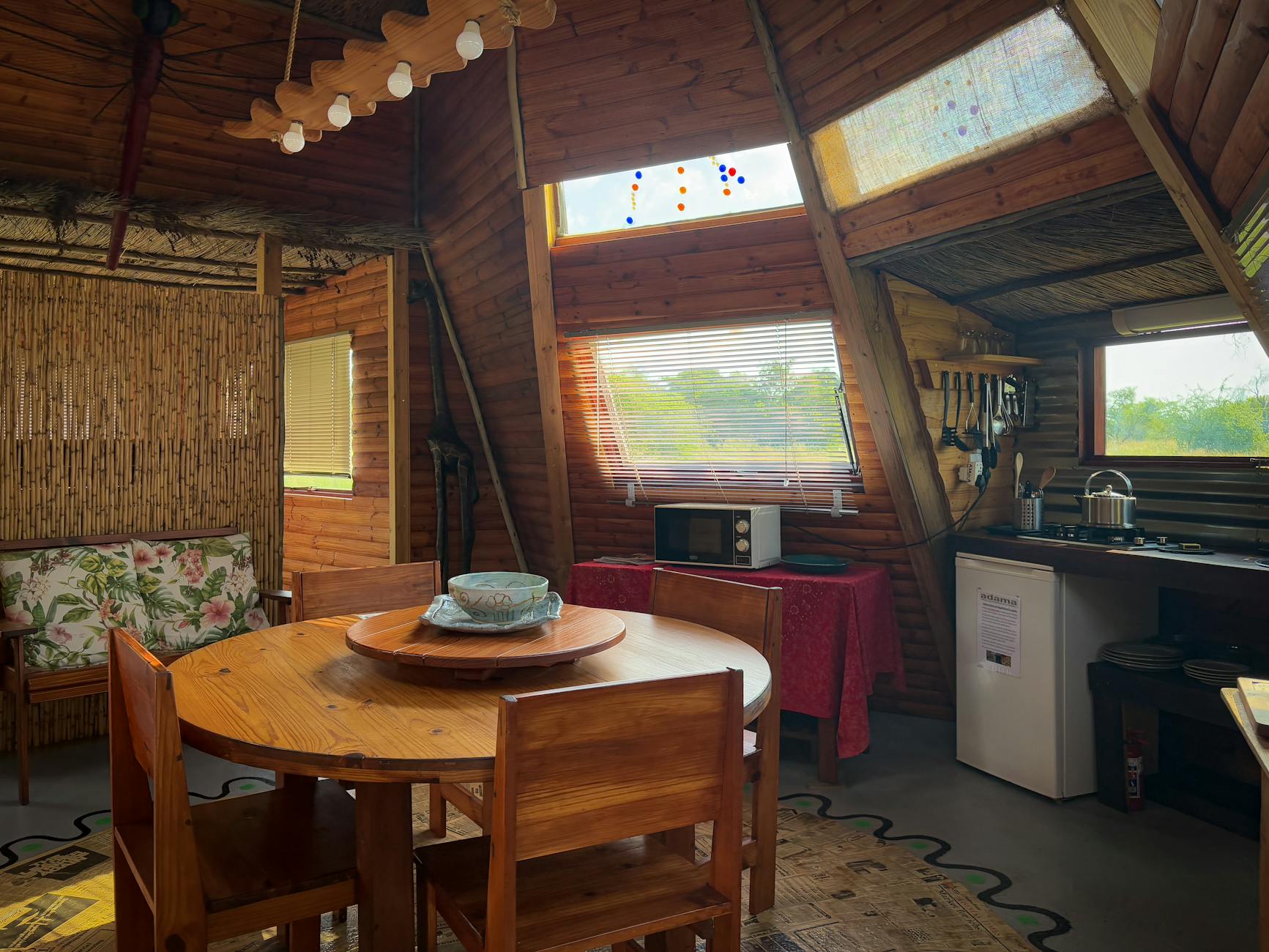
Hand-split cedar shingles cover the exterior of this home to provide a rustic and textured appearance. The wood naturally resists rot and insects while weathering to a silvery grey over time. Dormer windows break up the roofline and add headroom to the upper loft. The interior feels like a classic cabin with warm wood tones and cozy nooks. It is a timeless design that fits perfectly in coastal or woodland settings.
The Minimalist Cube
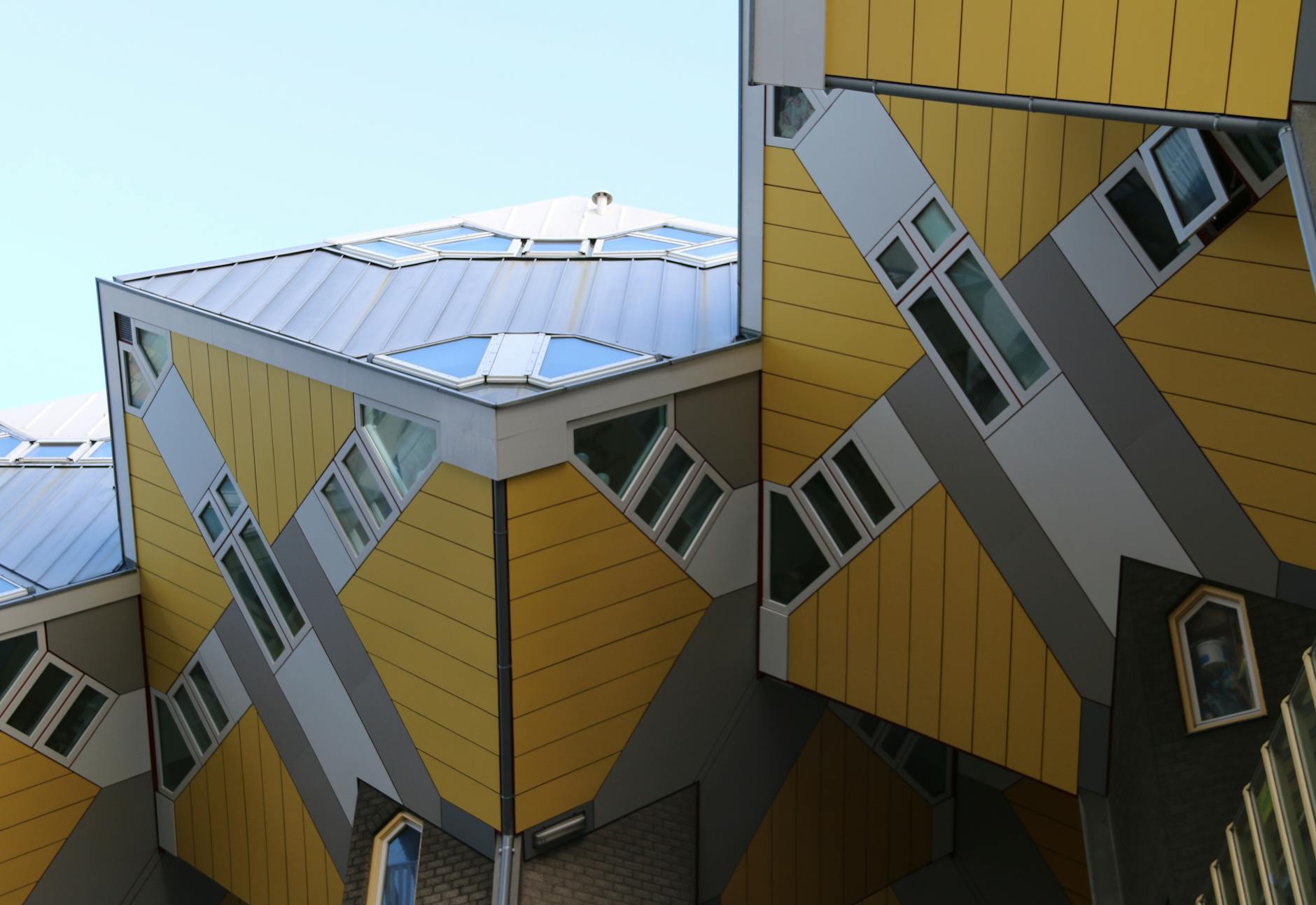
A perfect cube shape offers the most efficient volume-to-surface-area ratio for a tiny home. The exterior is often devoid of overhangs or decoration to emphasize the pure geometry. Inside the layout is organized around a central core containing the bathroom and kitchen. Hidden doors and fold-down furniture keep the open space flexible for different uses. This rigorous simplicity appeals to those seeking a decluttered life.
The Airstream Retrofit
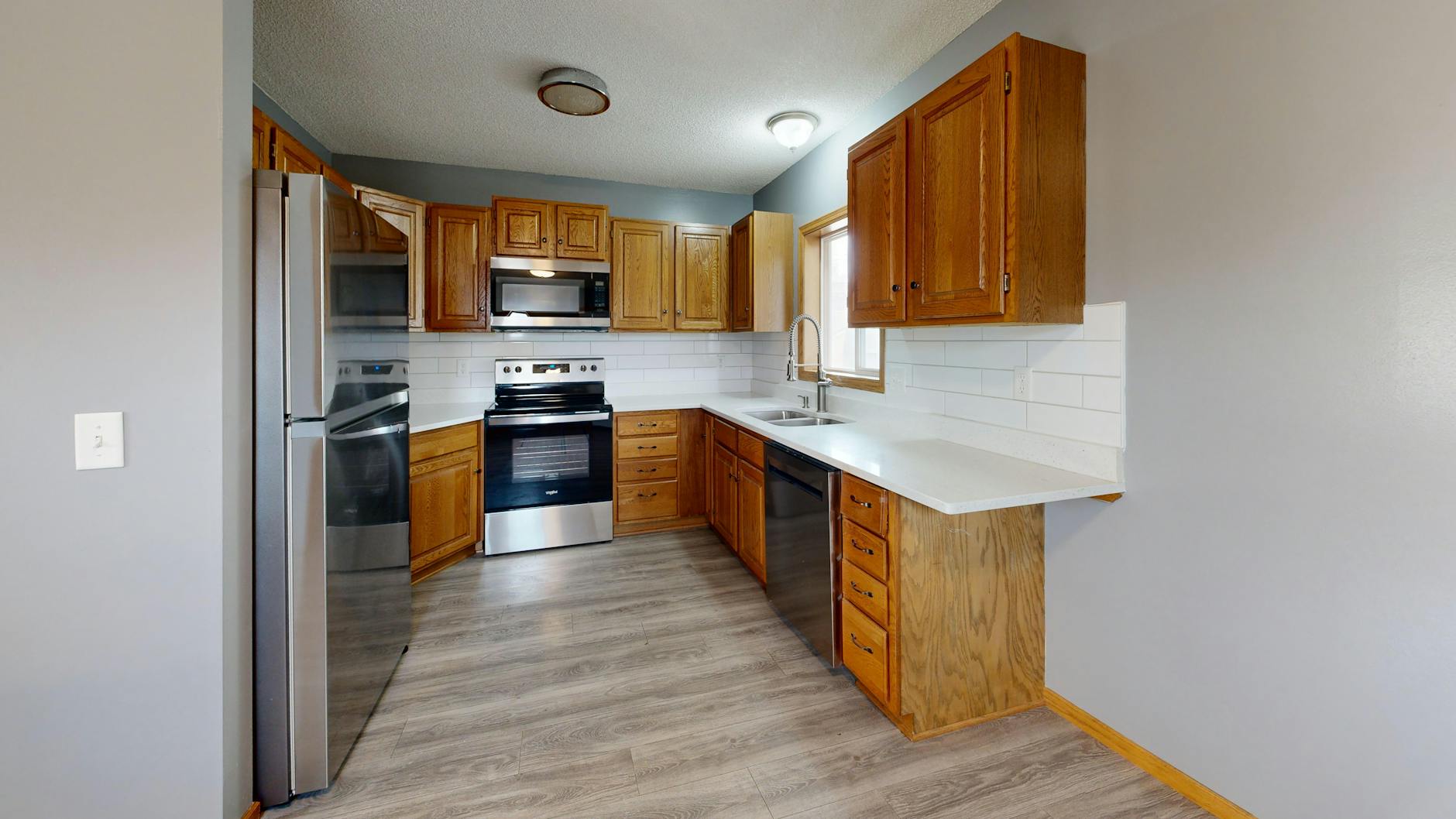
Polished aluminum exteriors make these vintage travel trailers instantly recognizable icons of the road. Renovations often involve gutting the interior to install modern insulation and appliances. The curved walls require custom cabinetry and creative solutions for fitting fixtures. The aerodynamic shape makes them a pleasure to tow for long distances. It combines mid-century American nostalgia with contemporary luxury.
The Vertical Tower

Building up instead of out allows this tiny home to occupy a incredibly small footprint on the ground. Multiple stories are stacked to separate the living functions by floor level. A spiral staircase or ladder system connects the vertical zones efficiently. The height offers superior views and catches breezes that lower structures miss. This design is ideal for urban infill lots where land is scarce and expensive.
The Rooftop Penthouse
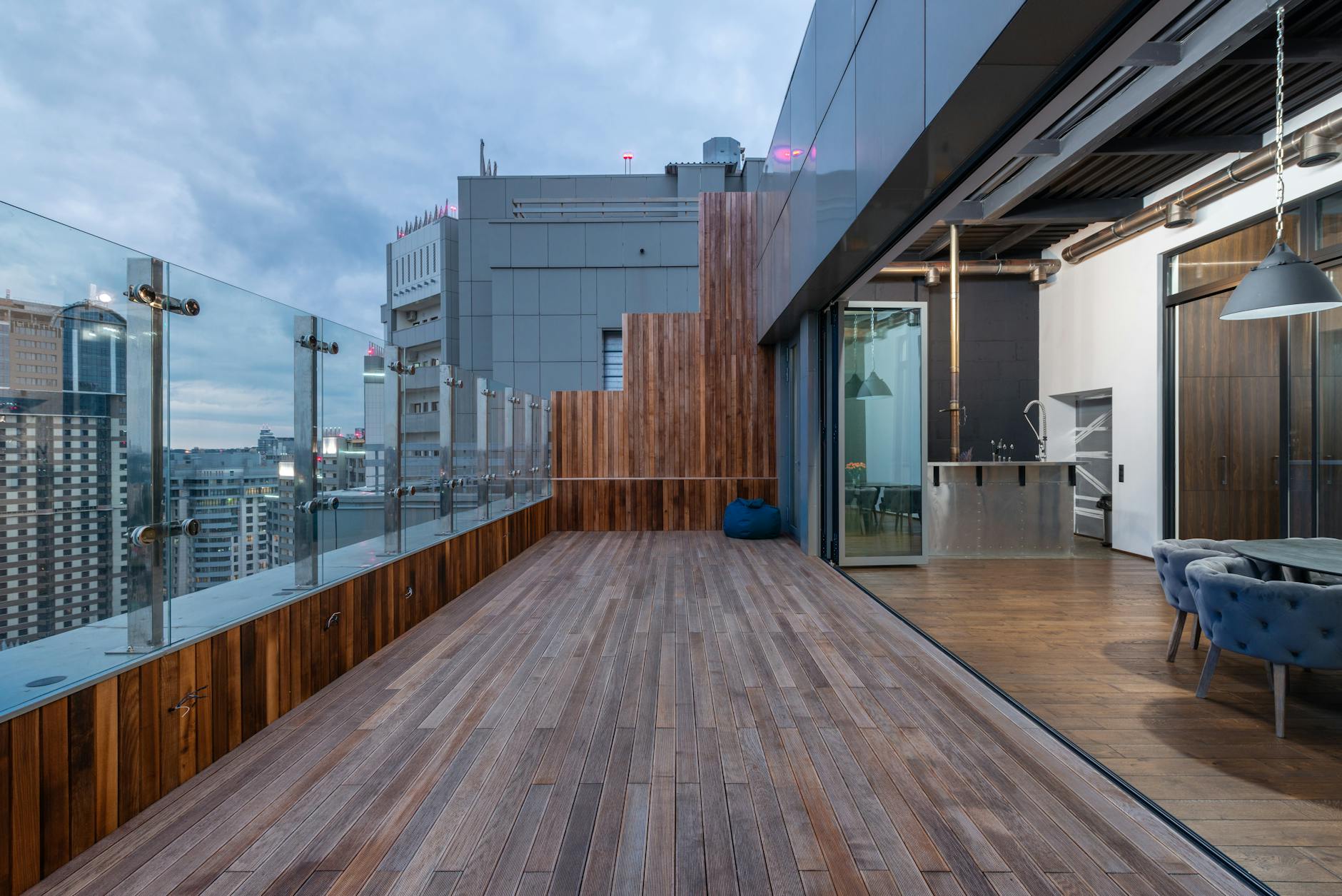
Perched atop an existing building this tiny home utilizes unused air rights in dense cities. Prefabricated components are typically craned up and assembled on the roof surface. It offers the resident a private skyline view and distance from the street noise below. Access to utilities is easy as they can be tied into the host building’s systems. It represents a smart solution to urban density without requiring new land.
The Garden Studio
Nestled in a backyard this structure serves as a separate home office or guest suite. Large French doors open onto the garden to create a connection with nature. The design often mimics the main house to maintain architectural harmony on the property. Soundproofing is a priority to ensure a quiet environment for work or rest. It provides valuable extra space without the cost and disruption of a home addition.
The Bamboo Hut
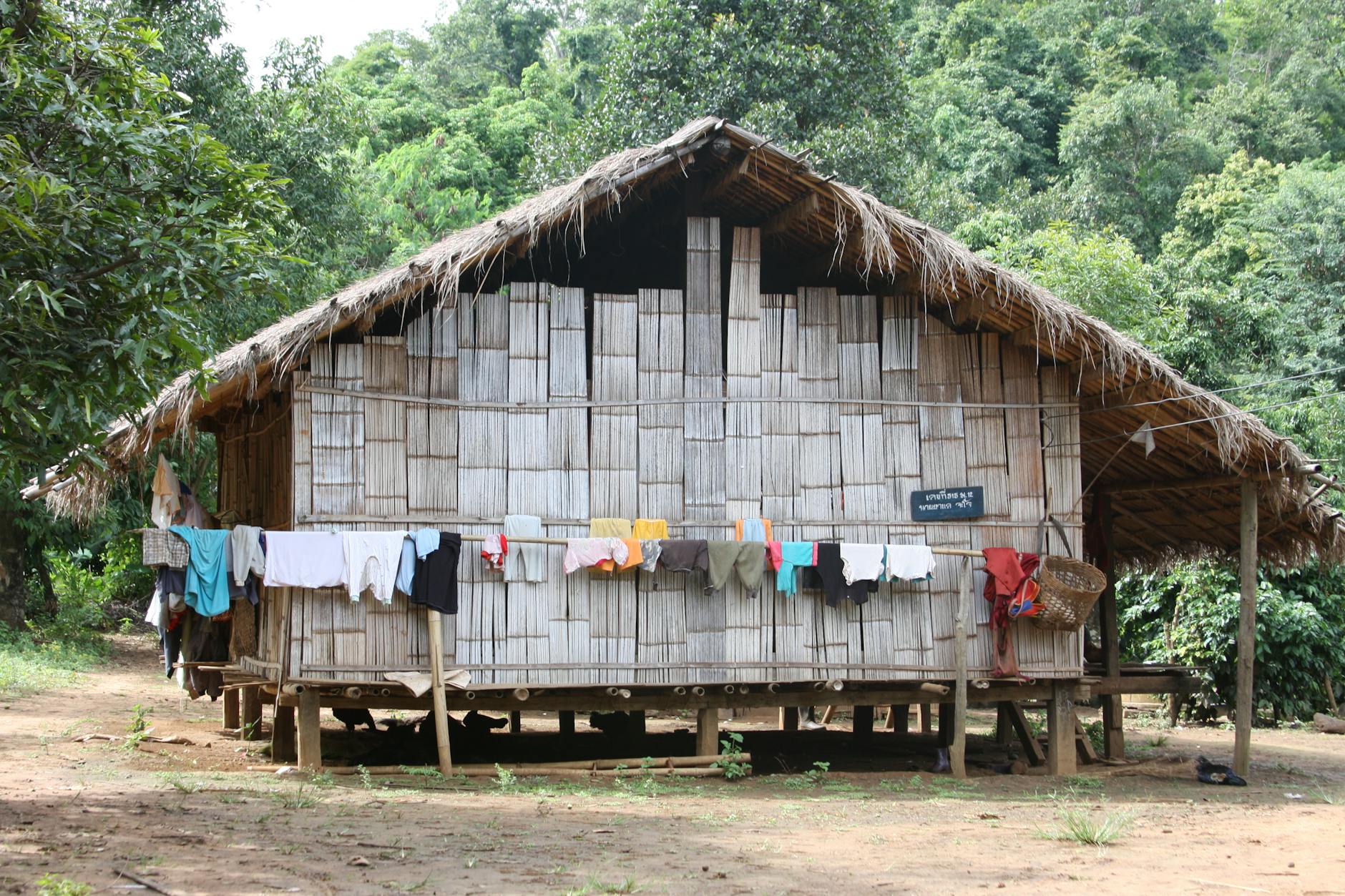
Fast-growing and incredibly strong bamboo serves as both the structure and finish material here. The poles are lashed together to create a flexible frame that withstands earthquakes well. Woven bamboo mats form the walls and allow the building to breathe. The aesthetic is light and organic with a strong connection to sustainable practices. It is an affordable and eco-friendly option for warm climates.
The Stone Cottage
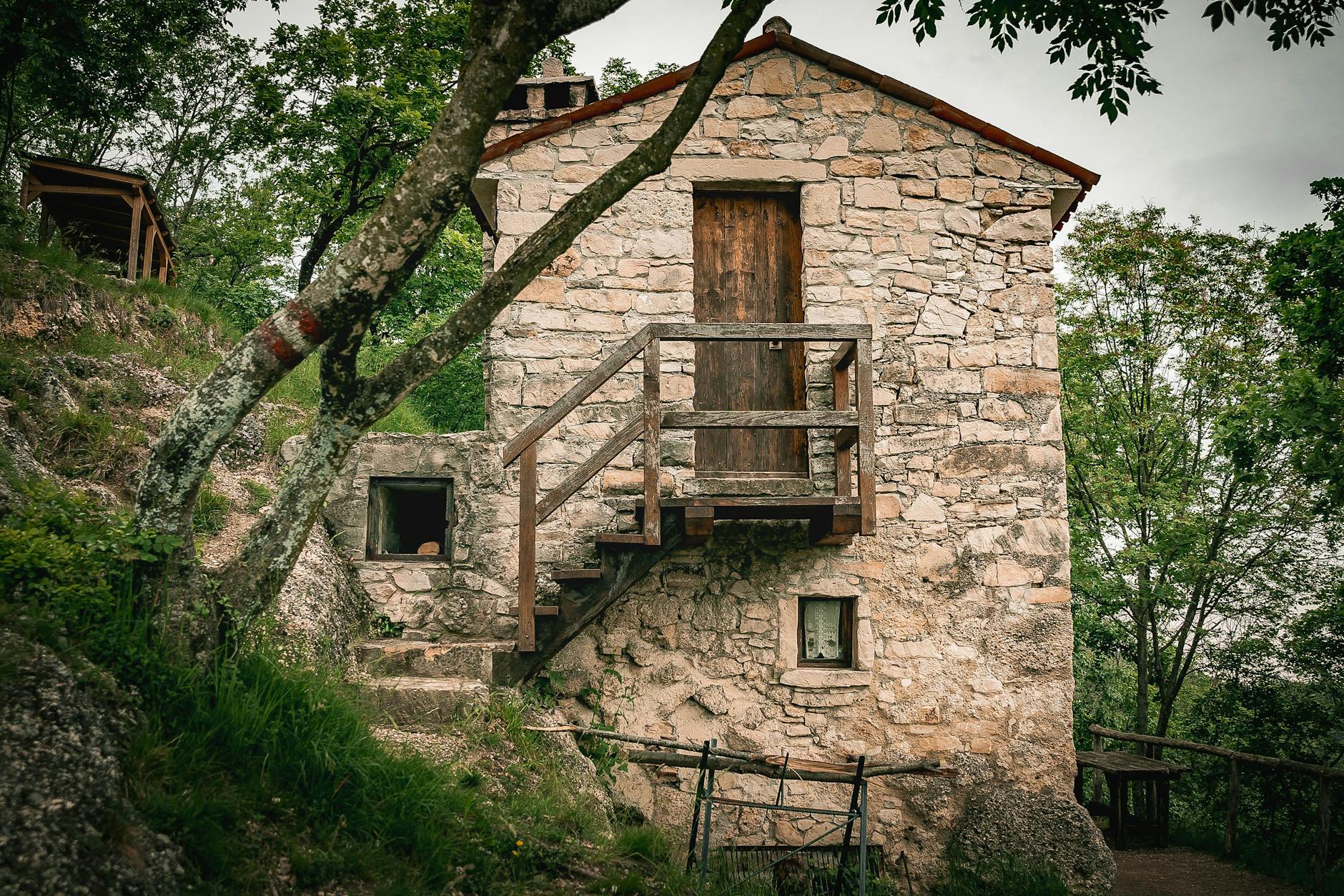
Locally sourced stone creates a home that looks as if it grew out of the landscape. The thick masonry walls offer excellent soundproofing and thermal regulation. Deep window sills provide charming spots for plants or reading nooks. The construction requires skilled masonry but results in a home that will last for centuries. It evokes the permanence and solidity of traditional European countryside homes.
The Log Cabin
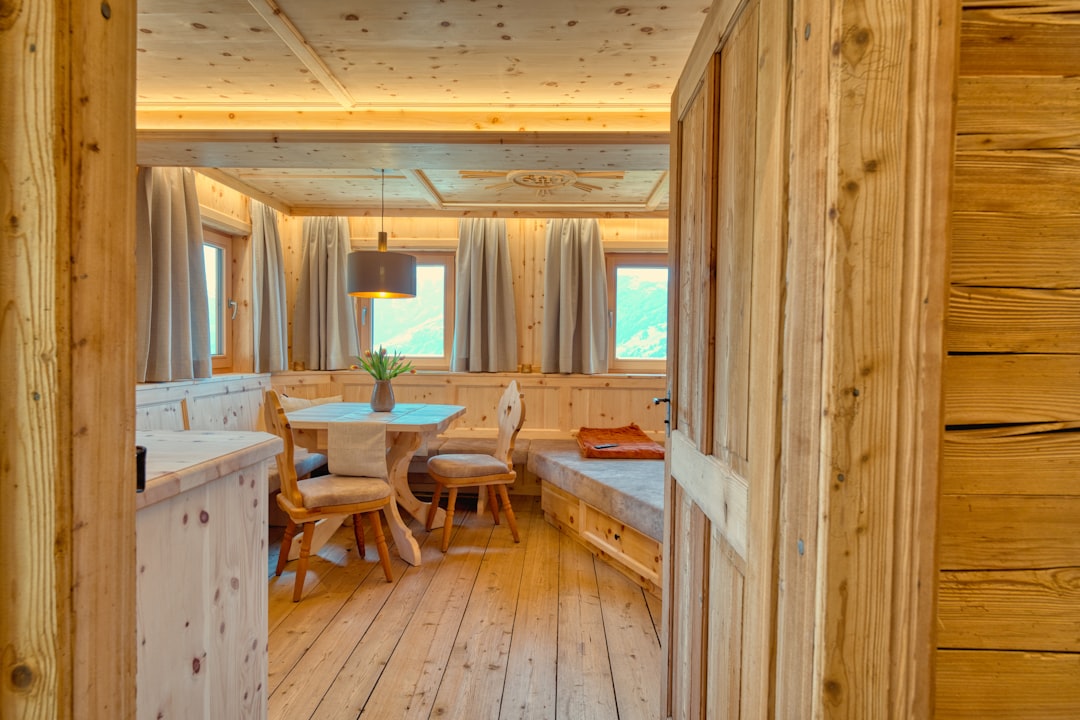
Interlocking logs provide both the structure and insulation for this quintessential tiny home. The round profile of the timber creates a textured and rustic interior atmosphere. Chinking between the logs seals the home against drafts and adds visual contrast. Large porches are common to protect the wood from rain and provide outdoor seating. It remains a favorite for those seeking a connection to pioneer history and the wilderness.
The Futuristic Capsule
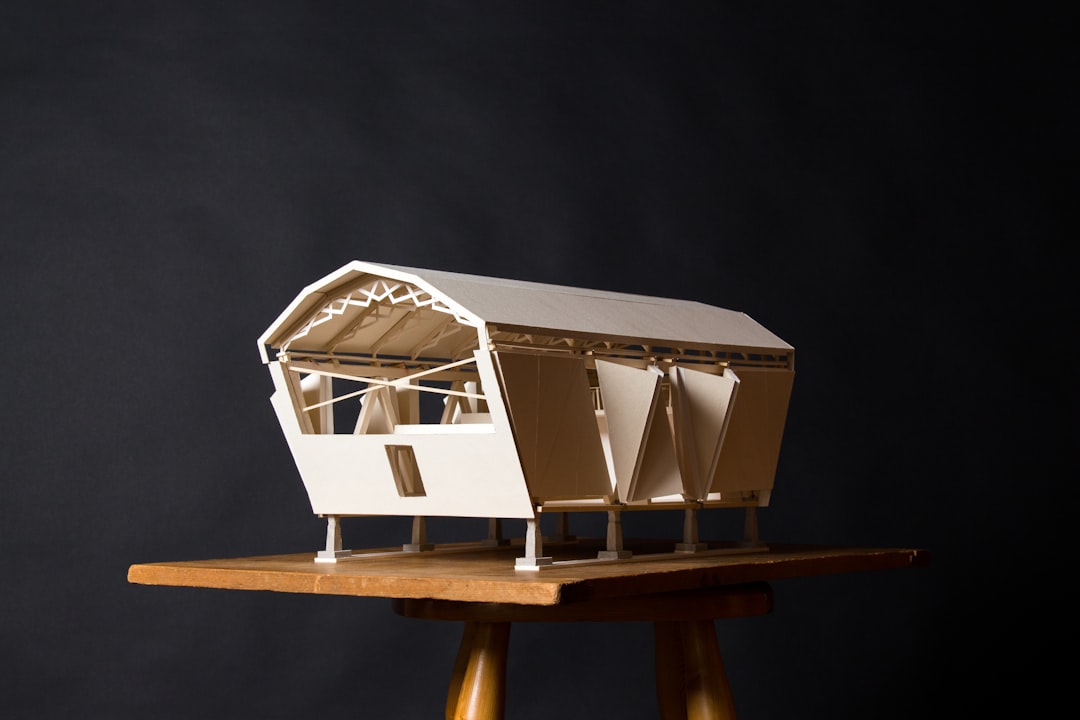
Smooth white surfaces and rounded corners give this home a sci-fi appearance. Integrated LED lighting allows the resident to change the mood and color of the interior. Smart home technology controls everything from the temperature to the window opacity. The furniture is often molded directly into the walls to save space. It offers a vision of high-tech living that prioritizes efficiency and connectivity.
The Mid-Century Mini
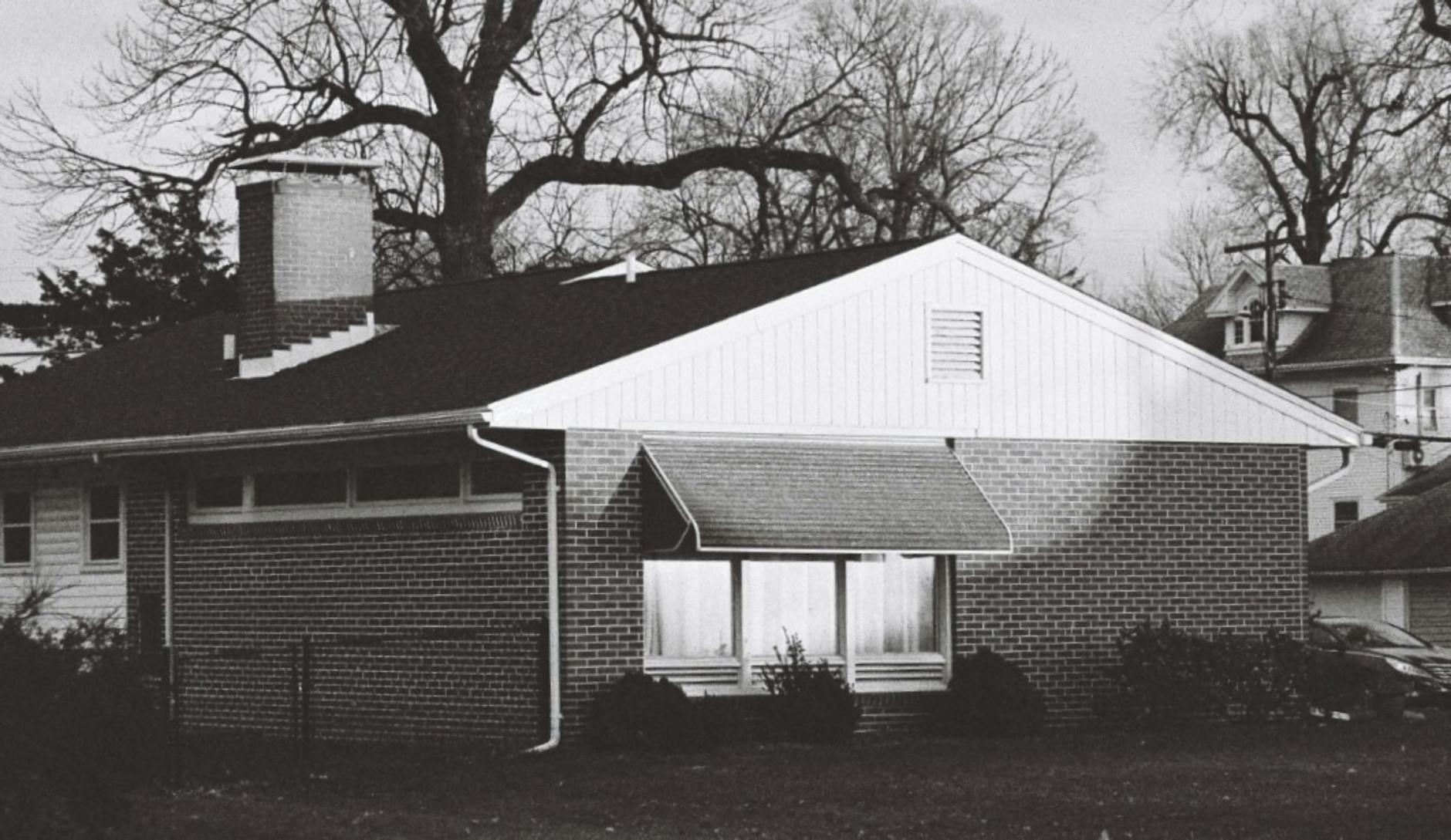
Slanted roofs and clerestory windows pay homage to the architectural trends of the 1950s. The exterior often features a mix of wood siding and bright accent colors. Open floor plans and post-and-beam construction create a sense of flow and lightness. Vintage furniture and geometric patterns complete the retro aesthetic. It brings the style of the atomic age down to a manageable scale.
The Farmhouse Mini
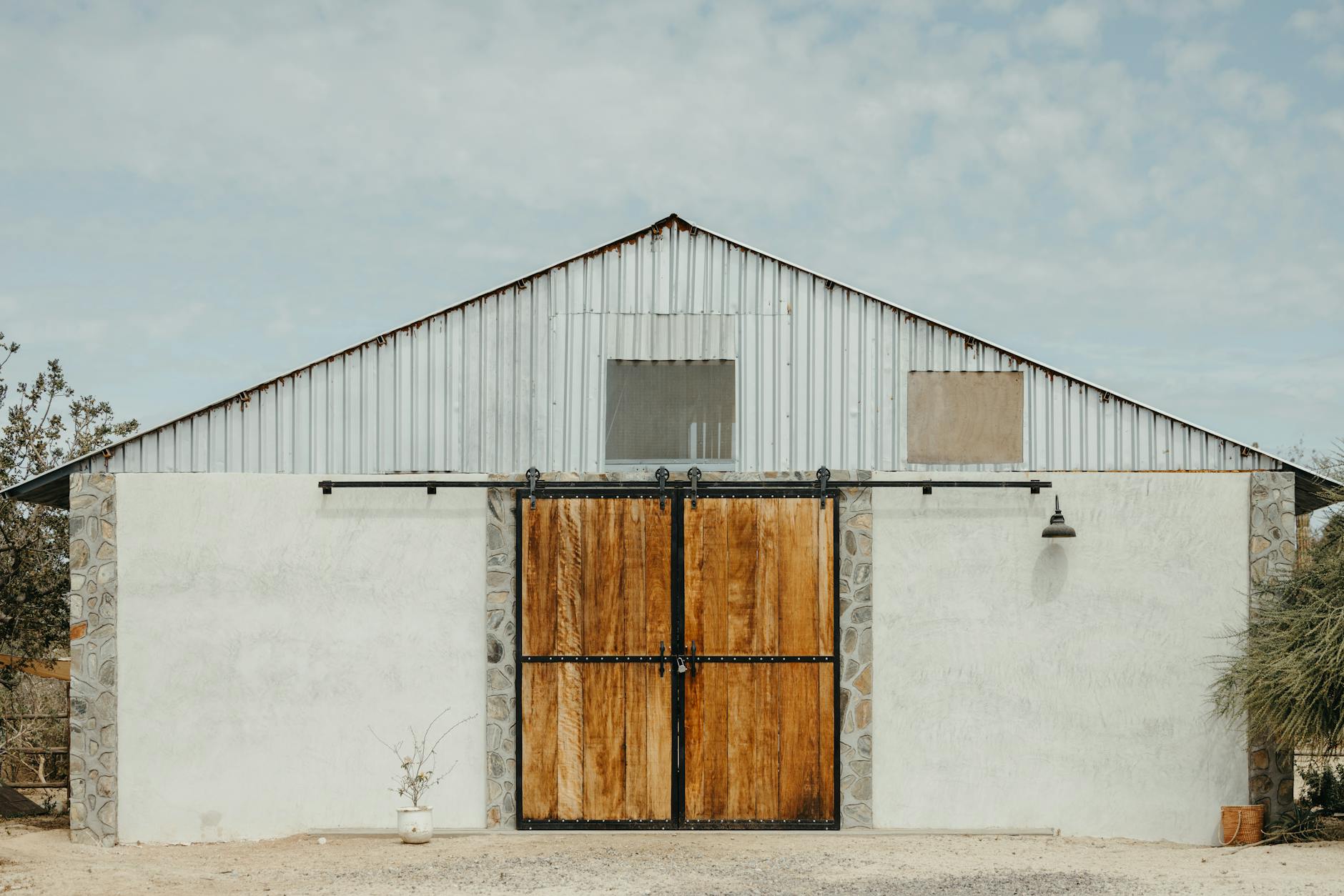
White board-and-batten siding and a metal roof define this popular contemporary style. Black window frames and gooseneck light fixtures add a modern touch to the rural look. The interior features shiplap walls and sliding barn doors to maximize space. A large apron sink in the kitchen is a signature element of the design. It balances rustic warmth with clean modern lines.
The Eco-Pod
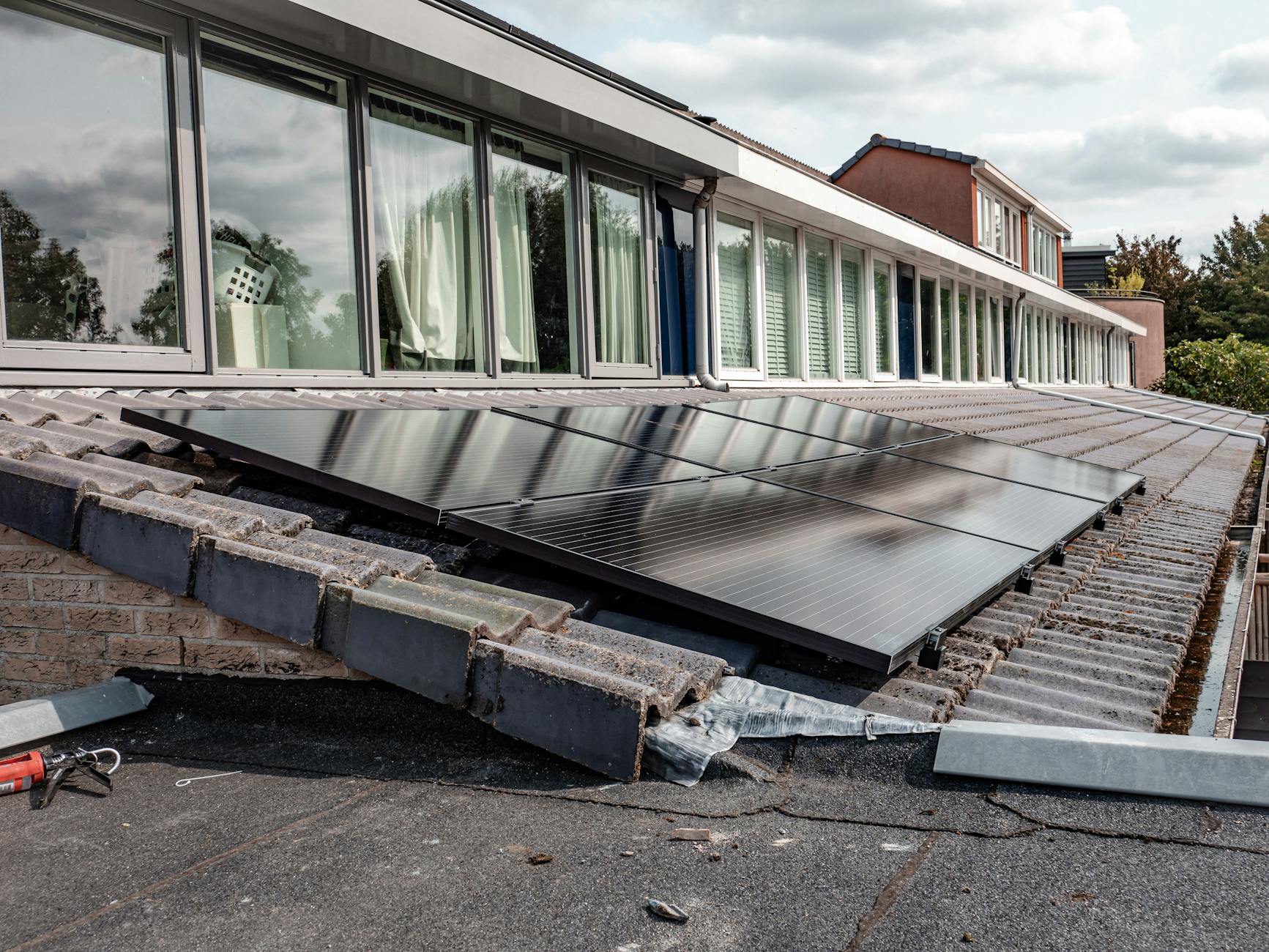
Designed for minimal environmental impact this home is built with recycled and non-toxic materials. The shape is often aerodynamic to reduce wind resistance and heat loss. Solar panels and water collection are standard features rather than add-ons. The foundation uses ground screws to avoid damaging the root systems of nearby trees. It allows residents to live lightly on the land without sacrificing modern comforts.
Would you like me to provide floor plans or builder details for any of these specific tiny house designs so please let me know in the comments.