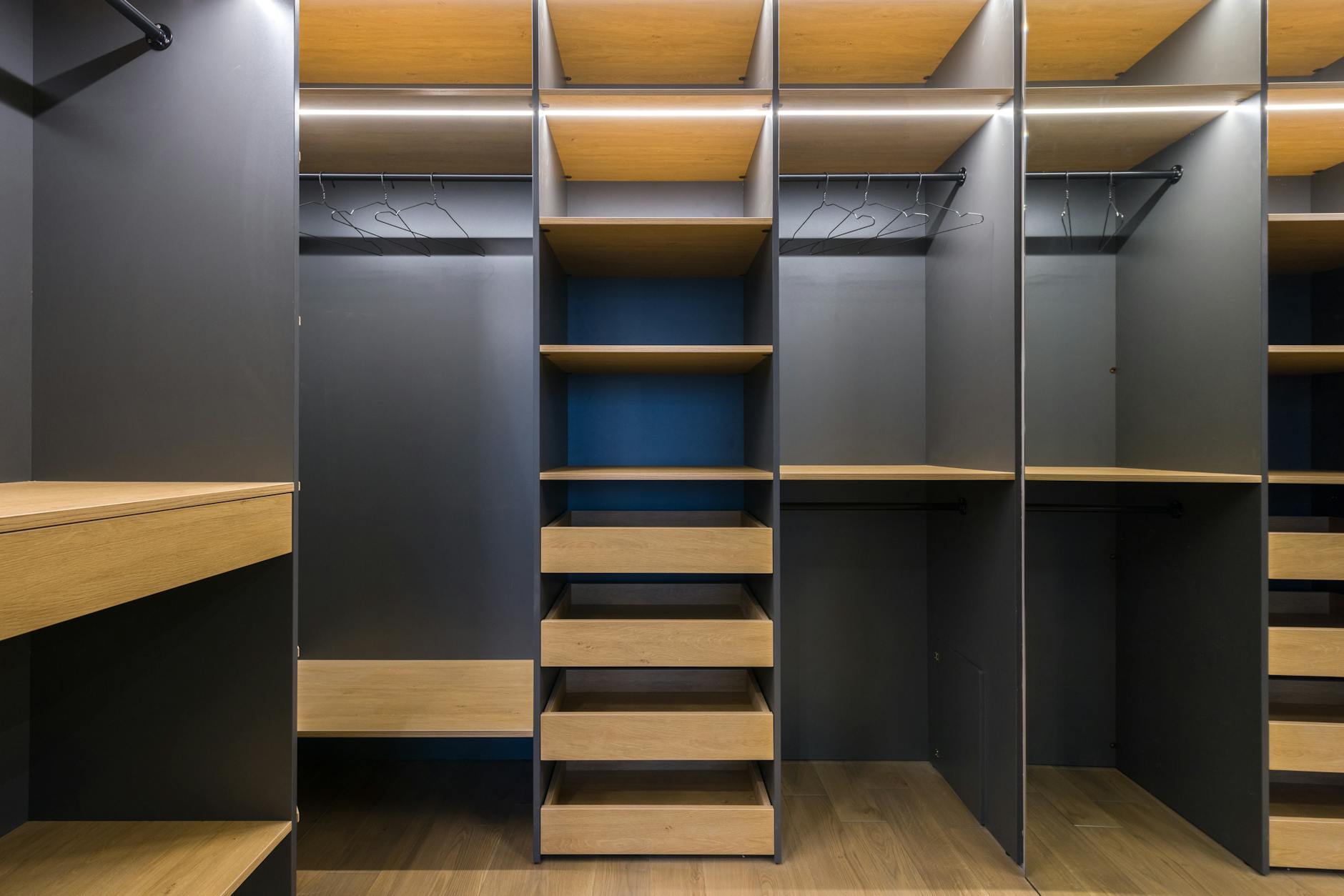
Organizing a closet requires a blend of spatial awareness and aesthetic discipline to achieve lasting results. Professional organizers often rely on specific techniques to maximize space while ensuring every item remains visible and accessible. The process transforms a chaotic storage area into a functional dressing room that streamlines the daily routine. Implementing these forty-five methods will create a system that is easy to maintain and visually pleasing for years to come.
Velvet Hangers
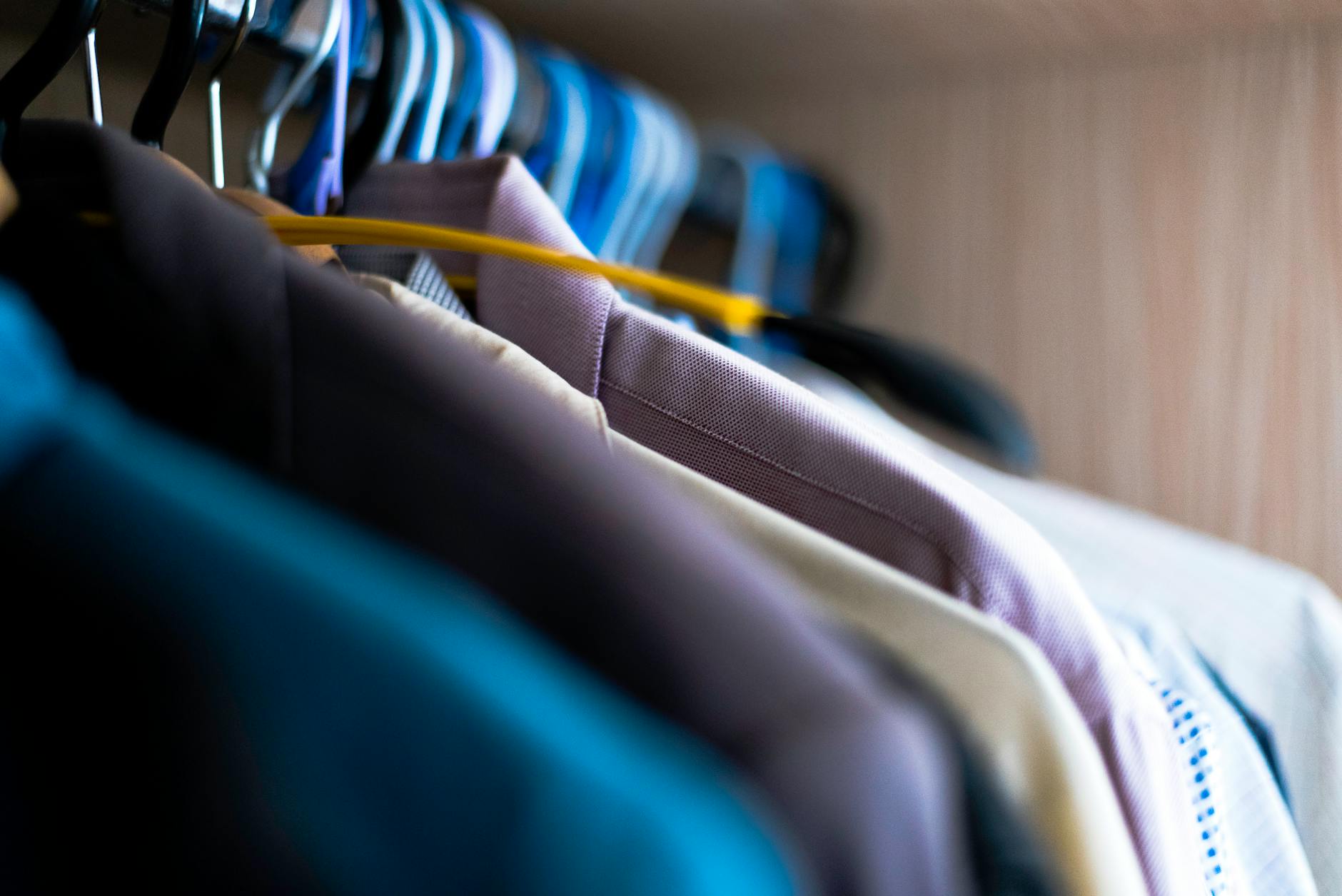
Uniform hangers create an immediate sense of visual order that mismatched ones cannot achieve. Velvet hangers are particularly effective because they prevent slippery fabrics from falling to the floor. Using the same type of hanger ensures that clothes sit at the same height and saves valuable rail space. This simple switch allows the eye to focus on the garments rather than the clutter of plastic and wire tools.
Color Coordination
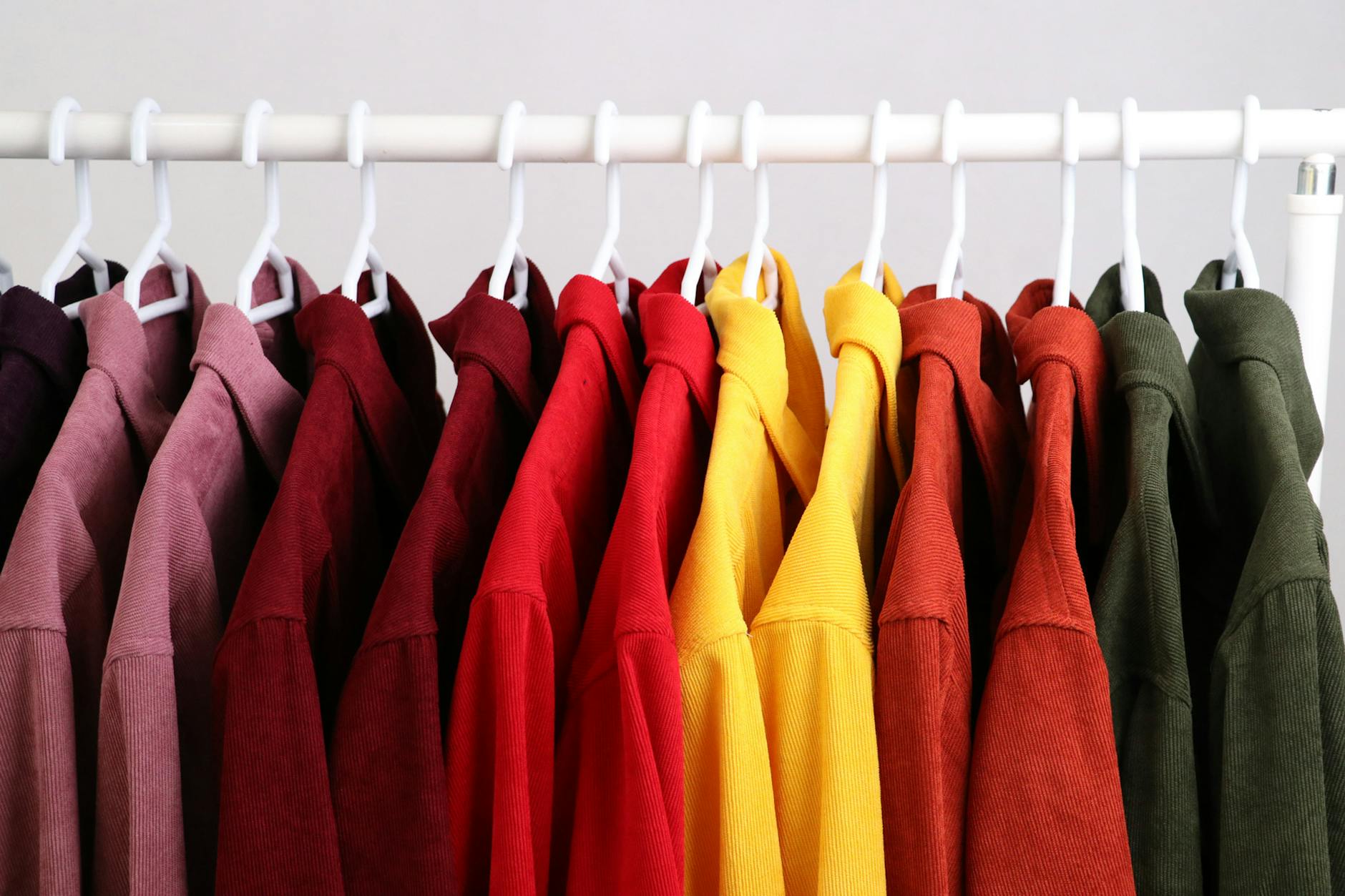
Arranging clothes by color acts as a natural filing system for your wardrobe. The gradient effect makes finding specific items significantly faster during a morning rush. Start with light neutrals and move towards dark shades to create a visually soothing flow. This method highlights duplicates or an excess of certain colors to help with future purging decisions.
Vertical Folding
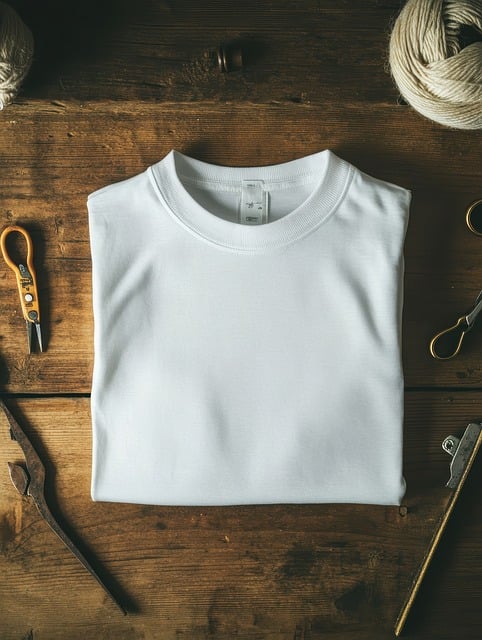
Fold t-shirts and denim into small rectangles that can stand up on their own. Placing these items upright in drawers allows you to see every shirt at a glance without digging through piles. This file folding technique maintains order even when you remove a single item from the middle of the row. It maximizes drawer capacity and keeps fabrics smoother than traditional stacking methods.
Acrylic Shelf Dividers
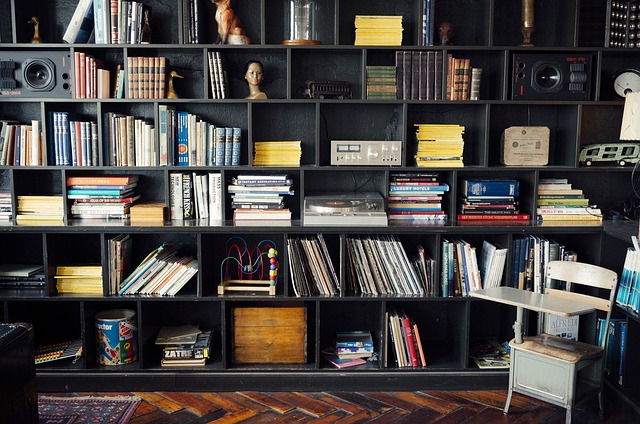
Stacks of sweaters or jeans often topple over and create a mess on open shelving. Clear acrylic dividers hold these piles in place and keep lines crisp and vertical. They maintain the visibility of your items while providing necessary structural support. This tool prevents inventory from sliding into neighboring stacks and keeps the overall aesthetic clean.
Seasonal Rotation
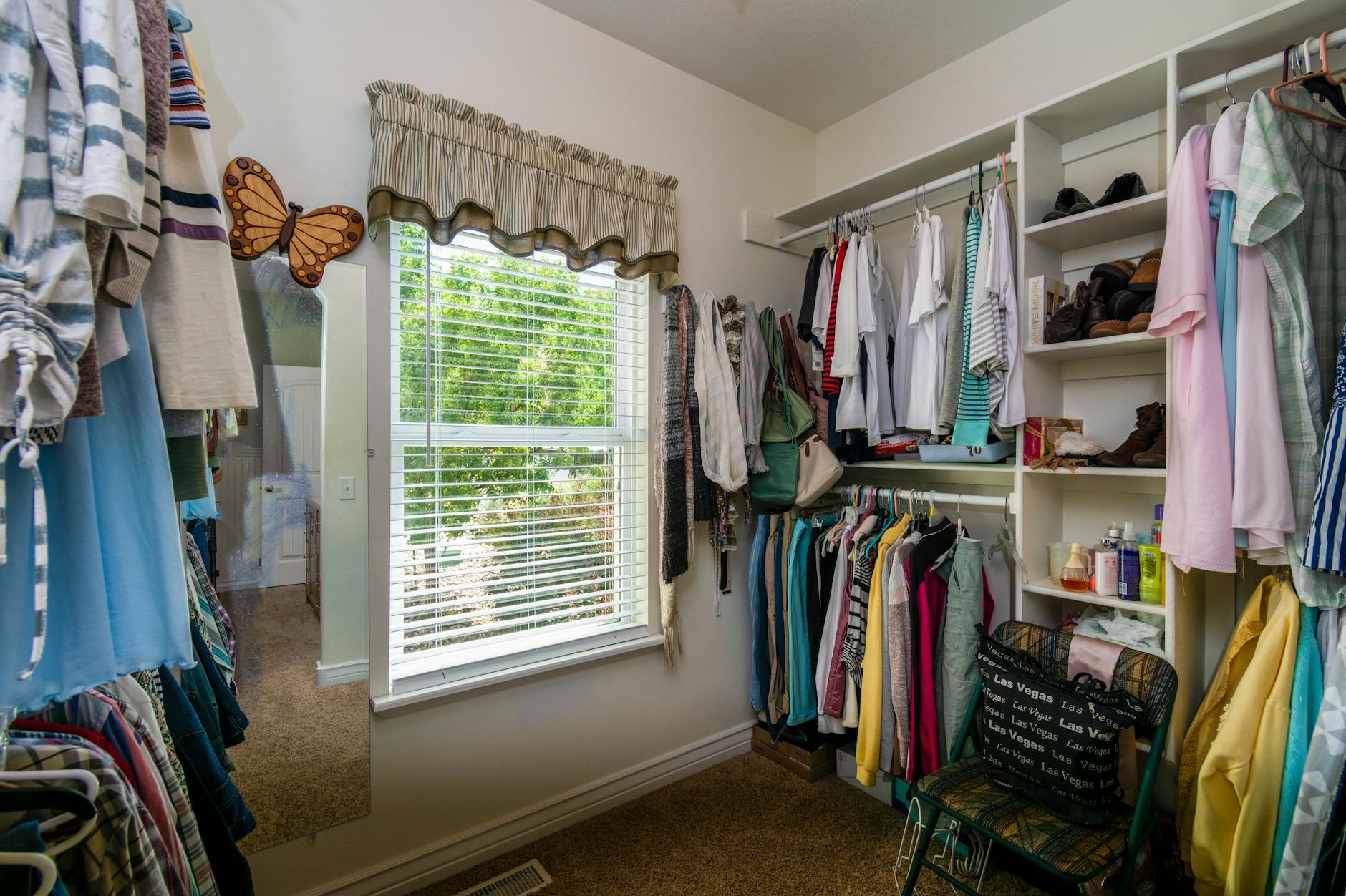
Removing out-of-season clothes creates immediate breathing room in a cramped closet. Store heavy coats in the summer or sundresses in the winter in separate under-bed bins or high shelves. This practice ensures that you only interact with items you can actually wear right now. It protects off-season garments from dust and light damage until they are needed again.
Clear Shoe Boxes
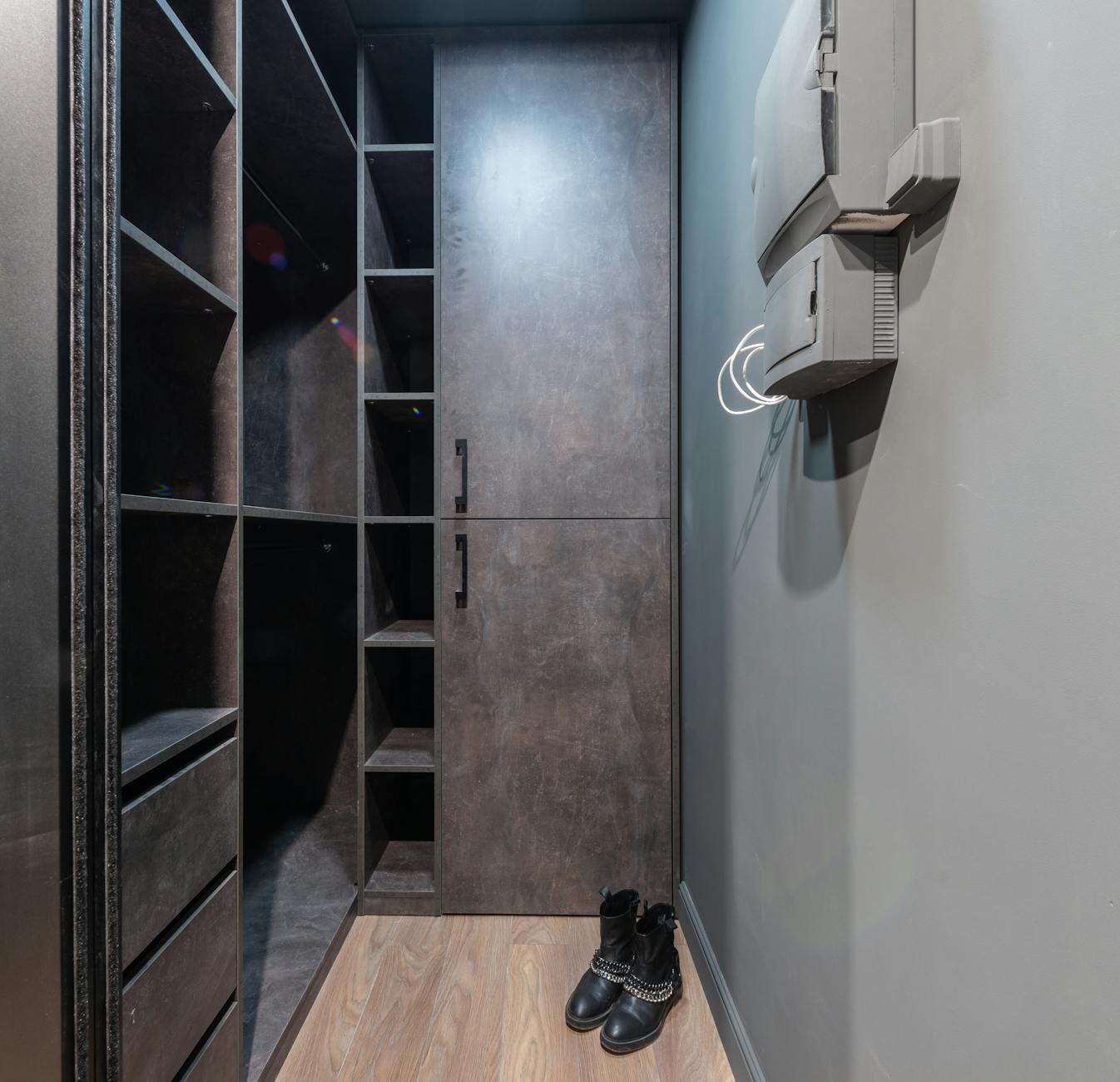
Cardboard shoe boxes hide the contents and make it difficult to find the pair you need. Clear plastic bins protect footwear from dust while allowing for instant identification. Stacking these boxes utilizes vertical space efficiently and creates a uniform display. Keep the original boxes for resale value if desired but flatten them to save space elsewhere.
Over-the-Door Hooks
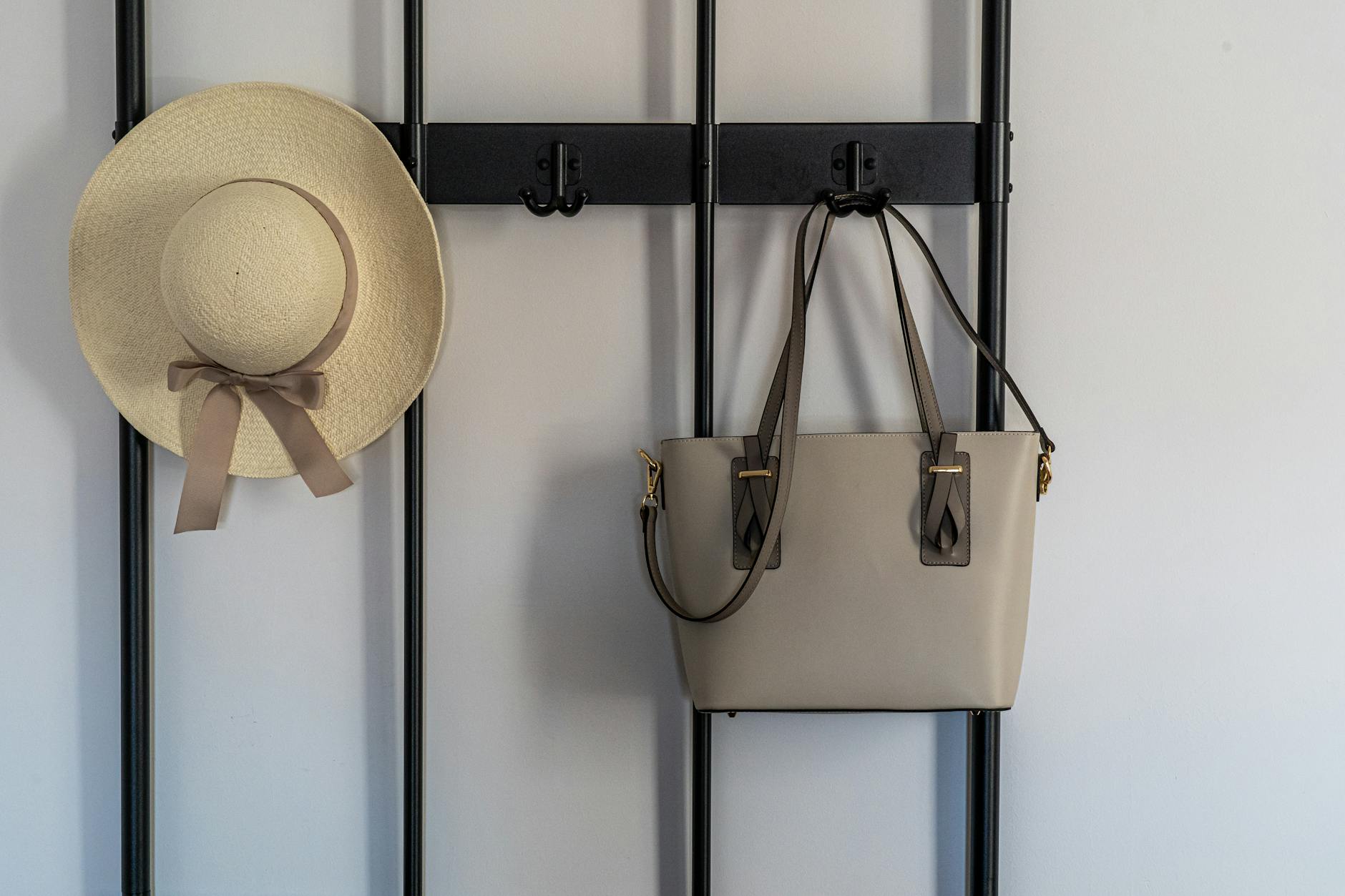
The back of the closet door offers prime real estate for storage that is often overlooked. Install sturdy hooks to hold robes or frequently worn jackets or tomorrow’s outfit. This area keeps bulky items off the main rail and prevents them from getting crushed. It utilizes dead space to expand the functional footprint of a small reach-in closet.
Drawer Organizers
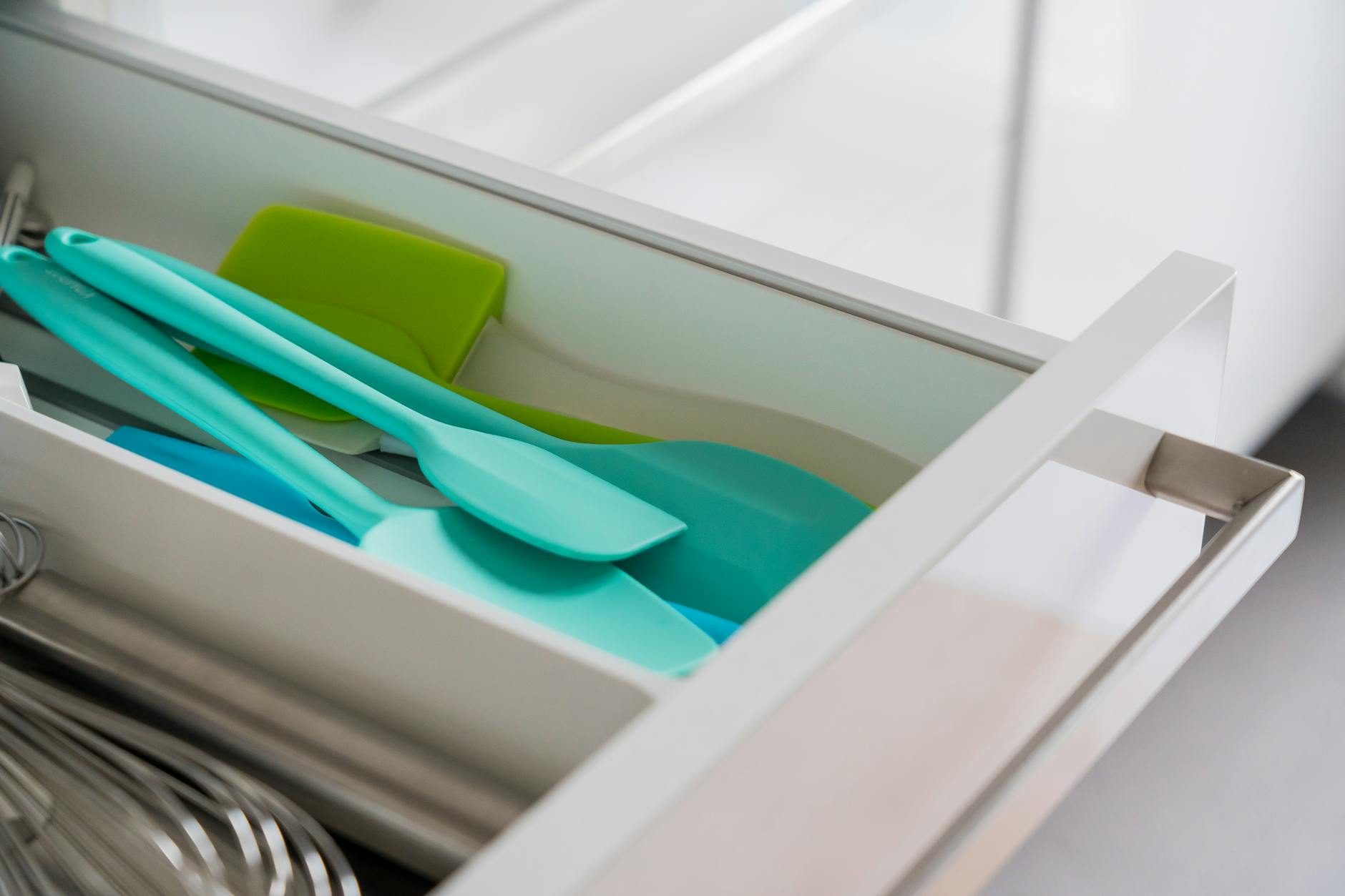
Small items like socks and underwear easily become a jumbled mess in large drawers. Adjustable dividers or fabric cubes create specific zones for different categories of intimates. This separation prevents items from shifting every time you open or close the drawer. Keeping these small pieces contained simplifies the laundry process and speeds up dressing.
High Shelf Utilization
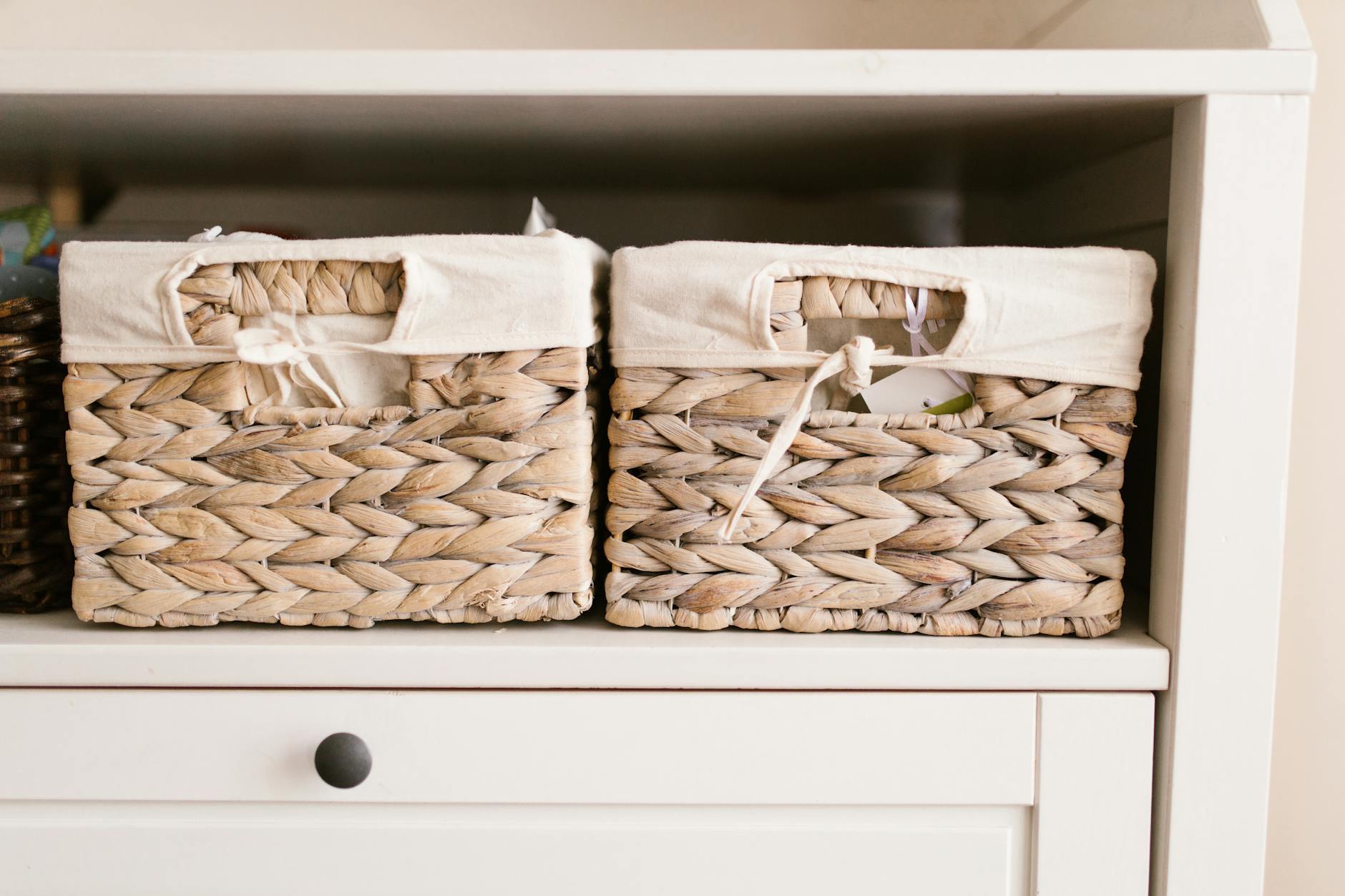
The top shelf of a closet is the perfect location for items that are rarely used. Place seasonal gear or sentimental items in labeled bins to keep them safe but out of the way. Using a step stool makes this area accessible without disrupting the daily flow of the lower sections. This strategy keeps prime eye-level real estate free for your daily essentials.
Battery Operated Lighting

Dark corners in a closet make it easy to lose track of clothing and accessories. Stick-on LED lights or motion-sensor bars illuminate these hidden areas without the need for expensive wiring. Proper lighting helps distinguish between similar colors like navy and black. Illuminating the space makes the closet feel larger and more inviting every time you open the door.
Detailed Labeling
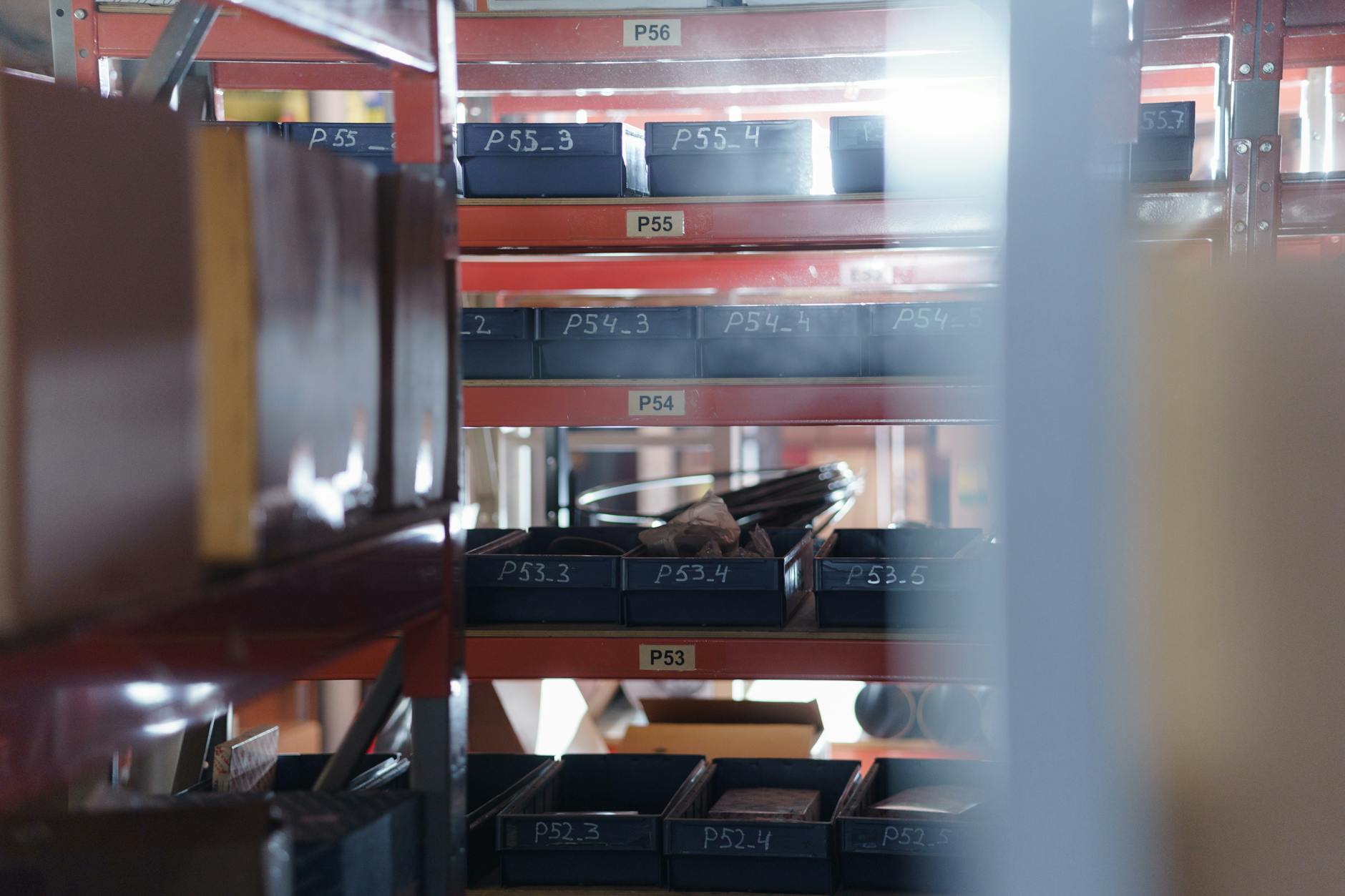
Bins and baskets on high shelves are useless if you do not know what is inside them. Use a label maker or hang tags to clearly identify the contents of every container. This prevents the need to pull down multiple heavy boxes just to find one scarf. Labels hold other household members accountable for putting things back in the correct place.
Dedicated Donation Bin

Keep a designated bag or basket on the floor of the closet for items you no longer want. Toss clothes in immediately when you try them on and realize they no longer fit or feel right. This ongoing editing process prevents clutter from accumulating over months or years. Take the full bag to a charity shop once it is full to complete the cycle.
Valet Rods
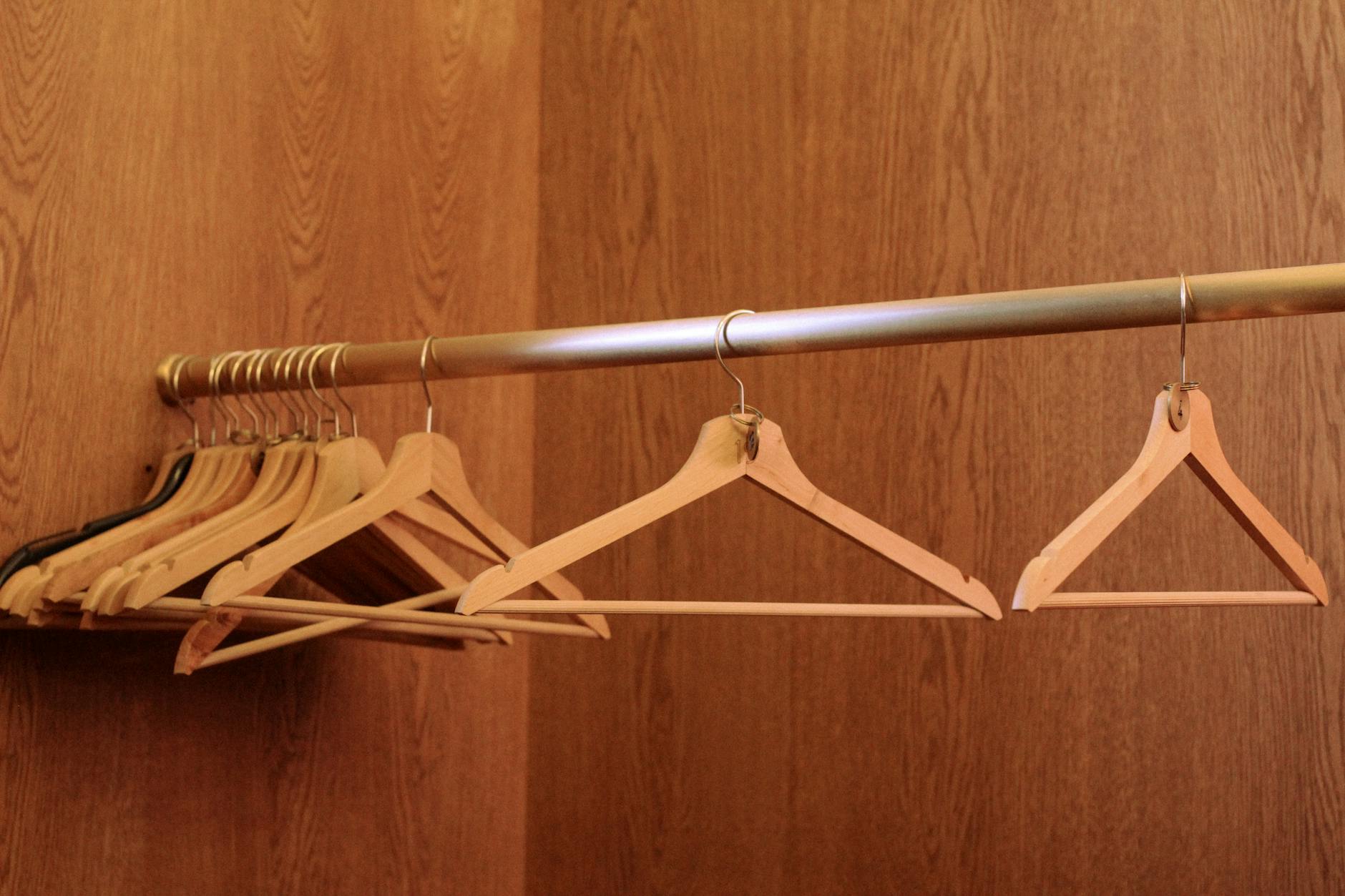
A retractable valet rod provides a temporary place to hang an outfit for the next day. It serves as a helpful staging area when packing for trips or sorting laundry. This tool slides away discreetly when not in use to maintain a streamlined look. It adds a touch of luxury and high functionality to even the smallest closet spaces.
Boot Shapers
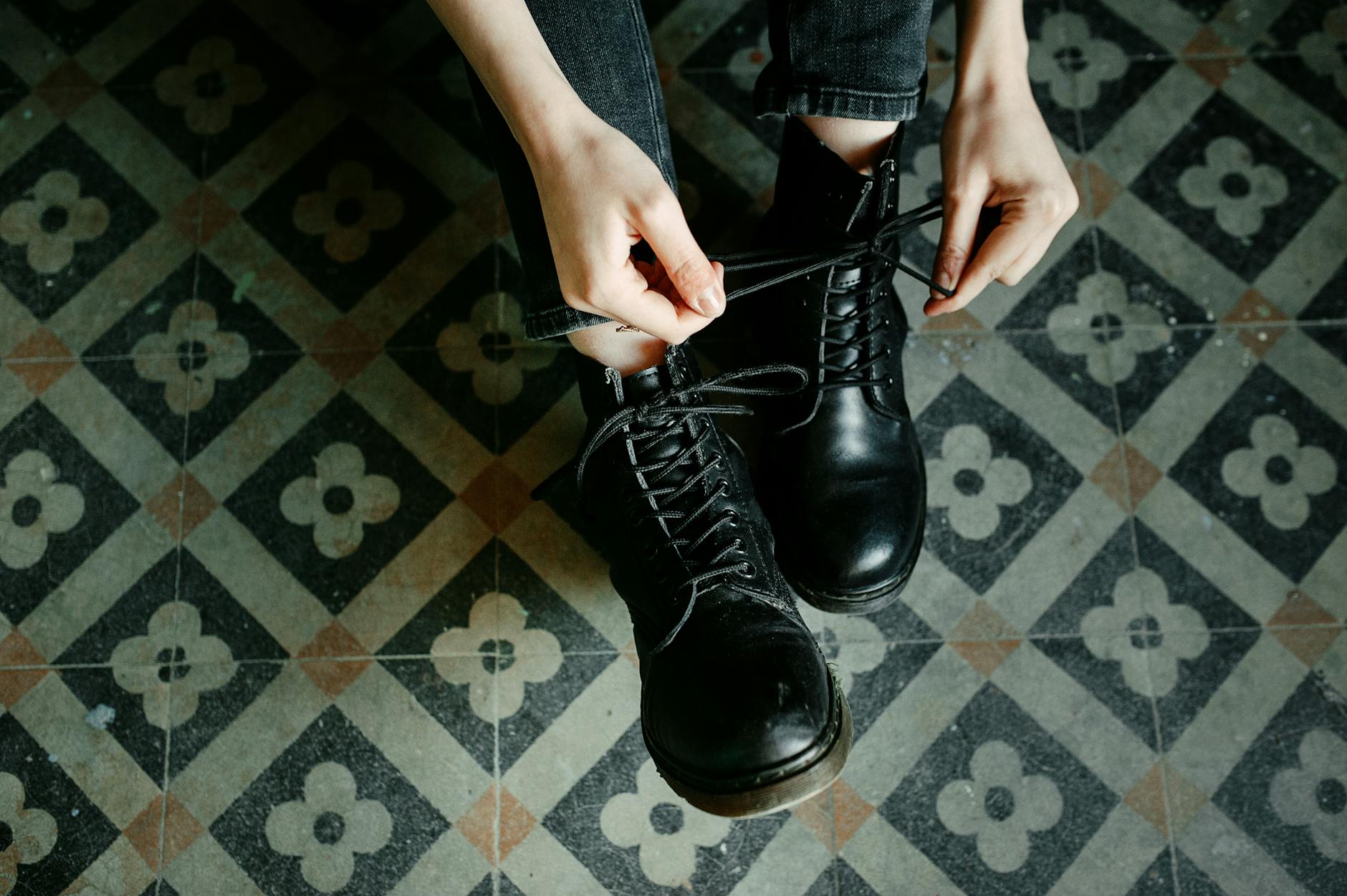
Tall boots often flop over and develop creases at the ankles when left unsupported. Insert boot shapers or rolled magazines to keep the leather upright and uncreased. Standing boots up preserves their shape and allows for better air circulation inside the footwear. This arrangement looks tidier on the floor and prolongs the life of expensive footwear.
Scarf Loops
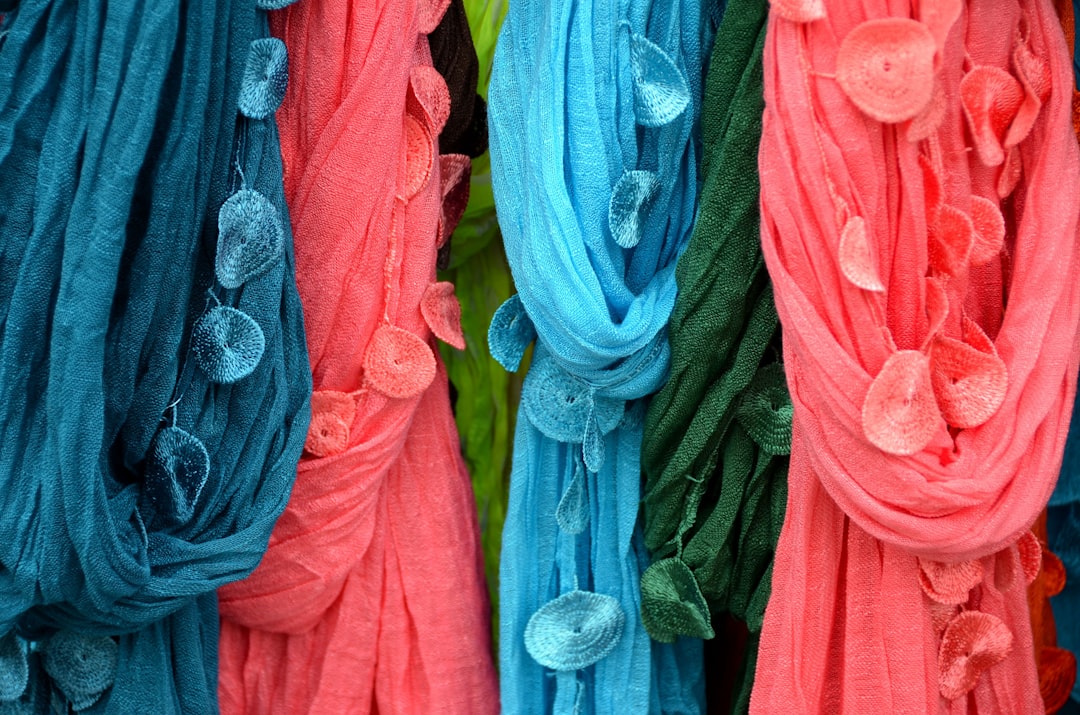
Scarves can easily become a tangled knot if tossed into a drawer without care. Use a specialized hanger with loops to drape scarves individually so they remain wrinkle-free. This method displays the patterns and colors to help you choose the right accessory. It takes up minimal horizontal space on the closet rod while holding multiple items.
Jewelry Trays

Tangled necklaces and missing earrings are common problems in disorganized closets. Velvet-lined trays with specific compartments protect delicate jewelry from scratches and tangles. These trays can sit on a shelf or fit neatly inside a shallow drawer. Having jewelry visible near your clothes encourages you to accessorize more frequently.
Wall-Mounted Belt Racks
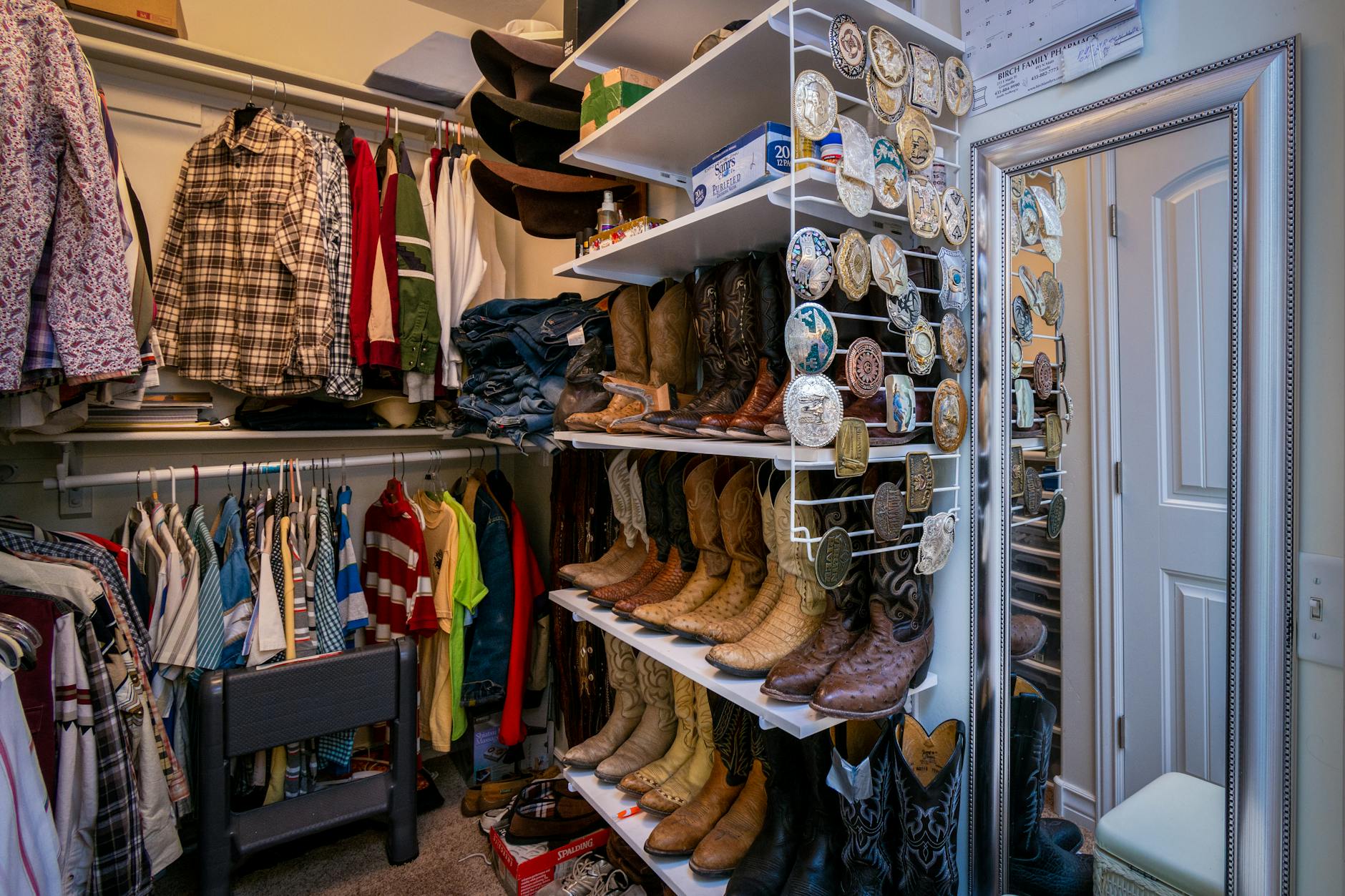
Belts take up unnecessary drawer space when rolled up individually. A wall-mounted rack keeps belts straight and prevents the leather from cracking over time. This storage solution utilizes narrow wall strips that would otherwise go unused. Seeing all belt buckles at once makes matching them to shoes and bags much easier.
Matching Bins
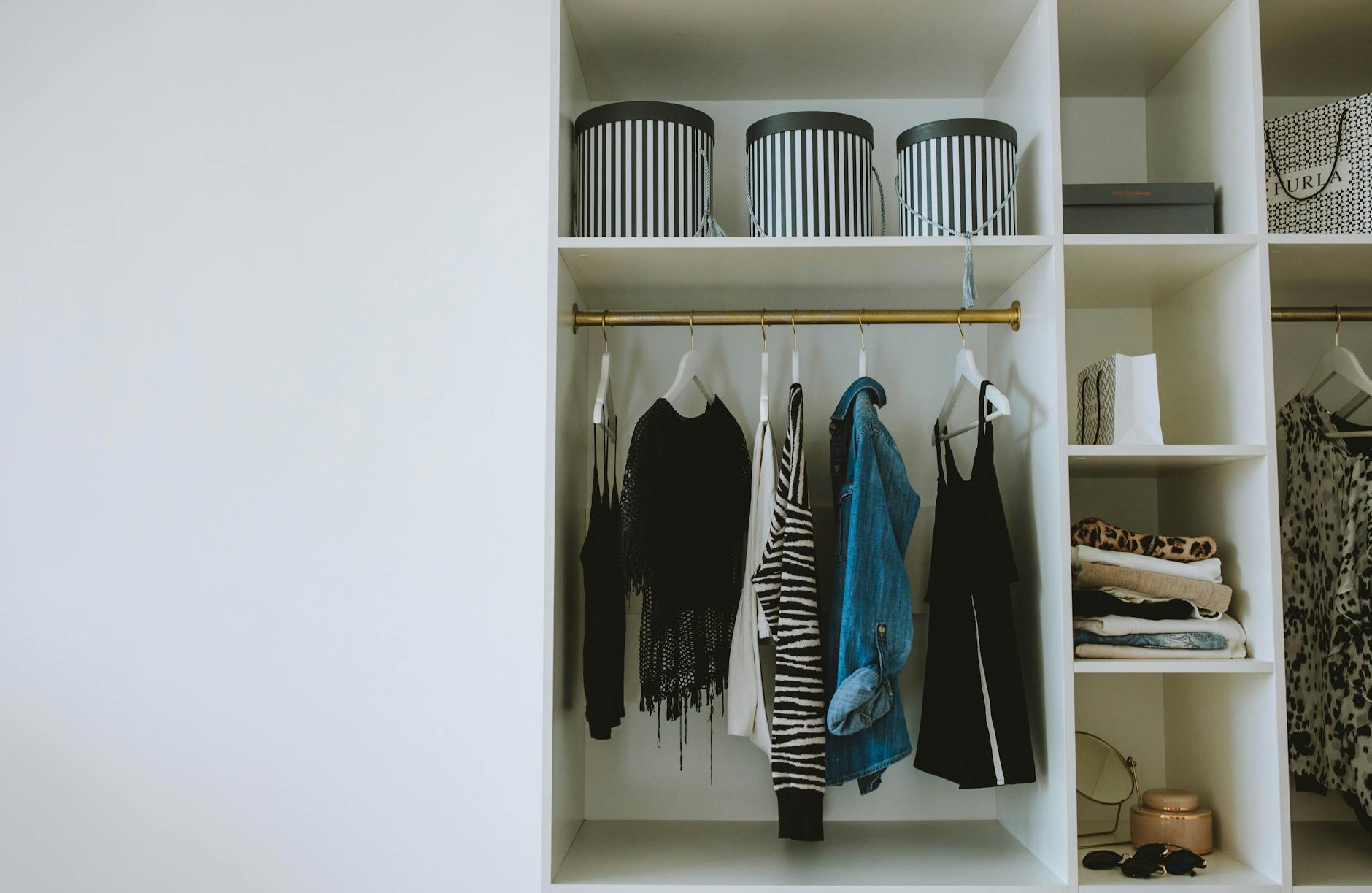
Using a variety of random boxes creates visual noise that makes a closet feel cluttered. Invest in a set of identical bins in a neutral color to store accessories or folded items. The uniformity calms the eye and gives the space a custom and polished appearance. Consistent sizing maximizes shelf space and eliminates awkward gaps between containers.
Floor Clearance
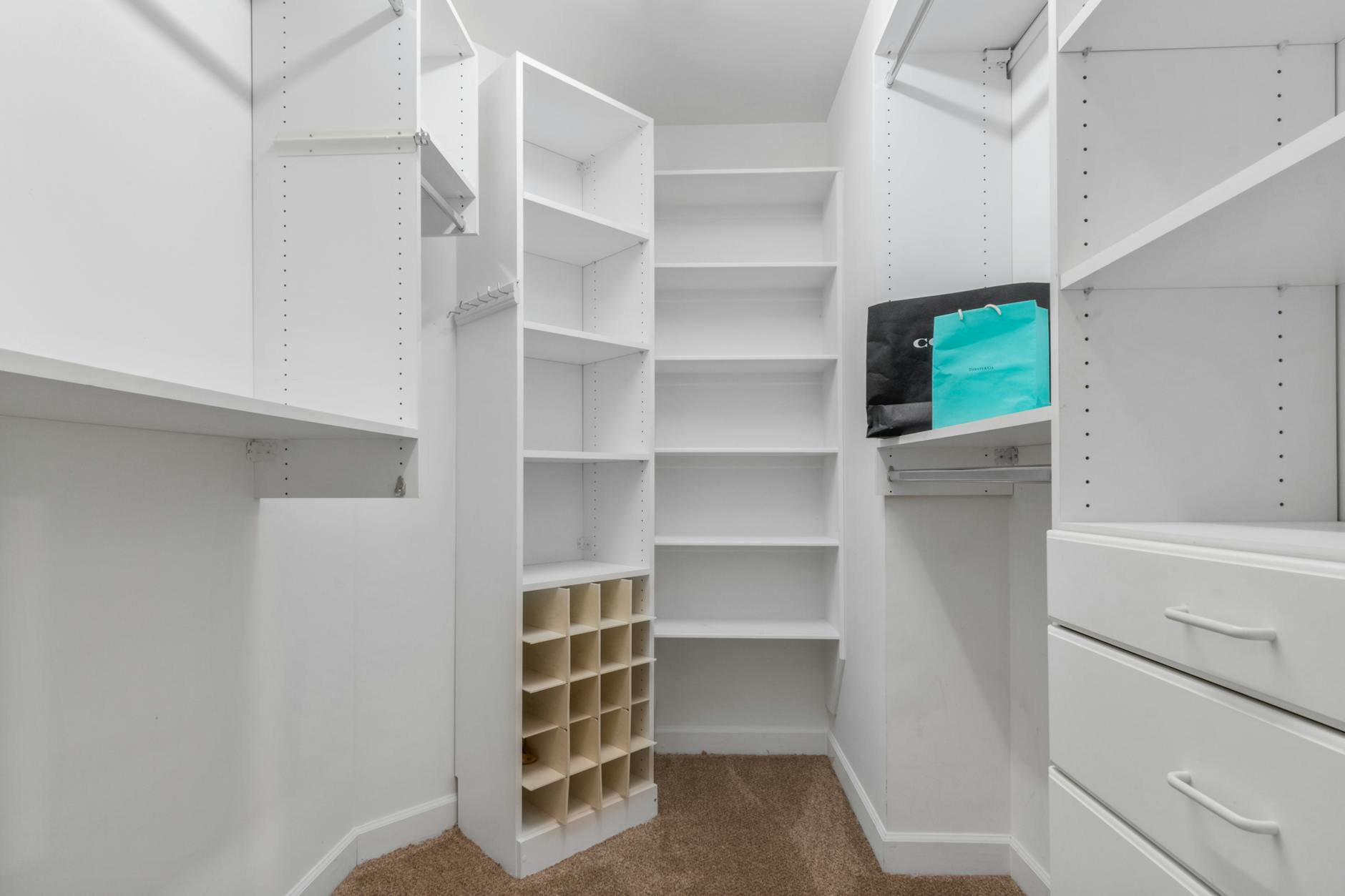
Keeping the closet floor clear of loose items is essential for a clean look. Aim to have nothing touching the floor except for organized shoe storage or a hamper. This makes vacuuming easier and reduces dust accumulation on your clothing. A clear floor creates the illusion of more space and reduces the feeling of overwhelm.
Sweater Care
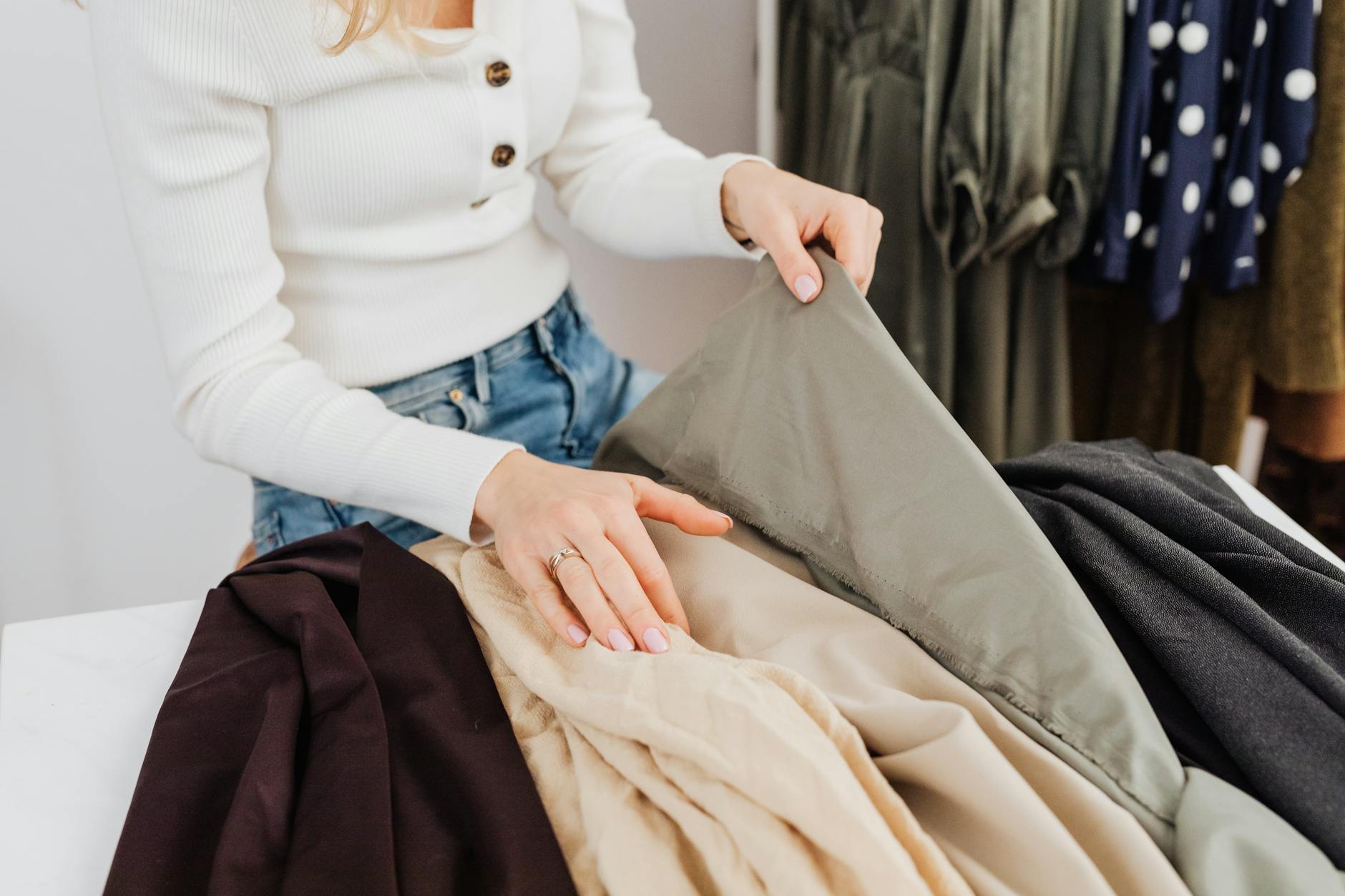
Heavy knits can stretch out of shape if hung on traditional hangers for long periods. Fold sweaters and stack them on shelves to preserve their structure and fit. Keep piles relatively short to prevent the bottom items from being crushed by the weight. Rotate heavier wool items to the bottom of the stack to protect lighter cashmere pieces.
Handbag Stuffing
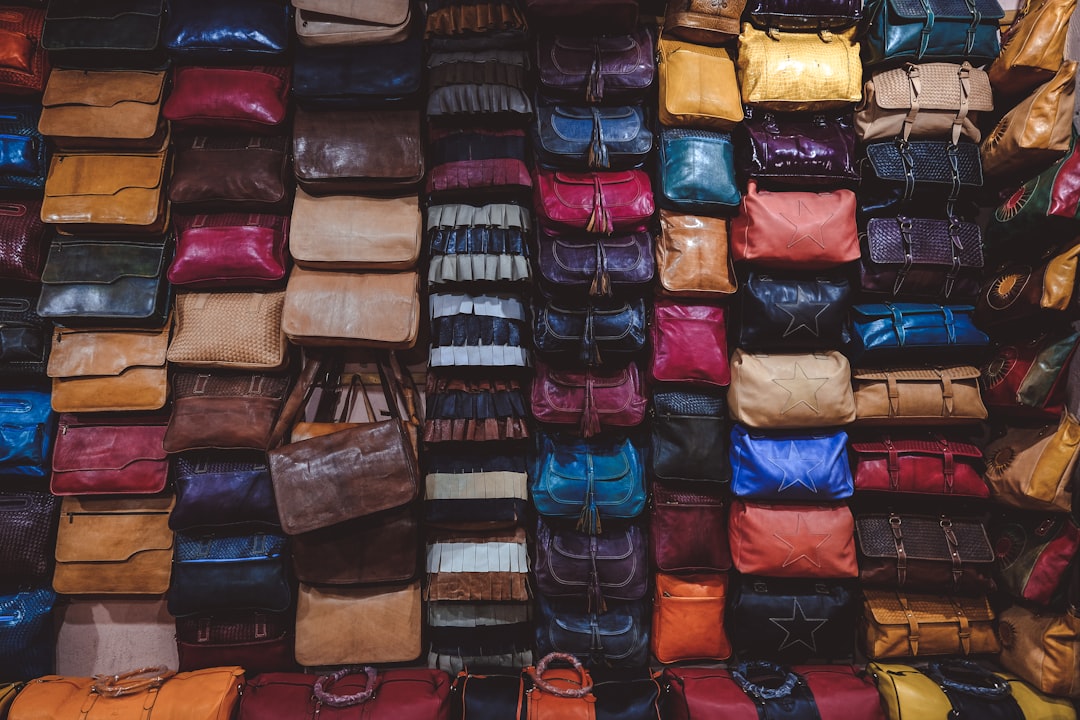
Structured handbags can lose their shape if stored empty and flat. Stuff bags with acid-free tissue paper or bubble wrap to maintain their original form. Store them upright on shelves to prevent creases from forming in the leather or fabric. This practice keeps bags looking new and ready for use at a moment’s notice.
Double Hanging Rails
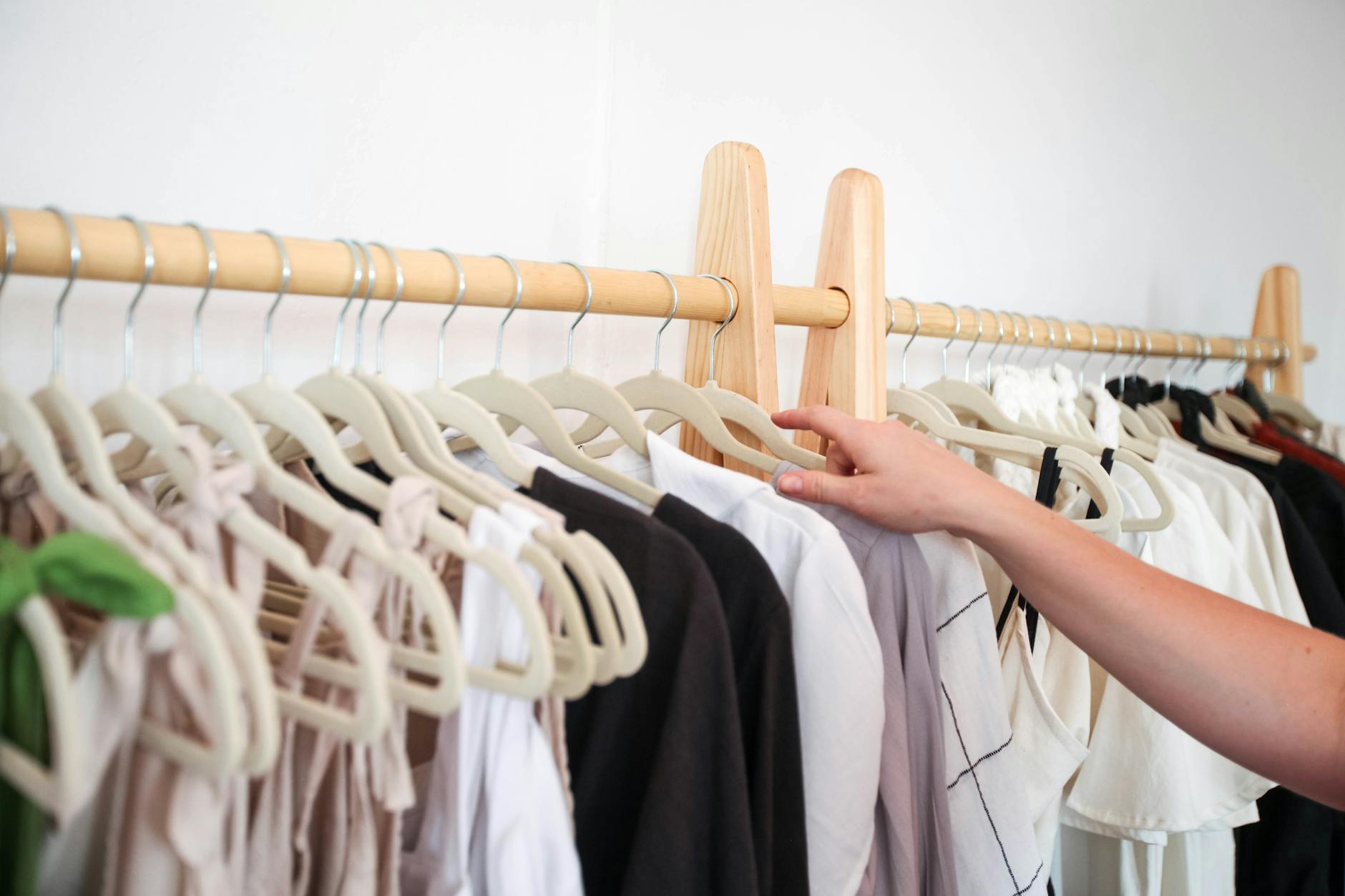
Most standard closets only have a single high rod that wastes the space below shorter items. Install a second rail halfway down the wall to double your hanging capacity for shirts and pants. This configuration segregates tops from bottoms to make coordinating outfits intuitive. It is the most impactful structural change for maximizing storage in small closets.
Hamper Placement
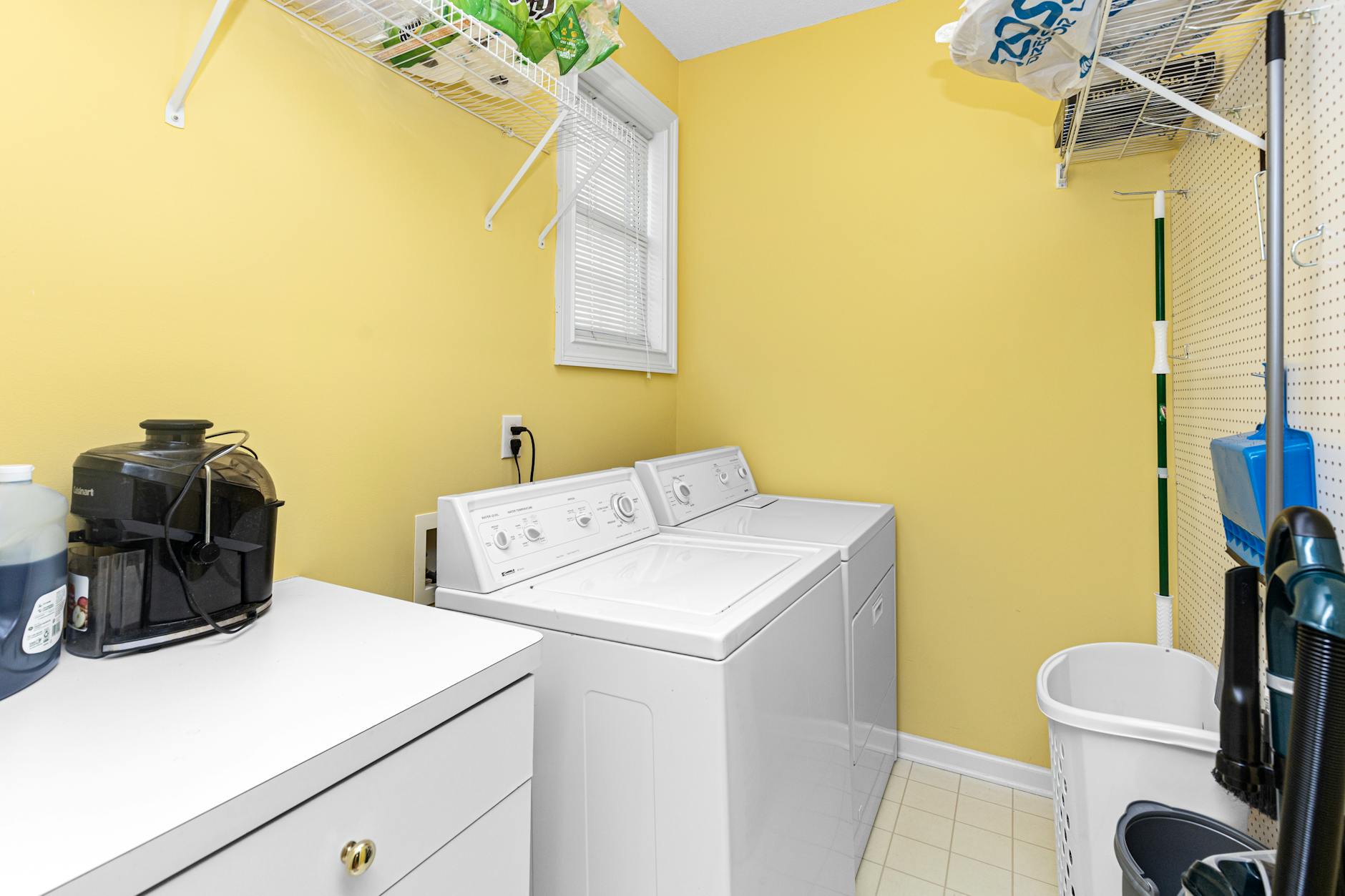
A visible laundry hamper encourages immediate sorting of dirty clothes. Choose a hamper with a lid or a beautiful design that complements the closet aesthetic. Place it in a convenient spot to prevent clothes from ending up in piles on the floor. Regular emptying of the hamper is necessary to keep odors and clutter under control.
Hat Boxes
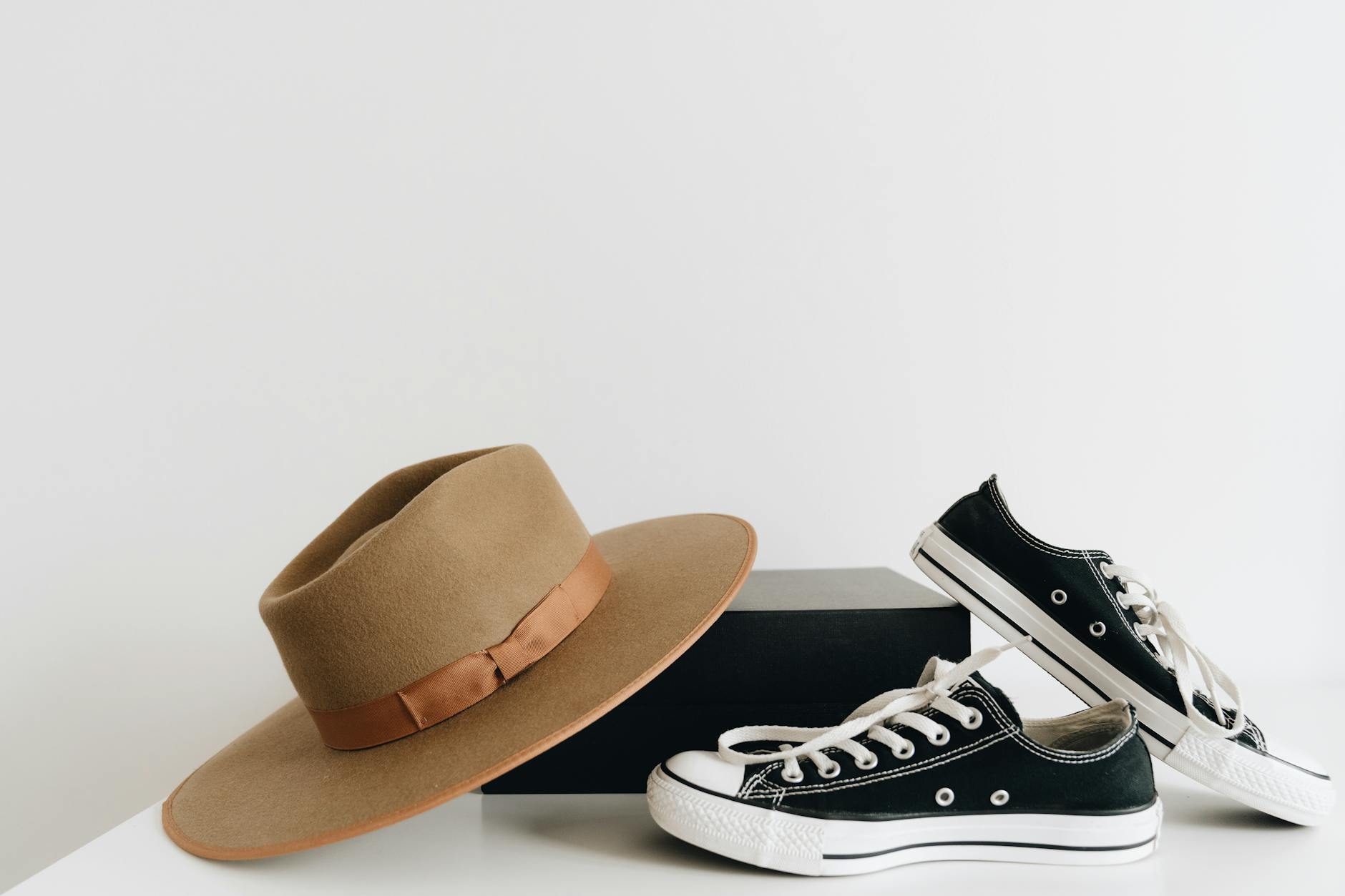
Hats accumulate dust easily and can be crushed if not stored properly. Round hat boxes protect brims and crowns while stacking neatly on high shelves. Photographs attached to the outside of the box can identify the hat without opening it. This storage method adds a vintage decorative element to the closet while serving a practical purpose.
Sunglasses Display

Sunglasses are fragile accessories that often get scratched in drawers. a wall-mounted display or a compartmentalized tray keeps lenses safe and accessible. Displaying them allows you to grab the perfect pair as you head out the door. This system prevents the common issue of losing expensive eyewear.
Tie Racks
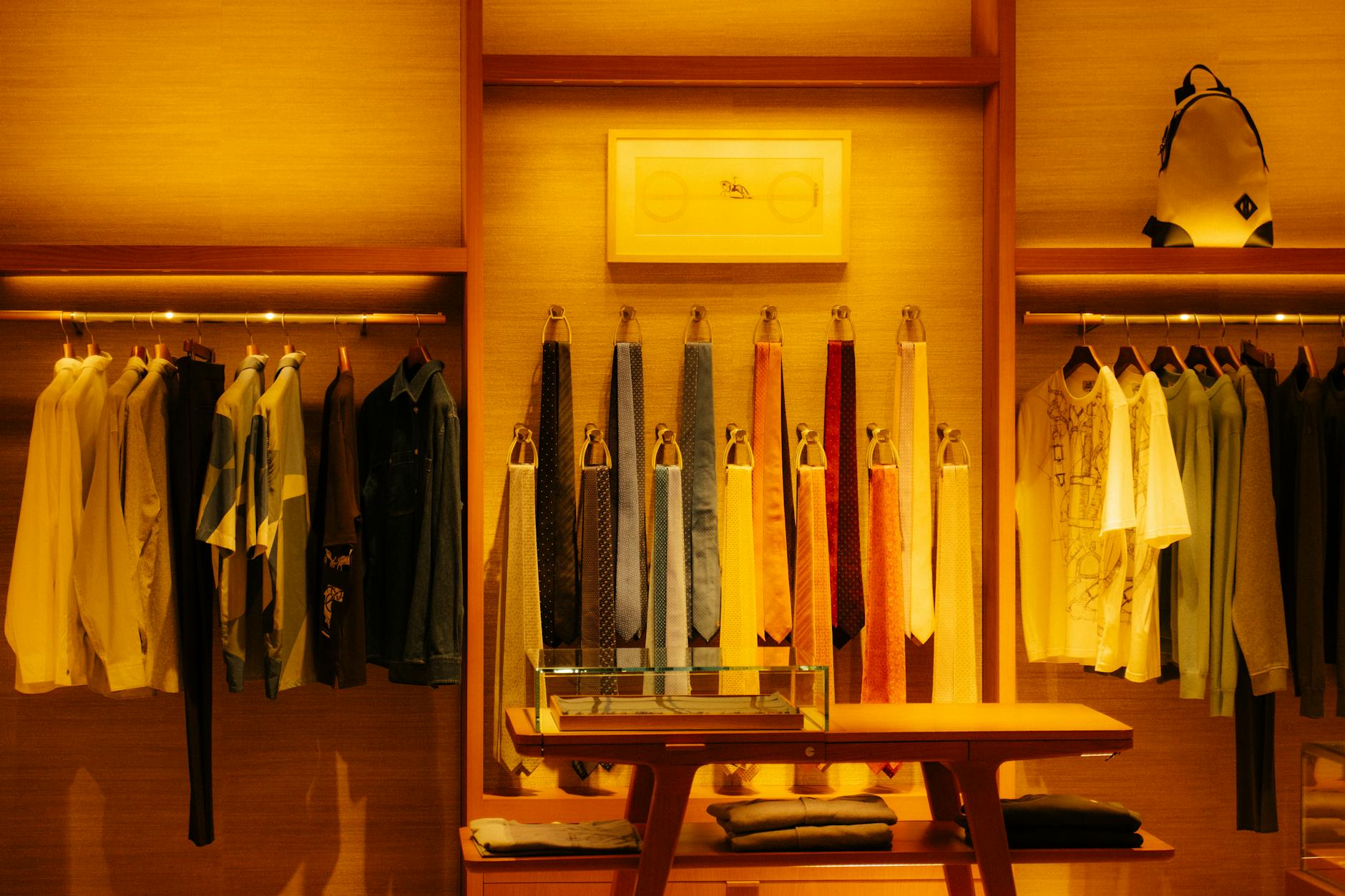
Ties require specific storage to remain smooth and ready for professional wear. A sliding tie rack keeps dozens of ties organized in a very compact space. This tool prevents ties from slipping off standard hangers and ending up on the closet floor. It allows for color coordination and easy selection during the morning routine.
Swimwear Bags
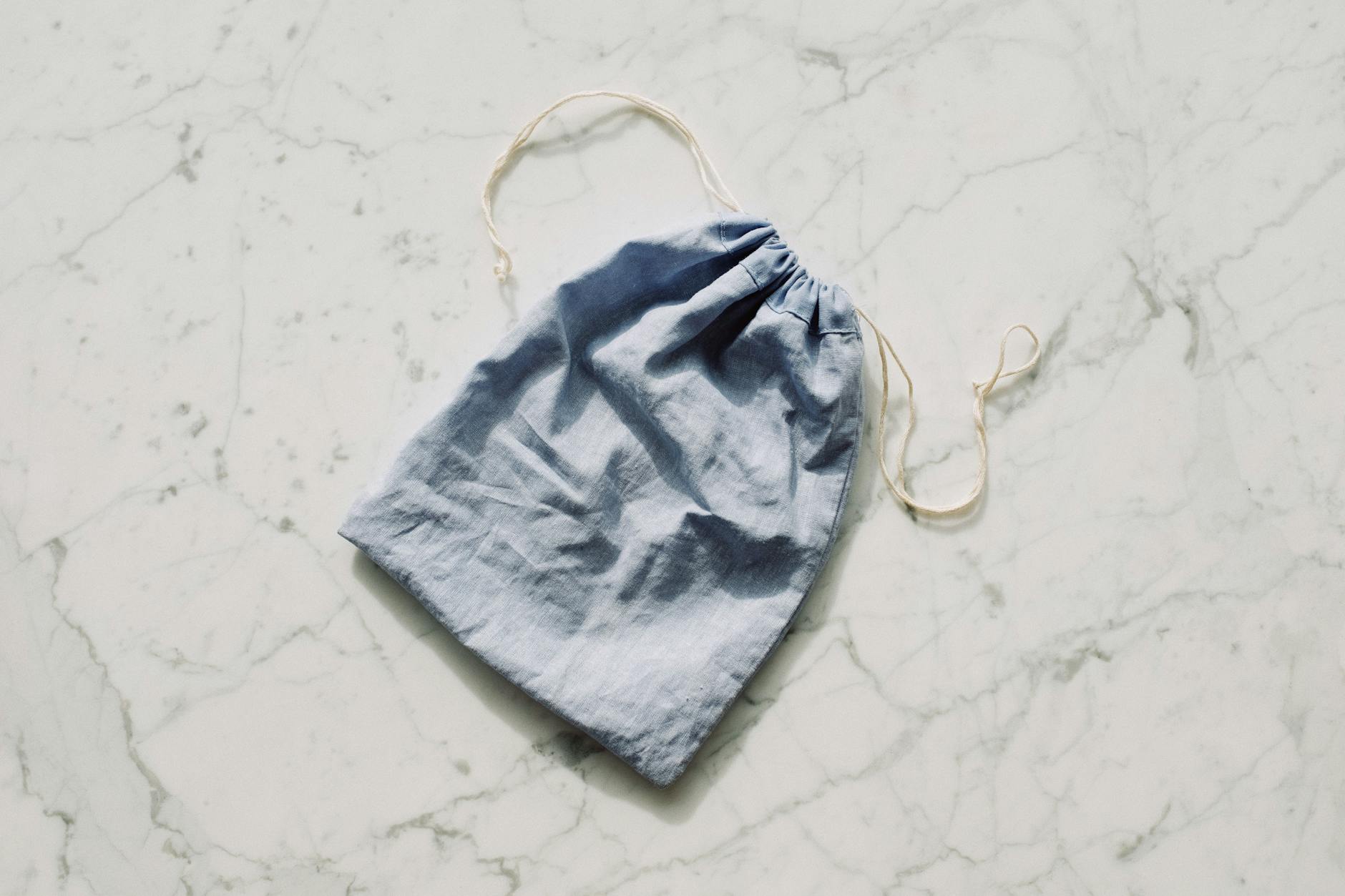
Swimsuits are small and slippery items that are hard to fold neatly. Store bikinis and trunks in small fabric bags or designated drawer dividers. This keeps sets together and prevents straps from tangling with other clothing items. Segregating swimwear protects delicate elastics from snagging on zippers or hooks.
Activewear Rolling
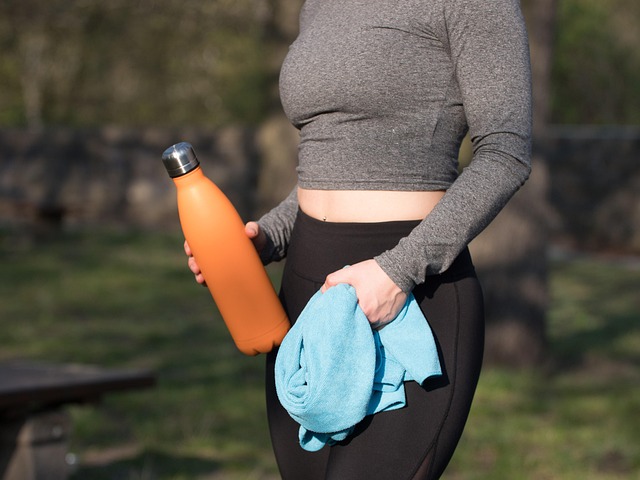
Rolling leggings and workout tops creates tight cylinders that fit perfectly in drawers. This method saves space and makes it easy to grab a full kit for the gym. Synthetic fabrics used in activewear are generally resistant to wrinkling from this technique. Rolling allows you to fit significantly more workout gear into a single drawer.
Breathable Garment Bags
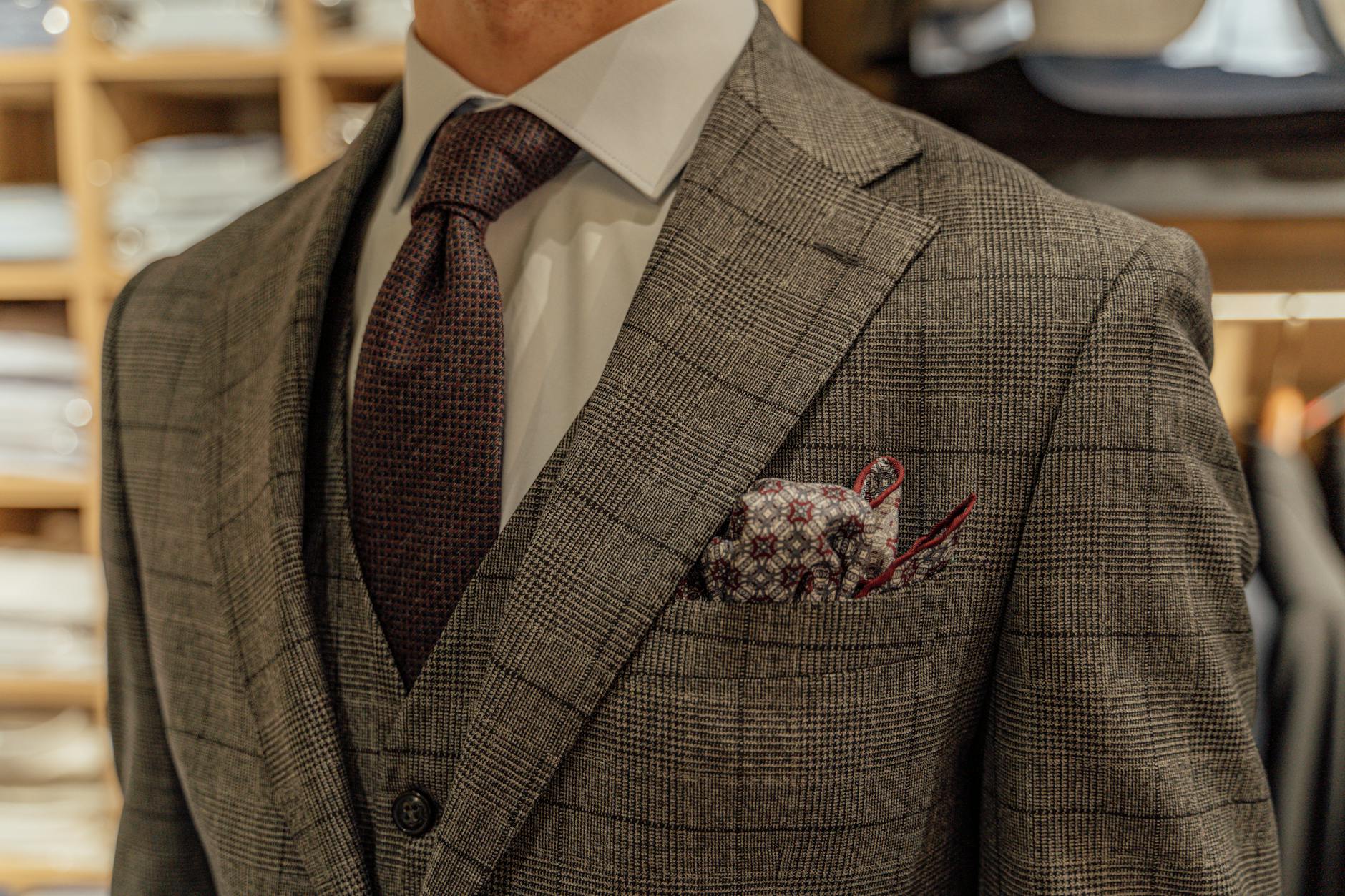
Plastic dry cleaning bags trap humidity and can cause yellowing on fabrics over time. Replace them with breathable cotton or canvas bags for suits and formal wear. These bags protect against dust and moths while allowing the fabric to breathe. Uniform garment bags reduce visual clutter and provide a cohesive look.
Cedar Blocks
Moths can destroy a wardrobe of wool and cashmere before you even notice the damage. Place cedar blocks or sachets on shelves and in drawers as a natural deterrent. Sand the wood lightly every few months to refresh the protective oils and scent. This is a safer and better-smelling alternative to traditional chemical mothballs.
Mirror Placement
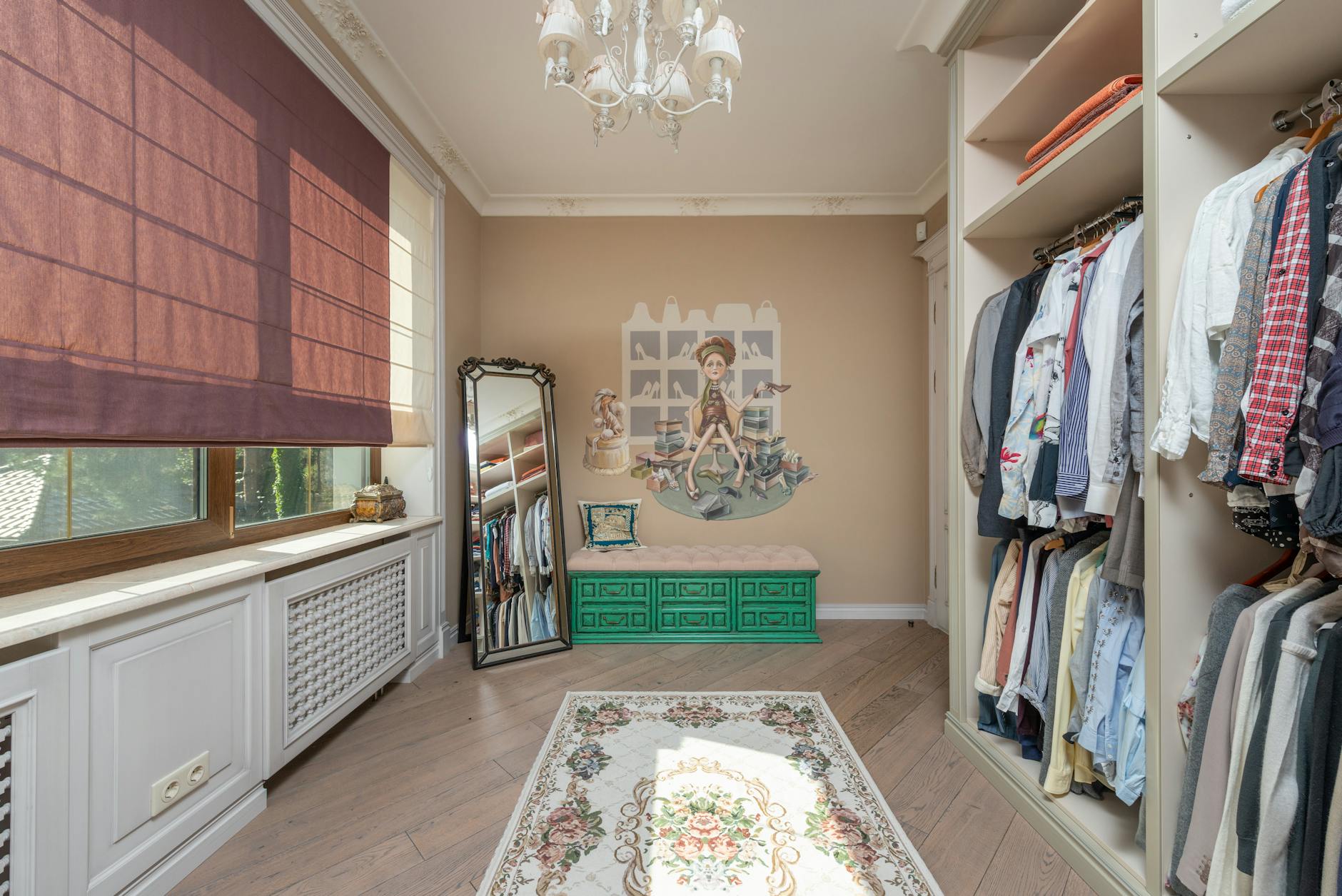
A full-length mirror is a functional necessity inside or near any closet. Mounting a mirror on the inside of the door saves wall space in the bedroom. It allows for immediate outfit checks without leaving the dressing area. Mirrors also reflect light to make small closets feel brighter and more spacious.
Jeans Stacking
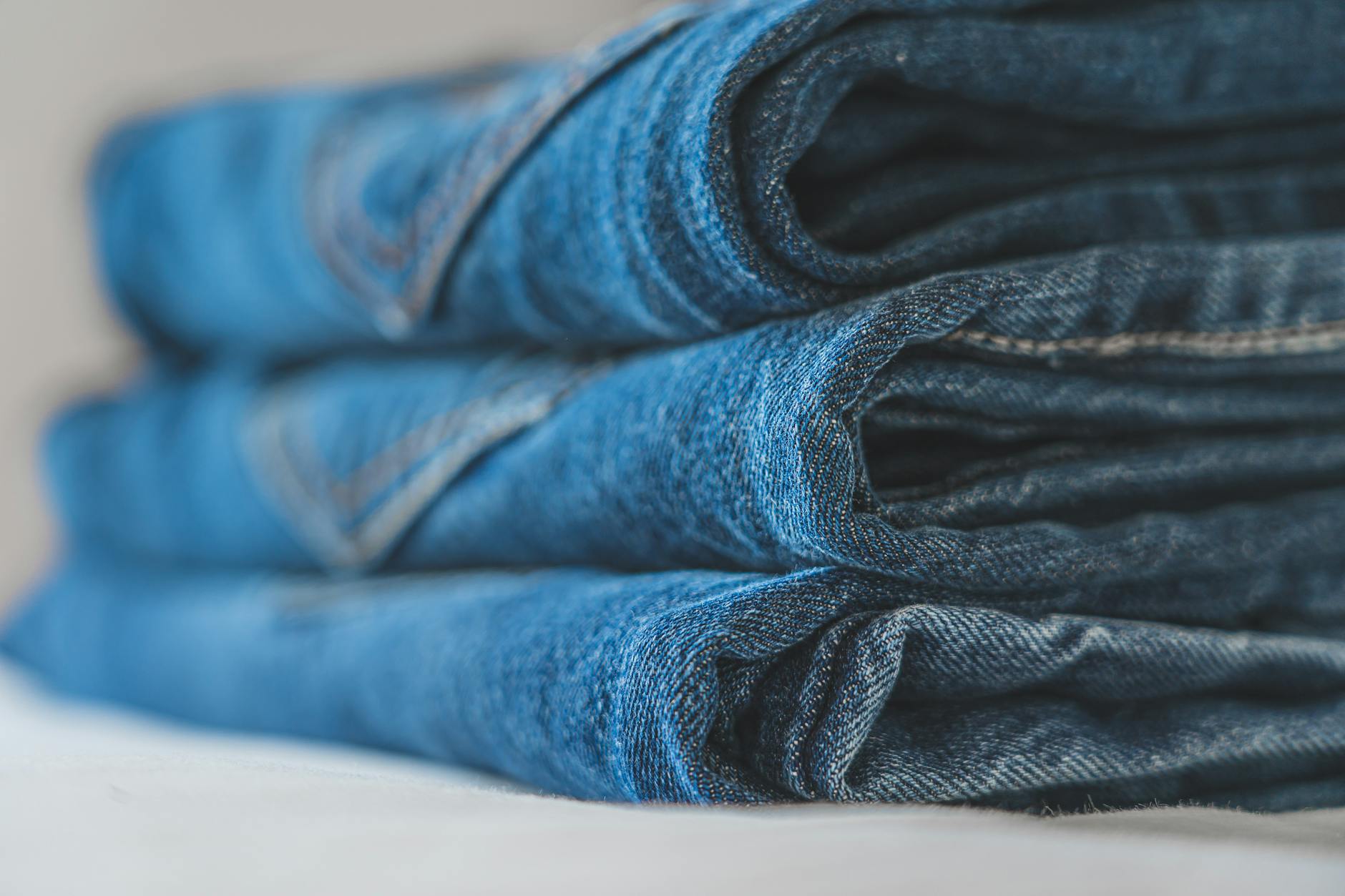
Denim is thick and durable enough to be stacked without losing its shape. Fold jeans and place them on shelves with the spine facing outward for a uniform look. Organizing by wash from light to dark helps you find the right pair quickly. This method frees up drawer and hanging space for more delicate items.
Underwear Sorting
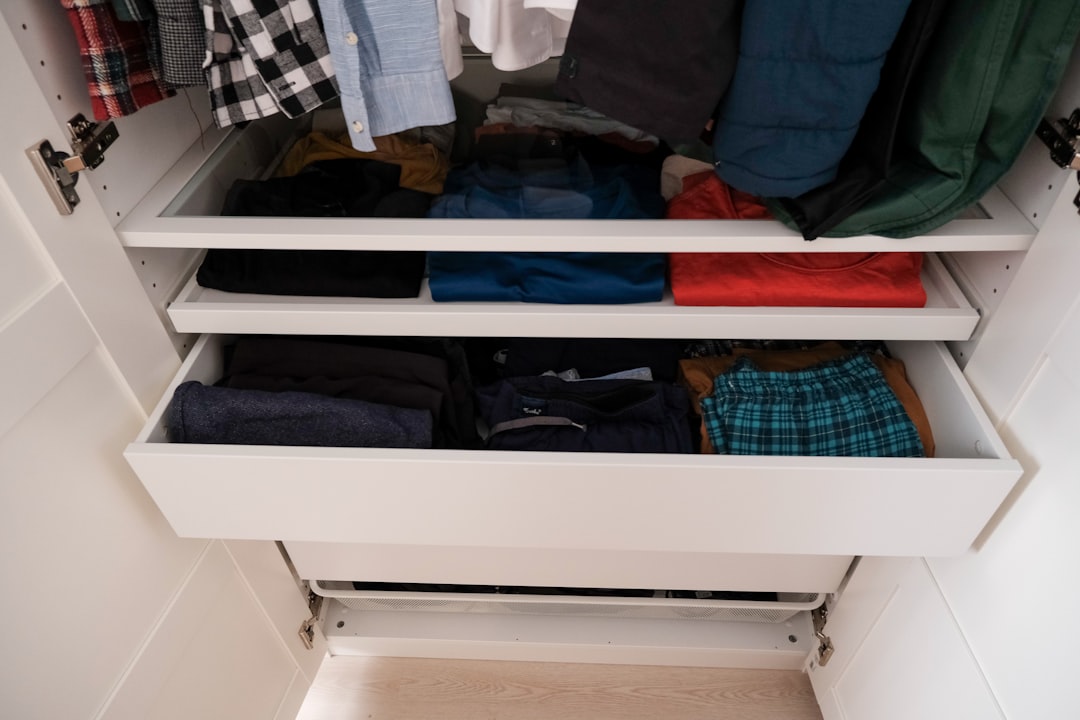
Throwing all underwear into one large drawer leads to frustration and damaged elastics. Separate everyday basics from special occasion lingerie using small bins or dividers. This separation ensures that delicate lace is not snagged by clasps or hooks. It makes the daily routine faster and protects your investment in quality undergarments.
Sock Pairing
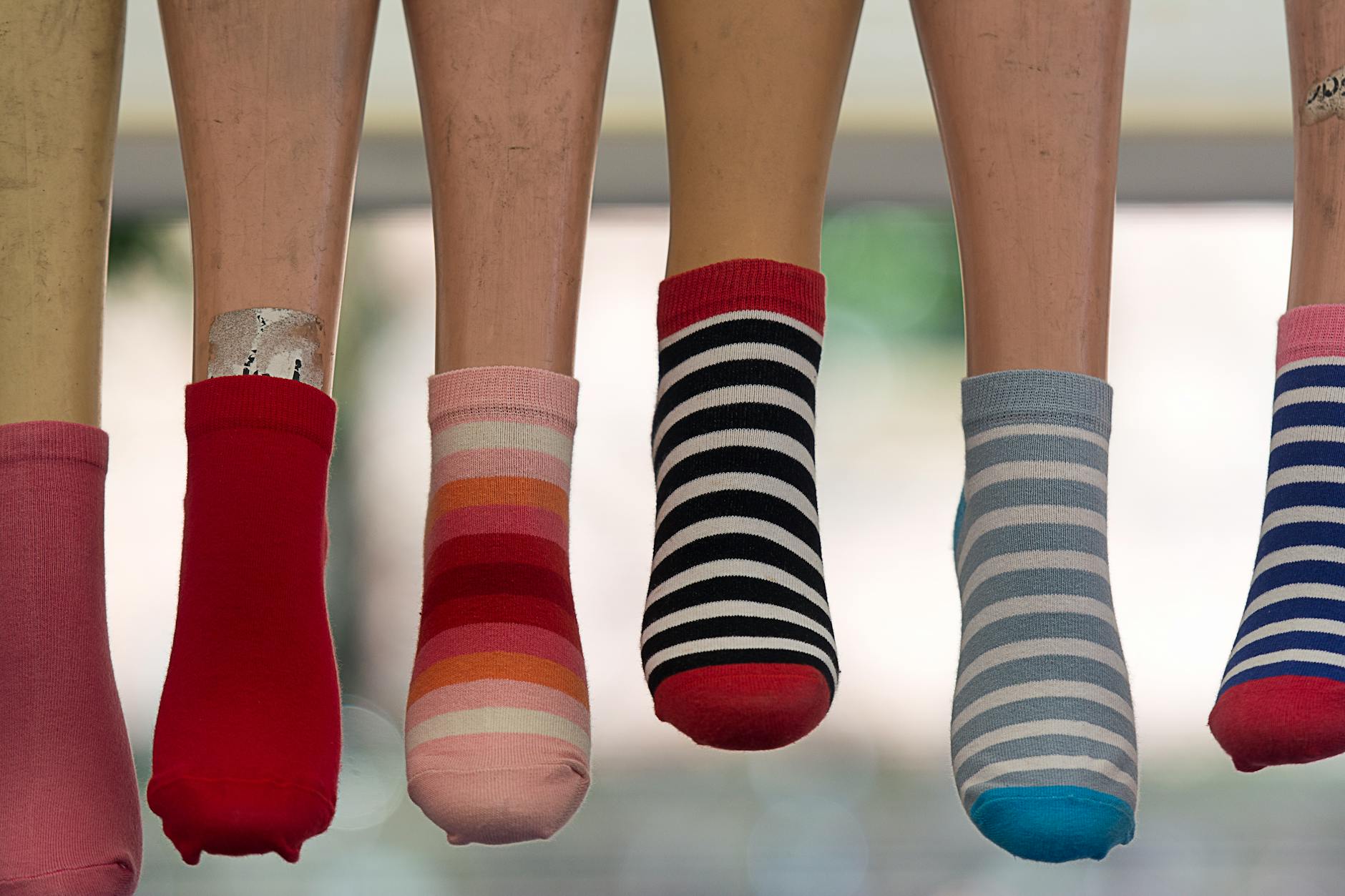
Rolling socks into balls can stretch out the elastic cuffs over time. Fold socks flat and file them vertically in a drawer organizer to maintain their shape. This technique allows you to see every pair at once and identify missing matches. It creates a satisfyingly neat appearance in an otherwise messy drawer category.
Linen Sprays
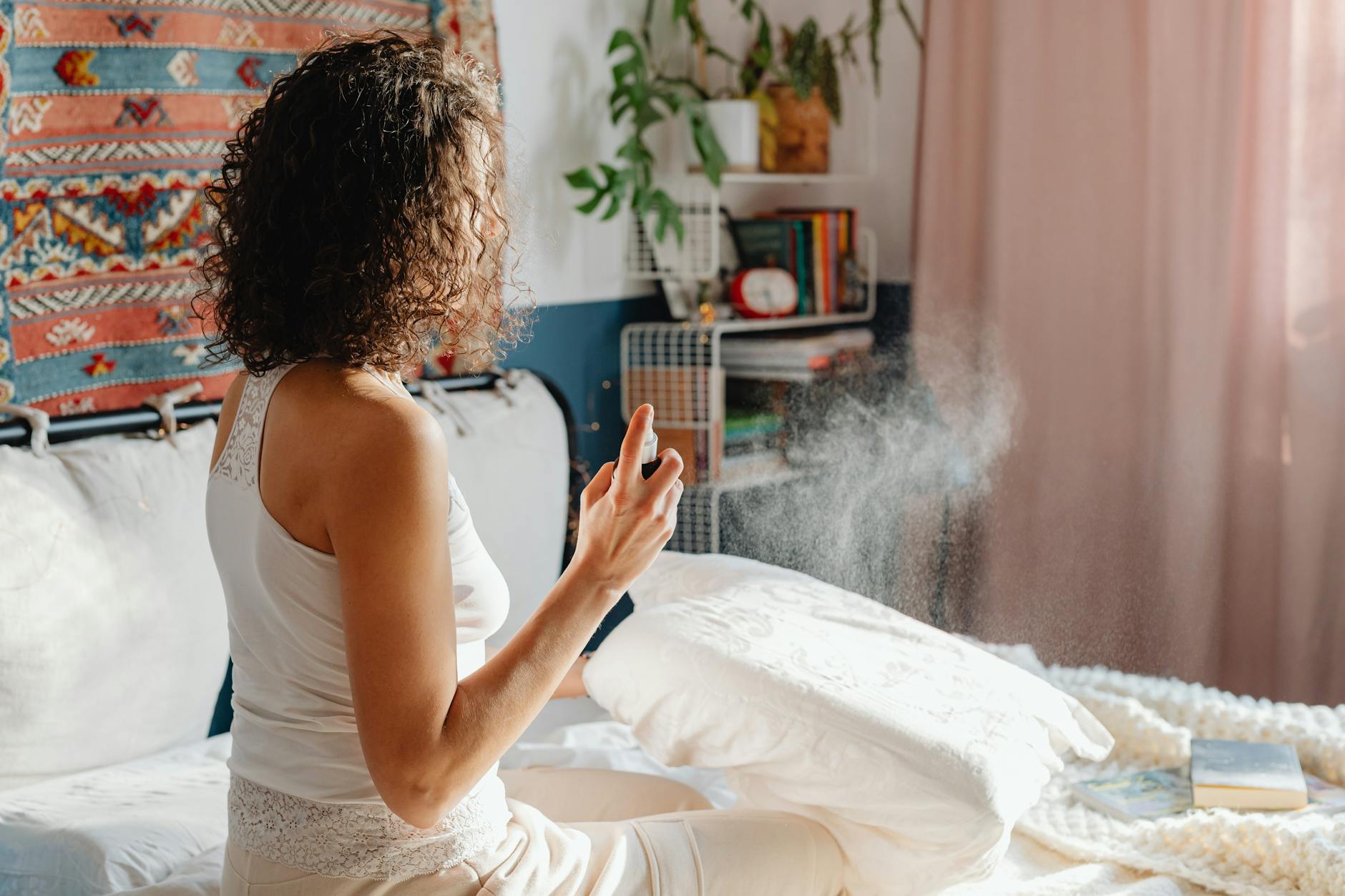
Stale odors can develop in closets that are kept closed for long periods. Spritz a gentle linen spray on clothes or place scented sachets in drawers. Lavender or cedar scents are popular choices that also offer pest-repelling properties. A fresh scent enhances the experience of getting dressed and makes clothes feel cleaner.
Vacuum Sealing
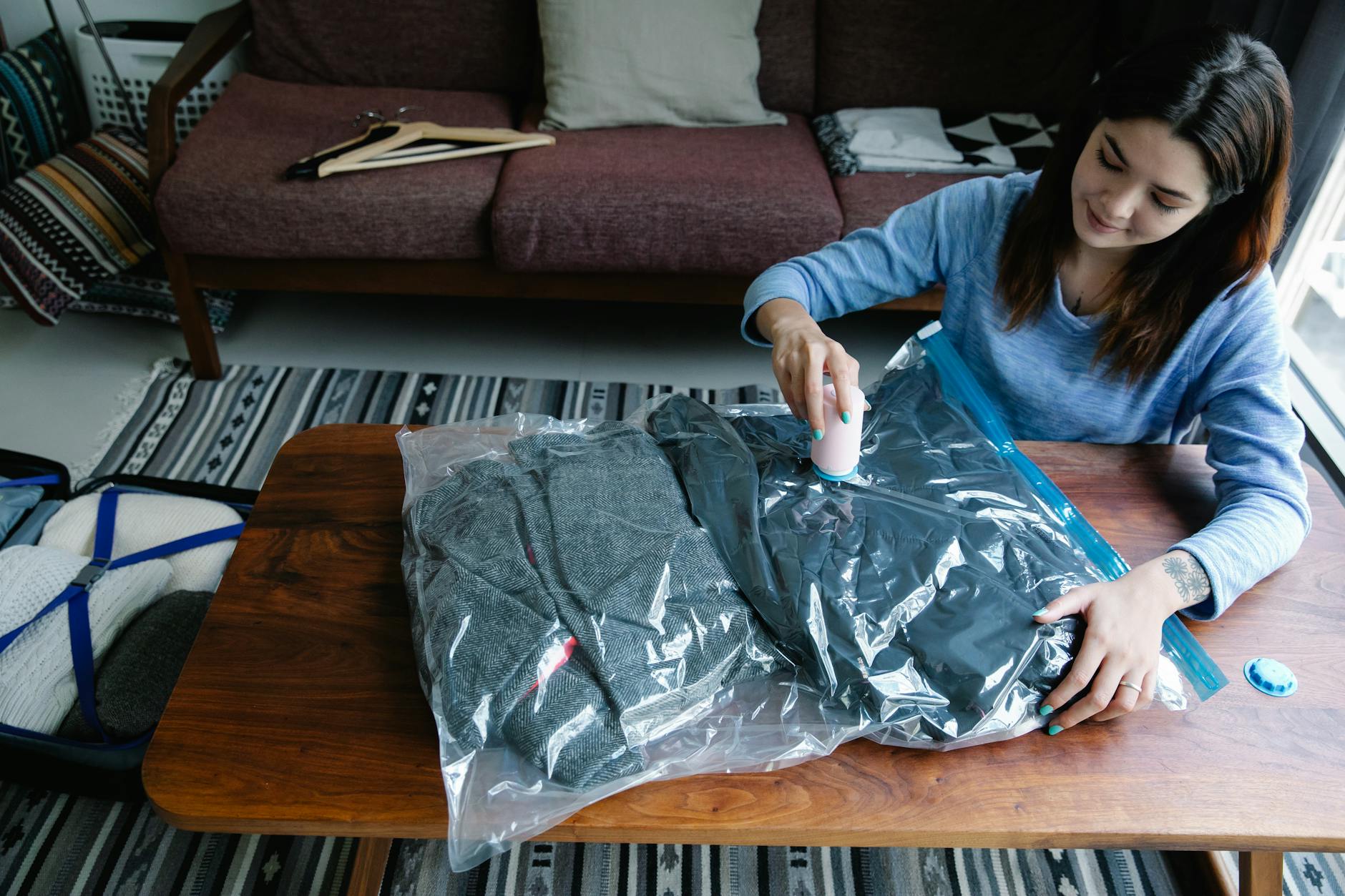
Bulky items like comforters and ski jackets take up massive amounts of space. Vacuum seal bags compress these soft items down to a fraction of their original size. This solution is perfect for long-term storage on high shelves or under beds. Ensure items are completely dry before sealing to prevent mold growth inside the plastic.
Acrylic Risers

Deep shelves often lead to items getting lost in the back shadows. Acrylic risers create tiered levels so that back items remain visible above front items. This is ideal for displaying shoes or bags in a deep cabinet. It maximizes the utility of deep storage spaces that are otherwise difficult to organize.
Clutch Storage
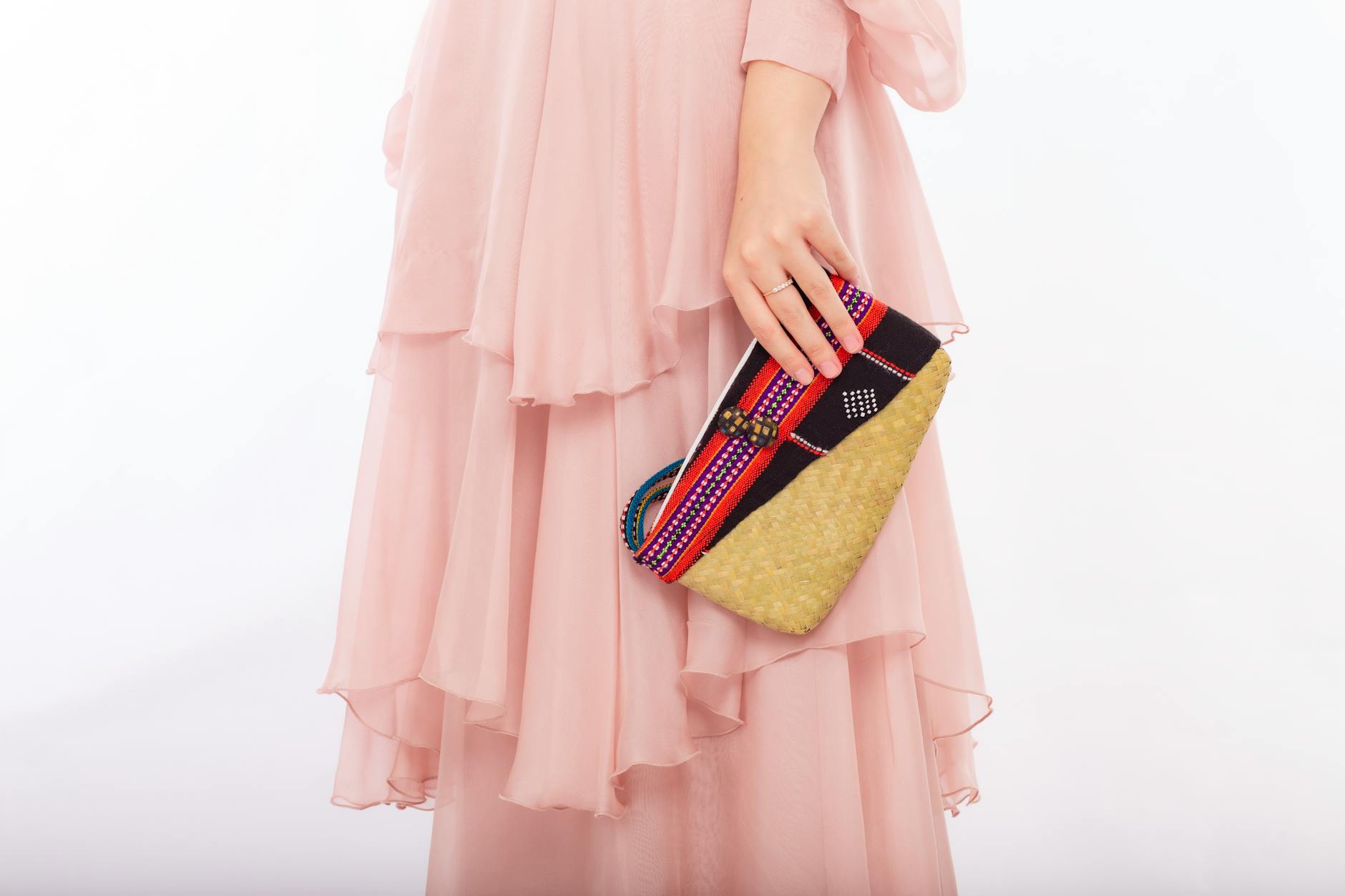
Evening bags and clutches are small and easily lost on large open shelves. Use a file organizer or a divided bin to stand them upright like books. This keeps them accessible and prevents them from toppling over onto each other. It protects delicate beading and hardware from getting scratched or damaged.
Empty Hanger Management
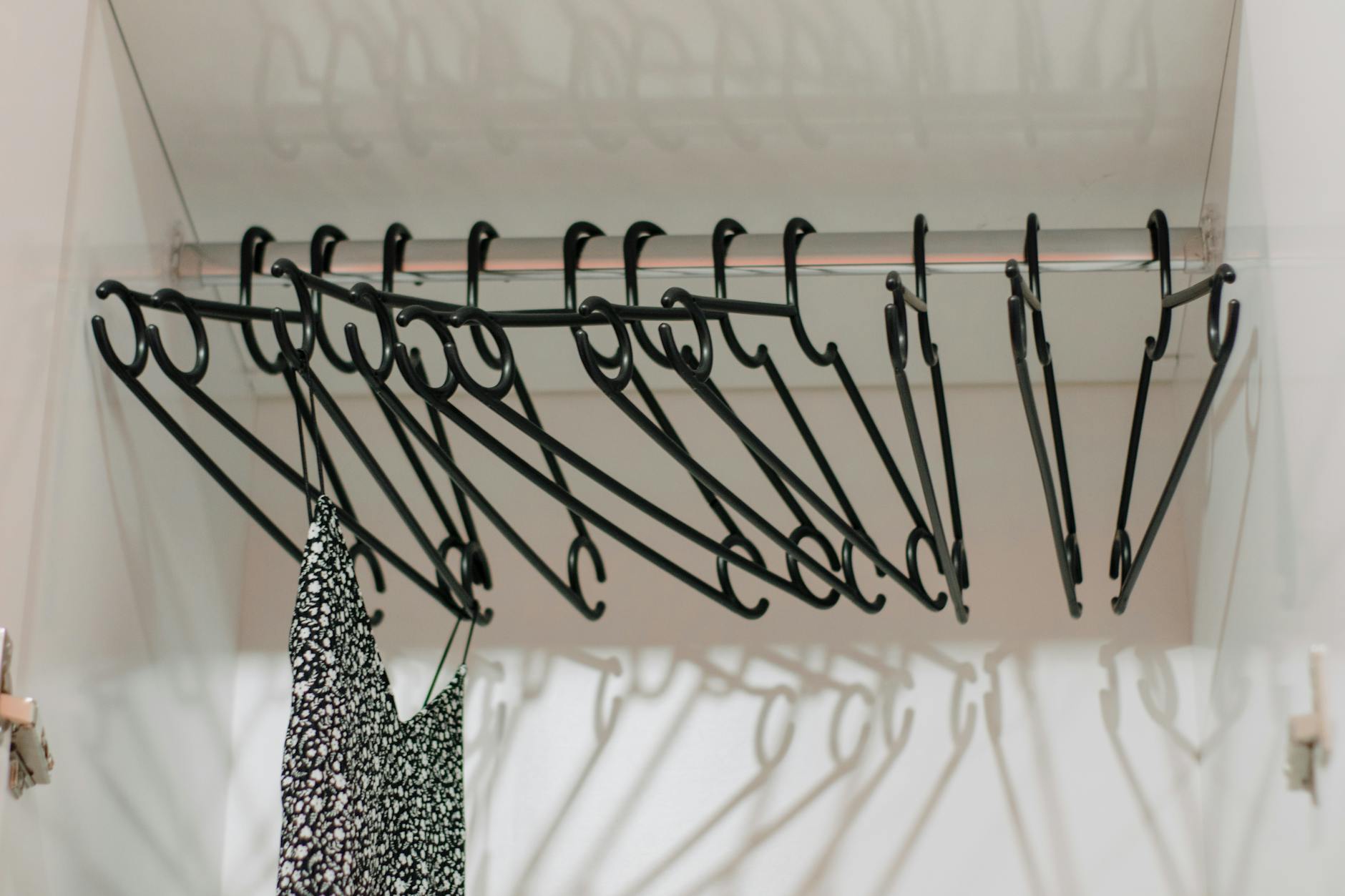
Leaving empty hangers scattered among clothes creates visual chaos and makes hanging laundry difficult. Move all empty hangers to one designated section of the rod or a specific bin. This habit keeps the active clothing rails neat and spacing consistent. It makes the process of putting away clean laundry significantly more efficient.
Pattern Blocking
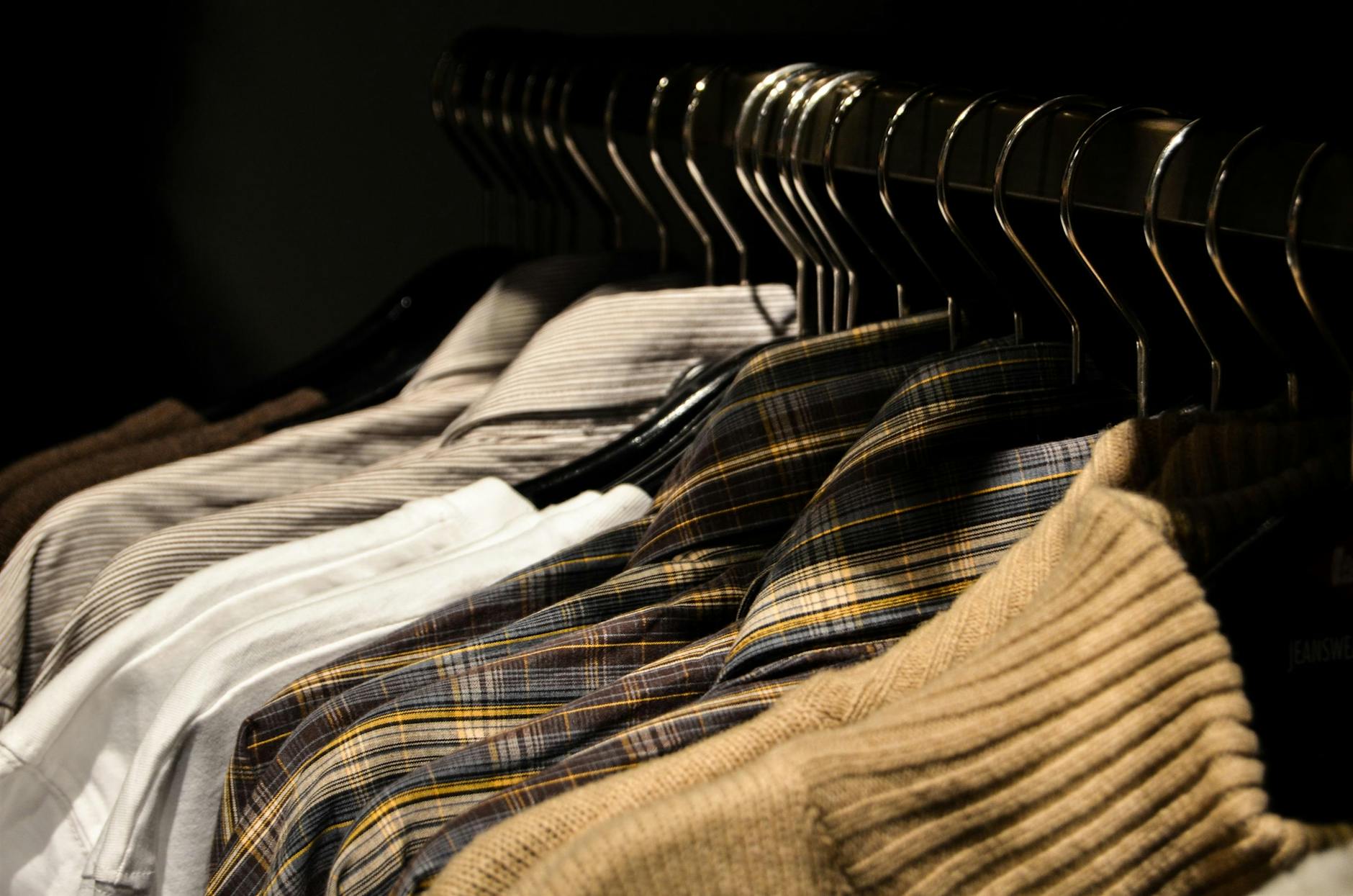
Once clothes are sorted by type and color you can refine the order by pattern. Group stripes with stripes and florals with florals within their color categories. This micro-level of organization appeals to those who want a boutique aesthetic. It helps in visualizing how different patterns might clash or complement each other.
Kids Labels
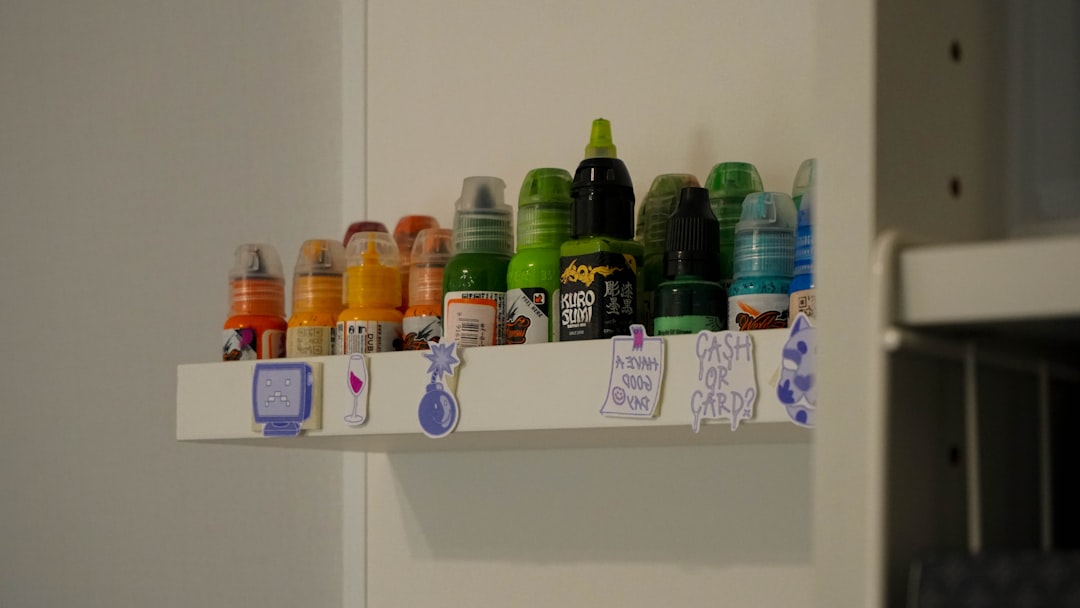
Children need visual cues to help them maintain an organized closet system. Use picture labels on bins and drawers to show where socks or toys belong. This empowers children to dress themselves and put away their own laundry. Visual labels grow with the child until they can read text-based tags.
Back-of-Door Pockets
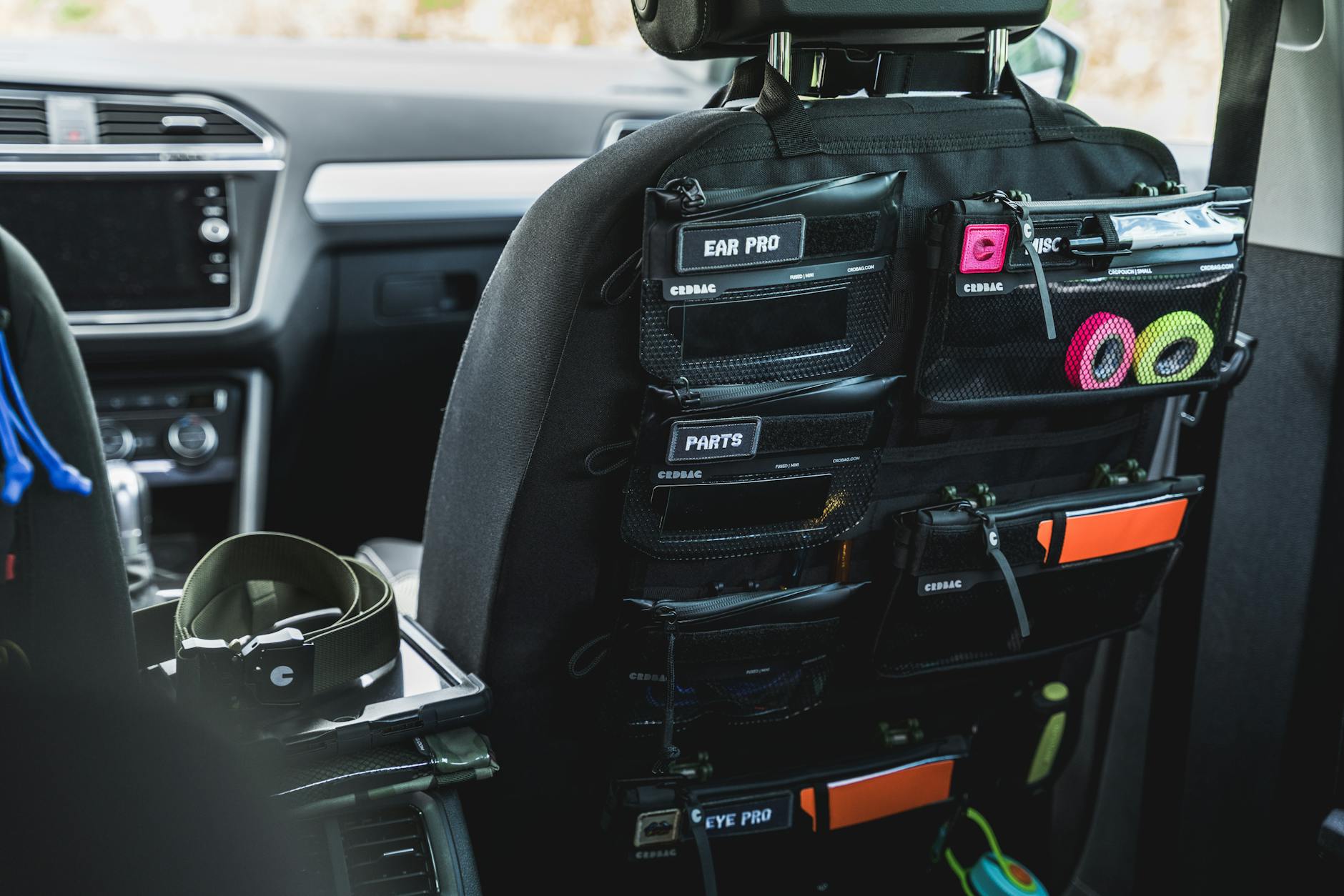
Clear pocket organizers hanging on a door are versatile storage powerhouses. They can hold anything from shoes and jewelry to scarves and rolled belts. The clear plastic allows you to see exactly where small items are located. This system utilizes vertical space that otherwise serves no functional purpose.
Suitcase Nesting
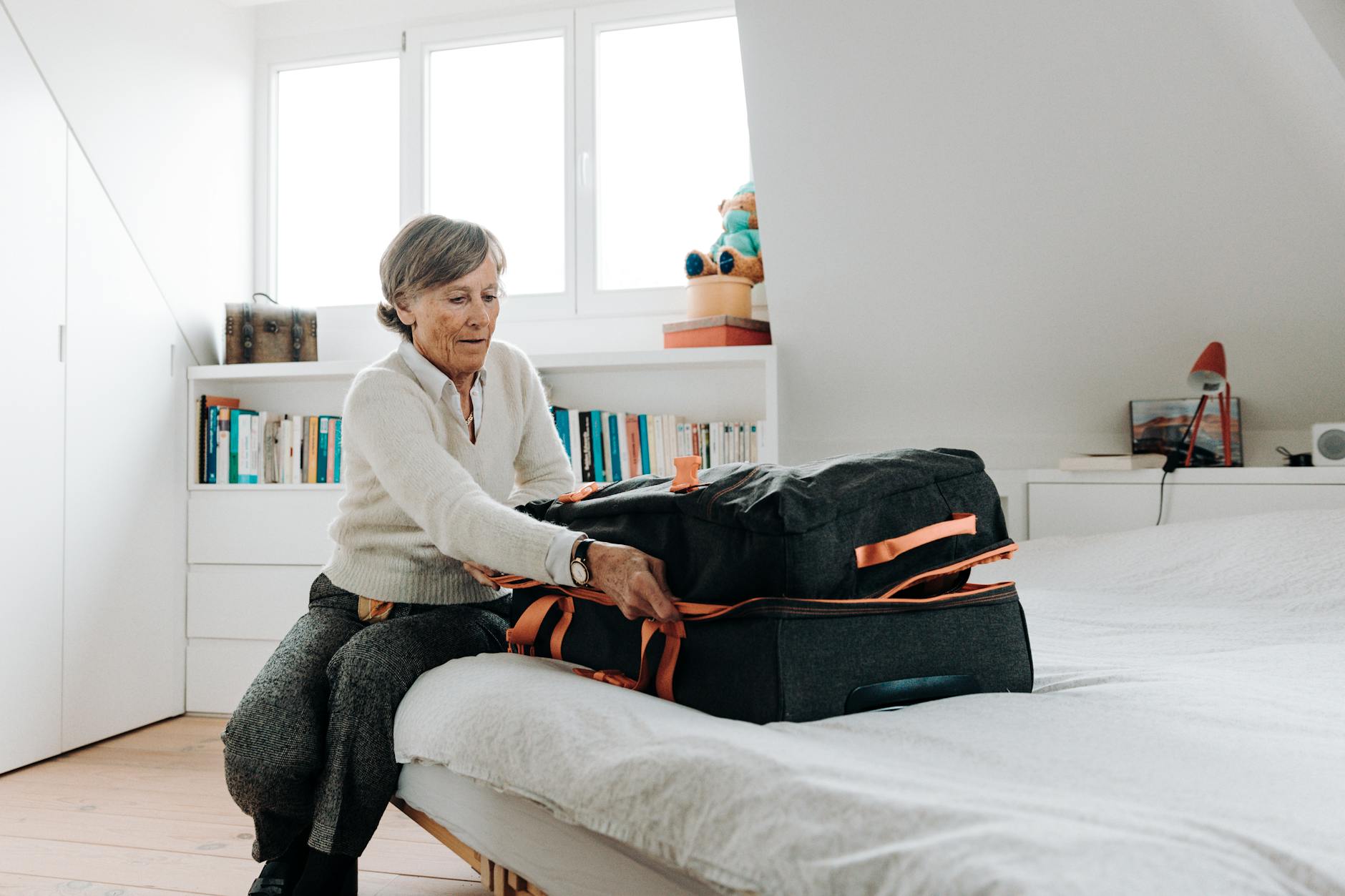
Luggage takes up a significant volume of space and is used infrequently. Store smaller carry-on bags inside larger checked-bag suitcases to save room. This nesting doll technique can reduce the storage footprint of three bags down to one. It keeps all travel gear in one location and ready for your next trip.
Maintenance Schedule

Even the best systems fall apart without regular attention and maintenance. Set a reminder every season to review the closet and tidy up any wayward piles. Re-fold items that have become messy and purge anything that is damaged or unwanted. A quarterly reset prevents the task from becoming overwhelming and unmanageable.
One In One Out Rule
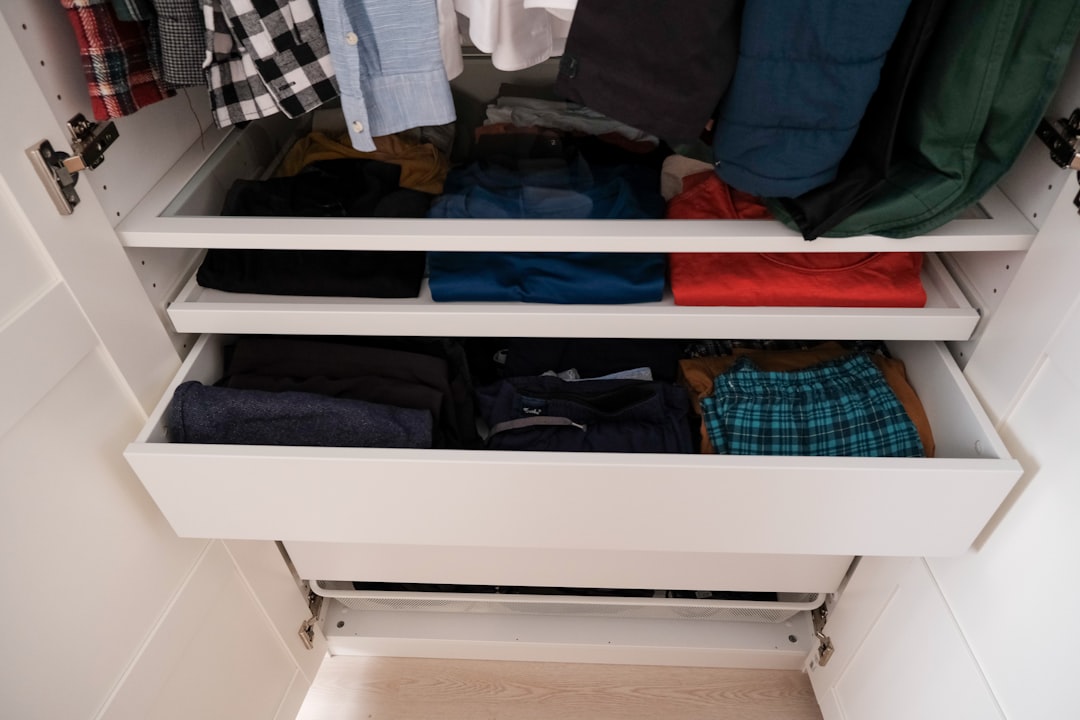
The most effective way to prevent clutter is to limit the total volume of items. Adopt a rule that for every new item you buy you must donate or discard one old item. This forces you to be intentional about new purchases and keeps inventory stable. It ensures that your closet organization system never exceeds its physical capacity.
We would love to hear which of these organization tips you plan to try first so please share your thoughts in the comments.