The human brain requires a constant supply of specific nutrients to maintain cognitive health and peak performance throughout the day. Dietary choices directly impact memory retention and focus while also protecting neurological structures from oxidative stress over time. Incorporating a variety of whole foods ensures that the brain receives essential fatty acids and antioxidants necessary for efficient neurotransmitter signaling. This comprehensive guide highlights the most effective nutritional powerhouses for long term mental clarity.
Blueberries

These small berries contain high concentrations of anthocyanins which have been shown to improve communication between brain cells. Regular consumption supports cognitive function by protecting the brain from oxidative damage caused by free radicals. They are particularly effective at delaying short term memory loss and improving learning capacity in older adults. Adding a handful to a morning meal provides a significant boost of protective compounds for the nervous system.
Fatty Fish

Salmon and trout are rich sources of omega 3 fatty acids which are essential building blocks for brain and nerve cells. These fats are crucial for learning and memory because they help build the membranes that surround every cell in the body. High levels of these nutrients are associated with increased blood flow in the brain and improved cognitive performance. Consuming oily fish twice a week provides the necessary lipids to maintain structural integrity within the brain.
Turmeric

Curcumin is the active ingredient in this yellow spice and has been found to cross the blood brain barrier to provide direct benefits. It acts as a potent anti inflammatory and antioxidant compound that supports the growth of new brain cells. Regular intake may help clear amyloid plaques which are a hallmark of certain neurodegenerative conditions. Mixing this spice into soups or teas allows the body to absorb its neuroprotective properties efficiently.
Broccoli
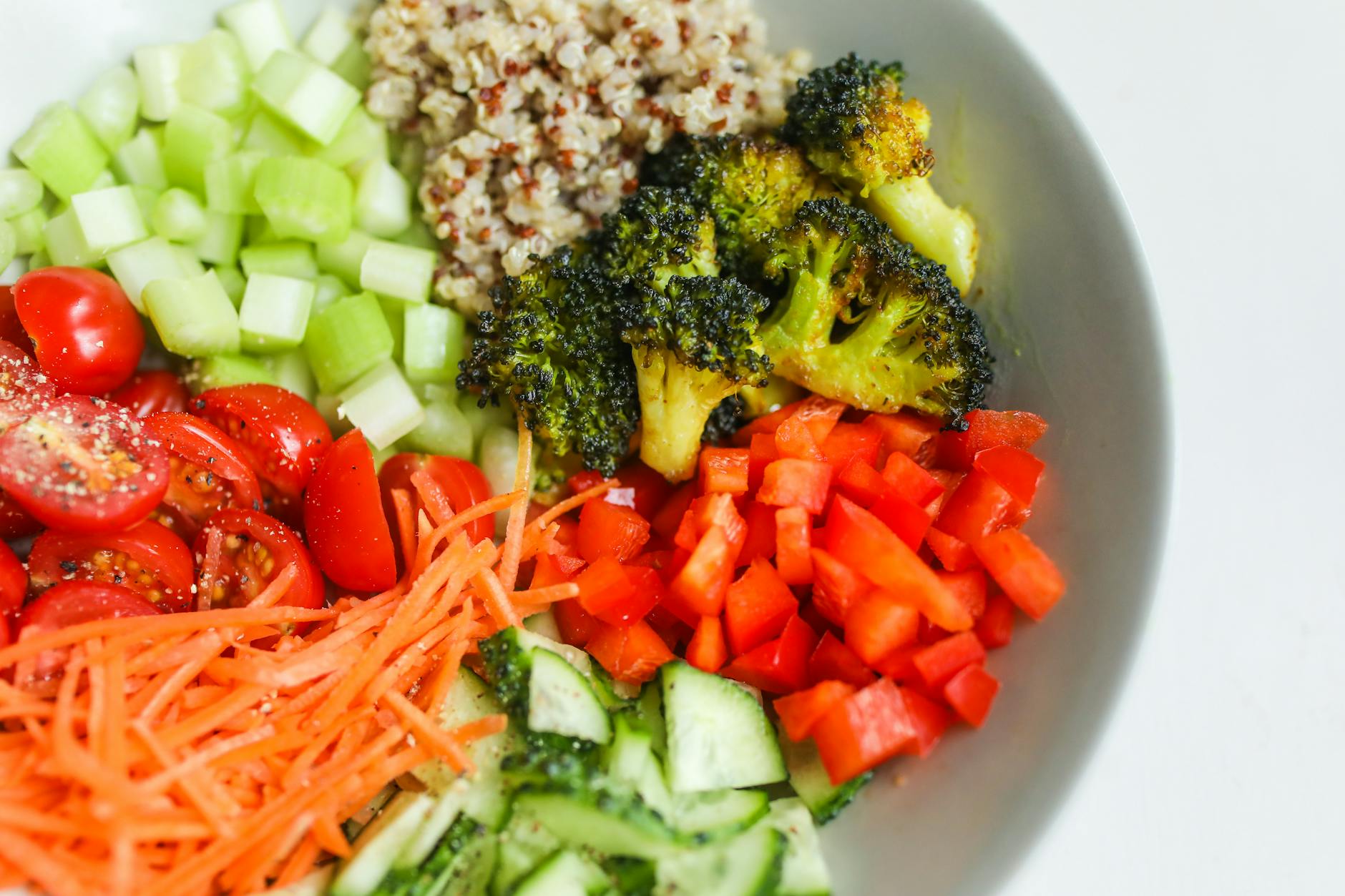
This cruciferous vegetable is packed with powerful plant compounds including high levels of vitamin K which is essential for forming sphingolipids. These specialized fats are densely packed into brain cells and contribute to healthy cognitive function and better memory. Broccoli also contains glucosinolates which slow the breakdown of the neurotransmitter acetylcholine needed for the central nervous system to perform properly. High fiber content and vitamin C further support overall vascular health which is vital for brain oxygenation.
Pumpkin Seeds
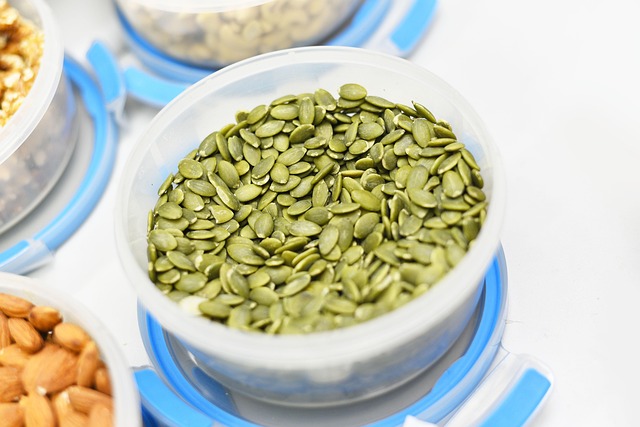
These seeds are an excellent source of magnesium and zinc along with iron and copper which all play vital roles in nerve signaling. Magnesium is specifically important for learning and memory while zinc is crucial for maintaining efficient communication between neurons. Copper helps control nerve signals and iron deficiency is often characterized by brain fog and impaired cognitive function. A small serving provides a concentrated dose of these minerals to support daily mental stamina.
Dark Chocolate

The flavonoids found in cocoa gather in the areas of the brain that deal with learning and memory to enhance cognitive performance. These compounds may improve blood flow to the brain and help protect neurons from age related decline. Dark chocolate with at least seventy percent cocoa content provides the most significant concentration of these beneficial plant chemicals. Small amounts of caffeine and theobromine also provide a gentle short term boost in alertness and mood.
Walnuts
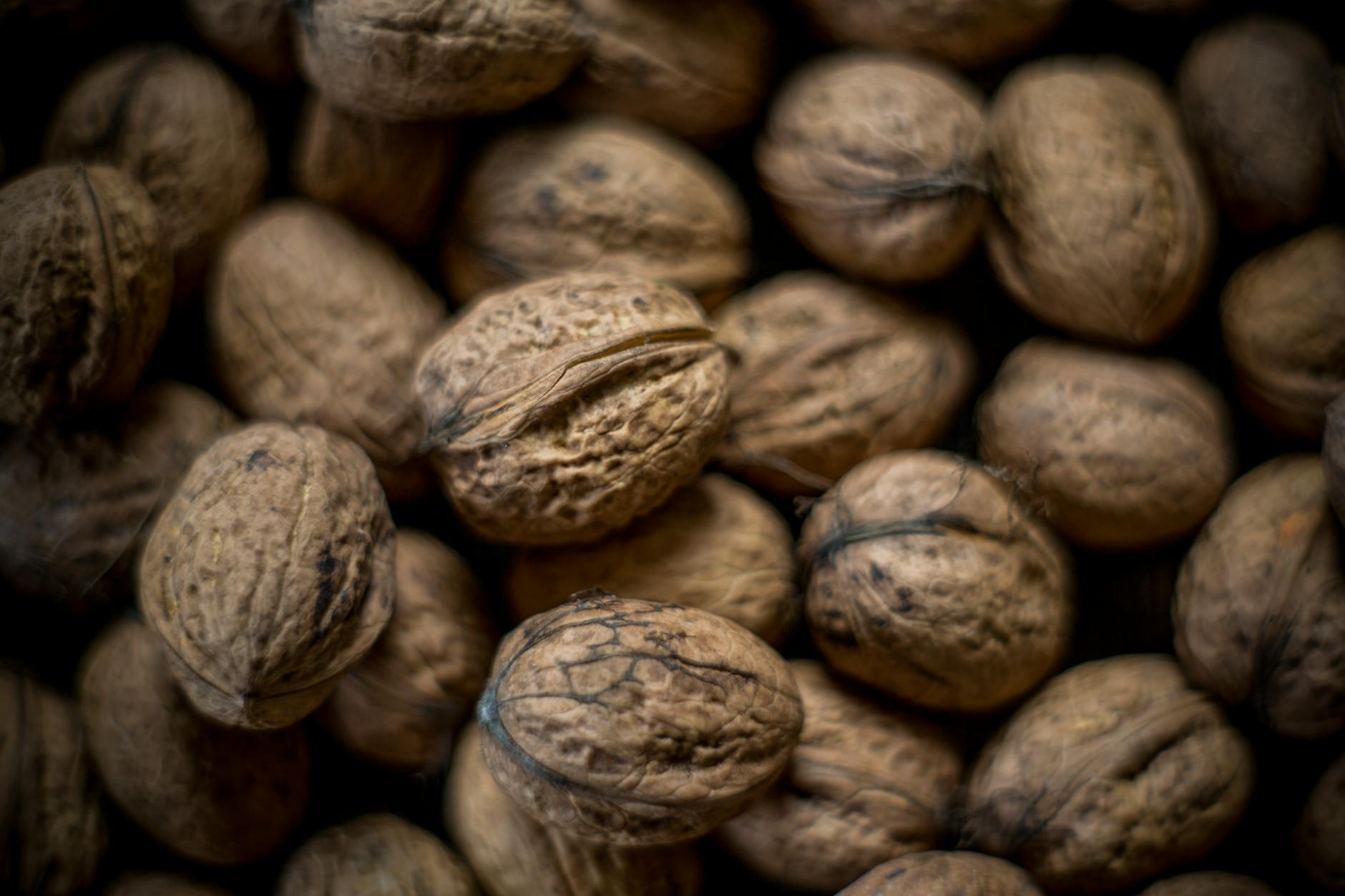
Among all types of nuts walnuts are particularly beneficial for brain health because they contain a high concentration of DHA which is a type of omega 3 fatty acid. DHA has been shown to protect brain health in newborns and improve cognitive performance in adults while preventing age related cognitive decline. These nuts also provide a healthy dose of vitamin E which shields cell membranes from free radical damage. Eating a few walnuts daily can significantly contribute to long term neurological resilience.
Eggs

Eggs are a rich source of several vitamins tied to brain health including vitamins B6 and B12 and folate and choline. Choline is an important micronutrient that the body uses to create acetylcholine which is a neurotransmitter that helps regulate mood and memory. The yolk contains most of these nutrients so consuming the whole egg is necessary to gain the full cognitive benefits. Regular consumption supports the structural integrity of brain cell membranes and aids in effective communication between cells.
Avocados

This fruit is a source of healthful unsaturated fat that supports the brain by reducing high blood pressure which is a risk factor for cognitive decline. The monounsaturated fats in avocados help to maintain healthy blood flow which is essential for providing the brain with oxygen and nutrients. They also contain vitamin K and folate which help improve cognitive functions such as memory and concentration. Incorporating avocados into a balanced diet promotes a healthy environment for neural pathways to thrive.
Oranges
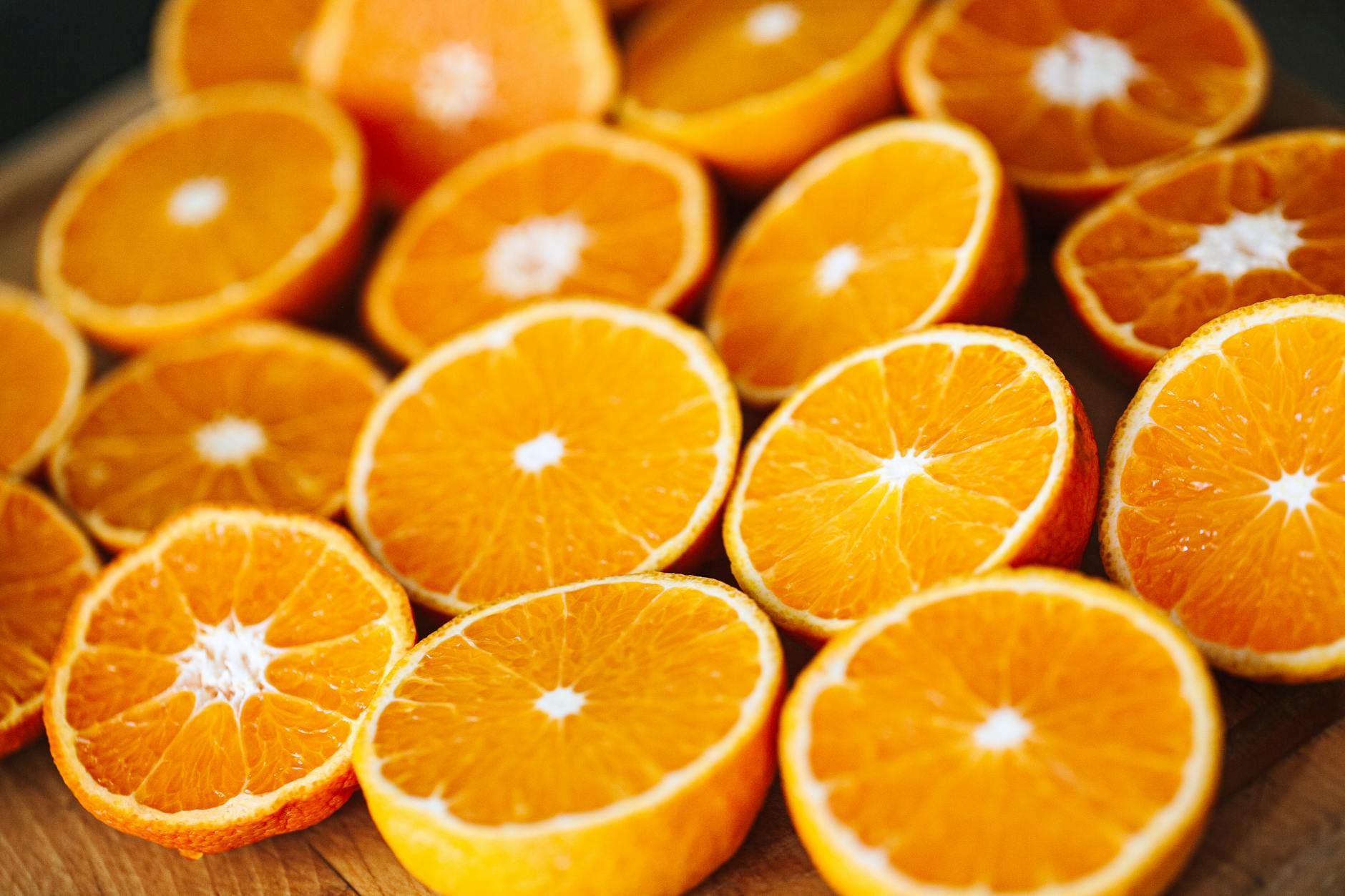
A single medium orange provides almost all the vitamin C needed for an entire day which is key for preventing mental decline. High levels of vitamin C are associated with improvements in tasks involving focus and memory and decision speed. This antioxidant acts as a shield against the damage that can affect brain cells as people age. Maintaining adequate levels of this vitamin through citrus fruits is a simple way to support neurological health.
Kale
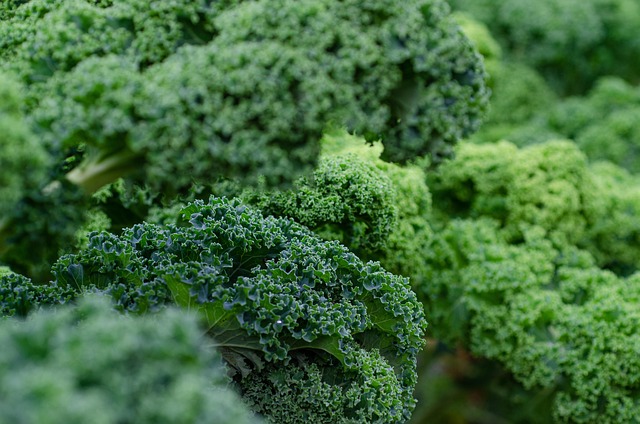
Leafy greens like kale are loaded with nutrients that stay the course against cognitive decline including vitamin K and lutein and beta carotene. These nutrients work together to keep the brain sharp and may help slow the natural aging process of the mind. Research suggests that people who eat one to two servings of leafy greens daily have the cognitive skills of someone eleven years younger. Adding kale to salads or smoothies provides a dense nutritional foundation for sustained mental energy.
Green Tea

The caffeine in green tea boosts brain function by increasing alertness and focus while the amino acid L theanine promotes relaxation without drowsiness. This combination creates a state of calm multitasking ability that is often more stable than the energy provided by coffee. Green tea is also rich in polyphenols and antioxidants that may protect the brain from mental decline and reduce the risk of neurodegenerative diseases. Regular consumption supports both immediate cognitive tasks and long term brain maintenance.
Almonds
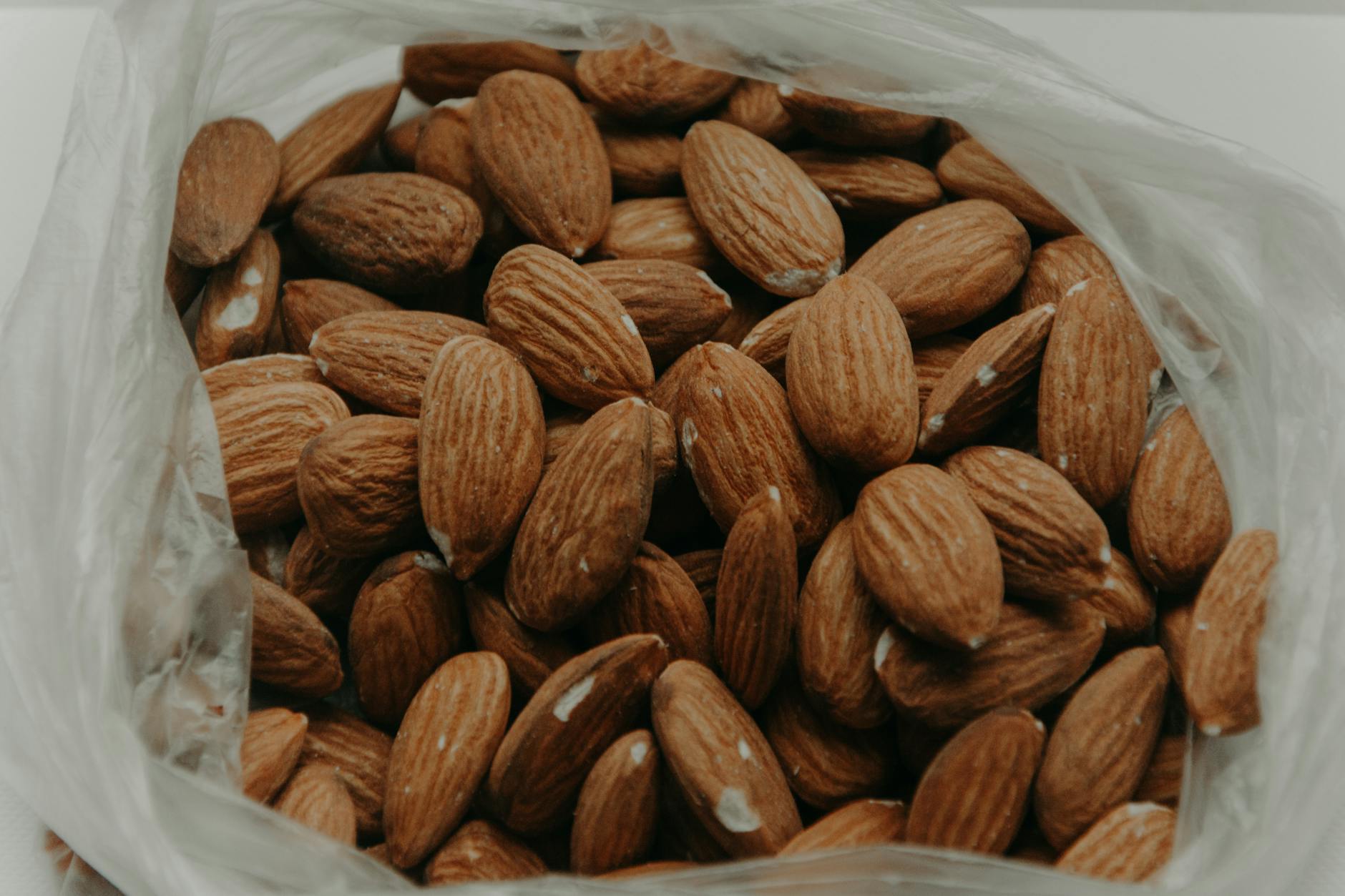
Almonds are high in vitamin E which is known to preserve memory and improve cognitive function as the brain ages. This fat soluble antioxidant helps to prevent oxidative stress in the brain by neutralizing harmful molecules. They also contain healthy fats and fiber that help stabilize blood sugar levels which prevents the energy crashes that lead to brain fog. A handful of almonds serves as a convenient snack for maintaining steady concentration throughout the afternoon.
Soy Products

Soy foods like tofu and tempeh are rich in a particular group of antioxidants called isoflavones which may improve memory and executive function. These compounds interact with receptors in the brain to provide neuroprotective effects against age related changes. Soy also contains high levels of protein and essential amino acids that are necessary for the production of neurotransmitters. Including soy based proteins in a rotation of meals offers a plant based way to support cognitive health.
Spinach

This leafy green is another excellent source of folate and vitamin K which are both linked to slower cognitive decline. Spinach contains high amounts of lutein which is an antioxidant that helps protect the brain from oxidative damage and inflammation. The nitrates found in spinach also help increase blood flow to the brain which improves overall performance and mental agility. Whether raw or cooked this vegetable is a versatile addition to a brain healthy dietary pattern.
Peanuts
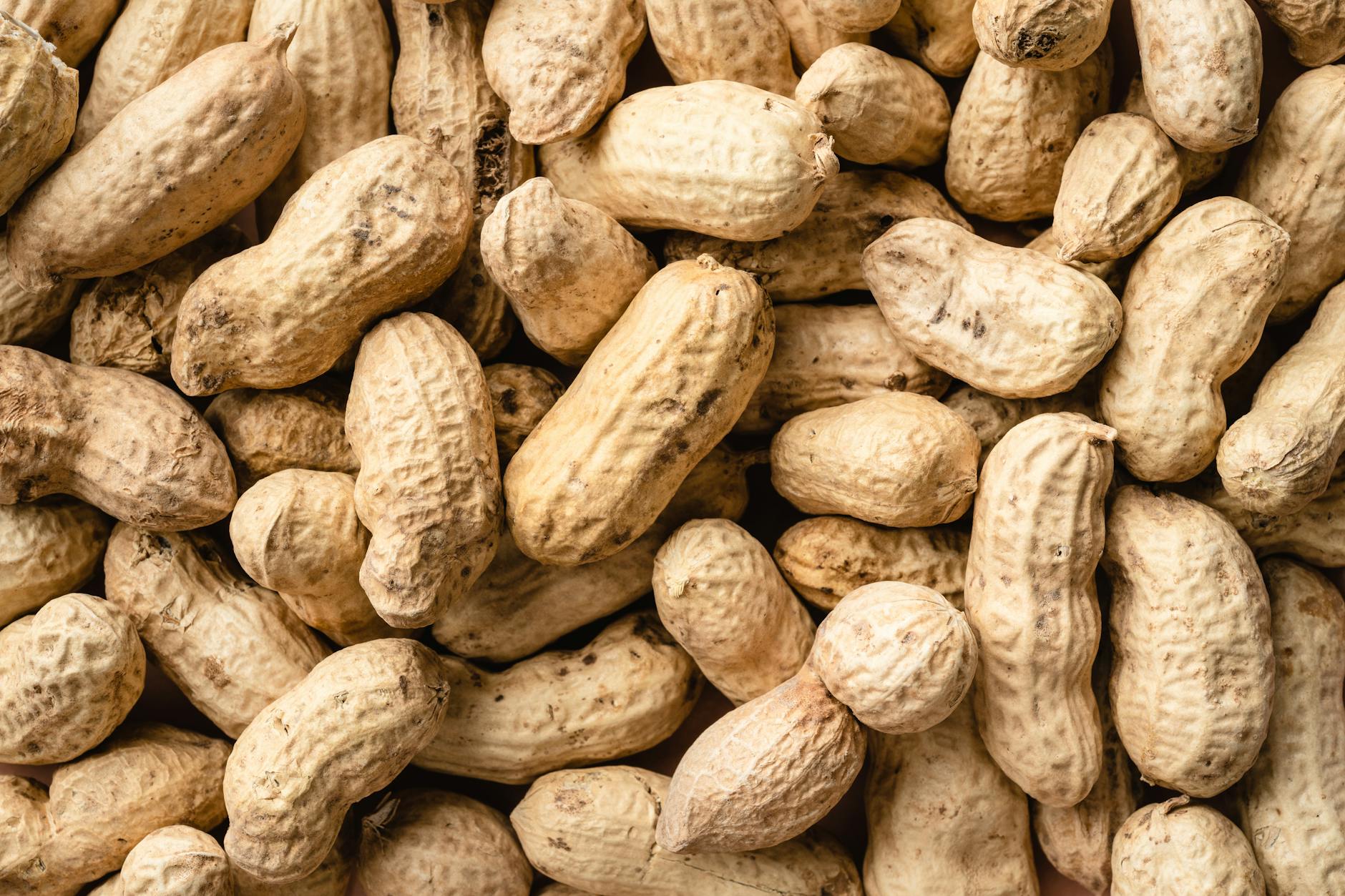
Although technically legumes peanuts provide high levels of niacin and vitamin E which are both important for neurological health. Niacin is a B vitamin that plays a role in the repair of DNA and the health of the nervous system. Peanuts also contain resveratrol which is a non flavonoid antioxidant that has been linked to protective effects against cognitive impairment. Small portions of peanuts or natural peanut butter can help maintain the health of brain cells over time.
Whole Grains

The brain cannot function without a steady supply of energy in the form of glucose which whole grains provide through a slow release mechanism. Grains like brown rice and oatmeal have a low glycemic index which means they release energy slowly into the bloodstream. This helps to keep the mind alert and focused throughout the day rather than causing sharp peaks and valleys in energy. Choosing whole grains over refined carbohydrates ensures a consistent fuel source for all cognitive processes.
Tomatoes

Tomatoes are a great source of lycopene which is a powerful antioxidant that protects against the kind of free radical damage to cells that occurs in the development of dementia. Lycopene is most easily absorbed by the body when tomatoes are cooked or processed with a small amount of healthy fat. This nutrient helps regulate genes that influence cell growth and inflammation within the brain. Including tomatoes in sauces or salads contributes to the overall defense system of the nervous system.
Coffee

The two main components in coffee which are caffeine and antioxidants help support brain health by increasing alertness and mood. Caffeine keeps the brain alert by blocking adenosine which is a chemical messenger that makes the body feel sleepy. Long term consumption of coffee is also linked to a reduced risk of neurological diseases due to its high concentration of polyphenols. Enjoying a moderate amount of coffee each day can enhance concentration and provide a temporary boost to problem solving skills.
Sage

This herb has a long standing reputation for improving memory and many studies suggest it may increase cognitive performance in healthy adults. Sage works by preventing the breakdown of acetylcholine which is a chemical messenger crucial for memory and attention. It can be easily added to roasted vegetables or used as a seasoning for proteins to gain these benefits. Including fresh or dried sage in cooking is an aromatic way to support mental acuity.
Rosemary

The scent of rosemary alone has been linked to improved memory performance and increased alertness in various studies. This herb contains carnosic acid which helps protect the brain from the damaging effects of free radicals and neurodegeneration. Using rosemary oil in the kitchen or incorporating the herb into savory dishes provides both sensory and nutritional benefits. It is an effective botanical addition for anyone looking to support their cognitive health through natural means.
Beets

Beets are high in natural nitrates which help to dilate blood vessels and increase blood flow and oxygen to the brain. Improved circulation is particularly beneficial in the frontal lobes which are associated with executive functioning and working memory. These root vegetables also contain antioxidants that help reduce inflammation throughout the body including the central nervous system. Drinking beet juice or eating roasted beets can help maintain peak mental performance during demanding tasks.
Lentils

As a source of complex carbohydrates and fiber lentils provide a steady stream of glucose to the brain for sustained energy. They are also packed with folate which is a B vitamin that helps lower levels of homocysteine in the blood. High levels of homocysteine are associated with impaired brain function and a higher risk of cognitive decline. Lentils offer a plant based protein option that supports both heart health and neurological stability.
Pumpkin
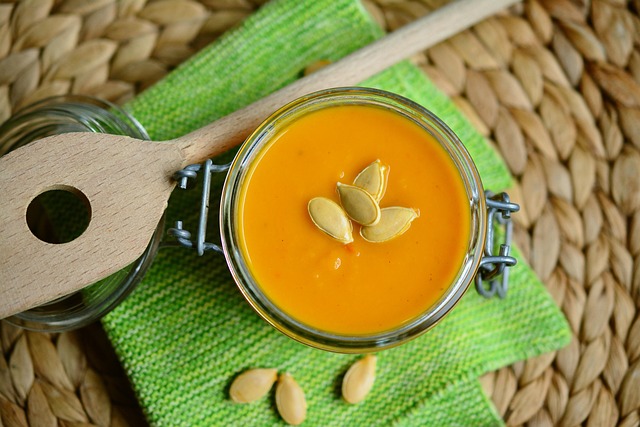
The bright orange flesh of pumpkins is loaded with beta carotene which the body converts into vitamin A for better cognitive function. Pumpkins also provide a significant amount of fiber which helps regulate blood sugar and maintains a steady supply of energy to the brain. The seeds are well known for their mineral content but the flesh itself is a versatile source of antioxidants. Using pumpkin in soups or baked goods is an easy way to incorporate brain boosting nutrients during the autumn months.
Sunflower Seeds
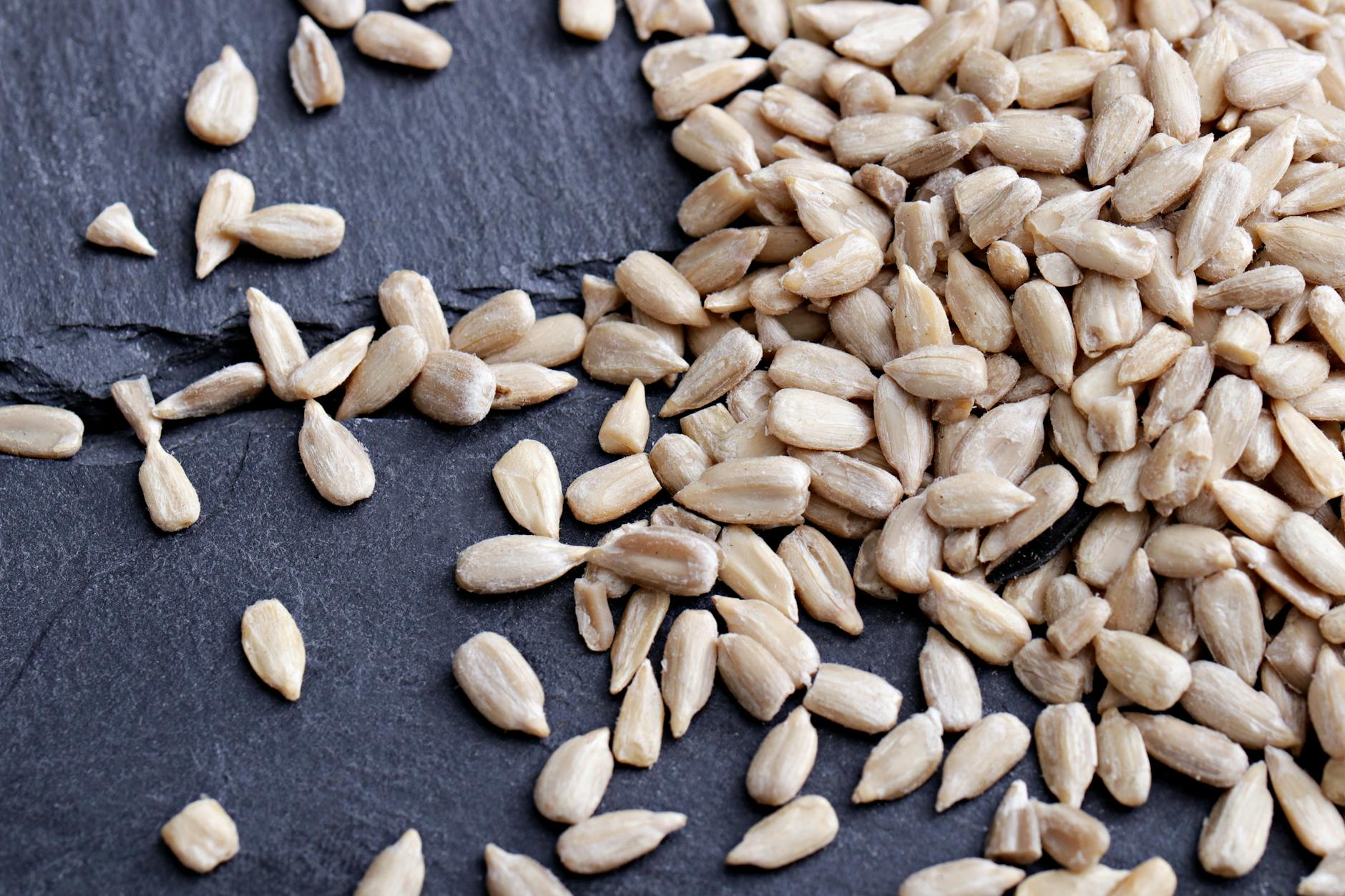
These seeds are an excellent source of vitamin E and selenium which both help protect brain cells from oxidative stress. Vitamin E is particularly important for maintaining the health of cell membranes and preventing age related cognitive issues. Sunflower seeds also contain choline which is a precursor to the neurotransmitter responsible for memory and mood regulation. Snacking on these seeds provides a dense package of minerals and vitamins that support overall brain vitality.
Red Wine

In moderation red wine contains resveratrol which is a compound that may protect the brain from damage and improve memory. This antioxidant is found in the skin of red grapes and has been studied for its ability to reduce inflammation in the neural pathways. It is important to note that the benefits are only associated with low to moderate consumption as excessive alcohol has the opposite effect. A small glass of red wine can be part of a diet that supports cardiovascular and neurological health.
Blackberries

Like their blueberry relatives blackberries are high in manganese and vitamin C as well as various polyphenols. These compounds help to improve brain health by increasing the plasticity of neurons and improving communication between cells. The antioxidants in blackberries also help to reduce inflammation which can lead to better cognitive processing and memory retention. Adding these berries to yogurt or cereal is a simple way to boost daily antioxidant intake.
Chickpeas
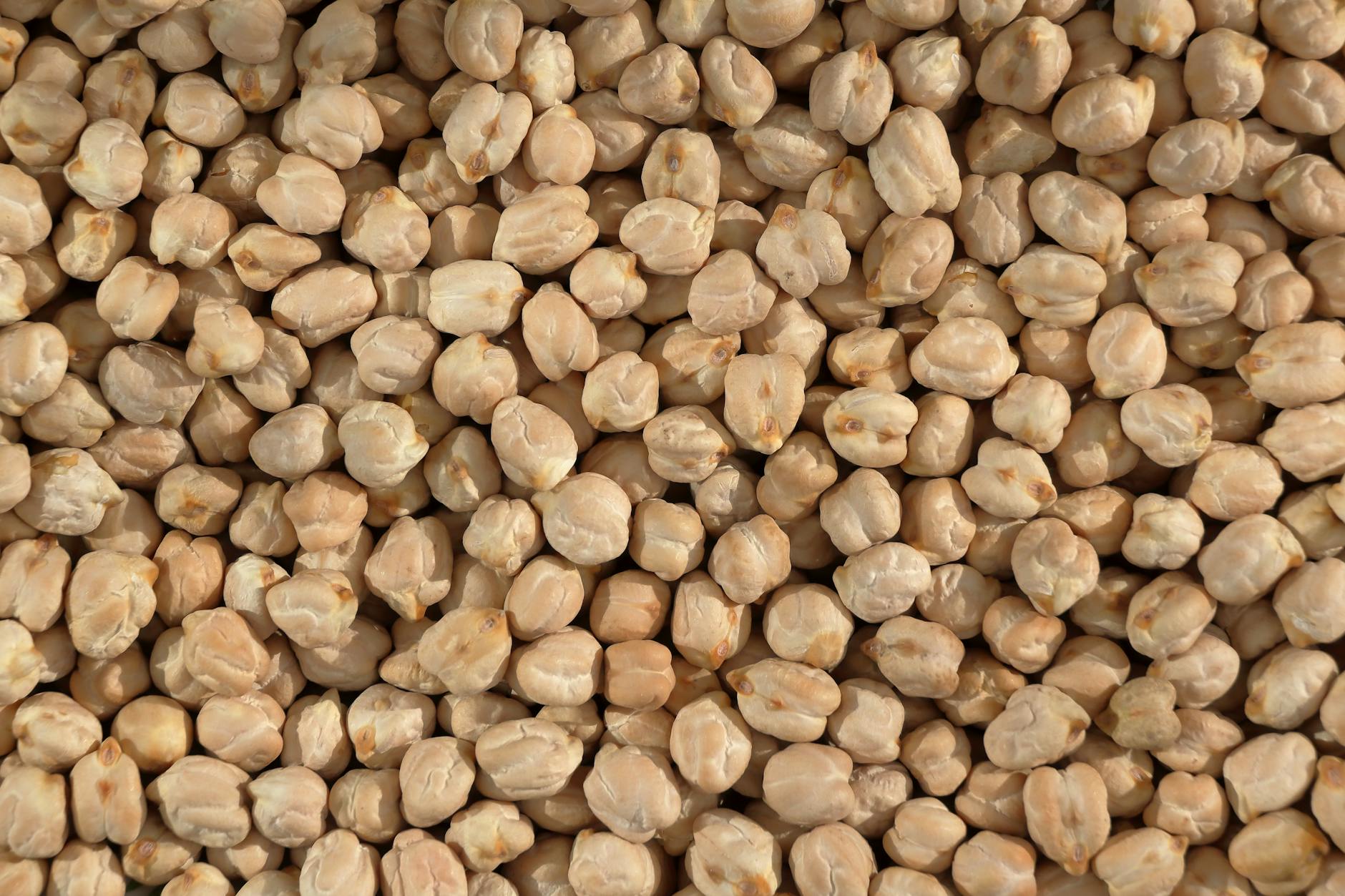
Chickpeas are an excellent source of magnesium which helps the brain function by speeding up the transmission of nerve impulses. They also provide a steady supply of fiber and protein which keeps blood sugar levels stable and prevents cognitive fatigue. This legume is a staple of the Mediterranean diet which is widely recognized as one of the best eating patterns for brain health. Using chickpeas in salads or as hummus provides essential nutrients for maintaining mental focus.
Asparagus

This spring vegetable is high in folate and fiber which are both important for maintaining a healthy nervous system. Folate works with vitamin B12 to help prevent cognitive impairment and preserve the integrity of brain tissue. Asparagus also contains a variety of antioxidants that help to protect the brain from oxidative stress and inflammation. Including asparagus in a weekly meal plan provides a refined source of vitamins that support long term mental health.
Strawberries

Strawberries are rich in fisetin which is a flavonoid that has been shown to improve memory and protect against age related decline. They also provide a significant amount of vitamin C and other antioxidants that support the health of blood vessels in the brain. Regular consumption of these berries can help keep neural pathways clear and functioning at an optimal level. The high water content in strawberries also aids in overall hydration which is essential for clear thinking.
Chia Seeds
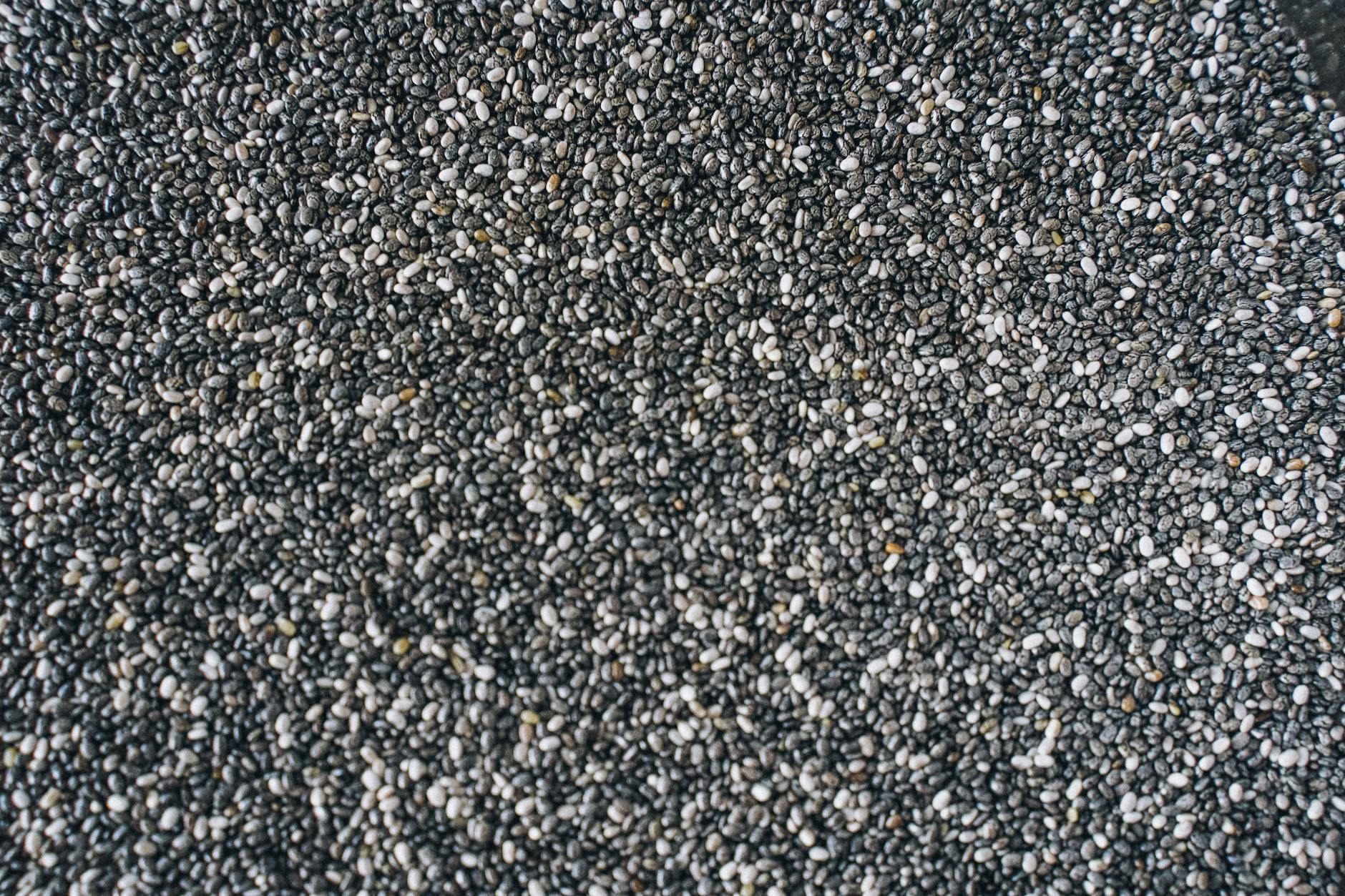
These tiny seeds are a powerhouse of omega 3 fatty acids and fiber and antioxidants which all contribute to brain health. The alpha linolenic acid in chia seeds helps to reduce inflammation in the brain and supports healthy communication between cells. They can absorb many times their weight in water which helps keep the body and brain hydrated for longer periods. Adding chia seeds to puddings or smoothies is an efficient way to increase the intake of brain supporting fats.
Quinoa

Quinoa is a complete protein that provides all nine essential amino acids which are necessary for the production of neurotransmitters. It is also a complex carbohydrate with a low glycemic index providing the brain with a steady and reliable source of energy. The high levels of iron and magnesium in quinoa support oxygen transport and nerve function throughout the body. Using quinoa as a base for meals helps maintain the energy levels required for complex cognitive tasks.
Celery

Celery is a rich source of luteolin which is a plant compound that may reduce inflammation in the brain. This compound is particularly effective at protecting against the type of neuroinflammation that can lead to memory loss. The high water and mineral content of celery also help to maintain proper hydration and electrolyte balance for optimal nerve signaling. Including celery in snacks or juices provides a crisp and refreshing way to support neurological health.
Cherries

Tart cherries are known for their high levels of anthocyanins and other flavonoids that have powerful anti inflammatory effects. These compounds can help improve memory and cognitive function by protecting the brain from oxidative stress and improving blood flow. Cherries also contain small amounts of melatonin which can help regulate sleep patterns for better brain recovery. Incorporating cherries into the diet provides a sweet way to support the repair and maintenance of brain cells.
Pomegranate

Pomegranates are packed with potent antioxidants that protect the brain from free radical damage and improve blood flow to the head. The unique polyphenols in this fruit have been shown to cross the blood brain barrier to provide neuroprotective benefits. Regular consumption of pomegranate juice or seeds may help enhance memory and protect against the effects of aging on the mind. This fruit offers a specialized set of nutrients that are highly effective at maintaining brain vitality.
Garlic
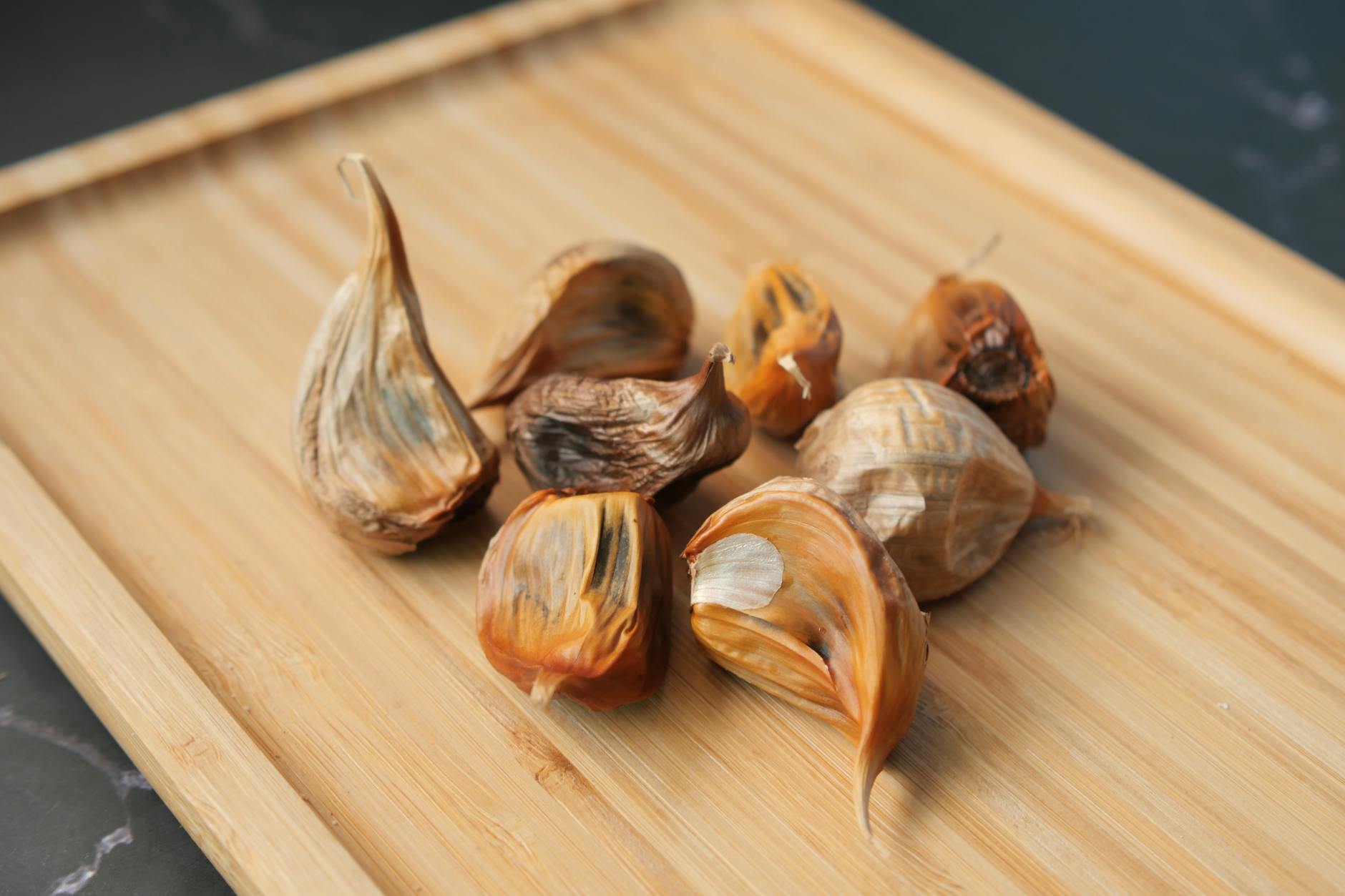
Garlic contains compounds like allicin that have been shown to improve blood flow and lower cholesterol which indirectly benefits brain health. Its potent antioxidant properties help to reduce inflammation and protect the brain from oxidative damage over time. Some studies suggest that garlic extracts may help prevent cognitive decline by supporting the health of neurons. Adding fresh garlic to savory dishes is a flavorful way to incorporate these protective benefits into a daily routine.
Ginger

Ginger has long been used for its anti inflammatory properties which can help protect the brain from the effects of chronic inflammation. It contains compounds that may enhance cognitive function and improve reaction time in healthy adults. Ginger also supports digestive health which is increasingly linked to brain health through the gut brain axis. Using fresh ginger in teas or stir fries provides a spicy boost to both physical and mental well being.
Pecans

Pecans are one of the most antioxidant rich nuts and provide a high level of flavonoids and proanthocyanidins. These nutrients help to protect brain cells from damage and improve overall cognitive performance. They are also a good source of healthy fats and minerals like manganese which are essential for brain function. Including pecans in a balanced diet helps to shield the nervous system from the stressors of daily life.
Hemp Seeds
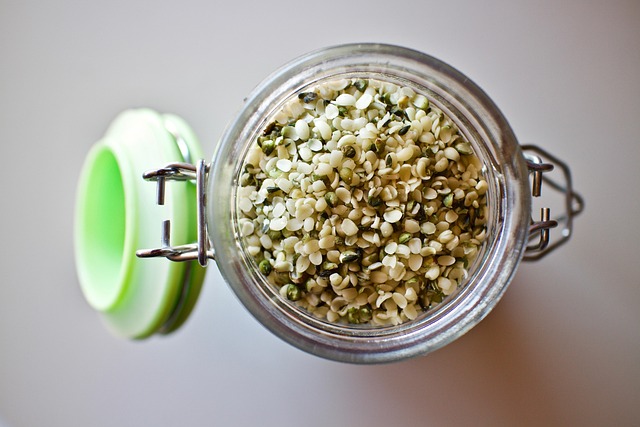
Hemp seeds are an excellent source of omega 3 and omega 6 fatty acids in an ideal ratio for human health. These fatty acids are essential for maintaining the structure of brain cell membranes and supporting efficient signaling. They also provide high quality plant protein and minerals like zinc and iron for sustained mental energy. Sprinkling hemp seeds on salads or oats is a simple way to fortify the diet with brain building nutrients.
Flaxseeds
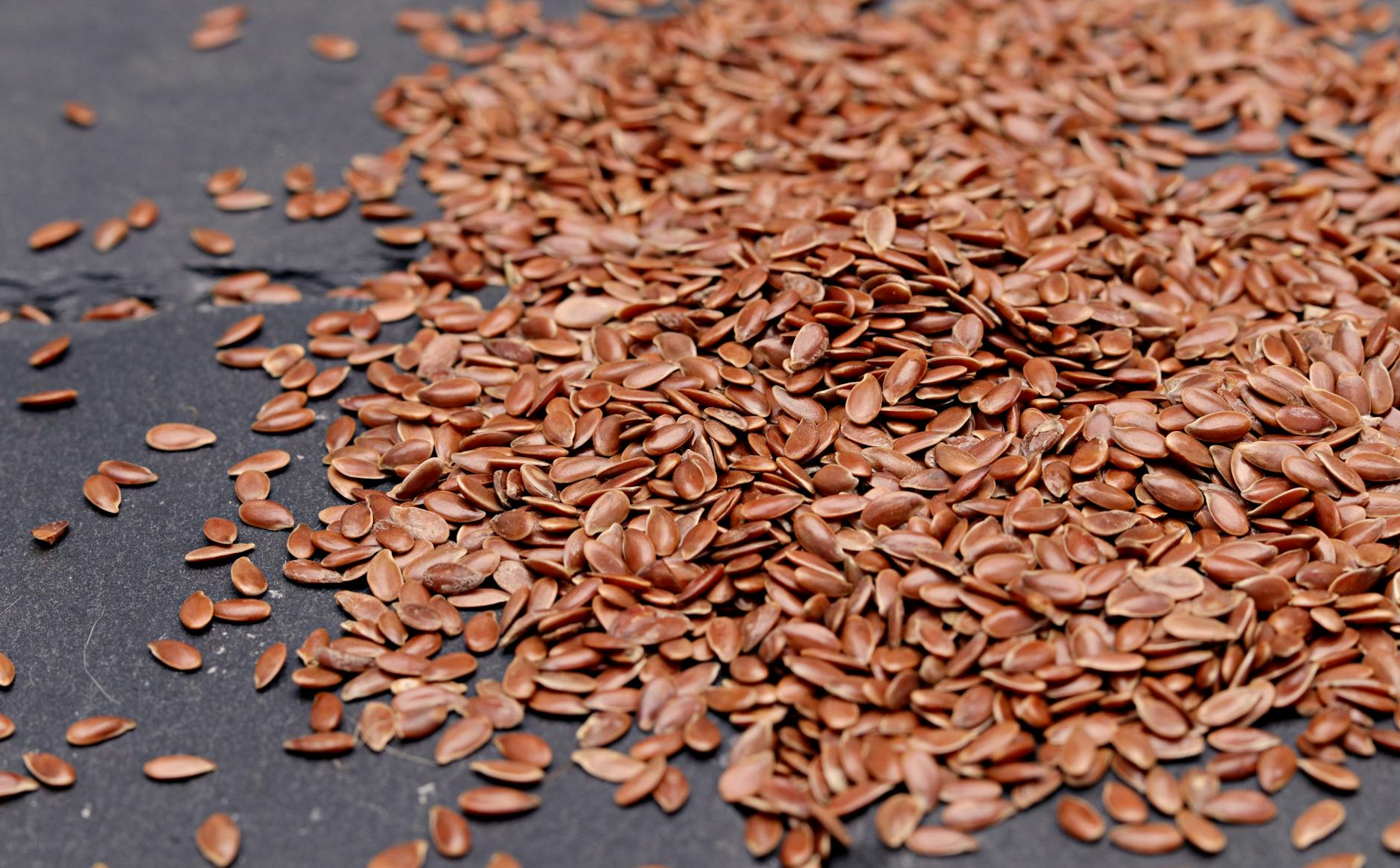
Flaxseeds are one of the richest plant sources of alpha linolenic acid which is a type of omega 3 fatty acid critical for brain health. These seeds help to reduce inflammation and promote healthy blood flow to the brain which enhances memory and focus. They must be ground before consumption to allow the body to absorb the beneficial oils effectively. Regular use of ground flaxseeds supports the long term structural health of the central nervous system.
Kidney Beans

Kidney beans are a great source of fiber and protein and complex carbohydrates that provide long lasting energy for the brain. They are also high in folate which helps to lower levels of homocysteine and supports cognitive function. These beans provide a range of minerals including iron and potassium which are necessary for healthy nerve activity. Using kidney beans in stews or salads is an affordable way to ensure a steady supply of brain fuel.
Red Bell Peppers

Red bell peppers contain even more vitamin C than many citrus fruits which makes them excellent for protecting brain cells from oxidative damage. They are also a source of vitamin B6 which is necessary for the production of neurotransmitters like serotonin and dopamine. These chemicals are essential for regulating mood and focus and overall mental clarity. Adding sliced peppers to meals provides a vibrant boost of essential vitamins for the mind.
Brussels Sprouts
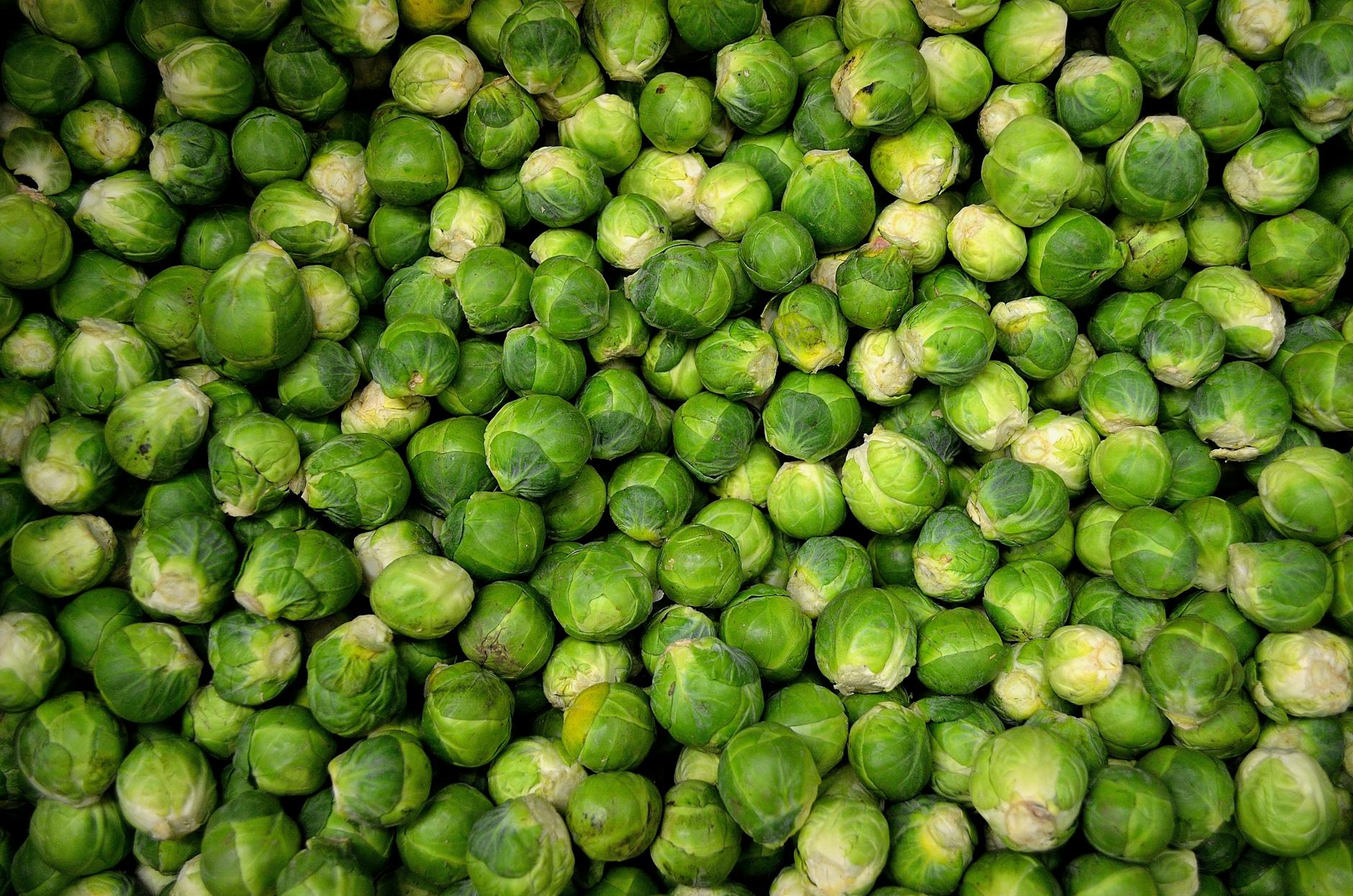
These small vegetables are packed with vitamin K and antioxidants that help protect the brain from oxidative stress. They contain sulfur compounds that support the body’s natural detoxification processes which can benefit the nervous system. Brussels sprouts also provide fiber and folate for steady energy and cognitive support throughout the day. Roasting these vegetables helps to bring out their flavor while preserving their many brain healthy nutrients.
Pineapple

Pineapple is a good source of vitamin C and manganese which are both important for maintaining a healthy and protected brain. Manganese is a mineral that plays a role in bone formation and blood clotting but it also helps with brain function and nerve signaling. The fruit also contains bromelain which is an enzyme that has anti inflammatory properties that may benefit the central nervous system. Enjoying fresh pineapple provides a tropical way to support daily cognitive performance.
Watermelon

Watermelon is highly hydrating and contains high levels of lycopene which is an antioxidant that protects the brain from cellular damage. Proper hydration is essential for maintaining concentration and preventing the headaches that can interfere with cognitive tasks. This fruit also contains citrulline which can help improve blood flow throughout the body and brain. Including watermelon in a summer diet is an effective way to stay sharp and refreshed.
Cashews
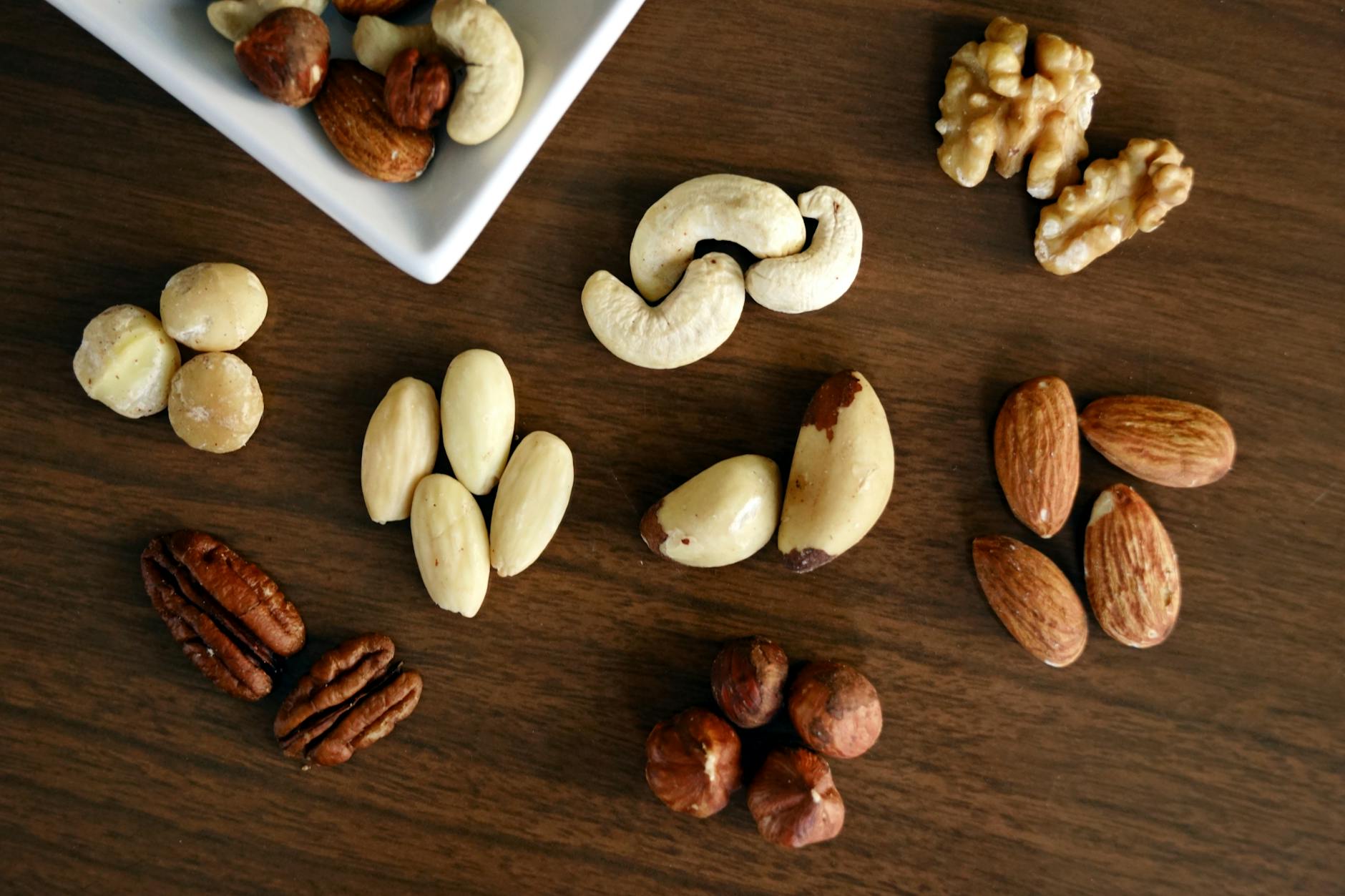
Cashews provide a good amount of magnesium which is a mineral that helps to regulate the nervous system and improve memory. They are also a source of healthy monounsaturated fats that support vascular health and blood flow to the brain. Cashews contain copper which is essential for energy production and the maintenance of healthy brain tissue. A small serving of cashews can help maintain the mineral balance necessary for peak mental activity.
Brown Rice
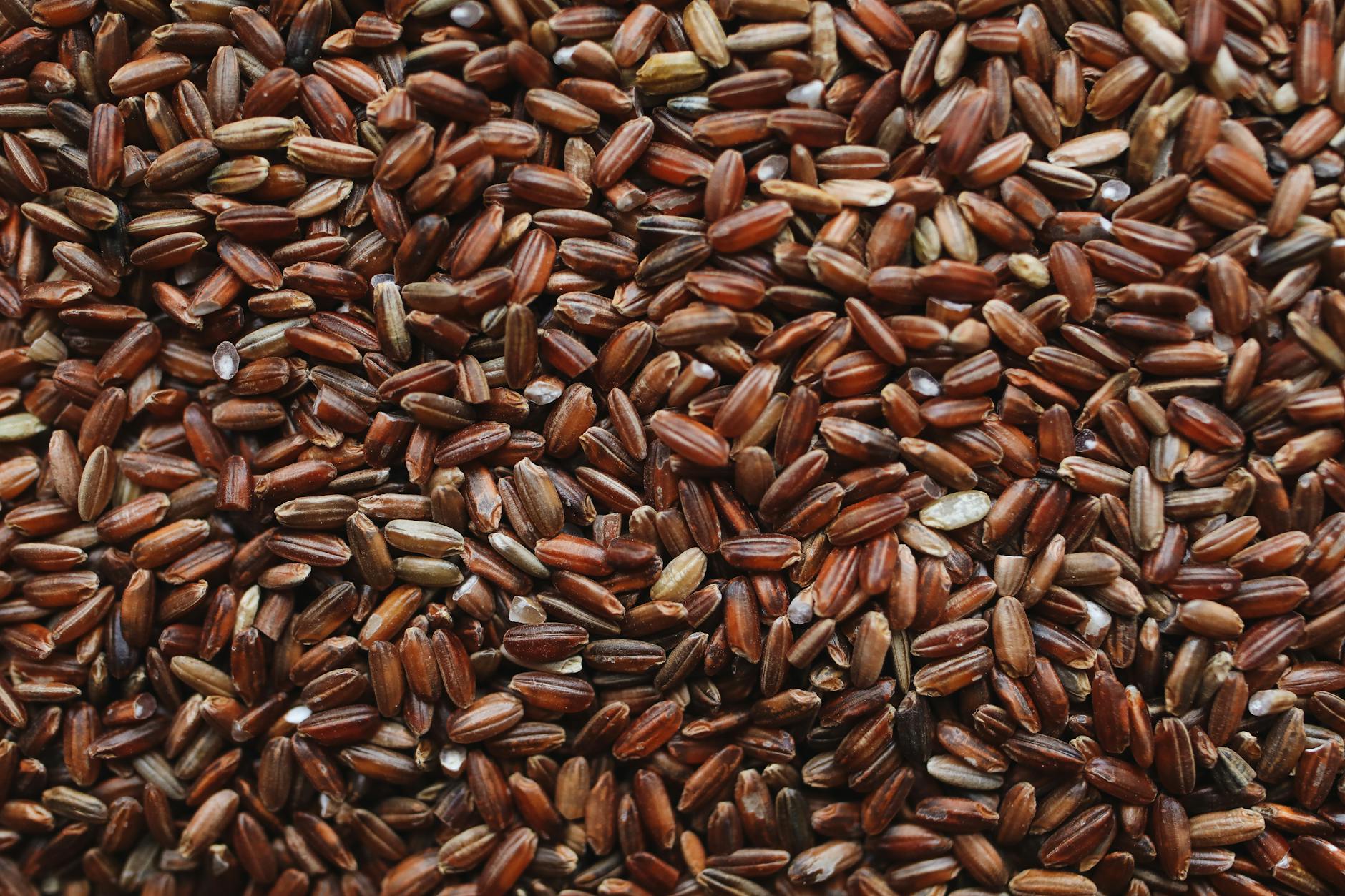
Brown rice is a whole grain that provides the brain with a slow and steady release of glucose for sustained mental energy. It is rich in B vitamins which are essential for many brain functions including energy production and DNA repair. The fiber in brown rice also helps to regulate blood sugar levels to prevent the spikes and crashes that affect focus. Choosing brown rice over white rice is a simple dietary shift that supports consistent cognitive performance.
Bone Broth

Bone broth is rich in amino acids like glycine and proline which help to support a healthy gut and reduce inflammation. Since the health of the gut is closely linked to the health of the brain through the gut brain axis these nutrients are highly beneficial. Bone broth also provides minerals that are easily absorbed and used for various neurological processes. Drinking warm bone broth is a soothing way to provide the body with the building blocks for a healthy mind.
Please share your favorite brain boosting snack or meal ideas in the comments.