Atherosclerosis occurs when plaque builds up in the arteries and restricts essential blood flow to the heart and other vital organs. Incorporating specific nutrient-dense foods into your daily diet serves as a powerful natural strategy to combat this dangerous accumulation. These ingredients work by lowering bad cholesterol levels or reducing inflammation and regulating blood pressure effectively. A heart-healthy diet creates a stronger cardiovascular system and promotes longevity without the need for immediate pharmaceutical intervention.
Garlic
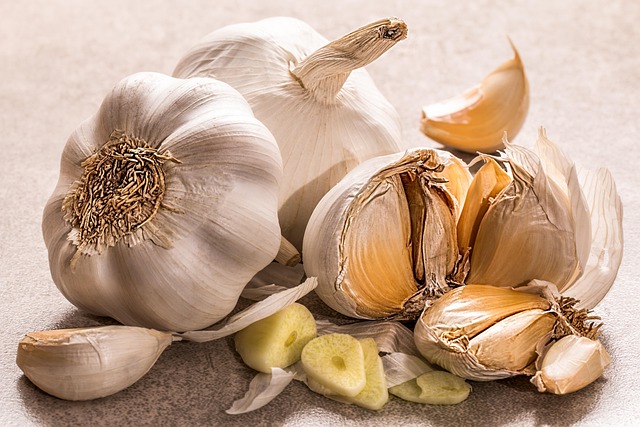
Garlic contains a powerful bioactive compound called allicin that works to reduce inflammation within the blood vessels. Regular consumption helps lower bad cholesterol levels and prevents blood platelets from sticking together to form clots. This pungent bulb naturally relaxes the arteries and allows blood to flow more freely throughout the body. Research suggests that aged garlic extract significantly reduces the buildup of soft plaque in the coronary arteries. Adding fresh or crushed garlic to savory meals provides the most potent cardiovascular benefits for long-term health.
Pomegranate
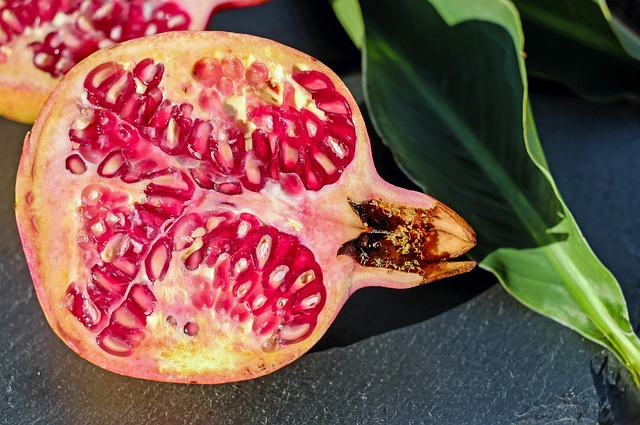
This vibrant fruit is rich in antioxidants that protect the delicate inner lining of the blood vessels from damage. Pomegranate juice stimulates the production of nitric oxide which keeps arteries open and blood flowing smoothly. The high concentration of polyphenols in the seeds helps reduce the thickness of arterial walls. drinking this juice daily may slow down or even reverse the buildup of cholesterol plaque. Its anti-inflammatory properties make it a top contender for maintaining a healthy cardiovascular system.
Salmon

Salmon is one of the best dietary sources of omega-3 fatty acids known to reduce triglycerides and inflammation. These healthy fats increase the levels of good cholesterol while helping to lower blood pressure. Consuming oily fish like salmon improves the elasticity of the arteries and prevents stiffness. Regular intake is linked to a significantly lower risk of developing heart disease or suffering a stroke. Wild-caught salmon generally offers a more favorable nutrient profile compared to farm-raised alternatives.
Turmeric
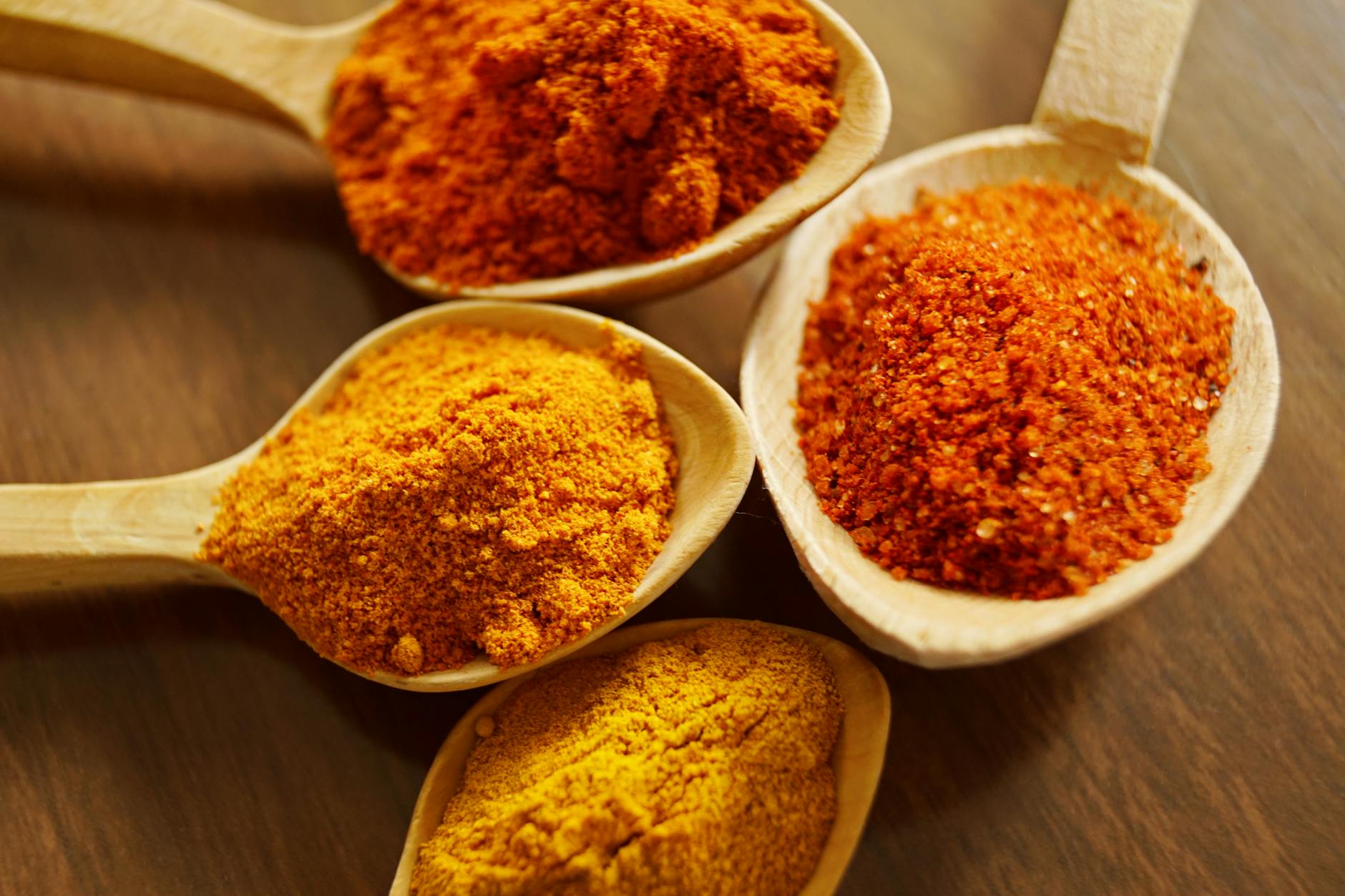
The active ingredient in turmeric is curcumin and it possesses potent anti-inflammatory qualities that protect the heart. Curcumin prevents fatty deposits from accumulating in the arteries by reducing oxidation. This golden spice improves the function of the endothelium which is the lining of your blood vessels. Adding black pepper to turmeric increases the absorption of curcumin by the body significantly. It serves as a warming and protective addition to curries and teas for better circulation.
Avocado
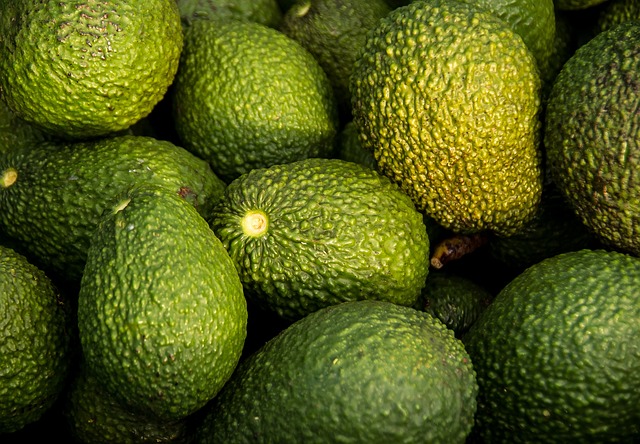
Avocados are packed with heart-healthy monounsaturated fats that lower bad cholesterol while raising good cholesterol levels. The high potassium content in this fruit helps regulate blood pressure and relieve tension in the vessel walls. Vitamin E prevents cholesterol oxidation and keeps the arteries clear of plaque buildup. Fiber found in avocados further assists in managing blood sugar and cholesterol levels effectively. Slicing this creamy fruit onto salads or toast is an easy way to support heart health.
Oats
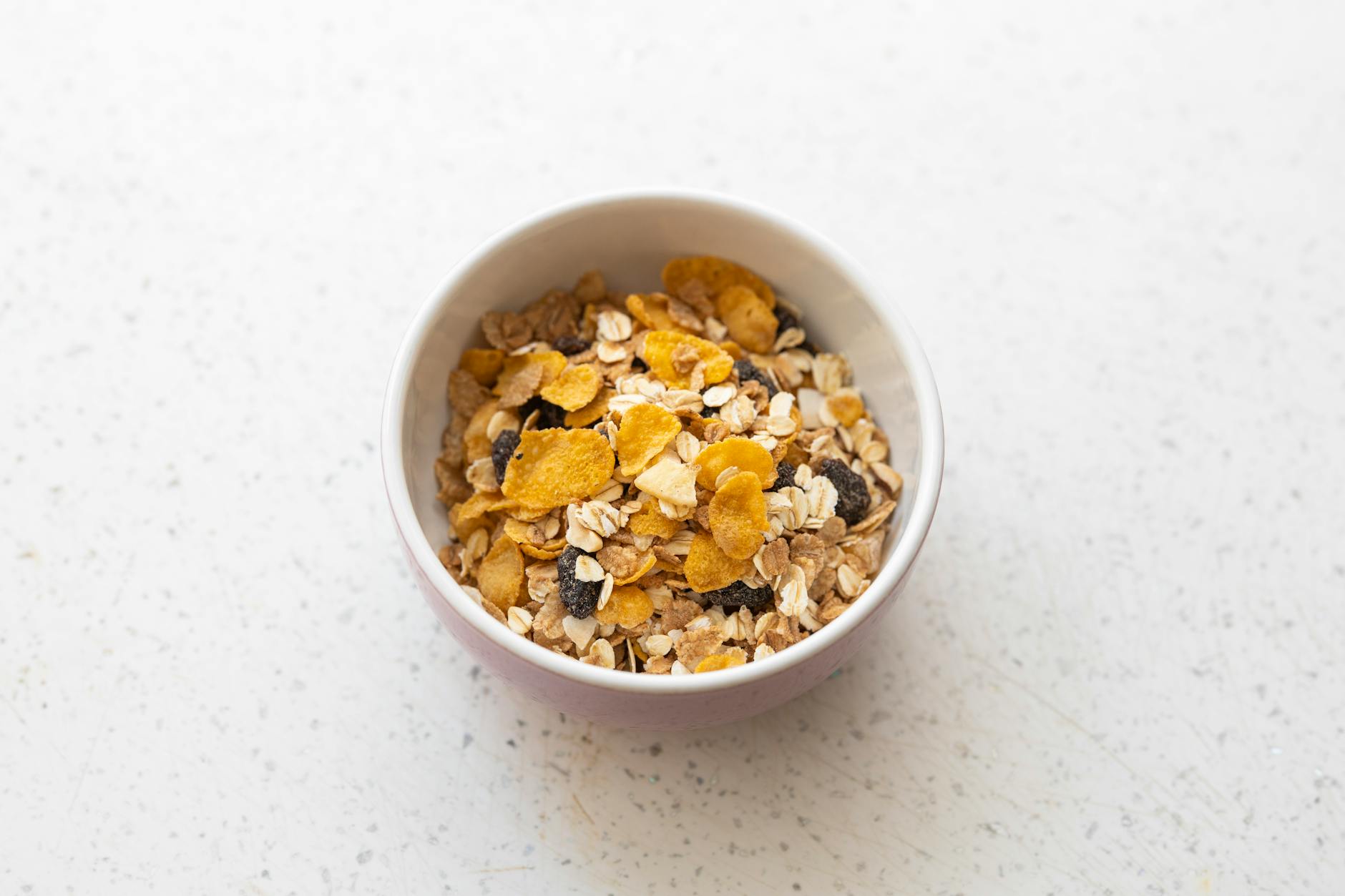
Whole oats contain a soluble fiber called beta-glucan that binds to cholesterol in the digestive tract and removes it from the body. This process prevents cholesterol from entering the bloodstream and clogging the arteries. Eating oatmeal regularly helps reduce low-density lipoprotein levels without affecting the good cholesterol. The antioxidants in oats also inhibit the production of inflammatory molecules that damage blood vessels. A bowl of warm oatmeal provides a comforting and effective start to a heart-conscious day.
Extra Virgin Olive Oil
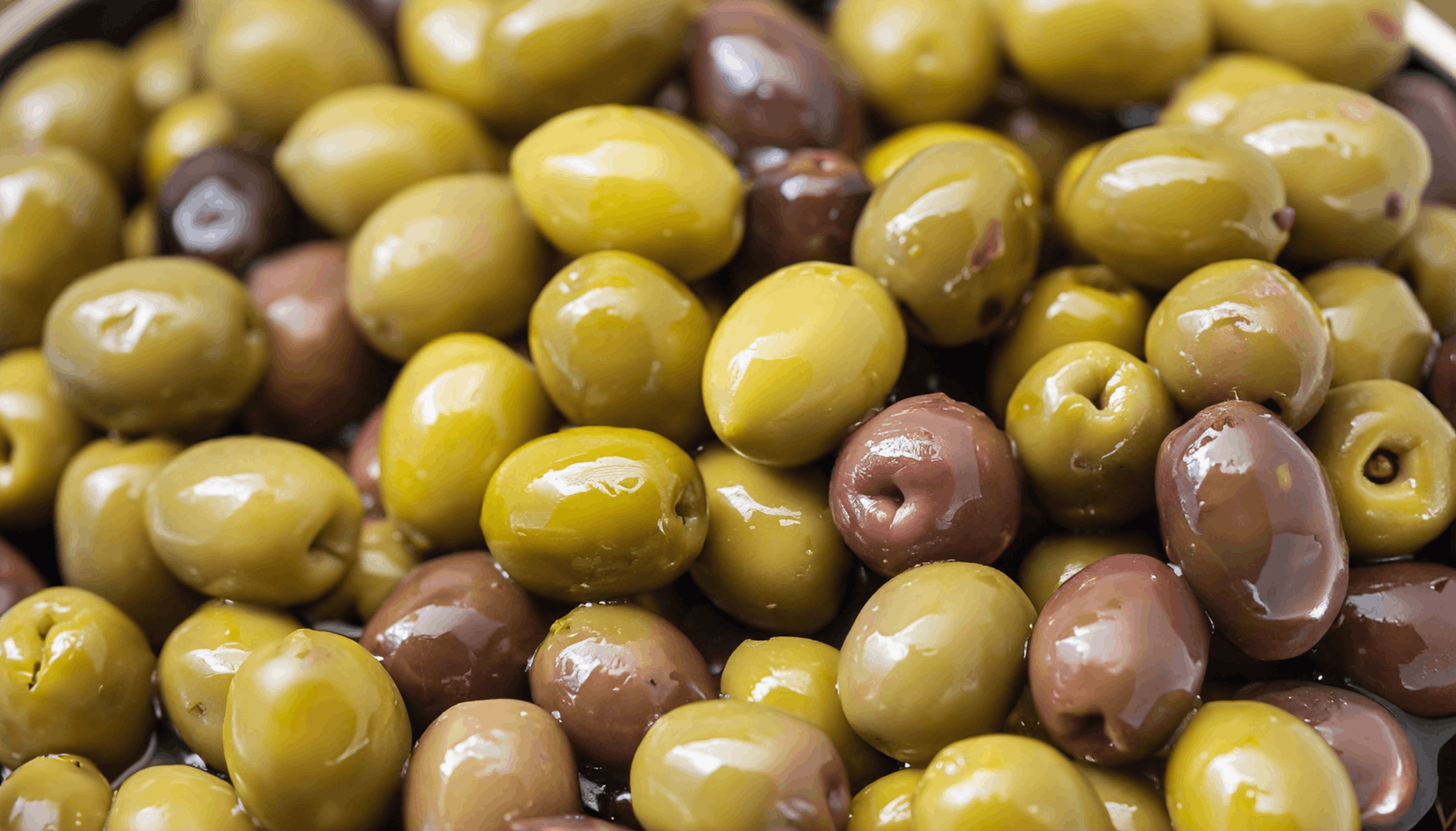
This oil is a staple of the Mediterranean diet and is renowned for its ability to reduce the risk of heart disease. It contains monounsaturated fats and antioxidants that fight inflammation and lower blood pressure. Using extra virgin olive oil improves the function of the lining of the blood vessels and prevents unwanted clotting. It protects LDL cholesterol from oxidation which is a key step in the development of heart disease. Drizzling it over salads or vegetables preserves its nutritional integrity better than cooking at high heat.
Spinach
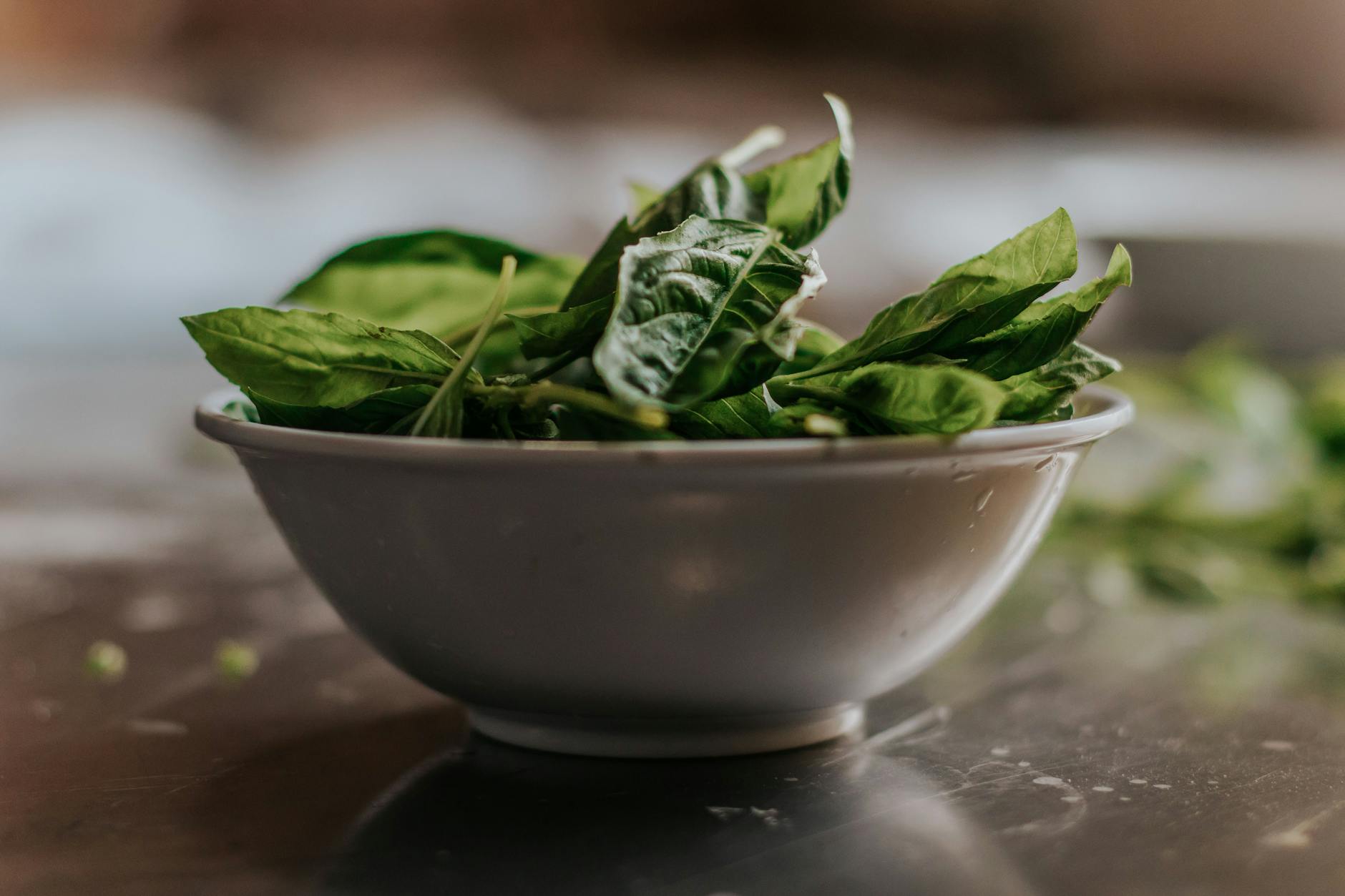
This leafy green vegetable is packed with potassium and folate to help regulate blood pressure naturally. The high fiber content in spinach aids in lowering overall cholesterol levels by binding to bile acids. Nitrates found in spinach naturally convert to nitric oxide which dilates blood vessels and improves circulation. Eating it raw or lightly cooked preserves the essential nutrients that protect the arterial walls from stiffening. It serves as a versatile base for salads or a nutrient-dense addition to morning smoothies.
Blueberries

Blueberries are loaded with anthocyanins which are antioxidants that give them their deep blue color and heart-protective properties. These compounds help reduce arterial stiffness and lower blood pressure in adults. Regular consumption of blueberries inhibits the oxidation of LDL cholesterol and reduces the risk of plaque formation. They also fight systemic inflammation that can lead to cardiovascular issues over time. A handful of these berries makes for a perfect snack or topping for yogurt.
Almonds
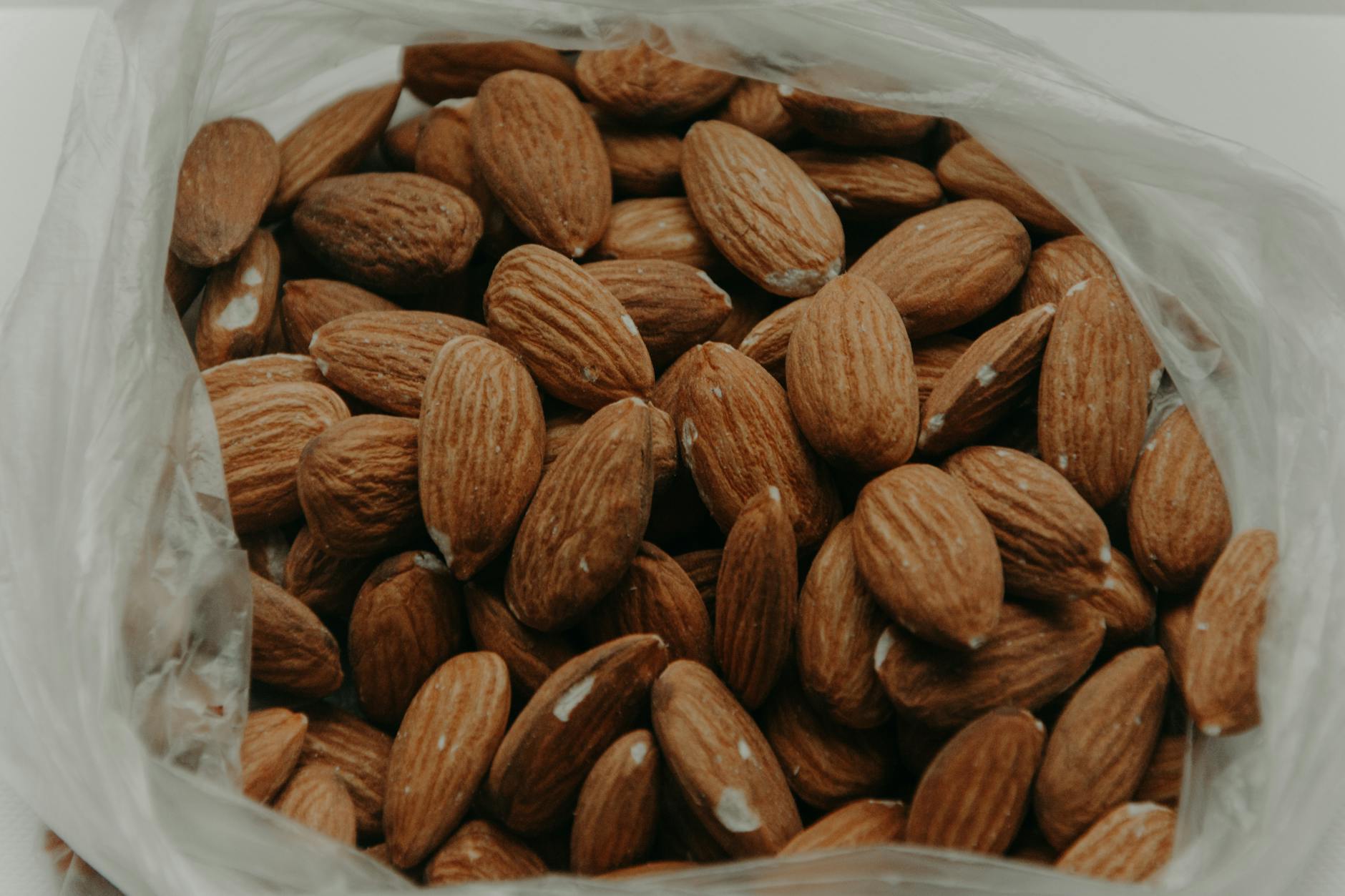
Almonds are rich in monounsaturated fats and fiber that work together to lower bad cholesterol levels. They contain magnesium which prevents plaque buildup and maintains steady blood pressure. The skin of the almond is packed with antioxidants that protect LDL cholesterol from oxidation. Eating a small handful of almonds daily has been shown to improve overall vascular health. These nuts provide a satisfying crunch while delivering essential nutrients for a cleaner circulatory system.
Walnuts
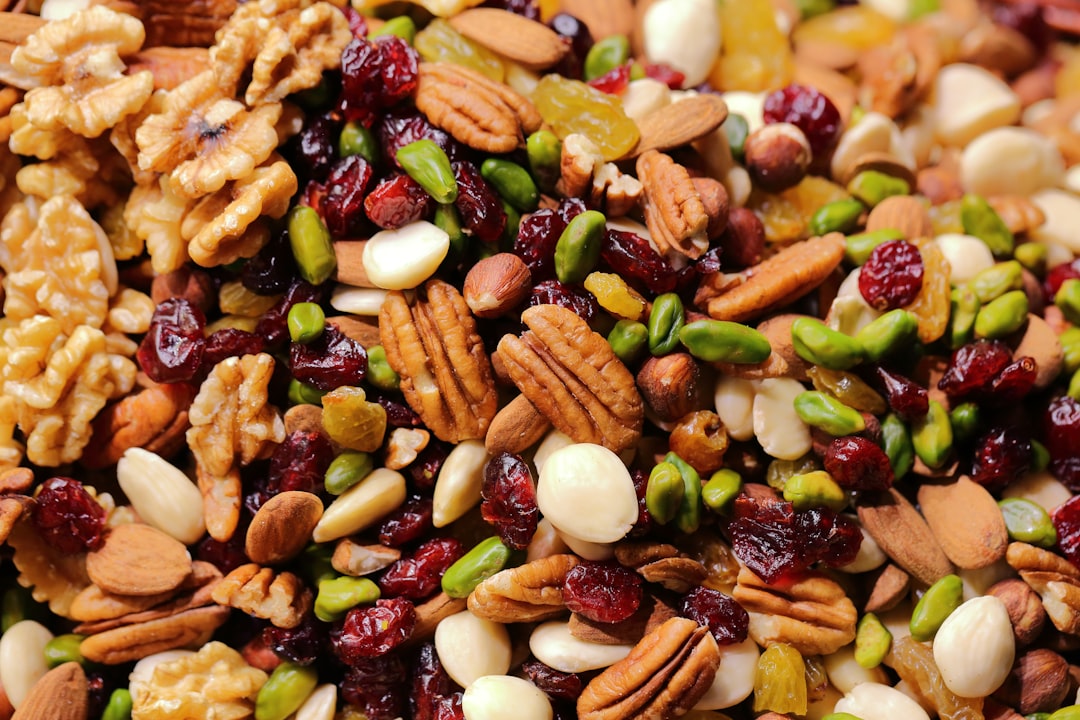
Walnuts are unique among nuts because they contain a high amount of alpha-linolenic acid which is a plant-based omega-3 fatty acid. This nutrient helps reduce inflammation and improves the ability of blood vessels to expand and contract. Regular consumption lowers total cholesterol and reduces the risk of developing blood clots. The antioxidants in walnuts are highly effective at preventing the oxidative damage that leads to atherosclerosis. They make a great addition to oatmeal or baked goods for a heart-healthy boost.
Tomatoes
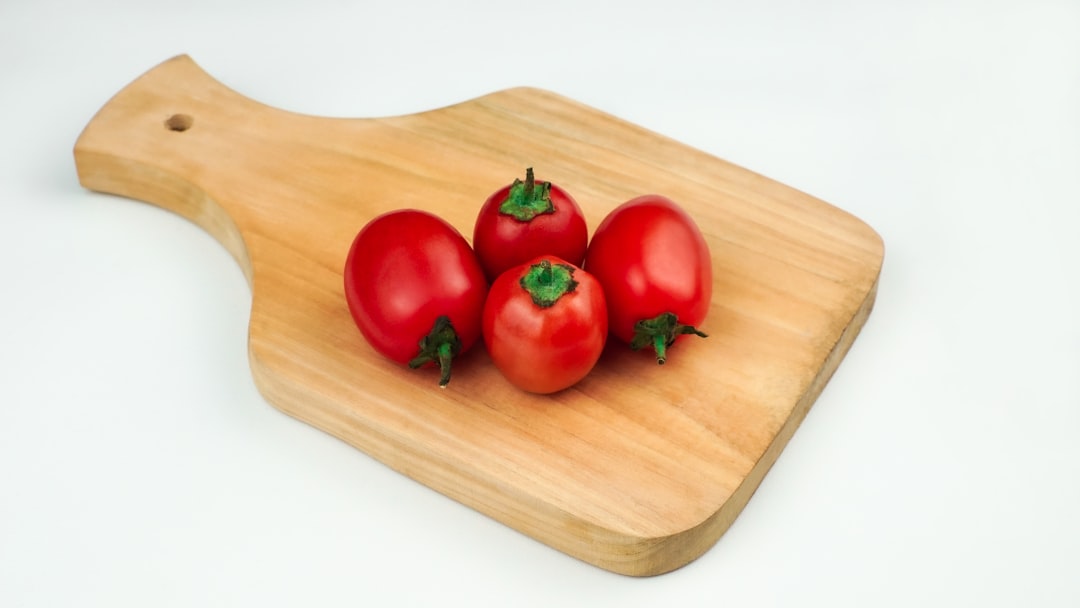
Tomatoes contain a powerful antioxidant called lycopene that gives them their red color and helps reduce the risk of heart disease. Lycopene prevents the oxidation of bad cholesterol and reduces inflammation in the arteries. Cooking tomatoes releases more lycopene and makes it easier for the body to absorb. High intake of tomato products is associated with improved endothelial function and lower blood pressure. Adding olive oil to tomato dishes further enhances the absorption of this vital nutrient.
Green Tea
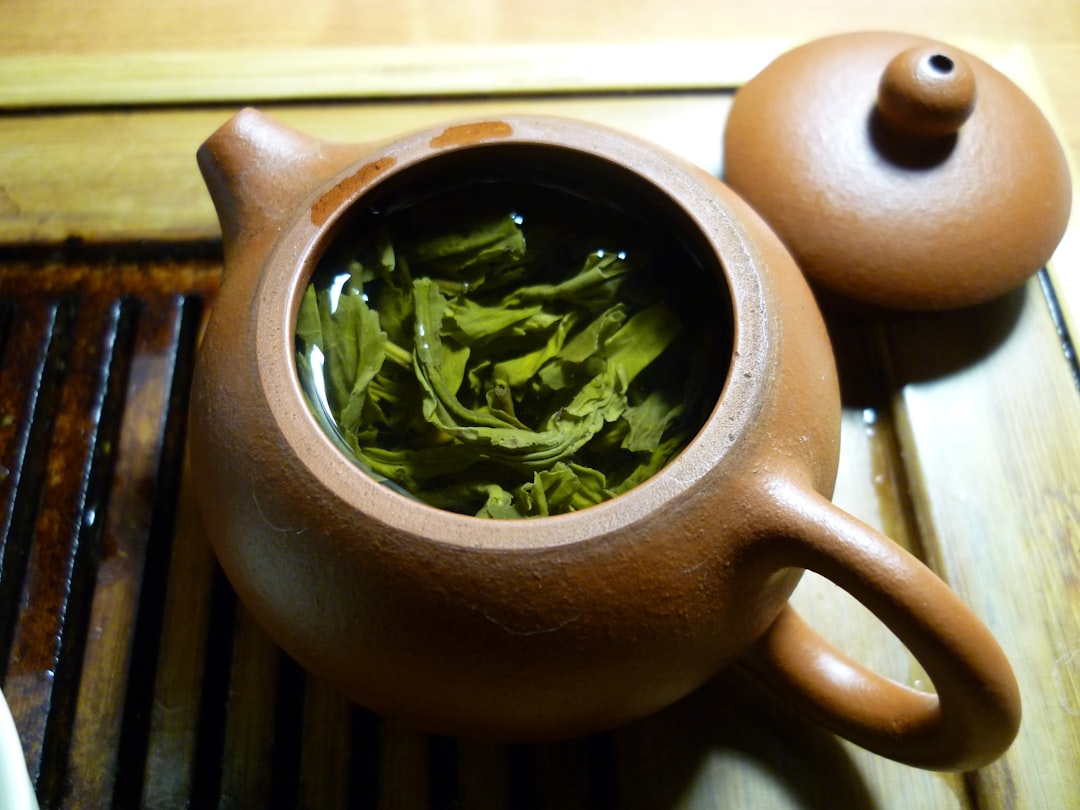
Green tea is abundant in catechins which are antioxidants that hinder the absorption of cholesterol during digestion. Drinking this tea improves the ratio of good cholesterol to bad cholesterol in the blood. The bioactive compounds in green tea help prevent the oxidation of LDL particles and protect artery walls. It also promotes the health of the delicate cells lining the blood vessels. Enjoying a few cups daily supports metabolism and cardiovascular wellness simultaneously.
Dark Chocolate
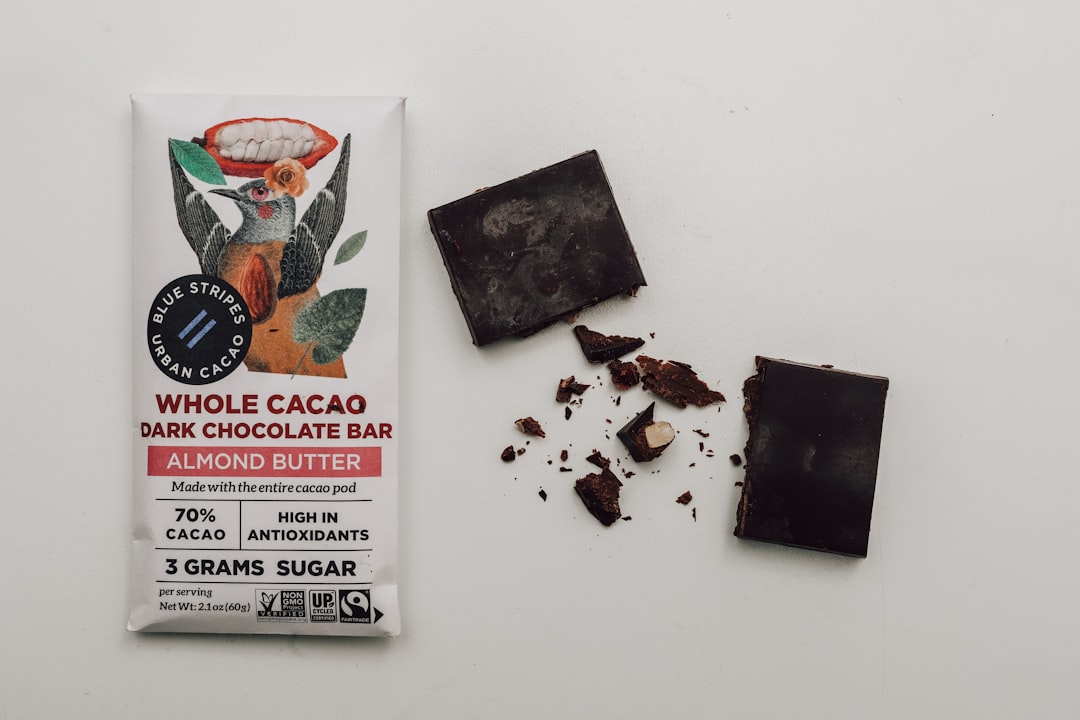
Dark chocolate with a high cocoa content is rich in flavonoids that help lower blood pressure and improve blood flow. These antioxidants prevent the oxidation of LDL cholesterol and reduce the risk of plaque accumulation. Consuming moderate amounts of dark chocolate improves the flexibility of the arteries. It also inhibits the clumping of platelets which reduces the likelihood of clot formation. choosing varieties with at least seventy percent cocoa ensures you get the maximum health benefits.
Broccoli
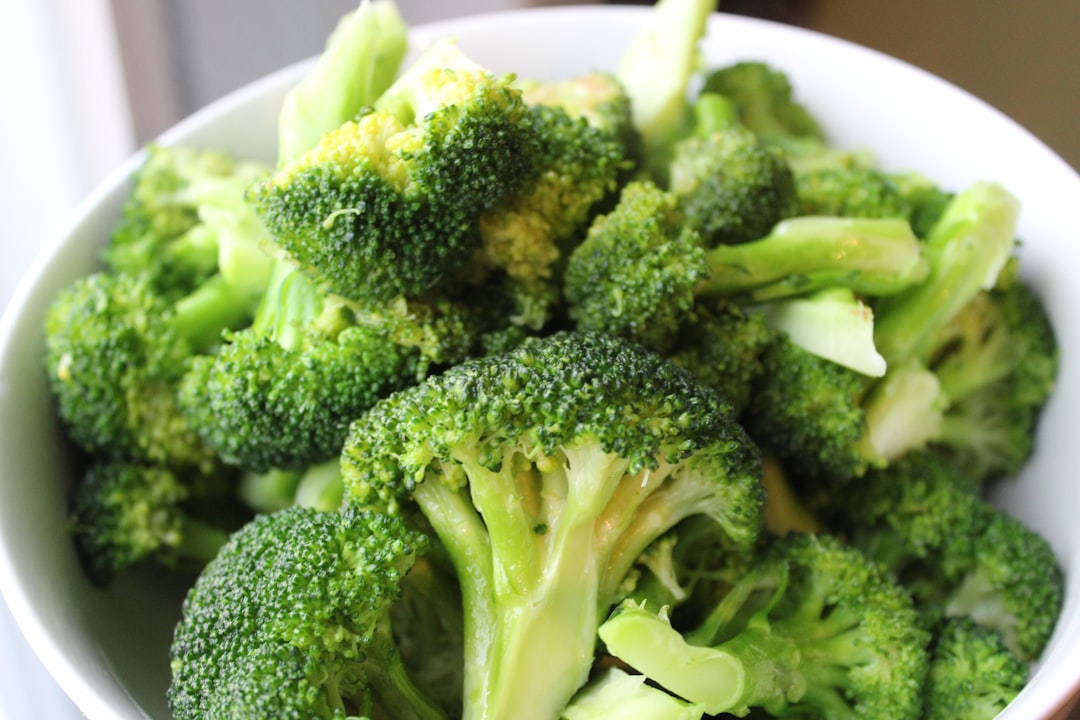
Broccoli is a cruciferous vegetable loaded with vitamin K which helps prevent calcium from damaging the arteries. The fiber content helps lower cholesterol levels and maintains healthy blood pressure. It contains sulforaphane which is a compound that protects blood vessel linings from chronic inflammation. Steam broccoli lightly to retain the enzymes that activate its heart-protective properties. This vegetable is a powerhouse of nutrients that support overall cardiovascular detoxification.
Asparagus
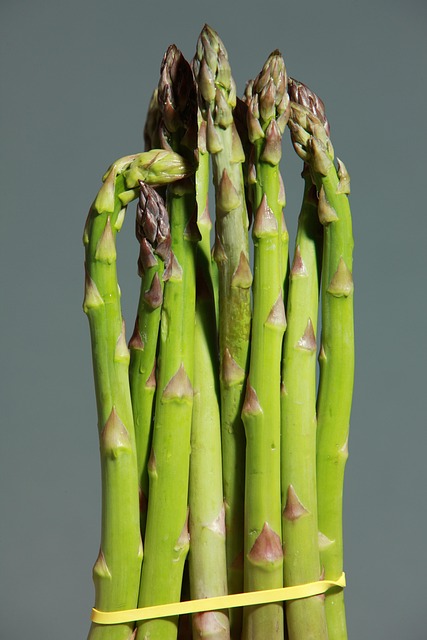
Asparagus is one of the best natural sources of folate which prevents the buildup of homocysteine in the body. High levels of homocysteine are linked to an increased risk of heart disease and stroke. This vegetable also acts as a diuretic to help release excess fluid and salt to lower blood pressure. It contains compounds that stimulate the production of glutathione which fights oxidation and inflammation. Adding asparagus to dinner rotates a powerful artery-clearing vegetable into your diet.
Cinnamon

Cinnamon helps reduce blood sugar levels and improves insulin sensitivity which protects the arteries from damage. This spice serves as an antioxidant and anti-inflammatory agent to support heart health. It aids in reducing total cholesterol and triglycerides in people with type 2 diabetes. The active compounds in cinnamon improve blood circulation and reduce the risk of clot formation. Sprinkling cinnamon on coffee or oatmeal is a simple way to boost cardiovascular defense.
Watermelon

Watermelon is a natural source of citrulline which is an amino acid that the body converts into arginine. Arginine produces nitric oxide to relax blood vessels and lower high blood pressure. The red pigment comes from lycopene which reduces oxidative stress and inflammation in the cardiovascular system. Eating watermelon helps improve blood flow and reduces arterial stiffness. It is a hydrating and refreshing way to support heart function during warmer months.
Chia Seeds
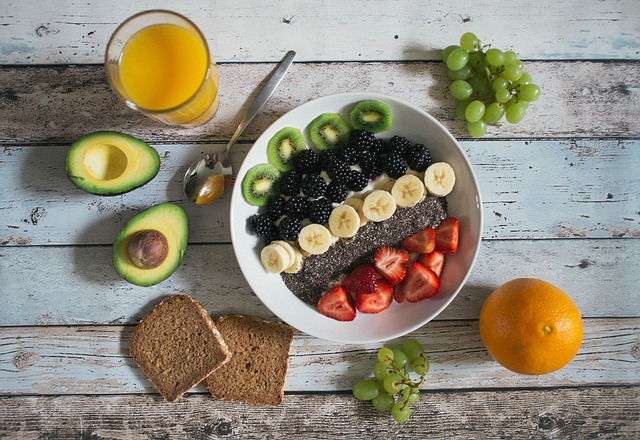
Chia seeds are tiny nutritional powerhouses packed with fiber and alpha-linolenic acid. The soluble fiber forms a gel that helps lower cholesterol and regulates blood sugar absorption. These seeds reduce blood pressure and fight chronic inflammation throughout the body. They provide a significant amount of antioxidants that protect fats in the blood from oxidation. Soaking chia seeds in liquid activates their benefits and makes them easy to digest.
Flaxseeds
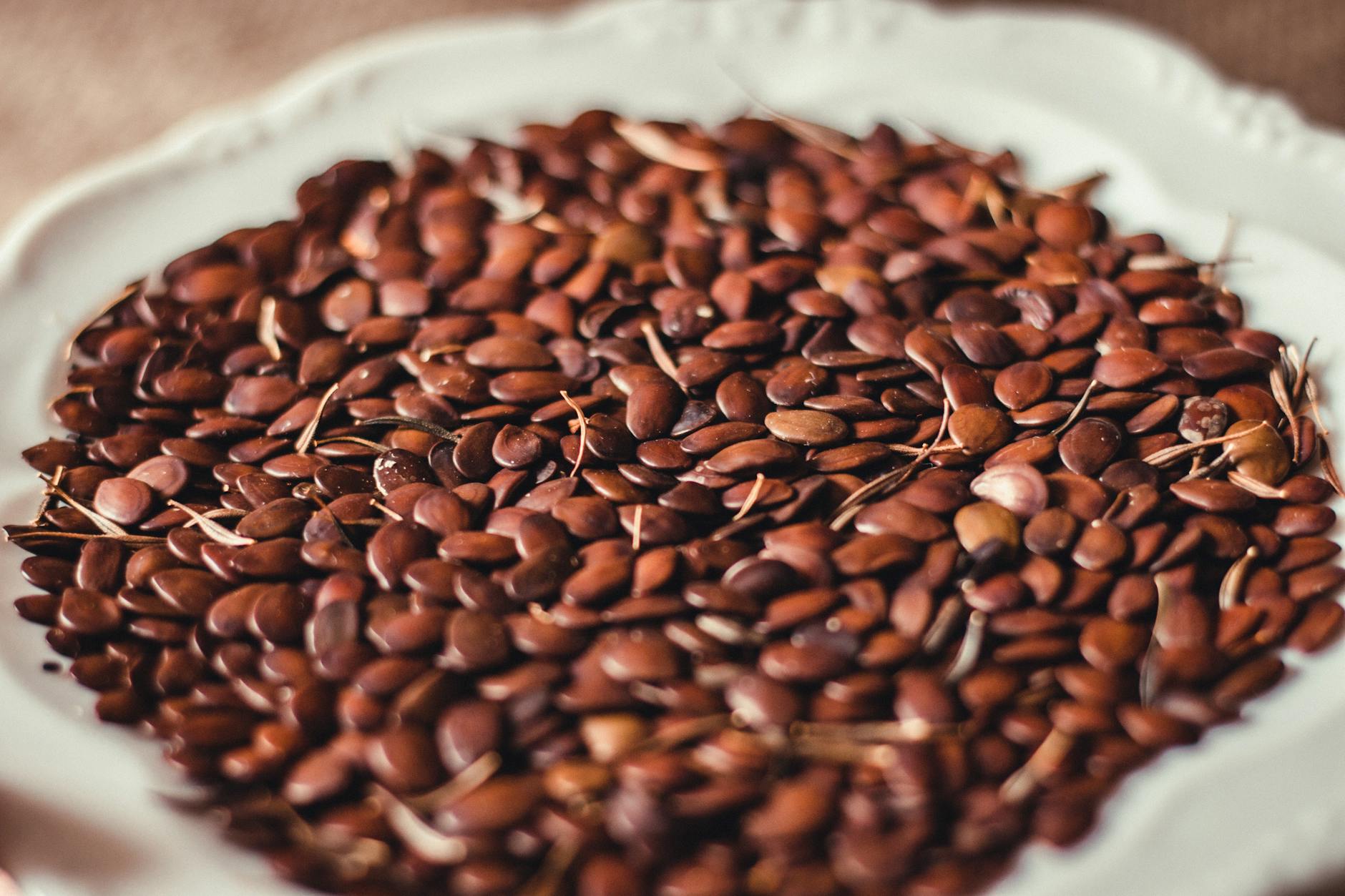
Flaxseeds contain lignans which are plant compounds that have antioxidant and estrogen properties. They are incredibly high in fiber and omega-3 fatty acids that help unclog arteries. Ground flaxseeds are easier for the body to digest and absorb compared to whole seeds. Regular consumption leads to lower blood pressure and reduced progression of atherosclerosis. improved digestion and heart health are key benefits of adding this powder to smoothies.
Cranberries
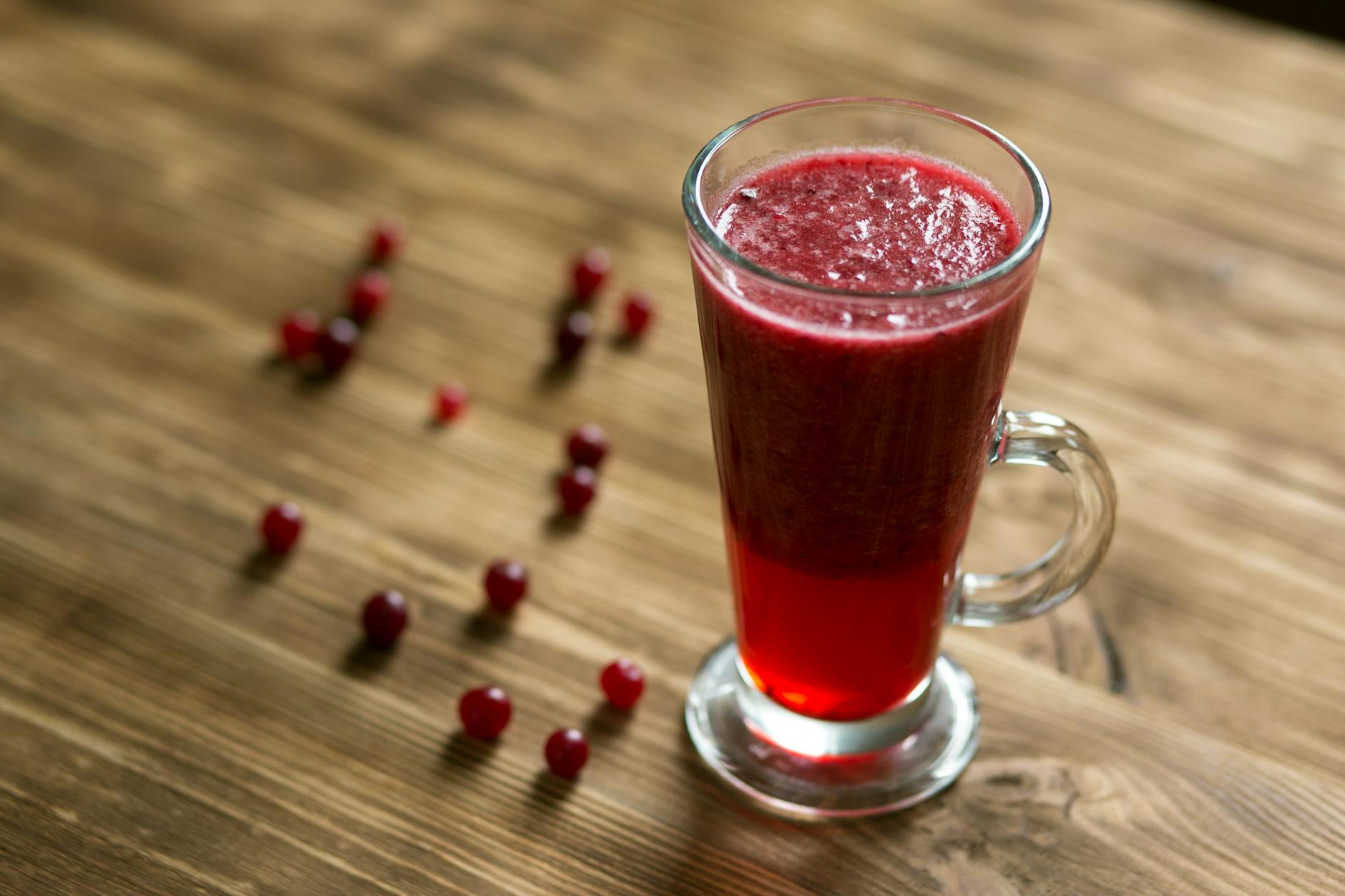
Cranberries are rich in potassium and antioxidants that help lower LDL cholesterol and raise HDL cholesterol. Regular consumption of cranberry juice is linked to reduced stiffness in the arteries. These tart berries contain phytonutrients that prevent bacteria and plaque from adhering to vessel walls. They reduce overall inflammation and oxidative stress within the cardiovascular system. Incorporating fresh or dried cranberries adds a burst of flavor and protection to salads.
Lentils
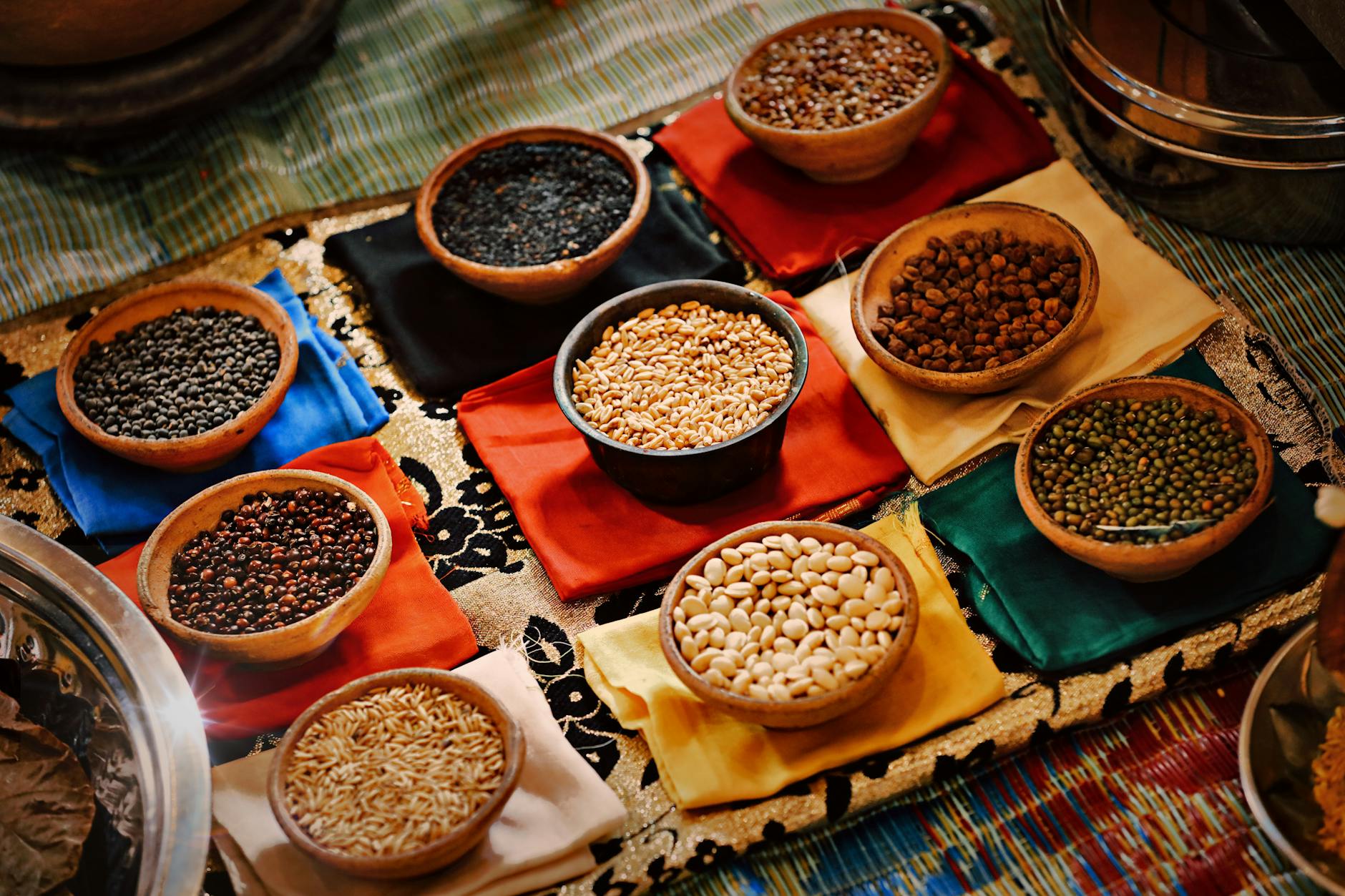
Lentils are an excellent source of plant-based protein and fiber that actively lowers cholesterol levels. They contain magnesium and potassium which relax blood vessels and reduce blood pressure. The folate in lentils protects artery walls from damage caused by homocysteine accumulation. Eating lentils stabilizes blood sugar and prevents the metabolic issues that lead to heart disease. They serve as a hearty and healthy meat substitute in soups and stews.
Oranges
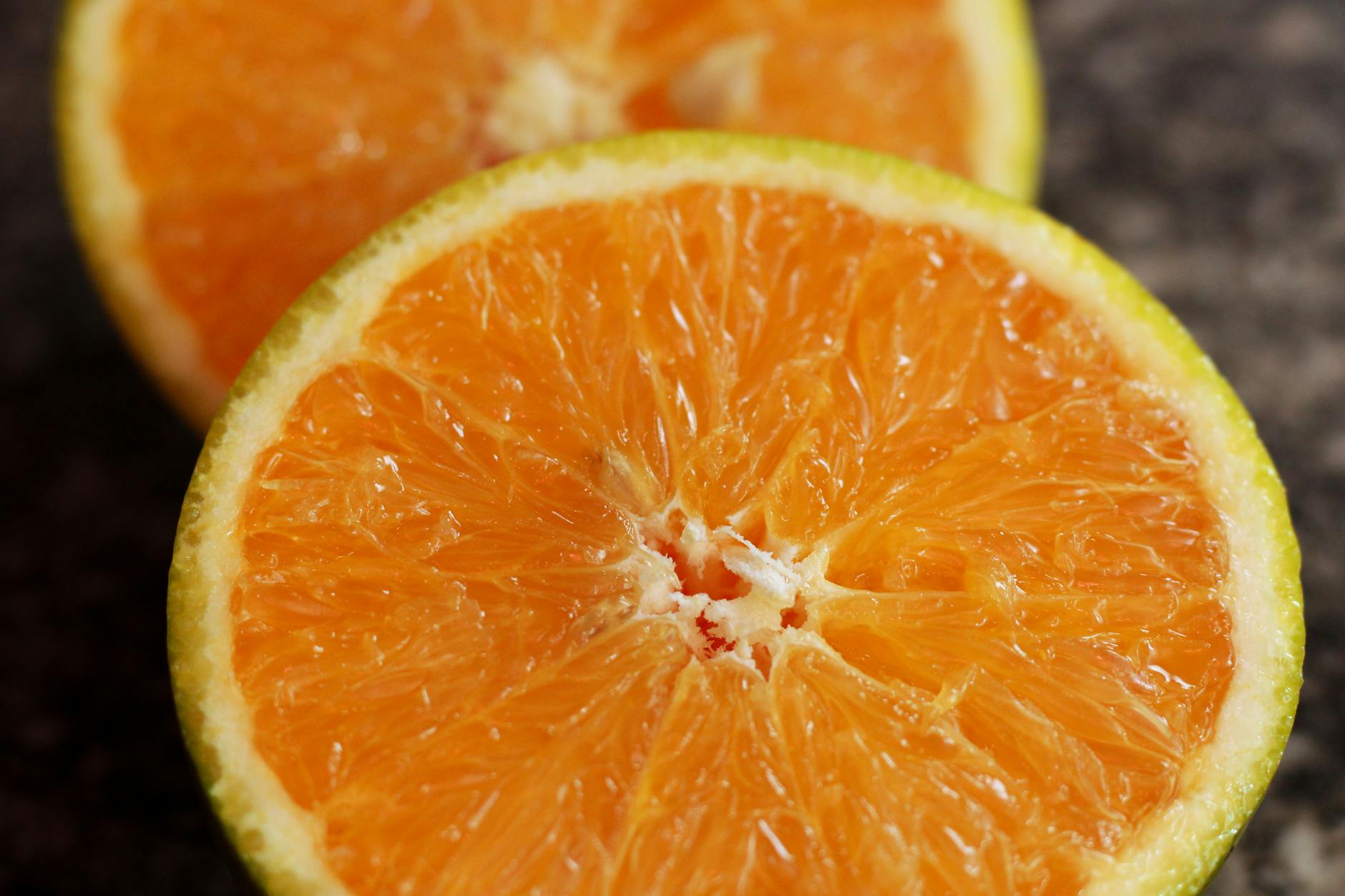
Oranges provide a high dose of pectin which is a soluble fiber that sponges up cholesterol and blocks its absorption. The potassium in oranges helps control blood pressure and counteracts the effects of sodium. Vitamin C acts as an antioxidant to strengthen the artery walls and prevent blockage. Hesperidin is a flavonoid found in citrus that lowers blood pressure and reduces inflammation. Eating the whole fruit provides more fiber and benefits than drinking the juice alone.
Persimmons
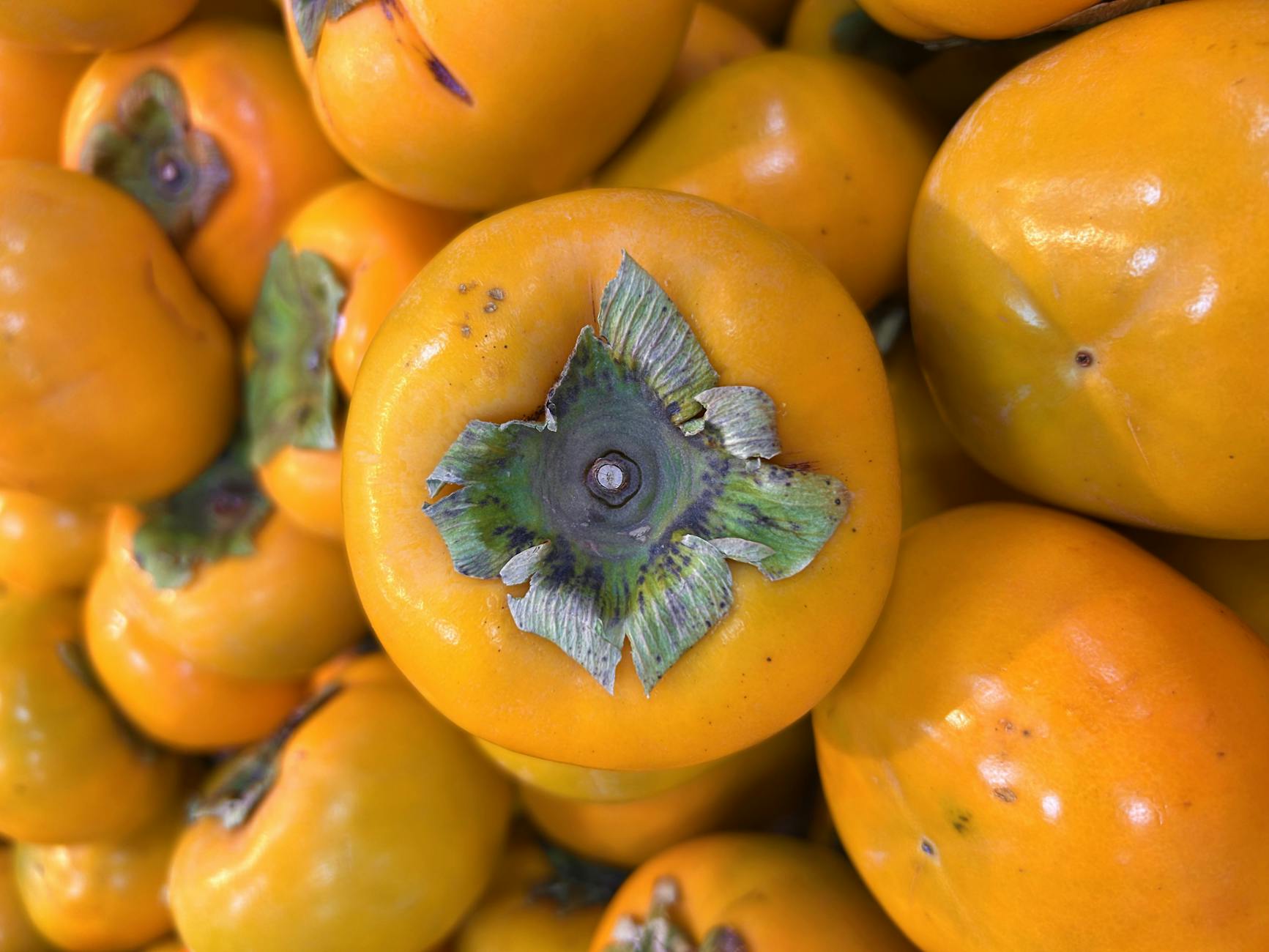
Persimmons are loaded with polyphenols and fiber that significantly lower LDL cholesterol and triglycerides. They contain tannins which are antioxidants that help prevent plaque buildup in the arteries. Eating one persimmon a day can better fight atherosclerosis than an apple according to some studies. The fruit is also rich in beta-carotene and minerals that support healthy blood pressure. Their sweet flavor makes them a delicious seasonal treat for heart protection.
Ginger

Ginger contains gingerols and shogaols which are compounds with strong anti-inflammatory and antioxidant effects. This root helps lower blood pressure by blocking voltage-dependent calcium channels. Ginger reduces cholesterol levels and prevents blood from clotting excessively. It improves blood circulation and warms the body to support overall vascular function. Brewing fresh ginger tea or adding it to stir-fries enhances both flavor and health.
Beets
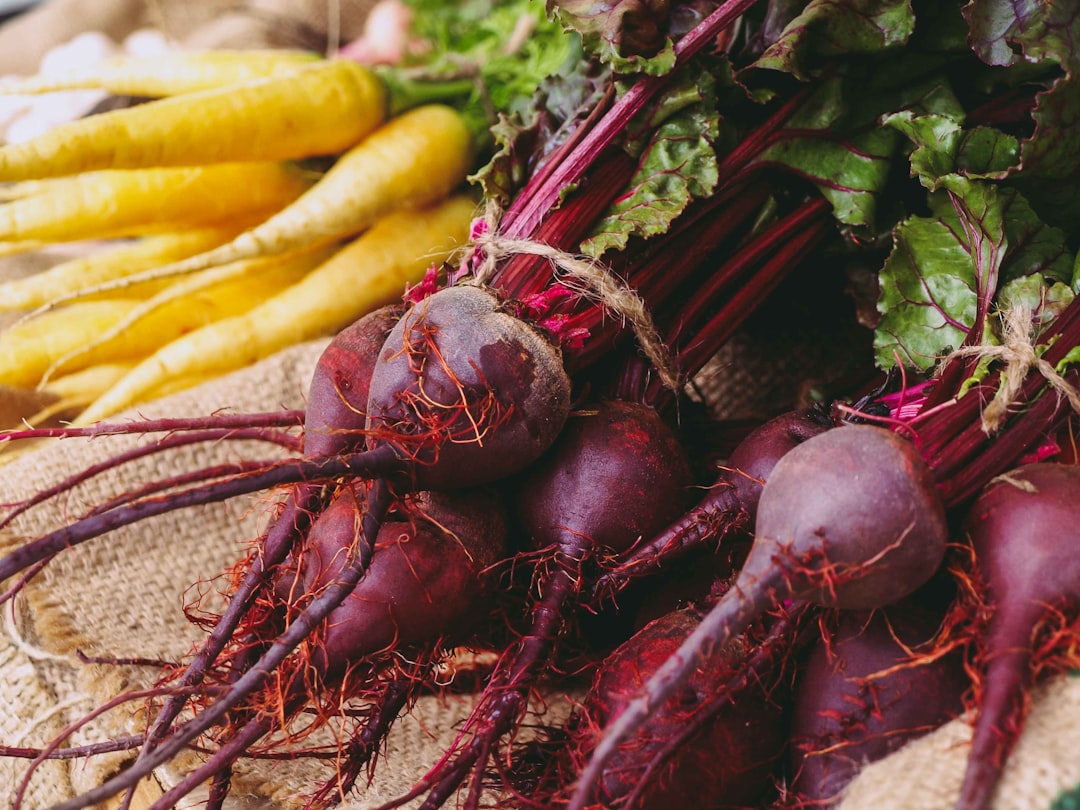
Beets are rich in nitrates that the body converts into nitric oxide to open up blood vessels. This process improves blood flow and significantly lowers blood pressure almost immediately after consumption. The betalains in beets provide antioxidant protection against oxidative stress and inflammation. enhancing athletic performance and heart health are two major benefits of this root vegetable. Roasting or juicing beets are effective ways to include them in a heart-healthy diet.
Kale

Kale is a nutrient-dense leafy green that delivers a massive amount of antioxidants and fiber. It contains bile acid sequestrants which can lower cholesterol levels and reduce the risk of heart disease. The high potassium and magnesium content helps maintain a healthy heartbeat and blood pressure. Vitamin K in kale is essential for proper blood clotting and vascular health. Massaging raw kale with olive oil makes it tender and easier to digest in salads.
Sardines
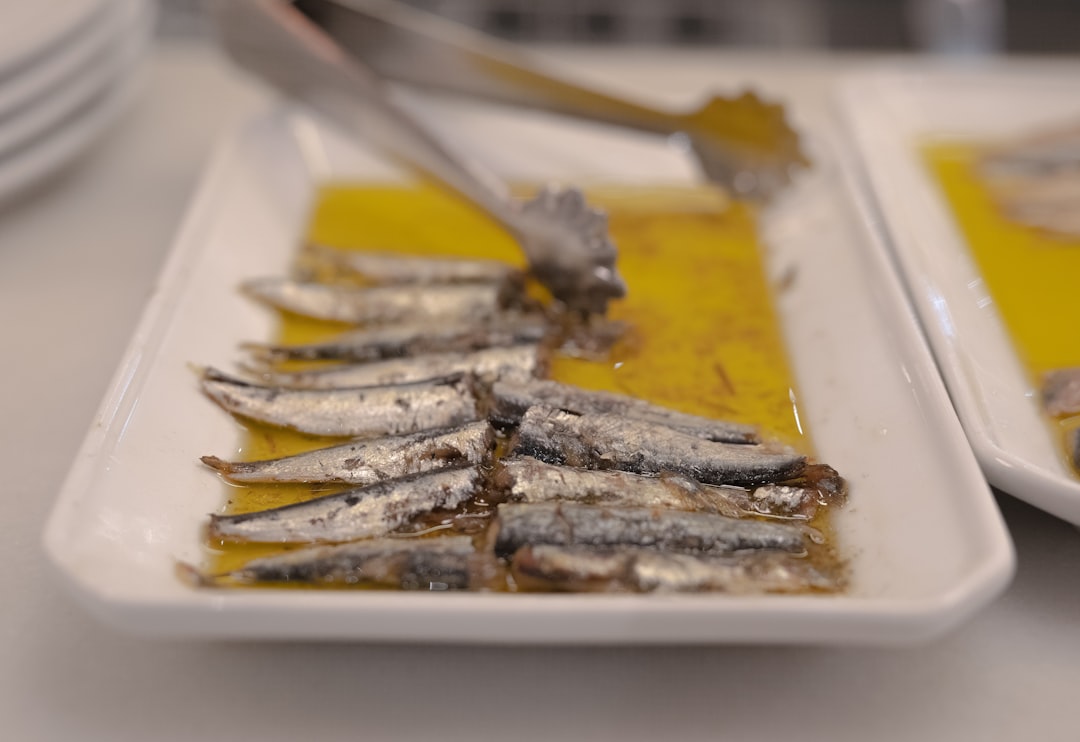
Sardines are small oily fish that are packed with omega-3 fatty acids and calcium. They reduce inflammation and lower triglyceride levels to protect the heart. The low mercury content makes them a safer seafood choice for frequent consumption. Sardines contain essential nutrients like vitamin B12 that regulate homocysteine levels in the blood. Eating them whole with bones provides maximum nutrition for the cardiovascular and skeletal systems.
Sweet Potatoes
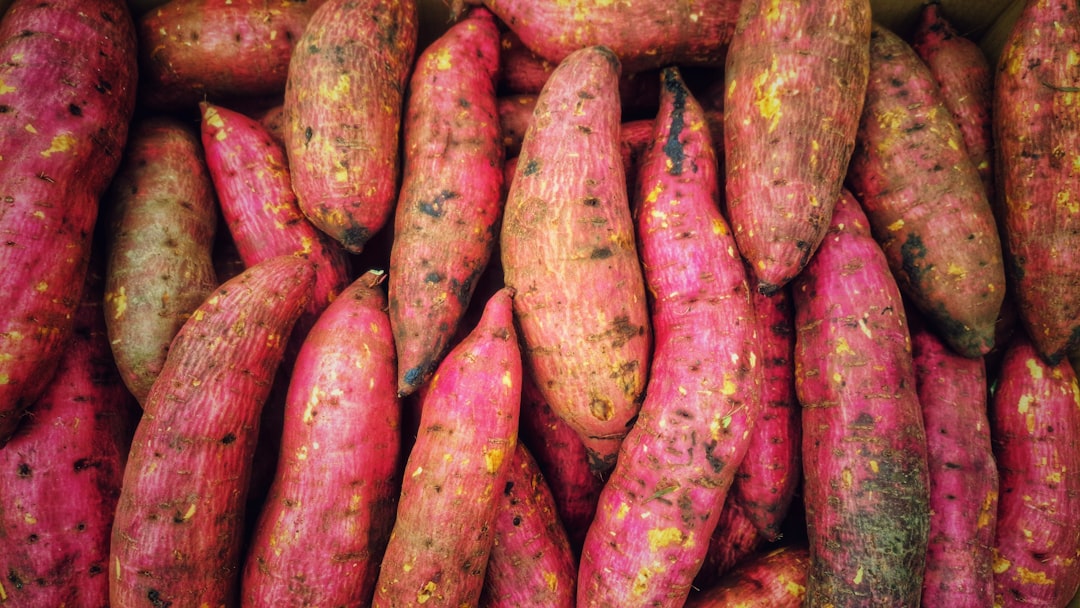
Sweet potatoes are high in potassium which is vital for regulating blood pressure and fluid balance. They contain carotenoids that act as antioxidants to protect the heart from cell damage. The fiber in sweet potatoes lowers bad cholesterol and stabilizes blood sugar levels. They are a healthier alternative to white potatoes because they have a lower glycemic index. Baking or boiling them preserves their nutrients better than frying.
Chickpeas
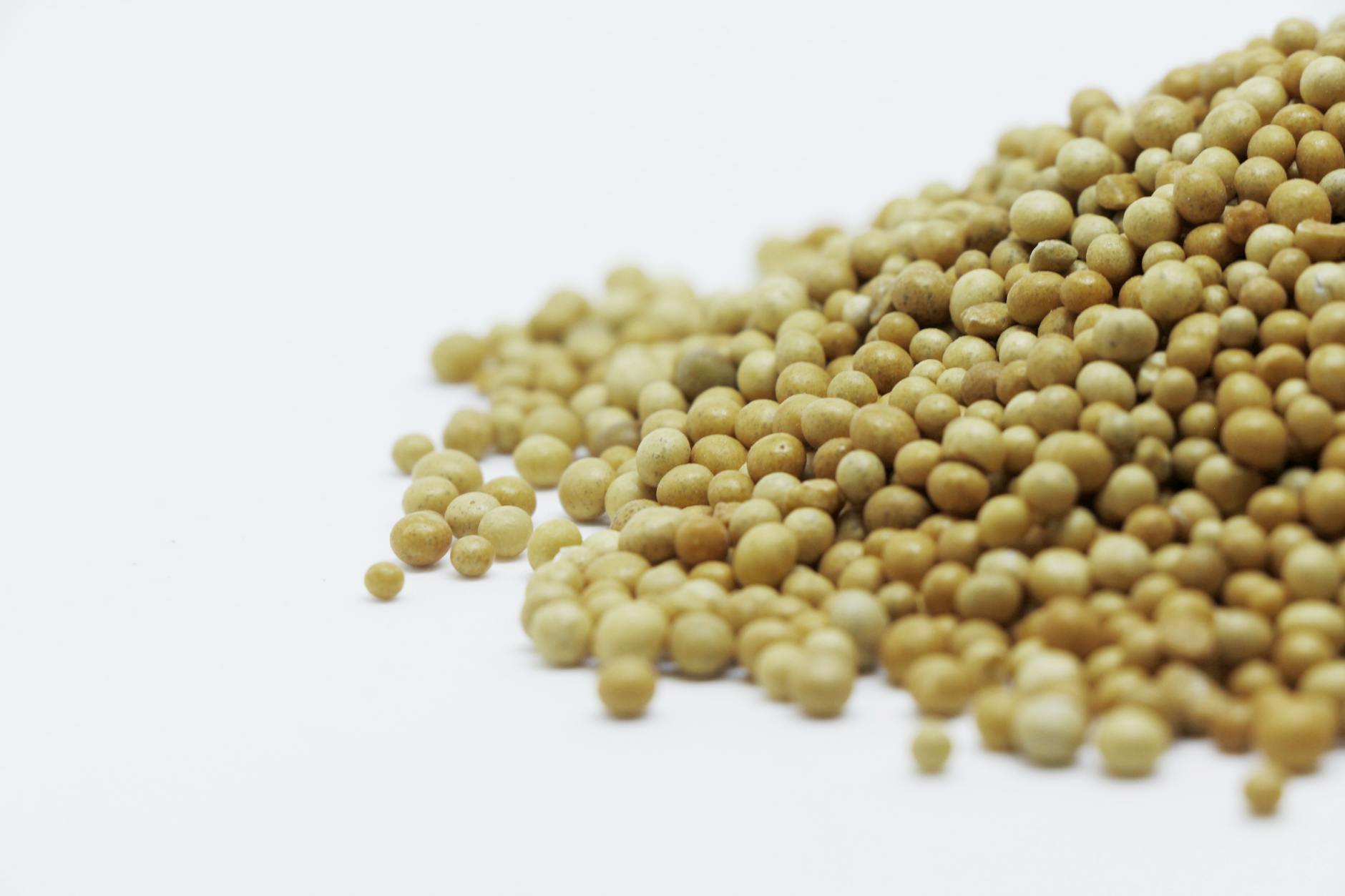
Chickpeas are loaded with soluble fiber and plant protein that improve heart health markers. They aid in lowering LDL cholesterol and reducing total cholesterol levels effectively. The presence of antioxidants and magnesium helps relax blood vessels and improve blood flow. Chickpeas promote satiety which aids in weight management and reduces strain on the heart. Hummus is a popular and delicious way to consume this legume regularly.
Apples
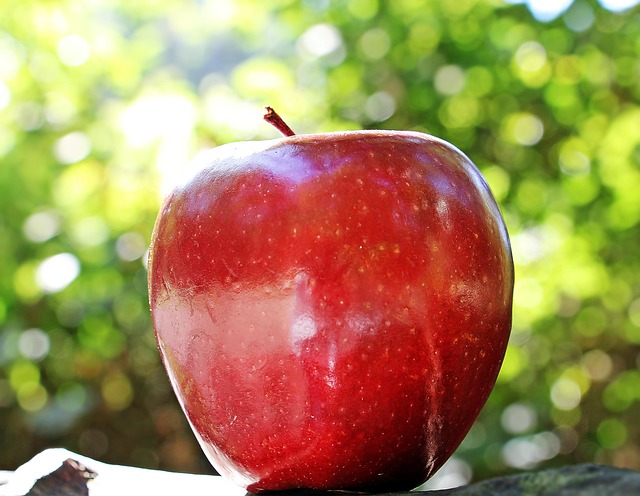
Apples are rich in a soluble fiber called pectin that blocks cholesterol absorption in the gut. They contain flavonoids linked to a reduced risk of stroke and heart disease. Eating an apple a day helps lower LDL cholesterol and prevents oxidation of fats in the blood. The peel contains the highest concentration of antioxidants and should be eaten for maximum benefit. This portable fruit is an easy snack that actively works to keep arteries clean.
Brussels Sprouts
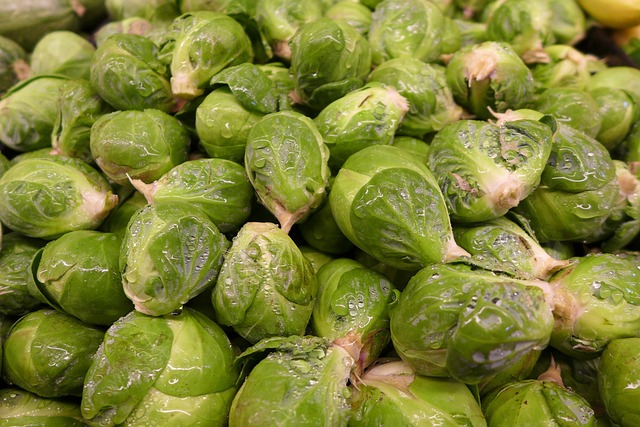
Brussels sprouts are cruciferous vegetables that help lower cholesterol through their high fiber content. They are rich in vitamin C and antioxidants that protect blood vessels from inflammatory damage. The compounds in these sprouts support the detoxification of the blood and improve arterial function. They also contain kaempferol which is an antioxidant that may reduce cancer growth and heart issues. Roasting them brings out a nutty flavor that complements many meals.
Sunflower Seeds

Sunflower seeds are an excellent source of vitamin E which stops cholesterol from oxidizing and sticking to artery walls. They contain magnesium to help reduce blood pressure and prevent muscle spasms in blood vessels. The phytosterols in these seeds block the absorption of dietary cholesterol. They are also rich in healthy fats that support overall cardiovascular wellness. Sprinkling them on salads creates a satisfying texture and boosts nutrient intake.
Mackerel
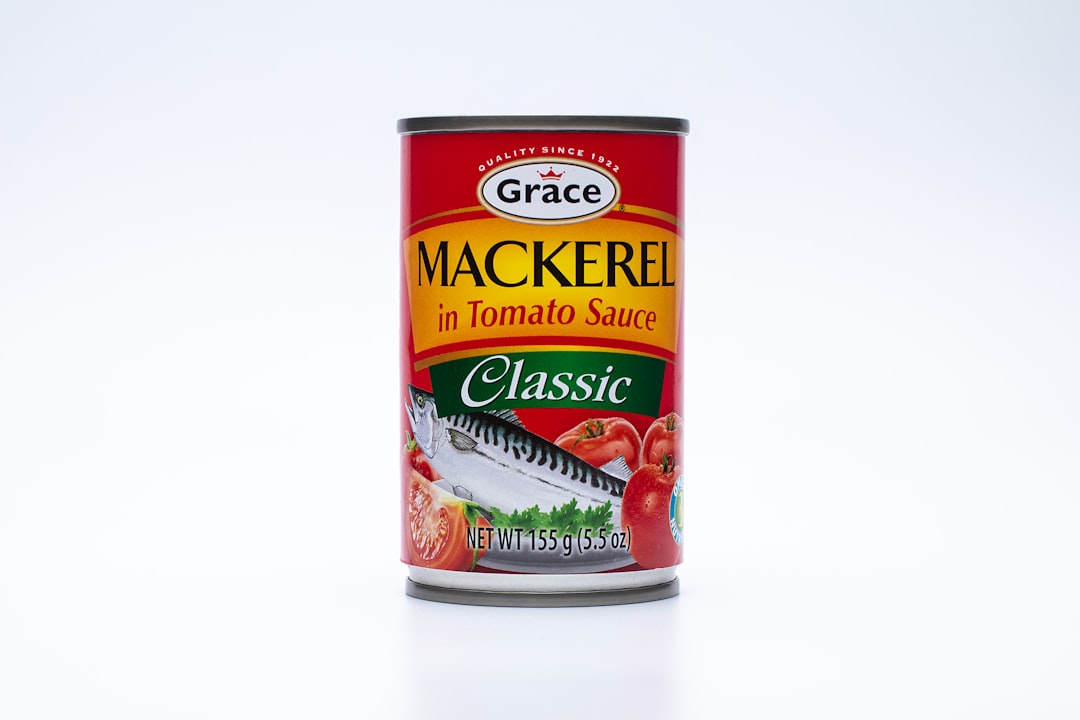
Mackerel is a fatty fish that offers a very high concentration of omega-3 fatty acids. It helps increase good cholesterol levels while drastically reducing triglycerides. The selenium in mackerel works with antioxidants to protect the heart from oxidative stress. Regular consumption improves blood vessel elasticity and reduces inflammation. It is a flavorful fish that requires little seasoning to taste great.
Black Beans
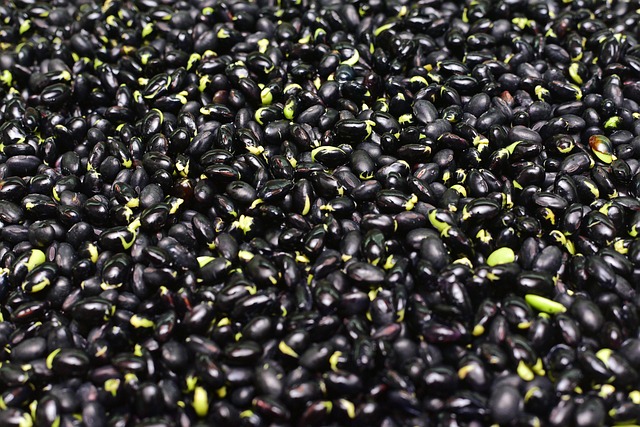
Black beans are packed with quercetin and saponins which protect the heart and lower lipid levels. The high fiber content helps prevent cholesterol spikes after meals. They contain folate and magnesium to maintain healthy blood pressure and circulation. Black beans have a low glycemic index which helps manage blood sugar and insulin levels. They are a versatile ingredient for soups and burritos that supports arterial health.
Cayenne Pepper
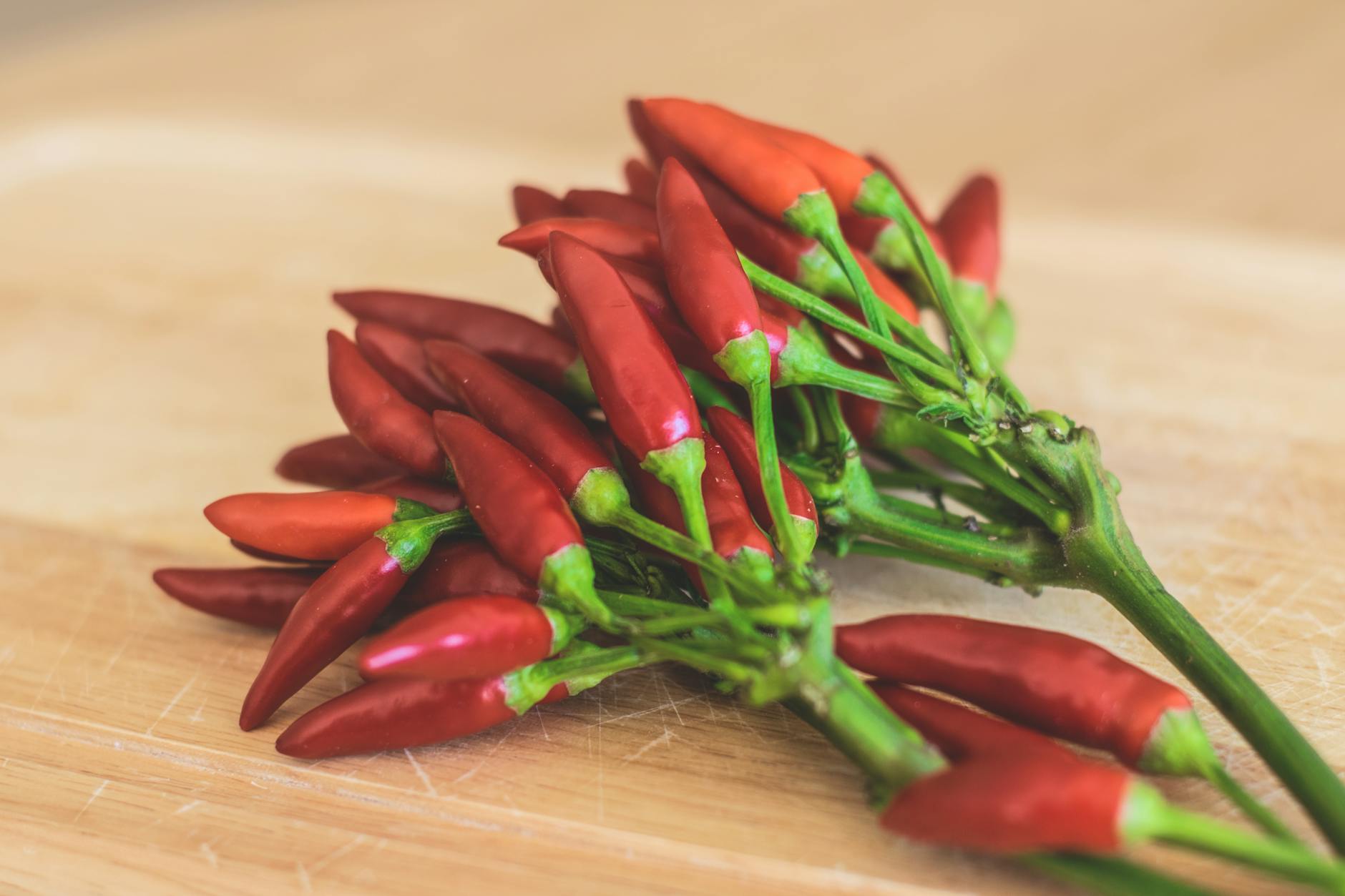
Cayenne pepper contains capsaicin which improves circulation and reduces the buildup of cholesterol. This spice helps prevent blood clots and lowers the risk of heart attack or stroke. It dilates blood vessels to allow blood to flow more easily through the body. Capsaicin also helps regulate heart rhythm and reduces blood pressure naturally. Adding a pinch to meals boosts metabolism and cardiovascular function.
Grapefruit
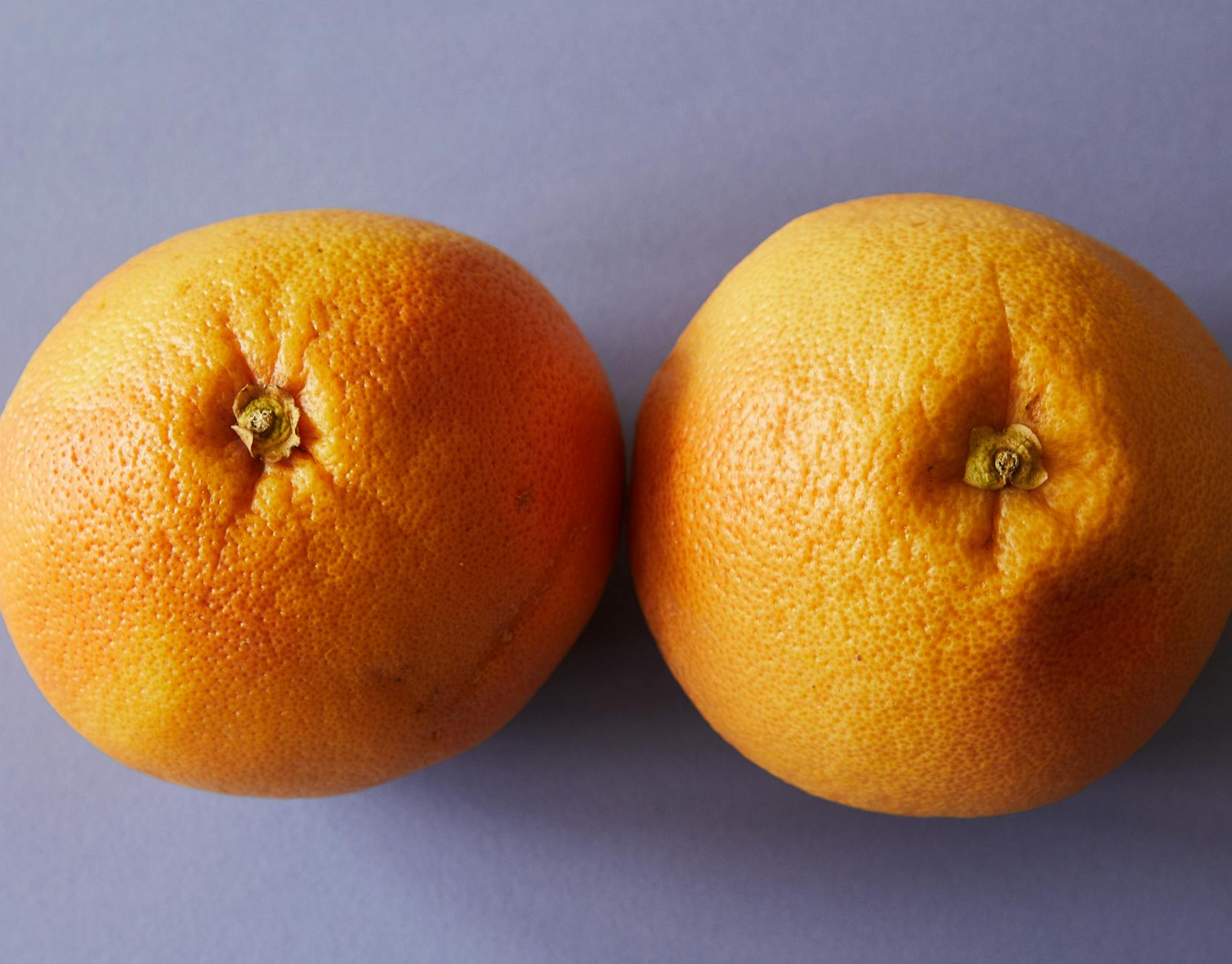
Grapefruit is rich in antioxidants and fiber that help protect the heart and arteries. It contains naringin which is a flavonoid that prevents plaque buildup and atherosclerosis. Consuming grapefruit can lower systolic blood pressure and reduce total cholesterol levels. The high vitamin C content strengthens the collagen in blood vessels. It is important to check with a doctor before eating grapefruit as it interacts with certain medications.
Pistachios
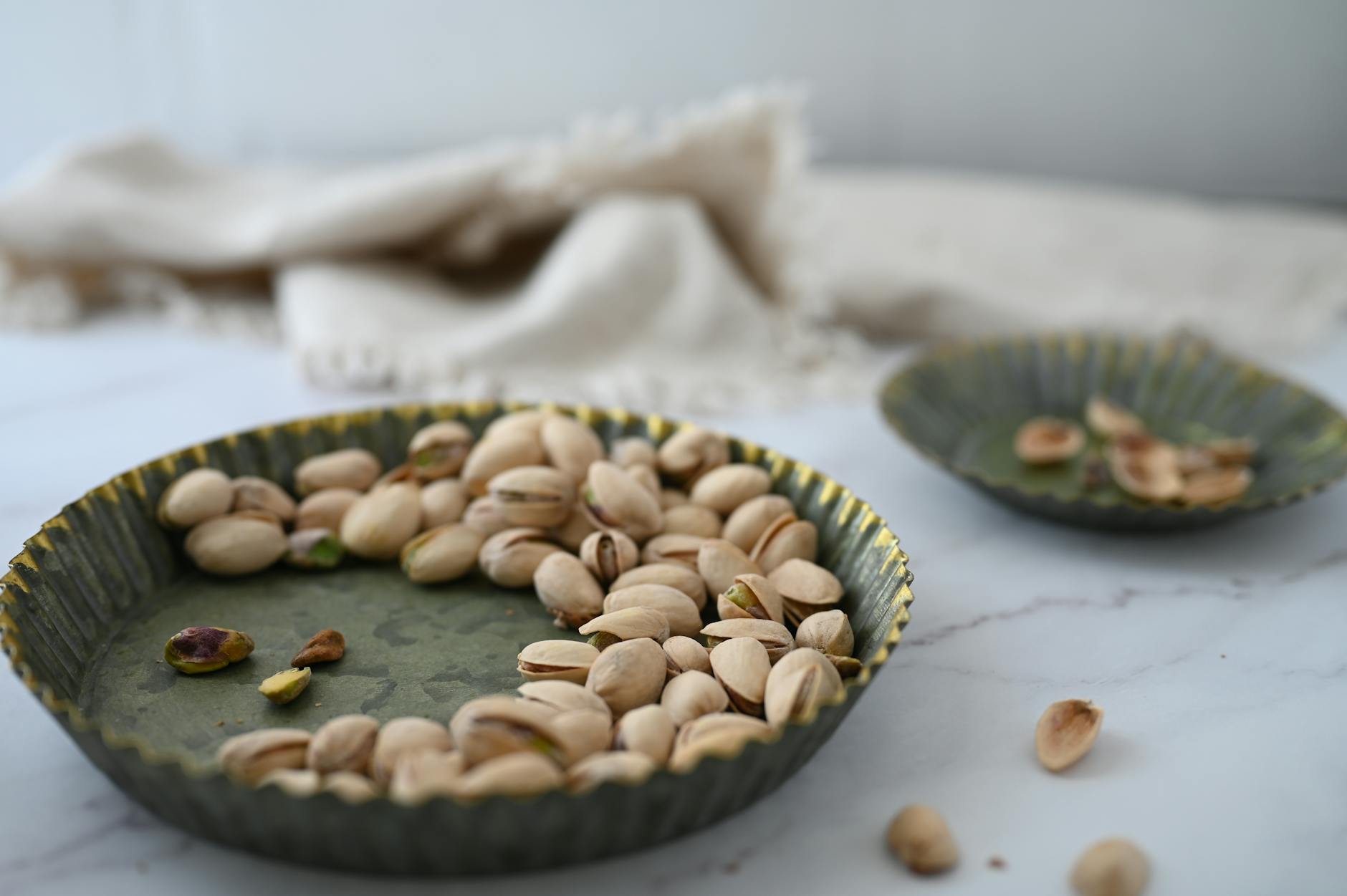
Pistachios are nutrient-dense nuts that help lower peripheral vascular resistance and blood pressure. They contain phytosterols and fiber that effectively reduce the absorption of cholesterol. The antioxidants lutein and zeaxanthin found in pistachios promote vascular health. snacking on them in the shell slows down consumption and aids in portion control. They are a heart-smart snack that satisfies savory cravings.
Papaya

Papaya contains an enzyme called papain along with potassium and antioxidants that support heart health. The lycopene and vitamin C in papaya prevent the oxidation of cholesterol in the arteries. Its high fiber content aids in digestion and helps lower cholesterol levels. This tropical fruit reduces inflammation and prevents atherosclerosis progression. It serves as a sweet and hydrating breakfast option that boosts immunity.
Cauliflower
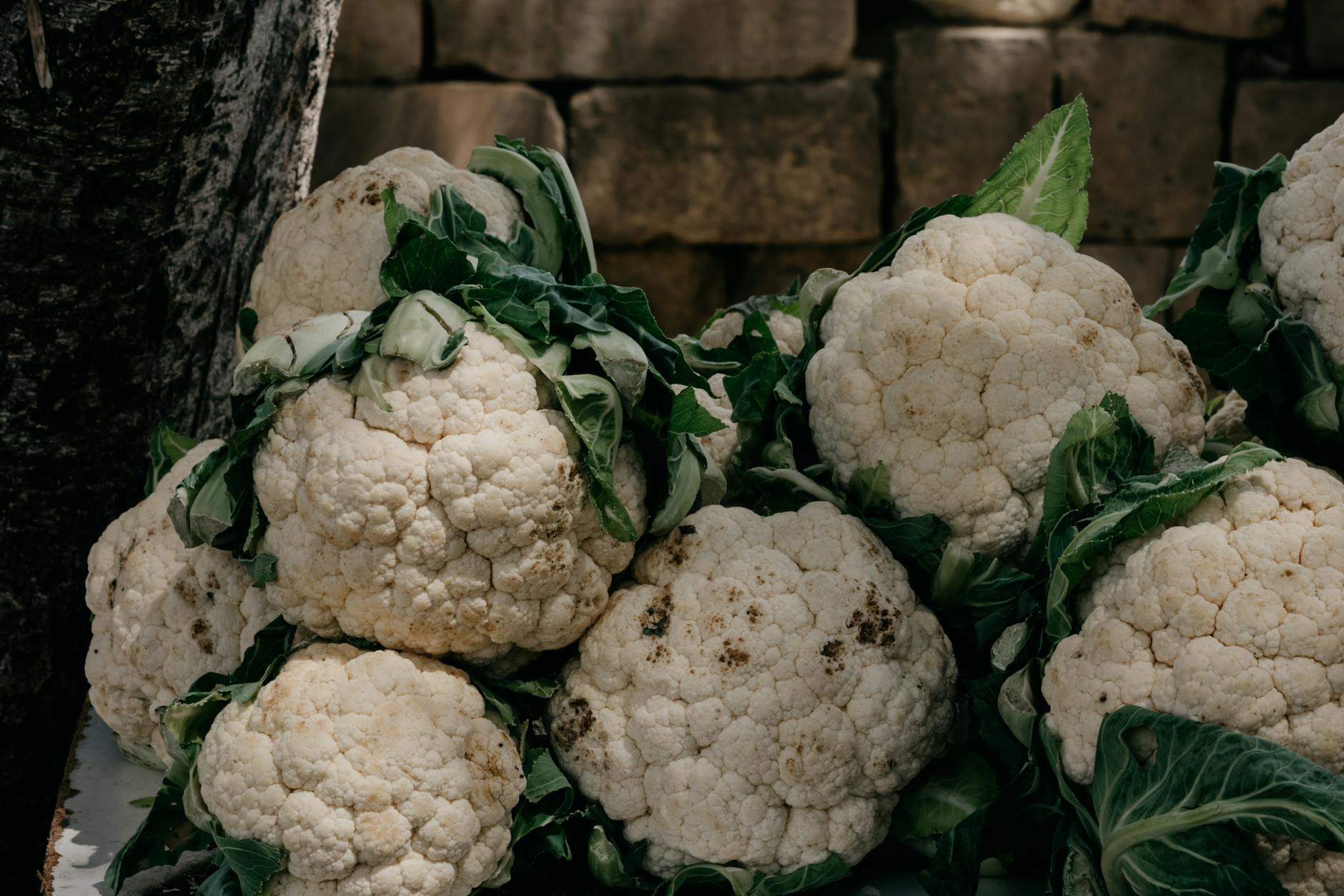
Cauliflower is a versatile vegetable high in fiber and allicin which helps lower the risk of heart strokes. It contains sulforaphane to improve blood pressure and kidney function. The vitamin K and antioxidants in cauliflower reduce inflammation and maintain arterial flexibility. It is a low-calorie substitute for grains that supports weight management and heart health. Roasting or ricing cauliflower makes it an easy addition to any meal plan.
Strawberries
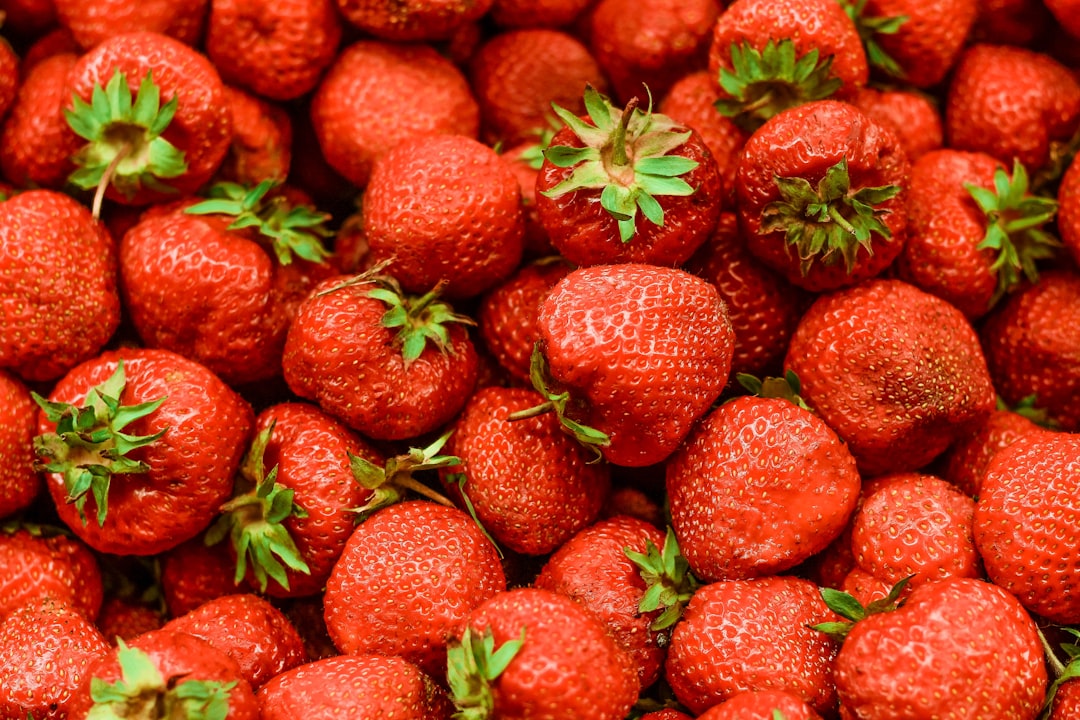
Strawberries are rich in ellagic acid and anthocyanins that improve cholesterol profiles and lower blood pressure. They reduce oxidative stress and the levels of inflammatory markers in the blood. Regular consumption improves the function of blood platelets and endothelial cells. The high vitamin C content strengthens blood vessel walls and prevents plaque formation. These berries are a sweet way to satisfy dessert cravings while protecting the heart.
Spirulina
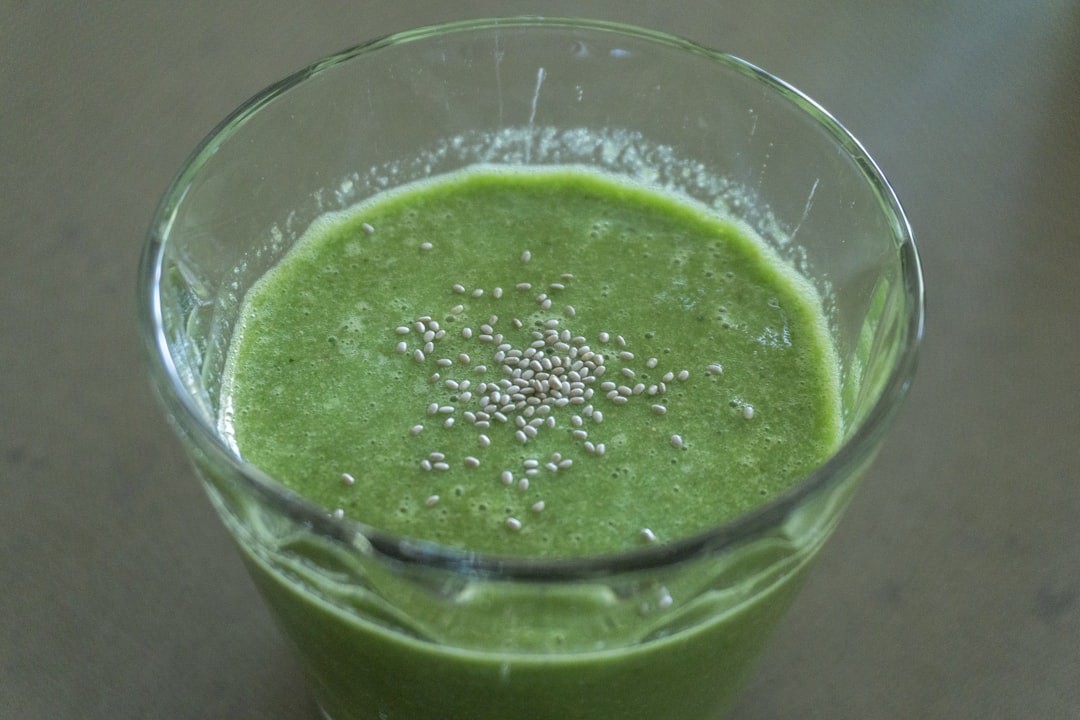
Spirulina is a blue-green algae that regulates lipid profiles by lowering bad cholesterol and triglycerides. It contains phycocyanin which gives it color and provides strong antioxidant effects. This supplement helps increase the production of nitric oxide to relax blood vessels. It supports healthy blood pressure and reduces arterial inflammation. Adding spirulina powder to smoothies boosts nutrient density significantly.
Herring
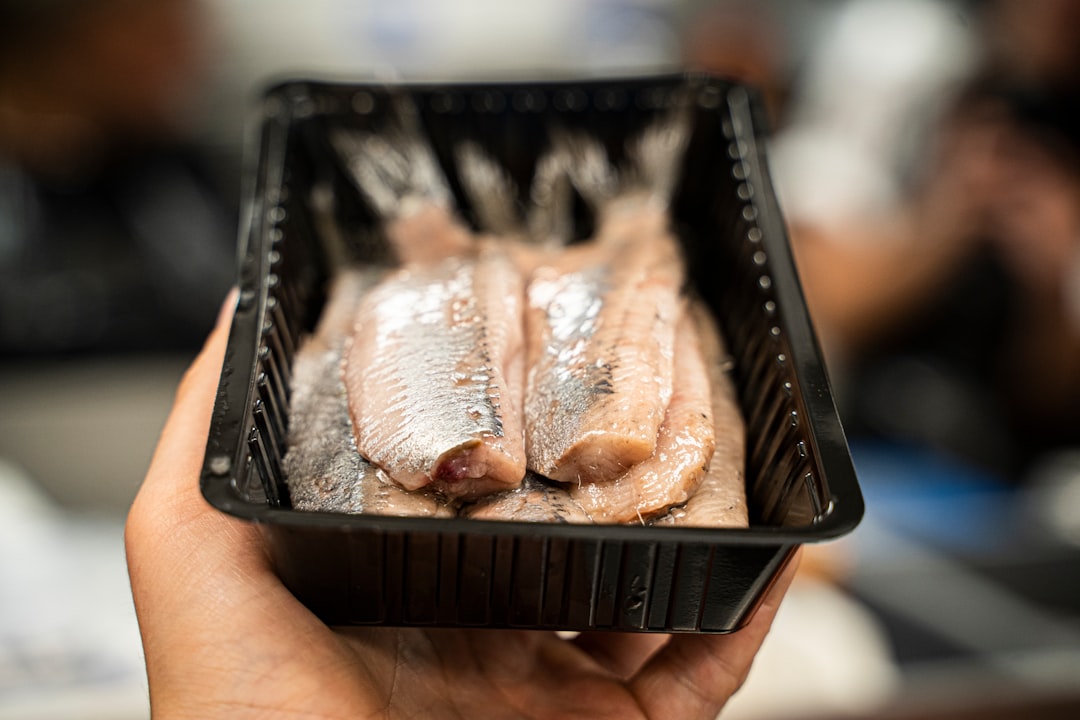
Herring is a small fish that is rich in vitamin D and omega-3 fatty acids. It helps protect the heart by lowering triglycerides and reducing the risk of arrhythmia. The lean protein in herring supports muscle maintenance and metabolic health. It contains selenium and vitamin B12 for optimal cardiovascular function. Pickled or smoked herring is a traditional way to enjoy this artery-clearing food.
Collard Greens
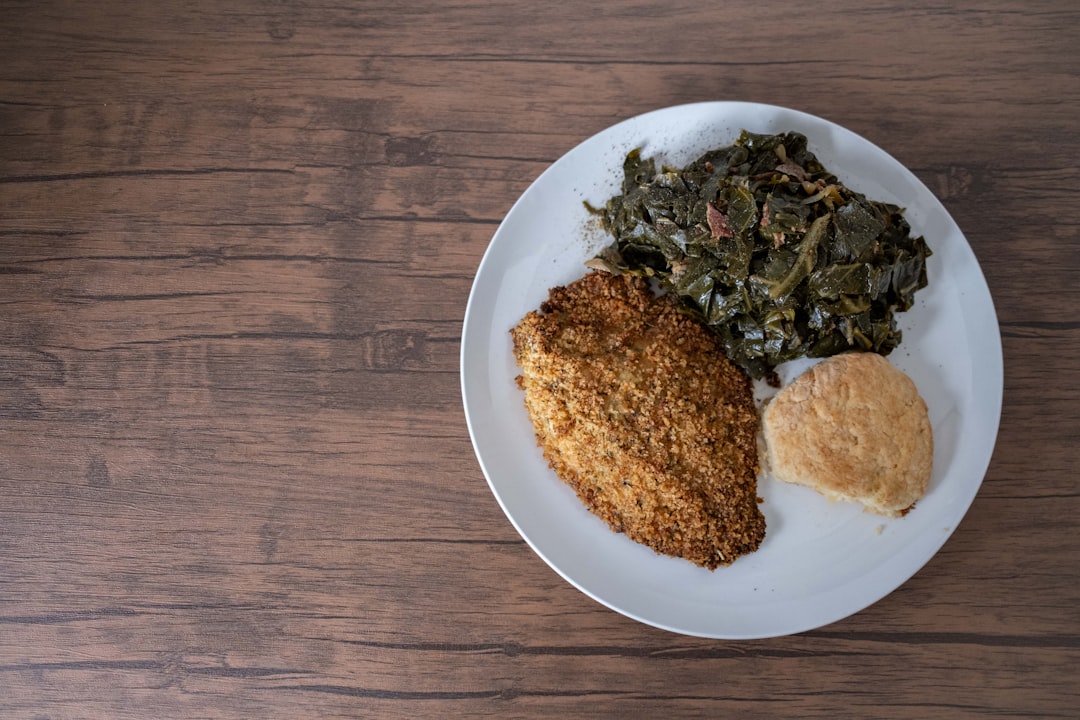
Collard greens are excellent sources of calcium and fiber that bind to bile acids to lower cholesterol. They contain vitamin K which keeps calcium out of the arteries and in the bones where it belongs. The steam-cooking method improves the bile acid binding capacity of these greens. They are rich in antioxidants that fight inflammation and oxidative stress. Southern-style greens can be made healthy by using olive oil instead of heavy meats.
Kidney Beans
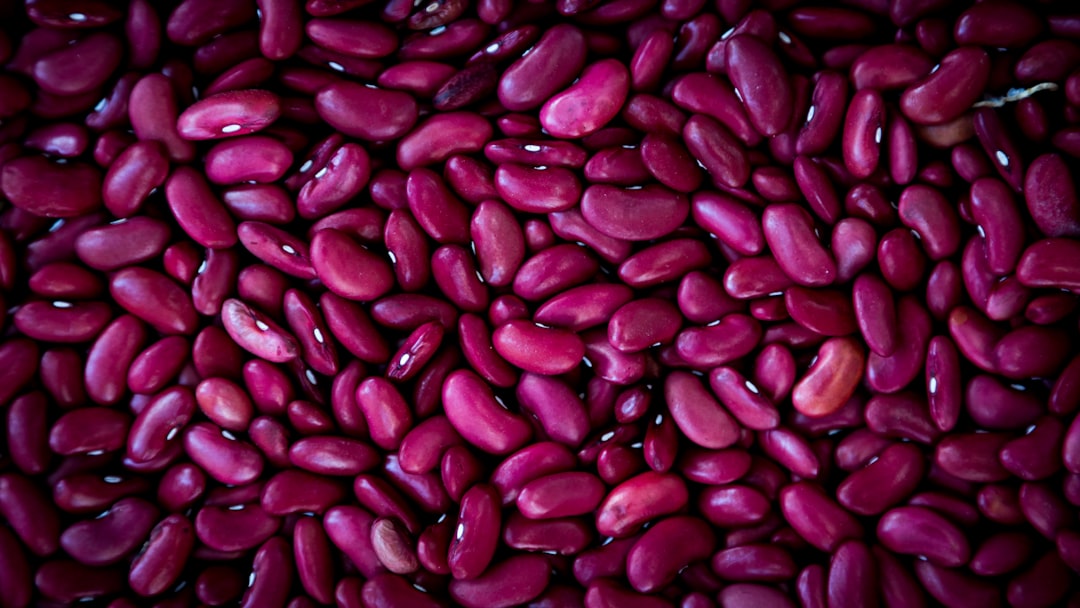
Kidney beans are robust sources of resistant starch and fiber that improve heart health indicators. They help lower homocysteine levels due to their high folate content. The magnesium and potassium in kidney beans support healthy blood pressure regulation. They have a low glycemic index which prevents blood sugar spikes that damage arteries. Adding them to chili or salads provides a hearty texture and vascular benefits.
Raspberries
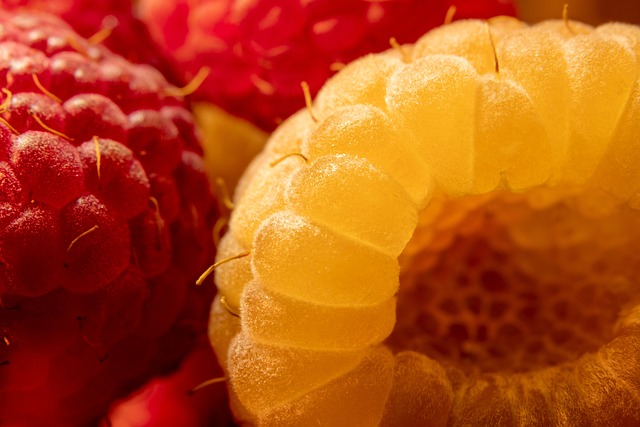
Raspberries are incredibly high in fiber specifically manganese and vitamin C. The polyphenols in raspberries reduce the risk of heart disease by lowering blood pressure. They improve the balance of fats in the blood and prevent platelet aggregation. These berries have a low sugar content making them safe for blood sugar management. Their tart flavor brightens up breakfast bowls and salads alike.
Anchovies
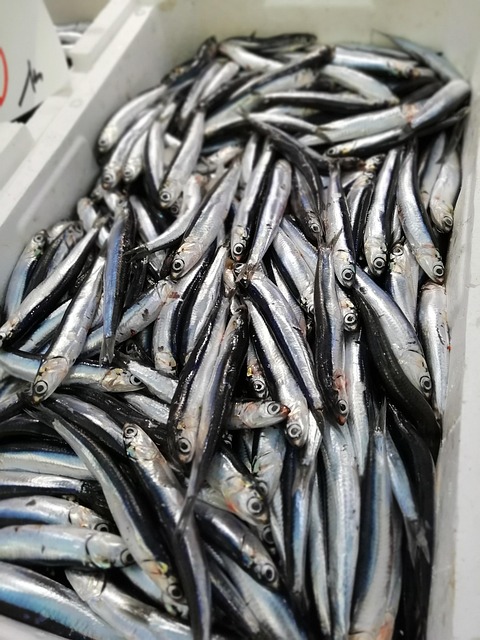
Anchovies are tiny fish loaded with niacin and selenium which are vital for cardiovascular health. They provide a concentrated source of omega-3 fatty acids that reduce arterial inflammation. The peptide content in anchovies helps lower blood pressure effectively. They are low in mercury and toxins due to their short lifespan and size. dissolving anchovies into sauces adds umami flavor and heart benefits simultaneously.
Tuna
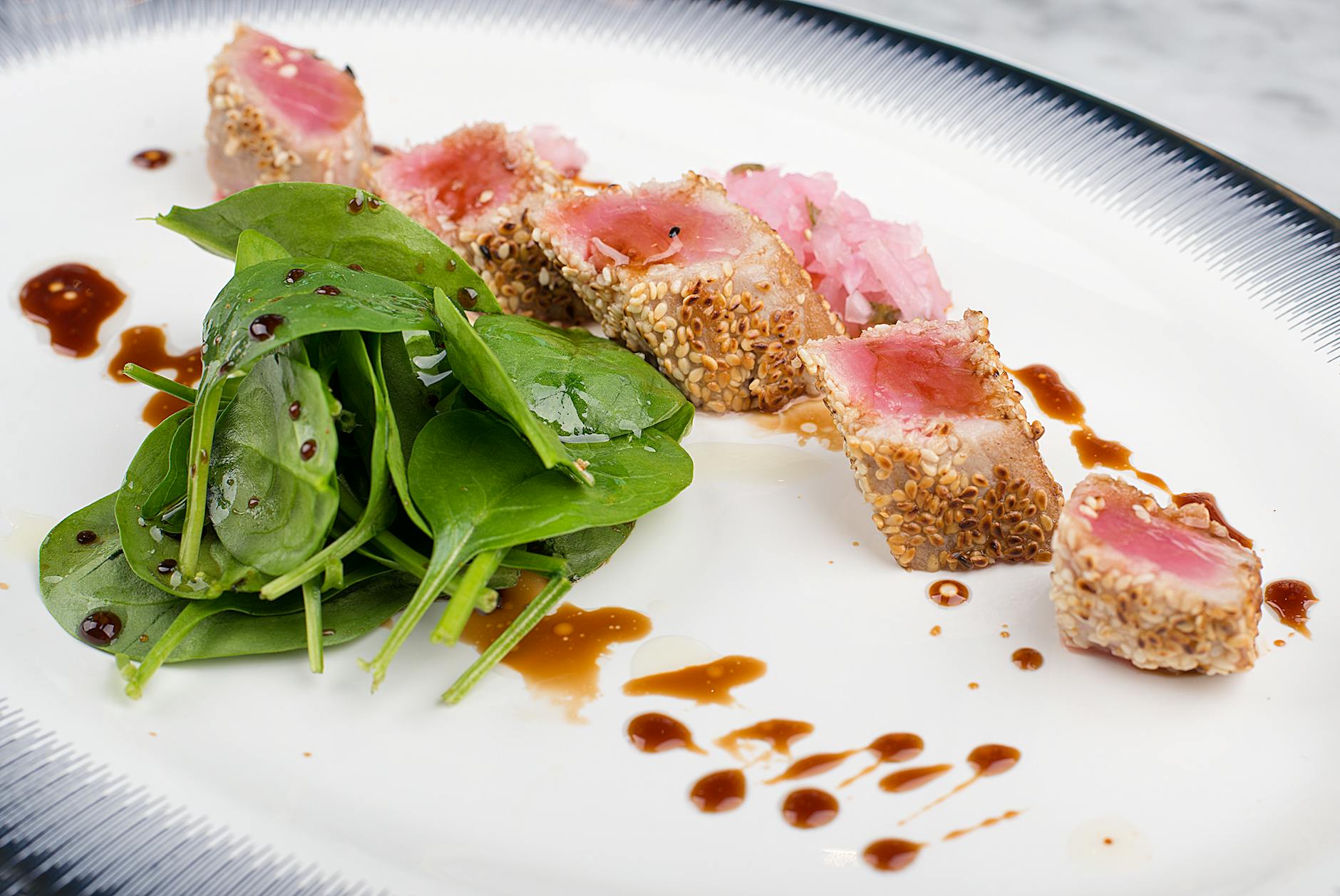
Tuna provides lean protein and omega-3 fatty acids that help prevent coronary heart disease. It reduces the risk of irregular heartbeats and lowers triglyceride levels in the blood. The niacin in tuna helps raise good cholesterol and keeps the arteries clear. It contains vitamin B6 and folic acid which lower homocysteine levels. choosing light or skipjack tuna reduces mercury exposure compared to larger species.
Share your favorite heart-healthy recipe or ingredient from this list in the comments.