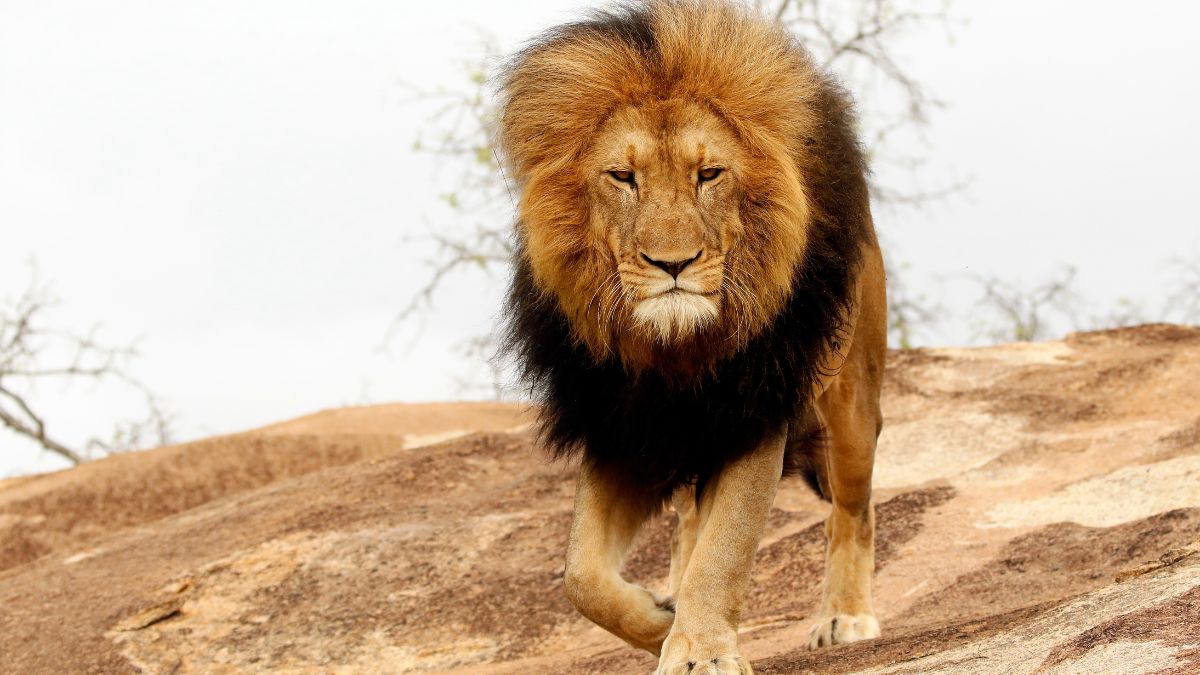
Five lions in New Zealand that were facing euthanasia have been given a second chance at life thanks to a last-minute intervention by a group of animal lovers and investors. The Kamo Wildlife Sanctuary, where the lions resided, was forced to close last year after running out of funding. With the animals too old and too medically fragile to be safely relocated, euthanasia had been considered the only remaining option. What happened next, however, turned a bleak situation into something genuinely uplifting.
A group calling itself the Lionhearts Project announced that it had stepped in to purchase the sanctuary’s land outright and transform the former public attraction into a dedicated private refuge for the five aging lions. The group’s statement was clear and warmly worded about its intentions. “We bought their land and closed the doors to the public, turning the former park into a private sanctuary for elderly lions,” the group said. “No more shows. No more crowds. Just peace, dignity, and the best ‘senior care’ a lion could wish for.” The language resonated widely with those who heard it, capturing both the practical reality of what had been arranged and the emotional weight behind the decision.
Trustee Tim Groenendaal spoke directly about the five lions by name in the announcement, giving the story an immediate personal dimension that made the rescue feel concrete rather than abstract. “We want Shikira, Abdullah, Cleo, Themba, and Timba to wake up every morning knowing they are loved, protected, and exactly where they belong,” Groenendaal said. “This is now their home, truly and finally.” The naming of the animals in the announcement was a deliberate and significant choice, underlining the group’s commitment to treating each lion as an individual with inherent value rather than as a problem to be managed.
The purchase of the land was described as a complex undertaking that required the involvement of a broad coalition of supporters. The animal welfare charity HUHA, which helped bring the Lionhearts Project together, acknowledged the difficulty of the acquisition on its Facebook page. “It took a whole community of real estate investment heroes,” HUHA wrote, expressing gratitude to everyone involved for their dedication, compassion, and vision. The organization played a key coordinating role in connecting the investors and animal welfare advocates whose combined resources and commitment made the purchase possible.
With the rescue completed, the Lionhearts Project has launched a crowdfunding campaign to secure the ongoing financial support needed to care for the lions throughout the remainder of their lives. The group has been transparent about the costs involved, noting that feeding and maintaining five elderly large cats is a significant and ongoing expense. “The rescue is done, but the care is just beginning,” the group stated. “Feeding and caring for five elderly lions costs thousands every week. We need our community to get involved and help us fund their golden years.” The campaign is intended to build a stable base of support from the public to complement the initial investment made by the founding group.
The Kamo Wildlife Sanctuary has a history that is intertwined with one of New Zealand’s more colorful wildlife personalities. The park was founded by Craig Busch, widely known as the “Lion Man,” who became a recognizable figure through a television series that aired in the early 2000s and documented his work with big cats. At its peak, the sanctuary was home to around 30 endangered felines of various species, including lions, white tigers, leopards, and cheetahs. The park’s story took a tragic turn in 2009 when chief keeper Dalu Mncube was killed by a tiger on the grounds, an event that cast a long shadow over the sanctuary’s legacy and raised difficult questions about the management of captive big cats.
Lions are listed as vulnerable on the International Union for Conservation of Nature’s Red List, with wild populations across Africa having declined significantly over the past century due to habitat loss, conflict with humans, and a reduction in prey availability. Captive lions in sanctuaries and wildlife parks exist in a complicated ethical space, with ongoing debate about whether facilities of this kind serve conservation goals or primarily fulfill a demand for human entertainment. The transformation of the Kamo property from a public wildlife park into a closed private sanctuary represents one response to that debate, prioritizing the welfare and dignity of individual animals over the institution’s public function.
Caring for aging lions carries specific challenges that go beyond the general requirements of keeping big cats in captivity. Elderly lions are susceptible to a range of age-related conditions including arthritis, dental disease, kidney failure, and vision loss, and providing appropriate veterinary care for animals of this size and temperament requires specialist expertise and equipment. The financial commitment made by the Lionhearts Project is therefore not a one-time gesture but an ongoing responsibility that will likely grow more demanding as the five animals continue to age.
If this story moved you and you would like to share your thoughts on wildlife sanctuaries or the challenges of caring for aging animals, leave your comments in the comments section.