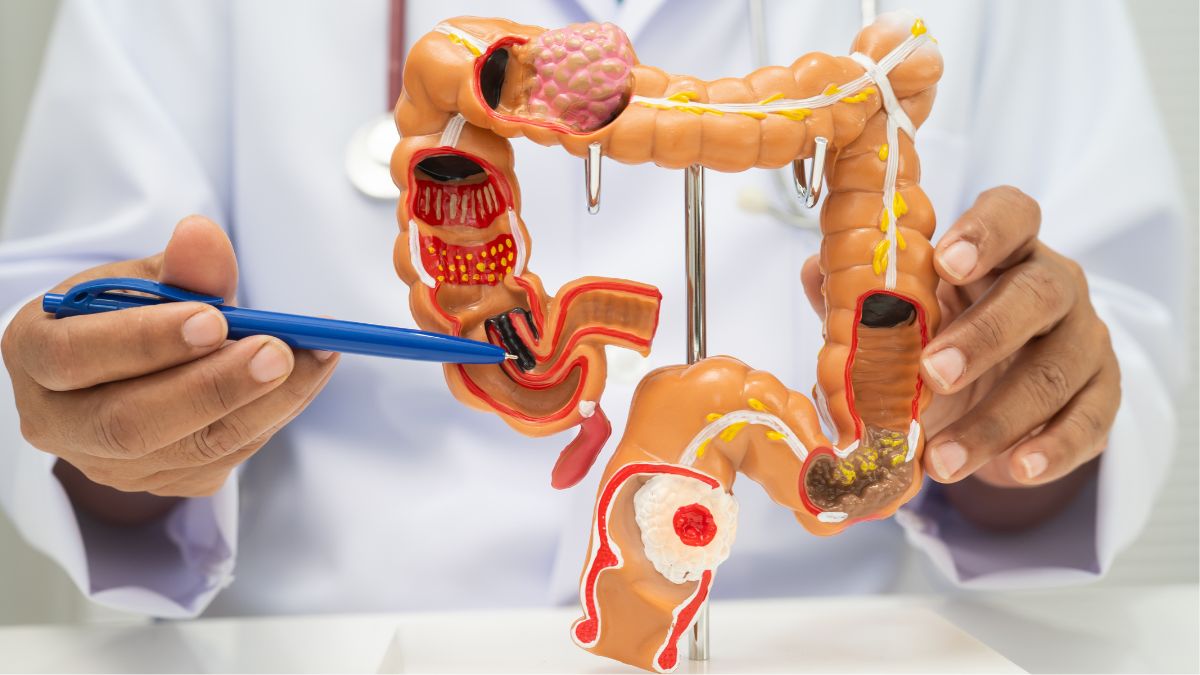
A major multicenter study co-led by Cedars-Sinai medical center has sounded the alarm on gastrointestinal cancers, projecting that global cases could double by 2050. The cancers attracting the most concern are pancreatic cancer, colorectal cancer, liver cancer, esophageal cancer, and stomach cancer. Researchers say both lifestyle-related risk factors and persistent gaps in early detection are driving the troubling trajectory. The findings point not only to a growing global burden but also to specific, actionable steps that individuals can take to lower their personal risk.
Dr. Ju-Dong Yang, medical director of the Liver Cancer Program at Cedars-Sinai and one of the study’s authors, made clear that the situation demands urgent attention. “Rates of these cancers are expected to increase worldwide, so significant efforts are needed to encourage lifestyle changes and develop screening programs to suppress them,” he said in a statement. The projections indicate that pancreatic cancer diagnoses and colorectal cancer deaths will see the steepest increases over the next 24 years. Esophageal and liver cancer cases and fatalities are also expected to climb on a global scale.
Liver cancer stands out as particularly preventable, according to the Cedars-Sinai researchers. Dr. Yang noted that up to 70 percent of liver cancer cases could be avoided through lifestyle modifications. While hepatitis B and C were once the dominant drivers of liver cancer in the United States, a condition called metabolic dysfunction-associated steatotic liver disease, or MASLD, has moved to the forefront. “MASLD is emerging as the leading cause of liver cancer in Western countries, including the United States,” Yang explained. This condition involves fat accumulation in the liver and is closely tied to obesity, diabetes, elevated cholesterol, and high blood pressure, meaning that managing those underlying health issues can meaningfully reduce risk.
Despite the growing threat, screening remains severely underutilized. Yang pointed out that only about 20 percent of Americans with cirrhosis caused by hepatitis or other chronic liver conditions actually get screened for liver cancer on a regular basis. As a result, roughly 70 percent of cases are caught too late for curative treatment, with only around 30 percent discovered at an early enough stage.
Esophageal and stomach cancers present a similar challenge, largely because they tend to produce few symptoms before the disease has already spread. Dr. Alexandra Gangi, director of the Gastrointestinal Tumor Program at Cedars-Sinai, described these as particularly aggressive. “These tumors cause few symptoms before the cancer spreads, and they tend to spread quickly,” she said in a statement. She urged people to pay close attention to modifiable risk factors such as obesity, tobacco and alcohol use, and poor diet. Anyone dealing with chronic acid reflux, gastritis, or a family history of these cancers should speak with a physician about screening options.
Colorectal cancer, meanwhile, is one of the most treatable cancers when found early, yet late-stage diagnoses remain alarmingly common. Dr. Alessio Pigazzi, director of the Division of Colorectal Surgery at Cedars-Sinai, put it plainly: “Because of late diagnosis, colorectal cancer is very lethal, while early detection leads to very high cure rates.” He recommended that everyone begin screening by age 45, with earlier screening for those who have a family history of the disease. A diet high in fiber and low in sugar and animal fats, combined with regular physical activity and attention to warning signs like rectal bleeding or unexplained changes in bowel habits, can provide additional protection.
Pancreatic cancer remains the most difficult of the five to catch early. Dr. Arsen Osipov, medical director of the Pancreatic Cancer Program at Cedars-Sinai, noted that in roughly half of all patients, the disease has already spread by the time a diagnosis is made. Encouragingly, recent advances including liquid biopsy blood tests and structured screening protocols for those with high genetic risk are improving early detection capabilities. Osipov recommended lifestyle changes consistent with those advised for the other gastrointestinal cancers and suggested that people with chronic pancreatitis or a family history of pancreatic cancer consider genetic counseling.
Looking ahead, researchers at Cedars-Sinai including Dr. Katelyn Atkins and Dr. Robert Figlin are working to develop blood-based biomarkers, precision radiation therapies, and personalized treatment approaches. Their goal is not only to extend survival but to protect quality of life, all while reinforcing that prevention and early detection remain the most powerful tools available as cancer rates continue to climb.
Pancreatic cancer has one of the lowest five-year survival rates of any cancer, hovering around 13 percent in the United States, largely because it is almost never caught before it spreads. The liver performs over 500 distinct functions in the body, which is part of why liver disease can be so difficult to detect early. Colorectal cancer was once considered primarily a disease of older adults, but rates among adults under 50 have been rising steadily for decades, a trend that researchers are still working to fully explain.
What are your thoughts on these findings, and have any of them changed how you think about your own health habits? Share in the comments.