Mosques represent some of the most intricate and culturally significant architectural achievements throughout history. These structures often serve as community hubs while showcasing regional building styles and advanced engineering techniques. From the ancient deserts of the Middle East to modern urban centers in Europe and Asia, these religious sites utilize light and geometric patterns to create unique environments. Architects incorporate marble and gold and tile work to produce grand spaces that reflect local heritage. This collection explores fifty examples of such diverse and influential architectural designs from around the globe.
Sheikh Zayed Grand Mosque
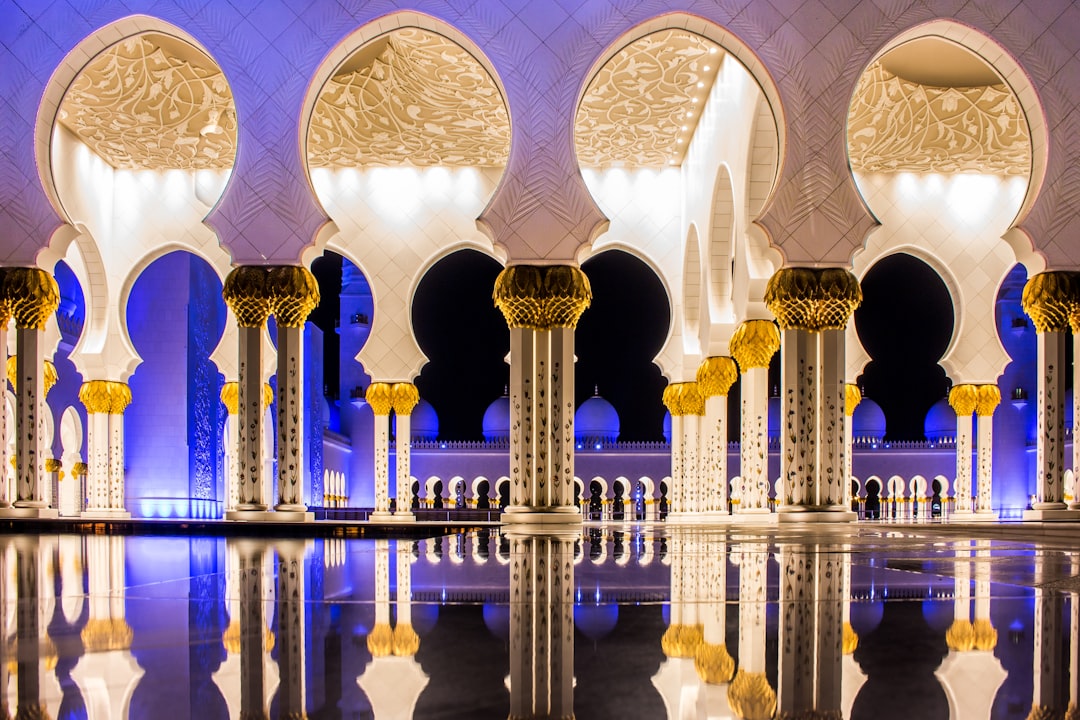
This massive structure in Abu Dhabi features eighty two white marble domes and four tall minarets. The main prayer hall houses the world’s largest hand knotted carpet and massive Swarovski crystal chandeliers. More than one thousand columns are decorated with Jasper and Amethyst inlays to reflect traditional floral motifs. This building serves as a major center for Islamic culture and art in the United Arab Emirates. It can accommodate over forty thousand people at once within its expansive courtyard and halls.
Sultan Ahmed Mosque
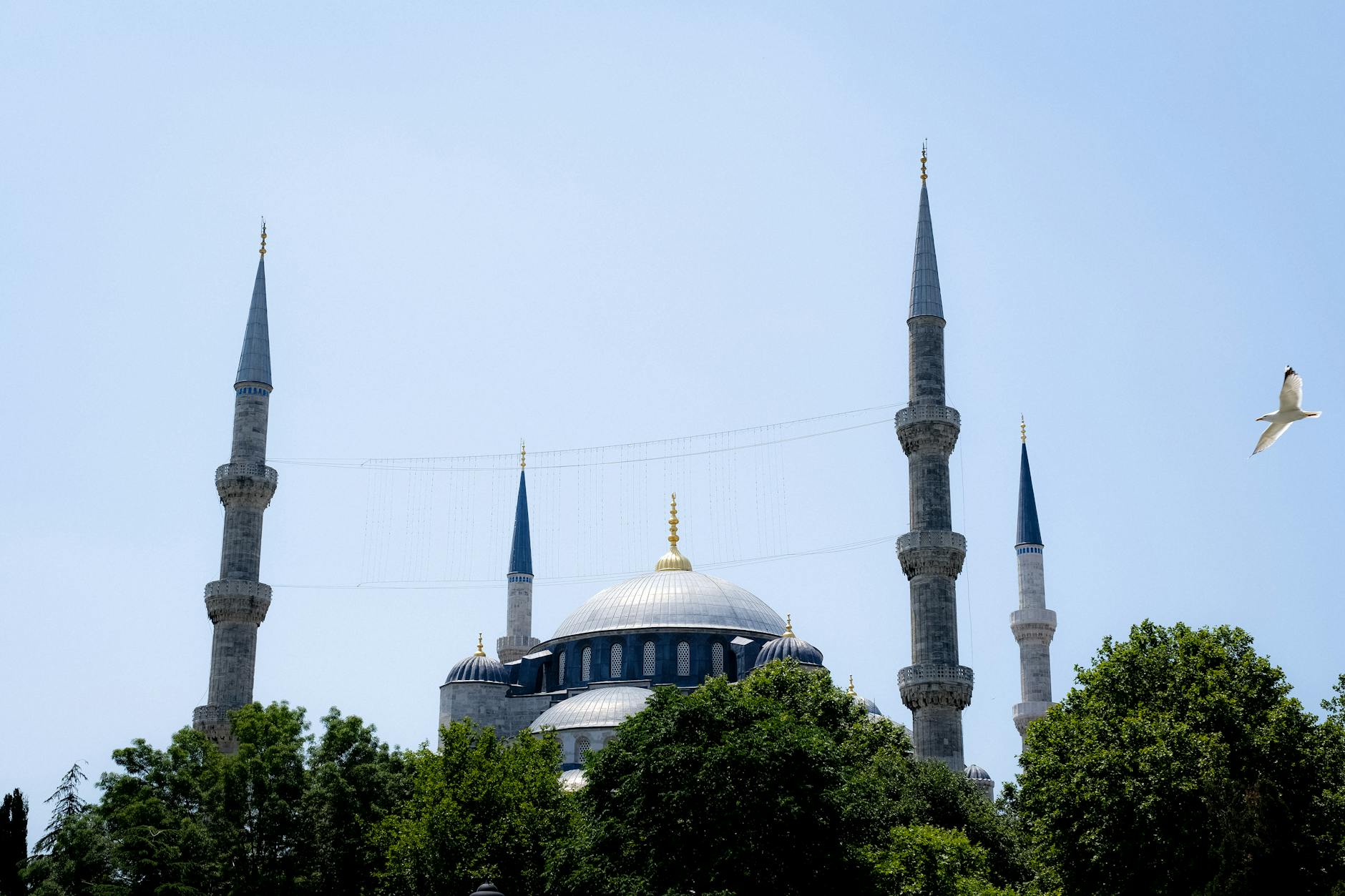
The Blue Mosque in Istanbul is famous for its six slender minarets and cascading domes. Inside the building thousands of blue Iznik tiles create intricate patterns that glow under natural light from over two hundred windows. The architecture blends traditional Islamic elements with Byzantine influences from the neighboring Hagia Sophia. Visitors admire the vast courtyard which remains the largest of all Ottoman mosques. It continues to function as an active place of worship while drawing millions of tourists annually.
Nasir Al Mulk Mosque
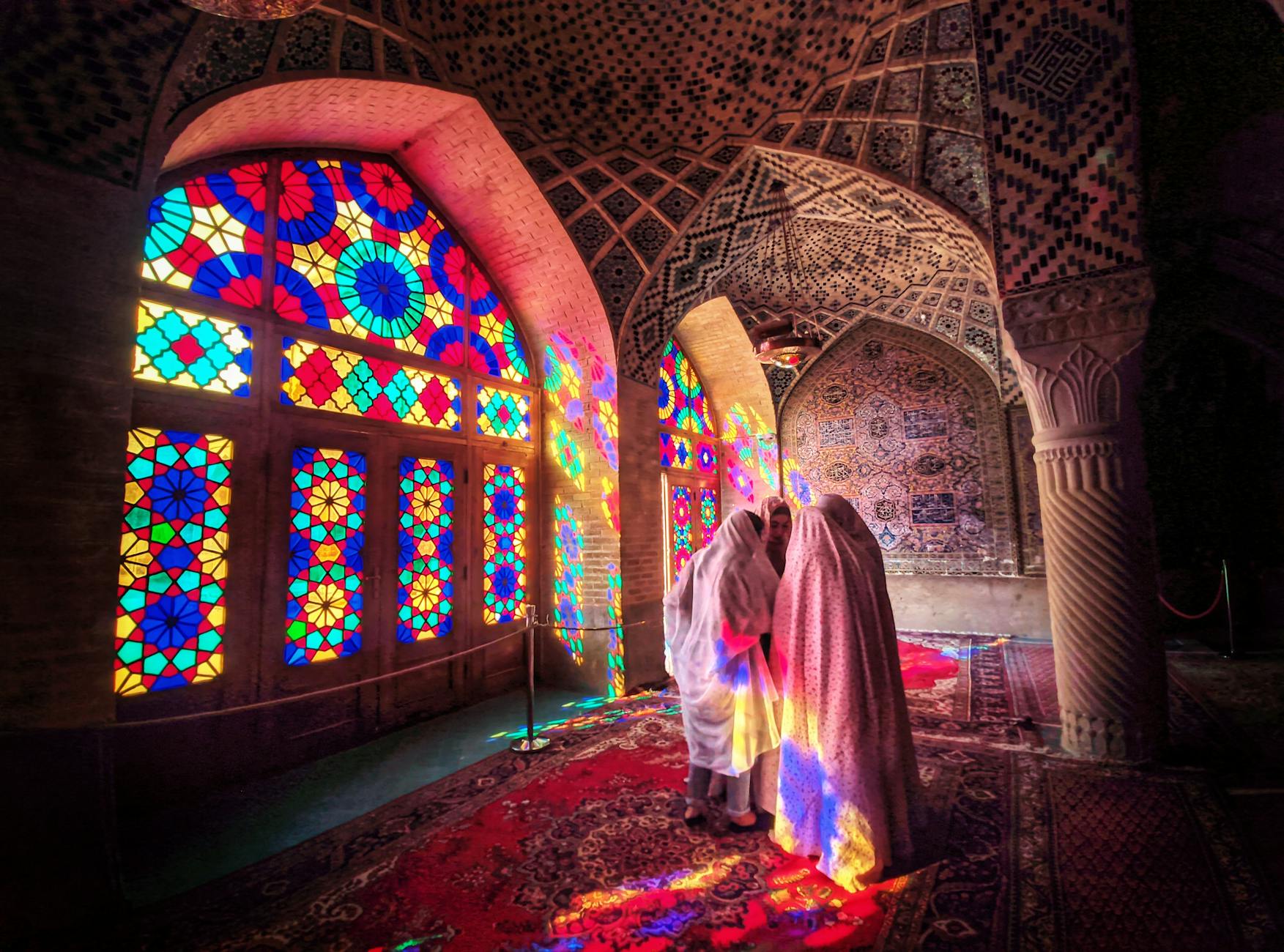
This site in Shiraz is often called the Pink Mosque due to the extensive use of rose colored tiles. Its most striking feature is the stained glass windows that catch the morning sun to create a kaleidoscope of colors on the floor. The prayer hall features intricately carved pillars and colorful floral patterns that cover every inch of the ceiling. This nineteenth century structure remains a prime example of Qajar era architecture in Iran. It provides a unique visual experience that differs from more traditional blue or green mosque designs.
Faisal Mosque
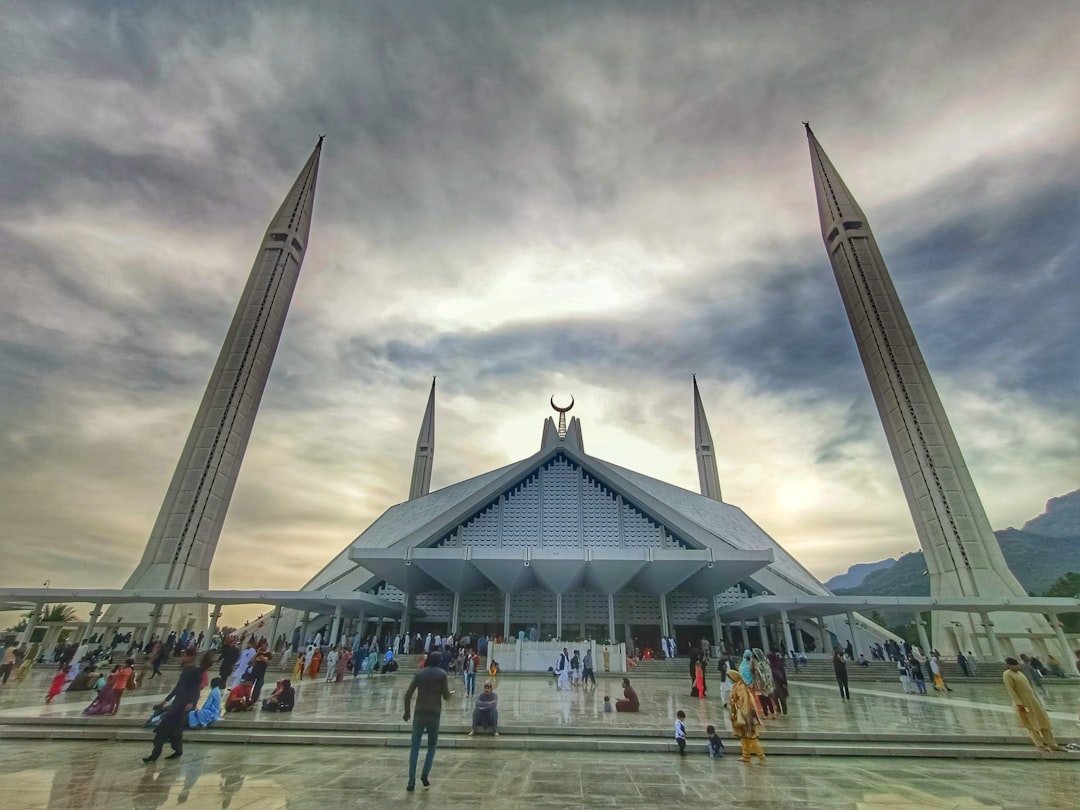
Located at the foot of the Margalla Hills in Islamabad, this mosque is shaped like a desert tent. It lacks a traditional dome and instead uses four thin minarets inspired by Turkish architecture to anchor its concrete shell. The structure covers an area of five thousand square feet and can hold nearly three hundred thousand people in its grounds. It was designed by a Turkish architect and stands as a symbol of modern Pakistan. The interior features white marble and mosaics along with a large gold chandelier.
Hassan II Mosque
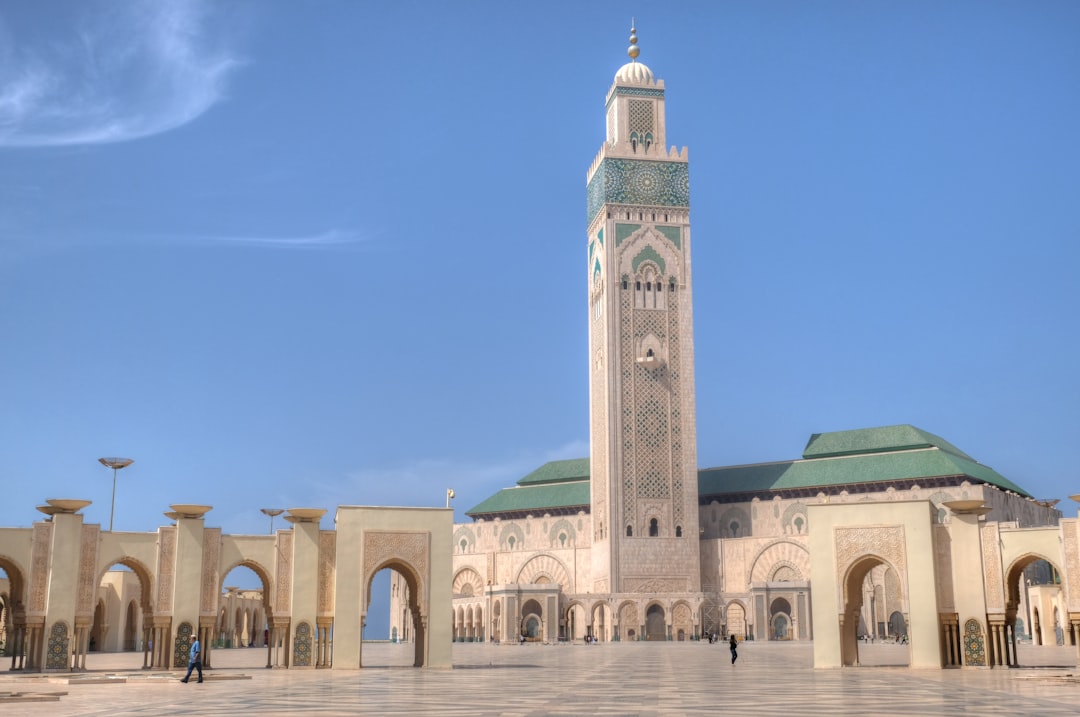
Built on a reclaimed piece of land in Casablanca, this mosque features a minaret that stands six hundred eighty nine feet tall. It is the largest mosque in Morocco and includes a retractable roof that allows fresh air into the prayer hall. The design incorporates traditional Moorish elements like hand carved wood and intricate zellij tile work. Part of the floor is made of glass which allows worshippers to pray directly over the Atlantic Ocean. This masterpiece took seven years and over ten thousand artisans to complete.
Crystal Mosque

This modern structure in Malaysia is made entirely of steel and glass and smoke colored mirrors. It sits on the edge of the Terengganu River and appears to float on the water during high tide. The sleek design reflects sunlight during the day and glows with colorful internal lights after dark. It is part of the Islamic Heritage Park and serves as a popular destination for its futuristic appearance. The mosque also features smart technology and high speed internet access for its visitors.
Great Mosque Of Cordoba
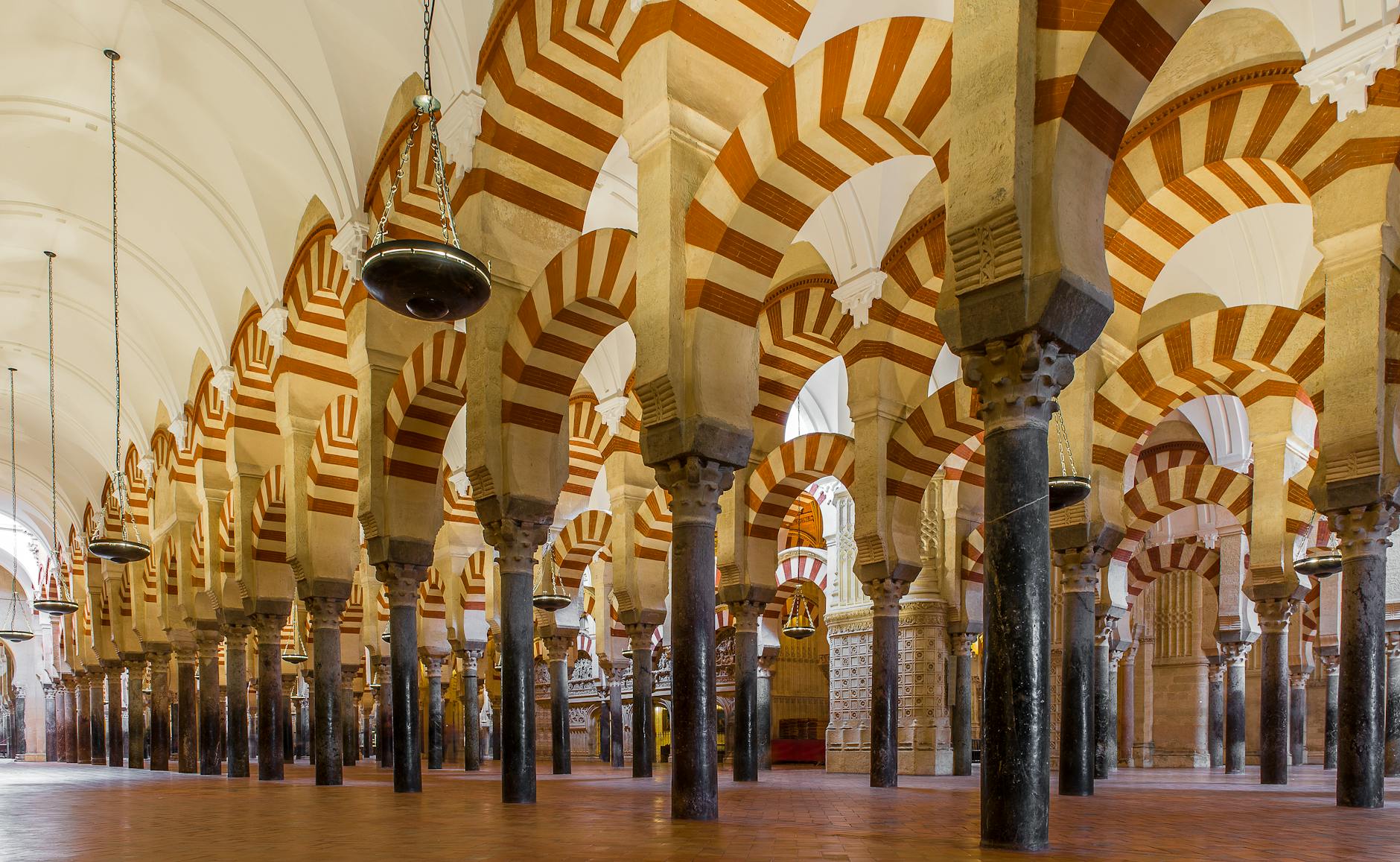
This historic site in Spain is renowned for its vast prayer hall supported by over eight hundred red and white striped arches. The architecture reflects a mix of Umayyad and Renaissance styles because it was converted into a cathedral in the sixteenth century. Intricate gold mosaics and carved marble panels decorate the mihrab and central domes. It stands as a testament to the sophisticated design techniques developed in Al Andalus during the Middle Ages. The building remains one of the most famous examples of Moorish architecture in the world.
Badshahi Mosque
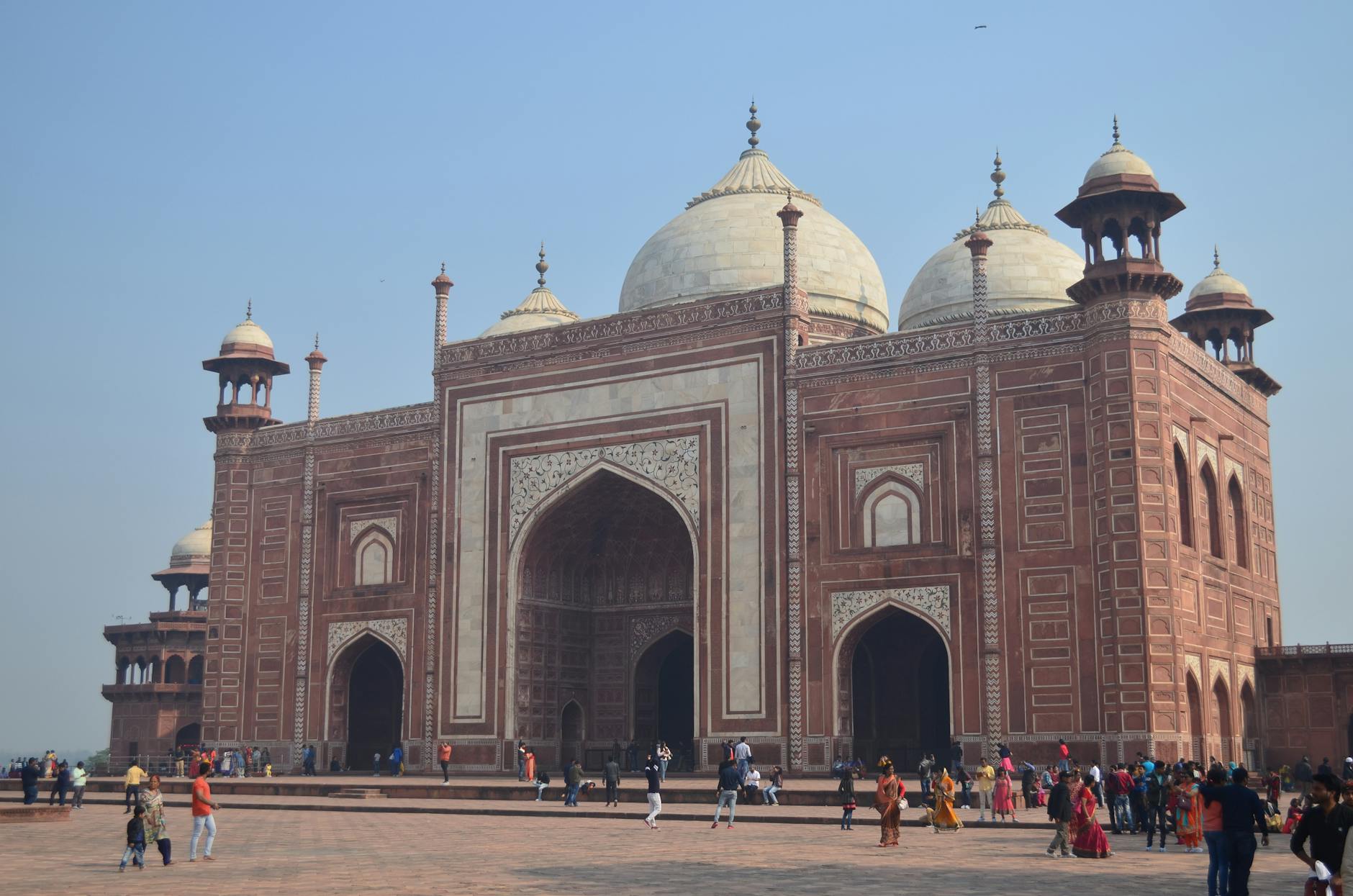
Commissioned by Emperor Aurangzeb in Lahore, this red sandstone structure features three massive white marble domes. The entrance is a grand vaulted gateway that leads into a courtyard capable of holding over one hundred thousand people. Intricate frescoes and inlaid marble decorate the interior walls and the arched niches. It was the largest mosque in the world for over three hundred years after its completion in sixteen seventy three. The architecture represents the height of the Mughal Empire and its focus on symmetry and grandeur.
Putra Mosque
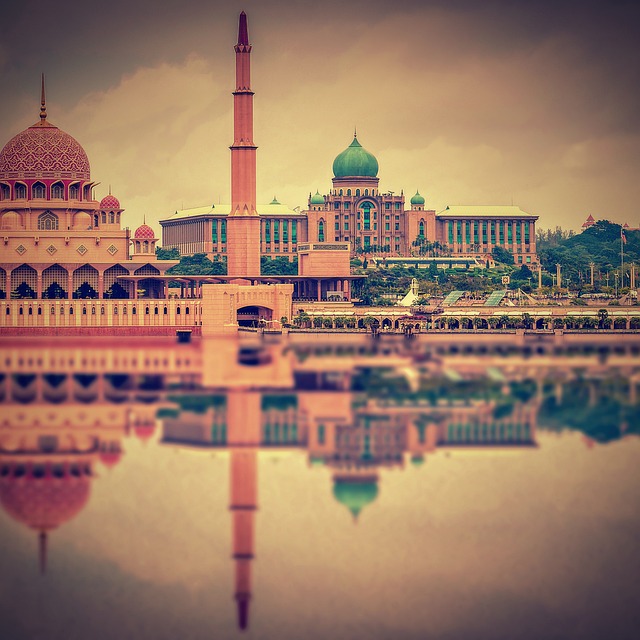
This rose tinted mosque in Malaysia is located on the edge of the Putrajaya Lake and features a stunning pink dome. The design combines Persian and Arabesque architectural styles and includes a minaret that reaches over three hundred eighty feet high. Much of the structure is built with rose colored granite which gives it a distinctive glow in the sunlight. It can accommodate fifteen thousand worshippers and provides several floors for different community activities. The basement level of the mosque leads directly to the water for scenic views.
Sheikh Lutfollah Mosque
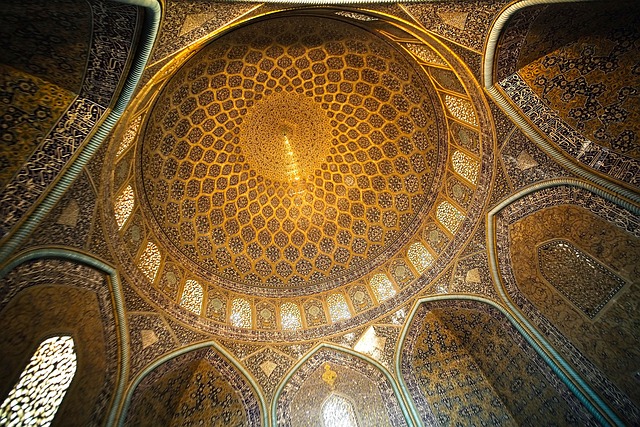
Situated in Isfahan, this seventeenth century mosque is famous for its off center dome and lack of minarets. The exterior dome is covered in delicate cream colored tiles that change shade throughout the day as the sun moves. Inside the prayer hall the ceiling features a giant peacock design formed by intricate tile mosaics. This mosque was originally built for the royal family and served as a private place of worship. Its architectural precision and beautiful tile work make it a masterpiece of Safavid design.
Kul Sharif Mosque
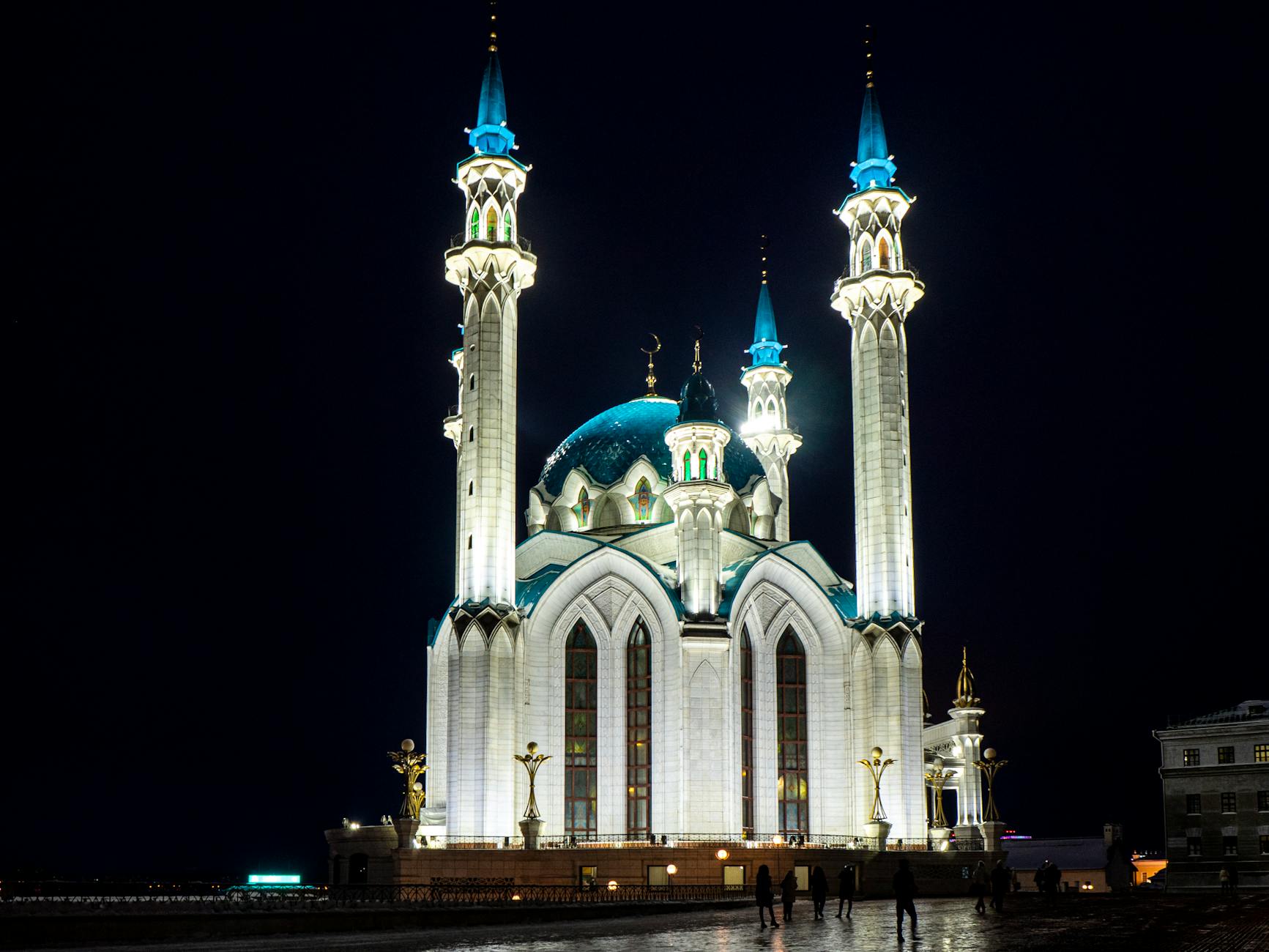
This mosque in the Kazan Kremlin was rebuilt in two thousand five to replace a historic structure destroyed centuries ago. It features four main minarets and several smaller blue tipped towers that reach toward the sky. The interior is decorated with turquoise and gold colors and includes a large museum of Islamic culture. It serves as a major religious center for the Republic of Tatarstan and sits next to an Orthodox cathedral. The design blends traditional Volga Bulgarian elements with modern architectural styles.
Jame Asr Hassanil Bolkiah Mosque
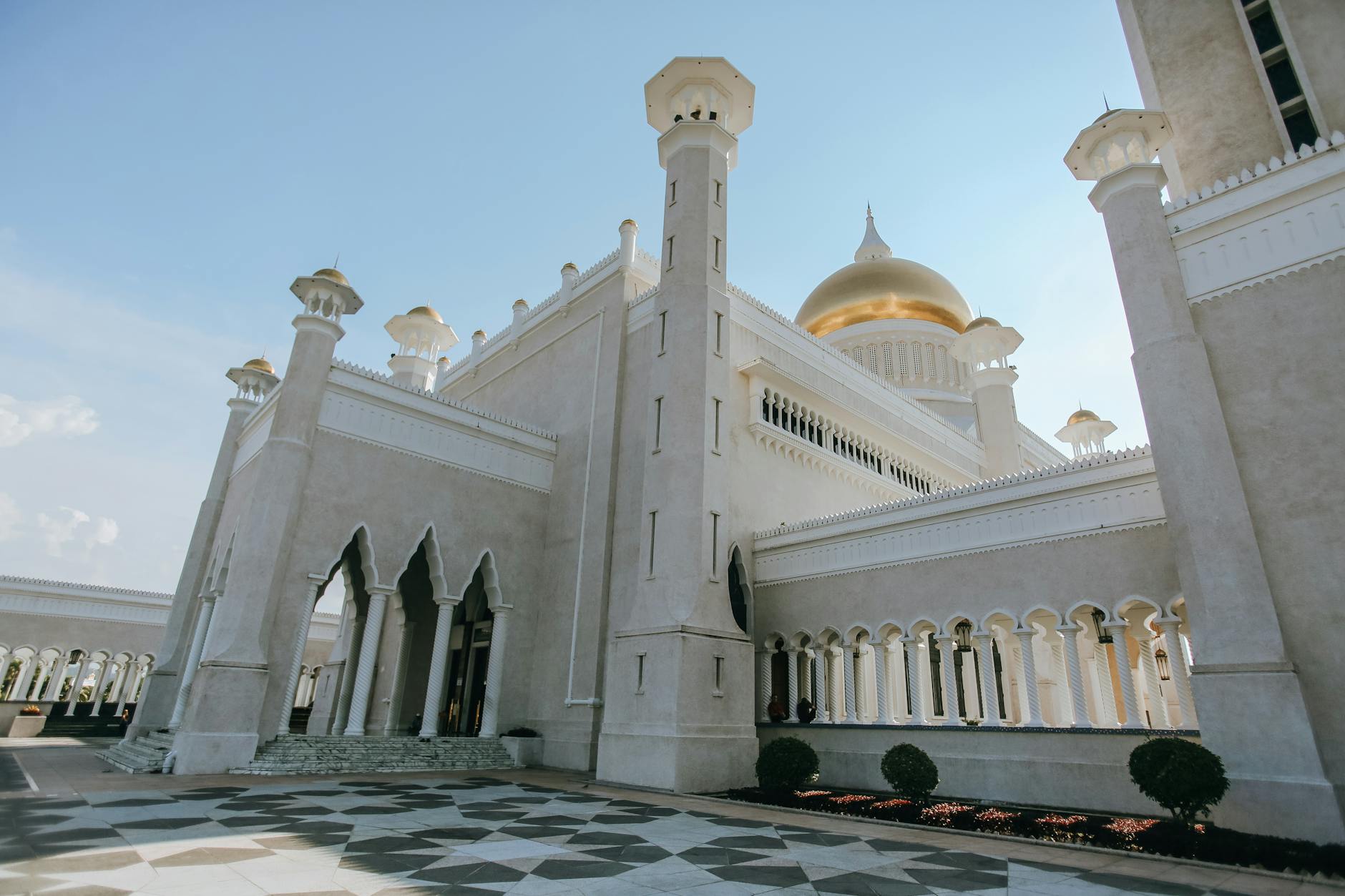
This mosque in Brunei features twenty nine golden domes to commemorate the twenty ninth Sultan of the nation. The building is surrounded by landscaped gardens and fountains that reflect the ornate turquoise and gold exterior. Inside the prayer hall visitors find heavy chandeliers made of gold and crystal and marble floors imported from Italy. The structure is one of the most opulent examples of modern Islamic architecture in Southeast Asia. It serves as a prominent landmark in the capital city of Bandar Seri Begawan.
Sultan Qaboos Grand Mosque
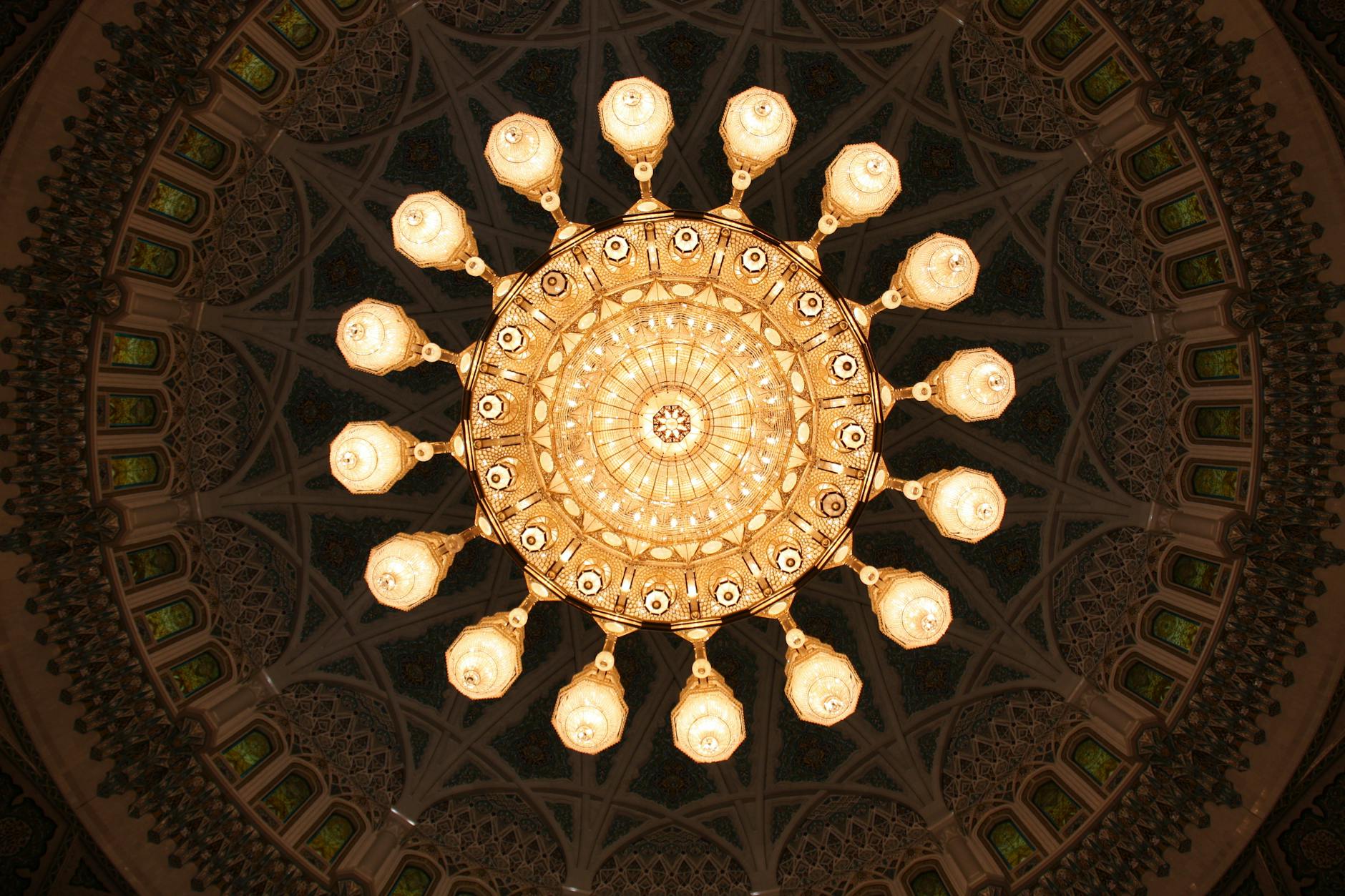
This Omani landmark features a main prayer hall that can hold over six thousand people under a massive central dome. The interior is famous for a hand woven Persian carpet that took four years and six hundred weavers to create. A giant chandelier made of Swarovski crystals hangs from the ceiling and weighs over eight tons. The exterior consists of high quality Indian sandstone and five minarets representing the five pillars of Islam. This mosque is one of the few in the region that welcomes non Muslim visitors into the main hall.
Jama Masjid
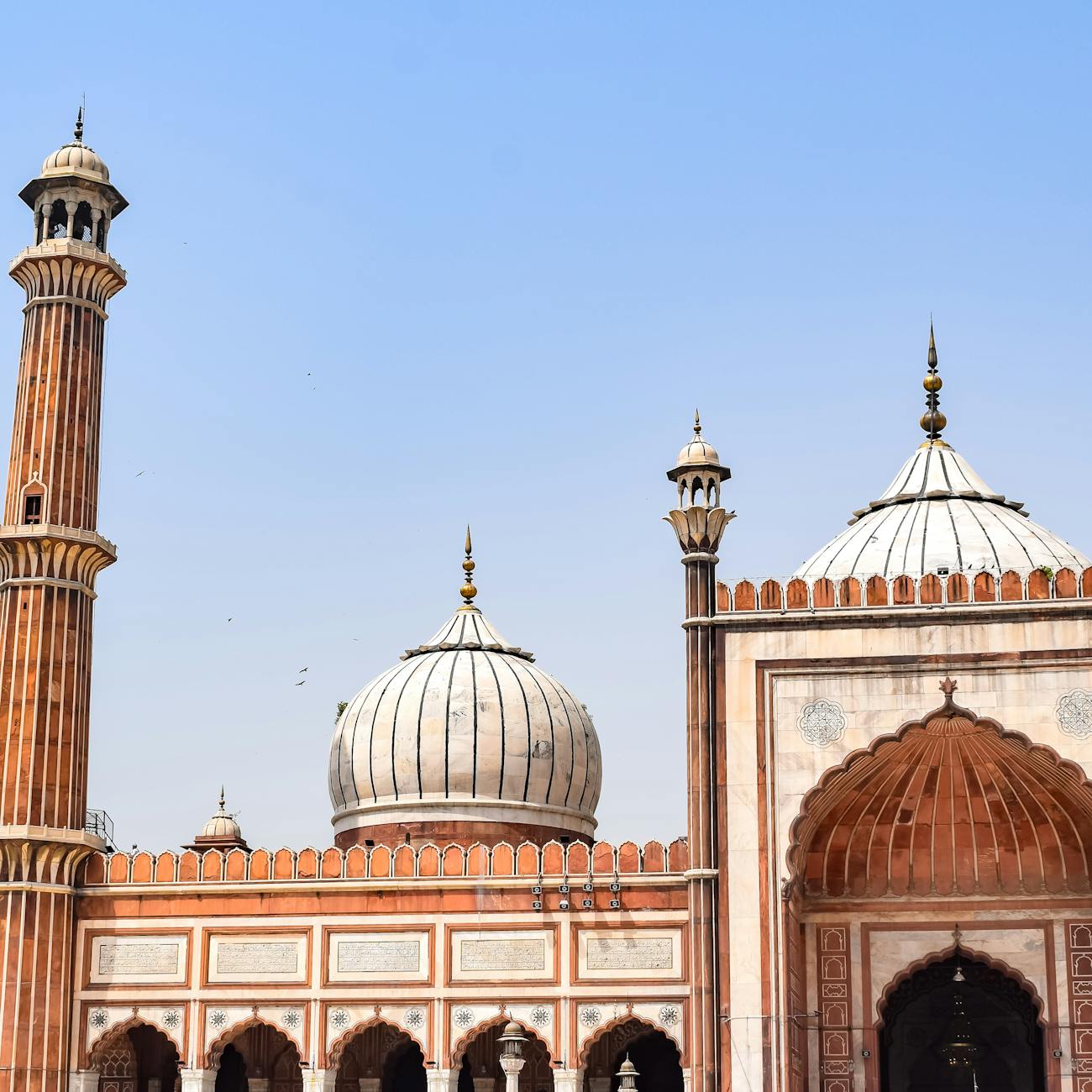
Built by Shah Jahan in the heart of Old Delhi, this mosque is constructed from red sandstone and white marble. It features three large domes and two minarets that stand over one hundred thirty feet tall. The courtyard is one of the largest in India and can accommodate twenty five thousand people during Friday prayers. Visitors can climb the southern minaret to get a panoramic view of the bustling city streets below. It remains a focal point of religious and social life for the community in Delhi.
Al Aqsa Mosque
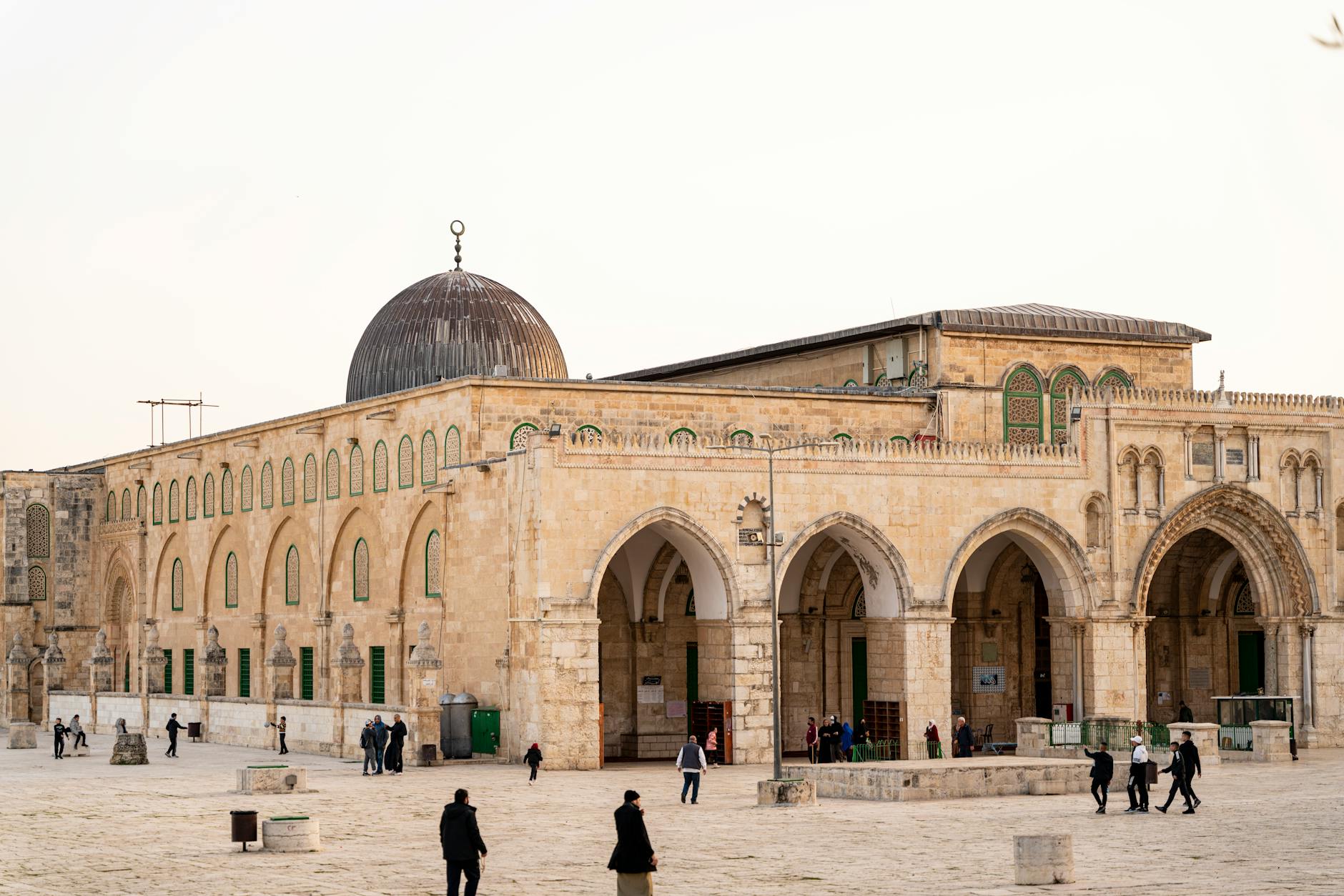
This historic site in the Old City of Jerusalem is one of the oldest and most significant mosques in the world. It features a silver lead dome and a large rectangular prayer hall supported by numerous marble columns. The structure has undergone several renovations over the centuries to incorporate different architectural styles from various dynasties. It sits on a large plaza known as the Temple Mount which is shared with the Dome of the Rock. The site holds deep religious importance and attracts thousands of pilgrims every year.
Great Mosque Of Samarra
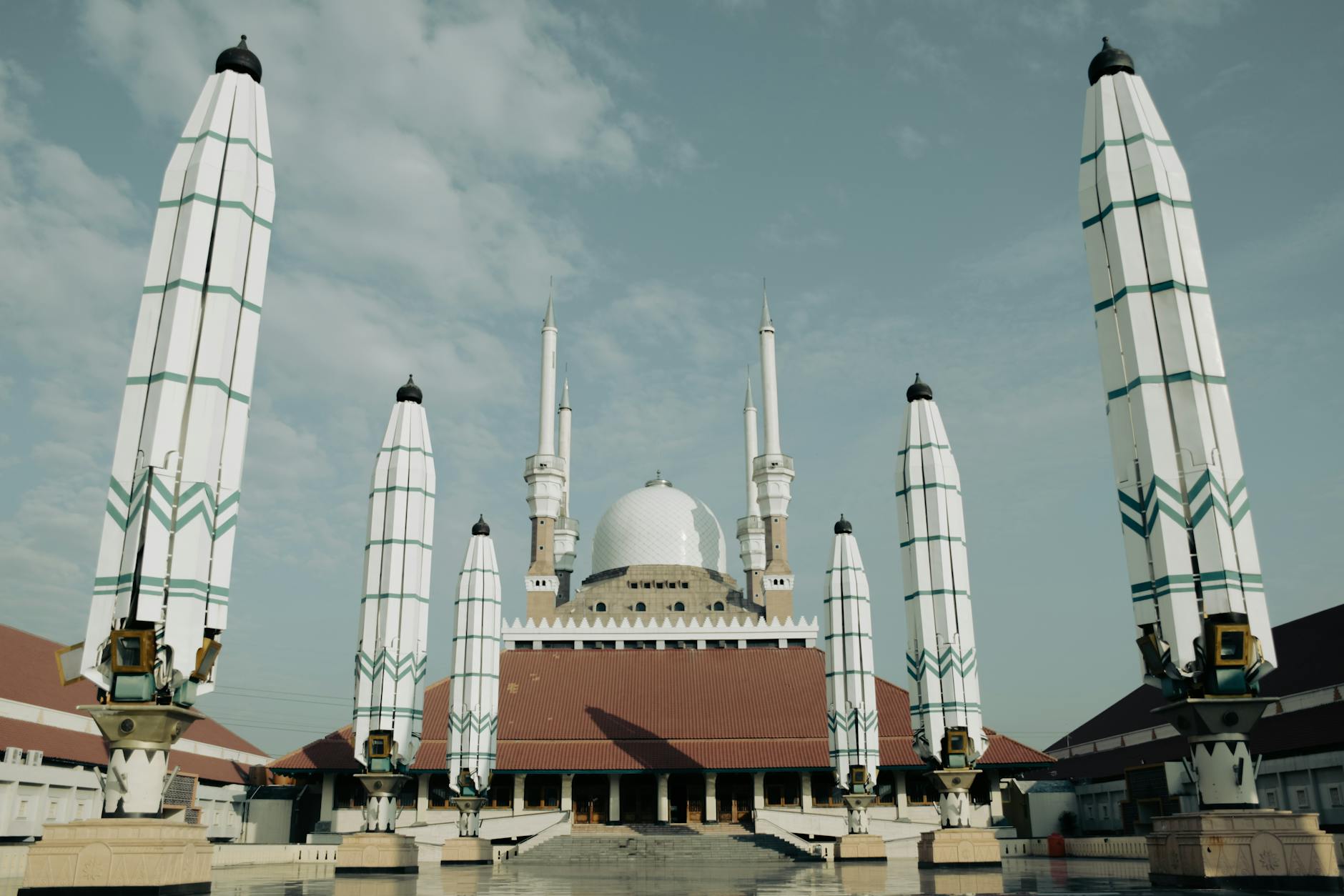
This ancient mosque in Iraq is famous for its unique spiral minaret known as the Malwiya Tower. The minaret stands over one hundred sixty feet high and features a winding ramp that leads to the top. While the main prayer hall is now mostly in ruins the outer walls and the tower remain iconic symbols of Abbasid architecture. At the time of its completion in the ninth century it was the largest mosque in the world. The design influenced many other structures in the region and remains a significant archaeological site.
Bibi Khanym Mosque
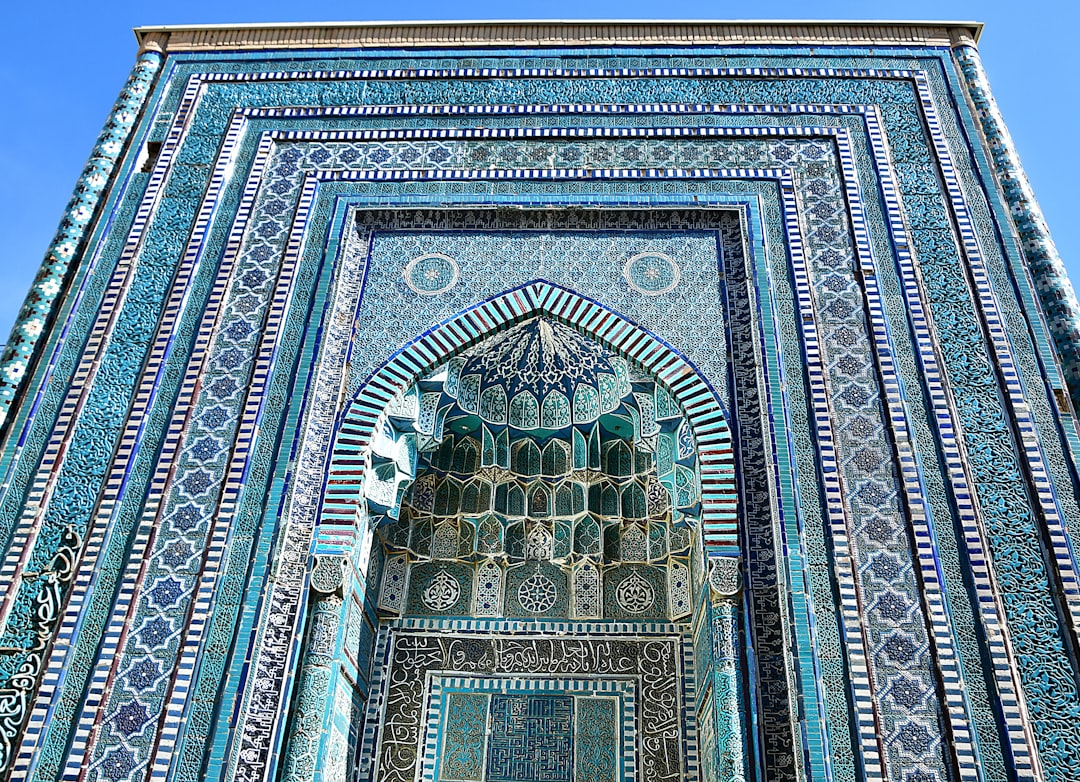
This massive structure in Samarkand was built in the fifteenth century and features a grand entrance portal and several blue tiled domes. The mosque was commissioned by Timur and was meant to be the most magnificent building in his capital. Its main dome reaches nearly one hundred thirty feet in height and is decorated with intricate geometric patterns. Although earthquakes damaged the building over the centuries major restoration work has returned it to its former glory. It remains a primary example of the monumental style of the Timurid Empire.
Shah Mosque
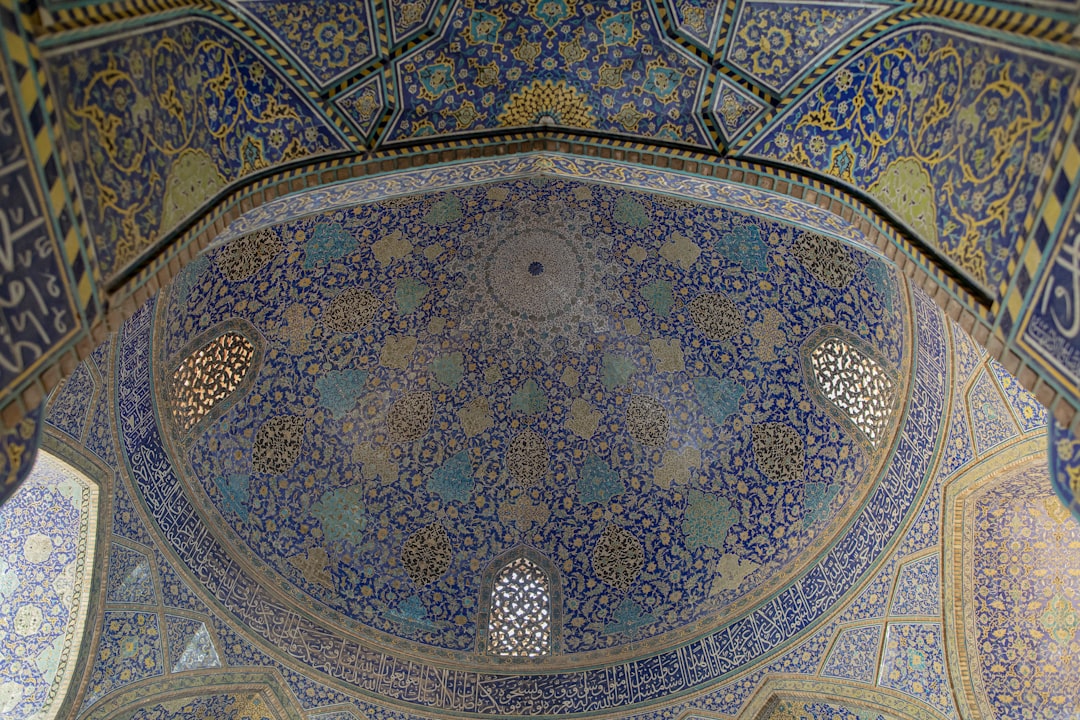
Also known as the Imam Mosque this building in Isfahan is a masterpiece of Persian architecture. It is famous for its seven colored mosaic tiles and calligraphic inscriptions that cover the entire exterior and interior. The four iwan design includes a massive central courtyard and several turquoise domes that stand out against the sky. The acoustics inside the main dome are designed to echo sounds multiple times which is a unique architectural feature. It is recognized as a UNESCO World Heritage site for its historical and artistic value.
Great Mosque Of Kairouan
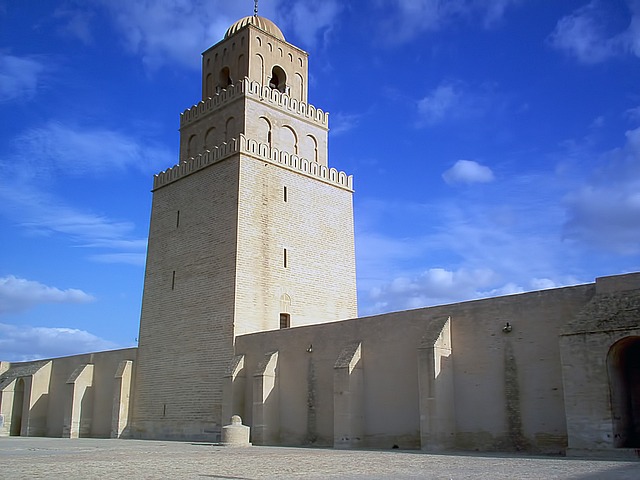
This mosque in Tunisia is one of the oldest places of worship in the Islamic world and features a massive square minaret. The prayer hall contains hundreds of columns salvaged from ancient Roman and Byzantine sites in the region. Its design served as a model for many other mosques built throughout North Africa and Spain. The courtyard is surrounded by colonnades and includes a sundial to help worshippers track prayer times. It is a vital center for Islamic learning and a major landmark of Islamic art.
Great Mosque Of Djenne
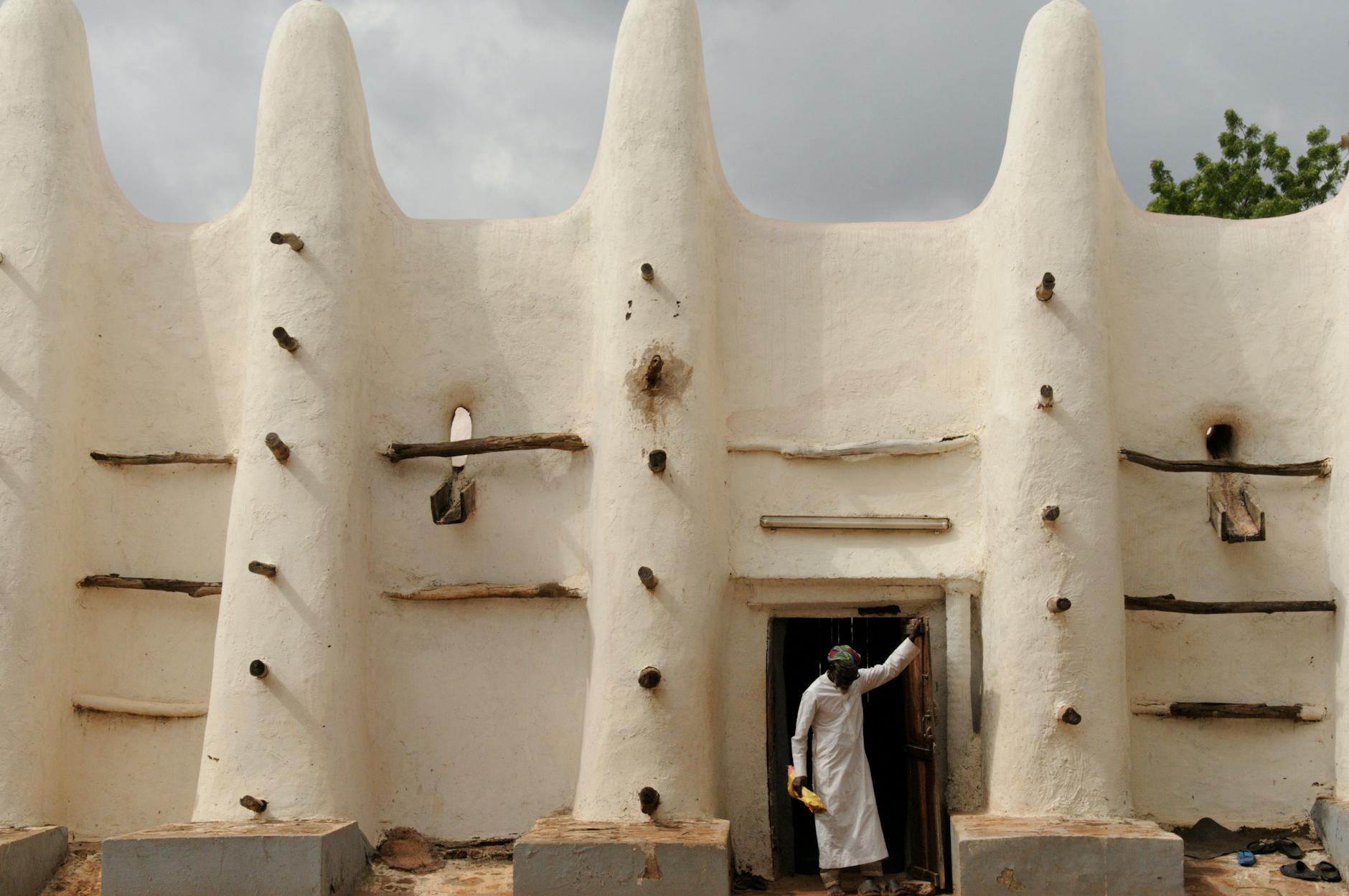
This structure in Mali is the largest mud brick building in the world and represents a unique Sudano Sahelian architectural style. It is rebuilt every year by the local community during a massive festival to ensure the mud walls remain strong against the rains. The walls are reinforced with palm wood beams that stick out from the surface and serve as permanent scaffolding. It sits on a large platform to protect it from the flooding of the Bani River. This mosque is a central part of the cultural life of the city and a UNESCO World Heritage site.
Education City Mosque
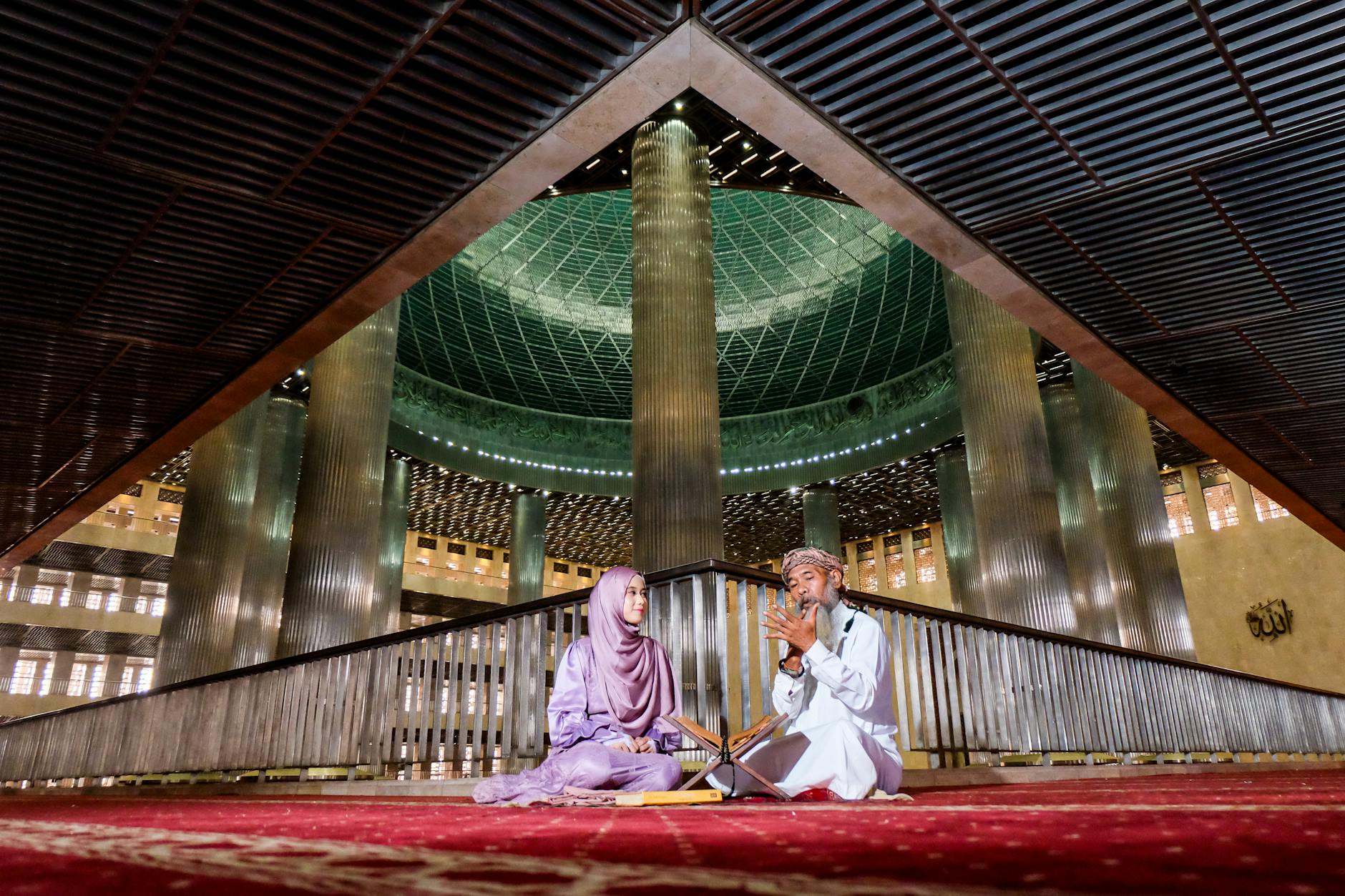
Located in Doha this modern mosque sits on two large piers that tilt upward toward the sky like minarets. The exterior is covered in embossed verses from the Quran that glow when the building is illuminated at night. Its interior features a minimalist design with natural light filtering through patterned ceilings to create a serene atmosphere. The structure also houses a university faculty and community spaces for learning and discussion. It represents a contemporary take on traditional Islamic architecture in Qatar.
Cambridge Central Mosque
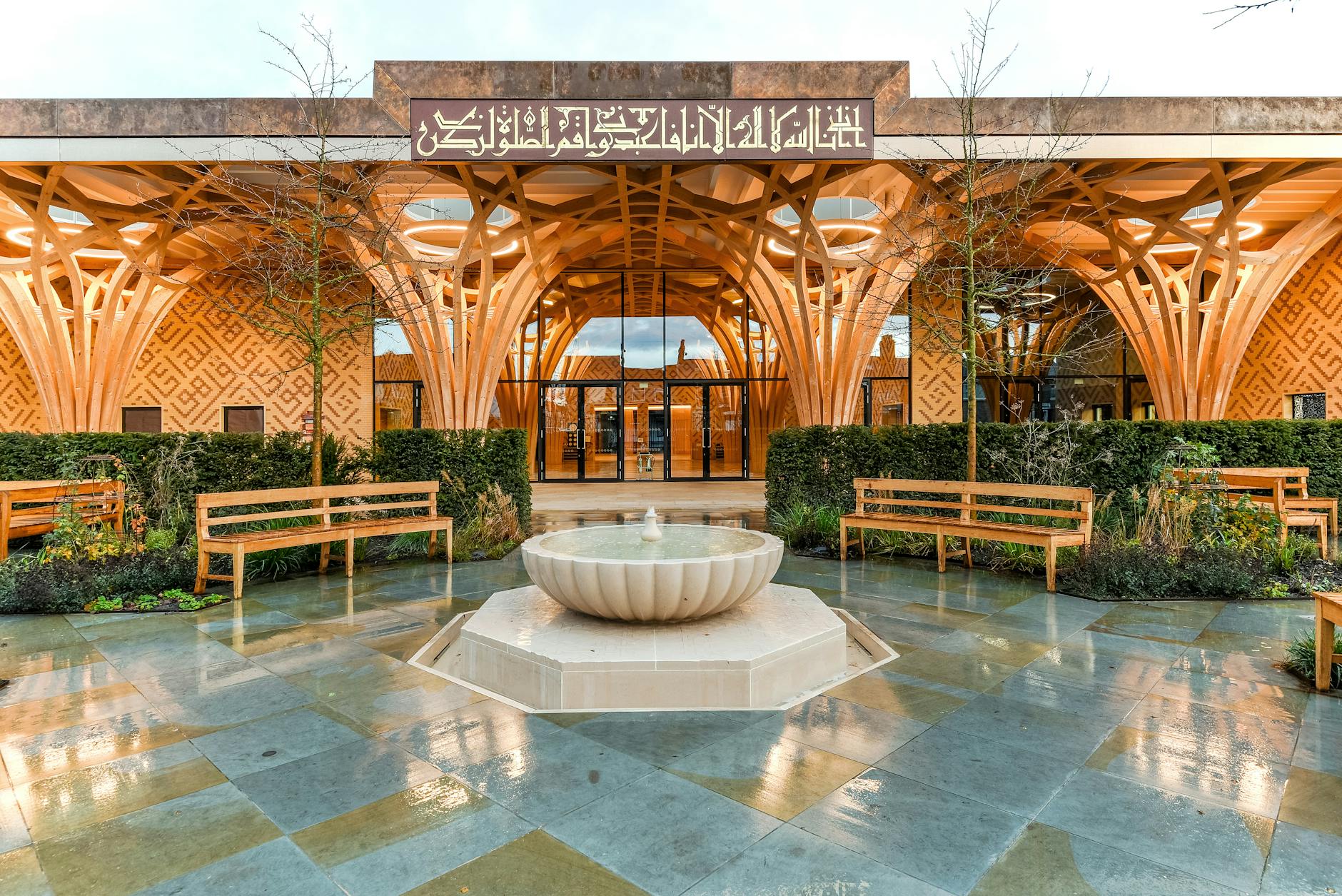
This mosque in the United Kingdom is Europe’s first eco friendly mosque and features a timber frame design. The interior is supported by large wooden pillars that branch out like trees to form the ceiling structure. It utilizes sustainable technology like solar panels and rainwater harvesting to minimize its impact on the environment. The building includes a large prayer hall and a cafe and a garden that is open to the public. The design focuses on inclusivity and environmental stewardship within an urban setting.
Great Mosque Of Xi An
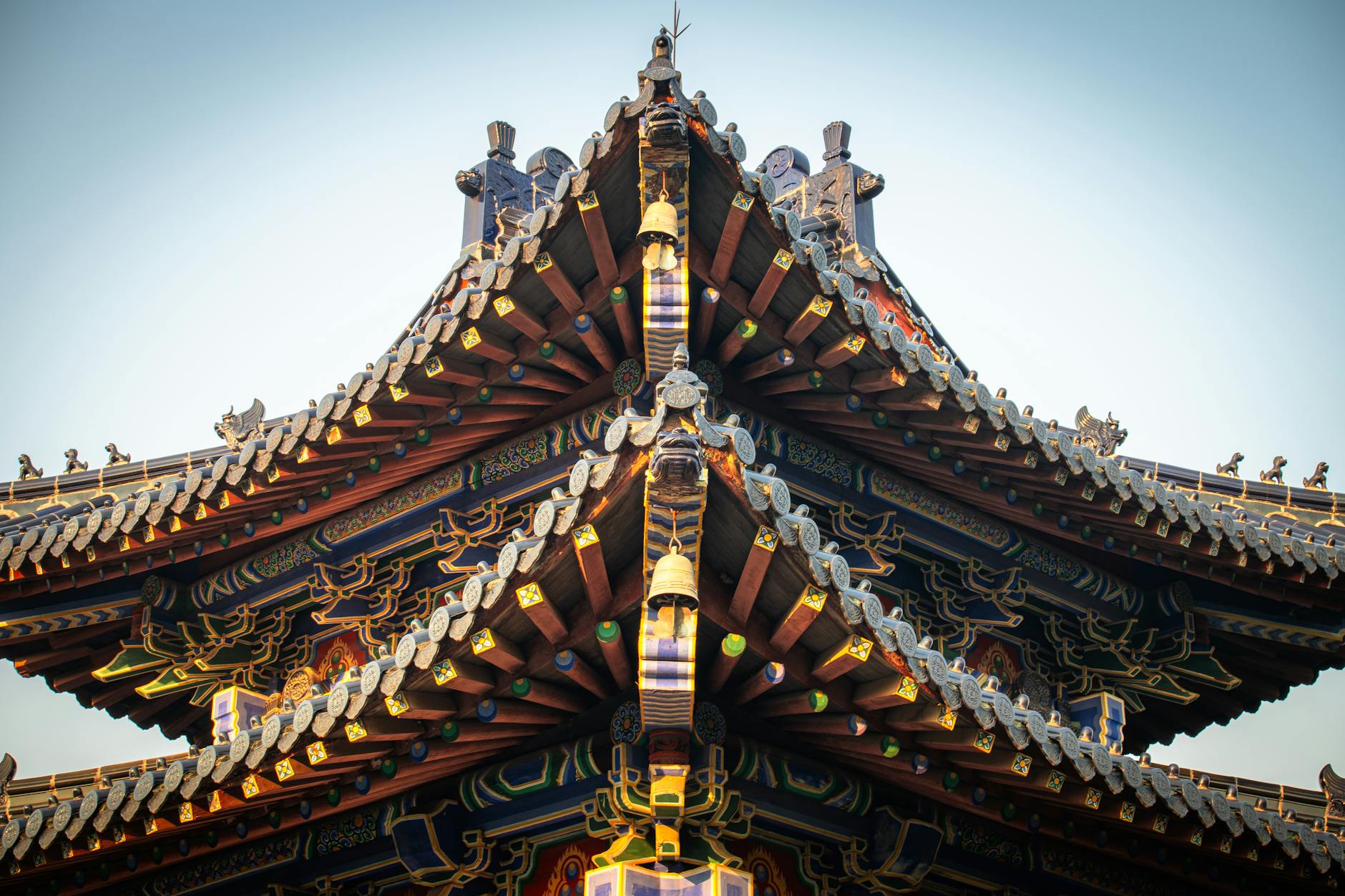
This mosque in China features a unique blend of traditional Chinese architecture and Islamic functionality. It looks like a Chinese temple with several courtyards and wooden pavilions and curved roofs. Instead of a tall minaret it has a central pavilion used for the call to prayer. The walls are decorated with carvings that combine Arabic calligraphy with Chinese floral motifs and patterns. It is one of the oldest and most well preserved mosques in China and serves a large community of Hui Muslims.
99 Domes Mosque
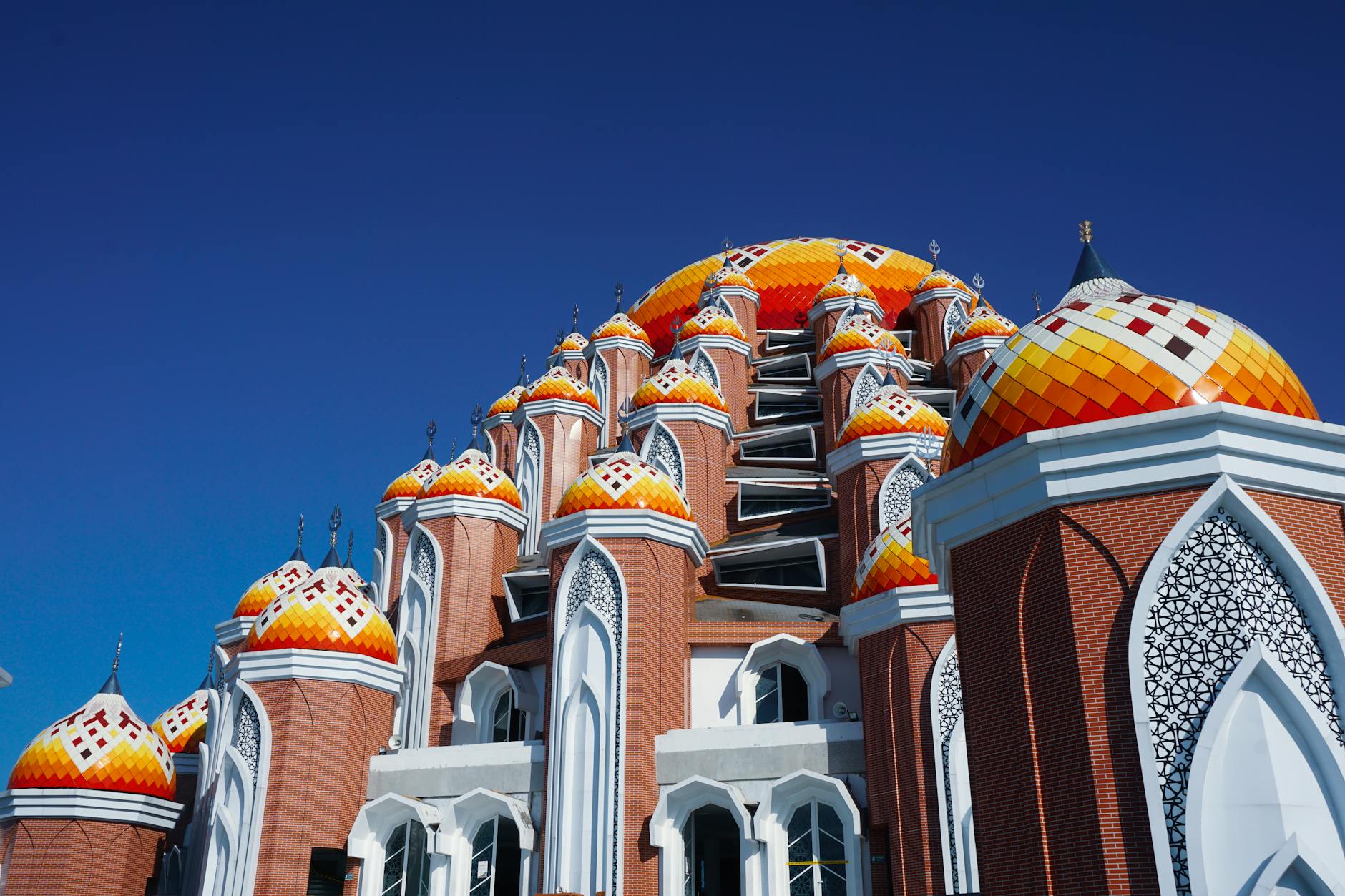
Located on the waterfront in Makassar this Indonesian mosque is famous for its ninety nine small domes. Each dome represents one of the ninety nine names of God in Islam and they are arranged in a tiered circular pattern. The vibrant colors of the domes range from orange to red and make the building visible from across the city. The interior prayer hall provides a wide open space with natural ventilation and views of the sea. It has quickly become a modern landmark and a popular spot for sunset photography.
Cologne Central Mosque
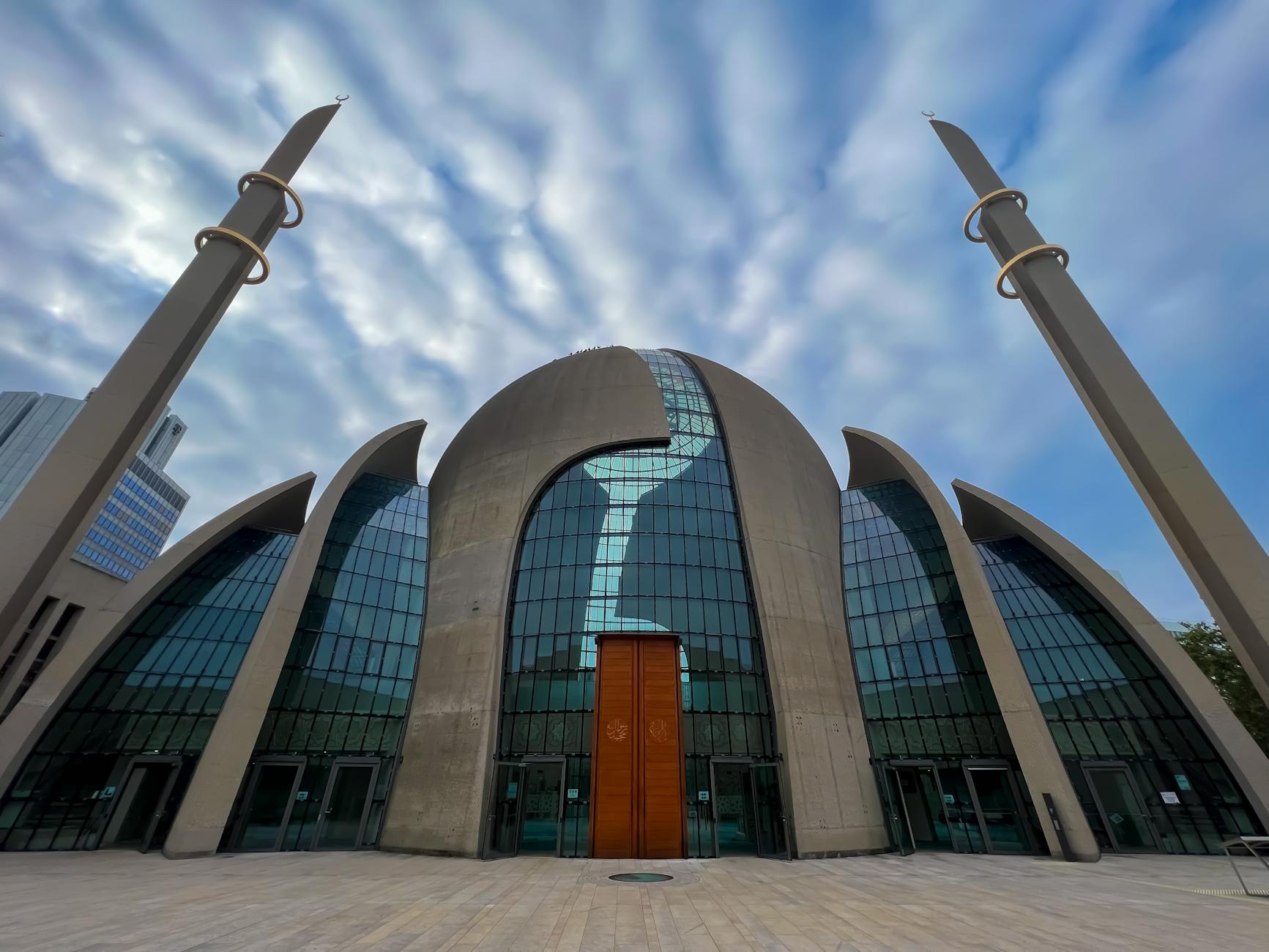
This German mosque features a striking modern design with a large glass dome and two slender minarets. The structure is made of concrete and glass to create an open and transparent environment for the community. Its prayer hall is decorated with gold leaf and calligraphy that blends traditional elements with a contemporary aesthetic. The building also includes a library and a bazaar and meeting rooms to serve as a cultural center. It is one of the largest and most prominent mosques in Western Europe.
Umayyad Mosque
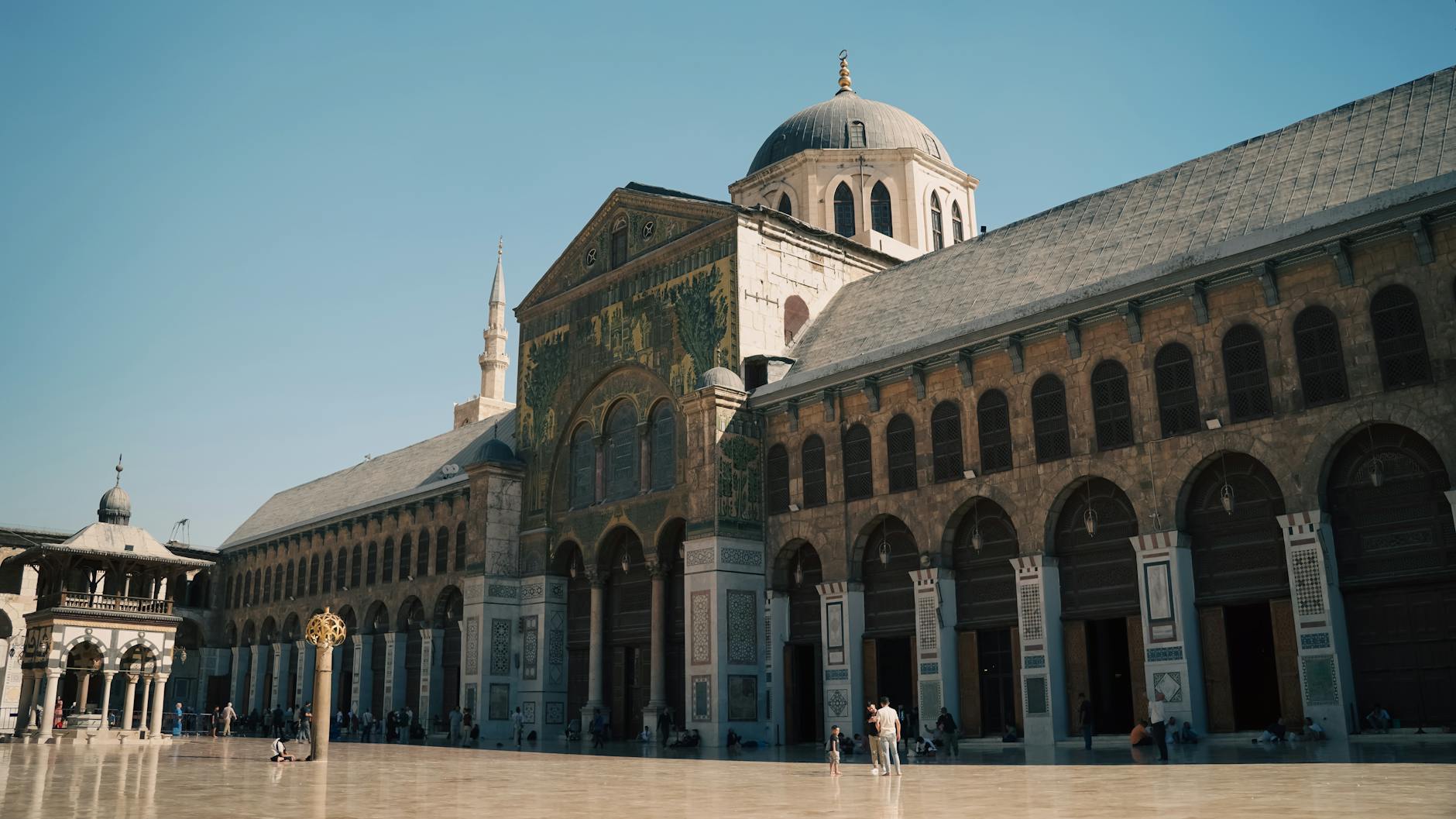
Situated in the heart of the Old City of Damascus this mosque is one of the oldest and largest in the world. It features a massive courtyard surrounded by arched walkways decorated with intricate gold mosaics. The mosque contains three minarets and a central dome known as the Dome of the Eagle. It was built on the site of a former Christian basilica and still houses a shrine dedicated to John the Baptist. The architecture represents a blend of early Islamic and Roman and Byzantine styles.
Al Haram Mosque
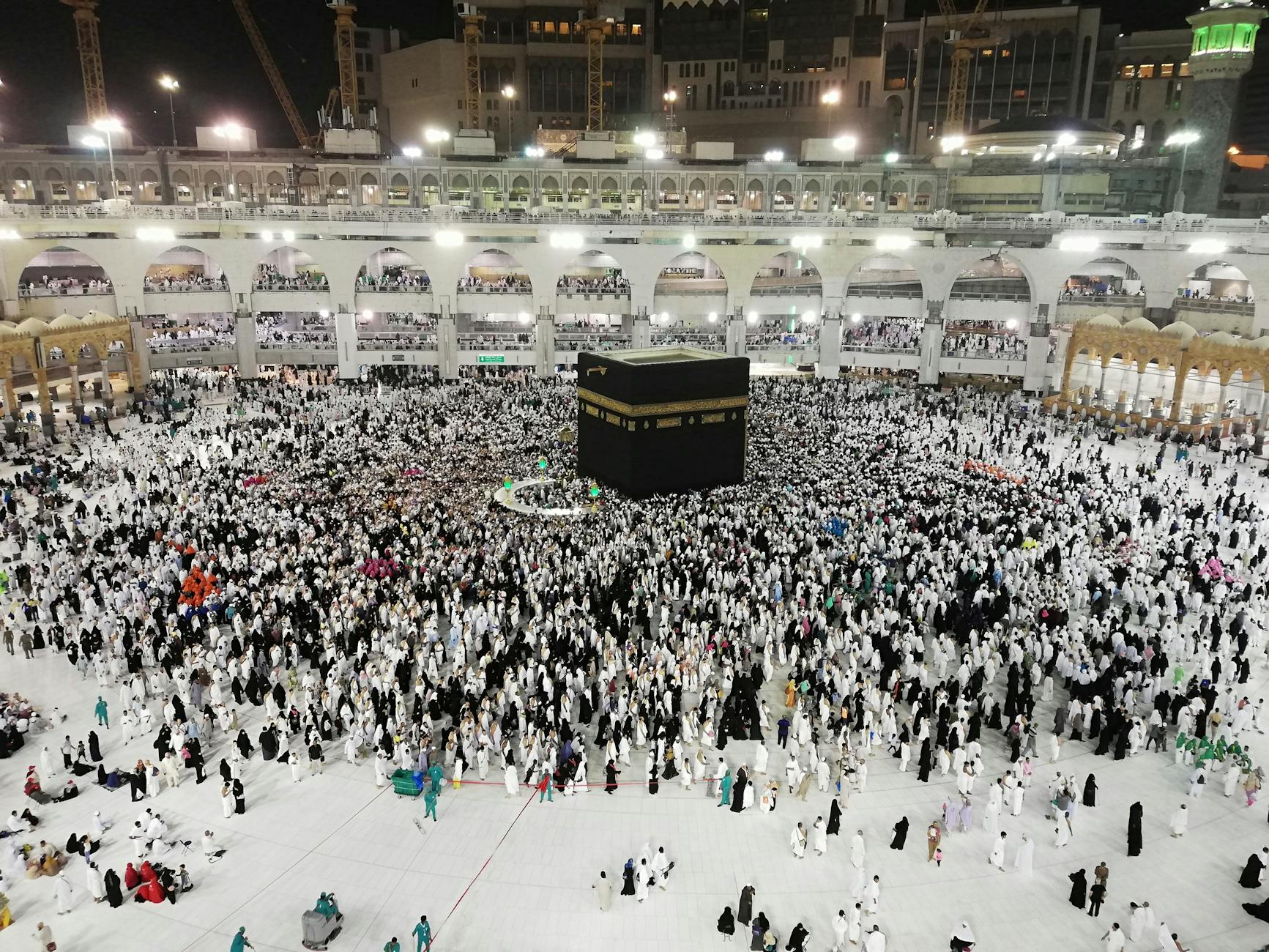
Located in Mecca this is the largest mosque in the world and surrounds the Kaaba which is the holiest site in Islam. The structure has undergone numerous expansions over centuries to accommodate millions of pilgrims during the Hajj. It features several tall minarets and multiple levels of prayer halls and advanced cooling systems for the comfort of visitors. The massive courtyard and indoor spaces are paved with white marble that stays cool even in the desert heat. It remains the focal point of prayer for Muslims across the globe.
Al Masjid An Nabawi

This mosque in Medina was originally built by the Prophet Muhammad and has been expanded into a massive complex. Its most iconic feature is the Green Dome which marks the site of the Prophet’s tomb. The mosque features dozens of giant electronic umbrellas that open during the day to provide shade for worshippers in the courtyards. The interior is decorated with gold and marble and features thousands of columns and intricately carved arches. It is the second holiest site in Islam and hosts millions of visitors every year.
Wazir Khan Mosque
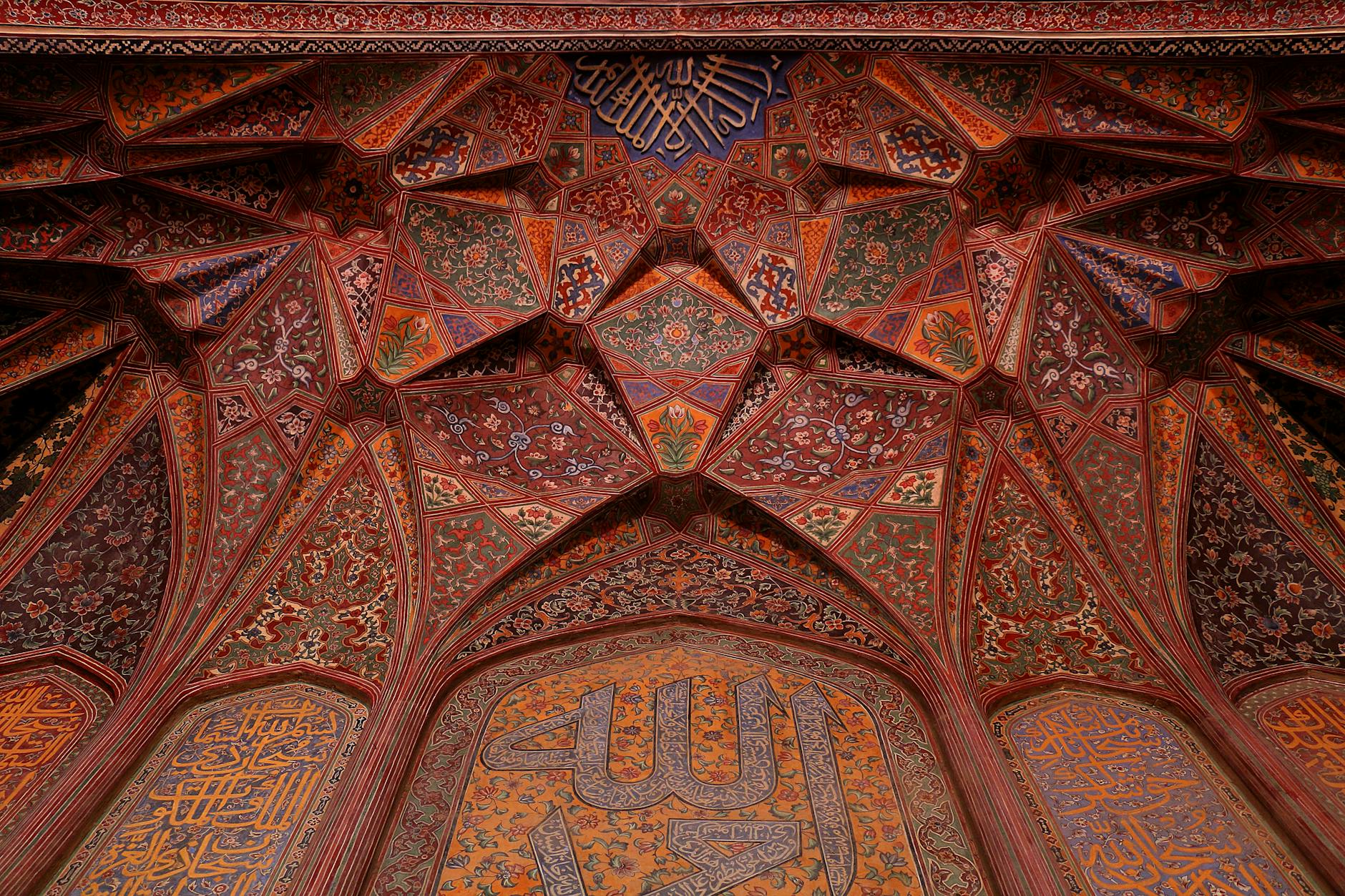
This seventeenth century mosque in Lahore is famous for its extensive use of colorful tile mosaics known as kashi kari. The walls are covered in detailed floral patterns and calligraphy that have remained vibrant for hundreds of years. It features four octagonal minarets and a central courtyard with a large pool for ritual washing. The architecture reflects the refined artistic style of the Mughal era under the reign of Shah Jahan. It is considered one of the most beautifully decorated mosques in South Asia.
Sabanci Central Mosque
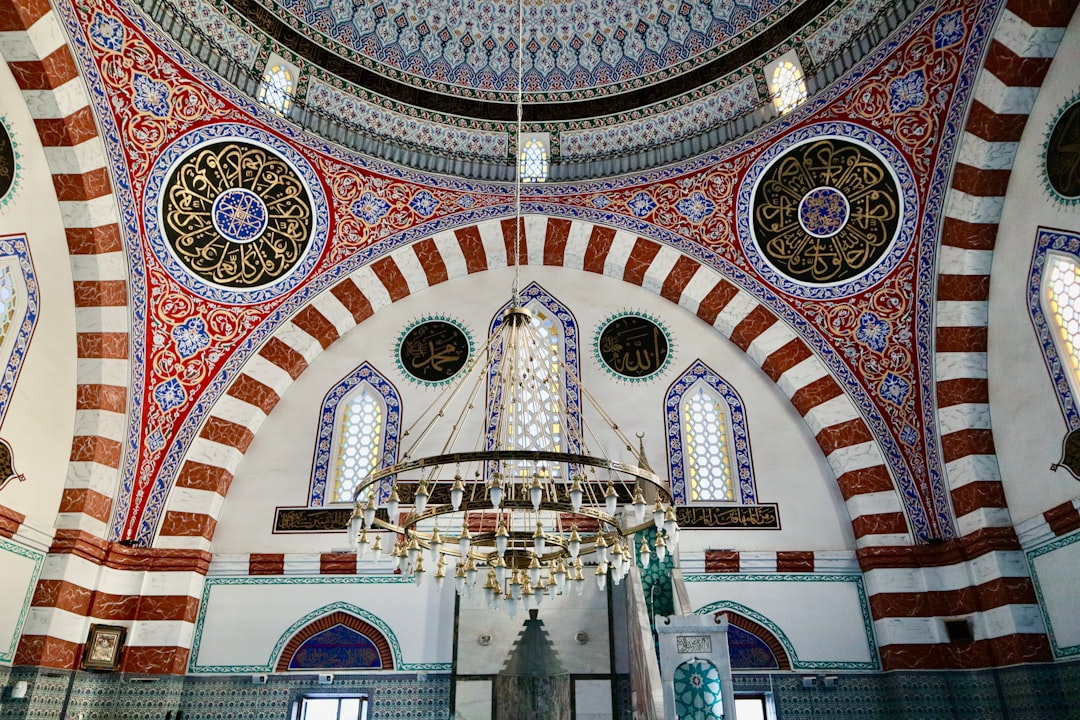
Located in Adana this Turkish mosque features six minarets and is one of the largest in the Balkans and Middle East. The design is inspired by the classic Ottoman style of the Selimiye and Sultan Ahmed mosques. Its massive central dome is decorated with traditional motifs and surrounded by smaller domes and half domes. The interior can hold twenty eight thousand people and includes a library and social facilities. It sits in a large park on the banks of the Seyhan River and dominates the city skyline.
Sultan Salahuddin Abdul Aziz Mosque
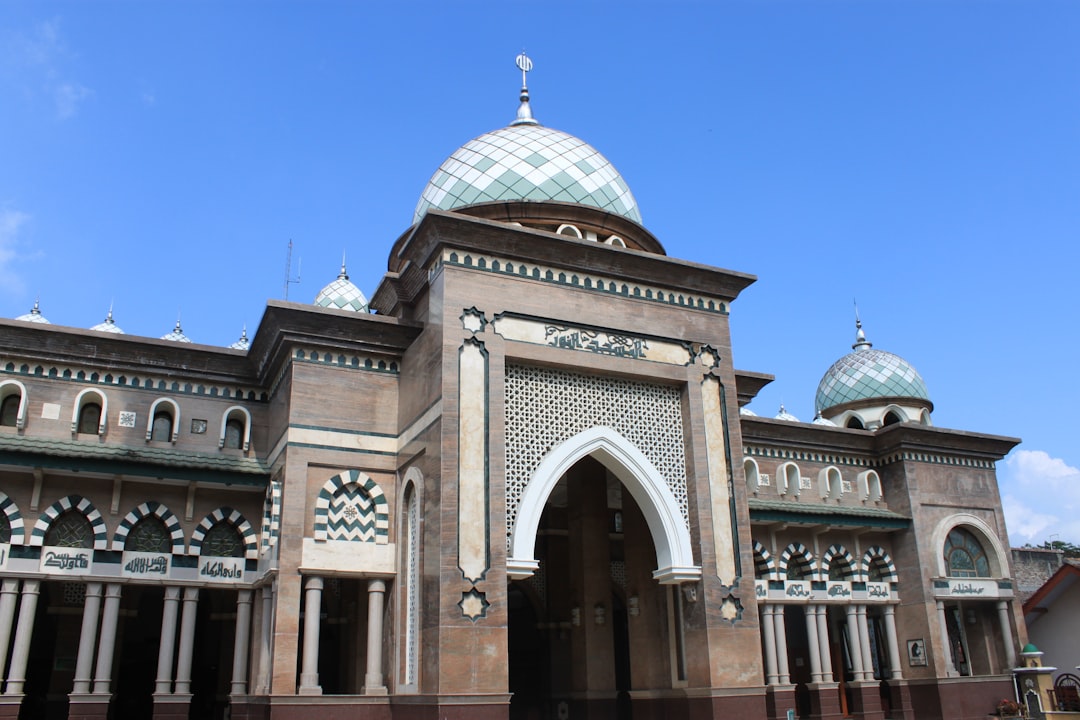
This mosque in Malaysia is known as the Blue Mosque of Selangor due to its massive blue and silver dome. It features four of the tallest minarets in the world which stand over four hundred sixty feet high. The interior prayer hall is decorated with traditional Malay wood carvings and stained glass windows that filter blue light into the space. It can accommodate up to twenty four thousand worshippers and is surrounded by landscaped gardens. The structure combines modern building techniques with traditional Islamic art.
Mosque Of Muhammad Ali
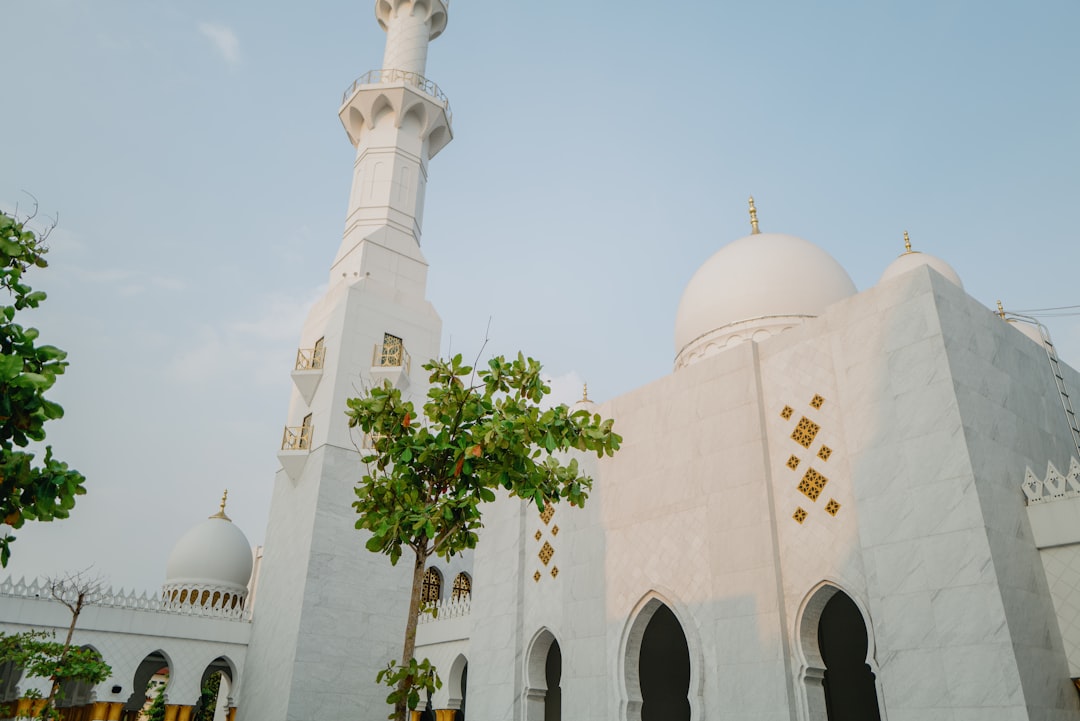
Perched on the summit of the Citadel in Cairo this mosque features twin minarets that are the tallest in all of Egypt. The building is constructed largely of alabaster and features a large central dome surrounded by four smaller domes. The interior is lit by dozens of ornate crystal chandeliers and features a large brass clock gifted by King Louis Philippe of France. Its elevated location provides one of the best panoramic views of the entire city of Cairo. The architecture follows the classic Ottoman style and remains a major tourist attraction.
Niujie Mosque
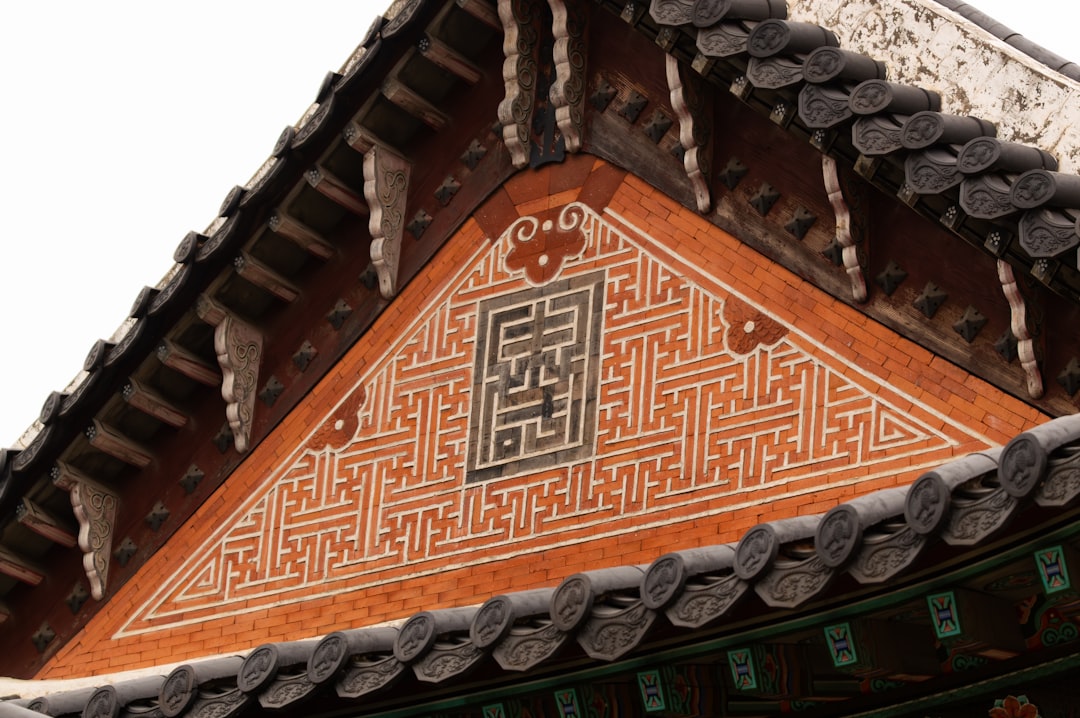
This is the oldest mosque in Beijing and was first built in the tenth century using traditional Chinese wooden architecture. The exterior looks like a classic Chinese palace with red walls and decorative roof tiles. Inside the prayer hall the walls are decorated with a mix of Arabic calligraphy and Chinese patterns in red and gold. It has been renovated many times over the centuries while maintaining its original historical character. The site serves as the center for the local Muslim community and houses several ancient artifacts.
Baitun Nur Mosque
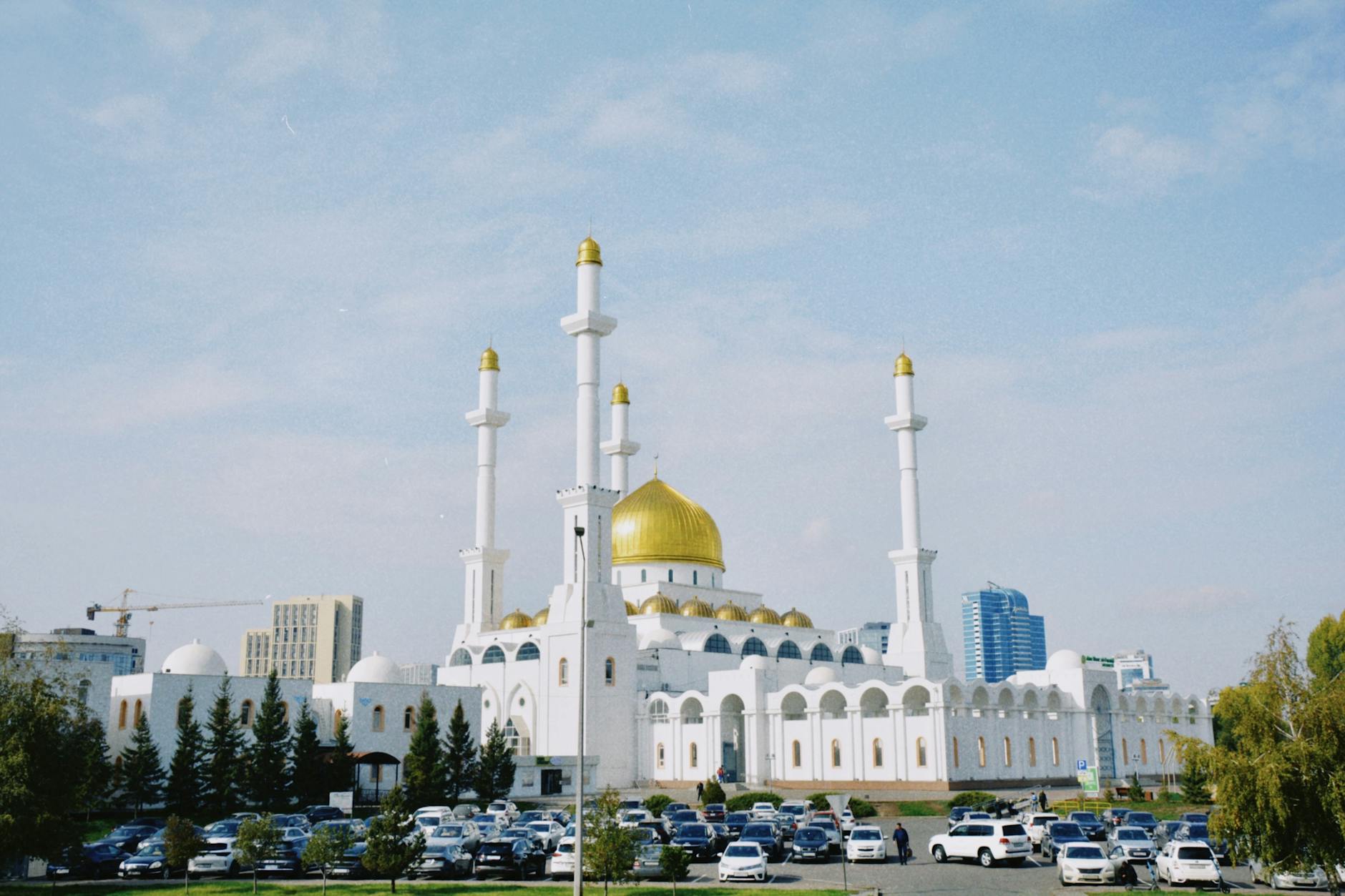
This mosque in Calgary is the largest in Canada and features a modern design with a large silver dome. The exterior is constructed from light colored stone and includes a ninety seven foot tall minaret. Inside the prayer hall the ceiling is decorated with ninety nine names of God written in Arabic script. The building serves as a community center and includes a large library and classrooms and a gymnasium. It is known for its open door policy and frequent public events for the local community.
Islamic Center Of Washington
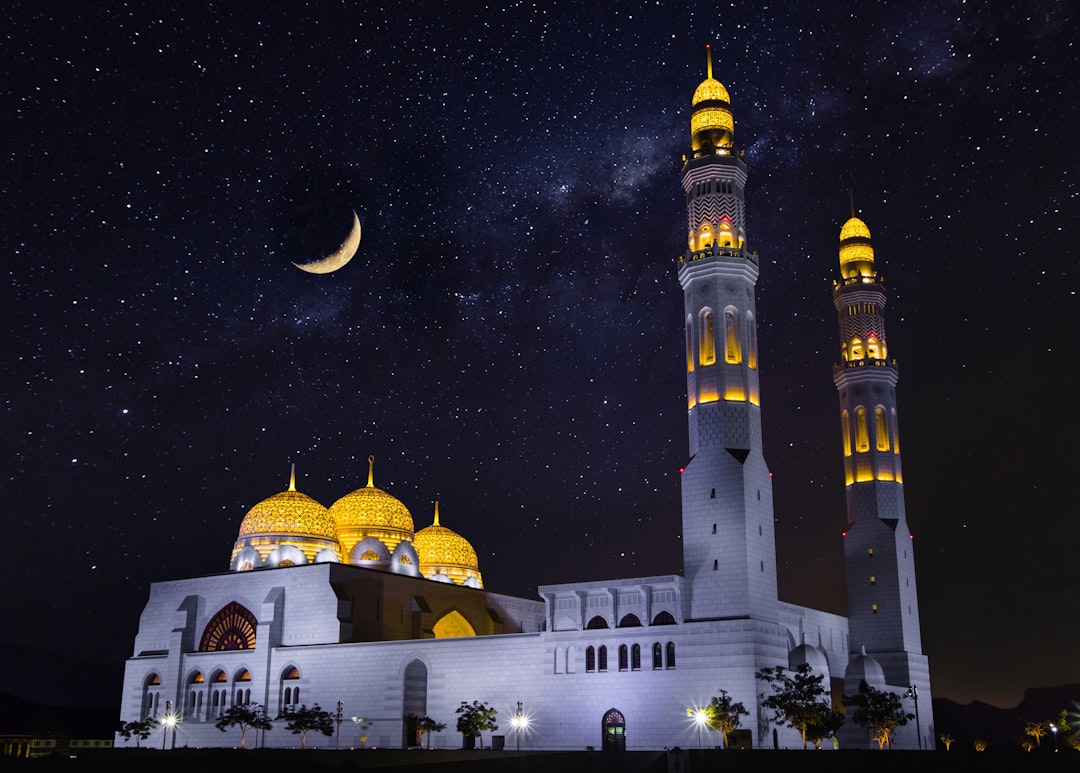
Located on Embassy Row in the United States capital this mosque features a blend of traditional Ottoman and Egyptian styles. The exterior is decorated with blue tiles and features a single minaret that reaches over one hundred sixty feet high. Inside the prayer hall visitors find colorful mosaics and a large chandelier and rugs donated by the Shah of Iran. It was the first major mosque built in Washington and serves as a center for religious and cultural exchange. The building also houses a library and administrative offices for the center.
Rijeka Islamic Centre
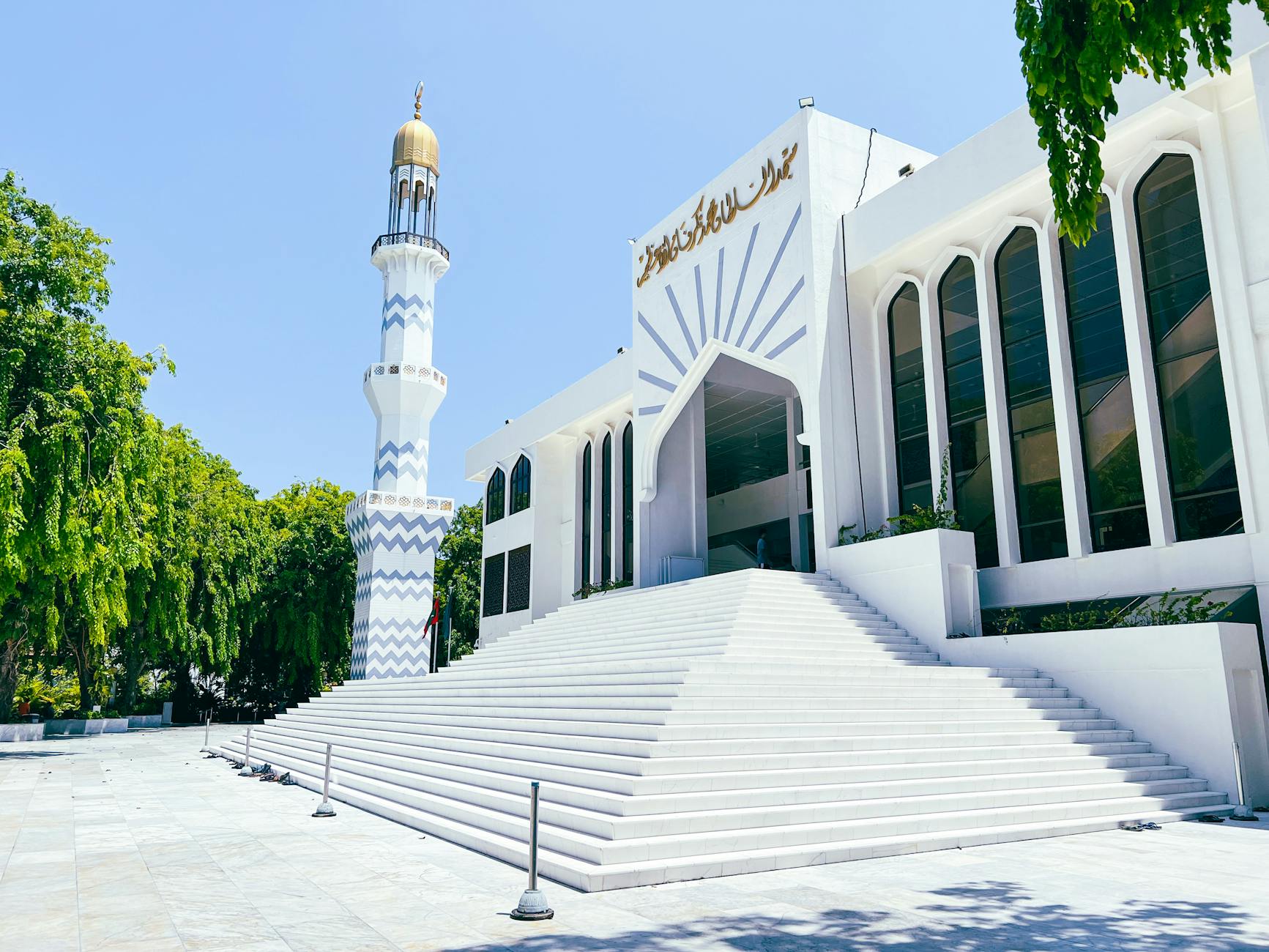
This modern mosque in Croatia features a unique design consisting of six separate spherical sections that form a single structure. The exterior is covered in stainless steel panels that reflect the surrounding landscape and the Adriatic Sea. It lacks a traditional dome and instead uses these geometric shapes to create a futuristic silhouette. The interior is bright and airy with large windows that provide views of the water. It has won several architectural awards for its innovative approach to mosque design.
Sancaklar Mosque
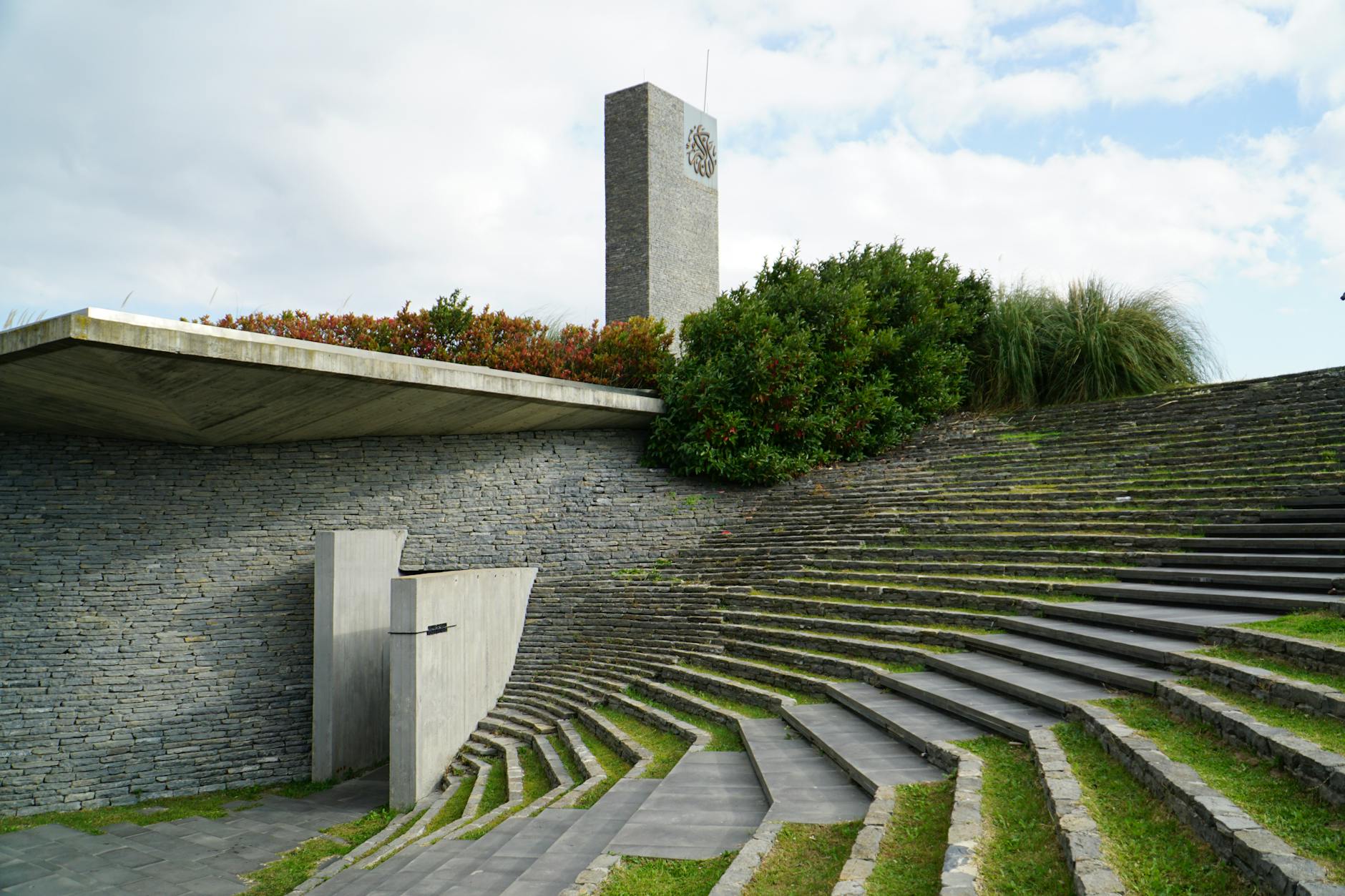
This award winning mosque in Istanbul is built underground to blend into the natural landscape of a sloping hill. It uses gray stone and reinforced concrete to create a cave like atmosphere that focuses on silence and prayer. The only part visible from a distance is a single tall stone minaret that stands like a monument. Natural light enters the prayer hall through thin slits in the ceiling to create a dramatic lighting effect. This design challenges traditional mosque aesthetics by focusing on simplicity and connection with the earth.
Grand Jamia Mosque
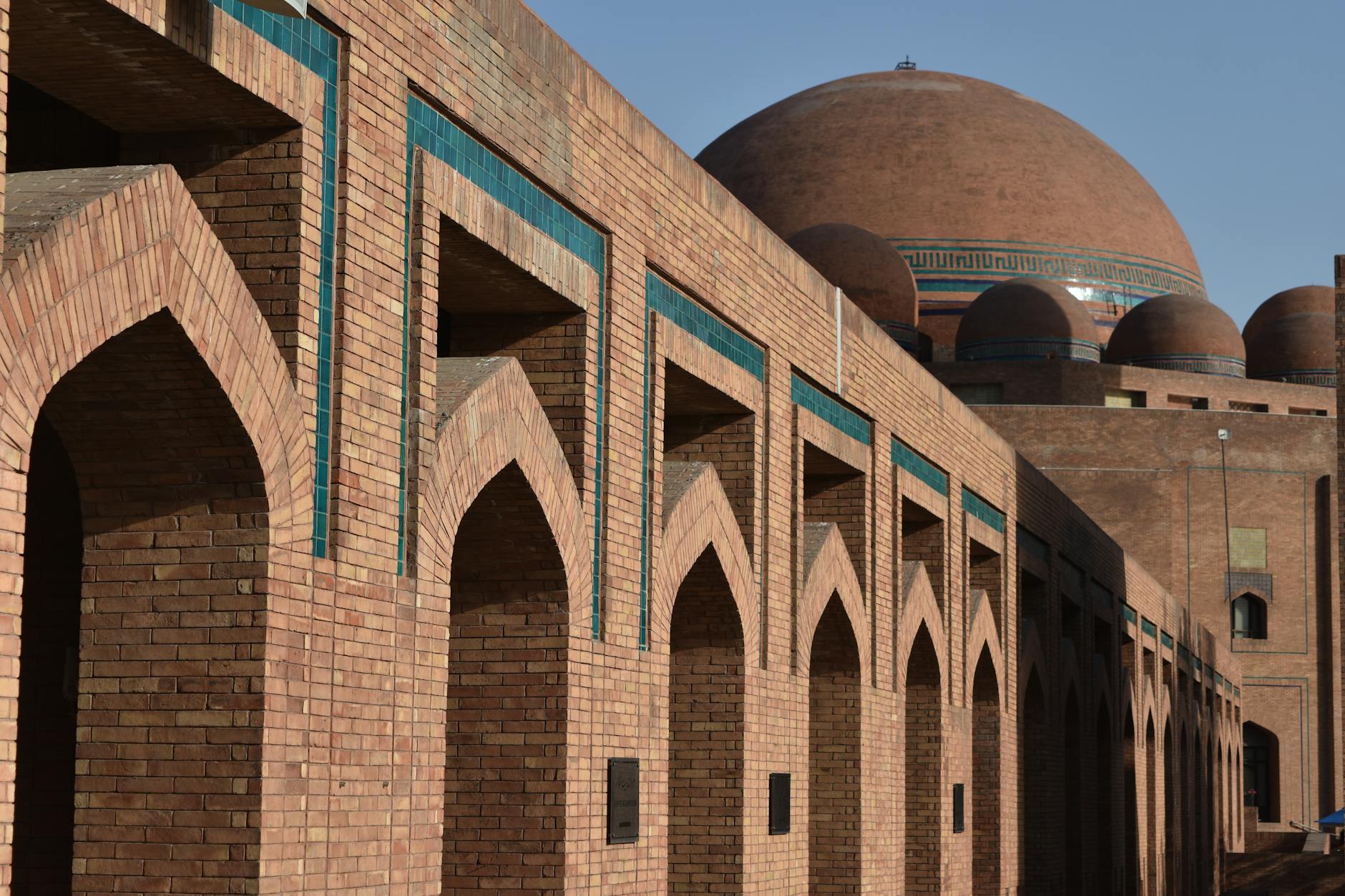
Located in Lahore this modern mosque is the third largest in Pakistan and features a massive central dome. The exterior is covered in four million handmade tiles that were crafted in the local tradition. It features four minarets that stand one hundred sixty five feet tall and a courtyard that can hold thousands of people. The interior is decorated with custom made carpets from Turkey and chandeliers imported from China. It also houses an Islamic heritage museum and a library with thousands of rare books.
Mosque Of Rome
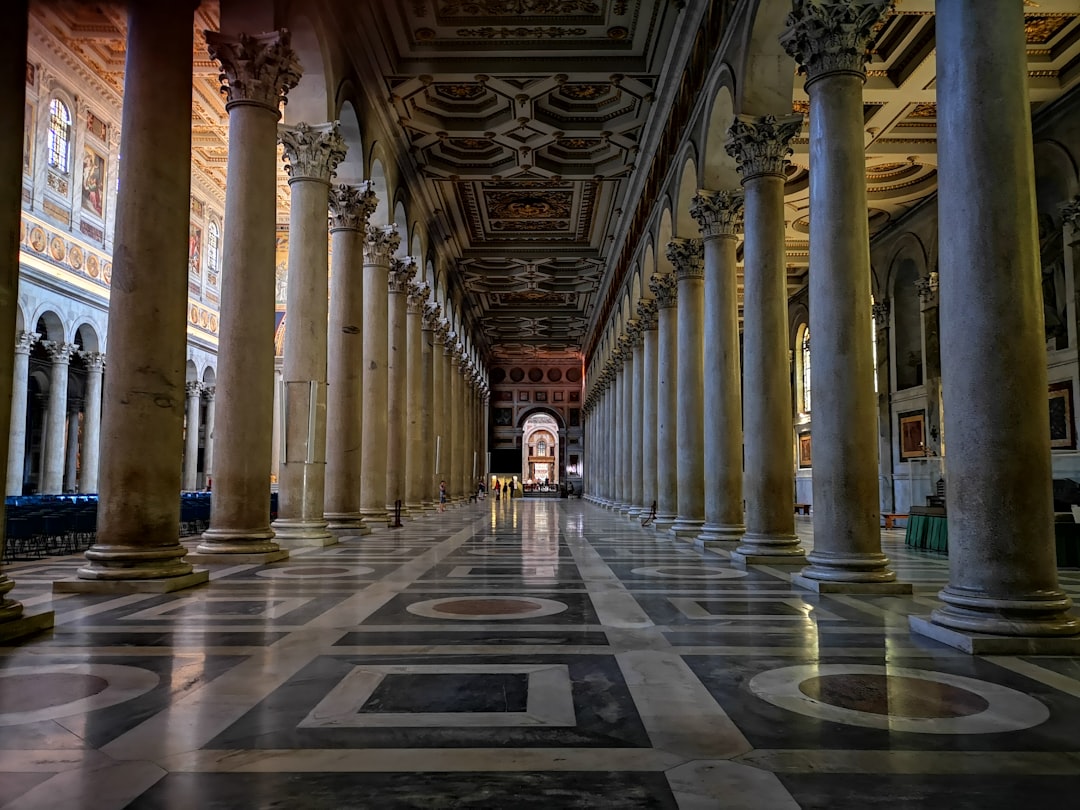
This is the largest mosque in Italy and features a design that blends Islamic elements with traditional Roman architecture. The interior is supported by columns that resemble trees and create a forest like effect within the prayer hall. The use of light and travertine stone reflects the local building traditions of the city. It serves as the headquarters of the Italian Islamic Cultural Centre and provides space for religious and social activities. The building was designed by a team of architects from Italy and Iraq and the United Kingdom.
Nizamiye Mosque
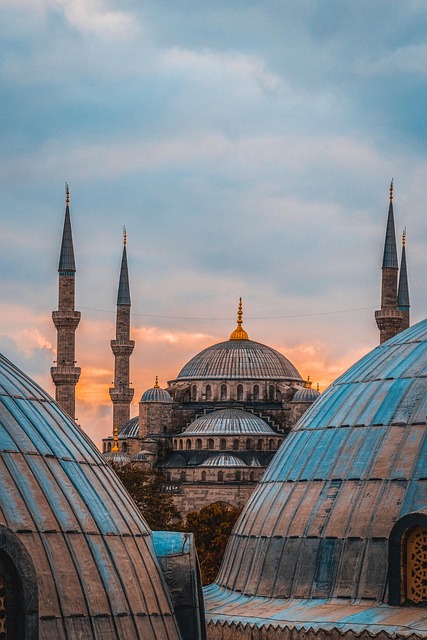
This mosque in South Africa is a smaller scale replica of the sixteenth century Selimiye Mosque in Turkey. It features four tall minarets and a central dome decorated with authentic Turkish tile work and calligraphy. The complex includes a school and a clinic and a shopping bazaar to serve the local community in Midrand. The interior prayer hall features stained glass windows and custom rugs that reflect traditional Ottoman designs. It is one of the largest mosques in the Southern Hemisphere and a notable landmark.
Heydar Mosque
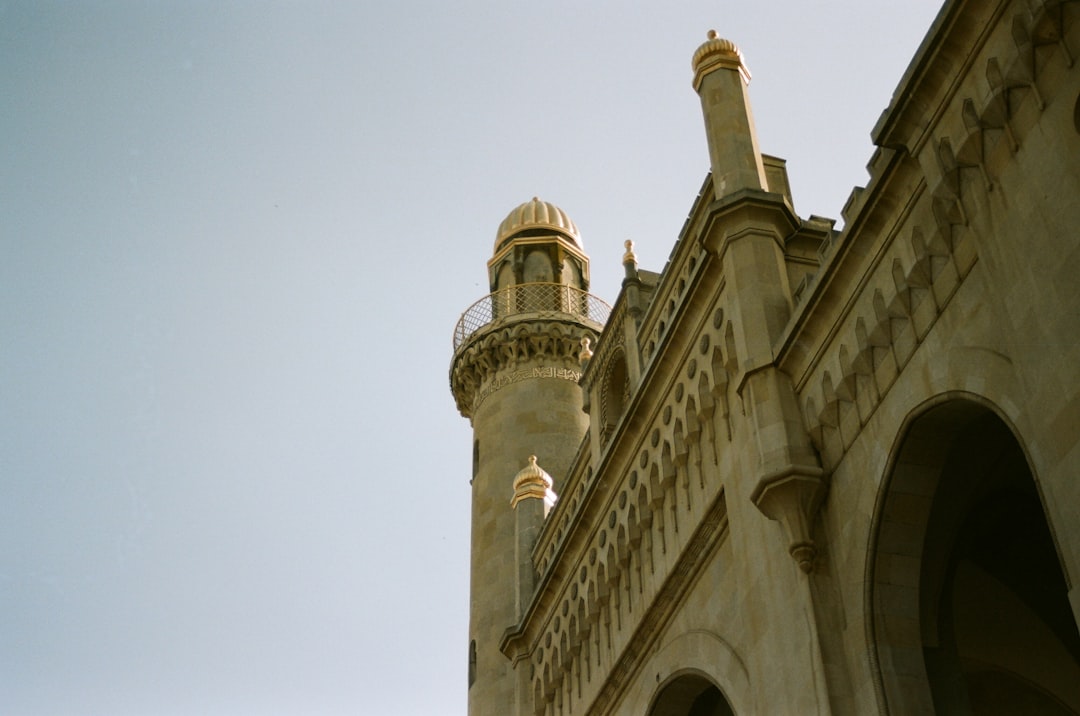
This massive mosque in Baku was completed in two thousand fourteen and features classic Azerbaijani architectural styles. It has four minarets that stand nearly three hundred feet tall and two large central domes. The exterior is constructed from local stone and decorated with intricate carvings and geometric patterns. At night the entire building is illuminated with a sophisticated lighting system that highlights its grand features. It is one of the largest religious structures in the Caucasus region and a symbol of national pride.
Tokyo Camii
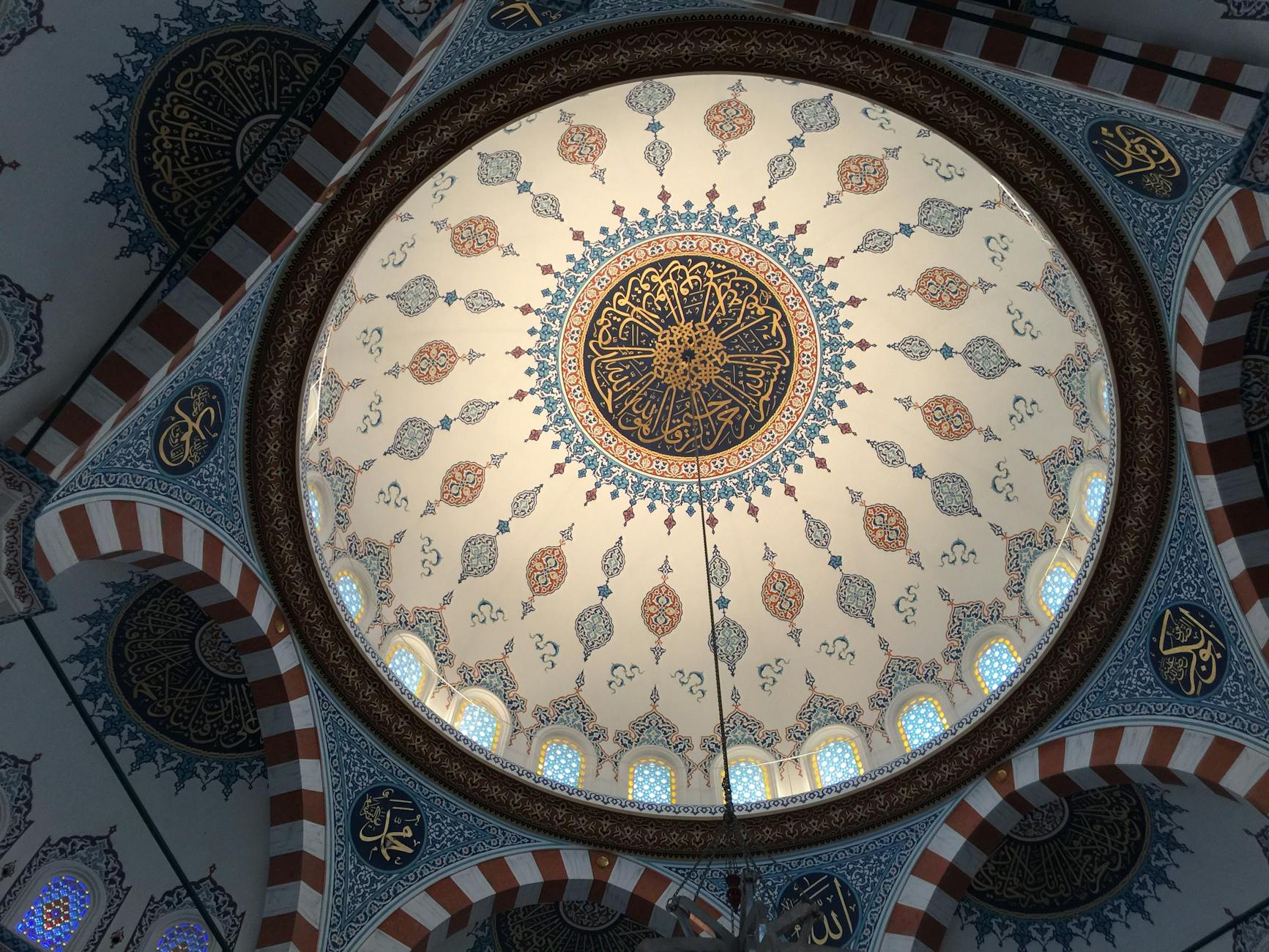
This Turkish style mosque in Japan features a large central dome and beautiful stained glass windows. It was rebuilt in two thousand using marble and stone imported from Turkey and features authentic Ottoman craftsmanship. The interior is decorated with intricate calligraphy and blue tiles that create a serene environment for prayer. It also houses a Turkish cultural center where visitors can learn about Islamic art and history. The mosque is a prominent landmark in the Shibuya district and welcomes visitors from all backgrounds.
Mosque Of Divinity
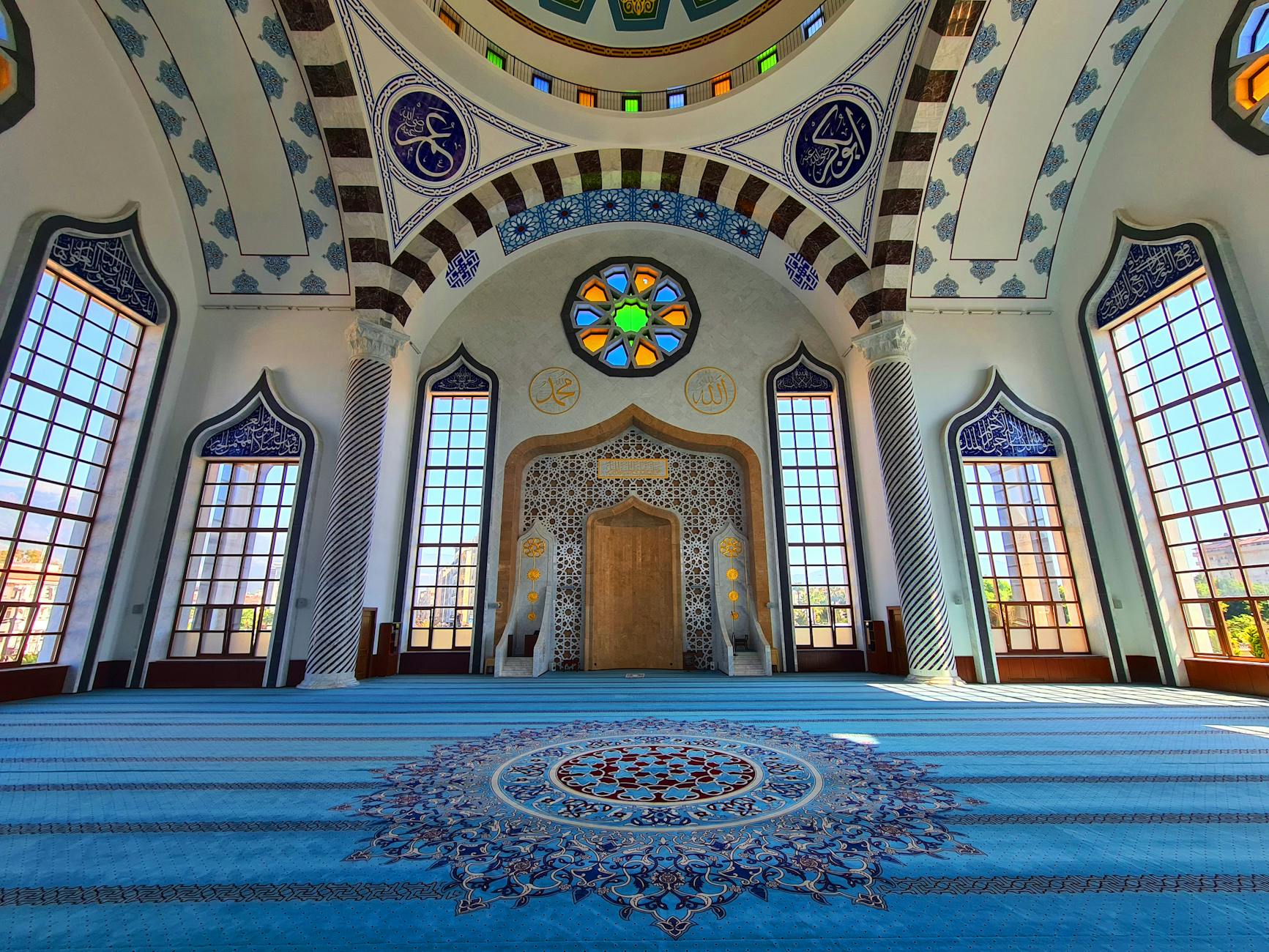
Situated on the coast of Dakar this mosque features two tall minarets that look out over the Atlantic Ocean. It was built in the nineteen nineties after a local man had a vision of the structure appearing on the shoreline. The design is simple but striking with white walls and green accents that stand out against the blue water. It has become an iconic part of the Dakar skyline and a popular site for religious pilgrims. The location provides a peaceful atmosphere for prayer and meditation by the sea.
Floating Mosque
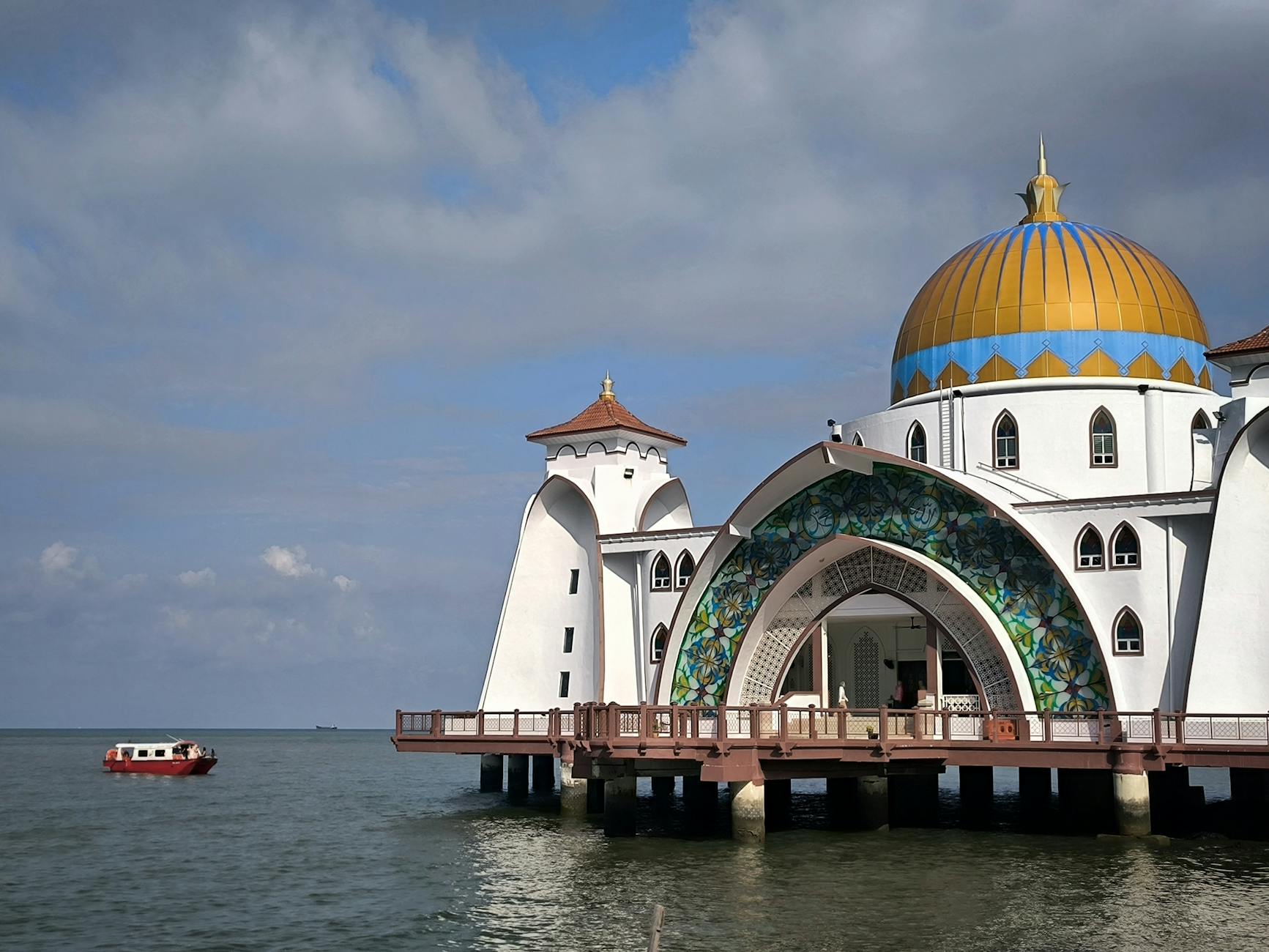
The Al Rahma Mosque in Jeddah is built on pillars over the Red Sea so it appears to float during high tide. It features a modern white design with a single dome and one minaret that glows at night. The interior is decorated with traditional Islamic patterns and features a large prayer hall with views of the ocean. It is a popular destination for both worshippers and tourists who visit the Jeddah Corniche. The architecture combines modern engineering with traditional religious requirements in a unique coastal setting.
Omar Ali Saifuddien Mosque
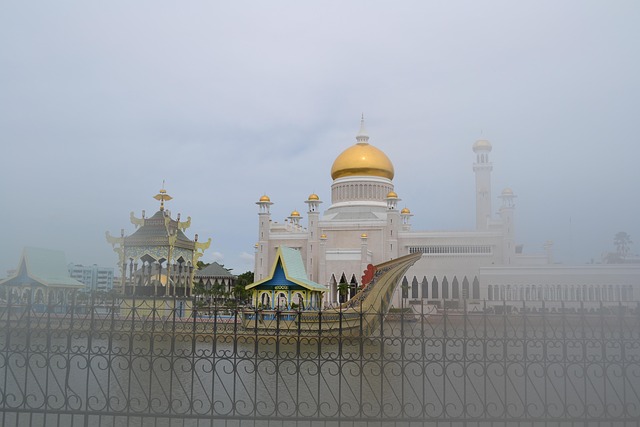
This mosque in Brunei is considered one of the most beautiful in the Asia Pacific region due to its golden dome. It is built in an artificial lagoon and is connected to a stone replica of a sixteenth century royal barge. The interior features Italian marble floors and crystal chandeliers and carpets imported from Saudi Arabia. Its main minaret includes an elevator that takes visitors to the top for a view of the capital city. The structure is a symbol of the nation’s Islamic faith and its royal heritage.
Akhmad Kadyrov Mosque
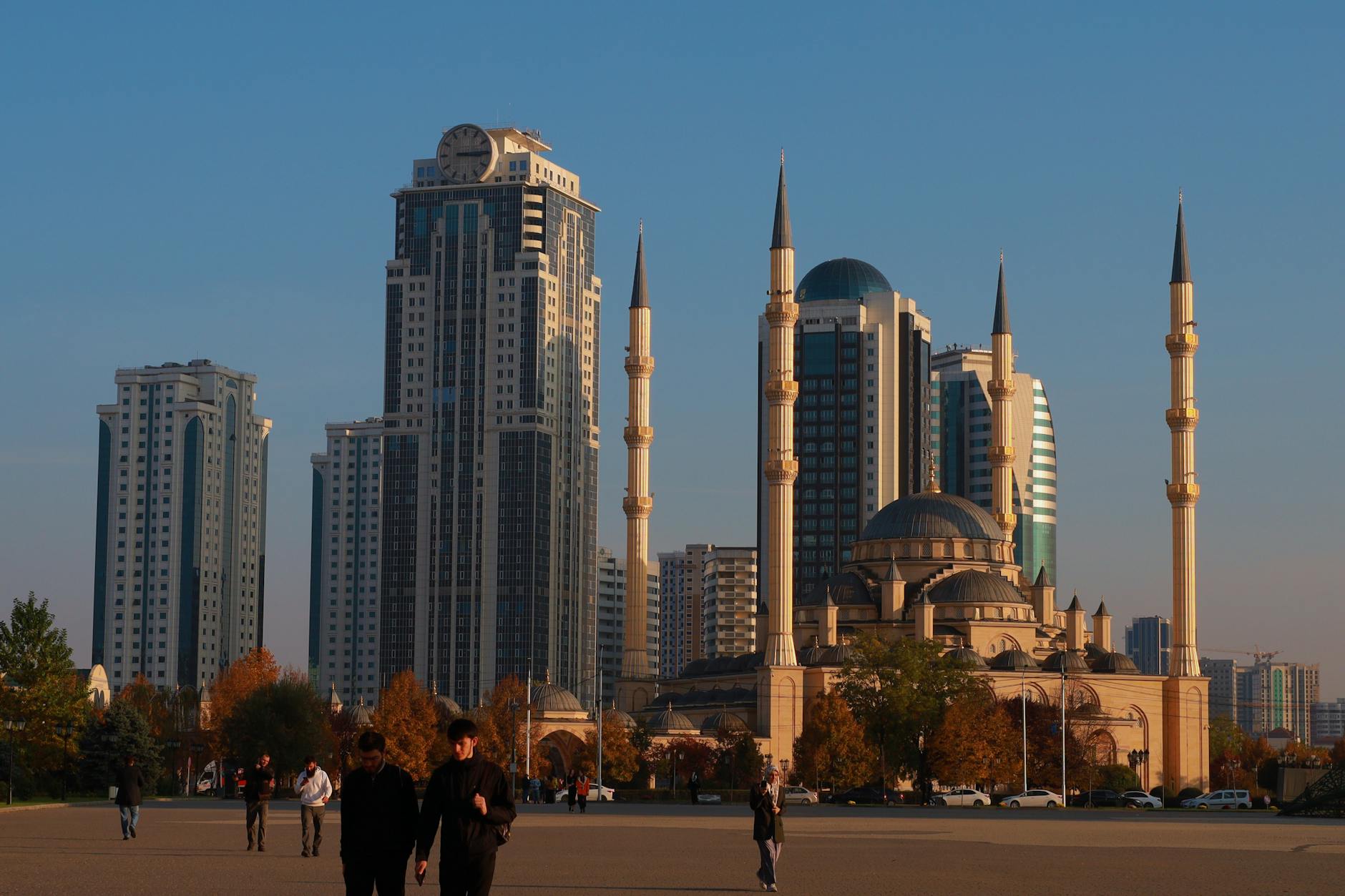
Known as the Heart of Chechnya this mosque in Grozny is one of the largest in Russia. It features four minarets that are over two hundred feet tall and a massive central dome. The exterior is finished with rare travertine marble while the interior is decorated with gold and white marble. It is surrounded by a large park and several fountains that are lit up at night. The architecture is based on the Blue Mosque in Istanbul and can hold over ten thousand people.
Mosque Of Islamic Solidarity
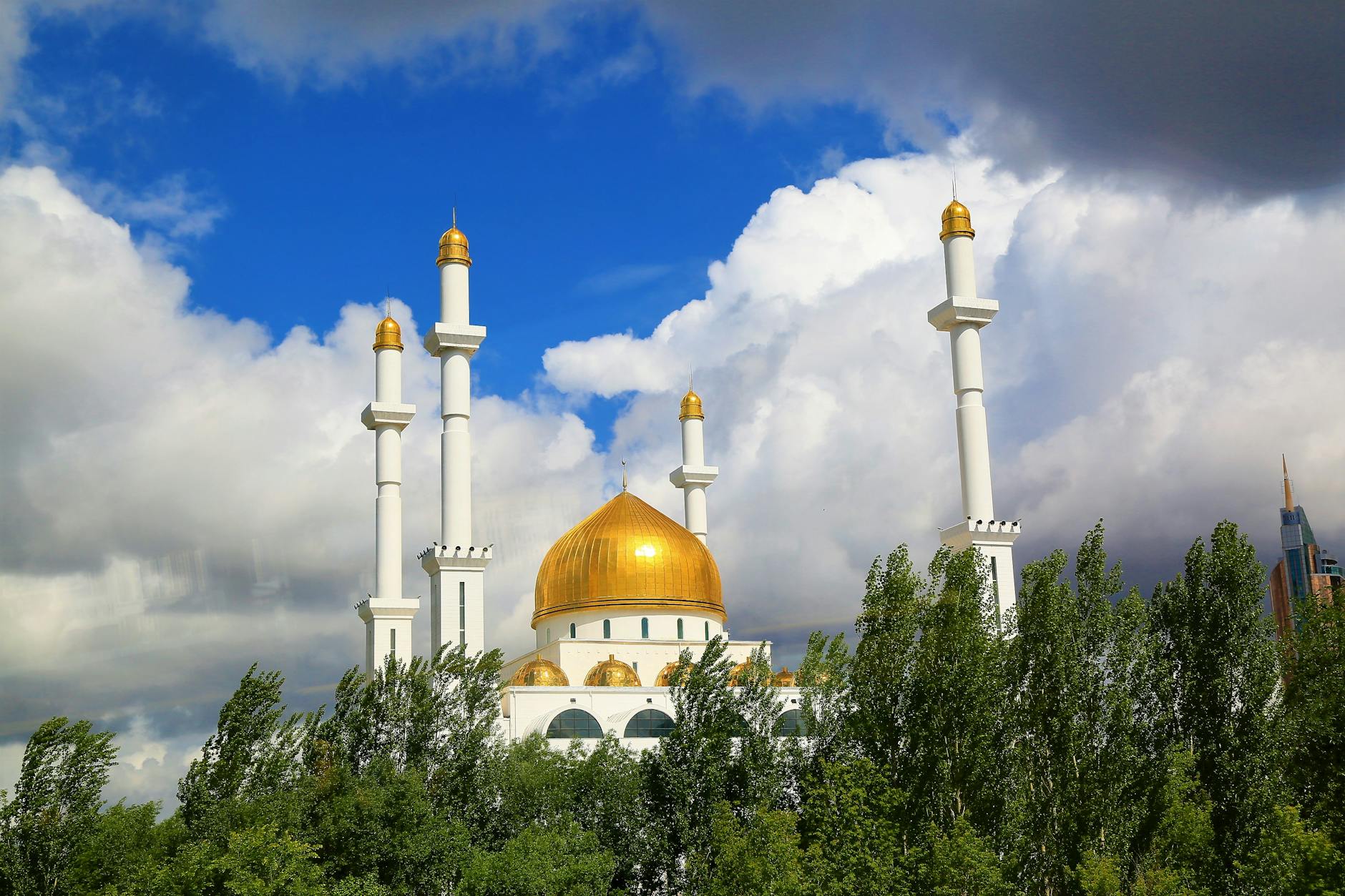
This is the largest mosque in the Horn of Africa and is located in Mogadishu near the Indian Ocean. It was built in the late nineteen eighties with support from Saudi Arabia and features a large central dome and one tall minaret. The structure has undergone several repairs following periods of conflict to restore its intricate stone work and arched doorways. It serves as a vital center for the local community and can hold up to ten thousand worshippers. The mosque remains a symbol of resilience and faith in the capital city.
Al Fateh Grand Mosque
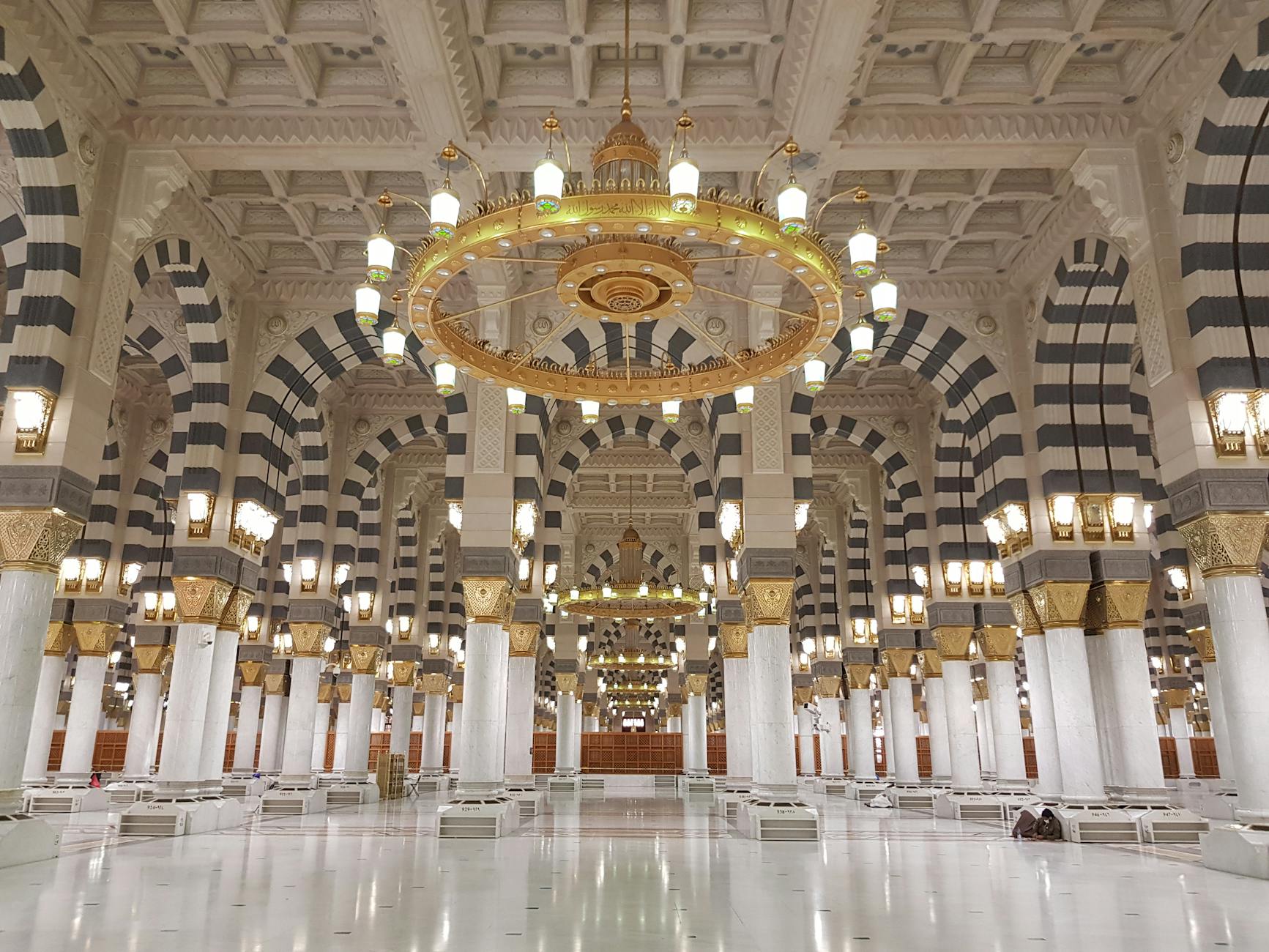
This mosque in Bahrain is one of the largest in the world and features a dome made entirely of fiberglass. The building is constructed from marble imported from Italy and wood from India and glass from Austria. Its interior floors are covered in hand woven carpets and the walls feature Kufic calligraphy carved into the stone. The mosque also houses the National Library of Bahrain which contains thousands of volumes on Islamic history. It is open to the public for tours and serves as a major cultural landmark in Manama.
King Hussein Bin Talal Mosque
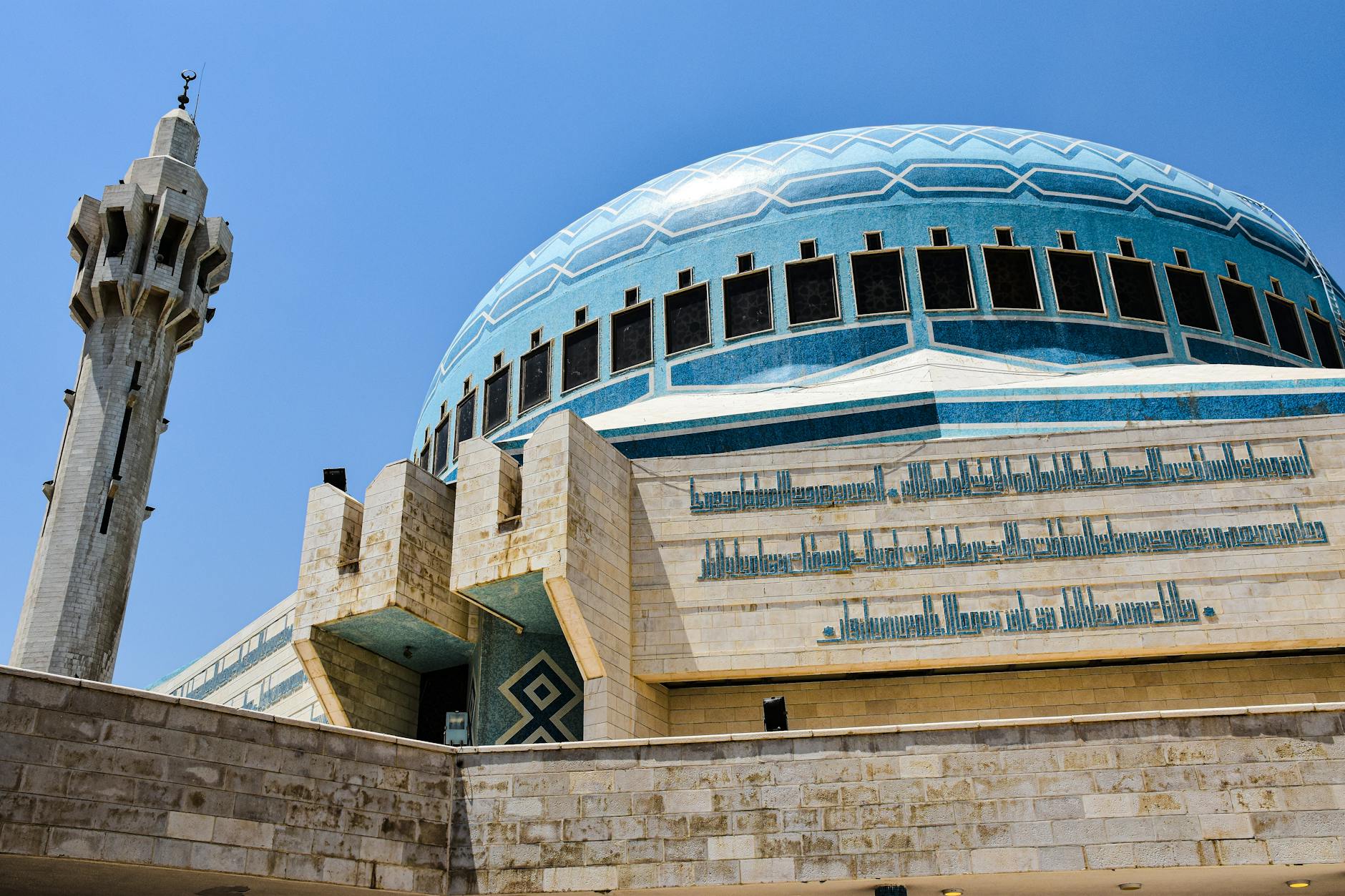
Located in Amman this is the national mosque of Jordan and features a distinct square design with four minarets. It is built in the style of Umayyad architecture with light colored stone and arched entrances. The interior features a large prayer hall with a simple yet elegant design that emphasizes space and light. It sits on a hill overlooking the city and is surrounded by well maintained gardens and walkways. The mosque serves as a center for religious events and community gatherings in the capital.
Great Mosque Of Herat
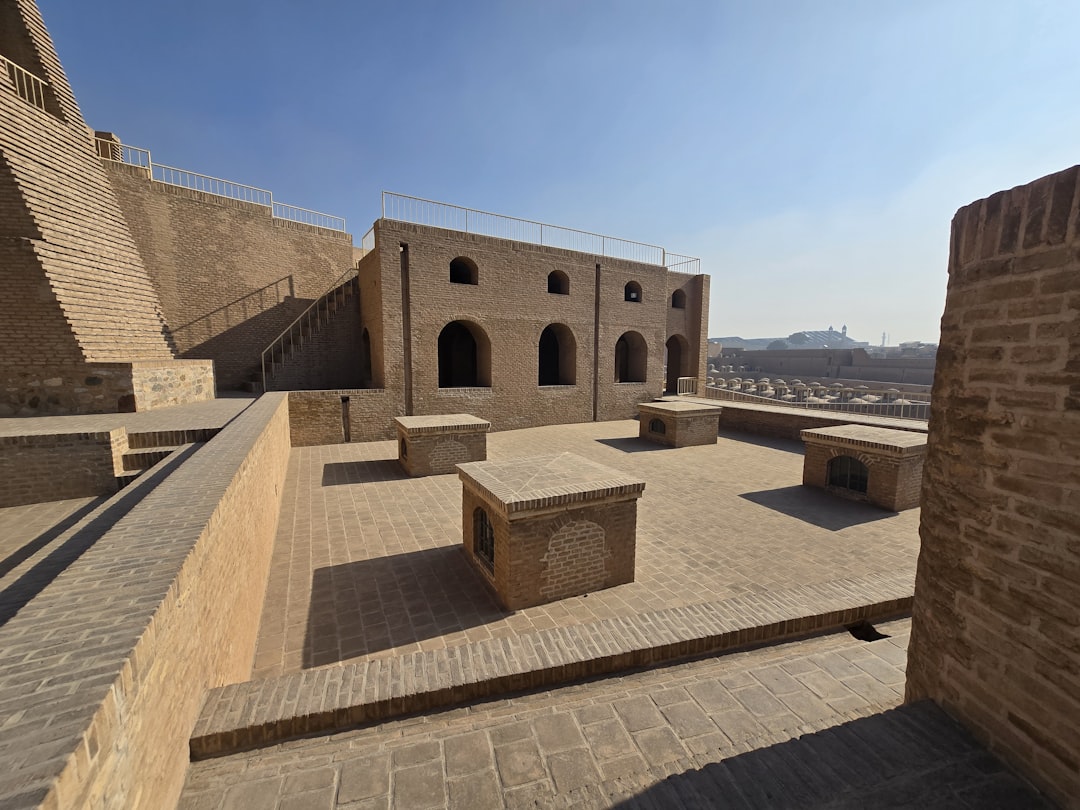
This historic mosque in Afghanistan is famous for its bright blue and green tile work and massive brick arches. It was first built by the Ghurids in the twelfth century and has been expanded by many different dynasties. The courtyard features a large bronze cauldron from the fourteenth century and several intricate mosaic panels. Local artisans continue to maintain the tile work today using traditional methods passed down through generations. It remains one of the most important architectural and religious sites in the country.
Please share which of these architectural styles you find most interesting in the comments.