Achieving restorative sleep is often dependent on the complex relationship between dietary choices and internal biological rhythms. Many common foods contain compounds that actively stimulate the nervous system or burden digestion during the hours when the body needs to rest. Understanding which ingredients disrupt sleep cycles is a crucial step toward better overall health and daily energy levels. This guide identifies specific items that may be silently sabotaging your efforts to get a good night of sleep.
Coffee
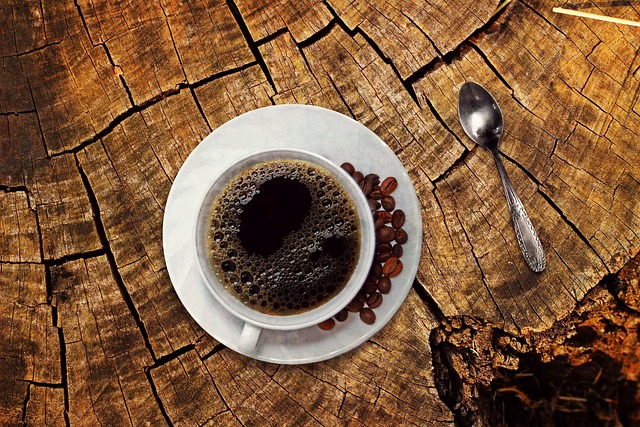
This popular beverage is the most notorious sleep disruptor due to its high concentration of caffeine. Caffeine functions by blocking adenosine receptors in the brain which prevents the body from recognizing natural tiredness. The stimulant effects can linger in the bloodstream for several hours and delay the onset of sleep significantly. Consuming it even six hours before bed can reduce total sleep time by more than one hour.
Dark Chocolate

Many people view this treat as a healthy dessert option but often overlook its natural stimulant properties. Cacao beans contain significant amounts of theobromine and caffeine which increase heart rate and mental alertness. Eating this later in the evening can prevent the body from entering the deeper stages of restorative sleep. It is best enjoyed earlier in the day to ensure the stimulants have metabolized fully.
Alcohol
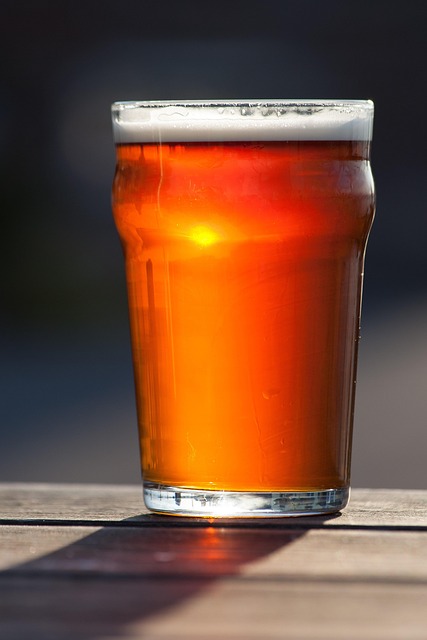
While an evening drink might initially induce feelings of drowsiness it ultimately fragments sleep architecture. The metabolism of alcohol causes a rebound effect that wakes the body up once the sedative effects wear off. This process frequently blocks REM sleep which is essential for cognitive processing and emotional regulation. Regular consumption before bed often leads to waking up feeling unrefreshed and groggy.
Spicy Curry
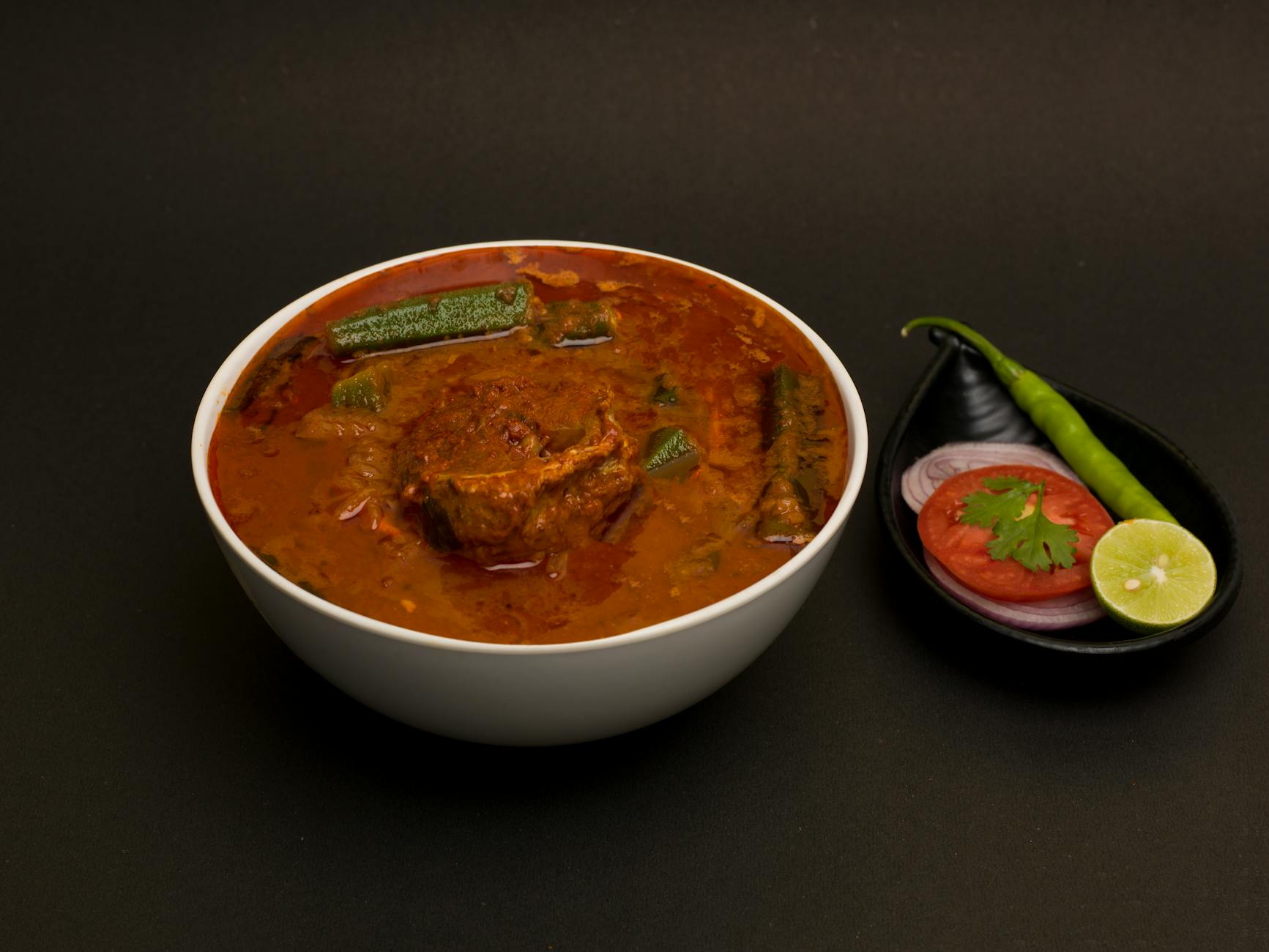
Dishes containing high levels of chili peppers or strong spices can cause internal body temperature to rise. A drop in core body temperature is a necessary physiological signal for the body to initiate sleep. The active compound capsaicin also irritates the stomach lining and can lead to heartburn when lying down. These physical discomforts make it difficult to fall asleep and stay asleep throughout the night.
Pizza
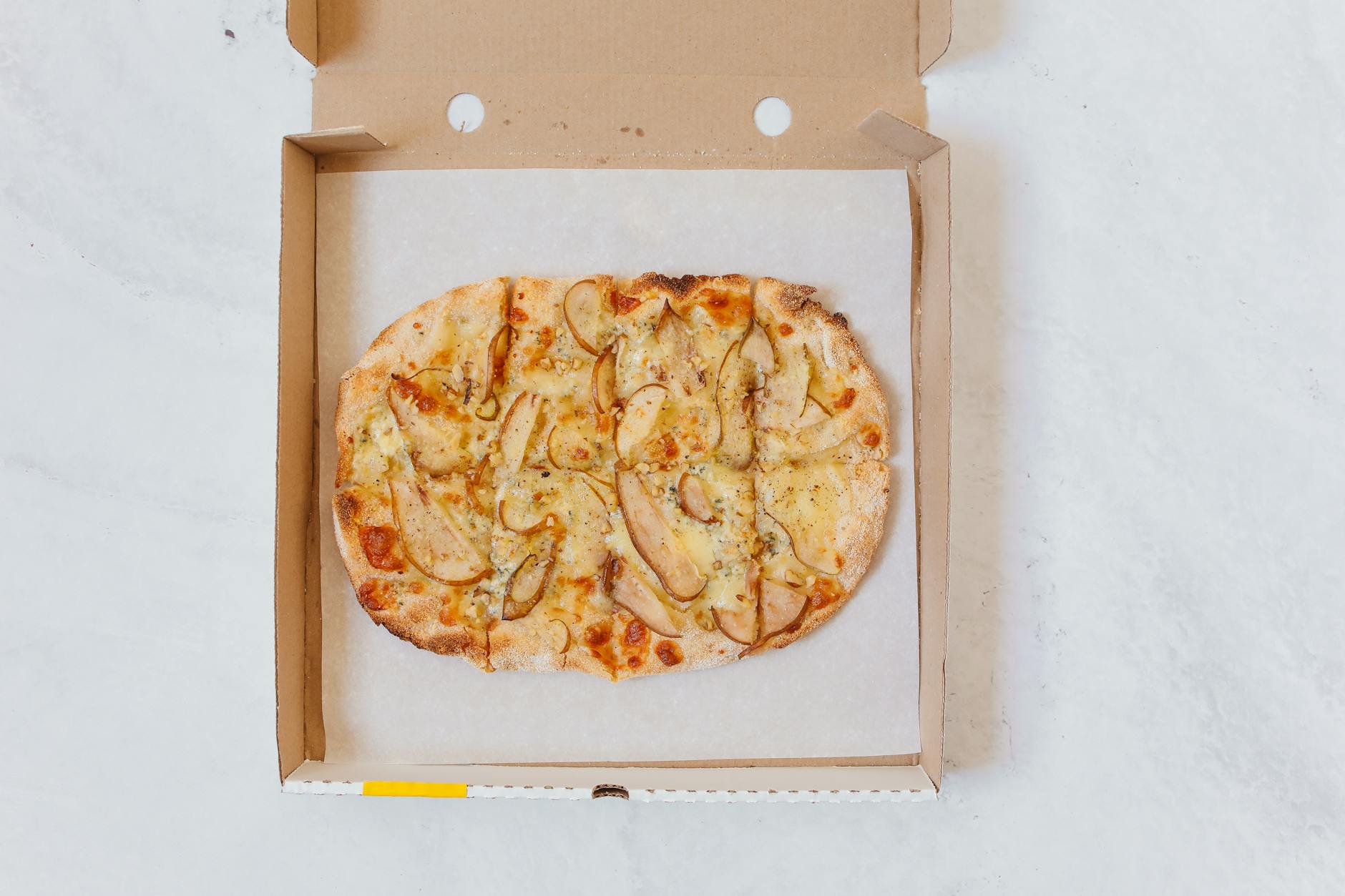
The combination of acidic tomato sauce and high-fat cheese creates a difficult digestive challenge for the body late at night. Lying down after eating such a heavy meal increases the likelihood of acid reflux and indigestion. The high sodium content in the crust and toppings can also lead to dehydration and thirst that wakes you up. This popular late-night food forces the digestive system to work overtime when it should be resting.
Bacon
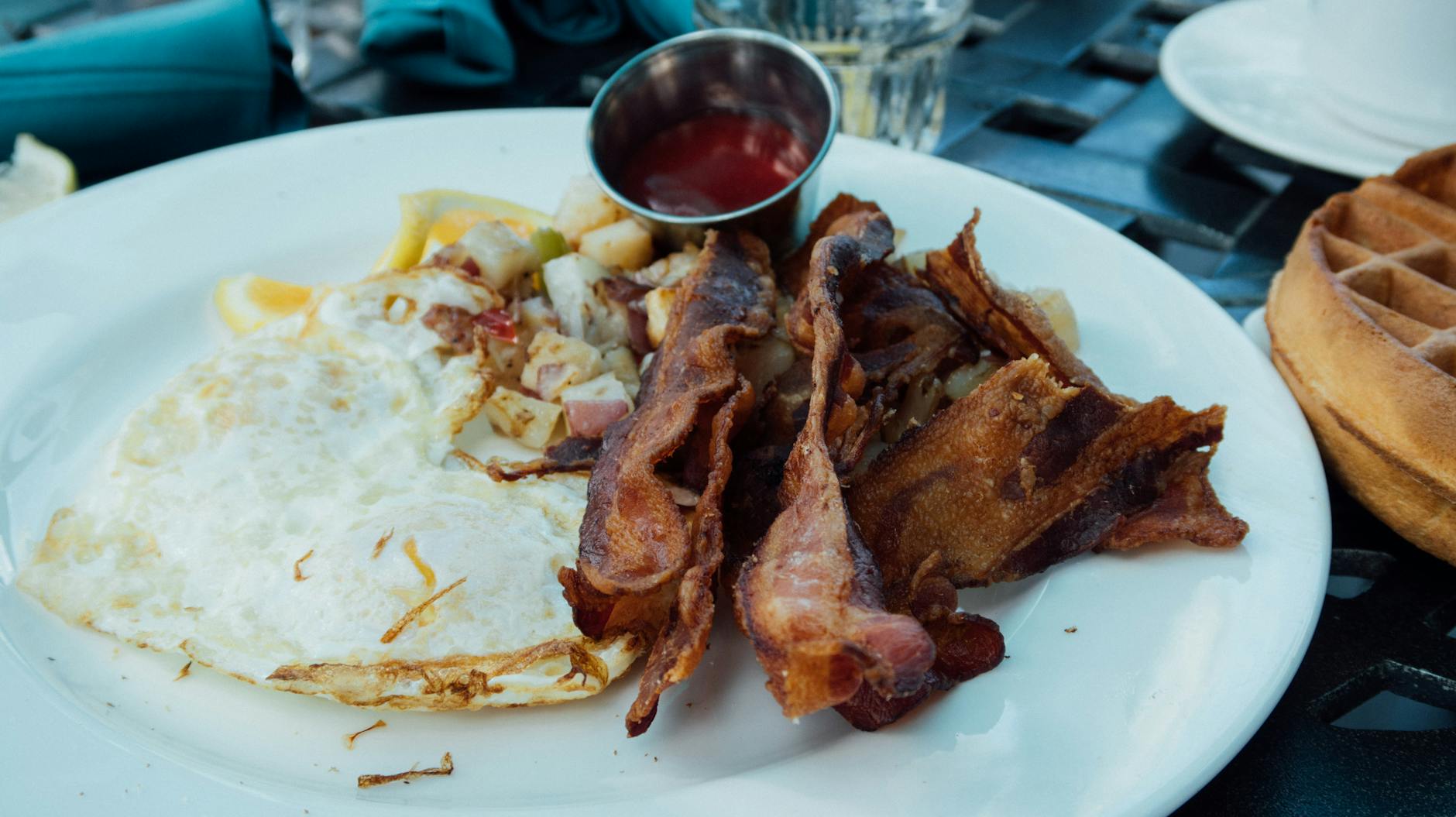
Cured meats like bacon contain high levels of tyramine which is an amino acid that triggers the release of norepinephrine. Norepinephrine is a brain stimulant that increases alertness and can provoke feelings of excitement or anxiety. The high fat content also slows down digestion and can cause stomach discomfort during the night. Eating this specifically at dinner can keep the brain active when it needs to be winding down.
Aged Cheese
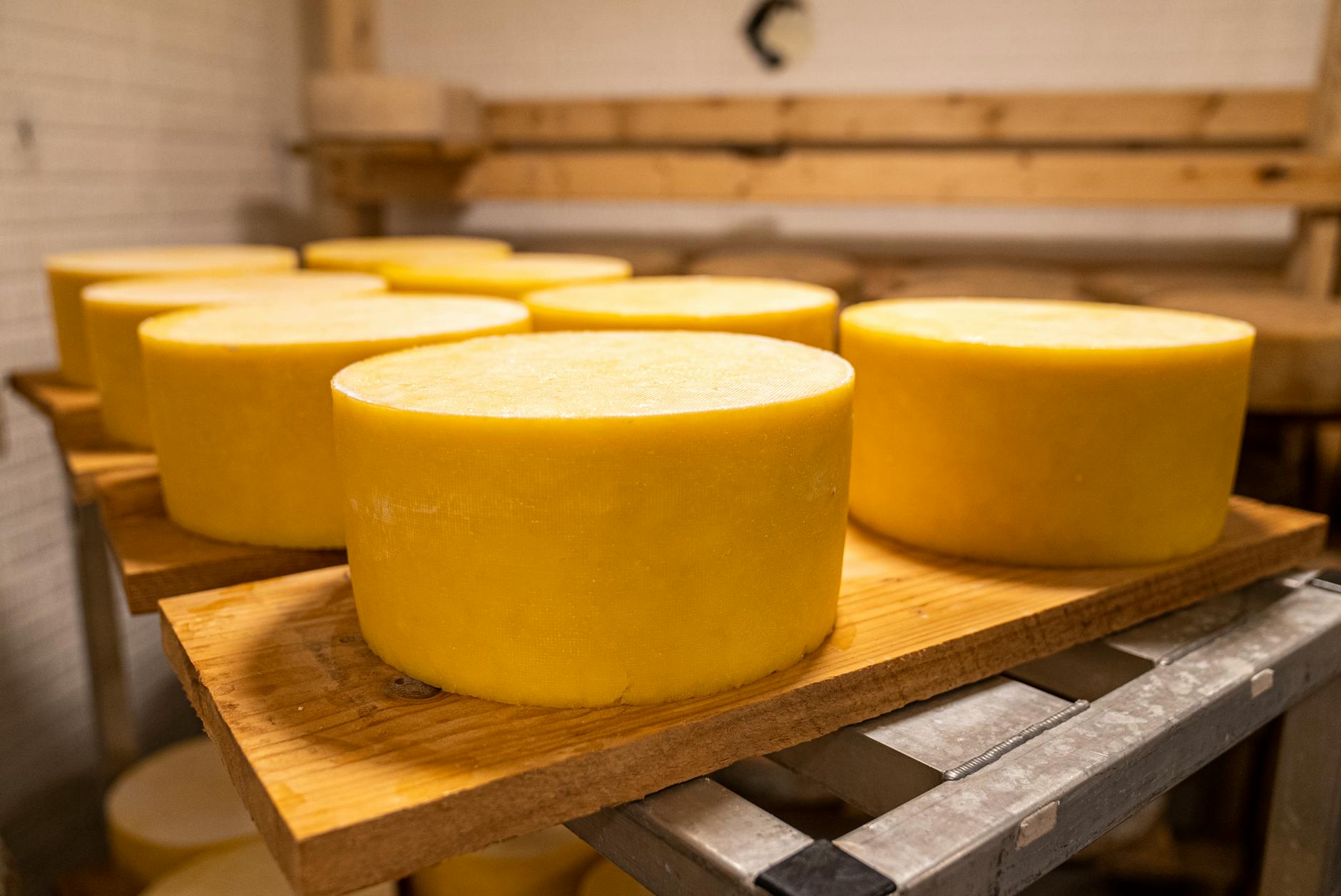
Varieties such as cheddar and parmesan are rich in tyramine which stimulates the adrenal glands. This chemical reaction increases vigilance and makes it physically difficult for the nervous system to relax. The digestive effort required to break down dense proteins and fats adds another layer of disruption. Those sensitive to tyramine may experience restless nights after enjoying a cheese board in the evening.
French Fries
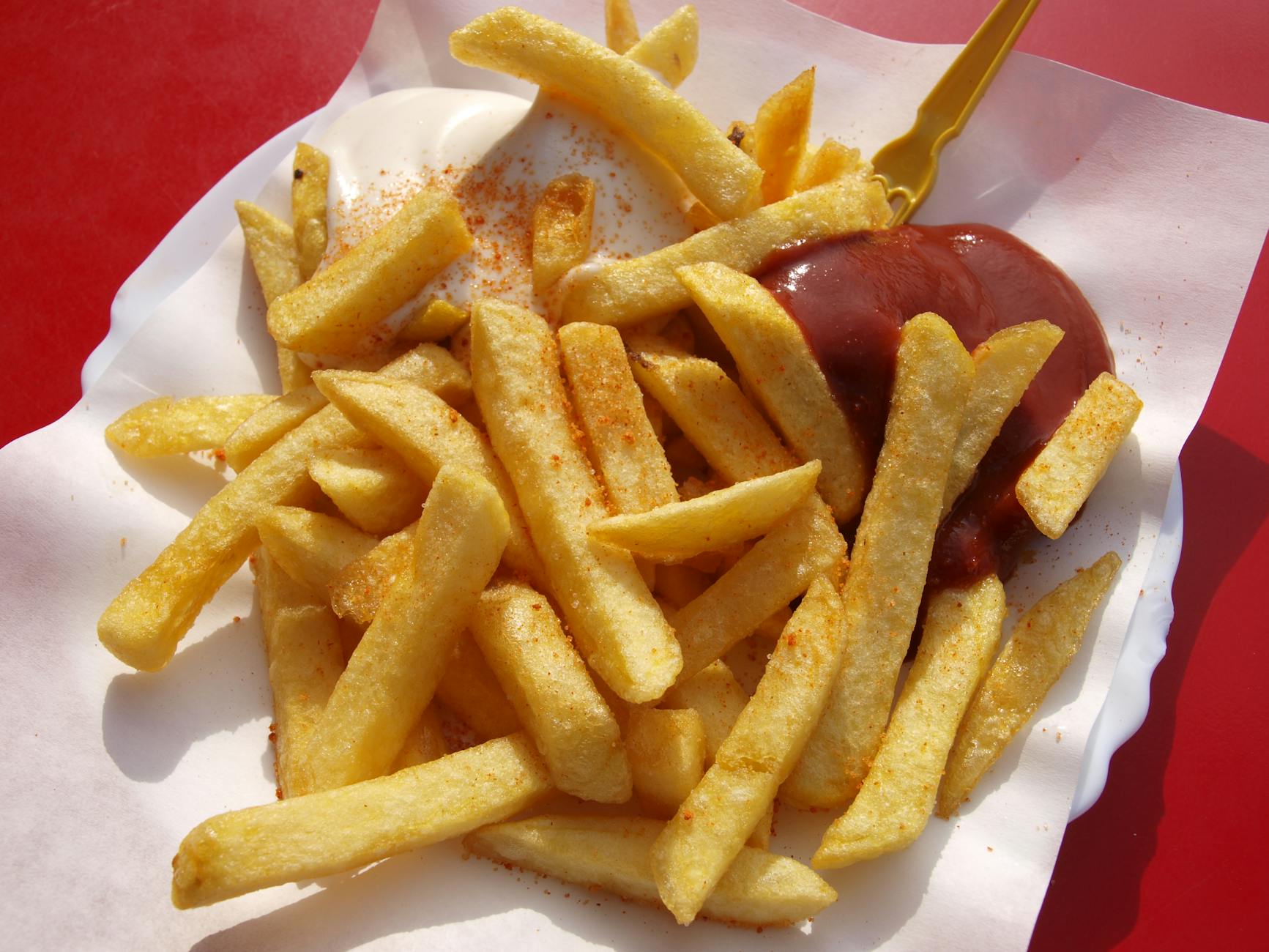
Fried foods are high in unhealthy fats that require significant energy and time to digest properly. Eating greasy items before bed diverts blood flow to the stomach and keeps the digestive system active. This metabolic activity can interfere with the body’s ability to lower its temperature and settle into sleep. Heavy oils can also trigger heartburn and indigestion that disrupts comfortable sleep positions.
Ice Cream

The high sugar content in ice cream causes a rapid spike in blood glucose followed by a sharp crash. These fluctuations in blood sugar trigger cortisol release and can wake the body up in the middle of the night. The fat content adds digestive strain while the dairy may cause bloating for those with sensitivities. This combination of sugar and fat makes it a poor choice for a late-night snack.
Celery
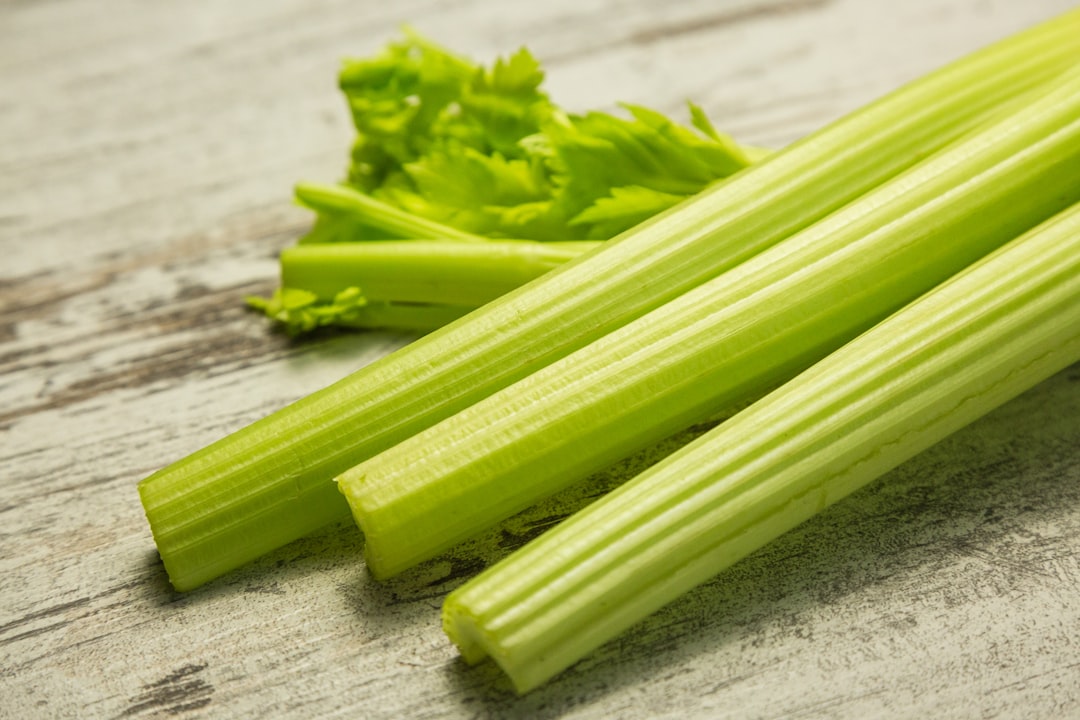
This vegetable is composed mostly of water and acts as a natural diuretic in the body. Consuming it right before bed increases the volume of fluid in the bladder and leads to frequent bathroom trips. Waking up multiple times to urinate disrupts the sleep cycle and prevents the body from reaching deep sleep. It is nutritious but better consumed earlier in the day to avoid nocturia.
Watermelon
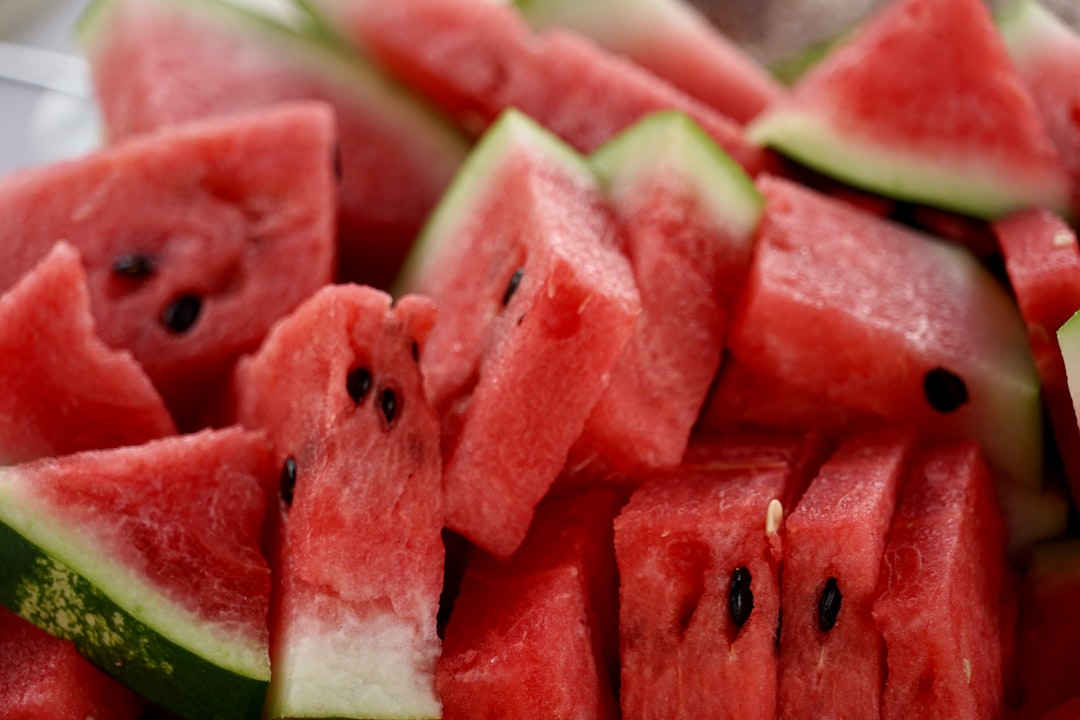
Similar to celery this fruit has an extremely high water content that promotes fluid excretion. Eating large portions before sleep guarantees a full bladder that will wake you up during the night. The natural sugars also provide a quick burst of energy that might delay the initial onset of sleep. Hydration is important but water-heavy foods should be tapered off in the evening.
Broccoli
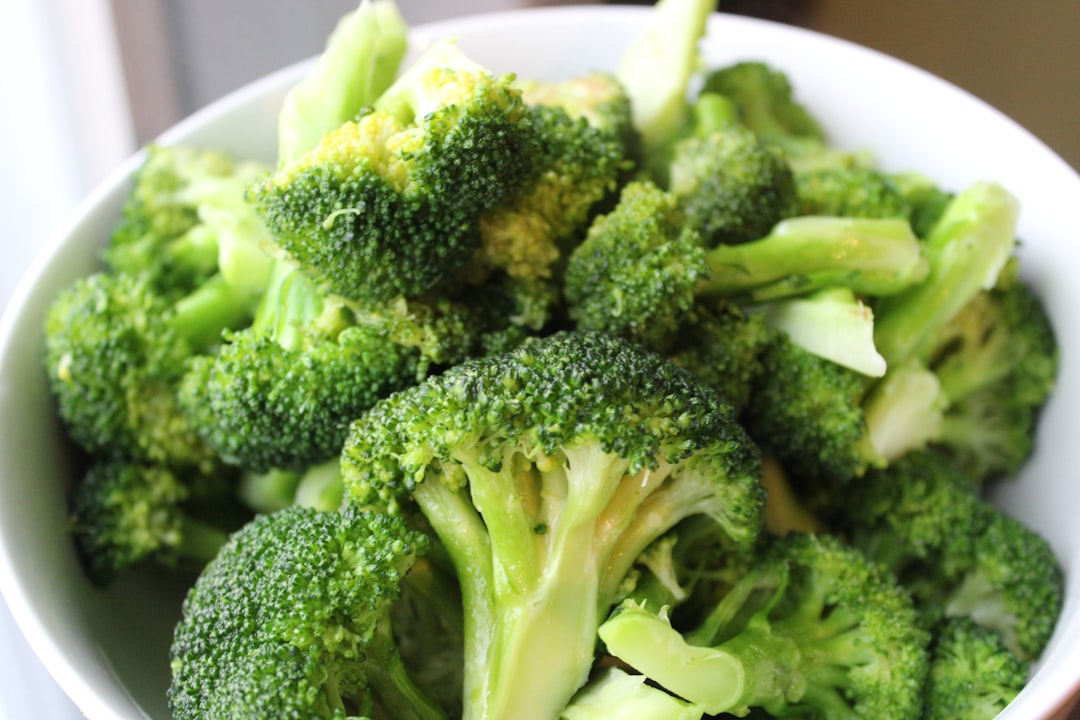
Cruciferous vegetables are packed with slow-digesting fibers that are excellent for gut health but problematic for sleep. The fermentation of fiber in the large intestine produces gas which can cause bloating and abdominal pressure. This physical discomfort can make lying down painful and prevent relaxation. Eating these vegetables at lunch allows the body ample time to digest them before lying horizontal.
Steak
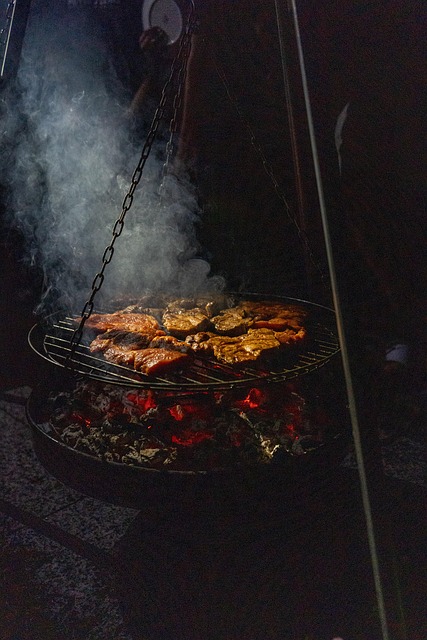
Red meat is dense in protein and fat which requires a long and intensive digestive process. The body must increase its metabolic rate to break down the meat which raises internal temperature. This thermogenic effect counteracts the natural cooling process required for sleep onset. A heavy steak dinner is best scheduled well before bedtime to allow digestion to progress.
Grapefruit
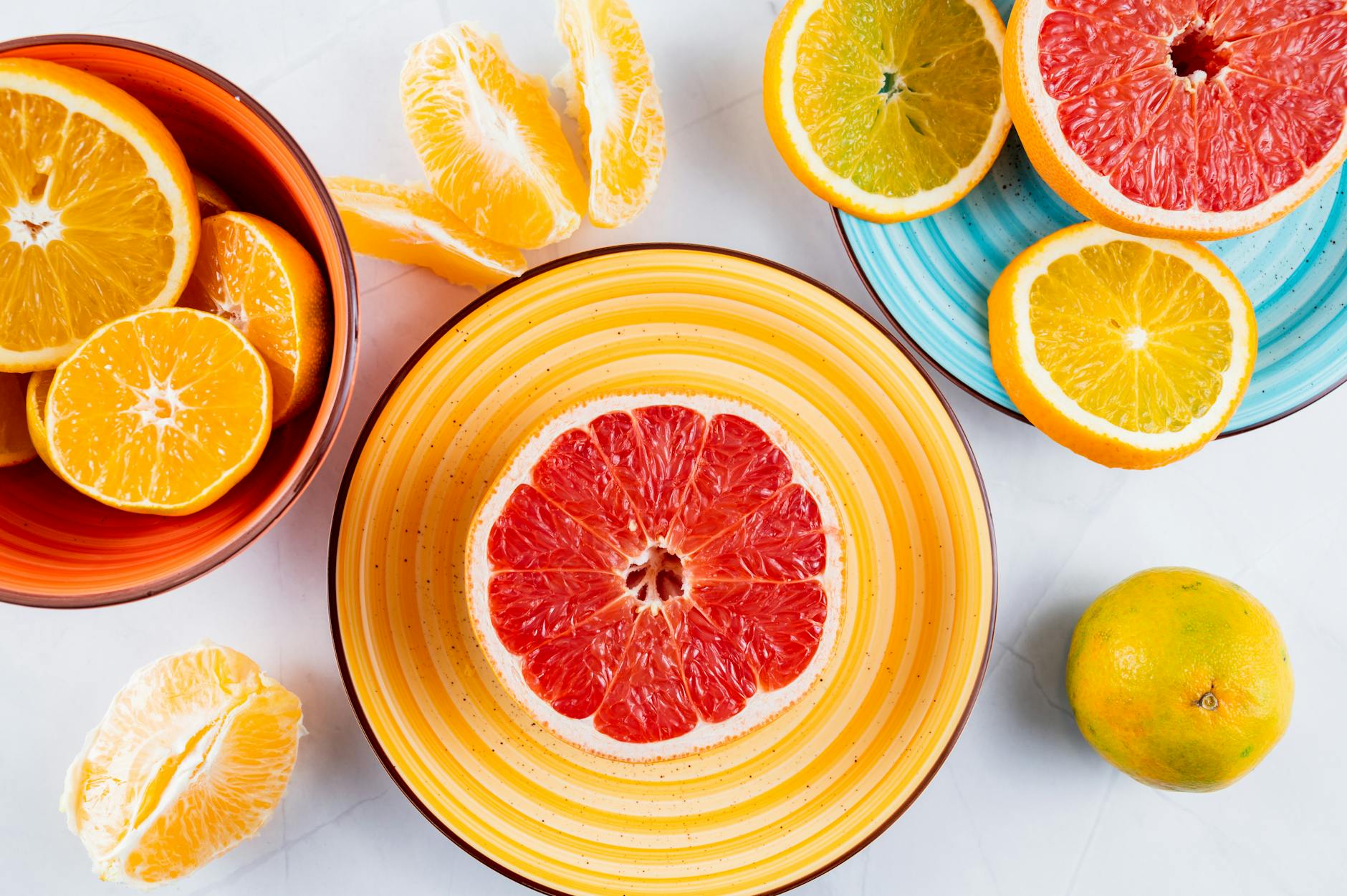
Citrus fruits are highly acidic and can relax the esophageal sphincter which allows stomach acid to rise. This leads to acid reflux and heartburn that becomes significantly worse when lying flat. The strong acidity can cause a burning sensation in the chest that makes falling asleep impossible. People prone to GERD should avoid all citrus fruits in the evening hours.
Tomatoes

Tomatoes contain tyramine and high acidity levels that create a dual threat to sleep quality. The acid can trigger reflux symptoms while the tyramine stimulates norepinephrine production in the brain. Even cooked tomato products like pasta sauce can cause these disruptive issues late at night. It is safer to consume tomato-based dishes for lunch rather than dinner.
Soy Sauce
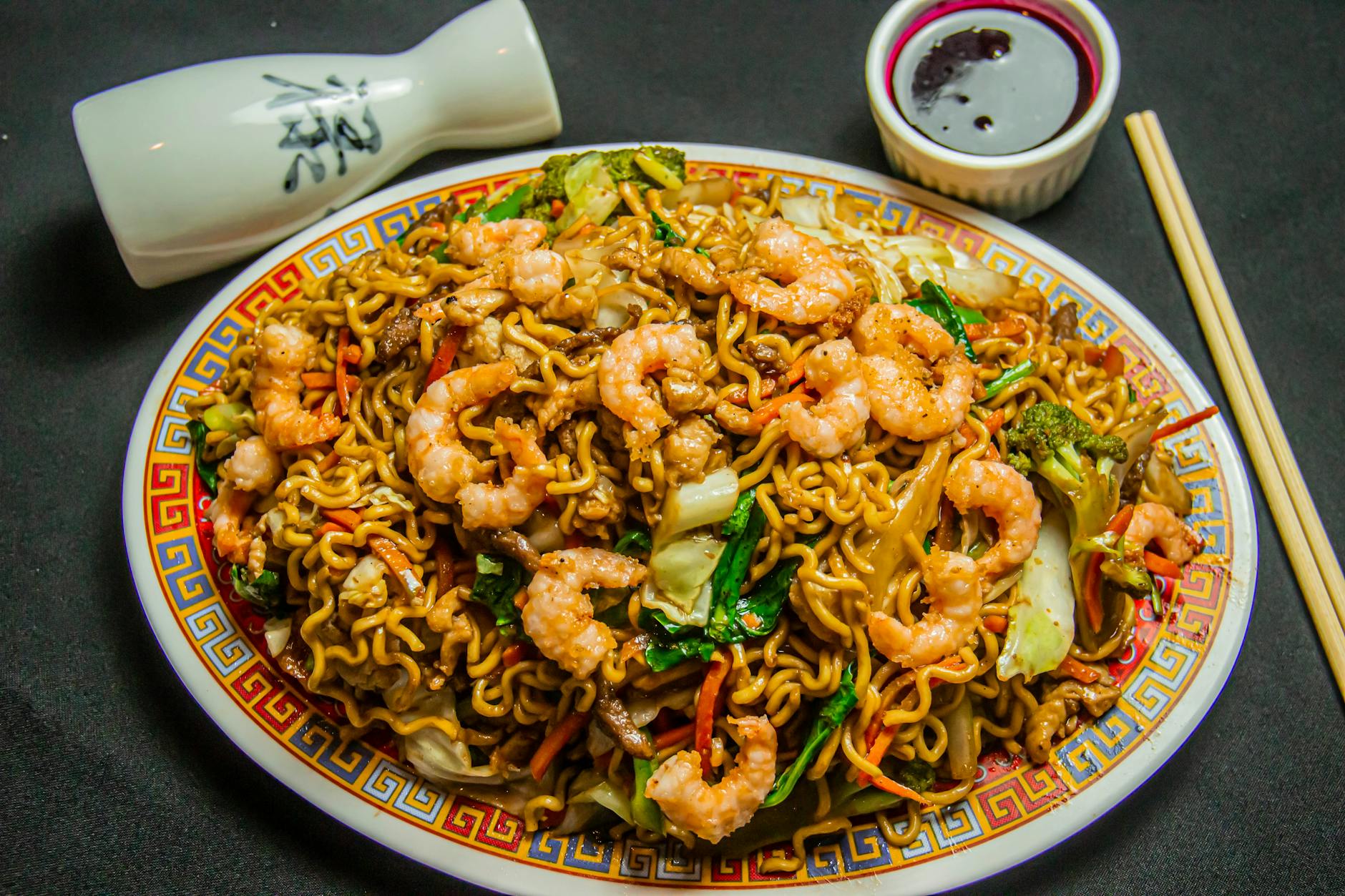
This condiment is extremely high in sodium which can lead to dehydration and waking up thirsty. High salt intake also raises blood pressure and can disrupt the quality of rest. The fermentation process means it also contains tyramine which promotes alertness. Using low-sodium alternatives or avoiding it at dinner can help maintain hydration levels through the night.
Dark Chocolate Cookies
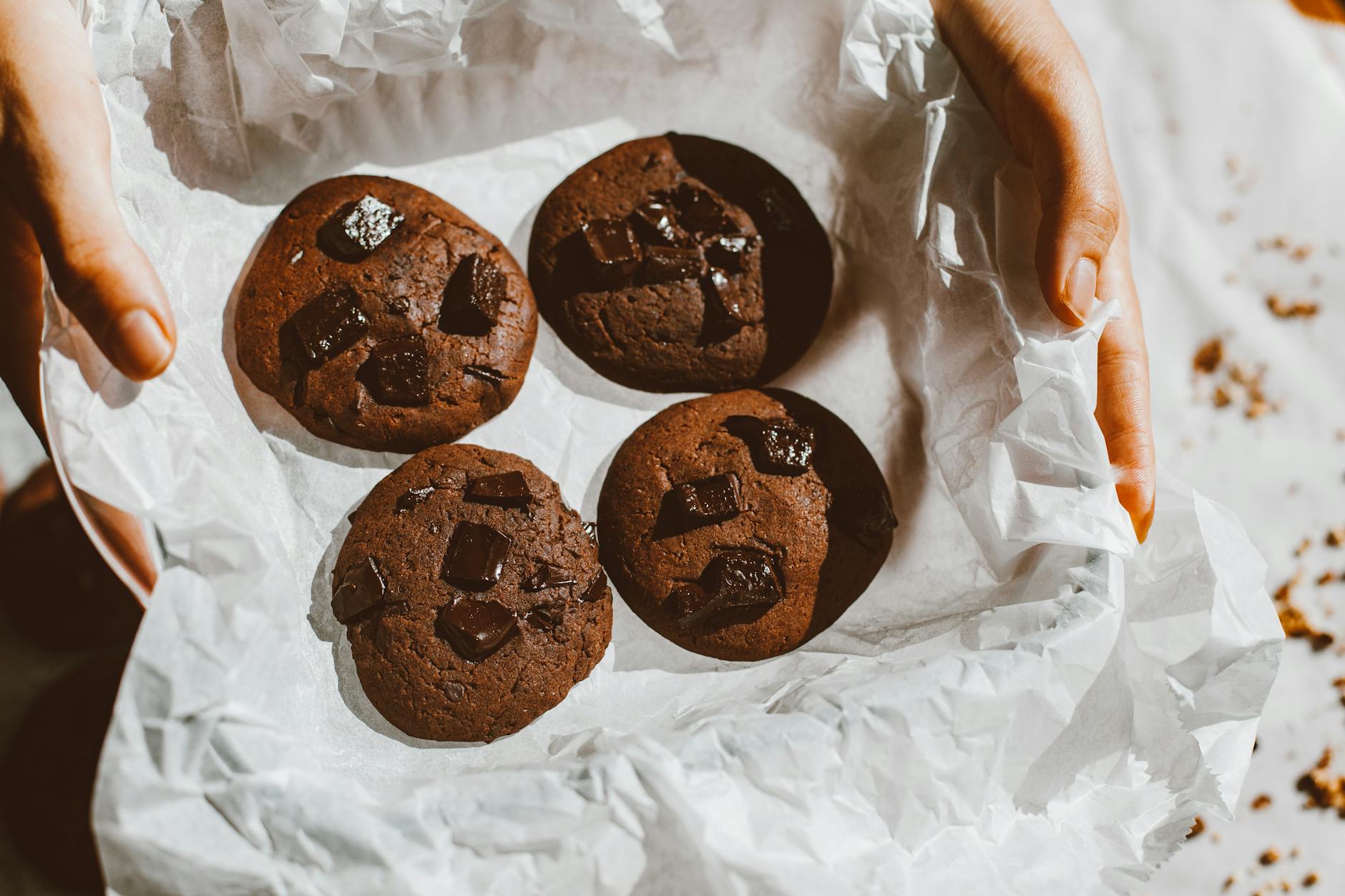
Combining the sugar of a cookie with the stimulants in dark chocolate creates a recipe for restlessness. The sugar creates an energy spike while the caffeine and theobromine block sleep signals. This double impact prevents the brain from transitioning into a relaxed state. Such snacks are better suited for an afternoon pick-me-up rather than a bedtime treat.
Matcha
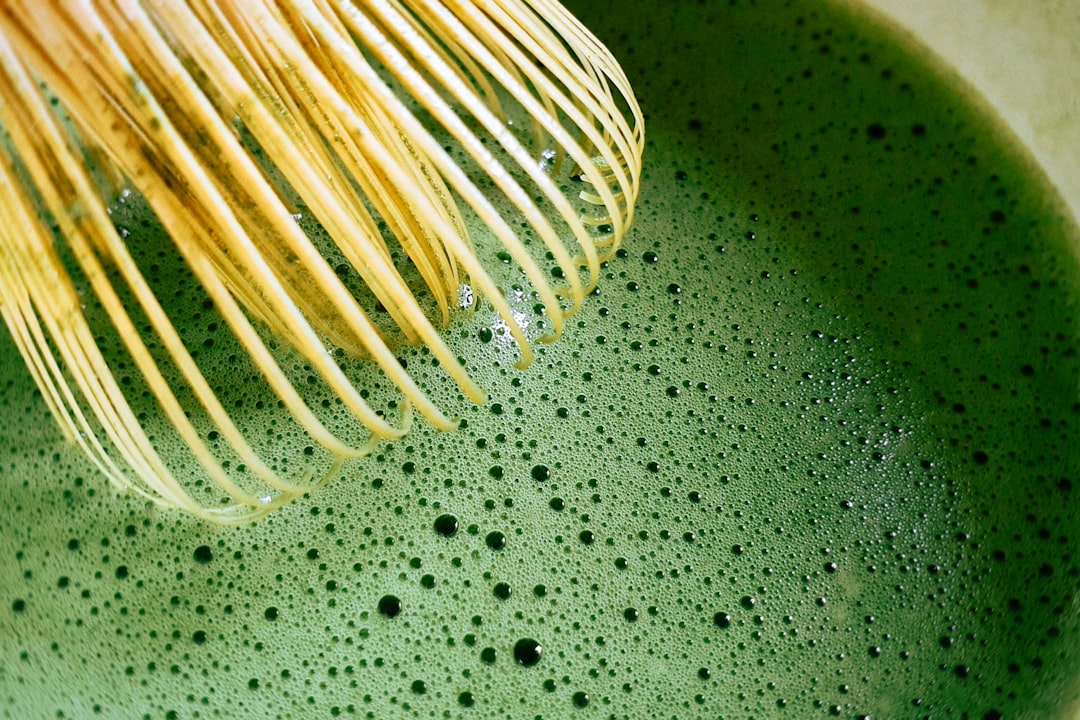
Green tea powder contains a higher concentration of caffeine than steeped tea because you consume the whole leaf. It also contains L-theanine which promotes focus and alertness rather than drowsiness. Consuming this in the late afternoon can leave residual caffeine in the system at bedtime. It is a potent stimulant that should be treated with the same caution as coffee.
Energy Drinks
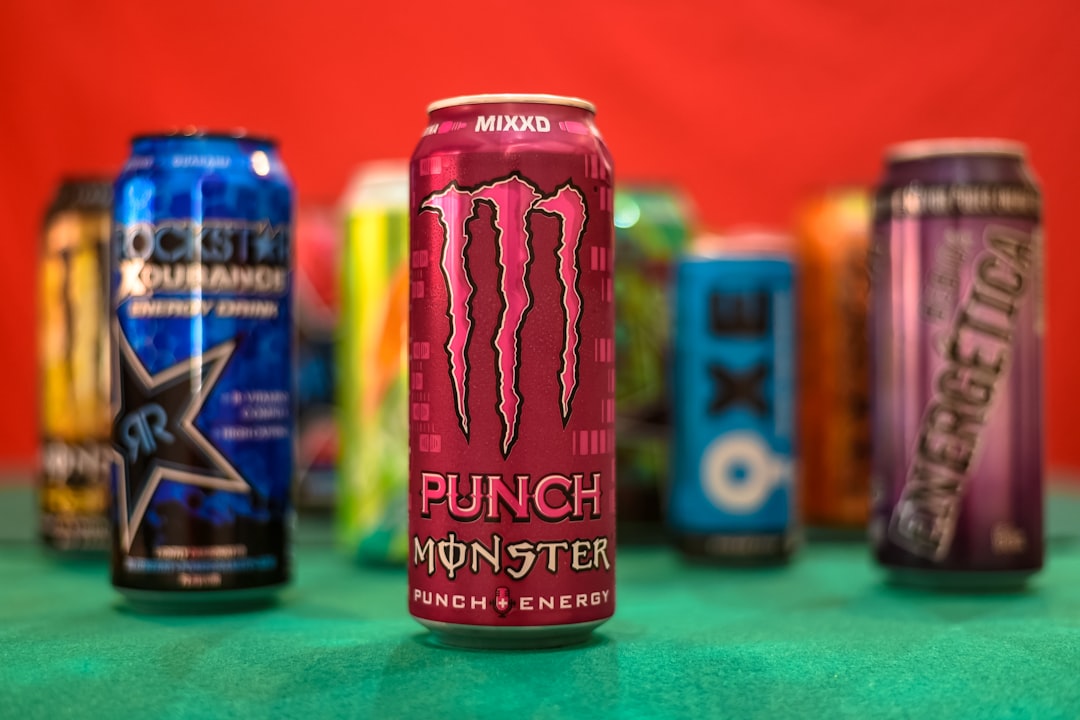
These beverages are engineered to keep you awake and often contain excessive amounts of caffeine and sugar. The massive dose of stimulants can cause heart palpitations and anxiety that make sleep impossible. The half-life of these ingredients means they can disrupt sleep cycles even if consumed hours prior. They are arguably the most detrimental beverage for sleep hygiene.
Soda
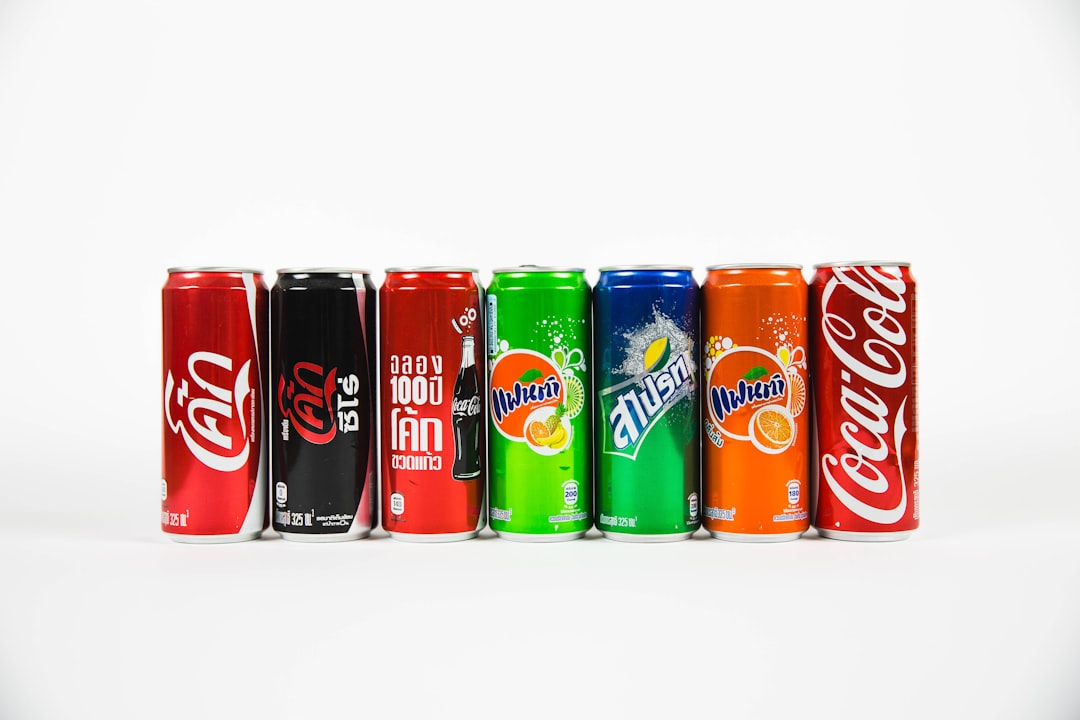
Sugary carbonated drinks provide a rush of glucose and caffeine that activates the nervous system. The carbonation can also cause gas and bloating that leads to abdominal discomfort when lying down. Regular consumption is linked to shorter sleep duration and poorer overall sleep quality. Switching to water or herbal tea in the evening is a simple way to improve rest.
Tiramisu

This famous dessert combines espresso and sugar which effectively wakes up the brain. The caffeine content in the espresso-soaked ladyfingers acts directly on the central nervous system. The sugar provides immediate fuel that prevents the body from winding down naturally. It is a sophisticated dessert that functions similarly to a cup of coffee.
Hot Sauce
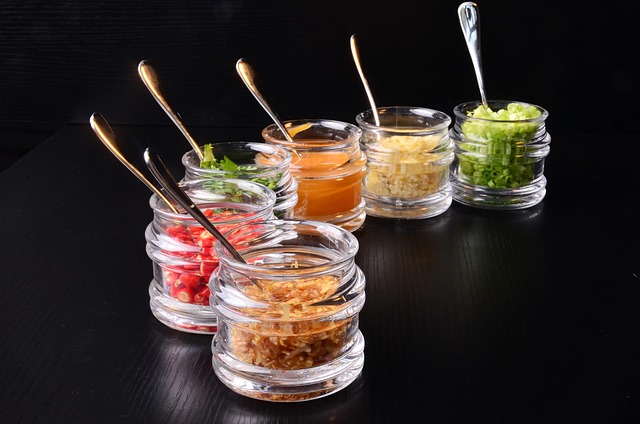
Capsaicin in hot sauce raises body temperature and stimulates nerve endings throughout the body. The irritation it causes to the stomach lining can lead to severe reflux when the body is horizontal. This internal heat disrupts the body’s thermal regulation needed for sleep. Spicy condiments should be used sparingly during the evening meal.
Raw Onions
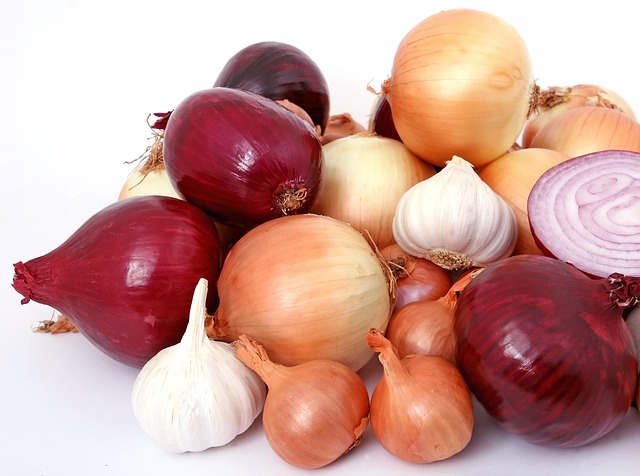
Onions contain fermentable fibers called fructans that can cause significant gas and bloating. They also relax the esophageal sphincter which facilitates acid reflux during the night. The digestive distress caused by raw onions can keep you tossing and turning for hours. Cooking onions thoroughly can reduce some of these effects but avoidance is safer for sensitive stomachs.
Beans
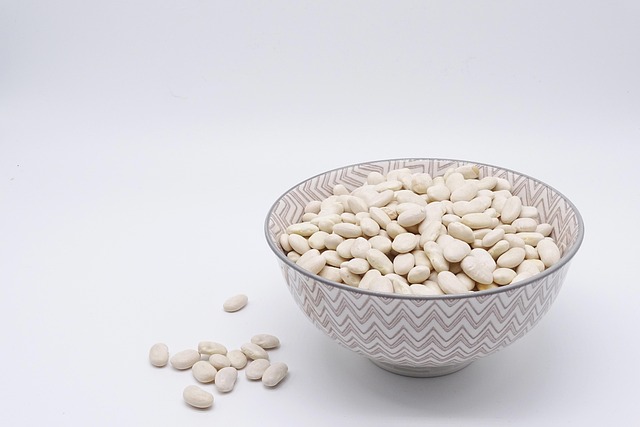
Legumes are notorious for causing gas and bloating due to their complex sugar content. The digestive system struggles to break these sugars down late at night leading to abdominal cramps. This internal turbulence makes it difficult to find a comfortable sleeping position. They are a healthy food source that is best metabolized during active daytime hours.
Dried Fruit

The dehydration process concentrates the sugar and fiber content in fruits like apricots and raisins. This high fiber load can cause gas and cramping while the sugar spikes energy levels. They are calorie-dense and can lead to a metabolic boost that delays sleep. Fresh fruit with higher water content is generally a lighter option for the evening.
Peppermint
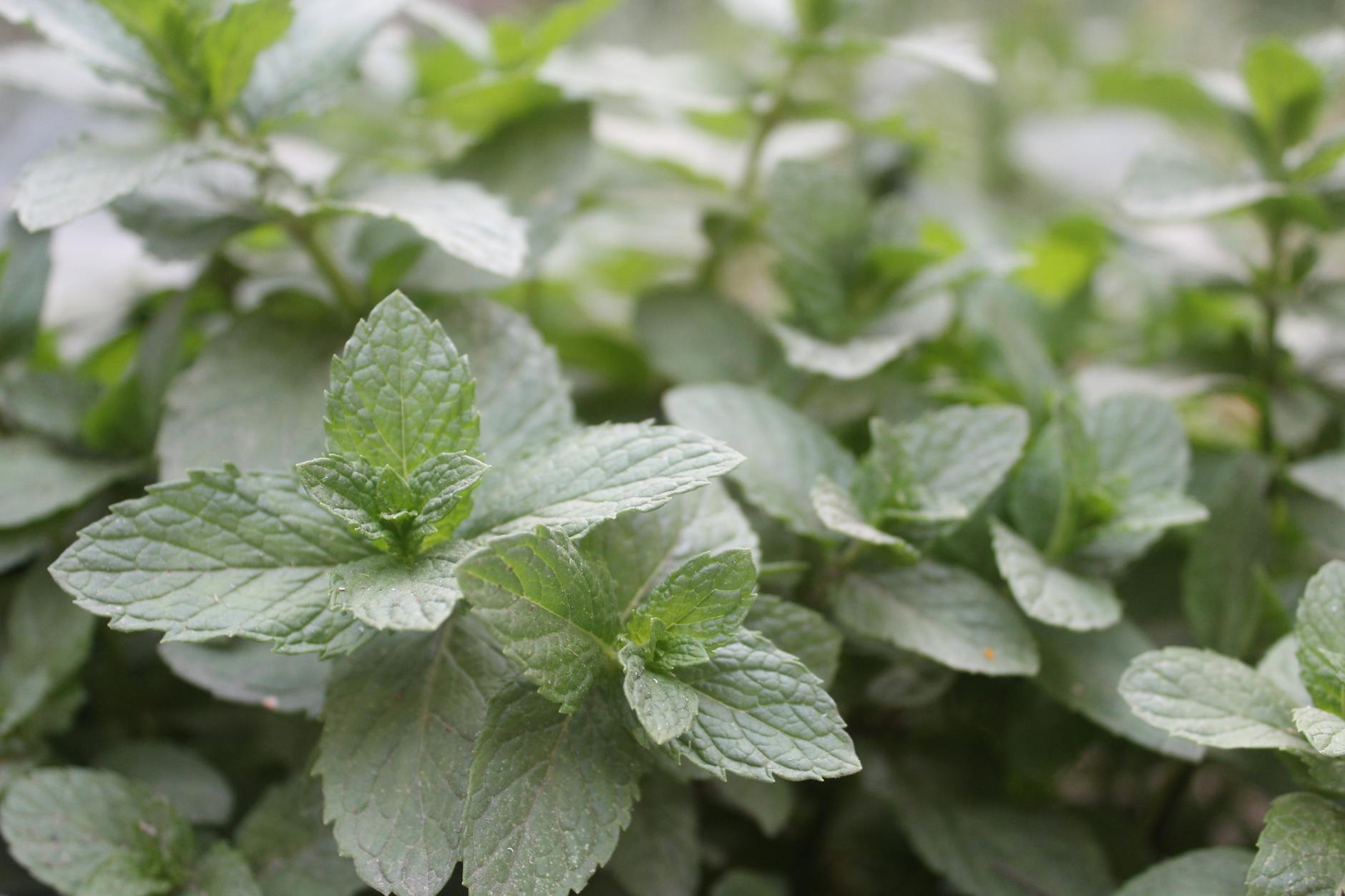
While peppermint tea is often touted for relaxation it can actually worsen acid reflux. The menthol relaxes the valve between the stomach and esophagus allowing acid to escape. This can cause heartburn symptoms that are aggravated by lying down. Those with sensitive stomachs should opt for chamomile or ginger tea instead.
White Bread
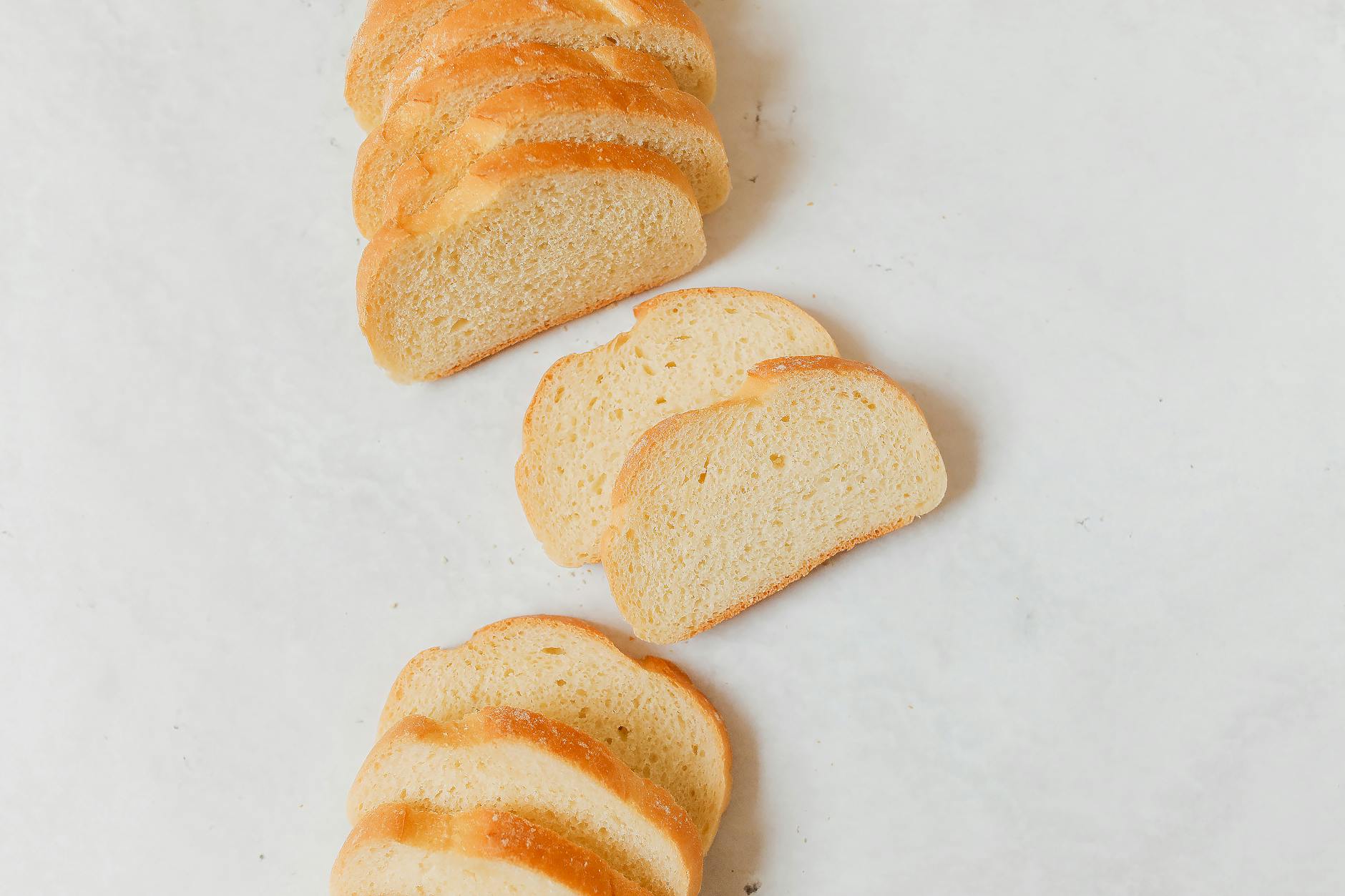
Refined carbohydrates cause a rapid increase in blood sugar followed by a crash that triggers hunger hormones. This fluctuation can wake you up in the middle of the night feeling hungry or anxious. The lack of fiber means digestion is rapid and does not provide sustained satiety. Whole grains are a better choice to maintain stable blood sugar levels overnight.
Sugary Cereal
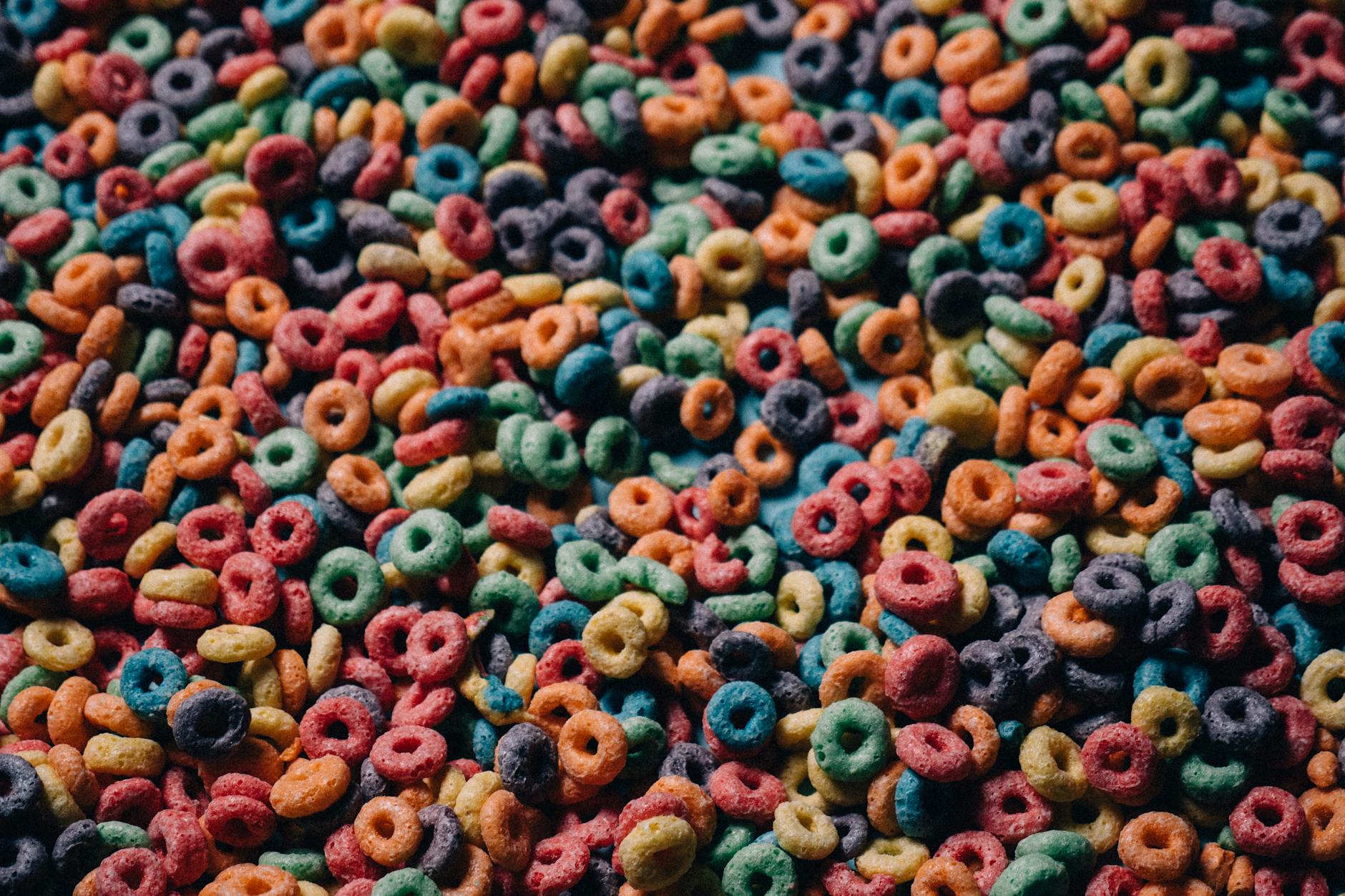
Many breakfast cereals are loaded with sugar and processed carbohydrates that spike insulin levels. Eating this before bed confuses the body’s hormonal regulation and signals it to be active. The subsequent crash in blood sugar can interrupt the sleep cycle. It is a common late-night snack that actively works against restorative rest.
Candy Bars
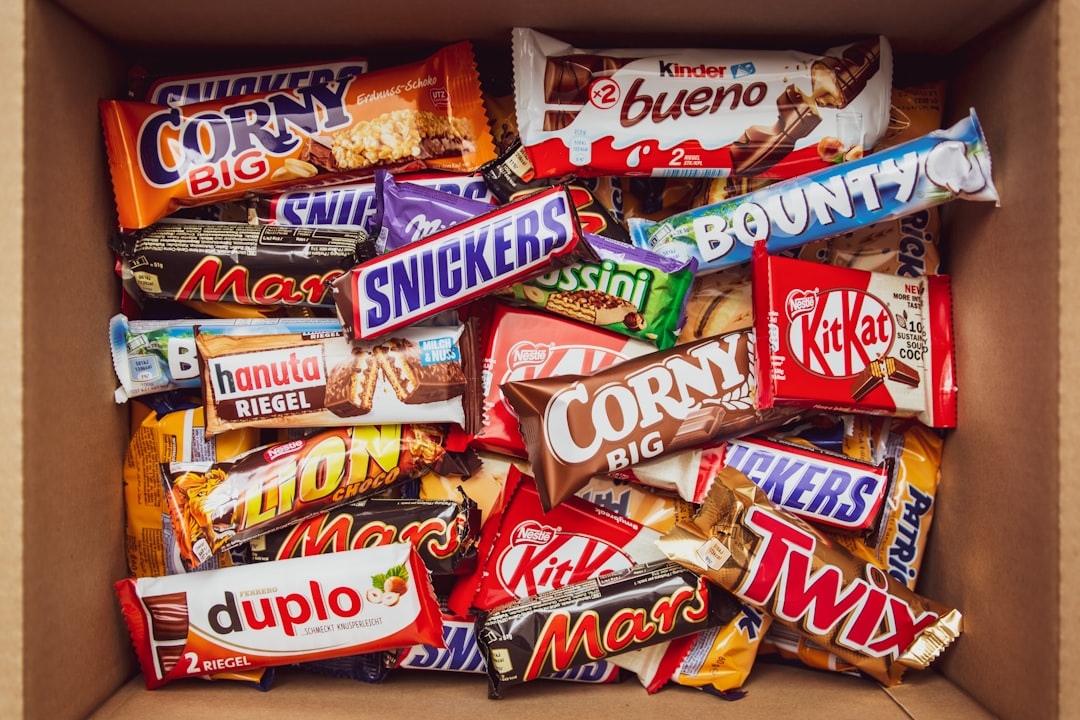
These processed treats deliver a potent combination of sugar and often caffeine if they contain chocolate. The additives and preservatives can also be difficult for some people to digest smoothly. The sugar rush stimulates the brain and delays the production of melatonin. They provide empty calories that disrupt metabolic processes during sleep.
Fried Chicken

The heavy batter and oil used in frying make this protein extremely difficult to digest. The high fat content delays stomach emptying and can cause bloating and fullness that persists for hours. Lying down with a full stomach of greasy food invites acid reflux. It forces the digestive system to remain active when it should be entering a rest state.
Burgers
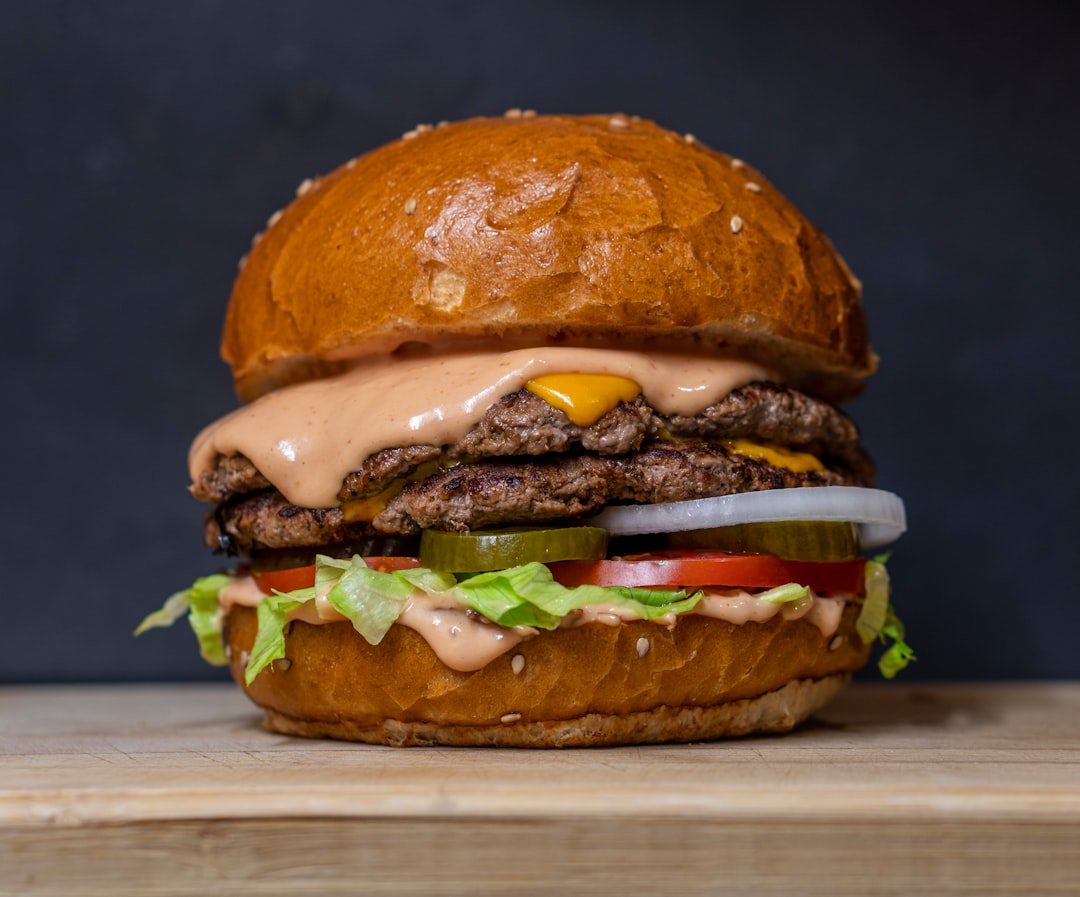
Fast food burgers combine high fat meat with refined buns and salty condiments. This mixture requires prolonged digestion and often causes thirst due to sodium levels. The saturated fats can fragment sleep and reduce the amount of deep slow-wave sleep. It is a heavy meal that places a significant burden on the body’s nightly recovery processes.
Cucumber
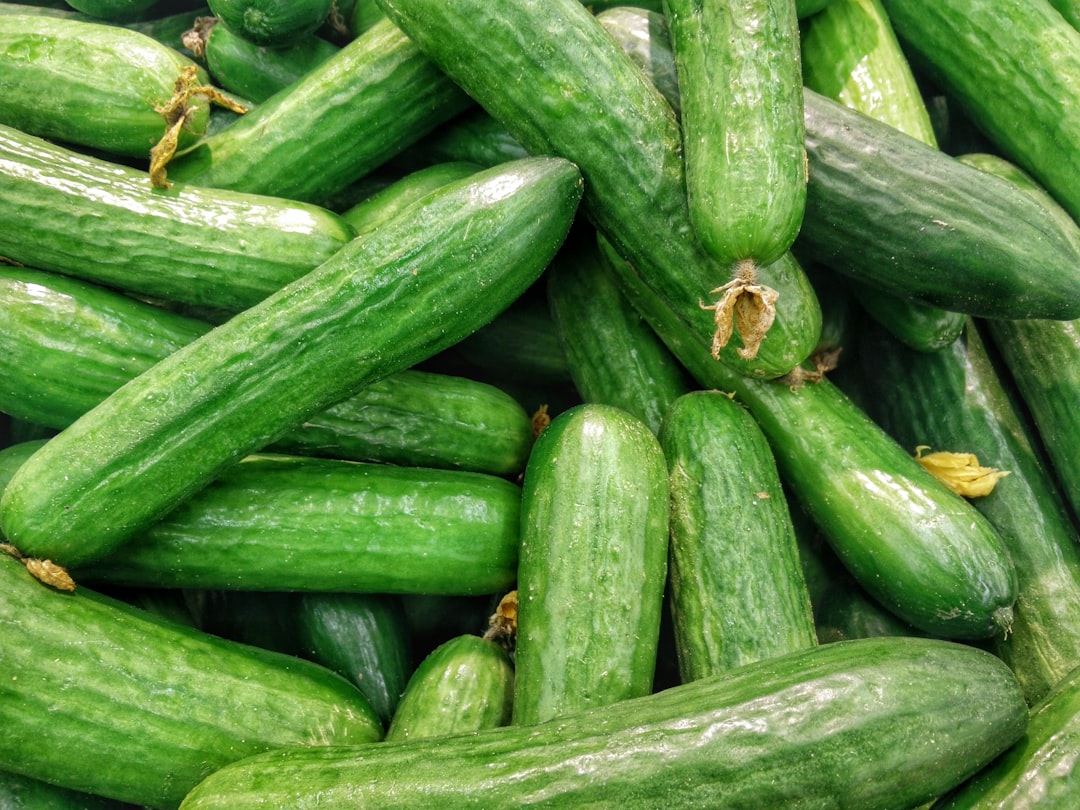
Cucumbers are healthy but have a very high water content and act as a natural diuretic. Eating them in salads at dinner increases urine production and the need for bathroom visits. This interrupts the sleep cycle and prevents the consolidation of rest. They are best consumed at lunch to allow fluids to pass before bed.
Oranges
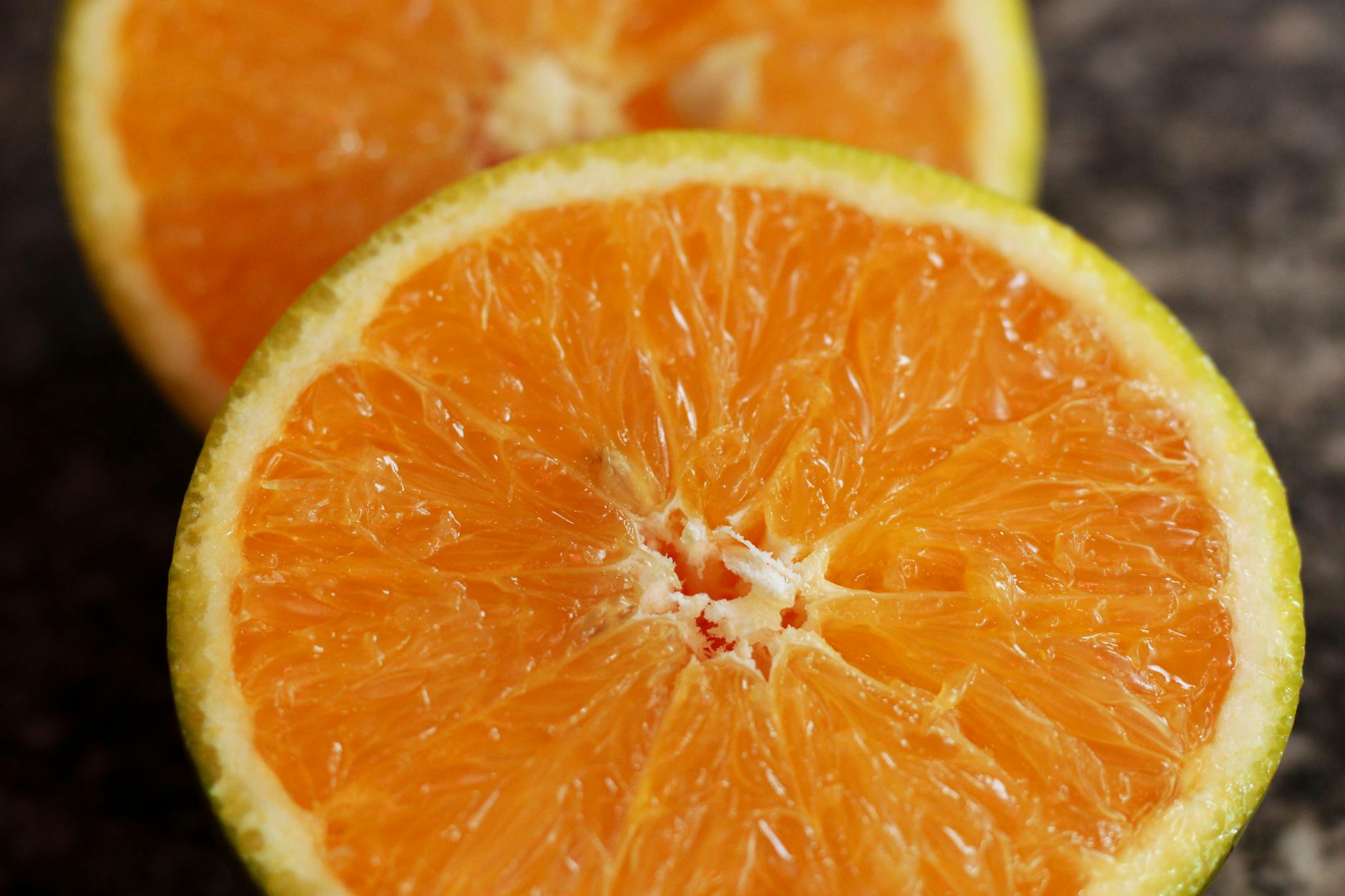
The acidity in oranges and orange juice is a common trigger for heartburn and reflux. The natural citric acid can irritate the stomach lining and esophagus when lying down. This burning sensation is one of the most common reasons for difficulty falling asleep. Avoiding citrus in the evening protects the digestive tract from overnight irritation.
Ketchup
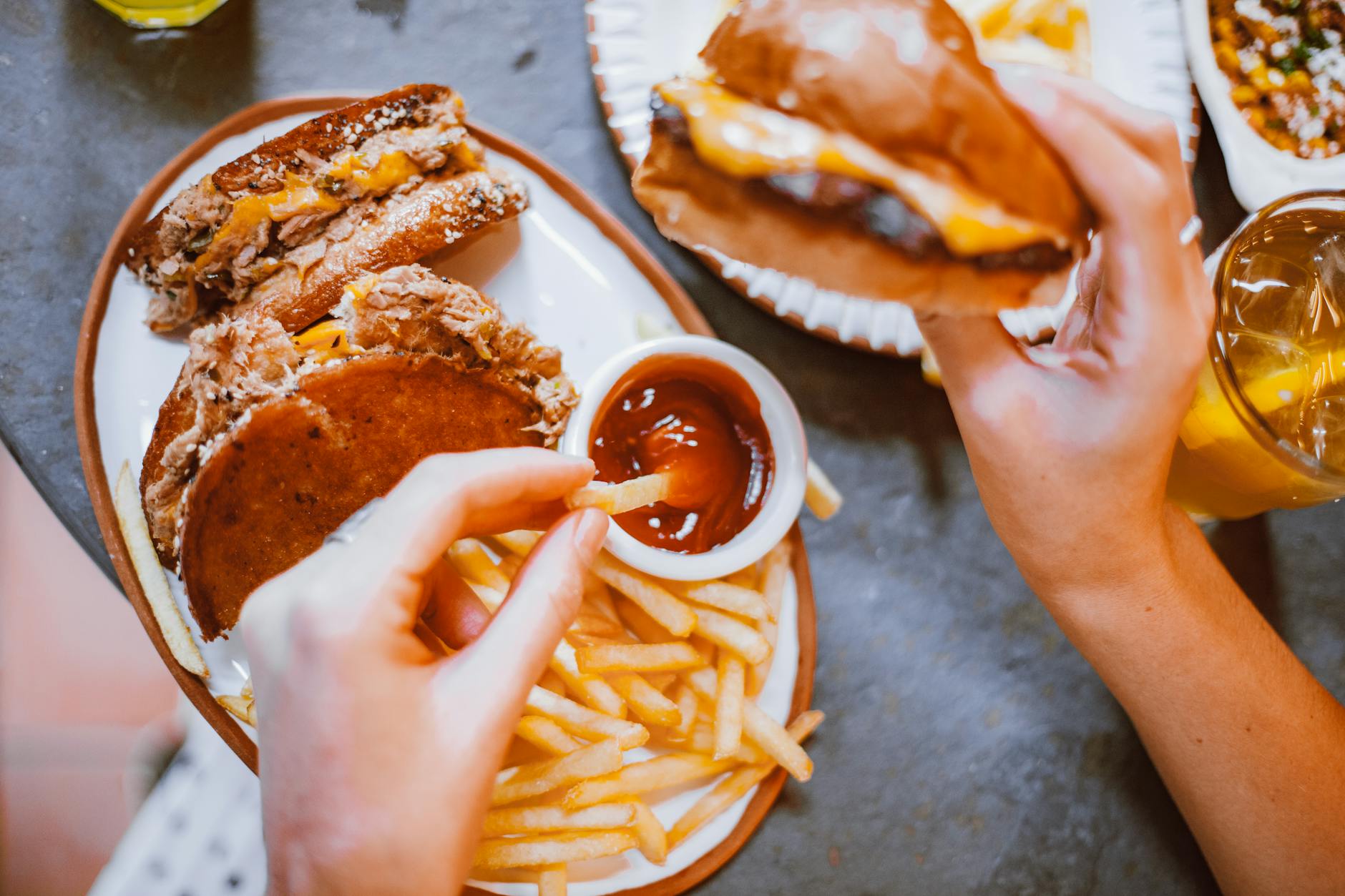
This condiment is surprisingly high in sugar and acidity from vinegar and tomatoes. It can trigger acid reflux in those prone to heartburn especially when eaten in large quantities. The hidden sugars also contribute to blood glucose fluctuations during the night. It adds a digestive burden to otherwise simple meals.
Sauerkraut

Fermented foods like sauerkraut are rich in histamine and tyramine which stimulate the brain. These compounds can increase alertness and make it difficult for the nervous system to settle. While beneficial for the gut microbiome they are stimulating for the brain. Eating fermented foods earlier allows the body to utilize the nutrients without sleep disruption.
Pickles

Pickles are fermented and cured in vinegar which means they are high in sodium and histamine. The salt content can lead to dehydration and thirst that disrupts sleep. The histamine can trigger alertness or mild allergic reactions in sensitive individuals. They are a flavorful addition to lunch but a potential disruptor at dinner.
Ginseng

This root is often found in teas and supplements and is known for boosting energy and vitality. Its natural stimulant properties can cause insomnia or restlessness if consumed late in the day. It acts on the nervous system to increase alertness which fights against sleep pressure. Avoiding vitality-boosting herbs in the evening is essential for winding down.
Black Tea
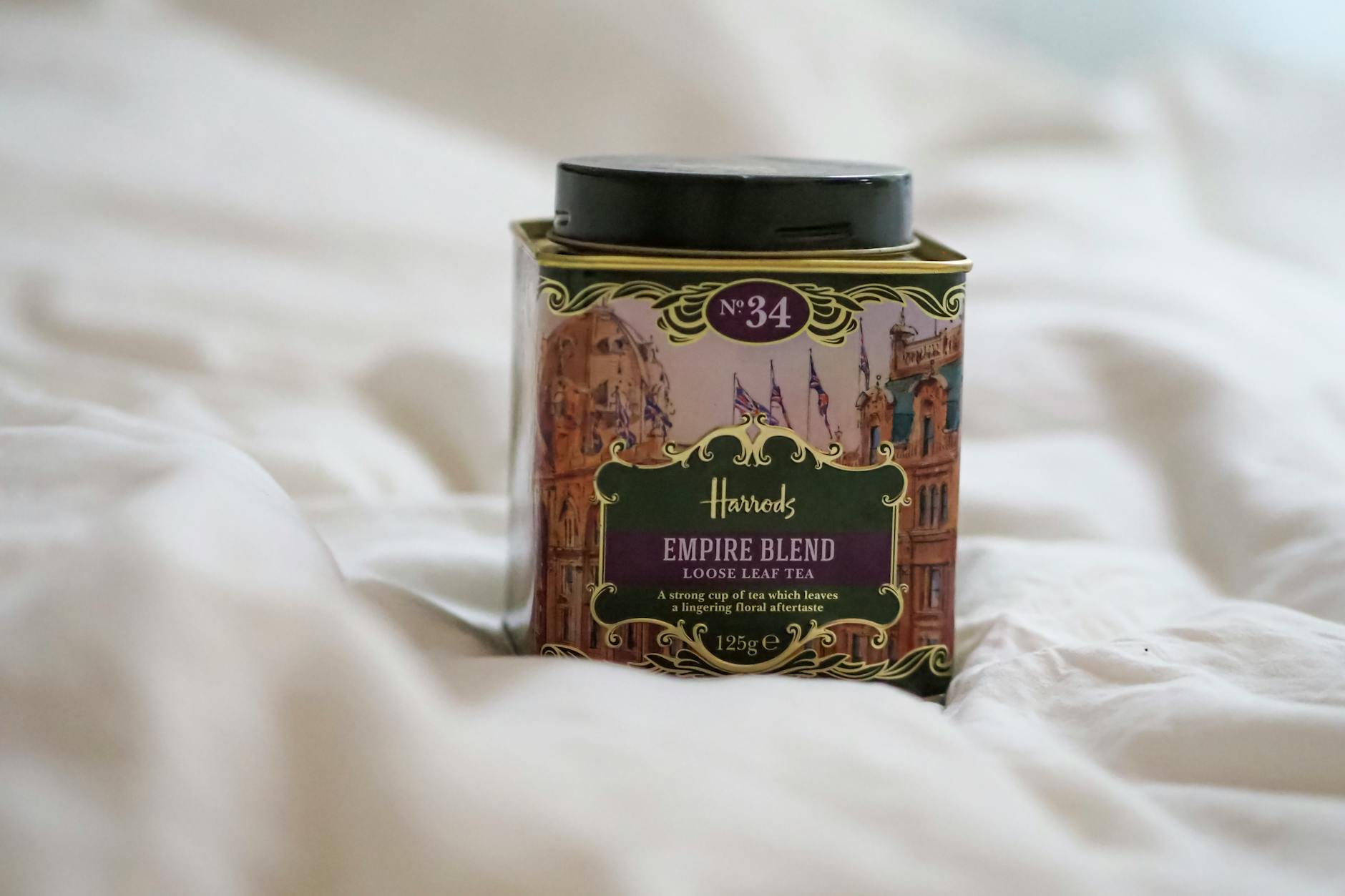
Like coffee black tea contains significant caffeine that blocks sleep-inducing chemicals in the brain. The tannins in the tea can also interfere with iron absorption and cause digestive unease in some people. Drinking a strong cup in the evening can delay sleep onset by hours. Herbal alternatives are necessary for late-night relaxation.
Protein Bars
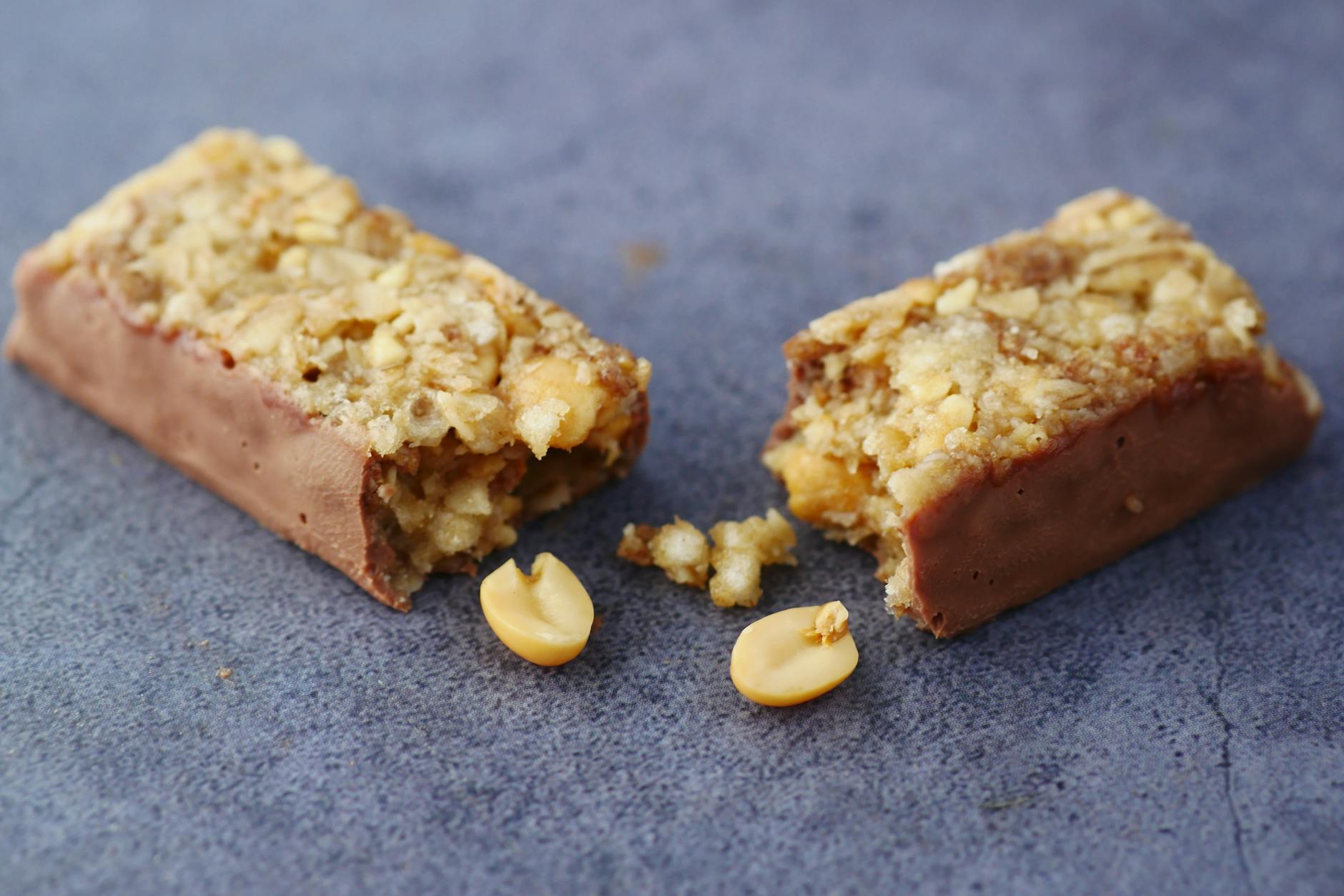
Many protein bars are processed with added sugars and sometimes caffeine to boost workout performance. The dense protein can be difficult to digest quickly sitting heavy in the stomach. The added sweeteners often cause gas and bloating that disrupts comfort. Checking the label for stimulants is crucial before eating one as a night snack.
Vitamin Water
Some enhanced water brands contain added caffeine and sugar to promote energy. Drinking these under the assumption they are just water can inadvertently stimulate the nervous system. The B-vitamins often included can also boost energy metabolism which is undesirable before bed. Plain water is always the superior choice for evening hydration.
Granola
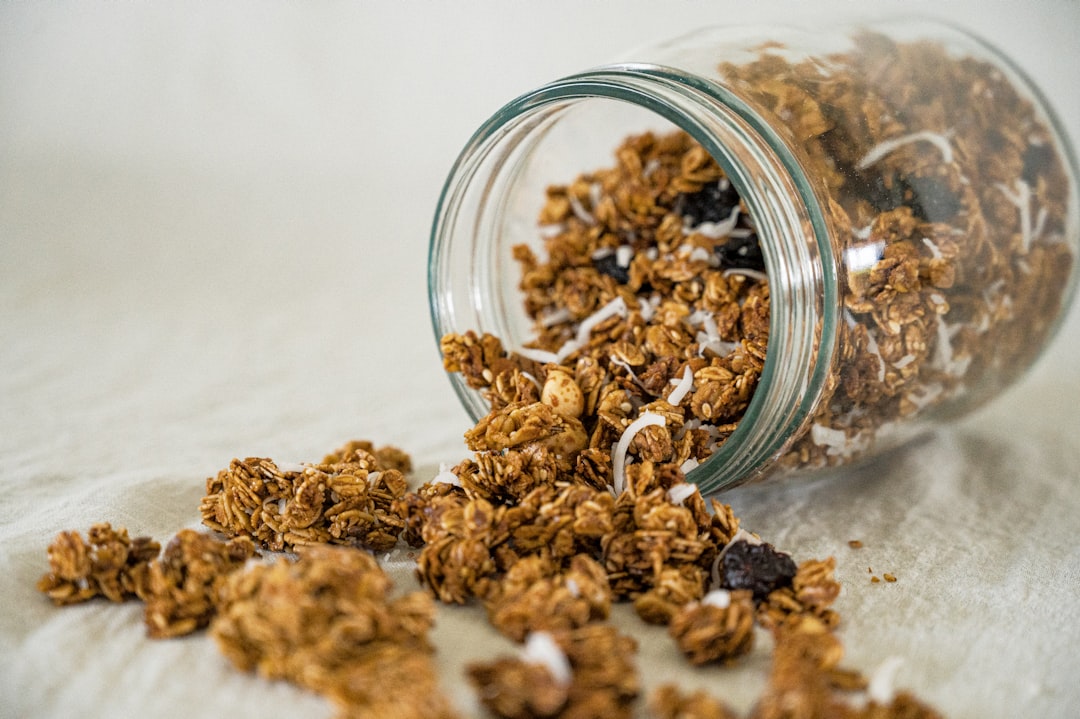
Store-bought granola is often packed with added sugars and calorie-dense nuts and oils. A small serving contains a high energy load that the body does not need before sleeping. The sugar can cause a spike in energy that delays sleep onset. It is designed as a fuel source for activity rather than a sedative food.
Donuts
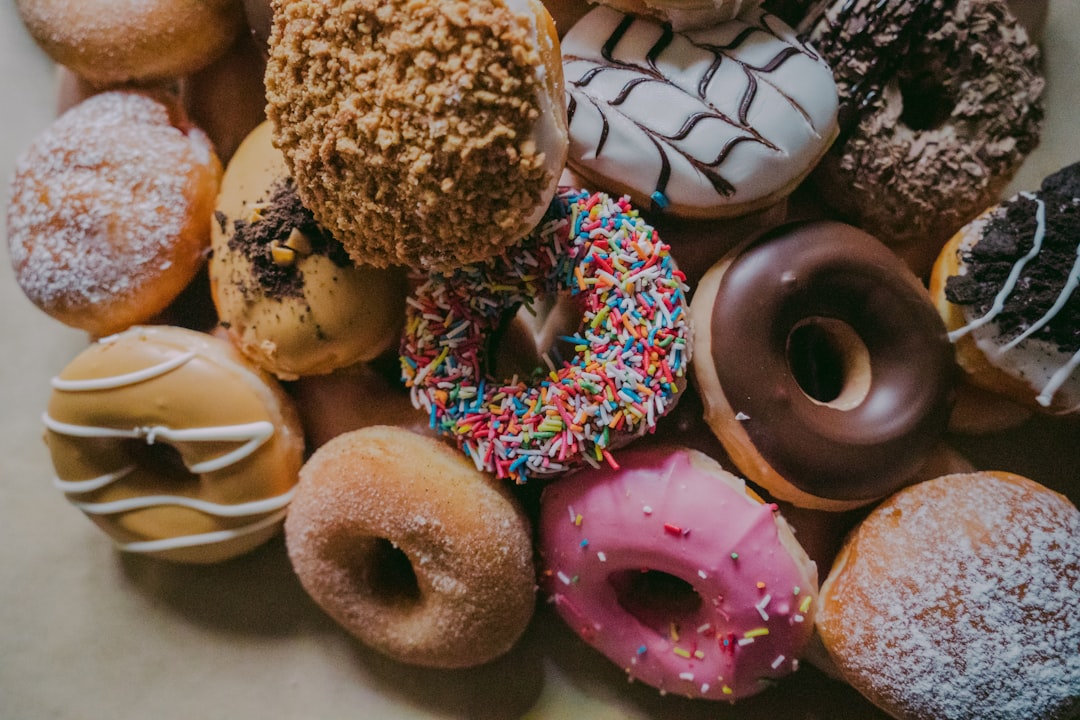
Fried dough covers the triple threat of high sugar and high fat and refined carbohydrates. This combination guarantees a blood sugar spike and a heavy digestive load. The lack of nutritional value means the body processes it poorly while trying to rest. Eating donuts at night often results in restless sleep and grogginess.
Nachos
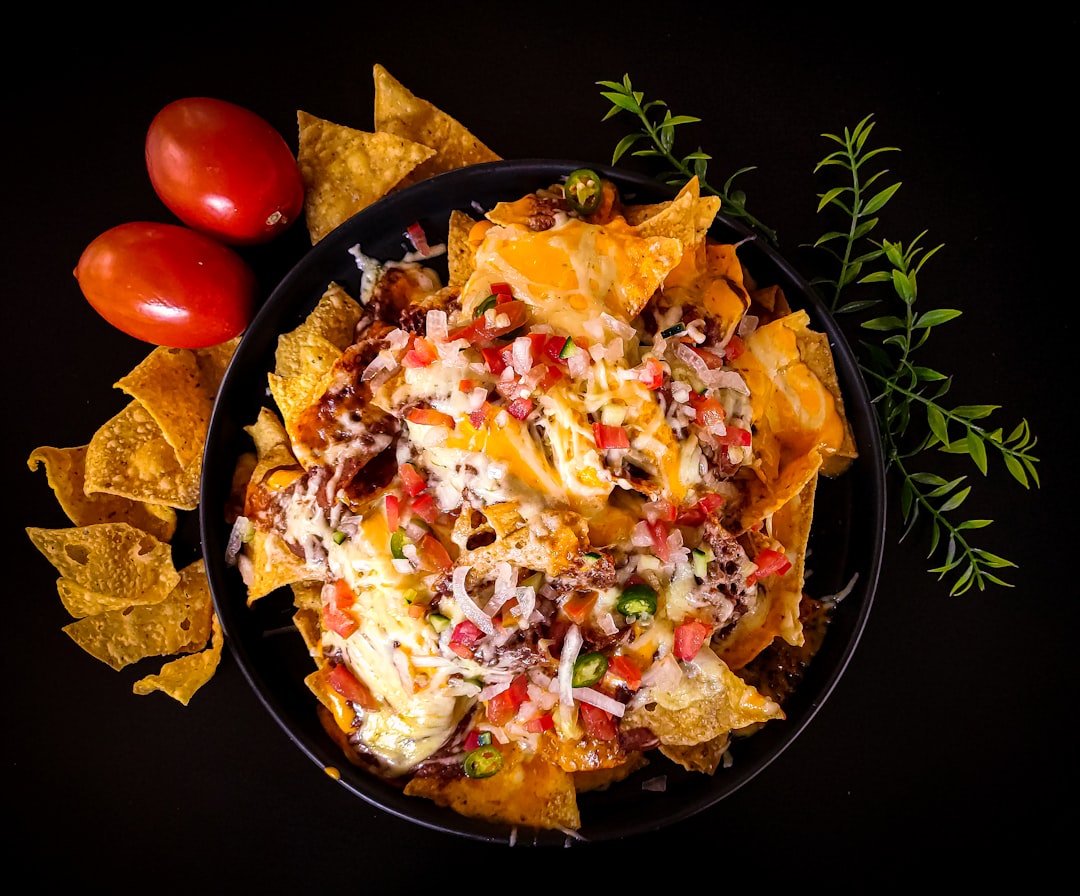
The combination of salty chips and spicy salsa and fatty cheese is a nightmare for digestion. The sodium causes dehydration while the spices trigger reflux and the fat slows digestion. This creates a perfect storm of physical discomfort that prevents deep sleep. It is a heavy party food that does not translate well to a bedtime snack.
Cauliflower
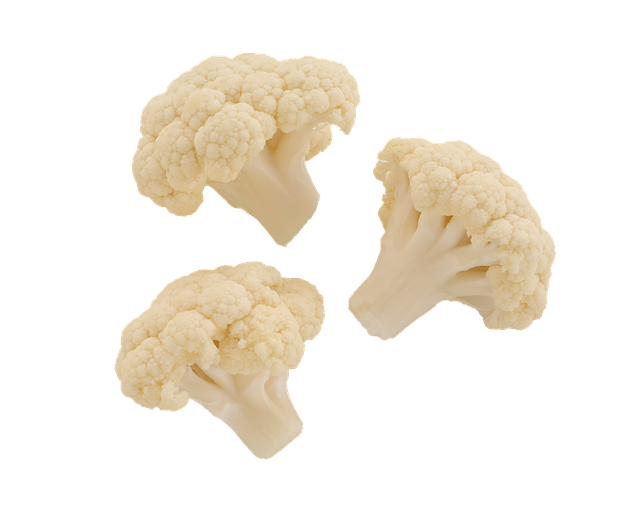
Like broccoli this vegetable is a crucifer that contains complex fibers known to cause gas. Digesting cauliflower late at night can lead to bloating and abdominal distension. The physical pressure from gas can make it hard to lie comfortably on the stomach or side. Cooking it thoroughly helps but does not entirely eliminate the risk.
Jalapeños
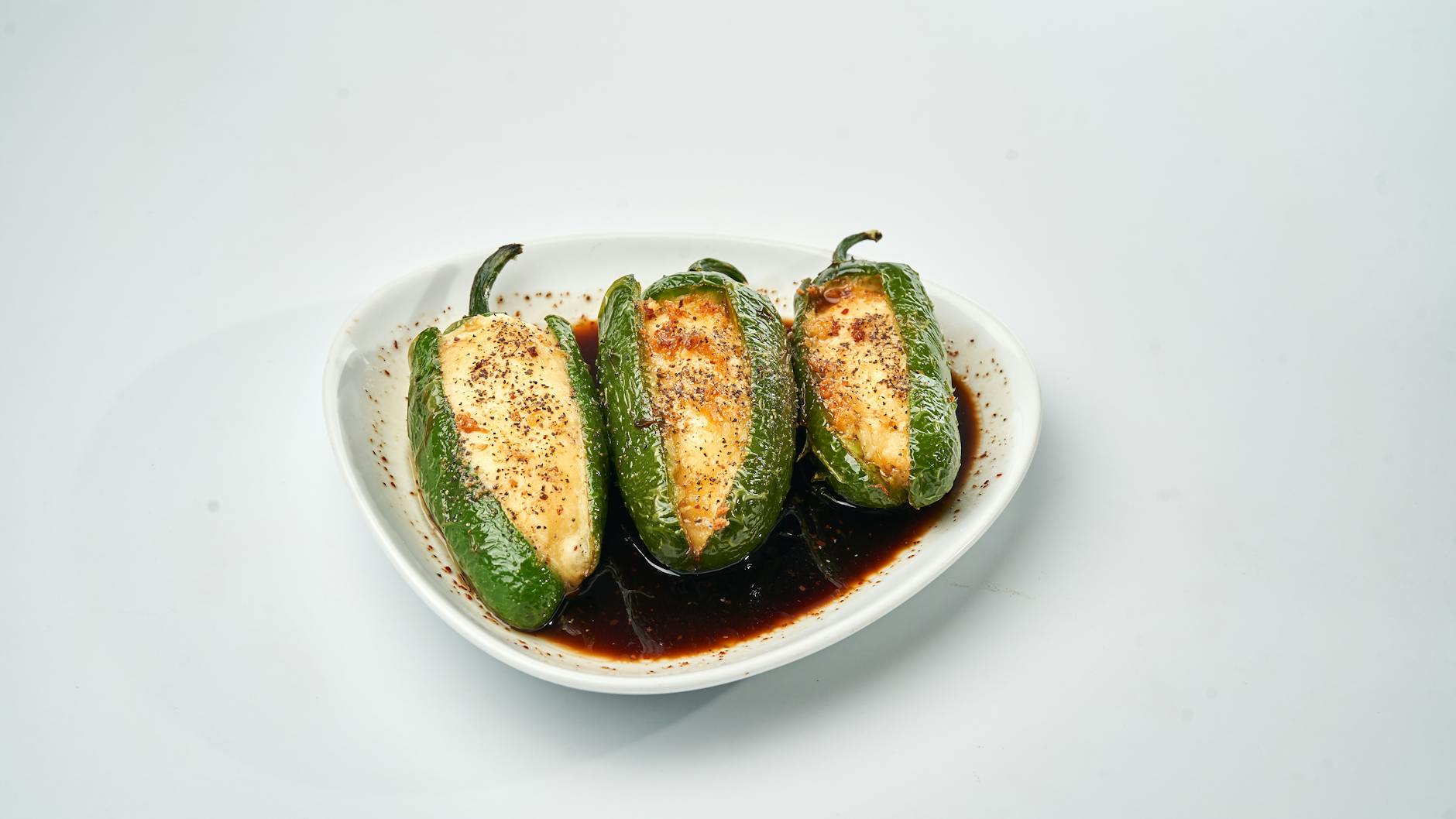
These peppers contain high concentrations of capsaicin which raises body temperature and irritates the stomach. Eating them at dinner can cause a burning sensation in the stomach that keeps you awake. The thermogenic effect interferes with the body’s natural cooling process. They are potent stimulants that should be avoided by light sleepers.
Salami

Cured sausages like salami are high in fat and salt and tyramine. The tyramine triggers norepinephrine release while the fat slows down gastric emptying. The salt content dries out the body and wakes you up for water. It is a heavy and stimulating food that is poorly suited for the evening meal.
Pepperoni

This pizza topping is essentially a spicy cured meat that combines fat and sodium and spice. It triggers thirst and heartburn and digestive delays all at once. The spices can raise body temperature while the fat sits heavy in the stomach. It is one of the most common dietary causes of poor sleep quality.
Lasagna
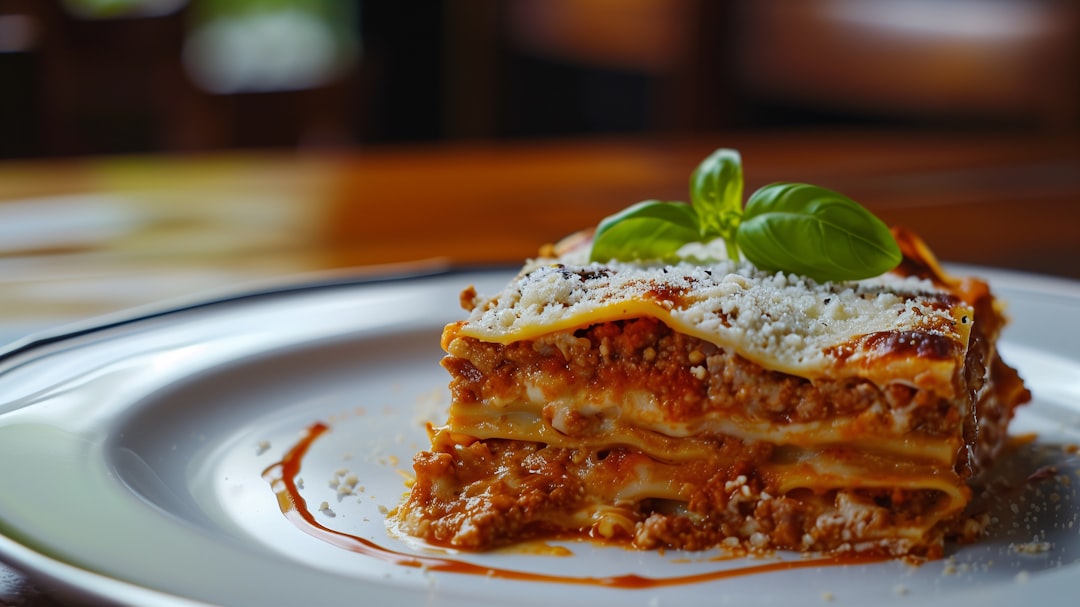
Rich pasta dishes with tomato sauce and cheese and meat are heavy and acidic. The density of the meal requires hours of active digestion that keeps the body awake. The acidity of the sauce frequently causes reflux when the body is prone. Portion control is difficult with this comfort food making overeating likely.
Ribs
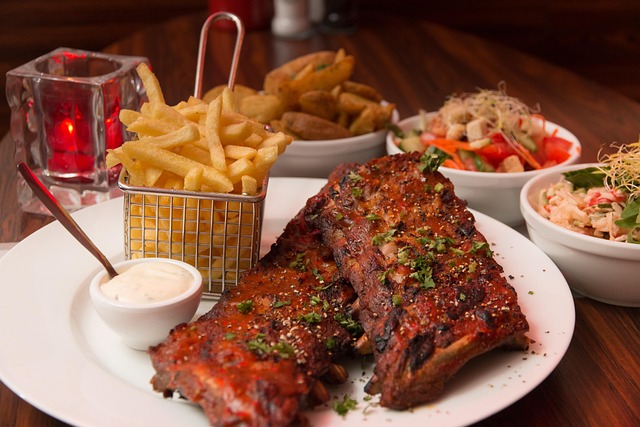
Barbecue ribs are high in fat and usually covered in sugary and spicy sauces. The meat requires significant digestive effort while the sauce triggers reflux and blood sugar spikes. The sticky sauce often contains caffeine from cola or high fructose corn syrup. It is a delicious but disruptive meal for the hours preceding sleep.
Chicken Wings
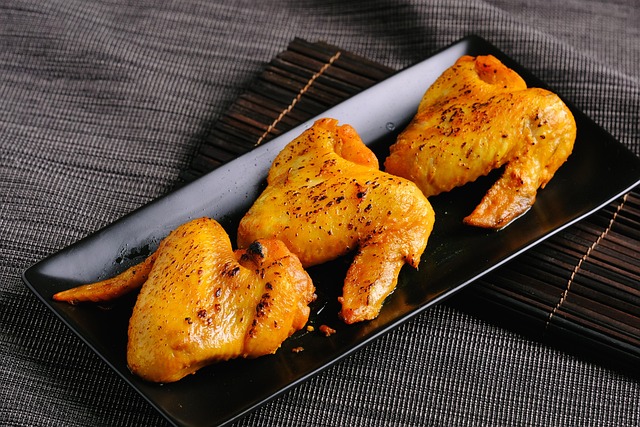
Wings are typically fried and coated in spicy or sugary sauces that irritate the digestive tract. The high fat content of the skin and frying oil delays stomach emptying significantly. The spicy buffalo sauces are major triggers for heartburn and acid reflux. They represent a combination of almost every sleep-disrupting factor in one food.
Which of these dietary habits will you be changing to improve your nightly rest so let us know in the comments.