Language plays a vital role in shaping a child’s self-esteem and emotional development through everyday interactions. The words chosen by caregivers often become the internal voice that a child carries into their adult life. Avoiding certain phrases can prevent unnecessary shame and foster a more resilient psychological foundation. This list highlights specific expressions that may hinder a child’s growth or damage the bond of trust between parent and child.
Why Are You So Clumsy

Labeling a child based on physical mishaps can lead to a lasting lack of confidence in their own movements. This phrase focuses on an inherent flaw rather than a temporary accident that occurred. Children who hear this regularly may begin to identify as inherently uncoordinated and stop trying new physical activities. It is more beneficial to focus on the cleanup process or how to prevent the spill next time.
Big Kids Do Not Cry

Telling a child to suppress their emotions can lead to difficulty processing feelings later in life. This statement suggests that vulnerability is a sign of weakness or immaturity that must be outgrown. Emotional expression is a natural human response regardless of age or physical size. Validating a child’s sadness helps them develop healthy coping mechanisms and emotional intelligence.
You Are Just Like Your Father

Using a child as a mirror for a partner’s perceived negative traits creates unnecessary conflict and identity confusion. This comparison often carries a heavy tone of resentment that the child can easily detect. It forces the child to feel responsible for adult relationship dynamics they cannot control. A child deserves to be seen as an individual rather than a replica of another person’s faults.
Stop Being So Sensitive

Dismissing a child’s emotional reaction teaches them that their feelings are incorrect or a burden to others. High sensitivity is a personality trait that often correlates with deep empathy and observational skills. Forcing a child to harden their exterior can cause them to withdraw and stop sharing their internal world. Acknowledging their perspective helps them feel secure and understood within the family unit.
I Do Everything For You

This phrase can instill a deep sense of guilt and indebtedness in a child who did not ask for these sacrifices. It frames the basic duties of caregiving as a heavy burden that the child must somehow repay. Children may start to feel like a nuisance rather than a welcomed member of the household. Healthy parenting involves providing care without using it as a tool for emotional leverage.
Because I Said So

Relying on absolute authority without explanation misses an opportunity to teach a child about logic and reasoning. While children must follow safety rules and household boundaries they benefit from understanding the rationale behind them. This phrase can stifle curiosity and discourage the development of critical thinking skills. Providing a brief reason helps the child learn how to make good decisions independently in the future.
You Are Making Me Sad

Placing the responsibility for an adult’s emotional state on a child creates an unhealthy dynamic of emotional caretaking. Children should not feel that their behavior has the power to break a parent’s spirit or dictate their happiness. This pressure can lead to chronic anxiety and a constant need to please others at their own expense. It is important for parents to demonstrate that they are in control of their own emotional responses.
You Have So Much Potential If You Only Tried

Focusing on what a child is not doing can overshadow their current efforts and achievements. This statement implies that their current self is a disappointment compared to an idealized version of who they could be. It often creates a fear of failure that prevents children from taking risks or starting new projects. Encouragement should focus on the process of learning rather than the pressure of an undefined potential.
I Wish You Were More Like Your Sister

Comparing siblings breeds resentment and damages the unique bond they could otherwise share. Every child possesses a different set of strengths and challenges that should be evaluated on an individual basis. This comparison suggests that parental love is conditional and must be earned by mimicking someone else’s behavior. Celebrating each child for their specific traits fosters a more supportive and less competitive home environment.
It Is Not A Big Deal

Minimizing a child’s problems because they seem small to an adult ignores the child’s current reality. A lost toy or a playground disagreement can feel like a major crisis to a young person with limited life experience. Dismissing these concerns teaches the child that their problems are not worth bringing to a caregiver. Taking their small worries seriously builds the foundation for them to share larger issues as they grow older.
Leave Me Alone

Expressing a need for space in a harsh manner can make a child feel rejected and unwanted. While parents certainly need time for themselves it is important to communicate this boundary with kindness. Frequent rejection can lead a child to believe that their presence is an annoyance to the people they love most. Setting a specific time when you will be available again provides the child with a sense of security.
You Are So Smart

Broad labels regarding intelligence can actually discourage children from taking on difficult challenges. If a child believes they are naturally smart they may avoid tasks where they might struggle and lose that label. This fixed mindset can lead to a fear of failure and a lack of persistence when things get hard. Praising the specific effort or strategy used is more effective for building long term resilience.
Hurry Up

Constantly rushing a child can create a baseline of stress and anxiety in their daily life. Children have a different perception of time and often become absorbed in the details of the world around them. Using this phrase frequently can make a child feel that their pace and interests are always a hindrance to the schedule. Providing extra transition time helps manage the day without the need for constant pressure.
Do Not Eat That Or You Will Get Fat

Focusing on body weight and food in a negative way can contribute to the development of disordered eating habits. This language links self-worth to physical appearance and creates fear around nourishment. It is more productive to discuss food in terms of energy and health rather than its impact on clothing size. Promoting a positive relationship with the body encourages long term physical and mental well-being.
I Told You So

Pointing out a mistake after the fact serves only to shame the child rather than help them learn. Most children are already aware when a situation has gone wrong and feel the natural consequences of their choices. Adding a verbal reminder of their error can make them defensive and less likely to seek advice in the future. Focusing on how to fix the problem provides a more supportive and educational experience.
You Are A Bad Boy

Labeling the child instead of the behavior suggests that their core identity is flawed. There is a significant difference between doing something wrong and being an inherently bad person. Children who are told they are bad may start to act out the role they have been assigned by their parents. Identifying specific actions as unacceptable allows the child to see that they can make better choices next time.
Shaming A Child For Fear

Telling a child that there is nothing to be afraid of invalidates their genuine physiological response to a situation. Fear is a natural emotion that serves as a protective mechanism even if the perceived threat is not real. Dismissing fear can make a child feel ashamed of their instincts and less likely to trust their own judgment. Offering comfort and a sense of safety allows the child to process the emotion and gradually build courage.
You Should Know Better

This phrase assumes that a child has the cognitive ability and life experience to handle a situation perfectly. Children are constantly learning and often lack the impulse control or foresight that adults possess. Expecting perfection can lead to a fear of making mistakes and a lack of open communication. Guiding them through the correct behavior is more effective than criticizing them for not knowing it intuitively.
Do Not Make Me Come Back There

Using vague threats of punishment creates an atmosphere of fear rather than one of cooperation. This specific warning often implies a loss of control on the part of the parent which can be unsettling for a child. Effective discipline relies on clear boundaries and consistent consequences that are communicated calmly. Providing a direct instruction or a specific consequence is more helpful than using intimidation.
I Am Leaving Without You
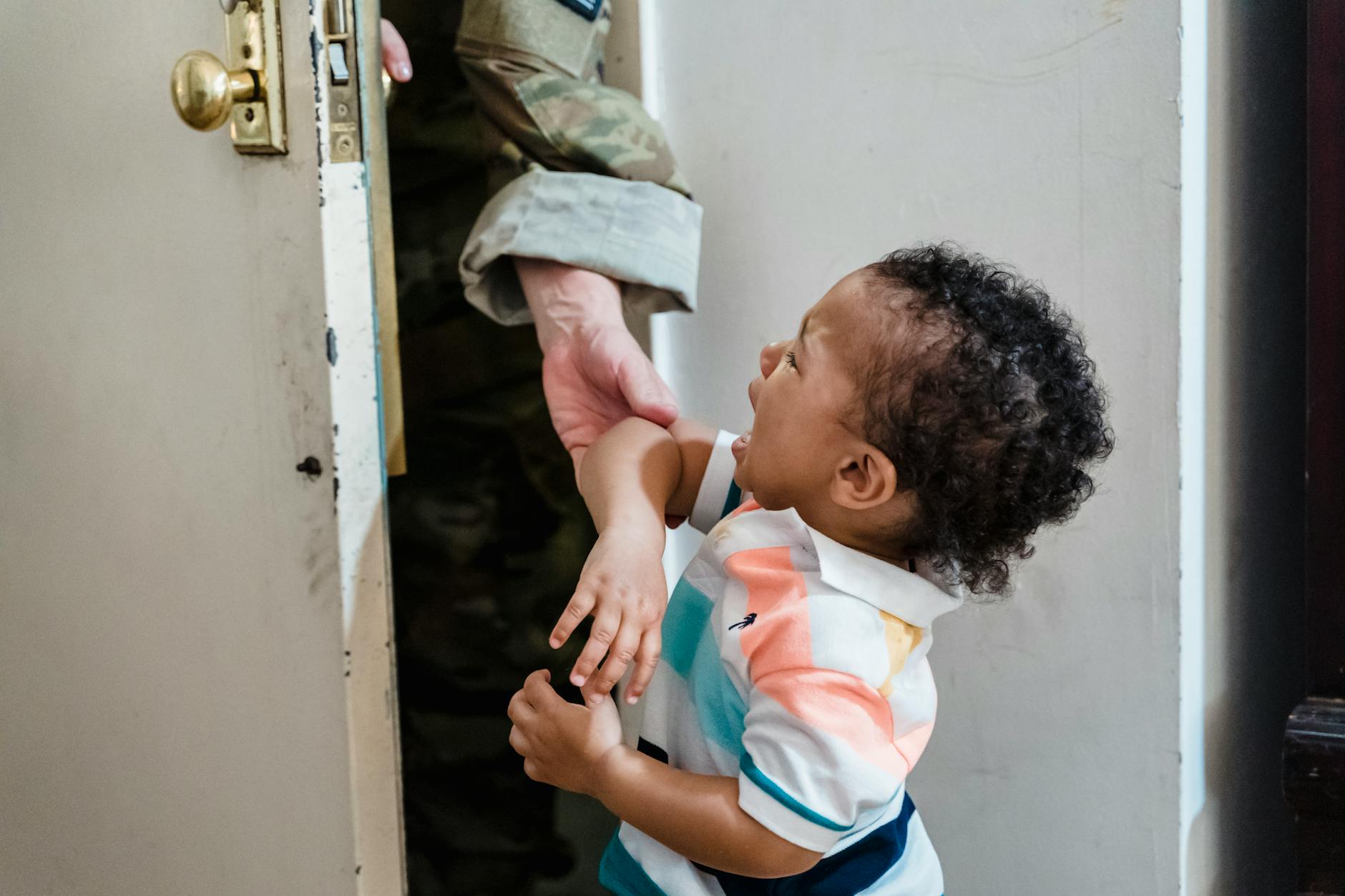
Threatening to abandon a child as a way to get them to move faster triggers a deep primal fear of separation. This tactic relies on the child’s insecurity and dependence to force compliance through panic. While it may work in the short term it can damage the child’s sense of basic safety and trust in their caregiver. It is better to use positive reinforcement or physical guidance to move a child along.
Who Do You Think You Are

This question is often used to shut down a child’s attempt at self-expression or independence. It can make a child feel that having an opinion or a sense of self is a sign of arrogance or disrespect. Encouraging a child to express themselves within respectful boundaries is a key part of identity formation. Undermining their confidence can lead to a passive personality and difficulty asserting themselves in adulthood.
You Are Such A Disappointment

Expressing that a child has failed to meet expectations in such a heavy way can be emotionally devastating. Children naturally want to please their parents and hearing this phrase can make them feel like their mistakes are irredeemable. It places the burden of parental happiness directly on the child’s performance. Focus on the specific behavior that needs improvement rather than attacking the child’s character.
That Is Easy Anyone Can Do It

Belittling a task that a child finds difficult can make them feel incompetent and frustrated. What seems simple to an adult often requires a complex set of new skills for a developing child. If they struggle with something labeled as easy they may conclude that they are below average. Acknowledging that learning new things takes practice helps the child stay motivated through challenges.
I Give Up On You

Communicating a sense of hopelessness regarding a child’s behavior or future is one of the most damaging things a parent can say. It suggests that the child is beyond help and that the most important relationship in their life is being severed. This can lead to a self-fulfilling prophecy where the child stops trying altogether. Maintaining a stance of unconditional support is essential for a child’s emotional stability.
You Are Acting Like A Baby

Using age-inappropriate comparisons to shame a child for their behavior ignores the reasons behind their actions. Children often regress to younger behaviors when they are stressed tired or overwhelmed. This phrase mocks their struggle rather than addressing the underlying need for comfort or guidance. Treating the child with empathy helps them return to their more mature self more quickly.
If You Do That Again I Will Give You Away

Threatening the stability of the home and the parent-child relationship is a severe form of emotional manipulation. This creates an environment of extreme instability where the child feels their place in the family is constantly at risk. Such threats can cause long term trauma and attachment issues that persist into adulthood. Discipline should never involve the threat of severing the fundamental bond of the family.
Practice Makes Perfect
While well intentioned this phrase sets an unattainable goal that can lead to perfectionism and performance anxiety. No one is ever truly perfect and the pursuit of perfection often leads to burnout and a fear of trying new things. It is more helpful to say that practice makes progress or leads to improvement. This shifts the focus to the journey of learning rather than an impossible end result.
You Are Too Much To Handle

Telling a child that their energy or needs are overwhelming can make them feel like a burden to their family. They may start to suppress their personality or hide their problems to avoid bothering their parents. Every child has periods of high energy or difficult behavior that require patience and boundary setting. It is important to separate the child’s behavior from their inherent worth as a person.
Do Not Be A Sore Loser

Shaming a child for feeling disappointed after a loss prevents them from learning how to manage competition healthily. Losing is difficult for many children and they need help navigating the feelings of frustration and sadness that follow. Telling them how to feel can make them defensive and less likely to enjoy sports or games. Modeling good sportsmanship and discussing the fun of the game provides a better learning experience.
I Am Only Doing This For Your Own Good

Using this phrase to justify harsh or unkind behavior can confuse a child’s understanding of love and care. It suggests that pain or unhappiness inflicted by a loved one is a necessary part of growth. While boundaries and discipline are necessary they should be applied with clarity and respect. True care is demonstrated through actions that support the child’s well-being while maintaining their dignity.
Please share your thoughts on these communication strategies in the comments.




