Prioritizing mental health through consistent self-care creates a foundation for emotional resilience and daily stability. These routines offer structured ways to manage stress while fostering a sense of personal well-being and inner peace. Implementing small habit shifts allows individuals to reclaim their time and energy in an increasingly demanding world. Each practice serves as a tool for grounding and helps maintain a balanced perspective during challenging moments. The following routines provide diverse approaches to nurturing the mind and body through intentional action.
Digital Detox

Choosing to disconnect from electronic devices for a set period reduces the constant influx of information and social pressure. This practice allows the brain to rest from the blue light and dopamine loops associated with scrolling through feeds. Setting boundaries with technology often leads to improved sleep quality and a decrease in general anxiety levels. Spending time away from screens encourages more presence in the physical environment and better engagement with people nearby.
Forest Bathing

Spending time immersed in a wooded environment involves engaging all five senses to connect with the natural world. Research suggests that the phytoncides released by trees can lower cortisol levels and boost the immune system. Walking slowly through a forest without a specific destination promotes a meditative state and physical relaxation. This routine encourages a deep sense of calm that lingers long after leaving the trail.
Gratitude Journaling
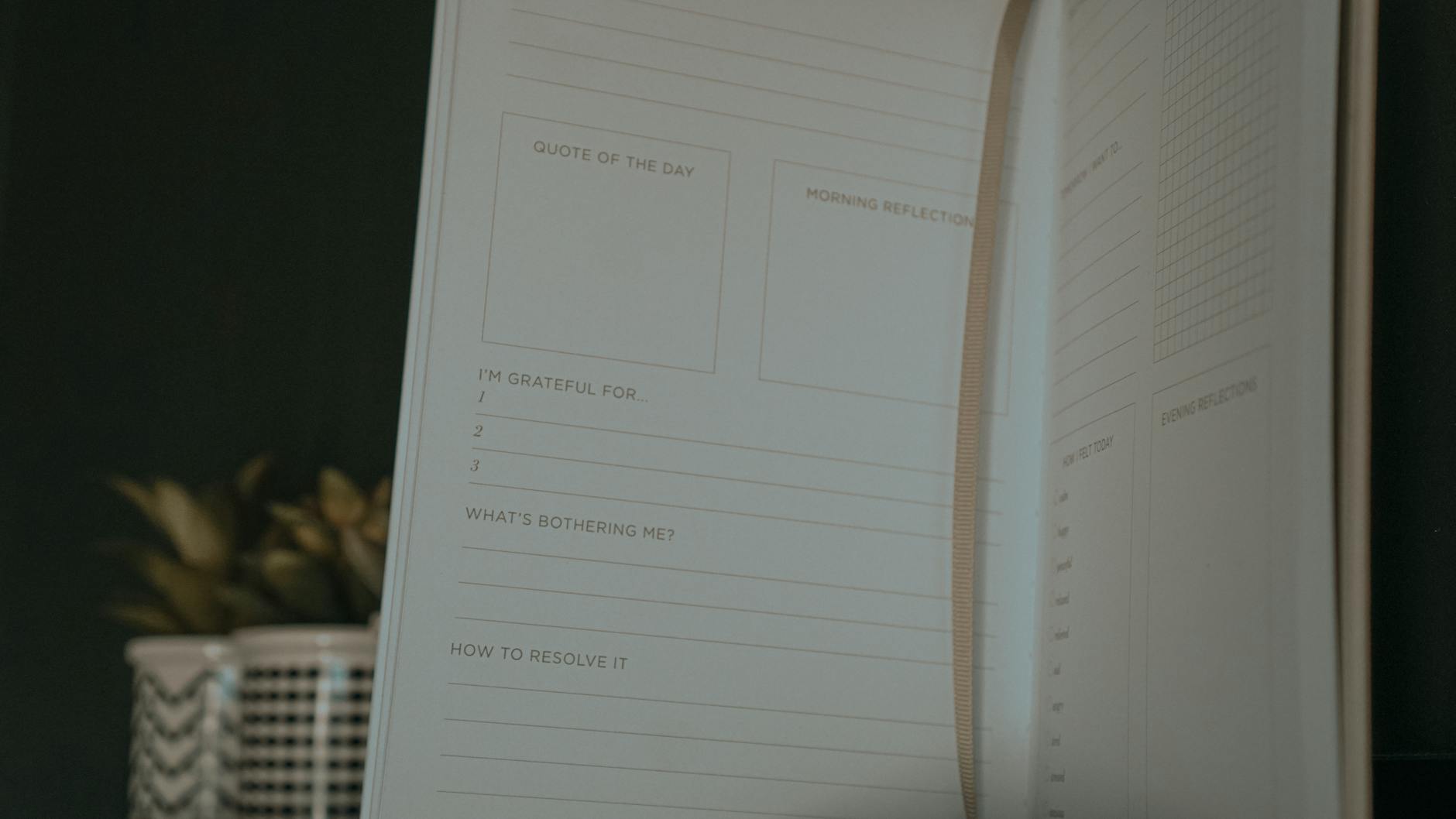
Writing down three specific things to be thankful for each day shifts the brain’s focus toward positive experiences. This routine helps rewire thought patterns to notice small joys that might otherwise go unobserved. Keeping a dedicated notebook for these reflections creates a tangible record of goodness during difficult times. Consistent practice is linked to increased long-term happiness and a more optimistic outlook on life.
Progressive Muscle Relaxation

Tensing and then slowly releasing different muscle groups helps the body recognize and let go of physical stress. This technique often starts at the toes and moves upward to the crown of the head to ensure full-body coverage. It serves as an effective way to lower heart rates and prepare the nervous system for rest. Practicing this routine before bed can significantly improve the ease of falling asleep.
Mindful Tea Preparation
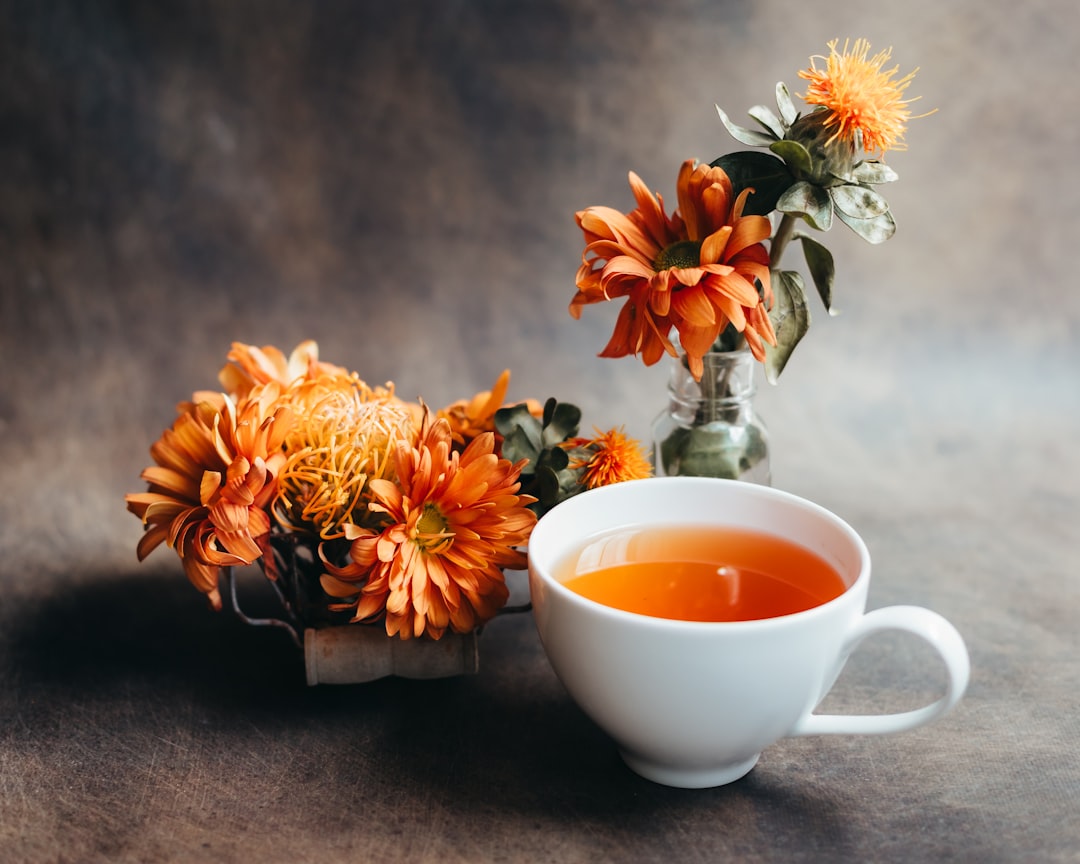
The act of brewing a cup of tea provides a sensory experience that encourages slowing down and focusing on the present. Watching the water boil and the leaves steep offers a moment of forced stillness in a busy schedule. Feeling the warmth of the mug and smelling the steam creates a soothing ritual for the nervous system. This brief pause acts as a mental reset button during a hectic workday.
Sunlight Exposure

Stepping outside for at least fifteen minutes of direct morning sunlight helps regulate the body’s internal circadian rhythm. Natural light triggers the production of serotonin which is a key hormone for mood stabilization and focus. This routine is especially beneficial during winter months when daylight hours are significantly shorter. Consistent sun exposure assists in maintaining healthy sleep-wake cycles for better cognitive function.
Box Breathing

This rhythmic breathing technique involves inhaling for four counts and holding for four counts before exhaling. Repeating this cycle several times sends a signal to the brain to move out of the fight-or-flight response. It is a portable tool that can be used discreetly in high-stress environments like meetings or public transport. Regular use of controlled breathing helps manage acute spikes in anxiety or frustration.
Creative Expression
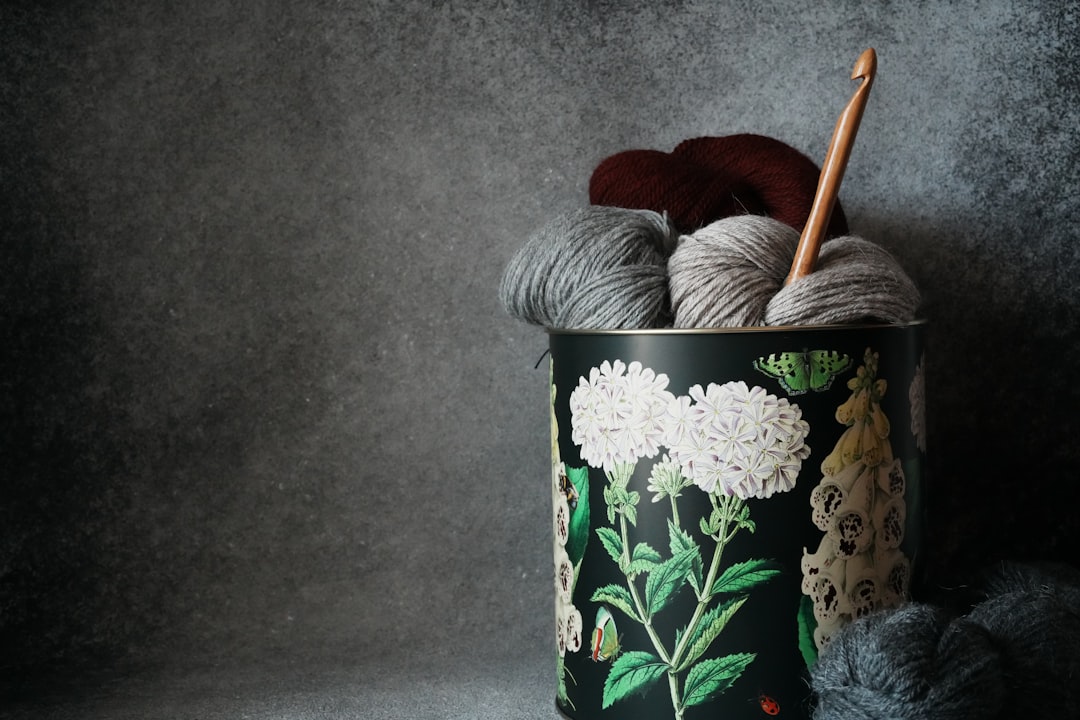
Engaging in hobbies such as painting or knitting allows the mind to enter a flow state where time seems to disappear. This immersive experience provides a healthy distraction from ruminating thoughts and daily stressors. The process of making something from scratch builds self-efficacy and provides a sense of accomplishment. Focus remains on the act of creation rather than the quality of the final product.
Cold Water Therapy

Ending a shower with a burst of cold water stimulates the vagus nerve and increases alertness through a natural shock. This practice is known to reduce inflammation in the body and improve overall circulation. The initial discomfort builds mental toughness and a sense of invigorated energy for the day ahead. Many people find that this routine provides a quick lift in mood and physical vitality.
Evening Reflection

Spending a few minutes at the end of the day to review accomplishments helps close the mental loops of ongoing tasks. Acknowledging what went well provides a sense of closure and prevents late-night worrying about unfinished work. This routine creates a clear boundary between the productive hours of the day and the restorative hours of the night. A quiet reflection period fosters a sense of peace before transitioning into sleep.
Decluttering a Small Space

Cleaning one small area like a desk drawer or a bedside table provides an immediate sense of environmental control. Reducing physical clutter often leads to a reduction in mental overwhelm and improved focus on tasks. This manageable goal offers a quick win that can boost motivation for larger responsibilities. A tidy space serves as a calm backdrop for relaxation and clear thinking.
Affirmation Recitation
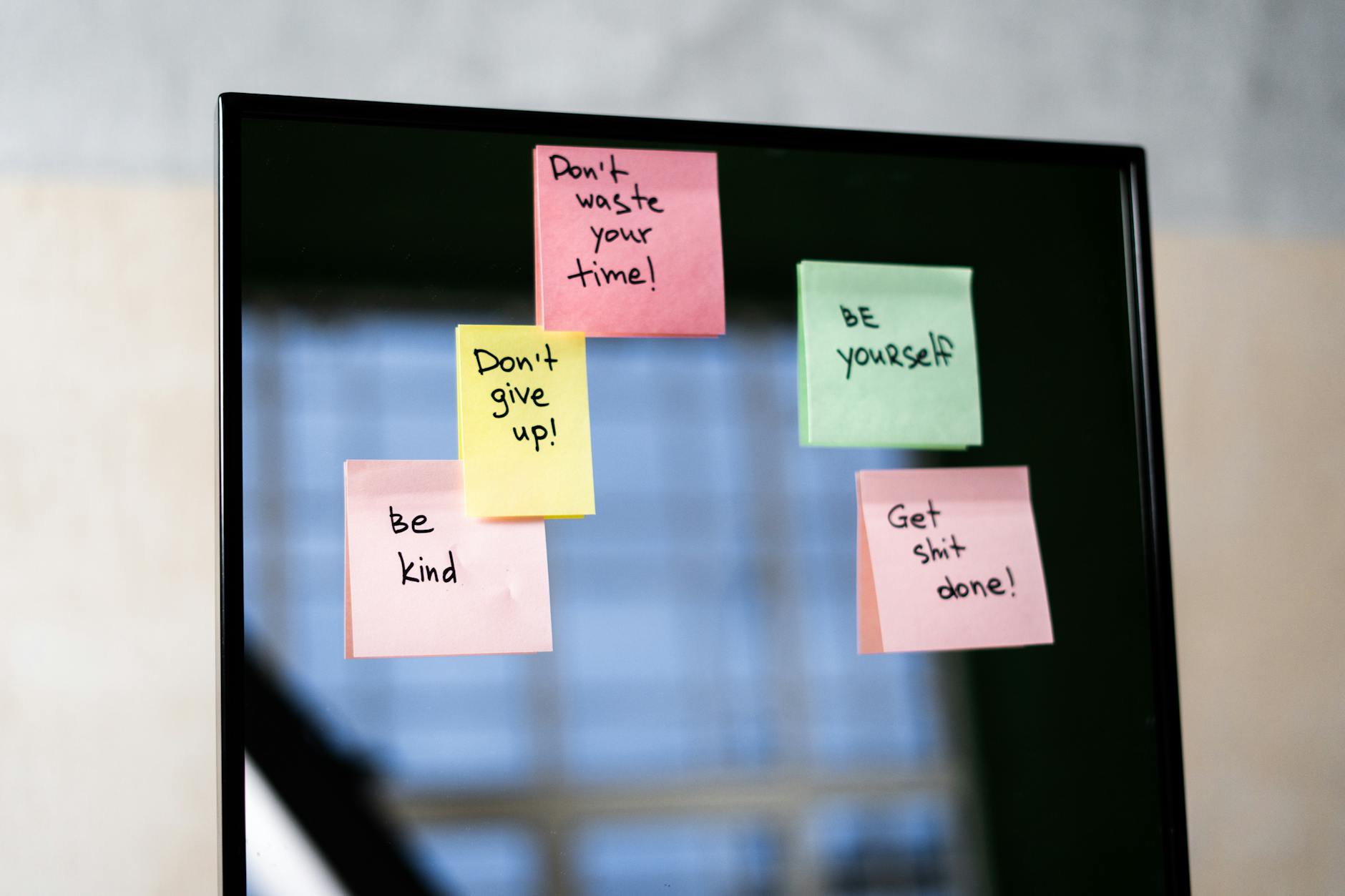
Repeating positive and grounding statements helps challenge and overcome self-sabotaging or negative thoughts. These phrases act as anchors that reinforce personal values and inner strength during periods of doubt. Speaking the words aloud increases their impact on the subconscious mind and personal confidence. This routine is most effective when integrated into a morning mirror ritual or a commute.
Stretching Routine
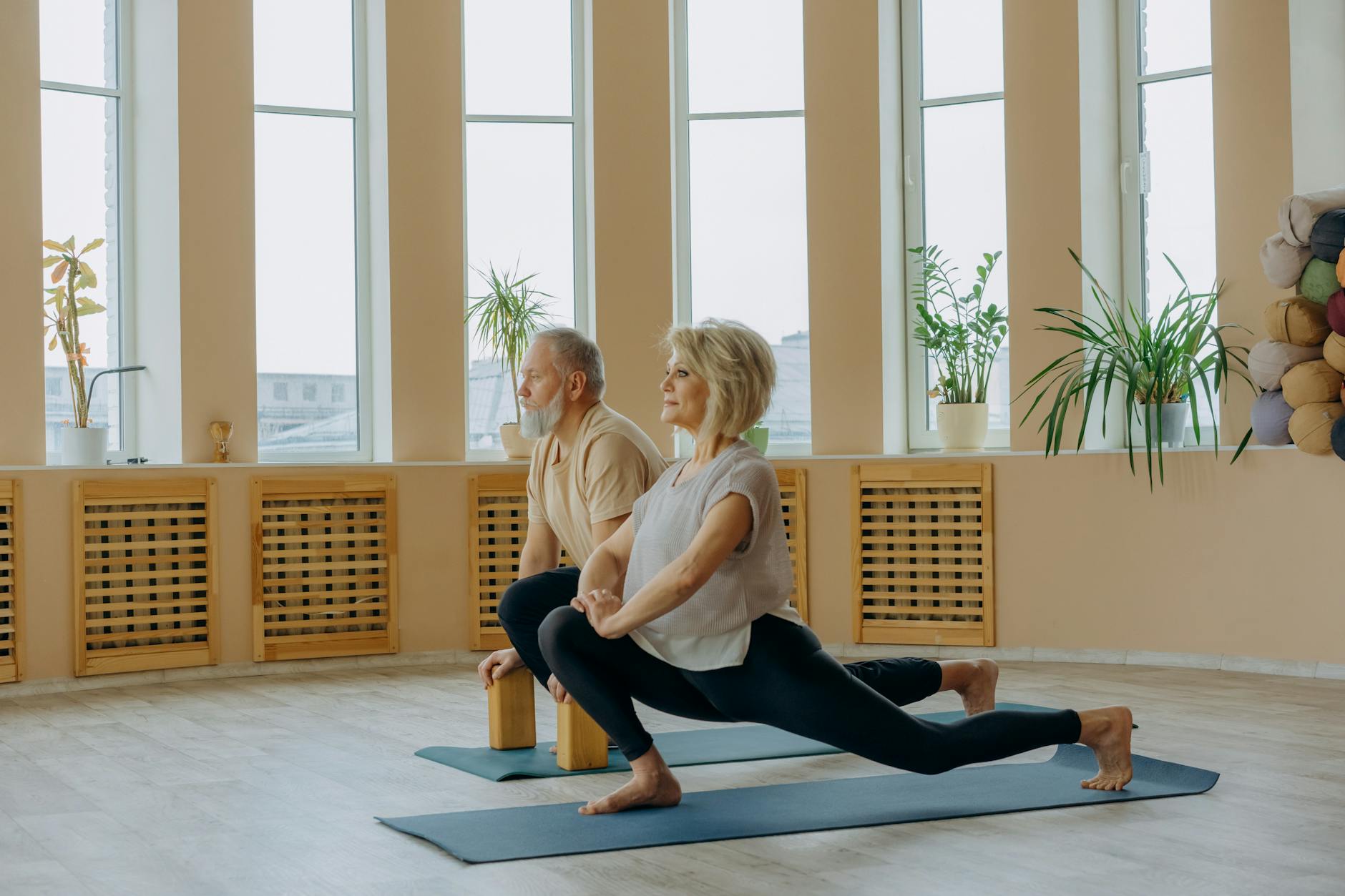
Gentle movement through various stretches releases tension stored in the muscles from sitting or standing for long periods. This practice increases blood flow to the brain and improves physical flexibility over time. Focusing on the sensation of the stretch helps ground the mind in the physical body. A five-minute session can alleviate physical discomfort that contributes to mental irritability.
Reading for Pleasure

Losing oneself in a book provides a mental escape and reduces stress levels more effectively than many other forms of relaxation. This routine allows the mind to explore different perspectives and worlds without the stimulation of a screen. Engaging with a narrative fosters empathy and keeps the cognitive functions sharp. Reading before bed is a traditional way to signal to the brain that it is time to wind down.
Aromatherapy

Using essential oils like lavender or peppermint can influence the limbic system which governs emotions and memory. Inhaling specific scents through a diffuser or a rollerball provides a quick way to shift one’s mood. Different oils can be used to either calm the nerves or provide a much-needed energy boost. This sensory routine adds a layer of comfort to any home or office environment.
Social Connection

Reaching out to a friend or family member for a brief conversation provides emotional support and a sense of belonging. Sharing thoughts with a trusted person can offer new perspectives on personal challenges. Human connection is a fundamental need that significantly impacts long-term mental health and happiness. Even a short text or call can break feelings of isolation and improve one’s mood.
Visualization
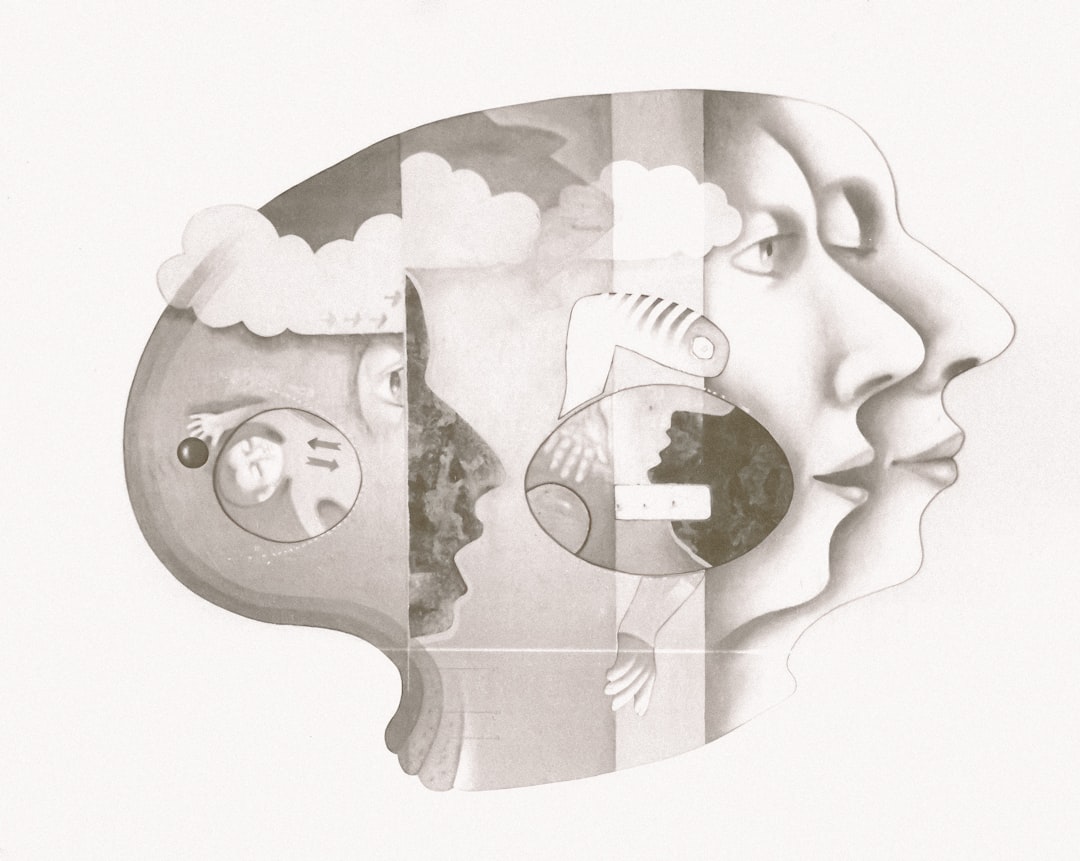
Closing the eyes and imagining a peaceful place helps the mind disengage from current stressors. Visualizing success in a future task can build confidence and reduce performance-related anxiety. This mental rehearsal prepares the brain for positive outcomes and lowers the physiological signs of stress. It is a powerful technique for calming the mind before a big event or a difficult conversation.
Daily Walk

A brisk walk outdoors combines physical exercise with a change of scenery to clear the mind. Moving the body at a steady pace encourages the release of endorphins which are natural mood lifters. Observing the neighborhood or local park provides a healthy distraction from internal monologues. This simple routine is one of the most accessible ways to maintain mental and physical health.
Healthy Meal Prep

Taking the time to prepare nutritious meals ensures the body has the fuel needed for stable energy levels. A diet rich in whole foods supports brain health and helps prevent the energy crashes associated with processed sugar. The process of chopping vegetables and following a recipe can be a grounding and meditative task. Eating well is a form of self-respect that directly influences emotional stability.
Grounding Techniques
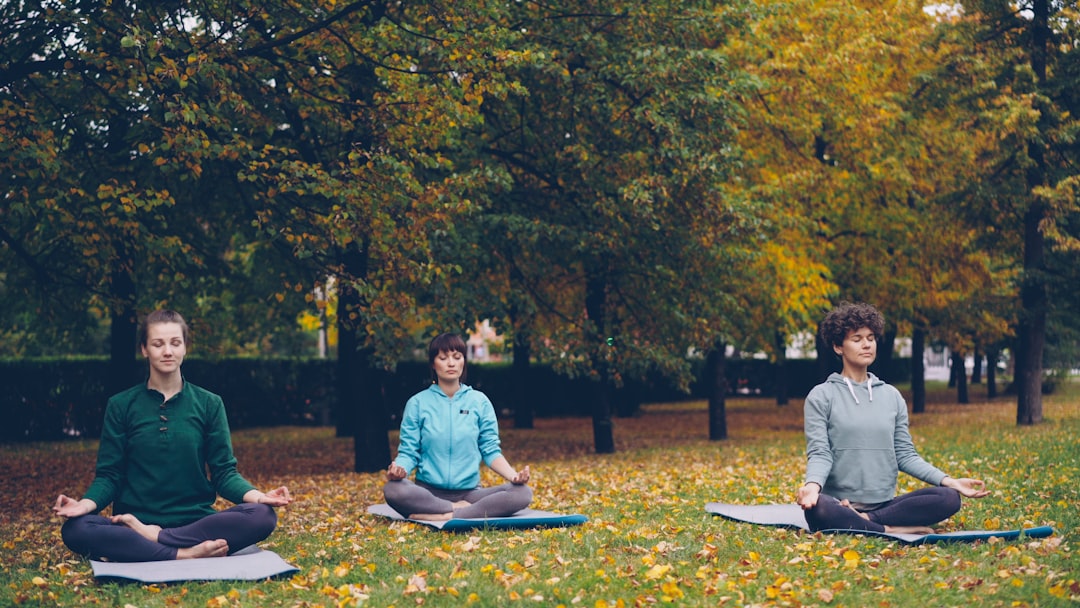
The 5-4-3-2-1 technique involves identifying five things one can see and four things one can touch to stay present. This sensory checklist pulls the mind away from panic or spiraling thoughts by focusing on reality. It is an effective way to manage symptoms of dissociation or intense overwhelm in the moment. Practicing grounding regularly makes it easier to access during times of high emotional distress.
Journaling for Brain Dumping
Writing down every single thought and worry onto paper clears the mental clutter that causes anxiety. This practice externalizes internal chaos and makes problems feel more manageable once they are seen in writing. There is no need for organization or correct grammar during this process of mental unloading. Seeing the thoughts on paper often reveals that many worries are within one’s power to solve.
Hobbies without Goals
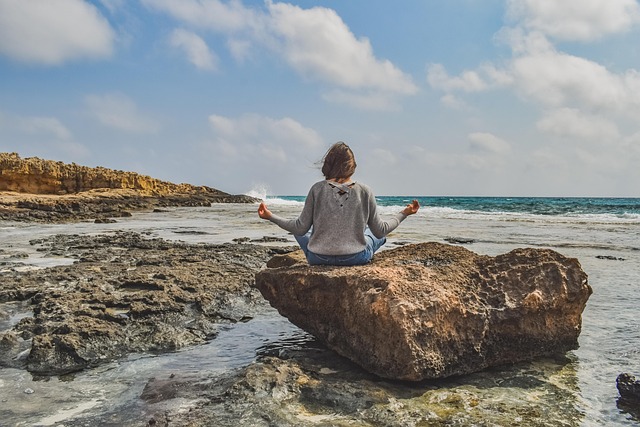
Engaging in an activity purely for fun without the pressure to be productive or successful is essential for joy. Whether it is playing a video game or doodling in a notebook the focus is on the enjoyment of the moment. This routine prevents burnout by providing a necessary break from the achievement-oriented mindset. Having a space where it is okay to be an amateur fosters a sense of freedom.
Weighted Blanket Use

Using a weighted blanket provides deep touch pressure which can increase levels of melatonin and serotonin. This sensation mimics the feeling of a hug and helps the nervous system feel safe and grounded. Many people find it helpful for reducing restlessness and improving the quality of deep sleep. It is a simple tool for creating a sanctuary of comfort within the home.
Solo Date

Spending intentional time alone doing something enjoyable builds a stronger relationship with oneself. Whether it is visiting a museum or sitting in a cafe the goal is to enjoy one’s own company. This routine encourages independence and helps one discover personal preferences without outside influence. Learning to be comfortable alone is a vital component of long-term emotional health.
Listening to Music

Curating playlists for different moods allows for the intentional regulation of emotions through sound. Uplifting music can provide an energy boost while ambient sounds help facilitate focus or relaxation. Music has a unique ability to trigger memories and provide comfort during lonely moments. This routine is an easy way to change the atmosphere of a room and the state of the mind.
Hydration Tracking

Drinking enough water throughout the day is crucial for maintaining cognitive function and preventing fatigue. Dehydration can lead to headaches and irritability which negatively impact mental clarity. Keeping a water bottle nearby serves as a constant reminder to nourish the body. Monitoring intake is a basic yet effective way to ensure the physical self is supported.
Acts of Kindness

Performing a small favor for someone else can provide a significant boost to one’s own happiness. Helping others fosters a sense of purpose and connects an individual to their community. These actions take the focus off personal worries and highlight the ability to make a positive impact. Simple gestures like a compliment or holding a door create a cycle of positive energy.
Guided Imagery
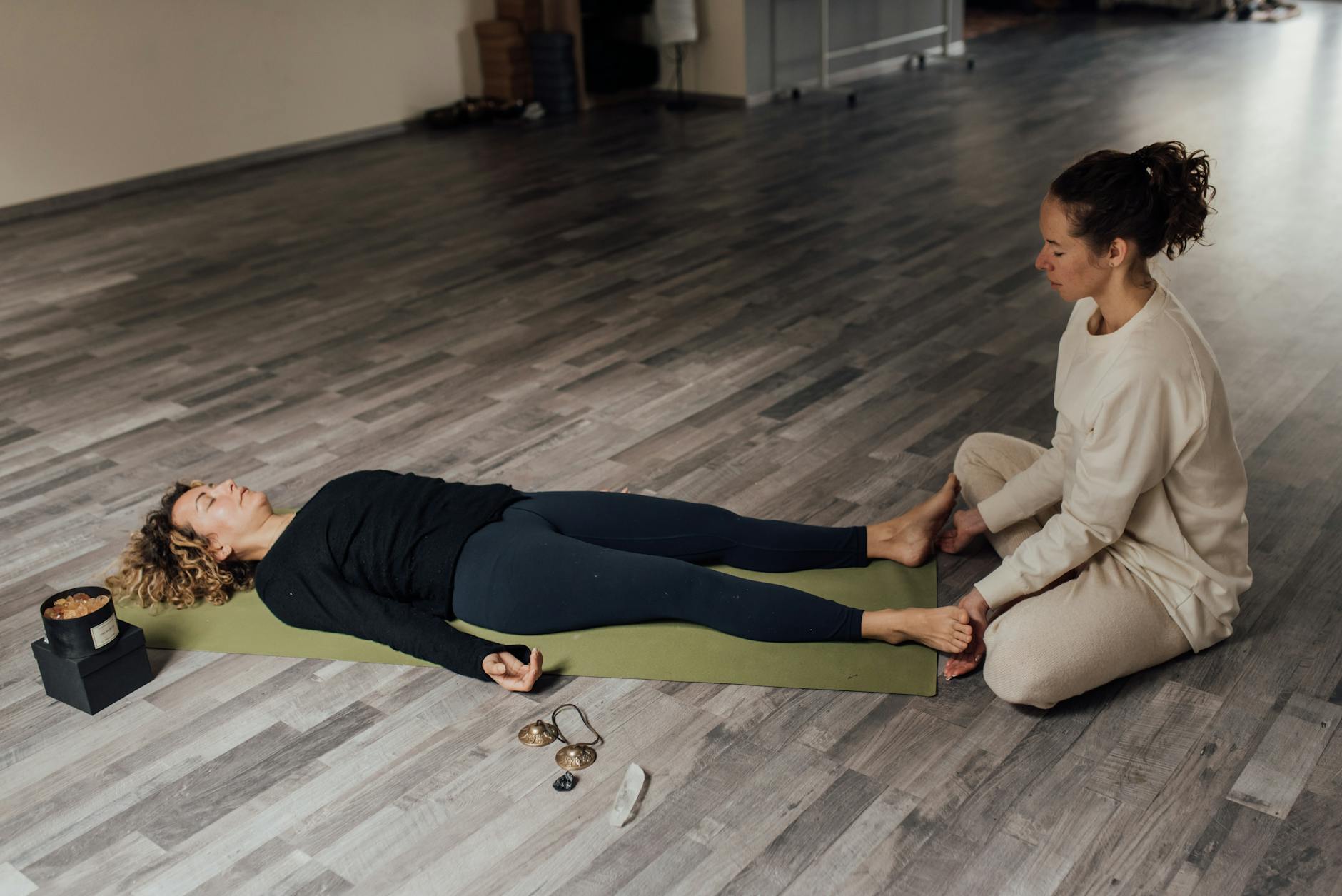
Listening to a guided recording that describes a relaxing scene helps the mind wander away from stress. These sessions often incorporate soothing background sounds to enhance the experience of mental travel. It is an effective way to practice mindfulness for those who find silent meditation difficult. Guided imagery can be used to improve sleep or to find a moment of peace during a lunch break.
Mirror Work

Looking into a mirror and offering oneself a kind word or a smile can improve self-image over time. This routine helps build self-compassion and reduces the impact of a harsh inner critic. It may feel awkward initially but consistent practice fosters a deeper sense of self-acceptance. Treating oneself with the same kindness given to a friend is a powerful mental health tool.
Learning a New Skill
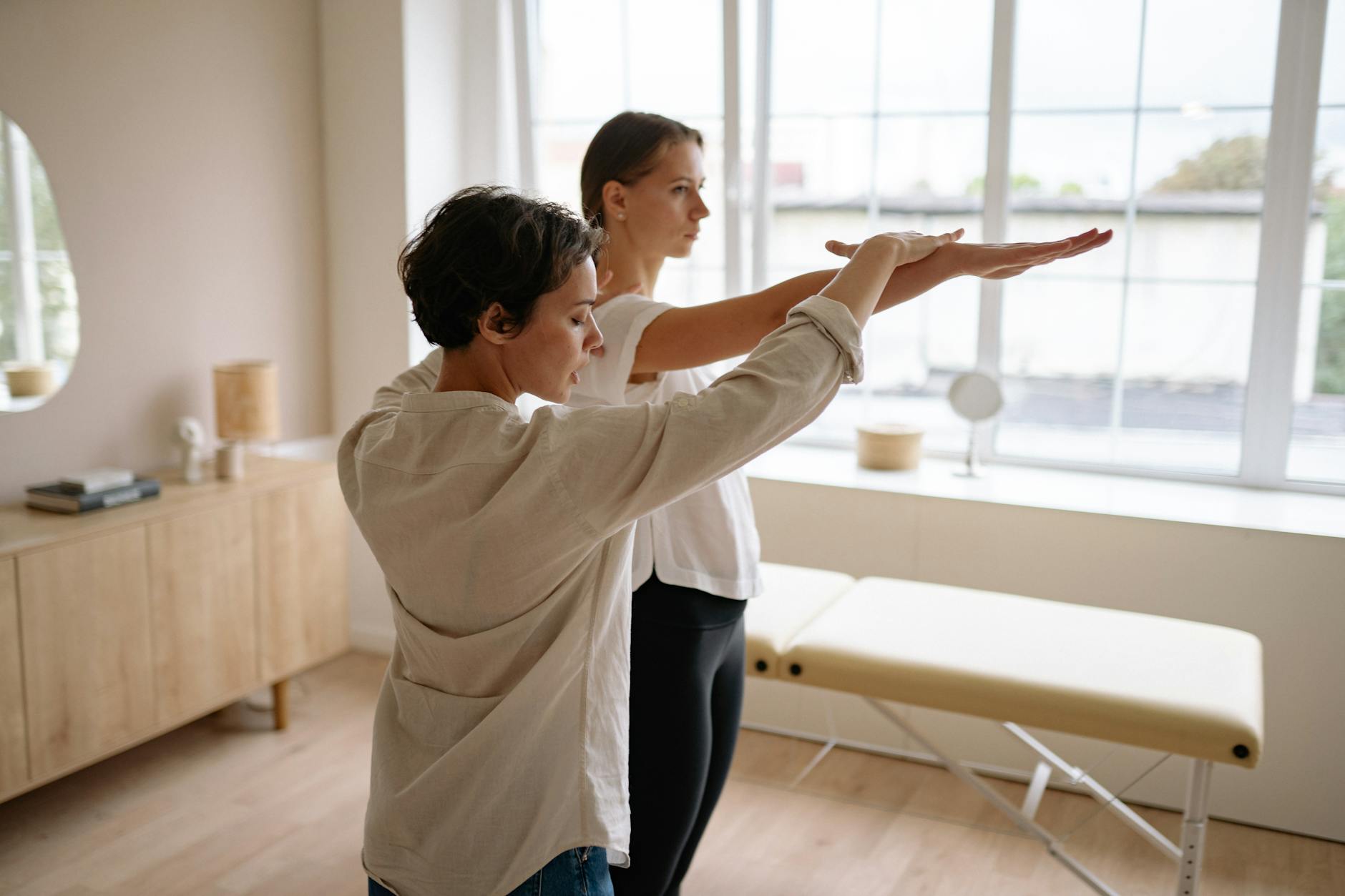
Challenging the brain to learn something new creates new neural pathways and builds confidence. Whether it is a few phrases of a new language or a simple DIY project the process is stimulating. This routine provides a sense of growth and prevents feelings of stagnation in daily life. Focusing on a new task requires a level of concentration that pushes out stressful thoughts.
Pet Interaction

Spending time with a pet can lower blood pressure and reduce feelings of loneliness and isolation. The simple act of stroking an animal releases oxytocin which is a hormone associated with bonding and stress relief. Pets provide non-judgmental companionship and a reason to maintain a daily routine. This bond offers emotional stability and a consistent source of comfort.
Mindful Eating

Focusing entirely on the flavors and textures of a meal prevents overeating and improves digestion. This routine involves turning off distractions like the television or phone to be fully present with the food. Appreciating each bite encourages a healthier relationship with nourishment and body cues. Slowing down the pace of eating helps the mind catch up with the body’s signals of fullness.
Bath Ritual

Taking a warm bath with salts or bubbles provides a physical escape from the demands of the day. The heat helps relax sore muscles while the quiet environment allows for mental decompression. This routine creates a sensory experience that signals the end of work and the beginning of rest. Adding music or candles can turn a basic chore into a luxurious act of self-care.
Daily Prioritization

Identifying the top three tasks for the day prevents the feeling of being overwhelmed by a long to-do list. Focusing on what is truly important provides a clear sense of direction and accomplishment. This routine helps manage time more effectively and reduces the anxiety of forgotten responsibilities. Breaking large projects into small steps makes progress feel achievable and steady.
Laughter Yoga

Engaging in voluntary laughter through playful exercises can trigger the same physiological benefits as spontaneous laughter. This routine lowers stress hormones and improves mood by increasing oxygen flow to the brain. It often starts with simple deep breathing and forced chuckles that eventually turn into genuine mirth. Laughter is a powerful tool for shifting a heavy emotional state into something lighter.
Stretching Before Bed

Moving through a few gentle poses helps release the physical tension accumulated throughout the hours of the day. This routine prepares the body for a restful night by slowing down the heart rate and calming the mind. Focusing on the breath during these movements helps transition away from the day’s stressors. A consistent stretching habit can reduce the occurrence of middle-of-the-night restlessness.
Gardening

Working with soil and plants provides a grounding connection to the earth and the cycles of nature. Tending to a garden requires patience and offers a slow-paced alternative to the digital world. The physical activity involved in planting and weeding serves as a light form of exercise. Watching something grow under one’s care provides a deep sense of satisfaction and hope.
Setting Boundaries

Learning to say no to requests that exceed one’s capacity is a vital form of self-protection. Establishing clear boundaries prevents burnout and ensures that personal needs are prioritized. This routine involves reflecting on what is truly important and protecting one’s time and energy accordingly. Respecting one’s own limits is essential for maintaining long-term mental health and healthy relationships.
Please share your favorite self-care routines in the comments.