The natural world offers many examples of enduring partnerships that transcend simple biological necessity. These species demonstrate remarkable loyalty by forming social bonds that often last until one partner passes away. Such monogamous relationships provide significant advantages for raising offspring and ensuring the survival of the next generation. Scientific observations reveal that these connections are built on shared responsibilities like nest building and territory defense. Understanding these long-term commitments provides a unique window into the complex social structures found across different habitats.
Gray Wolf

A wolf pack typically revolves around a dominant breeding pair that maintains a lifelong connection. These leaders work together to manage the hierarchy and ensure the safety of their younger subordinates. The bond is reinforced through constant communication and shared hunting duties across vast territories. Their partnership is the foundation of the entire social unit and provides stability for the growing pups.
Bald Eagle
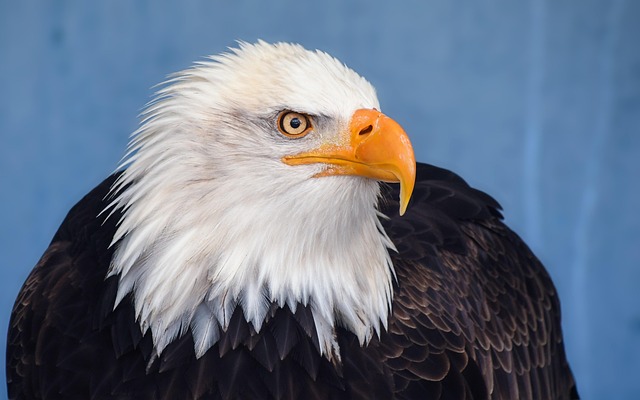
These iconic birds of prey return to the same nesting site year after year to reunite with their chosen partner. They engage in elaborate aerial displays to reinforce their bond during the breeding season. Both parents share the demanding tasks of incubating eggs and feeding their rapidly growing chicks. This cooperative effort is essential for successfully raising young in harsh environments.
Gibbons
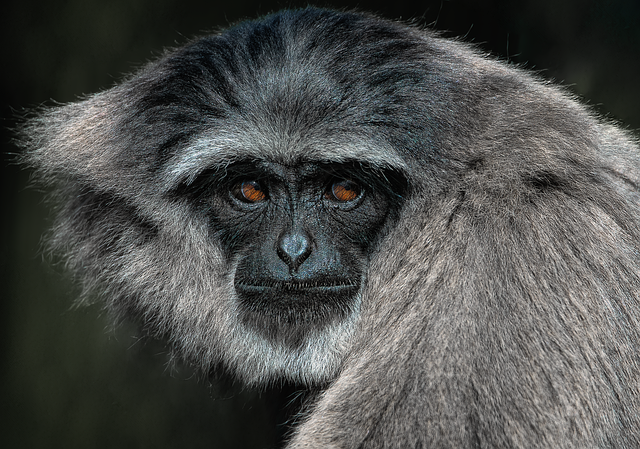
These small apes spend their lives in the forest canopy maintaining exclusive pair bonds through vocal duets. They use these complex songs to define their territory and strengthen their social connection with one another. Unlike many other primates they live in small family groups centered around the primary couple. The duo stays physically close while foraging and grooming to ensure a cohesive family dynamic.
Mute Swan
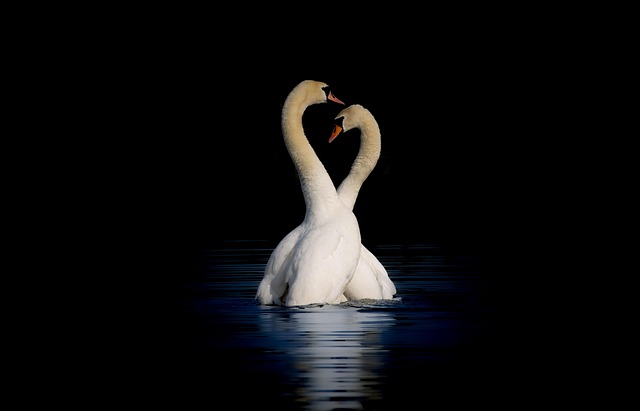
The image of two swans forming a heart shape with their necks is a genuine reflection of their long term commitment. These birds often find a partner before reaching maturity and stay together through multiple nesting cycles. They are known for their protective nature and will fiercely defend their mate and nesting area from intruders. Such dedication ensures that their offspring have the best possible chance of reaching adulthood.
Albatross
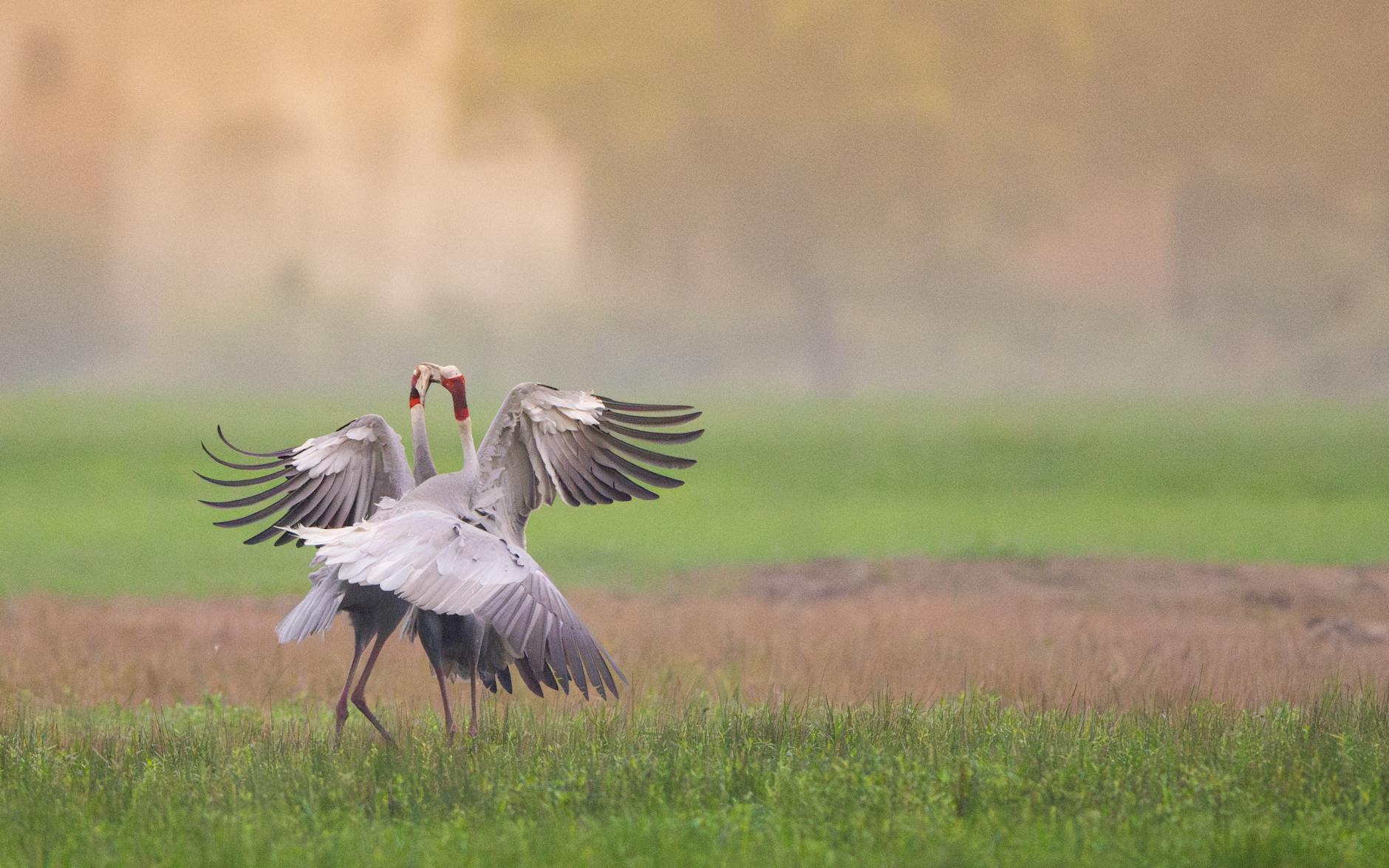
Spending years at sea does not diminish the strong attachment these seabirds feel toward their specific partners. They travel thousands of miles across the ocean but always return to the same spot to meet their mate. Their courtship involves intricate dances that can take years to perfect before they successfully breed. This deep familiarity allows them to efficiently coordinate the long shifts required for egg incubation.
Beaver
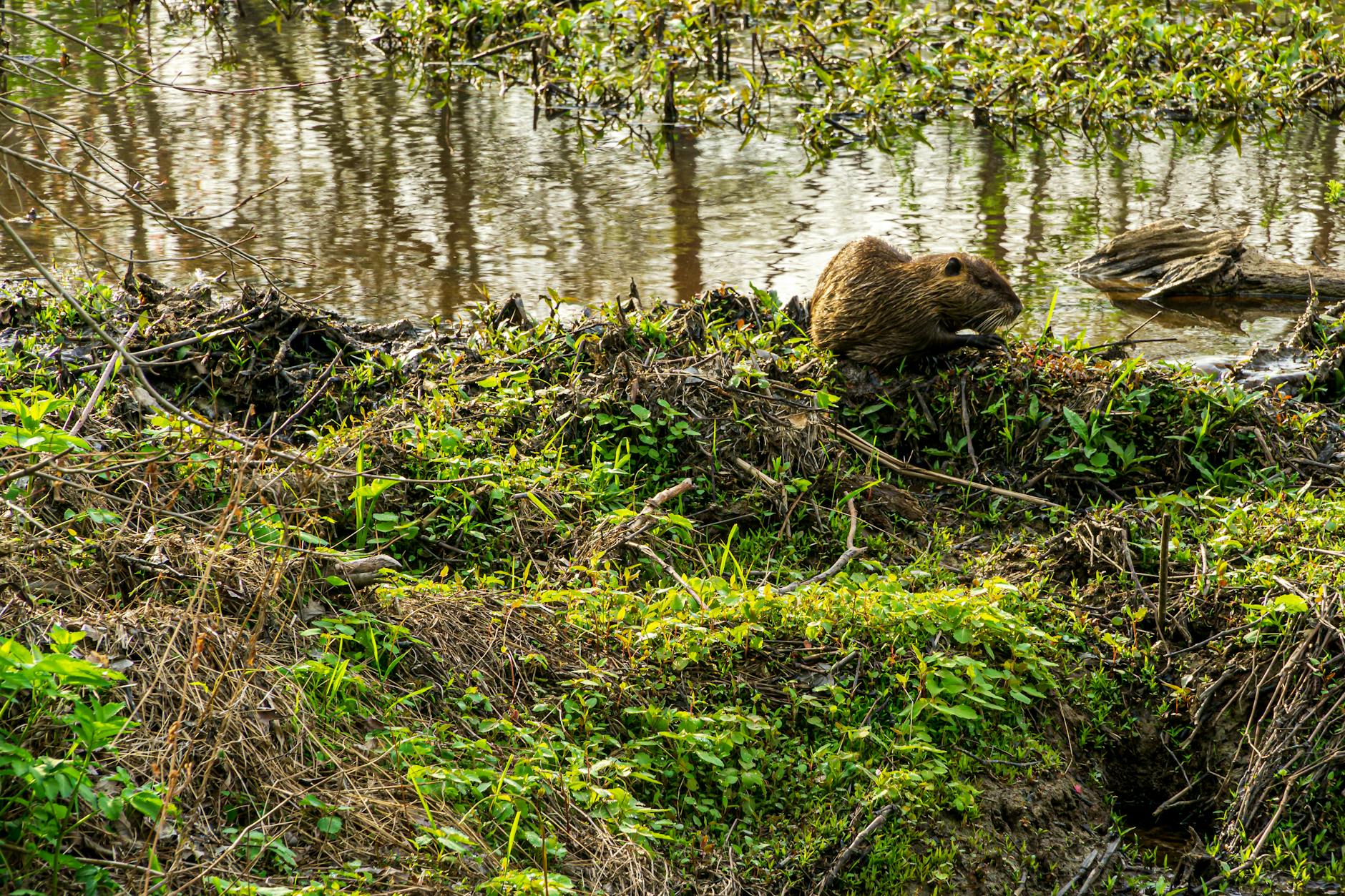
A beaver colony is a family-oriented structure led by a monogamous pair that works in tandem to build dams. They collaborate on complex engineering projects that provide a safe aquatic home for their kits. The parents remain together for many years and provide guidance to their older offspring who stay to help with chores. This stable domestic life is crucial for maintaining the intricate lodge systems they inhabit.
French Angelfish
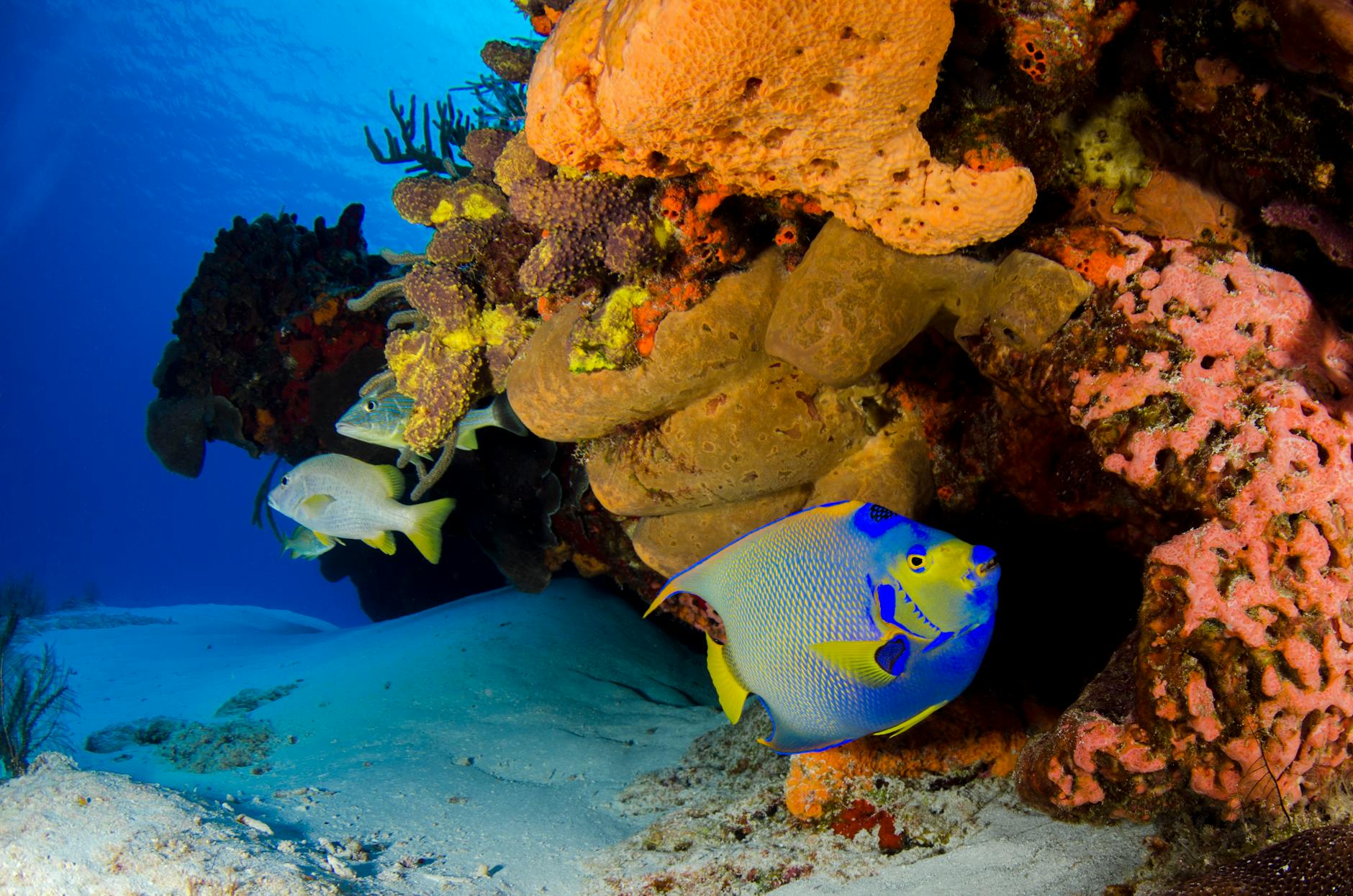
These vibrant reef dwellers are almost always observed swimming in pairs as they forage for food. They act as a defensive team to protect their feeding territory from other competing fish. The bond between the two individuals is so strong that they often stay together for their entire lives. This partnership allows them to navigate the crowded coral reef environment with greater efficiency and security.
Prairie Vole
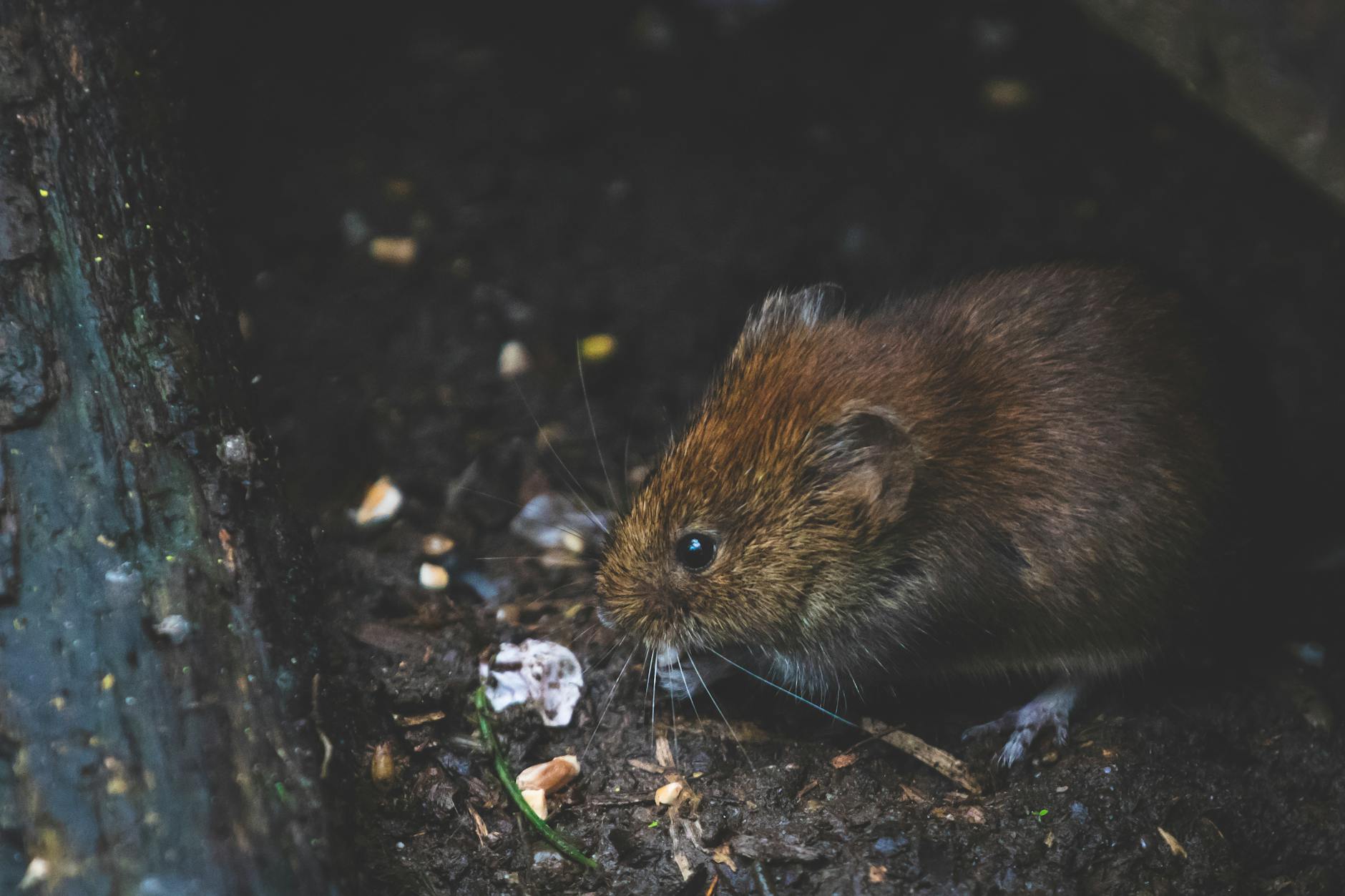
These small rodents are famous in scientific circles for their intense and lasting social attachments. Once they find a mate they share a nest and spend a significant amount of time grooming each other. Both the male and female take an active role in caring for the young which is rare among most rodent species. Their behavior is driven by specific neurobiological traits that encourage lifelong fidelity and cooperation.
Atlantic Puffin
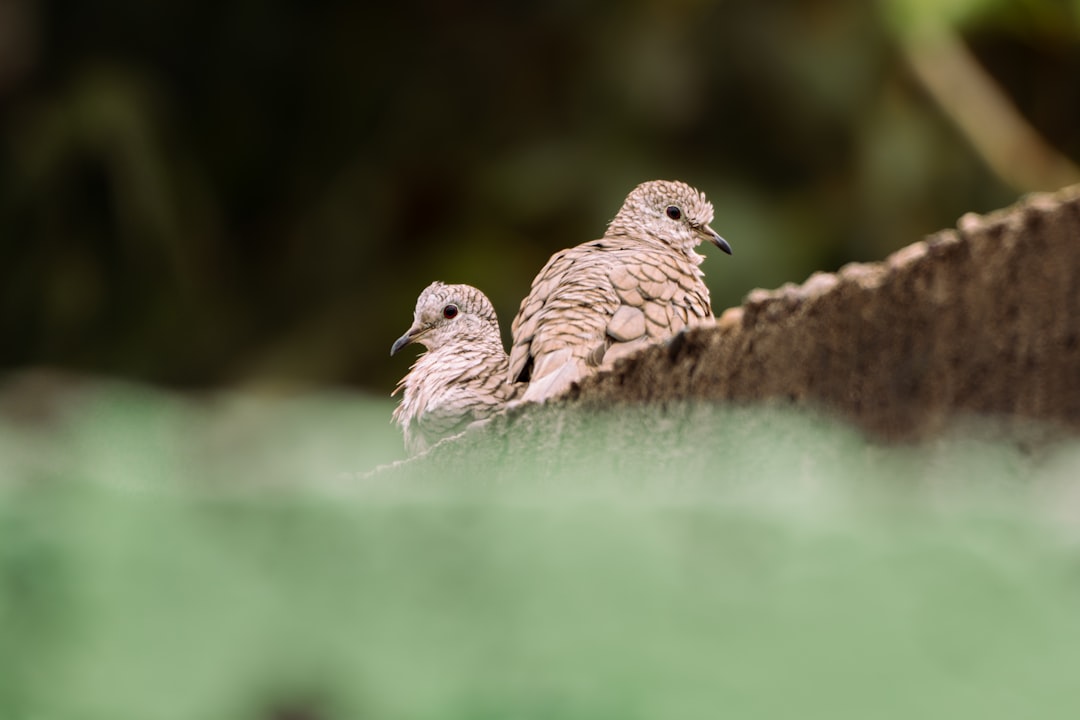
These colorful seabirds return to the same clifftop colonies every year to find their specific nesting burrows. They greet their partners with a behavior called billing where they rub their beaks together to show affection. Both parents take turns flying out to sea to catch fish for their single chick. This reliable teamwork is the key to successfully rearing young in the challenging North Atlantic climate.
Macaroni Penguin
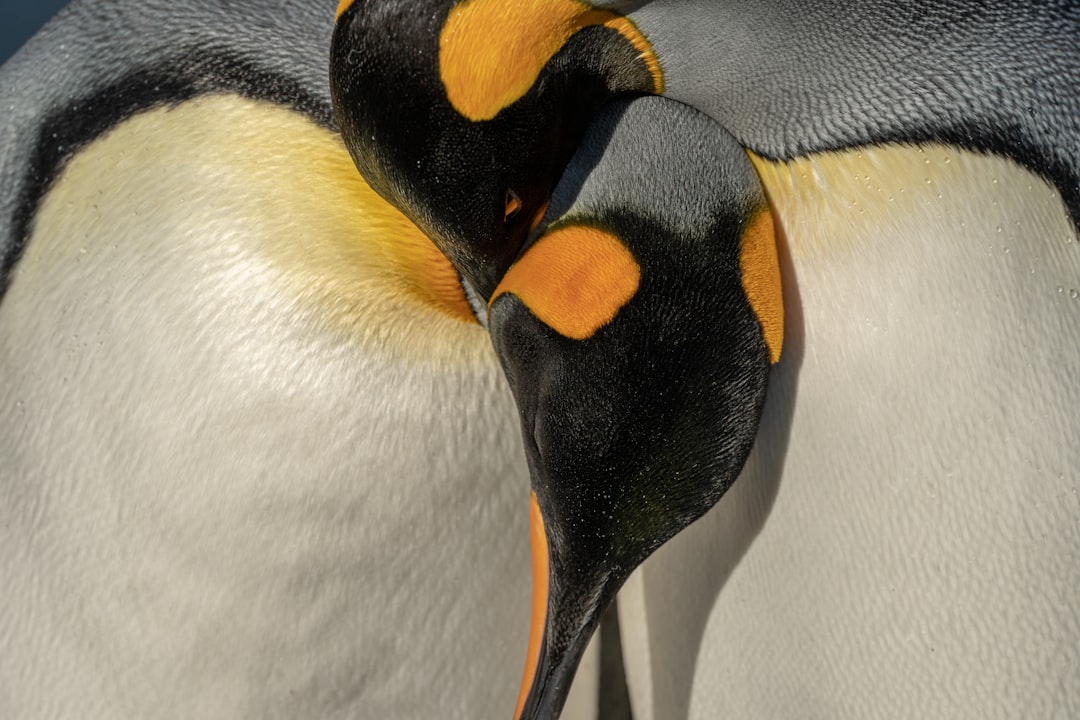
During the breeding season these penguins navigate through massive crowds to locate their one true partner. They use distinct vocalizations to recognize each other amidst the noise of thousands of other birds. Once reunited they engage in a celebratory display to reestablish their connection for the new season. Sharing the duties of egg protection and chick brooding is vital for surviving the Antarctic conditions.
Sandhill Crane
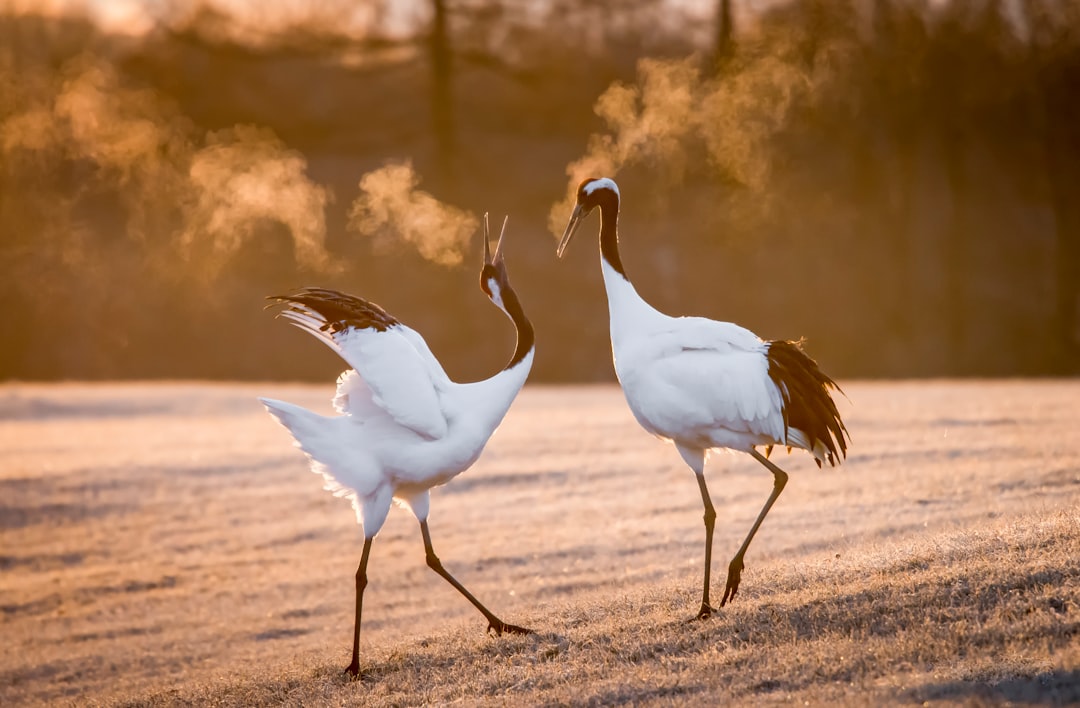
The graceful movements of these cranes are often part of a lifelong ritual performed with a single partner. They engage in synchronized calling and dancing to maintain their bond throughout the year. Their commitment extends beyond the breeding season as they migrate and forage together in large flocks. This constant companionship helps them stay alert to predators and find reliable food sources.
Shingleback Lizard
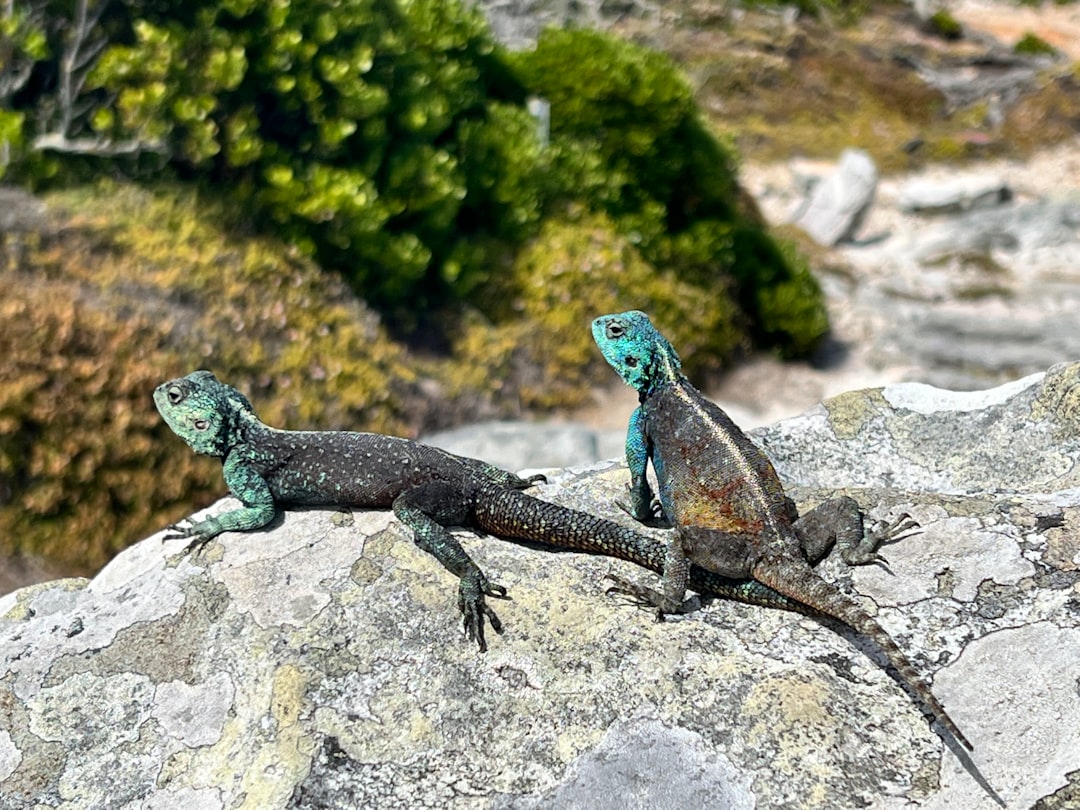
This Australian reptile is one of the few lizard species known to form long term pair bonds. While they spend much of the year alone they find the same partner every mating season for decades. The male follows the female closely during their time together to ensure her safety and their continued connection. Researchers have documented pairs that have been together for more than twenty years in the wild.
Barn Owl
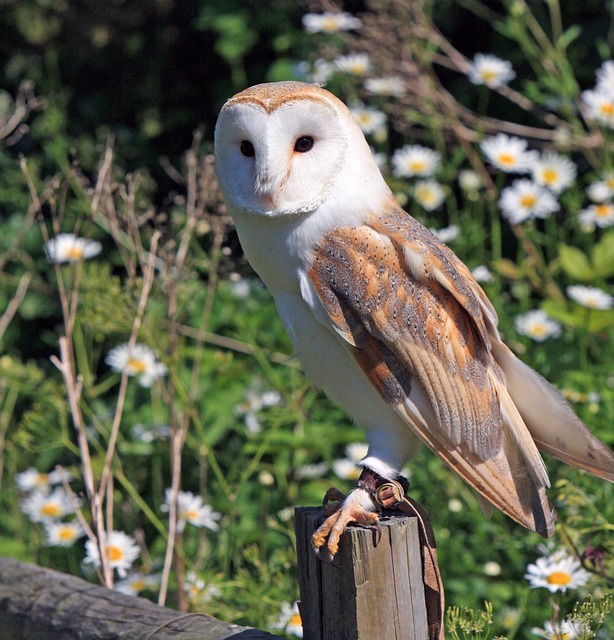
These nocturnal hunters establish a home range and a partnership that usually lasts for their entire lifespan. The male provides food for the female while she remains in the hollow tree or barn to care for the eggs. Their ability to work as a silent and efficient team ensures a steady supply of prey for their growing brood. This domestic stability is a hallmark of their success as a widespread avian species.
Malagasy Giant Rat
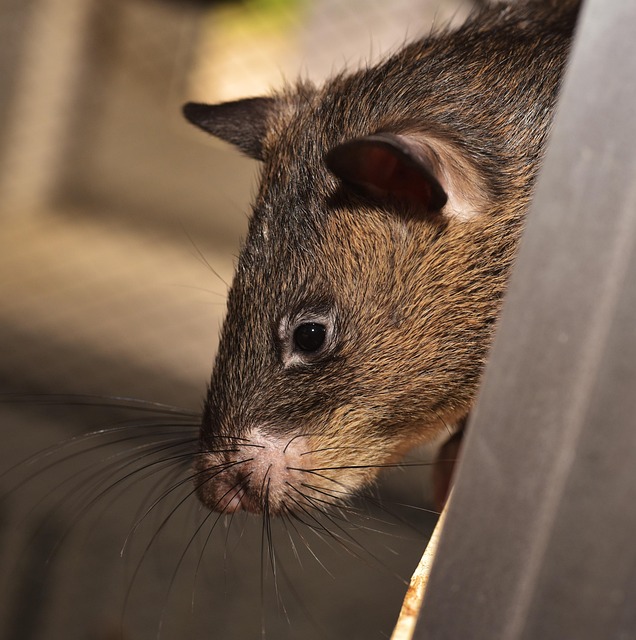
This rare rodent from Madagascar lives in a strictly monogamous arrangement within its underground burrow. The pair maintains a large territory and works together to defend it from any outside threats. They raise only one or two offspring at a time and invest heavily in their protection and growth. This focused parental care is supported by the permanent bond between the two adults.
Seahorse
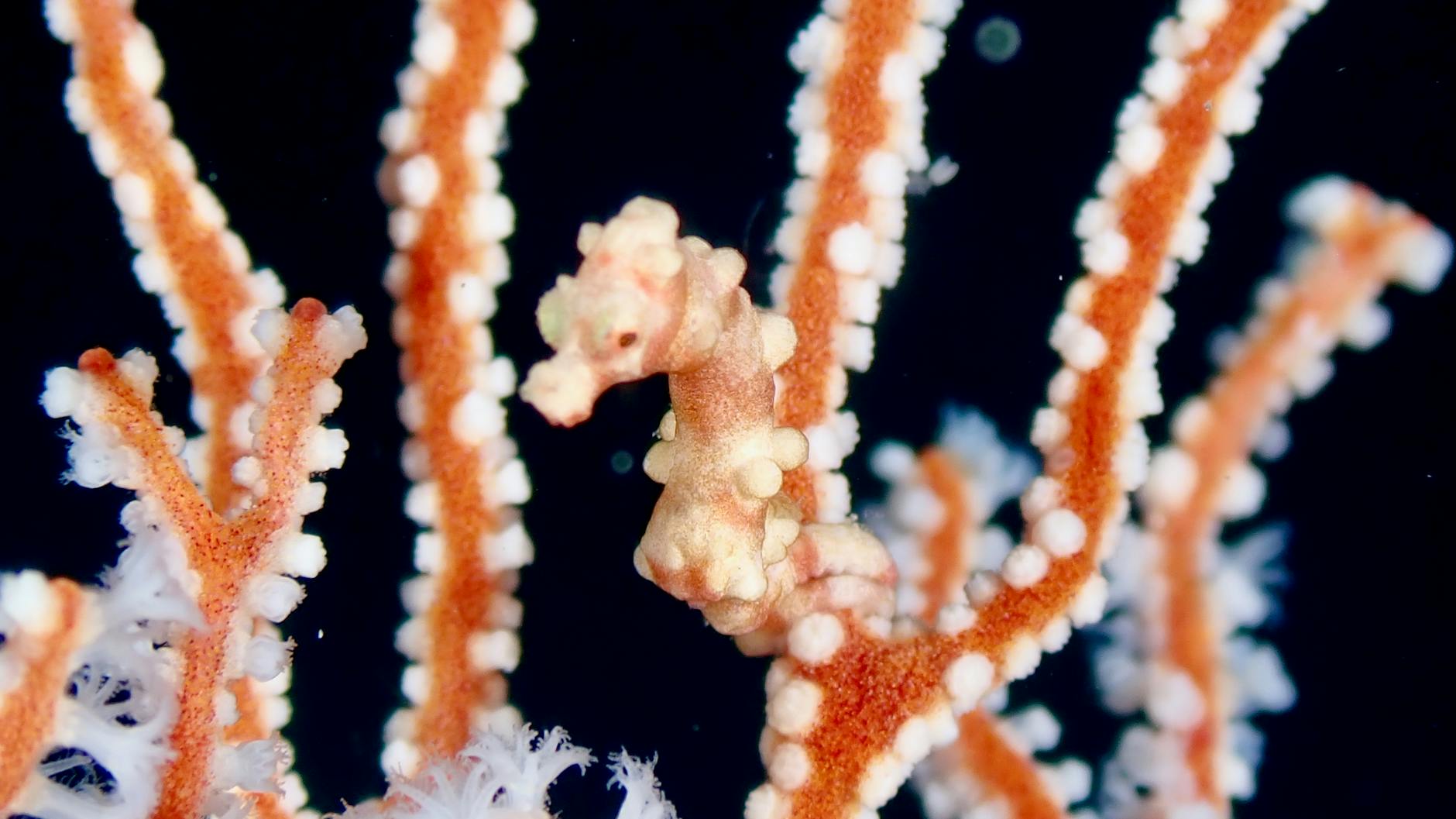
While not every species is monogamous many seahorses remain loyal to one partner for at least a full breeding season. They perform a daily morning dance to synchronize their reproductive cycles and reinforce their attachment. The unique arrangement where the male carries the eggs requires high levels of trust and coordination. This ritualistic behavior ensures that the pair is always ready for the next stage of their life cycle.
Black Vulture
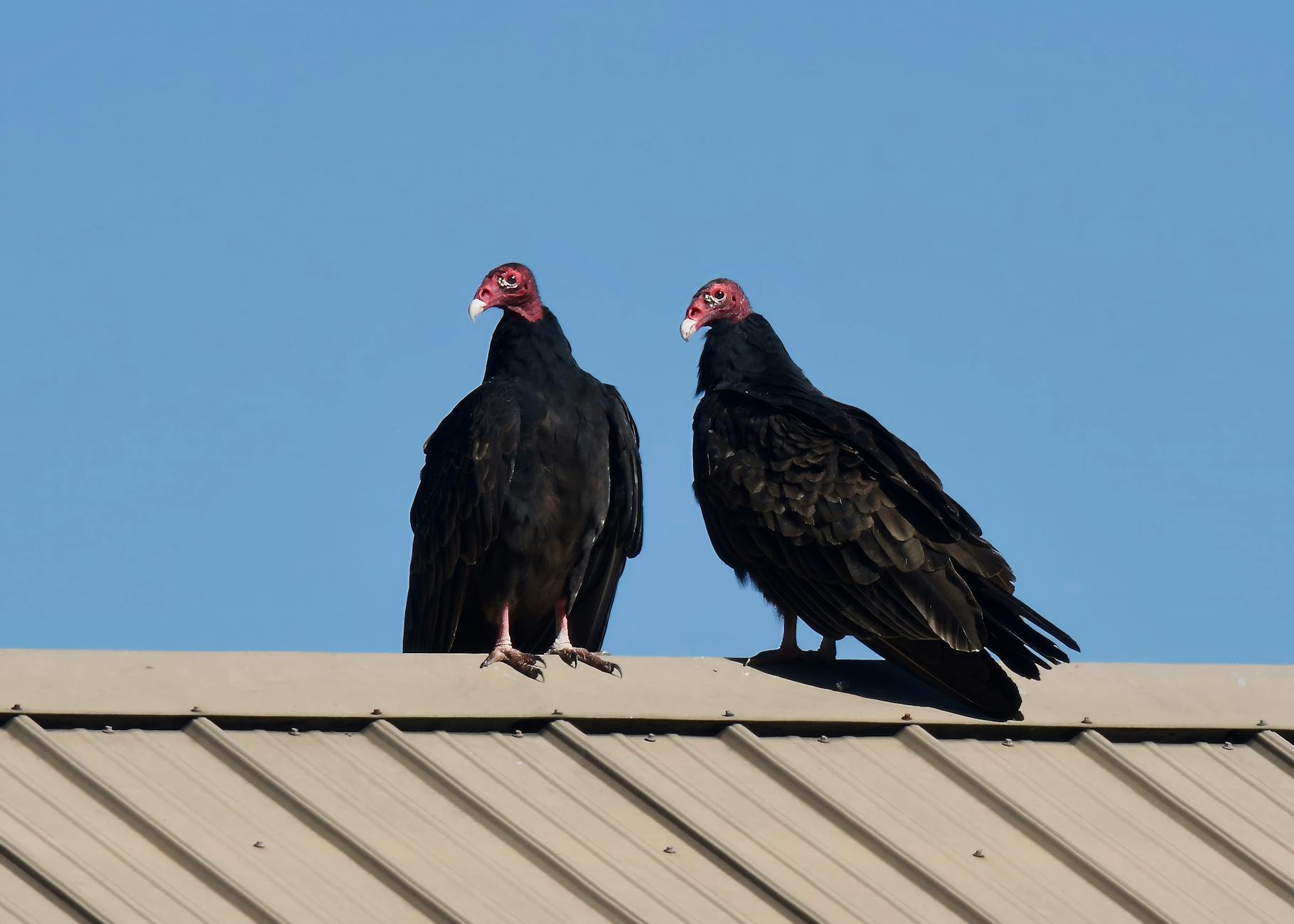
These birds have a very strong social structure that punishes individuals who attempt to stray from their mates. The pair stays together throughout the year and shares the duties of finding carrion and feeding their young. They are often seen perched together and will groom one another to maintain their plumage and bond. This social pressure within the colony helps maintain the stability of individual couples.
Oldfield Mouse
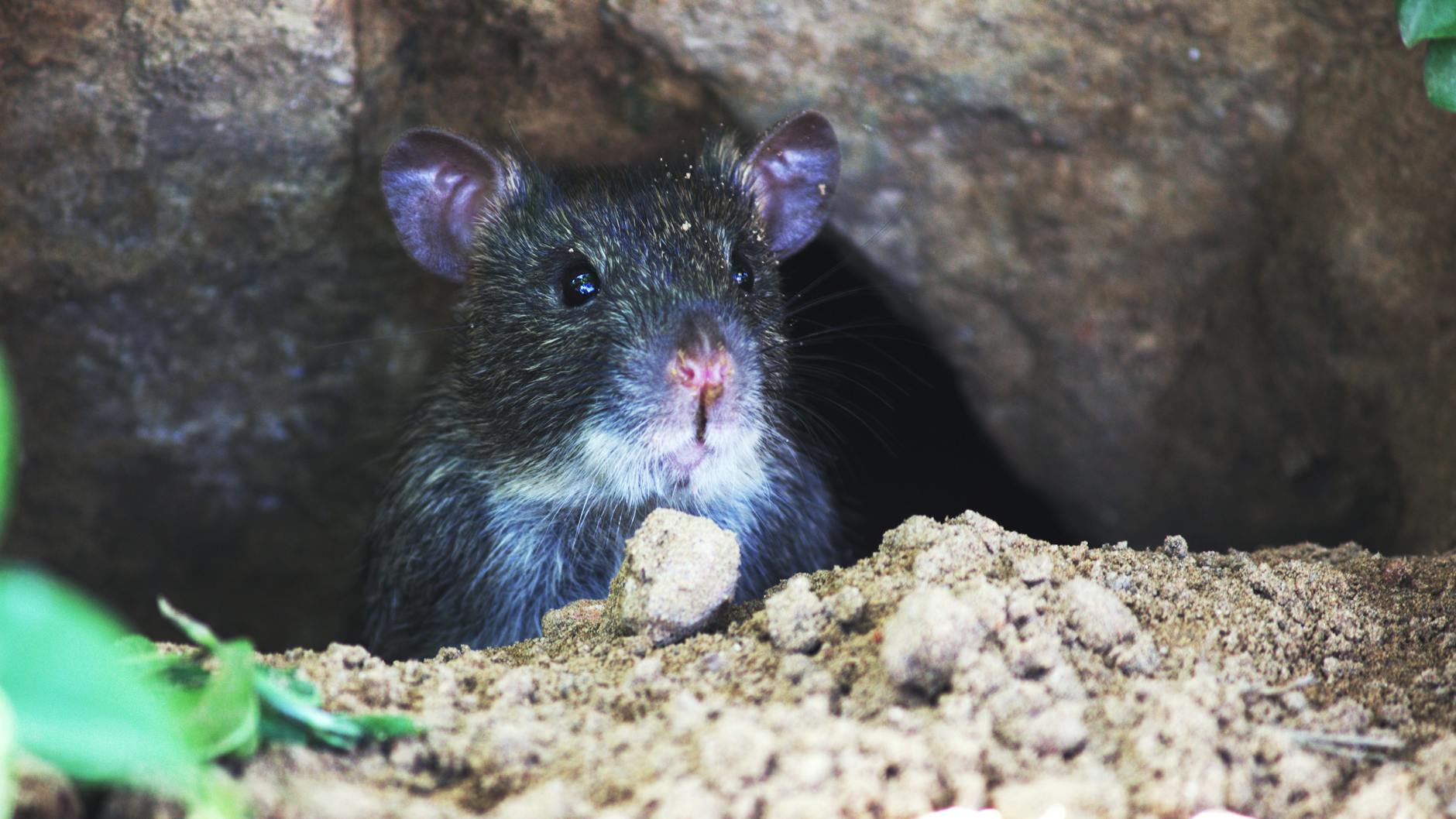
Unlike many other small mammals this species is known for its high rate of genetic monogamy. They live in deep burrows where the male and female work together to raise multiple litters over their lives. The male shows a high level of paternal investment by huddling with the pups and keeping them warm. This cooperative strategy helps the family survive in the sandy coastal environments they call home.
Dik-Dik
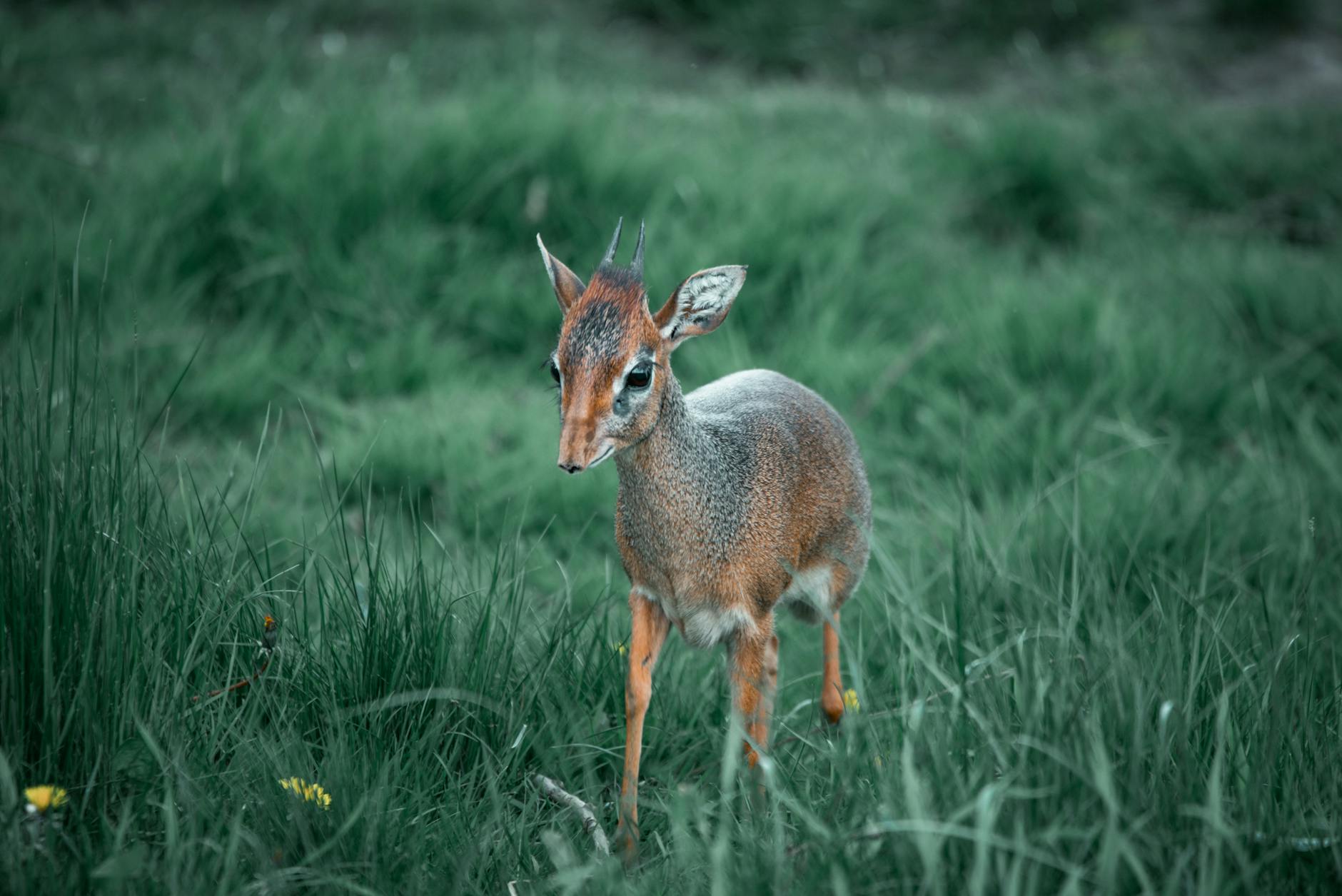
These tiny African antelopes live in permanent pairs within a strictly defined and marked territory. They are rarely seen alone as the male follows the female to protect her from potential rivals or predators. Instead of forming large herds they focus all their social energy on their single partner. This strategy allows them to remain inconspicuous and safe in the dense bushland.
Red-Tailed Hawk
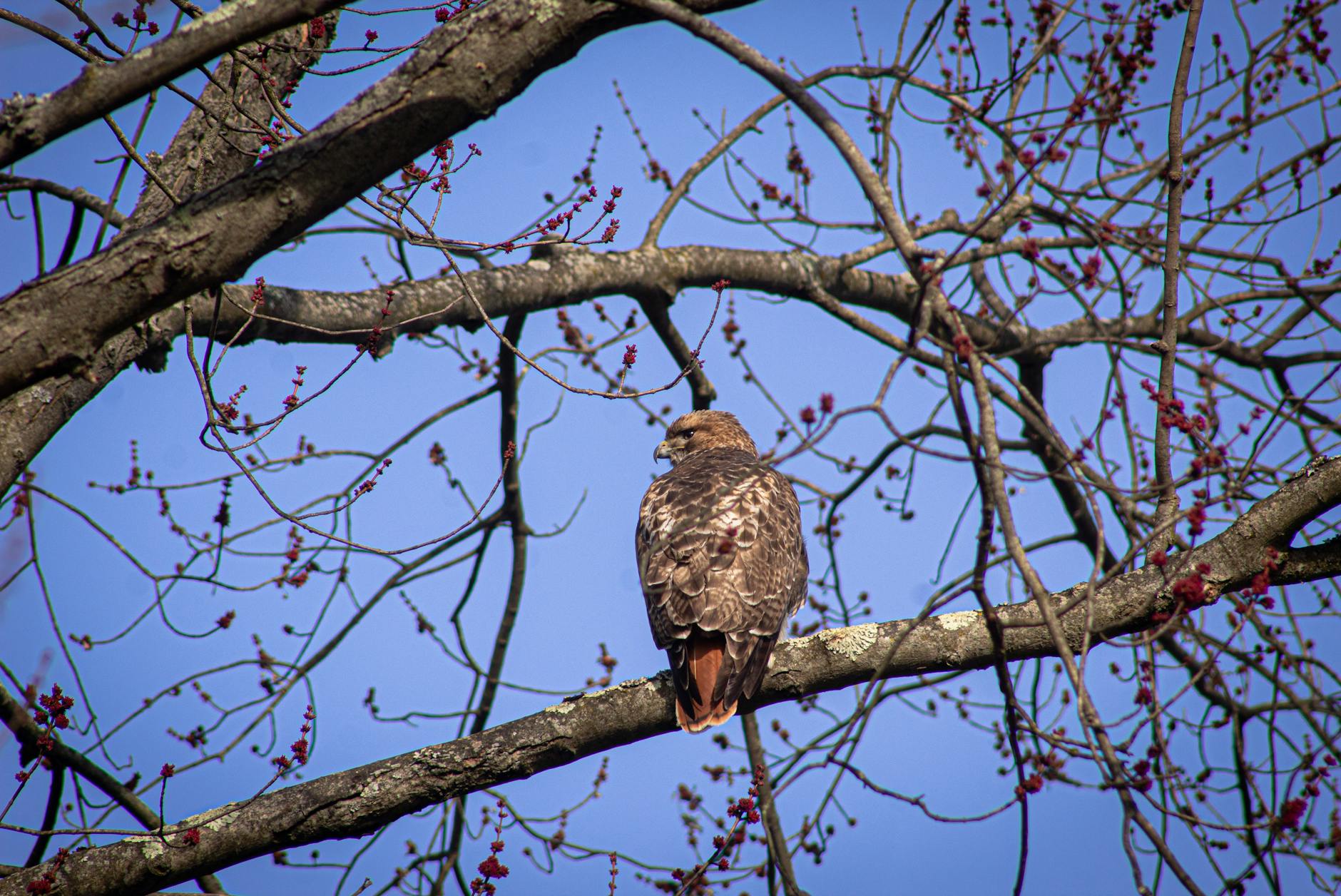
As common sights in the sky these hawks are dedicated partners that stay together for many years. They perform impressive flight displays together to mark their territory and strengthen their relationship. The pair works in unison to build large stick nests in high trees or on cliff ledges. They share the responsibility of hunting and protecting the nest throughout the spring and summer.
Coyote
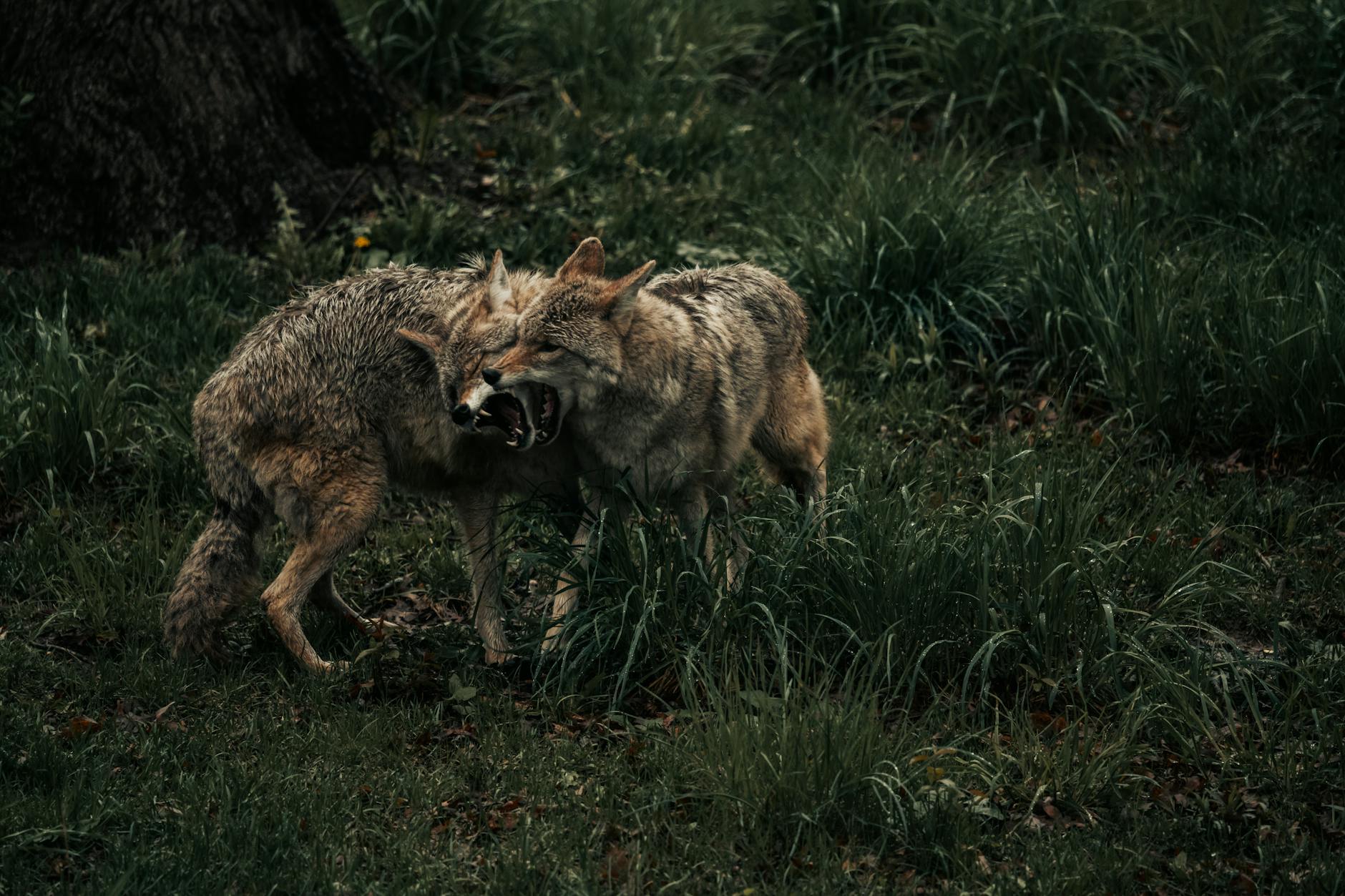
Coyotes are remarkably faithful to their partners and typically only seek a new mate if one dies. This bond is the core of their social structure and helps them coordinate complex hunting maneuvers. Both parents are involved in the upbringing of the pups and often receive help from older siblings. This family-oriented approach makes them highly adaptable and successful in various environments.
Gentoo Penguin
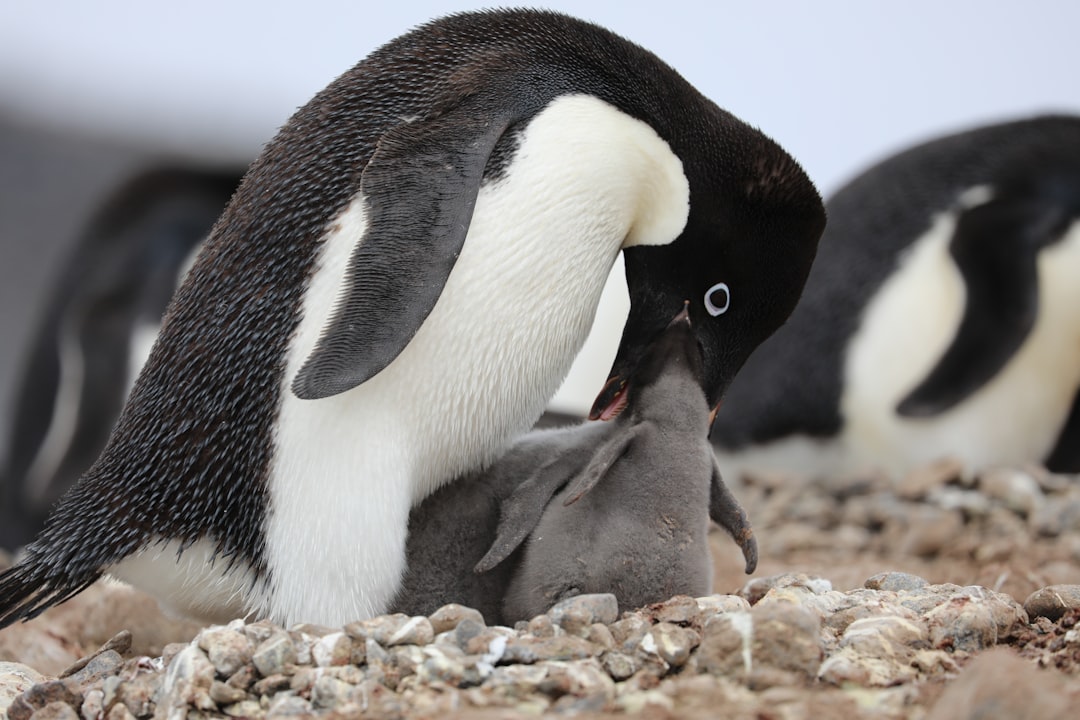
These penguins are known for their romantic gestures such as offering a perfect pebble to a potential mate. Once a bond is formed the pair will return to the same nesting site annually to raise their young. They work together to build a nest of stones and take turns guarding it from thieves. This mutual effort is essential for the survival of their chicks in the cold and rocky terrain.
Osprey
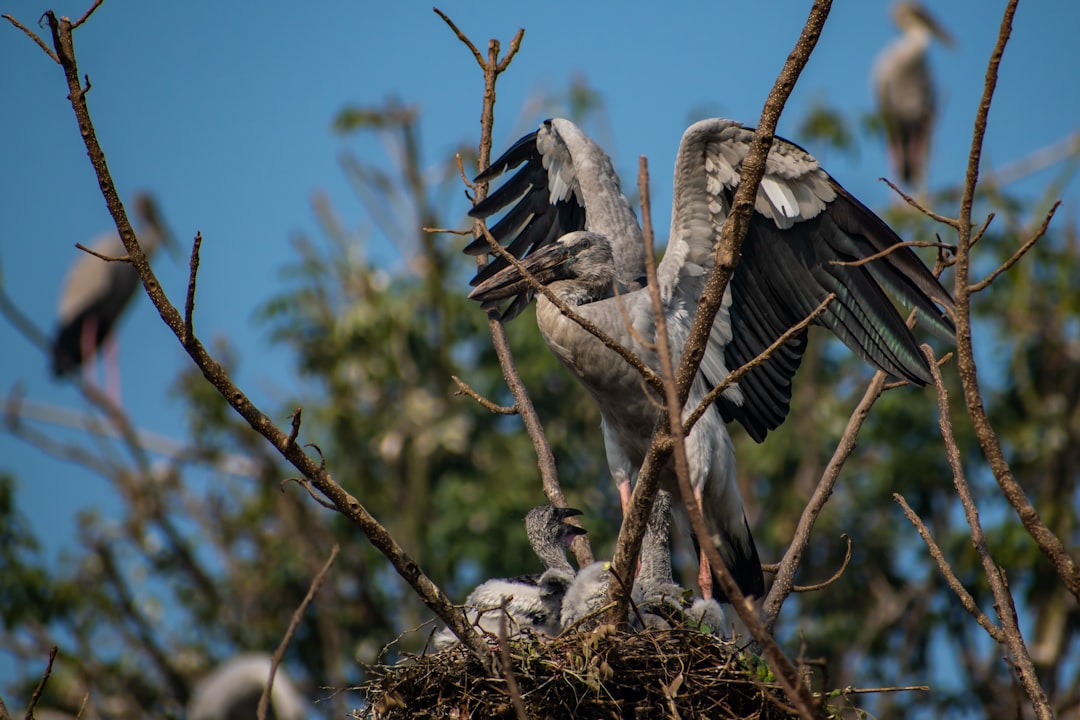
These expert fish hunters are known for their fidelity to both their mates and their massive nests. They often travel separately during migration but reunite at the same nest site every spring. The male provides almost all the food for the female and the chicks during the first few weeks of life. This reliable partnership allows them to successfully raise young near various bodies of water.
Laysan Albatross
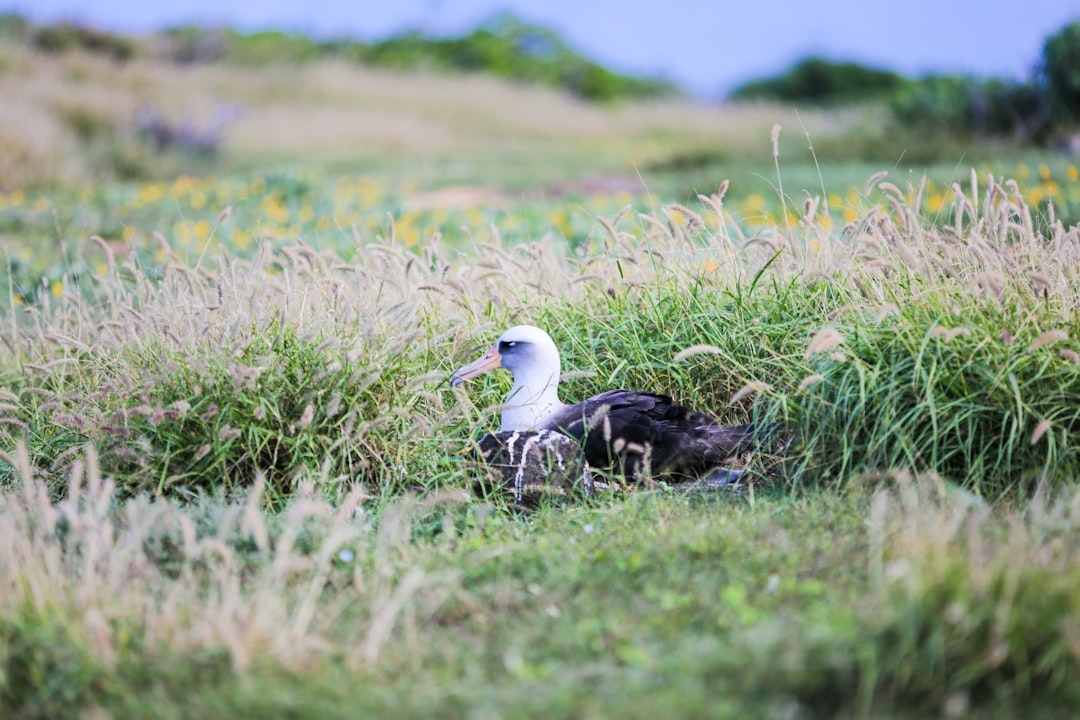
This species is famous for having pairs that remain together for several decades. They spend most of their lives flying over the open ocean but always find their way back to their mate. Their long term commitment is essential because it takes a full year to raise a single chick to independence. The deep trust between the pair allows them to trade off long foraging trips effectively.
California Condor
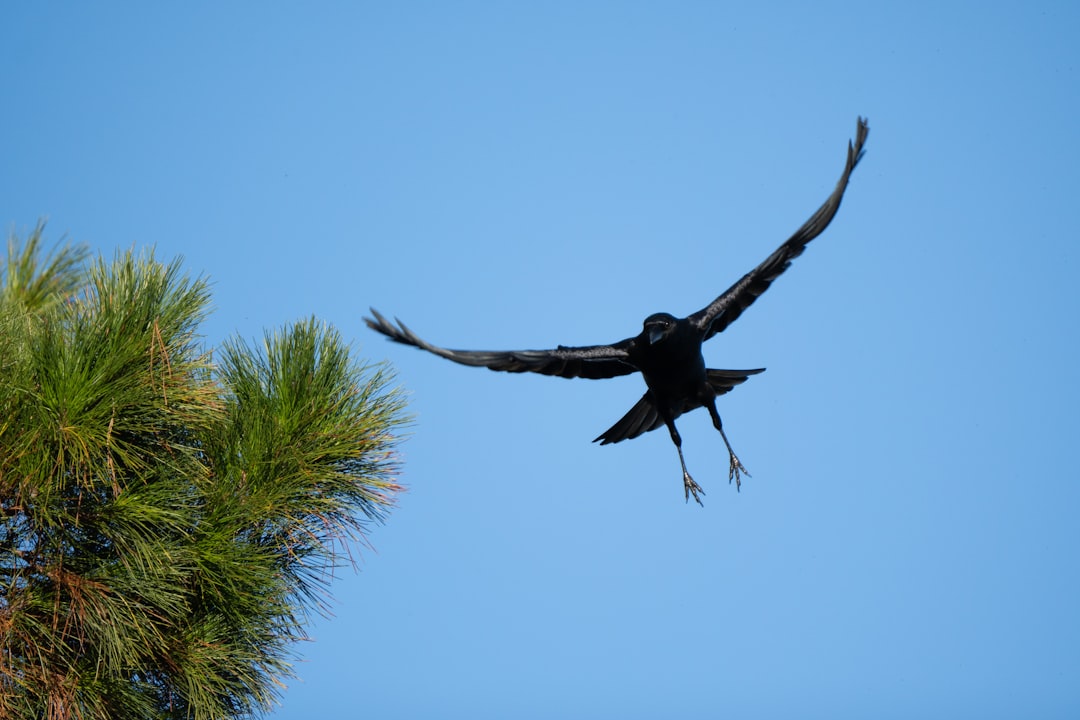
As one of the rarest birds in the world the condor relies on stable pair bonds for successful reproduction. These massive birds engage in grooming and synchronized flying to maintain their relationship. They typically produce only one egg every two years which requires an immense amount of shared parental investment. The longevity of their partnership is a key factor in the ongoing efforts to conserve the species.
Klipspringer
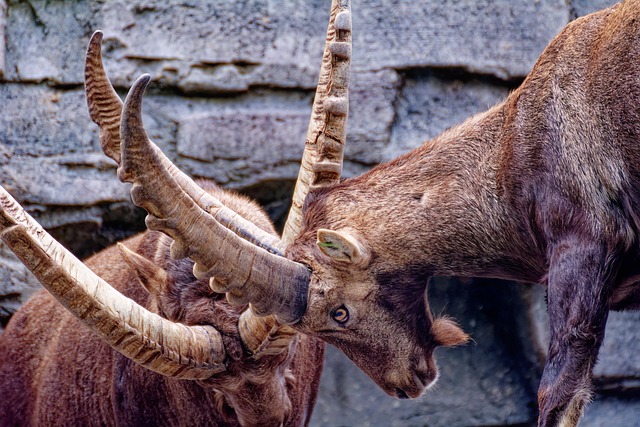
These small antelopes are found on the rocky outcrops of Africa living in stable and permanent pairs. They are almost always found within a few meters of each other as they navigate the steep terrain. While one partner eats the other often stands guard to watch for any signs of danger. This constant vigilance and cooperation are the hallmarks of their lifelong commitment.
Great Horned Owl
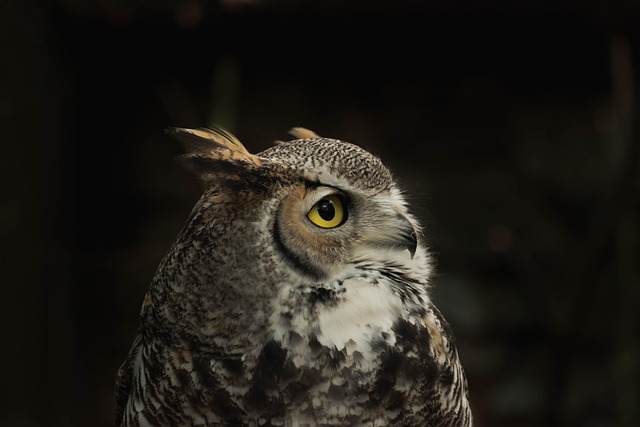
These powerful predators begin their nesting season in the middle of winter with their long term partners. They communicate through deep hooting duets that echo through the forest at night. The pair often takes over the old nests of other large birds to establish their own home. Their shared dedication ensures that their young are well fed and protected during the coldest months.
Azara’s Night Monkey
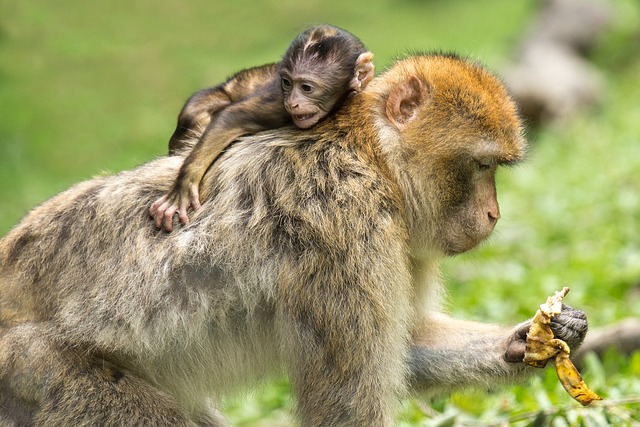
These South American primates are notable for the extreme level of care provided by the fathers. The male carries the infant almost constantly and only hands it to the mother for nursing. This intense cooperation is supported by a strong monogamous bond between the two adults. Their nocturnal lifestyle is managed through this close-knit family structure that ensures the safety of the young.
Tundra Swan
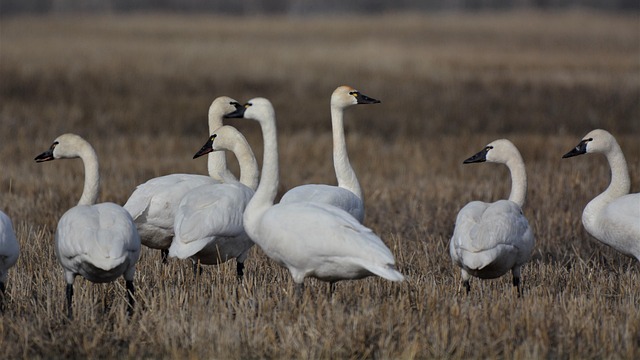
These birds migrate vast distances across continents while staying close to their chosen mates. They form pairs during their second or third year of life and stay together as they travel to the Arctic. The pair works together to defend their nesting territory from other swans and potential predators. This lifelong companionship provides stability during their grueling annual journeys.
Kirk’s Dik-Dik
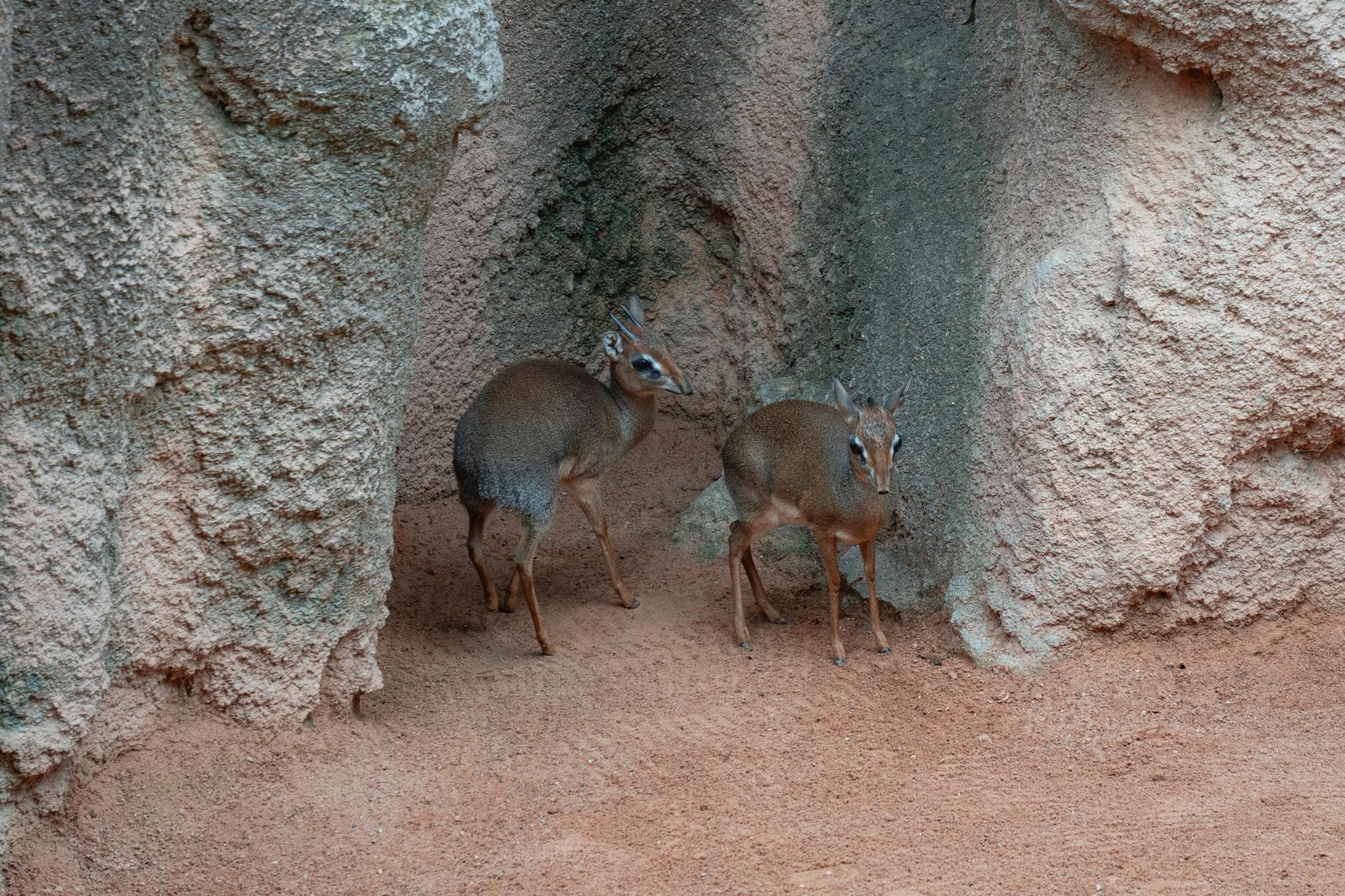
This species maintains a territory that is defended by both the male and the female through scent marking. They spend nearly all their time together and rely on each other for social interaction and security. When a predator is near they use a whistling sound to alert their partner to the danger. Their small size makes this constant partnership a vital survival strategy in the savanna.
Whooping Crane
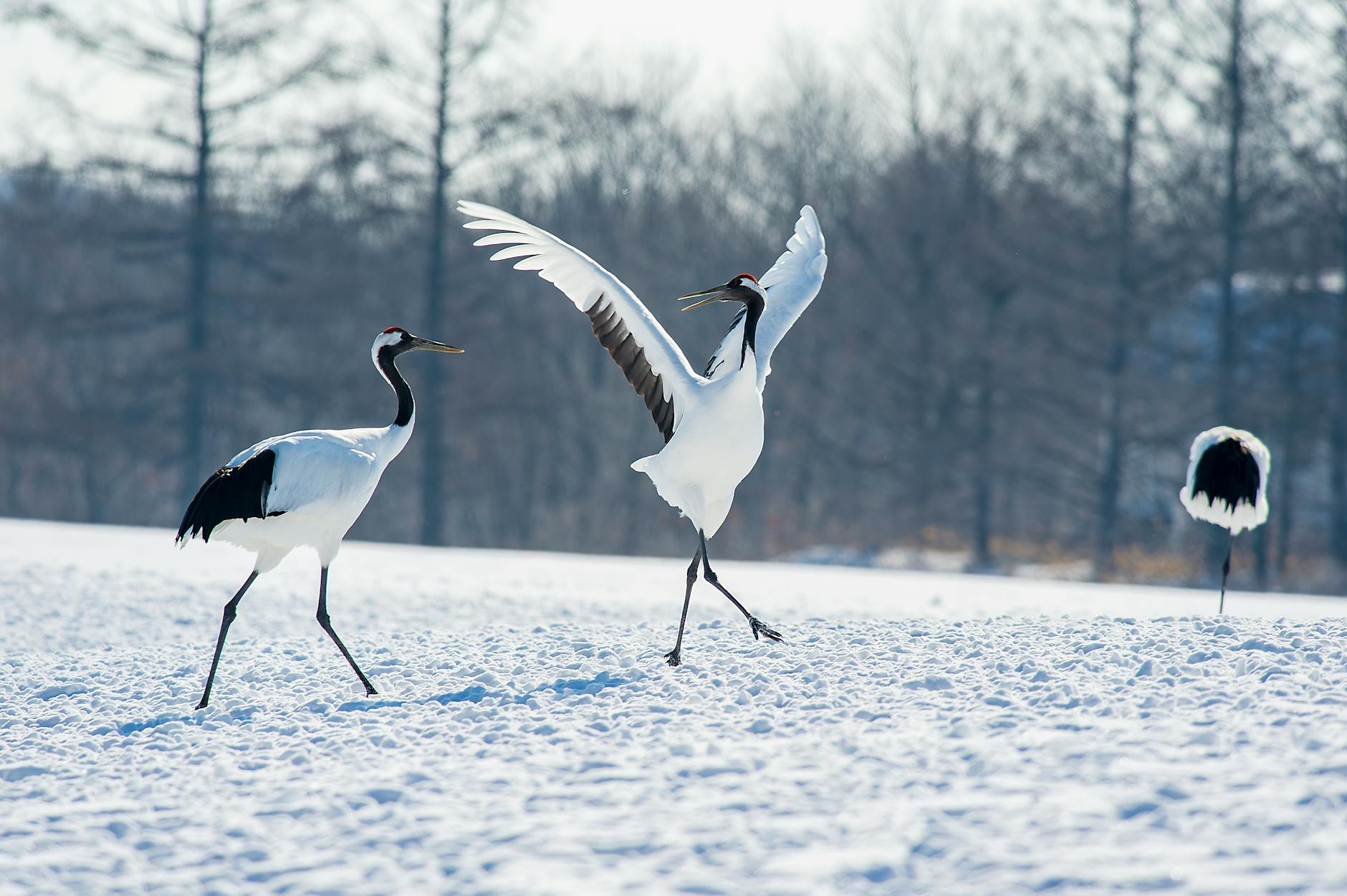
As an endangered species the stable pairing of whooping cranes is vital for the recovery of their population. They engage in complex dancing rituals that involve jumping and wing flapping to bond with their mates. These pairs stay together throughout their long migrations between Canada and the southern United States. The continuity of their relationship allows them to gain experience in raising healthy chicks over many years.
Piranha
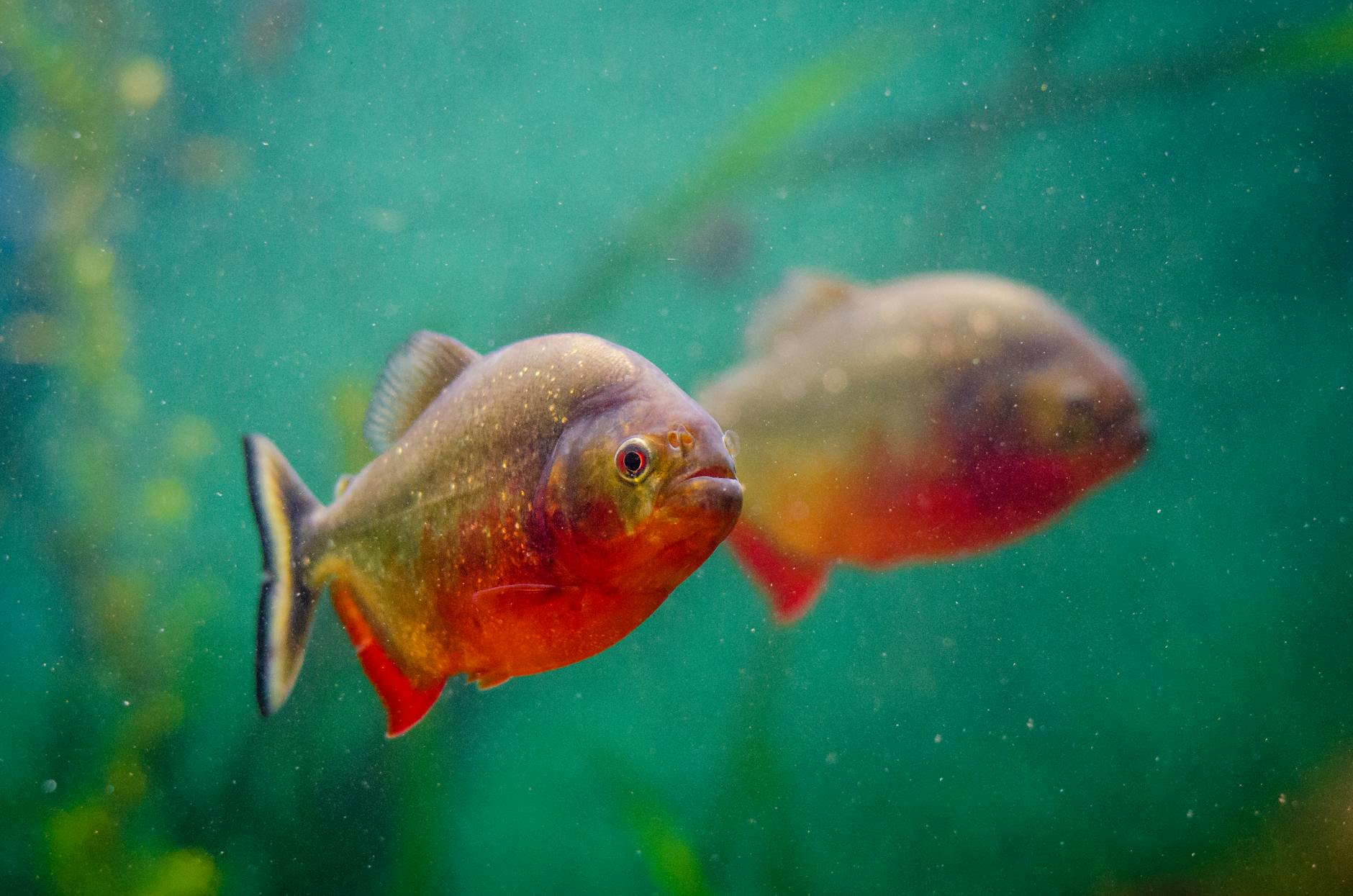
Some species of piranha are known to exhibit monogamous behavior especially during the breeding season. They work together to clear a nesting site in the riverbed and protect the eggs from other fish. Both the male and female stay close to the nest to ward off any potential threats to their offspring. This cooperative guarding is a surprising example of parental care in the fish world.
Canada Goose
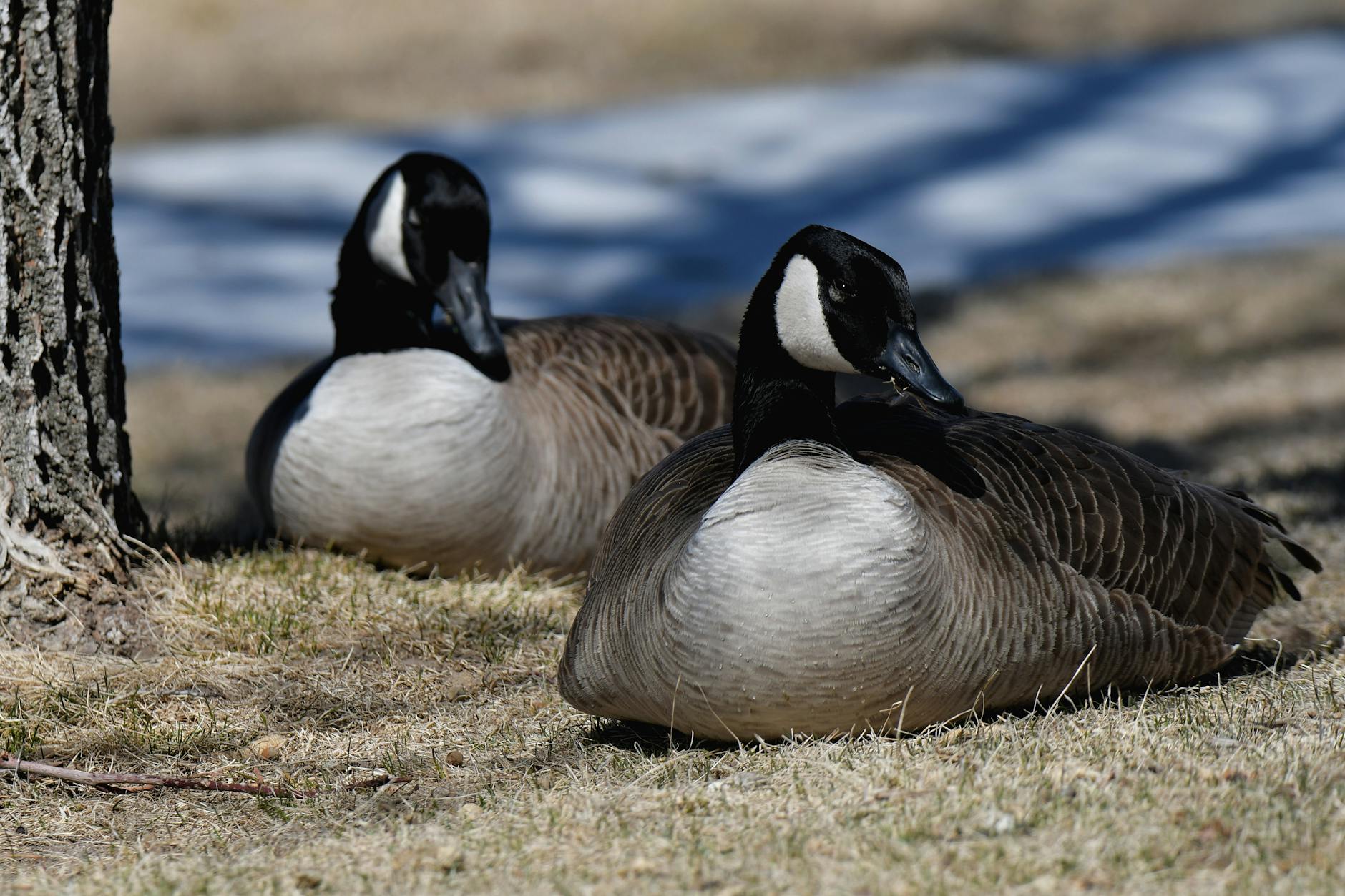
These birds are well known for their strong family values and lifelong attachment to a single mate. They are often seen flying in formation or foraging in fields as a dedicated pair. If one bird is injured the partner will often stay with them even if it means missing the migration. This deep loyalty is a defining characteristic of their social behavior across North America.
Emperor Penguin
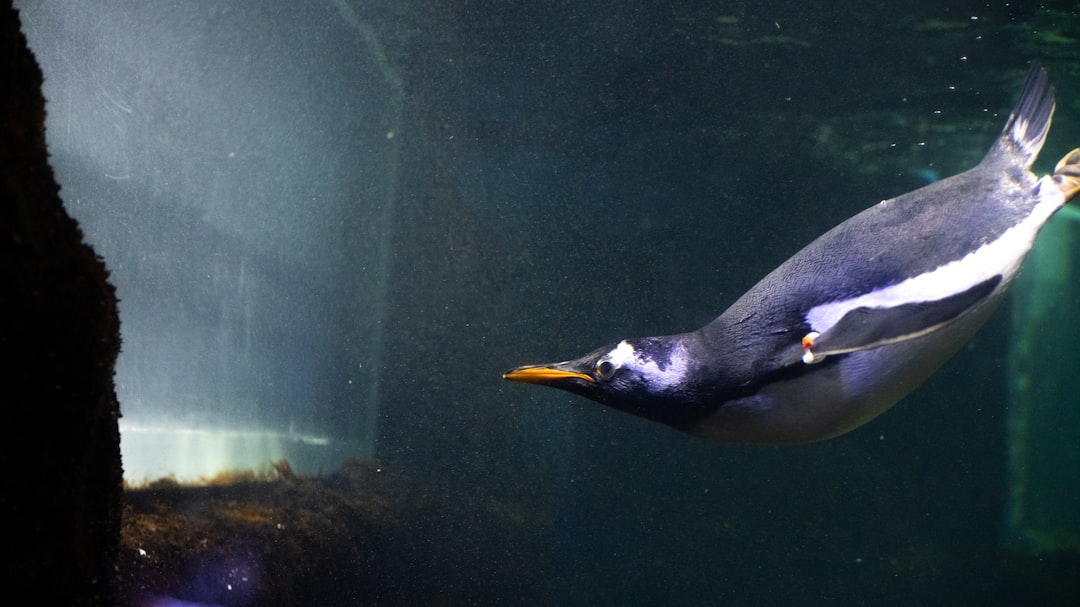
The survival of an emperor penguin chick depends entirely on the seamless cooperation of its parents. After the female lays the egg the male keeps it warm on his feet for months during the brutal winter. The female then returns from the sea with food to take over the care of the newly hatched chick. This alternating cycle of responsibility is supported by a strong bond during the breeding season.
Southern Right Whale
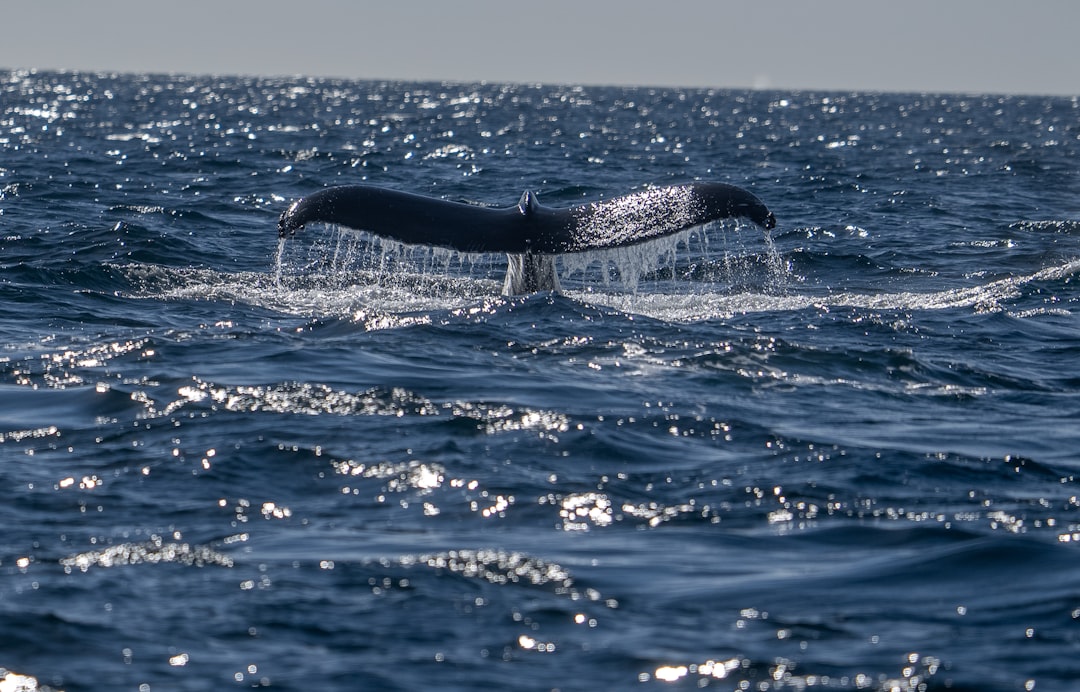
While many whales have various mating systems some individuals show a preference for the same partners over time. They return to specific calving grounds where they interact with familiar members of their species. These social connections are important for the protection of calves in the open ocean. The long lifespan of these whales allows for the development of complex and lasting social relationships.
Termite
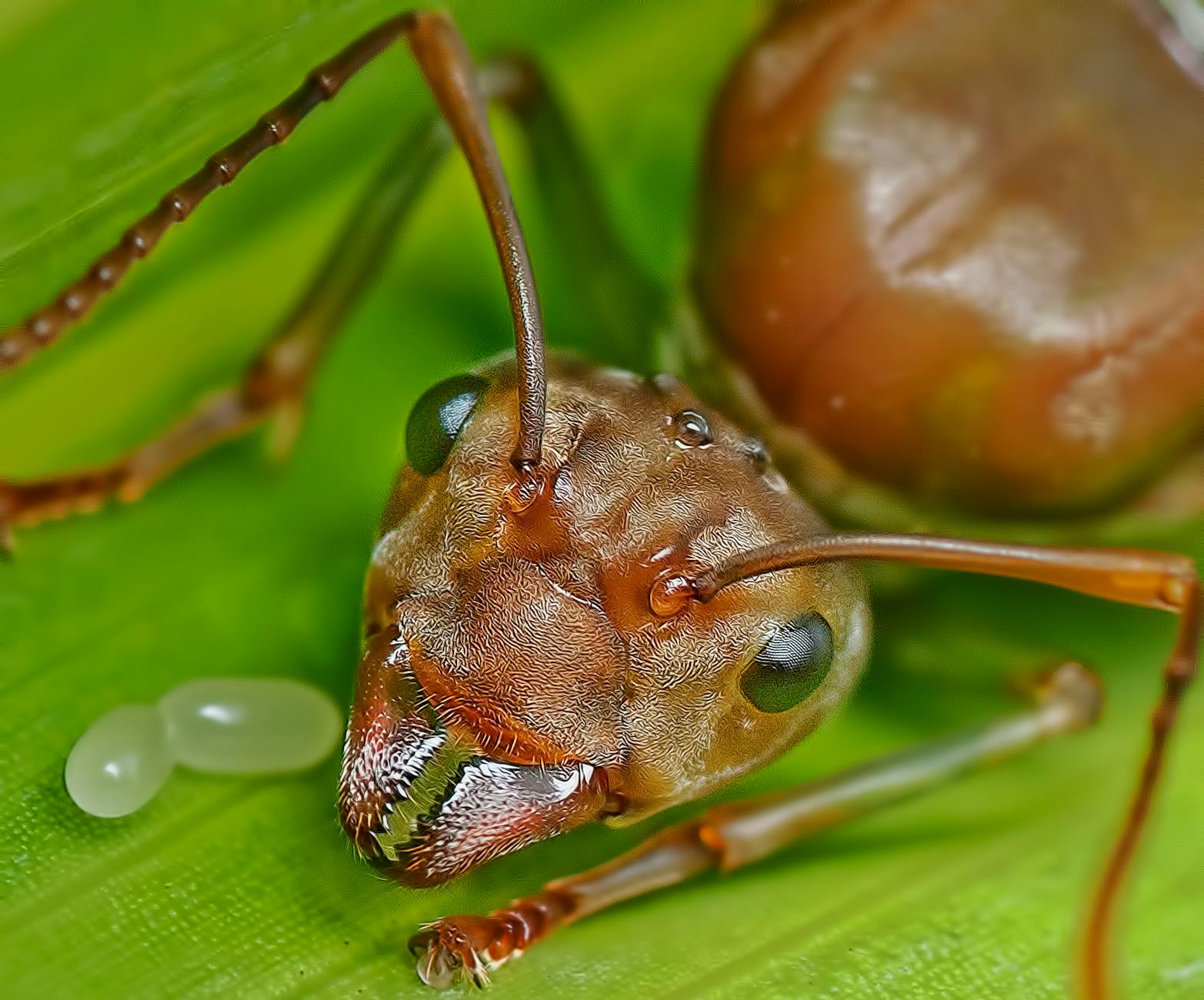
In many termite species the king and queen start a colony together and remain partners for life. Unlike bees where the male often dies after mating the termite king stays with the queen to help build the nest. They work as a unified team to produce the thousands of workers that make up the colony. This enduring royal pair is the biological engine that drives the entire social insect community.
Please share your thoughts on these devoted animal couples in the comments.




