Modern parents often feel pressured to interact with their infants every waking second to boost cognitive development. Research indicates that independent play is actually vital for fostering creativity and self-regulation skills in young children. Allowing a child to explore their environment safely without constant adult intervention helps them develop a sense of autonomy. This practice also prevents overstimulation which can lead to irritability and sleep disturbances. Balanced downtime is just as beneficial for a growing brain as structured educational activities.
Sugar and Hyperactivity

The long-held belief that sugar consumption causes immediate hyperactivity in children has been refuted by numerous double-blind studies. While high-energy behavior often coincides with parties or holidays where sweets are served the excitement usually stems from the environment rather than the glucose. Scientists have found no significant change in behavior or cognitive performance after children consume sugary snacks versus sugar-free alternatives. Parents may observe a placebo effect where they expect wild behavior and therefore perceive it more readily. Maintaining a balanced diet remains important for general health even though sugar is not the direct cause of frantic energy.
The Mozart Effect
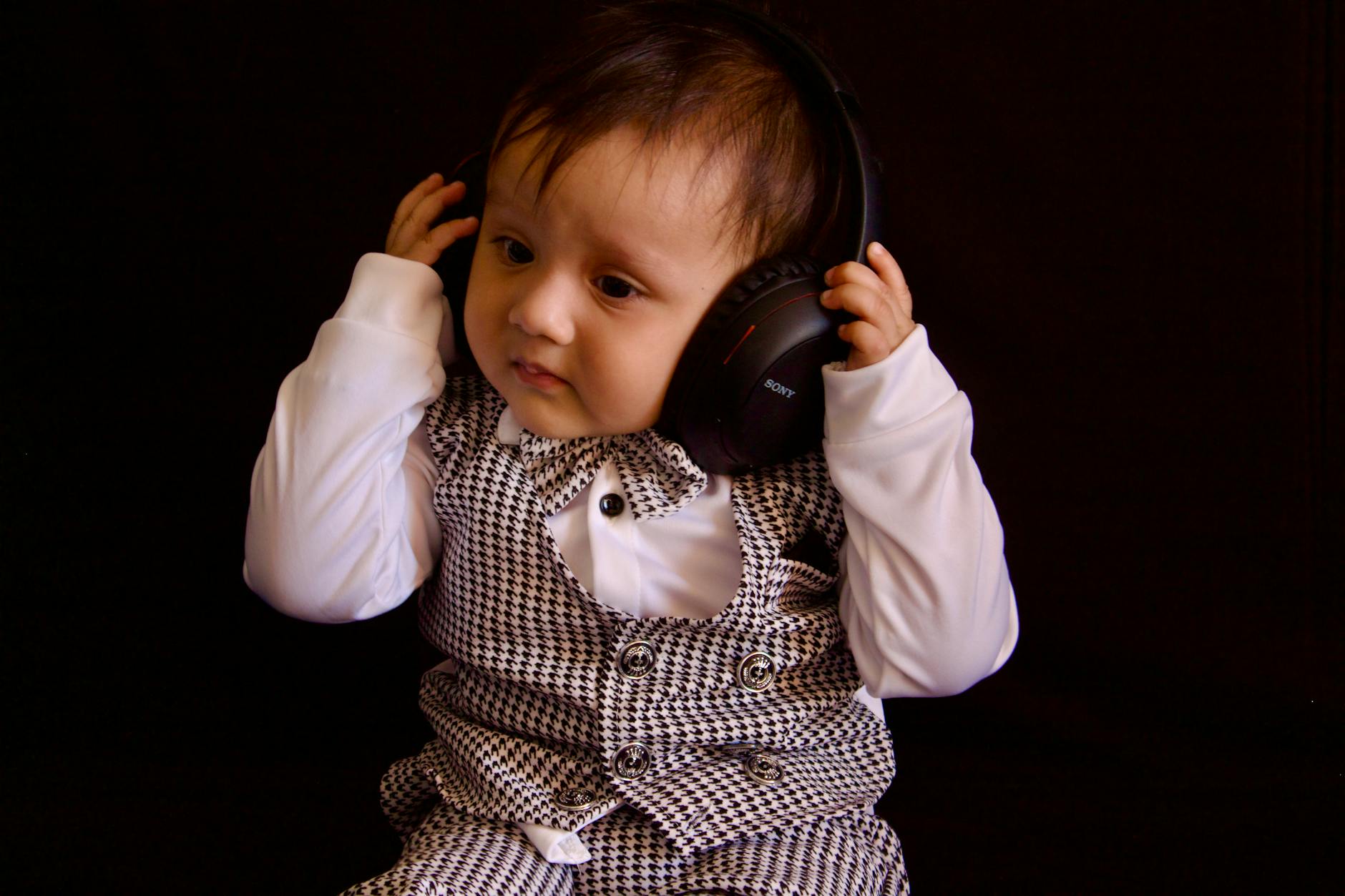
Playing classical music to infants with the hope of increasing their IQ scores is a popular concept that lacks scientific backing. The original study focused on college students and showed only a temporary improvement in spatial reasoning tasks rather than a permanent lift in general intelligence. Babies benefit more from hearing human speech and engaging in social interactions than from passive listening to any specific genre of music. While exposing children to diverse sounds can foster an early appreciation for the arts it does not fundamentally retool their cognitive baseline. Language acquisition and emotional bonding through direct communication are far more effective tools for intellectual growth.
Teething and Fevers

Many caregivers assume that a high fever is a standard symptom of a new tooth breaking through the gums. Medical professionals have clarified that while teething can cause a slight rise in body temperature it does not cause a true medical fever. Significant temperature spikes often indicate a separate viral or bacterial infection that happens to coincide with the teething window. Attributing a high fever solely to teething can lead to missing underlying illnesses that require actual medical attention. Keeping a close eye on other symptoms like cough or lethargy is essential during these developmental milestones.
Baby Walkers
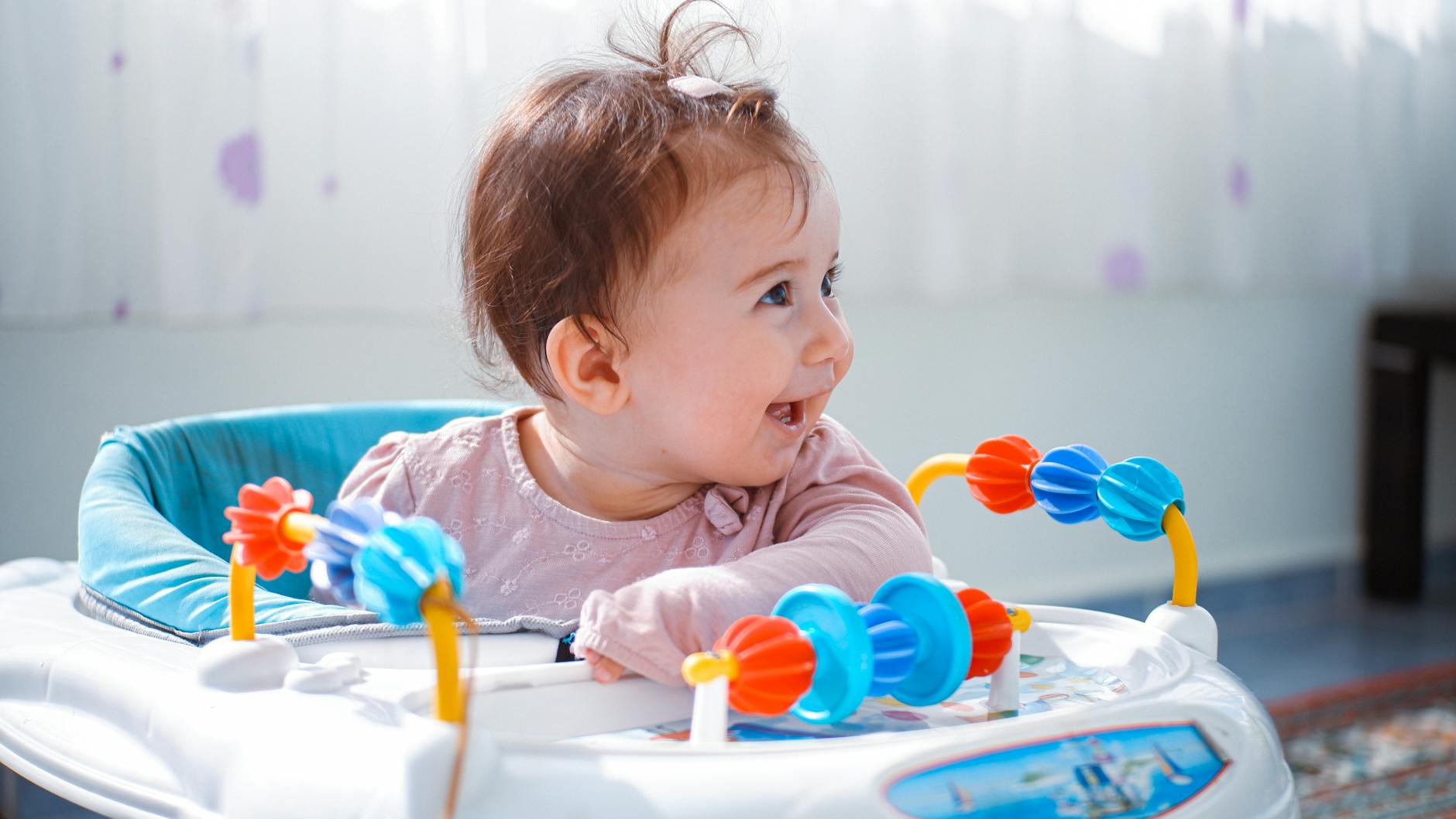
Baby walkers were once thought to help infants learn to walk faster by strengthening their legs and providing mobility. Evidence suggests that these devices can actually delay the development of the necessary muscles and balance required for independent walking. Children in walkers often use their toes in a way that does not translate to natural gait patterns. There are also significant safety risks associated with increased mobility such as falling down stairs or reaching dangerous objects. Flat floor time remains the gold standard for reaching physical milestones naturally and safely.
Reading in the Dark

The common warning that reading in dim light will permanently damage a child’s eyesight is not supported by ophthalmological data. While low light can cause temporary eye strain or headaches it does not cause long-term anatomical changes to the eye. Children’s eyes have a strong ability to focus which may be why they feel comfortable reading in conditions adults find difficult. Proper lighting is still recommended to improve comfort and reduce fatigue during long study sessions. Genetic factors and time spent outdoors are much more significant predictors of nearsightedness than evening reading habits.
The Five-Second Rule

Many parents believe that food dropped on the floor remains safe to eat if it is picked up within five seconds. Scientific testing has demonstrated that bacteria can transfer to food items almost instantaneously upon contact with a contaminated surface. The moisture level of the food and the texture of the floor play much larger roles in bacterial transfer than the duration of time spent on the ground. Watermelon or other wet foods pick up contaminants much faster than dry crackers or chips. Practicing basic hygiene by discarding dropped food is the only way to ensure no harmful pathogens are ingested.
Toileting Age

There is a persistent myth that children must be toilet trained by a specific age to be considered on track. Developmental readiness varies significantly between individuals and is influenced by neurological and physical maturity rather than a calendar date. Forcing a child into training before they are ready can lead to power struggles and long-term issues with withholding. Most children naturally develop the necessary bladder control and communication skills between the ages of two and four. Patience and positive reinforcement are more effective than adhering to rigid societal timelines.
Vaccination and Autism

Extensive global research involving millions of children has consistently shown no link between vaccines and the development of autism. The original study that sparked this concern was retracted due to fraudulent data and serious ethical violations. Major health organizations across the world confirm that immunizations are a safe and essential part of preventative pediatric care. Protecting children from life-threatening diseases like measles and polio is the primary function of the childhood vaccination schedule. Robust data continues to support the safety profile of these medical interventions for the general population.
Crying It Out

The concern that letting a baby cry for short periods during sleep training causes permanent brain damage is not supported by long-term psychological studies. Controlled comforting techniques do not damage the bond between parent and child or result in emotional trauma. Research shows that infants who learn to self-soothe often achieve better sleep quality which benefits the entire family unit. It is important to distinguish between neglect and the brief periods of crying associated with establishing healthy sleep routines. Parents should choose a method that aligns with their comfort level and the specific needs of their infant.
Left-Handedness Correction

Attempting to force a naturally left-handed child to use their right hand can lead to developmental delays and frustration. Hand dominance is a biological trait determined by brain wiring and cannot be changed through practice or discipline. Historical efforts to switch hand usage often resulted in stuttering and difficulties with spatial awareness. Allowing a child to use their dominant hand ensures they can develop fine motor skills and handwriting at a natural pace. Support and specialized tools like left-handed scissors are more helpful than attempting to alter their innate preference.
Cold Weather and Illness

Parents often bundle children in extra layers believing that cold air or wet hair directly causes the common cold. Respiratory illnesses are caused by viruses and bacteria rather than low temperatures or dampness. People tend to get sicker in winter because they spend more time indoors in close proximity to others where germs spread easily. Dry winter air can also dehydrate nasal passages making it easier for viruses to take hold. While staying warm is important for comfort it does not provide a shield against viral infections.
Crusts and Curly Hair

The whimsical idea that eating bread crusts will make a child’s hair curly is a harmless myth with no biological basis. Hair texture is entirely determined by genetics and the shape of the hair follicles on the scalp. Bread crusts do contain slightly higher concentrations of antioxidants due to the baking process but they cannot alter DNA. This myth was likely created by parents to encourage children to eat their entire meal without waste. Encouraging a varied diet is beneficial for overall health regardless of the child’s hair type.
Swimming After Eating

The strict rule to wait thirty minutes after eating before swimming to prevent cramps and drowning is unnecessary for recreational activity. While a very heavy meal might cause minor discomfort or indigestion it does not cause the muscles to seize up in a dangerous way. Professional athletes often eat small amounts before intense exercise to maintain energy levels throughout their performance. Most children do not engage in the level of exertion while playing in a pool that would cause significant digestive distress. Light snacks are perfectly safe to consume before a supervised dip in the water.
Double Jointedness
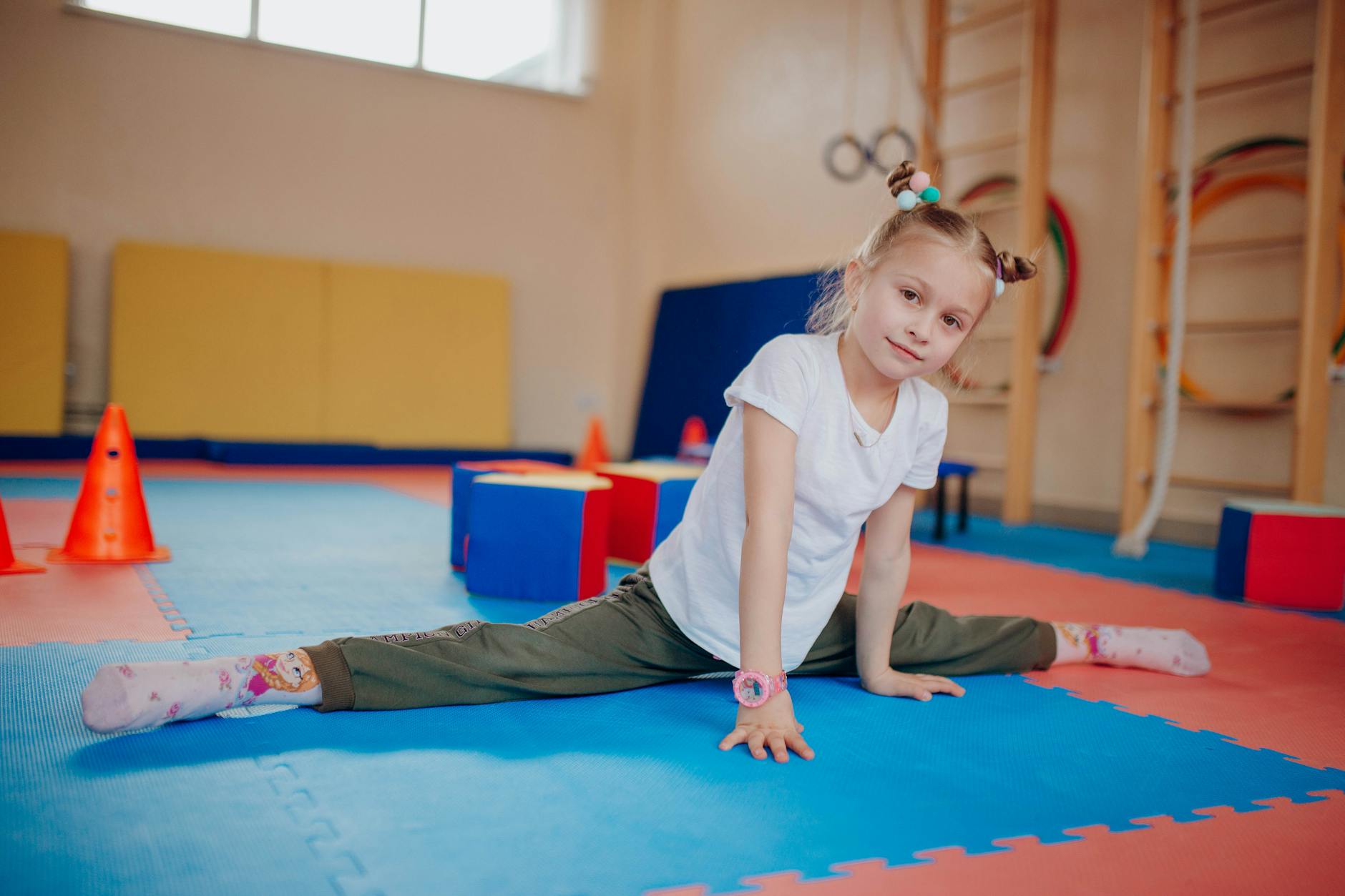
The term double-jointed implies that a person has extra joints when they actually just have hypermobile ligaments. This flexibility allows the joints to move beyond the normal range of motion but does not indicate a structural abnormality in the bones. It is often a genetic trait and is quite common in young children whose tissues are naturally more supple. While hypermobility can sometimes lead to joint instability or pain it is not a medical condition in most cases. Physical therapy can help strengthen the surrounding muscles if the flexibility leads to frequent injury.
Cracking Knuckles

Children are often told that cracking their knuckles will lead to arthritis later in life. Medical studies have shown no correlation between the habitual popping of joints and the development of joint inflammation or degradation. The sound produced is actually the result of gas bubbles bursting in the synovial fluid that lubricates the joints. One famous self-experimenter cracked the knuckles on only one hand for fifty years and found no difference in the health of his hands. While the habit may be annoying to bystanders it is not harmful to the skeletal system.
Sitting Close to the TV
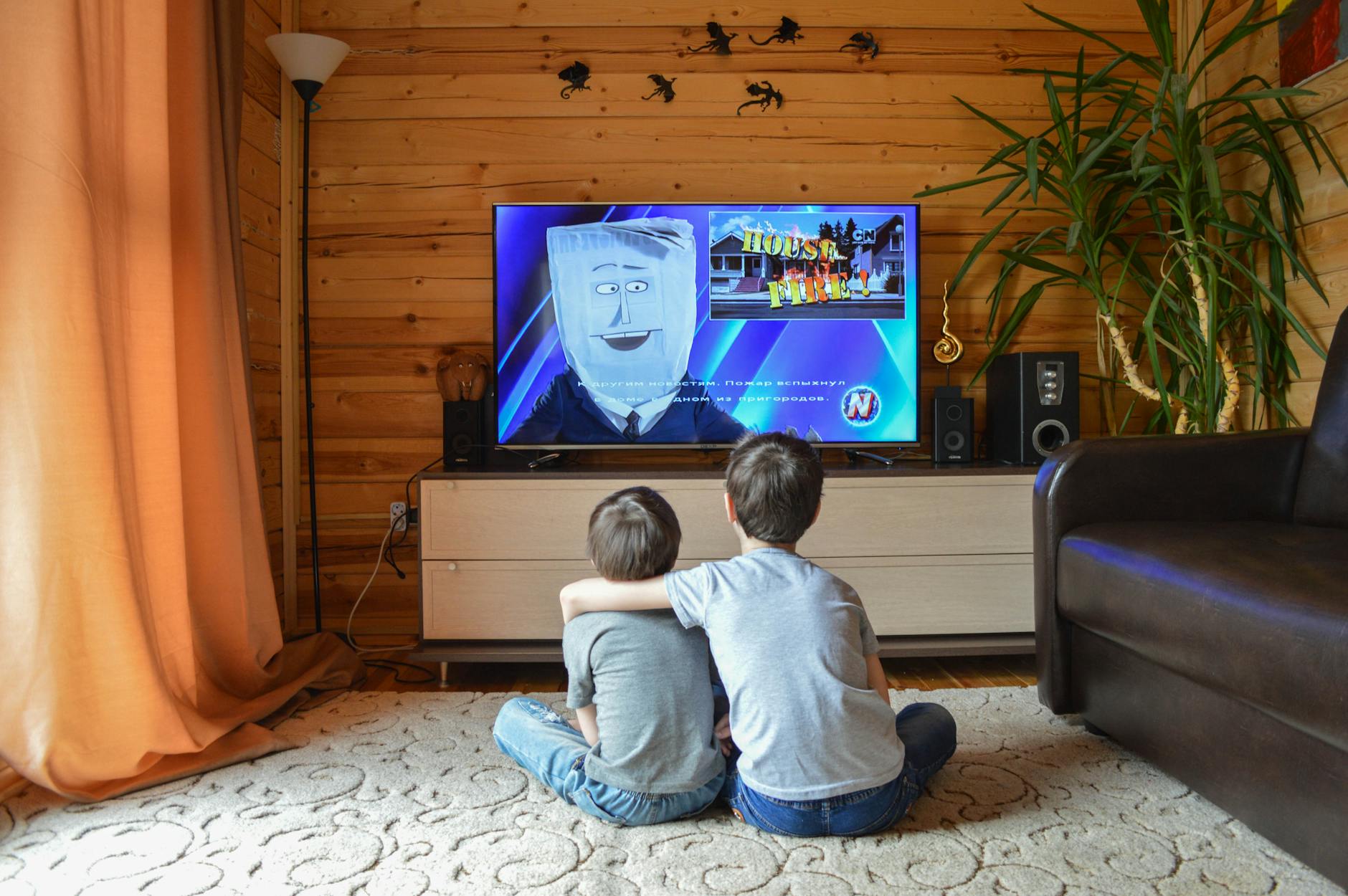
Sitting very close to the television screen does not permanently damage a child’s eyes or cause vision loss. Children often sit close to the screen because they are better at focusing on near objects without experiencing the eye strain that adults feel. While this habit might be a sign that a child is already nearsighted and needs glasses the act itself does not cause the condition. Modern screens do not emit the high levels of radiation that early television models once did. Regular eye exams are the best way to monitor vision health regardless of where a child chooses to sit.
Early Potty Training and Genius

The belief that children who are potty trained very early will have higher intelligence or better academic outcomes is a social myth. Toilet training is a motor skill and a milestone of physical maturity rather than an indicator of cognitive potential. Children who reach this milestone later often catch up completely with no long-term differences in success. Cultural factors and parental persistence often dictate the age of training more than the child’s innate ability. Success in school and life is linked to a wide range of factors that have nothing to do with bathroom habits.
Growing Pains

The term growing pains is somewhat of a misnomer because the pain experienced in children’s legs is not actually caused by the growth of bones. These aches usually occur in the late afternoon or evening and are likely related to muscle fatigue from daily physical activity. Bone growth is a slow and painless process that does not happen in bursts intense enough to cause physical distress. Stretching and gentle massage are often effective at soothing these common childhood discomforts. If the pain is accompanied by swelling or redness it is usually indicative of something other than typical childhood aches.
Shaving and Hair Thickness

Many parents believe that shaving a baby’s head or a teenager’s legs will cause the hair to grow back thicker and darker. Hair growth is controlled by follicles deep within the skin and cutting the surface hair has no impact on the follicle’s output. The regrowth may appear coarser because the ends are blunt rather than tapered but the actual diameter of the hair remains the same. Color changes in hair over time are driven by hormonal shifts and genetics rather than grooming habits. Hair will continue to grow according to the child’s biological blueprint regardless of how often it is trimmed.
Birth Order Personality
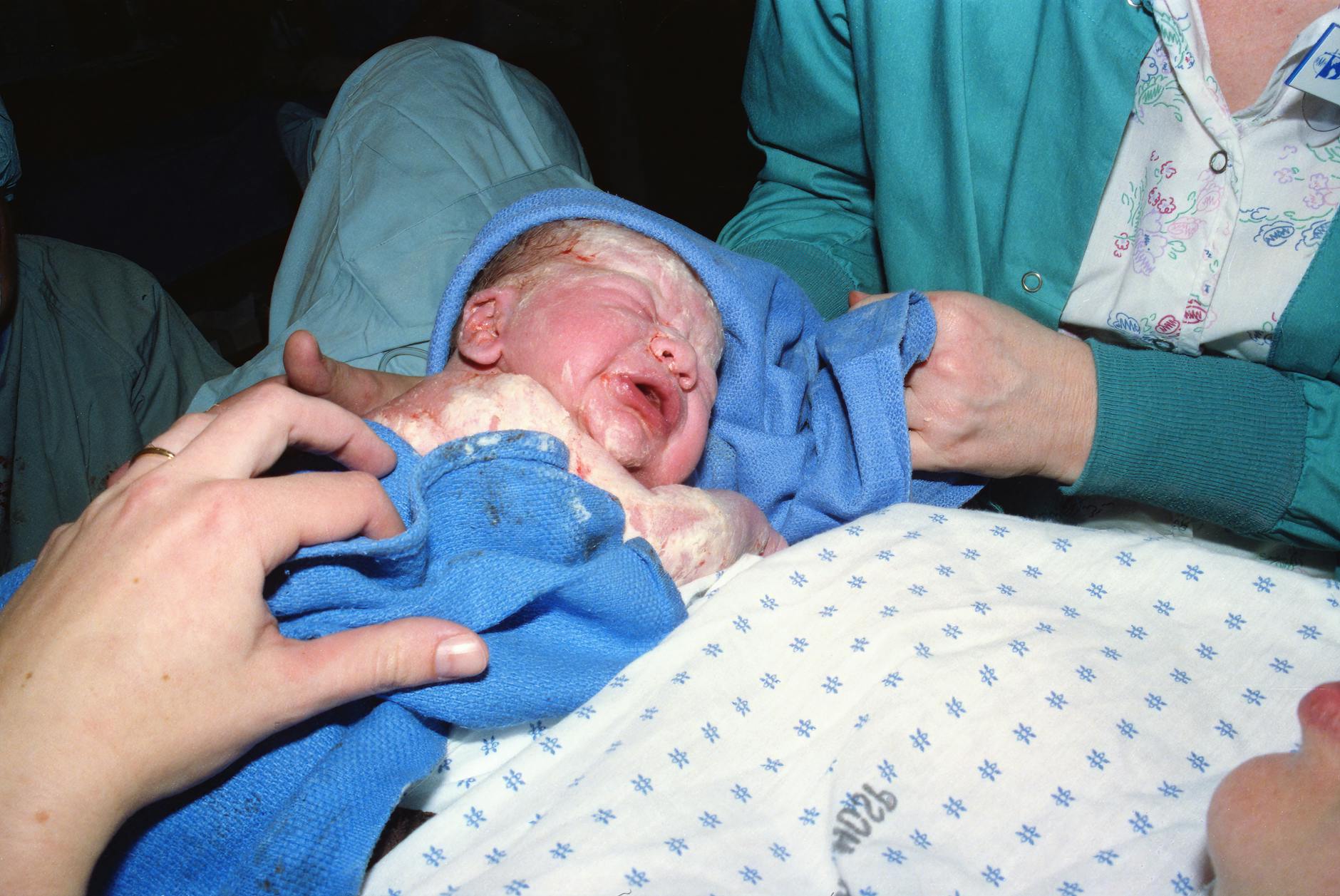
The idea that birth order strictly determines a child’s personality traits like leadership or rebelliousness is largely unsupported by modern psychology. While parents may treat siblings differently based on their position in the family these environmental factors do not create a universal personality profile. Large-scale studies have shown that the differences in personality between first-borns and later-borns are negligible when other factors are controlled. Individual temperament and life experiences play a much larger role in shaping who a child becomes. Every child is a unique individual regardless of whether they were born first or last.
Toad Warts

Children are often warned not to touch toads because they believe the bumps on the amphibian’s skin will cause warts. Warts in humans are caused by the human papillomavirus and cannot be contracted from animals. The bumps on a toad are actually parotoid glands that secrete toxins to deter predators from eating them. While these secretions can irritate the eyes or mouth if touched they do not cause skin growths. Teaching children to wash their hands after handling any wildlife is a good practice for general hygiene and safety.
Tongue Map

The classic diagram showing different sections of the tongue responsible for sweet sour salty and bitter tastes is scientifically inaccurate. Taste receptors for all basic tastes are distributed across the entire tongue and even in other parts of the mouth. While some areas may have slightly lower thresholds for certain flavors the differences are too subtle to create a distinct map. This myth persisted in textbooks for decades due to a mistranslation of early research. Modern sensory science confirms that the entire tongue is capable of detecting the full spectrum of flavors simultaneously.
Gum Digestion

The legend that swallowed chewing gum stays in the stomach for seven years is a complete fabrication. While the synthetic base of gum is not digestible it moves through the digestive tract at the same rate as other food items. The body simply passes the gum out through a bowel movement within a few days of ingestion. Swallowing large amounts of gum in a short period could potentially cause a blockage in very small children but a single piece is harmless. It is still best to encourage children to spit gum out to avoid any potential choking hazards.
Baby Talk

Using high-pitched simplified speech with infants is often criticized for being detrimental to language development. Developmental psychologists have found that this style of communication known as parentese actually helps babies identify the sounds of their native language. The exaggerated vowels and slow pace make it easier for the infant brain to process and mimic linguistic patterns. This specialized way of speaking also helps to capture the baby’s attention and strengthens the emotional bond. Transitioning to more complex vocabulary as the child grows ensures they continue to advance their communication skills.
Spoiling a Newborn

It is a common misconception that responding immediately to a newborn’s cries will spoil them or make them overly demanding. Infants in the first few months of life do not have the cognitive capacity to manipulate their caregivers through crying. Meeting their needs consistently builds a secure attachment and teaches them that the world is a safe and reliable place. This foundation of trust actually leads to greater independence and emotional stability as the child gets older. You cannot give a newborn too much love or attention during this critical period of development.
Feed a Cold Starve a Fever

The old adage suggesting different nutritional approaches for colds and fevers has no scientific merit for pediatric care. Children fighting any type of infection require adequate hydration and calories to support their immune system’s recovery. Restricting food can lead to weakness and a longer recovery time while the body struggles to fight off the illness. It is important to follow the child’s lead as they may naturally have a reduced appetite when feeling unwell. Pushing fluids is the most critical step in managing both colds and fevers to prevent dehydration.
Spanking Effectiveness

Research consistently shows that physical discipline like spanking is less effective at changing long-term behavior than positive parenting techniques. Children who are spanked are more likely to exhibit increased aggression and antisocial behavior as they grow older. This form of punishment often teaches children to avoid getting caught rather than helping them understand why a specific behavior was wrong. Proactive strategies like setting clear boundaries and using logical consequences foster better emotional regulation and cooperation. Building a relationship based on mutual respect creates a more stable environment for healthy development.
Only Child Syndrome

The stereotype that children without siblings are inherently lonely selfish or socially awkward is a myth that has been debunked by sociological research. Only children often have strong social skills because they spend significant time interacting with adults and seeking out friendships. They do not show any significant differences in character or personality when compared to children with siblings. Many only children benefit from the concentrated resources and attention of their parents which can lead to high academic achievement. Socialization happens through many avenues including school sports and community activities.
Teething Gel Safety
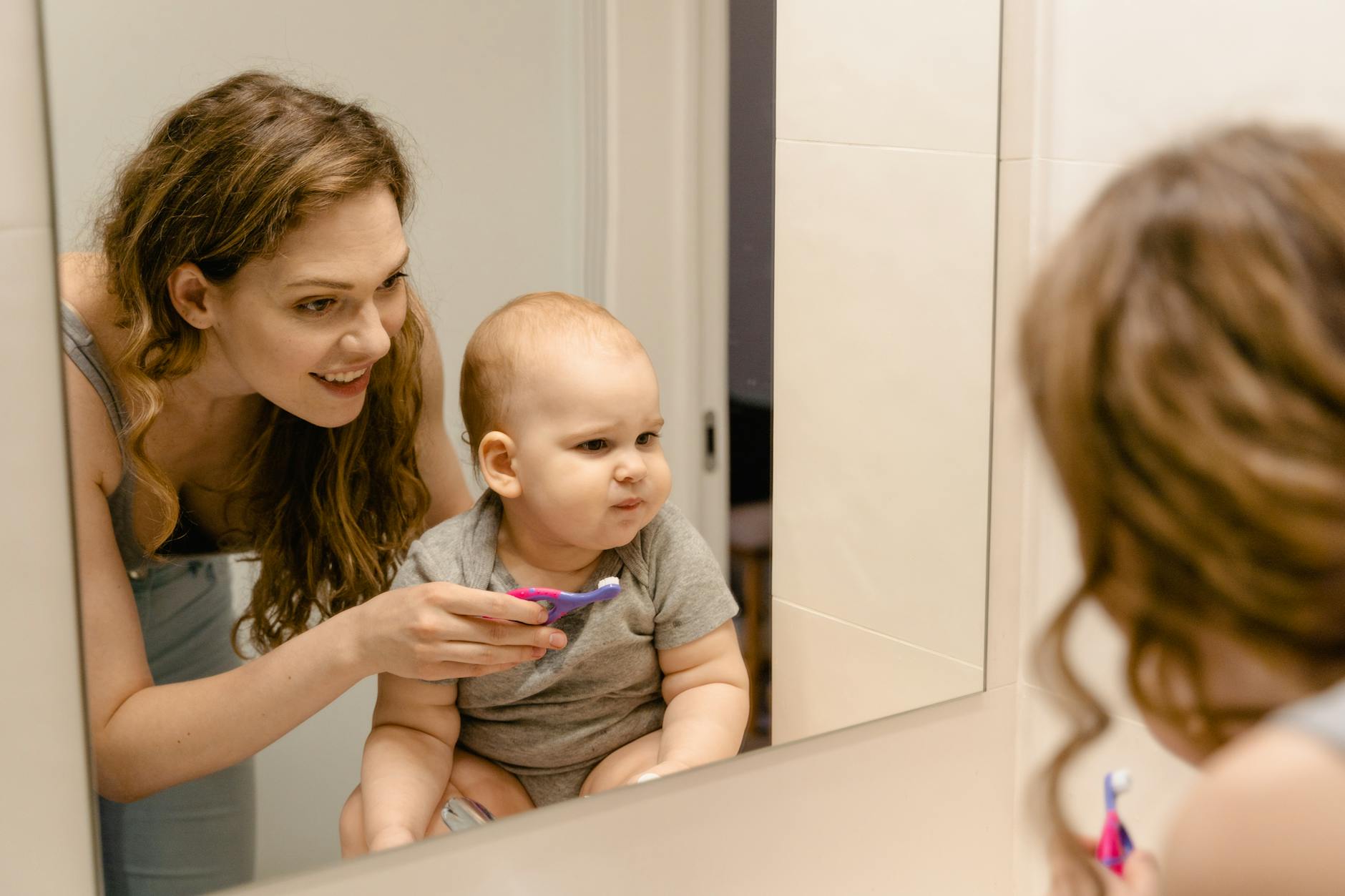
Many parents rely on topical numbing gels to soothe the pain of a teething infant without realizing the potential risks involved. The FDA has issued warnings against using gels containing benzocaine because they can cause a rare but dangerous condition that reduces oxygen in the blood. These gels also wash away quickly with saliva and provide very little actual relief for the baby. Safe alternatives include chilled teething rings or a clean damp cloth for the infant to chew on. Massaging the gums with a clean finger is another effective and risk-free way to provide comfort.
Brain Size and Intelligence
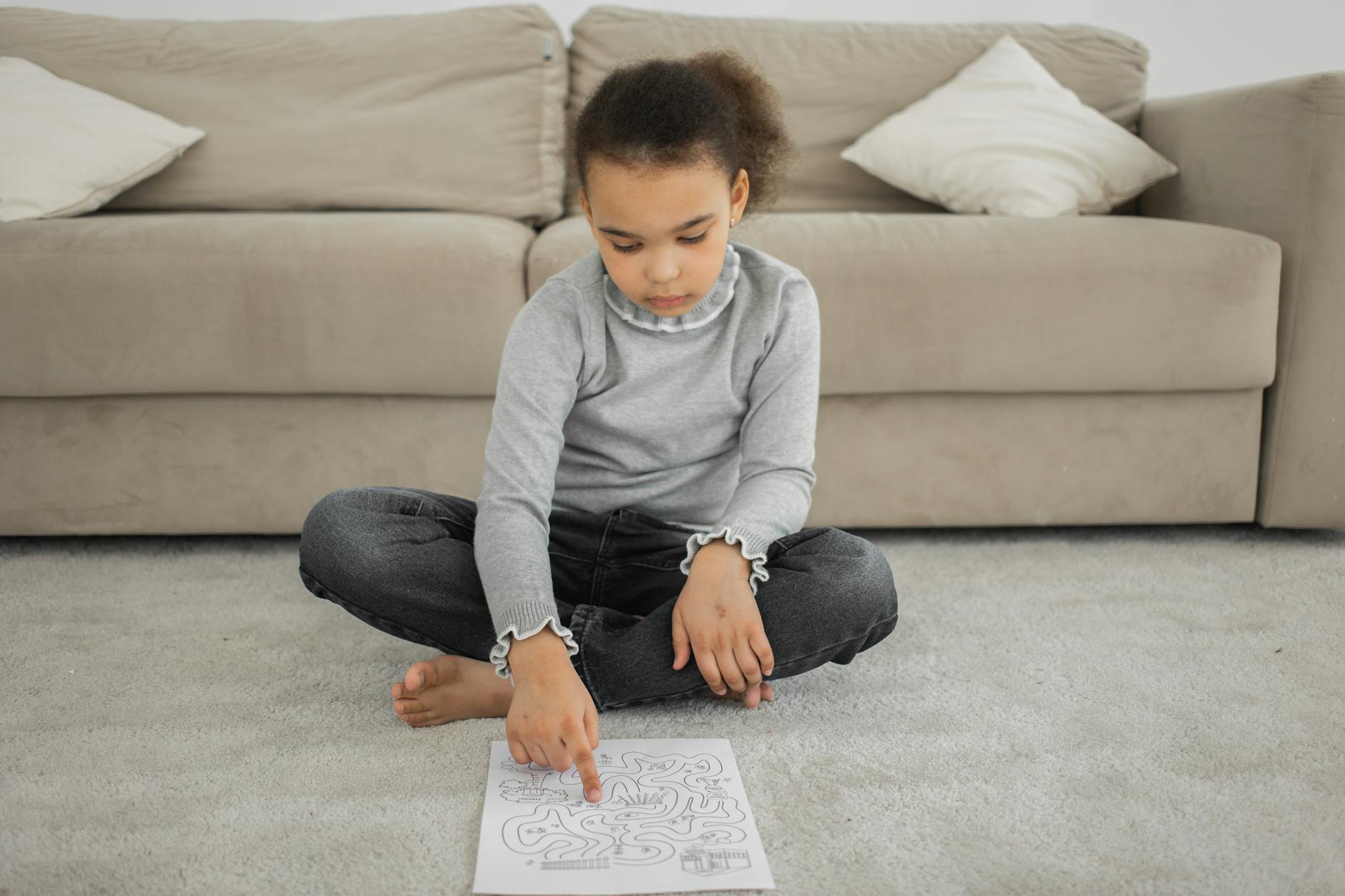
There is a persistent belief that a larger head or brain size in childhood is a direct indicator of higher intelligence. While there is a very slight correlation between brain volume and IQ it is the complexity of the neural connections that truly matters. A child’s intellectual potential is shaped by their environment experiences and genetic factors rather than physical measurements. Many factors including nutrition and early stimulation influence how the brain develops and functions. Pediatricians track head circumference primarily to ensure healthy physical growth and to monitor for specific medical conditions.
Strict Parenting and Better Behavior

Parents who employ a very strict or authoritarian style often believe it results in better-behaved and more successful children. Evidence suggests that children raised in overly restrictive environments may become better at hiding their behavior or develop low self-esteem. An authoritative approach which combines high expectations with warmth and open communication tends to produce the best outcomes. These children are generally more self-reliant and socially competent because they understand the reasoning behind the rules. Balance is key to helping a child develop internal motivation rather than just following orders.
Video Games and Violence

The debate over whether violent video games cause real-world aggression in children has led to extensive scientific investigation. Most comprehensive reviews of the data find no clear causal link between playing these games and committing violent acts. While some children may show short-term irritability after a gaming session it does not translate into a permanent change in personality or behavior. Factors like family environment mental health and peer influence are far more significant predictors of aggression. Monitoring screen time and choosing age-appropriate content remains a responsible practice for parents.
Green Mucus and Antibiotics

It is a common myth that green or yellow nasal discharge is a definitive sign of a bacterial infection that requires antibiotics. Mucus changes color because of the presence of white blood cells that are working to fight off an infection which is often viral. Antibiotics are only effective against bacteria and will not help a child recover from a common cold or the flu. Taking unnecessary antibiotics can lead to side effects and contributes to the global problem of antibiotic resistance. A doctor will look at the duration and severity of symptoms rather than just the color of the mucus.
Walking Early and Athleticism

Parents often hope that a child who walks at an unusually early age will grow up to be a gifted athlete. There is no scientific evidence to suggest that the timing of early motor milestones predicts future physical prowess or sports ability. Many children who walk later catch up quickly and may even surpass their peers in coordination and strength as they mature. Physical development happens in a wide range of normal timelines influenced by genetics and opportunity. Natural athletic talent usually becomes more apparent during the school-age years through practice and interest.
Excessive Sanitization
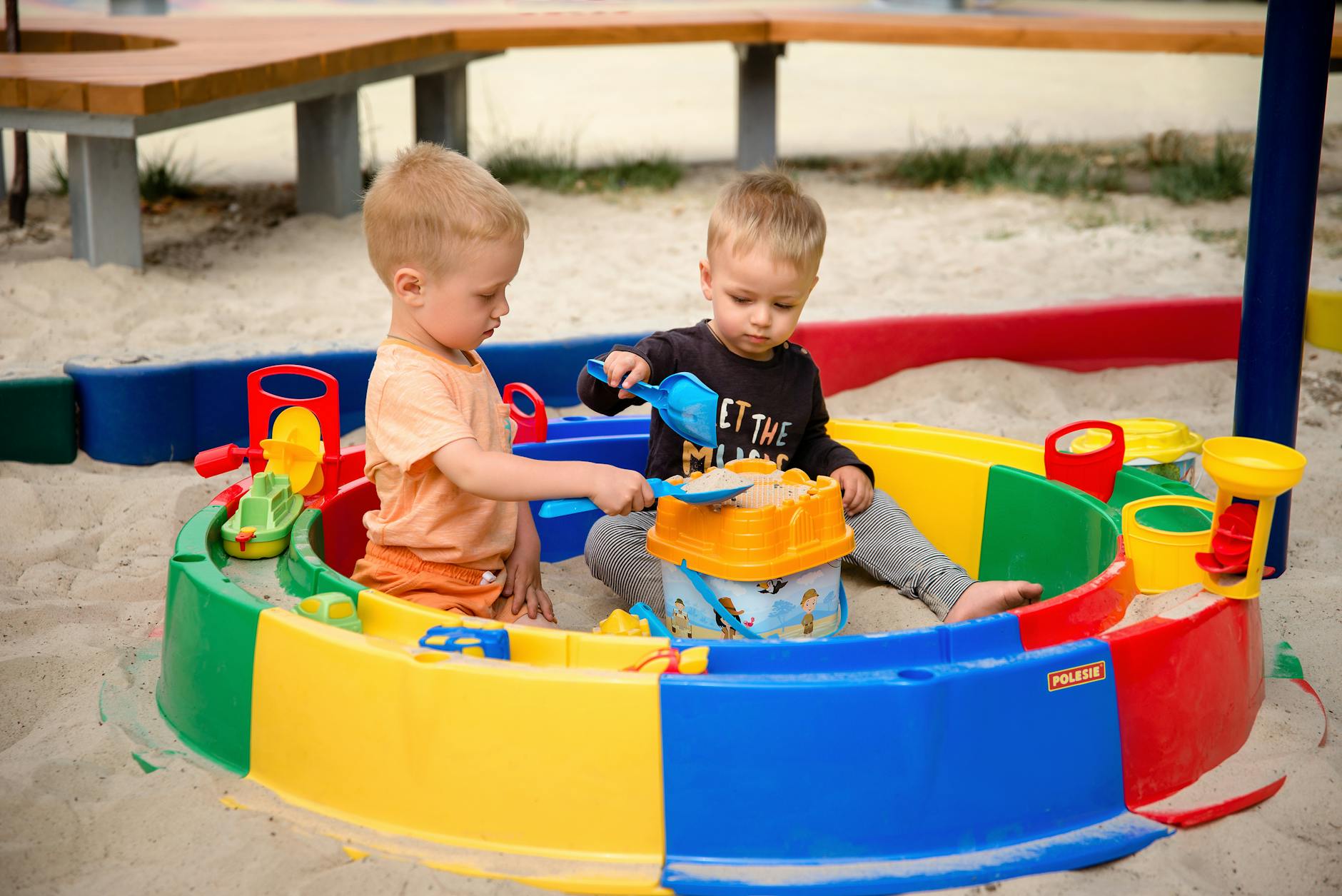
The hygiene hypothesis suggests that keeping a child’s environment too clean can actually increase their risk of developing allergies and asthma. Exposure to a variety of germs and microbes early in life helps to train the immune system to react appropriately to different substances. Overusing antibacterial soaps and sanitizers can prevent the body from building up its natural defenses. Allowing children to play outside and interact with pets provides beneficial microbial exposure. While basic cleanliness is important for health a little bit of dirt is actually a healthy part of childhood.
IQ is Fixed
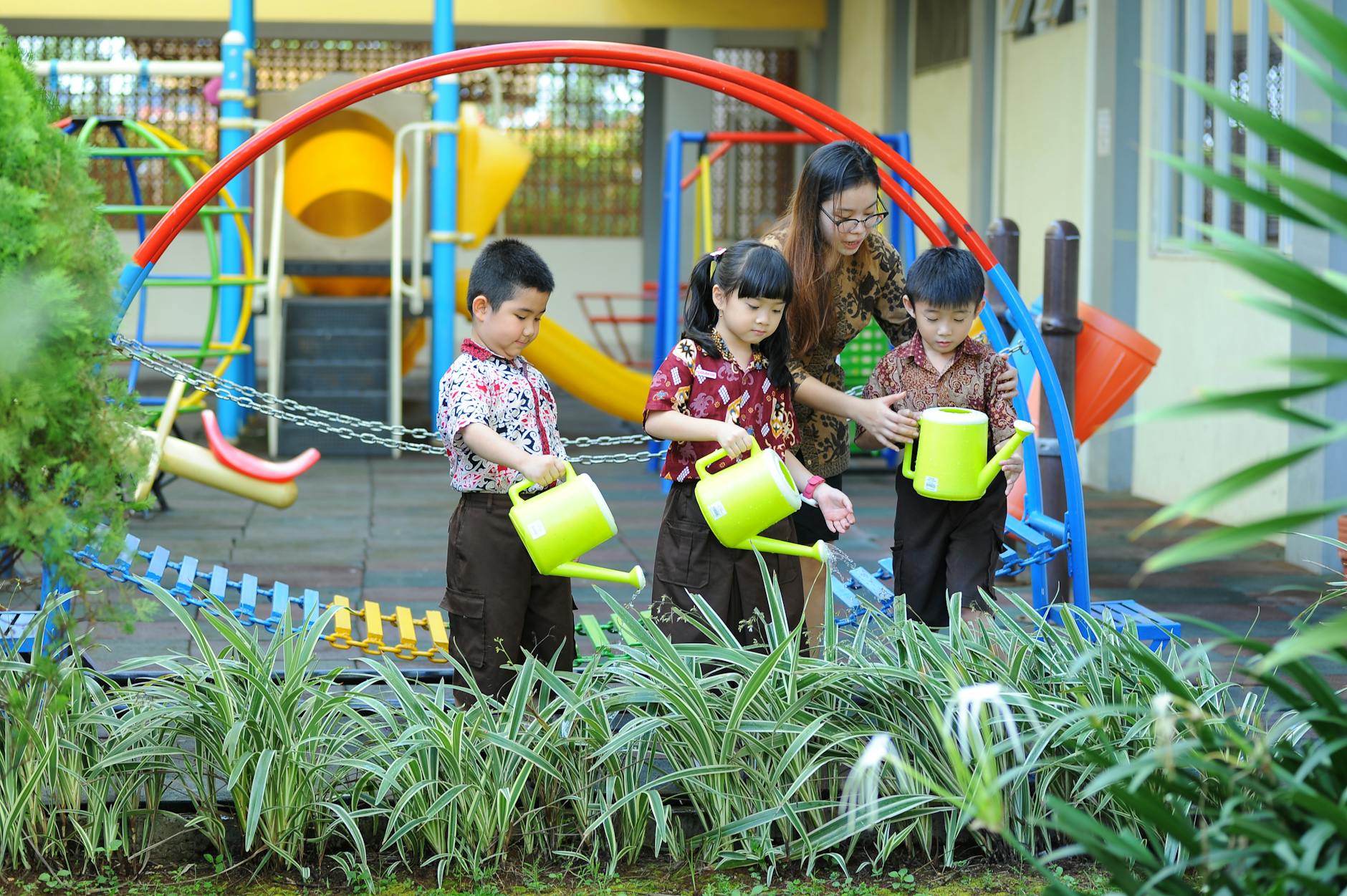
Many people believe that a child is born with a set level of intelligence that cannot be changed throughout their lifetime. While genetics provide a baseline the brain is highly plastic and can be significantly influenced by education and environment. Intellectual growth is a dynamic process that continues throughout childhood and into adulthood as new skills are learned. Encouraging a growth mindset where children believe they can improve through effort leads to better academic performance. Providing a stimulating environment and diverse learning opportunities helps every child reach their full potential.
Carrots and Night Vision

The idea that eating large quantities of carrots will give a child superior night vision was popularized as propaganda during World War II. Carrots are high in vitamin A which is essential for maintaining healthy eyes and basic vision function. However consuming more than the recommended amount does not provide extra-sensory abilities or cure existing vision problems. A deficiency in vitamin A can lead to night blindness but this is rare in developed countries with balanced diets. Feeding children a variety of vegetables is better for their overall health than focusing on a single food.
Thumb Sucking and Teeth

Parents often worry that any amount of thumb sucking will lead to permanent dental problems and expensive orthodontic work. Most dental professionals agree that thumb sucking is a natural self-soothing behavior that usually does not cause issues if it stops before permanent teeth arrive. Problems typically only arise if the habit continues past the age of five or six when the adult teeth begin to erupt. The intensity of the sucking also plays a role in whether the alignment of the jaw or teeth is affected. Most children naturally grow out of the habit as they develop other ways to cope with stress.
Learning Styles

The theory that children have specific learning styles such as visual auditory or kinesthetic has been widely debunked by educational psychologists. Research shows that children do not learn better when the instruction is tailored specifically to their supposed preferred style. Most people learn most effectively when information is presented using a variety of methods and senses. Relying on a single style can actually limit a child’s ability to process information in different formats. Effective teaching focuses on the content being taught and uses the most logical tools for that specific subject.
Please share your thoughts on these parenting discoveries in the comments.




