Digital connectivity has fundamentally altered the landscape of human romantic interaction by introducing endless choice and immediate accessibility. Users navigate a saturated market where initial impressions are formed through curated pixels and brief biographies. This shift prioritizes visual aesthetics and surface-level data over organic emotional development or shared physical space. The following points examine the current state of courtship and the psychological shifts defining contemporary relationships.
Paradox of Choice

The availability of thousands of potential partners through digital platforms often leads to a psychological phenomenon where individuals struggle to commit to a single person. Constant access to new profiles creates a persistent belief that a better match might be just one swipe away. This abundance can decrease overall satisfaction with a chosen partner because the opportunity cost feels significantly higher. Many people find themselves trapped in a cycle of searching rather than building a meaningful connection with the person in front of them.
Intentional Ghosting

Sudden cessation of communication without explanation has become a standard method for ending casual interactions in the digital age. This behavior often stems from a desire to avoid the discomfort of direct rejection or emotional confrontation. The lack of social accountability in online spaces makes it easier to disappear than to provide a respectful closing statement. Recipients are frequently left with unresolved questions which can negatively impact their confidence in future romantic endeavors.
Situationships
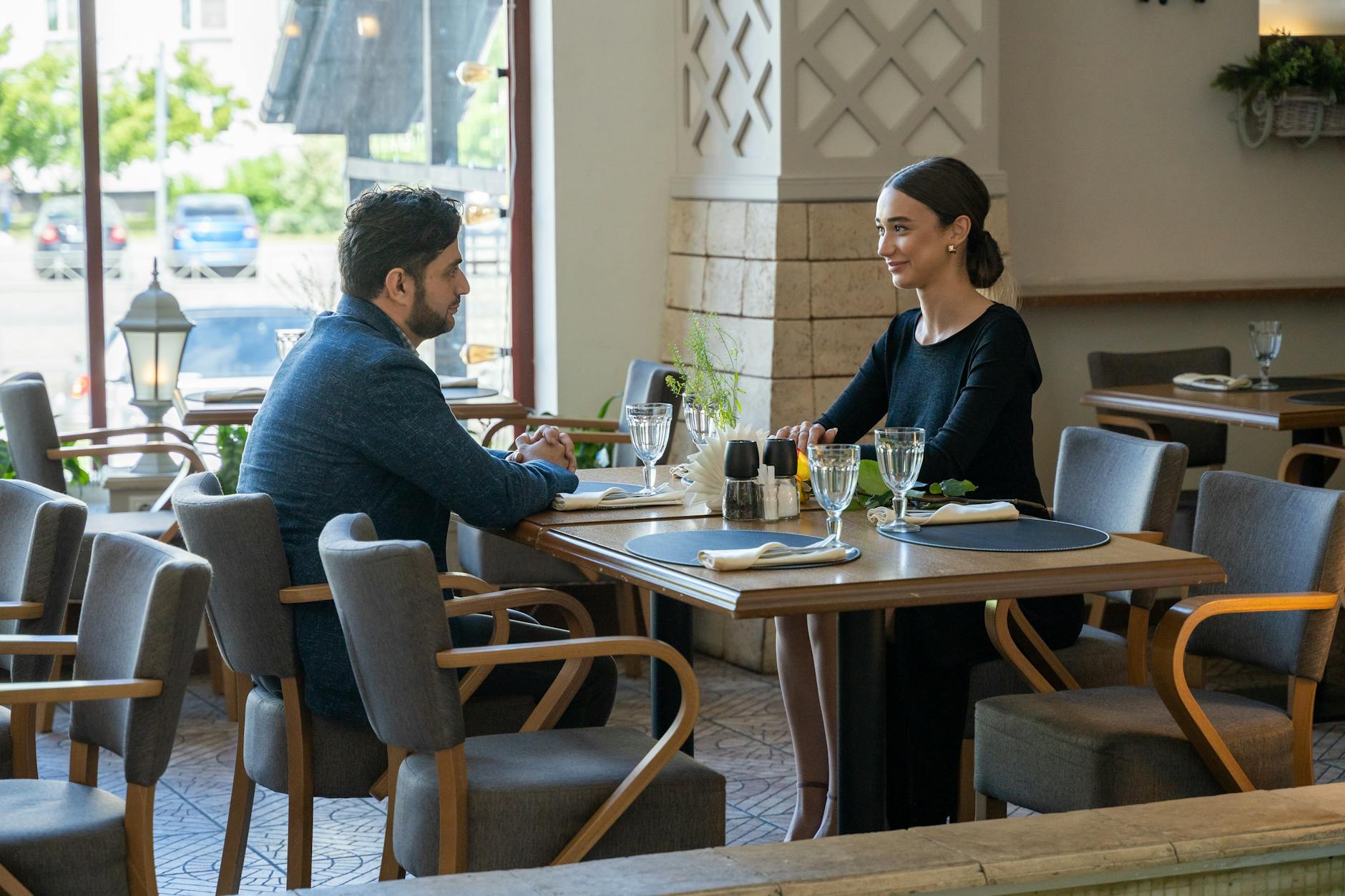
A middle ground between casual dating and a committed relationship has emerged as a common stage of modern courtship. These arrangements often involve consistent emotional and physical intimacy without the explicit labels or long-term expectations of traditional partnerships. This ambiguity allows individuals to enjoy the benefits of companionship while avoiding the responsibilities of a formal commitment. However the lack of clear boundaries frequently results in mismatched expectations and emotional distress for at least one party involved.
Digital Breadcrumbing

Sending sporadic but non-committal messages is a tactic used to keep a potential romantic interest engaged without any intention of pursuing a real relationship. These small bursts of attention serve to keep the sender relevant in the other person’s mind with minimal effort. It functions as a way to maintain an ego boost or a backup option during periods of boredom. Victims of this behavior often wait for a progression that never actually materializes into a tangible date or commitment.
Curation vs Reality

Social media profiles and dating biographies represent a highly polished version of an individual rather than their authentic self. People strategically select photos and interests that project a specific lifestyle or personality type to attract high-value matches. This discrepancy often leads to disappointment during the first physical meeting when the reality does not align with the digital persona. Maintaining these idealized versions requires constant effort and can create a barrier to genuine vulnerability.
The First Date Interview

Initial meetings have evolved into high-pressure screening processes designed to filter out incompatible candidates as quickly as possible. Rather than allowing a natural flow of conversation individuals often arrive with a mental checklist of deal-breakers and requirements. This transactional approach focuses on logistics and lifestyle alignment instead of chemistry or shared values. The pressure to perform can stifle the authentic personality traits that actually lead to long-term attraction.
Emotional Availability

Many participants in the dating market struggle with a fear of vulnerability that prevents them from forming deep emotional bonds. Past negative experiences and the fast-paced nature of modern life contribute to a guarded approach to new connections. Being emotionally unavailable is often framed as a protective mechanism but it ultimately hinders the development of true intimacy. Without the willingness to be seen clearly by another person a relationship cannot progress past a superficial stage.
Delayed Adulthood

Financial instability and a focus on career development have pushed the timeline for traditional relationship milestones further into the future. Many individuals prioritize personal growth and travel over settling down with a long-term partner in their twenties. This shift has created a dating pool filled with people who value independence and autonomy above domestic cooperation. Consequently the transition from casual dating to building a life together feels more daunting and complex.
Compatibility Algorithms

The reliance on data-driven matching systems has convinced many users that romance can be reduced to a mathematical formula. Apps categorize people based on specific hobbies and personality traits to predict long-term success between strangers. This reliance on data ignores the unpredictable nature of human chemistry and the importance of timing. Users may overlook perfectly suitable partners simply because they do not meet a specific set of pre-determined criteria.
Love Bombing

The practice of showering a new romantic interest with excessive affection and attention early on is a common red flag in modern dating. This behavior creates an intense but often unsustainable bond that can quickly turn into a cycle of control or manipulation. It mimics the feeling of deep connection but lacks the foundational trust that only time can build. Identifying this pattern early is essential for avoiding toxic dynamics that prioritize intensity over stability.
Texting Anxiety

The timing and tone of digital messages have become a significant source of stress for those navigating early-stage romance. Analyzing the length of time between replies or the use of specific emojis often leads to unnecessary overthinking and misinterpretation. This constant stream of communication can create a false sense of intimacy before two people have spent quality time together. The digital tether makes it difficult for individuals to maintain their own space and identity during the honeymoon phase.
Hookup Culture

The normalization of casual sexual encounters has decoupled physical intimacy from emotional commitment for a large portion of the population. This culture prioritizes immediate gratification and physical exploration over the slow build of a romantic partnership. While this provides freedom for many it can also lead to feelings of emptiness or confusion regarding the direction of a connection. Navigating these interactions requires clear communication that is often missing in the heat of the moment.
Financial Expectations

Rising costs of living and shifting gender roles have complicated the traditional etiquette of who pays for dates. Discussions regarding financial contributions can be awkward but are increasingly necessary to manage expectations early on. Some individuals still adhere to traditional standards while others prefer an egalitarian approach to shared expenses. These differences in financial philosophy can become a major point of contention if not addressed openly.
Social Media Stalking

The ability to research a potential partner’s entire digital history before a first date has removed the element of mystery from modern romance. Viewing old photos and past interactions provides a skewed perspective of a person based on their digital footprint. This habit often leads to preconceived notions or judgments that might not reflect who the person is in the present day. It also creates a dynamic where individuals feel they are being constantly monitored or evaluated by their peers.
Benching

This practice involves keeping a romantic interest in a secondary position while actively pursuing other options that seem more appealing. The person on the bench receives enough attention to stay interested but is never prioritized as a main focus. This keeps the sender’s options open without the guilt of an official breakup or rejection. It is a selfish strategy that disregards the feelings and time of the person being held in reserve.
The Spark Obsession

There is an unrealistic expectation that a romantic connection must produce immediate and intense chemistry from the very first second. Many people dismiss potential partners because they do not feel an instant spark during a brief meeting. This mindset ignores the reality that the strongest and most enduring relationships often grow from a slow-burning attraction. Chasing an initial high can lead to a series of short-lived flings rather than a stable partnership.
Competitive Dating

The visibility of other people’s relationship highlights on social media creates a sense of competition and inadequacy. Individuals often feel pressured to find a partner who fits a certain aesthetic or social status to keep up with their peers. This focus on how a relationship looks to others can overshadow the actual quality of the connection. Dating becomes a performance aimed at gaining social validation rather than finding a compatible life companion.
Attachment Styles

A growing awareness of psychological attachment theories has changed how people analyze their own behavior and that of their partners. Understanding whether someone is anxious or avoidant can provide valuable insight into their relationship patterns and triggers. However over-analyzing these traits can lead to labeling people too quickly instead of seeing them as complex individuals. It is important to use these tools for self-reflection rather than as a weapon for judgment.
Love Languages

The concept of specific ways to give and receive love has become a staple of modern relationship discourse. Identifying whether a partner values words of affirmation or physical touch can significantly improve communication and satisfaction. Problems arise when individuals become rigid about their specific language and refuse to adapt to their partner’s needs. Successful relationships require a mutual effort to learn and speak each other’s emotional dialects.
Gaslighting

Manipulative behavior aimed at making a partner doubt their own reality or perceptions is a serious issue in modern dynamics. This psychological tactic is often used to maintain power or avoid accountability for harmful actions. Recognizing the signs of gaslighting is crucial for maintaining mental health and personal boundaries in any relationship. It creates a toxic environment where trust is impossible and one’s sense of self is constantly undermined.
Orbiting

Continuing to interact with a former partner’s social media content without engaging in direct communication is known as orbiting. This behavior keeps the person peripherally present in one’s life making it difficult to fully move on from the relationship. It sends mixed signals and can prevent both parties from achieving closure after a breakup. Breaking the cycle of orbiting often requires a total digital detox or blocking the individual to regain mental peace.
The Talking Stage

A prolonged period of casual conversation and light flirting often precedes any formal commitment or physical meeting. This stage can last for weeks or even months as both parties feel out the potential for a deeper connection. While it builds a sense of familiarity it can also lead to a stagnation where neither person feels brave enough to take the next step. If the talking stage lasts too long without action the initial momentum and interest often fade away.
Age Gaps

Modern dating has seen a wider acceptance of significant age differences between partners in adult relationships. These dynamics can offer unique perspectives and life experiences that enrich the partnership in various ways. However they also bring challenges regarding different life stages and long-term goals like retirement or starting a family. Open communication about these disparities is essential for ensuring that both partners feel heard and valued.
Long Distance Realities

Technology has made it easier than ever to maintain relationships across vast distances through video calls and instant messaging. While these tools bridge the gap they cannot replace the physical presence and shared daily experiences of a local partner. Long-distance couples must navigate the high costs of travel and the emotional toll of being apart for extended periods. Success in these arrangements requires a high level of trust and a clear plan for eventually closing the distance.
Infidelity in the Digital Age

The ease of connecting with new people online has expanded the definitions and opportunities for betrayal within a relationship. Emotional affairs and secret interactions on apps are frequently cited as modern forms of cheating that cause significant pain. Establishing clear boundaries regarding digital interactions is a necessary part of modern commitment. Rebuilding trust after a digital betrayal is often more complex because the evidence is easily documented and revisited.
Relationship Anarchy

Some individuals reject traditional monogamous structures in favor of more fluid and non-hierarchical relationship styles. This approach prioritizes individual autonomy and the freedom to define each connection on its own terms. While this can lead to high levels of personal satisfaction it requires exceptional communication skills and a strong sense of self. It challenges societal norms and requires a constant renegotiation of boundaries and expectations between all parties involved.
Body Positivity and Bias

The movement toward accepting diverse body types has made its way into the dating world with varying degrees of success. Many people still face significant discrimination or exclusion based on physical appearance despite a growing awareness of these biases. Dating apps often exacerbate these issues through filters and photo-centric interfaces that prioritize conventional beauty standards. Finding a partner who values character over a specific body type remains a priority for many conscious daters.
Ghosted Post-Date

Experiencing a total lack of communication after a seemingly successful first or second date is a jarring but common occurrence. The silence can feel especially confusing when the physical chemistry and conversation seemed to be high. This often happens because one person decides there is no long-term potential but lacks the courage to say so directly. It serves as a reminder that internal feelings do not always match outward behavior during a brief encounter.
The Role of Pets

Domestic animals have taken on a significant role in the dating process with many people considering them a primary deal-breaker. A partner’s relationship with their own pet or their reaction to another’s pet can influence the success of a match. Pets are often seen as a trial run for future caregiving responsibilities and shared domestic life. Many individuals explicitly state in their profiles that their animal companion comes first in their hierarchy of priorities.
Career Ambition

Professional goals and the demands of the modern workplace often take precedence over romantic stability for many young professionals. High-stress jobs and long hours leave little time or energy for the consistent effort required to build a relationship. Partners who understand and support these ambitions are highly valued in the current dating market. However the lack of work-life balance can lead to resentment if the relationship is constantly treated as a secondary priority.
Travel as a Status Symbol

Highlighting international travel and exotic experiences has become a primary way to signal social status and personality on dating apps. Profiles are often filled with photos of mountaintops and foreign beaches to project an image of an adventurous and culturally curious individual. This creates a pressure for everyone to appear constantly active and worldly even if their daily life is quite routine. It can lead to a shallow evaluation of a person based on their vacation history rather than their core values.
Sobriety and Dating

A growing number of people are choosing to navigate the dating scene without the use of alcohol as a social lubricant. This shift toward sober dating encourages more authentic connections and clearer communication from the very first meeting. It removes the blurred boundaries and poor decision-making often associated with drinking on a date. However it can also present challenges in a social culture that heavily centers around bars and nightlife for romantic encounters.
Red Flags vs Preferences

Distinguishing between genuine warning signs of toxic behavior and simple personal preferences is a skill many daters struggle to master. A red flag is a behavior that indicates a lack of respect or safety while a preference is a subjective liking for a certain trait. Mistaking a preference for a red flag can lead to prematurely dismissing great partners for superficial reasons. Clarity on these definitions helps individuals protect themselves without becoming overly cynical or closed off.
The End of Chivalry

Traditional gendered expectations for courtship are being replaced by more neutral and individualized approaches to dating. Old-fashioned gestures are viewed by some as charming and by others as outdated or even patronizing. This transition period creates a lot of uncertainty regarding the correct etiquette for invitations and early interactions. Most successful modern daters focus on mutual respect and clear communication rather than adhering to rigid social scripts.
Self-Love and Independence

The modern emphasis on personal happiness and self-care has changed why people seek out romantic partners. Many individuals feel that they must be completely whole and satisfied on their own before they are ready for a relationship. While self-sufficiency is a positive trait it can sometimes lead to a hyper-independence that makes it difficult to let anyone else in. Finding a balance between being a strong individual and being a supportive partner is the ultimate goal for long-term success.
Please share your thoughts and experiences regarding these modern dating challenges in the comments.




