Success in a fitness journey requires more than just showing up and putting in the physical effort. Many gym members unknowingly hinder their progress by repeating common errors that lead to injury or plateaued results. Understanding these frequent pitfalls allows for more efficient workouts and a safer environment for everyone in the facility. Mastering the basics of gym etiquette and physiological safety ensures long term health and consistent muscle development.
Skipping the Warmup

Many individuals rush straight to heavy lifting or high intensity cardio without preparing their joints and muscles for the upcoming strain. A proper dynamic warmup increases blood flow and improves the range of motion necessary for safe exercise execution. Skipping this step significantly raises the risk of muscle tears and ligament strains during the main portion of the workout. Cold muscles are less pliable and cannot generate the same level of force as a properly primed system.
Neglecting Proper Form
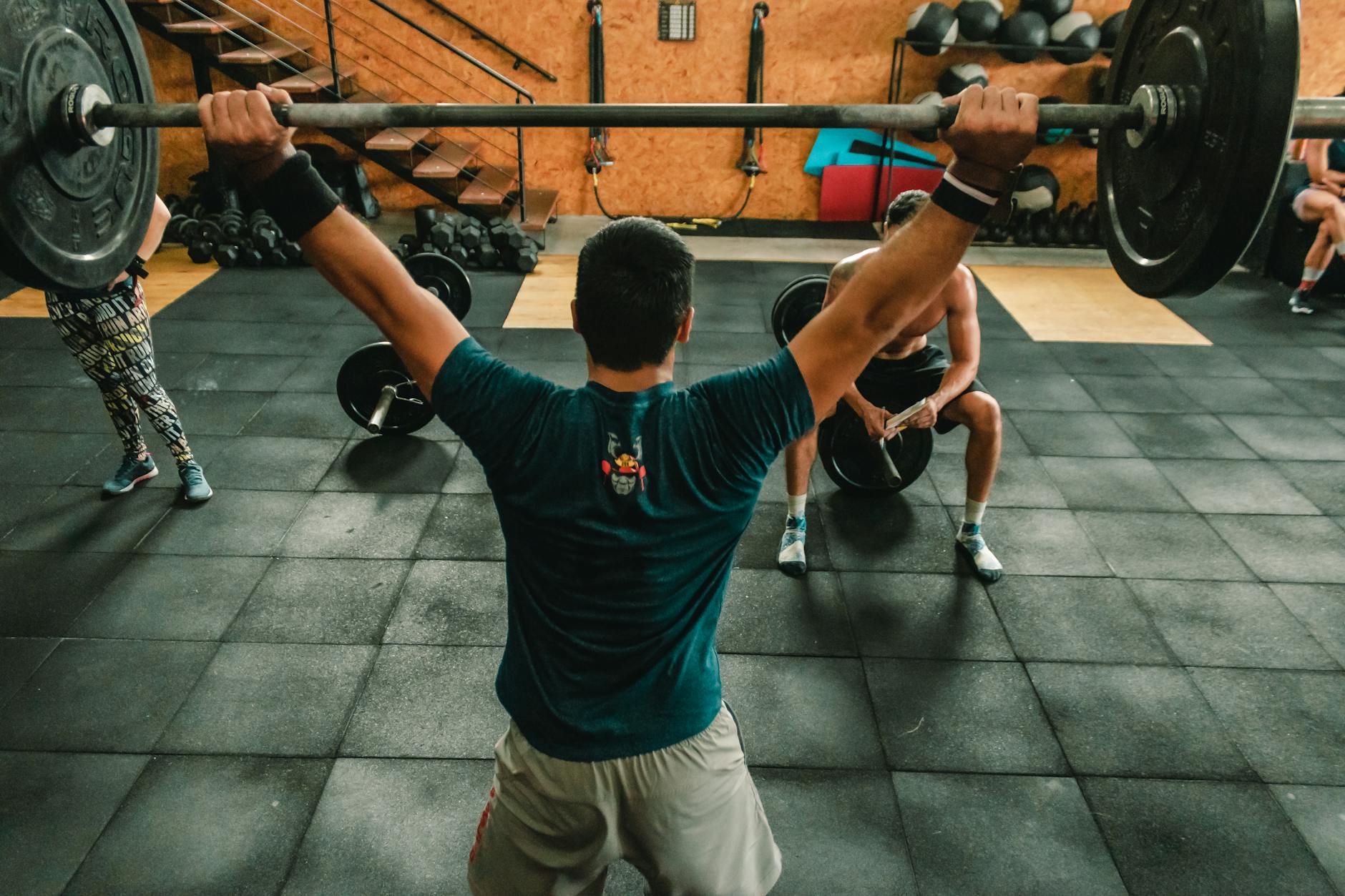
Prioritizing the amount of weight lifted over the quality of the movement often leads to diminished returns and chronic pain. Using momentum or swinging the body to complete a repetition shifts the load away from the target muscle group. Incorrect posture during compound movements like squats or deadlifts can place dangerous pressure on the spinal discs. Seeking guidance on technique ensures that every movement contributes effectively to strength gains rather than causing structural damage.
Relying Solely on Machines
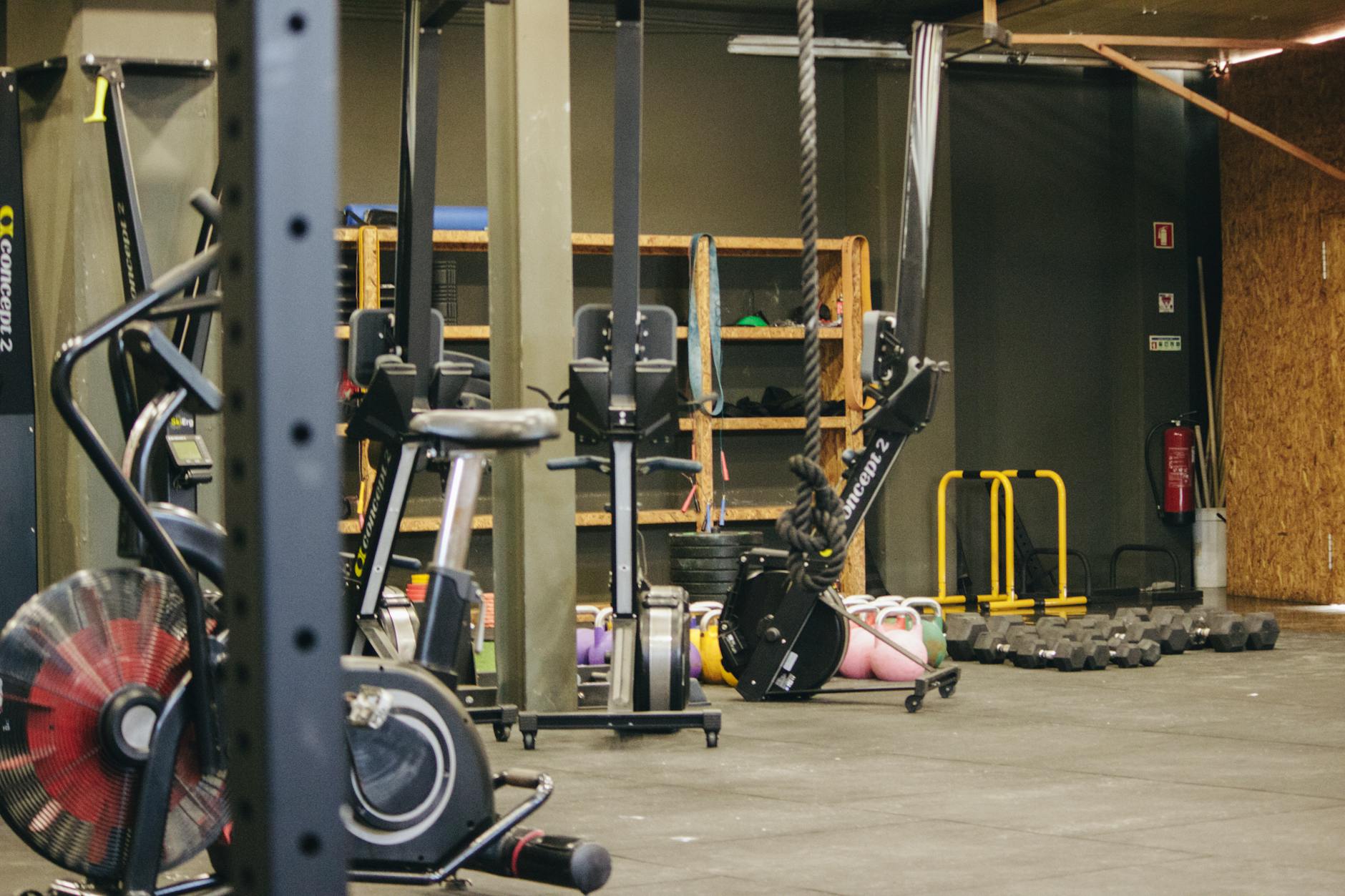
While machines offer a guided path for beginners they often limit the activation of essential stabilizer muscles. Free weights require the body to balance the load which builds functional strength applicable to daily life activities. Using a variety of equipment prevents the body from adapting too quickly to a single movement pattern. Incorporating dumbbells or kettlebells promotes better core engagement and improves overall coordination across different planes of motion.
Ignoring Rest Periods

Taking too little time between sets prevents the muscular system from recovering enough energy for the next bout of exertion. Conversely resting for too long allows the heart rate to drop and reduces the metabolic stress required for muscle growth. Most strength training programs require specific intervals to balance intensity with the necessary neurological recovery. Monitoring the clock helps maintain a consistent tempo and ensures the workout remains productive from start to finish.
Lifting Too Heavy

Attempting to lift weights beyond ones current physical capability often results in a breakdown of mechanics and potential injury. Ego lifting focuses on external validation rather than the internal stimulus required for genuine physiological adaptation. Consistently overloading the body without a solid foundation leads to burnout and prevents the mastery of fundamental movements. Gradual progression remains the most effective way to build sustainable strength without compromising the integrity of the joints.
Dehydration

Failing to drink enough water throughout a training session leads to a decrease in physical performance and cognitive focus. Muscles are composed largely of water and even slight dehydration can cause cramping or a loss of strength. Adequate fluid intake supports the cooling process of the body and helps transport nutrients to the cells during exertion. Keeping a water bottle accessible ensures that energy levels remain stable during even the most demanding routines.
Lack of a Plan
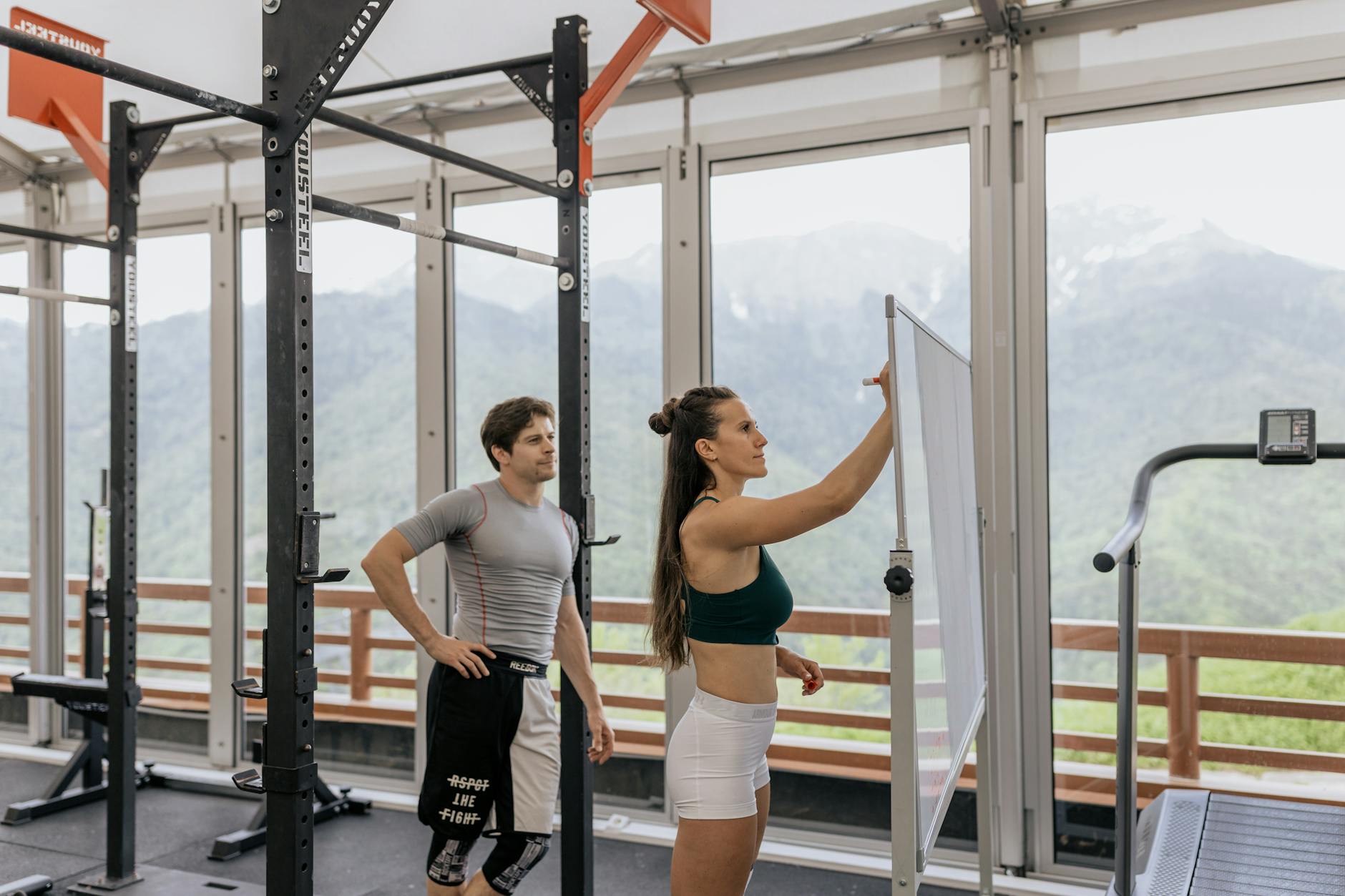
Entering the gym without a predetermined list of exercises often leads to aimless wandering and wasted time. A structured program provides a roadmap for progress and ensures that all major muscle groups receive equal attention. Having a plan allows for better tracking of weights and repetitions which is essential for progressive overload. Consistency is easier to maintain when the goals for each session are clearly defined before stepping onto the gym floor.
Distraction from Phones

Spending excessive time scrolling through social media or texting between sets disrupts the flow of a workout and occupies equipment others may need. Constant digital interruptions break mental focus and can lead to longer rest periods than are physiologically optimal. Staying present and mindful of the movements being performed enhances the mind muscle connection for better results. Limiting phone use to music or tracking apps keeps the emphasis on the physical task at hand.
Poor Footwear Choices
Wearing shoes that lack proper support or have too much cushioning can negatively impact balance during heavy lifts. Running shoes are designed for forward motion and may not provide the lateral stability needed for weightlifting or functional training. Flat soled shoes are often preferred for power movements to ensure a stable base and direct force production. Choosing the right footwear protects the ankles and improves the overall efficiency of lower body exercises.
Overtraining
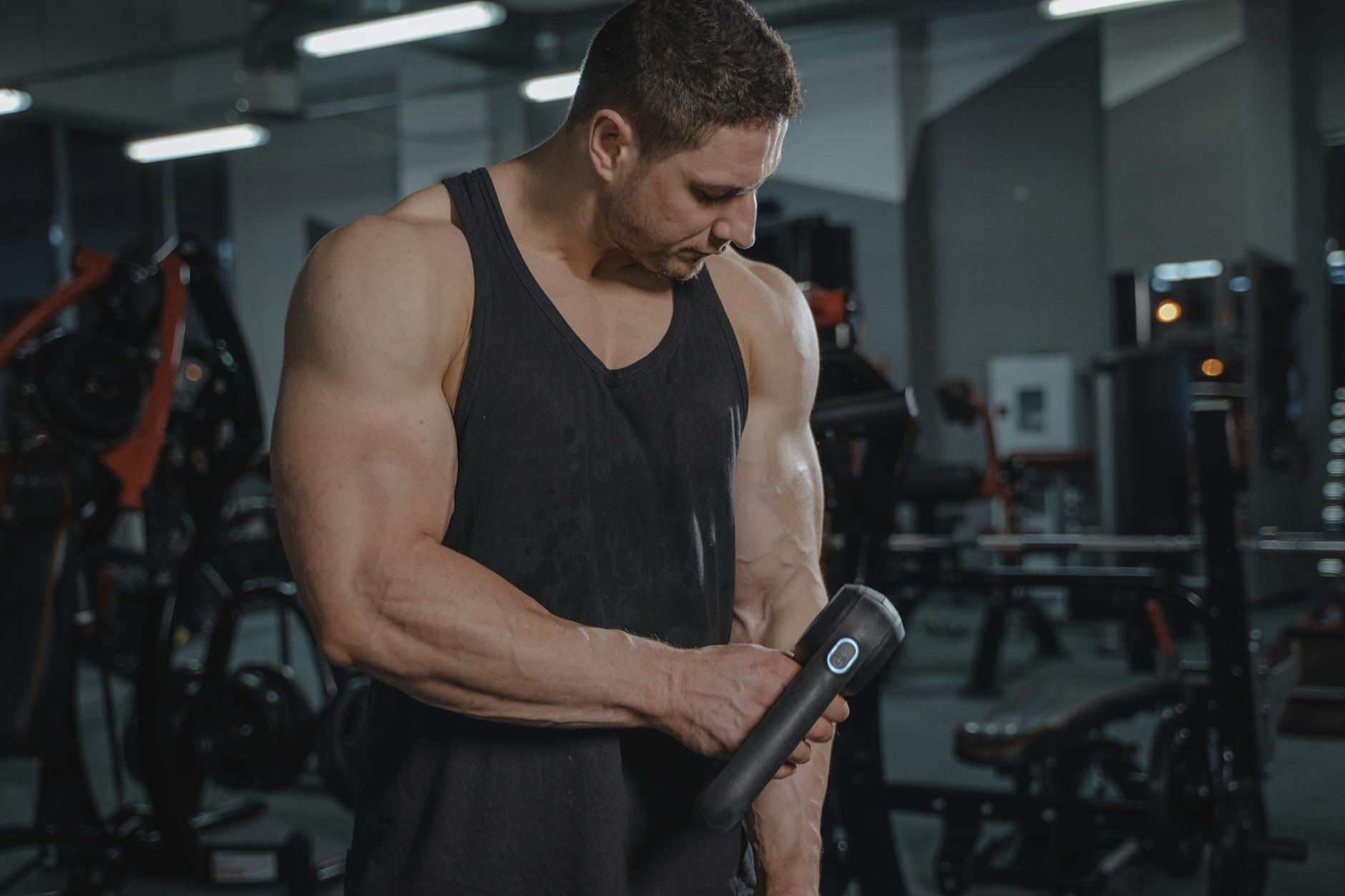
Working out too frequently without allowing time for muscle repair can lead to chronic fatigue and a decrease in performance. Muscles do not grow while in the gym but rather during the recovery periods following intense physical stress. Signs of overtraining include persistent soreness and a lack of motivation or a suppressed immune system. Balancing high intensity days with active recovery or complete rest is vital for long term athletic success.
Improper Breathing
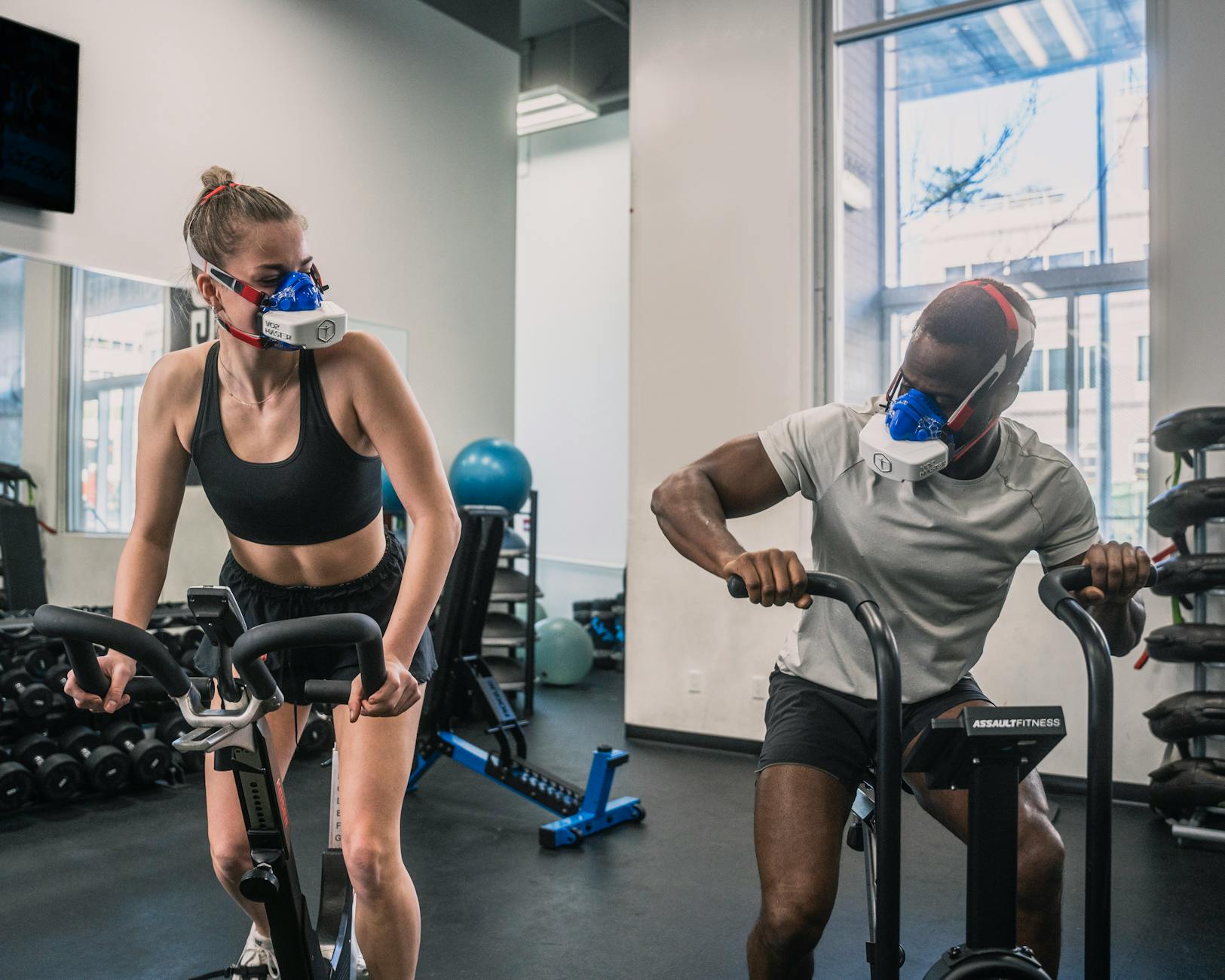
Holding the breath during exertion can cause a dangerous spike in blood pressure and lead to dizziness or fainting. Exhaling during the concentric or difficult phase of a movement helps stabilize the core and provides power. Inhaling during the eccentric or lowering phase prepares the body for the next repetition. Consistent rhythmic breathing ensures that oxygen reaches the muscles and supports cardiovascular health during the session.
Copying Others

Following the routine of a professional athlete or an advanced gym member may not be appropriate for an individuals specific fitness level. Every body has different structural limitations and training histories that dictate which exercises are most effective. Attempting advanced maneuvers without the necessary prerequisite strength often leads to frustration or physical setbacks. Focusing on personal progress and tailored programming yields better results than imitating the habits of strangers.
Inconsistent Schedule
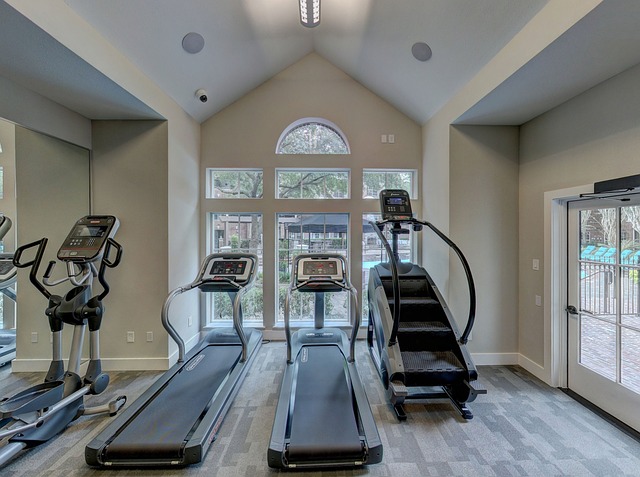
Training sporadically makes it difficult for the body to adapt and realize significant changes in strength or body composition. A regular routine builds the habit of movement and ensures that the stimulus for growth is applied frequently enough. Missing multiple sessions in a row often leads to a loss of momentum and a decline in previously gained fitness markers. Establishing a sustainable weekly cadence is more beneficial than performing several high intensity workouts followed by weeks of inactivity.
Skipping Leg Day

Focusing only on the upper body creates physical imbalances that can lead to poor posture and increased injury risk. Training the legs stimulates significant hormonal responses that benefit the entire body including the growth of other muscle groups. Strong lower body muscles provide a stable foundation for almost every other athletic movement and daily activity. A well rounded physique requires the development of the quadriceps and hamstrings and glutes for true functional power.
Poor Gym Etiquette
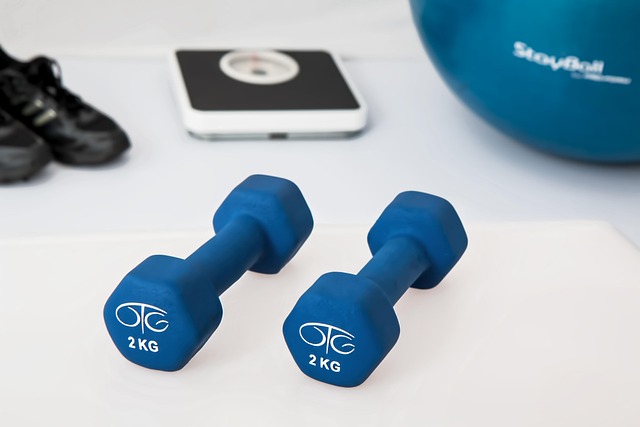
Failing to re rack weights or wipe down equipment after use creates an unorganized and unsanitary environment for other members. Leaving heavy plates on bars or machines forces the next person to clean up before they can begin their workout. Respecting shared space and being mindful of those around you fosters a positive community atmosphere. Simple acts of courtesy ensure that the facility remains functional and welcoming for everyone who uses it.
Lack of Protein

Consuming insufficient protein after a workout prevents the body from effectively repairing the micro tears caused by resistance training. Protein provides the essential amino acids required for muscle protein synthesis and recovery. While total daily intake is important the timing of nutrition can play a role in how the body recovers from intense sessions. Integrating high quality protein sources into the diet supports the hard work performed during training hours.
Neglecting the Core

Viewing core training as merely an aesthetic pursuit for visible abdominal muscles ignores its role in spinal stability. A weak midsection can lead to lower back pain and poor performance in heavy compound lifts like the overhead press. Functional core work involves bracing and resisting rotation to protect the internal structures during movement. Strengthening these deep muscles improves balance and provides a more powerful transfer of energy through the limbs.
Static Stretching Before Lifting

Holding long stretches while muscles are cold can temporarily reduce the power output and strength of the tissue. Dynamic movements are far more effective for preparing the body for the explosive nature of weightlifting. Static stretching is best reserved for the end of a session when the muscles are warm and ready to be lengthened. Using the correct stretching technique at the right time maximizes performance while increasing long term flexibility.
Comparing Progress to Others

Focusing on the speed of someone elses transformation can lead to unnecessary discouragement and a loss of motivation. Genetics and age and training history all play significant roles in how quickly an individual sees physical changes. True success is measured by personal improvements in strength and endurance and overall well being. Celebrating small personal victories keeps the focus on the journey rather than an arbitrary external standard.
Using Too Much Chalk
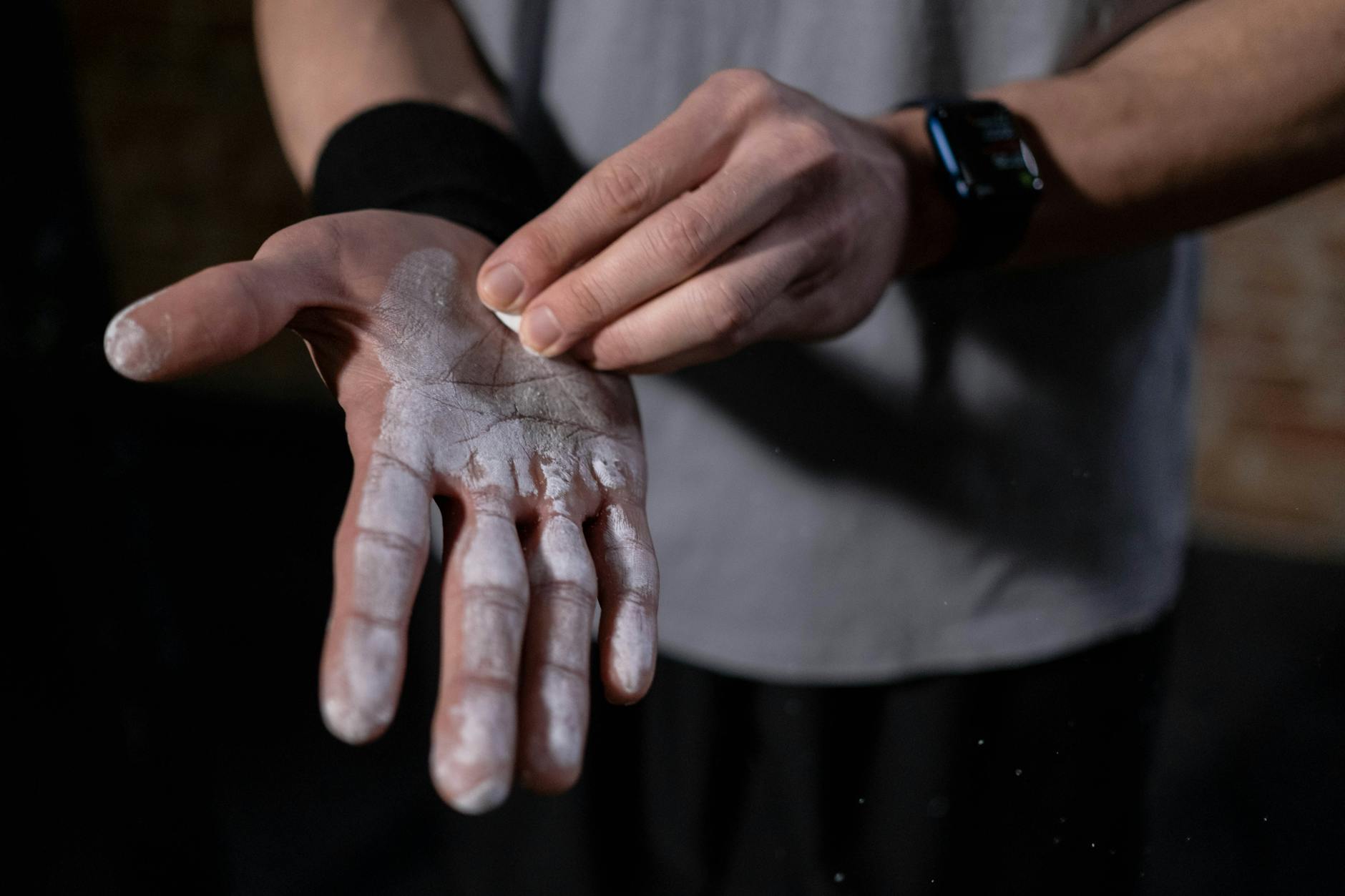
Applying excessive amounts of lifting chalk creates a mess on the floor and can damage the bearings of certain barbells. Only a small amount is needed on the palms to improve grip and reduce moisture during heavy sets. Many modern facilities prefer the use of liquid chalk to keep the air clear of dust and maintain cleanliness. Being mindful of the environment helps preserve the equipment and keeps the training area professional.
Training Through Pain

Ignoring sharp or persistent pain often turns a minor strain into a serious injury that requires months of rehabilitation. Distinguishing between the natural burn of muscle fatigue and the warning signs of structural damage is a crucial skill. Continuing to load an injured joint prevents the healing process and can cause permanent compensations in movement. Resting and seeking professional medical advice when pain occurs is the fastest way to return to full training capacity.
Not Tracking Progress

Failing to record the weights and sets and repetitions performed makes it difficult to ensure progressive overload occurs. Without data it is easy to repeat the same workout for months without actually challenging the body to grow. Tracking serves as a motivational tool by providing a clear history of how much stronger or faster one has become. Digital apps or simple paper journals are effective ways to document the evolution of a fitness program.
Poor Sleep Habits

Lack of quality sleep interferes with the production of growth hormones and the repair of muscle tissue. The body does the majority of its recovery work during deep sleep cycles which are essential for neurological health. Consistent sleep deprivation leads to decreased focus and a higher perceived rate of exertion during workouts. Prioritizing seven to nine hours of rest each night is just as important as the time spent moving in the gym.
Improper Use of Belts

Relying on a weightlifting belt for every set can prevent the core muscles from learning how to brace naturally. Belts are designed to provide extra intra abdominal pressure during near maximal lifts rather than acting as a crutch for poor form. Using a belt improperly or too frequently can lead to a false sense of security and a weakened midsection. Learning to breathe and brace without assistance builds a more resilient and functional physical foundation.
Skipping the Cool Down

Ending a high intensity session abruptly can cause blood to pool in the extremities and lead to lightheadedness. A gradual cool down allows the heart rate to return to baseline levels and begins the transition into a recovery state. Light walking or gentle stretching helps flush metabolic waste products from the muscles and reduces post workout stiffness. Taking five to ten minutes to transition out of a workout promotes better long term flexibility and mental relaxation.
Working Out Only for Aesthetics
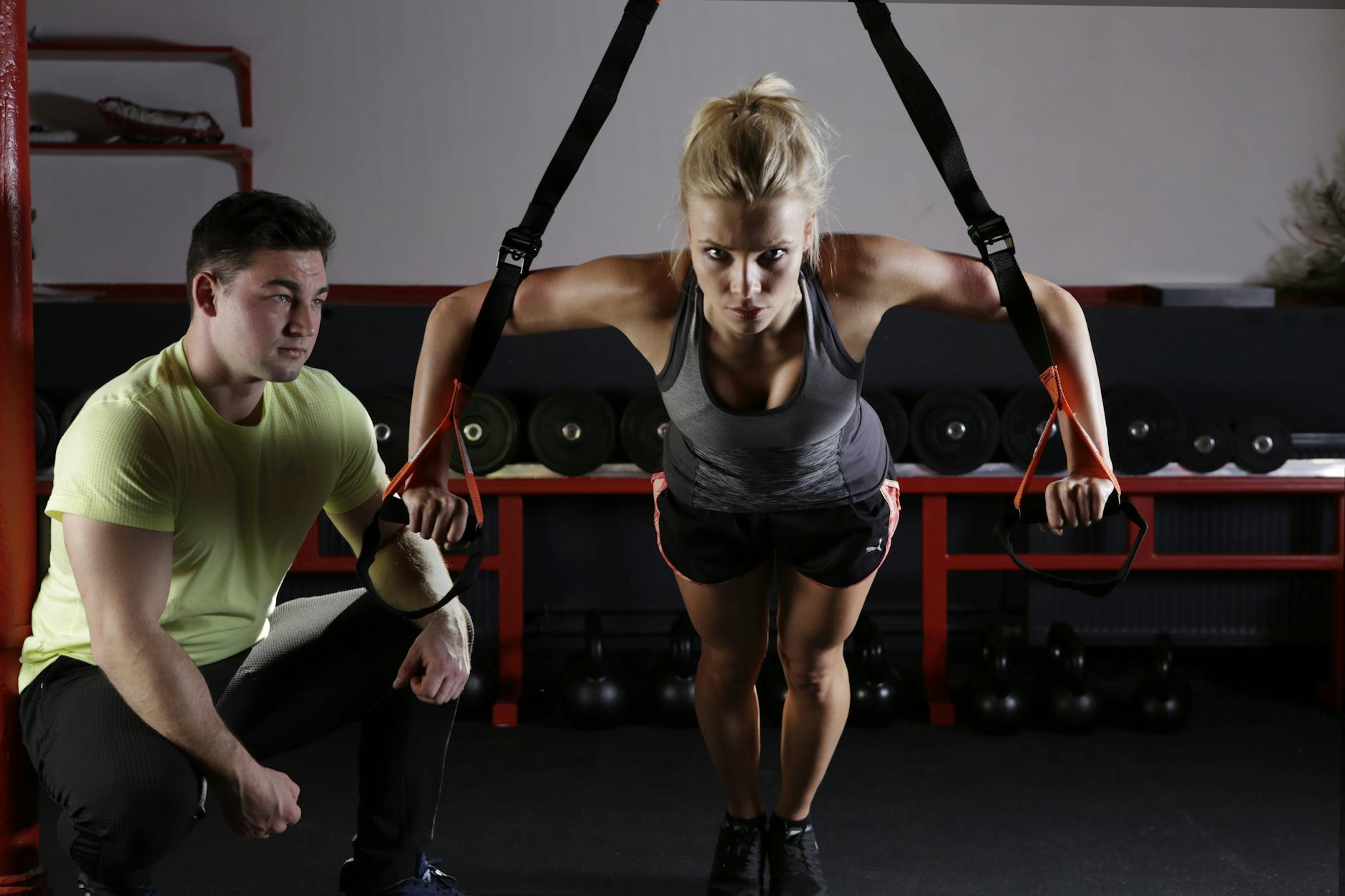
Focusing exclusively on how the body looks often leads to frustration when visual changes happen slowly. Training for performance goals like increased strength or improved cardiovascular health provides more immediate and measurable satisfaction. An aesthetic physique is usually a byproduct of consistent hard work and proper nutrition rather than the only goal. Developing a love for the process of movement ensures a lifelong commitment to health regardless of temporary physical fluctuations.
Changing Programs Too Often

Switching to a new workout routine every week prevents the body from mastering movements and seeing long term adaptations. Muscle growth and strength gains require a consistent stimulus applied over several weeks or months. Jumping from one trend to another often results in a plateau because the body never has time to specialize. Sticking to a proven program allows for the measurement of real progress and the refinement of specific skills.
Neglecting Small Muscle Groups

Focusing only on large mirror muscles can lead to weaknesses in the rotator cuffs or the rear deltoids and the ankles. These smaller supporting structures are vital for maintaining joint health and preventing common lifting injuries. Integrating isolation exercises for these areas ensures a balanced physique and a more stable frame for heavy lifting. A comprehensive approach to training includes the often overlooked muscles that provide the structural integrity for the whole body.
Poor Post Workout Nutrition

Failing to replenish glycogen stores after a demanding session can lead to prolonged fatigue and muscle breakdown. Carbohydrates are necessary to restore energy levels while protein aids in the rebuilding of muscle fibers. Eating a balanced meal within a reasonable timeframe after training optimizes the recovery window and prepares the body for the next session. Proper nutrition acts as the fuel that turns gym effort into tangible physical results.
Not Asking for Help
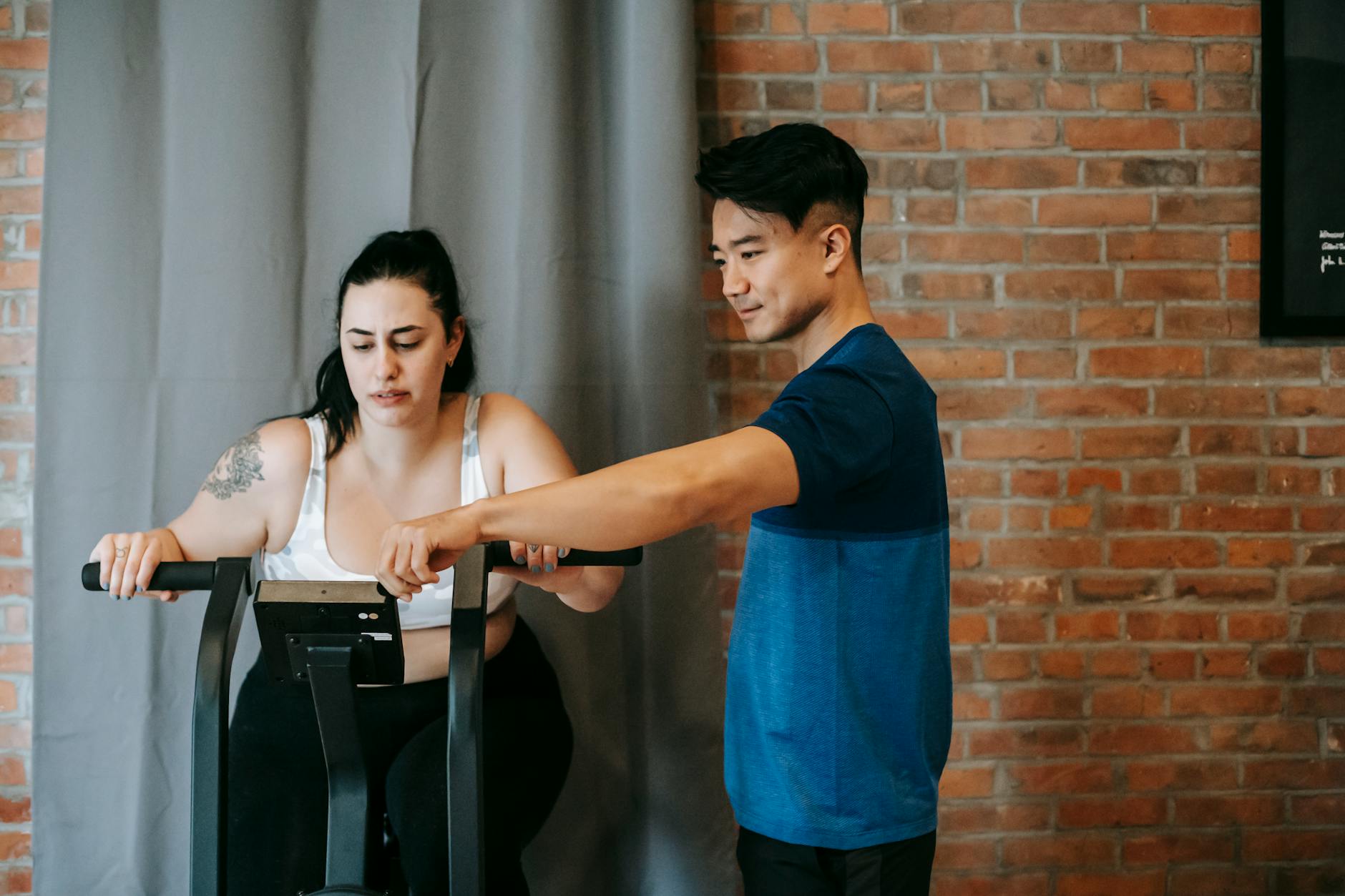
Struggling with a piece of equipment or an exercise technique without seeking guidance can lead to dangerous errors. Most gym staff are trained to demonstrate the correct use of machines and provide basic safety tips. Asking for a spot during a heavy lift is a standard practice that ensures safety and builds a sense of community. Overcoming the fear of looking inexperienced allows for faster learning and a much safer training experience.
Lack of Mind Muscle Connection

Moving weights without focusing on the specific muscle being worked often leads to poor recruitment and subpar results. Visualizing the muscle contracting and stretching during each repetition increases the effectiveness of the exercise. Mindless repetitions may build some strength but they rarely lead to the same level of hypertrophy as intentional training. Concentrating on the feeling of the movement ensures that the intended muscle group is doing the majority of the work.
Using Too Much Momentum
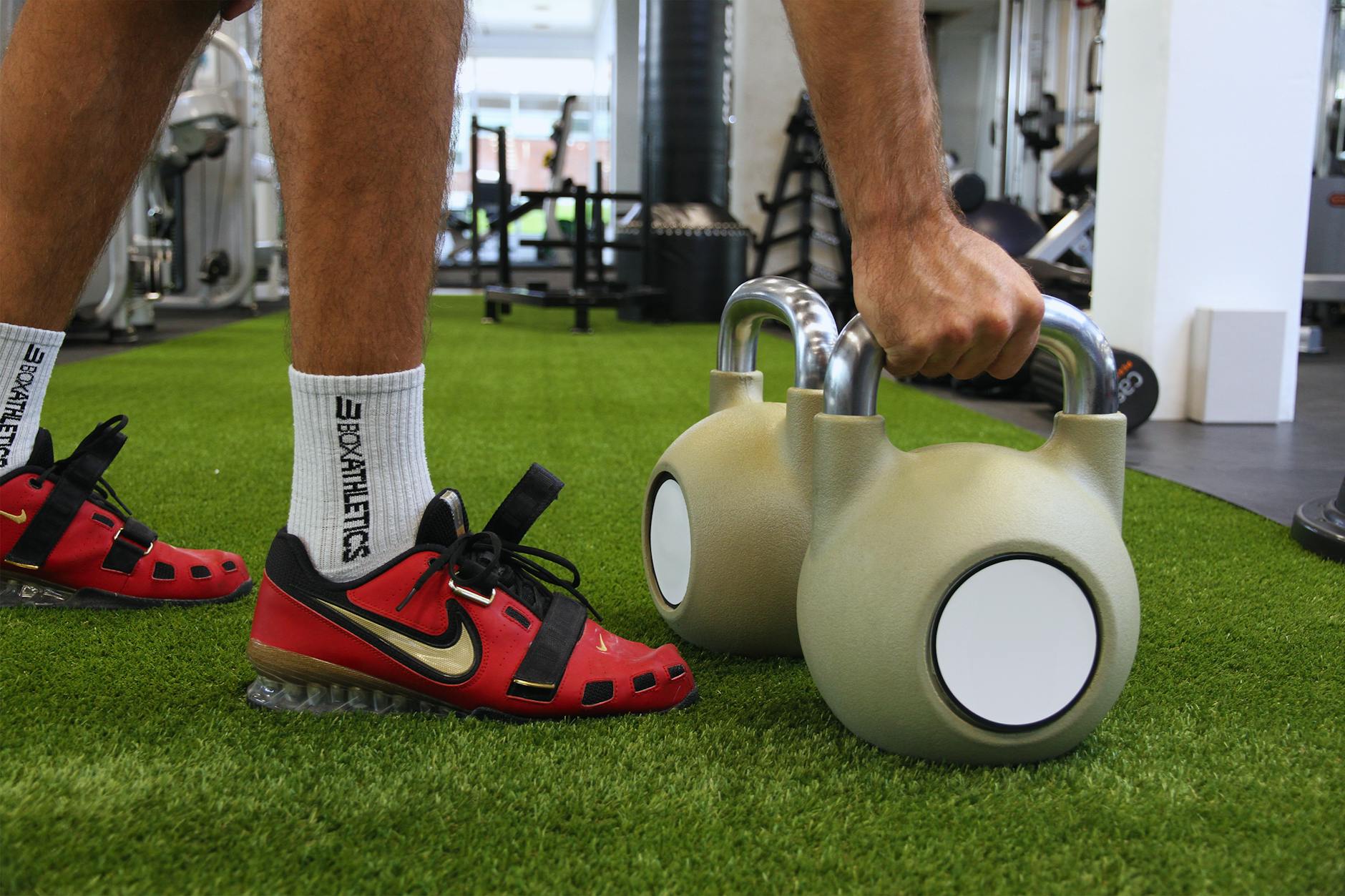
Bouncing the weight off the chest during a bench press or using a hip swing during curls reduces the tension on the muscles. Controlled movements throughout both the lifting and lowering phases maximize the time under tension for better growth. Eliminating momentum requires a lower weight but results in a more challenging and effective workout. Mastering the control of the load at every point in the range of motion is the hallmark of an advanced trainee.
Overcomplicating Exercises
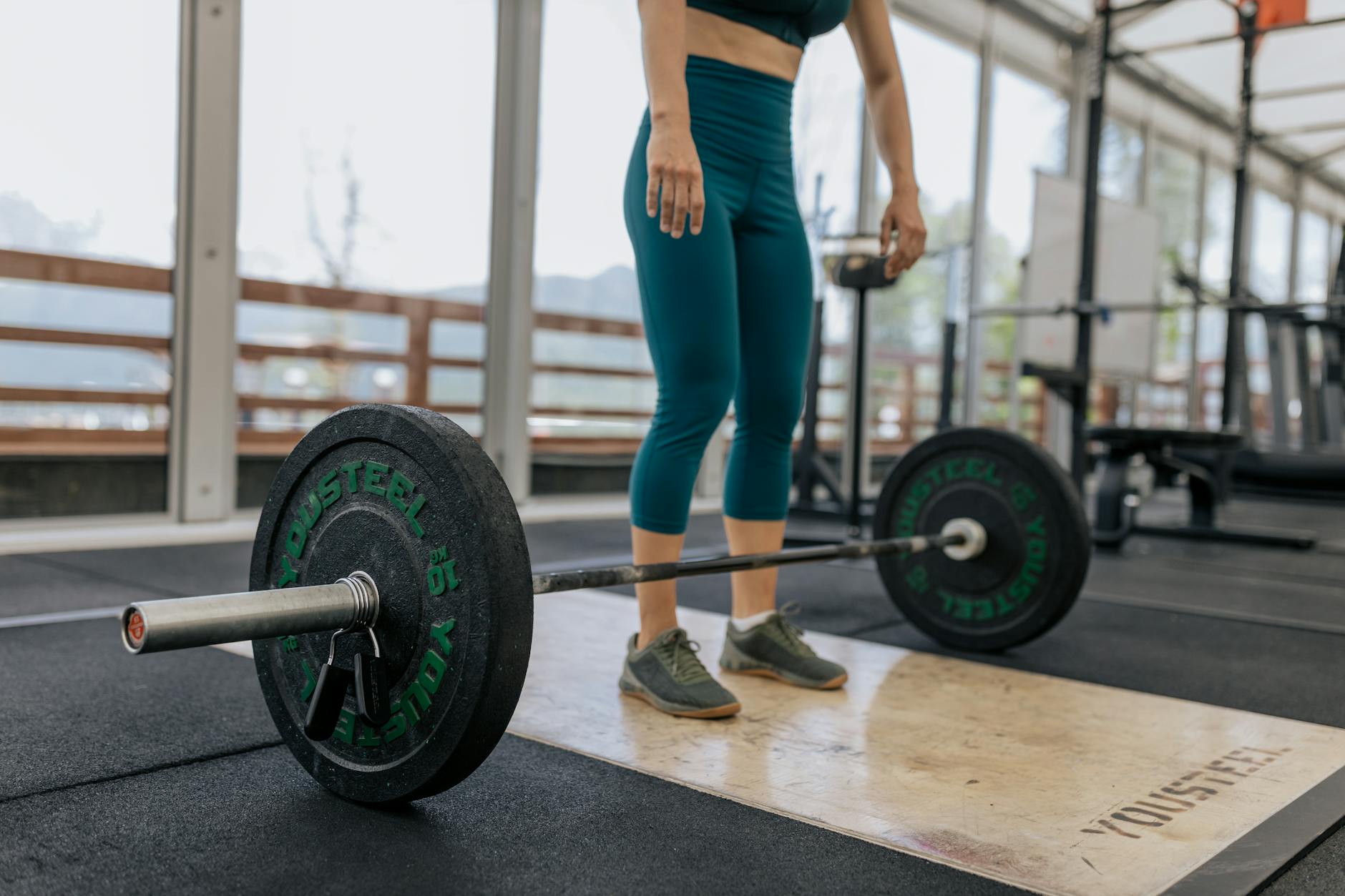
Performing overly complex movements seen on social media often distracts from the effectiveness of basic compound lifts. The most successful transformations are usually built on a foundation of simple and proven exercises like rows and presses and squats. Adding too many variables like balance balls or resistance bands can sometimes decrease the intensity of the primary lift. Mastery of the fundamentals provides the most significant return on investment for the majority of gym goers.
Neglecting Cardiovascular Health
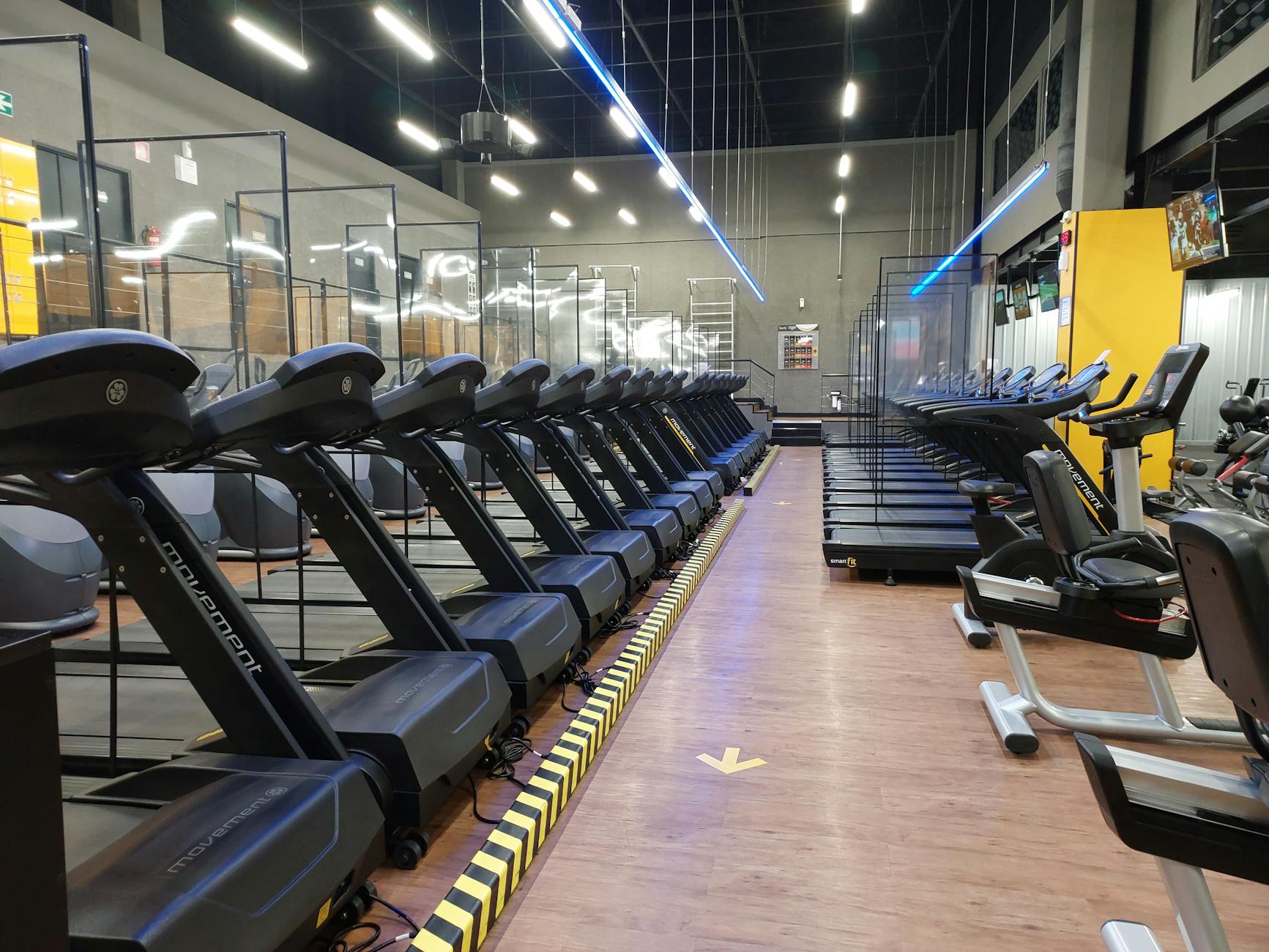
Focusing entirely on weightlifting while ignoring the heart and lungs can limit overall stamina and recovery. A strong cardiovascular system improves blood flow to the muscles and helps the body recover faster between sets. Moderate cardio sessions support heart health and can assist in managing body fat levels without sacrificing muscle mass. Balancing strength work with aerobic conditioning creates a more versatile and resilient physical state.
Ignoring Internal Cues

Following a rigid program even when the body feels exceptionally fatigued or ill can lead to burnout or injury. Learning to listen to signals like joint aches or extreme lethargy allows for smarter training adjustments. Some days require a reduction in intensity or a change in focus to accommodate the natural fluctuations of human energy. Respecting the needs of the body ensures that training remains a healthy part of life rather than an added stressor.
Poor Range of Motion
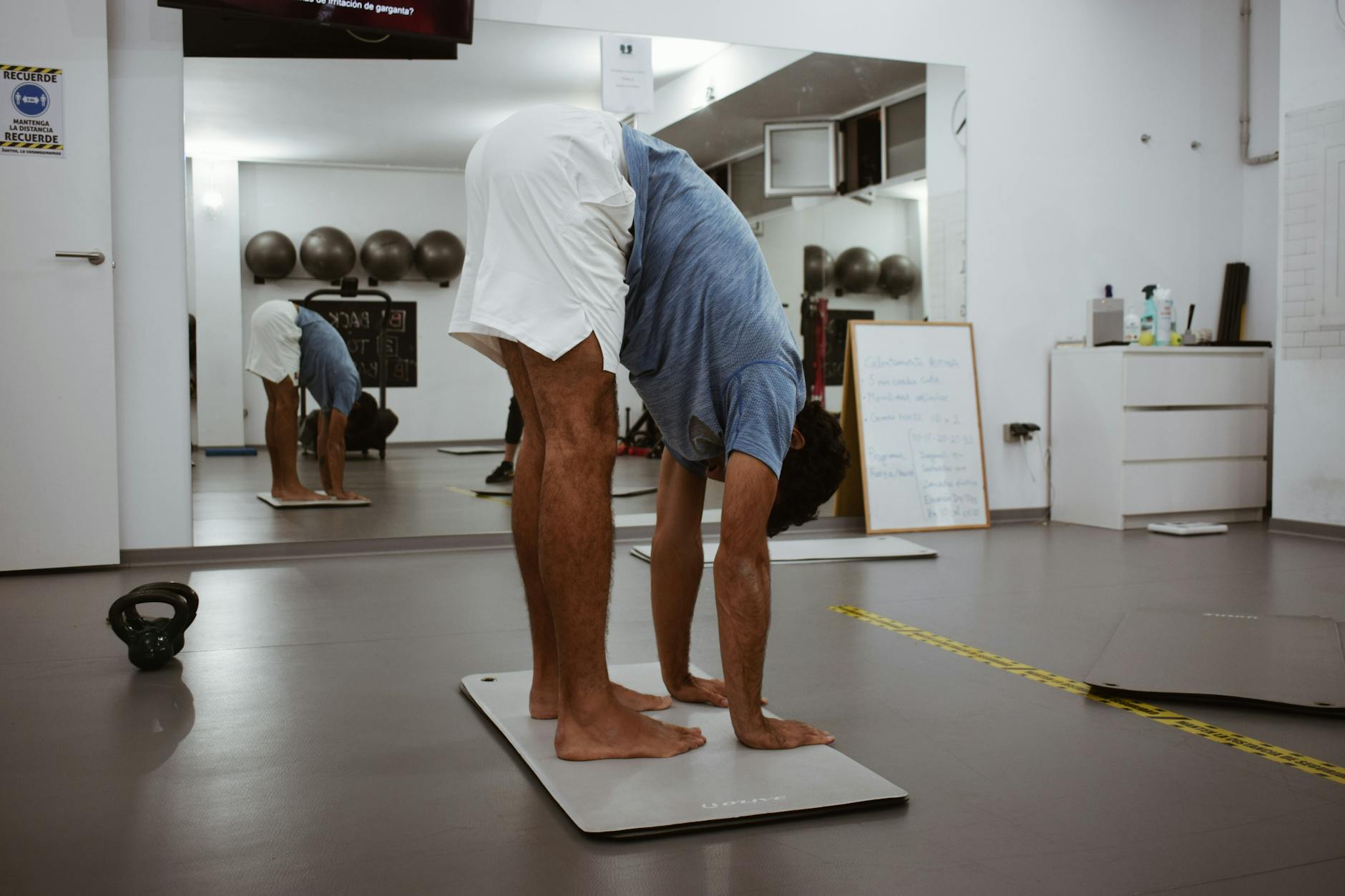
Performing partial repetitions limits the development of the muscle and can lead to flexibility issues over time. A full range of motion ensures that the entire muscle fiber is engaged and strengthened throughout its natural path. Shortchanging the movement often happens when the weight is too heavy for the individual to handle properly. Lowering the load to achieve a complete and deep stretch results in better functional strength and muscle shape.
Using Dirty Equipment

Failing to clean machines after use is not only inconsiderate but also contributes to the spread of bacteria and skin infections. High touch surfaces in a public gym can harbor various germs that thrive in warm and moist environments. Most facilities provide disinfectant sprays or wipes specifically for maintaining a sanitary workout space. Taking a few seconds to wipe down a bench or handle protects the health of every member in the community.
Not Wearing Deodorant

Training in a confined public space requires attention to personal hygiene to ensure a comfortable environment for everyone. Strong body odors can be distracting and unpleasant for those working out in close proximity. Wearing clean gym clothes and applying deodorant are simple ways to show respect for fellow members. Maintaining a high standard of personal cleanliness contributes to the overall positive atmosphere of the fitness center.
Hogging Multiple Machines
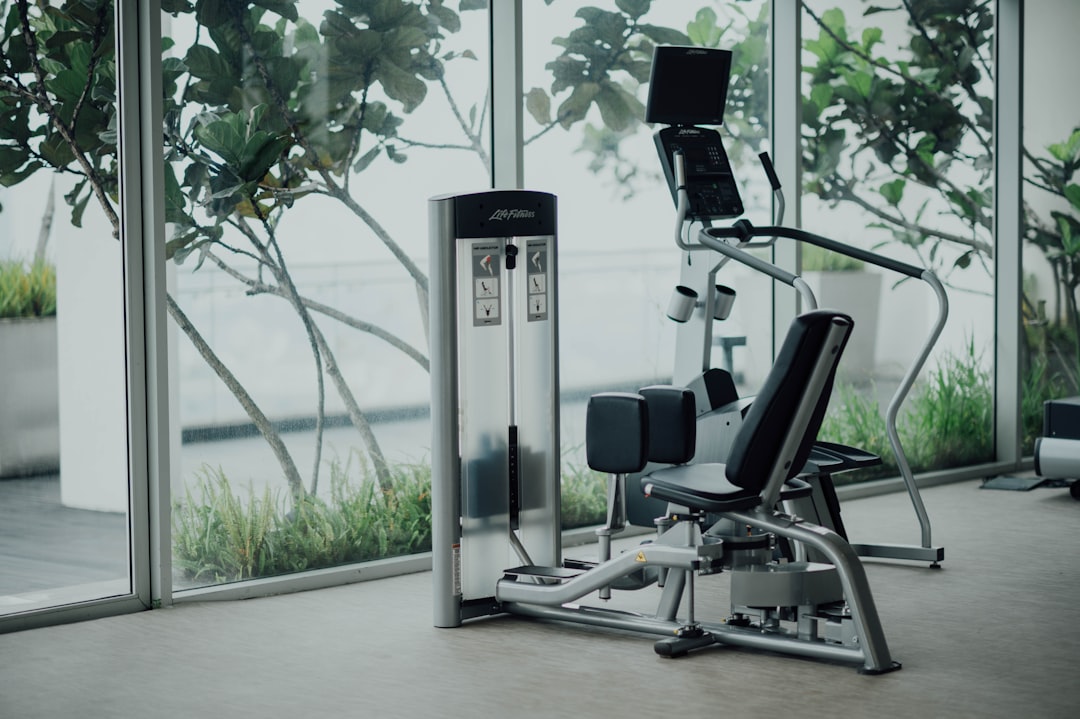
Setting up a circuit that uses several pieces of equipment at once during peak hours prevents others from completing their workouts. It is best to stick to one machine or area during busy times to allow for a fair rotation among all members. If performing a superset it is polite to allow others to work in during your rest periods. Being mindful of the flow of the gym floor ensures that everyone can train efficiently and without unnecessary conflict.
Failing to Set Realistic Goals

Expecting to see drastic physical changes in a matter of days leads to disappointment and a high likelihood of quitting. Fitness is a long term commitment that requires patience and consistent effort over months and years. Setting small and achievable milestones provides a sense of accomplishment and keeps motivation high throughout the journey. Understanding that progress is rarely linear helps maintain a positive mindset during the inevitable ups and downs of training.
Please share your personal tips for staying consistent at the gym in the comments.




