The natural world offers a spectacular display of avian diversity through vibrant plumage and striking patterns that serve various biological purposes. Evolutionary traits often dictate these brilliant hues to assist with mating rituals or territorial displays within specific ecosystems. From dense tropical rainforests to open savannahs these birds represent some of the most visually stunning examples of biodiversity on the planet. This collection highlights species that are renowned for their intense saturations and unique color combinations.
Lilac-breasted Roller
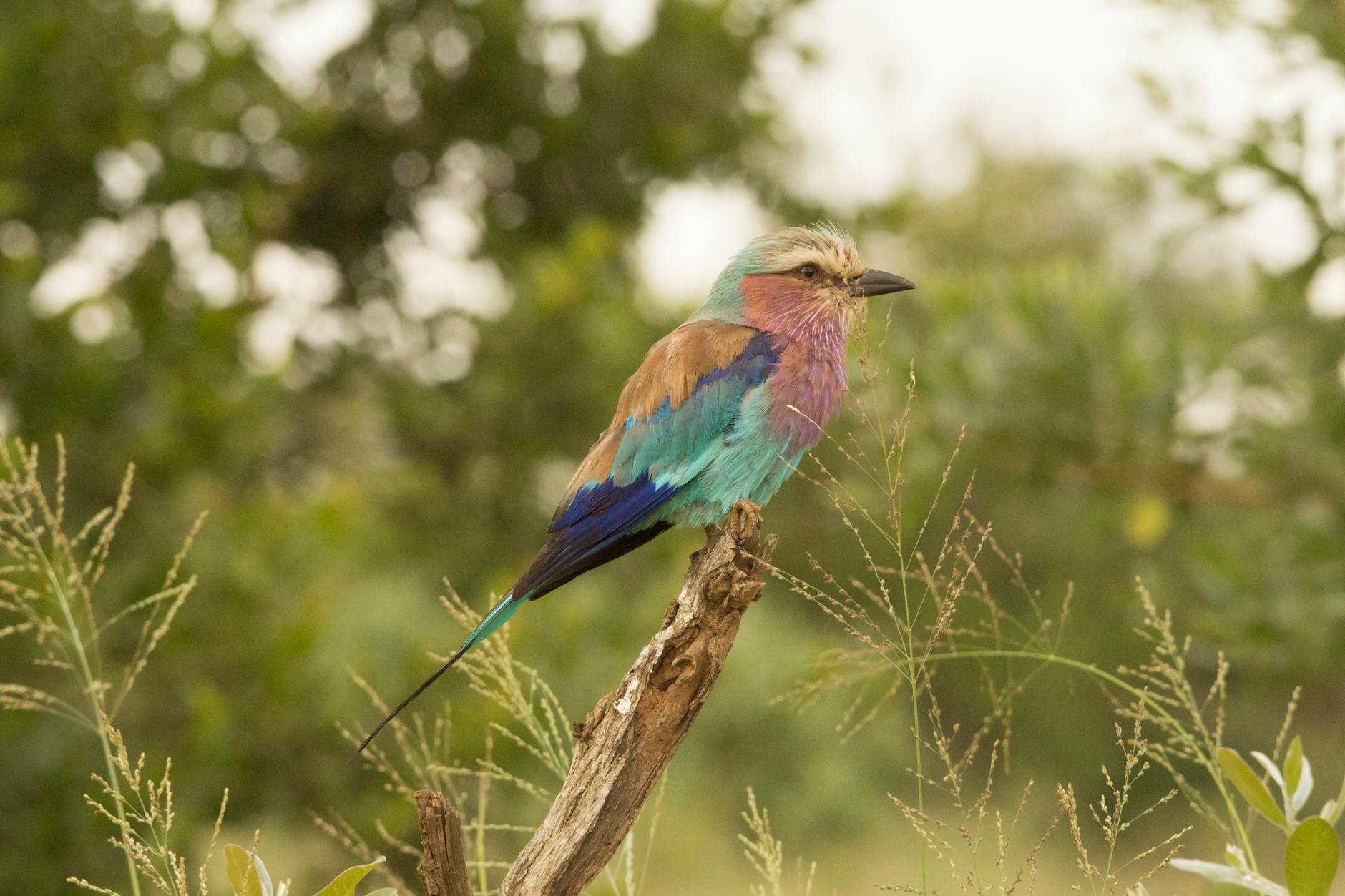
This stunning African bird features a striking palette of eight distinct colors including a rich lilac throat and breast. Its turquoise belly and bright blue wings create a vivid contrast against the dusty landscapes of its sub-Saharan habitat. These birds are often found perched on high vantage points searching for insects and small amphibians to hunt. Their iridescent feathers shimmer under the bright sun making them one of the most photographed species by wildlife enthusiasts.
Scarlet Macaw
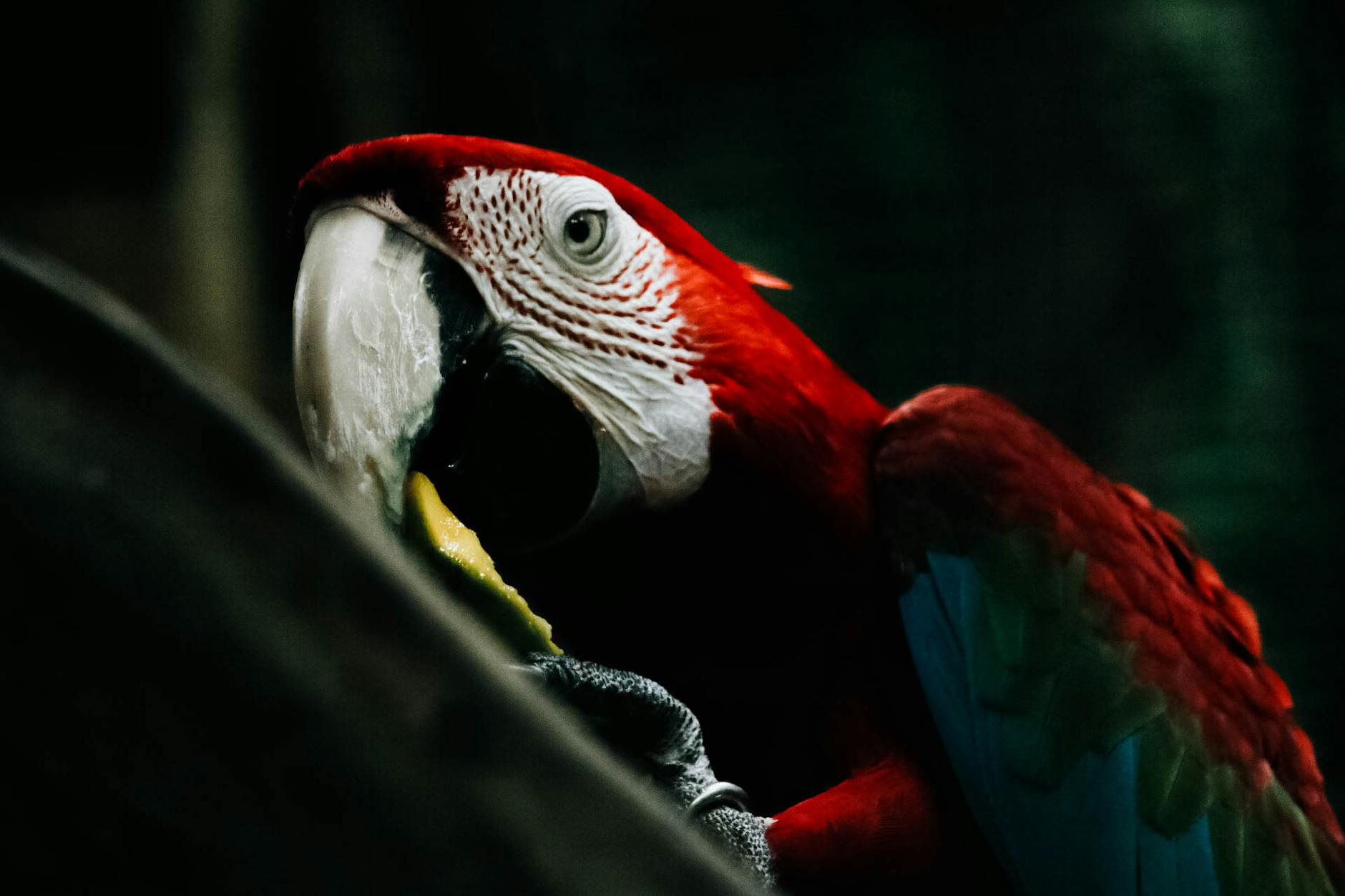
The scarlet macaw is a large Neotropical parrot that boasts brilliant red plumage accented by bold yellow and blue wing feathers. These social birds are native to the evergreen forests of Central and South America where they feed on a variety of seeds and fruits. Their powerful beaks are designed to crack hard nuts while their strong feet allow them to climb through the canopy with ease. The intense primary colors of their feathers make them easily identifiable even from a significant distance in the wild.
Mandarin Duck
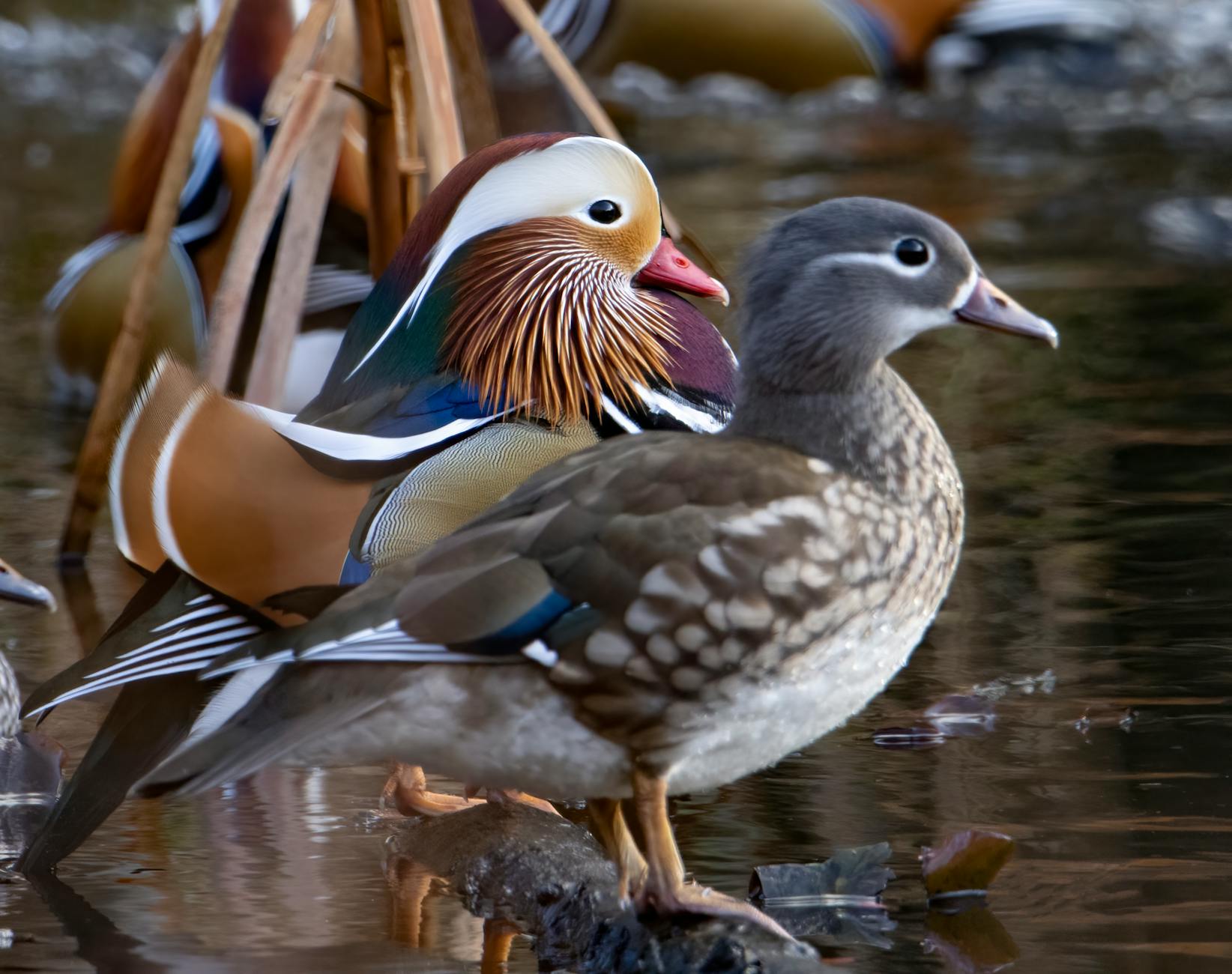
Renowned for its intricate and artistic appearance the male mandarin duck displays a complex arrangement of orange feathers and a reddish bill. This East Asian waterfowl features a purple breast with two vertical white bars and striking orange sails on its back. They typically inhabit densely wooded areas near shallow lakes and ponds where they nest in tree cavities. The combination of deep blues greens and oranges creates a painted appearance that has made them a symbol of beauty in various cultures.
Keel-billed Toucan
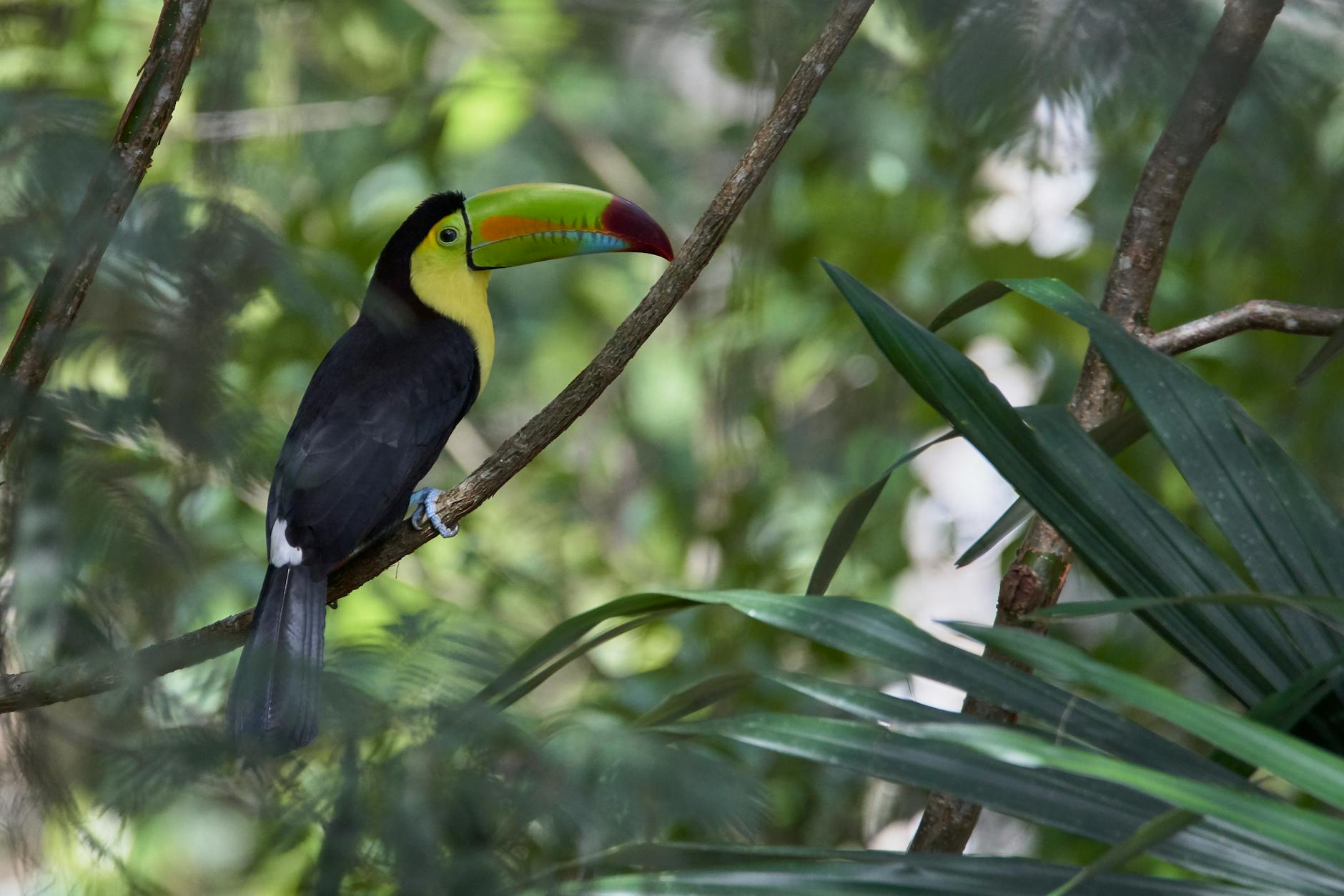
The keel-billed toucan is famous for its massive multicolored beak that displays shades of green red and orange. Its body is primarily black with a bright yellow chest and throat that provides a sharp visual break in its silhouette. Found throughout the rainforests of Central America this bird uses its lightweight bill to reach fruit on branches that would otherwise be inaccessible. The vibrant colors of the beak are thought to play a role in both social signaling and heat regulation.
Painted Bunting
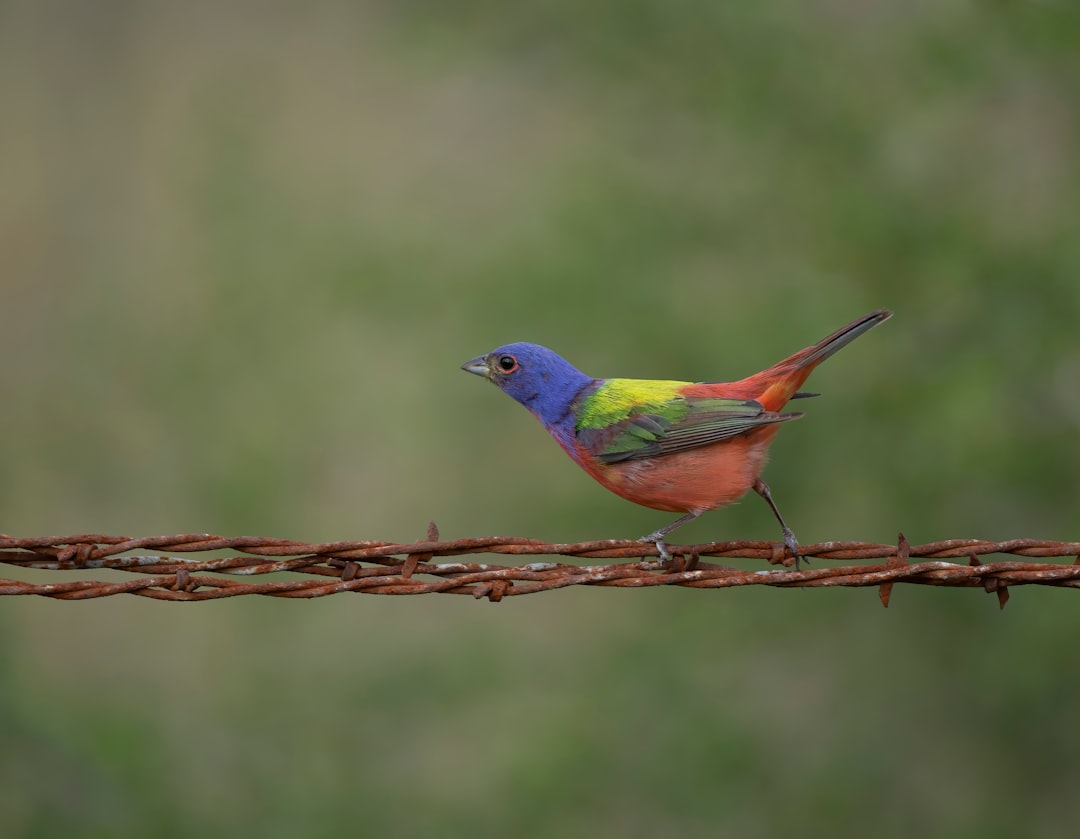
Often described as a living rainbow the male painted bunting is one of the most colorful songbirds in North America. It possesses a bright blue head a green back and a deep red underbelly that creates a startlingly diverse appearance for its small size. These birds prefer brushy habitats and woodland edges where they can stay hidden while singing their melodious tunes. Their shy nature means they are often heard before they are seen despite their extremely bright plumage.
Gouldian Finch
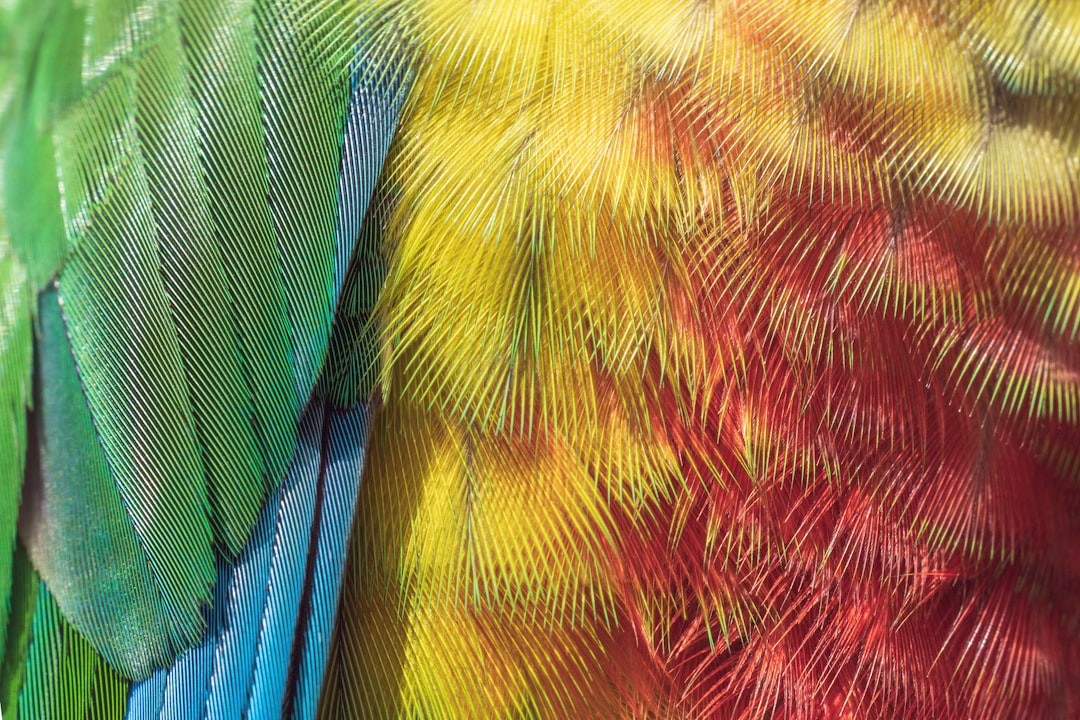
Native to Australia the Gouldian finch is a small passerine bird that exhibits a stunning array of purple yellow and green feathers. Most individuals have a bright green back and a rich purple breast paired with a yellow belly and a black or red face. They inhabit open grassy woodlands near water sources where they feed primarily on high-quality grass seeds. These finches are highly social and are often seen in large flocks moving through the landscape in search of food.
Resplendent Quetzal
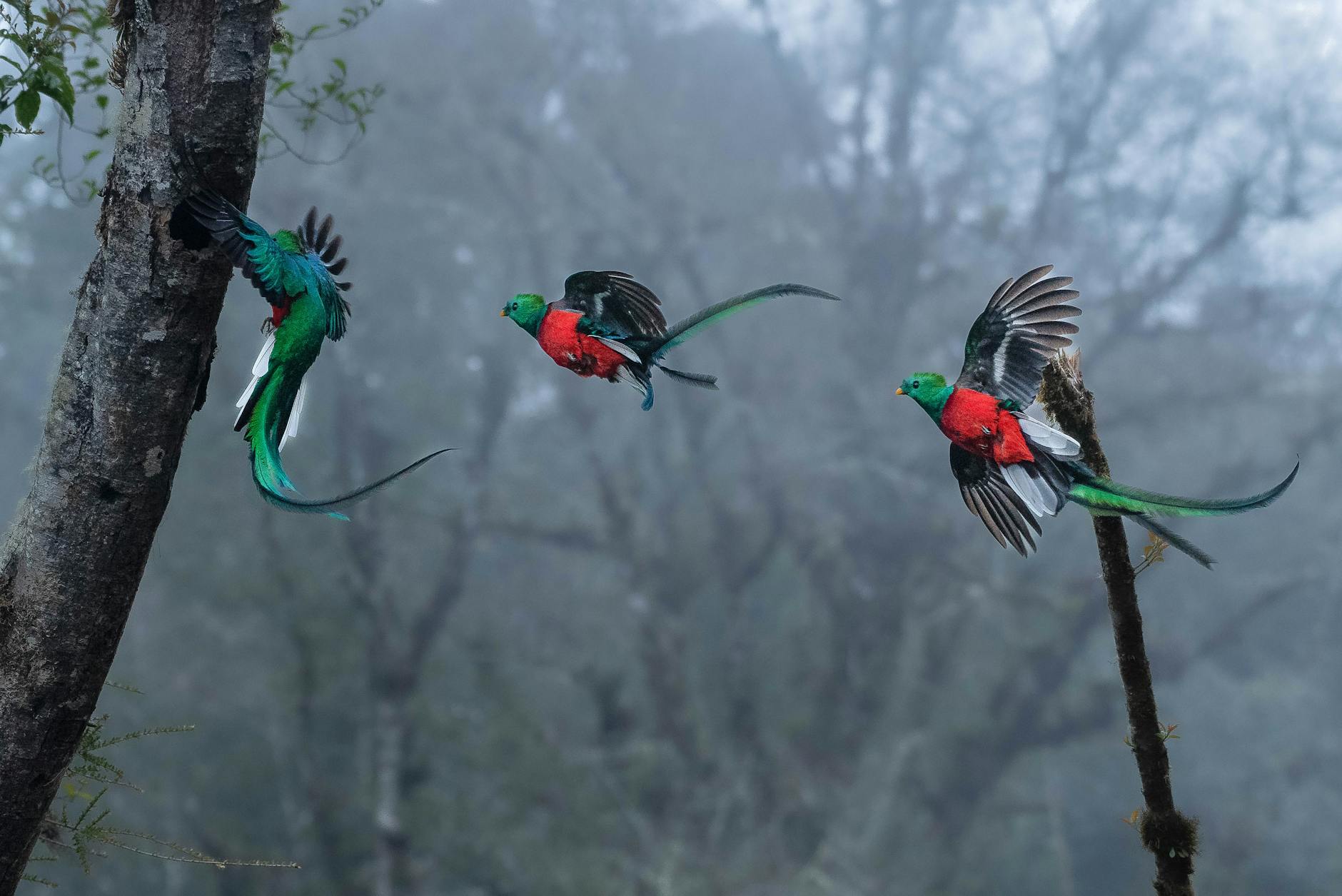
The resplendent quetzal is a magnificent bird from the cloud forests of Central America known for its shimmering green and red feathers. Males grow twin tail feathers that can reach up to three feet in length during the breeding season. The vibrant green plumage of the head and back often appears to shift into gold or blue depending on the angle of the light. Historically revered by ancient civilizations this bird remains a symbol of liberty and natural splendor.
Kingfisher
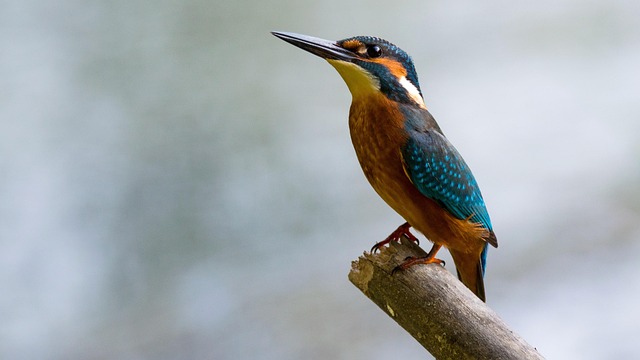
The common kingfisher is widely recognized for its dazzling turquoise back and deep orange underparts. This small bird is a master of aquatic hunting and often perches motionless above clear water before diving for small fish. The metallic sheen of its feathers is produced by structural coloration which reflects light in a brilliant blue hue. Their rapid flight and sharp calls make them a distinctive presence along riverbanks and coastal areas around the globe.
Paradise Tanager
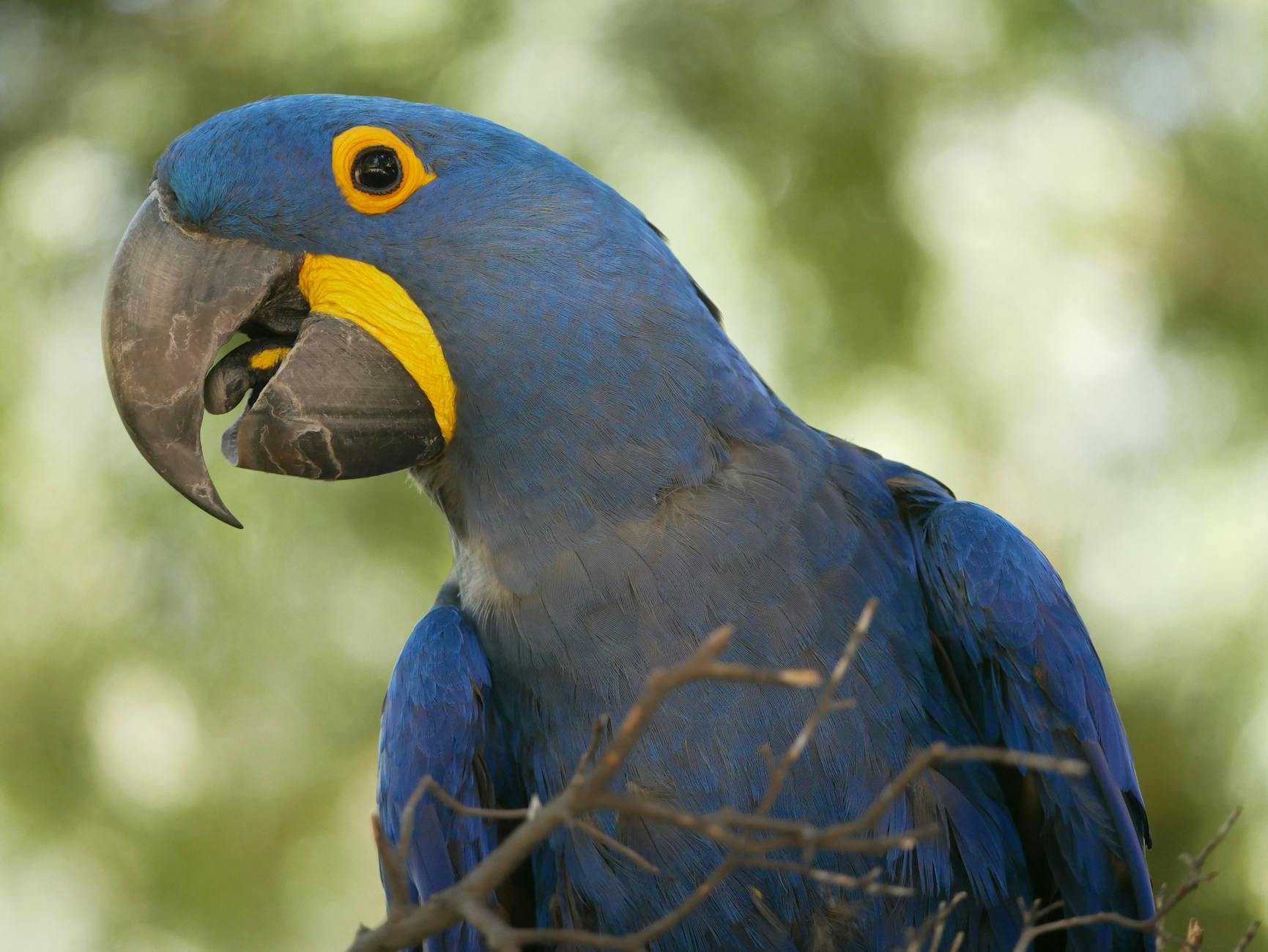
Found in the upper canopy of the Amazon rainforest the paradise tanager is a multi-colored songbird of exceptional beauty. It features a neon green head with a sky blue breast and a striking crimson patch on its lower back. These active birds move in small groups and frequently join mixed-species flocks to forage for insects and berries. The sheer variety of colors packed onto their small frames makes them a highlight for birdwatchers visiting South American jungles.
Wilson’s Bird of Paradise
Wilson’s bird of paradise is a small Indonesian species famous for the unique turquoise skin on its crown which is crisscrossed by black patterns. The male also sports a bright crimson back and a yellow mantle that contrasts with its emerald green breast. One of its most distinctive features is the pair of violet tail feathers that curve into elegant spirals. They perform intricate courtship displays on cleared forest floors to attract potential mates using their vivid colors to stand out.
Crimson Rosella
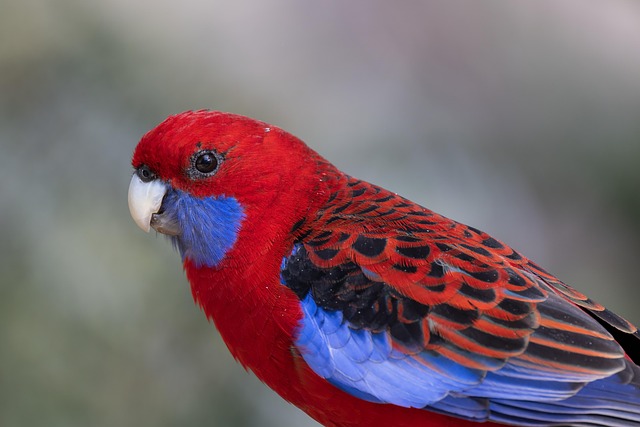
The crimson rosella is a medium-sized Australian parrot characterized by its deep red body and bright blue cheeks. Its wings and tail are also marked with vibrant blue feathers while the back displays a black scalloped pattern on a red background. These birds are commonly found in mountain forests and gardens where they forage for seeds and nectar. Their bold coloration and friendly disposition have made them a well-known species across the Australian landscape.
Rainbow Lorikeet
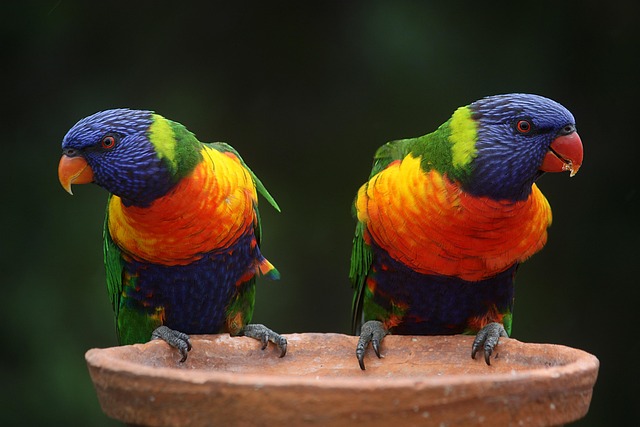
True to its name the rainbow lorikeet features a bright blue head a greenish-yellow collar and a vibrant orange breast. Its wings and back are a deep green while its underbelly displays a mix of blue and red tones. These parrots are highly energetic and travel in noisy flocks through coastal regions and rainforests. They use specialized brush-tipped tongues to feed on nectar and pollen from various flowering plants.
Golden Pheasant
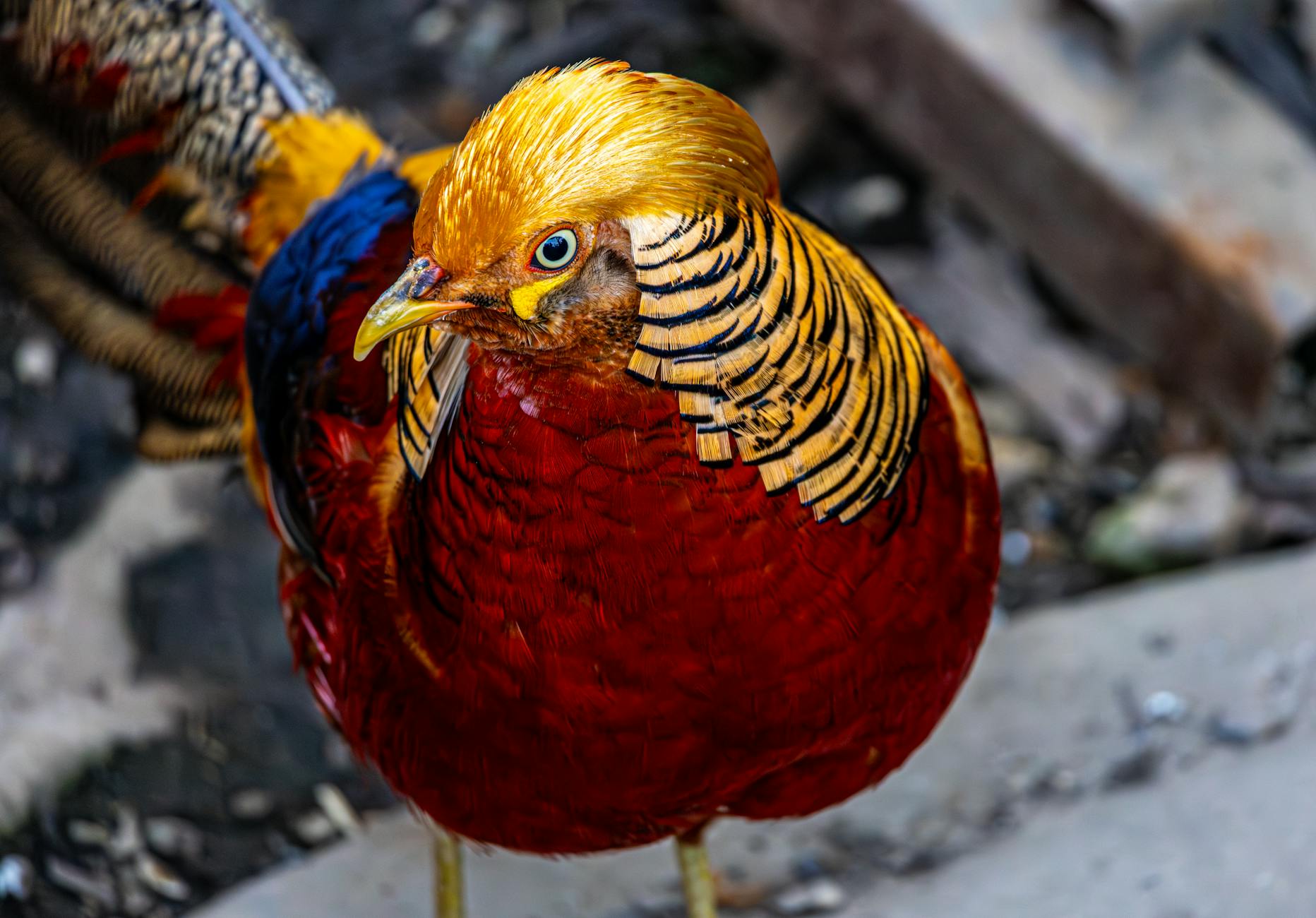
The male golden pheasant is an unmistakable bird native to the mountainous regions of Western China. It is defined by its golden-yellow crest and bright red body which are complemented by a deep orange cape of feathers around the neck. The long tail is patterned with brown and black while the wings show hints of blue and yellow. These ground-dwelling birds are often found in dense forests and scrublands where they forage for grains and invertebrates.
Spangled Cotinga
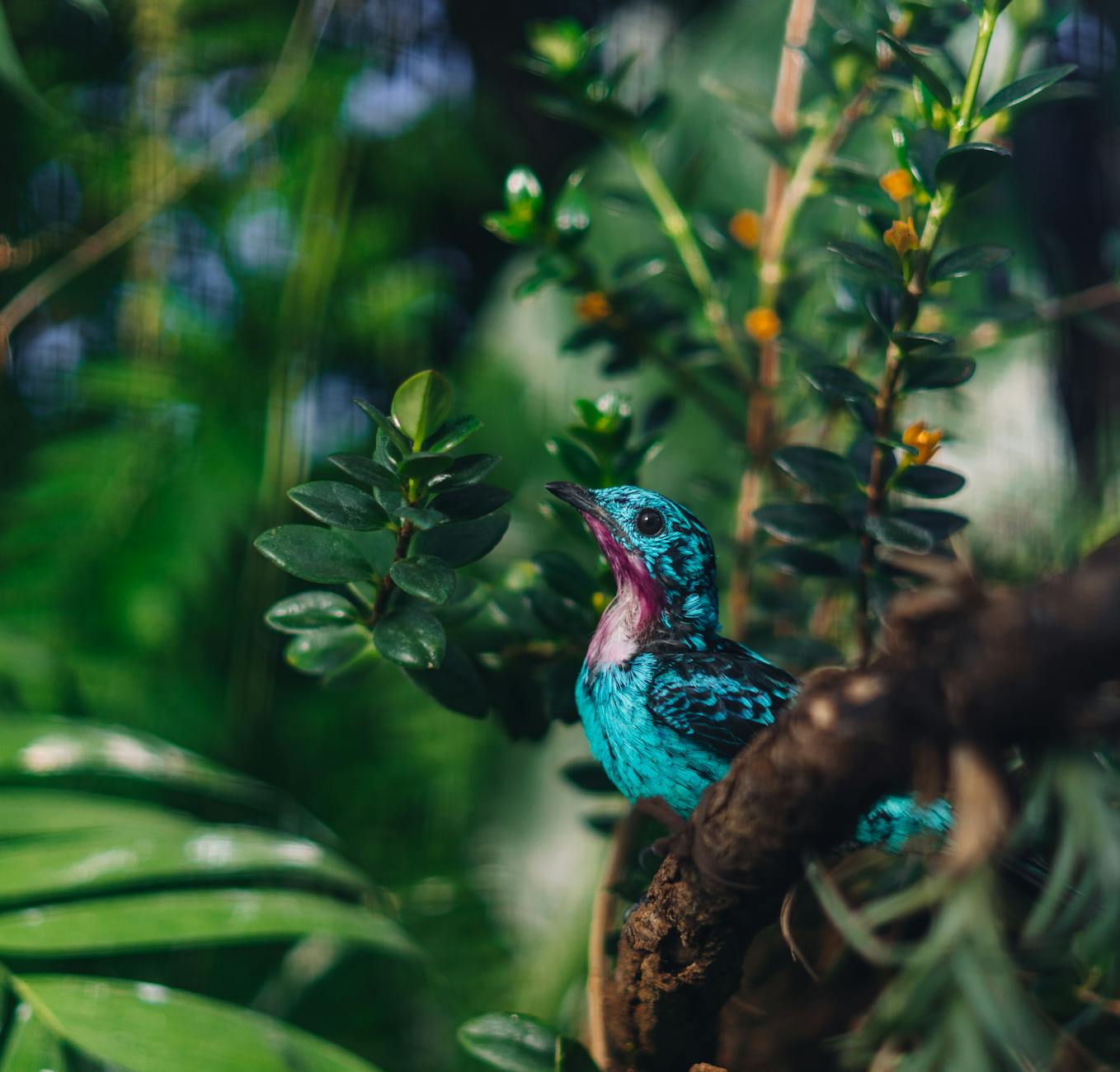
The spangled cotinga is a stunning South American bird that possesses brilliant turquoise plumage with black spots. The male is particularly notable for a large patch of deep wine-red feathers on its throat and upper breast. They spend most of their time in the high canopy of the rainforest eating various types of tropical fruits. The intense saturation of their blue feathers makes them appear to glow against the dark green leaves of the forest.
Victoria Crowned Pigeon
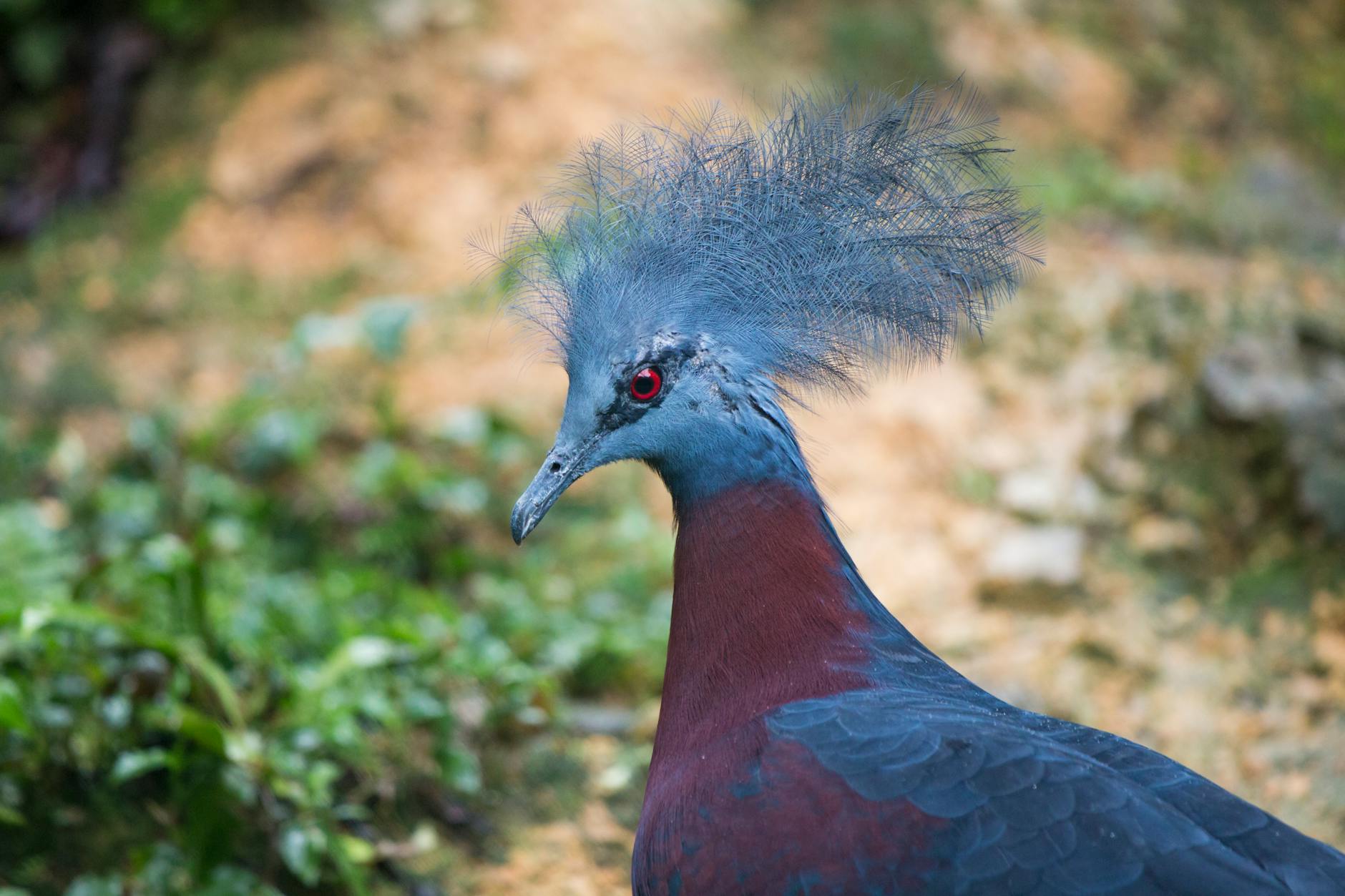
As the largest pigeon in the world the Victoria crowned pigeon is famous for its elegant bluish-gray feathers and intricate lace-like crest. Its chest is a deep maroon color and its wings are marked with a lighter blue bar. Native to the lowland forests of New Guinea these birds spend much of their time on the forest floor searching for fallen fruits. The striking red iris of their eyes adds another layer of color to their already impressive appearance.
European Bee-eater
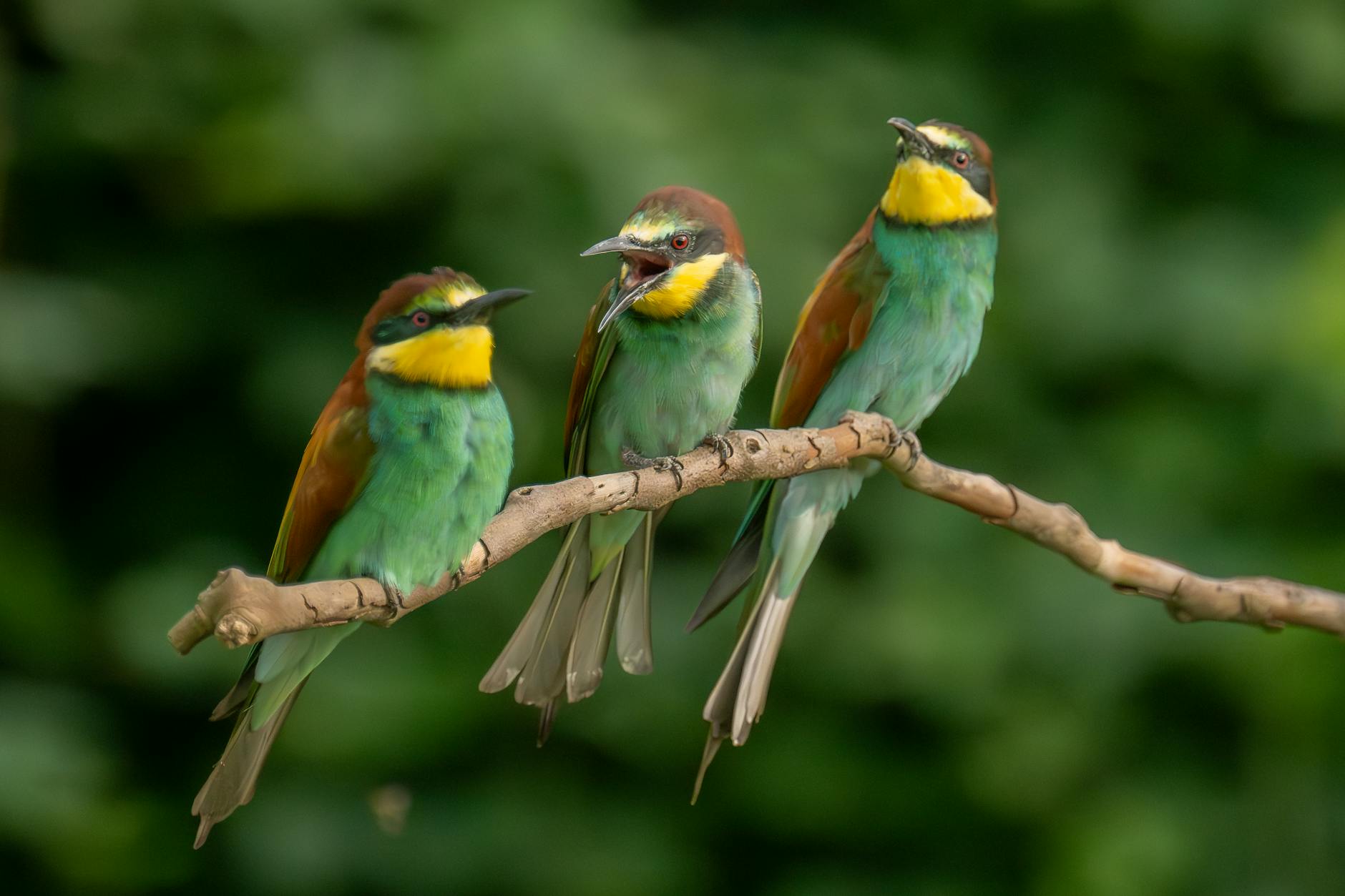
The European bee-eater is a slender bird that displays a rich palette of chestnut brown yellow and green. It features a bright yellow throat and a blue-green belly along with a distinctive black eye stripe. These migratory birds are expert aerial hunters and catch bees and other insects in mid-air. They nest in long tunnels burrowed into sandy banks often forming large and colorful colonies.
Flamingo
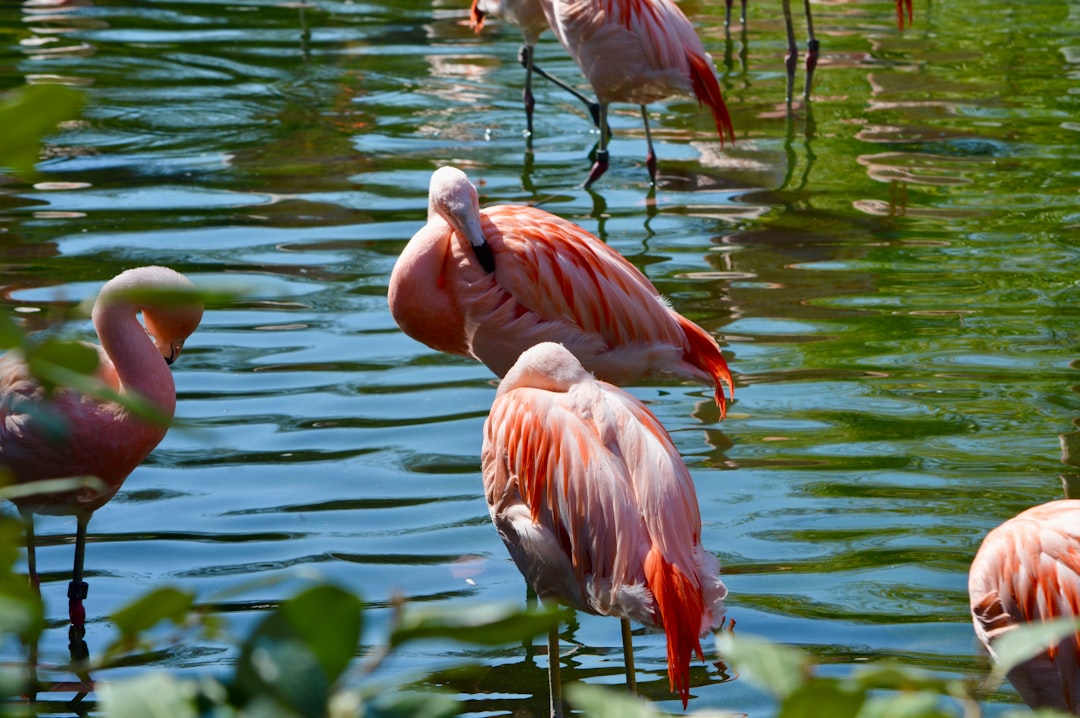
Flamingos are iconic for their overall pink to reddish plumage which is derived from the carotenoid pigments in their diet. They inhabit alkaline lakes and lagoons where they use their specialized bills to filter-feed on brine shrimp and blue-green algae. The intensity of their color often serves as an indicator of their health and nutritional status within the colony. Their long necks and stilt-like legs make them one of the most recognizable avian silhouettes in the world.
Himalayan Monal
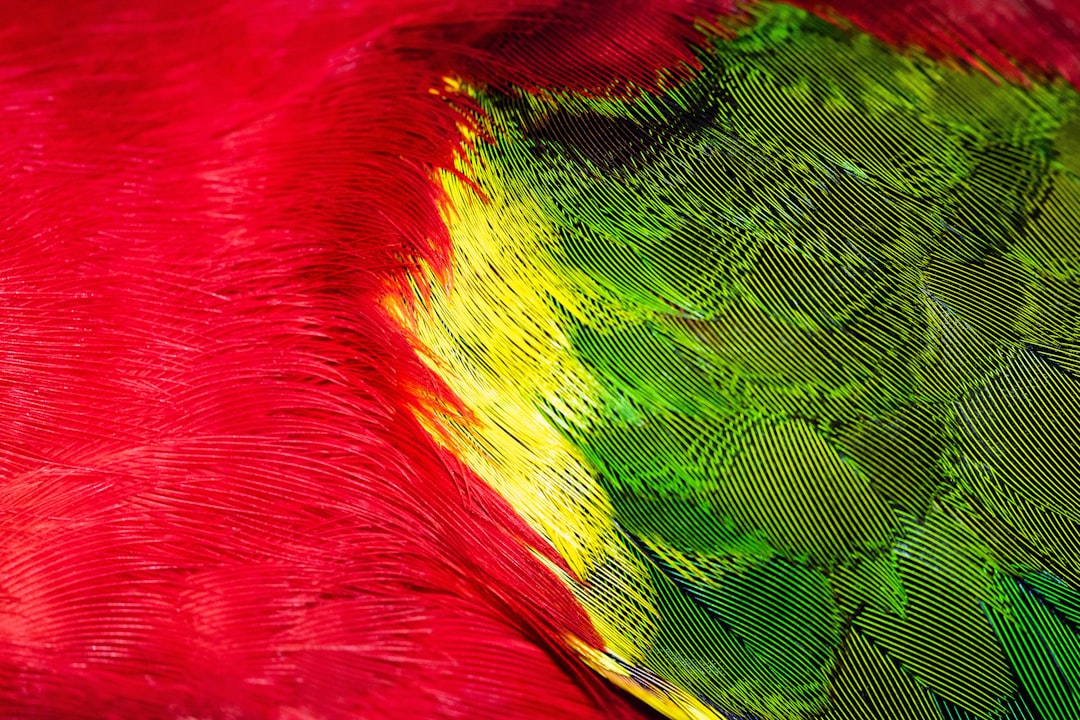
The Himalayan monal is a large pheasant that displays a spectacular metallic plumage in shades of green purple and blue. The male has a distinctive copper-colored neck and a bright green crest that stands upright. These birds are found in the high-altitude forests and meadows of the Himalayas where they dig for tubers and insects. Their iridescent feathers reflect a wide range of colors when viewed from different angles in the sunlight.
Red-bearded Bee-eater
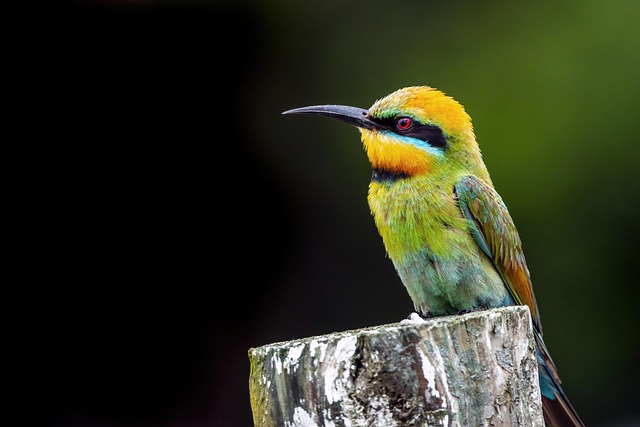
Native to the dense forests of Southeast Asia the red-bearded bee-eater is named for its long and shaggy orange-red throat feathers. Its body is primarily a lush green which helps it blend into the foliage while waiting for prey. The top of its head is a pale violet-blue and it possesses a long decurved bill perfect for catching large insects. These birds are often seen perched quietly on branches before launching into a swift pursuit of dragonflies or hornets.
Splendid Fairywren
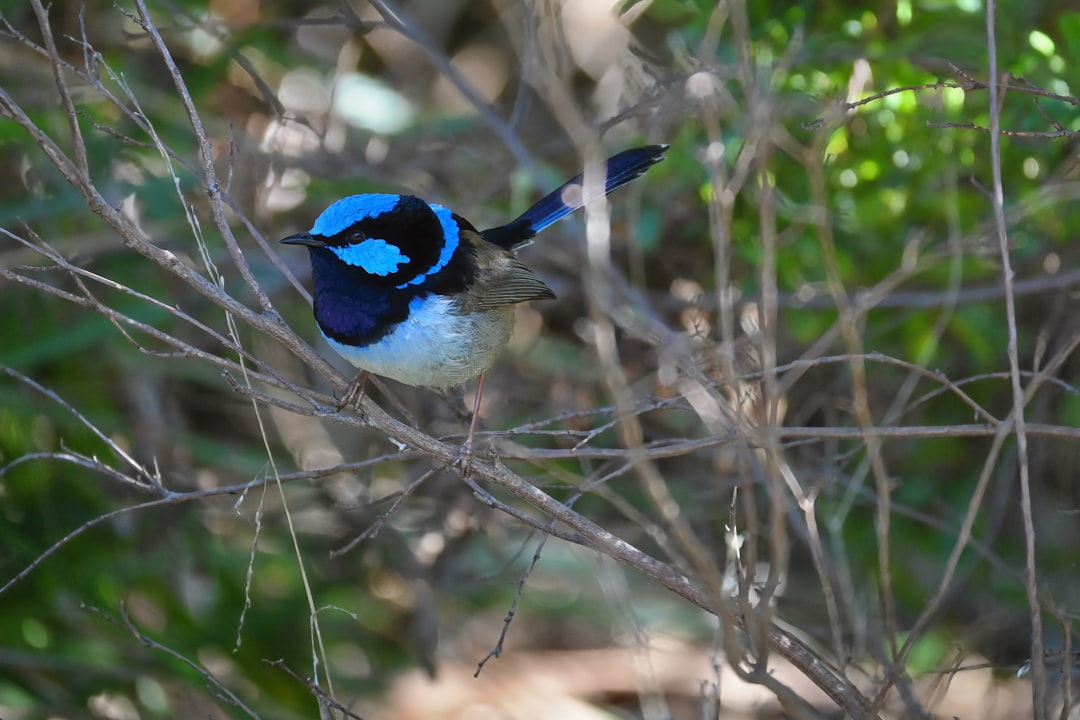
The male splendid fairywren is known for its brilliant cobalt blue plumage during the breeding season. It features black bands across its chest and through its eyes which highlight the intensity of its blue feathers. These small birds are native to Australia and inhabit a variety of environments from arid scrublands to lush gardens. They are highly active and move in small social groups while foraging for small insects on the ground.
Turquoise-browed Motmot
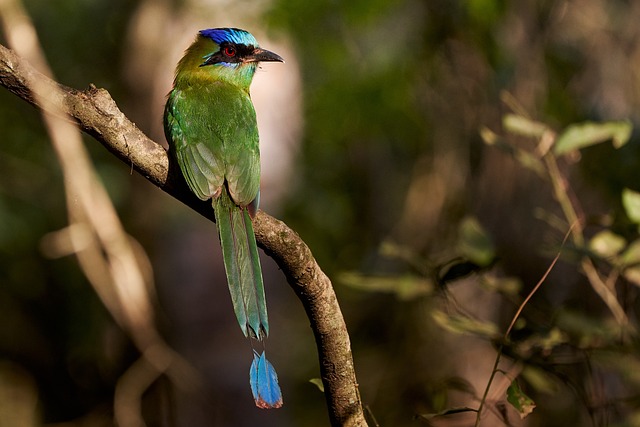
The turquoise-browed motmot is easily identified by its vibrant blue brow stripes and unique racquet-tipped tail. Its body is mostly olive-green with a reddish-brown back and a bright turquoise throat patch. Found in the tropical forests of Central America these birds often sit perfectly still before snatching insects from the air. The two central tail feathers lose their barbs in the middle giving the bird its signature pendulum-like appearance.
Cuban Trogon
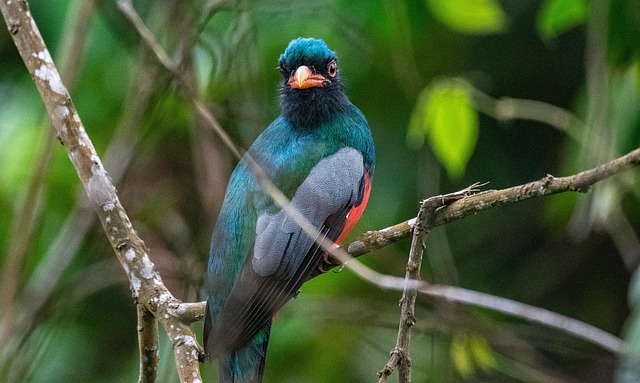
As the national bird of Cuba the Cuban trogon displays the colors of the national flag through its red white and blue feathers. It has a metallic green back a white breast and a bright red belly that creates a very patriotic appearance. The bird is also known for its unique scalloped tail feathers which distinguish it from other trogon species. They live in diverse wooded habitats across the island and are known for their distinct repetitive calls.
Sunbittern
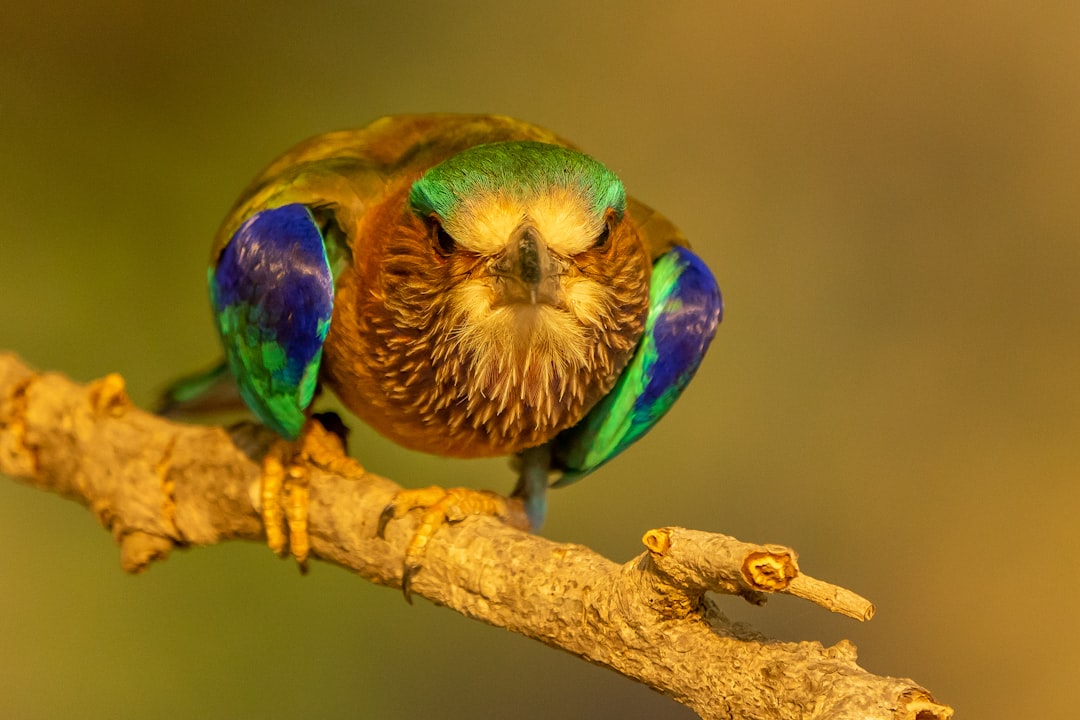
The sunbittern is a mysterious bird from the Neotropics that reveals a stunning secret when it spreads its wings. While it appears mostly brown and gray when perched its wings feature large eyespots in shades of yellow red and black. This display is used to startle predators and defend its territory near forest streams. They move with a graceful heron-like gait as they hunt for small fish and insects in shallow water.
Violet-backed Starling
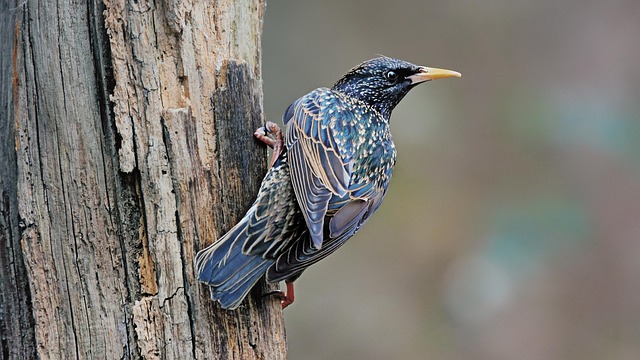
The male violet-backed starling is one of the most vividly colored starlings in Africa with iridescent plum-colored feathers. This deep violet hue covers its head back and tail while the underbelly remains a pure and contrasting white. These birds are typically found in open woodlands and riverine forests where they feed on fruit and insects. Their feathers change appearance based on the light source often shifting from deep purple to bright magenta.
Red-necked Tanager
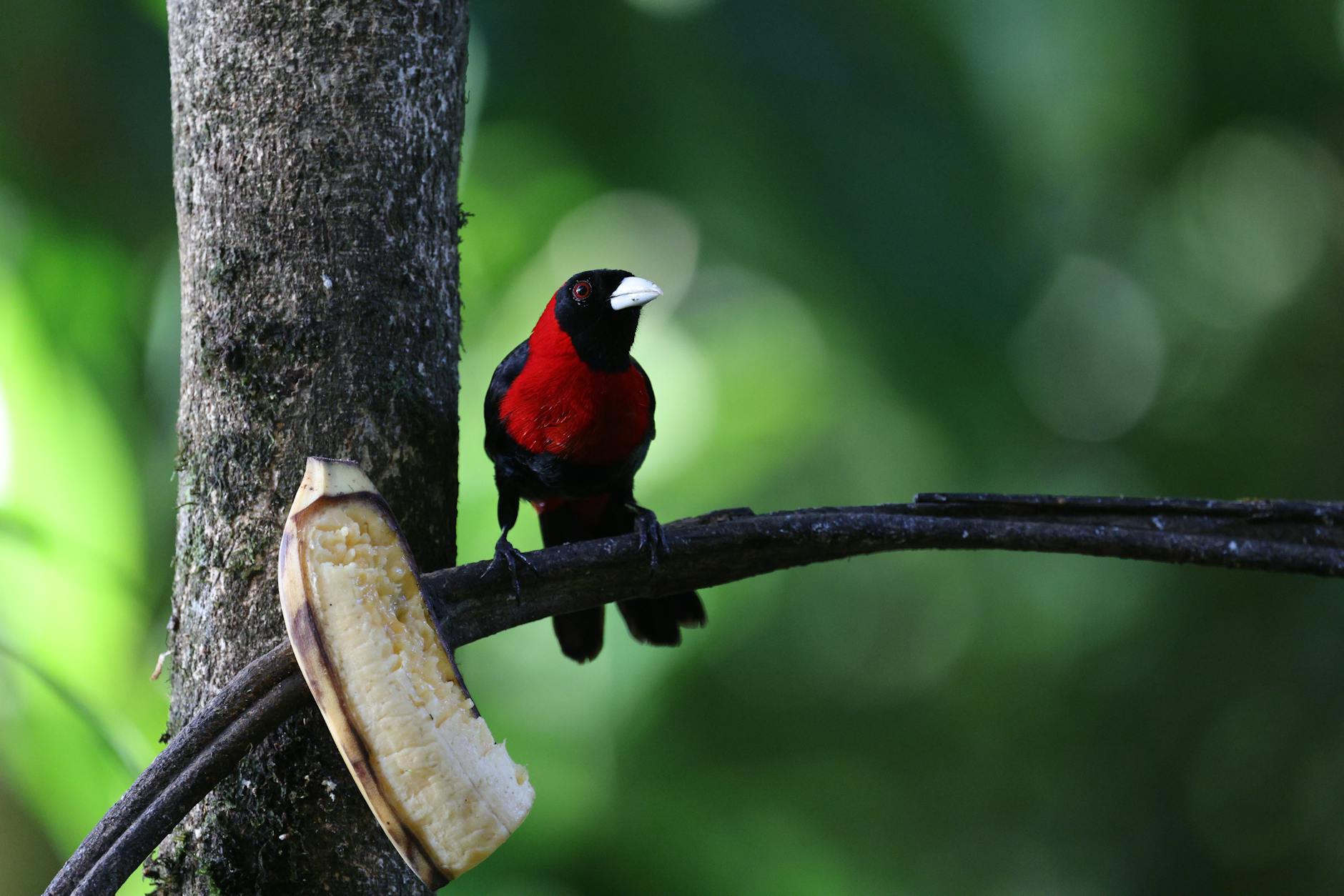
The red-necked tanager is a vibrant bird from the Atlantic forests of South America with a bright green body and a deep red neck. Its crown and throat are a brilliant blue while the wings are accented with orange and black. These birds are social and often join large mixed flocks to search for food in the forest canopy. The combination of primary and secondary colors on such a small bird makes it a true gem of the rainforest.
Lady Amherst’s Pheasant
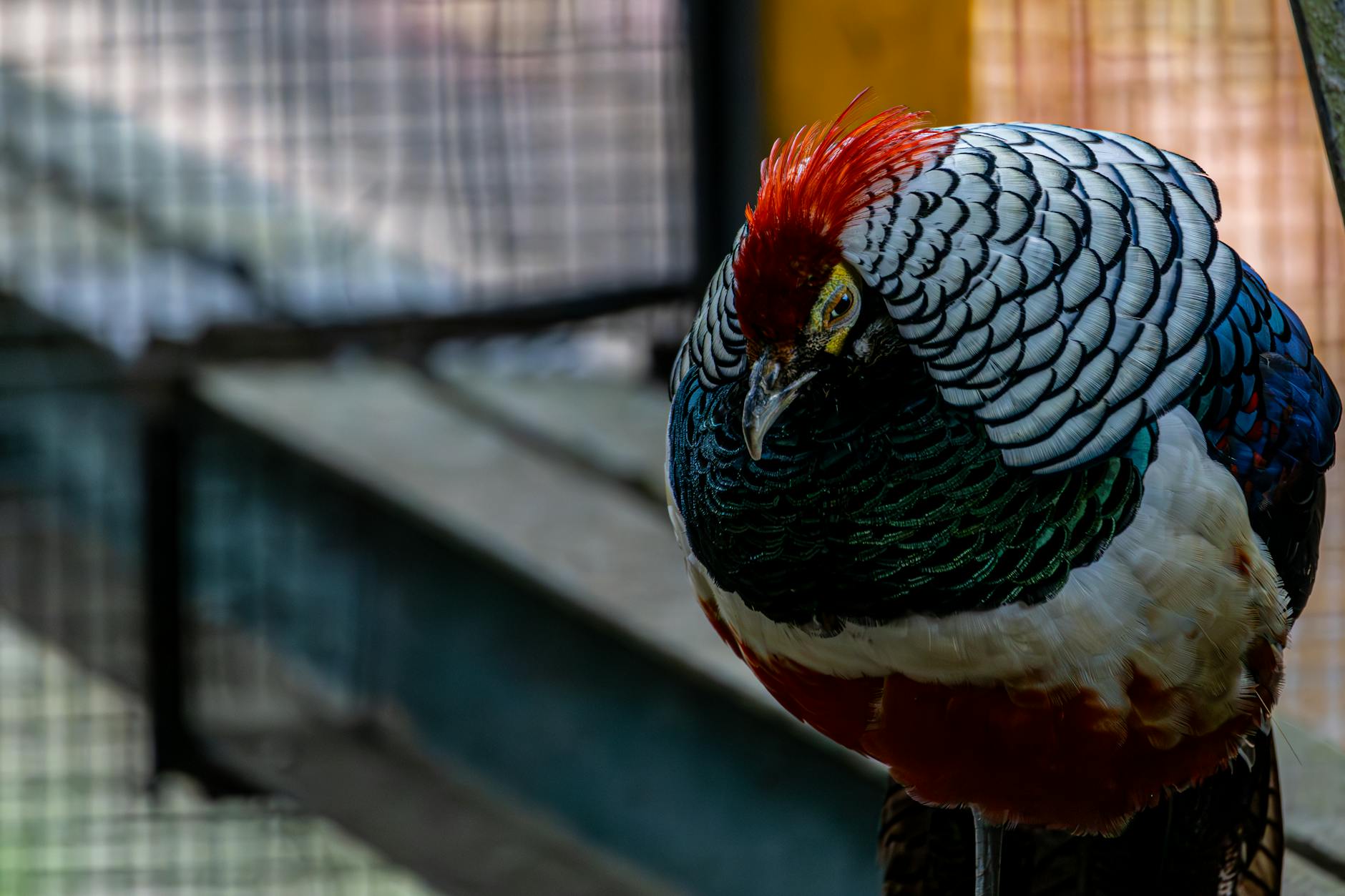
Native to southwestern China and Myanmar the male Lady Amherst’s pheasant is a masterpiece of natural design. It features a silver and black patterned cape along with a long tail of white feathers marked with black bars. Its body includes a green breast a red crest and a yellow lower back making it a very colorful ground-dwelling bird. These birds prefer dense vegetation where they can hide easily from potential threats despite their bright appearance.
Green Honeycreeper
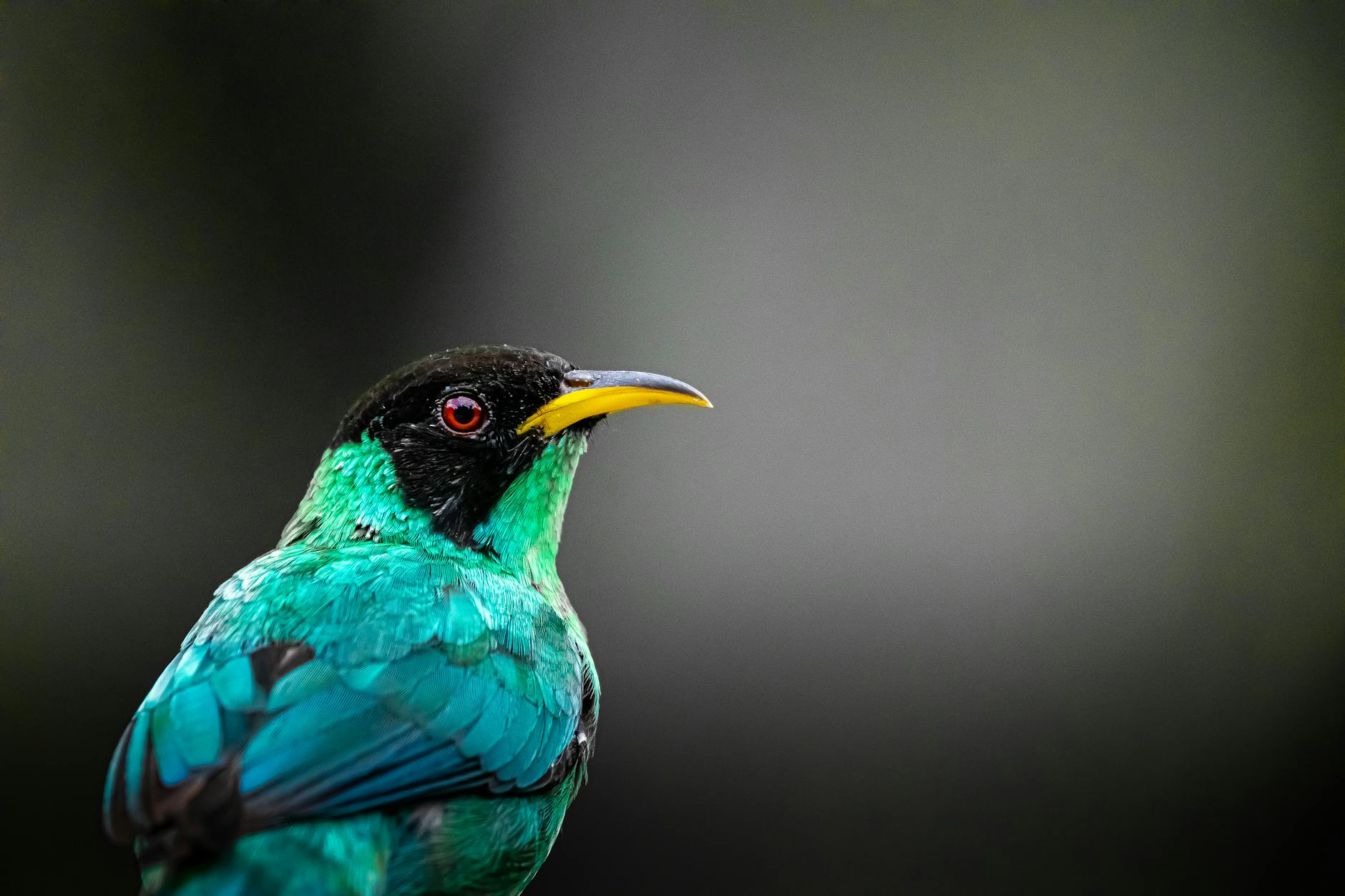
The male green honeycreeper is a small tropical bird with an intense neon-cyan plumage that stands out in the forest. It has a black head that looks like a mask and a bright yellow bill that curves downward. They are common in the forests of Central and South America where they feed on nectar and small fruits. The females are a lime-green color providing a much more camouflaged look compared to the bright males.
Blue-throated Macaw
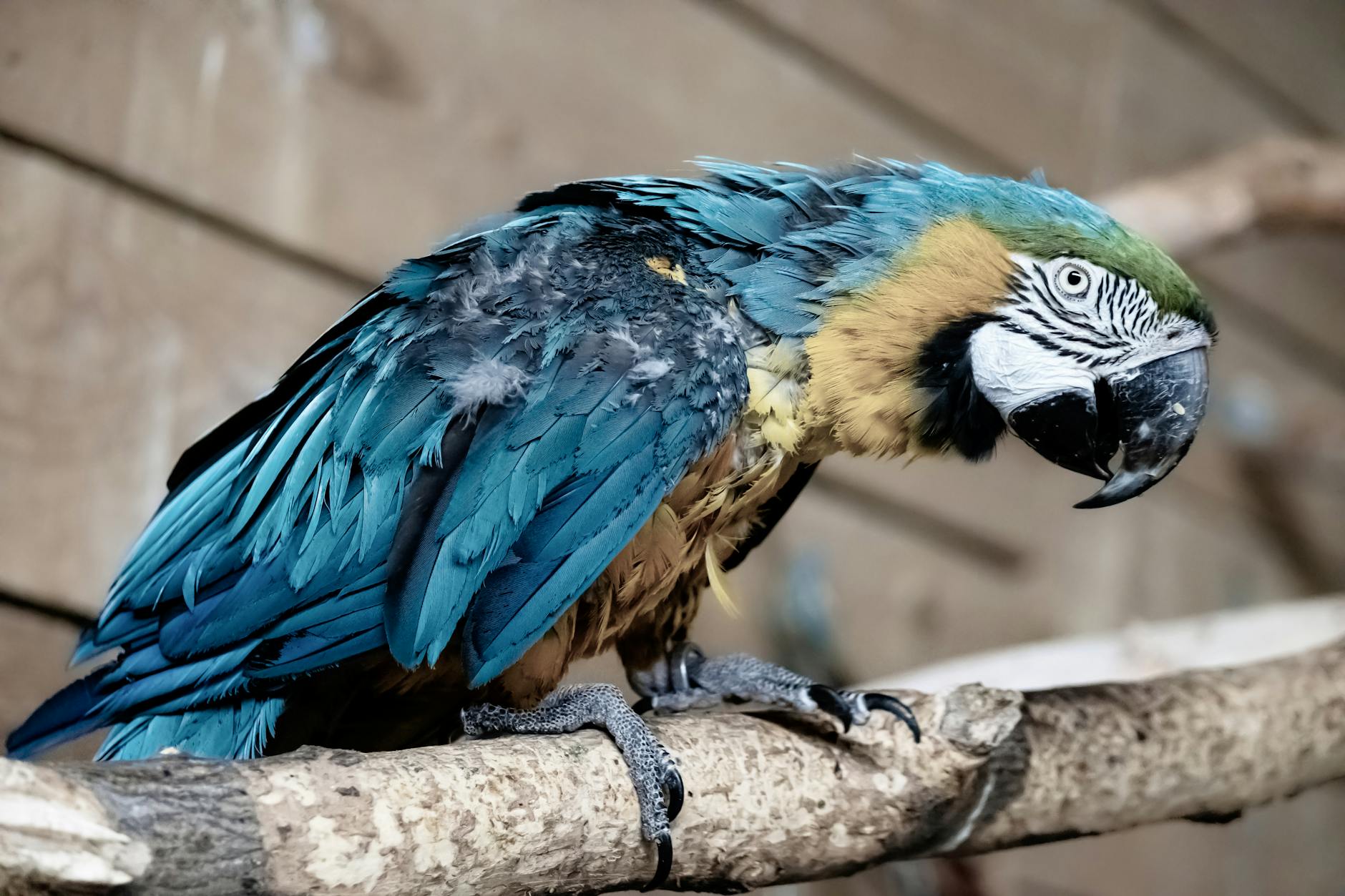
The blue-throated macaw is a rare and critically endangered parrot found only in a small region of Bolivia. It features a turquoise-blue back and wings with a bright yellow chest and a distinctive blue patch on the throat. These birds inhabit tropical savannas and palm groves where they rely on specific palm species for food and nesting. Their striking blue and yellow pattern is similar to the more common blue-and-yellow macaw but with subtle and beautiful differences.
Toco Toucan
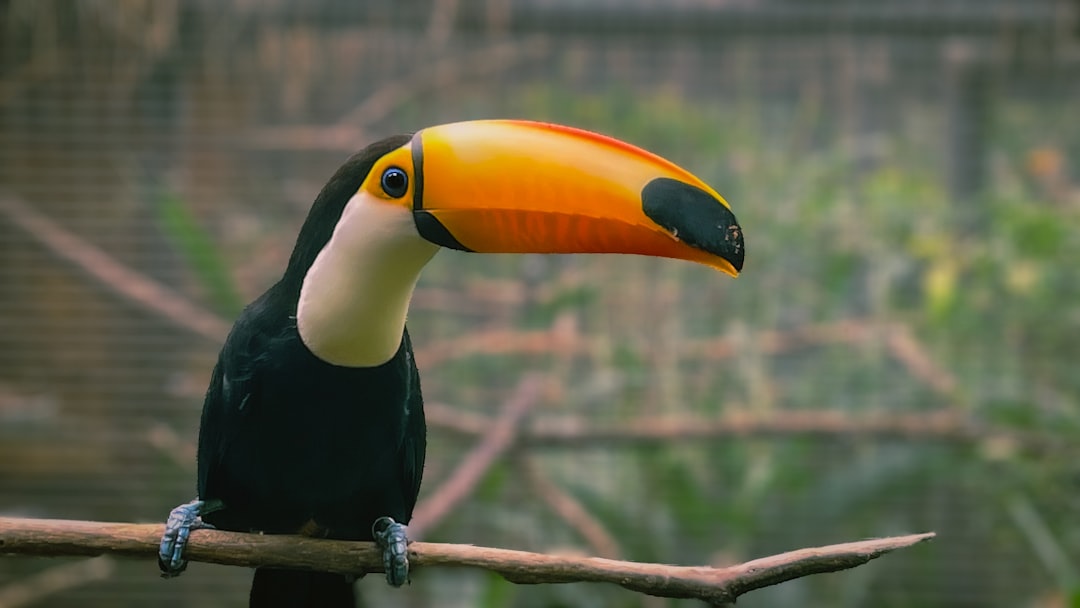
The toco toucan is the largest of all toucans and is recognized by its massive orange-yellow bill with a black spot at the tip. Its body is covered in sleek black feathers with a white throat and red undertail coverts. They are found in semi-open habitats throughout South America and are less reliant on dense forest than other toucan species. The large bill is surprisingly light because it is made of a spongy keratin structure.
Malabar Parakeet
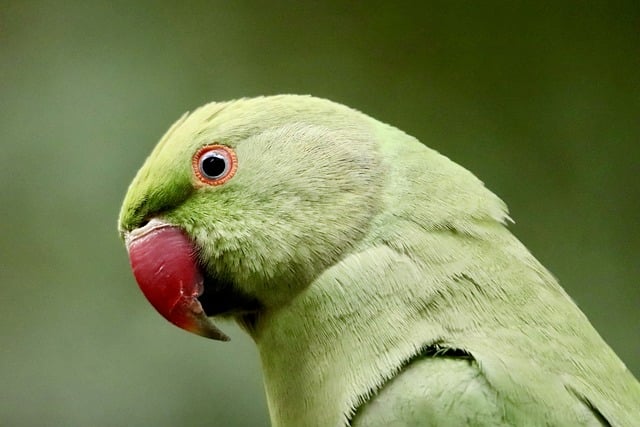
Endemic to the Western Ghats of India the Malabar parakeet is a stunning bird with a bluish-gray body and a bright red bill. It has a dark green head and a yellow-tipped tail that adds a pop of color as it flies through the canopy. These parakeets are usually seen in small groups and are known for their fast and direct flight. The subtle gradient of blue and gray on their bodies gives them an elegant and unique appearance.
Hoopoe
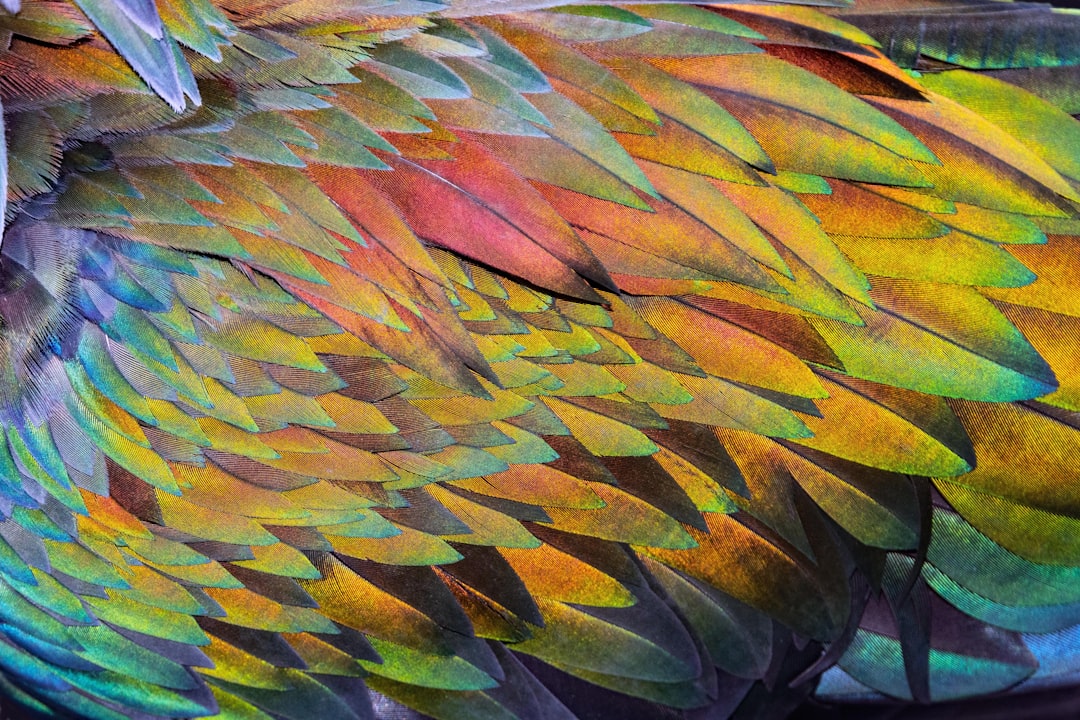
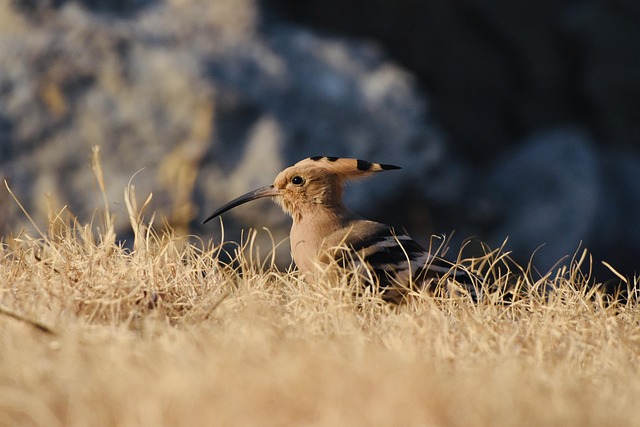
The hoopoe is a distinctive bird found across Afro-Eurasia known for its spectacular crown of feathers and striped wings. Its body is a soft cinnamon-pink while the wings and tail are marked with bold black and white bars. The crest can be raised or lowered depending on the bird’s mood or state of alarm. They are ground feeders that use their long bills to probe the earth for insects and larvae.
Anna’s Hummingbird
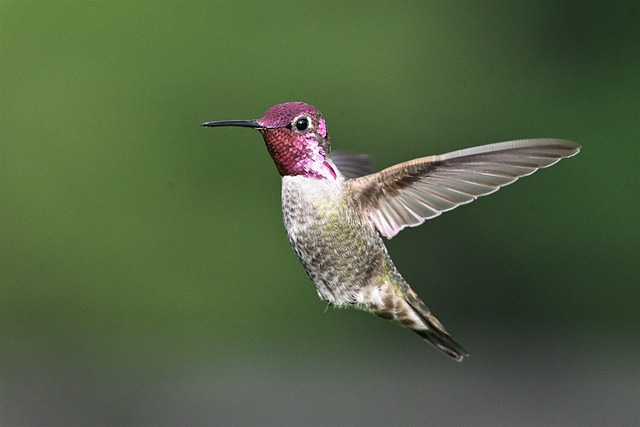
Anna’s hummingbird is a common sight along the western coast of North America and is famous for the male’s iridescent rose-pink throat and crown. In the right light the entire head seems to glow with a brilliant metallic pink hue. Their bodies are mostly green and gray which helps them blend into coastal scrub and garden foliage. They are known for their acrobatic flight and their ability to hover while feeding on nectar from flowers.
Wood Duck
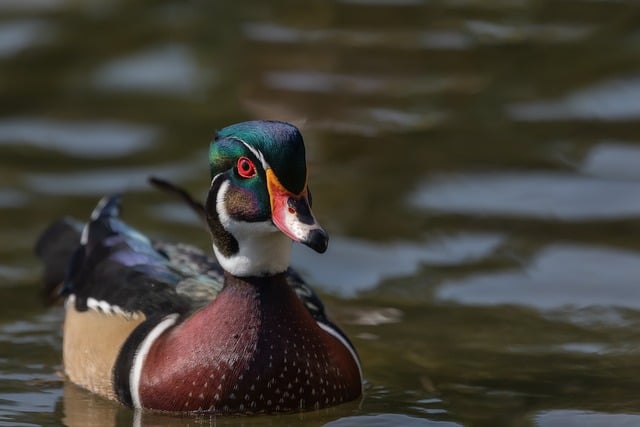
The male wood duck is one of the most colorful waterfowl in North America featuring a metallic green head and a deep red chest. Its sides are a buff-yellow and its wings show flashes of blue and white when in flight. These ducks are unique because they nest in tree cavities near wooded swamps and ponds. Their intricate patterns and glossy feathers make them a favorite subject for wildlife artists and photographers.
Resplendent Shrike-back
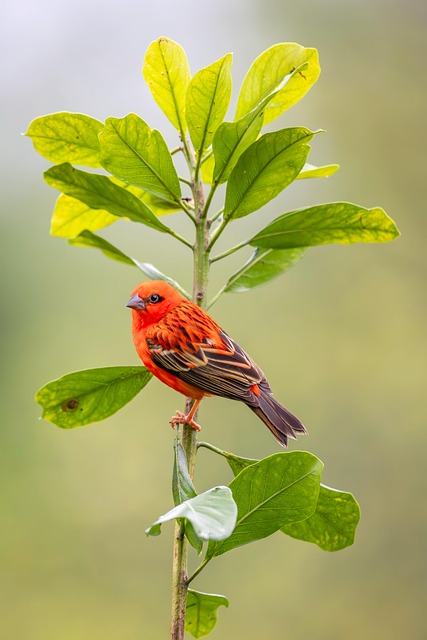
Found in the forests of Madagascar the resplendent shrike-back is a small bird with a bright and varied color scheme. It features a blue head a yellow throat and a greenish back that blends into its surroundings. These birds are active foragers and move through the branches in search of small invertebrates. The unique isolation of Madagascar has allowed this species to develop its own distinct and colorful identity.
Indian Roller
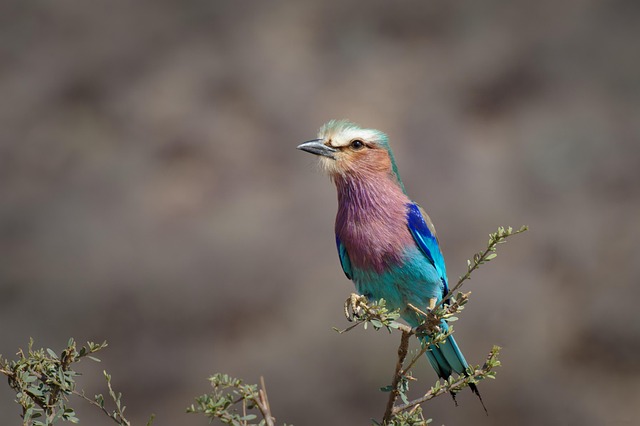
The Indian roller is celebrated for its stunning shades of blue which are most visible during its acrobatic flight displays. Its head and underparts are a duller brownish-purple while the wings and tail are a brilliant sapphire blue. They are often seen perched on wires or bare branches along roadsides throughout the Indian subcontinent. Their name comes from the rolling motions they perform in the air during the breeding season.
Nicobar Pigeon
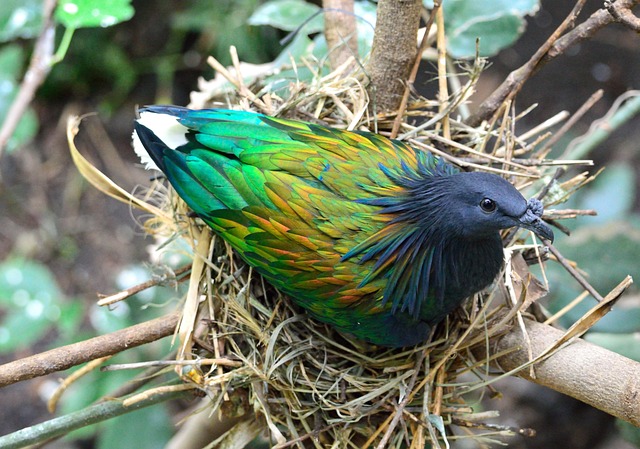
The Nicobar pigeon is a large and heavy bird found on small islands in Southeast Asia and the Pacific. It is the closest living relative of the dodo and possesses iridescent green and copper feathers that trail down its neck. These feathers reflect a rainbow of colors including blue and gold depending on how the light hits them. Despite their ground-dwelling habits they are strong fliers and travel between islands to find food.
Please share your thoughts on these magnificent birds and which one is your favorite in the comments.




