Managing finances during this pivotal decade requires a strategic approach to long-term wealth building and daily spending habits. Many individuals find that their income increases but their expenses rise even faster due to lifestyle creep and social pressures. Avoiding common pitfalls ensures that the foundation for retirement remains strong while providing flexibility for immediate family needs. This guide identifies key areas where capital often leaks away without providing significant value or security.
New Car Financing

Purchasing a brand new vehicle often results in immediate and steep depreciation the moment it leaves the dealership lot. High interest rates on long-term auto loans can lead to paying significantly more than the actual value of the car over time. Opting for a certified pre-owned vehicle allows for modern features without the heavy financial burden of a primary owner. Maintaining a reliable older car is frequently more cost-effective than taking on a monthly payment that competes with retirement contributions.
Subscription Overload

Monthly recurring charges for streaming services and digital memberships can quietly erode a household budget if they are not audited regularly. Many people continue paying for platforms they rarely use because the individual costs seem negligible in isolation. Consolidating these services or rotating them based on current interests prevents hundreds of dollars from disappearing annually. Setting a calendar reminder to review all active digital subscriptions ensures that money is only spent on content that is actually consumed.
Keeping Up With Peers

The pressure to match the spending habits of friends and colleagues often leads to unnecessary debt and stress. High-end vacations and luxury goods may project an image of success while simultaneously hollowing out a savings account. Focusing on personal financial goals rather than external appearances provides more lasting satisfaction and security. Authentic wealth is typically built by those who live below their means regardless of what their social circle chooses to display.
Neglecting Disability Insurance

Many professionals assume their health insurance or emergency fund is sufficient to cover a long-term inability to work. A sudden injury or illness can halt income generation during the years when earning potential is at its highest. Short-term and long-term disability policies act as a critical safety net for protecting future earnings and family stability. Investing in a comprehensive policy ensures that a physical setback does not become a permanent financial disaster for the entire household.
Underfunding Retirement

Waiting until the end of the decade to maximize retirement contributions misses out on years of compound interest and growth. Even small increases in 401k or IRA deposits during the early thirties can result in hundreds of thousands of dollars more by age sixty-five. Prioritizing these accounts before discretionary spending helps lock in a comfortable future standard of living. Consistent investing throughout market cycles is more effective than trying to catch up later in life when other financial obligations may be greater.
Excessive Wedding Spending

Allocating a massive portion of net worth to a single day of celebration can delay significant milestones like home ownership. High-interest credit cards are sometimes used to fund elaborate events which creates a cycle of debt for the new couple. Focusing on a meaningful but modest ceremony allows for a stronger start to a joint financial life. Those who prioritize the marriage over the wedding day often find themselves in a better position to handle future challenges together.
Timeshare Purchases

Buying into a vacation ownership program often involves high upfront costs and mandatory annual maintenance fees that increase over time. These contracts are notoriously difficult to exit and frequently lose their resale value almost immediately. Better travel value is usually found by booking accommodations directly and maintaining the flexibility to visit different destinations each year. Avoiding the long-term commitment of a timeshare keeps travel budgets fluid and under the direct control of the traveler.
Minimal Emergency Funds

Relying on credit cards for unexpected home repairs or medical bills creates a precarious financial situation that can quickly spiral. A dedicated cash reserve of three to six months of living expenses provides a necessary buffer against job loss or emergencies. Without this liquid cushion any minor inconvenience becomes a high-interest debt problem that takes months to resolve. Building a robust emergency fund is one of the most important steps in creating a resilient and stress-free financial life.
Designer Baby Gear

High-end strollers and luxury nursery furniture often carry price tags that far exceed their functional utility for a growing infant. Children outgrow these items in a matter of months which leads to a poor return on the initial investment. Seeking quality used items or choosing mid-range brands frees up capital for long-term educational savings or childcare costs. Prioritizing safety ratings over brand names ensures the well-being of the child while protecting the family budget from unnecessary strain.
Constant Tech Upgrades

Replacing smartphones and laptops every year just to have the newest model results in significant annual losses. Most modern devices are designed to last several years with proper care and occasional software updates. Skipping a few release cycles allows for meaningful technological jumps and keeps thousands of dollars in a savings account. Repairing a cracked screen or replacing an aging battery is a fraction of the cost of purchasing a brand-new flagship device.
Unused Gym Memberships

Many people sign up for premium fitness clubs with the intention of transforming their health but rarely attend. Monthly dues continue to be withdrawn even when the facility has not been visited for several weeks or months. Switching to a pay-as-you-go model or building a simple home gym can provide the same health benefits at a lower cost. Auditing bank statements for forgotten fitness fees ensures that health goals are met without draining the wallet unnecessarily.
Gourmet Coffee Habits

Frequent visits to high-end coffee shops can easily add up to hundreds of dollars in monthly discretionary spending. Preparing coffee at home or using a simple office machine provides a similar caffeine boost for a fraction of the price. While a single cup seems inexpensive the cumulative effect over a decade can significantly impact an investment portfolio. Redirecting that daily expense into an automated savings plan builds wealth through consistency and discipline.
High Interest Credit Cards

Carrying a balance on cards with high annual percentage rates is one of the fastest ways to erode personal net worth. Interest charges can quickly outpace any rewards or points earned through the card program. Paying off the full balance every month is essential for maintaining a healthy credit score and financial freedom. Prioritizing the elimination of high-interest debt allows for more aggressive saving and investing in other areas of life.
Skipping Preventive Healthcare

Avoiding regular dental cleanings and physical exams to save money often leads to much higher costs down the road. Small issues that are easily fixed during a routine visit can develop into major medical emergencies if left untreated. Many insurance plans cover preventive care at no cost to the patient which makes skipping these appointments a poor financial choice. Staying healthy is a vital part of protecting earning potential and avoiding massive medical bills in the future.
Excessive Dining Out

Eating at restaurants multiple times a week is a common habit that prevents many professionals from reaching their savings goals. Markups on food and beverages are substantial compared to the cost of preparing similar meals at home. Meal prepping and intentional grocery shopping allow for better control over both nutrition and household expenditures. Reserving dining out for special occasions makes the experience more enjoyable while keeping the food budget manageable.
Overextending on a Home

Purchasing the maximum amount of house a bank will lend for often leaves little room for other financial priorities. High mortgage payments combined with taxes and maintenance can make a household house poor and stressed. Choosing a slightly smaller or more modest home provides a financial buffer for travel and retirement. A house should be viewed as a place to live rather than a guaranteed investment that will solve all future wealth needs.
Ignoring Credit Scores

A low credit score results in higher interest rates on every loan from mortgages to personal lines of credit. Checking credit reports regularly for errors and maintaining on-time payments is a zero-cost way to save money on future interest. Even a half-point difference in a mortgage rate can save tens of thousands of dollars over the life of the loan. Being proactive about credit health ensures that the best financial products are always available when needed.
Not Negotiating Salary

Accepting the first offer for a new role or a promotion can leave a significant amount of money on the table over a career. Small differences in starting pay compound over time through raises and bonuses that are based on percentages. Researching market rates and confidently asking for fair compensation is a vital skill for maximizing lifetime earnings. Being an advocate for one’s own value is an essential part of professional and financial growth in your thirties.
Paying for Unnecessary Insurance

Purchasing extended warranties on small electronics or appliances is rarely a cost-effective choice for the consumer. Most items are either durable enough to last or will be replaced by newer technology before the warranty becomes useful. Self-insuring for small losses by using an emergency fund is generally more efficient than paying premiums for minor coverage. Focus insurance spending on catastrophic risks like health and life rather than minor inconveniences.
Grocery Shopping Without a List

Entering a supermarket without a plan leads to impulse purchases and unnecessary food waste at the end of the week. Buying items in bulk that are not actually needed can also strain a weekly budget without providing real value. Creating a simple list based on a weekly meal plan keeps shopping trips focused and economical. Sticking to a list prevents the subtle marketing tactics of stores from influencing spending habits.
High Management Fees

Investing in funds with high expense ratios can eat away a substantial portion of total returns over several decades. Many active management products fail to beat simple low-cost index funds once fees are taken into account. Switching to low-fee options allows more of the market growth to remain in the investor’s pocket. Periodically reviewing investment accounts for hidden costs ensures that the portfolio is working for the individual rather than the broker.
Failing to Use FSA Funds
Flexible Spending Accounts allow for pre-tax dollars to be used on healthcare but often require the balance to be spent by year-end. Forgetting to use these funds results in a direct loss of hard-earned money that could have covered medical essentials. Planning for vision care or dental work late in the year helps maximize the benefits of these accounts. Keeping track of the balance throughout the year prevents a last-minute scramble to find eligible expenses.
Overpaying for Cell Phone Plans

Sticking with a major carrier for years often means paying for data and features that are never fully utilized. Many smaller providers offer the same network coverage at a fraction of the monthly cost for the same service. Reviewing actual data usage can reveal that a cheaper tiered plan is more appropriate than an expensive unlimited option. Switching providers or plans is a simple way to decrease a fixed monthly expense with no change in lifestyle.
Premium Gasoline

Many modern vehicles run perfectly well on regular unleaded fuel as specified in the owner’s manual. Paying extra for premium gas when it is not required provides no additional performance or engine protection benefits. Over thousands of miles this price difference results in a significant amount of wasted money at the pump. Checking the manufacturer’s recommendation ensures that the correct fuel is used without overpaying for unnecessary octane.
Holiday Overspending

The pressure to buy elaborate gifts for an extended social circle can lead to a debt hangover that lasts well into the spring. Setting a firm budget for the holiday season and sticking to it prevents the use of high-interest credit cards for presents. Meaningful gestures and shared experiences are often more appreciated than expensive physical items that are quickly forgotten. Planning ahead for seasonal expenses allows for a joyful celebration that does not compromise long-term financial stability.
Luxury Gym Apparel

Spending hundreds of dollars on brand-name workout clothing does not improve the effectiveness of a fitness routine. Functional and durable activewear can be found at much lower price points from various retailers. Prioritizing the quality of the workout over the appearance of the gear keeps the focus on health and savings. Saving money on apparel allows for better investments in actual health equipment or nutritional needs.
Buying New Instead of Borrowing

Purchasing specialized tools or equipment for a one-time home project is often a waste of storage space and money. Many items like power washers or specialty saws can be rented from local hardware stores for a fraction of the cost. Borrowing from neighbors or using local tool libraries fosters community while keeping the garage clutter-free. Evaluate the frequency of use before committing to the full purchase price of any non-essential item.
Individual Stock Picking
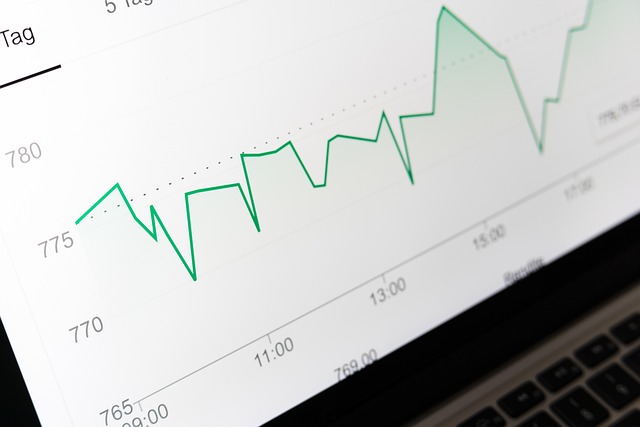
Attempting to beat the market by trading individual stocks often leads to lower returns than broad-based index funds. Most people do not have the time or information necessary to consistently outperform professional investors. A diversified approach reduces risk and provides a more reliable path to long-term wealth accumulation. Focusing on a broad market strategy allows for steady growth without the stress of monitoring daily price fluctuations.
Expensive Hobby Equipment

Starting a new hobby often comes with the urge to buy the best possible gear immediately. Many beginners find that their interest fades after a few months which leaves them with expensive unused equipment. Buying entry-level or used gear allows for exploration without a major financial commitment upfront. Once a genuine passion is established then upgrading to higher quality items becomes a more logical investment.
Frequent Salon Treatments

Weekly or bi-weekly professional beauty treatments can represent a significant annual expenditure when totaled. Learning to perform basic maintenance like manicures or simple hair trims at home can save thousands of dollars. Reserving professional services for major changes or special events keeps the cost manageable. Evaluating which treatments provide the most value helps in cutting back on those that are purely habitual.
Impulse Online Shopping

The ease of one-click ordering can lead to a house full of items that were bought on a whim. Implementing a twenty-four hour waiting period before completing any online purchase helps eliminate emotional spending. Often the desire for the item fades after a day of reflection and the money stays in the bank. Removing saved credit card information from shopping sites creates a helpful barrier to mindless spending.
Brand Name Medications

Many over-the-counter and prescription drugs have generic equivalents that contain the exact same active ingredients. Choosing the generic option can save a significant percentage on every pharmacy visit. Doctors and pharmacists can provide guidance on which generic alternatives are appropriate for specific health needs. These small savings on recurring medical costs add up to substantial amounts over several years.
Underutilizing Employee Benefits

Failing to take advantage of company matches on retirement plans is essentially turning down free money. Other benefits like tuition reimbursement or wellness stipends are often overlooked by busy professionals. Taking the time to read the employee handbook can reveal numerous ways to increase total compensation without extra work. Maximizing every available benefit is a smart way to bolster a financial plan during the prime earning years.
Pet Luxury Items

While providing for a pet’s health and safety is essential high-end designer accessories are rarely necessary for their well-being. Gourmet treats and expensive pet clothing can quickly inflate a monthly budget without benefiting the animal. Quality food and regular veterinary care should remain the priority for any responsible pet owner. Finding joy in simple play and walks provides more value to the pet than a collection of luxury goods.
Professional Networking Fees

Paying for memberships in multiple professional organizations without active participation provides little return on investment. It is more effective to choose one or two key groups and engage deeply rather than being a silent member of many. Evaluate the actual career benefits gained from each membership fee during the annual renewal period. High-quality networking is often about the effort put into relationships rather than the price of the membership.
Skipping Home Maintenance
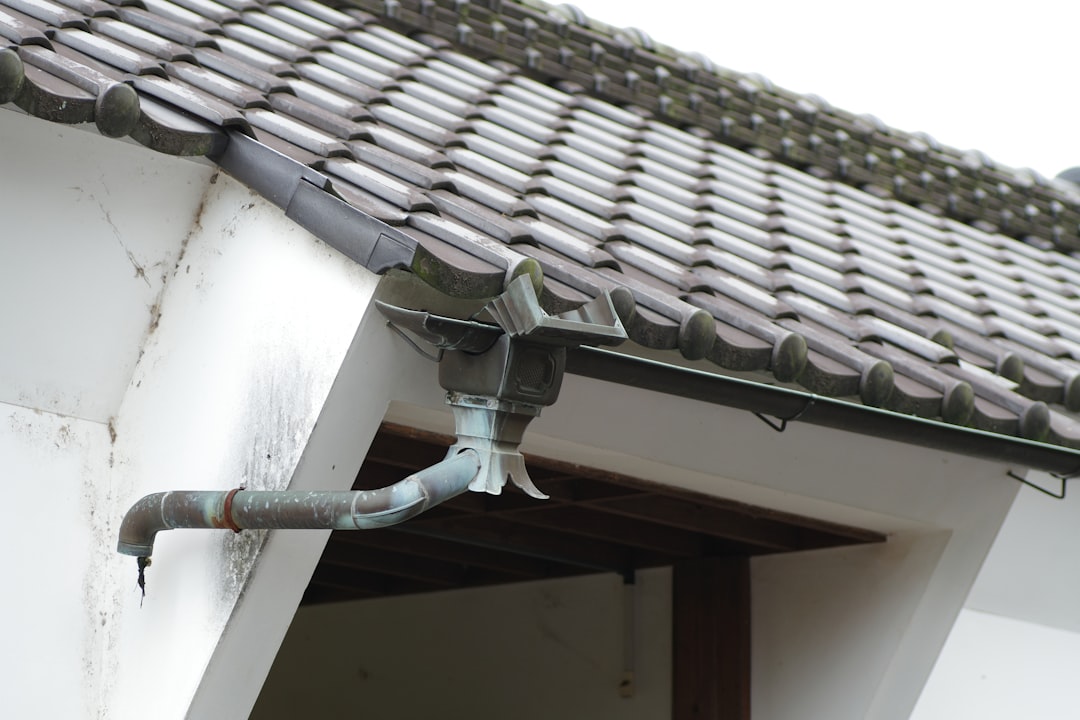
Ignoring a small roof leak or a flickering electrical outlet can lead to catastrophic repair bills in the future. Regular home inspections and minor repairs prevent small issues from evolving into structural problems. Allotting a small percentage of home value for an annual maintenance fund is a wise financial move. A well-maintained home holds its value better and provides a safer environment for the residents.
Premium Cable Packages

Paying for hundreds of channels when most viewing is done through a few specific apps is an unnecessary expense. Many households can save significantly by cutting the cord and choosing a targeted streaming setup. Digital antennas can also provide local broadcast channels for free after a small one-time hardware cost. Regularly auditing viewing habits ensures that the entertainment budget is aligned with actual usage.
Excessive Gift Card Balances
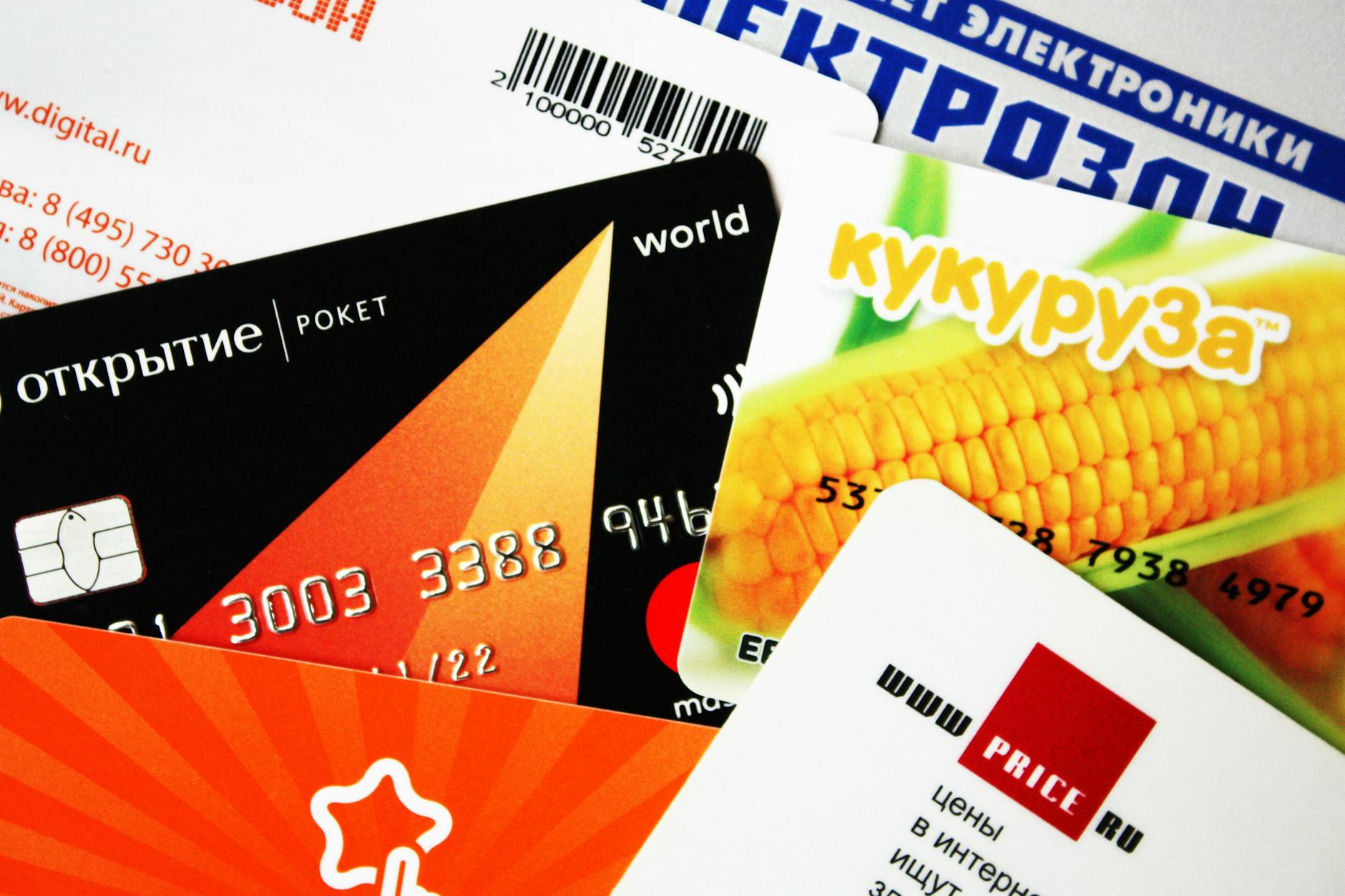
Leaving money on various gift cards for months is a form of lost interest and potential waste if the card is misplaced. It is better to use gift cards promptly for planned purchases rather than letting them collect dust. Many people forget about small balances which eventually revert to the state or the retailer. Treating a gift card like cash and spending it wisely ensures that the full value is realized.
High Cost of Convenience

Relying on meal delivery services and grocery apps frequently includes hidden markups and significant delivery fees. While these services save time they can easily double the cost of a standard meal or grocery trip. Walking to a local shop or picking up a takeout order directly keeps more money in the household budget. Reserve convenience services for times of genuine need rather than making them a daily habit.
Not Having a Will

Failing to establish a clear estate plan can lead to expensive legal battles and stress for surviving family members. A basic will ensures that assets are distributed according to personal wishes and can minimize estate taxes. This is especially important for those in their thirties who have started families or purchased homes. Consulting with a legal professional to draft a simple will is a crucial step in responsible financial planning.
Overpaying for Alcohol

Ordering expensive cocktails or bottles of wine at restaurants is one of the highest markup items on a bill. Enjoying a drink at home or choosing more modest options when dining out can significantly lower social expenses. Many people find that they enjoy the company more than the specific brand of beverage being served. Being mindful of alcohol spending allows for more frequent social outings without the heavy financial burden.
Ignoring Inflation

Assuming that a static amount of savings will have the same purchasing power in twenty years is a common mistake. Inflation gradually erodes the value of cash held in low-interest savings accounts. Investing in assets that historically outpace inflation like stocks or real estate is necessary for long-term growth. Understanding the impact of rising prices helps in setting more realistic and effective long-term savings goals.
Paying for Expert Advice

Many basic financial tasks can be handled personally with a small amount of research and the use of free tools. Hiring expensive consultants for simple tax filings or basic investment setups may not be necessary for everyone. As financial situations become more complex a professional can be valuable but many thirty-somethings can manage their own path initially. Utilize reputable online resources and books to gain the confidence to manage daily finances independently.
Excessive Home Decor Upgrades

Changing furniture and decor to match fleeting interior design trends can become a very expensive cycle. Quality pieces that offer timeless appeal provide better long-term value than trendy items that will look dated in a few years. Investing in a few high-quality staples and using inexpensive accents allows for a fresh look without a total overhaul. A comfortable home does not require constant reinvestment to be stylish and functional.
Failing to Track Net Worth

Focusing only on a monthly bank balance can hide the true picture of long-term financial health. Tracking total assets against total liabilities provides a much clearer view of progress toward financial goals. This practice helps identify which areas of the financial life are growing and which need more attention. Reviewing net worth annually or quarterly provides the motivation needed to stay on track with a long-term plan.
Expensive Destination Bachelor Parties

The trend of multi-day out-of-town celebrations for weddings can put an immense strain on the budgets of friends. Participating in every high-cost event can lead to resentment and financial stress for young professionals. It is okay to decline an invitation if the cost exceeds what is comfortable for the current financial situation. True friends will understand the need to prioritize long-term stability over a single weekend of luxury.
Lack of Life Insurance

For those with dependents or shared debts not having life insurance is a significant risk to family security. A simple term life policy is often very affordable in your thirties and provides a massive benefit in the event of a tragedy. Avoiding this expense can leave a family in a desperate financial situation at the worst possible time. Securing coverage early in life locks in lower rates and provides peace of mind for the future.
Not Rebalancing Portfolios

Over time the different investments in a portfolio will grow at different rates which changes the overall risk profile. Failing to periodically sell winners and buy underperformers can leave an investor overexposed to a single market sector. A quick annual review ensures that the asset allocation remains aligned with personal risk tolerance and time horizons. Rebalancing is a disciplined way to buy low and sell high without emotional interference.
Tell us which of these financial traps you have encountered or successfully avoided in the comments.




