Maximizing a grocery budget requires a blend of strategic planning and disciplined shopping habits to ensure every dollar spent provides maximum value. Successful savers often begin by auditing their existing pantry to prevent the unnecessary purchase of items already in stock. Creating a comprehensive meal plan based on current inventory and upcoming sales helps focus the shopping experience and reduces the likelihood of expensive impulse buys. Many shoppers find that sticking to a strict list is the most effective way to avoid adding high margin convenience items to their carts. These foundational steps transform grocery shopping from a reactive chore into a streamlined process that prioritizes financial efficiency.
Meal Planning

Organizing a weekly menu around affordable staples ensures that every ingredient purchased has a specific purpose within a recipe. This proactive approach eliminates the hidden costs of food waste by ensuring that perishable items are used before they expire. Mapping out meals also reduces the temptation to order takeout on busy evenings when a clear cooking plan is already in place. Including versatile ingredients like grains and legumes can stretch several meals without significantly increasing the total bill.
Grocery Lists

A detailed list serves as a reliable roadmap through the supermarket aisles to help maintain focus on essential items. Categorizing the list by department minimizes the time spent wandering through tempting sections filled with nonessential goods. Sticking strictly to the written items prevents the subtle accumulation of unplanned snacks that quickly inflate the final total. Using digital apps or simple paper lists allows for easy updates as household supplies dwindle throughout the week.
Inventory Checks
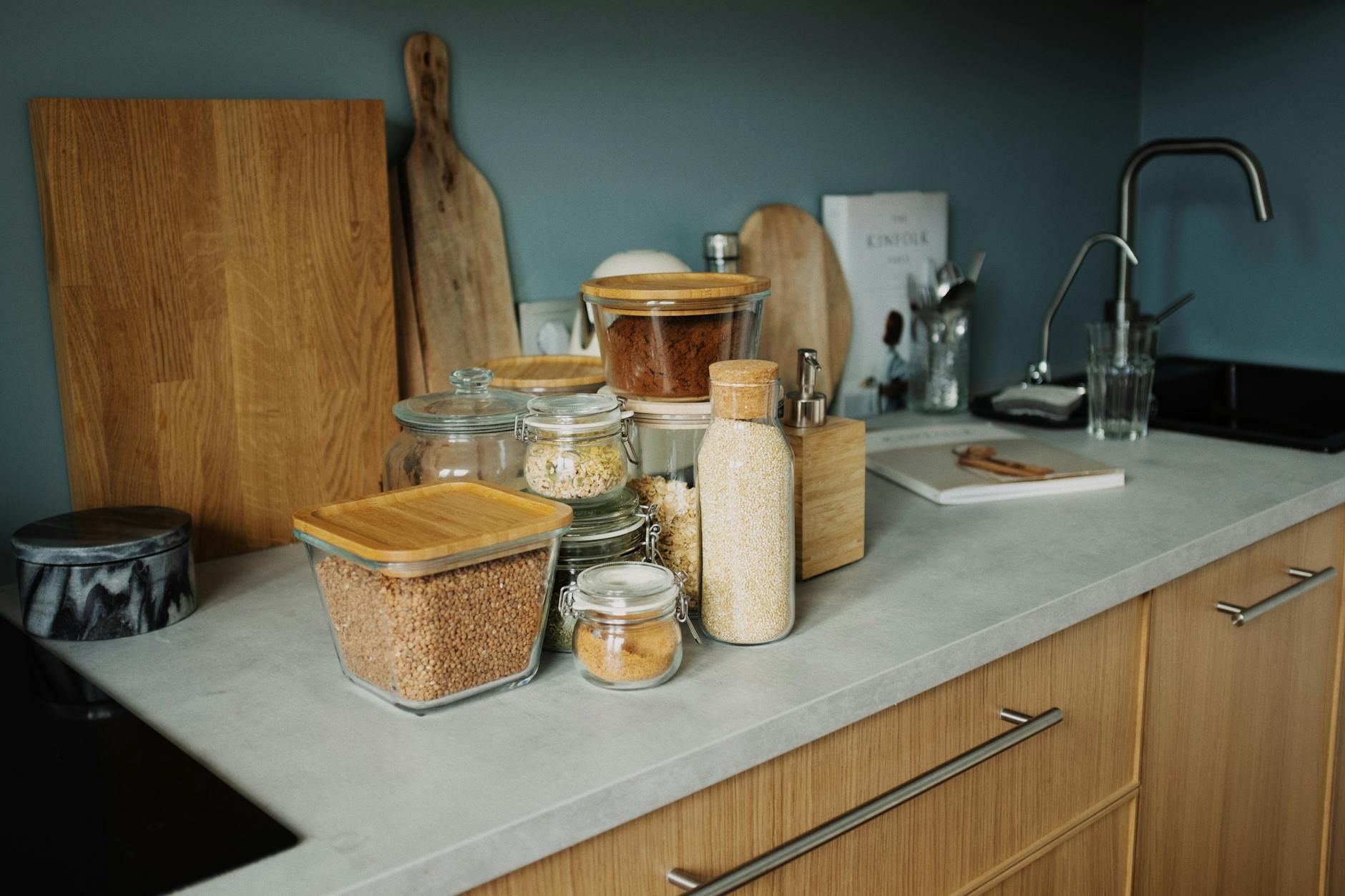
Performing a quick scan of the refrigerator and cupboards before leaving for the store prevents the accidental purchase of duplicates. This habit identifies forgotten ingredients that can be incorporated into upcoming meals to save on new purchases. Knowing exactly what is on hand allows for more creative cooking using items that might otherwise sit unused for months. Maintaining an organized storage space makes these visual checks faster and more accurate for busy households.
Bulk Buying
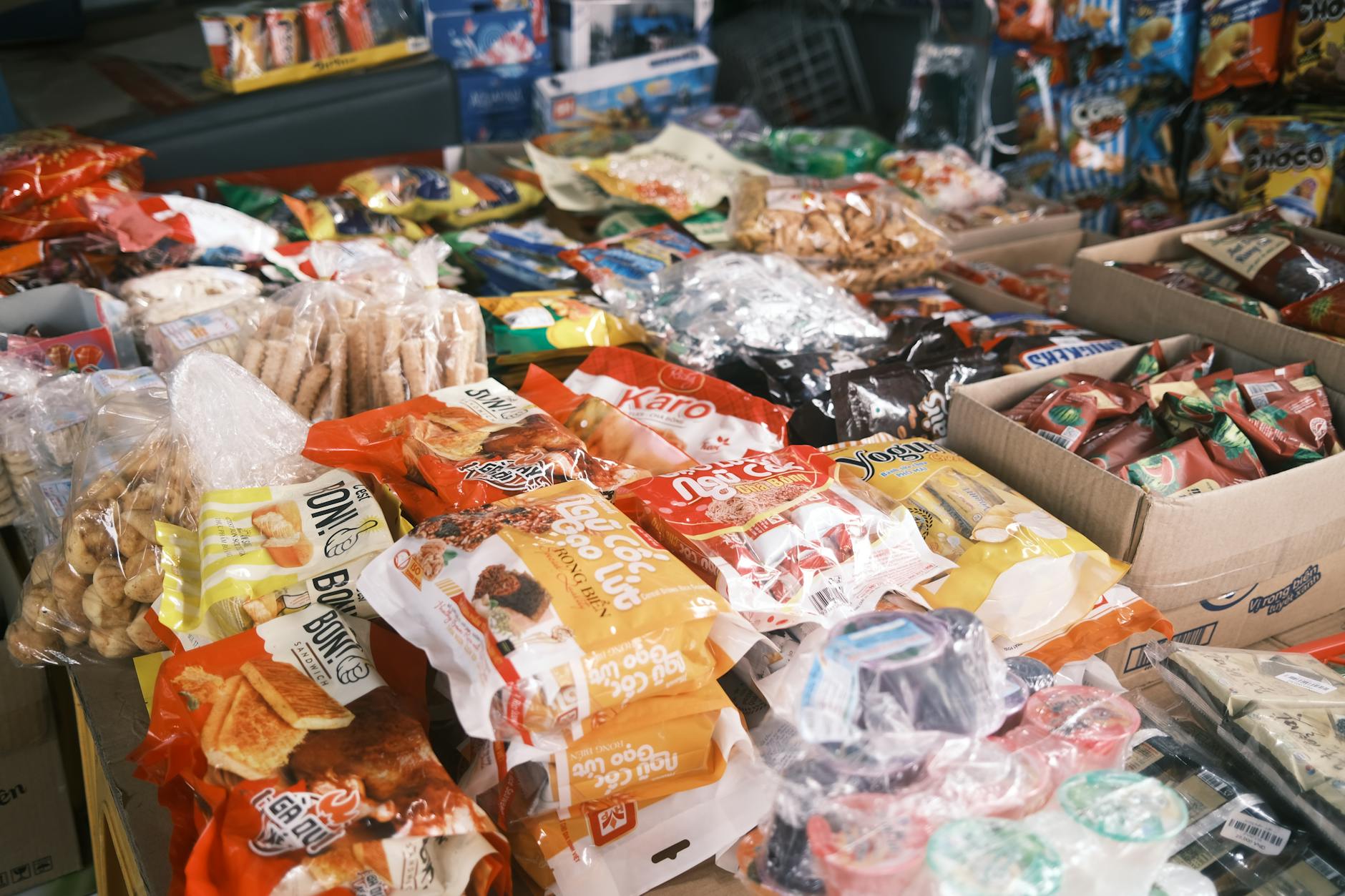
Purchasing nonperishable goods in larger quantities often results in a lower price per unit for frequently used household staples. Items like rice and pasta or canned goods are ideal candidates for bulk purchasing because they have long shelf lives. This strategy reduces the frequency of shopping trips and minimizes the exposure to impulse marketing found in smaller retail packages. Shoppers should always compare the unit price on the shelf tag to ensure the larger size actually offers a genuine discount.
Generic Brands
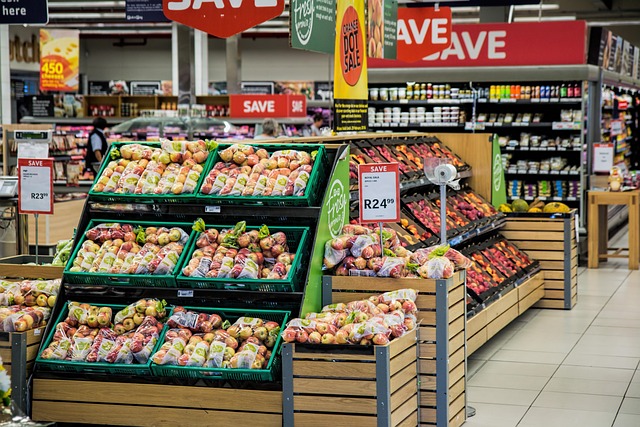
Store brand alternatives typically offer the same quality and nutritional value as national brands at a significantly lower price point. Many retailers produce these private label products in the same facilities as name brands while spending less on marketing and packaging. Switching to generic options for basics like flour and sugar or canned vegetables can lead to substantial savings over time. Testing various store brands allows shoppers to identify which specific products meet their personal preferences without the premium cost.
Seasonal Produce
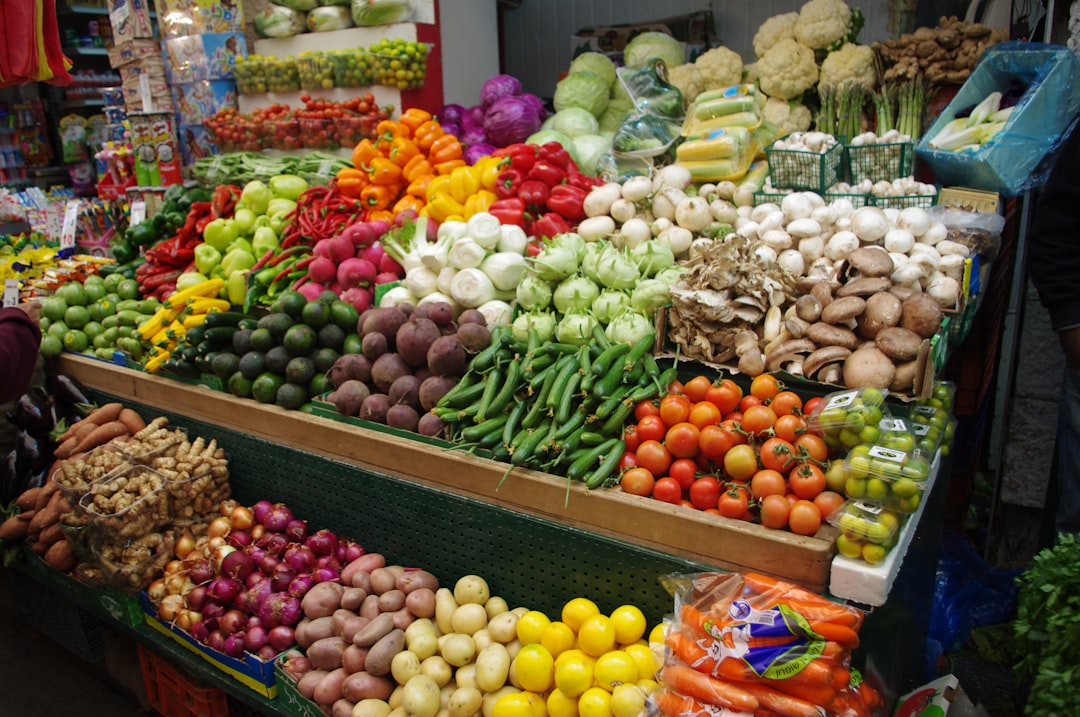
Buying fruits and vegetables when they are in their natural growing season ensures peak flavor and the lowest possible market prices. High supply during harvest periods leads retailers to offer deep discounts on fresh items to move inventory quickly. Out of season produce often incurs high transportation costs that are passed directly to the consumer in the form of higher price tags. Prioritizing local produce during its peak window supports a more affordable and nutrient dense diet throughout the year.
Loyalty Programs

Enrolling in supermarket rewards programs provides access to exclusive member only discounts and personalized digital coupons. These programs often track purchase history to offer relevant deals on the items a household buys most frequently. Many retailers also offer fuel points or cash back rewards that provide secondary savings on other essential expenses. Utilizing a store app makes it easy to clip coupons and track reward progress directly from a smartphone while shopping.
Unit Pricing

Comparing the unit price listed on shelf tags allows shoppers to determine the true value of different package sizes. This small number reflects the cost per ounce or gram and often reveals that larger packages are not always the cheapest option. Retailers sometimes use deceptive packaging sizes to mask price increases so checking the unit cost provides total transparency. Mastering this habit ensures that every selection made is the most financially sound choice available on the shelf.
Frozen Foods

Frozen fruits and vegetables offer a cost effective alternative to fresh produce with the added benefit of a much longer shelf life. These items are typically picked and frozen at peak ripeness to preserve their nutritional content and flavor profile. Using frozen ingredients reduces waste because shoppers can use only the exact amount needed for a single recipe. Stocking up on frozen staples during sales provides a reliable backup for quick and affordable meals at any time.
Cash Only

Limiting grocery spending to a pre-determined amount of physical cash creates a firm boundary against overspending. This method forces a shopper to prioritize essential items and carefully consider every addition to the cart. Leaving credit cards at home eliminates the possibility of justifying small luxury purchases that exceed the intended budget. Seeing the physical currency diminish provides an immediate and tangible sense of the financial impact of each choice.
Meatless Meals

Incorporating a few plant based dinners into the weekly rotation significantly lowers the overall cost of protein. Beans and lentils or tofu provide high quality nutrition at a fraction of the price of beef or poultry. These versatile ingredients can be used in hearty soups or stews and stir fries to create satisfying and filling meals. Reducing the frequency of meat consumption is one of the fastest ways to see a noticeable drop in the weekly grocery total.
Store Maps
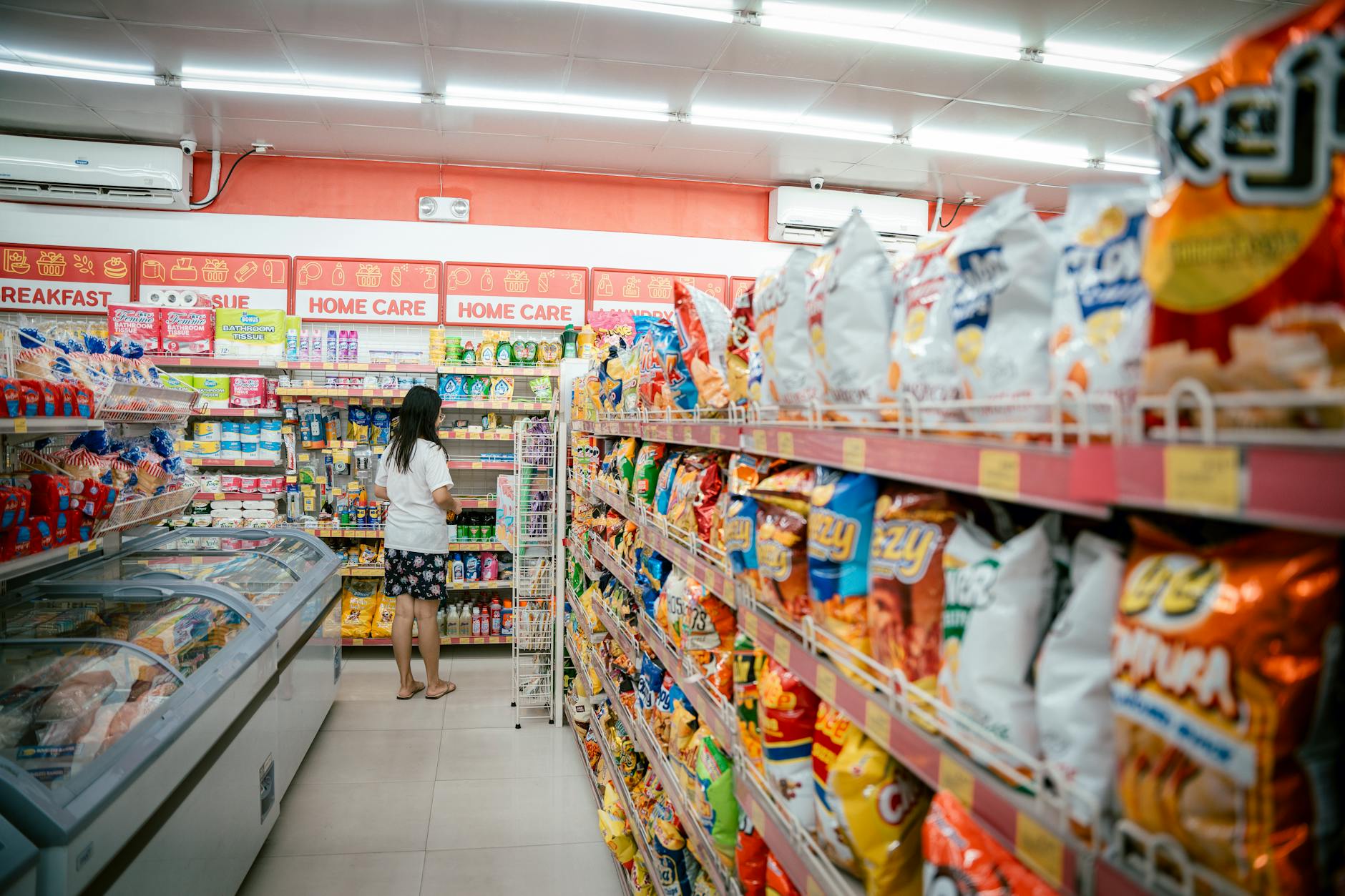
Familiarizing oneself with the layout of a local supermarket helps in navigating directly to needed items while avoiding high temptation zones. Most stores place essential items like milk and bread at the back to force customers to walk past expensive displays. Knowing the quickest route through the aisles minimizes the time spent in the store and reduces the chance of impulsive additions. Avoiding the middle aisles filled with processed snacks and prepackaged goods further protects the budget from unnecessary strain.
Avoid Precut
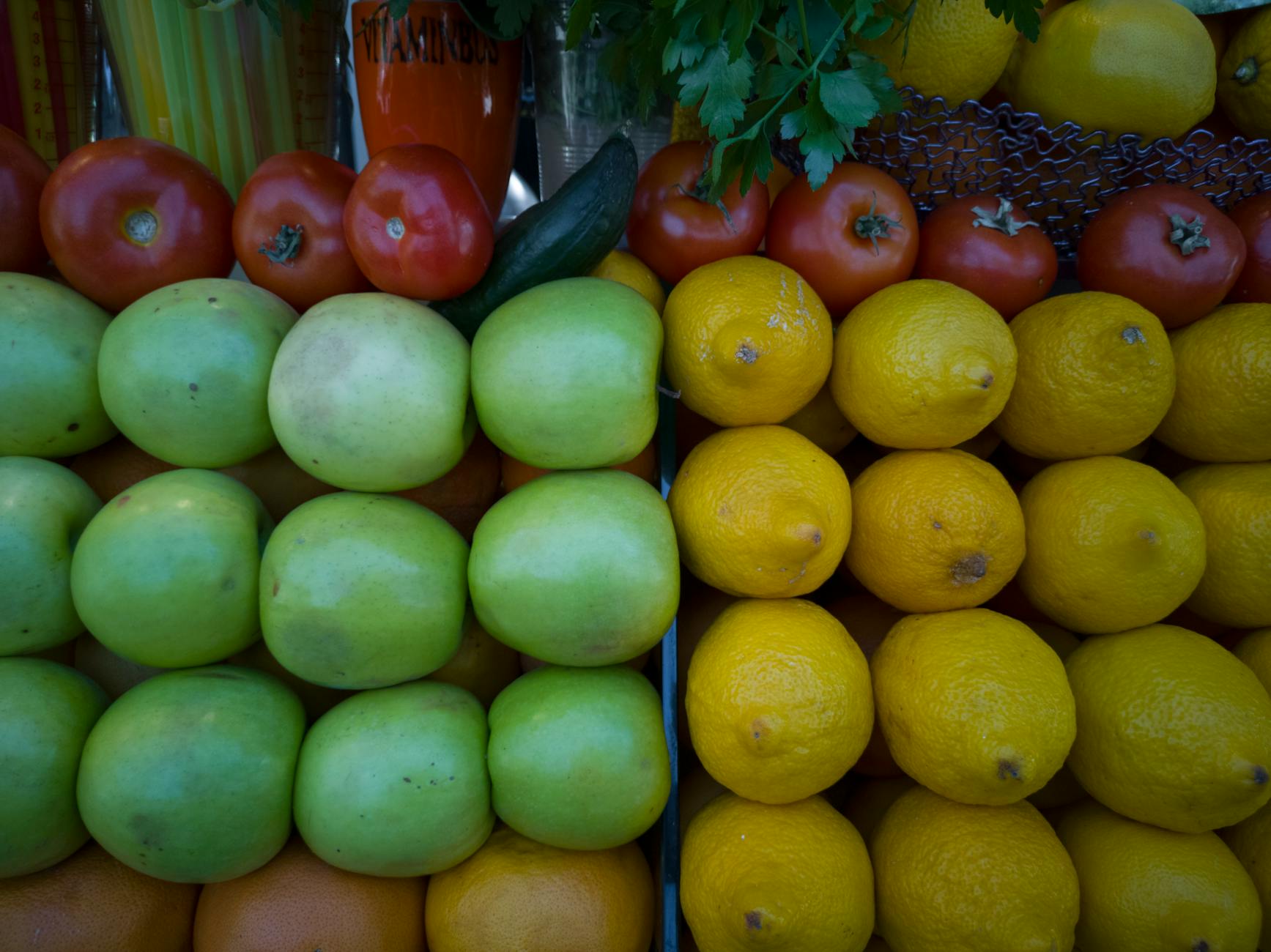
Purchasing whole fruits and vegetables instead of pre-washed and chopped versions saves a considerable amount on labor costs. Retailers charge a high premium for the convenience of sliced melons or bagged salads that can be easily prepared at home. Spending a few extra minutes in the kitchen to wash and chop produce keeps more money in the wallet. This practice also ensures that the produce remains fresh for a longer period compared to items that have already been processed.
Shopping Alone

Going to the grocery store without companions or children often leads to a more focused and efficient shopping experience. It eliminates the social pressure or requests for extra snacks and treats that are not on the predetermined list. A solo shopper can move through the aisles faster and make more objective decisions about prices and brands. This focused environment makes it easier to stick to the budget and avoid the distractions that lead to unplanned spending.
Discount Grocers
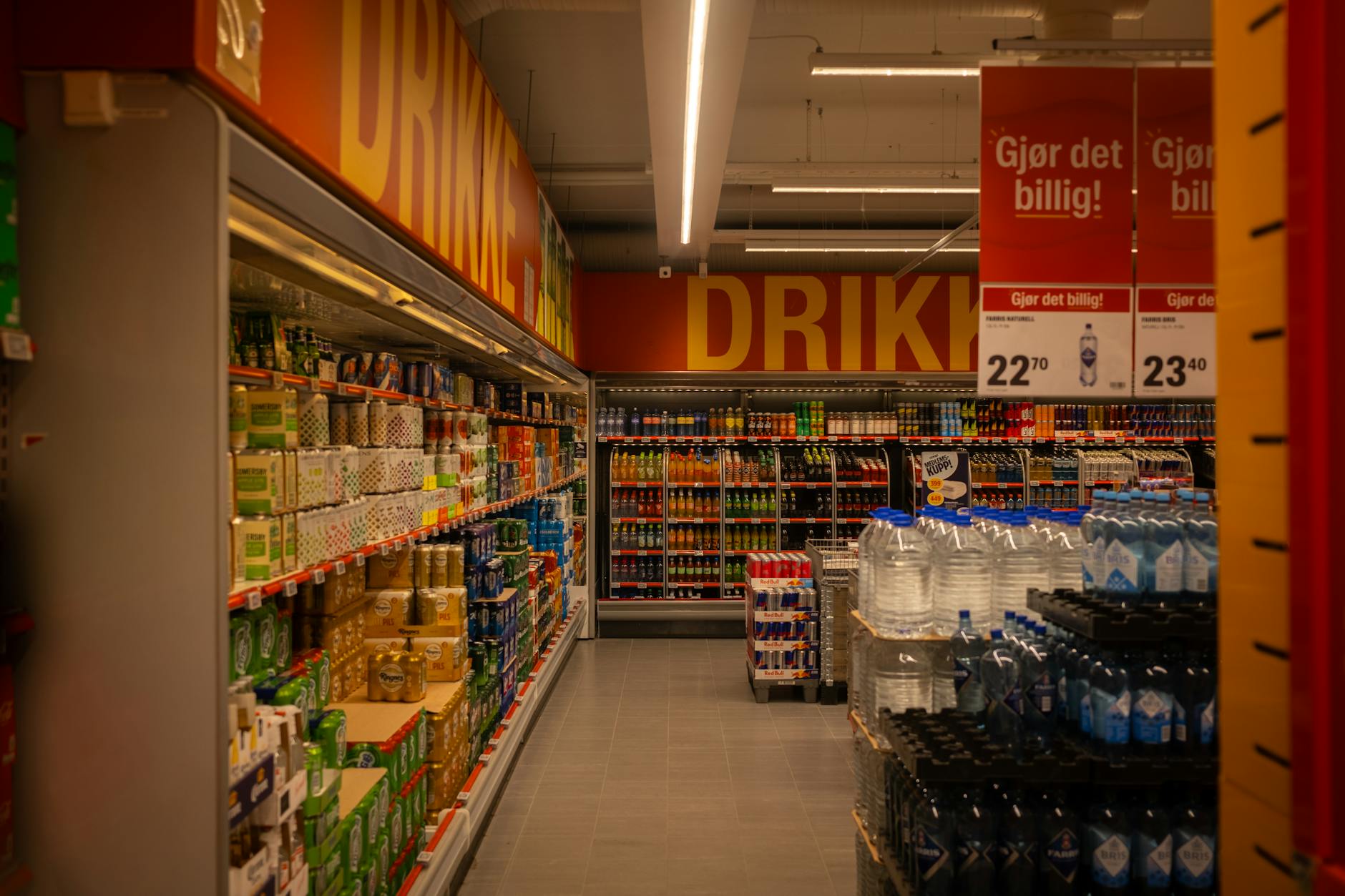
Shopping at specialized budget retailers or salvage stores can yield massive savings on high quality pantry staples and household goods. These stores often operate with lower overhead and simpler displays to pass the savings directly to their customers. While the selection may be more limited than a traditional supermarket the prices on core items are often unbeatable. Integrating a visit to a discount grocer into the routine can slash the total food bill significantly.
Rain Checks
Requesting a rain check when a sale item is out of stock allows a shopper to purchase that item at the discounted price later. This ensures that the benefits of a great deal are not lost simply because the store ran out of inventory during the promotion. Most customer service desks will provide a slip that guarantees the sale price for a future visit once the shelves are restocked. Utilizing this policy maximizes the effectiveness of circulars and helps maintain a consistent budget.
Herb Gardens

Growing a few essential herbs on a windowsill provides a constant supply of fresh flavors for a one time minimal investment. Small bundles of fresh herbs in the produce department are often expensive and wilt quickly before they can be fully used. A potted basil or mint plant can provide months of harvests for the price of a single plastic container. This simple DIY approach adds gourmet flair to affordable meals without adding to the weekly grocery expense.
Day Old Bakery
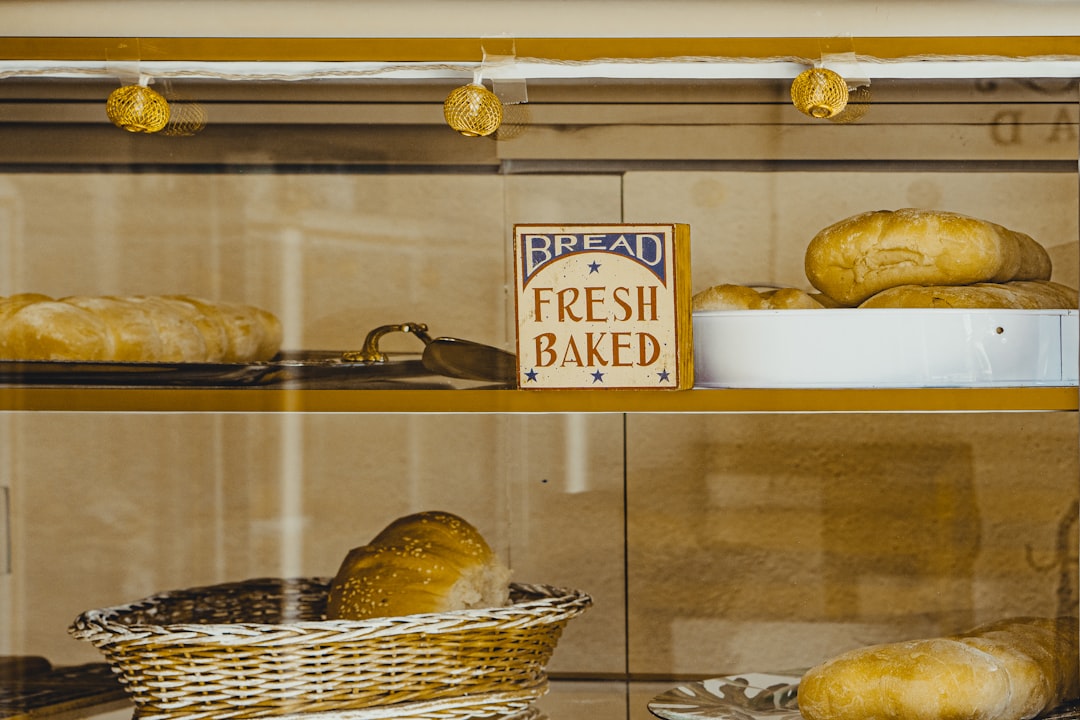
Checking the clearance section of the bakery department can uncover significant discounts on bread and muffins or bagels. These items are often perfectly fresh but are marked down to make room for the next day’s production. Many of these baked goods can be frozen immediately to preserve their quality for future use in toast or sandwiches. This is an easy way to enjoy premium artisanal breads without paying the full retail price.
Reusable Bags
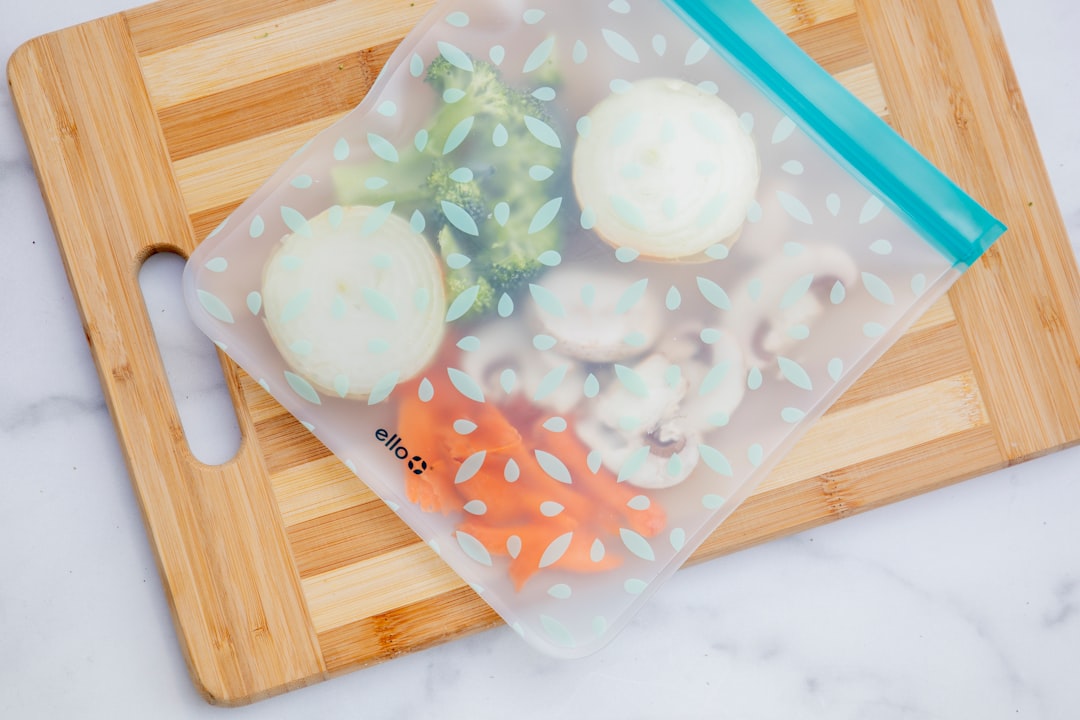
Many grocery stores offer a small credit for every reusable bag a customer brings and uses during their transaction. While the individual credit may seem small it adds up over dozens of trips throughout the year. This habit also eliminates the need to pay for plastic or paper bags in regions where those fees are legally mandated. Keeping a stash of clean bags in the car ensures they are always available for planned or spontaneous shopping trips.
Digital Coupons

Syncing digital coupons to a store loyalty card allows for seamless savings at the checkout counter without the need for paper clipping. Most major grocery chains offer an app where users can browse weekly specials and activate discounts with a single tap. These coupons are often stackable with existing in store sales to drive the price of items even lower. Checking the app before heading to the store ensures that every possible discount is applied to the final bill.
Canned Goods

Keeping a well stocked pantry of canned beans and tomatoes or fish provides the foundation for many low cost and nutritious meals. These items are frequently on sale and have an exceptionally long shelf life which makes them ideal for stocking up. Canned proteins can be used as quick additions to salads or pastas when fresh options are unavailable or too expensive. Selecting low sodium or no salt added versions ensures these budget friendly staples remain a healthy choice for the family.
Bottom Shelves
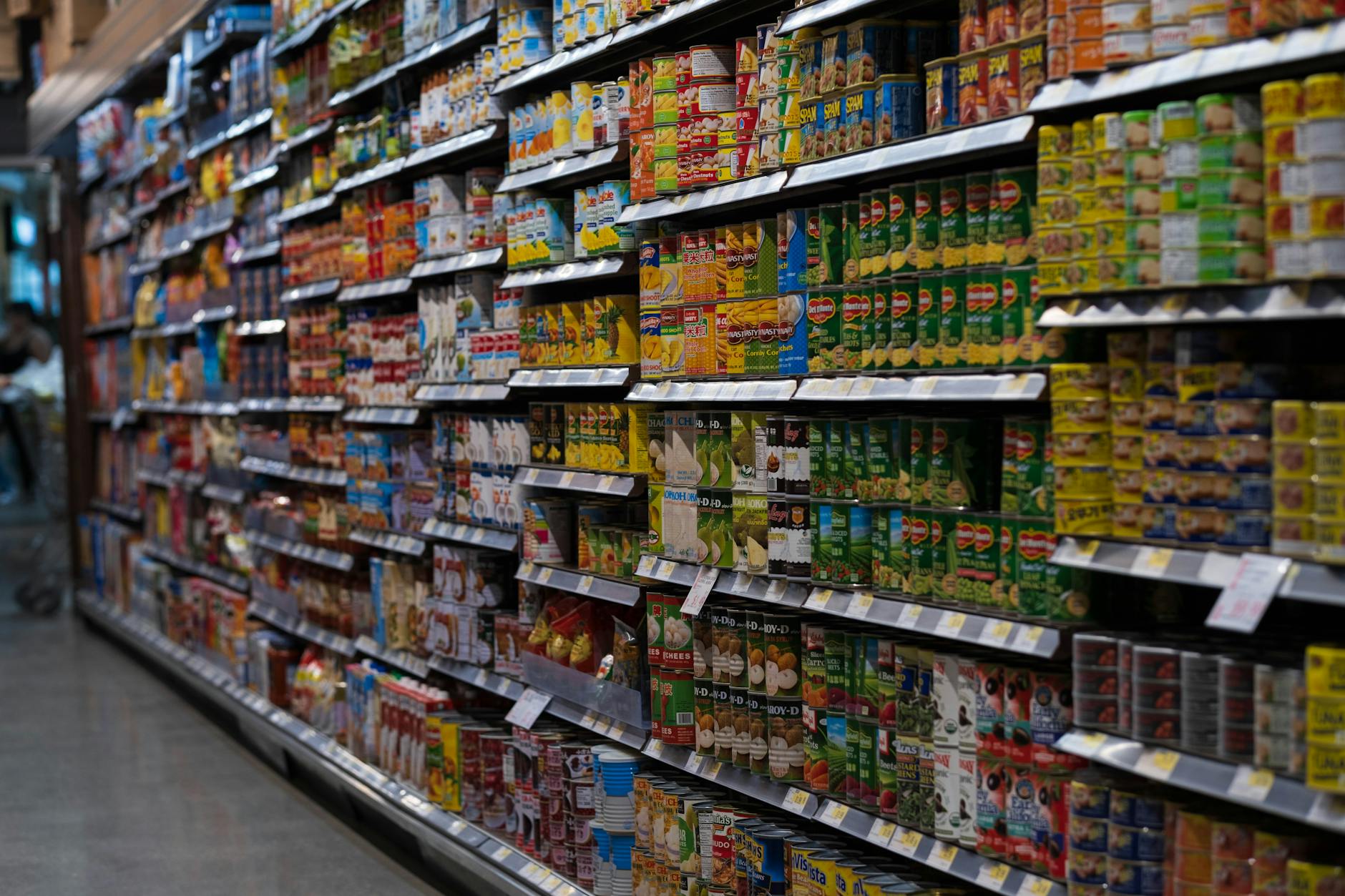
Retailers strategically place the most expensive name brand products at eye level to encourage quick and easy selection. Looking at the bottom or top shelves often reveals cheaper alternatives and store brands that offer better value. Manufacturers often pay for premium shelf placement which is a cost that is ultimately reflected in the product price. Training the eyes to scan the entire vertical display helps in finding the most economical options hidden away from the main line of sight.
Use Leftovers

Repurposing tonight’s dinner into tomorrow’s lunch is a simple way to maximize the value of every ingredient purchased. Transforming leftover roasted chicken into a salad or using extra vegetables in an omelet prevents food from being thrown away. This habit reduces the need to purchase separate lunch items and saves time on daily meal preparation. Viewing leftovers as a resource rather than a burden is a key mindset for any budget conscious household.
Shop Late
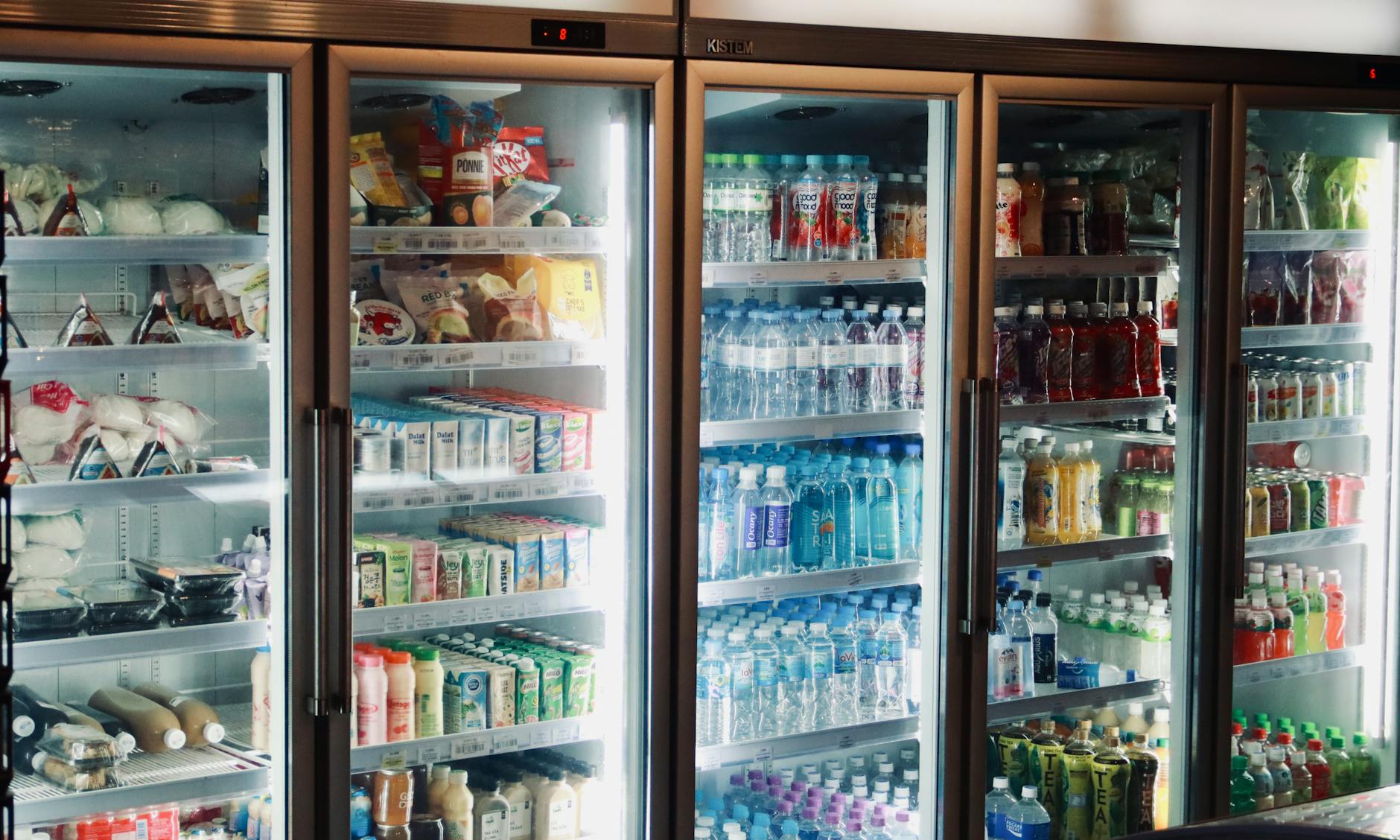
Visiting the grocery store in the evening can lead to finding significant markdowns on perishable items like meat and prepared foods. Many departments discount products that are nearing their sell by date to clear inventory before the store closes. These items are typically safe for immediate consumption or can be placed in the freezer for later use. Taking advantage of these end of day reductions is an excellent way to source high quality protein at a fraction of the cost.
Water Filtration

Investing in a quality water filter pitcher or faucet attachment eliminates the recurring expense of purchasing bottled water. The cost of individual plastic bottles adds up quickly and creates a significant amount of environmental waste. Filtered tap water is a fraction of the price and provides a convenient source of hydration for the entire family. Carrying a reusable water bottle filled from home further reduces the temptation to buy expensive drinks while on the go.
Meal Prep

Devoting a few hours on the weekend to preparing ingredients or full meals saves both time and money during the busy work week. Having pre-washed vegetables and cooked grains ready to go makes it much easier to stick to the home cooking plan. This reduces the likelihood of reaching for expensive convenience foods or ordering takeout when energy levels are low. Meal prepping also allows for better portion control which helps stretch ingredients across more serving sessions.
Grain Staples

Relying on affordable grains like brown rice and oats or quinoa as the base for meals provides filling nutrition at a low cost. These items can be purchased in large bags and stored for long periods without losing quality or flavor. Grains serve as an excellent canvas for whatever seasonal vegetables or proteins are currently on sale. Including a variety of grains in the diet ensures that meals remain interesting and nutritionally balanced while keeping costs down.
Whole Chicken
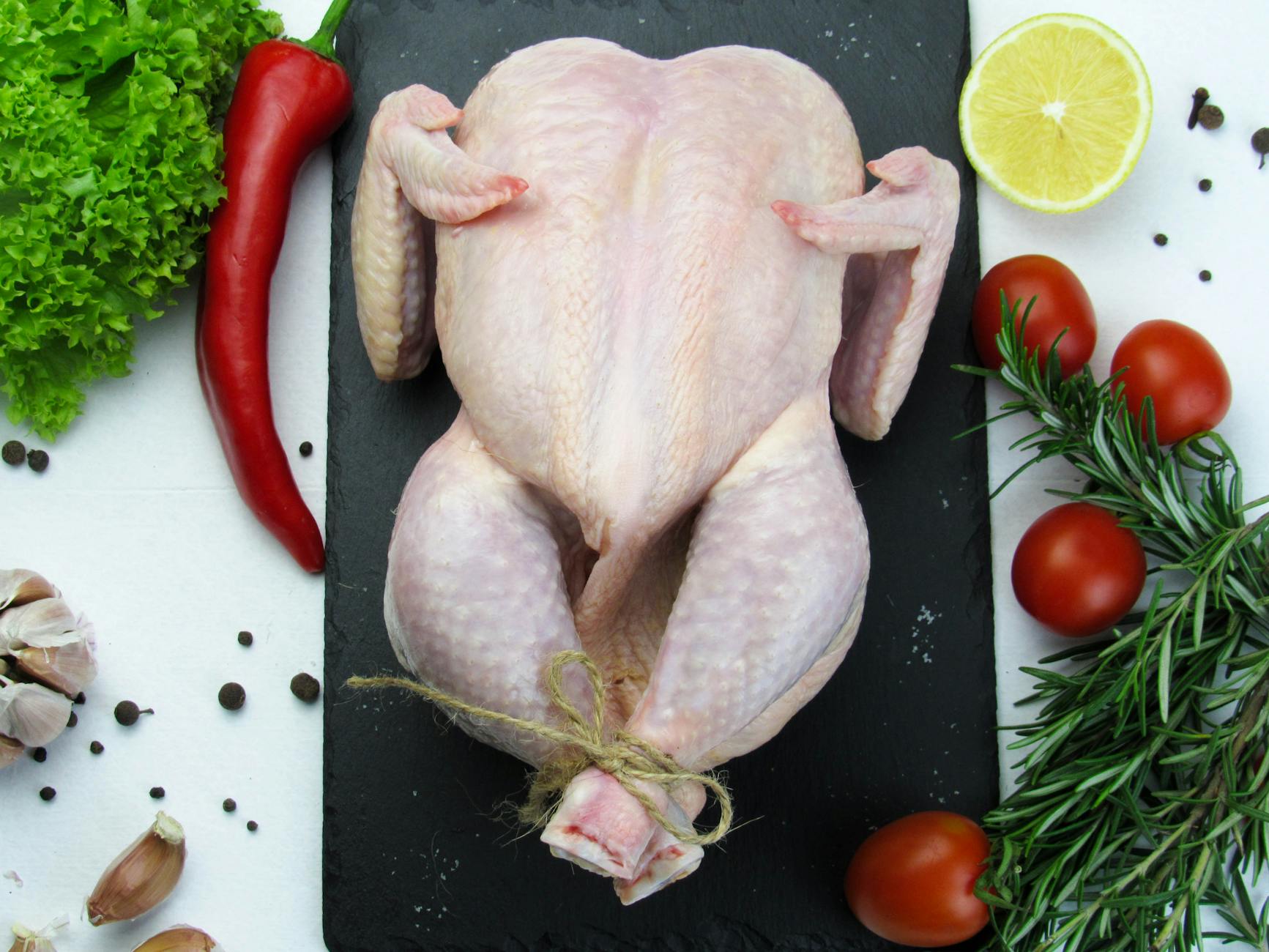
Buying a whole chicken and breaking it down at home is significantly cheaper than purchasing individual pre cut packages of breasts or thighs. The carcass can then be simmered with vegetable scraps to create a rich and flavorful homemade stock for soups. This approach utilizes every part of the bird and provides multiple meals for the price of one. Learning basic butchery skills is a valuable tool for any cook looking to reduce their meat expenditures.
Spice Aisles
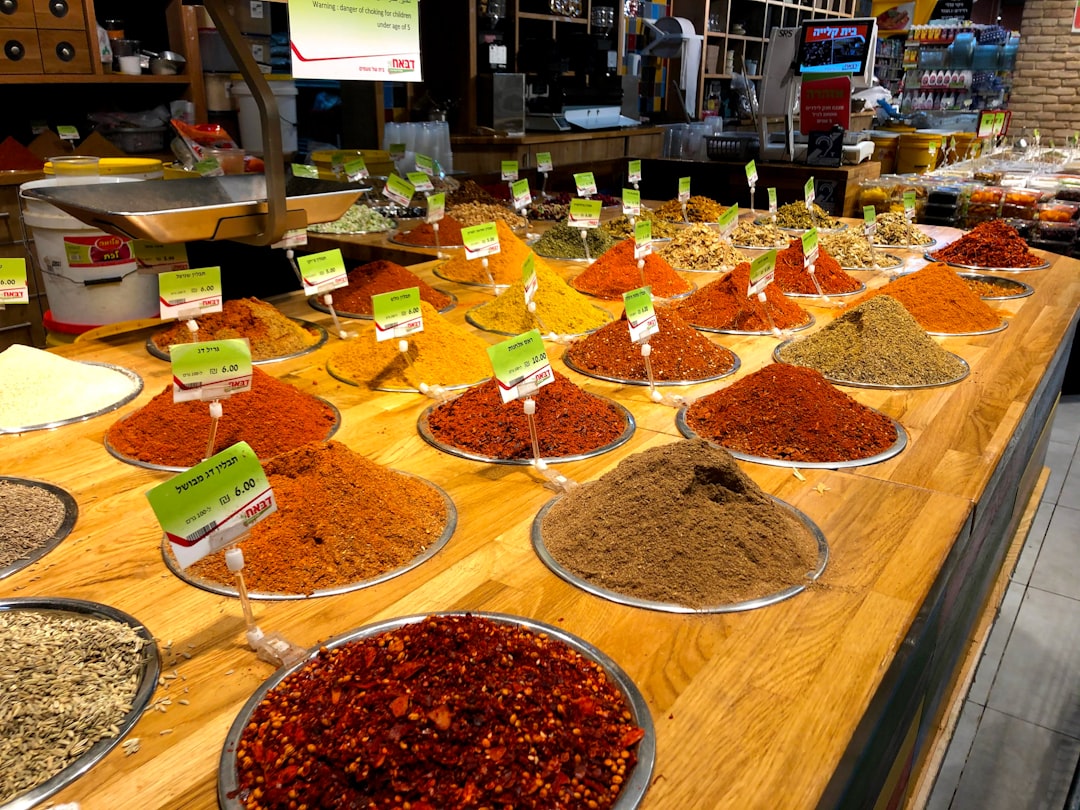
Purchasing spices from the international aisle or in bulk sections often costs much less than the small glass jars found in the main baking section. Many ethnic cuisines rely on large quantities of spices so the packaging is usually larger and the price per ounce is lower. High quality seasonings can transform simple and inexpensive ingredients into vibrant and exciting dishes. Keeping a well stocked spice cabinet is an affordable way to ensure that budget friendly meals never taste boring.
Avoid Hunger
Shopping on a full stomach is a classic but highly effective strategy for preventing impulsive and expensive food choices. When hungry the brain is more likely to gravitate toward high calorie and high cost processed snacks that are not on the list. A satisfied shopper is better able to make rational decisions based on price and nutritional value rather than immediate cravings. Eating a small snack before entering the store can save a significant amount on the final checkout total.
Store Brands
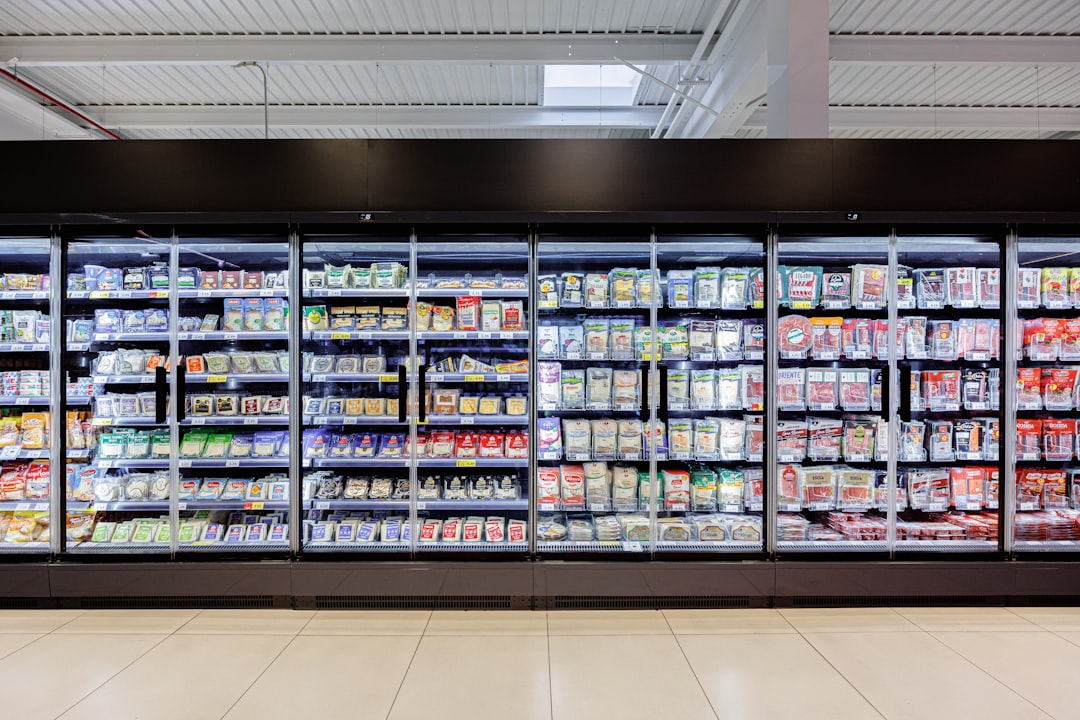
Choosing store brand milk and eggs or cheese can lead to instant savings without any noticeable difference in taste or performance. These dairy staples are often produced by the same regional dairies that supply the major national labels. Retailers use these core items to draw customers into the store and often price them very competitively to remain the preferred choice. Consistently opting for the store brand in the dairy aisle is a simple habit that yields reliable weekly savings.
Check Receipts
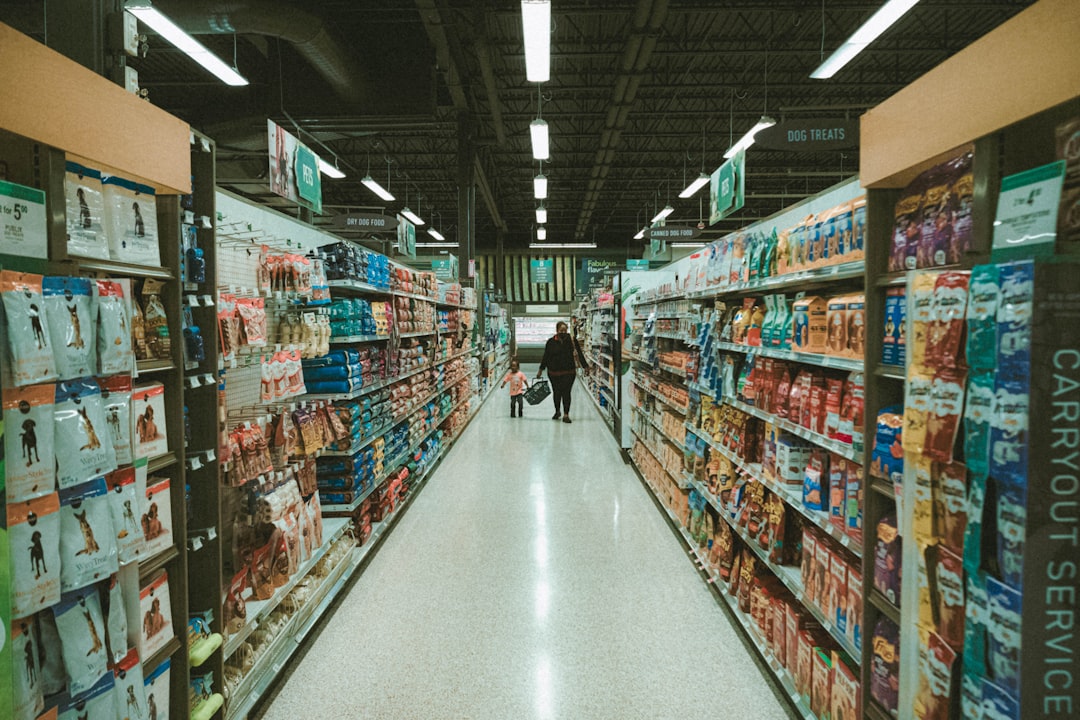
Reviewing the printed receipt before leaving the store ensures that all scanned prices and applied coupons are accurate. Mistakes at the register can happen and catching an overcharge immediately allows for a quick correction at the service desk. This practice also helps in tracking price fluctuations of frequently purchased items to better plan future trips. Understanding exactly where the money is going is the first step in identifying further opportunities for grocery savings.
Limit Convenience
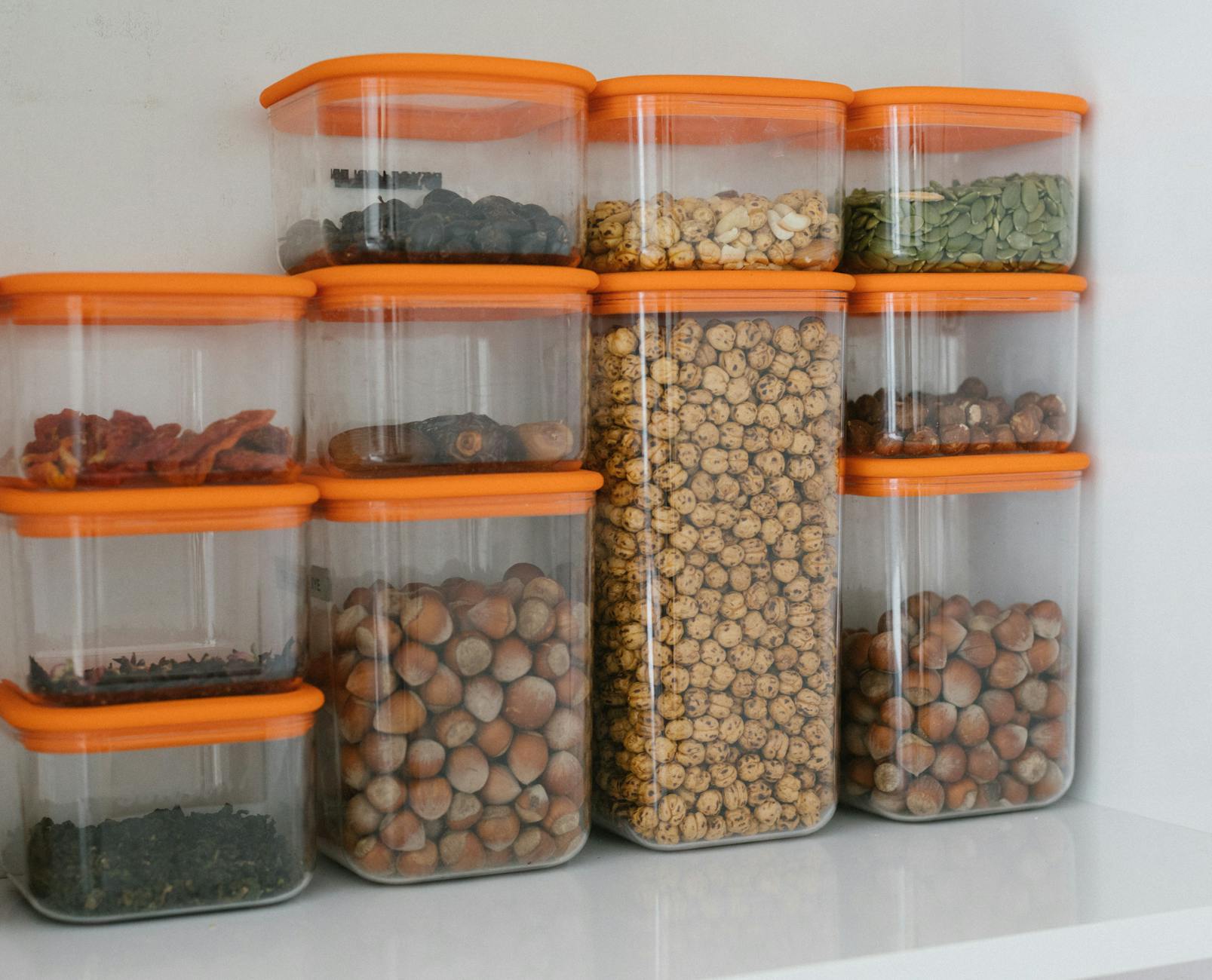
Cutting back on pre-packaged snacks and individual serving containers reduces the amount spent on excessive packaging and marketing. Buying a large container of yogurt or a full bag of pretzels and portioning them into reusable containers at home is much cheaper. These small savings on every snack item add up to a significant amount over the course of a month. Focusing on whole foods that require minimal processing keeps the grocery bill lean and the diet healthy.
Egg Protein

Eggs are one of the most affordable and versatile sources of high quality protein available in the grocery store. They can be served for breakfast or lunch and dinner in a variety of ways from scrambles to quiches. Keeping a carton of eggs on hand provides a quick and low cost meal option for those nights when the pantry is running low. Compared to the price of most meats eggs offer exceptional nutritional value for a very small financial investment.
Avoid Trends
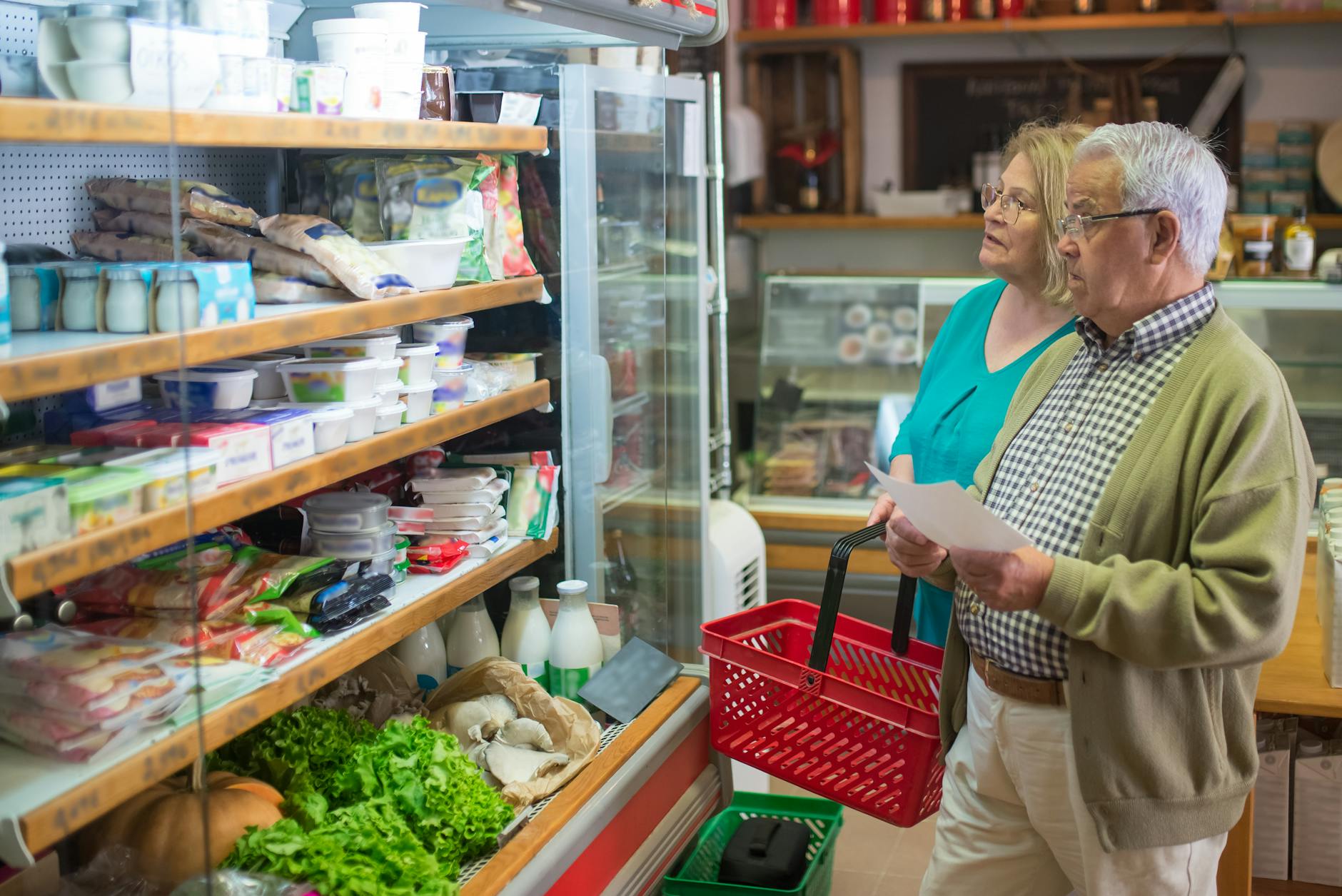
Steering clear of expensive superfood trends and specialty health products helps keep the focus on affordable and proven nutritional staples. Many hyped products carry a significant price premium while offering similar benefits to common fruits and vegetables. Sticking to basic whole foods ensures a balanced diet without the inflated costs associated with the latest wellness fads. Building a grocery list around timeless essentials is the most sustainable way to maintain both health and a healthy budget.
Please share your thoughts on these grocery saving tips in the comments.




