Productivity begins with the immediate implementation of the five second rule to bridge the gap between thinking and acting. This psychological technique requires counting down from five to one and physically moving the moment the sequence ends. It effectively bypasses the brain’s tendency to overthink or find excuses for delaying a task. By creating a sense of urgency this method builds momentum for starting even the most daunting projects. Consistent use of this countdown reinforces the habit of decisive action over hesitation.
The Pomodoro Technique
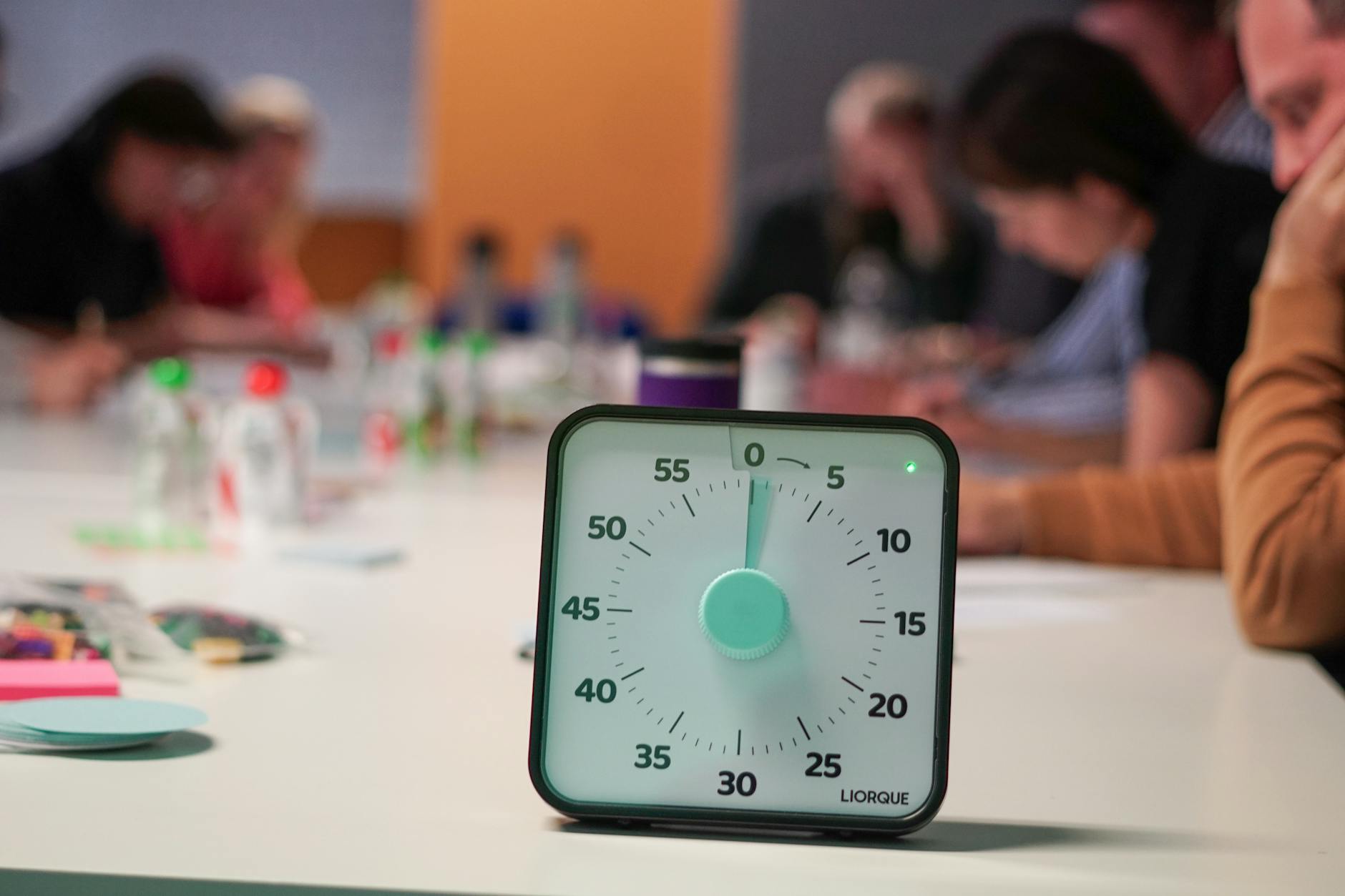
The Pomodoro Technique utilizes a timer to break work into manageable twenty-five minute intervals followed by short five minute breaks. This structured rhythm helps maintain high levels of focus while preventing the mental fatigue often associated with long work sessions. During each interval the individual commits to a single task without allowing for any outside distractions or interruptions. The scheduled breaks provide a necessary reward that keeps the mind refreshed and ready for the next block of effort. Following four consecutive intervals a longer break of twenty minutes is taken to ensure sustained productivity throughout the day.
Task Batching

Task batching involves grouping similar activities together to be completed during a dedicated time period. This strategy minimizes the cognitive load caused by frequent task switching and allows the brain to stay in a specific flow state. An individual might set aside one hour specifically for answering all emails rather than checking the inbox intermittently. Batching creative work or administrative chores ensures that mental energy is used efficiently on related objectives. The reduction in transition time leads to a significant increase in overall output and accuracy.
Eat the Frog

The concept of eating the frog suggests tackling the most difficult or unpleasant task first thing in the morning. Completing the most challenging objective early removes the lingering anxiety that often leads to avoidance later in the day. Once the biggest hurdle is cleared the remaining tasks feel significantly easier and more approachable by comparison. This approach leverages peak morning energy levels to handle complex problems that require maximum willpower. Success in the early hours creates a positive psychological ripple effect that lasts until the workday concludes.
Implementation Intentions

Implementation intentions are specific plans that link a situational cue with a desired productive response. These statements typically follow an if-then format such as deciding that if it is ten o clock then one will start writing the report. This mental preparation automates the decision making process so that action becomes a reflex rather than a choice. By pre-determining the exact time and place for a task the likelihood of following through increases substantially. This technique effectively removes the ambiguity that often serves as a breeding ground for procrastination.
The Two Minute Rule

The two minute rule dictates that if a task takes less than two minutes to complete it should be done immediately. Applying this principle prevents small chores like filing a paper or sending a quick text from accumulating into a stressful mountain of work. Taking instant action on minor items keeps the to-do list lean and focuses attention on larger priorities. It builds a habit of immediate execution that carries over into more significant areas of life. This simple threshold serves as an effective gatekeeper against the clutter of unfinished business.
Time Blocking

Time blocking is a scheduling method where every minute of the day is assigned to a specific task or category. This visual representation of time ensures that priorities are given the necessary space to be completed without overlap. By treating these blocks as firm appointments with oneself the individual develops a greater respect for their own schedule. It eliminates the common problem of wondering what to work on next by providing a clear roadmap for the day. Adjusting blocks as needed allows for flexibility while maintaining a high level of accountability.
Environment Design

Environment design focuses on organizing a physical workspace to minimize distractions and promote deep work. A clean desk and a dedicated office chair signal to the brain that it is time to transition into a productive state. Removing smartphones or other digital interruptions from the immediate vicinity reduces the temptation to procrastinate. Adding elements like proper lighting or ergonomic tools supports physical comfort during long stretches of concentration. A well-designed space acts as a silent partner in achieving daily goals with minimal friction.
Visual Progress Tracking
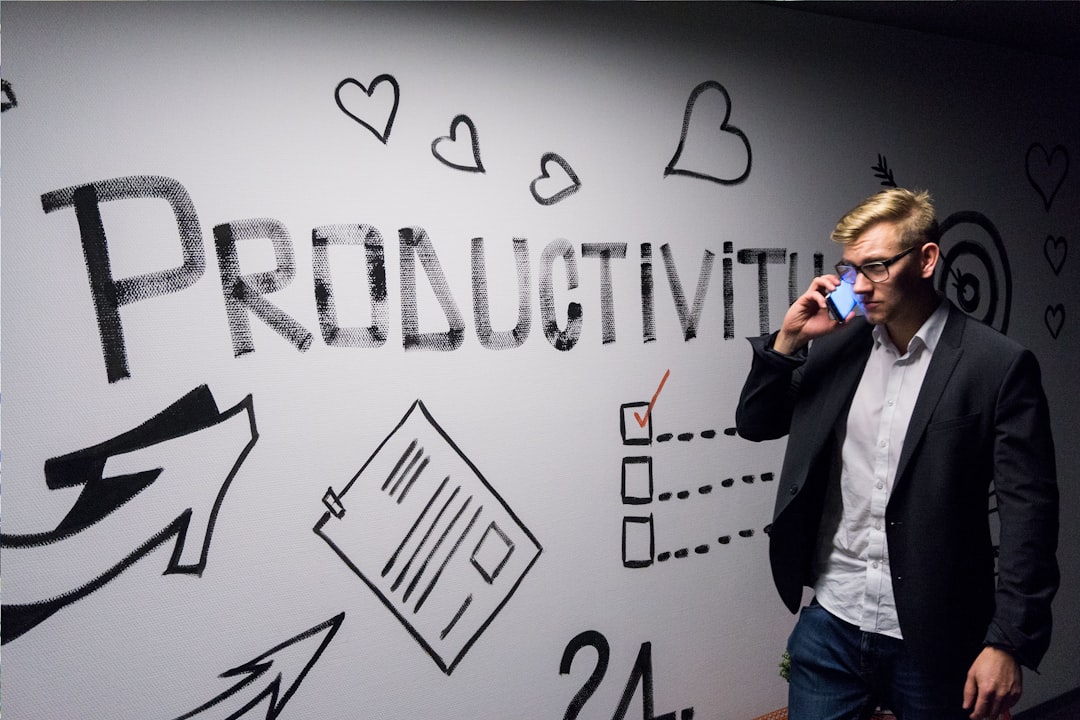
Visual progress tracking involves using charts or habit trackers to see the completion of tasks over time. Marking an X on a calendar or filling in a progress bar provides a tangible sense of accomplishment that triggers a dopamine release. This visual evidence of consistency motivates the individual to maintain their streak and avoid breaking the chain of productivity. Seeing how much has already been achieved makes the remaining work feel more attainable. Tracking also highlights patterns of behavior that may need adjustment for better efficiency.
Temptation Bundling

Temptation bundling is the practice of pairing a task that is often avoided with an activity that is highly enjoyable. An individual might listen to a favorite podcast only while doing the laundry or cleaning the kitchen. This creates a positive association with the chore and provides an immediate incentive to start the work. The reward serves as a bridge that carries the person through the initial resistance to the task. Over time the brain begins to look forward to these productive windows because of the accompanying treat.
Single Tasking

Single tasking is the intentional practice of focusing on one specific objective at a time until it is finished or the session ends. Research indicates that multitasking can decrease productivity by up to forty percent due to the mental cost of switching gears. By giving full attention to a single item the individual produces higher quality work in less time. This deep focus allows for a more thorough understanding of complex subjects and reduces the risk of errors. Embracing a one-track mind fosters a sense of calm and control in a busy environment.
Parkinson’s Law

Parkinson’s Law states that work expands so as to fill the time available for its completion. By setting shorter and more aggressive deadlines for tasks the individual can force themselves to focus on the most essential elements. This artificial time constraint prevents over-engineering and encourages a more direct path to finishing the work. Knowing there is a limited window creates a natural sense of urgency that discourages wandering or delaying. Applying this principle helps in identifying which parts of a project are truly necessary versus those that are just filler.
The Seinfeld Strategy

The Seinfeld Strategy focuses on the power of consistency by using a large wall calendar to track daily actions. The goal is to perform a specific task every single day and mark the calendar with a red marker to create a chain. After a few days the primary motivation becomes simply not breaking the chain of consecutive successes. This shift in focus from the task itself to the maintenance of the streak simplifies the psychological commitment. Longevity in a habit is often built on this foundation of small and unbroken daily wins.
Digital Minimalism

Digital minimalism involves the intentional reduction of digital noise by disabling non-essential notifications and deleting distracting apps. Limiting the time spent on social media or news sites frees up significant mental space for meaningful work. Setting specific windows for digital engagement prevents the constant reactive state caused by pings and alerts. A streamlined digital environment allows for faster navigation and fewer opportunities for aimless scrolling. This disciplined approach to technology ensures that tools serve the user rather than the other way around.
Mindfulness Meditation

Mindfulness meditation trains the brain to remain present and observant without becoming overwhelmed by intrusive thoughts. Practicing even five minutes of deep breathing daily can improve the ability to notice the urge to procrastinate as it arises. Once this urge is identified it becomes easier to acknowledge the feeling and return focus to the task at hand. Meditation strengthens the prefrontal cortex which is the part of the brain responsible for executive function and impulse control. A centered mind is better equipped to handle the emotional discomfort sometimes associated with difficult work.
Public Accountability

Public accountability leverages the social pressure of sharing goals with friends or colleagues to ensure follow-through. When others are aware of a deadline the individual feels a greater responsibility to meet the expectation and avoid the embarrassment of failure. Joining a mastermind group or finding an accountability partner provides a structured environment for regular check-ins. This external support system offers encouragement during challenging periods and celebrates successes alongside the individual. Making a commitment public transforms a private goal into a social contract.
Task Decomposition
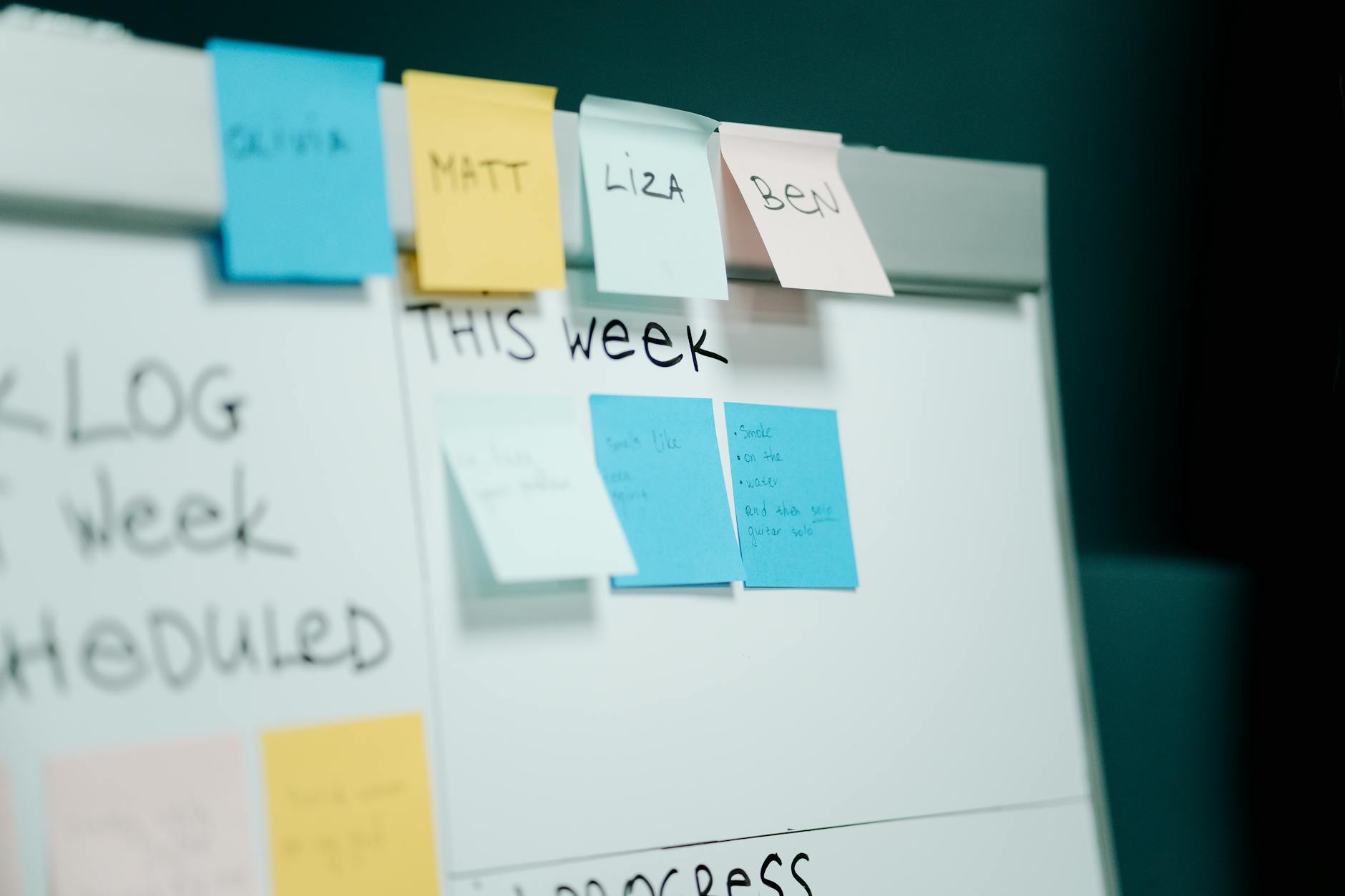
Task decomposition is the process of breaking down a large and intimidating project into the smallest possible actionable steps. Instead of writing a book the task becomes writing one single paragraph or even just one sentence. These micro-tasks appear much less threatening to the brain and lower the barrier to entry for getting started. Each completed step provides a small win that builds the momentum necessary to tackle the next phase. This granular approach ensures that progress is always being made regardless of the project size.
The Done List
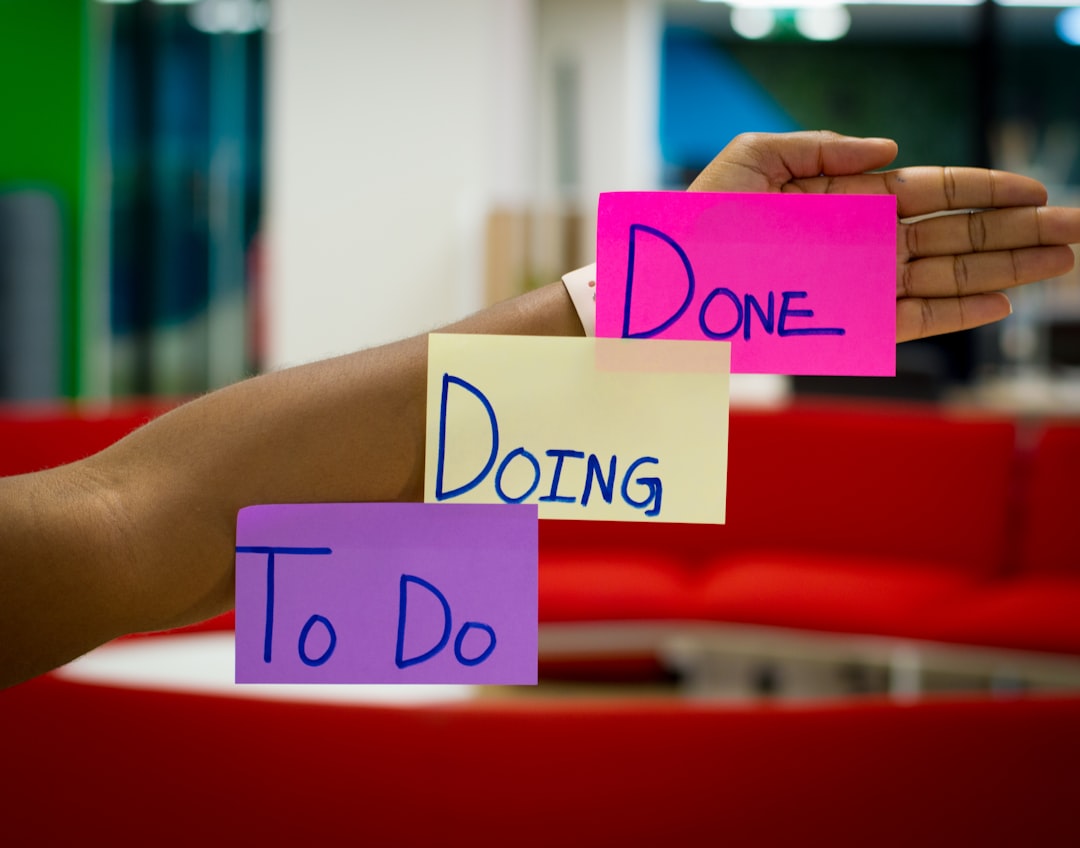
A done list functions as the opposite of a to-do list by recording every task that has been successfully completed throughout the day. Documenting progress in real time provides a continuous sense of achievement and helps combat the feeling of being overwhelmed. This practice shifts the focus from what is still left to do to the tangible results already produced. It serves as a powerful motivational tool especially on days when the workload seems never-ending. Reviewing a long list of accomplishments at the end of the day reinforces a productive self-image.
Power Napping

Power napping is a brief period of sleep typically lasting between ten and twenty minutes designed to quickly revitalize the brain. This short rest can significantly improve alertness and cognitive performance without causing the grogginess of longer sleep cycles. Timing the nap correctly during the mid-afternoon slump helps restore the focus needed for evening tasks. Many high-performers use this technique to reset their mental energy and maintain a high output for the remainder of the day. A well-timed rest serves as a natural alternative to excessive caffeine consumption.
Brain Dumping

Brain dumping is the act of writing down every single thought or task that is currently cluttering the mind. Getting these items onto paper clears mental bandwidth and reduces the anxiety caused by trying to remember everything. Once the list is complete it becomes much easier to categorize and prioritize the items based on their true importance. This externalization of stress allows for a more objective view of the actual workload. A clear mind is a prerequisite for entering a state of deep and uninterrupted work.
Binary Decisions

Binary decisions involve simplifying choices into yes or no options to prevent the paralysis of analysis. When faced with multiple paths the individual decides on a primary course of action and commits to it without further debate. This eliminates the middle ground where procrastination often thrives due to uncertainty. Reducing the number of daily choices preserves decision making energy for more complex and critical tasks. Being decisive in small matters builds the confidence needed to make larger moves quickly.
Physical Exercise

Physical exercise increases blood flow to the brain and releases endorphins that improve mood and energy levels. A short walk or a vigorous workout can clear mental fog and provide a fresh perspective on a difficult problem. Regular activity also improves the quality of sleep which is essential for maintaining daily willpower and focus. Integrating movement into the daily routine acts as a natural reset for the nervous system. The discipline required for a fitness regimen often translates into greater discipline in professional and personal tasks.
Desktop Organization

Desktop organization applies to both the physical surface and the digital workspace of a computer. A cluttered desktop creates visual noise that competes for attention and slows down the process of finding necessary files. Organizing documents into clear folders and removing unnecessary icons streamlines the workflow. This sense of order reduces the friction of starting a new project and allows for a quicker transition into deep work. Maintaining a clean environment reflects a professional mindset and a readiness for high-level productivity.
Positive Self Talk

Positive self talk replaces critical inner dialogue with encouraging and realistic statements about one’s abilities. Shifting the focus from the fear of failure to the potential for growth changes the emotional response to a task. Acknowledging that perfection is not the goal allows the individual to start with a messy first draft rather than waiting for an ideal moment. This supportive internal narrative builds the resilience needed to push through periods of low motivation. Speaking to oneself as one would to a respected colleague fosters a healthier and more productive mental state.
Strategic Hydration

Strategic hydration ensures that the brain is functioning at its peak capacity by maintaining consistent water intake. Even mild dehydration can lead to decreased concentration and increased feelings of fatigue or irritability. Keeping a water bottle at the desk serves as a constant reminder to drink throughout the productive hours of the day. Proper hydration supports every metabolic process including those responsible for mental clarity and sustained energy. This simple habit is one of the most effective and accessible ways to stay sharp and avoid the sluggishness that leads to delay.
Reward Systems

Reward systems involve setting up specific incentives that are granted only after a target task is completed. This could be as simple as a ten minute break to browse a website or a larger reward like a special meal for finishing a big project. Associating the completion of work with a pleasurable experience reinforces the behavior and makes it more likely to be repeated. It creates a clear finish line that motivates the individual to stay on task until the goal is reached. Using rewards effectively turns the process of productivity into a more engaging and satisfying game.
The 10-Minute Commitment

The 10-minute commitment is a technique where an individual agrees to work on a task for just ten minutes with the permission to stop afterward. The primary goal is to overcome the initial resistance to starting which is often the hardest part of any project. Most of the time once the work has begun the momentum carries the person far beyond the initial ten-minute mark. If the resistance remains high after the time is up the individual can stop knowing they at least made a small dent in the work. This low-pressure entry point makes the prospect of starting feel much less overwhelming.
Email Batching

Email batching is the practice of checking and responding to electronic messages only at designated times during the day. This prevents the constant interruptions of incoming alerts from derailing the focus on more important deep work. Setting specific intervals such as once in the morning and once in the late afternoon allows for more thoughtful and efficient communication. It also manages the expectations of others regarding response times and reduces the pressure to be constantly available. Reclaiming control over the inbox is a major step toward long-term productivity.
Say No Often

Saying no often is the disciplined practice of declining requests or opportunities that do not align with current priorities. Every time a new commitment is accepted it takes away time and energy from the most important goals already in place. Protecting one’s schedule from unnecessary meetings or social obligations is essential for maintaining a focused life. This requires a clear understanding of personal values and a willingness to set firm boundaries with others. Mastering the art of the polite refusal ensures that the most meaningful work remains at the center of the day.
Use a Physical Planner

Using a physical planner provides a tactile experience that can enhance the memory and commitment to a daily schedule. The act of handwriting tasks engages the brain differently than typing into a digital device. A physical book allows for a quick overview of the week or month without the distractions inherent in using a smartphone. It serves as a dedicated space for reflection and planning away from the glow of a screen. Carrying a planner creates a visible anchor for one’s intentions and a reliable record of past successes.
Please share your own favorite strategies for staying productive in the comments.




