The modern landscape presents a complex array of structural and social hurdles that impact the stability and growth of Black households across the country. These multifaceted issues range from persistent economic disparities and healthcare inequities to systemic barriers within the educational and legal systems. Navigating these modern pressures requires significant resilience as families strive to maintain wellness and build generational security. Understanding the specific obstacles currently facing these communities is essential for fostering a more equitable and supportive environment for future generations.
Racial Wealth Gap

The significant disparity in accumulated assets remains one of the most foundational hurdles for families seeking long-term financial security. Median household wealth for white families continues to dwarf that of Black families by a factor of nearly six to one in many regions. This lack of a financial safety net makes it difficult to weather unexpected emergencies or invest in future opportunities like higher education. Persistent barriers to asset accumulation ensure that this gap often carries forward into subsequent generations.
Homeownership Barriers

Securing stable housing remains a significant hurdle due to higher mortgage rejection rates and lower property appraisals in certain neighborhoods. Systemic issues such as historically biased lending practices continue to prevent many families from utilizing real estate as a primary wealth-building tool. Rising interest rates and a shortage of affordable inventory further complicate the path to owning a first home. Without equal access to the housing market, many households are forced to remain in the rental cycle indefinitely.
Maternal Health Disparities

Expectant mothers face significantly higher risks of complications and mortality compared to women of other demographics regardless of their income or education levels. Implicit bias within the medical field often leads to the dismissal of physical symptoms and concerns during prenatal and postpartum care. This crisis necessitates a shift toward more culturally competent healthcare and increased advocacy for maternal well-being. Ensuring safe outcomes for both mothers and infants is a critical priority for family preservation.
Student Loan Debt

Higher education often comes with a disproportionate burden of debt that lingers for decades and prevents the reaching of major financial milestones. Black graduates frequently carry higher balances than their peers and face a more difficult path toward total repayment. This financial weight limits the ability to save for retirement or provide financial assistance to other family members. The pursuit of social mobility through schooling thus often begins with a significant economic disadvantage.
Employment Instability

Black workers frequently experience higher rates of unemployment and are often the first to be impacted during periods of corporate downsizing. The disappearance of stable public sector roles has removed a traditional pathway to middle-class stability for many households. Occupational segregation continues to funnel workers into lower-wage industries with fewer benefits and less job security. Maintaining a consistent income becomes a primary challenge when the labor market remains volatile and unpredictable.
Digital Divide

Unequal access to high-speed internet and modern technology limits opportunities for remote work and digital learning within the home. Many families living in under-resourced areas lack the reliable broadband necessary to compete in an increasingly tech-heavy economy. This gap in connectivity affects everything from children completing school assignments to parents managing their healthcare online. Closing this technological window is vital for ensuring that all families can participate fully in modern society.
Food Insecurity

Limited access to affordable and nutritious grocery options in many urban and rural areas forces a reliance on processed and unhealthy food sources. These food deserts contribute to higher rates of diet-related illnesses and place additional stress on the family budget. High inflation further stretches the ability of households to provide consistent and balanced meals for growing children. Navigating the logistics of obtaining fresh produce often requires significant time and transportation resources.
Environmental Hazards
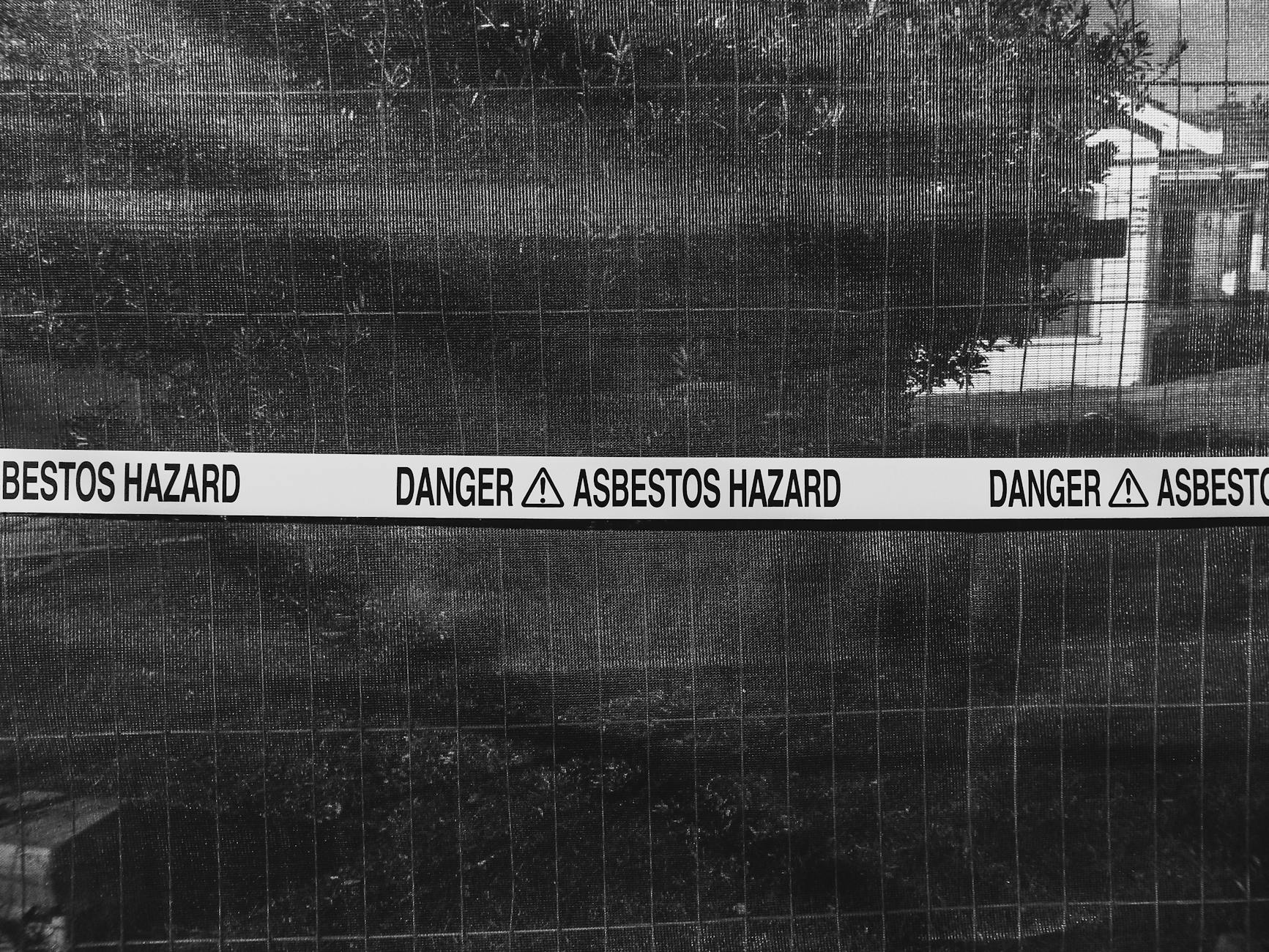
Residential areas with higher populations of color are frequently situated near industrial sites or areas with poor air and water quality. This exposure leads to increased rates of asthma and other chronic respiratory conditions among children and adults alike. Families often lack the financial resources to relocate away from these hazardous environments or to mitigate the risks within their current homes. Protecting the physical health of the household remains a constant struggle against these external environmental factors.
Mass Incarceration
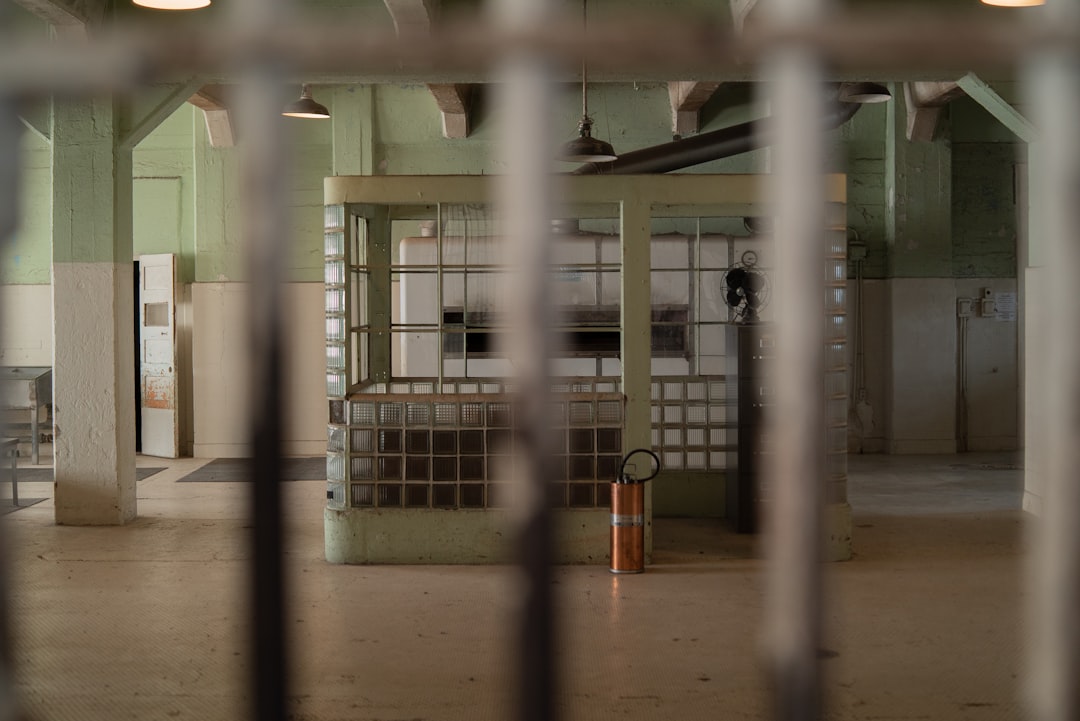
The legal system continues to impact family structures by removing fathers and mothers from the home at disproportionate rates. This separation creates emotional trauma and economic hardship as households lose a primary earner and caregiver. Returning citizens face significant barriers to finding employment and housing, which complicates the process of family reunification. The cycle of involvement with the justice system remains a heavy burden on the social fabric of the community.
Mental Health Stigma

Accessing appropriate psychological support is often hindered by a lack of culturally sensitive providers and lingering social perceptions. Many individuals may hesitate to seek professional help for trauma or anxiety due to historical mistrust of medical institutions. Stress from navigating daily systemic challenges can lead to burnout and emotional exhaustion for both parents and children. Normalizing conversations around emotional wellness is a key step in strengthening the resilience of the family unit.
Appraisal Bias

Property values in predominantly minority neighborhoods are often assessed at significantly lower rates than comparable homes in white areas. This systematic undervaluing strips families of equity and limits the funds available for home improvements or college tuition. Even when homes are maintained to high standards, the racial composition of a zip code can negatively influence market perceptions. This practice actively drains wealth from communities that rely on housing as their primary asset.
Underfunded Schools
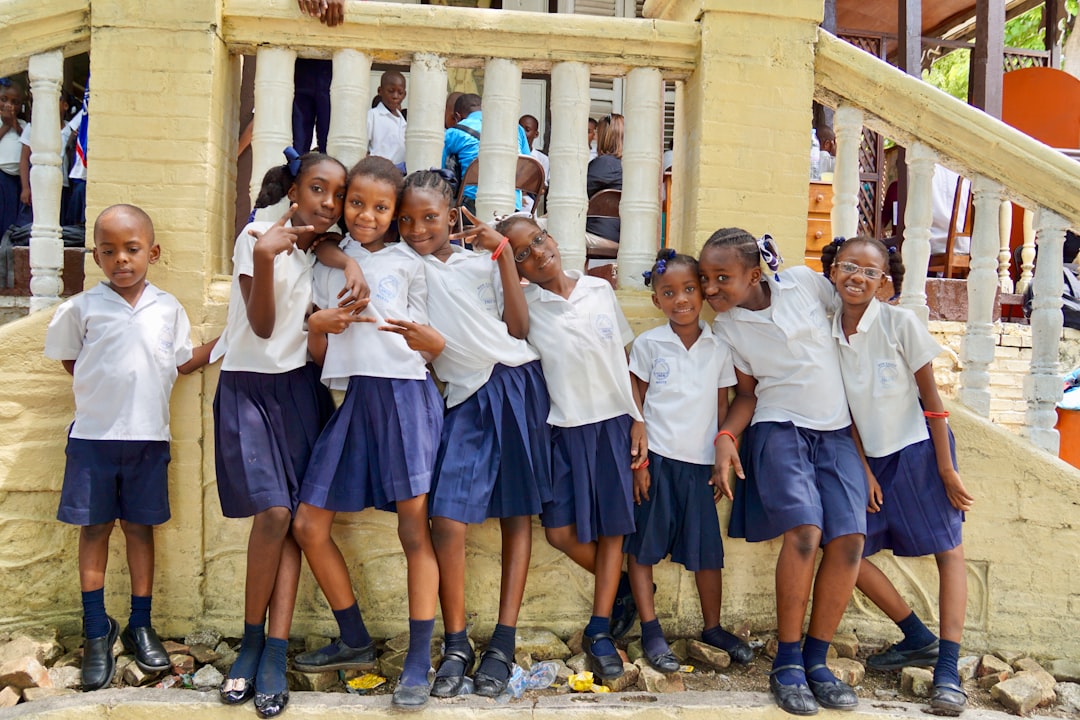
Educational institutions in many urban centers struggle with a lack of resources due to a reliance on local property tax funding. Students often face larger class sizes and fewer extracurricular opportunities compared to their suburban counterparts. This disparity in early education can lead to long-term gaps in college readiness and career potential. Ensuring that every child has access to quality instructional materials remains an ongoing civil rights challenge.
Predatory Lending

Financial services in under-served areas often consist of high-interest payday loans and check-cashing outlets rather than traditional banks. These institutions trap families in cycles of high-interest debt that are difficult to escape even with consistent employment. Lack of access to low-interest credit makes it nearly impossible to fund small business startups or cover major home repairs. Establishing fair banking relationships is critical for moving beyond subsistence-level financial management.
Wage Gaps

Persistent differences in earnings for the same work roles continue to hinder the economic mobility of Black professionals. Even with advanced degrees, many workers find that their compensation lags behind that of their white peers. This gap is even more pronounced for Black women who often face the dual pressures of racial and gender discrimination. Achieving pay equity is necessary to ensure that hard work translates into the same level of security for all families.
Implicit Bias in Medicine

Patients often receive different levels of care and pain management based on subconscious stereotypes held by providers. This can lead to delayed diagnoses for chronic conditions like heart disease or cancer, which are more prevalent in certain communities. A lack of diversity in the medical workforce further exacerbates the difficulty of finding doctors who understand specific cultural contexts. Addressing these biases is essential for improving overall life expectancy and quality of life.
Lack of Generational Wealth

The absence of inherited assets like stocks or family businesses means most households must start their financial lives from zero. Without a “down payment from dad” or an inheritance, achieving milestones like homeownership takes significantly longer. This lack of a head start compounds over time as white families benefit from the growth of assets passed down over decades. Building wealth from scratch requires a level of fiscal discipline and luck that creates immense pressure on the family unit.
Policing and Surveillance

Frequent interactions with law enforcement and increased surveillance in certain neighborhoods create a sense of persistent anxiety. Families must often have difficult conversations with children about navigating public spaces safely to avoid unnecessary conflict. This reality impacts the mental health of youth who may grow up feeling viewed with suspicion rather than protection. Creating a sense of true safety within the community involves more than just the absence of crime.
Credit Score Disparities

Historical exclusion from mainstream financial systems has left many households with lower credit scores or thin credit files. This makes it more expensive to borrow money for cars, homes, or insurance premiums, essentially creating a “poverty tax.” Traditional scoring models often fail to account for consistent payments like rent or utility bills, which are common in these communities. Reforming how creditworthiness is measured could unlock significant economic potential for millions of families.
Gentrification Pressures

Rising property values in historically minority neighborhoods often lead to the displacement of long-term residents who can no longer afford taxes or rent. As new developments move in, the cultural fabric and social support networks of the community are often dismantled. Small businesses that served the neighborhood for generations are frequently replaced by high-end boutiques that do not cater to the existing population. Balancing urban revitalization with the needs of current residents remains a delicate and ongoing struggle.
Workplace Microaggressions

Subtle slights and exclusionary behaviors in professional environments can lead to high levels of stress and career dissatisfaction. Many professionals feel the need to “code-switch” or alter their natural behavior to fit into corporate cultures that do not value diversity. This emotional labor takes a toll on mental energy that could otherwise be spent on productivity or family life. Navigating these environments often requires a level of resilience that is not demanded of all employees.
Lack of Diverse Representation

The absence of role models in high-level leadership positions can limit the aspirations of young people and the perceived opportunities for parents. When media and corporate structures fail to reflect the diversity of the population, it reinforces a sense of being an outsider. Representation matters for fostering a sense of belonging and for ensuring that various perspectives are included in decision-making processes. Seeing success in all fields is vital for the psychological empowerment of the next generation.
Childcare Affordability

The high cost of quality daycare and after-school programs places a significant strain on working parents who may spend a large portion of their income on these services. Many families live in “childcare deserts” where there are few licensed providers available within a reasonable distance. This struggle often forces parents to make difficult choices between career advancement and staying home to care for children. Reliable and affordable care is a cornerstone of economic stability for the entire household.
Inequitable Disaster Recovery
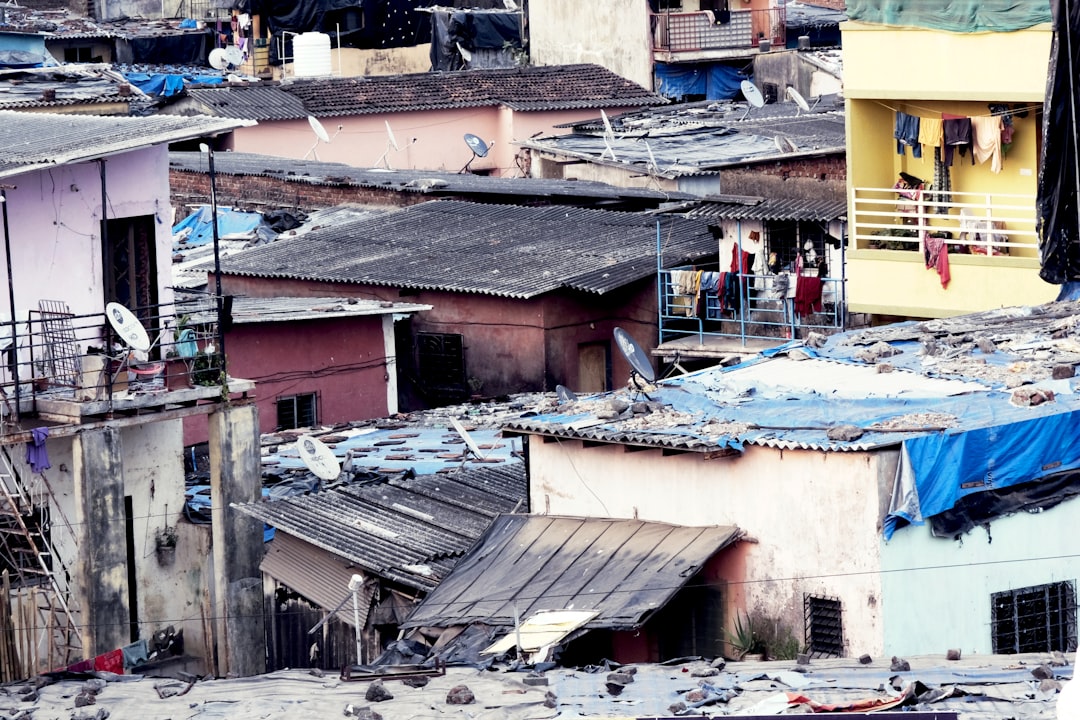
Studies show that federal aid and insurance payouts after natural disasters are often distributed unevenly, leaving minority communities to recover more slowly. Infrastructure in these areas may also be less resilient to flooding or extreme weather, leading to greater property damage. This disparity in recovery resources can lead to permanent displacement and the loss of family homes that had been held for generations. Planning for climate resilience must include a focus on protecting the most vulnerable populations.
Transit Inaccessibility

Many households rely on public transportation that is often unreliable, infrequent, or does not connect residential areas to job centers. This “spatial mismatch” makes it difficult for workers to maintain employment or for families to access essential services like healthcare. Long commutes on multiple buses or trains take valuable time away from family interactions and rest. Improving transit equity is essential for connecting people to the opportunities they need to thrive.
Disparities in Special Education

Children in minority communities are sometimes over-identified for behavioral interventions and under-identified for gifted programs or learning disability support. This can lead to a “school-to-prison pipeline” where students are disciplined rather than supported for their unique needs. Parents must often become fierce advocates to ensure their children receive the appropriate accommodations and advanced coursework. Achieving educational equity requires a shift in how student potential is perceived and nurtured.
Entrepreneurial Capital Gaps

Black founders receive a tiny fraction of venture capital funding compared to their white counterparts, limiting the growth of new businesses. This lack of investment forces many entrepreneurs to rely on personal savings or high-interest credit to launch their ventures. Without adequate capital, these businesses are more vulnerable to economic downturns and have less room for innovation. Supporting minority-owned businesses is a direct way to build community wealth and create local jobs.
Historical Trauma

The lingering psychological effects of systemic oppression and past injustices can impact the collective well-being of families across generations. This trauma may manifest as hyper-vigilance, mistrust of institutions, or a persistent sense of unease. Recognizing the impact of history on current mental health is an important part of the healing process for many households. Providing space for processing these experiences is necessary for building a healthy and resilient community.
Limited Access to Parks

Many urban neighborhoods lack safe, well-maintained green spaces where children can play and adults can exercise. This lack of recreational infrastructure contributes to sedentary lifestyles and higher rates of obesity and stress. Safe parks also serve as vital gathering points for community building and social interaction. Investing in public spaces in every neighborhood is a simple but effective way to improve the quality of life for all families.
Insurance Redlining

Families in certain areas may face higher premiums for auto, home, and life insurance based on their zip code rather than their individual risk profile. This practice makes it more expensive to protect assets and plan for the future, further straining the household budget. High insurance costs can also discourage homeownership and business investment in these communities. Ensuring fair and transparent insurance pricing is a necessary step for financial inclusion.
Cultural Misunderstandings in Social Services

Families interacting with social service agencies may encounter workers who lack an understanding of their specific cultural dynamics and support systems. This can lead to unfair assessments of home environments or parenting styles, sometimes resulting in unnecessary interventions. Building a more diverse and culturally competent workforce within these agencies is vital for providing helpful support rather than harm. Strengthening families involves respecting and leveraging their existing strengths.
Targeted Marketing of Harmful Products

Communities of color are often disproportionately targeted by advertisements for alcohol, tobacco, and unhealthy food options. This contributes to higher rates of chronic illness and places a greater burden on the local healthcare system. Regulating how these products are marketed in certain neighborhoods is a public health priority for many advocates. Protecting youth from these influences is a constant struggle for parents seeking to instill healthy habits.
Lack of Mentorship Networks

Access to influential social and professional circles is often limited for those who are the first in their families to enter certain fields. These “hidden networks” provide the referrals and advice that are often necessary for rapid career advancement. Without these connections, talented individuals may find themselves stuck in entry-all levels for longer than their peers. Building formal mentorship programs can help bridge this gap and provide more equitable access to success.
High Cost of Healthy Foods

In many under-served areas, fresh fruits and vegetables are not only hard to find but are also more expensive than processed alternatives. This economic reality makes it difficult for families on a tight budget to maintain a nutritious diet. The time required to travel to a well-stocked grocery store also serves as a barrier for working parents. Improving food access is a critical component of addressing long-term health disparities.
Bias in AI and Algorithms

As more decisions about hiring, lending, and policing are made by automated systems, inherent biases in the data can lead to unfair outcomes. These algorithms may inadvertently penalize individuals based on their neighborhood, education, or social connections. Ensuring that technology is developed and used ethically is a new and growing challenge for social justice. Protecting families from “algorithmic bias” requires constant vigilance and updated regulations.
Lack of Life Insurance
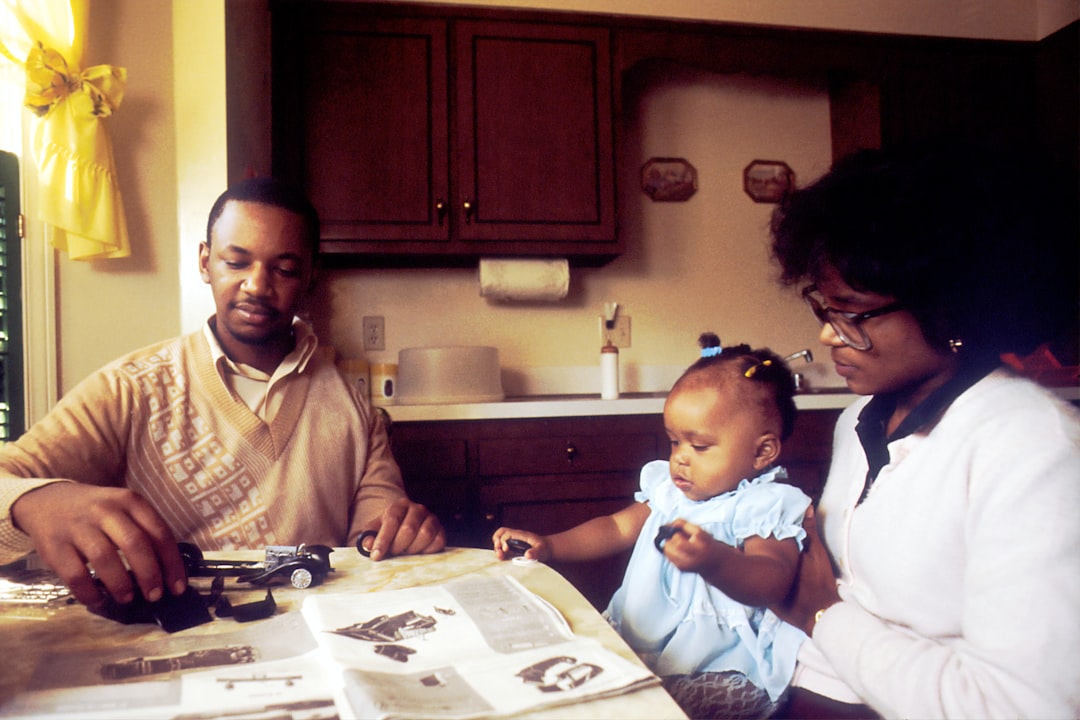
Many households lack adequate life insurance coverage, which can lead to immediate financial crisis upon the death of a primary earner. This often necessitates the use of crowdfunding or community collections to cover funeral expenses and basic needs. The absence of this safety net prevents the transfer of wealth and leaves the next generation in a precarious position. Promoting the importance of long-term financial planning is essential for community stability.
Inequitable Public Infrastructure

Minority neighborhoods often receive less frequent trash pickup, slower road repairs, and fewer updates to water and sewer systems. This disinvestment leads to a lower quality of life and can even pose significant health risks to residents. Visible signs of neglect can also impact the psychological well-being of the community and the perceived value of the area. Ensuring that all neighborhoods receive an equal share of public resources is a fundamental duty of local government.
Disparities in Pain Management

Medical research shows that patients of color are often prescribed less pain medication than white patients for similar injuries or conditions. This disparity is often rooted in false beliefs about physiological differences or concerns about drug seeking. Living with chronic, untreated pain impacts an individual’s ability to work, parent, and enjoy life. Advocating for fair and compassionate treatment in every clinical setting is a vital health priority.
Lack of Elder Care Options

The high cost of assisted living and nursing homes often places the burden of elder care directly on family members. This “sandwich generation” struggle involves parents caring for both their children and their aging parents simultaneously. Cultural preferences for keeping elders at home can also lead to significant physical and financial strain on caregivers. Expanding access to affordable and culturally sensitive senior services would provide much-needed relief for many households.
High Rates of Utility Shutoffs

Low-income families are more likely to experience interruptions in water, gas, and electricity due to an inability to keep up with rising costs. These shutoffs create immediate health and safety crises, especially during extreme heat or cold. The fees associated with reconnecting these services add further to the financial burden on the household. Protecting access to basic utilities is a necessary component of maintaining a stable and healthy home environment.
Lack of Career Development in Local Jobs

Employment opportunities within many minority neighborhoods are often concentrated in retail or service roles with little room for advancement. This lack of “career ladders” means that residents must often travel long distances to find jobs that offer professional growth. Investing in local economic development that includes high-quality, high-growth industries would provide a significant boost to the community. Creating paths to leadership within the neighborhood is essential for long-term stability.
Excessive Bank Fees

Individuals with low balances are often hit with a variety of maintenance and overdraft fees that further drain their limited resources. These “junk fees” make it difficult for many families to justify keeping their money in a traditional bank account. This can lead to a reliance on more expensive alternative financial services like money orders and prepaid cards. Reforming banking practices to be more inclusive of low-wealth customers would help more families build a stable financial foundation.
Lack of Estate Planning

A significant number of families do not have up-to-date wills or estate plans, which can lead to legal battles over family property. “Heirs’ property” issues often result in the loss of land or homes that have been in a family for generations. This lack of legal protection makes it difficult to pass on what little wealth has been accumulated to the next generation. Providing accessible legal resources for estate planning is a vital part of preserving community assets.
Social Isolation of Seniors
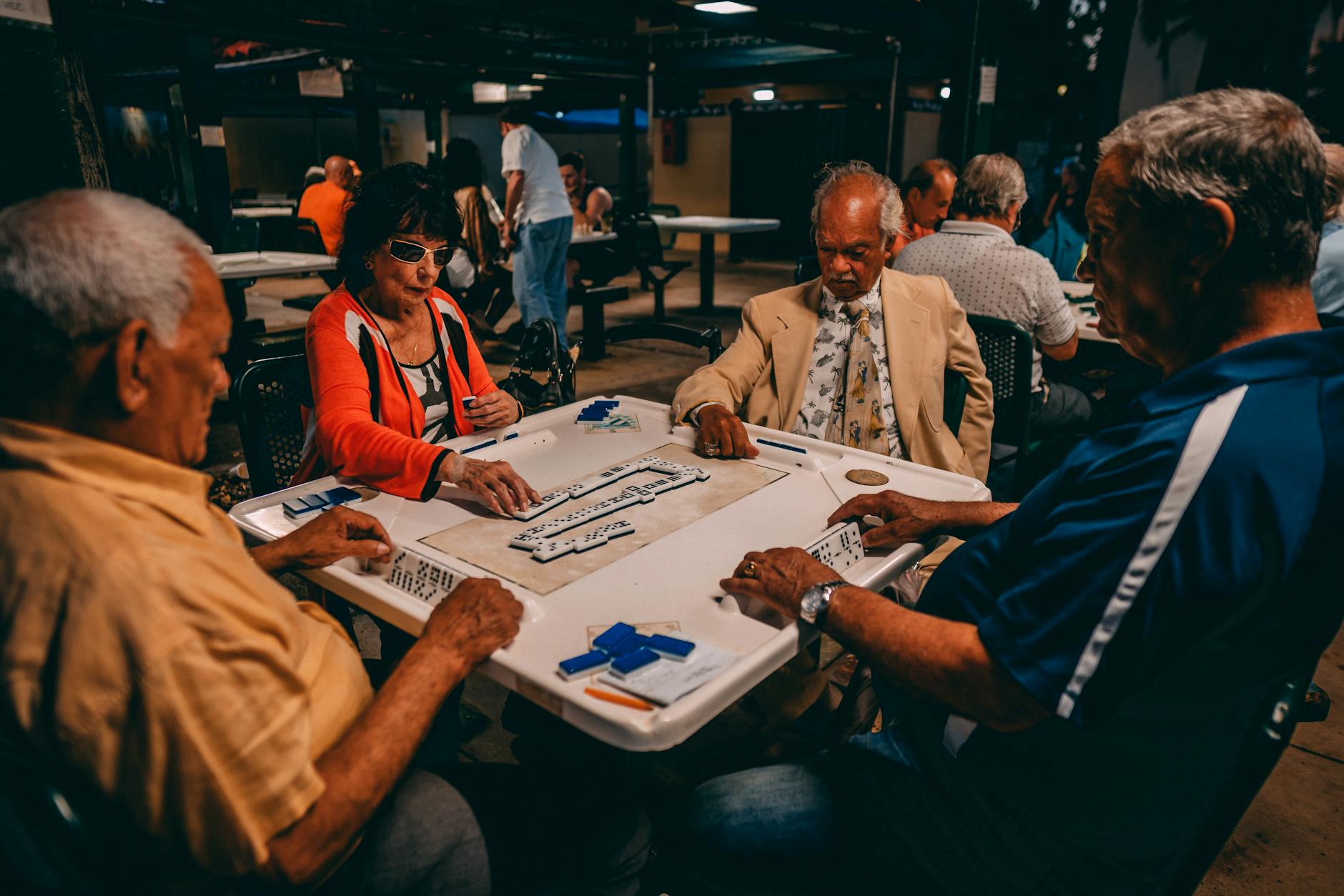
Older adults in under-resourced areas may face a lack of community centers and social programs designed for their needs. This isolation can lead to declining mental and physical health and makes it more difficult for families to ensure their elders are safe. Strong social networks are essential for the well-being of all community members, especially those who may be less mobile. Investing in senior-focused infrastructure helps to maintain the wisdom and history of the neighborhood.
Lack of Safe Outdoor Play

Concerns about neighborhood safety and a lack of quality playgrounds can keep children indoors for much of the day. This lack of physical activity impacts health and social development during critical formative years. Creating “safe passages” and well-lit play areas is a priority for parents who want their children to have a normal, active childhood. Every child deserves a safe place to run, play, and interact with their peers.
Limited Access to Urgent Care

In many neighborhoods, the emergency room serves as the only available option for medical care after hours or for those without a primary doctor. This leads to long wait times and higher costs for treatments that could have been handled in a simpler clinical setting. A lack of local clinics and pharmacies makes it difficult for families to manage minor illnesses before they become major problems. Expanding the footprint of affordable healthcare options is essential for a thriving community.
Please share your perspective on how these challenges impact your community in the comments.




