The natural world is populated by species that demonstrate cognitive abilities far beyond basic survival instincts. Researchers have discovered that many creatures possess complex problem solving skills and intricate social structures that challenge traditional views of intelligence. From the depths of the ocean to the canopy of the rainforest animals utilize memory and logic to navigate their environments. Understanding these intellectual capabilities provides a deeper appreciation for the diverse ways life adapts and thrives across the planet.
African Elephant
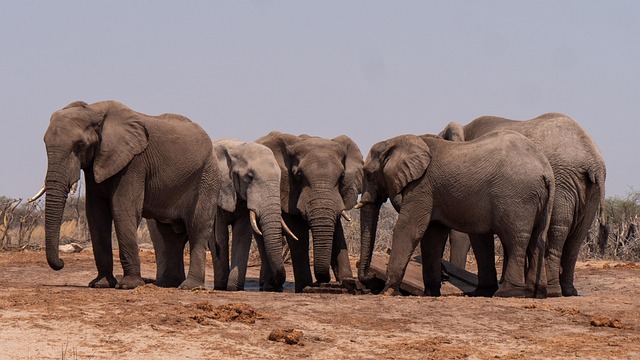
These majestic mammals possess a highly developed hippocampus which is the area of the brain linked to emotion and memory. They are capable of recognizing individual humans and other elephants even after decades of separation. Their social intelligence allows them to cooperate in complex rescue missions for distressed herd members. Evidence shows they also understand human pointing gestures which is a trait rarely seen in the animal kingdom.
Common Octopus
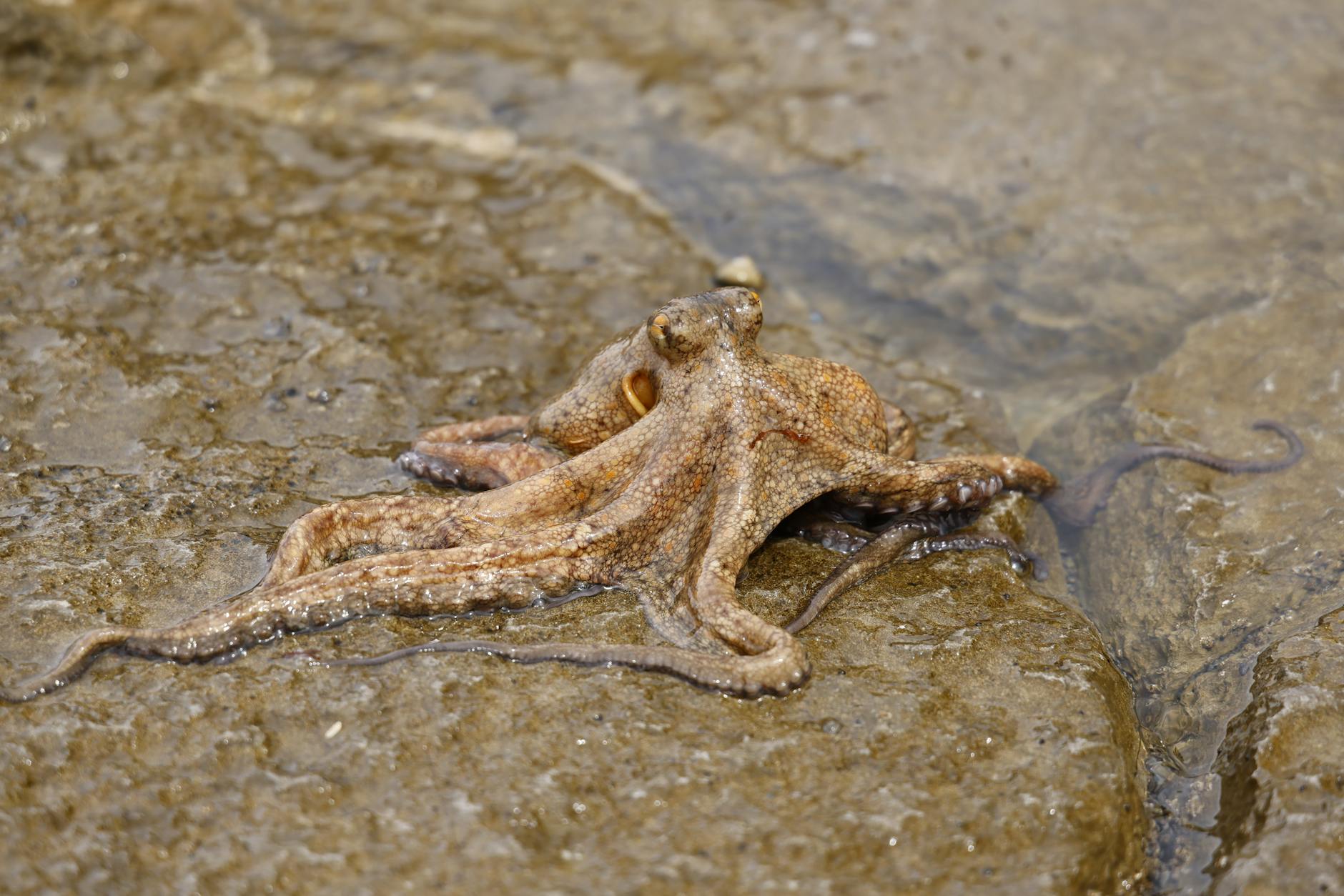
This cephalopod represents a unique form of intelligence that is distributed throughout its eight arms and central brain. They are known for their ability to navigate complex mazes and unscrew jars to reach food inside. In laboratory settings they have demonstrated the use of tools by carrying coconut shells for protection. Their capacity for play and observational learning suggests a high level of curiosity and cognitive flexibility.
New Caledonian Crow
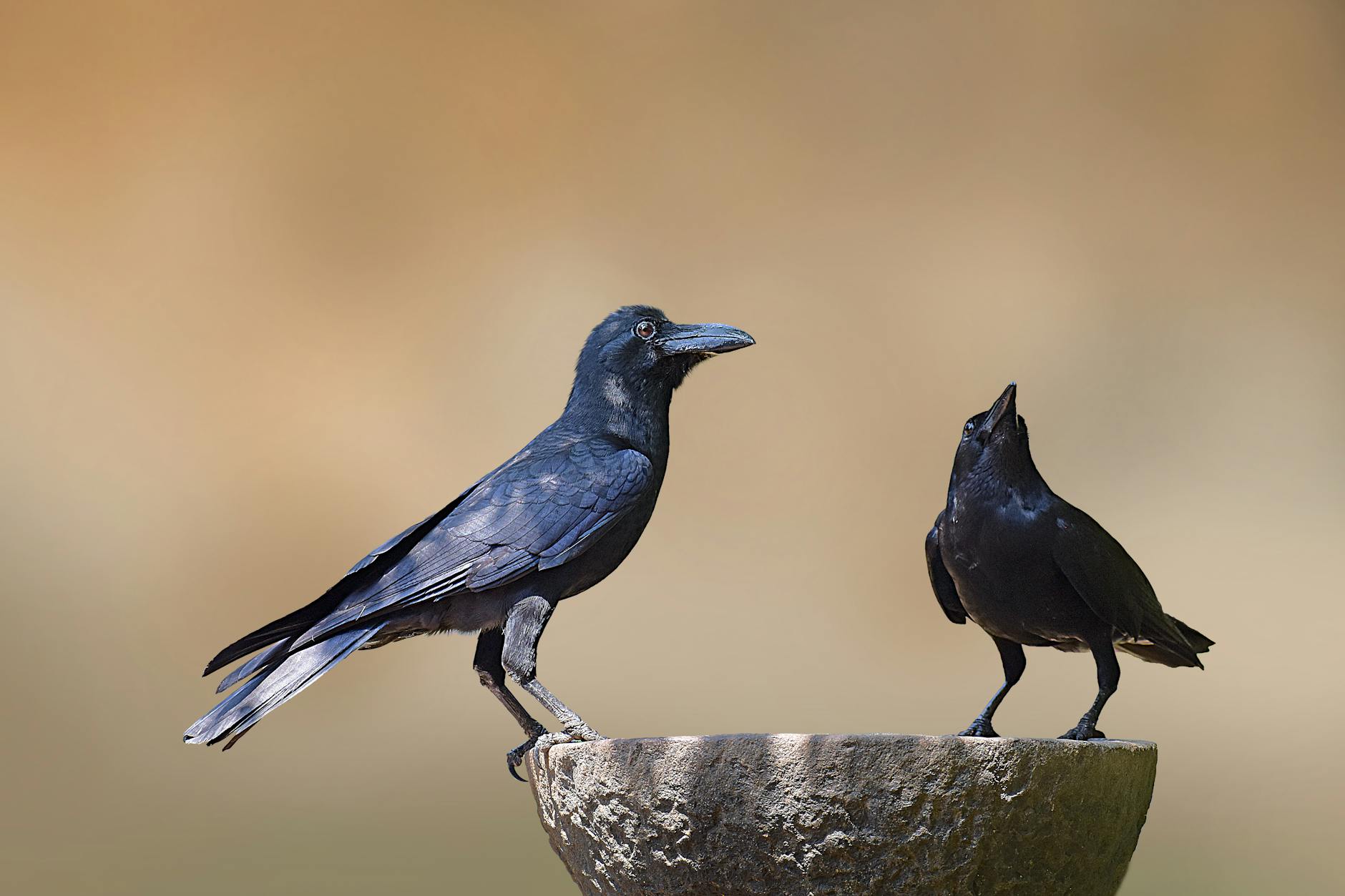
Crows are master toolmakers that can manufacture hooks from twigs to extract larvae from deep crevices. They understand the principle of displacement and can solve puzzles involving water levels to reach floating rewards. These birds possess the ability to recognize individual human faces and can communicate information about threats to their flock. Their reasoning skills are often compared to those of a young human child in specific problem solving tasks.
Bottlenose Dolphin
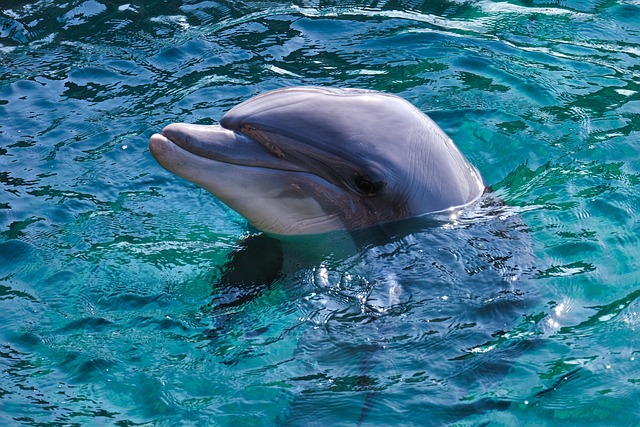
Dolphins utilize a sophisticated system of clicks and whistles to communicate unique names for themselves and their peers. They exhibit self awareness by recognizing their own reflections in mirrors during clinical studies. In the wild they work together in coordinated hunting strategies that require foresight and synchronized timing. Their brain to body mass ratio is one of the highest among all animals which supports their complex social behaviors.
Border Collie
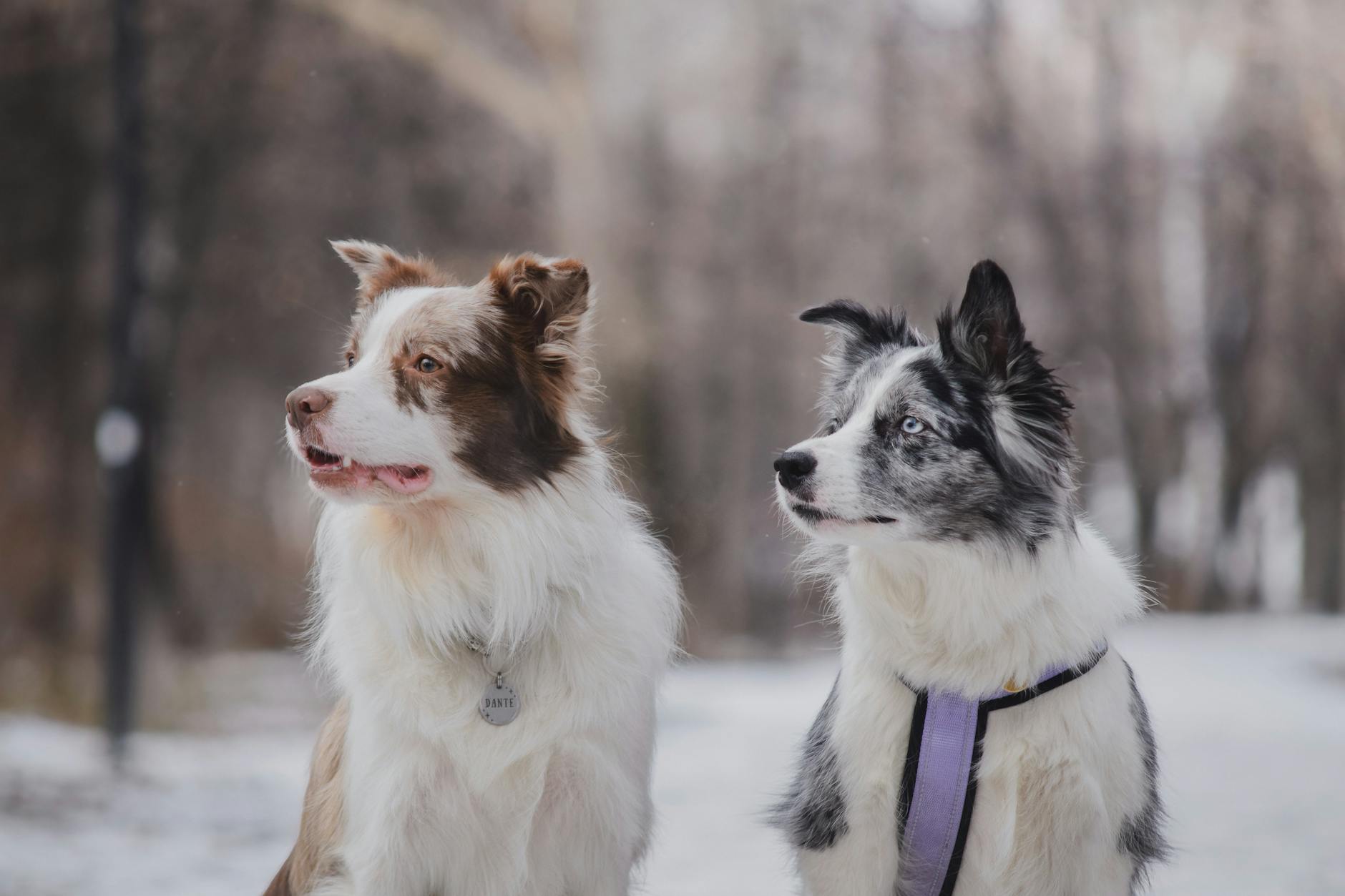
This breed is widely recognized for its exceptional ability to learn hundreds of words and commands with minimal repetition. They possess a keen sense of focus and can anticipate the needs of their human handlers during herding tasks. Their problem solving skills allow them to navigate physical obstacles and manage large groups of livestock independently. Many individuals demonstrate the ability to use deductive reasoning to identify new objects by excluding known items.
Gray Wolf
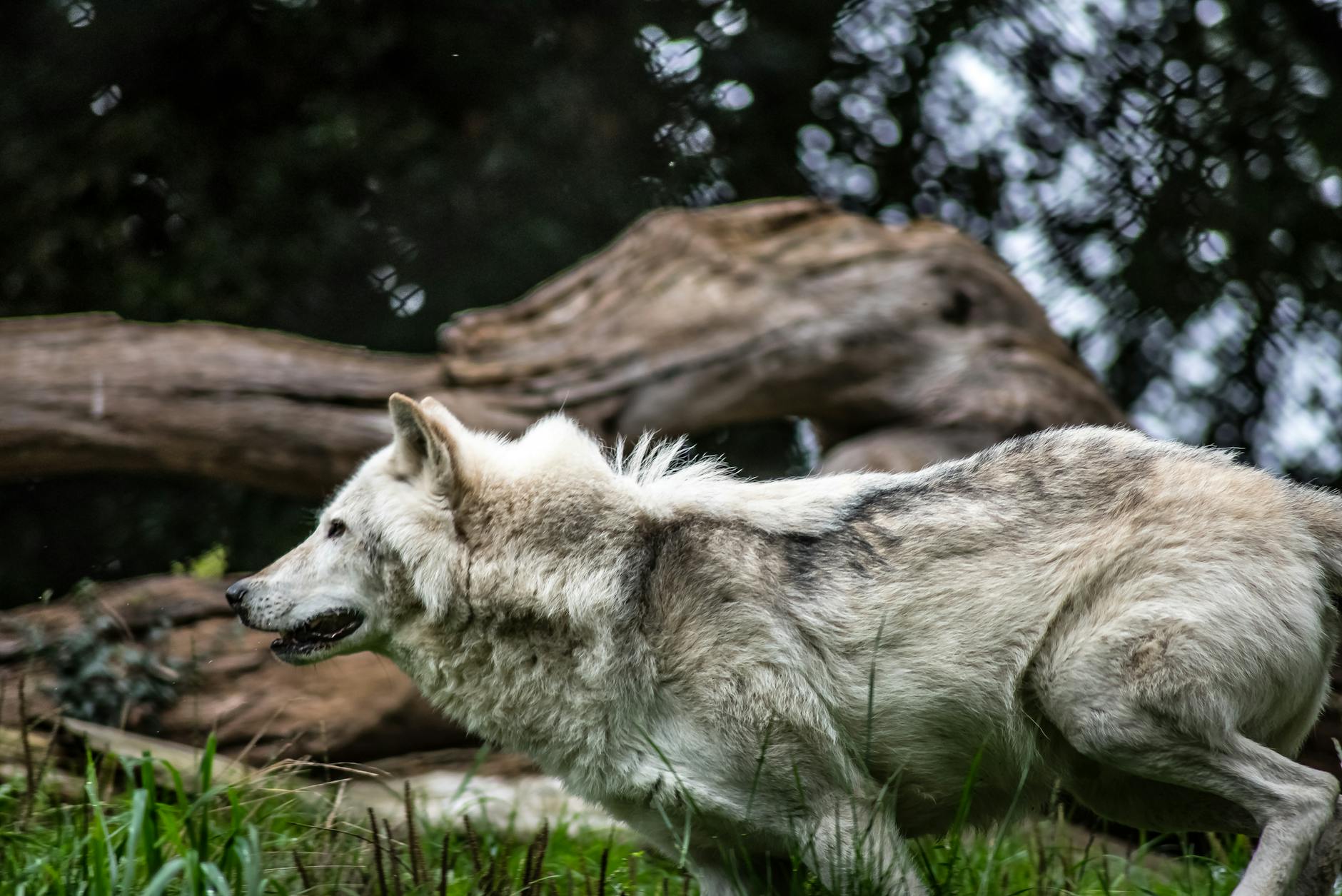
Wolves operate within a highly structured pack hierarchy that relies on constant communication and strategic planning. During hunts they coordinate their movements to outmaneuver prey that is much larger and faster than themselves. They exhibit a deep sense of empathy and provide care for injured or elderly members of their family unit. Their ability to understand social cues and maintain long term bonds is essential for their survival in harsh environments.
African Gray Parrot
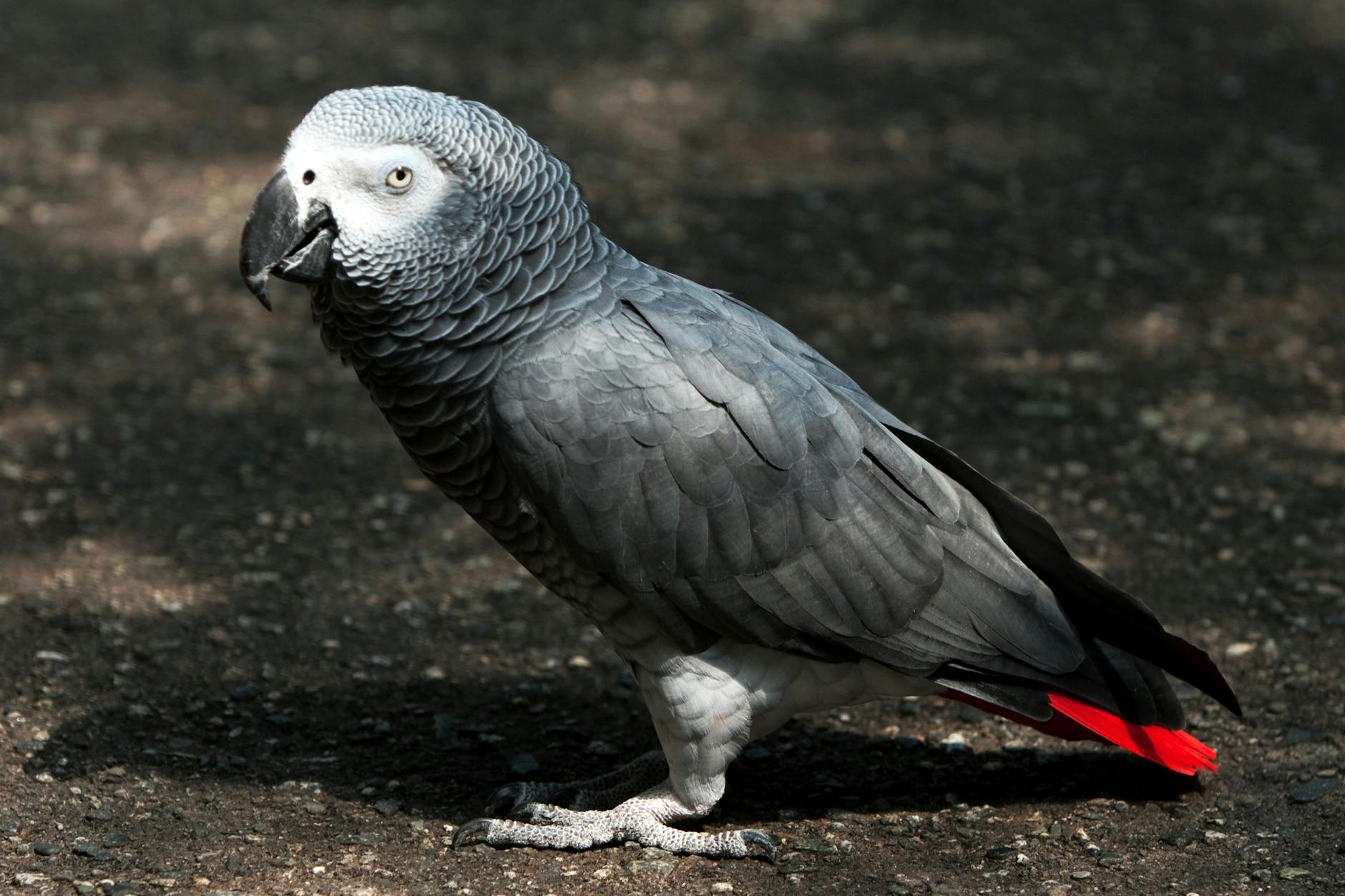
These birds are capable of more than just mimicking human speech as they can understand the meaning of the words they use. They demonstrate an understanding of concepts such as color shape and quantity when tested by researchers. Some individuals have shown the ability to use language to express their desires or ask questions about their surroundings. Their cognitive processing involves a level of abstraction that was once thought to be exclusive to primates.
Chimpanzee
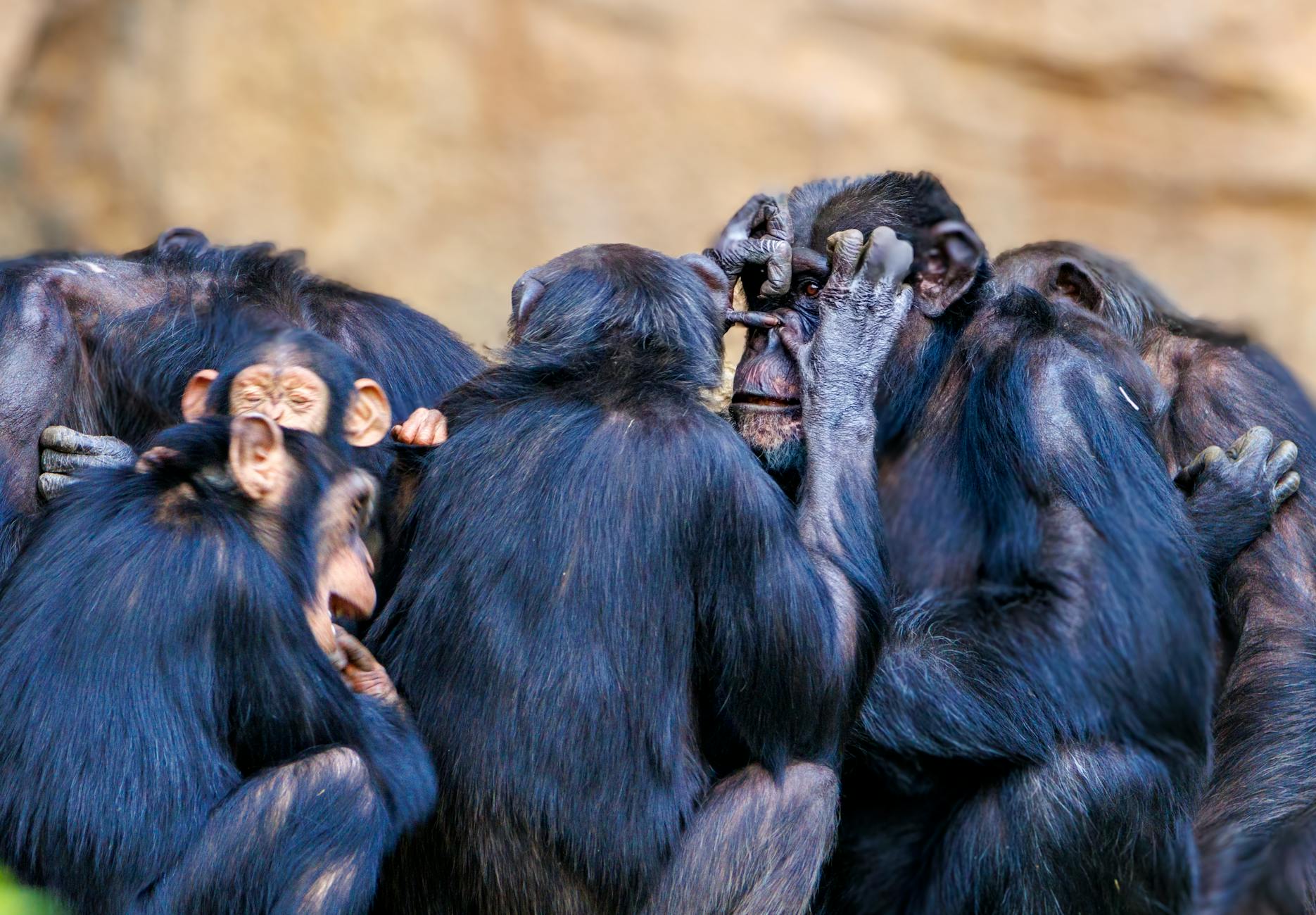
As our closest living relatives these primates share many cognitive traits including the use of varied tools for foraging and defense. They exhibit complex social politics and form strategic alliances to improve their status within a group. Chimpanzees can learn sign language and communicate abstract thoughts to human researchers in controlled environments. They also show evidence of altruism by helping others without receiving an immediate reward.
Pig
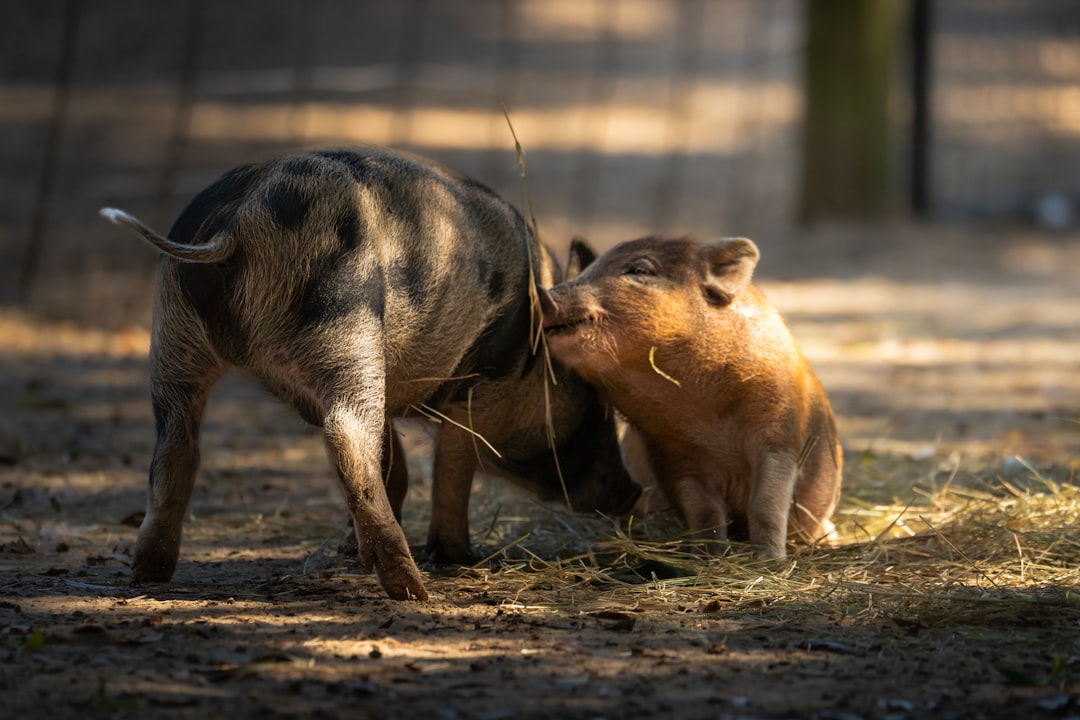
Pigs are surprisingly quick learners that can be trained to perform tasks similar to those taught to dogs. They have been observed using mirrors to locate food hidden behind them which indicates a level of self awareness. Their social lives are complex and they often form close bonds with other individuals in their group. Studies have shown they possess excellent long term memories and can navigate through difficult mazes with ease.
Rat
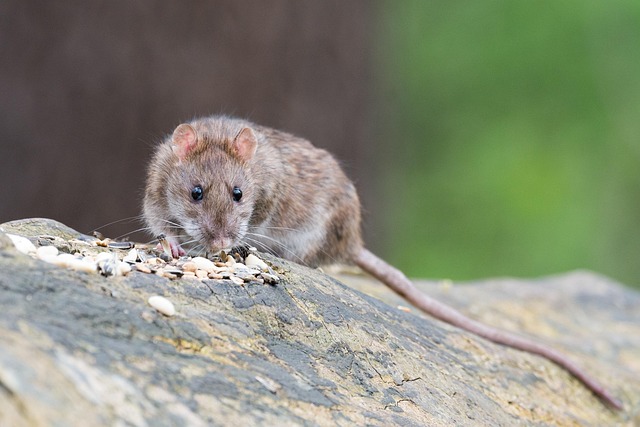
Rats are highly social rodents that display empathy by attempting to free their companions from traps. They are capable of meta cognition which means they can reflect on their own knowledge and decide whether to take a test. In urban environments they show remarkable adaptability by learning the schedules and habits of humans to find food safely. Their ability to learn from past experiences makes them one of the most successful species on the planet.
Honeybee
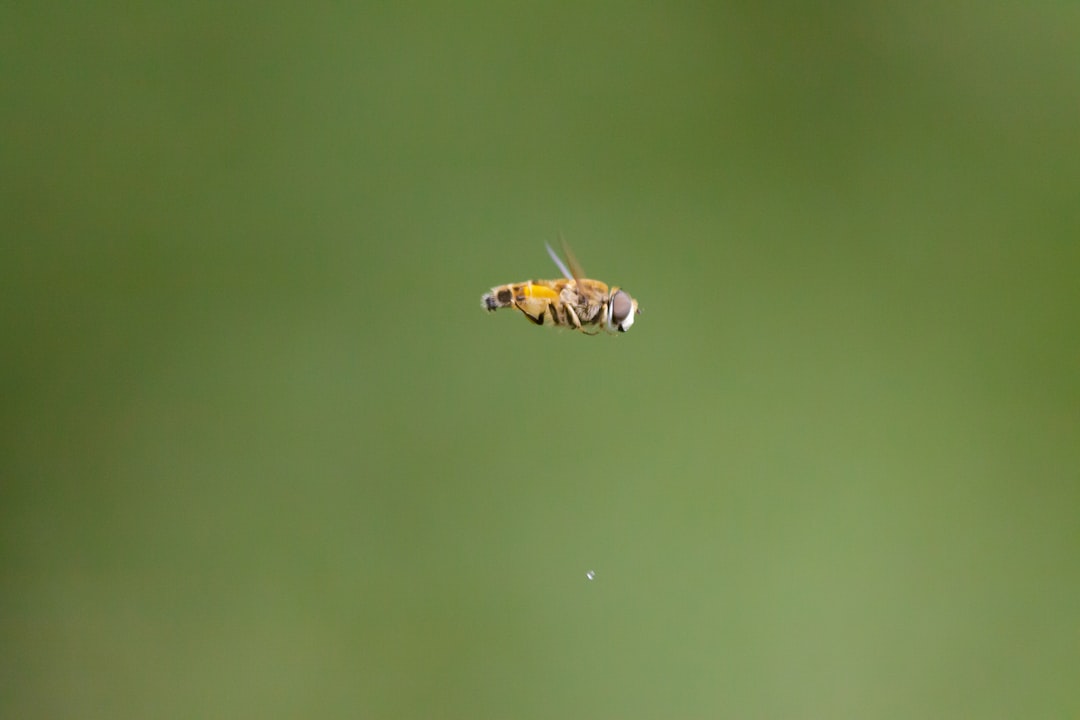
Despite having tiny brains honeybees are capable of complex communication through a series of movements known as the waggle dance. This dance conveys precise information about the distance and direction of food sources to the rest of the hive. They can count and understand the concept of zero which is a mathematical skill once believed to be unique to humans. Bees also solve the traveling salesman problem by finding the most efficient route between multiple flowers.
Orangutan
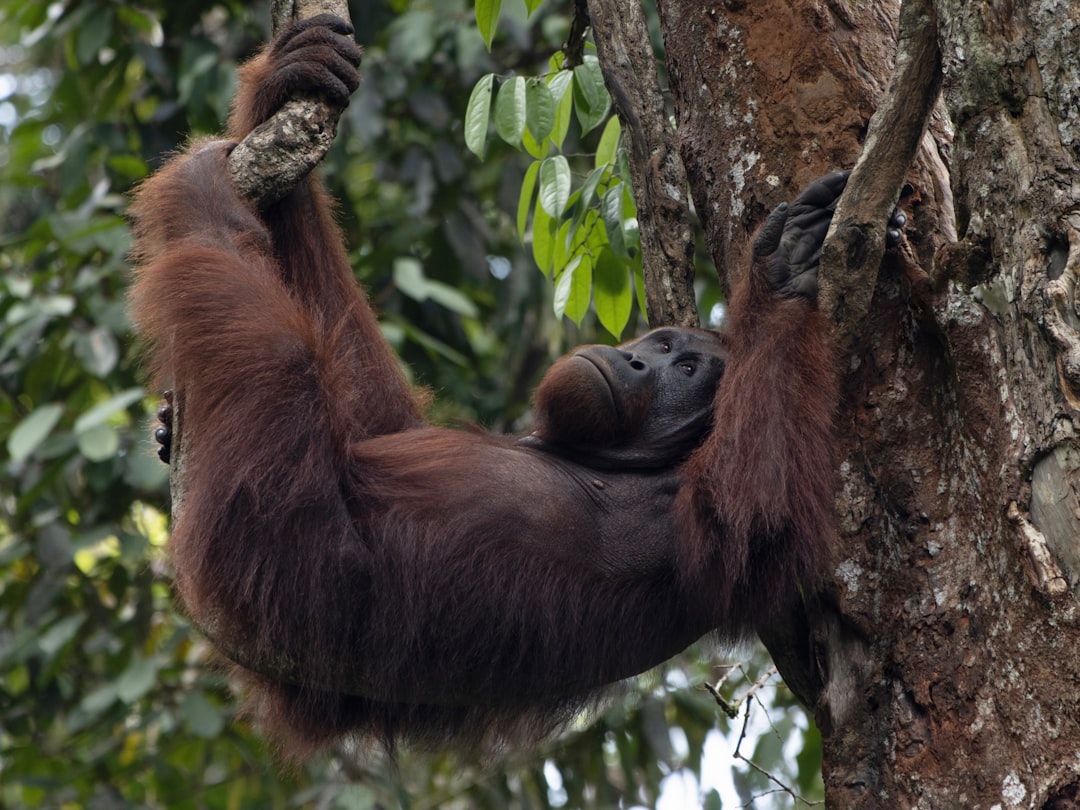
These great apes are known for their patient and methodical approach to solving physical problems in their forest habitat. They have been observed watching humans and then mimicking their actions to use tools like hammers or saws. Their ability to plan for the future is evident when they save tools for use at a later time. Orangutans maintain a vast mental map of their territory to locate fruit trees that ripen at different times of the year.
Raccoon
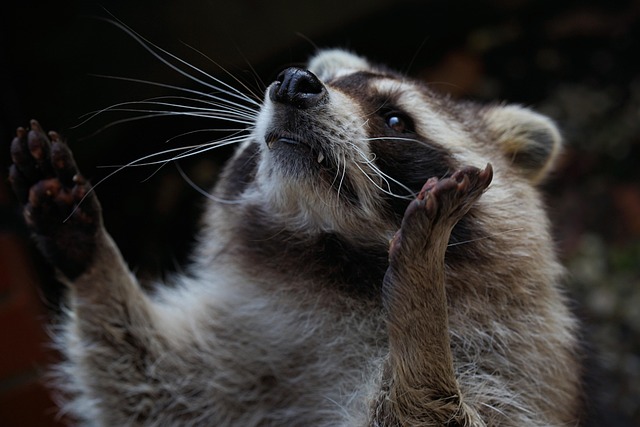
Raccoons possess incredibly sensitive front paws that allow them to perceive tactile information with extreme precision. They are notorious for their ability to pick locks and open various types of containers to access food. Laboratory tests have shown they can remember the solutions to complex tasks for up to three years. Their resourcefulness in both wilderness and urban settings highlights a high degree of cognitive plasticity.
Squirrel
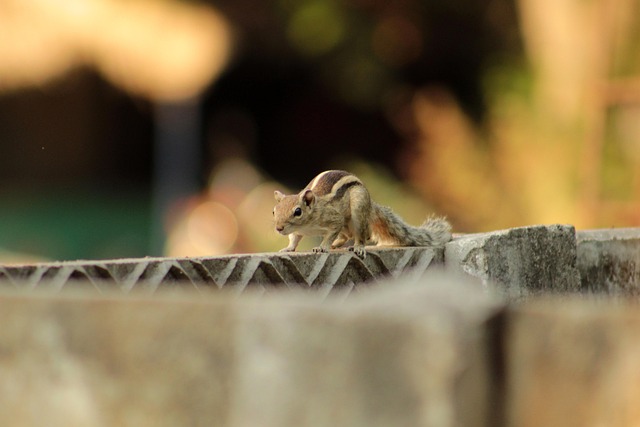
The ability to remember the locations of thousands of buried nuts requires an exceptional spatial memory. Squirrels use a technique called spatial chunking to organize their food caches by type and quality. They also engage in deceptive behavior by pretending to bury a nut when they feel they are being watched by a thief. This level of tactical deception suggests they understand the perspective and intentions of others.
Giant Pacific Octopus
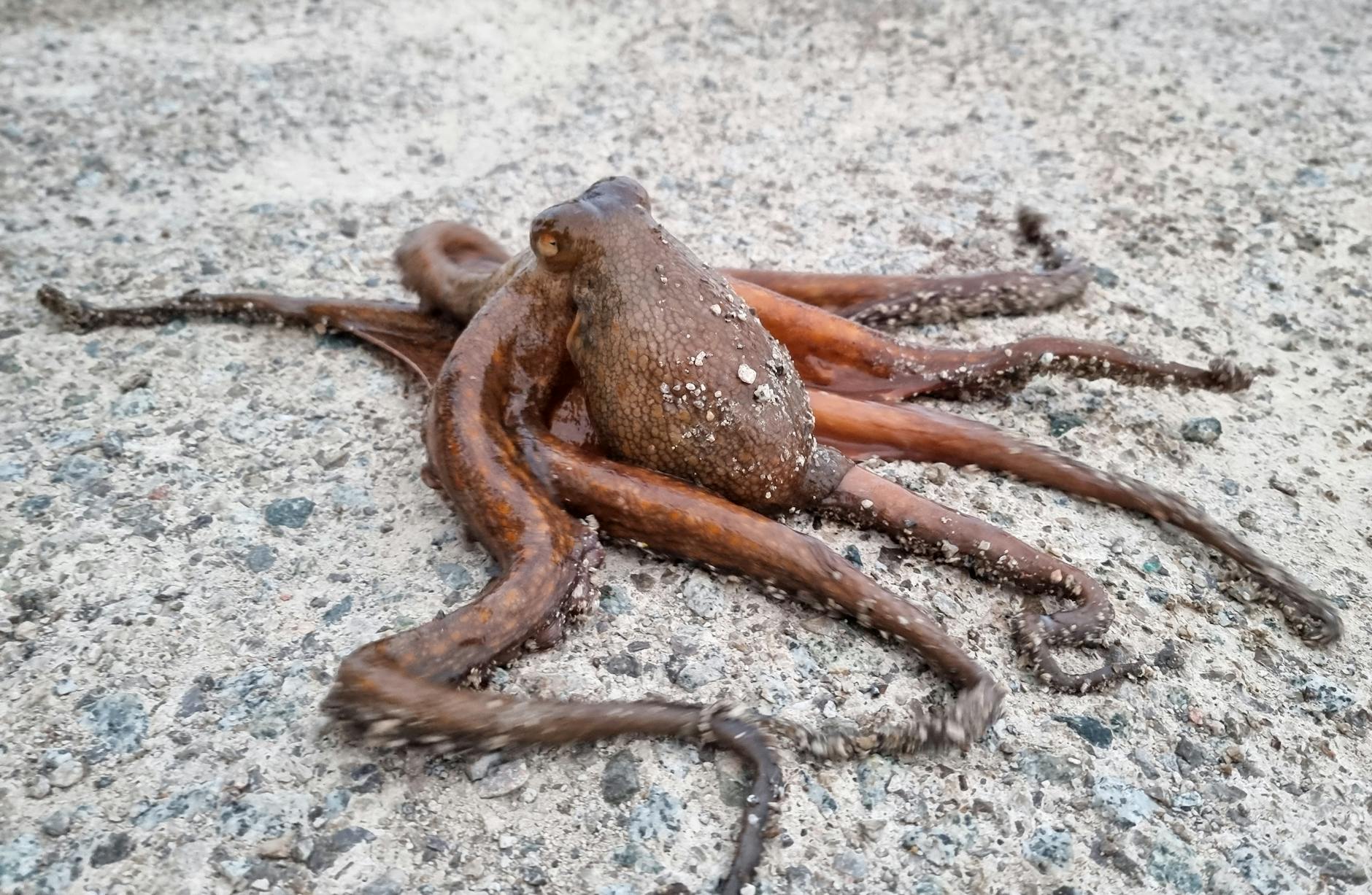
This species is the largest of all octopuses and displays remarkable problem solving abilities in both the wild and captivity. They can recognize different human caretakers and react differently to those they find friendly or threatening. Their camouflage is not just a reflex but a calculated decision to match the texture and color of their surroundings. They have been known to escape from sealed tanks by using their intelligence to find small structural weaknesses.
Sea Lion
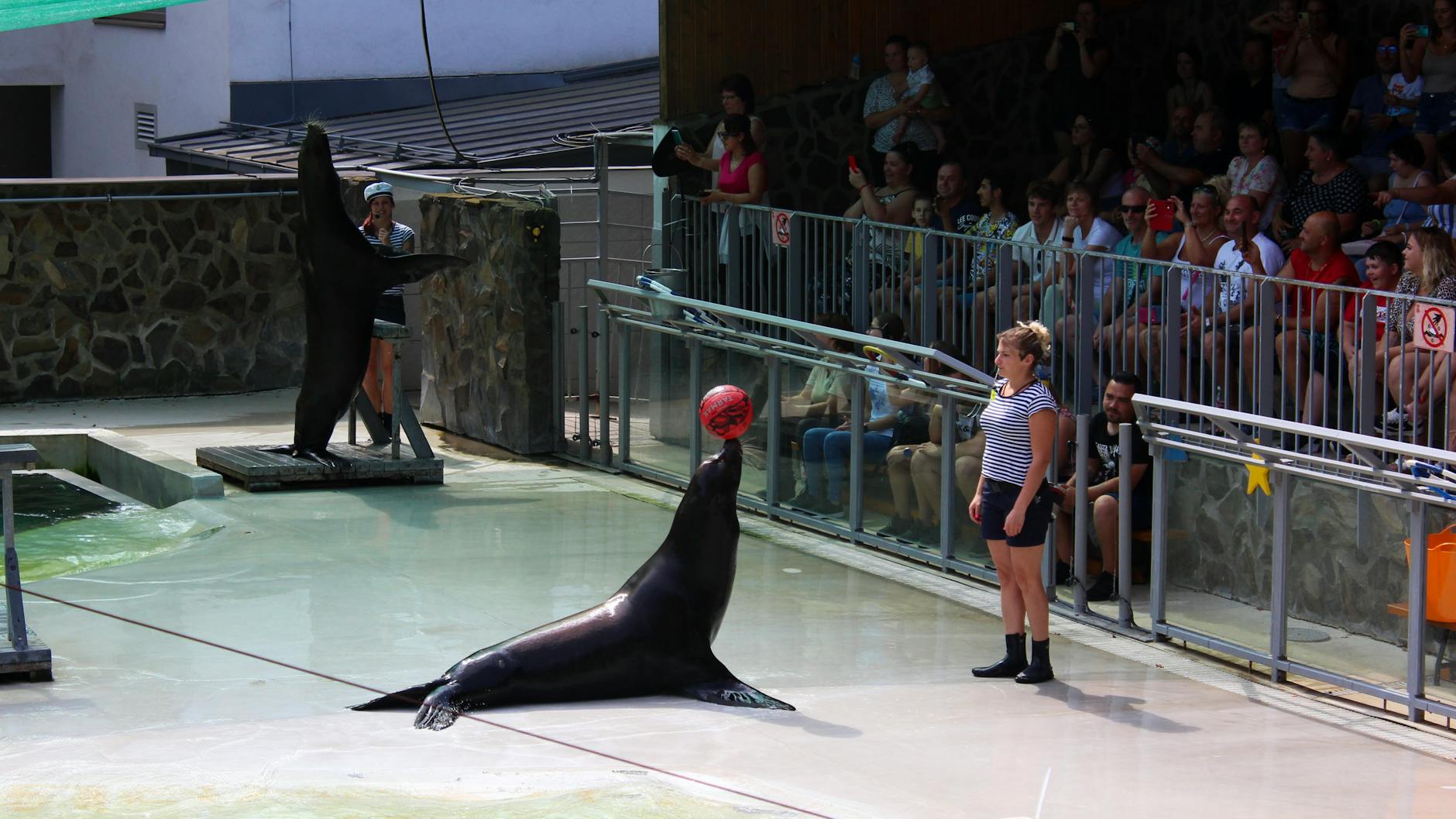
Sea lions are fast learners that can understand the relationship between symbols and physical objects. They have demonstrated the ability to follow logical rules such as if A equals B and B equals C then A equals C. Their memory is impressive as they can recall specific training routines even after years without practice. In the wild they use coordinated strategies to herd fish into tight balls for easier feeding.
Pigeon
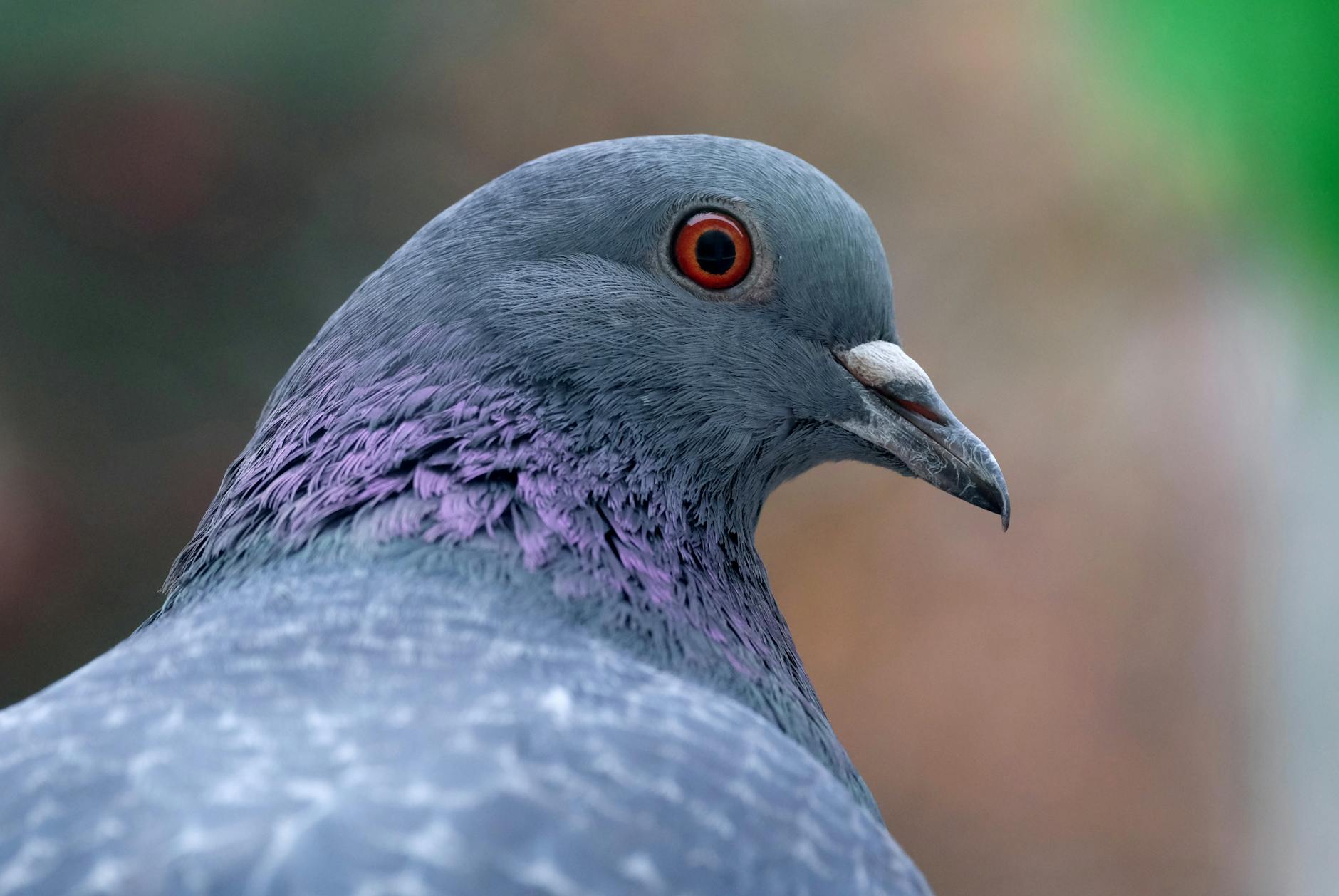
Pigeons possess an incredible ability to navigate over hundreds of miles to find their way home using magnetic fields and landmarks. They have been trained to distinguish between different styles of art such as paintings by Picasso and Monet. Their visual processing allows them to categorize thousands of different images based on subtle differences. Research indicates they can also recognize all the letters of the human alphabet.
Orca
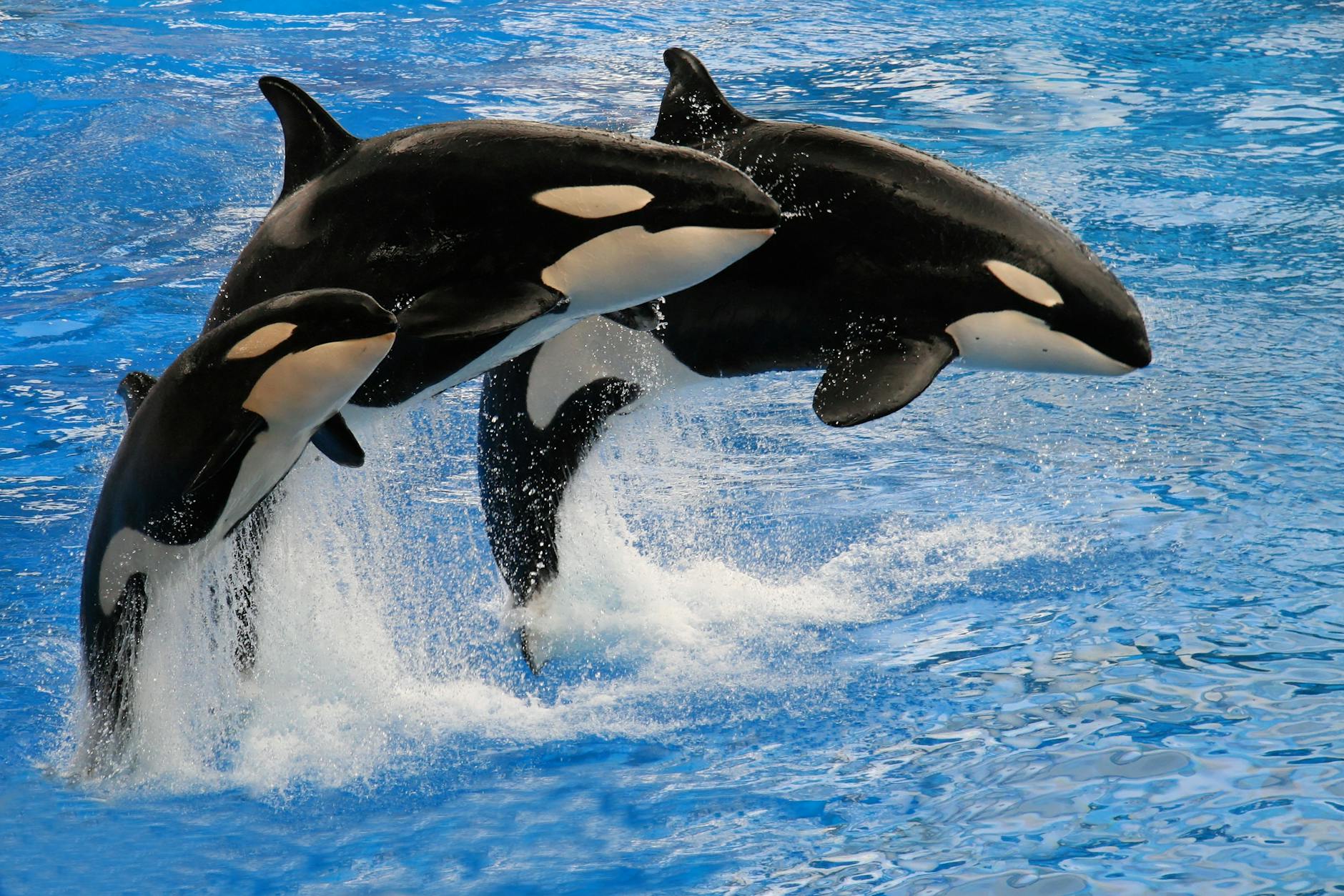
Also known as killer whales these apex predators have distinct cultures and dialects that vary between different family groups. They teach their young specialized hunting techniques that are passed down through generations. Their brain structure includes a highly developed paralimbic system which is involved in processing emotions. This suggests they experience complex social feelings and strong maternal bonds.
Bonobo
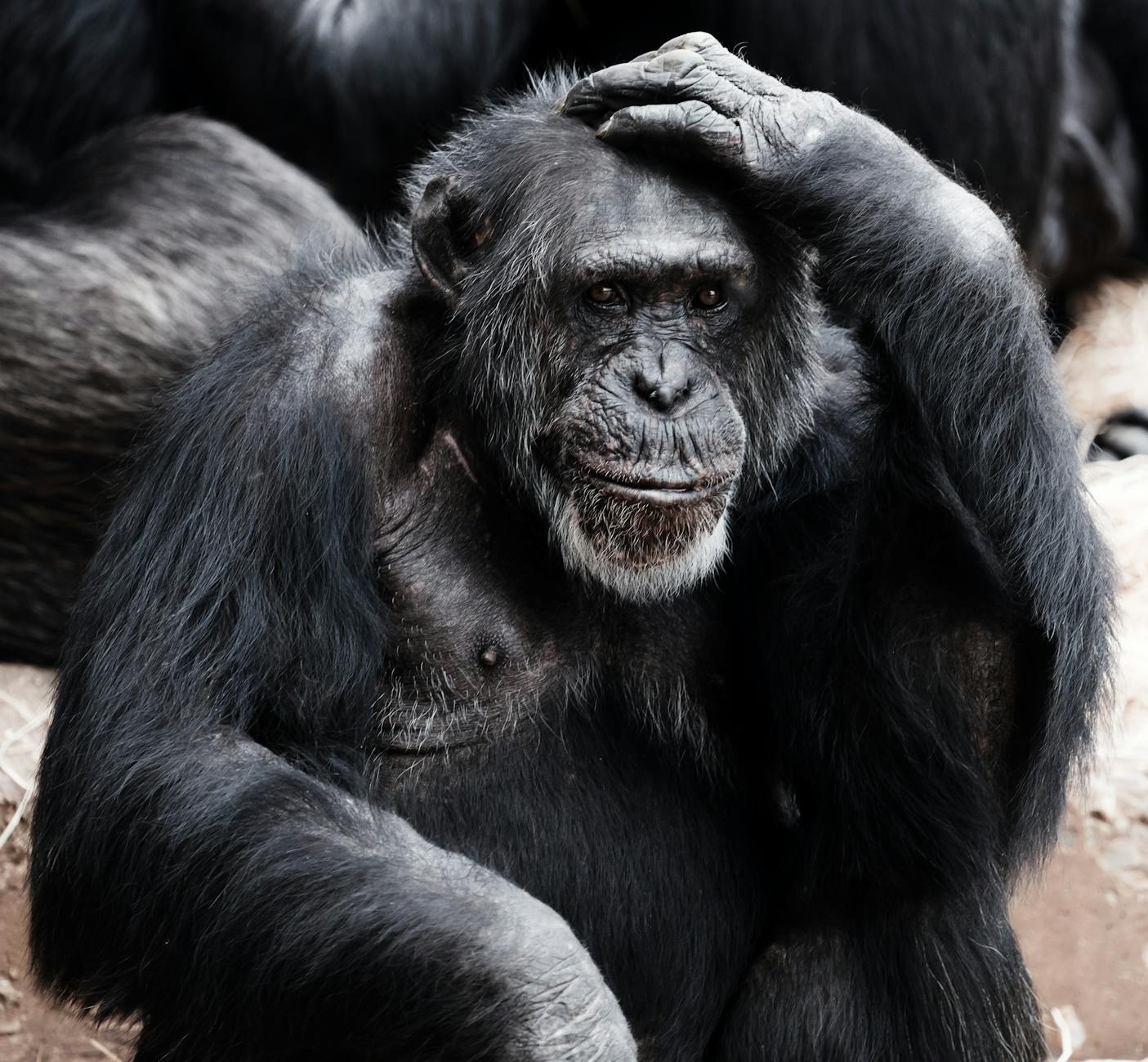
Bonobos are known for their peaceful social structures which are largely managed through social bonding and cooperation. They exhibit a high level of emotional intelligence and use physical contact to resolve conflicts within the group. Like chimpanzees they can understand human language and use lexigrams to communicate their needs. Their society is matriarchal and emphasizes the importance of female leadership and group cohesion.
Elephant Shrew
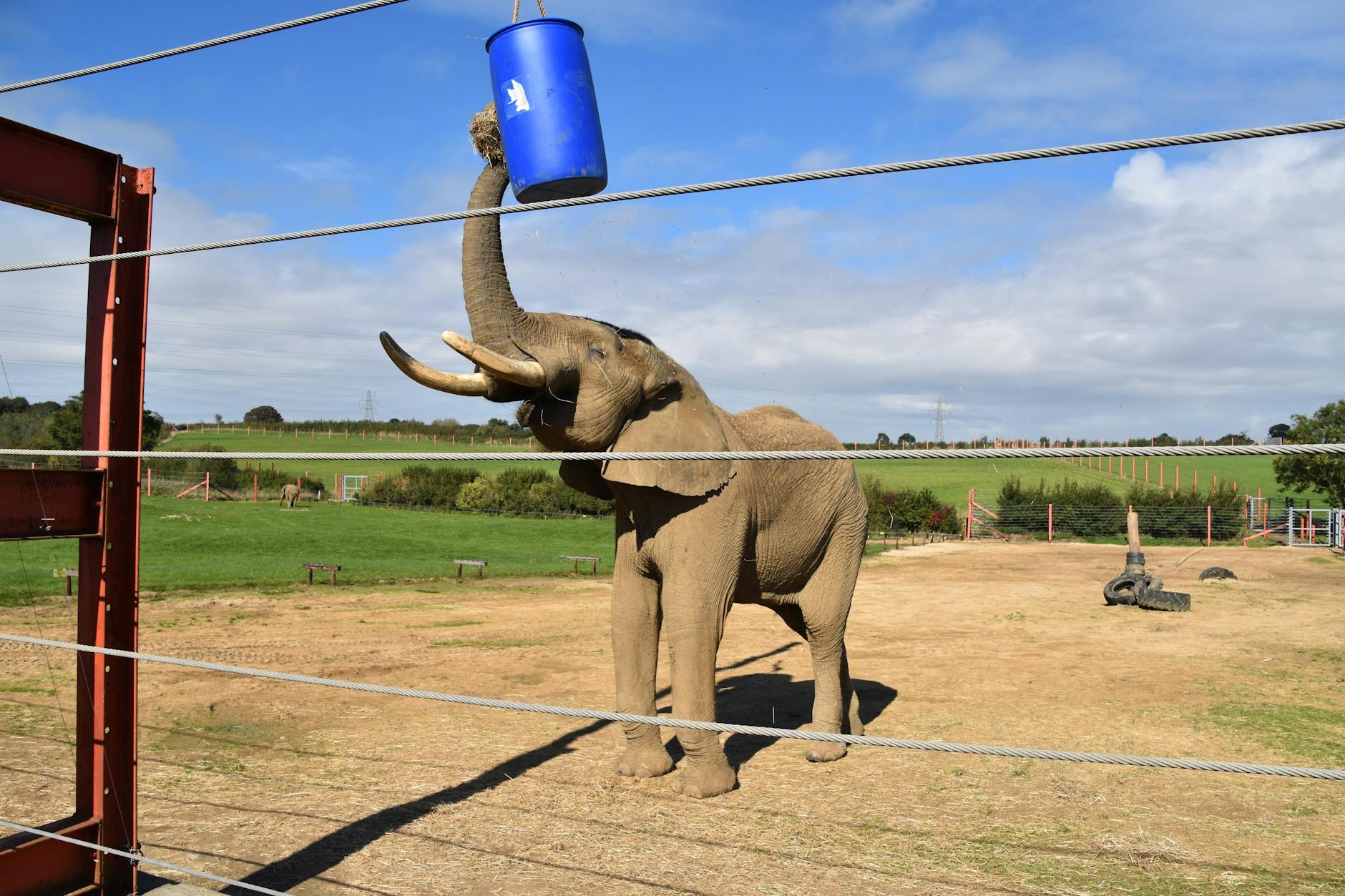
These small mammals are not actually shrews but are more closely related to elephants and aardvarks. They maintain a complex system of trails that they clear of debris to allow for high speed escapes from predators. This behavior requires constant maintenance and a detailed mental map of their environment. Their ability to plan and manage their territory shows a level of foresight unusual for such small creatures.
Portia Spider
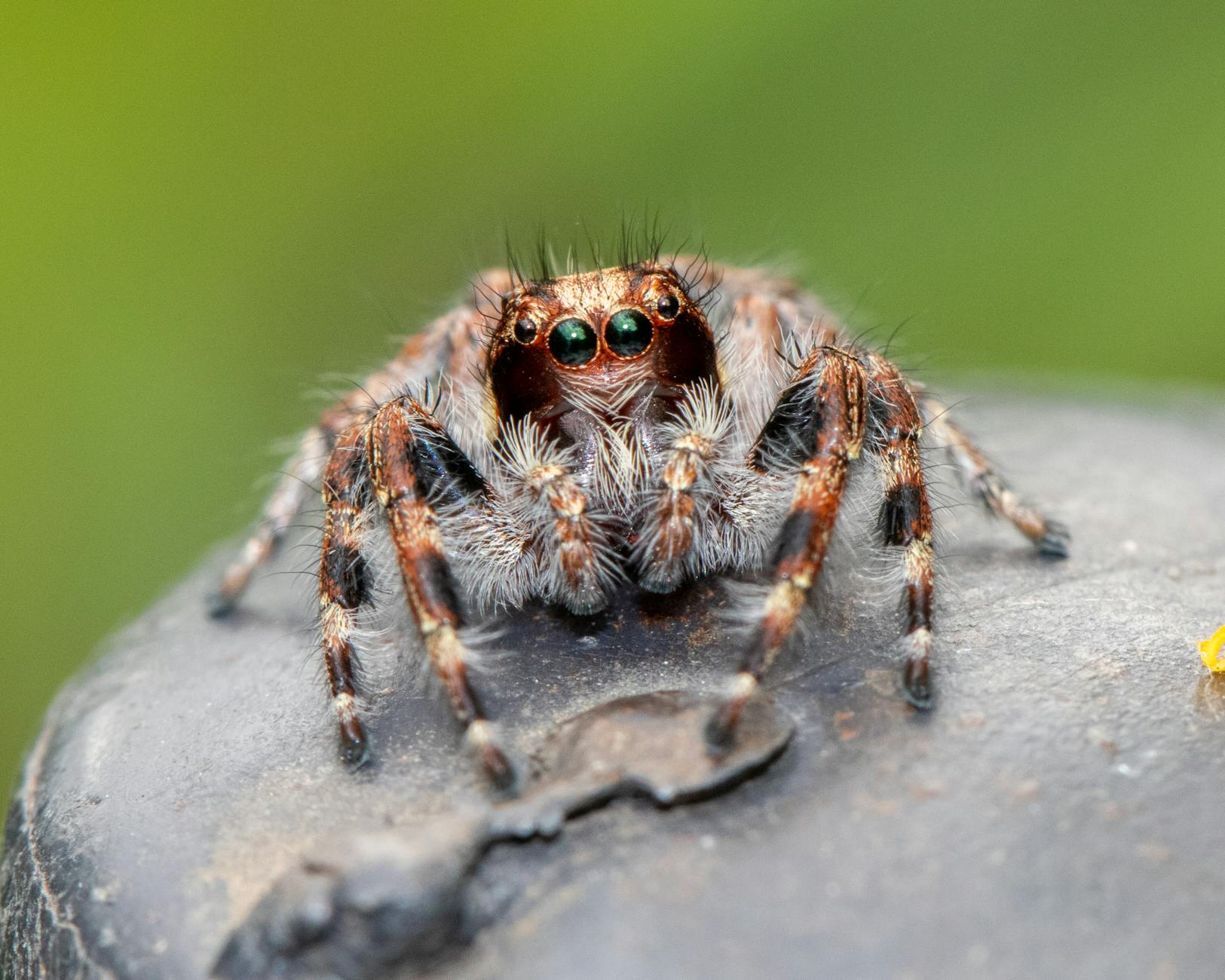
The Portia spider is a member of the jumping spider family and is known for its highly strategic hunting methods. It can plan complex routes to reach its prey which may involve moving out of sight of the target. This spider uses trial and error to mimic the vibrations of a trapped insect on another spider’s web. Its ability to solve problems and adapt its behavior suggests a sophisticated level of cognition for an invertebrate.
Raven
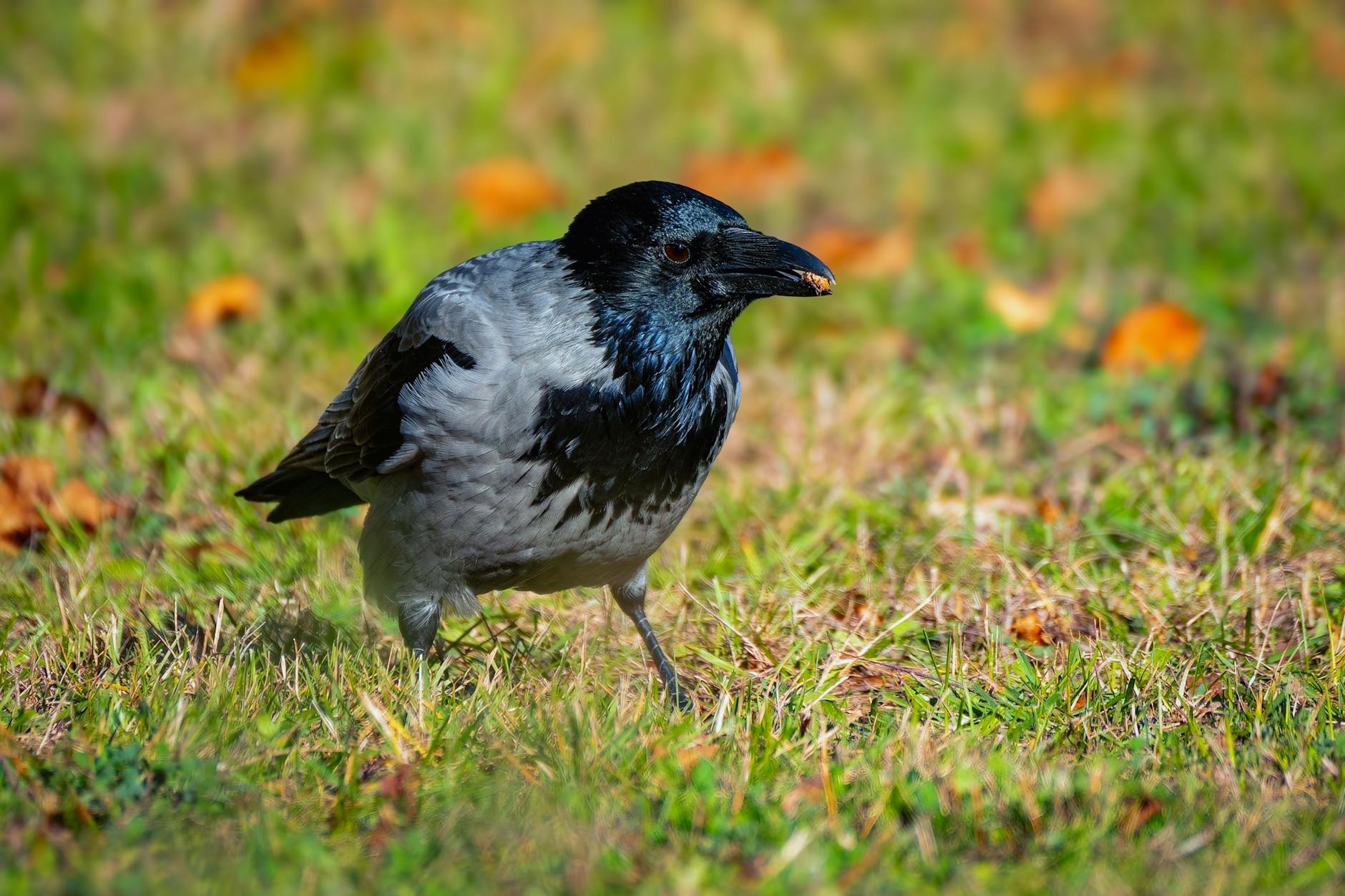
Ravens are known for their ability to imagine the future and plan for upcoming events. They have been observed hiding food and then moving it if they suspect another raven has seen their hiding spot. In social groups they form complex hierarchies and can remember the outcomes of interactions between other members. Their vocalizations are diverse and they can even mimic the sounds of other animals and environmental noises.
Clark’s Nutcracker
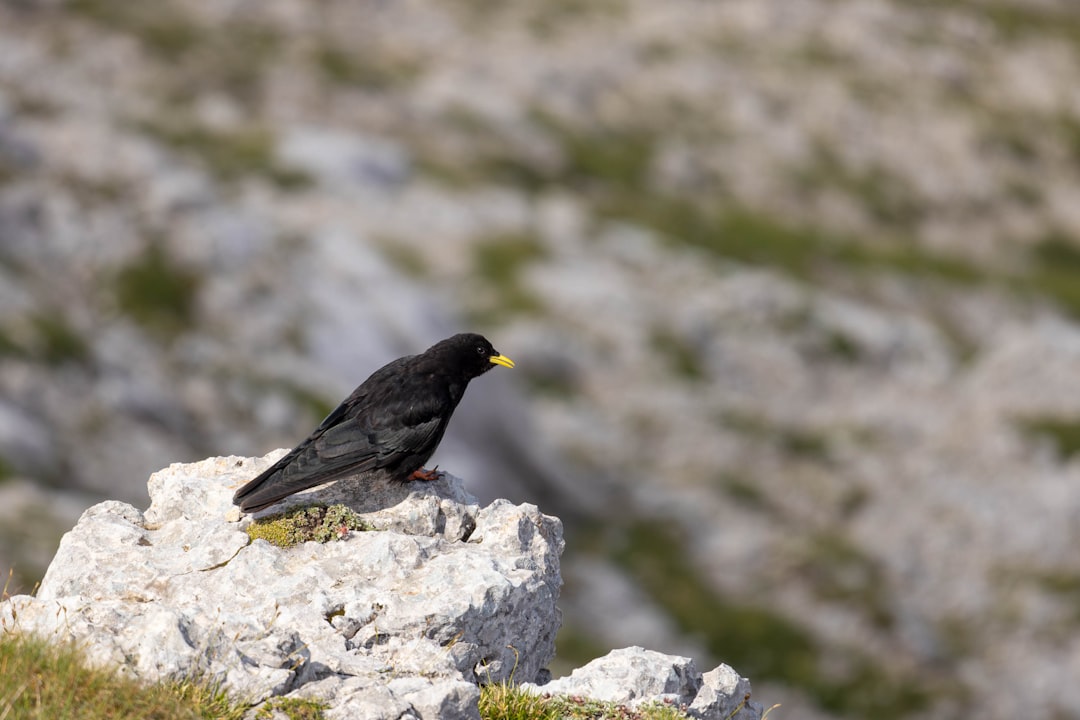
This bird lives in high altitude environments and relies on its memory to survive the winter. It can bury up to thirty thousand seeds across a wide area and remember the exact location of each one months later. This feat of spatial memory is supported by an enlarged hippocampus compared to other bird species. Their ability to recall these locations even under heavy snow cover is essential for their survival.
Humbolt Squid
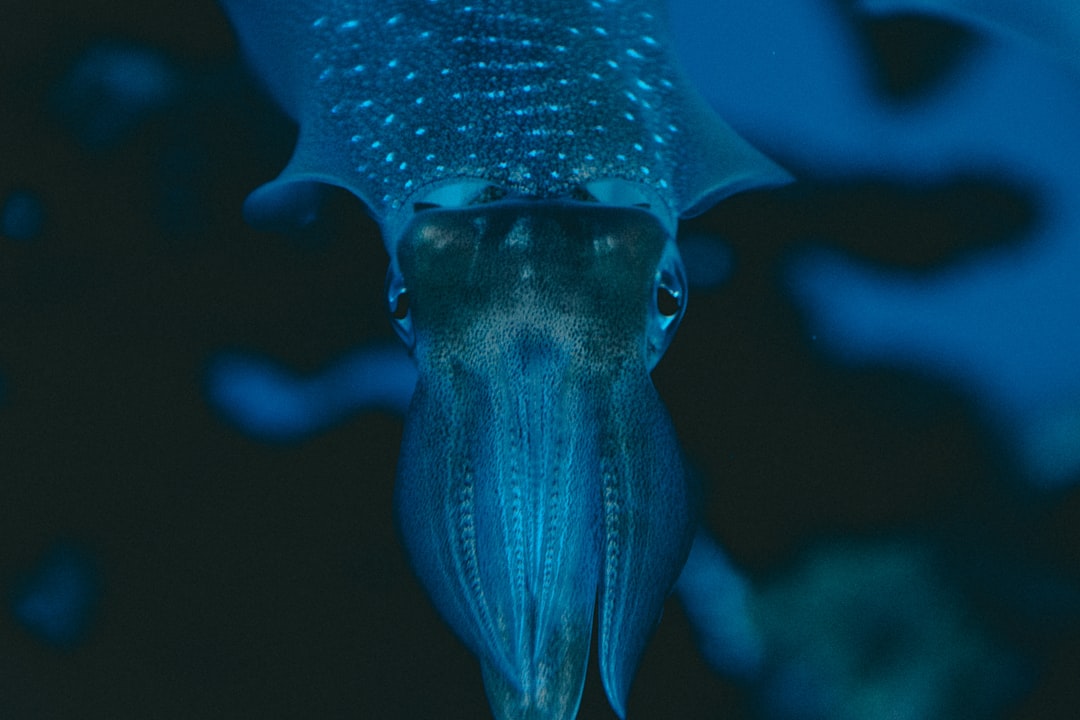
These deep sea creatures communicate with one another using rapid changes in skin color and pattern known as flashing. They hunt in large highly organized schools that coordinate their movements to trap schools of fish. This level of cooperation suggests a sophisticated social structure and a high degree of communication. Researchers believe their visual language may be one of the most complex in the animal kingdom.
Ant
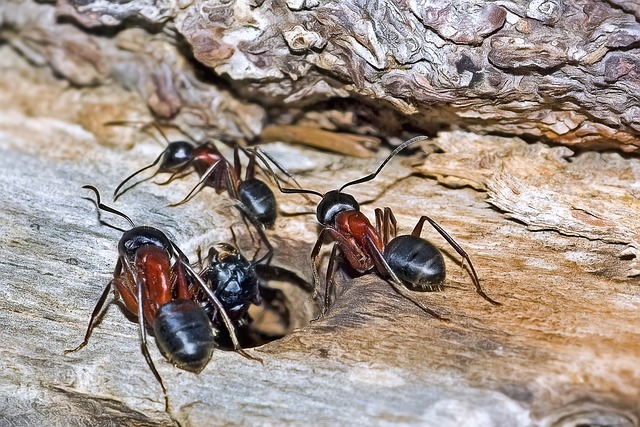
Ants live in colonies that function as a superorganism with individual members performing specialized roles. They use pheromones to create complex trails that guide others to food sources and warn of danger. Some species practice agriculture by farming fungi or herding aphids for their honeydew. Their collective intelligence allows them to solve structural engineering problems such as building bridges or rafts with their bodies.
Green Heron
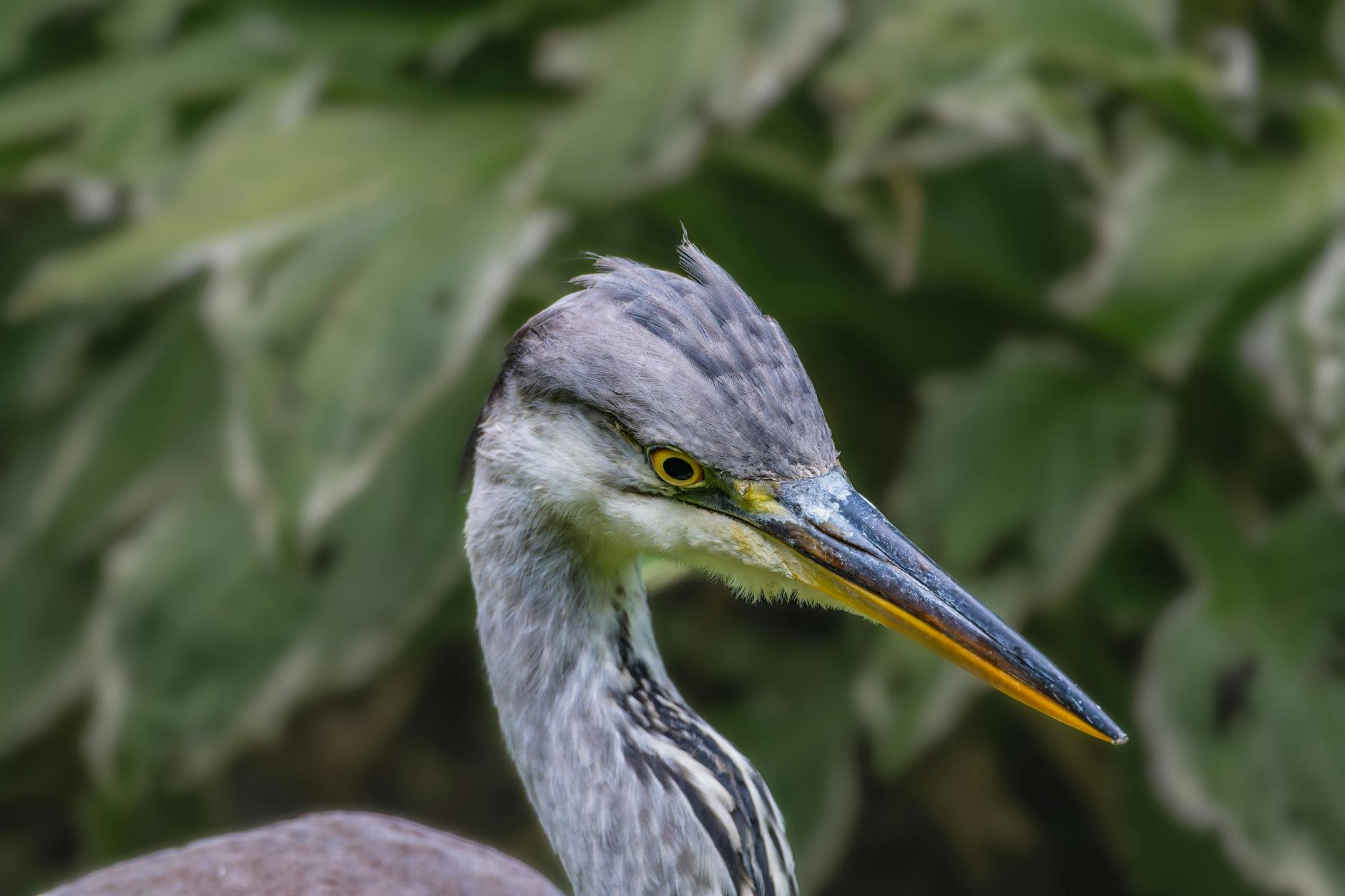
The green heron is one of the few bird species known to use bait to catch fish. It will drop bread crusts or insects onto the surface of the water to lure fish within striking distance. If the fish do not bite the heron will often retrieve the bait and move it to a better location. This behavior demonstrates an understanding of cause and effect as well as the ability to use tools.
Cuttlefish
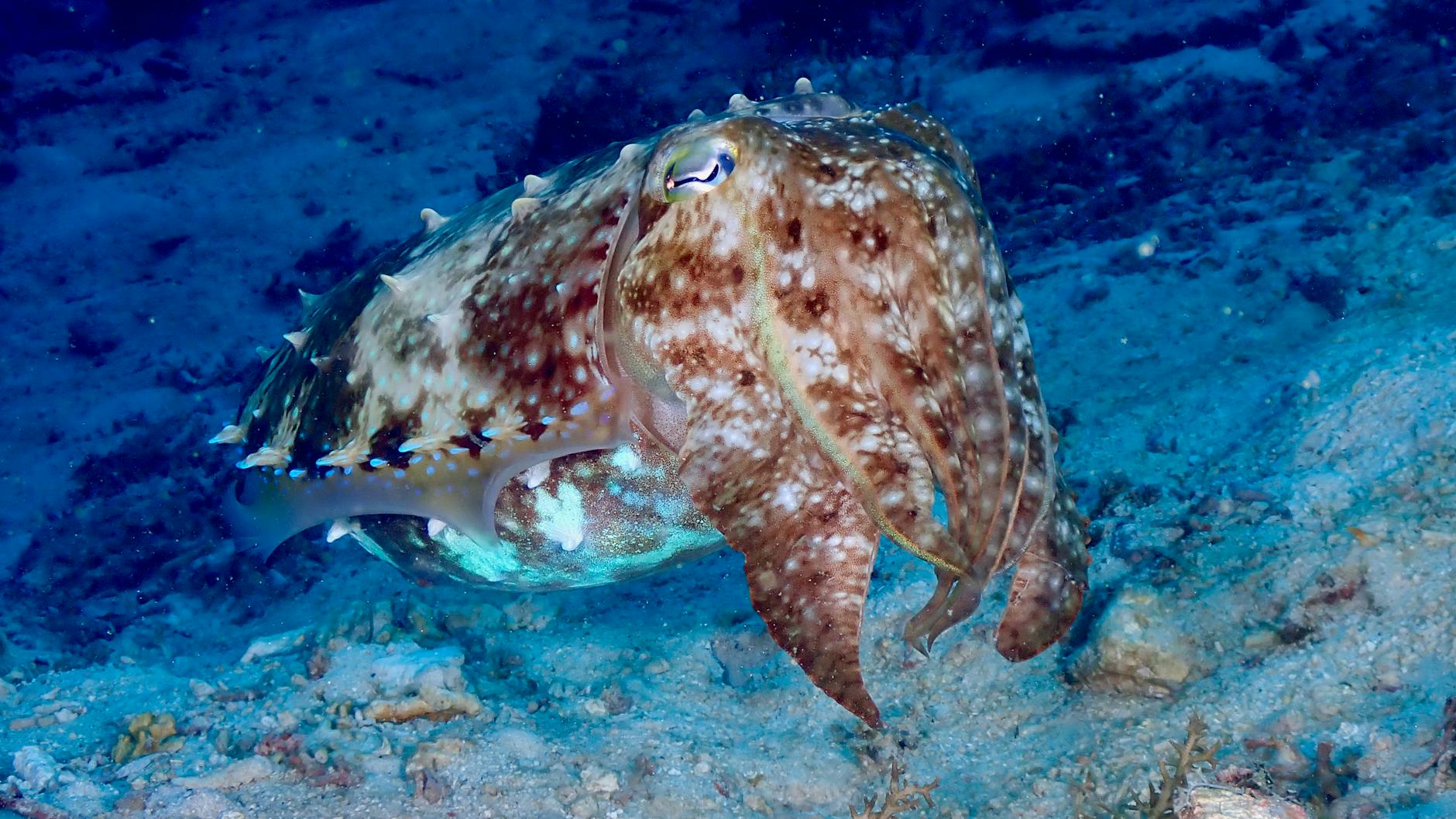
Cuttlefish have a large brain to body ratio and are masters of visual deception and camouflage. They can change their skin color and texture in milliseconds to blend into any background or communicate with rivals. Research has shown they can pass the marshmallow test which is a measure of self control and delayed gratification. This ability to resist immediate rewards for a better future outcome is a sign of high level intelligence.
Gorilla
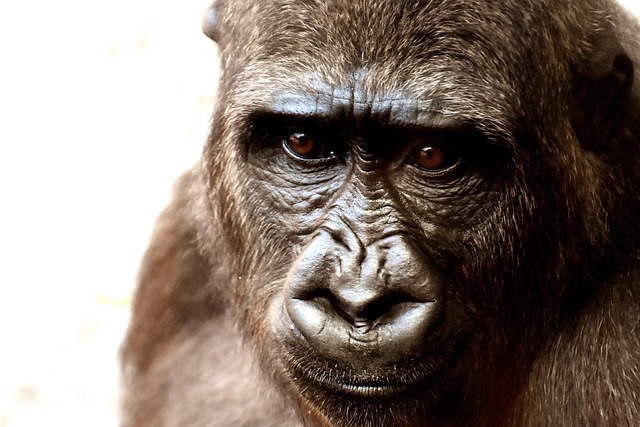
Gorillas live in stable family groups led by a dominant silverback and display a wide range of human like emotions. They have been taught to use sign language and can communicate about their feelings and past experiences. In the wild they use tools such as sticks to measure the depth of water before crossing a stream. Their quiet and observant nature hides a deep capacity for social and emotional understanding.
Kea
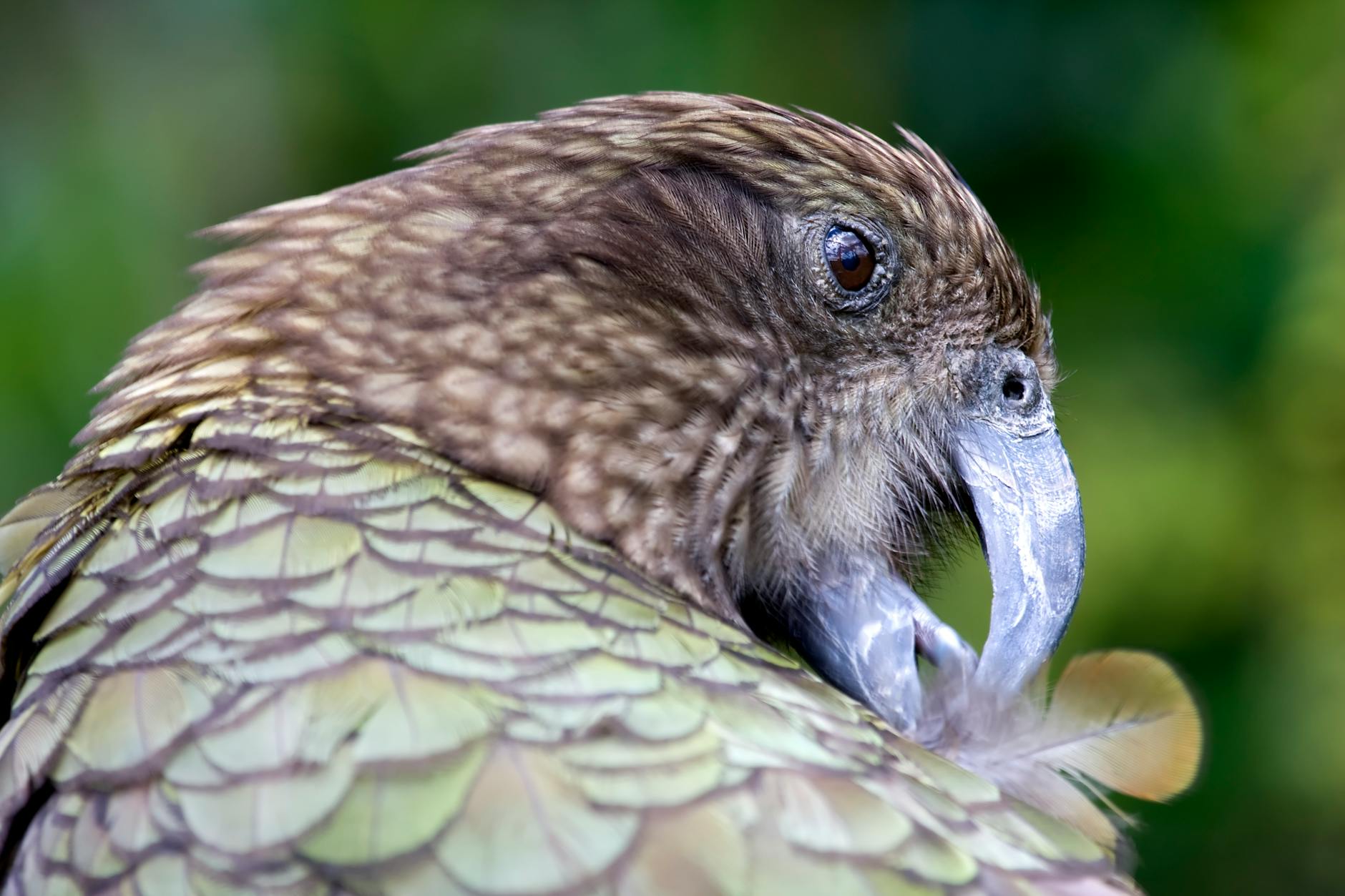
This mountain parrot from New Zealand is famous for its curiosity and its ability to solve complex puzzles. They often work together in teams to dismantle parts of cars or access locked containers. Their playful nature is a sign of high intelligence as they constantly explore and test their environment. In controlled tests they have shown the ability to use tools and understand basic physical principles.
Spotted Hyena
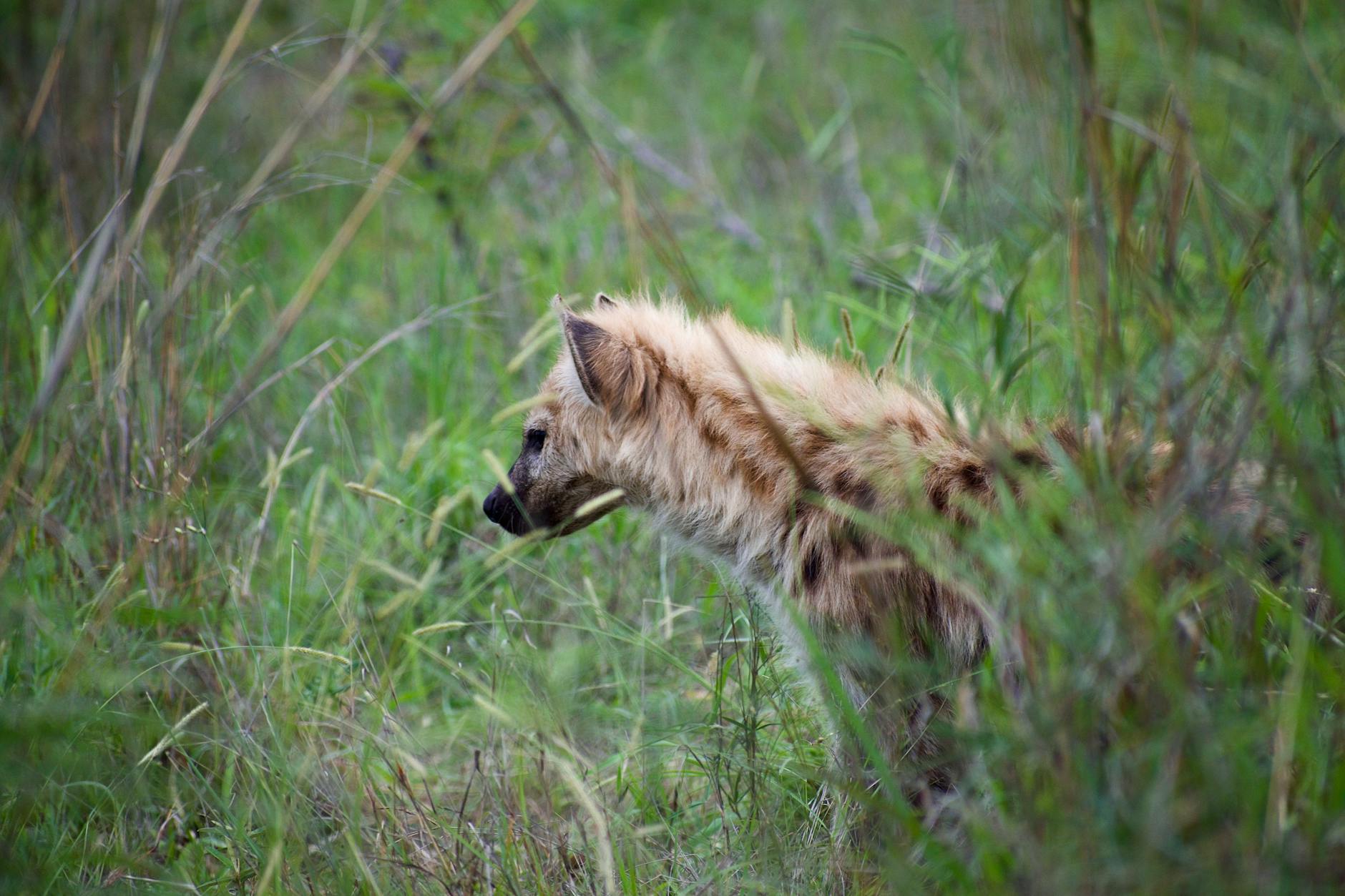
Hyenas live in large clans with complex social structures that are more similar to those of primates than other carnivores. They are highly efficient hunters that use sophisticated team strategies to take down large prey. Their ability to recognize the social status of every other member of the clan is crucial for maintaining order. Research indicates they can solve cooperative tasks faster than many species of primates.
Magpie
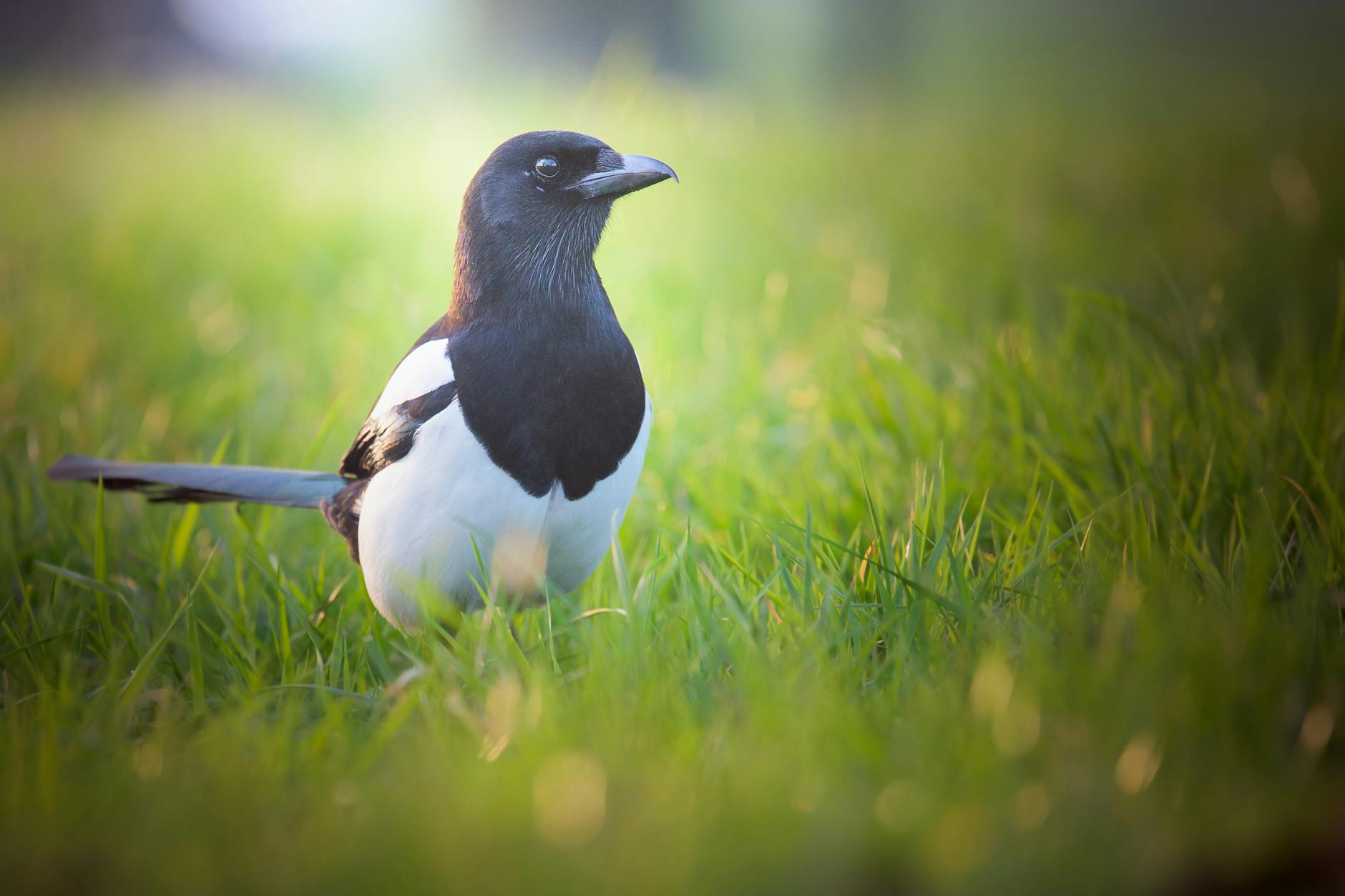
The Eurasian magpie is one of the few non mammal species that can recognize itself in a mirror. This indicates a level of self awareness that is considered a hallmark of advanced cognition. They are known for hiding food and remembering the locations of their caches for long periods. Their social lives are intricate and they have been observed performing ritualistic behaviors that resemble mourning for their dead.
Sea Otter
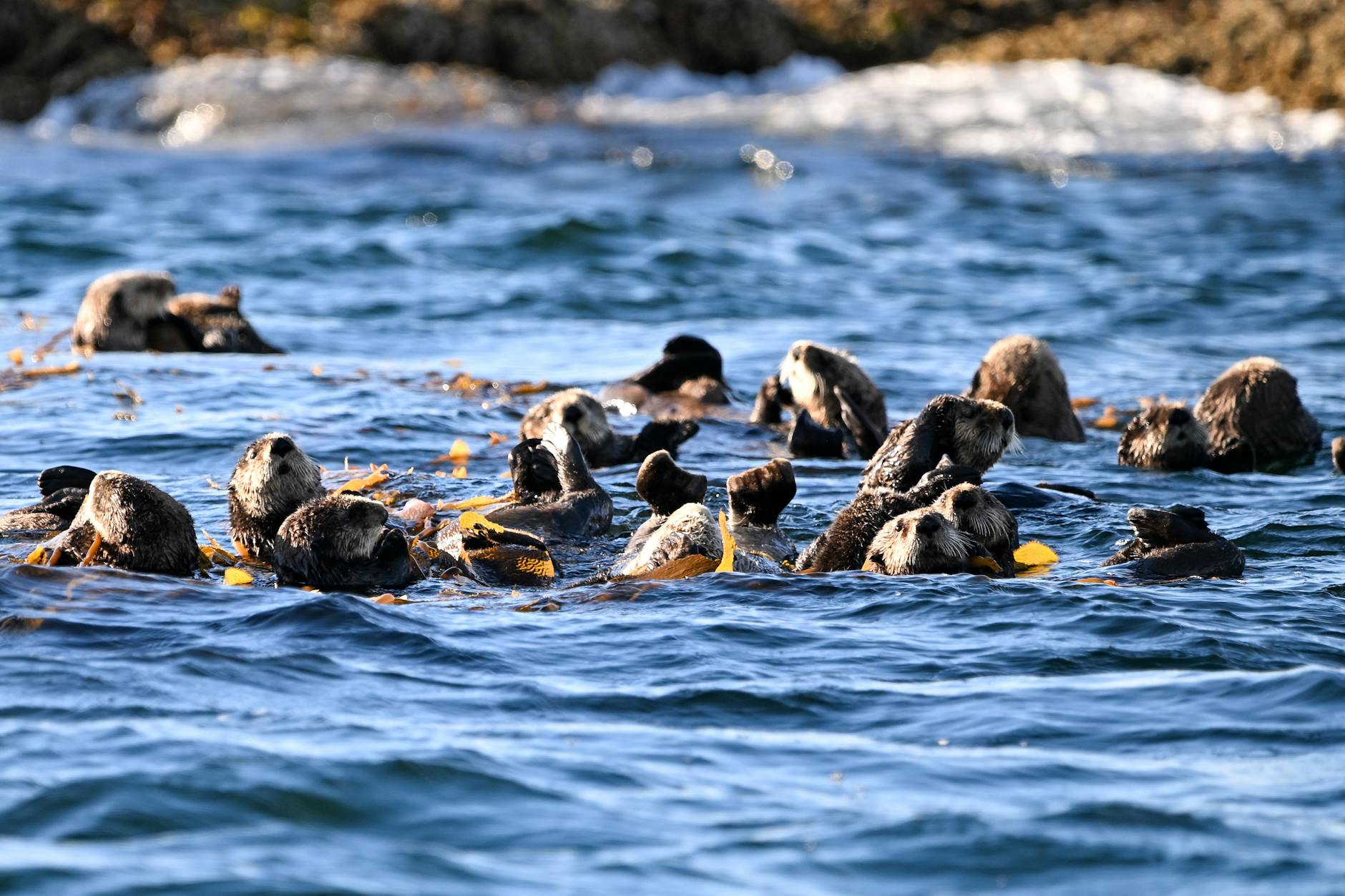
Sea otters are well known for using stones as anvils to crack open the hard shells of their prey. They often keep a favorite stone tucked into a pocket of skin under their foreleg for repeated use. This behavior shows an understanding of tool permanence and the ability to plan for future meals. They also wrap themselves in kelp to prevent drifting away while they sleep which is a simple but effective use of their environment.
African Lion
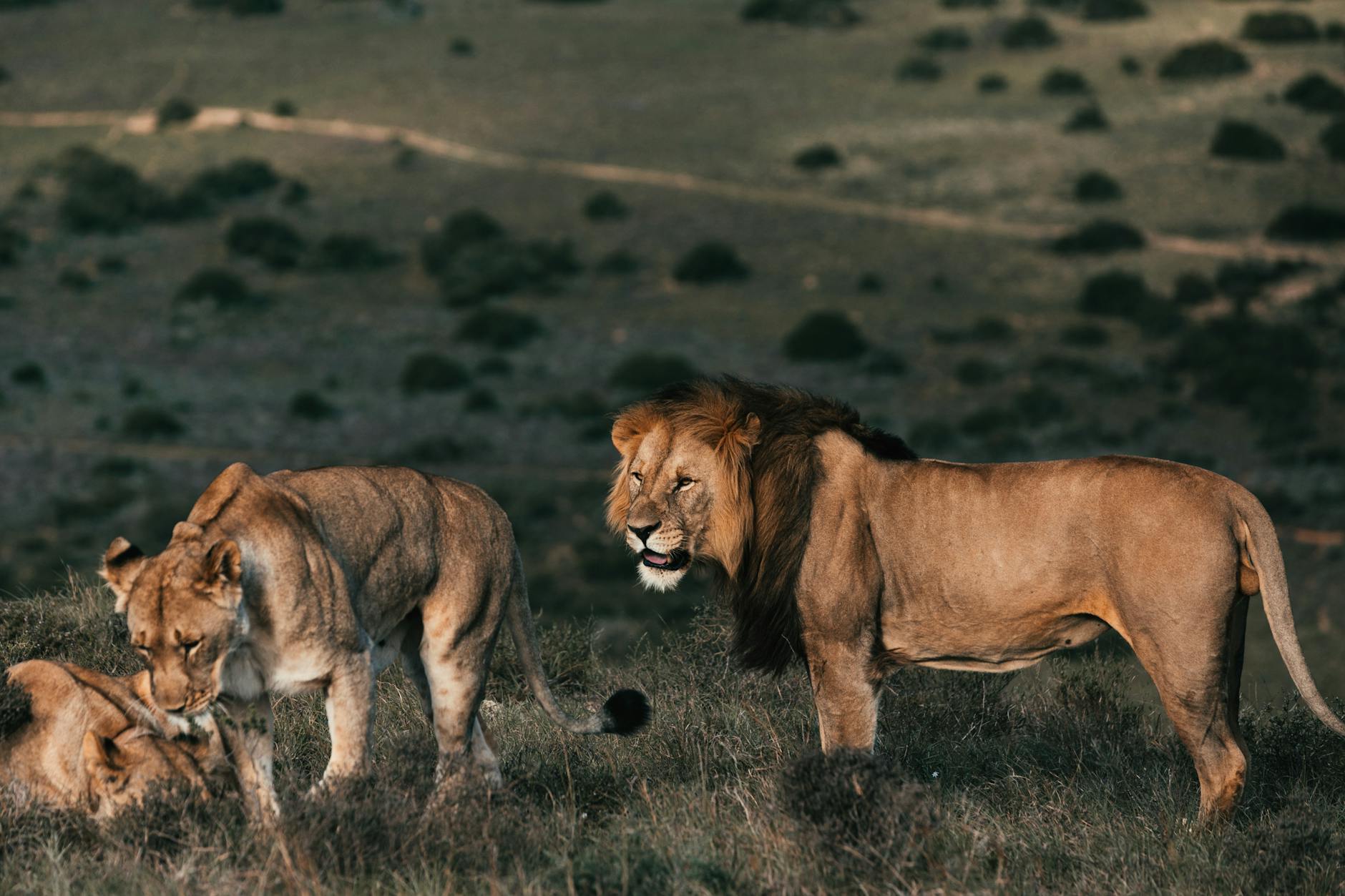
Lions are the only truly social cats and they rely on teamwork to survive and raise their young. During a hunt different individuals take on specific roles such as flanking or driving prey toward the center. Their social bonds are reinforced through grooming and vocalizations that help coordinate the pride’s activities. The ability to cooperate and communicate within a group is a clear sign of their high social intelligence.
Goat
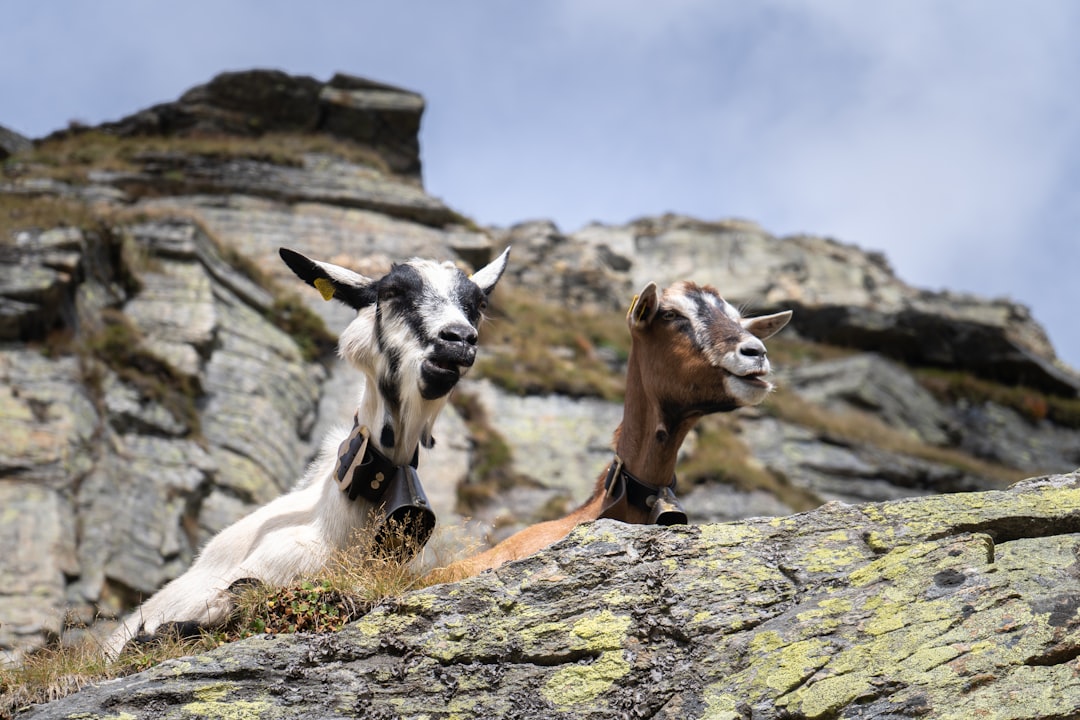
Goats are highly inquisitive animals that are excellent at solving physical puzzles to reach food rewards. They can learn a complex task in as few as twelve trials and remember the solution for at least ten months. Their social intelligence allows them to follow the gaze of other goats to find hidden resources. They are also known to be very expressive and can communicate their emotional states through their vocalizations.
Baboon
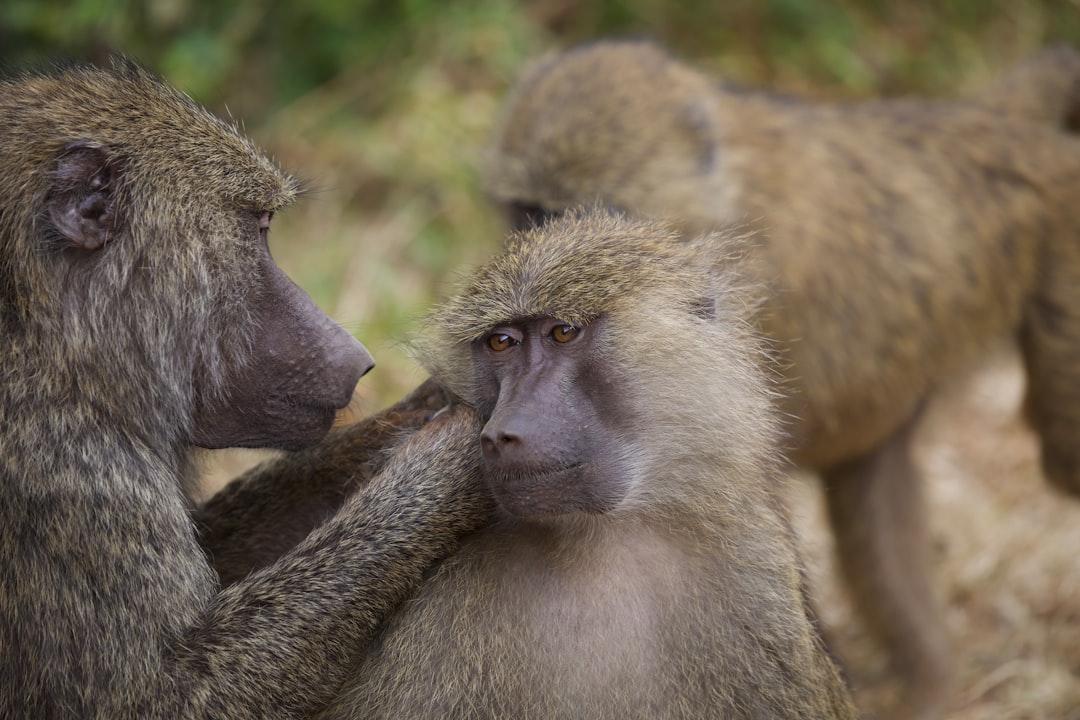
Baboons live in large troops where social standing is determined by complex interactions and family lineages. They use a wide variety of vocalizations and gestures to communicate with one another and manage group dynamics. Research has shown they can distinguish between real words and nonsense strings of letters in visual tests. Their ability to navigate the social complexities of the troop requires a high level of cognitive processing.
Sheep
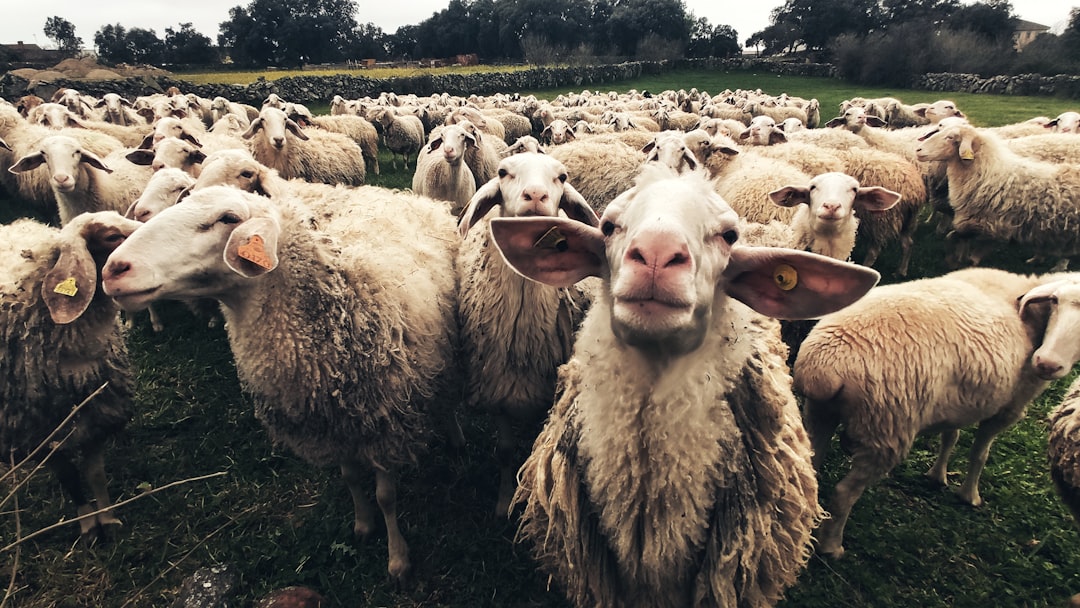
Sheep have a remarkable ability to recognize and remember the faces of at least fifty different individuals for several years. They can also distinguish between different human faces and can tell the difference between various emotional expressions. This visual memory is essential for maintaining the social structure of the flock and recognizing their offspring. Contrary to popular belief they are capable of learning and solving problems when motivated by food.
Coyote
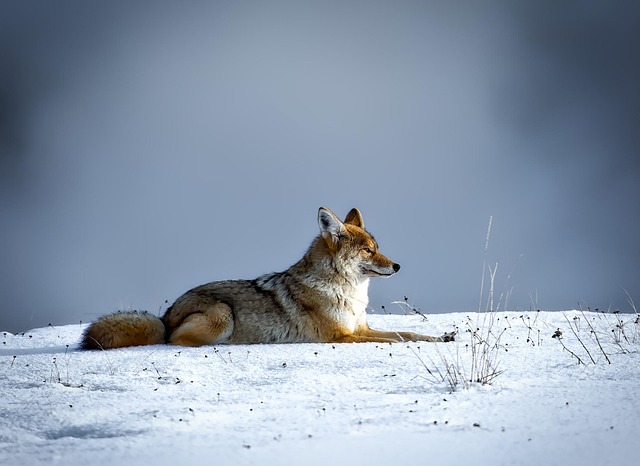
Coyotes are incredibly adaptable animals that have expanded their range across North America by learning to live alongside humans. They show a high degree of flexibility in their hunting habits and can switch from solitary foraging to group hunting. Their vocalizations are complex and are used to defend territory and coordinate with family members. Their ability to thrive in diverse environments from wilderness to cities is a testament to their intelligence.
Archerfish
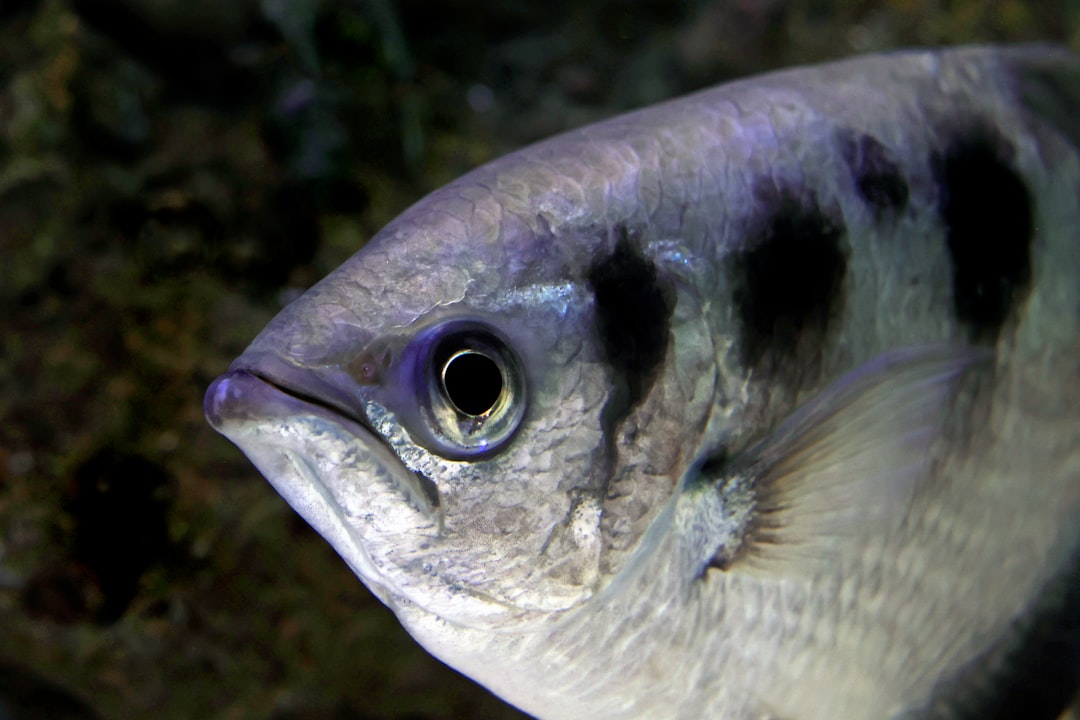
The archerfish is famous for its ability to shoot a precise jet of water at insects resting on branches above the surface. This requires the fish to account for the refraction of light at the water’s surface to hit its target accurately. They can learn this skill by watching more experienced fish which is a form of social learning. This level of physical calculation and observational learning is rare among fish species.
Horse
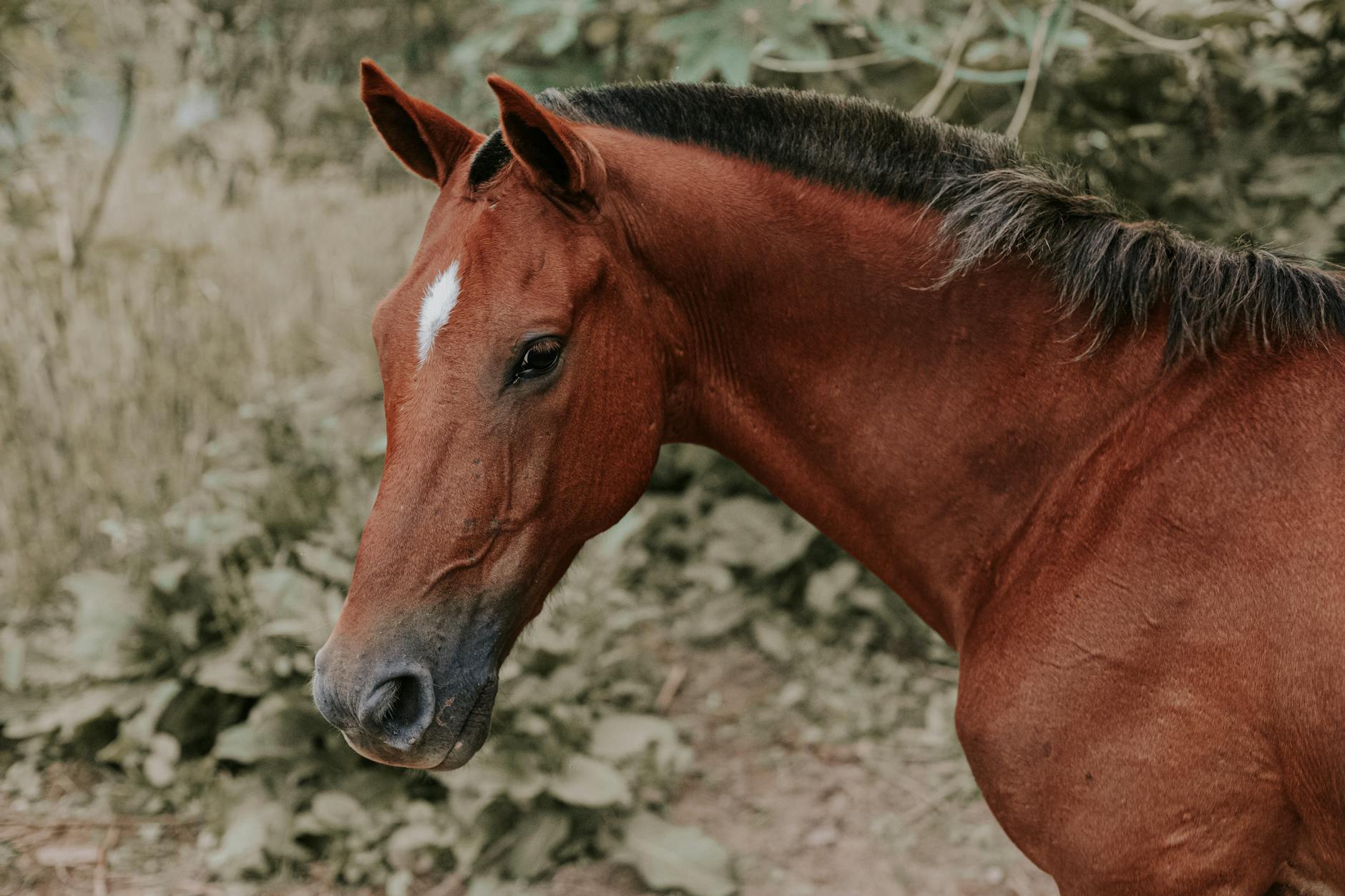
Horses are highly sensitive to the social cues and emotions of both their own species and humans. They can recognize human facial expressions and remember the past behavior of specific individuals toward them. Their ability to learn complex sequences of movements makes them highly capable in various sports and working roles. They communicate through a subtle language of ear positions and body movements that maintains the peace of the herd.
Naked Mole Rat
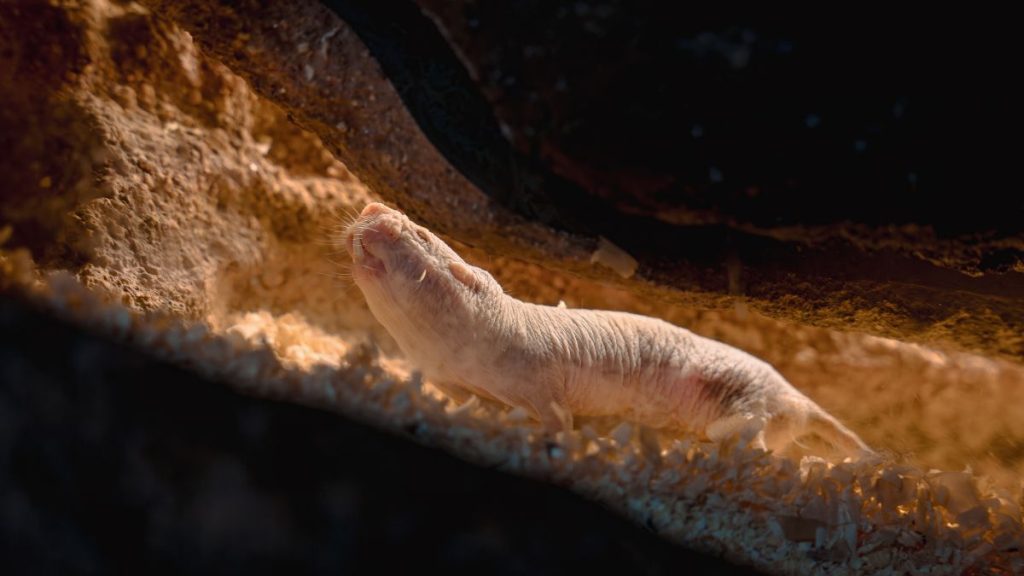
These unique rodents live in underground colonies with a social structure similar to that of bees or ants. They have a queen who is the only female to breed and the other members have specialized roles as workers or soldiers. This level of social organization is unique among mammals and requires constant communication and cooperation. Their ability to maintain a functioning society in a harsh and low oxygen environment shows significant evolutionary intelligence.
Share your thoughts about these amazing animal minds in the comments.




