Europe offers a diverse culinary landscape where centuries of tradition meet modern innovation to create unforgettable dining experiences for travelers. From the sun-drenched Mediterranean coastlines famous for fresh seafood to the hearty comfort foods found in Central European taverns, every region presents a unique flavor profile rooted in local history. Visitors can explore bustling markets filled with artisanal produce or enjoy sophisticated tasting menus in world-renowned establishments. The following list highlights destinations where food culture is central to daily life and offers a true taste of the local heritage.
San Sebastian
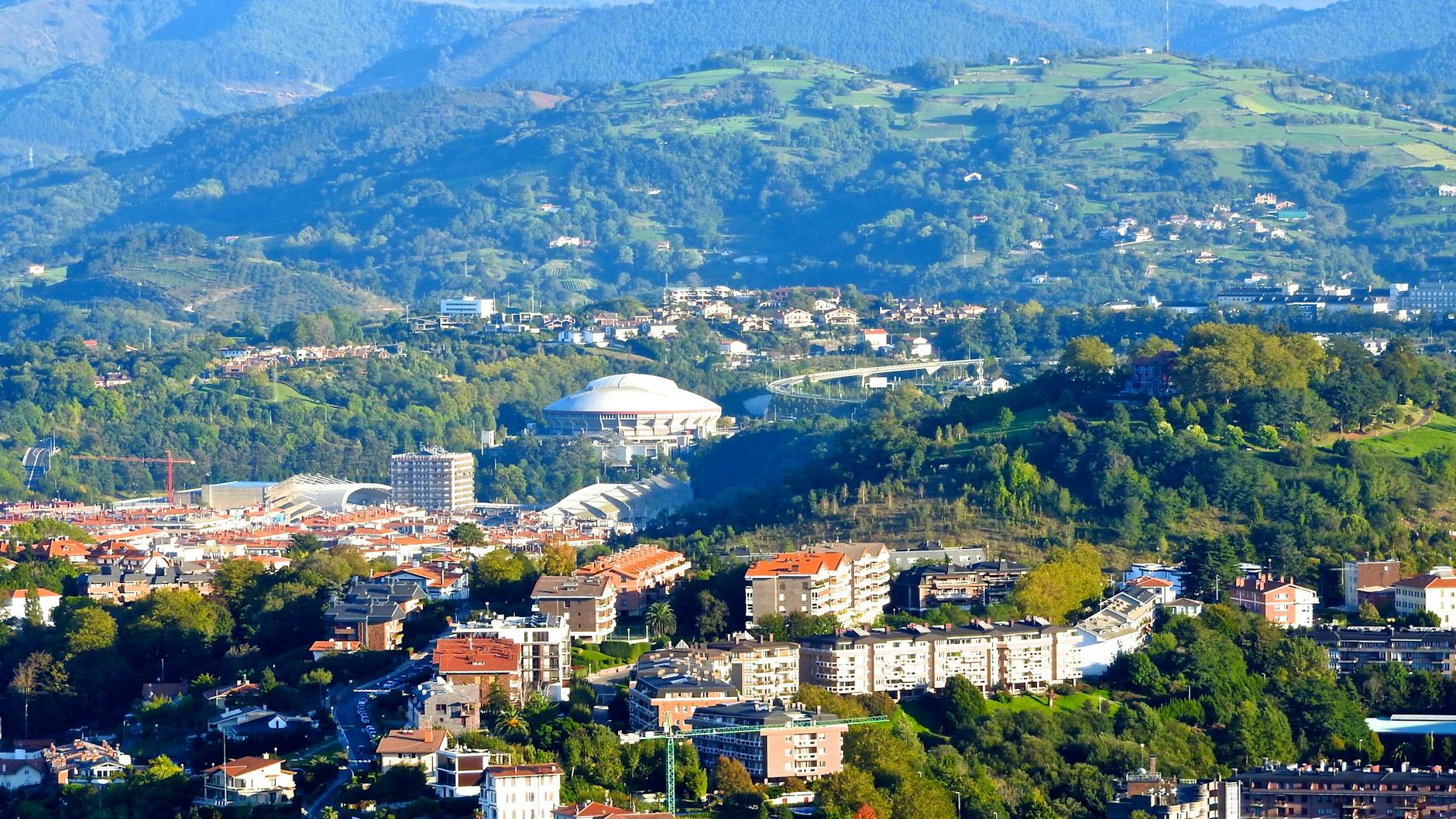
This coastal city in the Basque Country boasts one of the highest concentrations of Michelin stars per capita in the world. Visitors flock here to experience pintxos bars where counters are laden with gourmet bite-sized snacks served on bread. The local culinary philosophy emphasizes seasonal ingredients from the Bay of Biscay and the surrounding lush hillsides. Chefs here treat cooking as an art form and constantly push the boundaries of gastronomic innovation. It remains a pilgrimage site for serious food lovers seeking both traditional flavors and avant-garde techniques.
Paris

The French capital remains a global standard for gastronomy with its historic bistros and elegant pâtisseries lining every boulevard. Morning rituals often involve freshly baked croissants and rich espresso consumed at small round tables. The dining scene ranges from affordable bouillon restaurants serving classic dishes to opulent multi-course meals in palaces. Markets burst with high-quality cheeses and wines that reflect the diverse terroir of the entire country. Culinary education thrives here as aspiring chefs from around the globe come to master the foundational techniques of French cooking.
Bologna
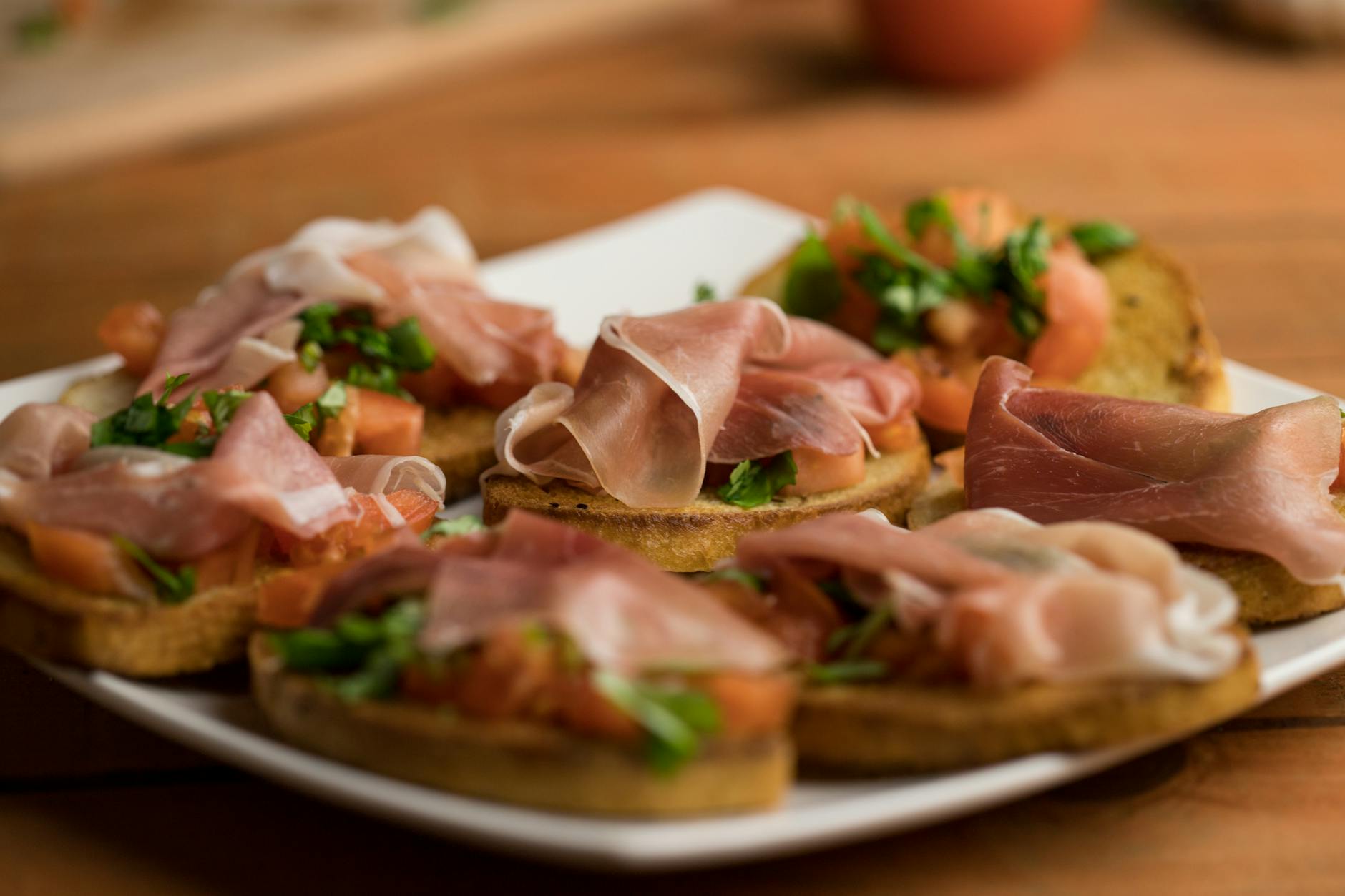
Known affectionately as the fat one, this Italian city is the spiritual home of fresh egg pasta and rich meat sauces. Tortellini served in broth and tagliatelle al ragù are staples found in family-run trattorias throughout the medieval center. The region produces some of the most famous Italian exports including Parmigiano Reggiano and Prosciutto di Parma. Food markets in the Quadrilatero district offer a sensory overload of cured meats and artisanal cheeses. It creates an environment where slow food and deep appreciation for ingredients are a way of life.
Lyon
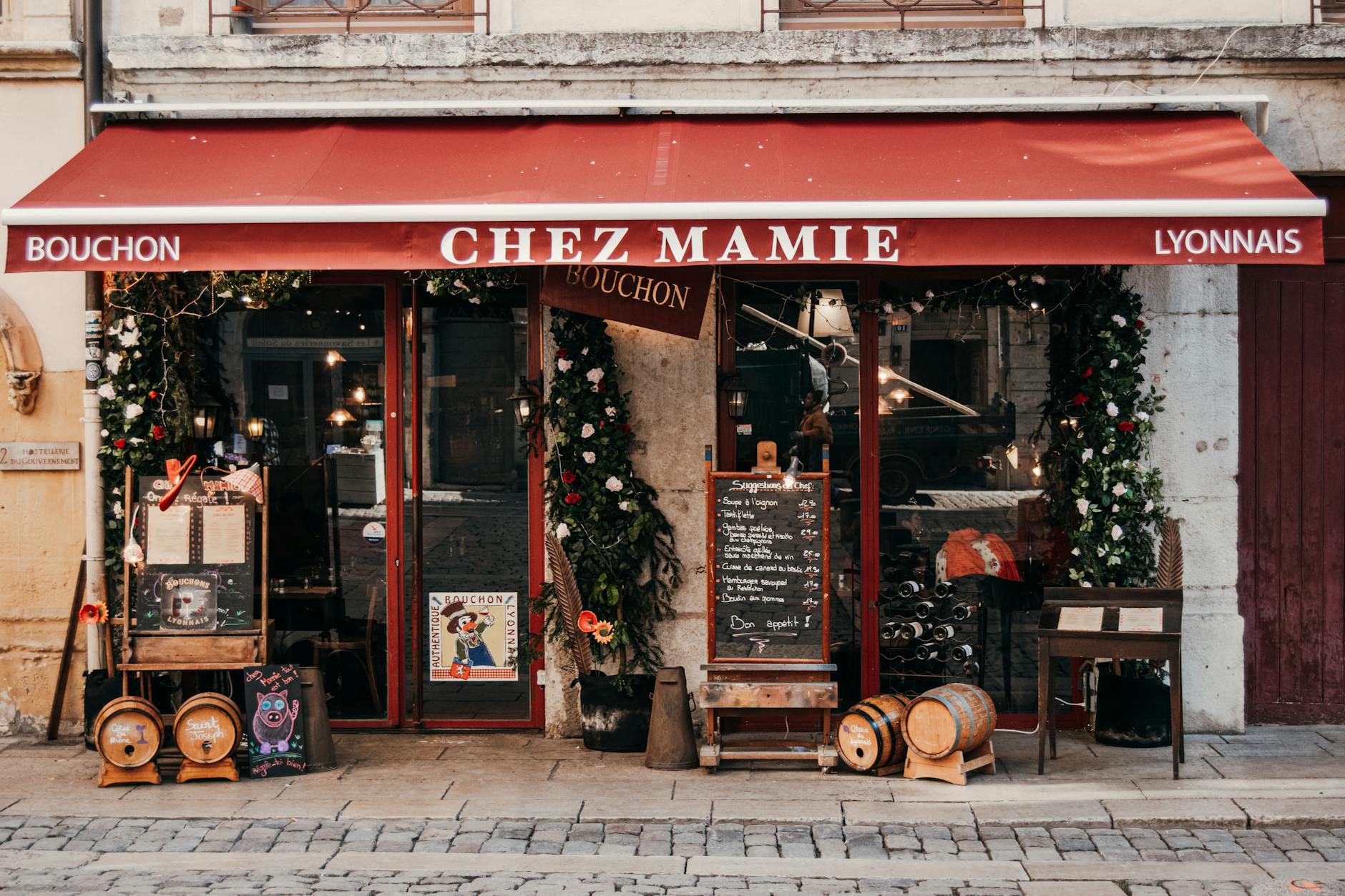
Often cited as the gastronomic capital of France, this city is famous for its bouchons serving hearty traditional fare. These rustic eateries focus on convivial atmospheres and dishes utilizing every part of the animal. The legacy of legendary chef Paul Bocuse influences the high standards found even in casual dining spots. A visit to the Les Halles de Lyon market reveals the incredible variety of high-quality produce available to local cooks. The location between the vineyards of Beaujolais and the Rhône Valley ensures excellent wine pairings for every meal.
Copenhagen
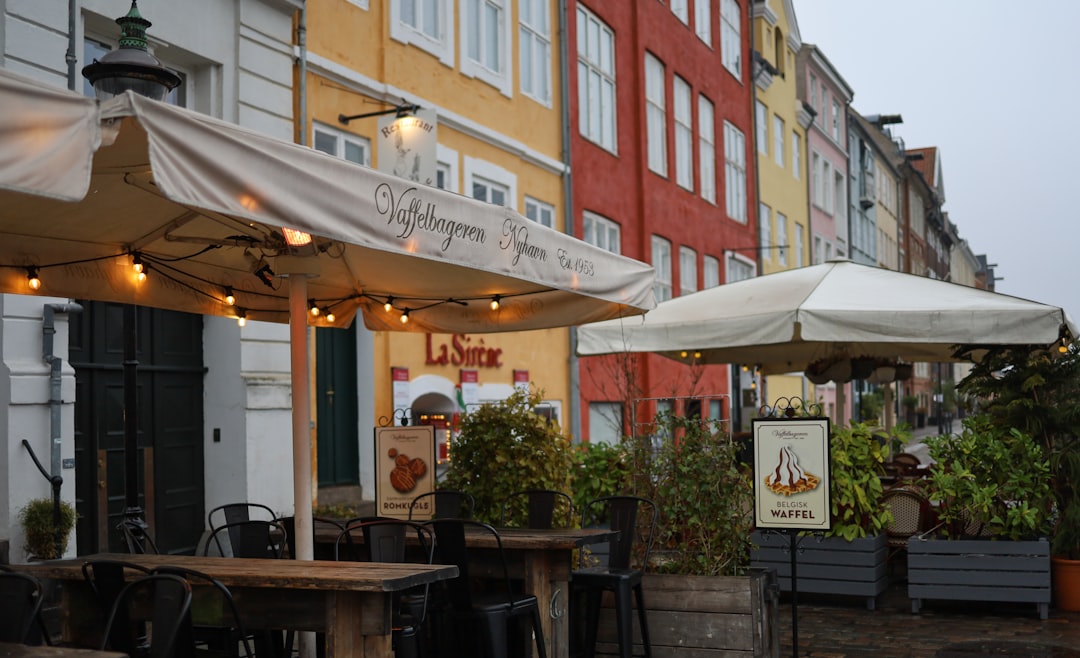
The New Nordic cuisine movement transformed this Scandinavian capital into a top destination for innovative dining. Chefs focus on foraging native herbs and utilizing seasonal produce to create dishes that reflect the local landscape. Fermentation techniques play a crucial role in preserving flavors during the long winter months. The city embraces sustainability with many restaurants sourcing ingredients from their own organic gardens. Casual bakeries serving cardamom buns and smørrebrød sandwiches offer a more accessible taste of this distinct culinary culture.
Rome
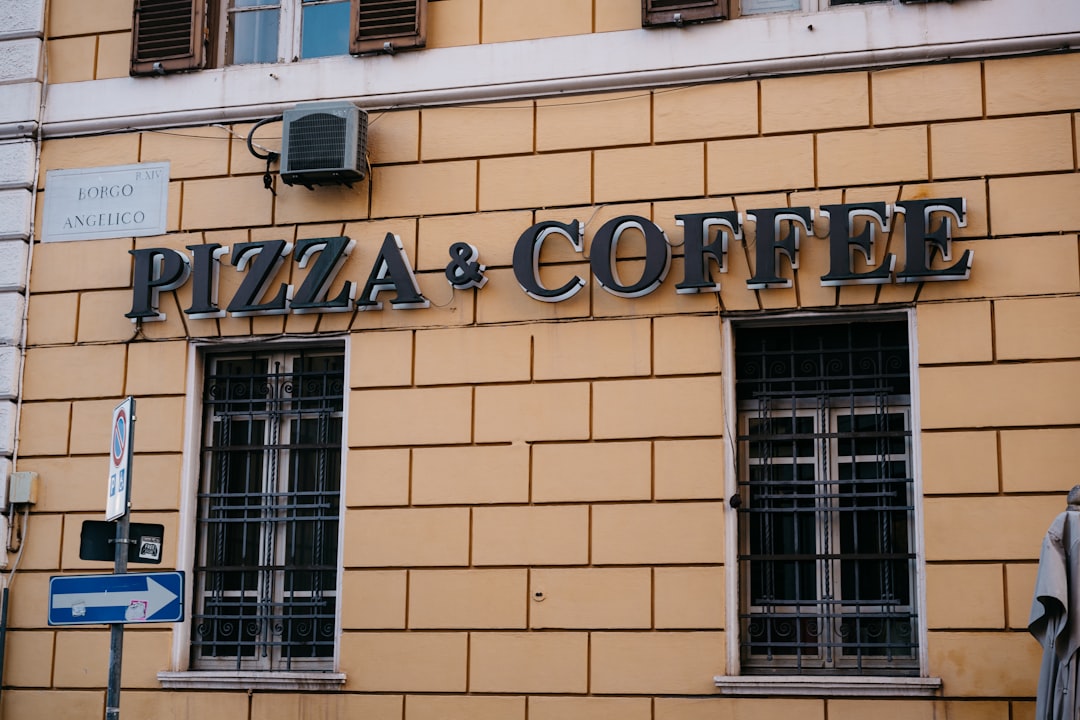
The Eternal City offers a culinary history as deep and layered as its archaeological treasures. Classic pasta dishes like carbonara and cacio e pepe originated here and rely on just a few high-quality ingredients. Roman pizza is known for its thin and crispy crust or can be enjoyed by the slice as a quick street food snack. The Jewish Quarter is famous for its fried artichokes known as carciofi alla giudia. Dining is a boisterous social affair where meals can last for hours in lively piazzas.
Naples
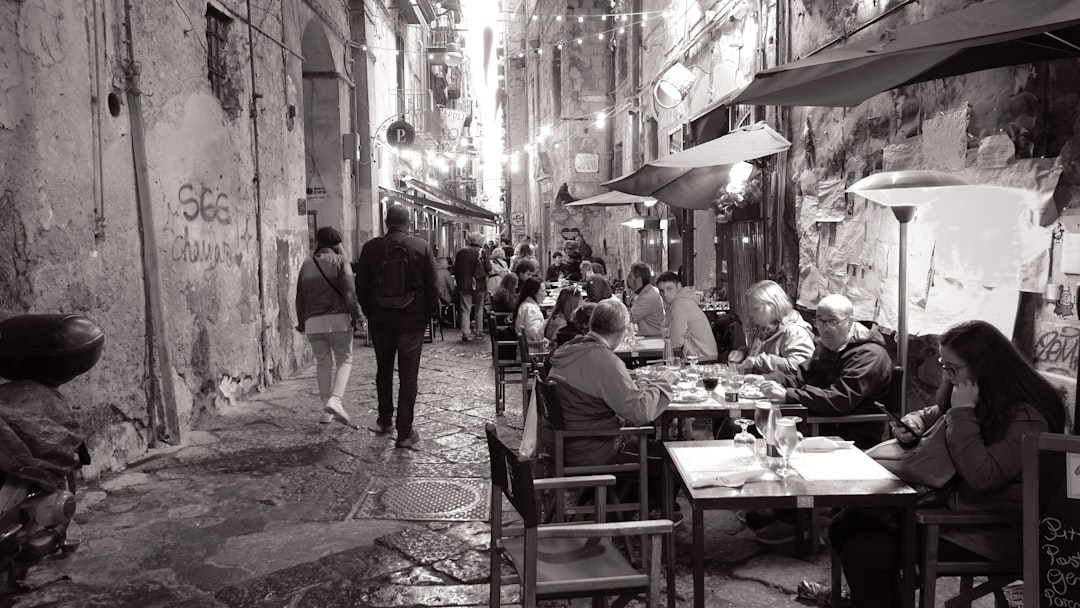
This vibrant southern city is the birthplace of pizza and maintains strict standards for its production. True Neapolitan pizza features a soft and chewy crust topped with San Marzano tomatoes and buffalo mozzarella. Street food culture is strong here with vendors selling fried treats like arancini and pizza fritta. The fertile volcanic soil of Mount Vesuvius produces intense flavors in the local fruits and vegetables. Coffee culture is taken very seriously with espresso bars serving strong shots to locals standing at the counter.
Barcelona
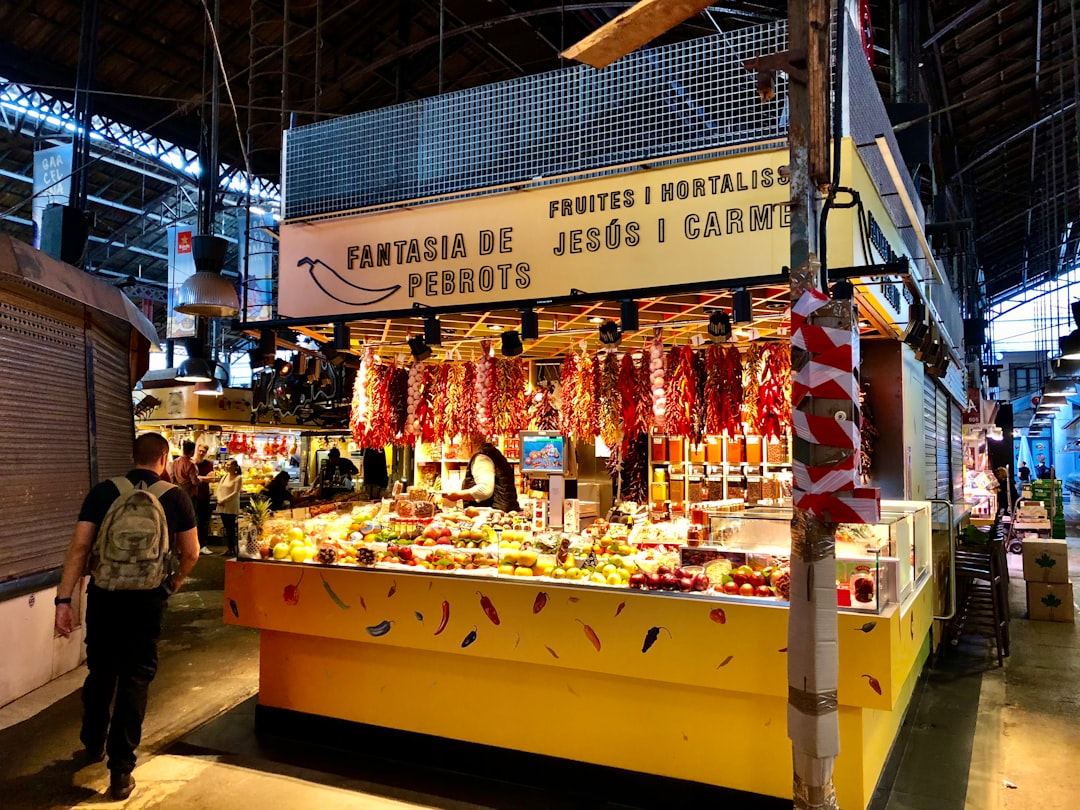
The capital of Catalonia offers a dynamic food scene that blends sea and mountain flavors in unique combinations. Boqueria Market provides a colorful display of fresh seafood and local cured meats that attracts both locals and tourists. Tapas bars serve classics like patatas bravas alongside fresh seafood caught just off the coast. Modernist architecture provides a stunning backdrop for restaurants that range from rustic to experimental. Lunch is the main meal of the day and often stretches into the late afternoon in true Mediterranean style.
London
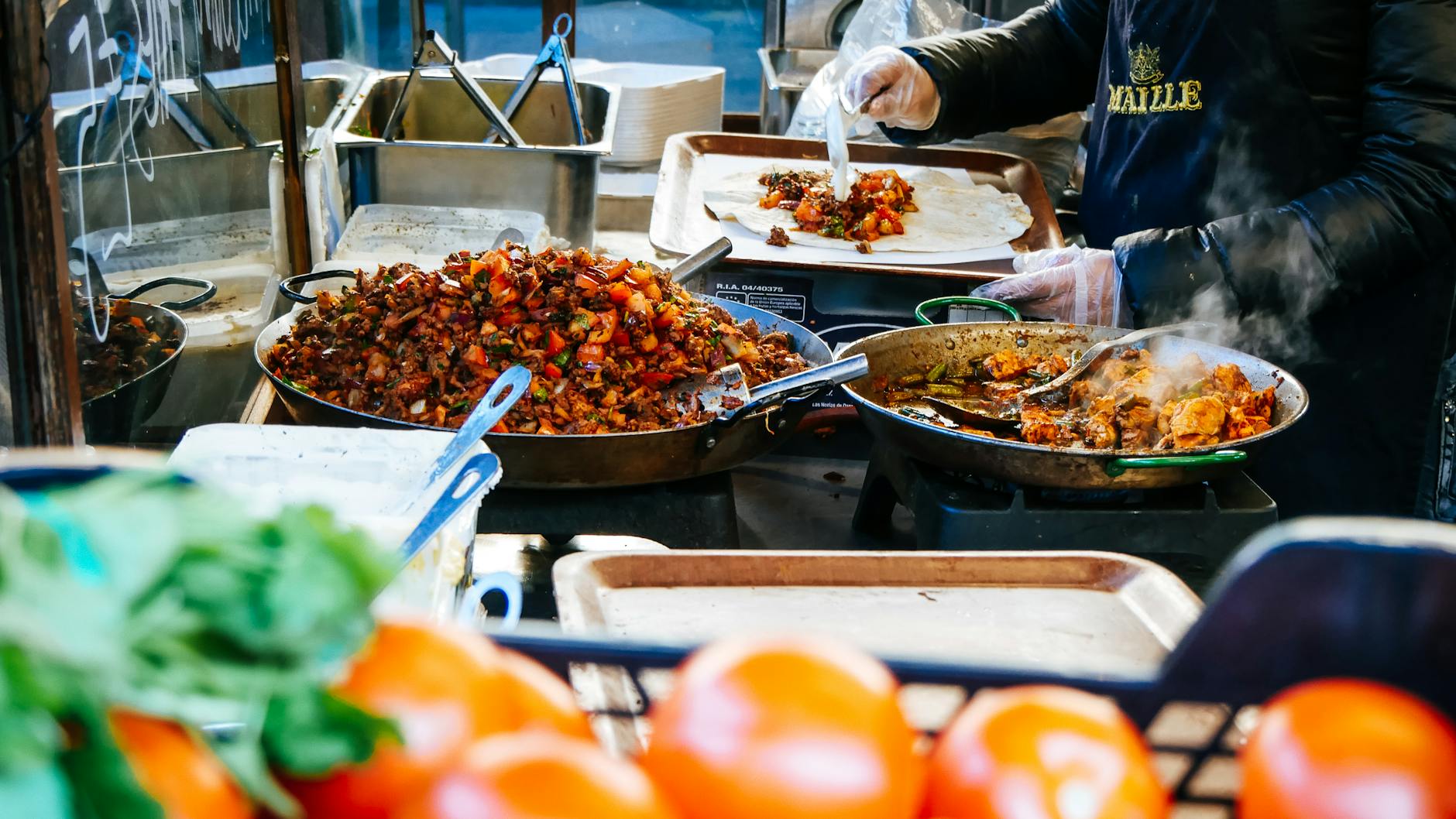
The UK capital has evolved into one of the most diverse food cities in the world. You can find authentic cuisine from nearly every culture represented in its various neighborhoods. Borough Market stands as a historic hub for artisanal producers and gourmet street food vendors. Modern British cooking highlights local seasonal produce while elevating traditional dishes like Sunday roasts. The vibrant pub culture offers a casual setting to enjoy gastropub fare and local craft ales.
Lisbon
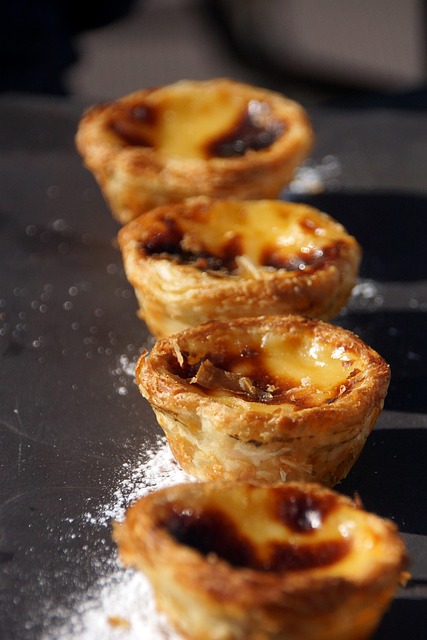
Portuguese cuisine shines in this hilly coastal city where seafood is the undisputed star. Grilled sardines and salt cod prepared in hundreds of ways are staples on most menus. The famous pastel de nata custard tarts are a must-try sweet treat often dusted with cinnamon. Time Out Market brings together some of the best chefs in the city under one roof for a curated dining experience. Meals are often accompanied by glasses of green wine or distinct local varieties.
Vienna
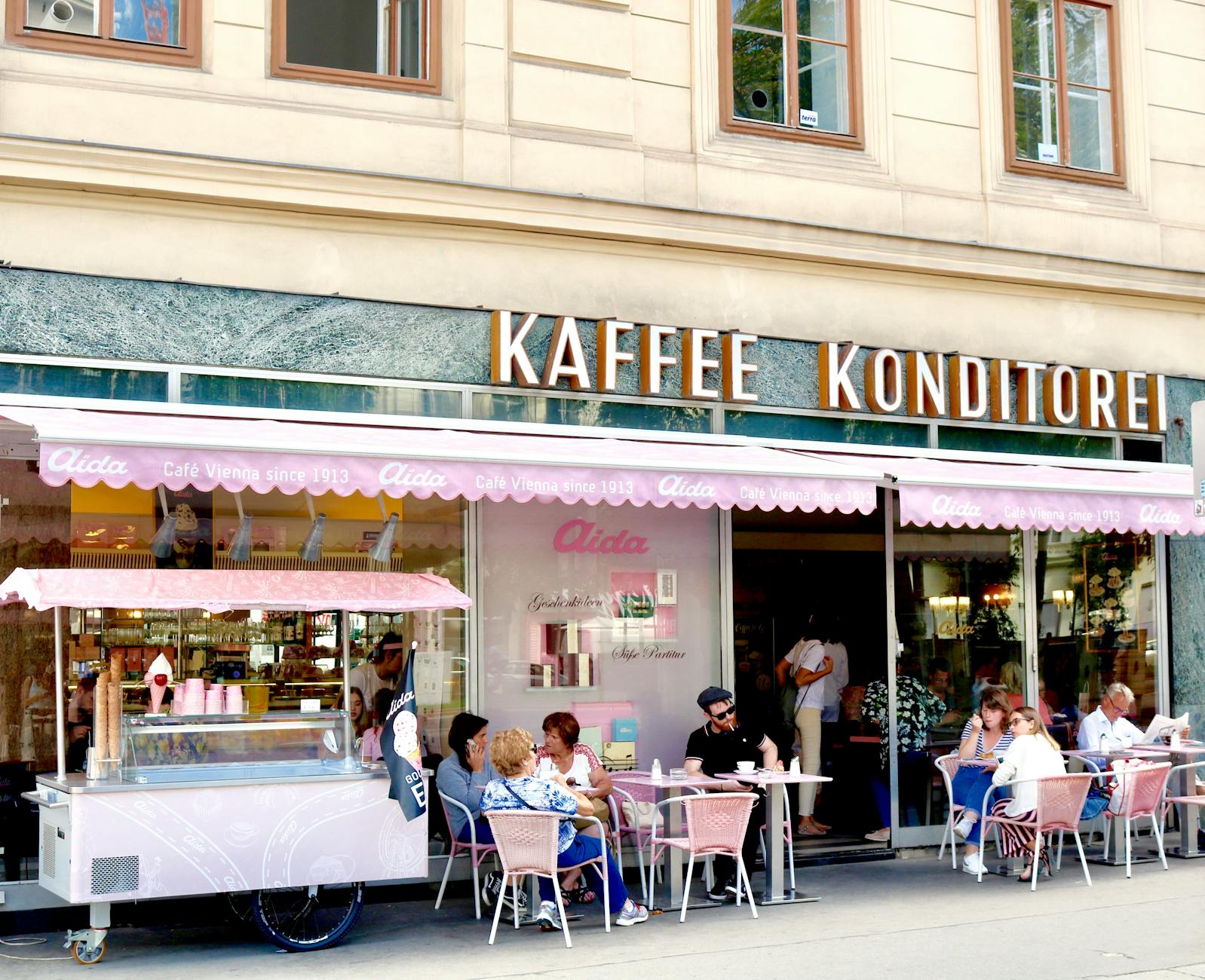
The Austrian capital is synonymous with coffee house culture where patrons linger for hours over newspapers and pastries. Wiener Schnitzel is the national dish featuring breaded veal fried to a golden crisp. Sweet dumplings and rich chocolate tortes dominate the dessert menus in historic cafes. The Naschmarkt offers a vast array of international spices and local delicacies in an open-air setting. It creates a refined atmosphere where tradition and quality are paramount.
Berlin
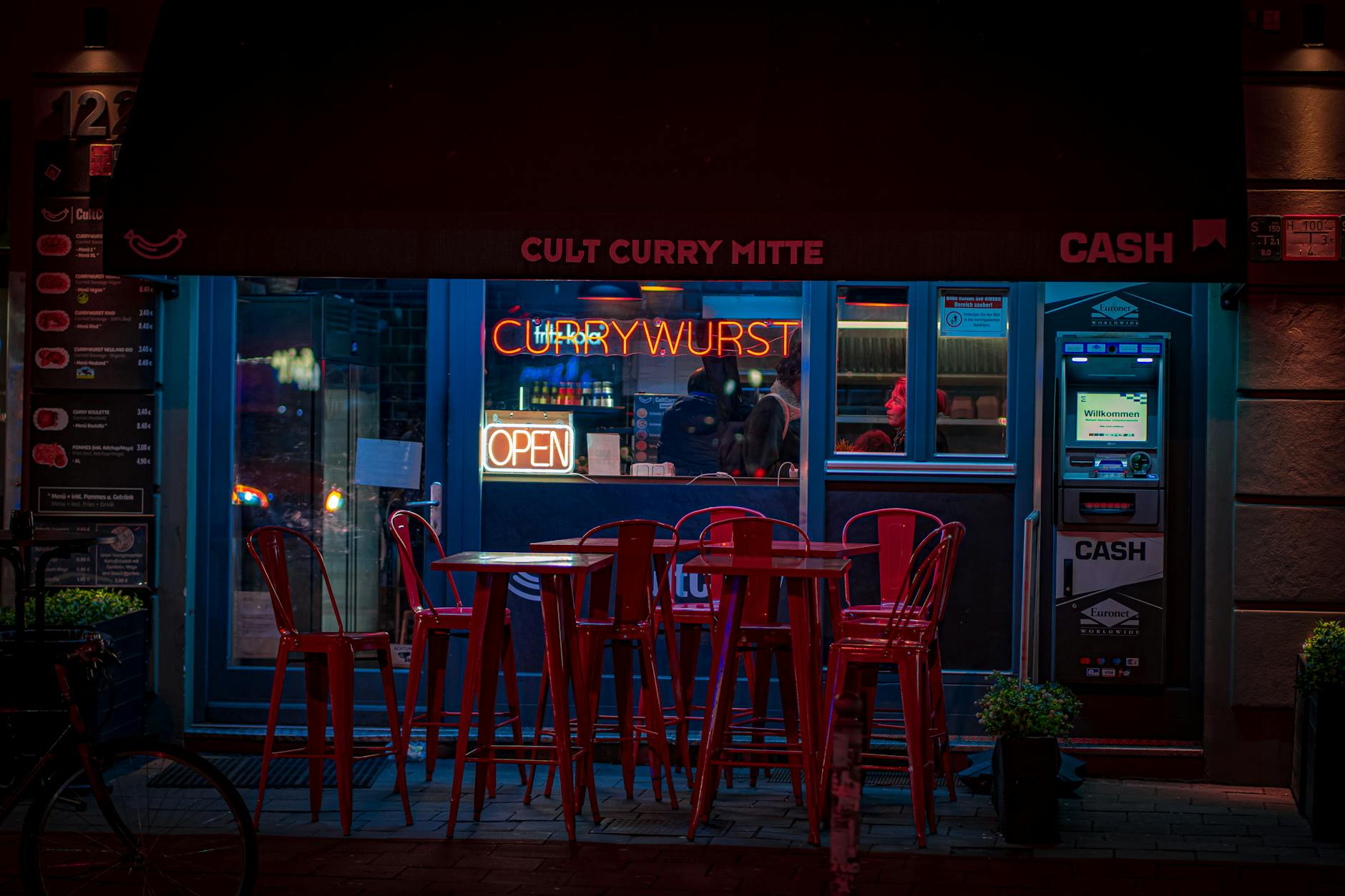
The food scene in Berlin is as eclectic and gritty as the city itself. Currywurst stands serve the iconic street food snack of sliced sausage with spiced ketchup. A large Turkish population has made the döner kebab a staple of late-night dining. Vegan and vegetarian options are abundant and creative in this forward-thinking metropolis. Market halls and street food Thursdays provide platforms for young chefs to experiment with global flavors.
Madrid
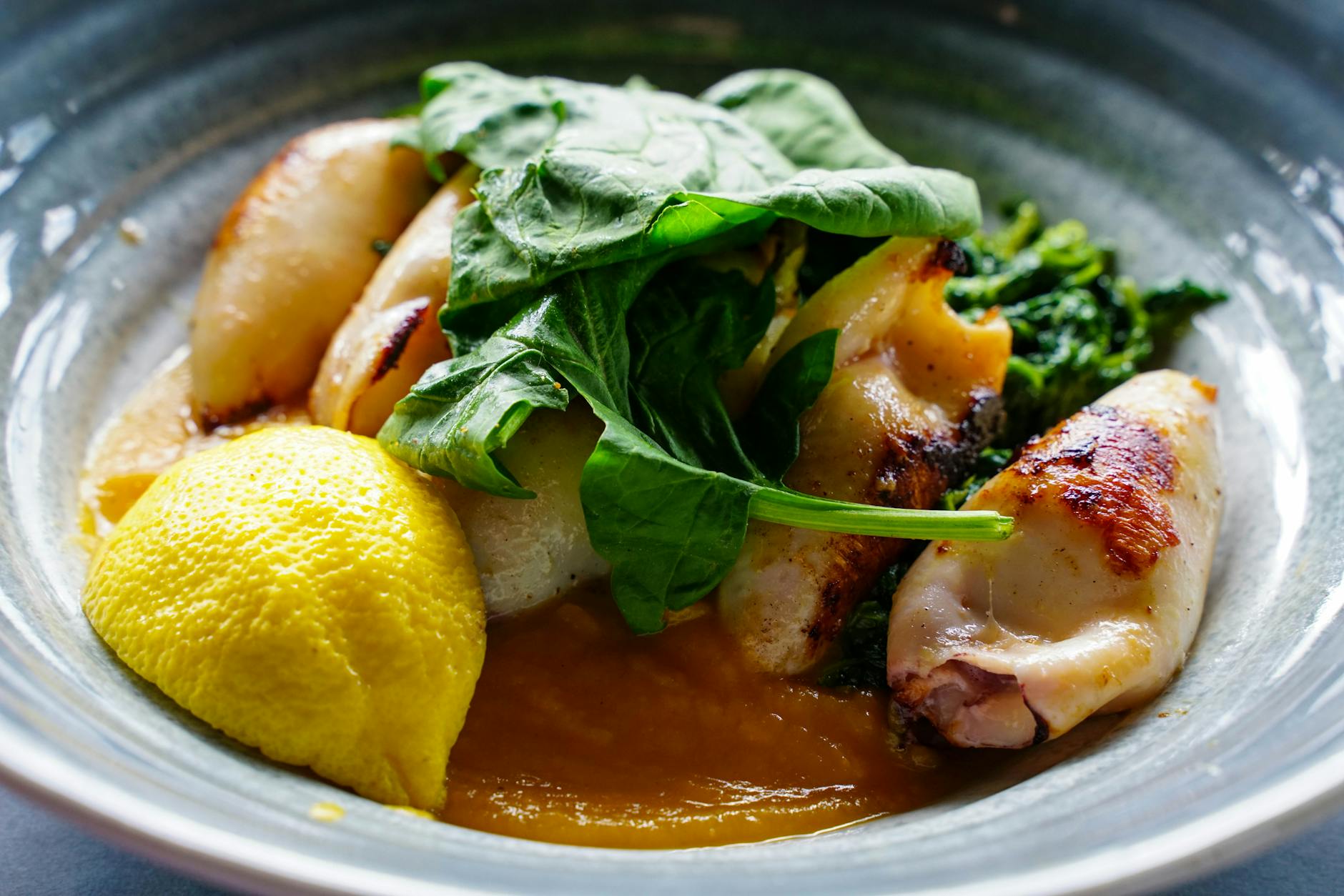
Spain’s capital serves as a melting pot for regional cuisines from across the entire country. The city is famous for its calamari sandwiches served in bars around Plaza Mayor. Cocido madrileño is a traditional chickpea stew that warms locals during the cooler winter months. Tapas crawling is a popular evening activity where friends move from bar to bar sampling small plates. The oldest restaurant in the world continues to serve roast suckling pig in its wood-fired oven.
Athens
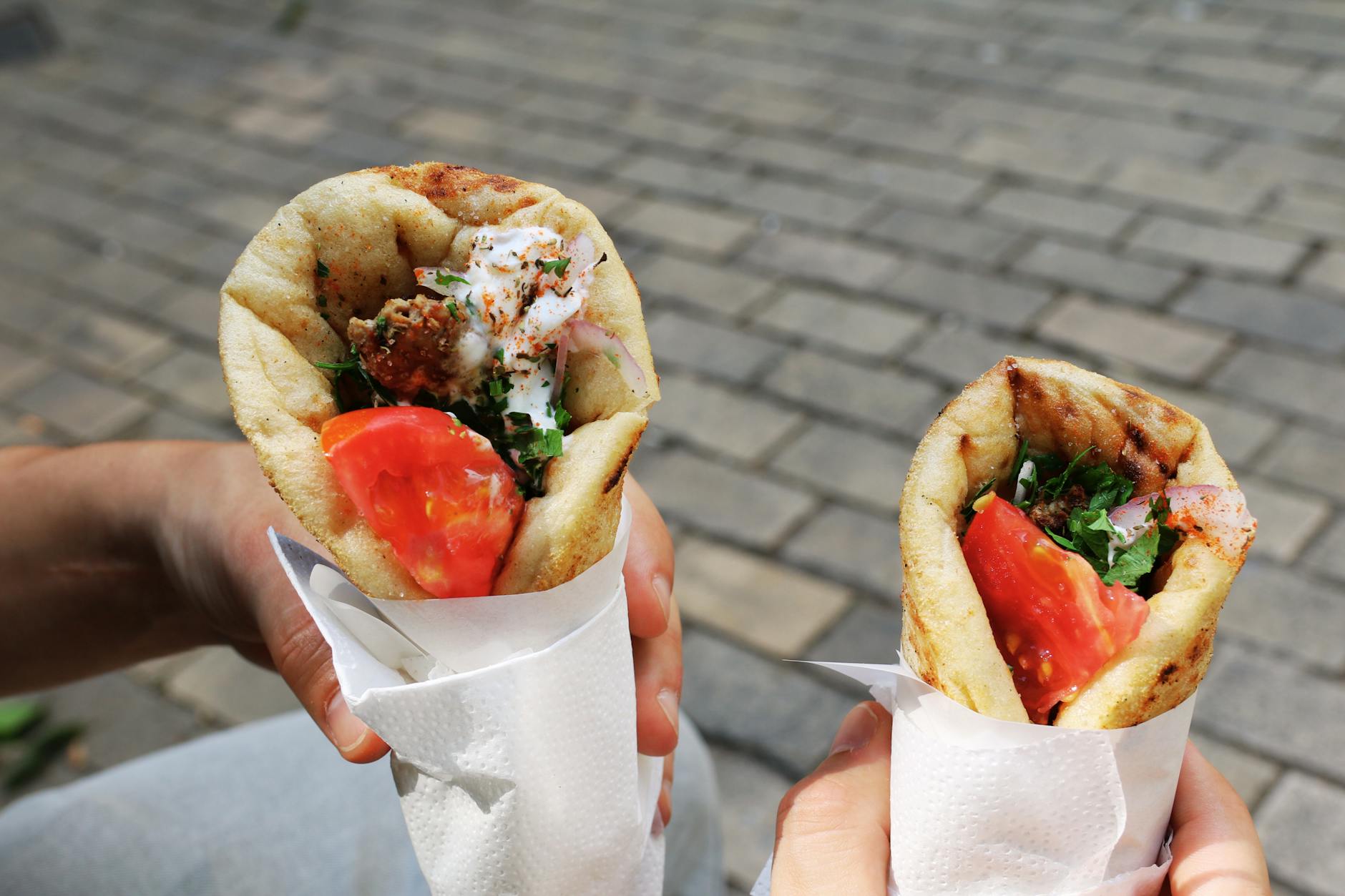
Greek cuisine is celebrated here with an emphasis on fresh vegetables and olive oil and grilled meats. Street corners are filled with the scent of souvlaki and gyros roasting on vertical spits. Tavernas in the Plaka district offer live music alongside plates of moussaka and Greek salad. Bakeries sell savory pies filled with spinach and cheese to hungry commuters. The focus is on simple ingredients prepared with care and shared generously.
Istanbul
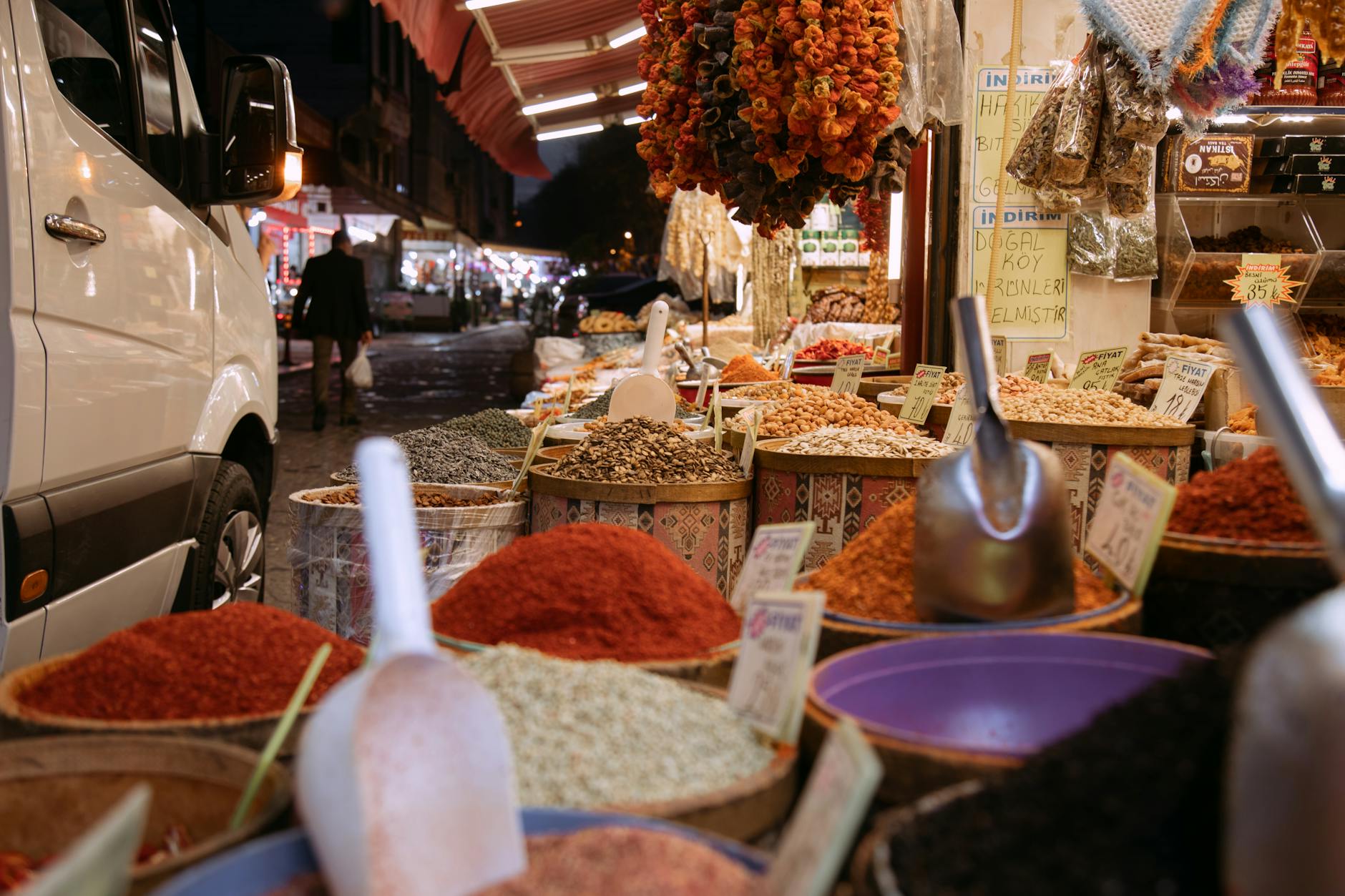
This transcontinental city bridges European and Asian culinary traditions in a spectacular fashion. The spice markets offer an aromatic journey through ingredients that define Ottoman cuisine. Street vendors sell sesame-covered simit bread and roasted chestnuts on every corner. Meze platters allow diners to sample a wide variety of dips and cold dishes before the main course. Tea gardens provide a relaxing space to enjoy sweet baklava and strong Turkish coffee.
Bordeaux
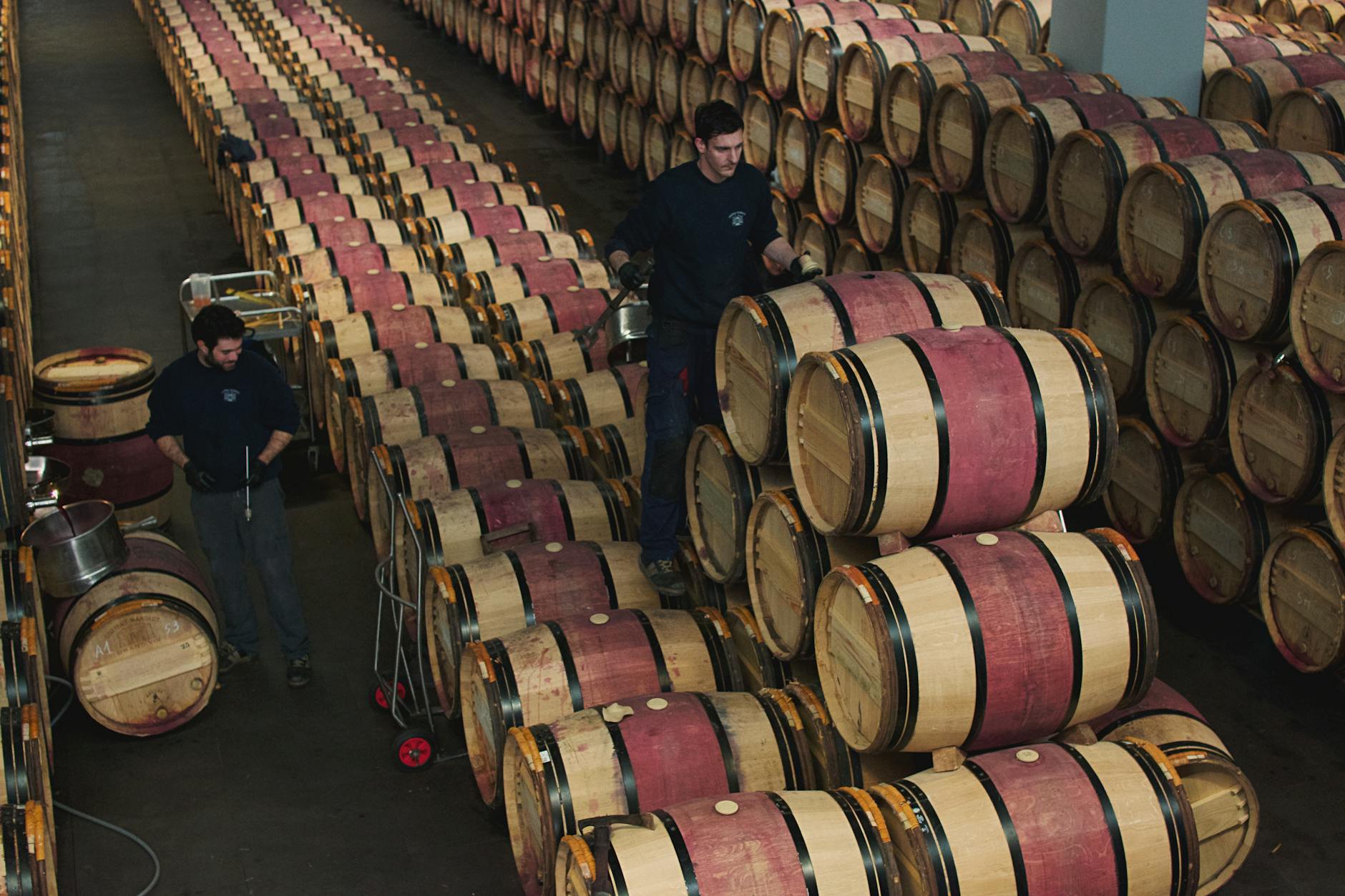
Located in the heart of wine country this city pairs its gastronomy with some of the best vintages in the world. The cuisine features rich meats like duck confit and entrecôte cooked over vine cuttings. Canelés are the signature local pastry with a caramelized crust and soft custard center. The recently developed Cité du Vin celebrates the global history of wine making. It is a destination where food and drink are inseparable partners.
Florence
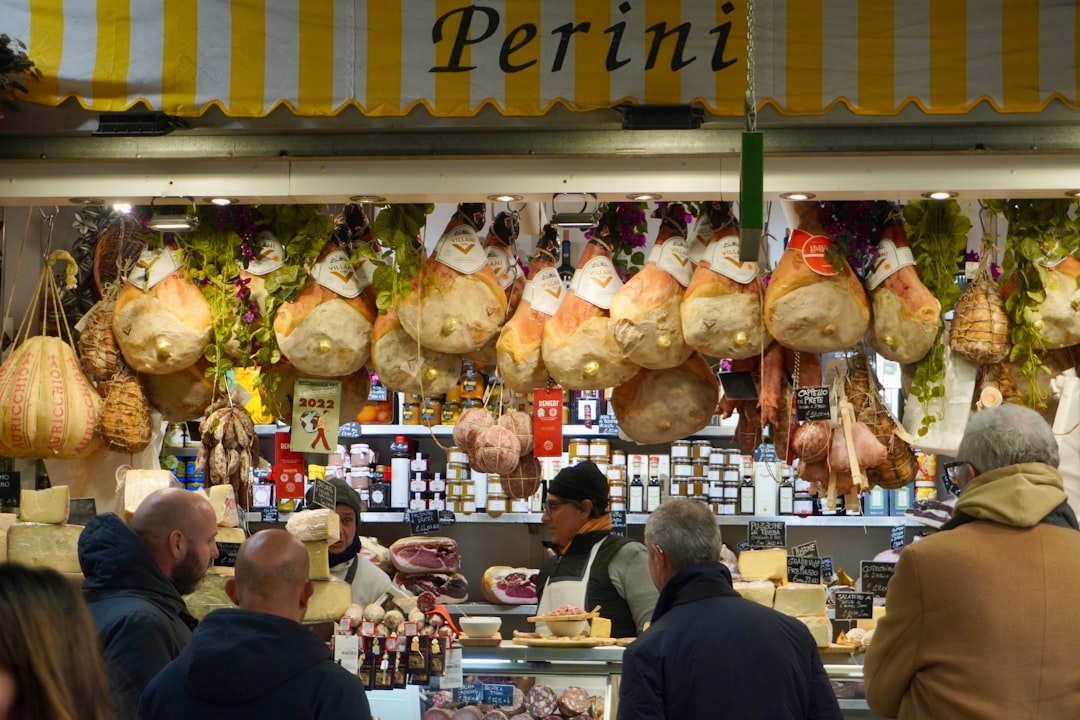
Tuscan cuisine is defined by its rustic simplicity and reliance on high-quality local ingredients. Bistecca alla Fiorentina is a massive T-bone steak grilled over wood fire and seasoned only with salt and olive oil. Ribollita is a hearty bread and vegetable soup that exemplifies the peasant cooking tradition. The central market offers two floors of fresh produce and cooked food stalls. Gelato shops tempt passersby with artisanal flavors made fresh daily.
Brussels
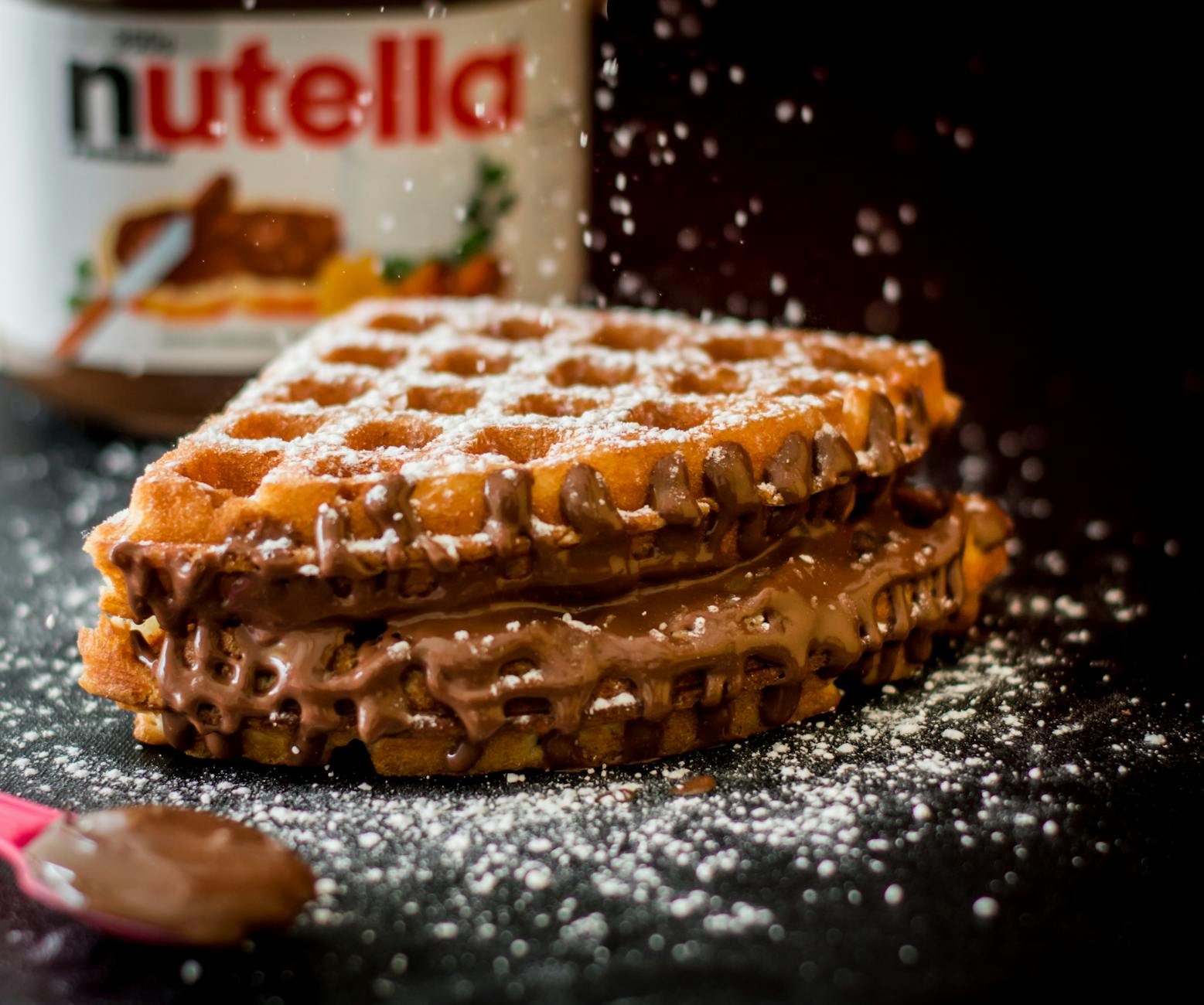
Belgium’s capital is famous for steaming pots of mussels served with crispy golden fries. Waffle stands entice pedestrians with sweet aromas of caramelized sugar and chocolate toppings. The city boasts a high density of chocolate shops crafting delicate pralines. Beer culture is central here with dedicated bars serving hundreds of varieties in specialized glassware. It offers a comforting and indulgent food scene perfect for damp northern days.
Palermo
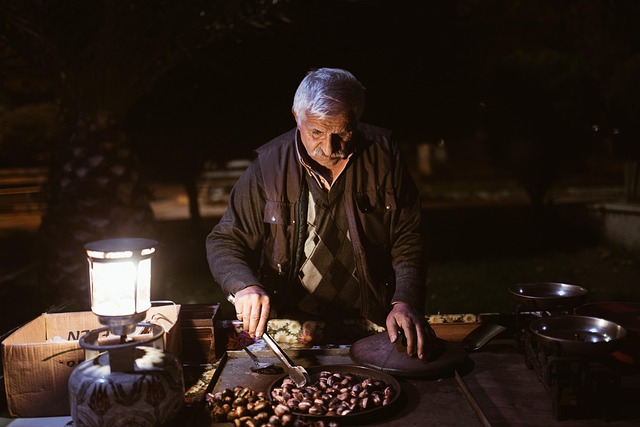
The street food in this Sicilian capital is legendary for its bold flavors and variety. Markets like Ballarò and Vucciria are loud and chaotic places to try fried chickpea fritters and spleen sandwiches. The cuisine reflects Arab and Norman influences with ingredients like saffron and raisins and pine nuts. Cannoli filled with sweet ricotta are the quintessential dessert found in every pastry shop. It is a raw and intense culinary experience that engages all the senses.
Munich
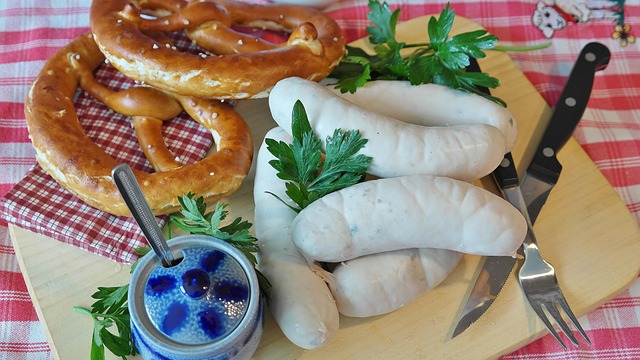
Bavarian cuisine is hearty and designed to accompany the liters of beer served in massive halls. White sausages made from veal and parsley are a traditional mid-morning snack served with sweet mustard. Soft pretzels are ubiquitous and come in sizes ranging from small snacks to sharable giants. The victuals market in the city center offers gourmet foods and a beer garden under chestnut trees. It celebrates a convivial eating culture where strangers become friends at communal tables.
Porto
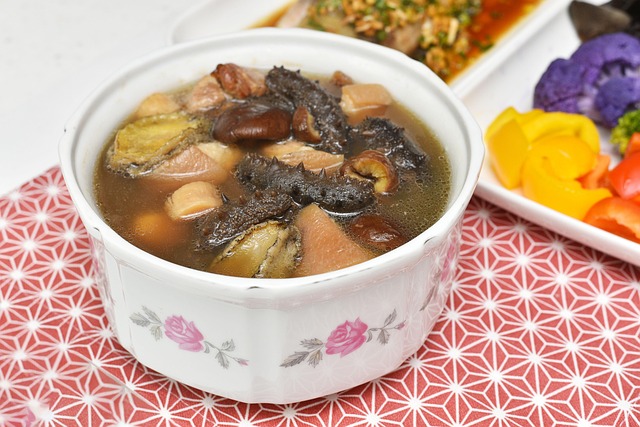
This northern Portuguese city gives its name to the fortified wine that ages in cellars across the river. The signature sandwich is the Francesinha which is layered with meats and covered in melted cheese and beer sauce. Fresh seafood from the Atlantic is grilled simply over charcoal to preserve its natural flavor. Tripe stew is a historic dish that earned the locals their nickname of tripe eaters. The steep streets are lined with petiscos bars serving small plates meant for sharing.
Venice
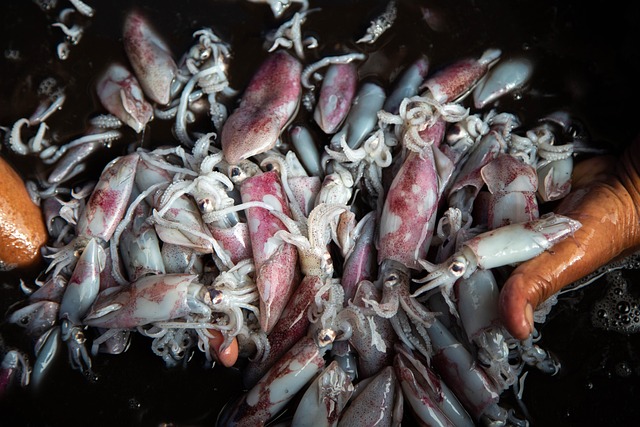
Venetian cuisine is distinct from the rest of Italy with a heavy focus on lagoon seafood. Cichèti are small snacks similar to tapas that are enjoyed with a small glass of wine called an ombra. Risotto made with squid ink is a local specialty that turns the rice a dramatic black color. Sarde in saor features fried sardines marinated in vinegar and onions and raisins. The Rialto Market has supplied the city with fresh fish and vegetables for centuries.
Seville
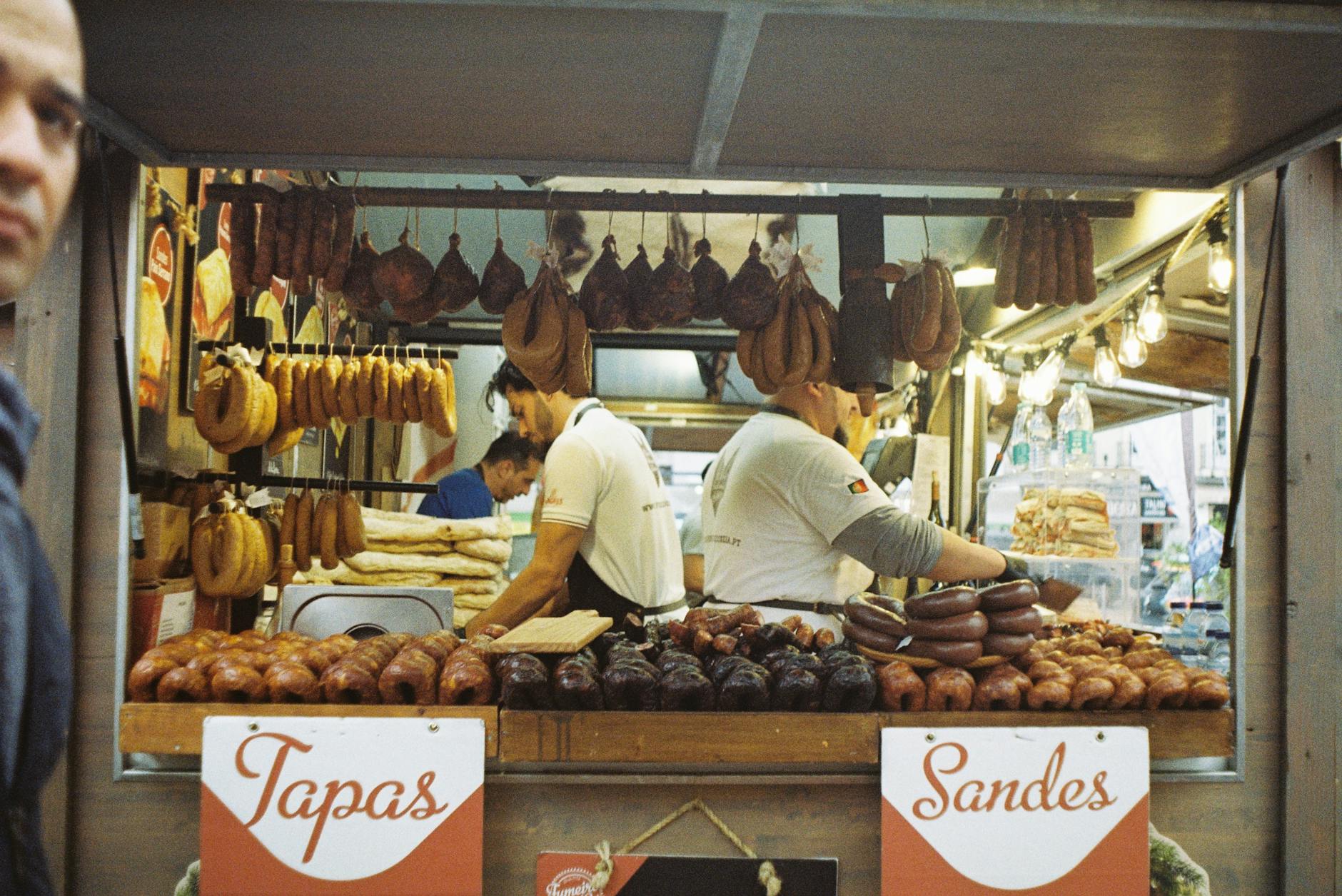
The capital of Andalusia is the birthplace of tapas culture where socializing is as important as eating. Gazpacho and salmorejo are cold tomato soups that provide refreshment during hot summers. Fried fish is a staple here and is often served in paper cones for easy eating. Orange trees line the streets and their fruit is used to make marmalade and flavor various dishes. The atmosphere is vibrant and filled with the sounds of conversation and clinking glasses.
Budapest
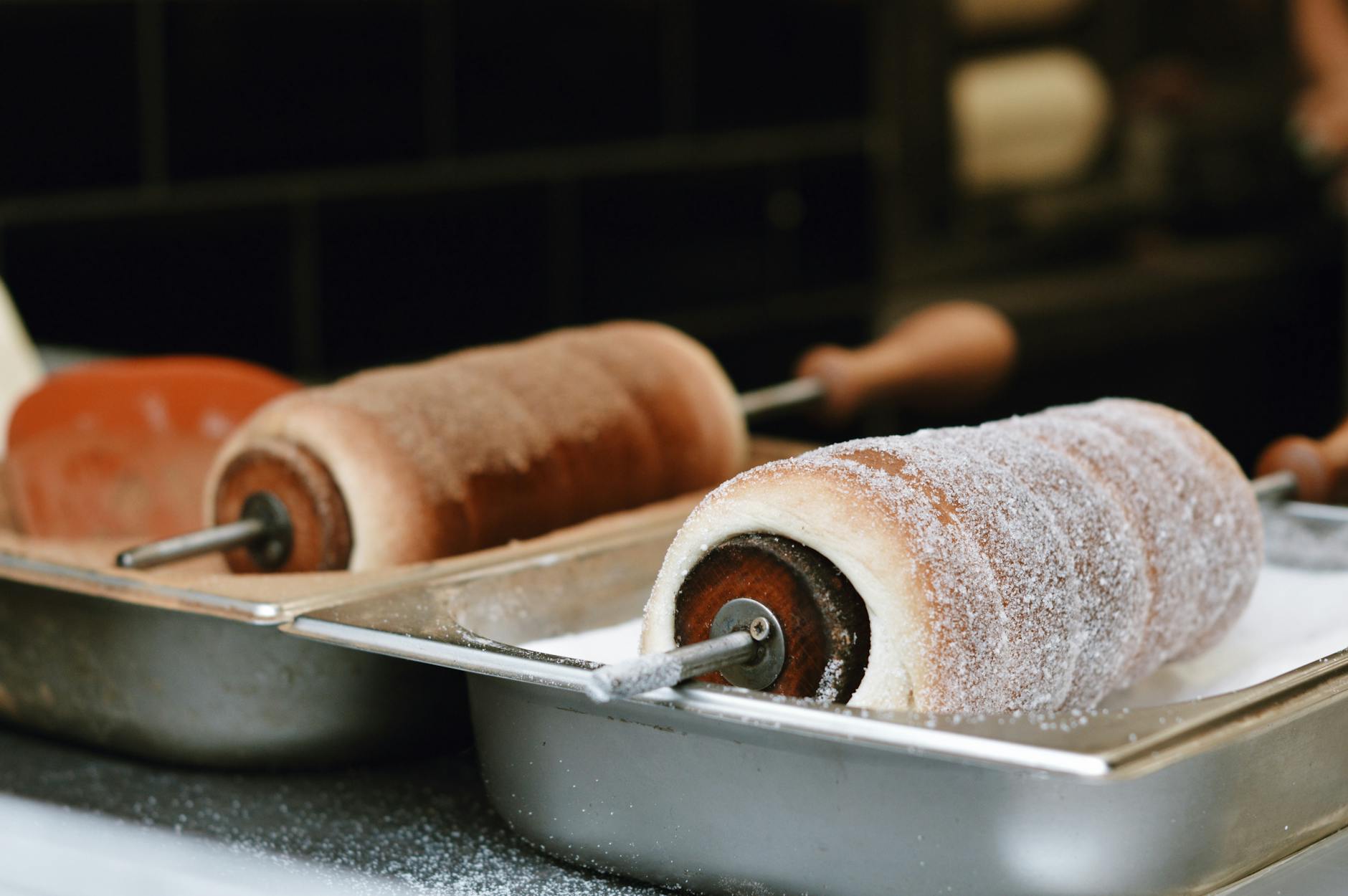
Hungarian cuisine is known for its generous use of paprika and hearty meat dishes. Goulash is the most famous export and sits somewhere between a soup and a stew. Chimney cakes are sweet pastries roasted over charcoal and coated in sugar and walnuts. The grand central market hall is a cathedral of food selling strings of peppers and goose liver pâté. Elegant cafes serve Dobos torte which is a layered sponge cake topped with hard caramel.
Prague
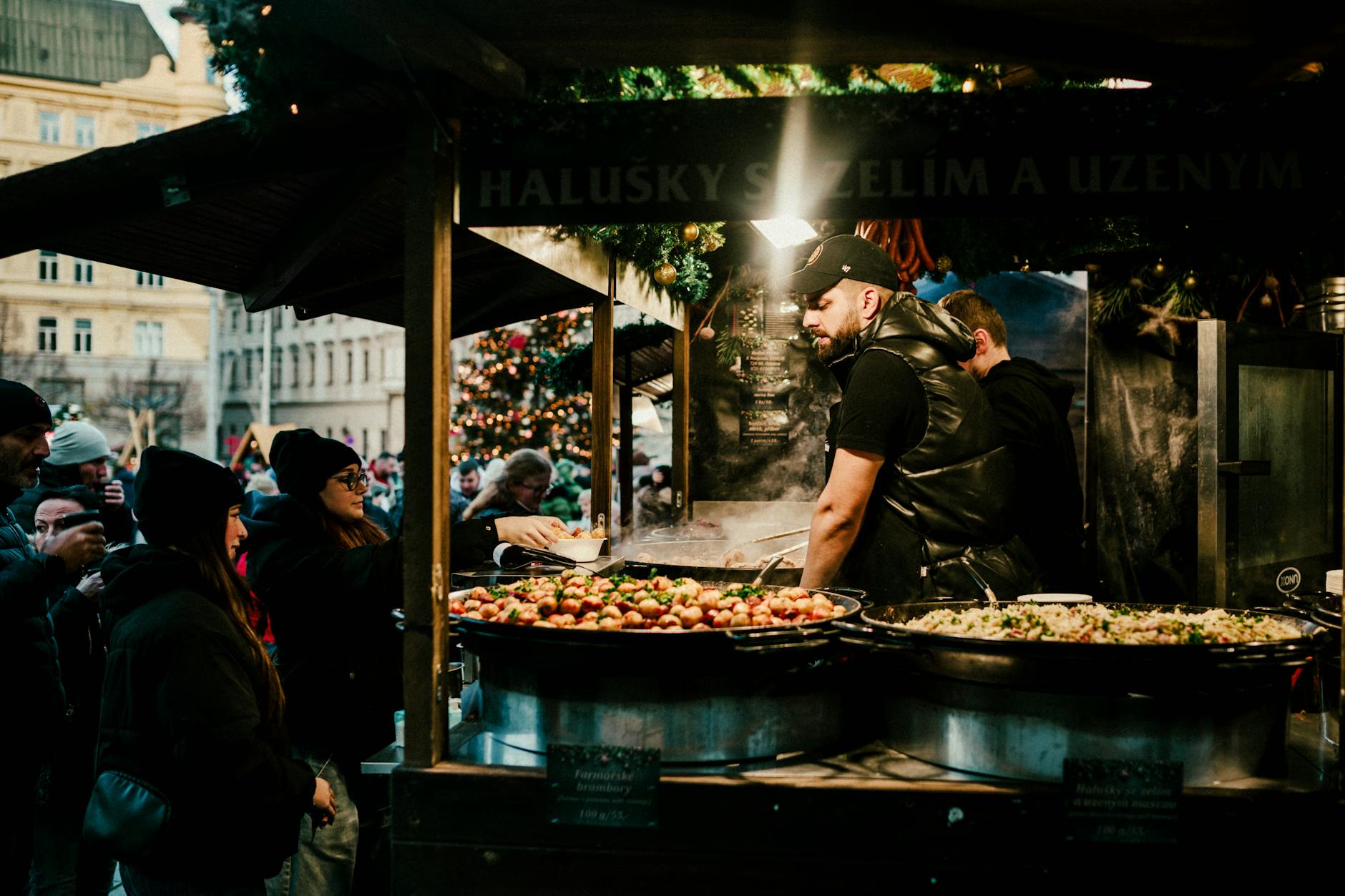
Czech food is comforting and substantial with a focus on pork and dumplings and cabbage. Roasted pork knee is a massive dish often shared by groups and accompanied by pilsner beer. Open-faced sandwiches called chlebíčky are popular for quick lunches or snacks. Street vendors in the Old Town Square sell spit-roasted ham and trdelník pastries. The pub culture is deeply ingrained with beer being cheaper than water in some establishments.
Stockholm
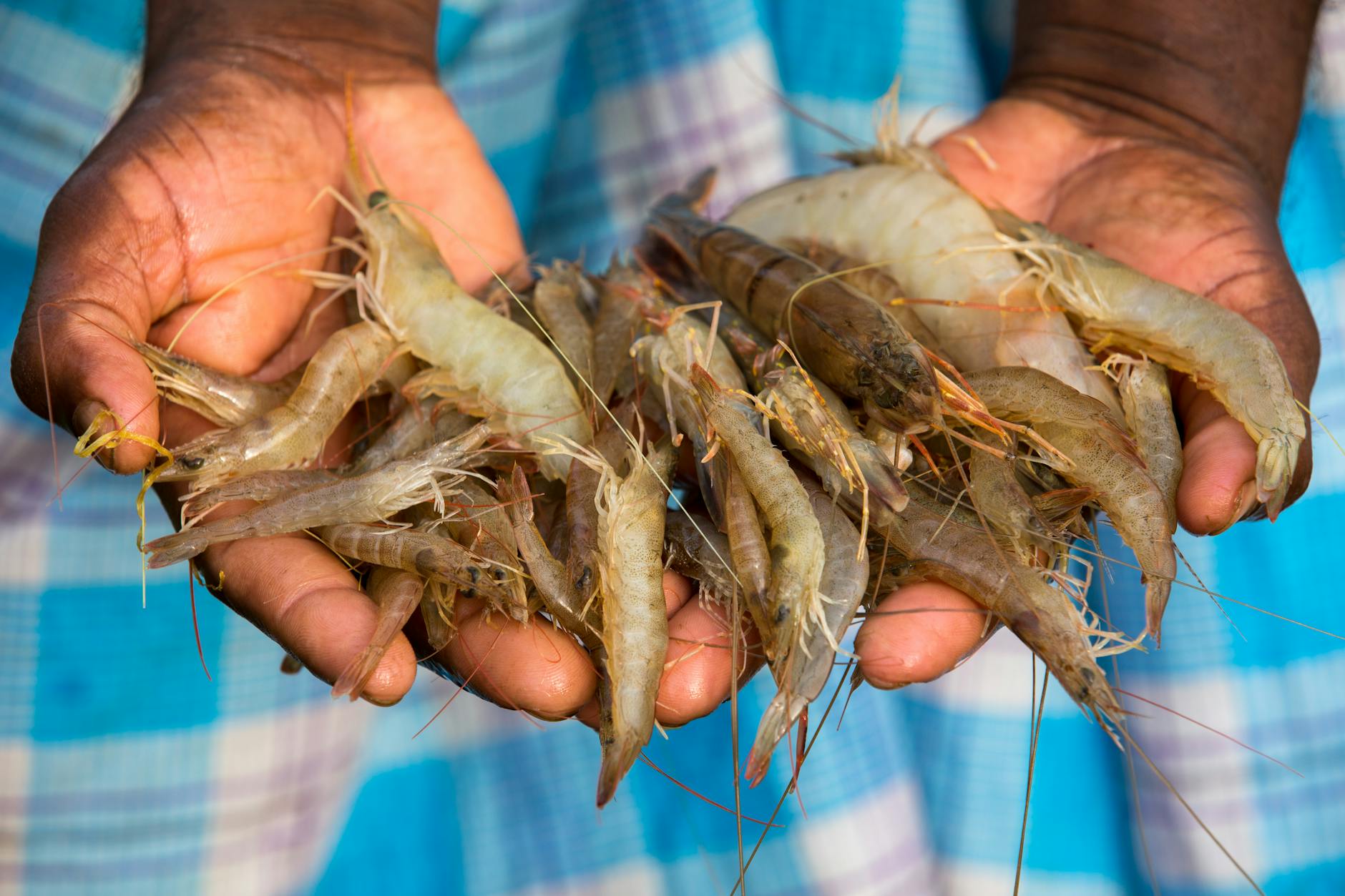
Swedish cuisine mixes traditional preservation methods with fresh seasonal ingredients. Meatballs served with lingonberry jam and cream sauce are a national icon. Toast Skagen is a classic starter featuring prawns in mayonnaise and dill on sautéed bread. The concept of fika involves taking a break for coffee and a cinnamon bun. The city has a strong focus on sustainable fishing and organic farming.
Amsterdam

The Dutch capital offers a mix of colonial influences and traditional snacks. Stroopwafels are thin waffle cookies filled with caramel syrup that are best eaten warm. Raw herring served with onions and pickles is a delicacy often consumed standing at fish stalls. Indonesian rijsttafel is a popular feast featuring many small dishes of spiced meats and vegetables. Cozy brown cafes serve bitterballen which are fried gravy balls perfect with beer.
Nice
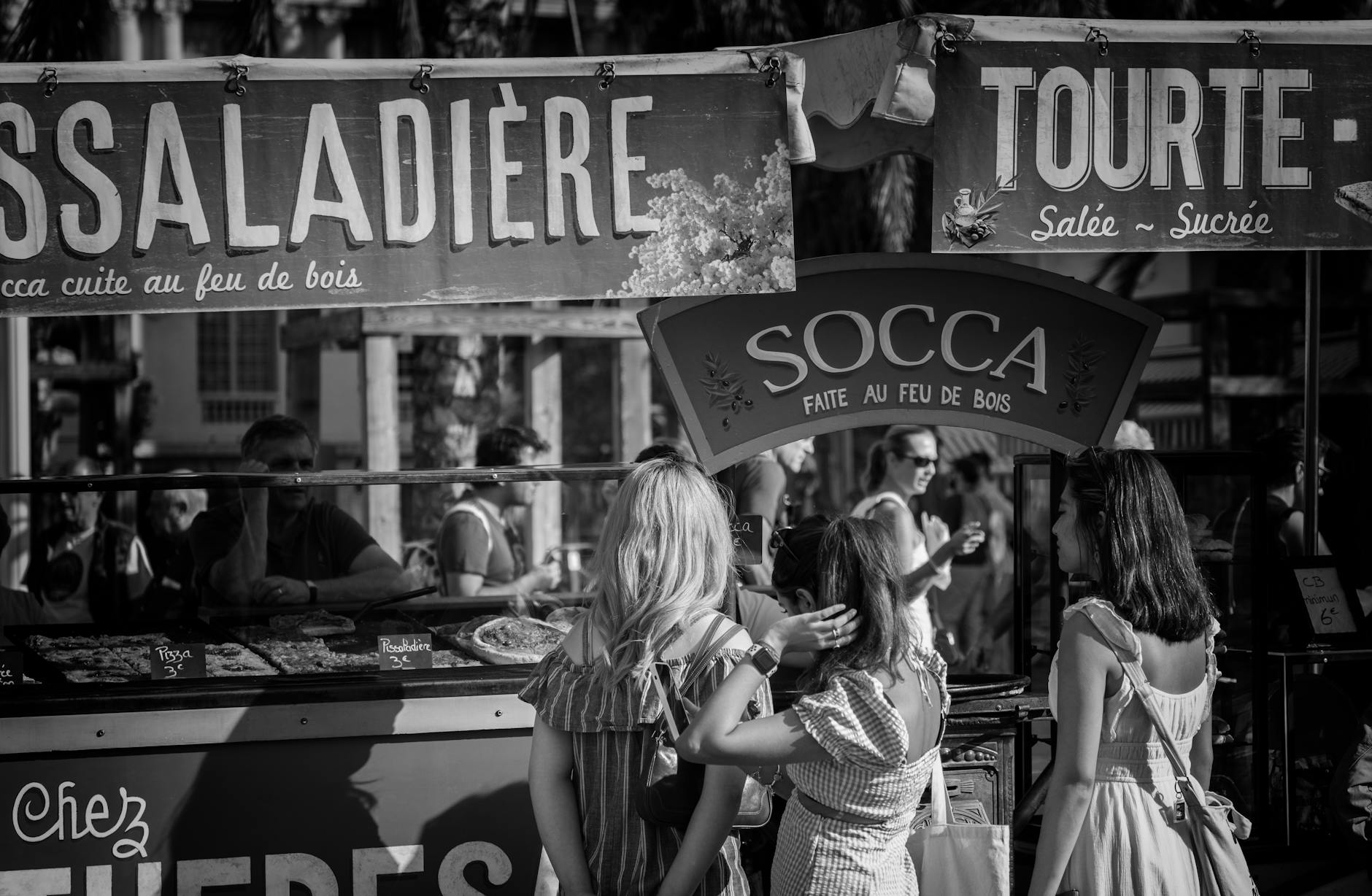
Niçoise cuisine is distinct from typical French food and draws heavy influence from nearby Italy. Salade Niçoise showcases the fresh produce of the region with tuna and hard-boiled eggs and olives. Socca is a chickpea pancake cooked in wood-fired ovens and heavily seasoned with black pepper. The Cours Saleya market is the heart of the city with stands selling flowers and local delicacies. It captures the sun-soaked flavors of the Mediterranean coast.
Valencia
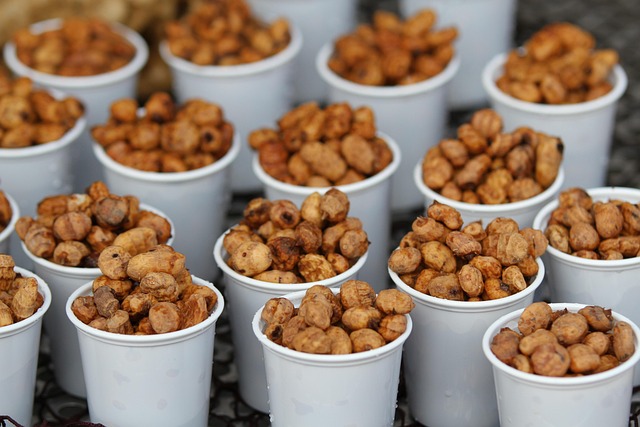
This eastern Spanish city is the undisputed home of paella. The traditional version features rabbit and chicken and snails rather than seafood. Horchata is a refreshing drink made from tiger nuts that is often dipped with farton pastries. The central market is a modernist masterpiece filled with mountains of fresh oranges and vegetables. Rice dishes here are taken very seriously and cooked in wide shallow pans to achieve a crispy bottom layer.
Milan
The fashion capital also boasts a sophisticated food scene with its own distinct traditions. Risotto alla Milanese is rich with saffron and bone marrow and has a vibrant yellow color. Ossobuco is a tender braised veal shank that is often served alongside the risotto. The ritual of aperitivo is widely practiced here with elaborate buffets accompanying evening drinks. Panettone is a sweet bread with candied fruit that originated here and is enjoyed during Christmas.
Edinburgh

The Scottish capital highlights the excellent natural larder of the surrounding landscapes. Haggis is the national dish of sheep pluck mixed with oatmeal and spices. Fresh salmon and shellfish from the cold waters are of exceptional quality. Whisky tourism is a major draw with many bars offering hundreds of single malt varieties. The city has seen a surge in modern restaurants that reinterpret traditional Scottish recipes.
Dublin
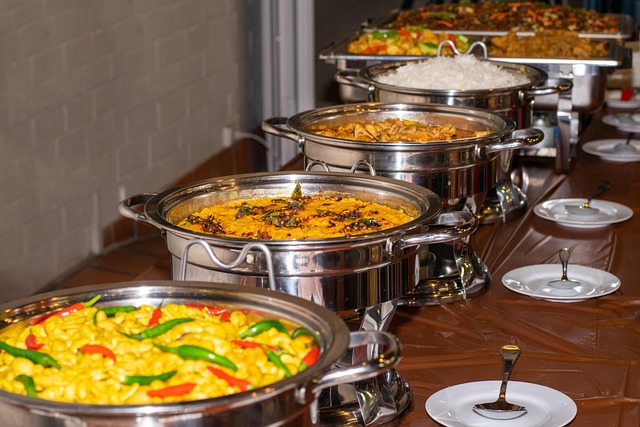
The Irish food scene has transformed in recent years to focus on high-quality local provenance. Soda bread and golden butter are simple pleasures found on every table. The pub remains the center of social life with Guinness stew and oysters being popular choices. Boxty is a traditional potato pancake that has found its way onto modern brunch menus. A new generation of chefs is showcasing the excellence of Irish beef and dairy.
Krakow
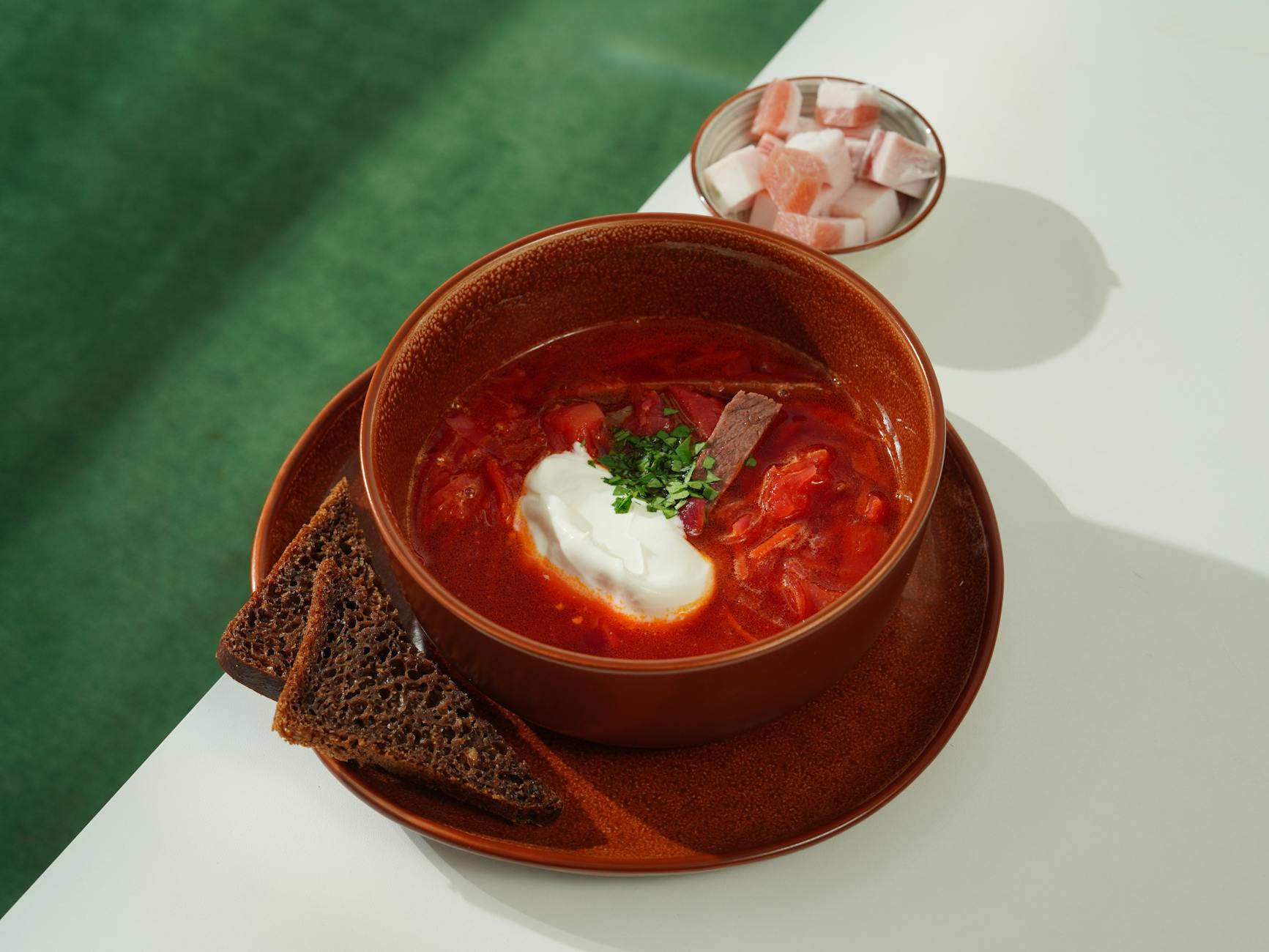
Polish cuisine here is hearty and deeply rooted in Slavic traditions. Pierogi are dumplings filled with everything from cheese and potatoes to meat and fruit. Obwarzanek is a braided ring-shaped bread sold from blue carts on nearly every street corner. Milk bars offer affordable home-style meals in a cafeteria setting that harkens back to the communist era. Sour rye soup served in a bread bowl is a warming dish popular in the cooler months.
Zurich
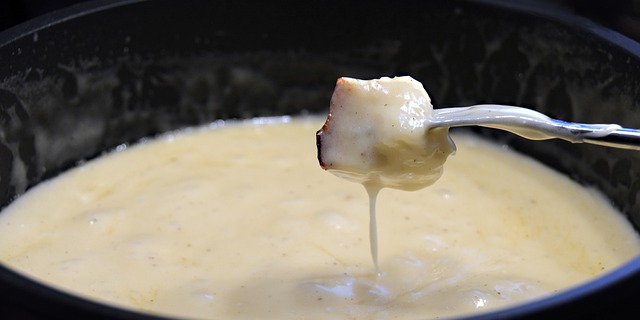
Swiss cuisine in this financial hub is rich and satisfying. Cheese fondue is a communal meal where bread is dipped into a pot of melted cheese and wine. Zürcher Geschnetzeltes features sliced veal in a creamy mushroom sauce served with rösti potatoes. Chocolate shops are ubiquitous and display truffles and bars like precious jewels. The quality of dairy products here is exceptional and forms the base of many dishes.
Oslo
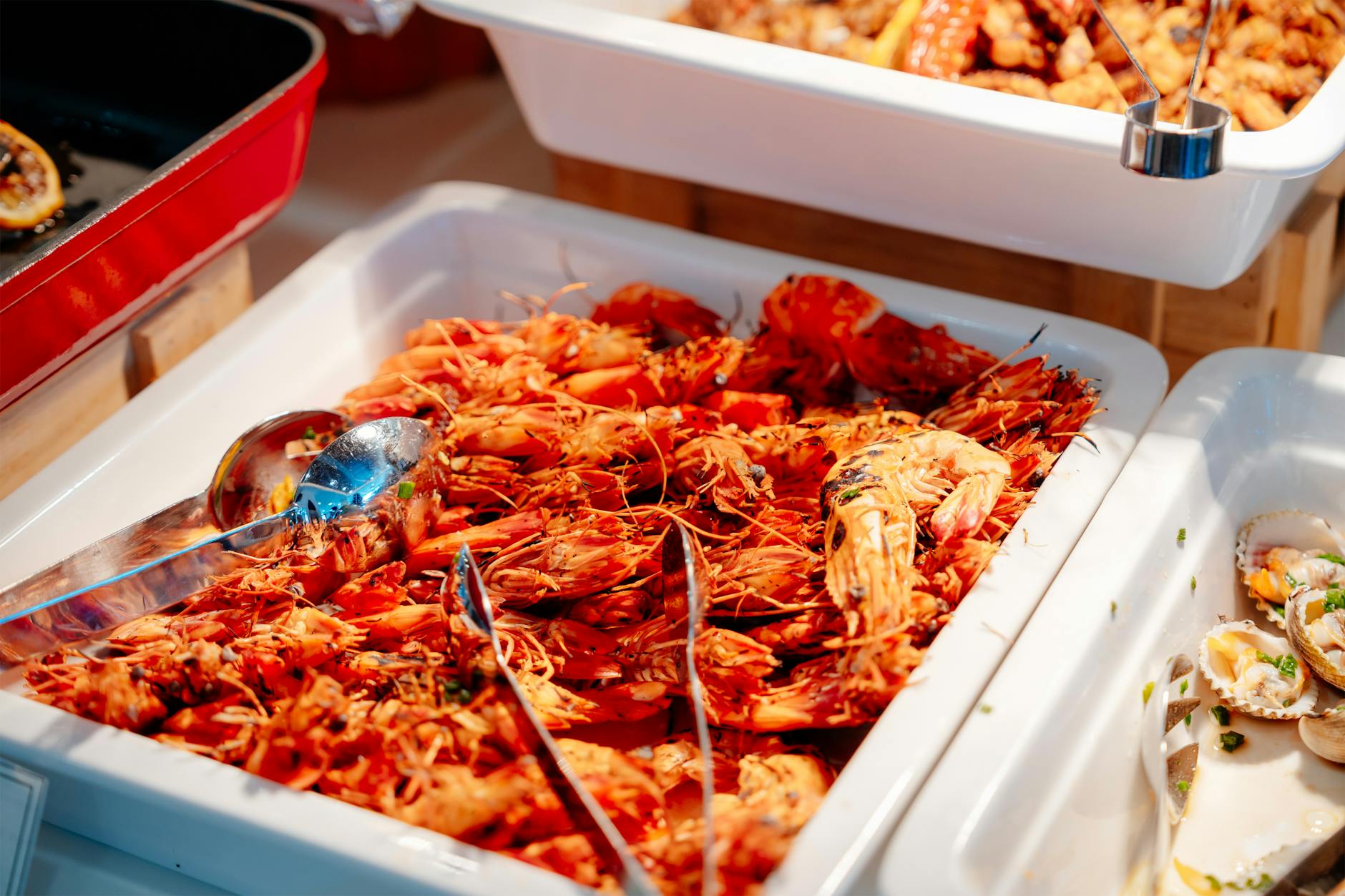
The Norwegian capital focuses on seafood and game meats prepared with modern techniques. Smoked salmon and cured fish are staples of the breakfast table. Reindeer and moose meat appear on menus during the hunting season. The new opera house area has attracted sleek restaurants that overlook the fjord. Coffee culture is strong with light roasts favored to highlight the bean’s natural flavors.
Helsinki
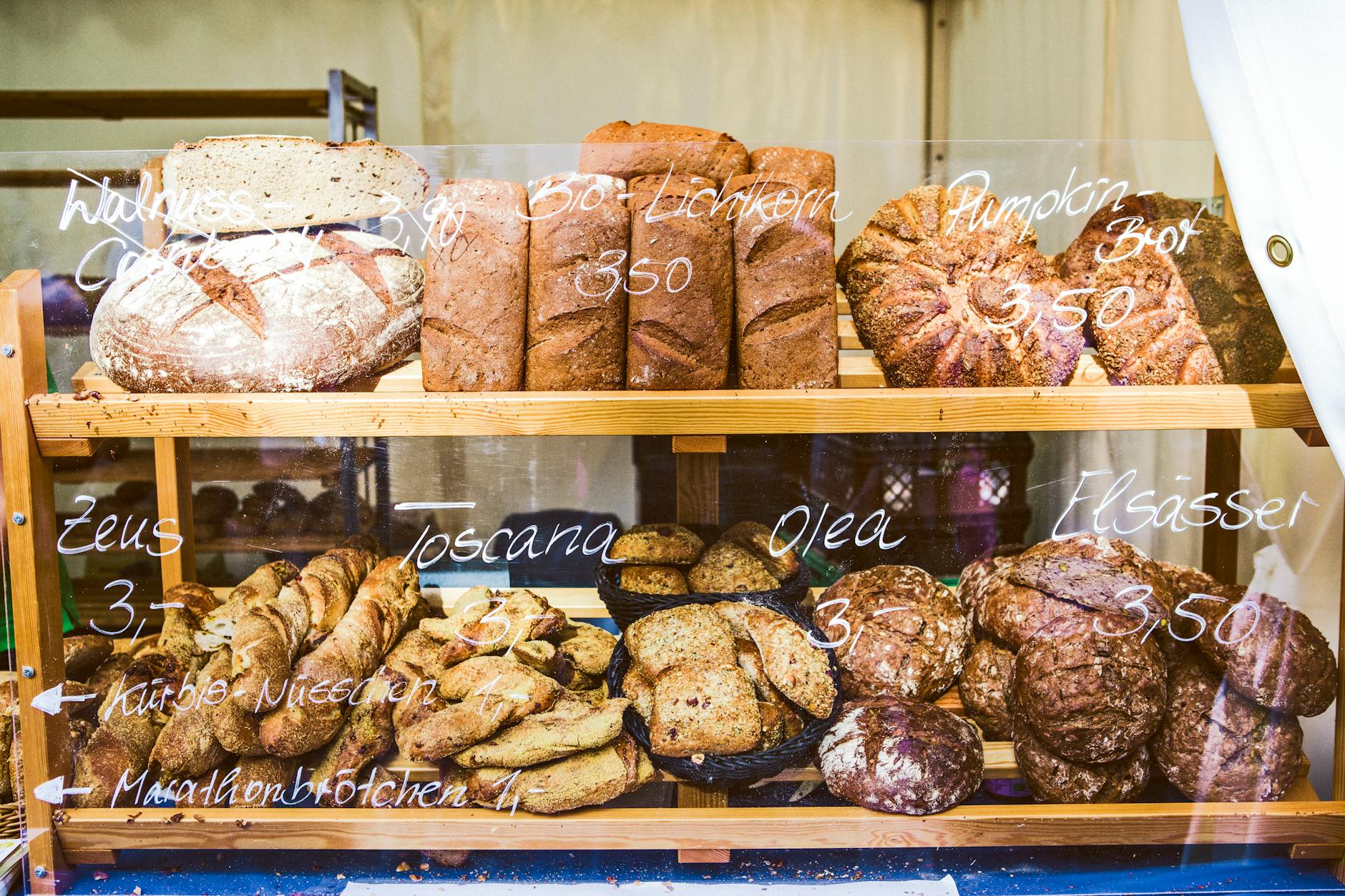
Finnish food is clean and simple and relies heavily on the forests and lakes. Rye bread is a dietary staple and comes in many forms from crisp crackers to dense loaves. Karelia pies are oval pastries filled with rice porridge and topped with egg butter. Berries like cloudberries and lingonberries are used in both savory and sweet dishes. Market Square is a popular spot to eat fried vendace fish and salmon soup.
Reykjavik
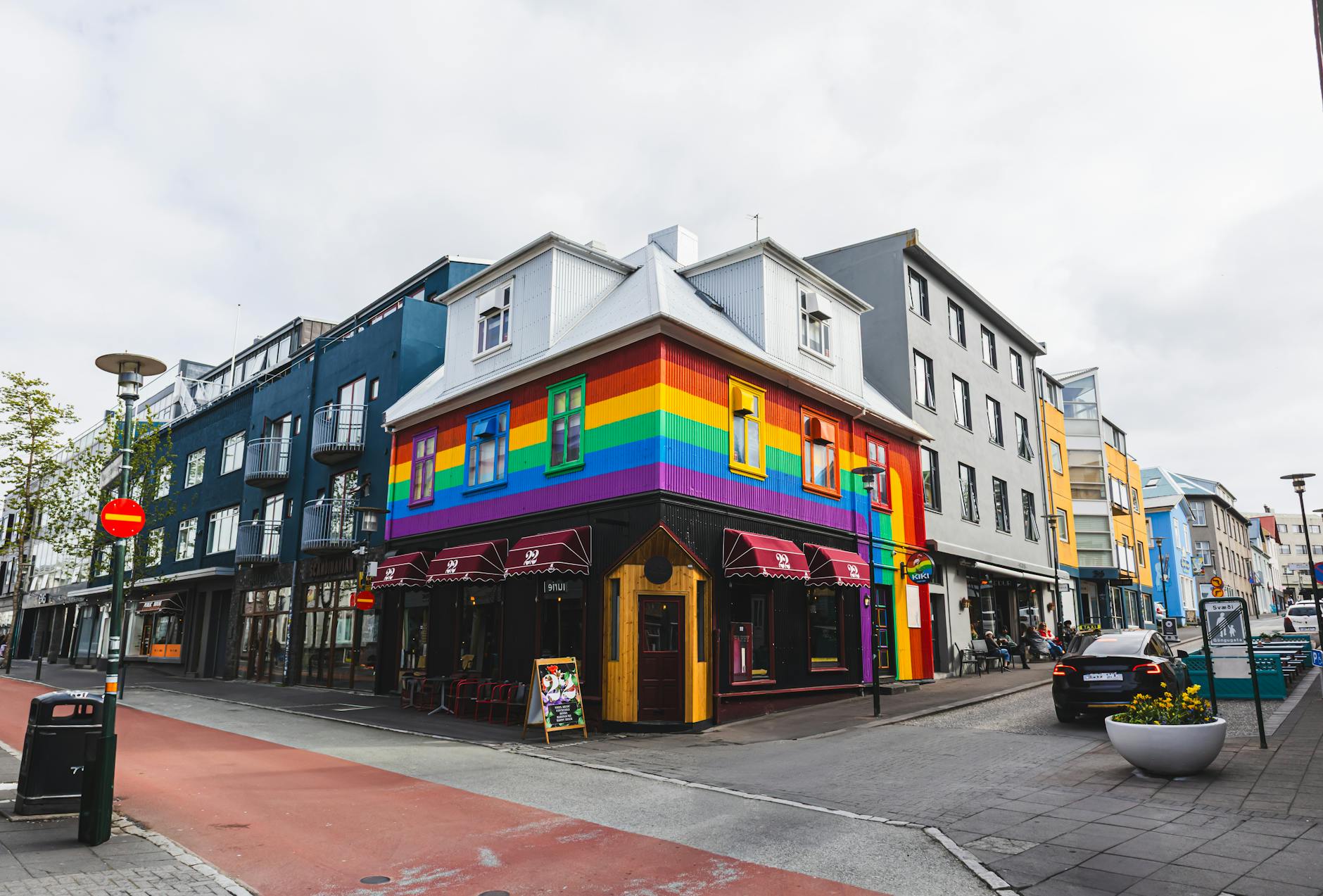
Icelandic cuisine is unique and shaped by the harsh environment and isolation. Fermented shark and dried fish are traditional foods that challenge the uninitiated palate. Lamb travels freely in the mountains and has a distinct flavor that is highly prized. Skyr is a thick yogurt-like dairy product that has become a major export. Hot dog stands are surprisingly popular and serve distinctively dressed sausages.
Warsaw
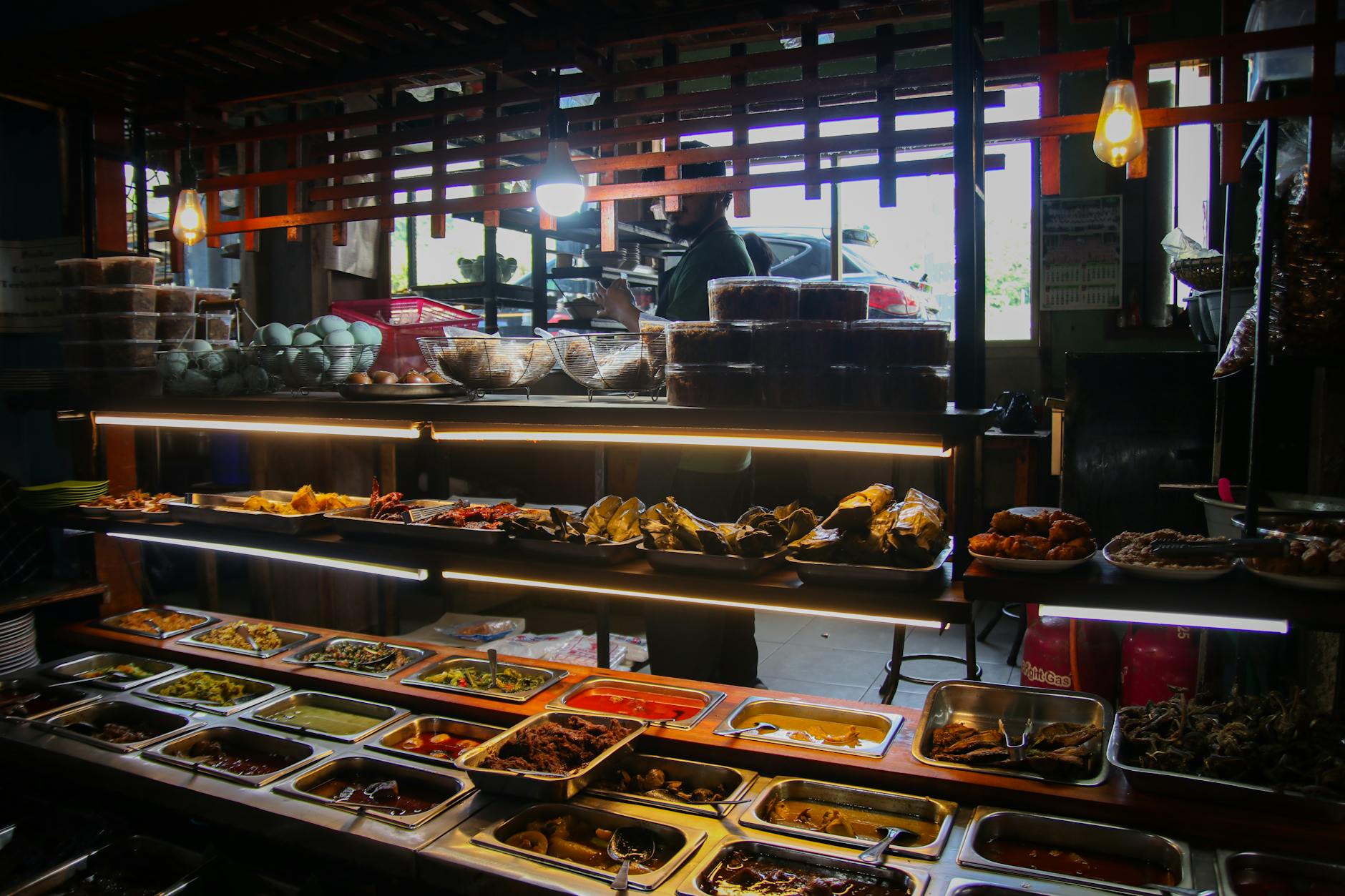
The Polish capital offers a mix of traditional flavors and modern culinary trends. Tartare made from raw beef is a popular appetizer served with pickles and onions. Duck with apples is a classic dish that showcases the local love for poultry and fruit pairings. In the summer the breakfast markets take over parks with vendors selling fresh food outdoors. The city has a rapidly growing vegan scene that rivals other major European capitals.
Tallinn
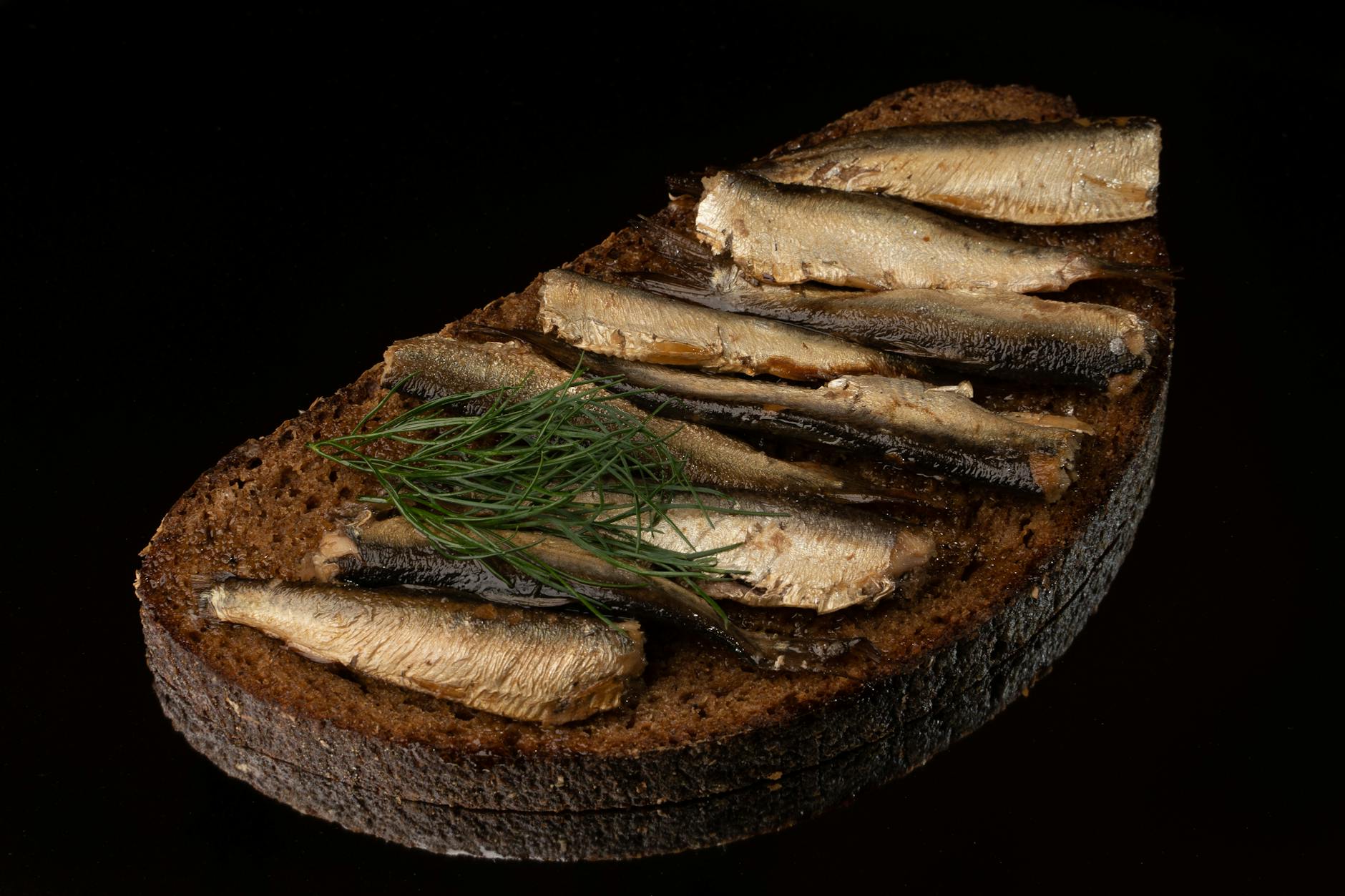
Estonian cuisine mixes Nordic and German and Russian influences. Black bread is served with every meal and is a source of national pride. Marinated eel and sprats are common appetizers found on cold tables. The medieval Old Town features restaurants that recreate historical feasts with game meats and honey beer. Kama is a unique flour mixture used to make desserts and drinks.
Riga
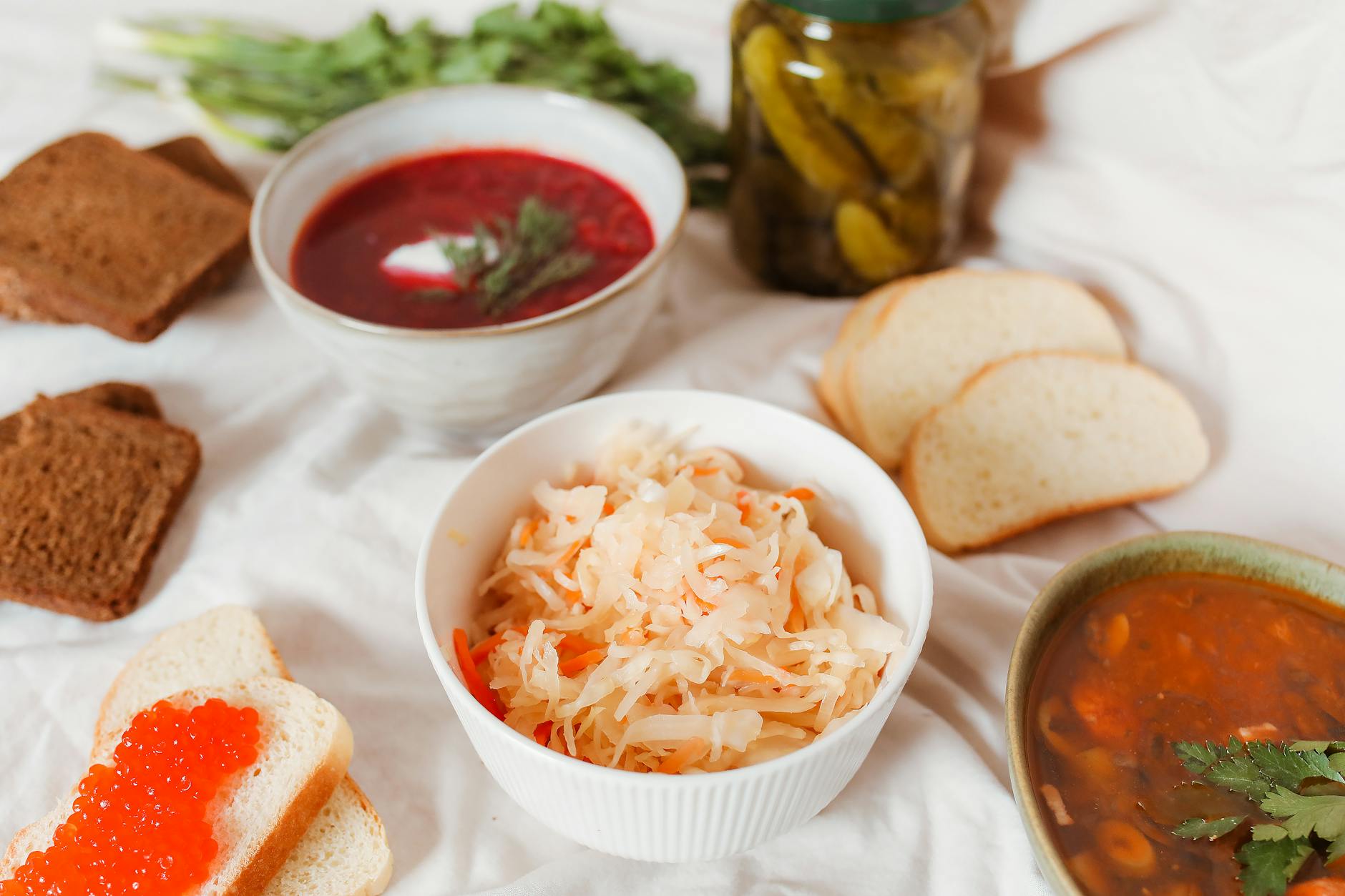
The Latvian capital is known for its massive central market housed in former zeppelin hangars. Smoked fish and pickled vegetables are abundant and form the basis of many meals. Grey peas with bacon is a national dish that is filling and savory. Rye bread pudding is a traditional dessert layered with whipped cream and berry sauce. The dining scene is increasingly focusing on contemporary versions of forest and farm classics.
Vilnius
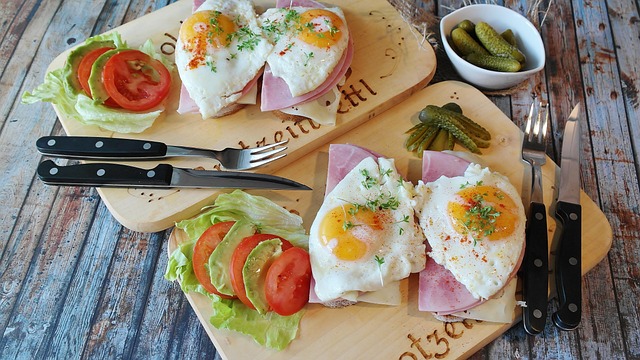
Lithuanian food is potato-centric with dishes like cepelinai dumplings dominating the menus. These large potato dumplings are stuffed with meat or cheese and drenched in sour cream and bacon bits. Cold beet soup is a vibrant pink summer dish served with boiled potatoes and egg. Fried bread rubbed with garlic is the ultimate snack to accompany local beer. The focus is on comfort food that sustains people through the cold climate.
Ljubljana
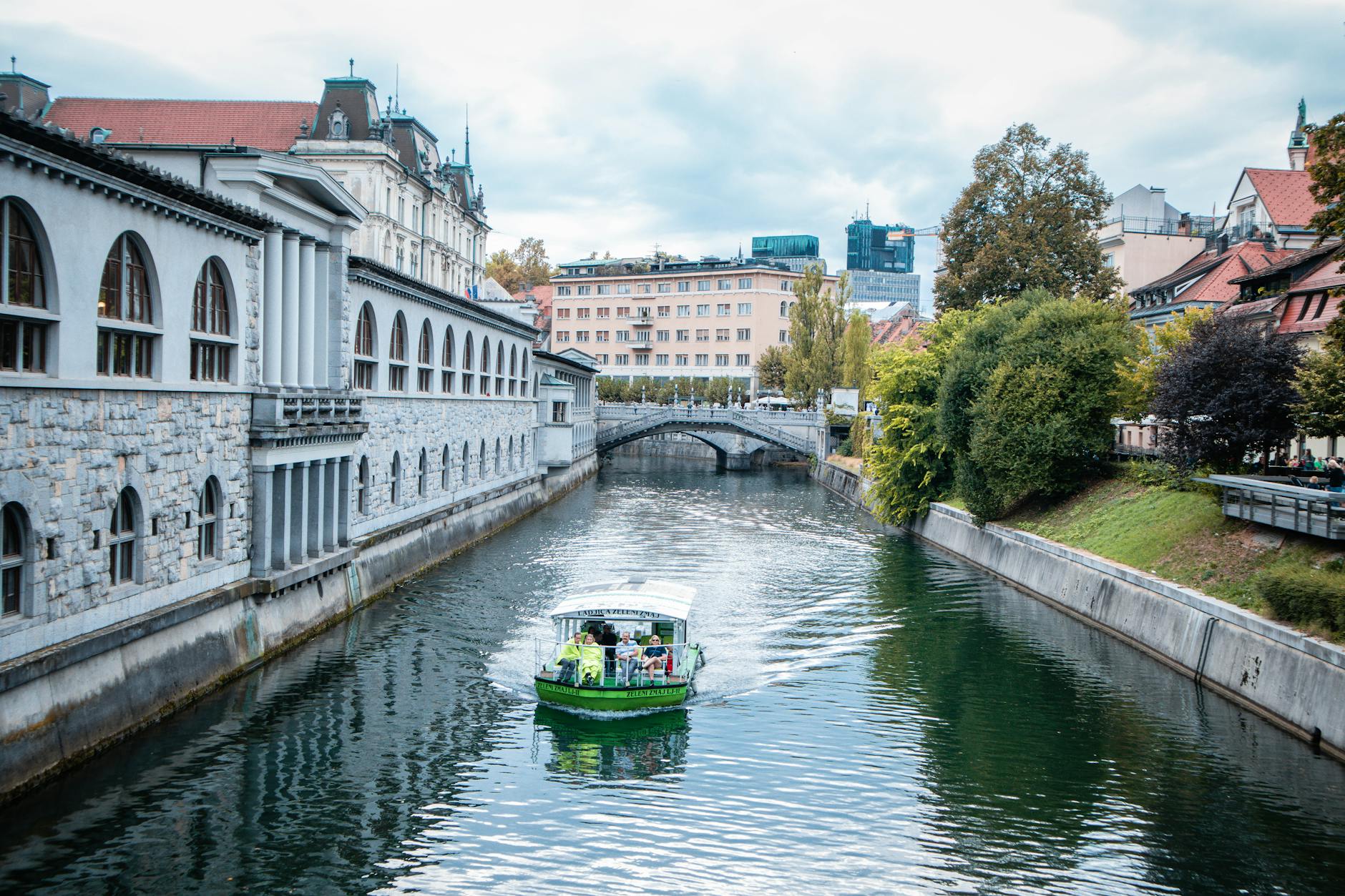
Slovenia’s capital draws culinary inspiration from its Italian and Austrian and Balkan neighbors. Carniolan sausage is a protected product that is often served with mustard and horseradish. Potica is a rolled pastry with various fillings like walnut or poppy seed that is essential for celebrations. The central market was designed by a famous architect and serves as a gathering place for food lovers. Local honey and pumpkin seed oil are unique products that feature heavily in the diet.
Split
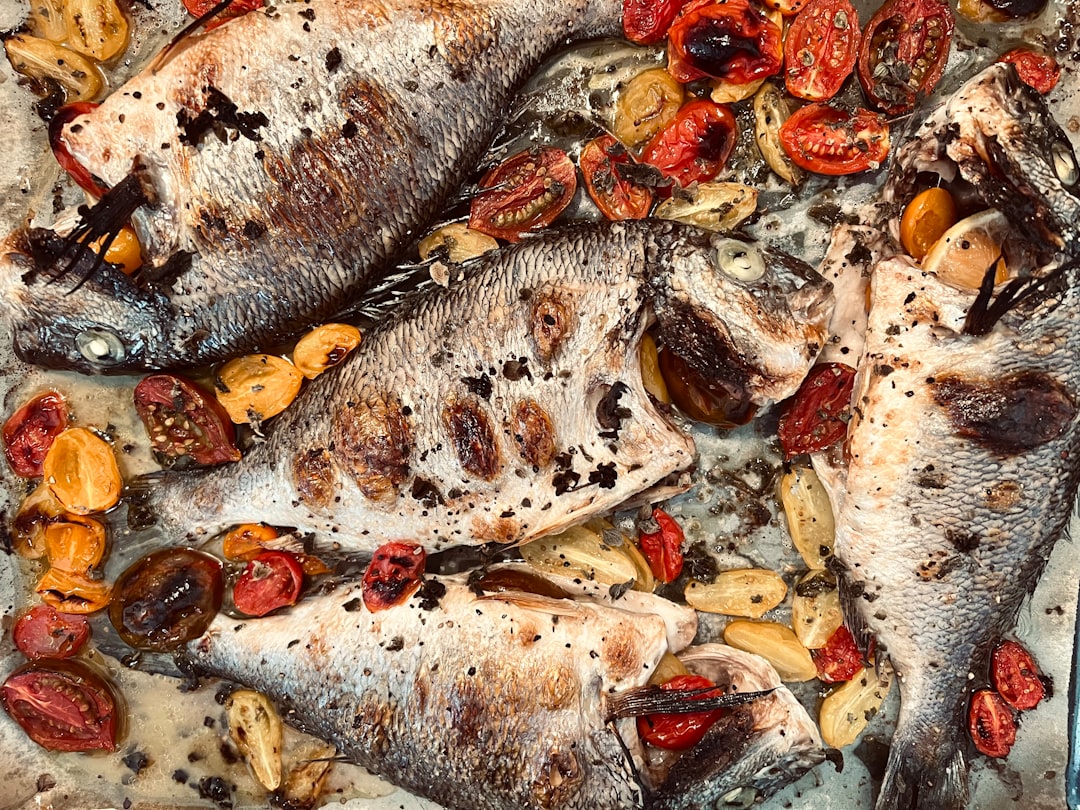
Dalmatian cuisine on the Croatian coast is simple and focused on fresh ingredients. Grilled fish is dressed only with olive oil and parsley and garlic. Pasticada is a slow-cooked beef stew served with gnocchi that is reserved for special occasions. Chard and boiled potatoes are the standard side dish for almost every meal. Konobas are traditional taverns where wine and food are enjoyed in a rustic setting.
Dubrovnik
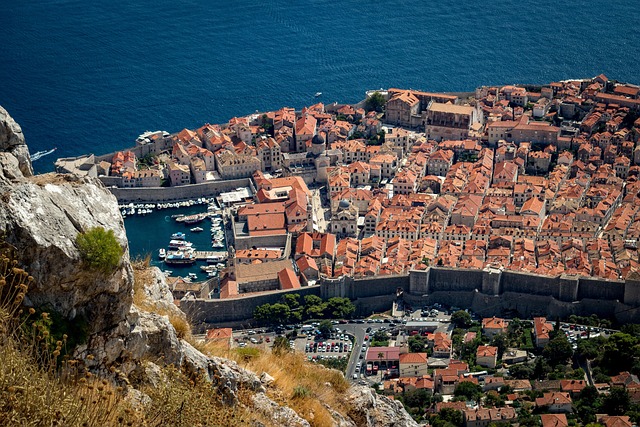
This walled city offers seafood dining with spectacular views of the Adriatic. Oysters from nearby Ston are considered some of the best in the region. Black risotto with cuttlefish is a savory and briny staple of local menus. Rozata is a custard pudding similar to flan that is flavored with rose liqueur. The cuisine reflects the maritime history and trade connections of the former republic.
Valletta
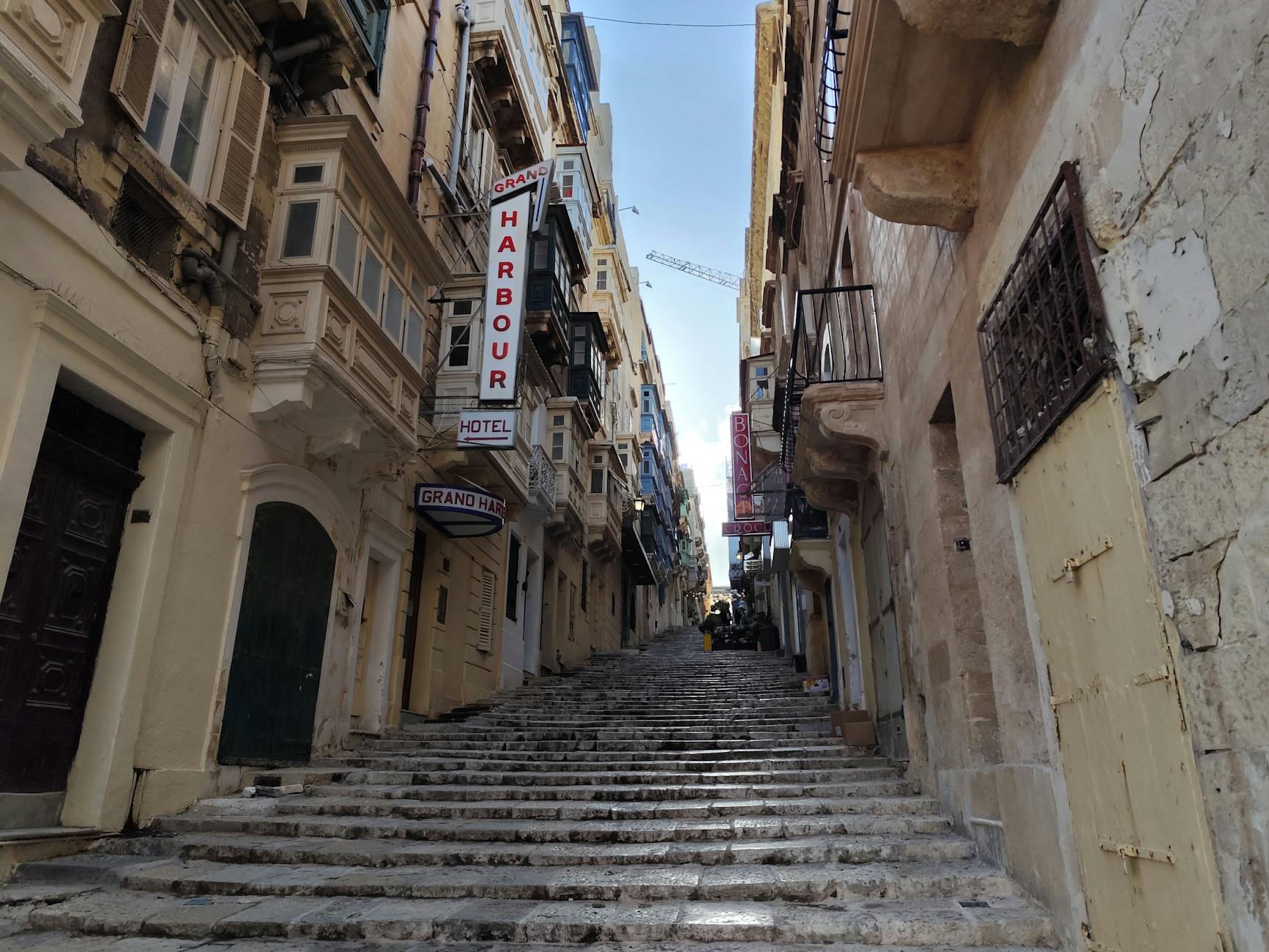
Maltese food is a rustic blend of Italian and North African influences. Rabbit stew is the national dish and is slow-cooked with wine and tomato and garlic. Pastizzi are flaky phyllo pastries filled with ricotta or mushy peas that are eaten at any time of day. Ftira is a ring-shaped bread often filled with tuna and capers and olive oil. The cuisine makes heavy use of seasonal vegetables and fresh catch from the surrounding sea.
Thessaloniki
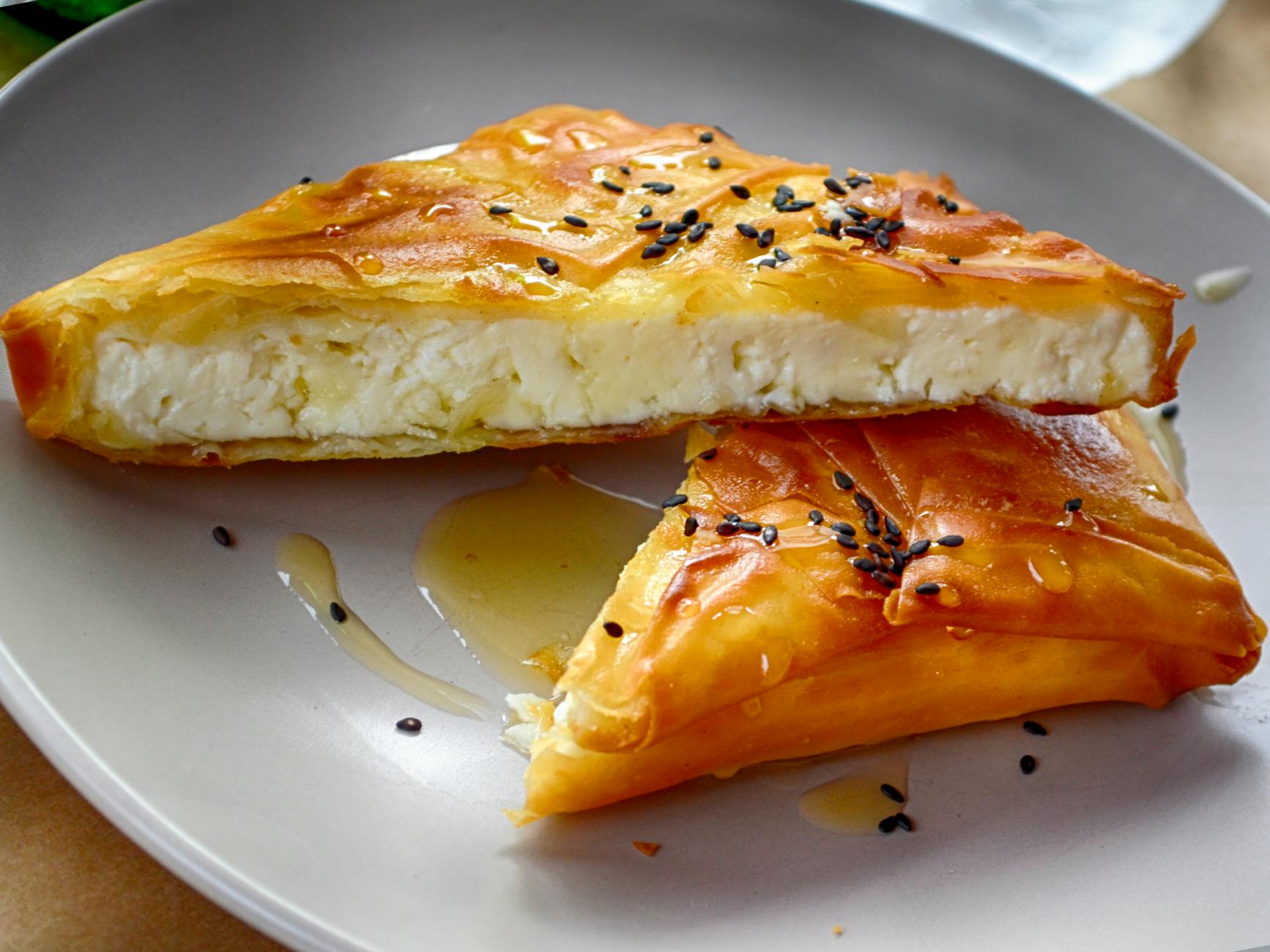
This Greek city is renowned as a gastronomic destination with a distinct culinary identity. The influence of Ottoman and Jewish and Balkan refugees has created a rich food culture. Bougatsa is a phyllo pastry filled with sweet cream or savory cheese that is a popular breakfast. The Ladadika district is packed with tavernas serving meze plates and ouzo. Sweets and pastries are particularly famous here and attract visitors from all over the country.
Turin
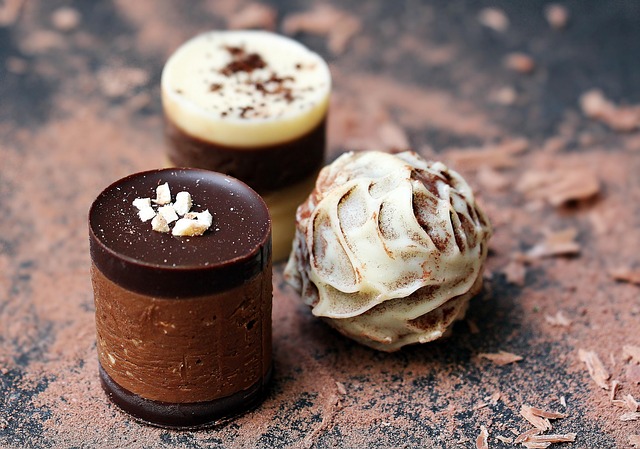
The capital of Piedmont is the home of slow food and truffles. Agnolotti are small pasta parcels filled with roasted meat and vegetables. Vitello tonnato is a dish of sliced veal covered in a creamy tuna sauce. Chocolate and hazelnut spread was invented here and gianduja chocolates are a local specialty. The city has elegant historic cafes that served the royal family of Italy.
Hamburg
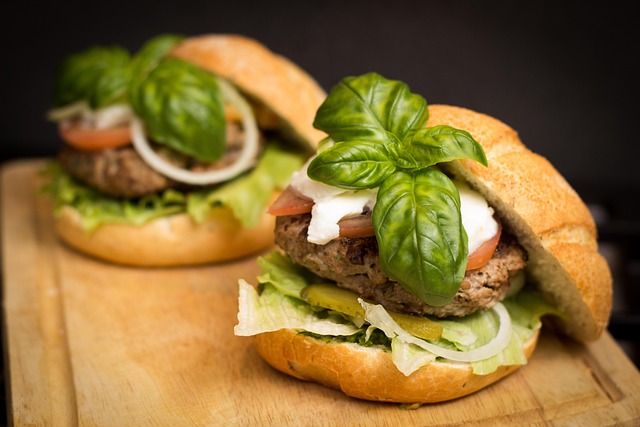
Germany’s gateway to the world has a cuisine shaped by its status as a major port. Labskaus is a sailor’s dish made from corned beef and potatoes and beetroot. Pannfisch features pan-fried fish pieces with mustard sauce and fried potatoes. Franzbrötchen are cinnamon pastries that are unique to the city and perfect for breakfast. The fish market on Sunday mornings is a legendary event mixing commerce and party atmosphere.
Cologne
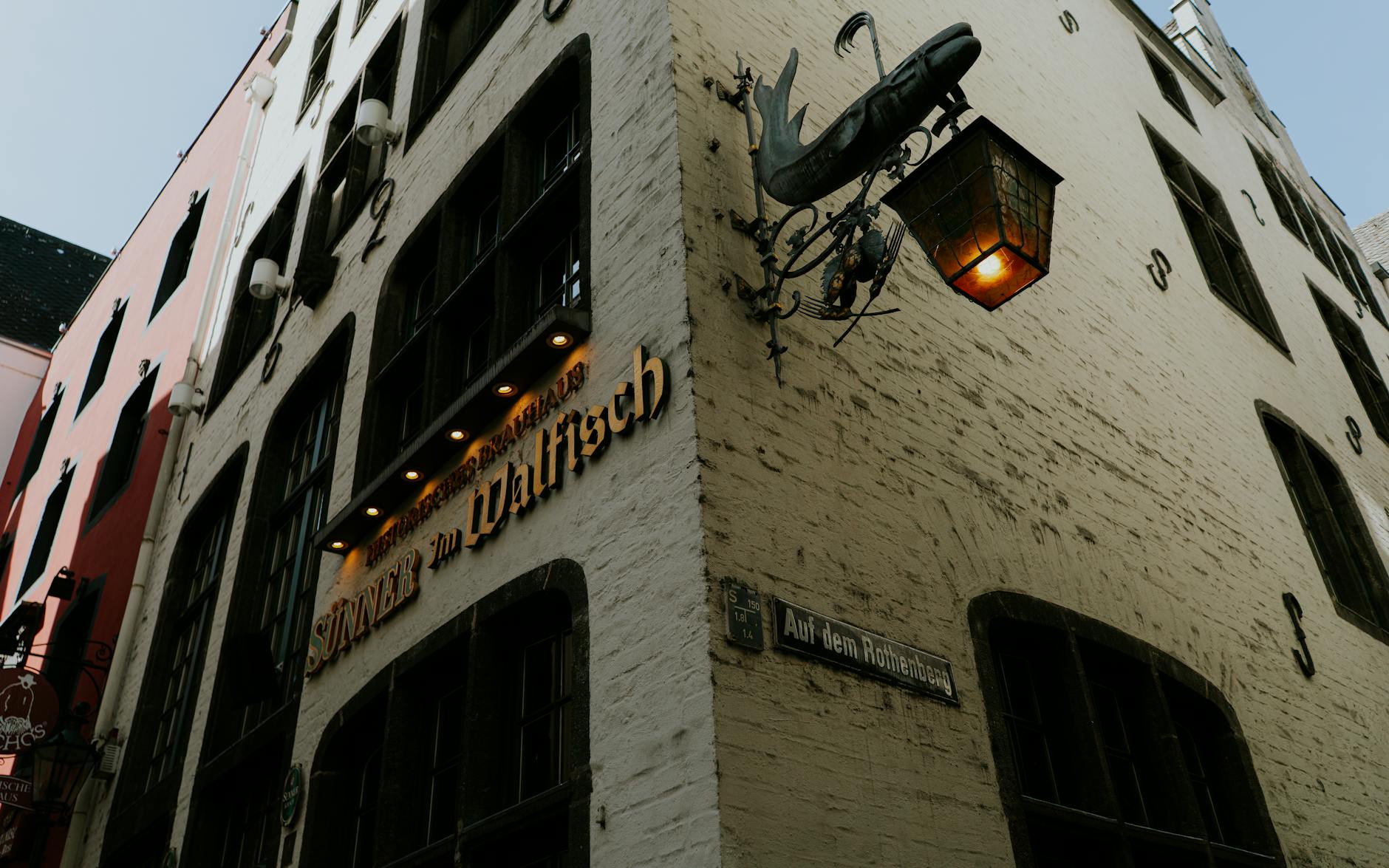
This city on the Rhine is famous for its distinct beer culture and hearty pub food. Kölsch beer is served in small cylindrical glasses by waiters who replace them until you cover your coaster. Himmel und Ääd combines mashed potatoes with apple sauce and blood sausage. Halve Hahn is deceptively named as it is actually a rye roll with gouda cheese and mustard. The atmosphere in the breweries is loud and welcoming to visitors.
Geneva

This international city offers high-end dining and classic Swiss comfort food. Perch fillets from Lake Geneva are a local delicacy usually served with lemon butter sauce. Longeole is a sausage containing fennel seeds that is typical of the region. The city has a high concentration of chocolate makers producing exclusive pralines. Fondue is a staple here as well and is often enjoyed on boats or in historic restaurants.
Would you like me to create a detailed itinerary for a food tour in any of these cities?




