The dietary choices made on a daily basis play a fundamental role in managing systemic inflammation and promoting long-term health. Incorporating nutrient-dense whole foods provides the body with essential antioxidants and bioactive compounds that help regulate immune responses. These specific items are recognized for their high concentration of vitamins and minerals that support cellular repair. Consistent consumption of anti-inflammatory ingredients can lead to improved energy levels and overall physical resilience.
Blueberries
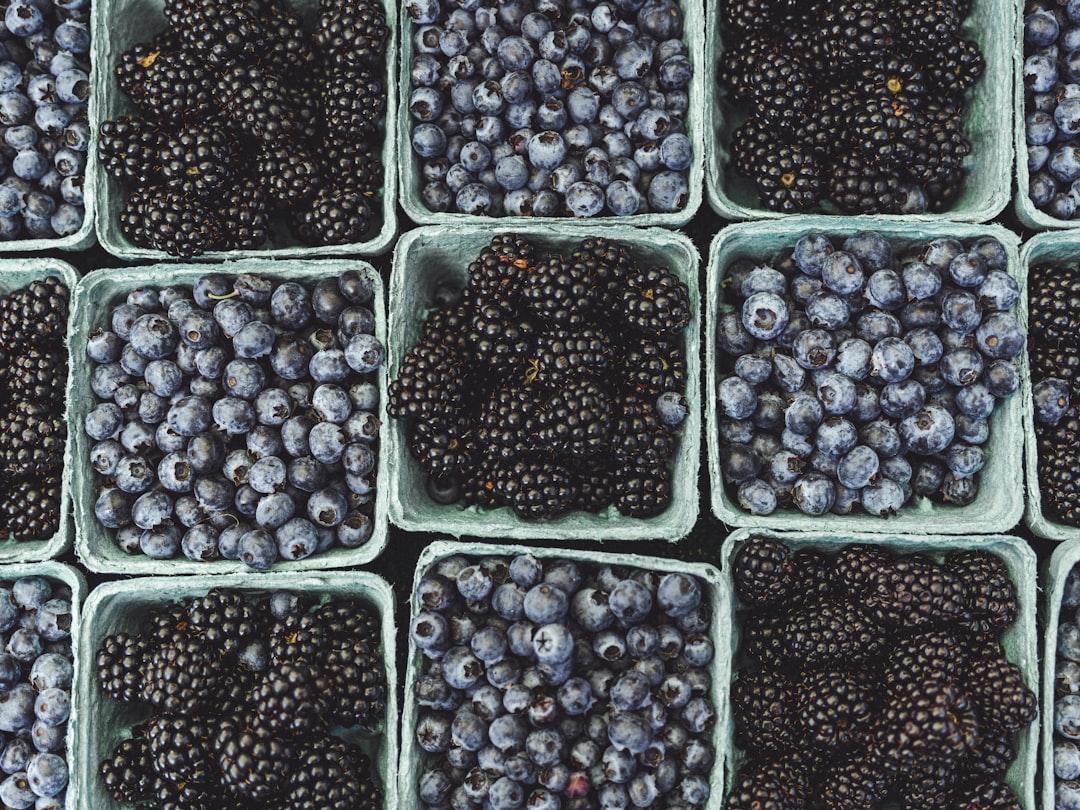
These small berries are packed with fiber and vitamin C which assist the body in maintaining healthy tissues. They contain high levels of anthocyanins which are potent antioxidants that give the fruit its deep blue hue. Regular intake is associated with reduced oxidative stress throughout the cardiovascular system and the brain. Including a handful in a morning meal provides a steady supply of protective compounds for the day.
Turmeric

This vibrant yellow spice contains a powerful bioactive compound known as curcumin that targets inflammatory markers. It is most effective when consumed alongside black pepper to increase its absorption into the bloodstream. Many people incorporate it into warm beverages or savory dishes to harness its therapeutic properties. Long-term use is frequently studied for its ability to support joint health and digestive function.
Salmon
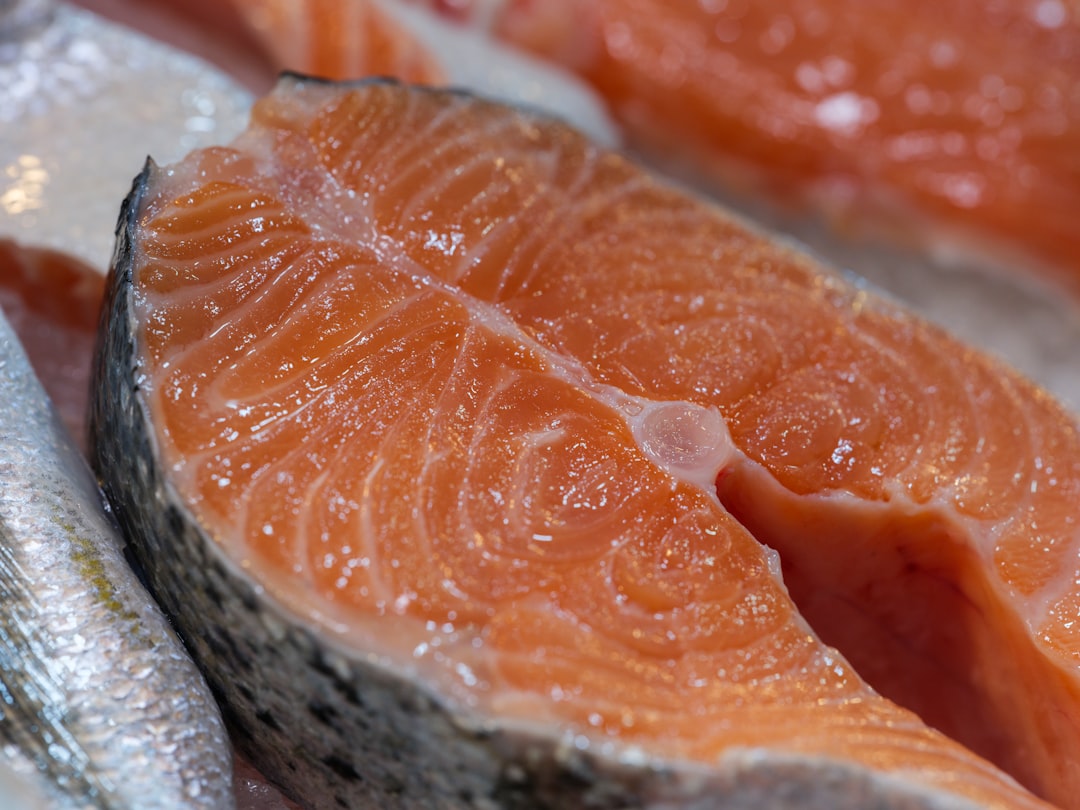
Cold-water fish like salmon are exceptional sources of omega-3 fatty acids which are essential for heart health. These fats work by inhibiting the production of substances that cause inflammation in the body. The high protein content also supports muscle recovery and metabolic stability during periods of physical stress. Aiming for two servings per week ensures a consistent intake of these protective lipids.
Walnuts

Walnuts stand out among nuts for their significant concentration of alpha-linolenic acid which is a plant-based omega-3. They provide a dense source of energy along with polyphenols that help prevent cellular damage. The unique combination of nutrients in these nuts supports healthy cholesterol levels and vascular function. They are easily integrated into salads or eaten as a portable snack for sustained nutrition.
Spinach

This leafy green is loaded with vitamin K and various phytonutrients that help dampen inflammatory pathways. The high concentration of lutein and zeaxanthin also provides specific benefits for ocular health and skin integrity. Eating it raw or lightly steamed preserves the delicate vitamins that are often lost in high-heat cooking. It serves as a versatile base for many nutrient-forward meals throughout the week.
Ginger
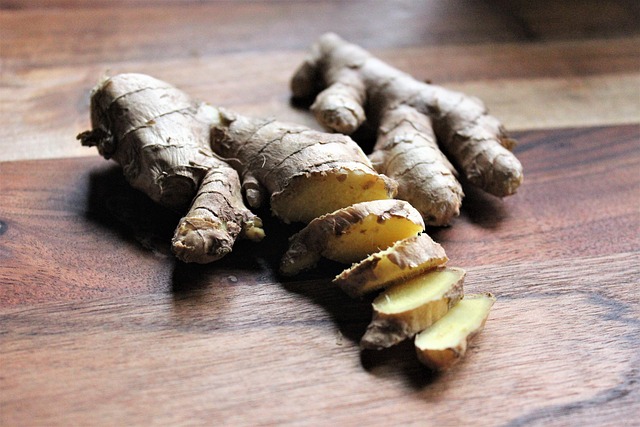
The pungent root contains gingerols which are compounds known for their ability to soothe the digestive tract and reduce soreness. It has been used for centuries in traditional medicine to address various types of physical discomfort. Adding fresh ginger to teas or stir-fry dishes introduces a sharp flavor along with its functional benefits. Regular consumption may help lower the frequency of muscle aches after intense physical activity.
Extra Virgin Olive Oil
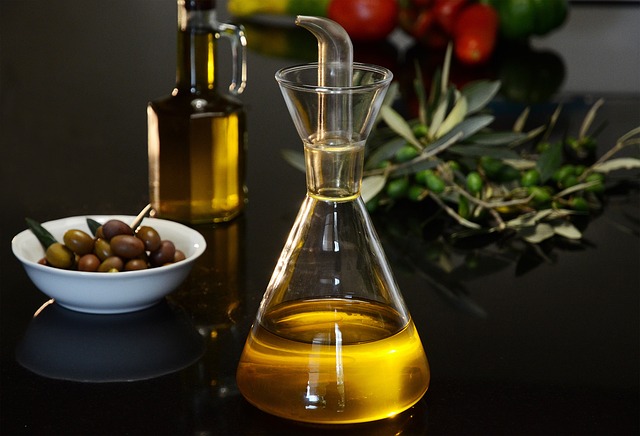
This staple of the Mediterranean diet contains oleocanthal which is an antioxidant with effects similar to some anti-inflammatory medications. It is rich in monounsaturated fats that support arterial health and reduce the risk of chronic disease. Using it as a primary fat source helps maintain the integrity of cell membranes across the body. The highest quality oil is typically cold-pressed to ensure the bioactive components remain intact.
Broccoli
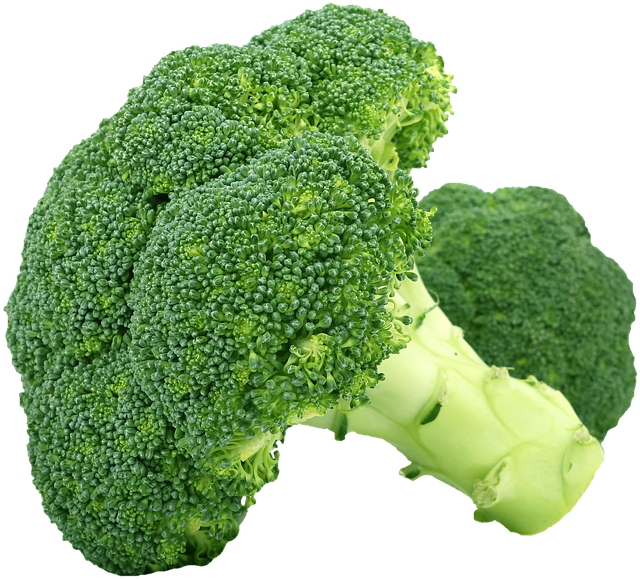
As a cruciferous vegetable broccoli is a major source of sulforaphane which helps block enzymes that cause joint destruction. it is also rich in vitamin C and kaempferol which provide a broad spectrum of protection against free radicals. Frequent intake supports the natural detoxification processes within the liver and the gut. Steaming this vegetable is often recommended to maximize the availability of its health-promoting molecules.
Cherries

Tart cherries and sweet varieties alike contain polyphenols and vitamin C that help manage uric acid levels in the body. They are particularly noted for their ability to reduce markers of inflammation following strenuous exercise. Many athletes use cherry juice as a recovery aid to minimize the duration of muscle fatigue. The natural melatonin found in the fruit also assists in maintaining healthy sleep patterns.
Green Tea
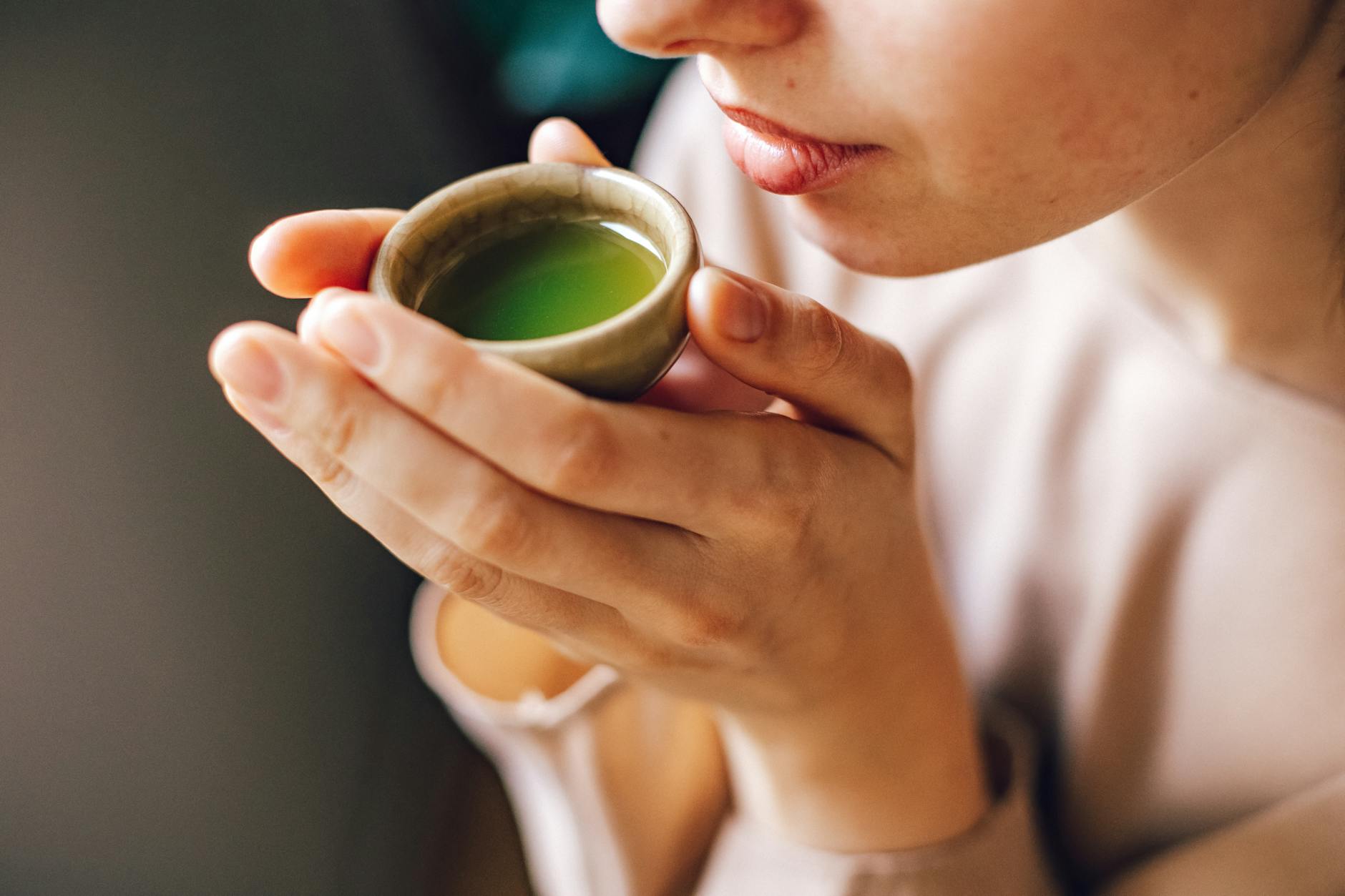
This ancient beverage is a primary source of epigallocatechin-3-gallate which is a catechin with vast health benefits. It works by reducing cytokine production and protecting the heart from the effects of chronic stress. Drinking several cups a day provides a gentle caffeine boost along with a high dose of protective antioxidants. It is widely considered one of the most effective liquid sources for promoting systemic wellness.
Avocado
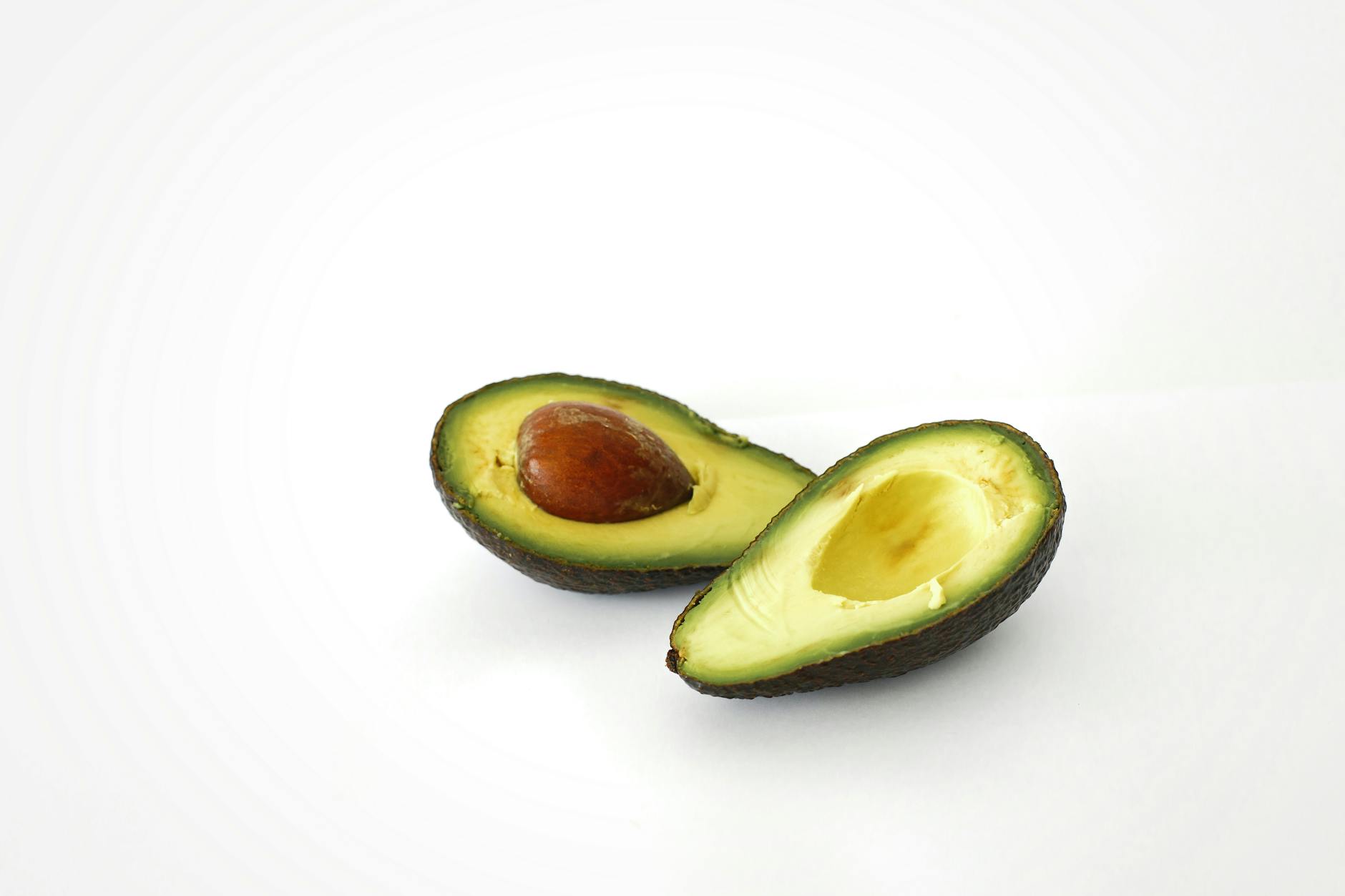
Avocados are unique fruits that offer a combination of monounsaturated fats and potassium to support the cardiovascular system. They contain polyhydroxylated fatty alcohols that specifically target inflammation within skin cells. The fiber content helps regulate blood sugar which prevents the inflammatory spikes associated with high-glucose meals. They provide a creamy texture to dishes while delivering essential fat-soluble vitamins.
Garlic
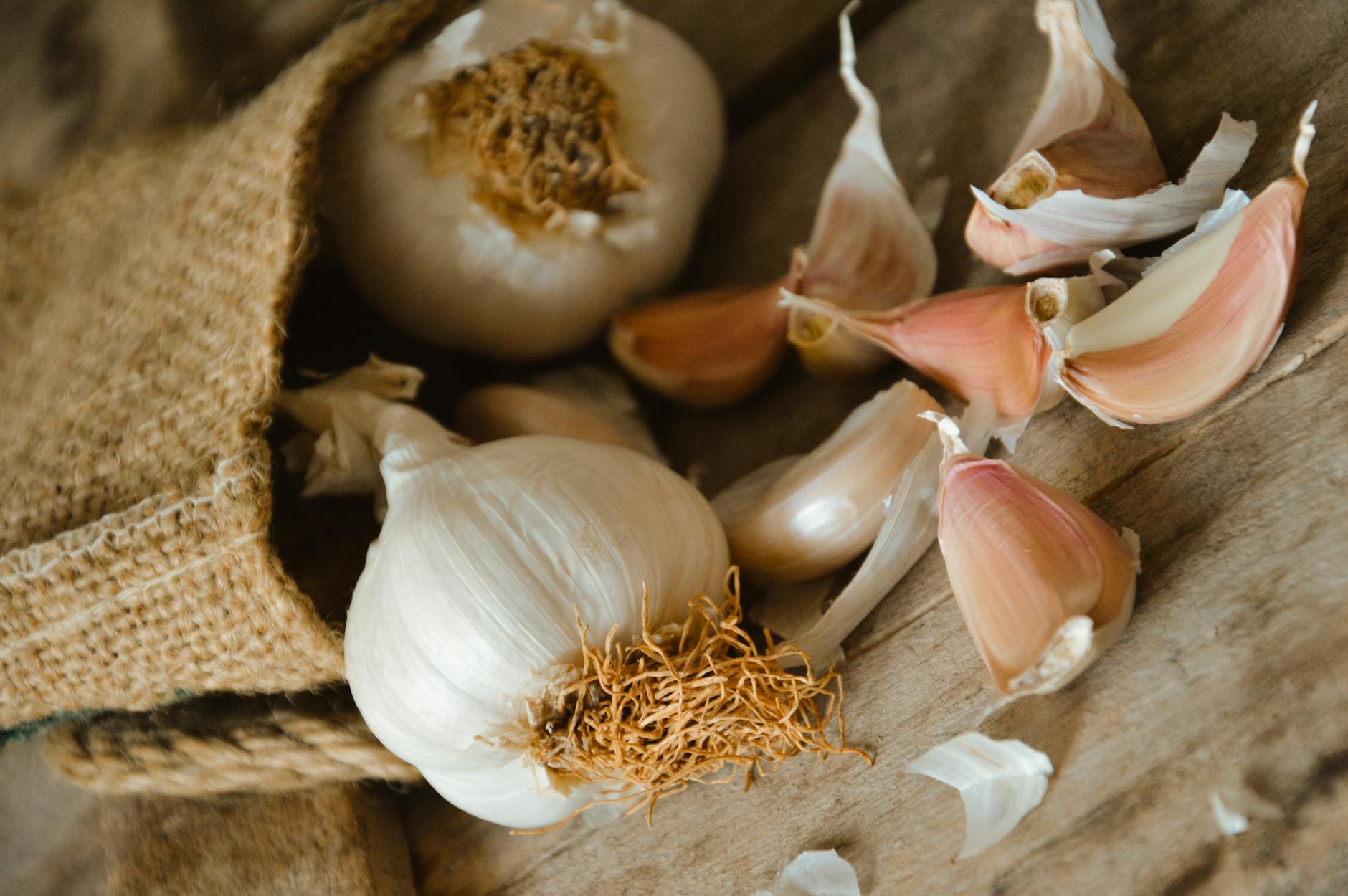
The sulfur compounds found in garlic such as allicin are released when the bulb is crushed or chopped. These compounds have been shown to limit the activity of inflammatory proteins in the blood. Garlic also supports the immune system by enhancing the function of white blood cells. Incorporating it into daily cooking adds depth of flavor while providing significant health-protective advantages.
Almonds
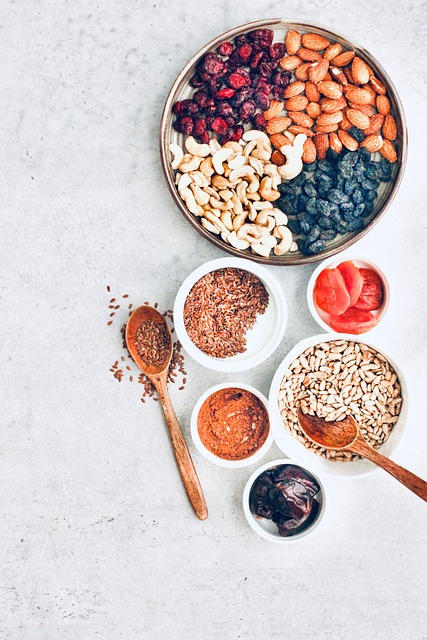
Almonds are an excellent source of vitamin E which acts as a major defender against oxidative damage in the body. They also provide a healthy dose of fiber and plant-based protein to keep the digestive system functioning smoothly. Regular almond consumption is linked to lower levels of C-reactive protein which is a key marker of inflammation. They are a convenient option for maintaining nutrient intake while on the move.
Chia Seeds
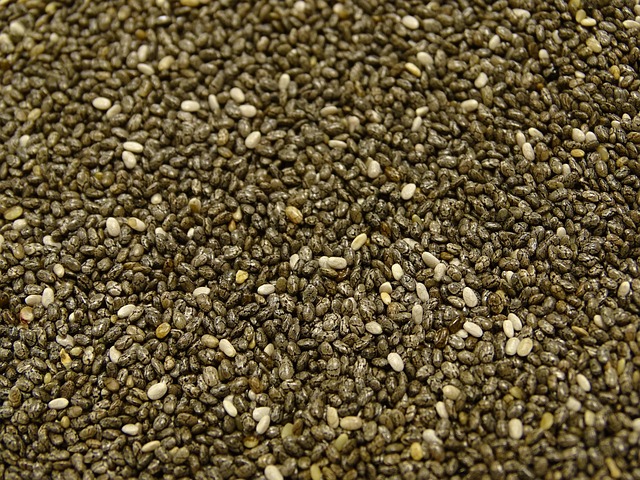
These tiny seeds are one of the best plant-based sources of omega-3 fatty acids and dietary fiber. When soaked in liquid they form a gel that can help slow the absorption of sugar into the bloodstream. This stabilizing effect prevents the inflammatory responses often triggered by rapid insulin changes. They are easily added to smoothies or puddings to boost the nutritional profile of any meal.
Strawberries

Strawberries are rich in vitamin C and manganese which help protect the body from internal stressors. They contain specific flavonoids that have been shown to lower inflammatory markers in the cardiovascular system. The high water content in the fruit also aids in hydration while delivering a variety of micronutrients. Eating them seasonally ensures the highest concentration of beneficial compounds and flavor.
Kale
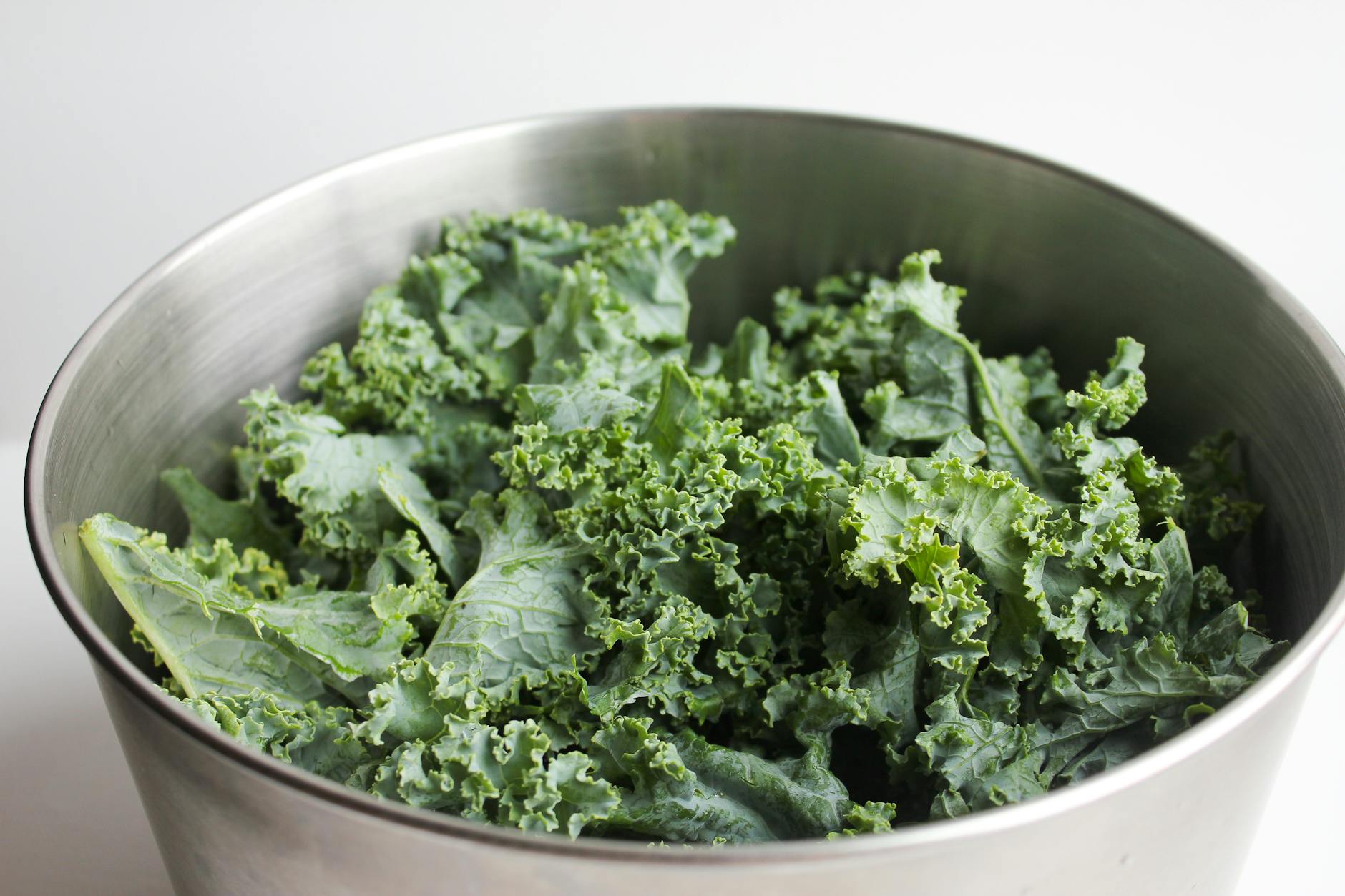
Kale is a nutrient powerhouse that contains high amounts of vitamins A and K to support bone and skin health. Its dense concentration of antioxidants helps neutralize harmful molecules that contribute to chronic swelling. The fiber in kale also promotes a healthy microbiome which is essential for a balanced immune system. It can be enjoyed in salads or baked into chips for a crisp and nutritious snack.
Flaxseeds

Flaxseeds must be ground to allow the body to access their high levels of lignans and omega-3 fats. These components work together to support hormonal balance and reduce inflammation in the gut. They are also known for their ability to improve cholesterol profiles and support heart health over time. Adding a tablespoon to oatmeal or yogurt is a simple way to increase daily nutrient density.
Dark Chocolate

High-quality dark chocolate with at least seventy percent cocoa is rich in flavanols that keep the lining of the arteries healthy. These antioxidants help reduce the risk of blood clots and lower blood pressure through improved circulation. The consumption of small amounts is associated with a decrease in systemic inflammatory markers. It serves as a functional treat that provides both satisfaction and protective benefits.
Beets

Beets are unique for their high concentration of betalains which give them their intense red color and anti-inflammatory properties. They also contain nitrates that the body converts into nitric oxide to improve blood flow and lower blood pressure. Regular intake of beets is linked to improved athletic performance and better recovery times. They can be roasted or juiced to provide a concentrated dose of health-promoting nutrients.
Pineapple

This tropical fruit contains bromelain which is a complex mixture of enzymes that help digest protein and reduce swelling. It is often used to assist with the recovery of injuries and to soothe the digestive tract. The high vitamin C content further supports the immune system and collagen production for healthy skin. Consuming it fresh allows for the highest activity of its beneficial enzymes.
Bell Peppers
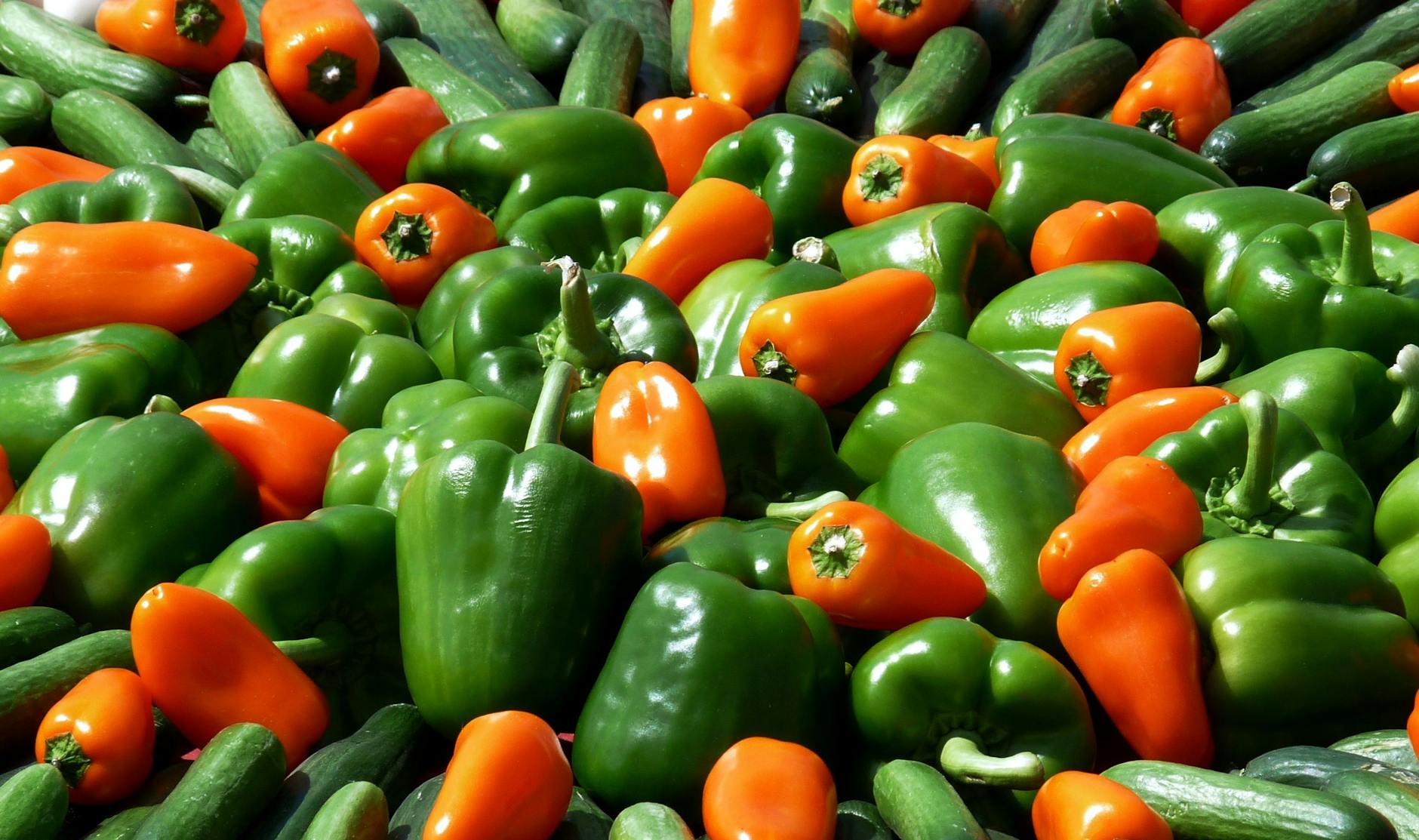
Bell peppers are exceptional sources of vitamin C and various carotenoids that protect the eyes and the skin. They contain quercetin which is a flavonoid that helps stabilize cells and reduce allergic inflammatory responses. Each color of pepper offers a slightly different profile of antioxidants and protective phytochemicals. They are versatile ingredients that add both crunch and nutrition to a wide range of recipes.
Mushrooms

Edible mushrooms like shiitake and portobello contain beta-glucans which are known to modulate the immune system. They also provide selenium and copper which are essential minerals for maintaining cellular health. These fungi are unique plant sources of vitamin D when exposed to sunlight during growth. Including them in the diet can help regulate the body’s natural defense mechanisms.
Pumpkin Seeds
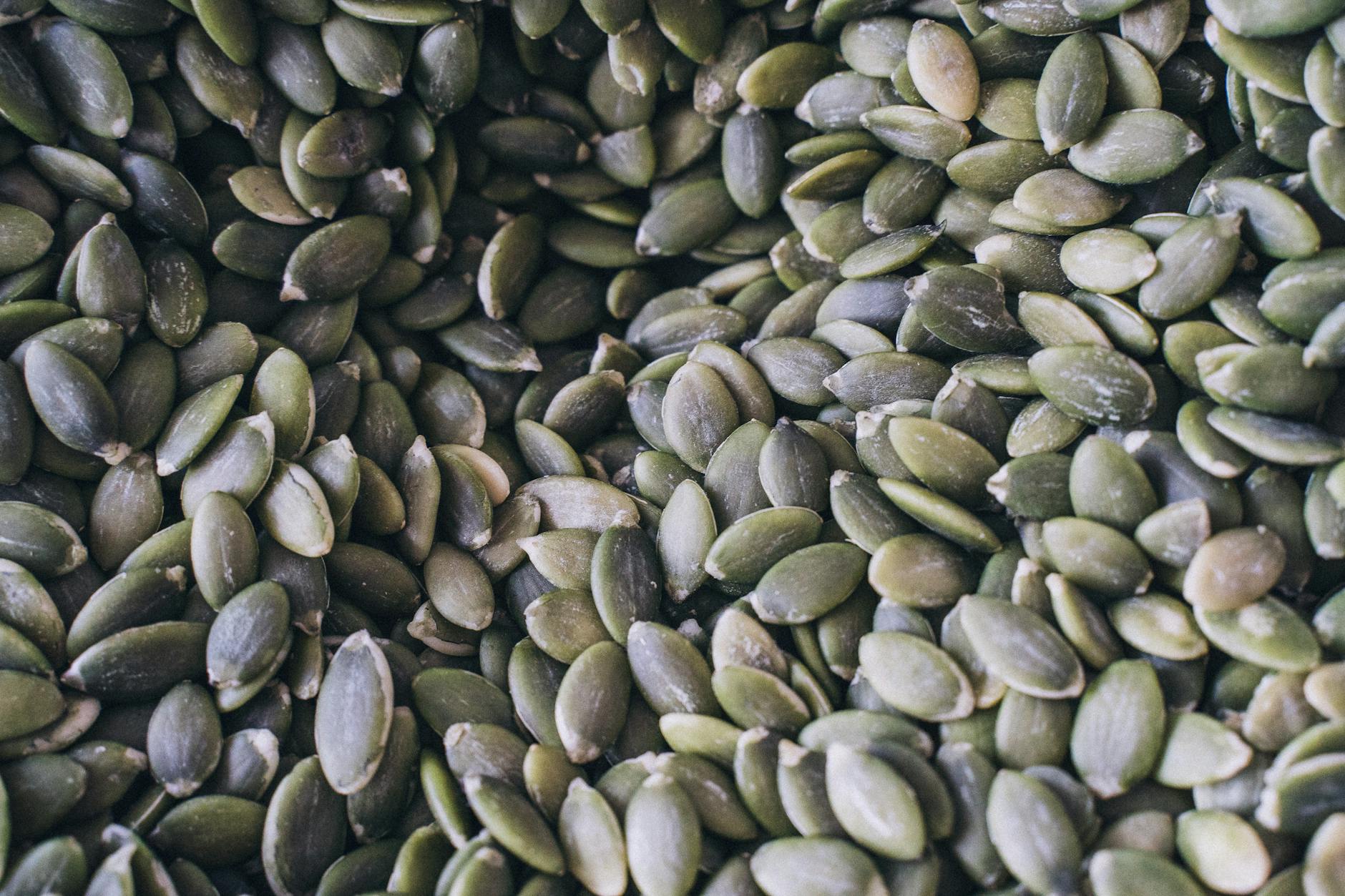
These seeds are a significant source of magnesium and zinc which are vital for hundreds of biochemical reactions. They contain high levels of antioxidants like vitamin E that protect against chronic inflammation. The healthy fats in pumpkin seeds also support prostate and bladder health in many individuals. They can be roasted with light seasoning for a crunchy and nutrient-rich addition to any meal.
Tomatoes
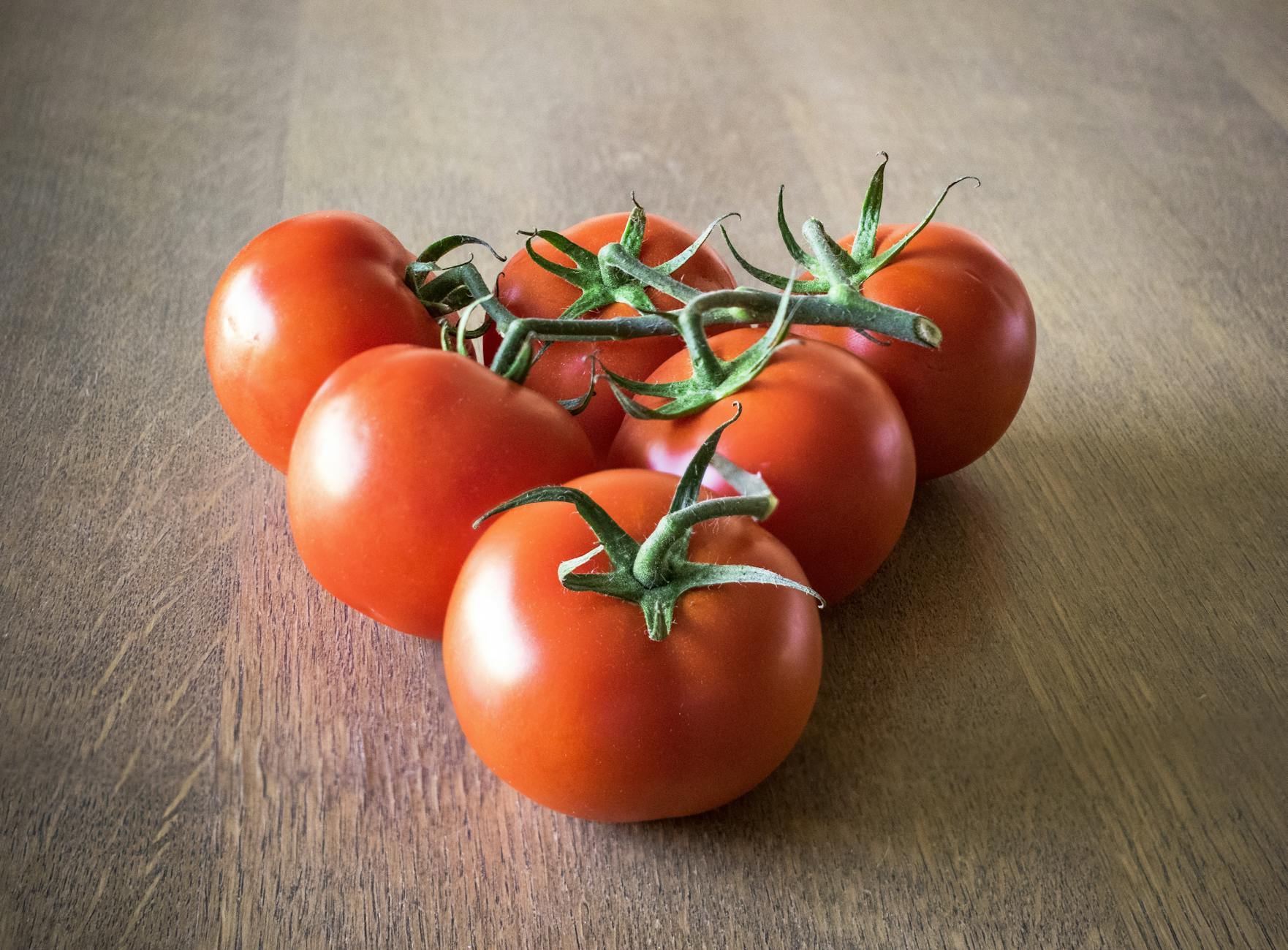
Tomatoes are the primary dietary source of lycopene which is an antioxidant known for its ability to reduce inflammation. Cooking tomatoes actually increases the availability of lycopene for the body to absorb. They are also rich in potassium and vitamin C which support heart and skin health simultaneously. Using them in sauces or stews provides a concentrated source of these protective compounds.
Raspberries

Raspberries provide a high amount of dietary fiber and vitamin C in a very low-calorie package. Their specific ellagitannins help reduce oxidative stress and lower inflammation throughout the body. The combination of antioxidants in these berries supports healthy blood sugar levels and cardiovascular function. They are a flavorful way to increase the diversity of fruit intake in a balanced diet.
Celery
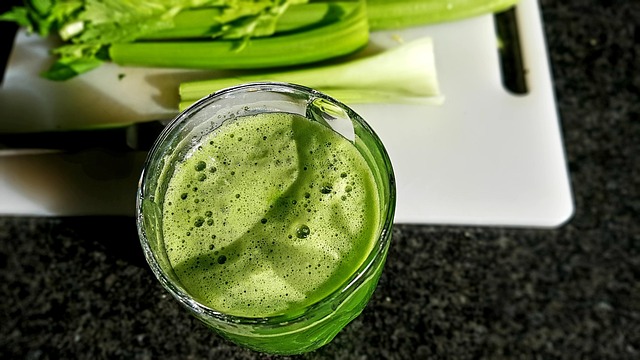
While often overlooked celery contains apigenin and luteolin which are flavonoids that help reduce inflammatory pathways. It has a high water content that assists with hydration and the flushing of toxins from the system. The phthalides in celery also help relax the muscles in the walls of the arteries to improve blood flow. It serves as a crisp and refreshing vegetable that supports internal balance.
Red Grapes
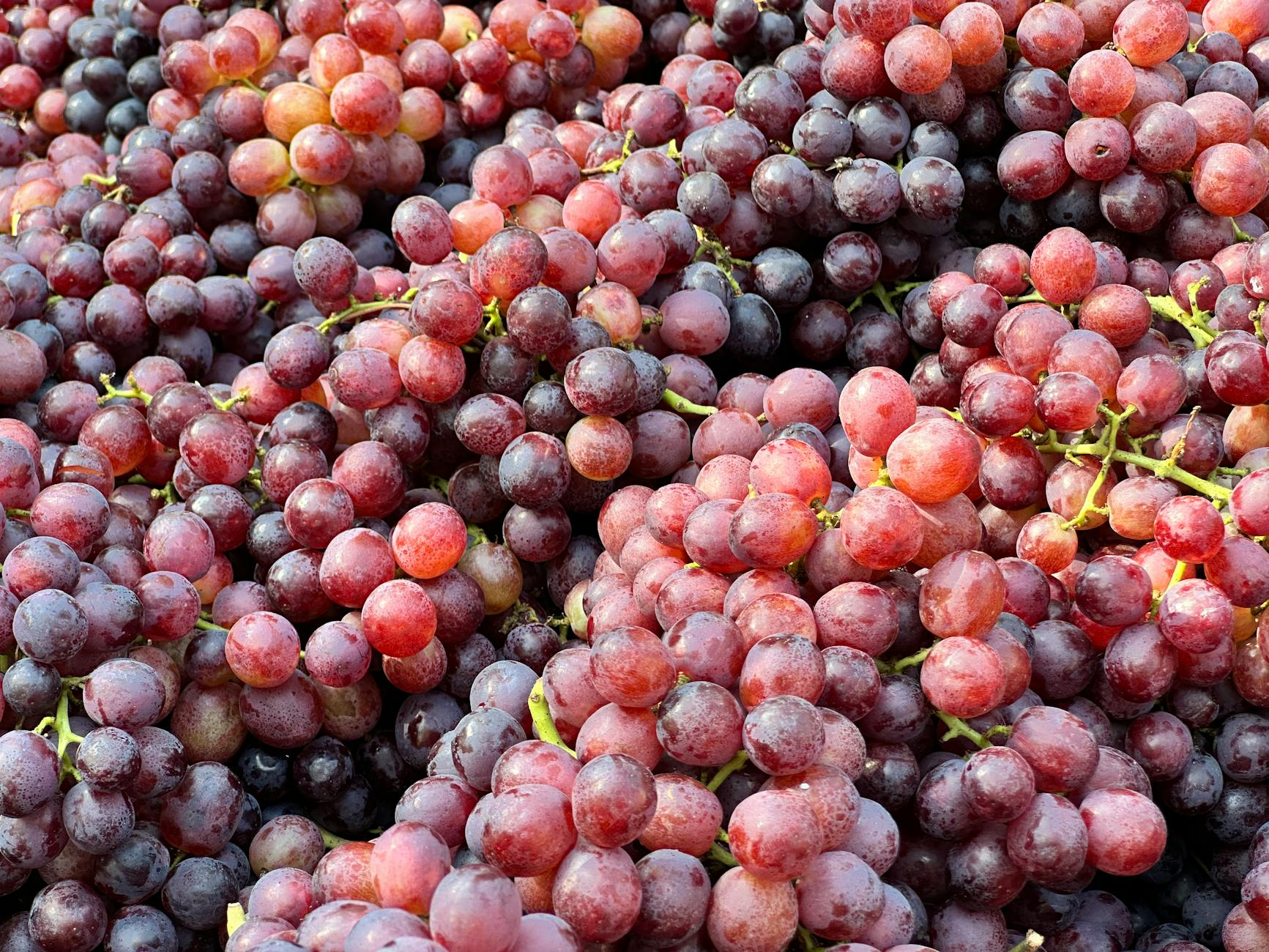
The skin of red grapes contains resveratrol which is a polyphenol studied for its extensive anti-aging and anti-inflammatory effects. This compound helps protect the heart and may improve the function of the brain over time. Grapes also provide a source of hydration and quick energy through their natural sugars. They are a simple and effective way to incorporate more protective plant compounds into a daily routine.
Bok Choy
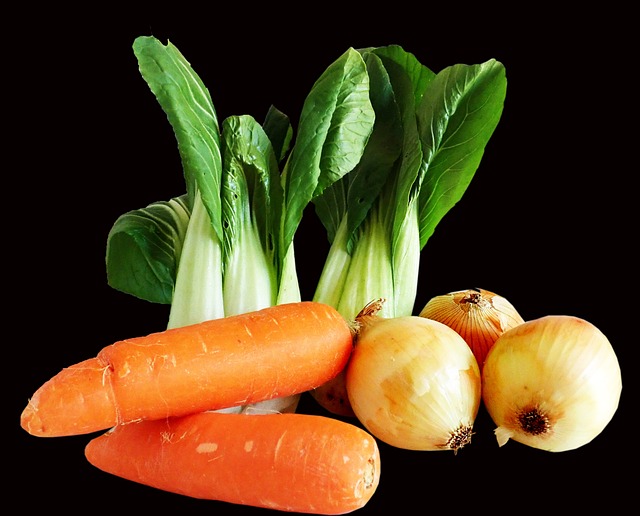
This variety of Chinese cabbage is rich in vitamins A and C along with several important minerals. It contains selenium which helps the liver function properly and reduces the risk of inflammation-related diseases. The high concentration of folate in bok choy also supports healthy DNA repair and cellular growth. It is a mild-tasting green that absorbs flavors well in many culinary applications.
Oranges
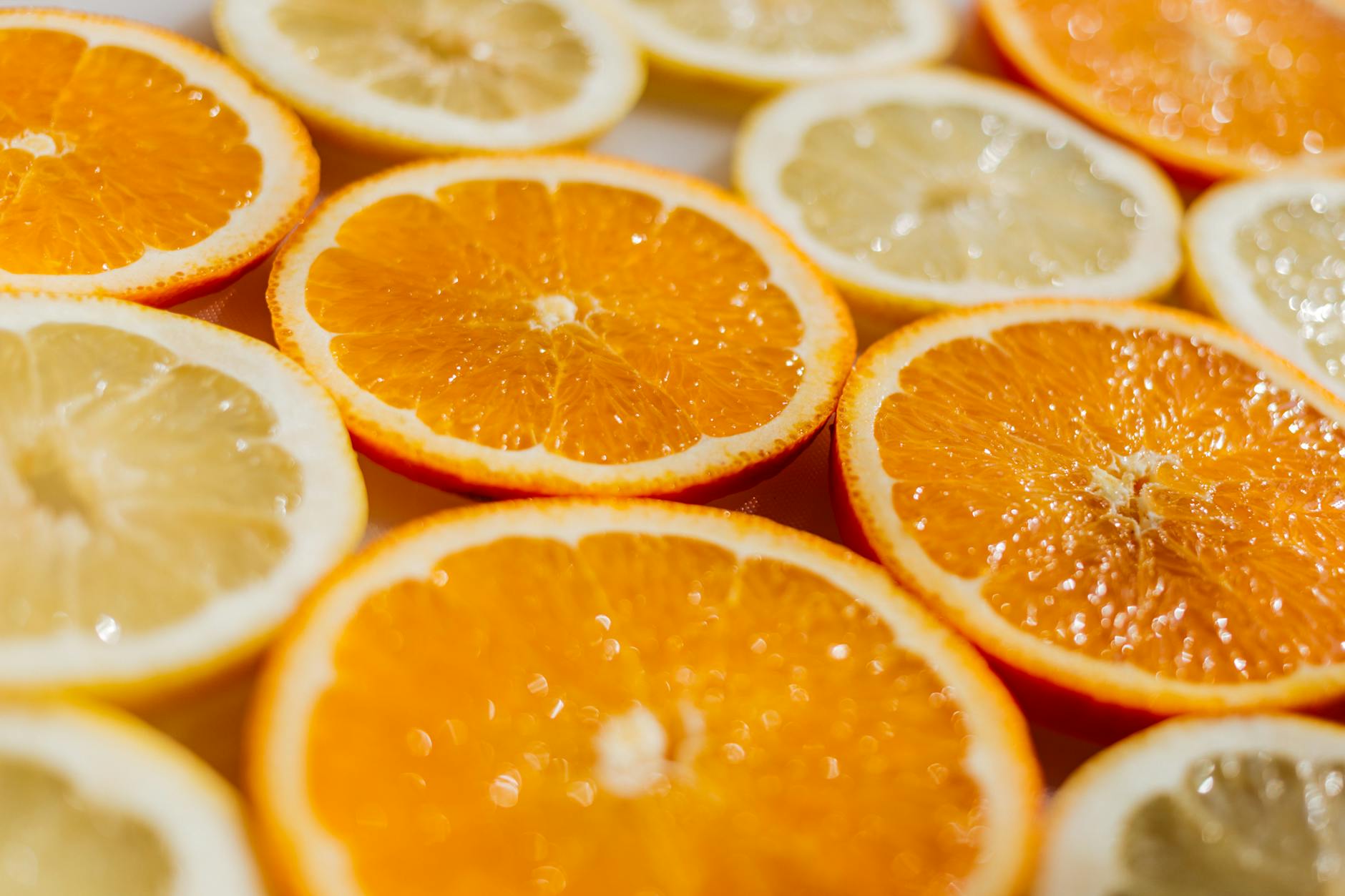
Oranges are famous for their vitamin C content which is a major factor in maintaining a strong immune system. They also contain hesperidin which is a citrus flavonoid that helps lower blood pressure and reduce inflammation. The fiber in the pulp supports a healthy digestive system and prevents rapid insulin spikes. Eating the whole fruit is the most effective way to gain the full spectrum of its nutritional benefits.
Black Beans
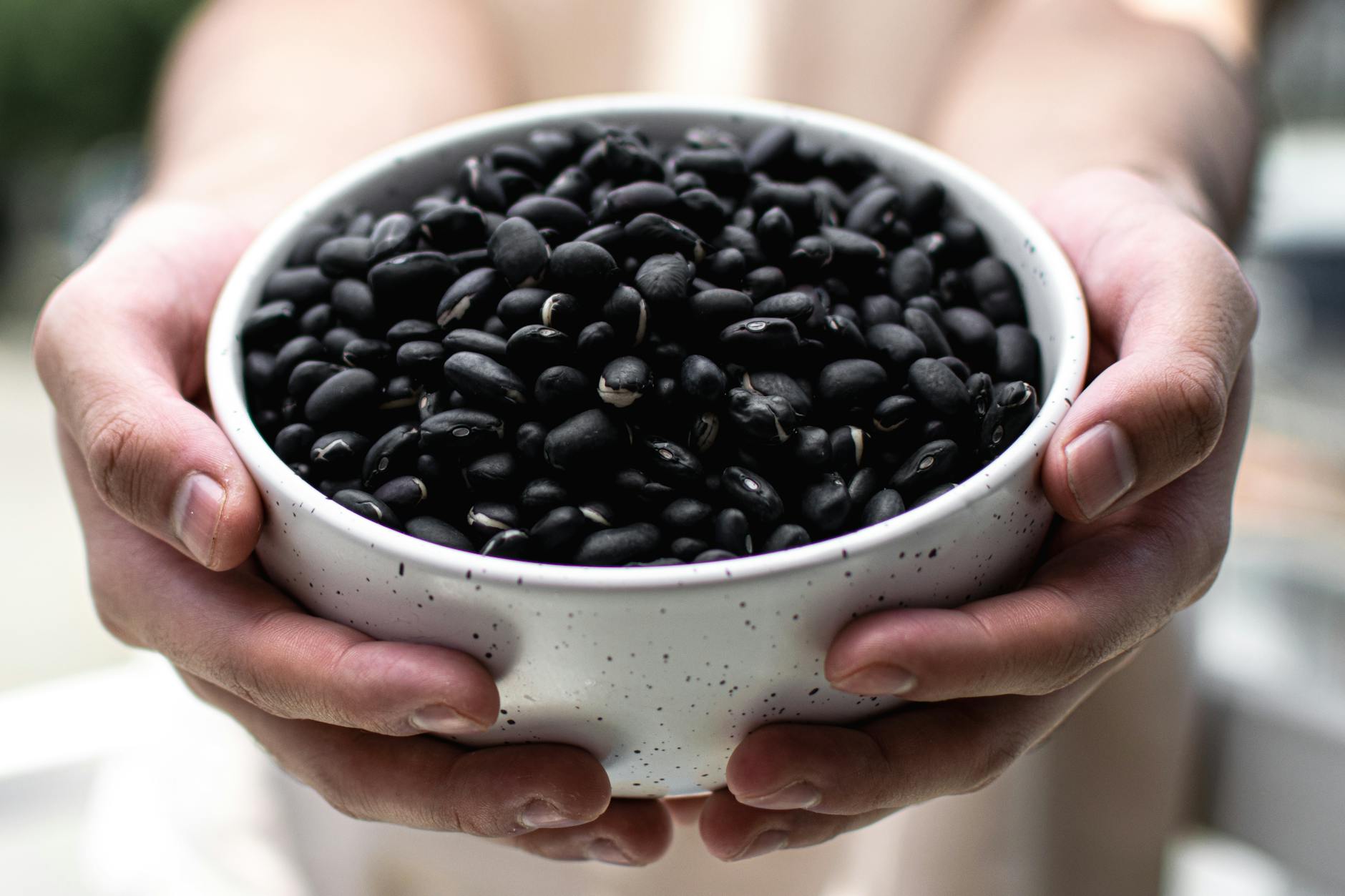
Black beans are an excellent source of plant-based protein and fiber which promotes gut health and stability. They contain high levels of anthocyanins and other flavonoids that help fight chronic inflammatory conditions. The combination of complex carbohydrates and protein provides a steady release of energy without causing inflammation. Including them in meals regularly supports long-term metabolic and cardiovascular health.
Share your favorite anti-inflammatory recipes and health tips in the comments.




