Understanding canine temperament requires acknowledging that certain breeds possess strong protective instincts or high prey drives. These traits can manifest as aggression without rigorous training and experienced handling. Historical breeding purposes often play a significant role in how these dogs react to threats or strangers. The following list identifies breeds frequently noted for their assertive behaviors and potential for aggression.
American Pit Bull Terrier
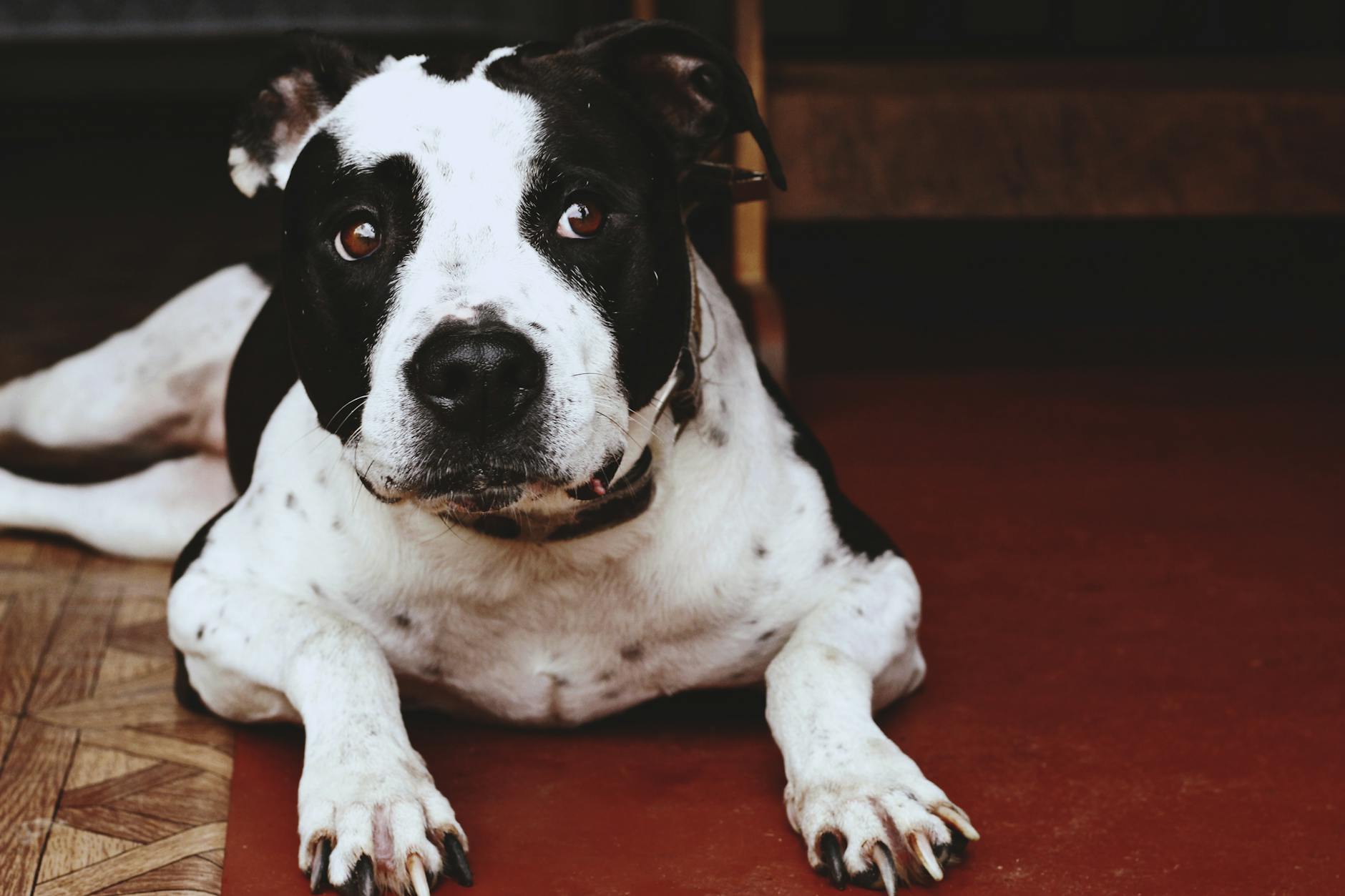
This breed frequently appears in discussions regarding canine aggression due to its immense jaw strength and tenacity. They were originally bred for blood sports which instilled a high prey drive and determination. Owners must provide consistent training and socialization to ensure safety around other animals. Their muscular build allows them to overpower most adversaries if they feel provoked or threatened. Many insurance companies classify them as high risk due to the potential severity of their bites.
Rottweiler
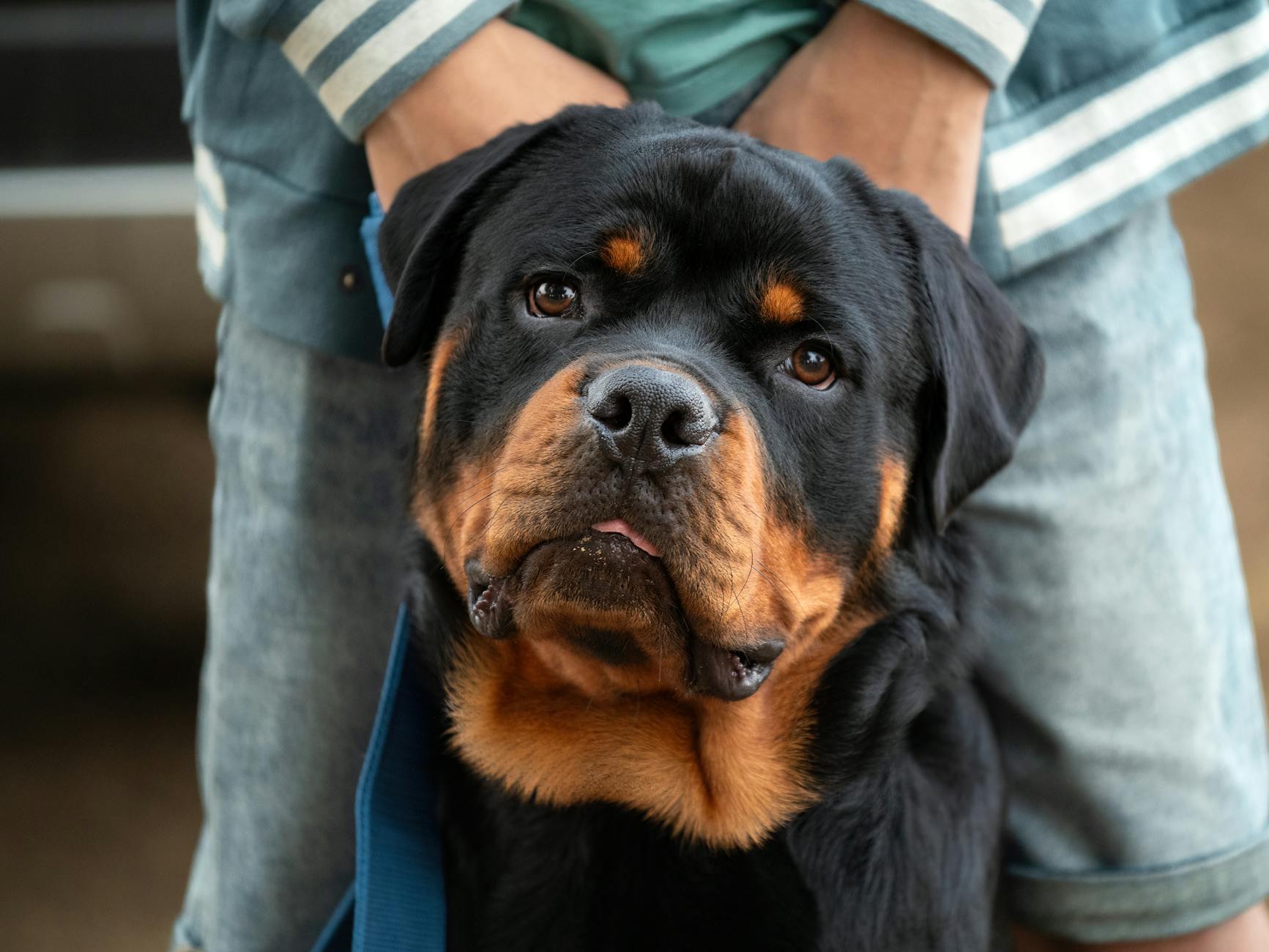
Rottweilers are renowned for their intense loyalty and natural guarding instincts toward their owners. They can become territorial and aggressive if they are not properly socialized from a young age. A male can weigh over 130 pounds and possesses distinct physical power that requires a capable handler. This breed often reacts swiftly to perceived threats against their home or family members. Professional obedience training is essential to manage their dominance and protective nature.
German Shepherd
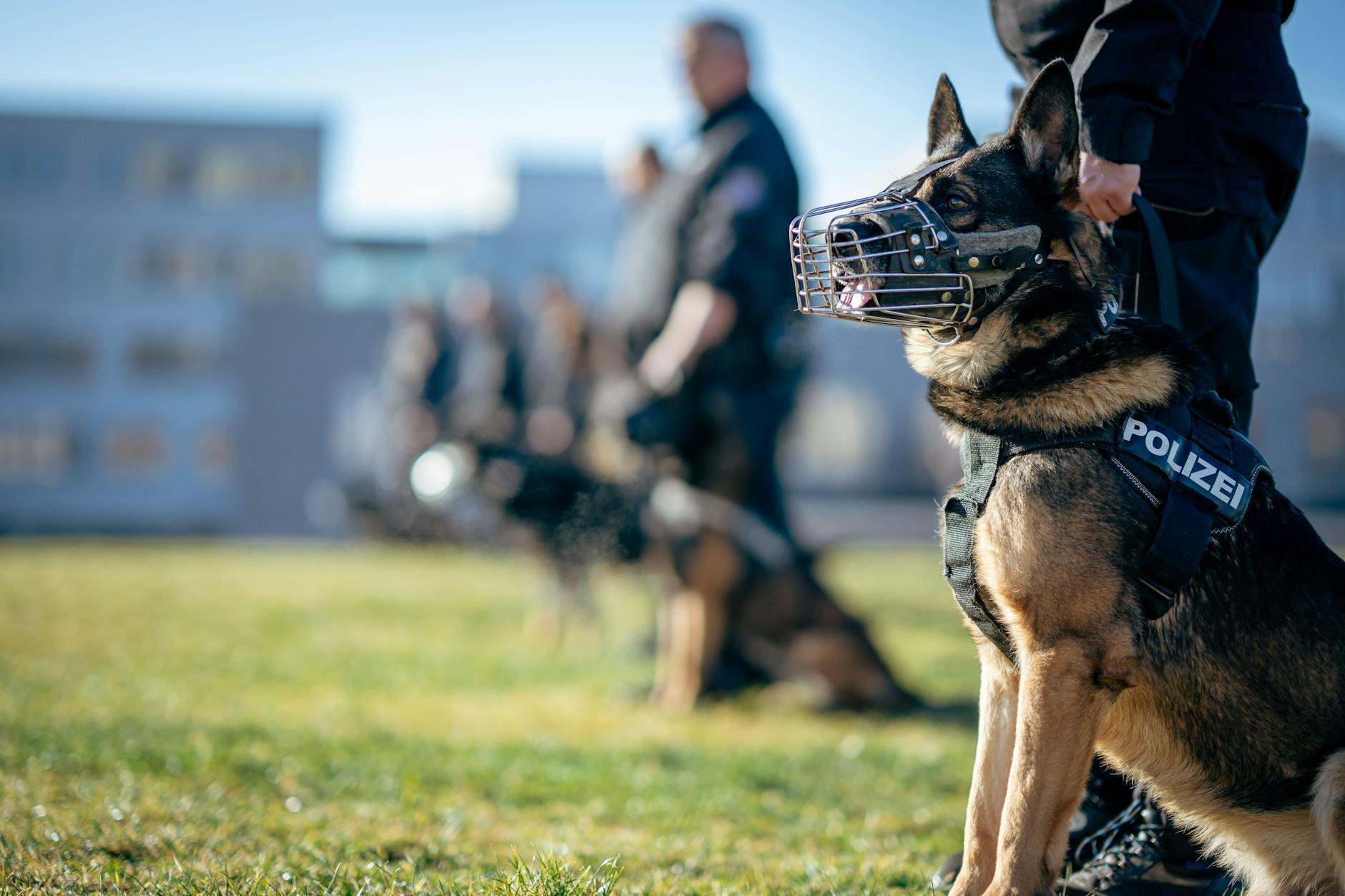
These dogs are intelligent working animals often used in police and military operations for their biting capability. They exhibit high levels of territorial behavior and can be wary of strangers entering their domain. Aggression in this breed often stems from a lack of exercise or insufficient mental stimulation. Their bite force is strong enough to break bones and cause severe tissue damage. Handlers must establish clear leadership to prevent the dog from becoming overprotective or reactive.
Doberman Pinscher
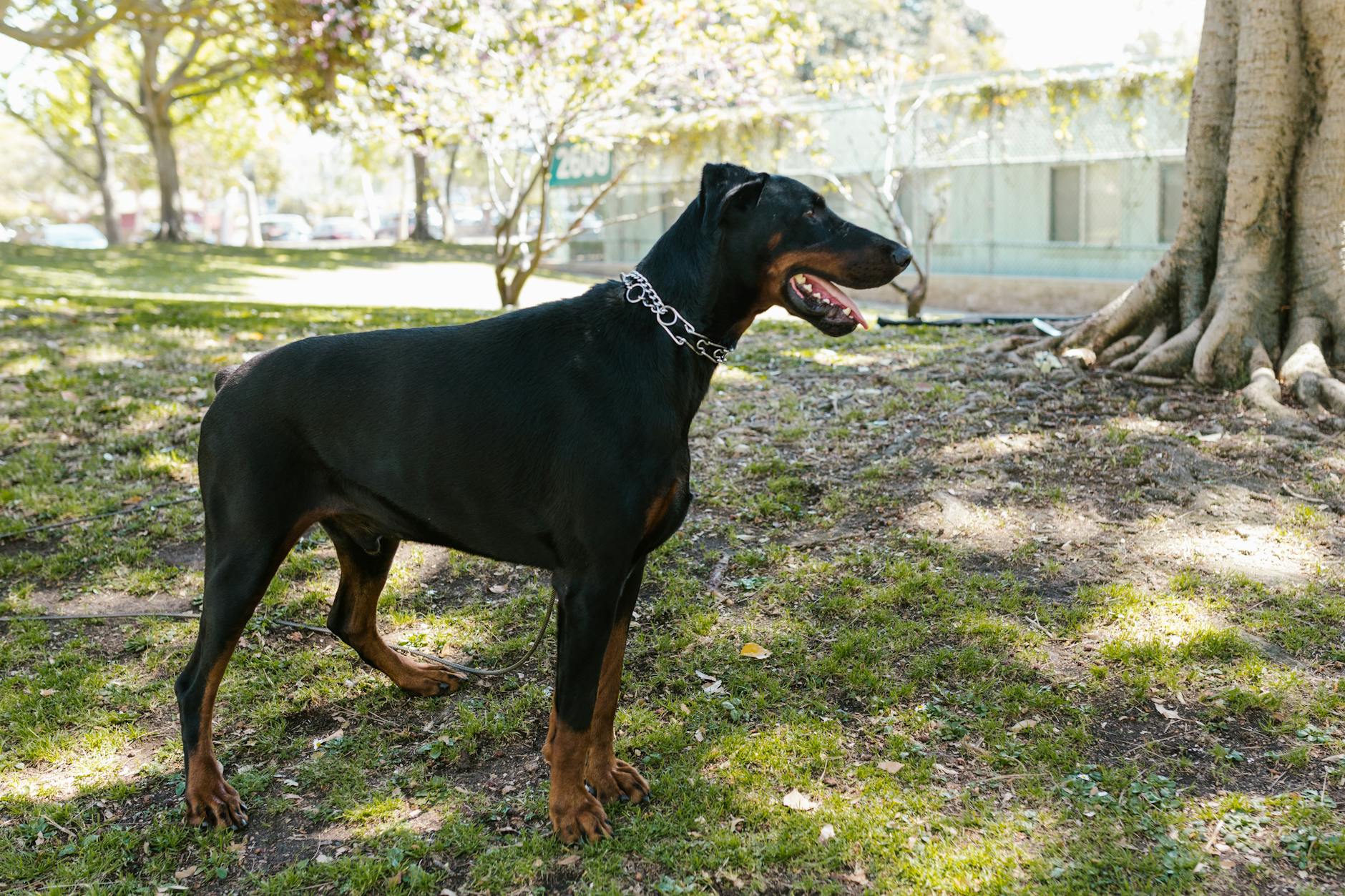
Dobermans were specifically bred to serve as personal protection dogs for tax collectors in Germany. They are incredibly fast and powerful with a reputation for being sharp with strangers. This breed bonds closely with one person and may display aggression when that person is approached. Their alert nature makes them excellent guard dogs but necessitates strict impulse control training. Without a firm owner they can become unpredictable and difficult to manage in public.
Bullmastiff
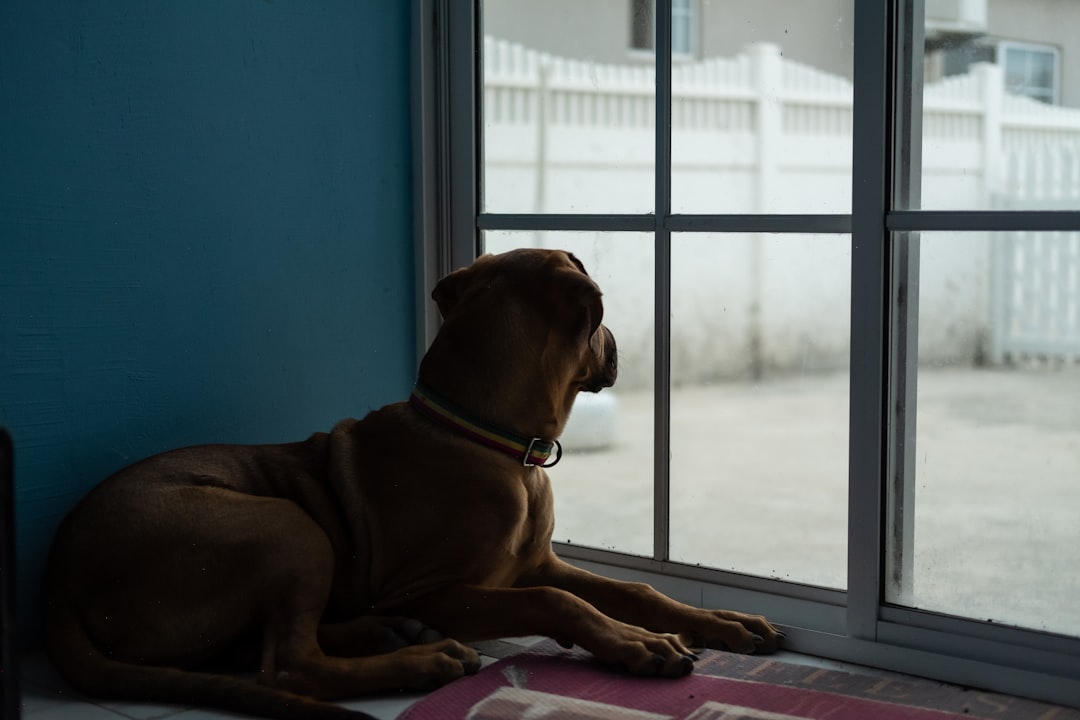
The Bullmastiff was created to guard estates and track down poachers with force and speed. Their natural instinct is to pin intruders to the ground using their massive weight of up to 130 pounds. They are generally quiet dogs but can switch to aggressive defense in an instant if provoked. Early socialization is mandatory to teach them the difference between a visitor and a threat. Their sheer size makes an untrained Bullmastiff a significant liability in a domestic setting.
Siberian Husky
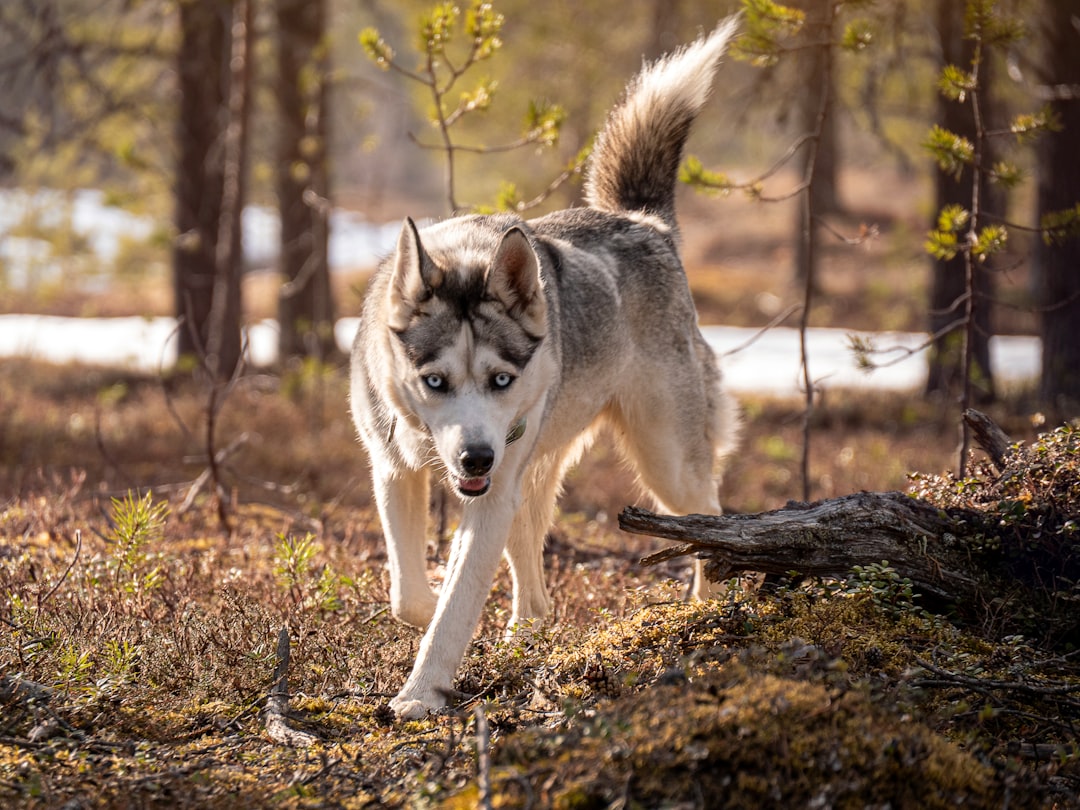
Huskies are high-energy working dogs that retain a very strong predatory drift and prey drive. They are often aggressive toward smaller animals like cats or rabbits due to their hunting heritage. While generally friendly with people they can be unpredictable and destructive if not exercised vigorously. Their independent nature makes them difficult to train compared to other working breeds. A bored Husky is prone to behavioral issues that can escalate into aggression.
Alaskan Malamute
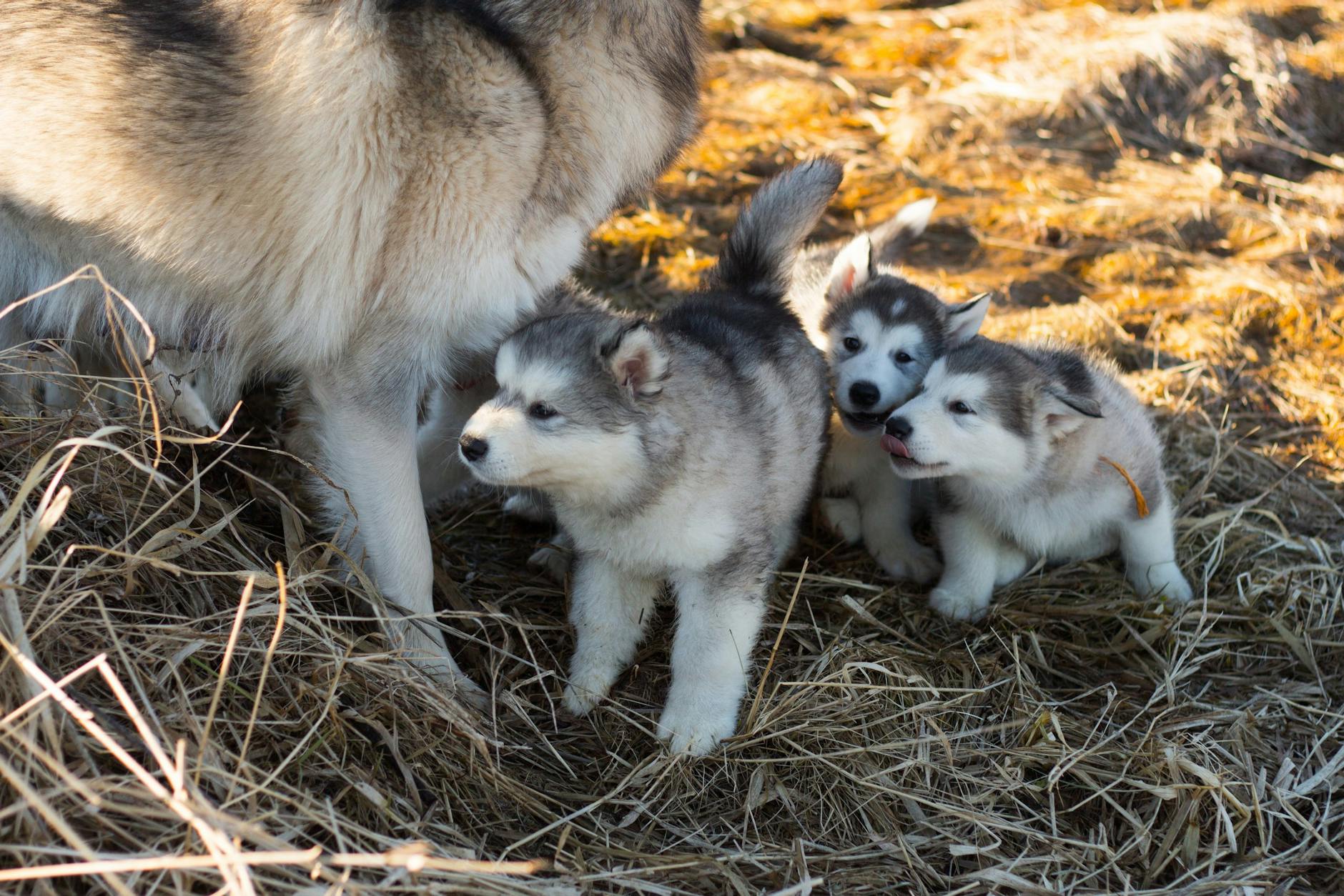
This large breed possesses a dominant personality and requires a strict hierarchy within the household. They have a high prey drive and may attack smaller pets or livestock if not watched closely. Malamutes are powerful sled dogs capable of pulling immense weight and enduring harsh conditions. Food aggression is a common issue that owners must address immediately during puppyhood. They require acres of space to roam and burn off their substantial energy reserves.
Wolf Hybrid
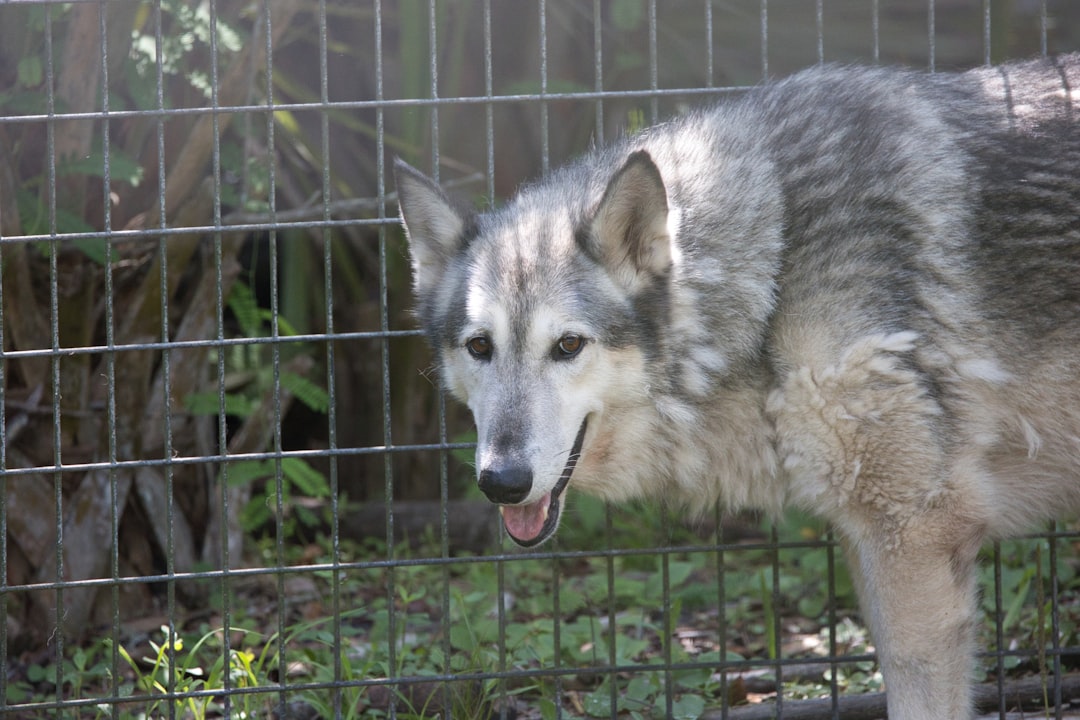
Wolf Hybrids possess the predatory instincts of a wild animal mixed with the lack of fear found in domestic dogs. Their behavior is often erratic and they can become aggressive as they reach sexual maturity. Predatory aggression is common and they may view small children or pets as prey items. Many states have banned the ownership of these animals due to the danger they pose to the community. They require specialized containment and are not suitable for the average pet owner.
Boxer
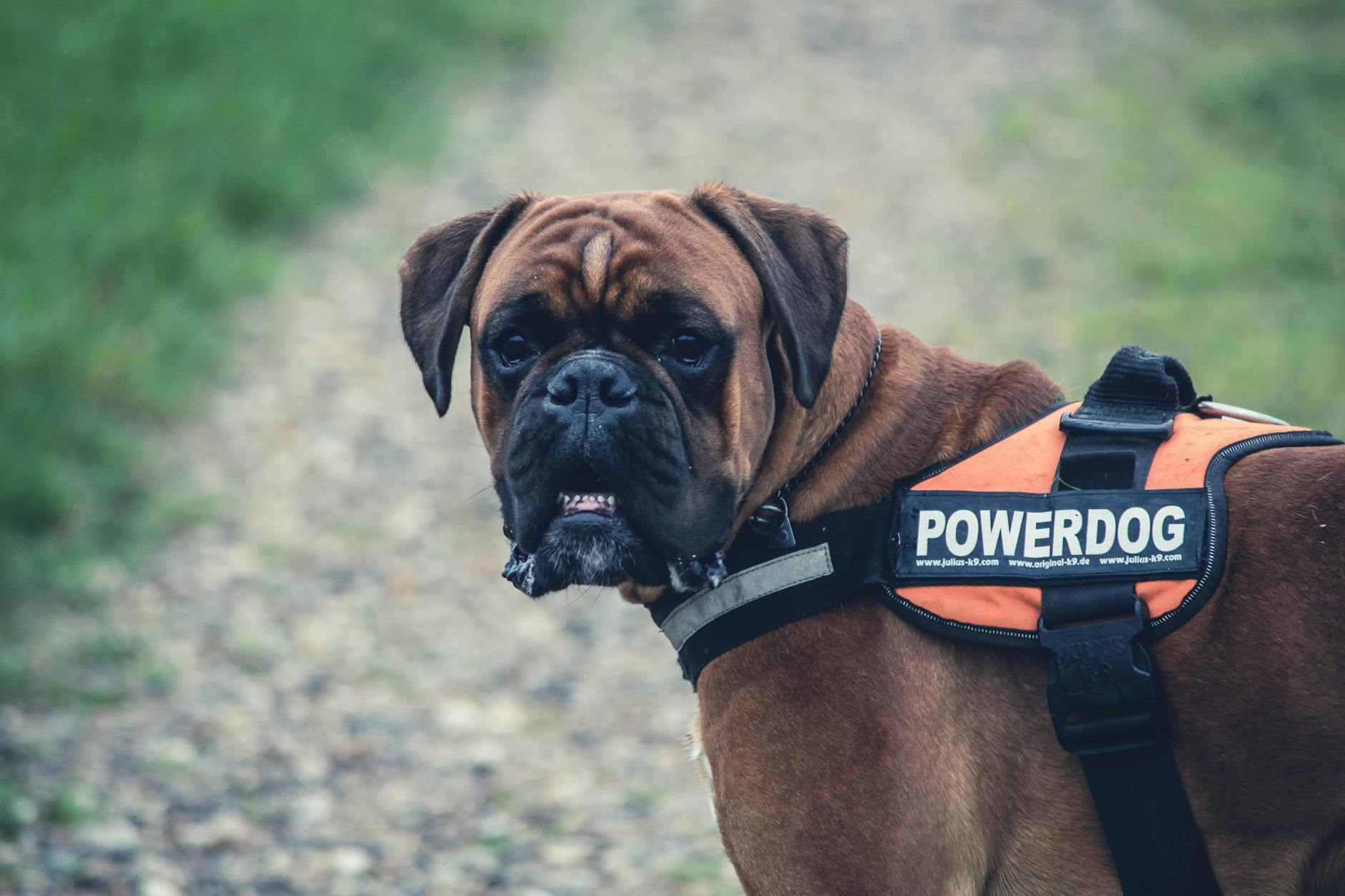
Boxers are energetic and muscular dogs that were originally used for hunting large game like wild boar. They can be headstrong and dominant with other dogs of the same sex. Their protective nature makes them wary of strangers and potentially aggressive if they sense a threat. Training must be consistent and firm to keep their exuberance from turning into physical dominance. They use their front paws to box opponents which can cause injury even during rough play.
Great Dane
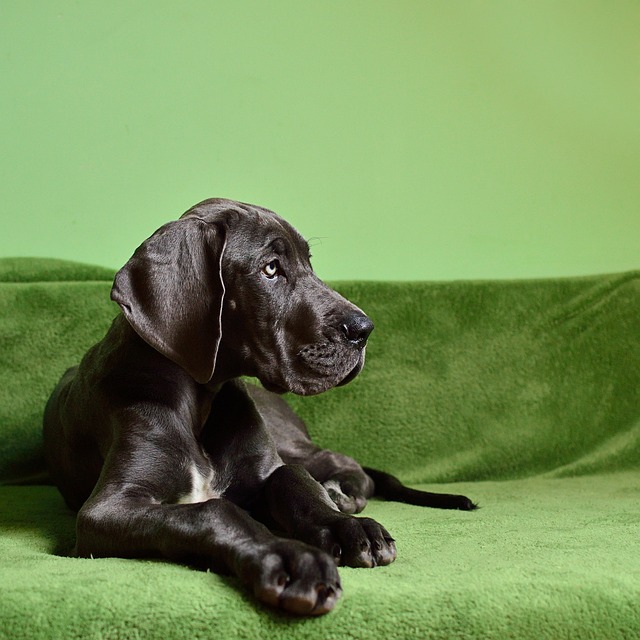
The Great Dane is known as a gentle giant but can be dangerous simply due to its massive size. They were originally bred to hunt wild boar and retain a latent courage and fighting spirit. Fear aggression can occur if these dogs are not socialized properly during their rapid growth phases. An aggressive Great Dane is nearly impossible for an average human to physically restrain. Standing over 30 inches tall at the shoulder they command respect and caution.
Akita
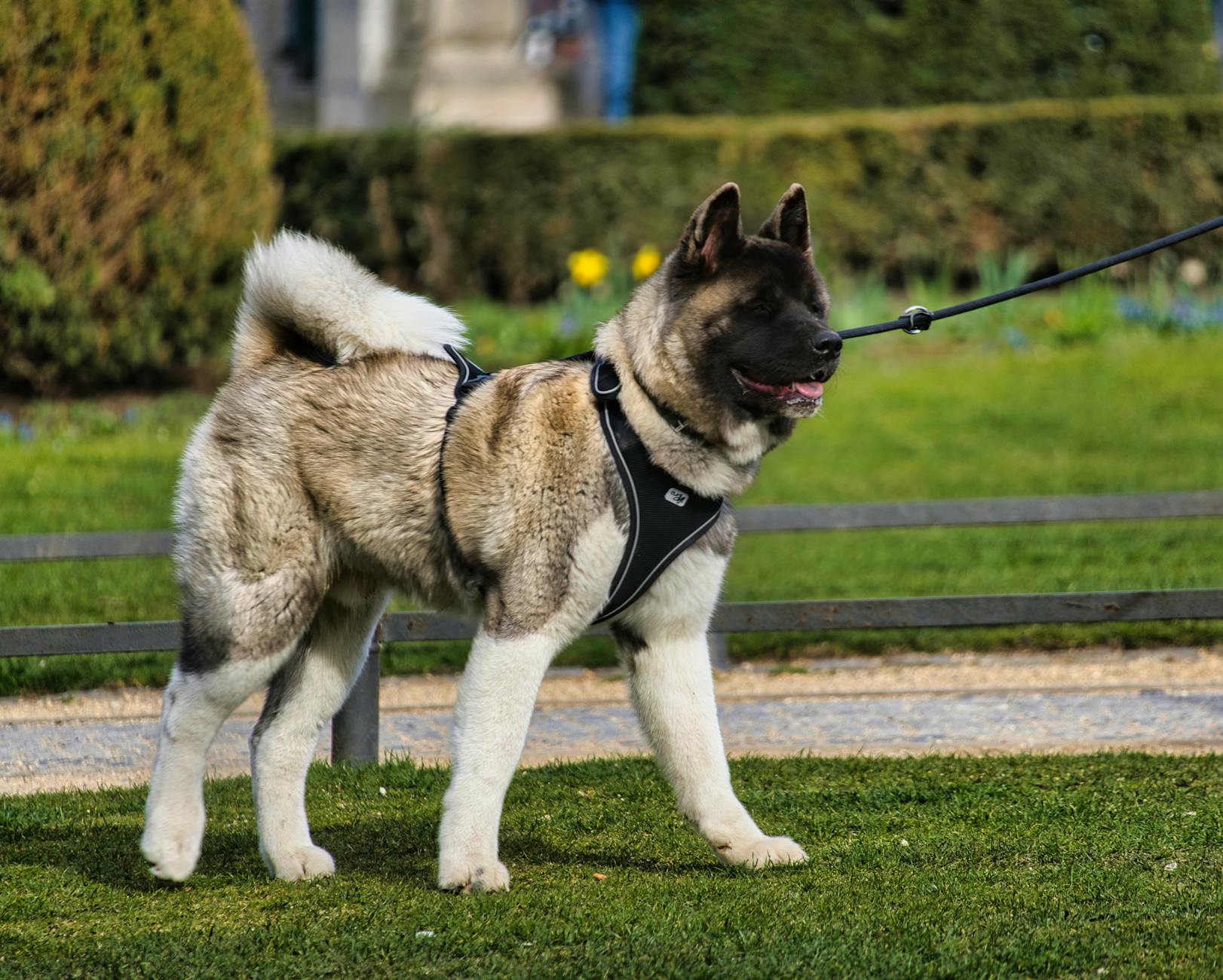
Akitas are dignified and courageous dogs that were bred for guarding royalty and hunting bears in Japan. They are notoriously intolerant of other dogs and often display aggression toward the same sex. This breed is aloof with strangers and will protect its family with zero hesitation. Their bite is powerful and they tend not to give warning growls before striking. Experienced handling is non-negotiable for this powerful and independent breed.
Chow Chow
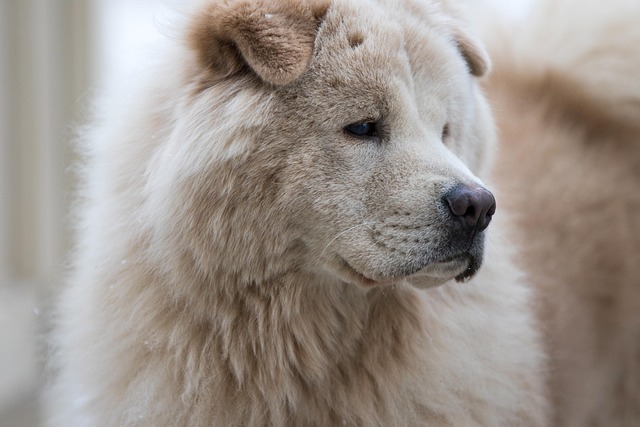
Chow Chows have a reputation for being one of the most aggressive breeds despite their teddy bear appearance. They are fiercely loyal to a single owner and often snap at strangers who attempt to touch them. Their limited peripheral vision due to deep-set eyes can cause them to be easily startled and reactive. They protect their territory vigorously and do not tolerate teasing or rough handling. Groomers and veterinarians often approach this breed with extreme caution.
Perro De Presa Canario
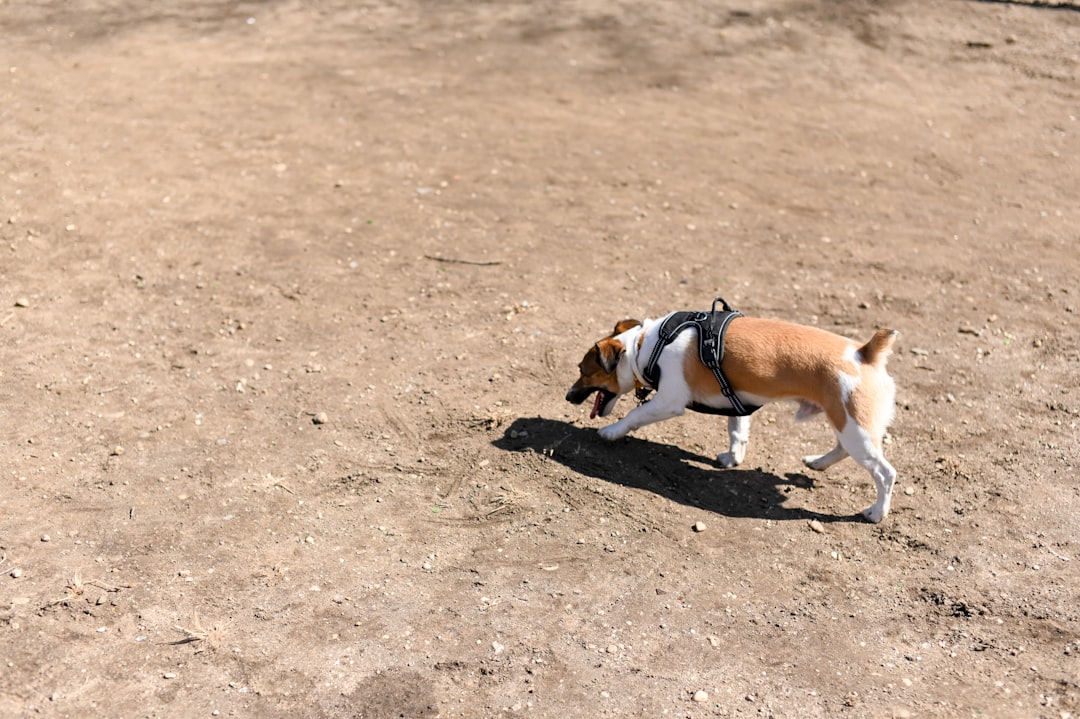
This breed is a massive catch dog originally used for working livestock and managing unruly cattle. They have a history in dog fighting rings which contributes to their high aggression potential. The Presa Canario requires a dominant owner who can manage a dog weighing over 100 pounds. They are naturally suspicious of strangers and have been involved in several high-profile fatal attacks. Socialization is critical but does not always eliminate their combat drive.
Fila Brasileiro
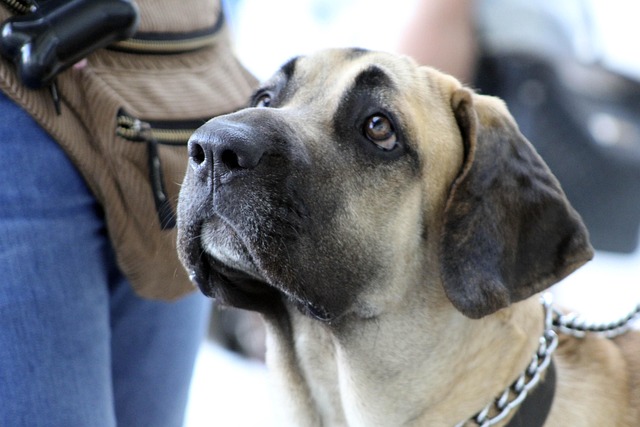
The Fila is prized in Brazil for its tracking ability and extreme aversion to strangers. Judges in dog shows do not penalize this breed for showing aggression toward the judge as it is a breed standard trait. They are massive dogs that move with surprising speed to pin down jaguars or cattle. An owner must never let this dog off-leash in public areas due to its protective intensity. They bond deeply with their family but view everyone else as a potential intruder.
Dogo Argentino
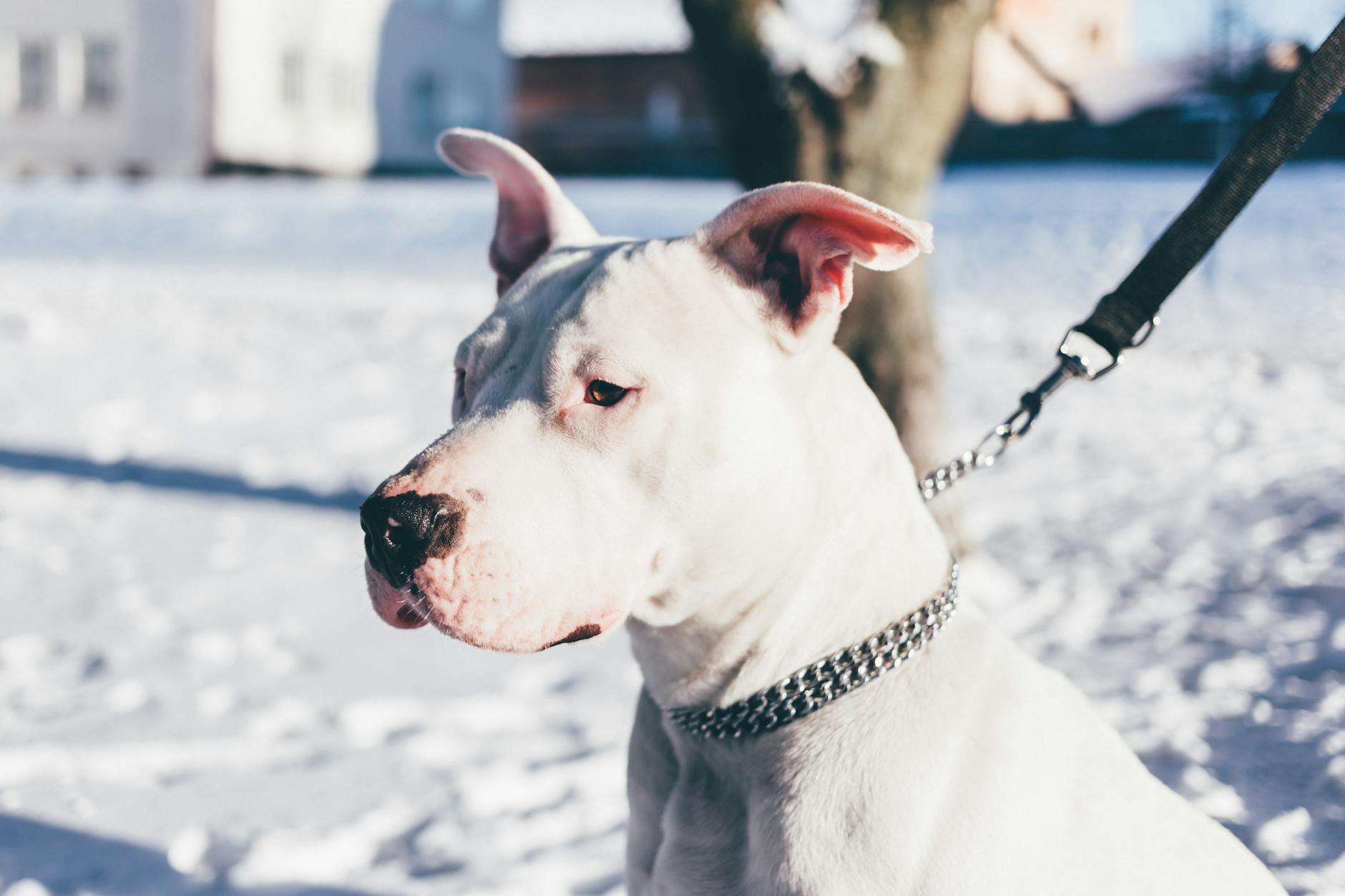
Bred for big-game hunting in packs this dog possesses explosive power and a high pain tolerance. They are fearless when facing wild boars and pumas in their native Argentina. While loyal to their family they can be extremely aggressive toward other dogs and animals. Their white coat often masks a muscular frame capable of causing immense physical damage. Ownership of this breed is restricted in several countries due to safety concerns.
Boerboel
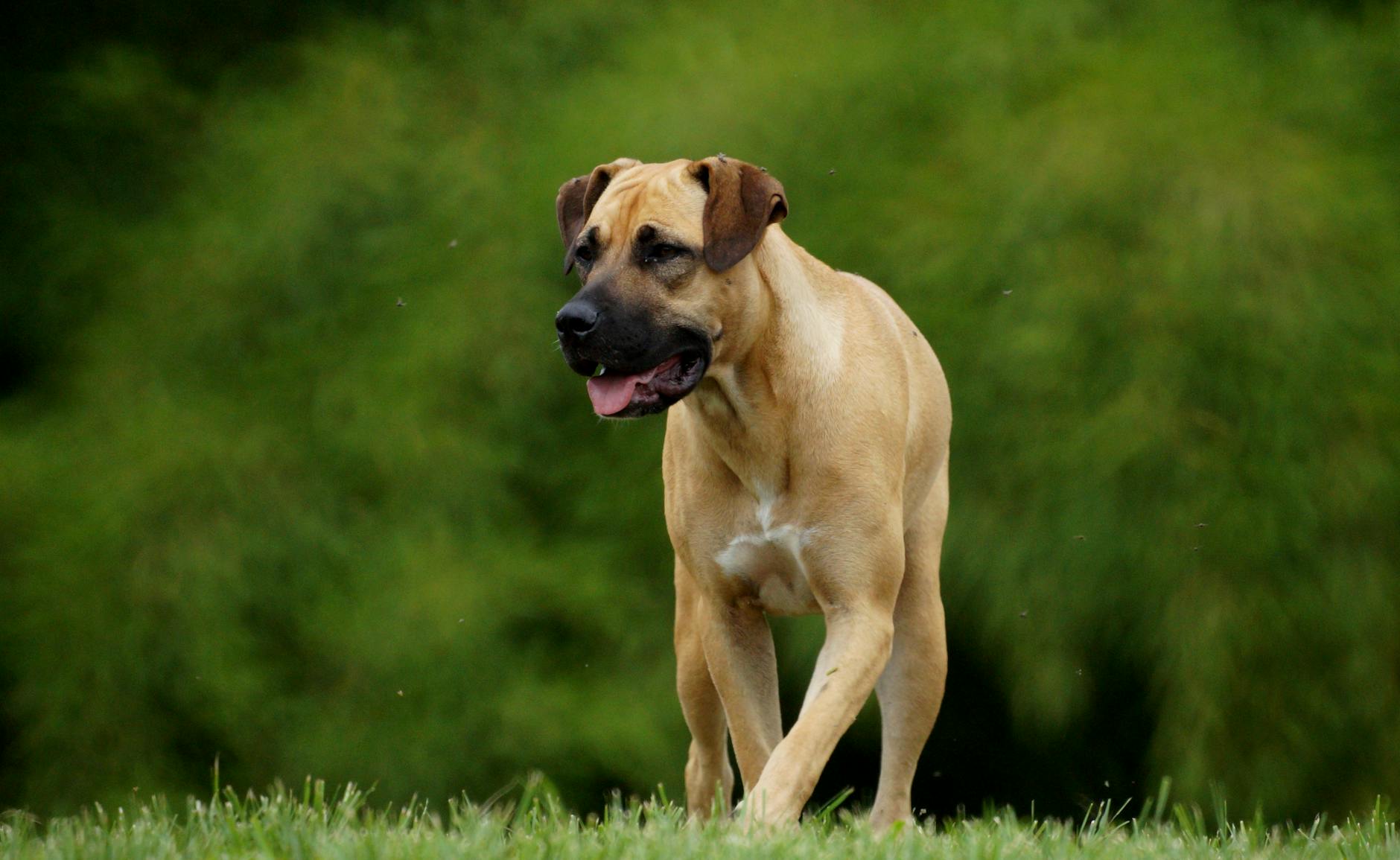
The Boerboel is a South African mastiff bred to defend homesteads against lions and hyenas. They are intelligent and protective but can interpret innocent actions by strangers as threats. Weighing up to 200 pounds this breed is a formidable guardian that blocks intruders with its body. They require early and ongoing training to ensure they accept guests into the home. Their dominance requires a handler who asserts leadership without using physical force.
Cane Corso

This Italian mastiff is a descendant of Roman war dogs and serves as a peerless protector. They are reserved with strangers and have a powerful prey drive that requires management. Without a job to do they can become destructive and develop dominance issues. The Cane Corso is agile for its large size and can easily scale fences to patrol its territory. They need extensive socialization to learn that not every stranger is an enemy.
Saint Bernard
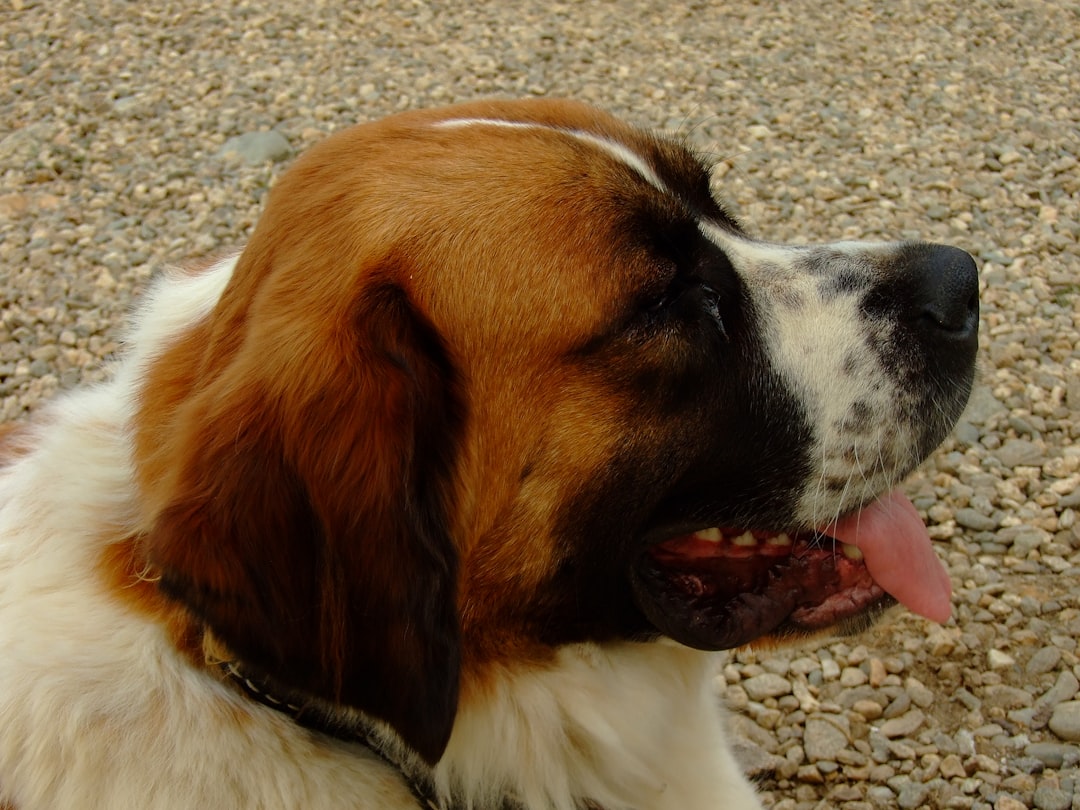
While often depicted as a rescue dog the Saint Bernard is a large and powerful territorial animal. Males can be particularly aggressive toward other male dogs if they feel their status is challenged. Their size alone makes any display of aggression dangerous as they can crush a person. Puppies must be taught bite inhibition early before they grow into their full 180-pound adult size. Unsocialized adults can become liabilities due to their strength and protective instincts.
Rhodesian Ridgeback
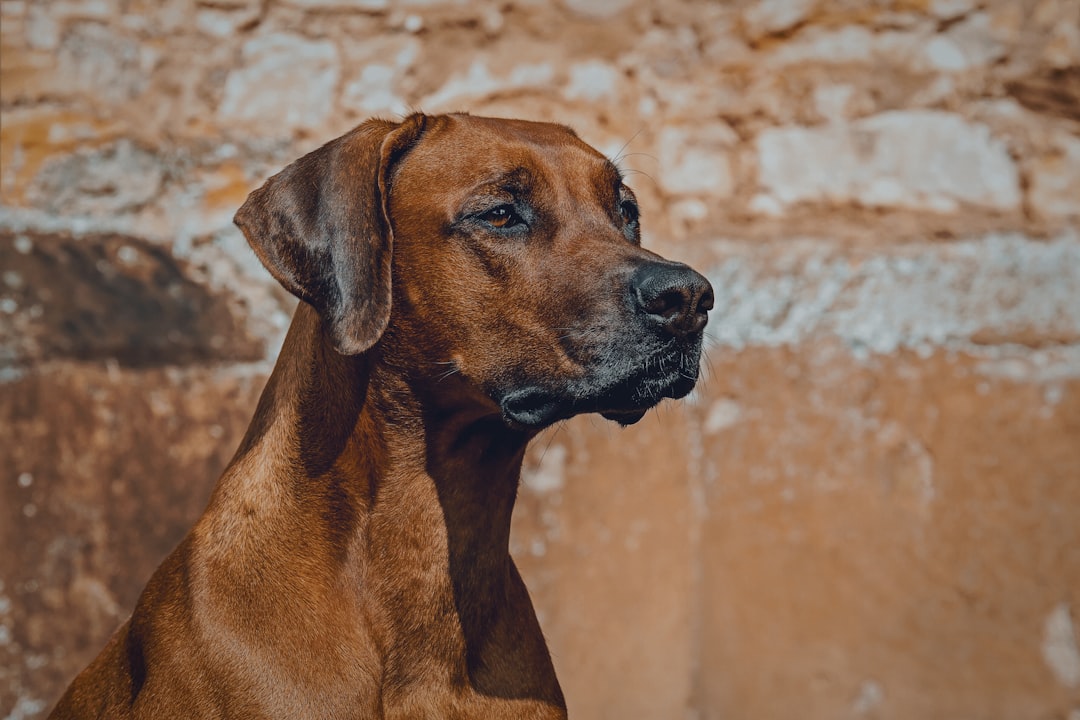
These dogs were famous for their ability to distract lions while hunters positioned themselves for the shot. They are independent thinkers that can be aloof and aggressive toward strangers on their property. The Ridgeback has a strong prey drive and may chase smaller animals with relentless endurance. They require a fenced yard and an owner who understands the needs of a hound. Their sensitivity requires positive reinforcement rather than harsh discipline.
Gull Dong
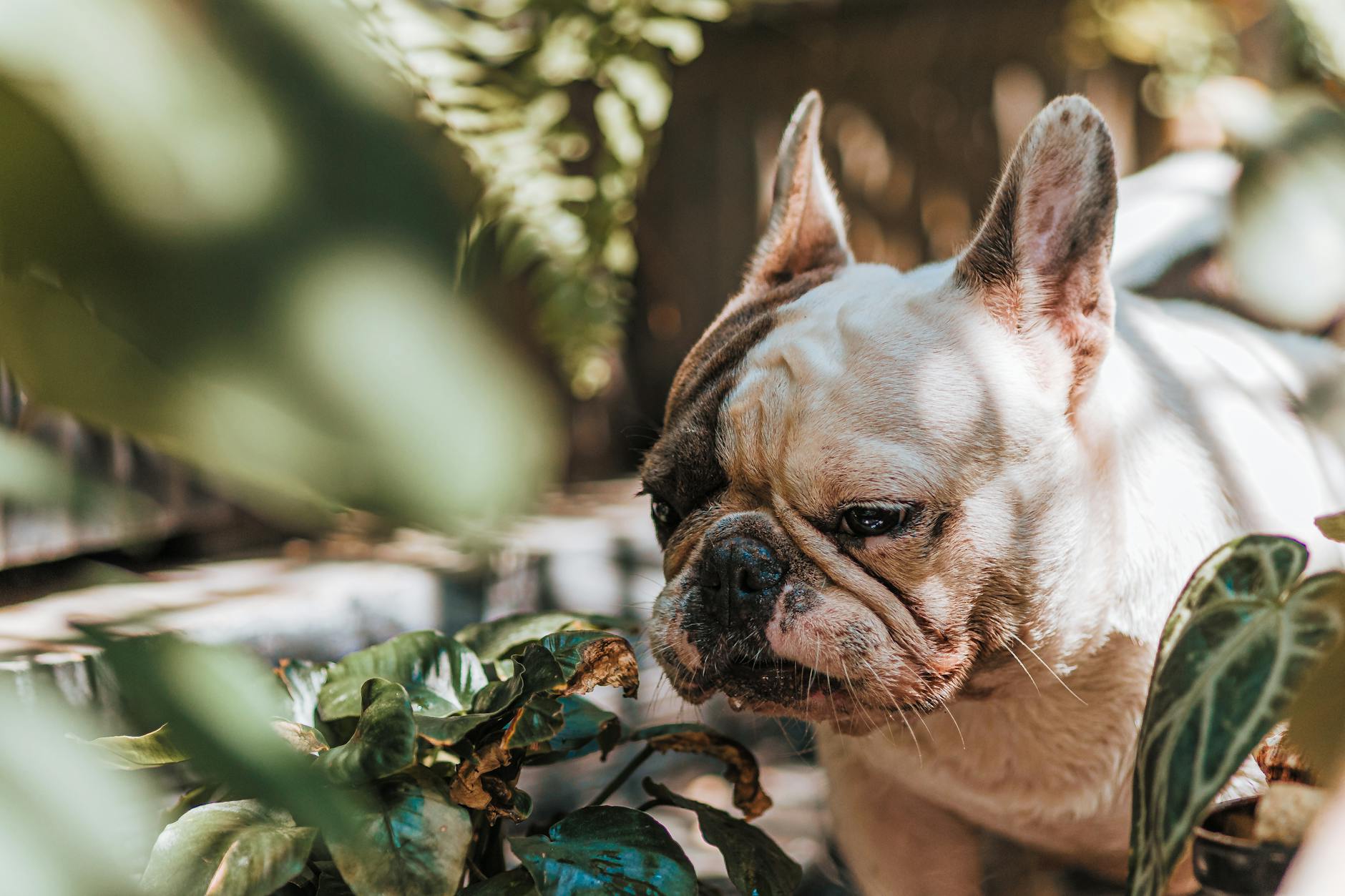
The Gull Dong is a Pakistani breed resulting from crossing the Gull Terr and the Bully Kutta. They are known for their extreme aggression and are often used in illegal dog fighting. This breed is very difficult to train and is generally not recommended for a family environment. They are intensely territorial and often hostile toward anyone outside their immediate circle. Their rugged build allows them to thrive in harsh environments while maintaining a fighting edge.
Basenji
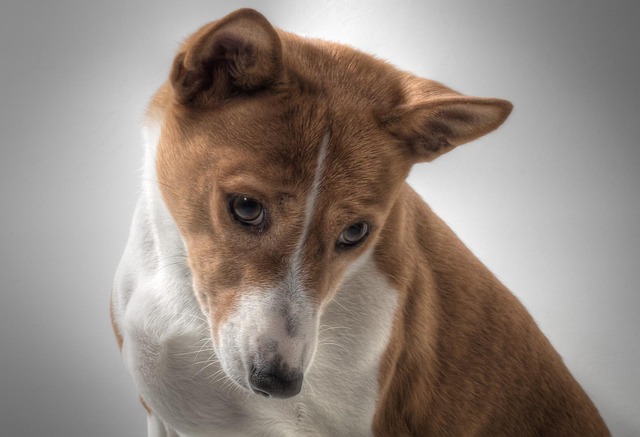
Basenjis are small hunting dogs from Africa that are known for being difficult to train. They can be aloof and aggressive with strangers and often dislike being handled. This breed does not bark but makes a yodel sound and is known for its cat-like independence. They have a high prey drive and will chase anything that moves quickly. Their stubborn nature makes them prone to snapping if forced to do something they dislike.
American Bulldog
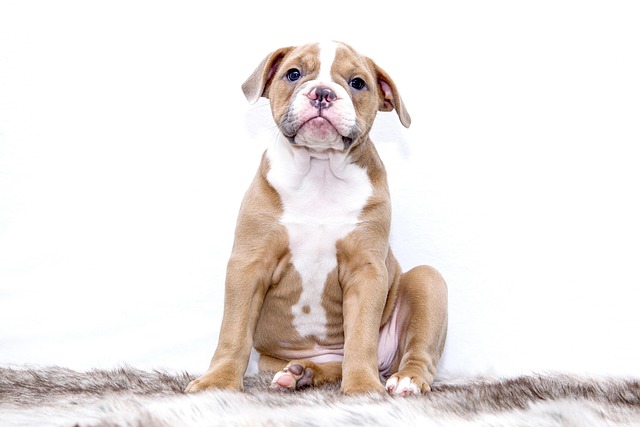
These muscular dogs were originally used on farms to catch feral cattle and guard property. They are confident and can be aggressive toward other dogs if not properly socialized. Their high energy levels require vigorous exercise to prevent frustration and destructive behavior. The breed is known for its ability to jump six feet or more into the air. They form strong bonds with owners but require firm boundaries to manage their protective instincts.
Tosa Inu
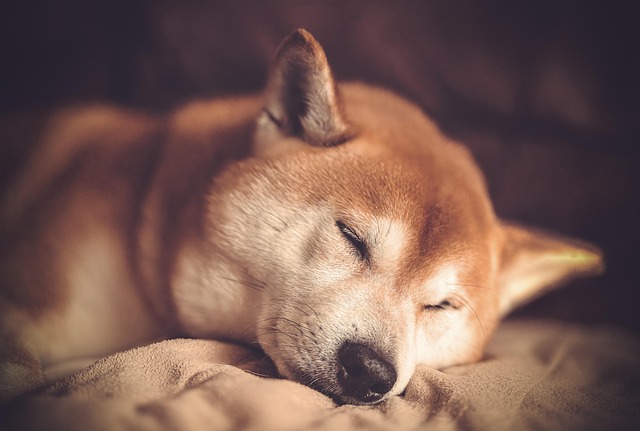
The Tosa Inu is a Japanese fighting dog bred specifically for silent combat in the ring. They are large and stoic but can react with sudden violence toward other dogs. Many countries regulate or ban this breed due to its history and potential for harm. They are generally patient with family members but are not suitable for first-time owners. A Tosa rarely barks and will attack without the vocal warnings common in other breeds.
Caucasian Shepherd
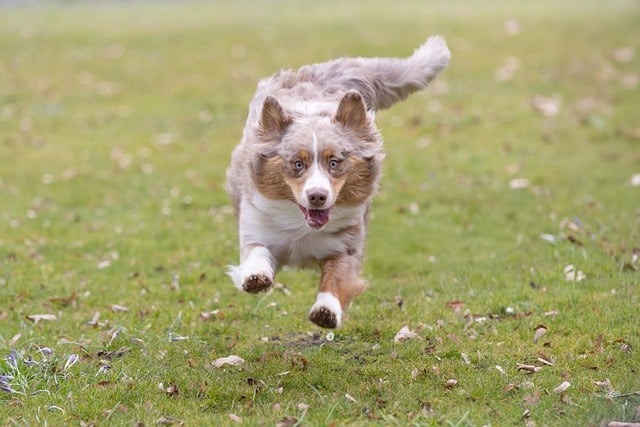
This massive livestock guardian dog is bred to protect sheep from wolves and bears in the mountains. They are naturally aggressive toward strangers and do not trust anyone outside their family unit. A fully grown male can weigh nearly 200 pounds and possesses a thick coat that protects against bites. They are low energy but react with explosive speed when a threat is detected. This breed requires a secure perimeter and is not suitable for urban living.
Tibetan Mastiff
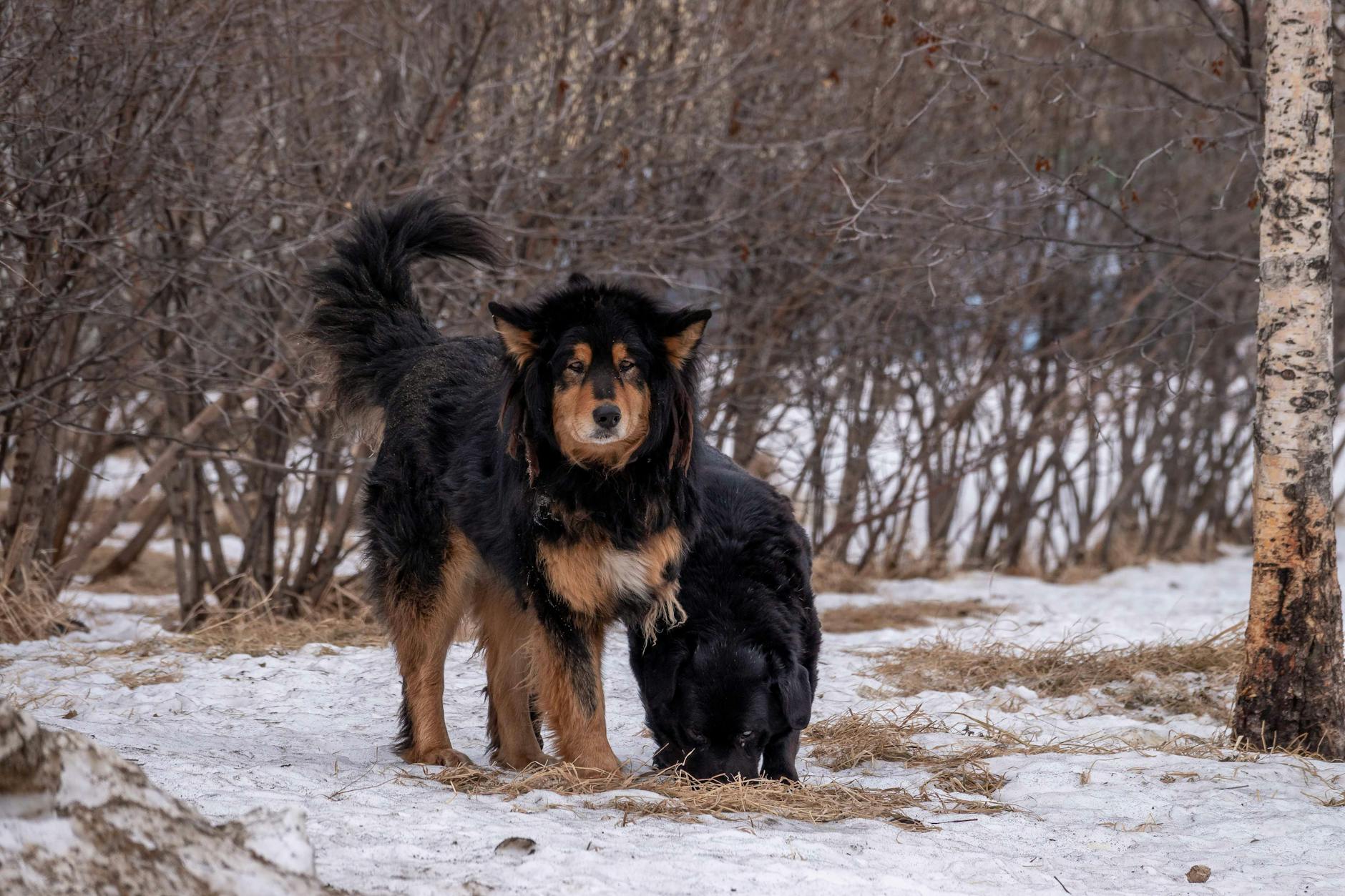
The Tibetan Mastiff is a primitive breed used to guard monasteries and camps in the Himalayas. They are nocturnal by nature and can be highly aggressive toward intruders at night. Their independent character means they often ignore commands if they believe they know better. They are territorial to an extreme degree and will fiercely defend their home turf. Socialization is difficult as they are naturally suspicious of anything new or different.
Kangal
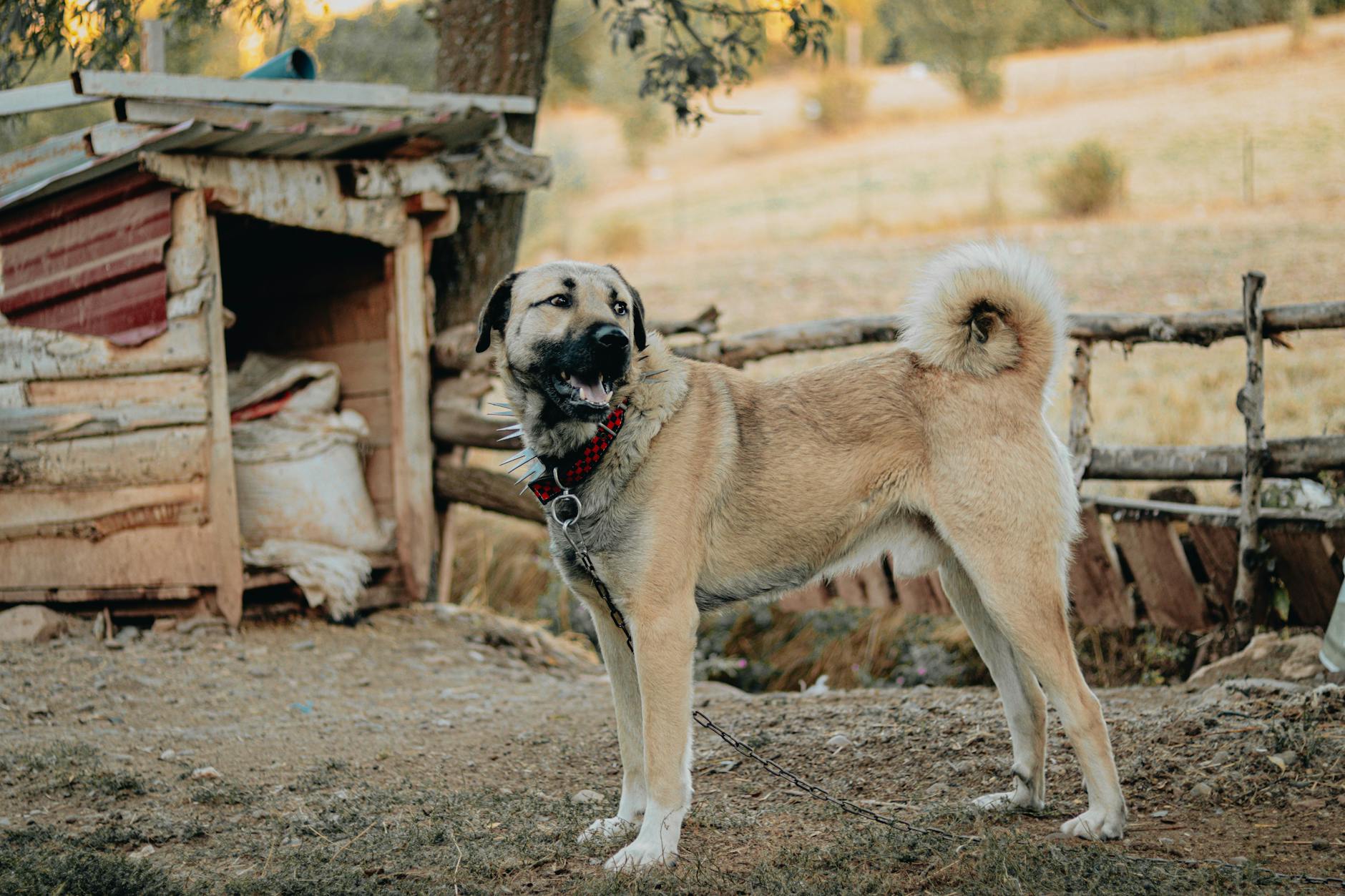
The Kangal is a Turkish livestock guardian with the strongest bite force of any domestic dog breed. They are calm around their flock but will attack predators like wolves with lethal intent. This breed is not aggressive toward family but is highly protective and territorial. They require large open spaces to patrol and are miserable in confined apartments. Their independence allows them to make decisions without human input which can be dangerous.
Central Asian Shepherd
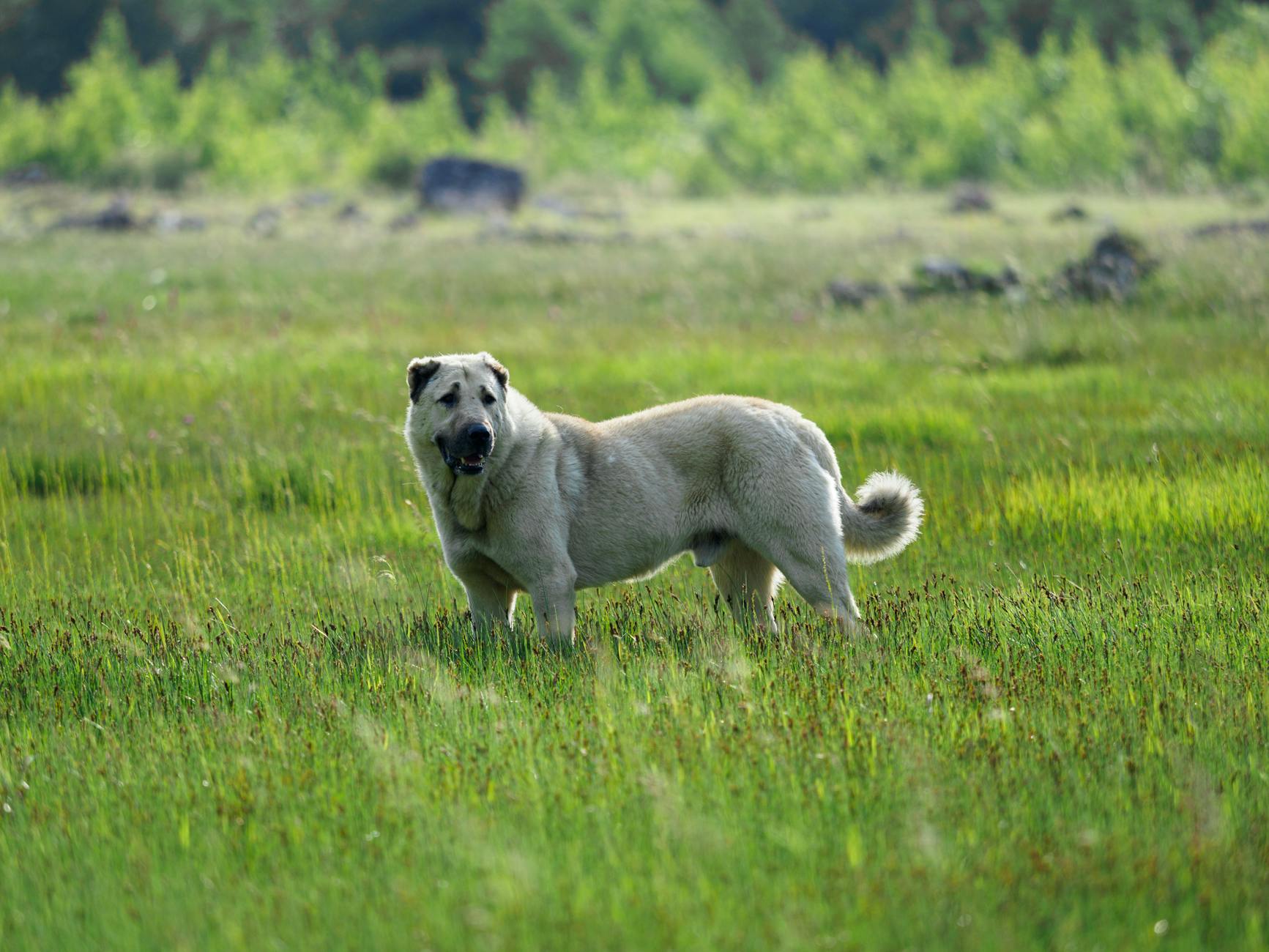
These dogs are ancient guardians that have protected livestock for thousands of years. They are naturally dominant and can be very aggressive toward other dogs and strangers. The breed is known for its fearlessness and ability to endure pain during combat. They require a handler who understands how to manage a dog that thinks for itself. Without a flock or territory to guard they may become aggressive due to frustration.
Chinese Shar-Pei
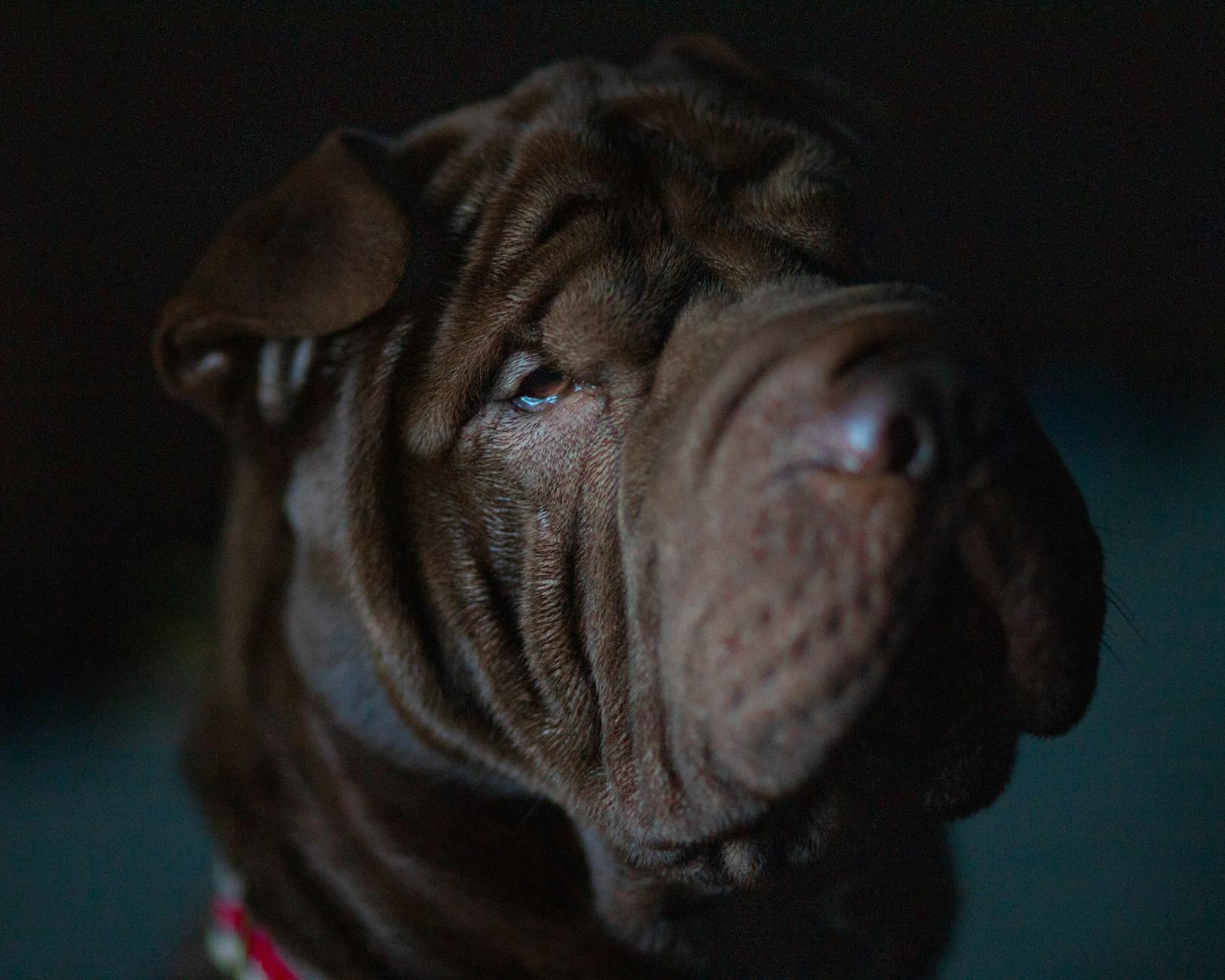
The Shar-Pei was originally a fighting and guard dog in China known for its loose skin and prickly coat. They can be very aggressive toward other dogs and are naturally suspicious of people they do not know. Their limited vision caused by skin folds can lead to reactive biting if they are startled. This breed requires early socialization to prevent their guarding instincts from becoming dangerous. They bond tightly with family but are often hostile to visitors.
Chihuahua
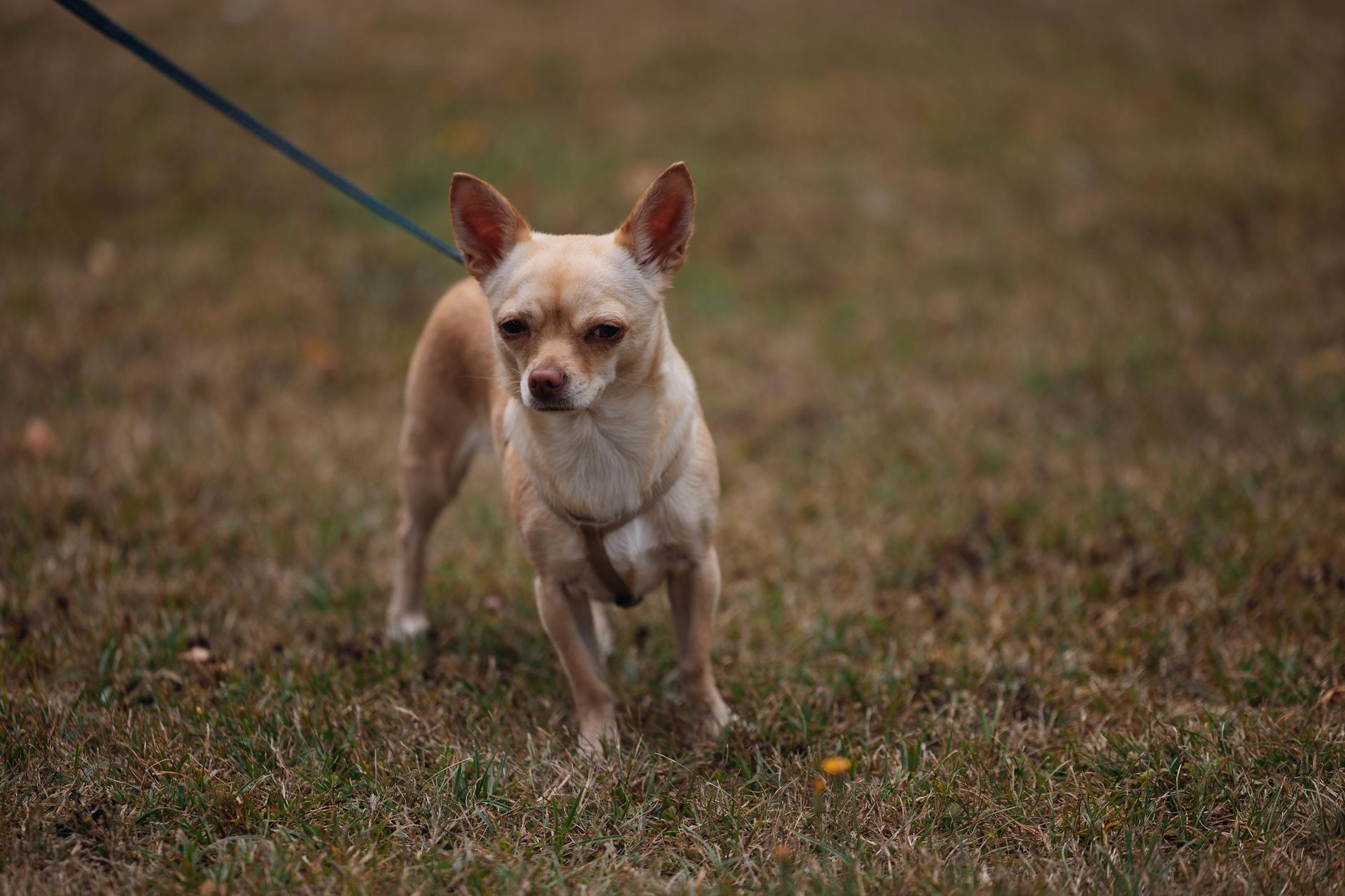
Chihuahuas frequently appear on bite statistic lists due to their tendency to snap when frightened or handled roughly. They are fiercely loyal to one person and will aggressively defend that person against larger dogs or humans. Their small size often leads owners to overlook or excuse their resource guarding and territorial behavior. Known for “small dog syndrome,” they often believe they are the alphas of the house. Their teeth are sharp and can cause significant injury to faces and fingers.
Dachshund
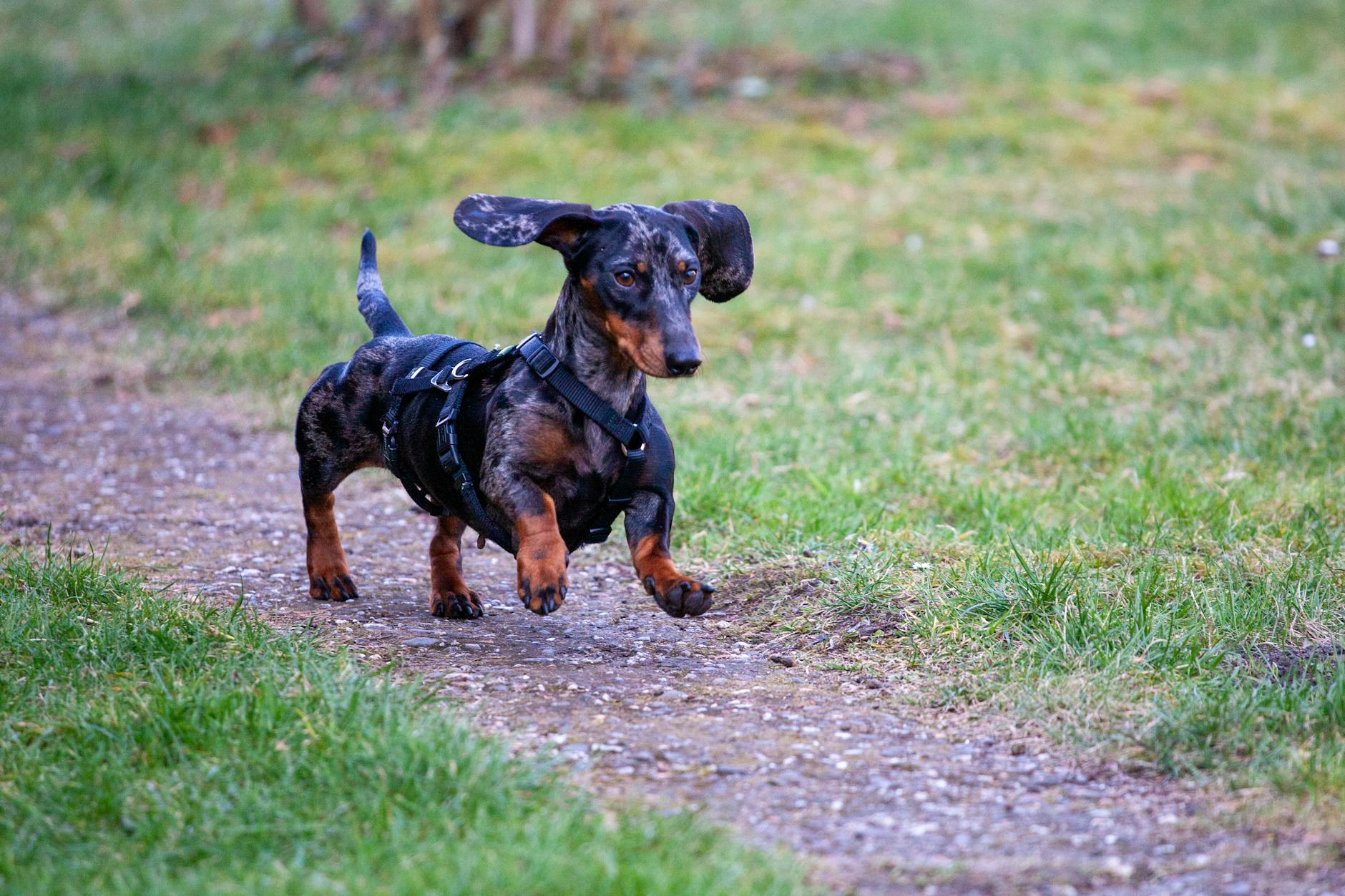
Dachshunds were bred to hunt badgers in tight burrows which requires a tenacious and aggressive personality. They are known to be snappy with strangers and children who move too quickly. Studies have shown they are among the most likely breeds to display aggression toward both owners and strangers. Their loud bark and willingness to charge make them effective but difficult watchdogs. Owners often underestimate the training required for these small but fierce hunters.
Jack Russell Terrier
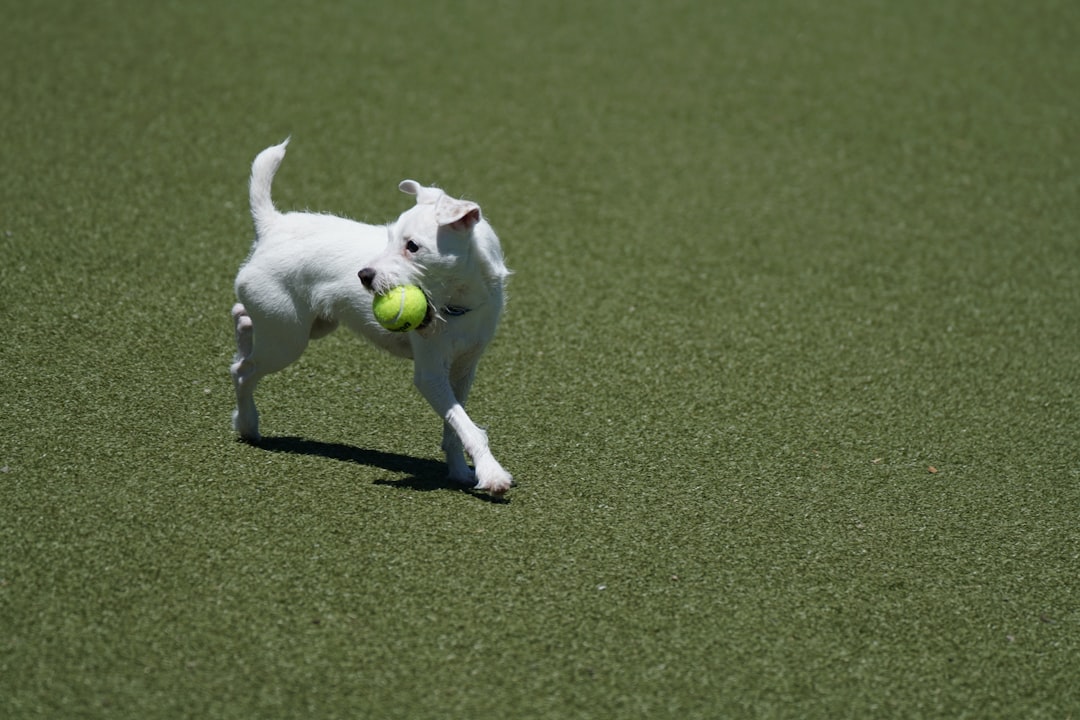
These terriers are high-energy hunting dogs that will not back down from a fight. They can be aggressive toward other dogs and have a very high prey drive for small animals. Their intelligence and energy require constant engagement to prevent behavioral problems. They are known to snap if they feel cornered or are handled roughly. A bored Jack Russell is a destructive force that will dig and bite to release tension.
English Cocker Spaniel
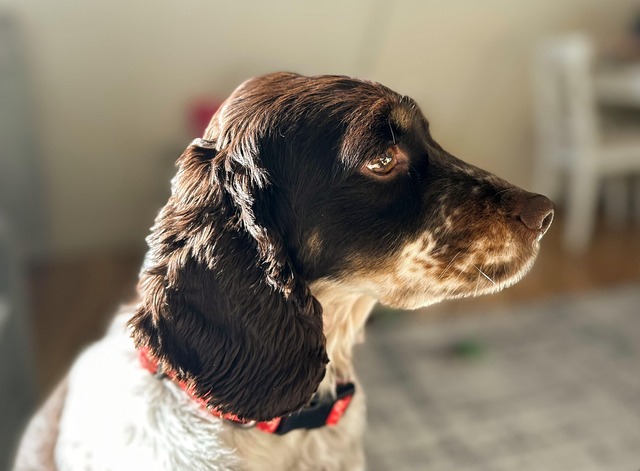
While generally friendly this breed is the primary sufferer of a condition known as Rage Syndrome. This genetic disorder causes sudden and unprovoked attacks of savage aggression. The dog often appears confused after the episode and does not remember the incident. Outside of this condition they can still be resource guarders and snappy if not trained well. Prospective owners should always check the breeding lines for a history of temperament issues.
Bull Terrier
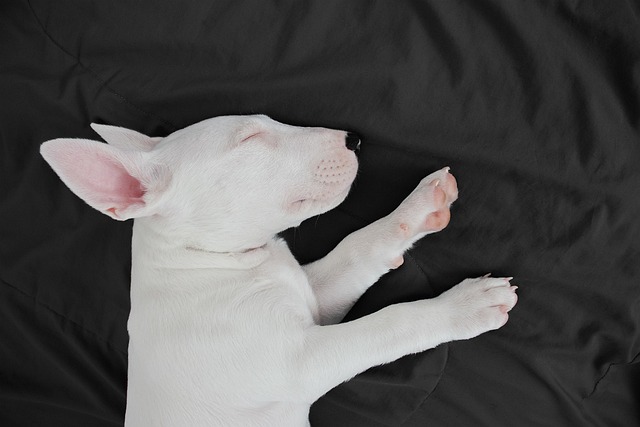
The Bull Terrier was developed for dog fighting and retains a high level of animal aggression. They are muscular and tenacious with a high pain threshold that makes them difficult to stop. While they can be affectionate with humans they are often dangerous around other pets. Their playful nature can turn rough quickly and requires supervision. They can be possessive of food and toys which leads to conflict.
Staffordshire Bull Terrier
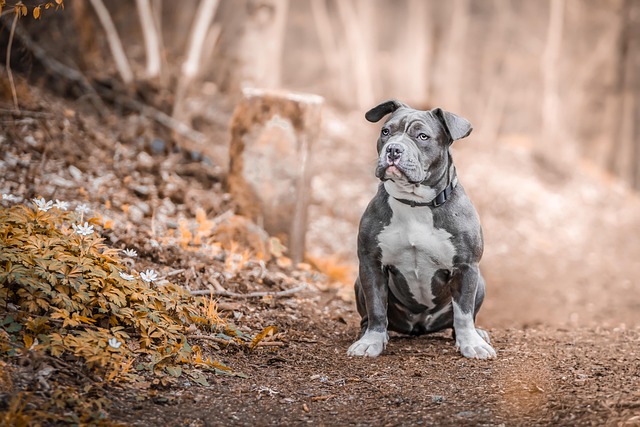
Similar to other bully breeds the Staffordshire was bred for fighting but is often softer with humans. However they can display significant aggression toward other dogs and animals. They are incredibly strong for their size and can pull an adult off their feet. Their excitement levels can spike quickly leading to nipping and jumping that causes injury. Responsible ownership involves keeping them leashed and managed around other canines.
Belgian Malinois
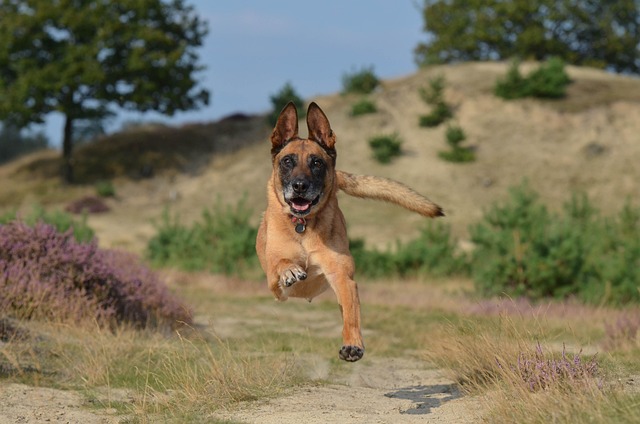
The Malinois is a high-intensity working dog used by special forces for its biting capability and drive. They have a “hair-trigger” response and can become aggressive if they lack a specific job or outlet. This breed often bites moving objects like bicycles or running children due to high prey drive. They require hours of physical and mental work every single day to remain stable. They are generally considered unsuitable for a typical family pet environment.
Dalmatian
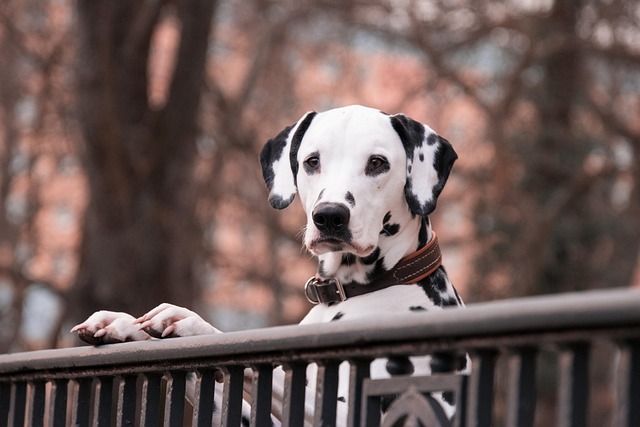
Dalmatians were bred to run alongside carriages and guard the horses from stray dogs and thieves. They can be aloof with strangers and have a protective nature that manifests as aggression. The breed is prone to deafness which can cause them to startle easily and snap in defense. They have high energy requirements and can become destructive and snappy if confined. Early socialization is vital to curb their natural suspicion of people and animals.
Share your thoughts on these breeds and your own experiences with canine temperament in the comments.




