Introverts process the world differently than extroverts, and understanding these differences can transform how we approach relationships, work environments, and self-care. Research in psychology and neuroscience has revealed fascinating insights into the introvert mind, from energy management to communication preferences. These facts shed light on everything from social battery depletion to the creative advantages of solitude. Whether you’re an introvert seeking validation or someone hoping to better understand the introverts in your life, these evidence-based insights offer a deeper appreciation for this personality type.
Introverts Recharge Through Solitude

The brain of an introvert responds differently to dopamine than an extrovert’s brain, making quieter activities more rewarding. After social interaction, introverts need alone time to restore their mental and emotional energy. This isn’t antisocial behavior but rather a biological necessity for maintaining well-being. Solitary activities like reading, walking alone, or simply sitting quietly help reset their nervous system. Understanding this need prevents misinterpretation of an introvert’s withdrawal as rejection or rudeness.
Introverts Prefer Deep Conversations Over Small Talk

Surface-level chitchat about weather or generic topics drains introverts faster than meaningful dialogue. They find genuine connection and intellectual stimulation in conversations that explore ideas, feelings, and substantive topics. Small talk feels like an energy expense with minimal reward for the introvert brain. This preference explains why introverts often seem quiet at parties but animated in one-on-one settings. The depth of conversation matters more than the quantity of social interactions.
Introverts Think Before They Speak

The introvert brain processes information through a longer neural pathway that involves more internal reflection. This means they typically need time to formulate thoughts before expressing them verbally. In fast-paced group discussions, introverts may stay quiet not from lack of ideas but from needing processing time. They often perform better when given advance notice about discussion topics. This thoughtful approach usually results in well-considered contributions when they do speak up.
Introverts Excel at Listening

Because introverts spend more time observing than talking, they develop exceptional listening skills. They notice subtle details in what others say and pick up on emotional undercurrents in conversations. This attentiveness makes them trustworthy confidants and effective problem-solvers for friends seeking advice. Their natural tendency to pause and reflect helps them truly absorb what others communicate. Many introverts report that people often tell them they’re easy to talk to.
Introverts Experience Social Hangovers

Extended social interaction can leave introverts feeling physically and mentally exhausted, similar to a hangover. Symptoms include irritability, difficulty concentrating, and a strong desire to be alone. This happens because socializing overstimulates the introvert’s sensitive nervous system. The recovery time needed depends on the intensity and duration of the social event. Recognizing these signs helps introverts establish healthy boundaries around their social commitments.
Introverts Have Rich Inner Worlds

The introvert mind is constantly active with thoughts, imagination, and internal dialogue. They spend considerable time in self-reflection, analyzing experiences and exploring ideas mentally. This inner landscape provides entertainment and fulfillment without external stimulation. Many introverts describe their thoughts as vivid and complex, almost like living in two worlds simultaneously. This rich internal life often fuels creativity and original thinking.
Introverts Are Not Necessarily Shy

Introversion and shyness are frequently confused but represent entirely different psychological concepts. Introversion relates to how someone gains energy, while shyness involves fear of social judgment. Many introverts are socially confident and skilled but still need solitude to recharge. Conversely, some extroverts experience shyness despite craving social interaction. Understanding this distinction prevents harmful mischaracterizations of introverted behavior.
Introverts Need Advance Notice for Social Plans

Spontaneous invitations can overwhelm introverts who prefer to mentally prepare for social situations. Knowing about plans in advance allows them to conserve energy and set realistic expectations. Last-minute changes or surprise gatherings can trigger stress and anxiety responses. This need for preparation isn’t about being inflexible but about managing their energy resources. Advance planning helps introverts show up as their best selves at social events.
Introverts Often Enjoy Performing

Many successful actors, musicians, and public speakers identify as introverts despite their visible careers. Performing allows control over the interaction and often involves playing a character or role. The structured nature of performance differs significantly from unpredictable social mingling. Many introverted performers report feeling energized on stage but drained at the afterparty. The key difference lies in the controlled versus spontaneous nature of the social interaction.
Introverts Process Emotions Internally

When facing emotional situations, introverts typically withdraw to process their feelings privately. They need time alone to understand and work through complex emotions before discussing them. This internal processing can be mistaken for emotional coldness or avoidance. Pressuring an introvert to immediately share feelings often backfires and increases their stress. Respecting their need for emotional processing time leads to more authentic sharing later.
Introverts Value Quality Over Quantity in Friendships

Most introverts maintain a small circle of close friends rather than a large network of acquaintances. They invest deeply in a few meaningful relationships instead of spreading themselves thin. These friendships are characterized by loyalty, deep understanding, and substantial emotional investment. The idea of having hundreds of casual friends holds little appeal for most introverts. They measure social success by connection depth rather than contact frequency.
Introverts Notice Details Others Miss

The observant nature of introverts means they often catch subtle environmental and social cues. They pick up on body language, tone shifts, and small changes in their surroundings. This heightened awareness can make them excellent editors, researchers, and strategists. Their ability to notice patterns and inconsistencies serves them well in analytical work. This attention to detail stems from their tendency to observe more and speak less.
Introverts Can Appear Extroverted When Necessary

Many introverts develop the ability to adopt extroverted behaviors in professional or social situations. This adaptive skill allows them to network, present, and socialize effectively when required. The effort required to maintain this facade is exhausting and unsustainable long-term. After periods of forced extroversion, introverts need extended recovery time alone. This ability to adapt shouldn’t be mistaken for a preference or natural state.
Introverts Work Well Independently

The introvert brain thrives in environments with minimal external stimulation and interruption. Independent work allows them to enter deep focus states and produce high-quality results. Open office plans and constant collaboration can severely hamper introvert productivity. They often do their best thinking and creating when working alone. Autonomy and solitude are not just preferences but performance enhancers for introverts.
Introverts Are Highly Self-Aware

The introspective nature of introversion leads to above-average self-knowledge and personal insight. Introverts spend significant time examining their motivations, reactions, and patterns. This self-awareness helps them identify their values, strengths, and areas for growth. They often have a clear understanding of what drains versus energizes them. This insight allows introverts to make informed choices about their lifestyle and relationships.
Introverts Experience Overstimulation Easily

Bright lights, loud noises, strong smells, and crowded spaces can overwhelm the introvert’s sensitive nervous system. Their brains process sensory information more thoroughly, leading to faster saturation. This heightened sensitivity explains why introverts often prefer calm, quiet environments. Overstimulation can manifest as anxiety, irritability, or the urgent need to escape. Creating low-stimulation spaces helps introverts maintain their equilibrium.
Introverts Make Thoughtful Decisions

The deliberative nature of introverts means they rarely make impulsive choices. They gather information, consider multiple angles, and reflect thoroughly before committing. This careful approach minimizes regret but can be mistaken for indecisiveness. Introverts often need to sleep on important decisions before feeling confident. Their methodical decision-making style serves them well in situations requiring careful judgment.
Introverts Communicate Better in Writing

Many introverts express themselves more clearly and confidently through written communication. Writing provides the processing time they need to organize thoughts and choose words carefully. Email, text, and written reports often showcase an introvert’s intelligence better than verbal exchanges. This preference explains why many introverts excel in careers involving writing and editing. The asynchronous nature of written communication aligns perfectly with their processing style.
Introverts Can Be Misunderstood as Aloof
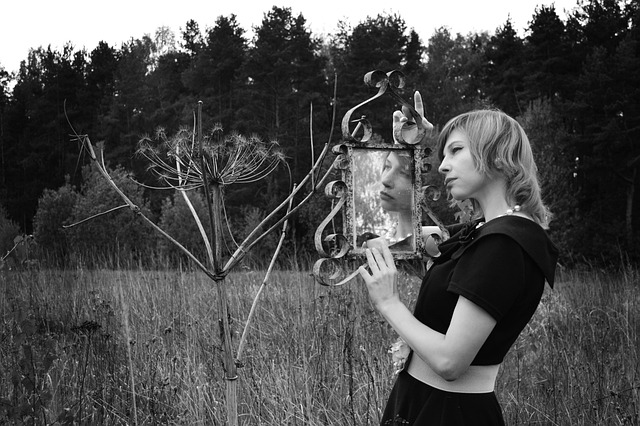
The quiet, reserved demeanor of introverts is sometimes misinterpreted as disinterest or arrogance. Their neutral facial expressions and tendency toward observation rather than participation fuel these misconceptions. In reality, introverts are often deeply engaged while appearing outwardly detached. They may be listening intently, thinking deeply, or simply conserving energy. These misunderstandings create unnecessary social friction and hurt feelings on both sides.
Introverts Build Trust Slowly

Opening up and sharing personal information takes considerable time for most introverts. They observe potential friends carefully before deciding to invest emotionally. This cautious approach protects them from superficial relationships and energy vampires. Once trust is established, introverts become fiercely loyal and deeply committed friends. Rushing this process or demanding immediate intimacy typically backfires with introverts.
Introverts Thrive in One-on-One Settings

The intimacy and focused attention of individual conversations bring out the best in introverts. Without the competition for airtime found in groups, they can express themselves fully. One-on-one interactions allow for the depth and continuity introverts crave in communication. These settings reduce the sensory and social overwhelm of larger gatherings. Many introverts report feeling most understood and energized in paired conversations.
Introverts Need Recovery Time After Social Events

Even enjoyable social gatherings require introverts to spend energy that must be replenished. The day after a party or event often involves minimal social contact and quiet activities. This recovery period is essential for returning to baseline energy and emotional regulation. Booking back-to-back social commitments can lead to burnout and resentment. Smart introverts schedule buffer days between demanding social obligations.
Introverts Are Observant About People
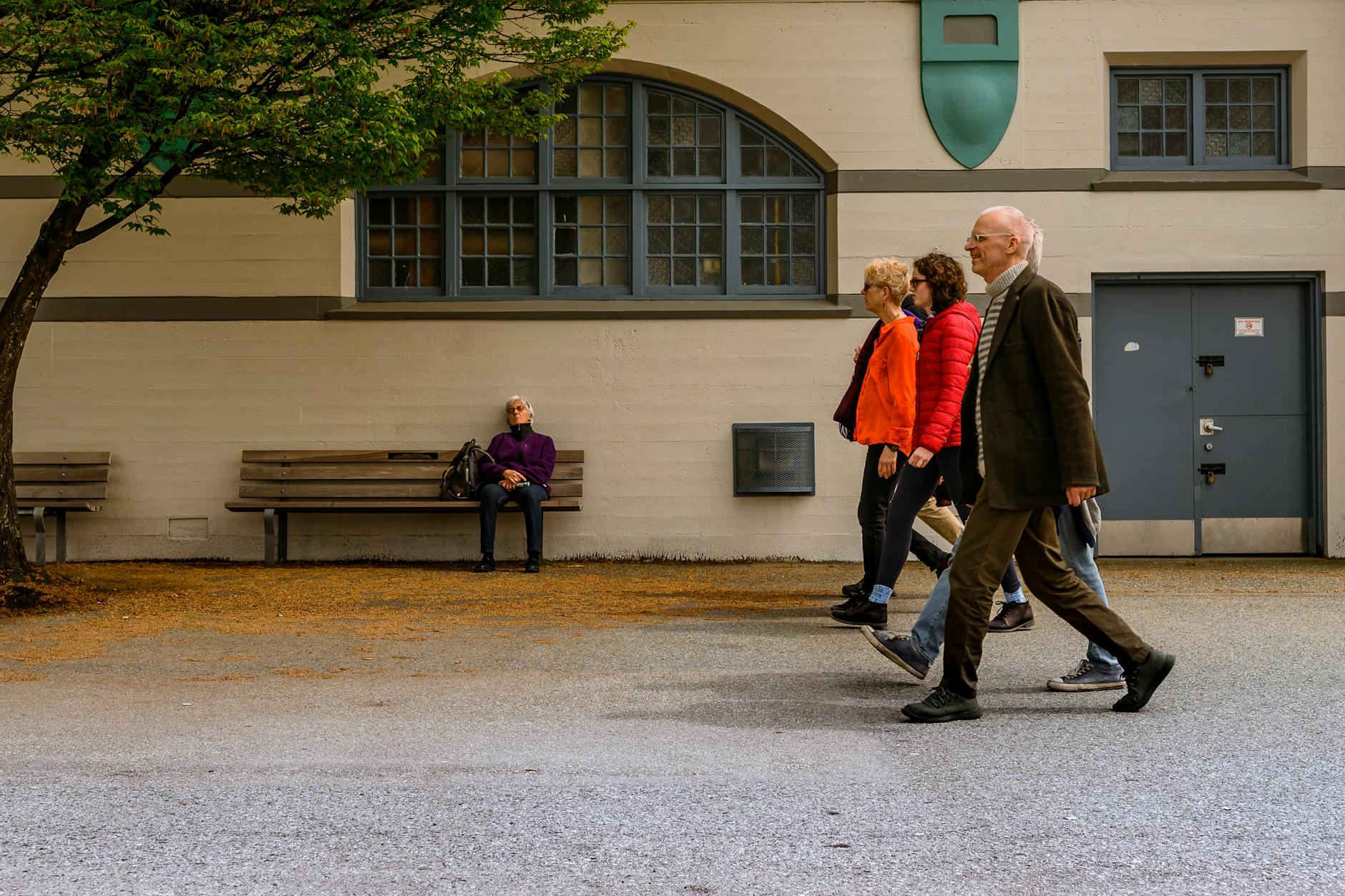
Spending more time watching than participating gives introverts keen insights into human behavior. They notice inconsistencies between what people say and do. This observational skill makes them good judges of character and intention. They often sense when something is off in a relationship or situation before others do. Their people-reading abilities develop naturally from their preferred position on the sidelines.
Introverts Dislike Interruptions

Being pulled out of deep thought or concentration is particularly jarring for the introvert brain. Unexpected interruptions break their focus and require significant time to rebuild. They often prefer working in spaces where they control when and how interactions occur. Constant interruptions throughout the day leave introverts feeling fragmented and unproductive. Respecting their need for uninterrupted time shows understanding of how they work best.
Introverts Can Fake Extroversion But Pay a Price

Situations requiring sustained extroverted behavior exact a heavy toll on introvert well-being. Jobs demanding constant socializing, networking, or group interaction can lead to burnout. The mask of extroversion requires conscious effort and energy to maintain. Extended periods of forced extroversion can result in physical illness and mental health struggles. Sustainable careers for introverts honor their need for solitude and depth.
Introverts Often Prefer Texting to Calling

Phone calls demand immediate response and real-time processing, which challenges introverts. Texting allows them to think through responses and engage at their own pace. The asynchronous nature of messaging reduces pressure and anxiety. Many introverts screen calls even from people they love. This communication preference should be respected rather than taken personally.
Introverts Have Strong Powers of Concentration

The ability to sustain focus on a single task for extended periods is a hallmark strength. Introverts can ignore distractions and maintain attention on complex problems requiring deep thought. This concentration power makes them excellent researchers, programmers, writers, and analysts. They often enter flow states more easily than their extroverted counterparts. Environments that minimize interruption allow this superpower to flourish.
Introverts Are Creative Problem-Solvers

The combination of deep thinking, observation, and internal processing fuels innovative solutions. Introverts often approach problems from unique angles others miss. Their ability to sit with ambiguity and reflect thoroughly leads to original insights. Many groundbreaking inventors, writers, and scientists throughout history have been introverts. Solitude provides the mental space where creative breakthroughs happen.
Introverts Experience Guilt About Their Social Needs

Living in an extrovert-favoring culture makes many introverts feel defective or inadequate. They may force themselves into social situations to appear normal or meet others’ expectations. This internal conflict between authentic needs and social pressure creates stress and shame. Learning to honor their temperament without guilt is a crucial step in introvert wellness. Self-acceptance allows introverts to set boundaries without apologizing.
Introverts Are Not Anti-Social

Choosing solitude over socializing does not indicate a dislike of people or society. Introverts enjoy meaningful connections and often care deeply about their communities. The difference lies in how they allocate their limited social energy. They simply cannot sustain the same frequency of interaction that extroverts prefer. Mischaracterizing this difference as anti-social dismisses the validity of their temperament.
Introverts Prepare Mentally for Social Situations

Before attending events or meetings, introverts often rehearse conversations or visualize scenarios. This mental preparation helps them feel more confident and in control. They may research attendees, plan topics of conversation, or set time limits in advance. This preparation is a coping strategy for managing the energy demands of socializing. What looks like overthinking is actually intelligent self-management.
Introverts Value Meaningful Contribution Over Constant Participation

In meetings and group settings, introverts prefer to speak when they have something substantial to add. They see no value in talking just to be heard or to claim airspace. This selective participation can be misread as disengagement or lack of ideas. In reality, they are waiting for the right moment to make a meaningful contribution. Quality trumps quantity in the introvert communication style.
Introverts Are Loyal Friends

The selective nature of introvert friendships means those who make the cut receive unwavering loyalty. Introverts invest deeply in maintaining relationships that matter to them. They remember important details, check in thoughtfully, and show up during difficult times. The depth of care they offer compensates for less frequent contact. Their friendships may be few but they are profound and lasting.
Introverts Need Personal Space

Physical and psychological boundaries are essential for introvert well-being. They require private spaces where they can retreat and recharge without interruption. Sharing living quarters or working in open environments can strain their resources. Having control over their personal space reduces stress and supports their need for solitude. Violations of this space feel particularly invasive to introverts.
Introverts Are Often Highly Empathetic

The combination of deep listening, observation, and reflection cultivates strong empathy. Introverts pick up on emotional subtleties and can imagine themselves in others’ situations. This empathy makes them compassionate friends and effective counselors. However, absorbing others’ emotions can also be draining and requires careful boundary management. Their sensitivity is both a gift and a vulnerability.
Introverts Enjoy Solo Activities

Hobbies and interests that can be pursued independently bring introverts genuine joy. Reading, hiking alone, crafting, gaming, or creating art provide fulfillment without energy drain. These activities offer both relaxation and stimulation in the right balance. Solo pursuits are not consolation prizes for lack of company but genuinely preferred activities. Time alone engaged in meaningful work or play is how introverts experience happiness.
Introverts Are Comfortable With Silence

Quiet pauses in conversation or companionable silence feel natural rather than awkward to introverts. They do not experience the same pressure to fill every moment with noise or chatter. Silence provides processing time and peaceful coexistence without performance demands. Many introverts report that the ability to be silent together indicates true comfort in a relationship. The absence of words does not signal the absence of connection.
Introverts Contribute Differently to Teams

While they may not dominate meetings or lead cheers, introverts bring valuable strengths to groups. Their listening skills, attention to detail, and thoughtful analysis enhance team outcomes. They often serve as the conscience of the group, raising important questions others overlook. Their behind-the-scenes contributions and steady presence provide essential stability. Effective teams recognize and leverage the unique gifts introverts offer.
What aspects of introversion resonate most with your experience, and which facts surprised you? Share your thoughts in the comments.




