Every relationship encounters moments of tension regardless of who shares the bond. LGBTQ+ couples navigate the same universal relationship challenges while also facing unique situations shaped by their experiences and identities. Understanding these common friction points can help partners recognize they are not alone in their struggles. This list explores the everyday disagreements that arise in queer relationships across the spectrum of love and commitment.
Coming Out Timelines to Family
Partners often disagree about when and how to come out to family members who may not yet know about the relationship. One person may feel ready to share their love openly while the other prefers to wait for the right moment or maintain privacy. The pressure to coordinate these deeply personal decisions can create resentment on both sides. Different comfort levels with visibility stem from varied family dynamics and past experiences with acceptance. This tension requires patience and respect for each partner’s individual journey toward openness.
Division of Household Labor
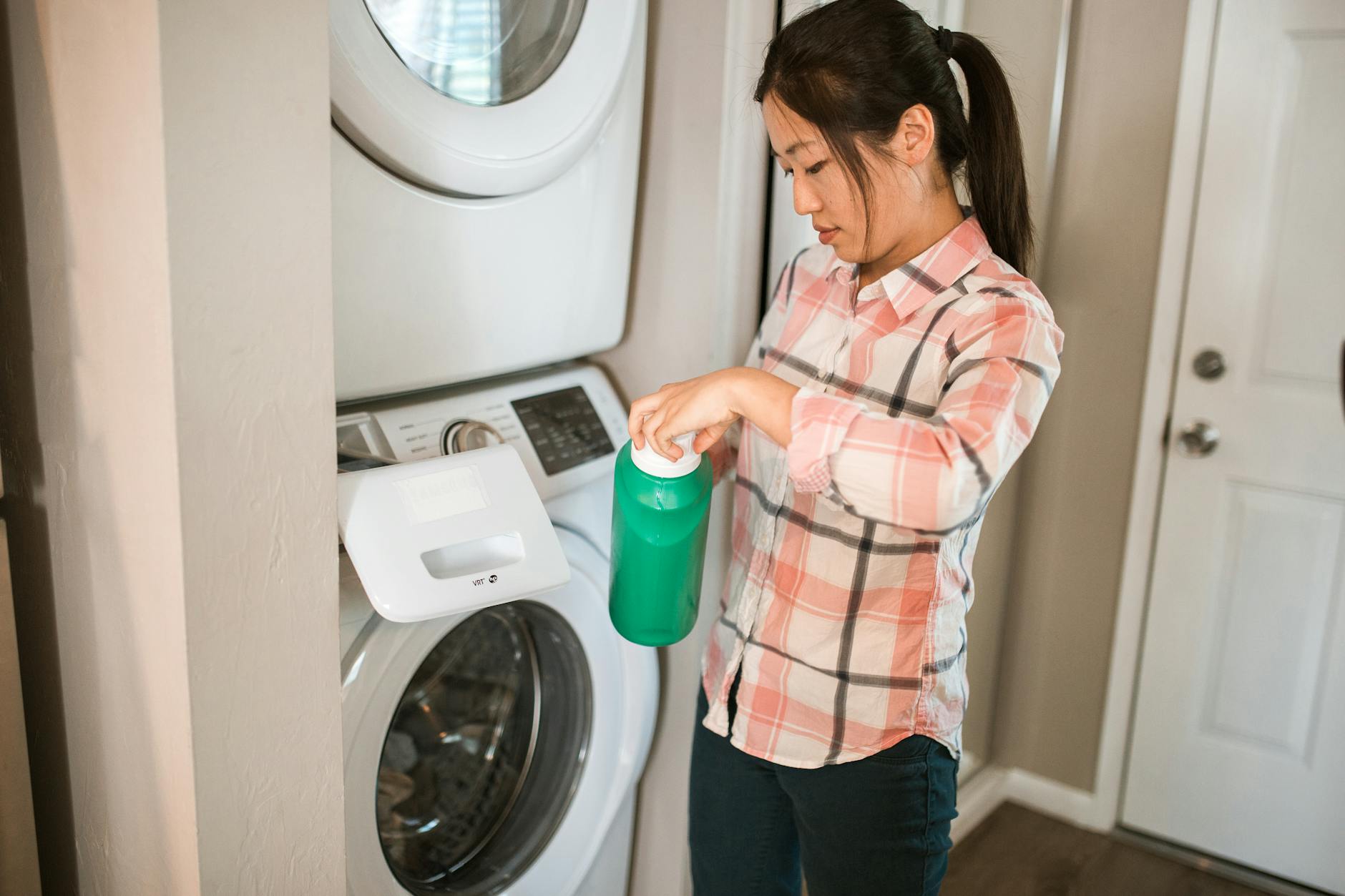
Queer couples frequently debate who handles which chores and whether the distribution feels fair to both people. Without traditional gender role expectations to default to, partners must actively negotiate cleaning schedules and cooking responsibilities. One person may feel they consistently take on more mental load while the other believes contributions are already balanced. Small irritations about unwashed dishes or forgotten laundry can escalate into larger conversations about respect and effort. Creating explicit agreements about household tasks often becomes necessary to maintain harmony.
Differences in Social Energy Levels

One partner may crave frequent outings to LGBTQ+ venues and community events while the other prefers quiet nights at home. This mismatch in social needs can lead to feelings of abandonment or suffocation depending on which side someone falls. The extroverted partner may feel their social identity is being stifled while the introverted one feels pressured to perform. Balancing alone time with shared experiences requires ongoing communication about individual battery levels. Compromise becomes essential when one person’s recharge involves people and the other’s involves solitude.
Financial Management Styles

Money disagreements span from daily spending habits to long term savings goals and investment strategies. One partner might prioritize experiences and spontaneous purchases while the other focuses on building financial security. Debates arise over whether to split expenses equally or proportionally based on income differences. Questions about joint accounts versus separate finances can reveal deeper values about independence and partnership. These conversations become more complex when partners have experienced different levels of family support or financial stability.
Openness About Relationship Status at Work

Workplace disclosure creates tension when partners have different comfort levels about being out in professional settings. One person may freely discuss their relationship with colleagues while the other keeps personal life completely separate from work. Fear of discrimination or career impact may drive one partner’s privacy while the other feels their love is being hidden. This disparity can breed resentment during work events or when meeting professional contacts. The decision to be visible at work intertwines with safety concerns and career advancement considerations.
Involvement in LGBTQ+ Activism

Partners sometimes clash over how much time and energy to dedicate to community organizing and advocacy work. One person may feel a strong obligation to fight for rights and visibility while the other prefers to live quietly. The politically engaged partner might view their significant other’s lack of involvement as privilege or apathy. Meanwhile the less active partner may feel judged for choosing rest and personal joy over constant activism. Different approaches to community engagement reflect varied experiences with marginalization and burnout.
Pet Care Responsibilities

Arguments about pets mirror broader relationship dynamics around responsibility and affection distribution between partners. One person may feel they always handle feeding, vet appointments, and litter box duty despite shared pet ownership. The other might believe they contribute plenty through playtime and companionship even if daily tasks fall elsewhere. Resentment builds when the mental load of remembering pet needs consistently lands on one person. These furry family members become proxies for larger conversations about follow through and partnership equity.
Intimacy Frequency Preferences
Mismatched libidos create friction when one partner desires more physical intimacy than the other can comfortably provide. The higher drive partner may feel rejected and undesirable while the lower drive partner feels pressured. These differences become especially charged in relationships where internalized shame about queer sexuality still lingers. Communication about desires and boundaries requires vulnerability that not all couples have built yet. Finding middle ground often involves creativity and willingness to explore needs beyond penetrative acts.
Chosen Family Versus Biological Family
Disagreements emerge when partners prioritize time with chosen family over biological relatives or vice versa. One person may invest heavily in friend relationships while the other focuses energy on maintaining family ties. Holiday planning becomes a battleground for whose people get priority during limited time off. The partner closer to their birth family may not understand why their significant other prefers found family. These conflicts reveal different healing journeys and definitions of what family truly means.
Public Displays of Affection Comfort

One partner may feel safe and proud holding hands everywhere while the other remains hyperaware of potential danger. This safety calculation differs based on gender presentation, location, and past experiences with harassment or violence. The more cautious partner may feel their concerns are dismissed as paranoia while the affectionate one feels their love is being hidden. Navigating public intimacy requires constant environmental assessment that straight couples rarely consider. These disagreements touch on trauma, visibility politics, and the simple desire to express love freely.
Communication Style Differences

Some people process conflict through immediate conversation while others need space before discussing difficult topics. One partner might want to resolve disagreements instantly through lengthy talks while the other feels overwhelmed by emotional intensity. The eager communicator perceives silence as stonewalling while the processor views insistence as pushy and disrespectful. These fundamental differences in emotional regulation can make every argument feel impossible to navigate. Learning each other’s communication needs takes intentional practice and willingness to meet in the middle.
Relationship Labels and Definitions

Queer relationships sometimes struggle with what to call each other and how to define the relationship structure. One person might prefer traditional terms like boyfriend or girlfriend while the other embraces gender neutral language. Debates about whether to pursue marriage or alternative commitment ceremonies reveal different views on assimilation. Some couples clash over monogamy expectations versus open relationship desires that were never explicitly discussed. These definitional conversations force partners to articulate assumptions they thought were obvious.
Interior Design and Aesthetics

Home decoration disputes arise when partners have completely different visions for their shared living space. One person may lean toward maximalist cottagecore vibes while the other prefers sleek minimalism and clean lines. Arguments erupt over whether to keep sentimental items that the other person considers clutter. Color choices, furniture styles, and organizational systems all become potential battlegrounds for control and taste. The home becomes a canvas where both people want their identity reflected without compromising too much.
Social Media Boundaries

Partners disagree about how much of the relationship to share online and what content crosses privacy lines. One person may post couple photos constantly while the other prefers to keep their romantic life offline. Arguments start when someone shares relationship details or arguments publicly that the other considers private. The less online partner may feel their image and story are being used for likes and validation. These digital boundaries reflect broader values about privacy, performance, and what belongs to the relationship alone.
Dealing with Homophobic Relatives
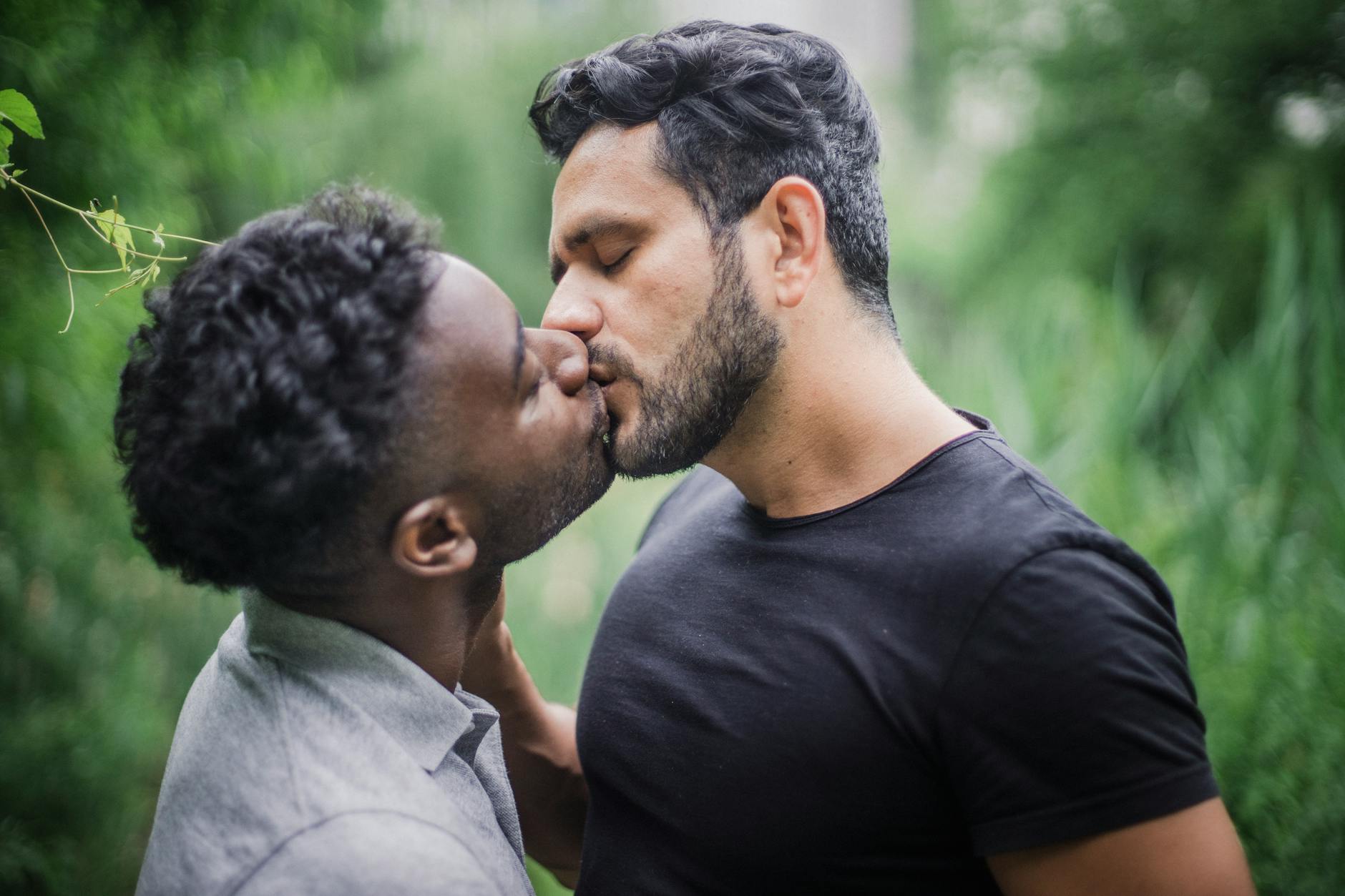
Couples clash over whether to maintain contact with family members who refuse to accept the relationship. One partner may advocate for cutting off toxic relatives while the other hopes time will bring acceptance. The person with rejecting family may want their partner to understand their complicated loyalty and grief. Meanwhile the other partner struggles to watch their loved one accept mistreatment and disrespect repeatedly. These situations have no easy answers and force impossible choices between family history and chosen partnership.
Sleep Schedules and Bedtime Routines

Night owls and early risers negotiate when to go to bed and how much together time happens before sleep. One person may want to cuddle and talk before sleeping while the other needs silence and separation. Temperature preferences, snoring issues, and blanket hogging all become sources of nighttime tension between partners. The morning person may feel abandoned by a partner who stays up hours later each night. Quality sleep affects every aspect of life, making these seemingly small disagreements particularly impactful.
Career Ambitions and Work-Life Balance

Partners with different professional goals sometimes struggle to support each other’s career paths equally and fairly. One person may work sixty hour weeks while the other prioritizes work life balance and personal time. Arguments arise when the ambitious partner misses events or when the balanced partner seems unmotivated. Relocation decisions for job opportunities can threaten the stability one partner craves while exciting the other. These tensions multiply when career success provides validation that other areas of life have withheld.
Substance Use Habits

Disagreements about alcohol, cannabis, or other substances reflect different relationships with coping mechanisms and recreation. One partner may enjoy regular drinks or smoking while the other prefers complete sobriety. The abstemious partner might worry about dependency while the user feels judged for normal relaxation. Party culture in some LGBTQ+ spaces can intensify these tensions when socializing revolves around substances. Past addiction histories or family trauma often inform these strong feelings on both sides.
Relationship With Exes

Maintaining friendships with former partners creates jealousy and insecurity even in otherwise secure relationships between partners. One person may have a tight knit friend group that includes multiple exes while the other finds this deeply uncomfortable. The bothered partner might feel compared to previous relationships while the friend keeper feels controlled. Small queer communities often mean running into exes regularly at events and venues with limited alternatives. These situations require trust building and clear boundaries about what friendship with exes actually involves.
Gender Expression Support
Partners in relationships involving trans or gender nonconforming people may disagree about transition timelines and expression changes. One person’s evolving gender presentation might trigger unexpected feelings in their partner about attraction and identity. The transitioning partner may feel unsupported if their significant other expresses any hesitation or grief. Meanwhile the partner may struggle with real feelings while trying desperately to be supportive and affirming. These conversations demand honesty and compassion as both people navigate changes neither expected when they committed.
Time Management and Punctuality

Chronically late partners frustrate those who value timeliness and respecting other people’s schedules consistently. One person may see flexibility with time as relaxed and easy going while the other experiences it as disrespectful. Arguments before leaving for events become routine when one partner consistently needs more time to get ready. The punctual partner feels their needs are ignored while the late one feels controlled by rigid schedules. These patterns often connect to ADHD, anxiety, or different cultural backgrounds around time.
Gift Giving Expectations

Partners express love differently and may clash when gift giving feels imbalanced or mismatched in meaning. One person may show affection through thoughtful presents while the other prefers quality time or acts of service. Disappointment on birthdays or anniversaries stems from unspoken expectations about romance and effort that should feel obvious. The gift giver may feel unappreciated while the receiver feels pressured by material expectations. Learning each other’s love languages requires direct conversation rather than hoping partners will intuit needs.
Friend Group Dynamics

Tension arises when one partner dislikes people in the other’s friend circle or feels excluded from social groups. One person may have a wild party crew while the other’s friends prefer game nights and deep conversations. Arguments start when someone feels their partner talks badly about them to friends or shares private information. The excluded partner may resent time spent with friend groups they are not truly welcomed into fully. Merging social worlds or maintaining separate friendships both present unique challenges for couple harmony.
Cleanliness Standards

Fundamentally different definitions of clean create daily friction when partners share living space and household responsibilities. One person may deep clean weekly while the other only tidies when things feel chaotic. The neat partner feels like a nagging parent while the messier one feels controlled by arbitrary standards. These disagreements often mask deeper issues about respect, effort, and whether someone cares enough to notice details. Finding compromise requires naming the actual standards each person needs rather than assuming shared definitions.
Jealousy and Insecurity

One partner’s jealousy about friendships, coworkers, or innocent interactions can strain trust even without actual infidelity occurring. Past relationship trauma may make someone hypervigilant about threat while their partner feels suffocated by suspicion. The jealous partner struggles with intrusive thoughts while the accused partner resents constant reassurance demands that never seem sufficient. These patterns often reflect attachment wounds that therapy might address more effectively than relationship conversations. Building security requires consistent action over time rather than perfect words in heated moments.
Plans for Children and Parenting

Fundamental disagreements about whether to have children can threaten relationships when partners hold incompatible visions for their future. One person may long for parenthood while the other feels certain they do not want that responsibility. The complexity of adoption, surrogacy, or fostering for LGBTQ+ couples adds financial and logistical layers to this decision. Even couples who agree on kids may clash over parenting philosophies before children even arrive. These conversations require brutal honesty because compromise on children ultimately fails one partner completely.
Handling Conflict with Neighbors

Disputes about whether to address noisy or problematic neighbors directly or just tolerate issues cause relationship tension. One partner may want to confront problems immediately while the other fears escalation or awkwardness. Concerns about homophobic neighbors add extra calculation to whether addressing issues will invite discrimination or violence. The conflict averse partner may feel their safety concerns are dismissed as cowardice. These situations force couples to balance standing up for themselves against vulnerability in their own home.
Vaccination and Health Decisions

Medical choices from vaccines to preventative care can spark disagreements rooted in different information sources and health philosophies. One partner may trust mainstream medicine completely while the other prefers alternative approaches and natural remedies. PrEP usage decisions in relationships involving gay and bisexual men add another dimension to sexual health conversations. The cautious partner may view the other as reckless while being seen as paranoid in return. These disagreements intensified during the pandemic when health decisions affected entire households and communities.
Retirement Planning and Future Goals

Couples clash when they imagine completely different lifestyles and timelines for their retirement years together. One person may dream of early retirement travel while the other plans to work into their seventies. Geographic preferences for aging differ when someone wants urban convenience and another craves rural peace. Without children to anchor decisions, childfree LGBTQ+ couples must actively construct their vision of later life. These conversations require confronting mortality and aging in communities still building models for queer elderhood.
Therapy and Mental Health Treatment

Disagreements arise when one partner believes therapy would help the relationship while the other resists seeking professional support. The therapy advocate may feel their partner is unwilling to work on issues while the resistant one feels pathologized. Some people carry trauma from conversion therapy attempts or other harmful psychological interventions targeting queer identity. Couples counseling specifically for LGBTQ+ relationships remains difficult to access in many areas despite its importance. These conflicts often indicate someone feels unheard and hopes a neutral party will validate their perspective.
Holiday Celebration Traditions

Partners from different backgrounds struggle to blend holiday traditions or create entirely new ones that honor both histories. One person may want elaborate celebrations while the other finds holidays triggering due to family rejection. Decisions about which traditions to maintain and which to abandon can feel like choosing between identities. Some couples navigate both birth family obligations and chosen family gatherings during already stressful holiday seasons. Creating meaningful traditions together requires acknowledging loss while building something hopeful and new.
Boundaries with In-Laws
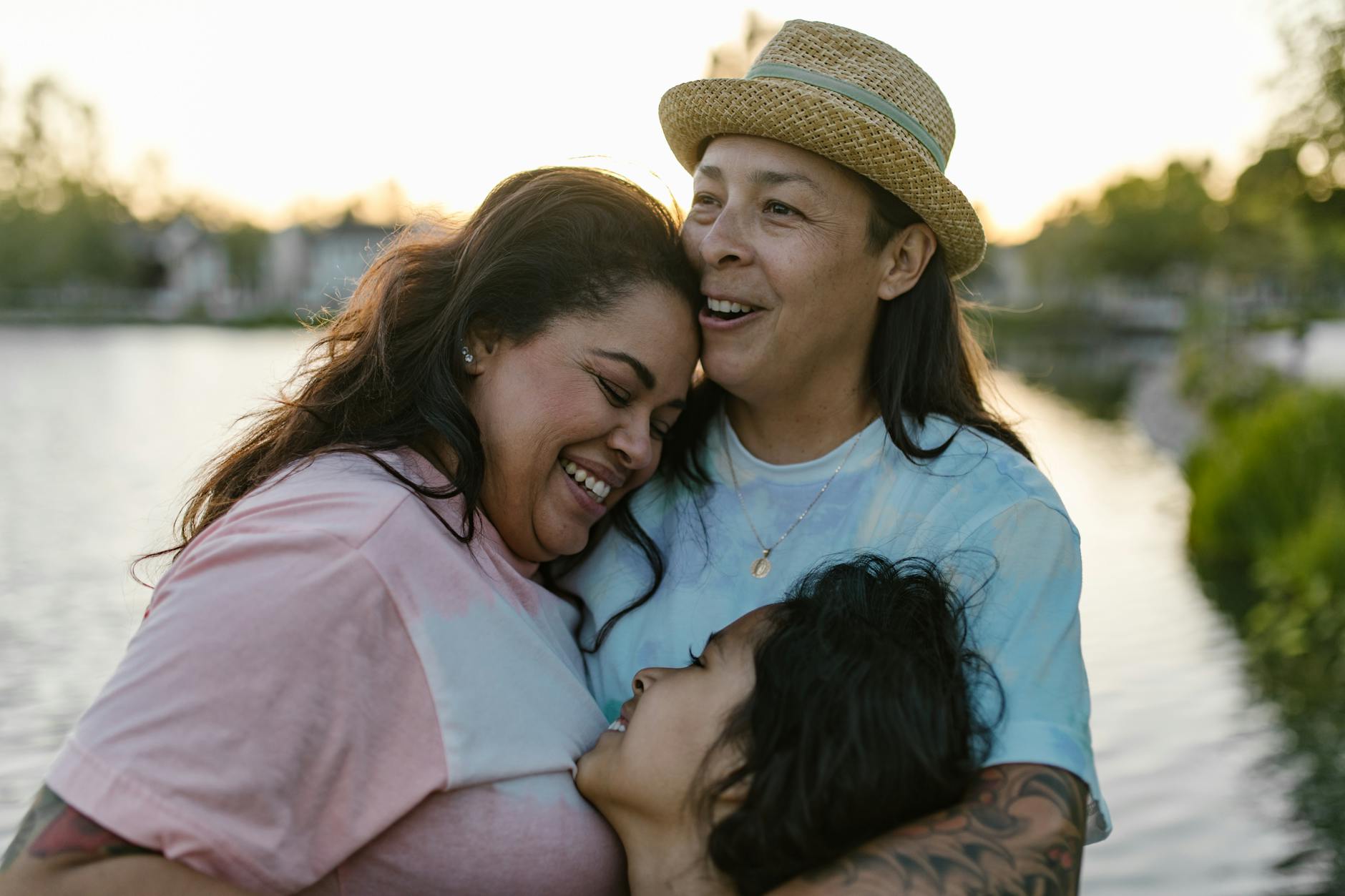
Disagreements about how much involvement partners want from each other’s families test loyalty and create lasting resentment. One person may have enmeshed family dynamics while the other maintains firm boundaries with relatives. The partner closer to their family may feel their loved ones are being rejected unfairly. Meanwhile the other partner experiences invasive behavior that their significant other does not recognize or address. These situations demand that someone choose between their partner’s comfort and their family’s expectations repeatedly.
What aspects of relationship conflict in your own life resonated most with this list, and are there other common disagreements you think deserve recognition in the comments?




