Thrift store shopping has evolved from a budget necessity into a celebrated art form that combines sustainability with the thrill of discovery. Smart shoppers know that secondhand stores offer unique pieces, quality materials, and significant savings when approached with the right strategy. The key to successful thrifting lies in knowing what to look for, when to shop, and how to spot hidden gems among crowded racks. These essential tips will transform your thrift store visits from overwhelming experiences into productive treasure hunts that refresh your wardrobe and home without breaking the bank.
Visit on Weekday Mornings
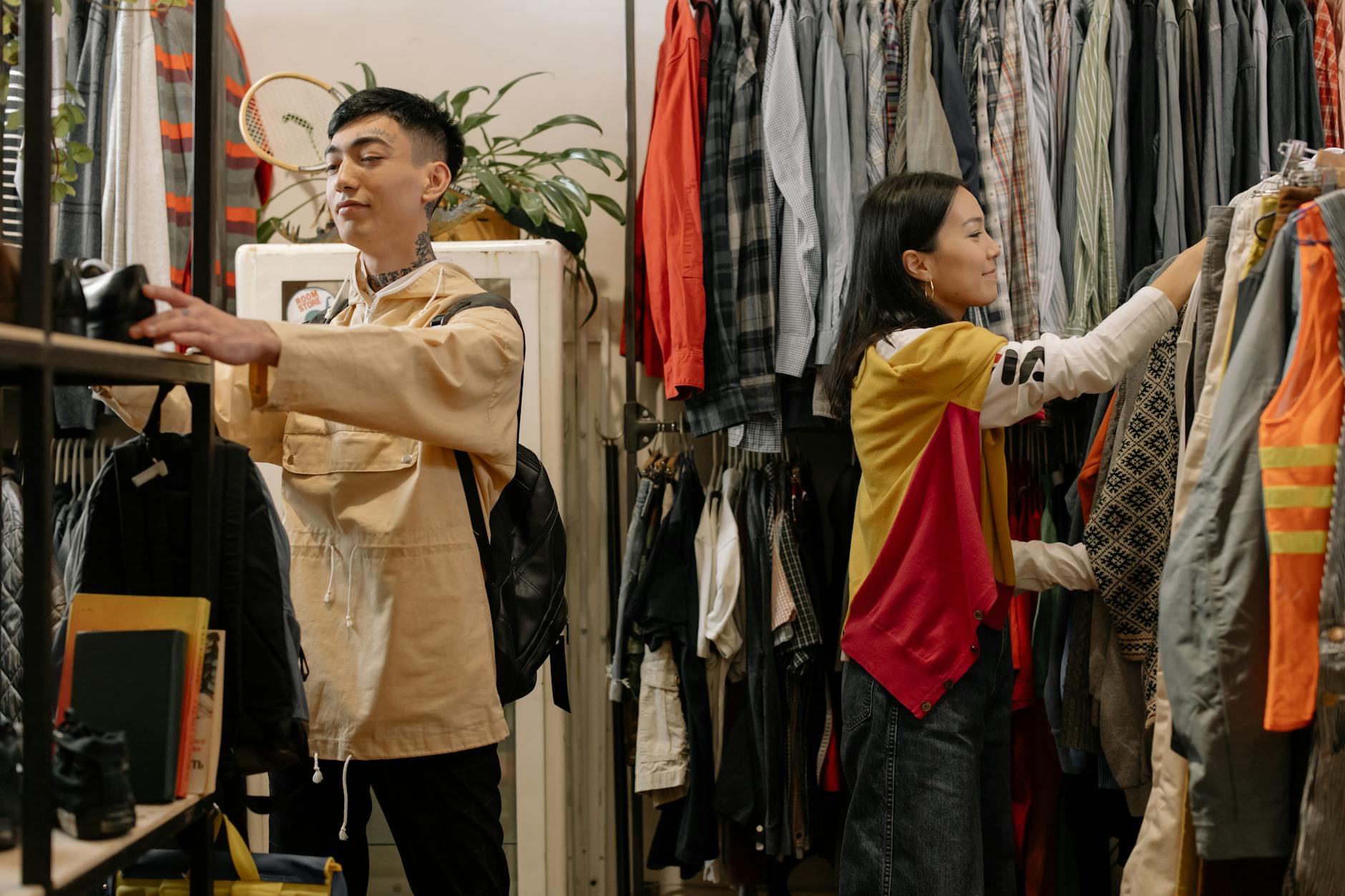
Weekday mornings offer the calmest thrift store environment with freshly stocked shelves and minimal competition from other shoppers. Staff members typically process weekend donations during early weekdays, which means new inventory hits the floor between Tuesday and Thursday mornings. The quieter atmosphere allows for thoughtful browsing without the weekend crowds pushing through racks. Most serious thrift enthusiasts schedule their hunts during these strategic windows to access the best selection before items disappear.
Check for Designer Labels Inside Collars and Waistbands
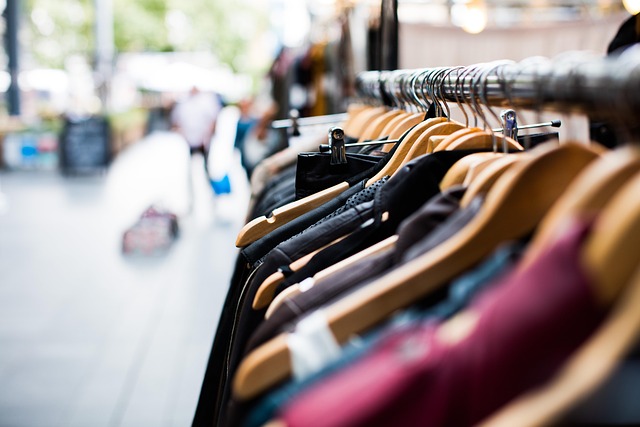
High-end brands often hide in plain sight at thrift stores when luxury labels are tucked inside garments rather than displayed prominently. Many shoppers overlook pieces from premium designers simply because they scan only the exterior of clothing items. Taking time to check every collar tag, interior pocket label, and waistband marking can reveal cashmere sweaters, silk blouses, and leather goods worth hundreds of dollars. This extra moment of inspection frequently uncovers authenticated designer pieces priced at a fraction of their retail value.
Inspect All Seams and Zippers Before Purchasing
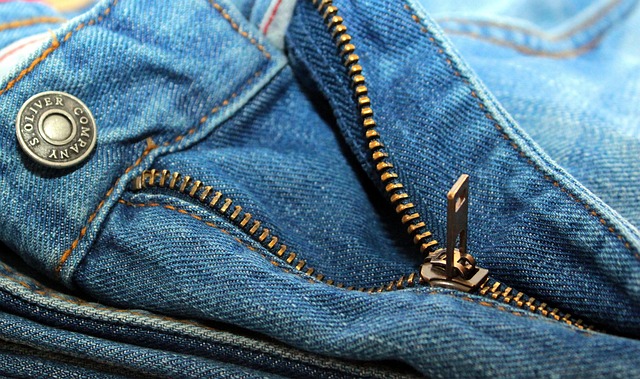
Quality construction reveals itself through sturdy seams that lie flat without puckering or loose threads along the stitching lines. Zippers should glide smoothly in both directions without catching or separating from the fabric tape. Check stress points like underarms, inseams, and pocket corners where wear typically appears first in garments. Even beautiful pieces lose their value when structural damage requires costly repairs that exceed the initial purchase price.
Shop the Men’s Section for Oversized Finds
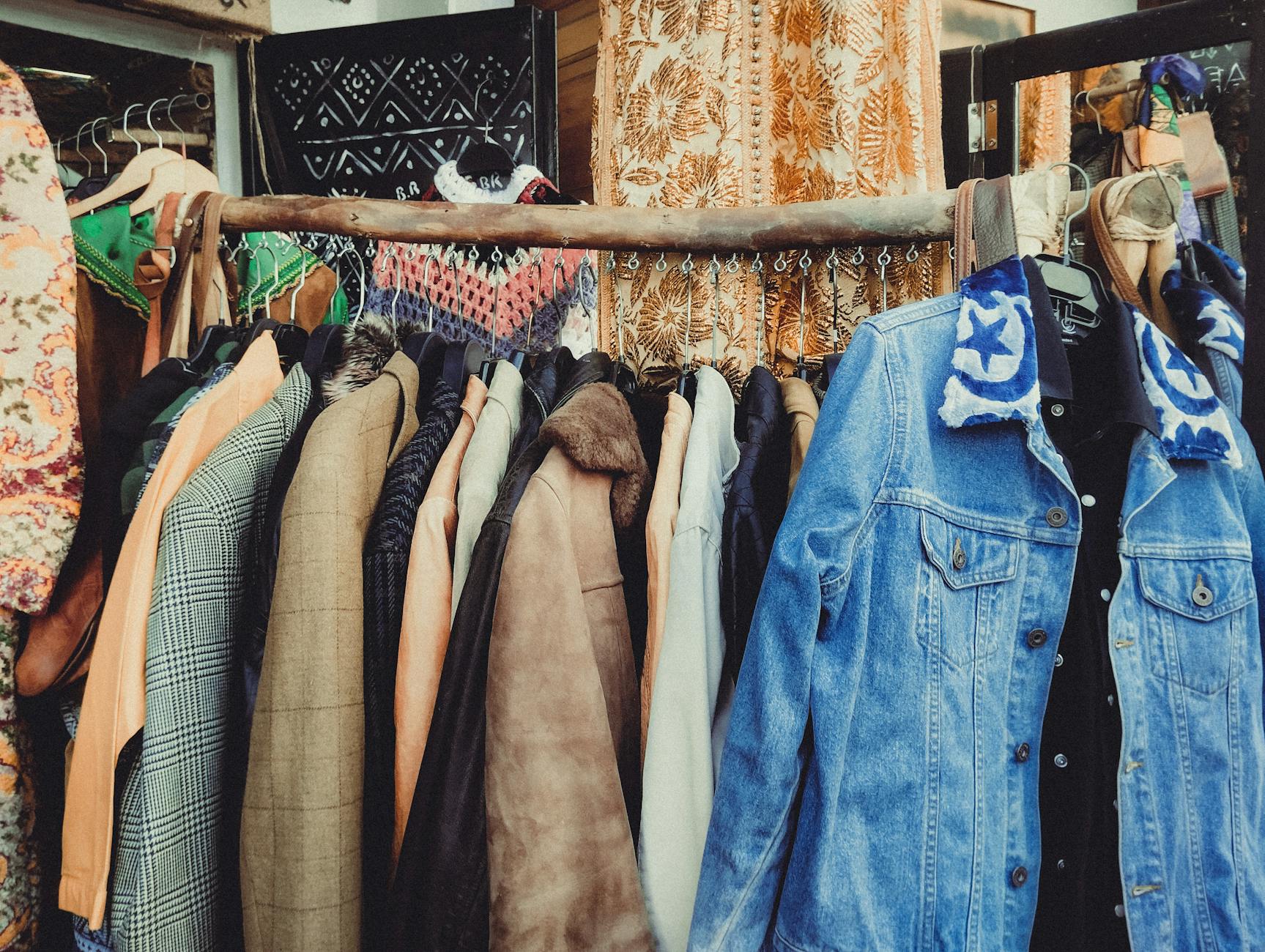
The men’s department holds unexpected treasures for shoppers of all genders seeking oversized button-downs, vintage band shirts, and quality outerwear. Men’s clothing typically features better fabric quality and more durable construction than comparable items in other sections. Oversized blazers, chunky knit sweaters, and classic denim jackets from the men’s racks create effortlessly cool silhouettes when styled intentionally. This crossover shopping approach multiplies your options and often yields pieces in better condition due to different wear patterns.
Bring a Measuring Tape for Furniture
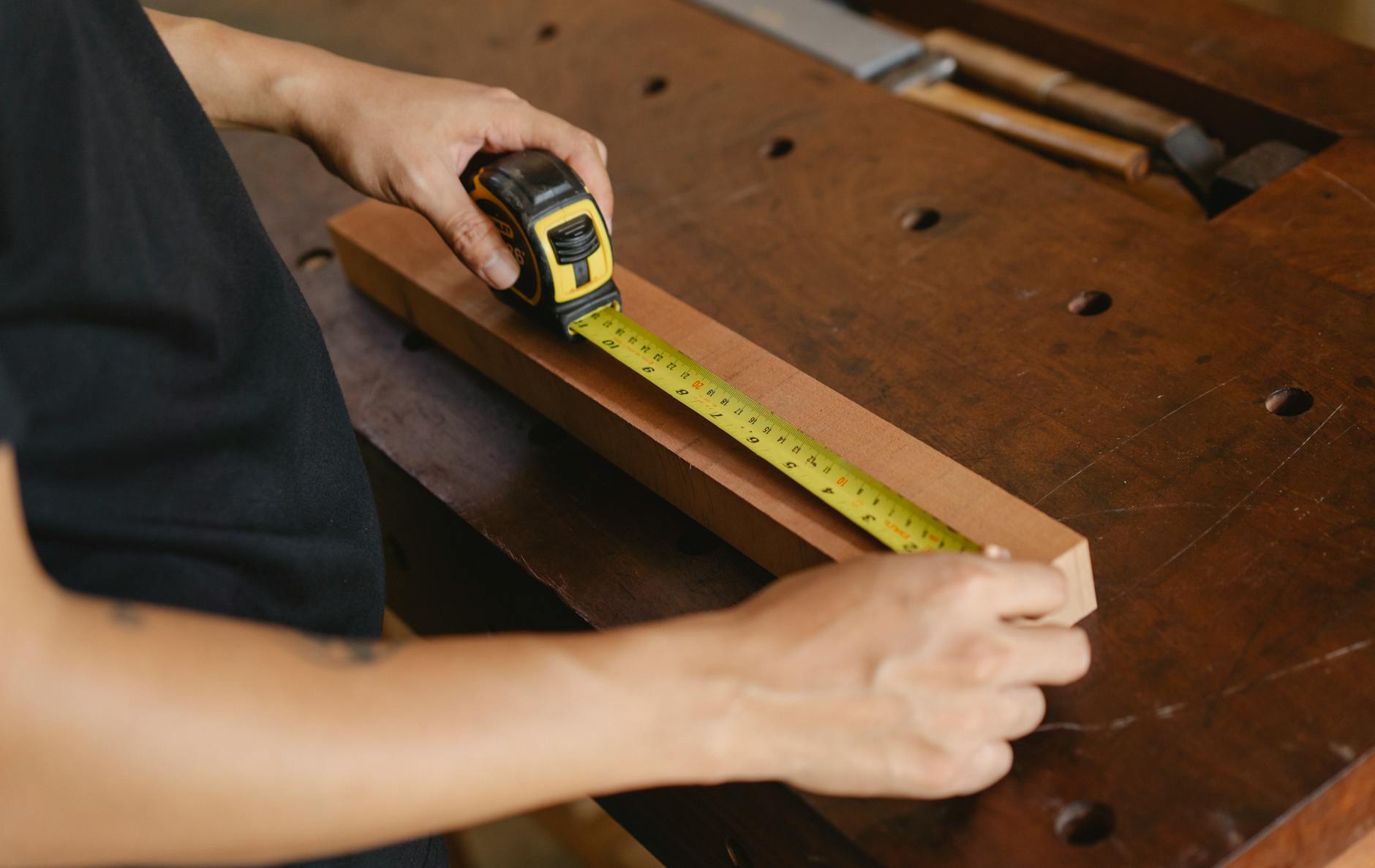
Thrift store furniture requires careful measurement since return policies rarely accommodate items that do not fit through doorways or designated spaces. A small measuring tape in your bag prevents the disappointment of discovering a perfect dresser cannot navigate your apartment hallway. Measure both the furniture dimensions and your vehicle capacity before committing to larger purchases. This simple preparation saves time, money, and the frustration of abandoned deals that seemed perfect in the store.
Learn Fabric Content by Touch
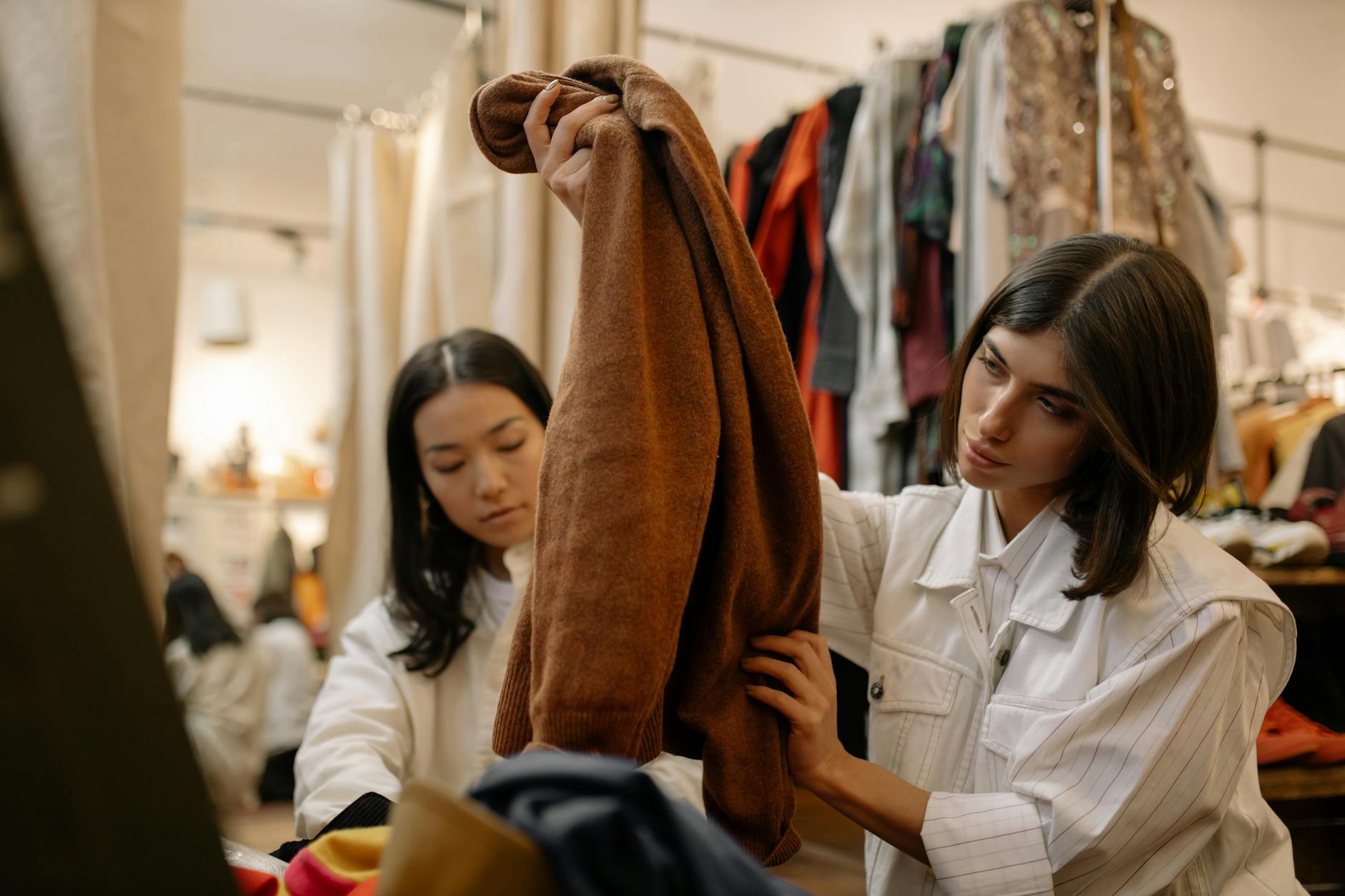
Developing tactile recognition of natural fibers versus synthetics elevates your ability to spot quality without reading every label. Natural materials like wool, cotton, linen, and silk have distinctive textures and weight that synthetic fabrics cannot perfectly replicate. High-quality garments made from natural fibers last longer, age better, and typically come from higher-end brands worth seeking. This skill becomes intuitive with practice and dramatically speeds up the sorting process when faced with packed racks.
Try Everything On Regardless of Size Tag

Vintage sizing differs dramatically from contemporary measurements, with older garments often running smaller despite matching numerical sizes. Different brands and international labels follow varying size standards that make tags unreliable indicators of actual fit. The few minutes spent trying items on prevents purchasing mistakes and ensures you leave with pieces that actually work for your body. Many thrift stores have generous return policies, but avoiding the need for returns saves time and guarantees satisfaction.
Focus on Natural Materials and Quality Construction
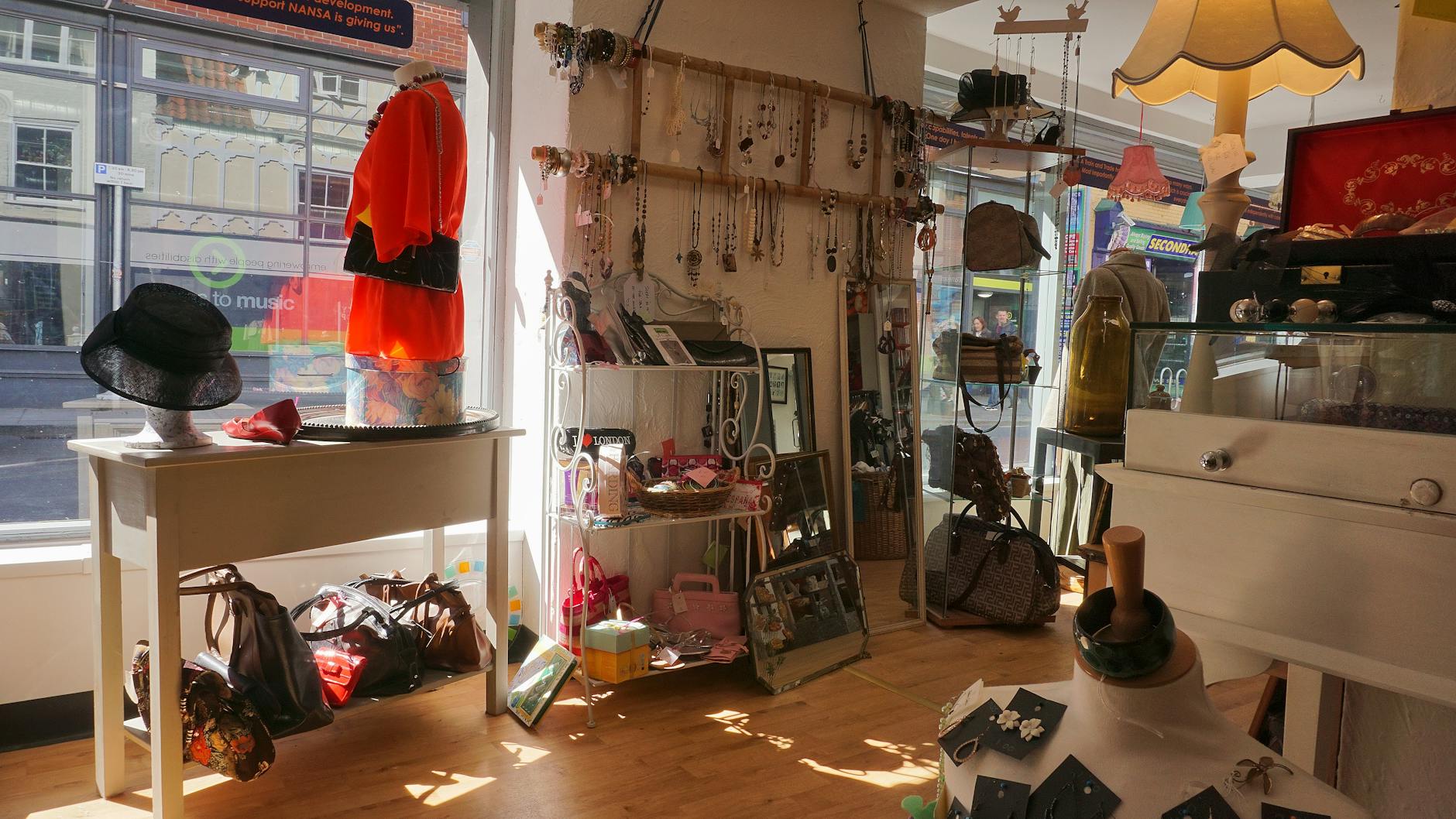
Natural fiber content indicates better quality, longevity, and comfort compared to synthetic alternatives that pill and deteriorate quickly. Items made from wool, cotton, linen, and silk maintain their appearance through multiple wears and washings. Quality construction features like French seams, real buttonholes, and reinforced stress points signal garments built to last. These markers help identify pieces worth purchasing even when brand names are unfamiliar or missing entirely.
Check Pockets Thoroughly
Previous owners frequently forget valuables, notes, and small items in pockets that become unexpected bonuses for careful shoppers. Finding money, jewelry, or gift cards in jacket pockets happens more often than most people realize. This quick check also reveals any holes, tears, or damage to pocket linings that might affect the garment’s functionality. The few seconds spent checking every pocket can yield surprises and prevent disappointment after purchase.
Visit Thrift Stores in Affluent Neighborhoods
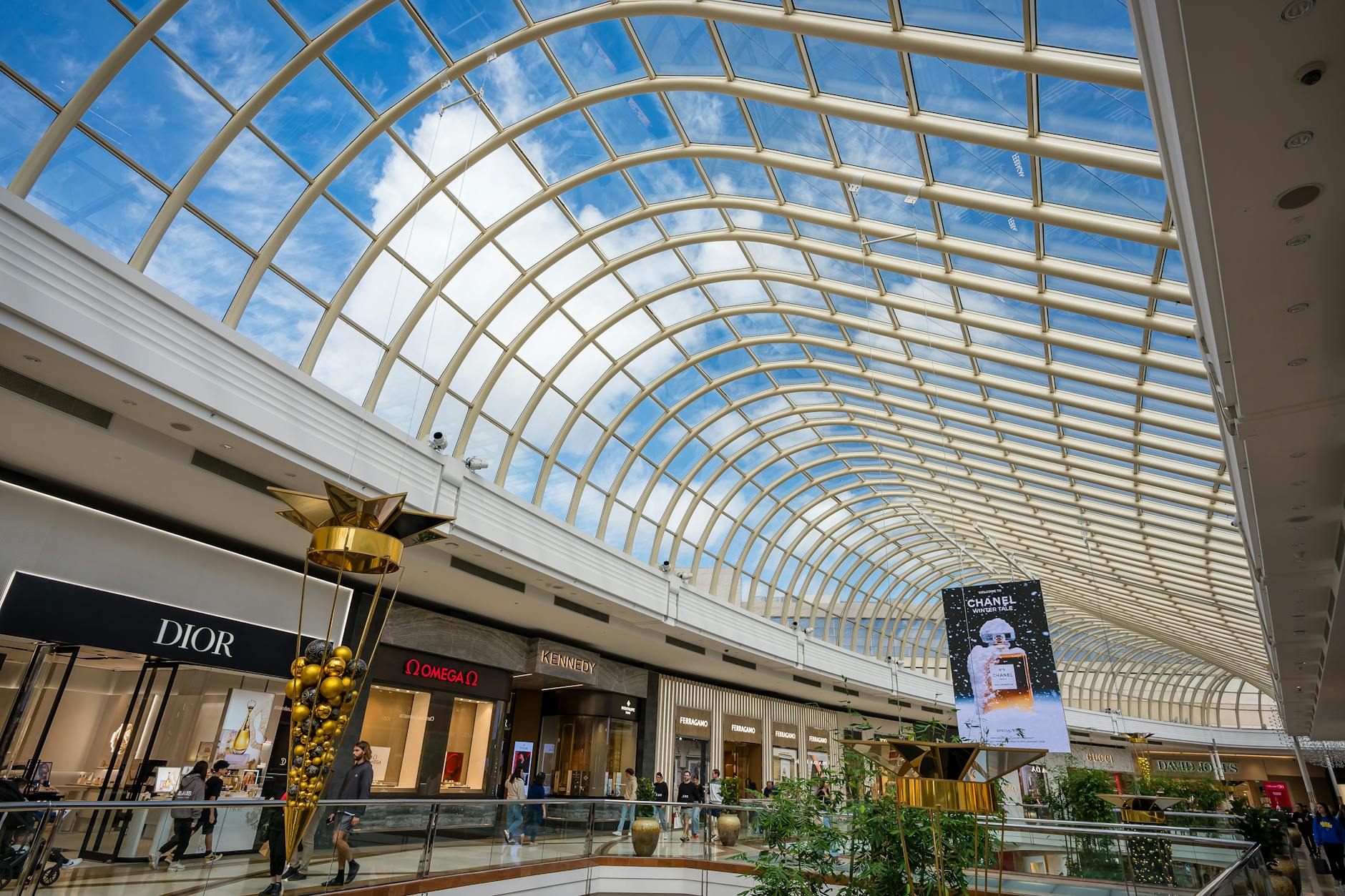
Donation quality typically reflects the economic demographics of the surrounding community where thrift stores are located. Stores in wealthy areas receive higher-end clothing, better furniture, and more luxury goods from donors who refresh their belongings frequently. The inventory in these locations often includes barely worn designer pieces, premium home goods, and items that would cost significantly more in other retail settings. This strategic location choice dramatically improves your odds of finding exceptional quality at thrift store prices.
Know Your Measurements
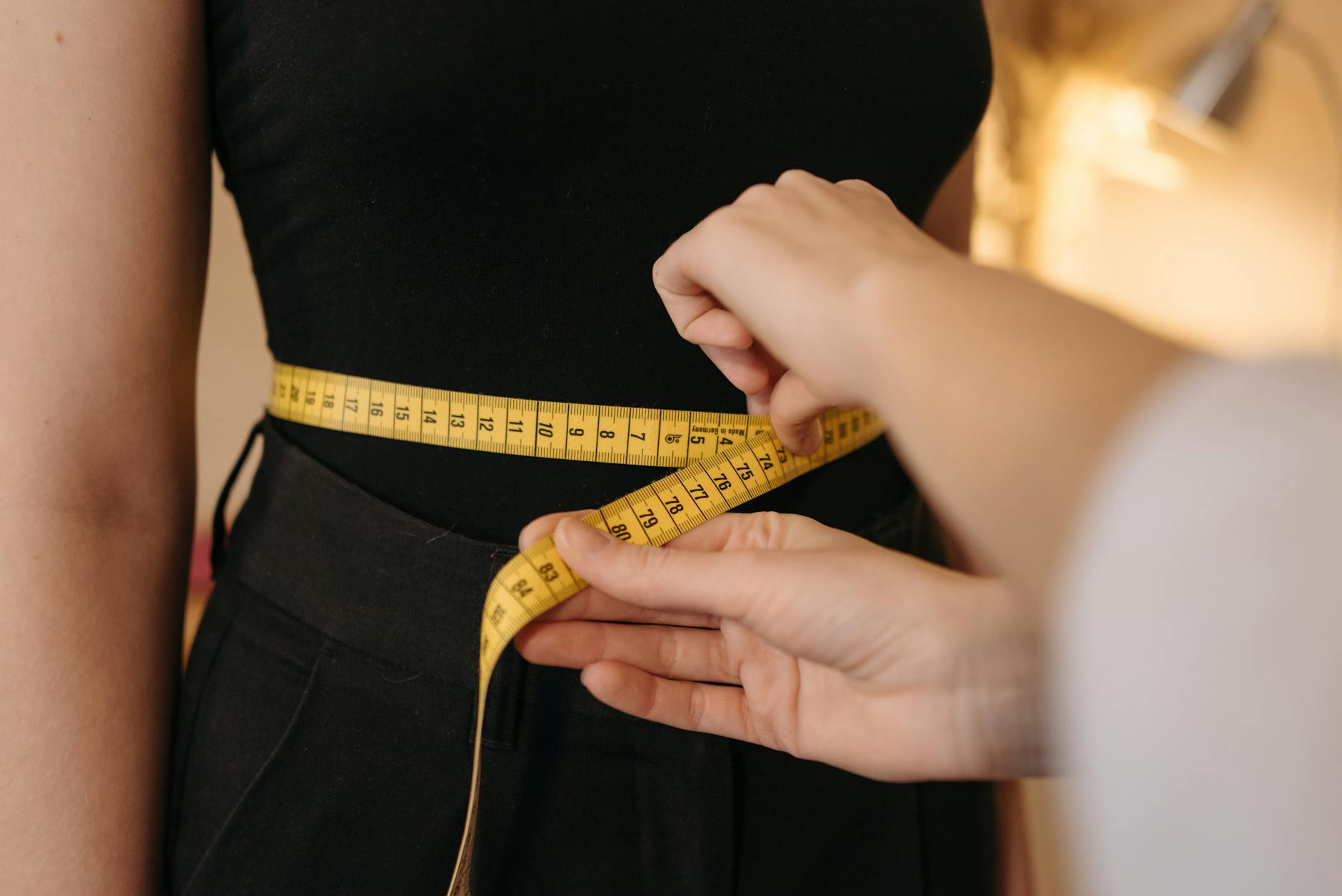
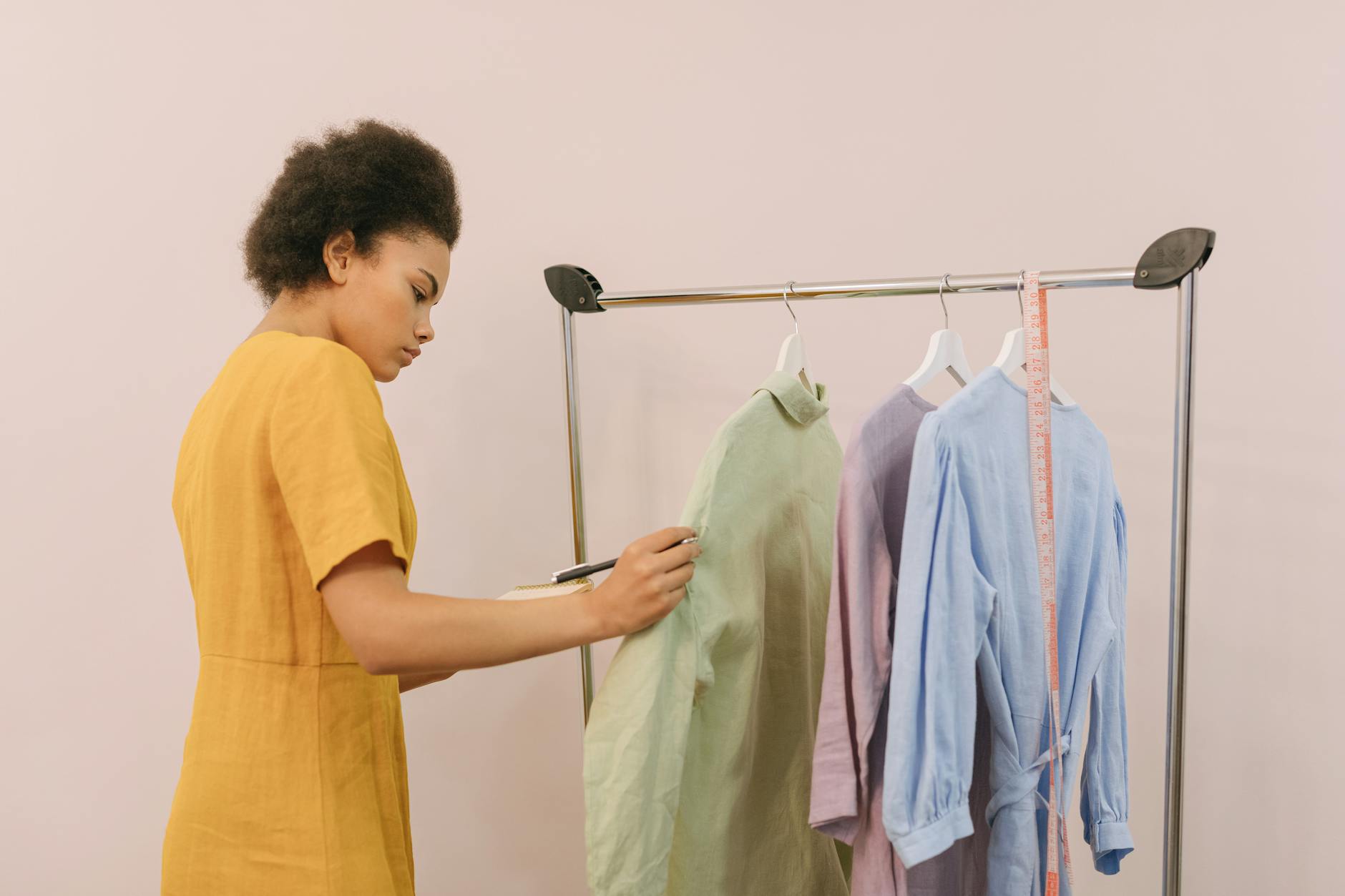
Memorizing your key measurements eliminates guesswork when fitting rooms are unavailable or lines are long. Bust, waist, hip, inseam, and sleeve length measurements allow quick comparison against garment dimensions using your measuring tape. This knowledge proves especially valuable for online thrift shopping and when evaluating vintage pieces with unusual sizing. Accurate measurements prevent purchasing mistakes and save time during busy shopping sessions.
Look for Natural Wear Patterns
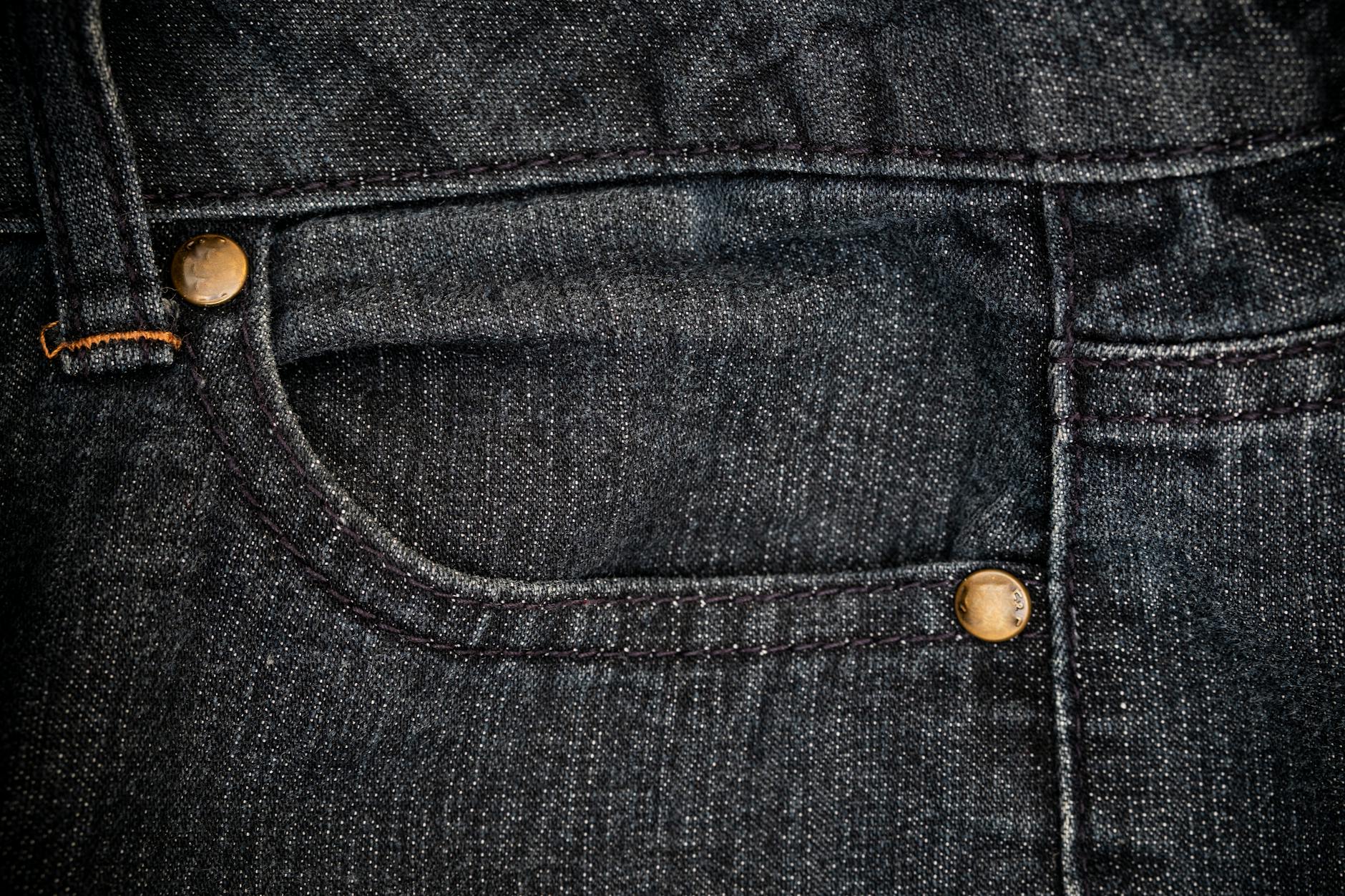
Authentic vintage items display wear consistent with age and use, while damaged goods show deterioration that diminishes value. Gentle fading on denim knees or slight patina on leather indicates natural aging rather than defects. Uneven wear, mysterious stains, or damage in unusual locations suggests problems beyond normal use. Understanding the difference between character and damage helps you invest in pieces that will continue aging beautifully.
Examine Buttons and Hardware
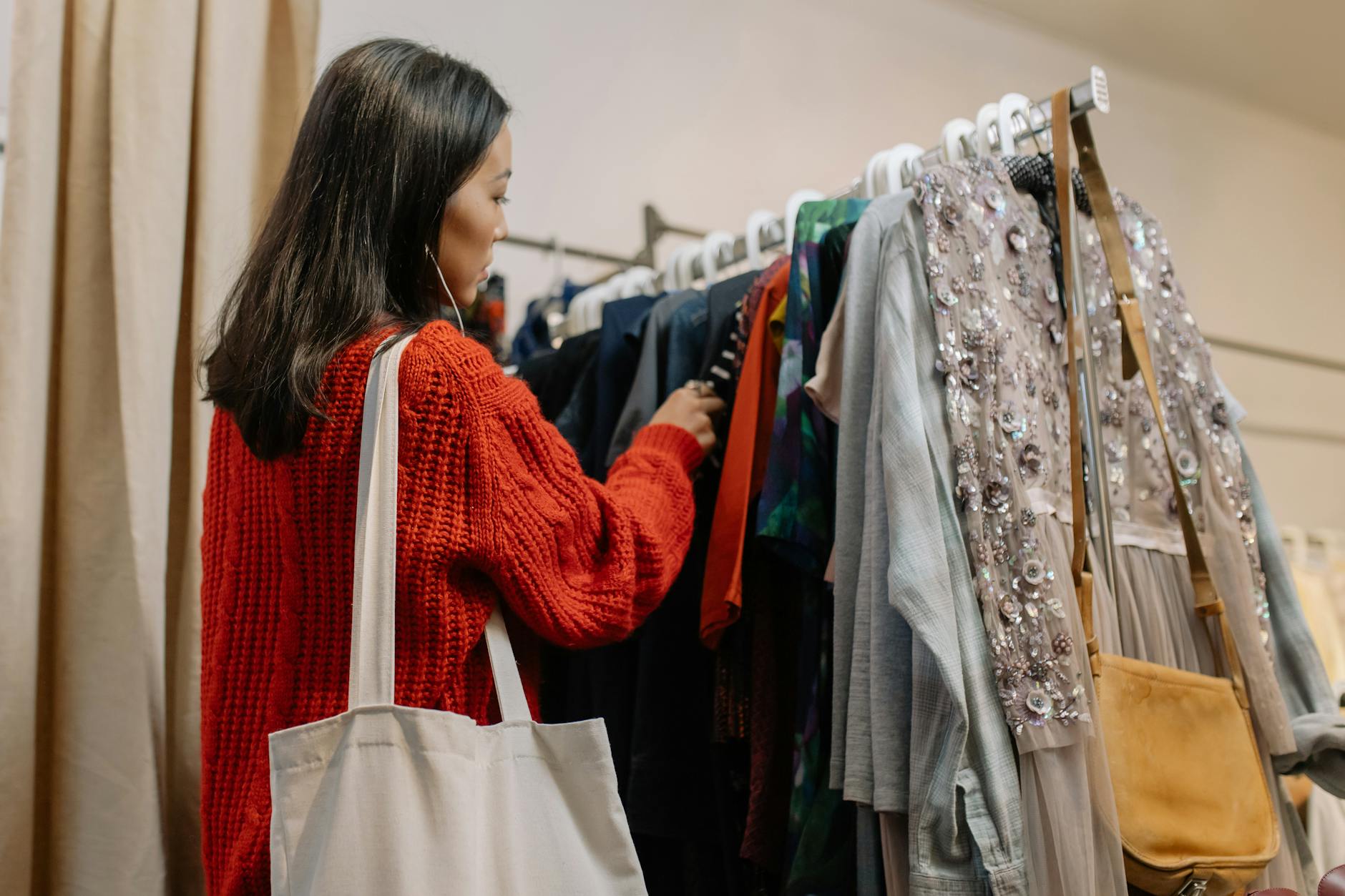
Original buttons, zippers, and hardware indicate an unaltered garment and often signal higher quality construction. Missing buttons reduce value only if replacements cannot be found, while unique vintage buttons actually increase desirability. Metal zippers and substantial hardware typically outlast plastic alternatives and indicate better quality manufacturing. These small details reveal craftsmanship levels and help estimate how much additional work a piece might require.
Shop with a Specific List
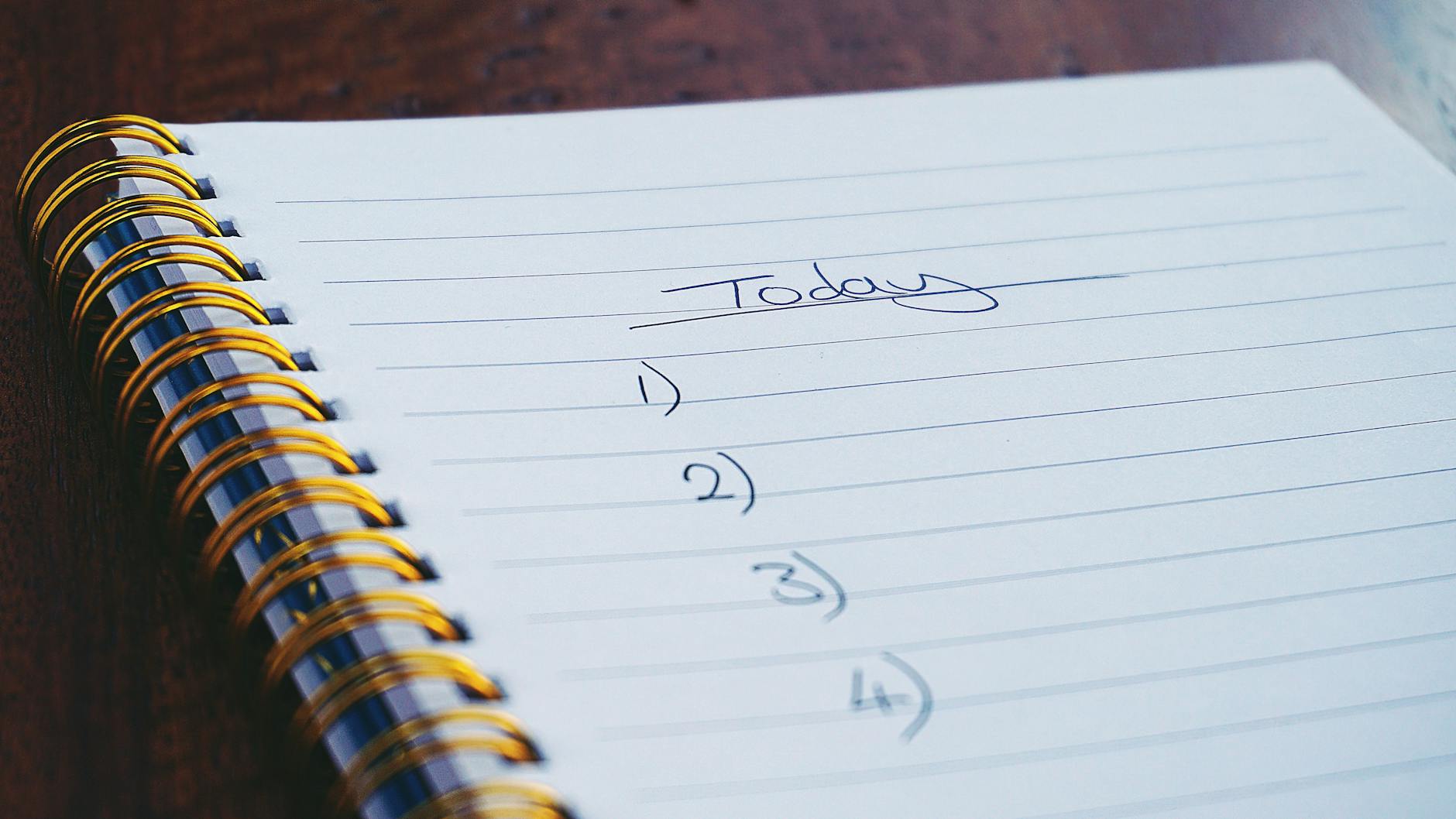
Targeted shopping with a list of needed items increases efficiency and reduces impulse purchases that clutter closets. Knowing which colors, styles, and categories you need helps filter overwhelming inventory quickly. This focused approach saves time and money while ensuring every purchase fills a genuine gap in your wardrobe or home. The list serves as a helpful reality check when tempted by items that do not align with your actual needs.
Check for Stains in Natural Light
Store lighting often obscures stains, discoloration, and fabric flaws that become glaringly obvious in daylight. Taking questionable items near windows or outside for inspection reveals hidden problems before purchase. Many stains that appear manageable under fluorescent lights prove permanent or set-in when examined properly. This extra step of verification prevents bringing home pieces destined for the donation pile.
Build Relationships with Staff

Regular customers who treat staff with respect often receive tips about incoming donations, sale schedules, and special finds. Thrift store employees remember friendly faces and may set aside items matching your stated interests. These relationships create insider advantages that transform casual shopping into a curated experience. Simple courtesy and genuine interest in staff recommendations build connections that enhance every future visit.
Understand Store Sale Schedules
Most thrift stores follow predictable discount patterns with specific color tags rotating on sale each week. Learning these schedules allows strategic timing to purchase desired items at maximum discount. Many locations offer additional discounts on certain days for students, seniors, or loyalty program members. This knowledge turns patience into savings and helps stretch thrift store budgets even further.
Inspect Leather Carefully
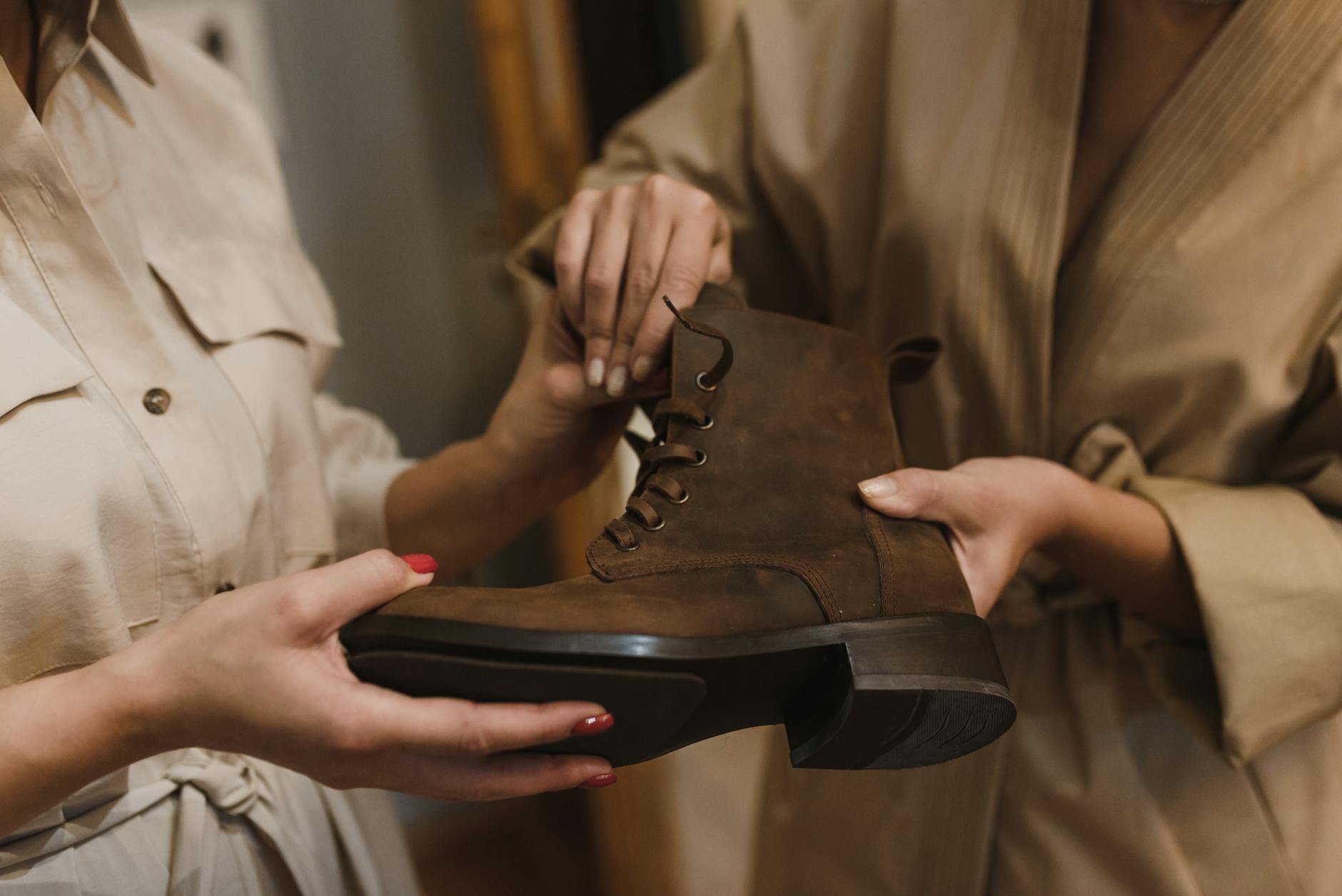
Quality leather develops beautiful patina with age, while poor quality leather cracks, peels, and deteriorates regardless of care. Check flexibility, smell, and surface condition to distinguish genuine leather from bonded leather or vinyl imitations. Real leather should feel supple and smell natural rather than chemical or plastic. Small scratches and scuffs often buff out easily, but deep cracks and peeling indicate damage beyond simple restoration.
Consider Alteration Costs
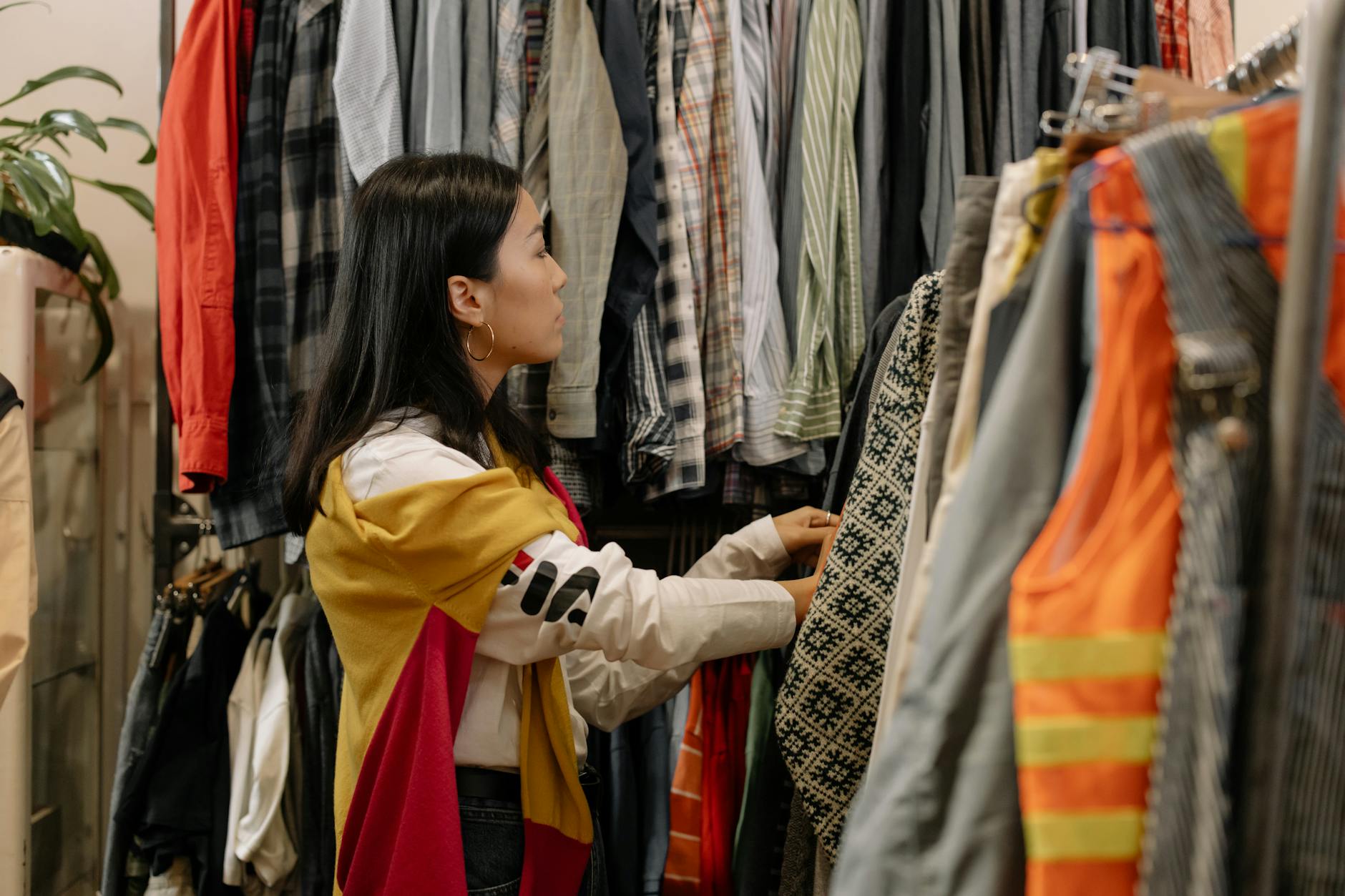
A three-dollar dress requiring forty dollars in alterations becomes an expensive mistake rather than a budget-friendly find. Understanding basic alteration costs helps evaluate whether slightly flawed pieces remain worthwhile purchases. Simple hemming and taking in seams cost less than complex restructuring or replacing zippers. Factor these expenses into your thrift store budget to make informed decisions about items requiring professional help.
Test All Electronics Before Leaving

Thrift stores typically offer limited returns on electronics, making in-store testing essential before completing purchases. Bring necessary cables or ask staff if testing equipment is available for items like lamps, speakers, and small appliances. Many stores have outlets near checkout specifically for this verification process. This precaution prevents bringing home broken items and wasting money on nonfunctional electronics.
Look Beyond the Surface
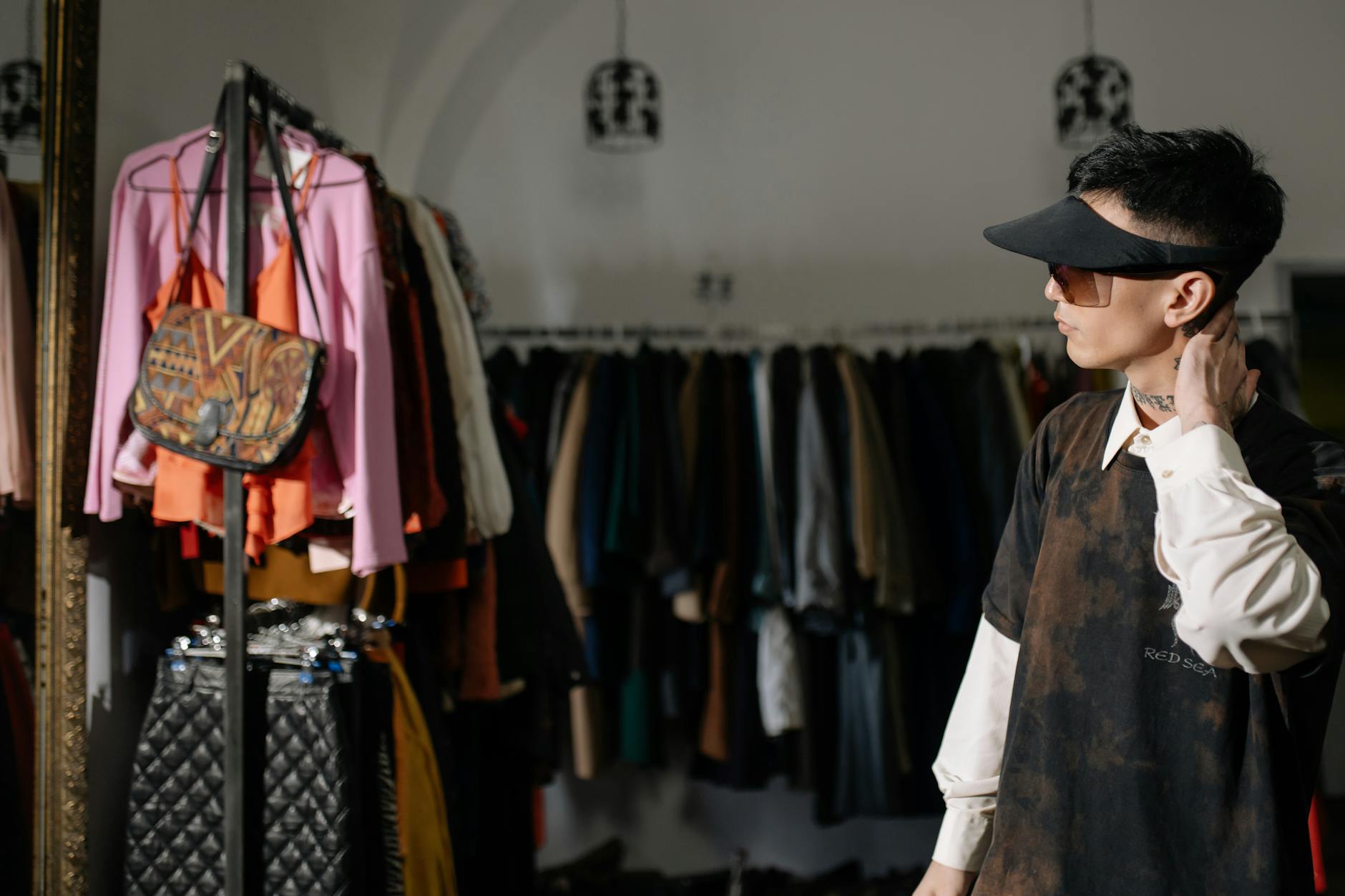
Items with slight cosmetic flaws often hide beneath accumulated dust or temporary damage that easily resolves with simple cleaning. A tarnished silver picture frame becomes beautiful again with polish, while a dusty lamp needs only a good wipe-down. Overlooking superficial issues that discourage other shoppers leads to exceptional deals on quality items. This willingness to see potential rather than present condition unlocks hidden value throughout the store.
Check for Recalls on Children’s Items
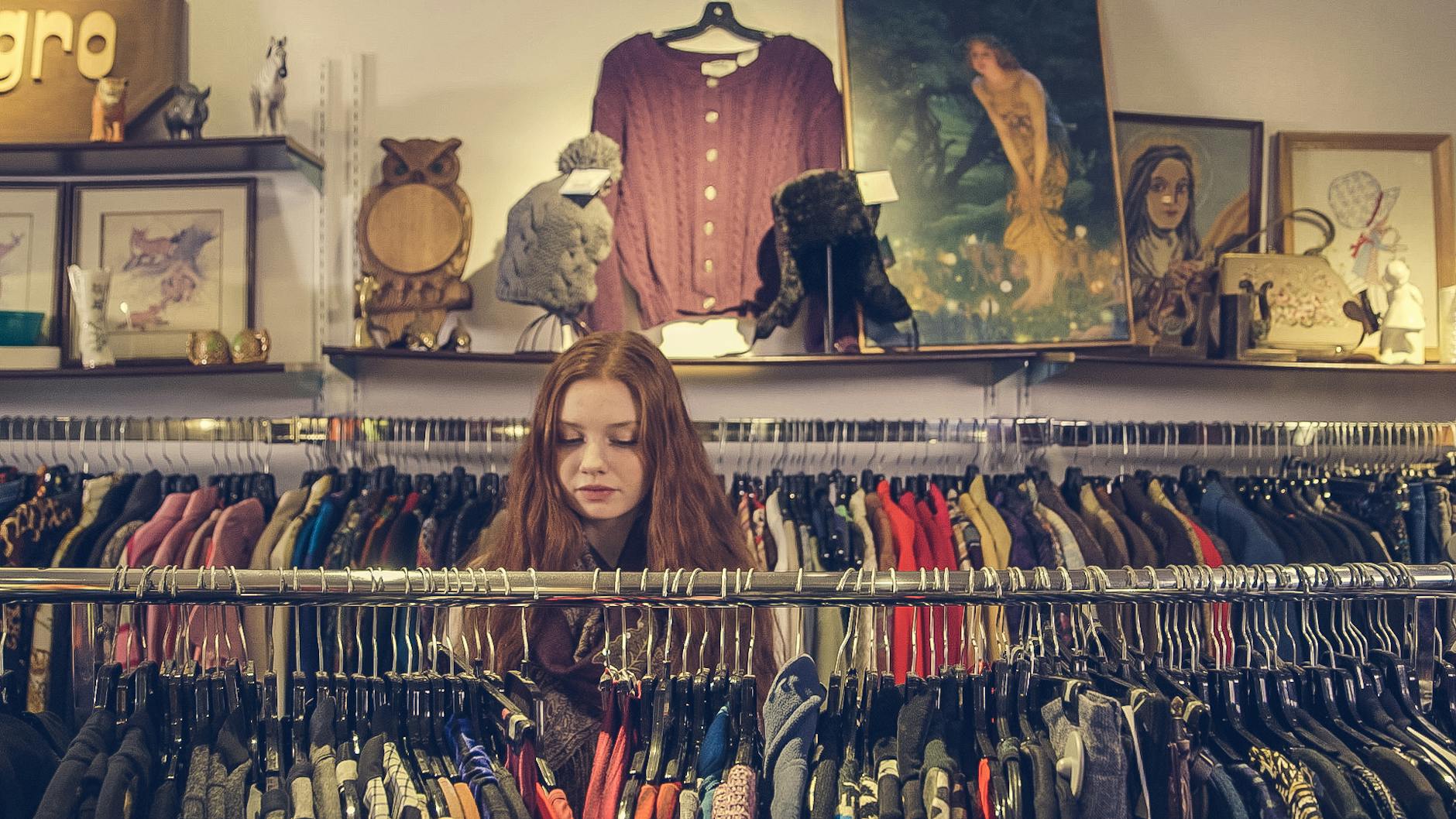
Safety standards evolve constantly, making older children’s products potentially dangerous despite appearing perfectly functional. Research any baby equipment, car seats, or toys before purchasing to ensure they meet current safety regulations. Many recalled items continue circulating through thrift stores because donors remain unaware of safety issues. This verification protects children and prevents investing in items that cannot be used safely.
Examine Dishware for Chips and Cracks

Small chips and hairline cracks compromise dishware integrity and can harbor bacteria in microscopic crevices. Hold plates and bowls up to light to reveal cracks invisible under normal viewing conditions. Run fingers along all edges and surfaces to feel for chips that eyes might miss. Damaged dishware poses health risks and breaks easily during normal use, making intact condition non-negotiable.
Understand Fabric Care Requirements
Beautiful silk blouses and wool coats lose their appeal when dry cleaning costs exceed the purchase price multiple times over. Consider ongoing maintenance expenses before committing to high-maintenance fabrics. Many thrift shoppers focus on machine-washable natural fibers that combine quality with practical care requirements. This consideration ensures your wardrobe remains sustainable both financially and practically over time.
Smell Everything
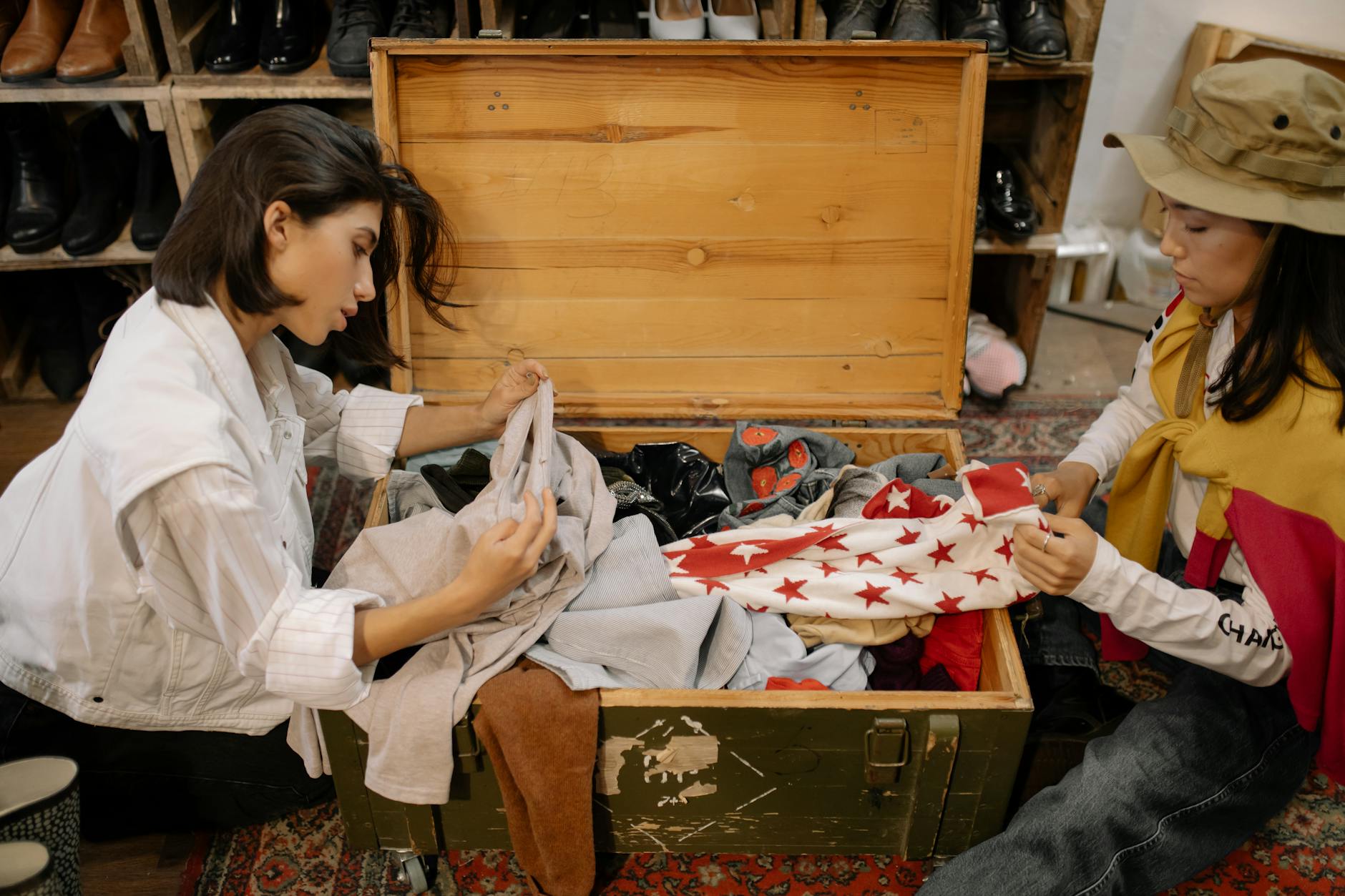
Persistent odors often indicate deep-set problems that survive multiple washings and prove impossible to eliminate completely. Musty smells suggest mold or mildew that permeates fabric fibers, while smoke odor embeds itself permanently in many materials. Most other scents disappear with proper cleaning, but trust your nose to identify deals versus disappointments. This sensory check takes seconds but prevents bringing problematic items into your home.
Look for Complete Sets

Complete dish sets, matching furniture pieces, and paired items carry more value than orphaned singles. Finding all pieces of a vintage china pattern or matching nightstands represents exceptional luck worth celebrating. Many shoppers pass over single items without checking if companions exist elsewhere in the store. A thorough search through all sections often reunites separated sets that increase in value when together.
Check for Missing Parts
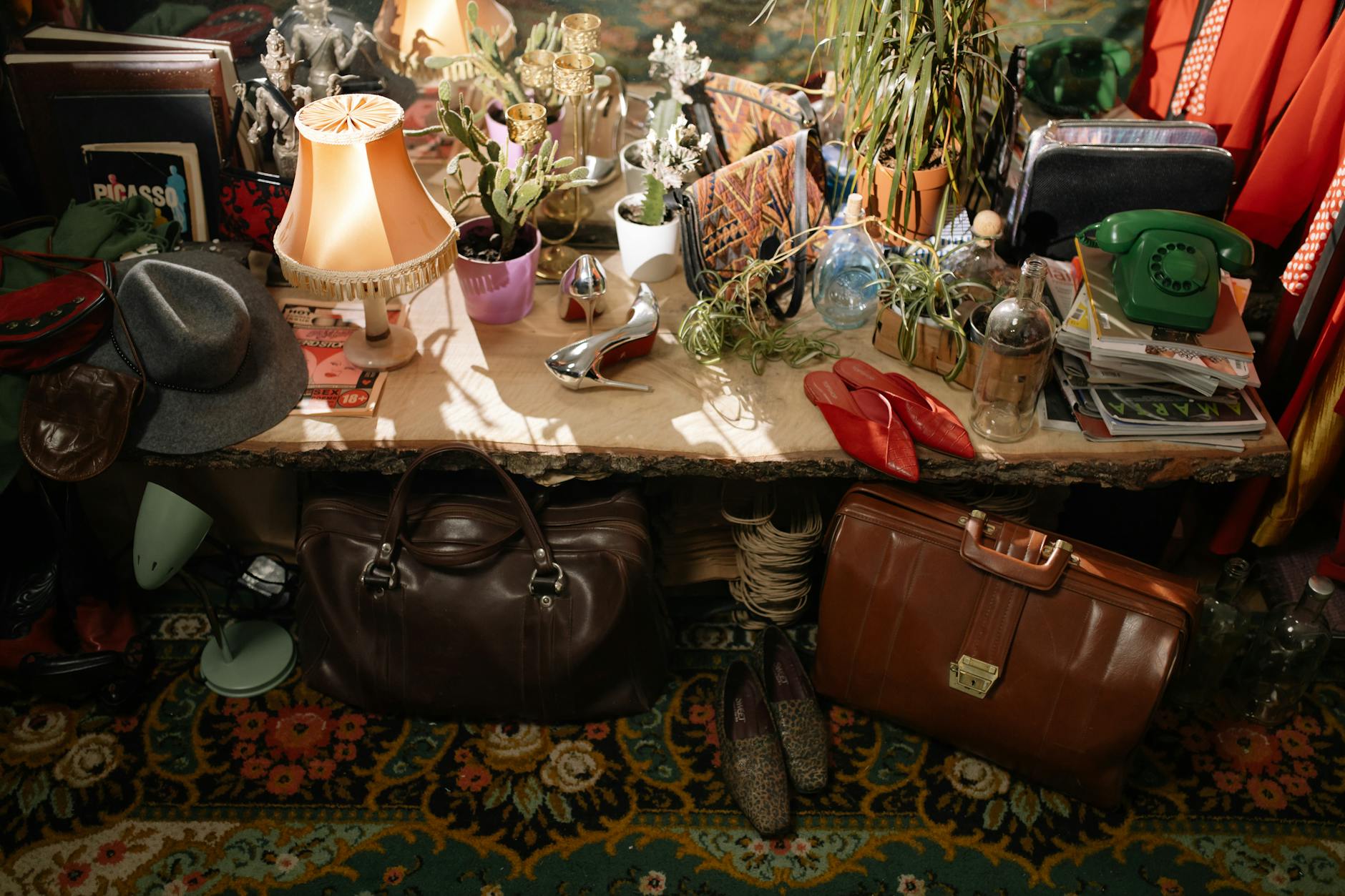
Appliances, furniture, and gadgets lose functionality without essential components that may not be immediately obvious. Test drawers, check for all table leaves, and verify appliance accessories before purchasing. Replacement parts for older or discontinued items can be impossible to find or cost more than buying new. This verification prevents accumulating incomplete items that serve no purpose despite their attractive prices.
Know Your Store’s Return Policy
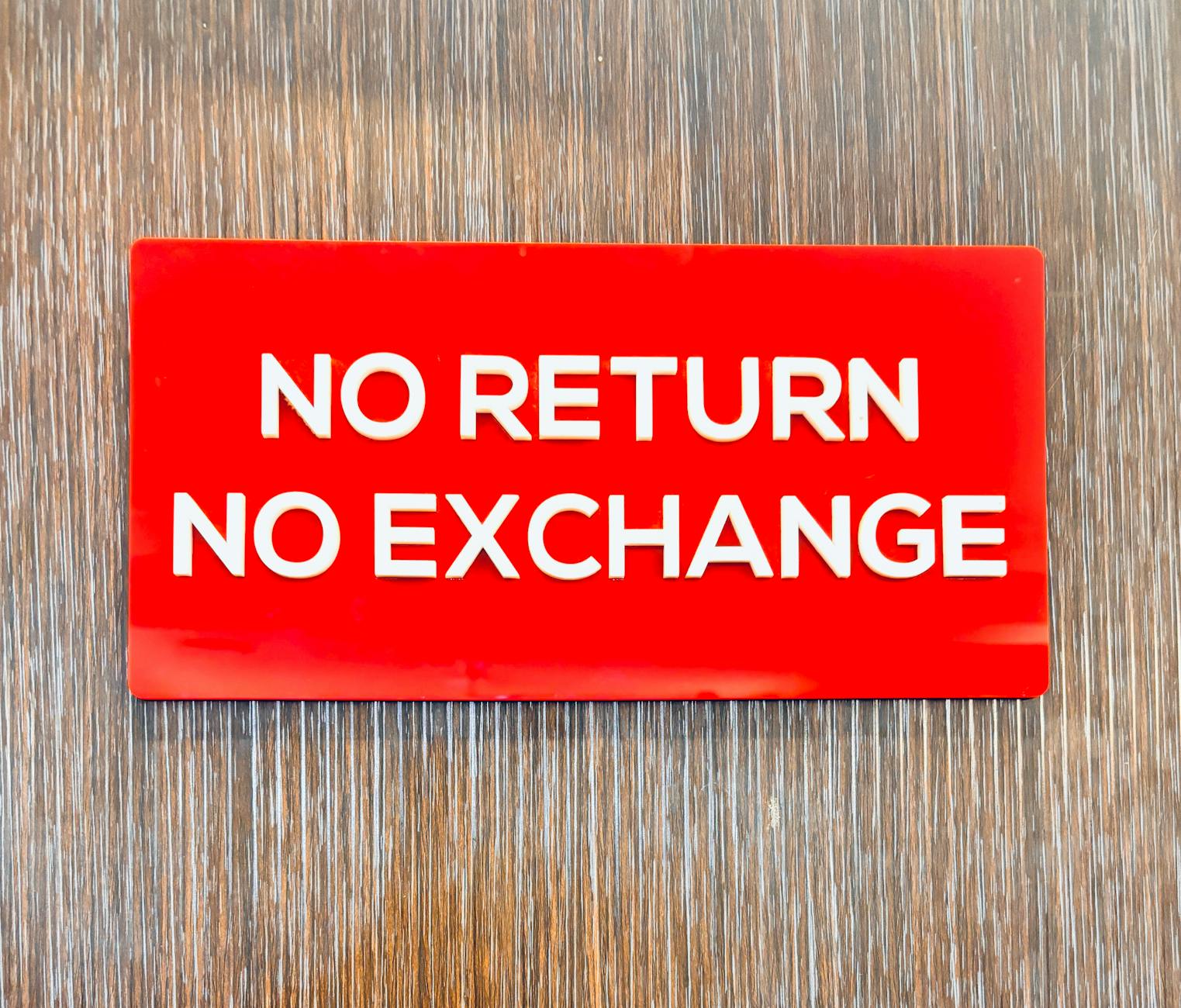
Return policies vary dramatically between thrift stores, with some offering no returns while others allow exchanges within specific timeframes. Understanding these terms before shopping prevents arguments at checkout and helps plan purchases strategically. Keep receipts and honor stated policies to maintain good relationships with staff. This knowledge also influences how carefully you inspect items before committing to purchase.
Bring Reusable Bags
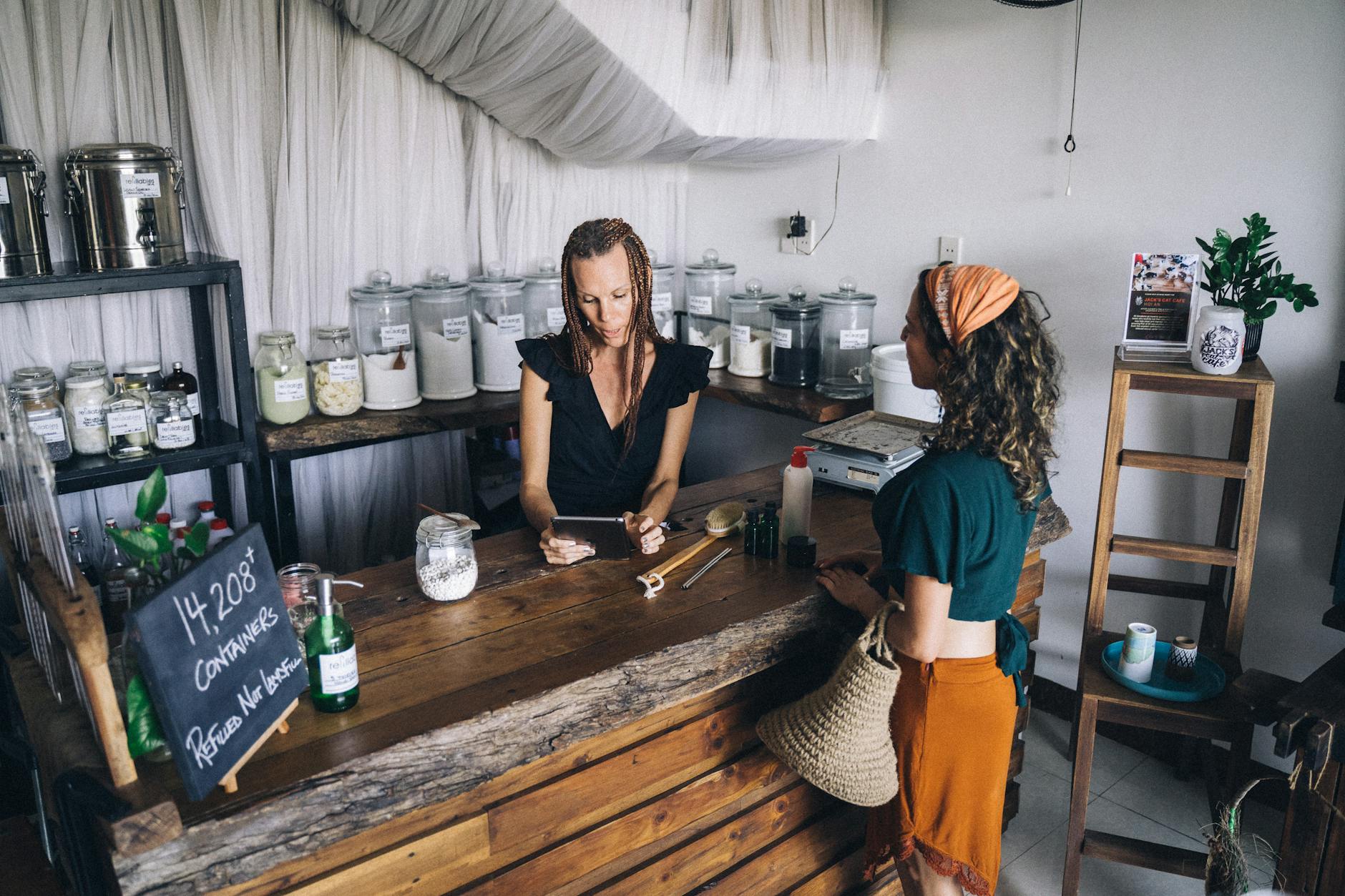
Thrift stores often charge for bags or provide flimsy options that tear under the weight of multiple purchases. Bringing sturdy reusable bags protects your finds during transport and aligns with the sustainable values that draw many people to secondhand shopping. Large bags allow you to collect items while browsing without juggling armfuls of potential purchases. This simple preparation makes the entire shopping experience smoother and more organized.
Check for Pilling and Wear
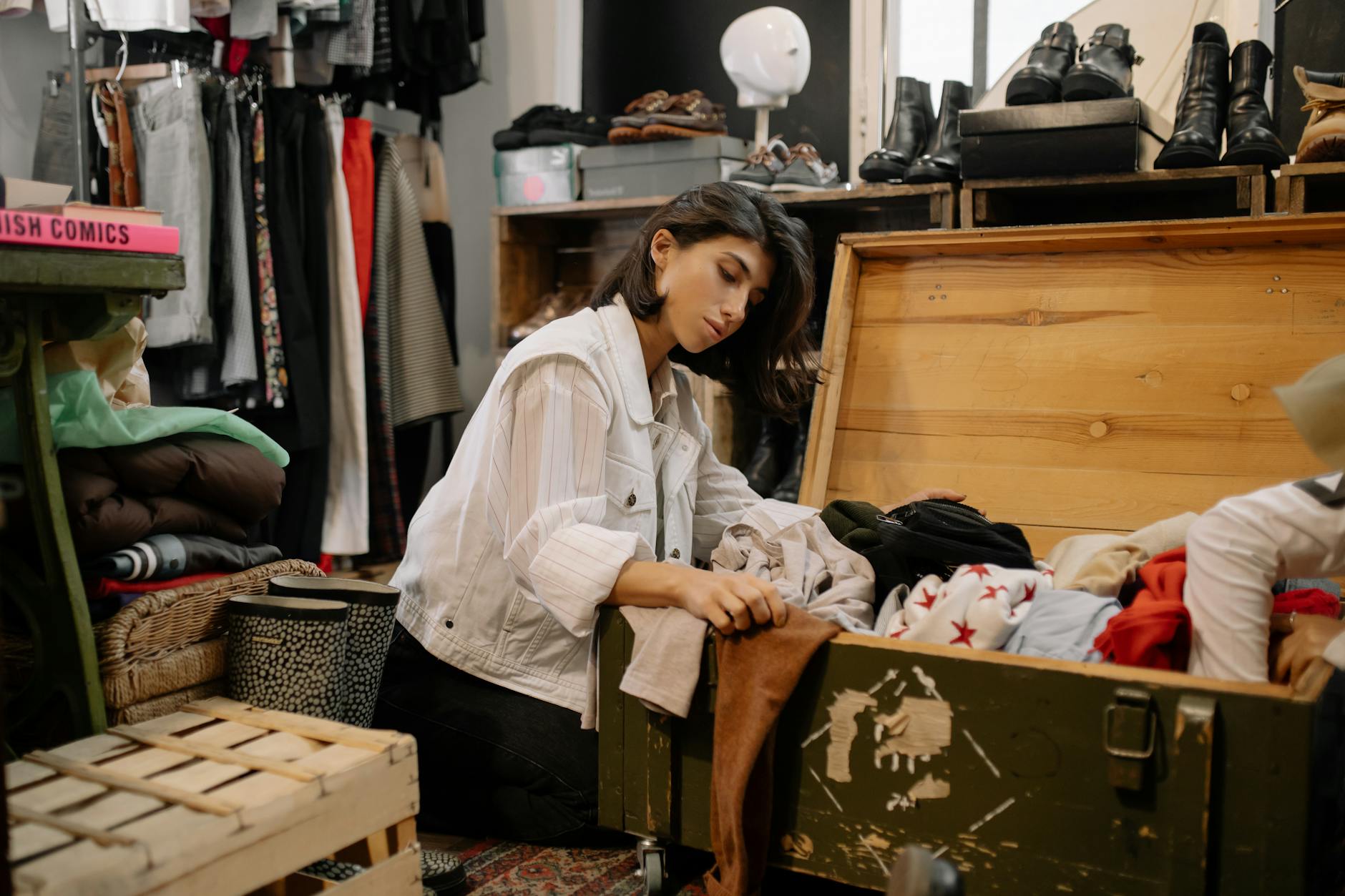
Excessive pilling indicates low-quality fabric that will continue deteriorating with each wear and wash. Gentle abrasion from normal use causes pilling, but excessive bobbles suggest fibers breaking down beyond acceptable wear. Check underarms, inner thighs, and areas of friction for wear patterns that reveal how much life remains in a garment. Severely pilled items rarely improve and typically worsen quickly after purchase.
Examine Soles and Insoles of Shoes
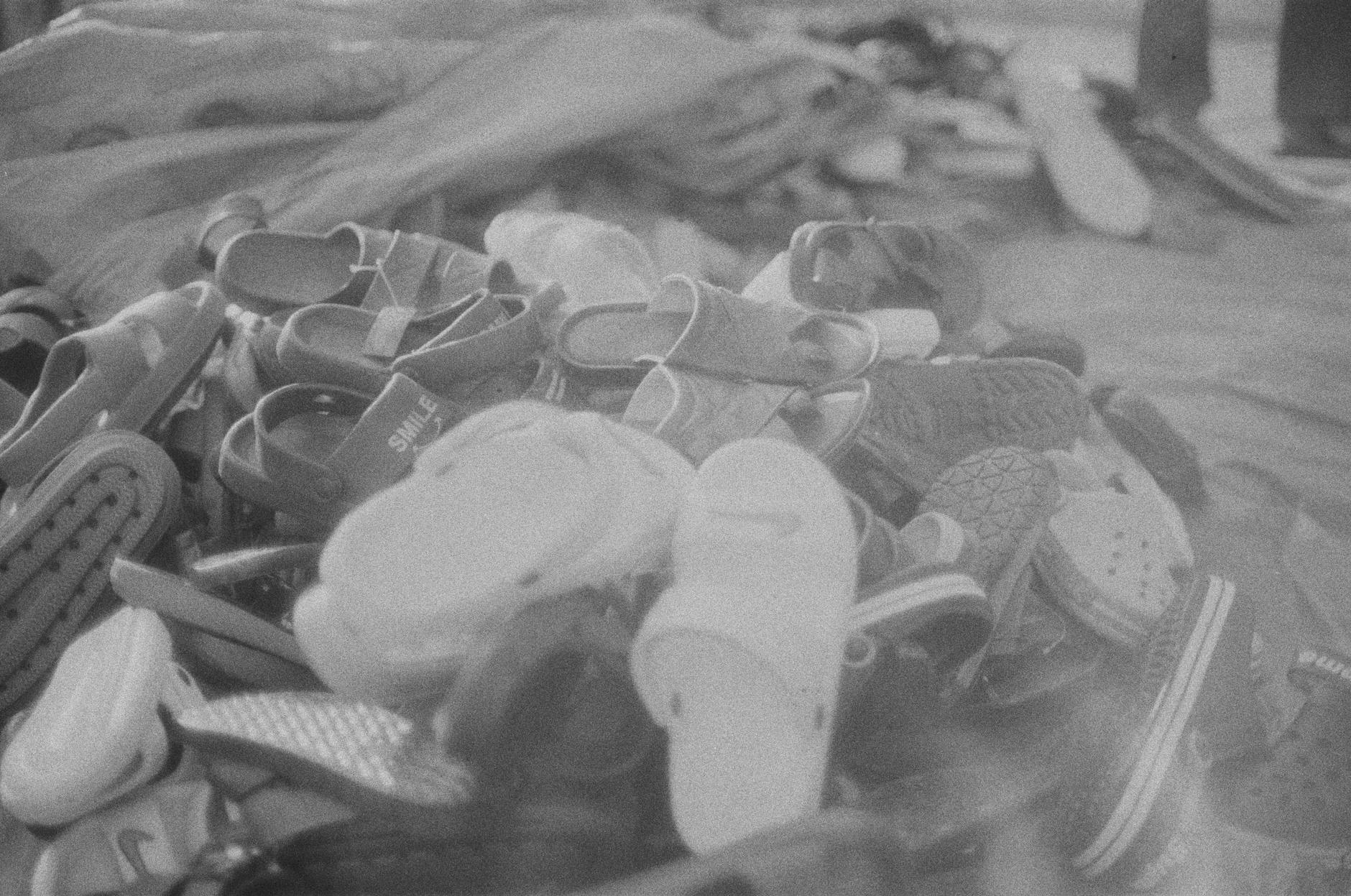
Worn-down heels, separated soles, and compressed insoles indicate shoes nearing the end of their useful life. Replacement soles and professional repairs can restore some shoes, but costs may exceed the value of the footwear. Check for adequate arch support and cushioning that protects feet during wear. Shoes with significant structural wear cause discomfort and potential injury regardless of their exterior appearance.
Research Vintage Values

Certain eras, brands, and styles carry premium values in vintage markets that dramatically exceed typical thrift store prices. Learning to identify valuable vintage pieces transforms casual shopping into potentially profitable treasure hunting. Smartphone research during shopping helps verify suspicions about unusual finds before purchasing. This knowledge ensures you never leave behind items worth significantly more than their ticketed prices.
Avoid Trendy Fast Fashion
Fast fashion brands produce deliberately temporary clothing that rarely survives long enough to become vintage. These items typically show wear quickly and offer little value even at thrift store prices. Focus instead on quality brands and timeless styles that provide longevity worth the investment. This selective approach fills your wardrobe with pieces that last rather than accumulating disposable fashion.
Check Hems and Cuffs
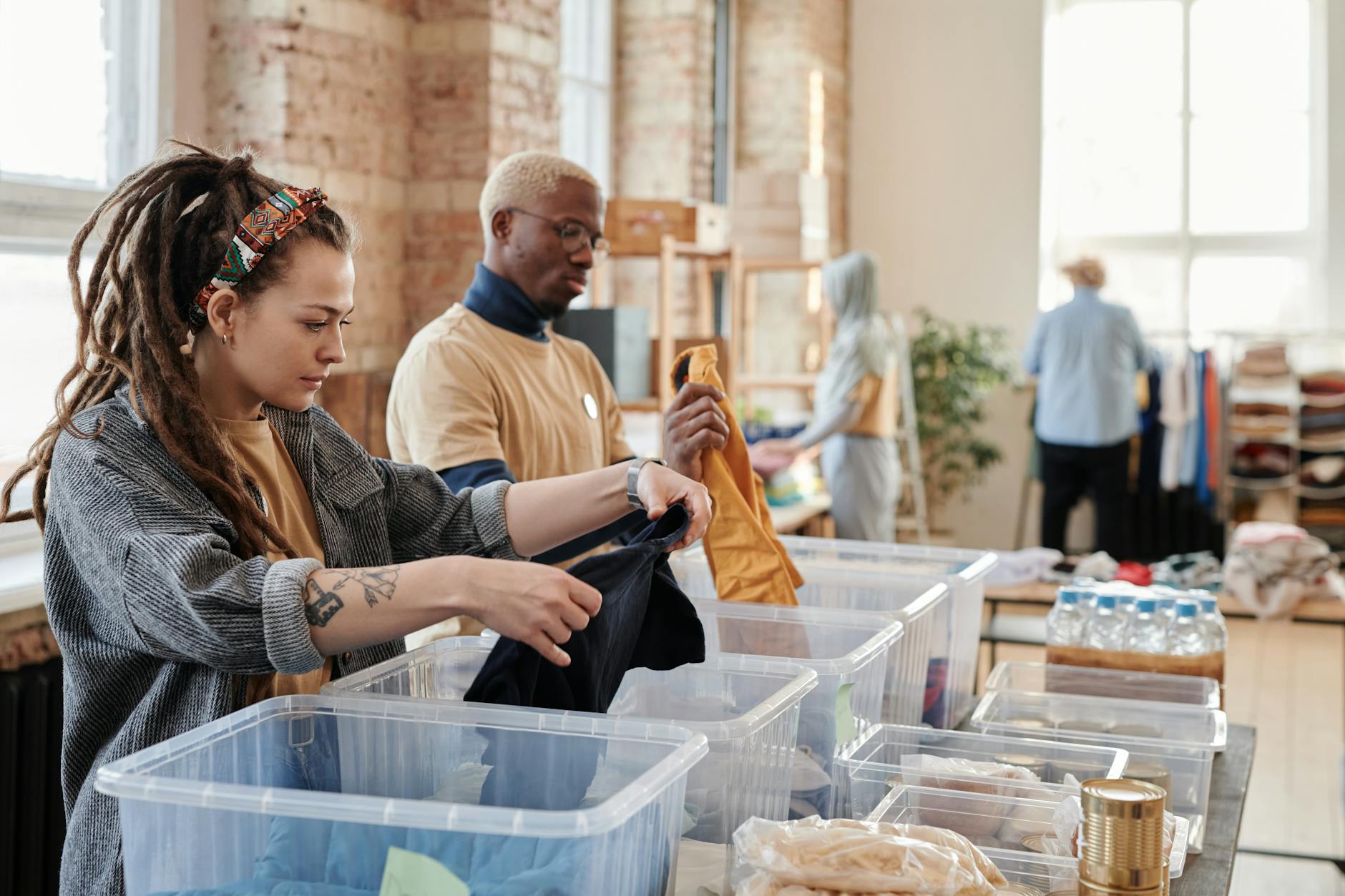
Original hems and cuffs indicate proper garment length and suggest minimal alterations by previous owners. Let-down hems reveal visible fade lines and limit future adjustment options. Frayed cuffs and worn hem edges suggest extensive wear that may continue deteriorating rapidly. These details help estimate remaining garment life and whether pieces justify their prices.
Be Patient and Persistent
Successful thrift shopping requires multiple visits and the willingness to leave empty-handed when inventory disappoints. Regular shoppers develop timing instincts and learn their favorite stores’ restocking patterns. Patience prevents settling for mediocre items simply to justify the shopping trip. This persistent approach yields better results over time than desperate purchasing during every visit.
Trust Your Instincts
When something feels wrong about an item’s condition, price, or authenticity, trust that intuition over the desire to score a deal. Experience builds reliable instincts that protect against costly mistakes and disappointing purchases. Your immediate reaction to a piece often proves more accurate than rationalized justifications for problematic items. This self-awareness prevents buyer’s remorse and ensures satisfaction with every purchase.
What strategies have transformed your thrift store shopping experiences and helped you discover your best secondhand finds? Share your thoughts in the comments.




