Your credit score shapes major financial decisions throughout your life, from mortgage rates to job opportunities. Small strategic moves can create significant improvements over time when applied consistently. Understanding the mechanics behind credit scoring helps you make smarter choices with lasting impact. These proven techniques range from quick fixes to long-term strategies that build lasting financial health.
Request a Credit Limit Increase

Asking your credit card issuer for a higher limit can instantly improve your credit utilization ratio without changing your spending habits. Most issuers allow online requests that take just minutes to complete and often provide immediate decisions. A higher available credit reduces the percentage of credit you’re using, which accounts for roughly 30 percent of your score calculation. This strategy works best when you have a solid payment history and haven’t requested increases recently.
Become an Authorized User

Getting added to someone else’s established credit card account allows you to benefit from their positive payment history and credit age. The primary cardholder’s responsible usage appears on your credit report as if it were your own activity. This method proves especially valuable for those with thin credit files or those rebuilding after financial setbacks. Choose an account holder with excellent payment history and low utilization for maximum benefit.
Pay Bills Before the Statement Closes
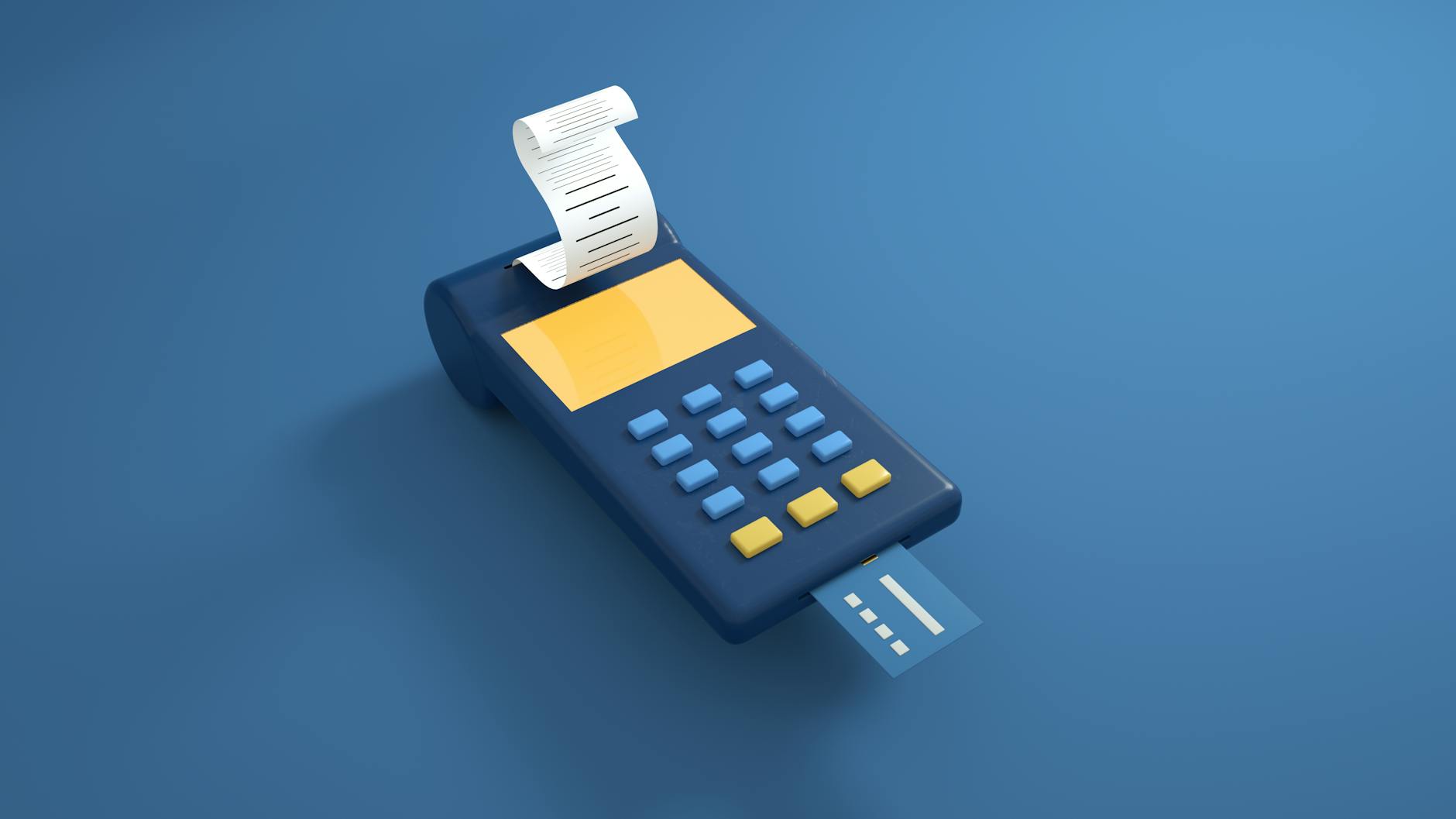
Credit card issuers typically report your balance to bureaus when your statement generates rather than on your due date. Making payments before this reporting date shows lower utilization even if you pay the balance in full each month. This timing strategy can create a noticeable score improvement without requiring any reduction in actual spending. Monitoring your statement closing dates helps you optimize payment timing for maximum impact.
Set Up Automatic Payments

Enrolling in autopay eliminates the risk of missed payments, which can damage your score for up to seven years. Even a single late payment can drop your score by 100 points or more depending on your overall credit profile. Automation ensures your payment history remains pristine without requiring monthly manual effort. You can set autopay for the minimum due, a fixed amount, or the full balance based on your cash flow preferences.
Dispute Inaccurate Information
Credit reports frequently contain errors that unfairly drag down scores, from accounts that don’t belong to you to incorrect late payment marks. Federal law entitles you to dispute any information you believe is inaccurate through a straightforward process with the credit bureaus. Bureaus must investigate disputes within 30 days and remove or correct information they cannot verify. Regular monitoring helps you catch and challenge errors before they cause long-term damage.
Keep Old Accounts Open
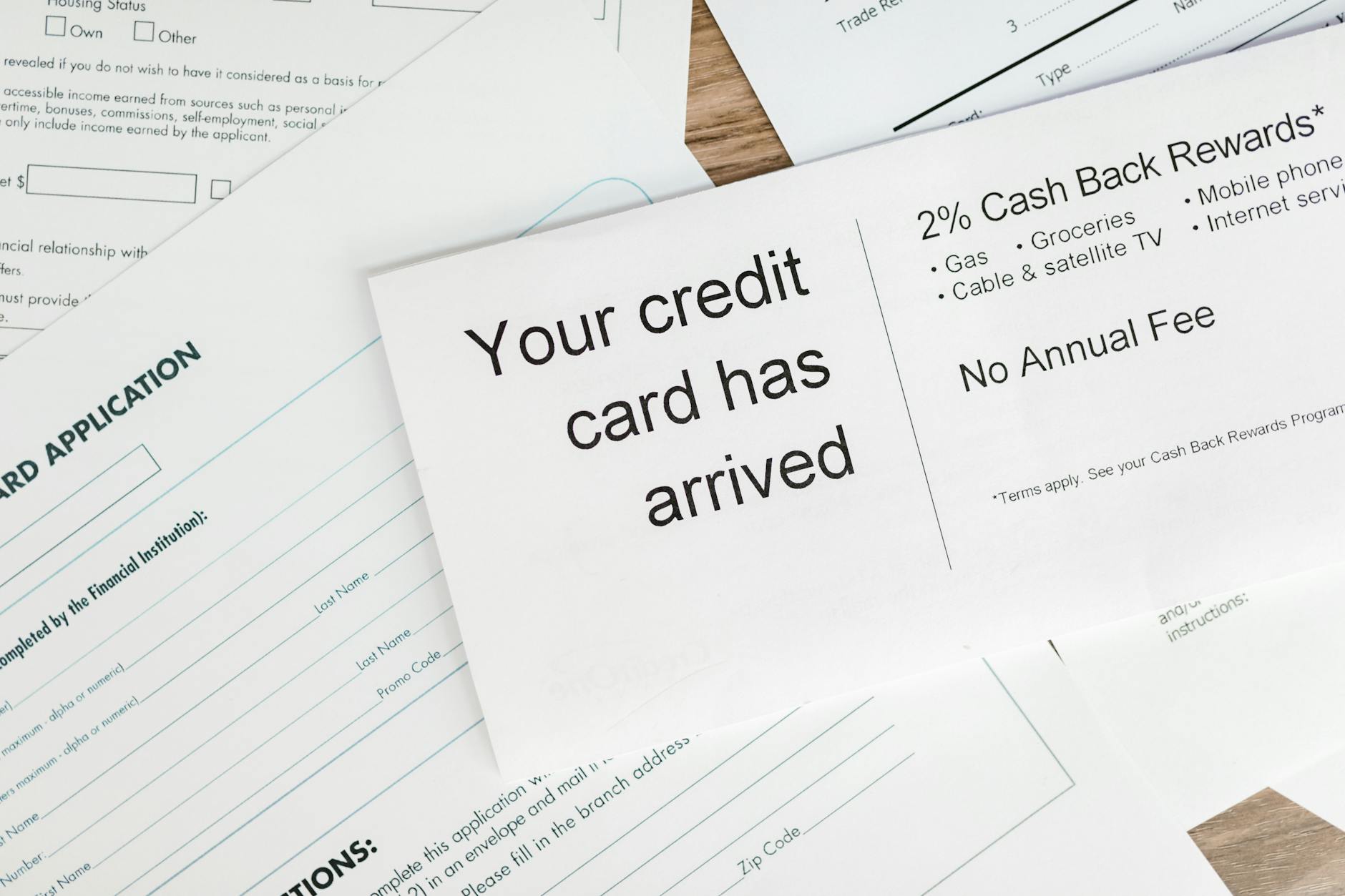
The average age of your credit accounts significantly influences your score, making old cards valuable even when unused. Closing your oldest accounts shortens your credit history and can immediately hurt your score. Keeping these accounts active with small recurring charges prevents issuer closures due to inactivity. The length of your credit history accounts for approximately 15 percent of your overall score calculation.
Use Credit Monitoring Services

Free credit monitoring tools alert you to changes in your credit report, helping you catch identity theft or errors quickly. These services provide regular score updates and explain which factors are helping or hurting your credit standing. Understanding the specific elements affecting your score allows you to prioritize improvement strategies effectively. Many credit card issuers and banks now offer free monitoring as a standard account feature.
Pay Down High-Balance Cards First

Focusing extra payments on cards with the highest utilization rates delivers faster score improvements than spreading payments evenly. Credit scoring models evaluate utilization both overall and on individual accounts, making per-card ratios important. Reducing a card from 80 percent to 30 percent utilization creates more score benefit than reducing one from 30 percent to 10 percent. This targeted approach maximizes the impact of available funds for debt reduction.
Request Goodwill Adjustments

If you have a strong payment history with an occasional late payment, creditors sometimes remove negative marks as a courtesy. A polite written request explaining the circumstances and emphasizing your otherwise perfect record can succeed surprisingly often. This approach works best for isolated incidents rather than patterns of late payments. Creditors have no obligation to grant these requests but many do to maintain customer relationships.
Mix Your Credit Types
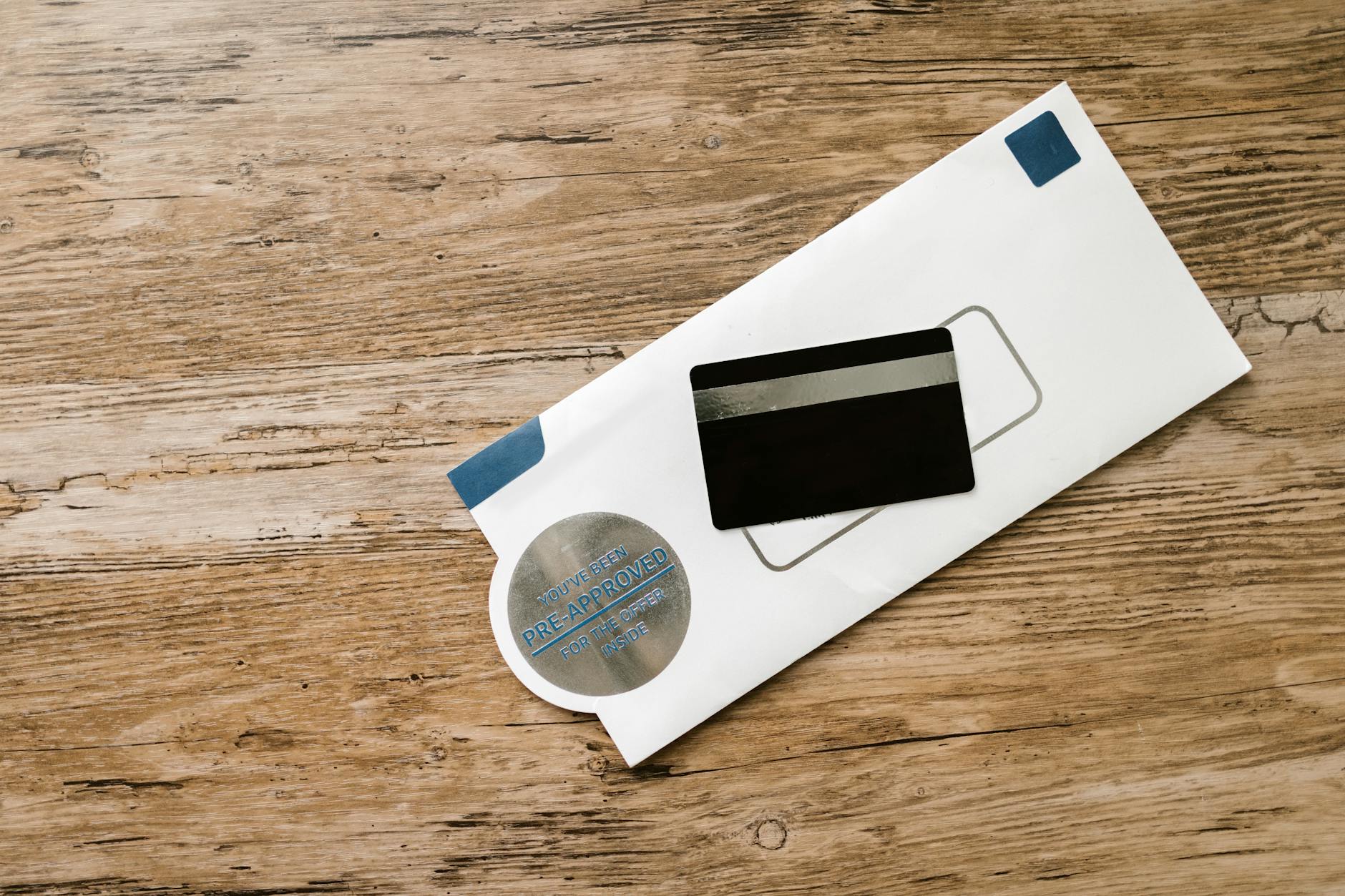
Lenders like to see that you can manage different types of credit responsibly, from revolving accounts to installment loans. Having only credit cards or only loans limits the positive signals in your credit profile. Adding a different credit type through an auto loan, personal loan, or retail installment plan can boost scores over time. Credit mix accounts for about 10 percent of your score, making it a minor but meaningful factor.
Avoid Closing Cards After Paying Them Off

The sense of accomplishment from paying off a card often leads to account closure, but this move typically hurts your score. Closing accounts reduces your total available credit, increasing your utilization ratio on remaining cards. The closed account also stops aging, eventually falling off your report and reducing your credit history length. Keeping paid-off cards open and using them occasionally maintains their scoring benefits.
Time Applications Strategically

Multiple credit applications in a short period signal financial distress to scoring models and trigger score drops. Hard inquiries remain on your report for two years, though their impact diminishes after the first year. When comparison shopping for major loans like mortgages or auto financing, submit applications within a focused 14 to 45 day window so they count as a single inquiry. Strategic timing protects your score while still allowing necessary credit shopping.
Use Rent Reporting Services

Several services now report your monthly rent payments to credit bureaus, turning your largest expense into credit-building activity. This approach particularly benefits those with thin credit files who need positive payment history. Rent reporting adds a significant installment account to your profile, diversifying your credit mix. Some services report past rental history retroactively, adding years of positive data to your report instantly.
Pay Collections in Exchange for Deletion

Before paying old collection accounts, negotiate with collectors to remove the entry from your report in exchange for payment. This “pay for delete” arrangement isn’t guaranteed but collectors often agree to maximize their recovery. Get any agreement in writing before making payment to ensure the collector fulfills their commitment. Even paid collections damage your score, so removal provides substantially more benefit than payment alone.
Consolidate Debt Strategically

Personal loans or balance transfer cards can simplify payments while potentially improving your credit utilization immediately. Moving revolving credit card debt to an installment loan changes how it affects your credit mix and utilization calculations. This strategy works best when the new account has favorable terms and you avoid accumulating new credit card balances. Consolidation also reduces the risk of missed payments by simplifying your monthly obligations.
Monitor Your Credit Utilization Weekly
Credit card balances fluctuate throughout the month, and monitoring helps you prevent temporary spikes that damage your score. Some scoring models pull balance information multiple times monthly rather than just at statement closing. Staying aware of your utilization allows you to make mid-cycle payments that keep ratios consistently low. Regular monitoring also helps you spot unusual charges that might indicate fraud or errors.
Use Balance Transfer Cards Wisely
Zero-interest balance transfer offers can help you pay down debt faster while improving utilization if you transfer to a card with higher limits. The reduced interest burden allows more of your payment to reduce principal, accelerating debt elimination. Be mindful of transfer fees and ensure you can pay off the balance before promotional rates expire. Leaving the original cards open after transferring maintains your available credit and utilization ratio.
Request Rapid Rescoring

When you need quick score improvements for a mortgage or major loan, rapid rescoring updates your credit report within days instead of weeks. This service works through your lender and requires documentation of the changes, like proof of paid-off balances. Rapid rescoring costs money but can make the difference in qualifying for better loan terms worth thousands. The service only works for verifiable changes already made, not for disputing information.
Pay Multiple Times Per Month
Making several smaller payments throughout the month keeps your reported balance lower than a single monthly payment would. This approach proves especially effective if your statement closes mid-month when balances tend to be higher. Multiple payments also improve cash flow management by spreading the financial impact across pay periods. The strategy requires minimal extra effort but can yield measurable utilization improvements.
Avoid Store Credit Cards

Retail store cards often carry high interest rates, low credit limits, and limited usefulness outside specific retailers. These cards can hurt your score through hard inquiries and high utilization ratios on small credit lines. The minor discount offered at signup rarely justifies the long-term credit impact. If you do open store cards, use them sparingly and pay balances immediately to minimize utilization.
Rehabilitate Defaulted Student Loans

Federal student loan rehabilitation programs allow borrowers to remove default status from their credit reports after making nine on-time payments. This process restores the loans to good standing and removes the default notation that severely damages credit scores. Rehabilitation also makes you eligible for income-driven repayment plans and other federal student loan benefits. The improved credit status can boost your score by 100 points or more depending on your overall profile.
Use Secured Cards to Build Credit

Secured credit cards require a deposit that serves as your credit limit but report to bureaus like regular cards. These cards provide a pathway to building credit when traditional cards are unavailable due to poor or limited history. Responsible use of secured cards typically leads to unsecured card offers within six to twelve months. Many issuers return your deposit and convert the account to unsecured status after demonstrating responsible usage.
Negotiate Payment Plans

Contacting creditors before missing payments often results in hardship programs that protect your credit while providing temporary relief. Many creditors offer reduced payment plans, interest rate reductions, or deferred payments during financial difficulties. These arrangements keep your account in good standing and preserve your payment history. Negotiating proactively shows responsibility and yields better outcomes than ignoring financial problems.
Remove Authorized User Accounts

If you’re an authorized user on an account with high utilization or late payments, removing yourself eliminates that negative impact. You have the right to request removal at any time, though the primary cardholder may need to initiate the process. Removing beneficial authorized user accounts hurts your score, so evaluate each situation carefully before acting. This strategy works best when the primary account holder’s credit habits have deteriorated since you were added.
Pay Off Small Balances Completely

Eliminating several small balances removes multiple accounts from your utilization calculation and can provide quick score boosts. Paying off small debts also reduces the number of accounts with balances, which scoring models evaluate separately from overall utilization. This approach provides psychological wins that build momentum for tackling larger debts. The score impact may be modest but the simplification benefits cash flow management.
Space Out Credit Applications
Waiting at least six months between credit applications minimizes the cumulative impact of hard inquiries on your score. Each application typically drops scores by a few points temporarily, and multiple inquiries compound this effect. Spacing applications also demonstrates financial stability rather than credit desperation to potential lenders. Planning major purchases allows you to time applications strategically for minimal credit impact.
Use Credit Builder Loans

Specialized credit builder loans hold your borrowed funds in a savings account while you make payments that build credit history. These loans create positive payment history without providing immediate access to funds, reducing default risk. Once you complete payments, you receive the accumulated amount plus any interest earned. This approach suits those with limited credit history or those rebuilding after financial setbacks.
Set Up Payment Reminders

Calendar alerts or smartphone reminders ensure you never miss a payment deadline even without enrolling in automatic payments. This approach works well if you prefer to review bills manually before authorizing payment. Most credit card apps allow custom reminder settings tied to your specific due dates. Regular reminders create consistent payment habits that protect your score over time.
Limit New Credit When Rate Shopping

While focused rate shopping for mortgages or auto loans counts as a single inquiry, opening other new accounts during this period adds separate inquiries. These additional pulls suggest financial instability and can impact mortgage approval or interest rates. Avoid applying for new credit cards or other credit products during the weeks before and during major loan applications. Patience during critical borrowing periods protects your score when it matters most.
Understand Soft Versus Hard Inquiries
Soft inquiries from pre-approval offers or personal credit checks don’t affect your score and can be reviewed unlimited times. Hard inquiries occur when you formally apply for credit and can lower your score by a few points each. Knowing the difference helps you check your credit freely while being strategic about formal applications. Many lenders now offer soft pull pre-approvals that let you explore options without score impact.
Pay Before the First Statement

Making a payment before your first statement generates prevents the initial balance from reporting to credit bureaus. This approach starts your relationship with a new card by showing zero utilization rather than whatever you charged initially. The strategy works especially well with large initial purchases that might otherwise show high utilization. Starting with clean utilization establishes a positive pattern from the beginning.
Increase Income Reporting

When creditors request income updates, providing accurate current income can lead to automatic credit limit increases. Higher reported income suggests greater repayment capacity and makes issuers more comfortable extending additional credit. These increases improve your utilization ratio without requiring formal applications or hard inquiries. Updating income annually or after significant raises maximizes opportunities for automatic limit increases.
Use Credit Utilization Alerts

Most credit card issuers offer alerts when your balance reaches specified percentages of your limit. Setting alerts at 20 or 30 percent utilization helps you catch spending patterns before they hurt your score. These notifications provide opportunities to make extra payments or adjust spending before statement closing. Proactive monitoring prevents utilization surprises that might otherwise lower your score.
Avoid Cosigning Unless Necessary

Cosigning makes you fully responsible for debt and adds the account to your credit report as if it were your own. Late payments or high balances by the primary borrower damage your credit despite your lack of control. The additional debt also increases your debt-to-income ratio, potentially affecting your ability to qualify for your own credit. Cosigning should be reserved for situations where you’re prepared to take over payments if necessary.
Rebuild with Alternative Data

Some newer credit scoring models incorporate alternative data like utility and phone payments to assess creditworthiness. Services like Experian Boost allow you to connect bank accounts and get credit for bills that traditionally don’t report. This approach particularly helps those with thin files or those recovering from past credit problems. Adding alternative data costs nothing and can increase scores by 10 to 20 points or more.
Target 30 Percent Utilization Maximum

While lower utilization is better, keeping balances below 30 percent of your limit represents a key scoring threshold. Utilization above 30 percent signals higher risk to scoring models and can trigger score reductions. Ideally, maintain single-digit utilization for maximum score benefit, but 30 percent serves as a practical target. Calculating 30 percent of each card limit helps you set spending boundaries that protect your score.
Understand Promotional Inquiry Windows

Mortgage, auto, and student loan applications within specific timeframes count as a single inquiry despite multiple credit checks. These windows range from 14 to 45 days depending on the scoring model version used. Taking advantage of these windows allows comprehensive rate shopping without multiple score hits. Timing your shopping period strategically protects your credit while ensuring you find the best rates.
Use Tradeline Services Cautiously

Some services add you as an authorized user to accounts with perfect payment history to boost your score quickly. While legal, this practice carries risks including wasted money if creditors don’t report the tradeline or if lenders detect the purchased status. Organic credit building through your own accounts creates more sustainable score improvements. If considering tradeline services, research thoroughly and understand that results are not guaranteed.
Request Credit Line Decreases Rarely

Reducing credit limits lowers your available credit and increases utilization unless you also reduce balances proportionally. This move only makes sense if higher limits tempt overspending you cannot control. Most credit experts recommend keeping limits high and controlling spending through budgeting rather than artificial constraints. Lower limits provide minimal protection against overspending while definitely harming your credit score.
Leverage Account Reviews

Some credit card issuers periodically review accounts and automatically increase limits for customers showing responsible usage. Maintaining low utilization, consistent on-time payments, and regular card usage triggers these favorable reviews. Automatic increases require no application and involve no hard inquiry, making them ideal for score improvement. Understanding your issuer’s review timeline helps you optimize usage patterns before these evaluations.
Pay Attention to Statement Dates

Different cards report to bureaus on different days, meaning your overall utilization fluctuates throughout the month. Coordinating payments so all cards show low balances during their respective reporting periods optimizes your score. This advanced strategy requires tracking multiple statement dates but can significantly improve utilization metrics. Calendar reminders help maintain awareness of each card’s critical reporting timing.
Use Balance Alerts Proactively

Setting balance alerts at dollar amounts well below your comfort zone creates early warnings before spending becomes problematic. These alerts provide opportunities to adjust spending or make payments before balances impact your credit score. Proactive management prevents the stress of discovering high utilization after the fact. Most banking apps make setting and customizing these alerts simple and free.
Avoid Cash Advances

Cash advances typically carry higher interest rates and fees while still counting toward your credit utilization. These transactions signal financial distress to scoring models and may prompt issuers to reduce your credit limit. The combination of high costs and potential credit damage makes cash advances particularly harmful financial tools. Almost any alternative, from personal loans to payment plans, proves less damaging to credit and finances.
Understand Credit Age Calculations

Credit age includes both the age of your oldest account and the average age of all accounts. Opening many new accounts rapidly lowers your average age and can hurt your score even with perfect payment history. Strategic account opening spaces new credit over time to minimize age impact. Maintaining old accounts keeps your average age high while new accounts gradually age into stronger assets.
Use Authorized User Status Temporarily
If you’re an authorized user primarily for the credit benefit, you can remove yourself once your own credit is established. This strategy works well when helping someone build credit or when you need a temporary boost for a major application. Timing removal to occur after achieving your credit goals prevents ongoing exposure to another person’s credit behavior. The removed account’s history typically remains on your report for some time, continuing to provide benefit.
Request Lower Interest Rates
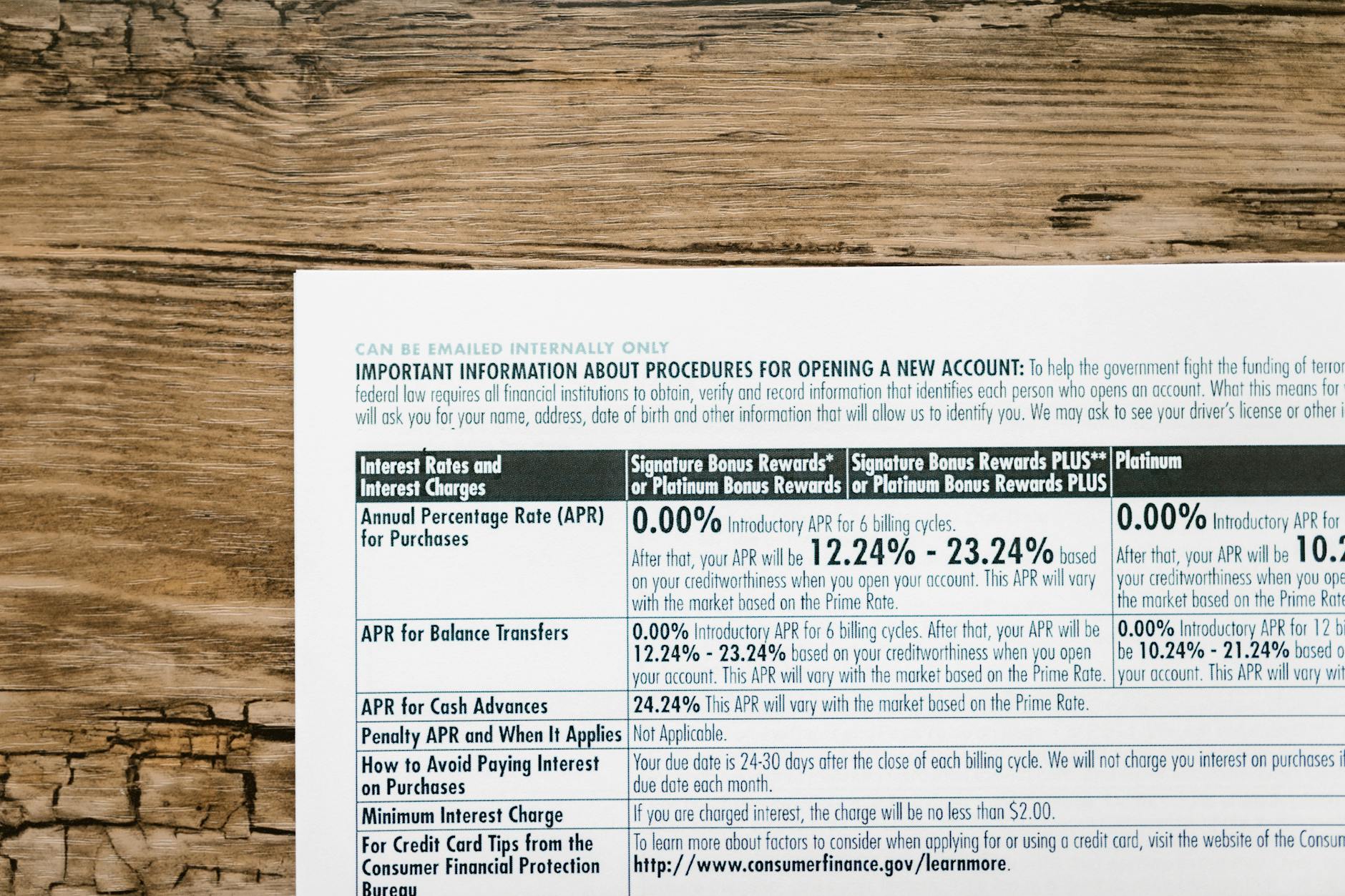
While interest rates don’t directly affect credit scores, lower rates make paying down balances more feasible and faster. Many creditors grant rate reductions to customers with improved credit scores or strong payment histories. Lower rates mean more of your payment reduces principal rather than interest, accelerating debt elimination. A simple phone call requesting a rate review costs nothing and often succeeds for responsible customers.
Prioritize High-Interest Debt

Focusing extra payments on high-interest debt reduces total interest paid while freeing up money for additional debt reduction. This avalanche method proves most cost-effective even though some prefer the psychological wins of the snowball method. Lower overall debt improves your debt-to-income ratio and credit utilization simultaneously. The financial savings from reduced interest compound over time, accelerating your path to better credit.
Review Your Mix Regularly

Periodically assessing your credit mix helps identify opportunities to diversify your credit profile naturally. Adding different account types through necessary purchases rather than solely for credit benefit creates authentic diversification. Understanding your current mix prevents unnecessary applications while highlighting legitimate opportunities. A balanced mix of revolving and installment accounts demonstrates comprehensive credit management ability.
Use Credit Karma Wisely

Free credit monitoring services provide valuable insights but use VantageScore models that differ from FICO scores most lenders check. Understanding this difference prevents surprises when applying for credit, as your FICO scores may vary from VantageScore results. These services excel at tracking trends and catching errors rather than providing exact scores lenders see. Regular monitoring through multiple sources gives the most complete credit picture.
Building strong credit requires consistent attention to proven strategies rather than searching for quick fixes. These approaches work together to create comprehensive credit improvement when applied thoughtfully over time. Your financial future depends significantly on your credit standing, making these efforts worthwhile investments in long-term stability. Share your favorite credit improvement strategies or questions about implementing these techniques in the comments.




