Modern parenthood is a landscape filled with unspoken rules and heated debates that often occur behind closed doors. Parents frequently find themselves navigating complex social and ethical dilemmas without a clear guidebook or open dialogue to support their choices. These topics range from medical decisions to daily lifestyle habits that spark intense judgment from onlookers and peers alike. Exploring these subjects sheds light on the diverse and often conflicting philosophies that define raising children in the twenty-first century.
Gender Neutral Parenting

This approach involves raising children without enforcing traditional gender roles or stereotypes associated with boys and girls. Parents might offer a mix of toys and clothing options to allow the child to choose their preferences freely. Critics argue this confuses children regarding their identity while proponents believe it fosters true self-expression. The method requires constant vigilance against societal norms that push specific behaviors based on biological sex.
Child Leashes in Public
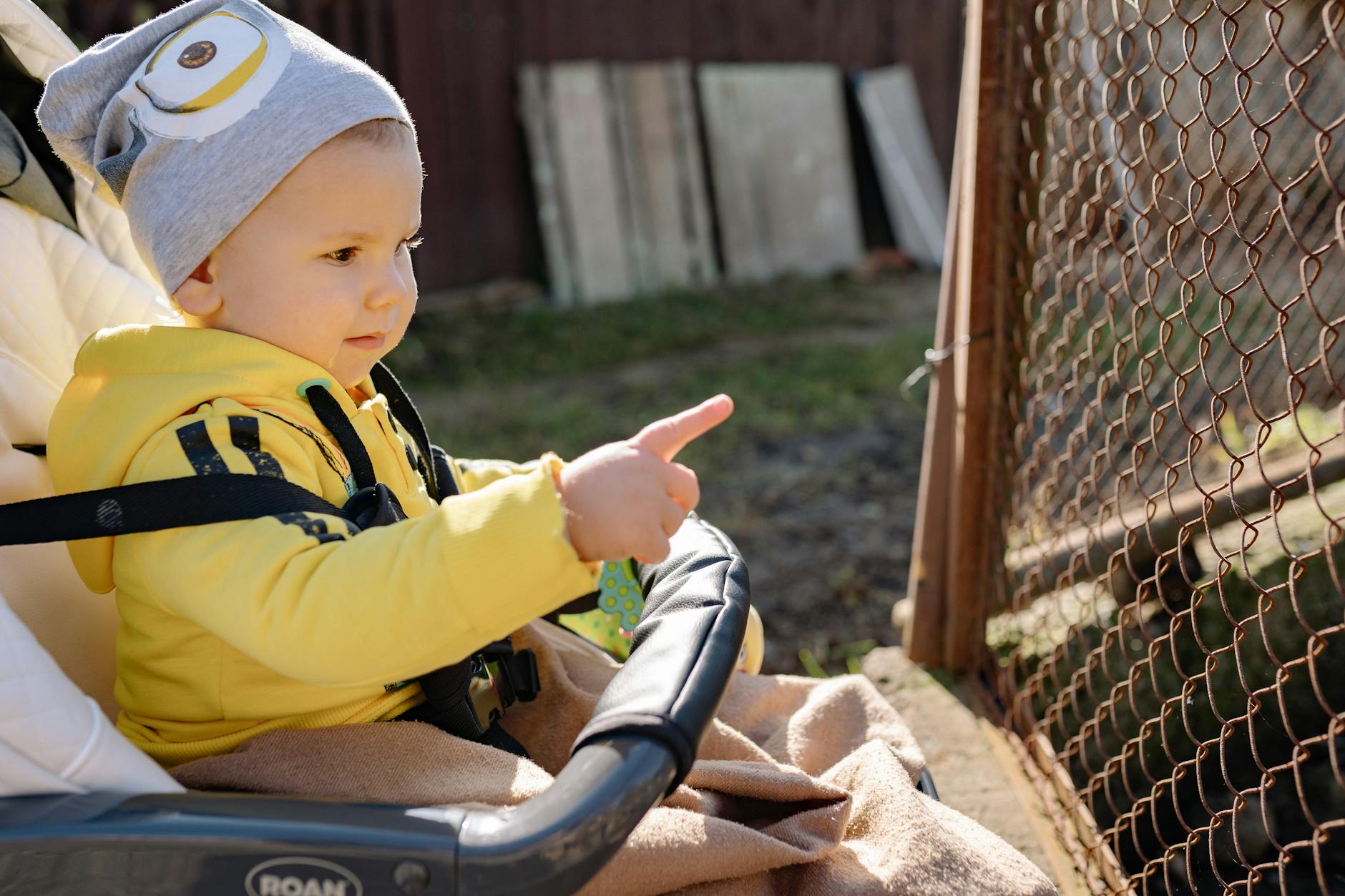
Safety harnesses for walking children provoke strong reactions regarding the balance between safety and dignity. Proponents assert these tools prevent active toddlers from darting into dangerous traffic or getting lost in crowds. Opponents often view the practice as treating a human child like a pet and suggest it indicates a lack of discipline. The device remains a popular purchase despite the silent stares many parents receive while using it.
Unlimited Screen Time

Digital devices serve as educational tools and entertainment for children in many households despite warnings from health organizations. Some parents allow unrestricted access to tablets to foster technological fluency and keep children occupied during busy periods. Discussions focus on whether this leads to addiction or simply prepares the next generation for a digital future. Research on the long-term cognitive effects continues to evolve as technology becomes more integrated into daily life.
Ear Piercing for Infants
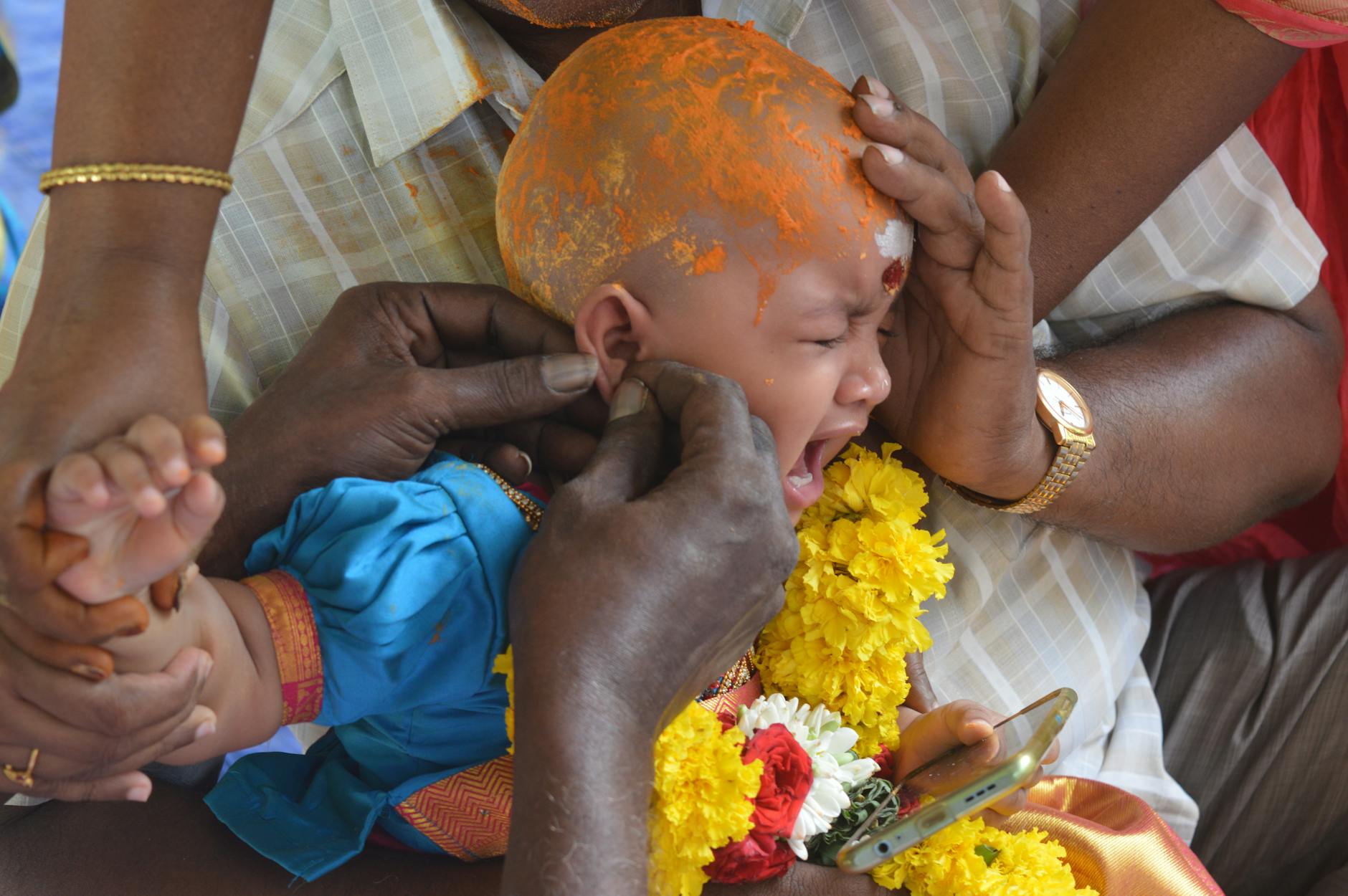
Piercing a baby’s ears is a cultural norm in many families but sparks debate about consent and bodily autonomy. Parents often choose to do this early to avoid the memory of pain or for aesthetic reasons ingrained in their heritage. Critics argue that altering a child’s body without their permission is an infringement on their rights. The procedure remains widely available despite the growing conversation around children’s consent.
Forced Physical Affection

Requiring children to hug or kiss relatives is a traditional manner dictate that is increasingly being questioned. Many experts suggest allowing children to decide when and how they show affection teaches them about personal boundaries. Traditionalists often view the refusal to hug as a sign of disrespect toward elders. This shift marks a significant change in how bodily autonomy is taught from a young age.
Cry It Out Sleep Training

Sleep training methods that involve letting a baby cry for specific intervals divide experts and parents sharply. Supporters claim it teaches self-soothing skills and ensures everyone in the family gets necessary rest. Detractors worry about potential emotional trauma or elevated stress levels in infants during the process. The debate often centers on the immediate need for sleep versus the theoretical long-term emotional impact.
Co-Sleeping Arrangements

Sharing a bed with infants or young children is common globally but faces scrutiny regarding safety and independence. Advocates emphasize the bonding benefits and ease of breastfeeding during the night. Medical professionals often cite risks associated with suffocation or SIDS when safety guidelines are ignored. Families often hide this practice to avoid lectures from pediatricians or judgmental peers.
Sharenting on Social Media

Posting photos and videos of children online creates a digital footprint for them before they can consent. Parents enjoy sharing milestones and connecting with family but risk exposing children to privacy breaches. The discussion involves the right of a child to privacy versus the right of a parent to share their life story. Legal frameworks are slowly catching up to address the ownership of these digital identities.
Vegan Diets for Children
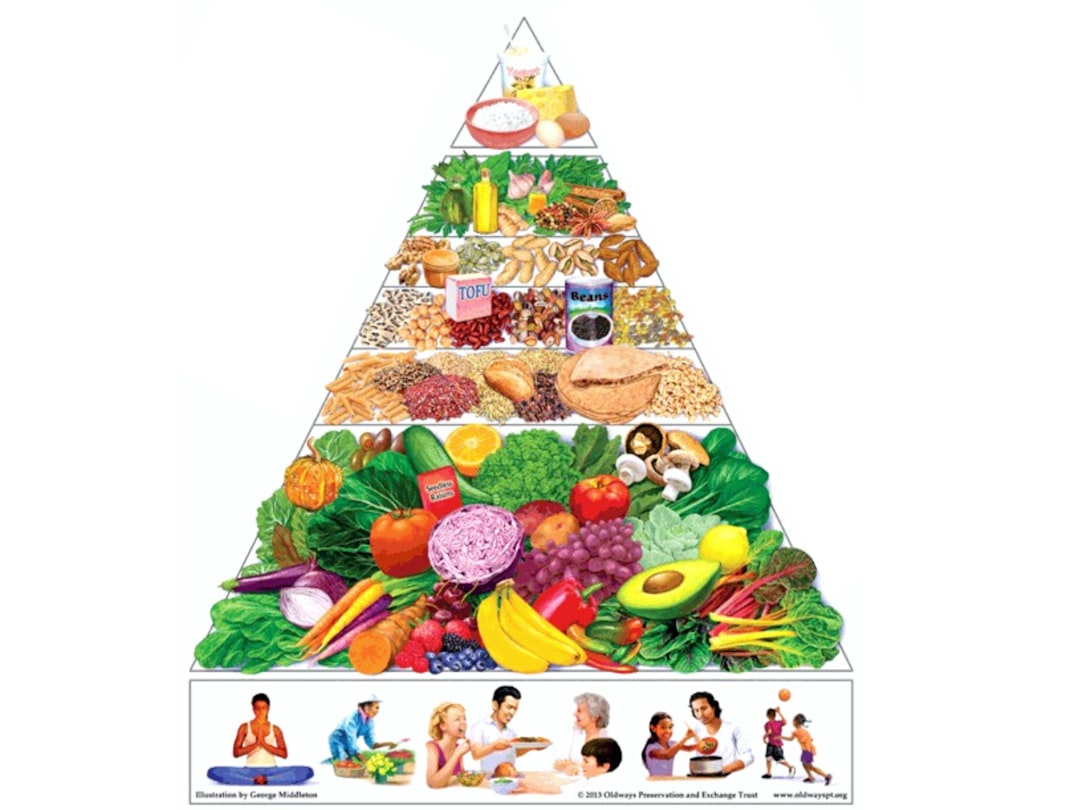
Raising children on a strictly plant-based diet requires careful planning to ensure nutritional adequacy. Critics often express concern about potential deficiencies in protein or vitamins essential for rapid growth. Proponents point to the health benefits and ethical lessons instilled by avoiding animal products. Medical associations generally agree it is safe if managed correctly but the social stigma persists.
Home Birth Decisions

Choosing to give birth at home rather than in a hospital is a polarized topic in the medical and parenting communities. Supporters value the comfort of a familiar environment and the demedicalization of the birthing process. Critics highlight the risks of emergency complications that require immediate hospital-grade intervention. The choice often reflects a deeper philosophy regarding trust in the body versus trust in modern medicine.
Unschooling Education Models

Unschooling abandons a set curriculum in favor of child-led learning based on interests and curiosity. This method relies on the belief that children are natural learners who do not need formal instruction to thrive. Skeptics question how these children will fare in standardized testing or traditional university settings. It represents a radical departure from both public schooling and traditional homeschooling structures.
Extended Breastfeeding

Nursing a child beyond the toddler years is biologically normal but socially controversial in many Western cultures. Mothers who breastfeed older children often face harassment or discomfort in public spaces. Supporters emphasize the nutritional and immunological benefits that continue as long as milk is produced. The stigma largely stems from sexualized views of breasts rather than the function of feeding.
Disciplining Other People’s Kids

Intervening when another child misbehaves is a social taboo that divides communities. Some believe it takes a village to raise a child and correction is communal. Others view any interference as a violation of parental boundaries and a judgment on their parenting style. The acceptability of this action often depends heavily on the closeness of the relationship between the adults.
Hiring Night Nurses

Outsourcing nighttime care to professionals allows parents to sleep but draws criticism for detachment. Parents who can afford this service argue it makes them better and more present during the day. Critics suggest that waking up with the baby is an essential part of the bonding and parenting experience. The conversation highlights the intersection of wealth and parental expectations.
Boys Playing with Dolls
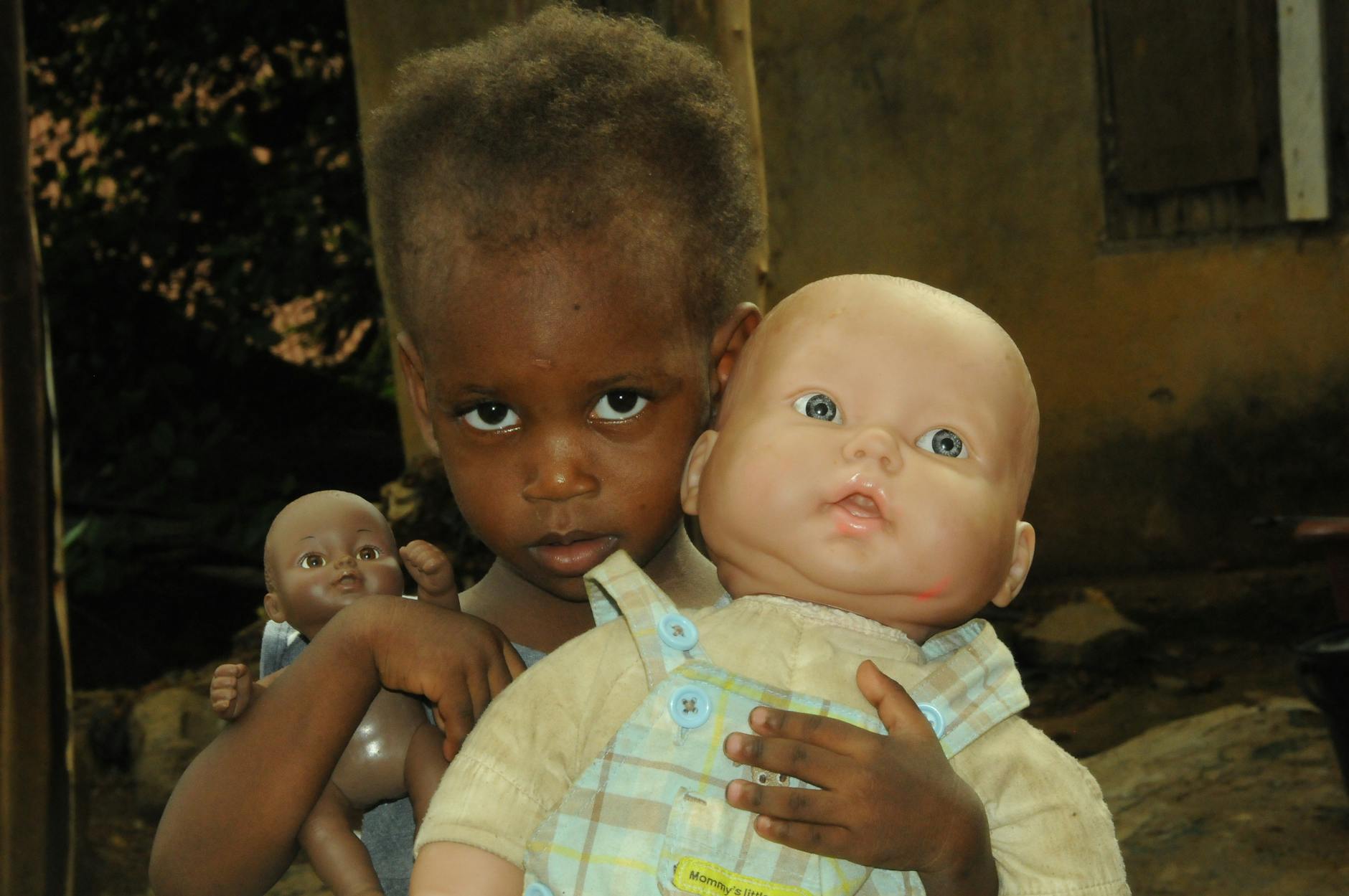
Encouraging boys to play with dolls challenges deep-seated views on masculinity and fatherhood preparation. Progressive parents view this as a way to teach nurturing skills and empathy to future fathers. Traditionalists worry it softens boys or confuses their gender expression. Toy marketing has slowly begun to reflect a more inclusive approach to play.
Participation Trophies

Rewarding children simply for showing up rather than for winning is a contentious issue in youth sports. Proponents argue it builds confidence and encourages children to try new things without fear of failure. Opponents claim it devalues hard work and creates a generation unprepared for real-world competition. The debate touches on the core values parents wish to instill regarding success and effort.
Homework Bans

Some parents and schools advocate for eliminating homework to allow more time for play and family interaction. They argue that excessive work after school leads to burnout and offers little academic benefit. Educators often counter that homework reinforces lessons and teaches time management discipline. This topic questions the purpose of education and the value of free time.
Admitting Parental Burnout

Openly discussing the exhaustion and occasional misery of parenting breaks the facade of the perfect family. Parents who express regret or extreme fatigue often face accusations of being ungrateful. Mental health advocates stress that normalizing these feelings is crucial for reducing postpartum depression and anxiety. The conversation is shifting from silence to support as more people share their realities.
Regretting Parenthood

A small but vocal minority of parents admit they love their children but regret the decision to become parents. This taboo admission challenges the narrative that parenting is the ultimate fulfillment for everyone. Society typically reacts with shock and condemnation toward parents who voice this sentiment. Anonymous online forums have become safe havens for these discussions.
Drinking Alcohol While Parenting
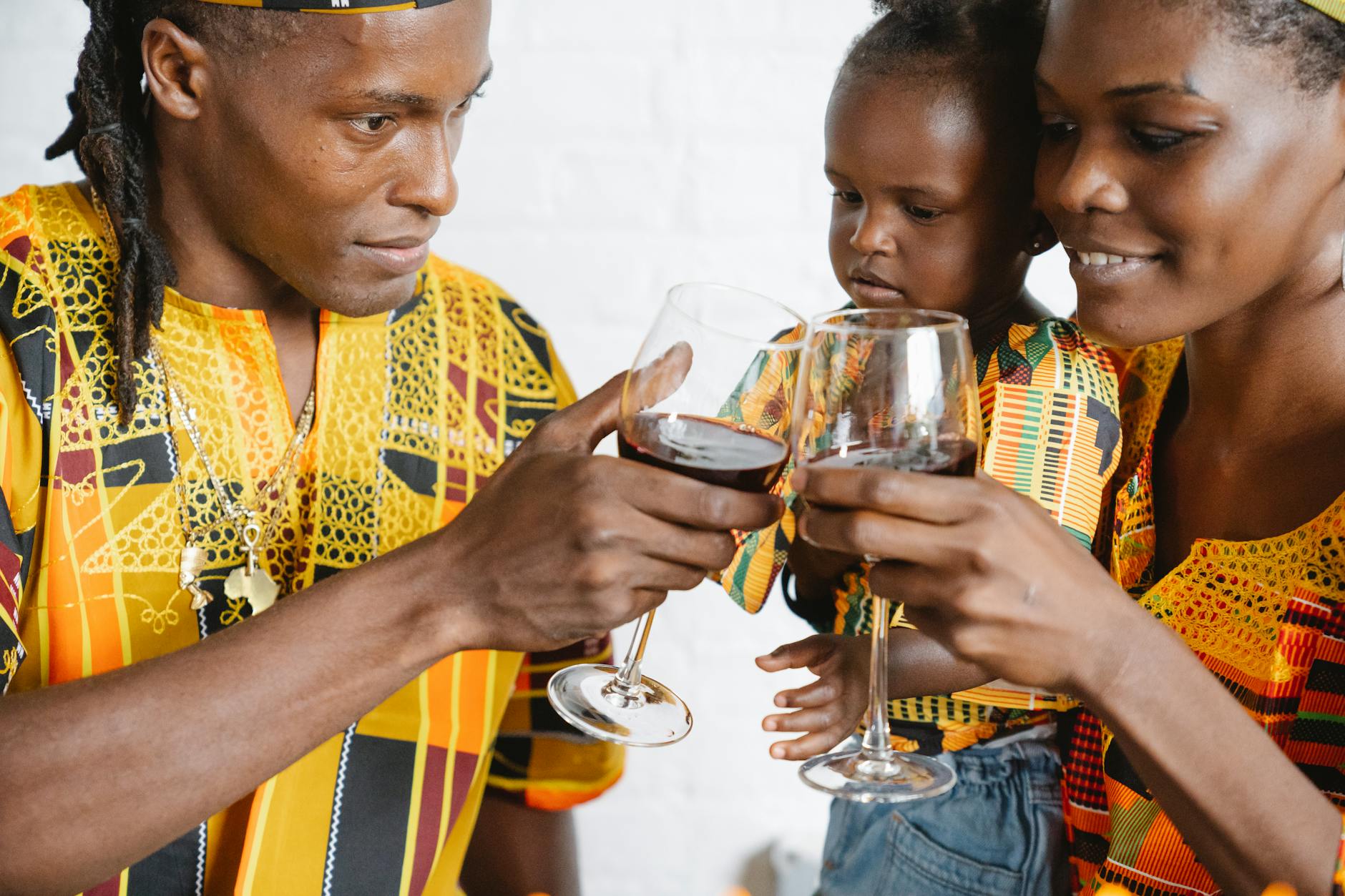
The “wine mom” culture normalizes drinking as a coping mechanism for the stress of raising children. Jokes about needing alcohol to deal with kids are common on merchandise and social media. Health experts warn that this trivializes substance dependency and models unhealthy coping strategies for children. The line between harmless relaxation and problematic behavior is frequently debated.
Leaving Kids in Cars

Leaving a child alone in a vehicle for even a few minutes is illegal in many places yet common in others. Parents argue that brief errands do not pose a danger if the weather is mild and the child is safe. Child safety advocates emphasize the rapid rise of car temperatures and the risk of abduction. The judgment on this topic is swift and often involves law enforcement.
Free-Range Parenting

Giving children unsupervised freedom to roam neighborhoods aims to build independence and resilience. Parents who practice this often face legal challenges or calls to child protective services from concerned neighbors. The philosophy contrasts sharply with the helicopter parenting style that monitors every move. It raises questions about how society defines safety and negligence.
Paying for Grades

Offering cash incentives for good report cards is a common motivation strategy that questions intrinsic value. Supporters believe it simulates the real world where work is rewarded with money. Critics argue it undermines the joy of learning and creates a transactional relationship with education. The long-term effect on a child’s internal drive is the main point of contention.
Tracking Apps on Phones

Installing GPS tracking software on teenagers’ phones provides parents with peace of mind regarding their whereabouts. Parents view this as a necessary safety measure in a dangerous world. Teenagers and privacy advocates see it as an invasion of privacy that erodes trust. The technology has fundamentally changed the dynamic of teenage independence.
Microchipping Concerns

Theoretical discussions about future GPS implants for children spark intense ethical debates. The concept appeals to parents terrified of kidnapping or loss. Civil liberties groups argue it treats human beings like inventory and violates bodily integrity. While not yet a mainstream reality the conversation reveals deep parental anxieties.
Skipping College

Encouraging children to pursue trades or entrepreneurship instead of university challenges the standard definition of success. Parents who support this path cite crippling student debt and changing job markets. Traditionalists view a degree as a necessary safety net and a marker of social status. The value of higher education is increasingly under scrutiny by pragmatic families.
Charging Rent to Adult Kids

Asking working adult children living at home to pay rent is seen by some as a lesson in financial responsibility. Parents argue it prepares them for the reality of bills and housing costs. Others view home as a sanctuary where family should not have to pay to exist. The economic climate often dictates the feasibility of this arrangement.
Child-Free Weddings

Parents attending weddings where children are explicitly banned often feel excluded or burdened by childcare logistics. Couples argue that weddings are adult events where alcohol and expensive venues are unsuitable for kids. The friction arises when close family members are unable to attend due to the restriction. Etiquette experts and families continue to clash over this exclusion.
Discussing Family Finances

Sharing the details of salaries and debt with children is a taboo in many households. Some parents believe transparency teaches financial literacy and the value of money. Others think money matters are adult burdens that should not worry children. The decision impacts how the next generation views wealth and budgeting.
Physical Discipline

Spanking remains one of the most divisive topics with laws prohibiting it in many countries. Proponents believe it is an effective biblical or traditional method of correction. Child development experts consistently link it to increased aggression and mental health issues. The practice is slowly declining as research on its negative effects disseminates.
Separation for Vacation

Parents taking vacations without their children draw criticism for being selfish. Couples argue that prioritizing their marriage and mental health ultimately benefits the family. Critics suggest that family vacations are for the whole family and leaving kids behind is unfair. This topic highlights the tension between individual identity and the parental role.
Alternative Immunization Schedules

Some parents choose to space out vaccines or delay them against official medical recommendations. They argue that their customized schedule reduces the physical burden on the child’s system. Medical professionals state that this delays protection and leaves children vulnerable to diseases during critical windows. This practice sits in a gray area between refusal and compliance.
We invite you to share your perspective on these controversial topics in the comments.




