Nature often disguises its most formidable threats in adorable packages that lure unsuspecting observers closer. Many animals that appear harmless or cuddly possess defense mechanisms capable of causing serious injury or death. This list explores creatures from around the globe that prove looks can be deceiving when it comes to wildlife safety. Understanding these hidden dangers is essential for anyone who enjoys observing animals in their natural habitats.
Slow Loris
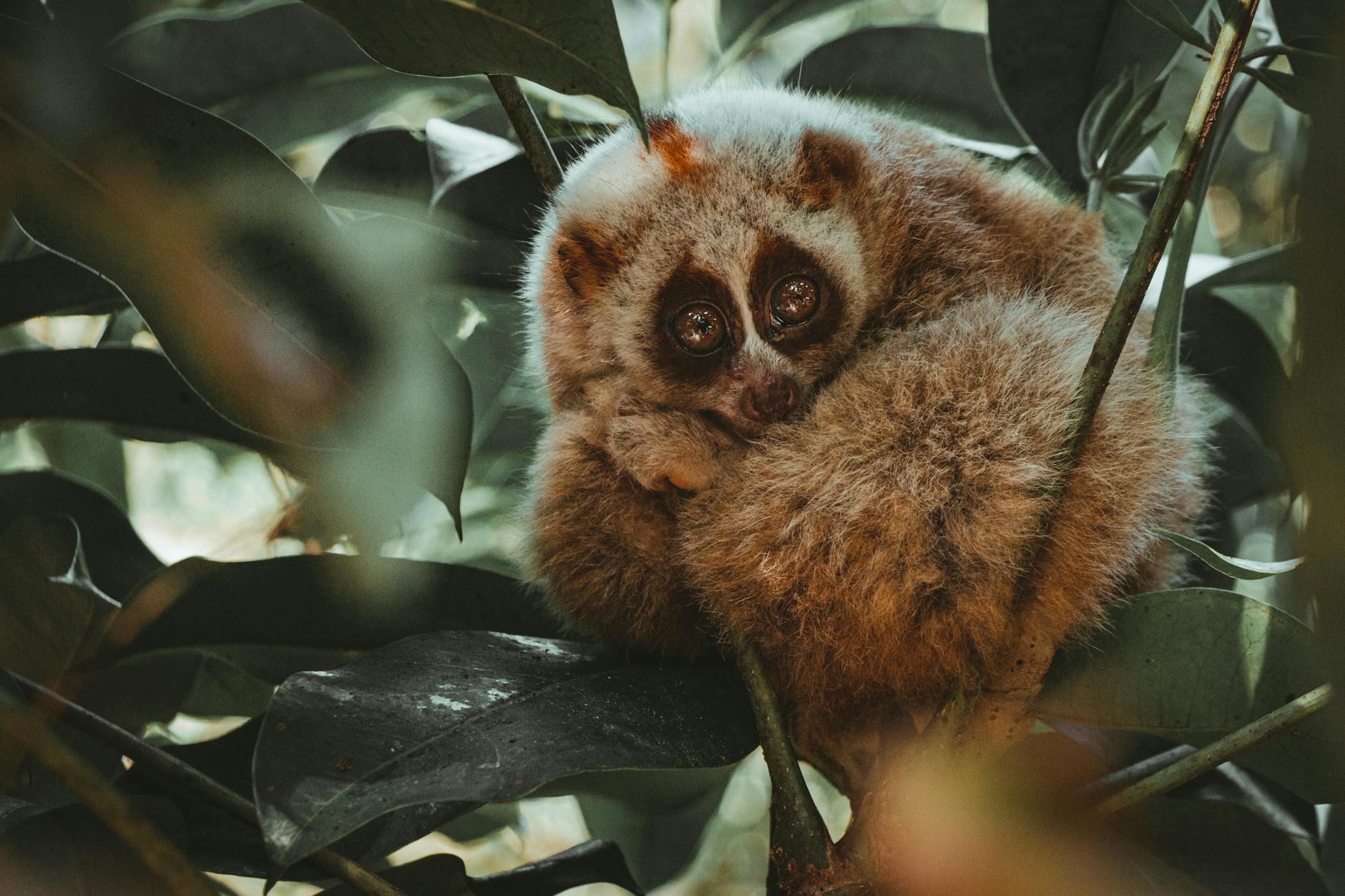
These wide-eyed primates look adorable but possess a toxic bite that can cause severe allergic reactions in humans. They produce venom by mixing sweat from their elbows with saliva before delivering a bite. The toxin is strong enough to rot flesh and can lead to anaphylactic shock. Their cute appearance effectively disguises one of the only venomous mammals in the world.
Pufferfish
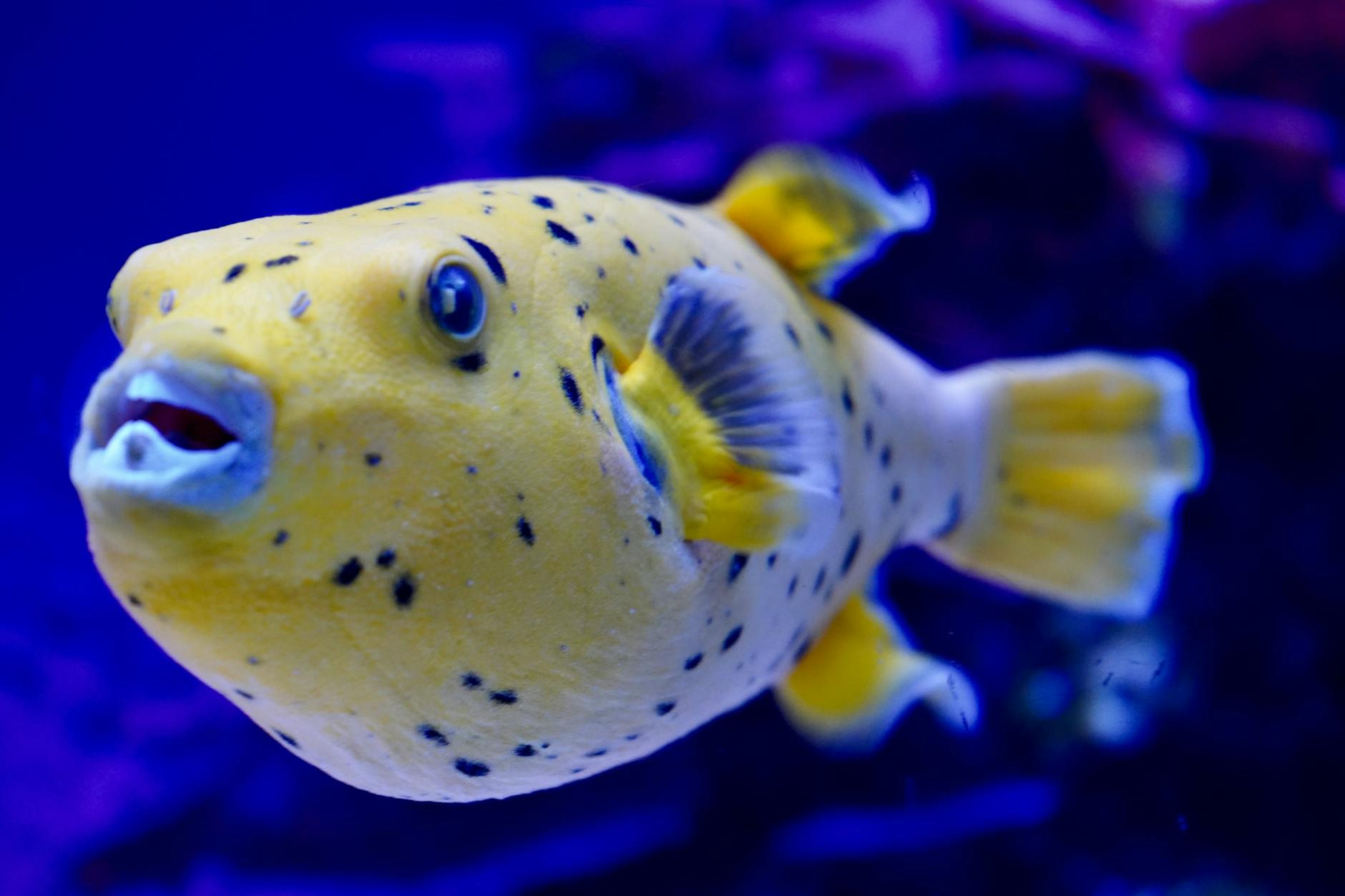
The round and inflated appearance of this fish often makes it seem like a harmless cartoon character. Their bodies contain tetrodotoxin which is a substance up to 1200 times more poisonous than cyanide. There is enough toxin in one pufferfish to kill 30 adult humans and there is no known antidote. Mistakes in preparation as a culinary delicacy can result in paralysis and death for the diner.
Hippopotamus
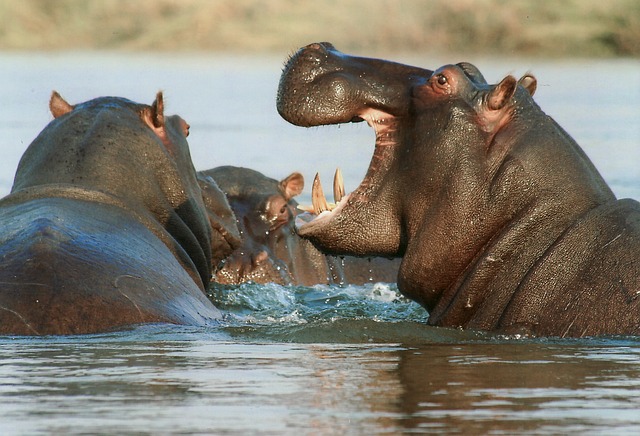
These large herbivores may look lethargic while lounging in African rivers but they are among the most aggressive animals on Earth. They are responsible for more human deaths in Africa than lions or leopards combined. A hippo can run at speeds of 30 miles per hour despite its immense weight. Their massive jaws can snap a canoe in half with terrifying ease.
Platypus
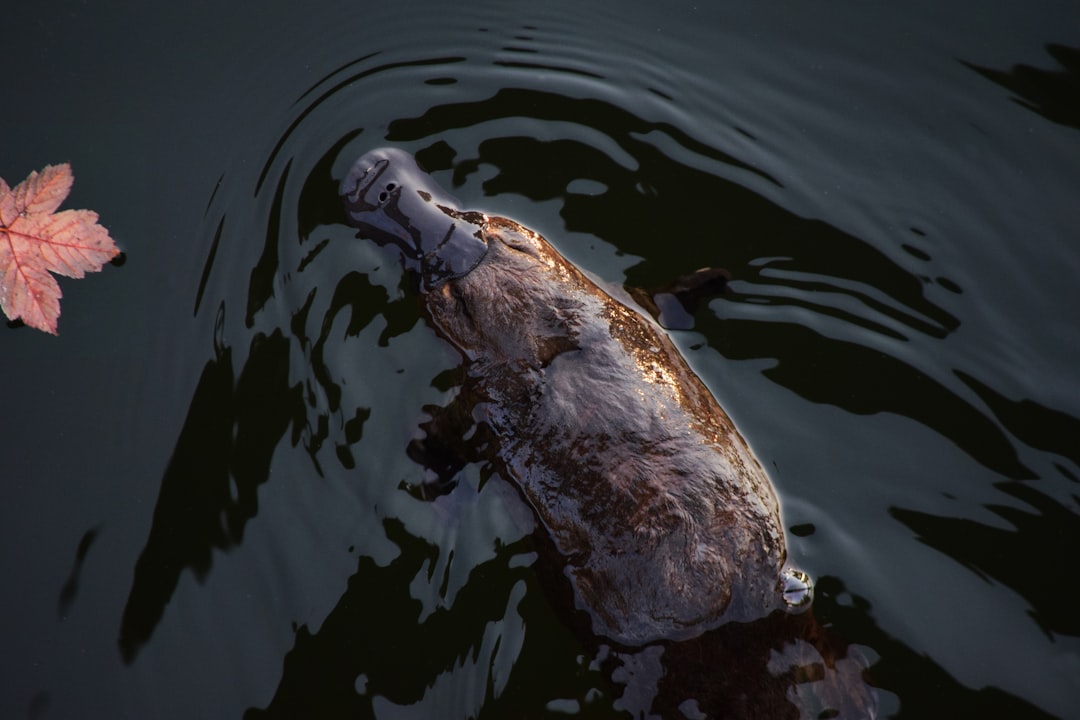
This unusual mammal appears whimsical with its duck bill and beaver tail. Males possess sharp spurs on their hind legs that are connected to venom glands. The venom causes immediate and excruciating pain that cannot be relieved by morphine. This defense mechanism makes handling them a risky endeavor for researchers and wildlife enthusiasts.
Blue-Ringed Octopus
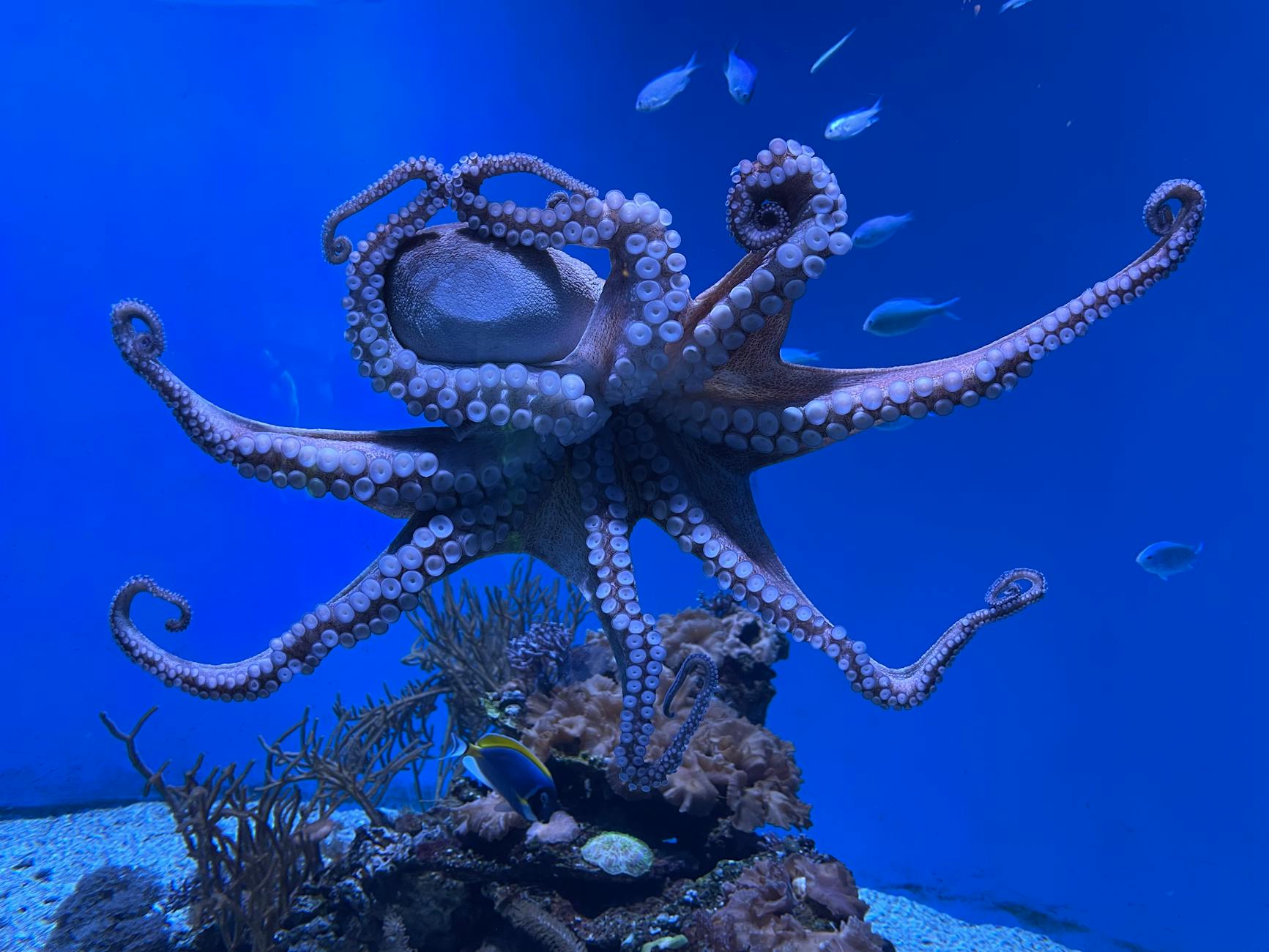
This tiny cephalopod displays mesmerizing electric blue rings when it feels threatened. It carries enough venom to kill 26 adult humans within minutes. The bite is often painless so victims may not realize they have been envenomated until paralysis sets in. Respiratory failure occurs quickly and requires immediate medical intervention to survive.
Poison Dart Frog
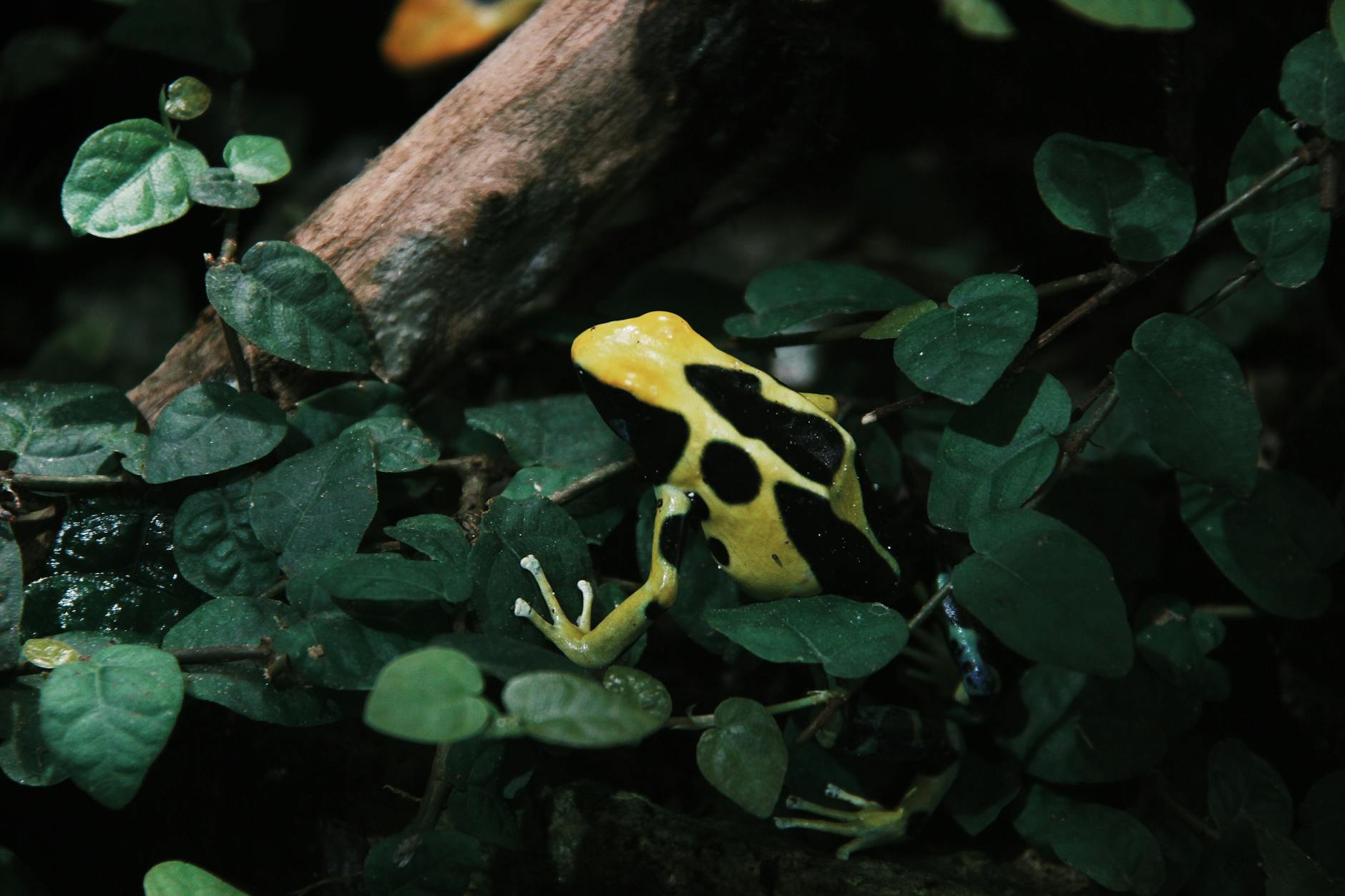
The vibrant colors of these small amphibians serve as a warning rather than an invitation. Their skin secretes a potent toxin that can cause heart failure and death. Indigenous hunters have historically used these secretions to poison the tips of their blowdarts. A single golden poison frog carries enough venom to kill ten grown men.
Bottlenose Dolphin
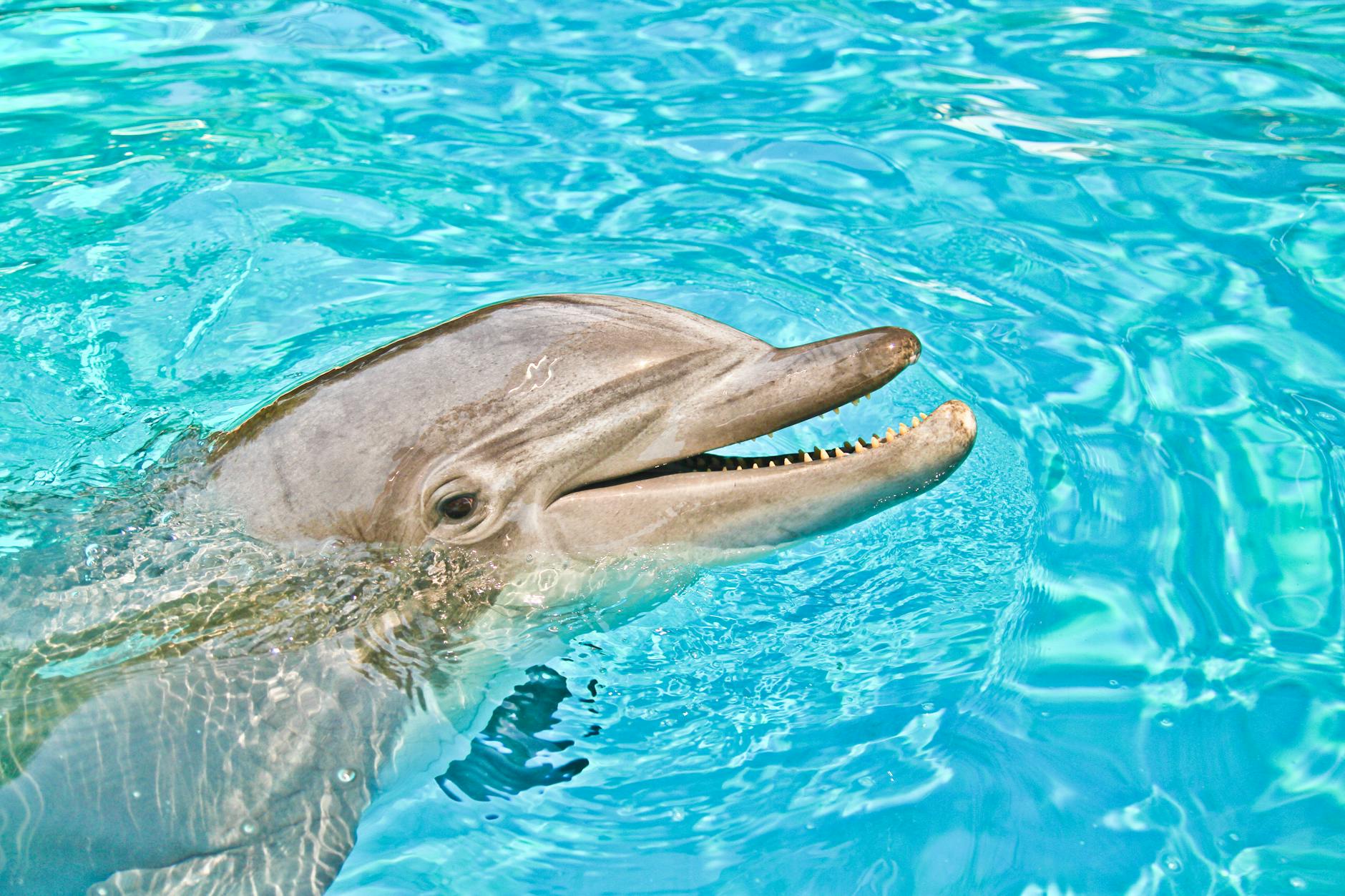
Dolphins are universally loved for their intelligence and playful behavior in captivity and the wild. Male dolphins can become extremely aggressive toward humans and other animals during mating season. They have been known to ram swimmers with significant force and bite with their sharp teeth. Their powerful tails can cause internal injuries or broken bones upon impact.
Mute Swan
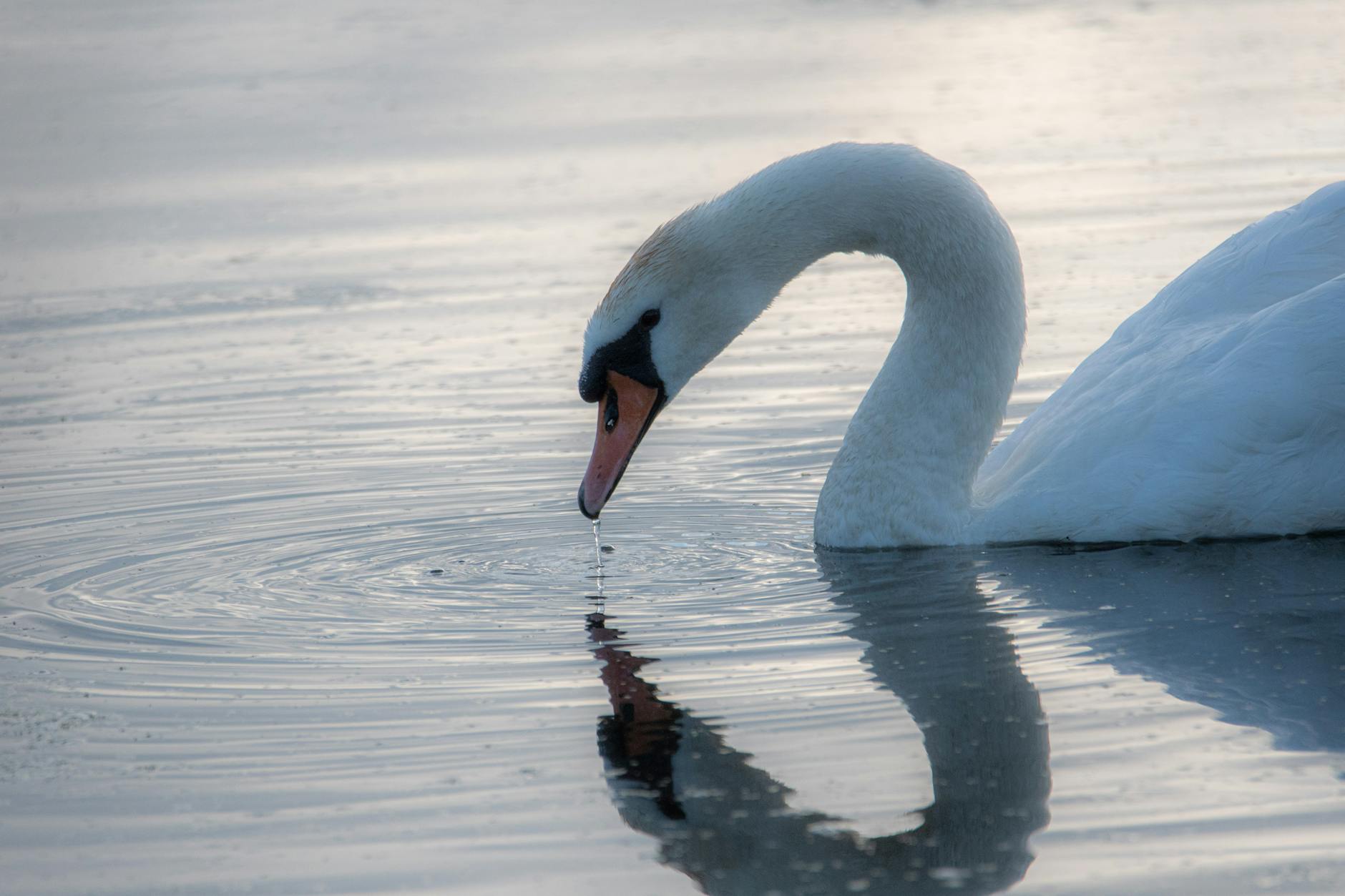
These elegant birds are symbols of romance and grace in parks across the world. They become incredibly territorial and aggressive when nesting or protecting their cygnets. Swans attack by hissing and striking with their powerful wings which can cause bruising and fractures. They have also been known to capsize small boats or drown intruders in the water.
Kangaroo
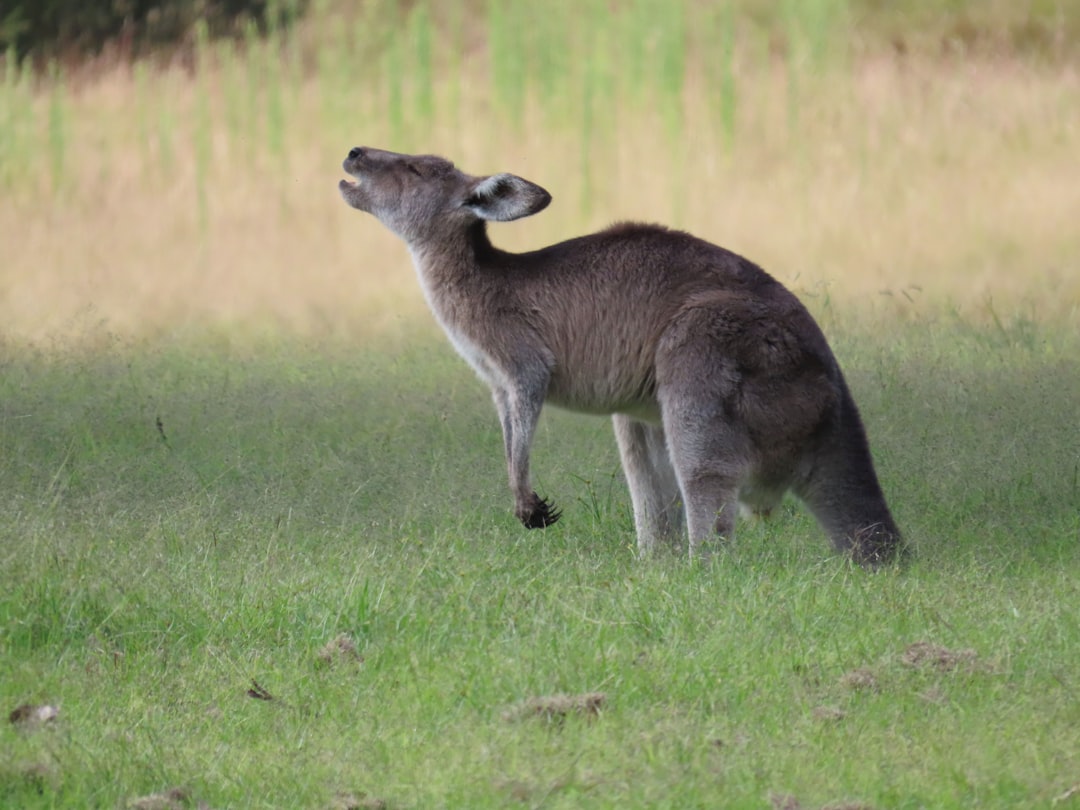
The national symbol of Australia is often depicted as a friendly boxer but is actually a powerful wild animal. A large male kangaroo can stand over six feet tall and uses its tail for balance while kicking. Their legs are incredibly strong and tipped with sharp claws that can disembowel adversaries. Attacks on humans are rare but can be fatal if the animal feels cornered.
Giant Panda
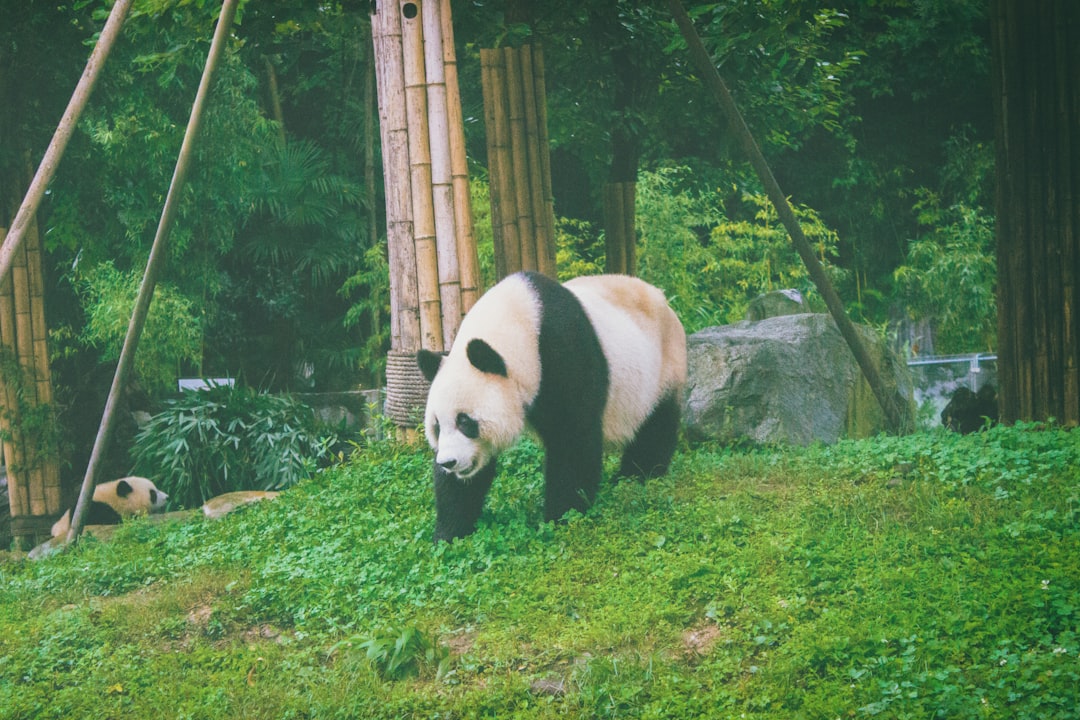
Pandas are celebrated for their clumsy demeanor and diet of bamboo. They are still biological bears with a bite force comparable to a hippopotamus or lion. Their jaws are evolved to crush tough bamboo stalks and can easily inflict severe damage on flesh and bone. Mother pandas are particularly dangerous when defending their cubs from perceived threats.
Polar Bear
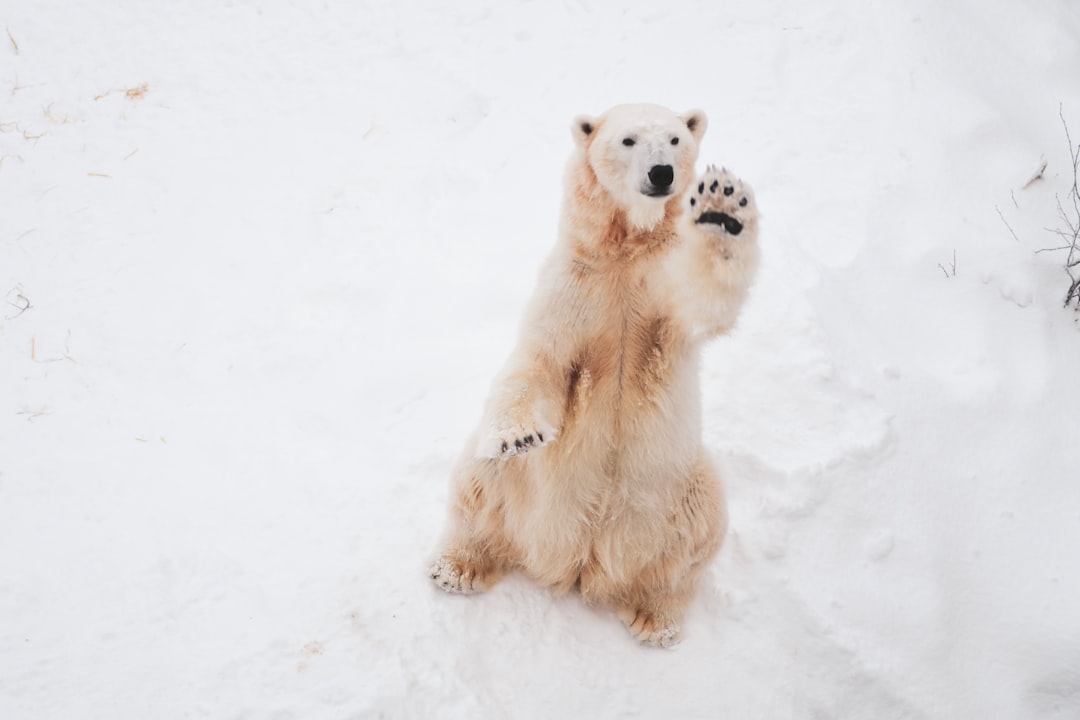
These majestic arctic giants often appear in advertisements drinking soda or cuddling. They are actually the largest land carnivore and the only bear species that actively hunts humans as prey. Their immense strength allows them to kill a seal with a single swipe of their paw. They are stealthy hunters that blend into the ice before launching fatal attacks.
Leopard Seal
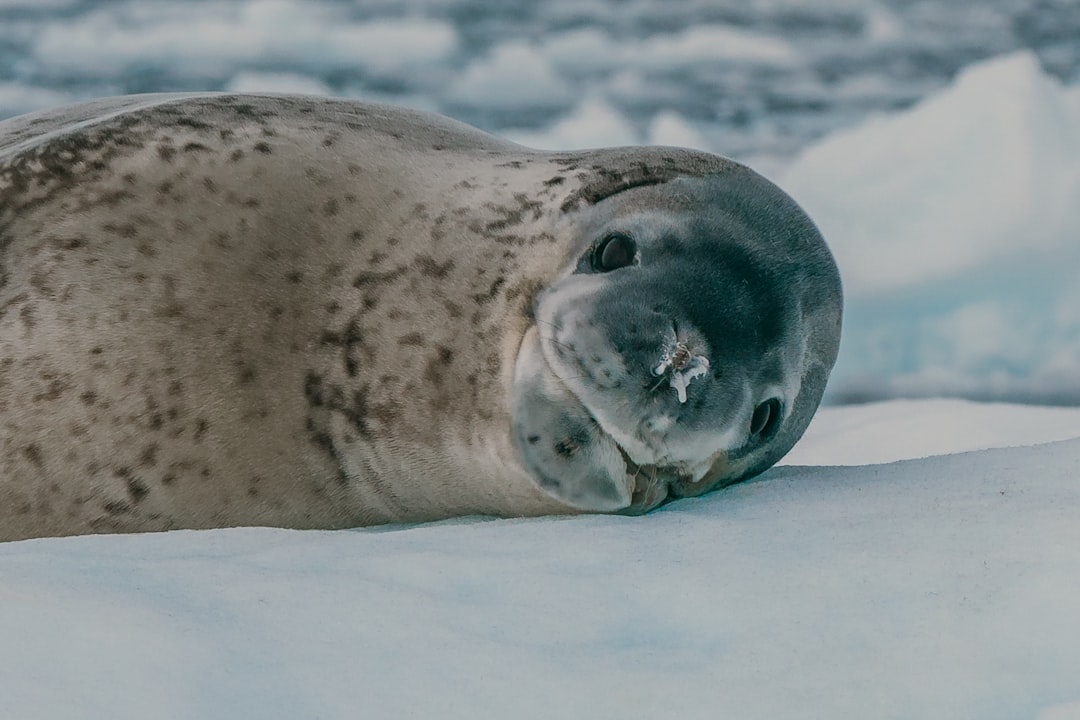
This Antarctic predator has a sleek face that often looks like it is smiling. They are ferocious hunters that patrol the ice edges for penguins and smaller seals. There have been recorded instances of leopard seals dragging humans underwater leading to drowning. Their powerful jaws and sharp teeth make them a top predator in their ecosystem.
Koala
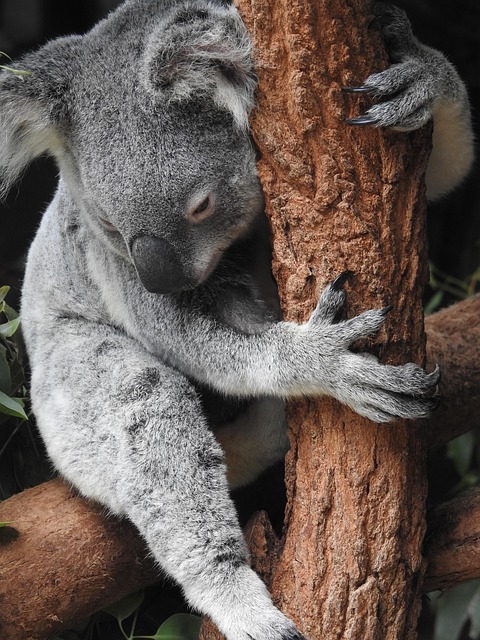
Koalas spend most of their time sleeping in eucalyptus trees and look like living teddy bears. They have razor sharp claws designed for climbing that can cause deep lacerations. Koalas will bite and scratch furiously if they feel threatened or are handled improperly. Their jaws are strong enough to bite through thick gloves and skin.
Giant Anteater
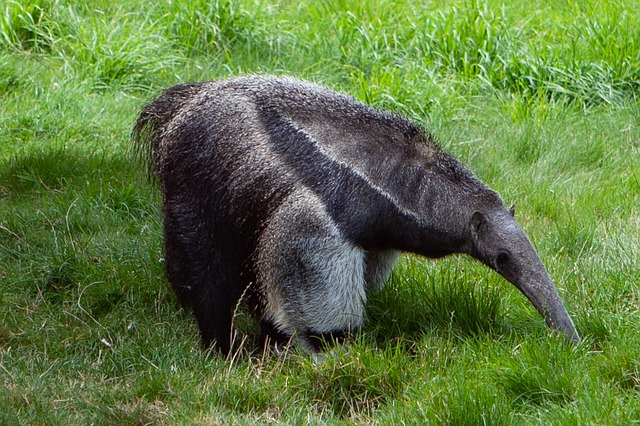
This unique creature looks harmless as it shuffles along looking for insects. It possesses claws that are four inches long and strong enough to fight off jaguars. An anteater will stand on its hind legs and swipe with these claws when cornered. This defensive posture can inflict fatal wounds on humans who get too close.
Beaver
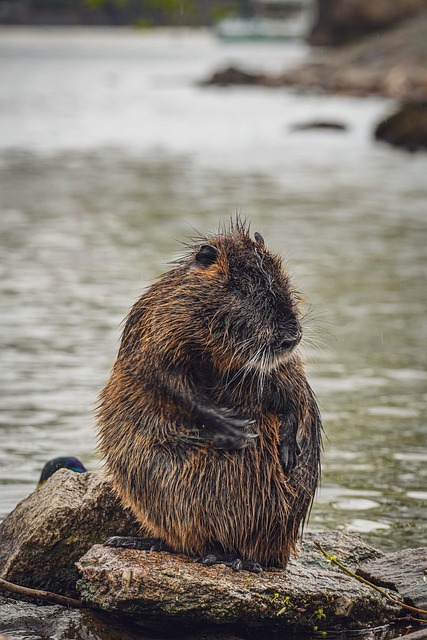
Beavers are industrious builders that seem peaceful as they construct their dams. They are extremely territorial and will defend their lodges against any intruders. Their teeth never stop growing and act as sharp chisels capable of felling trees. Bites from beavers can sever arteries and have led to fatalities in rare cases.
Raccoon
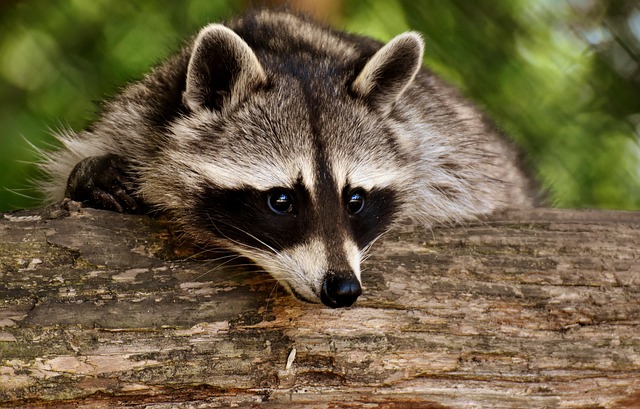
These masked bandits are common in urban areas and often look mischievous rather than dangerous. They can carry rabies and roundworm which pose serious health risks to humans and pets. Raccoons are fierce fighters when cornered and will use their claws and teeth to defend themselves. Attempting to feed or pet them can result in aggressive behavior.
Red Fox
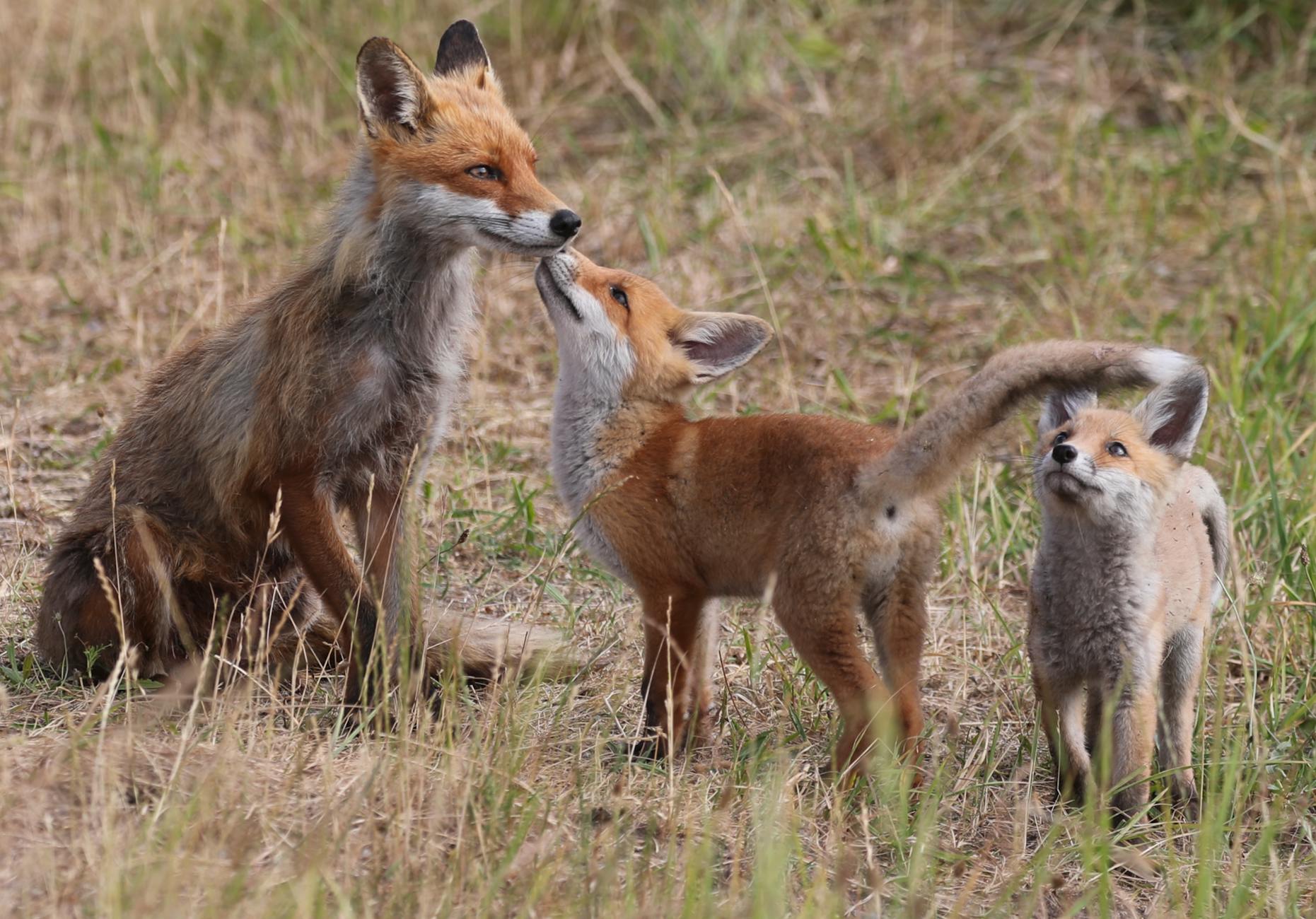
Foxes are often romanticized in folklore as cunning but harmless woodland creatures. They can carry a variety of diseases including mange and rabies that are transmissible to humans. While they generally avoid people they will bite if they are sick or feel trapped. Their sharp teeth can cause deep puncture wounds that require medical attention.
Dingo
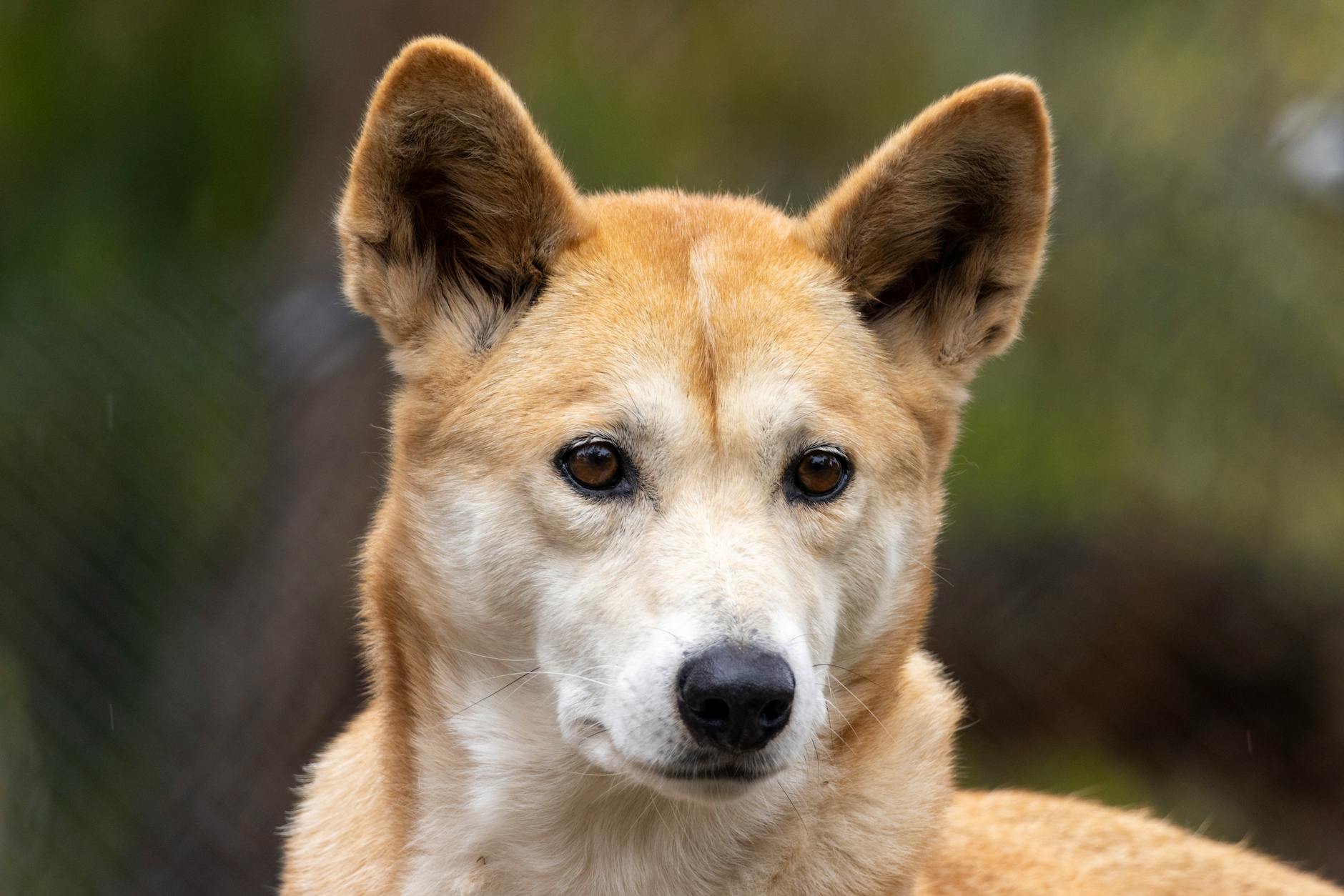
These wild dogs of Australia may resemble domestic pets but they are apex predators. Dingoes hunt in packs and have been known to attack children and lone adults on islands like K’gari. They are naturally curious and may approach humans looking for food before turning aggressive. Feeding them increases the likelihood of dangerous encounters.
Chimpanzee
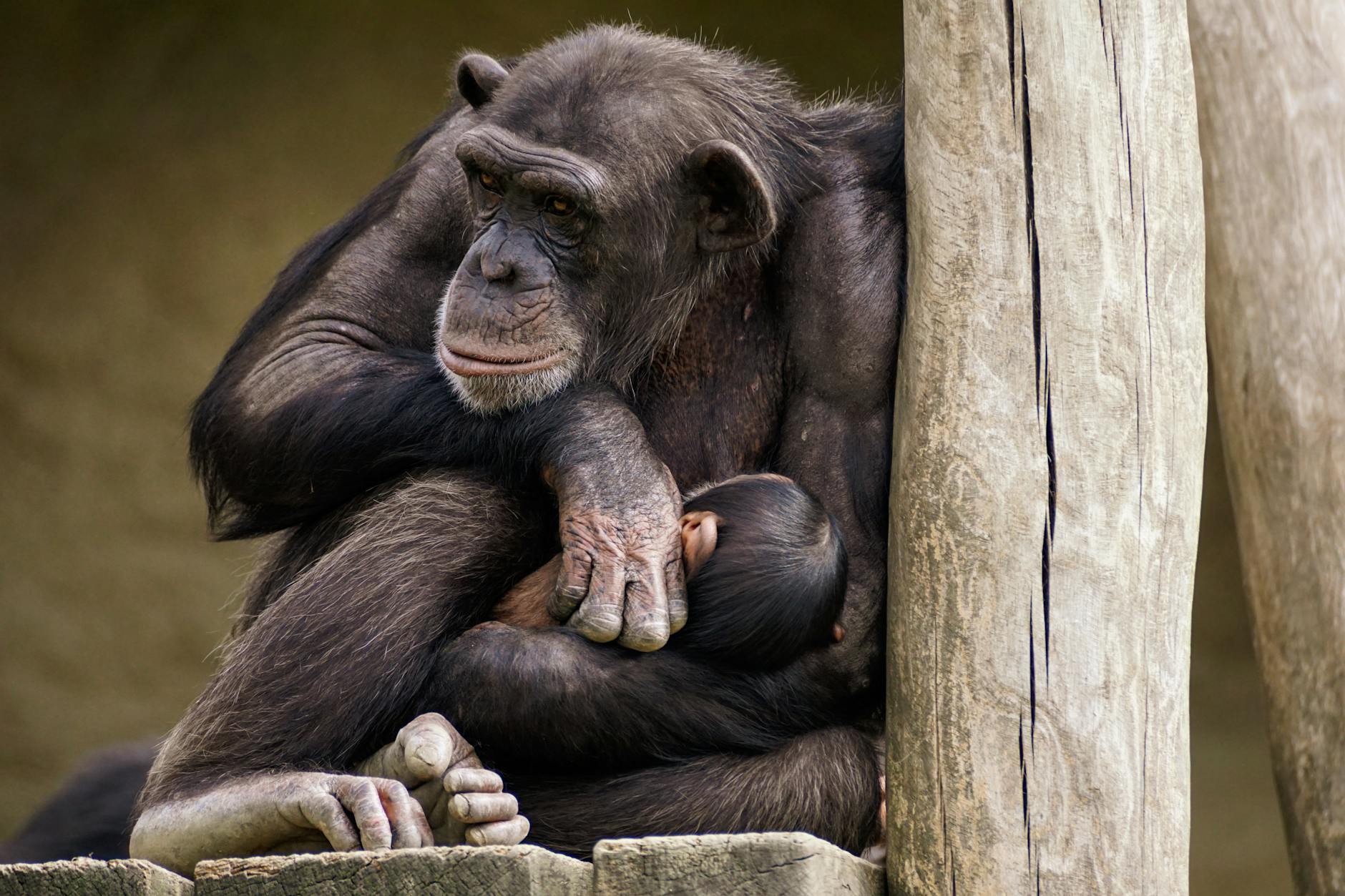
Chimpanzees share a significant amount of DNA with humans and are often viewed as playful cousins. They possess muscle strength that is several times greater than that of an adult human male. Attacks by chimpanzees are often brutal and target the face and hands of the victim. They are wild animals with unpredictable temperaments that make them unsuitable pets.
Moose
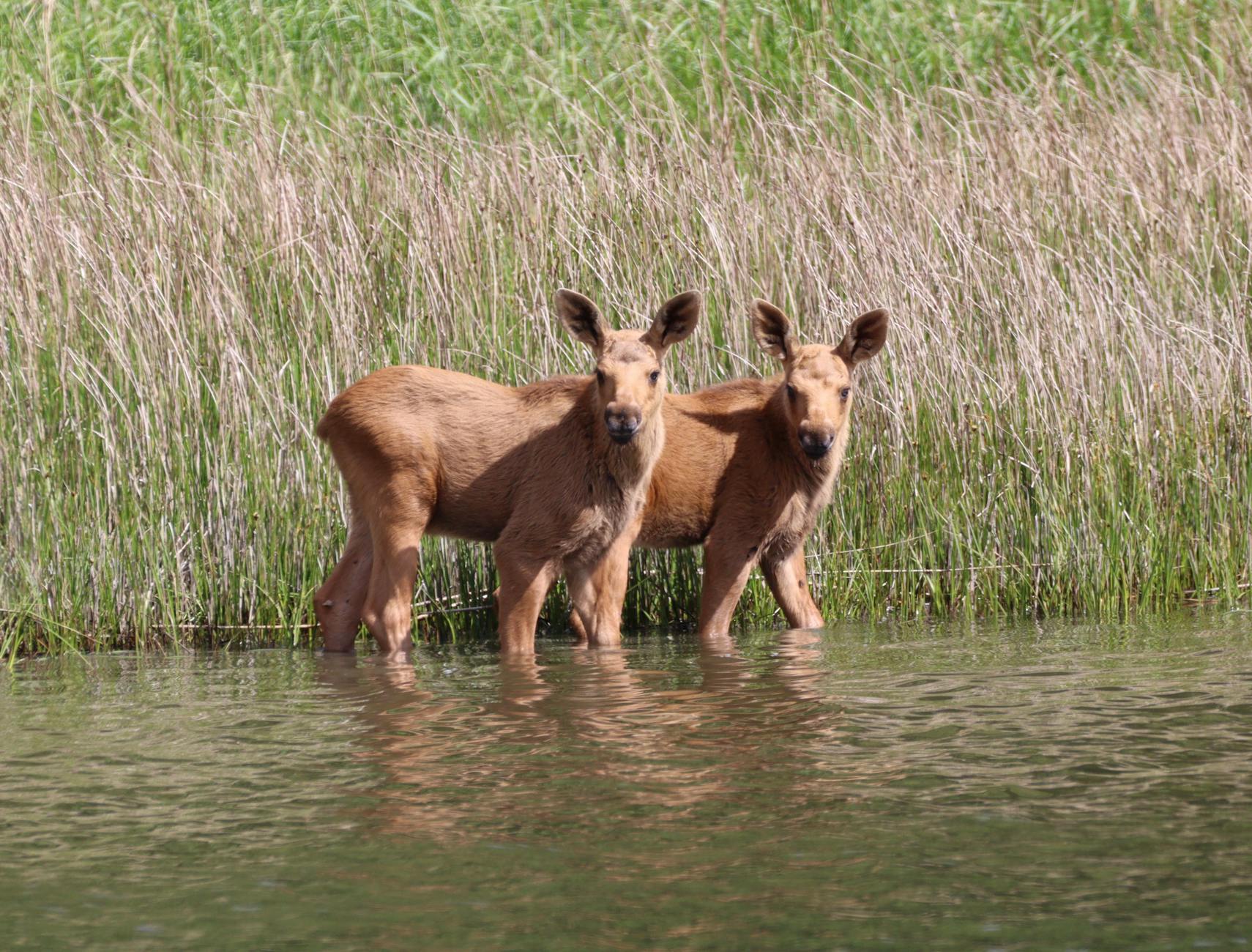
These towering herbivores seem goofy or aloof as they wade through marshes. Moose are responsible for more injuries to people in North America than bears and wolves combined. A cow moose protecting her calf is one of the most dangerous forces in the wild. They will charge and trample threats with their massive hooves.
Southern Cassowary
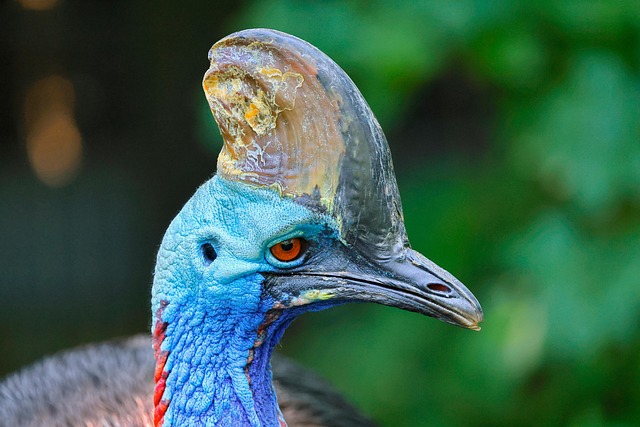
This flightless bird features brilliant blue skin and a helmet-like casque on its head. It is known as the most dangerous bird in the world due to its dagger-like claws. A cassowary can jump high into the air and kick with enough force to inflict lethal wounds. They are notoriously aggressive when expecting food or defending their territory.
Cone Snail
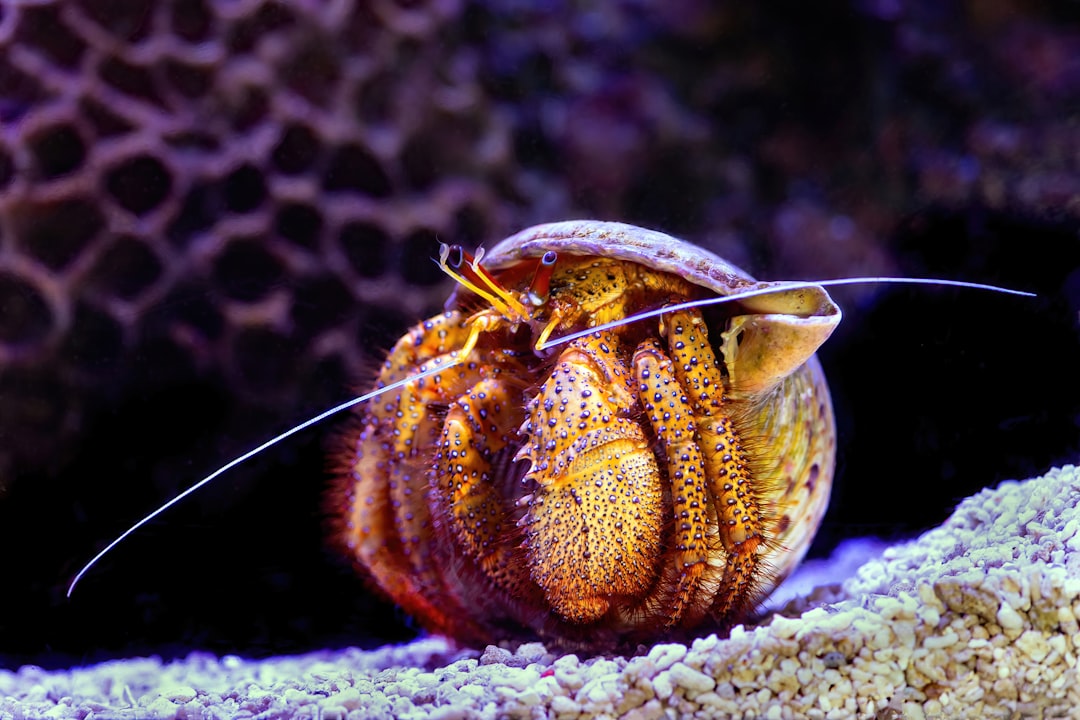
These marine snails possess intricate shells that are prized by beachcombers. They hunt fish using a harpoon-like tooth that delivers a potent neurotoxin. A sting from a geographic cone snail can cause paralysis and respiratory failure in humans. Handling these beautiful shells while the animal is alive is a deadly mistake.
African Elephant
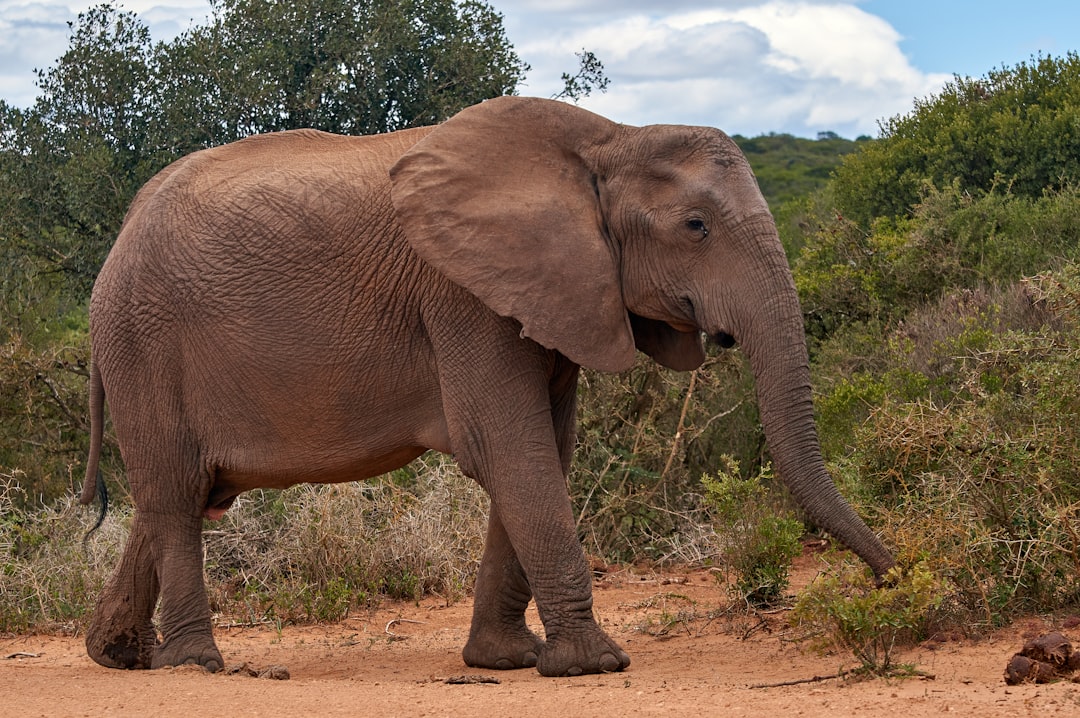
Elephants are revered for their intelligence and complex social structures. They are also incredibly powerful and can become aggressive during musth or when protecting young. Wild elephants can trample vehicles and people with little effort. Human encounters often turn deadly when space is not respected.
Sea Otter
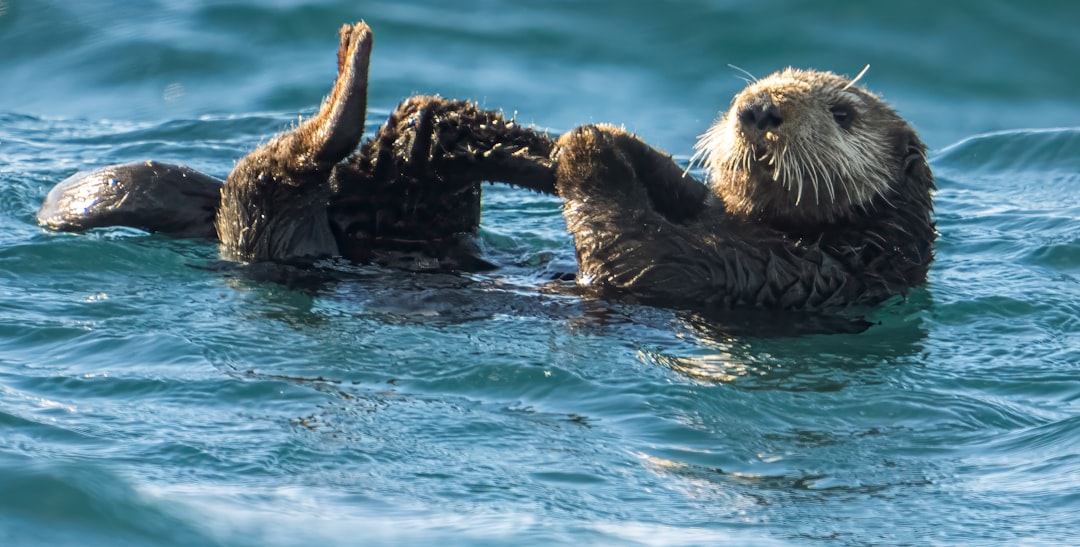
Sea otters hold hands while floating and use rocks to crack open clams. Males can be aggressive during mating and have been known to drown smaller animals. Their teeth are designed to crush hard shells and can inflict serious bites on humans. They carry pathogens that can infect people who come into contact with them.
Tasmanian Devil
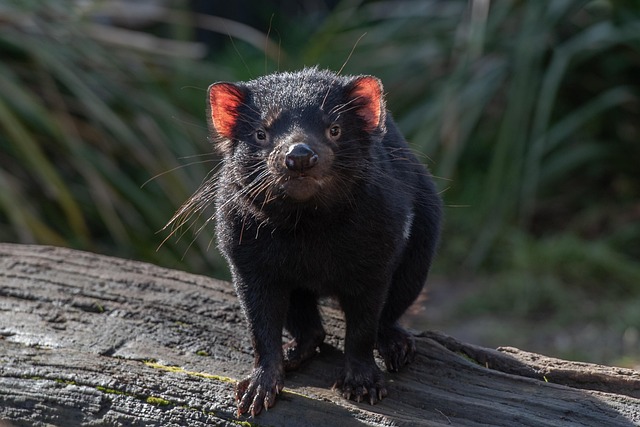
These small marsupials have a loud screech and a reputation for a bad temper. They possess one of the strongest bites per unit of body mass of any living land predator. While they act primarily as scavengers they will defend their food aggressively. Their jaws can crush bone which makes a bite from them devastating.
Wolverine
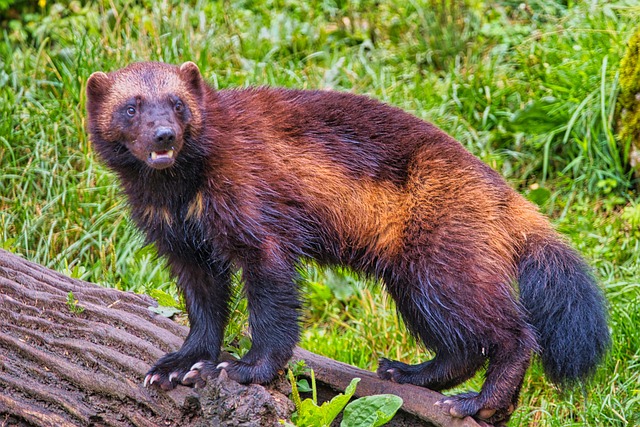
The wolverine resembles a small bear but is actually the largest member of the weasel family. They are known for their fearlessness and willingness to fight much larger predators like wolves. Their powerful jaws and sharp claws make them formidable opponents in the wild. They are tenacious and will travel great distances to secure food or territory.
Honey Badger
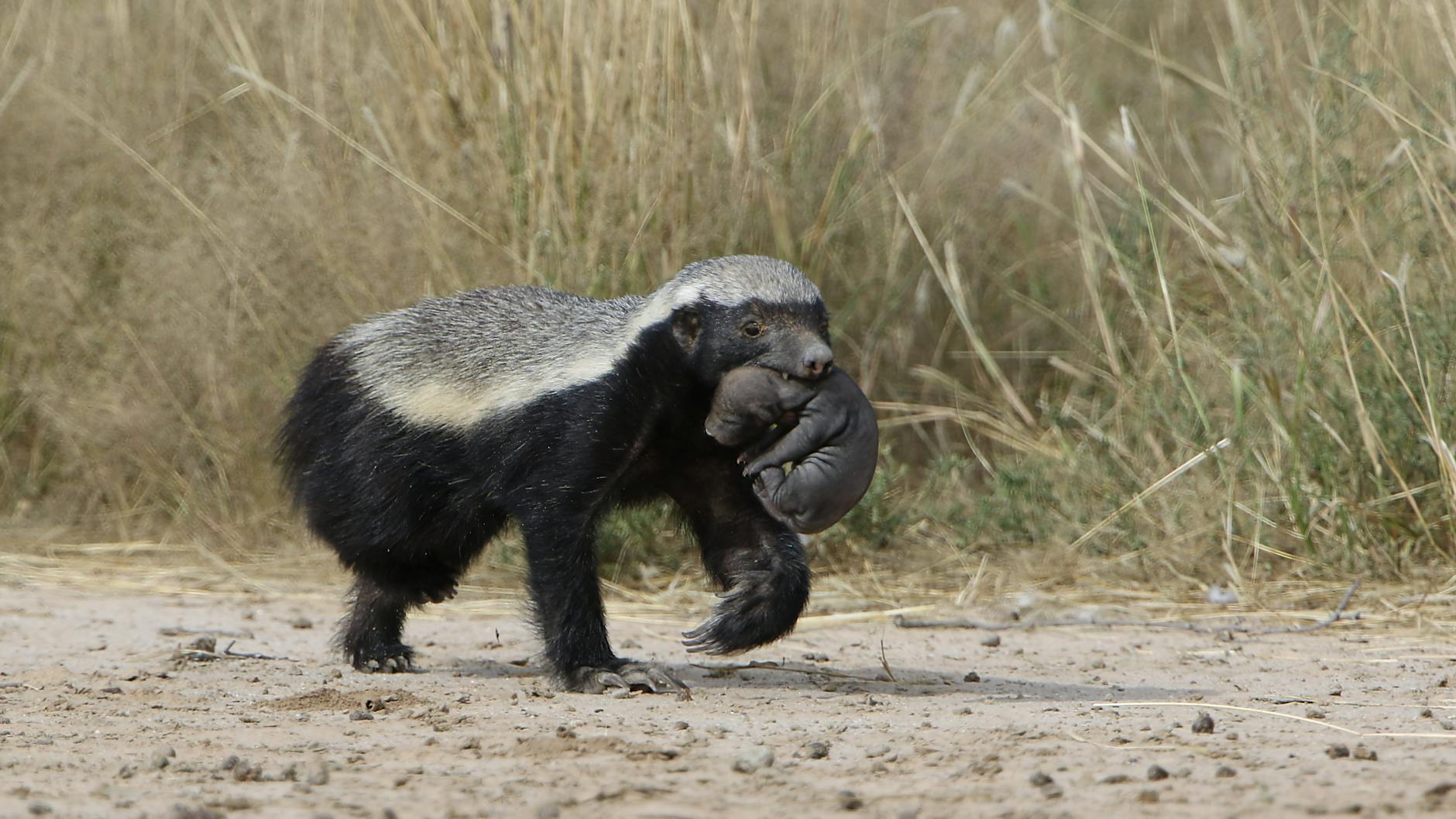
This animal has gained internet fame for its thick skin and ferocious defensive capabilities. Honey badgers are tireless fighters that can absorb bites from venomous snakes and porcupines. They will attack lions and hyenas when threatened and rarely back down. Their loose skin allows them to twist around and bite an attacker even when held.
Weasel
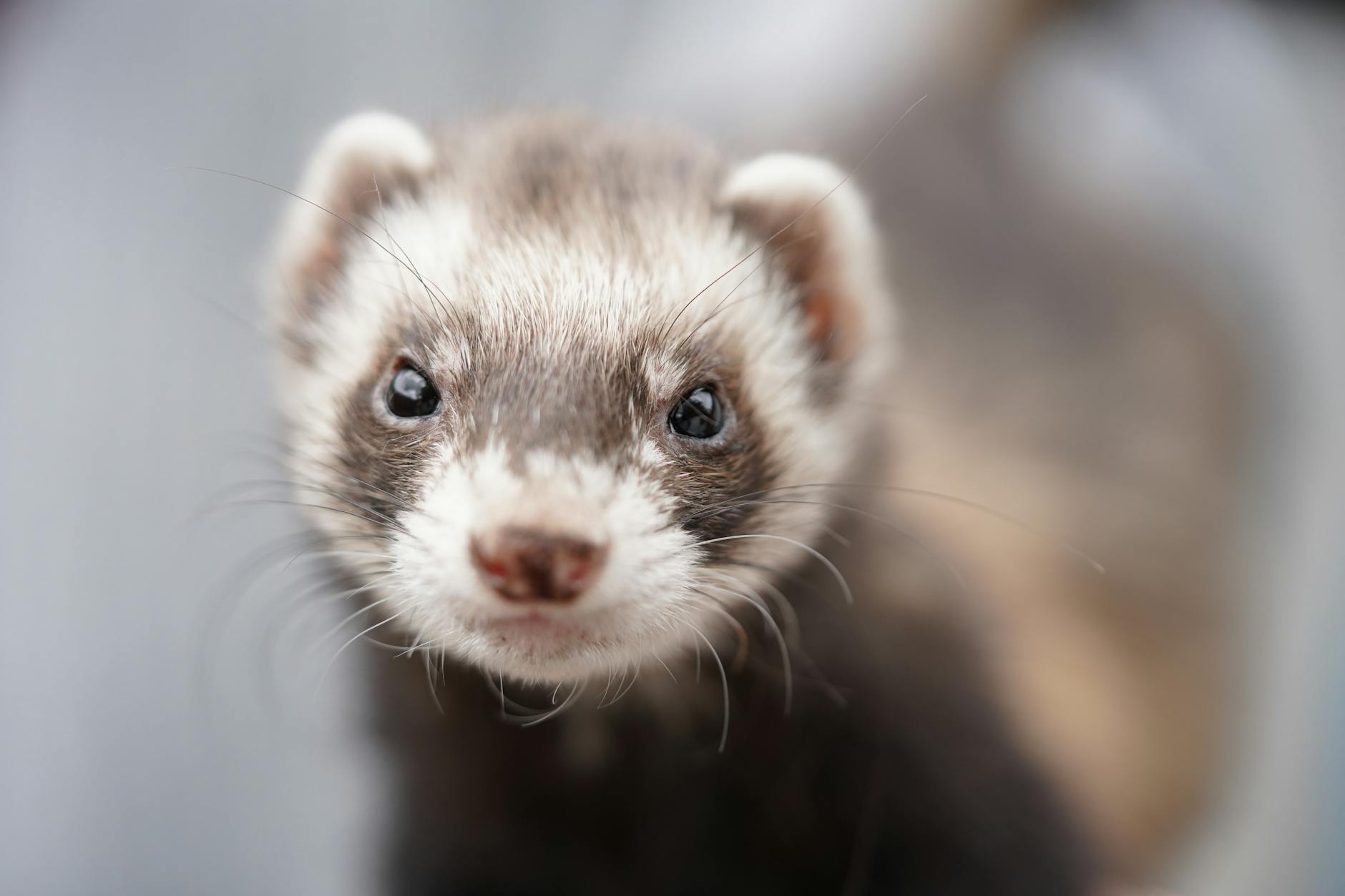
Weasels are tiny and cute with their long bodies and inquisitive faces. They are ruthless carnivores that can kill prey up to ten times their own size. A weasel kills by delivering a precise bite to the back of the neck. Their high metabolism drives them to hunt constantly and aggressively.
Stoat
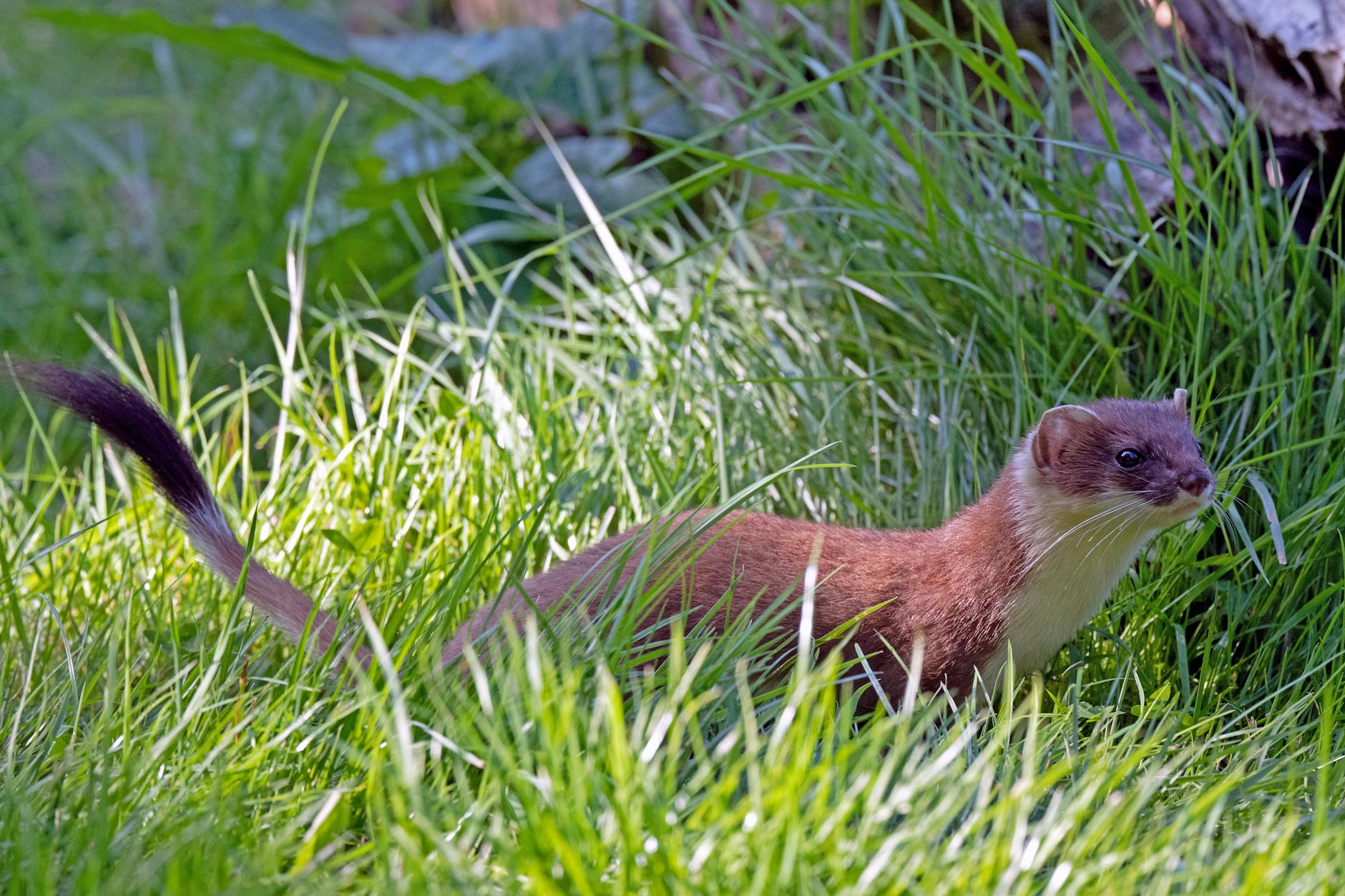
Similar to weasels the stoat is an adorable predator that changes its coat to white in winter. They perform a mesmerizing dance to distract rabbits before moving in for the kill. Stoats are bold and will attack animals much larger than themselves without hesitation. They are efficient hunters that play a crucial role in controlling rodent populations.
Hooded Pitohui
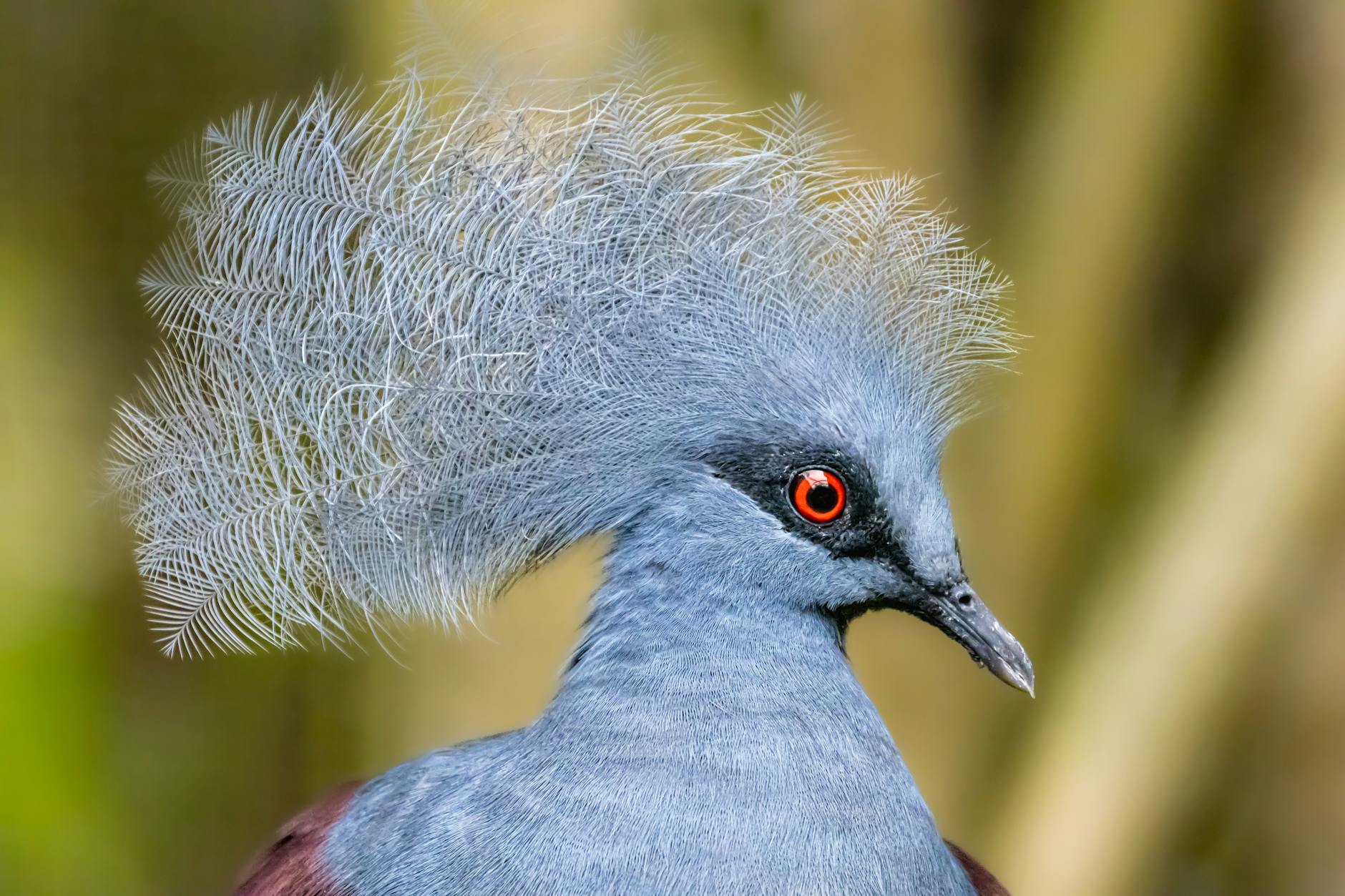
This striking orange and black bird from New Guinea looks like a typical songbird. It is one of the few poisonous birds in existence and carries neurotoxins in its skin and feathers. Touching the bird can cause numbness and burning sensations in the hands. The toxicity is derived from the diet of beetles the bird consumes.
Capuchin Monkey
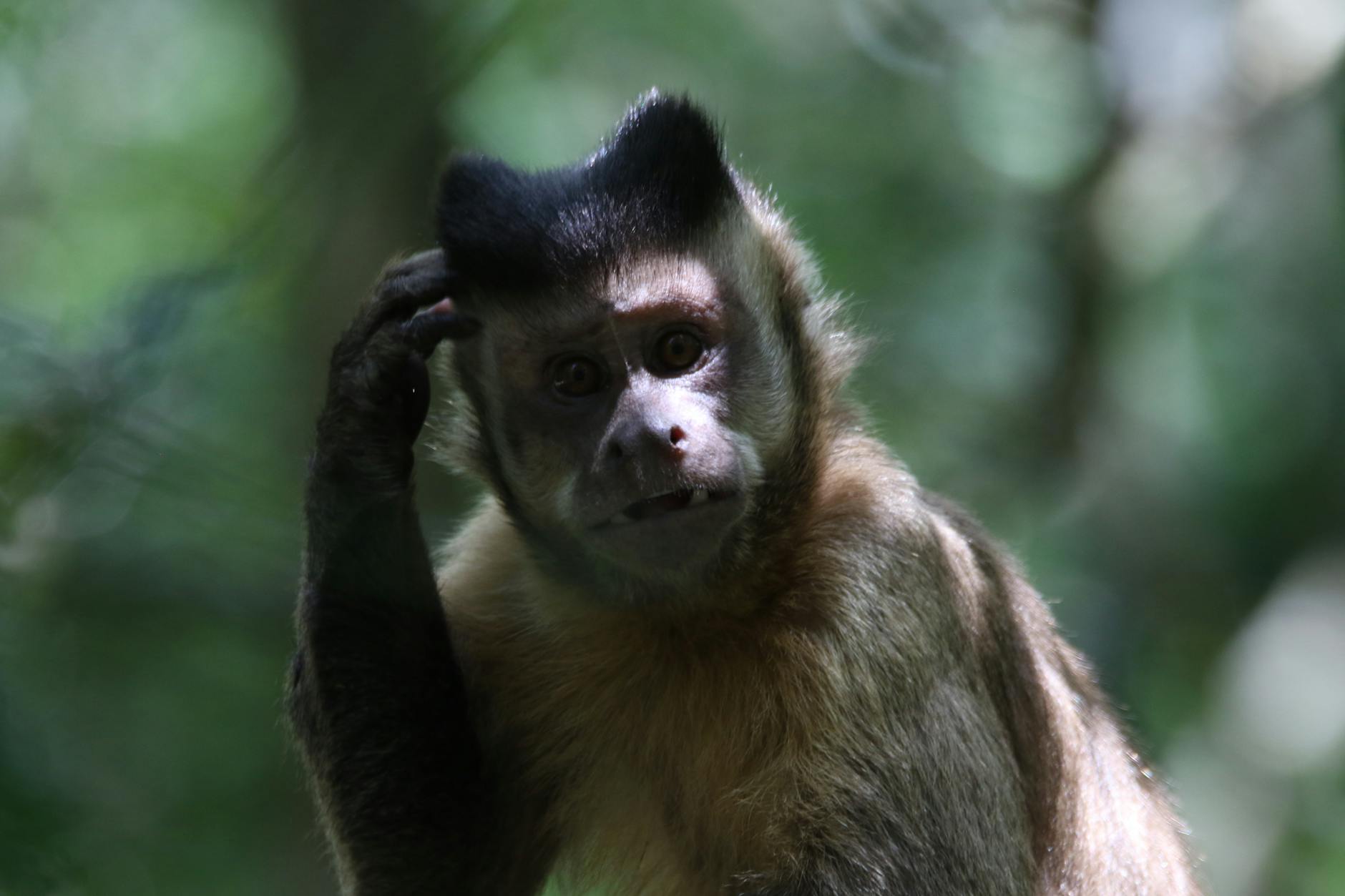
These small monkeys are often used in movies and appear intelligent and trainable. They can become aggressive as they reach sexual maturity and may bite without warning. Capuchins are strong for their size and can transmit diseases to their owners. Their complex social needs make them difficult and dangerous to keep in domestic settings.
Short-Tailed Shrew
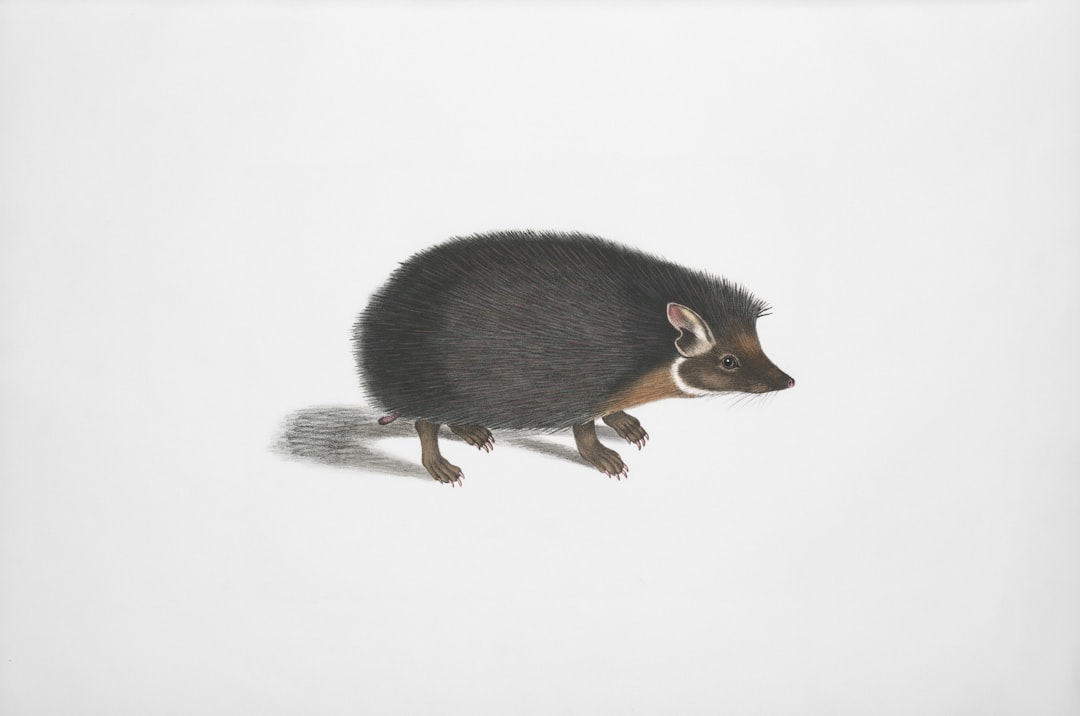
This tiny mammal looks like a harmless mouse with a pointed nose. It is one of the few venomous mammals and uses toxic saliva to paralyze its prey. The venom allows the shrew to hoard live food for later consumption. A bite can cause significant pain and swelling in humans.
Fire Salamander
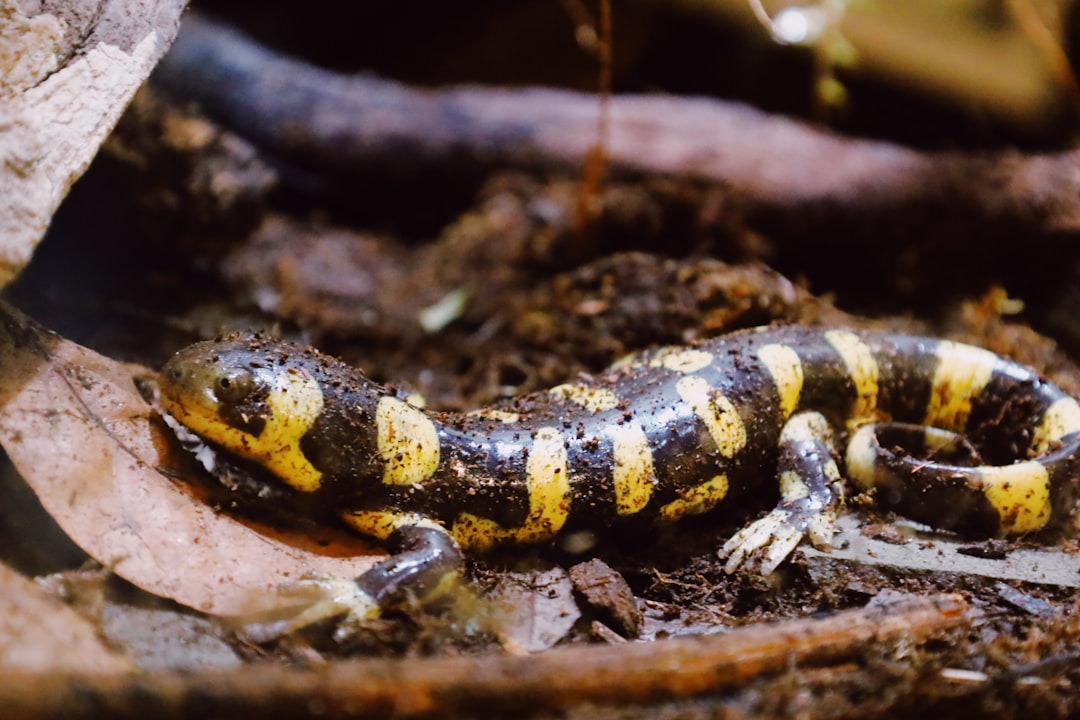
This amphibian features striking black and yellow patterns that signal danger to predators. It can spray a neurotoxin from glands on its back when it feels threatened. The toxin can cause muscle convulsions and hypertension if ingested or absorbed. Handling them requires caution to avoid irritation to the eyes and mouth.
Elk
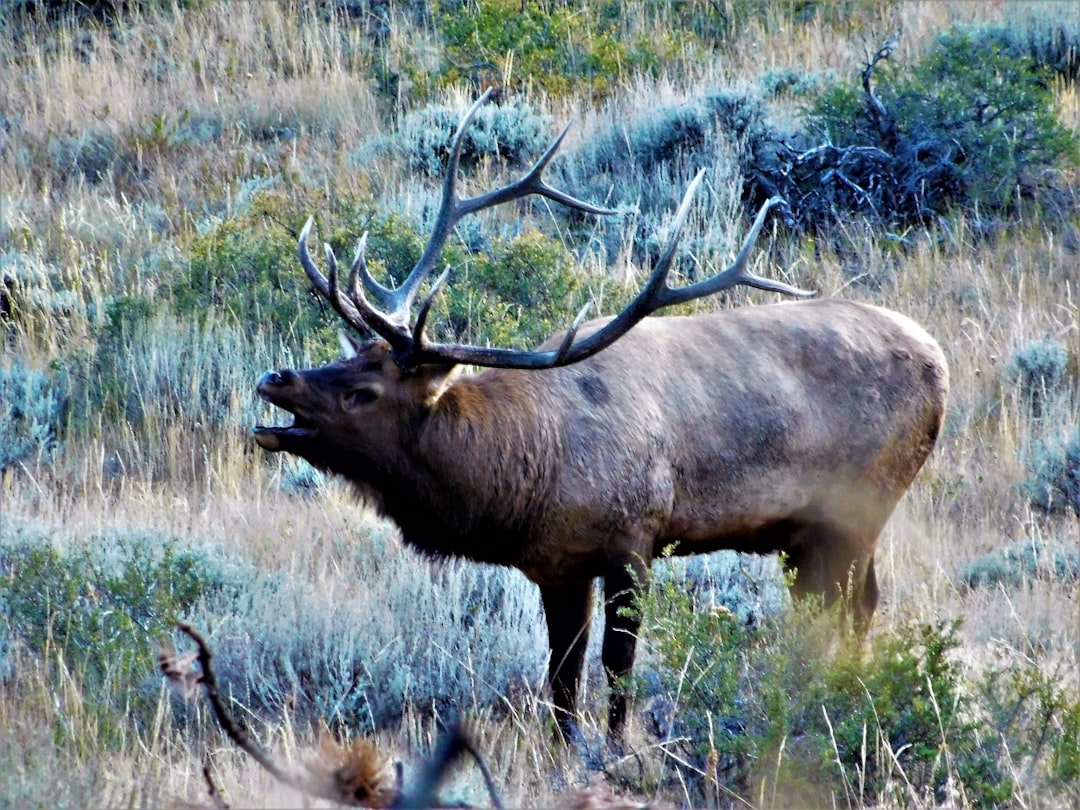
Elk are majestic animals that draw tourists to national parks for photography. Bull elk are extremely aggressive during the rut and will charge cars and people. Their antlers are sharp weapons that can cause puncture wounds and blunt force trauma. Getting too close to a herd is a common cause of injury in parks.
American Bison
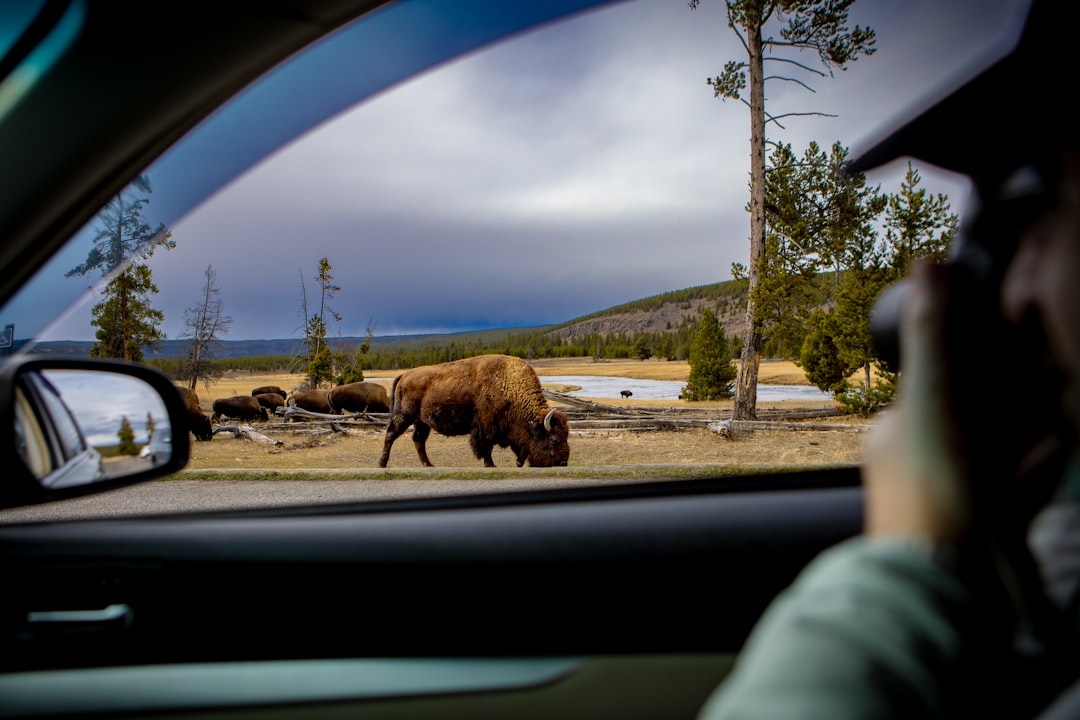
Bison are massive icons of the American West that appear slow and docile. They can pivot quickly and sprint three times faster than humans. Bison gore and trample tourists who disregard safety warnings to take selfies. Their unpredictable nature makes them one of the most dangerous animals in Yellowstone.
Tell us which of these deceptive creatures surprised you the most in the comments.




