Financial stability often feels elusive when small daily decisions compound into significant monetary losses over time. Many individuals struggle to build wealth not because of a lack of income but due to predatory practices and habitual spending patterns that drain resources. Recognizing these common pitfalls helps in establishing a more secure financial foundation and breaking the cycle of living paycheck to paycheck. Awareness is the first step toward making informed choices that prioritize long-term value over immediate gratification.
Payday Loans

Short-term lending options often present themselves as quick solutions for urgent financial needs but carry exorbitant interest rates. Borrowers frequently find themselves trapped in a cycle where they must take out new loans to pay off previous ones. The annual percentage rates on these financial products can skyrocket well into triple digits and make the principal nearly impossible to clear. Relying on this form of credit drains disposable income that could otherwise go toward savings or essential expenses. This predatory system disproportionately targets those with limited access to traditional banking services.
Rent-to-Own Agreements

Furniture and electronics stores often offer low weekly payments that seem affordable for tight budgets. The total cost of the item by the end of the contract typically amounts to two or three times its actual retail value. Consumers end up paying significantly more for depreciating assets simply because they cannot pay the upfront cash price. Missed payments can result in the repossession of the item regardless of how much has already been paid. This financing model creates a mirage of ownership while actively eroding purchasing power.
Minimum Credit Card Payments
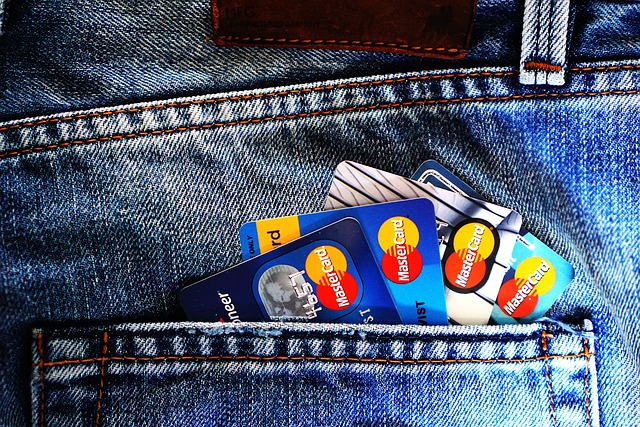
Paying only the minimum amount due on credit card balances ensures that debt lingers for years. Interest charges accumulate rapidly and often exceed the amount of the principal being paid down each month. This habit turns small purchases into expensive liabilities that cost far more than their original price tag. Credit card issuers design this system to maximize their profits while keeping consumers tethered to debt. Breaking free requires paying more than the required minimum to actually reduce the overall balance.
Lottery Tickets
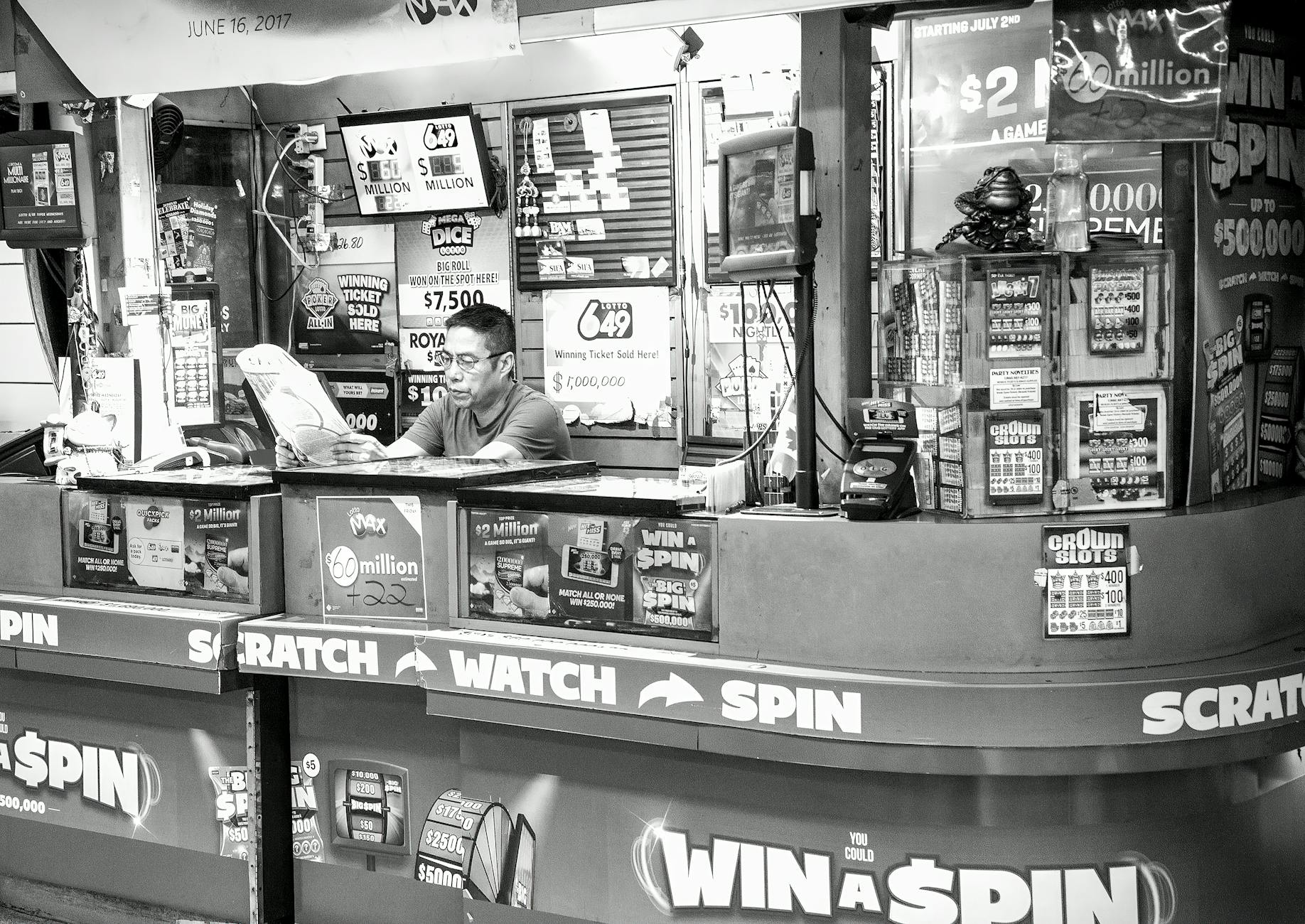
The hope of a life-changing windfall drives many people to spend disproportionate amounts of their income on gambling. Statistics consistently show that the odds of winning are infinitesimally small compared to the certainty of losing money. This expenditure is often referred to as a tax on the poor because it diverts funds from reliable investment vehicles. Consistent contribution to a savings account yields guaranteed results unlike the speculative nature of games of chance. Relying on luck prevents individuals from taking actionable control over their financial destiny.
Fast Fashion
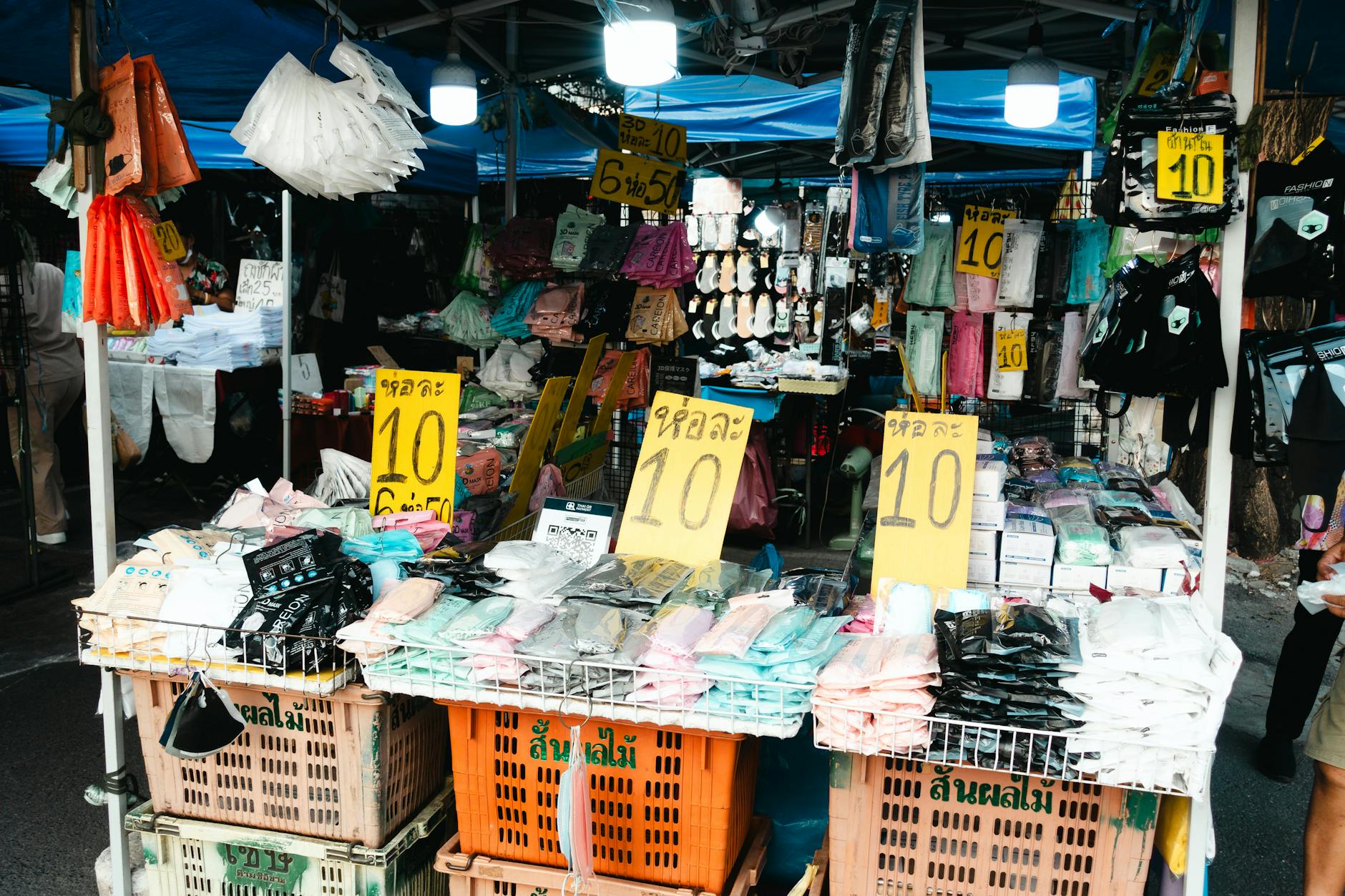
Buying cheap clothing often feels like a bargain until the low quality necessitates frequent replacements. Inexpensive fabrics and poor construction mean these garments wear out or lose their shape after only a few washes. The constant cycle of purchasing new items to replace ruined ones costs more in the long run than investing in durable pieces. Retailers rely on rapid trend cycles to encourage consumers to discard perfectly usable clothes for the sake of novelty. A focus on quantity over quality ultimately leads to higher annual spending on wardrobes.
Convenience Foods

Pre-cut vegetables and ready-to-eat meals save time but come with a significant markup compared to whole ingredients. Relying on processed foods increases the grocery bill substantially while often providing lower nutritional value. The cost of packaging and preparation labor is passed directly to the consumer in the final price. Cooking from scratch using bulk ingredients remains one of the most effective ways to lower monthly food expenses. Paying for convenience regularly acts as a silent leak in a household budget.
Extended Warranties

Retailers push insurance plans on electronics and appliances at the point of sale to capitalize on buyer anxiety. These warranties rarely offer value because the cost often approaches the price of a replacement or repair. Most modern products are reliable enough to outlast the warranty period without needing service. Manufacturer guarantees usually cover defects during the initial period when failures are most likely to occur. Declining this add-on saves money that can be set aside for a self-funded repair category.
Brand Tax

Marketing campaigns condition consumers to believe that recognizable logos equate to superior performance or status. Generic or store-brand alternatives frequently contain identical ingredients or materials for a fraction of the cost. Paying a premium for a specific label funds the company’s advertising budget rather than improving the product’s utility. Smart shoppers analyze ingredient lists and specifications rather than relying on brand familiarity. Avoiding name-brand loyalty opens up significant room in the budget for other priorities.
Bank Fees
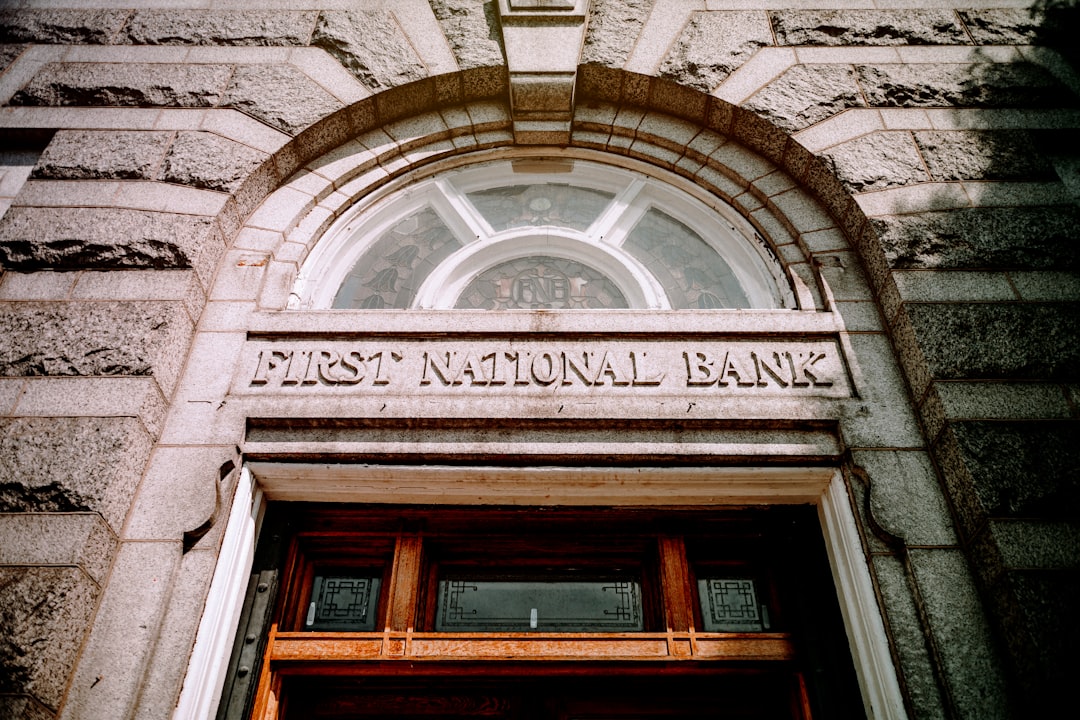
Low-balance accounts often attract monthly maintenance fees that slowly deplete limited funds. Overdraft charges punish account holders for minor miscalculations and can trigger a cascade of additional financial penalties. Many people remain with institutions that charge for basic services instead of switching to credit unions or online banks. ATM fees from using out-of-network machines are another avoidable expense that adds up over the month. Being proactive about account terms prevents financial institutions from profiting off poverty.
Bottled Water

Purchasing single-use water bottles creates an unnecessary recurring expense when tap water is generally safe and free. The markup on bottled water is immense compared to the cost of water from a home faucet. Marketing suggests that bottled options are purer or healthier despite many simply being filtered municipal water. Investing in a reusable bottle and a home filter pays for itself within a very short period. This habit impacts both the wallet and the environment negatively.
Impulse Buying

Retail environments are psychologically engineered to trigger unplanned purchases near checkout counters. Succumbing to the temptation of small items creates a cumulative drain on finances that is hard to track. These spur-of-the-moment decisions are usually driven by emotion rather than genuine need or utility. Implement a waiting period for non-essential purchases helps determine if the desire is fleeting or real. Curbing this behavior requires discipline and a strict adherence to a shopping list.
New Cars

Driving a brand new vehicle off the lot results in an immediate and steep depreciation of its value. Financing a new car often involves high monthly payments and expensive insurance premiums that strain monthly budgets. Reliable used cars offer the same utility of transportation without the heavy financial hit of initial depreciation. The desire for the latest model traps consumers in perpetual car payments that hinder other financial goals. Transportation should be viewed as a functional expense rather than a status symbol.
Subscription Services
Streaming platforms and monthly boxes often accumulate without being fully utilized by the subscriber. Small monthly fees seem insignificant individually but form a substantial sum when aggregated. Many people forget to cancel free trials that automatically convert into paid memberships. Auditing bank statements regularly reveals recurring charges for services that no longer provide value. Cutting unused subscriptions is an instant way to free up cash flow.
Late Fees

Missing payment deadlines results in penalties that offer absolutely no return on investment. These fees are entirely avoidable with organization and the use of automatic payment features. Chronic lateness can also negatively impact credit scores and lead to higher interest rates in the future. Money spent on late fees is essentially wasted capital that could have been used for debt reduction. Establishing a reliable calendar system is crucial for avoiding these unnecessary costs.
Tobacco and Vaping

Nicotine habits constitute a major daily expense that destroys both health and wealth. The cost of cigarettes and vaping supplies has risen dramatically due to taxes and regulation. Long-term health consequences eventually lead to increased medical costs and potential loss of income. Breaking the addiction provides an immediate financial raise and reduces future liability. This spending category offers zero positive return and significant downside risk.
Daily Coffee

Buying premium coffee beverages every morning is a classic example of small leaks sinking great ships. The markup on a latte is incredibly high compared to brewing coffee at home. This daily ritual can easily amount to over a thousand dollars a year that could be invested elsewhere. Investing in a good travel mug and a coffee maker eliminates this expense without sacrificing the caffeine fix. Changing this single habit often kickstarts a mindset of frugality.
Fast Food
Regularly eating at drive-thrus appears cheap but costs more than preparing simple meals at home. The nutritional deficit of these meals often leads to low energy and potential health issues later in life. Reliance on fast food usually stems from a lack of meal planning rather than actual affordability. The cumulative cost of daily combo meals rivals a substantial grocery budget for a family. Prioritizing home cooking is better for both the wallet and the body.
Check Cashing Services
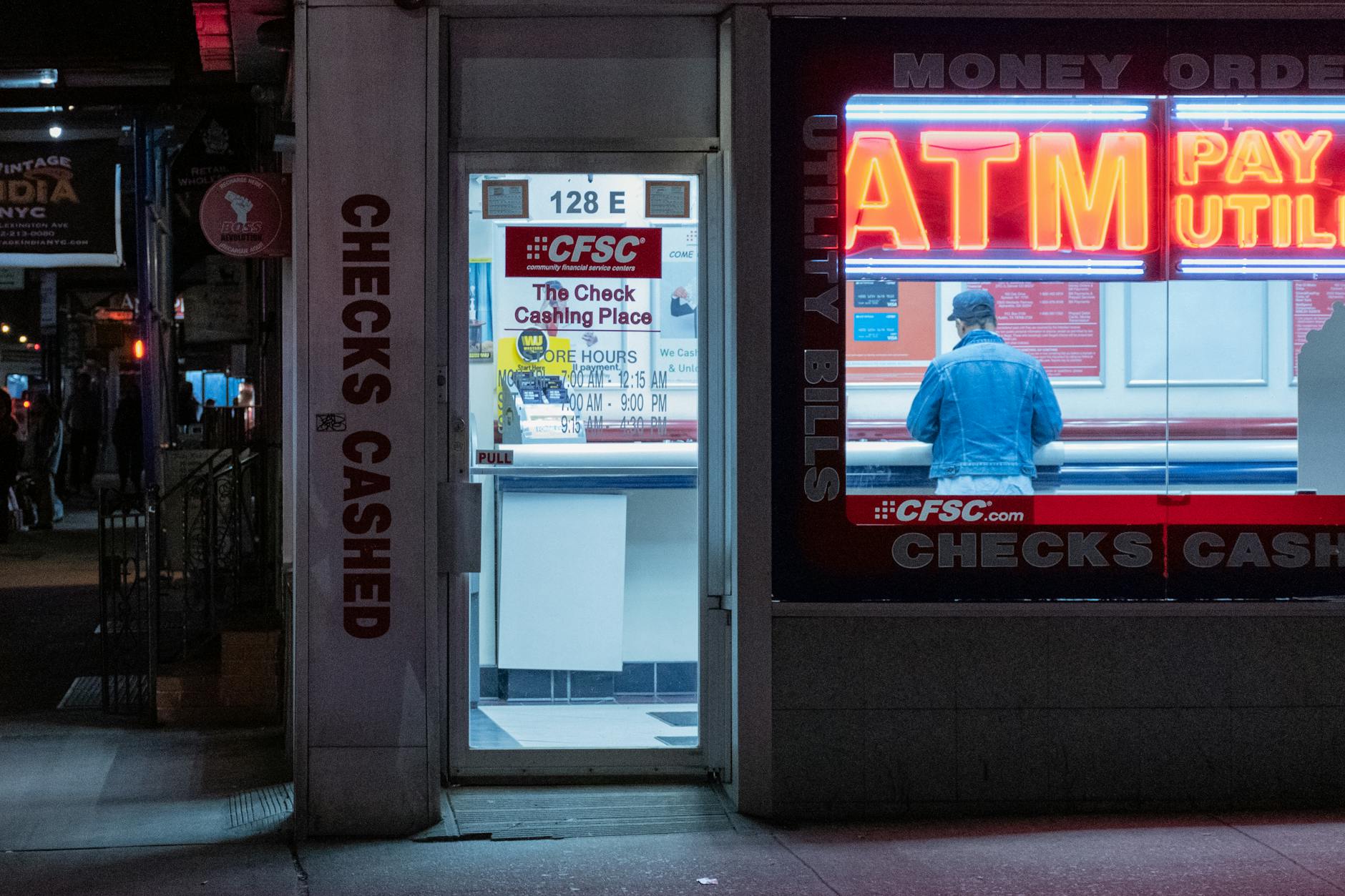
Unbanked individuals often pay a percentage of their paycheck just to access their own money. These services prey on those who cannot maintain minimum balances or have past banking issues. The fees charged for cashing checks erode income instantly and prevent saving. Opening a basic bank account or using prepaid cards with low fees is a vital step toward financial inclusion. avoiding these predatory storefronts preserves the full value of earned wages.
High-Interest Auto Loans

Subprime auto loans trap buyers with poor credit in vehicles they cannot truly afford. Dealerships focus on the monthly payment amount to hide the inflated total cost of the loan and interest. Borrowers often end up owing more than the car is worth which makes it impossible to trade in or sell. This negative equity can persist for years and complicate future transportation needs. Improving credit before buying is essential to avoid these exploitative financing terms.
Sale Shopping

Buying items simply because they are discounted leads to spending money on unnecessary goods. Retailers use sales events to create a false sense of urgency that overrides rational decision-making. Saving money on an item you did not need is actually spending money you should have kept. The perceived value of the discount distracts from the reduction in cash reserves. A bargain is only a bargain if the purchase was planned beforehand.
Store Credit Cards
Retailers offer discounts at the register in exchange for opening high-interest store credit cards. These cards typically carry much higher APRs than standard credit cards and have limited utility. The initial discount is quickly negated if the balance is not paid in full immediately. Having multiple store cards complicates financial tracking and increases the risk of missed payments. It is generally safer to stick to a single general-purpose credit card.
Expensive Phone Plans
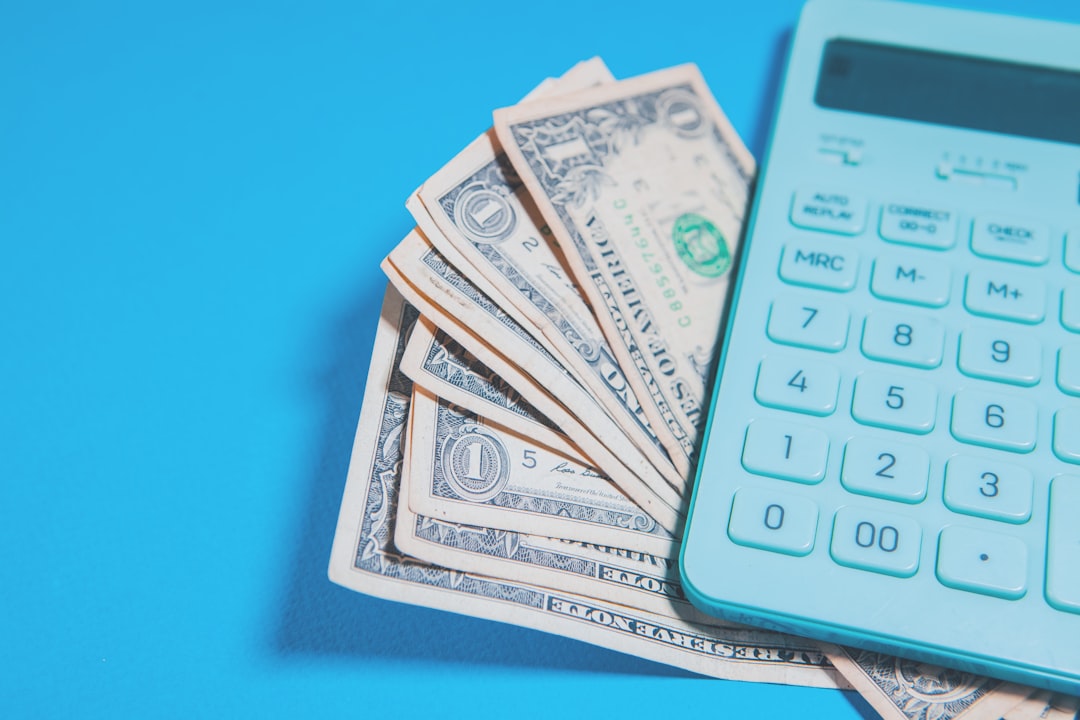
Major carriers often lock customers into lengthy contracts with high monthly fees for data they do not use. Prepaid carriers and mobile virtual network operators use the same towers for a fraction of the price. Many people pay for unlimited data plans when their actual usage is quite low due to Wi-Fi availability. Switching to a budget-friendly provider can cut the phone bill in half without a drop in service quality. Reviewing usage logs helps identify the most appropriate and cost-effective plan.
Lack of Emergency Fund

Operating without a financial buffer forces individuals to use credit cards for unexpected expenses. This reactive approach converts a simple car repair or medical bill into high-interest debt. The cost of borrowing money for emergencies is always higher than using saved cash. Even a small emergency fund prevents the need for payday loans or credit card swipes. Building this safety net is the most critical step in avoiding debt traps.
Alcohol at Bars
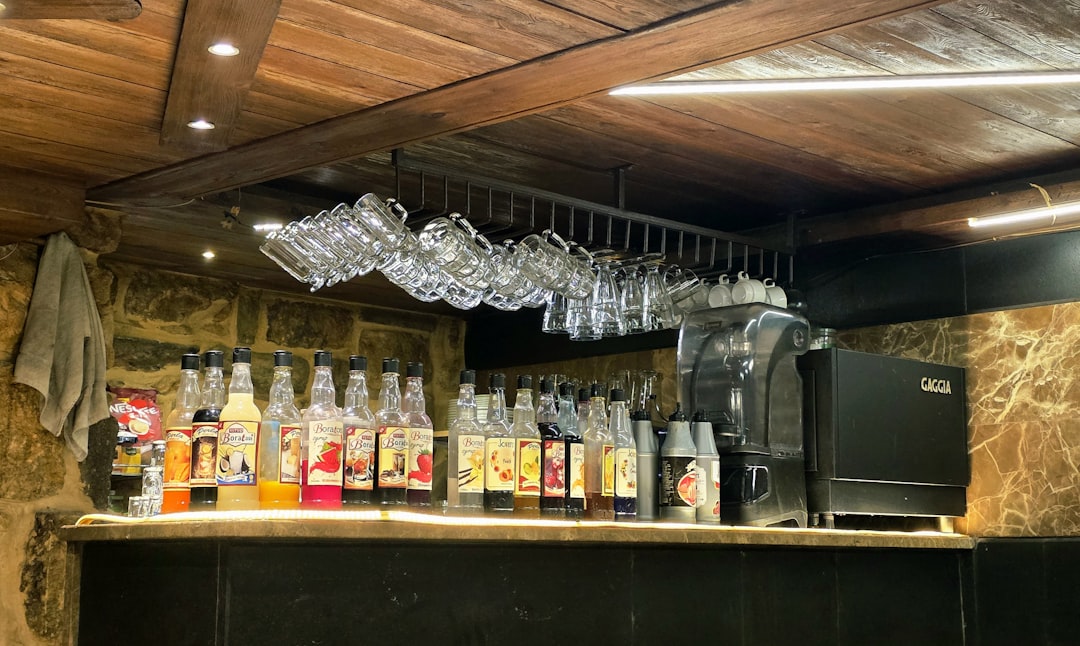
Drinking out carries an extreme markup compared to purchasing beverages for home consumption. The social pressure to buy rounds or order premium cocktails inflates the bill rapidly. Regularly socializing in bars drains disposable income that is often needed for essential bills. Limiting outings or choosing cheaper venues can result in massive monthly savings. Entertainment budgets should be capped to prevent them from encroaching on necessities.
Peer Pressure Spending

Trying to keep up with the spending habits of friends or neighbors leads to living beyond one’s means. Social circles that prioritize expensive outings or luxury goods can influence poor financial decisions. Validating self-worth through material possessions creates a hollow and expensive lifestyle. It is important to set financial boundaries and suggest affordable social activities. True friends respect financial goals and budgetary limitations.
Unused Gym Memberships

Signing up for a fitness center with good intentions often results in a monthly donation to the gym. Lengthy contracts and difficult cancellation processes make it hard to stop the bleeding once attendance drops. Exercise can be performed effectively at home or outdoors for free. Paying for access to equipment that is rarely used is a common waste of money. Cancellation should happen the moment the habit is broken.
Cable TV

Traditional cable packages are notoriously expensive and loaded with channels that are never watched. The rise of targeted streaming services and free digital content makes cable largely obsolete. Providers often raise rates after promotional periods end and rely on customer inertia. Cutting the cord allows viewers to pay only for the content they actually consume. This reduction in fixed monthly costs frees up capital for other uses.
Emotional Spending

Using shopping as a coping mechanism for stress or sadness leads to a cluttered home and an empty bank account. The temporary dopamine hit from a purchase fades quickly and is often replaced by buyer’s remorse. Identifying the emotional triggers that lead to spending is necessary to stop the cycle. Finding non-monetary ways to self-soothe such as exercise or reading is far healthier. Retail therapy is a misnomer that actually increases life stress.
Timeshares

Vacation ownership programs are frequently sold through high-pressure presentations that gloss over the long-term costs. Maintenance fees continue to rise annually regardless of whether the property is used. The resale market for timeshares is virtually non-existent which leaves owners stuck with the liability. Escaping these contracts is difficult and often requires legal assistance. Booking traditional travel accommodation is almost always cheaper and more flexible.
Storage Units
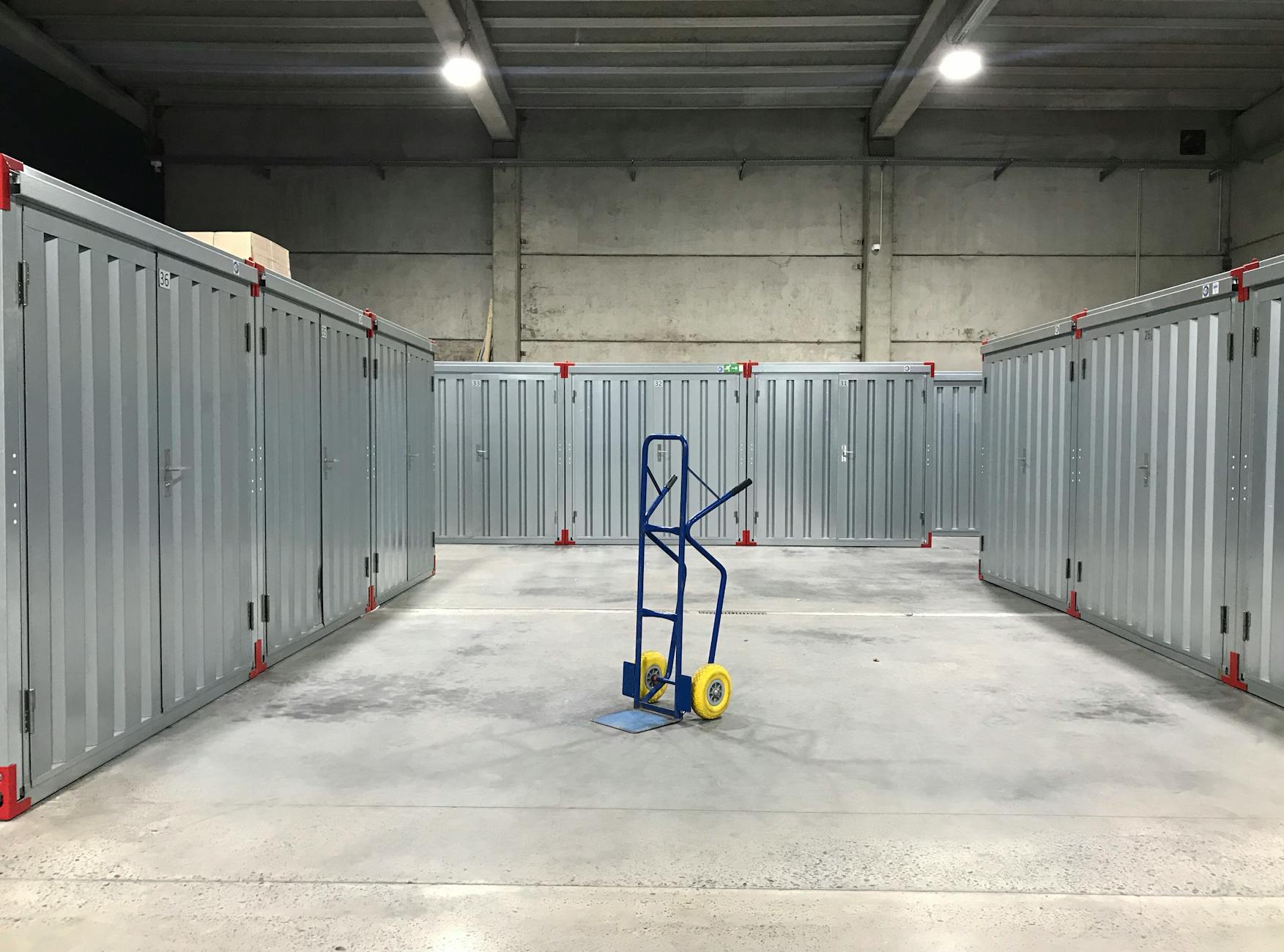
Paying rent to store items that are rarely used often costs more than the items are worth. The monthly fee for a storage unit creates a permanent drain on finances for the sake of hoarding. If possessions are not needed in the home they should likely be sold or donated. Liquidation of stored goods provides immediate cash and eliminates the recurring bill. Living within the spatial means of one’s home encourages better consumption habits.
Please share your thoughts on these financial pitfalls in the comments.




