Incorporating nutrient-dense foods into your daily meals can significantly impact your overall health and energy levels. These ingredients offer powerful vitamins and minerals that support essential bodily functions without requiring complex preparation. Many of these items work synergistically to improve digestion and boost immune system performance over time. A balanced diet featuring a wide variety of these natural powerhouses ensures you receive a diverse array of protective compounds. Consistently choosing whole foods over processed alternatives remains the foundation of a sustainable and healthy lifestyle.
Blueberries
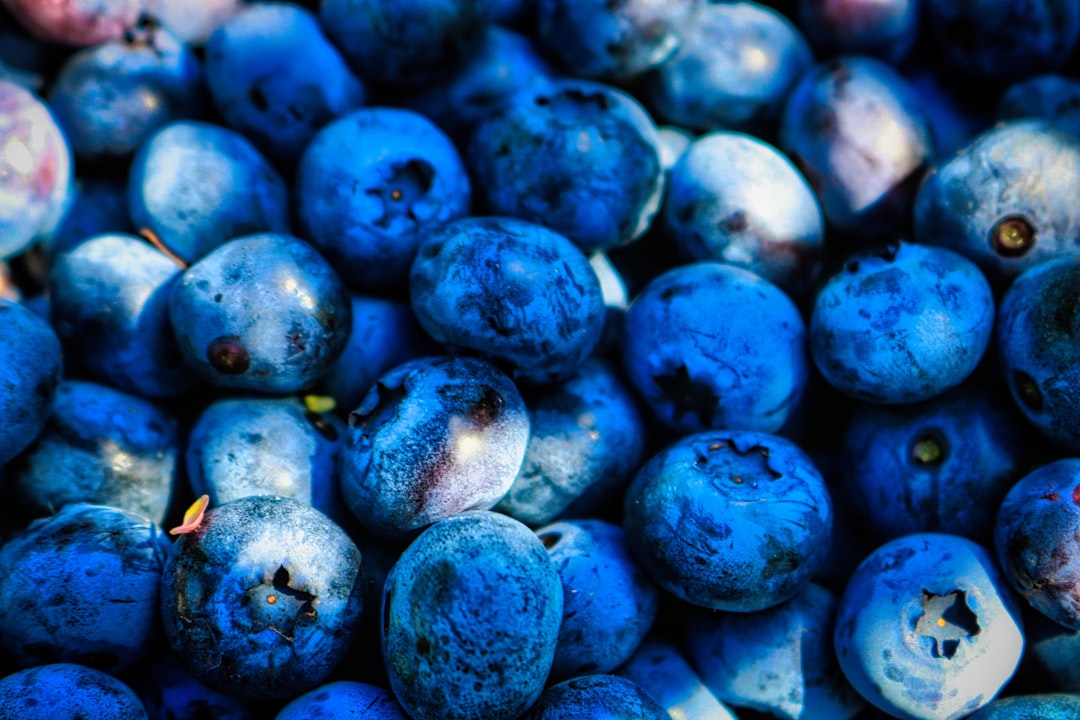
These small berries pack a massive amount of antioxidants into every serving. Their deep blue pigment comes from anthocyanins which help protect cells from oxidative stress. Regular consumption supports heart health and may improve brain function during aging. You can easily add them to breakfast bowls or enjoy them as a fresh snack.
Kale
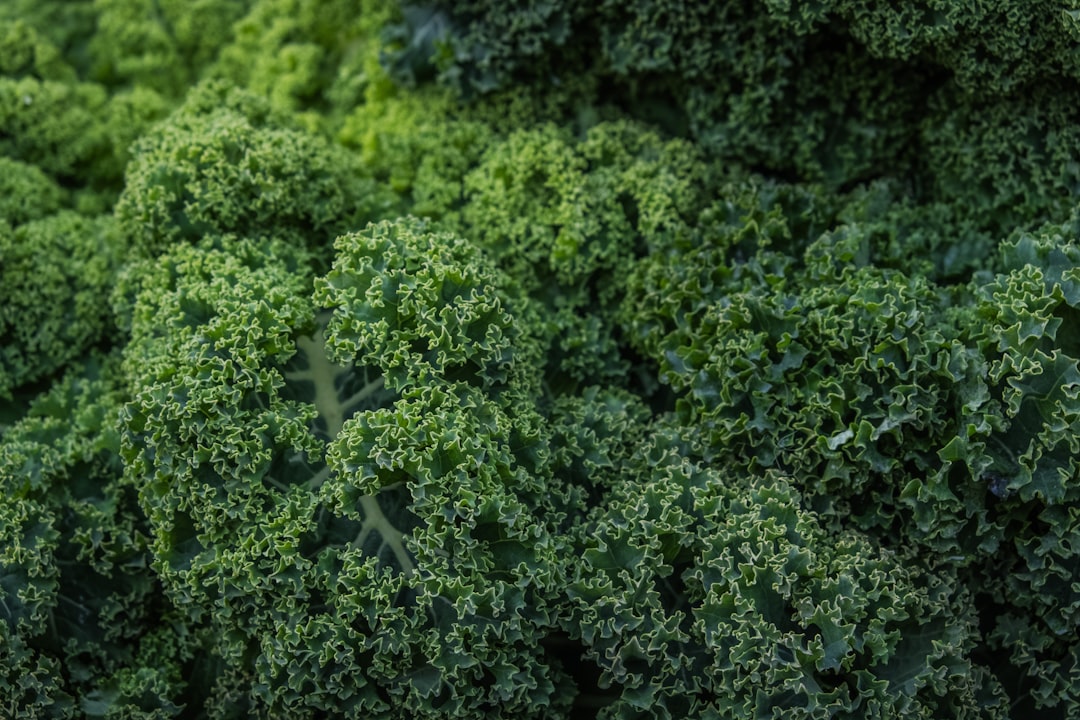
This leafy green vegetable stands out for its incredibly high concentration of Vitamin K and Vitamin C. The tough leaves retain their nutritional value even when cooked or baked into crisp chips. Fiber content in kale aids digestion and helps maintain steady blood sugar levels throughout the day. It serves as a versatile base for salads or a nutrient booster in smoothies.
Salmon
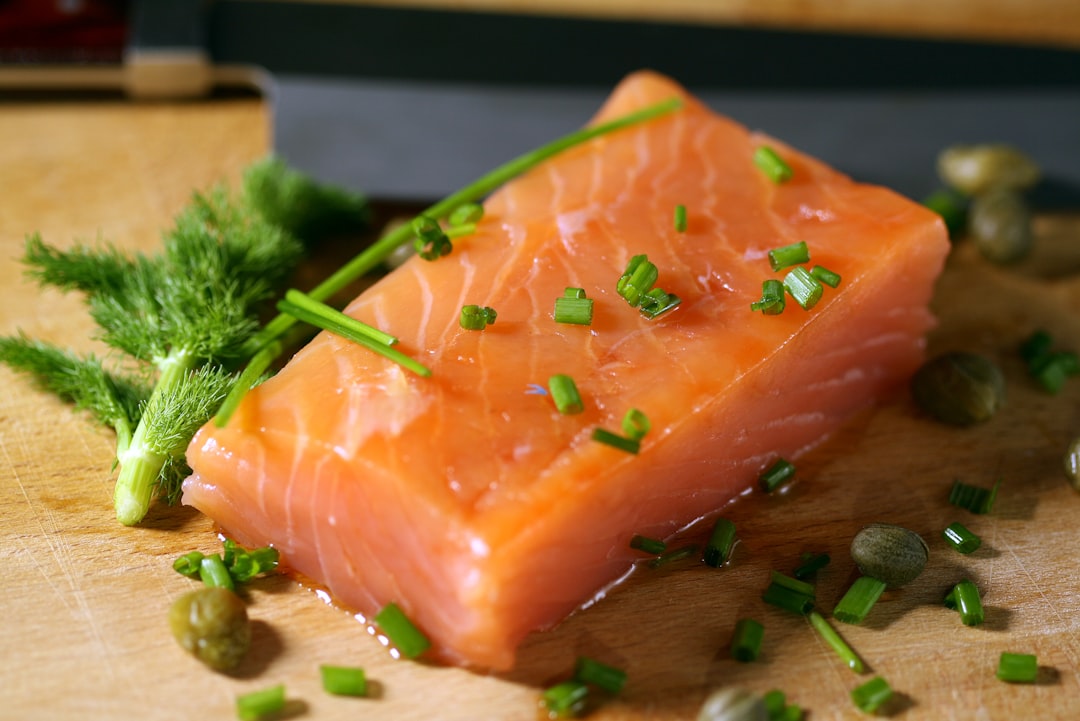
Fatty fish like salmon provide an excellent source of omega-3 fatty acids for brain and heart health. The high protein content supports muscle repair and keeps you feeling full for longer periods. It also delivers essential B vitamins that assist in converting food into energy. Baking or grilling this fish preserves its delicate flavor and beneficial oils.
Avocado
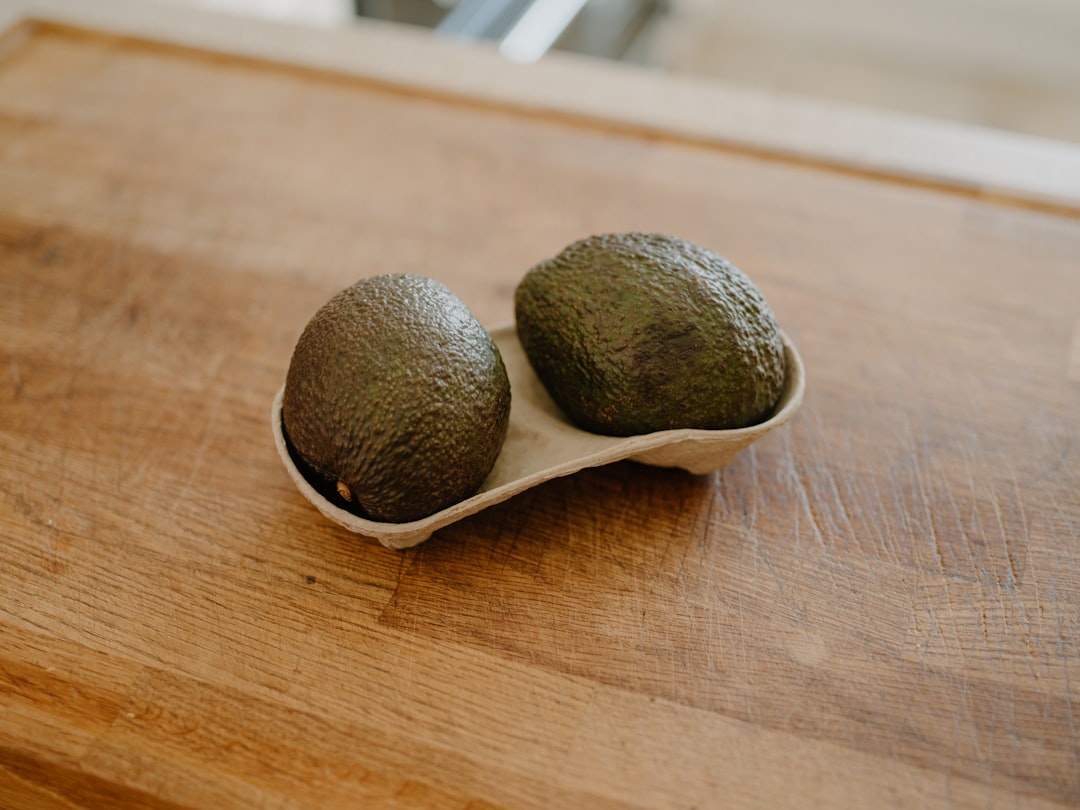
This unique fruit offers healthy monounsaturated fats that are essential for nutrient absorption. It contains more potassium than bananas and helps regulate blood pressure naturally. The creamy texture makes it a perfect substitute for butter or mayonnaise in sandwiches. Fiber in avocados contributes to gut health and weight management efforts.
Chia Seeds

These tiny black seeds absorb liquid to form a gel that promotes hydration and fullness. They are loaded with antioxidants and provide a plant-based source of omega-3 fatty acids. You can sprinkle them over yogurt or mix them into oatmeal for an effortless nutrient boost. Their high fiber content supports digestive regularity and heart health.
Spinach
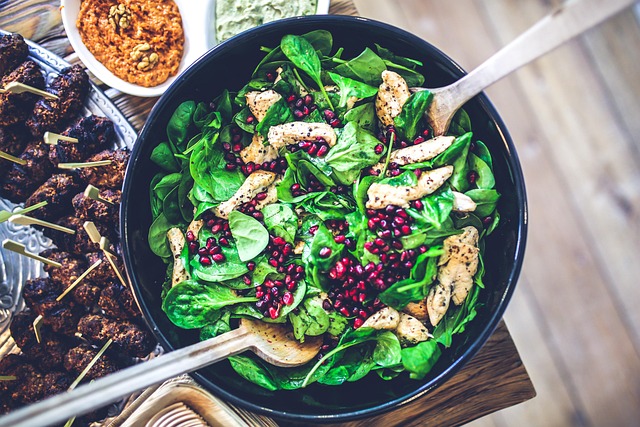
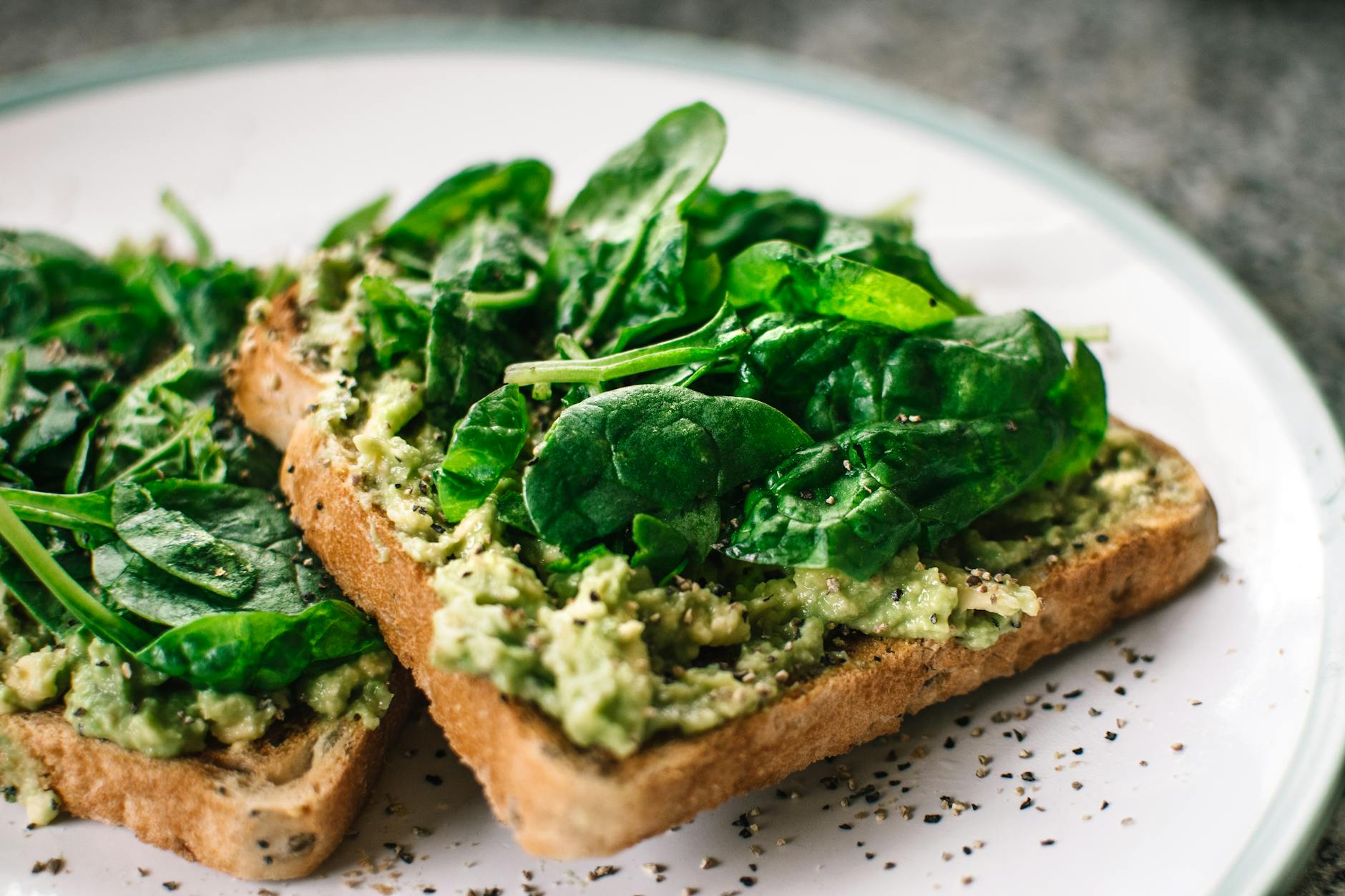
Dark leafy greens like spinach offer iron and calcium essential for bone strength and energy. This vegetable contains vitamins A and C to support immune function and skin health. It wilts down easily into pasta dishes or soups without altering the flavor profile significantly. Eating it raw in salads maximizes the availability of certain heat-sensitive nutrients.
Almonds
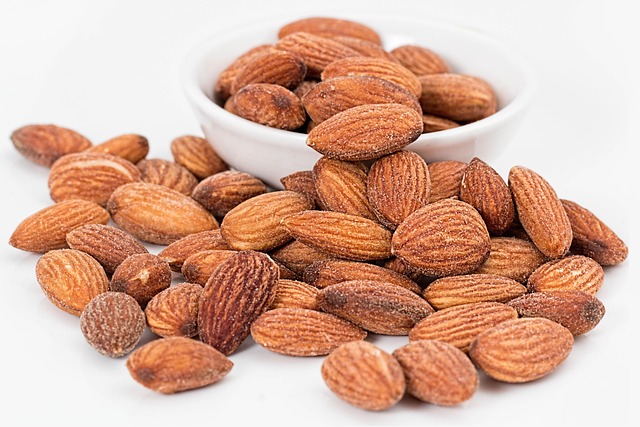
A handful of almonds delivers a satisfying crunch along with protein and healthy fats. They are rich in Vitamin E which acts as a powerful antioxidant for skin protection. Magnesium found in these nuts helps control blood sugar and blood pressure levels. They make a convenient portable snack for busy afternoons.
Green Tea

This ancient beverage contains bioactive compounds that improve brain function and fat burning. The main antioxidant in green tea helps lower the risk of various chronic diseases. It provides a gentle caffeine boost without the jittery effects often associated with coffee. Drinking it regularly may also support dental health by reducing bacteria growth.
Turmeric

The active compound curcumin gives this spice its bright yellow color and potent anti-inflammatory properties. It has been used for centuries to treat various ailments and boost overall immunity. Adding black pepper to turmeric significantly increases the absorption of curcumin in the body. You can stir it into warm milk or use it to season roasted vegetables.
Garlic
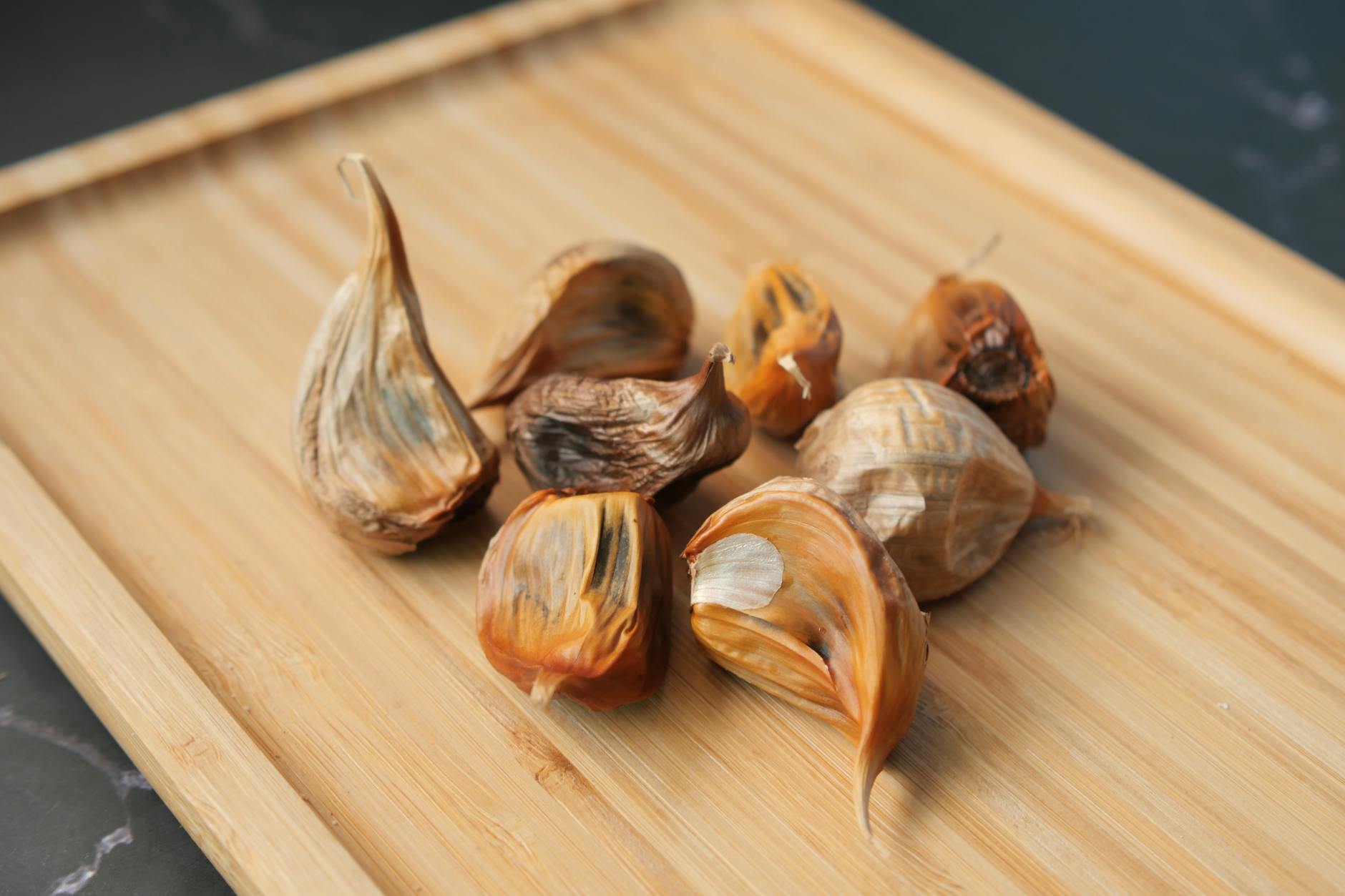
Crushing or chopping garlic cloves releases allicin which serves as a powerful medicinal compound. This ingredient is known to combat sickness including the common cold. It helps improve cholesterol levels and may reduce blood pressure in those with hypertension. The distinct flavor enhances almost any savory dish while providing health benefits.
Ginger
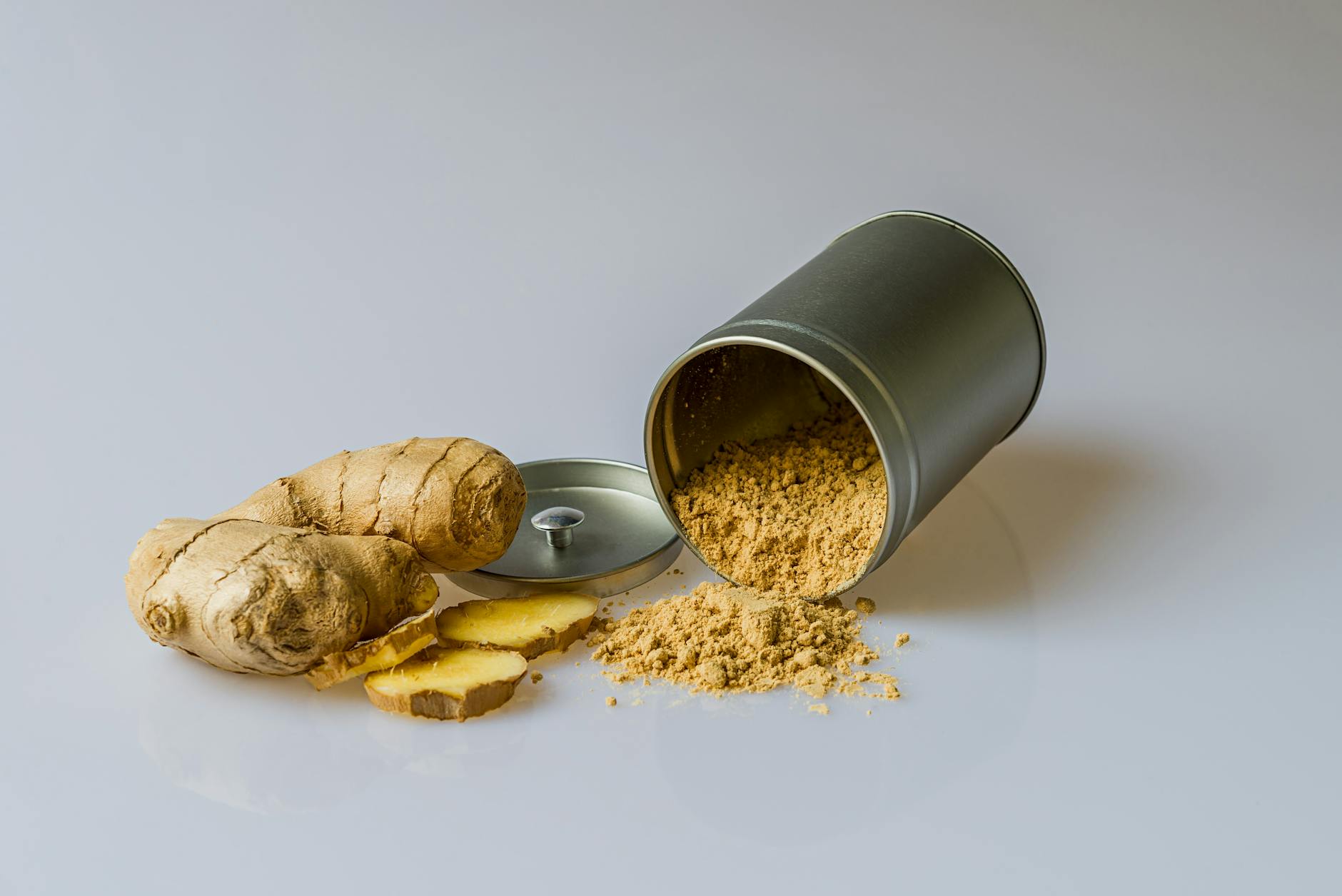
This root is widely recognized for its ability to alleviate nausea and aid digestion. It contains gingerol which has powerful anti-inflammatory and antioxidant effects. You can steep fresh slices in hot water for a soothing tea or grate it into stir-frys. Regular consumption may help reduce muscle pain and soreness after exercise.
Sweet Potatoes

These orange tubers are rich in beta-carotene which the body converts into Vitamin A. They provide a slow release of energy due to their complex carbohydrate structure and fiber content. The skin contains significant nutrients so it is best to leave it on during cooking. Baking or steaming them preserves their natural sweetness and nutritional integrity.
Quinoa
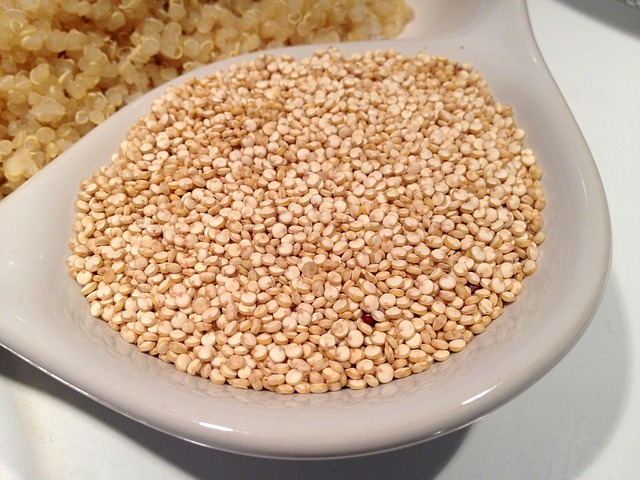
This grain is one of the few plant foods that offer a complete protein profile with all nine essential amino acids. It is naturally gluten-free and high in fiber and magnesium. The fluffy texture makes it an excellent alternative to white rice or pasta. Rinsing quinoa before cooking removes its natural coating and improves the final taste.
Greek Yogurt

Strained yogurt contains significantly more protein than regular varieties and less sugar. Probiotics found in this dairy product support a healthy gut microbiome and immune system. It serves as a rich source of calcium for maintaining strong bones and teeth. You can use it as a creamy base for dips or enjoy it with fruit.
Broccoli
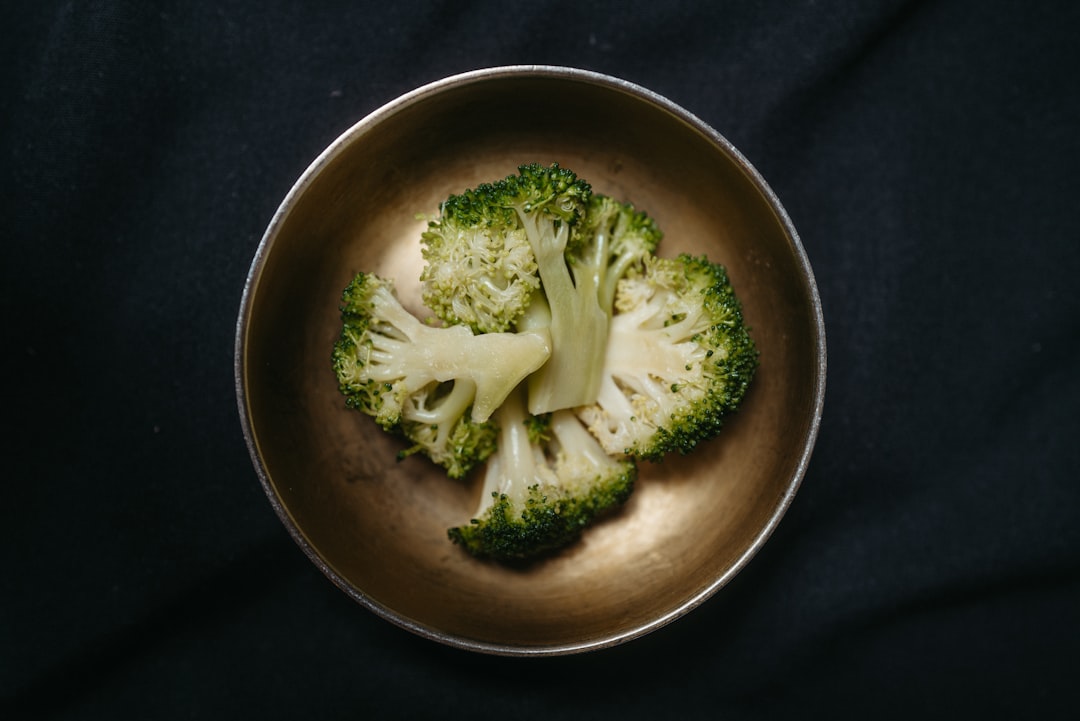
This cruciferous vegetable contains compounds that may protect against certain types of cellular damage. It provides a good amount of fiber and protein compared to other vegetables. Steaming broccoli gently preserves its water-soluble vitamins better than boiling. It pairs well with lemon juice and garlic for a simple side dish.
Oats
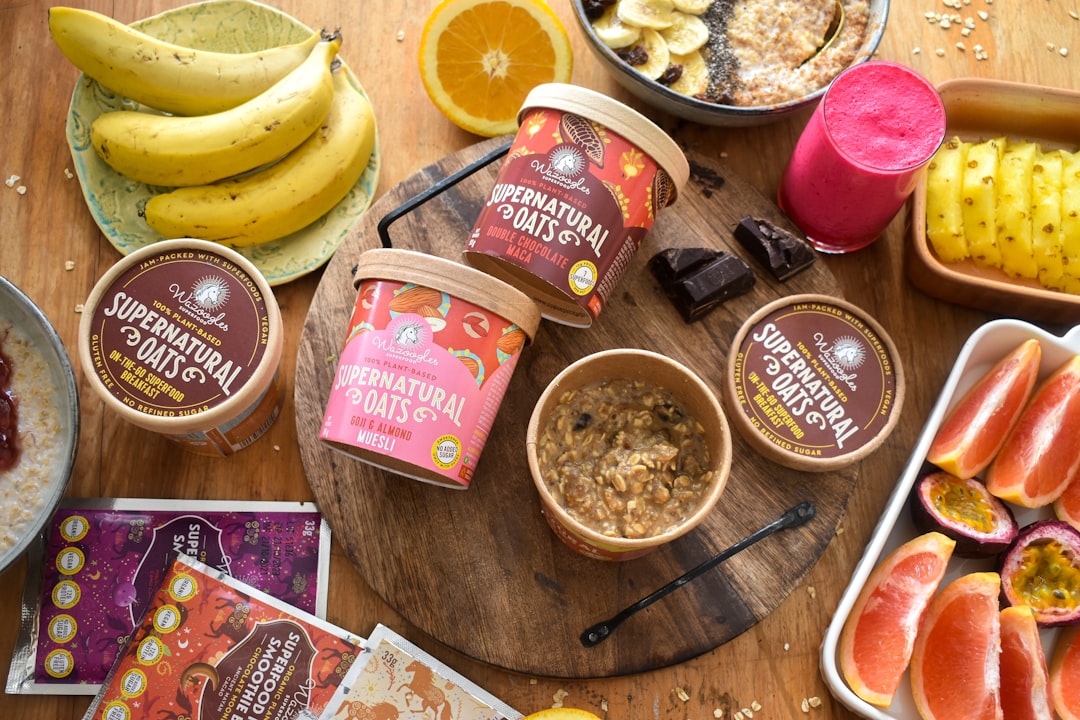
Whole oats are loaded with a specific type of soluble fiber called beta-glucan. This fiber helps reduce cholesterol and blood sugar levels effectively. They provide a substantial amount of vitamins and minerals including manganese and phosphorus. Starting the day with oatmeal ensures a steady energy release until lunch.
Dark Chocolate

Chocolate with a high cocoa content is rich in minerals and antioxidants. It may improve blood flow and lower blood pressure due to its flavanol content. Moderation is key to gaining benefits without consuming excessive sugar or calories. A small square satisfies sweet cravings while providing a health boost.
Olive Oil

Extra virgin olive oil is the cornerstone of the heart-healthy Mediterranean diet. It contains potent antioxidants that fight inflammation and protect blood cholesterol from oxidation. The monounsaturated fats are stable enough for low-heat cooking or finishing dishes. Drizzling it over salads allows you to enjoy its full flavor and nutritional profile.
Lentils
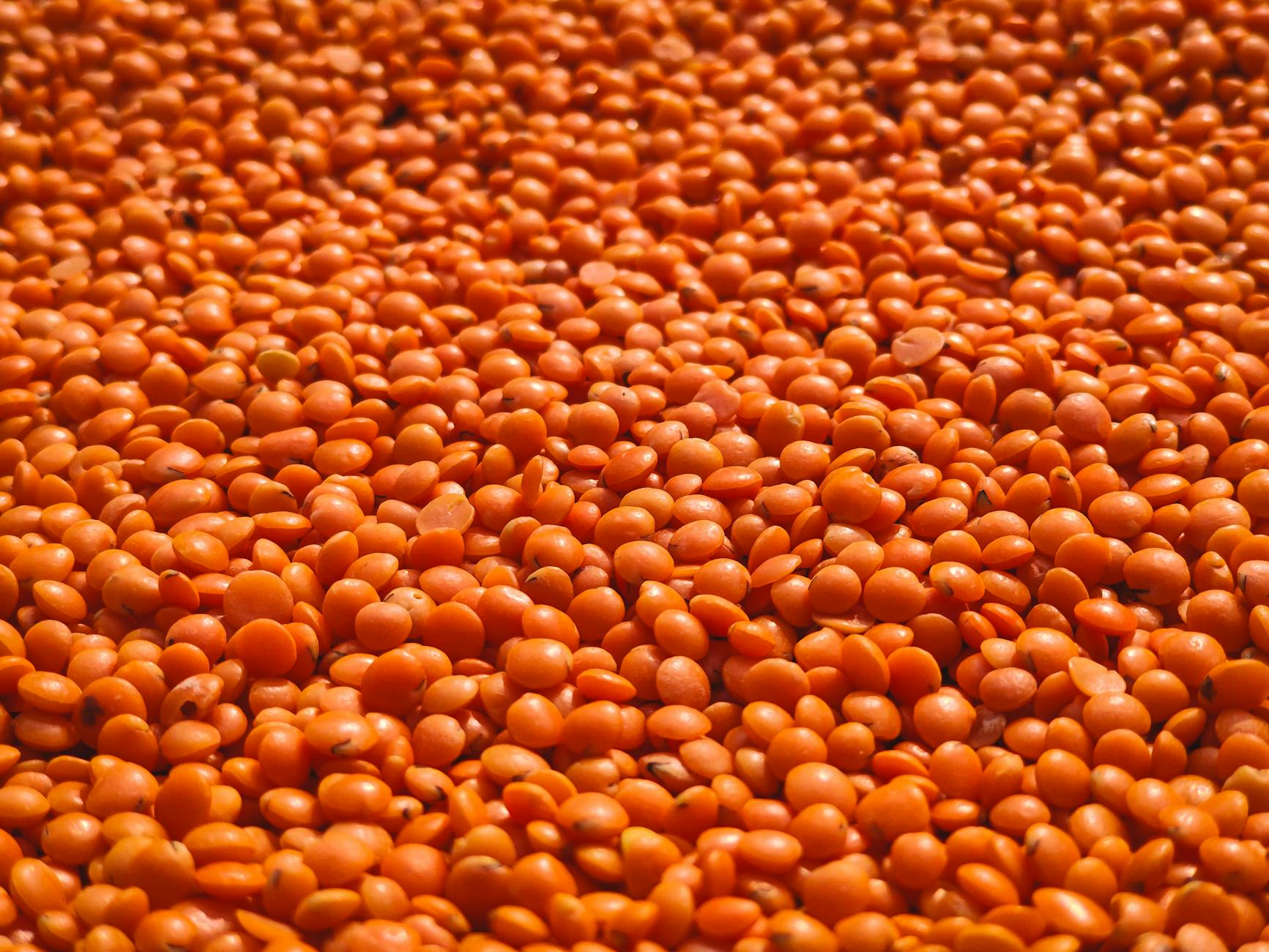
These legumes are an inexpensive way to get high-quality plant protein and fiber. They cook relatively quickly compared to other dried beans and require no soaking. Lentils are rich in polyphenols that promote overall health and prevent disease. Adding them to soups creates a hearty texture and boosts the iron content.
Eggs

Whole eggs are among the most nutritious foods available and contain a little bit of almost every nutrient you need. The yolk houses most of the vitamins and minerals including choline for brain health. High protein content makes them incredibly filling and useful for weight management. They are versatile enough to be eaten at any meal of the day.
Walnuts
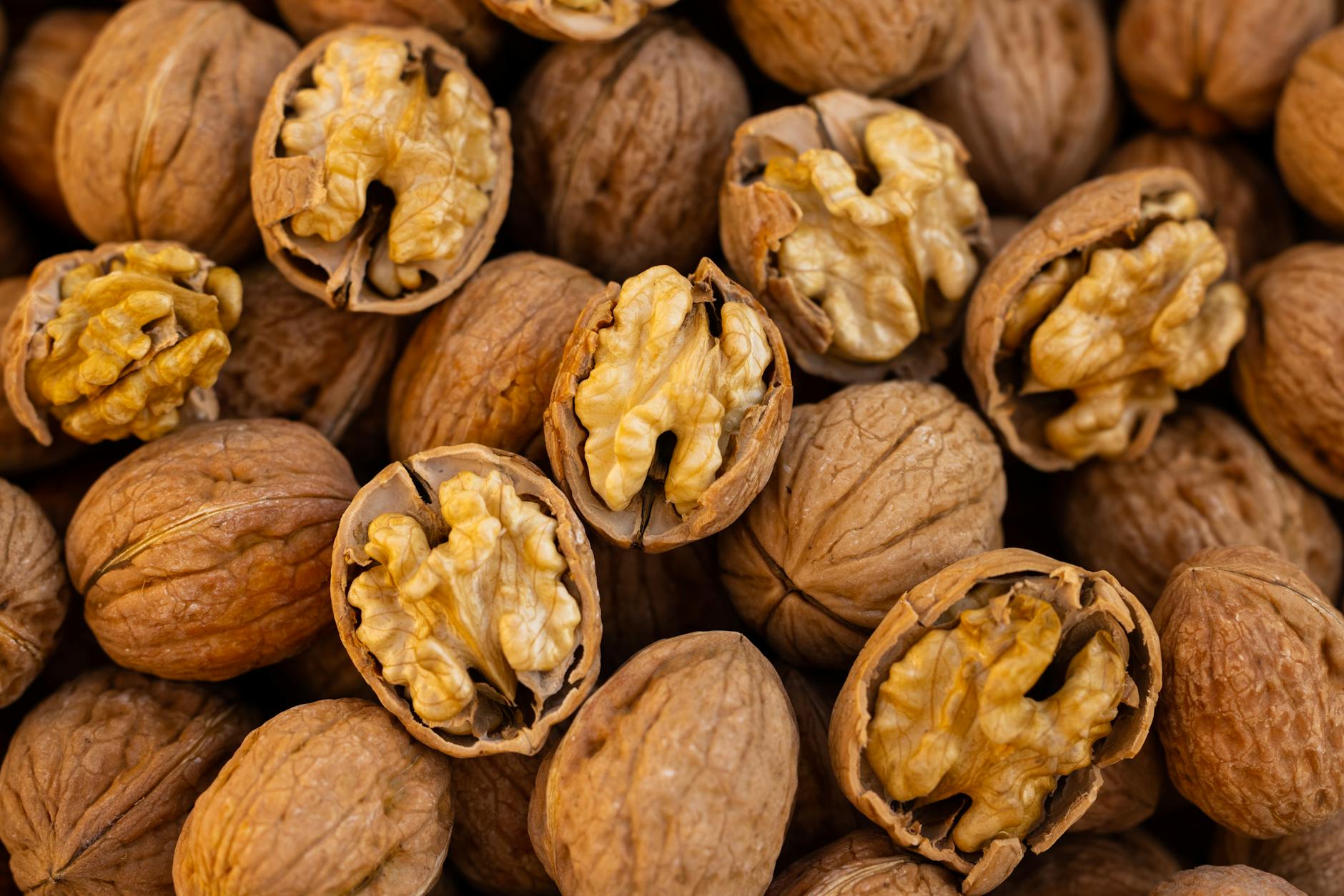
These nuts are unique because they are significantly higher in omega-3 fats than any other nut. Eating walnuts promotes gut health by nourishing beneficial bacteria in the digestive system. They contain antioxidants that help combat oxidative damage in the body. The texture adds a pleasant crunch to salads and baked goods.
Oranges
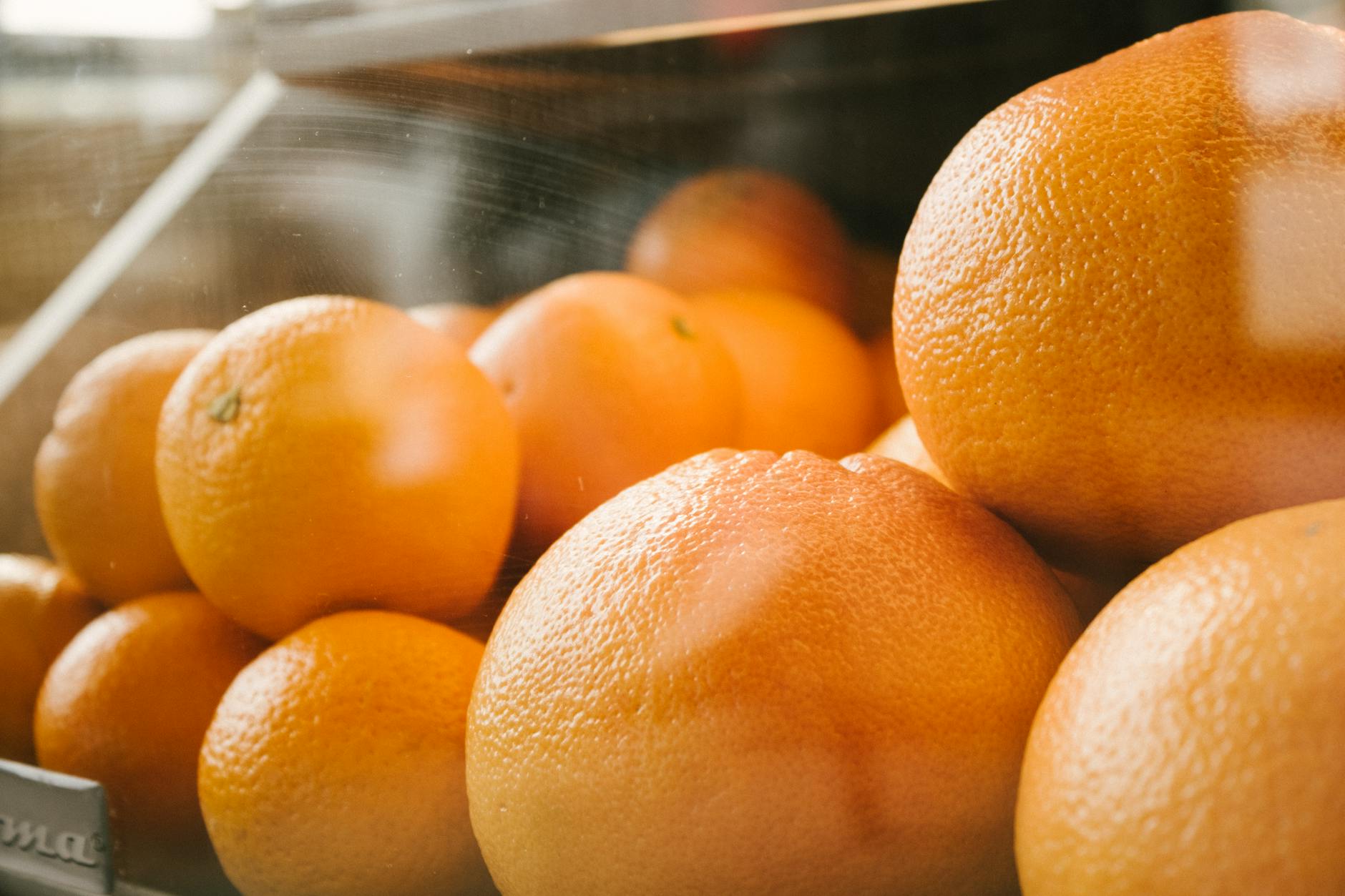
Citrus fruits are famous for their high Vitamin C content which is vital for immune function. They also provide decent amounts of fiber and hydration. The antioxidants in oranges help protect skin from damage caused by the sun and pollution. Eating the whole fruit is far more beneficial than drinking the juice alone.
Flaxseeds

Ground flaxseeds are the best way to consume this rich source of plant-based omega-3 fats. They contain lignans which may help reduce cancer risk and improve health markers. The high fiber content aids digestion and helps lower cholesterol levels. You can easily hide them in smoothies or baking batters without changing the taste.
Pumpkin Seeds
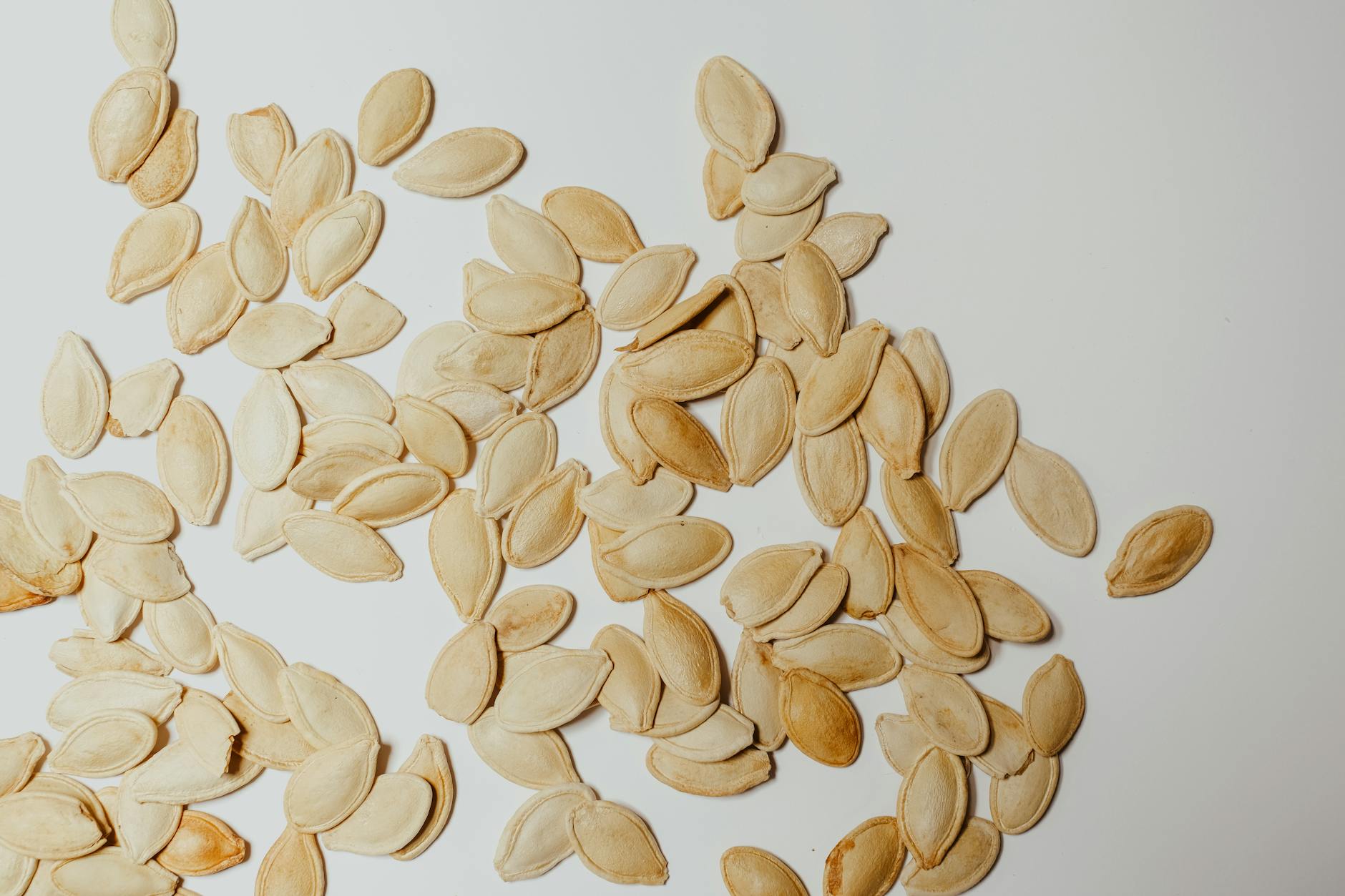
These seeds are one of the best natural sources of magnesium available. They also contain zinc which is crucial for immune function and cell growth. Eating them may improve heart health and protect against certain types of disease. Roasting them with spices makes for a delicious and nutritious snack.
Cauliflower
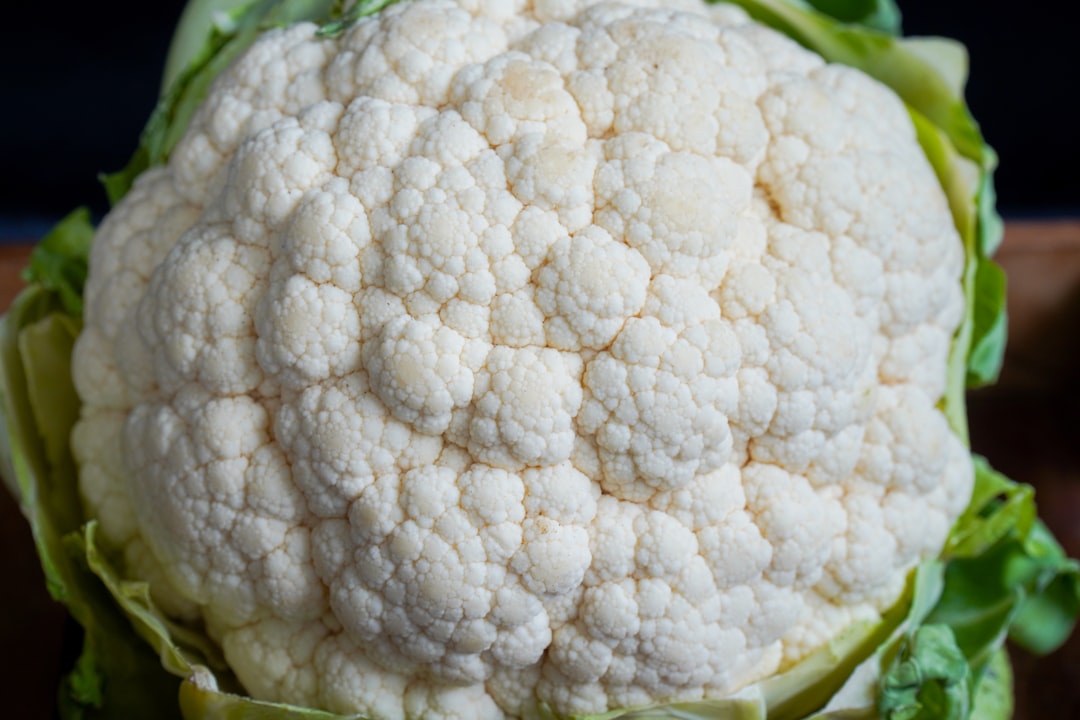
This versatile vegetable has become a popular low-carb substitute for grains and legumes. It is high in fiber and B-vitamins while remaining low in calories. Choline found in cauliflower supports brain development and metabolism. It easily absorbs the flavors of herbs and spices used in cooking.
Beets
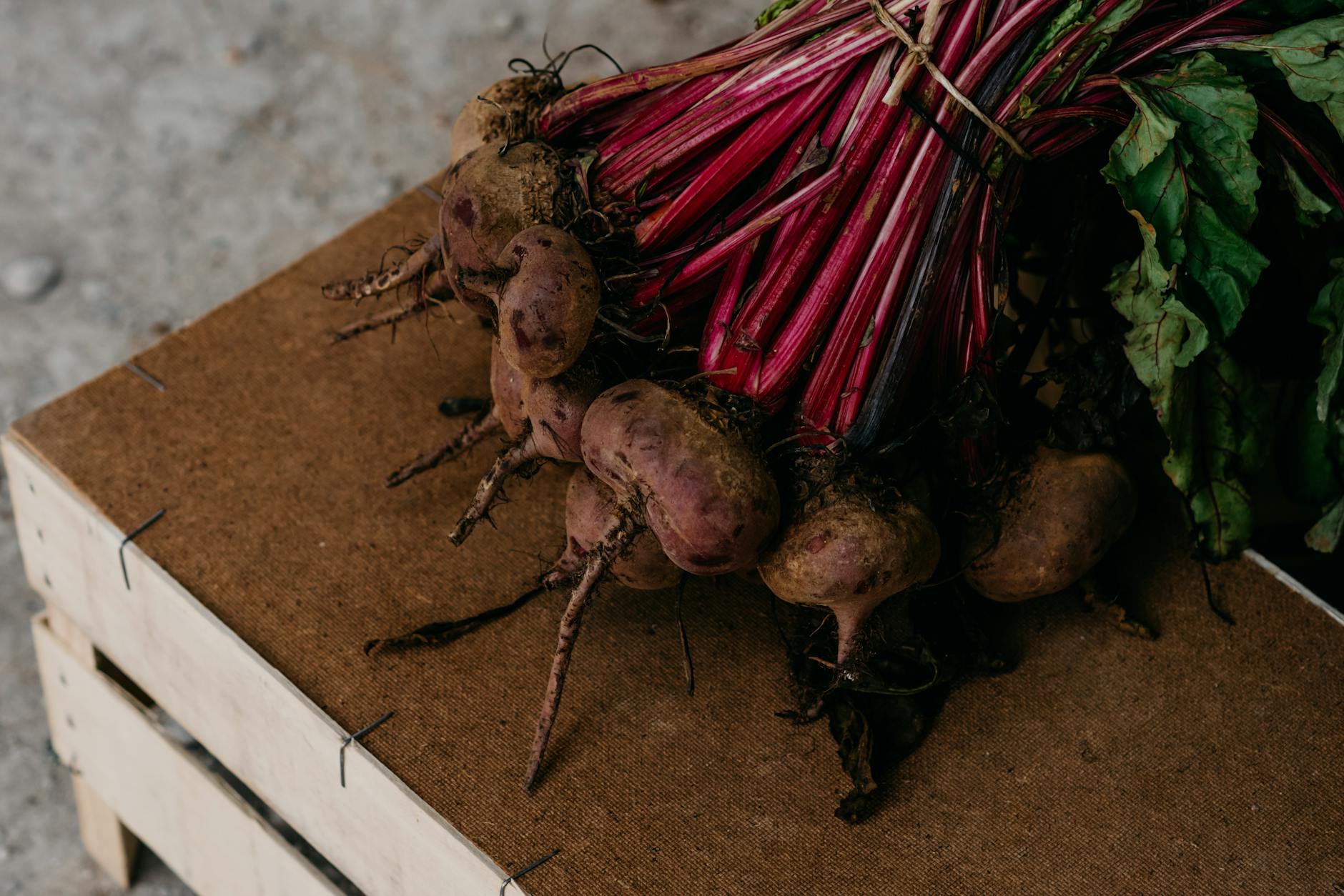
The deep red color of beets signals the presence of betalains which have antioxidant properties. They contain nitrates that improve blood flow and may enhance athletic performance. You can roast them to bring out their natural sweetness or grate them raw into salads. Their greens are also edible and highly nutritious.
Apples

Apples are rich in fiber and vitamin C and contain various antioxidants. Pectin is a type of prebiotic fiber in apples that feeds the good bacteria in your gut. Eating them whole helps regulate blood sugar and promotes a feeling of fullness. They make a convenient and hydrating snack on the go.
Carrots
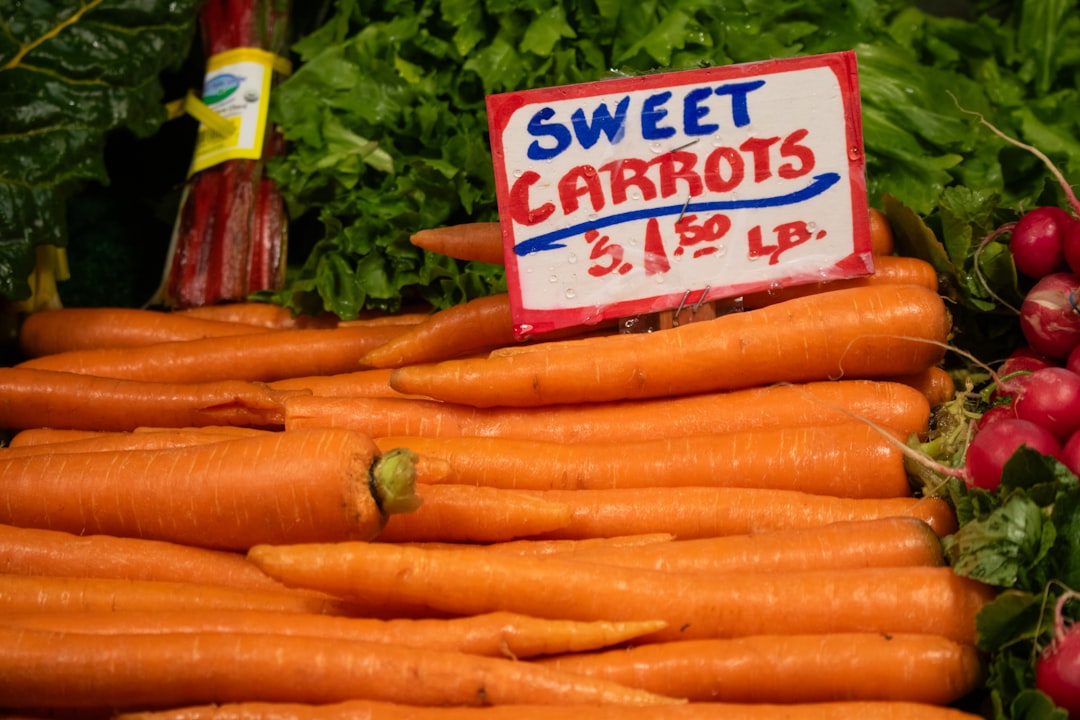
These crunchy root vegetables are an excellent weight-loss friendly food due to their fiber content. They are loaded with Vitamin A which is essential for good vision and eye health. Carrots contain antioxidants that may protect against certain types of cancer. Snacking on them raw keeps teeth clean and gums healthy.
Beans
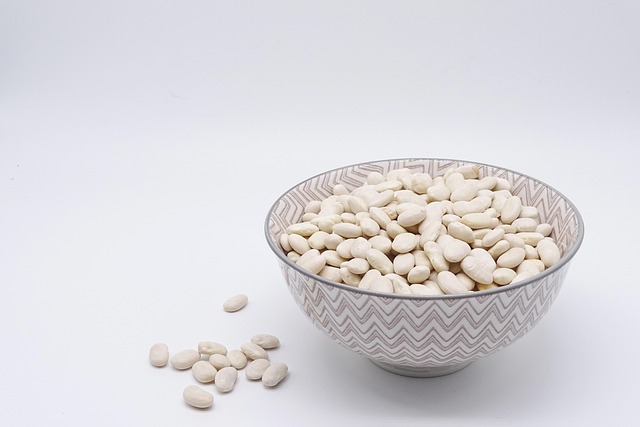
Kidney beans and black beans offer a powerful combination of protein and fiber. They contain complex carbohydrates that digest slowly and provide sustained energy. Regular consumption is linked to reduced heart disease risk and better blood sugar control. They are an affordable staple that can bulk up stews and salads.
Kefir

This fermented milk drink contains a diverse range of probiotics that outperform standard yogurt. It aids in digestion and may improve bone health due to its calcium content. The fermentation process breaks down lactose which makes it easier for some people to digest. You can drink it plain or blend it into fruit smoothies.
Sauerkraut
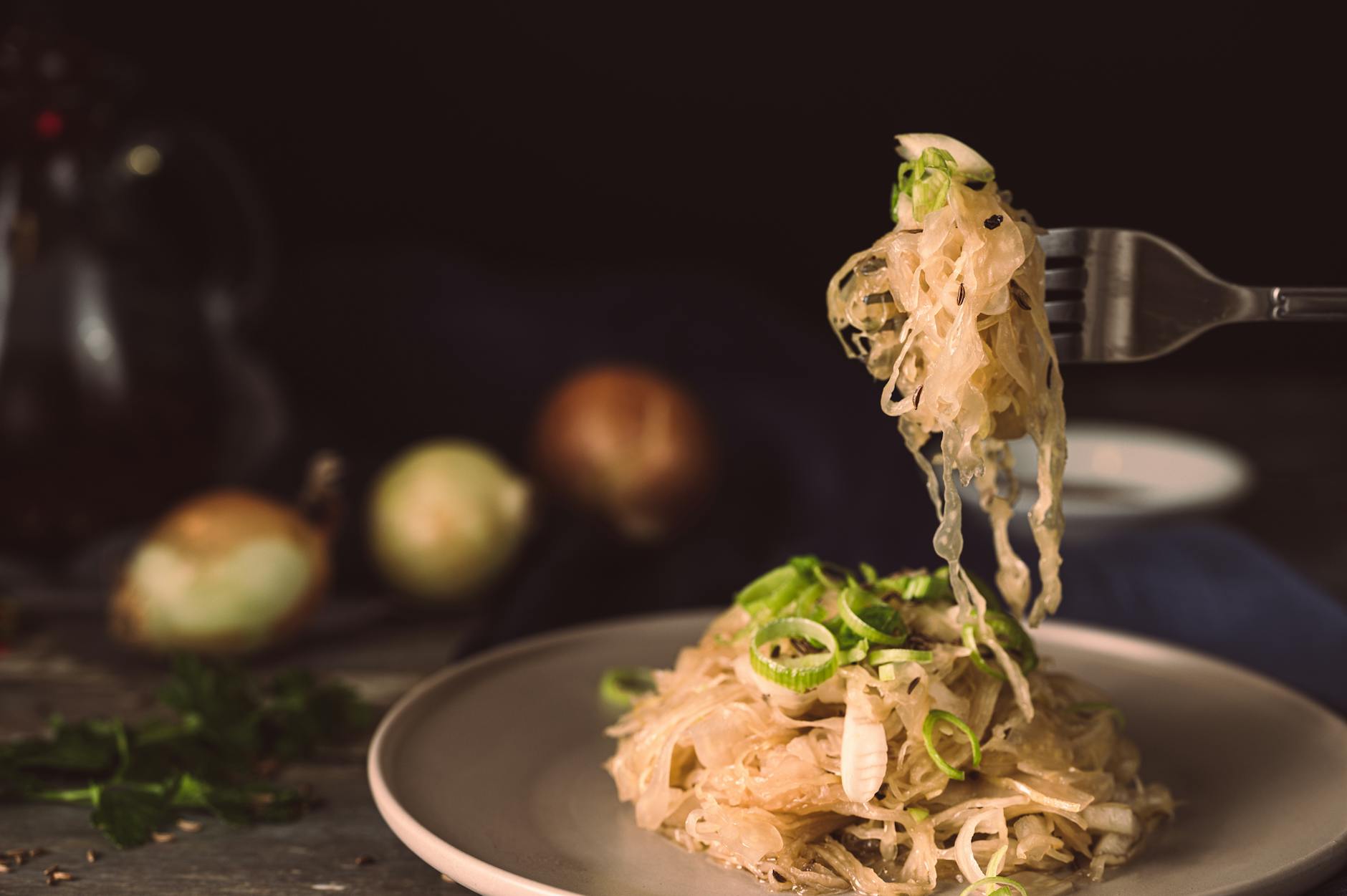
Fermented cabbage is rich in probiotics and vitamins C and K. The fermentation process increases the bioavailability of nutrients and supports gut health. It contains enzymes that help the body break down food more efficiently. Adding a small amount to meals can significantly improve digestion.
Goji Berries
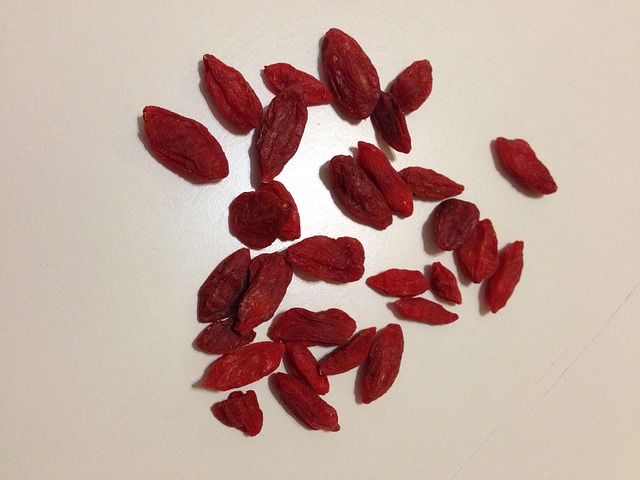
These bright red berries have been used in traditional medicine for improving eye health. They provide a surprising amount of protein and antioxidants for a fruit. Consuming them may boost the immune system and protect the skin. They can be eaten dried like raisins or rehydrated in soups.
Spirulina

This blue-green algae is a fantastic source of plant-based protein and B vitamins. It contains powerful antioxidant and anti-inflammatory properties. Small amounts can be mixed into water or smoothies for a nutrient kick. It helps improve muscle strength and endurance in active individuals.
Cacao Nibs
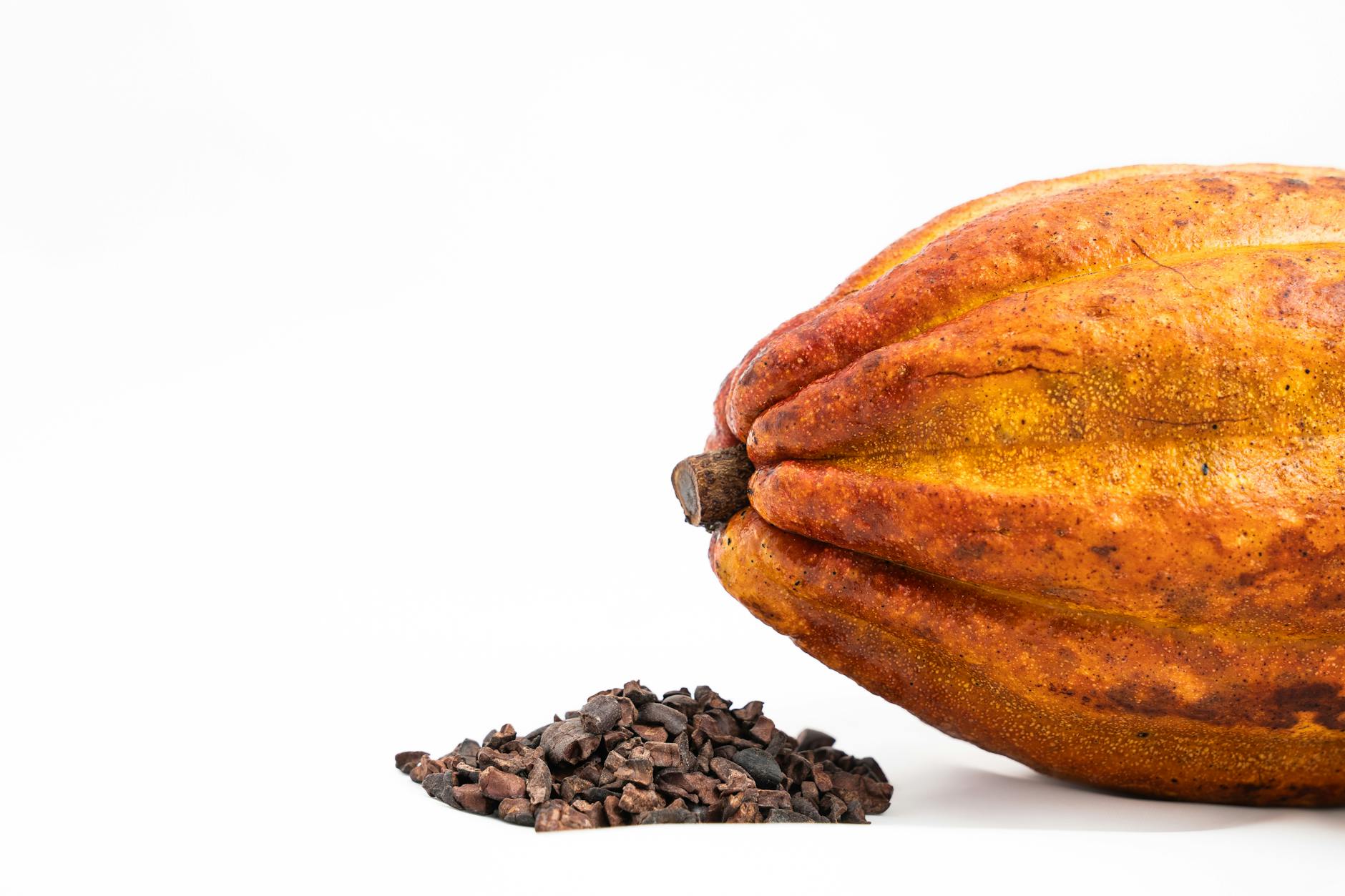
Crushed cacao beans are the purest form of chocolate you can eat. They provide a crunchy texture and an intense chocolate flavor without added sugar. Nibs are packed with flavonoids and essential minerals like magnesium. They make a great topping for yogurt or oatmeal bowls.
Matcha

Powdered green tea leaves provide a more concentrated source of antioxidants than steeped tea. It contains L-theanine which promotes relaxation without inducing drowsiness. Drinking matcha can boost metabolism and help burn calories. The bright green color indicates high chlorophyll content which aids natural detoxification.
Pomegranate
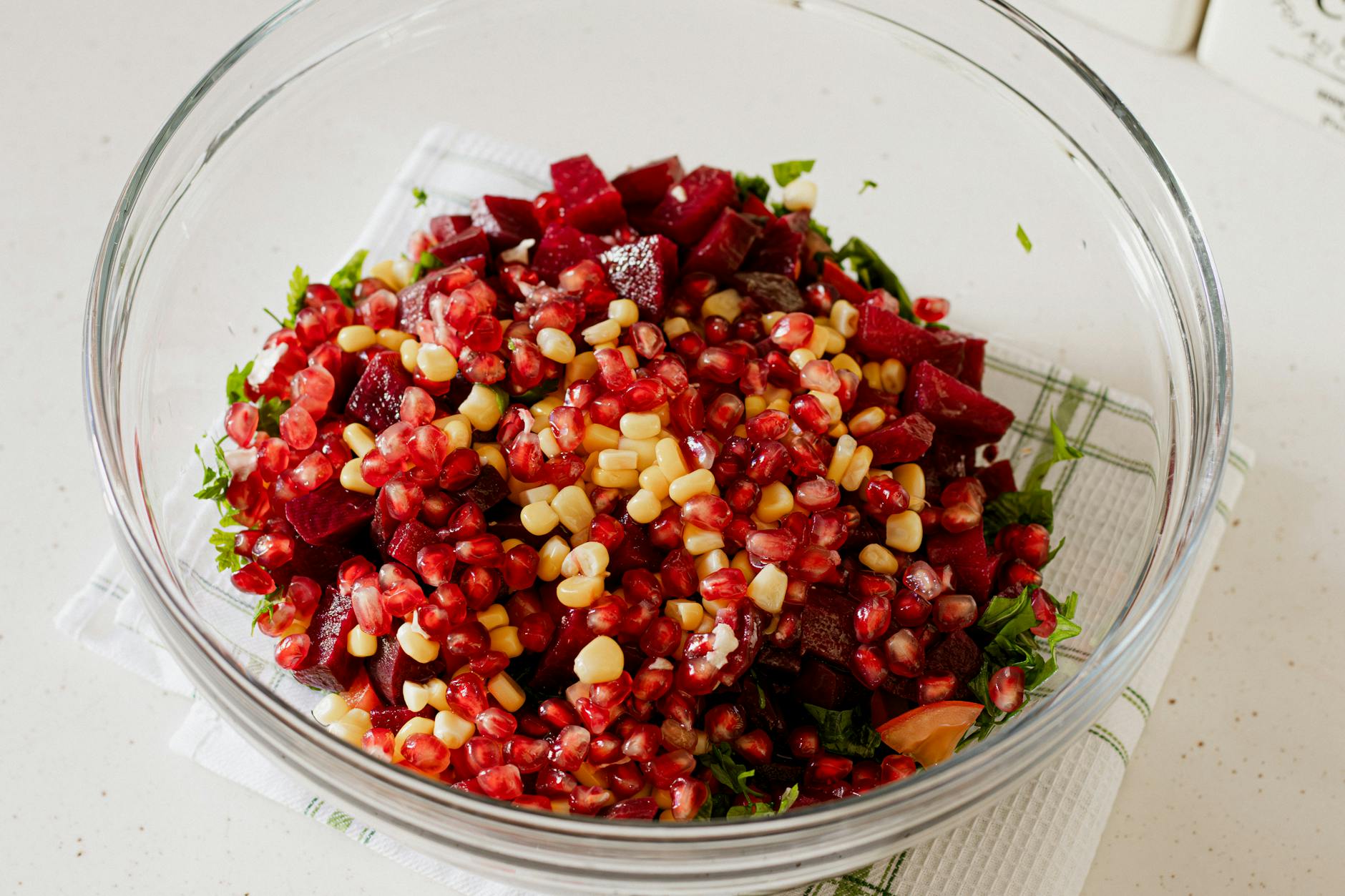
The seeds of this fruit are encased in juicy arils that are rich in fiber and vitamins. Pomegranates contain unique anti-inflammatory compounds that may protect against heart disease. They have been shown to improve memory and exercise performance. Sprinkling the arils over salads adds a burst of tart sweetness.
Brussels Sprouts

These small cabbages are high in fiber and vitamin K essential for blood clotting. They contain antioxidants that promote cellular health and reduce inflammation. Roasting them until crispy transforms their flavor and reduces bitterness. They pair excellently with balsamic glaze or savory bacon.
Acai

This Amazonian berry is loaded with antioxidants and healthy fats. It is typically consumed as a frozen pulp due to its short shelf life. Acai bowls have become popular for their refreshing taste and nutrient density. The fruit supports brain health and may improve cholesterol levels.
Hemp Seeds
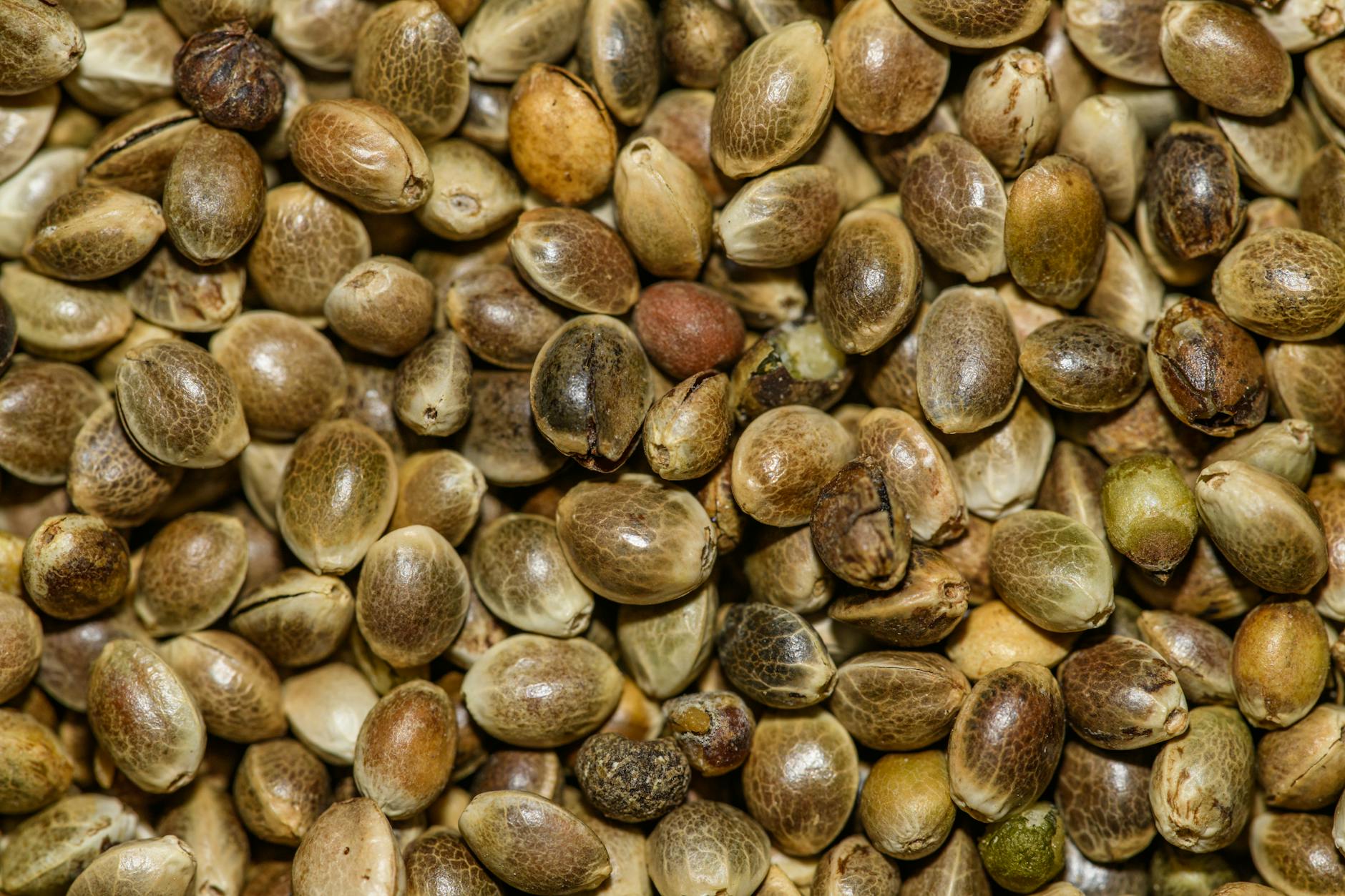
Soft hemp hearts are a complete protein source containing all essential amino acids. They have a mild nutty flavor and are rich in healthy fats including gamma-linolenic acid. You can sprinkle them on salads or blend them into dressings. Their nutritional profile supports healthy skin and reduces inflammation.
Coconut Oil

This oil contains medium-chain triglycerides which go straight to the liver for use as energy. It is heat stable and works well for high-temperature cooking or baking. Some studies suggest it may raise good cholesterol levels in the blood. It also has antimicrobial properties when used in oral hygiene.
Tomatoes

The red pigment lycopene in tomatoes is a potent antioxidant linked to reduced heart disease risk. cooking tomatoes actually increases the amount of lycopene the body can absorb. They are also a great source of Vitamin C and potassium. You can enjoy them fresh in salads or simmered into sauces.
Lemons

These citrus fruits are high in Vitamin C and plant compounds that boost heart health. The citric acid may help prevent kidney stones by increasing urine volume. Adding lemon juice to foods can enhance iron absorption from plant sources. Drinking lemon water is a popular way to start the day hydrated.
Mushrooms
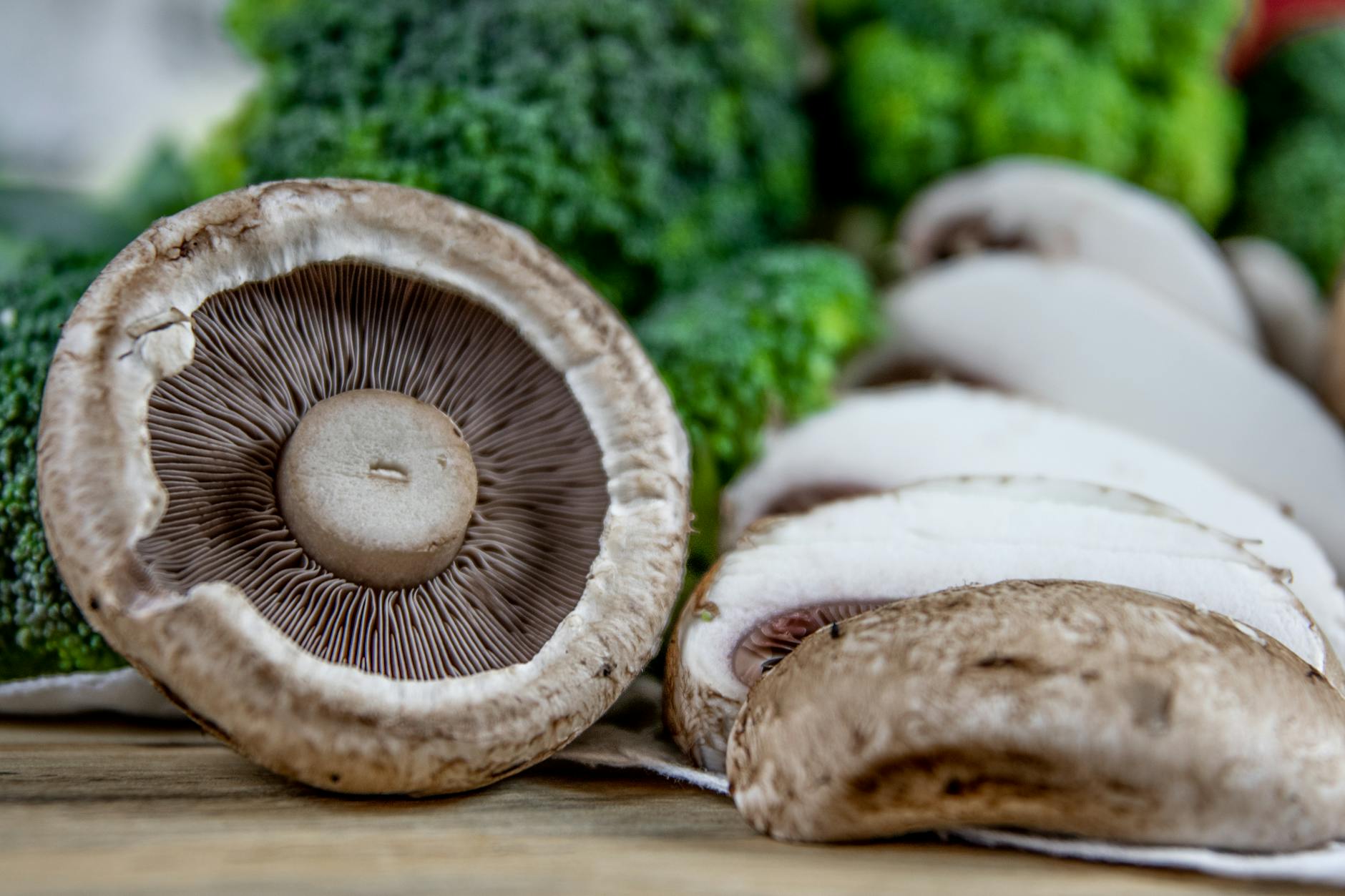
Fungi like shiitake and button mushrooms provide selenium and B vitamins. They are one of the few non-animal sources of Vitamin D when exposed to sunlight. Their umami flavor adds depth to vegetarian dishes and meat-based meals alike. Certain varieties have immune-boosting properties used in traditional medicine.
Asparagus

This spring vegetable is a good source of folate which is essential for cell division. It contains antioxidants and fiber that support a healthy digestive tract. Asparagus acts as a natural diuretic to help flush excess fluid and salt. It cooks quickly and pairs well with olive oil and lemon.
Sardines

These small oily fish are packed with omega-3s and are often eaten whole with bones. This makes them an incredible source of calcium and Vitamin D. They are lower in mercury than larger fish and are sustainable to catch. Canned sardines are a convenient pantry staple for quick nutritious meals.
Kimchi

Spicy fermented vegetables form the basis of this traditional Korean staple. It is loaded with probiotics that are beneficial for gastrointestinal health. Kimchi contains garlic and ginger which add to its immune-boosting properties. Regular consumption may help reduce inflammation and support weight management.
Miso

Fermented soybean paste provides a rich savory flavor known as umami. It is a good source of various B vitamins and essential minerals. The probiotics in miso support healthy digestion and immune function. You can whisk it into soups or use it in salad dressings.
Watercress
This peppery leafy green is often ranked as one of the most nutrient-dense foods on the planet. It is particularly high in Vitamin K and contains significant antioxidants. Watercress can be added to sandwiches or blended into soups for extra nutrition. Its compounds may help protect cells from damage and support heart health.
Please tell us in the comments which of these nutrient-dense foods you plan to add to your grocery list this week.




